
Part 36
10:19-12:29 THE ENDURANCE OF GENUINE FAITH
The new covenant brings confidence (10:19-25)
Access to God's presence was limited under the old covenant. Only the high priest could pass through the curtain that closed the entrance to the Most Holy Place, and then only at certain times and under strict conditions. But now that Christ, by his death, has atoned for sin and opened the way to God, all God's people are able to come before him. They can do so confidently, yet with the reverence and purity that the old ceremonies symbolized (19-22). To fight against the tendency to lose heart, they must trust firmly in God's promises, help each other in everyday affairs, and meet regularly to encourage each other in the faith (23-25).
Warning against turning back (10:26-39)
Those who are tempted to go back to Judaism are reminded that apart from Christ's work there is no way of salvation. If they reject him, they can expect only judgment (26-27). Even under the old covenant rebellion met with death. How much worse will be the punishment of those who have experienced the grace of God through Christ, yet deliberately reject and disown it (28-31).
The writer encourages his readers not to forsake Christ, by reminding them of what they have suffered for his sake. They have persevered through insults, violence, imprisonments and robberies, because of their confidence of a lasting reward (32-35). Endurance is essential, since there must always be some waiting time before a promise can be fulfilled. For Christians the promised reward will be at Christ's return, when he judges between those who persevere in faith and those who turn back (36-39).
Examples of true faith (11:1-22)
In the previous chapter the writer asserted that people must join faith to perseverance if they are to enjoy the thing hoped for. He now supports this statement with illustrations from the Old Testament. If people have faith, it means they believe that things hoped for according to God's promises will be achieved and that unseen powers of God are real. Those with faith look beyond what they see. They know that they cannot explain the existence of the world solely by reasoning from the things that can be seen (11:1-3).
Abel's sacrifice, Enoch's daily life and Noah's obedience all pleased God because they arose out of faith. These men trusted in the unseen God and in his faithfulness to those who wholeheartedly sought him. God on his part rewarded them, but rejected those who showed no faith (4-7; cf. Gen 4:2-7; 5:21-24; 6:8-14).
Abraham's faith caused him to set out for a promised, yet unknown, earthly inheritance. More than that, it caused him to remain patient when he did not experience the fulfilment of the promise in his lifetime. By faith he looked beyond to a higher fulfilment of the promise (8-10; cf. Gen 12:1-5). His wife Sarah shared his faith. They trusted God's promise that they would have a son and through him a multitude of descendants, even though they were both past the age when they might normally expect to have children (11-12; cf. Gen 15:5; 18:11-13). Abraham and his family did not give up and go back to Abraham's home in Mesopotamia as soon as difficulties arose. They looked beyond death for a greater fulfilment than they could experience in their earthly lives (13-16; cf. Gen 23:4).
When God told Abraham to offer up his son Isaac, Abraham's faith was tested, because Isaac was the person through whom God promised to give Abraham a multitude of descendants. Abraham had faith to obey, believing that God could bring Isaac back to life. In his willingness to go ahead with the sacrifice, Abraham did, in effect, offer up Isaac, but God intervened and Abraham received his son back, so to speak, from death (17-19; cf. Gen 22:1-18).
Isaac, Jacob and Joseph were all certain that the promise to Abraham would be fulfilled. This was why Joseph left instructions about his burial. He knew he would die in Egypt, but he instructed that his bones be buried in Canaan. In this way he declared his faith that one day his people would inherit the land God promised them (20-22; cf. Gen 28:1-4; 47:29-31; 49:1; 50:24-25).
More examples of true faith (11:23-40)
Moses' parents had faith to believe that God had chosen their child for a great purpose. Acting on this faith, they risked their own lives to preserve the life of the child (23; cf. Exod 1:22; 2:1-2). As Moses grew to adulthood, he too exercised faith, in spite of the sacrifice, hardship and danger that it brought. He endured because he was confident of the future reward and he trusted in the unseen God (24-27; cf. Exod 2:10-15).
Through faith the Israelites were protected at the time of the Passover judgment and delivered from the Egyptian army (28-29; cf. Exod 12:1-13; 14:21-31). Through faith they entered the promised land and conquered Jericho. Likewise it was through faith that Rahab was saved when others in Jericho were killed (30-31; cf. Josh 2:1-14; 6:15-25).
The writer finds that there are more examples of victorious and enduring faith than he can list. He selects certain people and achievements from the books of Judges, Samuel, Kings and Daniel to remind his readers of the triumphs of faith (32-34). People suffered terrible tragedies, extreme hardships and cruel tortures, but they held on in faith. They refused to give in to their persecutors or to forsake their trust in God (35-38).
These people could not receive the promised inheritance until Christ came. By his death he made complete salvation possible, so that God can accept believers as perfect in him. They will enjoy the fulfilment of their faith when believers of all eras are gathered together through Christ, and God reigns in love over all (39-40).
Discipline in the Christian life (12:1-11)
The examples of true faith that the writer has just given should encourage the Jewish Christians to face their difficulties with similar perseverance. They must remove the sin that hinders, and strengthen themselves to withstand defeat. They will be encouraged to endure as they consider the sufferings that Jesus endured and the heavenly reward that he now enjoys (12:1-2).
Whatever these Christians may have to endure, their sufferings are small when compared with those of Jesus Christ. At least their faith has not yet cost them their lives (3-4). God uses trials and difficulties to train, and sometimes chastise, his children, but this is no reason for them to become discouraged. Such discipline is proof of his love, for he loves them as a father loves a child. One who is not experiencing God's discipline is not a child of his at all (5-8).
Children submit to their parents' discipline. In the same way Christians should submit to their heavenly Father's discipline. His purpose is to use their trials to make them into the sorts of people that he, in his superior wisdom, wants them to be (9-10). Such experiences may be unpleasant at the time, but those who have learnt a right attitude towards their troubles will benefit in an increasingly fruitful Christian life (11).
Endurance without bitterness (12:12-17)
Christians must not allow life's trials to discourage them, but meet their difficulties with boldness and confidence (12-13). One way to help prevent people from turning away from Christ is to develop holiness among believers and to deal with those who show signs of bitterness. Such people can quickly have a bad influence on others (14-15). The story of Esau illustrates the hopelessness of the person who deliberately rejects God's promised inheritance for the sake of some temporary gain (16-17).
God's mercy and God's judgment (12:18-29)
There is no similarity between the experience of Israelite people under the old covenant and that of Christians under the new. Events that accompanied the giving of the law at Mount Sinai show that people saw the old covenant as something terrifying (18-21; cf. Exod 19:12-13; 20:18-19). By contrast, Christians see the new covenant as something joyful. They are not kept at a distance from God as the Israelites were at Mount Sinai, but come right into his unseen heavenly presence. They are members of the community of God's people, where they are united with the faithful of all ages (22-23).
Because of Christ's blood, believers do not fear judgment. The death of Abel called for judgment on the murderer, but the death of Christ brings forgiveness for the sinner (24; cf. Gen 4:10).
The same God who spoke to Israel from Mount Sinai now speaks to all people from heaven. Those who refuse to listen to him will be punished as Israel was. God's voice shook the earth at Mount Sinai; one day he will shake the earth again, not literally but figuratively, for he will judge the whole creation (25-26). After this judgment, only that which is eternal will remain; the rest will pass away (27). In view of this fiery judgment from the holy God, Christians should be the more thankful that they belong to his heavenly kingdom, and respond with reverent worship (28-29).
13:1-25 MISCELLANEOUS INSTRUCTIONS
Hospitality, marriage and wealth (13:1-6)
Before closing his letter, the writer gives instruction on a variety of matters that need attention. First, Christians should act with love, not only towards those within their church, but also towards strangers. Some of these visitors may be messengers God has sent to them (cf. Gen 18:1-8; 19:1-3). They should also help fellow Christians who are imprisoned or in some other way suffering ill-treatment (13:1-3).
Second, Christians must remember that sexual relations are honourable only between husband and wife. God will deal severely with those who behave otherwise (4). Third, the desire to be wealthy shows a lack of faith, for God has promised to help and provide for his children. He will not leave them to face life alone (5-6).
Sacrifices, Jewish and Christian (13:7-16)
Some of the Jewish members of the church had an additional misunderstanding concerning the offering of animal sacrifices, and as a result faced a further temptation to return to their old religion. Misguided Jewish teachers had apparently taught them that because they no longer offered animal sacrifices, they no longer received the special benefit that came through eating the food of those sacrifices. The writer bluntly warns his readers not to listen to such teaching, but to follow the teaching of those who first taught them the gospel. The gospel has not changed, and Jesus Christ whom their leaders follow has not changed. He is the same now as he was when they first believed, and he will still be the same in the future (7-9).
Sacrificial feasts belong to the old Israelite religion and cannot be introduced into Christianity. If people join in eating sacrifices offered on the Jewish altar, they cannot join in receiving benefits from the sacrifice offered on the Christian 'altar', meaning the death of Christ (10).
In those Israelite sacrifices where the blood was brought into the tabernacle, the remains of the sacrifice were not eaten, but were burnt outside the camp (Lev 4:5-7,11-12; 6:30). The writer sees this as a picture of Jesus who was crucified 'outside the camp' (i.e. outside Jerusalem), and whose blood was used to bring forgiveness and cleansing of sin (11-12). Those Jews who still wish to be members of the earthly Jerusalem (i.e. the old Jewish religion) cannot belong to Christ and his heavenly kingdom. They must come out of the 'camp' of Judaism and share the shame of Christ through being insulted by their fellow Jews as Christ was (13-14). The sacrifices they then offer will not be dead animals, but sincere praise to God and practical kindness to their fellows (15-16).
Personal messages (13:17-25)
The writer repeats that the Christians must not be turned from the faith by these strange ideas. Rather they should follow the teaching given to them by their leaders, and so encourage the leaders in their difficult task (17). In asking the believers to pray for him, the writer emphasizes that he has written this letter out of a genuine desire to help their faith. He hopes to return to them soon (18-19).
Meanwhile he prays that God, who has established the new covenant through Christ's sacrificial death, will help his people to enjoy the blessings of that covenant (20-21). He trusts that they will gain encouragement from his letter, and from the news that Timothy has just been released from prison. Some Christians from Italy join him in sending greetings (22-25).
James
The letter of James was possibly the first New Testament letter to be written. It seems to have been addressed mainly to Jewish Christians – not those of a specific local church, but Jewish Christians in general. Like God's people in later Old Testament times, these Christians were scattered throughout the region of the Bible's story (James 1:1). Further indications of the Jewish background to the book are the writer's reference to the Christian meeting as a synagogue (James 2:2), and his references to the law of Moses (James 1:18; 2:8-11; 5:4).
Author of the letter
From early Christian times it has been understood that the person named James who wrote this letter was James the brother of the Lord Jesus (James 1:1; cf. Mark 6:3). During Jesus' earthly life, James and his brothers did not believe him to be the Messiah (John 7:3-5), but by the time of his ascension they had become believers (Acts 1:14). This suggests that Jesus' special appearance to James after the resurrection may have helped turn him and his brothers from unbelief to faith (1 Cor 15:7).
James later became the most prominent leader in the Jerusalem church (Acts 12:17; 15:13; Gal 1:1819; 2:9,12). Although most of the Jews in the Jerusalem church still held to former beliefs and customs, James was not in bondage to the law. He constantly encouraged his fellow Jews to be more tolerant of others (Acts 15:13,19). The common people respected him for his sincere faith and called him James the Just.
Purpose of the letter
Jews who became Christians had the advantages of a long-established belief in God and a moral outlook moulded by the law of Moses. But these advantages could also become a hindrance. Some Christians were so devoted to the law that they became coldly legalistic and their Christianity lacked vitality. Others erred in the opposite direction. Now that they were released from the law's restrictions, they thought they were free to join in whatever practices were common in the society around them. As a result their behaviour became unchristian.
James dealt with these problems by giving teaching on the nature of Christian faith. Faith is not obedience to a set of rules, nor is it mere intellectual belief. It is something that is living, and it expresses itself in right behaviour. It does not give people the right to do as they like, but directs them towards a greater love for God and for others. Christian faith changes people's thinking and behaviour, and is relevant to the problems of daily life. It enables Christians to live positively for God in an ungodly society, without accepting the ungodly standards of that society. This applies not to Jewish Christians only, but to all God's people.
1:1-18 Life's trials and difficulties 1:19-2:26 Putting belief into practice 3:1-5:6 Worldly ambition and Christian faith 5:7-20 The need for patience and prayer
1:1-18 LIFE'S TRIALS AND DIFFICULTIES
James' readers are scattered over the area of the early church's expansion (1:1), but no matter where they live, they share the same responsibilities as Christians everywhere. One of these responsibilities requires them to do something that by nature is very difficult, namely, face the trials of life with joy. This joy comes through the knowledge that trials help believers to develop endurance and so strengthen their Christian character (2-4).
When faced with problems, believers often do not know what to do for the best. God understands and gladly gives wisdom to those who ask for it, so that they can make the correct decisions (5). However, he does not give it to those who have confidence in their own wisdom, who doubt his ability to help, or who have no desire for the character that he wants to produce (6-8).
In the churches to which James wrote, some were rich, others poor. James assures them that there will be no problem of mixing with each other in true fellowship if all realize that through Christ they have equal status before God. The poor as well as the rich have a high position in Christ; the rich as well as the poor must humble themselves in coming to Christ. People are foolish to seek eagerly after financial status, for it has no lasting value (9-11).
Those who meet trials in the right attitude will grow in their understanding and enjoyment of the life God has given them (12). It is important to recognize the difference between the outward trial and the inward temptation. When people are experiencing trials, they can easily be tempted to do wrong and then blame God for their failure. God can neither tempt nor be tempted, because he is holy (13). Giving in to temptation prevents people from experiencing the sort of life that God intended for them. In the end it brings disaster (14-15).
Far from tempting to do evil, God is the source of all good. The light from the sun, the moon and the stars varies from hour to hour, but God who created them never changes. Likewise in matters concerning his children he never varies. He never desires evil, but always desires good (16-17). He wants them to be perfect, the finest creatures in all his creation, just as the grain that the Israelites offered was the finest in all their fields (18).
1:19-2:26 PUTTING BELIEF INTO PRACTICE
The Bible and everyday life (1:19-27)
A tendency in human nature is for people to become ill-tempered, especially in times of difficulty or stress. Christians must not excuse their ill-temper by claiming that they are defending God's honour. Such attitudes have no place in the Christian life. They must be replaced by new attitudes that arise from studying God's Word and putting its teachings into practice (19-21).
Christians must not merely read God's Word, but must do what it says. The Word is a 'law' that they must obey, but it is a law that sets them free, not one that makes them slaves. It is a law of liberty. Christians obey it not because they are forced to, but because they want to. When a person looks in a mirror and sees dirt on his face, he is not forced to wash his face, but it is natural that he should want to (22-25).
While some people thought their new religion meant that they could ignore the commands of the Bible, others thought that it required them to be stricter in obeying laws than they were before. This latter group prided themselves that they were very religious because of their law-keeping. James points out that the truly religious people are those who control their speech and express their faith in acts of kindness. At the same time they are careful not to copy the wrong behaviour of the society in which they live (26-27).
Favouritism destroys love (2:1-13)
Standards of judgment in the church are not the same as those in the society round about. People ought not to be given important places in the church merely because they have important places in the society. Likewise poor people should not be ignored (2:1-4). God welcomes people into his kingdom regardless of wealth or social position, and gives his riches to them equally. James notes how strange it is that the Christians should show special favour to the rich, because the rich are from the class that oppresses Christians most cruelly (5-7).
In their dealings with others, the rule for Christians is 'Love your neighbour as yourself' (8). Those who show favouritism break that rule. They would, under Moses' law (where the rule was first taught; Lev 19:18), be considered law-breakers, no matter what other good they may have done. For example, they may not commit adultery, but if they kill they are still law-breakers (9-11).
Christians are not in bondage to the law of Moses, but God's 'law of liberty' within them should cause them to love others. If they show no mercy to the poor, God will show no mercy when he judges them. But if in mercy they refrain from harsh judgments, God will refrain from harsh judgment of them (12-13).
Proof of genuine faith (2:14-26)
The Christian faith is not merely a mental belief, but something that is practised. Those who say they have faith must give evidence of it by their behaviour. In the case of the poor Christians just referred to, it is useless to talk sympathetically to them but not give them food and clothing. A professed faith must produce a corresponding change in behaviour, otherwise it is dead and useless (14-17).
Genuine faith will prove itself by good deeds. The simple belief that God exists is not enough. Even demons have such a belief, but it will not help them escape God's judgment (18-19).
Abraham also had a belief in God, but it was a belief that completely changed his life and actions. True, Abraham was justified by faith when he whole-heartedly trusted God, even though he did not know how God could possibly fulfil his promise (Gen 15:6; Rom 4:1-3,16-25). But that is not the incident James is talking about here. He is talking about the incident thirty years later, at the time of Abraham's offering of Isaac (20-21; cf. Gen 22:1-18). Abraham not only said he believed in God, but he proved it by being willing to sacrifice Isaac on the altar. He believed that God could fulfil his promise of giving Abraham a multitude of descendants through Isaac, by bringing Isaac back to life (cf. Heb 11:17-19). Genuine faith is demonstrated not simply by the set of beliefs a person holds, but by the actions that those beliefs produce (22-24).
As with Abraham the friend of God, so with Rahab the prostitute, faith expressed itself in actions (25; cf. Josh 2:1-21). Faith and good deeds are as inseparable as body and spirit (26).
3:1-5:6 WORLDLY AMBITION AND CHRISTIAN FAITH
Control of the tongue (3:1-12)
James warns his readers not to be too ambitious to be teachers in the church, because if they instruct others and then fail themselves, they will receive greater judgment. This places teachers in particular danger, because they cannot avoid making some mistakes (3:1-2). A person who can control his tongue can control the whole self. Just as the bit controls the horse and the rudder controls the ship, so the tongue controls the person. Small as it is, the tongue can do great damage when uncontrolled, just as a tiny flame in dry grass can burn down a whole forest (3-5).
All the wrong within a person shows itself through the uncontrolled tongue. With the help of Satan, the tongue spreads evil through people's lives like a destructive fire that burns out of control. The more they speak evil, the more their behaviour becomes evil (6). People are able to tame wild animals, but they are unable to tame their own tongues (7-8). Three examples from nature illustrate the inconsistency of using the same tongue to bless God and curse people (9-12).
Spiritual and worldly wisdom (3:13-18)
Christians must distinguish between spiritual wisdom and worldly wisdom. Some people are undoubtedly skilful in laying plans and using circumstances to achieve their goals, but their actions are often characterized by jealousy, selfishness and dishonesty. This is worldly wisdom. It comes not from God but from Satan, and results in wrong actions. It contrasts sharply with spiritual wisdom, which is characterized by humility and uprightness (13-16).
In addition, those who act according to spiritual wisdom will consider the well-being of others before their own. They will be free of any trace of deceit or dishonesty (17). The farmer who sows good seed can expect a good harvest. Similarly, Christians who sow peace by building good relations with others can expect to see a harvest of righteousness in their lives (18).
Worldliness and its results (4:1-12)
Continuing his teaching on the evil results of worldly attitudes, James explains why fights and quarrels occur. Selfish ambition fights against the more spiritual motives. Some Christians are constantly looking for more power, increased possessions and higher status. Because they want the wrong things, they do not pray. If they pray, they find their prayers refused, and so try to do things their own way (4:13). This is worldliness, and it is opposed to the ways of God. God has given believers the Holy Spirit to control their lives and he wants no rivals, such as the spirit of worldliness, to turn them away from him (4-5).
God opposes those who, in their pride, ignore him and act according to their own ambitions. He strengthens those who, in their humility, draw near to him and resist Satan's temptations to rely on worldly methods (6-8). Those who gain pleasure from ungodly attitudes are rejoicing in their own foolishness. They should rather be sad and repent (9-10).
One matter in which they should immediately begin to change is that of unkind talk about others. This is another example of worldly pride, for the offending person, instead of obeying the law, claims the right to judge others. This right belongs to God alone (11-12).
Personal advancement without God (4:13-5:6)
Another sign of worldliness appears when Christians arrange their lives as if God does not exist, as if they control the future. Christians should view life differently from non-Christians. They should not live as if their lives on earth are going to last for ever, but should consider the eternal purposes of God and arrange their affairs accordingly. Their chief consideration should be to do God's will, not to look for personal gain and advancement (13-16). If they know this is the way they should live, but do not put their knowledge into practice, they are guilty of sin (17).
Then follows a pronouncement of judgment on the greedy landowners. These people hoard wealth and goods that only perish with age and disuse, but show no interest in helping the poor and needy around them. They grow rich through oppressing and cheating their workers. But God takes notice of all this. They are only building up evidence against themselves, which will bring for them a heavier punishment (5:1-4). Like animals they are fattening themselves only to be slaughtered. Because of their wealth they have power to do as they wish, but all their achievements will not save them on the day of judgment (56).
5:7-20 THE NEED FOR PATIENCE AND PRAYER
Many Christians were poor and oppressed, some of them no doubt farmers who suffered because of the rich landowners. James encourages them to wait patiently for the Lord's return (which will bring them victory in the end), just as the farmer waits patiently for the rain that will bring his crops to final harvest (7-8). God is using these trials to teach them patience, so they must not fight against his purposes by grumbling. Some Old Testament examples show that those who cooperate with God's purposes experience the enjoyment of his love and mercy (9-11; cf. Job 1:20-21; 2:10). James further warns that swearing rash oaths will not help them bear their trials. He suggests that they would do better to speak and act normally (12).
When believers are going though times of trouble, they should not complain or swear, but pray. When they are happy they should not act foolishly, but sing (13). Christians should realize the power that is available to them through prayer. If they are sick they may ask the elders to pray for them. (The act of pouring oil would give the sick person a symbolic reassurance of the divine help being given.) In certain cases physical suffering may be the result of personal sin, in which case healing will assure the sufferer that the sin is forgiven (14-15).
If Christians confess their faults to each other, they can pray more intelligently for each other's needs (16). The example of Elijah is an assurance that God answers the prayers of his people (17-18; cf. 1 Kings 17:1; 18:1,42-46).
Christians should be concerned for all people, not just for those who meet regularly in the church. They should always be looking for opportunities to bring people to God, so that those people can have their sins forgiven (19-20).
1 Peter
Peter wrote the letter known as 1 Peter to Christians who lived mainly in the northern provinces of Asia Minor bordering the Black Sea (1 Peter 1:1). This was a region where Paul had not been allowed to preach (Acts 16:7-8), but where Peter later carried on an extensive evangelistic work. Two co-workers at the time he wrote this letter were Mark and Silas, both of whom had earlier worked with Paul (1 Peter 5:12-13; cf. Acts 12:25; 13:5; 15:36-40). A brief survey of events from the time of their work with Paul to the time of Peter's writing will provide a useful background for an understanding of 1 Peter.
Peter, Mark and Silas
Just before the start of Paul's second missionary journey, Barnabas parted from Paul and went on a missionary trip to Cyprus, taking Mark with him (Acts 15:39). From early non-biblical records we learn that after Barnabas and Mark finished their work in Cyprus, Mark joined Peter. The two then worked together for many years preaching and teaching throughout the northern regions of Asia Minor, where they helped establish the churches addressed in this letter.
Further early records indicate that after this, Peter and Mark went to Rome for a period and taught the Christians there. When Peter left to go on further missionary travels, Mark stayed behind in Rome. The Christians in Rome asked Mark to write down the story of Jesus as they had heard it from Peter, with the result that Mark wrote the book that we know as Mark's Gospel. About this time Paul arrived in Rome as a prisoner for the first time. It seems that he was imprisoned for two years and then released (Acts 28:16,30; see background notes to 1 Timothy).
Later, Paul was imprisoned in Rome again and, believing he was about to be executed, asked Timothy and Mark to come and visit him (2 Tim 4:6,9,11). Whether they reached Rome before Paul's execution is not clear, but Mark seems to have stayed on in Rome and was still there when Peter visited the city again. In keeping with a common practice among Christians at that time, Peter refers to Rome symbolically as Babylon; for Rome, like Babylon of Old Testament times, was the centre of society's arrogant opposition to God and his people (1 Peter 5:13). The secretary who wrote Peter's letter for him was his co-worker Silas (1 Peter 5:12).
Persecution of Christians
By this time Christians throughout the Empire were suffering increasingly severe persecution. Previously the Roman authorities seem to have regarded Christianity as a movement within Judaism. This
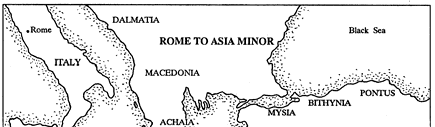
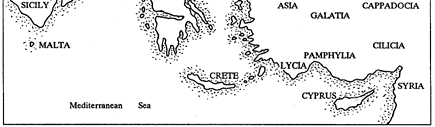
meant that it was protected by law, for Judaism was a legal religion. But officials and common people alike were now becoming aware that there were vast differences between Judaism and Christianity.
When the Jews in Jerusalem killed the most prominent man in the church, James the brother of Jesus, everybody saw clearly that Christianity was not a movement within Judaism, but was plainly an illegal religion. (James was killed in Jerusalem about the same time as Paul was killed in Rome, the early AD 60s.)
Opposition to Christians intensified rapidly. People in general considered them to be anti-social because of their refusal to join in social practices that they considered idolatrous and immoral. To make matters worse, the Emperor Nero, who had begun a sensible reign ten years previously, had by now become senselessly brutal and anti-Christian. He blamed Christians for the great fire of Rome (AD 64), with the result that fierce persecution broke out.
It was probably just before the outbreak of this greater persecution that Peter wrote this letter to the persecuted Christians of northern Asia Minor. He wanted to assure them of their living hope and glorious future (1 Peter 1:3-9), and to encourage them to bear their persecution with patience, even if it meant death (1 Peter 2:20-23; 3:14-15; 4:12-19).
1:1-2:10 High status for God's people 2:11-3:12 Christian relationships 3:13-4:19 Suffering for Christ's sake 5:1-14 Leadership, humility and watchfulness
1:1-2:10 HIGH STATUS FOR GOD'S PEOPLE
The character of salvation (1:1-12)
Peter's readers are 'God's scattered people', an expression that Peter uses with a wide meaning. In relation to their place of local residence, they are God's people scattered throughout northern Asia Minor. But in relation to heaven, they are God's people scattered in a foreign land. Their true homeland is heaven, and the foreign land is the world. They really belong to God. He chose them and cleansed them, with the aim that they be holy and obedient (1:1-2).
Through the death and resurrection of Christ, God gives believers new life and promises them eternal blessings. He also protects this life for them. They can therefore be assured that when the day of inheritance arrives at Christ's return, they will enjoy the promised blessings and so experience salvation in its fulness (3-5).
This assurance gives Christians joy amid the trials of the present life. Trials produce endurance, and endurance proves that faith is genuine (6-7). As faith grows stronger and joy increases, so their love for Christ is enriched. They experience in advance the greater fellowship that they will have with Christ when their salvation reaches its fulfilment at his return (8-9).
Old Testament prophets, who by God's Spirit foretold this salvation, tried unsuccessfully to find out when it would come about and who the great Messiah-Saviour would be. God showed them that their prophecies would be understood by a future generation. When Christ died and rose again, other messengers of God, guided by the same eternal Spirit, saw the real meaning of their prophecies and then taught others (10-12).
Fruits of salvation (1:13-2:3)
Now that Christians have received such a great salvation, they should discipline their thoughts and behaviour so that they will always be ready for the return of Jesus Christ (13). They should think and act not according to their former habits, but according to the ways of God. They should pattern their character not on the people of the sinful society around them, but on the holy God (14-16).
As Christians reverence God as their Father and Judge, they will want to be more holy in their daily lives (17). Their appreciation of what Christ has done for them will also make them want to be more holy; for his death, and nothing else, can set people free from the worthless manner of life passed down from one generation to the next (18-19). God planned salvation from eternity, and brought it to reality through the death of Christ. He showed it to be perfect by raising Christ from death, and sinners prove that it works when they put their trust in him (20-21).
Believers can show that they have received cleansing and been given new life, by acting with sincere love towards each other (22). This new life comes through accepting the gospel, and because the gospel is God's word, not man's, the new life is permanent. Things born of human origins die, but things born of God do not (23-25).
Since believers are to exercise love towards each other, they must remove from their lives all attitudes and actions that hinder love. They were born into this new life through the Word of God, and the only way to grow is through feeding on that same Word (2:1-3).
God's living temple (2:4-10)
People in general might see no worth in Christ and reject him, but God sees him as the chosen one through whom sinners have eternal life. Those who receive new life through Christ are likened to living stones who form a temple in which God is worshipped. They also form the priesthood that offers the worship (4-5).
Christ is the chief cornerstone in this living building, and those who believe in him will never be disappointed (6). The people of Israel, who were originally intended to build God a living temple, threw out the main stone when they rejected Christ. A rejected building stone lies in the way and becomes an obstacle to the builders, preventing them from doing their work as they should. In the same way Jesus Christ, whom the people of Israel rejected, becomes an obstacle to them, so that they cannot do what God requires of them. God has now taken this rejected stone and made him the chief cornerstone in a new living temple, the Christian church (7-8).
During the period of the Old Testament, Israel was God's people, God's chosen nation; but now all believers are God's people, regardless of race. They pass from the kingdom of darkness into the kingdom of light. They have received God's mercy, and their task now is to tell others about the great and merciful acts of God (9-10; cf. Exod 19:4-6).
2:11-3:12 CHRISTIAN RELATIONSHIPS
In society (2:11-25)
The present world is not the true home of those who have come into a living relationship with Jesus Christ. They are now God's people and they belong to the heavenly kingdom. But their higher status and greater citizenship do not give them the right to do as they like in the present world. They must discipline and control themselves. Negatively, they must not give in to the desires of the sinful nature; positively, they must maintain right behaviour in the eyes of people in general. Their conduct should demonstrate to an unbelieving world the worth of the Christian life (11-12).
God desires life in human society to be orderly, and Christians should cooperate with God's purpose by obeying civil authorities. The civil authorities, on their part, should be just and fair in punishing those who do wrong and rewarding those who do good (13-14). Right conduct by Christians in this matter will prevent criticism from their opponents. It will also show that Christians, though they are free, know how to make the proper use of their freedom. They respect, love and honour people as true Christians should, and above all they reverence God (15-17).
Christian servants also must be cooperative, whether their masters are kind or harsh (18). Masters may be unreasonable and life may become difficult and painful, but those who follow Jesus must endure their sufferings patiently as he did (19-21). Jesus Christ did no wrong, but he had confidence that God would act justly on his behalf. Such confidence enabled him to endure unjust treatment silently (22-23).
What caused Christ's suffering, however, was more than the cruelty of his persecutors. It was the sins of Christians, the people who are now asked to suffer for his sake. It was their sins he bore on the cross. Through his death, sin's power over them is broken. They are cleansed, given new life, and brought under his loving care (24-25).
In the home and the church (3:1-12)
Another sphere where Christians should display the character of Christ is the home. Wives can display a Christlike character through an attitude of submission to their husbands, even though the husbands may be unbelievers. By the wives' good conduct and quiet spirit, the husbands may be won for God (3:1-4). Some women of Old Testament times, in particular Sarah, are good examples of a wife's conduct (5-6).
Christian husbands should not act thoughtlessly or harshly towards their wives, partly because women are physically weaker, but more importantly because women receive God's blessings equally with men. Tension between husbands and wives hinders their prayers (7).
In the church likewise believers must have consideration for one another. They must show love and kindness to all, even to those whom they find hard to like. Only as they act towards one another in love will they obtain the blessing that God desires for them (8-9). They will find true enjoyment in life as they turn away from insincere speech and hurtful actions, and concentrate instead on doing good and promoting peace. They will also find that such a life is assured of God's constant help (10-12).
3:13-4:19 SUFFERING FOR CHRIST'S SAKE
Example of Christ (3:13-22)
Persecution cannot really harm those who are eager to please God, because with such people persecution always results in greater spiritual blessing (13). Because they love what is right they may be persecuted by those who love what is wrong, but to suffer for such a reason is a cause for joy, not sorrow. If people are devoted to Christ and are always ready to give others an explanation for their devotion, they will not fear their persecutors (14-15). They should also try to avoid all forms of wrongdoing. Perhaps their enemies will see that they are persecuting without cause, and so feel ashamed of themselves (16-17).
As Peter thinks about those who suffer for doing good, he is reminded of the perfect example, Jesus Christ. The one who was perfect died for sinners to bring them to God. In his body he suffered the penalty for their sins – death. But he triumphed over death. His spirit, instead of being bound by those forces that lead to eternal condemnation, entered into fuller life. He then went to the place where evil spirits are imprisoned awaiting final judgment and announced his victory (18-19).
Those spirits had led people to rebel against God (as, for example, in the time of Noah; see Gen 6:18), but Christ has now conquered all sin and rebellion. God's saving of Noah and his family by means of the ark illustrates the salvation of believers. A corresponding illustration in the New Testament is baptism. Christ has died and triumphed over death, and therefore believers are, through him, cleansed from sin, made alive and brought back to God (20-22).
Changed lives of Christ's followers (4:1-11)
Christ's death dealt with sin once and for all. In that sense he has nothing more to do with sin. Christians are united with Christ in his death, and therefore they too should have nothing more to do with sin. They should live no longer to please themselves but to please God (4:1-2). Christians must have no more involvement with the disgusting practices of their former days, no matter how much their reformed behaviour brings jeers and insults from their former friends (3-4).
Ungodly people must one day face divine judgment and condemnation, but in the case of believers, Christ has already borne that judgment and condemnation. The only judgment of sin that they experience is the suffering of their present physical existence, which reaches its climax in death. Those believers who are now dead believed the gospel that was preached to them while they were still living (i.e. during their earthly lives). Therefore, although they experienced physical death as one of the natural consequences of sin, they now live spiritually with God (5-6).
The final great events of the world's history could begin at any time. Christians should be alert, but should not get over-excited. They should control themselves, pray, and act with love at all times (7-9). They should use their God-given abilities with diligence, whether in teaching God's Word or in giving practical help to others. Above all they must work in such a way as to bring praise and glory to God (1011).
Joy amid persecution (4:12-19)
Christians should not be surprised when they have to suffer because of their faith in Christ. Their association with him means that they have to share his suffering now, just as they will share his glory in the future. They should be glad when they suffer for his sake, because it gives them added assurance that they are God's people. They know that God is testing and purifying their faith (12-14). They have no need to be downhearted because of persecution, provided such suffering is undeserved and not because of wrongdoing (15-16).
If present sufferings are, in a sense, God's judgment on his people for a good purpose, how great will be the sufferings of unbelievers when God acts in judgment against them! When believers know that they suffer because it is God's will for them and not because of any wrongdoing on their part, they will trust God to use these trials for their good (17-19).
5:1-14 LEADERSHIP, HUMILITY AND WATCHFULNESS
Church elders are to be sincere, understanding and hard-working in looking after the church that God has placed in their care. They are to be shepherds who care for the flock because they are interested in the flock's welfare, not because they want to make money (5:1-2). They must not use their authority to force people, but rather show by example how Christians should act. They must remember that they themselves are answerable to the Chief Shepherd, Jesus Christ, who will one day return and review their work (3-4).
Christian relationships should be characterized by a spirit of willing submission. This applies not just to the attitude of younger people to older people, but to attitudes in general. All Christians should submit to each other. God opposes the proud but helps the humble (5-6). God cares for his people, and they should confide in him. At the same time they must be careful how they live, for Satan will try to use any opportunity to make their lives useless for God (7-8). They must resist Satan, knowing that Christians everywhere suffer from his attacks. Yet God uses his people's sufferings to strengthen and perfect them, with the goal that they share Christ's glory (9-11).
Peter has used Silas to write this brief letter of encouragement. The church in Rome (figuratively referred to as Babylon, symbol of the world in its organized opposition to God) joins with Peter, Silas and Mark in sending greetings. The Christians who receive the letter should greet each other, and so encourage each other in love (12-14).
2 Peter
A year or two after writing his first letter, Peter wrote and sent off the letter that we know as 2 Peter. It appears to have been sent to the same group of churches as 1 Peter, namely, churches of the northern provinces of Asia Minor where he had carried out a widespread evangelistic and pastoral ministry (2 Peter 3:1; cf 1 Peter 1:1).
Reasons for writing
At the time of writing, Peter was in prison in Rome, probably awaiting execution (2 Peter 1:14). (According to tradition he was crucified in Rome during the latter half of the AD 60s.) He had heard of the activity of false teachers, and wanted to reassure the Christians of certain truths he had taught them (2 Peter 1:10-16).
The false teaching seems to have included ideas that became fully developed in the Gnostic heresies of the second century. Gnostics were people who claimed to have higher spiritual knowledge (see background notes to Colossians and 1 John), but this led to a separation between belief and behaviour. They argued that their knowledge placed them in a realm where the deeds of the body no longer affected the purity of the soul. Therefore, for people who possessed this higher knowledge, immoral practices were not wrong.
Peter announced God's punishment on those who taught such things, and urged true Christians to pursue holiness with greater diligence (2 Peter 1:5-8; 2:1-3). He also opposed those who mocked the Christians' belief in the return of Jesus Christ. Again he condemned the false teachers but reassured the believers (2 Peter 3:3-4,9-10).
Some illustrations and arguments that Peter used in this letter are similar to those found in the letter of Jude. This suggests that both writers used material that was in common use among those who opposed the false teaching.
1:1-21 God's power at work in believers 2:1-22 Warning against false teachers 3:1-18 Significance of Christ's return
1:1-21 GOD'S POWER AT WORK IN BELIEVERS
The truly Christian character (1:1-15)
In his righteousness, God has given all Christians, from elderly apostles to new converts, equal blessing through the gospel (1:1-2). He has also given them everything they need to live lives of holiness in a world that is corrupt through uncontrolled passions. The lives of believers must be in keeping with the life of God that has been given them. God's promises are the assurance of his help in reaching this goal (3-4).
Faith that is genuine will produce lives of moral goodness, but only if believers apply some determination and effort. True Christians will want to increase in the knowledge of God, and this will teach them self-control and endurance, leading to godliness. As they know more of God and his ways, they will love others more (5-7). Those who eagerly seek these qualities will be useful for God, but those who neglect them are in danger of falling again under the power of sin from which they have been saved (8-9). By developing the truly Christian character, believers receive added assurance that they belong to God now and will enjoy his presence in the coming eternal kingdom (10-11).
Peter knows that he must continually remind Christians of their responsibilities, for even the mature can become lazy (12). By sending this letter to them now, he is making sure that they will have a constant reminder after he has gone. He expects that very soon he will face the execution that Jesus spoke of more than thirty years earlier (13-15; cf John 21:18-19).
Evidence of Christ's power and glory (1:16-21)
In speaking as he has concerning God's power to change lives, Peter has not been giving some theory out of his own imagination. He himself saw the power of God of which he speaks. He also saw something of the majesty and glory that will be revealed when Christ returns, for he was one of the three chosen disciples who were with Christ at the time of his transfiguration. Besides seeing the evidence of God's power, Peter heard the testimony that the Father spoke concerning his Son. What Peter speaks of is not a myth, but an actual event that happened at a certain place and a certain time in history. It cannot be denied (16-18; cf. Mark 9:2-8).
Apart from Peter's own witness of the power and glory of Christ, there is the witness of the Old Testament writings. Prophecies concerning Christ's first coming were fulfilled, and this gives assurance that those concerning his second coming will also be fulfilled. These prophecies are like a lamp in the night. They are useful and helpful until the full light dawns at the return of Christ (19).
It is important that Christians pay attention to these prophecies, for they are not stories that people have invented (cf. v. 16), but messages from God. They were given through God's Spirit, and people can understand them properly only with the help of the same Spirit (20-21).
2:1-22 WARNING AGAINST FALSE TEACHERS
Punishment of the ungodly (2:1-10a)
Having spoken about the purpose of prophecies, Peter now gives a warning to beware of those who will use prophecies to support their own teachings. History shows that there have always been false teachers who have tried to gain a following by the misuse of Scripture (2:1). The punishment of all such people is certain. They oppose Christ, give the church a bad name, lead people into sin and make financial profit from the Christians they deceive (2-3).
Old Testament examples show how God saves his people but punishes the ungodly. The angels who rebelled against God are imprisoned, awaiting the final judgment when all who oppose God will be condemned (4). The stories of Noah and Lot illustrate God's mercy on the righteous and his punishment of the wicked. In both cases he saved the righteous but destroyed the ungodly among whom they lived (58; cf. Gen 6:1-18; 19:12-25).
Christians who are troubled by false teachers should learn from these examples. If they trust more firmly in the overruling mercy and justice of God, their faith will withstand the attacks of the troublemakers (9-10a).
Character of the false teachers (2:10b-22)
Being arrogant and self-assertive, the false teachers show no respect for anyone. They even insult angels, who hold a higher position than humans in the order of created beings. By contrast, the angels have such reverence for God that they dare not use insulting language in his presence, even against those who deserve condemnation (10b-11).
The false teachers use neither their reasoning nor their willpower to control themselves. Like animals they simply follow their bodily appetites. They practise sexual immorality without any feeling of shame, and by their disgraceful gluttony they spoil the fellowship meals of the church. Because they act like animals, they will be destroyed like animals. Because they have made others suffer, they themselves will suffer (12-14). Like Balaam they would destroy God's people, both morally and religiously, because of their desire for personal gain (15-16; cf. Num 22:1-40; 25:1-9; 31:16).
By promising a new life of freedom, the false teachers deceive people. Like waterless springs and rainless clouds, they build up people's hopes only to disappoint by not giving the satisfaction they promised. By teaching that Christians are free to satisfy their bodily desires, they lead many new converts back into the sinful ways from which they have just escaped. But these misguided converts find not freedom but slavery, for a person becomes the slave of whatever defeats him (17-19). In turning from the ways of God, they are caught again by the deadly forces of sin. They are then led back into the sort of wrongdoing that they formerly practised as pagans. But because of what they have learnt of God's righteousness, their guilt is now greater. Their ultimate punishment also will be greater (20-22).
3:1-18 SIGNIFICANCE OF CHRIST'S RETURN
Assurance of his coming (3:1-7)
The activity of the false teachers is no reason for the Christians to panic or become confused. Peter's teaching has followed that of the Old Testament prophets and the New Testament apostles, both in helping develop pure faith and in warning those who would try to corrupt that faith (3:1-2).
Christians should not be discouraged by those who scoff at the idea of Christ's second coming. Such people argue that Christ will not return and that the natural course of events will continue uninterrupted as it has from the beginning (3-4). But these scoffers ignore some of the plain facts of history; for example, the flood in Noah's day. In the creation story, God made the land appear out of water, but he then interrupted what appeared to be the normal course of events by using water to cover the land and destroy the sinners (5-6; cf. Gen 1:6-7; 6:17). One day he will intervene in human affairs again, this time destroying the sinners by fire (7).
Reasons for the delay (3:8-18)
Some people may wonder why there is such a delay before Christ's return. The answer is that from God's point of view there is no delay, since he does not view time according to human standards. Eternity is not time carried on and on indefinitely, but is an entirely different order of things. If there seems to be a delay from the human point of view, it is because God is waiting as long as possible, so that people might realize the seriousness of their sins and turn from them (8-9).
When the day of God's intervention arrives, it will be as unexpected as a thief. Christ's return will bring all things to their destiny – destruction for all that is wicked, new life for all that is righteous. Christians should live in a state of constant readiness for that day by being holy in their conduct and dedicated to God in their manner of living (10-13).
This desire to be ready for the return of Jesus Christ is one reason why Christians should work energetically at developing their Christian lives. Only by determined effort will they be blameless in their behaviour (14).
Another reason why Christians should want to grow in holiness is their gratitude to God for his patience with them, for without such patience sinners could never be saved. Paul gave similar advice in his letters, but certain people twist the plain meaning of his words. Paul taught that sinners are saved by God's grace, not by their good deeds, but ignorant and mischievous people distort his teaching to mean that good deeds are not important. They therefore do as they like and so ruin their lives (15-16).
The best way for Christians to protect themselves against the destructive influence of such false teaching is to learn more about Jesus Christ. They should concentrate on developing within themselves the qualities that are found in him (17-18).
1 John
Almost from the time of their establishment, the churches in and around Ephesus had been troubled by false teaching. Paul had warned of such trouble (Acts 20:17,29-30), and his letters to Ephesus and Colossae show that major problems soon arose (Eph 5:6; Col 2:4,8,18). These problems increased over the decades that followed, and early records indicate that the person most concerned with correcting them was John, possibly the last surviving member of the original twelve apostles. John apparently lived in Ephesus, and wrote his Gospel and letters partly to deal with the false teaching of the Ephesus region (John 21:24; 1 John 2:26; 4:3; 2 John 7).
However, John was concerned with more than just opposing false teaching. A central purpose of his Gospel was to lead people to faith in Christ, so that they might experience the fulness of eternal life that Christ made possible (John 3:15; 6:27; 10:10; 20:31). A central purpose of his three letters was to reassure troubled believers of their possession of this eternal life, so that they might enjoy it fully in fellowship with God and with one another (1 John 1:3; 3:18-19; 4:13; 5:13; 2 John 5).
Teaching about Jesus Christ
John's reason for wanting to reassure the Christians was that many of them had become confused. False teachers were spreading ideas that were part of a developing Gnosticism, a destructive heresy that reached its full expression in the second century.
Gnosticism (from the Greek gnosis, meaning 'knowledge') tried to explain some of the mysteries of life by combining Christian belief with pagan philosophy. In particular, it was concerned with harmonizing things between which there appeared to be some tension, such as spirit and matter, body and soul, good and evil. This led to damaging false teaching in relation to the person and work of Jesus Christ and the salvation and behaviour of Christians. (For further discussion on Gnostic-type teachings of the region see background notes to Colossians.)
Because the false teachers believed that a perfectly good God could not come in contact with an evil world, they refused to accept that divinity and humanity were perfectly united in Jesus Christ. As a result they denied that the Son of God became a man and died on the cross. John saw this as an attack on the very basis of Christianity and he openly denounced the false teachers. He insisted that if they refused to accept either Christ's true humanity or full deity, they were not followers of Christ but enemies (1 John 2:18-19,22; 4:1-3).
Gnostic-type teachings also created problems in relation to everyday behaviour. The Gnostics asserted that those who accepted their teachings entered a spiritual realm that placed them above ordinary people. The evil of the material world could no longer affect the purity of the soul, and therefore people were free to express themselves without the need for self-control. The result was much immoral behaviour. This, said John, was further evidence that such people were not Christians, even though they mixed in Christian company (1 John 2:4; 3:6,8). True Christians were self-disciplined, obedient to God's commands, and considerate of other people (1 John 2:6; 3:3,17; 5:3).
1:1-2:17 Living in the light 2:18-29 Enemies of Christ 3:1-5:5 The life of love 5:6-21 Assurance of eternal life
1:1-2:17 LIVING IN THE LIGHT
Fellowship with God (1:1-2:6)
In the opening few words of his letter, John states clearly certain facts about Jesus Christ that are basic to Christianity. Jesus Christ is the eternal God and he became a real man whom John and his fellow apostles have seen, heard and touched (1:1-2). John's joy will be complete if he knows that he and his readers share together in the eternal life that comes to them through Jesus Christ. This life unites them to one another as well as to the Father and the Son (3-4).
God is light, meaning that he is holy, true, pure and glorious. As darkness cannot exist with light, so sinful things can have no partnership with God (5). This means that although the life God gives believers is eternal, the fellowship that believers have with him can be broken because of sin. In three short sections John gives different advice to various people, to remind them of what is required if they are to have cleansing from sin and fellowship with God.
First, if people think they can sin as they please and still have fellowship with God, they are mistaken. But if they are careful to live righteously, they will enjoy unbroken fellowship with God and his people. God sees that they are living as he wants them to, and he graciously forgives those sins that they commit unknowingly (6-7).
Second, if people forget that they have a sinful nature and think that everything they do is right, they deceive themselves. But if, after honestly examining themselves, they become aware of their sins, they should confess those sins. God gives his assurance that he will forgive them and cleanse them (8-9).
Third, if people claim they never sin at all, they are really saying that God is a liar, because he has declared all people to be sinful. They must allow the light of God's truth to shine into their hearts and show them what they really are (10).
John is not saying all this so that people might think that sinning is normal behaviour for Christians, as if it does not matter if they sin. On the contrary he wants them not to sin. But it is inevitable that they will sin sometimes, and he wants them to be assured that when that happens, cleansing is available because of the atoning blood of Christ. On the basis of his death, Christ can ask the Father to forgive the sinner (2:1-2).
Those who know God will obey his Word. These are the true Christians. Their obedience results in assurance of salvation, greater love for God, and lives that become increasingly like the life of Christ (36).
Christian love in the present world (2:7-17)
The commandment to love one another is old because it is found in the Old Testament and was quoted by Christ (Lev 19:18; Matt 5:43-44; John 13:34). It is new because it belongs to the new age of 'light' that began with Christ, in contrast to the present world's age of 'darkness'. The work of Christ has given love a new meaning (7-8). The love shown by Christ is the love that Christians must show to others. If love determines their behaviour, they live in God's light. They see what they are doing and therefore they do right. If hate determines their behaviour, they live in darkness. They are spiritually blind and therefore they do wrong. If people claim to be Christians but hate others, they only deceive themselves (9-11).
John does not want any to doubt their salvation unnecessarily because of what he just said, so he quickly reminds them of the grounds for their assurance. New believers may not yet have learnt a lot, but at least they know that they have a Father in heaven who forgives them. Elderly believers have the assurance that comes through their many years of knowing God. Believers in the energetic years of their Christian lives grow in confidence and strength as they see the power of God at work in defeating Satan (12-14).
Christians must not allow themselves to become affected by the attitudes and behaviour of the unbelievers around them. The ordinary people of the world belong to the age of darkness and make their decisions according to what they want for themselves, whether concerning possessions, activities, achievements, or status. Christians belong to the new age of light, the eternal kingdom where God's values rule and his will is done. They must make their judgments according to his standards, not the standards of the present ungodly world (15-17).
2:18-29 ENEMIES OF CHRIST
Those who claimed to have superior knowledge of Christian truth had left the church and tried to draw others away with them. By denying that Jesus Christ was at the same time fully divine and fully human, they denied a truth that was basic to the Christian faith. Far from being superior Christians, they were enemies of Christ. They showed that within them was the spirit of antichrist (18-19).
In contrast to these rebels, true believers are indwelt by the Spirit of God. This Spirit gives them added confidence that the teaching they originally accepted, which John is now repeating, is indeed the truth (20-21).
The Father and the Son are equally God and are inseparable. Therefore, if people reject Jesus as the Son of God, they also reject the Father. If they accept the Father, they must also accept the Son (22-23). People live in union with the Father through living in union with the Son, and the result of this union is eternal life (24-25).
As the indwelling Spirit confirms the truth of Christ to them, believers will learn to reject the teaching of the deceivers. They know what they have been taught by their teachers from the beginning. They do not need new (false) teachers to come and give them additional (false) teaching (26-27). As believers have a better understanding of God's character, they will have greater confidence in him and a clearer knowledge of how his children should behave. If they act upon this knowledge, they will have no cause for shame when they meet Christ at his return (28-29).
3:1-5:5 THE LIFE OF LOVE
Right behaviour for God's children (3:1-10)
John cannot find words to express his feelings when he considers the great love God has shown in making sinful people his children. They now think and act according to the nature of their heavenly Father, with the result that unbelievers, who think and act according to the world's standards, cannot understand them (3:1). God's children know little about the nature of life in the world to come, but they know at least that in some way they will be like Christ. This is good reason for them to become as much like Christ as possible in their present lives. They should be pure in thought and behaviour as he was (23).
According to the bold assertions of the false teachers, knowledge is all-important and behaviour does not matter. John contradicts this, pointing out that sin is the breaking of God's law. Therefore, if people deliberately carry on sinning, they know neither God who gave the law nor Christ who takes away sin. John is not saying that Christians cannot sin (he has already shown the impossibility of this in 1:6-10), but that they do not sin as they like. They may have failures and make mistakes, but they do not sin habitually (4-6).
The behaviour of people shows whether they belong to Christ or the devil. They cannot belong to both, as the two are opposed to each other (7-8). If they are true Christians, they will have a divine power within them fighting the devil so that they might not sin. If they sin habitually, it shows that they are not Christians (9-10).
God's children love one another (3:11-24)
Since Christians do what is right and refuse what is wrong, their lives will be characterized by love. But the world will not respond kindly to their goodness, just as Cain did not respond kindly to Abel's (1112). When sinners are shamed by the uprightness of others, the outcome usually is that they hate them for it (13). Hate produces murder, and murder is obviously not a characteristic of the Christian (14-15).
Those who have genuine love, instead of taking the lives of others, would rather sacrifice their own. Self-sacrifice, even in the everyday things of life, is the chief characteristic of love. Love is proved by actions, not words, as Jesus Christ showed, and Christians must follow his example (16-18).
With such high standards before them, some Christians may feel guilty that they have failed to practise this love. They may even doubt their salvation. John assures them that they have no need for uncertainty. God knows their good intentions and sees even those acts of kindness of which they themselves are not aware. They must not doubt, but have confidence when they come into his presence (19-21). If they are obedient to his commands, they can be assured that he will answer their prayers. The indwelling Spirit reinforces this assurance and enriches their fellowship with God (22-24).
Truth and error (4:1-6)
Christians should examine carefully the teaching they receive, because not all teaching is correct, in spite of speakers' claims that they are speaking by God's Spirit. Wrong teaching about Christ may please those who do not want to believe that the Son of God is also a real man, but such teaching is from the devil (4:1-3).
There is no need for Christians to fear the false teachers, because those in whom God dwells can overcome those in whom Satan dwells (4). There will always be some people who listen to false teachers, because those with worldly minds like to listen to worldly ideas. God's people would rather listen to his truth (5-6).
The character of Christian love (4:7-5:5)
It is God's nature to love. Love in human nature has been spoiled by sin, but when people are born again by the work of God, they learn to love as God loves (7-8). The character of God's love is seen in his act of giving his Son to die for those who have rebelled against him. They are worthy of death, but Jesus died to bear the judgment of sin on their behalf. As a result they can now have life (9-10). People cannot see God, but they can see that he lives within Christians when they practise his love. They show this most clearly when they love those who do not deserve it (11-12).
Christians have increased confidence in God through their inward possession of the Holy Spirit and their outward acknowledgment of Jesus Christ as the Son of God and the Saviour of sinners. They know that they live in God and that God lives in them (13-15). This new relationship with God (who is love) enables them to practise love towards other people as Jesus Christ did. This gives them added confidence that they are saved eternally and need never fear God's judgment (16-18). In summary, if people love God they will love one another, but if they hate one another they cannot honestly claim to love God (1921).
John repeats that people must believe in Jesus as the Son of God in order to be saved, and that love for God is inseparable from love for God's people (5:1). If believers genuinely love God they will also obey his commandments. They will do this not in a legalistic spirit, but in a spirit of joy and willingness, for they will want to do what pleases God (2-3). They will find strength to be obedient through their faith in Jesus as the Son of God. Because Jesus overcame the world's evil, the children of God who trust in Jesus can triumph also (4-5).