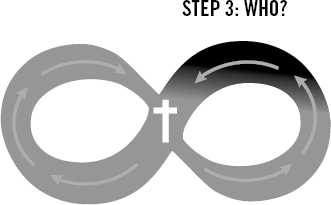
Read through one, two, or all of Paul’s New Testament letters, noting the good, guilt, grace, and gratitude he describes. See if you can observe any patterns in Paul’s descriptions of these four movements of the kingdom story.
Take 30 minutes and think about how you’d like your life to contribute to the ongoing and unfolding kingdom story. Jot down some notes and put them in a location where you’ll see them regularly and be reminded of our privileges and responsibilities as kingdom followers.
The next time you’re out with friends, ask them how they would describe the kingdom story and the part they hope to play in it.
Find another youth worker who is part of a different denomination or ethnicity and ask that person to share his or her version of the kingdom story with you, and share your own vision with that person. Discover ways your different contexts can enrich each other.
In your own personal Scripture study, jot down passages of Scripture that reflect good, guilt, grace, and/or gratitude.
Choose a few of the Old Testament verses about justice listed in the table on and memorize them and/or use them as prompts for prayer.
Go to www.biblegateway.com or use a Bible concordance to create a list of all Bible passages that use the word “justice.” Reflect on a few of these verses every day during your own prayer time.
Spend some time thinking about how you might recast the Good/Guilt/Grace/Gratitude story in terms or concepts that better fit your own theology and experiences.
For Your Youth Ministry
Ask a few trusted adult volunteers to read this chapter and give you feedback on your talks to see if you lean too heavily on either guilt or cheap grace in motivating students toward justice work.
For the next month, try structuring all your talks and small group discussions around three of the Deep Design steps followed in this book:
Now what is happening?
What New insights from Scripture can help us better respond to what is happening?
How can we live out that Scripture? Frame the New insights around the Good/Guilt/Grace/Gratitude kingdom story. Even if a specific Scripture passage or topic leans toward one or more of the story movements, at least make sure that you mention the others.
Working from the Old Testament verses about justice listed in the table on , design a four-to-six-week teaching or small group series about deep justice.
Whenever you talk with students about a passage of Scripture, look for justice themes in the text by asking: What wrongs is God righting? What wrongs does he then want us to right?
Before your next service opportunity, spend some time teaching students about God’s story, and the fact that all people—including the broken and brokenhearted—are equally important in God’s story. Brainstorm ways your ministry can better partner with the poor and marginalized so that both your students and those you are partnering with realize their own potential to live as thank-you notes to the King.
Help your entire church see that participation in the kingdom story does not come with any age requirement by asking your senior pastor for opportunities during your church services for students to share ways they are righting wrongs around them.
Identify the students in your ministry or community who are high-risk in various ways, and figure out creative ways they can serve others. Perhaps they have gifts in art or music that could be integrated into your church. Maybe they’d participate in your youth ministry’s justice work—if you invited them.
Follow Glen’s advice and ask a few local leaders who understand poverty in your area to share with your kids about the causes of poverty as well as what your ministry can do to right wrongs in your community.