Search this book
Search results link directly to the matching source page.
CHAPTER FOURTEEN
The independent non-denominational Movements
The Pentecostal Movement Pentecostal Movement started all over the world in a spectacular way almost simultaneously. The revival of the gifts of the holy spirit and the need for progressive sanctification was the emphasis. This was initally objected to by all churches as they were surprised by the new phenomena. However as time went on even the most orthodox churches came to terms with the reality of the experience and its power to transform. Because of the objections within the institutional churches in its early days, many Pentecostals seperated themselves to form independent churches. Thus we find a large number of independent Pentecostal churches under various local leader. Invariably these were initiated by missions from American Churches.
Pentecostalism is an umbrella term that includes a wide range of different theologies and cultures. There are very many independent churches of the Pentecostal persuation and it will not be possible to enumerate them completely. As such we should expect a wide range of belief systems and many different independent groups. The essential emphasis was on the Holy Spirit and the gifts of the Holy Spirit as given in 1Corinthians 12:4-11, 12:27-31, Romans 12:3-8, and Ephesians 4:7- 16. In recent years its distinctive emphasis seem to move towards adult water baptism as a necessary condition for salvation.
The modern Pentecostal movement had its origin in Topeka, Kansas. It began in 1901. Charles Parham is the recognized founder of the Pentecostal movement.
A significant event in Pentecostalism occurred in 1906 in Los Angeles, California. It took place at the Apostolic Faith Mission, located at 312 Azusa Street when a preacher from Texas, W.J. Seymour arrived in California. He attracted lot more people. The phenomena associated
with the meettings were tongue speaking associated with the Baptism of the Holy Spirit.
Charles Parham developed the threefoldd theological formula that was used in the Azusa Street. These are:
1. Tongues as the evidence of the Baptism with the Holy Spirit 2. The filling of the Spirit is the sealing of the Bride of Christ. 3. xenoglossic tongues ("missionary tongues") is the tool for the end time revival.
The speaking in tongues has later developed into various phenomena such as, "tongues of fire", "rushing of a mighty wing", "interpretation of tongues", "jerking, writhing and falling down".
The "Oneness" Pentecostals originated with preachers like Frank Ewart, Glenn Cook, and R.E. McAlister. These men began baptizing converts "in the name of Jesus only." and considered the Trinity concept as a heresy. Oneness theology denies the Trinity and teaches that God is a single person who was "manifested as Father in creation and as the Father of the Son, in the Son for our redemption, and as the Holy Spirit in our regeneration."1 Another way of looking at it is that God revealed himself as Father in the Old Testament, as the Son in Jesus during Christ's ministry on earth, and now as the Holy Spirit after Christ's ascension. In 1916, the Assemblies of God took a strong doctrinal position on the three persons of God, the Father, Son, and Holy Spirit. As a result a large group left that church. In 1945 the United Pentecostal Church International was formed. As time went on, a large number of independent groups came into existence with varying doctrinal stands and rituals and forms.
Pentecostals use the terms "full gospel" or "foursquare gospel" as a trait of the Church. The term foursquare refers to the four fundamental beliefs of Pentecostalism:
· Jesus saves according to John 3:16, · baptizes with the Holy Spirit according to Acts 2:4, · heals bodily according to James 5:15, and Jesus is coming again to receive those who are saved according to 1 Thessalonians 4:16-17.
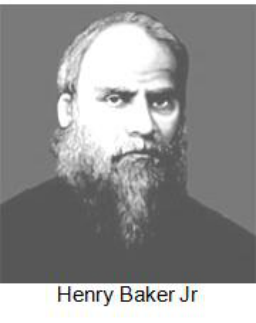
In Kerala the start of this revival came from the MarThoma Church and the CMS Church. Henry Backer (Baker Saip) and many of the CMS missionaries gave impetus and leadership for this movement.
Kanneettu Revival Church and a failed Prophecy Among the Brahmin converts from Tamil Nadu was a priest of the CMS Church called Yoosthose Joseph. He was a scholar in the Bible and was known as Vidwan Kutty Achen. Vidhuvankutty Achen found all these superstitions and rituals are against the Bible and conducted revival meetings in and around of Mavelikara, kannettil and all places of Travancore. VidhwanKutty Achen was great singer an composer of hymns. He wrote many Malayalam revival songs. His hymn "Sthuthipin Sthuthipin, Yeshu Devane" (Prais Jesus the God) is still sung every year to conclude the final meeting of the Maramon convention
His chornological studies of the Bible led him to a conclusion that Jesus was going to return before 1871. Since the Church did not support this view he along with another Priest Koodara Pallil Thommen Kathanar started a new church called Kanneettu Revival Church better known as "Youyomaya Sabha". A large number of aherents of the faith gathered together on a hill awaiting the return of Christ. It is said that all those who gathered together pulled out all their gold ornaments as they waited ready for Jesus to come. The gold measured five and a half Idangazhi measure. When his predictions did not come true the church declined and died out. The church is today referred to as "Ancherakkaar" (People of five and a half). The hymn of prayer he wrote at the time of disappointment "Kanthaa Thaamasam Enthaho?" (O beloved what is the delay?) is still a favorite song of all Malayalam Churches.
George Burg The present day structure and independent Pentecostal Churches are the result of American Missions. The first effective mission of the Pentecostal teaching came through th efforts of one George Burg, an American of German origin. He came down to Kerala and held several
meetings in and around Trikannamangal, Kottarakara, Mavelikkara and Adoor in 1909. His followings were mainly from Mar Thomas Church and C.M.S church. In 1913 Burg returned to Kerala with larger financial support and missionary personal support from the All World Pentecostal Conference held in Califonia (1912). The independent Pentecostal churches arose due to their efforts.
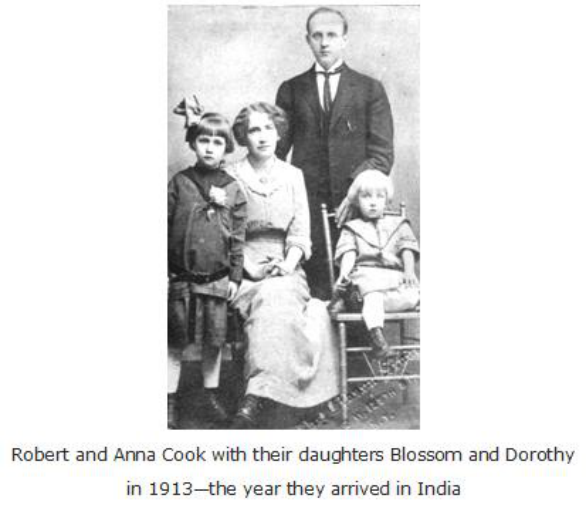
Robert F. Cook and the Church of God In 1914 several independent Pentecostal Churches joined together in America to form the Assemblies of God Church. The new church was able to reach out to India and started several bible schools among them was the Bethel Bible School in Punalur.George Burg was followed by others like Charles Commins,,Miss Browncil, Al Dwingle, and Robert Cook. In 1915 they started the Bethel Bible College in Punalur and Punalur became the administrative center.. Pastor P.D. Johnson was one of the pioneers of the movement. Robert Cook was one of the missionaries from Assemblies of God who came to Mulakuzha in Chengannur in 1914. Later he started the Church of God in Kerala. In 1928 Zion Bible School in Mulakkuzha was started. The headquarters of the Church of God in India remains there now. Among those who supported was Pastor T.M. Varughese. The mission of the Pentecostal Churches were essentially constrained within the Syrian Christian Community simply as a reform movement and not as a missionary outreach as such.
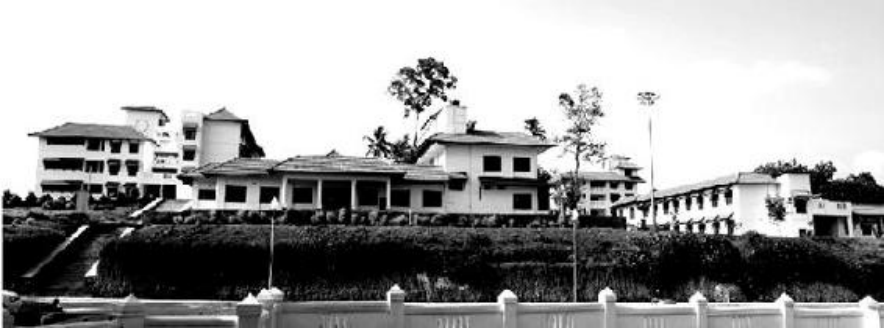
India Pentecostal Church (IPC) As the pentecostal churches grew in number and strength with powerful preachers and theologians, it was time to be independent of the foreign missions. Paster K.E. Abraham who came from a Jacobite family was the leader for this freedom movement and Southern India Pentecostal Church was formed in 1925.This name was later changed in 1934 to Indian Pentecostal Church as the vision of the church expanded. In 1930 he started the Hebron Bible College in Kumbanad which remained as the main theological training center for Indian Pentecostal Church..
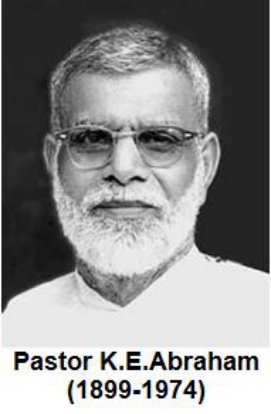
Pastor K.E. Abraham, (1899-1974) the founder of the India pentecostal Churches was from Jacobite Church of Puthenkavu (near Chenganoor, in Kerala). At the age of 7 he was sent to a Marthomite Sunday School. In 1914, he dedicated his life to gospel work in a meeting conducted by Moothamplackal Kochukunju Upadesi of the Marthoma Church.
In 1915 after he passed his 7th class, he was appointed as a schoolteacher. He also began his gospel work at the same time. Later he took adult baptism and joined pentecostan movement. He started the Monthly fellowship meetings in 1924. The first General Convention of the Church took place at Ranni, April 1-5, 1925. On 1 May 1930, Pastor K.E.Abraham and his family moved their residence from Mulakuzha to Kumbanad. K.E. Abraham started Hebron Bible School in June 1930. The work of the church began to spread in Kerala, Tamil Nadu, Andhra Pradesh, and North India. In 194, the name of the church was changed to "India Pentecostal Church of God"
He worked with Poet Laureate K.V. Simon for a while. Other pastors included K.C. Cherian, K.C. Oommen, P.M. Phillip, P.T. Chacko and others. In 1930, they started the Hebron Bible College, in Kumbanad. In 1934 a new Church was formed under the name Indian Pentecostal Church of God (I.P.C)
The Pentecostal Mission or The Ceylon Pentecostal Mission (TPM /CPM)
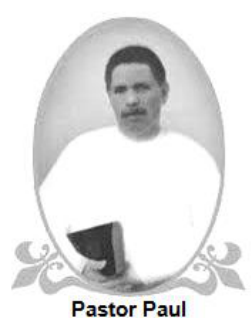
"The Ceylon Pentecostal Mission owes its origin to the ministry of Walter Clifford." The church was founded by Pastor Paul along with Pastor Alwin R. de Alwis. The Pentecostal Mission (TPM), formerly known as Ceylon Pentecostal Mission (CPM), is a Pentecostal denomination which originated in Ceylon, now Sri Lanka. The international headquarters is now situated in Chennai, Tamil Nadu, India. Ceylon Pentecostal Mission was founded by Hindu convert Ramankutty, later known as Pastor Paul in 1923. Pastor Paul was born to Hindu parents in the district of Trichur in Kerala. While in Sri Lanka, at the age of 18, he became a Christian and a follower of Jesus Christ. In the initial stages, he had worked with other evangelists. Pastor Paul served as the founder chief pastor of this church.
This organization stands out among the Pentecostal churches because of its exclusivist teachings and organization structure based on Faith Home communes replicating the early Church of the Apostolic Period.
Its distinct teachings include:
· Fulltime workers were expected to practice an ascetic life- style including celibacy · obedience to the elder pastors · communal living (including disposal of private possessions) in faith homes. Sharon Fellowship HQ Thiruvalla, Pathanamthitta Dt., Kerala
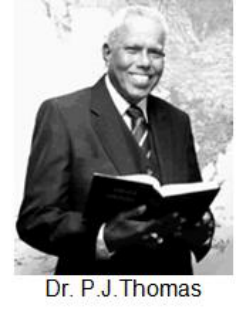
Sharon Fellowship Church was founded in 1953 by Dr.P.J.Thomas. Following university education in India, he went abroad for higher studies and became Professor in Wheaton College, Illinois. He returned to India and founded Sharon Bible College in 1953 to equip young people for missionary work. The Churches started by the graduates of the college came to be known as ‘Sharon Fellowship Churches'.
General Convention of the Church is held during the first week of December at Thiruvalla. This is the main convention and get-together of the leaders, pastors and members of the church. Regional convention at Manakala, Adoor is the second largest convention of the Sharon Fellowship. It is held in the first week of January. Pastors and delegates from North India participate in this convention.
The North Indian Churches meet during the Pooja Holidays normally at Delhi. The pastors and members of the Sharon Fellowship in North America assemble in the first week of July. Christian Evangelical Movement (C.E.M) is the youth wing of the Sharon Fellowship Church.
Assemblies of God
The General Council of Assemblies of God was founded in USA in 1914. Mrs.Mary Chapman, the first missionary reached India in 1915. She stayed at Chennai and in 1921 shifted her residence to Thiruvananthapuram. Pentecost Kahalam official publication of the Assemblies of God was started in 1925. Bethel Bible School at Mavelikara was founded in 1927. When Mrs. Chapman died in 1927, the administration of the Assemblies came to the hands of Indians. The entire Assemblies in India is now divided into three General Council they are: North, South and East India. These General Councils together form the Assemblies of God of India (AGI) was formed in 1995. Assemblies of God head quarters is in Schenkottai, Tamil Nadu
Church of God (Full Gospel) in India
One of the founders of the Church, J.G.Ingram came to India 1936. Here he met Robert F.Cook of Malankara Full Gospel Church. Cook joined the new group with 66 local Churches, 43 pastors and 2537 believers.
The Church of God has spread throughout India. Mount Zion, Mulakuzha, Alappuzha was the headquarters in the beginning. In 1972, the Church was divided into seven autonomous regions. Each region is under a state overseer. General convention of the Church is held at Convention Stadium, Thiruvalla, Kerala. The convention was started in 1923 by Rev.Robert.
Church of God in India (Merged with Church of God (Full
Gospel) in India)
Church of God in India, Kumbanad was founded by Robert F.Cook, an Americal Full Gospel missionary in 1914. He baptised 63 people at Thuvayoor, Adoor, Kerala and established the Church. Later it spread to other parts of the country. In 1936 it was affiliated to Church of God (Full Gospel) in India. In 1994 there was an informal split in the Church. Church of God in India, Kumbanad remained separate. There is a legal dispute regarding this at Mavelikkara court. The annual convention is held at Bethel ground, Kumbanad. The first convention was held in 1923.
New India Church of God New India Church of God is an indigenous New Testament church established in 1976. Pastor Thampi is the founder president. The Church has units in Kerala, Tamilnadu, Karnataka, Andhrapradesh, Orissa, Bengal and Nepal. National Convention of the New India Church of God is held at Chingavanam, Kottayam Dt., Kerala. During the second week of January. Northern regional convention is held in the third week of November at Regional headquarters, New Delhi
Church of God in South India Association The Church of God was founded by Rev.D.S.Warner in Anderson at Indiana, U.S.A.and brought to India by Rev.A.D.Khan in 1910. In India it is divided into two, Church of God in South and in North. Local churches of Kerala, Tamil Nadu, Andhra Pradesh and Karnataka comprises the Church of God in South India. Rev.Dr.George Tharakan is the President of the Church of God in South India. In 1963, while practicing medicine, he met Rev.Gorden Shick, a missionary representing Church of God movement in south India. This meeting paved the way for Dr.Tharakan to take up the
leadership of the movement. He was ordained in 1976, and was elected secretary of the coordinating council of the Church
World Missionary Evangelism of India (WME) Dr.John Doughlas Sr. founded the International Pentecostal organisation, World Missionary Evangelism (WME) in 1940. The Indian unit of WME was registered in 1969 at Hyderabad. The India Independent Church of God founded by late Rev.C.S.Mathew at Pathanamthitta on July 12, 1947 and it got united with WME in 1975. New India Bible Church New India Bible Church was founded in 1973 by Rev.Thomas Philip, Pastor Abraham Mathew and Rev. George Philip at Paippad, Kumbanad, Thiruvalla, Kerala. Rev.Thomas Philip was born at Paippad on Nov.8, 1938. A teacher by professions, he started a Sunday School at Paippad in 1969. This centre was later developed into a Bible College. The students from this college started a church at Kombady near Thiruvalla in 1973. This is the beginning of New India Bible Church. He is the President of the Church and Vice- Principal of the Bible College. He is the General secretary of Kerala Pentecost Fellowship from 1989.
Brethren Assembly Maramon Convention was the breeding ground for most of the evangelical movements in South India. Many of the speakers from Europe and America were the sponsors of these independent charismatic movements.
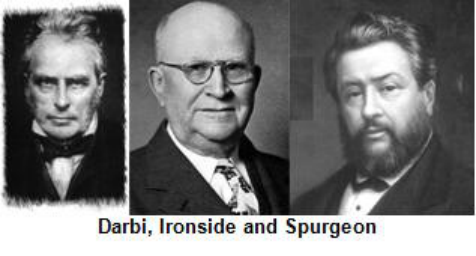
This movement is an outgrowth of Pietism - or Holiness Movement of the early 17th Centuary. It originated in Germany in 1708 and were known at that time as Dunkers. They were called Dunkers by outsiders because they fully immersed or "dunked" their baptismal candidates in nearby streams, three complete dunkings; a particular method of baptism that completely distinguished them from the "sprinkling" of the Lutherans and Methodists, and the "pouring" Mennonites, and even the single dunk Baptists. Other names by which they are sometimes identified are Dunkers, Dunkards, Tunkers, and Täufer, all relating to their practice of baptism by immersion. It was led by Alexander Mack (1679-1735) and created such giant revivalists like Darbi, Ironside and Spurgeon.
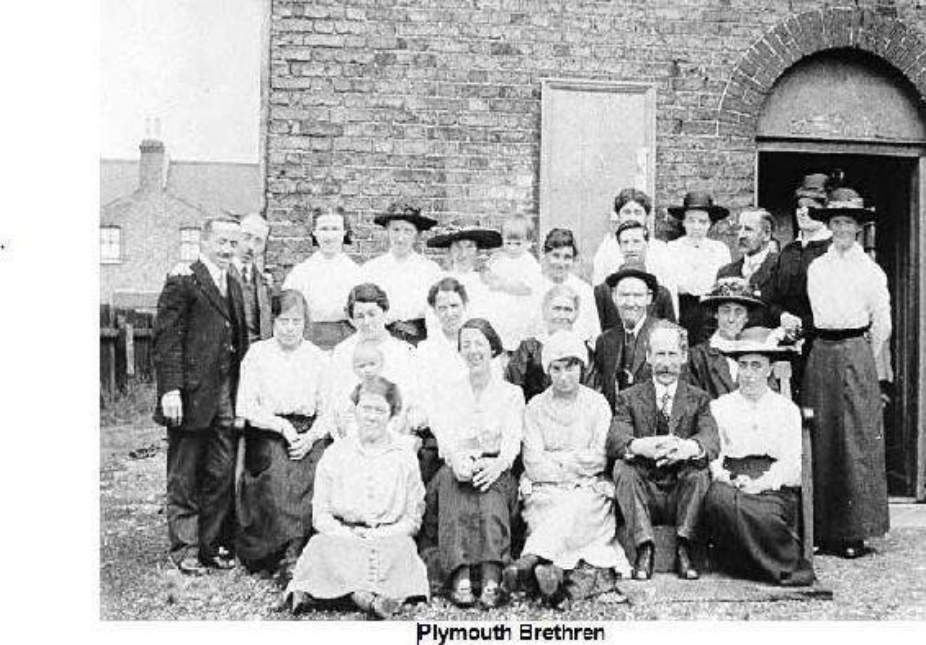
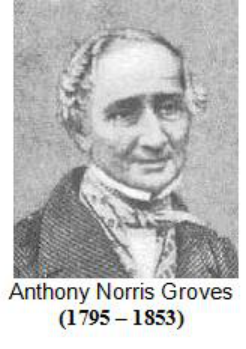
The "Plymouth Brethren" were named after the English seaside town of Plymouth, where a sizable number of Christians gathered during the early years of the movement.Early in 1825 in Dublin, Ireland, Dr. Edward Cronin and Edward Wilson began meeting together each Lord's Day morning for the breaking of bread, worship, and study of the Word. In 1830, J. N. Darby left the Anglican priesthood and devoted himself full-time to forming and feeding similar small gatherings both in Ireland and England Anthony Norris Groves, a Plymouth Brethren missionary came to India in 1833. He recruited a number of missionaries to assist existing efforts in several parts of India, and to pioneer new ventures, notably in the Godavari Delta and Tamilnadu. Groves
advocated the adoption of the New Testament as a manual of missionary methods. One of Groves's Indian disciples was John Arulappan.
Mathai, a CMS Evangelist from Thirunalveli was a disciple of Arulappan, came to Kerala with the message of Brothren persuation. This paved way for the commencement of Brethren movement in Kerala.
1875 Yusthos Joseph alias Vidwankutty, a Tamil Brahmin and CMS priest, along with his fellow brethren started preaching gospel in Kerala. But one of his fellow brethren had a'revelation' that on completing 6 years from the year 1875 Jesus would come. This had become their subject of preaching from then. Being terribly mistaken in this matter, the movement of Vidwankutty had weakened. But his hymns and sermons helped to reach gospel among the Christians in Kerala.
1894 In December 1894, a well-known gospel preacher, Tamil David visited Kerala. An eleven year old boy named K. V. Simon accepted the Lord during one of his meetings held at Puthencavu. He became a well known poet in Malayalam and influenced the growth of the Brotheren Assemblies in Kerala.
1896 J. Gelson Gregson, the famous Keswick Convention speaker, visited Kerala and gave another boost to the Brotheren growth. C. P. Thomas of Ayroor organised his Kerala visit. Gregson took various sessions among the priests and laymen within the Marthoma Church. Many were convinced of the Calvinistic "Once saved always saved" teaching. Baptism was also taught as a necessity for salvation. Following these sessions, some of the priests and laymen had decided to receive baptism. This development attracted fury of the Church leaders against Gregson and they barred him from ministering in the Marthoma Church. In the year 1897, Rev. P. E. Mammen (Kumbanattachen), vicar of Kumbanad and Eraviperoor parishes of the Marthoma church, received baptism from a Brethren missionary, Handley Bird, at Kunnamkulam. He left the Marthoma Church and became a preacher in the Brotheren Group. The first instance of the Holy Supper according to the New
Testament pattern was conducted in Kunnamkulam under the leadership of Volbrecht Nagel of German origin.
1899 J. G. Gregson, a baptist missionary visited Kerala in 1896 and conducted numerous Bible studies and meetings organized by the Mar Thoma Church. It was in 1897, when he was a speaker at the Maramon Convention. The vicar of the Marthoma Church of Kumbanad and Eraviperoor parishes, Rev. P. E. Mammen (Kumbanattachen), left the Marthoma Church and received baptism from a Brethren missionary, Hardley Bird, at Kunnamkulam. The first Brethren assembly meeting in Travancore took place at Kumbanad on 19th March 1899
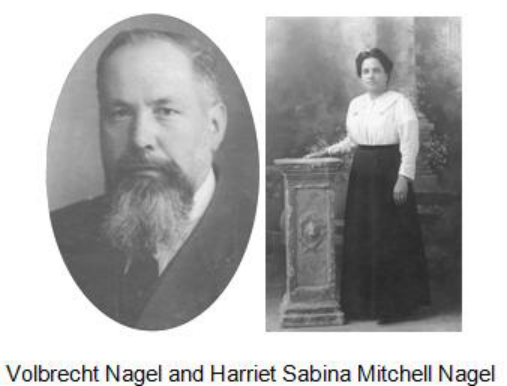
(They found each other in Kunnamkulam and got married in April
1896)
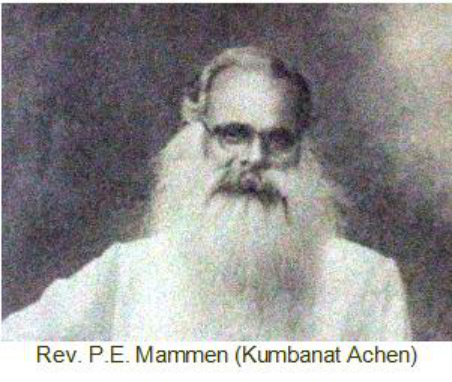
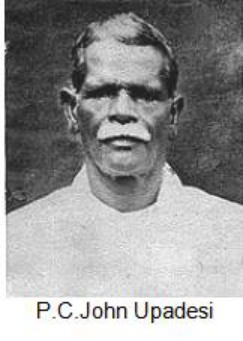
On 19 March 1899, a worship meeting with Holy Supper as per the Brethren pattern was conducted at the residence of Kuttiyil Mathai in Kumbanad. P. E. John, P. C. John, Kuttyil Mathai and Kumbanadu Melathethil P. C. Chacko participated in the Lord's Table, following Songs, Prayers and Message. P. C. Cherian Parayil from Kallissery, P. C. Mammen, Cheruvallethu Koshy Mathunni, P. N. Ninan were also present in this meeting, though they were not partakers at the Lord's Table. P. C. Mammen was baptised in the afternoon same day. Due to the protest of the parish and family members of Mammen, they were not able to continue the gathering in the following week in the same house. An attempt to conduct the meeting outside the house in the garden was also foiled. Many who believed were baptised in places like Kuriyannur and Nedumprayar and joined this new movement.
On 20 January 1929, Viojetha (seperatists) assemblies of K.V Simon joined with the movement of Mr Noel. Later the assemblies favouring P. E Mammen (Kumbanattachen) also joined them resulting in the formation of a single Movement. Mr Nagel and his team had paved the foundation of Brethren assemblies in North Travancore, Cochin and Malabar. Mr. M.T.Yohannan from Mylapra took the Gospel to Andhra Pradesh.
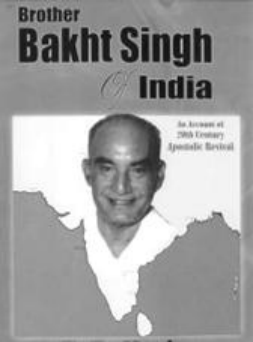
Brother Bhaktha Singh
Bakht Singh Chabra (Also known as Brother Bakht Singh) (1903-2000) belonged to the Singh Community and was educated in a Christian School. Later he went to study in England and then to Canada. According to his autobiography, Brother Bakht Singh first experienced Christ when he was an engineering student in Canada in 192I. He was excommunicated by his family and he began his ministry in the streets of Bombay. Looking at his success of establishing more than 10,000 assemblies all over. Singh died on September 17, in Hyderabad, India. He was 97.
Lutheran Mission
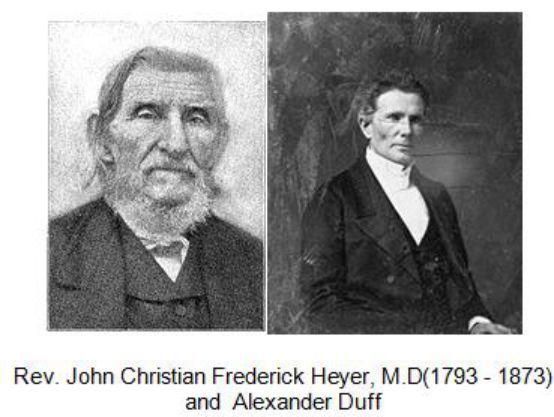
John Christian Frederick Heyer (USA) was the first Lutheran missionary in the region of Andhra Pradesh. He founded the Guntur Mission in 1842. He studied Sanskrit and medicine in Baltimore, and
set sail for India from Boston in 1841 with three other missionary couples on the ship Brenda. He travelled to India a second time in 1847, spending a decade, mainly in the Guntur district of Andhra Pradesh state, in southern India, where he ministered and performed yeoman service to the people there. Supported initially by the Pennsylvania Ministerium, and later by the Foreign Mission Board of the General Synod, Heyer was also encouraged and assisted by British government officials. He established a number of hospitals and a network of schools throughout the Guntur region. "Father Heyer" is commemorated as a missionary in the Calendar of Saints of the Lutheran Church on November 7, along with Bartholomaeus Ziegenbalg and Ludwig Ingwer Nommensen.
During the 19th century, several American Baptist missionaries evangelised in the northeastern parts of India. In 1876, Dr. E. W. Clark first went to live in a Naga village, four years after his Assamese helper, Godhula, baptised the first Naga converts. Rev. and Mrs. A.F. Merrill arrived in India in 1928 and worked in the southeast section of the Garo Hills. Rev. and Mrs. M.J. Chance spent most of the years between 1950-1956 at Golaghat working with the Naga and Garo tribes. Even today the heaviest concentrations of Christians in India continue to be in the Northeast among the Nagas, Khasis, Kukis and Mizos. These missions are described in the next chapter.
The Church of Jesus Christ of Latter-day Saints. Mormon Missionaries,
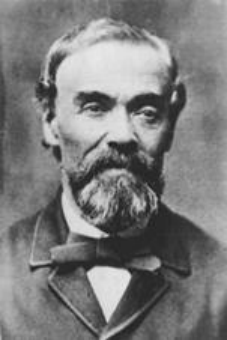
Hugh Findlay was baptized in Dundee, Scotland, on July 1, 1844, by missionaries from The Church of Jesus Christ of Latter-day
Saints. He along with Willes left for India to prosetelyte themin 1851 and arrived in Bombay during the British rule in India They were met by opposition from the established Protestant denominations, the press, and military officers and chaplains but did not meet with much success. His work was concentrated among the military. Willes travelled up the Ganges to Simla. It took Findlay six months to baptize his first six converts. Findlay was eventually able to organize a branch of twelve members in Poona by mid-September 1852, a mixture of "European, Eurasian, and native." However, in October Findlay was asked to leave the cantonment. He found new quarters in a small shelter in Poona, where he continued to hold meetings with the branch. Several months later, he completed a chapel directly across the street. The mission did not succede as they throught. The first branches were organized in India in 1980 during a time when the country was administered by the Singapore Mission and the International Mission. The India Bangalore Mission established in 1993 and the India New Delhi Mission in 2007 Jehovah Witness
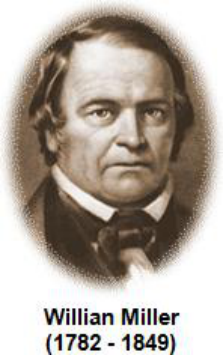
Miller was a farmer, justice of the peace, sheriff, and Baptist preacher, who, from 1831 to 1844, preached the immanent return of Christ. Miller predicted that Christ would return in 1844. When that second coming failed to materialize, many believers drifted away in the "Great Disappointment." The alternative was to keep the faith through new interpretations of doctrine. Thus rose the Jehovah witness tradition. Charles Taze Russell (1852-1916) established the
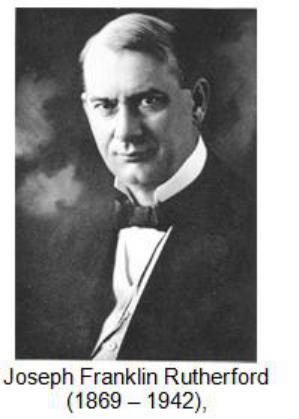
Witnesses around 1870 in Pennsylvania, and the second president, Joseph F. Rutherford (1869-1942), gave the group much of its present administrative structure. Jehovah's Witnesses doctrine is grounded in Russell's teaching that
· the Second Coming of Christ has already occurred (in a spiritual, invisible form) and · the visible form that will follow will include the establishment of Christ's millennial kingdom here on earth. Jehovah's Witnesses adhere to the Bible as their sacred text, though only the New World Translation is approved for use. The movement departs from traditional Christian teaching in several key points, including
· a rejection of the Trinity only the Father, Jehovah, is God · a belief that Jesus is a created being and identifies Jesus with Michael the Archangel · the non-existence of hell · the annihilation of unsaved, · the reduction of the Holy Spirit from a person to a force, · the mortality (not immortality) of the soul, The group took on the name "Jehovah's Witnesses" in 1931 under the leadership of Joseph Franklin Rutherford. Besides changing the name, Rutherford also created internal structure for the followers and it became a highly functioning organization. The movement departs from traditional Christian teaching in several key points, including a rejection of the Trinity and a belief that Jesus is a created being. Jehovah's Witnesses have continued to engage in strong evangelistic and missions programs as well as lifestyles based on a strict moral code of conduct. Members of local Jehovah's Witnesses congregations are expected to participate in door-to-door evangelism (including distributing books and the Watch Tower magazine) and attending meetings at the Kingdom Hall (church building). (http://www.patheos.com/Library/Jehovahs- Witnesses.html)
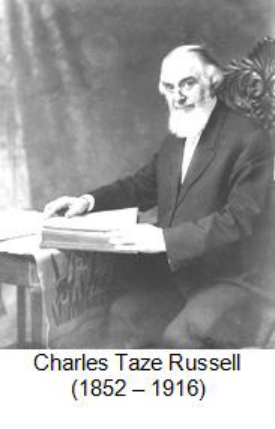
Jehovah's Witnesses began their activity in India in the year 1903, following the visit of their founder Charles Taze Russel to India. There are around 18,500 jehovah's witnesses in India as reported in 2010. 3250 of them are pioneers. Most of them are in the southern states of Kerala,Tamilnadu and Karnataka. The state of Kerala accounts for the largest number of JW in India.
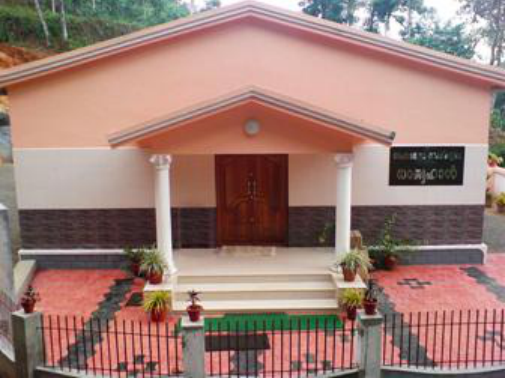
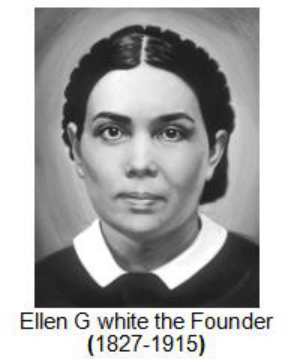
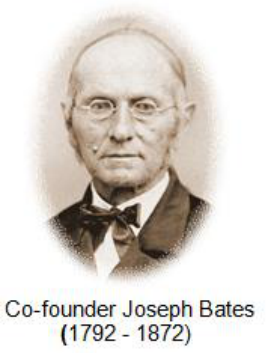
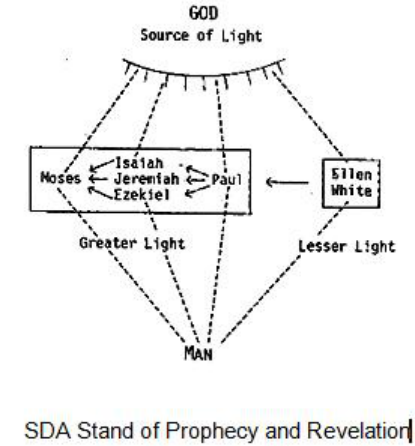
of SDA Ellen G. White was a co-founder of the Seventh-day Adventist Church along with her husband James and close friend Joseph Bates. Mrs. White is also known as a messenger from God. The Seventh Day Adventism is also a Post- Millerian outgrowth of the failed prophecy. Scripture itself points to the continuance of prophecy in the church. Scripture says that we will have further messages coming from God in the same way that messages came through Bible prophets.
Stephen Haskell and Percy Magan crossed India on their mission survey around the world in 1890, in their round the world mission trip soon after the establishment of the SDA. This was the first mission trip of the Church. it was not till 1893 that William Lenker and A. T. Stroup started selling Adventist literature in Madras. Shortly before their arrival Anna Gordon passed away. She had begun to observe the Sabbath in London and went to India as a self-supporting missionary.
The first regular Adventist worker to reach India was Georgia Burrus who arrived in Kolkata on Jan 23, 1895. In 1895 D. A. Robinson, Georgia Burrus, and Martha May Taylor--the first workers appointed by the Mission Board--began Adventist work in Calcutta, then the capital of British India..
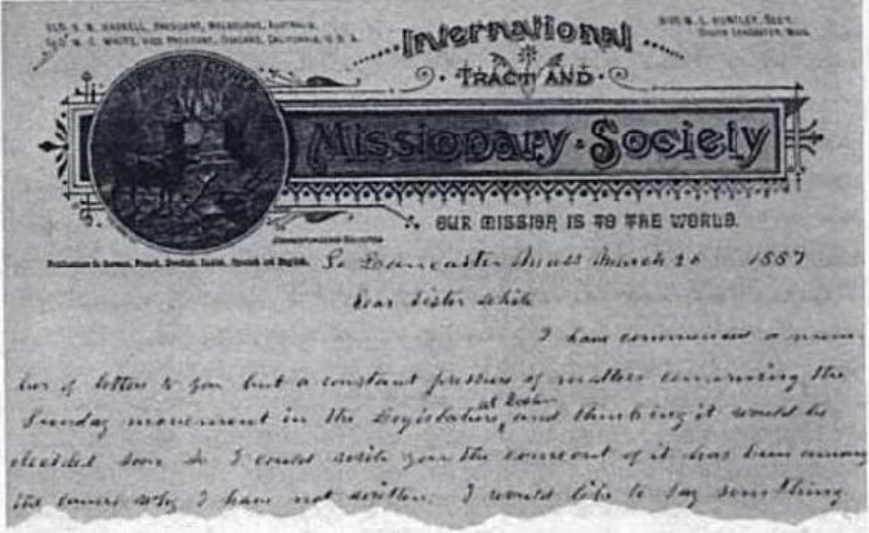
Elder Stephen N Haskell and the letter Haskel wrote to Mrs. Ellen G White Georgia Burrus worked in the zenanas of Baliaghatta and Dores Robinson opened the first Adventist schools (1896, 1897) for girls. An orphanage for boys opened in 1897 but moved to Karmatar, Jharkhand (1898) for vocational training. Dr O. G. Place and nurses Samantha Whiteis and Maggie Green opened the first treatment rooms in 1896. The Adventists moved their headquarters to Lucknow in 1909 and opened several Urdu schools (1910) and an English school at Mussoorie (1911).
Meanwhile, in the south, a group of Tamil merchants through personal Bible study had begun to observe Saturday as the Sabbath. J. S. James worked among them from 1906. Suvisesha Muthu became an Adventist through reading literature and took to selling the same literature in and around Trivandrum, converting practically an entire community that today is renamed Adventpuram. H. G. Woodward worked there in 1918.
A group of Telegus became Seventh-day Adventists in Rangoon and returned to Andhra. J.S. James visited them in 1915, and in 1918 T. R. Flaiz settled at Narsapur. Georgia Burrus and her husband L. J. Burgess retired in Meghalaya in the 1930s. W. G. Lowry pioneered the work among the Mizos around 1950. Dr S. G.
Sturgess moved to Nepal in 1957. Following government approval a hospital financed by the Scheers opened on May 18, 1960 at Banepa. Today nursing and medical training is conducted there.
Till 1909 the work in British India was operated as a detached Mission of the General Conference. The India Union Mission was organized in 1910 with J. L. Shaw as the first superintendent. It was joined to the Asiatic Division in 1915.
The Southern Asia Division was organized under president J. E. Fulton in 1919 with 26 churches and 978 members.
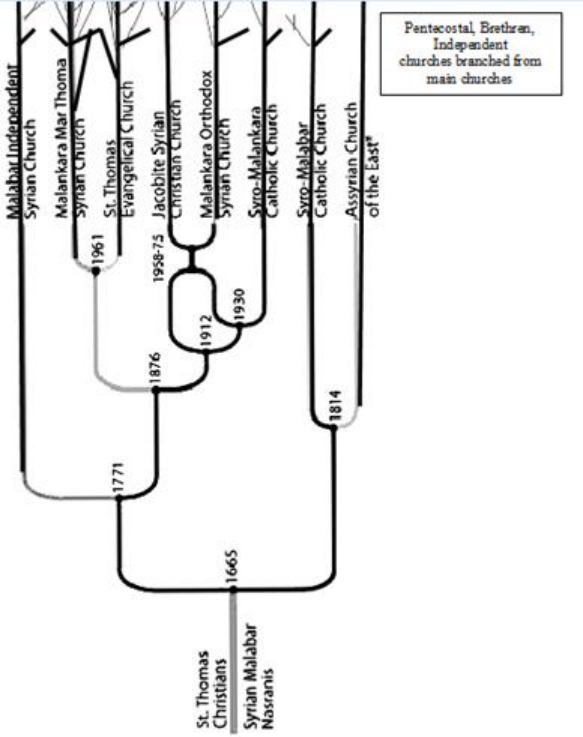
Growth of Nasrani Christianity in Malankara
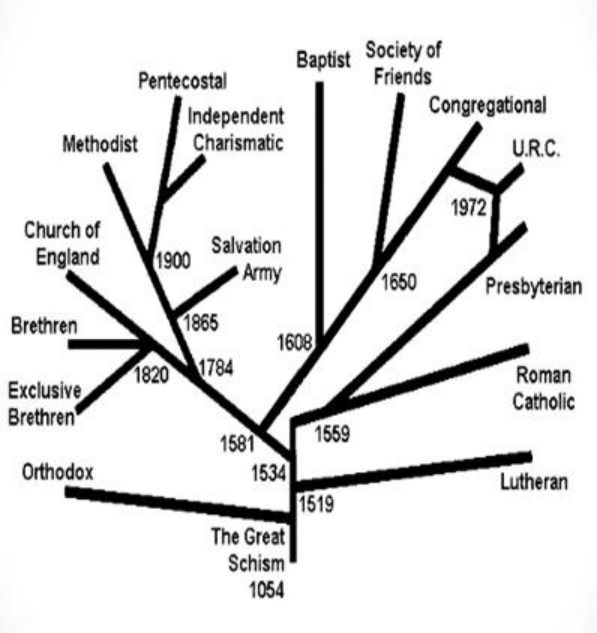
Growth of the Western Churches