
A Reply On Behalf Of The Fool By Gaunilo
QU I D AD H A E C R E S P O N D EAT
QU I DA M PRO I N S I P I E N T E
[!.] DuBITANTI utrum sit vel neganti quod sit aliqua talis natura, qua nihil maius cogitari possit, cum esse illam hinc
dicitur primo probari, quod ipse negans vel ambigens de illa iam habeat earn in intellectu, cum audiens illam did id quod dicitur intelligit ; deinde quia quod intelligit, nccesse est ut non in
solo intellectu sed etiam in re sit, et hoc ita probatur quia maius est esse et in re quam in solo intellectu, et si illud in solo est intellectu, maius illo erit quidquid etiam in re fuerit, ac sic maius omnibus minus erit aliquo et non erit maius omnibus, quod utique repugnat; et ideo necesse est ut maius omnibus, quod esse iam probatum est in intellectu, non in solo intellectu sed et in re sit, quoniam aliter maius omnibus esse non poterit : respondere forsan potest :
[2.] Quod hoc iam esse dicitur in intcllectu meo, non ob aliud nisi quia id quod dicitur intelligo : nonne et quaecumque falsa ac nullo prorsus modo in seipsis existentia in intcllectu
habere similiter did possem, cum ea dicente aliquo, quae
cumque ille diceret, ego intelligerem? Nisi forte tale illud cons tat
esse ut non eo modo quo etiam falsa quaeque vel dubia, haberi possit in cogitatione, et ideo non dicor illud auditum cogitare
vel in cogitatione habere, sed intelligcrc et in intcllectu habere ;
quia scilicet non passim hoc aliter cogitare, nisi intelligendo id est sdentia comprehendendo re ipsa illud existere. Sed si hoc
A R EPL Y TO THE F O R EG O ING B r A
CER TA IN WRI TER ON BEHALF O F THE
F O O L
[By GAUNILO]
[ 1 .] T o one doubting whether there is, or denying that there is, something of such a nature than which nothing greater can be thought, it is said here [in the Proslogion] that its existence is proved, first because the very one who denies or doubts it
already has it in his mind, since when he hears it spoken of he understands what is said ; and further, because what he under stands is necessarily such that it exists not only in the mind but also in reality. And this is proved by the fact that it is greater to exist both in the mind and in reality than in the mind alone.
For if this same being exists in the mind alone, anything that existed also in reality would be greater than this being, and thus that which is greater than everything would be less than some thing and would not be greater than everything, which is obviously contradictory. Therefore, it is necessarily the case that that which is greater than everything, being already proved to exist in the mind, should exist not only in the mind but also in reality, since otherwise it would not be greater than everything.
[2 .] But he [the Fool] can perhaps reply that this thing is said already to exist in the mind only in the sense that I understand what is said. For could I not say that all kinds of unreal things, not existing in themselves in any way at all, are equally in the mind since if anyone speaks about them I understand whatever he says ? Unless perhaps it is manifest that this being is such that it can be entertained in the mind in a different way from unreal or doubtfully real things, so that I am not said to think of or have in thought what is heard, but to understand and have it in mind, in that I cannot really think of this being in any other way save by understanding it, that is to say, by grasping by certain knowledge that the thing itself actually exists. But if this is the case, first, there will be no difference between having an object in mind (taken as preceding in time) , and understanding that the object actually exists (taken as following
1 58
A R E PLY ON B E H A L F OF T H E F O O L [ 2 ] - [ 3 ]
est, primo quidem non hie erit iam aliud idemque tempore praecedens habcre rem in intellectu, et aliud idque temporc
sequens intelligere rem esse ; ut fit de pictura quae prius est in
animo pictoris, deindc in opere. Deinde vix umquam poterit
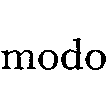
esse credibile, cum dictum et auditum fuerit istud, non eo modo posse cogitari non esse, quo etiam potest non essc deus. Nam si
non potest : cur contra negantem aut dubitantem quod sit
aliqua talis natura, tota ista disputatio est assumpta ? Postremo quod tale sit illud ut non possit nisi mox cogitatum indubitabilis existentiae suae certo percipi intellectu, indubio aliquo pro
bandum mihi est argumento, non autem isto quod iam sit hoc in intellectu meo cum auditum intelligo, in quo similiter esse
posse quaecumque alia incerta vel etiam falsa ab aliquo cuius verba intelligerem dicta adhuc puto ; et insuper magis, si illa
deceptus ut saepe fit crederem, qui istud nondum credo.
[3.J Uncle nee illud exemplum de pictore picturam quam facturus est iam in intellectu habente, satis potest huic argu
mento congruere. Illa enim pictura antequam fiat in ipsa pictoris arte habetur, et tale quippiam in arte artificis alicuius

nihil est aliud quam pars quaedam intelligentiae ipsius ; quia et
sicut sanctus AuGusTINus ait : 'cum faber arcam facturus in opere, prius habet illam in arte ; area quae fit in opere non est
vita, area quae est in arte vita est, quia vivit anima artificis, in
qua sunt ista omnia, antequam proferantur' . Ut quid enim in
vivente artificis anima vita sunt ista, nisi quia nil sunt aliud quam scientia vel intelligentia animae ipsius ? At vero quid
quid extra illa, quae ad ipsam mentis noscuntur pertinere
naturam aut auditum aut excogitatum intellectu percipitur
verum : aliud sine dubio est verum illud, aliud intellectus ipse
quo capitur. Quocirca etiam si verum sit esse aliquid quo
maius quicquam nequeat cogitari : non tamen hoc auditum et
intellectum tale est qualis nondum facta pictura in intellectu pictoris.
A REPLY O N BEHALF O F T H E F O O L [2] -[3]
1 59
in time) , as in the case of the picture which exists first in the mind of the painter and then in the completed work. And thus it would be scarcely conceivable that, when this object had been spoken of and heard, it could not be thought not to exist in the same way in which God can [be thought] not to exist.
For if He cannot, why put forward this whole argument against anyone denying or doubting that there is something of this kind? Finally, that it is such a thing that, as soon as it is thought of, it cannot but be certainly perceived by the mind as in dubitably existing, must be proved to me by some indisputable argument and not by that proposed, namely, that it must already be in my mind when I understand what I hear. For this is in my view like [arguing that] any things doubtfully real or even unreal are capable of existing if these things are men tioned by someone whose spoken words I might understand, and, even more, that [they exist] if, though deceived about them as often happens, I should believe them [to exist]-which argu ment I still do not believe !
[3.] Hence, the example of the painter having the picture he is about to make already in his mind cannot support this argument. For this picture, before it is actually made, is con tained in the very art of the painter and such a thing in the art of any artist is nothing but a certain part of his very under standing, since as St. Augustine says [In Iohannem, tract. 1 ,
n. 1 6], 'when the artisan is about actually to make a box he has it beforehand in his art. The box which is actually made is not
a living thing, but the box which is in his art is a living thing since the soul of the artist, in which these things exist before their actual realization, is a living thing'. Now how are these things living in the living soul of the artist unless they are identical with the knowledge or understanding of the soul itself? But, apart from those things which are known to belong to the very nature of the mind itself, in the case of any truth perceived by the mind by being either heard or understood, then it cannot be doubted that this truth is one thing and that the understanding which grasps it is another. Therefore even
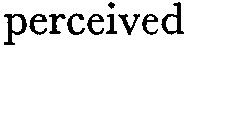
if it were true that there was something than which nothing greater could be thought, this thing, heard and understood, would not, however, be the same as the not-yet-made picture is in the mind of the painter.
1 60
A RE PLY O N BEHALF O F T H E F O O L [4]
[4.] Hue accedit illud, quod praetaxatum est superius, quia
scilicet illud omnibus quae cogitari possint maius, quod nihil aliud posse esse dicitur quam ipse deus, tam ego secundum rem
vel ex specie mihi vel ex genere notam, cogitare auditum vel in intellectu habere non possum, quam nee ipsum deum, quern
utique ob hoc ipsum etiam non esse cogitare possum. Neque
enim aut rem ipsam novi aut ex alia possum conicere simili,
quandoquidem et tu talem asseris illam, ut esse non possit
simile quicquam. Nam si de hominc aliquo mihi prorsus ignoto,
quern etiam esse nescirem, dici tamen aliquid audirem : per
illam specialem generalemve notitiam qua quid sit homo vel homines novi, de illo quoque secundum rem ipsam quae est homo cogitare possem. Et tamen fieri posset, ut mentiente illo
qui diceret, ipse quern cogitarem homo non esset ; cum tamen
ego de illo secundum veram nihilominus rem, non quae esset ille
homo, sed quae est homo quilibet, cogitarem. Nee sic igitur, ut haberem falsum istud in cogitationc vel in intellectu, habere
possum illud cum audio dici 'deus' aut 'aliquid omnibus
maius', cum quando illud secundum rem veram mihique notam cogitare possem, istud omnino nequeam nisi tantum
secundum vocem, secundum quam solam aut vix aut num
quam potest ullum cogitari verum ; siquidem cum ita cogitatur, non tam vox ipsa quae res est utique vera, hoc est litterarum sonus vel syllabarum, quam vocis auditae significatio cogitetur ; sed non ita ut ab illo qui novit, quid ea soleat voce significari, a quo scilicet cogitatur secundum rem vel in sola cogitatione veram, verum ut ab eo qui illud non novit et solummodo cogitat secundum animi motum illius auditu vocis effectum significa tionemque perceptae vocis conantem effingere sibi.
Quod mirum est, si umquam rei veritate potuerit. Ita ergo nee
prorsus aliter adhuc in intellectu meo constat illud haberi, cum audio intelligoque dicentem esse aliquid maius omnibus quae
A R E PLY ON BEHALF O F THE F O O L [ 4]
[4.] To this we may add something that has already been mentioned, namely, that upon hearing it spoken of I can so
little think of or entertain in my mind this being (that which is greater than all those others that are able to be thought of,

and which it is said can be none other than God Himself) in terms of an obj ect known to me either by species or genus, as I can think of God Himself, whom indeed for this very
reason I can even think does not exist. For neither do I know the reality itself, nor can I form an idea from some other
things like it since, as you say yourself, it is such that nothing could be like it. For if I heard something said about a man who
was completely unknown to me so that I did not even know whether he existed, I could nevertheless think about him in his very reality as a man by means of that specific or generic
notion by which I know what a man is or men are. However, it could happen that, because of a falsehood on the part of the
speaker, the man I thought of did not actually exist, although
I thought of him nevertheless as a truly existing object-not
this particular man but any man in general. It is not, then, in the way that I have this unreal thing in thought or in mind that
I can have that object in my mind when I hear ' God' or 'some
thing greater than everything' spoken of. For while I was able to think of the former in terms of a truly existing thing which >vas known to me, I know nothing at all of the latter save for the
verbal formula, and on the basis of this alone one can scarcely
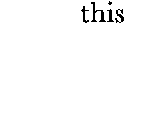
or never think of any truth. For when one thinks in this way, one thinks not so much of the word itself, which is indeed a real thing (that is to say, the sound of the letters or syllables) , as of the meaning of the word which is heard. However, it
[that which is greater than everything] is not thought of in the way of one who knows what is meant by that expression thought of, that is, in terms of the thing [signified] or as true
in thought alone. It is rather in the way of one who does not
really know this object but thinks of it in terms of an affection of his mind produced by hearing the spoken words, and who

tries to imagine what the words he has heard might mean.
However, it would be astonishing if he could ever [attain to] the truth of the thing. Therefore, when I hear and understand
someone saying that there is something greater than everything that can be thought of, it is agreed that it is in this latter sense
826610 M
1 62
A REPLY O N BEHALF OF THE F O O L [4] -[6]
valeant cogitari. Haec de eo, quad summa illa natura iam esse
dicitur in intellectu meo.
[5.] Quad autem et in re neccssario esse inde mihi probatur, quia nisi fuerit, quidquid est in re maius illa crit, ac per hoc non
erit illud maius omnibus, quad utique iam esse probatum est in intellectu : ad hoc respondeo : Si esse dicendum est in intellectu, quad secundum veritatem cuiusquam rei ncquit saltem cogitari : et hoc in meo sic esse non denego. Sed quia per hoc esse quoque
in re non potest ullatenus obtinere : illud ei esse adhnc penitus non concedo, quonsque mihi argumento probetur indubio.
Qnod qui esse <licit hoc quad mains omnibus aliter non erit omnibus mains : non satis attendit cui loquatur. Ego enim nondum dico, immo ctiam nego vel dubito ulla re vera esse maius illud, nee aliud ei esse concedo quam illud, si dicendum est 'esse', cum secundum vocem tantum auditam rem prorsus
ignotam sibi conatur animus cffingere. Quomodo igitur inde mihi probatur maius illud rei veritate subsistere, quia constet
illud maius omnibus esse, cum id ego eo usque negem adhuc dubitemve constare, ut ne in intellectu quidem vel cogitatione mea eo saltem modo maius ipsnm esse dicam, quo dubia etiam
multa sunt et incerta? Prius enim certum mihi necesse est fiat re vera esse alicubi maius ipsum, et tum dcmum ex eo quod maius est omnibus, in seipso quoque subsistere non erit am
biguum.
[6.] Exempli gratia : Aiunt quidam alicubi oceam esse
insulam, quam ex difficultate vel potius impossibilitate in veniendi quod non est, cognominant aliqui 'perditam', quam
que fabulantur multo amplius quam de fortunatis insulis fertur, divitiarum deliciarumque omnium inaestimabili uber tate pollere, nulloque possessore aut habitatore universis aliis
A R E P L Y O N B E H A L F O F THE F O O L [4] --[ G ]
1 63
that it is in my mind and not in any other sense. So rnuch for the claim that that supreme nature exists already in my mind.
[5.J That, however, [this nature] necessarily exists in reality is

demonstrated to me from the fact that, unless it existed, what ever exists in reality would be greater than it and conse
quently it would not be that which is greater than everything that undoubtedly had already been proved to exist in the mind.
To this I reply as follows: if something that cannot even be thought
in the true and real sense must be said to exist in the mind, then
I do not deny that this also exists in my mind in the same way.
But since from this one cannot in any way conclude that it exists also in reality, I certainly do not yet concede that it actually exists, until this is proved to me by an indubitable argument.
For he who claims that it actually exists because otherwise it would not be that which is greater than everything does not consider carefully enough whom he is addressing. For I cer
tainly do not yet admit this greater [than everything] to be
any truly existing thing ; indeed I doubt or even deny it. And I do not concede that it exists in a different way from that if one ought to speak of 'existence' here-when the mind tries to imagine a completely unknown thing on the basis of the
spoken words alone. How then can it be proved to me on that
basis that that which is greater than everything truly exists in reality (because it is evident that it is greater than all others) if I keep on denying and also doubting that this is evident and do not admit that this greater [than everything] is either
in my mind or thought, not even in the sense in which many doubtfully real and unreal things are ? It must first of all be proved to me then that this same greater than everything truly exists
in reality somewhere, and then only \vill the fact that it is greater
than everything make it clear that it also subsists in itself.
[6.J For example : they say that there is in the ocean some where an island which, because of the difficulty (or rather the impossibility) of finding that which does not exist, some have called the 'Lost Island' . And the story goes that it is blessed with all manner of priceless riches and delights in abundance,
much more even than the Happy Isles, and, having no owner or inhabitant, it is superior everywhere in abundance of riches
to all those other lands that men inhabit. Now, if anyone tell
A R E P L Y O N B E H A L F O F TH E
F O O L [6] [ 7 ]
quas incolunt homines terris possidcndorum redundantia usquequaque praestare. Hoc ita esse dicat mihi quispiam, et ego
facile dictum in quo nihil est diffieultatis intelligam. At si tune velut eonsequenter adiungat ac dicat : non pates ultra dubitare insulam illam terris omnibus praestantiorem vere esse alicubi
in re, quam et in intelleetu tuo non ambigis esse ; et quia praestantius est, non in intelleetu solo sed etiam esse in re ; ideo
sic earn necesse est esse, quia nisi fuerit, quaecumque alia in re
est terra, praestantior illa erit, ac sic ipsa iam a te praestantior intelleeta praestantior non erit ;-si inquam per haec ille mihi velit astruere de insula illa quod vere sit ambigendum ultra non esse : aut iocari illum credam, aut nescio quern stultiorem de beam reputare, utrum me si ei eoneedam, an illum si se putet
aliqua certitudine insulae illius essentiam astruxisse, nisi prius
ipsam praestantiam eius solummodo sicut rem vere atque indubie existentem nee ullatenus sicut falsum aut incertum aliquid in intellectu meo esse doeuerit.
[7 .] Haec interim ad obieeta insipiens ille responderit. Cui cum deinceps asseritur tale esse maius illud, ut nee sola cogita
tione valeat non esse, et hoc rursus non aliunde probatur, quam eo ipso quod aliter non erit omnibus maius : idem ipsum possit
referre responsum et dicere : Quando enim ego rei veritate esse tale aliquid, hoc est 'maius omnibus', dixi, ut ex hoc mihi debeat probari in tantum etiam re ipsa id esse, ut nee possit cogitari non esse ? Quapropter certissimo primitus aliquo pro
bandum est argumento aliquam superiorem, hoc est maiorem ac
meliorem omnium quae sunt esse naturam, ut ex hoc alia iam possimus omnia comprobare, quibus necesse est illud quod
maius ac melius est omnibus non carere. Cum autem dicitur
quod summa res ista non esse nequeat cogitari : melius fortasse diceretur, quad non esse aut etiam posse non esse non possit intelligi.
Nam secundum proprietatem verbi istius falsa
nequeunt intelligi, quae possunt utique eo modo cogitari, quo
A REPLY O N BEHALF O F THE F O O L [6] - [ 7 ]
1 65
me that it is like this, I shall easily understand what is said, since nothing is difficult about it. But if he should then go on to say, as though it were a logical consequence of this : You cannot any more doubt that this island that is more excellent than all other lands truly exists somewhere in reality than you can doubt that it is in your mind; and since it is more excellent to exist not only in the mind alone but also in reality, there fore it must needs be that it exists. For if it did not exist, any other land existing in reality would be more excellent than it, and so this island, already conceived by you to be more excellent than others, will not be more excellent. If, I say, some one wishes thus to persuade me that this island really exists beyond all doubt, I should either think that he was joking, or I should find it hard to decide which of us I ought to judge the bigger fool-I, if I agreed with him, or he, if he thought that he had proved the existence of this island with any certainty, unless he had first convinced me that its very excellence exists in my mind precisely as a thing existing truly and indubitably and not just as something unreal or doubtfully real.
[7.] Thus first of all might the Fool reply to objections. And if then someone should assert that this greater [than everything] is such that it cannot be thought not to exist (again without any other proof than that otherwise it would not be greater than everything), then he could make this same reply and say : When have I said that there truly existed some being that is 'greater than everything', such that from this it could be proved to me that this same being really existed to such a degree that it could not be thought not to exist? That is why it must first be conclusively proved by argument that there is some higher nature, namely that which is greater and better than all the things that arc, so that from this we can also infer everything else which necessarily cannot be wanting to what is greater and better than everything. When, however, it is said that this supreme being cannot be thought not to exist, it would perhaps
be better to say that it cannot be understood not to exist nor even to be able not to exist. For, strictly speaking, unreal things cannot be understood, though certainly they can be thoughtofin the same way as the Fool thought that God does not exist. I know with
1 66
A R E PLY O N B E H A L F O F T H E F O O L [7]-[8]
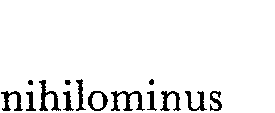
deum non esse insipiens cogitavit. Et me quoque esse certissime scio, sed et posse non esse nihilominus scio. Summum vero illud
quod est, scilicet deus, et esse et non esse non posse indubitanter intelligo. Cogitare autem me non esse quamdiu esse certissime
scio, nescio utrum passim. Sed si possum : cur non et quidquid aliud eadem certitudine scio ? Si autem non possum : non erit iam istud proprium deo.
[8.] Cetera libelli illius tam veraciter et tam praeclare sunt magnificeque disserta, tanta denique referta utilitate et pii ac sancti affectus intimo quodam odore fragrantia, ut nullo modo propter illa quae in initiis recte quidem sensa, sed minus firmiter argumentata sunt, ista sint contemnenda ; sed illa potius argumentanda robustius, ac sic omnia cum ingenti veneratione et laude suscipienda.
A REPLY ON BEHALF O F THE F O O L [7] -[8]
1 67 complete certainty that I exist, but I also know at the same time nevertheless that I can not-exist. And I understand without any doubt that that which exists to the highest degree, namely
God, both exists and cannot not exist. I do not know, however, whether I can think of myself as not existing while I know with absolute certainty that I do exist ; but if I can, why cannot [I do the same] with regard to anything else I know with the same certainty? If however I cannot, this will not be the dis tinguishing characteristic of God [namely, to be such that He cannot be thought not to exist].
[8.] The other parts of this tract are argued so truly, so bril liantly and so splendidly, and are also of so much worth and instinct with so fragrant a perfume of devout and holy feeling, that in no way should they be rejected because of those things at the beginning (rightly intuited, but less surely argued out) .
Rather the latter should be demonstrated more firmly and so everything received with very great respect and praise.