
The Author's Reply To Gaunilo
QU I D AD H A E C R E S P O N D EAT
E D I T O R I P S I U S L I B E L L I
QuoNIAM non me reprehendit in his dictis ille 'insipiens' contra quern sum locutus in meo opusculo, sed quidam non insipiens et catholicus pro insipiente : sufficere mihi potest respondere catholico.
[I.] Dicis quidem quicumque es qui dicis hÓc posse dicere insipientem : quia non est in intellectu aliquid quo maius cogitari non possit, aliter quam quod secundum veritatem cuiusquam rei nequit saltem cogitari, et quia non magis con sequitur hoc quod dico 'quo maius cogitari non possit' ex eo quia est in intellectu esse et in re, quam perditam insulam certissime existere ex eo quia cum describitur verbis, audiens earn non ambigit in intellectu suo esse. Ego vero dico : Si 'quo maius cogitari non potest' non intelligitur vel cogitatur nee est in intellectu vel cogitatione : profecto deus aut non est quo maius cogitari non possit, aut non intclligitur vel cogitatur et non est in intellectu vel cogitatione. Quod quam falsum sit,
fide et conscientia tua pro firmissimo utor argumento. Ergo 'quo maius cogitari non potest' vere intelligitur et cogitatur et est in intellectu et cogitatione. Quare aut vera non sunt qui bus contra conaris probare, aut ex eis non consequitur quod te conse quenter opinaris concludere.
Quod autem putas ex eo quia intelligitur aliquid quo roams cogitari nequit, non consequi illud esse in intellectu,
nee s1 est in intellectu ideo esse in re : certe ego dico : si vel
cogitari potest esse, necesse est illud esse. Nam 'quo maius cogitari nequit' non potest cogitari esse nisi sine initio. Quidquid
A REPL Y TO THE FOREG OING B Y
THE A U THOR OF THE B O OK
IN QUES TIO N
S IN C E it is not the Fool, against whom I spoke in my tract, who takes me up, but one who, though speaking on the Fool's behalf, is an orthodox Christian and no fool, it will suffice if I reply to the Christian.
[I.] You say then-you, whoever you are, who claim that the Fool can say these things-that the being than-which-a-greater cannot-bc-thought is not in the mind except as what cannot be thought of, in the true sense, at all. And [you claim], more over, that what I say does not follow, namely, that 'that-than which-a-greater-cannot-be-thought' exists in reality from the fact that it exists in the mind, any more than that the Lost
Island most certainly exists from the fact that, when it is de scribed in words, he who hears it described has no doubt that it exists in his mind. I reply as follows : If 'that-than-which a-greater-cannot-be-thought' is neither understood nor thought of, and is neither in the mind nor in thought, then it is evi dent that either God is not that-than-which-a-greater-cannot be-thought or is not understood nor thought of, and is not in the mind nor in thought. Now my strongest argument that this is false is to appeal to your faith and to your conscience. There fore 'that-than-which-a-greater-cannot-be-thought' is truly un derstood and thought and is in the mind and in thought. For this reason, [the arguments] by which you attempt to prove the contrary are either not true, or what you believe follows from them does not in fact follow.
Moreover, you maintain that, from the fact that that-than which-a-greater-cannot-be-thought is understood, it does not follow that it is in the mind, nor that, if it is in the mind, it therefore exists in reality. I insist, however, that simply if it can be thought it is necessary that it exists. For 'that-than-which-a greater-cannot-be-thought' cannot be thought save as being without a beginning. But whatever can be thought as existing
1 70
THE AUTHO R ' S R E P L Y T O GAU N I L O [ I ]
autem potest cogitari esse e t non est, per initium potest cogitari
esse. Non ergo 'quo maius cogitari nequit' cogitari potest esse et non est. Si ergo cogitari potest esse, ex necessitate est.
Amplius. Si utiquc vel cogitari potest, necesse est illud esse.
Nullus enim negans aut dubitans esse aliquid quo maius cogitari non possit, negat vel dubitat quia si esset, nee actu nee intellectu posset non esse. Aliter namque non esset quo maius
cogitari non posset. Sed quidquid cogitari potest et non est : si
esset, posset vel actu vel intellectu non esse. Quare si vel cogitari
potest, non potest non esse 'quo maius cogitari nequit' . Sed
ponamus non essc, si vel cogitari valet. At quidquid cogitari potest et non est : si esset, non esset 'quo maius cogitari non
possit' . Si ergo esset 'quo maius cogitari non possit', non esset
quo maius cogitari non possit ; quod nimis est absurdum.
Falsum est igitur non esse aliquid quo maius cogitari non possit, si vel cogitari potest. Multo itaque magis, si intelligi et in
intellectu esse potest.
Plus aliquid dicam. Procul dubio quidquid alicubi aut
aliquando non est : etiam si est alicubi aut aliquando, potest tamen cogitari numquam et nusquam esse, sicut non est alicubi aut aliquando. Nam quod heri non fuit et hodie est :
sicut heri non fuisse intelligitur, ita numquam esse subintelligi potest. Et quod hie non est et alibi est : sicut non est hie, ita potest cogitari nusquam esse. Similiter cuius partes singulre non sunt, ubi aut quando sunt alire partes, eius omnes partes et ideo ipsum totum possunt cogitari numquam aut nusquam esse.
Nam et si dicatur tempus semper esse et mundus ubique, non tamen illud totum semper aut iste totus est ubique. Et sicut
THE AUTHO R ' S R E PLY T O GAU N I L O [IJ
1 7 1 and does not actually exist can b e thought a s having a begin ning of its existence. Consequently, 'that-than-which-a-greater cannot-be-thought' cannot be thought as existing and yet not actually exist. If, therefore, it can be thought as existing, it exists of necessity.
Further : even if it can be thought of, then certainly it neces sarily exists. For no one who denies or doubts that there is something-than-which-a-greater-cannot-be-thought, denies or doubts that, if this being were to exist, it would not be capable of not-existing either actually or in the mind-otherwise it would not be that-than-which-a-greater-cannot-be-thought.
But, whatever can be thought as existing and does not actually exist, could, if it were to exist, possibly not exist either actually or in the mind. For this reason, if it can merely be thought,
'that-than-which-a-greater-cannot-be-thought' cannot not exist.
However, let us suppose that it does not exist even though it can be thought. Now, whatever can be thought and does not actually exist would not be, if it should exist, 'that-than-which a-greater-cannot-be-thought' . If, therefore, it were 'that-than which-a-greater-cannot-be-thought' it would not be that-than which-a-greater-cannot-be-thought, which is completely
absurd. It is, then, false that something-than-which-a-greater cannot-be-thought does not exist if it can merely be thought ; and it is all the more false if it can be understood and be in the mind.
I will go further : It cannot be doubted that whatever does not exist in any one place or at any one time, even though it does exist in some place or at some time, can however be thought to exist at no place and at no time, just as it does not exist in some place or at some time. For what did not exist yesterday and today exists can thus, as it is understood not to have existed yesterday, be supposed not to exist at any time. And that which does not exist here in this place, and does exist elsewhere can, in the same way as it does not exist here, be thought not to exist anywhere. Similarly with a thing some of whose particular parts do not exist in the place and at the time its other parts exist all of its parts, and therefore the whole thing itself, can be thought to exist at no time and in no place. For even if it be said that time always exists and that the world is everywhere, the former does not, however, always exist as a whole, nor is
1 72
THE AUTHOR ' S REPLY T O GAU N I L O [I]-[II]
singulre partes temporis non sunt quando alire sunt, ita possunt
numquam esse cogitari. Et singulre mundi partes, sicut non
sunt, ubi alic:e sunt, ita subintelligi possunt nusquam esse. Sed et
quod partibus coniunctum est, cogitatione dissolvi et non esse potest. Quare quidquid alicubi aut aliquando totum non est : etiam si est, potest cogitari non esse. At, 'quo maius nequit cogitari' : si est, non potest cogitari non esse. Alioquin si est, non est quo maius cogitari non possit; quod non convenit.
Nullatenus ergo alicubi aut aliquando totum non est, sed semper et ubique totum est.
Putasne aliquatenus posse cogitari vel intelligi aut esse in cogitatione vel intellectu, de quo hrec intelliguntur? Si enim
non potest, non de eo possunt hrec intelligi. Quod si dicis non
intelligi et non esse in intellectu quod non penitus intelligitur :
die quia qui non potest intueri purissimam lucem solis, non videt lucem diei, qure non est nisi lux solis. Certe vel hactenus intelligitur et est in intellectu 'quo maius cogitari nequit', ut hrec de eo intelligantur.
[II.] Dixi itaque in argumentatione quam reprehendis qma
cum insipiens audit proferri 'quo maius cogitari non po test', intelligit quod audit. Utique qui non intelligit si nota lingua
dicitur, aut nullum aut nimis obrutum habet intellectum.
Deinde dixi quia si intelligitur, est in intellectu. An est in nullo intellectu, quod necessario in rei veritate esse monstratum
est? Sed dices quia etsi est in intellectu, non tamen consequitur quia intelligitur. Vide quia consequitur esse in intellectu, ex eo quia intelligitur. Sicut enim quod cogitatur, cogitatione cogita-
T H E A U T H OR ' S R E P L Y T O GAU N I L O [I]-[ I I ]
1 73 the other as a whole everywhere ; and as certain particular parts of time do not exist when other parts do exist, therefore they can be even thought not to exist at any time. Again, as certain particular parts of the world do not exist in the same place where other parts do exist, they can thus be supposed not to exist anywhere. Moreover, what is made up of parts can be broken up in thought and can possibly not exist. Thus it is that whatever does not exist as a whole at a certain place and time can be thought not to exist, even if it does actually exist.
But 'that-than-which-a-greater-cannot-be-thought' cannot be thought not to exist if it does actually exist; otherwise, if it exists it is not that-than-which-a-greater-cannot-be-thought, which is absurd. In no way, then, does this being not exist as a whole in any particular place or at any particular time ; but it exists as a whole at every time and in every place.
Do you not consider then that that about which we under stand these things can to some extent be thought or understood, or can exist in thought or in the mind? For if it cannot, we could not understand these things about it. And if you say that, because it is not completely understood, it cannot be under3tood at all and cannot be in the mind, then you must say
[equally] that one who cannot see the purest light of the sun directly does not see daylight, which is the same thing as the light of the sun. Surely then 'that-than-which-a-greater-cannot be-thought' is understood and is in the mind to the extent that we understand these things about it.
[II.] I said, then, in the argument that you criticize, that when the Fool hears 'that-than-which-a-greater-cannot-be-thought' spoken of he understands what he hears. Obviously if it is spoken of in a known language and he does not understand it, then either he has no intelligence at all, or a completely obtuse one.
Next I said that, if it is understood it is in the mind ; or does what has been proved to exist necessarily in actual reality not exist in any mind? But you will say that, even if it is in the mind, yet it does not follow that it is understood. Observe then that, from the fact that it is understood, it does follow that it is in the mind. For, just as what is thought is thought by means of a thought, and what is thought by a thought is thus, as thought,
1 74
THE AUTHO R ' S R E PLY T O G AU N I L O [ I I ] -[ I I I ]
tur, ct quod cogitatione cogitatur, sicut cogitatur sic est in cogita
tione : ita quod intelligitur intcllectu intelligitur, et quod intel lectu intelligitur, sicut intelligitur ita est in intellectu. Quid hoc
planius ?
Postea dixi quia si est vel in solo intellectu, potest cogitari esse et in re, quod maius est. Si ergo in solo est intellectu : idip
sum scilicet 'quo maius non potest cogitari', est quo maius cogitari potest. Rogo quid consequentius ? An enim si est vel in solo intellcctu, non potest cogitari esse et in re ? Aut si potcst,
nonne qui hoc cogitat, aliquid cogitat maius eo, si est in solo intcllectu ? Quid igitur consequcntius, quam si ' quo maius
cogitari nequit' est in solo intellectu, idem esse quo maius cogitari possit? Sed utique 'quo maius cogitari potest', in nullo intellectu est 'quo maius cogitari non possit' . An ergo non
consequitur 'quo maius cogitari nequit', si est in ullo intellectu,
non esse in solo intellectu ? Si enim est in solo intellectu, est quo maius cogitari potest ; quod non convenit.
[III.] Sed tale est, inquis, ac si aliquis insulam oceani omnes terras sua fertilitate vincentem, qux difficultate immo im
possibilitate inveniendi quod non est, 'perdita' nominatur,
dicat idcirco non posse dubitari vere esse in re, quia verbis descriptam facile quis intelligit. Fidens loquor, quia si quis
invenerit mihi aut re ipsa aut sola cogitatione existens prxter
'quo maius cogitari non possit', cui aptare valeat conexionem huius mere argumentationis : inveniam et dabo illi perditam insulam amplius non perdendam. Palam autem iam videtur
'quo non valet cogitari maius' non posse cogitari non esse, quod tam certa ratione veritatis existit. Aliter enim nullatenus existeret. Denique si quis <licit se cogitarc illud non esse, dico quia cum hoc cogitat, aut cogitat aliquid quo maius cogitari
non possit, aut non cogitat. Si non cogitat, non cogitat non
THE AUTH O R ' S REPLY T O GAU N I L O [ I I ] -[ I I I ]
1 75 in thought, so also, what is understood is understood by the mind, and what is understood by the mind is thus, as under stood, in the mind. What could be more obvious than this ?
I said further that if a thing exists even in the mind alone, it can be thought to exist also in reality, which is greater.
If, then, it (namely, 'that-than-which-a-greater-cannot-be thought') exists in the mind alone, it is something than which a greater can be thought. What, I ask you, could be more logical ?
For if it exists even in the mind alone, cannot it be thought to exist also in reality? And if it can [be so thought] , is it not the case that he who thinks this thinks of something greater than it, if it exists in the mind alone? What, then, could follow more logically than that, if 'that-than-which-a-greater-cannot-be thought' exists in the mind alone, it is the same as that-than which-a-greater-can-be-thought? But surely 'that-than-which a-greater-can-be-thought' is not for any mind [the same as]
'that-than-which-a-greater-cannot-be-thought' . Does it not fol low, then, that 'that-than-which-a-greater-cannot-be-thought', if it exists in anyone's mind, does not exist in the mind alone ? For if it exists in the mind alone, it is that-than-which-a-greater-can be-thought, which is absurd.
[III.] You claim, however, that this is as though someone asserted that it cannot be doubted that a certain island in the ocean (which is more fertile than all other lands and which, because of the difficulty or even the impossibility of discovering what does not exist, is called the 'Lost Island') truly exists in reality since anyone easily understands it when it is described in words. Now, I truly promise that if anyone should discover for me something existing either in reality or in the mind alone
-except 'that-than-which-a-greater-cannot-be-thought'-to which the logic of my argument would apply, then I shall find that Lost Island and give it, never more to be lost, to that person. It has already been clearly seen, however, that 'that than-which-a-greater-cannot-be-thought' cannot be thought not to exist, because it exists as a matter of such certain truth.
Otherwise it would not exist at all. In short, if anyone says that he thinks that this being does not exist, I reply that, when he thinks of this, either he thinks of something than which a greater cannot be thought, or he does not think of it. Ifhe does not think
1 76
T H E AUTH O R ' S R E PLY T O G A U N I L O [ I I I ] - [ I V ]
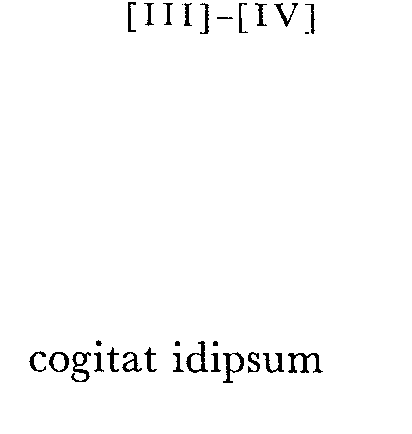
esse quod non cogitat. S i vcro cogitat, utique cogitat aliquid quod nee cogitari possit non esse. Si cnim posset cogitari non esse, cogitari posset habere principium et finem. Sed hoc non potest. Qui ergo illud cogitat, aliquid cogitat quod nee cogitari non esse possit. Hoc vero qui cogitat, non cogitat idipsum non esse. Alioquin cogitat quod cogitari non potest. Non igitur
potest cogitari non esse 'quo maius nequit cogitari' .
[IV.] Quod autem dicis, quia cum dicitur, quad summa res ista non esse nequeat cogitari, melius fortassc diceretur quod non
esse aut etiam posse non esse non possit intelligi : potius dicen dum fuit non posse cogitari. Si enim dixissem rem ipsam non posse intelligi non esse, fortasse tu ipse, qui dicis, quia secun
dum proprietatem verbi istius falsa nequcunt intelligi, obiceres nihil quod est posse intelligi non esse. Falsum est enim non
esse quod est. Quare non esse proprium deo non posse intelligi non esse. Quod si aliquid eorum qme certissime sunt potest intelligi non csse, similiter et alia certa non esse posse intelligi.
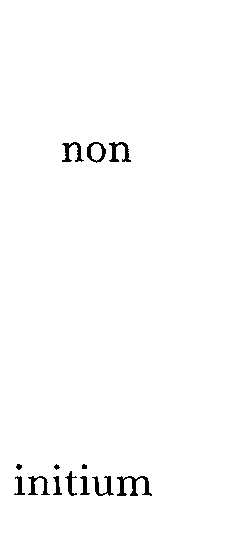
Sed hoc utique non potest obici de cogitatione, si bene con sideretur. Nam et si nulla qme sunt possint intelligi non esse, omnia tamen possunt cogitari non esse, pr˲ter id quod summe
est. Illa quippe omnia et sola possunt cogitari non esse, qu˲ initium aut finem aut partium habent coniunctionem, et sicut iam dixi, quidquid alicubi aut aliquando totum non est. Illud vero solum non potest cogitari non esse, in quo nee initium nee
finem nee partium coniunctionem, et quod non nisi semper et ubique totum ulla invenit cogitatio.
Scito igitur quia potes cogitare te non esse, quamdiu esse eertissime scis ; quod te miror dixisse nescire. Multa namque
THE AUTH O R ' S R E PLY T O GAUN I L O [ 1 1 1 ] - [ I V ]
1 77 of it, then he does not think that what he does not think of does not exist. If, however, he does think of it, then indeed
he thinks of something which cannot be even thought not to exist.
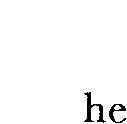
For if it could be thought not to exist, it could be thought to have a beginning and an end-but this cannot be. Thus, he who thinks of it thinks of something that cannot be thought not to exist ; indeed, he who thinks of this does not think of it as not existing, otherwise he would think what cannot be thought.
Therefore 'that-than-which-a-greater-cannot-be-thought' can
not be thought not to exist.
[IV.] You say, moreover, that when it is said that this supreme reality cannot be thought not to exist, it would perhaps be better to say that it cannot be understood not to exist or even to be able not to exist. However, it must rather be said that it
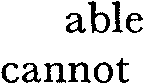
cannot be thought. For if I had said that the thing in question could not be understood not to exist, perhaps you yourself (who
claim that we cannot understand-if this word is to be taken strictly-things that are unreal) would obj ect that nothing that exists can be understood not to exist. For it is false [to say that] what exists does not exist, so that it is not the distin guishing characteristic of God not to be able to be understood
not to exist. But, if any of those things which exist with absolute certainty can be understood not to exist, in the same way other things that certainly exist can be understood not to exist.
But, if the matter is carefully considered, this objection cannot be made apropos [the term] 'thought'. For even if none of those things that exist can be understood not to exist, all how
ever can be thought as not existing, save that which exists to
a supreme degree. For in fact all those things (and they alone) that have a beginning or end or are made up of parts and,
as I have already said, all those things that do not exist as a whole in a particular place or at a particular time can be thought as not existing. Only that being in which there is

neither beginning nor end nor conjunction of parts, and that thought does not discern save as a whole in every place and at every time, cannot be thought as not existing.
Know then that you can think of yourself as not existing while
yet you are absolutely sure that you exist. I am astonished that you have said that you do not know this. For we think of
826610 N
1 78
THE AUTHOR' S R E PLY T O GAUNI L O [IVJ -[VJ
cogitamus non esse qme scimus esse, et multa esse qme non esse
scimus ; non existimando, sed fingendo ita esse ut cogitamus.
Et quidem possumus cogitare aliquid non esse, quamdiu scimus esse, quia simul et illud possumus et istud scimus. Et non
possumus cogitare non esse, quamdiu scimus esse, qma non
possumus cogitare esse simul et non esse. Si quis igitur sic distinguat huius prolationis has duas sententias, intelliget nihil, quamdiu esse scitur, posse cogitari non esse, et quidquid est pneter id quo maius cogitari nequit, etiam cum scitur esse, posse non esse cogitari. Sic igitur et proprium est deo non posse
cogitari non esse, et tamen multa non possunt cogitari, quamdiu sunt, non esse. Quomodo tamen dicatur cogitari deus non esse,
in ipso libello puto sufficienter esse dictum.
[V.J Qualia vero sint et alia qure mihi obicis pro insipiente, facile est deprehendere vel parum sapienti, et ideo id ostendere supersedendum existimaveram. Sed quoniam audio quibusdam
ea legentibus aliquid contra me valere videri, paucis de illis commemorabo.
Primum, quod srepe repetis me dicere, quia quod est maius
omnibus est in intellectu, si est in intellectu est et in re-aliter enim omnibus maius non esset omnibus maius-nusquam in omnibus dictis meis invenitur talis probatio. Non enim idem valet quod dicitur 'maius omnibus' et 'quo maius cogitari nequit', ad probandum quia est in re quod dicitur. Si quis enim dicat 'quo maius cogitari non possit' non esse aliquid in re aut posse non esse aut vel non esse posse cogitari, facile refelli potest. Nam quod non est, potest non esse ; et quod non esse potest, cogitari potest non esse. Quidquid autem cogitari
THE AUTHOR ' S R E PLY TO G AU N I LO [ I V ] -[V]
1 79
many things that we know to exist, as not existing ; and [we
think of] many things that we know not to exist, as existing not judging that it is really as we think but imagining it to be

so. ';\Te can, in fact, think of something as not existing while
knowing that it does exist, since we can [think of] the one and
know the other at the same time. And we cannot think of some thing as not existing if yet we know that it does exist, since we cannot think of it as existing and not existing at the same time.
He, therefore, who distinguishes these two senses of this assertion will understand that [in one sense] nothing can be
thought as not existing while yet it is known to exist, and that [in another sense] whatever exists, save that-than-which-a-greater cannot-be-thought, can be thought of as not existing even when we know that it does exist. Thus it is that, on the one hand, it is the distinguishing characteristic of God that He cannot be thought of as not existing, and that, on the other hand, many things, the while they do exist, cannot be thought of as not
existing. In what sense, however, one can say that God can be
thought of as not existing I think I have adequately explained in my tract.
[V.J As for the other objections you make against me on behalf of the Fool, it is quite easy to meet them, even for one
weak in the head, and so I considered it a waste of time to show this. But since I hear that they appear to certain readers to
have some force against me, I will deal briefly with them.
First, you often reiterate that I say that that which is greater
than everything exists in the mind, and that if it is in the mind, it exists also in reality, for otherwise that which is greater than everything would not be that which is greater than everything.
However, nowhere in all that I have said will you find such an argument. For 'that which is greater than everything' and
' that-than-which-a-greater-cannot-be-thought' are not equiva
lent for the purpose of proving the real existence of the thing spoken of. Thus, if anyone should say that 'that-than-which-a greater-cannot-be-thought' is not something that actually exists, or that it can possibly not exist, or even can be thought
of as not existing, he can easily be refuted. For what does not exist can possibly not exist, and what can not exist can be
thought of as not existing. However, whatever can be thought of 82fi610 N 2
1 80
THE AUTHOR ' S R EPLY TO GAU N I LO [V]
potcst non esse : si est, non est quo maius cogitari non possit.
Quod si non est : utique si esset, non esset quo maius non possit cogitari. Sed dici non potest quia 'quo maius non possit
cogitari' si est, non est quo maius cogitari non possit ; aut si esset, non esset quo non possit cogitari maius. Patet ergo quia
nee non est nee potest non essc aut cogitari non esse. Aliter enim si est, non est quad dicitur ; et si esset, non esset.
Hoc autcm non tam facile probari posse videtur de eo quod maius dicitur omnibus. Non enim ita patet quia quod non esse cogitari potest non est maius omnibus qure sunt, sicut quia non est quo maius cogitari non possit; nee sic est indubitabile quia, si est aliquid 'maius omnibus', non est aliud quam 'quo maius non possit cogitari', aut si esset, non esset similiter aliud,
quomodo certum est de eo quod dicitur 'quo maius cogitari nequit'. Quid enim si quis dicat esse aliquid maius omnibus qure sunt, et idipsum tamen posse cogitari non esse, et aliquid maius eo etiam si non sit, posse tamen cogitari? An hie sic aperte inferri po test : non est ergo maius omnibus qure sunt,
sicut ibi apertissime dicerctur : ergo non est quo maius cogitari
nequit? Illud namque alio indiget argumento quam hoc quod dicitur 'omnibus maius' ; in isto vero non est opus alio quam hoc ipso quod sonat 'quo maius cogitari non possit'. Ergo si
non similiter potest probari de eo quad 'maius omnibus' dicitur quod de se per seipsum probat 'quo maius nequit cogitari' : iniuste me reprehendisti dixisse quad non dixi, cum tantum differat ab eo quod dixi.
Si vero vel post aliud argumentum potest, nee sic me debuisti reprehendere dixisse quod probari potest. Utrum autem possit,
T H E A U TH O R ' S R E PL Y T O GAUN I L O [VJ

as not existing, if it actually exists, is not that-than-which-a greater-cannot-bc-thought. But if it does not exist, indeed even if it should exist,itwould not be that-than-which-a-greater-cannot be-thought. But it cannot be asserted that 'that-than-which-a greater-cannot-be-thought' is not, if it exists, that-than-which a-greater-cannot-be-thought, or that, if it should exist, it would not be that-than-which-a-greater-cannot-be-thought.
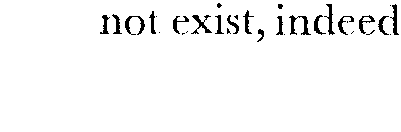
It is evident, then, that it neither does not exist nor can not exist or be thought of as not existing. For if it does exist in another way it is not what it is said to be, and if it should exist
[in another way] it would not be [what it was said to be] .
However it seems that it is not as easy to prove this in respect of what is said to be greater than everything. For it is not as evident that that which can be thought of as not existing is not that which is greater than everything, as that it is not that than-which-a-greater-cannot-be-thought. And, in the same way, neither is it indubitable that, ifthere is something which is
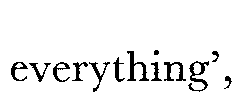
'greater than everything', it is identical with 'that-than-which a-greater-cannot-be-thought' ; nor, if there were [such a being], that no other like it might exist-as this is certain in respect of what is said to be 'that-than-which-a-greater-cannot-be thought'. For what if someone should say that something that is greater than everything actually exists, and yet that this same being can be thought of as not existing, and that something greater than it can be thought, even if this does not exist?
In this case can it be inferred as evidently that [this being] is therefore not that which is greater than everything, as it would quite evidently be said in the other case that it is there fore not that-than-which-a-greater-cannot-be-thought? The former [inference] needs, in fact, a premiss in addition to this which is said to be 'greater than everything' ; but the latter needs nothing save this utterance itself, namely, 'that-than which-a-greater-cannot-be-thought'. Therefore, if what 'that than-which-a-greater-cannot-be-thought' of itself proves con cerning itself cannot be proved in the same way in respect of what is said to be 'greater than everything', you criticize me unjustly for having said what I did not say, since it differs so much from what I did say.
If, however, it can [be proved] by means of another argument, you should not have criticized me for having asserted what can
1 82
T H E A U TH O R ' S R E P L Y T O G A lJ T\ I L O [ V ] -[V I ]
facile perpendit qui hoc posse 'quo maius cogitari ncquit'
cognoscit. Nullatenus enim potest intelligi 'quo maius cogitari
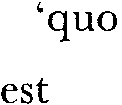

non possit' nisi id quod solum omnibus est maius. Sicut ergo 'quo maius cogitari nequit' intelligitur et est in intellectu, et
idea esse in rei veritate asseritur : sic quad maius dicitur omni bus intelligi et esse in intellectu, et idcirco re ipsa csse ex
necessitate concluditur. Vides ergo, quam recte me comparasti stulto illi, qui hoc solo quad descripta intelligeretur perditam insulam esse vellet asserere?
[VI.] Quad autem obicis qmelibet falsa vel dubia similiter posse intelligi et esse in intellectu quemadmodum illud quad
dicebam : miror quid hie sensisti contra me dubium pro bare volentem, cui primum hoc sat erat, ut quolibet modo illud
intelligi et esse in intellectu ostenderem, quatenus conse quenter consideraretur, utrum esset in solo intellectu, velut falsa, an et in re, ut vera. Nam si falsa et dubia hoc modo intelliguntur et sunt in intellectu, quia cum dicuntur audiens intelligit quid dicens significet, nihil prohibet quad dixi intelligi et esse in intellectu. Quomodo autem sibi conveniant, quad
dicis quia falsa dicente aliquo quÓcumque ille diceret intelli geres, et quia illud quad non eo modo quo etiam falsa habetur in cogitatione, non diceris auditum cogitare aut in cogitatione
habere, sed intelligere et in intellectu habere, quia scilicet
non possis hoc aliter cogitare nisi intelligendo, id est scientia
comprehendendo re ipsa illud existere ; quomodo inquam conveniant et falsa intelligi et intelligere esse scientia com prehendere existere aliquid : nil ad me, tu videris.
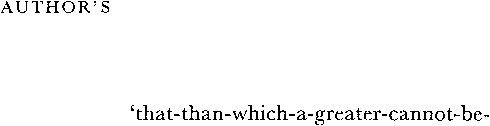
T H E A U THOR ' S R E P L Y T O GAU N I L O [V]-[V I J
1 83 be proved. Whether it can [be proved], however, is easily ap preciated by one who understands that it can [in respect of]
'that-than-which-a-greater-cannot-be-thought'. For one cannot in any way understand 'that-than-which-a-greater-cannot-be thought' without [understanding that it is] that which alone is greater than everything. As, therefore, 'that-than-which-a greater cannot-be-thought' is understood and is in the mind, and is consequently judged to exist in true reality, so also that which is greater than everything is said to be understood and to exist in the mind, and so is necessarily inferred to exist in reality itself You sec, then, how right you were to compare me with that stupid person who wished to maintain that the Lost
Island existed from the sole fact that being described it was understood.
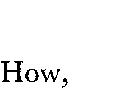
[VI.] You object, moreover, that any unreal or doubtfully real things at all can equally be understood and exist in the mind in the same way as the being I was speaking of I am astonished that you urge this [ oܽjection] against me, for I was concerned to prove something which was in doubt, and for me it was sufficient that I should first show that it was understood and existed in the mind in some way or other, leaving it to be determined subsequently whether it was in the mind alone as unreal things are, or in reality also as true things are. For, if unreal or doubtfully real things are understood and exist irt the mind i1. the sense that, when they are spoken of, he who hears

them understands what the speaker means, nothing prevents what I have spoken of being understood and existing in the mind. But how are these [assertions] consistent, that is, when you assert that if someone speaks of unreal things you would under stand whatever he says, and that, in the case of a thing which is not entertained in thought in the same way as even unreal things are, you do not say that you think of it or have it in thought upon hearing it spoken of, but rather that you understand it and have it in mind since, precisely, you cannot think of it save by understanding it, that is, knowing certainly that the thing exists in reality itself? How, I say, are both [assertions] consistent, namely that unreal things are understood, and that 'to under stand' means knowing with certainty that something actually
exists? You should have seen that nothing [of this applies] to me.

1 84
T H E A U T H O R ' S R E PLY T O GAUN I L O [VI]-[VI I I ]
QJ1odsi et falsa aliquo modo intelliguntur, et non omnis sed
cuiusdam intellectus est hrec definitio: non debui reprehendi, quia dixi 'quo maius cogitari non possit' intelligi et in intel lectu esse, etiam antequam certum esset re ipsa illud existere.
[VII.] Deinde quod dicis vix umquam posse esse credibile, cum dictum et auditum fuerit istud, non eo modo posse cogitari non esse quo etiam potest cogitari non esse deus : respondeant pro me qui vel parvam scientiam disputandi argumentandique attigerunt. An enim rationabile est, ut idcirco neget aliquis quod intelligit, quia esse dicitur id, quod ideo negat quia non intelligit? Aut si aliquando negatur, quod aliquatenus in telligitur et idem est illi q uod nullatenus intelligitur : nonne facilius probatur quod dubium est de illo quod in aliquo quam
de eo quod in nullo est intellectu? Quare nee credibile potest esse idcirco quemlibet negare 'quo maius cogitari nequit', quod auditum aliquatenus intelligit : quia negat deum, cuius sensum nlillo modo cogitat. Aut si et illud quia non omnino intclli gitur negatur : nonne tamen facilius id quod aliquo modo, quam id quod nullo modo intelligitur probatur? Non ergo
irrationabiliter contra insipientem ad probandum deum esse attuli 'quo maius cogitari non possit', cum illud nullo modo,
istud aliquo modo intelligeret.
[VIII.] Quod vero tam studiose probas 'quo mams cogitari
nequit' non tale esse qualis nondum facta pictura in intellcctu pictoris : sine causa fit. Non enim ad hoc protuli picturam
pnecogitatam, ut tale illud de quo agebatur vellem asserere,
sed tantum ut aliquid esse in intellectu, quod esse non in
telligeretur, possem ostendere.
THE AUTH O R ' S REPLY T O GAU N I L O [VIJ-[V I I I ) 185
But if unreal things are, in a sense, understood (this definition applying not to every kind of understanding but to a certain kind) then I ought not to be criticized for having said that 'that than-which-a-greater-cannot-be-thought' is understood and is in the mind, even before it was certain that it existed in reality itself.
[VII.] Next, you say that it can hardly be believed that when this [that-than-which-a-greater-cannot-be-thought] has been spoken of and heard, it cannot be thought not to exist, as even it can be thought that God does not exist. Now those who have attained even a little expertise in disputation and argument could reply to that on my behalf. For is it reasonable that some one should therefore deny what he understands because it is said to be [the same as] that which he denies since he does not understand it? Or if that is denied [to exist] which is under stood only to some extent and is the same as what is not under stood at all, is not what is in doubt more easily proved from the fact that it is in some mind than from the fact that it is in no mind at all? For this reason it cannot be believed that anyone should deny 'that-than-which-a-greater-cannot-be-thought'
(which, being heard, he understands to some extent), on the ground that he denies God whose meaning he does not think of in any way at all. On the other hand, ifit is denied on the ground that it is not understood completely, even so is not that which is understood in some way easier to prove than that which is not understood in any way? It was therefore not wholly with out reason that, to prove against the Fool that God exists, I proposed 'that-than-which-a-greater-cannot-be-thought', since he would understand this in some way, [whereas] he would understand the former [God] in no way at all.

[VIII.] In fact, your painstaking argument that 'that-than which-a-greater-cannot-be-thought' is not like the not-yet realized painting in the mind of the painter is beside the point.
For I did not propose [the example] of the foreknown picture because I wanted to assert that what was at issue was in the same case, but rather that so I could show that something not understood as existing exists in the mind.
1 86 THE A U T HO R ' S R E PLY TO GAUN I L O [VI I I ] -[ I X ]
Item quod dicis 'quo maius cogitari nequit' secundum rem vel ex genere tibi vel ex specie notam te cogitare auditum vel in intellectu habere non posse, quoniam nee ipsam rem nosti, nee
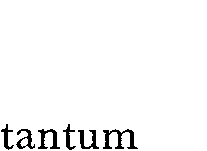
earn ex alia simili potes conicere : palam est rem aliter sese
habere. Quoniam namque omne minus bonum in tantum est simile maiori bono inquantum est bonum : patet cuilibet rationabili menti, quia de bonis minoribus ad maiora con
scendendo ex iis quibus aliquid maius cogitari potest, multum possumus conicere illud quo nihil potest maius cogitari. Quis enim verbi gratia vel hoc cogitare non potest, etiam si non credat in re esse quod cogitat, scilicet si bonum est aliquid quod
initium et finem habet, multo melius csse bonum, quod licet
incipiat non tamen desinit ; et sicut istud illo melius est, ita is to
esse melius illud quod nee finem habet nee initium, etiam si semper de prreterito per pnesens transeat ad futurum ; et sive sit in re aliquid huiusmodi sive non sit, valde tamen eo melius
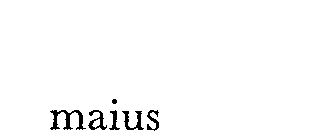
esse id quod nullo modo indiget vel cogitur mutari vel moveri ?
An hoc cogitari non potest, aut aliquid hoc maius cogitari potest? Aut non est hoc ex iis quibus maius cogitari valet
conicere id quo maius cogitari nequit ? Est igitur uncle possit
conici 'quo maius cogitari nequeat' . Sic itaque facile refelli potest insipiens qui sacram auctoritatem non recipit, si negat
'quo maius cogitari non valet' ex aliis rebus conici posse. At si
quis catholicus hoc neget, meminerit quia 'invisibilia' dei ' a creatura mundi per ea, qure facta sunt, intellecta conspiciuntur,
sempiterna quoque eius virtus et divinitas'.
[IX.] Sed etsi verum esset non posse cogitari vel intelligi illud quo maius nequit cogitari, non tamen falsum esset 'quo maius cogitari nequit' cogitari posse et intelligi. Sicut enim nil
prohibct dici 'incffabile', licet illud dici non possit quod
THE AUTHO R ' S REPLY T O GAU N I L O [V I I I ] - [ I X] 187
Again, you say that upon hearing of 'that-than-which-a greater-cannot-be-thought' you cannot think of it as a real object known either generically or specifically or have it in your mind, on the grounds that you neither know the thing itself nor can you form an idea of it from other things similar
to it. But obviously this is not so. For since everything that is less good is similar in so far as it is good to that which is more good, it is evident to every rational mind that, mounting from the less good to the more good we can from those things than which something greater can be thought conjecture a great deal about that-than-which-a-greater-cannot-be-thought. Who, for example, cannot think of this (even if he does not believe that what he thinks of actually exists) namely, that if something
that has a beginning and end is good, that which, although it has had a beginning, does not, however, have an end, is much better? And just as this latter is better than the former, so also that which has neither beginning nor end is better again than this, even if it passes always from the past through the present to the future. Again, whether something of this kind actually exists or not, that which does not lack anything at all, nor is forced to change or move, is very much better still. Cannot this
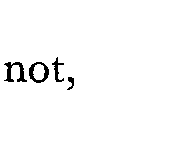
be thought? Or can we think of something greater than this?
Or is not this precisely to form an idea of that-than-which-a greater-cannot-be-thought from those things than which a greater can be thought? There is, then, a way by which one can form an idea of 'that-than-which-a-greater-cannot-be thought'. In this way, therefore, the Fool who does not accept the sacred authority [of Revelation] can easily be refuted if he denies that he can form an idea from other things of 'that than-which-a-greater-cannot-be-thought'. But if any orthodox
Christian should deny this let him remember that 'the invisible things of God from the creation of the world are clearly seen through the things that have been made, even his eternal power and Godhead' [Rom. i. 20].
[IX.] But even if it were true that [the object] that-than which-a-greater-cannot-bc-thought cannot be thought of nor understood, it would not, however, be false that [the for mula] 'that-than-which-a-greater-cannot-be-thought' could be thought of and understood. For just as nothing prevents one
1 88
THE AUTHO R ' S REPLY TO GAU N I L O [IX] -[X]
'ineffabile' dicitur ; et quemadmodum cogitari potest 'non cogitabile', quamvis illud cogitari non possit cui convenit 'non cogitabile' dici : ita cum dicitur 'quo nil maius valet cogitari', procul dubio quod auditur cogitari et intelligi potest, etiam si res illa cogitari non valeat aut intelligi qua maius cogitari
nequit. Nam etsi quisquam est tam insipiens, ut dicat non esse
aliquid quo maius non possit cogitari : non tamen ita erit impudens, ut dicat se non posse intelligere aut cogitare quid dicat. Aut si quis talis invenitur, non modo sermo eius est
respuendus, sed et ipse conspuendus. Quisquis igitur negat
aliquid csse quo maius nequeat cogitari : utique intelligit et cogitat negationem quam facit. Quam negationem intelligere aut cogitare non potest sine partibus eius. Pars autem eius est
'quo maius cogitari non potest' . Quicumque igitur hoc negat, intelligit et cogitat 'quo maius cogitari nequit' . Palam autem
est quia similiter potest cogitari et intelligi quod non potest non csse. Maius vero cogitat qui hoc cogitat quam qui cogitat quod possit non csse. Dum ergo cogitatur quo maius non possit
cogitari : si cogitatur quod possit non esse, non cogitatur quo non possit cogitari maius. Sed nequit idem simul cogitari et non cogitari. Quare qui cogitat quo maius non possit cogitari : non cogitat quod possit sed quod non possit non esse. Quapropter necesse est esse quod cogitat, quia quidquid non esse potest
non est quod cogitat.
[X.] Puto quia monstravi me non infirma sed satis necessaria argumentatione probasse in prrefato libello re ipsa e:xistere aliquid quo maius cogitari non possit ; nee earn alicuius
obiectionis infirmari firmitatc. Tantam cnim vim huius pro
lationis in se continet significatio, ut hoc ipsum quod dicitur, ex necessitate eo ipso quod intelligitur vel cogitatur, et revera probetur existere, ct id ipsum esse quidquid de divina sub-
THE AUTH O R ' S REPLY T O GAU N I L O [ I X] -[X]
1 89 from saying 'ineffable' although one cannot specify what is said to be ineffable ; and just as one can think of the incon ceivable-although one cannot think of what 'inconceivable' applies to--so also, when 'that-than-which-a-greater-cannot be-thought' is spoken of, there is no doubt at all that what is heard can be thought of and understood even if the thing itself cannot be thought of and understood. For if someone is so witless as to say that there is not something than-which-a greater-cannot-be-thought, yet he will not be so shameless as to say that he is not able to understand and think of what he was speaking about. Or if such a one is to be found, not only should his assertion be condemned, but he himself contemned.
Whoever, then, denies that there is something than-which-a greater-cannot-be-thought, at any rate understands and thinks of the denial he makes, and this denial cannot be understood and thought about apart from its elements. Now, one element [of the denial] is 'that-than-which-a-greater-cannot-be-thought'.
Whoever, therefore, denies this understands and thinks of

'that-than-which-a-greater-cannot-be-thought'. It is evident, moreover, that in the same way one can think of and under stand that which cannot not exist. And one who thinks of this thinks of something greater than one who thinks of what can not exist. When, therefore, one thinks of that-than-which-a greatcr-cannot-be-thought, if one thinks of what can not exist, one does not think of that-than-which-a-greater-cannot-be thought. Now the same thing cannot at the same time be thought of and not thought of. For this reason he who thinks of that-than-which-a-greater-cannot-be-thought does not think of something that can not exist but something that cannot not exist. Therefore what he thinks of exists necessarily, since what ever can not exist is not what he thinks of.
[X.] I think now that I have shown that I have proved in the above tract, not by a weak argumentation but by a sufficiently necessary one, that something-than-which-a-greater-cannot-be thought exists in reality itself, and that this proof has not been weakened by the force of any objection. For the import of this proof is in itself of such force that what is spoken of is proved
(as a necessary consequence of the fact that it is understood or thought of) both to exist in actual reality and to be itself what-
1 90
THE AUTHO R ' S R EPLY T O GAU N I L O [X]
stantia oportet credere. Credimus namque de divina substantia quidquid absolute cogitari potest melius esse quam non esse.
Verbi gratia : melius est esse reternum quam non reternum, bonum quam non bonum, immo bonitatem ipsam quam non ipsam bonitatem. Nihil autem huiusmodi non esse potest quo maius aliquid cogitari non potest. Necesse igitur est 'quo maius cogitari non potest' esse quidquid de divina essentia credi oportet.

Gratias ago benignitati ture et in reprehensione et in laude mei opusculi. Cum enim ea qure tibi digna susceptione videntur tanta laude extulisti : satis apparet quia qure tibi infirma visa sunt benevolentia non malevolentia reprehendisti.
THE A U T H O R ' S R E P L Y T O G A U N I L O [ X J
1 9 1
ever must be bclicwd about the Divine Being. For we believe of the Divine Being whatever it can, absolutely speaking, be thought better to be than not to be. For example, it is better to be eternal than not eternal, good than not good, indeed goodness-itself than not goodness-itself. However, nothing of this kind cannot but be that-than-which-a-greater-cannot-be thought. It is, then, necessary that 'that-than-which-a-greater cannot-be-thought' should be whatever must be believed about the Divine Nature.
I thank you for your kindness both in criticizing and praising my tract. For since you praised so fulsomely those parts that appeared to you to be worthy of acceptance, it is quite clear that you have criticized those parts that seemed to you to be weak, not from any malice but from good will.
I N D E X
Assent, 'notional' and 'real', 28.
Atheism, 32, 57, 57 n., 69, 71 , 72, 76, 99· Augustine, St., 14, 22, 23, 24 n., 25, Abelard, Peter, 2 I .
Achard of St. Victor, 4 n., 2 I .
Alan o f Lille, 3 0 n., 3 2 n .
Albert, Abbot of Marmoutier, 84.
Alexander of Christ Church, 9 n., 20.
Alexander of Hales, 4.
Alverney, M.-Th., 4 n.
Analogy, 39, 78, 8 1 .
Anselm, St. :
26-30, 34, 35 n., 37 n., 43, 54, 55-56, 6 1 n., 86, 159.
Bainvel, J., 7 n.
Baldwin, I, IO.
Baldwin of Tournai, 8, 20.
Bari, Council of, 19, 43· Barth, K., 7, 7 n., 23, 40-46, 52, 98.
Bee, Abbey of, 9, IO, 1 1, 1 2, 13, 15.
Benedictine Rule, 13.
Berengar of Tours, 9, 10 n., 25, 26,
LIFE : early years, 9-IO; at Bee, IO-I I ; election to Canterbury, 1 6-17 ; investiture quarrel, I8-20; first exile, I 9 ; relations with Henry I,
1 9-20 ; disciples, 20 ; death, 2 1 .
Vmws : o n logic, I 4 ; o n investiture,
37.
Blumenkranz, B., 3 n.
Boethius, 14, 23, 24, 25, 79 n.
Bonaventure, St., 4, 5· Boso, 20, 3 1 , 32, 33, 36, 42.
Bossuet, J. B., 37.
Bouillard, H., 7 n., 45 n.
Brehier, E., 37 n.
Brunet, A., I 2 n.
1 8-20 ; on the 'State', 18-19; on faith and reason, 22-23, 30-40; on the pagans and Muslims, 32 n., 33 n. ; on 'necessary reasons', 34-36; on atheism, 57 ; on the 'Fool', 77-78 ; see also Proslogion.
WORK : writings, I I , 20; teaching

methods, 1 1 , 1 2 ; influences, 23-26; influence of St. Augustine, 23, 26-30, 55-56 ; influence of neo Platonism, 23-24; influence of Boethius, 14; influence of 'dia lecticians', 24-26.
Cur Deus Homo, 1 1 , 1 2 n., 19, 20, 23 n.,
Cadulus, 83.
Caen, 10.
Caesar, Julius, 15.
Canterbury, 1 5, 16.
Cantor, N. F., 8 n., 1 7 n.
Cappuyns, M., 7 n. , 24 n., 29 n., 45 n.
Cassiodorus, 35.
'Catholicus', 42, 90, 168, 1 87.
Causal dependency, 6o-62, 76-77 : causal proof, 49, 56 n.
Cayre, F., 27 n.
Chartres, 9, 13.
Chatillon, J., 4 n., 5 n.
Chenu, M.-D., 14 n., 30 n., 38 n., 39 n.,
25, 30-40, 42.
De Casu Diaboli, I I .
De Conceptu Virginali, I I , 20.
De Concordia, I J .
De Grammatica, 1 1 , I 4 , 1 4 n .
De Incarnatione Ver bi, 1 I , 20, 3 3 n.
De Libertate Arbitrii, 1 1 .
De Potentia et Impotentia, 1 I , I 1 n., 25.
De Processione Spiritus Sancti, 1 I , 20.
De Sacramentis Ecclesiae, 1 1 .
De Sacrijicio Az;ymi, 1 1, 33 n.
De Veritate, 1 1, I4 n. lvleditatio Redemptionis llumanae, 20.
Monologion, I I, 23, 38, 42, 44, 49,
44 n.
Church, R. W. , 8 n., 20.
Cicero, 1 5, 32 n.
Clement II, Pope, 9.
Clement of Alexandria, 24.
Clerval, A., 13 n.
Cock, A. A., 70 n.
'Cogitare', 62, 62 n., 63 n., 88, 94, 164, 49 n., 50-5 1 , 52, 54, 8 1 , 97, I03, I05.
Proslogion, see below.
Aosta, 9, 9 n.
Aquinas, St. Thomas, 5, 5 n. , 6 n . , 22,
1 76.
Congar, Y., 1 8, 1 8 n., 24 n., 25, 38.
Contingency, 72, 73-77, 92, 94· Copleston, F., 78 n.
'Crede ut intelligas', 27-28, 38.
Crispin, Gilbert, 3, 3 n., 20, 44, 57· Crombie, I., 75 n.
23, 33 n., 37, 38, 39, 4I, 42, 58-59, 59 n., 61 n., 74 n., 77 n., 78, 8 1, 88 n.,
97 n.
Arguments of fittingness, 35-36.
'Argumentum', 35, 52.
Aristotle, 5 n., 1 4, 23, 24, 25, 34, 44,
6 1 , 79 n.
1 94 I N D EX
Damian, St. Peter, 25, 25 n .. 35, 37.
Daniels, A. , 4. n., 5 n.
Delhaye, P. , 12 n.
Denys the Areopagite, 23, 24.
Descartes, R., 5, 6, 6 n., 60 n., 65, 65 n.,
Gnosticisn1, '..?3, :i4.
God, 22 ; reason and, 26-29 ; does nothing arbitrarily, 3 5 ; ineffability of,
39, 8 1 , 1 37, 1 39 ; K. Barth on, 40-46 ; Rodulfus's proof of, 45 ; as supremely good, 49, 1 47, 1 49, 1 5 1 ; proofa of in Monologion, 49-5 1 ; defined as 'that than which nothing greater can be thought', 5 1 , 54, 6 1 , 72, 9 7-98, 1 1 7 ;
St. Augustine on, 55-5 6 ; self-evidence of, 58-59, 78 ; logical possibility of, 62, 72 ; logical peculiarity of pro positions about, 7 1 - 72 ; as existing necessarily, 73-77, 88, 92, 1 67, 1 7 1 ,
67.
Dialectics, 1 4 ; 'dialecticians' and 'anti dialecticians', 24-26.
Eadmer, 8, 1 1 , 15, 1 6, 1 7, 1 8, 20, 2 1 ,
3 2 n., 42 n., 53.
Elmer, 20.
Emanation, 24.
Erigena, John Scotus, 23, 24, 29.
mnburga, 9.
1 77 ; 'ontological' proof of, 6 , 65 ; 'ontological' disproof of, 72, 75 ; causal proof of, 7 7 ; attributes of, 78-82, 99, 1 2 1 ; as perceptive, 79, 1 2 1 ,
1 2 3 ; as omnipotent, 79, 1 23 ; as just and merciful, 80, 1 25 , 1 2 7, 1 29, 1 3 1 ; as identical with His attributes, 80,
Esse , 79, l 22.
Evil, 64.
Evodius, 55.
Exemplarism, 23.
Existence: not a predicate, 7, 50, 65-67 ;
'in re' and 'in intellectu', 63-70, l 1 7 ; different senses of, 65-67 ; necessary and contingent, 74-77, 88, 92, 1 1 9 ; 'synthetic' propositions about, 74.-75, 88; temporal and supra-temporal, 9 1-93, 1 33· 1 3 3 ; as limitless and eternal, 80, 1 33 ; as inaccessible, 82, 1 1 1 , 1 35 , 1 3 7 ; as supra-spatio-temporal, 94, 1 4 1 , 1 43,
1 45, 1 7 1 , 1 73 ; as non-composite, 1 39, 141, 1 45 ; as a Trinity, 1 45, 1 47, 1 55.
Gonsette, J., 25 n.
Goodness, degrees of, 49.
Grammar, 1 4, 1 4 n.
Grant, C. K., 7 n., 70 n.
Gregory VII, Pope, 1 7, 53· Gregory IX, Pope, 44.
Gregory the Great, St., 1 2 , 14, 29, 29 n.
Gregorian Reform, 1 71 8.
Guibert of Nogent, 1 1 , 1 2 .
Gundulf, 9.
'Facere', 79, 79 n., 1 22 .
Faith and reason, 1 8, 1 9, 2 2 , 2 3 ; St.
Augustine on, 26-30, 55-56 ; in Cur Deus Homo, 30-40 ; K. Barth on, 40-46.
Fecamp, g.
Feudalism, 1 7, 1 8 .
Fideism, 2 8 , 37, 4 1 , 44, 54.
Filliatre, C., 24 n.
Finance, J. de, 6 n.
Findlay, J. N., 75.
Fishacre, Richard, 4, 4 n.
Fleury-sur-Loire, 9.
Fliche, A., 18 n., 53 n.
'Fool', the, 34, 55, 77-78, go, 95, 97,
Haskins, C. H., 12 n., 15 n.
Henry I, 8, 1 6 , 1 9, 20.
Henry, D. P., 7 n., 14 n., 1 5 n., 79 n.,
91 n .
Henry of Ghent, 5.
Henry of Huntingdon, 2 I .
Herluin, 9, J O.
Holkot, Robert, 5.
Honorius Augustoduncnsis, 20.
Horace, 14.
Hugh, Archbishop ofLyons, 1 9 , 53, 1 05.
Hunt, R. W., 14 1i.
I 1 7, I J 9, 1 57, 1 65, 169, 1 73, 1 85,
1 87.
Forest, A., 7 n., 6 1 n.
Freedom of will, 22, 28.
Fulbert of Chartres, 13, 13 n.
Gassendi, P., 65 n.
Gaunilo of Marmoutier, 42, 60 ; life, 83-84; Reply on Behalf of the Fool, 84--89, 1 56-66 ; St. Anselm's counter reply to, 90-99, 1 68-9 1 .
Gerbert, I 1 .
Ghellinck, J . de, 1 2 n. , 2 1 n., 2 6 n., Illumination, theory of, 28.
Incarnation, doctrine of, 22, 3 1 , 34, 38.
'Infideles', see Unbelievers.
'Insipiens', see 'Fool'.
'Intelligere', 62, 62 n. , 63 n., 89, 94,
29 n., 32 n.
Gilbert de la Porree, 27 n., 29, 30 n.
Giles of Rome, 5 .
Gilson, E., 5 n . , 7 , 7 n., 2 3 , 3 6 n., 4 5 n., 1 64, 1 76 .
Investiture, quarrel about, 8, 1 8, 19, 20.
Ireland, Hugh, King of I O.
Isaiah, 27.
59 n., 6 1 n.
I N DEX
Orkney, Earl of, I O .
Ovid, i4.
.Jacquin, A. M., 3S n.
Jews, 32, 33 n . .. 42.
John of Beverley, S· John of Cornwall, 2 r .
John of Ravenna, 9.
John of Salisbury, 8.
Justin, St., 24 n.
Pagans ('pagani'), 32, 32 n., 33 n., 42.
Pare, G., r2 n.
Participation, 23.
Paschal II, Pope, r 9.
Paul, St., 27, 97, r87.
Perfection : pure perfection, s ; degrees
Kant, I., 6, 6 n., 6s, 67, 74, 7S, 88.
Knowles, D., r 3 n., r s n., 1 7 n.
of, 23, 49, 50 ; notion of in Pros logion, 60-6 1 ; existence as a, 65 n., 68 ; least perfect being, 70 ; attributed to God,
Koyre, A., s n., 6 n., 24 n., 60 n.
78, 78 n.
'Per se notum', 58-59.
Philip of Bayeux, 15 n.
Philip the Chancellor, 2 1 .
Pliny, 15.
Plotinus, 24 n.
Pontifex, M., 5S n., 56 n.
Poole, A. L., 1 7 n., 20 n.
Porphyry, 1 4.
'Posse', 79.
Possibility, q, 62, 63.
Preambles of faith, 27, 28, 36, 37· Proclus, 24 n.
Proslogion : influence, 3-7, 20-2 r ; date, Lanfranc, Archbishop of Canterbury,
g, I O , I o n., I I , I I n., 1 3 , 1 5, 1 6, 1 7, 24, 25 n., 26, 43 n.
Laporte, J ., 9 n.
Law, r s, 1 s n.
Leclercq, Jean, 25 n.
Leff, G., 37 n.
Leibniz, G., s, 6, 6s, 70 n., 74 n.
Leo the Great, Pope, r 4.
'Liberty of the Church', r 8, r8 n.,
19.
Libraries, is, 1 5 n.
Logic, 14, 44.
'Lost Island', the, 88, 93-94, 1 63, l6S, r 1 ; K. Barth on, 41-43 ; Gilson et al., on, 4S n. ; Anselm's intention in, 46 ; and Morwlogion arguments, s 1-s4; circumstances of composition, s2-s3,
I 69, I 75, 183.
Lubac, H. de, 7 n.
Macdonald, A . .J., I O n., 26 n.
:MacKinney, L. C., 1 3 n.
Maitre, L., rs n.
Ƈ1alcolm, N., 7 n., 6 1 n., 64 n., 6s n . .
1 04; name, S3, 10s ; dedication, 53, 1 05 ; and St. Augustine's De Libero Arbitrio, 5s-56, 56 n.; notion of causal dependency in, 6 1 , 76-77; notion of perfection in, 6o-6 r ; comparision of things 'in re' and 'in intellectu' in, 63-70, r r 7, r 7 5; comparison of con tingent and necessary existents in,
7S n., 7 6 n .
Marius Victorinus, 3 2 n.
Marmoutier, Abbey of 83-84.
Martene, E., 83, 83 n., 84.
Mascall, E. L., S9 n.
Mason, J. F. A., 10 n.
Matilda of Tuscany, I O .
Mcintyre, j., 3 r n., 44 n.
McKean, R., 37 n.
Meinong, A., 99.
Michaud-Quantin, P., 62 n.
:Modal concepts, r4.
73-77, r 19, r 1 r ; on attributes of God, 78-82, r 2 r ; Gaunilo's reply to, 84-89,
1 56-66 ; St. Anselm's defence of 9093, r68-9 1 ; 'that than which nothing greater can be thought' formula, see below.

'Quadrivium', 9, 1 3.
Monte Cassino, Abbey of, r S· Muslims, 32 n., 33 n.
Ralph, see Rodulfus.
Ralph de Diceto, B n.
Raoul Mechante-Couronne, 84.
Rationalism, 23, 24, 28, 36, 37, 44, 4S· 'Rationes necessariae', see Necessary reasons s.v. Necessity.
Raynaucl de Lage, G., 30 n., 32 n.
Redemption, doctrine oJ; 3 r .
Remusat, C. de, 8 n.
Richard of St. Victor, 36 n.
Richer, 1 r .
Rigg, .J. H., 8 n .
Robinson, .J. Armitage, 3 n.
Necessity, r4, 34-35, 73-·77; 'necessary
existence', see Existence and God ; 'necessary reasons' ('rationes necess ariae'), 3 r , 34-36, 38.
Neo-Platonism, 2'.), 24, s1-s2, 60, 98.
Newman, J. H., 28.
Normandy, 9, r 6, i 7.
O'Meara, J. ]., 28 n.
'Ontological' proof, 6, 6s ; 'ontological'
disproof, 72, 7S· Origen, 24 n.
i 96 I ND E X g3 , g1-98, l J 7, I lg, 16g, 1 79, 1 8 1 , Rodulfus, 3, 3 n., 20, 44, 45, 57· Roger of Sicily, Count, 32 n.
Rome, Easter Council of, t9.
Roques, R., 31 n., 32 n., 33 n.
Roscelin, I I • Rauen, 9 .
Rule, M . , 8 n., 53 n.
Russell, B . , g9.
Ryle, G., 7g n. i 87.
Theology, 14, 22, 24, 25, 29, 30 n., 39,
40, 44· Thiery, 84.
Thompson, J. W., 15 n.
Thomson, S. Harrison, 6 n.
Thonnard, .F. J., 23 n.
Time, 28; temporal and supra-temporal
existence, 6o-6r, g 1-g2, 97-98, 133; and God, 1 41, 143, 145, 1 7 1 , 1 73, Savoy, Counts of, g.
Scepticism, 32.
Schmitt, F. S., 1 I n., 49 n., 56 n., 7g n.
'Scientia', 39.
Scotland, King of, I O .
Scotus, Duns, 5, 5 n., 36 n.
Secret, B., 9.
Seneca, i 5, 56 n.
Sigo of Marmoutier, 84.
Simon of Tournai, 27 n., 30.
Smart, J. J. C., 75 n.
'Sola ratione', see Faith and reason.
1 87.
Tremblay, P., 1 2.
Trinity, doctrine of, 22, 36 n., 38, 1 45,
147. 1 55.
'Trivium', g, 1 3.
Unbelievers ('infideles'), 31, 32, 42, 57.
Urban II, Pope, 18, 1 9, 43· Vagaggini, C., 36 n., 78 n.
Vignaux, P., 49 n.
Virgil, 14.
Vorges, Domet de, 74 n.
Soul, 2 I, 28.
Southern, R. W., 3 n., 6 n., 8 n., 9 n.,
i o n., i 2 n., 1 6 n., 2o n., 44 n., 45 n., 57 n., 78, 84.
Stenton, F. M., 1 7.
Subjects, logical, 66-68.
Suppa of Mont St. Michel, g.
Syllogism, theory of, 34.
Webb, C. C. ]., 3 n., 44 n., 57 n.
William of Auxerre, 4.
William of Malmesbury, 8 n., IO, 43 n.
William of Volpiano, g.
William of Ware, 5.
William Rufus, King, 8, 1 6, 1 1, 1 g, 53· William the Conqueror, King, r n , 1 7.
Williams, G. H., 1 7.
Wilmart, A., 16, 53 n.
Wittgenstein, L., 76 n., go.
Wolter, A., 5 n.
Wyclif, John, 6, 6 n., 60 n.
'That than which nothing greater can be thought' formula, 3, 3 n. ; and Monologion arguments, 5 1 ; source of, 56, 56 n. ; not analytic, s8-59; criti cism of, 60-63 ; Gaunilo on, 84-87,
1 57-63; St. Anselm's defence of, go-
"An excellent translation, introduction, and commentary on this important theological treatise. . . . [The author's] point of view is that though Anselm sees reason as operating within the realm of faith, he also sees it as operating 'prior to and independently of faith' so that the argument of this treatise is intended to have validity not only for the believer but also for the unbeliever." —Choice
In the Proslogion St. Anselm presents a philosophical argument for the existence of God. Anselm's proof, known since the time of Kant as the ontological argument for the existence of God, has played an important role in the history of philosophy and has been incorporated in various forms into the systems of Descartes, Leibniz, Hegel, and others.
Included in this edition of St. Anselm's Proslogion are Gaunilo's A Reply on Behalf of the Fool and St. Anselm's The Author's Reply to Gaunilo. All three works are given in the original Latin with English translation on facing pages. Professor Charlesworth provides in his introduction a helpful discussion of the context of the Proslogion in the theological tradition and in Anselm's own thought and writing.
His commentary exhibits a careful analysis of Anselm's progression of thought and illuminates his argument by comparing it with the later ontological argument of Descartes. Professor Charlesworth deals critically with various interpretations of the Proslogion by later theologians, notably Aquinas and Karl Barth.
UNIVERSITY OF NOTRE DAME PRESS
Notre Dame, Indiana 46556 undpress.nd.edu