
English Christian Web Book
The Sentences, Book 3: On the Incarnation of the Word
Peter Lombard
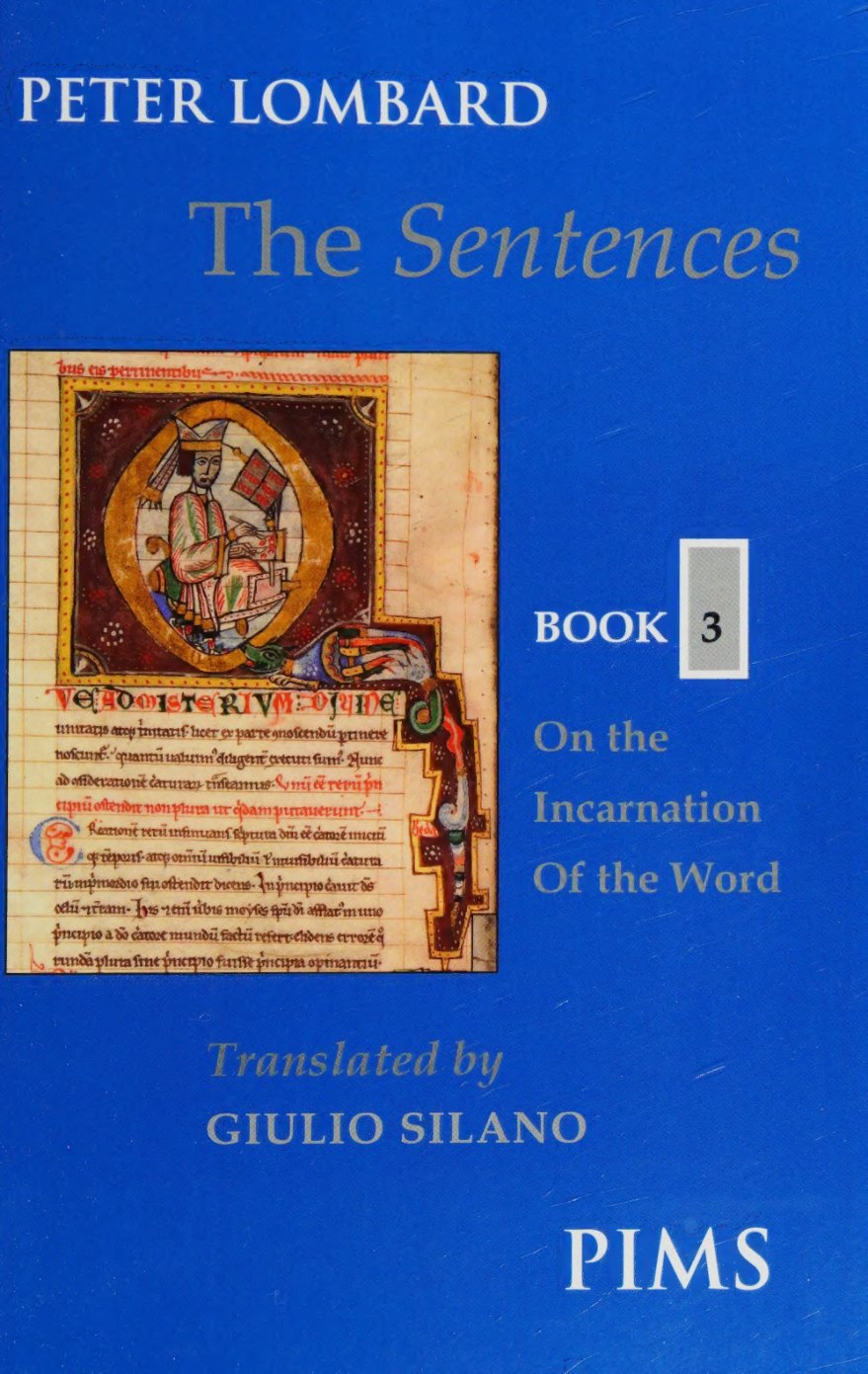
About this book
The Sentences, Book 3: On the Incarnation of the Word — Peter Lombard.
Author: Peter Lombard
- 143 chapters
- 242 PDF pages
- 120,436 words
- ≈ 926 min read
- English
🔍 Search this book
Ctrl K
Table of Contents
1Front matter
pp. 1–54 · ≈ 160 min2Chapter 2: Whether The Father Or The Holy Spirit Could Have Become
pp. 55–55 · ≈ 4 min3Chapter 3: 1. Whether The Son, Who Alone Took On Flesh, Did Something That
pp. 55–55 · ≈ 4 min4Chapter 1 (4): 1. Why He Took The Whole Human Nature, And What Is Understood
pp. 56–57 · ≈ 7 min5Chapter 2 (5)
pp. 58–58 · ≈ 4 min6Chapter 3 (6): 1. That The Word Took On Flesh And Soul At The Same Time, Nor
pp. 58–58 · ≈ 4 min7Chapter 1 (7): 1. On The Flesh Which The Word Took, What It Was Like Before
pp. 59–60 · ≈ 7 min8Chapter 2 (8): He Confirms By Authority That From That Time The Virgin Was
pp. 61–61 · ≈ 3 min9Chapter 3 (9): 1. Why Christ Did Not Pay Tithes In Abraham, As Levi Did, Even
pp. 61–61 · ≈ 3 min10Chapter 4 (10): 1. For What Reason Christ'S Flesh Is Said In Scripture Not To Have
pp. 62–63 · ≈ 8 min11Chapter 1 (11): 1. Why In Scripture The Incarnation, Which Is The Work Of The
pp. 64–64 · ≈ 3 min12Chapter 2 (12): In What Sense Christ Is Said To Have Been Conceived And Born Of
pp. 65–66 · ≈ 7 min13Chapter 3 (13): 1. Why The Apostle Says That Christ Was Made, But We Profess
pp. 67–70 · ≈ 15 min14Chapter 2 (15): 1. Whether The Divine Nature Ought To Be Said To Have Been
pp. 71–71 · ≈ 4 min15Chapter 3 (16): 1. Why [The Word] Did Not Take The Person Of A Man, Even
pp. 72–73 · ≈ 8 min16Chapter 2 (18)
pp. 74–75 · ≈ 8 min17Chapter 3 (19)
pp. 76–77 · ≈ 8 min18Chapter 4 (20)
pp. 78–78 · ≈ 4 min19Chapter 5 (21): He Brings Forth Authorities By Which This View Is Strengthened.
pp. 79–79 · ≈ 4 min20Chapter 6 (22)
pp. 79–80 · ≈ 7 min21Chapter 1 (23): 1. After Setting Out The Views And Reporting The Testimonies, He
pp. 81–85 · ≈ 19 min22Chapter 2 (24): 1. In What Sense, According To Them, He Is Called Predestined.
pp. 86–86 · ≈ 4 min23Chapter 3 (25)
pp. 87–87 · ≈ 3 min24Chapter 1 (26): 1. Whether The Divine Nature Ought To Be Said To Be Born Of The
pp. 87–87 · ≈ 3 min25Chapter 2 (27)
pp. 88–91 · ≈ 15 min26Chapter 2 (30): 1. Whether Christ Is An Adoptive Son According To His Being Man
pp. 92–93 · ≈ 8 min27Chapter 3 (31)
pp. 94–94 · ≈ 3 min28Chapter 1 (32)
pp. 94–94 · ≈ 3 min29Chapter 2 (33): 1. On The Perfidy And Punishment Of Arius.—Ambrose, In On The
pp. 95–96 · ≈ 8 min30Chapter 2 (35): 1. If God Could Have Taken On Another Human Nature Or From
pp. 97–97 · ≈ 3 min31Chapter 3 (36): 1. If It Would Have Been Possible For That Man To Sin Or Not Be
pp. 98–98 · ≈ 4 min32Chapter 4 (37)
pp. 99–105 · ≈ 25 min33Chapter 2 (40): 1. Why God Did Not Give To That Soul The Power Over, As Well As
pp. 106–110 · ≈ 20 min34Chapter 2 (42)
pp. 111–112 · ≈ 7 min35Chapter 3 (43): 1. On Some Rather Obscure Chapters Of Hilary Which Appear To
pp. 113–114 · ≈ 8 min36Chapter 4 (44): On Christ'S Sorrow And Its Cause According To The Same.—
pp. 115–115 · ≈ 3 min37Chapter 1 (45): 1. Whether In Christ There Was The Necessity To Suffer And Die,
pp. 116–116 · ≈ 4 min38Chapter 2 (46)
pp. 117–117 · ≈ 3 min39Chapter 1 (47)
pp. 117–117 · ≈ 3 min40Chapter 2 (48)
pp. 117–120 · ≈ 14 min41Chapter 3 (49): 1. On Ambrose'S Assertion That Christ Doubted By Human Dispo-
pp. 121–121 · ≈ 4 min42Chapter 1 (50): 1. Whether Christ Merited For Himself And For Us, And What For
pp. 122–122 · ≈ 3 min43Chapter 2 (51): 1. That Christ Merited For Himself The Same Things From His Con-
pp. 123–123 · ≈ 3 min44Chapter 3 (52): 1. Concerning That Text: He Gave To Him The Name Which Is Above
pp. 124–124 · ≈ 4 min45Chapter 4 (53): 1. Whether Christ Could Have Had Those Things Without Any
pp. 125–125 · ≈ 4 min46Chapter 5 (54)
pp. 126–127 · ≈ 7 min47Chapter 1 (55): 1. Here How, By His Death, He Redeemed Us From The Devil And Sin.
pp. 128–129 · ≈ 8 min48Chapter 2 (56)
pp. 130–130 · ≈ 3 min49Chapter 3 (57): How And From What Punishment Did Christ Redeem Us By His
pp. 130–130 · ≈ 3 min50Chapter 4 (58)
pp. 130–130 · ≈ 3 min51Chapter 5 (59): Whether Christ Alone Is To Be Called Redeemer, As He Alone Is
pp. 131–131 · ≈ 3 min52Chapter 6 (60)
pp. 131–131 · ≈ 3 min53Chapter 7 (61)
pp. 132–133 · ≈ 7 min54Chapter 1 (62): That He Could Have Freed Us In Some Other Manner, And Why
pp. 134–134 · ≈ 3 min55Chapter 2 (63)
pp. 134–134 · ≈ 3 min56Chapter 3 (64)
pp. 135–135 · ≈ 3 min57Chapter 4 (65)
pp. 136–136 · ≈ 3 min58Chapter 5 (66): 1. On The Handing Over Of Christ, Which Is Said To Have Been Done
pp. 136–136 · ≈ 3 min59Chapter 6 (67): 1. That Christ'S Passion Is Termed The Work Of God And Of The
pp. 137–140 · ≈ 16 min60Chapter 2 (69)
pp. 141–142 · ≈ 8 min61Chapter 1 (70)
pp. 143–143 · ≈ 4 min62Chapter 2 (71): 1. Whether In Death Christ Was A Man Anywhere, And Whether He
pp. 144–144 · ≈ 4 min63Chapter 3 (72): 1. That The Whole Christ Is Everywhere, Yet Not Wholly, Just As
pp. 145–145 · ≈ 4 min64Chapter 4 (73): 1. Whether Those Things Which Are Said Of God Or Of The Son Of
pp. 146–146 · ≈ 4 min65Chapter 2 (75)
pp. 147–147 · ≈ 3 min66Chapter 3 (76)
pp. 147–147 · ≈ 3 min67Chapter 4 (77): 1. What It Is To Believe God, Or In A God, Or In God.—Bede; Au-
pp. 148–148 · ≈ 3 min68Chapter 5 (78): Whether That Formless Quality Of Mind, Which Is In The Evil
pp. 149–149 · ≈ 3 min69Chapter 6 (79)
pp. 149–149 · ≈ 3 min70Chapter 7 (80): 1. That Faith Properly Concerns Things Which Are Not Seen, And
pp. 150–150 · ≈ 4 min71Chapter 8 (81)
pp. 151–151 · ≈ 4 min72Chapter 9 (82)
pp. 152–153 · ≈ 7 min73Chapter 2 (84): 1. Whether Peter Had Faith In The Passion When He Saw That Man
pp. 154–154 · ≈ 4 min74Chapter 3 (85)
pp. 154–155 · ≈ 7 min75Chapter 1 (86)
pp. 156–157 · ≈ 7 min76Chapter 2 (87)
pp. 158–158 · ≈ 4 min77Chapter 3 (88): 1. Before The Mediator'S Coming, What Was It Necessary To Know
pp. 158–158 · ≈ 4 min78Chapter 4 (89)
pp. 159–159 · ≈ 3 min79Chapter 5 (90): 1. On The Equality Of Faith, Hope, Charity, And Work, Which Are
pp. 160–160 · ≈ 4 min80Chapter 2 (92): With What Hope Is Concerned.—Augustine, In The Enchiridion.
pp. 161–161 · ≈ 3 min81Chapter 3 (93)
pp. 161–161 · ≈ 3 min82Chapter 4 (94): He Returns To The Question Posed Earlier, Namely Whether Faith
pp. 162–162 · ≈ 4 min83Chapter 5 (95)
pp. 162–162 · ≈ 4 min84Chapter 1 (96): 1. On The Charity By Which God And Neighbour Are Loved, Which Is
pp. 163–163 · ≈ 3 min85Chapter 2 (97)
pp. 163–163 · ≈ 3 min86Chapter 3 (98): Whether God And Neighbour Are Loved By The Same Charity.
pp. 163–163 · ≈ 3 min87Chapter 4 (99)
pp. 164–164 · ≈ 3 min88Chapter 5 (100)
pp. 165–166 · ≈ 8 min89Chapter 7 (102): That The One Mandate Is Contained In The Other.—Augustine, In
pp. 167–167 · ≈ 3 min90Chapter 8 (103)
pp. 168–168 · ≈ 3 min91Chapter 2 (105): Whether The Love Of Angels Is Contained In That Precept.—
pp. 169–169 · ≈ 3 min92Chapter 3 (106): 1. Who Is Our Neighbour.—Augustine, In The Book On Christian
pp. 170–170 · ≈ 3 min93Chapter 4 (107)
pp. 171–171 · ≈ 3 min94Chapter 2 (109)
pp. 172–174 · ≈ 11 min95Chapter 3 (110)
pp. 175–177 · ≈ 11 min96Chapter 1 (112)
pp. 178–180 · ≈ 11 min97Chapter 2 (113): 1. Why Faith, Hope, And Knowledge Are Said To Be Made Void, And
pp. 181–181 · ≈ 3 min98Chapter 3 (114)
pp. 181–182 · ≈ 7 min99Chapter 2 (116): 1. According To What Meaning Is He Said To Love More Or Less
pp. 183–183 · ≈ 4 min100Chapter 3 (117)
pp. 183–183 · ≈ 4 min101Chapter 4 (118): Whether One Is Loved By God More Or Less At One Time Than At
pp. 184–184 · ≈ 3 min102Chapter 5 (119)
pp. 184–184 · ≈ 3 min103Chapter 2 (121)
pp. 185–185 · ≈ 2 min104Chapter 3 (122)
pp. 185–185 · ≈ 2 min105Chapter 1123)
pp. 186–186 · ≈ 3 min106Chapter 2 (124): 1. That The Seven Gifts Are In The Angels And That They Are Vir-
pp. 187–187 · ≈ 3 min107Chapter 3 (125)
pp. 187–187 · ≈ 3 min108Chapter 4 (126)
pp. 188–189 · ≈ 7 min109Chapter 5 (127): 1. He Treats More Fully Chaste And Servile Fear, Touching Also
pp. 190–190 · ≈ 3 min110Chapter 6 (128): 1. He Shows How The Two Fears Differ By The Analogy Of Two
pp. 191–192 · ≈ 8 min111Chapter 7 (129): 1. That Servile And Initial Fear Are Called The Beginning Of Wis-
pp. 193–193 · ≈ 3 min112Chapter 8 (130)
pp. 193–193 · ≈ 3 min113Chapter 9 (131): 1. Whether The Fear Of Pain, Which Was In Christ, Was Servile,
pp. 194–194 · ≈ 3 min114Chapter 1 (132)
pp. 194–195 · ≈ 7 min115Chapter 2 (133)
pp. 196–196 · ≈ 3 min116Chapter 3 (134): 1. That The Understanding And Knowledge Of Which We Speak
pp. 196–196 · ≈ 3 min117Chapter 1 (135)
pp. 197–197 · ≈ 4 min118Chapter 2 (136): 1. Whether All The Virtues Are Equally Present In Anyone In
pp. 198–199 · ≈ 8 min119Chapter 3 (137): 1. He Returns To Charity, In Order To Add How The Whole Law
pp. 200–201 · ≈ 6 min120Chapter 2 (139)
pp. 202–202 · ≈ 4 min121Chapter 3 (140)
pp. 203–203 · ≈ 3 min122Chapter 4 (141)
pp. 204–204 · ≈ 3 min123Chapter 5 (142)
pp. 205–205 · ≈ 4 min124Chapter 6 (143)
pp. 206–206 · ≈ 3 min125Chapter 1 (144)
pp. 207–207 · ≈ 4 min126Chapter 2 (145)
pp. 208–208 · ≈ 3 min127Chapter 3 (146)
pp. 208–208 · ≈ 3 min128Chapter 4 (147)
pp. 209–209 · ≈ 4 min129Chapter 5 (148)
pp. 209–209 · ≈ 4 min130Chapter 6 (149): 1. In What It Is Dangerous To Err, In What Not.—Augustine, In The
pp. 210–210 · ≈ 3 min131Chapter 2 (151): 1. Whether Something Which Is Not A Lie Can Be A Perjury.—
pp. 211–211 · ≈ 3 min132Chapter 3 (152)
pp. 212–212 · ≈ 4 min133Chapter 4 (153)
pp. 213–213 · ≈ 4 min134Chapter 5 (154)
pp. 214–214 · ≈ 3 min135Chapter 6 (155): Which Oath Is More Binding, Whether The One Done By God, Or By
pp. 215–215 · ≈ 3 min136Chapter 7 (156)
pp. 215–215 · ≈ 3 min137Chapter 8 (157)
pp. 216–216 · ≈ 3 min138Chapter 9 (158): 1. That An Oath Or Vow Which Is Carelessly Sworn Is Not To Be
pp. 216–216 · ≈ 3 min139Chapter 10 (159): 1. Whether He Who Does Not Do What He Had Incautiously Sworn
pp. 217–217 · ≈ 4 min140Chapter 11 (160): Concerning Him Who Swears With Verbal Artfulness.—Isidore, In
pp. 218–218 · ≈ 3 min141Chapter 12 (161)
pp. 218–218 · ≈ 3 min142Chapter 2 (163): What Is The Letter That Kills.—Augustine, On The Baptism Of
pp. 219–219 · ≈ 3 min143Chapter 3 (164): 1. On The Difference Between The Law And The Gospel.—Augus-
pp. 220–242 · ≈ 64 min
🔖 My bookmarks
Saved in this browser only. Tap 🔖 Bookmark while reading to add a chapter.
If you spot a typographic error from the PDF conversion, please tell us and quote the chapter title or page range.