
English Christian Web Book
Original Sin
Jonathan Edwards
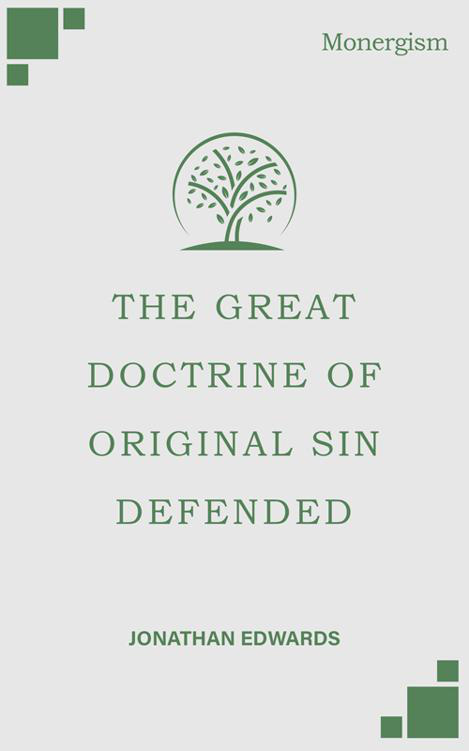
About this book
Original Sin — Jonathan Edwards.
Author: Jonathan Edwards
- 46 chapters
- 395 PDF pages
- 121,835 words
- ≈ 937 min read
- English
🔍 Search this book
Ctrl K
Table of Contents
1be so much love, as there is want of due love; or in other words, they
pp. 60–60 · ≈ 3 min2dominion in the hearts of good men, is the nature of the Covenant of
pp. 61–124 · ≈ 174 min3were it not for a dreadful depravity of nature, would have influence
pp. 125–126 · ≈ 5 min4not account for children's universally committing sin as soon as
pp. 127–127 · ≈ 3 min5part of mankind, cannot consistently be accounted for from the
pp. 127–140 · ≈ 39 min6manner which Dr. Taylor mentions, viz. to mortify, or moderate their
pp. 141–141 · ≈ 3 min7in consequence of Adam's sin, not at all as a calamity, but only as a
pp. 142–182 · ≈ 111 min8different things. If there had never been any such thing as sin
pp. 183–183 · ≈ 3 min9his posterity fell into the hands of the Judge, to be disposed of as he
pp. 184–184 · ≈ 3 min10failing of the possible existence of innumerable multitudes of Adam's
pp. 184–184 · ≈ 3 min11threatening of the law delivered to Adam, which the possible
pp. 185–185 · ≈ 3 min12men comes under the notion of a judgment to condemnation by this
pp. 186–194 · ≈ 25 min1333:12, 13, "The righteousness of the righteous shall not deliver him in
pp. 195–195 · ≈ 3 min14is, that Adam should be exposed to death for one transgression,
pp. 196–227 · ≈ 89 min15these places, which the Apostle cites from the Old Testament, to
pp. 228–229 · ≈ 6 min16to prove to the Jews, that of old there was a considerable number of
pp. 230–230 · ≈ 3 min17our author understands his purpose, for him to have gone about to
pp. 231–238 · ≈ 21 min18and abolish everything to which this self-distinguishing, self-exalting
pp. 239–239 · ≈ 3 min19ministry, to militate against this Pharisaical spirit, practice and
pp. 239–239 · ≈ 3 min20thoroughly brought off from such notions, manners and language of
pp. 240–240 · ≈ 2 min21matter, and none so abundant in instructing others in it, as Paul, the
pp. 240–240 · ≈ 2 min22the Romans, above all his other writings; exerting himself in a most
pp. 240–241 · ≈ 5 min23that he uses the word "sinners," not as signifying "Gentiles," in
pp. 242–242 · ≈ 3 min24speaks in this place of the sinners and enemies which Christ died for,
pp. 243–263 · ≈ 60 min25argument, viz. that there was no law of God in being, by which men
pp. 264–265 · ≈ 6 min26in being, of any kind, revealed or natural by which men could be
pp. 266–266 · ≈ 3 min27prove that death don't come by personal sin, yet it will be wholly
pp. 267–274 · ≈ 22 min28resurrection both of the just and unjust; but abundant evidence of
pp. 275–275 · ≈ 3 min29of in Rom. 5th, is the very same (containing neither more nor less) as
pp. 276–277 · ≈ 6 min30sin, in various instances, is used for suffering, in the Old Testament.
pp. 278–279 · ≈ 6 min31"sinner," as our author supposes, in the Old Testament, 'tis evident
pp. 280–281 · ≈ 6 min32only to make the Apostle greatly to disagree with himself in the
pp. 282–283 · ≈ 6 min33the Apostle uses the words "sin," "sinned," etc. in other places, and in
pp. 284–324 · ≈ 110 min34born of the race of Adam, by ordinary generation, that unless he be
pp. 325–325 · ≈ 3 min35that it is most certain with respect to every one of the human race,
pp. 325–325 · ≈ 3 min36Scripture most clearly teaches of the nature of 'em, 'tis certain, that
pp. 326–348 · ≈ 61 min37appointment, than if every one had been appointed to stand for
pp. 349–349 · ≈ 3 min38this: that if there had been no sovereign gracious establishment at
pp. 349–366 · ≈ 49 min39for Adam's sin, there was nothing which appears inconsistent with
pp. 367–367 · ≈ 2 min40benedictions God pronounced on Noah and his posterity, which were
pp. 368–370 · ≈ 8 min41and so is a begging the question. It is built on this supposition, that
pp. 371–371 · ≈ 3 min42the goodness of God, to give mankind being in a state of misery,
pp. 371–371 · ≈ 3 min43attribute of goodness, for God, in any case, by an immediate act of
pp. 372–372 · ≈ 3 min44nature, yet we may have great reason to bless God, that he has given
pp. 372–374 · ≈ 8 min45in, with respect to the grand distinction of the whole world of
pp. 375–375 · ≈ 3 min46distinction, wherein particular persons, both righteous and wicked,
pp. 376–395 · ≈ 51 min
pp. 60–60 · ≈ 3 min2dominion in the hearts of good men, is the nature of the Covenant of
pp. 61–124 · ≈ 174 min3were it not for a dreadful depravity of nature, would have influence
pp. 125–126 · ≈ 5 min4not account for children's universally committing sin as soon as
pp. 127–127 · ≈ 3 min5part of mankind, cannot consistently be accounted for from the
pp. 127–140 · ≈ 39 min6manner which Dr. Taylor mentions, viz. to mortify, or moderate their
pp. 141–141 · ≈ 3 min7in consequence of Adam's sin, not at all as a calamity, but only as a
pp. 142–182 · ≈ 111 min8different things. If there had never been any such thing as sin
pp. 183–183 · ≈ 3 min9his posterity fell into the hands of the Judge, to be disposed of as he
pp. 184–184 · ≈ 3 min10failing of the possible existence of innumerable multitudes of Adam's
pp. 184–184 · ≈ 3 min11threatening of the law delivered to Adam, which the possible
pp. 185–185 · ≈ 3 min12men comes under the notion of a judgment to condemnation by this
pp. 186–194 · ≈ 25 min1333:12, 13, "The righteousness of the righteous shall not deliver him in
pp. 195–195 · ≈ 3 min14is, that Adam should be exposed to death for one transgression,
pp. 196–227 · ≈ 89 min15these places, which the Apostle cites from the Old Testament, to
pp. 228–229 · ≈ 6 min16to prove to the Jews, that of old there was a considerable number of
pp. 230–230 · ≈ 3 min17our author understands his purpose, for him to have gone about to
pp. 231–238 · ≈ 21 min18and abolish everything to which this self-distinguishing, self-exalting
pp. 239–239 · ≈ 3 min19ministry, to militate against this Pharisaical spirit, practice and
pp. 239–239 · ≈ 3 min20thoroughly brought off from such notions, manners and language of
pp. 240–240 · ≈ 2 min21matter, and none so abundant in instructing others in it, as Paul, the
pp. 240–240 · ≈ 2 min22the Romans, above all his other writings; exerting himself in a most
pp. 240–241 · ≈ 5 min23that he uses the word "sinners," not as signifying "Gentiles," in
pp. 242–242 · ≈ 3 min24speaks in this place of the sinners and enemies which Christ died for,
pp. 243–263 · ≈ 60 min25argument, viz. that there was no law of God in being, by which men
pp. 264–265 · ≈ 6 min26in being, of any kind, revealed or natural by which men could be
pp. 266–266 · ≈ 3 min27prove that death don't come by personal sin, yet it will be wholly
pp. 267–274 · ≈ 22 min28resurrection both of the just and unjust; but abundant evidence of
pp. 275–275 · ≈ 3 min29of in Rom. 5th, is the very same (containing neither more nor less) as
pp. 276–277 · ≈ 6 min30sin, in various instances, is used for suffering, in the Old Testament.
pp. 278–279 · ≈ 6 min31"sinner," as our author supposes, in the Old Testament, 'tis evident
pp. 280–281 · ≈ 6 min32only to make the Apostle greatly to disagree with himself in the
pp. 282–283 · ≈ 6 min33the Apostle uses the words "sin," "sinned," etc. in other places, and in
pp. 284–324 · ≈ 110 min34born of the race of Adam, by ordinary generation, that unless he be
pp. 325–325 · ≈ 3 min35that it is most certain with respect to every one of the human race,
pp. 325–325 · ≈ 3 min36Scripture most clearly teaches of the nature of 'em, 'tis certain, that
pp. 326–348 · ≈ 61 min37appointment, than if every one had been appointed to stand for
pp. 349–349 · ≈ 3 min38this: that if there had been no sovereign gracious establishment at
pp. 349–366 · ≈ 49 min39for Adam's sin, there was nothing which appears inconsistent with
pp. 367–367 · ≈ 2 min40benedictions God pronounced on Noah and his posterity, which were
pp. 368–370 · ≈ 8 min41and so is a begging the question. It is built on this supposition, that
pp. 371–371 · ≈ 3 min42the goodness of God, to give mankind being in a state of misery,
pp. 371–371 · ≈ 3 min43attribute of goodness, for God, in any case, by an immediate act of
pp. 372–372 · ≈ 3 min44nature, yet we may have great reason to bless God, that he has given
pp. 372–374 · ≈ 8 min45in, with respect to the grand distinction of the whole world of
pp. 375–375 · ≈ 3 min46distinction, wherein particular persons, both righteous and wicked,
pp. 376–395 · ≈ 51 min
🔖 My bookmarks
Saved in this browser only. Tap 🔖 Bookmark while reading to add a chapter.
If you spot a typographic error from the PDF conversion, please tell us and quote the chapter title or page range.