
English Christian Web Book
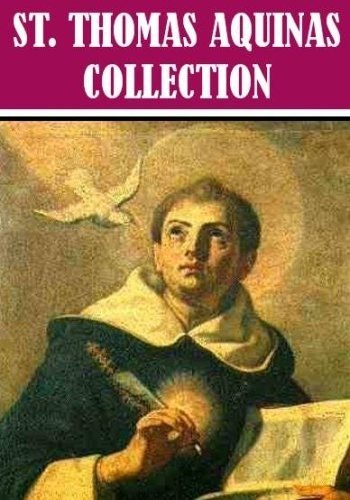
St. Thomas Aquinas: Collection
Thomas Aquinas
About this book
St. Thomas Aquinas: Collection — Thomas Aquinas.
Author: Thomas Aquinas
- 65 chapters
- 65 PDF pages
- 159,283 words
- ≈ 1225 min read
- English
🔍 Search this book
Ctrl K
Table of Contents
1De Ente Et Essentia
pp. 1–1 · ≈ 80 min2De Principiis Naturae
pp. 1–1 · ≈ 55 min3De Aeternitate Mundi
pp. 1–1 · ≈ 28 min4That divine predestination does not impose necessity on human acts
pp. 1–1 · ≈ 97 min5CHAPTER I
pp. 1–1 · ≈ 59 min6CHAPTER II
pp. 1–1 · ≈ 11 min7CHAPTER III
pp. 1–1 · ≈ 29 min8CHAPTER IV
pp. 1–1 · ≈ 17 min9CHAPTER V
pp. 1–1 · ≈ 30 min10CONTENTS
pp. 1–1 · ≈ 2 min11Introduction
pp. 1–1 · ≈ 1 min12Chapter I The Opinion Of The Early Philosophers And Of Plato
pp. 1–1 · ≈ 14 min13Chapter Ii Aristotle’S Opinion
pp. 1–1 · ≈ 15 min14Chapter Iii How Aristotle And Plato Agree
pp. 1–1 · ≈ 6 min15Chapter Iv How The Above Positions Of Plato And Aristotle Differ
pp. 1–1 · ≈ 3 min16Chapter V The Opinion Of Avicebron And His Arguments For It
pp. 1–1 · ≈ 8 min17Chapter Vi Refutation Of Avicebron’S Position
pp. 1–1 · ≈ 15 min18Chapter Vii That Of Spiritual And Corporeal Substances There Cannot Be One Matter
pp. 1–1 · ≈ 9 min19Chapter Viii On The Refutation Of Avicebron’S Arguments
pp. 1–1 · ≈ 19 min20Chapter Ix Concerning The Error Of Those Who Posit The Angels As Not Created And Its Refutation
pp. 1–1 · ≈ 19 min21Chapter X The Opinion Of Avicenna On The Coming Of Things From The First Principle And Its Refutation
pp. 1–1 · ≈ 15 min22Chapter Xi Concerning Plato’S Opinion On The Ideas And Its Refutation
pp. 1–1 · ≈ 5 min23Chapter Xii On The Error Of Those Who Hold That All Spiritual Substances Are Created Equal And Its Refutation
pp. 1–1 · ≈ 11 min24Chapter Xiii On The Error Of Those Who Say That God And The Angels Do Not Have A Knowledge Of Singulars
pp. 1–1 · ≈ 5 min25Chapter Xiv Which Shows That God Has Knowledge Of Everthing
pp. 1–1 · ≈ 16 min26Chapter Xv In Which It Is Shown That God’S Providence Extends To All Things
pp. 1–1 · ≈ 6 min27Chapter Xvi Resolution Of The Aforementioned Positions
pp. 1–1 · ≈ 11 min28Chapter Xvii The Error Of The Manicheans Concerning The Aforementioned Points And Its Refutation
pp. 1–1 · ≈ 6 min29Chapter Xviii What Must Be Held According To The Catholic Faith With Respect To The Origin Of The Angels
pp. 1–1 · ≈ 17 min30Chapter Xix What Must Be Held Concerning The Condition Of The Angels’ Nature
pp. 1–1 · ≈ 14 min31Chapter Xx On The Distinction Of Spiritual Substances According To Sacred Teaching
pp. 1–1 · ≈ 25 min32Notes
pp. 1–1 · ≈ 41 min33De Mixtione Elementorum
pp. 1–1 · ≈ 26 min34Contents
pp. 1–1 · ≈ 2 min35To The King Of Cyprus
pp. 1–1 · ≈ 1 min36Chapter 1 What Is Meant By The Word ‘King’
pp. 1–1 · ≈ 8 min37Chapter 2 Different Kinds Of Rule
pp. 1–1 · ≈ 6 min38Chapter 3 Whether It Is More Expedient For A City Or Province To Be Ruled By One Man Or By Many
pp. 1–1 · ≈ 5 min39Chapter 4 That The Dominion Of A Tyrant Is The Worst
pp. 1–1 · ≈ 11 min40Chapter 5 Why The Royal Dignity Is Rendered Hateful To The Subjects
pp. 1–1 · ≈ 5 min41Chapter 6 That It Is A Lesser Evil When A Monarchy Turns Into Tyranny Than When An Aristocracy Becomes Corrupt
pp. 1–1 · ≈ 4 min42Chapter 7 How Provision Might Be Made That The King May Not Fall Into Tyranny
pp. 1–1 · ≈ 13 min43Chapter 8 That Mundane Honour And Glory Are Not An Adequate Reward For A King
pp. 1–1 · ≈ 10 min44Chapter 9 That The King Should Look To God For Adequate Reward
pp. 1–1 · ≈ 11 min45Chapter 10 What Degree Of Heavenly Beatitude The King May Obtain
pp. 1–1 · ≈ 9 min46Chapter 11 What Advantages Which Are Rendered To Kings Are Lost By The Tyrant
pp. 1–1 · ≈ 15 min47Chapter 12 What Punishments Are In Store For A Tyrant
pp. 1–1 · ≈ 5 min48Chapter 13 On The Duties Of A King
pp. 1–1 · ≈ 3 min49Chapter 14 What It Is Incumbent Upon A King To Do And How He Should Go About Doing It
pp. 1–1 · ≈ 6 min50Chapter 15 That The Office Of Governing The Kingdom Should Be Learned From The Divine Government
pp. 1–1 · ≈ 12 min51Chapter 16 That Regal Government Should Be Ordained Principally To Eternal Beatitude
pp. 1–1 · ≈ 9 min52Chapter 1 That It Belongs To The Office Of A King To Found The City
pp. 1–1 · ≈ 5 min53Chapter 2 That The City Should Have Wholesome Air
pp. 1–1 · ≈ 7 min54Chapter 3 That The City Should Have An Abundant Supply Of Food
pp. 1–1 · ≈ 6 min55Chapter 4 That The City Should Have A Pleasant Site
pp. 1–1 · ≈ 4 min56Appendix: Selected Parallel Texts
pp. 1–1 · ≈ 39 min57Notes
pp. 1–1 · ≈ 15 min58Inaugural Lectures
pp. 1–1 · ≈ 42 min59Sermon: Emitte Spiritum
pp. 1–1 · ≈ 126 min60Ad Ducissam Brabantiae
pp. 1–1 · ≈ 22 min61De Emptione Et Venditione Ad Tempus
pp. 1–1 · ≈ 7 min62De Operationibus Occultis Naturae Ad Quemdam Militem Ultramontanum
pp. 1–1 · ≈ 20 min63De Motu Cordis
pp. 1–1 · ≈ 20 min64DE SORTIBUS
pp. 1–1 · ≈ 59 min65De Modo Studendi
pp. 1–1 · ≈ 2 min
🔖 My bookmarks
Saved in this browser only. Tap 🔖 Bookmark while reading to add a chapter.
If you spot a typographic error from the PDF conversion, please tell us and quote the chapter title or page range.