action: and accomplishment, ; choice and, ; criteria for judging, ; excuses for not taking, ; lack/absence of, ; observations on, , , –, ; significance of, ; speech vs., ,
actuality: abstraction vs., ; engagement in, ; genius’s relationship to, ; God and, ; inattention to, ; irony and, ; knowledge about, , ; love and, , ; philosophers on, ; recollection vs., ; self in relation to, ; wretchedness in,
anxiety, –; Abraham and, ; about being alone, , ; the demonic and, ; freedom and, –; as fundamentally human, , ; about the future, –; K’s, ; meaning of, –; about the past, ; possibility and, –, ; and sorrow, ; spirit in relation to, , , ; value of,
Christianity, –, ; commandments of, , , ; criticisms of contemporary, , , , ; and despair, ; encounter with, , , –, ; and faith, , , ; and human nature, ; judgment in, , , ; K and, –, , , , , ; and love, –, , , , ; non-doctrinal character of, ; paradoxical character of, , ; philosophy in relation to, , ; and the poet, ; practice of, , , –, ; and sin, ; and suffering, ; theatrical/public conduct of, , ; and the will, ; and worldly existence, , , –. See alsoreligion
conversation and speech: action vs., , ; criticisms of, , –; observations on, , , , –, ; silence in relation to, –; writing vs., . See alsolanguage; silence; writing/communication
Copenhagen, map of,
Copenhagen School of Civic Virtue,
corruption,
The Corsair (magazine), –,
courage,
criminality,
danger: encounter with, , , –, ; natural sciences as, ; of the poet, ; of recollection, –; religion as, ; the self and, –, , , ; the soul and, ; of worldly greatness,
death, –; and earnestness, , , –; experience of, ; and joy, ; K on, , ; life in relation to, –, –, –, –, ; meaning of, ; recollection of the dead, –; suicide, ; as teacher, , ; thinking about, –, , , , , –; and time, ,
deception and self-deception, –; belief and, ; desire for, , ; forgiveness and, ; God and, ; life and existence, ; love and, –, ; nature of, –; observations on, ; power of, ; predilection for, ; truth and, , , –, , ; the unconscious and, . See alsoself-knowledge and self-examination
degrees of existence (”to a certain degree”), , , , ,
demonic, the, –
depression/melancholy, –; cause/meaning of, –; experience of, , ; K on his own, , , , , , –, –; and sin, . See alsosadness; tears and weeping
desire: longings of the soul, –; for money, ; understanding in relation to, –; will in relation to,
despair, –; choice and, ; and Christianity, ; deception of, ; doubt and, ; experience of, –, –; faith in relation to, ; happiness in relation to, , ; nature and meaning of, –, –; possibility as remedy for, ; and the self, –, , –, –, ; sin and, ; and spirit, ,
eternity and the eternal, –; denial, ; despair in relation to, , , ; earnestness and, –; fear of, –; human nature and, , ; the individual in relation to, , –; life in relation to, , –, , ; and love, ; poetry and art as anticipation of, ; resolution and, ; time in relation to, . See alsoinfinity
ethical, the, –; difficulties of, –; and duty, ; earnestness and, ; the esthetic vs., , ; and having a calling, ; and the ideal, ; the individual and, , , ; religious existence vs., ; science and, –, ; and the self, , ; and sin, , ; value of, –. See alsogood, the; morality
evasion,
evil: boredom as root of, ; God and, –; good vs., , , , , ; Kant’s theory of, ; knowledge of, ; repentance and,
faith, –; attainment of, , –; challenges to, ; characterization of, ; choice/decision and, ; Christian, , , ; as contradiction, ; despair in relation to, ; experience of, , ; explanation for, -, ; and the individual, ; inwardness and, ; and Jesus Christ, ; K on, –; and offense, ; paradox of, , , ; as passion, ; philosophy and, ; sin as opposite of, , ; and spirit, ; understanding in relation to, ; in the unseen, ; worldly existence in relation to, . See alsobelief
freedom, –; anxiety and, ; belief in relation to, ; change and, ; consciousness of, ; dialectical dangers of, ; God and, , ; irony and, ; love and, ; morality and, ; and possibility, ; and the self, ; of thought vs. speech, , ; truth in relation to, –; value of, –; will and,
Freud, Sigmund, , , ; Civilization and Its Discontents,
friendship, ,
Furies,
future, the, –,
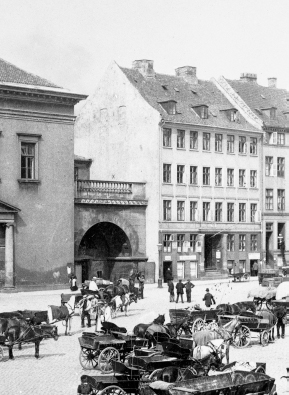
Gammeltorv,
Gandhi, Mohandas,
geese, , , , generations, uniqueness of, ,
genius, –
God, , –; and the absurd, ; attributes of, ; authority of, ; concern shown by, –; devotion to, , ; and evil, –; existence of, , , , , , ; forgiveness of, , , ; and freedom, , ; and the good, , , ; hints from, ; and the individual, , , –, , , ; knowledge of, , ; and love, , , , , , ; and nature, , ; observations on, –; philosophy and, ; and prayer, –; relationship with, , , , , , , , , , , , –, , , , –, –, –, , ; and religious practice, ; self-deception and, ; and silence, ; thinking about, , , ; as the unseen, , , ; Word or voice of, , , , . See alsoProvidence
Goldschmidt, Meir,
good, the: absence of, , ; the demonic and, ; evil vs., , , , , ; God and, , , ; knowledge of, ; time and, ; as unity, ; willing the, , . See alsoethical, the; morality
history and the present age: authority and obedience absent from, ; Christianity and, , , ; contingency of, ; envy and leveling in, ; existence in, ; faith in, ; God and, –; individual’s place in, , –, , –; Jesus Christ and, ; morality in, –; observations on, , , , , , ; passion in, , , , ; publicity in, ; writing in,
homesickness, –
hope, , , ,
humanity and human nature: anxiety as essential to, , ; childhood, , ; Christianity and, ; the demonic in, –; dignity of, ; of generations, , ; guilt of, –; of Jesus Christ, , ; love and, –; manhood, ; nature in relation to, , ; observations on, –, , , , , –, –, , , , , , –; religion and, ; self-centeredness of, ; speech as characteristic of, ; and time, . See alsopublic, the
individuality and the individual, –; accountability of, –; character of, –, , ; and the demonic, ; eternity in relation to, , –; and the ethical, , , ; faith and, ; God and, , , –, , , ; life course of, ; place/role of, in history and the present age, , –, , –; sin and, ; spiritual development of, , ; task or calling of, , –, , , , –, , , ; the universal in relation to, , . See alsoself, the
inwardness: abandonment of, ; Christianity and, –; dialectical character of, ; focus on, , ; and God, ; and immortality, ; K on his own, ; love and, ; lunacy and, ; revelation of, ; spirit and, . See alsoself, the; spirit and the spiritual world; subjectivity
Jesus Christ: as atoner and judge, ; as criterion, –; as exemplar, , ; faith and, ; history and, ; as human, , ; and laughter, ; and the Law, ; and paralyzed man, ; portrait of, ; relationship with, ; and Scriptures, ; and suffering, ; and the tragic, ; writing eschewed by,
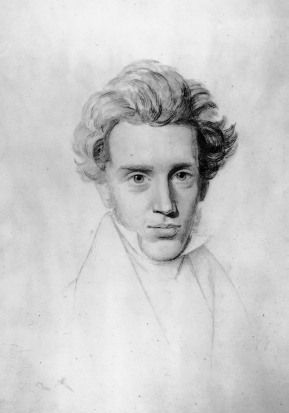
Kierkegaard, Søren: birth of, –; caricature of, ; character and personality of, , –; criticisms of, –; death of, –; engagement of, –; family of, –, , ; financial circumstances of, , , , , , , ; gravestone of family of, ; on himself, –; on his body, , ; on his life, –; on his reputation and the meaning of his work, , , , –, ; home of, ; images of, , , , , , , ; life of, –; Lutheranism of, ; and the ministry, , , ; religious background of, ; sociohistorical role of, , , –;
student years of, –; as a writer, –, , , –, ,
Kierkegaard, Søren, works by: “At the Graveside,” xxvi–; composition of, –; The Concept of Anxiety, , , , , ; The Concept of Irony with Constant Reference to Socrates, ; The Concluding Unscientific Postscript, ; Either/Or, , ; Fear and Trembling, , , , , –, , ; journals, , , , ; Philosophical Fragments, , ; The Point of View of My Work as an Author, ; Repetition, , –, ; The Sickness Unto Death, , , –, ; Stages on Life’s Way, ; Three Discourses on Imagined Situations, ; Two Upbuilding Discourses, ; Works of Love, , ,
laughter/humor/the comic, , , –; contradiction as essence of, ; existence and, , ; fear of, , ; the gods and, –, ; Jesus Christ and, ; K and, ; and maturity, ; prayer and, –; suffering and, ; superficial, ; and the tragic, . See alsoirony
leveling,
life and existence, –; action as central to, ; challenges in, ; choice and, ; contemporary, ; daily, , , , , ; death in relation to, –, –, –, ; the eternal in relation to, , –, , ; first-person perspective on, –; fortune in, ; forward direction of, ; irony and, ; K on his own, –, ; meaning in, , –, , , , –, , ; nature of, ; observations on, , , , , –, , ; passion and, ; pronouncements on, –, ; spheres or levels of, –; striving as characteristic of, ; system as antithetical to, ; task or calling of individuals, , –, , , , –, , , , , ; thinking in relation to, ; truth in relation to, –; understanding of, –; wasting of, . See alsoself, the; spirit and the spiritual world; worldly existence
life-view, , , ,
limitation, value of, ,
love, –; Christianity and, –, , , , ; commanded, –; and duty, , ; of an enemy, ; eternity and, ; freedom and, ; Freud on, ; God and, , , , , , ; of humans, –; and inwardness, ; and jealousy, ; K’s conception of, ; K’s examination of, ; K’s experience of, , ; language and, ; maternal, ; mysteries of, ; necessity of, ; of neighbor as oneself, , , , , –; self-deception and, –; self-love and, –, , , , , –; and spirit, ; unhappiness in, ; of the unseen, ; value of, ; and worldly existence, . See alsoerotic love
philosophy, –; and authority, ; Christianity in relation to, , ; communication of, –; criticisms of, ; and faith, ; and God, ; K’s relationship with, ; observations on, , –
self, the, –; aspirations of, ; and choice, ; criterion of, –; dangers to, , , ; despair and, –, , –, –, ; development of, –; dreams of fulfilling, –; education and, –; and the ethical, , ; ethical existence of, –; explanation of, , ; freedom and, ; God in relation to, , ; individual differences, –, , , ; joy and, ; K’s conception of, –; lack/absence of, ; observations on, –, ; principles of, ; psychology of, –, –; relationality of, –, , ; and sin, ; and spirit, –; task or calling of, , ; time and, –; tripartite model of, –; truth and, ; will and, , . See alsoheart; individuality and the individual; inwardness; life and existence; spirit and the spiritual world; subjectivity
self-knowledge and self-examination: difficulty of, , ; as essential human activity, –; fear of, ; knowledge in relation to, ; lack/absence of, , , , ; nature of, ; objectivity in, . See alsodeception and self-deception; reflection
criminality and, ; depression and, ; despair and, ; and the ethical, ; ethics and, ; faith as opposite of, , ; and the individual, ; meaning of, , , ; mood and, ; of poetry, ; repentance and, ; and the self, ; sexuality and, ; spirit and, ; understanding of, ; will in relation to,
spirit and the spiritual world, –; adequacy of language to, , , ; anxiety in relation to, , , ; aspirations of, ; childhood vs. maturity, ; and despair, , ; erotic love foreign to, ; faith and, ; human nature and, ; inwardness and, ; and joy, ; lack/absence of, , , , , , ; and love of neighbor, ; observations on, ; secular world in relation to, –, , –, ; self and, –; sexuality and, ; talent and, ; time and, ; universality of, –; work and practice of, , –, ; worldly existence in relation to, . See alsoheart; inwardness; life and existence; self, the; soul
thinking: abstraction and concreteness, ; concepts, ; essential character of, ; existence in relation to, ; goal of, ; harmful/unhealthy, ; ideas, , , ; objective, ; and paradox, ; possibilities in, ; process of, , , , ; quality of, , ; self-reliant, . See alsotruth; understanding/reason/knowledge; wisdom
time, –; and the absolute, ; and change, ; death and, , ; eternity in relation to, ; and the good, ; human nature and, ; and joy, ; relationship to, , –, , , , , ; the self and, –; spirit and, ; and suffering, . See alsofuture, the; past, the
“to a certain degree,” 37, , , ,
Tolstoy, Leo, The Death of IvanIlyich,
tragic, the,
truth, –; criteria of, , ; deception and, , , , ; difficulties of, ; freedom in relation to, –; K’s conception of, –; life in relation to, –; and the multitude, ; paradox of, ; and the self, . See alsothinking; understanding/reason/knowledge; wisdom
unconditioned, the,
unconscious, the, , , –
understanding/reason/knowledge, –; absurdity/paradox and, ; of actuality, ; authentic, ; backward approach to, ; desire in relation to, –; difficulties of, –; of evil vs. good, ; faith in relation to, ; of God, , ; impotence of, ; of life and existence, –; limitations of, , ; observations on, , ; and paradox, –; self-knowledge in relation to, ; of sin, ; trust in things beyond, ; and the unknown, , ; will in relation to, –, ; wonder in relation to, ; worldly, –. See alsoself-knowledge and self-examination; thinking; truth; wisdom
will: belief in relation to, ; Christianity and, ; desire in relation to, ; and the good, , ; knowledge and under standing in relation to, –, ; morality in relation to, ; purity and, ; and the self, , ; self-willfulness, ; sin in relation to,
worldly existence: Christianity and, , , –; earnestness in, –; faith in relation to, ; genius in relation to, –; greatness in, , , , , , , ; human characteristics and differences in, –, ; the indifferent as concern of, ; justice and, ; knowledge as judged by, ; love in, –, ; nature of, ; soul in relation to, ; spiritual world in relation to, –, , –, , ; wisdom and knowledge in, –. See alsohealth and the body; life and existence
writing/communication, –; aphorisms and brief utterances, –; difficulties of, ; indirect, ; Jesus Christ and, ; K’s interest in, –, –; levels of, ; speech vs., ; about spirit, ; of wisdom, –. See alsoconversation and speech; language