
Sermons on Deuteronomy
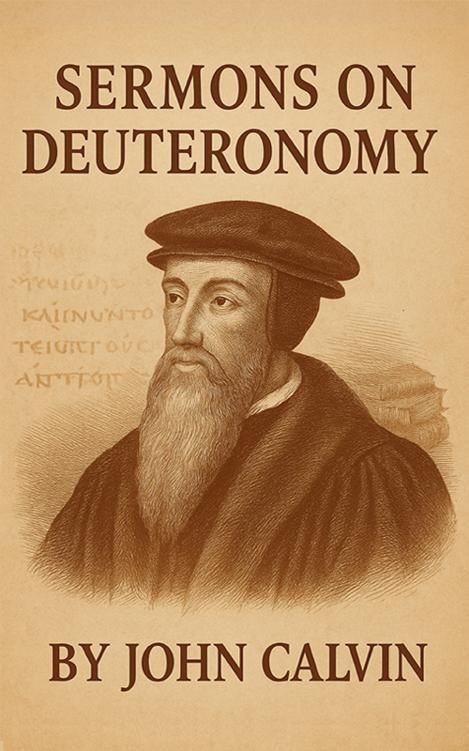
THE SERMONS of Master John Calvin upon the first book of Moses called Deuteronomy
Table of Contents
On Wednesday, the 20th of March 1555 The first Sermon upon the first Chapter
On Monday, the 25th of March 1555 The second Sermon upon the first Chapter
On Wednesday, the 27th of March 1555 The third Sermon upon the first Chapter
On Thursday the 11th of April 1555 The fourth Sermon upon the first
Chapter
On Friday, the 12th of April 1555 The fifth sermon upon the first
Chapter
On Saturday, the 13th of April The sixth Sermon upon the first
Chapter
On Wednesday, the 16th of April 1555 The seventh Sermon upon the first Chapter
On Monday, the 21st of April 1555 The eighth Sermon upon the first
Chapter
On Tuesday, the 22nd of April 1555 The ninth Sermon upon the first
Chapter
On Wednesday the 23rd of April, 1555 The tenth Sermon upon the first Chapter
On Thursday, the 24th of April 1555 The eleventh Sermon which is the first upon the second Chapter
On Friday, the 25th of April 1555 The twelfth Sermon which is the second upon the second Chapter
On Wednesday, the 1st of May 1555 The thirteenth Sermon which is the third upon the second Chapter
On Monday, the 6th of May 1555 The fourteenth Sermon which is the fourth upon the second Chapter
On Tuesday, the 7th of May 1555 The fifteenth Sermon which is the first upon the third Chapter
On Wednesday, the 8th of May 1555 The sixteenth Sermon which is the second upon the third Chapter
On Thursday, the 9th of May 1555 The seventeenth Sermon which is the third upon the third Chapter
On Friday, the 10th of May 1555 The eighteenth Sermon which is the fourth upon the third Chapter
On Wednesday, the 15th of May 1555 The nineteenth Sermon which is the first upon the fourth Chapter
On Monday, the 20th of May 1555 The twentieth Sermon which is the second upon the fourth Chapter
On Tuesday, the 21st of May 1555 The twenty first Sermon, which is the third upon the fourth Chapter
On Thursday, the 23rd of May 1555 The twenty third Sermon, which is the fifth upon the fourth Chapter
On Friday, the 24th of May 1555 The twenty fourth Sermon which is the sixth upon the fourth Chapter
On Wednesday, the 29th of May 1555 The twenty fifth Sermon, which is the seventh upon the fourth Chapter
On Monday, the 3rd of June 1555 The twenty sixth Sermon which is the eight upon the fourth Chapter
On Tuesday, the 4th of June 1555 The twenty seventh Sermon, which is the ninth upon the fourth Chapter
On Wednesday, the 5th of June 1555 The twenty eighth Sermon, which is the tenth upon the fourth Chapter
On Monday the 16th of June 1555 The twenty ninth Sermon which is the eleventh upon the fourth Chapter
On Friday the 7th of June 1555 The thirtieth Sermon which is the twelfth upon the fourth Chapter and the first upon the fifth Chapter
On Wednesday, the 12th of June 1555 The thirty first Sermon, which is the second upon the fifth Chapter
On Monday, the 17th of June 1555 The thirty second Sermon, which is the third upon the fifth Chapter
On Wednesday, the 19th of June 1555 The thirty third Sermon which is the fourth upon the fifth Chapter
On Thursday, the 20th of June 1555 The thirty fourth Sermon, which is the fifth upon the fifth Chapter
On Friday, the 21st of June 1555 The thirty fifth Sermon which is the sixth upon the fifth Chapter
On Wednesday, the 26th of June 1555 The thirty sixth Sermon, which is the seventh upon the fifth Chapter
On Monday, the first of July 1555 The thirty seventh Sermon which is the eight upon the fifth Chapter
On Tuesday, the 2nd of July 1555 The thirty eighth Sermon, which is the ninth upon the fifth Chapter
On Wednesday the 2nd of July. 1555 The 31st Sermon, which is the tenth upon the fifth Chapter
On Thursday, the 4th of July 1555 The fortieth Sermon which is the eleventh upon the fifth Chapter
On Friday, the 5th of July 1555 The forty first Sermon, which is the twelfth upon the fifth Chapter
On Tuesday, the 16th of July 1555 The forty second Sermon, which is the thirteenth upon the fifth Chapter
On Wednesday, the 17th of July 1555 The forty third Sermon which is the fourteenth upon the fifth Chapter
On Thursday, the 18th of July 1555 The forty fourth Sermon which is the fifteenth and last upon the fifth Chapter
On Friday, the 19th of July 1555 The forty fifth Sermon, which is the first upon the sixth Chapter
On Saturday, the 20th of July 1555 The forty sixth Sermon which is the second upon the sixth Chapter
On Wednesday, the 24th of July 1555 The forty seventh Sermon, which is the third upon the sixth Chapter
On Monday, the 29th of July 1555 The forty eighth Sermon, which is the fourth upon the sixth Chapter
On Monday, the 29 of July 1555 The 48th Sermon, which is the fourth upon the sixth Chapter
On Tuesday, the 30th of July 1555 The 49th Sermon which is the fifth upon the sixth Chapter
On Wednesday, the last of July 1555 The 50th Sermon, which is the sixth upon the sixth Chapter
On Thursday, the first of August 1555 The 51st Sermon which is the first upon the seventh Chapter
On Friday, the second day of August 1555 The 52nd Sermon which is the second upon the seventh Chapter
On Saturday the third of August, 1555 The 53rd Sermon, which is the third upon the seventh Chapter
On Wednesday the 7th of August, 1555 The 54th Sermon which is the forth upon the Seventh Chapter
On Monday the 12th of August 1555 The 55th Sermon, which is the fifth upon the seventh Chapter
On Tuesday the 13th of August, 1555 The 56th Sermon which is the sixth upon the Seventh Chapter
On Wednesday the 14th of August 1555 The 57th Sermon which is the seventh upon the seventh Chapter
On Thursday the fifteenth of August 1555 The 58th sermon which is the first upon the eight Chapter
On Friday the 16th of August 1555 The 59th Sermon which is the second upon the eight Chapter
On Wednesday, the 21st of August 1555 The three score Sermon, which is the third upon the eight Chapter
On Monday the 26th of August 1555 The 61st Sermon, which is the fourth upon the eight Chapter
On Tuesday the 27th of August 1555 The 62nd Sermon, which is the first upon the ninth Chapter
On Wednesday, the 28th of August 1555 The 63rd sermon, which is the second upon ninth Chapter
On Thursday the 29th of August 1555 The 64th Sermon which is the third upon the ninth Chapter: On Friday the 30th of August 1555 The 65th Sermon which is the fourth upon the ninth Chapter
On Saturday the 31st of August 1555 The 66th Sermon which is the fifth upon the ninth Chapter
On Wednesday the 4th of September 1555 The 67th Sermon, which is the sixth upon the ninth Chapter
On Monday the 9th of September 1555 The 68th Sermon which is the seventh upon the ninth Chapter
On Tuesday the 10th of September I 555 The 69th Sermon, which is the first upon the tenth Chapter
On Wednesday the 11th of September 1555 The 70th Sermon which is the second upon the tenth Chapter
On Thursday the 12th of September 1555 The 71st Sermon, which is the third upon the tenth Chapter
On Friday the 13th of September 1555 The 72nd Sermon which is the fourth upon the tenth Chapter
On Saturday the 14th Of September 1555 The 73rd Sermon, which is the fifth upon the tenth Chapter
On Wednesday the 18th of September 1555 The 74th Sermon, in which the last verse of the tenth Chapter is expounded, and this is the first Sermon upon the eleventh Chapter
On Monday the 23rd of September 1555 The 75th Sermon which is the second upon the eleventh Chapter
On Tuesday the 24th of September 1555 The 76th Sermon, which is the third upon the eleventh Chapter
On Wednesday the 25th of September 1555 The 77th Sermon which is the fourth upon the eleventh Chapter
On Thursday the 26th Of September 1555 The 78th Sermon which is the fifth upon the eleventh Chapter
On Friday the 27th of September 1555 The 79th Sermon which is the sixth upon the eleventh Chapter
On Saturday, the 28th of September 1555 The 80th Sermon, which is the first upon the twelfth Chapter
On Wednesday the 2nd Of October 1555 The 81st Sermon, which is the second upon the twelfth Chapter
On Monday, the 7th of October 1555 The 82nd Sermon, which is the third upon the twelfth Chapter
On Tuesday the 8th of October 1555 The 83rd Sermon, which is the fourth upon the twelfth chapter
On Wednesday the 9th Of October 1555 The 84th Sermon, which is the fifth upon the twelfth Chapter
On Thursday the 10th of October 1555 The 85th Sermon which is the sixth upon the twelfth Chapter
On Friday the 11th of October 1555 The 86th Sermon which is the first upon the thirteenth Chapter
On Saturday the 12th of October 1555 The 87th Sermon, which is the second upon the thirteenth chapter
On Wednesday the 16th of October 1555 The 88th Sermon which is the third upon the thirteenth Chapter
On Monday, the 21st of October 1555 The 89th Sermon, which is the fourth upon the thirteenth Chapter
On Tuesday the 22nd of October 1555 The 90th Sermon which is the first upon the fourteenth Chapter
On Wednesday the 23rd of October 1555 The 91st Semon, which is the second upon the fourteenth chapter
On Thursday the 23rd of October 1555 The 92nd Sermon, which is the third upon the fourteenth Chapter
On Thursday, the 24th of October 1555 The 92nd Sermon, which is the third upon the fourteenth Chapter
On Friday, the 25th of October 1555 The 93rd Sermon, which is the first upon the fifteenth Chapter
On Saturday, the 26th of October 1555 The 94th Sermon, which is the second upon the fifteenth Chapter
On Wednesday, the 30th of October 1555 The 95th Sermon, which is the third upon the fifteenth Chapter
On Monday, the 4th of November 1555 The 96th Sermon, which is the fourth upon the fifteenth Chapter
On Tuesday, the 5th of November 1555 The 97th Sermon, which is the first upon the sixteenth Chapter
On Wednesday, the 6th of November 1555 The 98th Sermon, which is the second upon the sixteenth Chapter
On Thursday, the 7th of November 1555 The 99th Sermon, which is the third upon the sixteenth Chapter
On Friday, the 8th of November 1555 The 100th Sermon, which is the fourth upon the Sixteenth Chapter
On Saturday, the 9th of November 1555 The 101st Sermon, which is the fifth upon the Sixteenth Chapter
On Wednesday, the 13th of November 1555 The 102nd Sermon, which is the first upon the sixteenth Chapter, and the first upon the seventeenth.
On Friday, the 22nd of November 1555 The 107th Sermon, which is the first upon the eighteenth Chapter
On Wednesday, the 27th of November 1555 The 108th Sermon, which is the second upon the eighteenth Chapter
On Monday, the 2nd of December 1555 The 109th Sermon, which is the third upon the eighteenth chapter
On Tuesday, the 3rd of December 1555 The 110th Sermon, which is the fourth upon the eighteenth Chapter
On Wednesday, the 4th of December 1555 The 111th Sermon, which is the fifth upon the eighteenth Chapter
On Thursday, the 5th of December 1555 The 112th Sermon, which is the first upon the nineteenth Chapter
On Friday, the 6th of December 1555 The 113th Sermon, which is the second upon the nineteenth Chapter
On Saturday, the 7th of December I555 The 114th Sermon which is the third upon the nineteenth Chapter
On Monday, the 16th of December. 1555 The 115th Sermon, which is the fourth upon the nineteenth Chapter
On Tuesday, the 17th of December 1555 The 116th Sermon, which is the fifth upon the nineteenth Chapter, and the first upon the twentieth Chapter
On Wednesday, the 18th of December 1555 The 117th Sermon, which is the second upon the twentieth Chapter
On Thursday, the 19th of December 1555 The 118th Sermon, which is the third upon the twentieth Chapter
On Friday, the 20th of December 1555 The 119th Sermon, which is the fourth upon the twentieth Chapter
On Saturday, 21st of December 1555 The 120th Sermon which is the first upon the one and twentieth Chapter
On Wednesday, the 25th of December 1515 The 121st Sermon which is the second upon the one and twentieth Chapter
On Monday, the 30th of December 1555 The 122nd Sermon which is the third upon the one and twentieth Chapter
On Wednesday, the first of January 1556 The 124th Sermon which is the fifth upon the one and twentieth Chapter
On Thursday, the 2nd of January 1556 The 125th Sermon,which is the first upon the two & twentieth Chapter
On Friday, the 3rd of January 1556 The 126th Sermon, which is the second upon the two and twentieth Chapter
On Wednesday, the 8th of January 1556 The 127th Sermon, which is the third upon the two & twentieth Chapter
On Thursday, the 16th of January, 1556 The 130th Sermon which is the first upon the three and twentieth Chapter
On Friday the 17th of January, 1556 The 131st Sermon ,which is the Second upon the three and twentieth Chapter
On Wednesday, the 22nd of January 1556 The 132nd Sermon which is the third upon the three and twentieth Chapter
On Monday, the 24th of January 1556 The 133rd Sermon which is the fourth upon the three and twentieth Chapter
On Tuesday, the 28th of January 1556 The 134th Sermon which is the fifth upon the three and twentieth Chapter
On Wednesday the 29th of January, 1556 The 135th Sermon, which is the sixth upon the three and twentieth chapter
On Thursday, the 30th of January 1556 The 136th Sermon which is the seventh upon the three and twentieth chapter, and the first upon the xxiiii
On Friday, the last of January 1556 The 137th Sermon, which is the second upon the four and twentieth Chapter
On Saturday, the 1st of February 1556 The 138th Sermon, which is the third upon the four and twentieth Chapter
On Wednesday, the 5th of February 1556 The 139th Sermon, which is the fourth upon the four and twentieth Chapter
On Monday, the 10th of February 1556 The 140th Sermon which is the fifth upon the four and twentieth Chapter
On Tuesday, The 11th of February 1556 The 141st Sermon which is the sixth upon the four and twentieth Chapter
On Wednesday the 12th of February 1556 The 142nd Sermon which is the first upon the five and twentieth Chapter
On Thursday, the 13th of February 1556 The 143rd Sermon, which is the second upon the five and twentieth Chapter
On Friday the 14th of February, 1556 The 144th Sermon which is the third upon the five and twentieth Chapter
On Wednesday the 19th of February, 1556 The 145th Sermon which is the first upon the six and twentieth Chapter, On Monday the 24th of February. 1556 The 146th Sermon, which is the second upon the six & twentieth Chapter
On Tuesday the 25th of February 1556 The. 147th Sermon, which is the third upon the six and twentieth Chapter
On Wednesday the 26th of February, 1556 The 148th Sermon which is the fourth upon the six and twentieth Chapter
On Monday the 7th Of April, 1556 The 164th Sermon which is the first upon the nine & twentieth Chapter
On Tuesday the 7th of April, 1556 The 165th Sermon which is the second upon the nine and twentieth Chapter
On Wednesday the 8th of April, 1556 The 166th Sermon which is the third upon the nine and twentieth Chapter
On Thursday the 9th of April. 1556 The 167th Sermon which is the fourth upon the nine & twentieth Chapter. hat there be not among you any root that brings forth Gall and wormwood: On Friday the 10th of April 1556 The 168th Sermon which is the fifth upon the nine and twentieth Chapter, On Saturday the 11th of April, 1556 The 169th Sermon which is the first upon the thirtieth Chapter
On Monday the 20th Of April, 1556 The 170th Sermon which is the second upon the thirtieth Chapter
On Tuesday the 21st of April, 1556 The 171st Sermon which the third upon the thirtieth Chapter
On Wednesday the 22nd of April, 1556 The 172nd Sermon which is the fourth upon the thirtieth Chapter
On Thursday the 23rd of April, 1556 The 173rd Sermon which is the first upon the one & thirtieth Chapter: On Friday the 24th of April, 1556 The 174th Sermon which is the second upon the one & thirtieth Chapter
On Monday, the 4th of May 1556 The 175th Sermon which is the third upon the one and thirtieth Chapter
On Wednesday the 5th of May 1556 The 176th Sermon which is the fourth upon the one and thirtieth Chapter
On Wednesday the 6th of May 1556 The 177th Sermon which is the fifth upon the one and thirtieth Chapter
On Thursday the 7th of May, 1556 The 178th Sermon, which is the first upon the two and thirtieth Chapter
On Friday the 8th of May 1556 The 179th Sermon which is the second upon the two and thirtieth Chapter
On Monday, the 1st of June, 1556 The 180th Sermon which is the third upon the two and thirtieth Chapter
On Tuesday the 2nd of June 1556 The 181st Sermon, which is the fourth upon the two and thirtieth Chapter
On Wednesday the 3rd of June 1556 The 182nd Sermon which is the fifth upon the two and thirtieth Chapter
On Thursday, the 4th of June, 1556 The 183rd Sermon which is the first upon the two and thirtieth Chapter
On Friday the 5th of June, 1556 The 184th Sermon which is the seventh upon the two and thirtieth Chapter
On Saturday the 6th of June, 1556 The 185th Sermon which is the eighth upon the two and thirtieth Chapter
On Monday the 15th of June, 1556 The 186th Sermon which is the ninth upon the two and thirtieth Chapter
On Tuesday the 16th of June 1556 The 187th Sermon, which is the tenth upon the two and thirtieth Chapter
On Wednesday the 17th of June, 1556 The 188th Sermon which is the eleventh upon the two and thirtieth Chapter
On Thursday the 18th of June, 1556 The 189th Sermon which is the twelfth upon the two and thirtieth Chapter
On Friday, the 19th of June, 1556 The 190th Sermon, which is the thirteenth upon the two and thirteenth Chapter
On Saturday the 20th of June 1556 The 191st Sermon which is the first upon the three and thirtieth Chapter
On Monday the 29th of June, 1556 The 192nd Sermon which is the second upon the 33rd Chapter
On Tuesday, the last day of June, 1556 The 193rd Sermon, which is the third upon the 33rd Chapter
On Wednesday the first of July, 1556 The 194th Sermon, which is the fourth upon the 33rd Chapter
On Thursday the 2nd of July 1556 The 195th Sermon, which is the fifth upon the 33rd Chapter
On Friday the 3rd of July, 1556 The 196th Sermon, which is the sixth upon the 33rd Chapter
On Saturday the 4th of July, 1556 The 197th Sermon, which is the seventh upon the 33rd Chapter
On Monday the 13th of July, 1556 The 198th Sermon, which is the eighth upon the 33rd Chapter
On Tuesday the 14th of July, 1556 The 199th Sermon which is the ninth upon the 33rd Chapter, and the first upon the 34th Chapter
On Wednesday the 15th of July, 1556 The 200th Sermon, which is the second upon the 34th Chapter of Deuteronomy, and that the last upon the book.
On Wednesday, the 20th of
March 1555 The first Sermon upon the first
Chapter
Here follow the words which Moses spoke to all Israel beyond
Jordan, in the wilderness, in the plain against the Red Sea, between Paran and Tophel, and Laban, and Hazeroth, and Dizahab.
2 There are eleven journeys from Horeb by the way of Mount Seir, to Kadesh Barnea.
3 And it came to pass, that in the fortieth year, the first day of the eleventh month, Moses spoke to the children of Israel, according to all that ever the Lord had commanded him to say to them. hen god caused his law to be published in Mount
Horeb, after his conveying of the people out of the thralldom of Egypt, thereby he showed to what end and purpose he had had pity of his people in delivering them: that is to wit, to be glorified thereby, as the mark where to we also must refer all the gracious gifts which he bestows upon us. Zachary the father of St. John Baptist, speaking of the great and sovereign deliverance that was made in the person of our Lord Jesus Christ, faith, that Gods discharging of us from the hand and tyranny of our enemies, was to the end that we should serve him in holiness and righteousness all our lifelong. And this is a doctrine very common throughout the whole holy scripture. And for the same cause also is it said by the prophet Esa, that God has created a people to set forth his praise.
Seeing then that the Law was given to the people, to make them perceive why they had been delivered from the bondage of Egypt: it was good reason that they should yield themselves to the obeying of God, which had showed himself their redeemer in such wise.
Nevertheless the people were untoward, and could not find in their hearts to yield themselves pliable, in hearkening to the things that were told them in the name of their God. Yet ought they of right to have done it, feeing they had received so great & so inestimable a benefit. For God had uttered the mighty strength of his arm in delivering the people. Therefore ought they to have considered thus: Behold, our God has magnified himself towards us after a wonderful fashion, we have had as it were a visible presence of his majesty, if the heavens had opened and God had showed himself to our eyes, we should not have had a greater and more undoubted assurance of his nearness to us, to warrant us that he was our leader. Seeing then that God is so come down to us, and that it has pleased him to impart his goodness in such wise to us: is it not reason that we should be wholly his? And feeing he has reached out his hand to redeem us, ought we not to be his heritage, in as much as he has gotten us by his own mighty power? Had the people had one drop of wisdom, they should have yielded themselves with all humility, to receive the doctrine that was preached to them by Moses. Yeah and what authority deserved the Law, which was so confirmed with such store of miracles? For when God had chosen Moses to be his prophet: he not only commanded him to speak, but also took him up into the mountain, and separated him from the company of men, to the end that when he should come to set forth his Law, the people should accept him as an Angel, and not as a mortal creature. He was there forty days with out eating or drinking, to show that he was exempted from the common sort of men, and that God had taken him up as it were into his heavenly glory. And when he came down again, his face shone as bright as it had been another sun. Whereas men attribute homes to him, it is said that he had sunbeams roundabout him, that is to say, he had such a brightness as he was fine to wear a veil before his face.
And whereto served that, but to ratify and confirm the law which God had given and committed to him, and to make it known that it was not a doctrine devised by a mortal man? Besides this, there was thundering and lightning and trumpets sounding [in the air,] so as it seemed that all one world should have gone to wreck: and there was not any place either high or low, which did not shake & tremble when God went about to utter his voice.
Seeing then that the law was so well sealed and with such majesty: must it not needs be that the people were worse than blocks, when they hearkened not to their God speaking with such force? Yet for all that, the law was despised, & even while God was preparing of his servant Moses to set it forth, behold, the people could not abide to since expressly the bringing of Gods will to them, but made them a Calf of gold, and fell flatly to setting up of new superstitions, even in spite of God, of whose power and favor they had so often had experience. Again, when the law was once given, the people trembled
& quaked for a while, insomuch that they were enforced to say, if God speak anymore to us we be utterly undone: there is no way with us but death: and therewithal they stood aloof from the mountain, according also as they were commanded. It should seem then that there was some reverence. But the issue showed that all was but hypocrisy, and it appeared well that they were not rightly touched in their hearts, nor had taken lively root to profit in the doctrine. We see then in effect, that when God did first of all publish his law, it had very scant & slender hearing, & the people were not yet disposed to submit themselves to it as they should have done. By reason whereof
God was fain to return to it again, notwithstanding that the people deserved not that God should cause Moses to serve still in that office.
For was it not reason that they which had so despised the living God, should thenceforth have been left destitute of all truth? That the devil might have taken possession of them? That he might have made them stark blind? That they might have starved for want of lively food? And that they should have been poisoned with all the deceits and errors of Satan? Of a truth, the people were well worthy of such reward. But God had not an eye to the deserts of that wretched people. For he surmounted their sins with his infinite goodness, & proceeded in teaching of them still, even when they had showed themselves most stubborn & rebellious, and had matched their unthankfulness with such willfulness, as there seemed to be no way to come near them to do them good: & yet did God even use his mercy and vouchsafed to assay whether the people would suffer themselves to be brought back again or no. And that is the cause why
Moses did not only set forth the Law in Horeb, but also used vehement exhortations therewithal, because he saw the lightness and inconstancy of the people, endeavoring and straining himself by all means to bring them back again to God.
Yet notwithstanding, God vouchsafed still, that in the. end there should be an abridgement of the law, & that the same should be confirmed as it is contained in this book. And that is the cause why it is entitled Deuteronomy, which is as much to say as the Law repeated. Not that God brings in any new thing here: but for that he blames the people for their aforesaid lewdness, showing that his doctrine had been ill observed, like as when children do not profit well at school, but play the gross Asses, when they have school, spent a whole year and are never the further forward, they must be fine to return again to their Apci. And why? For notwithstanding that they have heard their schoolmaster, notwithstanding yet they be as ignorant as they were before, insomuch that instead of learning anything, a man shall see them continue still always at one stay. So then, our Lord upbraids the people of Israel with their brutish dullness, in repeating his law to them the second time. As if he should say, you be very ill scholars: for l have trained you sufficiently in my Law. The doctrine comprehended in the ten commandments contains the full perfection of all wisdom. Yet has not all this been enough for you, because you have no ears at all, or else they be too long, so that of all this while nothing is entered into your hearts, or rather you have not heard what I said to you. And therefore you must be fine to turn back again to your first lesson, and to your Apci; I must be fine to open my Law again to you, and to chaw your meat to you, that you may digest it the better. And because you be so dull upon the spur, I must be fine to prick you forward, and to use greater force to waken you, that the hardness of heart which I see in you maybe amended.
Thus we see in effect, what the groundwork of this Book is: that is to wit, that God having erst already given his law to the people of Israel, and warranted it as much as was requisite: vouchsafed because of their hardheartedness & stubbornness, to give a larger declaration thereof, than Moses had put in writing as yet. And he has not only opened the meaning of the Law, but also exhorted the people to keep it better than they had done before, upbraiding them with their lewdness in that they had been so unruly and so ill disposed, to receive the instruction of their maker and redeemer at the first time.
Now, all the things that we see in this people, belong to us. And would GOD we resembled not the Jews in any thing, I mean as in these points. But if ever there were too much hardness of heart in them, how much more is it to be found in us nowadays? For our Lord has spoken more than once once to us. If the law were well warranted in the hand of Moses: has the gospel been less confirmed to us in these days? If the earth were shaken then, if the trumpets sounded, if the lightning flew abroad, if thunder claps were heard: the Gospel also shaken both heaven and earth as now, as it is said by the Prophet Aggeus, and alleged by the Apostle in the Epistle to the Hebrews. Also we hear what S. Paul speaks of it in the third Chapter of the second Epistle to the Corinthians. The message of life and salvation (says he) which is contained in the Gospel, must needs be glorified as much or more than the doctrine of the Law, which was dead of itself and could not give men life.
Seeing then that God has uttered so great majesty in the Gospel, and his preaching of it to us has not been for once and away, but we have our ears beaten with it every day: let us see if we be good scholars, and whether we bear in mind the things that have been told us, so as God is honored at our hands. Are we linked to him? Alas, it is nothing so. For continue God never so much in setting forth his doctrine to us, wherein we do as it were see his heart laid open to us: yet are we locked up on our part, and we give him no entrance, but rather we be gadding and full of vanity, and we be so far off from being touched with the doctrine, and from receiving being to hold ourselves wholly to it, & to set our minds upon it, and to be settled in right obedience to it: that rather the clean contrary is to be seen. And so we see that the Jews are as a locking glass wherein we may behold our own rudeness, forwardness, unthankfulness & willful stubbornness against God.
Yes, and we be more blameworthy than the Jews for giving so slender ear to our God. For as I have told you already, the people of old time ought to have thought themselves bound to God, and to have yielded and given over themselves wholly to his service, because he had delivered them wholly from the thralldom of Egypt. And what is it that God has rid us from now at this time? Is it but from the tyranny of a mortal man, or of some earthly people? No, but we know that he has ransomed us from the chains of sin and of the devil, he has pulled us out of the gulf of death, devil, he has drawn us out of the dungeon of hell, and he has not only promised us the land of Canaan for an inheritance only, but also opened the heavens to us in the person of our Lord Jesus Christ, who has taken possession thereof for us, Christ, to the end we might be sure that our abiding place and everlasting rest is made ready for us there. Seeing everlasting then that God has bound us in such wise to him, is not our unthankfulness double, yes or rather an hundredfold more shameful, than the unthankfulness of the people of old time?
Furthermore, whereas God has vouchsafed to hold on in the office of instructing, to teach the people which was so rude and rebellious: let us assure ourselves that he does the like towards us nowadays. Yes and it is requisite for us that he should so do (as I have said already): or else what would become of it? But since we see that God is so gracious as not to be weary of teaching us though it boot us not at the first day, teaching nor at the first year: let us assure ourselves that his dealing with us after that sort from day-to-day, is no more than needed. And it is a point well worth the marking. For men have itching cares, and be desirous to hear always new things: and if the doctrine of God be preached and set forth to them everyday, it becomes irksome to them and they wax weary of it. For to their seeming it is enough to speak of it once or twice, and they consider not how they forget the things which they ought to have born away.
So then, to the end we wax not weary of the doctrine that is preached to us: let us mark that it is needful for us that God should put us still in mind of the things that he has taught us already: for our wits are short towards him. And therefore let us bethink ourselves well, and when so ever it is told us that there is but one God in whom we be, and that he is not only our maker, but also our father, and has adopted us to be his children, and moreover tied us to him by a much straighter band, in that he has redeemed us with the blood of his own son: when so ever we be put in mind of these things: although we have heard of them before, yet let us not say, tush, these things have been preached to us long ago: but let every of us enter into himself, and examine himself, and see whether the things that we have heard heretofore, be well printed in our hearts. Let us then enter into account after that sort. And why? For if we remembered well, that we be set in this world to the end to glorify our god: would we not be more mindful to discharge our duty towards him? If we considered the fatherly kindness that he uses in calling us his children, and which he has showed towards us once already in adopting of us in the person of his own son: and if we mark how dearly we cost our Lord Jesus Christ when he did set us free from endless death: should we not be desirous to give ourselves wholly to our God? Should we not be moved to yield him another manner of reverence than we do?
Now therefore, when so ever we be unruly, so as the world carries us away, and we be entangled in earthly lusts and affections: let us assure ourselves it is because we have not given good ear to our God, when he speak to us, nor taken heed to it when he warned us of our duties. And therefore it is good for us to be put in mind of it, and to have God come back again to us and to say to us, you wretched folk, what mean you? When I have once taught you: the doctrine that is contained in my word ought to soak thoroughly into you, and yet notwithstanding you be still like little babes. This is it (say I) which we have to do, to the end we may find favor in Gods word, and be nourished therewith as with our ordinary food. We must assure ourselves, that the appointing of this order that we should be preached to all the time of our life, and that we should have our ears beaten continually with the things, which we ought to understand in one or two months, is not in vain.
Furthermore, if we do not so, if we subdue not ourselves to the hearing of our God, and suffer ourselves to be taught by him all the time of our life: let us be afraid least he execute the vengeance upon us, which he threatened once to the people of Israel by his Prophet
Esa, saying that his law should be to them as a book shut up and sealed, so as if it were offered to men of skill, they should say, the letters are not to be seen, there is a seal upon then, I cannot tell what is within it: And if it were offered to ignorant and unlearned men: they should answer, we be not book learned, we never went to school, we cannot read. Love how God punishes all such as walk on in their brutishness, and will never submit themselves to him. True it is, that God bears with us for a time, and that (as I said before) although we be worthy to be cut off from his house, and to be bereft of his truth, so as he should give us up into Satans hands, to be blinded with lies and to be poisoned by him: yet notwithstanding, our God having pity upon us, assays still to win us to himself. But if we continue still in refusing the good doctrine, and become never the better for it at the years end, than we were at the first day: at length this threat must needs light upon us, namely that we shall take the holy scripture into our hands, and have it preached to us, and yet we shall understand never a whit of it, though we be never so witty: and that when as the unlearned shall say, I know not what it means, it shall also be as a letter folded up and fast sealed, even to them that are skill fullest and sharpest known. Wherefore let us stand in fear of such threatening: and least our light be turned into darkness, let us take hold of the opportunity which God offers us nowadays, that we may fare the better by his continual speaking to us after that sort.
True it is that speaking the things which are contained here were spoken to the people of Israel, and might have profited them in their time: but yet do they also belong to us at this day, and they be as a common treasure whereof God will have us to be partakers. For as we shall see hereafter, the Law was not only given as a rule whereby to live well: but also grounded upon the covenant which God had made with Abraham and his offspring. And by virtue of that covenant, we are become heirs of the heavenly kingdom, as shows
Saint Paul. To seek our salvation, we must resort to the promise that was made to our father Abraham: and to be of the household of Gods
Church and members of our Lord Jesus Christ, we must be of Abrahams spiritual linage .Hereby then we see, that this doctrine not only served till the coming of the son of God: but also serves still to our behalf, and shall do so still to the worlds end. For it is a building that is founded upon the everlasting covenant, from whence as from the true fountain thereof, our salvation springs as I said before.
Wherefore let us mark, that when so ever God shall henceforth speak to the Jews, the same is spoken also to us: and we must receive it in such wise, as we must understand that God has shed forth his grace through the whole world by the coming of his only son, and built up the heavenly Jerusalem, to the end that we should all be linked together in one holy brotherhood, to call upon him as our father all with one mouth. Since it is so then, let us understand that it is good reason that we should give over ourselves to him, and that he should hold us in awe, and enjoy us, and that like as he has vouchsafed to give himself to us, so we on our side should be wholly his, to yield him the duty which children owe to their father; and that when we be negligent and slow therein, we should at least wise be moved with the exhortations that are contained in this book: and that seeing God calls upon us so earnestly, we should not stop our ears against him but every man awake, and one of us rebuke another: Yes and that if we were wise, we should not carry till God quickened us up so sharply, but rather prevent him, albeit that we ought to be moved to be ashamed of our lewdness and to return again to God, at least wise when he falls to correcting of us by thundering out his threatening against us, and by upbraiding of us with our sins. Thus we see what we have to mark in general upon this book.
Now let us come to the text that I have rehearsed before. These are the words which Moses spoke to the people in the wilderness, in the plain (or champion grounds) beyond Jordan, even from Horeb to the places here beyond before Jordan, rehearsed. Herein we have to note, that God intended to rebuke the people for their not keeping of the law, which had not only been preached to them by mouth, but also set down in writing: as if a man should make an instrument or conveyance, of some bargain between two parties. And God himself vouchsafed to engrave his Law (at least wise the ten commandments) in two tables, to the intent they might be remembered the better. For albeit that the doctrine was clear enough of itself, and god had provided to preserve it from forgetting: yet did not the people receive it forgetting. Therefore as now he casts them in the teeth, as if it should be said to us, Behold, the Gospel of our Lord Jesus Christ having been preached with such power and majesty is also left in writing. We have had the Gospel preached to us now a long time even the fame Gospel which is set down to us in Books. Therefore are we too inexcusable, if we cannot tell what God says to us inexcusable, there. If a man should speak after that manner, it were a blaming of us for our beastliness. Again, if it should be said that whereas we were baptized in the name of the son of God, when we were babes yet we know him not: that being come to mans estate, we be so brutish that after so often hearing of Gods truth, yet we be still but novices in it: and that we can scarcely tell what it is, or at leastwise have never taken any test of it at all: such manner of opening of the gospel to us, how it has been offered us of long time and after diverse fashions, were as a framing of an inditement against us. So now like wise
Moses, to witness openly to the people that they had showed themselves too unthankful towards God, said expressly: These are the words that I uttered and preached to you from time to time, not for a day or two, but ever since the publishing of the Law in the mountain of Horeb. And because you showed yourselves so ill disposed, I have not ceased to put you still in remembrance of the things that you had heard before. Now let us learn hereby, to be the better quickened up and since we see it has been Gods will, that even from the beginning of the world, his truth should have some certain record among men and that he has not ceased to set it forth still, and to raise it up again when men have gone about to bury it by their spitefulness: let us acknowledge his wonderful goodness in so doing, and be moved to receive the things that shall be spoken to us. Mark that for one point.
But to the end we may be the better disposed: we must also weigh this saying which Moses adds, Even according to all that God had commanded him. Now by this preface he shows, that he brought not anything of his own, he meant to subdue the people to his own dotages, nor to anything that he could have devised of his own reason and wisdom as in respect of men, but that he did simply obey
God, as a faithful and trusty messenger, without swerving aside either to the right hand or to the left; Now if Moses who had so excellent a record as we see, insomuch that God never raised up any
Prophet equal or like to him: If Moses the prince of all Prophets next to Jesus Christ, and the chief of all under the old Law, do nevertheless protest that he puts not forth anything of his own head: I pray you what shall thing others do? May they compare themselves with him? No: but put the case that they be as highly advanced and placed as he: yet notwithstanding, the furthest that they ought to go, is but to set forth the things that God has commanded them. And therefore let us learn, that here all mens traditions are shut out of doors. And hereby it appears, that the Pope has marred and corrupted the whole order of the Church, by his taking up him to be a Lawmaker, to devise laws and to lay them upon mens necks at his own pleasure, to forge and contrive new articles of faith, and to enforce men to receive his inventions as the holy scriptures. Was not this a turning of all things upside down? Yes: for God never meant that men should have such liberty and sway in the Church, as to set forth any of their own inventions there, but he himself only be heard there. Mark that for one point.
But there is yet more in it: for it is not only said that Moses spoke according to the charge that was given him: but according to all that ever the Lord had commanded him. He shows then, that he did not as it were make a medley, or seek by any means to bring in what he himself thought good, or to separate himself from Gods word: but that he followed Gods will from point to point to the uttermost. You see then that there was a great singleness of heart in Moses, insomuch as he not only gave forth the things that he had received at Gods hand: but also continued throughout in the same singleness of keeping himself within his bounds, so as he ranged not abroad to say, this is good, or that is good, thus or thus do I think of this matter.
No: but in all points he ruled himself according to the charge of his commission, uttering his message according as he had heard God speak it. Mark that for the second point.
Now here with all we be warned to receive the doctrine here contained, not as coming from a mortal man. In speaking to us, Moses protests that he himself is not our schoolmaster though he rehearses our lesson to us; but that must always be God and his holy spirit, that must be even our Lord Jesus Christ, in whose hand the Law was given, as S. Paul speaks of him. For he was the governor of the Church at all times. You see then that the thing which we have to consider here, is that we must reverently and carefully receive the things that were given us by the hand of Moses. Not that we may think that anything came of himself: but that God sent him and ordained him to be his instrument, so that when we receive anything that was spoken by Moses, we may warrant ourselves that God guides and governs us by his own pure truth, and that our faith rests not upon men nor upon any mortal creature, but that the living God is the author, and will also be the warranter thereof.
Now after he has spoken so, he says, that his rehearsing of all these things was in the fortieth year, the eleventh month, and the first day of the month. As if it had been said, when the people drew nigh to the land of promise and were ready to enter into it: then did he repeat the Law of God, and make an abridgement of it, and rehearse all the exhortations and warnings which he had made to them before. Not that Moses had held his peace and kept silence ever since [the giving of the Law] Horeb: for as I have told you already, he ceased not to call upon the people continually, because he saw them so willful and stubborn, and so stiff-necked and hard to be bowed. But in the end, for as much as he drew near to his long home, and had as good as finished his race and should anon after depart out of this world, (as we shall see that he did in the end of this book:) he made a rehearsal of all the doctrine that he had preached by the space of forty years, of purpose to ratify and confirm it in such wise to the people, as their successors might be edified by it after his decease, and the profit thereof redound to us at this day, and we be taught all the lessons contained therein. Nevertheless, we see moreover, that the people ought ere that time to have been thoroughly subdued, and to have submitted themselves better to God than they did. For forty years are a good reasonable time to dispose a man to goodness if ever he will be good.
When we see a man has been let chaw upon the bridle by the space of forty years, and yet will give ear to no counsel nor reason: it is then near time or never for him to bethink himself, and to fall to better disposition and ripeness of discretion than he has done before, if he be told of his fault. God therefore perceiving his people to be so wild, gave them time and respect to become tame, and led them about by the space of forty years, which thing he did to them for their stubbornness sake, as we shall see hereafter. But the thing that we have to mark at this present, is no more but that the cause why
Moses spoke now to the people, was for that he drew near his end, and God was at the point to take him out of the world, and also for that the people should be as it were renewed at that time. For it had been said to them that had refused to enter into the land [of Canaan,]
Your carcasses shall rot here in the wilderness, you be not worthy to possess the inheritance which your God promised to his servant
Abraham. You see then that when the people were after a sort renewed at the end of forty years, then did Moses set forth the Law again, and speak to them according to Gods commandment. Now must we also apply this to our instruction. That is to say, when so ever we have been so far overseen, as not to profit in Gods school, so as we continue Asses still, or at leastwise have but pickled upon the doctrine, without suffering it to work any true liveliness in us: if God subdue us and prepare us better by continuance of time to hearken to him: let us advise ourselves to make our profit thereof, and let us not be unamendable. For what shall we win by it in the end if we continue still unruly and be so stubborn that God cannot overmaster us? Shall it not turn to our confusion? Therefore as well publicly as privately, let us bethink us to profit ourselves by this warning, and if we have ill received the doctrine that has been long preached to us heretofore: let us consider that in as much as God does not yet give us over, but uses such mercy towards us: his desire is to draw us still to him, and therefore let us prepare ourselves, that we become not stubborn against him, but rather let us learn to be meek, and let us give way to the doctrine, that it may enter into our minds and hearts.
Thus you see how we ought to behave ourselves.
Furthermore when God visits us and sends us any corrections, to humble us and to abate our over great unthankfulness and forwardness: let us turn over a new leaf and return again to him. And when we have done so generally for the whole body of the Church: let every of us do the like privately on his own behalf. If any man have run astray, and never known God aright, nor ever submitted himself fully to the wholesome doctrine: if God visit him by sickness poverty or otherwise how so ever it be: let him bethink himself and say, Alas, the Gospel has been preached to me, but how have I received it of all this while? I knew not my God, and although I processed myself to be one of his numbers, yet did it not touch me at the heart. How shall I now do therefore? Since it is Gods will to have me to be his scholar, it is good reason that I yield myself wholly to him and that I reverence him as I ought to do my sovereign master and teacher. Thus you see that the thing whereof we be warned in this text, is that when we see how our Lord endeavored by all means to bring us back, and is minded to beat down the rebelliousness that is in us, by rebuking our vices: and that he gathers us home to him when he sees us go astral, to the intent to reform us: we must not kick against the spur as I said, but rather meekly and mildly seek to be governed by him, and to profit more and more in his word.
Now let us cast ourselves down in the presence of our good God, with acknowledgement of the innumerable faults which we cease to commit daily against his Majesty: praying him to vouchsafe daily to wipe them out through his free goodness, and therewithal to bring us home again to him, and to work so in us by his holy spirit, as our consciences maybe mortified from day-to-day, until we be rid quite and clean of all the corruptions of our flesh, to be clothed again with his righteousness. And so let us all say, Almighty God heavenly father etc.
On Monday, the 25th of March 1555
The second Sermon upon the
first Chapter
3 And it came to pass, that in the fortieth year, the first day of the eleventh month, Moses spoke to the children of Israel, according to all the things that the Lord had commanded him to say to them: 4 After he had overcome Sihon, King of the Amorites which dwelt in Heshbon, and Og, King of Bashan which dwelt at Ashtaroth in Edrei.
5 And so Moses began to declare the Law beyond Jordan in the land of Moab, saying: 6 The Lord our God spoke to us in Mount Horeb, saying: you have stayed long enough at this mountain.
7 Turn you and depart, that you may go to the hill of the Amorites, and to all the Countries thereabouts, in the plain about the hill, and in the low places towards the South, and upon the shore of the Red
Sea, in the land of Canaan, and in Libanus to the River, even the great river of Euphrates.
8 Look about you, I have set the land before you, enter into it and possess the land which the Lord God has sworn to your fathers
Abraham, Isaac, and Jacob, to give it to them and to their seed after them.
Have told you already, that the doctrine which is contained here, is not the beginning of a matter, as though it had been new to the people, and that God had not taught it them before: but a confirmation of the things that Moses had spoken in Horeb, because the people had not profited so well by them as they ought to have done. And it has been declared further; that God had spend the space of forty years or thereabouts in subduing the people, which had been over stubborn even at the very first, and could in no wise abide to take his yoke. For this cause is the time set out here, to the end that we might understand, that the people ought to have framed themselves to some obedience, after so hard and so long a chastisement as you had endured. Besides this, there is one other circumstance: which is, that people had already had some victory against Og, king of Basan and his neighbors, wherein they had had experience of Gods favor. And I told you that those things were worthy to be marked, because they be the two means whereby God draws men to him, to win them withal and to enjoy them. On the one side he chastises them, to that end they may learn to obey him as being under his hand and authority: and on the other side he uses gentleness, to make men in love with him, and to consider that nothing is better for them, than to stick to him at whose hand they look for all welfare. And both of these are expressed here by Moses: namely that the people had lingered in the desert forty years long, feeling Gods horrible punishment for their shrinking away from him: and yet nevertheless, had overcome Sihon and Og and such like kings, albeit not by their own power, but by Gods help.
Wherefore let us learn to profit ourselves, with them for offending him, as well by Gods scourges when we be beaten with them for offending him, as also by his benefits whereby he witnesses that he is ready to receive men to his mercy, and to have pity upon them when they return to him. And let such knowledge make us teachable. When so ever it pleases God to preach his words to us, let us have our hearts open to receive it: let us be playable to follow that which he commands: and to be short, let us yield ourselves wholly to his goodness.
Now it is said here, that Moses expounded the Law, albeit that in the Hebrew there is a word which signifies, that he vouchsafed, or listed to declare the Law. And that serves to show still that he performed his commission with a free courage or willing mind. For it may be that he whom God commands to teach his people, shall discharge himself thereof, albeit but as it were by force: and such necessity, if a man have an eye to it, does always import a constraint, so that all that all that ever we do shall be nothing worth. And here the ministers of Gods word are exhorted, not only to preach the word that is committed to them: but also to do it with a free and cheerful courage, according also as S. Paul avows it to be requisite, and protests that he himself did so. And therefore let the example as well of Moses as of S. Paul, serve for our instruction.
Moreover, let us mark also, that under this saying of the Law, is comprehended the rehearsal of the things that Moses intended to make, of the things that were come to pass. True it is that the word
Law betokens teaching and instruction: and therefore a man might ask at the first blush, what instruction there is in the report of stories. It is not without cause, that Moses has said so. For when God puts us in remembrance of our sins, and of the benefits that he has bestowed upon us, and of the chastisements which we have received at his hand: it ought to teach us to our profit. Gods setting of such things before us, is not to make us pastimes: but to the end, that on the one side we should be the better disposed to serve him, and to continue in his fear, and on the other side be trained and allured to resort to him, and to seek all our welfare and all that ever belongs to our salvation, at his hand. We see then how it is not without cause, that Moses gives the name of Law or Doctrine, to the rehearsal of things that were come to pass, for so much as by that means the people ought to have been led to God, and to have been the better edified. And therefore let us mark, that when we read the holy stories, it is not only to know what has been done, to the end we may be able to talk to it: but to the end we should behold there the grace of God towards the faithful in delivering them. Also we muft consider after what manner he has exercised his children in patience, and made them to wade through many afflictions, that their faith might be tried: and consequently how he never forsakes them at the point of need and necessity. Again we must consider the justice that he has executed in punishing such as have done amiss and transgressed his will. If we have such regard and discretion with us, the Stories will be as an instruction to us. For we shall be better assured by them, than if GOD did but simply tell us what he requires at our hands and what our duty is. That then is the thing which we have to bear in mind: and it will be a good preparative for us to the things that are to ensue.
For otherwise it would be thought an unprofitable thing, to know that Moses chose men to govern the people, and that on the other side the people followed not Gods commandment in pursuing their enemies, and such other like things. What have we to do with those things, will some men say? But for as much as we be admonished, that all these things concern our instruction: we must put them to such use as nothing may be unoccupied: assuring ourselves that God procured our benefit and welfare, when he did set forth to us as it were in a painted table, the things that belong to us at this day, and may be applied to our instruction.
Whereas it is said, That it is enough that the people had tarried a certain time at Mount Horeb: therein we see that Gods delivering of the children out of the bondage of Egypt, was not to lay the bridle in their neck that they might go where they listed: but to be their governor forever. And that is a thing that ought to stand us in good stead. For we have a president, that when God receives us for his people, it is not only for a day or twain, but for purpose to have a continual care of us to the end, so as he will not leave us in the middle way, but proceed in guiding of us still, until we become to our right mark. And this is a very profitable doctrine: for what a thing were it, if God should once give us his law, and set us in a good trade and afterward let us alone without looking to us? We see our own frailty, in so much that we could not step one step but we should be ready to stumble or to start out of the way, and the encumbrances are so many and so great, as it would be impossible for us to overcome them, if god assisted us not. And therefore let us learn, that when God has once adopted us, and chosen us to be of his flock: it is not to the end we should but only take a taste of his grace for a day: but to the end that he will continue in doing us good: and his taking of us into his government, is of purpose never to give us over, so as we shall always be under his protection, and he will never case to increase the good turns that we have felt and received of him, until we become to the full perfection. For as much then as we see that he never leaves his work unperfected, but goes through with it, as it is said in the Psalm: it ought well to cause us to magnify his goodness, and to encourage us to give ourselves wholly to him. And the same belongs to the spiritual health of ourselves, according to this saying of S. Paul in the first Chapter to the Philippians, that he which has begun the good work will go through with it, even to the day of our Lord Jesus Christ. Wherefore let us mark, that whereas God declares here by the mouth of Moses, that the people had tarried long enough about mount Horeb, and that he would have them to go forward: thereby he does us to understand, that feeling he has delivered us from the dungeon of death, and from the bondage of the devil and of sin: we shall have him to be our guide forever, so we hearken to his voice, and doubt not but he thinks upon us and will continually lead us still.
Moreover he says, Let the people turn and draw towards the hill of the Amorites, and from there invade and possess the land of Canaan, whether it be the plain Countries, or the downs, or the deserts, or the seacoasts: for the land (says he) is before you: that is to say at your commandment, I have delivered it into your hands, nothing shall keep you from the possession of it, if it be not long of yourselves.
Why so? For I have sworn (says he) to your fathers Abraham, Isaac, and Jacob: I have promised to give it for an inheritance to them and to their seed after their decease. Here first of all we must mark the order that is set down: for God shows the cause why he gave that people the land [of Canaan:] namely for his promise sake. And thereby he betokens, that the land belonged not to them as by way of conquest through their own power, not yet for any desert of theirs, but only of free gift. God then assigns this title to the children of Israel, and tells them that they shall be as much bound to his mere goodness when they be brought into the land of Canaan, [as they were before.] And indeed the oath that Moses speaks of here, was made four hundred and thirty years before, even in the person of Abraham, before any of them was born. Seeing then that GOD had promised them the land, even before they had done either good or evil, and before they were born: it may be concluded thereupon, that their possessing of it was not for any worthiness of theirs, as though
God had been beholden to them for some service: but because he had made them heirs of it, through his own free goodness. Now if this be verified of the earthly heritage which the children of Israel had: what is to be said of the kingdom of heaven? Are we able to compass it?
Can we deserve at Gods hand to be partakers thereof? No: but contrariwise, it is of his mere goodness that we be brought in thither, and shall have fruition of it at the last day: for surely all that is spoken of the land of Canaan, must serve us for a figure and shadow.
Therefore when as God tells the people that they get it not by their own power, and sends them back to the promise that he had made long ago: it is to show us that whereas he is our father, whereas we be maintained by him in this world, and whereas we look for a better and more excellent life than this: we must not dream upon any desert or power of our own, but attribute all wholly to his mere free goodness, in that he utters the infinite treasures of his grace and love towards us. Thus much have we to remember in the first place.
Furthermore whereas here is mention made of an oath: let us note that God vouchsafed to stoop so low to the infirmity of the people, as to put them out of all doubt, by swearing by his own name: and so does he now likewise towards us.
For he is not contended to speak only, and to tell us what he will have us to do: but he also confirms his promises with a solemn oath. And why? For as much as we be inclined to unbelief, and would ever be wavering if we were not well under propped: therefore does he swear to the end to stabilize us the better.
Seeing then that God swears to uphold our weakness: let us consider, first that we be too untoward, if we cannot believe his single word: and secondly that his goodness is inestimable, in that it pleases him to bear with us, and to swear for the confirming of our belief. And wherewithal we have to note also, that we must not seek Gods will in the air, but content ourselves with his word; and that seeing it has pleased him to show himself to us, and to give us warrant of his will, we must hold us to it, and rest wholly upon it.
Now then, will we be sure that God will never fail us, neither in this life, not after we be gone hence? Will we have an infallible hope of the heavenly life? Let us have our eye upon the promises: let us not wander here and there as a number do, which are carried away with fond curiosity: but let it suffice us that God has certified and taught us, that he will not only be a father to us to guide us in this world, but also that he will never leave us, so as we shall always be governed by him, and that when he has tried our faith, we shall have full fruition of the things that are promised us: and when we be once rid of this mortal body, we shall be raised up again, and enjoy and immortality which is hid from us as now. Let us content ourselves (say I) with this word of Gods mouth for all other things, and let us not seen after our own foolish fancies how the matter shall go: but have God once spoken the word, let us hold us to it. And that is it which Moses meant here, in saying, God swear to your fathers.
Moreover we must note, that the doctrine which is set forth in the name of God, serves not for one age only, but for all ever, and keeps his force and strength continually. Abraham, Isaac, and Jacob were dead and rotten in the earth when these things were spoken: but yet the promise that God has made to them was alive still. Although then that men be mortal and transitory: yet is Gods word everlasting. And if it be the seed of the incorruptible life, needs must it be endless and exempted from all corruption.
Therefore let us mark, that Gods speaking in old time, was not to the end that his doctrine should be set before us to the end of the world, and we receive it with all reverence. Likewise at this day, although the Prophets and Apostles be dead: yet does GOD work still by them, and the word that is brought among us in these days, not only has his lively force, but also quickens us, and makes us to receive the food of our selves by it. Our salvation must needs go toward, and we must needs be stabilized in it, in such wise, as we may overcome the world and attain to the kingdom of heaven. Thus you see what we have to bear in mind, when as mention is made here, of the promise that God swear to the ancient fathers that were dead long time before.
And it is said expressly, that Abraham, Isaac, and Jacob were their fathers: to the end that they might know themselves to be the successors of the blessing that had been promised. And therefore he adds, that God had sworn to give that Land to Abraham, Isaac, and Jacob, and to their offspring. As though Moses should say, that Gods promise is not disannulled, but must now presently take effect, and be accomplished in their persons. Has God said so, says he? Then must you consider, that he speak it not only to your fathers which heard the promise, but also to [you which are] their offspring. For it is expressly said, that Abraham should teach his children the ways, rights, judgments, and features of the Lord. Then was it for the children of Israel, to have received the promise that had been made in old time to their fathers, as if God had spoken it within fresh remembrance. And indeed we ought to weigh well this circumstance.
For it is not to those only which were at the beginning of the Gospel, that God says, I receive you for my people: but his will is that the same doctrine should be preached still, to the worlds end. Let us note then, that we also are comprehended with them that heard the word of god at the beginning. And for as much as his grace reached out to all men, and is common to all ages: it becomes us to give ear to it, seeing it is appointed and offered to us [as well as to them.] And why? For it is not to S. Peter and to S. Paul only, that god has said, I am your Savior: but he has ordained them to be messengers of his goodness, that we might be taught by their mouth, and we doubt not but God will do the like to us as he did to them. Thus you see what we have to consider, when as it is said that God promised the land of Canaan for an inheritance to the whole linage of Abraham, and to them that should descend of his race.
And in very deed it behooved the people always to come back to this saying I am your God and the God of yours offspring after you. And again to this, I am the Lord which shows mercy to a thousand generations: as we shall see hereafter. Now, this was not said for that one time only, it must be accomplished nowadays also. Then let us consider that God having once planted the warrant of our salvation, will have it go forward daily, so as we should know that he calls us to the possessing of his kingdom, and that in us he calls them that are to come after us: In so much that the children which come to Christians, are already chosen of God to be his flock and of his household, and God has taken that to himself already, even before they come out of their mothers womb. Is not the knowledge of such doctrine an excellent strengthening to us, when we see that God has given our salvation a ground to build upon, before we were born or created? Yes.
But here it might be demanded how the land was promised to the fathers which never had possession of it? For we know that Abraham, Isaac, and Jacob acknowledged themselves to be but sojourners there, and that they had not the Lordship of the land, but that they were as poor wanderers, and were tossed to and fro, in so much that even their water was taken from them, so as they had not water to drink, and not only were kept from coming to the pits that had been dug already, but also were put from water when they had dug pits by their own labor and travel. Where is then the promise of God which he made to Abraham, concerning the giving of the land to him? Hereby we be put in mind of that which the Apostle says in the Epistle to the Hebrews: that is to wit, that the ancient fathers had not an eye to the visible land: but only took it as a representation of the everlasting dwelling place where to God calls them: In so much that although Abraham had not any possession in the land of Canaan, yet was he Lord and master of it nevertheless, albeit that he held himself contented with the only sight that God gave him thereof, to the end he might have his heart lifted up into heaven, and wait to have his everlasting abode there. Thus to be short, the Lordship which Abraham had of the visible land, was spiritual. For although in mans opinion he had no whit at all of it, but was like to have been driven out of it every day: yet possessed the thing that God had promised him.
But now if we make comparison between Abraham and us, have we not greater cause to lift up our hearts to the kingdom of heaven than he had, seeing we not only have a mirror or image of it set before us by God, but also that Jesus Christ has in his own person opened us such a way thither, as our faith, may well attain to the glory of God?
Therefore ought we to be the better confirmed in the promise that God has made to us, of advancing us into his kingdom to enter into it as his lawful heirs thereof.
And although we do but as it were crepe on all four here below upon the earth, and our body is to us as a corruptible and transitory lodging, and we be weighed down with these base things: yet must our true dwelling place needs be above, and we ourselves must needs be citizens of heaven and fellows with the Angels beforehand, and posses the thing beforehand by faith and hope, which we have not as yet in very deed, as the holy fathers have done before us, who notwithstanding had not things opened so plainly and manifestly to them, as we have now, nor nothing near.
Thus see you the manner how Abraham, Isaac, and Jacob were not disappointed of the land which God promised to give you, although they never had the full fruition thereof themselves, but waited patiently till the convenient time were come, for God to put their successors in possession of it after their decease. Since it is so, let us walk on upon earth in sufferance of many conflicts, looking only upon the things that are promised us, not doubting but that we be sure of the benefit of them already, although we hold them not in our hands, not behold them with our eyes. For why? God cannot fail his promises.
But now let us come to the joining together of the things that Moses sets down: for he says, Draw towards the land and possess it, for it is at your commandment, according as God swear to your fathers.
Here Moses matches Gods promises, with the exhortations which he himself makes: for the true fashion of building when men are to be brought to God, that they may honor him and serve him and seek his kingdom, is to begin at his free promises, and to view that he prevents us through his own mere goodness, that the passes not whether we be good or not, and that although we have not deserved ought at his hand, yet does he of his mere free goodness come to us, and bind himself to us without any cause why. Thus you see at what end we must begin. Again, men must be exhorted and warned not to despise such a benefit, but to receive it, and therewithal to enforce and endeavor themselves to answer God when he calls them. This is the order which we must observe in this text of Moses.
Draw hence (says he) and march forward. As if he should say, Go to, your God has called you longer time than you be aware of. For indeed, the promised of salvation was given us before we were created; yes, even before the creation of the world did God choose us, as S. Paul avouches: and again he has fetched us back to him, when we were as cattle gone astray. Look how Gods mere free goodness shows itself. We cannot allege here any strength or any worthiness of our own: We cannot say, oh, God has paid us our wages for our coming to him: There is no such thing at all. But at such time as we were forlorn and damned, our God opened us the gate of salvation: when we were in Satans bonds, he did set us free: when we were become his utter enemies and were banished out of his kingdom, he made us heirs thereof. Therefore like as he has freely prevented us, and shows us still that it is of his own mere grace, that we can attain to salvation: so we on our side must not be negligent and slothful: but feeling he has spoken to us, we must also answer to him: feeling that he says, Go, march on, let us be going our way out of hand.
When there is any talk of doing good or of serving God, the Papists imagine by and by that men earn the kingdom of heaven by their own deserts or merits: but the holy scripture holds the clean contrary order, as we see here. For why? It is not said that men bind God to them by their meritorious deeds: but after that the inheritance is set before them, and that of free gift: and after it is showed them, that nothing bears sway in that behalf but only Gods goodness: then it is said to them, March forward. And so we learn to do good, and to give ourselves to the serving of God, and to become holy through his righteousness: not of purpose to make him beholden to us, but to follow his holy calling, least we should react his grace, albeit that we cannot stir one finger without Gods working in us by his holy spirit.
For whereas it is said, Get you hence and march forward: it is not for that the people was able so to do: but when God has once encouraged us, he prints his doctrine in our hearts, and to the intent the same should not be unavailable, he quickens us up: and to be short, he works so mightily in us, that after he has once given us willingness, he gives us also performance therewithal, according to S. Paul avouches in the second to the Philippians. Yet for all this, we must bear well in mind the thing that I have touched already: which is, that Gods offering of his grace to us, is not to the end we should as it were fall asleep and make none account of it: but to the end we should be quickened up to do good, according to this saying, that his goodness and love which he bears towards men, is uttered to the intent to purchase him a holy people fit for good works, and [to the end] that we should walk in all pureness, waiting for the discovery of the life which he has promised us. And if this had place under the shadows of the law: much more must we do it now in these days. So then, let us mark well, that Gods setting of the infinite riches of his goodness and mercy before us and his opening of the gate of heaven to us, is to the end we should mount up to him, and rid ourselves of all earthly affections, seeking nothing but to lift up our hearts on high, and to pass out of this world, and to be discharged of all bonds and fetters that hinder us and hold us back, endeavoring with all our might to come to him, as they that know how this present life is but as a race, and that men must not loiter and linger here, but rather go still forward according to gods calling of us, who says, Come, Come, draw nearer to me. And if we go to him, we shall no more be in danger of wandering here and there, but we shall keep on our way to the mark that God has set before us, and we will never rest till we become thither.
Now therewithal, to the intent to encourage the people, Moses tells them that they shall not travel in vain. Go (says he) and possess the land: and that is one point more well worth the noting. For if we should bestow our labor, and not know that we shall fare ever the better by serving God: we would become lazy, and our hearts would fail us every minute of an hour. But when we be sure that we run not in vain, and that God will reach us his hand, so as we need not to fear but our matters shall come to pass, though Satan strain himself to hinder us: when we stand upon such a sure ground that our Lord will put us in possession of the things that he offers us: it gives us an invincible courage and constancy to outstand all temptations.
And therefore let us weigh well these words where he says, get you hence and possess the land. God says not singly to his faithful ones, go your ways, see what you can do, try your strength, and in the meanwhile leaves them at all adventures: no, but he says to them, go to possess. As if he should say, do but only apply yourselves to serve me, and let me alone with the doing of it. For I will work after such a sort, as he that endeavourers to follow me shall not lose his labor, he shall not take pain in vain. I will make all his doings to prosper. That then is the thing that we have to mark upon this strain. And therefore what excuse is there for us, if we follow not our Lord whither forever he call us, considering that his voice, Go and possess, ought to found in our ears? And if it were spoken for the land of Canaan, much more shall it be avowed and verified still at this day.
Wherefore when so ever we be slow to obey God, loath to pat from this world, or astonished with distresses: let us enter into such thoughts as these: Alas, is it possible for to me to come to God? How many I overcome so many and so great distresses? It far surmounts all my power and strength. When we be so encumbered and brought in perplexity and doubt, let us bethink ourselves thus: well, seeing it has pleased God to show himself to me, it is good reason that I should be contented with the assurance that he has given me, and with the experience of his goodness which he has made me to feel.
And so must we pass on forward still, notwithstanding all the temptations of distrust that may come in our heads.
And for a further confirmation of ourselves, let us also take to us this saying of his, I have set the land before you: for it expresses yet better how they should possess it. If men have an eye but to their own power, and consider but their own abilities: they may well distrust and utterly despair. But when we know how it is Gods office to give us the strength which we want of ourselves, and to perform our salvation whereof he himself is the founder: that is the thing wherein lies our trust. And therefore without presuming anything of ourselves, let us run on with a cheerful courage: but yet let us consider nevertheless therewithal, how it is God that utters his power for the working of our salvation, and that he is the author thereof, and reserves the leading of us to himself, in such sort, as the possession thereof is already in his hand. Now if we intend to fare the better by his doctrine, first let us put out of our minds all vain imagination of our own strength, of our own freewill, and of all that ever men have surmised. For those are the things wherewith the devil has made men drunken, an beguiles them still, by bearing them in hand that they can do much of themselves. And we see how the Papists are puffed up with that devilish pride yet still at this day.
There is descanting among them of their own Freewill, there is descanting of their own forwardness: and yet as able folk as they be, they do no sooner set forth one step, but they be ready to break their necks. And well worth: for God must needs laugh their overweening to scorn, yes or rather punish it, because it is a robbing of God. But whereas it is said, that it is God which has set the land at their commandment: let us understand that there is no strength in us, and that we must rid ourselves of all self-trust. And when we be so beaten down, then let us take heart again, assuring ourselves that God will go through with his work, and that he has not forgot his cunning, and that he will never give over till he have brought the things to pass which he has promised us. Again, it if were so that the land of Canaan was to be set before the people of Israel, and that the same was to be done by the hand of God: I pray you must not we be fain to have the kingdom of heaven set before us? [yes surely.] For that people had but mortal men to overcome, that they might enter into the possession of a strange country. But we must overcome Satan the prince of the world, we must overcome a hundred thousand enemies that fight against us, yes and all that ever we have of our own must be done away. We must fly up on high: and what a distance is there from hence to heaven? Then seeing it is so, let us resort to our God, let us put ourselves wholly into his hand, let us call upon him with loveliness and reverence. And therewithal let us walk on in such sort, as we suffer him to guide and govern us, assuring ourselves that he will never fail us. For if we proceed after that fashion, we shall find that the trust which we have to attain to salvation, will not puff up with all self weaning, but make us to yield God his due honor in the name of our Lord Jesus Christ.
Now let us kneel down in the presence of our good God, with acknowledgement of our faults, praying him to make us feel them more and more, and that therewithal we acknowledging our infirmities, and perceiving ourselves to be poor and naked of all goodness, may run wholly to him, so as we seeing that there is no cause why we should glory in ourselves, may seek our whole glory in his only goodness and mercy. And that for as much as we have not now an only Moses to lead us into the land of Canaan, but Jesus
Christ which is come down to us to draw us up into heaven after him: we may follow such a guide, yielding ourselves wholly to him, and in no wise dragging back from him, saying he will have us to come to God his father. That is may please him to grand this grace not only to us, but also to all people and nations of the earth et cetera.
On Wednesday, the 27th of March
1555 The third Sermon upon the first
Chapter
9 And at the same time I spoke to you, saying, I cannot bear you myself alone: 10 The Lord your God has multiplied you: and behold, you are this day in number as the stars of the sky.
11 The Lord the God of your fathers make you to increase a thousand times as many as you be, and bless you as he has said to you.
12 How shall I alone bear your cumbrance, charge and strife?
13 Bring me from among you, men of wisdom and understanding, and tried men, according to your tribes, and I will make them your heads.
14 Then answered you me and said: It is good to do as you have said.
15 Then took I the heads of your tribes, men of wisdom and skill, and made them governers over you, rulers over thousands, over hundreds, over fifties, over tens, and officers among your tribes. ong the benefits that God bestowed upon the people of Israel after his delivering of them from the thralldom of Egypt, one is that he did always lay hold on them to govern them. For without that, what would become of men? If all things be well considered, there is less government in them, than in brute beasts. So that, it was needful that God should take order for the governing of them. And now Moses puts the people in remembrance how God had been their guide at all times, and had not only been contented to rid them out of the horrible thralldom wherein they had been held, but also had established such a government and state among them, as there was no let but in themselves, that they might not live in quiet, and also walk in all kind of uprightness. It is all one therefore as if Moses should say, See how greatly you be beholden to your God: For he has every way provided well for you: he has continually pitied you, and by all means procured your welfare. And in very deed, the remembrance of Gods benefits, ought to provoke us continually to serve him the better: and when we see that he has not failed us in many thing, is it not reason that we should be the more disposed to yield ourselves wholly to his obedience? For he shows how dear we be to him, what love he bears towards us, and what a care he has of our well doing, when he procures it after such manner.
And by the way, we have to note here for a special point, that when God sets a good order among us, and appoints men to have the guiding of us: it is a singular president of his goodness and love towards us. True it is that the thing which is rehearsed here by Moses, proceeded to the counsel of Jethro, his father in law, as he himself shows in the eighteenth of Exodus. And although Jethro was an heathen man: yet did God serve his own turn by him in this behalf. And so we see, that God applies all things and all persons to our benefit. Who would have looked that a man which had none acquaintance with the people of Israel, saving that Moses had married a wife out of his house, should have come and given such counsel? But so does God apply all his creatures to the benefit of his people, as I said before.
Besides this, we have to note the loveliness of Moses, in that he held not scorn of the counsel that was given him by one that was not so excellent as he himself, nothing near. Moses might have replied and said, what fellow is this? For I am chosen of God to govern his Church, and to be the chief of it. I have published his law in his name, I have represented his majesty, yes and he has given me such a visible sign thereof in my face, as though I were an Angel come down from heaven, rather than any earthly man. I have been separated from the company of mortal men by the space of forty days, as though God had glorified me already: and shall a common person presume now to teach me? Moses then might have cast forth such words: but he submitted himself to reason. Why so? For he knew that God deals his gracious gifts as it pleases him, in so much that the little ones may divers times further the greatest and excellence. And therein God intends to try the soberness and mildness of those whom he has advanced to degree of sovereignty.
For when they forget not themselves, but are always pliable, and if a man bring them any better advice than they themselves wish of, they receive it willingly, and yelled to it: it is a true trial of their obedientness [to God.] Seeing them that Moses, who was chief among all the ancient prophets, could find in his heart to yield to the counsel of his father in law Jethro, who never knew what true
Religion meant, but had only a little raft of it in a shadow: what shall we do which are not come to the like glory that Moses had?
Wherefore let us understand, that although God have bestowed his spirit most plentifully upon us: it is not to the end that we should hold scorn of the advice and counsel of such as are meaner than ourselves. For that mean and very knot wherewith God will have us knit and joined together: is that the great ones should stoop to the least, and all agree in one. Moreove, as has been declared already, although Jethro was the instrument to put Moses in mind of it: yet ought it to be imputed to God, who had a care to provide for the benefit and safety of his people, that he might not fail them in anything. And to this intent is it that Moses speaks thereof. Now let us come to the words that are set down here.
First he says, that he himself is not able to bear them any more alone, because they were greatly increased: for you to be (says he) more than the stars of the sky: and we know that they were more than seven hundred persons. Seeing it is so then, I am no more able (says he) to bear your charges, your encumbrances, and your strafes: and therefore you must be fine to choose some men to be in office with me, men of wisdom and understanding, and well tried. First of all, whereas Moses protests that he was no longer able to bear the charge of the people: therein he shows us, that such as are advanced to any degree of honor or dignity, must not be as Idols without doing anything at all, but [are set in that state] with condition to take pains, yes and to do service for the welfare of the commons, in as much as God has laid that burden upon their shoulders, for the upholding of the common weal. And it is a point of doctrine well worthy to be observed. For we see how all men are given to ambition, so as every man seeks to be esteemed and honored, and all endeavor to grow great. And why? Because we consider not, that Gods advancing of us is to the intent we should represent his person in this world. And surely that cannot be without encumbrance. The more honorable therefore that any charge or office is, the more painful and cumbersome is it. But for as much as men imagine and idle honor: that fancy of their carries them into so fond or rather furious over lustiness, that they pass for no more but to have their own swindge, and to mount up on high, yes, even (diverse times) to break their own necks.
And on the other side it behooves us to mark well, how Moses says that he is not able to bear so great a charge: for it does us to know, that he betrays his own infirmity, or at leastwise shows it to be such, as he must be fine to bear a lower fail. Thus then the second consideration which we ought to have to correct all ambition and foolish loftiness in us with all, is that we must examine well our own ability, and then shall we find that it were more for our behoove to creep below upon the ground, than to covet to grow great to overrule our neighbors. These (say I) are the two respects that may abate our pride and fond desire of superiority. The one is, that we assure ourselves that the higher a man is exalted, the more also is he bound both to God and to them over whom he is set, in as much as there is no preeminence without burden, yes or rather without bondage as I said before. Mark that for one point, But we must also bear I mind, that we have no ability at all ourselves, and therefore much less is any man to be found sufficient to bear so great a burden. There cannot so small a charge be committed to us, but the same is able to make our shoulders shrink, yes and even to bow too. For our infirmity is so great that whosoever sifts himself thoroughly without hypocrisy and soothing, shall see that he is able to do as good as nothing at all. Therefore if we think well upon such weakness, it will be as a bridle to restrain us from climbing so high. For what follows but utter confusion, when men will needs be honored , and yet in the meanwhile not discharge their duty, but rather make themselves as idols, and moreover not have any regard at all of their own ability?
Furthermore we must mark also for a third point, that although
Moses saw the burden to be over heavy for him: yet he did not quite and clean renounce his calling, to give over the office that God had committed to him: but sought to be helped and succored, saying, Let men be chosen free. And this is well worthy to be noted: for there might have been two faulty extremities. The one is that which we have condemned already: that is to know, that men have not an eye to their own slenderness, but bear themselves in hand that it is a matter of no importance to be in authority. And that is it, that makes him so raft and bold to grip more than they be able to wield, by reason whereof they see themselves confounded in the end, but it is too late first. For this foolish overweening makes men to forget themselves, and to take too much upon them for want of considering their own inability: and of such fond enterprise can come nothing but evil, because God punishes them for them.
Now there is also another evil extremity, which is, that when men see themselves to be very frail, they become fainthearted and thereupon, if God call them to any office of charge, they pluck back their necks because they see the burden cumbersome for them, and would fain shake off the yoke, and shun the vocation that God calls them to.
That is a vice whereof we must beware. But there is a mean between both, which is, when we see that the cumbersomeness thereof passes our power: then to take as much thereof as we be able to bear, measuring ourselves by our own span, and moreover to pray to God to make us meet to go through with the things that shall be commanded us. Those are the things that are showed us here by example of Moses. For he did not fling away the government of the people: because that in so doing he should have been a rebel against
God. We see how God dealt with Jonas, for he overtook him though he fled away. Therefore we must not refuse to obey God under pretence of our own feebleness, though the charges of offices which he allots to us be so troublesome, that we must be fain to grown under them. Whatsoever come of it, let us hold this rule: namely to submit ourselves to Gods calling, and to follow him whither so ever he will have us. And above all things let us pray to him to supply our wants: and in the meantime let us not take too much upon us, but let us measure our charge by our ability.
Were this well followed, we should not see so many outrageous disorders everywhere as there be. For what has caused so barbarous tyranny in the Church, as is to be seen in the Pope dome? Behold, the Pope has usurped an universal supremacy over the whole world. For there must needs be one head says he. Verily as who should say that Jesus Christ were discharged, who is ordained to be the head both of men and Angels. No: But the Pope will needs thrust the son of God out of his place. But if he wish what it is to reign over the whole world: would he not be loath to take upon him so impossible a charge? Yes: but it cost him nothing to call himself the universal head, and to spread out his wings every way. Therefore that devilish pride of his was the cause of the breaking and renting asunder of the order which God had set, according as S. Paul speaks of it in the fourth to the Ephesians, where he says that our Lord Jesus Christ is gone up into heaven to fill all things, and yet in the meanwhile has not forsaken his Church. For he has ordained Shepherds (says he) and men meet to teach. And he adds that that is according to the measure of every member, that we might all grow together, and Jesus Christ reign over us in cheese place.
Thus does Saint Paul distribute the offices in such wise, as every man must have his portion of them, because there is not any one man that is able to do all. But this order which ought to be inviolable, is rent asunder by the devilish pride of the Pope.
And afterward his tail, and the vermin of his clergy have followed the same: for there is none of them all that minds his charge. When they angle for their benefices, do they consider that Gods calling of them is with condition, that they shall yield an account of the souls that are committed to them? There is no talk among them but what a benefice is worth: and anon after, pomp and credit must be matched therewithal: and so they give themselves to all licentiousness. A man shall see, not only Bishops, but also Archbishops and Primates, which pass for nothing but for hunting, or drinking, or playing, or chambering: those are their ordinary trades. And why? For it never came in their thoughts, that the honor which they have usurped, should be matched with any bond of duty. And this has happened, not only in the Churchmen, but also in all estates.
If Princes nowadays did mind that charge which they have taken in hand: think you that the whole world should be so turmoiled with wars, and that every of that would be catching and snatching to enlarge his territories? No: for there is not any one which has but a country of one liege to rule, which finds not himself thoroughly encumbered, if he have a regard of his office and duty, as well towards God as towards his subjects. And yet notwithstanding he that has a country of two hundred leagues under him, would fain subdue the whole world to him. And why is that? Because he thinks not upon the burden that Moses speaks of here. As who should say, there were not a rule given to all such as are in any preeminence or authority, which is uttered and declared of God by the mouth of Moses as of his herald: namely that they be not Idols to sit over their people in pomp only: but that they must bear the burden of the people, which cannot be without an honorable kind of bondage as is said before.
Also this extends even to private persons. There is not that man which seeks not to get still more and more: and when he has three times as much revenue as he needs for his household, yet is he still laying of baits, to join piece to piece. For no man bethink himself, How discharge I myself of that which God has given me already? I have goods under my hands, I have an household, I ought to occupy myself in training my wife, my children, and my servants in the fear of God: I ought to have mine eyes always open, to see that nothing be done in my house whereby God may be offended. As touching my goods, I ought to use them in such wise, as they may be employed according to Gods will. If I have abundance, I ought to relieve such as have want and need. Albeit, no man looks to this gear, but such as have goods are as gulfs to swallow up all that ever they can finger: there is no other talk with them, but how they may bring all things under their paws, so as no man may be succored at his need. For all is one with them, so they may make their hand. As for Gods honor, they pass not so much for it, but that they had liver to be spotted in the world, and to reign in it at their pleasure. And in the meanwhile they be still set upon gathering, and they consider not that in so doing they do but plunge themselves continually into greater cursedness.
Wherefore let us mark well the doctrine that is given us here by the example of Moses: which is, that first of all every of us must consider, that when God vouchsafes to put any goods into our hands, or to advance us to any degree: he binds us with the straighter bond, and we have the harder account to make: to the end we may learn thereby to hold ourselves within the bounds of our own slender ability, when it pleases God to have it so. Moreover let us also have a continual eye to our own infirmity, so as we may acknowledge that our ability is very small: and if it please not God to advance us, let us not bear envy towards them that are in that danger, and have that heavy burden upon their shoulders. If they feel it not: it is so much the worse for them. And for our own part (as I said before) let us be contended that our Lord let us alone fitting as it were upon the ground, and let us not covet to climb higher. Also therewithal let us have compassion upon such as bear the hard burden, and let us pray
God to give them strength and might at their need: for we see that if God let them alone, they must needs be utterly undone. And thirdly, if it please God to put us in any office, let us be ready to obey him, at leastwise according to our ability. Albeit, let us not take too much upon us, that he which grips too much can hardly hold it. But let us advisedly offer ourselves to God, that he may governed us by his holy spirit, so as every of us may do his duties, and every of us employ himself according to his measure and ability, referring all our doing to the common weal, to the end that God may be served thereby, and our labor may redound to the benefit of the people committed to our charge. Thus you see in effect what we have to mark.
Now must we also mark this saying of Moses, Choose the men of wisdom and of good skill, men well-tried, that they may be set over you according to your tribes, even over Thousands, over Hundreds, and over Fifties, as we shall see afterward. Hereby it is showed us, that when men are to be chosen to bear office in the common weal, they must be chosen with discretion, and not taken at all adventure whosoever can thrust in himself first: neither must they be preferred at any mans pleasure for favor or for some fond bravery: but in such wise as God may overrule the choice, and such men be picked out as are known to be meet to occupy the rooms that they be called to. And specially we must observe that which is rehearsed in the eighteenth chapter of Exodus heretofore alleged: for there Jethro says that we must take such men as are stout, fearing God, lovers of the truth, and haters of covetousness. Who is he that speaks this? A poor heathen man, as I have said already: and yet God governs his tongue in such wise, as we cannot have a better teacher than him, when we be about to choose men to govern a people. First of all he requires men that are stout, such as are not womanish, but have wherewith to go through with such a charge, and have both good zeal, courage, and noble mindedness. Albeit, for as much as without the fear of God all that virtues in man do turn to evil: behold, Jethro who never heard any one word of holy scripture, does notwithstanding perceive full well that it is impossible for a man to discharge his duty in governing a people, unless he fear God. If a heathen man could speak after that manner: what a shame is it for us nowadays, that we should have less discretion than he? And yet a man may see with his eyes how the world goes. Have men this consideration with them when they go about to choose officers to Justice, that they will needs have the fear of God to be the first thin in that party? True it is that men will professso, and even nature compels us to say, that we had need of men that are wise, and stout, verily as grounding covertly that there is neither wisdom nor courage, without that fear of God bear sway.
Again, to express the fruits of the fear of God yet the better, Jethro adds, that there must be uprightness and truth. As if he should say, that a man shall never be meet to govern, unless he have fondness in him, so as he be not hollow hearted, but walk on with a good conscience. And because that bribes do blind the eyes of the wise, and make good men to swerve from uprightness: he says that if we will have men fit to bear authority, they must have covetousness and despise the goods of this world, so as they can find in their hearts to forbear that. Seeing then that such a lesson is told us by a heathen man: I pray you what a shame shall it be, that we which profess ourselves to be brought up in the law of God and in his Gospel, and have our ears so much beaten with it, should still be novices in the doctrine, or at leastwise put it so ill in practice among us? And yet for all that, if we use it not to our profit, it is written to be kept to our great confusion, and to make us inexcusable.
So then, let us weigh well this saying where Moses exhorts the people to choose men to understanding and wisdom, and tried men. For if a man be put in office but upon hope, without good knowledge and experience had of him: is it not a defiling of the feat of God and of Justice? Indeed God reserves to himself the sovereignty over all men, as he is also worth to have: and yet notwithstanding he will be served by mortal men as by his ministers and officers: and therefore the seat of Justice is (as you would say) consecrated or hallowed to him, as shall be showed in the next lesson. Now, there is taking of men at all adventure, and they know not what they ought to do, nor how to behave themselves. Well, such a one must needs make a trial what he can do, and when he is once set in his feat, he will have an eye to himself, yes? Shall he that would not take a Cowherd or a Shepherd into his house upon bare hope, without knowledge or understanding of him what he is: shall he (I say) go set a man in Gods feat, of whom he has no knowledge, and of whom he has no experience to judge what he is? Now then, let us be well advised, and for as much as God grounds us the grace or rather privilege of choosing officers to govern us, which is not common to all people: in any wise let us not abuse that gift to God, or else we shall be amazed to see ourselves bereft thereof. And smoothly that very cause why so many tyrannies are crept into the world, is that all nations have for gone their freedom, so as there is no more election, by reason whereof Princes do sell the offices of Justice, and things are so out of order as is horrible to see. And whereof comes that, but that when the people had the election in their hands, they abused it, and so were worthy that God should bereave them of the honor that he had done them.
For is it not as good as a willful provoking of Gods wrath, and spiting of him, when folk having free election, whereas they should choose men to serve God and to be as his officers, do instead thereof keep routings in Taverns of Alehouses, and even as it were in scorn and mockery of God, choose such as are most unthrift and furthest out of order? See that not how it is a perverting of all order? To be short, it should seem that men intended to trust God out of his fear, when they set his enemies in it after that sort, and such as despise him, and such as seek nothing else but to tread his name and Majesty under their feet. When men deal so, is it any wonder that God sends such disorder into the world as we see there is? Now then, it stands us so much that more on hand to mark well this doctrine, where it is said that when God gives a people liberty to choose officers, they must not abuse it, but must use discretion in choosing of them. Yes and for as much as we may often times be deceived, it behooved us to resort to God, that he may give us discretion and govern us with his holy spirit, as though he had pointed them out with his finger whom we ought to choose. And that is the cause why I said that election shall never be well ordered, except God overrule them by his holy spirit.
Last of all Moses says, I will set them over you to rule you. He shows that God had given him authority, and yet a man may see that he imparted it to that people, and showed by his doing, as we have seen before, that he challenged not to himself an inordinate power, but acknowledged that God had bound him to the common weal. So then, Moses has authority and knows well enough that Gods will was to prefer him above the rest of the people, and yet does not he abuse his right for all that, but refers all to the people. As if he should say, I will but only show the way how to guide, and in so doing I will take the pain to myself, as for the honor, I give it over to you. And the same mind ought to be in all good magistrates and governors of people, that they may be able to maintain the authority that is requisite: for even to that end also has God set them up. But howsoever the world go, let them not seek their own profit, but let them endeavor to make themselves fit ministers as near as is possible, always maintaining the chief charge that is committed to you.
But now let us come to that which Moses interlaces concerning the multitude of the people. Your God (says he) has increased you, in such wise that you be now as the stars of the sky, and I beseech him to increase you a thousand times more: or else, he will increase you a thousand times more, according as he has promised you. Here
Moses, in alleging the hardness that he had to decide all cases, does also show the people Gods blessing and grace. And thereby a man may see, that his chief travel was to make the people conceive the benefits that they had received at Gods hands and that is a lesson which we cannot be put in mind of too often. For on the one side we see what unthankfulness is in us, how we shut our eyes at the benefits that God bestows upon us. Not that we like not to have them: but for that we consider not from whence they come, that we might glorify the giver of them. And on the other side we abuse the gifts that we have received, because we bethink not ourselves how it is God that has put them into our hands. No, which worse is, we see how men do so vaunt themselves of them, that Gods glory is darkened thereby, as though they were not beholden to God at all.
And not only that, but it should seem also that they arm themselves against him to bid him battle, for showing of himself so bountiful towards them: and as shall be showed in the two and thirtieth
Chapter, they play the over pampered Jades, which fall to kicking against their masters. See (I say) how God is unacknowledged of us in his benefits. And afterward when we have forgotten him, we grow after a sort heathenish, and all his gifts are defiled by us. Since we see this, let us consider that this doctrine cannot be too often set afore us: namely, that when God chooses us to do him service, he binds us to him the more exceedingly. And therefore his opening of his benefits to us, and his setting of them before our eyes, is to the end we should know that he is ready to continue them still towards us, if we let him not through our unthankfulness. Therefore if we be often told of the free goodness of our God, and it be showed us how richly he has powered out his benefits upon us: although it seem to be a very common matter, and that we have heard enough of it before: yet let us assure ourselves, it cannot be spoken too much. We see how
Moses, who is the true pattern of all Prophets and true ministers of Gods word, behaved himself in that case. And for as much as he stood so much upon that point: let such as have the charge of reaching in the Christian Church, be sure that they can never be too lavish in that behalf: and let all people also understand, that the often putting of them in remembrance of Gods benefits, is not a needless and unprofitable doctrine. Mark that for one point.
Furthermore Mosess intent is that the people should perceive and have it manifestly proved, that the great increase of them came not of the common order of nature, as we see that the world does multiply: but that it was a very miracle of God. And for the same cause does he also set down the similitude that was benighted to their father
Abraham. For God had showed him the stars of the sky in a vision, and said to him: you seed shall be as the stars of the sky. Like as the number of the stars is infinite, so shall you seed be after you. Now then to the intent to magnify Gods grace, and to print it the better in the peoples hearts: Moses says thus to them: you know what was promised to your father Abraham, how that his offspring should be in number as the stars of the sky. Now therefore, see what a multitude is of you. For in very deed it is a wonder, considering how small a number went down into Egypt. When they went thither they were but one household, and little above therefore persons. But when they came out, they were not any longer sixty, but well near seven hundred thousand, and it was within less than three hundred years, that this number was so increased. For the four hundred and thirty years are to be reckoned from the promise made to the people. And we see that Abraham was long time without child. In the end he had Isaac, who by all likelihood should have been made away. There was some likelihood that Jacob should be increased: he had twelve sons: but what was that in respect of such a multitude? So then; Moses meant purposely to declare to the people, that their multiplying came of the grace of God, yes even after an extraordinary manner, and not after the course of nature. And yet notwithstanding, (which shall sever for an end) Moses prays to God to increase the people still, or rather assures the people that he will increase them more and more.
Although this multitude was a great trouble to Moses: yet does he not grudge at it, but receives it as a blessing of God joyfully, and glorified him for accomplishing so his promise. And therewithal he has a care to provide for them by good means, seeking nothing but that God might be served and honored, and that the favor which he had begun to show to his people, might continue till it were come to full perfection.
Now let us kneel down in the presence of our good God with acknowledgement of our faults, praying him to vouchsafe to make us so to feel them, as we may come to him with true repentance to crave forgiveness of them, and he release them in such wise, as we may seek nothing but to give over ourselves wholly to him, forsaking all the lusts of our flesh, and all the untoward desires which pluck us back to the world, and turn us away from the obeying of righteousness. And so let us all say, Almighty God heavenly father, etcetera.
On Thursday the 11th of April 1555
The fourth Sermon upon the
first Chapter
16 And I charged them your Judges, saying, hear your brethren, and judge uprightly between a man and his brother, and between the stranger that is with him.
17 You shall have no respect of person in judgment, but hear the small as well as the great. You shall fear no mans countenance: for the judgment is the Lords. And the case that is too hard for you, bring it before me and I will hear it.
18 And at the same time I commanded you all the things which you ought to do.

E have seen already what warning Moses gave for the choosing of men meet to govern the people. For (as has been declared) if they had taken judges at all adventure, it had been a defiling of Gods feat. Therefore in that case, it behooved them to use good discretion. But here Moses adds a point which we ought to mark well. For although he had procured, that such as were chosen were men that feared God, and were endued with singular gifts: yet ceases he not to put them in mind of their duty, and to warn them of the things that they had to do. Wherein we see, that even the wisest have need to be taught, and the upright left and justest have need to be warned. And therefore if God have set us in the good way, and bestowed gifts of his holy spirit upon us: let us not think that therefore we have no need to be taught. For we must be guided even to the end, and we know that our perfection is not in this world, nor so long as we bear our flesh about us, and are conversant here beneath. Again, whomsoever God has honored by setting them understand that they have need to be told of their duty, and to be quickened to discharge themselves accordingly.
But let us come now to that which is contained here. The first charge that Moses gives to them that are ordained to be Judges and Governors, is to hear mens causes. Wherein he does us to understand, that they ought to be attentive and diligent to understand every mans right. For if a judge vouchsafes not to hear, how shall he execute his office? We know that although men do the best they can to judge a right, yet their frailty is such as they may miss: and if they be negligent too, then must all needs go to confusion. Therefore it is not without cause, that Moses warns the Judges to understand well mens cases. And he says expressly, between the Jews and between the strangers. As if he should say, every man must be suffered to show his reason. Notwithstanding that the examination and sifting out of things may now and then procure favor or hatred: yet the judge that will do his duty well, must forget all things that may turn him from the right way. And for as much as the stranger has no upholder nor stay to lean to: the judge must supply his want. And although he can look for no reward, no nor for any great thanks at his hand to whom he may do right: yet let him not forbear to discharge his duty, for he does acceptable service to God: albeit that there come no reward on mens behalf, God is able enough to recompense him.
Now then, such as are Justices have their lesson here in writing: that is to know, that they must maintain right and equity towards all men that are committed to their charge. For (as has been declared before) the office of justice is an honorable service. They that are set in authority are not advanced to that high estate to the intent they should trample their subjects under their fear, or make non account of them: but contrariwise they be bound to them, and it is a kind of service. For God has, not made principalities for a few mens pleasures , to that end that all mankind should be their underlings: but for the common welfare and benefit of all men. Then if governors understand not that they be bound by Gods will and by the order of nature, to them of whom they have the charge: they must be fine to yield an account to God for their abusing of his gift and of the honor that he bestows upon them. Thus much concerning the first point that we have to mark here.
And here withal let us mark also, that if they be so greatly bound to men: much more straightly are they bound to God. If a man be grieved in a matter of five shillings or less, and the justice cause him not to have right: we see what is said here. But now, if the name of God be blasphemed, if his honor be defaced, if wicked and detestable things be done, and they that fit in the feat of justice and bear the sword in their hand withstand it not, but are careless what injury be done to God: are they to be excused? No: for it they suffer but a poor man to be trodden done, so as he have but one penny loss: they shall be blamed for it before God. But yet much more precious is the Majesty of God, and the thing that concerns his honor and service.
Since it is so, that Magistrates be bound to minister right to every man, in things that are small and in manner of no value: let us mark well that they ought in any wise to procure the maintenance of Gods honor, more carefully without all comparison, especially when the café concerns the kingdom of our Lord Jesus Christ, to which all the world is not to be compared, in as much as Gods glory shines forth there. And that is the second point which we have to mark upon this strain.
Again, whereas it is said, that the Magistrates must accept no mans person: it betokens that they must not be moved with any mans riches, or poverty, or birth, or friendship, or anything else. For in the holy scripture, this word Person is taken for any quality in man, which may purchase him grace and favor, or disgrace and disfavor.
When we speak of a person in our common speech, we mean, a man or a woman: but the Scripture means a more special thing: namely that there should no regard be had what manner a one the man is, whether he be our neighbor, our friend, a rich man able to do us good, a man of credit and authority able to revenge himself of us, or a poor man, a man of no alliance or kindred, or I know not what else.
All these accidents which serve but to induce us to liking or disliking of the party, and to make us swerve from the right way, are comprehended in the Scripture under the word Person: as if we should use the word Visor. And in very deed, all these accidents which blear our eyes and beguile us to make us start out of the right way, are but as visors. If a man come before us without any quality: very well, we would hear him simply, and we would not be corrupted to judge amiss. But if there happen any stop, by and by we be overwrought, and our reason is so troubled, that we judge not any more as we ought to do. That therefore is a visor , which yielded forth such a quality to be seen in the party, as makes us either to favor him too much, or else to dislike him out of measure, so as we keep not an upright and even hand between the great and the small. And truly
Moses declares the same very well in this text, in that he says, You shall hear the small as well as the great: for it serves to expound the word Person, and there needs none other gloss from elsewhere. And it is a phrase of speech which we shall see in other texts hereafter.
Therefore it behooves us to acquaint ourselves with the terms and phrases of the holy Ghost, that the things which are contained here may not seem strange to us.
Albeit by the way, that we may fare the better by the things that are declared here, let us mark that the chief reason and ground of this doctrine, is because there is no accepting of persons before GOD>
For the same cause ought Judges to have a stay, of themselves, and to keep them clear from all considerations that may thrust them aside, or make them to swerve one way or other: namely (say I) for that they represent the Majesty of God, in as much as he has made them his officers. Now then, there is no accepting of persons before God, that is to say, when he judges he has no respect to the things that men regard, and wherewith they be drawn to and fro, so as they judge not uprightly anymore, because their excessive affections do overmaster them. And this saying, that there is no respect of persons with GOD, extends very far. For when as Saint Peter speaks of it, first in the tenth of the Acts, and afterward in his Epistle, he shows that God chose who m he lifted out of the whole world, in so much as he passed not whether they were Jews or Gentiles. Whosoever does good (says he) shall have the favor of God, and as for Circumcision or uncircumcision, they shall none of them both be made account of.
True it is that God must be fine to look mercifully upon us, before we can do any good. For of our nature we be utterly forward, and there can nothing come from us but all manner of naughtiness: in so much that God should hate and abhor the whole world, and cast us away everyone, if he should tarry till any of us gave himself to well doing: for our nature drives us always to evil. But God chooses his, without any ability of deserving beforehand on their behalf: and yet notwithstanding, after he has marked them to be of the number of his flock, he avows them and loves them as his children and household folk, yes even without regarding of what nation or state they be, whether they be rich or poor, or in credit, or endued with any good quality and handsomeness, or any other thing. God then does as it were shut his eyes against all the respects which are had in so great estimation. For he has an eye to nothing but to soundness of heart, he dots not upon these visors that are seen to the eye, according to this saying in another place, namely that the outward shows deceive not him, but that he looks upon that which is within.
Thus much concerning the first point.
But we must apply this text to the same use that Moses puts it: which is, that after the example of God, we must have this impartiality in us, so as we will not be drawn one way nor other by the things that appear in needful doctrine. True it is that this is spoken expressly to Judges and governors, in as much as God has taken them near to himself by setting them in his own feat, and by willing them to execute his office in this world: and therefore ought they also to have the greater care to follow uprightness, that they suffer not themselves to be perverted by the things that are to be seen in men. But yet for all that, every man for his own part ought to take warning to follow
Gods example, and to frame himself thereafter, according also as Saint Paul send us thither, when he speaks of bondmen and of men of base degree that are easy to be oppressed, because men take leave to do evil when they see that a silly foul cannot revenge himself, and that if he have any wrong done to him he must be fine to put it up patiently: by reason whereof they presume that more boldly to say, Oh, as for him, when I have done the worst to him that I can, he has no means to hurt me. Thus are we the bolder when we see that men are base and have no maintenance. But in this case Saint Paul says that we must lift up our eyes to heaven, and that for as much there is no respect of persons before God, we must not think we shall escape unpunished when we abuse the privilege and authority that he gives us. He then that despises his neighbor ought to think thus: yet notwithstanding, we have a common judge in heaven, and although I be now rich and honorable to the world ward, although I be in authority and estimation, yet when I come thither, all this gear must cease: and although my counterparty be now despised, and have no man stand by him, yet has he a defender in heaven.
Lo here (say I) what ought to beat down all pride in us, to the end that none of us advance himself, nor take more upon him than is lawful, nor think he has leave to do evil, under color that our counterparties are of no credit and authority. Let us not tarry till ordinary Justice do redress our extortions, or till those whom God has set in his place to judge without respect of person, do punish us for committing of some outrage: but let every of us remember this lesson here, namely that in as much as God regards not any outward shows at all, it behooves every of us also to frame himself to the like uprightness and indifference.
And for as much as men do always put us in fear, so as there spring from thence the sorest and worst temptations that can be to hinder the performance of our duty: Moses warns Judges expressly, not to be afraid of men. Why? For the judgment is Gods, says he. Lo here a text well worthy to be marked. I have told you already, that which experience shows too much: that is to know, that they which otherwise are of good nature, do nevertheless overshoot themselves through fearfulness. You shall see a man in the place of Justice, who being not evil of himself, would that all should go well, it grieves him when he sees any fault, and he could find in his heart that every man should bridle himself, or else that there should be some good correction when any men have done amiss: but in the meanwhile, for as much as he sees that there will be some grudging and disliking of the matter, [he think thus with himself:] What shall I provoke every man to anger against me? That man has kinsfolk and friends, and such a one is able to be even with me if I trouble him. Again for as much as naughtiness reigns everywhere, and wicked folk have their full scope, and are most in number: I shall bring all the world in my top, and if I mind to discharge my duty, I must not set myself against two or three only, but I see that all are corrupt, and there is no man but he resists well doing. They therefore which otherwise fear God and would minister right and justice when they sit in judgment, are let through fearfulness. If they stand in awe of men, they shall surely be shaken down. And why? Because they be not grounded upon the foundation that Moses lays here, namely that the judgment is Gods.
They know not (say I) that they offer great dishonor and reproach to God, when they prefer men before him. For he that swerves from his duty for fear, esteems me more than God. Why so? A Judge ought to consider, that God has set him in the place where he is, with another manner of convenience than other simple creatures. For he that sits in the seat of Justice, sits in the room of God, and is as his Lieutenant. A Judge therefore ought to consider that: and if he do not, he forgets God, whom he was bound to serve. It is all one as if a man being feed by his master to do him service, knows not whether there be a master to do him service, knows not whether there be a master in the house or no, but falls to singing and playing, and eats and drinks at his hours, and sleeps when he lifts without having any ear or regard of his master. Does not the servant that forgets his master after that fashion, deserve to have men to spit in his face?
Now then, if Judges consider not to whom they hold their estate and dignity: their unthankfulness or rather blockishness is too shameful and beastly. Again, if Judges knowing themselves to be set up of God, do nevertheless shrink from their duty for fear of men, and be stopped and held back from doing the things which they know they ought to do, because men are against them: what yield they to God?
What estimation have they of his power? And yet for all that, God has taught them their lesson, and promised them to stand by them, and to be their defense. Seeing it is so, ought they not to make a buckler of his invincible power, and to fight Justly though all the world should step up against them? Is not God mighty enough to aid them and succor them, if they trusted thereunto, so as they would rest upon it, and pluck up a lively courage and constancy to go on in the right way? Yes: but else, if they be moved by such temptation to swerve from their duty: let them assure themselves that God will leave them destitute of his power. Thus then we see, that this strain (as I said before) imports a very profitable doctrine.
But yet we must note also, that this pertains not only to them that are in authority: but also to all men in general. For there is as it were a comparison made between God and mortal men. And why? For nothing beguiles us more, than that we make too great reckoning of men, and in so doing either diminish God, or abolish his highness. As of as men come in our minds, God is nobody in comparison: in so much as if we put him in balance, he seems lighter than a feather: whereas men do always keep their full weight with us. Surely if we were about to compare other men with ourselves, we could set them light enough: for every of us would make much of himself. Or if we were to consider one man with another: look whom we liked of, he should give greatest gloss to disgrace the things that were to be disliked in the contrary party: in so much that we say, thus what is he? He is nobody. For why? We would make far greater estimation of the other. Thus you see how we could skill to disgrace men. But come we once to GOD, he must be as good as cast down, and men must be set up in his place. Lo how spiteful and forward we be. So much the more therefore does it stand us on hand to mark his saying, where it is declared that if God come in place, it is not for us to make any reckoning of men. For it is a great traitorousness that men or creatures should be in such estimation, that Gods right should be defaced, or anything be plucked from him. And yet for all that, we see it is too common a thing, and it hinders us that we cannot serve
GOD as we ought to do. True it is that every man is turned away by his own lusts, in so much that although we have none other to withstand us, yet have we inward encumbrances of our own, and our nature is so sinful, as we cannot in anywise apply ourselves to do good. But yet is there this inconvenience more in it, that as soon as another man comes in place, by and by we be at our wits end. I would fine do my duty (say we), but what? Then must I purchase me such a mass displeasure. We see nowadays that a man cannot pleasure men, except he do as the world does, and follow the bias of other men. And again, behold here my neighbor, he will always be at deadly food with me, if I fashion not myself to his manner of dealing: behold, such a man is my friend, I must needs bear him out. Hence come all privy packings and other lewd tricks, namely that every man despises God, to please his neighbor or his friend. For when vices reign, as whoredom, drunkenness, and other disorders, so as every man is infected by that example of his neighbor, and one catches diseases of another: what is the cause of all this? It is for that we advance men too much, and consider not that it were meet for us to abase both great and small, and to frame ourselves earnestly to the will of God.
Now therefore let us bethink us so much the better of this doctrine that is set down here, not only for Judges but also for all men in common: [That is to know,] that for as much as the judgment is Gods, we must not in any wise be shaken any more by me, but give
God his preeminence, and thrust down all consideration of men, so as if men vex us we set ourselves against them, and be not so lewd as to rob God of that which belongs to him, to furnish creatures therewithal. Thus you see what we have to remember here.
Moreover also, whereas it is said that the Judgment is Gods: that speech imports another good lesson. True it is that Moses speaks here of the room that Judges and Magistrates hold: as if he should say, they have it not in see simple or as a Lordship of inheritance, but as an office: and God in setting them in that degree of honor, resigned not his own majesty to say, Sirs, you shall reign with absolute power, and I will henceforth be nobody. God therefore, when he did thus set men in office, did not for all that diminish his own estate. For he holds still the sovereign dominion over all men, and they ought to be but as instruments of his power, and consequently to serve him, and to refer all things to him. If this doctrine were well known, kings and Princes would not lord it so licentiously nowadays as they do, and men should have seen another manner of modesty in them at all times than is now seen. For they that are advanced to honor, do bear themselves on hand that the world was made for them, and for their fair eyes (as they say): and there upon they reject all informations, laws and statutes, and shake off the yoke from their necks, as though they held all things at their own swinge, and God is nobody at all with them. But yet in this text
Moses tells them, that be they never so great kings and princess, their superiority ought not to diminish the authority of God, that his glory should not continue always disappeared. Why so? For what else are the princess of the world than Gods officers, to the end that by their means he might be obeyed, and all men do him homage, so as the highest should begin and give example to the lowest? Seeing then that the judgment is Gods: they that pervert the order of government when they be called to do their duty, shall be double blamed. And therefore shall Kings and Princes and all such as are in room of Justice, have a very hard account to make. For if they do amiss, they be not bound alone to men, neither have they offered creatures only: but they have violated the majesty of God, and defiled his seat. Why so? Because judgment belongs to him, and he reserves it to himself.
But like as it is said of the execution of Justice: so let us note that it belongs also to the spiritual government which god has ordained in his Church: yes and this doctrine ought to be kept more straightly in that respect, than in the earthly government. Why? When God ordains kings, Princes and Magistrates: therewithal he gives them authority to make Laws. True it is, that they ought to learn them in his school, according as it is said that laws and ordinances which are made in common wheels, do take their force of Gods wisdom. But yet for all that, civil or politic laws are made by men. Yet notwithstanding God has not resigned anything, that he should not hold still the sovereign dominion over men, I mean, even in respect of outward policy. And as touching the spiritual government of the Church, we know that God will be heard, and that he will have his word obeyed above all things, so as men may not take upon them to make laws and statutes, but must hold themselves contented with that which he commands them. For the rule that is contained in his word is the very perfection itself. Therefore when we go up into the pulpit, it is not to utter our own dreams and dotages. Why so? For God reserves the mastership and chief superiority still to himself, so as he will have me to receive his word, to rest wholly thereupon without any swerving at all from it. Seeing that God has once set it down so: it behooves us to rest upon it. Had this been well observed in the world, there should not be so great troubles and variances at this day as there are. Whence come the variances that are betwixt us and the papists, but of that men have not reserved to god that thing that belongs to him, but have framed articles of faith, laws, and ordinances at their own pleasure, and in the end are come to this horrible confusion of mingling the inventions of mens brains with the pureness of the holy scripture, so as he have marred all things?
And whereof else comes it, that even at this day, the papists fight still for the maintenance of that tyranny, that a man might not know God from his Apostles as they themselves say, by which common proverb of theirs they condemn themselves and cut their own throats?
Wherefore let us mark well this lesson wherein it is said that the judgment is Gods, that is to say, that the superiority which men have, in what degree so ever it be, is not to diminish Gods preeminence, but rather to maintain it. What then are the states of honor and all the dignities of the world? They are all means to bring to pas that God may reign over us, and to make all men to stoop to him, and to know him and obey him in all cases. So then, what ought kings, Emperors, and Magistrates to do? They ought to see that God be exalted and magnified as he is worthy, and that all their subjects do him homage, and they themselves must show them the way. Again, what ought schoolmaster and fathers to do, and all such as have any household [or servants]? Every of them ought to consider on his own behalf how greatly God has dishonored him? He that has children ought to consider, you holds Gods place in this room of a father, but yet has not GOD Stripped himself to cloth you with his honor. What then? He is the father still, both of me and of my children, therefore must I endeavor that he may be obeyed. The master must think thus: is the mastership mine? No: but it is Gods, who has grounded me that prerogative undeserved on my part. It has pleased him to put this household under my government, but yet for all that, it is he that must rule me, yes both me and all that are under my subjection.
After this manner ought we to put this doctrine in use.
And when we have passed through all the states of the world, we must also come to the spiritual government of the Church. Therefore let such as are ordained to preach Gods word, understand that God has not appointed them to set forth their own dotages, and to speak what they lift: but to think upon Gods superiority, specially seeing that our Lord Jesus Christ is now declared to be the head of his Church, according to the everlasting mastership which God gave him over us, in saying, hear you him. Seeing it is so, let such as have the charge of teaching in the Church and are shepherds and ministers, understand that they must not seek to advance themselves, nor to be heard, nor to bring the people in a mass with their own inventions: but [they must endeavor] that God may always have the overhand, and be obeyed, and his word be received purely and simple without any mingling or adding to it.
And like as hey that are in that vocation and office, ought to have mildness, and loveliness, that they usurp not the authority which God has reserved to himself, yes and given to his only son: so all
Christians ought to think thus with themselves. Wherefore come we to Sermons? Wherefore is there order in the Church? It is to the end that GOD should govern us, and that we should have our Lord Jesus
Christ to be as our sovereign teacher, and that we should be his flock to be led by him. Now this cannot be done, unless we hearken to his voice, and discern it from the voices of strangers, so as we be not carried to and fro like wavering Reeds with every wind, but stand fast settled upon the pureness of the holy Scripture, and that our faith be so grounded thereupon, as the devil may never shake it down. Lo (say I) how we ought to apply this doctrine to our use, namely that the judgment and authority is Gods. for if we do so, we may well see many contraries in this world, men may assail us with many troubles, they may well set themselves against us, and they may well speak against us: but yet shall we still keep on our pace. And why?
For GOD is not variable. Although the devil keep never so great a stir here beneath, yet is Gods purpose always unchangeable. And so is meant by this that is said of the truth, that it duress forever. It is not such a truth as is hidden or shut up in heaven: but it is said expressly that it is the same truth which God utters to us by his word, as he witnesses daily. Since it is so, let us look up to GOD, and yield him the government that is due to him, that he may reign over us: and then shall our faith be invariable, though the devil trouble and turmoil all things upside down, and stir up never so much strife and contention. Thus you see how we must put the doctrine in use that is contained here.
Now furthermore Moses says expressly, that if there were any hard case, it should be brought to him. And afterward he adds for a conclusion, that he had commanded them all the things which they ought to do. As touching the hard cases, Mosess reserving of them to himself, was neither for desire of praise nor for pride, but because they belonged to his vocation: he knew that God had ordained him to the same purpose. And therefore let us not be afraid to keep still that which God has given us, if we execute the charge that he has committed to us. For why? Like as a man must not esteem of himself, so must he not surmise, oh, this is hateful, it may be ill taken, it is subject to slander: but we must follow that which God commands us.
And therefore let us not take anything upon us of our own head, that is to say, let us not be rash to say, this belongs to me, for ambition on tickles us continually, and every of us would have I know not what a privilege: wherefore let us beware of such folly. Yet notwithstanding like as there should no such boldness reign in us, as to usurp or take anything upon us: so on the contrary part, when GOD will have any office or charge laid upon us, it becomes us to take it. True it is that men may chance to speak evil of us for it, but we must overpass that, and keep on our pace still. That is the thing which Moses has showed us here by his own example.
And in his own person, he has set us as it were a looking glass before our eyes, to show us that we must follow the order that God has set, and not swerve from it at all. If we do not so, it is an intolerable unthankfulness. We know what infirmity is in ourselves: not only in some one point but in all things are we so frail as is pity to see. But our Lord has well provided for all our needs, and given us remedies for them. As for example, he has given us meat and drink to maintain this transitory life of ours, he has ordained Magistracy to govern us, he has ordained the ministry of his word to rule our souls, and he has given singular gifts of grace to several persons, so as they be able to give us counsel, and to comfort and encourage their neighbors, and to help them at their need. What is to be done then? When so ever we be cumbered or in any perplexity, let us look that we use the means of remedy that GOD gives us, yes and to use them always in his fear.
For we may be abused, as we have seen. What is to be done then? We must not turn aside nor stop for such as have neither right nor reason in them, but every of us must further himself by such means as God gives him, even as though he were going to God himself. And that will make us to use the order of Law lawfully, which thing men do not now. And it is a point well worthy to be marked, to know, how men may repulse injuries, and how they ought to behave themselves, when any of us finds himself entangled or in perplexity, let us pray to God to direct us. If we did so, surely we would not go to law but with trembling, and we would say in ourselves, I go now to present myself as it were before my God. But how go men to it nowadays? Rather to seek a clock for all naughtiness: so as there is neither craft, nor spite, nor any other wickedness which is not to be found there. And why?
For without having any regard of God, there is nothing though upon but how to beguile men, or how to wind them in by some wicked practice. So much the move need therefore have we to mark well what is said here, that is to know, that according as God has ordained states and degrees among men: so must men dispose things and direct them by the order that God has set and established.
And for a conclusion let us also very well this which Moses adds in the end: namely, that he had taught the Jews all things which they had to do. When he says so, it is all one as if he should protest, that they could not but know, that they sinned not through ignorance, neither could say, I took it to have been otherwise, I knew not what was to be done. You know (says Moses) there is no let but in yourselves, for I for my part have been faithful to God ward since the time that he did put me in trust to instruct you, I have taught you as he commands me: now therefore you cannot have any excuse to hide you with all. And if Moses had such a care to teach the people in respect of the earthly government: no doubt but he was yet more diligent in teaching them the doctrine of salvation. That is the first point which we have to note. Does Moses tell us, that he did not conceal nor hide anything from the Jews, in the things that concerned their worldly duties, for the maintaining of some order and human honesty among them? Then is it much more likely that he first preached to them the grace of God, and afterward showed them the rule of good conversation and therewithal told them of the covenant of salvation, which GOD had made with his people. It is certain that nothing was concealed in that behalf, but that he used an exquisite diligence, so as he left not the Jews in doubt without due warrant how to behave themselves to God ward.
Now then, if Moses discharged his duty after that sort, we must conclude that the Law was a sufficient doctrine to instruct the people, and that he used not any shifts to carry them here and there.
Afterward came the Prophets, which added yet a greater light. Last of all, the Gospel was preached through the whole world. Now then, can we say that our Lord has not taught us sufficiently, and that all the Prophets, and the Apostles, yes and Jesus Christ himself have given us but half an instruction? Can we say so? No that were too villainous a blasphemy. Now therefore, let us have our ears open to hearken to our GOD, and he will be a good schoolmaster to us, and let us be contented with the doctrine that is contained in the holy Scripture.
For there we have so perfect wisdom, as no fault can be found with it.
Consider well therefore what we have to mark upon this strain, to the end that every of us may endeavor to profit daily more and more.
And if there be any ignorance in us, let us assure ourselves it is through our own fault, in that we be as blind wretches, until God have enlightened us through his grace. Therefore it behooves us to pray him to open our eyes by his holy spirit. And on the other side, let us not stop our ears against the things that God speaks, nor pretend ignorance to excuse our naughtiness. But seeing that God tells us, that he has showed us all things by his word which we ought to do: let us hold us to it without coveting any novelties, and without fond curiosity, for we shall never escape from him; and therefore let us not be gadding to receive every new toy that is offered to us. And so let us ponder well the things that we have to mark upon this text, to the end that for as much as GOD has now given us a confirmation of his Law and of his Prophecies, and directed us to the right mark: we may take the Gospel [always] for our guide, in waiting till he have gathered us together into his kingdom.
Now let us kneel down in the presence of our good God with acknowledgement of our faults, praying him to make us feel them better, to the end we may return to him with true repentance, and being ashamed of ourselves flee for refuge to his mercy: and that for as much as we know he has set it forth most largely and abundantly in our Lord Jesus Christ, we may resort to him the more boldly, seeking continually for the great treasures which he has prepared for us in his kingdom. And [beseeching him] to guide us so henceforth with his holy spirit, as we may live in his fear, framing ourselves to his righteousness, and serving him according to his holy will, so that although we might be hindered by the stumbling blocks and cumbrances which we see in the world, yet we may not cease to follow our good GOD, whither so ever he calls us, notwithstanding that the world be blinded with never so outrageous confusion and disorder. That it may please him to grant his grace, not only to us etcetera.
On Friday, the 12th of April 1555 The fifth sermon upon the first
Chapter
19 Then departed we from Horeb, and went through the wilderness which is great and terrible, as you have seen, along the way of the hill of the Amorites, as the Lord our God had commanded us, and we came to Kadesh Barnea.
20 And I said to you, come you to the Hill of the Amorites which the Lord our God does give us.

21 Behold, the Lord your God sets the Land before you: Shrink not, neither be afraid.
N this text Moses rehearses, after what sort he had exhorted the people to take possession of the Land that God had promised them, and by what means he would have encouraged them to it. And that is to the end that the people should know their own unthankfulness and naughtiness, in rejecting the benefit that was offered to them, and in that they obeyed not God, but were given too much to their own sensuality. This then which Moses does here, is as it were an upbraiding of the Jews, to that end they might know how it was long of none but themselves, that they enjoyed Gods blessing no sooner: and that they might afterward yield themselves more pliable, and not be so willful any more in their own forwardness, but simply submit themselves to God as soon as they should hear him speak. That is in effect the intent of Moses.
Nevertheless he interlaces also another matter therewithal: which is, that he tells the people they be so much the less to be excused, because they had had experience of Gods goodness, in that he had led them with his mighty hand. For, their passing through the horrible and dreadful desert, was not without the assistance of a singular and unaccustomed power of God: whereas they notwithstanding forgetting the goodness which they had felt, and which they ought to have born in mind forever, did grudge at God, and became willful, and would not go forward when he was ready to have led them to the end. And that is the cause why Moses says expressly, that they had seen. As if he should say, you wrought even against your natural senses, when you went not on as your God commanded you. The reason is this. So long as you suffered yourselves to be governed by his hand, and so long as you walked in the way that he appointed you: did you not even see with your eyes, that he made you to overcome all hardness? Was not the wilderness where through you passed, a very gulf? And yet notwithstanding you seeped out of it. And how came that to pass, but by the wonderful working of your God among you? Seeing that you heard his voice, you were sure that he was come among you. Then said I to you, now is there no more for us to do, but to enjoy the land which our God has assigned to us for our heritage. Go, let us fight, our God has promised it us, and he will not disappoint us. We know he has wrought mightily for us hitherto, and surely he will go through with his work. These and such other things did I allege to you: And yet you followed not them as you ought to have done. Wherefore acknowledge your unthankfulness in that you refused to enter into the inheritance which God had promised to your fathers, and which he has promised to your fathers, and which he has prepared for you.
Now by the way, the first good lesson that we have to gather here, is that for as much as God had already uttered his goodness towards us in making us to feel his blessing: we be the more worthy to be blamed, if we rest not wholly upon him, or put not our whole trust in him to walk on boldly and without doubting. For although God had never showed himself to our experience: yet ought we to give credit to his holy word. And it is good reason that we should do him the honor to believe whatsoever he says or speaks to us: for as much as he is faithful, and his word is better tried than either gold or silver, as it is said in the Psalm. And therefore if there were no more Gods uttering of his word with his own mouth: it were enough to condemn the whole world for their disobeying thereof. But seeing that God has confirmed his sayings by deeds, and has showed us as it were to our eyesight, that his making of his promises to us is not in vain, but he has made us to feel the things with our hands; so as we know in effect what his power is, and that it never fails those which are his: if after all this teaching we fall to checking still, and be so stiff-necked as we will not bow to submit ourselves to the things that he speaks, nor have any will to obey him: I pray you does not the greater condemnation lie upon us? What is to be done then? Let every of us consider advisedly the good turns that God has done him, and let him mark them and note them that he may bear them in mind. Very well, God has succored me at such a pinch, I have felt his help in such a case, I have been aided at his hand, and he has made me to perceive his mighty power after such and such fashion. After this manner must we make rehearsal of Gods benefits, and of his helping of us all the time of our life. And after as he has uttered himself to us, so must we be the more confirmed to trust to his promises, and to rest wholly upon them. Here withal let us be stabilized in invincible constancy, to go which way forever he leads us, without fear of any distress. Why so? For my God which has never forsaken me to this day, will not give me over now. As I have felt [heretofore] that he gives strength to those that are his: so am I sure that he will reach me his hand and succor me still. So then there is no more for me to do, but to commit myself to him. I see that this thing and that thing may cumber me, there are a number of temptation which may make me turn head: but yet for as much as my God has succored me hitherto at my need: I doubt not but he will do the like to the end. Thus you see that the way for us to eschew the blame of unthankfulness, is to call Gods benefits oftentimes to our remembrance, thereby to strengthen ourselves still in trust that he will never fail us to the end.
Also this will serve to make us overcome all temptations: and although the devil have never so many means and stops to turn us out of the right way, yet shall we not cease to go on still. And why?
Because the hope which we shall have gathered, of Gods former making of us to feel his goodness, will serve to carry us over all tempests in the midst of the sea: it will be as a boat, or as a ship, or as a bridge to convey us safely over. To be short, we shall have wherewith to strengthen us continually, so we shut not our eyes at the assistance which God shows us daily. Thus you see generally what we have to gather upon this saying of Moses. Anon the matters shall be laid out more particularly by similitude.
Let us proceed to the things that he adds: namely, that being come to the hill of the Amorites, he said, Let us possess the Land which the Lord, our God of our fathers promised us. For it is here before us, that is to say, at our commandment, as he had said before, for this is but a repetition of that which we have seen already. And here Moses sets forth the promise that God had made to the people, to the end to assure them of the Land in such wise, as they should be out of all doubt that it was their own. And why? Because it had been promised them of God. Behold (says he), you God meant not to lie to you, nor to beguile you: and therefore though majesty assure yourself, that the thing which he has spoken shall be performed. Mark that for one point.
Nevertheless, to the end that the people may the better understand, that they were not to possess the land for their own deserts sake: he tells them expressly, It is the God of your fathers that does it. For the Land was promised as well to Abraham as to Isaac and Jacob, before the Jews which then lived, were born. Thereby then are they put in mind, that they had not deserved such a benefit at Gods hand, but that it proceeded wholly of his free goodness. And so much the more were they to blame, in that they had felt such experience of Gods goodness, and their sin also was so much the heinous, in that they acknowledged not the mercy that he had used towards them. That then is the effect of Mosess meaning here.
But we have to note here withal, that although the promise was then grown old, yet had it not lost his force: neither ceased it to live still, though Abraham, Isaac, and Jacob were dead. True it is that the promise which had been made, was not spoken to them that were presently alive at this time: [they to whom it was spoken] that it to know, Abraham, and the Patriarchs, were all deceased. But Gods promise and his truth die not with men, they have not the course of a transitory and flight full life as we have. Therefore let us mark well, that whereas God had promised the land to Abraham was rotten in the earth, and they that followed him together with all the Patriarchs were consumed to powder and dust: yet the word that GOD spoke continued still, and forewent no whit at all of his force. This (I tell you) is a point which we ought to mark well. For it is now long ago since the Law was given: so that if we have an eye to the oldness thereof, it will seem to us to be an outworn and dead thing. About a two thousand years after that, the Gospel was published to the world: and we see that many years, yes, many hundred years are passed since. Then if we should measure Gods truth by time: we might think it to be a thing as god as buried and quiet and clean forgotten.
Moreover, they that first carried the Gospel abroad, are dead long ago: but yet must we bear in mind, that Gods truth is everlasting and and that although men be corruptible and pass and vanish away: yet the doctrine of salvation abides always unpaired, so as the force therefore abates not at all. That is it (say I) which we have to bear in mind. For although it was in old time that GOD spoke to Moses and the Prophets, and although it be now long ago since the Gospel was delivered to the Apostles: yet must we receive the doctrine thereof nowadays, as being in full force still. And that so much the rather, in respect of this saying of the Apostle, that our Lord Jesus Christ has made the way fresh by his blood. They that lived under the Law and the Prophets ought not to have despised the truth that had been manifested to their fathers, though it was done long time before: and yet did not God discover it so openly to them as he does to us. It is not for naught then that the Apostle says, that the way which Jesus
Christ made is fresh. And why says he so? His meaning is, that the blood of our Lord Jesus Christ cannot dry nor putrefy, but is always fresh in remembrance before God, to the end that we should be assured of his truth, which he has sealed with his death and passion.
Seeing then that we have such a pledge, we ought to be so much the forwarder to receive Gods truth, for as much as we perceive that the force and virtue thereof duress forever.
Now must we mark further how Moses says here, You God has promised you the Lands, It is before you, possess it. By these words he betokens, that we must rest wholly upon that which God says, and not stand scanning after our won fancies. For if men content not themselves with the things that God speaks to them: where shall they seek for greater certainty? Or when they have fought it, where shall they find it? But it is an offering of too great wrong to our GOD, when we be not satisfied with his uttering of his will, and with his warranting of the same to us. For if thereupon we be still wavering and doubtful: what else is such unbelief, but a replying against Gods truth as though he were not faithful, or as though he went about to abuse us by alluring us with vain hope? So then let us mark well, that all our life long we must content ourselves with Gods word, and when we have it we must follow it without seeking any further.
For look how many doubts and mistrusts we conceive, so many over thwart nips and privy upbraiding do we give to GOD, as who should say there were no certainty in his saying. But we know that nothing is more peculiar to him than his truth. And so (as much as in us lies) we make it a thing of nothing. Therefore it is a very profitable warning when he says, The Lord you God has promised you the Land. For he speaks still in general, meaning that we must all our life long hold this rule of sticking simply to the word of God. Anon the things shall be laid forth particularly, as I said before.
But let us mark well, that Moses having alleged Gods promise, and having said that the Land was at the peoples commandment, because
GOD meant not to fail in the performance of the thing that he had once promised: adds afterward, Enter into it and take possession of it. Wherein he shows us that although GOD perform in us all that he has said: yet must not we on our side be idle, nor be as blocks of wood, but we must offer ourselves to his service. For albeit that we cannot stir one finger to do well: yet has GOD made us instruments whereby he will work.
Therefore we must go forward when he commands us, and we must endeavor to apply all our members and wits to obey him. True it is (as I said) that men are utterly unprofitable, yes and that their will goes clean back from that which God ceases not to give us willingness, and when he has given us willingness, he gives us also performance, as Saint Paul avouches to the Philippians: and therewithal he makes us to do it with fear and carefulness. When as Saint Paul says, Do you and also, It is God that does: those two things seem to be contraries: but they be not. For Gods working is in such wise, as he imputes to himself the things that he does in us: and yet for all that, he will not have us to be slothful and to fall asleep, but that every of us should endeavor himself. Let us learn then that when so ever God promises us anything, it is his office to accomplish the whole.
Nevertheless he will have us to take pains and to strain ourselves, yes even us which are utterly unprofitable. And having given us his power he will have us endeavor to make the thing available which he has bestowed upon us, and to make it to be profitable. That then is the thing which we have to note here.
Albeit, therewithal there is also the conclusion which Moses makes: namely when as he says, Fear not, be not dismayed. And hereby he does us to understand, that although we be armed and fenced with Gods promises, so as we ought to be sufficiently resolved, that he will guide us to the end: yet shall we have many occasions to make us grudge and repine, so as we might swerve aside from the right way, or utterly forsake it, if we had not constancy to overcome all the stops and lets that the devil thrusts in our ways: for of nature we be fearful.
True it is that in many things we be but too hardy. When any fond this is to be attempted foolishly: in that case men need not to be heartened, for they be but too bold already, to attempt this and that, and to mount above the clouds as you say. But when GOD should be followed whithersoever he calls us: our eyes run here and there, up and down, we be at our wits end, yes and if a fly do but whisk before our eyes or a straw stir at our feet: by and by we are at the stop. Now seeing we have this vice in our nature, let us determine to fight on all sides against this fearfulness, to the end we be not held back from following God whithersoever he commands us, but that we may overcome all the temptation of Satan, though he be never so wily in forging and framing of innumerable occasions in that behalf, to turn us away from our calling. And therefore let us mark this warning given to the Jews by Moses. For it is a warning to us as well as it was to them, that it is impossible for us to come thither as god calls us, if we overcome not this fearfulness and dismayedness, that is to say, if we fight not against all the encumbrances that Satan can set before our eyes to make us afraid. Therefore it stands us on hand to be armed with strength from above. Thus you see how we ought to apply this strain to our instruction.
Now the things will be the plainer and better understood, if we make a similitude between the land that was promised to the children of Israel, and the kingdom of God whereunto we be called. For in good sooth, the land of Canaan was but as a figure and earnest penny of the kingdom of heaven. Had the ancient fathers settled their minds upon the land which they saw: they had had a very poor rest and weak stay, for in very deed they enjoyed it not of all their life, they did but only travel through it as strangers and wayfarers. We see that Abraham had not one foot of it in possession, saving that he purchased a little piece to bury his wife in, no he had not so much as water to drink. Jacob was banished out of it a great part of his life.
Isaac and all the Patriarchs had but their walk in it, they never possessed one foot of the land which God had given for an heritage to them and their issue. We must needs conclude then that the ancient fathers did not pass through this visible land, and that their acknowledging of it for their inheritance was after such a sort, as they tended always towards heaven, and that was the mark which they aimed at. Seeing it is so, we must make a similitude between this land, and the inheritance whereunto GOD calls us, as it has been purchased for us by our Lord Jesus Christ.
Whereas he says That God made the people to pass through a horrible and dreadful wilderness: the same belongs to us, and whence he has drawn us. For are we not all damned and forlorn by nature? Has not the devil a tyrannous dominion over us, from whence no man can deliver himself by his own power? Even so, if we consider where GOD seeks us when he calls us to him: [we shall find, that] the wilderness where through the Jews passed is not so dreadful and terrible, as is the damnation wherein we be under the thralldom of death, Satan reigned over us, and is king and prince of the whole world. Seeing that GOD rids us out of the miserable slavery, and sets us at liberty by his holy spirit: it is not all one as if he should make us way through the gulfs of hell? Yes: for we be there in very deed, and we cannot come at Jesus Christ, except we be brought out of the dungeons of death. Now then, if there were no more but this, that God has rid us from the curse which was brought upon us by Adam, and wherein we are all of us fast shut and locked up until he have pity upon us: the experience of that one point ought to make us perceive his goodness. And if there were no more but that: it ought to give us courage to follow him, and to give ourselves wholly to him. For if we be slothful, there is no excuse for us, because his goodness is sufficiently warranted to us, and it is long of none but ourselves that we be not fully resolved and persuaded that he will go through with the thing that he had begun. And that it is so, if every of us bethought himself well, we should find that God by infinity ways made us to overcome the things that seemed impossible. But what?
To set forth our own valiant deeds, we can well enough allege this and that, and our memory is but too good. And though it be but a thing of nothing that we have done, yet we can skill to magnify it and to make great reports of it. Lo how men can be quick enough to remember all that ever they have done in their life, that may set forth their own glory: but in the meanwhile we do wickedly forget the benefits of GOD. And yet works he in such wise towards us, as ought to quicken us up to acknowledge his goodness, or else on the contrary part we do but thrust all under foot. He shall have delivered us from many after delays and he shall have made us to have passed many great lets, so as we may have thought that we had been utterly shut out and fordone, and he shall have reached us hi hand: and yet for all that, we never think of it again. Now then, whereas we see men to be reckless and slothful in following GOD, it is because they forget his benefits which they have had proof of, and become like the Jews.
And therefore it behooves us to acknowledge our fault in this behalf, and to mourn before God, and to seek redress of it.
Thus you see how we ought to put this text in use by similitude: that is to know, when the promises o the Gospel are set forth to bring us to the kingdom of heaven: let us consider where at God has begun in us, by what means he has brought us to him, and how he has strengthened us, to the intend to bring us out of the damnation, whereof we are found worthy by too, too apparent conviction. Now therefore if we think there upon, and consider thus with ourselves, behold, our God has made us partakers of his power, we have had too apparent experience thereof, he has delivered us out of that gulf of hell, he has rid us out of the bond of the devil and of death: let us not doubt but he will always continue like himself hereafter, and hold out to the end.
Furthermore let us also mark well this saying in this text: The God of you fathers has promised you the Land. Behold therefore, it is at your commandment, enter into it and take possession of it. The meaning is that we should yield so much honor to Gods truth, as to be fully and thoroughly resolved in ourselves, that in as much as he has adopted us to his children, our inheritance is certain and infallible in heaven. For to what purpose is the Gospel preached to us, but to make us know that GOD is our father, and that we being become his children by his free adopting of us, should be assured that the kingdom of heaven belongs to us? And in very deed for the same cause is the Gospel called the kingdom of heaven, for as much as it opens the gate to us, to the end that we nowadays should not doubt but that GOD avows us to be his heirs. But we must have a further consideration of the inheritance that God gives us, than of all the benefits that Moses speaks of. For it stood the Jews on hand to have held themselves still to the thing that had been spoken to Abraham, Isaac, and Jacob. But now is the Gospel another warrant to us. For God is called the father, not only of Abraham, Isaac, and Jacob, but also of our Lord Jesus Christ, who is our head in such wise, that being once united to him, we become partakers of his own substance and life, and [therefore] we must not doubt but that the inheritance of the kingdom of heaven belongs to us. Now then, like as Moses said to the Jews, The God of your fathers: so must this voice found in our ears, The GOD and father of our Lord Jesus Christ, has not only promised us the kingdom of heaven, but also given us wherewith to assure ourselves the better of it. For we have the performance and effect thereof, in that our Lord Jesus Christ suffered death, to recover us the inheritance, whereof we were bereft and dispossessed in the person of our father Adam. Now then we see after what sort we ought to look upon this doctrine: that is to know, that although we be unhappy wretches, although we deserve to be rejected of our GOD, although there be nothing but cursedness in us, and although that by nature we be plunged in the gulf of hell: yet notwithstanding, seeing that God has adopted us in our Lord Jesus Christ, and made us all one with him by faith: we need not doubt but we be heirs of the kingdom of heaven. And why? For GOD cannot lie, and for as much as he is unchangeable, we have sufficient warrant that we shall not be disappointed by putting our trust in him. Again, we have our Lord
Jesus Christ, who is the mediator between God and men, and he has not only taken solemn recognizance as a public notary: but also accomplished the things that were promised on the behalf of GOD, his father. He has signed the evidence in such wise with his own blood, as we see he has paid that which he owed not, and that which he was not to be charged withal. So then let us have this steadfast assuredness with us, that God avows us for his children, and consequently that we be heirs of eternal life. Albeit, let us always take that assuredness out of the Gospel, accordingly as we see that Moses leads the Jews thither.
True it is that we must not forget the heavenly power that was uttered everywhere in the rising again of our Lord Jesus Christ. But how might we apply such a benefit to ourselves, or how could we enjoy it, if it were not by faith? Therefore like as our Lord Jesus
Christ has purchased us the kingdom of heaven by his death and passion: so is it his will that comfort should be given us nowadays by his Gospel, where he witnesses to us that all that ever he did was for our sakes and for our welfare: so that having that once, and being assured thereof, we may enjoy the benefit that was purchased for us.
But yet in the meanwhile, we must do so much honor to the Gospel, as to behold that thing by faith, which is hidden from our eyes. It is said that the Land is at your commandment. Now if we believe our senses, we cannot perceive that the kingdom of heaven is ours, or in our hand: it will seem to be too far off from us, and that we had need of wings to fly above the skies. But what? We must so honor Gods word (as I said) as we must not doubt but that the thing which is spoken there, is possible to be done, although we conceive not how by our fleshly understanding: faith must surmount all capacity of man. And if we find any hardness therein, let us fight against ourselves, and daily endeavor to recover to God. For the way whereby he will be glorified at our hands, is (as I said at the beginning) that if there were no more but his bare word, yet ought the same to content and suffice us. But seeing he has vouchsafed to deliver us this pledge which he has given us in the death and passion of our Lord Jesus Christ: we shall be the less excusable, if we have not a full and whole contentation. Seeing then that we have such and assurance of the kingdom of heaven, let us go and take possession of the land. For (as I said before) God will not have us idle.
True it is, that he shows us by the holy scripture, that there is not one drop of power in us that tends to good, but that we be wholly given to evil. And yet notwithstanding it is his will also that when he has put his gracious gifts into us, we should make them available, without challenging anything at all to ourselves. For in this case it is not for us to glory in ourselves, nor to trust in our own legs, according whereunto it is said in the Psalm to such as are given to the world, that they must not trust in their own strength, nor in the strength of their horses. If this be said of the things that pertain to this flight full life: what is to be said of the spiritual life which is much more excellent? So then without attributing anything to ourselves, let us endeavor nevertheless seeing that God commands us, and let us go on to enter into the possession of the spiritual kingdom whereunto he calls us. And that is the cause why I said that we must evermore come back to our Lord Jesus Christ, and there seek that thing that is wanting in ourselves. For we know that his suffering of his death and passion, was to exalt us above the heavens: and although we do but creep upon the earth, or rather be so lop heavy that we sink still downward, to plunge ourselves in the bottomless gulfs: yet will our Lord Jesus lift us up, according as he himself was exalted, to the same end and intent, as is declared in the third Chapter of the Gospel of S. John.
Furthermore, to the end we may be discharged of all self trust, let us look upon the notable example that was given us at the death of our Lord Jesus Christ. For if we will go the right way to heaven, we must follow the poor thief to whom he said, This day shall you be with me in Paradise. How can we be sure that GOD will bring us to the kingdom of heaven, seeing that we seek hell, and all our affections, all our thoughts, all our desires, all our powers, and all our works, tent wholly thither, even to separate us from God, and to alienate us from his kingdom, and to drive us away from life and salvation? How may we (say I) be sure that God will take us up into his heavenly kingdom? We must have recourse to this word that was spoken to the poor thief: This day shall you be with me in Paradise. Seeing it is so that our Lord died, and that he entered into such gulfs of sorrow, that he was pinched so far as to abide the torments that were due to us, and not only abode that reproach and grief of bodily death, but also felt that Justice of God, and became as a wretched offender to bear all the sins of the world: let us not doubt but he has delivered us from the pains and against which we should have felt, and will lift us up to himself, and therefore now let us not be afraid of death. But first of all it behooves us to follow the poor thief. What had he in him to bring him to the kingdom of heaven? He was fastened to a cross, he had his arms and legs broken, he seemed to be but a wretched carcass, there was nothing but reproach in him. Thus then you see how he was an ugly mirror to look upon: and yet nevertheless, Jesus
Christ promised him to make him his partaker and companion of his heavenly glory. And what had he been all the time of his life? So lewd and wicked both before God and man, that he was worse than condemned and accursed. Will we then be the heirs of God? We must follow this thief who had the preeminence to go before us into the heritage of heaven. And how [must we follow him:] We must acknowledge that naturally there is nothing in us but utter wickedness, and that GOD might justly hold us accursed. Also we must think ourselves to be as folk that have their arms and legs broken, yes and as men utterly dismembered, so as we have not one whit of strength in us, at leastwise as in respect of ourselves. And yet for all that therewithal we must not doubt but that God accepts us to him, when we link in with our Lord Jesus Christ by right faith and pure affection, acknowledging him to be our king, and having our eyes fastened upon the invisible kingdom, as I said before. For if the wretched thief which saw death before his eyes, which was in as great torments as was possible, and saw himself as it were be hated of all the world, did put his trust in Jesus Christ: what ought we to do?
Again, in what state was our Lord Jesus Christ at the same time? He hung upon a cross full of reproach and shame, all men did spit at him, all men did spite him. And yet, notwithstanding that reproachful state, the poor wretch ceased not to behold life in death, and to say, Lord remember me when though comment into your kingdom. But now we know that Jesus Christ is exalted to the right hand of GOD his father, and has sovereign power over all creatures: so that if we yield him not his due honor now that he is entered into his glory, we shall have no excuse at all. True it is that he was once hanged upon a gibbet full of reproach and shame: but yet we see therewithal that the same was turned into glory and triumph, so as the victory which he obtained was more royal than all the triumph, so as the victory which he obtained was more royal than all the triumphs of all the Princes in the world. Seeing then that we do see that Jesus Christ has rid away all the slander of his cross by the power of his resurrection: ought we not at leastwise to look up to the kingdom where he dwells, whereunto he calls us, and which he has purchased so dearly? Thus you see after what manner we must put in use this text of the possessing of the land which he has promised us and purchased for us.
Besides this, when we head this saying, that it is at our commandment: let us understand that it were a disannulling of the death and passion of our Lord Jesus Christ, if we should not be fully resolved of this inheritance, according also as Saint Paul shows. If you say, who is he that shall go down into the deep, it is all one as if you should fetch up Christ again from death. Then if we imagine with ourselves, alas we be wretched creatures, there is nothing but utter weakness in us, evil does so overmaster that we know not what to do, the devil torments us, on the one side, and on the other side we be so frail as is pitiful to see, and we be in trouble and unquietness: if we stand hereupon as quite out of heart and discouraged: Saint Paul says it is all one as if we believed not that Jesus Christ died for us.
For why? The death and Passion that he suffered are no trifling thing, but a thing of very great price. Now then we must take it to be of power as it is, so that although we see ourselves in the midst of bottomless pits, yes and that very often and commonly, in so much that when we be out of one gulf, by and by we enter into another, and therewithal Satan has such power against us and we on the other side are so feeble, that we can scarcely stir one finger: yet let us not forbear to assure ourselves, that the inheritance belongs to us still: for that is the honor which we must yield to our Lord Jesus Christ.
But therewithal let us go forward still. After what manner? Let us call to mind how the Apostle says, that like as our Lord Jesus Christ went out of the City as rejected out of the company of men: so we must not disdain to become like him, and to beat the shame and reproach of his cross: for it becomes the members to be fashioned like to their body. And therefore let us determine to go after him, For those are the true marks whereby he knows us to be his. And for performance thereof, let us understand that we must forsake the world in general, yes and ourselves too. For the matter stands not alone upon going out of the world. True it is that so long as it pleases God to have us lodge here, here we must abide: but yet howsoever we fare, we must ever have one foot up, ready to go hence when so ever it shall please
God to take us to him so that if we will be heirs of the heavenly kingdom, we must be but pilgrims and strangers in this world. Yes and (which more is) we must go out of ourselves, that is to say, we must not lean to our won will and know, but we must rid ourselves of all self weaning, and covet nothing but to go to God. And if the world shake us off and make a mocking stock of us, (as we see nowadays how the poor Christians are lightly esteemed, so that they be taken to be as the of scouring of the world, or rather as mire and dung, as says
S. Paul: ) I say, if we be so rejected of the whole world: let us bear it patiently. For why? Jesus Christ went out of the City Jerusalem, bearing the reproach and curse of the whole world upon him: and therefore let us be ready to be fashioned like to him. Also therewithal let us determine to separate ourselves from all the uncleanness that reigns everywhere nowadays in the world. And for as much as we cannot possess the heavenly heritage, unless we overcome this doubting and fearfulness which pluck us back in so much that if our minds run still upon our own feebleness, truly we shall not need any other thing to shake us down: whereas on the other side if we have our eye upon our captain Jesus Christ, who lonely has vanquished all fear, yes and even death, and the devil, and all his power: then may we boldly go on still, to overcome all lets that may hinder us or turn us aside from following God whithersoever he calls us: Let us shut our eyes against all that ever may turn us out of the right way, and let us not doubt but that God will always be our guide, and work in such wise, as he will outgo all our desires, yes and all the hope that we can conceive of him.
Now therefore let us kneel down in the presence of our good God with acknowledgement of our sins, praying him to make us so to feel them, that being cast down in ourselves we may resort wholly to him, and acknowledging ourselves to be wretched offenders that have deserved his wrath and vengeance, (yes even without ever being able to recover out of endless death and cursedness) flee for refuge to the redemption that is purchased for us by the bloodshed of his only son.
And that seeing our Lord Jesus Christ has paid all our debts, to discharge us of them, and to bear the condemnation that was due to us, and for as much as he offers us daily the fruit and effect of his death and passion: we may not doubt but that he will accomplish the thing that he has begun in us, and by his holy spirit make the power of his resurrection available in us, to the end that we may lead a new life, and be established in him more and more, till we quite rid of all the corruptions of our flesh, to be taken up into his kingdom. That it may please him to grant this grace, not only, etcetera.
On Saturday, the 13th of April The sixth Sermon upon the first
Chapter
22 Then came you all to me and said, let us send men before us to search out the land for us, and to bring us word by what way we shall go up into it, and into what Cities we shall enter.
23 That saying liked me well, and thereupon I took twelve men among you, of every tribe one.
24 And they departed, and went up into the Mountains, and came to the river of Escol, and searched out the land.
25 And they took of the fruits of the Land in their hands, and brought them to us, and brought us word again and said, The Land which the Lord our God gives us is good.
26 Yet notwithstanding, you would not go up, but were disobedient to the commandment of the Lord your God.
27 And you murmured in your tents and said, because the Lord hates us, therefore has he made us to come out of the Country of Egypt, to deliver us into the land of the Amorites, to cause us to be destroyed.
28 How shall we go up? One brethren have made our hearts to quail, by saying: The people are more in number and taller of stature than we. The Cities are great, and walled up to the sky. And moreover we have seen there the sons of the Enukis.

ere Moses brings to their remembrance the things that are contained in the 13. Chapter of the Book of Numbers, albeit that there seems to be some diversity at the first blush. For there he declares that such as should have espied out the land, were sent by the express commandment of God: and here he makes no mention of it, but says it was done at the request of the people. Now these two things may very well agree: that is to wit, that the people should desire to have the entrance into the land known before they went any further: and also that God should allow that desire, yes or rather even prevent it, accordingly as we know that in all things he guided this people with a passing fatherly care, as shall be showed in the next Lecture. Therefore there is no inconvenience in it, that God, to show the people what care he had to guide them, should appoint spies to be sent: and that therewithal the people also on their part should require it. So then we see still that God bare with the people, when he granted to send men to spy out the land. And let us mark, that it was condemning of the people, when the thing that should have been to their help and furtherance, did pluck them back.
And it is not reported lonely of those whom Moses speaks off, to the intent that we should blame them: but they be set forth as an example and looking glass, for us to see ourselves in, and to fare the better by it. If God bear with us and give us means convenient for our infirmity: let us apply them to our use, let them stir us up to obey him, and let us not in any wise be hindered by them. This (say I) is the thing that we have to mark.
But the chief point is this that Moses adds, namely, That the spies brought word again that the land was good, and that the people would not believe it but were disobedience to the mouth of God. It should seem that Moses rehearses not the story as it is contained in the place before alleged. For there it is said, that of the twelve which were sent, there were but two that heartened the people to enter into the land that was promised them, and that the other ten labored as much as they could, to discourage those which were not very well disposed themselves. Seeing it is so, why does Moses say here, that the spies reported it to be a good land, as though they had encouraged the people to do as God had commanded them? We have to mark here, that Moses has not an eye to the greater number nor to the multitude: but to the better sort of them. Although then that there was no more but Caleb the son of Jephunneh and Joshua the son of Nun, that made good report, and traveled to make the people to obey God: yet are they preferred at Gods hand. Thus you see that God esteems more of the sixth part than of all the rest. And it is a very notable point, as whereof we may gather very good and profitable doctrine. For anon Moses will add, that the greater part of those that were sent to spy out the land, said that the Cities were great and walled up to the sky. But as now he speaks but of the two that discharged their duty.
We see then, that when so ever the greater multitude of men inclines to evil, we must let them alone as though they were nothing worth.
They be not worthy to come in account, and we must rather hold with a handful of men whom we see to teach us faithfully and to give us good counsel: I say we must rather follow one or two such, and let a hundred, yes a thousand other go, than cast ourselves into confusion with the greater multitude. And if ever this were needful: it is needful now in our time. For on the one side we see how all things are turned upside down in the world: superstitions are so great and immeasurable as it is pity to see. IF we should frame our life to the common trade, what a thing were it? For all is infected with robbery, deceit, cruelty, treason, blasphemy, contempt of God, drunkenness, whoredom, pride and looseness. Now then, whosoever fashions himself to the custom of men, must forsake God and withdraw himself from all goodness: he must give himself to all lewdness, and plunge himself into all wickedness. Lo to what point we become.
What is to be done then? Let us learn to look upon such as are able to guide us aright, though they be but few in number: and let us not be carried away by the greater multitude. For it will not serve to shield us before God, it will not serve to lessen or to mitigate our fault. If we say, every man did so: when I saw such a number of men follow that trade, I put myself in company with them: and to my seemingly thing that was so commonly used, could not be but lawful: the alleging of such fond excuses will stand us in no stead, for we shall win nothing by them, as I said before. And therefore let us follow those to whom God has given the grace to show us that right away. Though there be but three or four of them, let us esteem them no less than if they were an hundred thousand. For God passes not for the greatness of the multitude, as it is said already. Again, on the other side, as concerning Religion: are they that stick to the pureness of the Gospel, more in number than the Papists, Turks, and heathen men?
No surely. In so much that if we be compared but with the Jews which are a cursed of scouring, whom God has so rooted out as there remain very few of them: yet notwithstanding the Christians which are willing to give themselves simply to the serving of God according to his word, are so few in number, as the other may far pass them.
What would become of us then, if we should follow the greater number? And yet we see how a great sort of ignorant folks do take upon them to say, Tush, as for them that take upon them to alter
Religion, they be but a very small number, and are they wiser than all the world beside? Thus you see how most men gaze upon themselves, and cast a stop in their own way, to bar themselves from coming to Gods truth. And what is the cause thereof? Even their blearing of their own eyes, by gazing upon the greater multitude which goes to destruction.
But contrariwise, let us condemn the whole world, as Noe was fine to do in his time. And that condemning of his was not in vain: for he and his household were saved by it. And although they were not above eighth person in all: yet durst they set themselves against that whole world: and so must we do. Though all the whole world cry out with one voice, that it is not now needful to rest upon the holy scripture, and that the opinions of the great wise men of the world shall stand: let us give ear to that which GOD says. Albeit there were but one man that labored to bring us from the errors and superstitions that have full scope everywhere: yet let that one man be more esteemed at our hands, than a hundred thousand other. For we see the rule thereof that is given us here.
And although Moses was the writer of this Book: yet is it the holy
Ghosts doing, who that fed him as an instrument. Now then, where it is said That the spies reported it to be a good land: we see that the two are set down at it were in the room of all the twelve, and the other ten are laid underfoot. For they were not worthy to be remembered, and we know that God destroyed them for their untrustiness. Then if there be any deceivers that seduce the common people, so as their wicked doctrine is received, and men like well of them, and in the meanwhile there are very few that teach us to serve
God purely: let us hear those few, and let us not stick to say, These are the teachers that instruct us rightly what we ought to do. Though the number of their adversaries be never so great, let us not make any account of that, for as much as we see that God destroys them, and that they be as it were raised out of his book: for behold, this story written by Moses is the very register of God. In so much that whereas on the one side ten men had conspired to miscarry the people, they were all rejected, and God made no reckoning nor account of them. And [on the contrary part] whereas there were but two that encouraged the people faithfully: those were put in number for all that rest, for they were well worthy to be esteemed as ministers and shepherds in Gods Church, for their due performing of their charge. Therefore if we mark this text, we shall be thoroughly armed and fenced against all the stumbling blocks that trouble most men, who when they see a sort of dogs barking at Gods truth, are utterly at their wits end, and know not what to do nor where to become. Wherefore let us look to observe the rule that God gives us: and then shall we ever keep on our course, and never be turned out of the way for the troubles and divisions that we see in the world.
And hereunto also ought that to serve which Moses adds, You would not (says he) but were disobedient. To whom? He says not singly to God: but to the mouth of God. This manner of speech might seem harsh at the first sight: but yet it imports good doctrine. We know that men are always desirous to excuse themselves when they withstand God and encounter his word: and yet for all that they cease not to protest that they mean not to be against God. Their intent then is, that men should not think them to do that which they do. But here to cut off occasion of all starting holes, the holy Ghost says expressly, that we must yield to Gods mouth. And what is met by this mouth of his? It is his uttering of his will to us, when he speaks to us by his ministers, by his Prophets, and by such as he rises up in his Church to govern his people. That then is that thing that we must take heed to: for God will not show himself to us in visible manner. True it is that at the same time he gave signs and tokens, to the end it might be known that he himself speak by Moses: but yet in the meanwhile he used Moses as his instrument, and therewithal confirmed his law which was published at that time. After him came the Prophets, and them also did God use as his mouth: but in the Gospel we have his mouth open most of all. So then let us mark well, that they which protest that their intent is to serve God, and in the meanwhile make none account of his word, as it is uttered and left in writing: are but hypocrites, yes even shameless hypocrites, because the deed itself proves them liars. For whereas they on the one side say that their intent is to serve God: and God on that other side intends to try our obedience by setting his word before us: that same is a good trial to discern whether our saying that we be his servants, be so in good carnet or no. For thereby it appears, that they hearken not to his word, but rather reject it, and prefer their own opinions and fancies before it. And so you see a point that you ought to mark well.
And hereby it appears how much that whole word is to be condemned nowadays. For that Papists can well enough say, that their intent is to be subject to God: yes and to what purpose else do they take so great pain, and marry themselves in their foolish devotions? All the Idolatries which they commit, they term by the name of Gods service. But yet for all that, behold, we have the Holy
Scripture wherein God has uttered his will to us, and he will have men to be ruled thereby. This is alleged to the Papists, to the end they should not follow their own likings, but submit themselves to the bridle in such forte as God has laid it upon us, and bear his yoke quietly. But contrariwise, they will needs serve God after their own imaginations, as we see by the confused mingling that is among that, [which makes it manifest] that they have no care at all to observe
Gods commandments. For their saying is, me thinks that this is good, thus were we taught by our fathers. Whereby we see that they do flatly resist Gods mouth. They will not stick afterward to say, Oh, we worship God. Yes Mary, but God will have men to hearken to his mouth, and we know what manner a one that is: namely even the same wherewith he has spoken by Moses and the prophets, and finally by the Apostles by whom he has taught us familiarity all that ever he would have us to do. So then let us now take good heed to this doctrine, for we cannot disobey Gods mouth, that is to say his word, but it is a manifest despising of him: for they be things that differ not, neither can they be separated asunder.
Furthermore not only the Papists do provoke God by resisting his word: but also we see that even they which possess the Gospel, will believe nothing but that which likes themselves. For what reverence has the holy scripture nowadays among a number of men? In deed the word Gospel costs them nothing: but in the meanwhile, if a man tell them that God says not anything which is not there: every man takes upon him to be an interpreter: or else he says, me thinks this is hard, and as for that, I cannot disgust it. And so, after as every man dislikes of the holy scripture, so takes he leave to reject one thing or other, whereas notwithstanding, we should in all points have our mouths shut when God speaks, and our ears open to receive whatsoever he says to us. For as much then as we see that the doctrine of the Gospel is so despised throughout the world, and every of us shoots forth his own bolt, and we will needs have such shifts and devises as like ourselves, so as if anything seem evil to us, we reject it: it may easily be gathered by the fight thereof, what horrible condemnation is prepared for all such as disobey the mouth of God.
And therefore let us learn to temper ourselves with such modesty, and soberness, that as soon as we have any record of Gods truth, we may yield to it without gain saying. Let that serve for one point.
And moreover let us extend this doctrine yet to a further use: which is, not to be inquisitive of Gods truth, further forth than it is uttered in the holy scriptures. For God will not have us to fall (as you would say) to pulling out of his bowels, as they do which will needs be searching out of measure, and more than they have leave to do. We shall see a number of fantastical fellows and giddy brained persons, which cast forth fond and trifling questions, and turmoil heaven and earth, and are never contented, but are always busy and full of unquietness. Now, this is a cursed and deadly disease. And therefore let us learn to hearken to God when he speaks to us, and not to covet to know any more than he has taught us, and sets daily before us in the holy scripture. Let all our wisdom be to receive that which is uttered to us by that mouth of God. It follows how Moses upbraided that people. That they murmured in their tents, saying: Behold, because the Lord hates us, therefore has he brought us out of the land of Egypt, and brought us hither at to a burial place. For our brethren have made our hearts to quail, telling us that they saw
Giants in the land, and that the towns are walled up to the clouds.
And to what purpose then shall we go. Here we see that when men begin once to do amiss, the mischief waxes still worse and worse, until it become to the full measure. It was an evil beginning beforehand, when the people resisted God, and would not follow to enter into the land at the commandment of Moses.
But is this all? No, behold here is yet a much more cursed blasphemy, in that the people spies GOD repining at his brining of them out of Egypt, and charging him with hatred towards them. And whereof cam this? No doubt but he makes it pain: namely for that men seek covert in doing evil, and make no conscience to accuse God and to blaspheme his holy name, to the end to have some color wherewith to hide their own wickedness. Thus you see how men deal, when they cannot find in their hearts to yield to God. They will never still justify themselves in their disobedience, especially when God preaches upon them and holds them at a bay, yes and lays in such evidence against them, as they be convicted: for then do they seek starting holes to justify themselves even in despite of God, accusing him and laying all the fault upon him. Truly this is a cursed kind of dealing, but yet we see it is common, in so much that men do make even an art of it. How many are there to be found, that will not blame
God to clear themselves? If a man blame them for it, and charge them with their faults: they will not grant that their intent was so: but yet the deed reveals that it is so. If a man be rebuked for his vices, with whom has he to do? Indeed it may be that it is but a mortal man which finds fault with him and says, though hast done this or that: but yet must he understand that the judgment is Gods. When so ever any man tells us that we have done amiss: we must not look at him that speaks, for Gods word is the judge. Therefore must every man cite himself, and as of as he is warned of any office, he must offer himself to Gods judgment seat, and consider that is the place where he must appear to make his account. Now let us see how every of us inclined or disposed to confess his faults. No, contrariwise we seek all that shifts we can, to shroud ourselves, and we have our lurking holes, in so much that even when we be too manifestly convicted of our sins, yet we cease not to wrangle still. But our Lord will not suffer us to seep him so by our fond excuses. He follows still upon us, and then begin we to gnash our teeth at him. We see that these would excuse themselves. But when they fall to replying, with how so? See we not that the evil is already apparent? Therefore when men perceive themselves to be so preached at by Gods word, they become as wild beasts, they spit out and cast up their poison, they spite God apparently, and rail at his word. And would God that examples thereof were not so common as we see they be.
Wherefore let us mark, that this text ought to serve us as a looking glass, wherein to behold the forwardness that reigns throughout the world. And when we have done amiss, let us learn to abstain from willfulness. For else in the end we shall fall into the bottomless pit of blaspheming God, and if we continue in that stubborn and unwillingness to acknowledge our own vices, in the end we shall fall to resisting God furiously, as it befell to these to these wretches of whom Moses speaks here. For when men will needs maintain themselves after that sort in their wicked quarrels against God, they fall not only into disobedience, but also into sturdiness, yes even into most shameful and beastly sturdiness, as we see here. It was too gross a fault already, when the people had said, how shall we go, or what can we do, seeing the towns are so strong and the people so giant like? It was too much already to resist God after that fashion.
But behold, there is yet a more excessive unthankfulness. For instead of bethinking themselves of Gods grace, in delivering them from the thralldom of Egypt: they fall to railing at him. What (say they?)
Would God have fetched us out of the land of Egypt, if he had not hated us? Now alas what hatred was it! When God pitied his poor creatures, they were even at the last cast: they were increased like wretched slaves, yes even to the drawing of the blood out of their veins: they were so cruelly handled, as was horrible to see: and in the end the tyranny was grown so far, that all their male children were murdered, of purpose to make clean riddance of them, and to wipe out the very remembrance of them. Even at this pinch, did God have compassion upon the people. Could any greater goodness have been showed? And when as he says by his prophet, My people, what harm did I you in bringing you out of the land of Egypt? Does it not appear thereby that they were too, too malicious and forward? I planted a vine [says God] and looked for good fruit: and now though will choke your master with my soberness.
Now then seeing that this delivering of them out of the land of Egypt, was a singular warrant of Gods goodness, love and mercy towards them: must it not needs be that they were stark mad, when they twitted God with his bringing of them out of Egypt, charging him that he did it of hatred towards them? Were it possible that men should overshoot themselves so far, if they were not become stark devils? No: but as I said before, this doctrine is written of the Jews that were in the time of Moses, to the intent that we should profit in the fear of God by their example, and bear in mind that they which will needs stand so willfully in their vices, shall in the end fall to flat spiting of God, and blaspheme his name, turn good into evil, deface his mercy as much as they can, mingle heaven and earth together, and make a hellish confusion of all things. Wherefore let us stand in awe, and walk on in humility and wariness, glorifying God. Again, when we have committed God any fault, let us be afraid, yes and even mourn for it, and not pretend any matter or quarrel against God, but rather flee to his only mercy for refuge, being utterly ashamed and cast down in ourselves. And so you see what we have to mark upon this text, where it is said that the Jews murmured in their tests, saying that Gods bringing of them out of the land of Egypt, was because he hated them.
Now furthermore it behooves us to mark, that the cause of their railing, was for that they knew not Gods power, notwithstanding that it was apparent to them. For although they had felt it enough, and more than enough to have confirmed therewithal: yet nevertheless, as soon as they heard speaking of the tallness of their enemies, of their walled cities, and of their strong holds: by and by their hearts failed them and they were utterly dismayed. And why? Surely God had given them proof of his mighty power, to the intent they should have trusted to him as I have said heretofore. But what for that? They shut their eyes at all those things, and therewithal fell to grudging as soon as they heard of any distress. And even so do we. For when God calls us, or commands us to go: we will see beforehand whether there be any letters or no. How shall I go, say we? For there is this let and that let: and as for me, I have no strength at all. And in the mean season we consider not that God is strong enough for us, and that it is his power which makes us to walk on, and to overcome all that ever the devil trumps in our way. Now then, we can never yield God his due honor, to trust in him, to put ourselves into his hand, and to hope that he will help us and give us the upper hand of all things that may turn us out of the right way: except we have an eye to the benefits we have received before. And so we see that Moses rehearses not here a single story, that we might the better know what God has willed us to do: but rather that he sets before our eyes what we be, together with the vices that are but too common among, among us, to the end we should learn to put our trust in Gods strength. What is to be done then? We see our own frailty, albeit not so much as were requisite: but yet, that which we see ought to make us hang down our heads. Nevertheless, when we know once that there is no power in us to follow Gods will: let us step to the remedy, let us not be out of heart for it, neither let us do as they do which think themselves quit because they have not wherewith to stead that run, saying. Oh sir, I am of flesh and blood, I am a man. And what is to say, but that you are in sin, and unclean? But many mane say so, to the intent to wash their hands of it. They may well say, as for me, I have not so great strength: true it is that I ought to do it, but I am not able. Yes Mary, but is there not a God that can do it for us? Yes: and therefore when we once know our own weakens, let us learn to seek the remedy, for as much as god has promised us the spirit of strength, that being grounded thereupon, we may not doubt but that we shall overcome all our enemies, and all the assaults that can be made upon us.
Furthermore let us also consider the power of our enemies, and the greatness of temptation. For we have not to do with flesh and blood, they that fight against us are not mortal and transitory men, but they be all the powers of the air, and the prince of the world practices alley he can to discomfit us. Now therefore, when we once know the force of Satan, and the means that he has to break us, and to undo us: let us not fail to take courage, and to be of invincible constancy. And why? For we know that our God has promised us the upper hand of all that ever Stan shall practice against us. And therefore it is he that we must trust to. Thus we see generally how we ought to put this doctrine in use.
Now have to go through with the rest of the similitude which I glanced at here before: which is, that we must consider, that seeing
God does call us nowadays, not to the possessing of the land of Canaan, nor to be lodged here in this world for a few days, but to come to the heavenly life, and to the immortal inheritance: it becomes us to take courage, and to acquaint ourselves with this doctrine. And seeing that God has told us, that his reaching of his hand once to us is not in vain, and that he will go through with his work: we on our part must determine fully to go through with our course, and not to shrink in the midst of the way. Thus you see, first of all that we be more to blame than the Jews of old time, if we hearken not to Gods mouth, considering that his intent is not only to give us and earthly dwelling place to lodge in, but to call us right forth to the kingdom of heaven, and to the immortal glory, whereof we be made partakers beforehand by hope. And besides this, we see after what sort our Land has called us. For he has not given us such
Spies as were given to the people of old time, he has not given us a dozen persons to report to us what manner a land it is: but he has sent us his only son, who is a faithful witness of the invisible heritage, yes and he has given us good hands thereof in his rising again. We have the twelve Apostles which were chosen according to the number of the tribes of Israel, and they were as good as twelve trumpeters to make gods voice heard throughout the whole world.
And besides them, there has been a great cloud of witness, as the Apostle terms them in the twelfth to the Hebrews, whereby he means that if we were not over dull, and worse than unthankful and churlish: it might well suffice us to have such an infinite multitude of witness [to avow and warrant] our faith. Now then let us learn, that if we fight under Jesus Christ, who has told us that sin is overcome by his death and passion, and the bonds of death are broken to the intent to set us free: it becomes us now to look up to heaven, and to march on boldly through the world, for as much as he being risen again, shows us that the possession of righteousness and life is assured to us, because the power of his spirit is uttered therein.
Seeing we have such a confirmation to warrant us the kingdom of heaven that is promised to us: should we be cowardly? What excuse will there be if we play the dastards and nice cockneys? But to the end we may obey our God and not provoke his mouth: let us fall to strengthening of ourselves in him. For what caused this wretched people to turn away so from his calling? Even their considering of their enemies force according to their own nature, and their forgetting to God and his power in the meanwhile. Let us learn then to make such account of the strength of God, as that we may by the power of his spirit get the upper hand in all encounters that he brings us to: for he will not have us to be idle in this present life. He could well enough set us in quiet at the first instant, so as we should not be troubled any manner a way, nor the world make war against us, nor we be tempted at all by our own flesh, and that Satan should be far off from us. God I say could well maintain us in ease at the first instant: but he intends to try our patience: for he will have us to be men of war. Wherefore let us on our side fight, yes, let us fight justify: and if our enemies be too strong for us, (as we find that they be indeed) let us flee for refuge to the help that our Lord has promised us, and we shall overcome all lets if we fight in the strength of God. But yet let us mark that we must fight to death, and not die once only: but have death present daily.
For what else is a Christian mans life, than an endeavoring to renounce the world and all his own affection? And therefore look how many good thoughts we have, so many are the deaths of our won forward nature: so as it is not possible for us to serve God one day, but we must die a hundred, yes, and a thousand times: I say we must die by beating down the sinfulness of our own nature: for we be full of vices. So then let us mark well, that God is so far off from making account of Liver hearted servants, that delight in ease, commodity and pleasure: that he will not only have us to fight, but also to be ready to die, and to put the doctrine in use which I come now to touch: that is to say, to be changed and renewed every minute of an hour.
Moreover let us note also, that like as our Lord Jesus Christ was buried after he had been crucified and suffered that reproach of his death: so must we be buried too. For it is not enough for us to die one day and no more, as some do (which have good brides, so as you would think them ready to forsake themselves utterly, and there appears great willingness in them to renounce the world: but suddenly they will needs fall to resting there, and they can no skill of entering into the grave:) But we must hold out in it, so as when we have once learned to die with Christ, and to crucify our old man as S.
Paul terms it to the Romans: we must also be ready to go into the grave, that is to say, all that ever is in us as in respect of the world and of our own flesh, must be utterly abolished, and we ourselves become nothing. To be short, we must desire nothing but to have our life hidden with Christ, (as says Saint Paul to the Colossians) yes and to have it hidden till his coming again. But in any let us beware that we be not unthankful: for we shall never take courage, but by considering the inestimable worthiness of that good things whereunto God has called us. And therefore when we hear that the people considered not Gods bringing of them out of the land of Egypt: let not us follow that trace, for it were the next way to put us out of heart. So then, we shall never make any account at all of Gods benefits which we have received already, and which he shall have made us to feel: except we have our eye always fast set upon the promised land, that is to know, upon the everlasting life. And therefore on the one part we must often times bethink, us of Gods benefits, and call to mind his goodness and mercy towards us which we have felt. But that is not all that we have to do: when we have one considered how God has showed himself to be our redeemer, how he has taken us out of the horrible blindness wherein we were, how he has enlightened us with the brightness of his Gospel, and how he has done us so many good turns even in respect of our bodies, as we ought well to understand that he has showed himself a father and savior towards us: but specially when we have thoroughly weighed or rather worshipped the goodness which he has showed us in all the spiritual benefits that we have received at his hand: (for they be the excellent, and we also ought to esteem them more than all the bodily things that we could have had at his hand:) when we have once considered all these things: then must we also bethink ourselves whereunto it is that God calls us, that is to know, to the kingdom of heaven. Therefore we must always have our countenance as it were set fast upon the heavenly life, and look thitherward, so as all our wits, all our desires, and all our endeavors tend thither. For if we have not an eye to the kingdom of heaven: we must needs shrink at every encounter every minute of an hour. Thus then you see what we have to do in that case. And moreover to the intent out hearts quail not as Moses says here: let us endeavor to strengthen ourselves with the power of the holy ghost, and consider that (as it is said by the prophet Esay, and alleged by the Apostle in the Epistle to the Hebrews,) the Gospel has this property and nature with it, that when we feel our knees weak and trembling, when our arms are feeble and after a sort bruised and broken, and when we be hemmed in on all sides with impediments that hinder us from following our vocation: it makes us to resort to Gods word, which ought to strengthen us and to make our arms and legs sound and justify again, and specially to strengthen us in our hearts and minds.
Now let us kneel down in the presence of our good God with acknowledgement of our faults, praying him to make us feel them better than we have done, so as may repent us rightly of them, and being ashamed in ourselves resort to him, assuring ourselves that (as he has promised to receive all wretched sinners that come to him upon trust of his grace by means of the death and passion of our Lord Jesus Christ) we shall be accepted of him and his wrath pacified towards us, though we have provoked him never so much. And let us pray him, not only that we may obtain forgiveness of our sins past: but also to guide us henceforth by his holy spirit, and to draw us from all the vanities of the world, so as he fashion us according to his own righteousness, and make us feel the fruit of the victory and triumph that is prepared for us in heaven. That it may please him to grant this grace, not only to us but also to people and nations of the earth etcetera.
On Wednesday, the 16th of April
1555 The seventh Sermon upon the
first Chapter
29 And I said to you, dread not, neither be afraid of them.
30 The Lord your God which goes before you will fight for you, like as he did with you in Egypt before your eyes.
31 And in the wilderness where you has seen how the Lord your God bare you (even as a man bears his son) in all way which you have gone, until you be come to this place.
32 And yet for all this, you have not believed the Lord our God.
33 Who to provide you a place to pitch your tents in, went before you in the way, in fire by night to give you light in the way that you should go, and in a cloud by day.

f hardness were well taken, it were an excellent virtue worthy of great praise, and exceedingly requisite in all a mans life. For if we be fearful, and have not a stout courage to do well: it will be an easy matter to carry us to all naughtiness. But yet for all that, the world knows not how to be hard. And that is the cause why men are so much given to rashness, and so bold and overbold to adventure upon foolish matches without advisement. But if we adventure upon things on our own head and fancy, and put not our trust in God: it is a building without a foundation. Nevertheless, it is not for us to look for Gods help, further forth than he has bound himself to it by his promises. The way then that we ought to be hardy, is that when we have once sought out Gods will, we obey it simply without attempting anything at our own pleasure. Be we once at that point, we must examine our own strength and ability, and finding nothing but weakness there, we must utterly distrust ourselves and resort to God. And for as much as he of his own free goodness vouchsafes to assure us that he will not leave us at our need: we must thereupon conclude, that we cannot miscarry being under his protection.
Now then we see that the true hardiness which God allows of, is when men trust not to themselves, nor lean to their own know and reason, but yield themselves wholly to him that ought to govern them, and depend upon his grace for all things which they want, and thereupon go forward stoutly, without shrinking or swerving one way or other. And this lesson is showed us in the text that I rehearsed even now out of Moses. For there he exhorts the people to hardiness, and shows them why. The Lord your God (says he) will fight for you.
As if he should say, If you esteem yourselves the more for your great multitude, or think to overcome your enemies by your own power: it is but foolish presumption, and God will punish you for being so puffed up with pride. And if you should attempt anything without Gods leave: and without having his word for it: that also were an overweening which should not seep unpunished.
But for as much as God is on your side, and you have his promise that he will not fail you and you be not come hither but by his leading of you with his own hand: Be not afraid. Thus sends he them to lean altogether to Gods promises, and because they could not have in themselves the things that were requisite: he will have them to hope that God will assist them. Now, this was spoken to the Jews whom Moses governed at that time: but yet is it a doctrine whose use is everlasting in, Gods Church, as is said before. We have not the Canaanites for our enemies against whom to fight: but yet do we know that this present life of ours shall not be idle, but that God will have us kept occupied like men of war that are waged to battle. And who be our enemies? Satan with all the shifts that he has, and all the unbelievers through whom we must pass. For here we be mingled with such as seek nothing else but the destruction of Gods children, we have infinity temptation, and to be short we need never to go out of ourselves to find encounters now: for all our Justice, and all that springs of our flesh, is deadly enmity against GOD, as says S. Paul to the Romans. Seeing then that God has ordained that we should maintain battle all our life long, and we have a great sort of enemies, yes and those very mighty and strong, which never cease troubling of us: it behooves us to get us hardness: for if we shrink, anon we be overcome. Therefore it stands us on hand to be armed with invincible constancy, or else if every of us follow his own swing, God will let us alone. So then, are we desirous that God should guide us, and hold us under his protection, and withstand our enemies to give us victory against them? Let us walk in obedience, and learn to lead our life according to his will. For whosoever roves abroad at random, forsakes Gods help. Again, let no man beguile himself upon trust of men, for as much as they are commonly disappointed of their enterprises. And it is good reason that God should laugh them to scorn, when they fling forth so at all adventure, and keep neither way nor path. But like as most men are so over justice, that they can away with nothing worse, than to bear the yoke that God lays upon us: so every man would have liberty to do what he lifts, and it is seen that all men make war against God and his word, so as their jollity cannot be daunted, but they be worse than wild beasts. And therefore do most men abuse themselves with their own devices: for they regard not what God permits them to do. When a man will advance himself for vain glory, he regards not what is lawful, but pills, polls, and filches by hook or by crook. He has an eye to the ordinary custom of the world, but as for to frame himself after Gods law, he has no mind at all: He never thinks thus with himself, behold, my God gives me no leave to do this thing, and therefore I must forbear it. He has no such thought with him.
Well, may men cocks themselves for a time, and bear themselves on hand hat all the world favors them: but in the end, God will make all their enterprises to vanish away, so as they shall be all confounded.
And why? Because they ran gadding about, and kept not the right way. Now then, if we will be guided by Gods hand, and succored by him at our need: let us learn to rule our life aright, and to submit it wholly to him. If we be not at that point, let us not look for any help at his hand: but rather to have him against us as we be worthy. Thus much concerning the first point. But yet for all this, the matter lies not altogether in being desirous to serve God, and to abstain from the foolish attempts that carry men away. For there may be some that are pliable enough, and which would fine do the things that God commands: but therewithal they be puffed up with a fond self weaning, bearing themselves in hand that they be able to compass the things that they have to do, and trusting to their own reason. But our Lord cannot abide to be robbed of the honor that belongs to him.
For what have we whereof it is lawful for us to boast? When we have gathered all our powers to us, we shall find them to be nothing but a vain and fond show. And therefore we must be fine to put to the second point which I have touched. Which is, that here we be warned to submit ourselves to the obedience of God, so as we seek the things that he gives us leave to seek, and ask counsel at his mouth what things he likes and allows: to the intent that knowing ourselves to be over weak, yes and that there is no wisdom, strength, nor forwardness in us, but that all our powers fail us: we may pray him to guide us and to give us good direction, and to hold us up with strong hand, so as we ground not ourselves upon our won weaning or opinion, but altogether upon the assurance of his word. Has God promised to help us? Then let us not doubt but he will do it. Have we no promise at his hand? Then must we needs be at our wits end, till he comfort us and strengthen us by showing us his will. Thus you see what we have to mark upon this text of Moses.
And therefore although it be impossible for a christen man to step one step without falling: yet must we not be out of heart. The reason is, because we have Gods promise, that he will fight for us. Our fighting (says Saint Paul) is not against flesh and blood; behold, all the powers of the air are against us. For the devil is named the prince of the world, he is above us, and holds us as it were between his paws and in his throat, so as he is like enough to swallow us up every minute of an hour like a lion: and we have neither strength nor sense to withstand him.
But yet for all that, we must conclude, that for as much we be in the protection of our God, we be sure of the victory, if we fight well.
Therefore let this saying be well printed in our mind, that the Lord our God will fight for us. When there is any question of doing well, the Papists clings to their own freewill, and it seems to this that God lays the bridle in their neck, so as they be able to do this and that, whereby they overthrow themselves as they be worthy. But contrariwise let us flee to our God, and hope to have him do the things that we cannot do.
Furthermore let us mark well, that this doctrine could not stand, unless we were unable to fight for ourselves. For were we of power to resist our enemies, Gods fighting for us were more than needed.
Then does it follow, that his fighting is because we have no power at all, because our arms are as good as broken, and because we be lame from the sole of the foot to the crown of the head. And in good sooth, if the Jews having to do but only with mortal and transitory enemies, needed to have God to fight for them: what had we need of? I pray you, when we see Satan and all the world ready to give assault upon us, yes and that he has already gotten the forehand of us, and in the meanwhile we have neither wall, nor bank to hold them out, but (which is worse) all our own justice are as darts wherewith Satan may serve his turn to wound us with all: can we defend ourselves, having so hard a battle to bear out? No: and so we see how the poor papists are deceived, in presuming upon their own freewill, and in bearing themselves on hand that if they have never so little help of God, they can well enough get the upper hand of Satan. On the contrary part, it is not said that God will supply some little default with his power, and that we must fight first to prevent him: it is not said so, but that it is our God that fights for us. It follows then that all that ever we do, is done by the only power that he gives us, so as it is borrowed of him.
True it is that we would say run, and that we make great endeavors to serve God: but whereof comes that, but of this, that knowing ourselves to be utterly unable, we presume not upon any power or ability of our own, but do feel that we be not yet come to perfection?
And so, to be short, all our fighting comes of the mere grace of the holy Ghost.
True it is that God works not in us as in logs or blocks: for his will is to exercise us as I have said already. Therefore when we should do well, we must have a good moving and a lively affection: and although we have been let and drawn away. Yet must we take courage to enforce ourselves, that God may work in us as in his instruments. To be short, the battles of the faithful are painful enough: but yet for all that, we must come back to this point, that it is God which works by us, and that all that ever we do proceeds of him, in so much that without him we could not stir one finger, no nor so much as think one good though. And so you see how this saying that the Lord our God fights for us, is accomplished. When we be once come to that point, although our enemies be never so terrible, yet let us not be as men dismayed, assuring ourselves that God alone is strong enough for us, and that although all the world should set themselves against us, yet ought we not to care for them.
Have we made that account once, with full purpose to withstand all
Satans assaults: we must also put the same doctrine in use in all the rest of our life. And so, when we see ourselves beset with never so many wicked persons, and that they lie in wait for us, continually following their lewd practices and devices: what have we to do? We must walk on plainly and uprightly, and not hold with the hare and hunt with the hound as they say.
When we see that the wicked labor all that they can to overthrow us, let us not do as they do, but let us look what God commands us, and frame ourselves thereafter. And besides that let us consider, that we shall be as a pray to them, if God had us not in his keeping. But seeing he has promised us that he will have a care of us, (as indeed he is our father) and that he will maintain us in our just quarrels, and set himself against all such as labor to oppress the right: for as much as he is of his infinity goodness vouchsafes to take our case in hand: let us go on hardily, and although our enemies be never so wily, and have the world at will, and have a number of practices ready for us: let not all this abash us, nor make us to step out of the right way. For why? Seeing that God is on our side, what a shame were it to prefer mortal men before him, as though they were able to get the upper hand of him? So long then as the creatures are not able to prevail against God, let us assure ourselves of the victory, for as much as it cannot but fall on our side. Thus you see how we ought to apply this doctrine of Moses to our use.
Furthermore we must also weigh well this saying which he adds, namely that God had given them a handle thereof in Egypt, so as they had good warrant to put their trust in him, and that throughout the wilderness he had ruled them like little babes, and born them in his arms. Seeing it is so (says he) that you have had proof of the power of your God in delivering you from the hands of your enemies: and seeing you have also perceived his fatherly care towards you, and that not for one day only, but for a long time together: You be too unthankful if you make not this conclusion, that he will no more fail you hereafter. To be short then, to confirm this people withal, Moses alleged here the experience of Gods favor which they had had. And although this point has been treated of heretofore: yet for as much as it is repeated again by Moses: I must needs rehearse it again and put you in remembrance thereof: for there is no superfluity in that speech of the holy Ghost. Wherefore let us mark well, that when God puts us in mind of his former help and grace, his meaning is that we should think well upon the great number of benefits which we have received at his hand. And the same ought to serve us for a warrant, that he will continue to the end. For he is not like mortal men which alter and change their mind: neither is his ability abridged and to be short, he never ceases to do men good: whereas on the other side, if a man have done his friend a pleasure, he will perchance be willing to do as much for him the second time. But if his friend make non end, he will be weary of him. For he may say he is not able to do for all men, and that he has other friends whom he must do for, as well as for him. Again, we know that men are not constant. But there is no such thing in God, for the more good that we receive of him, the readier are his riches for us, and they never diminish. And as for him, he does not things by fits as creatures do, but he continues always in one will. There is not so much as any overshadowing in him, as says
Saint James, to show that he is always like himself, and keeps continually at one stay. Thus may we assure ourselves of Gods grace for the time to come, by our former experience of his succoring of us at our need heretofore, in that he has reached us his hand. To be short, all the good that God does us, ought to serve us to confirm our faith.
But now let us see what our unthankfulness is. For has there passed any day since our coming into the world, wherein God has not assisted us a thousand ways? Yes and did we not find him a father, before we knew him, yes and even before we came out of our mothers womb? How should the child be nourished in the mothers womb when he is there as in a grave , unless God uttered a wonderful goodness therein? Be we once entered into the world? Behold, we be hemmed in roundabout with miseries. Could we pass over one minute of an hour, if God showed not himself to have a continual care of us? Now then seeing that our God has uttered himself to us so many ways: is there any excuse for us if we be still in doubt and distrust of him, so as we cannot lean to him? Again let every man look upon himself [how God has dealt with him particularly.] For besides the common course of this worldly life, and the things that are ordinary to all men, every man ought to consider thus: Go to, I have been in such a danger and in such a necessity, and god has helped me. How has he wrought with me to this day? Has it been long of myself that I have not been undone and destroyed a hundred thousand times? Was it through mine own power, that I have been preserved? No. Then must it needs be that I had his help to save me, during the time that I was as good as senseless. And afterward he showed me the like favor again, when I had not yet any discretion to acknowledge it and to honor him for it. Now if I have received so many benefits of him: ought I not to hope that he will continue to do so to me still hereafter? Let everyman then bethink him of the benefits that he has received at Gods hand, as well for his soul as for his body: and then shall we be sufficiently convicted, that he has powered out the riches of his goodness upon us, and that in such sort, as we may well trust in him, that he will never forsake us nor put us out of mind. After this manner must we put this text in use, where Moses speaks to the Jews and says thus: consider what you have found at the hand of your God to this hour. How has he dealt with you? How mightily has he overmastered the land of Egypt, and delivered you from the bondage wherein you were? And besides this, Moses notes here a double circumstance, whereby the people were convicted of Gods mighty working in their behalf. For (says he) He has fought for you in Egypt, yes even before your eyes. As if he should have said, that the miracles which God has wrought, were not darksome nor done in hither mither, but so openly, and apparently, as the people could not say, we know not how the case stands. God then showed himself after a visible manner in that behalf, so as you cannot but know that he reached out his arm. That is the first of the two circumstances.
The other is this where he adds, that from the time of the peoples deliverance, God had maintained them, yes and that with such kindness and gentleness, as a father that had born his child in his arms could not have done more for him. Now these two points belong to us. For they be the too means whereby God procures and furthers our salvation, until he have brought it to full perfection. On the one side he fights for us: for we shall never be without enemies as has been declared already. If we be not acquainted with God, the devil will reign peaceably over us, and we shall delight to be under his tyranny, as they that are naturally given thereunto. But if God call us to him: then shall we feel the devil utterly against us, and we shall see the world inflamed with deadly hatred towards us. To be short, there will be such a sort of enemies to bid us battle, as we shall not k now on which side to turn us. Lo in what plight Gods children are.
Now then, his power must be fine to maintain us, and to fight the battle: and if he have done it for the Jews, he must be fine to do it now for us too.
Thus you see that the first means whereby God shows himself to be our Savior: is that he arms us against our enemies, or rather that he himself is our shield, our strong hold (as he names himself oftentimes in the scriptures,) our bulwark, our captain, and to be short, all that eve we be. Mark that for one point.
Now therewithal, when God has to strengthened us, and given us the upper hand of all assaults that could be put to us: he must be fine to uphold us still within. For else should not we be able to go one step, and we should want all that ever belongs to our salvation. And even as a young child should die, if it were not succored: even so is it with us. If a little child be let alone, he will cast himself into the fire or into the water, he could not take one bit of bread to feed himself with all, he must be born in arms, he must be swaddled, he could not dress himself, he would starve for cold sooner than come to the fire, and to be short, we see that a young babe before he come to some age, is the miserable creature that can be devised: and so is it with us in respect of our God. Let us set as much store by ourselves as we lift, as we see that men do, glorying marvelously in their opinion: and yet is there more infirmity in us than in little infants. He must be fine to rule us, he must be fine to feed us, he must be fine to carry us, he must be fine to cloth us, he must be fine to do all for us. For if we have any wit at all, it is of his gift: if we have any strength, it comes of him: if we have any ability or helps, is it he that gives them. True it is, that we could not enjoy the least benefit in the world, but by faith, I mean to our profit: but yet for all that, it is he to whom we be beholden for all.
Now therefore, when we once perceive that God has given us strength and stoutness to outstand that temptations that Satan has stirred up against us: that we have not been wounded to death by his venomous darts and arrows: that we have not wallowed in the muck of this world: that we have not been caught in the snares of the wicked: that their practices and wills have not prevailed against us: and that God has succored us at all assays: I say when we have perceived that: let us also consider that God has born us, that he has fed and nourished us, that he has clothed us, and that he has as it were put our meat into our mouths. The thing then whereupon we must set our minds, that we may well bethink us of Gods benefits: is that the same must serve us for a warrant and confirmation of our faith, both in life and in death.
But yet the similitude that Moses uses where he says, as a father bears his child: deserves to well weighed. Truly if there were no more but this, that God compares himself with a fleshy father: it were a singular record of infinity and incredible love. What a one is GOD is he be taken upon him the person of a man, and a creature, and likens himself to them that bear their children: therein we see how he humbles himself, of goodwill to accept us in like case as if we were his own children. And what a token of love is that? Now as for us, we be nothing worth: needs then must we acknowledge an inestimable goodness in our God, when he puts off his majesty, to make himself like a man.
Nevertheless he contents not himself with this similitude only, as we shall see hereafter in the song. For there he likens himself to an Eagle, which stretches out his wings to carry his young ones, and to train them to force in the air. Seeing that God puts himself as it were under the shape of a bird, to show us the passing fatherly care that he has of us: I pray you, ought not we to be ravished with wonderment, when God stoops so to us, to make us perceive the love that he bears us, and the favor that he means towards us? [yes surely.] For what a majesty imports this word GOD? And what are the birds and unreasonable creatures? [Nothing.]
And yet notwithstanding, behold, God loves us so greatly, that to express the love which he bears us, and to witness his goodness towards us, he likens himself to a bird, and us to his little ones. Since we see this, let us learn to magnify the goodness and infinite grace of our God better than we have done heretofore, and let every of us awake and enforce himself to consider them thoroughly. For wherefore is it that our God transfigures himself in such sort, but to reprove our unthankfulness, because we be so over gross and dull headed, as we let the benefits slip which he bestows upon us, and digest them not to conceive the goodness of them, and to take heed of them? That is cause why he sets them before us after that fashion.
And we see also how our Lord Jesus speaks of himself, in bewailing the destruction of the City of Jerusalem. How oft (says he) would I have gathered your little ones under my wings, and you would not?
There our Lord Jesus speaks not as man: but shows that in as much as he is the everlasting God, he played the part of a hen towards the Jews, and had his wings stretched out to have brooded them: and that they on their side played the wild beasts that would not be tamed. When we shall once have known the favor of our God towards us: let us beware that it be not so defaced as we may justly be accused of unwillingness to suffer our God to govern us peaceably. What is to be done then? Seeing that our GOD shows himself so loving and kindhearted, that he protects himself to be as a father towards his little babes, in bearing with our feebleness and infirmities: and seeing that he says by his Prophet Esay, that although all the mothers in the world should forget their children, yet would not he forget us: and seeing the stoops so low as to liken himself to an Eagle and to a Hen, to show that he takes us for his chickens and birds: let us look that we yield to him, and lay ourselves as it were in his lap, praying him to bear us and to relieve our infirmities, that we may be comforted at his hand, as he is ready to do, if we flee to his mercy for succor. Thus you see that we have to do for the well putting of this doctrine in use.
But Moses adds yet one point more for the better confirming that God had as it were born his people in his arms, saying That a nighttimes he appeared to them as in a pillar of fire, and a daytimes he appeared to them as in a Cloud. We know that Gods showing of these two visible tokens were requisite for the leading of the people.
For else in the night they should have been flighted with the wilderness which was very dreadful, as I have declared already. God therefore did given them light by night, whereby he showed that he was continually with them. And because they were in a hot and dry
Country, he did spread a cloud over them in the day, which shadowed them from the burning of the Sun. We see then that these two tokens of Gods presence, served fitly for the easing of the Jews, and that in all these doings they felt his fatherly goodness. Again, the more of such figures they had, the more were they convicted that GOD had governed them, and that he had a continual care of their welfare. And therefore does Moses make express mention both of the fire and of the cloud, saying that neither night nor day GOD had ever forsaken them: so as they could not but know that he was with them, and that his grace accompanied them, as he saw meet and expedient for them.
But by the way we must note, that although we in these days have no such figures as the Jews had under Moses: yet notwithstanding GOD gives us the thing that is of equal value, according also as Saint Paul shows, saying that the cloud and the fire were a kind of Baptism to the ancient fathers. And the chief thing that GOD meant to show to them thereby, was that although as in respect of their bodies they were guided with fire by night, and had a cloud spread over their heads by day: yet Gods meaning was not to have them stay upon these temporal benefits, but to lead them further. Then were they baptized in the cloud. And what have we nowadays? Does not Baptism warrant us Gods presence more certainly and with a greater virtue, that did that ancient figure? Yes surely, if all things be well considered. For we must not stay our eyes upon the water: but for as much as the blood of our Lord Jesus Christ was shed, which is a spiritual washing to us: therein God shows himself more familiarly to us nowadays, than he did to such as lived under Moses. True it is that we have not the like miracles: but in the meanwhile, how excellent was the Majesty that appeared in the person of our Lord Jesus
Christ? How excellent were the miracles that the wrought? To be short, how highly ought we to esteem the death and passion that he suffered? Again, have we not a passing excellent record of his Godhead in his rising again from death? Seeing then that we have the whole fullness of Gods Majesty in the person of our Lord Jesus
Christ, and that not in shadow only , but in very substance as Saint
Paul declares to the Colossians: I pray you were it not too shameful a thanklessness in us, if we should not be thoroughly resolved that our God has uttered himself sufficiently to us, to cause us to rest wholly upon him, and to trust in his power? Thus you see wherein we resemble the Jews as touching the cloud whereof Moses speaks here, and as touching the pillar of fire.
Furthermore, if we consider well how our Lord guides us: we shall find that the Cloud an the pillar of fire served not the Jews more, than the government that is established in the Church at this day, serves us. Whereas that people had the pillar of fire by night, and the Cloud by day: we must understand that in so doing GOD meant not to bless them for that one time only. For what had the Jews been the better for it, if it had not made them to know that God was their governor all their life long? Now then we cannot go one pace, unless we be led by our God and assured of his goodness. For our life is like the journey that the people of Israel made thorough the wilderness.
God therefore suffers us not to wander in uncertainty, knowing not whether we were best to go or to stand still. For we have such a declaration of his will, as we can never stray, except it be willfully.
Whomsoever seeks Gods good pleasure, shall be taught by him. And therefore nowadays we have no need of the visible pillar of fire, nor of the cloud that was spread over the children of Israel, for so much as our Lord shows himself to be at hand with us by another mean, and stretches out his hand continually over us, and the way is wide an open enough for us. Now then we have good cause to be contented.
And so let us understand, that Moses did not only speak to the Jews after all sorts: but also that he has written these things for us, that we also might be confirmed nowadays in the doctrine which we have of God, and not be disobedient to him. And seeing we have need to be succored at his hand, against Satan and all our adversaries: let us learn to distrust our own strength which is none at all, and acknowledging our own wretchedness let us resort to him for aid and help at our need. And when we have once gotten hardiness to march under his banner: let us assure ourselves that he will never suffer us to miscarry, though we be assailed with never so many temptations.
We see what threatening there is nowadays, yes even on all sides: we see how our welfare (as to outward seeming) is as a pray to our enemies, which seek nothing else but to swallow us up: and therewithal we see also how weak and feeble we be to withstand them: and yet for all that, let us not doubt but our Lord fights for us, conditionally that we walk on simply under the shadow of his wings, an play not the loose colts, nor attempt anything which he allows not.
And so doing, let us not doubt but he will deliver us, and stretch out his hand upon our enemies to vanquish them and destroy them, so as we shall know that he has a continual care of us, and that his only desire is to guide and govern us, and to continue and increase his graces in us, and to have us always in his keeping and protection.
Now let us kneel down in the presence of our God with acknowledgement o four faults, praying him to make us so to feel them, that being ashamed of ourselves, we may crave pardon of him, and being desirous to be governed by his direction, seek nothing but to submit ourselves to his yoke more and more, till he have rid us quite and clean of all our fleshly corruptions and imperfections, and that we become to the full measure of his righteousness, whereunto it behooves us not to tend. And so let us all say, Almighty God heavenly father and etcetera.
On Monday, the 21st of April 1555
The eighth Sermon upon the
first Chapter
34 Then the Lord heard the voice of your words, and was angry, and swear, saying: 35 None of the men of this wicked generation, shall see the good land that I have sworn to give to their fathers.
36 Saving Caleb the Son of Jephunneh, who shall see it: and I will give him the ground whereupon he has trodden, and to his children, because he has followed the Lord thoroughly.
37 Also the Lord was angry with me for your sakes, saying, You also shall not go in thither: 38 But Joshua the son of Nun, which stands with you, shall go in thither. Strengthen you him: for he shall put Israel in possession thereof.
39 Your little children which you said should be a pray, and your sons which at this day know neither good nor evil, shall go in thither, and I will give them the land, and they shall possess it.
40 But as for you, turn you back again, and get you into the wilderness by the way of the Red Sea.

fter that Moses has rehearsed the peoples sin: now he puts them in remembrance of the punishment that followed upon it, that they might be better advised thenceforth, and not provoke God to wrath after that fashion. For when so ever God punishes men for any offences, the same ought to serve them for a warning, and other men for an example, to beware that they do no more so. True it is that they which had murmured after that sort against God, were already dead: but yet was it expedient that their children should have it printed in their minds, that God had not left such unbelief and disobedience unpunished.
And so we see the intent of Moses. Wherefore let us note, that if God have showed us that he cannot away with some offence: his intent is that we should think upon it, and that the chastisements which he lays upon us should turn to our profit, and that they should serve us for the time to come, so as we should not look to have him to stretch out his hand against us: for it is good for us to be taught at other mens cost as the proverb says. But we must mark, that Moses rehearses here briefly, the things that are declared more largely in he fourteenth Chapter of the Book of Numbers, where God is so wroth with the people, that he would have destroyed them utterly. He says there to Moses, pass not you or it: I can give you a greater and excellent people than this: but as for these wicked folk, they must needs be rooted out, I cannot suffer them anymore. Hereupon Moses makes intercession for them and says: Not so Lord: for if it should be heard in Egypt, that it were so come to pass, your name should be blasphemed, and the wicked would make a scoffing at it, saying: because God could not perform his promise, therefore has he slain this people, and so has he beguiled them and betrayed them. Lord, wilt you suffer your name to be slandered after that sort? Thereupon
God tells him that he will not execute his vengeance upon any other than such as had murmured, and yet notwithstanding that he would therewithal reserve a seed, on whom to perform the thing that he had promised to his servant Abraham.
By the way, that threat that is contained here, imports not that God was not determined in his own purpose what he would do: for if we should think that he altered his mind upon the advertisement that Moses gave him: it could by no means agree [with his nature.]
Should a mortal man have more discretion and forecast than the living God? No: and on the other side we know that God does in no wise change his purpose. Nevertheless, divers times he utters somewhat rough threatening, to drive us to humble ourselves before him, and to make us feel what we have deserved. God then in telling
Moses that he would utterly root out that people, so as there should not one of them be left alive, meant not that he was determined so to do: but shows that the people was worthy to have been quite and clean destroyed. And indeed there was just cause why, to the intent that every of them should be smitten down and subdued on his own behalf, and that Moses should pray after that manner. And yet for all that, God found the means to make good his promise, notwithstanding the willful forwardness that was in the people. And this is a point well worthy to be marked among others: that when God has chosen any people, although his grace be despised, so as all they whom he had called become unworthy of such a benefit, and banish themselves out of his house by rejecting that promise that was offered them: yet will God find the means to chastise them in such wise, as his Church shall not utterly perish, yes and he will even overcome mens forwardness with his goodness. I say it is well worthy to be marked. For we see that on the one side, the hypocrites, under color that God has manifested himself to them, and promised to be their Savoir, do surmise that they have him bound, and thereupon take leave to do evil: and if a man show them their sins, they harden themselves against it, there is nothing but pride in them, and they arm themselves with Gods name, to fight against his Prophets. And this have they done in all ages. When the Jews were rebuked for their wicked life, and for their turning away from God: they were inflamed with such rage against the Prophets, as to say, How now? To whom speak you? Are not we the Church? Are not we Gods inheritance?
Has he not set his covenant among us? Have not we the sing of Circumcision? Have not we the temple where he is worshipped? We see then that the Jews did falsely abuse Gods name, to advance themselves against him and his word. And this is reported of the Jews: but yet we may see the like on ourselves. For all they to whom God has done so much honor as to give them his word and to manifest himself to them, do imagine that they have him as it were in their sleeve: and yet for all that, instead of profiting themselves by Gods so gentle alluring of them to him, they set themselves against all good doctrine, they cannot find in their hearts to bear any yoke, they will needs be as wild beasts, and yet in the meanwhile they will needs have God to avow them to be of his flock. But here we see, that although God had as then set up his feat among the Jews, and made a covenant with them to be their Savior to the end: yet when he saw they were not meet to have him, but that they drew clean back, and ceased not to spite him: he found the means to punish them, yes and that in such sort, as all those things went to naught, and yet he himself abode sooth fast, notwithstanding their destruction. And therefore let us not deceive ourselves. When God has once taken us to him to be of his household, and adopted us to be his children: let us not sooth ourselves in our vices, but consider how it stands us on hand to walk so much the more awfully, when God has showed himself so bountiful towards us, and that forasmuch as he has uttered his goodness in such wise, it is good reason that we on our part being so much beholden to him, should look well about us and endeavor to give ourselves wholly to his service, and be so loss to offend him, as we may also be afraid to be bereft of the grace that he has once bestowed upon us. Mark that for one point.
And therewithal let us mark also, that God in punishing the hypocrites and all such as abuse the goodness that he has done towards them, ceases not for all that, to continue faithful still. For if he should destroy the whole world and leave no after spring to call upon him, it might be said, indeed God has just cause to punish men after that manner: but in the meantime where is his promise? He has said that his Church shall continue forever, and that his name shall be called upon here beneath, as long as there is either Sun or Moon in the sky: but now is all dispatched quite and clean, the remembrance of salvation is utterly buried among men. Although then that God should do justly in punishing such as had done amiss: yet should his promise be vain and void, if he performed not the thing that he promised, and so would men blame him of unfaithfulness. But (as I said) he finds means to punish them that deserve it, and yet notwithstanding reserves and keeps still a people to himself, and suffers not his truth to fall to the ground, or to die without effect. And hereof we have a notable example in this place.
For we see that God had made a covenant with Abraham, and had promised him to give the land of Canaan for an heritage of his offspring. As soon as the time came, the promise was performed. Yes verily: but all the posterity of Abraham refused and rejected the promise, whereby they disannulled it as much as lay in them. Thus you see they be deprived of it through their own unthankfulness. But yet to the intent that God be not accused of leaving his promise unperformed: it behooved him in punishing the fathers to preserve their race. They that come up afterward are also the offspring of Abraham, and they possess the land that was promised: by means whereof the covenant that God had made abode sure and fast settled to the end. And for the same cause it is said that God reserved the young children to himself. Now then, as many as had murmured and were above the age of twenty years, are cast off and banished from the good turn that was ready for them: but they that were under that age are preserves still, and God is glorified in them. And albeit that the accomplishment of his promise was delayed by the space of forty years: yet notwithstanding he showed himself faithful in the end.
This is the matter which we have to bear away.
So now likewise, when we see the world so far out of order that all is marred, and it seems that all men will needs spite GOD, and shut themselves out of all hope of salvation, by driving away the light of the Gospel that is given them: let us look for some vengeance at hand. For though God be patient: yet must he be fine in the end, to stretch out his arm to be revenged of such malice and contempt. On the one side, they to whom the Gospel is preached, do grow altogether heathenish, and it is seen that a number wax worse and worse, and wickedness becomes more excessive than it was in the time of the abominations of the Popedom, so that (to speak properly) it should seem that men become devils after their hearing of the Gospel. What is it I pray you, that a man shall see, yes and that commonly? That there is now no more love of God, no nor countenance of loving him, that Religion is let alone cold and dead, and that there is no more zeal in us than in a timber log. It is apparent then that Gods word is nowadays stained and defiled with our in quite, in so much that whereas we should be as burning Lamps to give light to fill ignorant souls, we give them occasion of stumbling. Again on the other side, we see how the faithless do fight against God, seeking nothing else daily but to overthrow his truth, and to cause it to be quenched out, that it might never be spoken off more. Seeing then that the whole world is so malicious, and that as well the one sort as the other do make open war against God, continuing still in their stubbornness which increases from day to day: must not God (after he has waited for some conversion and amendment) execute his vengeance upon us as we deserve? You see then after what manner it behooves us to prepare ourselves, considering that wickedness is so great nowadays; and so far past hope of recovery. But yet therewithal let us comfort ourselves, and look also that in punishing the offenders God will not sail to keep still some fed to himself, so as he will always have some little flock to call upon him and to worship him. Let us not doubt then but that our Lord will always maintain his Church, to the intent to show himself sooth fast. Although all things seem forlorn and brought to confusion: yet will God work after such a fashion, as we shall see in the end, that he has had a regard of his promise, and that he will show himself faithful and prove himself so indeed.
But let us mark well, that the Church shall not always be visible so as we shall perceive it. It shall seem [now and then] that all is come to naught: Like as when God made the people to turn back again, he said to them, Get you into the wilderness towards the Red Sea, as though they should have returned again into Egypt. Here is such a great confusion, as it might well seem that he minded not anymore that the land of Canaan should be given for an heritage to those to whom it was promised. You see then that for a time it seemed that God had falsified his promise, and that there was not anymore hope that the children of Abraham should have entered into the place that was promised them. Even so shall it fall out with us, as indeed it is come to pass. For when God withdraws his light out of the world: it will seem that there is no more any Church at all. If a man look round about him, he shall see that all is gone to havoc. And in good faith, what desolation was there in the time of Popery? Yes and even still at this day, a man might think that all should go to ruin and decay. But let us mark, that it is all one as if God should cause those to go back again which are not worthy to go forward: and that yet notwithstanding, he ceases not to hold on in such wise, as his Church shall still be maintained and preserved. Albeit, not that the same can be discerned with the eye, or perceived by man: but we must shut our eyes, until our Lord do work after his own manner, that is to say wonderfully beyond all our expectation, and beyond all that we be able to conceive. Thus you see how we may comfort ourselves in this, that although we see it is not possible but that God must not cast some horrible punishments in these days upon mens wickedness: yet nevertheless he will always reserve some people to himself, so as the thing that he speaks by his Prophet Joel shall be seen continually.
Though heaven and earth (says he) do go together, though the fun be darkened, though the moon drop blood, though the stars lose their light, and though the earth remove: yet for all that whomsoever calls upon the name of the Lord, shall be saved: GOD will preserve them whom he has chosen to call upon him: and albeit that their life be hid, yet will not God fail to hear them in the end and to show them that he never was unmindful of his promise, but that he had a regard of himself, notwithstanding that men were not worthy to have anyone drop of goodness and mercy offered to them. This is the matter in effect which we have to remember in this first place.
But wherewithal we must mark the oath that God made against the Jew, as it is set down in the Psalm, and afterward applied to us by the Apostle saying: Today, if you will hear his voice, harden not your hearts as your fathers did in the wilderness, to whom I swear in my wrath, that they should not enter into the land that was my rest. We see how it was that will of the holy Ghost, that the Jews should in all ages be mindful of this disobedience that had been committed: and that thereupon they should remember that for the same, their fathers were bereft of the benefit that had been promised them, and shut out from Gods rest. For (as I said before) this served not for the Jews only, but the Apostle applies it also to our time. God then directs his speech to us at this day. Therefore we must have our ears open to hearken to him: we must not drive off from morrow tomorrow: we must seek no delay: as soon as God speaks we must be ready to learn, and not harden our hearts against him. Whereby we be put in mind that there is nothing which hinders our obedience to God, but our won resisting of him through a certain willful forwardness. For he for his part applies himself in such wise to us: as he bears with our rudeness and infirmity. So then, all they that are taught by the Gospel, shall obey God without gainsaying, if they poison not themselves through a certain willful forwardness to withstand God, and to drive back his grace. That is the cause why we be expressly warned, not to harden our hearts. Yes verily: for we must not think that God will suffer his grace to be so scorned, and dallied with, and set light by. If he were inflamed with anger against the Jews for refusing to enter into the Land of Canaan: if we nowadays do play the rest jades and fall to kicking, let us not think that such unthankfulness shall escape unpunished. And in good sooth, if the Jews were so punished at that time, that all the sort of them came to naught, wandering in the wilderness by the space of forty years: God showed yet more hard and rigorous vengeance upon them afterward, in the thralldom of Babylon and other miseries that happened to them: for the thralldom of Babylon lasted threescore and ten years.
And at their return, although he showed great and wonderful power: yet were they but a handful which were saved, according to this saying of the Prophet Esay, though you people were as the sand of the sea, yet should but a small remnant of them be saved. And in another place he says, we had been as Sodom and Gomorrah, if God had not reserved a little seed, yes even a very little one. We see then that God increased his wrath against such as amended not at the example of their fathers. And why? Because they were the less to be excused, for they ought to have taken warning by the punishments that were prepared for them. Therefore did they double their offence.
And what think we of the desolation that had happened since the [first] preaching of the Gospel, [for the refusal whereof] the wretched world has wandered so affray, as all things have been corrupted in the Church, so that in steed of Gods service there has been nothing but abominations, instead of truth there has been nothing but devilish lies and errors, and all things have been put out of order there, and that the same confusion has lasted now so long time? [All these things do put us in mind] that Gods voice ought to found shirker nowadays in the Gospel, than it did in the Law. For as is said by the Prophet Aggeus, God makes heaven and earth to quake nowadays, when the Gospel is preached. And besides that, we have all the things that befell to the people of old time, which serve us a lively picture. There must we behold Gods wrath, to restrain ourselves from doing evil, as Saint Paul shows us in that tenth of the first to the Corinthians. But if we make no reckoning thereof: is it not reason that God should punish us sorer than he did the Jews?
Let us learn then to hearken to Gods voice while it sounds in our ears, and let us beware that we harden not our hearts, least God swear in his wrath. For it is said expressly that God swear. And why?
Because men think his threats to be vain, if he make them not to perceive that he speaks in good earnest. And of a truth we see daily, that when Gods threatening are uttered to us, a great many of us do but shake our ears at them, and the number of those that are touched with them, is very small. Therefore the oath that GOD swears is no more than needed, even in respect of the blockishness that is in men, for as much as they be so foolish as to make but a mock of everything that is told them. And like as God to help the weakness of our faith, uses an oath when he confirms his promises: so on the contrary part, he uses to swear when he threatens to punish us. And why? To the end that being afraid and abashed at is, we should come to repentance. For if we be not made to stoop that we may take hold of Gods justice: our faults will never dislike us. Gods justice then must become as a thunder or lighting, as we must be abashed before him, that we may no more be so drunken in our sins as we were. And therefore when so ever Gods threatening do not dismay us sufficiently: let us call to mind the oath that Moses speaks of here, and let us assure ourselves that it is we whom the same points at, according to that which I have alleged already both out of the Psalm, and out of the record of the Apostle.
And therewithal let us also mark well the words that are set down here by Moses. None of this cursed and wicked generation (says he) shall see the good land that I have promised. Here GOD makes a comparison between land and the people. This land then was a singular gift, in token whereof he calls it his rest: meaning thereby that he had chosen that land to be as a dwelling place and everlasting inheritance for the people to rest in under his protection. For there is no certainly in this world, and if we be lodged in any place, we may be put out of our nest again today or tomorrow. But God told them that he had assigned the land of Canaan for an everlasting possession to the children of Abraham, to maintain them and keep them safe there, so as no man should trouble the, not ever drive them out again. You see then that the land was not a common gift, but a gift that deserved to be esteemed as most excellent above all others. But behold, the people on the other side, are malicious and forward.
Therefore it is all one as if our Lord should say, I see well enough how the world goes, I shall sooner make fire and water to agree, than cause this people to like of my benefits. For in my benefits there is nothing but mere goodness, and in this people there is nothing but mere naughtiness.
Let us mark well then, that to enjoy Gods benefits, we must frame ourselves to his will and righteousness: for our naughtiness and Gods goodness can never match together, in so much that if we will needs follow our own nature, God must needs withdraw his goodness away from us. True it is that God looks not for any worthiness at our hands why he should do us good: nay rather, he fights daily against our sins, and uses mercy whereas he might lawfully use rigor against us.
But yet for all that, if he see that we continue in our naughtiness, he can no longer continue in doing us good. You see then that the doctrine in doing which we have to gather upon this consideration: is that there must be as it were an accord and melody between God and us, and that when he imparts his benefits to us, we must make such estimation of them, as we endeavor to serve and honor him for them, and consider that he calls us to him, to pluck us back from our sins.
If we do so, the good that he has done us shall be confirmed more and more. Otherwise, it must needs be that our naughtiness shall cut off the course of his goodness. Why so? For (as I have said already) when God offers men his benefits, and they refuse them of a willful forwardness: it is as if fire and water should meet together.
But besides this, we must also mark Gods upbraiding of the people, with their saying that their young children should be a pray to their enemies. They (says he) shall possess the land, yes even to the intent that you may be proved liars. Here it behooves us to marks well, that when men will needs doubt of Gods truth, they must in the end be found liars, and Gods truth shine forth the brighter to their shame.
Now hereby we be warned to receive simply the promises that GOD offers us. And although it seem at the first blush that they should never be accomplished, and that there be a number of impediments to hinder them: yet must we do him the honor to believe that he is faithful, and to abide patiently for the convenient time of his performance of the thing that he has said. For if we gainsay his truth, and murmur, and fall to questioning and disputing, with how can this be? Is it possible? God seems to mock us: I say, if we go that way to work: Well may he perform h is promise for all that: but it shall be our shame, so as we shall always be found liars. We may well triumph for a time, as we see the unbelievers do, which malapert despite God, spewing out their blasphemies against him: but yet in the end God shall be known spite of our teeth, and therewithal we shall be put to shame. And therefore let us beware of it, and that we may beware of it, let us mark well how the Jews are upbraided with it here. You shave said that your children shall be made a pray: but they shall enjoy the land, and you shall be set beside it.
Moreover, the example of Caleb the son of Jephunneh is very notable, and so is also the example of Joshua the son of Nun. These two are reserved of a great multitude. And why? Because they had gone through stoutly. For this record is yielded to Caleb, that he had persisted [or continued] in following the Lord. When as God exempts here but two men of an infinity multitude: therein we see how it is a folly to look what other men do. For had Caleb and Joshua done so: what had come of it? They had gone to destruction with the rest. But they suffered not themselves to be carried away by that horrible tempest. When they saw so strange a turning back in the whole people: yet did they confirm themselves in the power of God, and although the people would have stoned them, (as is declared in the book of numbers, and as shall be touched again anon): yet did they their duty. So then, seeing that God allows the constancy of Caleb and Joshua, for that they did shut their eyes when they saw the people so excessively set upon mischief, and exhorted them to obey
God: let us note well that although things be out of order in the world, and we see stumbling blocks to overthrow us, and vices rage like a water flood: yet is it not sufficient cause to suffer ourselves to be carried away, or to make us follow the common train, for it shall not abate our condemnation before God. We may well say, all the world does so: for all the world shall perish, and you with it, which speaks so in contempt of your God. What a thing is it, that men will needs abolish Gods justice, and give no more ear to him when they give themselves to all naughtiness, but shut him up in heaven, and suffer him to have no more authority here beneath? Where to tends this? And yet for all that, we see nowadays that when the ignorant intend to shroud themselves, the greatest shield that they have is to allege, How so? I see that all the world behave themselves contrariwise. And in the mean season what becomes of God? God must be fine to be thrust under foot, and men must run leaping and frisking at their pleasure. Yes and even among ourselves, if a man tell one or other of their faults: [their answer is,] I see others are as bad as myself. We bear ourselves on hand, that our condemning of our neighbors will go hand by that mean. Therefore let us think continually upon the example of Caleb of Joshua. And for as much as GOD shows that he made more account of them though they were but two in all, than of all the other huge multitude which were about seven hundred thousand persons: for as much (say I) as we see that God gives such sentence of them: let us learn to submit ourselves to him, and to regard nothing but that which he commands. And though the world run gadding here and there in the meanwhile, let us follow the way that God has showed us by his pure word.
Moreover, let us way this speech where it is said, that Caleb held out in following the Lord. For it is not enough for us to begin well, but we must also stick to God through stitch, yes even without any fining or starting, and without fainting or giving over in the midst of our way. And in good sooth, it is not for naught that this record is given to Caleb. For (as I have touched heretofore) the people were in such an uproar, as they would have stoned him and Joshua too. In so much that if God had not taken them away, and his glory appeared upon the tabernacle: they had lost their lives for it. Yet for all this, they ceased not to do their duty still, but cried out against the people and rent their clothes. And after that manner strove they against those which would not enjoy Gods blessing. We see then how there was a marvelous power in Caleb and Joshua. And therefore we be warned by their example, not only to enter into the way, about also to go forward and forward still, assuring ourselves that we cannot hold out to the end in serving God, but by bearing out of many hard brunts and temptations, [and therefore we have need] to strengthen our hearts in such wise, as nothing maybe able to make us to fleet.
Thus you see where to our Lord and his holy spirit exhorts us.
Whereas the praises here the constancy of Caleb and Joshua: it is to the end (say I) that their example should serve to our instruction. For although the memorial of the righteous be blessed before God: yet is it declared for our profit. Therefore let us not have such a zeal as shall wax cold when it comes to the following of God: but let us determine fully with ourselves to hold out with it, whatsoever the devil practice, or how so ever the world set itself against us: like as at this day we see many resistances, and many occasions, that might make us start away: but yet for all that, we must hold on our journey, not for two or three days only, but all our life long. Let us go on therefore: and when there is any mention of following God: let us mark that it is to confirm the matter better which I have declared already: that is to know, that if we follow men, we shall run astray.
For why? What else are the ways of the world but strains, so as every man gads in and out, when they once turn their backs upon God?
What is it to be done then? So long as we look upon men, it will be impossible for us to go right: but we must follow God.
True it is that when God is so good to us, as to give us men to accompany us, yes and to go before us and to reach us their hand: it is a great help, and (as Paul tells us) we must look wisely upon them: and when we have good servants of God which teach us and lead us with good conscience, we must mark that, and fashion ourselves like to them: and in so doing we shall not follow men: for in fashioning ourselves like to them that follow God, we have his way for our way.
We ground not ourselves one upon another, to say, Thus will I do, for I see most men do it. No: but for as much as God calls us to him, it behooves us to go, Yea though there were no more but myself alone: yet ought I to follow my God. But if furthermore he bear with me so far, as to give me company: then must I go to him with so much the better courage: and what so ever come of it, I must not swerve from his pure word. Thus you see why it is said here, that Caleb the son of Jephunneh followed the way of the Lord, and therefore was exempted from the common condemnation. Yes and it is said that he follows constantly, that is to say, he continued throughout to the uttermost. And so we see now in effect that all the people were condemned, and that only two were acquit, because they had given glory to God.
But the circumstance that is added, namely, that God spared not Moses because of the people: increases yet more the thing that I have said. Indeed this cannot be dispatched all as now: but yet must I add this point beforehand. For if God spared not Moses, (who notwithstanding had such record as we know), but punished him because he held not out constantly to the uttermost in resisting the lewdness of the people: I pray you what shall become of us? Is it likely that we shall go scot-free nowadays, when every man suffers himself to be carried away because he sees that naughtiness has the upper hand? Then if we happen to overshoot ourselves so, think we that God will let us alone? No, no: For if such punishment as we hear of, was extended upon Moses: needs must we feel far sorer, when we entangle ourselves in the common vices, and forsake God to follow the world. And let us mark well, that in swearing that the people should not enter into the land: he says, you shall reckon the years according to the number of the days wherein you sped out of the land. They that were sent to spy out the land carried forty days: and so behooved it the people to wander up and down by the space of forty years. And so we see that when God has used long patience towards us, he makes us to pay very dear for our abusing of his goodness. Wherefore let us not measure Gods punishments after our won fancy: for they be sorer than our wits can conceive. But when so ever he threatens us, let us tremble at his only speech, and make hast to follow it. And forasmuch as his speech is directed to us nowadays, let us not drive off till tomorrow, but let us follow, and let every man be going on his way. Again forasmuch as we be frail and have a rough and thorny way to go, yes and there be many stops to bar us, so as it will seem that there b great mountains to make us turn back again: let us pray our God to give us strength to go on still forward. For if he strengthened Caleb and Joshua: let us assure ourselves he will do the like to us. And therewithal if we see that the world hinder us, and that there is store of stumbling blocks on all sides: let us pray God that he suffer us not to be corrupted with others, but that we may bear him the honor to stick to him, and to yield ourselves wholly to his word, giving them leave to perish that needs will perish, and in the meanwhile staying ourselves by the promise of salvation which he has given us, accordingly also as it is his will that we should attain thereto by any such knowledge.
Now let us kneel down in the presence of our good God with acknowledgement of our faults, praying him to touch us better than we have been: and that above all things we may bethink us of the unthankfulness whereof we be guilty, in that we have not obeyed his word, nor been so willing to follow the things that he has declared to us as was requisite. And therefore let us beseech him, not only to forgive us our faults past, but also to strengthen and govern us in such wise by his holy spirit, as we may overcome all the temptations of Satan, and forsake all the lusts of our own flesh, to the end we may obey the voice of our God, and in such sort apply all our senses thereunto, as we may pass through all the gathered us together into his everlasting kingdom. That is may please him to grant this grace, not only to us, but also to all people and nations of the earth etcetera.
On Tuesday, the 22nd of April 1555 The ninth Sermon upon the first
Chapter
37.38.3 9.40. Also the Lord etcetera.
41 Then answered you and said to me: we have sinned against the Lord. We will go up and fight as the Lord our God has commanded us. And you armed yourselves everyone with harness of war, and were ready to go up into the hill.
42 And the Lord said to me, warn them that they go not up, nor fight not, for I am not among you: least you be vanquished of your enemies.
E began yesterday to see how hard it is to abstain from sinning when a man is evil company, especially if he have the charge of government. For seeing it was Moses hap to be shaken down: how shall they do which are far weaker than he way? We know that God had made him to excel all men, we see also how he served his turn by him, and what record he has given of him.
And yet for all that, behold here a fall which God dislikes of so greatly, that he disappoint him of entering into the land for it: and such dishonor and reproach was done to him, that he might not possess the inheritance that had been promised, as well to him as to all the people. Therefore we had need to call upon God when we be mingled with such as are able to corrupt us and to thrust us out of the way, so as we be hemmed it roundabout with evil examples. But yet they which have the charge of government, ought to stand in greater fear and dread, and to call upon God to strengthen them, and to give them such constancy as they may not swerve any whit at all.
But before we go any further, we must mark that whereas Moses reports that God was angry with him for the peoples sakes: he does it not to excuse himself that he had not done amiss: for then should he reply against God who had given sentence upon him. In the twentieth Chapter of the book of Numbers it is said expressly, you shall not enter into the lands, because that you and Aaron have not glorified the Lord before the people of Israel. So then we see that God charges not Moses with the sin of the people as who should say that he himself had been guiltless: but his meaning is that he fell not to evil of his own accord and moving, but was driven to it as by a storm, when he say such uproar and hurly-burly among the people, the he was at his wits end and wish not what to do, by means whereof he had not a present faith to give glory to God. The intent of Moses then is not to wash his hand, as though he were not blame worthy at all: but to do the people to understand that the very mischief sprang of them. Nevertheless it may be thought strange how Moses should offend, seeing it appears not in all the rehearsal of the story. It is said that the people grudged against God, because they wanted drink in the wilderness, saying: Had it not been better for us that God had killed us in Egypt? Must he needs bring us into this dry and barren place, that we might die here for thirst? It appears well that he hates us, and his intent is to make us to linger here in torments: and in the meanwhile we be past all hope of doing well. After this manner did the people murmur. On the contrary part Moses weeps and resorts to God, saying: Alas Lord, ought you to have so slender a reward for you delivering of this people through thin own goodness, as to have your holy name blasphemed by them? What could Moses have done better than this? For he is so far off from consenting to the wickedness of the people, to be any companion with them: that he weeps to see the offence committed against God. And David likewise shows an excellent and wonderful well disposed mind, in saying that he wore sackcloth for their sakes that blasphemed God. Moses did as much. It should not seem then that there is any fault in all this. For God commanded him to take his staff, and to strike upon a rock, and to make water to come out of it before the people. He obeyed. We see not there any replying at all: nor we see not that Moses did so much as once doubt. Moreover when he speaks to the people, eh says: Come on you rebels, must God be fine to make water to come out of this rock, which you see now so hard and dry? You see here rebukes the people sharply, and a man would think he could not glorify God better. And yet for all this, it is said to him, You has not given to me the honor that belonged to me, and therefore you shall be banished out of the land that belonged by inheritance to you. And did he sin then? As I said before, if we judge after our own fancy, it will seem to us that Moses discharged himself well in all points, so as he offended not, nor had any spot or blemish in him. But what for that? Hereby we see that it belongs only to God to judge, and that we may be deceived at all turns, in following our own wit and reason. Wherefore let us keep this rule which is very needful: that is to know, that we be far unable to discern good and evil always by eyesight, for as is said in the sixteenth of Saint Luke, the thing that is highly esteemed among men, shall be abominable before God. When we have sifted a thing never so well, and settled all our wits to utter it well: yet shall it seem to us clean contrary to that it is indeed. Now then, let us cast down our eyes and acknowledge that none but only God is the competent judge.
True it is that we have the law, whereby we may assuredly say, this is good and that is evil: and our yielding to that which is showed us there, is not to make us judges: for we take no authority to ourselves, but only yield to that things that God sets forth. And besides this, we must not only judge our neighbors doings by the law, but also examine our own lives by it. And when we find ourselves to have swerved from Gods commandments, we must willingly condemn ourselves, and allow no further of our own doings, than they agree with Gods will. Although they seem goo to ourselves, yet let us not stand upon that. For our eyes are so troubled and weak, that oftentimes one sin escapes us and a hundred follow out after it: and that is because we be not sharp sighted enough, to spy out the things that God perceives, and which are hid from us. And that is the cause why Saint Paul says, that although he had walked purely in his office: yet was he not justified for all that. For God requires another manner of perfection than we can see. So then, seeing we have to weak and dim a sight, let us learn to refer ourselves to God: and let every of us put that thing in use in himself, which is showed us by David when he says, Who is he that knows his faults?
Lord forgive me the evil which I perceive not. We must not only ask
God forgiveness of the sins that sting us, and whereof we have proof in ourselves: but we must also acknowledge that we have main sins which we know not of. Mark that for one point.
Furthermore, proceeding still herewith, let us not be hasty in judging, to acquit one and to condemn another: but let us reserve to God that which is his, for as I have said before, if God had not pronounced that sentence upon Moses, every man would canonize him, and say he did the best that could be devised. But what for that?
Seeing he is condemned by the heavenly judge, we must bridle ourselves, and not fall to encountering against God. For we shall win nothing by it. And for the same cause also S. Paul intending to exhort us to modesty in the 14 to the Romans, alleges that we must all come before the judgment seat of our Lord Jesus Christ, where we shall not allow what we think good, nor reject what we dislike in our own fancy: for that authority belongs to the only son of God. Seeing it is so my brethren (says he) we must abstain from foolish overweening.
Thus much concerning that which is reported of the sin of Moses.
Now let us come again to the matter that we were in hand with: Which is, that Moses means not to excuse himself: he seeks no starting hole to lessen his fault: but the thing that he alleges is reasonable, he sets forth the heinousness of the people offence, showing that their sedition was so forcible, that even he himself also was overthrown with it. The meaning then of Moses was as if he should have said thus: Behold you wretches, god has chosen me to supply his place among you, and he has governed me in such wise by his holy spirit, that I have had as it were his image printed in me: and yet notwithstanding I have done amiss, I have offended. And what is the cause of it? I excuse not myself: but yet are you guilty before God, of corrupting me, your murmuring has overthrown me, for by reason thereof I have forgotten my duty, and not yielded God such glory as was due to him. Seeing it is so: [I may well say] it is not long of you, that you bereft me not of all the grace that I had received at Gods hand: for whereas he made me your head to guide you: you have done enough to carry me to Satan through your naughtiness and rebellion.
Now then acknowledge the sin that you have committed, for God has brought me low, and it is his will to show you in my person, that you be well-worthy to perish every chine of you. Therefore besides the thing that I have touched already, (which is, that we must not like that better of ourselves when our faults are unknown [to ourselves,] or when we can cover them, for Gods eyes are not blindfolded for all that, and the things that seep men are enrolled before him): we must make moreover, that if we give any man an occasion [of stumbling or offending], although he on his part is not thereby discharged, yet must our offence needs be the more grievous and heavy, according as it is in very deed. Wherefore let every man so behave himself, as he give not his neighbors any occasion of stumbling. For if any man sin under presence of me, if he be misled by my lewd conversation, if he take ill example by my vices: all the whole mischief shall be laid in my neck before God, I shall be discharged, shall be to me as faith our Lord Jesus Christ, and it were better for me that I were cast into the midst of the sea with a milestone about my neck, than to have given my neighbor any cause of misbehavior. And therefore let us live in such sort, as it may not be cast in our teeth before GOD, that we have been the cause of other mens ruin and destruction. For it will cost us very dear, if the silly souls whom God has created after his own image, and whom Jesus Christ has so dearly redeemed, be lost through our fault and wickedness. Thus we see in effect what we have to note upon this sentence, where Moses says, that GOD was angry with him by means of the people.
And furthermore we have to mark here, that Gods laying of his temporal chastisements upon his faithful ones, is not to drive them to despair, but to humble them for a time: for in the end all turns to their benefit, and therefore they must not be out of heart for it. It was a very hard and bitter punishment to Moses, to be banished out of the land that had been promised him: The time is come that the people should be delivered out of the thralldom of Egypt, to be conveyed into the Land of promise: Moses is chosen to be their guide, so as he supplies Gods office in delive4ring them: and yet notwithstanding this shame is done to him, that God shuts the gap against him and says, you shall not come there. You see then how Moses is (as you would say) branded with a mark of reproach before God. Now had he taken it in despite: it had been enough to have plunged him into some blasphemy. But he bare this correction patiently, knowing that it should be to his benefit, because it was but temporal. And therefore let us mark this saying of Saint Paul, that Gods punishing of us is to the intent we should not perish with the world. Seeing then that GOD procures our welfare thereby, and his mortifying of us for a time as in respect of the flesh: and his condemning of us in such wise as we be ashamed before men, is to the intent that our souls should be saved at the latter day, and we live in his presence: seeing that that is the end and but that he shoots at: let not us on our part be so headstrong, as to chase or sum at his corrections, but rather follow the example of Moses, who (as we see) did make no words against God. It might seem he had some occasion to say, how falls this out, that I am driven out of the land of promise? What shall a man say to it? For you has ordained me to be as a redeemer in your steed: and now must I carry here still.
It was your will that I should serve in this office, to put the people in possession of the promised land: and why shall I not be partaker of the benefit that you has purchased them by my hand? What though there have been some little distrust in me, which continued not the turning of a hand? Is the offence so heinous, that I must be so grievously punished for that? Moses then might have held such plea with God: but he holds his peace, and yields to the sentence of condemnation willingly. Therefore let us follow that which is showed us here by example: and (as I said before) when GOD is gracious to us, that instead of casting of us away (as he might justly do) he does no more but chastise us as in respect of the flesh, and shame us before men, to the end to bring us to repentance, and to humble us: let us be quiet, and let it not cast us into sorrow, but let us pluck up a good heart to follow our vocation. This is the thing we have to remember. For if he spared not Moses, what will he do to us? Ought we to challenge greater privilege than he?
But herewith all let us mark, that Moses ceased not to be an heir still of the heavenly kingdom, though he were bereft of the outward sign of it. And thereby we be warned, that if God make us not to feel his favor and love in this world so fully as we would wish, it must not make us to be out of patience. For it may happen that we shall take ourselves to be miserable, yes and that when we look upon our own state, we shall deem it had been much better for us to have gone astray with the world: But what for that? Of all that time we have a life that lies hid in God. Therefore it is no hurt at all to us, though
God cut off the blessings of this present life from us. For he knows to what end he does it: and it is good for us to be so exercised. Thus you see that the thing which we have to bear in mind, is that God does divers times hide the signs of his love from us, as in respect of the world: but he loves us never a whit the less, as we see how it happened to Moses.
As touching that which is said of Joshua: it is one notable point more. For behold, he is appointed to succeed in Moses room, yes, and yet was he but his servant. And afterward Moses is commanded to encourage him. Here we see that God will take the things that are not greatly esteemed among men, yes and exalt them above our opinion, as we see he has used to do at all times: and not without cause: for thereby he intends to pull down all pride according to this saying of Saint Paul, that he chooses the weak things, yes even to the end that men should not glory in their own strength: and he chooses the foolish things, to the end that men should not glory in their wisdom: and when he takes that things that are despised, it is to the end that men should not trust in their own credit, not be puffed up with their own worthiness. And it is very requisite that it should be so: for we see how every man seeks to advance himself, and we leave nothing to God as near as we can. Not rather if we do but yield him the titles that belong to him, it is but in way of dalliance: and in the meanwhile we would that all should be in our own persons. Now for as much as men have this pride rooted in them: God must be fine to show them by experience, that all of it is but vanity: and so does he, by choosing the things that are not regarded, and by serving his turn with such as are not esteemed to be of any great renown. If we look how God chooses men sometimes, to set them in preeminence: we will say, who would have looked for this? And God works after that manner, to the intent that those by whom he serves his turn, should learn to acknowledge themselves beholden to him for their dignity wherein he has set them, and understand that they obtained it not by their own power and police, but that it is God which has placed them in that degree. For if they think they have ought of their own purchasing: God will show them the contrary. That then is the thing which we have to mark, when it is here declared that God preferred
Joshua before Moses in so much that although Moses had now of long time been clad with the grace of the holy Ghost: although he had been chosen to be the Redeemer [or Ransomer] of the people: although God had set his marks upon him: although that in executing his office, it was well seen that he was a new creature, and there appeared in him a majesty surmounting the nature of man: and therewithal although he had done so many deeds worthy or memory, as might astonish all them that heard speaking of them: yet notwithstanding, in the end God ordained his servant in steed, to lead the people into the land of Canaan, and to put them in possession of their promised heritage, and Moses himself is not worthy to come there. So far off is he from coming there even as a common member shuffled in among the rest of the body: that God drives him from it: and behold, God reaches his hand to Joshua, who had never looked for it.
But now besides that which I have said, (that is to know, that we be warned to forbear all presumption, and to lay down all pride): let us be well assured, that it belongs to God to advance us and to make us of estimation, through his mere grace: and that when we shall have heaped up all that ever we can together, all is nothing. Then besides that we have a good warning to humble ourselves: it is showed us therewithal, that we must not envy those by whom God serves his turn. And that is another good lesson. Fro we see how every of us repines, when God has advanced any man, especially beyond all worldly hope. Whereas we should consider thus, behold God serves his turn by such a one, every man commends him, and there appear manifest gifts of grace in him: when we see those things, we be so malicious, that we grudge and repine at it. But contrariwise we ought to mark, that when we be so pricked with spite and envy, it is an advancing of ourselves against God and not against mortal creatures.
Therefore let us learn to honor God where so ever he shows himself, and to be glad when he vouchsafes to extend his grace to our neighbors: for if we do so, all shall fall out to our welfare. If another man have more gracious gifts that I am rich in his person. For when we confess that communion of saints: it is to show, that what so ever
God gives to one man or to another, the same redounds to the benefit of all. True it is that we perceive it not at the first push: but yet does such diversity serve for the whole body of the Church. The member of a body have not all one operation: the eyes execute not the office of the legs, not the hand the office of the feet: and yet notwithstanding the body is so knit together in one, that what so ever is given to any one member, does benefit all the rest. Now then let us understand, that when God bestows the gifts of his holy spirit more largely upon some one man that upon others, he ceases not therefore to have pity upon us: for we also must be edified thereby. Yes surely, so we be not unthankful, and that we take no pitch at it when he lifts to hold us low and to exalt our neighbors. To be short, we make war against
God when we cannot abide that he should keep the order which he has determined: that is to know, to pull down that things that are great to the world ward, and to advance and exalt the things that are base and despised. Moreover we see that Moses is commanded to strengthen Joshua. So little ought Moses to be grieved at the preferring of his servant before himself, that he must instruct him and hearten him. As if he should say, I see now it is Gods will to honor you by dishonoring me. I am worthy of it, and I must be fine to bear it, and therewithal also to prepare you to thin office. Although you take my place: yet will I not set myself against you, but (which more is) I will help you to the uttermost of my power. Now am I become your servant. Whereas God had advanced me: I must now give up this preeminence, and you must take my room: and I must endeavor as much as I can, that the benefit which Gods will is to bestow upon you, may avail in you. So then, if it please God to take any man to serve him, let us strain ourselves to help him, and let us not be ashamed to put our shoulders under him to heave him up. Let us not have any of these wicked respects, to say, oh, truly as for me, if God were so gracious to me as to advance me as well as such a one, I would bestir me. But for as much as he holds me down to the ground, I will not middle with other men. Let us beware of such churlishness.
Nor rather when we see that God has chosen a man: [let us reason thus with ourselves] I see that God has chosen such a man, indeed he is not the ablest that could be devised, but yet is it Gods will to be served by him, and we see he has a goodwill: therefore let us help him, let every of us reach him his hand, and let every of us consider wherein he may succor him to his furtherance. You see then that the thing which we have to mark here, is that although our working bear no great outward show, and that the things which we do have no great gloss to commend them to the world: yet we must not therefore cease to serve God according to our power, and to link in with those by whom it is Gods will to be served, and not to imagine anything that may for slow us, or make us say, At whose hand shall I be recompensed? That which I have done is as good as lost, men make none account of it. It shall well enough come in account before God.
And therefore let us suffice us to be allowed at his hand. These are the things that we have to note upon this, that Moses was commanded to strengthen Joshua.
Now finally it is said, that the people perceiving their sin, answered: We have offended the Lord, and therefore we be now ready to go up.
And they not only used those words: but also every man prepared and armed himself, and so they went up to encounter with their enemies. Here we see the nature of men. When GOD bids them be still, they be too forward, and they be as hot as fire to do the thing that is forbidden them. But when they were bidden go, then their legs were broken. And yet notwithstanding it is said, that the people acknowledged their sin, when they had been so disobedient against
GOD. Whereby it appears that there is such a corruptness in our nature, that even in minding to do good we do evil, and offend God, and overshoot ourselves without reason on measure. Here is then a fair looking glass for us to discern our own vices by: yes verily, so we consider in the person of that Jews, that not only they themselves are condemned, but also that God purposes to give a general lesson, whereby all men may fare the better. Now I told you first of all, that when God founds his trumpet and commands us to march, we stir not a whit: and that although we have some good liking of the matter, yet we be cold Interviewee: slow, as is pity to see. And on the contrary part, that if he say, Tarry still, we be lusty, and moreover so hot and hasty, that we desire nothing but to occupy both our arms and our legs too. When it was said to the people, Go, for your God is among you, be not afraid so long as you have such a power to defend you: The people relied again on the other side, not marry, how shall we go up? They be Giants, they will devour us with their looks, we shall be undone at the first chop, it were better yet to return to Egypt.
When the people had replied so, and it was told them again, What mean you thus to distrust your God? He has given us this land, we have his promise of it: and besides that, you have had proof of his help already many ways, and he offers it you still: how think you of it, you faithless and rebellious people? When the people were thus laid at: did they yet return to their right wits? Yes, for you see they repented. What for that? It is but a false repentance. Go to (say they) since it is so, we will go and march against our enemies, seeing it is Gods pleasure. Nor, you see here, that God meant to try their faith and obedience another way, that is to wit, by their forbearing to do anything at all. Because he saw they had not obeyed him at the first: now he will have them ashamed of it, and to tarry his leisure till he have pity on them.
And for as much as he had sworn that they should not come there: his will was that they should (after the example of Moses) have suffered themselves to be bereft of that honor as they were worthy.
We see then that men have but too great forwardness when GOD commands them to sit at rest: and contrariwise that they be but too cold, when he would have them to go forward: nor they will rather creep into crannies, than go forth when God bids them.
Albeit, for the better understanding of this matter, let us mark that this people offended in pre acing forward without promise. For as I have said before, we must not be hardy any further than God bids us.
Therefore when we have but a word of his mouth, we must take courage, and put all lets under one foot that may turn us away. For the thing wherein GOD will be glorified, is that he command us nothing in vain. And especially when he promises us good success to our matters, and to prosper our doings: then must we rest thereupon, assuring ourselves that he will give us good dispatch.
Nevertheless when God had sworn, that the people should not come there: then would they needs go up against their enemies, not considering that in so doing they resisted GOD, and advanced themselves against him. True it is that if a man had asked them, whether they minded to resist God or no, and to do clean contrary to his will, or whether they minded to have him to be their adversary: they would have answered, No: We believe that God will help us. For why? He has delivered us out of Egypt, he has promised our father
Abraham to give this land in possession to his linage, and the time is now come. Yes but there is no promise [to you,] and therefore it is but fond presumption or rather stark madness, when men take a toy in their heads, and adventure to do this or that, when in the meanwhile God has not promised any such thing. So then let us mark well, that we must not be bold upon our own head, but hearken till God speak: and when we have his promise, we must rule ourselves thereby, and not pass the bounds thereof. For else it may happen to us, as Moses reports here that it happened to this people: that is to know that we shall do all things adverse, and so offend God. In so much that when we wean to do well, we shall double our faults: when GOD commands us to go, we shall be as though our legs were broken: and when he commands us to tarry, we shall run too swift: and so, all our whole life shall be out of order.
Furthermore let us bear in mind, that (as I have said already) if GOD list to chastise us as in respect to the flesh, we must not be too much grieved there at: for it is for our benefit and welfare. If this people had been well advised, they would have thought thus: because we have offended God by our disobedience, he will not have us to enter into the land: but yet for all that he bereaves us not of the hope of salvation, let us content ourselves with that, and wander forth in this world till he take us hence. So likewise let us learn to wander on, if we mind to come to the heavenly life. And if God do now and then cast us down, let us consider that the casting down, will make us to go much more swift towards the mark of the heavenly kingdom that is set before us, than if we had ran never so fast, and had never left galloping all the way. Thus you see what we had to mark more, upon this saying, that the people would needs go up to discomfit their enemies.
Now Moses adds, that They made themselves ready with their armor and weapons. Yes for sooth, but it is all one as if you should put an armor upon a scarecrows back, and take him a sword in his fist: surely he were substantially well armed: but indeed all were to no purpose. Even so is it with us: if we were furnished with all the helps of man and with all inferior means, and in the meanwhile were not strengthened in our hearts, but were full of foolish self weaning, and as it were drunkenness, by presuming upon our own power: all the bravery that we can make, is but wind and smoke, because we have not an eye to God, but are rebellious against him. Wherefore let us learn to leave the arming of ourselves, and to seek strength and courage at Gods hand, and then let us take armor and weapon as at his appointment. If we go that way to work, God will prosper the helps that he has given us: for he will bless that, because we sought them at his hand. Besides this, he himself will stand by us though all other means fail us. For divers times he will perchance suffer us to be made naked, and let that world mock us, as though we were undone beforehand: but yet will he provide well enough for all, at leastwise so that before all things we be furnished with his inward virtue. This is the thing that we had to mark, yet further upon this text.
And here Moses shows that God meant not to destroy the people, when he commanded them to turn back. Turn you back again says he. Here we see Gods wonderful goodness, and that the threat which he spoke off yesterday, was not to the end that God would pursue the inequity of the people without having any pity upon them: but to make them feel their own evil. For notwithstanding all that, yet does he use compassion and kindness towards them in forbidding them to encounter with their enemies. For although that at the first sight a man would say that God rejected them, and cursed them: yet notwithstanding, in so doing he shows them a sign of his mercy. For had he said never a word, what a thing had that been? Indeed the people increased their offence yet more, by being disobedient to the warning that he gave them. But what so ever they did, we must consider what God intended when he said, Go not up: for I will not be with you, neither will I help you. We see that when the people had once been brought low, they perceived and acknowledged a wonderful goodness in God, and therewithal became that better disposed to profit themselves by the correction that was sent them.
Let us mark well therefore, that when our Lord utters any token of his grace and goodness towards us: therein he shows more apparently how much he loves us, than if he made no countenance of anything, but held his mouth shut, and suffered us to do what we lifted. Why? For alas, we should but throw ourselves headlong into destruction, if we followed every man his own fancy. Seeing it is so then, when so ever God sets himself against us, when so ever he rebukes us, and when so ever he shows us our folly, yes though it be with such roughness as it amazes us: yet is it to our benefit, and therefore let us learn to bear his yoke.
Moreover let this be our rule to discern good and evil by: namely to depend wholly upon Gods mouth, and not to be wise in our own conceits, but to suffer him to be our guide not to fall to gamboling at our won pleasure and fancy, but to follow the way quietly which he shows us. And then will he give us arms and legs, and guide all our steps in such sort, as he will make us to go still forward, and cause us to arrive at the good heaven. But on the contrary part, if we will needs be fantastical, and do things upon our won head and upon our won liking, and there upon fall also to foolish practices: God must needs be against us: And then albeit that all things go well forward with us to our seeming, and fall out according to our mind: yet will God turn all upside down, and overthrow us when we be at the highest. Those are the things which we have to note. And therefore let us set all our whole minds to obey God: And for the bringing thereof to pass, let us beseech him to give us the true understanding of his word, and to keep us from being forward and stubborn against him, as we see by the example that is showed us here, which I pray
God we may eschew.
And now let us kneel down in the presence of our good God with acknowledgement of our faults, praying him so to touch us with them, as we may profit more and more in faith and repentance, even until he have utterly changed us: and not suffer us to stand against his holy commandments, nor to double our misdoings when we have offended him: but to reform us in such sort, that being rid of all fleshy glory, we may seek nothing but to be mortified by him, to the end that he may so frame us to his righteousness, as our whole endeavor may be to rule all our thoughts words and deeds thereby.
That it may please him to grand this grace, not only to us, but also, etcetera.
On Wednesday the 23rd of April,
1555 The tenth Sermon upon the first
Chapter
42 And the Lord, etcetera.
43 I told you of it: but you would not hear me, but rebelled against the commandment of the Lord, and were presumptuous, and went up into the hill.
44 Then the Amorites which dwelt in that hill, came out against you and chased you, as bees do, and smote you in Seir even to Horma.
45 And when you were come back again, you wept before the Lord: but the Lord heard not your voice, nor inclined his ears to you.
46 So you abode a long time at Kadesh Barnea, as the days do show which you have tarried there.
E saw yesterday how it is not lawful for us to put forth ourselves, except GOD call us and show us the way: and that although the thing which we take in hand, be never so allowable in respect of men, yet is it nothing worth unless God be our guide, and that we be sure that we adventure upon nothing but by his will. Therewithal we saw also that we have too ticklish a nature, in so much that when anything is to be done [that likes ourselves,] we be but too forward, and we cannot tarry till GOD show us his will. And that on the contrary part, we see what unjustness is in us when God commands us anything: for then we be so lazy as is pity to see, it seems that our legs are broken: and to be short, we be stark lame.
Nor (which worse is) when we wean to do well, we mar all by our rashness. And this is confirmed yet better by that which Moses adds.
For he rehearses what GOD had enjoyed him. You shall say to them, Go not up, nor fight not, for I am not with you (says the Lord,) and therefore shall be overcome. In this sentence we see how it belongs to God to say, Go: and likewise to bid us tarry, when he thinks good.
And if we have not that voice to guide us: we may well seek all manner of furniture, and we may be well enough armed to the fight of the world: but yet shall there be nothing but confusion in our case.
Then like as we must simply obey the thing that GOD commands, and hast forward with all speed when we see it is his pleasure that we should go: so on the contrary part, when he will have us to fit still, let his forbidding suffice us, assuring ourselves that he will turn all things upside down, if we think to further that matter by thrusting ourselves forward. To be short, we must yield God no less honor and reverence, in forbearing to do things when he forbids them: than in doing and executing the things that he likes.
And he shows expressly, that it shall not boot us to do anything unless God command it, according as it has been declared heretofore how it belongs to him to fight. True it is that he will have the faithful to enforce themselves, but yet in so doing we must attribute all to him. Therefore if he be on our side we shall be sure of the victory: but if he shrink from us, we shall have the foil though all the word helped us. Then it there but this one only respect that may give us courage.
Which is, that God be at hand with us to succor us, so as we be sure of his assistance, and rest wholly thereupon. Nevertheless it is not for men to bear themselves in hand that God will aid them, further than he has assured us by his promise. But it is certain that God makes no promise to any, but to such as walk in obedience. Whomsoever then flings over the fields, that is to say, whomsoever gads here and there, and rests not simply upon Gods word, does utterly refuse the benefit that God had promised him, and bereaves himself thereof willfully.
For the receiving of Gods word to the end we may know what to do, and be ruled by his mouth: and to trust in him, so as we be grounded upon his grace, and resort to him for succor at our need, are things inseparable. He therefore that will needs dally upon his own head, and trust to his own foolish imaginations without submitting himself to God: may well say, I hope God will help me: but his hope has not resemblance to the hope of that faithful. So then, seeing we perceive what our own imaginations are: let us look what things God gives us leave to do, and what is lawful for us to do by his word. And therewithal, let us be forward in doing that which he bids us, waiting for his blessing whereby he will make all to prosper. For although we see the contrary to our understanding: yet shall we overcome all impediments by his help.
But how so ever the case stand, let us bear this lesson in mind, that God, if we desire to be his, does bind us by his infinity goodness to be guided by him: and that as we would be shielded by his mighty power, so likewise we must quickly suffer him to rule us as his lambs and sheep, and not follow every man his own fancy. And if this ought to be observed in the things that concern this present life: how much more ought it to be so in going to the kingdom of heaven? I say that even in all our worldly affairs, we ought to do God so much honor, as not to take too much upon us, nor to range here and there, without having first asked counsel at his mouth, (as he says by his Prophet
Esay,) and until he have ordered all our devils by his holy spirit.
When we have any business to do, although it be not of any great importance: yet ought we to call upon God with all loveliness, and not to do anything till our conscience be thoroughly settled and resolved that he allows our doings. Now if God look to be obeyed in small things, and which are as good as nothing: what will he do when the matter concerns his service? And when that case concerns so excellent a thing as is the salvation of our souls? Therefore we see herein, how for the wretched world is blinded, seeing they give themselves to their own follies and to mens traditions, and think not at all upon the things that God has ordained: No: that shall be the last thing that they will do. And therefore it stands us to much the more on hand to study well this lesson of Moses, That God will not be with us, except we come near to him, and be diligent to hearken what he will say to us, and follow it when we have done, without adding anything to it, or diminishing anything from it. And thus you see in effect, what we have to gather upon this strain.
Now wherewithal Moses threatens them, That they shall be overcome of their enemies, and fall before them. Whereby we be done to understand, that if God be once gone away from us, we must needs perish, yes and our enemies must needs have the upper hand of us, according as we see in another place, that God leads us [into adversity,] and holds us as it were fettered in it. And when our foes have such power over us, it is because we be Gods prisoners. Turn it is that men advance themselves enough in their presumption, but yet for all that, God daunts their courage when it comes to the pinch, and holds their hands fast tried, so as they cannot stir one finger. Let us mark well therefore, that we must needs fall before our enemies, if we be not upheld by Gods hand. For there lies all our strength. Not moreover, though no man follow us, yet must we fall before our own shadows, and be overcome without any man pursuing of us. For Gods wrath of itself without any other help or mean, is able enough to confound us. Nevertheless the devil ceases not to practice to destroy us, and we be assailed on all sides: therefore what would become of us, if God were not our wall and bulwark? Then if we consider well the state of our life, there is none other way for us, but to walk in fear and to be watchful, that we happen not to play the loose colts. As I said even now, you see that the devil ceases not, and he has innumerable wails to oppress us with all: we know what force he is of, and he is not without cause termed the Prince of the world.
He comes with so great cruelty, as passes all the force of our fleshy enemies. On the other side, this world is full of Ambushes against us.
To be short, when we have bethought us never so well of the enemies whom we see: there are an infinite multitude of enemies [whom we see not,] which seek nothing but to over thwart us when we should do good. Therefore let us fit still in humility, to the end that being shrouded under the shadow of God, we may be upheld and maintained by him. Let us look well to it then, that we follow not what every of us thinks good in himself: but submit ourselves to Gods goodwill, as I have showed before.
Now it follows, That Moses spoke to the people, and that the people would not follow his advice but were disobedient to the mouth of God. This manner of speech has been expounded already heretofore.
But here we see yet more clearly, the proof of that which has been said before: that is to know, that God is despised not only when he speaks from heaven, but also when folk make none account of his word that is preached by men. It is said expressly That the people were disobedient to the mouth of God. And how? It is not said that God appeared in visible shape, or that there was any voice heard from heaven: but it was Moses that speak: it is a man that says the people resisted the mouth of God. Now then we see that God will have his word receive with like humility when he sends men to declare his commandment, as if he himself were among them. The doctrine that is set forth in that name of God, ought to be of as much authority [in the mouth of a man,] as if all the Angels of heaven came down to us, or as if God showed his Majesty presently before our eyes: yes and it is the thing where in he will try the obedience of our faith. True it is that we ought to use good discretion when men speak. For if we should receive all that is put to us: there should be no difference between the liars and false prophets that seduce our souls, and the true ministers of God. But if we have sure warrant that the thing which is brought us, proceeds of God: (as if it should be showed us by the holy scripture, that men should not invent anything of their own heads, but hold themselves to the pure simplicity of that Law and the Gospel:) it is certain that whomsoever makes any resistance in that case, does not make war against a creature, but manifestly withstand God, who will be heard when he speaks so by men, and serves his turn by them as by his instruments. Therefore let us bear well in mind this order of Moses saying, which is, that he himself is the speaker, and yet notwithstanding. That the people in disobeying him disobeyed God. For why? Moses had not forged anything of his own brain, but showed to them how it was God that had sent him. And therefore it is no strange case that God should find himself grieved, and that his Majesty should be offended, and take that outrage to be done as to himself, when the message that he had sent by Moses was not received. In likewise is it at this day. And for the same cause does our Lord Jesus Christ avow, that if men refuse to hear the Ministers of the Gospel, he will take that wrong to be done to himself. Therefore let not men make a jest of it, when GOD causes his word to be preached nowadays, and stirs up men to publish it abroad: if any man think to escape by saying, they be but men with whom we have to do, and therewithal despite the doctrine: they shall know in the end, that it came from heaven, and that they set themselves against God and not against mortal creatures: for he will have his Majesty to be known there. Then if men take him for their sovereign Lord, let them stoop to him, and do him homage in his doctrine. For he has Printed his mark in such wise there, that if any man encounter the things that are contained in it, it is all one as if he would put his truth under foot, wherein he has showed himself openly as in his lively image. Look that we bear that point well in mind. For if earthly Princes revenge the despite that is done to their cot armors, and think themselves to be misused therein: I pray you is it not much more rightful reason that God should do so, when men make no reckoning of his word? [Yes verily.] For this case concerns not some painted picture or blazing of arms: but it is the image of God which appeared to us in substance, yes even with such powers as we ought to be transfigured into it, as says Saint Paul. That is the thing which we have to mark.
And therefore let such as have the office of preaching Gods word look well to themselves that they go soberly to work, and that they may always be able to protest, that the things which they teach are put into their mouths by God. When they be once sure that it is so: let them labor to make all their hearts to feel Gods power which is after a sort enclosed in his word, that it may be received as it deserves, and every man submit himself to it, and God by that means be worshipped of all men, and served with one accord. And therewithal let them denial rebel and despisers. When they see that heathenish sort fall to scoffing at the doctrine which they bear abroad: let them assure themselves that the things which they have uttered, shall suffice to send all these to the bottom of Hell, which do so set themselves against them, according to this saying of Saint Paul, that the Preachers of Gods word are armed with such a sword, as is able to confound all such as will not obey the doctrine. And therewithal likewise let every man have an eye to himself, and when he comes hither to be taught in the name of God, let him be prepared with such loveliness and modesty, as he may perceive that it is God which speaks, and be moved to bow down his neck, to receive his yoke patiently. And as for those that will needs play the wild beasts: let them understand that here is sentence given upon them, so as they m ay well plead against it, but they shall with nothing by their shifts, because it is said that all such as obeyed not Moses, were disobedient to Gods own mouth.
And now Moses adds expressly, That the people were presumptuous, in that they would not be at rest. And this imports very much. For it does us to understand, that there was never yet an unbelief or stubbornness in men, but it was matched with loftiness, and pride, which puffed them up in such wise, and made them so far out of patience with themselves, as they fell to checking against GOD, and to give themselves to all evil. And that is the cause why unbelief is so be hated before God. Sometimes it will seem to us to be over great rigor, when GOD punishes them so sore which cannot [find in their hearts to] hearken to his word. For we excuse them by ignorance, for as much as they were not well assured that it was God that spoke: and in the meantime we look not to the evil that lurks in covert, which God perceives and judges: that is to with, that men are inwardly as full of poison as toads, and that they be stuffed with pride, which makes that to mouth up in such wise, as in effect they refuse to obey God, for as much as they vouchsafe not to yield all superiority to him. That is the cause why pride or presumption, is matched in this place with unbelief. And it is that same thing which I have declare before, namely that the true hardness must be grounded in God, so as men must not attempt anything upon opinion of their own power, nor persuade themselves that they have this or that: but only stand to that which God promises us. If it be not so with us: then will our hardness be turned into presumptuousness. And in this respect ought we to condemn mens rashness when they advance themselves too much: and to commend their invincible constancy, then they submit themselves out of band to Gods word, so that having once his promise, they rest upon it as upon a rock despising all stumbling blocks, and keep on their pace still, notwithstanding any trouble or storm that can be stirred up against them, or any threatening or menacing of them. It will be said divers times, that Gods servants are willful: because they will not swerve for anything, nor for all that worldly reasons that can be alleged. This and that shall be brought in, and we know that nothing is easier than to strike fail at every blast of wind as they say. But we see that such as purpose to serve God, do shut their eyes against all dangers, in so much that although all should go to havoc, yet will they not cease to do the thing that is commanded that. Lo here a willfulness: yes verily, according to the opinion of the flesh: but yet in very deed it is the true hardiness. Why so? Because it has the good foundation. Heaven and earth are of great weight: and yet is all that huge building grounded upon the only word of God. In what good plight then shall a particular thing be, when it is founded upon the same? Thus you see what we have to gather upon this text, that the people was presumptuous in that they yielded not to God, when he commanded them to fit still.
Now, to the end we may know, that when God has once spoken, they be no threatening to scar babes with all as they say: he adds for a conclusion, You went up, and behold, the Amorites that dwells on the hill came out before you, and chased you as wasps or Bees do, insomuch that they smote you in mount Seir even to Horma. Hereby
Moses shows that the people were taught after the manner of fools, that is to say, by their own home. And good reason it is that when we will not believe Gods single word, we should pay very dear for our experience, and be made to know in spite of our teeth, that he will be steadfast in his purpose, and bring the thing to pass that he has spoken. And hereby we be warned not to provoke Gods wrath, nor to tempt him. So soon then as he speaks, let us stand in awe: for it is a part of faith as is showed by the example of Noah in the eleventh chapter to the Hebrews. It is said there, that Noah beheld the flood at such time as men made great cheer in the world. How so? For God had told him that the world should perish, and he contented himself therewith. And therefore let us not tarry till God arm himself and utter his power against us: but as soon as he has spoken, let us be afraid, that we may prevent his wrath: and then shall we be taught as we ought to be, to our welfare. But if we be hardhearted, and think that all that ever is said is but a mockery: we shall find to our confusion, that God has an effectual word, and that his hand and his tongue go together, so as all that ever comes from him shall be found to be certain and infallible.
Also we have to mark this similitude that Moses sets down here: namely that the Amorites came out like Bees. For we know that when Bees are angry, they sting men: and they regard not whether men be too strong for them, but they fly upon them with such choler and fury, as they cannot bur be astonished. They seek to sting their eyes: so as there is not the hardest of them, but he is put to his shifts, and is fine to run away from those little pretty fowls. Moses then has used this similitude, to show that the enemies had Lions hearts because
God had encouraged them. For it belongs to him only to strengthen men. When it pleases him to defend us, though our enemies were as mad as might be, yet should they shrink away and be dismayed at a thing of nothing. But else, if there were but little children against us, GOD would so strengthen them, as we should not know where to become, but be discomfited before them. Therefore let us not have an eye to the strength of men, nor to their furniture. For our Lord will stir up folk against us, that could do nothing before, and in whom there was no likelihood at all: and we shall be so cumbered to withstand them, that to our seeming, all the world is against us: and moreover we shall be so dismayed, and GOD shall so bereave us of all sense and reason, that even a visor shall be enough to scare us out of our wits. Thus you see what we have to consider in this similitude which Moses has set down here in the text.
Finally he says that the people being to discomfited, fell to weeping, but God heard not their cry, and so they tarried in Kadesh Barnea according to the time that they abode there. Some supply it here with these words, according to the time that you abode in other places, and they say that they abode there nineteen years. But that cannot be proved by the holy scripture, and the makers of that gloss were the Jews, who have turned all the holy scripture top, with their dreams and dotages. The meaning of Moses is far otherwise. For his intent is to put the people in mind of their long abiding at Kadesh Barnea, because God held them there as it were at a bay: and to make them call to remembrance and consider the better that his pulling down of their pride after that manner, and his causing of them to feel that they ought not to range abroad at random when God shuts the gate against that by forbidding them, was a just punishment from heaven.
Moses then intends here to establish the people the better in that knowledge which they ought to have had long ago concerning Gods justice, to the end that the same may humble them, and touch them the better with repentance. That is the plain meaning of the text.
Now we see here first of all, that men recoil a hundred paces back, when they wean to go forward but one, at leastwise beyond the will of God. This people was near their enemies, they did but put themselves in a readiness, and as soon as they were armed, they gave charge upon them. They needed not to retry for the matter, that is to say, they needed not to remove: for we see how they be chased, and not only beaten down there in the same place: but that God also dries them before the wind, as chaff or dust is driven. You see then here is a fair looking glass to show us that when men presume to make themselves re-doubted, they do no sooner set one foot forward, but God plucks them an hundred leagues back, and that to their great confusion. What is to be done then? Obedience must always be as a cresset to us to show us the way, so as we may first and foremost know what God has appointed, and thereupon take courage to go, when we be sure that he guides our footsteps. For thereupon we may boldly conclude, that the end thereof shall be good, and that there shall follow nothing o fit but prosperity. But contrariwise, if we will needs be leaping out, when God will have us fit still at home: it will cost us very dear. Thus you see what we have to remember upon this text of Moses, where he says expressly that the people were chased even to Horma, and that they came to Kadesh.
As touching the weeping that is spoken of here, it should seem that there was some repentance in them before, and that now the same was doubled: and yet notwithstanding it is said that it was but lost time, and that the peoples weeping booted them not at all. This at the first blush might seem contrary to other texts of the holy scripture.
For it is said that as soon as sinners acknowledge their faults and do but sigh for them, God receives them to mercy, yes and even prevents them. It is said that he tarries not till we cry, but that he prevents our crying: or at leastwise that when so ever we pray, he is ready to hear us. But here it seems that the people repented, and yet that God lets them alone, so as they languish still without faring any whit the better for their repentance. As touching the thing that we have seen, it was set down to show us that the people had a false repentance, as men commonly have, soothing themselves through hypocrite, and bearing themselves on hand that they be well sorry for their sins, when there is still some back nook behind, so as they consider not the mischief, so deeply as it were meet to be searched. True it is, that God will not suffer us to be plunged in [sorrow for] our sins, so we bethink us of them earnestly: but all our seeking is to cover them, and to forget them quite by our goodwill. Now then, we have so much the more need to pray God to work so in us, as we may not be double hearted to flatter ourselves. And for the same cause the holy scripture tells us, that he which knows not how hard it is to come to repentance, deceives himself.
The Papists imagine, that they can help themselves and further themselves to repentance by their own freewill. Lo what their overweening is. But let us understand that it is a singular working of the holy ghost, when it pleases him to lead us to repentance. For what else is it than a renewing of the man? Is it in any mans power to create himself? No: but God fashions us new again, and therefore that praise is to be given to him. Again, our wits are utterly dulled or rather stark blind. God must be fine to enlighten them. And is that in our power? Whereas there is nothing but corruption in our hearts: whereas there is nothing but secret rebelliousness and malice: God must be fine to rid and clean away every whit of it.
And therefore let us mark well that there was no repentance in this people, although they were touched before. It might well be a sign that God had compassion of them: but true repentance requires not only an acknowledgement of our faults, but also that we should be sorry for them, and that upon the feeling of our own evil, we should go to GOD, referring ourselves wholly to him, and seeking nothing but to be governed thenceforth by him, for as much as we have nothing but forwardness in ourselves. But the people were not yet come to this point: and so we see they were not rip to repentance.
And as touching their weeping, true it is that they had some feeling and understanding: but that was not enough yet.
Furthermore let us mark well, that Gods refusing to hear the cry of the children of Israel, was not to shake them off utterly. And there is not a text better worthy to be noted than this. For it imports great instruction for all our whole life. I say then that God hearkened not to the peoples weaning, and yet notwithstanding that he did not utterly shake them off, nor was altogether deaf to their request. And how may that be? For sometimes God hears us not to outward appearance, and yet how so ever the case stand our prayers are not unavailable, but do us good.
As for example: When a man has played the unthrift, GOD plucks him back, (there are examples know to be seen thereof commonly:) and when another has been given to gluttony and excess: another has been a monger or drunkard, and another has been a blasphemy: very well, God seeing men become such beasts, subdues them by force, he sends them afflictions which last not for a day or a month only, but linger upon them a longtime: whereupon the one sort take the bridle in their teeth, and chaw upon it with fretting and chasing against
God, continue still sturdy and stubborn in their sins: the other sort ground that they have offended, and are sorry for it before God, beseeching him to vouchsafe to moderate his rigor, and to assuage the pains which they endure. And yet in the meanwhile their misery abates not, but they continue at the same stay that they were at before. It should seem then that their prayers are lost, and that God gave deaf ear to them. Now although such folk pray heartily: yet let us mark that Gods hearing of them is not to outward appearance.
And why? Because he knows that it is good for them to be so under his rod still. Even so was it with this people: it was to their benefit for them to be put in mind of their lewd dealings every minute of an hour. But yet for all that, he fails not to have compassion of them: for he gives them patience, and afterward makes their afflictions to do them good: insomuch that although they were irksome to them, yet did they stand them instead of medicines. You see then that God does sometimes hear us, and yet notwithstanding it appears not so to any mans thinking, yes and even we ourselves may suppose that we have lost our time. True it is that God will surely reject the yelling of the wicked when they cry out to him, and that he will laugh at their weeping: and it is not to be marveled at. And yet in so doing he fails not to accomplish his promise, which is, that he will hear all them that cry to him. And why? For this promise belongs to none but such as cry to God rightly, and come not to him with windlasses and fining, according to this express saying of the psalm, that God is near to all such as call upon him, yes, as call upon him in truth. Then if we will be heard at Gods hand, we must first and foremost have our affections cleansed. And therefore his rejecting of the hypocrites when they cry to him, is no counterworking against his promise: For they be unclean. Indeed they haul, and they will not stick to say, alas my God, they will make lamentation enough: but for as much as they seek not God of a desire to come to him, but instead of coming to him, would recoil back from him if it were possible: their crying out, my God, is as though they were upon the rack. Now then, this hauling of there is brutish, and has no affinity with faith to do them good withal. But the thing that I told you of even now, has another manner of thing in it: that is to know, that [divers times] God will not hear us to deliver us from the bodily punishments that he sends us: and yet in the meanwhile he ceased not to be merciful and well minded towards us. And therefore let us bear in mind, that when our Lord sends us any diseases, so as one is struck with poverty, another is smitten after another fashion, and every man has his grief: if we pray to him, and the misery is as though it were tried to our shoulders, and he makes no countenance to hear us: it is not to be said therefore that God lets us alone therein, to drive us to despair.
But if we bear the adversity patiently which he sends, let us look to be delivered of it in the end: and in the meanwhile let it suffice us to be comforted by his holy spirit, and let us hope that he will not suffer us to be tempted above that which we be able to bear. Thus you see how God heard not the peoples cry, and yet that they which have sought him with a true and right meaning heart, have not lost their labor. God showed not by outward deed, that he heard them, and yet in the meanwhile he made their bodily punishment to serve to the welfare of their souls: insomuch that albeit they lingered there by the space of forty years: yet were they not disinherited of that kingdom of heaven. Whereas they were disappointed of the land that was promised them: therein they felt Gods wrath: but yet did they overcome that temptation through says: I mean them that came again into the right way, and grew not hard hearted as the most part did, which did nothing else but chase upon the bit, as we have seen before. And herein we see, that if we have true repentance of our sins, we shall find that God is not unmindful of our requests, though he hear us not so soon as we would: and that yet notwithstanding our repentance must keep us still under, so as although that (to our seeming) the gate to Gods goodness is shut against us, and he will not admit us in: yet nevertheless, our prayers shall not be in vain. For God will show in the end, that he was not deaf to our requests, but that he heard them to give us such assuagement of our afflictions, as he knew to be meet and expedient for our welfare.
And finally let us mark well that if God have punished us, yes and that the affliction has endured a long timely remembrance thereof must be well printed in our minds, that we become not like those which forget Gods chastisements win a day or twice. And that is the cause why Moses says to the people, According to the days which you have tarried there. As if he should say, you ought to bear it well in remembrance. For it seemed to you that you should never have come soon enough into the land of blessing: but God made you to retry from it, and it ought to have been yet longer time you had come there. Think upon it, and consider how it was Gods hand that held you there as it were shut up in close prison. Now then, although God have delivered you from it: yet must you bear it in mind still, according as we see how king Ezekias speaks thereof in his song, saying that he will bethink him of the years past with heaviness and grief of heart, and call to mind that chastisements that he had received at Gods hand, thereby to hold himself in awe that he fall not back again into the same faults for which he had been punished.
Thus you see how we ought to think upon the corrections that God shall have sent us, that we may profit ourselves by them. And therefore let us not resemble this people that are spoken of here: but when so ever we be chastised at Gods hand, let our sorrowing be in such sort, as we may have wherewith to comfort ourselves in his grace. And therewithal let us hold ourselves thenceforth in his obedience, never to provoke him as we had done before.
Now let us kneel down in the presence of our good God with acknowledgment of our faults, praying him to vouchsafe to touch us with them more and more, in such wise as we may not only ask him forgiveness for our transgressing of his commandments so many ways. But also desire to be reformed by his holy spirit, that by his power we may fight against all our own lusts, and against all the temptations of the world, and quietly go through with our calling, until such time as being delivered from all fighting, we be received into the heavenly rest that is promised us. And so let us all say,
Almighty God heavenly father, etcetera.
On Thursday, the 24th of April 1555
The eleventh Sermon which is
the first upon the second
Chapter
1 Then turned we and drew to the wilderness by the way of the Red
Sea, as the Lord has said to me: and we compassed about mount Seir many a day.
2 And the Lord spoke to me, saying:
3 You have gone long enough about this mountain: turn you towards the North.
4 And warn you the people, saying: you shall shortly pass through the borders of your brethren the children of Esay which dwell in Seir, and they shall be afraid of you: but take your good heed to yourselves.
5 That you provoke them not: for I will not give you so much as one foot of their land.
6 You shall buy vittles of them for money, and eat: and likewise you shall buy water of them for money, and drink.
7 For the Lord you God has blessed you in all the works of your hands. He knew that you should journey through this great wilderness. The Lord you God has been with you now these forty years, and you has wanted nothing.

re we see more fully the proof of the matter that I treated of yesterday: that God in chastising men, does teach them to obey him, and by that means holds them in awe by force, because they would not submit themselves to him willingly: And secondly that he tries their obedience, by reining them back, whereas we of our own nature are desirous to preach forward, and to purchase ourselves estimation. Moses then says, that the people turned back after they had been so beaten by their enemies: For before they could not be tamed by no means. God had commanded them what they should do: but we saw they rebelled for all that. When he said, be you still: they were in a heat and would needs be running upon their enemies: And when he said, go not: they would needs run faster than before. But were they once taught to their cost, and had God once performed his threatening, by making them to be overthrown by their enemies: then were they pliable enough: But it was all too late, as we commonly say in the proverb, a fool is never wise still he be well beaten. Now hereby we be taught how greatly it is for our behoove to be so dealt with. For except God bring us home to him by correction: it would be impossible for us to be such as we ought to be, so as we would hearken to his voice and follow him whithersoever he commands us. Therefore we must be fine to be prepared with stripes of the rod.
Furthermore, let us learn well the thing that has been declared heretofore, according also as Moses shows it to the eye: that is to know, that God will suffer us to languish: and that although he be merciful to us, and have forgiven the sins that we have committed: yet must we be fine to suffer for a time. We shall sigh to him, and yet will he let us alone in our miserable state and plight: but in the end, all shall fall out to our benefit. For had God set open the gap to the children of Israel, and given them entrance into the promised land: within a day or two they would have forgotten that horrible crime of their in murmuring against him, yes (and as much as in this lay) even in forsaking their heritage: they would never have though upon their unthankfulness and disobedience. Therefore it behooved them to be chastised a long season, so as they might never forget the offence that they had committed. Now then, when so ever we have provoked
God to anger by our disobedience: let us not think it strange though he do not at the first dash deliver us from the adversity that he sends us for a chastisement. For our sin would not be printed so thoroughly in our remembrance at the first day as it requisite. God therefore must be lain to work after such sort, and to make us to languish, as I have touched before. And in good faith, what else is all this present life but such an exercise? Wherefore has God made us subject to so many miseries? We be no sooner escaped out of one mischief, but anon there comes another in the neck of it, so as there is never any end. And all is to teach us this lesson, which we cannot remember if we be not enforced to it. Besides that, we would forget it by and by, if our Lord did not (as you would say) incorporate it into us, so as we may be prepared and led of nature to say, see how our God exercises us with many miseries, and he does it because we be wretched sinners. And yet for all this, can we frame ourselves to his lure, and not rather draw clean contrary to his will? Therefore is he fine to reach us, that spite of our teeth we be in his hand, and he has all sovereign dominion and Lordship over us.
Again to come to particularities, when so ever God sends a man any affliction, let him bethink himself, that besides the common miseries of this flight full life, god intends to give him a particular instruction.
And let us not say, why does not this man or that man deserve to be chastised as well as I: according to the common manner, which is that every man would be privileged above others? Not let every of us yield to receive the rod patiently at Gods had, assuming ourselves that he chastises us measurably, and as he knows to be for our profit.
Thus much concerning that retrying that is treated of here.
Furthermore if our Lord pluck us back, and whereas things were in good forwardness, and there was good likelihood that all should have flourished and been in great prosperity: if we see a sudden confusion, and that the same continues afterward, and things go on from worse to worse: let us understand that it is for our sins sakes, and because we have perverted the course of Gods goodness. For he [for his part] never fails to go forward with the good that he has begun to do for us: but we cannot abide that he should continue it, we hinder him as much as in us lies. And therefore is he fine to handle us as we deserve.
Besides this, let us assure ourselves that when we obey God, then has he made his corrections available in us. True it is that a great number do harden when God goes about to subdue them: you shall see them grow willful and full of venom against him. But God works after such a sort in his chosen, that when he smites them with his hand, he does also touch that inwardly with his holy spirit, so as their hearts become soft that they may obey, by reason whereof the corrections do them good. Although then that the miseries which we endure are hard and contrary to our nature: yet must we think them good, because God makes them to serve for our welfare after that fashion.
Now Moses says expressly, that after the people had set a windlass and trailed about the mountain Seir, they came to the north side, even as God had commanded him. Wherein we see the thing more clearly which I have touched: that is to say, that there is a pliable in the people which was not in them before: they be now become tractable. And although they wandered a long time, so as they might have been out of patience every day, and have taken occasion to murmur, and to have made sedition: yet notwithstanding they went still forward. And why? For the corrections which they had received, had wrought a change in them. We see then that Gods reforming of men by punishing them for their sins, is as a furnace to melt them and cast them new again in. And therefore if God have let us along here at our ease, and we fall to kicking against him: let us assure ourselves it is more for our behoove to be corrected by some chastisement. And therewithal let us beware that we profit ourselves by it, and that we become not worse than they were which are set forth to us an example of disobedience and stubbornness. Harden not your hearts as your fathers did, says the Lord. And yet notwithstanding we see that this people (how stubborn and forward so ever they were) missed not to go about the mountain a long time, after God had so chastised them: that is to say, they were driven to know that it was in vain for them to resist the hand of God. Albeit we see yet some obedience, in that it is said, that they waited to have a new commandment, so as they durst not remove one step. [till they had it.] It might seem that God mocks them to go round about after that fashion. They might have said, what shall become of this in the end? If God will have us to tarry, why lets he us not alone? Or if he will have us to go, why shows he us not the way, to say, go forward?
He holds us here likes little children, so as we do nothing but fetch a circuit, so as we do nothing but fetch a circuit without departing out of one place, and when we have tried our legs never so much, we are never the further onward on our way. The people might have descanted after that fashion. But what? They tarry till God say to them, Turn you that way. We see then yet still how this chastisement had done them good in that behalf. And hereupon let us mark what true repentance brings with it. Whereas we were deaf when God speak to us, and gave no ear to his voice: we must hold ourselves in awe under him, and look what he says, that must we do, and no more. That is the chief fruit of repentance. And if it appeared to us in this people which was so stubborn and untamable: what excuse will there be for us, if we will not receive the things that are spoken to us in the name of God: but rather will be still replying, and have not the wit and discretion to suffer ourselves to be guided by him who only can lead us alright? So much the more then ought we to restrain ourselves from attempting anything, unless God command it.
Moreover it is said that the people shall pass through the country of Edom, without provoking of the inhabitants. First of all it is said, They be your brethren, the children of Esau. We know that Esau was the brother of Jacob, who was the Patriarch, and (as you would say) the well spring from whence this people descended. And for as much as Esau came of the line of Abraham: a part of the land of promise had belonged to him, but that he was cut off from the inheriting thereof, albeit not by the pleasure of man, but by the heavenly ordinance uttered by God, yes even while their mother Rebecca was with child of them, inasmuch as he said that the elder should serve the younger. But yet for all this, Esau ceased not to be Jacobs brother still. And their children ought to have continued the same brotherhood and kindred betwixt them afterward. Mark that for one point.
Another point is, That God gave mount Seir in possession to Esau: it was his lot. When he had excluded him out of the land of Canaan, he gave him the other country for himself and his successors. For as much then as it was assigned him of God: it was not for men to attempt to deprive or bereave him thereof. Now as touching this brotherhood, God will have it to move us, and to be as a certain bond to knit us together, so as nature may persuade us to be kindhearted one to another, and restrain us from doing wrong or harm to any man. True it is that there is not fleshly kindred between all men, to make them so near of blood as they might call one another cousins, and name themselves be any linage whereof either other were descended: but yet is there a certain common kindred in general, which is, that all men ought to think how they be fashioned after Gods image, and that there is one nature common among them all.
Even the heathen men knew that very well. So then whereas we have some discretion to maintain peace and concord, and to yield every man his right without taking away of any mans goods, and without committing of any extortion or outrage: and we pervert the order of nature, and are worse than the wild beasts which make countenance one to another when they be all of one kind. For the wolves are not at such variance among themselves as men are. And therefore let us learn, that although there be not any near kindred among us, yet notwithstanding inasmuch as we be men, there ought to be some common bond between us, and a certain brotherly love. But there is yet another consideration among Christians: for God has adopted them to be of his household: and that ought to avail more than all the kindred on the earth. For seeing that God has told us that he intends to take us to himself, because that being of his Church we be as it were his own children, and call upon him as with one mouth, saying our father: if we nevertheless agree as cats and dogs among ourselves: may it in any wise be born withal, especially considering that we cannot claim him for our father, unless we be governed by his holy spirit? [No surely:] For either his spirit must cry in our hearts: or else we shall have our mouths shut. Again on the other side, by what title can we claim so great a benefit and honor as to be the children of God: if we be not members of Jesus Christ? But we be not of his body, but upon condition before said. Whomsoever then hurts his neighbor, whomsoever is void of loving kindness and pity, whomsoever lays to catching and snatching on all sides: the same (as much as in him is) rends Jesus Christ in pieces. And therefore let us mark well, that when God alleges kindred: we be warned to consider in what degree God has put us, and what union he has set among us, and every of us to discharge himself faithfully thereof, to that intent that whereas God has set us together to maintain us in good agreement and love: we make not a confused disorder. Let that serve for one point.
But if we consider the common trade of the world, how it should seem that men have conspired to do clean contrary to Gods commandment: it is so far off from neighbors to think that Gods placing of them near together, is to the end that every man should serve his neighbors turn, and all employ themselves to the common profit, without hurting or grieving one another: that even brothers think it lawful to shift every one for himself, and there is none other life with them, but to draw still to themselves without any pity or compassion. How the shall the neighbors be brethren , which have but some acquaintance a far of: seeing that they which were born all in one belly, and are all one mans children, bear no more friendship one to another than wild beasts, but rather much less? Truly it should seem that some will needs be brethren, even in spite of God.
For if it be to do some mischief, or to play some devilish prank to the overthrow of all goodness: then they can skill to allege, we have this, and we have that, we be countrymen, we be neighbors children born all in one town. Lo how the wicked can find themselves to be cousins and brothers. And what to do? To rise up against God, to put all things out of order, to make quarrels and frays, to maintain themselves in all looseness, and to procure all manner of stumbling blocks, that Gods name maybe blasphemed and all honesty perverted. These are the brotherhoods and cosigning ships of the world, as is to been seen too much. But when it comes to the point that every man should help his neighbor, and abstain from doing him harm or annoyance: men be so far off from abstaining, or from thinking that God united them together, or that God has created the after his own image, or again, that they be bound yet with a straighter bond, inasmuch as he has adopted them by his Gospel to be members of his son Jesus Christ, and heirs of the kingdom of heaven: men (I say) are so far off from thinking any such things, that they pervert the whole order of nature, with worse than beastly fury.
But yet is this text sufficient to condemn men if they walk not in all mildness, and be not more kindhearted one to another than they be.
Now let us come to that which is adds here in the second place: which is, That God had given Mount Seir in possession to Esau. True it is that when he compares Esau and Jacob together, he says by his prophet, Is not Esau Jacobs brother? And yet have I placed him in a hilly country, in a stone and barren country: and I have given you a fruitful and fat land. Hereby the people of Israel are put in mind, that God had bestowed many more benefits upon them, that upon those that went before that. For Esau was the elder son, and yet did God inherit him of the land that he had promised to his grandfather
Abraham, and to his father Isaac. And why did God so? We see none other reason, but for that he listed to utter his free goodness towards
Jacob and his linage. The people of Israel could not say, we were the more noble and excellent: for the bright right belonged to Esau. They could not say, we were better. No: for we see they were a people set altogether upon malice and unthankfulness. Now then, their inheriting of the promised land befell them not for any worthiness of their own, but through Gods mere mercy. And besides this, God had also provided for Ismail who was half a bastard. For the matching of Abraham with Agar was not a lawful marriage. And although it was no adultery: yet was not that marriage altogether allowed of God. But yet did God provide for Ismail, inasmuch as he said, I have heard him. If the case stood so with Ismail, much more reason was it that Esau should have some place, and that God should extend his blessing even to those that were of his linage. And for that cause did he give him mount Seir. Now therefore consideration the people of Israel ought not to trouble him, but to let him alone with the portion that was assigned him from heaven.
Here we have a good lesson to gather, which belongs to us all.
Although mention be made here precisely of the linage of Esau, which were called Edomites and Idumeans: yet notwithstanding, as we shall see hereafter in the song, God declares that according as he made the partitions and stretched out his meet line, so were the realms and countries divided. Let us not think that the world is ruled by fortune, and that things are so entangled, but that God guides all by his providence and power. He then has stretched out his meet line to appoint every people their country to dwell in. But yet for all that, we see how man have transposed those bounds. They will not stick to confess that bounds are a very holy thing. And truly [the transgressing in that behalf] shall be more punishable, than if a man had offended in any other deed. Likewise money because it is that thing whereby men inter common among themselves, is a privilege and (as you would say) a sacred thing. In like case is it with the bounds [mires and buttes] of fields: for without them, all would go to havoc, so as men would care up one another. We will well grant this as in respect of a field or a meadow: but we see that the pride, Ambition, and insatiable covetousness of men have so carried away their minds, as they have not been ashamed since to transpose the bounds that God had set. For as touching such as have enterprise wars against their neighbors, to increase themselves: have they not all broken the order which ought to have been inviolable? Yes: So then we see how men are made to spite God through their ambition and covetousness. And yet this mischief continues still at this day, and is inflamed more than ever it was.
But yet for all that, this rule shall hold for ever: that is to know, that look what lands, what kingdom, what Lordship, what principality, what state, or what free city so ever there be: we may assure ourselves, that the distributing of them after that sort, is done by God: and that whomsoever wages battle against them, does as much as in him lies to break the bounds which God has set. I mean here such wars as are taken in hand through ambition, or covetousness, or pride. Otherwise, we see here, that the children of Israel ought to make war: for God avows their doing, because he had ordained that to be owners of the land, and will have the former inhibiters driven out as they deserved.
But are wars made nowadays by the authority of God? Have men an eye to the thing that is lawful? Yes, or do they tarry till they have commandment from God? Not, they go to it in despite of him, the devil drives them forward. True it is that if a man reason of Realms and Principalities as they be nowadays: it may be alleged, how has that country been conquered? Yes, but yet for all that, it is not for men to remove bounds. Although they have been confounded: yet is it not for us to enterprise anything. For our Lord has not given us commission so to do: he has reserved that to himself.
But let us mark likewise, that when man have once altered the order that God has set, he must needs overthrow them. And that is the cause why there happen so many changes, and it is marvel that there are not seen yet a hundred times more. Surely if God had not a special regard to the preservation of mankind: no doubt but we should see alterations of kingdoms every day, so that within two or three days, he that is now a king should be but as one that were drift in a players apparel, to play an interlude upon a stage. But yet for all that we must mark well, that the alteration of kingdoms which happen, do serve to punish the changes that were made before, when men removed their bounds at the beginning, and would needs pervert the order that God had set. Nevertheless, how so ever the case stands, let us bear this lesson in mind, that God has limited realms and countries: and that whereas it is his will that there should be principalities established everywhere for as much as the same comes of his providence: it behooves us to hold ourselves contented and not to alter anything, unless we have good warrant that he opens us the gate and arms us. As for example, if violence be offered to us, then is it certain that if God give victory to him that was wrongfully assailed, so as he overcome his enemy and put him to fight: that is a change that comes of God. But as for to assail [unprovoked:] that (as I said before) is not to fight against creatures, but against the living
God.
And let us weigh well the words that are set down here: You shall not provoke them (says he) and they shall be afraid of you. And he adds afterward, You shall buy the bread that you must eat, yes and even the water that you shall drink, so as you must always have your purse open to pay and content them. Here we see that when God intends to maintain a people in their possession, he provokes them not to make that misbehave themselves, for even therefore did he cast that fear upon the Edomites, to the end that the children of Israel should not have any occasion of war. We shall see hereafter how God hardened the heart of Sehon, and inflamed the other inhabitants of the country, so as they armed themselves against the people of Israel, because he was minded to drive them out. And so did he show the children of Israel by effect, that they had just cause of war. But whereas he held the Edomites in awe, and inclined their hearts in such wise as they gave passage to the children of Israel, and bought and sold quietly with them: therein we see (as I touched before) that when our Lord purposes to maintain a people in their possession, he will give that such a mind as they shall not provoke their neighbors, nor open them any gap by striking up the drum, or by sounding the trumpet first themselves. To be short, the war shall not spring on their own side. Therefore we must conclude, that when a people do put forth themselves, or when a prince will needs attempt foolish enterprises, and be meddling here and there: we may perceive it is Gods doing, of purpose to overthrow him and to bereave him of the country that he had given him. So much the more then ought we to pray God to maintain us and to make us mild and peaceable, that we may not follow those whom we see to have their heads full of unquietness, so as they must needs be meddling with one thing or other. Let us abstain from such things, that our Lord may maintain us in peace: for that is the true mean, as I said before.
Therewithal also we be taught, how men should behave themselves in their wars (provided always that the war be rightful and holy, and such as God allows of:) that is to know, in such sort as no man be vexed, and that there be no pillage, no saccade, nor no extortion committed. For it is said, you shall buy the bread that you eat, yes and you shall pay ready money for the water that you drink. If God command the people of Israel to buy water to drink: how much rather should they that make war, pay for wine and victuals, and such other things as cost ready money, to those that are not their enemies? For the thing that is said here, is spoken of the Edomites.
But how is this observed nowadays I pray? Indeed there are Edicts and proclamations now made: but the world sees how they be kept.
Yes and who be most troubled with the wars, but such as bear the burden of it? And that is even the country. When a king or a prince is about to make war, it seems to be for the common weal: and so are men made to believe. But in the meanwhile, when the poor subjects have paid a sort of tillage, taxes, and imposts for the maintenance thereof: yet must they be still bitten to the bone, so as the enemies shall not be more vexed, that they under whose name and title the war is made. They can well enough make markets for men to sell their wars in, and bear them in hand they shall have ready money.
But what? The thing that is worth three shillings, shall be esteemed at one. And most commonly they take up vittles and pay for them as they list. And so we in effect, that will the wars which are made nowadays, are but robberies: and that the cruelty and unnaturalness is so excessive, as tends to utter confusion: so as it should seem that men are bent to banish all equity, and that war cannot be made without the forgetting of all uprightness, that there may be no more law, but that men may become wood beasts. Lo to what point the world is come.
But yet for all that, like as this doctrine cannot be wiped out of the holy scripture, so can it nor also be blotted out of gods book of records, that he should not judge the world according as he has pronounced thereof already: that is to know, that the men of war which will needs enrich themselves with other mens goods, are condensed at his hand, what so ever they allege for themselves, notwithstanding that they have taken it up of custom to spoil and rob, because they have not sufficient wages, or what so ever color else they can pretend. They may well appeal to kings and princes for to be their warrant: for they shall lead the dance, and be driven to answer as captains of thieves: and all their soldiers shall follow after them, as partners of their wickedness. Now for as much as we see such disorders in the world, we be warned thereby to pray to God, that he suffer us not to be wrapped in the same. And when he ask him our daily bread, let us have consideration to think thus: Ah good
Lord, grant us the grace that every of us may live of his own labor, and be in peace: and that when the drum is struck up, we may not play the mad bedlams, nor give ourselves to spoiling and robbing, but hold ourselves in quiet, so as we may take pains and yield the thanks for your sustaining of us, and suffer every man to enjoy his own without offering of violence to any man. Besides this, if they that make war be expressly commanded to pay for their bread and water.
I pray you what ought we to do in peace? For many disorders may seem half excusable when there is open war, and it may so fall out, that they which would fine be gentle, sometimes cannot, but are enforced to do things which they be loath to do, yes even to their enemies. And yet for all that, it is apparent, that if a man take anything without paying for it, so as the owner or party be grieved, GOD condemns I utterly, and gives sentence here against it, yes even though things be never so far out of order, whereby some color might be given to justify their doings. Now then I pray you what will he do in peace, when we have no cause to grieve one another, but that they which can skill of husbandry may find themselves thereby, the shops are open for merchants and handicrafts men, and there is common policy [for men to be ordered by?] Seeing that God induces us [by such means] to withhold ourselves from all outrage and extortion: if we then go about to rob other men for their goods, if every man seek to spoil his neighbor to enrich himself with his goods, if we be so spiteful as to eat up one another without any cause: must we not be condemned double? Yes certainly. Now then, seeing that men of war are commanded to pass without making spoil, and without offering any trouble or extortion: let us learn that we are much more commanded to walk uprightly and justly, without doing any outrage or any pilling and polling, seeing that God gives us greater means to avoid it. Thus you see the effect of that which we have to bear in remembrance.
And now for a conclusion here is made a rehearsal what GOD had done for this people. The Lord you God (says Moses) has led you in the wilderness: he has fed you with Manna: you had not any natural water to drink, but God gave it you out of the dry rock: you needed not any money to buy your clothes withal, or to pay for your charges as you wanted: and is it not reason now that this goodness and just dealing should cause you to deal reasonably with those by whom you past? For the people might have replied, Yes marry, but we have not wherewith, we have been a long time in the wilderness, there were no mines of gold or silver there, we earned not a penny there, neither have we had any trade of merchandise whereby to get anything. But Moses answers hereto, Consider how the Lord you God has governed you. As if he should say, you have none excuse at all: for you have wherewith to pay and content every man. And why? For in the wilderness you spend not any whit o the spoil that you brought with you out of Egypt: you were not driven to buy bread, vittles, apparel, or any other thing. So then, now that you are at the point to possess the land that God has promised you, you should be too unthankful towards God, and too churlish towards men, if you should refuse to content those by whom you pass. And of a truth, although you had not wherewith, yet should it not be lawful for you to rob them. For our Lord changes not the order that he has set, for any poverty that is in men. But if a man that has no need, do rob or fleece his neighbor of his goods: therein appears so much the lewder and outrageous naughtiness. AN therefore let us mark well that Gods alleging of this reason to the people, was to the end they should be the better persuaded and disposed to do the thing that was commanded them.
And herein we see first of all how God bears with us: for as a father flatters his child and uses great gentleness towards him, and although he might command him at one word, saying, does this or that, without alleging any reason at all: yet he deals so gently with him as to say, my child, mark, this is the reason why I would have you to do such a thing, insomuch that he falls even to flattering of him: even after the same manner does God of his infinite goodness bear with us. So much that more than are we to blame on our part, if we suffer not ourselves to be overruled by him, seeing he shows himself so gently and amiable towards us.
And for the second point let us mark, that although no necessity can excuse our sins: yet notwithstanding these are the more to be condemned, which offend unconstrained by any extremity. As how?
If a poor man deal unconscionably when he has not wherewith to live, nor knows where to become: yet shall he be condemned: (and if a thief be punishable before men, much more reason is it that he should be so before God:) And what shall the man be to whom God has given wherewith to maintain himself, if he fall to pilling and polling, and be never satisfied, but is catching and snatching on all sides, and has no regard of Gods blessings, but is always thieving, filching, and deceiving? Such a man is the more to be abhorred, and we must conclude that a horrible vengeance is prepared for such as have offended so willfully. Now then let us mark, that when God gives us wherewith to sustain and maintain ourselves, his will is to lead us thereby to be the longer to our neighbors, and to do no man any harm or wrong. And so you see that Gods blessings ought to be instructions to us, to make us live uprightly, without attempting anything against our duty, or without troubling of anybody. This is it that we have to remember in the second place. The rest cannot be dispatched as now, and therefore it shall be reserved till tomorrow.
Now let us kneel down in the present of our good God with acknowledgement of our faults, praying him to make us so to feel them, as we may return to him with true repentance. And again for as much as he vouchsafes to maintain us now in peace, let us pray him to continue the same favor towards us, and not suffer us to be assailed, least we do wrong or harm to anybody, and so open a gap to such as seek to swallow us up, by provoking them against us: but rather that our mildness may make them to sit still though they were willing to be doing with us. And therewithal, our good God grant us also the grace to fight in such wise against our spiritual enemies, as we may get the upper hand of them by his power. Let us then be given wholly that way, and therewithal let us seek to serve men to the uttermost of our power, seeking peace and friendship with all men, till our good God have rid us from all battles of this world, to take us into the endless rest which he has promised us. That it may please him to grant this grace, not only to us, but also, etcetera.
On Friday, the 25th of April 1555 The twelfth Sermon which is the second upon the second
Chapter
8 Then passed we by our brethren the children of Esau, that dwell in Seir, by the way of the wilderness of Moab.
9 Then said the Lord to me, trouble not Moab, neither provoke him to battle: for I will not give you any piece of his land to possess, because I have given Ar in possession to the children of Lot.
10 The Emians dwelt there before, which were a great people and many in number, and tall as the Enakims. And likewise they were counted Giants as the Enakims, and the Moabites called them Emins.
12 Likewise in Seir dwelt Horians before times. But the children of Esau drove them out, and destroyed them before them, and dwelt there in heir stead, like as Israel has done in the land of their possession, which the Lord has given them.
13 Then said I, now then, get you up, and go you over the river Zared.
And we went over to the river of Zared.
14 And the time wherein we traveled from Kadesh Barnea until we passed the river of Zared, lasted eight and thirty years, even until the whole generation of the men of war was consumed from among the host, as the Lord God had sworn to them.
15 For the land of the Lord was against them, to destroy them from among the host , until he had consumed them.
16 And it came to pass, that when all the men of war were consumed from among the people.
17 Then the Lord spoke to Moses, saying: 18 This day shall you pass the borders of Moab by Ar
19 And come to the children of Amon, whom you shall not besiege, nor provoke them: for I will not give you any possession in the land of the children of Amon, because I have given it in possession to the children of Loth.
20 This land also was counted a land of Giants: for Giants dwelt in it before times: and the Ammonites called them Zomzomins: 21 A great people and many in number, and tall as the Enakims. But the Lord destroyed them before them. And so they possessed it and dwelt there in their stead: 22 Like as he had done for the children of Esau that dwell in Seir, when he destroyed the Horims before them: by reason whereof they possessed their land, and dwelt there in their stead even to this day.
23 Also the Caphthorims that came out of Caphthor, destroyed the Evims that dwelt in Hazerin even to Gaza, and dwelled there in their stead.

ike as yesterday we saw that the children of Israel were commanded to pass by the Country of Edom without doing any wrong to the inhabitants, because there was kindred betwixt them, inasmuch as they descended of Esau Jacobs brother: so now they be willed to pass by the borders of Moab and Amon, without doing them any hurt or harm, because that they also were of kin to them. For the Moabites and Ammonites came of Loth: and God would have the children of Israel to acknowledge it still.
And herein we have to note, that here again God tried the obedience of his people. For the children of Israel had languished now a great while already: and although they had been fed by Gods free goodness, inasmuch as Manna was given them daily from heaven: yet notwithstanding if we look upon their travel, the time thereof might seem very long to them, and they might have been exceedingly weary of it. Now again God commands them to pass on their way, paying for their meat and drink, and not to take any booty nor to seek any profit or advantage, but to go by entreat notwithstanding that they could have used force. This might have bred a new heartburning among them. Albeit for as much as they had been well tamed with afflictions: they yielded themselves the more pliable as was declared yesterday. And therein we see what the fruit of chastisements is. When God has once pulled down our pride, and taught us to bear his yoke: we can stoop to obey him, and we will make no great do of it. But until that time, our neck is so stiff as we can no skill to yield to any right or reason. You see then that one point which we have to mark, is that God tried here the obedience of his people, by forbidding them to make war upon the Ammonites or Moabites. And here Moses alleges the selfsame reason again, which I expounded yesterday entreating of Mount Seir and of the Country of Edom. You shall not provoke the Moabites, says he. And why? For God will not give you their land to possess. As if he should say, it is not lawful for you to attempt anything, which God does not avow, and give you leave to do. Now it is certain that he will not suffer you to prosper, if you assail the Moabites, and therefore forbear them.
And so let us mark well, that such as make wars wrongfully and forwardly, consider not that their ambition and covetousness shall be cursed of God in the end, and that all their preparation must come to ruin and confusion. True it is that such as take wars in hand upon a bravery, shall divers times have great victories and win many
Countries: albeit that is not because God bears them any favor, but because he mean to punish men, sometime the one and sometime the other, so as every one of them shall have his turn. And in good sooth we see that the wars which are made nowadays, are like the game of the Barriers, wherein he that wins today looses tomorrow.
And this is not done by haphazard, but our Lord gives Satan the bridle, who provokes and enforces the wicked to kill one another, and to knock one another upon the heads. For God uses them as Smiths, as he says by hi Prophet Zachary. But yet herein we have a good lesson, which is that when a Prince moves war, he must consider well against whom he does it, and whether God do give him entrance or no, or else the end of it must needs be cursed of God.
And hereto Moses adds the cause why the people of Israel might not take anything from the Moabites. For it is the Lord (says he) that has given them the land to possess. Yesterday it was declared, that God did cast out his lines over all the world, and that the partitions were made by him : insomuch that Principalities, Kingdoms, and Common weal have not anything of themselves, but for that he will have the world to be so governed. Therefore when any man goes about to change the borders that God has set: he does as much as he can to violate the order of nature, and the end thereof must needs be cursed. Were this marked thoroughly, we should not see so many garboils as are in the world. For men think not that they ought to yield any account to God. And in very deed they think not that God meddles with the governing of men. When they have gotten any victory, they make bonfires for joy, and they thank God with solemn procession: but it is not for that they think so, or for that they be fully persuaded of it: it is but for vainglory that they do it. For if they meant to show that God was on their side: they should lay down their pride in fathering all things upon their own power, or upon their good fortune. Yet notwithstanding it would be though a very strange thing nowadays, if a man should say to them that take wars in hand, Be well advised: for if you cause be not just, lawful, and allowed of God, so as you have sure and infallible witness that you were enforced to make war, and that God has reached out his hand to you and showed you the way: all your furniture must needs turn to your own overthrowing. If a man should say so to them, they would think he did them great wrong: but yet were it for their behoove to mark that lesson well.
Further let us mark, that this must serve us for a comfort. For if we be sure that God has called us into the place where we be, and that we live there in his service: we have here a promise, that if any man come to assail us, how great force so ever our enemies be of, although they come as a tempest that were like to destroy and mar all: yet notwithstanding we shall be maintained by the hand of God.
Now then if our Lord take us so into his protection, and tells us that we dwell in any country at his appointment: you see we may well assure ourselves, and defy all our enemies. Contrariwise, if God lift to forsake us: we be undone, there shall need no great force to overthrow us. Therefore let us learn to submit ourselves continually to the tuition of our God, and to pray him to be our defense. And when we see great forces prepared against us, let us flee to his promise, and wait to be succored of him at our need. Thus you see that the applying of this doctrine to our use, consists not in thinking that only princes are taught thereby what they should do: for the mean people also are to be comforted thereby, for as much as they may see thereby that God defends them as his flock.
Also let us call to mind what was rehearsed here, concerning kindred.
Indeed it was treated off at length yesterday: albeit for as much as Moses speaks of it again, in making mention of the children of Moab and of their brethren the Ammonites: and seeing that God sets before his peoples eyes the kindred which they had with these nations: Let us mark that we must live peaceably and brotherly one with another, because God has knit us together. Indeed we shall not all be kinsfolk in respect of the flesh: but yet is there such a [general] union among mankind, as we ought not at anytime to be such strangers one to another, that there should not be some communicating together: and specifically for as much as we be all created after one likeness, and we see as it were our own flesh and bones in other folks persons, in respect whereof it behooves us to practice this saying of the Prophet Esay, that we must not hate our own flesh. But besides this, there is an image of God which shines in all men: and is it not reason that we should do it so much honor, as to reverence it where so ever it shows itself? Again seeing God has called us to the knowing of him, and will have us to call upon him as our father, and has vouchsafed that we should be marked with Baptism, and be grassed into the body of our Lord Jesus Christ, and that he open us his kingdom, to take us in thither as into our common inheritance: must it not needs be that we be worse than beasts, if yet for all this, we will not be kindhearted one to another, to be as brethren, and to abstain from all annoyance and extortion?
And therewithal let us mark also, that the nearer God brings men together, and makes any neighborhood between them: the more ready ought they to be to do service one to another: and that if they do it not, it is as a defying of God and nature.
But now let us see what kindred there was between the children of Israel, and the Moabites and Ammonites. Truly the original of these two peoples was of incest, so as they could not boast of their Pedigree. And indeed the very names of them were everlasting marks of their shame. For what is Moab today? Of my father. What? That the daughter had conceived child by her own father? Yes: and that (you see) was a beastly and cursed deed. And again, what is meant by Amon: [It is as much to say, as] of mine own people, that is to say, of mine own blood: for he also was born of the other daughter, who had made her father drunken as her sister had done, and so conceived by him likewise: and all this was against nature. You see then that these nations are no better worthy than to be counted Harlots birds born in a brothel house: but that they were yet in more horrible plight, because their begetting was against all order and humane honesty.
And yet notwithstanding, God will have the children of Israel to acknowledge their kindred with them, not for any honor or worthiness sake, but only because of Lot. For although he were so beastly drunken, as to be bereft of discretion: yet did God continue his goodness towards him, and therefore vouchsafed he to favor his linage and the children that came of his race. And therein we see that God had not an eye to the Excellency of those nations to whom he showed himself so beneficial, but that he did all of his own free mercy. Likewise also as touching the children of Israel, if God had looked for nobleness to move him to show himself so gracious towards them, and to deal so friendly with them: what would have come of it? For that chief stock among them was the tribe of Juda.
And whence came Pharos and his brother Zaire? Even of incest too.
For Juda thinking to have meddled with a harlot as common as a Colman hedge, had to do with his own daughter in law, and played the beast as dogs and bulls do. You see then it was so great a villain, that even the Heathen men would have been ashamed of it. They that never knew of God nor of Religion, could not have done worse. To be short, it was enough to have made all his offspring to have been quite rooted out. And yet notwithstanding we see that David came of the same race, and that it was Gods will to establish the seat of a kingdom in his tribe, yes and that not of an earthly and transitory kingdom only, but of such a one as should be a figure of the everlasting kingdom that brings us to heaven, insomuch that even our Lord Jesus Christ came of the same stock. And so we see (as I said before) that God sought not any worthiness in this behalf, as who should say that this people was of more dignity and nobleness than all the rest of the world, and therefore he would make much of them. Yes and the baseness of the children of Israel, caused Gods inestimable goodness to be perceived the better, and gave the greater gloss to it. Then let us consider that whereas here is mention made of the Moabites and Ammonites: GOD alleged them not as in way of exalting the thing that is in man, or to put in balance, their deserts, their qualities, or any renown of theirs which they have gotten by their own travel. He means no such thing. But forasmuch as it pleased him to love Lot, and to continue his mercy towards him and his linage, notwithstanding the foul and outrageous fault that he had committed: Therefore is it his will that the Moabites and Ammonites shall still enjoy the lands that he had given them.
And let us note further, that although God bestowed his blessing so largely upon those two Nations: yet they were never the better for it, but became so much that more inexcusable in the end. For surely their unthankfulness showed itself in that they knew not that God spared them. Let us mark well then, that Gods preserving of us in this world, and his defending of us with his hand, and his making of us to escape our enemies hands, and his sustaining of us through his favor, is not all [that we ought to desire]. For the having of all this will boot us nothing at all, if we want the principal: which is, that God be merciful to us, that we call upon him, that we refer ourselves wholly to him, and that we know him to be our father, not to maintain us here for a two or three days only: (for this life is but a little shadow that glides away out of hand): but to be our everlasting
Savior, and that we walk in such wise under his awe, as we not only look to be guided by him for a little while: but also that he should gather us to him in the end, so as when he has made us to pass through this world, at the last we shall have a much better inheritance which is prepared for us in heaven. When we once know this, we have all. And that will make us to enjoy these earthly blessings to our welfare. Otherwise they shall be turned into a curse: insomuch that they to whom GOD has done most good, shall be sound most blameworthy before him. And why? Because they have abused them. For we do wickedly corrupt all Gods benefits, when we see not lead and provoked by them. For when we be not lead and provoked by them to honor him for them, and to put ourselves wholly into his hands, to flee to him for refuge. Let us then put this doctrine in use: and while we pass through this world, let us not devour the benefits that God sends us, to become brute beasts here, pouring with our muzzles upon the ground: but rather let us lift up our heads to heavenward, and consider that God calls us to him, and that it is to no purpose to have had some earthly prosperity, except we go further, that is to wit to our GOD, to be knit to him forever.
Thus you see what we have to bear in mind.
Yes and let us mark also that the two nations which are spoken of here, showed themselves too unkind, in yielding far other reward to the children of Israel than was to be looked for. We see that the children of Israel passed by them [quietly, ] paying ready money for all things, yes even for the water that they drank.. The Moabites therefore and the Ammonites not only had no cause to complain, seeing they were not grieved nor troubled by the children of Israel, not received any harm or loss by them: but also ought to have considered thus, Behold, Gods will is to establish the brotherhood that is betwixt them and us, and that ought we to print well in our minds. Insomuch that although they had had neither stories nor Chronicles: yet ought that to have been a thing of renown among them, and the report of it ought to have been common from father to son, to the end they might have applied and endeavored themselves to maintain one another. Though there had been none other alliance nor promise: yet ought that to have sufficed to maintain peace and agreement betwixt them. But contrariwise they became Scorpions to sting the children of Israel: and when they could not make war against them themselves, they linked in with their enemies, and procured them many quarrels. And when so ever any adversity befell them, they played the barking curs and made hue and cry after them, as we see is spoken of them by the Prophets and the Psalms: For it is said, Lord remember the children of Edom, which were the nearest of kin to them: for they came of Esau and were circumcised as well as the children of Israel, they bore the badge of Gods covenant, as household folks of his Church: and yet for all that, in the day of Jerusalem they cried out, upon them upon them, root them out so as one stone may not abide upon another. Thus see you so great a cruelty, that even the enemies would have been more courteous, then these which and cause to have been so, and ought to have been as brothers. As much is to be said of Moab. For when the poor Jews were put to any after deal and fled to Moab, in hope to have some refuge there: they were betrayed by these to whom they had conveyed themselves. And therefore does God complain of such cruelty saying: Moab, you wart the covert of my people, but when they came to you, you drives them away, yes and detest more cruelly with them than their enemies. That was the recompense which those nations yielded whom God had so greatly born with all, and to whom he had showed so great kindness: and to whom he had showed so great kindness: but yet ought not that unkindness of theirs, to make the children of Israel to show themselves uncourteous towards them.
For their sparing of them after that sort, increased their condemnation the more, I mean them that had so ill acknowledged the benefit. And therefore GOD failed not to punish such treachery.
Now then we be taught, first not to pass whether men acknowledge the good that we have done them or no. For albeit that we may seem to lose the thing that we shall have done: yet let is suffice us that GOD allows our obedience, in that he says, be kindhearted towards all men. And when we shall have endeavored to do good to all men, without hurting of any man: if men acknowledge it not, but do the contrary to us: very well, let us not pass for it, but let us bear their unthankfulness patiently. For why? We have served GOD, who will not forget what we have done. Therefore if the world be set upon such forwardness, as we may be occasioned to feel some grief and impatience: yet must we still keep on our course, which God has commanded us. Mark that for one point.
And it is a very needful lesson in these days. For if we should fall to reckoning of our cards, before we would show any kindness one to another: what a thing were that? When should a man begin to do good? [never:] for w see how all the world is so corrupted, as is pitiful to think. It seems that we cast our good turns into the throats of wolves or mad dogs, and that it is nothing else but a provoking of their malice more and more, which seek to abuse our simplicity But yet for all that, it behooves us to have an eye to that which god commanded.
Now whereas men on their side are so malicious and forwarded: let , that as God took vengeance of the Moabites, Edomites and Ammonites, for the children of Israel after that sort: so will he do the like nowadays. I told you even now that the Prophets do oftentimes make mention of the slender recompense , that these nations yielded to the children of Israel complained not: yet did God take their case in hand, and set himself as counterparty against those nations. He tarried not till the cry of the afflicted did come up into him, and vanish away in the air: but he sends them his prophets and tells them his Prophets, and tell them that for as much as he had taken the people of Israel into his protection, he will be revenged of the outrage that is done into them. For although that they on their side did suffer it justly, for shrinking from their subjection to God: yet notwithstanding, the Edomites, Moabites and Ammonites ought to have pitied their brethren. And therefore did God set himself against them and said, You also must flee when your turn comes about, and no man shall receive you: you shall be scattered throughout the world, and not find any place to rest in. Again, when he speaks of the Edomites: we see he curses them, and in the mean season comforts his own people. There shall be a horrible spoil (says he) through the whole country of Jewry: but yet will I bring home my people again in time. But as for Edom, cursed shall he be that builds it again, or that goes about to build it and set it up again. He shall lay the foundation of it in his first born, that is to say, all the preparation that shall be made to set up this people again, shall fall down in the end, and they that help him shall perish: for there shall be no help, but it shall fall out against him. Now then, since we see this, let it suffice us that we have endeavored to do our duty. For our God will take the case in hand for us, and be on our side. If men be malicious towards us, and render evil for good: GOD will make himself the counterparty against them, and although we sit still and make no countenance to revenge ourselves: yet will GOD put to his hand. Thus you see what we have to bear in remembrance concerning these nations.
But there is yet this point to be noted where it is said, That there had been Giants in all the Countries of the nations aforementioned, and that God had driven them out. For Moses intended to do us to know, that the successors of Amon, Moab, and Esau, had been brought into those countries by the hand of God. As if he should say, there was no force in themselves to conquer the countries that they possessed: for they were too far over matched. And therefore as touching their bringing of their matters to pass: it must be concluded that it was god which wrought that change. Mark that for one point.
And he adds, that it was to be considered that the children of Israel had gotten the possession of their land after the like manner. He speaks here as of a matter already come to pass. As if he should say, Go to, look about you my friends; see how God brings you into the land that he promised to your fathers for an inheritance. When you become thither, and that he has settled you there: think you that he would maintain you there, if he had not compassion upon you, according as you shall have good need thereof? For you shall be hated of all the world: and therefore your God must be fine to maintain you. Now if you be desirous to be preserved by him, attempt not anything against his hand, and you shall perceive that he will set himself against all such as shall go about to hurt you.
Therefore must you be gentle towards them that are in the same case that you are. Now we see that Moses meaning is. Wherefore let us learn to come home to ourselves when we consider not Gods benefits towards other men, as indeed oftentimes we have our eyes blindfolded. If a man tell us that we ought to consider the good that God has done to our neighbor: we pass not for it. But when we enter into ourselves, then are we convicted, and we learn what it is to forsake others. That is the common lesson which is given us here. As how? For it would be dark still, if it were not set out plainly by example. If it be said to us generally, God has given every man that which his pleasure is that he shall have and possess: thereupon such as pill and poll their neighbors, and use violence and extortion, notwithstanding that they make their quarrel against creatures, do indeed match themselves against God, who will have order kept in the world. When any man tells us hereof, we are not persuaded of it that it should be so. For we have ever some fond toy or other to blear our own eyes with all. What, say we? Is such a man rich by the will of God? And how know we that? Not rather, I see he is enriched by evil means. We make no bones in construing the thing the clean contrary way. And why? Because we consider not Gods grace in our neighbors. But if a man to us: See what God has done for you: you must do him homage for it: if you acknowledge it he will make you to enjoy it, yes and you enjoying of it shall be forever.
Again, look that you succor your neighbors according to the ability that he has given you: and if you go that way to work, all shall turn to your benefit. Now then we see to what purpose Moses has alleged this admonition: and after what manner we ought to practice it. And besides this, let us mark in general, that the changes which happen, come not but by Gods hand and providence. When we see a mighty people, when we see strong and well manned Cities, when we see all other means that may serve to the maintenance of a country, and yet the same is conquered by enemies: it must needs be thought that God wrought therein. And therefore let us learn to behold Gods judgments in all the alterations, that are seen in the world. And although all thing be on a boil: yet let us understand that God holds the stern above. True it is that men will make uproars, and run into disorder, and when they keep a great stir, to their seeming God is shut out of doors. But when they have practiced what they can, yet shall it not stop God from turning all things to such end as he has purposed in his mind. And therefore as I said before, let us not imagine that fortune bears any sway in the world: but let us assure ourselves that God has reserved the sovereignty to himself, to bring even all the turmoil that men raise up, to such end as he has ordained, of purpose to punish the sins of such as offend him, to pull down the pride of such as are too lofty, and to cut off his blessings when he sees them misused. That is the thing which we have to note.
And even these manner of speeches, That God draw out of the Giants before the face of the Edomites and before the face of the Moabites, do yet better confirm the things that are said already, according as we have seen heretofore, that it is he which puts men in fear. For if it please him, although men have no courage at all, but be fearful and hen hearted: yet will he make them strong and stout, so as they shall be as unmovable as rocks when other come to encounter against them. And on the other side although they be Giants and carry the countenances of Lions: yet can God weaken them in one moment, so as they shall run away from their own shadows, though nobody else pursue them. For as much then as Moses uses such manner of speeches: let us assure ourselves that men have not their hears in their own hands, to strengthen them at their need. And therefore let us take warning thereby, to trust that GOD will discomfit our enemies without the power of man: and that if they rise up against us with never so violent rage: yet shall they be beaten down, and not be able to do anything against us. And why? For GOD which when he lifts does put to flight not only men of small courage, but also even Giants which are so huge that they astonish skill how to put them back with all their boldness.
And therefore let us learn to call upon GOD, that he may vouchsafe to give us courage at need, and that we may be strengthened by him: for else what will become of us? We shall be as weak as water, though no man preach much upon us. And this must reach us to walk the more warily, considering the weakness or rather brittleness that is in us: to the intent we be not so foolish, as to ground ourselves upon our won strength and courage, but pray to GOD to hold us with his mighty hand, and to give us invincible constancy. Now if we be so unable to encounter with mortal men: how much more unable are we to encounter our ghostly enemies? Are we able to withstand Satan and all his assaults? Alas, we come far short. And therefore let us follow the counsel that is given us here: let us pray GOD to drive away Satan, and to cut a sunder all the cords which hold us here fast tried, and therewithal to give us such power to resist him, as we may have victory even to the end. Thus you see what we have to remember upon this text of Moses.
Furthermore whereas he says, that God led his people about by the space of eight and thirty years, until such time as all those that were able to heart armor at the time people murmured, were consumed: it serves still to bring to remembrance the thing that have been spoken: namely that god executed the vengeance which he had threatened to his people. And (as we see) it is a very profitable lesson, to teach us to tremble at Gods threatening, as well as to be moved at his promises.
Such is our nature, that when GOD promises us anything, we fall to scanning and disputing o it, so as we cannot rest upon it, to say it shall be so: we cannot conclude that it is Gods will. True it is that we will confess it with our mouth: but as for to be fully resolved of it, we will none of that, unless his truth be well sealed and warranted in our hearts by his holy spirit. And yet even then too, we be so inclined to distrust, that we draw still back from the thing that God promises us: so brutish and dull headed are we.
And this appears yet more when he threatens us, So much the more then ought we to think upon his judgments, and to consider that if he be provoked, the threatening that he has uttered with his mouth shall not fall to the ground, but have their effect and performance.
Thus you see to what purpose Moses rehearses again, that all they which were above twenty year old at the time that the people murmured, were consumed, and that not by casualty, but according to the Lords own saying. And this was to assure the people yet more, to the end they might perceive that Gods threatening of them was in good earnest.
And herewith all let us also call to remembrance, that God cannot abide that men should despite and refuse the benefit that he offers, and let occasion flip: for it he open the gate, and men will not enter, he cannot bear with that negligence of theirs matched with disobedience. For what was the cause that God was so provoked to anger, that he swear that all all the carcasses of the people should rot in the wilderness, and that he used so sharp words to them? It was for that they had refused to enter into the land that he had promised them. We see then, that unthankfulness provokes Gods vengeance against us to the uttermost, especially when we refuse the benefit that he offers us, and that such refusal proceeds of willfulness and malice, which happens in manner continually. For what makes us so loath to receive the good turns that GOD would do us; but our own unbelief, for as much as we think not that he will keep touch with us, but rather fall to reasoning what will become of it? And therefore let us mark well that men shall never bereave themselves of Gods benefits, but through their own distrust. Wherefore it stands us so much the more on hand to endeavor to believe all the promises of our God, and to receive his sayings purely and simply, and to yield to them without any gainsaying. Lo whereupon it behooves us to rest.
Now as concerning the time, true it is that God could have destroyed them all at the first day which provoked him so to anger: he could have sent an Angel to have made clean rid of them, and yet have preserved the young folk by miracle, so as they should have come into the land the first day: but he led them up and down by the space of forty years. And why did he so? To the end that others should take example by them. For God sees, that we profit better by his corrections and judgments in process of time, than if he should punish us out of hand and away. Indeed, in our own imagination we had lever that God should thunder down at the first dash, and we think we should perceive his power much better, if he wiped them quite out of the world which have offended him, and that we might see the wicked consumed at once. And what would become of it, if he should out of hand destroy and take away all those out of the world, which are not worthy to live in it? If it were so, we would within a day or twice forget the things that he had showed us before our eyes. We may well wean the contrary, but God knows that it is so. For he leaves the wicked here in this world, where they have their delights, sports, and triumphs at their pleasure: and that is to try our patience.
Nevertheless sometimes God sets them languish as well as other folks, so as a man may see them drag their legs after them, and they be as it were upon the rack, and God sets them before us as looking glasses, so as we may well perceive, that it is more for our profit to see his justice so prolonged, by making the wicked to languish after that manner: that if he should defend them their punishments out of hand. This (say I) sticks faster in our remembrance. You see then how we be better taught by the delay of Gods justice, than if it were executed at once and out of hand. And that was the cause why it behooved God to be forty years space in consuming the people, to show them that they were not worthy to enter into the promised land. For thereby the younger sort were occasioned to think, why did not God give us the fruition of the land at the first day? It is because our fathers murmured against him. And so are we deprived of the inheriting thereof from our childhood, and that nor for a day or two, but it was Gods will that we should wander in this wilderness a long time, to the end that the sin of our fathers might be the better printed in our minds, to beware that we followed them not in that behalf.
You see then that by this means the younger folk were taught to live in the fear of God, and to be better advised than their fathers were.
And therefore when so ever God executes not his justice upon the wicked, to make clean riddance out of hand, but consumes them by little and little: let us learn to hold our wits always tied up and as it were in suspense. And in the meantime let us take the instruction that God gives us thereby, and learn to bear them well I mind, and never to forget them: for his intent is to put us in mind of them until we have thoroughly digested them. After this manner must we practice this doctrine, concerning the time that is set down here by Moses, where in God led his people up and down by the space of eight and thirty years, whereunto two years more were added afterward, to make up the full number of forty.
Now let us kneel down in the presence of our good God with acknowledgement of our sins, praying him to vouchsafe to bring us more and more to such repentance, that we mourning for them before him, may acknowledge that there is nothing but cursedness and destruction in us, wherein we should dwell still, if he pitied us not, and that in the meanwhile we may not be so forward and malicious, as to turn head against him, though he handles us roughly than we would be, but that acknowledging it to be rightful that he should touch us with his hand, we may be so reformed, as our whole seeking may be to mortify all our affections and lusts, and to please him and to obey his righteousness: and that therewithal he strengthen us in such wise, as we may fight stoutly under his antigen, and by that means be maintained under his protection, until we have finished our race in this world, and be taken up into his everlasting rest, after we have outstood the battles that we have to endure here.
That it may please him to grant this grace not only etcetera.
On Wednesday, the 1st of May
1555 The thirteenth Sermon which is
the third upon the second
Chapter
24 Afterward the Lord said, Up, get you hence, and go over the river of Arnon. Behold, I have delivered Sehon King of Hesebon the Amorrhite and his land into your hand. Begin to take possession, King and provoke him to battle.
25 This day will I begin to send the fear and dread of you upon all people that are under the whole heaven: so that when they hear the fame of you, they shall tremble and be in anguish for your presence.
26 Then sent I messengers from the wilderness of the east, to Sehon
King of Hesebon, with words of peace, saying: 27 Let me pass through your land, keeping on the highway, without turning to the right hand or to the left, 28 You (shall sell me meat for money, to eat, and you shall also give me water for money, to drink: let me but only pass through on foot, 29 (As the children of Esau have done which dwell in Seir, and the Moabytes which dwell in Ar) until I become over Jordan, and be entered into the land which the Lord our God give us. ere Moses confirm yet better the thing that I treated of before: that is to wit, that men must not give themselves to foolish enterprises, as every mans fancy leads him: but we must have an eye what is lawful. And thereof there is none other trial, than to hear what God commands and then promise us. For his will must be our sure rule. Whosoever trusts himself forth to do what he like best, although he be able to justify his doings before men, and can let never so many fair colors upon them: yet shall he always be condemned before God. Therefore let us bear in mind, that to live as it become us, we must have this soberness and modesty with us, that we adventure not any further than his word will bear us out. True it is that the talk here is only of wars: but we must apply the doctrine only thereof to our general use. For like as God chose his people of Israel to make them as a looking glass for his Church: so must we apply all the things to ourselves which are written of them. For the perfection of the things that are contained here, belong to us as shows Saint Paul. Now were this well observed we should not have such disorder in our life, as we see. For every man has his liking by himself, and according to his liking, so fling he forth to attempt thing, and we never stand to inquire what God command, but our own affections carry us away, and inflame us in such life, that everyone runs after the thing that he light upon: and so we do but get up and down all our life long, But here it is told us, that men must not reach out their hands to adventure upon anything at all, further forth than GOD had given them leave. When he said, go: our going is not at all adventure, but it is matched with a promise, Behold (said he) the Lord had delivered Sehon king of Hesebon into your hands.
As if he should say king, men must not have an eye to anything that may draw their desire to it before hand, as we see that our nature do drive us there unto: for fearfully can we tell how to open our eyes, but some lewd liking will tickle us. And what is the cause thereof? It is for that we be not fully persuaded of this principle, that we must let all things alone which are not granted us of God. If we followed this doctrine, such as are poor would be contented with their slenderness, and crave no more of God but to be sustained: and the rich sort would not be so blinded with unsatiable covetousness, as to increase themselves still by adding peace to peace. And therefore it stand us so much the more on hand to bear this doctrine in mind, since we see how for our life is disordered, and we cannot rule our lusts according to Gods will, which only can and ought to matter them.
Again on the other side, we see how we pick out enemies: whereas it belong to GOD to appoint us to them. In good faith what is the cause that men have one another, that they seek to eat up one another, and that there is so much strife, trouble, and quarrelling? It is for that as soon as any man is grieved, by and by he will need be revenged: and we cannot abide that any man should touch us in our goods or our any persons, but in continently we will be at open war with him. As for patience, there is none at all in us. But our Lord will have us to overcome evil with good, that in so doing we may be as his sheep. But no man will doing be brought to so much reason. Men then arm themselves where God command them to be quiet and peaceable: and they will need have them enemies, whom God would have them to labor to win by love and gentleness.
Contrary wise, if there be a just quarrel that ought to be maintained every man shrinks away. The name of God is blamed, and wicked deeds are committed: there ought such as have courage and manhood; to show that they fear not the hatred or anger of men. For GOD will have us to undertake war in his name: and every man does shun it. And therein we see how forward and untoward we be. Again, it is said that our warring must be not against mortal men, but rather against Satan and all his wiles. Look how GOD found the trumpet and strike up the drum, and tell us that we must enter into battle against our ghostly enemies. But that will not sink in our stomachs: we be wedded to our own lusts: if any man anger us, if any man do us wrong, we must be revenged: and we consider not that in so doing
Satan win greedy at our hands.
Now then (as I said before) we see that this doctrine was written for our use and instruction, so as we must always bear in mind the likeness, that is between us and the people of old time.
Wherefore, first of all let no man covet to possess anything which he had not received at Gods hand, according to our daily asking of him our ordinary bread. Then let us not go about to enrich ourselves by unlawful means, craft, and violence, neither let us practice one thing or other by subtlety: but let every man follow his trade simply, by and meddle with nothing but that which GOD give us leave to do, and let us learn to rule our lives according to his word, waiting for such blessing as it shall please him to give us. And let such as have goods, be always ready to forgo them, whensoever it shall please him: and let such as have not the world that will, bear their poverty patiently. That is the thing which we have to mark in the first place.
Secondly, when the case stand upon adventuring, let our hardiness be, that we dare be bold to do whatsoever GOD command us, specially when we have his promise, as is said before. That is the thing (as I have declared already heretofore) which put difference between the true wisdom of the faithful, and the rashness of such as play the loose colts and run galloping astray. For the faithful does wait for warrant from GOD, and that the end of the thing which they take in hand shall be good: and when they once have his promise, then go they forward without attempting anything to the contrary.
But the unfaithful take a toy in their head, and when they have laid their plate, they conclude to do whatsoever seems best to themselves, without inquiring of Gods will, and thereupon they stick inquiring at nothing. In so doing there is nothing but presumptuousness to overthrow themselves. But the true foundation is to have God promise, and to rest upon the fame, doing the things that he command us. And if we have that regard with us: then shall we take the contrary way to that which I have spoken of. For where as now we be fearful in the good quarrels that God allow, and wherein we ought to hazard ourselves: we shall have an invincible constancy, and every of us shall have an eye to his duty, to say, behold, my God command me to do it. Indeed I shall have many assaults and many encumbrance, and may perchance be greatly hindered by men: but it is enough to me that God is my warrant: seeing he has appointed me to do it, it is not for me to stick at it.
Besides this, we have also a promise: God never said to us, does this, but he tells us also that he will be with us. Now then seeing we know that he is able to maintain us even in spite of all the wicked and of all them that are in a chase against us: what need we be afraid to do well? And if we be afraid, do we not wrong unto God as though he were not of power to defend us? So then we see now how bold and hard we ought to be in maintaining of good quarrels, for as much as we be sure that GOD will not fail us, specially when we be to encounter against Satan, and against all the things that he practice
Satan, as well against ourselves, as against the whole Church.
Therefore if we play dastards and shrink away when we should enter into such encounters, as we see most men does, who seek starting holes, and cannot find in their hearts to bear any burden for the honor of God: is it not too shameful treachery? Yes: for we cannot step out of the way, but our unbelief bewares itself. What cause us to be so cold in performing our duties? It is for that we believe not God.
For were we thoroughly persuaded that he will keep touch with us, persuaded that we shall not be disappointed in waiting for the thing that he had promised: it would make us to forget all fear, and all the goodly shifts that we devise to turn the cat in the pan. And therefore let us learn to glorify our GOD in yielding to him the title of faithfulness: and then shall we be hard enough, not to follow our own fancies, but to obey his commandments. We shall have a holy presumptuousness, if we hold us to this line and rule of trusting in God, and of hoping that he will perform whatsoever he had said or uttered with his mouth. Thus you see how this lesson is to be put in practice.
Furthermore let us mark here with all, how God add here, that he will strike such a fear and terror into the peoples hearts, as they shall be dismayed when they does but hear of the fame of the Jews. Here we see that God hold mens hearts in his hand, to weaken them or strengthen them at his pleasure.
True it is that men imagine themselves to have this virtue of manliness in themselves. And the very cause why they despise God, is that every of them makes his account to compass his matters by his own power. But so far off are the common people from having any stoutness or manhood in them, without that God give it them: that God hold even the hearts of kings and princes in his hand, and although they seem to themselves to have much more strength and courage than others: yet does God make them to slip away like water, when he thinks good. So then let us mark well, that it is not in any mans power to be valiant, unless GOD strengthen him. And therefore we may apply this doctrine to double use. The one is that although a man see himself to be weak, he must not be out of heart for it: for there is a remedy ready for it, if we lift to seek it. I say we must gather strength of mind by seeking it in God, yea even whensoever we be hindered to do our duty for want of courage. As for example: God perchance call us to glorify his name, he fholcth us out from this world, accordingly as it is his will that every man should renounce himself, and that we should forsake our own lusts. Now we see how possible it is to obey, yea and we know how far all our ability stretch.
Again, we see also a great number of hazards, and the devil will face us with this inconvenience and that danger, where at we shall be as good as dismayed, so as we shall not dare to stir one finger to obey
God and to execute his commandment. And what is the reason? It is for that we be too saint hearted. Now it is not for us to stick still in this mire: but we must seek for strength where we can find it. Lets consider (say I) that God is able enough to amend the faintness of heart that hold us back, yea & which make us to shrink back from his word, and to turn head from it. You see then how we ought to take warning to flee unto GOD and to seek succor there, for so much as he, had mens hearts in his hand, and does both fashion and bow them as he think good. Likewise again, when we feel a good disposition in ourselves, again, so as we would fain give the onset (as they say), and we have no fear at all to hold us back: yet must we not stand upon that, for we hear how Saint Paul warn us to work out our salvation with fear and trembling, that is to say, to follow and draw that way which God show us. And after what manner? Fearfully, and as it were with trembling. Why so? For it is God (faith he) which give us both the will and the performance, and all through his own free bestowed goodness.
Seeing it is so then, albeit that we have the spirit of courage and stoutness: yet let us not cease to resort unto GOD, and to humble ourselves continually, and to pray him that he forsake us not, but rather continue the grace that he has put into us, and confirm the same until we have finished our course. And thus you see that we be warned to seek continually for new strength, not withstanding that we feel that our Lord had strengthened us already.
Now the second use is, that when we see our enemies fearful and dismayed, we must consider how it is GOD that had discouraged them, and not impute any whit to our own prowess, or to aught else that in us? But yield the whole praise thereof to him that ought to have it. And on the contrary part, when we perceive our enemies to be like fiends, so as there is none other likelihood but that we shall be swallowed up: when we see a desperate boldness in them so as they go forward Hill whatsoever come of it: [finally] when we see them, all on flaming fire after that sort: yet let us not be dismayed there at. For why? God will make them to soak away like water when it comes to the pinch.
Now then, as for this devilish geerishness which the wicked have to overthrow Gods children with all, and to cumber and trouble them everywhere: let it not put us out of heart, though they pursue us never so deadly. For why? GOD will provide for us in such life, as he will make those afraid of our shadows, which seem as now to have their throats open to swallow us up, and to be as gulfs of hell. God will work after such a fashion in that behalf, as they shall not be worthy to be compared with little babes.
Let us mark then, that seeing it is told us that God hold mens hearts in his hand: we must always rather look to him, than rest upon anything here below, whensoever we see any stops that may put us in fear. And in so doing we shall never be confounded.
Moses add moreover, That he sent to Sehon with words of peace, saying: Let us pass through your country, we will pay for our bread and water, we will do them no harm, we will pass as your friends, as we have done to our brethren the Edomytes. It should seem here at the first sight, that Moses did against that which was commanded him. For these are two diverse things, [namely the God faith] go give battle to Sehon king of the Amorrhites: and that Moses instead of giving him battle, and instead of encountering him in the field, send an Ambassador unto him, and pray him to give him leave but only to pass through his Country, promising to do no harm, and to pay for all things that he took. It might seem then that here is some contrariety: and if it were so, then was Moses disobedient unto God.
Let us mark, that where as God commanded him to offer battle to Sehon king of the Amorrhites: his meaning was, that the war should in all respects be lawful, and that Sehon should well perceive, that he was justly assailed by the people of Israel. This therefore is no impediment, but rather a mean whereby God ordained his people to have lawful war with Sehon and all his subjects. Whereas God had said, 1will give you the land in possession: it was requisite that the malice of Sehon should be discovered and bewrayed, that it might appear to the world, that the people of Israel had just title to discomfit him. For where as GOD promised the land of Canaan to his people: this was no part of that Country: he gave them this as an income or over plus, and extended his liberality further than the promise made to Abraham did contain. And therefore Sehon was not as yet declared to be an enemy to the people of Israel. And if they should have defied him as an enemy at the first dash, without giving him knowledge of the war: it had been a disorderly kind of dealing.
These things then, agree very well: that is to wit, that Sehon was condemned beforehand by God: and that the children of Israel having chased out all the inhabitants of his country, should possess the same themselves: and also that these things should not be done, until the willful stubbornness of Sehon were disclosed that he might dispossess himself, and be the cause of the war, so as the fault might justly be imputed to himself. Wherefore let us mark well, that Moses had not swerved herein from Gods commandment, to play the wise man after the manner of the world, which is to have some politic devise by themselves, so as they must need invent some toy or other of their own head, as though they were better advised than GOD.
And surely that is the common fashion of all. But such forecast is cursed, when we think to amend the things that God command us, by our own policies and inventions. Moses went by not that way to work, he followed simply Gods will.
But by the way it may seem very strange, that GOD does send a message of peace unto Sehon, and yet not withstanding had determined beforehand that it should not avail him. In this case all worldly pride must stoop, and consider Gods manner of dealing towards us with such humility, that where our wits cannot reach unto it, we may honor his incomprehensible secrets. And certes it is a text worthy of remembrance when it is said, that GOD (or Moses by Gods authority) send unto Sehon to desire him to suffer the people to pass, gently in treating him and showing him the thing that was for his welfare: and yet not withstanding thing that GOD had fully determined beforehand, that Sehon should make none account of it, but that he should be discomfited and destroyed. This may seem stranger to our imagination. When men will need scan of Gods works and providence according to their own reason: they shall find according things to grudge at, every turning of a hand. And that is the cause why venomous tongues rush out nowadays, and are not ashamed to blame God. When there is any talk of Gods secret ordinance, and of his disposing of things in this world, after a manner unknown to us, so as we shall not comprehend it until we be rid of this flesh of ours: they storm at it, and repine against GOD.
And why? Because the same surmount their capacity. But if Gods justice be too high for us: ought it to be abased therefore? If his ordinance be above our understanding: should it therefore be hidden from himself, and should it have no authority over us? Yes: And this text is enough to stop the mouths of all such rascals. For one of the common objections that such beasts do make, is this: Howe so? If men had not freewill to take or refuse the thing that GOD says to them, and that the thing itself were not undetermined: it were in vain to preach, or to make exhortations, or to prefer the choice of good and evil for the matter were dispatched beforehand.
Thus does it seem indeed to these silly fools, which attribute more to their own brain, than to Gods doctrine, and which by reason of their slender exercise in the holy scripture, are the more presumptuous to judge at all adventure of the things that they know not. But let us look upon that which Moses rehearse here. The message that he sent to Sehon king of the Amorrhites, came of GOD, and must not be taken as the message of a mortal man, as I have declared before. But yet is Sehon disposed to receive the message? Or is there any casual uncertainty in this behalf, so as a man might think it might as well not happen as happen? [Nay] Moses was well assured that Sehon would not obey it: and I enter not yet so far as to discuss whereof that proceeded. It shall be declared in the next Lecture, that God had hardened Sehons heart, and that it was his will that it should be so.
Likewise also it is said in the psalm, that God turned away the hearts of such as otherwise had been the peoples friends, and that he hardened them in such forte, as they could not abide to spare them.
But I will not enter yet so far. I treat as now but upon this point, that GOD send messages to men in his own name and authority: which not withstanding shall not persuade to reclaim them. And why?
Because that those to whom he speak, are set upon evil beforehand: and there is none other thing to be looked for but that they shall be the more inflamed and wax woorle, at the hearing of Gods commandment. And therefore (as I have said, already) although it be not seemly to our human reason: yet must we humble ourselves and honor Gods secrets. When we find things contrary to our natura1 reason, is it meant that we should give liberty to our own wit, to say, Oho, I take it to be otherwise, and therefore it must need be so?
Note: Let GOD rather have the master and let us become fools that we may be life in him. For at that end must we begin if we will profit well in GODS school.
We must follow that which Saint Paul tell us, which is, that we must be fools in ourselves, that is to say, we must not covet the cursed wisdom where with men are puffed up, when they think themselves
To be sharp witted and wise enough to judge of [divine] matters. Let us beware of such imaginations, and riding ourselves quite and clean of all self weaning, let us profit ourselves by Gods self weaning showing of the things unto us which he like, and which are good in his sight. Let us then learn to frame ourselves wholly to his good will, for if we be counted to be fools and witless before men: it shall be but of such as judge after their own mother wit.
Furthermore let us mark, that when we have searched things thoroughly, we shall find that Gods sending of his word daily unto such as receive it not, and are already daily condemned before him: is not without cause. Then is it uncertain to us, that when Gods word is preached, it is to the end to blind the reprobates and such as are incorrigible: and yet for all that, that it is Gods will to make them inexcusable. For commonly God refer that knowledge to himself, and when we be sent of him and do preach his name: we cannot tell whether our labor shall do good or no. He then which is appointed to preach Gods word, know not (when he has done as he was commanded) whether his preaching shall turn to the salvation or damnation of his hearers. But yet for all that let us labor still, and pray GOD to vouchsafe to give effect to his word, that it may so profit, as the wretched world may be plucked back from the destruction where unto it go. That is the mark which we must shoot at, and the thing which we have to do. Nevertheless sometime GOD will show us before our faces, that his word serve to condemn the hearers, and to bereave them of all excuse. We see it was once said unto Esay, Go to this people. And what to do? It was indeed to carry them the word of salvation. But yet therewithal it is said unto him, Go to harden this peoples hearts, go to stop their ears, go to shut their eyes, and to thicken their hearts, to make them utterly past recovery: for I will not have them convert. Seeing then that the Prophet is sent with such commission, as he know well that those to whom he speak, shall but wax the worse for it: in what case is he?
But what for that? Yet must he execute his commission with all obedience. It is not for men to enter into counsel, and to take advice in this behalf according to their ability: no, but they must submit themselves to GOD as I said before. Look what was said to the Prophet, does show itself daily in effect. It might put us often times out of patience, to see that the more that Gods word is preached, the more does the world rush forth into all licentiousness. For they that conspire among us against GOD and his Gospel: are in comparison far worse than the Papists. The Papists have some devotion with them: and although they be grow brutish, yet nevertheless their chief intent is to serve GOD. But as for the other sort, they be stark Devils: and although they know they and see it sufficiently proved, that they war against God and not against mortal creatures: yet does their fury carry them away to proceed still. We see it. We see that whereas in the time of blindness there was some civil order, and men were more bridled: now it seem that all things are set at liberty. This were able to make Gods servants quite out of patience. But what for that? We must take courage as Saint Paul comfort us; He said that whether
Gods word bring life or death to men, yet is it always a good and sweet favor before GOD. True it is that Gods word of itself (as shall be declared more fully hereafter) is always the favor of life. For what is it that God aim at, if we consider his word in it own nature? The calling of men back to the end they might be saved. And yet for all that, we see by experience that it is an odor and favor of Death, in so much as the wicked are strangled and choked with it, as soon as they do but take the scent or smell of it. They need not to taste of it nor to eat of it: if they do but take the scent of it a great way of, it is poison to them, so that the devil carries them away, and they fall to fretting and chasing against GOD: and all to their own destruction. And do we see that Gods word turn into occasion of death to a great number of men? Yet must we be of good cheer, said S. Paul. And why?
Because it is a good and sweet favor unto God when men are made inexcusable; But now let us come to declare how Gods word tend unto life, and how it has that property: not withstanding that men through their own wickedness, do turn it to their deadly condemnation. This is sufficiently ex-pressed in that it is said, That Moses sufficiently sent a message of peace to Sehon King of the Amorrhites. His desire then is to obtain from all annoyance, if Sehon could abide it. Now let us see to what end the Gospel is preached, and after what manner. What else is contained in it, but that God intend to be reconciled to the, world, as said Saint Paul in the fifth of the second to the Corinthians?
In as much then as GOD send us things of peace, so as his desire is to show himself a father to all such as yield themselves teachable unto him, and our Lord Jesus Christ is offered us as the mean to bring us again into the love and favor of our God: it is surely a message of peace. And indeed the Gospel is so intituled, and not without cause.
True it is that the law also was a message of peace, as in respect of the promises: If we look upon the law strictly, as Saint Paul speaks diverse times of it: it will be a very message of wrath. But if we look upon the promises that were made to the fathers of old time: [wee shall find that] even from the beginning of the world, Gods will was that] that sinners should know his mercy, and come unto him. And for that cause is it said that Jesus Christ bring peace, both to them that are a far off, and to them that are near hand, as says Saint Paul to the Ephesians: and he will have it to be preached through the whole world, that Gods only desire is to hold us in his love. Thus you see how we may find salvation in the Gospel. Now then we see, that Gods word considered in itself, is a commission of peace, furthering us to be joined and made one with him, so as we may call upon him and rest in his goodness. And the mean to have this word to redound to our salvation, is this, if we can receive it as we ought to do, according as Saint Paul treat thereof in the first to the Romans. And therefore the Ministers thereof must have this consideration with them: Behold, GOD send me: and what put he in my mouth? Peace, to offer it unto all men, and to the end that even the wickedest should be partakers of the same message and understand that GOD seek them. But yet for all that, we know that this message cannot profit all men. What must it do then? It must make men inexcusable. For what can be said to it, if God handle men out of hand as they deserve? We be all damned by nature, we bring such an inheritance of cursedness by from our mothers womb, as God might sink us at the first day, and we could lay nothing at all for ourselves. And for as much as there are a great number of people, which seem to perish but through simplicity: therefore it is Gods will to convict the whole world, to the end to take away all scapes. We see that when the Gospel is preached, those whom a man would have thought to have been well disposed, do burst forth, and their malice is discovered and laid open, which was hidden before. The world see how few are willing to stoop to take the yoke upon their necks: Nay, which worse is, the world sees that they become enemies to it, so as they cannot be overcome by any warnings: or else they become so wild headed, as a man cannot tell on which side to catch hold of them. Seeing then that when GOD had sent men the message of peace after that sort, they on their side desire war and seek it, and cannot find in their hearts to yield and submit themselves unto God, but will needs be enemies unto him: we see that the preaching of the Gospel to such as are utterly past recovery, s not unavailable. And why? For else their malice had been unknown, and Gods justice should not be so apparent, nor have so great brightness, as when the wicked abide still unconverted and could not be subdued for ought that could be done.
Now hereupon what have we to do? This doctrine belong not only to such as are ministers of Gods word only, to make them to go through with their calling, so as they may shut their eyes when God is to be obeyed, may and proceed still in preaching his word though it be fxufufed, and turned clean contrary to Gods intent: but also we be a1l warned generally, in what wise we ought to receive the message that God send us: namely that for as much as he shows himself so gracious towards us, that instead of being our enemy, as he might most rightfully and justly be, he is contented to be at one with us, and carry not till we seek peace at his hand, but seek atonement with us, not withstanding hand, that he perceive us to be mad to make war against him: we should not be so wretched and malicious as to drag back from him, and to forsake that passing love and fatherly kindness of his. Mark that for one point.
Yet not withstanding, when we see that God has drawn us to him, and that we can find in our hearts to let him use his mercy and goodness towards us: then must we know that the cause why his word has had such entrance into our hearts, and why we have been subdued to his obedience: was for that he has reformed us by his holy spirit. Let us know that. And on the contrary holy part, when we see the rebelliousness of the world, and how men do rankle against the Gospel, and are puffed up with pride to advance themselves against God: let us consider that they be looking glasses which God set before us for our instruction king, and that we also should be in the same taking, if God had not pitied our forwardness to correct it.
Nevertheless, let us understand, that God dealt not with us in sending us his word nowadays. And why? For it hold men so much the more convicted, in as much as they become worse than wild beasts, in that they would not by any means be tamed for all his calling of them to him o familiarly, by means whereof their shame is familiarly so much the more discovered, so as the world know what was hidden within them, which could not have been perceived otherwise. Seeing then that we see this: let us learn to say ever, that Gods word is good and holy, and that it should be the very food of life, if men turned it not to venom and poison through their own naughtiness: by reason whereof their fault is such, as the blame thereof can in no wise be fathered upon God.
Now let us kneel down in the presence of our good God with acknowledgement of our faults, praying him to make us feel them better, yea even do far as to bring us to true repentance, that being subdued by his corrections, we may learn to be sorry for our sins, and for the imperfections that are in us, until he have thoroughly cleansed us of them, and delivered us quite from all the temptations of the flesh and the world. And so let us all say, Almighty God heavenly father, &c.
On Monday, the 6th of May 1555 The fourteenth Sermon which is the fourth upon the second
Chapter
26.17.28.29. Then sent I messengers, &c.
30 But Sehon King of Hesebon would not let us pass, for the Lord your God had hardened his spirit, and made his heart stubborn, to the end to deliver him into your hand, as it appear at this day.
31 And the Lord said unto me, behold, I have begun to give Sehon and his land before you; go to, take possession, that you may possess his land
32 And Sehon came out against us, he and all his people to fight in
Jasa:
33 And the Lord our God delivered him before us, and we smote him, and his sons, and all his people, 34 And at the same time we took all his Cities, and destroyed the men, women, and children in them, and we left him nothing remaining, 35 Saving the Cattle which we took to ourselves, and the spoil of the Cities, which we took, 36 From Aroer which is upon the bank of the River Arnon, and the City which is upon the River, and unto Galaad, there was not any City that could defend itself from us. For the Lord our God had given them all into our hands.
37 Only you shall not come near the land of the children of Ammon, nor unto any place of the River Jabbok, nor unto the Cities on the hill, nor unto any of all those places which the Lord our God forbade

E have seen heretofore how God being determined to harden Sehon, let not for all that to cause him to be summoned, to the end he should have let the children of Israel pass without doing them harm, and without showing himself to be their enemy. And therewithal it has been showed, that GOD will send message of peace unto men: & yet not withstanding know that the same shall stand them in no stead, but to make them inexcusable. After the same manner, the Gospel is preached to a great number, who not withstanding do but become the worse for it, and God know right well that no profit shall come thereof, but that they shall be rebellious still. Why then does he call them to him? To bereave them of all excuse, and to lay open their malice and ungodliness. For so long as men abide undiscovered, GOD see, after a sort to do them wrong. But when he send them his word, then bewray they themselves what they be, and their unbelief is manifestly proved. And so let us understand that our Lord know well what the end of the preaching of his word shall be: that is to wit, that shall become the favor of death to a great forte: but yet will he not cease to appoint his word to be preached still: and that does he for good and just cause, namely to the end that men should be the more condemned. But yet for all this, it is the preachers duty to offer peace unto all men, according also as our Lord Jesus Christ said to his Disciples, wheresoever you come, offer peace: and if they that hear you be unworthy thereof, your peace shall return to you again. As if he should say, There shall be no loss at all, you shall try what is in men, and the friendly greeting which you shall bear unto them, shall be as a touchstone, to the end they may not be able to say, that God has not visited them nor had no care of them: and so shall they be proved to have revived his grace.
And here with all we be warned, to seek peace with all men as much as in us lies, accordingly as it is said in the Psalm that we must even follow after it: So as it is not enough for us to be friendly, and to endeavor to live without annoying of anybody, and without vexing or troubling any of our neighbors: but we must labor yet further to seek peace. If we see there be any unruly folk, we must pacify them as much as is possible. If we see that Satan procure us strife and contention, we must labor to remedy them as much as we can: accordingly as our Lord Jesus Christ require of the faithful, not only that they should be peaceable themselves only, but also that they should endeavor to set peace everywhere. That then is one thing which we ought to do. And therewithal we must be think ourselves how S. Paul said that we must seek peace, as much as in us is. And by that saying he comfort us. If it so happen that we cannot make men our friends, but that although they have no cause to complain of us, nor can say they that we have done them any harm or wrong, yet they cease not to be malicious & bitter towards us: we have wherewith to comfort ourselves, in that we have done the best we can to seek peace. And therefore although we be fain to live among such as seek all the means they can to trouble and vex us: yet must not we follow their malice to be like unto them, but we must always do our duty , to maintain peace and friendship. And if men 1 will not be won by us: then shall our mildness and gentleness turn to burning coals against them, wherewith they shall be confused. Besides this, the Lord will maintain our innocence, and when he see that we have not assailed those at whose hands we demand not anything, but rather have labored to overcome any evil with doing good: let us not doubt but he will assist us with his succor.
There is this further, that Moses term it The word of peace, when men obtain from all evil doing, and offer all right and reason: which we ought to mark well: for many will say that they desire nothing but peace: howbeit, that is but to their own profit, and to their neighbors loss: and that is no mean [of peace indeed.] Desire we then to be at peace? Desire we to have agreement with them that dwell with us?
Let us on our side deal uprightly: let us obtain from all wrong doing: let us grieve no man, let us draw no mans goods to ourselves, let us yield every man that which is his due. Look what peace is. And herein we see that all the fair protestations which they make that are given to ravine and extortion: are but lies. For the holy Ghost has told us here, that there is no word of peace, but where uprightness and just dealing is observed, so as no man is vexed in any wise. And like as we must endeavor to be reasonable towards our neighbors, to maintain friendship with them: so if they offer us reason, we must look that we refuse it not. For if we be immeasurably hard to be contented: the thing must need be performed in us which is written in the Psalm: that is to wit, he refused blessedness, and it is far off from him: therefore shall cursedness cover him as a cloak, and it shall stick fast to his flesh and his skin. Would we then that God should bless us, and cause men also to bear us favor and friendship? Let us on our behalf seek blessedness to the uttermost of our power: and when words of peace are offered us, let us not go seek occasions of controversy, to stir up strife and debate. Thus you see what we have up to mark upon that text.
Now let us come to that which Moses add. He said That Sehon King of Hesebon would not give the children of Israel leave to pass. And why? For the Lord (said he) had hardened his spirit and made his heart stubborn. l have told you already, that although God foresee that the message already, of peace shall not prevail: yet he cease not to send it. But here Moses express yet a further matter: that God harden mens hearts. And in the end he add moreover, that he does it of purpose to overthrow them and destroy them, which is much more. Now this is very strange here at the first sight. And that is the cause why men have gone about to alter these texts: but in so doing they have marred them, for it is all one when they would set such a gloss as this upon it, that Gods hardening of Sehons heart, was no more but his promising that he should become hard hearted, and that he let not the hardness and stubbornness of his hart, that is to say, he did let Sehon alone when he showed that is to say himself stubborn. These are too feeble shifts. For when as the scripture said expressly that GOD hardened: it fathers the very work itself upon him. Again, we see how it said, You Lord has done it: and that in mo places than only in this. Think we that the holy Ghost wanted words wherewith to utter his meaning, when he said, I will harden
Pharaohs heart, and behold, God has hardened him? And again when he said in the Psalm that the Lord turned & converted their hearts unto stubbornness, when they rose up so against Israel? If men should flee always to this gloss, God said that he will harden, that is to say, he will not hinder or impeach the hardening: to what purpose were that? We see it is a fond kind of dealing, and the word
Turn it well. Behold, God turns the heart. Whereas mens hearts were pliable and disposed to courtesy, God turn them and make them to be inflamed with hatred, so as they be the first that begin the war.
And what mean that? So then unless we mean to dally and mock with the holy scripture, we must not seek such shifts, but rather consider after what sort it is that God harden mens hearts: and yet not withstanding is not guilty of the hardness that is in me, nor can or ought to be charged with the evil. We must come to that point. For let us mark, that although God harden mens hearts, yet men fail not also to harden themselves. And these two things may agree very well: that is to wit that a man should harden himself in his own naughtiness, and yet not without Gods working in such wise as the evil proceed not of him, nor ought to be imputed to him, as I said before. And to prove that men themselves ought to bear the blame and condemnation of their hard heartedness, there need no long discourse to be made: for every man carry his own inditement ready framed in himself. As how? Even the wicked sort do give evidence against themselves: and although all the world would excuse them, and that both great & small did acquit them: yet have they a heart beating within them, which make them to perceive, that whensoever they offend or sin, they do it willingly of their own accord, of a certain lewdness, and with their own will. There is not that man which know not this. Even the greatest despises of God that are (say
I,) even they that are become as brutish as is possible to be, have the said bronding iron fearing within them, so as they know that their fearing sins come of nothing else than their own self moving, and of their own cursed and wicked affection. Seeing then that men do feel themselves guilty: there need no more disputing upon that point.
But now let us come to the second point: that is to wit, how it is that God harden men, without being partaker of their sins. Let us mark, being that sometimes the causes shall be apparent. And whensoever
God punish men, we must need confess that he does it justly: mark that for one point. Now one of the means which he has to punish men with all, is that he blind them, that he harden their hearts, that he send them the spirit of giddiness, that he deliver them up to Satan. These then are signs of Gods wrath and vengeance.
And therefore if there were any cause going before: we must glorify him. And why? for he does the office of a judge: and for so doing there is no cause to carp and snip at him. It is said that God will send the spirit of drowsiness upon men. And why? Because they have misused his goodness, and the instruction that he gave them. When we see that this cause went before: that is to wit, that men did willfully shut their eyes, that they would not willfully hear and that they would not receive any instruction, but rather labored to abolish
Gods truth utterly: is it not reason that they should be given up to the spirit of giddiness? Nay moreover, they will need be witty to mock
God: and we see a number of these scoffers, which are always stumping, and to their seeming, God is but a babe. By reason hereof he shake them utterly of, in such wise as they become brute beasts.
Now then, when that cause go afore: we see that God execute his justice and punish men in such sort, as we cannot but glorify him.
Mark that for one point.
True it is that sometime there shall be special causes: but the saying of Saint Paul in the first chapter to the Romans extend yet further.
For there we see that God has just reason to blind all the world, and that if he would do so he should do but the office of a judge. For why? although the heathen had no doctrine preached unto them: yet do the heavens and the earth speak sufficiently unto them, in as much as God do show sufficiently himself there. But who are they that honor and serve God for all their enjoying of the benefits which he bestow upon them in this world? All are unthankful, all are malicious, we cobble up Gods riches here, and in the meanwhile regard not how much we be beholden to him, at leastwise to do him homage for them. And therefore it is reason that he should give up men into a lewd mind, (as says Saint Paul) and that he should deliver them into wicked lusts, so as they should forget themselves, and overshoot themselves, and give over themselves to all ungraciousness, and to all manner of shameful and horrible dealings.
And why? For they honored not their creator that made them, & had showed himself so bountiful and merciful to them. And therefore whensoever God harden men, we must think he has just reason to do so, because our lewdness and unthankfulness are to be found everywhere.
But yet nevertheless, if there appear no apparent cause, and that when we have fought never so much why God harden men, we find no cause at all: yet let us not therefore cease to glorify him, though we see not the reason of his doings. As for example, a man might ask why Sehon was hardened rather than the Moabites, Edomites, and Ammonites? You see here four nations between whom there was no odds mean as in respect of naughtiness. For if we think that the Ammonites and Edomites, were better than the Amorrhits: it is but folly and a deceiving of ourselves. Then were they folly all as infidels, and could have found in their hearts that Gods people had been utterly sunk. But God bow the hearts of the Ammonites and such others to the end that they should not enter into War. He meeke-ncth and supple them, as if a wild beast were tamed: and in the meanwhile he harden Sehons heart, pricking him and inflaming him forward, to the end he should come to give battle. Whence come such diversity? We cannot allege any reason, our wit is too raw and weak thereto. And again, God conceal his purpose from using that behalf.
What shall we do then? although we be at our wits end in this case: let us learn to do God so much honor, as to acknowledge that he is just and upright in all his doings. And although the thing be strange to our understanding, and it seem to us that we might speak against it; yet notwithstanding let us forbear to reply, and let us humble ourselves under the mighty of our God. For truly the thing wherein he will try mens humility, is that we should glorify him in all his works, yea even though they agree not match not with our natural reason. There is not a true obedience of faith than that. And if they which babble so much nowadays against Gods providence, had learned but this one principle of honoring GOD by confessing that he is righteous, and measured not his justice or righteousness by their own brain: there would be no more difficulties But what? There are a sort of proud beggars, which set themselves against GOD, and swell at him like Toades. Insomuch that if they have once taken a toy in their head, although GOD have spoken the flat contrary: they pass not for that, neither will they surcease their rage for it. But as for our part, to the intent we may be Gods true disciples, let us bridle our wits and hold them as prisoners and captives under the doctrine of the holy scripture: which is, that God hold mens hearts in his hand, and turn them to gentleness when he lift, as we see he did in Egypt.
Behold, the Egyptians were full of spite and cruelty, so as they meant nothing else but to have utterly destroyed the people of Israel. But yet in one minute of an hour, and even in the turning of a hand, God wrought, in such wide that they were changed. They yielded up all their vessel of gold and silver at the commandment of the people. To be short they did more for the children of Israel, than the fathers would have done for their own children. And whereof came this?
Even of Gods changing of their hearts when he thought good. Also on the contrary part, God hold mens hearts in his hand, contrary to harden them as he lift. And if this seem strange unto us: let us acknowledge the weakness of our understanding, and let us always first and foremost confess God to be righteous and therewithal reverence his high and deep secrets, since we cannot attain unto them. Thus you see what we have to remember in the first place.
Also we have to note the end for which this was done. God (says
Moses) was determined to destroy Sehon: GOD had already assigned him his judgment: that was the cause why he hardened him.
It is not in this text only, that the holy Ghost speak so. But when God send his Prophet Esay, and tell him that the people shall be hardened and blinded, yea even the more after their hearing of all the matters and warnings that should be given them: he add I will have this people blinded, to the end they convert not and I should heal them.
As if he should say, this people is not worthy to be pitied at my hand, or to have any mercy showed them: and therefore they must dwell mercy still in their destruction. And that they may do so, I will harden their hearts, slop their ears, and blind their eyes, so as they shall be pass all amendment. Let us understand, that in so doing God had always just reason: but yet is it not to be said, that therefore it is lawful for us always to know it? If the reason be apparent to us: it is well, and let us way it thoroughly, acknowledging (as I told you before) that God execute this just vengeance upon the sinners that have offended him too much, and abused his patience and goodness, But howsoever the case stand, if we see no reason at all, let his only will and ordinance suffice us, and let it content us that he know why he deal so, though it be not his will to reucile it unto us, at leastwise till the day wherein the things that are now hidden from us, shall be discovered unto us. For (as says Saint Paul) as now we see but in part and darkly. And if we knew that: namely that we be here as in a dark prison, so long as we be closed in with our mortal flesh: and again that we be earthly and must be sane to be renewed ere we can comprehend Gods secrets perfectly: it were enough to allay the cackling of such as nowadays blaspheme the doctrine of election, so as they should humble themselves before God, to embrace with all reverence whatsoever is contained in the holy scripture. But do what we can, yet must we pass that way. And therefore when we hear that Gods will was to destroy Sehon, and that therefore he hardened him: let us assure ourselves, that when it please God to draw men to salvation, he turn their hearts to make the repent them of their sins, that they may be sorry for them and seek to obey him. After that manner does God alter the hearts of such as were malicious and forward, and reform them to his obedience, yea even when he intend to save them. Likewise on the contrary part, when he has utterly appointed them to destruction: he harden them, so as there is no mean for them to admit any amendment, or to come near it, but they repine against him and his doctrine, whereof they make as it were a deadly poison. Look after what for God work. True it is that mans natural reason can never well broke his doctrine: but we must submit ourselves with such humility in this behalf, as we again say not the things which the holy scripture teach. Again whereas it is said, that the children of Hely having been warned, received not correction at their fathers hand: it follow immediately, because the Lord was purposed to flee them. By the setting down hereof, we see that God gave them not the grace to convert, because he left them in the destruction, wherein they were by nature: And that he so purposed, it was through his rightful justice. Here is no talk of I wote not what permission or sufferance, so as God should play the blinker, or shut his eyes as these fantastical fellows imagine, which have as much experience in the holy scripture as dogs: but it is said, that Gods will was to have it so. Wherefore let us learn, that when God harden men, it is a sign that he has delivered them to Satan, as past recovery. True it is that on the one part God serve his turn by Satan and by wicked men, to deceive the unbelievers, according as we see that when it was said, who will be my messenger to deceive Achab? the devil offer himself, and God send him. Go (says God) and overrule you all his false prophets, and let them be all there to blind this wretch that has been so rebellious against me. We see how God serve his turn by Satan, & that all false prophets are sent by him. But yet should not this prevail: for if men were well disposed, Satan should win nothing by his illusions, and all his wiles should be withstood: But it is said that God give effectual or workfull error: it is even Saint Pauls own manner of speech.
Now whereas he term it effectual error, (it is as much to say as men shall be so sotted that, they shall not be able to discern anymore, nor to perceive the deceits, but shall become so brutish, as they shall sling and cast themselves headlong into destruction, and not judge of anything. It is God that blind them so, says Saint Paul. And why?
Because he is minded to overthrow them. Now I have told you already, that sometimes the cause shall not be apparent as it is in that place of Saint Paul, who vouch it concerning such as having heard the Gospel, received it not, became the better for it, but rejected it, as we see these wretches do nowadays, which trample the doctrine of salvation under their feet, through their ungodliness. And Saint Paul says it is good reason that God should so blind them, as darkness might reign over them, forasmuch as they listed not to receive the light. But sometimes the cause shall be incomprehensible: we shall not perceive why God work so; [wee shall not discern] why he will have one to pearish rather than another. [In that case] let us content ourselves with his only goodness, and confess that he is righteous howsoever the world go. Besides this, let us learn to call upon God, that it may plead him to turn our hearts to good, so as when he send us the message of peace, and offer us his fatherly goodness, we may not only hear it as the voice of a man: but also be only touched with it by him in our hearts. And in do doing, let us not doubt of his mercy, for he witness thereby that he has pity upon us, and prepare us, and change our hearts, to bow them to his obedience. Thus you see what we have to remember as in respect of this sentence.
Now Moses says, that Sehon came forth to battle, & was overcome, both he and all his people, because God had delivered him to the children of Israel. Here Moses show that the victory which the people had of Sehon and the Amorrhites, was of Gods mere grace. And it was meet also that the people should be put in mind thereof, that they might perceive how God had governed that. And this rehearsal is made, to keep the people in awe, and to make them understand, that if they did not serve and honor him all their life long, and teach their children to do the like: it were too wicked an unthankfulness.
And here we have two points to mark. The one is general, that we must learn to yield God the honor of all the victories that he give us against our enemies. I mean not only of Princess when they have made wars only, or won a battle in the field: but [even of ourselves also] when we have been assailed by some peculiar person, and be escaped from his hands. When a man has done us any wrong, or put us to some trouble, and we be delivered from it: Let us assure ourselves it is God that had given us that upper hand, to the end we should always have our mouths open to yield him thanks for it: and that we should not only do it with the mouth: but also and specially only show forth by our whole life, how much we be bound unto him.
You see then that the thing which we have to mark, is that when do ever and howsoever we escape from the malice of our enemies, God has reached out his hand to succor us , and by that means has bound us to him, to the intent we should have the more courage to serve him and honor him.
The second point is that look what Moses spoke to the people of Israel, the fame do he say at this day unto us. For we have need to be put in mind of Gods grace and benefits, that we may be the more moved to magnify his name and to give ourselves wholly unto him, so as we may never forget his benefits, to run into any disorder. For we see how men do easily fought themselves especially when GOD deal favorably with them. Because our God deal gently with us: we think we may conspire to forsake him and forget him. And truly this proverb which is common among men, namely that we cannot away with our own ease, is put too much in practice. And therefore it is for our welfare to be put in mind of Gods benefits , and to have the remembrance of them refreshed. And why? To the intent we may be held in awe of him, and serve him, & take courage to keep ourselves altogether under his subjection, assuring ourselves that that is our foreign bliss, and that for as much as he never forsake his faithful ones, and those that lean unto him, we faithful ones, suffer him to be our protector and play not the loose colts, so as we should be forsaken of him at our need. You see then that this declaration is directed to us nowadays.
As touching that it is said, That GOD had delivered Sehon before them, it serve to show the better, that in as much as they had an easy victory, GOD gave the greater brightness to his grace, as we have seen already heretofore. I note this briefly, to the intent that this strain may be laid to the other, which we have seen and expounded already.
Had the people of Israel had much a do to overcome their enemies: they might have imputed it to their own force. O we have fought well, [might they have said.] O there was great prowess in us: for our enemies were very valiant.
But when as their enemies were driven like chasse with the wind; when they that we carft both strong and stout were dismayed, so as they had no more heart than women dismayed, but scattered away at the first shock, and became so cowardly away, as they might smite upon them at their pleasure , so as the people were even weary of fleeing them that were like enough to have eaten them up: What is to be said of it, but that God delivered the enemies of his people, that is to say, that he brought them thither as it were of purpose to take vengeance on them? You see then that the thing which is imported by this manner of Moses speech, is the amplifying of Gods grace, to the end that it might be the better known of the children of Israel.
And whereas it is said, that all were put to the sword, even little children and all: It might at the first blush seem a point of great cruelty, that the children of Israel spared not even the little babes.
And what an outrage was that? For what though the king and the men had been so forward as to deny them passage? Ought the women therefore to have born the smart of it, and their little babes too? We see and are warned hereby, that we must not deem of Gods judgments after our own fancy. For if we will needs run a head when God tell us that he has disposed a matter, and that we will need shoot forth our bolt at every turn: we take upon us the office of GOD. For it is his right to judge of us, and not ours to judge of us . And what will will come of it, but that we shall be confounded in our rashness, and malpertness? What a tray traitorousness, that mortal creatures should climb so high, as to give judgment upon their maker?
Therefore when there is any speaking of Gods judgments, let us learn to restrain our wits from such rashness as to say what we think good: and let us consider that all that ever come from God, is good and rightful, though it seem contrariwise to us. And in very deed, since we see not a whit into the bottomless deeps of Gods judgments: let us assure ourselves that we do but bewray the infirmity that is in us, and that in the mean reason God has wherewith to maintain his justice, although he show it not to us. And were the thing well weied that is written in Genesis: we should know that it was not without cause that our Lord commanded the children of the Amorrhites to be rooted out of the world. For even in the time of Abraham, the Chaananites were come to the full measure of all iniquity, as it seemed: and we see examples now thereof, in that they troubled
Abraham so much. And yet for all that, God said that their iniquity was not yet full ripe. Albeit that men had condemned them: yet is God patient, and taryetri, and bear with them, yea even four hundred years after. You see then that God did bear with the wickedness of that people four hundred years : and shall we say now at the four hundred years end, how happen it that God deal so roughly with them? We would fain be pleading against God. If he use patience, we say he is too slow: and if he use extreme vengeance, we blame him of cruelty. But contrary wise, if God execute not his judgments out of hand: let us at sure ourselves that therein he showed his goodness.
And on the other side if he extend such rigor as make us abashed and afraid: let us assure ourselves that he do it justly and upon good cause, although the same cause be not ever apparent unto us. So then, first of all, whereas here is mention made of such a slaughter of the Amorrhites as extended even to the infants: let us assure ourselves that seeing GOD tell us that he had commanded the people of Israel to do it: we must embrace it without gainsaying, & it is not for us to check against it, unless we will be condemned for our devilish pride, in presuming to plead against our judge, yea even against our sovereign judge.
Finally we must not justify men when they adventure anything upon their own heads and for their own pleasure: but we must put a difference between the things that concern God, and the things that concern men. For in the end of the chapter, Moses said expressly, According as the lord our God had commanded. That if anything come in our way , let us inquire whether it concern God or no. If we submit ourselves thereto, saying, Lord you are righteous, let you only will suffice us, without looking to have any other reason: let it not be lawful for us to go beyond that rule, for as much as it is the rule of all right. Now then if we have the discretion and skill, to discern between God and men: then shall we not fail to honor and glorify
God, and to yield him the praise of justice and uprightness: [and so shall we likewise] if we endevor to try mens doings by Gods word as we be taught it. For good reason it is that the same should overrule us, yea and that all our deeds and thoughts should be so measured, compassed, and directed thereby , as we may consider thus with ourselves: Has God forbidden it? then is it a wicked thing, and therefore I must forbear it: but does God allow it or permit it? then let us confess that it is well done , without inquiring any further.
Thus you see what we have inquiring to remember for the conclusion of this text.
Now let us kneel down in the presence of our good God with acknowledgement of our sins, praying him to make us feel them better, and to teach us to condemn ourselves utterly, (as in very deed there is nothing in us but cursedness, and none but only God deserve to have all praise of righteousness & uprightness yielded unto him) and that every of us may not only confess it with our mouths, but also sigh for our sins through true repentance, so as we may return again unto him, praying him to change our wicked unto him, hearts in such wise , that whereas now they be plunged in all naughtiness, and stone hard: he will vouchsafe to bring them to his obedience, and to write and engross his laws and commandments in them, so as we may seek nothing but to please him, and to frame ourselves wholly to his good will, That it may please him to grant this grace, not only to us ,but also to all people, &c.
On Tuesday, the 7th of May 1555
The fifteenth Sermon which is the first upon the third Chapter
1 Then turned we and went up by the way of Basan. And Og the king of Basan came out against us, he and all his people, to fight in Edray.
2 And the Lord said unto me, fear him not, for I have delivered him into your hand, with al1 his people and land, not, and you shall do to him as you did deft you to Sehon king of the Amorrhites, that dwelt in Hesebon.
3 So the Lord our God delivered Og King of Basan with all his people into our hands, and we smote him, so as nothing remained of him.
4 The same season we took all his Cities, and there was not any City which we took not: that is to wit, therefore Cities, all the Country of Argob, which is of the kingdom of Og in Basan.
5 All his Cities were fenced with high walls, Gates, and Bars, besides the unwalled towns which were many in number.
6 And we destroyed them as we had done to Sehon King of Hesebon, in rooting out all his Cities, men, women, and children.
7 But all the cattle and the spoil of the Cities, we made a pray for ourselves.
8 So at that time we took the land out of the hand of the two kings of the Amorrhites, which were beyond Jordan, from the river Arnon unto Mount Hermon: 9 (Which Hermon the Sidonians call Sarion, and the Amorrhites name it Sanir: 10 [Even] all the cities of the plain, and all Galaad, and all Basan, unto Selcha and Edray: which are cities of the kingdom of Og in the country of Basan.
11. For only Og king of Basan remained of the remnant of the Giants, behold, his bed which is a bed of iron, is it not at Rabbath among the children of behold, Ammon? The length thereof is nine cubits, and the breadth four cubits after the cubits of a man.
F we should take things that I have read, but as a simple report of a story: there would be no profit at all in the reading. But if we be. able to apply it to such use, as God meant by his holy spirit is a very profitable lesson for us. It is declared here, that the people of Israel smote Og king of Basan, as they had done Sehon king of the Amorrhites. That (as you see) is the story. But we must consider to what purpose GOD meant to have it registered in his law, and published by Moses, and brought again to the peoples remembrance. It was to the end that the people should know, that they had been guided by the hand of God, and that when they were delivered out of the land of Egypt, they will not where to have become, unless GOD had continued his favor towards them, to put them in possession of the land which he had promised them for their inheritance. But now we must mark also, that the people were not yet entered into the land of Chanaan: there was yet great hardness in the matter. And if they had not trusted in God, they might have been so feared, as would have they caused them to turn head, and to murmur against God, and to forsake the land that had been promised them. Therefore it was for them to be confirmed. And Moses had respect thereunto, in that he set before their eyes, the power where through they withstood their enemies: which was Gods at listing of them, and his overthrowing of their enemies. And now that I have noted that it was Gods will to have this story published and confirmed, to the end aforesaid: it behoove us likewise to come to ourselves, and to apply it also to our own use. For all was written for our learning.
Then let us mark, that whereas Moses has said here, that Og King of Basan was overthrown: the people should have thought thus: Behold, God has delivered us from a second and a third death. For it had been to no purpose to have escaped out of Egypt, to have been set free from the bondage of Pharaoh, and to have passed through the red Sea: all this had been nothing, if our God had not strengthened us, seeing we have been assailed by so mighty and strong enemies, whom we had not been able to resist. And in good sooth, we ought to call to mind what had be declared before, that is to wit, that the people ran away as soon as their enemies came against them. And why was that? For it was not for them to look why for any succour at Gods hand , because they ran fourth any adventure with such foolish rashness . God had said unto them, you shall not go to battle: and yet would they needs hazard the encounter.
Therefore it was meete that they should be made to know their folly to their cost. Yet not withstanding, the people of Israel knew well enough by experience, that they were not of sufficient power to withstand their enemies. But now, for as much as nothing was able to stand efore them: thereby it appeared that their obtaining of the victory was not by their own strength, neither could they boast thereof: but it was God that had wrought in that behalf. And it behoove us always to make the same comparison, if we will well perceive Gods grace and favor towards us. For what is the cause that we take ourselves to be strong and stout, and yeed not God his due praise? It is for that we be bleared: when he had reached us his hand, and when he has succoured us at some pinch, we consider not from whence that come. What remedy then? Let us bethink ourselves thus: Go to, have I not found myself fore combred in very small things? Have not I been daunted and stricken out of heart? And what was the cause thereof, but that God made me to feel mine own frailty? Surely I should be never a whit valeanter now, than I was then: were it not that God gave me his help. So then it is somewhere else than of myself, that 1 have my strength: and therefore it is nor for me to advance myself through overweening: for God has given me a sure knowledge of my feebleness. Now then, 1 must think continually how to humble myself: and when he has upheld me by his strong hand, I must acknowledge that that benefit came of him, and that he will be glorified for the fame. You see then that the intent why Moses spoke so to the people of Israel, was that they should acknowledge that their overcoming of their enemies, was not by the power and strength of man, but by Gods fighting for them.
Nevertheless, this ought to have moved them, not only to honor God, but also to trust in him, as I have touched before. For it was not enough for the people of Israel to have conquered the land of Basan: for they had not yet passed the river of Jordan where their inheritance lay. Therefore it stood them on had to be armed with new trust, and to proceed with full purpose to encounter their enemies again. And whence might they have such hardness? If they had taken it in themselves, it had been but a rage that God would have condemned: but they must have emboldened themselves with trust that God would not fade them. And how might they be sure of that?
By their own experience which they had had thereof. Why was it that God overthrow as well Sehon, as Og king of Basan? Because he was the leader of his people, and had taken them into his charge and protection. And that was not to lead them only to the bank of Jordan: but to perform the promise that he had made to Abraham. And therefore the people might conclude, that the victories which they had obtained already, were but an entrance to a further passage already, whereby they might fully persuade and assure themselves, that God would continue with them even unto the end. Even so must we do. If we perceive any change in ourselves, we must acknowledge it to be the hand of God.
For sometimes, yea often times the faithful shall find themselves astonished and abashed upon the sudden, yea even though there be no great cause why. But thereby God warn them of their infirmity, to the end they should walk in awe and fear of him, calling upon him, and utterly distrusting of him, calling their own strength. Again, when they see themselves strengthened they know that that come not of themselves, neither are they so foolish as to be proud of it: but they magnify Gods goodness and grace towards them, and take courage upon the same.
True it is [say they] that we be wretched and silly creatures: but yet has our God helped us, to the end that we should trust in him.
Therefore let us on forward as he command, and let us not doubt but he will be the same man tomorrow that he is today. The remembrance of his promise last longer with him than for a day: and seeing he has owed himself to be our father, it is not to shake us off as the bastes do that forget their young ones, or as the souls do which forsake their byrdes whom they bred: but our God is a father to us both in life and death. Now then, let us always flee under the shadow of his protection, and assure ourselves that his power shall never be diminished towards us.
But we have also to mark how Moses faith, That Og king of Basan came flinging forth to give faith, wherein he shows that the people of Israel] war was just and lawful. For although they had express commandment from God, to arm themselves and to put Og king of Basan to the sword, not at their own pleasure, but upon the authority of him that has all power: yet was it Gods will to minister a just cause there of unto them, that they might be the more assured in their conscience. And thereby we be warned (as I have said heretofore) not to attempt any thing against right and reason, if we will have GOD to bless our doings, and to make them prosper, and bring them to good end: let us beware that we stir not so much as one finger unadvisedly, or contrarily to that which is showed us by Gods word.
For what is it that can make us rightly hardy in all things? The having of a good warrant in our own conscience having, that we have walked according to Gods commandment, and gone no further than equity and right will bear. If we be sure of that: then may we look for help from above, and we shall not be disappointed. But if we neglect the difference between good and bad, and run to things upon a head: it is good reason that God should beguile us, and that we should be confounded in our doings. Thus you see what we have to mark here, when Og king of Basan came forth as an enemy to provoke the children of Israel, in such wise as their war became just. For no doubt but this enemy was offered him of Gods hand, as we saw that Sehon was yesterday, whom hand, God hardened because he was minded to overthrow him. After the same manner happened it to Og the king of Basan.
Now then, let us learn to beware that we provoke not one man nor other, by giving them cause to vex and molest us: but if we have any enemies, let them begin the war, and let us on our side keep the peace. Let that be a point for us to bear away. For if we begin the fray, by doing them wrong or violence can we look for help at Gods hand? Can we hope that he will favor us, when we be so out of order?
No: and therefore let us not go about to purchase us enemies: (the devil will raise us up but too many of the: and God also on his side may chance to exercise us, and work in such wise as we shall have enemies now, that will seek all the means they can to persecute us:) but let us for our part seek to have peace, to the uttermost of our power.
And besides this, let us always hope that GOD will assist us, if the quarrel that we maintain be good and rightful, and such as he allows.
These are the things which we have to remember in that it is said that Og advanced himself, and came forth to assail the people of Israel, without demanding any thing at their hand, even to stop them of the passage that God had given them.
Furthermore let us bear in mind that which has been said before, namely, that the chief war which we have, namely is against our spiritual enemies. Therefore whensoever Satan assail us, and practice all the mischief that he can against us: let us understand that GOD is minded to exercise us: but yet shall we have herewith to bear out the brunt, forasmuch as we shall be strengthened by the power of the holy Ghost. And for the bringing thereof to pass, let us mark how it is added here, that God says unto Moses, Be not afraid: for I have delivered Og kfng of Basan into your hand: therefore shall you do to him as you did this unto Sehon the king of the Amorrhites. You see then that here is a promise given, to the end that the people should rest upon it,, and not doubt anymore of the victory in as much as God tell them that he will fight for them. And it behoove us to make well this text, because that if we be destitute of Gods promises: though we protest never so much that we trust in him: it is but a vain and fond imagination. And it is not in men to promise themselves anything. For by what right or title may we hold God bound unto us, so as we may say, God shall help us, we shall not fail to be succoured at his hand; it would be to fod an overstatelyness, if men should forge hopes of their own head after that sort. No we must wait quietly that God show us his will, and when we once have the word of his mouth, then may we stand upon it. Let us mark then that there is an inseparable bond, between Gods promises and the truth that we have in him. The world does indeed use the words Faith, and Trust: Howbeit unrightly. For men know the contrary to that which they protest, because every man conceive what he list in his fancy, and consider not what is the will of God. Therefore it behoove us to come back to the order that Moses shows us here: which is, that we attempt not anything before God have first spoken it. For else thing, our meaning is but to transfigure him after our own pleasure ,and look as every man invent follies in his own head: so would he by and by have God at his commandment, by to make him perform the things that he himself has conceives. And what a dealing were that?
What majesty more would there be in our God? Again we see our lusts are so outrageous, as is horrible: and yet should God be fain to dunce attendance at all hours, to do the things that our imagination has dreamed or doted upon? Therefore let us have the modesty to look unto that which God promise. And when we once have that promise, we must no more reply against it, but be contented with his speaking of the word, and go on boldly. Be not afraid (say the Lord) 1 will deliver him into your hand. And when our Lord had said, I will deliver him into your hand: he added for a conclusion, therefore be not afraid. But how must we apply this doctrine to our instruction?
First and foremost let us look that God promise. If we were combred with any perplexity or anguish, and knew not whether God would leave us in the mire or no: we might well be afraid: and if we would not be afraid, we should be too blockish. But when God says unto us, my children, it is true that you be weak, you can do nothing of yourselves, and you have too strong an enemy, by means whereof you could, by no means withstand him if you were not helped and upheld by me: but I tell you, your temptations shall not be greater than you shall be able to bear, I know what your power is, I will give you strength and courage at your need, I will mitigate your temptations that might overthrow you, and although the world and the devil be stark mad against you, yet will I bridle them, so that although you be roughly assailed, yet shall you overcome them: trust thereunto. Has God spoken as this man tell us? Let us never doubt of it. Not that we can be utterly exempted from all fear, so long as we live in this world: Insomuch that although we have Gods promises, whereby we be assured that he will never leave us, but that we shall ever feel his help at our need: yet must we not think that we shall be utterly void of care and doubt, or that we should not beware of the dangers that environ us roundabout. No, but yet must not this fear so overwrought us, as we should not take heart to call upon God, and to rest upon him, and to go on still forward. Therefore when as it is said
I will help you, be not afraid: our Lord will have us to fight in such wise against all fear, as it may not so overmaster us, as to make us give over, and turn ahead, and start away, so as we should be utterly dismayed but rather that in standing in awe, should also hope & take courage to go forward, forasmuch as we have God on our side. Thus you see what is to be remembered here.
And let us chiefly apply this doctrine to our spiritual spiritual battles which we have against Satan. For if the children of Israel could not vanquish their enemies which were but men: how shall we overcome the prince of the world, and the infinite number of devils, which are as ramping lions ready to swallow us up out of hand?
What is our force to beat back such enemies? Again on the other side, we need never to seek out of ourselves wherewith to be overcome.
For every of us does nothing else but labor to overthrow ourselves.
All the affections and all the thoughts that we have, are enemies to God and to our own salvation. Therefore although we had no enemies to assail us without us: yet are we overthrown already by ourselves within. Yea verily, but when as our Lord tell us that his strength shall dwell in us: that is the thing whereat we must take courage. And it shall be no presumption to proceed after that sort, as the Papists [bear men in hand: which] say it is a folly for men to assure themselves, and that we must always hang in doubt. By means whereof they set up their own freewill, and all the other dotages invented by themselves, which are no better than illusions of Satan wherewith he had bewitched them. And here upon they say yet still, God will help us. Yea but they have not his promises: or at leastwise they regard them not. And in good faith they be fore possessed with this devilish imagination, that they are able to do much, and that they have such strength in that, as they may well be Gods fellows.
And yet for all that, their hoping is but off and on at all adventure.
But in the meanwhile they accuse us of presumption, when we rest allonely upon Gods promises, assuring ourselves that we can do nothing at all, and that there is not one whit of strength in us.
Whereas we wait for the things which our good God has promised us of his own free goodness, even without presuming any whit at all of ourselves, but only hoping for the performance of that which he has spoken, accordingly as he has vouchsafed to bind himself by his promises: must it not needs be that the devil has put out the Papists eyes quite and clean, when they term such belief presumptuousness, whereas it is grounded upon nothing but Gods promises? [yes verily.] But as I said before, let us go on boldly, and not doubt but that God can deliver our enemies into our hands. Although it seem that they should catch us in their paws, and utterly they destroy us: yet has God delivered them into our hands before the battle): and with such certainty does it become us to fight always against Satan.
Truly if we look upon the state of the faithful: it may well seem that they be left as a pray, and that there is no way for them to stand against their enemies. But what for that? God has already determined what he will do. As for the execution thereof, it does not appear at the first: but when as the faithful have this promise given unto them, I will deliver my enemies into your hand: they must have an eye to the thing that is yet hidden. And for the same purpose does Saint Paul say, GOD will shortly put Satan under your feet. And for the same purpose also does he say in another place: that Satan has his power and dominion in the air. It should seem by this, that Satan is over our heads, and that he should overwhelm us. But behold, here on the other side, how God owe that he has put him under our feet; and that for all the skirmishes which he can make against us, and for all the alarms that he can give us, yet shall he not get the upper hand of us, no nor once prick us in the heel, but we shall tread upon his head. Look how God has assured us of victory. What is to be done then? Let us look at Satan and all our hostly enemies, as already vanquished, and assure ourselves beforehand that God will make us to triumph in the midst of our battles, so as we may glory in our God as though our enemies were already dispatched, and we rid quite and clean of them . And why? For the insight of our faith must rest upon his promise where it is said, I have delivered my enemies into your hand.
Moreover, whereas Moses report, that the people did to Og King of Basan that they had done to Sehon king of the Amorrhites: it is to show that the people were not cruel in putting the young infants to the sword, and in leaving neither man nor woman alive: though a man might imagine them to have been cruel at the first sight. And why ? Because it was done by Gods commandment. Now then, let us come back again to that which has been touched already: that is to wit, that when we pass not the bounds which God has set us, nor do anything upon our own heads, but only obey any his will: then although all the world accuse and condemn us, yet shall we be quite in heaven. And that ought to suffice us. Why so? For God can well skill to maintain his authority against the pride of all men: Though all the world were so fond as to go to law with God, and to find fault with his sayings and doings: Let us let them all alone. For as said, it ought to suffice us, that God does justify us, and if he acquit us, we may laugh all the foolish verdites of the world to scorn. But here withal let us bear away this lesson, that is to wit that God do owe all our doings. And how shall we be sure that he will owe them? [verily] if we have not followed our own fleshly reason, nor taken leave to do things upon our own head: but have waited for Gods commandment.
Now then, if God have given us his warrant, and we have walked in his obedience: then are we sure that all shall go well with us, though the world find neversomuch fault with us.
But we on our side also must take warning that we rise not against
God, as we see these fantastical fellows do, who will need be scanning whether a thing be good or no, without inquiring whether it be of God or no: and so should God be fain to resign his majesty. For he cannot be GOD, if he be not righteous. And if men might put his righteousness to to trial of inquest, so as it might be lawful for them to give their verdict upon it: then if they condemned any of Gods works, his glory were like to go to wreck, and he should be quite berest of it. We see then what a treachery it is, when men will take such liberty to discourse of good and evil at their own pleasure, without asking counsel at Gods mouth. And on the contrary part, although things seem strange to our natural understanding: yet must we so dispose ourselves, that if our Lord do once say, this is good, it is my pleasure so to have it: as soon as we have that determination from Gods mouth: we on our part must hold our peace, not only to forbear all replying or grudging against him: but also to submit all our own reason thereunto, and to glorify him with a good will, in this wise. True it is Lord, that if I should judge after mine own fancy, I might speak forwardly and untowardly: but I must have mine eye upon you: and for as much as I know your will to be so, I must submit myself to it, and acknowledge it to be good and rightful, yielding you this praise therewithal, that you canft not do amiss.
Surely this present example ought well to suffice us. For who is he which would not at the first sight condemn the children of Israel, for killing the little babies after that sort? Did they anything without Gods appointment? No: for Moses said the contrary. Therefore in condemning them, a man should set himself against condemning
God: And so far it commonly with us. Wherefore if we judge of our neighbors, let us not do it upon our own brain, but let us give that authority unto God, without replying against his word, so as if he allow of anything, we receive it immediately: for we must have this modesty of ruling ourselves in all cases according to his good will.
And therewithal, if God now end then do things which seem over rigorous. Yea and even do touch ourselves very near: let us stoop to them. As for example, if we be afflicted out of measure to our own seeming: yet must we not murmur nor fret at it, for in good foot what shall we gain by it? It will turn to our double confusion. Nay, let us pray God to frame us to such obedience, as we may patiently receive the afflictions that he send us, in suchwise as the things which seem strange to our own appetites, affections, and thoughts, may be deemed of us to be good, just, and rightful, because he will them.
That is the point which we must come unto. To be short, let us learn, not to be wise in our own conceit, nor learn, to give head to our affections: for those two things are requisite, if we intend to glorify
God in all his doings.
Now here is also that which Moses added, concerning the Cities and the greatness of them concerning the Country, and the great strength of Og King of Basan. We took (says he) therefore cities, which were very well fortified, and furnished in such wise, as there was no likelihood that they should have been easily taken. Moses added these circumstances, of purpose to magnify Gods grace the more, that the people might perceive that their strength came not flying in the air, but that it was GOD that gave it them. And that is a point well worthy to be noted. For if it be to vaunt of our own prowess, we can skill well enough to gather the things that may serve for the purpose.
O (say we) I had such a thing and such a thing: I have compassed my matters trimly: such a crink was practiced against me a great way off, and I remedied it with such a shift. See my cunning, see my policy: there were such matches and such against me, but l shifted well enough with them all, so as I dispatched them everychone, and my enemies won nothing at my hand. To be short, we can skill to allege all things that may give a fair gloss and show to our own virtues. But if it be to glorify God, for the relief that we have had at his hand: we run over it as it were upon hot coals (as they say) we remember not the distress that we were in the danger that we be scaped out of seem to be a thing of nothing. See what our lewdness is. So much the more therefore does it stand us on hand, to mark what is told us here, that is to wit, that all the benefits which we have received of God, we must consider in what taking we had been, if we had gone without them: and we shall have matter good store wherewith to do that, if we be not willfully blind as we are wont to be. For was not the least danger that ever we fell into, enough to abash us? But when a thing touch us anything near: you shall see us as fore dismayed as may be. Indeed if we be once out of it, it is nothing with us: but that is for want of minding it. Yet not withstanding if we see but a mote or a fly withstanding by our eyes: by and by we be dazzled. But yet for all this, out of how great things does God deliver us? He will suffer us to go down as it were into our grave, and to be there as it were in a gulf of death, so as which way so ever we look, we shall find no way to escape out at, so deeply look shall we be sunk therein. And to what end? Even to the end that God may make us perceive his power better, when it please him to succour us. So then, we have matter enough and enough to give gloss unto Gods grace, if we be not minded to shut our eyes maliciously of set purpose, or to thrust the things underfoot, which are too too manifest and apparent.
Therefore let us put this doctrine in use which is showed us here by Moses: that is to wit, that God will give us incredible victories, as he does already, and that when we have them, we must bethink us thus: Go to, came this of our own policy? came this of our own strength?
No: it is God that has done it. For when we have well examined all that is in us: we shall find ourselves to come short in all, points, and that even from the one end to the other, our Lord must be fain to do all in man.
And look what Moses report here concerning the bodily enemies of the children of Israel, as in respect of the power of this world: that must we apply to the power of Satan, and to all shifts that he has against us. If we have that discretion with us, then shall we have wherefore to magnify Gods grace towards us, if we consider well whence we be delivered, that is to wit, out of the pit of hell. For which of us was able to break bars and bonds of Satan? which of us was able to abolish the sovereignty of death? It stood us on hand that God should work there. Now it is so, that we were all shut up in the bondage of sin, and consequently that death reigned over us. Satan had possession of us, so as none of us could scape from him. We could stir neither arm nor leg, but it was to thrust ourselves still further, and to sink ourselves still deeper. Seeing it is so: let us understand, that when God brought us out of the curse, wherein all of us are by nature: it must needs be that his mere grace wrought in that behalf. And that is more times than once, as Moses speaks hereof the threescore cities. Wherefore let us understand, that as soon as we be come to the end of one battle, strait ways we must enter into another: God helps us to day: and if he hold not on daily, yea if he make us not to feel his aid every minute of an hour: what will become of us? If we had had a thousand victories, yet were one assault enough to overthrow us. Therefore let us learn to magnify
Gods grace towards us.
And herewithall let us mark also, that Moses speaking hereof the strength of Og King of Basan, faith: Behold he had a bed like a Giant: and again he faith that he came of the race of the Rephaims. Which serves to show more and more, that the people were as a sheep in a Wolves mouth. And if it were so with them at that time: what is it now with us? For we have enemies which are much stronger and stouter in comparison of us, than had the Israelites when they were to enter into the land of Chanaan. lt should seem that they might eat us up at one bit (as they say.) We see what treasons and conspiracies they make: we see that the more gracious and favorable God shows himself to us, the more do we seem to take pleasure in grieving him, and in rejecting of his grace. And therefore let us look to it, that we mind well this doctrine, if we will have God to give us victory against
Satan and all his assaults. And besides this when we have concluded that God will strengthen us against all temptations: let us not doubt but that he has a care of us also for this transitory life. And if men go about to root us out, let us put ourselves to his protection, and let us look to be preserved and defended by him: and no doubt but that if he reached out his mighty arm in old time, to succour the people of Israel: his power is not abated, nor his goodness diminished, to do the like for us at this day. Thus you see how we shall be safe both in life and death, and as well in body as in soul, if our Lord be ready to succour us. But without that, we must need be worse than forlorn.
Wherefore let us look that we profit ourselves by this doctrine, by putting away all pride and foolish presumption, putting so as we rest wholly upon God, and learn to exercise ourselves in his promises, early and late, and to renew the remembrance of them, to the end that by that mean we may be armed against all temptations. Let not the devil find us unprovided when he comes to assail us: but let us have wherewith to resist him. And that we may so, let us take to us
Gods word, for when we be armed with that, we be well enough fenced to beat back Satan, and all that ever he can practice against us. And therefore it behoove us to be so much the more watchfull, that we may give care to this doctrine.
Now let us kneel down in the presence of our good God with acknowledgement of our faults, praying him to make us so to feel them as we may be utterly cast down by them, at leastwise to mislike of them and to forsake them, so as our whole seeking may be to frame ourselves altogether to the righteousness of our God, and to proceed more & more in his fear and obedience, until he have joined us fully and perfectly to himself, beseeching him to fully bear with us in the meanwhile, and that forasmuch as it is his will that we should be in continual war in this world, he vouchsafe to strengthen us with his power, until he have taken us up into his heavenly rest, to make us enjoy the glorious immortality that he has promised us. That it may please him to grant this grace, not only to us, but also to all people, & c.
On Wednesday, the 8th of May
1555 The sixteenth Sermon which is
the second upon the third
Chapter
12 The same time we took possession of the land, From Aroer which is upon the River Arnon. And I gave one half of mount Galaad with the Cities thereof to the Rubenites and Gadites.
13 And the rest of Galaad and all Basan, which was of the kingdom of Og, I gave to the half tribe of Manasses: that is to wit, all the Country of Argob, and all Basan, which is called the land of the Giants.
14 lair the son of Manasses took all the Country of Argob, unto the borders of Gessuri and Machati: and called them after his own name, that is to wit Basan Havoth Jair, unto this day.
15 And unto Machir I gave Galaad,
16 And unto the Rubenites and Gadites I gave from Galaad unto the river Arnon, the middle of the river and the end, and unto the river
Jabbok, which is the border of the children of Ammon.
17 And the plain, and the Jordan, and the borders thereof from Kinereth to the sea of the wilderness, that is to wit, the salt sea under Ashdothpisgah towards the East.
18 And the same time I commanded you, saying: the Lord your God has given you this land to possess. All you that are strong men, go armed before your brethren the children of Israel: 19 But your wives, your children, and your cattle, (I know you have much cattle) shall tariein in your Cities which I have given you, 20 Until the Lord have given rest to your brethren as well as to you, and that they likewise possess the land which the Lord your God gives them beyond Jordan. Then shall you return every man to his possession which I have given you.
21 And the same time I commanded Josua, saying: My eyes have seen all that the Lord your God has done to these two Kings. So will the Lord do to all the kingdoms through which you shall pass.
22 Fear them not; for the Lord is your God: it is he that fights for you.

Ere Moses continues still his matter, to show the people of Israel the great good that God had done them, beyond their hope. For as I have declared heretofore, the kingdoms of Basan and Hesebon were as an overplus, besides that which had been promised to the fathers of old time. God then showed himself more liberal than he had promised to be, in that behalf. Therefore it became the people to have signified Gods grace, according as Moses intent also was. Furthermore, to the intent the people should not think that they had gotten and conquered that Country by their own power and strength: it is told them how it was of necessity that God guided them, considering that their enemies were much stronger than they, in respect whereof here is mention made of their stature, and the land is named the land of Giants, to put the people in remembrance and to make them consider, that they could not have compassed those things, unless God had governed them. And so the whole matter is to be referred to this end, that the people should know Gods goodness in delivering them from the thralldom of Egypt, delivering not only in that he had given them the land which he had promised them for their inheritance, but also had added more than they looked for: that is to wit, that two kingdoms that were beyond Jordan.
And now herewithall Moses faith, that he gave that Country to the Children of Reuben and to the children of Gad, that is to say, to their Tribes, and to the half Tribe of Manasses. Not that Moses offered them that Country in partition: but they did sue for it, as is written more plainly in the two and thirty Chapter of Numeri. In so much as it is said there, that Moses was angry when he saw them so hasty to be beforehand, for it was reason that the whole land should first have been conquered, ere any partition had been made. But therewithal it is said, that the two Tribes of Gad and Reuben, excused themselves for that they had much Cattle, & it was a Country fit for grazing: & their desiring to be settled, was not to separate themselves from their brother, or to be in better taking that they. For they protected that they would go with the rest of the people, to fight with them against all their enemies, and that they would never rest in the land that was assigned them, until all the residue were settled as well as they. Upon the making of this promise, Moses agreed unto them. For before, he said unto them, behold, you increase the heap for your sin. For heretofore when you spied out the land, you would not enter into it at such time as the way was opened for you. And now you bring new lets: it should seem you seek nothing but to resist God, and to shut his grace out of the door. Moses then spoke sharply after this sort against the children of Reuben and Gad, until they had showed that their meaning was not to forsake their brethren, but to hold themselves still in the unity of the body, and in the meanwhile to leave their Cattle at a stay, to the end they might not be too much cumbered with their wives and children. And even in this we have to mark the goodness of God. For had not he been the defender of them that were to dwell in that Country, what had come of it? Behold, a sort of women and young children are left behind with their Cattle.
Now we know that all the neighbors thereabout were desirous to destroy the people of Israel, and a general hatred rather burning fire was kindled every where against them. Therefore if the women and children had not been preserved under the hand of God, and under his protection: had they not perished a hundred times? And yet being so forsaken, they were not troubled by any man. Now then the people ought by all means to have acknowledge Gods grace herein, to strengthen themselves thereby against the time to come, and therewithal to understand that there was nothing of their own to boast themselves of, but that it was good reason that God should be praised, and they acknowledge that all that good came of God. Thus you see what the intent of Moses was in this text.
And we also in these days may well apply this lesson to our instruction. For seeing that God did so preserve the women and little children, which were destitute of defense and succour, & environed with enemies that were their next neighbors, and which were able to have swallowed them up at one chop, as I have told you before: let us assure ourselves that our safety consist not in the multitude of worldly defenses. Though we have neither wall nor bank, nor anything else to defend us: yet if God have the leading of us, and take the charge of our safety, we have enough, so as we may defy all our enemies. Contrariwise, if we may be destitute of Gods tuition: we may well provide all the defenses in the world: and yet we shall be never the nearer, all of it must needs tumble down upon our own heads. Therefore let us learn to call upon our God, and to put ourselves into his hands. And forasmuch as he faith that he will receive the poor that are in adversity: so as he promise to support those that are destitute of all help and succour of the world: let us go to him, assuring ourselves that we shall not have the gate shut against us. Be we once come thither: we may boldly trust that he will maintain us. And although we be hemmed in with enemies on all sides, and it may well seem that we cannot escape their hands: yet will God be our defense, though there be nothing but utter weakness in us. Thus you see what we have to remember upon this example.
Yet not withstanding it is not to be doubted, but that herewithall
Moses does covertly upbraid the children of Reuben & Gad, with their over great hast. And although he accept their protestation and thereupon do grant their request: yet were they not to be commended in that they fought to have their possession so soon in that Country. Indeed their pretence was honest: but yet should they have held themselves still under Gods providence, and not have attempted anything. So then, as we have seen here before, if we will have God to bless us, we must hold ourselves simply to his word, without attempting anything at all, so as we step not one pace forward to do anything that he likes not, not swerve to the right hand or to the left. But the Reubenites would need be shifting beforehand, and fought to settle themselves before it was meete for them. They asked not whether it were lawful for them or no; they came not to Moses with submission, saying, let it be considered by general advise whether it be good or no: but they would needs determine the case themselves at the first dash. We have great store of Cattle say they: this Country is fit for us: therefore it is meete that it should be given us in partition. Herein they are not in anywise to be excused. True it is that they were made owners of that fat and fruitfull soil: but yet did not God bless them in all points. It had been better for them, especially for the half tribe of Manasses, to have been joined with their brethren, than to have had a possession so by themselves. For by that mean they were cut off from the tribe of Juda: & they were bereft of that prominence of being matched with their brethren that children of Joseph. And therefore if they had tarried with the rest, and waited Gods leisure as they ought to have done: it is certain that they had been blessed much more abundantly than they were, & consequently the others too. We see how the Prophets speak of that: The fat Bulls of Basan (say they) have their Pf cys stopped with greace. Because they lived at their ease in a fruitful & abundant
Country, there was nothing but pride and stubborness in them. Let us learn therefore to forbear the seeking of our own commodities, and not be self-willed upon one thing or other: but let us tarry for the blessing of God. We see how it fell out with Lot: for he had the like respect in choosing to dwell in Sodom. That plain was as an earthly
Paradise: there was nothing but pleasure, there was nothing but fruitfulness in it. Lot gate him thither : but our Lord made him to pay very dear for his shot. Although he was one of his chosen, although
GOD pitied him even to the end, and although he made his children to feel his grace not withstanding that they were begotten of incest: yet was he chastised as he deserved, for his tendering of his own ease and commodity too much. Hereby we be taught to bridle our desires, and not to be overgreedy upon any fleshly commodity when we see we may have it at advantage. If god give it us, let us accept it: but let us beware that our affections be not too inordinate, as they commonly be. Thus much concerning the words wherewith Moses upbraided the children of Gad & Reuben and the half tribe of Manasses.
Now herewithall we have to note this saying of his, that he gave them the Country in partition. For it should seem that he take upon him here to do that which belonged to God. What was Moses? Was the land his to give? By what title could he be named Lord of it? He is in that respect but as a member of that body. True it is that God honored him so much, as to make him the head of his people: But in the meanwhile how is the Land named? Gods rest, that is to say the land that God had assigned his people to rest in. It is not said to be the rest of Moses, but the rest of GOD. Seeing then that this land was in the hand of GOD: should Moses boast himself of the giving thereof? We must not think this strange giving: for when Gods servants servants speak so, they challenged not aught to themselves, but showed in what trust they be put, and what charge is committed unto them, by means, whereof they separate not themselves from God. If a man be sent from a prince with authority to do the things that he has in commission: he takes upon him the name of the Prince as in way of borrowing, and faith, Jordan this, I appoint this, I command this, I will have, this executed. And he that speaks after that manner, means not to derogate his masters authority. Even so do Gods servants: for they know that he has ordained them as his instruments, and employs them in his service, so as they do nothing of themselves, their master is he that overrules them. That is the cause why Moses said, that he has given them their portion: yea verily, not taking himself as another mortal man, but as one whom God had set in his own place: and which did all things in the name of God. And so you see what we have to bear in mind.
It is a very profitable doctrine for us: for it extends further than so.
And for proof thereof, if we had not the same rule: what would become of the government of the Church. Wherefore are we baptized, but to be washed from all our spots, that we may be pure and clean before God, that we may be members of Jesus Christ, that we may be clothed with his righteousness, & (to be short) that we may be renewed by the holy ghost? Now, ly it in that mortal & man that baptizes us, to give us all these things? No, if we consider him but as a man in his own peculiar person. But since it is Gods will that the ministers of his word should baptize in his name: baptism must needs have that virtue not withstanding that it be delivered us by the hand of a man. And again, as touching the Lords supper we see how our Lord Jesus Christ does show himself there to be the food of our souls. Now is there any creature that can make us partakers of so great a benefit? No surely. But it is certain that the supper is not a vain thing: therefore when we come to receive it, we must consider that the [minister though he be a] man is not separated from Jesus
Christ. And in the preaching of Gods word we see the like. It is said that the ministers are sent to enlighten the blind, to deliver prisoners, to forgive sins, and to turn mens hearts. How so? for those are things that belong all only unto God. And in very deed if a man should go about to bereave him of the least part of those things, it were an utter defacing of his majesty. For nothing is more peculiar to him than the forgiving of sins. Likewise does he reserve to himself the turning of mens hearts. Yet not withstanding he communicates all those titles to such as he had ordained to bear abroad his word: telling them that he separates not himself from them, but rather that he use them as his hands and instruments. And in this case men must not muse upon the thing that they see, but they must lift up their eyes aloft by faith. We see then what rule we ought to draw out of this text, where Moses said that he gave the land in possession.
Namely that he treats not of his own person to vaunt himself: but only shows, that he had put the tribes of Gad and Reuben, and the half tribe of Manasses, in possession of those two kingdoms by Gods authority, according to the commission that he had given him.
Howbeit to the end that the profitableness of this doctrine may be the better known: let us mark in one word, that it expresses unto us the power that is in Gods word: namely that it is not a fleeting found, but that it has speedy execution, accordingly as we see that when the Prophets threaten the city Jerusalem, they say they have besieged it and beaten it down already. And how is that? By dreams and visions.
This should seem to be mockery: Yea, but in the end it appeared, that it was not a rolling of their tongues only, but that they should not have had a greater mean, or power to raise the City of Jerusalem, though they had had a great host of men. For by what means did the enemies bring it to pass? By virtue of the Prophesies. So on the contrary part, when they speak of making the people to prosper: their manner of speech is, that all impediments are removed, and their enemies overcome; And how is that? Because Gods word is vain. So then, let us understand that it is greatly to our profit, to be told that when Gods ministers speak, they cast not forth a fading sound, but such a one as is matched with effect: and therefore let us be edified thereby to our salvation. Since we know that there mission of sins is not preached unto us in vain: it ought to assure us. Come we to a Sermon? Is Gods grace offered us? Is it told us that Jesus
Christ has made amends for us, to rid us out of the cursedness wherein we were? When we be certified of these things, it is all one as if they were put into our hands. Why so? For when GOD sends messengers to tell us his will: he matches such force therewithal, as that the effect is joined to the word.
Likewise when he threatens us ,let us assure ourselves that vengeance is in a readiness, as said Saint Paul. Let us not think it a sport and dalliance when we be told of Gods curse and wrath against the despisers of the Gospel, and against the disobeyers of the same.
Hereby we see with what reverence we ought to resort to Sermons.
Also we see in what taking all these heathenish sort are that which come to Sermons as it were in scorn of God, with such brutishness as even little children are ashamed of them, insomuch that there is neither fear of God nor honesty in them. Let us be well advised to shun such mens companies, and to abhor them: assuring ourselves that if we learn not to mislike of them, we shall be entangled with them by becoming like them. These (says I) are the things which we have to remember, (in that Moses went not to exalt him-
Himself to deface Gods glory but showed that God wrought by him and by his means. Furthermore, by whereas he said that the children of Manasses, that is to say the half tribe, together with the whole tribes of Reuben and Gad bound themselves by the promise that is rehearsed in the book of Number 1 , to go before the lord that is to say in his presence: it is well worth the marking: say for it serves to express the better, with what loyalty they went to it. For if we set not our eye upon God: there will always be some seynedness in our promises, and in all our dealings, so as we shall never go to work soundly and substantially. We know that naturally men are double hearted, and that they naturally paint and disguise their doings, insomuch that if it were possible for them, they would keep no touch in anything that they promise, longer than it were for their own profit, or at leastwise unless they were driven to it for very shame. To be short, there will be no faithfulness in us, except GOD overlook us, and we look up to him in all our doings. And that is the cause why the men that were assigned their possession , did swear to their brethren, even in Gods presence, that GOD might be a witness to punish their lewdness, if there were any guile, saining, or treachery at all in their case.
Hereby we be warned, that whensoever we make any bargain or covenant: we must not only have amc to the party with whom we have to do but we must also as it were set GOD among us, and keep our faith and promise to him that we have bound ourselves , as though GOD watched us at every step, and that we could not so soon work deceit towards any man, but that by and by GOD would step before us to withstand it. That is the thing which we have to do: but there are very few of us that think upon it. For although the name of God be called upon, and solemn oaths taken, and promises made authentically enough, yea and that there be order of Law to make us feel his majesty: yet do most men shut their eyes, and in all the promises and others that are made, [commonly] there is nothing sought but to deceive one another. He that is futtle-left and fullest of shifts, is the handsomest man: and such kind of dealing is esteemed as a virtue. And why? For every man runs gadding after his own lusts and likings, yea & that in suchwise, that they be as blindfoldings to keep us from seeing God. Though we think not upon it now: yet will not God forget any of our deceits, spites, treacheries and falsehoods which we commit against men. For he has told us, that when an oath is taken: between man and man: his glory is defaced and himself openly mocked, if the promise be broken. Therefore let us be well assured that he will not put up such wrong, & that although we be never so blind, yet will not he play the blinker on his side, but will note and mark every whit of it to bring it to account. And so you see what we have to mark here for one point.
By way we see, that none but such as make lawful covenants can make them as in Gods fight. For as many as do lewdly link themselves together to help one another in naughtiness, (as to confound all right, to make wicked shifts, to work outrages, to oppress men, or to maintain themselves in their unthriftiness): as many (I say) as conspire after that fashion, are all fain to seek lurking holes: they are loth to show themselves to God or to come in his presence: no they must rather shrink away from him, but they cannot. Yet not withstanding, the wicked sort do fall asleep, when they make those shameful and detestable confederacies of theirs: they be fain to hold themselves there as it were in the dark, and to shun Gods presence as much as they can. So much the more then does it stand us on hand to remember this text, that in all our promises and in all our doings, we may deal as in Gods sight, assuring ourselves that he is ever at hand to take notice of our covenants, and to bear witness of them, yea and to govern and direct all things aright, if we proceed uprightly and soundly. And so you see what we have to mark.
Now here is yet moreover a certain uprightness to be kept, whereof
Moses speaks when he commands the Reubenites and Gadites to go conquer the rest of the land with their brethren, not withstanding that they had their portion already beyond Jordan. Hereby we be warned, first that if God have united us in one body or corporation: one part of us must not withdraw ourselves from the charges [of the common weale,] as if we would say, let us exempt ourselves, and let the rest shift for themselves: but it behooves every man to employ himself to the benefit of the whole state, and that he which could shift for himself alone, should not forbear to take part with his brethren, and to put under his shoulder (as they say ) to bear a piece of the burden. This might be declared morefully: but a glance will serve our turn well enough, and the chiefest matter is, that we must put it well in practice. Then let us mark well, that if GOD have knit us into one body, we must all do the office of members, as we see how the foot serve the hand, the hand the eye, and every other part employs itself according to his several property and power. So as all redounds to the benefit of the whole.
Likewise must we observe the same rightful and reasonable order of dealing, when GOD has set us in one common weale. It was well known of the wretched Paynims, that there could be no good civil order in the world, if every man were given order to his own profit. If the hand should separate itself and refuse to serve the rest of the body and the rest of the members also; You see there would be a good sort of pieces: but in the meanwhile they should all die and of necessity perish. In like case is it with men when they will need draw back from the communion of life, which they ought to observe, and no man think upon the common profit, but take it to be sufficient that he can profit himself: for in the end all must needs go to havoc.
But this is chiefly to be observed in the spiritual government of the Church as Saint Paul shows it us. For in the Church there is not only a resemblance of mans body, but the son of God is our head in very deed. It is of him that we be, and of him have we grace and power, in such portion and measure as it pleases him to bestow upon us.
Seeing it is so: let us learn to maintain peace and brotherliness among us. And that we may so do: let every of us yield himself to his neighbors, and let us not be so wedded to our own peculiar advantage, that we should not take pain to pleasure all, those with whom we be united. Neither let us allege, what have I to do with the bearing of such a burden as should be too heavy for me, and which 1 cannot well away with? Let us beware that we hold not back after that sort, to maintain ourselves in elderness. For according to the ability that God gives us, so does he bind us to serve our neighbors therewith. And why? For we be all members of one body: there needs none other reason to move us than that. So then, to be short we cannot be of our Lord Jesus Christs flock, unless we consider what he has given us, that we may make the same profitable, and put it to the common edifying of the Church, as says Saint Paul.
As touching worldly conversation, let us live in such wise with men, that as we receive good by them, so we also on our side may look to do good to them: so as there may be a mutual answerableness on both sides. Now it is certain that none of us can forbear his neighbors. Let a man be of as good abilities he can wish, and yet nevertheless he must stand in need of other mens service in many things. Now, when he knows that he has such need and necessity of other mens help: should he draw back from his neighbors, or be so nice that he will bear no burden, but be loth to take any pain for the common weale? [It is no reason.] For if they that serve him should be at the same point, and be as peevish and proud as he: must it not needs be that all should go to wreck? Yes: and therefore let us learn, that in as much as even in the Church we have this bond of serving our neighbors: it behooves likewise in serving respect of this present life and of all worldly affairs, to consider with ourselves that in as much as God makes others to do us good, and to profit us diverse ways. So as we be succored by them: we also ought to render the like again on our side.
Now as concerning the people of Israels case, there was a special consideration in their conquering of the land of Chanaan . Why so?
For it was not promised severally to the tribe of Juda, or to the tribe of Benjamin, or to any of the other tribes alone: but generally to the whole offspring of Abraham. Therefore it behooved this land to be conquered by them in common, and that afterward lots should be cast for it, as was done in the end by Joshua. But now that God commands us to follow one common trace, we must apply this example to ourselves, and consider that the same rule which is set down here, is given to us also. As how? Does God command, that we should but every man severally for himself refill Satan, and proceed more and more in the Gospel? Is it not a common lesson? Yes. Seeing then that God calls us so one with another, and will have all to agree in one accord, like good melody: it is not for us to separate ourselves any more a sunder. Wherefore let us consider, that to advance the kingdom of our Lord Jesus Christ and the salvation of all his to build up his Church, and to make his Gospel to prosper and glorify, every man must not only work alone by himself: but we must also agree all in one, by and draw all by one line, and every of us strain himself to serve such as have need of his help. And so we see, that all such as will needs build so alone by themselves, do but work confusion. Of which sort there are that think themselves very able men, and that they could work wonders to their own seeming, in so much that they despise their neighbors, and would even bear down all other men before them to show themselves valiant fellows, and that they do a hundred fold more than all the rest. And what comes of such pride, but overthrow and confusion? Let us mark well therefore, that we shall never serve God by furthering of the glad tidings of our salvation: unless we have the said concord, that we be ready and well disposed to help, every man his neighbor, and that there be one common easing one of another. Thus you see what we have to remember further upon this strain.
Now in conclusion it is said here, that Moses encourage Joshua to be of good cheer, and to go through with the thing which he himself might not do, that is to wit, to convey the people over Jordan, and to conquer all the land of Chanaan. But first of all he sets before him the victories that the people had had against Og king of Basan, and Sehon king of Hesebon. You has seen (said he) how the Lord has deals with these two kings. He says not, as you have done to these two kings, [but as the Lord has done]. For as has been declared, here is no flattering of men, nor no tickling of their ears: for they be but too forward already in taking more upon them than belongs to them.
Seeing then that men are so naturally given to self weaning let us understand that it is expedient for them to be meekened, and to be bereft of all their pride and lustiness, to the intent they may know that they have nothing of their own. But this cannot be done, without making them to understand, that whatsoever they have, they are beholden to Gods mere grace for it. That is the the cause why Moses said expressly, you has seen with my eyes, what God has done unto these two kings. As if he should say, if you know not the power that God has showed you : of whom is it long? The matter is not darksome of itself. It is altogether visible and apparent. Therefore it must needs be that your own unthankfulness hinders you, and that your malice blinds you. Seeing then that God has made you to perceive his goodness, even as it were by eyesight: be you mindful of it continually.
But let us mark, that Moses is encouraging Joshua, does not only exhort the whole people to give thanks unto God, and to praise him for the benefits that they had received of him already: but also harten them for the time to come, to the end they should not doubt but that God would go through with the thing he had begone. And the manner of his speech shows it sufficiently. You has seen (says he) how your God has succored & helped you against those two kings.
As much shall you do to all the kingdom through which you shall pass? As if he should say, you have seen trials enough already of Gods goodness: and therefore you cannot distrust him, but you must be too too unthankful. For he has showed you what his power is, it is not for a pang and away, he has showed you that he is faithfull in all his promises. Now you know what he has promised to your fathers: therefore look you for the performance of the things towards you, which your fathers hoped for, and be you constant in it. Think not that your God is weary of doing you good, or that in process & length of time he waxes unable to bring the things to pass which he has begun: no: but reach out your trust to the uttermost, & assure yourselves that he will likewise continue his goodness and power towards you. Thus see we what Moses meant.
Howbeit for as much as the encumbrances were greater he said expressly to the people, be you not afraid: and unto Josua, fear not.
Wherein he shows that we must not measure Gods grace by our own understanding. For when things shall seem to us unpossible: God will find means to overcome all things that are against him to the world ward, so as they shall not hinder him to bring all his matters to perfection, and to execute his determination.
But to the intent to gather the sum of the doctrine that is contained in this text: let us mark how it is not without cause, that Moses directed his speech to Josua. For albeit that the doctrine belong to the whole body of the people yet was it meete that Josua should be encouraged, as head and Captain of the people: For it may happen that a people shall be well disposed: and yet mar all for want of good guiding, accordingly as we see how all things go to havoc and to wrack, when the heads and governors are not such as they ought to be, yea even although there appear good disposition in the people: insomuch that when things go amiss, a man shall hear sighings and groanings, and everybody seeks to go the right way, so that if it lay in private mens power to remedy disorders and vices, they would surely do what they could. Two or three unthriftes are enough to trouble a whole common weale when they once let upon it and the devil drives them forward, if the governors set not stay in the matter. And therefore it is not for naught that Moses directs his speech precisely to Josua. For (as I said) it imports so much the more, that such as are in public authority should be well disposed, that they may the better guide the whole body. But for as much as it shall be spoken of yet more at large hereafter: I do but touch the thing briefly, to have a short conclusion of this text.
Furthermore whereas it is said, That God which smote Sehon king of the Amorrhite and Og king of Basan, will do the like to all the kingdoms of the land that he promised to Abraham: let us mark, (as I said before), that when God has made us to feel his gracious goodness: he will still give us courage for the time coming, to the end we may not doubt but he will hold on continually: And that as we have found the force of his power by experience heretofore: so we may assure ourselves of it to the end: not doubting but that if we do as he commands us, he will bring all our enterprises to good and happy issue, so long as they be according to his will. For without that, we should become too unthankful and churlish, burying his goodness towards us, and shutting our eyes, that we might not see it. And if we see such changes as may abash us: let us return to that which I have said: that is to wit, that we must not measure Gods power by the worldly means that trouble us, neither must we stand scanning after this sort, and say, how can that come to pass, how may that be possible? Let us not put forth any such allegations: for we must yield this praise unto God, that although things be impossible to us, although we have never so great dangers to pass, although things be far out of order as we wot not where to become: yet will God provide for them. Then let us resort unto God in that behalf, acknowledging such power in him, that although all our wits fail us, yet we put the matter into his hands, assuring ourselves that he can bring it to pass.
That is the thing which we have to mark here. And without that, what would become of our salvation? True it is that God has showed himself heretofore to be our guide and king, and therein we have the more cause to magnify his grace. Nevertheless, when we come to the point that we should hope for Gods help, and that his succour shall not fail us at our need: we must shut our eyes at all stops, and refer all things into his hand, waiting for the accomplishment of his promises. Seeing he has bound himself to us of his own free goodness: let us put him in trust with the events of the things that seem impossible unto us. And if we do so, then may we certainly think ourselves safe against all the assaults of Satan and all his champions. And though they practice all that That ever they can to overthrow us: yet shall we not be as men discomfited and forlorn, but God will work in such sort for us, as we shall not need to fear but that he will bring our salvation to perfectness: and albeit that to our seeming it be impossible to be done, and that we cannot find any way out by reason of the hindrances that let us: yet will he always make us to overcome them.
Thus you see how we ought to put this lesson in vre.
Now let us kneel down in the presence of our good God with acknowledgement of our faults, praying him to do them away, and to correct them immediately that we may obtain forgiveness of them: and that for as much as we cannot yield ourselves so wholly to him, as he might guide and govern us according to his holy will: it may please him to rid us of all our wicked affections, and of all the lusts of our flesh, that we may frame ourselves unto his righteousness and in the meanwhile be born with all in our infirmities, until he have taken us hence to himself. And so let us all say, Almighty God heavenly father, &c.
On Thursday, the 9th of May
1555 The seventeenth Sermon which
is the third upon the third
Chapter
23 And at the same time I prayed unto the Lord, saying: 24 O Lord God, you has begun to show your servant your greatness and your mighty hand. For what God is there in heaven or earth, that can do according to your works, and according to your mightiness?
25 I beseech you let me go and see the good land that is beyond
Jordan, and this goodly mountain, and Libanus.

Told you heretofore that Moses made mention how God had bereft him of the benefit and honor of entering into the land of promise, for the sin of the people. Now he rehearse the same matter again, howbeit to another end.
For it was convenient that the people should be done to understand, that they should not always have such a leader. To the intent therefore that the exhortations which Moses makes, might be the better received, and the people take the better heed to them: he tells them that he must leave them, and that he shall not have leave to pass over Jordan. That is his meaning, whereof I shall speak more fully hereafter. In the mean reason, let us see what he says here. First of all he rehearses that he besought god, that he might enter into the promised land. But he had already had the sentence of condemnation, that he might not go. It should seem then that he resists God as much as in him lies, and that he cannot find in his heart to admit his saying. And indeed we cannot utterly excuse him that he did not amiss. For we cannot be tickled with so mall a desire contrary to Gods will: but we be by and by blame worthy. But when we be so bold as to come unto God, to make a request clean contrary to his will: then is the offence double. And why? For the foundation of all our prayers is faith. But there can be no faith without Gods promise. Who so then comes to cast out his pangs, & desires of God the thing that he knows shall mislike him: do he not pass his bounds? Do he not go clean contrary to that which the rule of praying will bear? Yes. Now, this was seen in Moses, and therefore it follows that he did amiss. And indeed the answer shows it. For like as God was angry with him before, because he had not glorified him in the strife that the people moved for want of drink: so is he angry with him now again. Though we had none other witness, even this ought to suffice us, that God does expressly shut the gate against him for the time to come, that he should no more return unto him. Hereby we be done to understand, that we must be earnest in repressing our desires, and in bridling them. For hardly is there any man to be found, that ever yielded himself so pliable to obey God, as Moses was. Let us seek on all sides, [and yet shall we not find one.] It is certain that Moses was an excellent mirror of meekness, and such a one as had his mind utterly brought down, so as he fought not to follow anything which was not commanded him from any above. And yet for all that, it appears that he could not so restrain and overmaster himself, but that there was some excess in his affections.
If this befell to Moses who had been accustomed to obey God in all points; how shall we do which have profited so evil in that behalf? So then, we see here a deed which shows us what the cheif exercise and study of Gods children is: namely to subdue their affections, that it may not befall them to desire anything, but such as they know does please GOD. For that is the only rule whereby to discern good from bad. Mark only that for where by one point.
Moreover we must not stay upon the outward appearance. If we have a desire to a thing, although the same seem good and just, yet must we not think that it is therefore lawful. For if we look upon Moses desire, every of us will say it was holy. Yea and we marvel how it was so refused, considering that he spoke not so much for himself considering, as for the common profit of all the people. For his desire tended to none other end, but that the people might have been the better established and confirmed in Gods grace. He saw the vocation whereunto he had been ordained, to be most excellent: he had executed it already by the space of forty years: he saw the hardest was yet behind: he was acquainted with the peoples vices: he knew the power of mind that was given unto himself: he was sure he had purchased great credit now long ago: Look here the causes why he wished to have entered into the land. For being a man offixe-fcorc years old, he was not wedded to this present life. And besides all this, we know that in as much as he had been taken up heretofore into the mountain, and had casted there of Gods glory: he was not entangled with transitory delights, nor with any worldly thing. You see then that Moses had no respect to himself, but would fain have accomplished his office, in setting the people in possession of the heritage that had been promised them, and by that mean have established the service of God in the holy land. Who would not say that this was a good desire, considering how it tended to the glorifying of GOD, and to the procuring of the welfare of the whole people? Look here the two principles ends whereunto the whole life of man should tend. And yet not withstanding, Moses did amiss.
Why so? for he refitted God. It ought to have sufficed him, when he had once heard that GOD would hot be served by him in that case.
Albeit then that the desire that he purposes be excellent in itself, and aim at a good and rightful end: yet does it not fail to be worthy of blame. The reason is, because he submitted not himself to God.
Now then, we see the thing that I said before: that is to wit, that we may now and then have fair colours to desire this or that: but in so doing we may go too far, yea and indeed we shall not obtain our requests. Why so? For obedience must go before: and without that we cannot build, but to our ruin and confusion. And it is a thing very requisite. For men cannot bridle themselves from being wise in their own conceits: insomuch that if we take a thing to be good: we cannot be persuaded to the contrary, GOD cannot win so much at our hands as to get the mastery of us. So much the more then behooves it us to take pain to hold ourselves wholly in awe, to the end we build not anything which God allows not, but that we always have that mark before our eyes, and rest wholly upon it.
Now if it be so that the desires which of their own nature are good, holy, and commendable, do nevertheless become sinful and blame worthy, when they advance themselves against God; what are they when we covet evil things, and give head to our fleshly lusts? We see that the thing which GOD has forbidden us is evil, and yet not withstanding we take leave to desire it: is this to be excused? Now then, to the intent we may take profit by this doctrine, let us mark that although our desires to see to, are as good as can be: yet must we obtain from them unless God does like of them. For at that end must we begin. And furthermore, that if we ought to correct our desires, though there be no likelihood of evil desires, in them: we ought much more to be well advised that we cast not forth our bubbles when we be tempted to evil, and when we be carried away to fleshly lusts. All that gecre must be killed away stark dead, seeing it is not lawful for us even to wish the thing that is good, except we have leave of God.
But we must then specially observe this lesson, when we go about to pray: for as I have said already, the foundation of all our prayers is faith: and what imports that? Even that we should hear God speak. If we pray at all adventure, doubting whether we shall obtain the thing that we require or no; it is but hypocrisy and it shall not boot us at all, says the holy scripture. It stands us then in hand, to be well assured when we come before God so as we believe certainly that our praying is not in vain, and that we shall not be disappointed of the thing that we require. And that is the point wherein the prayers of the Christians do differ from the prayers of the infidels. For the infidels and unbelievers may well flee unto God, and crave this and that at his hand: but what for that? They be ever wavering, and wote not whether they shall obtain or no. For they depend not upon the promises. But as for us, we must assure ourselves of the love of our God, & that he is much redicr to grant than we be to require, yea and that he is so pitiful and has require such a respect of our miseries and necessities to relieve them, that he even prevents us. We must be thoroughly persuaded of this when we pray. But how shall we know it? We must not bear ourselves on hand that we hold God bound unto us, and that we shall make him to grant all our desires: for what a malapertness were that? And what an honoring of God were it, if every man should say, I trowe God will do whatsoever I lift to command him? But we must rest upon his promises. You see then that faith is requisite in our prayers: that is to wit, that no man thrust forth himself upon his own head, but that having the promise whereby God allures us unto him, we go unto him boldly, not doubting but that he will keep him in touch with us. Seeing it is so: we must not now that all our prayers are faulty, if they be not ruled that by the will of God. For when we presume to ask of him whatsoever comes in our head, there is no promise for us to trust unto in going to it so without advise. And therefore for as much as we pass our bounds, we be never a whit furthered by it. Thus you see that in praying we must always consider what god permits us, & what his is that we should ask of him: and that we must ever have this modesty and soberness with us to ask counfaile of him, as though his spirit speak in us, and indited unto us the very form of our prayer.
And for that cause has our Lord Jesus Christ made as it were a sum of all the requests which we ought to make unto God. For although we be not tied to those words, to say hollowed be the name of God, his kingdom come, his will be done, &c. Yet must we refer all our desires, wishes and requests to those fix articles, which are contained in the prayer that our Lord Jesus Christ has given unto us. And although the Fathers of old time had not the same rule; yet were they always governed by Gods spirit, to keep them from wandering from the things that are taught us at this day, so as all their prayers were conformable to the rule that our Lord Jesus Christ has given us. Now then we see that all such as leave to pray what they list, do not direct themselves to pray God as they ought to do, and therefore are they likewise disappointed of their desires. And for the same cause is it, that I have told you, that in all our prayers we must be well advised, that the things be lawful according to Gods word. But now there are some things which God has promised without exception, and those we may demand without condition? Whensoever we have offended him, (which thing we never cease to do) we must resort thing to the remedy, praying God to forgive us our sins and to show us mercy.
God has assured us that he is ready to do it. And seeing he has promised it, our coming to him to seek favor must not be as though we wish not what would be the end of our request: but we must be fully resolved that he will show us favor indeed. Yet not withstanding, if therewithal we desire him to release his chastisements: that is now another thing. For he may well pardon our faults, but yet in the meanwhile he will not cease to subdue us, until he perceive that our vices are corrected. I mean not as the Papists do, namely that God pardons the fault, and retains the punishment still, as they have surmised, saying that when God forgives men their sins, he ceases not in the meanwhile to execute his rigor upon them as a judge. It is nothing so. But God chastises us for our sins after he has forgiven them, howbeit, not in way of punishment, but to make us look better to ourselves & to be warer hereafter, so as we become nor so inconstant as to return to the self same fault again. Then if God perceiving us to have need to be tamed, do lift to chastise us: if we require of him simply & without condition, that he should by and by withdraw his hand: that request were out of square. For why? He perchance sends us some sickness or some other cross, & he knows that it is not enough for us to be sick a two or three days: and therefore the disease must continue and increase, until we be thoroughly cleansed of it. Therefore when we make any requests unto God, he must have the moderating of them. Why? For we know not his will: I know not what is meet for me, neither has God given me my promise of it: now must I in this case stay myself, and refer myself to God in praying to him, I must patiently wait for such issue as he shall think good, and I must yield myself as a prisoner wholly to his will, utterly forsaking all mine own affections.
Now then we see that where we be not sure of Gods will: we must not warrant ourselves any thing upon our own heads, but we must go to it with condition, that God shall do to us as he lifts. And there withal we must pray him to make us think well of all his doings, and to deal so with us as we may agree there unto: howbeit, not as inforsed, but our own accord. Thus you see what we have to remember upon this example of Moses. Since it is so: let us beware that we pray not for anything, which we know does displease God and is condemned of him. As how? If we should desire him that we might live ever in this world: we know we be created to another end, yea and we cannot be his children, but we must be as pilgrims in this world, as said the Apostle. Seeing it is so: he that should desire to live always here, should renounce the kingdom of heaven, separate himself from god, and bar himself from all access unto him. So then you see here a thing that were clean contrary to the manner of praying aright: as much is to be said of all our praying sinful lusts. We know what God has forbidden us: if we deal to the contrary, is it not as if we should play the chased bulls or wild beasts? And suppose we that such manner of praying provokes not Gods vengeance against us? Is it not a heinous treason to him, seeing we cannot devise to abuse his name more falsely? Therefore we must always look well about us. Seeing the case stands upon the finding out of the will of our God: we must (I say) be well advised what he promises us, & then shall we have our requests granted us.
Yet notwithstanding we have to mark, that when Moses desired God that he might go mark, over Jordan: he did it not willfully of purpose to disobey God. For he had humbly received the condemnation that we saw, whereby GOD had banished him from entering into the land of promise: but as now he forgets himself, and this escapes from him. When as we see this, let us mark that we had need to be so much the more diligent in examining our own wishes, to wit whether they be conformable to Gods will and squared throughout by the rule of his word or no. For we may well protest that our intent is to be subject to God, and we may well say it with out dissimulation: but yet in the meantime we shall not cease to be entangled in wandering imaginations, and our wits shall vanish away. If Moses being a man wholly bent to obey GOD, were so far overseen wholly, as to confound in his own request: what shall we do? For we have a great sort of thick and dark clouds, which dim our sight that we cannot see clear. And therefore let us sharpen our wits, that we may consider what is lawful for us to demand with godliness, and what likes God according as he shall have declared it unto us.
Thus you see what we have to bear in mind. And if we chance at any time to overshoot ourselves through heat, and to require the thing which we cannot tell whether we should obtain or no: let us by and by correct it with this addition, My God, you will be done. As for example, a man has his child or his wife sick, or he is in some other perplexity: Alas my God (says he), and he casts forth some vehement affection, ah my God, will not you pity me? Must I be thus afflicted with extremity? Well, when he has made this request, he must acknowledge that there is a fault in it. And let us not excuse ourselves by saying, As for me, I never meant to withstand God or his will: but when we once know the fault, let us go and add this correction, Alas my God, indeed such is my desire, that you knows to what end it is: but yet for all that, it becomes me to yield you your principal service which you prefers before all others: that is to wit, obedience, so as I humble myself wholly in this case under thy hand. Even so Lord, dispose you of me and of all mine at your own pleasure. You see then that in examining our requests, when we doubt whether God like of them or no: we must enter into this consideration, that God ought to overrule us, that we may yield him his deserved honor, and all our affections be so bridled, as he may have the mastery of us. That is the true manner of praying, if we intend to be heard.
But by the way we must also mark the thing that is set down here.
Moses to the intent to obtain his request, faith, lord you has begun to youre your servants the highness of your mighty hand. When Moses speaks after that fashion, it is a kind of protesting that his putting of himself forth to pray, is not for any service that he has done to God: he alleges not any such thing. No: but he protests that God had showed him favor already, and therefore he desires him to continue it still. And it is a point that we ought to mark well, namely that when we come unto God, the best reason that we can allege unto him, to win our requests at his hand, is to say, alas Lord, we be exceedingly bound unto you already. If a mortal man have done us a good turn, we may well be ashamed to be always hanging upon him: but it is not so towards God: For he never ceases to do us good: neither can he be drained dry in doing good, as creatures should.
And yet not withstanding, if we should return three or four times to a man that has done us good or pleasured us, we might say: Sir, the goodness that you have showed me heretofore, for the which I think myself greatly bound unto you, makes me bold to repair unto you again, even to increase my debt to you the more. If we might say so to mortal men: much more ought we to say it unto God, for unto him we can allege no deserts, for anything else of our own. Therefore we must follow thing that which is showed us here, saying: Lord, seeing you has begun to do us good, go through with it. For God binds himself to us in doing us good: not that he is tied to it of necessity, we must not step to him with such lustiness as though he owed us anything: but after as we have felt the experience of his goodness and grace towards us, we may be so much the more familiar with him.
And that is the thing whereon we must cast our eye: and it is also the thing wherein GOD is rightly glorified by us. When I come unto him and say. Ah Lord, true it is that nothing I am, nor nothing I can: I have nothing in me but utter naughtiness: nevertheless, forasmuch as I have found you bountiful to me heretofore & you has showed yourself good to me so many ways: therefore do I resort unto you still. Behold, by my so doing, GOD (say I) is glorified, both for the present and for the time to come. And it is not only Modes that had used this manner of praying: We see it was common among all the ancient fathers. How often see we it used in the Psalms: and we see also that Jacob did the like. Lord (said he) I am stuffed full of your benefits: when I consider the good that you has done me, I cannot but acknowledge that you has used wonderful mercy towards me: and yet for all that, I am fain now to repair to you for still. Wherefore let us learn, that if Moses being a man of GOD, yea and such a one as had so excellent record, of the holy Ghost, alleged not any deserts of his, nor vaunted of any worthiness of his own part, in his praying unto GOD: much more ought we to confess that we be not worthy to open our lips unto him: and to stoop and to discharge ourselves of all self estimation when we come unto him, so as we presume not upon anything that is in ourselves. Mark that for one point.
But though we be unworthy to pray; we have well wherewith to embolden us, by reason of the great number of benefits that we have received at Gods hand. For his reaching out of his hand unto us, is not to do, us good for one day, but to continue, and to give us access to resort to him again tomorrow. In so much that when GOD has once been gracious to us, thereby he shows that he would have, us to come still to him seeing he has showed us the way and opened us the gate.
So then, Let us learn to call to mind the great number of benefits, whereby GOD has uttered his love towards us, to strengthen ourselves withal, that we may take heart to warrant ourselves by true faith, that he will here us at our needs. And surely, as for them that mind not Gods benefits: they be at their wits end when they come to the pinch. And the same is the very cause why we be so cold in praying, and why we go to it so unlustly, not knowing whether we shall obtain aught or no, or whether our prayers shall be in vain and unprofitable or no. Why so? For we bethink us not of the promises that GOD has made us, and (as you would say) of the hansels which he has given us. He has assured us often times that we shall never come unto him amiss: and we think not upon it at all. Our own unthankfulness therefore, is the let that we have not a true and right trust in him, and that we cannot repair unto him to say, Lord, I doubt not but you are merciful to me, and admits me always unto you, but not for any worthiness of mine. Nevertheless I beseech you remember the benefits that I have received at your hand: for it is upon that trust that I come unto you: hoping that as you has showed yourself gracious and bountiful to me heretofore, so you will continue still unto the end. Thus you see what we have to remember in that Moses said, Lord you has begun to youre your servant the highness of your mighty arm.
Now Moses speaks here expressly of Gods highness and greatness, and of the mighty power of his hand. As if he should say, that God had made him to feel an extraordinary working, and that the grace whereby he was induced to pray unto GOD, was a special one above that which every man feels. For God had uttered an unaccustomed manner of power, so as they were no common things which he showed unto Moses. That then was that cause why he desired to be brought into the land of promise. As if he had said, My God, you knows that you has chosen me, not as some other person among us, but as an elect vessel: & therefore forasmuch as you has used me in your service, now vouchsafe to bring me into the land. And herein we see, that Moses desired this, not so much for his own sake, as for the whole peoples sake, that all of them might have fared the better by it.
For it was a thing that might have troubled that weaklings, to see the leader of that people die. You see they were a people that were overbold, at leastwise in rashness: but yet when they should obey
God, they were seen to be cowardly enough: and when Moses died, it was enough to have made them utterly unwieldy, insomuch as it might have caused great offence among them. What means this [might they have said?] The Lord was determined to put us in possession of the land: and why does he now bereave us of him whom he had ordained to be our guide? Moses has been his lieutenant unto this hour, and now he goes away to die. It should seem then that God had altered his mind, and intended not to go through with the thing he had begun. Moses had an eye to all this.
And therefore, if we look no further, we see so much that more, that his desire was good and holy: but his fault was, that being condemned of God, whereas he ought to have held him to it and not to have gone any further to reply against it: he did it not.
Moreover he adds therewithal, What God is he in heaven or earth, that has done according to your works and according to your mighty power? This manner of speech to say, What God is he in heaven or earth, seems perchance to be fond. For is there any other GOD, than he that had published his law by the hand of Moses? If he alonely be God, then is this comparison superfluous, yea and even fond, and to no purpose. But we have to note that in speaking so, Moses meant not that there is a multitude of Gods, so as every of them wrought according to his own ability and power, and that the GOD of Israel surmounted all the rest, and was mightier than they all: Moses had no such devilish superstition in his head. For he knew well enough that there is but only one God, even he that had revealed himself only to their father Abraham, the very same which had showed by his deeds, that he is that everlasting & unchangeable God: but he spoke so as in respect of men. Although men do generally confess that all good comes of God: yet cease they not to forge idols after their own fancy: insomuch that instead of referring to the true God that made heaven & earth, which revealed himself to the fathers: they wander away after their own imaginations (as says S. Paul,) and fal to devising of they wote not what. As soon as we conceive any whit of the divine Majesty: by and by we be gadding after idols, and turn away from the living God. And thereupon came it that every nation had his God. If man had asked them, what intend you to do, you wretched souls? [they would have answered] we intend to serve God.
But yet for all that, they worshipped idols. And why? For they turned away from the simple essence of God, and worshipped the things which they had set up in their own dotages and foolish conceits.
According whereunto, when any of them had any welfare or prosperity, they would say, God be praised, God has done us this good turn: but in the meanwhile they fathered all upon their idols. If a ma had said to the Egyptians in the time of Moses, now firs you have had a fruitfull year, you have gotten in good store of Corn and Wine, and whence comes all this? [They would have answered,] it is GOD that has helped us. And yet not withstanding they worshiped an Ox, they worshipped brute beasts, yea and even Serpents and the herbs of the earth; It was as brutish a kind of dealing as might be.
Although this people was dealing sharp witted and subtle above all others: yet were they become so brutish, that they gave over themselves to all the abominations of the world. To be short, when they had either peace, or health, or abundance of wealth: they would say God, God; the word God ran trotting everywhere: But in the meanwhile every man had a God by himself. Such a one was Baal
Peor (of whom we shall speak hereafter) which was the GOD of the Ammonites. Thus did idolatry reign every where, and every man had his Patrons and gods by himself. In consideration whereof Moses says, Of a true Lord, men abuse your benefit and when you does them good, (as indeed all proceeds from your hand:) they do utterly forget it, or mar it, or beelie it. For they bear themselves on hand that they receive those things of their Gods, that is to say of their idols, which are but leasings and dotages. And so are men utterly overseen.
But Lord, howsoever the world fares, you has uttered such a power towards us, as all the Heathen must needs have their mouths flopped, so as they cannot say, These are Gods that have wrought as great miracles as the God of Israel. If your delivering of your people be compared with all the benefits which you has bestowed upon men: it will appear that you are the foreign God, & that you has showed forth your mighty arm in such wise, as all other Gods must needs be cast down. Thus you see what Mosess meaning was. And the Scripture speaks often after that manner, as though it granted men their error. As if we should say, put the case, or admit; not that it is so indeed, but to come by degrees, to the thing that is to be proud. As for example: if we have to do with some Papist: to the intent we may teach him according to his rawness, we will say: Go to, in praying unto God, let the one side have Jesus Christ for their advocate, and let the other side have the Virgin Mary with the rest of their He saints and She saints: and let us see which is the better. For when a man comes unto God, and sets Jesus Christ before him: he is assured by the holy scripture, that it is Christs office to be the mean between God and him, and to make intercession for him. And so, he that prays in the name of Jesus Christ, is thoroughly sure that he goes not to work at all adventure. But roughly as for him that takes the Virgin Mary or any other patron, he shall be beguiled when he thinks himself most sure to be heard: for why, he has no warrant.
Now then, which is best? We speak after that manner to the Papists, not that we mean it is lawful to have patrons: for then should we abuse Gods name. It is said, that in praying we must bring nothing of our own head, but faith must be our foreleader, and it is as the key to open us that gate. Nevertheless we use such manner of speech to the unbelieving and ignorant sort, to draw them by little and little. So then, Moses makes not comparison of the God of Israel, as though he had concerned in his imagination that there was a swarm of Gods, and that every of them wrought according to his ability: No: he knew well enough that there is but only one God: but forasmuch as he saw men overshoot themselves in that behalf: he said that although all other Nations imagine themselves to receive benefits at the hands of their Gods: yet not withstanding, the God of Israel had uttered himself with such power, as he only ought to be worshipped, and men might well understand that none reigns but only he, and that the government of heaven and earth belongs to none but only to him, and all men might see by the miracles which he had wrought, that all creatures are in his hand. That then was the meaning of Moses.
Let us mark further, that when the fathers of old time, did by reason hereof despise idols and all those that worshipped them: God did show himself to them also, after a mighty fashion. Their saying is, where are the Gods that & can do like the God of Israel, which has uttered such a mighty power? And indeed we see no visible substance of God: but his will is to have us know him by his showing of himself in his works: that is the way that he will have us to conceive him. Seeing then that God has uttered his mighty power: it is our duty to magnify him and to worship him in such sort, as we defy all the idols that men have forged to themselves, and laugh all the things to scorn that have been brought in by the world. For why, there is nothing but vanity and leasing in them. But forasmuch nothing as we be not of sufficient capacity to judge of Gods works, though they be present before us, none can come right unto him, except he guide us there by his word: let us learn to hold ourselves to this doctrine. Therefore whensoever God makes us to perceive his mighty power: let us bethink us of our own rudeness and infirmity, and by and by take his word to us, to exercise us therein. And let us not play the Paynims and wretched Infidels, who are harping upon that word God with their mouth, and in the mean run trotting up and down knowing not what God is indeed. Let us then follow the infallible truth. And seeing that God has revealed himself unto us, yea even in such sort as we cannot be discerned nor beguiled: let us learn to stay thereupon, and to hold us to it throughout. Let us not be so fond headed, as not to profit ourselves by the benefits that God bestows daily upon us, and by the which he will be glorified: let all superstition and idolatry be beaten down, and let Gods truth have full scope: let all inventions of men cease, and let the world know which is the living God. Thus you see after what manner we must proceed: that is to wit, when we once know God we must worship him, we must go to the perfection, which is only he, and whatsoever is set upon the contrary side against him, it must be brought to naught. For it is not possible for us to worship God as we should do: except we put all things under foot, which men have forged and imagined in their own brain. Wherefore let us learn to exalt him in such wise, is nothing may impeach or darken his prominence. And forasmuch as we know not of ourselves how we should glorify God to yield him his deserved honor: let us take his word for our guide and fetch light at his truth which is in the holy scripture, to the end we may know that there is none but only God to whom may we ought to resort, and that it is only he to whom we must yield all praise and thanksgiving.
Now let us kneel down in the presence of our god God with acknowledgement of our faults, praying him to make us feel them better than we have done heretofore, that we may return unto him with true repentance: and may that for forasmuch as our nature is so corrupted, we may fight without ceasing against our own desires, and hold them in such awe, as we may seek nothing at his hand but that which we know that he allows and likes off: not doubting but that in the meanwhile he will show himself bountiful towards us in providing of all things for us which are meete for us and necessary to our salvation, so as we may learn to submit ourselves to him, glorifying him, and giving him thanks for all his benefits, in such wise as his bounteousness be not buried, but every of us acknowledge more and more how much he is bound unto him, and yield him praise for the same. That it may please him to grant this grace, not only to us, but also,&c.
On Friday, the 10th of May 1555 The eighteenth Sermon which is the fourth upon the third
Chapter
26 And the Lord God was angry with me for your sakes, and heard me not, but said unto me, be contented, speak no more to me of this matter.
27 Get you up to the top of Phasga, and lift up your eyes towards the West, the North, the South and the East: and behold with my eyes: for you shall not go over this Jordan.
28 But charge Josua, and strengthen him, and embolden him for he shall go over before the people, & put them in possession of the land which you shall see, 29 And so we abode in the valley against Beth-Peor.
Told you yesterday, how it was not any fleshly lust that moved Moses to desire to go into the promised land, but a holy zeal, to the end that people might have been the better confirmed in the grace of God. And that it is so, a man may gather by this speech, where he desires expressly to see the good
Mountain and the Libanus. For it is very certain, that Jerusalem & the Country about it, were neither the best, nor the fairest, nor the fruitfullest of all urie.it. There were other soils, which were both richer and pleasanter also. And yet does Moses prefer Libanus and the good Mountain before all the rest. And no doubt but he means the Mountain Morca. We see then that he rested wholly upon the things that were spiritual, because God had revealed unto him that the temple should be budded there, & that it was the place which God had chosen to be worshipped and called upon there. That was the cause why he set all his mind upon it. And therefore let us mark, that Moses desired not to enter into that land, to fill his belly there, or to hue in delight and pleasure there: but only to stir up himself the more to know Gods grace, which he had tailed already in spirit, and likewise to help the people by his example. Yet for all this, he is refused, howbeit by not in such wise as if God had utterly rejected him: but as in respect that he intended to chastise him by depriving him of a temporal benefit. And thereby we be yet more confirmed in the thing that was treated of yesterday: that is to wit, that albeit our affections be not always wicked, yet they shall not always be granted us, when God intends to humble us. For sometimes we may have offended him and he must be fain to cut us off from his benefits.
True it is that our salvation abides always certain: but as for our present state, it ap-paircth so far as we can see, insomuch that whereas God made us to feel his favor most abundantly and in very large measure: we have but a small piece of it. If this befell to Moses: let not us think it strange if God deal after the same manner with us.
Now whereas Moses says That he was not heard: it is to be referred to this special fute of his. For God does never quite shake off his faithful ones when they call upon him, at leastwise generally: for he is always merciful to them, and their praying to him is not in vain.
But yet for all that, he grants them not every particular thing that they ask of him. It may so happen that a faithful man that shall make some request in his prayer unto God, (yea, for as was said yesterday, there is not a harder thing than to bridle ourselves in such sort, as we pass not our bounds:) there may some such request (I say) flip from a faithful man, as shall be good in itself, and yet notwithstanding, God shall not vouchsafe to grant it. Then is he not heard in that behalf: but yet shall not his prayer be vain and unprofitable. For though he obtain not in that point: yet ceases he not to be in Gods favor, neither does God fail to regard his necessities. So then let us note, that all the prayer of Moses was not rejected at Gods hand, as though he had obtained nothing at all of him: but only as touching that point, wherein it behooved him to have denial at Gods hand.
That is the thing which he meant here.
But it is said expressly, That the lord was angry with him for the peoples sake, as we have seen already heretofore. Wherein he means not all together to justify himself but he does it to the end that the people should find their own fault, and humble themselves unto God.
If Moses had meant to uphold that he was not in any fault, nor blame worthy: he had covertly accused God. For is it written, that he that sins shall bear his own punishment. Then must it needs be, that Moses was not clear: or else that God did him wrong in punishing him for the peoples sake. But I have declared heretofore, that he glorified not God as he ought to have done. Indeed this appears not by the story: for it should seem there, that he did his duty as well as could be wished: but only God is the competent judge thereof.
Although Moses could not be condemned by his words, nor by any outward sign: it is enough that God finds fault with him, and owes that he yielded him not his due honor. You see then that Moses was faulty: and that Gods banishing of him out of the land of promise, was for his offences sake, so as he could not say that he had not deserved such punishment.
Why then does he lay the blame upon the people? As I said before, it is not to clear himself, but to make the people to know their own evil dealing: yea and also to consider, that seeing Moses being so excellent a man, and a man chosen of God, did suffer such reproach and dishonor: they themselves ought to be the more cast down.
Thereby then the people is warned to think the better upon their own fault. And in very deed this offence of theirs was very grievous and exceeding great. For we know that Moses had an earnest zeal to serve
God, and that it was his whole seeking. Nevertheless the murmuring that rose among the people for want of water, was a tempest to carry
Moses away. Behold, Moses is as a rock, he is wholly settled in Gods service: and therefore it must, needs be that the peoples rising in uproar was with horrible violence, even as if a rock were shaken with some tempest. And so we see that the people were utterly destitute of all patience and as good as stark mad, and that it could not be but that the devil possessed them, seeing that the fire of it did even singe
Moses. Also this punishment of his shows how great the peoples offence was. What had Moses done? For his own part he desires nothing but to live & die in glorifying God. And yet notwithstanding, God sets a mark of infamy upon him for all ages to see, in restraining him out of the promised land. Since it is so: what punishment do the people deserve, which were the cause of the mischief and the chief authors thereof?
Now to apply this doctrine to our use, let us take good heed that we drive not others to do amiss, least the whole blame light upon our own necks. Not that our thrusting of any man out of the way can quit him: for God will nevertheless correct him for it: but howsoever the World go, we shall be guilty of all the sins that we have occasioned.
This ought well to bridle us, to the end that no cause of stumbling proceed from us. And besides this, let us consider that if God have given us governors that labor to discharge their duties: if we vex them in such sort as they swarve or start aside from the right way: we shall yield account of it before God, and at the last his curse will light upon our heads. Hereby all folks are warned to live simply & peaceably in obedience to their superiors, specially when they see them disposed to serve God: to the end that they may take courage, and continue & increase in goodness. And if we fall to raising of trouble and disorder: surely if they that have committed but half a fault be corrected, we shall be double punished, and answer for all the inconvenience, as of a truth we deserve well to be charged with it before God. Thus you see what we have to mark upon that speech, where Moses tells the people again, how it was for their sakes that Lord was angry with him.
Now let us return to the matter which we began with all: that is to wit, that although GOD chastised Moses by bereaving him of a temporal benefit: yet was that no impeachment to his salvation. And so means he by these words, Be contented, and speak no more to me of this matter. In saying be contented: he does him to understand that he had where with to content him, forasmuch as God is still merciful to him, & acknowledges him for one of his, and takes him still as of his household, & casts him not out of his kingdom. Seeing that all these things abide unto him still he showed him that he ought to rest without grieving of himself over much. And it is a very notable and profitable point: namely, that we ought not to be too sorrowful and grieved out of measure, so long as GOD bereave us not of the substance of our salvation. We hear what answer Saint Paul had, when he was afflicted, yea and even buffeted by Satan, and God had cast him down in such sort, that he was as one at the point to be trodden under foot. Now he besought God to be delivered from such temptations: but answer is made him at Gods hand, Let my grace suffice you. GOD tells him he will assist him, but as for the cumbrance, he must bear it still. Therefore let us learn to put a difference between the things that are of the substance of our salvation, and the appurtenances which are indeed the tokens of Gods love and goodness, but yet may be forborne of us wheresoever
God thinks good, whether it be to chastise us, or to try our patience, or to any other purpose, that he deal so with us. As for example the things that are of the substance of our salvation are these; that God forgive us our sins, that he keep us under his protection, that he dwell in us by his holy spirit, that the light which he has given us by his Gospel be not quenched, & that we may take him for our father, to call upon him and to flee to him for refuge. So then, the substance of our salvation, is that the feed of faith abide continually in us, that God guide & govern us by his holy spirit, and that he make us feel his goodness, so as we rest there upon. But yet for all this, many temptations may befall us, us, yea even such as may pluck us back from calling upon God. Not that they can shut us quite out from him: but yet they may so cumber us, as we shall not be able to resort to God so freely as we would. Again, we shall be tossed with many sorrows and many heart bitings. On the one side we shall have sickness, and on the other side poverty: besides these, men shall do us wrong and diverse other inconveniences, and to be short, we shall in effect do nothing but pine and languish. Indeed if God dealt so mildly with us, as we might always have our mouths open to praise him, so as there were nothing but mirth and ease in our life: we should perceive his love the more plainly. But yet in the meanwhile, although we be afflicted, although we have much anguish and grief: yet do the substance of our salvation continue still. What is to be done in this case? Let it content us that GOD is our father. Although he handle us not as we would wish, but rather clean contrariwise: so as instead of sweetness, we find bitterness, and he grants not our requests at the first chop, but hides himself from us in our afflictions, as if he had forsaken us, and gives us not meat and drink at our pleasure: [finally] when all things fail us: yet let it suffice us that we have still the warrant of our adoption & that God ceases not to take us and owe us for his children. These (say I) are the things wherewith we must content ourselves, in such wise as all things else must be born patiently by us. And, that is it which we have to mark upon these words where GOD says to Moses, be contented.
But the unbelievers have not this prerogative: God shakes them off quite, if they cry he gives deaf ear to them, neither says he to them for their comfort, be contented: but he lets them chaw upon the bridle, so as they be in horrible unquietness and vexation, and have not wherewith to assuage their sorrow. For they believe not that God bear them a fatherly good will, nor that he receives them into his favor. So, now we see more clearly the thing that I touched briefly before: that is to wit, that Gods refusing of the faithful, is not an utter rejecting of their prayers, as though their calling upon him had not booted them at all: but he grants them generally that which is good for their salvation. And as for in the rest, he cuts them out their morsels, so as he grants them not whatsoever they wish, neither were it for their welfare that he should so do.
Therefore must we bear this lesson so in mind, as we may be able to put it in use: that is to wit, that if we obtain not all that ever we fain would at Gods hand: but that when we resort unto him, he furfreth us to linger stil in our miseries & eases us not of our troubles at the first, so as we drag our wings after us as they say: we must bethink us of this, that we must be contented. And why? for it is good reason that we should yield to the good pleasure of our God, seeing he reserves this inestimable benefit and privilege to us, that we be still mustered in the array of his children.
And besides this, let us assure ourselves that God furthers our souls health, in refusing to grant us the things that he knows to be unmeete for us. We see that diverse times he granted that disobedient their desires: but that was not to their benefit. It had been much better for them to have gone without them, and that God had said them flat none of them. Contrariwise, when he denies our requests, and makes us to perceive that it is not reason that our lusts should range unbridled, and we have all that our fancy runs upon; his making of us to perceive all this, is to our benefit. As for example, if a child have a fickle head, (as commonly all children lack discretion) and desire his father some fond or evil thing: if his father set him have his swinge like a goose: he puts the halter about his neck, by cockering of him too much. But if he show him a grim look, and make him perceive that he is a lightheaded boy, without wit or discretion: his child will be the better for it afterward, and this correction whereby his foolish appetite is repressed, will do him good. Even so does God towards us: for he knows it is much better for us to have our lusts subdue, than to give them too much liberty.
And that is that cause why he did so precisely deny Moses request.
We know that if ever man obtained favor in Gods sight, it was Moses in especially above all other. For God did him the honor to show himself familiarly unto him face to face, as a friend does to his companion: for so does the scripture itself report: and yet you see his request was refused: [for it was said unto him,] Speak no more to me of this matter. He does [as it were] threaten him. Now if Moses were thus dealt with: let us understand that we ought not to take it too much to heart, if God deal roughly with us nowadays, and make no haste to succour us, but rather that to our seeming the misery increases double, after we have prayed unto him. Let us not think the matter strange: for it shall turn to our benefit. To be short, let us learn to bear all temporal corrections patiently which God sends unto us. Although our condition wax worse and worse to the world ward, although we have a heavy burden to bear, although we have many hard and grievous things to endure: yet not withstanding we must come to this point, that forasmuch as they be but temporal chastisements, we may well hold ourselves quiet, for our salvation abides still unappeared. And although we obtain not something which we ask: yet must we not think ourselves utterly barred from it, until our Lord show us by some evident sign. As how? When a man is in trouble, he repairs unto God, and craves mercy, and yet he finds no relief but instead of easement he finds himself tormented double.
All that he gains by his calling upon God, is that his misery is increased. But yet for all this he must not be discouraged, but continue still in praying unto God. And therewithal we must consider thus: God knows to what end he does it. And his delaying to grant us our request, is to show us that although he suffer us to languish in our adversities: yet does he not forget us nor disdain to be our father still, but only teaches us to obey him and to be subject to him. After that manner then must we behave ourselves in praying. When it shall seem that we have lost our time in calling upon God: yet must we still come back calling to this comfort, saying: No, God shows me that it is not meete for me to ask whatsoever I think good, but that I must come and put myself into his hands with all humbleness, to receive what he thinks good, and to hold all my desires in obedience unto him. Seeing that he shows me this, it behooves me to frame myself thereunto, and to take that to be best for me which he shall vouchsafe to send me. Thus you see what we have to remember in the text where God tells Moses that he will not have him to speak any more of his going into the land of Chanaan.
But yet for all that, he showed him the land a far off. And no doubt but that the sight of Moses reached beyond the ordinary sight of nature, and beyond all that he could conceive within kenning. True it is that in the end of this book it is said, that even in his old age, although he was then fixefcore years old, yet his senses were not appaired, but continued still in their full strength. Nevertheless, when as it is said, that he extended his sight so far, as that he could view all the countries of the land of Chanaan: [it is evident] that God gave him sight above the power of nature. And all this tended to this end, that Moses might be assured, that Gods delivering of the people was not to the end to leave them in the midway, or to leave his promise unperformed which he had made to his servant Abraham.
And his assuring of Moses thereof, was not only for Moses own sake, but also for all the peoples sake to encourage the weaker fort, that they might take heart to enter the more boldly into the possession of their inheritance after his decease, not doubting but that God would still reach them his; mighty hand. That was the cause why this great sight was given to Moses. And we must not marvel that God showed him the land of Chanaan after that sort: seeing he had already revealed Mount Sion & More unto him in spirit. Moses then was confirmed by all means, not for himself only but chiefly for the edifying of the people. Here by the way we be taught defying, to receive such taste ot his grace as he gives us, though we have but some little sealing of it, and enjoy it not yet to the full. Moses standing upon the top of the mountain, saw the land a far off: it behooves him to stay there and to thank God for that sight. Likewise sometime God will make us to feel his grace very slenderly, at leastwise in respect of our desire: for we would fain have our fill of it, we would have him to give it us more plainly: but that would not be good for us. Why? Sometimes we might not call upon him: but all things ought to be submitted to his will? Yet notwithstanding, we may chance to see some little spark of Gods grace a far off or else perhaps he will make us to feel it: but that shall be so slenderly, as it shall seem that his intent was but to provoke our appetite, and to whet our wit, and not to content us.
But yet must we be contented to receive whatsoever he give thus.
Although our flesh would carry us further: yet must we restrain ourselves as prisoners, and in so doing follow the example of Moses.
For if Moses had been like to such as are impatient and fall to striving against God: he would have held scorn to go up into the mountain. It is to much purpose (would he have said) for me to go break my shins in climbing up this hill, to go see the moon shine in the water up. I can forbear such a sight. After that fashion would they deal, which are not yet come to such meekness, as to be as lambs and sheep. But Moses showed well, that not withstanding that he was the shepherd of the people, not withstanding yet was he also a very sheep indeed, so as GOD might guide and govern him as he lifted. When he said to him, get you up into the hill: he knew he should have no more but a sight of the land, and that the same sight should be a renewing of his grief, so as he should sigh at it might say, Alas I am banished from the possession of this good land, which I see before my face: my desire is but to make a step over this Jordan, and I am forbidden it.
He knew this. Yet not withstanding forasmuch as God had commanded him, he received his grace, yea and he received it with such affection, as he replied not to the contrary. Not that he could not have found in his heart to have had it otherwise: but for that he did thrust his own will under foot, to the end that GOD might have the whole mastery of him. Therefore let us learn to be meek. When our Lord is so minded to bring us under awe, and grants not the things that we could like of: let not us on our side refuse or disdain the small taste of his grace which he give thus, waiting till he give us a larger discovery and fruition thereof. For in this world we must be exercised after that manner: and we must apply all our endeavor thereunto. Insomuch that if GOD give us not such knowledge of his grace as we may hold it (as you would say) in our hands: or as we may have our fill of it: or as we may triumph in it: yet must we call upon him still, And if he give it us drop by drop, and there withal we have store of grief and sorrows, [so as we might say,] what will become of this? Why does not GOD admit me more familiarly unto him? Why does he not enrich me with his goods? Why does he not bestow his benefits upon me in greater measure? when we be in such case, we must come to this point, [that we may say,] he deals no worse with me than he dealt with Moses. So then let us patiently accept this manner of Gods dealing, which he uses to humble us: and in the mean reason let us not forbear to hope further. For if we perceive not out of hand whither we tend: let it suffice us that God shows us a far off, the good which he has prepared for us. And if we have not the fruition of it in this world let us be contented that he has laid it up for us in heave, and that it cannot fail us there: as in very deed the land of Chanaan was unto Moses as a sign and sacrament of the kingdom of heaven: and yet he did but see it a far off.
Nevertheless, howsoever the case stood with him, he had still a warrant that God would not bereave him of his inheritance in heaven. That was the point that he rested on: and so must we do too.
He adds that he must instruct, strengthen, and encourage Josua, for it is he that must lead the people of Israel. Hereby the obedientness of Moses is yet better warranted unto us. For how many are thereto be seen, which would be loth to employ themselves in doing the things that God commands them doing, unless GOD gave them the honor as well as the charge? But Moses resignes the honor and dignity that he had received: God puts him out of office. He should have been the leader of the people, to bring them into the land of Chanaan, and you see he is deposed from his office with dishonor and shame. Now had he been as one of these worldlings which know not what it is to give over themselves plainly unto God: or had he been as a number are, who being carried away with ambition and vain glory, will always needs be had in estimation: he would never have yielded to do anything to Josua. But behold, God tells him here, you must resign your state to Josua, and you must instruct him, to the end he may be set in your place: and know you that he is worthy to be my lieutenant, to lead my people into the possession of their inheritance. Since we see that Moses was ready hereupon to give over his authority, so as God should bereave him thereof, and yet he himself not only bear no grudge to Josua his servant when he saw him exalted in his room: but also instructed him, and sought to surrender his own gracious gifts unto him, as if he should have plucked all the good out of his own heart, to have said unto Josua, take here that which, belongs unto you, to the intent that all may redound to the welfare of the people, and I henceforth become as a poor naked man: since we see (say I) that Moses was at that point: have we not an evident proof that he regarded not himself? and that he sought not anything else but that God might be glorified? and that when he had finished his course, the people might still have a faithful man to guide and govern them? Specially seeing that even in his lifetime, when he saw Gods grace flourish and increase in a mean person which was set in prominence over him, he not only envied him not, but also was willing to help & further him, that he might be able to execute his charge when he were succeeded in his place? This verily is written in commendation of Moses: but it serves also for our instruction, to the end we may learn to submit ourselves, to our God: that whensoever he lifts to exalt others in our place, we may be glad of it, wishing that the same may redound to the benefit of that people, and endeavoring to help those whom God has chosen and elected, so as he may always reign & govern, and that whensoever it pleases him to exalt men, ,it may suffice us that he be glorified in them, and none of us be self-willed in that behalf, but all in general seek the maintenance of the whole body of the Church in her state, and the benefit, welfare and prosperity of the same. Thus you see what we have to remember upon this text.
Furthermore let us mark also, that whereas Moses is commanded to strengthen Josua: therein God shows us the effectual working and force of his word. The encouraging of a man, specially to so excellent a work, is no small matter. And by what mean is that done? By good teaching, by and by holy exhortations. Thus are there two things to be noted in effect. The one is such as are set in authority have need to be instructed and strengthened, that they may be able to do their duty. The second is, that the Gods word has this use and property to frame those which else should be vnmcete, and to strengthen them when they be weak: and to be short, to make them fit in all points to execute their office, and whatsoever is appointed them by God.
Therefore let them that are called to any charge or authority look well to themselves. For they be not abler men than Josua was, who had done a notable act already now forty years ago, in outstandmg the rebellion of the whole people. Not withstanding that they would have stoned him, and that he saw so great, and (as you would say ) so infinite a multitude against him, which was not of an hundred men, neither of rascals, or of no estimation, but there were more than six hundred thousand men that did set themselves against him: and yet for all that he bear out the brunt, with invincible constancy, and maintained Gods quarrel. Josua had done this deed forty years before: and yet not withstanding he is fain to be encouraged still, he is fain to receive new instruction, he is fain to be confirmed yet better and better. Now that, what shall those do which are as silly beasts, & can do nothing? If a man examine them thoroughly, although there be some good seed of virtue in them, alas, they come far short of the perfection that was in Josua. Then if they cannot find in their hearts to be taught, and to be strengthened that they may the better serve
God: are they not worthy to be put to reproach, so as they may not discern what uprightness and justice mean, but commit so gross crimes as even little children may laugh them to scorn, and all the world be ashamed of them? Thus much concerning the first point.
Wherefore let them that are called to any charge, whether it be to that ministering of Gods word, or to die executing of justice as touching earthly government, or to be masters or fathers: let them all (every one in his own vocation) understand, that they have need to be instructed, or else that they cannot furnish out the place to perform they their duty. Let that serve for one point. Now were this well observed: we should not see so many scornful persons as there are. For under color that a man is advanced to some authority, he may no more be spoken to: for he cannot be but wise enough, seeing he is in authority. But it is clean contrary, as we see here, and as God has also well showed, in that he has given Kings a special commandment to have the books of his law about them, as we shall see in due place hereafter.
And now must we also note the second point, which has been touched already: that is to wit, that if we purpose to be well taught, if we purpose to be confirmed, if we purpose to be wholly disposed to do the things that our duty requires: we must repair to Gods school.
For he has given the power and efficacy to his word, not only to teach us to know what is good, and to give us wisdom and skill: but also to make us strong to go through with our affairs as we ought to do, so as we be able to withstand all evil, and to overcome all the stops and lets which the devil shall thrust in our way. To be short, to the end we may be able to compass all things well, and to go through with the things that God commands us: let us be ready to hearken unto God, and be willing to receive instruction by his word. And it is certain, that if we have that by, it will never fail us, for it is a good school master. But (as I said) it is good reason that men should continue in the beastliness, and that GOD should discover their shame, when they will not submit themselves to him, but are so stately that they think it a needless thing to be taught, because they be no young children any more. Alas, that is even the very cause why god withdraws his blessing from them. But contrariwise, let us do as Josua did. If God be so gracious unto us as to teach us:l et us be ready to receive instruction, and then shall we be ready invincible.
Albeit that Satan do practice all that ever he can against us: and albeit that the wicked be as bars to flop us, so as by all likelihood we cannot set forward one step, no nor stir one finger: yet shall we be strengthened by the power of God, so we follow the order that is showed us here.
Now for a conclusion, it is said of Moses and the people, that they abode in the valley over against the Temple of Pheor. For Beth Pheor is as much to say, as the house of that Idol Pheor: and the word
House is put for a Temple. This is not set down for nought: for it was Gods will to add this as the upshot of condemnation unto Moses, that he was fain to have the Temple of an Idol continually before his eyes, He was chosen to lead the people of Israel into the land of Chanaan.
And it is certain that he himself murmured not against God, nor letted the people from coming there: but yet for all that, when it came to the point that he should have made the water to come out of the rock, he went not to it cheerfully, but was (as you would say) over grieved in his mind, so as he gave not glory unto God, By means whereof whereas Gods service should, have been set up in the land, and whereas there should have been such a melody in calling upon his name, as all superstitions should have been rooted out, and as all the things that had been showed him in the mountain should have been put in practice, that Gods majesty might have been seen shining in the midst of the people: instead of having so goodly and ( as you would say) angelical order: he is fain to see himself as it were defiled with it, he is driven to behold the abominations that were daily committed by the heathen as it were in despite of God, he is driven to see the true religion overthrown: and this could not be but a great heartbreaking to him, and work a terrible vexation in his mind. Now upon this example we have to gather, how it is not for naught that our Lord causes us to see things that ought to offend us and to cast us into great heaviness. And why? For we be not worthy to see his service thoroughly in good order, and to see his religion purely and fondly observed, so as he might be worshipped with one common consent throughout all the world. We be not worthy to enjoy such a benefit. For the full perfection of all felicity that we can have in this world, is that GOD be served and honored, and that in such wise, as all superstitions, all abuses, and all other things that may corrupt his service, be laid down. But for example sake, we see at this day how
God mingles many of his faithful ones among the Papists, where they be fain to behold among abominations daily with their eyes, and are held in so straight bondage, as they dare not open the mouths to speak against them. They see Gods temples turned into no better than brothel houses, and fraughtcd with so fowl and filthy baggage, that it were much better that Temples or Churches were never spoken of, than to have such as are in the popedom. But yet this are that poor faithful ones driven to behold. And why? For they be not worthy to see such reformation as they desire, God tends to humble them, and he knows, to what end. And least we should perk up above other men to say, here is no corruption: alas, what are we? Though there be not open ldolatry, among us. Is there not a horrible contempt of God by swearing, and a rebelling against his word? Is there not such a beastliness to be seen in a great number, as it were much better for them to become Turks and Heathen men, than to pretend the name of Christianity which they abuse so shamefully?
Are they not seen to be manifest despisers of God, and to bewray themselves in such forte, as even little children may discern it? Now then since we see such corruptions among us: let us understand that they be the rewards of our sins. And therefore let us bewail our case, assuring ourselves that Gods suffering of such mingle-mangle among us, is to make us perceive that we deserve well to be so entangled.
Yea, which worse is, we see this come to pass, even where the Gospel was purely preached. Is not the hellish corruption of the Interim returned again? Does not the world see how idolatry is set up again by it? And think we that this is happened without Gods just punishment? Now therefore let us look well to it, that like as it was Gods will to humble his servant Moses and all the people, by facing them with the temple of a cursed idol: so likewise now a days, since we see so great corruptions, since we see religion disguised, since we see on the one side idolatry, and on the other side looseness and occasion of stumbling: let us understand that all this comes through Gods just vengeance, by reason of our sins. Wherefore let us humble ourselves and mourn, until it please God to set al things again in such order and plight, as we may all call upon him with one common accord, may forasmuch as the same is the end whereunto he has set us together, and for the which he has redeemed us so dearly with the blood of his son.
Now let us kneel down in the presence of our good God with acknowledgement of our sins, praying him to mortify them more and more, that we may learn to be so subdued, as our whole seeking may be to obey him, and to glorify him in all things that he lists to do, and that in the meanwhile we may not be wedded to our own affections and fleshly lusts, but that although we have never so many encumbrances in this world, & never so many means to turn us from the right way: yet not withstanding we may go through with the course of his calling, until he have delivered us from all Satan callings traps, and from all things that he sets before us to make us turn head, and to hinder us from going forward to our salvation, even till we become thither. That it may please him to grant this grace, not only to us but also &c.
On Wednesday, the 15th of May
1555 The nineteenth Sermon which is
the first upon the fourth
Chapter
1 Now then O Israel, hearken to the ordinances and Laws which I teach you to do, that you may live and go in and possess the land, which the Lord God of your fathers gives you?
2 You shall not add anything to the word which I command you, neither shall you take anything from it, to intent you may keep the commandments of the Lord your God which I command you.
He conclusion that Moses makes here, is well worthy to be marked: for it makes for the matter which has been expounded heretofore: that is too wit, that we have need to be prepared to the obeying of our God, because we be disobedient of our own nature, and our affections draw contrary to his will, insomuch that whereas he will have us to walk uprightly, there is nothing but utter lewdness in us. Again, if we happen to have any good disposition & desire to walk after Gods commandments: we start away incontinently in the turning of a hand, and there is no constancy in us turning towards any good. On the other part, we have a forte of foolish dotages? which carry us away, so as we will needs be ever disputing with God, yea and wiser than he. Therefore have we, need to be subdued and humbled by all means, or else God shall never be able to weld us. For this cause it is laid, that the people heard not the law published unto them one day only, but that they were often times put in day mind of it. And that forasmuch as they were stubborn, GOD had subdued them by many chastisements, as by leading them about in the wilderness the space of forty years, to ensure them to obedience: and by trying them diverse ways to teach them that it was no refuting of such a master.
After that Moses has treated of all those things: he says, Hearken now O Israel, what I tell you in the name of God. As if he should say, it is time now or never for you to begin to walk in obedience, that you be no more like wild folk as you have been, that you give nor head to your wicked lusts, that you be not so fierce as to shake off Gods yoke, and that you stick not to your own fond inventions which make you to run astray: but that you bear well in mind what you have endured.
For if you cannot yet bow your necks to submit yourselves to to your GOD: in the end he must be fain to break you, if you will not bow.
Now hear you his voice, says he. And we must apply this to our use.
That is to say, Seeing it is now a great while ago since we began to hear the word of God: we must not be still as young noises, we must not be like the young bullocks or Steers which cannot yet skill what it is to bear the yoke: but we must be thoroughly acquainted with obeying. If they that never were taught Gods truth be wild-headed and cannot find in their hearts to stoop at the first, but run gadding here and there after a number of worldly vanities: it is not to be wondered at. True it is that that shall not serve to excuse them: no surely: for seeing that God has created us to the end to serve and honor him: we ought to give ourselves wholly unto him, even from our mothers wombs.
Nevertheless if we be somewhat strange for want of teaching: it may be born withal among men. But if at the end of twenty years, when we have had our ears continually beaten with the Gospel, so as GOD has spoken unto us early and late, and [cried out unto us] to waken us: we abide still at our Abfic, and wot not what rule or doctrine means: must it not needs be said that we be of too untoward a nature? Yes: and that is it which the Apostle means in saying, you ought by this time to have been great doctors in respect of the time that you have gone to school: and behold you be still raw and unlearned, so as it should seem that GOD never spoke to you.
According then to the time that God of his grace shall have bestowed in teaching of us by his word: let us learn to yield ourselves the more teachable, and to show that he has not lost his labor, but that we have profited well in his school. And this points at us in specially. For how long time has the Gospel been preached among us? so as we heard nothing else every day, but what Gods will is. Now then, it is good reason that we on our side should not be so strange, but that we should consider, that we ought not to be still new to begin, in the things that have been told us so often already. And again we must profit also as well by chastisements as by teaching. If GOD have humbled us in any wise, because he sees that we cannot otherwise be subdued unto him, so as he has tamed one with sickness, and another with poverty, after what fashion so ever GOD has made us to feel his hand: let us look well to it that we profit ourselves thereby, and that this word Now which Moses uses here, be wel printed in our heart: and mind. So that if we have been overseen, if we have not at the first been so well disposed to live as it becomes us, if we have not been so forward as we ought to have been in running to our God when he has called us: at leastwise let us not continue lo hardhearted and stubborn to the uttermost.
But now let us see in effect what Moses requires here. Hearken O
Israel (says he) to the ordinances and statutes which I teach you to do, that you must live and enter into the land which the Lord your God gives you, and possess it. Here Moses declares that our life shall always be full of disorder and confusion, until we have yielded so much authority unto God over us, as to have the [whole] guiding of us , and that we have made our account to rest simply upon his word.
To be short, we be taught here, to rid ourselves of all self-weaning, and that when the case concerns how to live well, we must not step to it upon our own head, and after our own fancy, to say, this seems good to me. Whereat must we then begin? At learning, as Moses declares. And therefore he that gives care unto God, to receive whatsoever is told him from him, shall be well learned; But on the contrary part, until such time as we have heard our GOD speak, and that he have performed the office of a teacher towards us: it is certain that our life shall be quite out of order. We may well flatter ourselves as ignorant wretches do, who bear themselves in hand that the world goes as well with them as is possible, when in the meanwhile they be no better than bewitched, so as there is neither wit nor discretion in them .You see then that the thing which we have to mark upon this text, is that if we mean not to lead a disordered life, and such a one as God utterly mislikes: we must hearken unto him. And here it appears of what value good intents (as they term them) are: whereof I will treat more at length anon. For if it behoove us to hear God speak before we lift vu one foot to go forward: what will become of us when every of us is wedded to his own fancy, and when our lusts are so wild? Does it not appear that God refuses all such things in one word? Again, Moses tells us that God on his side, will teach us faithfully, fondly, and perfectly: conditionally that we refuse not to be ruled by him and to obey him. And he uses no words than one. For he could have said, hearken to the Law, or hearken to his commandments: but he says, hearken to his features and ordinances.
And in other places he sets down Statutes, ordinances, commandments, and rules. This is not a superfluous speech, but it serves to express the better, that it is long of none but ourselves that we be not well and faithfully taught. But what for that? Men are so lusty, as they cannot temper themselves to that simplicity of Gods word, to say that it shall suffice them to be governed by God, and to receive whatsoever is set before them in his name. Men cannot abide such modesty: but are always itching after their own inventions, and yet in the meanwhile do still arm themselves with starting holes: according as we see nowadays that a number do grant that holy scripture to be good, but they say also that it is expedient to supply that wants that are in it: & that is a cursed blasphemy, in as much as it accuses God of oversight, or else of envy, for not setting down all that is requisite to our salvation. But yet shall this saying hold, spite of all the world, that the law of God is a full and perfect doctrine wherein there wants not any thing: and that if our life be ruled thereafter, it is certain that there shall no fault be able to be found in it: and that we cannot walk after that manner, but that if the world condemn us, God will not fail to allow of us: and that ought to be enough for us.
But here with all Moses shows the end also why he taught the people: not to the end that every man should know what was good, and then make no further account of it: but to the end that their lives should be answerable thereunto. God then sets us down a doctrine of practice as they say. And therefore it is not enough for a man only to know Gods word, but he must also be transformed into it by beholding it as Gods image, as Saint Paul speaks thereof. To what end then does God speak unto us? not to the end we should but nod at it or listen with our ear to it, to ratify his sayings by speech or by signs: but to that end we should give proof by our whole life that he is our father and master, and that he has all prominence over us: and that whereas we be his creatures, we be his children too. Let us mark well then, that our coming here to hear Gods word, must not be to go away as we came: but if our life be changed, and that we have learned to frame ourselves according to that which God has told us: that is the very right use of it. Otherwise we do but unhallow Gods word, and we shall be found guilty of high treason towards him, for disappointing of the operation thereof. But what? So little is this observed nowadays of such as name themselves Christians: that instead of performing the things that are commanded them, they vouchsafe not to come where they may be taught one word, but which worse is, do shun all learning.
There are to be seen which can brag well enough that they be faithful: and yet there needs none other try all to know what they be, than their manifest despising of Gods word more than the Turks or Jews do. For these have yet some reverence of religion, but the devils that are among us, come to sermons like dogs and Oxen, without any honesty or modesty.
Other some come there to sleep, so as it should seem that their meaning is to spite God openly and to spit in his face: it should seem that they be desirous to show some sign of their lewdness and beastliness, how detestable they be. To be short although they speak it not, yet do they bear a mark in their foreheads for all men to behold with their eyes, that they seek to deface Gods glory to the uttermost of their power. Another forte do make countenance to hearken, and yet make but a flim-flam of it (as they say). For what shall a man find in all their life? Nothing but desperate disobedience.
But yet for all that, Gods word has not changed his nature.
Wherefore if we look not about us to frame ourselves accordingly thereunto, we must needs come to account, for defiling so holy a thing, which GOD has ordained to so worthy and noble an use.
And herewithall Moses adds, that God requires not any thing at our hands in respect of himself, or for any profit that he shall have by it, but for our own welfare. To the end {said he) that you must enter into the land that it given you for you inheritance, and possess it.
Herein Moses protests, that God looks not for any reward at our hands, for he has no need or anything: but it is for our profit that he would have us to serve him. He could well enough forbear us: but yet is he desirous to have us, and he would that we should suffer him to govern us. Seeing then that God in all respects shows such love and regard of our welfare: are we not worse than wild beasts if we be still hard to yield, and cannot find in our hearts to come to him but against our wills? If God should but only command us after a precise fashion, yet were we bound to do whatsoever he bides us: yea and although he should use the greatest rigor that could be, yet might not we refuse to do our duty towards him. But he forbears that authority of his, as though he yielded up some part of his right, and uses another manner of speech, [as if he should say,] you owe me all things, for you be mine: and yet for all that, the service which you do me shall be accepted in so good worth, as you shall perceive that I take you for my children, you shall feel my gracious goodness and benefits in all fortes, and to be short you shall not loose your labor.
Seeing then that God stoops thus unto our rudeness: ought not we to be ravished at so great goodness? And although we had all the lets in the world against us: ought it not rid them all quite away? Otherwise, what an unthankfulness were it?
Therefore let us learn, that whensoever God matches promises with his commandments: it is to win us by gentleness, because he sees us so flow as is pitiful, and therefore he assures us as a father that flatters his children as you say. That is the that thing which we have to gather here.
Now if we consider this lesson well: we shall not say as the Papists do. That seeing God promises reward to such as shall have served him, it appears thereby that we deserve, and that God is as well bound unto us, as we to him. But clean contrariwise, Gods promising us, to do us good, is not for that our service can deserve aught at his hand, nor for that he is or can be beholden to us for anything: but his showing of himself so free hearted towards us as to forbear his own right, proceeds of his own free bestowed goodness, as I have declared afore, Surely the Papists do well show themselves. Surely to be puffed up with devilish pride, when they presume after that forte to abuse Gods fatherly goodness. He could do no more, except he should make us cockneys as I have said already: and yet not withstanding, mortal men which are but carrion and dung, fall to advancing of themselves and lay it is a token that God is bound unto them. Now then let us bear in mind, that the promises which GOD sets before us to provoke and encourage us to do him service, serve not to show that he owes us anything, or that we can deserve aught at his hand: but they be a record unto us of his free bestowed goodness, inasmuch as he binds himself to us of his own good will, not withstanding that he cannot be anyway indebted unto us.
Moreover it behooves way us to mark that in speaking, Moses sets that law in the first place, to the end to lead the people yet further.
For by the law we know our duty and how we ought to live: that is to wit, that we ought to love God with all our heart, with all our mind, with all our affections, and with all our powers: and that we ought to love our neighbors as ourselves. Now when we once know this: we must see whether we be able to do it or no; But so unable is any man living to discharge himself thereof: that we cannot so much as stir one finger to begin it. Therefore are we all guilty before God. And what is there to be done? We must flee for refuge to his grace, and there withal beseech him to be merciful to us in forgiving us our sins: and moreover to vouchsafe to reform us forasmuch as he sees that we be not only weak but also utterly unable to do any good, because there is nothing but corruption in us: And finally that when he has made this law to be preached unto us, he vouchsafe also to engrave it in our hearts, and to, give us such a mind as we may seek to serve him. This is the manner of proceeding which we have to bear in mind, proceeding in that it is said that the law is preached mind unto us, to the end we should serve our God: as indeed the end whereto it rends is to show men what they ought to do.
Now here with all let us examine all our own abilities, and we shall find ourselves overwhelmed, and that we be all of us cursed and damnable, if God added not a remedy to draw us out of the curse which the law brings upon us. And therefore Saint Paul shows that if men will needs hold themselves to the law, they shall be damned without any further hope of salvation. And why? for it is written, he that does these things why shall live in them. Now then (says Saint
Paul) let every man look into himself, and examine his whole life: is there any man that is able to vaunt that he has fulfilled Gods law?
No, we be all disobedient. Seeing the case stands so, there is no more life in the Law: but we must rather flee to the free forgiveness of sins, and specially beseech God to give us power to do that which we cannot. And so whereas the Papists do make themselves drunken with their devilish imagination of meritorious works and such other like things: let us understand that after our Lord has assured us by gentleness, he adds a second grace: which is, that albeit we be not able to perform his commandments thoroughly in all respects, yet he bears with us as a father bears with his children, and inputs not our sins unto us, but receives our half services as though they were whole and perfect, not for any worthiness they that he finds in them, but because he purposes to play the father with us. Mark that for another point.
Besides these, there is a third grace which he uses: which is, that he engraves his law in our hearts, insomuch that whereas he sees our hearts to be as hard as stone or stithies, he makes them as soft as flesh, and meekens them they may be obedient. And he not only prepares us after that manner to serve him: but also gives us discretion, power and performance. Since we see this, let us put all meriting or deserving out of mind, and let us not be presumptuous as to advance ourselves anyway: but as we have just cause to abase ourselves, so let us with all humbleness give the glory unto god. Thus you see what we have to do, that we may take profit by that doctrine contained here.
And immediately hereunto Moses adds, That men must purely and simply follow the doctrine that he commands, without putting anything to it or taking anything from it. To the intent (says he) that your may keep the commandments of your God which I enjoin you.
Before we proceed any further, we must mark the authority that Moses takes to himself in this text. He had said heretofore, I teach you: and now he says, I enjoin or command you. And why is that? To say that he speaks not in his own name, but as sent from a greater master, in respect where of it is meete that every man should wholly submit himself to him without gainsaying. And here we see how all true prophecies ought to behave themselves, and all such as have charge to preach Gods word, or have the government of the Church: that is to wit, they must be sure that God has sent them, so as they attempt not anything go of their own head, but speaks as in the name of God, and utter all their saying as on his behalf. Being once at that stay, then must they also maintain Gods majesty, and deal in such wise as the doctrine may be received with all reverence, and no man step up to encounter it. To be short, there are two things requisite in all good shepherds. The one is, that for their part they must not burden men with any tyranny or invent laws to tie their consciences, thereby to bring them in bondage, nor forge any doctrine upon their own head, but faithfully deal forth the things that are committed unto them. Have they that? Then let them advance the thing which they know to proceed of GOD, so as they suffer not the heavenly doctrine to be scorned, but show men that they ought to reverence
GOD, and to submit them. themselves to his word, and let them withstand all lustiness that vaunts itself against him. After which manner we see how God strengthens his Prophets, telling them that they must not pass for any mans greatness, nobleness, or aught else, but rebuke the Mountains and set themselves against the Hills: that is to say let them not shrink for men, but let them show that the word which they bring, and which is committed to them, is as it were Gods royal mace, at the which all creatures ought to stoop and to bow their knees. You see then that all ministers of Gods word ought to seek those two things.
But yet for all that, we see the clean contrary. For such as reign with roughness and churlishness (as Ezechiel terms it) pass not to keep this rule of Moses, which is, to serve God purely. For we see that Pope and all the filthy rabble of the Clergy (as they term themselves) are ever thundering, and would not have men in any wise to open their lips against any point [of their doctrine,] but that they should without any gainsaying observe whatsoever they lift to ordain. Yea
Mary, but in the meanwhile whence have they their stuff? Whence do they preach it? It is enough for them that they may lord it, & they bear themselves on hand that they may hold the poor souls under their tyranny, which were redeemed with the bloud of our Lord Jesus
Christ. But neither Moses nor any of that Prophets did ever give themselves such liberty: for they speak in Gods name, without setting forth anything of their own. Let us then learn to hearken to such as come in the name of God, and discharge their duties vnfeificdly. Again we see that such as should maintain Gods truth, do let all slip, and though they see never so much disorder: it grieves the never a whit, neither do they pass though all go to havoc. And why?
Because they have no zeal at all to advance the Majesty of Gods word.
Also on the other side we see a number that want themselves to be Christians, which can as much skill of the reverence that Moses speaks of here, as if they had been brought up in a swines sty or on a dung hill. Are there not a number to be seen which will say continually, tufh, you have nothing to do to command me? Yes: and you my friend are a very brute beast in so saying, for if I have not to do to command you, you have no more Christianity in you than in a dog. For when we preach Gods word, to what end is it? That God should be the servant? Or the master? Let that be well considered.
Speak we in our own names? Or set we forth anything that is not given us in commission of God? Now, he will have us to represent his person: and yet we must neither command, not bear any sway at all for these rascals and vnthriftes, which advance themselves with exceeding unshamefastness to fight against God. But what? You see what the Christianity of Geneva is, where the Gospel has been preached this twenty years, insomuch that that very walls ought to ring of it, and the very paving of the streets ought to bear some mark of Gods truth: and yet these wood beasts continue still in their gross and barbarous rebelliousness, so as they be worse than bulls with their horns, or I ought not what other beasts. Yet not withstanding it cannot be wiped out of Gods Register, but that whensoever Gods word is preached both great and small must receive it, at leastwise if we acknowledge it to be Gods truth. Yea and we must receive it with such reverence, as to think thus with ourselves: behold, it is our God that speaks: and if he be our master, do not we owe him all honor?
What is to be done then, but only to show by our deeds, that uor whole seeking is to be ruled quietly by him? Thus you see what we have to remember here, in that Moses speaks not as in the person of a mortal man, but takes upon him the authority to command: howbeit not as challenging anything to himself, but as being desirous to be heard, because he was a faithful setter forth of Gods law: showing also that he had vengeance ready prepared for all such as would check against him, or reject the doctrine that he did set forth.
He said yet further, that men must neither add anything to that which he commands, nor take anything from it, to the end they may keep Gods commandments. Whereas he said that nothing must be added nor diminished: it is to show the thing that I touched even now: that is to wit, that God minds to try our obedience; by restraining us from fetching our windlasses, and from scoterloping over the fields, to raught at everything we like off: and to hold us fast tied and bound unto his word. Then is it not enough for us to receive that which God sends us, and to allow it as good: but we must acknowledge it to be our whole wisdom,(as shall be added hereafter in this Chapter)so as we be not skilful to mingle anything with Gods word, but conclude thus with ourselves: Seeing God has spoke it. it is not lawful for mortal men to interlace anything with, but they must be contented with that which they have heard of such a master. This is in effect the meaning of Moses. And this is not said in this place only: we shall see it repeated again hereafter in the twelfth Chapter, and in other places, and the scripture is full of it. And yet we see there is not any thing worse kept, than this present exhortation. And what is the cause thereof? That men do take it for a principle, that they have always some reason with them, and that they be of sufficient ability to govern themselves as they ought to do. Thus then does pride take the first place, when men will needs discern between good and evil after their own fancy. Contrariwise Gods will is to be wise for us, & that we as silly sheep should hearken to our shepherds voice, and quite forget the sufficiency which the unbelievers imagine themselves to have. Let us think, there is nothing in us but error and folly, there is nothing but vanity and leasing, until our God have taught us. That is the point that God would bring us to. But it is exceeding hard for men to restrain themselves continually from being puffed up with fond over weaning of self-wisdom. And therewithal is mingled curiosity: Our ears itch to hear this and that, we make discourses, we have our imaginations, and a number of things do run in our heads. Why should not this be good, say we?
Why should not that be lawful? Because then that curiosity has taken so deep ro6te in our minds: therefore cannot God hold us to the pure simplicity of his word. Besides this, we have a forte of naughty affections, which turn us away from God, and are all of them enemies to make away war against God, so as we cannot so much as think a good thought, but we be full of vice and corruption. That is the cause why we cannot hold ourselves in obedience unto God. And yet not withstanding, when we have offended him a thousand ways, do we fall to amending of any whit of it? Yea Mary, but after what fashion?
After our own guise. We lay on plaiftcrsifters that make the sore worse, as we see has befallen in all ages. For the Prophets fought against these same vices without ceasing. Although the people of Israel had the law with such straight restraints as you see here: yet were their fingers always itching to intermingle some inventions of their own therewithal. The Prophets cried out, how now? Shall your God never overrule you as his flock? He has purchased you by delivering you from the bondage of Pharaoh, he has given you his law, he has helped you a number of ways besides: and yet you cannot find in your hearts to have as he will have you. And wherefore was this people so unruly? First because of pride (which, as I told you, has reigned in men in all ages) for that the Jews be would needs be able to rule themselves. For they were of opinion, that whatsoever seemed good to themselves, that same ought to have been allowed of God. The very ground from whence they took their boldness, to make all the changes [of Religion] that happened among them, was their gazing about them, [& their thinking with themselves] we see that our neighbors do thus. Hereby superstition get full scope, so as they ran gadding after the idols of that heathen. And when they saw that they had trodden Gods law under foot: On (said they) this must be amended. And how? By doubling that mischief from time to time.
We see that like in the Popedom: and would God we had the wit to profit ourselves by such examples and looking glasses. For what is the chief point that troubles Christendom at this day? we demand that men should hear God speak? and that thereupon there should no doctrine be received that is devised at the pleasure of men, but that the world should submit itself to God, that the holy scripture should be taken as the doctrine of perfection: and that we should acknowledge it to be Gods truth, whereunto to behooves our whole life to be framed, without adding or diminishing. That is our demand. On the contrary part, it is certain that all Popery must needs fall to the ground, except mens invention may have their full course, so as Gods word may be mingled, turmoiled, stuffed, yea and even falsified with mens devises. And yet not withstanding the Papists are so shameless still, as to upbraid us that we will need be too wise in our own conceits. Yea Mary, but wherein? When it comes to the trial, we desire no more but that Gods word may not in any wise be diminished, and that the things which we think good of ourselves should not be admitted, but that we should forsake whatsoever is of man, and thrust it utterly under foot and abolish it, so as only God may be exalted. Is it our intent to be only overwise, when we confess, first of all that there is nothing but foolishness in men, and that such as will needs be skillful and witty [of themselves] are stark mad, inasmuch as they cannot put themselves wholly into Gods hand, to be governed by him as he uses? And yet not withstanding, that is the thing wherein we differ. And that is it that engenders most strife in these days, because the Papists cannot yield to this reason, that God should be obeyed according to his work, and that men should be contended to be taught by him in his school.
Indeed they will not be so bold as to deny that Gods law is holy and rightful: but yet to their seeing, God has spoken but by haves, & men had need of a higher and profounder doctrine, and of straighter laws.
But it is not said here, that men should but only hear that God says, & after do what they list themselves: No, God gives them no such choice. For what a thing were that? He should not only admit us to be his fellows, but also give us superiority over him. And that were even a turmoiling of heaven, earth together, & a hellish confounding of all things. Yet not withstanding, such has it been, & such is it still among the Papists at this day. For not withstanding that they grant
Gods Law to be holy and righteous: yet they cease not to turmoil it with whatsoever seems good to themselves. O (say they) this is the commandment of our mother holy Church, this is a doctrine of hers that must be observed, this is a good devotion, this is a law of hers, this is an ordinance. To be short there is no ho. And is this an obeying of that which Moses said here? So then let us learn to give attentive ear to this exhortation, seeing it is not for nought that it is so often repeated unto us. And if that Prophets in old time had so hard hold with the people for this vice: let us assure ourselves that we also shall ever be unruly & wild headed, until our Lord have tamed us by long handling, & made us to stick to this ground, That is no more lawful for us in anywise to add anything to his law, that it is lawful for us to take anything from it. Now indeed the Papists allege that this was spoken to the Jews: but that as for us, we be now under the law of liberty. But they speak like beasts, For when the Gospel is named the Law of liberty: it is not meant that God lays the bridle in our necks, and that we may henceforth follow our own swinge: but (as I said before) it is because it bears with us, & continues not the extreme rigor of cursing us, when we have not performed Gods commandments in all points to the full. In that respect is that Gospel named the law of liberty. Nevertheless forasmuch as God has more fully revealed the things unto us, which were hid for a time: & forasmuch as we be taught much more largely now a days, than the Jews were: there is much more reason why we should hold ourselves more in awe, why and walk reverently before God. For in comparison of us, the Jews had a very slender teaching: and yet not withstanding, they be forbidden to put anything to it. And shall we then presume nowadays to add anything to that which God has left us, when he has reached out his truth far and wide, and that besides his law and Prophets, we have this further perfection, that he has spoken to us with open mouth by Jesus Christ? What a presumptuousness were that? Besides that we should offer wrong and dishonor to the law: we should also blaspheme the Gospel. And therefore let us understand, that Gods spirit has not spoken it: for anyone time only: but that he meant to deliver it for a rule to continue to the worlds end when he said, Put not anything to that which I command you, neither take anything from it. When he said, Put not anything to it: It is to show us that only God must be wise, and have authority to govern us, so as we must not stick to our own foolish devotions, which we had in the time of our ignorance, when we were wretched blind Papists. Then let us learn to hold us to the simplicity of Gods word, that let our only wisdom be to obey that which he says, that he may have all prominence. And like as God forbids us to add anything to his word, so does he forbid us to take anything from it: and not without cause.
For if we will needs obey God but in part, & in the meanwhile exempt ourselves from whatsoever we list: it is such partaking, as shall never be admitted. Accordingly as now a days we shall see many, which will be contented to obey, so far forth as it pinch them not over near: but if it be a thing that trouble them, they seek to be rid of it, and fret and chase against it. But it is not for us to proceed after that manner. For as I said, like as God forbids to add anything to his doctrine: so forbids he to take anything there from. He that said, you shall not commit adultery (said S. James) has said also, You shall not steal.
And therefore let us be well ware, that we rend not Gods law in pieces. For it is not for man to put the things a funder, which God has put together. And let us assure ourselves we cannot break Gods law in any point but we violate Gods Majesty which is contained therein.
That then is a thing which we have to remember upon that text. For otherwise we shall not be able to keep Gods commandments, that is to say, we shall not yield God that authority which he deserves. As for example when the Papists observe Gods law: how go they to work?
They leave it behind them, & in the meanwhile rest upon the commandments of their Mother holy Church. And whereupon ground they themselves? Behold, there comes me an idol, even a stinking carrion, & he loads them with a law. A Papist imagines himself to be a little Angel, if he keep that ordinance of a worm that is but dung: and he will say it is Gods law. Now I pray you, in so doing what preferment yields he more to God, than to creatures? Is it not apparent, that in that case God is as it were rauged in array, to be but companion with men? Now surely such obedience of that Papists is devilish, because it sets up me in Gods sted. Therefore let all such dealing be done away, yea and let us abhor it utterly.
Finally let us mark, that whereas Moses said, That you must enter into the land & live: it is not meant that God gives us any payment of wages, as though he were bound unto it: but that he must ever more have the sovereignty of us, & we be subject to him, forsaking all our wicked affection which may turn us away form following his commandments. And although he speak to us by the mouths of men: yet let not us cease to honor him in the Majesty which he utters by his word, but let us learn to hold ourselves wholly thereunto, without swerving one way or other, & let us give over all our own wit & reason. Again, let all our lusts be so beat down, as we attempt not in any wise to stand against God, but walk before him in such reverence
& lowliness, as we may give proof that we be his people indeed, and that we take him for our father and sovereign Prince.
Now let us kneel down in that presence of our good God with acknowledgement of our faults, praying him to make us feel the more
& more, yea even in such wise as we may come to submit ourselves to him with true repentance, & proceed therein more and more, until such time as being quite rid of all our fleshly corruptions and clothed again with his righteousness, we be made partakers of the immortal glory whereunto he calls us daily by his word. And so let us all say,
Almighty God heavenly Father, &c.
On Monday, the 20th of May
1555 The twentieth Sermon which is
the second upon the fourth
Chapter
3 Your eyes have seen what the Lord did to Beelphegor, for the Lord your God has rooted out all the men from among you, which walked after Beelphegor.
4 But you which have cleaved to the Lord your God, are all alive at this day.
5 Behold, I have taught you ordinances and laws as the Lord my God commanded me, that you should do thereafter in the land which you are entering into to possess it.
6 Keep them [therefore] and do them: for that is your wisdom and understanding in the sight of the Nations, who hearing of all these ordinances shall say, surely it is a wise and understanding people, hearing it is a great Nation.
Od shows his great goodness in laboring to draw us to him by gentleness: and great also is his grace if he draw us to him by force,

when he sees that we cannot otherwise be subdued.
And that is the cause why he not only sets his promises before us, but also adds threatenings, showing us his rigour, and making us also to feel it: even to the end to win us by some means or other. But yet does all this redound to our welfare, and God shows how much he tenders us, even in that he is so sharp and rough towards us. For if we could suffer ourselves to be led gently by him, surely such is his nature that he, that he would deal that way with us, according to his own saying that he is a kind hearted and pitiful God, forward to show mercy, and of long sufferance. When God intends to show what good will he bears us, he alleges all the properties of a good Father. Then will he never use any roughness, unless he be enforced, because he sees us dull upon the spur, and is fain to prick us, or else we would never go on our way.
Therefore when we come to read the holy Scripture, let us always have this before our eyes, that or Lords desire is to draw us to him by gentleness, if we be pliable: and thereupon let us humble ourselves unto him, and not look to have him deal roughly with us, but follow him quietly as soon as he has showed us that he is willing to receive us. And if we have been so far overseen as to have given deaf ear to all his promises, and not to come at his call: at leastwise it were not meete for us to be drowsy still, when he adds his threatenings to waken us. Therefore let us understand that is is time for us to yield ourselves to God then or never. And that is the cause why that in this text, Moses puts the people in remembrance, of the punishments that God had laid upon such as worshipped the idol of Ammon which was called Beelphegor. But we have yet one point more to mark, which is, that God spares us and punishes others, to the intent we should learn wit at other mens cost, as they say. If God should step to us at the first dash, and correct us as soon as we have done amiss, or tell us that we should look for vengeance at his hand: yet ought we to take it as token of his fatherly goodness, as I said before. But his will is to bear with us, to make us know that his punishing of offenders is not without cause, & that we ought to take the same for warning to ourselves. And so does Moses use it here. For he said not, God will punish you if you offend: but he said, you have seen how they were punished which worshipped Beel-phegor. Now therefore, prevent
Gods wrath, and tarry not till he be angry with you, & set on fire: but cleave simply to his word, and let the corrections that he has showed you avail you, & not be showed you in vain. Thus ye see the third point which we have to mark : that is to wit, that our Lord utters not his threatenings unto all men, but shows us how he punishes the unbelievers, to the intent that we should not be of their number, least we should be wrapped in the same condemnation with them. And it is the same thing that S. Paul shows. For after he has told the faithful, that they must abstain from covetousness, theft, whoredome, drunkenness, and such other like things, yea and even from all manner of looseness and wantonness: he adds, b not deceived, for Gods wrath comes upon the unbelievers for such things. He said not that Gods wrath shall come upon then: but he tempers his speech and said, Consider that God punishes the unbelievers for such causes, and therefore separate yourselves from their number and company. After the same manner speaks he likewise in the tenth of the first to the Corinthians. After he had told them how God had punished idolaters, rebels, and such as had coveted unlawful things: he adds that those things are written for us, that we might see and behold Gods judgments as in a lively picture, & keep ourselves from falling into the like punishment. Now therefore let us come to that which Moses rehearses here: Your eyes (said he) have seem what the Lord did in the case of Beel-phegor. In saying so, he tells not the people a tale that shall do them no good: but he does them to understand, that Gods uttering of his vengeance against such as had worshipped that idol, was to give a general lesion to all men: and therefore that they ought to think themselves worthy of double blame in that behalf, forasmuch as they had fared never the better by Gods scourges, but had shut their eyes all the while that he was about to warn them to their benefit and welfare.
Now remains to apply this cecrc to our use. When God sends any trouble upon the world: let us understand that it is not without cause that he is so fore displeased. For if we consider the offences and misdeeds that have been committed: we must needs conclude that God shows himself a judge in punishing sins. But does that serve only for them that feel the strokes? No; Gods will is to show his just vengeance generally, that men may learn to stoop to him, and to walk in fear of him, and to give themselves no more to provoking of him.
To be short, all the chastisements that we see in the world, ought to serve for our learning: according to this saying of the Prophet Esay , O Lord, when you executed your judgments, the dwellers of the earth shall learn righteousness. For when God winks, and punishes not the wicked and unrighteous: men take leave to do evil, it seems that all things should scape unpunished, and every man bears with himself, accordingly as all of us are naturally too much inclined to flatter ourselves in our sins. But when we perceive that GOD calls mens sins to account, and that all things are enrolled before him, he shows himself a judge in punishing men, whereas they thought they had been forgotten: then behold, we be wakened, so as every of us begins to bethink himself, or at leastwise it were good reason that he should do so. True it is that Gods judgments do sometimes pass before our eyes, and we make none account of them, by means whereof we can fare never the better for them: but unhappy are we when we be so blind. And why? For (as I said) Gods intent is that other men should take example, by his chastising of those that have offended. Yea and even the worldly judges observe the same order, insomuch that when they punish a thief, or a murderer, or any other evil doer, they do it not alonely to be revenged of that evil that he has done as in respect of himself: but also to set him forth as a looking glass, to the intent that all other folks should set a watch over themselves, and abhor such crimes, and not suffer them to have their full course and scope. And think we that God goes yet any further? So then, let us suffer ourselves to be amended at other mens cost, and let us have our eyes open to behold the punishments that he sends.
And now in these days, must it not needs be that we be worse than asleep, if we be not moved at the great number of corrections that God sends? We see how the whole world is in manner past recovery, and (as the Prophet Esay says) there is not one whit of soundness from the crown of the head to the sole of the foot: Gods scourges run abroad every where: every man complains, great and small lament: On the one side we see wars, famine, and pestilence, (and those things happen not by casualty) and on the other side every man bewails his own private case. And why so? Wherefore do we not know the hand that strikes us? Wherefore do we not consider that God shows himself a judge towards us, to make us return unto him?
For mens sins are not unknown, we see well that the whole world is out of order, and that God must be fain to put to his hand. And yet in the mean reason we abide still blockish, but we shall be held the less excused for it in the end. And why? For it may be told us to our shame, that our eyes have seen how God warned us: it was long of none but ourselves that we were not brought to repentance. Seeing that GOD did lay his judgments open to our sigh, and we marked them not: we must needs be punished the forer for such negligence, because we have played the deaf and blind folks, when GOD went about to bring us gently to him. And so the thing that Moses bring us gently to the people of Israel, is written to our use in these days . For it is as much as if the holy Ghost should tell us, that when God punishes men, be it generally or particularly: we must not be purblind, in that case but bethink us well and see whether we ourselves have not deserved the like: and there upon be sorry for our sins, and not tarry till God draw his sword against us, but by us apace to him seeing he warns us to return. And for the performing hereof, let us understand that the calamities which light upon the world, come not by haphazard, but from heaven, and are corrections for the offences where into the world has overshot self.
Now Moses speaks here by name of Beelphegor, which was the idols of the Ammonites, as is said before. And the word Baal betokens a Principal, a Master, or a Patron: which thing is well worthy to be marked. For when we here speaking of the idols of the heathen, they seem to us to be far other things than those that we see nowadays.
But the Scripture shows us that they be in manner all one. And why?
For the heathen were not so gross and dull witted, but that they knew there was a certain sovereign majesty which created heaven and earth, and held sovereign Dominion over all things. But therewith all they would needs have under gods, whom they thought to have the charge of several Countries: for every country had his idol. And so also this work Baal was the name as you would say of a God that had the governance of a whole country, and served to get men favor at the great Gods hand. Now it may seem at the first blush, hat this was defacing of Gods glory, nor any impeachment to the continual serving and worshipping of him: and yet is it such a corruption as he cannot abide. For he will have all prominence to himself, and he will not have men to give him or assign him any companion, as we shall see hereafter where Moses will say, The Lord your God is the only
God. Again, when men make such mingling, and will needs have a multitude of Gods; we see how god speaks of it in the twentieth of Ezechiel. Go your ways (said he) I give you our, feeling you have other Gods than me: go serve the devil altogether, for I will have nothing to do with you. Let us mark well then, that Gods service can never be kept in his pureness, except all superstition be laid down, and men hold themselves simply to his word, without inventing of anything, & without intermingling of anything devised of their own brain. Thus you see that the true and pure religion, is the exalting of the only one god, so as is glory is not darkened by adding any companion unto him.
And now he says expressly, You that have cleaved to your God are all alive this day. This serves not so much to make the people glad: as to show them that seeing they be so greatly bound and beholden to their God, they ought to serve him with the greater zeal. Moses then tells the people thus: you have seen Gods wrath: and what has preserved you from it hitherto? For you might have been overthrown and destroyed as well as they that worshipped Beelphegor. Know you therefore that your continuing unto this day, is through the free savor of your God. And therefore look that you serve and honor him as he deserves, seeing he has maintained you after such a fashion, and against all hope. Now this such warning belongs, unto us, because we live not any other end than to serve our GOD, and woe be them which being in this world do raven up Gods benefits, and know not to what end, but are here as brute beasts. So then let us mark well, that as long as we be in this world, God will have us to do him homage for our life, and [for all things,] and to make that our mark to shoot at, according to this sentence often spoken in the scripture, I shall live and go into the temple of the Lord. Yea & when Jonas was come out of the Whales belly, and even when he called upon GOD being there as in a gulf of hell: he said not I will live and make good cheer, but he says that he shall yet again see the temple of God. And what to do? To give him thanks for prolonging his life after that sort.
Therefore let us make, that in all the benefits which we receive at Gods hand, he binds us so much the more straightly unto him, to the intent that we should endeavor to serve him, and to give ourselves wholly unto him, and to walk in the obedience of his righteousness.
This is it in effect which Moses meant to note.
And he sets down afterward, that he had given them statutes and ordinances according as God had commanded him. Wherein he protests that he had been a faithful deliverer of doctrine which he did set forth, to the end that the people might receive it as the doctrine of a man, but consider how it was God that had spoken it, and to embrace it with all reverence. And hereby we see that GOD of governing us as in respect of the spiritual government of ourselves.
True it is that God would there should be civil policy in this world, and he has put men in commission for the same: but in the meanwhile he will have none bt only himself to have none but only himself to have power to lay laws upon us. When the case concerns his own service, and religion, and spiritual things: then must only he himself be heard, and no man must usurp his office or meddle in it, nor no man step in to add one word. For if ever any man in the world was worthy to be heard: was not Moses so excellent, that he might well be foremost and chief? Yes: for we shall see hereafter, that there never was such a Prophet in the work, neither before him not after him, even to the coming of him that is above all Prophets, that is to wit, the son of God. And yet for all his worthiness, Moses holds himself in the number of those which ought to hearken unto God without setting forth anything of his own device. Seeing it is so, whosoever takes upon him to make laws to rule men/s souls, shall go to confusion wit his devilish presumptuousness and over weaning.
To be short, when any doctrine is to be followed, let us on our side look that we be sure that it proceed from God, & that our faith be fronded on him alone, so as we hang not upon mortal men, nor upon any creature. For there would be no steadiness. Thus you see that the first point which we have to make upon this text, is that Moses protests that he comes not in his own name, nor sets up Laws at his own pleasure, but received the things at Gods hand, which he taught.
And forth at cause he said, the Lord my God commanded me. True it is that people might have said so as well as Moses, according also as Moses adds oftentimes, The Lord your God. But here he appropriates the title of God to himself, saying, The lord my God.
And why? It is like as in a Country where there is a Prince, every man may well say, yond same is the king, yound same is the Prince: and yet not withstanding, they that are of his household of bear any office may add these words over, the King my master, or they may say, the Prince my master. And why? For they be his officers of his household servants. After the same manner delt the Prophets. As for example, Esay in his seventh chapter speaking to Acaz, said: You house of David, is it not enough for you to [grieve men, but you must also] tempt my GOD? Here you see how Esay sets himself alone. And why?
For he is Gods officer, and has his commission to be his Prophet. We see as much in Helias. And Saint Paul likewise encroaches upon the title that is common, and says. The Gospel which I have received of my God. Where by he shows that he was ordained to be an Apostle.
Even so is it in this text, where Moses declares that he was not a Prophet of his own making, nor came forth at aventure, but that GOD had called him to that state, and committed that charge unto him. The reason then why we must give ear to men that reach us, is because they be sent of God, so as he diminishes not his own authority, nor discharges us to go where we lift, but will have us always ruled by his word.
Now Moses adds immediately, that he has set forth the statutes and ordinances, to the end that the people should do them, when they were come into the land to possess it. Wherein we see the fame that has been showed heretofore; that is to wit, that God will not have me to dally with his doctrine, but to embrace it with all reverence, and to obey it by framing themselves thereafter,. Wherefore let us be well advised, that if we will be well taught at Gods hand, we must serve him all our life long. For without we do so, we shall be condemned of selfabusing the doctrine, which was given us to kill our vices and to alter our lewd and inordinate lusts. As often then as we come to hear
Gods word, let us always have this before our eyes word, that his will is to bring us home to himself, and not to have us wander after our own wicked lusts and likings but to bow down our neck under his yoke to yield him obedience. And hereby we see how the Gospel is unhallowed nowadays. For we have our cares sufficiently beaten with the things that we ought to do: but who is he that does but so much as lift up his finger, to strain himself to serve God? The number of them is very small. But there is great store of them that take great liberty to do evil upon the preaching of the Gospel, and in thenopinion God is much beholden to them, in that they suffer his word to be preached, themselves holding scorn of it. But needs must such ungodliness and devilish pride be horribly punished. Why so? For the word that GOD sends us, is the seed of life which ought to yield fruit in us: and yet for all that, we make no reckoning of it but trample it under our feet, and we become stark blocks. And it is not enough for us to be a barren ground that bears no fruit: but we do also bring forth the fruits of bitterness, as God complains by his Prophet Jeremy: insomuch that you shall see a great number that do even spite God and rankle in malice against him, leaking nothing else but to kindle his wrath more and more. Such folk must needs look for dreadful damnation and merciless vengeance.
And truly like as Moses has declared here that he came not in his own name: so also, his protesting that he had enjoined them the laws and ordinances as GOD had uttered them unto him, shows that men cannot devise to spite God more openly, than by striving against his word. Indeed they will allege that their intent is not so, like as we see in these days that these scorners of God which make none account of any doctrine, do doss with their horns like mad bulls against all good government and policy, and would fain that there were nothing but utter desolation in the Church: and yet notwithstanding to cover themselves, they will [not stick to] say, what does the matter concern the Gospel? who is he that would not maintain it? Yea if the devils of hell maintain it. We see some such among us, yea even which show themselves much wicked than the Papists. And the devil also must needs be fain to show his fury, and the liberty that God has given him against such despisers. But all is well if they can cover themselves always with this fair excuse, that they mind not to fight against the Gospel, but against the preachers. Now seeing they be at that point, we must fall to scanning of the matter, to wit whether the preachers do set forth any strange doctrine, whether they have put forth any forged dotages, or whether they have set any up any laws at their own pleasure. If it be found that the ministers preach Gods word purely: that they are glad and fain to advance the kingdom of our Lord Jesus Christ: that they procure the fame to the uttermost of their power: and that they seek to have such order in the Church, as God may always be worshiped, and good policy be maintained among men: with whom have they to do which strive here against?
And we must be fain to come to the protestation that Moses made, saying: What are we Moses and Aaron? What have we set forth, which we have not received of God? What cause have you to move this sedition and uproar, in saying that you cannot abide that we should reign saying over you? What is the sovereignty, what is the dominion which we would have over you? we desire nothing but that God be obeyed, and that he have the authority and prominence that belong unto him. Look how Moses speak of his time. And after the fame manner speak we nowadays to these roisters which seek to bring all to confusion, under shadow and pretence that they intend to maintain the Gospel, whereas it appears that they make a flat mockery of it, and rail against it. Yet for all this, they that have any taste of Religion, will defy such plages, and separate themselves from them, least God wrap them up with them in the same condemnation: and they will look to make the knowledge profitable which they have received, yea and with all humbleness they receive the things that are taught them by men, so they be sure that they come from God. Thus you see what we have to remember upon this sentence.
Now afterward he commands them to keep these things and to do them. And why? for (said he ) Behold your understanding and your wisdom in the sight of all Nations, is that you be taught of your God.
Whereas he said, you shall keep them therefore and do them: is is a conclusion well worthy to be noted. For must it not needs be that men are stark mad, when they have no mind to hear God at such time as he teaches them? What are we that GOD should take the pain to do the office of a teacher towards us? Is it not a great stooping down from his highness? But seeing that God does so lessen himself, as to stoop to our rudeness to teach us: should we let his word fall to the ground and despise it? So then let us understand, that whensoever we be spoken to in Gods name, we ought to tremble under his majesty, yea and to embrace his word with all reverence, truly, heartily, and zealously. For it is but a counterfeit worshipping of God, if we be not as Lambs, suffering ourselves to be led by his only voice: and it is certain that if we follow not after him as soon as he does but but make a sign, we be wild beasts, and he will not know us for any of his. And so we see what authority the name of God carries with it: insomuch that when Gods word is set before us, we must all cast down our heads, and bow down our necks to receive the yoke that is laid upon us, and seek by all means to please him and to be obedient to him.
Now Moses returns to that which I touched at the beginning: namely, that God endeavors to draw us to him by gentleness: and he shows it here to the people of Israel, in telling them of the excellent prerogative that had been given them. For behold here (said God) this is your wisdom and your understanding in the sight of all nations. We know that naturally it is a grief to men to be counted beasts. And why? For they know that the thing wherein they differ from beasts, is that they have discretion and reason in them. God to the intent to make us excel Oxen, Asses, Dogs, and Swine, has printed his image in us. And wherein consists this image, but in the having of discretion to discern between good and evil? And therefore it is not to be marveled at, though men covet to be skilful, and to have, wisdom and ability to judge. But yet for all that, there are very few that seek rightly to have a true judgment, insomuch that all do rather turn away and wander after their own fancies, and become brutish in themselves. Yet nevertheless, (as I said before) we make great account of the having of discretion and wisdom to judge between good and evil. But here Moses shows, that men are unable to rule themselves. Indeed we wean yes: but it is but a weaning, yea and an overweening. For our life is utterly out of order, and there is nothing well ruled in it, until GOD have showed us the way, and that we have profited in his school. That is the thing where unto Moses leads the people as now. All men [says he] are desirous of knowledge, and loath to be as brute beasts. Because they be shaped after the image of God, they would fain have discretion, that they might know how to live.
Now it is so that GOD gives you discretion and wisdom, by vouchsafing to set his word before you. So then, vouchsafing be not so unthankful towards him, as to misuse so inestimable a benefit.
Suffer GOD to make you profit in such wise by his word as you may be skilful and wise, and not wander any more. We see now in effect the meaning of Moses.
Now have we to gather upon this text, what the weakness of mans mind is. True it is that our father Adam received understanding and power to discern between good and evil in his creation: but after he had sinned he was after a fort blinded. And we like wise are corrupted, so as we discern in a manner nothing at all. We take white for black, as it appears by our corrupting of the whole service of GOD by our superstitions. True it is that God has left us some discretion, so as we know it is evil to commit theft, whoredom, murder, &c. but yet not withstanding, we he dazzled insuchwise, not withstanding that our insight is not so clear and sure as to make us walk aright.
You see then after what fort men are mardet, and it is the thing that the scripture shows us, insomuch that the wretched Paynims and such as knew not God, could not but be plunged in darkness and so destitute of reason, as they could not discern anymore. That is the first point which we have to mark.
And when as Moses entitles Gods word and his law to be our wisdom: thereby he shows that we have no wisdom in ourselves, nor know how to behave ourselves, but are as brute beasts, until such time as our Lord have taught us. That is another point. And were the lame well born in mind, surely men would not be so bold to invent things, after their own liking? but would hold themselves soberly and meekly under Gods word. And so much the more need have we to mind this text, because we know there is no other wisdom in us, than to submit ourselves teachable unto God, and to harken what he said to us, to stick thereto quietly, refusing all that ever we can conceive of our own head. According whereunto Saint Paul said, that we cannot be wise before God, until we be become fools in ourselves: that is to wit, until we know that there is nothing but vanity & leasing in our own understanding, and therefore that we must give understanding, overall that we think good, and not know aught but that which God commands. And therewithal, as Moses meant here to bereave men of all self weaning, to the intent they should stoop and submit themselves unto Gods word: so on the contrary part he meant to show that when men have Gods Law for their rule: they shall want nothing, but all shall be well and perfect. That is a second point which we have to note. I have told you already that men must understand, that there is not one drop of found judgment in them, but that to become wise, they must yield themselves wholly unto
God. It is not enough to know this: for we might partly here GOD, and afterward add thereto of our own, as we see the Papists have done. They will not say that the Scripture is false, (howbeit that they themselves do falsify it most wickedly: and yet for all that they be enforced spite of their teeth to say still, it is the word of God:) But they would fain mingle their own laws with it: whereby it is evident that they have made such confusion, as a man cannot discern between the holy scripture, and their fancies. And why [have they done so]? Because that to their seeming there is some want in Gods word, and he has not taught things perfectly enough: but that is a cursed blasphemy. For Moses, to give due authority to Gods word, said expressly that it is the wisdom and understanding of such as hear it, and taste of the doctrine that is contained in it. As if he should say, Covet not to know further than your God shows you.
Hold you there: for those are your bounds and lifts, and whosoever passes them confounds heaven and earth together. So then let us learn, that when God is so gracious as to teach us, it behooves us to yield simply to that which he says. And how may that be done? Verily if we take things whole as he tells verily us them, and not by half as we see these brave lads do, which would cut off Gods authority from him by the waste. Well, say they: Let the Gospel be preached: but if there be any thing that we mislike, let that be laid away, such doctrine must be let alone. Yea? Shall God then be subject to mens fancies, so as they shall receive nothing but what they think good themselves? What a madness they is that? Now when we see that these rascals advance themselves after that sort: let us on our side learn to give ear to God in all points, and to make no exception to restrain his authority, but to receive obediently whatsoever proceeds, from his mouth. Let that serve for a principle. And again, when we once know what is in the holy scripture, let us reject all the rest as strange and bastard stuff. For our Lord has not taught us as it were an Apsy, to send us to a greater and excellent master than himself: For what a presumptuousness were it [to think,] that God has showed us but only the first entrances, and that men must lead only us higher? What a comparison were that? And yet not withstanding it is the thing that is done in popery. For the Pope said, that the laws which he has made, are the revelations of the holy Ghost, whereof our Lord Jesus speak when he said to his disciples [I have many things to say unto you,] but you cannot bear them all away as now.
Verily as who should say, that God had given but some small entrances in his Law and his Gospel: and that the Pope were inspired above the Prophets and above Christ himself to bring a much more exquisite doctrine than theirs. We see then that the devil has passed all measure in this behalf. Wherefore let us learn to know nothing but that which we receive from above, and which it pleases God to show unto us. Take that for a principle. Moreover, if this was verified of the law of Moses. Let us assure ourselves there is much more reason that it should properly be justified and verified of the Gospel, so as they which have profited therein, may assure themselves that they have perfect learning, wherein to behold even the heavenly gifts, as Saint Paul speaks of it. And therefore let us humble ourselves when we see our Lord so gracious to us, as to teach us familiarly as it were with his own mouth. This is it in effect, which we have to remember upon this strain. Indeed it deserves well to be laid forth more at length and I must touch it again hereafter: nevertheless I will now conclude with a complaint. I see walkers yonder, & I know for what their coming is, except it be to show a contempt of God and his word, which is an intolerable lewdness. They come here to the door, and that not twice or thrice, but more than a dozen times. lt shows well that they despise God manifestly. Such is the honor of Geneva, that when the Gospel is a preaching, men come even to the Church door to make a flat mockery of it, and after the same manner also is baptism honored here: and it is too common a dealing.
Therefore let us kneel down in the presence of our good God, with acknowledgement of the innumerable faults which we have committed against his majesty, and for the which we be worthy of eternal death if he pity us not. And therefore let us pray him to shed out his mercy upon us: and that we may the better feel the same, let us beseech him to vouchsafe to train us so unto him henceforth as he subdue all our stubbornness and all the wicked lusts of our flesh, and reform us in such wise to his obedience, as we may fare the better by the chastisements that he send thus: and therewithal grant us the grace to receive our Lord Jesus Christ for our guide and shepherd, and to hear him as our teacher and master, like as he speaks to us daily by his word. I hate it may please him to grant this grace, not only to us, but also to all people and Nations of the earth, &c.
On Tuesday, the 21st of May
1555 The twenty first Sermon, which
is the third upon the fourth
Chapter
6 Which you shall keep & c.
7 For what Nation is so great, that has Gods coming so nic it, as the Lord our God comes unto us, in all things that we call upon him?
8 And what Nation is so great, that has so righteous ordinances and laws as all this law is, which I set before you this day?
9 Therefore take head to yourself, and keep your soul diligently, that you forget not the things which your eyes have seen, nor let them depart from your heart all the days of your life, but teach them to your sons, and sons sons.
10 Forget not (say I) the day that you stoodest before the Lord your God in Horeb, when the Lord said to me, gather me the people together.

T was declared to us yesterday, that forasmuch as GOD sees that we know not how to live: he takes pain to teach us, and does it in such fort, that as many as list to obey his doctrine, have a perfect rule to deal by. And at this day it is long of none but ourselves, if we be not wise and well advised to guide ourselves. For we have a God that will not fail us, and his word is a sure rule for us. But here in we see mens lewdness and unthankfulness, in that they cannot find in their hearts to submit themselves unto God, but will needs be wise in their own conceit, and still follow their own inventions. Yet notwithstanding this maxim cannot be rased out by men: namely, that we have neither wisdom nor discretion, except we have profited in Gods school. And therefore we be warned hereby, to hold ourselves simply to Gods commandments. For as soon as we fall to adding of anything to Gods word, it is by and by but corruption: and when we be out of those bounds, we can do nothing but stray. Nevertheless, a man might make a question here, how Moses could say that the people of Israel should be counted sage and wise among all Nations: seeing we know that the heathen did glory in their own follies and superstitions, even in despite of the law. Seeing the Infidels were so proud that they rejected the good learning [of the Law,] and rested upon their own fond toys, it should seem that this was not accomplished in such wise as Moses speaks of it here. But we must wey well the speech that is set down here: that is to wit, that the nations which should hear the Laws in such wise as God had given them, should say, behold here an excellent and noble people; now as for those that held scorn of Gods law, and were carried away with pride and over weaning, did they ever understand what Moses had said unto the people? No. So then, you see that the question is resolved in this wise: namely that as many of the heathen, as had known and tasted well the doctrine that God had delivered to the people of Israel, confessed (as truth was) that Gods choosing of a certain people for himself, was a great and singular privilege. But very few of them vouchsafed to consider that: for all of them lay weltering still in their own dung. And although it was apparently seen that the people of Israel had a several law and Religion by themselves: yet did all men shut their eyes and stop their ears. And that was the cause why they made no reckoning of so great a benefit.
Now herewithall Moses shows in two things, how greatly the people ought to have esteemed of the grace that was given unto them. For let us (said he) be compared with the rest of the world: and it shall not be found that those which worship Idols do find such power among them as to be succour that their need, or that their Gods whom they call upon, be so familiar with them. There will no such thing be found. For as soon as we pray unto our God, and resort unto him: we feel him near us by and by. You see then an inestimable benefit.
Again, we have his laws and Statutes which he has given us, we have his righteous ordinances; all others do but go astray. True it is that they wean they do well: but in the meanwhile they have no certainty in their religion: for they have no truth concerning God. Therefore let us consider the good that he has done us, to the end we may enjoy it.
For all this is treated of by Moses, to the intent it should be applied unto us, and we learn to serve our God with greater zeal, and to hold ourselves in away. For the setting of his benefits and gracious gifts before us, is one of the ways whereby God intends to win us to him.
And whereby it is a shame for us if we serve him not, seeing he has chosen us and adopted us to be his children. Thus much concerning the first part, where it is said that other nations have no Gods that come so near them.
This saying (as I have touched before,) is meant of Gods helping of his people of Israel as often as they called upon him: yea and oftentimes also even before they required it, after which manner we see that he deals with us also. He thinks upon us while we be asleep, he watches for us, and he makes us to feel his succour at our need.
Nevertheless, in telling them that God will succour us, even in all things that we require at his hand: his intent is also to encourage folk to call upon God, and to make them to blame themselves for their own negligence whensoever they be destitute of help and succour at Gods hand: and to do us to understand that Gods forgetting of us, is for that we flee not to him for refuge as we ought to do, nor seek unto him, who is always ready to help us at our need. Thus you see that the intent of Moses was to exhort the people to prayer and supplication, and therewithal to show that God had always showed himself at hand unto such as had returned to him.
It is not so with any of the Gods of the heathen. If this saying were well observed, the wretched world would not overshoot itself so far as it does. We see what windlasses men make to seek salvation: but there are very few which go right forth unto God, there and yet does he assure all of us: the way and the gate is open. Whereof is it long that we go not on? It is for that even of nature we desire to be deceived. We see how all men do devise patrons and advocates to themselves, and It seems to them that they cannot be disappointed, when they have their own devotions after what sort forever it be.
Thus do men willfully beguile themselves, and run gadding up and down. But when they have toiled themselves never so much, in the end they find themselves over weried, & yet that they have gained nothing by all that ever they did. We see then how it is not without cause said, that if we look well to ourselves, none of all the wretched unbelievers which torment themselves to attain unto God, and hold not the right way thither, have such advantages we have. For whensoever we call upon God simply and according to his word, we be never disappointed.
But now let us come to that which Moses adds concerning statutes and laws, which is the principal point of this sentence. What people is there (said he,) which has so rightfull statutes and ordinances as we have? Truly if a man would have believed the heathen, they thought very well of themselves in their own dotages, and they bare themselves in hand that there was nothing but found perfection in them. But yet for all that, it is a wonder to see how they became so dull. They that otherwise were of great skill and sharp-witted, were become so brutish in their superstitions, as even little children might justly have been ashamed of them. But the light must be fain to shine in the dark: or else it will never be possible to discern a right. And for proof thereof, what is the cause that the heathen are so hardened in their own dotages? It is for that they never knew Gods Law, and therefore they never compared the truth with the untruth. But when Gods law comes in place, then does it appear that all the rest is but smoke: insomuch that they which took themselves to be marvelous witty, are they found to have been no better than besotted in their own beastliness. This is apparent. Wherefore let us mark well, that to discern that there is nothing but vanity in all worldly devises, we must know the Laws and ordinances of God. But if we rest upon mens laws, surely it is not possible for us to judge rightly. Then must we needs go first to Gods school, and that will show us that when we have once profited under him, it will be enough. That is all our perfection. And on the other side we may despise all that ever is invented by man, seeing there is nothing but fondness and uncertainty in them. And that is the cause why Moses terms them rightfull ordinances. As if he should say, it is true indeed that other people have store of ceremonies, store of rules, and store of Laws: but there is no right at all in them, all is awry, all is crooked. True it is that they perceive it not: and what is the cause thereof, but for that it is not possible for them to discern good from evil, without Gods word which is the truth? Howsoever we fare, we cannot do the thing that is just or right, except we have first learned it at Gods hand. And if we have been so far overseen as to allow our own doings, let us not go on still, for God will disallow every whit of it, because, we must take all our rightness at his truth. In this case it is not for every man to bring his own weights and his own balance: but we must hold ourselves to that which God has uttered and does utter. True it is that Moses does greatly magnify the people of Israel here: but yet nevertheless we must understand, that the privilege which is so greatly magnified here, did nothing advantage those which rejected here, the law and profited not themselves thereby. The Laws are termed here a wise and skilful people, a noble people, a people that has nothing but excellency and worthiness in them. And why so? Because, God had chosen them, and uttered his judgments and righteousness unto them. But yet for all that, on the other side they be termed blind and deaf. And why? Because they did what they could to have quenced the light that God had kindled for them. We know that they were taught by the doctrine which contained their whole wisdom. We know that they were taught by the doctrine which contained their whole wisdom. And therefore when they despised it, they could not be but double blinded insomuch that the ignorance of the heathen and infidels, was nothing in comparison of theirs that had so rejected
Gods grace, when it was put into their hands: And that is a point well worthy to be weighed. The Jews do arm themselves yet still at this day with the same text, when they lift to comment themselves; Tuih, say they: it is said that we be men of understanding, a people of great wisdom, a people of passing nobility and worthiness. This is true, if they had held fast the treasure that God gave them, and kept it well.
But seeing they be fleeted away from the law, or rather that a veil is cast before their eyes, because of their rejecting of Jesus Christ: yea and seeing that even before his coming, they disobeyed the Prophets and became hardhearted against the doctrine of salvation that was brought to them: it could not be but that (as I said before) they must needs become more ignorant than all the rest of the world. For if the heathen be as good as destitute of reason, because they have not been in Gods school: needs must they to whom GOD has spoken, and yet are disobedient thereunto, needs must they (I say) be stricken with the spirit of dizziness, and be carried away by the devil, and become as wild beasts, so as they shall not offend of simple ignorance as they do which never heard anything, but of willful rage more than beastly. Even after that manner is it happened to the Jews. And it is the very same thing where with the Prophet Esay upraid them in his two and fortieth chapter, saying: Hearken you deaf, see you blind. And why speaks he to die deaf and blind, to hear and see well? He adds the reason by and by, saying; you have seen enough, and you have heard enough: but you have not regarded it.
Also God complains of his pains taken in teaching of his people, and of losing his labor therein. For (said he) have not I done works now among you? Yes, but what for that? You have had neither ears nor eyes. And now if you be compared to the rest of the world, you pass all the heathen and unbelievers in blindness? And why? For you have had teaching enough and too much. And his upbraiding and blaming of them, is not for that they had not sufficient experience whereby to have been duly taught: but for that they did shut their eyes, and would not profit themselves by the things that GOD showed them.
Seeing that the Jews are thus blamed by the Prophet, notwithstanding that Moses had reported them to be a people of wisdom and understanding: let us come to ourselves, and consider that if this be happened to the natural branches, what shall become of the imps [that are grafted into the tree,] as Saint Paul speaks of it in the eleventh to the Romans. It is certain that the Jews went before us in prominence, or at leastwise they had the birth right in Gods
Church, and have it yet still. And which more is, at such time as we were strangers unto God, they were his household folk, and in his house and Church. Yet not withstanding, even after they had been enlightened as we see here, they were condemned of greater blindness than the wretched Paynims that never had any taste of the truth, nor anyone spark of good knowledge. And why? for they had made themselves unworthy of such a benefit. But God in these days shows himself more familiarly to us than he did to the fathers in the time of the law. For in the Gospel his face shines forth in such wise, as we may behold it to be transfigured into his glory. Is not our Lord
Jesus the lively image of God his father? And does not he show himself in such wise in his Gospel, that we may discern him as well as if he dwelt among us? Now then, if we have not our eyes open to receive this doctrine, nor be diligent to profit in the same: must not the vengeance which the Prophet Esay speaks of, light upon our heads? that is to wit, that we shall be more blind and brutish than the heathen, for as much as we have seen and would not see? And in good footh we know it without his telling us thereof. Look me upon the Turks: they have some reverence to their religion, and so have the Papists also: & yet are both of them cut off from the Church of God through their own fault, but yet are they not so much to blame as we. Therefore when men slide back again after they have once known the Gospel, you shall see them become like dogs, so as there is no more honesty nor feeling of God in them, but they be utterly bewitched, and grow into the senseless of mind which Saint Paul speaks of, namely that they make no remorse of conscience at anything. And we need not to go far to seek examples hereof. For even among us there are divers to be seen, who having unhallowed
Gods word after that sort, are become stark mad and fall at defiance with GOD, being possessed with such devilish rage, as there remains not anymore shamefastness in them. Therefore when we see this geerc, we ought to quake at it and to say, Look how GOD revenges the contempt of his word. And therefore let us bear in mind, that when God has been so gracious to us as to do the office of schoolmaster among us, and to teach us by his word it behooves us to follow the light thereof. For if it be put out through our naughtiness: it must needs be that we shall become more dull of understanding, than all the rest of the world which never wift what GOD or true
Religion is. Thus you see what we have to mark as in respect of this sentence.
Now Moses adds immediately, Take heed to yourself and keep your soul diligently, that you forget not the things which my eyes have seen, nor let ever depart from your hears: that is to wit, the day wherein you God made you to appear before his Majesty in the valley of Horeb. There he taught you his law, when he willed me to make you all to appear together before him. There be mindful of that day, and let it never be forgotten. Now when as Moses said take heed to yourself & youre your soul: He shows that he cannot sufficiently express the care which we ought to have to walk in the fear of God, and to make and keep good watch, for fear of starting from him, least the devil carry us abroad and make us become as stray sheep. Now if this be not superfluous, what needs any more to quicken us up with all? See how God speaks here: he said not only, take heed to yourselves: but also, take heed to yourselves and take heed to your souls. That is to say, upon peril of your lives take heed to yourselves and watch well, that you be not taken unwares. And this is not said without cause: for we see how frail we be. Although God have given us so sure a foundation, as we can never be shaken down if we hold us to it: yet do we nothing but totter, and everything of nothing makes us to reel. Seeing then that our nature is so inconstant, and we swarve so easily from Gods truth: let us assure ourselves that this exhortation is not set down here without cause. Again, we see also how wyly the devil is, and how many means he has to beguile us, and we are easily led to give ear to such as seduce us. Also there is great policy used to deceive us: insomuch that the cou-finers do shroud themselves even under the name of GOD, in their foisting in of their false doctrines and errors: and the devil disguises himself by transforming himself into an Angel of light (as S. Paul speaks of him): and he assaults us not some one way only, but when he perceives that he has missed on the one side, he runs straight to the other, so as we have no sooner withstood one assault, but we must by and by come to another. Seeing then that we on our side are so frail, and the devil has such shift of wiles and flights to beguile us: we may well assure ourselves it is not for nought that Moses wills us here to beware, even upon peril of our souls. But what for that? We see nevertheless how ill this doctrine is put in practice. For we be careful enough for the things that concern this earthly life: insomuch that we stand always upon our guard for fear of being taken unwares, and on what side so ever a man come to assail us, he cannot enter upon us, for we are ever armed: but as concerning Gods word, we forget that out of hand. True it is that men will come to some Sermon now and then for fashions sake: but when they come home again they never think more of it, it is quite out of their remembrance, it goes in at the one ear and out at the other, as says the proverb: so that [in the end] they find themselves empty and hungerstarven, because they made none account of the warning that is given us here. So then, let us learn to be more watchful and to keep better ward: and let us weigh well this saying, That we must take heed to ourselves. Why so? For if we do not keep good watch and look well about us: we shall wonder to see how soon the Devil will have snarled us in his snares.
Moreover forasmuch as it is very hard for us to do so, and we see that at one time or other we be quickly thrust out of the way: let every of us take good heed to himself, and rouse up all our wits, and gather them about us, applying them earnestly to this care & wareness which Moses speaks of here.
And he said purposely, Take good heed that you forget not the things which your eyes have seen, and beware that they never depart from your heart. When as he said, The things which your eyes have seen: thereby he means that the people are utterly without excuse, if they regard not the things that God had showed them, according to his former using of the same manner of speech. And whereas he said that our eyes have seen, it serves to express the things which our Lord has showed us too evidently, so as we cannot allege ignorance, nor say, this or that was too high or too dark for me. Your eyes have seen it, says Moses. As if he should say, No no, you need not to be great Clerks nor Doctors in this behalf, you need not to be very subtle-headed: our Lords manifesting of himself unto you has been in such forte and so evidently, that even the veriest idiots and rudest forte of you have perceived the things that he told you. And in good sooth, although Gods word contain wonderful secrets: yet notwithstanding they be so manifest unto us, as we may be able to conceive them, at leastwise if we ourselves be not in the fault. For we see how God low-licth himself and stoops to over rudeness, because he knows what we be able to bear. Now then seeing it is so: let us but open our eyes, and when God has once showed himself to us, let us take good heed that we forget him not: for [if we doe] we shall be inexcusable, and our unthankfulness will be manifest and sufficiently proved. Again he shows that it is not enough for us to have some light remembrance of it swimming in our brain: but it must be well rooted in our hearts: And after that manner ought Gods word to be sown in us. It is not enough for us to have skill to talk of it, and to be able to say, I know this & that: but we must hold fast the things inwardly which we have heard outwardly. Now then, if Gods word be settled in our hearts, and reign there: then have we good remembrance of it. But if we be not touched with it, nor have any willingness to keep it: it is all one as if we had never heard of it. Thus you see what we have to mark concerning this speech of Moses, where it is said, that the things which we have once known must never out of our minds.
But forasmuch as God had uttered himself diverse ways to the people: it behooved Moses to show his meaning more particularly in this text. And therefore he adds, The day wherein you wart before the Lord you God, you diddest appear before God in the valley of Horeb, at which time he commanded me to summon you, and to call ou all together. Albeit then that God had showed himself to the people of Israel by diverse miracles, by sundry kinds of sights, and also by diverse revelations as in respect of his word: yet does Moses bring back the people here, chiefly to the law, and to the solemn day wherein the law was, published. And that is according to the matter that we have seen. In so much that if we have not that ground, we shall but build in the air, and all that ever, can be said unto us will slip from us. The ground that I mean is the submitting of ourselves unto God, to be guided by his word and to bridle ourselves thereby, so as he alone may have the whole authority and mastership over us, and we become his true Disciples in flicking to his pure doctrine.
That then is the cause why Moses does make special mention hereof the solemn day wherein the law was given to the people of Israel. For he saw well that it would not have booted at all to have uppened never so many things by parcel meal, if he had not set down the chief ground work, which is that men must suffer themselves to be governed by Gods law. Likewise at this day, when we shall have disputed at large of a number of points, if we do not first and foremost win that men, should obey God, and make them to know that his word is the right truth whereunto they must hold themselves: to what purpose is it? They will be still wavering and inconstant, accordingly as we see how a great number will be tasting of this and that, and can find nothing whereon to rest. And why? For they know not the first point of Christianity, which is, that the holy
Scripture is our whole wisdom, and, that we must hearken to God speaking there, and not add anything thereunto. Now then, until such time as we become to that point, we shall bee ever changing, and do nothing but totter and waver like Reeds. And for the same cause does the Prophet Malachy say, Be mindful of the Law that was given you by Moses in Horeb. For it was Gods will that thenceforth there should be an intermission, so as a certain time should pass wherein the Prophets should speak no more till the coming of our Lord Jesus Christ. Now in the meanwhile the Prophet Malachy said, Be mindful of the Law that was given. As if he should say, you cannot do amiss if you hearken to your GOD, and suffer yourselves to be taught by him: but you shall have perfect learning, for it is uttered there. Now therefore we see what the meaning of Moses is, and how we ought to apply the same to our own use: that is to wit, that above all things we must assure ourselves, that our Lord has uttered himself unto us in such wise, as he will be a good and faithful teacher unto us, if we be good scholars unto him. And therefore let us settle all our wits to the obedience of faith, so as we presume not to add anything to that which GOD tells us. When we be once come to that point, then shall we be guided forth from point to point, and from degree to degree to our perfection: but yet must we have the foresaid groundwork, before we can build well.
Now let us come to this saying of his, Call so mind the day wherein you were before the Lord. This saying imports much. For although that GOD did then testify his presence in the valley of Horeb, as we shall see hereafter: yet notwithstanding whensoever he speaks unto us, we appear before his judgment seat, though we have no visible miracles. And it is all one as if a Prince being set to hold a Court of estate, should cause his statutes and ordinances to be proclaimed by the found of a trumpet, to the intent that all men might have knowledge of them. After the same manner does GOD deal in this case. For when he vouchsafes to have his word preached unto us, it is as much as if he summoned us to him, and called us to his throne, there to appear every man for himself, to yield account as before our judge. And (as I told you) this imports much. For we be greatly destitute of wit and reason, if this move us not to hear Gods word with other reverence than we have done. If we considered well, that when we come to a Sermon, or when we take the Bible in our hands to read, God cites and summons us, so as we cannot cast our eye upon his word, nor receive so much as one word that is uttered to us in his name, but that his Majesty is present there with it, and we ourselves are present in his sight. If we thought well upon that: I pray you should we not be otherwise prepared and humbled to yield ourselves teachable? Should we not be in another manner of forwardness than we are seen to be? Therefore if we come here with such coldness, as it were but for orders sake, or when in reading of the Bible, some of us are carried away with fond curiosity, some think themselves discharged to Godward with the having of two or three sentences, and othersome make but a pastime of it: does not this dealing of ours show well, that we never tasted of this saying?
Namely, that if GOD speak unto us, we must come before him and feel his Majesty, to be as it were beaten down under it, to the end to submit ourselves the better to his word. That is one principal point.
Besides this there is also an assembly that Moses speaks of, how he was commanded to gather the people together. For it has been Gods will to keep that order from the beginning for the better exercising of us in the unity of faith. True it is that he could well teach us everyone alone by himself: and indeed he uses that way too, so that whether he instruct us by teaching, or give us grace to profit by reading, it may well be done by ourselves alone: but yet therewithal there is the common order, which he will have to continue inviolable. And why?
Forasmuch as we have all one faith, and have need to be tie and knit together in one: GOD uses this mean of teaching us all as it were by one mouth, and makes us to meet together as it were in one body: and that, not only to the end that a great multitude may take profit at one mans mouth but to the end we should know that there is but one rule, one truth, one God that speaks, and which causes us to be of one accord and one melody in that behalf, in so much that when every man holds in with his neighbor, it is because there is a right conformity. That then is the thing whereunto Moses had respect, in saying that God commanded him to assemble the people, as he that was his Lieutenant. He gave the Law generally to the intent that the people might by that means be taught to think thus with themselves: behold, our God will have us to be one accord in him, and to be one body wholly conformable to his word, so as every man shift not for himself, like bands thay were scattered and put to flight in battle, but link together in one right and holy union. And this is not for one time only: but it must be put in vre unto the worlds end. For it is Gods will, that his Gospel should be published. And how? Not in hudder mudder and in folks ears: but he will have men to be taught openly, and it meet together, yea and their meeting to be to the end that he be preached, so as there may be a good unity of faith, & that the mark where at all of us do shoot, may be to be gathered and knit together in our head Jesus Christ, who is the bond whereof S. Paul speaks, which proceeds of the common preaching. Wherefore let us learn that we cannot be rightly of Gods household, nor of his flock, unless we meet together, and that our meeting be not only a coming together in the Church, but also a continual linking together in unity when we be gone thence, and when every of us is alone by himself from company, so as we show that Gods gathering of us together unto himself is not in vain, but that there is a right brotherhood among us, to come all unto him in that name of our Lord Jesus
Christ. For the devil seeks by all means to break that bond, as we see he has labored in all ages to stir up sects to rend afuhder the body of the Church, and it is the thing that he strives to do in these days more than ever he did erst. And if he cannot obtain that false doctrines may have their full scope to make havoc of all things: yet will he sow darnel among us, so as instead of being united, we shall be heaving one at another, or at leastwise as good as drawn a funder, so as our bond shall not be straight and well knit together. When we see the matter in that taking, let us understand that it is a practice of the devils driving. And why? Gods intent is that we should be gathered together before him, yea even before him. For the wicked will well enough make leagues and confederacies: howbeit, that is but to spite G OD : and in very deed they turn their backs upon him, and hide themselves from him, and by all means possible eschew to come at him, for they have no liking at all of him. But we on our side must come together in the presence of our God. Since it is so, let us be afraid to shrink a funder, and let not the Devil separate us as we see he labors to do: and he knows that he shall have overthrown the principal point of our salvation, if he may win that at our hands. And therefore let us abhor all such sowers of discord in the Church of God. We see now a days, that instead of assembling together, there are diverse which seek nothing but to scatter Gods flock: and we need not to go any further than to this present place. We perceive anyhow these rascals do now a days serve the devils as though they took wages of him, or were utterly fold to be his servants. A man may see where at they shoot. There needs no gassing or conjecturing, there needs no great enquiry of the matter: let a man but look upon their doings, and he shall find that their whole seeking is to break all union, and to pluck a funder seeking the things that have been knit together in the name of God. If GOD did ever work miraculously in any place: he works here as miraculously as in any place of that world, and he shows the power of his word as mightily as may be. Go whither you will, and such as are scattered from all other places, resort hither to shroud themselves as it were under Gods wings, and to be as it were one flock gathered together in his name. And what does the Devil on the contrary part? There is nothing else but banding, that the wicked may shed abroad their venom and poison.
And how? Even by unjoining the things that GOD had joined. Indeed they will not say it: but the thing itself is too apparent, and there needs no long disputing or discoursing of the matter, if a man do but open his eyes shall see it. And it is a great shame that it is suffered and winked at: for the matter is too pen and manifest. Yet notwithstanding it is not our Lords will that the things which he has knit together should be so unhappily rent a funder, and all be put out of order after this sort. Wherefore let us abhor such plagues, and beseech GOD to rid his Church of them & the world too, by powering out his vengeance upon them, seeing it appears that they be utterly reprobate, and that there is no mean to reclaim them again. God so thunder down upon them, as men may know how highly he esteems the unity of the faith, and highly his Church be maintained in true brotherhood and concord. And in the mean season let us labor to bring this to pass: and if we be true members of Jesus Christ, let us do the clean contrary to that which we see the wicked do. For since that they do strain themselves so to put all things to havoc: let us on our side walk on in good union, and look that we come together in the presence of our God, and that in such wise as his word do maintain us in good agreement, and cause us so to serve him, and we being conversant one with another in good brotherly friendship, may be followers of the fatherly goodness of our GOD, whereby he gathers the things together which were scattered afundcr before.
Now let us fall down in the presence of our good GOD with acknowledgement of our faults, praying him to make us so to feel them, as we may repent us of them aright and seek the remedy of them, which is, that he cleanse us from all our affections and lusts, making us to renounce all our own desires in such wise, as we may no more be given to our own fancies and likings, but seek altogether to be ruled by his word, and to profit therein after such a forte more and more, as our whole wisdom and perfection may be to be ruled altogether by that fame. That it may please him to grant this grace not only to us, but also to all, &c.
On Wednesday, the 22nd of May 1555
The twenty second Sermon which is the fourth upon the fourth
Chapter. nd I will make them to hear my words, which they shall learn, to the end they may fear me all the days which they shall live upon the earth, and that they may teach their children.
11 Then came you and stood under the hill, which burnt with fire unto the midst of the sky, and there was darkness, clouds, and mist.
12 And the Lord your God speak unto you out of the midst of the fire.
You heard the voice of his words: but you saw not any image besides the voice.
13 Then declared he his covenant unto you, which he commanded you to do, that is to wit, the ten verses, and you, he wrote them upon two tables of stone.
14 The same time the Lord commanded me to teach you the ordinances and Laws, to the end you should do them in the Land which you go into to possess it.

Declared yesterday after what manner we must come together in the name of God, to appear before him. For the meeting of the wicked is to make confederacies, and it is apparent that their seeking is but only to conspire against God and all goodness: but yet their meeting is by hiding themselves from Gods presence, & they would fain turn their backs upon him, so as he should not see them. Truly they do but loose their time: for all things must needs come to account before God. And if mortal men espy their wicked practices, so as they perceive that their banding of themselves is but to overthrow all order: the same must needs be, known to the heavenly judge, from whom nothing is hidden. If their lewdness, appear even to little children: think they that God has his eyes stopped? But it behooves us on our side to present ourselves before God in all our meetings, to the intent that he may fit among us, & we be taught as it were by his mouth and governed by his hand. Furthermore forasmuch as we see that the wicked seek altogether to rend a funder the union of the Church: let us endeavor so much that more to come together in Gods name. For we cannot prove ourselves to be his children, if we have not the mark whereof Moses speaks here. And thereby it may be judged, that such as pass not to haunt the companies of Christians, when they meet together in the name of God to hear his word and to pray unto him: are but as dogs, and deserve not to be reckoned in the common array of me, but are to be abhorred as dung and filth, because they have cut off themselves from Gods house. Thus you see what we have to remember concerning that text.
And now Moses adds, that if we mind to fare the better by the meetings that are made in the name of God: Wee must hearken to the things that he tells us, and that must be to the end that we may fear him, that is to say, to the end we yield him all reverence, and it may appear that we take him for our Father and God. For if we think to content God with ceremonies, we deceive ourselves, as they do which could find in their hearts to have no Religion at all, and therefore resort here, some but once a month, and othersome as seldom as may be. There are also which come here upon the Sundays and Wednesdays as it were for fashions sake: but in Wednesday the meanwhile does it appear that they be any whit edified in the fear of God?
Does it appear that their coming here to crowd themselves into the flock, does any whit amend them or make them the better? Nay rather they become the more venomous against God, & therefore their coming to infect Gods house, is to their greater condemnation: for they be unworthy to come here, they be no better than swine.
Therefore our coming to the Church must be to another end: that is to wit, that we may profit in the fear of God. Now (as I have touched already) this fear imports that he should overrule us, and that we should be subject unto him. And for the same cause also does Moses match these two sayings together, namely that we must do the things that God commands us, and also, that we must fear him. Many men think they fear God well, when they have some fond devotion towards him, as we see in Popery, where every man says that his intent is to serve God: but after what fashion? Even every man after his own fancy. But that obedience which God requires at our hands in yielding ourselves wholly to his word, and the reverence which we owe him as to our Father and King: are things unseparable.
Wherefore let us mark well that if we be minded and desirous to come together as we ought to do: Gods word must have all authority over us, so as our receiving thereof be not only to confess it with our mouth, but also to frame only our lives wholly thereafter. For if we will needs live after our own swinge, and every of us do what seems good to himself: God holds scorn of us and disclaims us, though we protest to fear him and serve him us, [never so much.] For it is no reason but that he should be heard, specially seeing he takes pain to teach us. That therefore seeing is the first point.
Again let us understand that our keeping of Gods Law, and our walking according to his will, do not advantage him at all: for what can he receive at our hands? But it is to the end that the world may know that we fear him, that is to say, that we take him for our master, & that we would fain be wholly his, and that he should govern us. That is the effect of the matter that Moses shows here.
Howbeit forasmuch as Churches are often times defiled with hypocrites and wicked folk which crowd in covertly, who notwithstanding are worthy to be even thrust out of the world: Let us mark what is said in the fiftieth Psalm, where God declares that he separates his [true, servants] from such as falsely abuse his name: so as his voice thunders to summon those that fear him aright, and have not covenanted with him unsanedly, nor serve him only with Ceremonies, but also in very deed: them will he assemble together.
And on the contrary part, he upbraids those that take his name in their mouth, and yet notwithstanding do take part with robbers, murderers, thieves, and tray tours. Therefore when men will needs match GOD and the devil together after that fashion as it appears that most men do: God complains of it, and protests that it shall not scape unpunished. Now if he show such a separation beforehand: Let us be well assured, that when the day comes wherein the Goats shall be put afunder from the Lambs, the shame of such as have preaced after that forte into Gods Church shall then be discovered, and they shall be abhorred of all creatures as they deserve. But in the meanwhile let us see that we separate ourselves from them as near as we can: and when we see such uncleanness, at leastwise let us beware that we mislike them, and let us pray God to rid and cleanse his Church of such infections. Howsoever the case stand, let us be mindful of the thing that Moses speaks in this text, whensoever we intend to meet together in the name of God.
Afterward he adds that when we ourselves have walked in the fear of God, every of us must teach his children to do the like. Wherein we see that it is not enough for every man to discharge his duty in living orderly himself: but that we must (to that uttermost of our power,) procure the continuance of Gods honor and service after our deceases. And in good says, is it reason that Gods name should be buried with our death? We know how flightfull our life is: but Gods glory must endure, forever without decaying. Therefore let us learn our own duty: that is, to walk righteously all that time of our life, and to endeavor to train up our children aright, so as religion may flourish and prosper when we be dead, and God be always honored in the world, that his name may be called upon purely. And that is the, very cause also why God commands fathers so straightly to teach their children. For he could well send his creatures into the world, though no man had any special ear of them: but he charges fathers to bring up their children. And why? To the end they should know that they must yield an account of them. And for the same cause also does he communicate his name unto them. For the title of father belongs to himself alone: but yet he honors men so much as to grant them the name of fathers. And to what end? That they should be the earnest and careful in teaching their children their duties.
So then, let us do our endeavor, that there may remain a good afterspring after our decease, so as Gods Church may flourish still, and his name be worshipped from age to age. And we ought to labor so much the more in that behalf, because we see how the devil practices to overthrow all that ever is budded in the name of God. So far of is it that the fruit which ought to come of the Gospel does ripen: that men do labor to pluck it up. Or else to mar it and to turn it out of the own kind. Since we see this, ought we not to be the more provoked to do the duty that is commanded us here? Without going any further, what is to be seen here among us? The Gospel has been preached to us now a long time: and yet for all that, what manner of ones are they which have been born of all this time, to whom God has granted the grace to be suckled with Gods word even from the teat, and to be brought up in it likewise, so as they being then but little babes, did never see any of the devilish abominations of popery, and therefore ought to be even thoroughly socked in the doctrine of salvation? what manner of ones are they ? does it not appear that most part of them are so forward, as if they were the brood of Serpents? The world may see that they despise God openly, and commit such wickedness and lewdness, that there is much more honesty and more show of Religion among the Papists, than there is among these. Seeing then that thing are so far out of order, and the devil endeavors to put all to havoc, ought we not to be the more inflamed to do our endeavor, that there may remain at leastwise some little feed after our decease, so as the remembrance of the Gospel, be not utterly abolished, nor the thing that has been set up so happily in the name of GOD and by his wonderful happily power, be decayed and pulled down again by the enemies? Now then, seeing that God has granted us the grace and privilege to be called to the hearing of his word, and to have it set forth in the pure simplicity among us: let us understand that we be the more bound to serve and honor him, not only severally for our own parts, but also by teaching our children, and by raking pains to make them also to live virtuously, so as the doctrine which they shall have heard in their youth be not lost nor mard, as we see too much by experience. And generally let us all have this by regard, that such as come after us may agree in the true religion, so as there may be no change. But so far off is that from being done, that the enemies of the truth, (I mean the household enemies and not the Papists, for they be far worse than the Papists,) think they shall never come time enough to overthrow all order and to pull down all that GOD has set up here.
Since we see it is so, let us understand that we ought to be as earnest in building up to the Lord as the devils in pulling all down. For let us not mistrust but that Gods power is stronger than all the fiends of hell. Thus you see what we have to note upon this strain: but the chief matter is the putting of it in vre.
And now Moses adds, that GOD showed himself to his people with dreadful tokens, which were able to have astonished them. For he speak to them (says he) from the midst of the fire. And therewithal there was a great cloud, darkness, and mist. By these words Moses shows that the law was not brought without good warrant; for it was accompanied with wonders that were able to astonish the whole world. And to what purpose served that, but to make it certainly know that the law came from heaven, and that God was the author thereof? According whereunto it is said in Exodus, that when God appeared after that forte in a thick cloud, and a flaming fire, making the air to roar and the mountain Sinai to shake, and the found of trumpets to be heard: all those things (say he) were done of purpose to make you hearken to your Lord God, and to know that it was he that speak, and that whosoever receives not the doctrine that I have brought you, must fight against the majesty of God. But [if he do so] he shall find God too strong for him. Thus you see what belongs to this text. And so we see now wherefore Moses made mention of the cloud, darkness, and mist: namely to the end it should be known, that the law was not put forth but by the authority of the living God, and that men might be fully assured living that it came from heaven.
And let us mark by the way, that Gods choosing of the sign that is mentioned here, was to do us to understand, that we must not enquire of his majesty further than he gives us leave. GOD showed not himself in any visible shape, least it might be thought that his essence or being had some shape, whereof we will treat tomorrow by Gods leave: but he did set a cloud, darkness, and mistiness before him. And why? To the end that we should learn to be humble, and to know that he dwells in unapproachable light. We know how curious and overbold men are, for they would fain know what Gods being or substance is, and search out every whit of him by inchmeal, and that so presumptuously as though they would push up their homes into heaven. Such is their nature. But God will have us to worship him in fear and humility, as good reason is it should be so. And he withdraws himself the further from us, when we inquire further of him than he commands us. For otherwise were it not all one as if we would make him our underling? What prominence should he have if he were so shut up within mans conceit? Therefore to express so great and so excessive rashness, he did set a dark cloud before him.
But we must mark, that when God did set darkness before the eyes of the people, it was not to the intent to be utterly unknown, but to hold the people in awe, that they should not preace nic the hill where the fire and flame appeared that are spoken of in Exodus as is said before: and therefore was there a great and thick cloud hard by the people. That then was the mean which God used to show himself to the people. Mark that for one point.
The other point is that God did utter himself in such manner, as the people fought no further than was lawful for them, but held themselves contented with such discovery as was given unto them.
And these two points are well worthy to be marked. For many men when they lift to excuse their ignorance, will say that we ought not to be inquisitive of Gods secrets: No truly, but yet is it not meant that we should be brute beasts. Wherefore has GOD created us after his own image, but to the intent that his truth should shine forth in us?
And yet notwithstanding, it is as a common proverb that has reigned and does reigned still in the popedom: insomuch that the foundation whereon they have grounded their implied faith, is that they must not know anything, but that it is enough to believe as the Church believes. And in the meanwhile they ought not at what mark they shoot, nor what God they worship, nor how his name is to be called upon. But as I touched before, Gods meaning is not that men should so abolish and destroy the grace that he has put into them, for it were an utter defacing of his image in despite of him: but rather after as he comes nearer unto us & we unto him, so will he have his image that more known in us & his truth that more shine forth there. Let us understand then that Gods intent is not that men should be ignorant of him, but to utter himself in such wise, as we may be able to discern him from the idols that have been forged, so as we may take him for our father, and assure ourselves that we be called to the knowledge of his truth, and that we may boldly resort unto him to call upon him, and to boldly seek succour at his hand. After that manner was it Gods will to manifest himself to the people of Israel at the letting forth of the law: and after that same manner continues he still at this day.
But yet for all that, the cloud is still before his face, to make men know their own rudeness. Again forasmuch as we be oversickle and would know double as much as is lawful for us, insomuch that we attempt to know the things that are impossible to be known: therefore did God cast a great and thick cloud between himself and the people. And if we were thoroughly persuaded here of, it would be as a thoroughly to open us the understanding of that whole holy scripture. For why? Whensoever we came to the reading or hearing of it, we should be sure that our Lord jests not when he speaks after that manner, and when he protests thus by his prophet Esay: I have not spoken it in secret, neither have I said it in vain, that men should seek me. Therefore whosoever hears me, and receives the truth that I tell him, shall not be disappointed in seeking me. Thus you see that we shall profit, if we bear well in mind that GOD manifests himself unto us, so far forth as is bchoofc-fall for our souls, health. And besides this, we should with all singleness reverence the things that we comprehend not, we should every of us walk according to the measure of his faith, and we should continually endeavor to come nearer and nearer unto him and to gather strength. And moreover if the things were too high for us: very well, we would (as Saint Paul warns us in the third to the Philippians) tarry till God showed them more plainly, and yet in the meanwhile not cease to glorify him.
But we see the clean contrary. For under pretence that Gods word seems dark, many shrink from it, and make a defense of it to excuse their ignorance with all. Othersome again do rush forward with devilish presumptuousness, to seek out things that God has not revealed, and through unsatiable desirousness of knowledge, do pick out new questions every minute of an hour, and if they may not see all things at will, they bend their homes against God as we see these rascals do, which spew out their blasphemies when Gods secrets seem strange to them after their own fancy. If they perceive not Gods eternal election, if they perceive not how he chooses the one fort & refuses the other even according to his will: if they understand not how he disposes of his creatures, and that nothing happens but by his good will: by and by they fall to fretting and chasing, yea and they dare even murmur against God and would have all things raised out of the holy scripture, which agree not with their fantastical brain. So much the more therefore does it stand us on hand to remember well what is told us here: namely that God casts a cloud before our eyes.
And why? To the end we should be sober in inquiring of him, and endeavor to profit according to his teaching of us: for it belongs him to know what is for our behoof: and moreover that we should always walk according to the measure of the faith which he shall have given and imparted unto us. Thus much concerning the cloud.
And now seeing the Law was given with record that God is the author thereof: Let us in these days learn to rule ourselves thereafter, and not call the thing any more in question, which we ought to be most assured of. Secondly if we compare the law with the Gospel, let us understand that there is much more reason why we should humble ourselves, and reverently receive all that is contained in the Gospel.
For although the law was ratified with so many miracles: yet did it not fail to strike the people in fear, and to bring them in great vexation of mind, insomuch that they said, Let not the Lord speak unto us, for then are we all dead. And why? For if a man look no further but to Gods commandments, there is nothing but cursing. By reason whereof men beholding themselves bound to things impossible, and perceiving that God will be their judge: must needs be cast down, yea and driven to utter despair. After that manner was the law delivered to the people. But that Gospel nowadays is friendly unto us. For there God calls us to be of his household, not for any desert of ours in performing the things that he commands, but of purpose to bear with us as with his children, forasmuch as he has adopted us in our Lord Jesus Christ. Seeing then that God assures us to him so lovingly, have we not the more cause to receive the doctrine of salvation with all reverence, considering that it is the message of life, whereas the law was a record of death to verify the people, I mean the people of the Jews? And as in respect of miracles, we are sure that the Gospel has been warranted with more, than every law was. And besides the miracles that have been wrought, behold, Jesus
Christ in whom dwells all glory and majesty, is come into the world to bear witness thereof. Seeing then that we have the Gospel & the doctrine of Jesus Christ, who has fullness of that Godhead in him: ought not we to be more humbled under the obedience of that Gospel, than that people of old time were under the subjection & bondage of the law? yes - and therefore is it said, that heaven & earth were both shaken, as that prophet Aggeus speaks of it, saying that earth was thoroughly shaken at that publishing of the law. And the Apostle alleges that same text in the Epistle to the Hebrews, saying: but now must all be shake, & the power of God must utter itself far greater in the Gospel. So then let us learn that if the cloud and darkness which appeared at that time to that Jews, ought to have taught them to obey God & to submit themselves to his law: much more ought the same to prevail with us at this day: specially seeing we have not a dark cloud: for (as says S. Paul) there is not so much as any veil before us, but we have that image of God shining forth, and we see him as it were face to face. Seeing then that God does nowadays appear to us after another manner than he did to that fathers, so as he shows us his lively image in our Lord Jesus Christ, to the intent we should behold him for our father and Savior, and instead of the dark cloud we have nowadays the great light of that Gospel: Let us assure ourselves that we ought to be that more desirous to obey him in all things. That is the thing which we have to remember here.
Here with all thing let us also wcy this saying that is set down here: namely, that the people ought to have rested altogether upon the voice that was uttered unto them, as the very mark whereby God will be known. Tomorrow it shall be declared more at length, why God would not have any visible image: but yet notwithstanding we must at this present, wey well this point, that GOD did utter forth his voice. And why? To the intent that thereby the people should be restrained as with a bridle, and consider with themselves that their eyes must not be wandering and gazing about, to seek any shape of God, but that their ears must be attentive to hear his voice, so that whensoever God speaks, men must be as it were imprisoned to it, and content themselves to be taught by him. Therefore when we come before the Lord, accordingly as it is said that they which meet
Lord, accordingly together in his Church do appear before him: let us note that we must make account of his voice, [and think thus with ourselves] What come we hither to do? Whereas the Papists gaze upon their Church walls, and fisc about after their foolish ceremonies and after murlimewes of their own making: insomuch that although they think they please God, yea and hold him bound unto them, yet they do but play the brute beasts in that behalf: Let us have Gods word as that certain mark that he sits in the middle of us, & is [always] at hand with us. After that manner must we think, if we will not err: for the true mark for all the faithful to shoot at, when they assemble together in the name of GOD, is to have his voice as a warrant of the presence of his majesty. And of a truth, like as the ear was the cause of the withdrawing of the first man from God: so must it draw us to him again at this day. What was it that banished our father Adam out of Gods kingdom? What carried him away from the hope of life, but his ears which received away the voice of Satan, and the falsehood that was put to him? Now then, like as we be separated from God by that damnable voice, when we have yielded by unto evil: so now we know that the only mean to be called unto God and to enter into his house, that we may be of the number of his children: is to hear Gods voice and thereby to be united unto him. Thus much concerning that word.
Moses adds thereunto, that at the same time God published his covenant which he had made before, and commanded Moses to bring them the ten articles in two tables, charging him to teach the people his laws and judgments, that they might do them. Hereby we see again that which I have touched heretofore: that is to wit, that God will not have his doctrine to be as a dead thing, but to be of power to reform us, so that whereas naturally we be forward and given to all naughtiness, we naturally must be subject to him in such wise as his righteousness may reign in us. To that intent was the law set forth.
True it is that the law being written in two tables of stone, could not be kept unless God subdued the hardness of mens hearts by his holy spirit: and therefore it served as a figure to show that the law ought to be written in mens hearts, though they be never so hard. Those stones then were as an image of our hearts. For as God owes by his prophet) we have such a hardness in us, as he can never bow us till we be softened. Nevertheless like as he engraved his law in the stones: so also does he print the same in us when it pleases him to touch us by his holy spirit. And this was done at the same time that the law was put forth. And here you see why comparison is made between the Gospel and the law. God told the people how it behooved them to know themselves, for such as they were indeed, that is to wit that they were hardened, in naughtiness, stubborn, and full of all corruption, so as there was no concord nor agreement between the thoughts and affections of them, and the righteousness of himself. And for proof thereof, let us mark that there are two things betokened by that which Moses rehearses here. The one is the goodness that GOD has showed in letting forth his law. For it is not enough for men to be taught: that will not boot them until such time as he subdue them. We may have our ears beaten long enough with the doctrine of the Law, but we shall continue still given to our own naughtiness: and therefore it shall be but labor lost and misspent to preach Gods word unto us. And why? For it will slip out again, and so shall we continue always like ourselves. That is one thing that is betokened unto us.
And there with all God has showed, that yet not withstanding, the letting forth of his word in that wise by the mouth of a man, is not in vain, for it served to put the people again in hope of things that were yet hidden, whereof we have not only a full sight, but also the effect and accomplishment, by the coming of our Lord Jesus Christ, according as it is said by the prophets Jeremy and Ezechiel, that God will make a new covenant, after another manner than that which he made with the fathers of old time. For that covenant (says he) was soon broken, because they had no hold) of themselves: but I will engrave my law in your hearts. God then did testify this new covenant by Moses in mount Sinai, which our Lord Jesus Christ has performed by his coming into the world, and which is offered unto us still everyday. And therefore let us learn that when we come to be taught, it must not be to any other end than to be renewed by God, so as he put away the hardness that is in us, and soften our hearts after such a forte, as we may stoop under him to receive his yoke, and he hold us in awe, because we be so fickle that we would start away from him everyday, if he gave us not steady constantness to go through with our vocation. That is a thing which we ought to mark well. And why? Even to humble us, and to make us know that although GOD spare our lives yet should they be turned into death, if he should let us alone in our own plight, and not add a second grace in referring us by his holy spirit. And therewithal let us be of good comfort, forasmuch as we see that nowadays we have not only the ancient figures, and the tables of stone wherein God wrote his law: but also that he works effectually by his holy spirit, as Saint Paul shows in the third to the Colossians. Seeing then shows that God works after such a forte, as we perceive that our hearts are no more stony, forasmuch as we be willing to stoop under him, and desirous to honor him, insomuch that although there be many lets and hindrances in us, (as we see that the flesh strives continually against goodness:) yet not withstanding our Lord gives us the grace to be sorry for our infirmities and sins, being desirous to eschew them, endeavoring to withstanding, and enforcing ourselves with all our hearts to serve him: Let us acknowledge the singular grace that he vouchsafes upon us, and therewithal let us learn to preacc boldly unto him, and not to stand aloof underneath the hill as is said here. And it is the same thing that Apostle shows in the Epistle to the Hebrews when he says, that we be not come to the mountain where there was nothing but fire, where nothing was heard but thundering and tempest, where lightnings flashed, where trumpets sounded, and where there was nothing but terribleness: we be not come to that mountain: we be not nowadays called to bondage: but we be here in the presence of our God, where we have friendly fellowship with the Angels: wee be matched and knit in company with the holy fathers, and with the souls whom God has already taken out of the world: and we be all called to the end we should with open mouth call upon God as our father. Then if we bethink ourselves hereof, let us go boldly to our God.
Moreover let us always bear in mind how it is told us here, that Gods enjoining of us to keep his law, is by way of covenanting with us. And that ought to give us the more courage. True it is that if God did simply use his authority, even in showing us our duty towards him, and dealt with us by plain rigor, saying, you must obey me spite of your teeth: yet ought we to do it, and it were not meete for us to gainsay him. But now when we see that Gods subduing of us unto him is in such wise, as he vouchsafes therewithal to be our saviour and father, covenanting as it were by mutual consent with us, and binding himself to us in requiring us to come to serve him: ought it not to move us greatly, if we were not worse than blockish? Ought it not to provoke us to give ourselves over to our GOD, seeing that he vouchsafes to join with us? and therefore let us always mark well this word Covenant. And that word ought specially to touch us to the quick in these days, when we compare the law with the Gospel. For if God in those days made a covenant with the people of old time: it is in far other taking with us nowadays, that is to say, infinitely better.
And for proof thereof, the pledges of those times were earthly, and served to keep folk always in fear. True it is that God did always set to his mark, so as the ancient fathers had an eye to the Lord Jesus
Christ, and were not destitute of this warrant, that he of his free goodness was their Saviour: howbeit that was done but (as you would say) aloof. But nowadays God utters his covenant unto us so largely, that we be sure of the forgiveness of our sins: and that although there be many things amiss in us, although we have a number of encumbrances by reason of our infirmities, although we limp and hang our wings, yea and although we stumble and take many a fall: yet shall not all this let him to use that inestimable goodness of his still towards us, whereof he speaks by his prophet: namely that he will not deal roughly with us, no more than a father does with his children. Seeing then that we perceive that our Lord of his free favor accepts our service though it be unperfect and full of faults: we ought to be the more willing to give ourselves unto him even with all our power. And since we see it has pleased him to stoop so low, as to show himself to be our father and teacher, dealing more familiarly with us than he did in old time with the fathers under the law: let not us on our side be slothful in coming to him, but let us labor the more earnestly in his commandments, and strive to withdraw ourselves so from the world, as nothing may keep us from attaining to the holy union, which is contained in the covenant that God has made with us on the behalf of our Lord Jesus Christ.
Now let us kneel down in the presence of our good GOD with acknowledgement of our sins, praying him to make us feel them better, that we may mislike of them in such wise as after we have condemned ourselves for them, our whole seeking may be to feel the mercy that he has promised us, not only in not imputing our faults to us, but also in correcting them by the power of his holy spirit, that we may all have in his obedience. And so let us all say, Almighty God heavenly father, &c.
On Thursday, the 23rd of May
1555 The twenty third Sermon, which
is the fifth upon the fourth
Chapter
15 Therefore shall you take good heed for yourselves, that you saw no manner of image in the day that the Lord your God spake unto you in Horeb, from the midst of the fire: 16 That you mar not yourselves, nor make you any graven image, or representation of any portraiture, be it the likeness of man or woman, 17 Or the likeness of any beast: upon earth, or the likeness of any bird that has wings, which flies under the sky: 18 Or the likeness, which of anything that creeps on the ground, or the likeness of any fish that is in the water under the earth.
19 Also that when you lifted up your eyes unto heaven, and beholdest the Sun, and the Moon, and the stars up, with all the host of heaven; you be not deceived and bow down before them, and serve them , seeing the Lord God has imparted them to all people that are under the whole heaven.
20 But as for you, the Lord has taken you and drawn you out of the iron furnace of Egypt, to be unto him a people of inheritance, as you be this day.
E have seen already heretofore the cart that God had of his people , in willing them to take heed to themselves, willing and to watch well for their folks. For by those words he shows how dear & chare our soul health is unto him. Here we see the like again. Take heed to yourself (said he) and keep your soul. If God did not bear a singular good will to men, he would not speak so. And therefore we have a sure and infallible warrant that God seeks our salvation, to the end that we on our side shall think upon it also. But we must mark therewithal, whereof he treats here: that is to wit, of the worshipping of God purely without disguising of his majesty. Then is it a token that the same belongs chiefly to our salvation, and that we run to ruin and destruction when we swarve aside from the pure religion, and fall to devising of anything that beseems not God. If we do so, the devil reigns among us, and GOD must needs forsake us. Wherefore let us learn that the holding of religion purely & in such forte as God allows it, as a thing of no small importance. For this kind of speech were inexpedient, if to make images were either lawful or but a small and light fault: and surely
God would not speak so vehemently as he does. And therefore whensoever the case concerns the worshipping of God, let us mark well that it is one of that principal points of our salvation, & that men must not presume in this behalf to take leave to do what they themselves think good, but rather this warning that is set down here must induce us to walk in fear and carefulness. For what ashamed is it, that our Lord shall tell us we must stand upon our guard: and we in the meanwhile shall run at rovers, as though we needed not to pass greatly for the matter. And that God should so procure our welfare, and we make none account of it? And so you see what we have to mark upon those terms.
But now let us come to the chief matter of this sentence. You saw not (said he) any image or portraiture, in the day that the Lord spake to you in Horeb. Take heed therefore that you mar not yourselves, by making you any carved image, or the likeness of any thing, whether it be of man or woman, bird or beast, worm or fish: Beware of al such things. For your God has showed himself to you in such wise as was expediet, and not in any shape. So then let us beat this lesson in mind, namely to worship him in spirit, because he has not a body, nor any thing in him that can be represented by the things that are seen with our eyes. Now this doctrine is clear enough of itself, if men would follow it, and that the world would not willfully resist so certain a thing. But this, fully has been in all ages and reigns yet still at this day that men will needs have a presence of God after their own fashion and device. But surely their wits are fleshly, by reason whereof they conceive and imagine of God after their own nature, and thereupon make images unto him. Nevertheless it is not for us to counterfeit God, or to attribute any thing unto him: but it belongs to him to utter himself: and therefore we must but only receive that which he shows us, and hold us wholly there unto.
Now let us mark the ground that Moses takes here: that is to wit: At such time as God spake unto you in mount Horeb, he showed not himself in any visible shape. In speaking after that manner, Moses shows that we must not be hasty beforehand to conceive what we ourselves think good, but must tarry till God show himself. Take that for one point. For if men will needs give way to their own fleshly reason in that behalf, they shall overthrow themselves and break their necks with their over much haste. But on the other side Moses shows, that GOD did manifest himself in such wise to his people, as there is no cause why men should anymore say, how shall we know
God? How shall we be sure that he is neare us? How shall we worship him? How can we call upon him? God therefore has cut off all occasions of fond curiosities, by showing himself to his people.
And the same agrees now fitly unto us. For when God published his law in mount Horeb: although he had then chosen the offspring of Abraham: yet was it his intent to give forth a doctrine that should continue to the worlds end. Then let us understand, that God in manifesting himself by voice, meant to bar all images, not only in respect of the Jews, but also in respect of us too. And therefore we see that their beastliness is so much the greater, which nowadays maintain this corruption concerning images in the Popedom: for they allege that this was spoken for the Jews & not for us: Verily as who should say that Gods manifesting of himself by voice, and not in shape of man or any other living creature, served not for all ages, but only for the people of old time.
Again, what is to be said of the reasons that are alleged, through the whole holy scripture? served they but only for a time? or rather ought they not to stand fast for ever? Behold, Esay upbraids the Jews, that they had disfigured the majesty of God. And why? To whom have you likened me , says he? The complaint that God makes is this: does wood or stone resemble me? As for them, they be but dead & corruptible things. Does it not well appear then, that dishonor and wrong is offered to my being, when men go about after that forte to represent me under such shapes?
Now is God changed since that time? Is he not the same that he was?
Then if he had no likeness to wood and stone in old time: neither is he like them now. And therefore it follows that this neither ought to be nor can be restrained to any one time, but must continue, for ever: Furthermore any whereas the Papists allege, that Gods restraining of idolatry so straightly, was because the Jews were so much inclined to superstition: l would with all my heart that it were in their power to amend men and to draw them from their error. But what? The world sees it is all one still. For if ever the Jews were fleshed in their foolish vanities: the world is never a whit amended now, but rather become worse. As soon as men do think upon God, by and by they will needs have somewhat that resembles their own kind, and thereupon they fall to making of images. And when they once have anything to gaze at, they cling to that, and their devotion is tied to it, so as they never go about to lift up their hearts to heaven, to worship God and to call upon him. We see this with our eyes. What a beastliness then is it to say, that only the Jews were forbidden to worship images, that it is lawful for us nowadays to do it? Yea, but we see how the new testament also does speak of it. For the reasons as well of Moses as of the prophets which we have touched already, are alleged by Saint
Paul, who said that men went astray or rather vanished away in their own imaginations, and turned all things upside down, and falsified
Gods truth, whensoever they made any counterfeit of him, whether it were in the likeness of man or of beast. Does Saint Paul speak there but only of the Jews? Yes: and even in the Sermon which he makes in the seventeenth of the Acts, he speaks not to any one people alone, but to all the heathen universally. And to the same purpose he alleged them a saying of their own heathen writers. For it is written by a heathen Poet, that we be Gods generation. Saint Paul reasons hereupon, if we be the generation of God, is it either comely or reasonable that we should make him any image either of wood or stone, gold, or silver? None of these things can resemble him. But we must mark that when this poor heathen man spake after that fashion, he meant not that we resemble God either in eyes, or in nose, or in ears, but in soul, forasmuch as we have reason to discern between good and evil, understanding to conceive and comprehend things, and are so excellent above all brute beasts, that there is no creature in the world so noble as man. That is the thing wherein we resemble God. But now, with what painting can mans soul be expressed? Seek all the cunning that can be, & what portraiture can be made thereof? And yet for all that, what are our souls? They be but as little sparks in comparison of the infinite brightness that is in God. Our souls are created, and God is without beginning: He is the ground and wellspring of all things. Our souls are weak, subject to ignorance, subject to sin, and subject to many wicked lusts. But God with his infinite being and majesty is the perfection of all virtues. To be short, as often as we think of him, we ought to be ravished into wondering and astonishment. So then, is it not apparent that men are worse than mad, when they will needs take upon them to shape out Gods being, seeing that no shape can be made of their own souls, which are nothing in comparison of him? For seeing that S. Paul speaks so to that heathen, I pray you do not the Papists show that their meaning is to reprove him of ignorance, and of the misapplying of Gods law? Or else must they not needs be confounded in their blasphemies? Yes: and therefore let us mark well, that this doctrine that God will not have any manner of image made of him, serves not for any two or three days, but for all ever. And there is even one reason which ought to suffice us, which I alleged even now out of the prophet Esay. How now said God? Consider who I am. If I lifted to grip that whole world, I need not to stretch out my hand for the matter, For though I kept my hand shut, yet could I hold all the world close in it, as a little grain of dust. It is true that God has no hands, for he has nobody: but his speaking so is by a similitude. As if he should say, do you think me to be like any creature? No: for all the world is nothing in comparison of me. lt is but as a grain of dust in a mans hand: & you yourselves are here beneath as a fort of frogs and grasshoppers. Now then, if you will needs make some puppet to represent me, is it not as good as a defacing of my glory, & a spiting of me to that uttermost of your power? We see that God is a spirit as the scripture declares: & shall we then go about to make him a body?
It is he that gives life to all things: & shall we go take a dead thing to represent him thereby, and say: There is God: When we have shaped out a stone or a piece of wood, and made it a nose, ears, and all the rest of mans limbs, yet has it no feeling at all: and shall we nevertheless say, Behold, there is God? What a dealing were that?
For the same cause is it said in the psalm: Are idols remembrances of God? Indeed men make them mouths, and they have feet, hands, noses, & ears, but yet have they no power to go, nor any other ability, they be but corruptible & dead things. And is their any remembrance of God in them? Serve they not any rather to lead men into error & beastliness, so as they should make no more account of God? The very heathen men themselves could skill to say it: not that they did practice it indeed: but God wrested such words out of their mouths, to that intent they might all be convicted. And albeit that neither Moses nor that prophets spake unto them: yet was it Gods will to condemn by themselves. You se then how it is a sufficient peremptory reason, that inasmuch as there is no likeness between God and any of all the shapes that can be made to represent him withal: he has wrong done unto him, and it is an abasing of his majesty and glory, when men do make images of him after that forte.
And therewithal let us also behold mens madness. Is it in mans power (as said the prophet Esay) to take a log of wood, and with part thereof to go heat his oven, or to see the flesh in a pot, or to bake his bread, or to warm himself: and to take another part of it, and to fashion a nose and ears upon it, and to say unto it: you are my God, and thereupon to worship it? Now when men make Gods, that is to say remembrances or representations of God, at their own pleasure, because they lift to put a difference between two or three pieces of wood [to prefer one before another,] and say, behold, this is GOD: is it not too great a beastliness? yes, and the very heathen men themselves have affirmed it, as I have declared. Behold, a Paynim, a blind wretch that was before the coming of Jesus Christ, said: Since the time that images came into the world, there has been nothing but error, and it has been the mean to make men brute beasts, and to turn them away from the truth. Seeing that even blind men knew this, or rather that God did cast forth those words by their mouth: is it not a horrible condemnation to such as term themselves
Christians, if they take not heed to it? Another heathen man brings in an idol speaking thus: The Carpenter or Carver (said he) was in doubt what to make of me: in the end he thought best to make me a God, and so am I now worshipped. See how this blind wretch scoffs at the beastliness that was among men, and yet he himself ceased not to worship idols still. But what? God wrested this acknowledgement from him by force, to the end that all mankind should be condemned, and that there should be no more excuse. But as for us, we will vaunt ourselves to be taught by Gods word: and yet we will not know so much as the silly infidels have spoken. And truly, are not we warned by them? If we hear not the Prophets and Apostles: atleastwise yet ought those heathen men to teach us to our shame.
Therefore it must needs be that we be worse than bewitched by Satan, if we consider not all these reasons, specially seeing they be of Gods own alleging, who will have men to receive them even with all reverence, as at his majestys hand, and that for a further confirmation he adds the sayings of the infidels which I have alleged.
And therefore let us forbear to take that upon us which belongs not to us, that is to wit, the choice and liberty of making images of God, for men to worship, or to cast the wood into the fire to make the pot seethe, and such other like things. For it is too much against reason.
Furthermore, let us also take heed to ourselves. For asloneas we begin to entangle ourselves in our own imaginations: by and by there follows a sea of foolish thoughts, which make us to run gadding here and there, so as they carry us quite & clean from God. If men knew their own nature surely they durst never adventure to make any image. I told you at the first, that we ought to know God, & that the same knowledge would be a good bridle to hold us in simplicity, and to make us to prevent all superstitions. And when we enter into ourselves, that also ought to teach us well, that it is a turning of all things upside down, when we make any image of God. For what is the cause that men are so eager to have some representation of God: but for that they cannot mount up into heaven, for as much as their wits go groveling downward, and are always wedded to the earth?
And therefore would they have God to come down unto them. Now it is true that God comes down unto us: howbeit, that is after his own manner, and not at our appointment. And he must be fain to stoop unto us, because we cannot move up unto him but yet he keeps such a fashion & measure, that there with all he lifts us up to him. We for our part could find in our hearts that God were (as you would say) under our feet, so as we might tread upon him: And that is the cause why we have idols. For that beginning of idolatry sprang of this, that men feeling their own infirmity, would needs have God in such wise as their own wit was able to brook. Now their wit sties not high, but rather rucks beneath upon that ground. And therefore although men had no idols at all: yet is idolatry in them, & they have that seed of superstition, inasmuch as they would have God to fashion himself to their liking. Now then seeing that this naughtiness is rooted in us already: must not that mischief become double, when we meet with an object? that is to say when we have any thing to set us forward, & when any new occasion is ministered? So then, if there be any idols or images to portray or represent God: it cannot be but that men shall be double seduced. Seeing they be to much inclined thereto of nature: it is a great enforcement when they be further driven forward by that thing that they behold. Therefore if we wist it were such a vice, surely we would abhor idolatry, knowing that turns us quite away from God. And for the same cause does the prophet Jeremy say, that there is nothing but doctrine of falsehood in Idols: and the prophet Abacuck verifying the same, & comparing idols with the living God, says that they be a school of lies.
But yet for all this, the Papists will affirm that images are laymens books: and that be cause all men cannot read nor are clerks there must be some help for the ignorant. Very well: if a representation of God be made, that is a book, that is as good as the Bible, say the Papists: and it is their chief ankerhold that they flee to in this case.
True it is that this shift is not of their own devising: it was devised by a man not wicked of himself, notwithstanding that he was somewhat attainted with the corruption of papistry. For he was a Pope himself, howbeit not when the Popedom was in such plight as it is nowadays: but yet when it had already been greatly corrupted, and the world was for degenerated. Now then, this good man Gregory thought it good to have images, and that they would be as books for the unlearned: this have the papists received as if it were that oracle of some Angel from heaven. But contrariwise that Prophet Jeremy owes that all the doctrine of idols is mere falsehood, and likewise Abacuck in the second Chapter said that they teach nothing but lies. Were it lawful for a man to coin false money on his own head, because he can get none of the right stamp? No: but yet has God given his word to all men, so as he has vouchsafed not only to speak to great Clerks, but also to stoop to the rudeness of the little ones. And for all this, men stop their ears, and say they cannot know God but by a Puppet: and under that pretence they will needs have it lawful for them to bely the things that God has reported of his own being. Forasmuch then as we have warrant that there is nothing but falsehood in images: let us send home such Books to the devil: for it is certain that he is the author of them, and that they came all out of his shop. And herein we see how that cursed Counsel which allowed images, was first carried away. For these were the worshipful reasons that they alleged for the having of images. It is not enough (said they) that men be taught by the ear: but their eyes also must have some instruction too. And thereunto they wrested this saying of the Psalm, we have heard and seen that as we have heard Gods word, so must we also have some thing to look at: and (as I said) they refer this looking, unto images.
But contrariwise the Prophets meaning is, that God (besides his uttering of himself to his people by his word) had bestowed so many and so apparent gifts of grace upon them, as they might well say, Our God has sufficiently assured us that he was our Savior, not only by his promises, but also by the deed itself whereof we have had experience. And yet notwithstanding under colour of that text, these rascals will needs bear men in hand, that God must be represented by puppets.
But if they will needs that there must be visible images: our Lord has given us as many of them as he knew to be for our behoof. When we have Baptism, is it not a visible image of the thing that is spiritual?
That is to wit of the washing which we have by the blood of our Lord
Jesus Christ, when we be renewed by his holy spirit? And have we not a representation of the heavenly mystery set forth to us in the Lords supper? Yes: but yet for all that we must not make any image at all of Gods being. And why? for it were not for our profit as I have declared before: but it would rather turn us away to lies and besot us in all manner of superstition. God therefore knowing that the having of images is an untoward thing and as a deadly plague: has not lifted to give us any, but rather holds us back to this, that having such signs as may convey us upward, we should travel towards him, howbeit without having any representation of his being. Thus you see that the thing which we have to remember in effect, is that although the scripture did not expressly forbid us to have any image or bodily representation of God: yet the reasons are such as we ought to worship God in spirit, and to fly up aloft into heaven, and not to stick fast here below. Why so? For in knowing God, we must consider his Majesty, how there is no proportion or likeness between him and the creatures. Therefore it is but a misshaping of him when we make any bodily image unto him: he that is the wellspring of life cannot be represented by a dead thing. If we go this way to work, by then shall we never be marred nor embaccd,, but rather we shall seek God in such wise? as he has vouchsafed to utter himself unto us, and we shall not be so shettle headed as we be. For as soon as we have taken any toy in our heads, we be so doted and entangled, that we think the ground bears us not. If we knew this (I say,) we should be soberer.
But what ? The world must show itself blind as it is, and be sotted with this drunkness of Idolatry, to be carried away thereby, that it may ever turn away from God. For although men be naturally contented to have some Religion: yet seek they by all means not to come at God, I mean in truth. They will well enough say always, God is to be worshipped, and our intent is to do so, we must resort unto him. But how? Whereas they should seek God in heaven by faith: they will needs go about the bush. Very well say they, we will have some image of God. And that is all one as if they should say, Behold, here is a God that shall not trouble us: for we will deal well enough with him at all times, he shall not speak a word, he shall but only make a move. See how the world making countenance to seek God, does drag back from him as much as is possible, shrouding themselves under this pretence, that it is enough to have a representation of God, & that his power shall nevertheless be infinite still. But now we have to mark, that God is not contented with such reasons, forasmuch as he has told us that it is not lawful for us to have any image of him to represent him withal. And shall we reply against him when we have the word of his mouth? What shall we win by it? When we have pleaded our fill, suppose we have any devises in our brain, that can make God believe that he considered not all things well? No. and therefore (to be short)as many as covet to have any image of God, bewray themselves to be rank rebels against him, they bewray a devilish malapertness, in that they presume to forge and set up Gods after their own fancy: yea and they bewray their own beastliness also, in that they do against nature. For they would also, allow God such a representation, as agrees as fitly to him, as if they should liken him to a stick, or I ought not what else. Men therefore do in all respects sufficiently show themselves to be inexcusable, when they turn so away after their images.
But by the way we have to make further, that all manner of images and representations are not meant here. For our Lord said expressly that he showed not himself to his people any otherwise than by his only voice and therefore that it is a corruption to make images. If this should be drawn to conclude, that it is not lawful to make any picture at all: it were a misapplying of Moseses testimony, as some do, who being too simple in this behalf, do say it is not lawful to make any image: that is to say, it is not lawful (to their seeming) to paint any story or to make any portraiture. But when the holy Scripture said, it is not lawful to shape any resemblance of God, because he has nobody: it extends not so far: for it is otherwise as concerning men.
Now then look what we see, that may we represent by picture. And therefore let us see that we apply the texts against the Papists as we ought to do, that we may be armed to prove our case just. But yet must we be fully resolved of this, that if any man go about to express
Gods Majesty by any shape: he does him wrong, and it is high treason to him, because he is incomprehensible in his glory. Mark that for one point. Now we see that the Papists have gone about to express God by shapes: therefore it follows that they have marred all
Religion. And whereas they allege that there were Cherubins painted upon the veil of the Temple, and that two likewise did cover the Ark: it serves to condemn them the more. When the Papists pretend that men may make any manner of image: What say they? Has not God permitted it? No: but the imagery that was set there, served to put the Jews in mind that they ought to abstain from all counterfeiting of God, insomuch that it was a mean to confirm them the better, that it was not lawful for them to represent Gods Majesty, or to make any resemblance thereof. For there was a veil that served to cover the great Sanctuary, and again there were two Cherubins that covered the Ark of that covenant. Whereto comes all this, and what is meant by it, but that when the case concerns our going unto God, we must shut our eyes and not preacc any nearer him, than he guides us by his word? Then let us hearken to that which he teaches, and therewithal let us be sober, so as our wits be not ticklish, nor our eyes open to imagine or conceive any shape. That is that thing which God meant to betoken in his Law. And so are we the more confirmed in the doctrine that I sake of. But as for the images which the Papists make of their He saints and She saints as they term them: there is other reason to condemn them. For GOD has forbidden two things.
First the making of any picture of him, because it is a disguising and falsifying of his glory, and a turning of his truth into a lie. That is one point. The other is, that no image may be worshipped. But now, do not the Papists worship images? If they say, it is requisite so to do, for it is a continual stirring up of the peoples devotion: that is too fond a reason. For first of all, when we come to the Church, it cannot be but that we shall be caught in some error, if we have never so little occasion offered us. For (as I said) although there be no image at all to draw our eyes: yet are we inclined to earthly imaginations even of ourselves, and we nourish superstition in us of our own nature. Now then if we be furthered and thrust forward unto evil, so as we find as it were spurs to prick us forward: I pray you shall we not be as good as mad? Therefore the setting up of images in Churches is a desiling of them beforehand, and can serve to no purpose but to draw folk from the pure and true knowledge of GOD. Again, to what end do the Papists set up images in Churches? Is it to have knowledge of their Histories? No: but there stands a sort of puppets with demure countenances, as it were to summon folk to come to do them homage: insomuch that an image is not so soon set up in a Church, but by and by folk go and kneel down to it, and do a kind of worship to it. And can a man devise to tear the Majesty of our Lord Jesus
Christ, and to deface his glory more, than by things that the Papists do? Behold, they paint and portray Jesus Christ, who (as we know) is not only man, but also God manifested in the flesh: and what a representation is that? He is Gods eternal son in whom dwells the fullness of the God head, yea even substantially. Seeing it is said, substantially, should we have portraitures and images whereby the only flesh may be represented? Is it not a wiping away of that which is chiefest in our Lord Jesus Christ, that is to wit, of his divine
Majesty? Yes: and therefore whensoever a Crucifix stands mopping & mowing in the Church, it is all one as if the Devil had defaced the son of God. You see then that the Papists are destitute of all excuse.
Again we see how they behave themselves: the images are worshipped among them, as if God were present there in his own person. Where say they their Paternosters, but before some puppet?
And yet are they not contented with that: for they will needs make idols of all things, yea even to the very Sacraments: insomuch that they have falsified them, to draw the world from the right Religion. Is there a more abominable idol, than that which they have invented under pretence of that Supper of Jesus Christ? No: for they say, that GOD is there, and there he must be worshipped. So then, no marvel though they abuse their puppets and pictures after that fashion, seeing they have been so bold as to pervert the things, that God has appointed to the furtherance of our faith.
And by the way let us mark, that the true mean to seek God after such sort as he utters himself, is, that after we once know him, we do also consider that he stoops to our rudeness, and yet cease not to seek him by mounting up higher, and by conceiving the things spiritually which the Sacraments do show us. It is true that by them
God comes down to us: howbeit, that is not to hold us down here beneath still: but to make us fly up aloft unto him. It is all one as if he should reach us his hand and say, Come to me, and worship me spiritually. Wherefore let us learn worship to seek GOD evermore above us, and not to tie him to our fleshly and earthly understanding.
Now finally Moses shows the unthankfulness of the world in seeking new Gods, and in conveying over of the Majesty of the living God to dead creatures. It was a very common thing in the East Countries, to worship the Sun and the Moon and the Stars, because that to their seeming they were not as the earthly creatures are, nor had any corruption to earthly be seen in them, nor were subject to such changes as men, beasts, trees and waters are, for we see how all things under the sky are changeable: but seemed to be things immortal and incorruptible. Yea, so seems it to men that are become brutish, and have not the wit to go to the creation, to know that God has given the Sun, Moon & Stars such nature and propriety as he listed: but yet for all that, howsoever those creatures fare, they be liveless. But here Moses rebukes the wicked fantasticalness of men in worshipping the Sun. They saw there a kind of Majesty. Oh (said they,) these lights of the sky are excellent things: finely there is some
Godhead in them: therefore must we needs worship them. But in so doing (said Moses) me became unthankful towards God. For why?
What is the Sun? Our Servant: & the Moon is our Handmaid. And for proof thereof, was not the Sun ordained to give us light? Is not he our Candlestick? Yea and besides that he is the Candlestick, he is also the Candle itself, even to do us service. It is true that God could well give us light without the mean of that Sun: but he meant to show how greatly he esteems and loves us in that he has put such servants under us, and advanced us so high as to make the Sun the Moon and the Stars to do us service. Now then, since we see that God has made his heavenly creatures subject to us after that fashion: are we not too churlish and unkind if we worship him not? Is it not a refusing of the good turn that God has done us, and a shutting of our eyes to reject his gracious favor, as if they would say in despite of him, we will not acknowledge the good that you has done us? Indeed we see that the Sun & Moon do serve us: but yet will we not take them for our servants. Must it not needs be that men are become stark devils, when they be so forward & malicious, as to refuse the receiving of so great a benefit at Gods hand? That then is the thing that Moses shows here.
Moreover he adds for a conclusion, that the people of Israel excelled all other Nations. It is true (said he) God has vouchsafed to make that Sun &. Moon servants to the whole world: but you excellest all other nations of the earth, inasmuch as he has chosen you for his inheritance. And seeing it is so: that oughtest at leastwise to worship him as your God, and to fear him and reverence him as your father, & in any wise to beware that you defile not yourself with the abomination of idolatry, For what thing were it, if a Kings son should refuse to be in his father palace, & go keep company with some swine herd, yea or go wallow abroad with brute beasts, & fall to rooting up of the ground to eat filthy things like that swine themselves? What a thing were it? But Moses tells us, that those who God has chosen to be his people, do the like, when they go to cast themselves down before creatures. Therefore let us learn to worship our God in spirit
& truth, and to do him homage, worship & to acknowledge the good that he does us, specially for that it has pleased him to adopt us to be his children, through free bestowed adoption in our Lord Jesus
Christ.
Now let us kneel down in the presence of our good God with acknowledgement of our faults, praying him so to open our eyes, as we may no more adventure to devise anything after our own fleshly understanding, but resort altogether to his holy word, whereby he has revealed himself to us, & also receives his Sacraments whereby we be yet better confirmed in his knowledge, so as our whole seeking may be to follow the pureness that is set forth in his doctrine, that no error may lead us away from him nor from the pure religion that has been taught us: And in that mean season, that as we do him homage in spirit, so likewise we may serve him with all our heart, assuring ourselves that we cannot serve nor worship him by any Ceremonies or outward things, without yielding him the honor & praise that he requires. And finally that it may please him to correct all that idolatry
& superstition in the world, & to rid it in such wise from the earth which he has appointed to that use of men: as his name may be purely called upon there. For the performance whereof, it may please him to raise up true and faithful ministers of his word, &c.
On Friday, the 24th of May 1555
The twenty fourth Sermon which is the sixth upon the fourth Chapter
19.20 Also that when you liftest up, &c.
21 And the Lord was angry with me for your words, and swear that I should not pass over Jordan, nor go into the good land which the Lord your God gives you to inherit.
22 For I shall die in this land, without passing over Jordan: but you shall pass it, and possess that good Land.
23 Beware that you forget not the Covenant of the Lord your God which he has made with you: and that you make you not any graven image, nor the likeness of anything which the Lord your God has forbidden you.
24. For the Lord your God is a consuming fire and a jealous God.

Esterday I began to show mens unthankfulness, in that they cannot find in their hearts to profit themselves by the benefits that God puts into-their hands, as this present example shows sufficiently. Behold, God has ordained the stars of the sky to do us service. There ought we to espy his infinite goodness towards us, how greatly he loves and esteems us, in that he has made so noble creatures our servants. But instead of magnifying our God, and of worshipping him as we ought to do, we clean contrariwise fall to devising of some error and idolatry in our heads.
After which manner the Gentiles took occasion to worship the Sun and the Moon, because they saws great benefits that were received by them. Yea, but therewithal they should have mounted up higher, and have considered that God is the author of them, and that the Sun and Moon and the Stars are but instruments of Gods fatherly love towards us, and have not any power which proceeds not from him.
Furthermore let us mark that men sin not in this behalf through simple ignorance, but through willfulness, because they cannot find in their hearts to yield themselves to God with a single mind. For if we intend to serve the living God, we must not go to it by windlasses, but we must go right forward. But when men see themselves so pinched: they seek starting holes, and devise new fashions of serving
God on their own head, so as they never come near him. And that is the cause why the world has ever gone astray, and loved better to follow laws of their own inventing, than to cleave to Gods pure doctrine, and to rest upon the same, as we see is done still at this day in Popery. What is that cause that the superstitions which reign there, do seduce men so much, and make them to be so far overseen?
Even for that it is easier for me to overrun a few gay Ceremonies, than to serve GOD rightly and with a single meaning heart. Behold, God will not be outfaced with a fort of pelting trifles, but commands us to walk soundly before him, so as we forsake our own imaginations and desires, and seek to be governed by him & to have his holy spirit reign in us. Surely it is a very hard thing to forsake our own reason, so as we should not be wise in our own conceits, to behave ourselves after our own liking, but yield that there is nothing but vanity and untruth in us, and learn to humble ourselves. That (say I) is a thing contrary to our nature: for we have a fond belief that we be wise of ourselves. But God on the contrary part will have us to be bereft of ourself wit and self reason, and to give over ourselves to be governed by his spirit. Also our affections do carry us away, in so much that men would fain have the bridle laid loose in their neck to do all manner of evil, and that God should give them leave to do what they lift. Now our affections are sinful, and God will have us both to condemn them and to restrain them, so as we may be as prisoners in that behalf, and with main force withstand whatsoever carries us away to evil. But ye see that men list not to serve God with that condition. Again we be commanded to love our neighbor as ourself.
Whereas we be given to seek every man his own profit: God pulls us from it, and contrariwise will have us to procure the welfare of our neighbors. And whereas we be given to subtlety, to shifting, and to all manner of naughtiness: he will have us to deal plainly, and to lay aside all desire of revenge. If any man do us harm or wrong: the world sees how hot we be to acquire like for like. But Gods will is that in such cases we should yield him such service, as to forgive the wrongs quietly that are done unto us. Again whereas we be desirous to run at rovers in taking our delights and pleasures: Gods will is that we should but waifarc through this world, still having our eye upon the everlasting life: that we should mortify whatsoever is earthly in us: and that although he give us some commodities and ease, yet our using of them should be but as it were in running by them. Moreover he will have us patient in all our adversities. If it please him to keep us occupied with never so many crosses, he will have us to bear them meekly. These things are good & holy: but mas nature strives altogether against them. And what do men instead hereof? It is a much easier matter to have a fort of gawdies,& gewgawes. Churches are fraught full of idols, & and they be worshipped with great pomp, so as they be thoroughly perfumed, besenced, & painted, and a number of ceremonies are done unto them: there is great solemnity, with goodly chanting on the one side, and with ringing of peal upon peal upon the bells on the other side: there is scudding from altar to altar: there is fasting on this day, and forbearing of flesh on that day: there is trotting to thirst, and gadding on Pilgrimage: men found You reminds, and cause Masses to be sung by note. Thus that world ranging away from GOD, will nevertheless needs seem away to be dutiful towards him. [And all is] because we be so forward, that we covet nothing but to mock God with our hypocrisy, and that he should hold himself contented with our doings, which are no better than rattle bags to please babes withal. So then let us mark, that instead of worshipping God, the world is given to fondness and superstition, worshipping, and yet notwithstanding that it does it not so much of mere ignorance, as for that it cannot abide to be obedient as were requisite, and therefore it goes to work by windlasses, and seeks by all means to stray from the right way. To be short, we shall find that men are always guilty of willfulness in committing idolatry, and that it is vain for them to shroud themselves under pretence of simplicity. For contrariwise they bring it with them of nature, and they will needs be deceived and so they be. And therefore does God blind them also. For (as said S. Paul) it is reason that as list not to serve their maker, should be underlings to the creatures: and that such as cannot find in the hearts to bear the yoke of God, should endure the tyranny of the devil, as is come to pass, and as we see accomplished still at this day in the unhappy Popedom. Now therefore let us mark well the thing that I have said already: that is to wit, that men instead of being thankful to God for the good that he has done them, do turn his creatures to their own decay & condemnation, & falsely abuse them: for they pervert that use of them clean contrary to Gods meaning. And this is seen to be done, not only in the Sun and the Stars according to that which Moses said here: but also in all other things whatsoever. So much the more therefore behooves it us to watch and to stand upon our guard, as it is said here, to the end that in using of gods benefits, we may ever have our eyes upon him to do him homage for them, and never be turned away from him.
Moreover let us mark the saying that Moses sets down here, namely, Least you shall, least you be provoked. Hereby he shows that we have in us the seed of falling: that is to say, that we have such a crabbedness in us, that as soon as we have never so small an occasion, by & by we be down, yea & we do even seek occasion when none is given, as I said before. Whereas god has ordained his creatures to do us his service, and the same should be a help to guide us unto him, so as we should be the more provoked to love him, because he shows himself so good & loving a father towards us: we take occasion thereat to stumble. His dealing is as though he should set up a ladder for us: or make a pair of stayers for us to go up upon: & we fall to jostling against it. Greeces & stayers are made to help us: but if a man fall to rushing & dashing against them, he may hap to break his legs & to hurt himself, he shall rather be hindered that helped up by them. Even so deal we. For gods meaning is to draw us to him by his creatures, and we fall to rushing against them willfully and as it were in despite. Now then it stands us on hand to mark will this saying, that we may look the better about us, to profit ourselves by the things that God gives us for our help and furtherance to bring us unto him. Thus you see what we have to bear in mind. But now we see that Gods goodness extends even to the unbelievers & infidels, according as it is written, that he makes his Sun to shine both upon good and bad. Likewise in this place Moses said, that God has imparted the light of the Sun and the Moon, together with their influences and properties, not only to such as use them well, but also to all folk under the cope of heaven. Now we know that at that time all Nations were idolaters, and there was no truth nor knowledge of God among them: and yet notwithstanding God ceased not to do the good for all that. And it is an excellent token of his goodness above all that he sends them the light of the Sun, & marks the stars to the them service. Then let us mark well that although god was neither worshipped nor known of the heathen: yet failed he not to do the office of a father towards them, and always to their condemnation. For in as much as they abused this benefits in such wise, & could not find in their hearts to look up unto him: it must be that they were that more inexcusable.
But yet herewithall let us mark well the condition that Moses sets down here, As for you (said he) your God has rid she from the iron furnace of the thraldom of Egypt, to the intent that you should be unto him a sure people & as inheritance. Although that Moses have declared that the use of the sun & of the stars is common to all folks yet does he show that they be specially appointed to the people whom God has specially chosen. As if he should say, that the order of nature is common to all that world: we see that both great & final are partakers of that benefits that God bestows: the earth brings forth corn wine and all other things, to sustain both faithful & the unfaithful: the wicked & the despisers of God do eat & drink as well as we may (which more is) we see they abuse gods creatures with all excess, & have more abundance of them than that faithful: for he that knows that God sustains him, will use his meat & drink and all other things soberly & measurably, & he will consider that he must not unhallow things which god has ordained to a good & moderate use.
But what do the wicked> There is nothing with them but cramming, as if they were minded to spite God of set purpose. But yet for all that, it is Gods will that the propriety of his creatures should belong to us. And after what sort? Even to use them as his true & lawful heirs, and to have them so warranted as we may owe that the things which he gives us are our own, & belong unto us of right, & that we possess them by just title. And soothly there is not a more singular benefit than this. For although that wicked do cram themselves with gods benefits till they burst, as I said before: yet have they always a heartbiting within, so as they know not by what right they eat & drink, nor can skill to desire God to sustain them. Nay verily, we see they could find in their hearts, that all remembrance of god were abolished. For when they make good cheer (as they term it), they must mind nothing but to play the brute beasts. But contrariwise nothing when we consider in our eating & drinking, that it is god which feeds us: it is a warrant unto us that he is our father, and that he takes us for his children. And surely (as I said) there is not a treasure that deserves greater estimation, than that growing of corn and wine in the world, & the increase of growing cloth & other things that serve for mans use, together with the fruition of all the other creatures whereof god has given us the sight & hearing, to enjoy them all in such wise, as we may say, that the world enjoy is created for us, & that our God will not have us destitute of anything at all, but has provided for all our need, and shows himself so liberal to us, as we have indeed just cause to magnify him,& to be ravished with wonderment at the sight of great goodness. This then is the cause why Moses said here namely, but as for you. After he had generally declared that god causes his mercy to extend even to the infidels & unbelievers: now speaking to the chosen people, O (said he) you have a state of prominence, you have a much more singular privilege then that ignorant & blind wretches have. For why? They ought not by what title they possess the good things which they have. But your God will have the world to belong by right unto you: for as all the faithful are his children, so be they heirs of his good things likewise.
Therefore we must conclude, that if the unbelievers be to be condemned for abusing the benefits which God had bestowed upon them: much less excuse is there for us that are taught in his law and doctrine. Thus you see what we have to mark.
But with all let us also bear in mind the lesson that is set down here: that is to say, to know and feel this, that when we enjoy Gods creatures, we possess them as our heritage, & yet that this is not for any worthiness of our own: (for we must not here imagine any desert of ours,) but because our God had chosen us, as it is said expressly here. Moses said not, You yourself gotten this privilege: but he said, your god had taken you. He referred all to that free election of God, at what time that it pleased him to choose us to himself: that he showed himself to be our father, why he adopted us to be his children and will have us to be of his household and that we should be as it were his flock. Therefore let us mark well that we have not anything which we can say is our own for any desert of ours, but only because it has pleased Gods goodness to have it so.
Moreover Moses sets down two things here: You was taken from the iron furnace, & now you are become Gods people and his inheritance. Here he showed what the state of the people was before God chose them to himself: and also to what dignity they were exalted afterward. Now although we have not been fetched out of Egypt: yet does the thing that Moses speaks here belong to us. For in what case are we, as long as God lets us alone? Are we not accursed long, if we continue the children of Adam? And if God shake us off, are we not under the tyrannical of Satan? Does not sin reign in us?
Do we not see here a furnace much worse than the, furnace of Egypt?
And he uses here a similitude in calling it an iron furnace, as a place that was so to consume the people, as there was no remedy for them to get out of it. If a furnace be once inflamed, and that the fame be made of iron, must not a man needs perish out of hand if he be cast into it? If a furnace be but of brick: yet do we see how sore it burned.
But here is mention made of a furnace of iron. Therefore it is all one as if God should say, You had left no hope to get out of that thralldom, you wast as a people utterly forlorn: and yet have I delivered you from it after a wonderful manner. And now at this day, could we escape out of that bondage unto Satan, until such time as God delivered us out of the same? must not that curse have altogether lie upon us still, if we had not remedy from else where, that is to wit, from the mercy that God had showed us in our Lord
Jesus Christ So then let us mark, that here we be warned to think upon our beginning, that so we might always know from hence God has delivered us, and in what taking we were when it pleased him to choose us. [Which thing if we do,] we shall be ashamed of our own wretchedness, yea & we shall be even astonished to see how we had been utterly damned, if our God had not pitied us. And thus much for one point.
Secondly let us consider again, that our God thought it not enough to have delivered us from such a bottom less pit, and from so horrible confusion: but he had also made us his heirs, and likewise vouchsafed to take us for his heritage. What are we, or what can God receive at our hands? [Nothing:] and yet does he call us his heritage, to show how dearly he loved us. Like as a man loved a peace of ground that finds and maintained himself and his house hold, and set it as it were his heart upon the same: so does our Lord show that he delighted in us, yea even in us that are but worms and rottenness, and which have nothing but all manner of sin and corruption in us. we see then hereby that Moses meant to magnify Gods grace, to that end that being humbled in ourselves by beholding the miseries whereout of we be waded, beholding we might again and again magnify Gods goodness, in that he thought it not enough to rid us out of the bondage wherein we were, but also had set us in so high degree, as to choose us to be his children. And besides, by terming us his own heritage, he showed that he will have his heart as it were fast tied unto us. Thus you see what we have to remember upon this text or place.
Immediately here unto Moses added, that the Lord was angry with him, because of the peoples words, and that he had sworn to him that he should not pass over Jordan to go into the land of promise.
But as for you [said he] you shall pass over, and enjoy the possession thereof. Moses does still upbraid the people with Gods bereaving of him of the inheritance that was promised to all their tribes, not so much for his own fault, as for the common fault of them all in murmuring against God: but yet had Moses a further meaning. He speaks this as it were by the way, yea as having respect to this, that he should shortly die: and for as much as he himself might not enjoy the land, he had a care to instruct the people, to the end that they might abide in Gods covenant, and continue steadfast in it, without swerving aside, or without any changing of religion to pervert the doctrine that had been given them. The effect then is, that Moses being at the point of death does as it were make his last will, & has so much the more care of the peoples welfare, for fear least they should start away after his death, as he had seen them do often times in his life. And he interlaced this particular matter that I spoke of: namely that their words were the cause that he should die before he passed over Jordan, and before he entered into the land of promise. For as I have touched heretofore, Moses meant not to justify himself: for indeed he was greatly blameworthy before God, & surely God never used any cruelty towards such as are his. Now, the case is so, that Moses is shut out of the land with an oath: therefore must it needs be that he had offended. But his doing of this, is to the intent that the people on their side should think the better upon the fault that they had committed and in good sooth, so ought all faithful teachers to do. That is.they ought to touch sinners to the quick , that they may have remorse of their sins, that they may cry to God for mercy & ask pardon thereof, that they may be sorry for them, that they may mislike of themselves for them, that they may hate them, and utterly forsake them , For when men are flattered in their vices; first they be hardened in them , and take always greater liberty to do evil: secondly they think not that ever they shall come to account before God: and finally they never forsake the world that so they may glorify
God, & consider or feel how much they may be bound & beholden to him. By this means then is Gods mercy defaced, his grace slipped away and is utterly abolished. Besides this, there is yet a greater enormity, namely that men go on still from evil to worse, until they be fallen into utter confusion. Now then for this cause it is the duty of such as have the bearing abrode of Gods word, to exhort their hearers continually to consider their sins and to search them thoroughly. And to what end? Not only to make them barely ashamed of them: but also to make them humble themselves before God,& to go forward continually in repentance that so they may learn to mislike of their faults, & to glorify God when they wholly repair to him for refuge, by asking him forgiveness of the offences that they have committed. But what? There are very few that can away with this order of teaching: for there is not so wicked a man, but he would be flattered. And the world sees that as soon as a man speaks, some gnash their teeth & seek nothing else but to bite him: and other some though a man, do but by the way glance at their faults which are too too fare out of all square, fear not to check him, or to stand with him face to face in the maintenance thereof. But yet for all that, the rule which God has appointed us, as I say which have the charge to bear abrode his word, is that we must daily labor in warning our hearers, to call themselves to account and to examine well their own faults, that they may be sorry for them.
When as he speaks of hearers: we ourselves are comprehended in that number: for we must not condemn others, & exempt ourselves: but he that speaks to others. Must first stick & look to himself & cite himself before God. But yet nevertheless we must proceed in this order, that we must all of us be summoned before God, & have our inditement ready framed & made, and not tarry till God pronounce the sentence of condemnation upon us, but every of us play the judge against himself, & that, not by saying in a word or two, I have done amiss: but by being thoroughly wounded within, so as we be ashamed of our misdeeds. After this fashion must we deal. In the main season if we perceive that the wicked cannot away with any correction, but conceive rancor against Gods word, as we see these despisers of all religion do, who cannot abide that any man should rebuke them, let us not marvel at it, for if they be pinched by & by they spit out their poison like toads as they be: But if we purpose to show ourselves to be they Gods children, let us learn to suffer correction willingly, & to have our sins laid afore us, that we may condemn them. For our acknowledging of them, will be a mean to have them buried before god. Thus you see what we have to note upon that text.
But now let us come to Moseses chief intent which I have touched afore. I shall not go into this good land, said he. And therefore I warn you continue steadfastly in the covenant of God, so as you never forget it, to worship idols in his steed, but serve him, seeing he had once chosen you, & vouchsafed to show himself your god & father
Here we see that Moses was not out of heart, though God chastised him roughly. And here we see how the faithful ought to behave themselves. That is to say, if God punish them, yet must they not therefore cease to love him, and to go forward in their course still, yea & to give over themselves wholly unto him. As soon as the wicked feel but one yirke of the rod with Gods hand, and by and by they kick against him, and if they may escape from him, they play the horse that having shaken of the bridle castes his rider down, & afterwards becoming as if he were mad, he stormed as though no man were able to lay hold on him, or to restrain him: Even so play the wicked, which can never abide that God should chastise them and tame them, to hold them in obedience to him. If he make them to feel their sins, they burst out into impatience, & thereupon fall by and by to rebellion & fury. But contrariwise, when our Lord visited us with afflictions: we know it is not for us to stay from him, nor to take occasion to escape his hands: but rather submit ourselves quietly to his service, & to keep ourselves from these tentations that run often times in our heads. If we fall to scanning, so as we say to ourselves, how now? Must I for serving of god have so hard & cumbersome a condition? It should seem that he is minded to discourage me: Let us beware of such conceits, & rather follow that example of Moses. He saw himself bereft of that inheritance that had been promised to that whole people, he saw he had as it were a mark of reproach for ever, as though God had withered him: for whereas God had chosen him to be the leader of his people,& to supply his room in bringing to the that welfare that they had looked for so long time: now towards his death he must be disgraced at Gods hand, and be banished from possession that was as a pledge of the kingdom of heaven. True it is that Moses continued and does continue still an heir of Gods kingdom: but he had not that earthly pledge of it, that was set before the people. He saw, that of six hundred thousand persons, (for the whole multitude was so many) there was not one among them all that was worthier to enter into the land than himself. Therefore he might have stormed thus with himself? How now? I see I have taken great Pain in leading this people, God had wrought so many miracles by my hand, I have yet still such zeal to the honor of God and to that welfare of his people as I never cease to procure the same, & there with all I may well say God had granted me that grace to walk more roundly than all that rest: and yet notwithstanding must I be barred out of that land,& the residue enter into it, which have not taken so much pain as I nothing neere? Moses might have been in a chase & chawed upon his bridle saying: well,Seeing I have taken so much pain, & God meant to serve his turn by mc heretofore: it is enough for me, I am contented with that which I have done, but notwithstanding I will give over my room, and, feeling notwithstanding that he will not set me awoke any longer, let him serve his turn by some other. Moses might well have entered into such fancies. But what Notwithstanding that God lifted to abase him so before men, by bereaving him of the benefit that he esteemed above all other to prefer the meanest and miser ablest of the people before him who was so excellent a Prophet: yet ceased he not to discharge his duty, and to go through with it still. And we see with what carefulness he goes about it. My friends (said he) although I must dye here, and God cuts me off from you as touching the body: yet notwithstanding I will discharge myself both towards him and you, and seeing it had pleased him to make me his minister to teach you his doctrine, I will never fail to do my duty. Indeed he might have twitted the people, as them that had caused God to lay such punishment upon him: but yet for all that he ceased not to serve God and to love the people still, which (as I said) had caused him to be disinherited of try Land that was promised to Abraham.
Therefore had Moses good right to say, Because of your words God swore that 1 should not go over Jordan to enter into this good land.
Neither murmuring nor blaspheming proceeded from Moses: Nay (which is more) we see he crucified himself when he saw that god was not honored as he ought to have been: whereas on the contrary part there was a forward & willful people, which could not be brought into order by any means. It seemed then indeed that Moses had just cause to be angry with the people, seeing that God had punished him so grievously for their disobedience. But yet for all that, a man may see he showed himself still a father towards them, and takes them as his children, for he knew to what state he was called. True it is that he used sharpness and rigour in due time and place, especially when it behooved him to show the people their offences. We see that Moses was [in that behalf] as a burning fire: we see how vehemently he rebuked the despisers of God and the Rebels. But when that was once over, he showed himself always to bear an affection of love, towards such as could abide it. As for example, God had now punished the people by the space of forty years, in so much that they which had brought punishments upon the people, and had been the authors of sedition, were already dead and their carcasses were rotten in the wilderness: & yet now behold, Moses pitied the children that were descended of them, and ceased not to love them. So then let us mark, that if God call us to the preaching of his word, the unthankfulness of such as ought to hear it, must not stay us from procuring their salvation as much as in us lied. Moreover let us not forbear to pronounce Gods justice against the wicked. And though there be some that are utterly willful & past hope of recovery, whose diseases arc uncurable: well, yet let us do our duty towards them: let us cite them to Gods judgment, & let our doctrine serve for then condemnation to send them to hell. And in the meanwhile, look where we can reclaim them that have done amiss: let us give good heed thereto and bestow our labor thereon. Behold yet what we have further to remember out of this place.
And here with all we see also, that when Gods servants perceive themselves to be near their end, they must be the carefuler to establish the doctrine which they taught in their lifetime. And why?
For we see how men do easily flip away, & that even such as have showed some good sign, will anon after start aside, if they be not held in with a double rein as they say. And when a servant of God sees that in his lifetime he was greatly hindered in the maintenance of Gods service, and had much ado to repress evil: what should he think but that the devil will take possession after his death, if God remedy not the matter? Therefore such as have felt and found by experience in their lifetime, how painful a thing it is to maintain the church, ought even for this cause to take so much the more pain & travel when they draw towards their death, to cause the sincere religion to be maintained in his pureness, that men being once set in a good course, may not swerve away from it. Behold the example which Moses showed us.
And besides this let us mark also that he does not only discharge himself here at his death, by uttering some sodaine speech, or by showing some sign of zeal only: but that he stood upon this, and did most urge it, to wit, all his lifelong that the people might be edified in the fear of God. For you shall see a number that are negligent all their lifetime: and yet they think that if they do but once exalt God and make a fair protestation at their lives end: it is enough. But Moses dealt not so. For he never forget the commission that was given him, but continued throughout in preaching to the people.
Nevertheless, whatsoever he did all his lifelong: yet when he saw his death at hand, he enforced himself the more, and burned the hotter in earnestness of zeal, because of the urgent necessity aforesaid.
Wherefore let those whom God had ordained to preach his word, look well that they discharge their duty all their lifelong. And that when they shall have done their endeavor to establish the true religion, and brought to pass that God is honored, and that they have builded Gods Church as much as they could, and taught those to walk in the fear of God which were committed to their charge: let them endeavor to seal up all the same doctrine, & to cause it to continue after their decease. This then is another thing which we have to remember.
Also let us mark further, that feeing Moses was so careful for the people of Israel: we also have need to be upon our watches. Do we see that God takes away a man that has served faithfully in his time?
Then let us be sure that anon after, the devil will endeavor to marry all and that he will soon make some breach to enter upon us, if we be not lustily upholden & kept.
And there is not a more profitable lesson than this fame. For we know not how great a good turn God does us, when he gives us such men as seek nothing else but to hold us in awe of him, and to bring to pass that he may reign over us, and we live under his obeisance. On the contrary part, when our Lord takes such out of the world as are able to build his Church: we be careless of it, and this carelessness is the cause, that the devil finds a gap open amongst us, that so he may utterly make havoc of us. So much the more therefore does it stand us in hand to be watchful in this case, & to know that we be well fenced when God gives us men to guide us in his fear. Contrariwise if he leave us destitute of such: it is as if a man were without munition in a town, whereas were no power nor mean of defense. You see then how it stands us in hand to bethink ourselves, and to pray god that when it pleases him to take away those that have taught us faithfully, that then the doctrine which we shall have received by them, may not die anon after them, but live still & continue always fast settled in our hearts, and that it may have full force and strength, and we be fenced by it against al Satans temptations, never to turn away from it, but evermore to remember what we have learned & always to set our minds upon it, that it may serve us for a shield toward all Satans blows withal, and that we may be so armed with it from top to toe (as they say) that Gods word may be a sword to us, our hope a helmet, & our faith a buckler, so as the devil may not be able to foil us in any wife whatsoever: that when the means shall be taken away wherewith
Gods will was to have us edified, yet nevertheless he may still continue with us, and we likewise keep on our way to him.
Now let us kneel down in the presence of our good God with acknowledgement of our sins, praying him to make us perceive them better than we have done heretofore, so as we may learn to mislike more and more of ourselves for them: And that in acknowledging the great benefits which he bestowed upon us, we may call upon him as our father, seeking nothing else but to give ourselves wholly unto him, to be governed by his holy spirit as his teachable and meek children: & holy & saying that he does us this honor to take us for his heritage, & to give himself to us, that we may also remember, since he takes delight in us: to be unto him such a possession, as may serve to his glory, & that he would never cut us of although we well deserve it. That it may please him to grant this grace, not only to us but also to all people and nations of the earth, & sea.
On Wednesday, the 29th of May
1555 The twenty fifth Sermon, which
is the seventh upon the fourth
Chapter
23 24 Beware that you & c.
25 When you shall have begotten children, and childrens children, and shall have dwelt long in that land: if then you shall corrupt yourselves, & wake carved Images after the likeness of anything, and work wickedness in the sight of the Lord your God to provoke him to wrath: 26 I call heaven and earth to record against you this day, that out of all doubt you shall soon perish out of the land whether you go over Jordan to possess it: and you shall not prolong your days therein, for you shall be utterly destroyed.
E have seen heretofore the exhortation that Moses made, to the intent that Gods service might not be corrupted. He showed that to worship GOD purely, there must no image at all be made, because it is not in any wise agreeable to his nature: but men must worship him after another fashion. His service (say I) is spiritual: and therefore we must rest wholly thereupon. For as soon as we swerve one way or other: it is but presumption, which God condemned. That is the thing which Moses had treated of hitherto. Now to confirm this doctrine the better: he sets before the peoples eyes, the covenant that God had made with them: for when God manifested himself unto us, it is the principal mean whereby to hold us in the pure religion. Naturally whereby we be blind wretches, and therefore it is very easy for Satan to beguile us, And although there were none to deceive us: yet does everyone of us wander away in our own conceits and imaginations.
Therefore there is nothing in us but darkness: and Gods majesty is so high and incomprehensible a thing, as it is no marvel though we be at our wits end, before we can come nigh unto it. Then if we were not duly taught, nor had a grounded doctrine to show us that right path: what could we do but go astray? But now seeing that God had showed himself unto us, & that so seeing familiarly as we may discern him from all the idols that have been forged in that world, & we are able to say that it is he whom we ought to worship: there is no more excuse for us if we be carried to and fro. And our unthankfulness is the more shameful, if we shut our eyes against the doctrine of salvation, and turn our backs upon God when he has showed himself to our face, and vouchsafed to be known of us familiarly. Now we see what Moses meant. For his meaning is to set forth the grievousness of the peoples sin, if it should so fall out that they should turn away from the pureness which they had learned in the law. As if he should say, True it is that even from the creation of the world most men have not ceased to overshoot themselves into a number of errors and follies: but that came to pass because they had not so special a teaching, as you have, whereby they might have had certainty of faith to rest themselves upon. Therefore the wretched infidels went astray: but yet was not their sin so grievous and outrageous. For although they were un-excusable: yet had they not any such teaching as you. But as for you, you have had Gods covenant, whereby you were brought into his house: he has showed himself as a father towards you, & taught you as his children: this is that holy band whereby god has tied himself to you: now then if you should turn back again, and become like those wretched beasts which never knew nor tasted of gods truth, what a thing were it?
Might you pretend them for a shrouding sheet and say, other men do so as well as we. Yea, but yet had not those other men such teaching as you have had. Now therefore acknowledge the grace that God has bestowed upon you, in hauling you out from all nations of the earth, & in coming so nigh unto you. And indeed that fame is the very cause why that when the heathen are condemned in their superstitions: it is said on the contrary part, that that Lord dwelled in Sion, & his majesty is known there. After that manner doth the Prophet Habacuc speak in his second chapter: and it is a doctrine that is rife enough everywhere. As if it were said, The world runs at random, and every man forget and sets up some God privately to himself: but as for the God which has showed himself to be the true living God: his voice sounds in mount Sion where the temple was builded. Then since it is so: although the whole world be carried away & go wandering in the dark: yet must not we be removed, for as much as he has set up his feat among us, and we know him by his voice & by his word. And here we see why it is said in the Psalms where Gods kingdom is spoken of such wise as it was to be established in the person of our Lord Jesus Christ, as well in the fourscore and sixteenth psalms as in other psalms: The Lord reigns. Let that far countries rejoice thereat, let all idols be confounded, and let all that is set up by men be thrown down. For when we have the truth, which drives away all darkness & ignorance, then have we the very mean to destroy all superstition.
And to the same purpose also is there this like saying in Essay: when the Lord reigns, then shall all the idols of Egypt fall. And why? For the wretched Infidels wean they do well, and think they do God good service in following their fond superstitions. But when God is once set afore them: then his majesty bereaved them of all excuse, and he must need as then be magnified. And that is that cause why it is said in another place, this is the Lord, this is the Lord. the prophet in the person of all the faithful ,defied the idols with their abuses, because
GOD should be known, accordingly as all things were accomplished at the coming of our Lord Jesus Christ. Now then the thing that we have to gather upon this text, is that when we once know God by his word, we must be so fully resolved and assured by thereof, that although the whole wretched world run roving after their own abuses and superstitions, yet we must keep on our way still & that saying we have a sure foundation which can not be shaken, that is to wit gods infallible truth: we must let those blind wretches break their necks, since we cannot remedy it, and in that mean while we must go forward still as the Lord commands us, saying he had reached us his hand to draw us to him. And although this was spoken to the Jews by Moses: yet it pertains even now unto us. For we see what favor God had showed us above others. All the world is full of error and devilish imaginations, & wretched men are become brutish imaginations, in their ignorance. But what? Neither had he doctrine of life been preached unto them: neither have they ever in good earnest understood what God is. Indeed they can speak of him, but that is but at random & without order. But we have the scripture declared unto us, and by that mean God communicated himself to us, and by allured us so sweetly unto him, as he could not do any more for us, except he should take us into his lap, and yet we see he applied himself to our infirmity, he chaws our morsels to us, he feeds us with pap, & speaks to us like a nurse. Now when we see that our God manifests himself so familiarly unto us, there is no more excuse for us, we may no more mingle ourselves in the order or rank of unbelievers. For our state is clean contrary. God is hidden from them: and yet shall they not fail to perish in their ignorance as they be worthy. But as for us, if we be so stubborn against God, that even of a spiteful malice we will not obey the things that he showed us, but will play the wild beasts with him, so as he cannot reclaim us to himself: and that even when we know him and do understand that it is he which ought to be honored, yet we be so un-constant and wavering still, as to turn away after our own dotages: Shall we not be doubly condemned? Shall not horrible vengeance hang over our heads? Then let us bear in mind, that in as much as our Lord has made a covenant with us, that is to say, had called us into his Church to be taught by his word: that this is the only mean, wherewith we may be armed and fortified against all superstitions. This is one point. And let us also mark therewithal, that horrible condemnation hangs over our heads, if we wander away, and hold not ourselves to the simplicity of Gods doctrine, but be carried away hither and thither by our own lusts. These are the two points which we have to mark upon this text. Wherefore let us learn to make our profit and commodity of the word that is preached unto us for the same purpose. That is to wit, albeit that all be full of corruption and error, yet let not us be shaken down, nor be wavering as many men are, to say, Yea Mary, but there is so much disagreement [that I wrote not what to do]. Let us not allege this: but let us say with the prophet Esay, Behold, this is our God: behold, this is our God. And by that means let us defy all that the devil can set before us to turn us aside. Yea let us not make any reckoning at all of it, And why? Because the light that God gives us, is strong enough to drive away all darkness, and the truth is strong enough to beat back all lies. Thus see you I say what the power of faith ought to be: When we have well printed in remembrance the doctrine that is preached "unto us, and yet notwithstanding continue still for all that in blindness, and be still as reeds shaken with every wind: Let us understand this that we know not God, nor yet ever understood of what great value his covenant towards us was, nor ever were knit to him as we should be: but that there was hypocrisy instead of that protestation that we made to follow his word. But let us mark herewith all, that our condemnation shall be doubled, if we run astray after we have know the truth. For if Gods covenant cannot hold us in obedience: must it not needs be as clouds? And what un-thankfulness is that? Indeed many will say, I have not been sufficiently confirmed, I understand it not: but those are fond shifts. We need but to open our eyes and our ears saying we have Gods word preached, and our Lord will certainly make it of power and force, so as we shall have sufficient instruction by it, seeing he regards us especially, and therefore we must needs be found blameworthy if we swerve one way or other, after that God has showed us his truth. And this much then concerning the covenant that Moses speaks of here.
Howbeit, to set forth the heinousness of their crime the more, he adds that he takes heaven and earth to witness, that if the people turn away from the law, and invent or set up any new Religion, they shall perish out of hand, and not possess the land any long time, which should be given unto them. Now this serves to waken such as are puffed up with vain presumption, under colour that God is gracious unto them, and had given them some privilege above others. And it is well worthy to be noted. For although we cannot exceed measure in trusting in God: yet do we see that a great number do falsely abuse Gods name. If they be once baptized and taken into the company of the faithful: it seems to them that God is greatly bound unto them. Whereas they should greatly consider that they be called of his free goodness, and ought to give over themselves to walk in fear and wariness: behold, they be puffed up with pride and vain overweening, and bear themselves in hand through fond hypocrisy, that they be escaped out of Gods hand, and in the mean while they do but dally with him. he see then what the pride of men is, how that when God shows himself bountiful towards us, and uttered the great and infinite treasures of his mercy they think still that he is greatly beholden to them, and there upon do overshoot them-selves, and take leave to do amiss. According as we see that the greatest strife which the Prophets had against the Jews was for that they bragged of their having of Gods Temple, and of his sacrifices, and of such other things. Now according hereunto Moses faith in this place, It is true that he do now enter into possession of the heritage which God promised to your fathers: it is true that therein you have an excellent warrant of his preferring of you before all other nations: Surely it is a great and inestimable dignity, that your God should purchase you with his own hand, and drive out the inhabiters of a country to set you in their place , yea and that when you be in that land, you shall be sure to be of his household, and that he dwelled among you, and that his so doing is to take you up into his everlasting Kingdom: surely it is a singular benefit which your God had vouchsafed upon you: but yet for all that, deceive not your selves to despise and reject his word, or to shrink away from him, & to corrupt his service. For like as now he performed the promise that he made to your fathers: so can he also drive you out again, when he had settled you there: and he can well enough weed you again out of his heritage, & so scatter you abroad that you shall be dispersed every where. Now then, the more that youre God does presently increase his goodness towards you: the more diligent be you in serving and loving of him, and hold yourselves under his shadow, and beware that you alter not anything in the religion that he had ordained for you. Mark that for one point.
And now furthermore, whereas Moses called heaven and earth to witness: it imports yet a greater vehemence. True it is, that some take this for Angels and men. But that is not the meaning of Moses, as we shall see by the like manner of speech hereafter in the 32
Chapter, where he will say, Hearken O you heavens what 1 say. And let the earth hear the words of my mouth. And so said the Prophet
Essay, Hearken you heavens, and let earth give audience unto me, for the Lord has spoken. Behold I have nourished children &brought them up, and they have despised me. When God called heaven and earth to witness after that manner, it is to rebuke mens brutishness so much the more. For we be created after Gods image, to have reason & understanding: & where to should we apply such gifts, but to know God and to give ourselves wholly unto him? Shall men have wit enough to comprehend the whole order of nature, and shall they in that mean season despise the Lord? It is all one as if a man should think himself well forward, when he had toiled in traveling and running all day long: and had wandered all the while with out keeping any path. And is not the knowledge of our God the final end of all our perfection? Yes, and therefore when God intends to show men that they be more than blockish, and that they bee so marred as they be not worthy to be taken any more for reasonable creatures: then does he direct his speech to heaven and earth.
As if he should say, 1 have not now anymore witness in that world: for I choose these to be known of them: but hearken you to me you heaven and earth, hearken you to me I say now you that are unreasonable creatures: for I shall find more reason in you, than in those to whom I have given wit and knowledge to difference between good and evil, and to have skill not only of this present life, but also of the immorality of heaven. So then, Moses called heaven and earth to witness here, to do us the better to understand, that if men fatter themselves and play the brute beasts when they have offended God, and think by that means to go quite: they beguile themselves: for when men shall have conspired together in naughtiness, and that every man may say, I have done as all others have done: so as there remains no more but heaven and earth, although they have no understanding in them, yet shall they be sufficient witnesses. Why so? For shall they not be able enough to bewray our naughtiness without speaking, seeing they were ordained for our service? We have seen already what Moses said heretofore of the Sun, Moon and Stars. What is the Sun? A right noble creature. And yet notwithstanding, what is he in effect, but our servant? And the Moon that mounted so high is, our handmaid, & God has appointed all these own to our use & commodity. Seeing then that these creatures being without understanding, do know that the end whereto God has applied them, is to do us service: what a dealing is it, that when we shall have enjoyed so many benefits, as namely that we shall have received the light of the Sun and the Moon, that the earth shall have fed us with her own bowels, and that we shall have been fraught full of a number of other good own: yet notwithstanding we fall to defiling of the world with our filthiness and infection, defiling so as Gods glory is darkened by us, and we overthrow his service, and set up idols against him to deface and discredit his majesty? Whither go we in so doing? Shall not the creatures ask vengeance against us, when we shall have so abused them, and defiled and brayed then without our filthiness as much as we could? Yes: and so we see now what the meaning of Moses was.
Now remains that we apply it further to ourselves: And first and foremost let us mark well, that if we have been received into the Church, and God for a time have admitted us to be of his people and flocks, and have bestowed many benefits upon us, specially if we have had any excellency or preeminence above others: we must not be proud of it. For if we abuse Gods grace, he can well enough root us out: and if we follow not his calling, he can as well cut us off, as he could adopt us. And in good sooth, if this befell to the Jews which were the & natural branches (as Saint Paul terms them) and which came out of this stock of Abraham: if that holy and high exalted linage was nevertheless so cut off upon the sudden, and disinherited of the possession that God had given them: what shall become of us which are grafted in as it were against nature? For we were wild imps: we came of the Gentiles, which were enemies to God, & separated from his Church, & had not any acquaintance with him.
Seeing then that our Lord gathers us to him, not only by Baptism but also by the holy supper, and we have his word daily, wherein he assures us that he is our father, that he will be the keeper of our souls, and that he will take us for his people: let us learn to look diligently about us, that we abuse not so great a benefit. But if we mind to enjoy it forever: let us fear our God and walk in his obedience: and that (I tell you) is a thing which we ought to bear in mind.) For if think to hold God in our sleeve, and imagine him to be bound unto us because he has once chosen us: he will easily show us that he came to us, so will he go again from us, if we will needs be over lusty. Will we then have our Lord to continue our shepherd still?
Let us be pliable to him, so as we live quietly under his subjection. To be short, let us always bear in mind the threat which our Lord Jesus
Christ uttered: That is to wit, that the kingdom of God shall be removed far from us, when we cannot profit thereby, and that it shall be taken away from us, and given to a people that shall glorify their God, when they have been taught by his word. Thus you see what we have to remember upon this point.
Furthermore let us mark well, that whereas it is said here, that heaven and earth shall bear witness against us: it is to put us to the greater shame, in that the Angels need not to come down from Paradise, nor the Prophets and Apostles to rise from the dead, to give evidence against us before God: but only the liveless creatures are sufficient witness for God to use to condemn us with all. It is true that GOD could bring other witnesses also, as we see, that sometimes he called forth the heathen and infidels to make us the more ashamed. For (as said the Prophet Jeremy) go every where, and yet you shall not see that the idolaters be so fickle, as those that have been duly instructed in the pure word of God. Look me upon the wretched infidels, which be headstrong in their follies. Although they have no certainty to lean unto (as also they cannot indeed have any)
& (which more is) their minds be so entangled in their own dotages as they cannot wind themselves out: yet notwithstanding, say what man can, they stick still to the own that they have learned. And although they keep one course still: yet do they nothing but they go astray, without keeping either right way or path: & yet notwithstanding they be held still to it what this persuasion, that they must not change their God. But yet they never knew him for all that. And shall wo then be carried away at the first dash, which know to the living God and have been taught his truth, and have had so good warrant thereof, as it is not for us to waver any more? Shall we start away after we have been trained up in the pure doctrine of the Gospel? O what means this? Look me upon the Turks, Paynims, Papists, and Jews. Notwithstanding that all these e bewitched at this day in their errors: yet shall they rise up and be found sufficient witnesses to make us ashamed before God, and to disappoint us of all starting holes. And why? For they go on still in their superstitions, whereas we for our parts fall to reeling at every blast of wind, and the devil plucks us out of the place wherein we were planted. Thus you see what we have to remember upon this place.
But above all own let us mark, that in as much as God has bestowed infinite benefits upon us, and displayed his liberality towards us after so many fashions: all that he shall have bestowed upon us shall serve to our condemnation, if we do him not homage for the same. To be short, both heaven and earth shall be armed against us, and ask vengeance upon us. And how shall we be able to find any excuse, when our Lord shall raise such a cry to confound us and put us to shame? Therefore let us now look well to ourselves, and let us walk in the way that he has showed us.
Now here is express mention made of Images and other likenesses: but under one kind, Moses comprehends all. For it is a manner of speech rise enough in the holy scripture, to mark out some one kind of superstition, thereby to warn us that we must keep ourselves from all, superstitions in general. And Moses himself does ever observe the same manner of speaking, as we shall see in the next Chapter, where he used to speak of the heinousest own, to the intent we should the more abhor them and mislike of them, to keep ourselves from them. And yet for all that the holy Ghost meant in this place by the mouth of Moses shortly to show that when God has once made his covenant with us, we must hold us in the simplicity of his word, without mingling any superstitions with it. Now that wee understand the natural sense of this text: let us look that we make our commodity thereof. For although we have no images either carved or molten: although we have no puppets either in graven or painted: yet fail we not to be idolaters, if we stick not to our God to keep his word throughout. For the matter that the Covenant itself imports is not that we should confess in words, that the God which gave his Law by Moses is a lonely to be worshipped: but that we should understand his will, after what manner he will be served, that we should have his promises printed in our hearts, that we should know how and by what means we ought to worship him, and that we should keep on our way to the inheritance whereunto he calls us. That is the thing that Gods covenant imports. And without that, in what case were we?
If we should say, very well, there is but one God which has created heaven and earth, he has revealed himself unto us, and he has given us his Law: and yet notwithstanding we knew not his will, but every of us should behave himself as he lifted: to what purpose were this?
It were better for us never to have known Gods word, than after the knowing of it to despise, and to take leave to do what we lift.
Therefore let us bear well in mind, that Moses meant here to show the people generally, that seeing they had been taught the truth, it behooved them to keep themselves from all errors and leasing. And this is that which I have said already, that Gods word ought to suffice to guard us in such sort, as the devil may not seduce us, do the worst he can. Now then will we be exempted from the threat and condemnation that is contained here? Let us give over ourselves wholly in all respects to our God, let us hearken to his word, and let us obey his voice without any exception or gainsaying, so as his service remain in such sort among us, as he has commanded by his word. But let us compare the crime that Moses reproves here, with other crimes that are less to be excused. For although there was unthankfulness and rebellion at that time in all such as suffered themselves to, be misled, after they had been taught by Gods word: yet committed they not so cursed sacrilege against God, as that caitiffs do in these days, which to the uttermost of their power do blot out all religion, and are so full of wickedness, that they could find in their hearts to confound heaven and earth together, in working spite to the whole Majesty of God. Take me a man that has been taught in the Gospel, and afterward through lightness overshoots himself and turns away from well doing, how be it with a mind to do well again: truly such as one is not to be held guiltless, as I have said already: but yet is he not worthy of so much blame, neither is his fault so heinous before GOD, as another that outraged so far as to scoff and scorn at God and all his doctrine, and to play the mad bedlam, of purpose to thrust all Religion under foot, so as he could find in his heart that men should live like beasts: and for the bringing thereof to pass, spewed out blasphemies not only against the manner of the superstitions in Popery, but also even against the word of God. For is not such a one far more horrible, than the ignorant wretch that is still snarled in some imagination, and thinks he serves God, though the same be but vanity, as I said afore? But now let us look to our own time. God tells the Jews here, that he would not bear with them if they happened to overshoot themselves in any superstitions, but would bereave them of the inheritance that he had promised them. We at this day have a more excellent benefit than that people had, and therefore shall we be the more to blame, if we yield homage to our God, which has esteemed and honored us so much, as to call us into his Church. But now how do most men behave themselves, after they have been taught by the Gospel?
Indeed we meddle not with the superstitions of Papistry, we pass not for shrift, nor for Masses, nor for such other like trash: but what for that? We could find in our hearts plainly and shortly to defy God, and that he should have no further audience among us than we lift ourselves. After this manner do a great sort deal even to this day, who nevertheless will needs be taken, not to e of the common fort of the faithful, but as the pillars and upholders of the Church. And yet have they gone about to stop Gods mouth when anything has misliked them, or fallen out otherwise than they would have it. O
This must be taken away. And why? Behold, GOD not only speaks here of the things that have been invented by men: but also holds us in awe, so as it is not lawful for us to encounter him. He passed not for them. And again let us see what their life is. We see that they mock GOD to the full, and their desire is to have their own swing in all things. And yet notwithstanding when the devil raises up such plague folk to infect the whole flock with their poison: we see a great number, whose whole desire is to mingle themselves with them. For as soon as some lewd fellow, or two or three maintainers of wickedness, (which show themselves to be ready to uphold all disorder and offences) do but step up: it is as good as the displaying of a banner, and by & by all vnthriftes run after it. And would God that the experience of it were not so great as it is seen to be. But what? When we be told of it, we must repent yea and we must mourn before God, praying him to keep us from such deadly plagues as are seen intermingled among us. And so let us mark well how it is said here, that it cannot be that such as do so pervert themselves, did ever know what Gods covenant is, or of how excellent value. For if his truth ought so to restrain us that we be not led away by any of the wiles and flights of Satan: how were it possible that men should so cast themselves into destruction, if they had known God in good earnest, & been strengthened in his word? Although then that such folk profess the Gospel, yea and have taken some smack of it as said the Apostle: yet may we perceive that it never entered into their hearts in good earnest. They be but hypocrites, which make countenance to serve GOD for a time, and afterward do fleet away, as we see these roisters do which band. themselves together. As soon as they see any aid or support to uphold their wickedness, they fall to practicing and confederating, and they continue all the drifts that they can possibly, to overthrow Gods Church. Therefore let us understand, that although the Gospel be preached among us: yet are there many deaf folk which hear not what God said to them: not that that shall seem to lessen their fault, for they shall not fail to be taken for guilty as well as others.
Now here a man might demand a question, wherefore Moses said that they shall not live in that land that is given them, but shall be shortly rooted out of it: for we see that God is patient: and indeed it appears sufficiently. And therefore it seems at the first fight that the thing which Moses said here, should not come to pass. God spared his people a long time. Although they gave themselves to idolatry and superstition: yet did God use long patience towards them, insomuch that the Prophets labored to bring them back again when they were revolted. Although they were willful and hardhearted, yet did God assay to win them to him. Notwithstanding all this, it is said here that they shall soon be rooted out. Yea, but this soon or shortly must gree with that which is written in many other places: that is to wit, that although Gods wrath light suddenly upon offenders, & overwhelm them as a storm that comes unlooked for: yet do he not fail to be patient, and to delay 1 his vengeance till mens wickedness be grown ripe, yea and even till it be stark rotten. Therefore it is to be understood that God punishes not offenders out of hand, for he said that he is slow to wrath, and he must needs keep his own nature.
Nevertheless in using patience, and in bearing with them that have done amiss: he overthrows them sooner than they would. You see then that this soon, shortly, by and by, or out of hand, must be referred to mens carelessness, who make their account that all shall go well with them, and bear themselves in hand that they have made a covenant with death (as said the Prophet Esay,) and they be as drunken folks in that behalf, so as if God wink at them for a time, they think they be escaped from his hand. See how the hypocrites abuse Gods goodness, bearing themselves in hand that they shall never come to account for it. For this cause does Moses say here soon or shortly. Not that God forgets his own nature (as I said,) or tarries not a long time for the amendment of offenders: but that when all is done, his vengeance is always in a readiness, & there needs no more but to kindle it, and by and by without any further tarriance, yea before one finger can be stirred, there needs no more but to show forth his wrath, and we shall be every one of us overwhelmed as it is said in another song of Moses, or in the XC. Psalm. Since it is so, let us not think it strange that Moses threatened the people here, that they shall soon be rooted out.
And to the same purpose, (that is to say, for a further declaration thereof) serves, this also which he adds: namely, When you shall have begotten children, yea even a two or three descents: if superstition do then reign among you, the God can root you out.
Hereby Moses shows, that long possession will stand us in no stead.
For though we bear ourselves on hand, that is between God and us, as it is between man and man, yet it will not prevail. If a man have been a long time in authority & estimation, so as he be well friended or of great kindred and alliance: he bears himself on hand that he shall never be put from it. But we see how the world passed away, and small occasions will serve to overthrow even them that are mounted highest. And therefore the Prophets upbraid them with their pride, which glory in their own credit and authority, saying unto them: you bear yourselves in hand that you be so fast settled, as you can never be shaken down: and yet if God do but blow upon you, by and by you be gone in the turning of a hand. Now according hereunto it is said here that if we think to claim any title against God by prescription (as they term it,) that is to wit, because we have possessed his benefits a long time, imagining that we can never be diseased or dispossessed of them, but that they must continue still in the same state, not only to us, but also to our children, even to the third & fourth generation: both they and we shall for all that be bereft of them, and God will withdraw his hand which he had erst stretched out to do us good. So then let us mark, that when so ever
God shall have been patient towards us, it is not to be said that he has forgotten our transgressions: but his bearing with them, is for that it is not yet convenient time to punish them. Therefore let us not trust to that: but let us always bear in mind how it is said here, that if we serve not God, we shall soon be cut off. Although it please him to wink at things, and to tarry a time for us: yet shall his wrath come suddenly upon us, though it seem not so to us. And when we shall say, all is whist and still, imagining ourselves to be safe and sure: then must we be overwhelmed by his hand. Let us consider this, that we may walk warily and keep good watch, and not tarry till the fire be kindled.
And for that same cause is this saying set down: The God is a consuming fire and a jealous God. When Moses speaks after that manner, specially when he calls him a jealous God: he shows that God cannot abide that men should mock him and despise him, but that he will maintain his own honor, as good reason is that he should: and in so doing he shows us how dreadful his wrath is.
Behold then, here are two points which we must mark for a conclusion. Not that we can lay them forth at length as at this time: but that it shall suffice to have some foretaste of them. Let us mark then that the cause why God uttered himself unto us, is that having once known his goodness, & that he has chosen us & called us by his word: we should covet nothing but to be quietly governed by him, and acknowledge that it is he to whom all honor & praise belongs, & thereupon apply our whole endeavors to the glorifying of his holy name. That (say I) is the end why our Lord has once called us to his knowledge, and why he calls upon us daily, and exhorted us still to come unto him. But yet let us consider there withal, that if we do not serve and glorify him as he deserved, and as we bee bound: we shall feel him a consuming fire: that is to say, we shall feel that it is no dallying with such a Master: not that this is said to make Gods
Majesty terrible unto us, so as we should be afraid to come at him: but rather that we shall not be a whit dismayed, if we take him for our Father. But if we will not behave ourselves as children towards him, but continue un-amendable: he will lay away the person of a Father, and show himself to be our judge: and that, not such a judge as needed to make long inquiry, & to call the hangman to put his judgments in execution: but if he do but cast forth the fire of his spirit, or but his breath, by and by the fire is kindled as says the Prophet Essay, so as we must needs be consumed by it. So then, if we will not have the Majesty of our God terrible unto us, but rather that we may go unto him: let us look that we glorify him in all our life, and not give him cause to kindle his wrath against us, nor provoke him unto jealousy. For then does he tell us that he will provoke us to jealousy likewise, by casting us from him & by taking another people in our place. Wherefore let us look that we persist in the vocation whereunto he has called us, and that we kindle not his vengeance against us. And seeing he has once uttered his goodness and manifested himself unto us in our Lord Jesus Christ: let us not doubt but that he on his side will continue to make us feel the same still, if we on our side continue in glorifying him.
Now let us kneel down before that majesty of our good God with acknowledgement of our faults, praying him to make us feel them better than we have done, so as we may be sorry for them and depart from them by the power of his holy spirit. And so let us all say,
Almighty God heavenly father, & sea.
On Monday, the 3rd of June
1555 The twenty sixth Sermon which
is the eight upon the fourth
Chapter
27 And the Lord God shall scatter you among the Heathen, and you shall remain few in number among the Nations whither the Lord will bring you.
28 And there you shall among serve gods which are the work of mans handing, wood & stone, which neither see nor hear, eat nor smell.
29 And there you shall seek the Lord your God, and you shall find him if you seek him with all your heart and with all your soul.
30 And when you art in tribulation and all these things are come upon you: in the end you shall return unto the Lord your God and obey his voice.
31 For the Lord your God is a merciful God: he will not forsake you, nor destroy you, nor forget the Covenant of your fathers which he swore to them.

E have said heretofore, that Gods using of the similitude of fire, is not to dismay us in such sort as we should not come un to him: but contrariwise to make us come to him with reverence. For what should it boot men to be stricken in such terror, as should make them shrink away from GOD, and loath to have any thing to do with him? Again we know that our Lord has not any other mark or intent, than to win us to him and to draw us to salvation. Now the only mean thereof, is to go right forth unto only him, and to be joined unto him. Wherefore let us bear well in mind this lesson, that Gods intent is not to scare us in such wise, as we should shun him: and that is the thing which we have to gather at this time upon that which is rehearsed here. For the threat that Moses gives here, is hard: but yet it served to bring the people back to God. If you disobey the voice of the Lord your God (said he,) you shall be scattered. Flatter not yourself what his choosing of you from among all other Nations to be his inheritance, nor with his giving of you this land in possession: for he can well enough bereave you of all these benefits. Yet notwithstanding, he adds that if God see repentance in his people, after he has chastised them: he will bring them again & deal favorably with them, so as they shall feel him to be a merciful God, and such a one as powers not out his rigor with extremity upon offenders, when he sees that they be not utterly past amendment. What is to be done then? First of all, when we hear this sentence which God gave in old time upon his people: let us learn to beware that we abuse not his goodness. Let us go to him with all humility while he allured us by gentleness, as the Apostle declared in the Epistle to the Hebrews. For there he said that we be not come to Mount Sinay where there was nothing but flashes of lightening, and Thunder cracks: and where the people were so amazed, as they looked for present death. What remains then? Behold (said he,) God calls us by his Gospel, to the intent we should be fellows with the Angels, & with the spirits of the faithful, and that we should be very
Citizens of his kingdom. Seeing it is so (said he :) let us enter into the heavenly Jerusalem, for our God is a consuming fire. It should seem at the first sight that there is some contrariety in these two sayings, That we should come boldly and after an assured manner to our God: and also that he should be a consuming fire. But both these agree very well together. For first the Apostle shows that we ought not to be so afraid of the Majesty of our God, as that we should shun him, but rather consider that there is nothing in him but gentleness. But yet therewithal we must know also, that we must worship him unfainedly: or else we must learn that he can well revenge himself of such as shall have abused his grace, and of such as shall have held scorn of it. Therefore let us receive Gods goodness when it is offered us, & that with such reverence and lowliness, as we provoke him not to wrath against us, he make him to arm himself as he does against the despisers of his grace.
But now let us come to that which Moses said here. The Lord your God (said he) will scatter you among the Heathen, and there you shall be few in number, and you shall serve strange Gods that ore made with mans hand. Here Moses sets Gods: curses against all the benefits that he had promised to his people. It was a singular benefit that the people were gathered into one body, that they had a land alone by themselves, that they were settled quietly there, and that every man had a house of his own. But here he said that they shall be driven out of it. The first threat then betokens that the people of the Jews shall be thrust out of the land that God had given them. And let us mark here withal, that the bringing of the people into that land, was not only to the intent they should live at their case and in rest: but to the intent they should also be sanctified unto God. The Land of Canaan was as a mirror of the heavenly life, so that by dwelling there that people were assured that they were the children of God: and therefore this threat that they should be driven not among the heathen Nations, was not to be esteemed lightly. Also it is said that there shall be a small number left of them. But we know that among other things, God had promised Abraham to multiply his seed as the Stars of the sky, and as the sand of sea. It is said here that they shall be few in number: yea, and we see they had been even as Sodom and Gomorrah, so as they had perished everyone, if God had not vouchsafed to reserve some little seed to himself, as is said in the Prophet Esay. Lastly it is said that they shall serve strange goddess which are made with mans hand. This is the grievous punishment of all, that the Jews which had Gods Law, should nevertheless be subject to such tyranny, as to be fain to worship the idols of the Heathen, so as they should have no Religion among them but such as should defile them, and that all their toiling of themselves should be but to their greater condemnation. Thus we see in effect what this text comprehends. Now remained that we apply it to our instruction.
First therefore let us learn to use well the benefits that God bestowed upon us, and to submit ourselves unto him seeing he us, and shows himself so friendly and loving towards us, assuring ourselves that he can well take away the things that he has given us. Not that we must be afraid that God will not continue his goodness still towards us, yea and also increase it if we on our side walk aright, and continue in the possession of that things that he has put into our hands: but that such as despise God, shall feel that he is not bound to them, nor unable to pluck that things out of their fists which he had given them. Let us therefore possess Gods benefits in fear and carefulness.
This is the thing in effect, which we have to gather upon the said saying of Moses. True is, that we have not now a days a land of Chanaan, so as Gods Church should be separated into some one country, where it pleases him to have his name called upon: but yet notwithstanding if we have a place where we may serve him uncorruptly, he grants us a special grace, and we ought to set great store by it. And if we know not that: we shall feel that Moses has not said in vain, that we shall become like other nations. How many nations see we in these days, that enjoy the like benefit as GOD has bestowed upon us? Nay contrariwise, they that have any tast of the Gospel, do languish among the enemies of the faith, and are there as sheep in the wolves mouth, wandering up and down as in a wilderness, while in the meantime our God keep thus, as in his flock.
Seeing then that we have such an advantage: is it not reason that we should strain ourselves to serve God, and that we should live peaceably under his hand, seeing he does us the honor to receive us, as indeed it is he that governs us, and the thing is as apparent as anything may be? Now then if we will needs be overlusty, the threat that was uttered in old time against the Jews will light upon our heads. And as it is said here that they shall be few in number: so although GOD have gathered a great forte of us together, he can well enough diminish our number, if we misbehave ourselves: and in the end, that thing that is most of all to be feared will come upon us, that is to wit, that we shall serve strange Gods. And indeed, if we cannot find in our hearts to bear Gods yoke, but are loth to be subject unto him: is it not reason that we should be under a clean contrary government, that is to wit, that we should be bereft of the true and pure religion, and be plunged in idolatry? We hear what he says by his prophet Ezechiel. For having blamed that Jews for their unthankfulness, he adds that his delivering of them into that hands of tyrants, is rightfull. I have given them (said he) a good & holy law, yea even with promise, that if they walked in it, they should find life and welfare therein: and I cannot tell what I might have done more for them. What a thing is it that God does us the honor to rule us, and to take the pain to guide us all our life long? Again, seeing he adds a promise, that his teaching of us is for our welfare: if we will not yield ourselves teachable unto him, but shake off his yoke like wood beasts: is it not reason that we should be cast into most vile slavery, seeing we cannot abide such a master as our God, specially since he desires not to ruler us otherwise than to our welfare? [yes, and therefore] the creatures, yea and even the devil himself in the end must reign over us. For that is the thing which Ezechiel means by the Tyranny thing of Babylon.
For there (says he) they shall have laws given them for their own tooth, and such laws as they can find in their hearts to keep: but they shall not live by them. When they have toiled they themselves to by the uttermost, and paid imposts and tributes to the infidels: yet shall they be fain to serve their idols too, so as they shall defile and bewray themselves with all superstitions. And what shall be their reward?
Everlasting death. That is the payment of all such as cannot find in their hearts to serve God quietly, and to keep his law and his word.
But to the intent we may not think that this served but for that one time: Moses shows that the like should befall to all such as misbehave themselves and withdraw themselves from the Church.
And this vengeance of God has been accomplished upon the greater part of the world, as we see already. For whence came the hellish confusion of popery? Even of gods just punishment for the rebelliousness of the world, because men were hardhearted and would not stoop. For when God caused his Gospel to be published: then was the trumpet founded, to the end that all men both great and small should have been brought unto him. But we see what befell on mens behalf. They would in no wise stoop: they were very loth to do that. And not that only, but also some defied God openly when he would have brought them to his lure: and othersome made countenance of obedience through hypocrisy, but it lasted not: for they were unconstant and fled touch anon after. Therefore it behooved him to punish such spiteful wickedness, and so he did.
Because they would not obey the truth: therefore did lying get the mastery of them. God gave Satan the bridle, so as his errors wrought effectually, in besotting such as had willfully shut their eyes, against the doctrine of salvation when it was offered them. Now then since we see that God offers us great good nowadays in gathering us into his flock, and in giving us his word whereby we have life and salvation: let us learn whereby to enjoy so create a benefit. For God mocks us not when he tells us that he is our father and Savior. He takes not the things with the one hand which he gave us with the other. Only let us be contented to continue still in the possession of his grace.
But yet besides this, let us stand in fear of this horrible curse of serving strange Gods, and of being bereft of the pure religion, for refusing to make our commodity of the honor and privilege that God give thus in drawing us to him, and in showing us that he is willing to reign among us. And Moses speaks willing here expressly of the vanity of idols, to the end that the people may be the better touched therewith. For the wretched Paynims in worshipping a peace of wood or stone, could not conceive what an abomination it is to worship a dead thing. But they that knew the living God, even the GOD that gives life to all things, ought better to perceive that it is against nature, yea and a detectable thing, to worship a puppet so, whether it were made of wood, or cast of metal either gold or silver. For they be all of them corruptible creatures: and without GOD there is no life, without his power there is no moving.
So then Moses has set down these circumstances to that end that the people might know that they should not be punished lightly, but that in disobeying God and in refusing to keep themselves holy unto him: they should defile themselves. And it is good reason that when God has shed forth his grace upon us, we should be punished the more grievously, if we cannot profit ourselves by it. The more then that every of us has made proceedings in Gods grace: the more earnest let him be to love him and serve him: unless we will have him on the contrary part, to use the extreme rigor that is spoken of here.
Howbeit herewithall (as I have touched already) Moses shows that God will not so punish his people as to leave them in despair: but that he intends a clean contrary end, that is to wit, to bring them to repentance. And surely this is a very notable place. For although God thunder against us, so as to our seeming we may judge by all likelihood, that he is minded to make clean riddance of us without any mercy: yet notwithstanding he seeks our salvation by that means, and gives us always space of repentance: atleastwise so long as his word is preached unto us. For sometimes the gate is shut up, and we must ever bear in mind how the prophet Esay said, Seek the Lord while he may be found. And again in another place correspondent unto this, he says, I have heard you in convenient time, I have succored you in the day of salvation. Hereby it is showed us, that there is still space of repentance, and the gate is still open for us to come unto God, so long as he gives us his word. But if we pass not to enter while GOD gives us the mean: we shall be bereft of his word, and then may we well seek after him, howbeit but as blind folks that grope in the dark: for the Lord will have shut us out from him. But here Moses teaches, that although God seem unmeasurably sharp in chastising his children yet notwithstanding he gives them space of repentance, and ceases not to have a care of their salvation.
For he said, When you are so scattered, if you seek your God: you shall find him: yea verily, if you seek him with all your heart and with all your soul. Now, that we may the better understand the things that are contained here: let us note first of all, that when men are once gone away unto wickedness, it is very hard to fetch them back again, unless they be subdued by main force. And that meant
Moses to express in saying, Then shall you seek the Lord your God.
When is this then? not when the people are full fed, nor when they have store of all Gods benefits: for we shall see in the song, how the people are likened to over pampered horses, which are kicking and wincing against their masters, and will not suffer themselves to be handled. Moses then means that the people should be fain to be reformed after a forcible manner: for (as I said before) that is our nature. If we be once gone astray , GOD shall never get us home again, till he have thoroughly tamed us. True it is that he could go another way to work, and it is not for that he is unable to reclaim us by his holy spirit, if he listed: but he intends to show us what our lewdness is, and that is the cause why he uses these inferior means.
This is the first point which we have to mark upon this place.
And hereunto answers that which is written in the second of Osee: for there our Lord complains of the Jews, saying that they be like a harlot that has forsaken her husband, and given over herself to all commers, bearing herself in hand that she is best at ease when she may receive rewards, and be catching and snatching on all sides: so that (to her seeming) if she were an honest wife, she should be fain to be contented with a little, whereas now being a strumpet, she eats of the daintiest morsels, and has store of presents brought her. God therefore said that the Jews were in the same taking, when they were in love with their idols, and in the meantime fathered all their good things upon them. What shall I do now, says the Lord? When you say, it is our idols that give us meat and drink: you be unthankful unto me: for you have received all these things at my hand. Now therefore must be same to bereave you of them. I will take away the bread and wine wherewith you have been sustained, and your wool and flax & all other things. I will bring you out (said he) into the wilderness, I will make you to pine away there, you shall be like a wretched harlot which after she has played the naughty pack, and has run gadding here and there, and in the end has been driven to eat her own dung and filth, is rejected of all men, and dies for hunger and thirst, not having wherewith to cover her shame. Thus will I handle you (said he) and then shall you find that there is nothing better than to stick to me. You shall say, Alas where is my husband that dealt so gently with me? I must be fain to return to him. By this similitude the prophet does us to understand, that when men give themselves to lewdness, and do not seem and honor GOD, after he has given them his word: they must be reformed by force. And why?
For as long as they live at their ease, they forget themselves, they flatter themselves, they be proud, and think they may even despise
God. For when God pinches us not, nor makes us to feel his strong hand: we take occasion thereat to sooth ourselves in our vices, so that we have need (as I said before) to be reformed by Gods striking upon us with main blows. For if he dally with us, it will breed our destruction and decay. And surely there is not a notable point than this: For we think it strange, that God should use so sundry fortes of rigor in this world: but in the meanwhile we consider not the hardness of mens hearts. For consider although Gods curses have their full scope, so as we see wars on the one side and famine on the other, and every man cries out alas: yet not withstanding; who is he that looks to the hand that smites? How many return to GOD for all that? does it not rather seem to GOD that sinners have conspired to resist God still? Now seeing it is so, let us mark that Gods showing of himself so rigorous, is not without cause, and let us impute it to our own selves. Then if any of us be afflicted alone, or all of us in common, so as we be smitten with Gods scourges: let us understand that we have need of it, and that it serves to stop our mouths, that we grudge not against God, assuring ourselves that his nipping of us after that fashion is not causeless.
Besides this, let us also learn to comfort ourselves since we see the end that God aim at. For like as he shows himself rough and sharp: so will he also have us to taft of his love and care towards us: that is to wit, that forasmuch as we have forgotten him & turned our backs to him, & not fought to him, but rather endeavored to flee from him: his intent is to draw us to him by that means, and to induce us to seek him again. You see then that the true comfort of wretched sinners when God scourge them, is to consider thus with themselves: yet GOD has pity upon us: indeed we remembered not him: but yet for all that, he has not forgotten us, and that does he show by the effect. Nevertheless, the chiefest [comfort] is in this that Moses adds, namely, that they shall find God if they seek him. For if we go to seek
God, being only in distress and trouble: can we have any courage to come unto him? True it is that when the wretched unbelievers are distressed, they toil themselves and do all that they can to seek God.
We see that even in the Popedom, when men are in sorrow and have their sins laid before them, [their saying is,] go to, let us see if we can pacify God. But as for them, they have no warrant that God will receive them, neither trust they to his free promises, neither pray they in the name of our Lord Jesus Christ. They can well speak of repentance: but (to their own seeming) God should receive them for their own worthiness, and not otherwise. And so we see they come thither as it were doubting: for it is certain that such repentance is full of hypocrisy. For why? They be not sure of Gods goodness: No they never wist what it meant. But as for us, let us put the thing in vre which is said in the psalm, Lord, your mercy is ever ready in you.
Hereby it is showed us that we can never return unto God, to submit ourselves unto him: unless we taste his mercy, that we may trust to it and rest upon it. That is the cause why I told you that we must mark the text where Moses said, if you seek the Lord your God, you shall find him. Will we then be provoked to repentance when we have sinned? Let us hearken to the promises that GOD has given us. For there he assures thus that as soon as we open our mouth to pray, he will stretch out his hand to succour us at our need: yea and that he will prevent us, so as we need not distrust him that he will not receive us to mercy, seeing we have such a warrant.
Howbeit forasmuch as men would always pacify God with countenances and ceremonies: Moses adds purposely, that we must seek him with heart and with soul. I said that men are ever desirous to content God with trifling things: and we see it too much . For when they speak of repentance or penance in popery: what mean they by that word, but that men must use much lip-labor, and make a forte of Apes toys? But the heart must abide still locked up, and men must in no wise rid themselves of their wicked affections, nor cleanse them away. They will always keep a back shop behind, and in the mean season if they show some good outward sign, they think it is enough, and that God ought not to press them any further. They be double hearted: and therefore they would have God to receive but the one half of that which he requires: and the other half they would pay him as it were in way of ransom. But as for us, let us on our side learn to understand, that to find him, and to be received of him, we must seek him with all our heart, and with all our soul. Not that we can come unto him with such perfection as were to be wished: but yet must we have this fondness with us, that we seek no lurking holes, but rather examine our sins thoroughly, and when we have condemned them, seek the remedy with fighting and groaning, that it may please our God to reclaim us to him, so as we condemning our own sins, may desire nothing so much as to be reformed according to his righteousness. Thus you see what it is to seek God with all our heart and with all our soul. And when we go so to work, let us not think that we shall be disappointed of the promise which he made to the fathers of old time. And so you see that the thing which we have to mark upon this place is that forasmuch as we come not to God of our own good will, we are fain to be driven to it by force, and that is the cause of the afflictions that God sends us.
Furthermore we must also consider his fatherly goodness in striking us: for he does it to bring us home again to him by that mean. And how come we thither? It would behoove us to be stripped stark naked out of all self trust, and to be utterly cast down in ourselves: but we cannot away with that, because our nature drives us that clean contrary way. But yet for all that, we see we have wherewith to comfort us in our afflictions, For our Lord seeks not our destruction, but brings us home again to himself: and that not doubtfully: but assuredly warranting us that if we come unto him, it shall not be in vain, neither shall we be disappointed. Why? For if we seek him, we shall find him. But there withal let us look well to it, that there be no faining nor doubleness in us: for God cannot away with such hypocrisy.
And now it is immediately said, when these adversities are come upon you, you shall return to your GOD and obey his voice. And because the Lord is merciful, he will not forget you nor cast you out of his presence, nor out of the covenant of your fathers. This serves to express yet better the doctrine which I touched where Moses said, When these miseries are come upon you, then shall you seek your God. For he shows that men play the drunken folk so long as God deals gently with them: and that they cannot perceive their sins, except they be made to smart. When these miseries have caught hold of you, then (said he) &c. By the miseries that he speaks of, he means the punishments wherewith he had threatened the people before. To be short, God must be fain to show us his wrath to our faces, and to make us to feel it: or else we conceive it not. And we see it is so. For when we be daily told of Gods wrath, we make but a sport of it, it moves us not a whit. And why? Because we be earthly and fleshly, and therefore God is fain to make us feel his wrath and vengeance according to our rudeness. Yet notwithstanding we be still nice and tender, insomuch that if we feel anything amiss in our bodies, and that we have not our own desires: we be by and by vexed & grieved, and by that means God amends us. Not that we be humbled at that first stripe: but we come to it by little and little and as it were by degrees, so as in the end God makes his corrections available. And whereas I say that God brings us home to him by the chastisements that he sends us: that is not general to all men. We see that the unbelievers become the forwarder, insomuch that when God chastises them for their sins, they storm against him, they gnash their teeth, and in the end they fall to despair. But this saying concern those that are rightly of Gods Church: those when they be chastised are willing to return to God in their adversities. Thus you see what Moses meant to express in saying, When these miseries shall have caught hold of you. As if he had said, so long as your God suffers you to live in rest, so long as he sets not your sins before you, so long as he calls you not to a reckoning: you think yourselves out of danger, and that no man can hurt you, and (which worse is) your faults never come to your remembrances. But if you be once pinched with adversity, then will you cling to your God. Hereby we be warned again, to bear the corrections patiently which God sends us: for they do us good: whereas prosperity blinds us and breeds our destruction.
True it is that gods gentle handling of us, ought not to cause us to despise handling him nor to neglect him. When God shows himself loving towards us, surely we ought to be the more inclined thereby to love him. But what? Our dragging clean backward, bewrays that prosperity is not good for us. And therefore our Lord must be fain to scourge us. Wherefore let us learn not to be grieved out of measure when God beats us so with his rods: but to bear his stripes meekly, forasmuch as we see that the end thereof is to our welfare according as it is said here, when you are pinched with adversity. Yea and if our Lord having smitten us after one forte do double his stripes: let us not murmur against him as we be inclined to do. For [sometimes] they that have been patient in some one adversity, fall to storming and chasing against God when it comes to the second or the third.
But we must not do so. For on the contrary part, we see our Lord withdraws not his hand at the first as soon as he has chastised us once: and we abide by it still. Indeed when we feel any adversity, we will set a good face upon it at the first, and say, very well, seeing that God chastises me, I must return well, unto him. But let him turn his hand on the other side: and we fall to fretting and chasing by and by.
Therefore we must be chastised thoroughly: that is to say, God must let us alone in distress & adversity must so over master us, as we may be thoroughly tamed, & it may so stick by our ribs, that when he shall have withdrawn his hand. We may remember it all our life after.
Then let us learn that we must be patient in our adversities, not only for a day or two, or for some affection: but only so as we hold out quietly under the hand of our God, even when he doubles and increases his stripes. That is the effect of the thing which we have to mark.
Now when Moses says, The Lord your God is merciful, and therefore he will not forsake you nor cast you of: he brings back the people to the nature of God that they might hope to be received to mercy, if they repented them of their sins. And it is another very notable point.
Indeed I have touched it heretofore: nevertheless, Moses makes a larger declaration thereof, and not without cause. For like as he had erst said that GOD is a fire which consumes all things; so it behooved him to show on the contrary part, that Gods nature is loving and gentle, and that he is ready to forgive the faults of such as acknowledge them. And that also is the cause why God tells us so often of his mercy. But whatsoever be said to us concerning his goodness: yet can we not trust in him as we ought to do. There is not anything harder to us than to assure ourselves of the goodness and fatherly love of our God. lt is a great thing, that when God shall have owed a hundred thousand times, that he loves us & will be favorable to us: yet we continue still in a wavering, and stand disputing upon the matter, & feed our own distrustfulness, as though we would needs disable the record that God gives us of his goodness. Now then, it is more than needs, when Moses tells us that God of his own nature is pitiful. It is a property that is evermore attributed unto him, and that not only in this text, but also in other places as we shall see hereafter: and the Scripture is full of the same doctrine. And why?
Because that else it were not possible to assure men, forasmuch as they be so given to unbelief, as they still martyr themselves, and are always in perplexity and unquietness, bearing themselves in hand that God will never be at one with them. True it is that (as I have said already) we be but too hardy in doing evil: but when we should assure ourselves that God will have pity upon us, & when we should seek him: then does our unbelief bewray itself. Not without cause therefore does Moses say here that God is merciful, to the end that the people might conceive Gods nature and take hold of it, which is altogether contrary to their own, as God himself owes in other places.
My thoughts (said he by his prophet Esay) are not like yours. For if a man be offended, although the wrong that is done him be but small: yet is there no means to pacify him, there will always remain some root of displeasure in his heart. Now we imagine God to be like ourselves, & we measure him by our own yard. For this cause: he protests thus: look how far heaven is from the earth, so far are my thoughts from yours. And therefore assure yourselves I seek nothing else but that all such as have offended me should be at one with me.
Yea & although your misdeeds be never so grievous & heinous: Yet so it is that I am ready to forget them out of hand. So then let us hearken to that texts of holy scripture, where God tells us that he is slow to wrath, patient, and ready to forgive the faults that are committed against him. Let us bear this in mind, that it may be as a foundation for us to build upon, when the case concerns the forsaking of our sins, that we should be sorry for them, and obtain the mercy that God has promised us. Thus much concerning that point.
But it were not enough for us to know Gods nature, except we had his promise, and that he showed us his will there. For the Papists, the Turks, and the Paynims also can well enough say (as they have always said) that God is merciful but they cannot seek it to taste thereof. And the reason is, because they do not stick and lean to his promises. True it is that when they have once imagined that God is merciful, they enter into many questions. Yea but indeed they (say they:) what wotc I, whether this mercy serve for me or no? And afterward they put Gods mercy into the balance with their sins, and stand as folk dismayed at it. Then is there a certain confused imagination of Gods mercy in all men: but yet can they not trust to it, neither can they return unto God, with full persuasion that he will reach them his hand to succor them. And why? for they have not his promises. So much the more therefore does it stand us in hand, to mark well this text of Moses when he adds: The Lord your God will not forget the covenant of your fathers which he swear to them. And so besides knowledge which we have that God is merciful, and will receive sinners when they come unto him: let us mark well that it behooves us also to have his promises to rest upon, so as our coming unto him may be because he calls and allures us, because he has showed us his will, because we need not fear that we shall loose our labor. And why? for we have a warrant that GOD will hear us. But Moses said expressly here, the covenant of your fathers which he has sworn unto. And why [has he sworn unto it] Because it is not enough for us to know that God has promised to receive wretched sinners & to pardon them: except we know also that his promises are directed specially unto us, and can apply them to our use.
True it is that his promises stand not upon mens doings, neither is it in every mans power to warrant himself that God will show him favor. For do we think him bound to us? Upon what assurance shall I conceive in my head, that God will accept me? That were a devilish presumption. God then must be fain to prevent us: he must be fain to promise us of his own free goodness, that although we be wretched & miserable: yet nevertheless he will have pity upon us. So then, if we will obtain forgiveness of our sins: we must begin at gods promises.
But it is not for naught that Moses said, the covenant of your fathers. That is to say, the covenant that was made with your fathers, which is as their peculiar inheritance. Now then we see how
Moseses meaning is, that to come unto God, we must not only consider that he has promised to be merciful to sinners: but also every of us must apply it peculiarly to himself, so as he can say, indeed I am a wretched creature, I am plunged in cursedness, there is nothing but despair for me. No verily, if your God should not show your mercy. As how? It is to you that he speaks when he said, Come unto me all you that are weary and overloaden, and I will refresh you. You are of that number. Now then assure yourself that your GOD gives you his promises, to the intent that you resting upon them, mightiest be sure of his goodness, that it cannot fail you.
Wherefore let us not doubt but that the promises which God has made to his Church are ours, & that every of us ought to apply them particularly to his own use and benefit, so as when any man is in perplexity, that he woteth not what to say, he must always come back to this point, how now? has not your GOD promised that he will pity such as call upon him? Yes indeed: but I know not whether I be of that sort or no. Why? Have I not been baptized in the name of our Lord Jesus Christ? Have I not his holy Supper as a second pledge, whereby he shows me that he receives me into the number of his children? Be you out of doubt therefore seeing you has so many records, that your God will be favorable to you, and fear you not but he will show you mercy. Thus you see the cause why Moses speaks here expressly of the covenant of the fathers, as it was made with their father Abraham, and to all his seed after him: For otherwise it would not have booted at all in the time of Moses. But forasmuch as GOD had said, I will be your GOD to a thousand generations: his offspring is comprehended in it after his decease. And therefore the Jews ought to have assured themselves by the virtue of the same covenant, that they should be received: so as if they repented them of their sins, they should always find the mercy that they had need of.
And now let us understand, that seeing God vouchsafed to extend his goodness to the children of those with whom he had made his covenant: and that although they were slidden back, and utterly turned away from him, and had quite forsaken him, yet notwithstanding he ceased not to show them mercy. Now seeing he speaks nowadays unto us, and the voice of our Lord Jesus Christ founds loud in calling us, to reconcile us to our God, and that the forgiveness of sins is preached unto us in his name, and tidings is brought unto us that God desires to be friends with us, and that all war should be laid aside between him and us: let us assure ourselves
I say, that it is not for us to be willful and stubborn, say but that it behooves us to submit ourselves to our God: and therewithal to assure ourselves thoroughly, that this promise of his is not deceitful.
Why? for the covenant is ours, so as our God intends not that his promises shall vanish into the air, but that they shall be fled fast towards us, so as every of us may fare the better by them. Thus much concerning this saying of the covenant of the fathers.
But yet herewithall Moses fails not to show, that it was not men that did first make the covenant with God, but that God did prevent them: and that it is he, that of his own free goodness has bound himself unto them. And for that cause is it said that God swear to that covenant: and both of them are right necessary. For as I have told you, if we take not Gods promises as peculiar to ourselves, it is impossible for us to be so grounded upon them; as to call upon him with a a steadfast heart, but we shall be ever wavering. Therefore we must be fully persuaded, that God makes us partakers of all the benefits that he promised to our ancestors. And when we be once at that point, we must also consider on the other side, that it is not for us to be on the forehand with God, neither does our Lord tarry till we come to seek him: but it is he that has prevented us with his mercy.
To be short, it is he that has vouchsafed to take us for his children: and although we were strangers unto him, & had not in anywise deserved to have any acquaintance with him: yet notwithstanding he has vouchsafed of his own accord to link himself with us. Lt behooves us to think so. For if we know not that Gods promises are of free gift: we will fall to seeking of some desert and worthiness in ourselves, and we will say, that was the mean whereby to come unto God: he bestowed such a benefit or gracious gift upon us, because we deserved it: we have gotten such a thing by the means of our own virtues. Let us beware of such fantastical imaginations, and let us not think to do ourselves any good that way. So then let us bear in mind, that whereas God has declared his covenant unto us, & calls it ours: yet notwithstanding he will have us to know, that his vouchsafing to utter himself unto us, & to give himself unto us, is of his own accord without being bound thereto, insomuch that we: did rather deserve to be utterly rejected at his hand. And Moses thinks it not enough to say singly that God made the said covenant: but he adds also that he swear it: and not without cause does he set that further here. For as I have declared already heretofore, when GOD speaks, we inquire whether the tiling be so or no. Truly such manner of inquiring is very wicked. But what for that? Our unbelief bears very such way with us, as we cannot simply trust unto GOD. Therefore does he simply our want, and swears to warrant his word the better which he has given us. If we believe not a man upon his bare word, we do him wrong.
And therefore are mortal men put to their oath, because they be inclined over much to vanity. But when God swears at our request, what a thing is that? For seeing he is the unchangeable truth: why should not men trust him as soon as the word is spoken with his mouth? But hereby we see how forward we be, and on the other side we see also how God bears with us in humbling himself so far as to swear for our sakes because he sees that we would else be always unquiet, and that we should still be tempted to doubt. Therefore vouchsafes he to confirm us by swearing, to the intent we might be the better assured of the hope of our salvation, and not doubt any more of his promises. Thus much concerning Gods swearing.
Now again Moses shows after what manner men ought to seek GOD: and he shows it by deed. He had said before that such as seek God: with all their heart and with all their soul, shall find him. And now he shows by what means men shall yield good proof thereof, that is to wit of their true and unfeigned repentance: that is to wit, by obeying the Voice of God. For men will make brags know that they bear a good heart to Godward: and we see daily this shamelessness, that such as have not one vein that tends to Godward, cease not for all that to protest with full mouth, that they love God and they bear the world in hand, that they be wonderful zealous. But here Moses brings us back to the try all. We must show whereby, (says he) so as it may appear by our fruits that our sins mislike us indeed, and that we be desirous in very deed to seek God, to stick unto him. And how may that be done? Even by obeying his voice, according as we know also that obedience is the thing which God prefers before all other sacrifices. And that is a thing worthy to be well marked. For Moses here sets out two things: The one is, that when men brag of their willingness to seek God, if they show it not in good earnest by their whole life, so as it may be known by their fruits: a men may well tell them that they ly, and that they do but mock with GOD and the world when they say, we be sorry for our sins. That is the thing which we have to mark for one point. Therefore let us try our repentance by the said rule. When we seem to ourselves to by seek the God: let us look that it be with lively repentance, not in feet, hands, or eyes: but in that reformation of all our affections, so as they may be given over all wholly to follow God & his word. If it be not so with us: all that ever we can say of repentance, is but mockery. Mark that for one point.
The other is the obeying of Gods voice. When as he speaks of the obeying of Gods voice: it is to exclude all the fond devotions of mans own inventing. For when men intend to serve God well, how go they to work? Me thinks (say they) that such a thing is good: and thereupon they set up goodly gay services. Moses therefore excludes all these things, in saying that we must obey the voice of our God.
Wherefore let us see that we submit ourselves unto him. Because we see the world is so greatly given to invent fond devotions: let us for our part learn to know, that whatsoever is of mans devising, is plain deceit, and even the highway to lead us to destruction: and that the only way to please God and to make our life allowable before him, is simply to obey his word, & to submit ourselves to him, when he provokes us to repentance, assuring ourselves that it is the very means also whereby we may obtain salvation, though we have deserved to perish a hundred thousand times.
Now let kneel down in the presence of our good God with acknowledgement of our sins, praying him to make us feel them better than we have done heretofore, yea even in such wise, as having condemned ourselves for them, we may not forbear to rest upon his promises, and to resort unto him, and to pray unto him ,that he may have pity upon us, as he that desires not the death of sinners, but that they should come home again to him, for as much as he is ready to admit them to the salvation which he has promised to his children.
Wherefore let us repair unto him, even in the name of our Lord Jesus
Christ, and if we convert not at the very first as soon as he chastises us, let us pray him to make us to proceed in true repentance from day to day, by forsaking the vice that is in us, so as he may govern us by his holy spirit, and the world may perceive that Gods word has such authority over us, as we desire nothing but to fashion ourselves all wholly thereafter. That it may please him to grant this grace, not only to us, but also to all people and nations of the earth, & c.
On Tuesday, the 4th of June
1555 The twenty seventh Sermon,
which is the ninth upon the
fourth Chapter
32 For inquire you now of the days past, which have been before you, since the day that God created man upon the earth, and from the one end of heaven unto the other, if ever there were done so great a thing as this, or if ever the like thing have been heard of.
33 Was there ever any Nation that has heard the voice of God speaking out of the midst of fire, as you has heard and yet continued alive?
34 Or was there ever any God, that affaied to go and take him a people from the midst of another people, by temptations, signs, and wonders, by wars and strong hand, by stretched out arm and great terribleness, as the Lord your God has done in Egypt before your eyes?
35 He has made you to see them, to the intent you shouldest know that the Lord is God, and that there is none other but only he.
Lthough that all the things that ever God did, ought to, serve for our learning, & we know not anything but by I ancient stories: yet the later that things were done, so much the better ought they to touch us. And although we ought to profit ourselves by Gods works when we behold them afar of: yet ought they to move us much more, when they touch ourselves and concern our own persons. If a thing betold us, which we never saw: yet ought the story to serve to waken us. But if we be able to bear witness of it ourselves, so as our eyes have seen it, and we have not had it by other mens report, but every of us is able to owe it by his own experience: ought we not to be much better and much more assuredly taught by it? In like case is it when any of us shall have seen or perceived any work of God: for he ought to be touched so much the more to the quick. In the self same respect does Moses now speak unto the people, Look about you, inquire of the ancient times, see whether you can find the creation of the world, ass God has done in your sight. Seeing it is your unthankfulness shall be the more inexcusable, if you acknowledge not so great a benefit, by persuading yourself fully, that there is none other God than the same that has uttered himself to you, & has given you so evident and infallible tokens of his majesty. Therefore have a regard to serve the God that has purchased you: for you canst not henceforth allege any cause of ignorance. Now by the way we have to mark, that the intent of Moses is, to put a difference here between that God of Israel, & all those that were worshipped [for Gods] in the world: and not without cause. For when men have forged any God to themselves, they may well toil themselves to serve him, but it shall turn to their condemnation. Why so? Because they rob God of the honor that belongs to him, to give it to a creature or rather to a shadow. For if we make idols, they be not worthy to be reckoned among Gods creatures. If we imagine of God among after our own liking: it is but vanity and leasing. So then, when men worship the thing that they have concerned in their own fancy: they convey the glory of that living God, not only to creatures, but also to that which is nothing at all. Therefore it is very expedient for us to know which is the true
God, that we may worship him. For even at that time the world was perverted, so as all men went wandering in their own superstitions.
Although God manifested himself so many ways: yet notwithstanding, like as the world was blind and ceased not to entangle itself in withstanding all errors: so every man forged idols to himself. True it is very, that all men said, we have a religion, and our intent is to serve God: but yet for all that, there was no foundness, there was no understanding among them. Behold, God gathered his people together, accordingly as he had chose that house of Abraham, and according to his saying that the same should be to him a holy linage and dedicated to his service. Seeing then that the Jews were not mingled with the other nations of the earth: they should have considered that they ought not to have had any fellowship with the unbelievers, so as their religion should have been entangled and doubtfull: but that being fancified to the maker of heaven and earth, they should have worshipped him purely, and submitted themselves under his obeisance. Now then we have here the counsel of Moses, or rather the counsel which that holy Ghost intended to utter in speaking here by his mouth. And (as I have told you) that this doctrine is very profitable, so ought we to be the more heedfull in marking it. For naturally we be inclined to go astray. Insomuch that although we had no occasions before our eyes: yet would every of us deceive and beguile himself. And again, the devil ceases not to offer us many illusions, to dazzle our wits withal, and to make us swarve from the right and pure religion. Seeing then that there is such vice in us, and that we be hemmed in on all sides with so many dangers: let us learn to make our profit by his doctrine.
True it is that the thing cannot be said to us nowadays, which Moses tells the people of Israel here: for Gods showing of himself to us, or his stretching out of his arm to deliver us, has not been of any late continuance of time, as was his speaking to that people from the midst of the fire: but yet nevertheless the same exhortation belongs unto us also. And why? For Gods choosing of the people of Israel to himself, and his declaring of his wonderful power for the recovery of them, was not to the end that they should know him and worship him as the true God, by the space of a hundred years only: but to the intent that the remembrance of the same redemption should continue to the worlds end. Then let us mark well that Gods delivering of the children of Abraham from the bondage of Egypt, was to the end that we also in these days should take him for our true
GOD which has all power in his hand, which disposes of his creatures, and which created the world and governs it. Since it is so, although our eyes have not seen the miracles that are rehearsed here: yet ought we to make our profit of them, and to be edified by them, so as we may be sure that we have not an uncertain GOD, nor a religion forged at adventure, or at the pleasure of men: but that it is the very true GOD, who has given so good proof of his power at once already, as we have no cause to doubt of him, or to think his majesty darksome, or to stand scanning whether he ought to have superiority and prominence or no. For he has showed that all the world is his, and that all that ever was worshipped at that time in the world, was but idols. Thus you see how this text is to be taken that we may apply it to our own profit. For it is not enough for us to know what Moses meant in speaking to the people of Israel: but we must understand likewise, whereto the same doctrine serves us at this day, so as we may receive instruction by it.
Now before we pass any further, let us mark the words that are set down here. Inquire (says Moses) of the days of old time, since God created man upon the earth. Here he shows us that our negligence is partly the cause that we know not God. True it is that we cannot attain to his high majesty by our own wit: for our sight is too short.
Nay (which more is) not only Gods highness is incomprehensible to us; but also when we think to come near him, it overwhelms us. We be blind wretches that have nothing but darkness in us: and God in respect of himself dwells in unapproachable light. But yet for all that, if it be well and thoroughly considered and looked to: it will appear that men make none account of seeking GOD, but for slow it as a thing of no profit. So then let us mark the exhortation that is made here, that atleastwise when God works, we may apply all our wits earnestly to consider it, and that if there be the like endeavor in us as we make reckoning of, we may prefer that before all other things. For what a thing is it if we know not him that made us and fashioned us, and by whose power we have our being still? When we shall have ranged about heaven and earth, and yet know not God: must we not needs be wretched? Now then let us learn to be more diligent to know God and religion than we have been. And this stretches very far. For we see how we be sharp sighted and forecasting in worldly things, and we spare no pains in that behalf. If that case concern our own commodity or profit: we need no great calling on, for nature leads us thereunto.
But when we should go to God ward, and seek his will: then we have no leisure, every of us find an excuse, we be letted about other things.
And is not this a token of great naughtiness? So much the more therefore ought we to come back to that which is told us here: namely that we be so far of from being excused nowadays: that if we be negligent and seek not after God, nor enquire how things go, nor what God has done, nor what he teaches in his Church: we shall be condemned by this text. For it is said, Inquire of the days of old time, since God created the world. True it is that all cannot be so great
Clerks as to know all things that were requisite: but yet ought we not to sleep in that behalf, as though the knowing of God were a thing of no value. Therefore let us learn to place it in highest degree, so as all the rest of our cares and business may be put under it as inferior to it, as good reason would that they should be. Now Moses said expressly, since God created man upon the earth, because that that people had been taught concerning the creation of the world. But that was not known everywhere: insomuch that when those which took themselves to be very wise, were demanded how long it was ago since the world was created: some would make it six times as long ago, and other some thirty times. Wherein it appears how God punished their shameful negligence. And thereof came it that men knew not when the world was created: but that they were contented to shut their eyes, and to know nothing that had been done?
Wherefore seeing that men do willfully shun instruction: it is good reason that God should give them over to such beastliness, as they should not know from whence they came, nor what their original was, but be utterly dulled. And for the same cause Moses speaking to the people whom God had reserved to himself, did put them in remembrance of the day wherein man was created upon the earth.
Now he said, Inquire from the one end of heaven to the other, to wit if ever there were so great a thing. Or if ever man heard of the like.
After he has spoken of the time, now he speaks of the places. As if he should say, if folk will make good inquisition, it is not enough for them to know what things God has showed to themselves: but it were meet for them to seek about everywhere, and to mark well what they find, and to call to mind the things that have been done in far
Countries. Therefore consider well (said he) what has been done from the one end of the heaven to the other. And this is it that I said afore, namely that we must profit ourselves by all Gods works, and although we behold them not with our eyes, yet if we do but hear of them, and tidings is brought us of them from a far, we must honor
God in them. Indeed if we be witnesses of them, they ought to touch us so much the more. But yet howsoever the case stand, we ought to do our endeavor to know the things that have been done in strange
Countries, according as is said here. And when as Moses said, so great a thing thereby he showed that the more that God manifested his power: the more ought we to be ravished with wonderment.
Indeed there is no work of God so small, which ought not to move us to acknowledge some token of his Majesty therein. If we do but look upon a fly: surely we have there wherefore to magnify God. If we see but the slip of an herb, or any other thing be it never so little: we have therein whereby we ought to acknowledge the wonderful workmanship of God. But if he do moreover work much more evident miracles ought not all our wits to be much more occupied or spent about them? When God does after a sort alter the order of nature, and works after a new and unaccustomed manner: is it not all one as if he should rebuke us for our negligence and say unto us: Seeing you knew me not for God by the accustomed order of nature, at leastwise think upon me now when I go to work after another strange fashion, and consider you whether I be God or no. Thus you see what Moses meant by saying. There was never yet so great a thing, neither was there ever the like heard of. Let us mark well therefore that to attain to the right knowledge of God, when we have ranged up and down through the whole world, and spent up all our wits in looking upon all things whether they be great or small: if God give us any such inklings of his Majesty as may move us more than ordinary, we must be wholly may ravished thereat, and yield him the honor that is due unto him. And how that ought to be done, it shall be declared more plainly anon: for as now I do but go through the words of Moses severally as they lie.
He said afterward, Was there ever any people that heard the voice of their God speaking out of the midst of fire, as you has done, and yet continues alive? Here among other things Moses alleged that God had spoken to his people out of the mid of fire. For it was a visible sign of Gods Majesty, so as it was not for them to doubt anymore whether he were that living God, seeing they heard his voice thundering from heaven, and therewithal saw a great thick cloud and a flaming fire. Now seeing that this appeared to them: was it for them to inquire anymore whether it were God or no? No verily: for the thing was most evident. And furthermore, here Moses upbraided the people covertly with their lewdness, if they continue flow still in doing homage to the living God, seeing that all the heathen were inclined yea and willfully wedded to their superstitions, and yet knew no cause why. For had the Heathen men been asked by what warrant they worshipped their idols: they would have answered, by reason of their miracles. Yea, but what manner of miracles were they? fantastical imaginations, devilish illusions, and enchantments. But behold, Moses speaks here of a thing that was known: the hearers of it were present to bear witness of it. For he said, you heard the voice of your God from cut of the midst of fire. Seeing that your GOD has showed himself to you so familiarly: there remains no excuse for you, if you worship him not as your GOD. Either you must forsake him through willful rebellion, or else you must needs grant that there is neither power, Majesty, nor glory in the whole world, other than that which was showed unto you, when the law was given you.
But let us mark by the way, that Moses matches here the word with the miracles. For the miracles had booted them nothing at all, if doctrine had not been matched therewith, as had been touched heretofore. But yet is it good for us to be put in mind of it again, and it is not for nought also that the holy Ghost repeats it in this text: and we shall see it mentioned yet again hereafter. If the people of Israel had but only had some visions, to do them to understand which was the living God that had brought them out of the land of Egypt, and in the meanwhile had been let alone in their ignorance, so as they had had no law, no rule, no promise of salvation, no instruction of Religion: all the rest had been to no purpose. It is true that they might have lived, being once delivered from bondage: but what had the end of it been? They had become but a barbarous people, and they had corrupted themselves with superstitions as the Gentiles did.
But when as God, (after his declaring of himself unto them, and after his showing of his Majesty unto them as it were in a mirror or rather a lively picture) did also teach them and give them a sure Law: he led them into a Religion that was sacred and holy. And so you see that God gave them such an evidence as was fit for their salvation.
Now remains how Moses added, That the people having heard Gods voice, continued still alive. Whereby he does us to understand: that it is a special grace of God that we be not consumed by his presence and by his word. It is said that the mountains melt at the sight of him. And again, that if he do but cast his eye upon the whole earth, it quakes. For Gods Majesty in it self is so terrible, as it were enough to sink the whole world. When he speaks, his voice does not only scare all creatures, but also utterly dismay them, yea and even bring them to nothing. Therefore it is a great miracle, that mortal men being so frail and brickle, and being no better than a shadow: are enabled to hear Gods voice, and yet are not consumed thereby. So then, Moses showed here, that God did not only make the people of Israel to perceive his Majesty & heavenly power: but also gave the a loving taste of his grace and goodness therewithal, to the intent they should not be too much dismayed at it, but rather have their wits at liberty and well settled to acknowledge, Behold, my God has showed himself to me, & therefore it is good reason that I should serve him and submit myself wholly unto him. Thus in effect we see two things: whereof the one is that God showed not himself to his people without teaching then by his word: & the other is, that the same word was not only so warranted as they might know it to be the word of God, and submit themselves unto it: but also was made sweet & amiable so far forth as was requisite. The people could not but be partly afraid (as I have declared already) when they perceived the Majesty of God: but yet howsoever they fared, God did so moderate his rigour, as they perceived him to be their father in that he showed them such reason.
Moses adds immediaty, Was there ever any God that took upon him to bring a people from among other people, by temptations, signs, wonders warres, and a stretched out arm, as you knows that your God has done in bringing you out of Egypt? Here. Moses purposed expressly to confirm the people in the Religion that had been given them, to the intent they should not yield themselves to any of the great number of superstitions that reigned everywhere at the same time, as we be commonly wont to do. Truly if a people have ancient customs, they be loath to forgo them. And why? Because pride makes us to like well of the things that grow in our own garden, (as they say:) and to our seeming, all that ever other men have is nothing in comparison of that [which is our own.] But if God call us to him, and teach us faithfully what we have to do: we be so wild headed as we cannot abide the things that are showed us. We fall to seeking of this & that: behold (say we,) in such a Country there is such a custom & such a fashion: & why should not we have the same as well as they?
Also we see how the unbelievers upbraid Gods children that they will needs be too wise, if they hold themselves in awe under Gods word.
What is it that the Papists do cast us in the teeth all nowadays? These are the men (say they) which take upon them to renew the world, they will needs be singular by themselves, as though they had nothing at all to do with the rest of mankind. For this cause does Moses say here Passe not you for it though you see so many Nations have divers fashions, so as every of them has a Religion contrary to yours, and that you be alone by yourselves. For why? Your God has chosen you in such sort, as he has showed you that you may be bold to defy all other nations. For has it ever come to passe, that any god has taken upon him to convey a people from out of the mid of another people? Seeing then that you are so schooled out, have you not a sure warrant that GOD will not have you to mingle yourselves with other Nations? Therefore if you have an eye to Gods bringing of you out of the land of Egypt, you shall always be put in mind, that the Religion which you hold of him is good and holy, and you may hold scorn of all other religions in the world. And moreover although other nations be greater than you: yet may he be bold to spit at their superstitions. For God has sufficiently showed, that he has not given you his Laws and Ordinances in vain. And why? For he has brought you out by yourselves: which never befell to any people of the world but you.
And to the end that these things should be the better esteemed: Moses showed here, that the said deliverance had no common thing in it. For it was wrought (says he) by temptations, signs, wonders, wars, strong hand, and stretched out arm. When as he says, by temptations: he means that the proofs were so notable, as the matter ought to be out of all eric. Seeing then that God had given them so many tokens: was it not enough to lay it wide open to them, that the idols of Egypt were nothing, and that Pharaoh with all his power was unable to do anything against that God of Abraham? True it is that the words Signs and wonders import the self same thing: but yet is it not without cause that Moses uses such diversity of terms: And why so? For we see how lightly men overpass Gods works, and make very slender reckoning of them. Therefore was it requisite that Moses should use such terms and speech, to set the more estimation upon the excellent greatness of the things that God had done in Egypt.
Behold, (says he,) your God has given you signs and wonders, he has used his strong hand & stretched out his arm, in delivering you from such bondage: and therefore know you thereby that he has sufficiently warranted his Law, and the rule whereby he will have you to live, & whereunto he has put you in subjection.
Now he presently adds thereunto, That this was done before their eyes, so as they were certified that GOD was their maker, and that he only was the true GOD, and that there was none other God before him. Here again Moses intends to prove the people the more unthankful, if they profited not themselves by the things that they knew by experience. Your eyes (says he) are witnesses of it. As if he should say, If God of his gracious goodness did but send you messengers to tell you of that things that he had done: yet oughtest you to receive the things that were told you. But now it is not any other body that makes report of them unto you: but even your God himself has showed them unto you, and therfore there is no further excuse for you, for it has been showed even to the sight of your eye: and what more? that the Lord is the true God, (says he) and that there is none other but only he. Here we have the same thing to mark which has been touched already: namely that Moses speaks not simply of miracles or wonders, as it were to make a rehearsal of them: but also shows the end whereto they tend, which is that God should be magnified. And it is a very profitable lesson, [to understand] that when we have such things, we must learn in any wise to glorify our God by them. And had this point been well observed, the wretched world had not been turned aside to so many superstitions as it has been, under colour of false miracles. Whereof comes it that creatures are worshipped in Popery, but under the colour of false miracles? O (say they) such a Saint has done a miracle.
And under that colour Gods glory must be diminished, insomuch that look how many miracles there are, so many stops are there to withhold the wretched world from coming unto God, and they be even fond gazing stocks also to make men stand pouring upon that creatures. Therefore does it stand us on hand to mark the things so much the better, which are told us hereby Moses: that is to wit that by miracles God will have himself only to be known without matching of any companion with him. He will have his glory to shine forth in such wise, as men shall stoop to him alone, and yield him all that prominence. To be short, (as Moses said here) he will have men to know that there is none other but he, neither above nor beneath.
According whereunto he forwarns us here to make any undergods or mean gods, and does us to understand that the sovereign God will keep his state still, so as he will not abide that men shall in any wise abase it, nor diminish his Majesty, nor part his offices among his creatures, to allot any piece or portion of it, be it never so small, to one or other: No no, he will continue alone by himself. Thus you see what we have to mark in effect as concerning those words of Moses.
But now let us come back again to make a short conclusion of the chief matter which I have touched: which is, that Gods declaring of his strength and power in such wise, was to the intent he might be discerned from all the idols of the world, and that his people might be tied to the religion that he had delivered them. Nevertheless it belongs to us also, and in very deed it behooves us to apply it to ourselves. And surely seeing that God has authorized his law by so many miracles: let us assure ourselves he delivered not a doctrine of two or three days, but such a one as should continue for ever: in so much that the ratifying which he added unto it, ought to have full force even among us at this day. Is Gods Law abated, I mean as in respect of the substance? It is true that the Ceremonies are no more in use: they were all laid down at the coming of our Lord Jesus
Christ. But as for the doctrine of the Law, which contains the promises of salvation, the covenant whereby God has chosen those whom he will have to be of his Church, that records of that forgiveness of our sins, and finally his will of that to show us the true rule of good life: all this continues still, and shall continue to the worlds end. Wherefore let us mark well that all the miracles and wonders that were wrought in delivering the people of Israel out of Egypt, do serve us at this day for a confirmation to cause us to receive Gods Law with all reverence, and to assure and warrant us that it is not a doctrine of mans devise, but of Gods own thundering down from heaven. Let that serve for one point.
But yet notwithstanding, we have a greater confirmation given us in our Lord Jesus Christ. For God has appeared more visibly in him, than he did to the fathers in the time of the Law. We know that the whole fullness of the Godhead dwells in Jesus Christ, and that the same has been known well enough in him. Since it is so then: we may better assure ourselves now a days, than the Jews could in their time, that we have one God, of whom we ought not to doubt, and that we have such a Religion as was not not invented by man, and that we ought not to go at all adventure, but that we have a most sure way to walk in. And here you see whereof we ought to glory. For surely it is an inestimable benefit, that we stand not in a mannering, to say, I would fain do well but I ought not how: but are fully persuaded that God allows our doings, and that we have to do with the living God: and may take upon us to compare ourselves with all the wretched idolaters and infidels throughout the whole world. True it is that the Papists pretend to worship the same God that we do: but we see how they swerve from Gods word. And therefore it stands us on hand to put the thing in vre which I have spoken of heretofore: that is to wit, that it is not enough for us to conceive some Majesty of God, but we must also learn which is he, to the intent we wander not away in our own imaginations. For that is the thing wherein we differ from the Papists and the Jews. The Jews can say well enough that they worship that God of Abraham, and that they have the law that was given by Moses: but in the meanwhile they have renounced Jesus
Christ who is the end of the law, and they have the veil that blindfolds their eyes, & moreover they have so perverted Gods service, that they be strayed quite and clean from the right way.
Likewise the Papists will say that they worship God, and him whom he has sent: to be the Redeemer of the world: but yet for all that, men see how they have transfigured God, and abolished his service, they
& made a hotchpotch of all the superstitions of the Heathen, with the Religion that God ordained. To be short, there is nothing but uncleanes among them in that behalf. In respect whereof, you see we ought so much the more to acknowledge the infinite grace of our God towards us, in that he has so schooled us out from among the unbelievers. And, we must also mark the mean: which is, that we have not only the miracles to prove that there is a God in heaven: but also that doctrine wherein God shows himself fully to us, to the intent we should know him, and not have our eyes bleared any more, nor run roving here and there: but follow the doctrine that our God has given us, and whereby it is his will to draw us to him.
Thus you see that the mean for us to put this saying of Moseses in vre, is not to look only to the miracles that have been wrought for the ratifying of the Law: but to go to the Gospel, and there to perceive that God has showed himself to us again in far greater perfection than he did to that fathers of old time. Besides this, let us bear that in mind the warning that I spake of before: namely that when we once know the miracles whereby God vouchsafed to confirm his Majesty: we must repair to his word, assuring ourselves that that is the very mean whereby God draws us to him. Therefore whensoever we have Gods word preached unto us, let us understand that it is a confirmation to assure us that he reigns over us. And therefore let us take heed that we make our profit thereby, seeing he grants us this grace and privilege, which (as we see) is not common to all men. And let us pray him to seal the doctrine in our hearts by his holy spirit, which we hear without fleshy ears, that seeing he has once called us to the knowing of him, he will increase the same more and more, and so guide us as we may rather look up to heaven than pore upon the creatures and things that are mortal. Therefore let us have a constant and invincible faith in God which has once manifested himself to us, so as we may defy Satan and all the abuses and errors that may have been brought in by men.
According to this holy doctrine we will cast ourselves down in the presence of our good God with acknowledgement of our faults, praying him to make us so to feel them, as it may bring us to true repentance: and we therewithal acknowledge the grace and benefits which he has powered out upon us, so as we may know better to make our profit by them than we have done, and not be negligent in considering his works, but diligent therein as becomes us: and moreover so receive the doctrine that is daily preached unto us, as we may apply our eyes to the discerning of the things that are daily showed us, and our good God make us to find his power and goodness by experience, as he has done to others in all ages, by that we may be the better confirmed in the love and obedience which we owe him, so as we may never be turned from it whatsoever the Devil may practice to turn us away from it. That it may please him to grant this grace, not only to us but also to all people and nations of the earth, &c.
On Wednesday, the 5th of June
1555 The twenty eighth Sermon, which is the tenth upon the fourth Chapter
36 He made you to hear his voice from heaven, to instruct you withall: and on earth he showed you his great fire,& you heardest his words out of the midst of the fire.
37 Because he loved your fathers and chose their seed after them, he made you to come out of Egypt in his presence, by his great power: 38 To drive out Nations before presence, by you, greater and mightier than you, to bring you in, and to give you their lands to inherit, as is seene this day.

Told you heretofore that if God had but only wrought miracles when he brought his people out of Egypt, it would have been to small purpose: for they had had no instruction to lead them to right knowledge. But in as much as his word was matched with them, now there wanted nothing at all. And that is the cause why Moses exhorts the people yet again, to consider how it is long of none but themselves that they know not God, yea even to attain to the heritage, not only of the land of promise, but also of the kingdom of heaven. Furthermore he tells them that Gods word had such majesty, as the people had no cause to doubt but it was God that spake it. Assure yourself (said he) that the voice which you heardest was not a human or earthly voice: but you God spake as it were from heaven. It is true that the voice founded from the midst of the fire that was seen upon the mountain: but here Moses means that the doctrine was not dark, forasmuch as God gave certain signs of his majesty, to the end that the peoples faith might be assured thoroughly. And for the same cause does he use the word instruction, which signifies not only to teach with words, but also to train on with often chastisement. As if he should youre your God in this case has as it were held you in awe, so as it is not now lawful for you to despise his law as though it came from an uncertain place. For why?
It has sovereign authority, you canst not but thereby perceive that God has declared himself to you, to the intent you shouldest worship his majesty and do him homage. Now then we see that the effect of the things which Moses declares hereto the Jews, is that God had given them visible signs at hand, and as it were familiarly, to the end that his word should have due reverence, and be received obediently, and all things be done to the instruction of the people. And although
Moses rehearse but the things that were done in mount Horeb, where the law was put forth: yet may we gather a general doctrine thereof. For we see how God stoops to our infirmity. Because we cannot mount so high as to come unto him, he comes down to our slender capacity. Seeing that he does so, ought not we to be the more provoked to submit ourselves to him? and if we do not, shall it not be cast in our teeth, that there was no let in him that we had not means and helps to instruct us with all? But what for that? Instead of coming to God, we have turned our back upon him and rebelled against him. Wherefore let us consider after what manner God applies himself to our rudeness, that we may be the more moved to resort unto him. And besides that, let us refer all things to the same end that Moses notes here: which is, that forasmuch as God is so gracious to us as to show us his truth: we must embrace it, assuring ourselves that it grows not in the world, but comes from heaven.
Therefore let the doctrine of salvation be received among us with all obedience. For else it is to no purpose for us to protest that we call upon God and are willing to honor and serve him. For the proof that he requires thereof, is that we should hearken quietly to his word, and that our faith should be quietly settled, so as we resemble not the unbelievers, who are always doubting: but stand upon this sure foundation; that it is God which speaks it, & therefore it is not lawful for us to reply against it, but we must submit ourselves wholly in all points to that which he said. Thus you see what we have remember upon this place.
And herewithall let us mark when this was treated of. For it is not without cause that Moses speaks of this instruction. Why so? For if we be not subdued, it is hard for us to submit ourselves to God: nay rather we draw clean back from him. Therefore must our Lord be fain to correct this lostiness in us: and when he sees us after that sort, either rebellious, or stubborn, or that we be dull upon the spur: he must use such means as he knows to be fit to reclaim us withal.
We see how Moses said here, that the wonders which were wrought at the publishing of the Law, served as it were for a nurturing, to the intent that the people should no more be so unruly as they had been before, but become more fit to be taught. But this vice reigned not among the Jews only: it is to be found continually among all men.
Therefore let us learn to make our own profit of the things that our Lord has given us for the authorizing of his word, that we play not the wood beasts, but behave ourselves as meek sheep and lambs, to hearken to the voice of our shepherd. This is the thing in effect, which we have to gather upon this place.
And now he said, Because God loved your fathers, therefore has he chosen their seeds after them: howbeit that he say, your seed after him. Moses changes here the number, and not without cause: for after he had spoken of the fathers, he returns to one alone, that is to wit, to Abraham, because it was he with whom God made the covenant. And again it serves to magnify the grace that is mentioned here, as shall be declared anon more at large. The effect of that thing that Moses intends to tell that people, is that it is a great shame for them and that they be inexcusable, if they know not the goodness of their God. And why? Because God of his own free mercy chose them, not for that they were better than other nations, (as shall be showed more at length hereafter) or for that there was more nobleness, worthiness or virtue in them: but for that it pleased him to love their fathers. Now we see that the meaning of Moses was as if he should have said thus: You have here an inestimable benefit above all people, namely that God vouchsafes to reign among you, that he has sanctified you to himself, that you be his Church, that you be his flock, that you be his children, and (as it is said in another place,) that you be a kingly priesthood. Assure yourselves this is not given you for any desert of yours, for have you deserved aught at Gods hand? Are you better than all that rest of the world? No: why then has God given you such privilege? Not for any thing that he has found in you: but because it pleased him of his own good will. And whereof came that? Even of his choosing of your forefathers. You were chosen of him before you were born. And what was the cause that he chose your forefathers? Even his own love, (said he): that is to say, because he marked them of his own free mercy, to fhoule them out from the rest of the world: yea even at such time as Abraham was barren, and already stricken in years, and as good as decayed and half dead, when as yet he had no issue at all. And yet for all this, God chose him, so as that poor old fellow became the wellspring of your forefathers. Seeing then that God has chosen you after such a sort, you see there is none other cause of the coming of salvation unto you, but only his mere goodness. Now therefore consider how much you be bound to your God, and be not unthankful to him, neither suffer such a benefit to slip from you, so as you should be bereft thereof through your own lewdness and unthankfulness. This in effect is the doctrine that is contained in this place.
Now, that we may fare the better by it, we have to mark first of all, that when God calls us to be of his Church, so as he makes us partakers of the Gospel, and of the things depending upon the same: it is not for that we went to him beforehnad, but because he has chosen us. The word Chose is set down here to express the better that that thing came not of the people themselves, but that God was the first beginner thereof. That is one point which we ought to mark well.
For it is not only here that the holy Ghost speaks thereof: but all the whole scripture is full of that doctrine: namely, of telling us that we must not seek the cause of our salvation in ourselves, as who should say we were better than other men. We see that God gives not his graces indifferently to all men: but that to set the greater show upon his goodness, he gives that thing to one man which he denies to another. We see that most men are destitute of the Gospel at this day: and we see that even where it is preached, most folk are as good as blind and deaf still. Now when the Gospel is preached in any place, it is a kind of choosing, and it is the very same that Moses speaks of here. Seeing then that God causes his word to rain upon us, so as we have our fill of it every day: and in the mean season other much greater, and nobler Cities want it and are destitute of it: let us understand that this so great benefit comes not or our own seeking, neither have we obtained it by our own travel or policy: but it is GOD that has chosen us to it of his own mercy. Mark that for one point.
Again, whereas it pleases him to give us faith, so as we tail of his word, and are thoroughly fed with it, and it touches us inwardly at the very heart: let us understand that that is a second sort of choosing which god makes of us. So then, let us yield him his deserved praise, for in with holding it from him we be traitors to him, and we bereave him of the thing that belongs him, alonely unto him: and in so doing we set up ourselves as Idols in his steed. For a man cannot take a greater honor to himself, than to bear himself in hand that he is the author of his own salvation, and that it is he that prevents God. If we imagine so, it is a defacing of Gods glory. And therefore let us bear this lesson well in mind.
Howbeit forasmuch as men are malicious, & when they cannot abolish Gods praise altogether, they darken it as much as they can: Moses excludes here expressly all worthiness of persons, and all desert of works, in saying, it is the love of God. For it is not enough, for us to know that God has chosen us to himself: but we must also know what it is that moved him thereto, and how he was induced there unto. Did he seek the cause of it out of himself? No: but his own love was the cause that he chose us. Now when the scripture speaks of Gods love: it means due free favor which he bears towards us, so as he respects not our persons nor services, nor aught else that we can bring. Since it is so, let us consider here Gods goodness two ways. For so, first of all when we have his Gospel preached among us, and his Sacraments, whereby he gathers us as it were into his fold, whereby, and shows himself to be our shepherd; it is (say I) a choosing of us for the which we be greatly bound unto him: in so much that our maliciousness must needs be call in our teeth, and be called to account to receive horrible vengeance, if we make no reckoning of so great a grace as he has bestowed upon us. Therefore let us make much of the benefit that we enjoy, that is to wit, of Gods gathering us here together in his name, to be as his household folk.
But there is yet a second choosing: which is when every of us perceives that God has enlightened him by his holy spirit and made us to rail his word, so as we stick to it by faith, and that he has grassed us into to the body of Jesus Christ, to the end we should be taken & held for members of him: which thing we must understand comes not of ourselves, nor of our own power: but of Gods will, which vouchsafed to mark us out. And why? Let us not make long circuits to find some reason in ourselves: but let us hold us contented with the free love of our God, for he is not bound to any man. He might destroy all mankind by his justice: but yet for all that, he has pity upon us. And whereas he pities not all alike, but lets whom he lift alone: therein he intends to give the greater show of his goodness (as I have said already) to the end that we should compare ourselves with others and say, Wherefore am I one of gods elect? I should have been as other are, if God had not reached me his hand. And what moved him to do it? His own mere goodness. This comparison then must induce us to glorify our God, when we see that he has stretched out his mightily arm over us. And so we see, that that doctrine was not uttered only for the instruction on of the people of old time: but that the same is common to us also at this day.
Remember (said Moses) that your God has chosen you. And why?
Because he loved your fathers. And the same also is the cause why that in that high and excellent redemption which was made by our Lord Jesus Christ, the scripture sends us to the love of God: for that is the only wellspring. God so loved the world that he spared not his only son. What is the cause then that Jesus Christ is come to be our Savior? What is the cause that the salvation which he purchased for us, is preached nowadays unto us? What is the very cause that faith is given us, and that God enlightens us by his holy spirit? We must always resort to this ground, that it is because God loved us. It is true that Saint John said generally, that he loved the world. And why? For Jesus Christ offers himself generally to all men without exception to be their redeemer. It is said afterward in the covenant, that God loved the world when he sent his only son: but he loved us, us (I say) which have been taught by his Gospel, because he gathers us to him.
And the faithful that are enlightened by the holy Ghost, have yet a third use of Gods love, in that he reveals himself more familiarly to them, and seals up his fatherly adoption by his holy spirit, and engraves it in their hearts. Now then let us in all cases learn to know this love of God, & when we be once come to it, let us go no further.
Thus we see three degrees of the love that god has showed us in our Lord Jesus Christ. The first is in respect of the redemption that was purchased in the person of him that gave himself to death for us, and became accused to reconcile us to God his father. That is the first degree of love, which extends to all men, inasmuch as Jesus Christ reaches out his arms to call and assure all men both great and small, and to win them to him. But there is a special love for those to whom the Gospel is preached: which is that God testifies unto them that he will make them partakers of that benefit that was purchased for them by the death and passion of his son. And forasmuch as we be of that number, therefore are we double bound already to our God: here are two bonds which hold us as it were straight tied unto him. Now let us come to the third bond, which depends upon the third love that God shows us: which is, that he not only causes the gospel to be preached unto us, but also makes us to feel the power thereof, so as we know him to be our father & savior, not doubting but that our sins are forgiven us for our Lord Jesus Christs sake, who brings us the gift of the holy Ghost, to reform us after his own image. When as God does so imprint in our hearts the doctrine that is preached unto us by the mouths of men: let us understand that he shows us a third love. True it is, that to speak properly, God has not diverse affections: we must not imagine so: but I handle these matters according to our capacity, and we must consider of Gods love according to our slenderness, because we cannot attain to his high majesty as I said before, and therefore even he himself also utters himself to us according to our ability. And so we see now that Gods love is uttered and showed unto us evidently three ways in our Lord Jesus Christ: the the checfe whereof are when we have the Gospel preached, and that faith is added unto it therewithal.
And as I said, when we once have this free love of God, we must go no further. For we see what has happened to all such as have not held themselves in such soberness. And surely when men are inquisitive why God loves some more than othersome: it proceeds of a certain pride and spite, in that they cannot abide that the whole praise of their salvation should rest in god alone. Men seek always to challenge somewhat to themselves. And therefore when it is told them that God calls those whom he has chosen, and that he chooses whom he lifts of his own free goodness: they will needs fall to scanning, how so? Why does God prefer one before another? When they debate after that manner, it is not a simple inquisitiveness, but a pride as I said, because they would fain be esteemed and find somewhat in themselves wherewith to deface Gods mere mercy: And therefore it is good justice that Satan should afterward blear their eyes, & set many fancies before them. And that is the very cause that makes them to go always seeking, that God chooses those whom he foresaw to be such as would become worthy of his grace. Again, such as dare not allege altogether their own deservings, do say that they attain to faith because God foresaw that they would be faithful, and therefore reserved them to himself. So then, by that means faith should proceed of mens works. But such men do indeed show that they be as it were blockish, when they make such conclusions: and yet notwithstanding a great part of the world stands upon that point, and is still blinded therewith. But as for us, let us learn that whensoever Gods love is set before us we must wholly hold us to it and rest upon it, so as it must wholly suffice us that God is righteous, and yet notwithstanding not bound to any person, but at his free liberty to choose whom he lifts, because he receives them to mercy.
For it is to the same purpose that he said to Moses, as S. Paul alleges, I will have mercy on whom I will have mercy, and I will have pity on whom l have pity. As if he should say, let not men fall to controlling of me in this case, nor be so malapert as to ask why I show not mercy to all men: or why all are not dealt with alike, or why I choose one and leave another. Let them not dispute so with me: for I have power to use my free goodness where I lift, and they must stoop to mc: And whosoever dares repine at it, shall finally be confounded in his own pride. Therefore to be short, let us learn to glorify our God. After what manner? Even for his choosing of us. As for the cast aways, it is certain that they will do nothing but grind their teeth, to blasphemy
GOD, and we see it to be so. But where unto does Moses bring us back? He said not that they which are are chosen shall glorify God for anything that they have of their own. How is it then that God will be glorified at our hands? Even in this, that we beholding the benefits which he has bestowed upon us, should not exalt ourselves above others, thinking ourselves to be better or more noble and excellent than our neighbors: but acknowledge that he does all those things of his own free goodness. This is the doctrine which we have to gather upon this text.
And it is said here that God chose Abrahams seed after him, because of the love that had gone long time before. And this serves for a larger proof of the thing that I have touched: accordingly to Saint
Pauls saying, that if God show mercy to men before they be born, & before they have done either good or evil: it is an excluding of all deserts. And that is well worth the marking. For God having chosen to himself the seed of Abraham because of the adoption that had been made: has yet a narrower choice, as has been declared already.
For Esaw was of Abrahams linage as well as Jacob: and so was Ismael as well as Isaac: and yet you see that both of them were cut off from Gods covenant, and his adoption abides in the house of the others. What is the cause thereof? Gods choice, which I termed a testimony of a more straight and dear love, which is the first, and which also I placed in the redemption made by Jesus Christ: and l placed the preaching of the Gospel in the second degree. But forasmuch as here is no speaking but of the covenant that God made with Abraham: it is a general covenant that extends to all his linage.
Therefore all they that came of Abrahams seed are comprehended under that covenant which god had made. God in respect of himself, knew who belonged to his election: but yet for all that, anon after, he schooled out those whom he thought good, and took whom he listed to be of his household. Forasmuch then as we see it is so: Let us bear in mind that God continues his mercy to a thousand generations, as he himself said. And yet notwithstanding let us assure ourselves that in so doing his mind alters not. When he sets up his Church in any place, he does it not upon some sudden braid, but because he loved our fathers. Likewise nowadays when we have the Gospel preached and the Sacraments ministered: whence should we think that comes?
First we must understand, that the gospel was preached through the whole world, and that our forefather were gathered into Gods flock, to be made partakers of the salvation that was brought by Jesus
Christ. Nevertheless by reason of their unthankfulness and wicked dealing, the devil got the upper hand or the world, so as there ensued horrible darkness and all things were put out of order. But now God has as it were raised up his word again: and what has moved him to it? Even the performance of his promise. For when he had once extended his covenant through the whole world: it was his will to renew it again, because of the promise that he had made before. And if it be demanded wherefore God would have his Gospel preached after that sort: it was for that it pleased him to come near to such as lived at that time, because he had chosen them before they were born. Again we must understand that the accomplishment of the fullness of time whereof the scripture speaks, is not ground upon men, but upon the good pleasure of God. We must come to this point, that God had ordained the preaching of his Gospel in his own everlasting purpose: and that our attaining to the possession of so great a benefit at this day by the virtue of that unchangeable ordinance, is because he had called our fathers before we were born, & that when they had made themselves unworthy of the kingdom or heaven, and banished themselves from it as much as in them lay: yet notwithstanding God vouchsafed to call us again, and all through his own free goodness. Thus you see what we have to mark where it is said, that God chose the seed of Abraham after him.
And by the way let us call to mind the thing that I have touched already, that is to wit, that Abraham was alone as the Prophet Esay upbraids the Jews. The truth is that he exhorts them to be of good cheer, though they be scattered abroad and cast down. Have an eye (said he) to the quarry whence you were taken, and unto your original. What was it? was it a great and infinite people? No: It was a silly old man all alone without child or issue. Behold, your mother
Sara was barren all the time of her life, and her age was a further let that she might not conceive: and yet has God taken you out of that quarry that is to say, of one man alone. Why then should you be afraid though you were utterly consumed. But yet for all this, he upbraids them with their unthankfulness, because they trusted still in their own greatness, and if there were any likelihood at all, by and by it puffed them up. And therefore let us learn by this text, first that Gods choosing of our forefathers, was not for any worthiness or choosing nobility in themselves: but because he had pity on them, which pitying imports that they were in wretched case, and had been utterly forlorn, if God had not gathered them into the hope which they could never have conceived of themselves. Mark that for one point.
And secondly if we see Gods Church scattered, so as we be few in number, and it seems that there is no certainty nor assurance for us, but all is like to go to havoc in that turning of a hand: Let it not dismay us. And why so? For God having once chosen Abraham did also multiply his seed, notwithstanding that he was a man stricken in years, drooping, and childless. So likewise now, although there be but a handful of us, and we be despised and without power or strength to maintain ourselves. yet can God increase us, and having increased us he can preserve us. Wherefore let us learn to look wholly to his goodness, when the state of the Church lies in hazard, and let us not e out of heart: but although that to the worldward we see it cast down, and so diminished as it seems as good as nothing at all: yet let us not cease to be of good courage still, and to wait till God perform that which he has done in all ages. For the manner of setting up of the Church in good state again, and of the preserving thereof, must be wonderful to the sight of men.
Now after that Moses has spoken so, he adds, Your God chose you, even of purpose to bring you out of the land of Egypt, before his face. He shows that the deliverance of the people out of the land of Egypt, proceeded of the said election, and consequently of Gods free love. And it is a point which we ought to mark well. For it behooves us to be led from one thing to another. As for example, when God does us any good, we do indeed perceive his goodness: but we must mount yet higher. Wherefore has GOD provided so for us? not for any worthiness or desert of ours: but because he had chosen us. And when or wherefore chose he us?' We must not range any further, but hold ourselves to this ground of Moseses. But in any wise let us mark whereof he speaks, that we may the better make our profit thereby.
Your God delivered you out of the land of Egypt, because he had chosen you before, yea even before you were born. In so saying he shows, that although this redemption was (to see to) but a deliverance of the body: yet was it a figure of that salvation that God had promised before in the person of the Redeemer: and although the delivery of the people of Israel out of the land of Egypt, was but as a temporal redemption: yet does Moses say that it depended upon Gods free bestowed adoption. Seeing it is so in that case: what is to be thought now, when we be to be brought out of the gulfs of hell to be conveyed into heaven? (For by nature we be cursed, and plunged in the gulfs of hell:) are we able to get thence? Does it not belong only unto God to deliver us thence? And if it were meete that God should choose the people of Israel to deliver them from the tyranny of Pharaoh: let us conclude, that by a more strong reason it was meete that when he should deliver us from the bondage of the devil and from the bottomless pits of hell: he should declare this unto us: that he had chosen and adopted us. Wherefore let us not only take hold of the death and passion which our Lord Jesus Christ suffered for us, and of his saving of us by his grace: but also let us come to the mean degree, namely that the cause why we be made partakers of the salvation that Jesus Christ has brought us, is for that GOD has adopted us. And when did he that? After he had found some virtue or some good forwardness in us? no: but before we were born, and before we had done either good or bad, yea even at such time as we were already vowed and given up to endless destruction. This is it which we have to note in the first place.
Nevertheless it is not for nought that Moses said also, that God brought out the people before his face; if he should say, he was their guide. For had GOD reached out his hand to his people but for once, and thenceforth have let them alone: to what purposes had that been? Lt is not enough for a mother to help up her young child when he is fallen faine down: for he may fall a hundred thousand times; and in the end break his neck: but she must hold him up still. Even so our Lord declares that it was not enough for him to have showed himself to be a deliverer of his people for a day or two: but he held on still, and conveyed them before his face, as a man that has his eye continually upon his child. To be short, he shows here that his goodness abode with the people even to the end so as he held on in helping and succoring them, and maintained them throughout. And why? for else his bringing of them out of the land of Egypt had been in vain.
And afterward he adds, To destroy people mightier and stronger than they, that their land might be given them to inherit. He shows that God ceased not to go through with his favor towards the Jews, till he had performed the promise that he made to their fathers: that is to wit, of putting them in possession of the land of Chanaan as he had promised. But (as I have said already) we must compare ourselves with the state of that people. And therefore let us learn, that God not only draws us out of the gulf of hell, and out of only the cursedness wherein we were born, and which would hold us always locked under his wrath: but also holds on and continues his goodness towards us, so as he will not miss but have his eye still upon us, to watch over us unto the end. And if our Lord had not such a care to defend us: in what taking were we? Should not the devil snatch us up taking every minute of an hour? We see he trots up and down seeking ever to devour, and he has means to do it. And could we scape his paws if we were not defended from them by that goodness of our God? So then let us understand, that God does not only begin our salvation, and then let us alone to shift for ourselves: but that he goes through with us as long as we have need, and performs the thing that he has begun. Thus does he keep us always in his sight: that is to say, he never forgets us, but considers our necessities, to provide for them and to remedy them in due season. Now if God have his eyes so open to think upon us, that he may succour us at our need: Let us on our side also walk as before his face. And let us mark that we cannot hide ourselves from him: and therefore seeing he yields us such favor and honor as to have a care of us: it is good reason that all our life should be answerable thereunto. And so, Gods goodness ought so little to make us negligent, that it should rather spur us forward to repair to him with an earnest mind. Indeed a man shall see some dogs and swine that will defame this doctrine of Election. When it is told them that God knows which are his, and that he will never suffer them to perish: very well (say they), then will I cease to do well: and so they mock at God and his doctrine, showing indeed they that they never will what the word Election or Choice means. But as for us, we must take assurance by Gods grace, to live warely and circumspectly: and good reason have we to humble ourselves, considering that we were damned and forlorn, and our God has delivered us, and moreover showed himself so bountiful towards us as to make us heirs of his kingdom, even us that were the bond flaws of Satan. And on the other side it stands us on hand to walk in fear, seeing we can do nothing at all of ourselves, furtherforth than Gods grace utters itself in us. Again it behooves us to pray unto him, forasmuch as if he should let us alone from the one end to the other, whereas we be now advanced up aloft, we should tumble into the pit every minute of an hour. Therefore we have cause here to call upon our God, and to resort under his protection. Furthermore seeing it is said that he guides us and keeps watch for our welfare: it becomes us to be the more wakened to walk as in his presence, knowing that he marks, not only all our doings, but also our affections, and thoughts. Besides this, seeing that Moses knits here the deliverance of the Israelites out of Egypt, with their possessing of the land of Chanaan: Let us mark well that God will have all his benefits linked together which he bestows upon us, until we be brought to the full perfection of our salvation. For it is not to be thought that God lets us alone when he has once called us unto himself, so as we should be in danger of being left up to the spoil: but contrariwise let us mark, that he will go through with the thing that he has begun, as S. Paul declares in the first to the Philippians, where he says that this his calling of us, imports a warranties that we shall never be left destitute of his defense, until he have brought us to everlasting salvation. Thus you see that the thing which we have to bear in mind, is that as God is the beginner of our salvation, so is he the finisher thereof also.
And as touching Moseses interlacing of Gods destroying and driving out of people that were stronger and mightier than they: it is true that God used an extraordinary manner of dealing, in his rooting out of the Chaananites and such other like as dwelt in the country which the Jews possessed: but yet have we cause to think upon the like at this day. For whether is it that we ought to go? whether does our Lord call us? To the heavenly life from whence even the very Angels are fain. For we know that the devils, which as now arc not only banished from the glory of the heavenly kingdom, but also appointed to horrible damnation, were sometime as the children of God, and held the room where into our Lord calls us at this day. And now, are we worthier than the Angels which fell in that sort from above?
Moreover, if we come but to men: were not the Jew a holy linage?
Sprang they not of the root of Abraham? Yes: and what are we on our side? did the kingdom of heaven belong to us? No: no more than to the wild Cannibals. But yet those natural children and as it were lawful heirs by that adoption of their fathers, are cast off and banished from the salvation whereunto God calls us at this time.
They be driven out, and we succeed as it were in an empty place.
Have not we cause then to magnify the grace that God shows us in these days? Does it not appear that this text serves not only for the Jews, but also ought rather to be applied to our use at this day? Then let us understand, that seeing God has chosen us to himself, we ought in any wise to be wholly his, & to continue settled in the possession of his grace, howbeit not by walking in statelines & presumption, so as we should be proud of it: but by acknowledging with all lowliness, that we hang wholly upon the free goodness of our GOD. And let us not cease to assure ourselves that he will go through with the thing that he has begun in us, at leastwise if we abide under the guiding of his hand, to suffer ourselves to be ruled by him.
Now let us kneel down in the presence of our good God with acknowledgement of our faults, praying him to rid us of them by forgiving them for our Lord Jesus Christs sake: and therewithal to work in such sort as we may daily labor to renounce all our wicked lusts, and whatsoever else hinders us to serve him, and altogether to rule ourselves according to his commandments. And so let us all say,
Almighty God heavenly father, &c.
On Monday the 16th of June
1555 The twenty ninth Sermon which
is the eleventh upon the fourth
Chapter
59 Understand therefore this day, and lay it up in your heart, that the Lord is God in heaven above, and upon the earth beneath, and there is none other but he.
40 And keep his ordinances and commandments which I command you this day, that it may go well with you and with your children after you, and you that you may just prolong your days in the land which the Lord your God gives you forever.
41 Then Moses severed three Cities beyond Jordan towards the sun rising.
42 That the manslayer might flee thither, that had slain his neighbor unwillingly, and not hated him before: who by fleeing to one of those Cities, should be in safety.
43 Namely, Bozor in the wilderness in the plain country, among the Rubenites: and Ramoth in Galaad among the Gadites: and Golam in Basan among the Manassites.

T was showed yesterday, that we must assure ourselves that God will continue his goodness towards us, and that when he has once begun, we must not doubt but he will show himself Savior unto the end. When we have found him such a one, we must walk on in the said trust, that we may call upon him all our life long: for else we should be saved but for a day, and that were all one as if God had never showed himself to us at all.
Therefore our hope must extend to the time coming, and when God has rid us from Satans tyranny wherein we were to make us enjoy his heritage, we must hold on still as Moses said here. True it is that God has not brought us out of Egypt, but he has delivered us from the bondage of the devil and of death. And therefore let us trust that he will lead us to the place that he has promised us, that is to wit, to the immortal life. But in the meanwhile we must consider to what end he calls us, and to what end he bestows so many gifts upon us: namely to the end that we should serve him all our life long. And that is the thing which Moses adds as now, and which was touched also as yesterday: namely that our trusting in God must not make us idle and slothful, but rather the more inflame us to love and fear him.
Therefore he said here, understands you this day, and think well upon it in your hear, and bear it in remembrance, that there is none other God but the everlasting, neither above nor beneath. The cheese intent of Moses is to show, that Gods reaching of us his hand unto us, it not to the end that we should have no care to honor him: but rather that we should bend ourselves wholly thereunto, and that we pursuing how he has honored us so highly as to choose us for his people, should show in very deed by our serving of him as our God, that his so doing is not in vain. That is that meaning of Moses. But yet therewithal he does us to understand, that we shall never be able to yield God his due honor, until we know him. For if we imagine new Gods of our own head, we disguise the living God, and bereave him of his chief honor. I say he is disguised, when we attribute that thing to the creatures, which is peculiar to him alone, and it is alone as if we did make idols, though we confess it not with our mouths, as a great number do deal, which can protest well enough that their intent is to have no more but the only God, and yet notwithstanding fail not to rob him of the things that are peculiar to his majesty dealing them to the creatures at their own pleasure, as though it were some booty. When GOD is so spoiled, it is all one as if men should set up idols in despite of him. And so you see wherefore Moses said, Now understand that the Lord is God both above and beneath, and that there is none other. Here is the foundation where upon we must ground Gods service: namely to know that he cannot abide any companion, but that we must discern him from all mens devices and imaginations, to a say, This is the GOD that has revealed himself unto us. And Moses exhorts the people to think upon it that they might bear it in mind. For if we have not that care with us, we shall wonder to see how soon some wicked fancy will take place in our head. If such as know the truth do not stick to it, and walk warely and carefully, they shall soon let themselves run at rovers. And why?
For naturally we be inclined to leasings, and thereto we be so wavering as is pity to see. Therefore it is not enough for us to have known the true living God for a time: but we must daily think upon the thing that is told us, and we must continually renew the remembrance of it. For otherwise we shall be at our wits end to see what superstition will step in our way. Then let us mark well, that it is a continual exercise for us all our life long, to know which is our true GOD that has manifested himself unto us.
And now that Moses has spoken so of knowledge: he shows that our confessing with our mouth and our feeling also with our heart that there is but only one GOD is nothing worth: unless we show by our deeds that we take him for our father, our master, and him, to whom we belong. And for the same cause he says that he has given us his laws, commandments, and statutes. So then, we see that the knowing of God is not a dead and uneffectual thing: but that it ought to pervade with us, so as we may show that we have been schooled by Gods word, by keeping his laws and commandments. The end therefore where unto God has chosen us of his own free goodness, and the end where unto he maintains us, and continues his grace towards us is this: that we should glorify him not only with our mouths, but also with our whole life. But here is yet one word more to be noted? which is, that Moses adds that he sets before Gods people, his laws & commandments: wherein he bereaves them of all excuse of ignorance. As if he should say, you cannot allege that you know not how to serve God: for I do show you his will, and therefore strive not against him. So then after as our Lord grants us the grace to be taught purely by his word, let us mark that we be the more bound unto him, and the less to be excused, so as it is not for us to use any shifting. For whereof is it long that we yield him not his due praise, and that we live not as we ought to do, seeing he teaches us what to do, and shows how we ought to live? Wherefore let us labor to make the doctrine powerful which is daily preached unto us, assuring ourselves that the preaching thereof is to the end that God should be the better honored among us. This is the effect of that which is set down here.
Now it is set down consequently, that before they passed Jordan, Moses consequently did sever out three Cities in the land that had been conquered from the Amorrhits, (as we have seen heretofore)& from their neighbors, as the land of Basan: and those three Cities, were appointed for such to fly unto as had slain anybody through unaduisedness. This Law is declared more fully in other places: and thence must we fetch the exposition of this present text. God had said and ordained, that if a man bearing no hatred to another man, did flee him unadvisedly, that is to say by chance medley (as they term it) without pretensed purpose: he (should not be punished. For why? the man slaughters that are punishable must either be willful, or else proceed of revenge, or of spite, or of lying in wait which is worst, & greatest fault of all. But if a man seeing nobody did shoot an arrow & hit a man, & the man died: this man slaughter was not punishable as a felony. Nevertheless God would not have it simply pardoned: and that was for two causes. The one was to the end that men should in any wise mislike of any murder and the shedding of mans blood: and the other was that the kinfolk of the party that was slain should not be provoked to revenge: And therefore God had ordained that he which had given the stroke should get himself out of the way, and keep himself as a prisoner till the death of the high
Priest: And then had he as it were a Jubilee, so that when there was once a new high Priest, then the party that had so fled to the place appointed, whether it were at the end of ten, twenty, or thirty years, might return to his own house if he listed: but until that time, it behooved him to be as a banished man. That is the thing which is spoken of here as now. Moses rehearses not the Law as it was given of God & as it is set down in the book of numbers: but yet in reporting the story, therewithal he gives an inclining of the foresaid law and ordinance as we have said. Now for the better understanding hereof, we must first mark the thing that I touched before: that is to wit, that God abhors murder, insomuch that although he punish not unadvised manslaughters rigorously: yet he chastises them: whereby he shows that he mislikes of bloodshed. This is a thing well worthy to be noted. For first we see thereby, how greatly God loves us: & he shows the cause thereof in the ninth of Genesis, to be for that we be created after his image. He says that the fleeing of a man is the doing of wrong to himself. You see then that God bears us such love, that he takes himself to be wounded and misused in our persons, because he has made us after his own image. And that ought to be a warrant of his great goodness and loving kindness towards us, to make us to trust wholly unto him & to honor him. And so you see whereat we ought to begin, when it is told us that God hates murder and cannot abide it: and therefore that when a man has slain his neighbor willfully, that is to say, either through malice, or quarrelling, or for revenge, or by laying wait for him: he is so detested of God that he is not worthy to live in the world. And in good footh we see the same by another Law, where god curses whole countries for suffering of murders, For it is said there, that if a dead body be found, fears must be made with all diligence, to find out the murderer. Why so? To the intent (said he) that the land be not defiled therewith. We see hereby that if Magistrates and Judges shut their eyes and make no reckoning to punish a murder: it is as a common defiling, which provokes Gods vengeance upon the whole land. And therefore it stands them on hand to consider that God sets great store by mens lives. Again if the door of the wicked deed be not found: let the Judges (said he) make solemn protestation, in this wise: We have inquired diligently whence this murder should proceed, but we cannot find the door thereof, and therefore are we clear and guiltless of it before God. And moreover Gods will was that they should offer sacrifice for the same, Now then we see how loathsome willful murders are before GOD. I call them all willful murders which are committed through treachery or in rage, or howsoever else it be where there was any enemity or variance before. Yea & although it be lawful for men to kill their enemies in the wars that are good and holy: yet does the Scripture use a manner of speech to show us that GOD has always misliked of murdering. For there it is said of a valiant man, howbeit without blaming of him, that he defiled his hands. Is it so? Nay rather it is worthy of praise that a stout fellow being injured to the wars, should go through with his duty. For if he offer no man any wrong, but behave himself valiantly when he comes to the encounter, does that deserve blame? No: but as I said before, Gods meaning is to show us, that we ought to tender our neighbors lives in such sort, as not to wish their death, nor to further the same, unless we intend to violate his image. That is the thing in effect, which is here set out unto us. Now then if God do so abhor the manslaughters that are committed when men assail as we seem to have just cause to defend ourselves: I pray you what is to be said to it when men fall to quarrelling with their neighbors, & will needs shed blood of set purpose? What means this? Suppose we that Gods curse is not doubled upon the land, when such crimes are borne withal and maintained? It is said that if a murder be let pass, and the doer of escapes unknown, Gods wrath is thereby provoked: and if the murder be known, then is it a more heinous crime to let him escape unpunished. But if a thief lie in wait for a man that mistrusts no such thing, and sets upon him: is it not a plain spiting of God, if that be suffered? And if it be not any one man that is assaulted, but there are such over lusty mates as will say, let us kill and flea, & when they have their swords out, they care not against how many they draw, but make a common havoc, and such slaughter as all is on a gore blood: are not the folks that stir up such broils, worse than the thieves and robbers in the woods? Men will at leastwise mistrust thieves in a forest: but [who would think] that where there should be civil order, where Laws [ought to] reign, where there is a feat of Justice: there men would fill all things with blood, and violate so many images of God as come in their way, & that the same should be suffered? I pray you is it not a bewraying that we be loth that GOD should bewraying reign among us, or have us under his protection?
Yes. Therefore let us mark well what is said here concerning willful murders, how there is no pardon for them, but God will have them rooted out of the world and executed by Justice, which have violated his image. And why? To the intent we should always bear in mind the thing that I spoke of before, that is to wit, how greatly he loves us, and that for as much as he has adopted us to be his children, he will have a continual care of us, and keep us as charily as the Apple of his eye, as he speaks by his Prophet Zachary. Now if it be so that we desire God (as the holy Ghost teaches us) to keep us as the Apple of his eye, that is to say, as the tenderest and delicatest part of him: I pray you ought not we to gather thereby, that seeing he loves us, he will have us also to love one another, yea even with more than brotherly love? Yes: and therefore let us learn to abstain from all wrong and outrage. Moreover when so ever any murder is committed, or when so ever any folk are so wicked and cruel as to go about to shed mans blood: let us make account of them, not only as enemies to men, but also as deadly enemies only to God, for as much as he showed himself to be their adversary, and tells us that he takes it as an assaulting of him in his own person, and in his own Majesty.
That is the thing which we have to mark.
And here withal we must pass yet further. For we know how S. John said, that whosoever hated his neighbor in his heart, is a murderer before God. True it is that we must in any wise keep our hands clean from all injury and outrage: but yet must our heart also be pure and clean before God. If it be not so: we shall be blamed, not for drawing of our swords, but for desiring to overthrow our neighbor, and for laboring, so much as was in us, to bring it to pass by over thwart means. Albeit that men can not blame us, yet does God condemn us for murderers, yea though our hatred were so secret as we never made countenance of it. For whereas S. John said, he that hated his brother in his heart: it is all one as if he said although the hatred appear not, nor men can bear witness of it: yet are we faulty, if our heart be infected with any rancor, or enmity. Since it is so, let us bear well in mind, that our Lords intent is to persuade us to brotherly love among ourselves, and to agree together, endeavoring to help one another. For all mankind is knit together as it were into one body.
And therefore let us learn to abhor all murder, as well which is committed against other folks, as which is meant against ourselves.
Howbeit let us learn to hate (that is to say to condemn) continually all murder, without saying little or much in excuse of it: in so much that although we were guilty of it, yet we should judge against ourselves if we would judge rightly. Will wee then condemn murder in another man? Let us condemn hatred in ourselves, by abstaining from all malice and revengement, that our hearts may be rid of it. If we deal with such uprightness, then will God dwell with us and make us to prosper.
But yet for all this, it is said that the manslaughters which are not committed through malice, nor in rage, not by quarrelling, shall be pardoned: and not without cause. For as I told you, the crimes that are punishable, must be committed with a will and intent. Then if one shoot and meaning to level at his mark do hit a man by the way, he is not punishable: for even the Laws of man have ordained so, and there is an example of it set down in another place of this book, where it is said that if a man be cropping of a tree, and his Axe fall down upon one that is under the tree, he shall not be guilty of the falling of his Axe upon the head of him whom he perceived not. And why? For it was God that did it (said the text,) whereas we say it was by chance or fortune: Because we cannot conceive that things happen otherwise than by chance. You see here how it is said to be Gods doing: that is to say, it was the will of God who governed all things by his secret providence, that such a one should be taken out of the world. Yet notwithstanding, he that gave the stripe unawares, ought not to be punished as if he had killed one in anger and in a fray. Thus we see here what manslaughters are pardonable.
Howbeit, there are two things to be noted therewithal: the one is, that inquisition must be made of it: and the other is, that although such a one be not to be taken as a felon, yet does God separate him from other men, & will have him to be as a prisoner for a time, to the intent he should be an example to others to shun murder the more, seeing that that manslaughter which was committed unwillingly is punished after that fashion. As touching inquisition and making of search, it is a notable point. For we see how men are abused with the things that are done in favor of offenders: in so much that if any thing be alleged that may move to pity, and a countenance be set upon the matter that the offender is very sorry: men must shut their eyes at him, and say, alas, what should a man do? And this is done daily, and would God that examples thereof were not so common.
Justice is commonly abused: in so much that if there be any cause or reason to be showed that some man may happen not to be so faulty as he is accused to be: the same shall be wrested to another mans defense, which is not worthy to have any favor at all. And why is that? For want of examination. And by that mean wicked men are still maintained. For were there diligent examination made, and things sifted to the bottom: men might soon discern between them that are faulty, and them that are faultless. But what? Men are contented to shut their eyes, and although they cannot but see, yet will they make countenance as though they knew it not. And so are the wicked discharged. The matters lie open to the world, they may be pointed out with ones finger, the evidence is too too apparent: and yet nothing can be known. And why? Because men list not. O you purblind folks which blear your eyes in such sort, you shall be driven in the end, to know what place you hold, & that he which ordained you to be judges, sees for you, yea and that he sees clearly, and writes that things in his Registers which you forget and willfully overslip, and he will put you in remembrance of them to your cost. For when so heinous offences are committed, our Lord will not have them let slip under colour of simplicity or pretence of ignorance: but he will have them sifted out, and information given of them, & the truth tried by all means possible, so as men may not say, where are we now? What is to be done? And when it comes to judgment, he will have that matter laid forth & handled plainly, so as the truth of it may be known: and after al this diligence used, he will have sentence given according to that which is known. That is the first point: namely that we suffer not faults and crimes to slip for want of due inquisition and examination how the case stands.
There is a second point which I have touched already: and that is, that God would there should be some correction for such as commit manslaughter unawares. And thereby he shows (as I said afore) that he loves mankind dearly: in so much that if we offend that way, although it be not of malice, but by chance (as they say,) & in such wise as the law which he has ordained, means, & although we meant not so to do: yet nevertheless we must feel by experience & see with our eyes, how dear mans life is unto him. This is another thing which we have to mark upon this place.
And herewith all let us mark also, that God intended to prevent that dangers, (as we have said) that the kinsfolk might not be provoked: for we be too much subject to our passions, & therefore he purposed to cut of occasions & objects as they term them. Indeed it is a wicked imperfection in me, & it is a vice worthy to be condemned, when I hate one that had slain my brother or my neighbor unwillingly, or when I bear him any grudge. And why? For the poor man is not blameworthy, because God acquitted him, & there is no fault in him.
And yet for all that, I cannot find in my heart to look upon him: but if he come towards, my heart rises against him, & I am moved at him.
Therefore am I to blame. Nevertheless GOD seeing our frailty, has vouchsafed to bear with us in that behalf, & has not left us without a remedy for it. Now we are warned thereby, to eschew the occasions of all evil to the uttermost of our power: & if God on his part have vouchsafed to deliver us from such temptations, do not they overthrow themselves willfully, which thrust themselves into them?
Sure this lesson is very profitable, & extends very far. For we see how a great number stick not to fling out at random & to offend God. And whereby? Through rashness. To their own seeming they be able to resist whatsoever comes in their way: & thereupon they step forth boldly and without discretion, & they marvel greatly that God should disappoint their overlustiness, so as they need not anything else to make them to stumble, yea and to tumble into some gross fault.
Seeing then that we be over hardy in hazarding ourselves against a number of temptations: let us learn that God by giving us such a law, do warn us generally to walk in fear. It is true that if God call me to anything, all the dangers in the world must not hold me back nor stop me. For why? God calls me, and he will shield me. But if I of mine own foolish rashness will needs adventure upon a thing that God commands me not: if it fall out to my harm, what is the cause thereof but the overweening & presumptuousness wherewith I was puffed up? For I consider not mine own frailty, that I should have humbled myself before God to have walked in his fear. Then let us mark well, that we must not cast ourselves over boldly in danger, and promise ourselves this and that as we see a number do, which say, as for me, I can well serve God: Although other men misbehave themselves, yet may I live virtuously even among the wicked. It is true: but are you sure that you does it? No: but this lusty gallant that speaks thus stoutly, intermingles himself with the wicked and with their abominations. If he hear Gods name blasphemed and outrageously misused a hundred thousand times, he winks at it and veils his bonnet: if he see any looseness and unhonest pranks he intermeddles himself with them: and if he happen not to give his full consent to them, yet he withstands them not. Thus you see how that under the colour of hardiness men cast themselves into dangers which they ought to shun, considering that God warns them of them after that sort.
And herewith all Moses here sets down the inquisition that was to be made, that is to say. Whether there were any hatred at that, present time or before. Wherein he showed, that it is not enough to hear a mans confession, and his protestation that he did it not upon any malice, we must not stay there. For if the offenders may be believed: there shall never be any hanged, may they will well enough clear themselves, and it is a common rule among them: but the judge must be of wisdom to bolt out things, & to seek out the truth somewhere else than at the mouth of the offender. True it is that the confession of offenders ought to be taken, but if a man should tarry till they utter things of their own accord, & condemn themselves: it were too great a mockery. Therefore they must be straitened and constrained to say the truth, and trial must be made by other means, that men may be assured and utterly out of doubt of it. And even very nature itself showed it us, though there were no law written by Moses. Thus you see what we have to remember upon this place.
Whereas it is said that inquisition must be made [whether there were any malice borne] today or yesterday or of any time afore: it is a manner of speech that is rise in the Hebrew tongue, whereby is meant whether any hatred or rancor were perceived to have been betwixt them at any time before. And why? For it is to be presumed that where there is any hatred, the party goes to work with malice.
And contrariwise, if it be found: that there was no quarrel, no ill will, no hatred, no rancor: can it be said that the manslaughter was committed of malice and set purpose? No. And hereby we be put in mind, that the life and conversation of a man ought to direct and lead us to the finding out of the matter. True it is that we ought always to judge of matters without respect of persons, and we must ever have an eye to the deed & to the desert of the case as they term it: but that is for the time coming. I mean not that definitive sentence should be given according to that which has been known by a man aforetimes: but how should men deal to come to the truth of things done? Let them consider what manner a one the man has been. I see that one is a despiser of GOD, I see a lewd unthrift that has neither faith nor honesty in him, I see a drunkard that is full of fury and passes no more to murder a man than to cut the throat of a Capon or a Henne: I see this: also I see he is a quarreler, and is ever working of some mischief or other, yea I see and can point one with my finger that seeks to bring all goodness to decay and to put al things out of order: I see all this: now I pray you is not this a good inducement to led me to the truth of the matter, by comparing the fault that he shall have committed, with his former life? As for example, a man is found at some murder, or apprehended for some other misdeed that he is charged with: and because there is not sufficient witness, he will deny that he knows any thing of it: notwithstanding, by the marks that God showed me of him, I see his whole life is an evidence against him. If I were to take information of the whole matter, and had a dozen witnesses that could say unto me, this is the murderer: I could not more clearly perceive the murder, than by beholding that the party is a rank naughty pack, a despiser of God, such a one as has neither faith nor honesty, a cutthroat and robber, of a spiteful stomach, and full of poison, so as he is utterly out of all square. I pray you is it meet I should be blinded still when l see such proofs? Now then let us mark well, that whereas Moses speaks hereof the time past: it is to show us that God will help us to the knowledge of matters and of the truth of them, so we on our side shut not the gate, nor quench not the light when it is offered us. Look what we have to bear in mind.
And on the other part let us mark also, that if we have known a man to be of a good conscience, and seen none other signs in him but of the fear of GOD, of honesty, and of upright dealing: we must not lightly take upon us to charge him with any crime. For to what purpose should it serve such as have lived as becomes them, to have given good example all their life long: if every ill report should be admitted against them at the first dash, so as they should be condemned without further inquiry? So then let us mark, that God meant hereto restrain us from judging unadvisedly, and from thinking amiss on such as have lived aright.
Now for the fume and conclusion of all, here is the promise that Moses makes: that is to wit, That the people shall prosper in the land that is given them to inherit, and that God will bless them for ever, and them also that came of their children. And this doctrine is very rife: namely that if we serve GOD he will bless us, as though our service were recompensed. But yet we must not imagine hereupon as the Papists do, that we deserve any thing at all at Gods hand, & that he yields us like for like, as though he were bound thereunto or as though there were some hire or wages due to us: we must not enter into such dotages: but we must consider that the cause why God promised reward to such as serve him, is to hearten them by doing them to understand that it is not lost labor to serve God. By that means then God intends to encourage us to serve him and to do well: and not to make us proud or to put us in belief that we deserve aught.
Then let us mark, that whereas God promised us reward: it is for that he had erst given us the grace to serve him. Whereof comes it that we live as becomes us? Comes it of our own freewill? Comes it of our own self-moving? NO: but of Gods governing of us by his holy spirit.
Now then, although it were a recompense: yet ought not the same to be attributed unto us: but rather to that grace that God has put into us, which grace he crowns.
But there is yet one point more: which is, that although God bless us and make us to prosper: yet have not we served him as we ought to do, for all that: but he should always rather find somewhat wherefore to punish us, if he listed to use rigor towards us. Therefore let us not think that ever we have so discharged our duty, as that God should in any thing be bound towards us. But forasmuch as he bears with us, and imputed not our sins and offences to us, But winks at them and takes all in good worth as at his childrens hands: therefore does he vouchsafe to reward our works. And so we see that all such as attribute any desert to themselves, are surely besotted with fond self weaning; and must be fine to dislike of themselves, and not to make any account of their own wretchedness.
And truly if we wish what our works are, we should always have cause to sigh, and to crave pardon at Gods hand: and that will make our works to be accepted at his hand: and that will make our works to be accepted at his hand, notwithstanding they be imperfect. And why? Because he bears with us as with his children. And so he yields us, not that which he owes us, nor that which we have deserved: but that which it pleases him to give us of his mere liberality.
Nevertheless he gives such recompense to our works, to the intent we should be the willing to serve him, and understand that our serving of him shall not be in vain: but that we must employ ourselves for him as for our master and prince, and give ourselves wholly to his service, though it be not with such perfection as were requisite.
Now let us kneel down in the presence of our good GOD with acknowledgement of our faults, praying him to make us feel them more and more, that being humbled we may be drawn to true repentance, and therewithal know to what end we are chosen to be his people, namely to the end we should worship him as our King and obey his laws, not only in outward deeds, but also with true and hearty affection: and live in such wise under him, as we may moreover be linked to our neighbors with brotherly love, and by that means be assured more and more that his adopting of us to be his children is not in vain. That it may please him to grant this grace, not only to us but also to all people and nations of the earth, et cetera.
On Friday the 7th of June 1555
The thirtieth Sermon which is
the twelfth upon the fourth
Chapter and the first upon the fifth
Chapter
44 This is the law which Moses did set before the children of Israel.
45 These are the Covenants, Ordinances, and Laws, which Moses showed to the children of Israel, after they were come out of Egypt.
46 Beyond Jordan in the valley against Bethphogor, in the land of Sehon, King of Amorites which dwelt in Hesebon, whom Moses and the children of Israel smote, after they were come out of Egypt.
47 And possessed his land, and the land of Og King of Bashan, two kings of the Amorites which were beyond Jordan towards the Sun rising: 48 From Aroer which is upon the bank of the river Arnon, to the Hill of Sehon, which is Hermon: 49 And all the plain beyond Jordan Eastward, to the Sea that is in the plain under Asdoth of Phasga.
The fifth Chapter
And Moses called all Israel and said unto them. Hear O Israel the ordinances and Laws which I set before you this day, that you may learn them and keep them in deed.
2 The Lord our God made a covenant with us in Horeb.
3 The Lord our God made not this covenant with our fathers, but with us which are all here alive at this day.

Or as much as it is hard to keep men in subjection to GOD: therefore after he had chosen him a people, he vouchsafed to rule then, not for once Hand away, but even so long time till they ought to have been well inured to his yoke. And after the same manner does he deal daily with his Church.
One word ought to be enough to make us understand the truth of our God. But for as much as we believe not so speedily as were requisite: & when we have begun, we start away again: and finally forget the things that he had taught us: therefore he thinks it not enough to have told us once what is needful for our salvation, but he does also put us oft in mind of it, & prints it in our hearts as is possible. That is the cause why Moses rehearsed in this that he not only delivered them that law in Horeb, but also taught it them new again, after he had gone about with them a forty years or fast upon it, yes and ceased not of all that time to set the things continually before them which GOD had at one time commanded him to utter to them, as has been touched already heretofore. But the diligence of Moses is not superstitious in that he says, that being come to the side of Jordan, and banning vanquished Sehon king of Amorites, and Og the king of Bashan his neighbor, he did still put the people in mind of Gods laws and ordinances, that they might stand to them and put them in use, and that if they had not had sufficient teaching already, they might at leastwise even then know Gods truth and stick to it. That is the matter which Moses meant by this text. And here he sets down expressly: the Laws, Covenants, Statutes, and ordinances, to express the better (as I have told you heretofore) that God taught us not his people by halves, nor gave them a doctrine that was dark, short, or imperfect: but such a law as comprehended all that was for their benefit and welfare, so as if they stick thereto, they should not need to seek any further, for they should have wherewith to direct themselves in all points and all respects. Yes verily, for the law is a full doctrine accordingly also as the word has his original thereof.
Again there are Covenants: which is as much to say, as that God covenants and indents with men, so as he neither forgets nor leaves anything out, that may make for the maintenance of the covenant betwixt him and us, in that it has pleased him to adopt us for his children and Church, to take us to himself. What so ever concerns the spiritual alliance between him and us, is comprehended under the word Covenant, because they be articles. For when men intend to covenant, they set down articles as well on that one side as on the other. We see then how God protests here, that the Law has enough to teach men withal, so they hold themselves to it. Afterward follow
Statutes and ordinances. It is a wonder to see how painful GOD is in teaching of us, and how he tells us that he has not omitted anything: and yet for all that, our wits are so fugitive, that we still covet some better thing than we find in Gods word. This devilish curiosity has reigned at all times in the world. And we see that even at this day, do what we can, this cursed desire cannot be overmastered, but that men will still need to be wiser than God would have them to be. And why? For when his word is preached to us, there is no cause for us to find fault that he has not showed us all that is for our behoove. Yet notwithstanding, we be ticklish still, and would fine have this and that, besides that which God has showed us. Seeing then that such faultiness betrays itself in us: it stands us so much the more on hand to remember the counsel that is given us here: that is know, that if we will suffer God to be our master, we shall find all perfection to wisdom in his school. For his law is of sufficient ability to make us wise. And again, (as I have said heretofore) it contained all the points that serve to unite us to our GOD: wherein consists our whole happiness and glory. Moreover it shows us the rule of well doing, so as we need not to seek anywhere else what GOD allows, for we have there his statutes and ordinances. Then may we well know and assure ourselves that our life shall please GOD, when we pass not the bounds that he has let us. But if we add anything at all to it, let us not think that GOD allows that as righteousness or as a good thing: for he forget not anything that was necessary or behoove. And these two points are well worthy to be noted. For they serve to make us to set the more store by the doctrine that is daily set forth to us in the name of GOD. Since we see it is the perfect wisdom, ought we not to apply all our wits to it, and to hold us to it? Since we see that GOD for slows not, but continues to teach us daily: ought not we also on our side to be attentive and diligent to profit under him? And though we be not so well given to it at the first as were meet we should: ought we not to enforce ourselves all our life long to know Gods will still more and more, till we be quite rid of all ignorance, which shall be when we be taken out of this world, and not before? Surely that which Moses did, ought to serve us for a rule and example at this day. For he did it not at all adventure. And besides that, God ordained him to be as a looking glass to all prophets, and to all such as have charge to teach in Gods church. Let us understand therefore that GOD will not have us to learn his truth in one day, as though one lesson were enough for us: but he will have the things often rehearsed to us which we have heard, that they may tarry with us and be so rooted in our hearts, as we may no more allege in excuse of ourselves, O I have not yet been well instructed. God then on his part is always ready, so as we cannot err except we do it wittingly, willingly, and willfully as it were.
But here is express mention made of: the Temple of Pheor, to show that although the people had an eyesore there to turn them away to superstition: yet had they a remedy for it also, in as much as GOD called earnestly upon that by his word, that they should not meddle with the idolatries of the heathen. Indeed it was a hard chastisement for them, to be driven to have the temple of an idol continually in their sight. It was as if God meaning to have spited them, should have said, I have called you to possess a land that is allotted to my service, where you should have seen nothing that should have offended you: for my Sanctuary should have been set up among you, I should have been worshipped purely, according to my law, that land should not have been defiled with old superstitious, all such things should have been wiped out, so as you should have heard nothing down in your ears but my prayers. But now you be here in a corner of a country, where you behold the temple of an idol, and where shameful abominations are committed.
Therefore it is as a vengeance which you be fine to suffer for your sins, because you be not worthy to enter into the land that I promised you. Thus you see how it was Gods will to chastise his people, when he did let them dwell by the temple of Pheor. Likewise if we in these days be mingled with idolaters, so as we be fine to look upon the filthiness which they commit, and upon their perverting of all religion: let us understand that by that means God punishes us, or at leastwise humbles us because of our sins. And we ought to be sorry, not only for the offences that are committed by the unbelievers, but also because we may well perceive that we be not worthy to see the whole world reformed, so as there might be one accord and consent of harmony in religion, and GOD be purely worshipped everywhere: I say we be not worthy to see it. Now then if superstitions be near us, and we be driven to behold the marks of them, or to hear any piece of them: Let us impute it to our own sins.
But yet howsoever the world went, GOD failed not to give the people of Israel a good remedy. For when the law was taught them so by Moses: it was as if GOD had separated those that were his, from the blind wretches that went astray in their superstitions. And hereupon we have to note, that although the whole world be perverted, and great confusion is to be seen, and all is full of error and corruption: yet notwithstanding we must take Gods word for our guide, and that must strengthen us to defy all superstitions and idolatries. And if we be so full of vanity, as to fleer to and fro after that God has given us his word: there will be no excuse for us. For as I have said before, Gods declaring of his will to us, ought to be a sufficient bridle for us.
Though all the world went the contrary way, and one sort followed their own fancies, and another sort had some likelihood of religion: yet ought none of those things to weigh with us, when we have once heard the voice of our GOD, and thereby gotten knowledge of his will. And therefore let us learn to make this certain and infallible doctrine available, that it may draw us from all wicked opinions, from all errors, and from the things which the devil has forged and men invented in the world. Thus you see what we have to remember, when Moses makes mention here to Pheors temple.
Now here withal he adds also, that this [was done] after their overcoming of the two kings, Og king of Bashan, and Sehon king of the Amorites or of Hesebon. And this circumstance served to blame the public, if they yielded not themselves obedient to God. We know that the more favor GOD shows us, the more ought we to be provoked to love and fear him. God has showed himself beneficial to us: now ought not the same to draw us the more to him. Yes. For if we bind a mortal man to us by our well doing: he shall be taken and deemed unthankful, if he acknowledge not the good that we have done him: and how much less are we to be excused, if we do not so to the living God? Then let us bear in mind that Moses makes express mention here, of the two kings that had been overcome: to the intent that the people should have considered thus with themselves. Go to, we have had here two excellent victories. Heretofore when we would have attempted it against the forbidding of our GOD: we were stoutly beaten back, there was no strength nor courage in us, our enemies came like Wasps or Hornets to sting out our eyes, according to the similitude which has been set down heretofore. But now are two strong and mighty kings overcome, without any cost of ours: So as GOD has given them into our hands. Who was the cause of these two victories? Was it not God, who directed and ruled all? Seeing then that he has pitied us, and begun to perform the promise which he made to our fathers, and given us so good a handle of it already: ought we not to endeavor to give ourselves in such wise to him, as we may be wholly at his commandment? Should we not put ourselves into his hand, which he has showed to be so mighty for the love of us? Behold (say I) how Moses meant the things that he rehearses concerning the discomfiture of Sehon and Og: namely to blame the people for their unthankfulness, if they yielded not themselves quietly to the service of their God, which had bound that so greatly to him.
But now must we also apply this doctrine to our use. When so ever we perceive any sloth, or coldness, or rebelliousness in ourselves, so as our flesh falls to striving, and we labor not to Godward with so cheerful mind and lusty courage as were expedient: we must enter into account of the benefits that we have received at his hand. [and think thus with ourselves:] wretched creature how happens it that you are so loath to stick to your GOD, seeing he has showed you his will? Consider what you has of him, bethink you of the benefits which he has bestowed upon you to this hour. Let every man examine himself how much he is bound to GOD, that we may be the more inflamed to serve him. And let us understand, not only generally that he has created us: but also that besides his redeeming of us by the blood of our Lord Jesus Christ, as he redeemed the Israelites out of Egypt: and besides his drawing of us to him by his grace: we have also had the doctrine of the Gospel, which was all one as to take us under his protection, and he shows it us daily by effect.
How many helps and succors have we had in our infirmities? Should not Satan had overcome us a thousand times, if our God had not reached out his hand to rescue us? Surely we should be utterly overthrown. Yes we should not only be born down with temptations, but we should also be utterly overwhelmed, if we were not for such rescues I speak of. Seeing then that our Lord ceases not to confirm us daily in his grace: Let us on our side look that we take occasion thereby, to serve him the more earnestly, as we see is spoken of here.
Now proceeding herewith, Moses adds that he spoke thus to the people of Israel, saying: Hearken to the Law which the Lord has caused to be set before you, that you may learn it and keep it. Here again Moses rehearses that preface which we have seen heretofore: that is to know, that Gods law was not given, only to the end that men should hear it and know what it is: but to the end we should be reformed, and that God might have proof of the subjection that we yield to him. To be short, we see that Gods doctrine consists in practice, and that we must show by our deeds that we have not been taught it in vain. Here Moses says first of all, Hear the Law which I set forth to you in your ears to learn it. As if he should say, Gods meaning is not that the doctrine which is preached to us in his name and by his commission, should fall to the ground: but that we should receive it diligently, and set our whole minds upon it. For what is the cause why we profit so slender in Gods word, but for that we busy ourselves too much about worldly matters? If we come to a Sermon, or if we read the holy Scripture, it is but as it were for fashions sake, we endeavor not to do as we ought to do, that we might observe the things that are told us. Wherefore let us see that we become diligent scholars, while God is so gracious to us as to teach us by his word.
And for the same cause does Moses say that he sets it forth in their ears. Indeed this manner of speech were harsh in our tongue: nevertheless it imports, that God speaks not to us in a dark or strange language: but that he utters himself familiarly, so far forth as is requisite. Seeing then that God comes down to us, to the end we might have his will familiarly uttered to us: what excuse will there be for us, if his word be loft, or if it slip away, or if we take not hold of it too far the better by it? True it is that for as much as we be gross and ignorant, we shall ever find much darkness in Gods word, so as it shall be too high and profound for us: but who is to blame for it? Let us mark then that all such as complain the Gods word in an unknown speech to that: are here rebuked of Jyng and they do god wrong in slandering him, for as much as they deny and despise the grace which Moses protests to have been offered to the Israelites in the setting forth of the law. For he says that at the time God spoke to the peoples ears by the mouth of him. Since it is so: the doctrine ought to have been familiar enough to them. And much less cause have we nowadays to allege this shift, that we understand not the things that are contained in the holy scripture. For God speaks merely enough and familiarly enough to us. It is long of none but ourselves that we have not our ears bored to hear him. And so let us mark well, that there remains nothing for us to do, but to be attentive that we may profit by the doctrine.
But yet here withal we must resort to that which I have touched before namely that it must be kept and thoroughly followed. For if we do no more but only like well of Gods word, and yield record to it that it is good, true, and holy: God shall be greatly beholden to us for it. What is to be done then? Behold, God will try whether he be our master or no. For the thing whereby to rule our life, is not only to enquire what he says to us: but also to give over our own desires and affections, and to desire nothing else but to please him, and to be governed by him and by his righteousness. When we be at that point, then is it a good proof that God has such authority over us as he deserves. But until we become to that point, we shall never know what it is to have profited in the doctrine. Therefore let this word Do or Perform run always in their minds which hear the word of God.
How now, let them say? Behold God has granted us the grace to be taught. And to what end? Not to the end we should but only hearken to it to say, yes Mary, that is wells aid, this is good: but to the end that our whole life should be reformed, and that for as much as it is a good and sure rule, we should no more go astray as we have done, and as the ignorant wretches do, which are wandered out of the right way, and have not the teaching that we have, whom the doctrine ought so to mortify, as God may reign over us, and we be subject to him. Thus you see in effect what Moses meant by protesting to the people in this preface, that his setting forth of the Law to that, was not the intent they should but only hear it and have their ears beaten with it: but to the intent they should also embrace it and keep it.
And for confirmation hereof he alleges that God made his covenant with the people in Mount Horeb, the better to bring them to fear, and to obey him forever. For if GOD should but only exact his dew of us: yet were we sufficiently bound to cleave to him, and to stick to his commandments. But now seeing it has pleased him of his infinity goodness, to come as it were to a common treaty, and to bind himself interchangeably to us, whereas there is no cause why he should be bound: so as he covenants to be our father and Savior, and to receive us into his flock, to be his inheritance, that we may live under his protection, and he sets the everlasting life before us: Seeing he does all these things for us, ought not our hearts to yield, though they were of stone? Seeing that the creatures do see that the living God abacus himself so far, as to vouchsafe to enter into treaty with that, as if he should say, Go to, let us see at what point we be: indeed there is an infinity distance betwixt you and me, I might command you what I think good without having any further to do with you, neither are you worthy to come by me, or to have any acquaintance with him that can command you what he lifts, without making any other protestation than only this. This will I have you do, this is my mind: and yet for all that I forbear mine own right, I offer myself to you to be your leader and savior, I am willing to govern you, and you shall be as my little household, I will be your king if you will be continued in my world: and besides this, think not that my making of my covenant with your fathers, was of purpose to gain anything at your hands: for I have neither need nor want of anything, and if I had, what could you do for me? But I seek your welfare and your salvation: and therefore I am here ready to enter into covenant with you, and to bind myself to you for mine own part: Seeing that the living God stoops so low, I pray you must we not needs be too unthankful, if we yield not to humble ourselves under him, and forbear all pride and stateliness? So then, it is not without cause that Moses speaks here, of the covenant that God made with his people, to the end that his goodness and grace might be chiefly known. And if this took place in the time of the Law, there is much greater reason that it should take place at this day. For our Lords covenanting was not only with the Jews, not for that one time only: but when he sent his only son, then did he show himself much more fully to be our father and Savior than he had done before, and he did it after as sweet and friendly a manner as could be, so as it is all one as if he had even opened his bowels to us. Seeing then that God has given us his own heart in the person of our Lord Jesus Christ, and we hear how Christ protests that he will not henceforth call us his servants but his friends, because he has imparted himself to us so familiarly: I pray you must not the devil needs have bewitched us, if we be not moved to yield ourselves wholly to him, and to forsake ourselves and all our own affections? Therefore when we feel any naughtiness in us that keeps us back from serving God, if we find any slothfulness in us, if we be fallen too fast asleep in this world: then to waken us up, and to cause us to magnify God, let us call to mind the covenant which our Lord has made with us.
Now hereupon Moses adds, It was not with your fathers that God made the covenant, but with us, even with us that are all alive at this day. This sentence may have a double understanding. For it may be taken as though Moses made a comparison, to show the better that the people which lived at that time, might have been the more inflamed to serve GOD, because they had received more grace than their fathers. And for the same purpose also does he say in Exodus, I have not imparted this name of mine to your fathers. God speaking there to Moses, tells him that he had not manifested himself so plainly to be God, to Abraham, Isaac, and Jacob, as he did command to be done by Moses. Hereby he means that the people ought to be that more attentive as now, because God revealed himself to them after an unaccustomed manner. And so the meaning of this text might be that God made not he like covenant with our fathers. True it is that God spoke to his servants Abraham, Isaac, and Jacob, and instructed them sufficiently. And it is said expressly in the eighteenth of Genesis, Shall I hide from my servant Abraham, what I intend to do upon Sodom and Gomor? No: for I know he will teach his household my decrees, ordinances, judgments, and laws. You see here that Abraham did sufficiently instruct his household and that not after a slender fashion, but in Gods judgments, statutes, and ordinances, so as it must needs be said that he had Gods law well printed in his heart. But yet for all that, it was a benefit not to be held scorn of, when God sent his Law to the people in two tables, and vouchsafed that there should be wherewith to instruct them continually, and also that the same things should be recorded for us likewise. The thing therefore which we may gather upon this text is this protestation which Moses makes to the people, as if he should say: my friends, consider the benefit which God bestows upon you this day, which (verily) he bestows not upon our fathers. For he gave not them the law in writing as he has done to us, neither uttered he things to that by piecemeal. True it is that he taught them sufficiently and as much as was requisite for their salvation: but behold, we all this day are come a step higher than they were: and therefore ought we to come the nearer to him, seeing that he is so come down to us.
That is Mosess meaning if we take the text after the foresaid manner.
Likewise might a man say to us at this day, that God has not dealt with our fathers as he has dealt with us. And so meant our Lord
Jesus Christ when he said to his disciples, many kings and prophets have desired to see the things that you see, and to hear the things that are preached to you, and yet have not had their wish. Seeing then that God of his infinite mercy has vouchsafed to prefer us before the Patriarchs and prophets: according also as it is said, that the Prophets served more for our times, than for their own: thereby we ought to learn to resort to him, and to give ourselves wholly to his doctrine.
Howbeit if all things be well considered: although the matter before rehearsed be very profitable, and that the same exhortation be oftentimes made in the holy scripture: yet if all the words be well weighed, Moses meant that God made not his covenant with those that had heard the Law at the first giving of it forth, that is to say, not only with them: but also with those that outlined them, and succeeded in their place after their decease. So to be short, Moses intended to show here, that the Law was not mortal, to continue only during the lives of such as had the first hearing of it: but that it was a doctrine which should continue in force and authority for ever. The Lord our God (says he) made not his covenant with our fathers: that is to say, he meant not that only our fathers should be his people, and so to bind himself in such sort to them, that his law should serve but for a forty or fifty years: but he has made his covenant likewise with us, and with those that were yet unborn when the law was given forth.
Although then that you were not at Mount Horeb, nor saw the fire upon the hill: yet notwithstanding assure yourselves that your God did adopt you at the same time to himself, and comprised you likewise in the covenant that he made. Therefore it behooved you to keep his law, because it was set forth to last forever, and to continue from age to age, and to be preached to the worlds end. That is the true and proper meaning of Moses. And hereof we may gather a good lesson: which is, that although we were not at the first setting abroad of the Gospel, nor saw the things that are reported to us of the law: yet must not Gods word forego his authority with us. And why? True it is that Gods raising up of Moses was a special prerogative to the people that lived in that time: but yet must not the authority of the Law be impeached for all that: for it contains Gods truth, which endures forever, and is not variable nor transitory after the manner of men. It is said that men are like a flower or as the grass that withers and dries away out of hand: but Gods truth endures forever.
And this truth which is unchangeable and invariable, is contained in the Law. True it is that the Law as concerning the ceremonies is quite abolished: but as concerning the substance of it, and the doctrine that is contained in it, it keeps his force forever and never decays.
Now let us mark that although we were not in the time of Moses, yet is it not for us to despise the things that are reported to have been done [at that time,] or which are contained in the law. And why? For he spoke them to us. He spoke not only to the multitude that was assembled at Mount Horeb: but also generally to the whole world.
Now if this be verified of the law: much more reason is it that it should be so of the Gospel. For as I said, the law, as concerning the shadows and figures, is gone to decay: but in the Gospel there is no such like thing. For here our Lord makes his new and everlasting covenant: it is a covenant that endures from age to age [without ceasing.] What is to be done then, when the Gospel is preached? We must assure ourselves that the son of GOD is come into the world: not only to teach those with whom he was a mortal man: but also to purchase them to God his father, and to call the world to salvation, by giving his Apostles commission to sound forth their voices through the whole world, that even those might be made partakers of his doctrine which never heard them: which doctrine we also must receive still at t his day , as if Jesus Christ himself were still among us, or as if the Apostles spoke to us with their own mouths. That (say
I) is the thing which we have to remember upon this place. And therefore let us not make any alterations in Gods Church, or attempt to innovate anything in his word, for as much as we know that he will have it to hold on continually in one equal course and train. For seeing he has given us his Gospel, and established a certain government in the time of the Apostles and in the primitive Church: it behooves us to come to the same, and to stay there. If we do otherwise: it is all one as if we would make Gods word mortal and corruptible as we ourselves are. Wherefore let us learn, that although the world be variable, so as there be turns and returns every day, and there is not any of us all which has not a number of opinions turning in his head: yet must we not look to have the liberty to do now one thing and now another. Why so? For God has not made his covenant with our fathers, but with us that are alive this day. Then let us understand that as long as we be in this world, God governs us here and shows us the way, to the end we should not be as wandering
Pilgrims roaming up and down, to gad after our own lusts: but be guided as it were by his hand. To be short, whereas Moses says here, us that are all alive this day: it serves to show that men must not of all their lifelong invent any new law, nor have one today and another tomorrow. For why? Our life depends upon Gods Law, and that ought to content us: therefore let us but only profit in that, and have an eye to the things that tend thereto.
Furthermore, no doubt but that Moses upbraids the people here with their unthankfulness, if they should not dedicate their lives to the service of GOD. As if he should say, By what means live we? Is it not because our Lord has placed us in this world? Again seeing that life which we have comes of him, ought we not to bestow it in his service? Ought it not to be wholly consecrated to his will? Thus then you see how Moses tents all such as run astray and follow not Gods word. But yet here withal we must bear in mind the thing which I have touched before: that is to know, that we have not a doctrine of two or three days continuance: but that we must be confirmed in it as long as we live. When we have once received the things that are contained in that holy scripture: we must endeavor to profit in them: and to go forward still in such wise, as we may still grow in them until God take us out of the world: assuring ourselves that he will keep covenant with us, so as he for his part will not be unfaithful nor inconstant, but steadfast in his purpose. Seeing that he is so: let us be the like, and so long as we live, let us have none other respect but to stick to him, even in such wise as he shows us by his word. For we must not go about to knit and link ourselves to our GOD by our own fancies: but look as he comes to us, so must we go to him, and when we be there, we must beware that we keep us there. Thus you see that we may be the better disposed to receive the instruction that shall be given us hereafter, concerning Gods Law and commandments.
Now let us kneel down in the presence of our GOD with acknowledgment of our faults, praying him to make us feel them better than we have done, so as our whole seeking maybe to submit ourselves to him, and he may vouchsafe to reach us his hand, not suffering us to be any more given to our own fancies and affections, but that we may magnify his goodness which he uses towards us, and fare the better by it by yielding him the obedience that he deserves: specially because he has vouchsafed to bring us his law and declare it to us, and has not only showed us the way how to live well, but also vouchsafed to adopt us to be his children, and to show himself to be our father and Savior for our Lord Jesus Christ sake. That it may please him to grant this grace not only to us, but also to all people et cetera.
On Wednesday, the 12th of June
1555 The thirty first Sermon, which
is the second upon the fifth
Chapter
4 The Lord God talked with you face to face upon the mountain, out of the midst of the fire.
5 The same time I stood between the Lord and you, to show you the word of the Lord. For you were afraid at the presence of the fire, and went not up into the mount: And he said, 6 I am the Lord your God which brought you out of the Land of Egypt, from the house of bondage.
7 You shall have none other Gods in my sight.
E have seen heretofore how Moses took great pain to make the people perceive the majesty that is in Gods word, that they might receive it with all reverence. For although men protest enough that they be willing to serve God: (for even nature drives them thereto:) yet can they not submit themselves to his word, notwithstanding that that is the true proof whereby to know whether we be subject to GOD or no. But therein appears t he rebelliousness of the world. For albeit that they grant t hat Gods word is to be received without gainsaying: yet shall you scarily find one among a hundred, that humbles himself in good earnest, to yield it the authority which it ought to have. And why is that? Because we conceive not the majesty of GOD which is uttered there.
You see then that it is not for naught that Moses has told us so often heretofore, that Gods word ought to bear such a majesty towards us, as all creatures ought to quake at it. And now again he adds another confirmation of the same matter, saying, that God talked with the people face to face in the mount, out of the midst of the fire. As if he should say, you have now no cause at all a doubt, whether the doctrine that I deliver to you be of God or men. For it is warranted enough and more than enough: God has declared himself to you by visible and apparent signs, so as you cannot but know that it is he which spoke to you. Now we see Mosess meaning.
But before we go any further, here a question might be put, how it may be said that God spoke face to face, seeing that men cannot comprehend his infinity glory: and with what eye can we behold
Gods substance? We be so weak sighted, that if God should cast but one little beam of his brightness upon us, by and we should be altogether dazzled and confounded. Again, we know how it is said that we cannot behold God face to face, until we be renewed, which shall not be till the last day. For as now (says Saint Paul) we see but as in a glass, and in part, and darkly.
Moreover he says in another place, that as now the Gospel represents
Gods majesty in such wise to us, as we may see him there: but the law was dark, and there hung a veil before it, which hindered the fathers from knowing God in such sort and so familiarity as we do nowadays. But all this agrees very well. For if the Law be compared with the Gospel: it is certain that the thing shall be found to be true, which Saint Paul speaks here. For God declared not himself so familiarity at that time, as he does to us by means of our Lord Jesus
Christ, who is his lively image. Therefore at this day the great treasures of Gods wisdom are laid forth, so as GOD calls us to the kingdom of heaven, and shows that he takes us for his children and heirs: it was not so in the time of the Law. Again, although we have so great and familiar knowledge nowadays: yet does that thing stand always, true which I said: that is to know, that we see but in part.
And why so?
For we be not yet made partakers of Gods glory, and therefore we cannot come near him, but he must be fine to reveal himself to us according to our rudeness and infirmity. And albeit that God have appeared to men even from the beginning of the world: yet has he not showed himself as he is indeed, but according as men might be able to abide it. Therefore we must always come to this point, that God neither was known of the fathers, nor appears to us at this day in his substance: but applies himself to us, in so much as he is fine to stoop to make us perceive his presence according to our ability.
Nevertheless it is not for naught that Moses says here, that God spoke face to face. For he means that the people had not some glimmering or guess only, so as they might doubt or only conceive some opinion of him, but that they had an infallible warrant, so as they might conclude this: here is our GOD, who has so communicated himself to us, as our faith ought not to be any more uncertain, neither ought the doctrine that is set forth to us in his name, to be any more debated in way of disputation. As whether it be mere to be received or not. And why? For God has given us a sure mark, which cannot deceive us, nor leave us in doubt that it proceeded not from him. Thus we see now the meaning of Moses.
Hereupon we have a good lesson to gather: which is, that if GOD utter not himself in such stately manner as our liking could afford: we must assure ourselves that his so doing is for our profit and welfare. For if we consider our own infirmity, it will pull down our over lustiness whereunto our nature provokes us continually. For we would be enquiring of Gods secrets without end or measure. And why? Because we feel not our own inability. Wherefore let us magnify the goodness of our GOD for that it pleases him to have regard of us and of our rudeness, and to hide his glory from us least we should be overwhelmed by it. For as I said before, we could not abide it, being so frail as we be. And here withal let us understand, that there is no excuse for us, if we yield not GOD his due honor when he shall have given us any evident token of his presence.
Therefore let us not look that God should come to us in his inestimable glory, that the heavens should cleave a sunder, and that all the Angels of paradise should appear to us: But when our Lord shows us that it is he that speaks, let that suffice us, and let us humble ourselves out of hand. For if we will needs be slothful in that case: it shall be cast in our teeth that we turned our backs upon him when he showed us his face. Indeed it is said to us in another place, that men cannot behold Gods face without perishing. In so much that although he shows himself in such wise to Moses as is spoken of in Numery, so that he was familiar with him as with his friend: yet is it said that he saw no more of him but only his back parts. But that is to show us always that we must not presume to preach to GOD, so long as we bear this flesh about us: we must not thing to attain so high. For if the very Angels of heaven under the shape of Seraphins, do hid themselves when GOD shows himself: what shall we do, which do but creep here on earth? But howsoever the case stand, yet will God condemn us for our unthankfulness, if we have no list to behold his face, and that the tokens of his presence which he shows us do not suffice us. Above all things let us bear this in mind, namely that the case concerns our submitting of ourselves as well to the law as to the Gospel. For it is their chiefly that God will be known of men to the end they should worship him, simply receiving what so ever comes out of his mouth. Whereunto then shall we apply his saying of Moses? To this end verily that when so ever the scripture is set afore us, so as it is either preached or expounded to us, or we ourselves read it: this preface must serve to humble us, that we may exalt God with all reverence, and not adventure to reply against this word, but tremble at it, as is said in the prophet Esau, For all that ever is contained in the holy scripture, is so thoroughly warranted to us, as it may well be said that GOD has talked with men, yes and even showed himself to them after a visible manner.
Now hereunto Moses adds, that he himself had been as a mediator between God and man, because the people were afraid and durst not go up to into the mountain. Whereby Moses does us to know, that the delivering forth of the law by a mortal man, ought not to diminish the authority thereof. And why? Because the infirmity of the people required it: that was their fault. And it is a text well worthy to be marked. For we do always seek starting holes, that we might despise Gods word. Indeed we will not pretend it openly: but yet are all of us so lewdly disposed, that we think ourselves well at ease if we can find any color to say, Tush I know not whether this be Gods word or not, I cannot tell whether it speak to me or not, I know not what condition is annexed to it. Thus we see how the world strives continually to exempt themselves from the obedience of Gods word: and it is a very common excuse to say, yes, it is true that GOD ought to be obeyed, but yet for all that, they that preach are but men like ourselves: and must their doctrine be hearkened to, as though they were men that came from heaven? Many men bear themselves in hand that this should go for payment, notwithstanding that they be rebels against GOD, or rather that they pass not at all to submit themselves to him and to his world.
But we have an answer here, wherewith to cut off the occasion of all this: which is, that whereas GOD sends his word by the hand of men, he does it in respect of mens default and infirmity.
Nevertheless he ceases not not to give us some mark of his glory, whereby his word is sufficiently known to be heavenly: insomuch that if the matter be duly scanned, it appears that God has warranted it thoroughly. So then, it is not only for the ancient fathers, that Moses spoke: but this warning is directed to us also: that is to know, that all though men be appointed as messengers to preach Gods word to us, yet ought not that to diminish the majesty thereof any whit at all. And indeed we do miss consider our own frailty, when we desire that God should work miracles daily: nor verily we cannot tell what is met for us. For as touching miracles, there have been enough wrought already for the warranting of the truth as well of the Law as of the Gospel, that we might be fully certified of them. Yet notwithstanding it is expedient for us at this day, that God should send us men like ourselves, with commission from him to teach us in his name and in his stead, as one that allures us to him with all gentleness and courtesy. Think we that we were able to abide his presence, if he should come to us in such sort as he is indeed? Alas not: there were no shift for us but we should be all consumed. If God should speak in his strength: we know how it is said that it would make the very rocks and mountains to melt: and could we that are as feeble as anything maybe, be able to outstand such force, that it should not thunder down upon us and destroy us? Therefore let us mark well that when God ordained that his word should be preached to us, and that we should have it in writing, therein he applied himself to our weakness, dealing with us as if himself were a mortal man, to the intent we should not be afraid to come to him, but be drawn to him with all gentleness. Again, how highly does he honor us, in that it pleases him to choose men of no reputation among us, to represent his person and to speak to us in his name? For what could he give more to the Angels of heaven? Could he give them a more honorable charge or office? Seeing then that he vouchsafes to set men in so noble and excellent a room, as to bear abroad his word: therein he shows how great his goodness is towards us, namely that it is more than fatherly.
And on the other side, he tries our humility. For if he thundered from heaven, if he appeared visibly to us, if the Angels came down to us: it were no marvel though men believed his word. But when both great and small embrace the order that he has set in his Church, that is to know, when they obey his word that is preached to them: that is a good trial of our faith. Nevertheless, let us still come back to this, that God has showed himself sufficiently to men, so as we have no cause to doubt of his word, or to stand scanning from whence it came. For we be sure enough of his will, if we be not willful in refusing the signs that he has given us. Thus you see what we have to gather upon this sentence of Moses, where he says that the people durst not go up into the mount, by reason of the fear which they had conceived. And although we in these days would not refuse that God should speak to us: yet if all things be well considered, it would not be for our profit. And therefore let us understand, that Gods using of mens service in that wise, ought not to diminish the certainty of our faith.
It is said consequently, that God taught the people, saying: I am the Everlasting, your GOD which brought you out of the Lands of Egypt. You shall not have any other God in my sight. Here to keep the people of Israel in awe, GOD tells them that the knowledge which they have of him, ought to keep them aloof from all superstitions.
For it was not to be marveled at, that the heathen folk had idols, and went wandering after their own errors and fancies. We must understand that it is mans property of himself, to do so. It is pity to see how much we be inclined to vanity. We need not to go to school to learn to be deceived: for every of us is clearly great enough in that case. To be short, we go always forward to evil, yes even under color of good: insomuch that instead of serving GOD, there is nothing in us but corruption and idolatry. Therefore the Heathen had their diversities of superstitions: for every man might forge what he would of his own brain,) and in the meanwhile the living GOD was let alone of all men. And why? For he was not so gracious to the whole world, as to show himself to all men. And so, men became brutish, but that was for want of teaching. Nevertheless, that excused them not: for they be still guilty before GOD. Moreover, the fountain from whence idolatry springs, is the unthankfulness and lewdness of men in that they forsook the living GOD of their own accord.
And when the world was once grown out of kind (as I have said before,) the wretched Paynims ran astray like blind folks: for they had no light to show them the way of salvation. Now here GOD charges the people of Israel with rebellion, if they held not themselves to the law that he gave them. And why? For I am the Everlasting, your God. When as he says, I am the Everlasting: it is an excluding of all the Gods that have been invented by men. As if he should say, there is but only one Godhead, and that is in me.
Therefore it is to be concluded, that such as know me and yet do turn away to idols, cannot excuse themselves, but that they have willfully forsaken that living God.
And whereas he adds that he is the God of that people: it is to show that he had declared himself sufficiently. As if he should say, I have shoaled you out from all other men: you see how all other men go wandering astray, and that is for want of guiding and direction. But I have chosen you for my people, and given myself to you.
Seeing then that I am your GOD: hold yourselves henceforth to me, or else you shall be less excusable than the Heathen. Your punishment must needs be double, yes and a hundred fold grievous than theirs, because you shall have falsified your faith which you have plighted to me, and broken the Covenant that I have made with you.
He alleges yet furthermore the favor that he had showed to the people, saying That he had brought them out of Egypt, from the house of bondage. Whereby he means that he has bound the people in such wise to him, as they cannot start away, but they must deserve to be still punished. For inasmuch as they shall have forgotten their deliverance: their unthankfulness shall be double. Seeing they had been redeemed by the hand of God: it behooved them to give over themselves wholly to the service of him that was their Redeemer.
And he terms Egypt the house of bondage purposely, to make the people consider thoroughly in what plight they had been there. For we see that they which sighed and cried out when they were oppressed with such violence and tyranny as we read of in Exodus: desired to return thither again as soon as God had delivered them.
And whereof came that, but that they remembered not their oppression anymore, and the devil stopped their eyes, that Gods grace might not be esteemed among them as it deserved? That is the cause why Moses terms Egypt the house of bondage. In the end the commandment is added, that the people should not have any other gods before his face, whom they ought to account for their God.
Now let us apply all this doctrine to our own use. First of all whereas he says, I am the Everlasting: let us learn to weigh this saying in such sort, that seeing Gods Majesty is appeared to us, we imagine not any other Godhead. For God cannot abide any companion. If the Sun do darken the light of all the Stars: is it not reason that when God shows himself, all men should worship him, and that all the glory that was before should be then as it were utterly defaced? Yes: and therefore is it said by the Prophets, that when the Lord reigns, there shall be none other light but his: insomuch the even the Sun shall be dimmed, and the Moon be turned into darkness. This serves to show us, that if we mingle any of the fancies of our own heads with God: it is a diminishing of the right that belongs to him. For he cannot away with any companion. Therefore this word Everlasting must drive all fantasticalness from us, that we take not leave to imagine one thing or other. Let us be contented to have the only one God, and let his suffice us. And for the same cause also is it said, that when our Lord
Jesus sets up his feat in the world, then shall the idols of Egypt fall down. Now this text belongs to us. For like as Moses said to the people of old time, The everlasting has appeared to you, and therefore you must drive away all idols from among you: so now, seeing that God has declared himself to us in the person of his only son, it is mere that all idols should down. We know that the Country of Egypt was full fraught with them above all the rest of the world.
Now then whereas we were plunged in lies and darkness before, and had an infinite number of idols: all those things must melt and vanish away, when as God tells us that he is the Everlasting. And whereas moreover he terms himself our God: it is to acquaint us with him, that we may know his Majesty after a loving fashion. For if God should speak but only his everlastings and of his being: we should for the most part be utterly abashed. True it is, that this were sufficient to condemn all our dotages: But yet for all that, so it falls out, that we cannot be properly instructed thereby to our own use and profit.
Therefore when God has once showed us that he only is to be worshipped and honored: then must he also come to us after a gentle and familiar manner, that we may feel him to be our father and master, and know that his will is to make a covenant with us, to the intent that we should stick to him. This is the thing that is meant by the title that is attributed to him in this text, as if he should say, I come not only as the everlasting to make you afraid: but therewithal
I am also your God, I have chosen you to myself, I intend to have you for mine heritage. Now then we see how GOD authorizes his Law, to the intent we should receive it with all reverence and loveliness: and yet therewithal vouchsafes to make it amiable, to the end we should taste of it, and take pleasure to submit ourselves to it, and suffer ourselves to be ruled by the doctrine therein contained. And so to be short all excuse is bereft us, if we honor not our God nowadays be renouncing all superstitions, and all things that are contrary to his service. Why so? Because the titles which he attributes here to himself to hold us in awe, ought to draw us to him. When as he speaks of his sovereignty over us, and says he is our God: that ought to make us to taste of his fatherly goodness. And both of them are contained here. We see then that there remains no more to do, but to hearken to the things that are told using Gods Law, and to hold ourselves simply to the same. And that is the cause why he upbraided the people of Israel, that they neither loved him nor feared him. If I be your God and master, where is your fear? And if I be your father, where is your love, says he by his Prophet Malachy? No doubt but the Prophet has an eye to the thing that Moses touches briefly here. For when God names himself the everlasting: it is to the end we should yield him the reverence that is due to him. And whereas he names himself the God of that people: it is to the end to win them by friendliness, and to show them that seeing he had chosen them, it was good reason that they should put themselves wholly into his hands. Now if it were so under the law: it agrees much more to us nowadays. For although God have vouchsafed to be as it were abashed in the person of his only son: yet notwithstanding he continued still in his glory, and it was no abatement of the highness whereof mention is made here. The abasing of our Lord Jesus Christ, was an infallible evidence of the mercy of our God: but yet howsoever it were, it ought not to make us to despise him. For it was Gods will to draw us to his infinite glory by that means, to the intent that we should worship him seeing he came down after that fashion unto us.
Justly then may he upbraid us now a days, that we be utterly inexcusable, if we do not both fear him and love him. For he shows himself to be both our God and our master. Where then is our fear, if we make none account of his commandments, but be so hard hearted at his threatening as to set light by them, and to go on still in evil deeds, & to make but a mock of it though he show himself to be our judge and call us to a reckoning? Where is the reverence that we owe to our God? For if it were a mortal creature, we would stand in more awe of him than we do of the living God, who has all superiority over us. Again, it is not enough for us to fear God after a slavish manner, as by constraint: but our fear must be matched with love. And for the same cause he names himself our father. Yea and we have to note, that in showing himself to be the GOD of Israel, under that saying he meant to be our Savior also. You are our GOD (says the Prophet
Abacuck) and we cannot perish. Now then, let us bear these titles well in mind, for they belong to us, that is to say, they ought to serve for our instruction at this day, when the Majesty of God is appeared in our Lord Jesus Christ.
And here withal we must also note what he adds concerning the favor that he showed to his people. I have brought you (says he) out of the land of Egypt. Of a truth God meant hereby to bind the people of Israel to him most specially above all other nations. And that is the cause why he makes express mention of their deliverance.
Nevertheless, when God speaks, we must bethink us of all the benefits whereby he has bound us to himself, which are infinite & inestimable. But yet must we taste of them after our ability, and apply all our understanding to them, and forasmuch as we see that we come short, we must strain ourselves the more, to know at leastwise so much by them, as may teach us to fear and love our God.
Does God then speak? We must first consider, that it is he which has created and fashioned us: and therefore we be his. Look here a benefit that is singular enough already. Were there no more but his setting of us in this world and his maintaining of us here: could we recompense it as we be bound to do, though every of us employed himself to serve him to the uttermost of our power? No: But yet further when we behold that records of his love which he gives us both above and beneath, as that he has made the world for our sakes, that he has ordained and appointed all things to our use, that he has printed his image in us to the intent we should be immortal: and that he has prepared a better inheritance for us than this transitory life: when we see all there things, must it not needs be that we be worse than blockish, if we be not ravished with earnest affection to worship our God, and to vow and dedicate ourselves wholly to him? Yes: but besides this we must bethink us of all the good turns which God has done us, as well in general as in particular: and then must we confess with David, Lord, when I think upon your benefits, behold, my wit is plunged as it were into bottomless pit: yea they be more in number that the hairs of my head, as it is said in the forth Psalm. Again, when we have acknowledged how much we be beholden to our God generally: let us also consider the benefits that every of us have received at Gods hand particularly.
And whereas it was said to the people of Israel, in old time, I brought you out of the land of Egypt: let us consider whence our Lord delivered us when he vouchsafed to admit us into his household and Church. For we be Adams children, by nature cursed, heirs of death, altogether sinful, and consequently must needs be loathsome to our God. Let men like of themselves and glory of the themselves as much as they list: yet not withstanding this is their pedigree, this is a their nobility, namely that they be Satans bond slaves, that they have a sink of sin and corruption in them, and that they have nothing but Gods wrath and curse hanging over their heads and to be short, that being banned from the kingdom of heaven, they be delivered up to all. mischief and woe. But our Lord has delivered us from there things by the hand of his son, he has not sent us a Moses as he did to the people of old time: nay he has nor spared his only son, but has delivered him to death for us. Seeing then that we be ransomed with so dear and inestimable a price, as is the holy blood of the son of God: ought we not to give ourselves wholly unto him? Furthermore if Egypt were termed a house of bondage: I pray you what is it when that devil holds us in his bonds and under his tyranny, so as we have no means to scape death, but are shut out from all hope of salvation, and God is utterly against us? Seeing we be delivered from all these things, is it not a much more excellent deliverance, than that which Moses here speaks of? Yes: and therefore whereas it was said to the people of old time, your GOD has brought you out of the land of Egypt: now it is said that we be not our own, as says Saint Paul in the fourteenth to the Romans, and also in the seventh of the first Epistle to the Corinthians. We be not our own: the faithful must not take leave to do what they list, nor to live every man after his own liking.
And why? Because our Lord Jesus Christ died, and is risen again to reign both over quick and dead. Then is it good reason that Jesus
Christ should be Lord of life and death, seeing he spared not himself when our redemption & salvation were to be wrought.
And moreover, besides that the son of God has offered up himself for redemption: let us understand that he makes us partakers of that benefit at this day, by means of the Gospel. For he gathers us to him to the intent we, should be of his flock. True it is that he is the Lamb without spot which wipes away the sins of the world, and that he has offered himself up to reconcile men unto God. But yet for all that, we see a great number of people that are let alone, against whom the gate is shut, and GOD does not grant them the grace to be enlightened by faith as we be. And therefore let us mark well that seeing the Gospel is preached unto us, and we have there a warrant that the son of God will make the redemption available in us which he has once wrought, and cause us to enjoy the benefit thereof: we must learn that our thanklessness will be the shamefuller, if we do not our endeavor to give ourselves to our God, who has bound us to himself after that sort. If the unbelievers play the look Colts, and overshoot themselves in their superstitions, and in wantonness of life well, it is because they have no bridle, he has not reigned them back as he does his household folk. We see the horrible confusion that is in Popery but yet there is not any doctrine to pluck men back to God: nay rather, that doctrine which is there, does draw them quite and clean from him. And we see that the dwell has gone such footing there, that all is full of trumpery and illusions, and the lining God is quite forsaken. And so you see that there is a horrible confusion. But as for our part, seeing that God draws us to himself, is it not a straighter bond to make us to link in thoroughly with him, and to hold ourselves under obedience of the doctrine that is set forth to us in his name? Yes: and therefore let us learn to stick so to our God as we may renounce all that ever we can imagine of our own head: and let us consider that it is not for us to swarve one way or other anymore, or to be tossed too and fro in anywise, assuring ourselves that there is but only one God, who will possess us, yea and possess us in such wise, as his honor be not taken from him and bestowed upon creatures, that he watches over us to the end we should know that it is only he on whom we ought to call, and to whose grace we ought to repair for succor. And finally forasmuch as it is his will to have and accept us to be of his household: let us walk as in his presence and in his sight, and that in such wise as we worship him as our only God, not only with Ceremonies and outward protestation, but also in our hearts, as they that know that his service is spiritual, and to be short, let him possess both our bodies and our souls, that he may be thoroughly glorified in all respects.
Now let us kneel down in the presence of our good God with acknowledgement of our faults, praying him to make us feel them better, that it may lead us to true repentance to be mortified more and more, so as our wicked lusts may be cut off, and we be wholly given to fear and honor him: and that forasmuch as we cannot serve him thoroughly as he deserves, so long as we be held down under the infirmities of our flesh: it may please him to uphold us, until he have clothed us with his own righteousness. And so let us all say, Almighty
God, &c.
On Monday, the 17th of June
1555 The thirty second Sermon, which is the third upon the fifth
Chapter
8 You shall not make you any graven image nor the likeness of anything that is in heaven above, or in the earth beneath, or in the waters under the earth.
9 You shall not bow down to them nor worship them. For I am the Lord your God, a jealous God, visiting the sins of the fathers upon the children, even upon the third and fourth generation of them that hate me: 10 And showing mercy in a thousand generations, to them that love me and keep my commandments.
Orasmuch as men are so inclined to corrupt Gods service with wicked superstitions: God is fain to threaten them, that they may be held under as it were by force, or else their fondness would carry them away to surmise of God, contrary to that which may beseem his Majesty. And this is a very notable point, as I have touched heretofore. For in as much as the people of Israel knew the living God: it may seem to be as it were needless to forbid them to make any image. Howbeit by reason of our cursed inclination, it was behoofefull that this forbidding should be added as straight as we see it here. And it is well for us that it is so. For this sin is rooted as it were in our very bones: in so much that if God told us not that he cannot away with idolatry, and that he wounded us not with that threat: there is none of us all which would not forge infinite idols to himself, and by that means the honor of that living God should be conveyed over unto our own imaginations. Wherefore let us mark well, that here we be convinced to have a forward and cursed nature which draws always to superstition, and that it is requisite for us to be restrained after a violent manner. For of our own will we can never serve GOD so purely, as to imagine nothing of him but as may beseem him. And here withal we see also whereunto our good intents serve us. For if there bee anything wherein men may excuse themselves, by imagining that they do well: it is in forging of idols. For to what end do they make them, but to serve
GOD, that they may be stirred up to the greater devotion, and be the surer that God will grant their requests? Therefore by this means men might shroud themselves under colour of good intent. But we see on the contrary part, that God abhorred it: We see how he utters the grievous sentence of condemnation, against all such as proceed to behave themselves so after their own imagination. They may well enough say, (and so it is indeed) that their meaning is to serve God.
But what for that? He accepts no such service, but rather curses it and utterly mislikes it, & that justly. For (as I have showed before) it is a disguising of his Majesty, to make any visible image into him.
Therefore this text teaches us to forbear to do the things that seem good to ourselves, and specially that when Gods service comes in question, we must not attempt anything upon our own head, but in all simplicity follow that which he ordains by his word, without putting anything at all thereto. For look how soon we swarve never so little from that: allege we what we can, and set we never so good countenance upon our case: God will not fade to punish us. For this threatening of his is not in vain where he says, That he is a jealous & angry God, which vifiterh the wickedness of the fathers upon the Children.
You see then how there are two points for us to remember in this text. The one is, that forasmuch as we be naturally too much given to idolatry, we must always set this threat of God before our eyes, that we take not upon us to mingle anything with his word, or to devise any worshipping of images, but serve God purely according to his own nature, and not after our own fancy. Let that serve for one point.
The other is, that we must consider, that we must not pretend our own good intents, to justify the things that we ourselves have invested: but contrariwise bear in mind that the chief service which God requires, is obedience.
But now let us come to the words that are set down here. First God says, I am your everlasting God, yea even the strong or rather mighty God. Here again he sets himself against idols. For we have seen heretofore, that to correct superstition, he did set himself forth in his majesty. And surely Gods manifesting of himself, is to bereave men of all excuse. So long as we know not the true Religion, no nor can discern which is the true God: it is no marvel though our wits run at rovers, and we gad up and down without any certain stay, ao as we be ever straying. But contrariwise, when God has once showed himself unto us, & give us knowledge of his truth: it is good reason that all our own dotages should sink, and that we should stick to the thing that we know. For this cause God repeats the matter, how he had declared himself to the people of Israel, and chosen them to himself to the purpose to govern them, even by his Law which is now published. And he terms himself expressly a jealous or angry God: for the Hebrew word that is placed here, betokens both twain. And although he call himself God here: yet the word that he uses comes of strength. Now then whereas he terms himself jealous; no doubt but his meaning is, that he cannot abide the violating of his honor, or that men should rob him of that which is his own, to give it unto creatures: he is not so patient as to suffer such treachery. And therefore although Gods honor be not so greatly regarded of us as it deserves: this argues not that he neglects it: for in the end we shall find that he has not forgotten himself; but that he will maintain his glory, accordingly also as he declares through out the whole holy scripture.
Truly, if we had but one drop of good reason, we would be jealous over the honor of our God, so as we should need no encouragement thereto, but rather should endeavor to perform saying of the Psalm, that the zeal of him should even consume us, and we should be so set on fire within, that whensoever we saw his Majesty dishonored or lightly esteemed, we should feel as it were a burning fire within us.
But what? We be nice in maintaining our own honor but in the meanwhile we suffer Gods honor to be trodden under foot, and to be scoffed at, and to be made sport of, or rather to be rent in pieces, when the world gives itself to idolatry. Howbeit, for as much as we do not our duty; our Lord having cast us in the tes with our lewdness and unthankfulness, must be fain to show us, that although we have been lazy & negligent, yet will not he fail to have such a zeal as is requisite for the maintenance of his honor, so as he will be revenged of men for defacing of it after that manner.
And to the end we should know that God being jealous of his honor, is also well able to punish idolaters: he uses that name of his which betokens strength or mightiness, as I have declared already. And it behooves us to join those two worries together. For Moses means the same thing that is better expressed in the Prophet Nahum where he says, The Lord is a jealous God, a God of vengeance, a God that punishes such as have offended him, a God that watches over his enemies, a God that will come with whirlwind and tempest. The Prophet uses this manner of speech, that God is jealous; that is to say that he forgets not himself, nor shuts his eyes when men despise him, but marks every whit of it, and inregifireth it before him, and they must come to account for it. And having spoken of the said disposition; that is to say, that God will maintain his honor: he shows immediately that he has wherewith to do it, and that he is armed with power to punish his foes, so as they cannot scape his hand. That is the cause why he speaks of whirlwind and tempest: that is the cause why he speaks of vengeance: insomuch that if God seem to dissemble things for a time, yet he has an eye to his enemies, and will in convenient season make them to feel with whom they had to do, and that they provoked the living God. Now we see what Moses meant here: that is to wit, that God sets great store by his own honor: and that although we bear ourselves in hand that we shall scape unpunished when we have violated his service, or by any means corrupted it: yet notwithstanding he will show that he has not forgotten himself, and that he will maintain himself. Mark that for one point.
Besides this, he is also mighty to put the same jealousy in execution.
He is not like mortal men, which are angry and choleric when dishonor, dishonesty, or wrong is offered them, but yet are not able to do as they would. God is no such a one: for he is armed with power to confound all his enemies. Indeed we must not imagine any human affections in God, that he should be moved as we see that men be.
There is no wrathfulness in God. But forasmuch as we cannot conceive him as he is: he is fain to apply himself to our rudeness.
Therefore whensoever the scripture speaks of anger, of wrath, or of indignation: it is not for that God is inclinable, or for that he resembles us, or for that he is moved thereto: [no,] he stands always at one stay, and there is not so much as any little overshadowing in him, as says S. James, who uses the same similitude to show that there can be no change in his being. Howbeit forasmuch as we conceive not Gods judgments and threatening, but by the terms of your anger, wrath, and indignation: therefore does the holy scripture speak so of him. Wherefore let us mark first of all, how GOD has showed us in this text, that it is a dreadful thing to fall into his hands.
And specially that if we corrupt the pureness of his service with our wicked inventions, and will needs attempt whatsoever our own brain devises: we shall feel with whom we have to do, and that he is too great a Lord for us to dally with after that fashion.
Moreover God thinks it not enough to threaten the parties themselves that turn away from this Law through their idolatrousness: he thinks it not enough to tell them that he will punish the persons themselves: but he extends his vengeance even to their issue also. I am (says he) a jealous God which vifiteth the sins of the fathers upon the children, unto the third and fourth generation. It should seem at the first blush to be unseemly for Gods
Justice; that he should punish the children for the offences of their fathers and mothers. And besides that it is utterly against natural reason: we see what is said of it in the prophecy of Ezechiel: namely that the party which sins shall bear his own burden: so as the son shall no more bear the sin of his father, than the father shall bear the sin of his son. This text then may seem somewhat rough and sharp, yea and to deface the uprightness and equity that is in God: for sin craves his wages, that is to say the death of him that commits it. Why then should he die which is guiltless? Again, although this reason were not so evident: yet does the holy scripture owe, that God tells us he will not punish the guiltless children for the sins of their parents.
Yea and he rebukes the Jews for this blasphemy which ran in their mouths, whereof they had made a common proverb: Our fathers have eaten sour grapes, and our teeth are set on edge with it: Gods handling of us thus rigorously is not for any fault of our own committing, for we have lived as we ought to do: but he over reaches us with the sins of our fathers. After that manner did the Jews grudge against GOD. But he swears that such blasphemy shall take place no more.
Now if all be well considered there is no contrariety at all. For in the said text of Ezechiels, GOD meant nothing else but that those whom he punished could not allege innocence, nor say he did them wrong in using rigor against them, but that every one of them should find themselves guilty, so as he himself should be justified, and they well perceive that he went not beyond measure and reason. And this is very certain. For although GOD punish the children for their fathers sakes: yet ceases he not to be righteous in such chastisements. For if the children be well examined, they shall find themselves guilty on their own behalf: yea (say I), even though they were but newly born, and had never done any open fault that were known to the world. For what manner offspring are we? What bring we with us by nature but utter naughtiness? You see then that even infants are sinners beforehand: they be condemned before GOD being yet in their mothers wombs. The evil is not yet perceived: but yet for all that their nature is sinful and forward, they have a secret seed within them, and they be already in condemnation, because of the original sin that is come from Adam upon all mankind.
Now seeing that the little babes are not exempted from the wrath and curse of GOD, in so much that if he punish them it is not without cause, neither can men say but that he proceeds always uprightly as a good Judge: much less can they that are men grown owe themselves to be innocent, but they shall much rather be found guilty. And so as concerning Ezechiels purpose, it is an evident matter that God punishes not the guiltless children for their fathers sakes: for there is fault to be found even in them also.
Furthermore where as he says that he punishes the sins of the fathers upon the children: let us mark how that is done, and then will this doubt be yet better discussed. First of all we know that God is not anything intended unto us, and that if he do us any good, it is of his own free goodness, and not for that he is bound unto us. Now if he list to use rigor towards us, he may leave us all in condemnation as those that are there already. Let God but only withhold his mercy, and show himself as a judge to the whole world, and what will become of it? We be all forlorn, there is no remedy for us, both great and small, fathers and children, I say all of us without exception are damned every chone, if God draw us not out of the cursed case wherein we be, yea and that he do it not of his own free bestowed goodness, without being bound thereunto. Now then setting that God might destroy us and cast us all away: is he to be blamed, is there any fault to be found with him, if it please him to use his goodness and mercy towards some, and to call them to him, and to deliver them out of the bottomless pity wherein they be? No. For our eye must not be spiteful because he has pity upon his creatures. And although he use not like courtesy towards all men: yet does it become us to keep our mouths shut: yea and sometimes again we ought to open them wide to confess that all his doings are in uprightness and equity, though they surmount our capacity. For we cannot always perceive why God disposes so of men: but our prattling must be put down, and we must learn to reverence God in his judgments when they be too high and too secret for us to attain to. Howsoever the case stand, let this stand for a general rule, that God might let us alone in the destruction wherein we be if he thought good, and that by that means all the world might perish: but forasmuch as it pleases him to show himself pitiful and gentle, not towards all, but towards one part of them, therefore puts he a difference between the one and the other. And there upon he leaves whom he lists in their own cursedness wherein they were born.
Now if it be demanded why GOD uses mercy after that manner towards the one sort and rigor towards the other: truly the first cause thereof is unknown to us, and we ought not to be of it. And why? for it becomes our wits to be locked up and imprisoned in that behalf, and we ought to confess that God has free power to choose whom he lists and to cast away the rest. But howsoever the case stand, he makes this promise to the faithful, that he will have mercy upon their children: and that as he has begun his mercy upon the parents themselves, so he will hold out with it continually unto a thousand generations. We see now that there is some cause why God has pity upon the one sort rather than upon the other. Again on the contrary part, he threatens the unbelievers that he will curse them, not only in themselves, but also in their race, and in those that shall spring of them.
But now let us come to the mercy that God grants, and to the punishment that he extends. His blessing of the faithful folks children, is not in riches, in health, and in all other such things, or in making them to prosper to the world ward: Those are not the greatest blessings which God grants: that is not the end which he begins at: but rather the mercy that he shows them, is that he governs them by his holy spirit, that he gives them the badge of his adopted children, and that he corrects them and purges them from their sins, to fashion them again after his own image. You see then that the mercy which God extends towards the children of the faithful, is that he suffers them not to abide in their own corruption and naughtiness, but reforms and rules them by his holy spirit. This done, he proceeds yet further, and makes them to prosper, even in this world, until the full measure of his mercy be heaped upon them, that is to wit, till he have taken them up into his heavenly kingdom, and there given them everlasting life.
On the contrary part, whereas he punishes the sins of the fathers upon the children: it is as much to say, as he lets their offspring alone in the feme plight that they be in. There is a wicked man, there is a despiser of GOD, there is an hypocrite, there is an unbeliever: well may he have children, but God cares not for them (as you would say) and takes them as strangers: and forasmuch as he acknowledges them not to be of the number of his, he vouchsafes not to show himself father like towards them, but lets them run at rovers, so as Satan must needs possess them. And when they, be so destitute of Gods spirit, what can betide them but utter mischief, so as they must provoke him to wrath more and more? Now then does our Lord punish them without cause? Can they say that they be guiltless? No: for there is fault enough in them beforehand. We see then much better, that the thing which God has spoken by Ezechial is true: that is to wit, that the party which had sinned shall receive his own hyrc as he deserves: and that the guiltless shall not be punished for the guilty and for the offenders sake. Nevertheless we see also, that his saying that he will punish the sin of the fathers upon their children, is not without cause. For why? It is in him to withhold his grace from the children of the wicked and faithless, or of the despisers of his word, or of hypocrites that abuse his name: God is at free liberty to withdraw his spirit from all the whole race of them. And when their children are so alienated from God: what have they, but the corruption of Adam? There is nothing in them but sin and corruption, and therefore they must needs be enemies unto God. You see then how he punishes them justly, and that they cannot shift themselves from his hand, to say that he does them wrong, or that he is cruel to them. All mouths must be stopped in that behalf. True it is that the rebellious sort will never be contented: for we see how there are some, which advance themselves against God with such boldness, as all modest and sober folk may be ashamed of them. But let us suffer those dogs to bark their fill, and let us in the meanwhile glorify our God with all lowliness, acknowledging nevertheless that he has authority and good right to be gracious and favorable to whom he lists. By reason whereof we must conclude, that if God withholds his spirit from the linage of the wicked, he cannot be blamed of cruelty for it: for you see they be punishable when they be so forsaken of him, and are not governed by his holy spirit. Wherefore let us mark well, that this saying impugns not the saying of Ezechiel.
But let us come back again to the intent of Moses. It is not to be doubted but he meant to imprint a greater fears of God in us, than if he had said but singly, God will punish you when you shall have corrupted his service, by changing anything in Religion and thinks not to scape his vengeance, if you devise any shape of him: for he cannot abide to have his honor defaced after that fashion. Had Moses spoken after that manner, men are so stubborn and hardhearted they would not have been sufficiently touched with fears. But here he proceeds further. God (says he) will not only punish you in your owns persons, but also extend his vengeance to your issue, and not only to your children, but also to the uttermost of your offspring, so as you shall always feel his wrath as a burning fire, and the marks of your wickedness shall appear still after your decease. God will put you to open shame: so as you shall needs be a gazing stock. Although you be rotten in the earth: yet shall Gods vengeance pursue you in such sort, as your sins shall be remembered from age to age, and the world shall know that you have been disobedient, unto him that had bellowed so many benefits upon you, as you ought at leastwise to have been as sheep of his flock, to be ruled by him according to his word.
Now therefore let us learn to be no more so drowsy when God wakens us after that fashion. Surely if he gave us but some inkling of his displeasure by some word or outward sign: it ought to touch us with fear and terror. But we be dull upon the spur: and therefore seeing GOD tells us, that besides his punishing of us in ourselves he will continue his vengeance still upon all our linage, and that those which are begotten of us must be condemned after our death: his speaking after that manner ought at leastwise to make us more ware, to live in awe of him and to call ourselves home to him, least we should provoke his wrath, seeing it is so terrible. Thus you see how we may profit ourselves by this text.
Now he says, of them that hate him. By this term he means all such as break his Law. If it be demanded whether all such as swarve from their obedience to God ward do therefore hate him: this text shows that they do so, [Howbeit] not to their own seeming, but yet in very deeds. And in this case we must not rest upon our own judgment: for only God is competent judge to determine of that matter. And forasmuch as men when they glue themselves to naughtiness, will not say, no nor think in their hearts that they hate God in doing amissed it is requisite that that fault should be discovered. True it is that the hypocrites will indeed pretend, that the love of God causes them to show some good countenance, and in very deed they may well have some seed of it: howbeit, that is but a bastardly and sinful seed, insomuch that this hatred of God appears not in the hypocrites, no nor even in those that lead a disordered and loose life: but yet is it in them though we perceive it not. For like as malefactors could find in their hearts, that there were no judge nor order nor government in the world: so all such as acknowledge not themselves subject to God (at leastwise willingly) are contemptuous against him, and could be contented to have him plucked out of heaven. This is apparent enough in such as are utterly given to willfulness. When men have once let themselves loose to all wickedness: they can no more away with any correction, and thereupon they become so much the less teachable. If a man threaten them, they gnash their teeth at him, they storm at him, and they become as good as mad against God. Now then, this hatred of God is apparent enough in such as have taken lawless leave to do evil, and are carried away with their own lewdness, and as it were sapped in their sins. Again, it is true that this appears not in such as have yet any fear of God in them, & feel some remorse when a man speaks to them of God and of his justice: but yet is there some hate of God in them. Indeed they think it not: but God sees much more clearly than we, and whereas we perceive not things, he notes them. We must always remember how Saint
John says, that God is greater than our consciences, that is to say, that if our consciences bear record of our offences, God will not sleep in the meanwhile. And so let us briefly bear in mind, that all such as submit not themselves obediently unto God, nor humble themselves under his majesty to serve him and to honor him: do every one of them hate him, although they show it not at the first by their deeds, nor can be deemed of the world so to do. And for the same cause does God begin at love when he speaks of such as keep his commandments.
He says that he will show mercy in a thousand descents to such as love him. And why? For it is impossible that we should be desirous to honor God and to be obedient unto him, unless we have felt the love that is spoken of here. And this may serve us for a good lesson according as we shall see hereafter, how Moses intending to give us a brief sum of the Law, said: What does the Lord your God require of you O Israel, but that you shouldest love him with all your heart, & that you shouldest stick unto him? Never (say I) do we know what it is to keep Gods Law, and to behave ourselves thereafter, unless we begin at the said love. And why? For God requires willing service. He will not have us to serve him, only upon a slavish fear: but he will have us to go to it with a free and cheerful courage, that we may even take pleasure in honoring him: and that cannot be done without we love him. Wherefore let us mark, that the beginning and as it were the wellspring, foundation, and root of obedience, is the said love of God so as we be not forced to come unto him, but have a singular pleasure in doing it, assuring ourselves that our true blessedness is to desire to be governed altogether, according to his will, and to frame ourselves wholly thereunto.
Moreover let us mark also, that this love cannot be in us, until we have tasted of the goodness of our God. For so long as we imagine
God to be against us, we must needs shun him. Will we then love him? will we frame ourselves to the obeying of him, to take all our delight in serving of him? We must first know that he is our father and savior, and that he seeks nothing but to be favorable unto us.
When we have so tasted his love towards us: then shall we be provoked to love him as our father. Insomuch that if that love be in us, no doubt but we will obey him, and his law shall reign in our minds, in our affections, and in all our members. For what is the cause why we be so disobedient unto God, but for that we hate him, as I said before? So on the contrary part the love of God will draw us to serve him, and to submit ourselves to his righteousness, so as men shall see a certain conformity and agreeableness betwixt Gods law and all our desires and affections. But yet for the better understanding hereof, let us consider what God is: For he will not be known according to our nature. And when we hear him spoken of, it is not enough for us to give him the title of God: but he will be known as he is indeed: that is to wit, to be righteous and good, as the perfection and fountain of all wisdom, of all power, of all right, and of all equity. Now then let us conceive God as he is: that is to wit, with his justice, righteousness and equity: and then shall we not desire anything else than to fashion ourselves like to him.
Contrariwise if we love naughtiness and be wrapped in it, we must needs hate God. For why? Here is no talk of a naked being: we must not imagine God to be as an idol: we must conceive him with his righteousness and equity. Therefore when we hate the things that are in God, that is to say his justice and righteousness: we must needs hate his own self: for he cannot forsake himself, he cannot disguise himself, he cannot transform himself after our fashion: he continues evermore like himself. So then, (as I said before) all such as love God, need not be afraid that they shall not obey his Law and keep his commandments: for they be things united and unseparable. That is the thing which we have to mark upon this place.
And hereby we be warned to shun all stubbornness and all offending, more than we have done: for it is no small matter for us to be declared to be Gods enemies, and as makers of war against him. And yet the case stands so, as we cannot advance ourselves above him, nor turn away from him, nor shake off his yoke: but we be convicted to have been his enemies, and to have made open war against him.
And is not that a cursed thing? So then let us learn to abhor our own sins and vices, because they attain us, as traitors to God, and he must needs show himself to be our adversary party. Also here withal we be warned to resort unto God with a pure and right meaning mind. For it is not enough for us to have with held our feet, hands and eyes from evil doing: but the heart must go before, and we must serve God with a true affection: and this affection must not be enforced, but it must proceed of very love to Godward. Therefore if we mind to keep the Law well wee must know that God is a good and kind hearted father towards us, to the end we may be fully persuaded of his love towards us. And therewithal let it never sink in our hearts to dally in protesting that we love God, except the same may appear by our whole life. For when as Moses speaks here of the loving of GOD: he adds, That those which love him do also keep his commandments.
Therefore our life must bee answerable in that behalf, and be as a certificate whether we love him or hate him.
Furthermore it is not without cause that God comparing here his wrath and vengeance with his mercy, says that he will punish those that bate him even in three or four descents: and show mercy in a thousand descents to them that love him. For thereby he shows the thing which is yet better expressed in other sentences of the scripture: which is, that he is slow to wrath and forward to mercy, and therewithal long suffering, so that where as his anger lasts but a very short time, his mercy is everlasting all the life long. You see then that the very nature of God is such, as he seeks nothing but to draw men to him by all manner of gentleness, and to use his goodness towards them. When he punishes them, it is (as you would say) against his nature. Not that it is not meete for God to punish as well as to show mercy: but his meaning is to show us that his goodness is far the greater: and to be short, that he is not rigorous, but that his only desire is to utter his good will to us, if we would suffer him: for in very deed he would fain be known to be good and pitiful, and it is the thing wherein his glory does chiefly shine forth. Therefore let us mark well how it is not for naught that Moses has assigned here a thousand generations to Gods mercy: and restrained his wrath and vengeance to a three or four generations. As if he should say: It is true that our Lord will not suffer superstition unpunished. When you shall have corrupted his service and defaced his honor by gadding after your own dotages, you shall feel the punishment thereof, yea and even your children after you must be fain to feel it to: insomuch that when the fire of his wrath is once kindled upon you, it shall not be quenched again so soon as you wean for: but yet for all that he will not fail to be pitiful still, and his mercy shall always be greater than his wrath. And indeed, like as by the threat which we have heard, GOD intended to hold the world in the true religion, to the end they should not make idols and puppets to themselves so was it his will also, that the promise which is contained here should assure us to him, if we bear him the love and reverence which we ought to do: and he had lever to win us by his goodness than to restrain us by his threatening. And therefore he said, My children, look not that I should punish you. Truly if you provoke me, I will not suffer myself to be so mocked at your hands: but yet for all that, when I have told you of my displeasure, I had much lever to train you and to win you to me by mercy. Therefore I tell you that if you abide pure and sound in my obedience: I also will continue in doing good unto you even unto a thousand generations, so as your children after you shall find me the same still. Thus you see what we have to remember upon that sentence.
Moreover for a conclusion, it is not for naught that God uses the term
Mercy, not withstanding that it be as a reward for the service that is done unto him. He might well have said, I will consider the service of such as shall have honored and served me: and when men shall have loved me by keeping my commandments, I will show them that they have not lost their labor in taking pains to honor me. God might have spoken so: but he said, I will show mercy. And how may that be?
Does it not seem that if we serve God, he owes us recompense? No: but he owes that his doing good to such as honor him and follow his commandments, is not of bound duty nor for any desert of theirs: for even in so doing he uses mercy still. And the term Mercy serves to beat down all pride of men so as they may not boat of their own worker, as though they were worthy of recompense: but rather consider that thereby God meant to declare, that when we serve him the best that we can, we have still need to be born withal at his hand, and to have our faults and infirmities forgiven us. Thus are there two things for us to mark in this place. The one is that although we serve
God never so purely, yet his recompensing of us is not upon any duty that he owed unto us. For indeed whence comes our serving of him, but of his mere grace? And what can he then owe unto us? Nay, there is yet a further matter: namely that we should all of us be found faulty in his sight, if he listed to examine us rigorously. So then, whereas God recompenses us for our serving of him: he does it for his own mere goodness, and therefore not of any bound duty: but (which more is) he is fain to pardon our sins and to bear with us, yea even in the good that we do. Wherefore let us consider that God shows himself so gracious and freehearted towards us, that whereas he might make us to feel his rigor, he is contented to make us taste of his mercy by bearing with us in our infirmities. For let us not think but that without his mercy we were all undone: and that although we strove never so much to obey him, yet we should be found faulty, if he used not that foresaid gracious goodness whereof he speaks. So then, that is the thing whereunto we must flee for refuge, if we intend to be sure of our salvation.
Now let us kneel down in the presence of our good God with acknowledgement of our sins, praying him to make us feel them better than we have done, that it may lead us to true repentance, so as being taught to fear him, we may stand in such awe, that as soon as he threatens us with his wrath, we may conceive the power that is in him, to the end that being humbled in ourselves, we may have recourse to his fatherly goodness, not doubting but that when he has once begun to show himself a father and Savior towards us, he will continue so still yea even after our decease, so that we shrink not from him through our own naughtiness and disobedience. That it may please him to grant this grace, not only to us, but also to all people and nations of the earth, &c.
On Wednesday, the 19th of June
1555 The thirty third Sermon which
is the fourth upon the fifth
Chapter
11 You shall not take the name of the Lord your God in vain; for the Lord will not hold him guiltless which takes his name in vain.
F we were well advised, we needed not to be taught to yield reverence to our God: for nature ought to lead us thereto. To what end are we created in this world? To what end are we here, but to honor him to whom we be beholden for all good things, and to give ourselves to the glorifying of his majesty? That then is the end and whole sum of our life. But in the mean season, instead of honoring our God, and of applying ourselves that way: we seem to have conspired the clean contrary.
For some of us would have all remembrance of God buried: some despise him and mock him: and other some blaspheme him with open mouth: to as we show sufficiently, that we know not to what end we live or should live. Now forasmuch as there is this vice in us: God intending to redress the same, tells us that we ought at leastwise to refrain from abusing his holy name: for that is as an unhallowing thereof. And therefore has he forbidden men to take his name in vain. By these words he means, that we must consider well which is the right and lawful use of his name. Of a truth we be not worthy to take Gods name in our mouth after any manner at all, for we must remember what the Prophet Esay said in his sixth Chapter: Lord (quote he) I have unclean lips, and dwell among a people that is altogether defiled. Seeing then that we have nothing but infection and filthiness in us: it is certain that we may not take Gods name in our mouth, at leastwise if it were not that God of his goodness were willing that we should use his name, so it be to glorify him withal.
Therefore let us mark well, that when as it is said that we shall not take the name of God in vain: our Lord rebukes us for our unthankfulness, if we have not the skill to use his name as he has given us leave, by following the rule that is set down in his word: for that is the lawful mean whereby we may rightly use the name of God.
Nevertheless to the end that this may be yet plainly understood: we must mark, that under one particular, God meant to show us here what a majesty is in his name, to the intent we should not speak of it, but with all reverence and honor. Therefore he takes one particular kind, to wit, of an oath, specially when occasion serves to swear: and uses it for all prophaning of God his name whatsoever. We see how our Lord loves us, seeing he lends us his name whereby to communicate with our neighbors, so as if there happen any doubt or variance among us, it may be dispatched by that mean: that is to wit, if we be not believed, and a matter hang in doubt, the name of GOD may come in as an umber, to dispatch all controversy, so as the matter may be certain and sure by such confirmation. Is it not an inestimable goodness, that our God humbles himself in that sort, as to give us leave to use his name? Yes. And why? for it is certain that Gods majesty is so precious, as it ought not to be abased so low: but yet he vouchsafes to apply himself unto us, and therefore so much the greater is the villainy, if we unhallow Gods name in our oaths.
And that is done, not only by forswearing ourselves: but also by taking Gods name at adventure, without regarding to speak with good discretion, or whether the thing that we have in hand, is worthy to be so confirmed or no. Therefore when men go to it so at all adventure, Gods name is as it were unhallowed. It is true that GOD takes it as a kind of his service, when men swear by his name: not that he is beholden to us for it, but clean contrariwise. For as I have touched already, we must in this case consider how GOD bears with us, in that he gives us leave to use his name. But yet do we by our swearing acknowledge that God has all superiority over us. The inferior swears by his superior, said the Apostle to the Hebrews. And surely if we wish to what end an oath serves, it cannot agree but only to the majesty of GOD. For our meaning is to warrant such things as are secret and have no proof among men. But that cannot be done by any creature: God must be fain to show himself in that behalf, as he that searches mens hearts to the very bottom. And again it is not for naught that he challenges to himself the title of truth. We see then that in swearing, we do homage unto God by protesting him to be our judge, and the only party to whom we have recourse in doubtful and secret cases, because it is his office to bring them to light, and again he will maintain the truth, since the same belongs to his honor. That is the cause why God takes it to be a kind of serving of him, when men do swear by his name, howbeit so as the others be not needless.
And hereby we see that the fault of such as forswear themselves, or as swear rashly, is so much the grceuouser: for it is as a violating of Gods service, and as an abolishing of it, as much as in us lies.
As touching them that commit periuric: they be not only guilty of taking Gods name in vain, and of abusing the same falsely: but also they be traitors and wicked caitifes. Can we devise to do a greater outrage to our GOD, than to abolish or deface his truth? No: for there is nothing more peculiar unto him. And therefore it is all one as if we would pluck him out of his seat, yea and utterly bereave him of all divine honor and glory: which thing is done when men turn his truth into a lie. Therefore whosoever forswears himself, that is to say, whosoever takes Gods name with an evil conscience, whether it be to colour lies, or to beguile, or to disguise matters: surely he blasphemes in so doing. And I say expressly, if we go about to disguise matters. Why so? For many do dispence with themselves, under colour that they cannot be convicted of perjury before men.
And why is that? Because they turn the cat in the pan, and set such a face upon their matters, as it may seem that they forswear not themselves at all. But God likes not any such subtleties. Wherefore let us not imagine that we shall be quit and scape scot-free before him, when we shall have used such fetches and starting holes. Thus we see in effect, that all such as take Gods name otherwise than soundly and simply, do commit blasphemy. Let that serve for one point.
Now as for them that swear to no purpose and unadvisedly: they show well enough that they make none account of God, and that they do but dally with him. Indeed they protest the contrary: they can well enough say that their intent is nothing so: but that is but hypocrisy: for the deed itself shows sufficiently that they bear no reverence unto
GOD. If we have a mortal man in estimation, we will not take his name in vain, we would not that men should make a babbling of it, or intermeddle it with scornful and scoffing words. Nay we would take that in reproach. And would we have more privilege than the living
God? We be wretched carrions and dung: and yet would we be had in honor and estimation, and that our God should be our underling?
We see then that there are very few of good religion nowadays in the world. Although a great number pretend to be Christians: yet they never will what it is to worship God, or to do him homage, or to yield him the service that belongs unto him. For how does Gods name trot about? Men cannot bargain for a quart [of wine,] but some oath must be rapt out with it. If Gods honor were esteemed among us: surely we would abstain from such needless oaths: nay rather we would abhor them. And yet nowadays men make but a sport of them, and if a man be rebuked for his swearing, he thinks he has great wrong done him.
If there be any talk that is not for a mans profile, he will be weary of it and grieved at it, yea and find fault with it: but if any of us be so zealous to Godward, as to be grieved at the abasing of his name: by and by a quarrel is picked to him, they despite him, and gnash their teeth at him. But seeing that the world takes so fast hold of the despising of GOD, and is so hardened in it: it is a sign that there is no more knowledge of his majesty.
Again although men take so lawless leave under colour that it is an ordinary matter, and have made custom a Law: yet will God show in the end, that he makes more account of his name than men have done, and that if we make havoc of it, we shall pay dearly for it, and we shall be driven in the end, to know that we have defiled the land where we dwelt, and we must be called to a reckoning for all the benefits that we received there, and which GOD bestowed upon us with his hand, because we acknowledged not the author of them, to yield him his due honor for them. You see then that the first thing which we have to mark in this text, is that God bears with us and uses such gentleness towards us, as he is well contented that wee shall use his name in all lawful cases: by the which grant of his we may well perceive, that he is more than fatherly towards us.
Nevertheless he warns us therewithal, to be more ware in abstaining from all wicked oaths. For as for perjuries, (as I said before) it is an offering of too outrageous and cursed villainy unto him, because his truth is turned into lying, and we be false dealers to the uttermost of our power. And so you see that that is a passing deadly crime.
But it is not enough for us to refrain from permrie: it behooves us also to look that our oaths be sober, and that Gods name be not tossed among us like a tennis ball: but that necessity may excuse us in our using thereof. And forasmuch as by our swearing we give to understand that GOD has all superiority over us: therein we see that the oaths which are made by creatures are wicked and proceed of superstition. As for example, whereas in the Popedom men swear by S. Antony or by, S. John: it is all one as if they made idols of them.
And why so? For we must always bethink us of this saying of the Apostle which I alleged before, namely that by our swearing by the name of God, we owe him to be our superior, yea and our sovereign
Lord. And that is the cause also why God swears to confirm us in his promises, or rather to waken us when he sees willful and hardened in our sins, so as we be not afraid of his justice. He swears: and by whom? Even by himself. He reserves that honor to himself, as shall be declared more at large in the 6. Chapter of this book. And therefore they that swear by creatures are idolaters. By reason whereof, in speaking of superstitions, the oath is set down as a record to prove that men are turned away from the pureness of the Law. The Shepherds (said Jeremy) which have the charge of leading Gods people, must teach them to swear by the name of God: that is to say, to lay away all other oaths, and to intermingle no creatures in that beha1f.
Furthermore whereas the name of God is mentioned: let us mark that it is not the only speaking of that word, that is forbidden us: but that we must have a regard to the substance of it, as I have said already. God is not a sophister to use trifling subtleties towards us: but he has an eye to the deed itself. There are that will not swear expressly by the name of GOD: but yet they cease not to be faulty and offenders. For we must refer ourselves to that which our Lord Jesus
Christ speaks in the fifth of Saint Mathew. When you swear by heaven (said he) is it not the seat of the living God? If you swear by his temple is it not the place where his majesty rests? Then if we think we shall not be condemned, so we express not the name of God: it is a fondness. Let us not beguile ourselves therewithal: for it is too childish an excuse. For why? Does not the heaven bear a representation of Gods Majesty?
You see then that his glory is thereby diminished. As much is to be said of the earth. For it is his foot stool, as Jesus Christ auoucheth in the fore alleged text. Wherefore let us learn in few words, that we must yield such reverence to the name of God, as to put away all oaths from among us, saving so far forth as necessity requires, and as God gives us leave to borrow his name. And moreover, let us always follow this, to keep this simplicity in our talk, to say it is so assuring ourselves that whatsoever is more, is evil and condemned by the law, that is to wit, if we take the name of God in vain. And indeed there is a double mischief to be seen in all needless oaths, and wherein Gods name is not honored as it ought to be. For when men let them fly so at all adventure: it is a token that they pass not what they say. Again, whereof comes it, but only of this, that folk are so full of lying and deceit, as no man can believe that which is said to him, when one speaks to another? Needs must be great forward ness and naughtiness among them. Whereas God has given us a tongue, it is partly to the intent we should common one with another thereby, so it is as you would say the messenger of the heart, so as thereby we express the things that we have conceived in our minds. We see then that needless oaths spring of the untrustiness of men. And there needs no inquisition or long trial of the matter: for every man has his own witness in that behalf. How so ever the case stand let us learn to use such modesty in this respect, as God commands that we swear not without cause nor unrequired.
Howbeit to make this matter the easier to be understood, many do bear themselves in hand that when they swear by their faith, it is not material. Indeed the most part of them swear by nothing at all: for they have no more faith than dogs: they have neither conscience nor Religion. But yet shall not the name of Faith fail therefore to be esteemed before God: for he sets much store by it, and counts it as a holy thing, which cannot nor ought not to be so unhallowed, except we will needs make ourselves guilty, and run in danger of the threat that is uttered here, as we see. Now then let us mark well that it is not enough for us to have forborne to swear expressly By God: but also that if a man swear by his faith, or use any confirmation wherein there is any mark of Gods majesty: his name is unhallowed in so doing. And what shall then become of such as not only use false oaths to countenance their matters withal, and swear at all adventure and as it were in scorn and mockery: but do also spite God with horrible blasphemies, so as they spare neither flesh, blood, nor death nor anything else? Are such men to be held as only guilty of simple abiding of Gods name? No: but as guilty of the heinousness villainy that can be done. Behold our Lord Jesus Christ the Lord of glory, abased himself for a time as says S. Paul. Now if there were no more but this, that he being the fountain of life, became a mortal man, and that he having dominion over the Angels of heaven, took upon him the shape of a servant, yea even to shed his blood for our redemption, and in the end to suffer the curse that was due unto us: were it convenient that notwithstanding all this, he should nowadays in recompense thereof be torn in pieces, by the stinking mouths of such as name themselves Christians? For when they swear by his blood, by his death, by his wounds and by whatsoever else: is it not a crucifying of Gods son again as much as in them lies, and as at rending of him in pieces? And are not such folk worthy to be cut off from Gods Church, yes and men from the world, and to be no more numbered in the array of creatures? Should our Lord Jesus have such reward at our hands, for his abasing and humbling of himself after that manner? God in upbraiding his people says thus: My people, what have I done to you? I have brought you out of Egypt, I have led you through the wilderness, I have brought you up with all gentleness and loving kindness, I have planted you as it were in mine own inheritance, to the intent you shouldest have been a vine that should have brought me forth good fruit, and I have tilled you and manured you: and must you now be bitter to me, and bring forth sour fruit to choke me withal? The same belonged to us at this day.
For when the son of God, who is ordained to be judge of the world, shall come at the last day: he may well say to us: how now syrs? You have born my name, you have been baptized in remembrance and record that I was your redeemer, I have drawn you out of the dungeons where into you were plunged, I delivered you from endless death by suffering most cruel death myself, and for the same cause I became man, and submitted myself even to the curse of GOD my father, that you might be blessed by my grace and by my mean: and behold, the reward that you have yielded me for all this, is that you have (after a sort) torn me in pieces and made a jesting stock of me, and the death that I suffered for you has been made a mockery among you, the blood which is the washing and cleansing of your souls has been as good as trampled under your feet, and to be short, you have taken occasion to ban and blaspheme me, as though I had been some wretched and cursed creature. When the sovereign lodge shall charge us with these things, I prays you will it not be as thundering upon us, to ding us down to the bottoms of hell? Yes: and yet are there very few that thinks upon it. For if needless oaths were as greatly abhorred nowadays among men as they ought to be: they would not by & by after take such leave and boldness as they do to flesh themselves in periurte and forswearing.
As touching blasphemy, does not that world see what comes of it?
And yet would we be jealous of our own honesty and reputation, when in the mean season Gods name is trodden under foot among us. If a man have spoken amiss of ones father, he could find in his heart to make a quarrel of it, and either to few him at the Law, or else much rather to be revenged of him with his own hands, and men bear themselves in hand that they may with honesty maintain the quarrels of their parents. Behold, our sovereign Father is injured after the same manner, even the same father who not without cause is named the Lord of glory, before whose son all knees ought to bow, as Saint Paul reports to the what Philippians, even he shall be so mocked as a man could do no worse to him, except he should spit in his face: and yet notwithstanding even they that name themselves
Christians, and which pretend indeed to seek his honor, shall be the greatest and horriblest blasphemers of him. But yet for all that, as I said before, our Lord will not cease to maintain his own honor, (as he himself owes. ) When he sees men so heathenish as to deface his Majesty after that fashion, to the uttermost of their power: He makes a solemn oath that he will be revenged of it. As truly as I live (says the Lord) I will not give mine honor to another. And like as he will not have his honor conveyed over unto idols: so is it certain that the same saying has a further reach, that is to wit, that if men do falsely abuse his holy name, they shall feel in what estimation he had it. And therefore let us not look till this be accomplished upon ourselves: but let us learn to yield reverence to our GOD, and to him that has all sovereign Majesty, that is to wit, to our Lord Jesus Christ: and let us learn therewithal, to swear in such wise, as it may always be a warrant unto us, that it is he to whom we belong, and that he is our Father, our Maker, and our Judge. Thus you see what we have in effect to gather upon this text.
But withal there is a threatening added: whereby we see mens dullness, and how Satan has as you would say bewitched them, so as they conceive not Gods wrath, when it is set before them. I will not hold him guiltless that takes my name in vain. Look it is GOD that speaks. I pray you ought not the hair of them to stand up stiff upon their heads, which swear so villainously as I have mentioned before?
If a man swear by his faith unadvisedly: behold, God arms himself and says: no sir, seeing you has not honored me, you must yield an account of such treachery. God cannot away with a simple lie: and if perjury be added thereto, it is yet worse. If a third fall to blaspheming, it is the uttermost point of all lewdness and as bad as an open defying of GOD, as though we would run upon him and wound him. Now if in this case a man thinks not upon the punishment that is prepared for all such as do so falsely misuse the name of GOD: or have dishonored it, may it not be said that he is beastly drunken, and as it were out of his wits, and that Satan has made him stark blind? Alas yes: and yet nevertheless, it is as common a thing as may be. If a master should say in his house, I will be obeyed in all things: but yet there is one thing above all the rest which I am desirous to have done, and I cannot abide that any man shall transgress it, that he shall by and by bee thrust out of the doors, and be punished for it as he deserves: If a Master have a thing in such estimation, although his men be not so circumspect in all the rest, yet will they stand in some fear of this.
Now then, behold, God curses all such as shall have transgressed his Law in any point. Cursed be he that honors not his Father and mother: Cursed be he that steals: Cursed be he that commits adultery: Cursed be he that performs not all things contained in the Law. And here specially, there is a threat upon all such as shall have abused Gods name. Hereby he shows us that although he will have us to keep his Law in all points, and to direct our lives thereby yet notwithstanding he reserves still this point to himself, and will have his name to be privileged. Now if this threatening slip away for all that, so as it sinks not in our minds, nor restrains us at all from presuming to dally so with God and his Majesty: must it nor needs be said (as I have touched already) that the devil has carried us away, and that we be bereft of all wit and reason? Yes: but if this threat do not waken us now: we must find in the end that Gods publishing of it was no false alarm. And therefore let us learn to be touched to the quick, since we see that our Lord sets himself so expressly against us, and shows himself to be an adversary to all such as abuse his name.
For what cost is it to us to abstain, as well from all false oaths, as from all unadvised oaths, and specially from all blasphemies? The greatest excuse that they have which would lessen their fault, is that they cannot refrain because they be injured to it by custom. Yea, but if every man would set before his eyes that God is his judge: surely he might soon forget his swearing: and when the name of GOD were to be used, men would not do it but with great singleness of heart. In so much that if men went to law, they should have as it were Gods
Majesty present there, so as he might be beheld sitting there as judge when he were called to witness, and men should not use his name but in such wise, as Saint Paul speaks of; where he says that we must not take Gods name but in all holiness.
This therefore might well be done. But what? Our tongue runs riot even so far as to the foresaid despising of Gods name: so that cry what men can, yea and (as you would say) beat they it into us with beetles: (for the things that the holy Scripture tells us concerning the abuse of Gods name, are like mighty blows with a beetle wherewith
GOD strikes upon us:) ' and yet for all that, we continue still the same we were before, and Gods name has neither honor nor Majesty more than it had before. Yet notwithstanding, all such as have any understanding and feeling of Gods name, ought to think well upon that which is said here. And moreover (as I have declared already) when we be once warned of that which we have seen heretofore, that is to wit, that he which speaks is the Everlasting, and our Creator and Redeemer, which has showed himself more than a Father and Savior towards us: if this be well printed in our mind, surely all oaths will easily be forgotten. But if we keep on our way still: the saying of the Prophet Zachary shall be fulfilled upon us: which is, they shall see him whom they have perced, that is to say, whom they have wounded. For although men flatter one another, and make but a laughing at their oaths, and imagine that their swearing shall easily be forgiven them: yet is God wounded by it, and he will show in the end, that is not for men to rush against him after that fashion.
Here withal we have to mark, that under one kind, GOD meant to show what reverence we ought to yield in effect to his name. Indeed he speaks here expressly of Oaths: but yet this doctrine ought to be stretched further: namely that when we think of God, or hear any speaking of him, it must be done with all reverence, so as we may be wakened up, not only to honor and praise him above all, but also to consider, that even the Angels do tremble at the fight of his inestimable glory, and therefore that we which are wretched creatures and as transitory as may be, ought at leastwise to do homage to the sovereign Majesty of our GOD, whensoever he is spoken of. That is a principal point which we ought to mark well in this text.
Truly this doctrine is easy enough of itself: but it is dark to us, because it is so ill put in practice. What a sort of vain thoughts come in our heads when we think upon GOD? Indeed our nature is inclined thereunto, as of folk that are fraughted with all untruth, so as there is nothing but darkness in us. But yet for all that, if a man seed his own humor with lewd and wicked imaginations conceived against the honor of GOD: he shows sufficiently that he has conspired and considerate himself with the devil. Never the later how many are there that bethink themselves, when any lewd fancy comes in their mind, or which labor to suppress and beat down the things by force, which their own conscience tells them to be wicked and against the glory of GOD? Nay, they rather take pleasure in them, and welter in them. Now when mens spirit, that is to say, their understanding is so defiled, the residue is easily corrupted. And for proof thereof: how do men most commonly speak of God? What manner of talk have they of him? It should seem that their whole seeking is to be corrupted: there needs but a little leaven to sour the whole lump of Dough, as says Saint Paul treating of this naughty talk which mars and infects us with wicked vices. But the worst is when men speak of GOD in way of mockage: For what a thing is it that he should be scoffed at and that he should be scorned in words, not only vain and fond, but also shameful and horrible? Is it not a willful violating of his Majesty? And yet men do so, yea even over commonly, in so much as you shall hardly have long talk in any company, but somewhat shall be intermingled that may sound to the contempt of GOD. And do we not show thereby, that we never wist what it is to worship GOD? We can well enough say daily, Hallowed be your name: and yet we do the clean contrary. Needs there any other sentence of condemnation against us than that? When we come here to Church, we protest with our mouths that we desire that Gods name should be maintained in due honor: we say as much at the table; and likewise does every man both at his rising and at his going to bed, (I mean such as are not utterly brutish: for there are which wote not what praying to God means.) But as for those which have yet so much honesty as to pray unto God, they will well enough say with their mouth, hallowed be your name: but it is no sooner from their tongues end, but by and by a false oath is in their mouth, and they make Gods name to run too and fro. And what else is such falsehood, than a violating of Gods Majesty, and as a striking of him with a Dagger, or as a spitting in the face of him? Therefore as I have told you already, there needs none other Judge to condemn us for our foolish oaths, than the protestation that we ourselves make when we desire GOD to maintain the holiness of his name, and yet in the meanwhile endeavor to deface it as much as we can.
But now remains that we speak of God in all reverence, specially when his works come in talk. As how? In speaking of the weather, be it fair or be it rainy, they be marks of his Majesty. If he send us sad weather, he shows himself a Judge to make us perceive his displeasure, to the intent to make us enter into the examination of our sins, that we might be sorry for them and be led to amendment.
But instead of humbling ourselves before GOD, and of being sorry that we have offended: we become wayward as we see men commonly be, who fall to repining, and say, must this weather last ever? and so we flee not to our GOD, nor ask him forgiveness of our sins. And after the same manner deal we in all other things: for I allege but only one example, to show that when we speak of Gods works we must either perceive him to be a Father by his goodness, or feel him to be a Judge by his rigor. Therefore whomsoever God does anything that mislikes us, and is contrary to our desire and wishing: let us understand that he chastises and tames us, to the end we should enter into the examination of our sins to condemn them and to be sorry for them. If we glorify not God in that behalf, we unhallowed his holy name. Again on the contrary part, when God draws us to him by gentleness as a loving and pitiful father: it is to the intent we should be brought unto him, and honor him the more.
And if our unthankfulness be to be condemned for not honoring of him at the first words that he speaks to us: how shall we do when all things upbraid us, so as God having laid hold on us on all sides, can by no means win us to him, whereby he shows that we be utter despisers of his Majesty, and that we have trampled his works under our feet, or overturned them with our snouts like swine? I pray you shall it not redound to our dreadful condemnation, if this may be laid to our charge?
Now although God have set his mark upon all his works, so as we ought to know him both in fair weather and in foul, in heat and in cold, and (to be short, ) in all the order of nature: yet has he set his mark chiefly upon his word. Of a truth it is an inexcusable crime, when we acknowledge him not in the good things that he has made and done for us. We hold our life of him: it is in him that we live, as speaks Saint Paul. If all these benefits make us not to be mindful of God: it is too unmeasurable a churlishness already: but yet (as I said before) it has been his will that his mark should be printed above all things in his word. Let us look upon Heaven and earth, and we shall see GOD everywhere. For what else is the world than (as says S.
Paul) a lively image wherein God sets forth himself? Although he be invisible in his own being: yet does he show himself there, to the intent that we should worship him. But come we once to the holy
Scripture: there is an image wherein God shows himself much more familiarly unto us, than he does either in the skies or in the earth.
Neither Sun nor Moon, (though they give light to the world, ) do so set forth the Majesty of God, as the Law, the Prophets and the Gospel do. And yet for all that, after what manner do men speak of them?
How boldly do they deal with them? I pray you do not men take leave nowadays to speak of Gods name after their own fancy? And when they fall to reasoning upon the holy Scripture among Cuppes, in Taverns and at Tables, does their talk tend to the humbling of themselves, that they may all know their own rudeness and infirmity, and asks of God the gift of his holy spirit, to the end that we may handle his mysteries as becomes us? No: but those disputations are made as it were in way of mockery, and thereby it appears well, yea much more than were requisite, that there are very few true
Christians nowadays in the world. It is apparent that some dally with the holy scripture, and wrest it to proverbs of laughter, making it a matter to sport and play withal, as though it were but as a nose of wax for every man to fashion and unfashion at his own pleasure.
Other some hold fond discourses on it, demanding, why is this, and why is that? And again, when we come to Gods high mysteries: if anything mislike us, we would have it every whit wiped out. And that is all one as if we would pull God out of heaven.
Now then let us learn that God commands the honor and authority of his word unto us above all things: as if he should tell us that look whatsoever is contained in the holy scripture, we must receive it with all lowliness, and yield ourselves pliable to that which is contained therein. Yea and although the same be contrary to our understanding, and we could find in our hearts that God had spoken after our matter: yet let us do him the honor to imprison all our own wits, and to say: Lord, we be your scholars, and therefore we receive quietly whatsoever you has vouchsafed to teach us, assuring ourselves that the same is for our benefit and welfare. Therefore whatsoever is contained in the holy Scripture, let it be received reverently without exception. And when Gods holy mysteries come in question: let us not judge of them according to our own understanding: but if it happen that anything seem not good and convenient unto us, let us bridle ourselves, and let God have his full scope, so as his word may have all the liberty that may be. Also therewithal, when we read the holy Scriptures or come to a Sermon, let us always bear in mind to think thus with ourselves: behold, our God shows himself here, and he is set down as our judge: and therefore it is not for us to kick and spurn against him, as we see a great sort do when they come to Sermons. But what? They have conceived rancor in their heart against God and his word, and therefore they can reap; nothing by it but utter naughtiness: insomuch that they gather venom more and more, to bilk out their blasphemies at tables when men speak not to their liking. And is that (think you) a good honoring of Gods name? Now therefore, whether it be that we read the holy Scripture, or that it be treated of in Sermons: let us learn to have Gods name always in such reverence, as to quake at it when we hear it spoken of, specially when his word is preached, as is said by the Prophet Esay. For so shall we show, not only in words but also in deed, that we be true believers: and God also will owe us for his people, and in the end gather us into the heritage of the kingdom of heaven.
Now let us kneel down in the presence of our good God with acknowledgment of our faults, praying him, not to impute those unto us which we have committed heretofore: but that it may please him so to reform us to himself, as our whole seeking may be to honor him, and to glue ourselves to his service, he may dwell among us, and our Lord Jesus reign over us, both by his holy limit and by his word.
And so let us all say Almighty God heavenly father, &c, On Thursday, the 20th of June
1555 The thirty fourth Sermon, which is the fifth upon the fifth
Chapter
12 Keep the day of rest, to hallow it as the Lord your God has commanded you.
13 Six days shall you labor, and do all your businesses: 14 But the seventh day is the rest of the Lord your God, You shall not do any work therein.
Fter that he had spoken of the pure worshipping and serving of GOD, to the glorifying of his name, without taking of it either in oaths or in other things, otherwise than in way of honor, now mention is made of Gods service accordingly as he has required it in his law, and of the order which he has set down for the faithful to exercise themselves in. As for example, the [Sabbath or] day of rest was a figure, partly to show that men could not serve God dutifully, but by mortifying all that ever is of our own nature, and by dedicating themselves there withal in such sort unto him, as they may be as it were quite separated from the world. Secondly the day of rest was a Ceremony to bring the people together, that they might hear the Law, and call upon the name of GOD, and offer the sacrifices, and all other things that concern the spiritual government. Thus then we see now after what forte the Sabbath day was spoken of: but yet would it not be well understood without destination, and without laying forth of the said two parts by piece meal. Therefore we have to note, that the Sabbath or day of rest, was a shadow under the Law till the coming of our Lord Jesus Christ, to do me to understand that God requires that they should utterly cease from their own works: and that is it which I meant in one word, when I said that we must mortify all that ever is of our own nature, if we will confirm ourselves to our God. And that it is so, Saint Paul declares: and besides that, we have records now thereof in the new Testament. But it shall suffice to have alleged that which is most apparent, namely to the Colossians, where it is said that we have the substance and the body of the things that were under the Law, we have it (says he) in Jesus Christ. And therefore it was requisite for the fathers of old time to be trained in this hope, as well by the day of rest, as by some other Ceremonies. But now that the thing itself is given unto us, we must no more stay upon the shadows. Indeed the law is not so abolished, but that we ought to hold still the substance and truth of it: but yet is the shadow of it done away by the coming of our Lord Jesus Christ. If it be demanded how the fathers of old time knew that: Moses has given us understanding thereof, as is showed sufficiently in the Book of Exodus, For God having set forth his Law in the twentieth of Exodus, which he uttered unto Moses, tells him to what end it tended, saying that he had ordained the Sabbath day, to be as a warrant of the sanctifying of the people of Israel unto him. It is (says he) a badge of my holiness which I have ordained among you. Now when as the scripture speaks to us of being made holy unto GOD: it is to separate us from all things that are contrary to his service. But where is such pureness to be found? We be in the world, and we know that in the world there is nothing but utter forwardness and naughtiness as says
Saint John in his Canonical Epistle. But men need not to go out of themselves to have battle against God and his righteousness: for all our senses and all our affections (says Saint Paul in the eight to the Romans) are enemies unto God. When men give heed to their own thoughts, desires, likings, and lusts: they make open war against
God. We know how it is told us in the sixth of Genesis, that all that ever man can imagine is always evil, and that all that ever man devises in himself and has of his own store, is utterly untoward and corrupt before God. So then, we see well that we cannot be sanctified to our God, that is to say, we cannot serve him undefiledly, except we be separated from the defiling that are contrary to him, and that the things which are of our own nature be abolished. Now it was requisite that all these things should be figured to the ancient fathers, because Jesus Christ was not yet fully revealed unto them.
But we in these days have the full accomplishment and performance of all things in Jesus Christ. And for proof thereof, Saint Paul says that the old man is crucified with him. Whereas Saint Paul speaks after that sort of the old man, he means the things that we have from Adam, all which must be ripened and done away. Not as touching the substance of our body or of our soul, but as touching that naughtiness that is in us. The blindness that makes us to go astray, and the wicked lusts & likings which are utterly disobedient to Gods righteousness, must be beaten down, because they be drawn from Adam. And how is that done? Not by our own power or policy: but by our Lord Jesus Christ: who by dying for us, to wipe away our sins that they might no more be imputed imputed unto us, has also purchased us this prerogative, that by the power of his holy spirit we be able to forsake the world & ourselves, so as our fleshly affections shall not overmaster us. And although we be full of disobedience: yet shall Gods spirit overrule us, to hold them down & to keep them in awe. And therefore it is said; we be risen again with him, as S. Paul declares likewise in fore alleged text to that Colossians. But this was not yet manifested under that Law. Therefore it was requisite; the fathers which lived at that time, should have some help, such as; sacrifices were, to feed them in the hope of the death of our Lord
Jesus Christ, so as they might know that their sins were cleansed away by blood of that mediator. Likewise they had; Sabbath day as a warrant of the grace; was purchased us to mortify our thoughts & affections, that God might live in us by that power of his holy spirit.
Now we have some entrance to conceive that which was touched briefly before: that is to wit, that the Sabbath day was as a figure, to represent that thing; was fulfilled indeed at that coming of our Lord
Jesus Christ. And therefore let us mark well, that the Sabbath day extended to whole service of God, to show that men could not honor him purely, but by renouncing themselves, & by being separated from the defilements of that world & of their own flesh. And for the same cause were the Jews rebuked likewise by the prophet Ezechiel for not keeping the Sabbath day. And it is told them in such wise as if they had broken the whole law generally. And not without cause: for he that despises the Sabbath day, has (as much as in him lies) thrust the whole service of God under foot. And if the day of rest be not kept: all the residue is nothing worth, according to this saying of that Prophet Esay, that men must bereave themselves of their own virtues, and be contented to forgo them: or else it is not the Lords
Sabbath, neither does he like or allow of it. Hereby we see that it is to no purpose to observe the ceremony alone. For had the Jews kept the ceremony newer so straightly in assembling together on the Sabbath day, without stirring one finger in their household business, & yet in the meanwhile nourish their own wicked affections, & afterward put them in effect: it had been but a mocking of God, by abusing of his name, and by defacing and falsifying the whole order that he had ordained accordingly also as he upbraids them. But the chief thing was to have an eye to the true meaning of the figure: that is to wit, to the spiritual serving of God. And yet therewithal it behooved the Jews to keep the ceremony also that was commanded them. For God did so bridle them, as he vouchsafed not to let them have the substance of things (alone by it self,] but he would that they should also have the shadows of them therewithal, until the coming of our Lord Jesus Christ.
And hereby we see the thing that S. Paul speaks: namely that as now we be no more tied to the old bondage of keeping the Sabbath day.
For we must do so much honor to Jesus Christ, as to hold ourselves contented with that which he has brought us in his own person, without the having of the outward things any more that were under the law. Now we see how this observation concerns us at this day. As touching the ceremony itself, it is past as I said, and therefore we must come to the substance: which is, that to serve God well, we must learn to forbear all our own wills, & all our own thoughts & affections. And why? Because; when we will needs be wise in our own conceits to imagine this or that to serve God withal, we mar all.
Therefore our own wisdom must be laid down, & we must hear God speak, without following our own will or fancy. Thus the first entrance to keep the Sabbath day as we ought to do, is, not to believe the thing that seems good to ourselves: for we must rest. And how must we rest? Wee must understand at a stay, so as our thoughts run not roving abroad, to invent one thing or other. We must (say I) continue quietly at one slay in the obedience of our God. And when we be tempted by our own lusts, we must consider that all our lewd and disobedient affections, are enemies to God euerichone of them.
Therefore we must rest still in that behalf, and refer ourselves unto
God, that he only may work in us, and guide and govern us by his holy spirit.
Hereby we see God over slipped not anything, when he ordained the Sabbath day. And since it has so large a scope: what want we more to teach us a pedal doctrine of holiness, when we hate the things which the holy Ghost has set before us? The matter is that we should live holily in the obedience of our God. And how is that to be done? Even by receiving his single words, and by fashioning ourselves according to his righteousness. Now forasmuch as the things which we have of our own nature, are contrary thereunto: we must begin at this end of renouncing ourselves. That being done, we have all that is requisite to the serving of God. But is very hard to be done. And therefore when we hear that God commands us to keep the Sabbath day, let us look that we mark, and consider that it wil not be done with playing, but that we must enforce ourselves: & we shall have profited greatly all our life, if we keep it well, that is to wit by renouncing whatsoever we have of our own, and by dedicating ourselves wholly unto our God. And we ought to be the more inflamed to the spiritual keeping of the Sabbath' of the Lord, seeing we be set free from the slavish subjection of the law, and God has granted greater privilege to us, than he did to the fathers of old time: insomuch that he is contented with our mortifying of the old man, to be renewed again by the power of his holy spirit, & we be no more bond to the ceremony that was kept so straightly under the law. Seeing that God handles us so lovingly: it binds us the more to have an eye to the principal, that we may observe it duly. Yea & we must not allege; the ancient fathers had that ceremony to quicken them up, which served them as a spur: for inasmuch as our Lord Jesus Christ is come, we have much more than the outward and visible sign. And forasmuch as all the things that were figured in those shadows, are accomplished in him: we must not crave still the things that were under the law. Thus you see how the thing that is ordained here concerning the Sabbath day, is now fulfilled, at leastwise as in respect of the truth of the figure, which the fathers had but in shadow. And in very deed look what was commanded concerning the day of rest must needs belong to us as well as to them. For let us take Gods law in itself, and we shall have an everlasting rule of righteousness. And it is certain that under the ten commandments, God intended to give a rule that should endure forever. Therefore let us not think that the things which Moses speaks of the Sabbath day, are needless for us: not for that the figure remains still in force, but because we have the truth thereof. And for the same cause the Apostle in the fourth to the Hebrews, applies the things that were spoken of the Sabbath day, to the instruction of the Christians and of the new Church. For he shows us that we must fashion ourselves like to our GOD, and that this is our full felicity and perfection, because the whole sovereign welfare of man consists being created after the image of God. What is to be done now, seeing that the said image is defaced by sin, but that it may be repaired again? You see then that the way for us to attain to perfection, is to fashion ourselves like to our God and to yield to his will, and to inquire of his works: that we may do the like. Wherefore let us understand that to serve God well, we at this day be commanded to strain ourselves to the uttermost of our power, to subdue our own thoughts, affections and desires, that God may reign in us and rule us by his holy spirit. And therefore it is in vain for all hypocrites to gloss, & to set a fair countenance upon their doings. For so long as wicked covetousness lies lurking in their hearts: so long as they be full of envy, rancor, ambition, cruelty, or guile: it is certain that they do nothing else but break the Sabbath day. And therefore we may conclude that they overthrow the whole service of God, according to that which I alleged before out of Ezechiel. As much is said thereof
Jeremy. And indeed that is that cause why the ceremony was so straightly looked to under that law. Think we that God did ever take pleasure in mens idleness? no surely. But he punished the party as for that wrought upon the Sabbath day, as him that had murdered a man. And why so? It seems to be a cruelty, that a man should be put to death for cleaving of a little wood upon that Sabbath day, as he had committed a murder. But yet does God condemn him to death that cleaved wood upon the Sabbath day. And why? Because that under that figure was comprehended the whole service of God. And for the same cause is it said in Jeremy, that they bear burdens, and went to cart upon Sabbath day: and when that was so despised by the Jews, it was a traitorousness, whereby they showed that they made no reckoning of the laws at all. So then, to come again to ourselves, seeing that we have not this figure so straightly nowadays, but God has given us a greater liberty, which was purchased for us by the death and passion of our Lord Jesus Christ: let us learn to give ourselves earnestly unto him, and to understand (as I said before) that we may all travel in all the residue, and yet it shall be to no purpose unless our affections be bridled, so as we strive to renounce all our own thoughts and desires, in such sort as God may have the whole governing of us, and we protest that we desire nothing else than to rest in him. And for the same cause also does God set forth himself to us for an example. For he thinks it not enough to command men to rest: but also shows them the way. For after he had created the worlds and all that is therein, he himself rested. Not that he was weary or had any need of rest: but to assure us to behold his works, that we might rest in them, and therewithal fashion ourselves like unto him. Will we then keep the spiritual rest? like as it is said that God rested from his works: so must we rest also, ceasing to do what seems good to ourselves, and whatsoever our own nature covets. If this example of God provoke us not: we show well thereby that we neither seek nor in anywise covet our own welfare, but that we will needs continue willfully in our wretched and cursed fate. The sovereign welfare of men (as I said before) is to stick unto God & to be knit unto him. Behold, our Lord calls us to him, & tells us that we can have no true holiness nor union with him, but by resting from our own works. Now if we be so unruly, that we will always be occupying of our arms & legs, & be still doing what we think good: surely it is as a breaking of that band that is between God and us, & a separating and estranging of ourselves from him as much as in us lies. And does it not appear thereby, that we seek to be left up as a pray to Satan, to be carried & harried away by him, for want of being any more under the protection of our God? Yes: but what for that?
There are very few that think of that. The world sees what liberty all men take to themselves. If one come & tell a man that he must not walk after his own fancy. Tush (said he) I know how to behave myself. But a man could not devise to spite God more manifestly, than by inch rebelliousness. It is all one as if we would need show that we will not that he should have any superiority over us. Indeed men will not be acknowledged that it is so: but yet it is so in very deed. For (as I have said already) it is no serving of God, unless we begin at the abstaining from our own thoughts & affections.
Therefore when men will needs be self wise & trust to their own wit, so as they take leave to do what they list, & to follow their own affections & fancies, & labor not to repress them, but are offended when others go about to reclaim them: it is a sign that they never will what it is to serve God, nor that it is the chiefest point of the law. And therefore let us mark well, that whereas God alleges his own exam example: it is to assure us gently to that keeping of spiritual Sabbath or rest we might think ourselves unhappy to be separated from him, as I touched before. And behold, that band of this conjunction is that we withdraw not ourselves from his religion & truth, but suffer ourselves to be ruled by him.
But now it may be demanded, why that Jews were commanded to rest but only the seventh day: for our renouncing of our own thoughts & affections, must not be for one day in a week: but we must continue in that mind all that time of our life. To be short, the rest that God commands us is everlasting, and not by pangs or fits as they say. And why then chose he but one day of the week? It was to show us, that when we have done what we can to renounce our wicked lusts, our false pretences, and whatsoever else is of our own nature: yet shall we never be able to attain fully thereunto, till we be quite & clean bereft of our flesh. True it is that faithful ought to keep a continual Sabbath all their life long, by forbearing their own veils and works, & by endeavoring to give themselves over unto God with all humility & submission, so as they may obey him quietly: l say we must do so, or else all that service that, we be desirous to do unto
God, shall be but a feigning, & he will disallow it & reject it.
Nevertheless we cannot so discharge ourselves in renouncing our affections, but that there will always be somewhat worthy of blame in us. S. Paul does indeed glory that the world was crucified unto him, & he unto that world: but yet for all that, he ceases not to say, that his flesh fights against his spirit, so as there is never any agreement betwixt them. Yea and he confesses in that seventh to that Romans, that he felt such strife continually in himself, as he did not that good that, he would have done, that is to say, he performed it not with so earnest affection, nor was so fully determined to walk according to that will of God, but that he had always some lets to hinder him, so as to his own seeming, instead of running strongly, he did but go limpingly. Since it is so: let us mark that Gods ordaining of that seventh day to rest in, was not without cause: for thereby he does us to understand, that we cannot attain to that perfect holinesses which he requires at our hands, neither in one day, nor in one month. Why so? Because that when we have sought never so lustily against the affections of our flesh, & against our wicked thoughts: there will always remain some drugs still, till we be fully united to our God, & that he have taken us up into his heavenly kingdom. Until time, we shall always have some temptations, trouble, & unquietness in us, so as we shall well perceive (I mean such of us as endeavor to serve
God) that we be still subject to many temptations, & to the feeling of a number of stings whereby we be provoked to this or that. And are not all those things as many hindrances to hold us back from the spiritual rest? If a man rested himself in God as he should do: he should not conceive anything at all in his mind, that might turn him aside from the right way. He should not have any wicked lusts or likings. All inch things should be far from him. Now then when as we conceive a number of lewd imaginations: then does Satan step into assail us, & to vex us with unquietness. And when our mind is once inclined to do evil: there are a number of things in us, that tickle us & set us still forward. And although we hate that evil, yet so it is, that by such temptations we are provoked to go through with it. And thereby it appears that it is not an easy matter to wind ourselves from our wicked lust, & to bring to pass that they may no more reign in us. So then let us go forward with this endeavor of keeping Gods spiritual Sabbath, for we shall never attain fully to it, unti1 that end of our life.
But hereby we be put in mind of two things. The one is to mislike of ourselves, & to mourn continually, & to consider that although to our own seeming we have taken never so great pain to obey our GOD: yet notwithstanding we be but yet on our way still, and we come far short of fulfilling the things that are required and commanded in the law. Thus have we a cause to humble ourselves, because God shall always find enough and too much to condemn in us as concerning our serving of him, and also because that the spiritual rest is not yet such as he has commanded, nothing near. And like as we have occasion to humble ourselves & to be sorry with true repentance: so ought we on the other side to be the more moved & quickened up to go forward, since we see our own wants as thus: True it is that God has given me the grace to be desirous to serve him: but how do I behave myself therein? Alas I am yet far off from doing it. Since we see it is so: what should we do but enforce ourselves? Therefore with our abhorring of that' evil which is in us, let us also be the more earnest to profit still in this rest, & to go forward in it, & let every of us daily call himself to account. You see then that God having given us occasion to humble ourselves all the time of our life, shows us that we so must be earnest in correcting our vices, & in mortifying our flesh daily more & more, & consider that it is not enough for us to have our old man crucified in part, unless we be also quite buried with Jesus Christ, as says S. Paul in the seventh to the Romans before alleged. Thus much concerning the seventh day, whereof mention is made in this place.
Now must we come to the second point: which is, that (as I have said already) that Sabbath day was a policy or order whereby to exercise the faithful in the service of God. For that day was ordained for men to assemble in, to hear the doctrine of the law preached, to communicate together with sacrifices, and to call upon the name of God. As touching these points, it belongs as well to us as to the people of old time. For albeit that the figure be ceased, (I mean the same that S. Paul speaks of in the epistle to the Colossians:) yet notwithstanding, so much as concerns the order, continues still and has his use. And to what end serves this order? To assemble ourselves in the name of God. True it is that this ought to be done continually: howbeit for our infirmities sake, or rather by reason of our slothfulness, it is requisite that some one day should be chosen out. If we were as earnest in serving of God as we ought to be: we should not appoint one day in a week, only but every man ought to meet both morning and evening without law written, to be edified more and more by Gods word. And truly this exercise is more than needful for us, considering that we be so inclined to will, as there needs not anything to thrust us out of the way: and therefore it were expedient for us to come together daily in the name of God. But what? We see that men will scarce meet upon the Lord his day, and that most of them must be held to it as it were by force. Considering then that there is such infirmity in us: let us understand that this order was not made all only for the Jews, that they might have some day wherein to come together: but also for us, so as it belongs to us as well as to them.
But yet herewithall we have to mark, that this is not all: for it were a very slender order to have a rest of our hands and feet, and to go no further than so. What then? we must apply this rest to a higher purpose: we must refrain from our own business which might hinder us from the minding of Gods works: and we must call upon his name and exercise ourselves in his word. If we spend the Lords day in making good cheer, and in playing and gaming: is that a good honoring of God? Nay, is it not a mockery, yea and a very unhallowing of his name? Yes. But when the Shop windows are shut in on the Lords day, and men travel not as they do on other days: it is to the end we should have the more leisure and liberty to intend to the things that God commands: that is to wit, to be taught by his word, to meet together to make confession of our faith, to call upon his name, & to exercise ourselves in that use of his Sacraments. That is the purpose whereunto this order ought to serve us, But now let us see if those which name themselves Christians, discharge themselves as they ought to do. Behold, a great number think to have that Lords day most free to follow their own business, & reserve that day for the same purpose, as though there were none other day for them to appoint upon of all the week long. And though the bell toll to bring them to the sermon, yet it seems unto them, that they have nothing else to do, but to think upon their business, and to cast up their accounts concerning this and that matter. Other some fall to gluttony, and shut up themselves in their houses, because they dare not show a manifest contempt in the open streets: but yet the Lord his day is to them but as a covert to shrink aside in from the Church of God. And hereby it appears what affection we have towards all
Christianity, & towards that serving of God, seeing we make that thing an occasion of withdrawing ourselves further of from God, which is given us for a help to bring us nearer unto him. And again, be we once gone astray: it serves to pull us quite and clean away. And is not that a devilish spite of men? yet notwithstanding it is so common a thing, as is pity to see: and would God that examples were more rare and further of to be found. But that world sees how all things are unhallowed, insomuch that most folk have no regard at all of that using of that day, which was ordained to withdraw us from all earthly cares and affairs, that we might give ourselves wholly unto
God.
Furthermore we must understand, that the Lord his day was not appointed all only to the hearing of Sermons: but to the end we should apply the rest of the time to the praying of God. Yea verily.
For although he feed us every day: yet do we not mind his gracious benefits sufficiently to magnify them. Indeed it were a poor thing if we minded not Gods benefits but upon the Lords day: But because we be occupied too much about our own affairs on the other days, therefore we be not so much given to serve God in them, as upon the day which is assigned wholly thereunto. The Lord his day then must serve us fur a tower to mount up into, to view Gods works a far of, as a time wherein we have nothing to let us or to keep us occupied, but that we may employ all our wits to consider the benefits and gracious gifts that he has bestowed upon us. And if we can put this thing well in vre (that is to say, if we can consider Gods works), upon the Lords day, surely we shall be the more given unto it all the rest of the week after, and the minding thereof will as it were fashion and polish us beforehand, so as our musing upon his works long before to the intent we may know how to fare the better by them, will lead us to yield thanks unto our God upon the Monday and all the week after.
But if the Lords day be spent not only in games & past times full of vanity, but also in things quite contrary to God, so as men think they have not kept holy the Lord his day, except God be offended diverse ways: if the holy order which God ordained to bring us to him, be broken after that fashion: is it any wonder though men play the beasts all the week after? What is to be done then? Let us assure ourselves that it not enough for us to go to some Sermon upon the Lords day, to receive some good instruction & to call upon the name of God: but we must also digest the same things, and bend all our wits to consider the gracious things that God has done for us: and by that means we must frame ourselves to the things that may lead us to our God, without further travel on Monday or of all the week after.
And to the intent we may not do aught else than record; things by good leisure, which we had learned before: let our minds be discharged of all things that may hinder us, or pluck us back from the considering of Gods works. Thus you see what the order is which we must keep at this day. It is not to keep the ceremony so straight as it was under the bondage of the law: for we have not the figure or shadow any more. But it serves to call us together, that we may be inured according to our infirmity, to apply ourselves the better to the serving of God, and to dedicate that day wholly unto him, so as we may be utterly withdrawn from the world, and the same may stand us instead all the rest of the week, as I said before.
Yea and we have to mark also, that it is not enough for us to think upon God and his works upon the Lords day every man alone by himself: but that we must meet together upon some day certain to make open confession of our faith. Indeed this ought to be done every day as I have said before. But yet in respect of mens rawness, and by reason of their slothfulness: it is necessary to have one special day dedicated wholly thereunto. It is true that we bee not bound to the seventh day; neither do we (in deed) keep the same day that was appointed to themes: for that was the Saturday. But to the intent to show the liberty of Christians, the day was changed because Jesus
Christ in his resurrection did set us free from the bondage of the law, & cancelled the obligation thereof. That was the cause why the day was shifted. But yet must we observe the same order of having some day in the week, be it one or be it two, for that is left to the free choice of Christians. Nevertheless, if a people assemble to have the Sacraments ministered, and to make common prayer unto GOD, and to show one agreement and union of faith: it is convenient to have some one day certain for that purpose. Then is it not enough for every man to withdraw himself into his own house, whether it be to read the holy scripture or to pray unto GOD: but it is meete that we should come into the company of the faithful, and there show the agreement which we have with all the whole body of the Church, by keeping this order which our Lord has so commanded. But what?
There a man may see too apparent unhallowing of Gods service. For (as I have touched before) are there not a great sort which could well find in their hearts to show that they do but mock God, and that they would fain be exempted from common law? It is, true that they will come to a sermon a five or six times a year. And what to do there?
Forsooth even to mock at God and at all his doctrine. Indeed they be very swine, which come to defile Gods temple, and are worthier to be in stables than there, and they were better to keep themselves at home in their stinking cabans. To be short, it were better that such rascals and filthy villains were quite cut off from the Church of God, than that they should come and intermingle themselves after that sort in company with the faithful. But yet how many times come they thither? The bell may ring well enough: for look where a man left them, there shall he find them. So then we ought to be the more diligent and careful, in quickening up ourselves to make such confession of our faith, as God may be honored with one common content among us. And besides that, all superstitions must be banished. For we see how it is an opinion in popery, that God is served with idleness. It is not after that sort that we must keep holy the Sabbath day. But to the intent it may be applied to the right and lawful use, we must consider (as I said before) how our Lord requires to have this day bestowed in nothing else, but in hearing of his word, in making common prayer, in making confession of our faith, and in hating the use of the Sacraments. Those are the things that we be called to. Howbeit, we see how all things have been corrupted & confounded in the Popedom. For like as they have allotted days to honoring of their he Saints and she Saints, and set up images of them: so have they surmised that they were to be worshipped with idleness. But seeing that world is, so given to corruption: it stands us so much the more in hand to mark well this discourse concerning the Sabbath day, as it is set down here by Moses. And let us consider to what end our Lord commanded the people, of old time, to have one day in the week to rest in: to the intent that we knowing how the same is abolished by the coming of our Lord Jesus Christ, may take ourselves to the spiritual rest, that is to say, dedicate ourselves wholly unto God, forsaking all our own reason and affections. Again let us retain still the outward order, so far as is meete for us, that is to wit, of forbearing our own affairs and worldly businesses, that we may intend wholly to the minding of Gods works, and occupy ourselves in the consideration of the good things that he has done for us. And about all things let us strain ourselves to acknowledge the grace that he offers us daily in his Gospel that we may be strengthened in it still more and more. And when we have bestowed the Lord his day in praising and magnifying Gods name, and in minding his works: let us show all week after, that we have profited in the same.
Now let us kneel down in the presence of our good GOD with acknowledgement of our faults, praying him to make us feel them better than we have done. And forasmuch as we can by no means serve him, until the forwardness that is in us be done away, and inasmuch as he has told us that we shall not cease to fight against his righteousness, to long as we give head to our own lusts and imaginations: it may please our good God to grant us such grace by the power of his holy spirit, as we may be fully fashioned like unto him that died and rose again for us to mortify us and to quicken us.
So then let us bear the mark of our Lord Jesus Christ even in renouncing ourselves, and let us so submit us to his will, as our whole seeking may be to be fashioned like to his righteousness, that his law may be fulfilled in us even as it is spiritual, and we be changed from flesh to spirit, to live under his obeisance. And because there is always so much in us to be misliked: it may please the same good GOD to bear with our infirmities, until his rest be fully brought to pass in us, and that he have taken us up into his heavenly kingdom. That it may please him to grant this grace not only &c, On Friday, the 21st of June 1555 The thirty fifth Sermon which is the sixth upon the fifth Chapter
13 Six days shall you labor &c.
14 You shall not do any work therein, yourself, your Son, your daughter, your manservant, your woman servant, your Ox, your Ass, and your cattle, and your Stranger which is within your gates, that your manservant and your woman-servant may have rest as well as yourself?
15 Remember that you was a servant in the land of Egypt, and that the Lord your God brought you thence with strong hand and arm stretched out. And therefore the Lord your God has commanded you to keep holy the Sabbath day.

Declared yesterday how and why the commandment of keeping the Sabbath day was given to the Jews. I told you briefly how it was a figure of the spiritual rest which the faithful ought to observe, to serve God in. Howbeit our Lord Jesus
Christ has brought us the performance thereof, so as we must no more stay upon the shadow of the Law, but content ourselves with the crucifying of our old man by the power of the death and passion of our Lord Jesus Christ, that we may be retitled to serve our GOD thoroughly. But yet in the meanwhile we have need of some politic and order among us. Therefore it is expedient that there be a day of rest for us to meet together, that we be confirmed in the doctrine of God, and profit daily therein, that is to say, all the time of our life, and also be occupied in calling upon his name; and in making confession of our faith: and that therewithal the residue of the day be spent in considering the benefits that we receive from time to time at Gods hand, that he may be the better glorified for them.
And now we have to mark what is said in Moseses text. Six days shall you labor, says the Lord. This must not be taken as though God commanded us to labor. It is true that we be born thereto, and we know that God intends not that we should be idle, while we live in this world: for he has given men hands and feet and cunning and wit.
Yea and even before there was any sin, it is said that Adam was put into the garden to dress it. But the labor that men take now, is a chastisement for sin. For it is said unto them, You shall eat your bread in the sweat of your brows: that is a curse which is laid upon all mankind. For we be not worthy to enjoy state that was given to our first father, which was to live in pleasure without much troubling of himself. Notwithstanding, even before sin came into the world, and before we were condemned of God to this painful and constrained labor, it behooved men to occupy themselves in some exercise. And why? For it is against our nature to be as unprofitable blocks of wood. So then it is very certain that we must apply the whole time of our life to some labor. Nevertheless here is no precise commandment given of laboring six days. For in very deed there were other solemnities besides the Sabbath day, under the Law: There were other feasts which might fall in the midst of the week.
But for as much as the number of them was small, (for they were but fower days in the year:) here is no mention made of them: he speaks but only of the Sabbath day. And whereas it is said you shall labor six days: our Lord shows us that we have no cause to grudge of the giving and bestowing of one day upon him, seeing he leaves us six for one. As if he should say, is it a great matter to you that I should chose out one day to be reserved wholly to my service, so as you shall do nothing therein but read and exercise yourselves in my law, or hear the doctrine that shall be preached unto you and come to the temple to be there confirmed by the sacrifices that shall be offered, and to call upon my name, and to protest that you be of the fellowship of my people? Should this grieve you seeing you have six days free and whole to do your business and affairs in? Seeing then that I deal so courteously with you: as to require but one day of seven: is it not too great an unthankfulness, if you complain of that time as though it were misbestowed, as who should say you were so churlish and niggardly, as to grudge me the seventh part of your time? I give you your whole life the sun never shines upon you, but you ought to consider my goodness, & that I am a freehearted father towards you.
For I make my sun to shine, to give you light to go by that every of you might do his business. And why then should not I have one day of seven, wherein every man shall surcease from his own business so as you shall not be entangled in any worldly care, but that you may have leisure to think upon me? We see then that this saying of laboring six days, is not set down as a commandment, but rather as a grant that God makes even in way of upbraiding men with their unthankfulness, if they do not observe the Sabbath day and keep it holy as is spoken of it here.
But hereof we may gather a good and profitable lesson: which is that when we be slow to obey God, we must consider his benefits. For what should more sharpen our desire to follow Gods commandments, than to consider that he deals not roughly with us, nor over presses us not? behold God could rein us with a straight bit if it pleased him: he could drive us to so hard things as there should be no means to get out of them but he has a consideration to guide us as a father does his children. Seeing then that he does so bear with us: ought we not to be the more provoked to do as he appoints us? yes. So then, as often as Gods commandments are hard unto us, or at leastwise seem to be so: let us assure ourselves that he does not press us so much as he could, nothing near. For if God lifted to use his right with extremity: we should be tormented out of all measure.
Therefore let us understand that he bears with us, and that he uses more than fatherly goodness in that behalf. It is true that the law of GOD is impossible unto us, insomuch that we be not only unable to observe it throughout: but also if a man would of his own natural power discharge himself to Godward, he could not stir one finger, nor have one good thought to know which way to begin. And so far off are we from being able to obey GOD, and to execute the things that are contained in his law: that all our thoughts and affections are enmities against God. If men could through their own power perform the Law: it should be said to them, Labor you. But contrariwise it is said, Best you, to the end that God may work. The law then may well be impossible as in respect of us, but yet is it possible for GOD to print it in our hearts, and to govern us by his holy spirit, yea even in such wise as it shall be a sweet and light yoke unto us, and there shall be no hardness in it that may weary us. Therefore when men have looked well about them: they shall find that God bears with them, as a father that pities his children. And therefore let us learn to be thankful, and to be the more forward to serve our God, seeing he commands us no such things as ought to seem over bitter or painful to us, but has a regard of our ability.
Thus yet see what we have to mark upon this text, where our Lord shows that he leaves men their commodity. True it is (as was touched yesterday) that we ought to bet so spiritual, as to assemble every day to call upon the name of God, and that we ought to mount up to the heavenly life, leaning all our worldly businesses. But what? God sees that we be compassed about with our flesh, that we creep upon the earth, and that our infirmities carry us away in such sort, as we cannot lead the life of Angels. God therefore beholding such rawness
& weakness in us, and rewing our inability to discharge ourselves fully of our duty: releases us, and utters not his uttermost rigor, but says he is contented if we allow him one day: or rather if that day serve us for all the rest of the week, God is contented with it. And why? For (as I said) he goes not to extremity: because he knows that we be too feeble. Seeing then that he bears so with us, and leaves our commodity to us: we be so much the more lewd, unhonest and inexcusable, if we be not inflamed to glue ourselves over unto him.
Now it is said therewithal, that neither manservant, nor womanservant, nor Ox, nor Ass, nor any other Cattle must labor on the Sabbath day, no nor any stranger within your gates. As concerning cattle, it might be thought strange that God should comprehend them under the keeping of the Sabbath or day of rest, seeing it is a high and heavenly mystery, as was declared yesterday.
Does such geere belong to Oxen and Asses? GOD. says, I have given you the Sabbath day, to be as a sign that I make you holy, and that I am your GOD which reigns among you. This is not common to all mortal men. For God grants not such grace and privilege to the Paynim and infidels, as to make them holy: He speaks but only to the people whom he adopted and chose to be his heritage. But now seeing that the Sabbath day is a sign of Gods separating of his faithful Church from all the rest of the world: wherefore is it extended unto Oxen and Asses? Let us mark that it is not done for the brut beasts sakes: but to the intent that men should have a monument before their eyes, to be the more touched therewith. This Sacrament then concerns not the beasts, which have no understanding nor reason: but it concerns men, who ought to make their profit of it. We see that the Sacrifices were made of the brute beasts: we see there was great preparation in that behalf: there were vessels of gold and silver & such other like things: and whereas all there things were hallowed, is it meant that God did put his spirit into the corruptible metals, and into the other things that have no feeling? No: but all this is referred to the men, for whose use and commodity they are made. God does not only serve his own turn with them in this present and brittle life: but also give them to us as tokens of his favor, to be as means and helps to draw us up to heaven. Now then, whereas God would have the Oxen and Asses to rest the seventh day: it is not meant thereby that he makes them partakers of the spiritual rest that we spake of before: but it was done to the end that Jews beholding their Stables and stalls shut up, should consider thus with themselves: Lo: God sets us down this sign and visible Sacrament before our eyes, and extends it even to the brute beasts: and that is to the end that we on our part should be held the better to his service, and consider that it were a breaking of the whole law if we should not think upon the thing that is chiefest in all our whole life: namely if we should not learn to forsake ourselves, and no more follow our own likings, reason, and wisdom, but suffer our God to rule us, and become as dead creatures that he may live in us, and not follow our own swinge anymore, which is utterly corrupted. After this manner should the Jews have looked upon the visible sign that extended men to the beasts, to the end it might have restrained them so much the more, and they by that mean have been put in mind to have kept the Sabbath day with all reverence.
Also we see how God at all times handles men according to their hardness, and how he has provided convenient remedies for them, because they be not overhasty to come unto him, until they be drawn thither after that fashion. And this serves not only for the Jews, but also for us. Then let us consider the goodness of our God, since we see he is not unmindful of us, nor over slips anything at all that may remedy our vices. And therewithal let us also consider the untowardness that is in ourselves, to the end that we flatter not ourselves nor give head to our affections, seeing it is so that we have need to be constrained, and that God should give us strokes with the spur, as it were to resty horses. Seeing then that God quickens us up after that fashion, let us assure ourselves he does it not causeless, but because we be forward and stubborn. And therefore let us mislike of all our affections, and learn to imprison ourselves, so as nothing may withhold us from following the trace that God commands us. And although our nature strive against it, yet let us so bridle the same, as we may go through without ceasing, even till we be fully obedient to our God.
Thus you see what we have to remember upon this place, besides that which shall be spoken anon concerning menservants and women servants, whereby God puts the Jews in mind, that they had been servants in the land of Egypt, and therefore that they ought to deal gently with such as were under their power. Your manservant (says he) and your woman servant shall rest themselves. And why? for you yourself has been in bondage. [The time has been that] you wouldest fain have had some rest and refreshing given you.
Therefore now you must use the like gentleness towards such as are under your hand. Here it should seem that God ordained not the Sabbath day for a spiritual order only, as is said before: but also for charities sake. For he says, if you yourself were in bondage, wouldest you not that other men should give you some release? couldest you find in your heart to be always toiling? No surely. Therefore must you also bear with others. Now this is not done for the service of God, but rather for common charities sake which ought to be between neighbor and neighbor, how far so ever they be underlings to us in degree. Howbeit inasmuch as this commandment is contained the first table of the Law: surely the thing that is touched here, is but an accessory, I say the first table. For not without cause has God divided his law in such sort, as that he wrote it in two stones. Could he not have written it all in one stone if he had listed? Yes. Why then was it made in two parts? It was not without cause. For there are two principal points in Gods Law. The one concerns our duty towards him, & the other concerns our duty towards our neighbors in being conversant with them. For the end whereunto our whole life ought to be referred, is first of all, that upon knowledge that we have a God to whom we belong, we should walk in his obedience, and that forasmuch as we hold our life of him, we should do him homage for it: and that forasmuch as he has created us to a better hope, and adopted us for his children, wee should glorify him for such goodness: and that forasmuch as he has redeemed us with the blood of his son, we should be wholly his, endeavoring to withdraw ourselves from the defilements of this world we may be true sacrifices unto him, calling upon him alone, fleeing to him alone for succor, & yielding him thanks for all his benefits. You see then; the first point of our life, is the honor that we ought to yield to our God.
Another point is this: that forasmuch as it is his will to try our obedientness by living uprightly among men: none of us must be given to his own peculiar profit, but every of us must endeavor to serve other, and maintain mutual honesty among ourselves, so as we not only abstain from deceit, violence, and cruelty: but also lead a sober and modest life, without looseness lewdness, or beastliness.
That is the second point of our life. Now since it is so that the commandment of the Sabbath day is contained in the first table: it follows that it belongs to the spiritual service of God, and that it concerns not the charity which ought to be betwixt neighbor and neighbor. And why then is it treated of in that place? It is all one as if our Lord should say, This Sabbath day shall serve you for an over plus, that your menservants and women servants may have some ease as well as yourselves. Not that that was the drift of Gods purpose: his chief intent was not; there should be a day in; week wherein me should cease from labor, that they might take breath & not be continually overhaled, so as they should be tired: that was not the cause which moved God to appoint the Sabbath day: But his ordaining of it was to do the faithful to understand; they ought to live after such a holy manner, as to rest from all their own lusts and desires, that God might work wholly in them. Also here is a very excellent benefit as men term it. Behold (said our Lord) in as much as you have this warrant among you, that I do sanctify you: see that you also endeavor to give yourselves unto me. For loe, this thing shall do you service, and it is to your profit: that is to wit, your household shall not be always overhaled: for your menservants and your women servants and your cattle must have some rest. Therefore you shall have this as an over plus. Now we see why here is express mention made, that the Jews had been bondservants in Egypt, and therefore that they ought to have regard of such as were held as prisoners under their hand. For whereas Moses speaks of menservants & women servants: he means not that manner of service that is common among us nowadays: for in those days servants were slaves, and they were held down like Oxen & Asses: they were handled so roughly and unkindly, as was pity to see. God therefore tells that Jewish people, that in keeping the Sabbath day, they should even benefit & prosper their own household. So little cause have you (says he) to repine at the time that I have reserved to myself, in taking one of seven: that if you were not over cruel and tyrannous to such as are at your devotion, (you would see that] the same day is to your benefit. If you had no further regard than so civil order, that is to wit that in that day your servants shall have some refreshing: it ought to persuade you thereunto. But you must understand that I have not ordained it alonely for your households sake but to the intent you should bethink you of the thing that I have told you: namely that in as much as you be sholed out from the Infidels, you must be to me a kingly priesthood so as you must seek nothing but to serve me in all soundness and pureness of conscience. Have you once that regard, you shall perceive that the lame day will yield you moreover some earthly commodity, but yet is not that the thing which you must seek thereby. To be short, our Lord shows us here that same thing which is owed by Jesus Christ: which is, that if we seek the kingdom of heaven, all other things shall be cast upon us. For we bear ourselves on hand, that if we seek the heavenly life, we shall starve for hunger, & it will be a mean to turn us out of all our commodities. To be short, the devil comes, & always tempts us to mislike of Gods service, under this pretence & guile, that if we give ourselves to the serving of God, we must starve for hunger so as we shall be in rufull case, & all the world will forsake us. But surely we cannot serve God, unless we be bereft of our own affections, & shake off the worldly cares that press us too fore. Nevertheless we must repose ourselves upon the blessing that is promised us: which is, that if we seek the kingdom of God, we shall be blessed even in these transitory things, so as our Lord will pity us. & give us all things which he knows to be requisite for this present life: only let us but wait upon him for the things which we cannot attain to by our own power & policy. That is that, thing which is showed us in this place.
Now this saying ought to serve us continually for a spur, to make us go forward with the things that God commands us. For the chief thing that stays us from ruling and directing our life in the obedience of God, is that being too much wedded to ourselves, we think that this thing or that thing will be more for our profit, and whatsoever come of it, we will needs lay for our own commodity, & for the things that pertain to the world. We see here that men cannot find in their hearts to follow God: but rather shrink away from him & draw clean back from his law, because that to their seeming, if they should settle
God they should never thrive. But that is such a shameful thanklessness as enhances their rebelliousness a hundred fold more.
What is to be done then? Let us mark well that we can never serve
God with a free & cheerful heart, except we be fully resolved that he will provide for us all our life long, & not forget us as is said in the person of Joshua. For in the Epistle to the Hebrews, the Apostle applies this doctrine to all the faithful, even of purpose to withdraw them from over great carefulness: he says, Your God will not forsake you, neither will he forget you. Now if we could once be thoroughly persuaded that God watches over us, and that he will provide for all our necessities: it is certain that we should not be so overplunged in our earthly affections, we should not be turned away from the serving of him, neither should we be letted to mind the spiritual life: but we should pass through the world & use the creatures as though we used them not, because we would consider that we had yet further to go. Thus you see the effect that we have to gather of this lesson, is that where our Lord shows us his commanding of the Sabbath day to be kept, has a spiritual meaning: yet notwithstanding men shall not fade to find the same profitable to them, and that God will bless them for it, if they look right forth to him, and be not too eager seeking their earthly commodities.
And by the way we be warned, that if any have authority over others, they must not despise their neighbors though they be their inferiors.
And this reaches very far. For we must not interpret it only of menservants and women servants: but also of the poor, of such as are not of authority or estimation, of all underlings & subjects, & of all such as (to our seeming) are not worthy to be compared or matched with us in respect of the world. For we see what the pride of men is. Although there be no cause why we should advance ourselves: yet does every of us covet some prominence. Now then, if we be so high minded, that every of us could find in his heart to overpeer his neighbor, yea even though there be no reason why: what will we do if we be advanced indeed? Look upon such as fit in seat of justice: they bear themselves in hand that the whole world (as you would say) was made for none but them, except God bridle them by his holy spirit, & show them that they ought to walk in all manner of mildness, & not oppress those that are under their charge, but rather behave themselves as fathers, & account of their subjects as of their children, yea & that because God honors them, Therefore they ought to live in the greater humility. As for those that preach Gods word, and have that charge to direct others: if they think they ought to be exempted from the common sort, & despise other men: wot worth them. For it were better for them to break their necks in going up into the Pulpit, than not to strain themselves to be the first that should lead a godly conversation, & live quietly with their neighbors, & show themselves to be sheep of the flock of our Lord Jesus Christ.
But yet for all this, it is true that rich men may well be served by the poor. If a man have menservants & women servants for wages, he will not set his servant about himself at the table, neither will he lay him in his own bed: but yet, (notwithstanding all superiority,) we must come to this point, that we be knit together as one flesh, & that all of us are created after the image of God. If we considered that as many as come of Adams race are our own flesh & bone: ought it not to move us unto kindness, though we were as wild beasts one to another? When the Prophet Esay meant to reprove men for their unnaturalness: he said, you shall not despise your own flesh. There ought I to behold myself as in a looking glass: namely in as many men & women as are in the world. Mark that for one point.
But there is yet more: namely that the image of God is printed in all men. Therefore whensoever I go about to oppress any man, I not only despise mine own flesh, but alto hurt Gods image as much as in me lies. So then let us mark well, that by this text, God meant to show to all such as are in authority & estimation, and to all such as are richer than others, & to all such as are in any degree of honor: that they ought not to abuse those that are wider their hand, nor to vex or torment them out of measure, but evermore to bear in minds how we be all descended of Adams race, & are all of one kind, yea & that all of us have Gods image printed in us. That is the thing which we have to note, specially now that our Lord Jesus Christ is come down to us, and has abased himself to condemn all pride, and to show that there is none other mean to serve God than withy lowliness, & moreover has made us all members of his body, as well servants [& underlings) as masters & superiors, so as there is no distinction in that behalf. When we come to our Lord Jesus Christ, and have an eye to him: we must follow him. And seeing that all of us both great and small are members of his body, and he is our head: it is good reason that every of us should fashion himself like to his neighbors. And besides that, seeing that God has showed himself a father more familiarly to us, than he did to them that lived under the Law: let the same move us to maintains brotherly love among us.
Thus you see further what we had to remember upon this place.
Howbeit there is yet one point more, concerning Gods ordaining of this monument to put the Jews in remembrance, That they had been as wretched bond slavering the land of Egypt: And we know that they were naughtily and cruelly handled there. Now forasmuch as they would fain have been born withal in that case, and God hearkened to them when they sighed and groaned: therefore does he tell them, that they also ought to do the like to others. And this contains a good lesson: which is, that if we consider ourselves, we may continually be induced to discharge our duties. On the contrary part, if we be cruel towards our neighbors: it is because we be (as you would say) besotted in our own ease, & think not upon our wretchedness & misery. He has suffered hunger and thirst, because he has longed to be succored at his need, will think thus with himself when he sees a poor man: Go to, I myself have been in the like necessity, and I would have been glad to have been succored, & me thought that other men ought to have had pity upon me to relieve me. Now (say I) if a man bethink him of such things when he beholds a poor man in need: will it not make his heart to relent? Yes verily: but what for that? When we be at our ease, we think no more upon our human wretchedness: but rather we imagine that we be exempted, and that we be no more of the common sort. And that causes us to forget ourselves, so as we have no more compassion of our neighbors, nor of anything that they endure. Therefore have we so much the more need to mark this matter: namely, that, because our Lord sees us blinded with self love, so as it is enough for us to welter in pleasure, & we never thinks upon such as are in distress & necessity: therefore he shows us [our state, saying:] who be you?
Were you never in any adversity? Yea & though you happen to overshoot yourselves towards them: do you not bethink yourselves again [and say,] Look, there are creatures shaped after the image of God, & if we misuse them, God will have no pity upon us? And so let us practice this doctrine all our life long. Therefore whensoever we see any folk pinched with adversity, let us call ourselves to remembrance in this wise: Have not I been in need as well as they?
And if I were in like taking again, would I not be glad to be succored?
Seeing it is so: why should we exempt ourselves from such condition? We ought at leastwise to do to other folks, as we ourselves would be done unto. Nature teaches us that, and we need not go to school to learn it. Then needs there not any other evidence to condemn us, that our Lords teaching of us beforehand by experience.
If we have that: surely we shall be touched with kindness & compassion to succor such as have need and want, and we shall be moved a pity towards them that are in durance, so that if we have the mean and power to relieve them, every of us will strain himself to do it. That is the thing which we have to mark in this place, where it is said, You wart a stranger in the land of Egypt, & therefore you must now have a care to relieve them that are under your hand: for at that time when you yourself was a servant, you wouldest fain have been born withal.
But let us come now to such as were not of the Jewish nation, but only traffickers among them. God will have them also to keep the Sabbath day & yet were they not sanctified of God, neither could this sign belong to them, as I have said already. It seems then that, God unhallows the Sacrament, when he makes it so common to the Infidels & to such as were not circumcised to bear the mark of the covenant, & to such as had not the law & the promises. But we have to mark, that Gods speaking of strangers in this place, is as having always an eye to the people whom he had chosen and adopted. For we know if things should be permitted which are contrary to Gods service: although it might be said that they be no people of our body: we might be induced to follow them by their evil example. If strangers had been suffered to travel among the Jews: what would have come of it? The Jews would have dealt with them, & so have defiled themselves, and there would have been no difference at that time. For when occasions offer themselves, we be easily enticed to evil. And although there be no great occasion: yet is our nature so much inclined to evil, that we be allured to it by and by. And what will become of us then, when all shall be out of order? So then the liberty that had been given to stranger to labor & travel among the people of Israel [on the Sabbath day,] would have led them to corruption. Every man would have dispensed with himself, and taken leave to break the Sabbath day and not to keep it. Therefore to cut off such occasion of evil, and to have that day, observed with the greater reverence: like as Gods will was that the cattle should rest, so ordained he the like also for strangers. And now must this serve for us too. For it shows us that vices may not be suffered among people that make profession of Christianity, so as they should go unpunished, no not even in such as are but travelers or soiourners.
As how? Whereas blasphemy is condemned among us, if a man here one blasphemy in passing by, so as he scorns God, and yet suffers it and winks at it: is not his bearing with such blasphemy, so as it has full scope unrepressed, is good as a defiling to make all other things stink? Yes: and yet is it to be seen. Surely so far of is it that blasphemy is punished as it deserves, among such as are not of our religion: that even in those which are mingled with us and profesfe
Christianity as we do, men do as it were harden themselves: and that is to our greater shame. But yet for all that, if any man, be he Papist or be he of any other sect, (as nowadays the world is fraught full of despisers of God:) I say if any man be suffered to rail against the doctrine of the Gospel, and to blaspheme Gods name: corruption will ensue of it, so as it shall not be easy to redress it. If Whoremasters and Russians may be suffered to bring in their lewd tricks, and to sow more wickedness among us than we had before. If wanton persons unthrift may be suffered to come and play their lewd pranks here: must it not needs be that we shall play the unthrift with them, & be utterly corrupted? Yes: and therefore let us mark well, that our Lord intends to keep his people occupied in all cleanness, so as the professors of Christianity shall not only abstain from evil themselves, but also not suffer any, so far as in them lies. For we must understand that the earth is as it were unhallowed, when Gods service is defiled, and his holy name dishonored. The land wherein he will have us to dwell, is as it were defiled and accursed, or at leastwise it is not long of us if it be not so. But if GOD have given his children prerogative, so as they be able to rid idolatry out of the Country where they dwell: surely if they do it not, they provoke Gods wrath and vengeance against themselves. Now then if we should grant the abominations of the Popedom, to be mingled here with the pure service of GOD, so as the willful Papists that list to live here, should have Mass granted them by privilege, and they should be suffered to have some corner to work their idolatry and superstition in: it were a drawing of Gods wrath upon us, and a kindling of the fire of his vengeance against us. And why? Because that in as much as God has put the sword of justice into the hands of such as have the rule of things in this life, and given them power to drive away idolatry and all infections of Papistry: surely if they maintain them, it is as if they drove away GOD, that he should no more dwell among them nor reign over them. So then let us mark well, that it is not without cause that our Lord would that the strangers which dwelt among his people, (notwithstanding that they were of another faith and Religion,) should be compelled to keep the seventh day. Not for their own sakes nor for their own instruction, (for they were not capable thereof:) but to the end there should be no stumbling block to disorder his people, or to deface his service, but that the land which he had given to his servant Abraham to inherit, might be wholly dedicated unto him.
And hereby we be warned, not only to sanctify ourselves by Gods word: but also not to suffer any occasion of offence or disorder to be committed among us, but to see that all such things be clean rid away. Moreover seeing our Lords will have us to be so zealous in the maintenance of his service, as to constrain even then that profess not themselves to be of his Church, to yield and frame themselves unto us as long as they be in our company: I pray you how shall we excuse ourselves, if we on our side be not wholly given unto him, nor set forth ourselves as mirrors to draw wretched unbelievers unto us, and to win them to our GOD? For if we rebuke them when they do amiss, & in the meanwhile they perceive the like or greater faults in us: shall they not have occasion to laugh all our sayings to scorn? Now then seeing it was forbidden to suffer strangers to do things contrary to Gods service: let us assure ourselves that we be double commanded to walk warily and in such humility & soberness, as strangers may see by experience, that our desiring that God should be honored, is in good earnest & without counterfeiting, & that we cannot abide that any, man should work reproach to his Majesty and glory. That is the thing which we have to mark upon this place, if we mind to observe the thing nowadays which was commanded the Jews, accordingly also as it belongs to us in truth and substance. For like as our Lord in old time delivered that people out of Egypt: so has he now delivered us from the gulf of hell, and rid us from everlasting death, and from the bottomless pit of hell wherein we were plunged, of purpose to take us up into his heavenly kingdom, purchased for us by the blood of his dear beloved son our Lord by Jesus Christ.
Now let us kneel down in the presence of our good God, with acknowledgment of our sins, praying him to make us feel them better than we have done, to the end that we endeavoring to reform ourselves more and more according to his righteousness, may fight daily against the lusts of our flesh, and shun all that is against the pure service of our God, holding out in the same encounter till he have fully rid us of it, and fashioned us again after his own image, according whereunto we were created at the first. That it may please him to grant this grace, not only to us but also to all people and nations of the earth, &c.
On Wednesday, the 26th of June
1555 The thirty sixth Sermon, which
is the seventh upon the fifth
Chapter
16 Honor your father and your mother, as the Lord your God has commanded you, that your days may be prolonged, and that it may go well with you in the land which the Lord your God gives you. ow we be come to the second table of the Law, where GOD shows us how we ought to have one with another.
For as has been touched heretofore, there are two principal things in our life first that we serve God purely, and afterward that we live honestly and uprightly with other men, yielding every man his due. Now like as the honor of God excels all things that concern man: so was it meete that the rule thereof should be set down in first and chief place, that we might honor him as we ought to do: which thing is dispatched in the first table. Here therefore GOD begins to tell us how to direct our life, if we intend to serve him as in respect of men. Also I have showed you that God requires not any honor at our hands for that he has need of it or is ever the better for it: but he does it for our benefit and welfare. Now then his intent is to try our obedience, and the love that we bears him, by commanding us to behave ourselves uprightly and honestly towards our neighbors, and to live together in such fellowship and concord, as none of us be given to himself, but all of us communicate together, and every man strain and employ himself to do good, according to such power and ability as they have. That (say I) is the proof to know if we worship him with our hearts. For we may well make many fair countenances and Ceremonies: but God will not take them for payment. And even that is the cause why our Lord Jesus
Christ said, that the chief points of the Law are Justice, Judgment, uprightness, and faith, that is to say faithfulness or trustiness, for so does the word Faith betoken there. Then if we live uprightly among men, so as we be neither guileful nor malicious, but desirous to serve every mans turn, maintaining the good and resisting the evil as near as we can: it is the chief point of the Law. Not that the service of God ought to be forgotten in the meanwhile, or that it is of less importance: but because it is impossible for men to discharge their duty towards their neighbors, if they be not led by the fear of God.
Now let us create of the forerehearsed commandment, which is of the honoring of our father and mother. Although mention be made here of father and mother by name: no doubt but he meant to deliver a general doctrine for the honoring of all Superiors. For proof whereof, we know that the Law is a perfect rule wherein nothing is wanting.
But if there were nothing included concerning other superiors, as Princess, Magistrates, and such as have the sword of Justice, and Masters: there were some want. Therefore it is to be concluded, that here GOD has commanded the honoring and obeying of all such as are in degree of superiority. Moreover seeing it is so that all prominence comes of GOD, and that it is an order set by him, without the which the world could not continue: what a thing were it that God should have made none account of it, in giving us the sure form of good and holy life? It is not to be thought strange, that he should comprehend all under one particular: for I have told you already, that that manner of dealing is to be found in the Law, and we shall see more of it again hereafter. Neither was that done because GOD could not have spoken otherwise: but because it was best for our commodity and instruction. For we know that although men covet to seem subtle and sharp-witted: yet they cease not to shroud themselves under the covert of ignorance, when they see that Gods law presses them: for then we would fain have some excuse to exempt us from the subjection thereof. Now if Gods Law were not meet to teach the rude & unlearned: many would allege that they be no clerks, and that they never went to school, and so they would bear themselves in hand, that Gods Law bound them not. But in as much as we see that God has stooped to our rudeness, and spoken grossly according to our understanding: it bereaves us of all excuse, and cuts off all occasion of quarrelling, so as every of us must be fair to submit ourselves, and to acknowledge that there is none other impediment, but that we be stubborn against God, and loth to bear his yoke. Thus you see that Gods comprehending of all under one particular, was to train us on as little children, which are not of full capacity to be taught thoroughly and perfectly. Nevertheless, that is the true and natural sense of the text, as we shall see hereafter. For like as God gave the ten Sentences, as he terms them: so added be an exposition of them, to the end that nothing should be dark, nor men call the things in question and disputation which they had heard. We see then that God has opened himself more fully, and chewed how his will is that not only fathers and mothers, but also all superiors without exception should be obeyed.
Besides this, let us mark that God speaks here of the honoring of fathers and mothers, of purpose to draw us by means most convenient and agreeable to our nature. We know there is such pride in men, as they be lot to stoop one to another, and every man thinks he ought to be a master. And surely it is hard for men to yield and come down so low, as simply to obey those that are in any authority over them: until GOD have reclaimed them. GOD therefore perceiving subjection to be a thing so fore against our nature: has set us down the terms of Father and Mother, to draw us to it by a more loving manner. Now it is an ugly and unnatural thing, that the child should not know those by whom he came into the world, and by whom he was nourished and brought up. Therefore if the child disdain his father or his mother: he is a monster, & every man will abhor him. And why? For without Gods speaking, without having any holy scripture, without much preaching unto us, nature itself shows us, that the duty which the child owes to his father and mother, is such a one as cannot be broken off. We see then that the intent of our God is to win us to himself by setting down the terms of father and mother, to the end we should not be stubborn, but come meekly to receive the subjection that he lays upon us. And because all the authority which men have proceeds from him, he speaks according to the Law of civil order: meaning that we should be diligent in doing him his due honor, and every of us on his own behalf obey those that have superiority over us, and every man have an eye to his own state and calling, so as the children honor their fathers and mothers, the people the Magistrates, and servants likewise their masters: and to be short, that there be a good harmony of concord among us, according to the order that our Lord has set, which ought to be inviolable.
Furthermore whereas here is mention made of honor: it is not meant that children should but only speak fair to their father and mother, or put off their Caps or bow their knees to them: for God stays not upon such things: but Honoring imports much more, that is to wit, that the children should follow their fathers and mothers counsel, that they should suffer themselves to be ruled by them, that they should strain themselves to do their duty to them, and to be short, that they should know that they be not at their own liberty, so long as they have father and mother. That is in effect the thing that God meant by the word, Honor. And that it is so, we cannot have a better or faithfuller interpreter of this law, than the holy Ghost which spake by the mouth of Moses, and of all the Prophets, and also of S. Paul.
For we shall see hereafter, that God expounds the effect of this sentence, that is to wit, that it is not enough for children to show some reverence with the head or with the knee to their parents: but that they must be subject to them, and employ themselves its their service to the uttermost of their power. And Saint Pauls vouching thereof is not to exhort us to observe some ceremony: but his meaning is that children should be subject to their Fathers and mothers. He sets down expressly the word Subjection. So then we see now what this imports, and what the natural meaning of this place is.
Now let us return to the thing that I touched briefly before, that we may profit by it, by gathering some profitable lesson of it. First and foremost let children understand, that seeing GOD has given them fathers and mothers, it is good reason that they should obey them, or else they show themselves to be despisers of God: and the stubbornness which they use to their superiors, concerns not men nor mortal creatures, but is all one as if Gods majesty and glory were trodden under foot. It is said that (to speak properly) we have but one father, which is in heaven: and that is meant, not only in respect of our souls, but also in respect of our bodies. Now then this honor of bearing the name of Father, belongs peculiarly to GOD alone, and cannot agree to men, further forth than it pleases him to make them partakers thereof. Seeing then that the title of father is as a mark which God has set upon men: we see that when children make no account of their fathers and mothers, they do wrong unto God, As much is to be said of all such as disobey their princess & magistrates: and likewise of servants that would have all degrees confounded, and reign without order. And for the same cause also did the Heathen men apply this word Godliness to that honor that we give to fathers and mothers, and to all such as are in authority over us. Godliness (to speak properly) is the reverence that we owe unto God: and yet the heathen,(notwithstanding that they were blind wretches) knew that God will be served, not only in his own majesty, but also by our obeying of such folk as have authority over us: To be short his will is to try our obedientness in that behalf. And therefore in as much as fathers and mothers, magistrates and all such as have superiority, are Gods Lieutenants and represent his person: surely if a man despise them and make light of them, it is all one as if he bewrayed that he would not obey God. He may well protest the contrary: but yet is it so indeed for all that. If the wretched infidels knew this, & that God left them such an affection: what excuse will there be for us, if we knows it not yet better? Since we hear that all fatherhood proceeds of God, (as Saint Paul owes,) and that we be directed thither by the union of Jesus Christ: have we not a most express declaration of it? Must the heathen men be fain to be our teachers still? But if those which call themselves Christians, do play the blind beetles in this behalf, or stop their ears least they might understand the thing that GOD, has told them by silly ignorant souls: woe worth them, for their condemnation will be the more horrible. Wherefore let us well malice this: that we cannot indeed live here below on the earth together, except this order that God has established be holy and religiously kept, that is to say: Except those that be in authority be honored, esteemed, and obeyed: verily without that, there will be nothing but horrible confusion. They then that cannot find in their hearts to be subject to magistrates, they that disobey their fathers and mothers, they that will bear no yoke of masters and mistresses, do well show that it is not long of themselves that the whole order of nature is not perverted, and heaven and earth confounded together as they say. For that is the only mean whereby it is Gods will to preserve mankind. And of a truth we see that (as he himself said) when he sends magistrates and princess, he strikes a fear of them not only into men, but also into beasts. After that manner is it spoken of in Daniel.
And thereupon we may gather, that such as rise against the civil magistrate ordained of god, and labor to set things in a broil and to bring all things to confusion, are worse than brute beasts and worthy to be sent thither to school. For our Lord, to shame men which are reasonable creatures, says that the fear of princess and magistrates ought to extend even to brute beasts. It is not apparent then, that the devil possesses all such as cannot find in their hearts to submit themselves meekly to the subjection which God has ordained, and without the which all must needs perish and go to havoc in this world, as I have declared before? Yes: and therefore if we find ourselves overhighminded, so as it grieves us to be subject let us strive against pride, and let Gods authority suffice to bridle us. For though we were worse than wild: yet ought this to be as a fetter unto us, that we hear how God tells us he is not honored at our hand, except we honor him in the persons of those whom he has set in his place, and in whom he has printed his image. To be short, we see that charity begins at the humbling and meekening of ourselves, so as none of us advance himself through pride and presumption, nor make too great account of himself, but be willing to stoop and to yield to what so ever pleases God. And for the same cause does Saint
Paul bring us back to charity, when he sets forth the commandment of obeying the Magistrate. For he shows us that if we have not the meekness in us to bow down our necks, when our Lord lays the yoke upon us: we have no love towards our neighbors. And if we covet disorder and turmoil, so as the superiors should no more be reverenced: all must needs go to havoc and spoil. It were much better for every man to live alone by himself and without company: than to see such confusion as would grow of it, if we should not keep the dull order which GOD has set. Wherefore let us bear well in mind, that if we will live among neighbors, every of us must pull down this lustiness and overweening, and not harbrough it in our hearts, but learn to be lowly and meek, assuring ourselves that it is our duty to submit ourselves even to the meanest, as S. Paul said. And that we may the better do it, let us consider what may enable us thereto. For behold, the thing that makes us overshoot ourselves, is that every man would have greater prominence than God allows him: for our blindness makes us to forget ourselves. And besides this we know not our own wretchedness and sinfulness. By reason whereof every of us thinks himself a marvelous fellow, whereas indeed he is nothing at all. Again, we be so inclined to make no reckoning of our neighbors, that we despise even the venues which God has put into them. Then is it spitefulness and churlishness that provoke us to pride, by means whereof every man takes more upon him than becomes him. And that is the cause why we cannot submit ourselves As we ought to do.
But instead of doing so, let us learn to do homage to our God, forasmuch as we see he has commanded us to obey our superiors, & again we know that whatsoever they be, it is he that has given us them. If a child have a father or a mother, he must not say, Tush, my father is not altogether such a one as he ought to be, I find defaults in him. But yet is he your father, and that ought to content you: at leastwise if you mind not to bring all to naught, and utterly to deface the order of nature. Either the thing that God has ordained must be disannulled and annihilated: or else you must honor your father whatsoever he be. And why? Because that whatsoever father you has, he is of his giving which has commanded you to honor your father and your mother. As much is to be said of Masters, Princess, and all superiors. For they come not by haphazard: but they be of Gods sending, as S. Paul owes, and as all the scripture witnesses. Yea and we be led expressly even by experience, to know Gods providence and fatherly care towards us, in ordaining of Magistrates. Therefore let us learn to behold Gods goodness, in all such as have superiority over us, to the end to submit ourselves obediently unto them. Thus yet see what we have to remember.
Now seeing that so it is that God has in one word and in a brief sum given us here the rule of obedience to all superiors: let us mark that in so doing he resigns not his own right nor forgoes that which belongs to himself. Therefore God must hold still the highest degree.
And indeed seeing that all fatherhood proceeds of him, (according to S. Pauls text before alleged): let us mark that when we obey father or mother, prince or magistrate, master or mistress: it is done unto them as officers of God. God then must be honored above all, and that in such sort, as the honor which we yield unto mortal men, hinder not the doing of the service and honor which we owe unto him, but that every of us endeavor to discharge our duties chiefly towards him. It were a goodly fight to see a man obey an under officer, & therewithal to spit in the face of the judge or of the Prince.
What a dealing were that? But even in like case is it with us, when we dispossess God of his preeminence, and obey men in such sort, as in the meanwhile we make no reckoning of him that is above all. For it is against nature, that the authority which men have, should in any wise deface the glory of God. Therefore let us mark well that whereas we be commanded to obey our superiors: this exception is implied, that the same be no derogation or impeachment to the right that belongs to God, which has been treated of already in the first table.
For we know that the service wherewith God is honored, ought to be preferred before all things. And for that same cause S. Paul minding to give us an exposition of this text, adds expressly that children must obey their fathers and mothers, howbeit in the Lord. And I told you also, that the foundation whereon we ought to build, that we may be obedient lowly and subject to our superiors: is to know that God is represented in their persons. Now take me away the foundation, and must not all the whole building fall and go down to the ground? But all they that regard not god, do take away the foundation of this doctrine: & so their proceeding is too faulty and forward.
Howbeit, this thing must as well warn them that are in authority, as them that are under subjection. Then if men and women have children: they must understand that there is no subjection due unto them, except they themselves be over ruled by God. Now then what is to be done? Let the father train up his child diligently in the fear of God, and begin himself to show him the way. Let the mother do the like, that God may have his honor both of great & small, old and young. Let magistrate endeavor to have God served and honored, & (as much as in them lies) maintain all things that may make thereto: and seeing he has done them that honor to make them worthy) to sit in the seat that is dedicated to his majesty, & to bear the sword that is consecrated unto him: let them show themselves to be his officers indeed. Seeing then that he has advanced them to such dignity, whereof they were not worthy: let them at the least show that they bear authority in his name, & let them refer the same unto him. After this manner ought princes to discharge their duties. The like ought every man to do in his own house and family. Let those to whom God has granted the prerogative to have menservants & women servants, bear well in mind that they themselves have a Master above that he must be so obeyed, as his whole right be reserved to him unminished, Look what instruction all Superiors (of what degree so ever they be) ought to take of this that they are commanded to obey
God. Furthermore when fathers & mothers and magistrates will need a auance themselves against God with such tyranny, as to take upon the that which belongs only to god, & to turn us away from the obeying of him: it is an exception which I have let down before, for the which they ought not to be obeyed. God then must go foremost, & afterward the creatures must follow, everyone in his order of array.
And in very deed, often times the cause why meekness & humility be foil kept in the world, that children set themselves against their fathers and mothers, and become like mad beasts: that subjects are full of spitefulness and rebellion: that servants are untrusty & stubborn and that none of all these can by any means be reclaimed: is the just punishment of God upon superiors, for abusing of the dignity which God has given them. For often times we see that Princess reign not to magnify Gods name, and to cause him to be honored as he deserved but clean contrariwise they would fain make themselves idols, and as it were pluck God out of his seat to sit in it themselves. This is apparent: at leastwise a man may see that Princess reign loosely & therefore God must needs be revenged of them. What zeal or mind have fathers and mothers to bring up their children in the fear of God? They pass not for that, so they may advance them to the worldward. Nay rather it should seem that their intent is to train them up in all ungodliness, and in the contempt of God and his word. If the fathers be wolves, they would have their children wolvish: if they be old Foxes, they would have them to be foxish: & if they be serpents, they would have their Image and offspring like themselves. This is to be seen. Therefore it is good reason that GOD should be revenged of the creatures, when they forget themselves after that sort, specially when men consider not how God has reached them his his hand to advance them, and to make them partakers of his honor, one under another. This is always to be born in remembrance. But is it not a shameful unthankfulness, when a man that is in authority of justice, considers not with himself: what am I? Behold, I am a wretched worm of the earth, and yet GOD vouchsafes me to bear his name as from himself, and withal to put the authority in practice which he has given me: Is not a man too unthankful when he acknowledges not that? Again, when fathers consider not: Behold, God is the father of all mankind, and yet has he given me the same honorable title: Therefore it is good reason that I should look to yield him an account of it. When mailers and mistresses acknowledge not: We be no better than other folks, and yet has God vouchsafed to in-honor us, not only by creating us after his own image, but also by giving us this moreover, that others are subject unto us: if men (say l) acknowledge not this: is it to be laid that they be become stark beasts?
Then let us mark well, that diverse times the ground of rebellion & disobedience is this, that they which are in authority know not their own duty, namely that above all things they should find the means to have God honored, served, and obeyed. True it is that children, subjects and servants shall not be excused by that: but yet we see it is the just vengeance of God, & therefore so much the more ought we to be provoked to follow that which is told us, as well in this text as in all the holy Scripture, where this commandment is declared unto us.
Then to be short, let us be well advised, that we discharge our duties every of us in his own calling and state. Let those to whom God has done the honor to give them the mace of Justice, & whom he has set in his seat, be well advised that they reign in his name, that they cause all men to serve and honor him, that they be as mirrors to give good example to their people, and that they hold their subjects in such good awe and order, as Gods name be blessed, and the mouths of all evil speakers be stopped. Mark that for one point.
Again let fathers and mothers have a care to bring up their children well, and to make them know God for their only father. And as touching their menservants and women servants, let them so use their service, as God have always the preeminence. Let them not follow the common trade: for men do commonly pile for nothing else, so as they may be served to their own profit and contentation.
As for God, he is forgotten all the while. But let matters understand, that God must reign both over themselves and over those that are under them. Thus much concerning those that are in authority.
Now for our part, let us bear well in mind, that, when we have Magistrates, if we rebel against them, or rise against the State, endeavoring to overthrow the order that God has set: wee resist not mortal creatures, but it is God whom we assail. And what can we win by making war against him? Can we overmaster him? No: but he will revenge himself without handy strokes, so as men shall be utterly abashed, to see how he maintained the thing that he had spoken with his mouth, yea men by wonderful power. Thus much concerning the first point.
Again let children beware that they be not high-minded, nor wild headed, nor willful, but that they submit themselves quietly to their fathers and mothers, assuring themselves that they fight against God, when they cannot find in their hearts to stoop to the yoke which our Lord puts upon them. And let servants know that if they refuse the subjection of the men whom they serve, God is offended at it, and in the end they must be blamed for refusing to be governed by his hand.
But let us mark herewithall, that God must be honored first, and the subjects must so obey their Princess and Magistrates, as the same may be no derogation to the right that God reserves to himself, as he is worthy. And if Princess will needs enforce us to do evil, and overthrow the pure doctrine of God, (as we see too commonly in the world, insomuch that a number are so mad as they would fain wrest religion after their own fancy, to make as it were an image of wax of it, that they might writh it which way they lifted, as all men may see): God will not like of it that they should be obeyed in that behalf. For who be they? When they once revolt and climb above him that has all sovereign Dominion: forthwith they forgo all their authority. The very devils must bow their knees before God and our Lord Jesus
Christ: and behold, moral men usurp such superiority, as the honor of God is defaced and all religion thrust down. So then let us learn to obey both princess and fathers and mothers in such wise, as God may holds still his right unimpaired, and we not belated to yield him his due honor. Nevertheless we must obey them quietly, so far forth as we may without hurt of conscience. And although that such as have authority over us discharge not their duty: yet must not children misbehave themselves when their parents are too sharp and rigorous to them. True it is that the parents are forbidden to use any cruelty towards their children, & specially to discourage them: but yet for all that though the parents be not so well advised as to govern their children with mildness: the children must bear it patiently.
Finally wee must suffer at the hands of all such as have authority over us. And so you see what God meant to set out in this commandment.
Now he adds a promise. That your days (said he) may be prolonged, and that you must prosper in the Land which the Lord your God gives you. But there is yet one thing more: which is, that forasmuch as we be loth to yield ourselves to humility: God gives us here a stroke with the spur, saying: thy God commands you. And it serves to confirm the doctrine that I have touched already: that is to wit, that it is but a fond & trifling shift, to dispute whether such as are in state of honor above us do deserve to have that room: Or whether they do discharge their duty, as well as they are advanced thereto. All such geere must be laid aside. And why? For we must hold us contented with Gods ordinance, and rest altogether upon his good pleasure.
And that is the cause why Moses adds here expressly, according as the Everlasting your God has commanded you. As if he should say, true it is that men do always kick against it as much as they can. If one would bring them under awe, they will not abide it by their good will: Again they have such lustiness in them, as provokes them continually to be desirous to exalt themselves too much. By means whereof there will never be any willing subjection until God have wrought it. But you be always rebellious against God (said he) when you once enter into such debatings as this: Should such a one reign over me, and I obey him, seeing he is no better than I? If you bear such spite towards men: God himself steps forth, and desires to know whether you will serve him or no: And if you will not receive his lieutenants when he sends them unto you: it is a certain sign that you refuse his yoke likewise, by means whereof his justice is impeached, and he feels himself to be injured by you. Since it is so then, know you (said Moses) that the children which are disobedient to their fathers and mothers, may well allege this and chat: and the folk that rebel against their superiors, may well make excuses: but none of those things shall stand them in any steed. The reason is, that God, who has ordained superiority in the world, will also have it maintained: he has spoken the word, and it cannot be called back.
When God has once given his definitive sentence, it is not for us to call the matter in question anymore: but we must stand to it and hold our mouths shut. Yet notwithstanding, our Lord uses still his goodness in this commandment: and he does it to win us and to draw us the better to him, that we might willingly obey our superiors, seeing he adds a promise. For (as says S. Paul) it is the first commandment of the law, that has any special promise. Indeed we have seen heretofore, how God shows mercy in a thousand generations, to such as love him. And that was added to the commandment wherein God showed us, that he would have his service maintained in all pureness, without swerving aside to idolatry or superstition. But that promise extended to the whole Law, as we saw there: whereas this is annexed only to the commandment of obeying our fathers and mothers. For as much then as we see it is an acceptable sacrifice to God: let such as are in subjection hold themselves to it, and not play the rebels and mad bedlams, but bows down their necks and submit themselves, so as it may appear indeed that they be willing to obey GOD, because they refuse not to obey the mortal men whom he has sent, and appointed in his name.
Thus you see to what purpose this promise was given: namely, that God perceiving us to be dull upon the spur, meant to soften our hearts; and to win us to him by mildness and gentleness, to the intent it should not grieve us not be irksome to us to obey our superiors. But forasmuch as all cannot be dispatched at this present: Let us bear in mind at a word, that to serve God well, we must lay down all pride and presumptuousness Although we have naturally in us the cursed room of desirousness to climb, so as ambition reigns both in great and small: yet must the same be laid down, if we mean to prepare ourselves to Gods service. And why? For lowliness is the thing whereas the true obedience must begin. And as concerning men, let us mark well that we shall never be able to live in peace and concord, except that those whom God has set in place of authority and preeminence, be obeyed and received for his sake, so as men submit themselves to them. For rise all must needs go to wreck, and we shall be worse than the wild beasts that are abroad in the woods.
Therefore all they that are disobedient to lawful superiority, are as enemies to God and nature, and to all mankind: yea they be as monsters whom all men ought to abhor.
But when we have showed our obedientness by being subject to those whom God has set over us: let us learn also, that it is good reason we should be humbled under him, and that in such wise, as he be served by us: not in way of ceremony, but in truth and pureness of mind, so as we do him his due homage, and make account of his honor above all things. Yea and all the civil orders of the world must lead us thereunto: namely that God may have his throne exalted above the heavens. And whereas children obey their fathers and mothers, and subjects their Magistrates, and the like order is to be seen in every house according to Gods ordinance, who has appointed that there should be some difference of degrees everywhere: Let the same draw us up higher, to consider that God who holds the chief sovereignty of the world, ought to overrule all creatures, and robe Master of our whole life in effect. And so we see that all the obedience which is yielded to mortal creatures must tend to the pure worshipping of God. Whereby we perceive the more plainly how much we ought to abhor the cursed Popedom. For it is an over stateliness crept up in the world, to none other end than to drive God out of his seat & to bereave him of the honor that belongs to him: For the Pope will grant well enough that he ought to be subject to his Superiors: But what shoe? Keeps he any order either of God or of nature? No: but contrariwise his meaning is to despise all that is contained in the holy Scripture overthrowing all the order and policy that God has commanded us. He terms himself Christs Vicar: and yet notwithstanding the world sees, that he has thrust Jesus Christ out of his seat, so as he is no more the head of his Church. Therefore let us learn to abhor the thing, which the devil has so set up on the contrary part, quite and clean against that which God has ordained in the world. And therewithal though we see that sometimes things go not as they ought to do, but that superiors abide their power: let us assure ourselves they cannot overthrow Gods ordinance as in respect of kingdoms and Empires, and as in respect of the ground of Justice: but that all those things must be maintained still. For they have their foundation of God: and it is not with them as with this hellish, Popedom which has no foundation at all: but contrariwise we know that God will have kings and princess and magistrates of justice to continue still: and therefore those must needs be maintained. And if the fathers do not their duty, but use tyranny towards their children: let us be sorry for it, and assure ourselves that the same springs of our sins. Also when God suffered his ordinance to be unobserved, so as all is out of order: let us understand that we ought to run unto him the more carefully, and to beseech him to set those things in order again, so as it may be known that our whole desire is to be governed by him, as the only mean whereby he works our welfare.
Now let us kneel down in the presence of our good God with acknowledgement of our faults, praying him to vouchsafe to make us feel them better, that we may with true repentance learn to make of ourselves for them, and so return to him as we may profit more
&more, even until we be rid of all our sins & thoroughly fashioned again like to him in righteousness. And so let us all say, Almighty
God heavenly father, &c.
On Monday, the first of July
1555 The thirty seventh Sermon which is the eight upon the fifth
Chapter
17 You shall not be a murderer.
E have seen already, how that to live well with men, we must obey our superiors. For it is the first thing that God commands us in the second table of his law: because the mean in descending from him to men, is to honor those whom he has set over us. Indeed when we speak of men, there is some equal fellowship: for we come all of Adams race: we be all of one kind: and all this imports an equality among men. Nevertheless forasmuch as it has pleased God to set certain degrees: we must hold us thereunto, and keep that order, so as the party which has any preeminence and dignity, may be acknowledged for such a one as is to be honored. And in this case we must not allege, why is he more esteemed than I? For that comes not of any worthiness that is in one more than in another: but of Gods will, who will have them so honored to whom he has given any preeminence. And it is not enough for children to honor their parents by yielding them some reverence: but they must also succor them, and spend themselves to the uttermost for them, accordingly as our Lord Jesus Christ shows how it is but hypocrisy, when children do but make some countenance of honoring their fathers and mothers, and in the meanwhile let them alone in their necessity, without regard of discharging their duty towards them at their need. It is a defrauding of the parents of that which is due to them, and a scorning of Gods
Law, when men observe it so by way of Ceremony. In like case is it with all manner of subjection. For it is not meant that men should but only yield some sign of honor: but that they should yield the party his full right, which has any preeminence, yea and that the same should be done willingly. True it is (as I have declared heretofore) that men would fain be exempted from all bondage.
Howbeit forasmuch as God has set a contrary order: we must submit ourselves to it with a good will, and not by force. For to what purpose is it to obey God spite of our teeth, when our heart goes clean against? Then must our will go with it, and whatsoever our Lord commands us we must think it good and amiable. Thus the entrance into good conversation among men, is to consider that our fathers and mothers and all our superiors are advanced to that preeminence above others, to the intent they should be honored: Otherwise, God is misused in their persons, and it is all one 50 as if we refused to honor him and to be subject to him.
Now after that Moses has set down this fifth commandment: he adds, That we must not be murderers. Indeed it may seem at the first blush, that God led not his people to great perfection in forbidding them to commit murder. But we must mark, that God intended to comprise (as it were in a short abridgment) all that is requisite for the well ruling of this our life: and therefore it was not for him to forget any thing, or to leave anything behind. Now we must understand that the way for men to rule their lives well & orderly, is to abstain from all evil doing, injury, & violence, and therewithal to line chastely and honestly with out hurting or hindering of any man, and on the other side, to keep their tongues from harming any man by any manner of falsehood and lying. All there good properties must be in us, if we will frame ourselves to Gods will and righteousness. So then, it is not to be marveled at, that God should speak here of murders. For it is done to hold us in awe, that we should not go about to do any outrage or harm to our neighbors. But yet for all this, we must come back again to that which I have touched already: that is to wit, that God speaks after a rude and gross fashion, to apply himself both to great and final, and even to the very idiots. For we see how every man excuses himself by ignorance: and if a thing be somewhat dark and hard, we think we have wherewith to wash our hands of the matter. When we have done amiss, we think all is safe, if we can say, Oh, it was too high and too profound for me, I understood never a whit of it. To the end therefore that men should have no such starting holes: Gods will was to speak after such a fashion, as even little babes might understand what he said. That is the cause why he said in short words, You shall not be a murderer.
Let us mark moreover, that God, to the intent to lead us by little and little to live well, sets us down the things that are most hateful that we might learn to keep ourselves from evil doing. As for example, he could have said, you shall do no wrong nor violence to your neighbors: he could well have said so: but he listed to set down the word Murder. And why? Because it is a thing against nature, when men go about to wipe out Gods image after that fashion. Needs then must we abhor murder, if we be not stark beasts. How be it, this teaches us that there is not a more heinous thing, nor a thing that we ought to abhor more, than murder. GOD therefore to tie us the shorter and to withhold us from all annoying, and from all wrong dealing, tells us that we must not defile our hands with the blood of our neighbors. Well then: If a man abstain from murder, is that all?
No not by a great deal, as shall be showed anon, and as the matter affords already at the first entrance into it. For Gods intent is to hold both our hearts and our thoughts in subjection, and he will be served so purely at our hands, as we nourish not any ill will towards our neighbors. Why then speaks he of murder? [It is all one] as if he should say, although you had no law written, but were as heathen men: yet ought you to have this printed in your hearts, that murder is a shameful and ugly thing. Now I tell you, that as many as do any outrage to their neighbors, as many as devise any mischief against them, and as many as nourish any hatred and rancor in their hearts: I account and condemn them all for murderers. Thus you see the cause why GOD uses that term.
And now let us mark well, that it is not for naught that God forbids murder. Why so? For we can have no fellowship with men, unless we abstain from all wrong and violence, And under one particular kind, God forbids all. Why so? for had he used long speech: a man might have said, I cannot well bear my lesson in minds, and it is too hard for me. Therefore has God spoken here in one word, to the intent that his doctrine might be soon learned, and his law bee easily born in remembrance. There needs no great turning over of leaves: we need not to have many great volumes and registers: God has comprehended the rule of good life in ten words, and that is enough for us. Who is he now that can allege, I have forgotten such an article, I have not born it away? How so? Are we not able to remember so much as half a score words? Now then we see it was Gods will to hold men convicted of shamelessness, if they understand not what they ought to do. And so you see the cause why he spake so briefly. Moreover he has (as you would say) thawed the things to us, that we might learn to submit ourselves quietly to him, and that even the veriest idiots might known, that they need not to be great clerks to understand his Law, forasmuch as he has stooped so low, that there is not so ignorant a poor soul, but he understands what is contained in the Law. That is the effect of the matter which we have to remember here.
Furthermore seeing God has forbidden murder as an ugly and outrageous thing: let us assure ourselves that he which rises up against his neighbor to murder him, is not worthy to live upon the earth: for he is worse than a wood beast. We see how Bears, Lions, and other wild beasts do play together. And why is that? Because that although they have no reason nor discretion, although they have no Law nor equity: yet notwithstanding the common knowledge [or instinct] of nature holds them in order. You see then that the very beasts have skill to live well together with the beasts of their own kind, without hurting one another. And should not men be restrained by some consideration, seeing that God has imprinted it in their hearts that murder is a wicked thing? They see they be all of one nature, and every man beholds the image of God in his neighbor.
And should not this serve them for a bridle, to withhold them from all violence? What a dealing were it else? So then, let us bear well in minds, that although God had never spoken to us, yet have we sufficient proof in ourselves already, that if any man set himself against his neighbor, he defies nature, and is unworthy to be reckoned in that array of men. But now seeing that the authority of God is matched with the knowledge which we ought to have had before hand, and that he shows us that there shall no blood of man be shed, but the same shall come to account before him: let the hearing thereof teach us to live without doing any man wrong, or else let us assure ourselves he will become our mortal enemy: for he let us that men are in his protection.
Indeed the threat is not expressed here: but yet is it all one, for as much as it is spoken of in other places. Seeing it is said that man is created after the image of God: it is not lawful to make any assault upon him. For it were all one as if our Lord should say, you bid me battle when you go about to hurt one another after that fashion: for I have printed mine image in you. If a man should but deface the arms of a Prince, it were so great an injury as should be punished as a murder. And why? Because it tends to the confusion of the state.
Behold, Gods image is printed in men, and it is despised: and should not such an outrage be punished double? Yes. Now then let us mark, that God in telling us that we assault him when we do any man wrong, intends to show us that that ought to restrain us, or else we be too witless and mad. Yea and to the intent we should the better bethink us thereof: our Lord tells us that a murder cannot be committed, but the land is defiled with it, as is declared in another text, where it is said that the shedding of mans blood brings such a staining and defiling with it, as can scarcely bee wiped out. When there is any speaking of manslaughter, yea though it be done lawfully, as in war, which is allowed: yet is it said to be a defiling.
And why? To the intent that we should learn to abhor the shedding of blood the more. If an enemy be slain in open war, although GOD pardon it because the slayer has just and lawful cause, and does it of necessity: yet notwithstanding it is said to be a stain, and the door thereof is said to bee defiled. And why is that? To the intent we should know that God has created us to live quietly together, and that we cannot give a phillup (as they say), but that it is straight ways a spot upon us, and we be by and by defiled before God. Seeing then that the holy scripture uses all these forms of speech, ought we not to be held the better in awe, to live without doing of any wrong to our neighbors? Yes.
Howbeit forasmuch as God does so chawe things to us here, according to our rawness and infirmity: let us mark further, that it is not enough for us to abstain from bloodshed: but that we must also abstain from all outrage and violence. To be short, mens persons must be dear and precious unto us. For till we be come to that point: God will take us still for murderers. If a man do but strike his neighbor, although he kill him not: yet is he a murderer already in Gods sight. And why? I have told you already how GOD used that word of set purpose to show us that although we take a quarrelling or the giving of a blow overthwartly, to be small and light faults yet they be not so before God. And why? Because there is always a murderous intent in it. And that is the cause why God calls it murder. And besides that, if we be forbidden to commit murder, let us understand that we be likewise forbidden to do any wrong, or to make any assault upon our neighbors. If we do but lift up our fist against one, or touch him in anger: by and by there is murder committed before God. If we thought well on this: would we not be milder than we be?
We see some men so resty, that if a word do but mislike them, by and by their fist is up, to smite and beat the party. For they think is a final matter, so they shed no blood. But we must not make God to eat his word, in that he tells us that all quarrelers are murderers. So then let us learn to forbear our own fancies when we intend to judge of our faults, and let us quietly embrace the sentence that god has given, assuring ourselves that all such as offer any violence to their neighbors, are already guilty of murder before God. That is the thing in effect which we have to remember here.
But have we abstained from all annoyance? Have we done no outrage to the persons of our neighbors? Then must we go even to the heart.
For God has not given a civil Law, only to make us live honestly: but he has given a Law agreeable to his own nature. We know he is a spirit, and he will have us to serve him in spirit and truth. Seeing it is so, we must understand that he has given us a rule, not only for our hands and feet, but also for our affections & thoughts. True it is, that inasmuch as men are fleshly, when gods law is first uttered unto them, they think they have well discharged themselves, if they cannot be blamed before the world: and so on the other side they do easily grant & take leave to do evil. And for the same cause, even the Jews themselves, who ought to have been grounded in law of God from their childhood, took this saying too grossly, You shall not kill. For they understood it, that they offended not god, so they made no open assault upon their neighbor to wound him. And therefore if the fault were not apparent to the eye: they bare themselves in hand that they ought not to be charged with it before God. Which thing our Lord
Jesus Christ rebukes, showing that the law was too fondly expounded. Because it is said You shall not kill: you bear yourselves in hand (said he) that you shall be quiet before God, if men cannot bring you to the bar for it. But whosoever calls his neighbor fool, that is to say, whosoever does but show some token of displeasure against him, is forth with worthy of hell fire. Whosoever do another man wrong: is in danger of judgment from heaven, that God and all his Angels shall set themselves against him. And whosoever do but murmur against his neighbor, so as he do but mumble somewhat betwixt the teeth though he utter nothing at all: he is already in danger of judgment. We see whereto our Lord Jesus sends us: namely that when we may protest that we have not done any outrage, nor given any blow, and that we have so little meant to wound our neighbor, that we have nor so much as once drawn our sword at him yet is not all this enough, but we must consider that God will over rule both our tongues, our thoughts and all our affections, as good reason is he should. Since it is so: whosoever misuses his neighbor
[in speech,] shows himself already to be a murderer: for the tongue cuts as a sword. Although then that you have not your sword in your fist to strike: yet if your tongue be armed to speak will of your, neighbor, so as you have railed upon him: it is a kind of murder, as in respect of God. And although you have not so misused him as all the world may be priuy to it: yet think not that you shall therefore go clear. For if you do but mumble betwixt the teeth: it is enough to make you guilty in the sight of GOD, and you shall be condemned before the heavenly throne, though you be quiet before men, and though worldly justice take no hold of you. When we hear this: we may well perceive, that he which speaks it is the same person whom God the father has given to be the judge of the world. Therefore we must not give ourselves too large scope in this behalf. For we shall win nothing by our caviling and shifting. But let us learn to look at God, if we will have the right and natural exposition of the Law. Who is he that speaks? Even he that reigns over our hearts and thoughts: even he that cannot abide to be served with eye service, nor that we should abstain from evil only to the worldward, but which will be served in spirit and truth. He will have our consciences to be pure & clean, so as we be cleansed from all naughtiness. Seeing it is so: if we consider the nature of GOD, we must no more restrain his Law to the outward deeds: but we must conclude that when God speaks of murder, he speaks likewise of all enmity, displeasure, anger, and rancor that we have against our neighbors. And indeed that is the very cause why S. John says, that he which hates his neighbor in his heart is a murderer. As if he should say, you may well set a fair countenance upon the matter: but be the hatred never so secretly hidden in your heart, and although you dissemble never so much, so as you enter no sign of any malice: yet think not that Gods eyes are shut for all that. Men may well be ignorant of the thing that you have not bewrayed but have you once hated your neighbors in your hearts, that is to say so secretly as no man may perceive it: by and by you be murderers before God. And truly the reason hereof is too apparent.
Indeed when Princess and Magistrates make laws, it is not after the manner of God. It is but only to the end that men should behave themselves well as touching outward civil order, so as no man be misused, but every man have his right, & peace and concord be maintained among men. That is the intent of Magistrates in making of their !aws. And why? For they be mortal men, and cannot reform the inward & hidden affections. That belongs to God. Again they cannot search mens hearts, for that is Gods peculiar office, and so does the holy scripture attribute it unto him. Nevertheless, when a civil law is once made: although there be not one drop of blood shed: yet is the offender worthy to be carried to the gallows, if he be known to have done what he could to have murdered one. If one draw his sword upon a man, who notwithstanding do so ward his blows as they never touch any bare of him: the Laws even of the heathen do nevertheless condemn such a one to the gibbet as he is worthy. For why? The Law respects not the success, but the purpose and intent.
Now seeing it is so that earthly Princess and Magistrates do punish such as have endeavored themselves to do amiss, though they have been disappointed of their purpose, and not brought their attempt to pass: what shall God do? Shall he have less authority than a mortal creature? To that point (say I) must we come, to know that GOD does justly condemn all such for murderers, as hate their neighbors. Why so? As I said before, let us consider what his nature is. Will we then keep his commandment? We must in effect begin at murdering: And why? For God meant to strike a fear into us beforehand, to the intent that whensoever we went about to hurt our neighbors, or to do any extortion or wrong: we might understand that it is a detestable and horrible thing unto them, and such a one as he cannot abide. Why so? Because it is a kind of murdering. You see then how God meant to daunt us at the first blow: and that is the end that we must begin at.
Moreover if we think it strange that God should condemn a blow to be murder, yea or a wrong offered but in words, yea and even a frown though the tongue have bewrayed nothing at all, yea and even the secret and unespied heartburning that is deeply over covered within: I say if we think it strange that these things should be condemned for murder before God: let us consider what his nature is, and how he is worthy that we should allow more to him than to mortal men. For if earthly judges have power to punish a wicked intent when it bewrays it: what shall GOD have, from whom nothing is hidden? Again we must consider how the Apostle in the Epistle to the Hebrews says, that the word of God resembles him that is the author thereof, so as it must needs be as a two edged sword, piercing in such wise to the very marie of the bones, that there is not a thought within us, which it espies not out. And why is that? Because nothing is hid in the presence of GOD. Now seeing that nothing is hidden before God: his word must needs search and flute mens hearts to the hard bottom.
So then, the things that are unknown to men, must needs come all to account before God: whereby we must take warning to live in such sort, as we bear no enmity not ill will to our neighbors.
But yet notwithstanding we must go yet further. For it is not enough for men to abstain from evil doing: but forasmuch as they be created to help one another, they must seek one anothers maintenance. God then in forbidding us to murder, shows us on the contrary party that we must set store by our neighbors lives, & endeavor to maintain & preserve them to the uttermost of our power. But it was his will to begin at that end, to show us what he commanded. And why? For we see how sinful we be. Look how many thoughts we have, and so many briers and thorns we have. Look how many affections we have: and so many bushes, brambles, and such other things we have. Not without cause therefore intended God to weed out the naughtiness and vice out of our hearts, yea and to amend all the pastes in us that are sinful and corrupted. For without that, it were impossible to set so much as one finger to the doing of any good, that we should but so much as think one good thought. That is the cause why the Prophet said that men break up their lays & sow not among bushes. As if he should say, 1 see how the world goes with you: if a man tell you that you have offended God, you will make some fair countenance, & pretend as though you were reformed, & yet in the meanwhile continue still the same you were before. But it is not enough to sow corn in a field: but you must also stub up the bushes & cleanse the ground. So long as you do but endevor to make some fair show: thorns, briers, thistles, and other evil weeds grow still within.
Therefore there can be no good sowing, & much less can you bring forth good fruit before God. And for the same cause do our Lord say here, You shall not kill, instead of saying, Look that you preserve your neighbors life. Now we see by experience how men would fain discharge themselves to Godward with fair countenances, and yet retain still their vices and corruption, according to that which I have alleged out of the Prophet. For if a man speak to us of doing good to our neighbors: indeed we dare not altogether gainsay him. So then we would discharge ourselves after a sort. But in the mean season our sores do rankle within, & we do but plaster them above, like unto those that are loth to open their purses when their houses decay: but what do they? They parget them over, & stop the holes and rifts, but yet in the meanwhile their house is in decay. Even so is it with us: we do but parget or plaster ourselves over, of purpose to discharge ourselves as lightly as might be. But yet does nature teach us the clean contrary. For if a man be minded to sow a field, will he cast his corn among the briers and thorns? No: but when he sees his field fair and clean, then breaks he it up & tills it: and so must we do, Let us learn then that it is not without cause that God does first of all condemn the vices. For he sees they be rooted so deeply in our nature: that it is hard to weed them out, yea and that he can never hold us at such a stay, as to cause us to live in his righteousness, unless he pluck up the cursed roots of this naughtiness which he knows to be in us. That is the cause why he lays, you shall not kill. As if he should say, will you live in good love one with another? Every man must enter into himself, and examine well whether he have there any hatred, enmity, or ill will towards his neighbors. You must look whether you have not some heart risings & eagerness in you, which provokes you to threaten your neighbors or to attempt somewhat against them. You must consider all these things. For when you be clear from all anger, hatred, and enmity: then must you come to this point, that it is not enough for you to abstain from annoyance, wrongfulness, & violence, so as you have not practiced anything against the persons of your neighbors, nor nourished any rancor or malice against them in your hearts, nor been infected with evil will: but you must also a live in charity, and you must be as brethren one to another, worshipping God as your father. Look to what point we must come.
So then let us mark, that if we intend to profit well in Gods Law, we must have an eye to the vices and imperfections that are in us, and be sorry for them: and moreover strain ourselves to weed them out.
Have we done so? that is not all that we have to do. For God will not have us idle in this world. His creating of us, is not only to abstain from evil (for stones and trees and other senseless things do as much as that comes to:) but wee must give and apply ourselves to the doing of good. Then let us understand, that whereas our Lord will have the life of our neighbors to be dear and precious to us: he shows therewithal that he which helps not his neighbor at his need, does what he can to murder him: insomuch that we become murderers, not only when we bear any ill will, or keep any hatred priuily towards our neighbors: but also even when we succor them not in their necessity. If we vouchsafe not to bestow our navel for them when they have need of our help, we shall be blamed before God. Since it is so, it is not for us to flatter ourselves any more in this case: for we see how straight the Law is: and yet not straighter than it ought to be.
For can we refuse to be knit together in charity at Gods commandment, seeing he has created us after his own image? Or to yield him such reverence being our father, as to maintain brotherhood among ourselves, seeing he has vouchsafed to unite us in such bond? Shall we say that God is too straight to us, and lays too heavy a burden upon us, because he leads us to such indifference & uprightness? No: but howsoever come of it, let us beware we flatter not ourselves, seeing we understand that our Lord will have us to do our endeavor in helping one another, and that we should set as much store by the life of our neighbor, as he himself does.
Now have we the effect of this commandment, Of not killing. What remains then, but that we pray God so to guide us, as we may frame ourselves to his will? For it is to no purpose to allege that his speech is dark: Or to allege that there be so many commandments, as we cannot bear them in remembrance: (for God speaks in a word or twain, and uses briefness to take away all excuse.) Or to a allege that we wote not whereat to begin: for he shows us it: namely that instead of taking leave to do evil as we have been wont to do, bearing ourselves in hand that the thing which we do is no great nor no deadly crime: we must contrariwise think always thus, if I do my neighbor the least harm that is possible to be named, I am a murderer before God. When we bee willing to do evil, se how the devil blinds us, to be desirous at the first dash to kill one and to cut his throat. This (as I said) is an ugly thing. For even nature restrains us, that we cannot be so mad as to say, I will kill. But if a man displease us, and we be no more but angry with him: all is well, it passes away as a smoke, and to our own seeming, it is nothing.
Again, have we once conceived any grudge, we think it is to be pardoned if we require like for like, so we do it not with over great violence. Moreover if a man do but bend his fist to strike or to beat: tush, it is still but a blow, it is no deadly offence. Look how men dispense with themselves. And why? Because all their imagining is how to lessen their faults. But we must keep a contrary way to this, as GOD tells us: namely that when we go about to strike and to beat, or when we go about to do wrong, or when we go about to conceive any hatred or heart burning: we must set murder before our faces, and think thus without selves: Wretched creature, whither goes you? whither throwest yourself? Will you make your self-guilty of murder before God? So then let us no more allege that we wote not whereat to begin: for God shows it us, and we cannot be ignorant of anything but through our own willfulness: & therefore in the end it must needs be known, if we listed not to lift up our eyes, to see the things which we ought to have seen most manifestly. Those are the things which we have to gather upon this place.
Again, there is this further, that God has not without cause forbidden murder before he come to command charity, & to show us how we be bound to succor one another, according as need requires. And why?
For we be full of evil affections which had need to be rooted out.
Therefore like as a piece of ground that is full of thorns & briers, had need to be cleansed before it be sowed: so have we need to be cleansed from the vices that are naturally in us, or else we shall never be disposed to live in good love one towards another. But yet must every man have an eye to his own ability. If I have wherewith to help my neighbors: I must be fully resolved myself, that the things which God has given me are not mine own, that is to say, that I must: not love myself so much, as to have no regard of others: but if I be of ability to succor other folks that have want of my relief, I must bestow it upon them. For there is a common fellowship among all men. It was not Gods will to make so many several worlds, every one by itself as there be several men & women: but he has knit us all together. Seeing then that, God has brought us one near another: we must keep & maintain that fellowship that God has set among us, & we must always come to this point, that it is against kind to hate our own flesh. But yet there is a far other respect than this among that faithful. For they must not only consider themselves to be created after the image of God: but also remember that they be members of our Lord Jesus Christ, so as there is a much straighter & holier bond, than the bond of nature which is common to all mankind. And therefore so much the more ought we to mislike of those, which do so forget the union that God has set among his people, seeking nothing else but to put the things asunder which God has joined together, by dissevering the body of his Church, as we see these underlings of Satan do, who practice nothing but all manner of mischief, as though they were willfully bent to defy God because he binds them to men, & therefore do separate themselves from such as are not for their profit (as it seems to them,) nor yet for their fancy. Now when so brutish a disposition & so far out of square is entered into a mans mind, is it not a token that the devil dwells in him, and that spirit of God reigns not there, no nor any drop of him is there? Yes: and therefore let us learn to frame ourselves in such wise to that which is spoken here, that being rid of all rancor and malice, we determine to employ ourselves in the service of our neighbors, & to discharge our duty according to the ability that God gives us. Again, if wicked affections, (not withstanding that they be hidden) be taken for murder before GOD: what shall violence & outrage be, when men overshoot themselves so far, as to strike & flea one another as much as they can? Must it not needs be that they be worse than all the Paynims in the world? Yes: but whatsoever come of it, let us assure ourselves that we have ill profited in Gods school, if we only keep our hands from doing evil, and in the meanwhile leave our hearts unreformed.
Now then, to show which is the true perfection of Christians, they must not only refrain from bearing any priuy evil will in their hearts: but they must also be as true brothers, to spend themselves in their neighbors behalf to the uttermost of their power. And if it be not lawful to nourish any secret ill will: much less is it lawful for a man to overshoot himself so far, as to smite, to kill, and to do outrage: and they that do so, are worse than wild beasts. Yea and if that that disposition was condemned even among the heathen, & by the laws of men: much more shall it be condemned by the Law of God. And therefore let us learn to submit ourselves to him, not after our own imagination, but according to his own nature. But forasmuch as he is a spirit, he will have us to serve him with such soundness, that besides the restraining of our feet and hands, our hearts also must be submitted unto him, and that with such subjection and obedience, as our whole endeavor be to show by our deeds, that we be his true children, in as much as we maintain brotherliness with all those whom he has called to the same alliance with us.
Now let us kneel down in that pretence of our good God, with acknowledgment of our faults, praying him to make us feel them better, and that we considering how he has bound us to our neighbors, and will have us to show the reverence that that we bear towards him by abstaining from all evil and wrongful dealing: may live in such brotherly love one with another, as the chief mark that we shoot at, may be to honor him as our father, and to suffer ourselves to be governed by him and by his holy spirit according to his word, so as we may be strengthened more and more in it, knowing that his reaching of his hand to us, is to the end to guide us and to hold us under his protection. That it may please him to grant this grace, not only to us but also to all people and Nations of the earth, &c.
On Tuesday, the 2nd of July
1555 The thirty eighth Sermon, which
is the ninth upon the fifth
Chapter
18 You shall not be an Adulterer. aint Paul speaking of the life of Christians, and having exhorted them to the fear of God, adds that they must walk uprightly and soberly. Now it is not to be doubted, but that the same is to be referred to the second table of the law. Will we then observe the things that our Lord has commanded us in the second table? It is not enough for us to hurt no man either in his person or in his goods: but besides this rightfulness, it is required that we should live staidly and honestly, as is declared in another place. And in the former text of the Epistle to Titus which I have touched, he said that we were redeemed by the grace of our Lord
Jesus Christ, to the intent we should live in the fear of God in this world, and also in soberness and uprightness. In another place to Timothy he says, that if there be good government, so as the Magistrates do their duty, we shall live uprightly and honestly in godliness. And as touching the fear of God, it is the same spiritual service that we have spoken of before, which casts of our pure worshipping of him, by endeavoring to trust in him, by calling upon him, and by yielding him his deserved reverence: and in respect of our neighbors, [it consists] of knowing how we ought to behave ourselves one towards another. These are the two pointer that he sets down here. The first, which is uprightness, is that we offer no man any violence, extortion or deceit as in respect of his goods: and the other, which he sets down by the name of honesty, sobriety, or staidness, is that there be no looseness, wantonness, lewdness, or unruliness in our life. We have seen that in expounding the commandment where GOD forbade to kill, I told you how he meant that we should abstain from all outrage and injury: and not only that: but also that we should endeavor to live quietly with our neighbors, and not suffer any man to be troubled. And is it so? When we come to treating of goods, it shall be declared that we must not play the thieves, nor bear false witness against our neighbors: which things pertain to justice or uprightness. Now if we will yield every man his right: we shall do no hurt nor wrong to anybody: and as touching goods also, we shall not attempt to rob any of their substance.
But here God interlaces a law that forbids to commit adultery: & that is comprehended under the term of sobriety or staidness. For although we steal away no mans goods, nor be murderers and barraters: yet if we be unchaste, wanton, or of beastly conversation: we must not think that God is contented with us. Uprightness &
Soberness are things inseparable: for God has joined them together in his law, and we see that he confirms it by his Apostle, who largely expounds the thing that is here touched in few words. And therefore if we will have the true meaning of this text: we must understand that God commands us here to lead an honest and chaste life, so as there be no dishonesty nor looseness in us. That is the effect of this commandment. True it is that here we be expressly forbidden to commit Adultery, that is to say, to break the faith of marriage by enticing other mens wives to naughtiness. But let us also weigh that thing that I have touched here: namely how that under one particular, God comprehends the whole, and sets us down the thing that ought to dislike us even of nature, to the end we should abhor all manner of whoredom the more. I told you yesterday, that when men are tempted to do evil, they beguile themselves, weaning that the fault is but small, and so from the lesser they proceeds to the greater.
Contrariwise, to hold us in awe, God sets before us the sins that are heinousest, to that end we should be stricken with fear beforehand, and not be led so easily to commit any fault. As if he should say, beware you fall not: for it will make you to break your neck: bear not yourself in hand that you shall but slide, for the fall will be deadly: and therefore take heeds of it. Thus you see in effect why God proceeded in such order in his law: & why he speaks not now generally of all whoredom, but of Adultery, which is the breaking of Marriage. Now we know that if anything ought to be taken for holy in the whole life of man it is the faith which the husband plights to his wife, and the wife to her husband. Indeed all the covenants and promises we make, ought to be kept faithfully.
But if we compare them together: it is not without cause that marriage is called the covenant of God. For in so saying, Salomon shows that God is the Lord of marriage, and therefore that if the husband break the promise which he has made to his wife, he is forsworn, not only towards her, but also towards God. In like case is it on the womans behalf. She does wrong, not only to her husband, but also to the lining God. For it is he to whom she binds herself: & like as he has ordained wedlock and is the author thereof, so will he hate a care for the maintaining thereof. Therefore when we hear the word dumetrie: we ought to lothe it, as an express defying of God, by willful breaking of the holy bond which he has set in marriage, like mad beasts. And hereby we see in what estimation he has honesty.
Why so? When he will have us sober, chaste, and modest: he says, If you be not honest and well stayed, you be no better than Advowterers. That is to say, whatsoever excuse you pretend before men, and make you your faults never so small and light: I hate you, for you stink, & your whole life is infected in my sight. We see the as I said before, that here is a straight commandment to keep ourselves honest & chaste. And hereby it appears how fond their excuse is, which say they do no man wrong, when they be full of disorder and unruliness. For our Lord knows well enough to what end he used such speech. It was not for that he was tongue-tied & wist not how to utter things in order: but because he intended to show, that if men made but a small matter of wantonness and unchastity: there is another balance [for them to be tried by] namely that he condemns & accurses all those for advouterers which behave themselves unhonestly or unchastely. Therefore we have so much the more need to way well the words that are set down here, where he says You shall not be an Aduolveerer. But yet here withal we must follow the degrees that are contained under this commandment.
First (as I said before) let us understand that God will have wedlock to be kept holy. For as our persons & lives are dear unto him: so will he have the faith and troth that is plighted between man &wife, to be maintained in their price and estimation, that so holy a thing as marriage, be not given up to shame & reproach. This ought to bring to pass, that no man should look upon his neighbors wife with unchaste eye. And why? For God has matched her to a husband already, & he will have her husband to shadow her. And when we think any evil, or feels any unhonest lust: he will have us to shun it for fear of that which is told us, namely that God himself takes vengeance of them that break the holy fellowship which was knit in his name. In like case is it with women in respect of their husbands: so as a wife may not yield to wicked lusts when she beholds a married man. Why so? For God has assigned her, her make. If we will not make war against our maker, we must live every one in his own house, with such match as he has: & order must be maintained without breach, because god is that author of it. That is one principal point.
But besides this, we must always come back to the nature of God: & remember that he is not an earthly lawmaker, which forbids but only the outward deed, and in the meanwhile lets the lewd affections alone: for God will admit no eye service, neither is he like to us. Men are contented if they perceive no fault: but God who searches teens hearts, respects the truth as it is said in Jeremy. Therefore he in his law meant not to restrain our bodies only: but also had a special regard to our souls. So then let us mark, that God not only forbids the act, so as wedlock be not broken by any actual deed: but also he forbids all wicked lusts and likings. And therefore does our Lord
Jesus Christ say, that he which looks upon another mans wife with a wicked eye, is an Aduowter already before God. Though he cannot be blamed by the laws of men, nor punished as an aduowterer: yet is he condemned already before God, as having transgressed this commandment. Therefore when we hear this word Aduowtry, which is so greatly condemned: let us learn, not only to abstaine from all whoredom as touching the actual deed, but also to keep our thoughts and conceits chaste, so as we be undefiled both of eye and heart. For after that manner does S. Paul define true chastity, when he said that such as are unmarried ought to have a care how to please GOD, by keeping themselves pure and clean both in body and mind. He said not that those continue chaste which have not defiled their bodies with whoredom: but which have endeavored to keep themselves undefiled both in body and mind.
And when we have thus considered how God curses and abhors all aduowtrys: we must proceed further, and reach out and apply the same to all manner of whoredom. True it is that he which breaks the faith of wedlock commits a double offence, and it is much more heinous as I have said already. But yet must we always come back to this point, that Gods meaning is that men shall not only not commit anything against marriage, but also that they shall not lead a beastly life, so as whoredom may have full scope, and unmarried folk run loose to give over themselves to lewdeness with every one whom they meet with, like brute beasts: but that we should be pure and clean both in body and mind. For it is said, that not only our souls, but also our bodies are the temples of the holy Ghost, as was declared even now. And they be Saint Pauls own words, where he tells the Corinthians that it was too too much to their reproach and shame, to suffer fornication and whoredom among them as they did. Know you not (says he) that your bodies are the temples of the holy Ghost?
Behold, God has done us the honor to choose there wretched bodies of ours which not only are frail vessels hut also rotten carcasses and earth. GOD (I say) notwithstanding this, has so in honored them, as to vouchsafe to make them the temples of his holy spirit, that he may dwell there: & shall we go welter them in all filthiness, and make hoggerscots or swines styes of them? What a treachery is that? Again, that is not all. Let us have an eye whereunto S. Paul leads us. Our bodies are members of Jesus Christ: therefore if a man gives over his body to whoredom, it is all one as if he tore Christs body asunder.
For it is certain that we cannot mingle Gods son the fountain of all cleanness, with our filth and loathsomeness. Now then if a man cast himself into whoredom: it is as much as a rending of the body of our Lord Jesus Christ in pieces, as much as in us lies. Not what we can do it indeed: for the son of God is not subject to us to be so dishonored at our hands: but yet are we guilty of such traitorousness, forasmuch as we would have committed such injury against him. Now then let us learn that God will have every of us not only to keep our faith and troth in marriage for his own part: but also generally to be chaste, to walk in pureness of life, and not to give ourselves the bridle to any uncleanness or dishonesty. And why? The reasons that I have alleged, ought much to move us thereunto. And therefore look what has been said already concerning avows: let us apply it likewise to this present case: Namely that we hold all our senses in awe with such staidness , as the devil may always be driven back when he temps us to any unchasteness, and not get any entrance into us.
There was a certain heathen man that could well skill to say, that it was not enough or a man to have stay of his hands, (that is to say, that he could refrain from ravine, outrage, and doing of wrong:) but also that he ought to have stay of his eyes, that is to say, that he ought not to cast any unchaste look. If the blind and ignorant wretches were able to teach us thus much: what shall become of us when it is told us (as I said before,) that God has done us to much honor, as to repair for himself, not only our souls but also our bodies, notwithstanding that they be corruptible, and that (as we see) there is nothing but rottenness in them? Seeing then that God takes them for his own, and vouchsafes to dwell in them: ought we not to learn to live warily, that no uncleanness or filthiness be committed that may drive God away from us, when as he would have us to be his dwelling place and holy temple? Yes and we must call to mind how S.
Paul says, that all other sins are committed outwardly of mans body: but whoredom is committed in the body itself. For it is right certain that we defile our hands by robbery and stealth (as is avowed in the holy scripture:) insomuch that when we do any man wrong, we have bloody hands, as says the prophet Esau. But Saint Paul very well perceiving whoredom to be yet more shameful, and that men have so much the more need to beware of it: tells them that there remains some scar thereof still printed in the body of the whoremonger, so that his body is put to reproach by it. Surely we would be very chare of the preserving of our honesty, and it would greatly grieve us that it should be stained or blemished by any man: and why that do we make so light account o it, as to stain and imbrue it within fame, before God, before his Angels, and before men? So then let us bear this in mind, and we shall be bridled. Although we find such frailty in ourselves, and the devil do continually tempt us: yet must this serve us as a bridle to pull us back to the foresaid clearness, not only we of body, but also of mind.
Furthermore we must mark likewise how it is said, that no man must deceive himself through vain words: for by reason of such things
Gods wrath comes upon the unbelievers. It is not now of late that men begin to flatter themselves, and to bear themselves in hand that it is not so great and deadly a sin, to commit whoredom. Nor we see how these scoffers do scorn God, terming whoredom a natural sin, and a matter of small importance. There are some such filthy swine which speak after that fashion. Now for that cause S. Paul says, let no man deceive you. Such scoffs flew abroad in the mouths of the despisers of God even at that time, and many were blinded with them, after the manner of the world, which is to be given to self soothing. Let no man beguile you with such lies, says S. Paul. Why so? For whoredom is a detestable thing before God, as he shows by the punishments which he has sent for it, as S. Paul notes in that tenth chapter of the first Epistle to the Corinthians. There he alleges this example, that a great number of men were slain for whoredom: whereby it appears that God cannot abide it. For the life of man is precious in Gods sight, as was showed yesterday: they be creatures fashioned after his own image. Seeing then that a two or three and twenty thousand men were so dispatched, and God destroyed such a number of his own images, that is to say of that creatures that he had made: is it not to be said that there was a terrible fire of his vengeance kindled? Yes: and wherefore? Even for whoredom. Then let us conclude that it is not for us to deceive ourselves, as though it were a light fault and easy to be pardoned, seeing that our Lord, who is not over rigorous, did punish it so for: but rather let us assure ourselves, that we must come to account for it before the heavenly
Judge. When men have pardoned us never so much, and we be opinion that such manner of uncleanness and filthiness is but a sport: then must God set to his hand. Therefore let us have an eye to him and to the example that he gives us, that we may continue under his fear, and endeavor the earnestly to keep ourselves from all spots.
And so you see in effect how this seventh commandment of the law is to be understood: namely that we must not defile ourselves with any unchastely or un-staidness.
Now if it behoove us to keep both our bodies and our souls undefiled: ought we not also to eschew the occasions that may entice us to whoredom? Yes surely. Let us mark then, that whomsoever do give themselves to any looseness, do seek nothing else than to cast themselves into Satans snares. And although they be not reproved for it to the world ward: yet they are whore masters already before God. Were this well considered: we should see no more of the wantons in the apparel, gesture and words, that is commonly in the world, which takes too much liberty in that behalf. And when men and women attire themselves of purpose to entice one another and as it were to lay baits of lewdness: are not such doings very tricks of bawdry? Indeed their excuse shall be, as for me, I have committed no whoredom: but yet they set themselves forth as a pray to Satan, and are willing to draw others with them, as much as they can. Then are they kinds of whoredom before God: and all the looseness and superfluity that is used in apparel and attire, is nothing else but a laying of snares for men. Likewise again there are gestures and words. When a man and a woman haunt one anothers company, to open a gap to Satan by acquainting themselves together, so as they may be caught in his net, and give themselves over to him in bondage: it is whoredom before God. And although there be no deed done, no nor anything fully agreed upon yet will not God leave such doings punished for it is to manifest that they are attempted. And hereby it appeared how fond and childish a shift it is to excuse oneself by saying that it is not evil to do this or that for there be on intent to do evil. As for example such as delight in the dancing and dissoluteness is that so evil a thing{say they}, so long as there be no wholesome committed? Yet truly. It is all one as if they would mock
God of set purpose, and blindfold his eyes to buffet him and in the meanwhile bid him guess whether it be evil or no. It is well known that dancing can be no better but a prelude to whoredom, to open an entry purposely to Satan: and a crying out aloud to him, that he should be bold to come in. That is always the very effect and substance of dancing. If you say, I meant no evil: you makes God a liar. Behold, S. Paul avows that lewd words corrupt good manners.
Yes and he alleges that saying of an heathen man, of purpose to make us the more ashamed. If we admit not the doctrine give by S. Paul: let us go to school to the wretched infidels and idolaters: for you could good skill to allege, that dishonest speech corrupts good manners.
Now when mens tongues are infected with naughty and unchaste talk, and there is nothing in their behavior and words, but sings and marks of utter dishonesty: if they say hereupon, that they had none evil meaning: is it not a manifest belying of the holy Ghost? Yes: and therefore let us mark, that whereas all whoredom is forbidden: it is mean that we should behave ourselves modestly both in our words and in our gestures, and that there should be no inkling of looseness in us that may tend to whoredom or whorishness. It is true that all things are clean to them that have a clean conscience: but yet for all that, we must beware that Satan overtake us not, least he make some breach upon us. Thus you see that this precept ought to be considered in such wise, as we must have an eye, not only to the very deed of whoredom but also to all that matches with it, to all appurtenances of it, to all that comes near it, and to all that may entice or endure us to it. To be short, we must come back to that which I touched even now out of S. Paul: namely that as we must not do any man wrong either in his person or in his goods: so must we also live honestly, and put away all looseness and disorderness from us.
And like as all lewd talk, and dancing, and other unchaste dealings are condemned before God for kinds of whoredom: so let us mark that all other loose misbehaviors shall be condemned likewise. You shall see a sort of drunkards that cram themselves like brute beasts.
And when they be so full that they be ready to burst: that fling they themselves into all manner of filthiness till they even stink again, not perceiving their own shame. Therefore when men behave themselves so beastly, that they play the drunkards and gluttons, and moreover abandon their bodies to all villain: think we that they shall scope
Gods hand, and not be cursed as whoremongers, though they commit not whoredom in actual deed? Yes, You see then that the soberness which Paul speaks of, does tell us that if we will be chaste and stayed before God: we must not only abstain from whoredom itself: but also use our eating and drinking soberly for our nourishment, and not to provoke us to lechery, so as we should have no more stay nor hold off ourselves. That is a thing which we have to mark further.
But now it will be alleged: and how then can we abstain from al uncleanness, considering the frailty that is in our flesh? For we see how little slay men have of themselves: whereby it appears (doe what they can) how sin full our nature is. True it is that men be not able to be chaste: for our Lord will have us to feel the cursedness of Adams sin in that behalf, that is to say in the unruliness of flesh, if he himself preserve us not by special gift, accordingly as it is said that it is not given to all, men, but every man mull consider what GOD has given to himself and he must use us: the gift, that he has, assuring himself that he is so much the more bound unto God. But yet how so ever he fare: manage is provided for a remedy to all such as have no stay of themselves. Although then that God list to leave this mark of infirm km in us: yet does he appoint a convenient remedy for it. Is a man frail his flesh, or a woman likewise? Indeed it is a vice: and although it bee as it were a natural inclination, (yes proceeding of the corrupt nature that we take from Adam:) yet is it to be condemned of itself. For all such un-staidness is far off from the excellent dignity which God did put in mankind, of purpose that we should have born his mark, & has been as Angels. Therefore all unruliness of the flesh is sin. Notwithstanding, forasmuch as our Lord bears with us, he has ordained a mean; whereby that said vice shall not be imputed to us for sin. Now then whereas the unruliness of the flesh is of itself sinful and damnable: it shall not be imputed to us before God, if it be covered with manage. And when a man sees that he cannot forbear, and thereupon prays to God, and having committed himself to him, takes a wife to the intent he may not lead a lewd life, by running at random like a dog, or a bull, or a brute beast: his entering into wedlock after such manner as God has ordained, cloth cover and hide his vice, so as it comes not to account. And herein we see the inestimable goodness of our God, that whereas he leaves this vice in us, yes in such wise as ought to make us ashamed: yet notwithstanding he ordained a good mean whereby to bury it. And although men be unchaste. yet are they not blamed for it before God and before his judgment seat, so they hold themselves within the bounds of manage. For all un-chastise is lawful. As for example, if a man take too much liberty with his wife, or the wife with her husband: it is no reason that they should make their bed a brothel house. But if a man hue honestly with his wife in the fear of God: although the companying in bed be shameful, yet hath it no reproach or shame before God and his Angels. And why? Because the covert of manage serves to sanctify the thing that is unclean and unholy of itself, and to make clean the thing that is fouls and filthy of itself.
Seeing then that our Lord is so gracious, as to ordain such a remedy: are not wee the more lewd and unthankful if we use it not, and put not away all the excuses that men allege, as who should say that God had not provided for their need and, nor played the good physician with us in healing our diseases, yea and men prevented us as we see?
Now then, seeing that our Lord vouchsafed to succor us in this behalf; and ordained holy manage to keep men from abandoning themselves to al naughtiness, which hue not, gift of chastise us put away all shifts of frailty. That is the thing which we have to mark.
And hereupon let us mark well how the Apostle says, that when men and women hold themselves within the sear of God and soberly, the bed of manage is honorable: And whereas it should justly be shameful: our Lord converts all to honor. It is no small matter, that the Apostle calls the thing honorable before God, which would be shameful even before men, if God pardoned it not: and yet pronounced curie & vengeance against all adulterers. Since we hear such a sentence: let us learn to shrewd ourselves under this honorable shadow, (if we have need of it,) to the end that our shameful dealings be not accursed and contented before God and his Angels: and wherewithal let us stand in awe of the dreadful sentence that is given against all avowers and whore hunters. Yes and if any be able to forbears manage, let them take good heeds that they forbears it not but for the present time, so as they reject not the remedy that God has appointed them, if they find not that God gives, them a stay of themselves. And so let their living out of marriage be but from tomorrow, being always ready to submit themselves to God, when so ever he shall call them to that state.
But here we see how Satan has displaced all order, yes and that under pretence of holy flare. The world sees what abominations have come of it. Insomuch that in peppery it seems to be the almost Angel like venue that can be, to have unmarried. The Rate of perfection (say the Monks) is to be unmarried. The priests say that they be vowed to God. Seeing wee bee the Clergy (say they) and as it were the flower of the Church: it behooves us to be separated from the common defilements of the world. So then, in peppery it is counted an approaching to the Angels of heaven, when men forsake manage.
But in the meanwhile, we see how God is mocked with) such devilish pride: for worse than beastly abominations have happened through the despising of marriage after that sort. See how the Priests, Monks, and Nuns defy God, by resisting the benefit which he offers the: which is, that if they find infirmity in themselves, they should many.
But this doe they despise and disdain, esteeming it as an unclean thing: and that is a fighting even against nature. And therefore, was it not meet that God should be revenged of such presumption, when men trod the remedy under their feet, which he had given them? Is not that sick man out of his wine, which instead of taking a medicine for his health, does fling it against the ground in despite of his physician? As much is done by these hellhounds of the pope dome, even all this vermin of Priests, Monks, and Nuns which have refilled holy manage: wherein they have made open war against God. And they be a not contented with that: but we see they have overshot themselves so far, as to be bolds to litter blasphemies that ought to make all men hakes stand up upon their heads. If there were no more but that: the world may see that the devil has altogether overmastered them, and that the Apostle or backsliding Church of Rome is the very seat of Antichrist, inasmuch as it has given sentence, that such as are in the flesh cannot please God, but we must be separated from all uncleanness: And therefore marriage ought to be forbidden to priests. Those are the very words of a Pope: and yet notwithstanding, they have been registered as an Oracle coming from heaven. Now if the devil had his full scope, yes and were incarnate in this world: could he speak more detestably in despite of God and holy wedlock, than to apply this laying, they that are in the flesh, cannot please God, to married folk. It is as much as if he condemned all mankind: For in so doing he condemned not only those that are alive at this day: but also all the holy fathers that lived under the Law, and all the holy Patriarchs, Apostles, and martyrs.
You see then that the devil of Rome intends to banish both the Apostles, and martyrs and all the holy fathers out of heaven. And therefore whosoever lifts to be in the Popes paradise must be a fellow with the devils in hell. For although it bee a monstrous thing, that the ungracious Pope Syricius should utter such blasphemy, as to go about to shut the most part of the holiest folk that ever have been, out of the kingdom of heaven yet would God never have suffered so horrible blasphemy to be spoken, but that it was his will to make the Sea of Rome abominable, by letting those devils have their own swinge so far, as to my marriage under pretence of holiness, by means whereof (even through just vengeance) they took liberty to commit all wicked filthiness, and so infected the world with their detestable Sodomy, that even the very Paynims themselves did abhor it. And hereby wee be warned (as I said before) not to despise Gods gifts: but to use them with all modesty. And as for such as have not stay of themselves: let them learn to bow down their necks, to receive the yoke of marriage, and to submit themselves thereunto, Minting themselves that if the husbands bear with their wives and the wives endeavor to live quietly with their husbands: it-is an acceptable sacrifice to God. And if they have charge of children: let them look to the bringing up of them, and to the finding of them, whether they be poor or riche: alluring themselves that God accepts that service. Also when the women take pains and are troubled about their household business: let them understand that their doings are acceptable sacrifices to God. And although marriage be despised by those fends, who in despite of GOD, do surmise an Angelical perfection in abstaining from it: yet notwithstanding let such as be in that state understand, that God accepts and receives them, yes and that he governs their household. For setting he avows himself to be the author of marriage: he will bless it, if folk proceed to it according to his will. Let such as are unmarried be well advised to walk nevertheless in the fear of God, and to have manage in estimation, and to honor it accordingly. And let both sorts be careful to maintain themselves in all cleanness both of body and mind, as S. Paul declares in the seventh of the first Epistle to the Corinthians. In that place he condemns not widows and such others as abstain from marriage: but exhorts them to do their duties. For widows and maids and such as are unmarried, ought to stick the faster to God, and to live as folk that are Idle hindered to glue themselves wholly to him.
Why so? For they have not so many worldly things to draws them away. Married folks have; no encumbrances: but yet must they beware that they give not themselves the bridle, so as they should not walk continually in fear and carefulness. Thus you see how that in all states we must have sobriety and honesty in such estimation, as we may not only show tokens of chastity and honesty in our persons: but also make offerings & sacrifices both of our bodies and of our souls to God, seeing he has bought them so dearly by the blood of our Lord
Jesus Christ, and will have them dedicated to himself, to dwell in them as in his temples.
Now let us kneel down in the presence of our good GOD with acknowledgement of our faults, praying him to vouchsafe to make us feel them better than we have done, yes even in such sort, that being rightly sorry for them, we may learn to repair to him, with acknowledgement of the faults whereof we bee guilty, seeking to give ourselves to his obedience, and to please him in all things, even until we have finished our course and pilgrimage upon earth, and become to the salutation that is prepared for us, as it is already in the kingdom of heaven. That it may please him to grant this grace, not only to us but alto to all people and nations of the earth, et cetera.
On Wednesday the 2nd of July.
1555 The 31st Sermon, which is the
tenth upon the fifth Chapter
19 You shall not be a thief.

F we understood Gods will in one word, as he declares it familiarly enough to us: we should not need any long study, to know how to behave ourselves well, and to lead a holy and righteous life. But there is not so lewd and ignorant a person, as he that will not understand: nor so deaf a man as he that will not hear, as they say in the proverb. And that is the cause why we play the blind buzzards, though our Lord showed us his light to our faces. And wee fee it as well in this commandment of the law, as in the rest that have been touched. For if every man would enter into his own conscience to make true search: should he not find is easy to judge, that howsoever things be cloaked, we be guilty of theft before God if we deceive our neighbor, or do him any wrong in his goods? Yes. But what for that? So we may hide our shame to the world ward: it is enough for us. And in the meanwhile
Gods Justice is thrust under foot, and we think not on it.
Yet notwithstanding, all theft fig leaves shall stand us nstead, we must be fine at length to come to account before the heavenly Judge.
And that shall we feel how it was not for naughty he said by his prophet Zachary that his curse shall light upon the forsworn person, and upon the thief: that is to say, where so ever we offend, what point of that law so ever it be: he will find means well enough how to punish us for it. Men then may well either justify or flatter themselves: but yet for all that, God will in the end utter his wrath, both against forswearers and against thieves.
Albeit, to the intent we may know Gods will the better, let us mark that he uses the word Theft, to make us hate all deceit and robbery, and all manner of wrong that we can devise to do to our neighbor, as has been showed heretofore in the expounding of murder and avows.
If a man call one thief, he will take displeasure at it, (for it is a word of injury) insomuch that he will not abide to be so dishonest before the world. Now God to bring us to the hating of all fraud, coin, deceit, guile, harm, hurt, and extortion which we may do to another man in his goods: sets them all down by the one name of theft. He could well enough have spoken after another manner: he could have said, keep ourselves from catching or plucking of other mens goods to you: keep yourselves from working any harm or loss to your neighbors: keep yourselves from doing any manner of violence: but he says in one word, Steal not. And why? To the intent we should the more abhor all deceit, all pilling and polling, all scratching and catching, and all manner of annoyance: and to the intent we should be ashamed, once to make mention of doing any man wrong, yes and even abhor it from our hearts, seeing we shall be guilty of theft of it before God.
Moreover let us mark that there are divers kinds of theft. For some use privy packing and deceit in drawing other mens goods to themselves by subtle means and practices. Some use open force, and that is properly termed either robbery, or extortion, or spoiling. And other some deal yet more covertly, so as they seem not to touch a man, neither can they be accused to the world ward: nevertheless forasmuch as they deal not plainly and uprightly, they be thieves before God. After the manner must we come to the particular kinds of theft, if we intend to know what is forbidden us in this text.
But by the way we have to note, that God judges not of theft after the manner of men. For they that are in authority and estimation, shall not fail for all that to be condemned before GOD, yes even though no man accuse them but only the crying out of the poor for vengeance, whom they have devoured. And all though they say never a word, yet the affliction which they suffer shall cry out loud and shrill enough before God, and make an enticement substantial enough without uttering any word. So then we must not bring our own imaginations hither to judge of thefts, nor think ourselves escaped from Gods hand, when we be not punished by men nor by worldly justice: for GOD looked far deeper. And therefore let us bear in mind at a word, that all manner of harm and all manner of coveting to rake to ourselves that which is none of our own, is called theft in respect of God throughout the whole Holy Scripture. And indeed when as GOD threatens by his prophet Esau, that he which has spoiled and robbed, shall have his turn [to be spoiled and robbed likewise:] he speaks not of the petty thieves that are carried to the gallows: but of the great princes and monarchs that bare sway in the world. Also in the first chapter when he speaks to the holy people that were the Church of GOD: Your princess and governors (says he) are companions of Thieves. Yet notwithstanding it is certain that they were not arranged: Nor, they themselves arranged other men: and yet nevertheless they failed not to be condemned before GOD. So then the thieves that are honorable here beneath, fade not to be accursed by the Law, and God has given sentence of them in this text.
Therefore we must be far to cast down our eyes knowing that it shall not boot us though our thievery be excusable before the world, nor though it be concealed or faced out. For yet for all that, Gods Law have his course, and the execution of it is ready at hand. God has not forbidden anything, which he calls not to account. Thus you see what we have to remember upon this text.
But now must the things which I have touched briefly, be laid forth by parcel meal and specified by examples that they may be expressed the better. As I said before, if we were diligent in harkening to the things that God declares: there should need no long exposition in this behalf. But what? All our seeking is to entangle ourselves, and to take occasion of doubting though the matter be known to us. And therefore does it stand us in hand to be pressed the more. I have told you already that there are more kinds of stealth or theft than one.
For some play the thieves by stealing away other mens goods: as if a man say, such a one has stolen money, he has stolen money, he has stolen bedding, pots, platters or such other like things. Well the world can judge well enough of these kinds of theft.
But when a merchant takes more for his ware than it is worth, or if he sell unlawful wares, and the simple man that knows nothing of it is beguiled, and knows not how to wind himself out of the snare: men deem not this to be theft. Yet notwithstanding such a merchant is a thief though no man condemns him, because he has dealt so unconscionably. Surely he that has been bitten will be a good and rightful judge in that case: if he spy the collusion, he will by and by say, he loath me wrong. We need not to go to any doctor, [Sergeant, Counselor,] or great clerk to show us that we have wrong done us: every of us knows it well enough: but yet for all this, we discern not the same kind of theft in ourselves, neither do we sufficiently consider it.
Yet notwithstanding, God will fail to judge him for a thief, which shall have so abused a simple man, by delivering him unlawful wares, seeing he has beguiled him for want of judgment and skill.
Likewise he that oversells his wares to an unskillful person therein, is a thief as well as the other. Again, if a handicrafts man make slight or false stuff, and the fault be not perceived, but he makes what he can of it, not regarding to sell it according to the value of it, but how to enrich himself, alleging these excuses for himself: he with whom I have to deal is a rich man, it is all one to me, he has a good purse. A man does indeed use these speeches: but yet true it is, that albeit his shifts may well serve him to the world ward, yet shall Gods Justice still have his course and take hold of him. When every man has been asked his opinion, and all agree that it is no theft at all: yet will not God unsay his word for our pleasure. You see then that the thefts which men let slip, shall nevertheless come to account before God, notwithstanding that the takers of such liberty, would never so fine have the lewdness pardoned them. For behold, Gods Law is unchangeable, as I have told you already: and it shall be showed hereafter that it carries execution with it.
Again since it is so that we must not go to work with craft and subtitle: we must come back to natural uprightness, which is to do nothing to another which we would not have done to ourselves.
Seeing we have such a rule, we need no huge volumes to teach us that we should not steal: for every man may know in one word, how to behave himself towards his neighbors: that is to know, that he deal not lewdly, that he go not about to enrich himself by other mens losses, and that eh rake not other mens goods to him as his own.
Thus needs there not anymore words than this: and then the fairest coverings and countenances that we have, would vanish away. For when we have once beguiled men: we bear ourselves in hand that we have likewise bleared the eyes of God. Let us take an example whereby this point maybe plainer perceived. He that has gotten away another mans goods by suit at the law, thinks himself to have as just title as can be to possess them. Why so? Because he has them by order of law. I will forbear to say, that perchance the law was corrupted. Of a truth there are that make law a flat the every by their bribing and other wicked practices, so as they overthrow all right and equity, and the court of Justice becomes oftentimes as a market to sell other mens right in, and to pervert all equity. And although it be not so: yet if a man find the means to get another mans goods by craft and subtitle: allege he never so much that Law has so judged it, and therefore that there is not a better nor a right fuller title in the world: yet is it double theft, and he had been much better to have robbed and spoiled his neighbors house, than to have gotten his goods so unjustly by order of law. Why so? For in so doing there is theft, yes and the theft is committed under color of Justice, which is a most holy thing: and that is a treachery that God cannot abide. If a house be robbed, it shall be grievously punished: and is it not far worse than robbery, when the seat of Justice which God has dedicated to his own majesty, is so disordered that all things are turned upside down and confounded? So then let us mark well, that what pretence forever we can make before men: Gods law shall still keep on his course: insomuch that if we use any craftiness or kinking, or any extortion or violence: we shall be condemned for thieves. If a man misuse his poor neighbor under color that he is in authority, and by that means oppress him: he is a thief, and half a murderer, and it is not single theft or robbery, but (as you would say) qualified with murder: and yet for all that, is scopes and is pardoned. It is true that men will now and then mutter at it: but that is but with half mouth: and in the meanwhile he that has misbehaved himself, sooths himself, and (which worse is) the greater thief that he is, the more is he honored. For the more a man has gotten to himself, and the richer that he is become: the more do men stoop to him, and the higher is he advanced. You see then that oftentimes men come to great honor in the world by thievery. And therefore let us not take any of those scarves to cover our eyes: but rather let us consider what the holy scripture says: namely that we be thieves, if we do not to others as we ourselves would be done to, nor yield to every man his right. For we must define a vice by the contrary virtue. If we will know well what theft is: let us consider what it is to do right to our neighbors. Now we do not right to our neighbors, when we spoil that of their goods, and by any means rake the things to us which are theirs. To be short, if we use any coin, violence, or extortion, it is proof good enough of our thievery.
Hereby we see that theft is committed, not only by taking away of money and other things with our hands: but also by withholding a mass own from him, and by neglecting to preserve the things that God has put into our hands, according as his will is that every man should keep that which he has. As for example, If a servant waste or devour his masters goods, he is a thief. If a laboring man look to have his wages, and in the meanwhile love to loiter and to have his hand in the platter: surely he is a thief, and we can well skill to deem him so.
But it were expedient for us to come to the other kinds also, and to make this comparison, that if we render not every man the right that belongs to him, such indifferent dealing shall always be taken for theft before God, and we shall be condemned for it.
But now remains to see how we may live in such sort, as God may not curse us as if we were thieves. The first point thereof is to learn to love our neighbors, as Saint Paul shows in the thirteenth to the Romans. And it is a wonder than men should make so light of the taking away of other mens goods, seeing that if a man asks us whether it be so hard a matter to love our neighbors: we will answer, no. For nature has vouchsafed to link men together in unity, and God has created them all after his own image: and therefore it ought to be no hard nor cumbersome matter to us, to love one another. Now it is so, that if a man have love he will never be a thief, as says Saint Paul: yes and if we did willingly consider, what we owe to other men of right, and how we be bound to them: we should not need all these warnings, You shall not play the thief, You shall not play the advocator, You shall not play the murdered. All this were needless, as Saint Paul shows in the same place. But what? There are very few that think upon that. Not contrariwise, (as I have told you already,) when we have stolen other mens goods, we fall by and by so seeking of vain excuses: and when we have done any deceit, shrewd turn, or extortion, straight wise we shift it off with an excuse ready at hand: But yet in so doing it appears that we have no love in us, and that we be as wild beasts, so as we be not worthy to be taken for men, because we break the bond of unity which GOD had set among all the children of Adam. Thus much for that one point, namely that it behooves us to mind this lesson of charity, if we will not be counted thieves.
Again there is another point, which is that we must not covet to be rich. For as soon as the desire of gaining is settled in us: it is certain that we shall become thieves, and it cannot be otherwise. This will seem strange at the first blush: but when every of us shall have gathered home his wits to himself, [we shall find] (as the heathen themselves could well skill to say) that even nature teaches us, it is impossible for us to covet to be rich, but we shall be inflamed to rake to ourselves by hook or by crook. Will we then shun theft? We must lay aside covetousness, that is to say the desirousness of enriching ourselves. To the intent this word be not caviled at: how shall we do it? Let us learn to be contented with our state. For as for him that has no certain stay, but is always tossed and turmoil with coveting: his affections harry him to and fro, so as he can never have any rest, to say, Here must I hold myself within my bounds, I say that the state which GOD has given to every man, must be as a bound to hedge him in, as though it were said to him: Behold, you God will have you to stay upon that which he gives you, content yourself therewith: if you do not, you not only troubles the whole order of the world, but also defies your GOD, as though you means to bid him battle.
You see then that the thing which we have to mark, is that inasmuch as we have the rule of charity to lead us, we must learn to be contented with our state. And why? Because we know it is Gods will, and that he will have a trial of our obedience. And that cannot be done without keeping of Saint Pauls rule: which is, that we have learned to be rich and to be poor, to be hungry and thirsty, and likewise to have abundance. Saint Pauls saying is, not only that we must be patient in poverty, whereof he protests himself to have felt his part, and therefore has give us an example thereof, and showed us the way: but also that we must learn to be rich and to have abundance. And how is that? They seem to be but words to no purpose: for every man knows we have need to be exhorted to patience when we be in poverty. Why so? For we shall be tempted: and it is a hard and grievous thing, when a man has not bread to eat.
And although he had but brown bread, yet would he fine have east and quietness with it.
So then as touching poverty, every man will grant that we have need to be comforted, and to be told that we must not grudge against
GOD, nor be enticed to do evil. But when he says that we must know how to be rich: men will laugh that speech to scorn, as if it were not grounded upon any reason, and yet is that lesson needful than the former. And why? Let us consider a little what rich men are: They be gulfs that can never be filled, yes and much more uneasy to be contented that poor men. If a man compare the rich and the poor together: like as he shall find poor men which martyr themselves, and repine, and are induced to filching and to do many lewd turns: so shall he find the most part of them contented with that which God gives them, and so keeping on their course. But if a man go to the rich sort, specially to kings and princes: he shall find them so inflamed, and so far in love with the riches of this world: as they cannot be satisfied. Nor, it even grieves them at the heart, that the sun shines upon the poor. To be short, it is seen that if God should give the whole earth in possession to the rich: yet the most part of them would never think it enough. For (as I said) it grieves them that the light o the sun should be common to the poor, or that they should have water to drink. Yes and although the poor take pains, and do the best they can: yet does the rich man malice him. Although he shed swear and blood for him: yet the rich man thinks that he plucks the guts and bowels out of his belly, when he eats of his cost. This niggard ship, or rather beastly cruelty of their rich sort, is apparent: and it is too common a thing. Not without cause therefore does Saint
Paul say that we have greatly profited, when we have learned to be rich: that is to know, when we be not desirous to gather still more and more, so as if GOD have given us any abundance, we follow our trade still without coveting in this wise: O, such a piece of ground were good for me: I must needs perchance that, and the next to it.
Again, not to be desirous to be still increasing, is not all that a rich man has to do. We must also be poor in our hearts: that is to say, we must not be proud to trust in our riches, nor take occasion by them to oppress the weaker sort, and such as have no estimation nor friends in the world to maintain them. And finally we must be ready to become poor when so ever it shall please God. Let him that is now very rich, which has his garners, storehouses, and Cellars full, which has his purse well stuffed, which has Lands and possessions, and which has a good trade of merchandise: let him (say I) not think it strange if GOD lift to bereave him of all, neither let it grieve him and vex him overmuch, but let him be patient as Job was and say, seeing it is Gods will to take again the things that he had give me, his name be blessed for it. It is a very hard thing (say I) to have skill how to be rich: yes verily, if we submit not ourselves to Gods will, to accept quietly whatsoever he gives us, that is to say to bear poverty patiently when he sends it, and to hold ourselves contented with the goods that he has put into our hands, without setting of our hearts upon them. Otherwise we must always needs be thieves. For the poor shall be tempted to do evil, and they bear themselves in hand that God dispenses with them for it: insomuch that now and then they use this shift, Oh, I see how such a man goes about to eat the flesh from my back, and he would destroy me if he could: and why then should it not be lawful for me to be revenged of him? See how every man would be his own carver: but it is not for us to do so. Verily when a man is become rich even by pilling and polling, by subtly and deceit: yet is it not for us to spoil him of that which he has, because he must make account of it to God. Now then if we be poor, we shall by and by be provoked to theft, if we have not this bridle to say, What though? It is our Lords will to exercise us, and therefore are we needy of worldly goods: we have not as we would wish, and that is because God minds to humble us by that means. Mark that for one point. And therewithal, let us labor to overcome this temptation. For we see how that even Salomon desires that he may not be poor, for fear least he should be provoked to steal. Seeing that such a person was afraid, yes and made suit to GOD in the name of the faithful: ought not we to stand upon our guard? Yes: and therefore let all such as have lack and scarcity of bread and drink, and know not which way to turn them, but lead a very slender life, so as some time they can scarcely get half their fill of bread: and let others also which have not their commodities as they would desire: let them (say I) put themselves into Gods hand, and pray him to grant them the grace to live in such sort, as they may not be carried to do any man wrong or harm, under presence that need drives them to it. And as for them that have the world at will, and money in their purse: let them take good heed that they oppress not the poor, as they commonly do, by laying their snares for them. Lo how the rich men deal. If they see a poor man going to decay: they play the Hunters, they fall by and by upon him, and they never leave tossing and turning of him about, till the poor soul be at length entrapped. Therefore let such as wealthy beware that they be not over greedy, but rather let them hold themselves back, so as they abuse not their abundance. Let not such as have abundance step up to oppress such as have it not. After that manner must we proceed in this case. Yes and instead of being subtle to seek things a far off, let us when occasion serves to do it, let us advisedly repulse all such naughtiness. And instead of imagining all to be well won when we can enrich ourselves by other mens losses: let us assure ourselves that such rich folk do cut the poor folks throats, and that they make many widows and fatherless children, though they think it not. Albeit for as much as or flesh is sharp witted and subtle in seeking such occasion: let us think upon our God, who intends to try us. We may well have a sword in our hand: but let us beware we do no harm with it, and let us consider that if we were in like case as poor folks are, we would gladly be succored. To be short, if we will abstain from theft, let us be neither wolves nor foxes. For as many as deal by deceit and craftiness, they be like foxes: and what need so ever the poor have, if they follow the provocation to do evil, they show themselves to be no more men, by their unjust raking of other mens goods to them. And as for them that rob with violence: they be like wild beasts, which seek nothing else but to devour all. So then, to the intent we be not thieves, let us not be cruel.
Therewithal, whatsoever worldly thing we want, let us wait for it to have it by the blessing of God. If we held this rule: surely all covetousness, all fleecing, all fraud, and all other like things would soon be amended. We should need none other medicine to heal all our diseases than this, namely that we could lift up our eyes to heaven to say, God is our Father, he will proud all that we want, it is he to whom we must trust for all things that belong to the maintenance of this present life, and at a word, his blessing is the well spring of all riches. If we were well persuaded of this: we should not need any more, either precepts of the Law to forbid us theft, or any other warnings and advertisements. This only one word would suffice us. But what? We ask GOD our daily bread, protesting that it is his peculiar office to seed us: and yet in the meanwhile we fall to filching, deceiving, and malice: and is not that an utter scorning of God? I say with my mouth, give me not daily bread: and in the man season I go and seek it at the devils hand. For if we use unlawful means, so as we beguile one and fleece another: at whose hand fetch we our welfare? Is it at Gods hand? Are we not companions with thieves and robbers? So then, it is certain that our whole seeking is to be enriched by the Devil, when we give ourselves so to craft and extortion. And moreover the same is a sure token of our unbelief, and that we look not for anything by Gods blessing, nor think him rich enough to find us. Lo at what point we be. Nevertheless these things ought to profit us. When we hear that our Lord curses theft and robbery, and that he abhors is: let us likewise hate and abhor it, assuring ourselves that he judges not after the fancy of man, but will have us to live in such uprightness, as every man may have his right, and no man be hindered or impeached in his goods and substance, and therefore we must still have the more stay of ourselves. Again, for as much we be so inclined to evil: let us seek means to hold us in awe of our God, and to restrain us from stealing as I have showed you before. And since we know that he has knit us together: let us keep that Law and rule of equity. Furthermore let us not covet to be rich: but to be short, let us put this lesson in use, of bearing poverty patiently, and let us not be eager of getting, and of promoting ourselves out of measure. And finally let us abhor all cruelty and deceit: and specially let us learn not to be beastly, as to think that our catching and snatching by hook and by crook, is able to enrich us. Let us not beguile ourselves in that point. Why so? For the true richness (as I said before,) is the blessing of GOD. Then must we drink of that fountain, and be filled with it, if we will abstain from all theft.
But now here withal let us come also to Gods threatening. When he has showed us sufficiently that his commandment is exceeding rightful, and has also given us means to live uprightly without hurting or wronging of any man: perceiving us to be hard hearted still, and that our wicked lusts do turn us the contrary way: he adds threats to make us afraid. And is it a small matter when he says, that thieves and robbers shall not enter into the kingdom of God? Now then, shall we set so much store by this present lie, that to gather a little good for the maintaining of it in this world, we shall willfully provoke God to displeasure? He tells us that we shall be banished out of his kingdom. If we had any spark of faith at all, would not this threatening pierce us to the heart? Yes: but our Lord proceeds yet further. For in as much as he sees us to be so fleshly, and so greatly given to the earth: he tells us that even in this world he will make us to go backward: in so much that he which thinks to further himself by his kinking, pulling, and deceiving, shall be consumed, and a secret curse shall waste him away. According whereto it is said in the for-alleged text of Zachary, that Gods curse shall light upon the house of the thief, and there abide until he be consumed. Also we see how he speaks of it by the rest of the Prophets: Insomuch that our Lord tells us, that when men wean they have enriched themselves and done much: he will blow upon them, yes and he will blow after such a sort, as all shall vanish away, and that so suddenly, as a man would never have looked for. But God passes yet further. Indeed it is enough and too much already, when we see how our Lord mocks at those which martyr themselves so much in heaping up of riches, when all goes to decay and slips away like water: but a man shall see moreover, that the same goods are a cause of the overthrow of such as have been in some reputation. Look me upon a father that has pilled and polled and provoked Gods wrath against himself all the time of his life: When he dies, he bears himself in hand that his children shall become little princes. Now had left them but a little, that they might have fallen in trade of occupying, and had he taught them to have travelled honestly, then they might have had competent wherewith to find themselves. But behold, the father spins a halter for every of his children, by making them to trust after that fashion in their evil gotten goods, so as they must needs either go to the gallows, or come to some other unhappy end. And what is the cause of it? The wrath of God which is present with them to consume all the goods that were gotten by stealth and polling. The house of them must needs be accursed: and God must needs show himself a just judge, both against the thieves, and against all such as daily with his divine Majesty. If a man tell them of it, they make but a jest of it, as thief scoffers do, who will say, well, well sir, the time is worth the money they think, all is one. And if a poor man be neither of ability nor of credit to make his part good against them: Oh, how they welter themselves in the meanwhile in their wickedness! But know you what? When God sees men so sot, and that he cannot bring them back to the heavenly life, in so much that they make no reckoning of being banished from the kingdom of heaven: well then go to (says he:) I summon you beforehand, for I will begin to put my sentence in execution. I will show how my curse lies upon evil gotten goods, and that they which have possessed them for a time, must be dispossessed of them, and that themselves and their goods with all their whole offspring must be consumed together. Now when we see all these things: must we not needs be moved at them, if the devil have not utterly bewitches us? Yes. What remains then? We must hold fast the good conscience which God requires of those that are his, so as every of us travel quietly for our living, and go not about to grieve other men, but seek by all means to pass our life without offending of God, that if we have no great revenue nor much to spend: sobriety may serve us for a double portion. After that manner must we deal.
But now if theft [to man ward] be so condemned of God: what shall be done if we rob him of his honor? For we must compare theft towards man, and theft towards God together. Behold, it is God that has forbidden us to be thieves. And why? Because he will have us to keep equity and uprightness one towards another. Yes and look what goods so ever he appoints to our use, he will have them so used, as we possess them not by wicked shifts. He that has much, must spend them as one that has but only the laying out of them, and not the ownership of them: and he that has but little, must be contented with it, as I have said already. Now if God will have us to keep such an even hand towards our neighbors, for the preserving of their goods which they have in their hands: if he make such account of the goods that he has created, as he will not have them defiled by guilefulness, by violence, or by such other like dealings: what will he do in the thing which he sets much more store by? So then, when we have lived soundly and uprightly in all respects among our neighbors, so as we have endeavored to give every man his due: let us also yield our God his right: that is to say, let us glorify him, and beware that he remain un-impeached in his Majesty, so as we take not more upon us than is lawful for as we see men commonly do, who are so bold, that when they have been so mad as to oppress their neighbors, by and by they set up their horns against God. When they have spoiled other men of their goods, they would make God their underling too, and they will not obey him further than they list themselves. Therefore we must beware of all these things. And to conclude, let us also beware, not only that we abstain from all injury and annoyance: but also that as near as we can we suffer not any man to be vexed or undamaged. For these are the two things that God commands: namely Justice and judgment: Justice consists in yielding every man his right: and Judgment consents not to any evils, nor suffers the poor to be misused, which have no mean to maintain themselves. For if I see a man oppressed before my face, and endeavor not to help him: I am consenting to the thief, so as the saying of the fiftieth
Psalm may be verified of me, you saw a thief and ran with him. Now is it not a running with thieves, when we labor not to restrain them, but either wink at them, or give that the bridle [to do what they lift?]
Yes: and [in so doing] we be consenting to the robbery that is committed, and we must answer for it, as thieves before God, although no reckoning be made of it among men. Therefore let no man think that he is bound but only to keep his own goods: but let us also beware that we endeavor to maintain and procure the welfare of our neighbors as we would our own, and as the rule of charity wills us to do. Thus you see how we shall not be found to be thieves both before God and man, and how the goods that he has put into our hands maybe blessed, so as he shall make them to prosper, and we have such contentment, as we shall ever mount up to the heavenly heritage, being sure that there we shall have the perfect fullness of all good things.
Now let us kneel down in the presence of our good God, with acknowledgment of our sins, praying him to make us feel them better than we have done, and that we may profit more and more in the keeping of his holy Law. And because we be so corrupt and forward, that all our thoughts and affections go the contrary way: it may please him to reform us by his holy spirit, and to draw us in such wise to him, as we renouncing the world and despising these mortal and transitory things, may mount up to the heavenly kingdom, where we shall have all contentation and rest. And so let us say, Almighty
God, heavenly father, et cetera...
On Thursday, the 4th of July
1555 The fortieth Sermon which is
the eleventh upon the fifth
Chapter
20 You shall not bear false witness against your neighbor. e have seen heretofore, that it is not lawful for us in any wise to vex our neighbors in their persons, or to do them any damage in their goods. Notwithstanding for as much as harm may be done by the tongue: God has vouchsafed to make mention of that also in his Law, as we see in this text. Now then like as heretofore to forbad the doing of any outrage to our neighbors, (which thing he comprehended under that word Murder:) and likewise all grieving of them and all annoying of them by any means in their goods: so he shows here that we must not speak evil of them, nor use any such words as may cast any blemish or stain upon them. It is true that he speaks expressly of False witness: albeit that is according to the rule that I have set down, namely that he sets forth the things foremost which we ought most to dislike, to the intent we should dislike the sins that come near them. Then if we speak evil of our neighbors, so as we slander them: although it be not taken for a grievous sin before men: yet does God take it for a false witnessing. But here a man might demand a question, why GOD speaks here of false witnessing and privy: seeing he had already said, You shall not take the name of the Lord you God in vain. For it seems to be a needless repetition. For in so short a sum of the law, where there be not above then sentences, it seems inconvenient to repeat one thing twice.
But we must mark that the things which have been set down heretofore, concerning the not taking of Gods name in vain: were in the first table, where GOD respected only the Majesty of his name, to the intent it should be had in reverence. Therefore when so ever we speak of God, we must think upon the infinite glory that is in him, that we may never open our mouth but with reverence and humility.
And whether we intend to swear, or to speak of him in any other wise: we must ever think that his name is to be reverenced, and that we must not fling it forth at adventure. Thus much concerning the things that we have seen already upon this matter. Now God speaks of another thing: namely of the not hurting or harming of our neighbors in any wise by our wicked tongue. So then, in as much as there is a double intent: we see now that these two sentences differ, and also that there is no superfluity at all. Heretofore let us mark well, that for as much as it is showed here how men ought to live together charitably and uprightly: although Gods name be dishonored by lewd witnessing: yet the law is not superstitious which says, That we must not bear false witness against our neighbors.
I told you before, that Gods meaning here, is to condemn generally all slanders, all false reports, all defamations, and all other such like things. And for proof thereof it is expressly said in another place, You shall not bring up any evil report, nor speak evil on your neighbor, to cast any blot upon him. If the Law of God contain all perfection of good life: it ensues that this also is comprehended therein. And where shall we put it, but under this sentence? Therefore we must conclude, that although GOD have peculiarly set down here the name of False witness: yet notwithstanding he meant to extend the doctrine thereof to all slanders, misreports, and crooked speeches that tend to the defaming or defacing of our neighbors, or to the hurting of their good name. We see then that Gods meaning here, is to keep us in good friendship one towards another, and that so far, as he suffers not any man to be impeached any more in his name, than in his person or his goods. Therefore whomsoever defames his neighbor, or in any wise backbites him: does (to the uttermost of his power) break the bond of charity among men, and proclaim open war. And if we consider all things well: it is certain that sometimes misreports, slanders, and backbiting, do much more harm than robberies. Wherefore let us understand that if we mind to obey our God, we must maintain he honesty and honor of our neighbors, to the uttermost of our power. For seeing he has forbidden us to hurt any mans goo name: it is his will on the contrary part, that we should endeavor to preserve all mens honesties. For it is not enough to abstain from doing of evil: unless a man do good therewithal.
Now must we proceed by the degrees which God meant to set out to us in this place, speaking of False witness. The first then is to beware that we utter not any false report, Lye, or privy in place of Justice, whereby to hurt them whose honesty, honor and welfare we be bound to procure. For he that bears false witness against his neighbor, does kill him and rob him as much as him lies, and does all the evil that may grow of his privy. Indeed most commonly men think it not to be so: but yet is it so in truth. And for the same cause did God expressly command in his Law that the witness should be the first in executing the party that was to be punished for any misdeed: to the intent a man might know, that their words and their tongues put him to death: and that the witnesses themselves might stand the more in awe, and consider that they should yield account to God, of their witness bearing against any man. Therefore when any evidence is to be given, it stands every man in hand to look nearly to himself, that he enlarge not his conscience, but speak the thing simply and plainly which he knows to be true before God.
But the case concerns not only the giving of false evidence in matters of life and death: but also in all matters that touch mens honor, honesty, good name, or goods. Therefore let us have a care to preserve the honor and welfare of our neighbor in all respects, when we be to bear witness. Yet notwithstanding we must not under this color, cloak the offence of him that has done amiss, or lye against
God to maintain his good state. For is the honor of men be precious to us: how much more precious ought Gods honor to be? Gods forbidding of me to bear false witness against my neighbor, is because he will have friendliness maintained among men, and that no man should be impaired in his name or goods. Now if God have such regard of us which are but wretched Earthworms: think we that he forgets himself in the meanwhile? No. But if I by my false record, do go about to support or bolster an offender, so as I cover or conceal his crime: it is certain that I dishonor God as much as in me is. Why so? For I protest to say the truth, and yet notwithstanding I make a lie. And is not that a defacing of Gods honor? Is it not an imposing of his glory? Yes: And therefore let us understand, that when God said, You shall not bear false witness against your neighbor: he meant not to gratify or pleasure evil doers, or to cover mens faults: but to show in few words, that we ought {as much as in us lies} to maintain our neighbors honesty, so it may be done with truth.
And let us mark further, that here God had an eye to the wicked affections that proceed of malice and rancor, rather than to the deed itself, as we shall perceive better in the things that remain as yet to be discussed. For I have told you already that in this place, God speaks not only of the giving of false evidence in place of justice and in cases where solemn oath is to be taken but also of all slanders and defamations, because that after what sort so ever a man backbite his neighbor, he shall sure be counted a false witness before God.
If I whisper any man in the ear to defame my neighbor with all: surely it is a false witnessing. It was true that I was not called before a judge: I laid not my hand upon the Book: I performed not the rest of the ceremonies in taking of an oath: but yet we see how God speaks of it: and therefore am I guilty in that behalf. But now must this be considered: if I spy a fault in a man without bearing him any will, whether am I to be counted a false witness before God or men for so doing? No. For god has a special respect to the evil will and enmity. Then if I hate a man and thereupon misreport him, carried thereto by the ill disposed mind that I bear towards him: in so doing
I am to be condemned for a false witness. If I have desire to backbite, and that vice does so reign in me, as I must needs be snatching at every man: surely I am a false witness. And that is the cause why it is said that love covers the multitude of sins, but hatred betrays them to shame a man. Lo how Salomon has in few words, in this sentence touched the root of the false witnessing which GOD has forbidden and condemned by his Law: namely, that we be led by hatred. And why? For if we love one another, surely we will endeavor to maintain one another. We know it is as a kindling of a fire, when we backbite any man, so as he must needs be angry with us in defense of his own honesty: by means whereof all friendship is broken. So then, if we had any care to maintain charity: we would hid other mens faults as much as we could. But if there by any enmity, then will our tongues run riot. If the heart be venomous, it must needs have a vent, and we must needs utter the malice that lay lurking within. Let us mark well then, that in this text God condemned all backbiting that proceed of malice, and ill will, when we hate any man, and would with him undone, so as if we cannot annoy his person, nor hurt him in his goods, be bereaving him of his substance: we fall to touching of him with some privy nip, and we will go about to defame him. If we do so: it is a wicked root, which cannot but bring forth like fruits. That is the point that we must resort to, to have the right understanding of this commandment of God.
Albeit let us mark by the way, that whereas it is said that love covers the multitude of sins: it is not meant that we should flatter one another, and foster our voices by lying: but that we should not blow them abroad upon desire to defame the parties, who possibly might take such a stomach thereat, that they might give themselves over to all naughtiness through shamelessness, as desperate persons do.
Wherefore let us mark well, that the holy Ghost intends nor to make us flatterers and fosterers of our neighbors voices, nor yet liars: but that we should labor to reform their voices as much as we can, and yet notwithstanding bear with them, that we make them not desperate when they have done amiss. For when a man sees himself defaced, and that it is done upon revenge: it spites him, and he gives himself to the doing of evil, and so he hardens in it. therefore when men are in an evil plight already, if we reprove them boystowsly without any charitable affection: we cause them to disorder themselves the more. And therefore if we rebuke mens voices: let it be done with mildness, that the parties which are so rebuked may perceive that our meaning is to draw them back from the way of destruction. And for the same cause does Saint James apply this text so such as labor to draw their neighbors to God, by good, gentle, and friendly corrections. Therefore if I see a man deal lewdly, and I tell him his fault, so as by my warning I win him, that he returns into the right way: behold (says he) then is this saying fulfilled, that love covers the multitude of sins. True it is that Salomon speaks it to another end: but yet has not S. James misapplied this lesson of Salmons by a similitude, for he does us to understand, that our covering of mens sins, must not be by winking at them, nor by holding of our peace when God is offended: (if a man destroy himself, we must no t then dissemble to conceal his voices through love: that is an ill practicing of this lesson:) but we must rather use good and brotherly correction, and therewithal find the means that his faults may be buried before God, and also not come in remembrance before men. Therefore it must content us to have brought our neighbors home again: and we must always keep this measure, that when the faults are amended, we must not defame the parties if it be possible, least they have shame of their repentance, and fall into despair of the world ward. But this is ill put in use: and we see how men do amiss in going too far both the ways. For the mean way, (that is to know of correcting mens faults with gentleness, and so seeking to cover them to the end that every man should be reclaimed, and in the meanwhile not be defamed:) will in manner never be kept. Why so? For our desire to have friendship with men, is by flattering them. When we see them offend God diverse ways, we let is slip: and as we would that our friends should spare us, so do we bear with the naughtiness that is in them. You see then that this is a wicked clocking, because Satan blinds the wretched sinners by it: and we be the cause of it, for as much as we wink at the faults which we ought to rebuke. And yet that inconvenience suffices us not. For the world is come to that point nowadays, that we cannot seem to be good friends, nor to be faithful and trusty to those whom we match withal, unless we agree to all naughtiness for their sakes. If they have offended, and it come to the point that they must receive rebuke or shame for it: we must rather fall to flat periphery. And how?
Even thus men speak, Shall I willingly hurt my neighbor? I am beholden to him: and shall I depose against him? What a thing were that? Lo how we esteem Gods truth. Lo how we turn it into a lie. Lo how we abuse the commandment that forbids us to defame our neighbors. Wherefore let us learn that this overcockering is wicked when we support the evil, and feed mens voices. And specially when we be called and required to give record, if we betray not the evil truly which is to be corrected: we shall be guilty of it as accessories to our power. I conceal a murder, a robbery, a lewd, prank, a bribery, a false packing: surely in so doing I entangle myself in all those crimes both before God and man. So then the foresaid covering of our neighbors sins through love, does no whit hinder the betraying o them, when it is needful and meet to be done, and when we be required thereto.
But there is yet another foul extremity, worthy of blame: which is that we be too hasty in blazing abroad the misdeeds which ought to be reformed quietly, and without making too great brute of them.
And this grows sometimes of enmity, and sometimes of a fond desire to vaunt ourselves. Sometimes it is of enmity. For under color that we be desirous to chastise vice, and that we be loath to have God offended: we fall to lying in wait for those whom we hate, and to whom we bear any privy grudge: and if we find anything to be blamed or caught hold off against them: by and by their tale shall be told, and we abuse Gods name falsely in playing the zealous persons after that fashion, when we seek nothing else but to undermine our enemies. And our malice appears the better in this, that having rebuked a voice in one whom we hate, we bear with it and cloak it as much as we can in our friends, and keep not an indifferent hand. And does not that betray that we do it not of any goodwill, and that we make not war against the sins and voices, but against the persons rather? It may be discerned too easily. And therefore when so ever we go about to betray mens voices and sins, let us understand that our hearts must be clear and free from all ill will, so as we may protest before GOD that we be desirous both of the welfare and of the profit of him whom we find fault with. Let that serve for one point.
Again we must keep ourselves from all fond ambition or vainglory, (as I touched before:) which is, that we must not be desirous to want ourselves before men as a number do, who would fine make themselves as holy as saints, by crying out against other men, and by finding fault with them. As soon as they spy a thing amiss: by and by men must be charged with it, and all the world must know it. Oh, this is a good zealous man: and yet in the meanwhile all is but a foolish desirousness to vaunt himself. For this cause God does oftentimes punish such pride, because they bear themselves in hand, that so they rebuke other men sharply, they themselves are saints and half
Angels: whereas notwithstanding, they dispense with many misdemeanors in themselves, and though they offend more grossly than those whom they find fault with, yet will they needs have men to bear with them. And why? Because they have well hidden others. Yes and you shall see some that are not ashamed to say, What? Have I not done well in rebuking evil? Seeing I have behaved myself so stoutly, is it not enough for me? Yes, and if you could not bear with other men, how would you have other men to bear with you? If you had but one drop of good disposition in you, would you not hate the vice in yourself, as well as in another man? So then, when we cry out against our neighbors in rebuking them: let us beware that we be clear from all ambition. If we will discover the evil that we perceive in another body: let us deal so orderly, as to begin at ourselves. If we intend to condemn other mens faults: let us search and examine well what is in ourselves, and reprove ourselves first: and then let us step to our neighbors. That is the order which we must keep if we intend to proceed according to Godliness. But let us mark that here God condemns generally all injuries and all backbiting, so as if we do but open our mouth to speak any manner of evil of our neighbors, we be condemned for false witnesses before God. Nevertheless it is not meant hereby, that men should conceal the evil that is known. For as I have showed heretofore, that we must not foster mens sins through flattery and lying, under pretence of charitable hiding of them, so must we not say that black is white, under color that we be forbidden to do men wrong. And that is to be marked well. For there are some which would fine that nothing at all should be condemned, but that men should alter their speech, so as if there be a robbery committed, it should be termed by some other title, and voices should not be condemned by their proper names. This is to be seen: insomuch that if wicked men be to be reproved, which have not only offended God, but also caused others to play the naughty packs as well as themselves, and ate as an infection to poison all the rest: if a man fall to rebuking of them justly as he ought to do: by and by there are a sort of these nice lings which take grease at it. Yes (say they)? And ought men to proceed so far as to go up even into the pulpit, when they will cry out against voices? A man shall see blasphemy reigning, and a man shall see open wickedness against God and his word, a man shall see as shameful disobedience as may be, a man shall see so outrageous occasion of offence as he cannot possibly bear with them, except he will be a traitor to God: and yet if he cry out against them, by and by he shall be answered, what now? The Gospel teaches you to win all men by gentleness. Did not Jesus Christ call sinners lovingly to him, by forgiving them their faults?
Now then should the preachers of the Gospel use such rigor? Verily as who should say that Jesus Christs will were that men should abuse his grace, to establish the kingdom of Satan, that sin might have full scope, and men wink at it and let it pass un-condemned. Nor, contrariwise, he says that by the Gospel he exercises a jurisdiction, to condemn the whole world. Behold, the ting that he aims at, is that when we be told of our naughtiness, we should be so ashamed of it, as we should not know whither to flee for refuge, but only to his grace, and that we should be utterly confounded in ourselves.
Therefore let us mark well how we be forbidden to defame our neighbors, upon any hatred or evil will: but yet we be commanded on the contrary part, to blame the evil, and to rebuke them justly that do amiss, to the end we may assay to bring them to good again, and also make other men take heed, that they be not corrupted by evil examples. This will be the better understood, if on the one side we take the meaning of our Lord Jesus Christ, where he says that whomsoever calls his brother fool, shall be in danger of hell fire: and whomsoever does but grunt at him, is already damnable. And on the other side, whereas it is said that we must rebuke the fruitless works of darkness: let us abhor the evil as saint Paul himself says, avouching to the Corinthians that if the Gospel be preached as it ought to be, that they hear it shall be constrained to glorify GOD, by casting themselves upon the earth, that is to say, be being ashamed of their sins. And why? Because they be brought to light, whereas they were hidden before. Whereas their sins were not known: they see themselves as it were defamed before GOD, and that it is not for them to hide themselves anymore. Then if I do but grunt of ill will against my neighbor, yes though it cannot be said that I have called him naught pack, unthrift or fool, but that I have but only nodded my head at him, or made but a flirt at him with my finger: behold, it is a false witnessing before God. And why? For I despite my neighbor, and am desirous to shame him. And what moved me thereto? The disliking of him which I have conceived against him.
But on the contrary part, if I be desirous to give my neighbor good counsel, and to seek his well doing, so as I am not led by any evil affection, but I would procure his welfare as much as in me is: I may well say unhappy man, look to yourself, it seems that you intends to sell yourself to the devil, with you be a slave under that cursed bondage? You showed indeed that your art witless and stark made, seeing you with receive no warning, Wilt you needs perish so unhappily? Go like a wretch as you art, every man ought to spit in your face. I may allege all this to a man, and yet do him no wrong.
For why? I could not otherwise reclaim him. When I see that Satan has so hardened him, that he had need to be quickened up with main strokes of the hammer: I may deal thus vehemently with him, and it is the next way to cover his faults. For to what intent do I so, but that they should be pardoned at Gods hand, and that he should no more be defamed to the word ward? It grieves me to see him pointed at with the finger, it grieves me to see him set as it were upon a scaffold for all men to gaze at: I say this gear grieves me: and therefore I labor to bring him into the right way again. In so dealing there is no wrong at all. But yet for all this we must not take leave to over bitter. For although we be very well minded, and be not carried with any evil intent, yet may we soon do amiss, if we be too sharp in rebuking. And therefore does the Saint Paul want us expressly to deal mildly in rebuking such as how offended. And why? Consider {faith he} that though they felt also must fall. Therefore let us be mild and gentle to our neighbors, as we would they should be to us in like case. But how forever the world go, let us speak of voices without coloring of them, and let us endure lustily to correct offenders, according as they be able to bear and after we see them disposed, and let charity and brotherly love move us thereunto for if we pray God to guide and govern us in the is case by his holy spirit. The things that are spoken roundly and charitably lie counted as injury. You see then that the way for us to keep this commandment is to beware that we do not so much as once open our mouths to speak one word of railing or floundering, support enmity or evil will, and yet notwithstanding to rebuke offenders plainly and mildly as we would that others should do to correct us in like case if need required. If we see this righteousness then shall we not be false wittiness against neighbors.
Furthermore let us mark, that where as falsehood or false offense is spoken of, we be not only forbidden to invent or forge any lie. So as the thing that we speak should be contrived without any color of truth: but if a man do maliciously mar deface or disgrace the thing that is not evil of itself: behold, it is already a false witnessing.
According whereto it is said that the parties which gave evidence against our Lord Jesus Christ, that he had said, Destroy you this Temple, and in three days I will build it up again, were false witnesses: and yet notwithstanding it is very certain that Jesus Christ had said so, and that he had spoken the self same words with his own mouth. Why then are the reporters of them called false witnesses?
The reason is, because they wretched the words of the son of GOD, to another sense than he had spoken then, and thereupon went about to ground their own fury, and to charge him with wicked slanders, as though he had spoken of the material temple of Jerusalem, whereas he meant his own body, which is the very temple wherein dwells the fullness of the whole Godhead: for he is God manifested in the flesh.
So then, we see in few words, that the falseness which God condemns here, is not the contriving of some lie, nor the forging of something that was never done nor said, so as we should report some fable, and men should not know what it is: but also a malicious wresting or defacing of words that might have been well taken, and a turning of them to evil: if we do so we are false witnesses. As for example some are so forward, that as soon as they spy a thing that dislikes them, although it be not altogether wicked and ungodly: yet they fall to picking of some quarrel to it. Oh, say they, see, such a man has done such a thing. If they spy never so little a spot or speck, there needs no more with them to make virtue become vice. If we do but miss consider some one word that is well spoken, behold, we mischarge the party, and his good reputation is wounded. You see then that we be false witnesses, not only when we invent things that were never done nor said: but also when either by subtle caviling, or by any lewd and indirect slight, we wrest the thing amiss which might have been well taken. Now (as I said) this comes to pass now and then by reason that men are over captious. And if they be forward: needs must they turn all things to your worst. But it is said that love is not mistrustful, as Saint Paul speaks of it: and therefore we must be sure that a thing is evil, before we condemns it. It is true that we may sometimes be deceived in discerning of good and evil: But when there are apparent signs and tokens, and the matter is manifest as we may be able to say, This is ill done: if we be still too much wedded to it, it cannot be but sinful. And specially if our nature be so malicious as to bite men and to slander them where there is no cause: surely we be condemned for false witnesses before God.
Now if they that are stout in rebuking voices be to be condemned, when their stoutness proceeds of too rigorous a mind: what shall they be whose doings spring of manifest hatred and which will needs misconstrue such sayings and doings, as might nevertheless be well taken, and have no apparent fault in them? If they mar such things by their lewd constructions: are they not false witnesses before GOD?
So then, let us learn in few words to maintain the honesty and welfare of our neighbors in such sort, that whether we rebuke them, or whether we speak of their voices to the intent they should be punished, and that such as might be seduced and miscarried by their evil example may be reclaimed: let us always have this regard in our speaking, namely that we seek their welfare and benefit as much as in us lies, and that we keep such an even hand continually, as we defame not men after such a sort as they should be out of heart with it. For we should rather bury their faults to the uttermost of our power both before GOD and man, to the intent they may call themselves home again, and not forgo all shame fastness, and so rush out into all naughtiness. That is a thing which we must needs take heed of.
Now if we will observe the things that are contained here: we must resort to a higher ground: which is, to consider for what purpose God has made our tongues, and to what end he has given us speech: namely to the intent we might impart our minds one to another by communication. And whereto should the communication of men tend, but to the maintaining of themselves in charity and love?
Therefore at a word, we must learn so to bridle our tongues, as the union which GOD has commanded, may always be maintained as much as is possible. And that is the cause why Saint James uses such earnestness in speaking of evil words. The tongue (says he) is a small thing, and but a little piece of flesh: and yet it kindles such a fire, as is able to burn up the greatest woods in the world. Now let us come back to the said ground: which is, to understand that God wrought us a singular benefit, in giving us ability to common together. Behold, the thoughts of men are secret: and yet the tongue serves us to utter our minds. Therefore let us be circumspect in using such a benefit, that it be not stained by our vice and naughtiness. And seeing that God has given it us to maintain love and brotherly goodwill one towards another: let us not abuse it in babbling, or in gadding up and down with it to sow rancor and malice among ourselves, by wresting our words amiss. Thus you see whereto we must come back.
And when we know generally, how to avoid the crime to false witnessing: forasmuch as it is a hard thing to bridle our tongues: let us take the more pain and heed to do it. We see that many evil words do easily leap us. And when we have talked to and fro unadvisedly: because we be accustomed to it, we think it is no fault before God.
But let us mark that forasmuch as we be naturally too much inclined to speak indiscreetly, and to cast forth words of blame and reproach against our neighbors: we have the more need to endeavor to imprison our tongues and to hold them down. For though we be given to someone sin more than to others: that will not serve us for excuse before God. But when we perceive any fault in ourselves, we must not flatter ourselves in it, but rather be sorry for it and say, Alas
I see this disease reigns too much in me, and therefore I must fight the more stoutly against it, and I must by Gods grace enforce myself to attain to the repressing thereof, seeing I perceive that God condemns it. And therewithal let us bethink us of the threats that are given out neither whoremongers, nor drunkards, nor thieves, nor murderers shall inherit the kingdom of heaven: he adds also Cursed speakers, and he banished them likewise from all hope of life and salvation.
Now when we hear these things, is it for us to cover ourselves any more with leaves, or to bear ourselves on hand that there is no harm in speaking evil of our neighbors? Think we that the threat which God has uttered by the mouth of S. Paul, serves but to fear little children, and shall not be executed upon such as will needs exempt themselves from it, as it were in despite of him? Yes.
So then let us take pain in this behalf: and to conclude, let us specially make this comparison, that if God will have us to maintain the good names of our neighbors, forbidding us so straightly to lay blame or misreport upon it, whereby their honesty may be defaced: he will much more have us to regard his honor. For are we not a hundredfold more bound to maintain Gods honor, than to pressure the good estimation of men: seeing we cannot by any means benefit him? Yes: And therefore let us beware that we bear not false witness against God, according to S. Pauls saying, who vows that such as corrupt the pureness of the Gospel, are false witnesses against God and not against men. What is to be done then? We must maintain
Gods truth and deal so roundly in it, that forasmuch as we see the doctrine is good, we bear it abroad and maintain it, knowing that God has ordained us to be as his deputies. Then if I see the truth oppressed, I must not suffer it, to my power. Why so? God has appointed me to see that lying and untruth be suppressed in his name.
And this to be observed most specially, when the doctrine of salvation comes in question. As for example, when we see the doctrine in danger to be falsified, and that men would mingle Leven with it to imbrue men with falsehood and leasing: in that case we must be zealous indeed, not suffer false witnesses to have their full swing against God, unless we mind to consent to them, and to be partakers with them, as I have declared already. Finally let us learn, that when we have lived in such plainness among men, as it cannot be laid to our charge that we have gone about to deface any man by slandering, railing, or back biting: we must also have such zeal to Godward as his truth may continue found, and be maintained to reign among us. Thus you see in effect what we have to consider upon this commandment.
Now let us kneel down in the presence of our good God with acknowledgement of our faults, praying him to make us perceive them better than we have done, and to lead us more and more to such repentance, as we may learn to bethink us of our sins, to be sorry for them, and to dislike of them, that having obtained forgiveness of them, we may learn to direct our life according to his holy commandments, so as he may be honored of us with true obedience and not only with consession of the mouth. That it may please him to grant his grance, not only to us, but also to all people and nations of the earth &c.
On Friday, the 5th of July 1555 The forty first Sermon, which is the twelfth upon the fifth
Chapter
21 Thou shall not lust after thy neighbors wife; neither shall thou covet thy neighbors house, nor his field, nor his manservant, nor his woman servant, nor his Ox, nor his Ass, nor anything that is thy neighbors.

T might seem at the first sight that this commandment was more than needed, because that in condemning of theft and whoredom, God meant thereby to repress all wicked affections. For I told you that we must expound these commandments according to Gods nature, and we know that it is Gods peculiar office to seareh mens hearts, so as he know even the deepest, secretest, and hiddenest thoughts. It follows then that in forbidding men to be thieves and whoremasters, he meant also to bridle their affections and lusts. And indeed, if it were not so: God had no more power in making of laws, the mortal men. For if an earthly making man condemns whoredom, he will also condemn the intent of it. If there appears a wicked intent, it shall be punished. If Gods Law were no more but so: it were a matter of no great importance: for it were but a civil order to govern us honestly to the worldward. But there is much more in it: for we see how S. Paul faith, that the law cannot be kept without a pure conscience and an unfeigned faith. If it be requisite for us to have such a soundness in us, for the well keeping of Gods Law: it follows that all wicked lusts were forbidden under the name of whoredom. As much is to be said of the word Theft. Also we might allege the authority of our Lord
Jesus Christ, who is a faithful expounder of the Law. For it is by his spirit, that Moses and all the Prophets spoke. Why then is it added here, that we must not covet? If all wicked lusts were spoken of before; why should they be repeated again? We must mark, that in this place God mean not to repress the affections that are fully intended and determined upon: but the other affections or motions that stir us up and provoke us although we neither stick to them nor consent to them. This requires a longer and plainer exposition.
Sometimes Covetousness or Lust betokens the will in man. As for example, when I see my neighbors goods and am tempted to covet them and to lust after them: Now if I seed this temptation in myself, and give myself the bridle: then does the sin so overmaster me, that my will is fully resolved upon it, and I would fain that those goods were mine. This is a kind of covetousness or lust that caries the will wit it: for the party consents to the sin, and he would put his wicked intent in execution, if he were able. Now such kind of wicked coveting and lusting were forbidden heretofore where it is said, Thou shall not steal, Thou shall not commit aduontry. For there God has forbidden us, not only the actual deeds of theft and whoredom; but also the very lusting and longing after another mans wife, goods or possessions.
But there is another kind of covetousness or lust, whereunto we doe not altogether cleave, as to consent thereto and yet notwithstanding it tickles and moves us in such sort as we feel some evil provocation in ourselves, which is against God, and strives against the righteousness that is contained, in the Law. Those are the lusts that are forbidden in this place.
And so we see that God having already condemned all wicked intents and purposes: does justly add, that that is not yet such a perfection as he requires at our hands: but that we must understand that all manner of affections which stir us up to evil, [are sinful:] insomuch that although we determine not upon anything in ourselves, nor purpose it at all, but only that some lusting or liking doe glance through our heart: A sin is forthwith committed, and we be guilty before God. We see then what manner of soundness is required in this text: namely how that our Lord having already forbidden wicked intents, adds that all our senses and wits must be so imprisoned under the fear of him, and so inflamed with love and desire to live in all holiness: as we may not bee moved or stirred one way nor other, by any wicked passion, to lust after another mans goods or wife.
Seeing we have Gods meaning: now let us see whereto he binds us: for the Law should be as a looking glass unto us, to behold our own wretchedness in. And when we once know our duty, let us assure ourselves we be worthy to be condemned, if we draw not to the perfection which God calls us unto. Thus you see whereupon we must stand, that we may make our profit by this last commandment, may of the Law. And to the end we may take the better heed to it, and consider that it is such a doctrine as deserves well to have our whole minds applied unto it: let us bear in mind how Saint Paul says, that whereas he had been counted a. great doctor, and a wise man, and had been trained up in Gods law from his childhood: yet notwithstanding he had been so blind that he wist not what Gods
Law meant, until he had been converted, and that our Lord Jesus
Christ had enlightened him by his Gospel, and so made him to know where unto the Law ought to leade us. You see then how S. Paul had been brought up in such sort, that he was of great reputation among men, howbeit not among the heathen, as who should say he has been some Philosopher, but as one that had been trained up in the Law of God. And as in respect of his life, he protests that he had been unblamable before men. Yee see then that S. Paul was a holy and a wise man in common account: and yet for all that, he is but a silly beast as in respect of Gods Law. Why so? He faith that he thought himself to be alive, and to have been righteous before God, not knowing that he needed the mercy which God offers to all sinners.
For he abstained from whoredom, and robbery and such other things: and again he had no evil intents that any man could perceive or know, by reason whereof he thought himself to be a righteous man. But at the length when God had pitied him, he opened his eyes and made him to understand by this last word, Thou shall not lust. Loe how S. Paul began to learn the law new again, whereof he had been a teacher before. S. Paul making profession of the Law wherein he had been brought up from his tender age, faith that until such time as he had thoroughly bethought him of the meaning of this text: he posted over it as it had been upon burning coals as they say, so as he tasted not the strength and power of the law, nor knew what sin was that he might condemn himself and flee to Gods mercy for refuge, wherein the hope of our salvation lies, and ought to be grounded. Seeing that S. Paul could not conceive the meaning of the law, nor attain to the right understanding thereof, but by this clause let us determine ourselves to travel that earnestlier in it. And since he was so blind all the time of his life until his conversion, that he understood not that saying: we ought to take the better heed of it, as I told you before. For we be not of better ability than he: but God must be fain to show us by his holy spirit, what is meant by this coveting or lusting, which is condemned in this place.
But now besides this, we have here another warning which is right necessary for us. For the devil has labored to cover this commandment, after such a sort, as Gods intent and meaning might not be known, but that men might lightly pass over all wicked lusts, which were seen to be sin, and whereof every man might have proof in himself. Insomuch that men restraind this word lust, to none other affections than such as import a resolute purpose or full intent: but that is contrary to the plain meaning of Moses. And let us consider what is come to pass in the Popedome. For although the Papists cannot deny, but that to be provoked and stirred up to, evil desires, is a damnable fault, and springs of original sin, and of the corruption which we receive from our father Adam: yet notwithstanding they imagine that after baptism it is no longer sin, though there come a thought into a mans mind to doubt of Gods promises, and to grudge and repine against him. If a man be afflicted, and his heart rise against it, so as he blames God of unrighteousness and cruelty; that is no sin say the Papists. And they be not the small fools that say so: but it is a general resolution in all their devilish Synagogues or Schools. There is not any synagogue in the Popedome, wherein this point is not received as an article of the faith, namely that though a man be moved and provoked by any wicked lust, yet it is no sin: insomuch that if he be tempered to murder, to poison, to commit whoredom, and to do all the crimes and outrages of the world: yet if he do not consent thereto, nor assent, (for those are the two terms that they use) that is to say so they determine not fully upon the matter to say I will go through with my wicked intent, nor stand upon it to delight in that wicked affection: it is no sin at all, it is but an exercising of ourselves in batell, where by we show ourselves to be valiant champions, and that sin overmaster us not. Indeed it is true that the faithful do well show that Gods spirit reigns in them, by their beating back of such temptations. And when they hold themselves in awe, and as it were imprison themselves, and resist those things because they know they be contrary to Gods will, and that he condemns them: it is certain that thing shows that God has given them the upper hand of sin, and that his power is resident in them, and that they be stout champions to fight against Satan: but yet doeth it not follow, that they be clear from all fault, and that they can pluck up sin, and fully deliver themselves from it, as though there were not any spot or blemish more in them. Alas, we come far short of that. For surely on the one side we have cause to praise God, for giving us the grace by his holy spirit to overcome all wicked affections. But yet must we sigh with all humility, acknowledging ourselves to be weak on our part, and that if he pitied us not, we have such a wicked mind already in us, as provokes his vengeance against us, so as we should well deserve to be utterly destroyed at his hand. Moreover it was requisite that God should discover the shame of the popedome, and show that the greatest clarks there, are duller witted than the silly Insidels that never hard one word of holy scripture. Why so? For we must take that which is written in the Law. It is said that the whole sum of the law is that we should love God with all our heart, with all our soul, with all our mind, and with all our powers. If it had been said, Thou shall love GOD with all thy heart: very well, a man might have concluded, that it is no sin unless the will doe fully resolve upon it and purpose it. For although the word Heart, do sometime signify the understanding: yet does the holy scripture take it also for the will. Now then a man might allege this shift: it is said that we must love God with all our heart: therefore so we have not our will bent contrary to goodness it is enough, we be quite discharged before GOD.
For men would take the will for the wicked affection, and so it would seem that the wicked lusts which stir us up and provoke us, are not comprised under the name of sin, so long as they hold us not captive.
But When as he adds, they with all thy heart, with all thy thoughts, and with all thy powers: let us see whether a piece of my soul or mind be not already corrupted, when I conceive anything against God or when I conceive any wicked lust of whoredome or robbery, although
I stick not to it. Is it to be said that I love God with all my heart, when a piece of my mind is bent against him? The case concerns not the very heart or will, as I have declared before: but the conceit that is in the soul of man. Now then l show that there is vanity in me, and that the fear and reverence of God restrain me not as they should do: and therefore it follows that I am condemned as blamable, because I have not discharged myself in loving my God as I am commanded. Again, is there no power of my soul which is not applied to the thinking of some one thing or other that is contrary to God and his righteousness? Yes. We see then that naughty and wicked thoughts are to bee condemned, and we must no more qualify them that they should not be punished at Gods hand: and also that the men which never consented to evil so far as to purpose and fully intend it, should not fail to be cursed before God, if he lifted to use rigor against them. Now therefore we have the true and plain meaning of this text, whereby we see that it behooves us to look nearer to it, that we be not beguiled nor mislead. And S. Pauls example ought to prick us the more forward, seeing he confesses himself to have been ignorant of Gods law, until our Lord Jesus Christ had enlightened him by his holy spirit, to the intent he should know what was meant by the word: Lust or Concupiscence.
Now must we apply the fore-touched things to our benefit, and use?
First therefore let us learn, that to serve God well, we must not only be desirous to do well, and go forward therein to effect: but also rid our hearts from all evil affections and corrupt thoughts, so as all our senses may tend to the giving of ourselves all wholly unto God. Let us not show ourselves to have been drawn aside to reel one way or other: but let us be thoroughly stayed, to run forward without slopping or stunting, yea even to run forward in the way that GOD showth us, so as there may be nothing but perfect pureness in us.
And when we once know that well: then must we take warning to stand upon our garde. For we see how men run after and dispense with themselves. And what is the cause there of? It is for that they make their reckoning without their host, as we say. For they conster
Gods law after their own fancy, bearing themselves in hand that it is enough for them, so they had none evil intent with them, nor rested upon the thing with determinate purpose. Tush say they, God imputes none of all this. And thereupon they walk for ward in leawde lusts with a towel of their own tying before their eyes, that they may not discern their own secret deceiving of the selves. But yet when men have spoken so, they cannot scape the hand of the heavenly judge. And therefore let us look to the restraining of our lusts. For God has condemned not only the wicked intents and purposes: but also all the lusts that provoke us and thrust us forward unto evil. Wherefore let us live in the greater awe, and let every man hold himself short, even because there is no part in us which is not infected with sin. Let us make a trial of all the powers of our soul, and we shall find that sin is shed throughout, like as when a poison is soaked into a mans body, it infects him throughout, and so is there as it were an universal leprosy which has overgrown the whole man, both bones and marrow, and thoughts, and affections, and all that ever is of him. Seeing then that our nature is so corrupted, ought we not to be the more vigilant to hold ourselves in awe, considering that God by his law condemns all wicked thoughts, that tend to the provoking of us unto evil, inasmuch as there is a certain inward moving that tickles us, and we feel our will pricked forward, although it be not led quite and clean away as a prisoner? Since we see this, have we not good cause to gather our wits to us, and to walk the more warely and carefully under the hand of God? So then whereas we be drowsy and slothful, and would fain discharge ourselves to Godward with ease: yee see how this commandment ought to waken us. But we must understand that it is not for us to scape by such shifts. And why? After that God has condemned wicked intents: he proceeds still to the condemning of evil lusts too. And that ought to stand us to a double use. The one is, that we must pray to God the earnestlier, to govern us with his holy spirit, and to cleanse us from all vices and corruptions, and that having prayed unto him, every of us should enforce himself, and as it were doe violence to our nature, and to all our senses and powers of mind, forasmuch as there is nothing in us but rebelliousness against the Law of God, even as Saint Paul speaks not only of mens wills, when he says: that men in their own forward nature are enemies to God, but also of their affections and thoughts. He uses a word there, which extends even to the thoughts that we conceive. All of them (says he) are enemies unto
God.
Seeing this so: let us assure ourselves, that when we have take never so much pain to hold ourselves imprisoned under the awe of God: yet there will scape manic evil lusts from us, the which it behooves us to bewail before God. And so the first point is, that we must be earnest in calling upon God, to govern us by his holy spirit, and do our endeavor and diligence to bridle ourselves in such wise as Satan may not have any hole to enter at, nor bee able to make any breach upo us, to win the possession of our harts: but that we drive them a great way of, so as if we perceive any thought tending unto evil, we straightway prevent it and set a bar in the way saying: No not so, Thy
God must have the whole dominion of thee so as he possess, not only thy heart, but also all thy senses. And for the second point we must learn to condemn ourselves, that we may glorify God in confessing ourselves, to be all guilty, and that if he call us to a reckoning. we be all undone and cast away, if he use rigor against us. To that point must we come, or else we shall never profit in Gods Law as we should do. But here it might bee demanded, seeing that God knows mens frailty, why he does not either strengthen them better, or else make a Law that were less strait and severe? For it should seem that God meant to oppress us, when he forbids wicked lusts and thinks it not enough for us to yield him obedience in our wills, without adding of the other word. And that is the cause why scoffers say that God meant to mock men in his law, and intended (as yee would say) to forbid men to scratch, when he made them to itch. But we must come to the cursedness that is in ourselves: namely that we have neither thought nor affection in us, (as I said before) but the same is disobedient to Gods righteousness. Therefore let us not wonder though there be such a battle between Gods law and mens lusts. For why? when we have thoroughly searched what is in us: we shall find nothing there but utter corruption and damnable vice: for we cannot conceive so much as one thought which tends not to evil. Forasmuch as it is so: behold God gives us here a perfect rule of all goodness. and righteousness. Needs therefore must there rise up as it were a thundering, and the fire and water must needs show their contrary workings, Now there is less agreement between mans nature and Gods righteousness, than is betwixt fire and water. Therefore let us not think it strange, that God does so repress all our lusts. And when we hear the blasphemies which the scoffers that I spoke of, do spew out: let us abhor them as monsters. For instead of glorifying God for his righteousness, they come dashing against him like wild and mad beasts. Thus much concerning this point of the frailty of men.
Now although it be such: yet is it not to be marveled at, that God has condemned it in his law. Why so? For in ordering of our life and in showing us how we should walk, God respects not what we be able to do, nor that measure of our strength: but what duty we owe to him, and what righteousness is, although it be not to be found in us. We be Gods creatures: and ought we not then to give ourselves wholly to his service? Yes certainly. That is a peremptory reason. And men may well grunt at it, but yet shall they always find proof in themselves, that forasmuch as they belong to GOD, they ought to dedicate all their senses, all their affections, and all that ever is in them both in body and soul unto him. Howbeit let us mark well herewithall, that we cannot discharge ourselves thereof: and what is the cause thereof but our own naughtiness? And we take that from Adam. That follows not. For although we be held in bondage under sin, and this bondage hinders us from well doing, and drives us to all evil: yet howsoever we fare, the root of it is in ourselves, and every man shall feel himself blame worthy, so as we shall not need to say that we be driven by any other force: but every man is carried and driven to it by his own lust.
And so is there no more excuse for us. Whereby it appears, that it is not for us to measure Gods Law by our own power and abilities. Why so? As I said before, GOD respects not what we can do, nor what our ability can brouk: but he respects wherein we be bound unto him, and he has an eye to the perfection that is without us. That is the thing which we have to mark. And it is the thing that beguiles the Papists. For they have this principle among them. That Gods Law is not impossible to men. lt is a wonder that they should be so draught, and that the devil should bewitch them after, that fashion. For it is most evident and apparent doctrine throughout the whole Scripture, that men shall always be condemned by the Law, and that they must be fain to flee for refugee to Gods only mercy. When Saint Paul goes about to prove that all men are cursed for as much as all men are sinners, and that there is not so much as one righteous man: what argument uses he? He alleges this text of Moses, Cursed are all they that perform not the whole contents of the Law. Now at the first blush, it should seem that Saint Paul reasons amiss, and that the said allegation is impertinent. Well then, it is said that all such as transgress Gods Law are cursed: but yet it follows not therefore that all mankind is accursed. For if a man keeps the law and discharges his duty: in so doing he is exempted from the sentence of condemnation. Some then there are to be found that have performed the law: and therefore all are not accursed. Yes. But Saint Paul presupposes that the law is impossible. And if he should not, presuppose that: he had spoken as a witless and unreasonable man.
Therefore we see that the Papists have taken a ground that is clean contrary to Gods spirit: and surely he besots them in such wise, as they know not the very Apse of the Christian faith and Religion. So then let us mark well, that when we treat of Gods law, we must not measure it by our ability, nor look what we can do. but we must look what we owe unto God. Yea but say they, not so: how shall we do then? For to their seeming all the world should be damned. It is true, and so is it meet that it should be: that is to wit, that we should all be damned, if we will not have salvation in Jesus Christ. For how shall we seek Gods grace, unless we think we have need of it? Men will not beg by their good wills. So long as we think ourselves to have any righteousness of our own, we will not pass to seek any else where than in ourselves. Therefore it behooves us to bee utterly rid of it, and to feel Gods wrath and death lying heavy upon us: for without that, we will lying never vouchsafe to submit ourselves to God to obtain mercy. But this deserves to be laid forth more at large.
Therefore let us bear well in mind first of all that when we feel any sinful thought in us, and our lusts do tickle us unto evil: we be guilty before God. But here it might bee demanded, how then? If a man do but conceive a thought, so as he not only has no will to abide by it, but also dislikes of it even before he have felt any sting or prick of it: is this sin? Now there are thoughts which touch not our hear at all, neither are we moved with them, neither do we conceive any evil desire. A thought comes upon a man as it were sleeping, and it slitters afore him. What? So as his heart is moved with it, or his desire inclined to it? No. When it happens but even so to us, surely it behooves us to bewail it before GOD, and to consider that if we were not held back by his grace: there were a gap open for Satan, and he would by and by win the advantages of us. Therefore we must still sigh in this case. But yet does not God impute this for sin.
The second point is, when we not only conceive some evil thought in our mind, and some thing presents itself before us: but also we be somewhat moved wit it, so as we feel some sting of Satan pricking us, and then is the sin conceived: that is to say, although there be no consent as they term it, nor any resolute purpose: yet is the sin full shaped before God, and it is damnable. It is expedient to allege examples hereof. It may be that a man beholding another mans house or ground, conceives some light imagination, and yet is no whit moved therewithal in his heart, nor has any desire to say, I would this were mine, but passes it over and sees it but vanity. He can not let the coming of it into his mind, yet (as I said before) although it be not matched with any evil affection, GOD does thereby warn us of the infirmity that is in us, and it behooves us to humble ourselves, and to be sorry, and to consider that it is such a fault already, as we are well worthy to be condemned for. For let us see if this bee to be found in the Angels of heaven. No undoubtedly. And yet the righteousness of the Angels is hardly and scantly answerable to the Law of God. Indeed there is a righteousness of God (as we have seen in the Book of Job) which surmounts the righteousness of the Law. But though the Angels of heaven give themselves never so much to the keeping of Gods law: surely the uttermost that they can do, is but to frame themselves to the rule that is given us here. Now then we see how it is fault already, for the which men ought to condemn themselves, though they have not had any wicked thing presented before them, but even a little heart rising, so as a man should say, I would, and yet for all that he does very sodainly beat it back, and yields not thereto, though I say, he so cut it off, yet is he guilty of that coveting or lusting whereof mention is made here, And seeing it is so, let us learn to condemn ourselves in all respects.
Again let us look that we condemn ourselves dubble, when we have not only had some heart rising to provoke us to evil; but also some settled affection by nourishing the said heart rising, as when a woman breeds child and nourishes the conception till it come to the birth. Now then, when we have given head after that fashion to our evil lusts, so far forth that our will is overcome, and we rest upon the evil to consent unto it: behold (say I) there lies a dubble condemnation upon us. And then must we bewail our wretchedness yet more because we see a dubble condemnation hanging over our heads, unless GOD of his infinite goodness do spare us. Thus you see what we have to mark.
But now here withal we must resort to the remedy. For we should fall into utter despair and confusion, if we had not Gods grace to succor us withal. Therefore if we acknowledge ourselves blameworthy in all respects: then does GOD call us to him, and show us that although the wicked lusts which are in us, be sin of their own nature: yet he will not impute them to us for sin. Then if it be demanded whether evil lust, be imputed for sin to the faithful: I say no: but they be two divers things. For if you have an eye to the nature of the vice: you shall ever find it to be sin: but yet GOD pardons it. After that manner shall no evil lusts be laid to the charge of the faithful, for as much as they be forgiven through Gods free goodness: and we know also that all our spots are wiped out by the blood of our Lord Jesus Christ: and thereof is Baptism a good warrant unto us. For there have we our spiritual washing, to cleans us from all the filth and uncleanness that is in us, that we may appear pure and clean before GOD. So then our wicked lusts shall not come to account. Nay (which more is) even the deadly sins, notwithstanding that they proceed even into the act or deeds doing, shall not be imputed unto us: verily even because (as I said before) God respects not that: and yet notwithstanding he will that we have an eye to it. Howbeit, if any man beguile himself by bearing himself in hand that he has not conceived any wicked lull: it causes GOD to call him to account. And why? For in as much as men soothe themselves, it is meet that they should be condemned. And for the same cause has the Devil brought to pare to blare mens eyes by making them believe that none of all those things is sin: in so much that we see how the Papists imagine, that even the grossest faults that be, are blotted out by the sign of the Crosse, or taken away with the sprinkling of holy water. To their seeming they be matters of no weight, and they dally with God as with a little baby. But on the contrary part let us always bear this in mind. And for as much as we be not only too negligent, but also inclined to sooth ourselves in our own vices: let us take this looking glass to behold ourselves in. Let us not deceive ourselves. A man may be smeared or grimed, and every man shall laugh at him, and yet he himself shall not perceive it a whit. But if he go to a glass, and there spy his face all besotted, he will shrink away and go wash it of. Even so must we do. Surely the whole
Law of God is as a glass to show us our foulness, to the intent we should be sorry and ashamed of our lewd doings. And if we will have a true looking glass, we must come to this present commandment as I have said already. For as long as we read no more but Thou shall not steel, Thou shall not murder, Thou shall not commit adultery: all is well, every man will bear himself in hand that he is not guilty.
But when we come once to this point, Thou shall not lust: it is a sharp lancing knife wherewith God launches deeper, to fear not only the bottom of our hearts, but also of also our thoughts, imaginations and concepts. There is not that thing in us which comes not then to trial and knowledge. In so much that the things which we took to be no faults at all, must be condemned before God, and he must have the judging of them, unless we play the judges with ourselves beforehand. And here withal we have to magnify the mercy of our God, in that although we be faulty so greatly and so many ways, yet not withstanding he accepts us for righteous. Let us make comparison here between the righteousness which we obtain by faith, and the curse that is upon us. Whereunto be we plunged? Are we faulty but in some one offence, or in some two or three, or in same certain number? Nay we be plunged in such a gulf, that if we begin once to fall to reckoning, we must need be confounded. A hundred Millions of faults is not the hundred part of the offences that we have committed before God. Then are we so guilty, as there is none end nor measure of our sins. Yet notwithstanding God receives us to mercy, so as we be counted as righteous before him, as though there were such full soundness and perfection in us, that nothing were amiss, but that we had performed the whole Law. Seeing then that God forgives us such an infinite number of offences, and clothes us with his own righteousness, through the operation of the death and passion of our Lord Jesus Christ, in as much as we lay hold by faith upon the grace that is purchased for us, and do him the honor to say, Lord, it is in thy mere and free bestowed goodness that our salvation consists: does it not appear therein, how much we be bound unto him? Yes. So then, when Gods Law has brought us to our wits end, not only because of the infinite number of our lusts, but also because we should lie buried under them as under huge mountains, if God should deal rigorously with us: let us call to mind that Gods intent is not to leave us in despair, but to lift us up again as soon as we be sunk down. When he sees our feebleness, he reachs us his hand, and calls us to him, and will have us to be comforted, for as much as he of his mercy lays not any of all our sins to our charge.
Thus you see how the faithful cease not to be of good cheer, though they be so condemned in themselves. But yet must we begin at this end of being utterly dismayed in ourselves, that our Lord may deliver us from the dungeon of death, and we acknowledge if our salvation consists in his only grace. Howbeit let us notwithstanding live warely and keep good watch, assuring ourselves that when we have travailed never so much, and taken never so much pain to serve God, so as we have on the one side esshowed all occasions of evil, and on the other side subdued our affections, and also endeavored to repress all wicked thoughts: yet we must not cease to condemn ourselves still, and to stand still in awe. Although we have had victory through the grace of God, and sin has not overmastered us: yet does it dwell continually in us, and there is still some uncleanness and spot in us.
Therefore let us sigh, and let us sigh in such sort, as it may sharpen us to do our duty. We see how S. Paul speak of it. After he had profited as much as might be, and was come to an Angelical holiness: yet notwithstanding he faith will, wretch that I am, who shall deliver nice from this body of death? And what is the cause that he considers death in himself, but for that he saw sin there? Nevertheless let us understand that we must not be out of heart. Although we perceive a Million of sins day by day in us: yet must we still pass on further.
And therefore when Saint Paul exhorts the faithful to eschew sin: He says not, Let not sin dwell in you: but he says, Let not sin reign in you. Indeed it were to be wished that sin dwelled not in us: but seeing it is in us, yet must we not be too much discomforted. For whereas it is said that sin dwells in us: first it warmth us of our wretched state: and secondly it wills us to consider that we must be occupied continual warfare, and therefore flee the earnestlier to our God for succor, praying him to strengthen us with his power, by the grace of his holy spirit which he has given us for our Lord Jesus
Christs sake.
Now let us fall down in that presence of our good God, with acknowledgment of our faults, praying him to make us feel them better, and that we may learn to frame our lives to the obeying of him which beholds not only our outward works, intents and affections: but also even all our thoughts and concepts. And for as much as we can nor attain to such perfection out of hand: let [us beseech God] that the same may be an occasion to humble us: and therewithal to stir us up continual to fight lushlier, so as every of us may enforce himself to correct the vices that are in his nature, until our Lord having rid us from this corrupt flesh, do clothe us again with his own righteousness, and fashion us all wholly like to his glorious image.
That it may please him to grant this grace, not only to us but also to all people and all.
On Tuesday, the 16th of July
1555 The forty second Sermon, which
is the thirteenth upon the fifth
Chapter
22 These are the words which the Lord spoke to your multitude, upon the Mount from the middes of the fire, out of the Cloud and darkness, with a great voice. And he added no more thereunto; but wrote them in two tables of stone, and gave them unto me.

Or as much as we find not a better excuse of our lewdness and disobedience towards God, than to plead ignorance: we could find in our hearts to have always that shrouding sheet, so as we might say we understand not what GOD says, or that he speaks not unto us, or else that his voice is too far off for us to hear. But GOD foreseeing such lewdness, meant to prevent all that men could allege, to the end they might have nothing to defend themselves withal. And therefore in setting forth his Law, it was his will that the doctrine which is contained therein, should be uttered with a loud and shirle voice. Yea and he spoke it not only to three or four, but to all the people; both great and small without exception. Besides this, it was his will that the law should be put in writing, that it might continue, and not serve for one age only, but stand in force and authority to the worlds end. And that is the cause why it is said in this place, That God spoke with a loud voice. Hereby
Moses shows that the Law is no hidden doctrine, and that men can not allege that they be not of sufficient learning: for not with out they cause did God so lift up his voice, when he intended to give a rule for men to live by. It is added expressly That It was done to the whole multitude. As if he should say, It is true that God has chosen men from among you to govern you, and that he has given them his spirit: but yet for all that, he will have his law known even of the rudest and most ignorant, so as it may be a wisdom common to all men. That is one of the points which we have to mark here.
The second is, That God added not anything more, after those ten sentences. Wherein Moses make the people understand, that this briefness which God uses, ought to encourage us to receive the things that he speaks. For if he should lay great volumes before us: we might reply, that all our life would not suffice to study them. God therefore was not overlong in giving us his word. There are but only ten verses of them. Let us count them upon our fingers, and we shall have instruction enough in all things that are requisite for our life.
Yea and herewithall Moses meant to do us to wit also, that seeing
God has given us such a sure rule, as he intended not to add any whit at all to that which he had spoken already: it behooves us to hold us to it, and it is not lawful for any creature to add aught unto it. Thus much concerning is the second point.
For the third point he rehearses that again which he had said heretofore: that is to wit, That God in letting forth his law, spoke from out of the cloud, and that the mountains smoked, and that there were flames of fire, and flashes of lightening flew to and fro.
Whereto tends all this? That the doctrine might carry the greater
Majesty, and that men might be moved to humble themselves reverently before GOD, and to submit themselves wholly to his word, and to obey the same. These are the three notable points which Moses rehearses here, before he proceeds to the rest.
Now as touching that first, let us remember what has been said before, that is to say, That God spoke loud and shirle: and not to a few folk, but generally so all the people: which thing was done to make us understand, that Gods word shall be clear and certain to us, so we play not the deaf folks willfully. True it is that our wits are so weak, as we shall never understand one word of the things that God spoke to us, except he enlighten us by his holy spirit: for the sensual man understands not the heavenly things. Those then are too high for us. But whereof comes that fault and vice but of our own blindness? Yet notwithstanding, Gods true, as in respect of itself and in it own nature, is easy and open enough: and therefore let us not charge it with darksomeness. Again, what is to be done, if we would have God to make us profit in his word? Let us be lovely and of small reputation: for is not in vain, that he has promised to teach the lovely. Then let us not trust to our own wit, let us not come with overweening and loftiness, as though we thought ourselves of sufficient capacity to judge of the things that shall be said unto us: but let us rather beseech God to open our eyes and to reach us his hand, and let us confess that we have not the aptness to profit in his school, further forth than he gives it us. If we be at that point: let us not doubt but that Gods word will be easy to us, and we shall understand what he intends to say. Hereby we see what wretchedness has been in that world, whereby the common people, and welneere all other men have been plucked backs from reading the Holy Scriptures. For it has been an opinion, that it belonged to none but Monks and Priests: yea and in the end there was such beastliness, as it seemed that divinity ought to be locked up in chests or caskets. But yet for all that, this record has endured, and must endure to the worlds end, namely that God has spoken with a loud voice, and not hidden or shrunk himself aside into some little odd nook. Therefore it was too shameful a thanklessness, that men have so left Gods word as it were in a wilderness. And we ought to marks this text so much the more, where it is said, that God spoke not to some Doctor only, but to all the people in common, yea even to the very simplest sort of them. In respect whereof we have cause to magnify the goodness of our God, in restoring the benefit unto us, whereof we see the molt part of the world bereft, for their churlishness and ruthlessness sake, so that now a days Gods word founds among us, and we may read it, and be partakers of it both openly and secretly, and the treasures thereof are set forth to us, so as we may enjoy them: and that is an inestimable benefit, which we ought to magnify. Again let us be diligent in giving ear to our God, and let no man allege excuses to shift himself from him. For seeing that God spoke to all that company of the faithful, even to as many as are baptized in the name of our Lord Jesus Christ: let every man on his own behalf and in his degree, endeavor to profit thereby, and let all of us in common take God for our schoolmaster, and be ready to hearken to him whensoever it pleases him to speak unto us, which thing he does daily. Thus much concerning the first point, where it is said that-God spoke to the whole multitude.
Now let us come to the second point, that is to wit, That he added not anything: and that is to the end that we should be the willinger to hear what is contained in the Law. It is true that all that ever is set down in writing by Moses, belongs to the Law. Likewise the things that the Prophets have left unto us, and finally that which is added in the Gospel, contain all one substance. And though the Bible be very great: yet notwithstanding GOD has made it all to ame at one certain mark, to the intent we should not go wandering at rovers, nor be driven to make too much seeking whither we should go. For why? All is referred to ten verses, as I have said already. Let us reckon upon our fingers, and we shall have Gods commandments, we shall have a sum of the things which we ought to bear in minds, that we may be good scholars to Godward. Seeing there is such briefness, must it not needs be that men are re too forward, if they refuse such teaching, and can find no leisure to profit in Gods word? Now then, let us for bear all such trifling replies as this, Oh sir, the holy scripture is a deep sea, it is a bottomless pit. If a man would enter into it, how should he get out again? Let us allege no such things. It is true that in the scripture God shows such secrets, as even that Angels do reverence. It is true that we can have but a small taste of the so long as we be in this world. It is enough that we know in part (as says
Saint Paul) and darkly and that we see these things now as it were through a glass, which we cannot see as yet face to face. All this is very true. But yet for all that, God hats so abased and applied himself to our slenderness: that the things are become easy unto us, or at leastwise we conceive so much of them, as is available to our salvation. lf we meet with things that are doubtful: let us have this modesty with us, that we rush not too far forward, till we have first asked counsel at Gods mouth, knowing that we be yet far of from our perfection. Yet notwithstanding, we may always glory, that according to the ability that is given us, our Lord will not leave us in doubt and ignorance, without giving of us such certainty, as we may walk safely out our way, so as we shall know that his calling of us to him is not in vain, and that we be not let loose to run at rovers: but that we have a certain mark set up for us to run at, whereunto if we hold on our way, we ought not to mistrust that we shall miss, forasmuch as we have so good direction. Therefore let us bear in minds that our Lord speaks not here according to his own nature.
For if he should speak in his own language; should it be understood of mortal creatures? Alas no. But how is it that he has spoken to us in the Holy Scripture? As nurses do to their little babes. Saint Paul says that he did as a nurse does with her little children, when he preached the Gospel. And in speaking of himself, no doubt but he shows the goodness of God, who ruled him after that sort by his holy spirit. And Took what was in Paul: the same do we find likewise in Moses, and in all the prophets. Then let us mark, that God made himself nurse like, who talks not to her little babe as she would do to a man, but has a respect of the childes capacity. So then, GOD did as it were stoop, because we should not have understood what he said, unless he had lowlyed himself unto us. That is the cause why that in the Holy
Scripture, he shows himself the rather like a nurse, to the intent to conceals his high and infinite majesty, whereunto we could not attain, no nor once come near it. Seeing that GOD has yielded himself so courteously unto us: there hangs the greevouser condemnation over our heads, if we endeavor not to profit in the doctrine, which is (as you would say) thawed to us beforehand, to the intent that we should do no more but swallow it down and digest it.
Furthermore let us mark well, that where as Mores says, that God added not anything to these ten sentences it is to the end that this briefness should stir us up, and encourage us, knowing that Gods intent is not to make us to wander as in a thing that has neither brim, nor bottom: but to set us down these only ten sentences. True it is that he expounds there ten sentences by Moses, and consequently by all the prophets: and in the end we have had a final exposition of them, made by our Lord Jesus Christ, as it is given us nowadays in the Gospel. But what for that? Yet have we this one mark to aim at, that there are but ten sentences. Since it is so; must it not needs be that men are too forward, when they despise such grace of GOD, and cannot find in their hearts to come to him when he entreats them so gently? Yes. So then this is the effect of that which we have to remember here concerning the easiness which Moses shows to be in Gods word.
And by the way let us mark also, that he intended to cut off all occasion of quarrelling, to the end we should learnt to be contented with the simplicity of the Law: that is to say, that we should not fall to controlling of GOD, by adding of collups and morsels of our own to his word. For when he spoke: he spoke once for all. And he will have us to hold ourselves to that which he has spoken, as we shall see hereafter, where he forbids us straightly to swerve to the right hand or to the lest, or to add anything at all to the doctrine thereof, And indeed, seeing that GOD himself has not added aught unto it: what are we, that we should presume to take upon us above him? Think we that when GOD gave his Law, he had lost his remembrance, and wist not what was for our profit? Can a man bethink himself of anything that is unknown to God?
Again moreover, when as our Lord has applied himself so familiarly unto us: think we he meant to teach us by halves, and to leave us in the midst of our way? No. Then let us remember that seeing God added not anything after he had once spoken those ten words: it becomes us to yield ourselves wholly to the simple doctrine that is contained in his Law, without interlacing of anything of our own, assuring ourselves that our perfect wisdom is to obey our God. Had this been well observed: we should not be so greatly cumbered nowadays in correcting these corruptions that reign in the world. For whereof came the corruption of Gods religion and service, that is to be seen in the Popedome? The Papists vaunt they serve God, when they use their kyrieleysons, their holy, holy, holy, their ceremonies and other petty trash. And why? Because they took upon them to add to Gods word, so as they thought it not enough to serve God asfer his own devising unless men also did forge what they lifted in their own brain. Therefore all that ever is termed by the name of Gods service in popery, is but toys of mens invention. And not only so: but also the saying of the prophet is fulfilled in them, namely that they have despised Gods commandments, and in the meanwhile given themselves to their own inventions. The world sees what mischief has insued through this devilish malapeartness, that men durst disguise Gods word with their own dreams and dotages. So much the more therefore does it stand us in hand to mark this text where it is said, that after GOD had once spoken, he added not anything to that which he had said And indeed, (as I said before) it is an horrible blasphemy, when men take upon them to find some better thing than is contained in Gods law. It is all one as if they would reprove him as a liar, or say he was misadvised, or that he had forgotten what he should have commanded. But can men find any better way? No.
Then let us learn to submit ourselves in such wise unto God, as we may always bear in mind, that when God had once spoken, he made a final end and conclusion, as if he should have said, Hold you there, these are my bounds and lifts: whosoever goes any further, he shall break his neck: so as there will be nothing but falling, if we keep not the right way which God has made and hedged in after that fashion.
And although God speak not presently after a visible manner as he did then: yet ought; we to bethink us oftentimes of this lesson which is contained in his Law. Indeed God spoke not twice: but he spoke once for all, as they say. We on our part ought to hear it often, according to this saying of the threescore and second psalm: the Lord has spoken once, and I have heard him: but my hearing of it was not for once and away, I have heard it twice. Hereby we be warned, that it is not enough for us to bestow one days hearing upon the things, which our Lord has willed to be set forth in his name: but we must mind them continually. Then let every of us occupy himself in them morning and evening all the time of his life, and let us not cease to record well the things which our Lord has told and declared unto us.
For though we should apply ourselves to them all the days of our life: hardly should we attain to the one half of our journey. It is true (as I said before) that our Lord will instruct us so far forth as shall be expedient for our salvation: but yet for all, we shall always find ourselves to have needed to profit more and more in Gods word.
Therefore let us be diligent, and let us not think our labor lost when we take that way, and apply our whole study daily thereunto, so as we never leave searching and seeking out of the things which our Lord teaches us. Thus you see how we must put this sentence in practice, where it is said, that our Lord added not anything more.
Now let us come to the third point, which is: that he spoke from the midst of fire, clouds, and whirlwind. Indeed this has been expounded already heretofore: Howbeit forasmuch as it is repeated by Moses let us mark that it is not superfluous. And indeed, it cannot be told us too often, that Gods words ought to carry a majesty towards us, to make all our wits to stoop and to submit themselves to it. And why? First we see there is such pride in men, as they cannot bow their necks. It is true that they will not say that they intend to resist God or to bid him battle: but whatsoever they say, are they pliable and meek as they ought to be? No: they come far short of it.
Again, there is a blockishness in us, so as we dote upon these worldly things. We cannot rais up our wits to apply them to the hearing of God. We cannot attain to that spiritual wisdom, because our wits are occupied beforehand about the affairs and cares of the world, and we need nothing to hold us here beneath. Therefore it is greatly for our benefit, that our Lord should touch us to the quick, to the intent we may yield such reverence to his word, as it may not die, partly through our stubbornness and partly through our blockishness: that is to say because we be partly so dull, gross, and earthly, and partly so fore possessed with vanities, that we mount not upward, but are held down here in these corruptible things. And therefore not without cause did God speak from the midst of fire, clouds, and whirlwind, when he went about to set forth his Law. For it was expedient that the people should be touched with some fear, so as they might say, it is not for us to daly with our God. Seeing he appears to us with so great and terrible majesty: what should we do but tremble under him, and yield him such subjection as he may rule us as sheep, and we all of us bow down our necks and holds down our heads, suffering him to weald us at his will, and giving ourselves in such wise unto him, as we may be abashed when he speaks, and have none other desire, but only to serve and honor him, and to submit ourselves wholly to his guiding? So here the cause why God did so magnify his Law at the setting forth thereof. He could well have spoken without the casting forth of flames of fire without making the hill to smoke, and without having any thick or dark clouds about him: but it was his will to add all these miracles, to the intent that the people should be afraid. And therefore let us mark, that he intended to bring the prophet Esayes saying to pass: namely, that his spirit should not rest upon us, except we tremble at the pretence of his words. For the thing wherein he will try our obedientness towards him, is if we doe love him so well, that as soon as he speaks, we receive his word without gainsaying, so as we think it good and agree thereunto, saying amen, not only with our mouths but also with our hearts, and serving him quietly all our life long. For Gods requiring of the service whereby he will be honored at our hands, is to show the obedience which we owe unto his word.
Howbeit, forasmuch as we be so hard and heavy that we rather drag back; and cannot abide to bow down our necks to bear his yoke: we have need to be helped by all the means that are mentioned here.
And therefore let us mark that these flames of fire appeared not for that time only, to serve no more but them that saw it: but also to the intent that the Law of GOD should bear record still at this day, of how great authority it ought to be, and to the intent the remembrance thereof should be renewed unto us, that by calling to mind what happened at that time, we may be humbled under the majesty of our God, and that whensoever we go about to advance ourselves, or to be tempted with presumption and pride, the burning fire that made the people agaft at that time and the thickness and darkness of the cloud, and the sight of the smoking mountain may come before our eyes and serve to hold us in such awe, as all loftiness my be beaten down in us, and we be so wakened in good earnest, as we may come and yield ourselves to our God to deal with us as he lift, and to lead us whither he will, so as we may follow him whithersoever we be called by his mouth. Thus you see whereto we must refer the things that are spoken here concerning the smoking of the mount, the flaming of the fire, and the thickness of the cloud.
Besides this, let us mark further that Gods appearing in whirlwinds, and thick clouds after that sort, serves to repress mans foolish curiosity. True it is (as I have said already) that God speaks to the intent to be understood, and therefore uses no doubtful words, nor goes about the bush (as they say): but has uttered his will so plainly, as we cannot but be thoroughly instructed, unless we ourselves be to blame for that we will not hearken to him. But yet for all this, we must not be too curious and inquisitive in seeking whatsoever seems good to ourselves, as we see men commonly be, who are inclined to such a desire of glory, that their ears are ever itching, to hear and know this and that. But behold, here our Lord says the contrary: would you fain know? Behold, here is a cloud to stop you: see what a darkness is here. So then let us learn that if we will be good scholars to Godward, we must not give our own desires the head, to search the things that ought to be hidden from us: but content ourselves to know what GOD tells us, and tarry until the day of full discovery for that knowing of the rest which we cannot yet comprehend. To be short, let us be ignorant in the things that God vouchsafes not to show unto us. For this ignorance of not coveting to know more than our Lord gives us leave to know, excels all the wisdom of the world.
Now let us come to that which Moses adds. He says that the law was written in two tables of stone, and delivered unto him. Whereas be speaks of the two tables: we must call to remembrance what has been treated of heretofore: namely that God could well have written all his Law in one stone: but it was his will to write it in two that the distinction might the better Lade us to the understanding of the things contained in the law. For we see that our Lord does as it were chaw the things to us which are set down there, to the intent we should not allege that he speaks to high for us. Because there are two principal points of our life our Lord has divided his Law into two tables, of purpose to make us to know how we should behave ourselves towards him, and also how we ought to live with our neighbors. Is a man, desirous to rule his life aright in all perfection?
First he must give himself to the serving of God, so as he be sure what things God require and allow: and secondly he must live so uprightly and evenly with his neighbors, as he may show by his doings that he is the very child of God. The first point then is, to know how God will be honored at our hands: and the second is to yield our neighbors their dewes, and to keep this indifference of nature, of doing nothing to another, which we would not have done to ourselves. So then, in the one table God has shown how he himself will be served, accordingly as I have told you already that he did set himself alone there, to the intent that men should not invent new
Gods: declaring therewithal that he will not be resembled by any images or puppets: but that forasmuch as he is a spirit, he will have us to serve him spiritually, and not to devise one thing or other on our own heads, but to yield him spiritual service: and moreover that he will have his name sanctified, by our exercising of ourselves in his word and specially by forbearing [our own wits,] and by renouncing our own imaginations and affections, so as we rest from our own doings, to suffer ourselves to be governed of God. There are the things contained in the first table. As touching the second, we have seen how he commanded us there, to honor our father and our mother, and how he forbad us murder, whoredom, theft, evil speech, and all manor of wicked lusting or coveting. That is the cause why
God divided his Law into two tables.
Now then, will we lead our life aright? Let us always have regard, first to honor our God and afterward to live uprightly and indifferently with our neighbors. For there are some that forbear to do harm to their neighbors, but in the meanwhile they make no reckoning of God: but they think they shall go quite and clear, so no man complain of them in the world. And I pray you what matter is it though we steal not from men, if we rob God of his honor? Is it not a heinous crime to rob God of his honor, than to rob a man, or to cut his purse, or to rifle his coffer? Yes. Then let us not think we have all done, when men cannot indite us nor complain of us. For that case stands upon yielding unto God that which he demands, that which also is dewe unto him. For we be bound to honor him all our life long. Therefore it stands us so much the more in hand, to apply our minds to those keeping of the first table of the Law, so as we lead not a philosophical life like heathen only to behave ourselves honestly among men: but specially that we have Gods honor in estimation and make that the first point which we begin at.
Likewise there are some others which will needs carry a countenance of devotion towards God, and of great zeal to serve and honor him: and yet when they come to be conversant among men, they pill, they poull, they quarrel, and they be full of cruelty, envy, and malice. But let us mark that God has not separated the two tables of his law.
Indeed he has put a difference betwixt them: but he has not delivered to some men the first table, and to others the second to keep. He has said this is my Law: and look what I have joined together must not be put asunder. True it is that you must be put in remembrance of the love that you owe to your neighbors, that you may go through with it: But yet notwithstanding, when you have discharged yourselves of that point, you must frame yourselves to the other also. Likewise when you shall have shown great devotion in the worshipping and serving of me: you must not be careless to live lustily and uprightly with your neighbors. Also there are many that be desirous to serve
God: but after what sort? Even as the Papists do: after their own fancy. But our Lords will was to bridle us in his giving forth of the first table, to the end we should learn to serve him as he commands us, and not like well of anything but that which he allows for good.
Thus you see whereto this saying is referred, that God wrote the Law in two tables.
And his will was to write it in two tables of stone, purposely to the intent it should continue: For it was not given for any little time, neither is it transitory. True it is that the ceremonies had an end. And in that respect the Law is called temporal: namely because the order that had been established among the people of old time, to continue till the coming of our Lord Jesus Christ, was then abolished, and things were made perfect, so as we be no more under the shadows and figures which served for that time. Nevertheless, the substance and truth of the Law served not for that one age only, but is a thing that shall endure for ever, and never fail. Wherefore let us learn, that Gods setting forth of his will at the going of his people out of Egypt, and his speaking to them upon Mount Sinai was after such a sort, as he provided and took order therewithal, that his doctrine should stand in force for evermore. And for that cause did he set downs his Law in two tables of stone, and not write it in barks of trees as the manner of writing was in those days, or (as we might say nowadays) in paper or parchment: but his will was to engrave it in stone as an everlasting monument, to confirm us the better in the things that he had said. For he was not satisfied with the speaking of it for that only day: but by engraving it in stone, his intent was that we all our life long, should give attentive care to hear what he told us. Yet notwithstanding, surely Gods engraving of his Law in stone after that sort would serve to small purpose, unless it were also engraved in our hearts. What is to be done then? Let us assure ourselves that the doctrine which God set downs unto us, is be hoofeful and necessary for us, and yet it should stand us in no stead, unless he added a second grace, which is, that the thing which he has uttered be forthwith printed in our hearts and bowels. Then like as God wrote his Law at that time in two tables of stone with his finger, that is to say with his power: so now he mist be fain to write it with his holy spirit in our hearts, which are stony and hard as the prophet shows, where he prays God to give us hearts of flesh, that may be soft, lithe, and pliable to receive whatsoever he shall say. Now then seeing that God has shown us visibly, that it belongs to him to write his Law, that it may be well known: let us beseech him to vouchsafe to write it in us nowadays by the power of his holy spirit, to the end we may hold it fast, as the devil may never wipe it out of our remembrances, do what he can.
And here withal Moses concludes, that the Law was delivered unto him to be the preserver and keeper thereof, and to be the minister and dealer forth of it to the people, so as every man might acknowledge him for a Prophet. For otherwise he could not have executed his office, nor have built Gods Church, except men had known that that charge had been committed unto him. Likewise nowadays, if we were not persuaded that it is Gods will, that his Gospel should be preached by the mouths of men, and that there should be Shepherds in his Church to bear abrode his word: who would vouchsafe to come together? Neither I, nor any other creature is of ability to train men to come to receive the things that are to be uttered by my mouth. When I speak here in the name of God, and men give care to the doctrine, to submit themselves to it and to do him homage: it is more than all the laws and proclamations of kings and Emperors can do. Is the mortal man the doer thereof? No But when we once know it to be Gods will, that this order should be in his Church, and that it should be kept inviolably: namely that there should be shepherds to bear abroad his word and to expound the same, which should be as messengers to bring tidings of the forgiveness of sins in the name of our Lord Jesus Christ, and to rebuke, reprove, comfort, and exhort: when we (I say) do understand it to be Gods will, that there should be such government in his Church: then are we ashamed to withstand him that has created and fashioned us. So then, you see now why Moses said in this text, that God delivered him his law for himself. Truth it is that God gave it for all the people in general, as I said before. Why then is Moses now the possessor of it? It should seem that God meant to bereave all his people thereof, and that none should be privileged but Moses, so as the Law should be restrained unto him, and the reside we be as it were shut out from it. But it is not so. For although the Law was given for all the people: yet was Moses made the protector of it. And look what God has spoken of him: we must extend it yet further, accordingly as we hear that the prophets were put in the same commission, to be as it were disposers or dealers forth of the treasure of salvation, and of Gods covenant, so as their office was to show
Gods will from time to time, and to bring us word of it in his name.
And the general rule which Saint Paul gives us, is that men must esteem us as Gods ministers and as dealers forth of the secretes which he sends to the world. Now whereas Saint Paul says we be dealers forth of Gods secretes: he shows us thereby, that it is not enough for us to have the Holy Scripture, and to read it every man at home in his house: but it is required that it should be preached unto us, that we should have this order of being taught by the mouths of men, and that there should be shepherds to serve Gods turn, to the end by giving care unto them, we might profit more and more in the doctrine of salvation. And for the same cause does Saint Paul say in another place, that the Church is the pillar of truth, and as it were the ground and standard of the truth. The Papists allege this text full doltishly, to claim privilege to themselves to devise new articles of faith, and to load men with laws at their own pleasure. But Saint Paul meant the clean contrary: For he faith that the Church is the pillar or ground of Gods truth, because that seeing God has uttered his truth to men by his Law, and by the Prophets and Apostles: his will is that the same ministry should endure continually, namely that there should be men ordained and appointed to the office of expounding his word, and of building up his Church. Then let us understand, that after that manor the Church is the mean of upholding Gods truth found and unappayred. For when God raise up men induced with his spirit, to confirm us in the faith, and to enlighten us, and to show us the right way: by that mean Gods truth continues in the world, so as it is not quenched nor utterly done away. Let us mark then that Moses meaning here is not to make himself the only possessor or owner of Gods law, and to shake off the people and to shut them out of the gate: but to utter his mind plainly to this effect: my friends, Indeed the Law is common to us all, all of us are Gods children, I challenge no more to myself in that behalf than to you: but yet will I discharge myself of the commission that God has given me, which is that I should serve you for a faithful expounder of the Law, and be as a keeper thereof, that you might not thrust it under foot, nor forget it for ever, but always be put in mind of it by met. Since it is so: let all ministers of Gods word look that they be ready prepared to serve the ignorant: and let all men consider how it is not for us only to read the Holy Scripture, but we must also be diligent to profit therein, and humbly come to those hearing of those whom he has appointed to be his ministers, to give us the exposition and understanding thereof.
Thus you see whereto this text is to be referred.
Now let us kneel downs in the presence of our good God with acknowledgement of our faults, praying him to make us feel them better, and to draw us daily to such repentance, as our whole desire may be to serve him and to please him, without seeking any whit of our own will. And that forasmuch as we be so greatly given to worldly things, it may please him to draw us from them, and therewithal to grant that we may submit our life to his will, and frame it to his righteousness, and that for the bringing thereof to pass, his word may so overrule us, as we may be governed by it, and all our whole life be framed thereafter, until that being quite rid of all our fleshly affections, we be clothed again with his heavenly glory, at such time as we shall have no more need, neither of writing nor of preaching.
That it may please him to grant this grace, not only to us but also to all people and nations of the earth and all.
On Wednesday, the 17th of July
1555 The forty third Sermon which is
the fourteenth upon the fifth
Chapter
23 And when you heard the voice from the midst of darkness: because the Hill burned, you came to me, all the heads of your tribes, and your Elders.
24 Then said you, Behold, the Lord our God has shown us his glory and his greatness, and we have heard his voice from the midst of the fire: This day have we seen that GOD has spoken with man, and man is still alive.
25 Now then: why die we? For if we hear the voice of our Lord God again, this great fire will devour us, and we shall die.
26 For what man is he that may hear the voice of the living God speaking from the midst of the fire as we do, and yet live?
27 Go thou and hear whatsoever the Lord our God shall say, and then tell thou us what the Lord our GOD faith to thee: and we will hear it and do it.

e be of opinion, that where as God causes his word to be preached unto us by that means of men, if he spoke to us in his own majesty, or sent some Angel to appear unto us, we would be the better touched, and all the world would be converted by and by, and every man obey without gainsaying or rebelling: but we know not what is for our own benefit and behoove.
For if we look upon our own frailty: it is not possible that God should make us feel his power, but it should be to our utter undoing and destruction. Now therefore when men are desirous that God should come down from heaven, or manifest himself by some visible token: they know not what they be, nor how frail their state is. For did they well consider it, they would be agaft at Gods infinite glory, knowing well that they were not able to abide it. Besides this, let us assure ourselves that God tenders our welfare and salvation, in sowing us his will by the mouth of men, when he ordains and appoints them to be ministers of his word, to bring us such message as he knows to be for our benefit. Nevertheless, it was his pleasure to avow it by open proof to mens faces, that it is not good for them to hear his voice thunder from heaven. And that is the cause why he thought good to give forth his law, not simply by Moses, but by coming down in his own person, as I have declared already, and as I told you yesterday that the lightning and whirlwinds, and the flaming of the fire, and all that is written in the nineteenth and twentieth chapters of Exodus, was done every whit of it to the end that the people of Israel should learn to yield reverence to Gods word. And this lesson belongs to us also. For Gods intent was that the remembrance of those things should endure for ever, and that they should be put in use continually. So then, we see here that God has uttered his glorious majesty once for all, to teach us to receive his word with all reverence and loveliness.
But yet furthermore he intended likewise the people should be driven of themselves to say, It is not good that God should speak to us again.
Only let us have a man to bring us the doctrine which it shall please him to send us. And this rule serves to condemn us, if we follows not this people which stepped forth to say so. And if any man allege, that the things which were spoken at that time cannot bind us: The answer is easy, namely that if God should do the Like at this day, that is to wit, if he should speak those things with his own mouth, which we hear at the mouths of men: it were impossible for us to abide his glory, we should be utterly undone. And therefore let us learn that this is rehearsed unto us, to the end that in the person of the people of Israel, we might understand that God applies himself to our slenderness and infinity, and that in vouchsafing to fend us his word, to be preached unto us by men like ourselves, whom he makes his messengers: he has respect to our benefit and commodity: and therefore it proceeds of a foolish and inordinate lust in us, to desire that he should appear to us from heaven, or that he should work any visible miracle: for we cannot comprehend his glory and majesty.
Furthermore although the proper nature of the Law be to fray folk: yet notwithstanding, the same may also be verified of the Gospel. For we must take it for a general rule, that as soon as we perceive Gods pretence, we must needs be abashed. We see how the very Angels do hide their eyes, because Gods glory is too great for them, and they be driven to confess that they be too feeble, as creatures. And what will become of us then? For we be inferior to the Angels, and besides that, we hold not still the incorruptness of our nature. we be not as we were created: that is to say, we be not earthly men as our father
Adam was, but we be utterly corrupted, so as there is nothing but sin in us: and therefore God is fain to be as an enemy to us, and we be fain to shun his throne, as offenders shun the feat of the Judge to the uttermost of their power. To be short, we be but wretched worms and carrions. Now then, look how soon God comes near us, we must need be dismayed, yea and utterly stroke down. And therefore (as I have touched already) it is to our benefit that God shows himself after that fashion: that is to wit, by the means of men, so as he appoints men to show us his will as well as if he spoke himself, and he will have us to receive his word with as great reverence, as if we heard him thundering from heaven. But yet it will be good for us to understand more at large, the thing that I have touched in one word: namely that the Law frays us far more in comparison than the Gospel, as is declared also more at length elsewhere. And why is that? Because that in the Law God requires that which is due to him at mens hands.
But now let us see if we be able to discharge ourselves of it. No: but contrariwise we be like wretched deters, which have not one dodkin nor dodkins worth.
Now then we be utterly undone. For whatsoever come of it, God discharges us not, but shows us that we deserve to be cursed and damned at his hand. And for the same cause after he has shown how the life of man ought to be ruled: he adds this curse thundering down upon them: That they be all accursed which perform not all the things that are contained there. As if he should say: All men must be fain to yield themselves guilty in this behalf, and from the greatest to the least they must all know that they be in my danger, and that I may sink the down to the bottom of hell.
I do already pronounce this sentence, and there is no man able to reply against it, Behold then you are all lost and condemned: This is the language of the Law, and the speech that God uses there: and now must not all men need quake at it? Yes. So then it is not said for nought that the Law frays us, and that we must need be forlorn, so long as God lists to demand his due at our hands with rigor. But the case stands not so with the Gospel. For there God bears with us, and not only forgives us our sins, but also writes his Law in our hearts.
And moreover although we serve him but by halves: yet does he pardon us our defaults, and as it were wink at them. And Like as a father will not press his child too straightly so does God use a fatherly gentleness towards us in the Gospel, to the intent we should not be afraid to come unto him. In respect whereof the Apostle in the Epistle to the Hebrews, says that we be not come to this smoking mountain, we be not come to Mount Sinai to be astonished at the sight of burning fire, and at the sight of the lightning and of all the other things that were done there to abash the people: but that we hear a gracious and pleasant melody, wherein we be accompanied with the Angels of heaven, with the souls of the holy patriarchs and other fathers that lived under the hope of life, notwithstanding that they had as then but darks shadows of it, and so GOD couples us with those that waited in old time for the coming of our Lord Jesus
Christ. Seeing it is so: we must not recoil back, but go still on forward with a cheerful courage to hear our God, because he speaks to us so kindly, and with so fatherly (peach, as cloth not scare away his children, but rather (as you would say) allure them. This difference then is to be marked well, that it may make the Gospel amiable to us in comparison of the Law.
But yet for all this we must come back again to the general principle: which is, that it is much better for us that Gods word should be preached unto us by the mouth of men, than that God himself should thunder it down from heaven. And why? For let us but here the natural thunder, and by and by we be astonished, and yet is nothing expressed there, God does but (as you would say) braye with a confused noise. What would come of it then if he should speak to us, and show us his glory? We feel suck a weakness in all our senses that we cannot as much as look upon the sunne which is a corruptible creature: and how then can we behold Gods majesty, if it show itself to us plainly and in full perfection? And therefore it is said that no man living can see God, and not die and be utterly consumed Truth it is that God showed himself to Moses, and that, not as he did to the prophets, not in dream nor in vision: but with a special privilege, and (as it is said in Exodus) face to face as a man speaks to his friend, and with to great familiarity, that he was after a sort exempted from the company of men, that he might become the more familiar with God.
But yet for all that, the truth is so that GOD showed himself unto him but in portion and measure. For had he showed himself in his infinite being: what grace of the holy ghost forever Moses had received, he must need have been utterly overwhelmed. Indeed once in his life God showed him his glory more fully than ever he did: but yet for all that, he saw but as it were the back part of him. In the which similitude is expressed unto us, that when we see but the back of a man, we see not the chief part of him, (for the chief sight of a man is in his face:) so although Moses had special familiarity with God, insomuch that in that sovereign sight which was showed him in the mountain, he was separated from the state of this mortal and transitory life, and was as an Angell of paradise: yet notwithstanding he saw God but in part, as if we should see a man but on the back.
Therefore let us be contented when God uses the Like order with us: (that is to wit, that his word be preached unto us by men:) and let us receive it as if we saw his majesty face to face. And why? For it is good for us that shepherds are ordained to be ministers of his word, because we should be utterly confounded by the glory of God, if it were manifested to us to the full.
And to the end that no man should have cause to complain as though
Gods doctrine were not sufficiently ratified, but that it were to be doubted whether a man might hold him to it or no: therefore did he show himself in the letting forth of his Law. And we have record of it here, in that the people say, It is the Lord. This day has he made us to see his glory, and his, greatness: and we have seen that it is even he that has spoken unto us: he has not put any other person in his place, but we have heard his voice with our own ears. This was done but once for all. Howbeit let us take the things that are reported here, to be as a record that Moses spoke not on his own head, nor devised the doctrine of his own brain, which we receive of him: but that he was a faithful steward to Godward, who advice him so to be, and not only ratified his doctrine with miracles, but also declared in his. own person, how it was he himself that was the author of the doctrine that Moses taught. And forasmuch as it was good reason that the Gospel should be authorized as well as the Law: we have had record likewise from heaven, that the fame is not a doctrine of man, but that it proceeds of God. And this is the thing which Saint Peter touches in his second Epistle, saying that he and his fellows had heard the voice from heaven, whereby the father proclaimed his son the chief master and teacher of all his Church, saying, this is my well beloved son, hear see him.
Seeing then that this voice has thundered from heaven; God has showed that we must not take the Gospel as a doctrine bred here below; but we must always have the said majesty before our eyes.
Likewise nowadays if we will be Gods true disciples, we must at our resorting to sermons, remember what Moses rehearses, namely that the Law was given forth in such sort, as God was the speaker thereof.
Again in the second place we must add the testimony that I am about to allege so as the foresaid saying of God may ever ring in our ears, whereby he proclaims our Lord Jesus Christ to be the only party whom he will have men to hear. Loc here the perfect feel whereby
Gods word has full and perfect authority among us as it deserves, notwithstanding that it be brought unto us by mortal men.
Furthermore to the intent that men may not think that Jesus Christ is not to be heard, but only in his own person: he says, he that hears you, hears me, and he that refuses or despises you, despise me, and him that sent me. Indeed the Pope and his champions like a sort of traitors to God, usurp that laying to maintain their own tyranny: but it belongs as much to them as to the devil of hell. And why? for first they should bring us the pure doctrine of our Lord Jesus Christ. For the son of God has not resigned his office to men to be spoiled thereof, he will not have us governed after the liking of men: but he himself will always have the preeminence and sovereignty over us that were given unto him. Now then, whereas he says that in hearkening to those whom he sends, we hearken to him: his meaning is, that if we obey the doctrine of his Gospel, without despising of it when it is preached to us by men: it is all one as if he himself spoke to us, and we must not in this case rest upon the outward appearance.
And that is it that Saint Paul means in saying, that although we be brittle vessels, yea and as broken vessels of no value nor worthiness: yet the inestimable treasure that is committed unto us, is not that worse or of less estimation and value therefore True it is that we cannot purchase the word of God such reverence as we fain would.
And why? For we have not anything in us (I meant of our own) whereby it may be said that, God should be exalted: but yet must we approve our obedience in this behalf, namely that we deliver God his words with such boldness, courage, and power as if he himself spoke in us. And herewithall let all loftiness be corrected in this case, and let every man receive the doctrine of the Gospel in simplicity, and without disputing or scanning why we be bound to submit ourselves to mortal men. For in as much as it were a despising of Gods son, yea and of the heavenly father himself who ordained him to be the chief teacher, if we should not hear those whom he sends as his messengers: it stands us in hand to yield in, that behalf. So then let us learn to bow down our necks and to bear the yoke of Gods son by receiving that doctrine of Gospel with all humility, though it be preached unto us by men.
And as I said before, let us think well upon the ratification that was given thereof, which ought to be enough to make us to understand, that the Law was brought from God himself, and that the Gospel also was warranted and ratified from heaven, when God pronounced with his own mouth that he would have us to hearken to his son. That is the effect of the things which we have to remember upon this text.
And therefore let us follow the example of those which are spoken of here, and let us not covet that God should come down from heaven to feed our humors: but let it suffice us that he vouchsafes to communicate his word unto us.
But it should seem at the first sight, that here were some contrary.
For first the people say, This day have seen how God speaks with men, and that they continue alive still: and afterward they say again: we die if God speak to us. For by all likelihood, if we have once found by experience that God speaks to us without destroying of us it ought to embolden us. And why? For seeing we remain alive still after we have heard the voice of God once: why should we not do so still after twice or thrice, as well as after once? And here the people say, we have heard the voice of God: but if her speak to us again, we dye for it, we be undone, we be forlorn. It seems that they trust not to Gods goodness, but rather that they be unthankful, in that they acknowledge not the benefit which God did for them in letting them continue in their strength. But we must mark how the people show here, that they will not try God any further, and that it is enough for them to have had that one experience, that the Law was not a thing invented by man, but that God was the author thereof. Therefore it must be taken as if they had said thus: This day have we seen that God has spoke to men, and they remain still alive: that is enough for us: we intend not to abuse Gods patience in this case: he has spared us today, but we must not look he should do so ever: he has given us a try all for this once, and that was because of that, lewdness and hardness of our hearts. For were we worthy to have him appear to us in his glory? No: but he knew we would never be fully tamed and subdued to his obedience, except he had come in his visible glory, and made us so afraid as we had been at our wits end. Therefore if he had not won us so by force, he knew well that we would have been always as wild beasts. But seeing it has pleased him to pardon the fault that we have committed, and to bear with us this time: we will not fall to it again: for that were overmuch: it were a scorning of his patience. So then, this one record suffices us, both for our own lives and for the lives four children, and so forth for ever to the worlds end, that they which come after us may know that, it is not for us to draw God out of heaven any more, as though he ought to be but our mate. Thus you see how these two sayings agree very well.
Now hereupon we have to note, that although Gods word be of force to bring us to naught, yet he uses such mercy towards us, that whereas it should consume us, it gives us life. And when I say that, Gods word can bring us to naught: I mean not that word alone as Moses describes it here: but also that if our Lord lifts to make us feel the power of his word, it would utterly undo us, notwithstanding that it be uttered by men. Nevertheless we see how our Lord quickens us by his word, specially nowadays by the preaching of his Gospel. For that which is spoken in the fifth of Saint John, is daily accomplished: namely that as many as hear the voice of the Son of man, are restored to life. For naturally we be strangers to God, and banished from his kingdom, and so by that means we be as it were in our graves. But here our Lord Jesus Christ offers us the remission of our sins, and God his father adopts us for his children: and so does he show us the light of salvation, and we be quickened again by means of the Gospel.
And therefore we have good cause to glorify our GOD in that he makes his word to settle to delver us from death and to restore us to life, notwithstanding that it be of power to consume us, at leastwise if he turned it not to the contrary use.
But by the way let us mark well, that if our Lord have at one time given us more than we deserve: we must not therefore take leave to tempt him, and to subdue him still to our lusts, as we see the Papists do nowadays, who excuse themselves of their not coming to the Gospel, because they see no miracles wrought in our time. No surely.
But whereto serve the miracles that our Lord Jesus Christ wrought, and which he committed to his Apostles to do likewise? Should those serve to no purpose at this day? You see then that God uttered an excellent power at the first coming up of those Gospel: heaven and earth were Shaken at that time: there was no part of the world wherein God printed not some mark of his Majesty, to the intent that those Gospel should be authorized. The Angels came down at the birth of our Lord Jesus Christ to bear witness of him: the Sun was darkened at his death: the Vaile of the temple was rent asunder to show that the sanctuary was opened, and that there was more free access to God till ever there had been: the sea was calmed: the devils themselves did homage to the glory of God which was uttered at that time: and to be Short, GOD showed both from above and beneath, that the Gospel came from him, (as I have told you already,) as well by the healing of diseases, as by all the other miracles that were wrought. And this served not for that time only, but the remembrance thereof continues unto this day, and it behooves us to receive that record to seal up our faith withal, to the end we may not doubt, but that our Lord makes his Gospel of as great force by them at this day, as he did at the same time that they were showed. Yet notwithstanding we see how the faithless do still allege, that is they saw miracles, it would convert them. But it is certain that if they saw never so many miracles, yet would they continue in their stubbornness, and take occasion of greater rancor against God. What is to be Boone then? Let us learn to be contented, as I said before. If God have given us more than he owed us, let us receive it with thanksgiving, and learn not to provoke him to wrath nor to tempt his patience that is the thing which we have to remember in this text, where the people says, let not the Lord speak to us any more, for it suffices us that we have heard his voice once already, and that yet notwithstanding, he has let us live still.
And to the end that the things which I have declared heretofore may be the certain: let us bear in mind how it is said here, Was there ever man that heard the voice of the living God, and continued still alive?
Here it is showed us that the people of Israel speak not in their name only: but as it were for all mankind in common; They say not only, who are we, but what is all flesh? And indeed, (as I said at the first,) it must needs be that men are besotted, when they cannot humble themselves. For they need no more but to look to their own state and to say, what are we? There is nothing neither in) our bodies nor in our souls, but all manner of frailty, (I mean not, as we may be considered out nature as we were first created:) But now being fallen as we be, what are we but as water that glides away, and as a smoke that vanishes away? Nay, which worn is, we be enemies to god, and he must needs be against us, because he finds nothing in us but sin and forwardness. And therefore when we be tickled with our fond lusts, so as we would fain that God should work miracles, and that we might hear Angels from heaven: let us repair to that which is told us here, and say, What is all flesh? Let us (say I) enter into consideration to see what we be: and our own inability will teach us sufficiently, to praise God for not making us to feel his presence to consume us and confound us: but to make us feel it in such wise as it may draw us to him with amiable gentleness, by hearing me like ourselves, and our own brethren speaking) as it were in his person, And whereas the people of Israel say, What people is it that ever heard the voice of the living God, and continues still alive, as we have done: it is to show that this deed of his should not be drawn into a common example, [so as others should look to have him do the like.] And therefore let us not say, why does not GOD speak to us nowadays after a visible manner, as he did upon Mount Sinai? It pleased him so to do: but it is not for us to load him with any law, or to bind him to do still as he has done once heretofore. Therefore (as I said erst) let us not abuse Gods grace, neither let us fall to disputing with him, to say seeing that God did so at other times, why should he not do that like nowadays? For when men announce themselves after that fashion, it is a devilish presumption. Wherefore let us yield God so much honor, as to give him leave to manifest himself to us as he himself lifts, and as he knows to be expedient, and let us not bind him to any necessity, under color that he has vouchsafed to show some special favor at some time before. Let not us threape upon him to do the like again, but let us be contented with his single will, for it becomes us to be subject thereunto.
In the end it is said, Go thou to God and Bear what he will say to thee, and bring us word thereof, and we will hear it and do it. Hear we see first, that the people desires Moses to be their Spokesman, and to bring them word what he receives at Gods hand. Now this is written for us, that all men should submit themselves to the order that GOD has set in his Church. For (as I have said before) his will is to speak to us by the mouths of men. That is the cause why he would there should be Ministers. It was not devised by men: but our Lord
Jesus Christ has told us that he will have that kind of government in his Church. Now then, that there should be shepherds in the Church, to preach godly doctrine, which it behooves us to receive for our own salvation: it is an inviolable ordinance, and such a one as proceeds from GOD. Since it is so let no man strive against it, but let us bear it patiently, and when GOD raises up men to serve him, in bringing us the message of salvation: let us not grudge that every of us has not the same preeminence: for it is his will that his body (that is to say his Church) should be governed after that fashion. You see then that the thing which we have to gather upon this text, is, that seeing God has ordained Ministers of his word, we must hearken to them quietly, and not bear any spite or malice in our hearts, though all of us be not teachers, nor put in that office by GOD: for we must yield ourselves to his will as I have told you before. Let that serve for one point.
But by the way, let us mark also with what condition we must have shepherds. For this text teaches us to discern between the deceivers that abuse Gods name falsely, by taking upon them; title of prelates without cause or reason: and the true Prophets, the good servants of God, and the Ministers of the Gospel. The Pope and his entire rabble will surely say that men ought to hearken unto them, and to receive their doctrine out gainsaying. And why so? Because it is Gods will there should be prelates in the Church, and that men should hear them and obey them. All this is true. But yet for all that has he set up the title of Prelacy without discretion? No, but he has also declared therewithal, that he himself will continue chief still, so as we must obey him, and not be in bondage unto men. Seeing it is so, we must consider what manner of Prelates and teachers God sends us. And that is, (according to the contents of this text); they must hearken what God (ayes unto them, and afterward report the same faithfully to the people. Therefore they that are desirous to be heard in Gods name, and will have their doctrine received reverently: must first hearken unto God, so as they take not upon them to add anything to his word, but yield themselves teachable unto him. And when they have learned at his hand: let them deal forth the things to others, which they have 'Teemed. For no man shall ever be a good Minister of Gods word, unless he be a scholar first, so as he take not upon him as a Master over other men, to tell them what he lifts. And a ma must not be over wise in this case: for God reserves to himself the office of appointing what things he will have us to know. It is not said here simply, Hearken what the Lord will say to thee, and then come and bring us word: but it is said, Hearken unto ally the Lord shall say unto thee, so as there be not one point nor one article omitted. By means whereof Moses is restrained of all liberty here, and not permitted to report anything, but that which God commands him, as we have seen already in other places. And 1 what are now these rascals, that dare announce themselves above Moses? We shall see in the end of this book, that there was never any Prophet raised up with such grace. And indeed, although we see there was a wonderful spirit in Esay, and in all the rest of the Prophets: yet is Moses preferred before them all. Whereas it is said, be mindful of the Law that was given you in Horeb: Malachi which spoke last of all the Prophets, does notwithstanding refer all to Moses, as if he had been the first teacher, and as though the law were the fountain from whence we ought to draw all things. Now seeing that Moses being so greatly preferred, and having so excellent preeminence given him of God, might not for all, take upon him to speak aught of his own head, but was bound to deal forth the things faithfully to the people, as he had heard them of God: is it not too devilish a pride nowadays, that lewd losels should advance themselves so far as to say, that it is in their power to lay laws upon mens consciences, and to bind them under pain of deadly sin? Is it not too barbarous a tyranny? Therefore to the end we fall not into the two extreme vices: let us hold the mean way that is showed us here: which is, that since it is Gods will to have his Church governed by the outward preaching of his word: every of us must submit himself thereto, and be diligent in hearing of Sermons, and hold this as a holy and reverent order: to wit: that we should be taught by the mouth of men. And yet in the meanwhile, men must not have authority to bring us what they list, but they must be faithful dealers forth of ' Gods word, so as we may ever be able to protest, that our faith is grounded upon Gods will, and that we depend not upon the wisdom of men, but that our Lord holds us so in obedience toward him, as we may say that we Hear him from heaven, though he use the mean and travel of men in the doing thereof.
Now let us kneel down in the presence of our good God, with acknowledgement of our faults, praying him to make us so to feel them, as we may learn to dislike more and more of ourselves for them. And for as much as the very remedy to rid us from all our diseases and corruptions, is to Hear his holy word: it may please him so to open our ears, as we may receive it with all reverence and humility, and so print it in our hearts, as we may make it avail to the use for which he ordained it, namely to quicken us and to draw us to salvation, that we may desire it with all out hearts, and apply our endeavor thereunto more and more. And therefore let us all say, Almighty God heavenly father, and all.
On Thursday, the 18th of July
1555 The forty fourth Sermon which is the fifteenth and last upon the fifth Chapter
28 At the same time the Lord heard the voice of your words when you spoke to me: whereupon the Lord said to me, I have heard the voice of these peoples words which they have spoken unto you: all that they have said is good.
29 I would they had such heart to fear me, and to keep my commandments always, that it might go well with them and with their children for ever.
30 Go say unto them, Return you into your tents.
31 But as for thee, tarie you here with me, and I will tell you all the commandments, Ordinances and Laws which you shall teach them, that they may do them in the land which I give them to possess.
32 Therefore see that you do as the Lord your God has commanded you. You shall not bow aside to the right hand nor to the left: 33 But walk in all the ways which the Lord your God has commanded you, that you may live, and that it may be well with you, and that your days may bee lengthened in the land which you shall possess

Ccording to that which was declared yesterday, God in this text shows that he grants the peoples request, and gives them the choice of that which should be best for chem. And hereby we see, that he meant to make the people to feel his goodness, of purpose to win them the better. True it is that he might justly subdue us to him by authority, and he could do it: but he had much lever to deal with us by fatherly gentleness. That then is the cause why he showed himself agreeable to the people. Therefore let us mark well, that God has such regard of our well doing and welfare, as if the choice were in our own hands, we could not with better than he does. It seems not so at all times: but yet is it so indeed. Furthermore he adds that he granted not the peoples desire in any other respect, than for that he himself liked of it. For now and then God grants men their requests, howbeit, it is for their importunateness sake, and the thing turns to their condemnation. As for example, when the people were desirous to eat flesh, it is true that they had their fill of it: but they paid right dear for their shot, for they spited God by their willful desiring of the thing that was withheld from them. Nevertheless it is true that God did fully satisfy the murmurers, so as they had wherewith to fill their bellies: but it had been much better for them to have starved for hunger. But it is not so in this request whereof Moses speaks here: for GOD says expressly, That they meant rightly. As if he should say, keep that course still, and you shall see how I will pleasure you. You have desired that you might have a man to speak to you in my name, and I am contented with it. Now then it ought to persuade you the more, to receive the doctrine that shall be preached unto you from me, on my behalf, for as much as I have done it at your desire and choice. But yet you must not think that I meant to please you without reason or cause why.
For I assure you, all things shall go well with you, if you keep on this course of profiting in my word, so as whensoever Moses shall come unto you of my sending you give reverent care to the things that he shall tell you for your welfare. And so let us mark well, that when Gods word is preached unto us by men, they do it not upon their own head, but because GOD has given us here the doctrine that is for our benefice. And this ought to settle us the better, that we be not moved with any fond affection, to change as our manner is, to delight always too much in Novelties, Let us understand that the thing whereunto we must hold ourselves, is that we must give care to the preaching of Gods word, all the time of our life. And why? For it is not only his will that we should do so: but also he shows us that it is for our behoove.
Besides this, GOD wakens the people here, to the end they should think better upon the keeping of the commandments of his Law, than they had done. For the people had said, we will do it. And says God on his side, who will give them the heart to do it, and who will give them such disposition of mind? And by those words he cloth us to wit, that it was an easy matter for them to promise, as men commonly make great protestations with full mouth, but when it comes to the performance they show well that their promising was at alaventure, God therefore to make the people perceive how hard a matter it is to keep the Law, says here, I would fain it were so. For the Hebrew word which he uses where he says, who will give the heart, imports as much as when we say, be it so: I would fain it were so.
True it is that here God speaks after the manner of men: for he needs no more but wish things done, all things are in his hand. And therefore it might be replied, Lord it belongs to you, and ask thou who shall give them the heart? To whom belongs that to do? Man of himself will never incline to good, but he must be driven to it by some other means, and that can no creature do, but it is your spirit that must do it. Now then seek not thou who shall give them the heart, but let the power of thy spirit utter itself, and then shall they do it. Likewise we shall see how God will say, I will give you a heart to fear me. If it were in us, why should he say so? But he says that it belongs to him to do it, like as he adds by the Prophet, I will give them a heart to obey me. As much shall we see hereafter, where he says, I will cause them to keep my commandments. God then challenges to himself the instructing of men, and the governing of them by his Holy Ghost, to the intent they should be subject unto him, and submit themselves to his righteousness. And why then both he pretend to wish it in this text? It is because he speaks after the manner of men, as he does in many other places. And (as I said before) it is to the end that when there is any mention made of walking in obedience to God-ward, we should understand that it cannot be done without hardness, and that our wits should be wakened to apply ourselves earnestly to that study. Therefore whereas men promise unadvisedly, that they will work wonders in obeying God and in keeping his Law: let us understand that we must examine our own ability, and then we shall find that there is nothing but all mailer of weakness in us. So far off are we from being able to perform all that is commanded us: that we know not at which end to begin. Nay, we have not the skill to conceive one good thought, until God have reformed us, drawn us to him, given us the mind, and thereunto added ability to put our desires in execution, Thus you see what is meant by this saying, And who shall give the heart? or I would it were so.
Hereby we be warned to take heed, that we presume not upon our own strength, to be too bold. For when we bear ourselves in hand that we can do all things, it is the cause of our ruin. And God does justly laugh such overweening to scorn. But let us learn to feel that we can do nothing: and that although we be bound to fulfill all that ever God commands us: yet it follows not therefore that we be able to do it, but rather that we be utterly unable. Neither is it so small and common a matter to love God with all our heart, with all our mind; and with all our power, as if we needed no more but to say, yea, I will go about it out of hand: but it is a thing that passes all that is in man.
When we once know that the law contained too high a righteousness for us to attain unto, and that we on our part are so weak as is pity to see: then will we learn to sigh before God, and consider well that we be bound to do whatsoever he appoints, but yet we will crave power at his hand, that it may please him to help us with his holy spirit, and not only supply our frailty, but also be the beginner and performer of all things in us, so as he make us willing, and confirm us in that willingness, and with that constancy match also power to accomplish our desires.
And by the way God shows here, that his sending of his word unto us, is to the intent to be joined unto us, and that we also should be united unto him: so as he requires nothing but obedience, that we might be his children, and he shows himself to be our father. And so Gods intent in causing his word to be preached unto us, is to gather us as it were under his wings, that we may be defended and saved, yea verily so we come unto him quietly, and suffer ourselves to be ruled by his word, and be subject thereunto. But it is true (as I said before)that it is not in our own power to do this, but God must give us that grace, and he gives it not to all men. Nevertheless it is not for us to be inquisitive of Gods secrete purpose in that behalf, why he reforms the one sort by his Holy Spirit, and lets the other sort go on still in their corruption, without bringing of them back. We must not enter into that maze: but it must suffice us that God lifts to make men inexcusable, in saying, I would fain it were so. As if he should say that after we have once been taught by his word, we have no more excuse: God is not to blame if we be not saved. Why so? For we shall perceive that to walk as he has commanded us, is the way to attain to all goodness. And therefore let us lay the blame of all our miseries [upon ourselves:] and if God afflict us and punish us with adversity, let us understand that we have no cause to grudge or complain of him, for we be faulty, because we have not followed his law. That is the thing in effect, which we have to mark upon this text.
Yet notwithstanding, it is true that we must have recourse to his aid, knowing that we of ourselves are too weak to perform his law, in so much that we be never able to come at it, no nor anything near it. But yet if we live not as becomes us, we must always yield ourselves guilty, knowing that the fault remains in ourselves, so as if God do beat us with his rod, we can not say it is undeserved on our part. For why? Seeing we have Gods word, we have matter of record that he is desirous to be atone with us, and to do the duty of a father, and to maintain us in all prosperity, if we bury not his grace, nor withhold the thing that is due on our part. You see then that men are justly convicted and condemned for refusing Gods grace, and for shutting oor against him, in that they profited not in his word when they were taught it. And so it is a very profitable warning for us, when we see in this text how God wishes that we should do the things that he commands us, to the intent it might go well with us. Whereby we see that if we receive the doctrine with humility, and desire to obey it, the end there of cannot be but happy, so as we shall be sure of our salvation Howbeit we must always come back to this point, that we pray to God to give us hearts (for it belongs to him to do that): and yet if we do amiss, we must learn to condemn ourselves, that he may acquit us.
On the other side let us rejoice inasmuch as we see how he procures our salvation, and intends the furtherance thereof, as oft as his word is preached unto us. And let us remember how it is said in Salmons proverbs, That it is the delight and pleasure of Gods wisdom to dwell among men. See here how God vows, that his sending of his word unto us, is to teach us the full perfection of wisdom as if he should send his own wisdom from heaven. Yea, and to what end Wisdom is brought in their saying thus, All my delight is to dwell among men.
And that is as much as if God should open his heart and say, Behold, my teaching of men by my word, is of purpose to bind myself to them with a Holy band. And if they on their side be not stubborn, they shall perceive that I will always be among them without departing from them at any time. This ought to inflame us greatly with a reverence to Gods word, so as we may seek to profit in it, and never suffer ourselves to be turned from it, forasmuch as it brings inestimable benefit unto us, namely that our Lord unites himself unto us thereby.
Now it follows in Moses text, that God commands the people to go every man to his tent, and Moses to tarry there still: and then he adds, I will show unto thee all the commandments, statutes, and ordinances which thou must teach to all the people. Here God shows again, that he ceases not to continue his teaching of the people, though he use the fore declared means, that is to wit, though he make Moses as it were the utterer of his will, and the bearer of his message. This is to be marked well: for it serves to make us know, that God intends to hold us always to himself, and will not have our faith grounded upon men, nor to depend upon them: And that is a very requisite thing. Truly as for them that follows their own good intents, or say they hold the things that have been determined by the Church, or by the ancient fathers: they may many times be grossly deceived. And if a man tell them they do but as it were hang in the air, and have no certainty in being so wedded unto men: they be willful in their own opinions, as we see the Papists are, whom the devil has so bewitched, that they content themselves with the resolutions made by men, and boldly despise the word of God.
Insomuch that if man bring record from thence, to reprove their superstitions: they be at a full point, for they be so doted that they regard not to have God against them. Men then may well for a time have this over lustiness of running boldly whithersoever their foolish imagination carries them, and they may harden themselves against
God: but when it comes to the very push, they be so dismayed as they wore not where to become. And therefore let us note that we shall never have any sure and long lasting stay, unless our faith be grounded upon Gods word, and that we be able to say, that look whatsoever we have we hold it of him, and that it is the very truth, so as we wander not in our own imagination, nor take the doctrine of men for our stay. And whereas we hear God say in this text, I will tell the things which thou must teach: Let us mark that we like wise must rest wholly upon him and upon his infallible truth, that our faith may not be wavering and doubtful And the thing which we have to seek when we come to sermons, is to have this point well warranted and sealed in our consciences, namely that we have Gods word wherein lies our life.
And herewithall let us mark also, that God meant to hold; the preachers of his word in such awe, as they should not presume to put forth anything of their own, but be contented to be faithful setters forth of the things that he commands, so as they may always protest, that they have served god in executing his commandment, and in delivering it forth from hand to hand. This is a thing which we have to mark, we (I say) whom God has appointed his ministers to preach his word and to whom he has committed the office of teaching namely that we add not aught of our own devising, but deliver the thing simply which we knows to be proceeded from God.
And to the end that folk should know that God meant not to teach them by halves: he rehearses the thing again which we have seen heretofore namely his statutes, ordinances, commandments and Ceremonies. As if he should say there wants not anything in his doctrine, neither ought the people to covet anything more. This has been declared more at large already. Notwithstanding, whensoever
God uses such diversity of words to us, whereas he might say in one word the Lowe: let us mark, that it serves to restrain men the better from fond curiosity of adding anything to his law, as the thing which we see we be too much given unto by nature forasmuch as our flesh provokes us continually to invent, I know not what new thing. And that is the cause why in popery every ma has adventured to cast to his collup, and to make so many laws one upon another. For why?
They thought it not enough to live plainly according to Gods word, but that it would be good to ad still some mingle mangle. But contrariwise God tells us that if we have his law, we have statutes, commandments, ordinances and rites now: as if he should say that, mortal men ought not to stand so much in their own conceits, as to go go about to be wiser than he. For when they have made never so large discourses, yet can they not amend any part [of his doings] nor add anything to them, but whatsoever they put too further of their own, it shall be not only superfluous and unprofitable: but also a marring to all the rest, as if a man should mingle vinegar with good wine.
And now God having spoken after that manner, adds that they should take good heed that they kept the thing, which he commanded them, without bowing to the right hand or to the left.
Here our Lord shows us again, that the honoring of his Law which he requires at our hands, must not be an only allowing of it with our mouths, after which manner we would fain discharge ourselves thereof: but he tells us that his giving of it forth, is to hold us in his subjection and service, and that to the same end he will have it preached still at this day. For thereby he intends to try whether he can wield us as quiet people that submit themselves to him.
Therefore let us mark, that our resorting unto sermons must not be to commend the doctrine for good and holy: for God shall be much beholden to us for laying that his word is worthy to be received: he will not have us to be his judge. s. It is true that we owe him that acknowledgement, so as when we have heard his word, every of us ought to confess it to be the pure truth, and that there is none other rightness, righteousness, nor wisdom than is contained there. But yet must: we pass further therewithal, and yield ourselves to the serving of our God. That is one point which we have to gather upon this text.
Another point is that we must beware that we keep it. Wherein God shows that we must apply all our strength earnestly in that behalf.
For men shall never follow God by sleeping. Although they enforce themselves never so, much, yet the infirmity of their nature is such, as they can hardly keep their feet. Therefore let us not think that we can discharge ourselves to Godward without taking of pain. For the thing is too hard considering what we be, namely slow and sluggish to good things, yea even though God have already made us willing, and do govern us by his Holy Spirit. And if he let us alone as we be of ourselves, we shall not only be slow, but also draw clean back from his will. If he call us to him, we shall go from him: yea and we shall be so little able to covet any good at all: that we shall be enforced to do evil. But let us mark what I have touched before, namely that although our Lord have given us some good disposition of mind, and set us in some good forwardness: yet are we slothful still, and when we should step one pace forth, whereas the same should be done in less than a minute of an hour, we must have a whole hour to do it in.
Nay we fall to kicking, or else by that time that we have gone one pace, many times we stumble, or retire back, or else take such foul falls as is piteous to see. Therefore it is not for naught that God says here Take heed that you do them. As if he should say, indeed my law is given you to the intent you should put it in execution and obey it: but yet think not you that it is so easy a matter to be done. What is to be done then? Prepare yourselves to walk after my commandments, think upon them, put to your endeavor, be diligent therein, take a taste and favor of them, keep good watch for fear of being turned away, and take very good heed to yourselves. Thus we see in effect, that our Lord exhorts us here to labor earnestly, when the case stands upon walking in obedience towards him. And why? For the things that he requires of us are not so easy to be done. And besides that, we be so ill disposed thereunto, as is pity to see: insomuch that if we be not spurred and driven by force, we cannot go forward.
Therefore it stands us in hand to awake, and to take heed, and to stand continually upon our garde, that we may perform those things that our Lord has commanded us. Now afterward he adds, that this must be done without bowing to the right hand or to the left so as men walk throughout in the way that he has showed them. Indeed this text shall be expounded more at length in the twelfth chapter: but yet must we not pass it over without knowing what God meant by it. In forbidding us to bow to the right hand or to the left, he shows us that he will have us to listen to him in all things without exception.
And this imports two things: namely that we must neither put anything to his law, nor take anything from it. As concerning putting to, it is as if we would go to the right hand: for they add to Gods law, do it upon an imagination that he keeping of the things contained there, is not all that they have to do, and therefore it is good to put somewhat more to it. Loc how men would give place to their own fancies, so as if anything come in their heads, they think that God forget that, and that it were good to be done. And that was the very cause of the great number of ordinances, laws, and ceremonies that are set up in popery. The Jews had the like vice among them, according as they be blamed for despising of Gods commandments and statutes for their own traditions sakes. Now then, let us keep us from walking on the right hand, so as we should turn from the way which God has showed us. And why? For the right hand is when we will need be too wise and too righteous, bearing ourselves in hand that it is good for us to do more than we be commanded. But in so doing we be the devils servants, for God utterly refuses all that ever we add to his word: he will have no such mingling.
And we decline or bow to the left hand, when we diminish Gods word, that is to say, when we be contented to serve him by halves, and therewithal would have him to give us leave to follow our own lusts. Some man peradventure is not subject to some vices: and well could he find in his heart to discharge his duty to Godward in serving him so far forth: but forasmuch as he cannot overmaster himself in some other vices, he would have God to hold himself contented, and to enter into a bargain with him as if he should say, very well, if I fail in this behalf I will recompense it in another. But let us keep ourselves from walking on the left hand, that is to say, from taking anything away from Gods word. For as he has forbidden to murder: so has he also forbidden to steal and to commit adultery: and therefore we must submit ourselves to his commandments in all points and all respects without making of any reply there to. For as we must not in any wise add aught to his Law: so is it not lawful to take anything from it, but we must walk in all the ways that he shows us.
And whereas he terms it a way, it is to the end to exhort us to keep us in it, according as we shall see in the end of this book, where Moses will say, This is the way, walk therein. As if he should say, whosoever turns away from the doctrine that I set before you, goes astray, he Both but run gadding over the fields, and yet for all that he comes never the nearer his ways end, but rather is still further and further from it. Therefore in this place, wake in the way is as much to say, as wander not ye wretches willfully, go not affray. Since your God is your guide, you cannot go amiss in following him. But if you follow your own head: in the end God must be fain to show you, that you shall be no better than stray beasts, and that you have not held the right way. Know you therefore that Gods doctrine is your way. If this saying were well printed in our minds, we should be held so in awe, as our itching appetites should not be able to make us run astray as we do, but our life should be restrained by it. For God shows us daily which is the way, and yet notwithstanding men dispute and make much questioning with What is to be done? and what is to be done? Verily as who should say it were not told us, that God never opens his mouth, but it is to show us the right way. And seeing he shows it us, do not we offer him wrong and injury if we follow it Do we not blame him as though he had lost his time and travel about us? Now we see what this word way imports that is to wit, that out of Gods doctrine there is nothing but error and deceit, and that men beguile themselves when they think they do well, further forth than when they suffer themselves to be ruled by Gods word, which shows us the good and right way.
And he says purposely, all the ways. For he intends not to make such a parting of stakes in this behalf, as men would that he should, so as they would fain reserve somewhat always to themselves. Here God says contrariwise, either you must obey me throughout in all pointes, or else I renounce you. So then, are we desirous to make our life allowable to God? We must not be obedient unto him in part, but we must look that all our whole life be framed according to his commandments, so as we may say we have kept all ways. But here it might be demanded, whether it be possible for us to walk throughout in the way of the Lord. For on the contrary part, seeing that men do not the good which they fain would: it is much for us if we shall have endeavored to come to the good way, and to go towards the end, though we be not come at it. S. Paul himself complains that he was not able to do as he would in the discharge of his duty towards God.
Here is no speaking of such perfection as is required by the Law: but we must only understand that God will have men to yield and give over themselves unto him, and enforce themselves to run thitherward though they attain not to the mark. Although then that we do as it were drag our legs after us in our going all our lifelong, and never come fully unto God: yet must we keep on to himward, and that not in part, but in all the things that are contained in the law. Truth it is that we cannot so discharge ourselves, as there may be a full answerableness betwixt Gods word and our lives: but if we be desirous to submit ourselves unto God, and to frame ourselves thereafter, not in some one point but in all without exception, endeavoring the same to the uttermost of our power: it is as a keeping of all the ways of God. For he bears with us and takes such willingness in good worth, when he sees us go to it roundly, and that we be not double minded, nor desirous to reserve any piece of our own wills or to take leave to do them, but labor [and strive to the contrary] as much as in us lies, according to the grace that is given us.
Now hereunto he adds also, That they may prosper, and that it may go well with them and with their children. Whereof he shows, (as I have touched already) that all the miseries and grieves which we endure in this world, are chastisements for our sins. And we cannot wite our unhappiness upon anything else than our own faults: True it is that every man covets to live at ease and in prosperity: we need no teaching to desire that: for our own nature leads us thereunto. But in the meanwhile it should seem that we have conspired our own mischief. For those mean of prosperity is to obey our God. And then will he bless us in such sort, as we shall feel the fruits of his grace and favor in all respects. But what? We be loth to yield him his due obedience and therefore must we also be bereft of his blessing, and rejected as unworthy to be of the number of his creatures. And so let us mark that here our Lord went to rebuke men, and to show them that they themselves are to be blamed for all the adversities and miseries which they endure in this world, and that they must wait the same upon their sins. But yet moreover he meant therewith to draw his own to him, by setting the reward before them. As if he should say, Go to, I deserve well to be served at your hand without looking for anything at my hand for it: for seeing you be my creatures, is it not reason that you should be subject to me? Ought not all your life to be given unto me? Yes: but yet intend not I that you shall serve me for naught, I will forbear mine own right, which is that you should be bound to do whatsoever I command you, without looking for anything: and I tell you that I am ready to bless you, and to make you to prosper if you serve me. Our Lord then in saying so, shows that his meaning is to win his servants to him by gentleness and as it were were to break their harts, that they may be the willinger to serve him, seeing he goes not to work with such rigor as he might, but forbears his right, and rather plays the father, telling us that if we behave ourselves like children towards him, he will be gracious and liberal towards us, and although he owe us not anything, yet will he not fail to rewards us for the service that we yield unto him.
Hereby we be warned that Gods intent is to draw us unto him, but yet must we not inferred thereupon, that men can deserve anything in serving of God, as the Papists do, who when they hear such texts do by and by fall to their merits and bear themselves on hand that God is beholden to them therefore. But contrariwise Gods meaning is to show us that he is ready to apply himself to us after the manner of men, so as he seeks nothing else but to induce us to obey him. And that is not for any benefice to himself: for what profit can he receive by us, though we should perform his whole Law? Should that advantage him anything at all? No. You see then where at God ameth, and what we have to mark upon this sentence. Wherefore let us learn, that if we have obeyed our God, and he make us to prosper: it is not for that he owes us anything, or for that we have deserved aught, and can boast that he recompenses our deserts: but because it pleases him to utter his free goodness so far forth unto us, as to term that thing a wages, [hire, or recompense], which be gives us of his owns only free liberality, without being bound anything at all thereunto. Again, when he chastises us, and we be distressed with many miseries: let us allure ourselves that we reap the fruits of our own seed: and because we have lived amiss, our Lord also must be fain to give us some sign of his wrath, to the end that he may be known to be the judge of the world. But yet has he also a regard of our welfare, namely to dislike of our faults and to be sorry for them, and to resort to him by true repentance. Thus you see that God in showing of himself angry with us ceases not to utter his love towards us. For he endeavors to bring us home to himself thereby. He sees that we be falne asleep in our sins, and he wakens us, as one knowing it to be expedient for us so to be. That is the thing which we have to mark upon this place.
Now in the end Moses speaks of the land, and faith: That thou must prosper in the land which I will give thee: and afterward he sets down this Laying again, That it may go well with you in the land which you must possess. Now it seems here at the first sight, that God promises none other reward than in this earthly and transitory life. And if it had been so, then had the hope of the children of Israel been quite dashed. But we must note that our Lord used another manner of dealing towards that people, than he does towards us, though they tend both to one end. For the sacrifices that were ordained by the law, served not to draw the people away from the salvation which we have in Jesus Christ: but rather to lead them to it: so as Gods mind was to do men to understand, that they were condemned, and that there was none other mean of reconciliation, but by the blood of our Lord Jesus Christ. But yet in the meanwhile men ceased not to kill brute beasts, and God said unto them, your sins shall be forgiven you when you shall have offered me a Calf, a Lamb, or a Sheep. It should seem by this, that God meant to set the remission of sins in the sacrificing of brute beasts. But he did not so.
That was done to lead the people after that gross manner to the redemption that was at the length purchased for us by our Lord
Jesus Christs own person. In like case is it with the land of Chanaan.
For first of all Gods will was to set forth the everlasting heritage of salvation to the children of Abraham, in saying to Abraham, I am thy large reward. He promises not Abraham the land as though he would have him to stay himself there, but willed him to put his whole trust in him, and to raise up himself above the worlds, and to look for the heavenly life both for himself and for his ofspring. Howbeit forasmuch as our Lord Jesus Christ was not yet come, nor the veil of the temple was not as yet broken, I say it was meet that the Land of Chanaan should be as a pledge of it, because it was fully behighted him for an inheritance. Then let us mark well, that where as God says, that thou must prosper in the land: is intent is not that his people should set their minds upon this present life, but to guide them higher by that mean, namely to the hope of the immortality which he had promised them. Nevertheless our Lord promises his blessing in such sort to his people, as they shall feel it even in this world and have some taste of it here, in waiting for the discovery of the full enjoyment thereof, at such time as they shall be taken out of the world. And even at this day also we must bethink us of this text of Saint Paul, that if we fear God, we shall have the promises both of the life present and of the life to come. For God will make us to feel his goodness in this world, to the end to draw us up higher, and to teach us so to receive his benefits here, as we may look to have our fill of them when we be come to his kingdom, where we shall have the whole fullness of them.
Now let us fall down in the presence of our good God with acknowledgement of our faults, praying him to make us feel them better than we have done, even till they have draw even to true repentance, and that we acknowledging our wretchedness more and more may lead to strive against all the affections of our flesh, and against all our Wicked and forward lusts, and moreover to withstand the cursed presumptuousness that is in us which also would have us to do that which we ourselves best like of, so as nothing may stay us from following the pure and simple word of our God, assuring ourselves that it is the true and perfect rule whereunto we must submit ourselves, and that we must not attempt to add anything to it, but simply rest upon that which is contained there, and go forward more more and more therein, until that having finished this earthly race, we be come to the heavenly rest whereunto he calls us. And let us pray him to reach us his hand in the meanwhile, whensoever we seek him and call upon him in our need. That it may please him to grant this grace, not only to us but also to all people and nations of the earth, and all.
On Friday, the 19th of July 1555 The forty fifth Sermon, which is the first upon the sixth Chapter
THese are the Commandments, Ordinances and Laws which the Lord your God commanded me to teach you: to the end that you should do them in the Land whereinto you shall enter to possess it.
2 That thou must fear the Lord thy God, in keeping all his ordinances and commandments which I command thee, all the days of thy life, both thou and thy children and thy childrens children, that thy days may be prolonged.
3 Hearken therefore O Israel and take heed that thou do them, that it may go well with thee, and that thou must be mightily multiplied in the land that flows with milk and honey, as the Lord God of thy fathers has said unto thee.
4 Hear O Israel, the Lord our God is the only Lord.

E have seen oft heretofore how Moses spoke to the people concerning the contents of the law: yea and even yesterday we saw that he made mention thereof: and here we see the like again. And yet for all that, it is not a needless repetition, considering how soon men forget the things they have learned of God, if they be not put in mind of them: and we know that we need not anything to turn us away from them. For we be so given to vanity, that nothing is harder to us, than to hold ourselves in obedience unto God. As soon as any toy takes us in the heade, it caries us away, and we mind no more what God had said unto us.
Again forasmuch as he is very desirous to win us to him: he must be fain to pluck up the false opinions by the root, wherewith we be overgrown beforehand. For when a ground is bushy, it will ask much labor before it can be put to any use: and even so is it with us. And that is the cause why Moses says again, that these are the commandments, statutes and ordinances which the Lord committed to him, to give them forth to the people, that they might be kept.
Now by these words he gives an inkling, that Gods intent is to hold the people under his obedience. What mean you wretched folks to go astray after that fashion? I give you my Law: and having that doctrine you cannot go amiss: it is the way of salvation, and therefore hold you to it. But yet for all this, men are fickle and fleeting to and fro: and God o reigns them with a strong bit: like as when a horse is hard to be ruled, he is fain to be reigned back more than once, and if he fling out and will not suffer himself to be handled, the rider is fain to rein him straight again and again. After the same manner does God deal with his people? And thereby he shows that mans mind is full of stubbornness, or else of lightness, so as he cannot rest upon Gods word, wherein notwithstanding lies our whole salvation and welfare. Since it is so: let us mark that in the person of the people of Israel, we be warned here, that when God sets his word before us, we must not only mind it for one day, but we must exercise us in it all the days of our life, and we must always have this laying before our eyes, these are the Statutes, there are the Ordinances, these are the Commandments, so as it is not for us to frame rules and Laws wherewith to govern our life, forasmuch as that authority belongs only to God.
Besides this we be also put in mind, that God has showed us the right way. Therefore let us follow it, and not stand questioning what we have to do. For there is no more cause of doubt when our Lord has once spoken we must not any more allege, I cannot tell whether it be good, I wote not whether I need to do more or no: butler us be contented with that which God has showed us. For he will always be a good schoolmaster unto us, if we be not evil scholars unto him. And for the same cause speaks he here again of Commandments, Statutes and Ordinances, to the intent we should not think that God meant to teach us by halves.
Then is the perfection of wisdom contained in the Law: and there remains no more for us to do, but to obey it, so as we be not curious in coveting more than God has Showed us, or in fond devotions to draw us one way or other, but persuade ourselves that God has not envied those of whom he took the charge, but has taught them all that is for their benefit. Let us behave ourselves according to his will, and apply all our wits thereunto, and let his Law suffice us. Although all the world reject us, we shall not pass for it, for we have our judge.
And therefore although the world wanders away in vain imaginations, and every man devises what he thinks good: Let us always remember that we must appear before the judgment seat of our God so as it is he to whom we must make our account. But he has given us his Law, and according there unto will he judge us. And therefore let us leave all worldly imaginations, assuring ourselves that they are all but vanity and leasing.
Hereunto Moses adds that as concerning his office he had not brought them anything of his own devising, but had fit forth Gods
Law faithfully according as he had given him in charge. And this protestation is well to be marked. For we must bethink us of the thing that has been treated of heretofore: namely that Moses was the excellent Prophet that ever God raised up: and yet notwithstanding he takes no liberty here to teach what he himself deemed good: for he knew himself to be a mortal man, and subject to the Law as well as other men. That is the cause why he protests that the things which he brings are the same that he received of God, so as he delivers them as it were from hand to hand. Seeing that Moses did so: who dares say that it is lawful for him to pass further? And yet we see what has come to pass. For in the whole Popedome is there any hearkening what God says, that they might put a difference betwixt it and the doctrines of men? No: but they have their holy mother the Church as they term it, they have determinations and decrees of their own, and they think it enough to take covert under the name of the Church: and in the meanwhile they rob God of his authority to bestow it upon men, which are no better but dung. Therefore it is an intolerable traitorousness, that God should not be suffered to be any more the Lawmaker that he might guide his people, and hold them under his yoke but that men should usurp such authority against him. And therefore we have so much the more need to mark what is contained here: namely that although Moses was as an Angel of heaven, and had been exalted above all men by God, and had been forty days and forty nights with him upon the mount without eating or drinking, to show that he was no more of the common array of other men: yet notwithstanding when he came from that heavenly glory and as it were from the company of Angels: he humbled himself still, and showed that he did not put forth aught of his own, nor follow his own fancy in that behalf, but was contented to hearken what God said, and reported the same as a good servant that had neither added anything, nor falsified the commission that was given him. That is another thing which we had to mark again upon this text.
Now follows an exhortation that the people should discharge themselves in doing the Law. As if he should fare, that the giving thereof was not to the end that men should but only confess that all that is contained therein is good, just and rightful: but also that men should thereby show whether they were obedient to God or no. And in that respect he says, to the end that thou should fear the Lord thy
God, and keep his commandments and statutes. By this word Fear he does us to wit, that God in giving forth his Law, meant to try what we be, and whether we be willing to serve him or no. For although we could do all his commandments in such sort as no fault could be found in us to the worldward, if in the meanwhile the fear of God be not rooted in our hearts, to yield him such reverence as to be willing to be his: all our life shall be but a fond pomp: for we must: not think that God is satisfied with outward appearances. Howmuchsoever they be commended of men, they be but smoke before him. Then if we mind to keep his Law duly, and to have our life acceptable unto him: we must begin at this point of yeelding him such reverence, as to be desirous to be under his hand and government, and to do him homage as to our sovereign Lord and to give over ourselves to him as to our maker and to honor him as our father. If we be thus minded, it is the beginning of all the Law and of all righteousness. And that is the cause why it is said that the true wisdom is to fear God. And if we will know whether we have profited in Gods Law or no: we must always sift and seareh ourselves whether we have such desire and zeal that God should be honored and glorified by us. For if there be that fear in our hearts, that fruits thereof will show themselves both in our feet and in our hands, that is to say in all our members, according to the rule which he has set down in publishing his law.
And as for them that boast of the fear of God, and nevertheless behave themselves lewdly in their conversation: they belie themselves wit their own mouths, and beware that they be shameless in bragging so of the fear of God. Now then we see here a text which is well worthy to be marked: wherein Moses declares, that to serve
God well, first we must give our hearts unto him, so as it suffices not to have all the virtues that can be imagined to outward show, unless a virtuous mind go before them: and secondly that the fear of God is no secret or idle thing, but although it be enclosed in mens hearts, yet nevertheless it must show itself in their lives: for it is the heart that governs both the hands and the feet and all that ever is besides.
Therefore if we fear God, we must learn to show it by our deeds and by proof: even by framing our life according to his will.
Now hereupon we may gather, that God disallows all that ever men can do, when they turn away from his word, As for example, the Papists are always serving of God (as they themselves say): but in the mean season what do they? They take much pain, but they be newer a whit the forwarder because they have nothing among them but mens intentions. Their serving of God, is to bibleable or to kneels down before puppets or idols, to scud from altar to altar, to cause
Masses to be chanted, to gad on pilgrimage, to fast such a day in the honor of such a saint, and to eat no flesh upon Fridays and Saturdays. To be short, it is a gulf of all baggage, covered with the name and title of Gods service. But shall you find that ever God uttered one word or syllable concerning such things? No. It was every whit of it devised by men. Now let us consider by this text, whether God accepts such service for good and lawful. Nay contrariwise he says, thou shall fear the Lord thy God, and keep all his commandments and statutes. So then, when men turn from that way, and follow their own imaginations and the inventions of men: thereby they show sufficiently that they have no fear of God in them, for else they would offer him the sacrifice which he prefers before all things namely the sacrifice of obedience, as is showed in the first book of Samuel the fifteenth Chapter. Insomuch that if a man hearken not unto Gods voice to submit himself thereto, but contrariwise follows the invention of his own brain, or the things that other men have devised: surely it is an idolatry, and as bad as witchcraft, which God abhors. After that manner does Gods spirit speak of it, notwithstanding that mortal men do deem the clean contrary. Now then we see how Moses declares here, that if we fear
God in good earnest, we will also do him the honor to be ruled by his will, so as we will not take leave at men's hands to do what they think good, but atop all mens mouths when God speaks, and open our ears to hearken what he says and receive the same.
But yet for all this, it is not enough for every of us to employ himself in the serving of God: we must also procure to the uttermost of our power, that he may be worshipped of all men: yea and that his service may continue even after our decease, so as his honor may abide fast settled when we be dead and gone out of the world, and not be abolished with our transitory life. And that is the cause why
Moses says. thy children, and they that issue of their race, shall continue in serving God and in keeping his law. Therefore let us mark well, that here Moses not only exhorts every man to serve God by framing his own life according to the Law that he has given us: but also wills fathers to take pain in bringing up their children, and to leave such seed after them (so near as they can), as God may be honored in their offspring, and his name be ever purely called upon, that by that mean such as descend of us may be blessed, and his covenant (which contains our salvation)endure for ever, and not perish though we ourselves be mortal. But we see that fathers are so far of from discharging their duties in this behalf: that they give such examples to their children, as they may seem to have conspired to abolish all fear of God, and all keeping of his Law. And therefore no marvel though God withdraw himself from us, and seem to be minded to cut off the benefits which he has bestowed upon us. For are we worthy of the continuance of them towards us, feeing we be so negligent in causing his service to continue in perfect and unappaired state? But yet for all that this must not be spoken to us in vain. Therefore let us endeavor to teach such as shall succeed us, so as God may ever be worshipped, and known to be the father and Savior of the whole world, and men give themselves wholly unto him.
Immediately hereupon, Moses adds that which he had said before: namely, to the end that their days might be prolonged, and that God might make the people to prosper, according as he had promised to their fathers to give tem a land that flowed wit milk and honey. I have declared already heretofore, what Moses meant by this saying: that is to wit, that although God might at one word have compelled us to serve him, yet: notwithstanding he uses a more loving kinds of dealing towards us: which is, that he promises us reward for serving of him: not that our works deserve aught, or that he is any whit bound unto us: but that his benefiting of us after that sort, is to the end that we should be the better allured to serve him the more earnestly. For is it not too shameful a thanklessness, that when we hear how God binds himself to us after that manner, of his own accord, and vouchsafes to set reward before us, is it not (say I) too great a shame and thanklessness, if we give not ourselves wholly to his service? we be his, and whatsoever we can do, we be beholden to him for it, as our Lord Jesus Christ speaks thereof. How say you, says he? tell me, if a man have a servant, or rather a slave whom he may put to toil like an Ox or a horse, and the same have done him some service: will his master rise from the table to serve him at his turn?
No: for whatsoever a man does that is in bondage, he owes it to him that has the superiority over him. So owe you all things to God (says
Christ), and God owes you nothing. Yet notwithstanding God binding himself of his own free good will, promises that if we serve him we shall be well recompensed, and not lose our labor. To what purpose does he so? even to break our hearts, for (as I said before) we be too churlish if we be not wholly inflamed to serve God, when we see that he of his owns free goodness vouchsafes to beheight us reward, whereof we be not worthy.
And herewithall let us mark also, that if God had covenanted a thousand times with us to reward our works: yet could we so little say that he owed us anything; as he might rather curse and abhor us.
For which of us performs his Law as we ought to do? If we do one point, we fail in a hundred: and when we think we do the things that God commands us in his Law: we do but drag our legs, and there is always much imperfection in us, so as we can never run as were requisite. Therefore we should be cursed and damned, if God listed to judge us with vigor. Then is it not for men to vaunt themselves in this behalf of the obtaining of any reward for deserts sake, or to boast of their works. But rather they must understand that all the promises which God has given in his Law, import a condition, and therefore that they should not boot us at all, because none of us discharges his duty, if God did not accept us and beam with us of his own mere goodness. And hereby we see how mad the papists are to boast of their merits, so as it seems to them that they have to bargain with God, and thereupon enter boldly into account with him through devilish malapeardness bearing themselves in hand that God is greatly bound unto them. And for what manor of dealings? They allege their satisfactions, their works, and their merits. And where shall a man find there merits? O (say they) we have done this and that: and therefore we need not stick to enter into account with God.
But on the contrary parte, God requires here that we should serve him thoroughly in all respects: which thing we can not do as we have seen heretofore, and as is declared in many, other places. For let all the world examine themselves, and see if ever there were any one that performed the Law. Nay, so far off is that to be found, . that there is none which may protest that he has done the hundredth part of it. Therefore all must needs confess themselves to be accursed.
Besides this, even in that little portion which men can bring, how small so ever it be, there is always some default and blot: by reason whereof God might well refuse it and abhor it. Now then let men continue confounded in their shame, and confess themselves to be all faulty before God. And let us note that this promise can not be performed, unless God bear with us, and respect not the great number of infirmities and vices that are in us, but bury them through his mercy. Our works then are received at Gods hands, inasmuch as he respects not what they be, but accepts them as good and holy, through the power of the death and passion of our Lord Jesus Christ.
And although there be ever some blemish and blot in them if it were not blotted our by the blood of Jesus Christ: yet does he accept us by that mean, and not otherwise. Wherefore let us learn to glory in Gods mere mercy, and not to boast of any deserving. And yet therewithal let us not cease to step up with the better courage to serve him: when we see that he vouchsafes to draw us so unto him and to win us by such gentleness.
Verily Moses shows that all that ever God promises to his people for keeping of his Law, springs from the same fountain, rather than from any bond. And that is it which he means by saying, As God promised to thy Father, As if he should say, my friends, serve God and he will be good master unto you: and think not that you shall have lost your time when you shall have kept his Law: for you shall have the large reward that is behighted you But yet for all that consider from whence the same comes. The fountains thereof (says he) is, that before you were borne into the worlds, God promised your fathers to bring them into a land that flows with mike and honey. Moses by bringing the people. thus back to the promise that had been made to the Patriarehs, shows sufficiently that God promised not anything anew, but only that he performs the thing that he had promised afore. And why so? Was it for that he was bounds to them which were not yet borne into the world No: but because he loved their fathers as is said heretofore. It is true that here Moses shows that the people should be partakers of that promise, so they kept Gods Law.
But what for that? Yet behooved it them to come back still to this point, that men are utterly undone if they set themselves against
God, and that if they allege any worthiness, they shall abide still in their condemnation, and find themselves all accursed. Therefore they must have none other refuge but to Gods mercy, and they must understand that when they have enforced themselves never so much to live according to Gods Law, yet shall God owe them nothing at all, nevertheless he will not fail to perform his promise to them even of his own mere and free bestowed goodness. And so you see how this text is to be understood. Now forasmuch as here is mention made of the Land that was promised to the Jews: let us mark that we nowadays ought to be much more provoked to serve God, seeing he has dedicated the whole earth to himself, and will have his name to be called upon every where. For the bloodshed of our Lord Jesus
Christ, has sanitized the whole world which was then in uncleannesse. For we knows there were no more lands but this, which God reserved to himself, and wherein he would reign till the coming of his son. But when our Lord Jesus Christ was once come then got he the possession of the whole world, so as his kingdom was extended from the one side thereof to the other, specially at the publishing of the Gospel. Seeing it is so, let us mark that we nowadays are so much the more straightly bound to serve God, because he has sanctified the whole earth by the precious blood of his son, that we might dwell in it and live under his reign, and beware that we addict ourselves unto him, as well as we would that he should have us in his protection and safekeeping.
Howbeit forasmuch as men are always so ticklish, that (as I have said already) they can not be bridled enough to restrain them: Moses confirms the whole doctrine that he had uttered here, saying, Hearken therefore O Israel, the Lord thy God is one God: he had said before, Hearken: he had said, take heed: he had said that it behooved to them to keep the law: but here he confirms the whole matter much better, by setting down expressly that the God of Israel is the one God. And hereby his meaning is to exclude all the Gods which the world forged to itself, and to show that it is not lawful for us to conceive anything in our own imagination, whereof we have not warrant in Gods word. Therefore whereas the God of Israel is called the one God, it is all one as if Moses should compare the God that had let forth his law, (who had also manifested himself before to his servant Abraham, and to the Patriarehs,) with all those whom the world weaned to be Gods, and should set him against them all. For indeed God had been called upon in all ages, and that name was common to the heathen. But what for that? The Heathen wandered at rovers, so as every man said I worship God. And yet in the meanwhile, what was it they did? Nothing but dreams and fantasies: for when men take upon them to worship God without knowing him: no doubt but they worship idols. The Turks at this day do say they worship the God that made heaven and earth: but yet is it but an idol which they worship. And how so? They name him the maker of heaven and earth, and they have none images. That is true: but yet for all that, they have but an idol instead of, God, because they admit not our Lord Jesus Christ, who is the lively image of God his father.
And we know how S. John says that he who denies the son, denies the father too. Therefore they have not God, but an idol. As much is to be said of the laws. The Jews boast of their having of the law, and of their worshipping of the God of Abraham, Isaac and Jacob. But what for that? They be but backsliders and have renounced Gods
Law, for as much as they have rejected Jesus Christ who is the soul of the law. It is he in whom God the father intends to manifest himself unto us: It is he, whom he will have to be worshipped. And in that respect he says, Kiss the son whom I send unto you. And again; he that honors not the son, honors not the father that sent him. Let us mark wet then, that here Moses meant to compare the God which uttered himself by his word, with all the Gods that are honored through the whole world, and to show that in them all there is nothing but mockery and leasing. And why? For we can never worship God aright, unless we first know him. And we must always have an eye to this saying of Jesus Christ which he spoke to the woman of Samaria; you know not what you worship. Jesus Christs using of such speech, is as much as if he should spit at all the worshipping which the world had set up in those days. There was not that nation which boasted not themselves to serve God: but Jesus
Christ rejects quite and clean the things which men took to be good and holy. You know not what you worship says he. Hereby he shows that it is expedient for us to be told of it. We must not go to it at all adventure, but we must be sure which is the God whom we serve.
And seeing it stands us on hand to know God, if we will worship him and serve him aright: let us consider from whence this knowledge comes. Grows it in our own garden as they say: May wed get it by our own travel or policy? Is it lawful for every man to imagine what he lists, and to say, I know God? No no: but God must be fain to utter himself, and to come unto us. And so the only mean to know God aright, is to be taught by his word. And that is the cause why he says, The Lord thy God. For this people had received the Law: and beside, the covenant had been made with their fathers: God had schooled out that flock from the rest of the world. Justly therefore does Moses here bring back the people to the knowledge of God, to the end they should restrain themselves from all the superstitions of the heathen, and live nothing at all to do with the unbelievers, but know, that in as much as God had manifested himself so familiarly unto them: they had the certain and infallible truth.
Now although this was spoken in the time of the Law: yet does it agree better still to us. For although God gave the Jews sufficient warning that they should not have to do with the defiling and idolatries of the heathen: yet have we a much larger light nowadays, since the coming of our Lord Jesus Christ. He is the lively image of God his father (as I have said already,) and we may well agree to this saying) in the first of Saint John, that no man ever saw God, but the son who has always been in the bosom of the father has revealed him unto us. The fathers of old time had a knowledge as I said but that knowledge is esteemed as none at all, in comparison of the knowledge which we have nowadays by the Gospel. God shows himself more plainly unto us by the shining forth of the day sun of righteousness. And for the same cause the Prophet Esay treating of the redemption that was to be performed in the person of the son of God, says expressly: Behold, this is he: behold, this is our God. The Prophet cries out, this is he, this is our God. He contents not himself to say, behold our God: but he speaks as if the thing were present, and as though God had appeared unto him. How so? And was not God in the, minds of his people? Yes: for he said, I will dwell among you. And again, This is my rest, Sion is the place where I will dwell.
And afterward he protests that he will never depart thence, and that the people is his temple and a royal Priesthood. Why then does the Prophet Esay say, Behold, behold our God: this is he, this is he: when our Lord Jesus Christ was to come into the world? Even because God revealed himself to us in greater perfection. Now then we be the less to be excused, if we run gadding nowadays without holding of ourselves to the pure truth, so as every of us turns away after his own dotages, to say, it seems so to me, this think I good. Let us assure ourselves that all this is nothing worth, but we must repair to the certainty that is brought us by our Lord Jesus Christ.
Nevertheless to far off is the world from knowing this, that it should seem they be all bent to spite God, and have conspired to turn their backs upon him, and to shake off all subjection, that they may have liberty to continue in their disorders, and to scape in the meanwhile unespyed with their lewdness. The Jews are inexcusable, according as we see how the Prophets upbraid them with their willful forsaking of God, so as they could not excuse themselves by saying that they had not heard anything, as the poor Paynims might do: for God protests that he spoke not in vain. And nowadays when God speaks to us with open mouth, and we have him perfectly discovered unto us by the Gospel, is it not too great a lewdness that men should run astray after that fashion? Were there ever any superstitions more gross and more outrageous, than are to be seen nowadays in the Popedome? It is true that the Jews meddled with the superstitions of the Heathen, and took much filth and uncleanness of them: but if all be well searched, it will be found that the Papists have far exceeded them. For Gods word is as it were, at this day buryd among them.
When they create of faith, they fetch the points of it from mens inventions: and the Holy Scripture is in as much reverence among them as if it were dead, and that all things went to havoc. Look at what point they be. And if a man speaks to them of Gods service, (as I said) they be busy about their own inventions. Yea verily, mine intent is good say they: and so they bear themselves in hand, that God will suffer himself to be dandled Like a little babe, and will never come to examine any whit of the doctrine of Popery. Again if they speak of faith: exhort they men to resort to Gods free promises? No, but they challenge all to themselves. When they take in hand to treat of the office of Jesus Christ, they overthrow the virtue of his death and passion, as much as they can. When they treat of their salvation: then step forth their own freewill, their merits, and their satisfactions. But contrariwise we should resort to the mere grace of the Holy Ghost, acknowledging ourselves to be in bondage to sin, until God delivers us from it through his mercy. And thereupon it comes that the Holy Scripture calls the forgiveness of sins our righteousness. That is the point which we must resort unto, to know that when we have done amiss, we can bring none other amends or payment for it, such as we borrow of the death and passion of our Lord Jesus Christ. But there is not a word of all this in Popery. When God is to be prayed unto, they make their vagaries to their He-saints and She-saints: and in the meanwhile Christ is not known to be as he is, neither is let alone with the office that is given him by God his father: but they depose him, Like a sort of thieves and traitors that seek nothing else but to bury him again, and to make havoc of All the glory that was given him by God his Father. After the same sort deal they also in all other things. We see how the Sacraments are defiled to the uttermost. Instead at the Supper of our Lord Jesus Christ, they have set up that same hellish abomination of the Masse, wherein they say that Jesus Christ is sacrificed, as though he had done nothing already, nor were appointed to be the only and everlasting
Priest by God his father. We see then that the Papists have so dallied with Gods word wherein he has revealed himself: as it should seem that they meant of set purpose to wipe away the knowledge that is in the Gospel. And therefore we have so much the more need to mark well this saying. That the Lord if God, yea even the only one God.
Now then, as oft as this word God comes to our mind, let us assure ourselves that it serves to cut off all toys that may come in our heads, and all inventions of men, and all other things whereof we have not warrant in the Holy Scriptures. For God will have us to consider him in such wise, as we snarl not ourselves in the imaginations and errors of idolatry. And of a truth, we cannot have the true God, except we have him alone: that is to say, without adding any companion unto him. For as soon as we fall to bringing in of under goddess, we forsake the lining God. And why? Because his will is to be alone, as he vows in another place by his Prophet Esay saying, I am the lining
God (says the Lord) and I will not give my glory to any other. Again we have seen heretofore how he called himself a jealous God. And why was that, but to withdraw us from all corruptions, as S. Paul affirms in the second to the Corinthians? For as soon as we be turned aside from the simplicity of Gods word, it is all one as if a wise should hearken to a bawds that came to whisper in the ear. By and by we be corrupted, and so we commit soul whoredom against God, when we falsify the faith that we have plighted him in Baptism. We cast away his law, and stain all religion, when we swerve never so little from the pure Religion. Wherefore let us bear well in mind, that as oft as this word God comes to our remembrance, God must be all alone. And if we accompany him with any creatures: he forsakes us as backsliders, and as folk unworthy to have anything to do with him, because we vouchsafed not to yield him his deserved honor: that is to wit, to take him for our (only) Lord, but have unhallowed that name by imparting the same to creatures, or rather to our own dreams.
And herewithall let us mark, that it is not enough for us to reserve to the living God the title of the only God: but all that ever belongs unto him must also abide unminished and unappaired. As how? His meaning is not only to be called the only God: but also to be acknowledged to be almighty, and to be our father and Savior, which has all authority over us to govern us, in whom we ought to put our whole trust, and whom we ought to call upon. Those are the chief things which we ought to mind when mention is made of the honoring of the only one God. Truth it is that the Papists will well ell enough say, that S. Michael and S. William are not their Gods: but yet for all that they worship them, yea even the stocks of them.
Although they hope to scape by this shift, that the images are not the Saints themselves whom they pray unto, but only remembrances set up there to represent them: yet is it expressly against Gods forbidding. And again, we see that they cannot by any means discern the difference how God will be worshipped, when they entangle themselves after that manner with their idols of stone and timber, whereby they surmise themselves to represent their Saints. True it is they countenance the matter with the terms of Doulia and Latria, which they themselves understand not, saying that they serve their puppets and yield reverence unto God: for that is the thing which they mean by those words. But surely God is much beholden to them, in those they show that they do but honor him, and in the mean season serve their idols. Again, is it not a holy thing to pray unto
God? Yes: for it is the very service that he requires, as it is said in the fiftieth Psalm. So then, we see that the world does dally too shamelessly with God, in corrupting his service so lewdly, yea and that it is too detestable a thing, that men should run astray so, after so clear and open revelation or discovery of things, as is contained in the Gospel. And therefore it behooves us so much the more to stand to this doctrine, knowing that our Lord will have us tied wholly to himself alone, so as there may be an inviolable union betwixt him and us. Which thing will come to pass, if we hold ourselves simply within the bounds and lists of his word, so as we give no entrance to mens inventions, nor suffer our minds to wander at rovers, but hearken to the things that are contained in the Holy Scripture, and not only say amen to them readily with our mouths, but also settle our faith thoroughly upon the things that are proceeded out of the mouth of our God.
Now let us kneel down in pretence of our good God, with acknowledgement of our faults, praying him to make us feel them better than we have done, so as we may know more and more wherein we be bound unto him, and not think to discharge ourselves thereof lightly, but bend ourselves wholly to him and to his service, not hating any other intent or desire than to keep his Holy Law. And seeing we be yet very far off from it so that strain we ourselves never so much, we stop in the middle of our way: let us flee for succor to the forgiveness of our sins, praying him to vouchsafe to receive us to mercy, and to bear with us in such sort, as he never cease to guide us with his holy spirit, though we deserve to be utterly shaken off at his hand. And therewithal it may please him so to open our eyes, that we beholding the brightness of our Lord Jesus Christ, may be wholly ravished thereat, to renounce these worldly things and our fleshly affections, which carry us away so as we may have none other desire than to humble ourselves under him, to the end that being stricken done in ourselves, we may be lifted up at his hand by his word, waiting till it please him to transfigure us after his own image at the latter day. That it may please him to grant this grace not only to us but also, and all.
On Saturday, the 20th of July
1555 The forty sixth Sermon which is
the second upon the sixth
Chapter
4 Hearken O Israel and all
5 Therefore thou shall love the Lord thy God with all thy heart, with all thy soul, and with all thy strength.
6 And these words which I command thee this day, shall be in thy heart.
7 Thou shall rehearse them to thy children, and talk of them when thou art at home in thy house, and as thou walk by the way, and when thou liest down, and when thou rises up.
8 And thou shall bind them as a sign upon thy hands, and they shall be as frontlets written between your eyes.
7 Also thou shall write them upon the entries of thy house, and upon thy gates.

Began yesterday to tell you wherefore Moses vows that There is but only one God: that is to wit, because men can never give themselves to the settling of the true God, unless they discern him from all things imagined by the world, For every man forges Gods at his own pleasure, and the very fountain and wellspring of all superstition and idolatry, is that men cannot be contented with the living God, but give head e to their own fancies, and thereupon build a great sort of fables to beguile themselves.
Therefore it is requisite before all other things, to know which is the true God, that we may hold ourselves wholly unto him, and worship him simply ithout adding anything at all to his word. For as soon as anything is mingled thereunto, by and by it is corrupted. And here is express mention made of the God of Israel, because God must needs have manifested himself, or else we could never have known him.
For where are the wings wherewith we should fly to so infinity a height, as to comprehend the Majesty of God? But when it pleases him to reveal himself to us by his word: it is as though he came down to acquaint himself with us: and then do we know him. And this certainty of being fully resolved that we worship not a new forged god, or a god that is brought in by men, the same God to whom all praise is due: is the very foundation of all Religion. Herewithall let us bear in mind, that he will be worshipped all alone, not only by reserving to himself the name of God: but also by having all that is his, that is to wit, all that belongs to his Majesty, and as you would say to his office. I speak after this manner, to express the better, that God has not respect alone to his being. His will is not that men should only call him the everlasting, or confess him to be the maker of the world: but that they should also know him to be almighty, and that it is he to whom the government of us belongs, it is he in whom is all virtue, wisdom, goodness, and righteousness, it is he to whom we must run for succor, it is he in whom we must put all our trust, it is he to whom we owe all glory. You see then how Moses, in showing that there is but only one God, means that men should commit themselves unto him, knowing that they be in his hand, that they be maintained by his only power that it is he at whose hand they must look for salvation and all welfare, and finally that it is he in whom they have their life, moving and being: and therefore that it is he whom we must honor, as well, with prayer and supplications, as also by praise and thanksgiving.
And now to show his meaning the better, Moses adds, Thou shall love the Lord thy God with all thy heart, with all thy soul, and with all thy strength. In these words we see the thing that has been touched already: that is to wit, that Gods intent is to hold us wholly to himself and to possess us in such sort, as we serve him not by halves, nor wander in the meanwhile to and fro. Then like as God of his gracious goodness gives himself to us: so does it behoove us to be altogether his possession and inheritance. That is the sum of the things contained in these words of Moses, where he speaks of the loving GOD with all our heart, with all our soul, and with all our strength. As if he should say, There is no mean way in this case, deceive not yourselves by imagining to serve God by parcelmeale, and by making any restraint from him: for he will keep his own right throughout in all points. What is to be done then? You must give your hearts wholly unto him, so as you reserve not any piece of it to idols. , For that were a corrupting and a bastarding of his service: either he must have all whole, or else he will have none at all accordingly as we see how he renounces the people in Ezekiel, for mingling of superstitions with his Law. Go your ways (says he) and serve your own idols: I will no more of you. He gives them leave and cast them up to Satan, telling them that he likes not any of all the things which they do: for he will not be matched with idols. What an outrage and blasphemy is that Thus then we see now the meaning of Moses.
Now as concerning these words, Soul, Mind, and Strength: the Jews did misunderstand them. Their Paying is, that Thou shall love God with all thy foul, is as much to say as thou shall not spare thy life for the love of thy God, but thou shall set so much store by his glory, that in comparison thereof thou shall not esteem your own life, so as if need require that thou should die to show the love which thou bear unto God: thou should do it. Again Thou shall love thy God with all thy mind or Heart, betokens with them but as it were a comparison, so as a man should prefer GOD above all other things. And finally
Thou shall love God with all thy strength, imports among them, that thou must love him with all thy substance and with all thy goods, so as if the case required that thou should be impoverished, thou should rather give over thy worldly goods, than forsake thy God. But this exposition is too strait laced, and attains not to the very meaning of Moses. For proof whereof there needs now no long discourse. For what better expounder of the Law is there to be found, than our Lord
Jesus Christ, by whose spirit it was given? For it was at his hand and by his authority, that Moses received the Law which we hold of him.
So then, we must fetch the exposition thereof at his mouth, and we must receive it without gain saying. And for the same cause do the three Evangelists S. Matthew, in the 22, S. Mark in the 12 and S.
Luke in the 10 set down this loving of God to be the whole sum of the well keeping of the law. True it is that he adds, Thou shall love thy neighbor as thy self. Howbeit, in answering he says, thou shall love thy God with all thy heart, with all thy soul, with all thy mind and with all thy strength. Our Lord Jesus Christ adds there one word more: not to make a new sense, but to assure us the better of the same thing that Moses meant by the words Soul and Heart. So then he sets down Soul, Heart and Mind, as if he should say, The man that intends to keep Gods Law well, must yield himself wholly and thoroughly to the obeying and loving of God. Now we see that in our souls, first there is the power of thinking, when we conceive things to judge and discern of them. That is the first power of the soul: namely that upon the insight of things, we enter into deliberation and judgment, and conclude one way or other. Gods will then is to restrain all there thoughts to himself. Again there is the soul, which is not only the life, but also the mean betwixt the thoughts and the heart. For the Heart betokens the affections, desires and will.
It is one thing to think a thing, and another thing to desire it, and to set a hearty affection upon it. Ye see then that the heart is matched with the thoughts, to show that we must love our God with all our mind. And there is the Soul, which is as it were between both: as if it were said, that whether we debate and take counsel of our own affairs, we must always begin at the love of God, and refer all things thereunto or whether we covet one thing or other in seeking our own profit, Gods love must always govern us, so as all our desires be as it were restrained and bridled under it. You see then that the whole soul with all the powers thereof ought to be thoroughly possessed with the lone towards God. And the word strength serves to show yet better, that God admits not any exception, neither may we reply in this behalf, and say, is my doing of this or that an impeaching of any part of my love towards God? No no, if thou do never so little a thing, and that all thy thoughts tend not to the loving of God, so as the love of God do guide thee: all is mard, and there is nothing but sin in you and in all thy whole soul. For have you any strength or power there, which is not given you from above? No. Therefore must thou reknowledge it unto God of whom you hold it. Now then, seeing that our Lord Jesus Christ has expounded us this text, we need not to make long discourse of it, as I said before, but only to hold us to the authority of him which is the very Lawgiver.
Now remains the practicing of this doctrine, that is to say, to know how we should put it in effect and execution. And let us mark first of all, how this only one text shows us sufficiently, that Gods law passes all our abilities, so as it is not possible for us to fulfill it, and to discharge ourselves of it, or of the hundredth part of it, as long as we live here beneath For why? do we know God thoroughly as we ought to do? No no, we come far short of it. Then is it impossible for us to love him with all our strength and with all our affections: for knowledge goes before love. If our knowing of God be but in part, so as we be wrapped as yet in much darkness: our loving of God must also be weak likewise. Moreover we see what the fondness of our mind is: for instead of seeking heavenly things, we look always downward. And if we be desirous but so much as to lift up our head: we must be fain to strive and to go to it by main force, and yet we return still to our own nature. How fickle are our desires? and how fight they one against another? So as men are tossed and turmoiled without end or measure, and have no rest at all, but are tormented with unquietness, of ambition on the one side, and of covetousness on the other. Again they would fain live at ease and in pleasure, and they would fain be had in honor and estimation. Finally they be compared with fleshly lusts and such other like things. Hereby then it appeared enough and too much, that we come far short of loving
God with all our heart and of giving ourselves wholly over unto him, as we be commanded here. And so let us mark, that the righteousness of the Law respects not what men can do, but what they ought to do. We be bound to love our GOD with all our heart, with all our mind, and with all our soul. Although we have no such perfection in us as to come anything mere it, yet notwithstanding we be bound 'unto it. If any man say, how so? why should God require more of us than we be able to perform? We must consider from whence the mischief springs: namely even from our own fault. The original sin that is in us is the cause thereof, so as we take it by birth.
And is it meet that because we be naughty and forward, therefore
God should be bereft of his service and lose his right? No. lf a man have played the unthrift and wasted away both his own goods and other mens: (hall his creditor be bound to bring him his obligation and to say, take you here your bond, you owes me nothing? The creditor will at leastwise keep still his obligation, and although the unthrift have not wherewith to pay: yet ought he to do homage to his creditor, and to stand bound unto him still, and not to deny him his det. Now God deserves well to be much more privileged than mortal men: Wherefore let us consider that we owe him a hundred thousand fold more than all the debts of gold and silver in the world. So then, Gods righteousness is an inviolable thing, so that the order of nature ought rather to be abolished. Now then if men bet lewd and forward, does it follow therefore, that they should pluck the sun out of the sky, or make the earth to be confounded? True it is that there happen many confusions by reason of our sins, insomuch that our Lord sends both rain, and thunder, hails, and tempests, and such other like things: but yet for all that, the order of nature continues unappayred after such turmoil. Therefore we must understand that although we be lewd, and there is nothing but unrighteousness and naughtiness in us: Yet must Gods Justice and right continue perfect and vnappayred as in respect of the commandments: and we must needs stoop to them, and suffer ourselves to be condemned for not discharging our duties. Do we then hear this sum of the Law, Thou shall love the Lord thy God with all thy heart, with all thy soul, with all thy mind, and with all thy strength? Let it make us conclude that we be all damned and accursed before God, and that there is none other shift for us, but to flee to his mercy: and that we be not condemned for any one sin, or for two or three: but that God finds us guilty in all points and all respects. And for proof thereof, let us examine those best works that we can have done in all our life: and there will be still some fancy or other to turn us away, so as we shall not go on so freely towards God, but that there will be some temptation mingled therewith, or some toy to pluck us back, and the devil shall have endeavored to, cool us. And when it far so with us, it is a plain corruption to onfect the thing should be good and commendable in our works.
Ye see then that we take not any deliberation, any counsel, or any desire in our whole life, but the curse of God is with us and upon our heads. Were this well printed in our hearts: all glorying to the world ward should be beaten down in us, and there would be no more so much meriting, wherewith the Papists are so bewitched, that (to their own seeming) they may enter into account before GOD. Alas, they should then see that they be far off from their account. Howbeit forasmuch as the Devil has blinded them with such pride: let us on our side make our commodity of this text.
And since we hear that God requires that we should love him perfectly with all our heart, with all our mind, and with all our soul: Let us be of opinion that he condemns us utterly, he have acquit us of his own infinite goodness. But yet for all this, we must pluck up our hearts and quicken up our spirits, since we see that our Lord provokes us after that fashion. For what makes us so cold and negligent? It is our bearing of ourselves in hand that we be discharged. The cause therefore why men do flatter themselves, is for that they take themselves to be perfect, when they have brought some petty trifles unto God. When we be at that point, let us bethink us how it is raid here, Thou shall love God with all thy heart. If it happen that we be not very disordered in our life, but that we have prayed unto God at our uprising in the morning, we have done no man wrong all the day long, we have not played the whoremaster, nor the drunkards, we have not hurt any of our neighbors, we have not conspired any evil, we have not blasphemed God, but we have occupied ourselves about some good matters, insomuch as we have endeavored to do good to such as were in necessity, and labored to apply ourselves to the things that God commands, and have done them some service which had need thereof: when night comes, we think ourselves to be little Angels, and that God has no more to demand of us. That is the cause that cools us, and why we serve not GOD so earnestly as were requisite. For we bear ourselves in hand, that we be perfect, and we be contented with ourselves, and we need nothing else to content us withal for we be too much inclined to like well of ourselves. But behold here is wherewith to waken us from such folly, namely, Thou shall love the Lord thy God. And after what manner? after our own measure? No no: but. With all our heart, wit all our soul, and with all our strength. And therefore let us look that we search well our thoughts: and in examining of our lives, let us consider what a number of vain and fond fancies have passed us.
And if it be alleged, yea but I yielded not to them: very well, did you not conceive any such thought? Will not thy God possess your whole soul? Shall the devil bear rule over your thoughts, and God in the meanwhile have nothing to do with them? And seeing he has given you those thoughts, if you fall to mingling of them with any corruption, whence proceeds that, but from the affection of our minds? Therefore we were well fraught beforehand with the love of God, should not all the powers of our souls be brought under his obedience? Yes. So then our forging of so many fond imaginations, our letting of our desires and delights loose to follow this and that, and our forgetting of God in the meanwhile, or rather our excluding of him from bearing any sway at all in us, does prove sufficiently that the true love of God is not received into our souls. Alas. does it not appear that we be yet far of from discharging the hundredth part of our duty?
Besides this foresaid condemning of ourselves, we must also quicken up ourselves, and say, what does you wretched creature? Do you give your self to do well since god exhorts you so earnestly? In the meanwhile you sees; you have much adoe even to begin. Thus you see how we ought to bear this text in mind, that it may inflame us with the love of God, seeing we be yet so far off from the perfection which he requires and commands. Again let us mark well, that our Lords uppening of all the abilities of our soul here, is to make us look better to the good turns that he has done us, to yield him homage for the same, and to apply them to his honor. For what a thing is it that we have the gift of consulting, the choice of discerning between good and evil, and the ability to conceive things so as we can say we will do this or that? Lo here an excellent gift wherewith we be endued. Now then seeing we have will to choose, so as we can say, go to, I find this to be good: and again, seeing we have a soul which bears Gods image printed in it, and seeing we have so many goodly venues, where through we excel all other creatures: ought not the consideration thereof to provoke us the more to serve God, and to honor him with those so precious gifts which he has put in us? Yes: and therefore let us learn, that when our thoughts are set upon vain and wicked things, and when our desires rune at rovers and rebel against God: we unhallow so holy a treasure, as we deserve well to be utterly up at Gods hand, because of our unthankfulness. Now then whereas
Moses speaks here of the thoughts and the will: and our Lord Jesus
Christ adds one word more, that is to wit, mind, soul, and will: let us understand that hereby we be warned, that if we submit not ourselves wholly unto God, it happens for want of considering the good things that he has bestowed upon us. For if we feel him liberal, as he shows himself towards us: surely it will draw us wholly unto him, So then let us consider, that Gods making of us so excellent as to have his image printed in us, was not to any other end, than that we should do him homage for them, and by that mean be the more moved to love him, and to keep ourselves well from defiling so precious gifts, as reason, will, discretion, and all the rest of the powers of our souls which he has give us. Thus you see in effect what we have to remember upon this place.
But yet herewithall we must mark also the thing that 1 have told you heretofore: that is to to wit, that God will not be served by constraint, but of free love. He could say, You shall honor your God, you shall obey your God, you shall fear your GOD: and so he does in other texts, and it is good reason that it should be so: but he speaks expressly of love. And why? To show that if our sailing of him be by constraint, so as we go to it against our wits: though we honor him never so much, and do all that is possible to glorify his name: yet if the same proceed not of love, so as our heart yield unto him freely and without gainsaying he utterly disallows it, and such service is not acceptable unto him, for he loves him that gives with a free will and pure affection, as says Saint Paul treating of Almesdeedes. Seeing then that God loves him which gives with a cheerful courage: thereby he shows that if a man should spend all his goods, yet should is not boot him at all as to Godward, unless he have a delight in well doing.
And why? Because God has commanded it, and we ought abone all things to desire that he be glorified, that his righteousness be obeyed, that he be exalted at our hands, that he reign over us, and that we be his people in very deed. Ye see then that the chief joy which we should have to incline us to do well, is a hearty and free affection.
And that is the cattle why the word Love was plainly set down in this text.
Notwithstanding, God will not have us to love him as our fellow: but he will have us to love him, honor him, and serve him as our God.
And therefore let us mark well, that if we will observe Gods Law as we ought to do: we must not consider him alone in the degree of a master, thereby to yield him reverence: but we must also set before us the title of father, and assure ourselves that Gods intent is to win us to him by gentleness, that our heart may be as it were tied unto him, according to this saying of his by his prophet, If I be your master, where is my fear? and if I be your father, where is my love?
Indeed he sets down honor in that place, to betoken that a servant ought to fear his master: but yet immediately after he sets down the word Love also, of purpose to show what honor the child yields to his father.
And therefore let us remember, that the first point of serving God aright, is to be led unto him, yea and to be led thither upon knowledge of this word Savior, so as we covet above all things to be so knit unto him, as all our joy, contentation and rest be there, that by that mean we may no more be given to the things that are contrary to his righteousness. And that is the cause why we say, that we must first know Gods grace and goodness, before we can serve him. For as for such as serve God for fear of being damned, not knowing that he will be their savior: what do they? They seem to enforce themselves greatly forward: but indeed they draw clean back.
Though they break both their arms and their legs, yet are they never the forwarder. And for that cause is it said in the hundred and thirtieth psalms Because the Lord has been merciful, and men have found him gentle and gracious: therefore is he feared and dreaded
Indeed the world thinks to reserve GOD well enough, without knowing him, and we see that the Papists do this and that upon such opinion But what for that? In the meanwhile they have no trust in God, they never knew his will nor his loving kindness: and therefore are they always in terror and unquietness.
True it is that they yield some outward service unto God: but all that ever they do is not worth a pin, insomuch that God rejects even their keeping of the Law: for we must be led by love and by a frank and free goodwill, as I said afore And how may that be done? Even by knowing God to be our father and Savior, as I alleged out of the text of Malachi, and as is yet better expressed in this verse of the psalm, that we must first know Gods mercy, and rest thereupon, or else we can never fear him, and come near him to serve him. That is the true and plain meaning of this text, and so must we apply it.
Moses having spoken after that fashion adds now, that the Law must be so dear unto us, as to take it for our chief treasure. And forasmuch as we be too much subject to the Seeking of the corruptible things of this world, and forget God out of hand, and withdraw ourselves too far from him: he says that men must have Gods Law continually in their sight, and make as it were a Head roll thereof, as if a woman were attired after the ancient manner, with borders on her heads bracelets on her arms or as if a man should make borders of them about his house, or engravers upon the doors of his house, so as Gods glory might be everywhere. And whereas het speaks here of frontlets and bracelets, and of painting and engraving of Gods law upon door posts: it is to show that whereas men give themselves to vain glory in decking and attiring of themselves, and the same turns them away from God: they must make all their decking of Gods Law: that must be their Jewels. Like as if a man or a woman have a costly Jewel upon their finger, and take pleasure therein: instead thereof they should have Gods Law continually before their eyes, so as a man should no sooner look upon himself, no though it were but upon his nails, but it should come to his mind to think, You have a maker who fashioned you, and whose will it is that you should serve him by yielding yourself wholly to his obedience. Although you be a silly unprofitable creature: yet will your God be glorified in you. Thus you see how we must make all our deckings of Gods Law Again, instead of the beautifying of houses, with things of goodly show and furniture, to the end; it may be said, this is the house of some man of estimation: the Laws of God must be written upon it. Now we see what the meaning of Moses was.
But by the way we have here to bewail that corruption of mankind.
For it is manifest, that even of the holiest things in the world, men take occasion to mock God, and to mere all; and to turn them to a contrary ends. As how? This saying, Hearken O Israel, the Lord thy
God it one only God, is a notable saying, and worthy to be had in remembrance above all others. For it serves to magnify the living
GOD, that he might be discerned from the idols that have been forged, to the end that our religion might be certain and infallible.
Then is it as excellent a lesson, as a man shall read any: and yet what have the Jews which were Gods people fared the better for it? They have turned it into a charm and sorcery, imagining that the speaking of those words would make a conjuration, like to the Agnus Dei in Popery, and to such other gewgaws as the papists hang about their necks, in the which Agnus Dei they write that beginning of Saint
Johns Gospel and I wote not what else, wherewith they bear themselves in hand that they can conjure both God and the devil. As much have the Jews done with this lesson: insomuch that they have abused even the very letters of it. There is one letter (say they) which imports four, betokening that God is Lord of the four parts of the worlds. They have taken other some according to their numbers and ciphers, to signify things which they have devised of their own brain.
And in the meanwhile they had no reverence to God, but would that he should have no more power nor authority over them. And that do they show full well, not only by their despising, shunning, and rejecting of Jesus Christ, who ought to have reigned over them: but also by their crucifying of him in despite of God, and by their turning away from the salvation that had been promised them. And even as much have they done with this text. For they have turned to pride and ambition the thing that is said here, as we see how our Lord
Jesus Christ in the Gospel up braids the Scribes and Pharisees with their large grades, insomuch that if the common people had any narrow grade of writing, wherein the commandments were set down, these great Rabies (to the intent to become holier than other men,) had grades of an handbreadth upon their garments, wherein Gods
Law was written in great letters, that it might be seen a great way off.
O, those were holy persons, for they had Gods Law written in great letters, whereas the common people had it in small. They knew the laws much better, and therefore was God much magnified in them.
Nay, contrariwise, such vain bragging was a lime mocking of God: but yet it was the fashion of all men, as I have declared already. And by this which befell the Jews, let us take understanding and instruction, that the same must serve us to behold that we be so forward, that whereas God labors to draw us familiarly unto him, we despise it, and instead of profiting ourselves by the doctrine that is set before us, we turn it unto laughter, we unhallow it Like Church robbers, and we turns quite and clean contrary to his meaning, so as it had been better for us never to have heard one word of his mouth.
Thus you see what we have to mark.
But now herewithall we must come to the meaning of Moses, which I have touched shortly already. Remember these words says he. And how? By talking and conferring of them in your house, and as you go abroad. Here we see well how our Lords meaning was not to be honored with gardes of garments and such other things, but to have his Law printed in his peoples hearts, and to hate it kept always fresh in remembrance. Therefore let us consider that whereas we have so much needless talk our Lord will have his people exercised in talking and conferring upon his laws, whether it be in resting or in journeying, or when they be at home in their houses. If we minded this warning well, surely it would be a bridle to refine us back and to withdraw us from the unprofitable talk whereunto we be so much given. For we can spend, I say not some forenoon, but the whole day continually in light talk: but if we speak but two or three words of God, by and by we be weary and it grieves us. Yet notwithstanding, this talking of him is not the chief point. For we must come to this saying of the psalm, I believe, and therefore will I speak. For oftentimes and most commonly, they that have Gods Law in their mouth and at their tongues end, have it not at all in their heart and affection. Therefore we must speak of Gods law, much more with our hearts than with our mouths. But yet must we talk of it also, to edify our neighbors, that the father may teach his children and the master his servants, to serve God. That is the cause why our Lord commands men to talk of his Law: not to discharge themselves lightly of it, as though the whole matter lay in speaking of it: but to quicken up and correct our un-lustiness, so as every man help forward his neighbor, and draw him with him, and the fathers and masters in the meanwhile be careful to teach their children and servants, as I said afore. That is Moses simple meaning when he speaks here of talking either at home or abroad: namely that mens talk must always be of Gods Law.
Afterward here infuse, thou shall muse upon it in thy heart. Herein we see how our Lord rebukes us, and shows us how fickle headed we be, insomuch that if we be not held fast by divers means, we forget
God his Law out of hand. For what is the cause that he sets as it were frontlets here before our eyes? Wherefore is it that he will have us to weave as it were Tablets, Rings, and Bracelets: but for that whereas we be want to gaze chiefly at such things, and to make a showing of them, he will have his own law to be set in them; Now the excellent part of man is his face and his eyes: and our Lord will have his Law to be there. Again he will have it upon our hands. and we cannot do anything, but our hands must need go foremost still in it. Now our Lords will is that we we should not be able to stir one finger, but we should be put in mind of his law by it. Hereby he shows us (as I said afore) that if we have not good store of bridles, we shall play the loose colts: and if the Law be not brought to our mind, and the remembrance thereof refreshed by many means: we will soon have forgotten it. We need no more but to close our eye, and the things that we had learned and which had been told us and retold us afore, are straightway out of our thought. Let us understand therefore that our Lord blames and condemns us in this text, for being so customably carried to and fro, and that he must be fain to quicken us up, and to give us so many helps, if he will enjoy us and have us to obey him. That is one thing which we have to mark upon this text.
Besides this let us mark also that our Lord could not better have taught the vanities whereunto men and women are given in all their pretty toys and trifles, in attiring and decking themselves with gardes, embroideries, and borders and such other Like things: God (I say) could not have scorned such vanities better than by telling us that in the meanwhile we forget the chief point of all, which is the minding of his Law which we forget easily, to occupy ourselves about vain and unprofitable things. And this is spoken chiefly to women, because they give themselves over curiously to these nice attires and decking. . For if they considered that they should apply themselves to the minding of Gods Law, they would not be so much occupied in decking or rather in disguising of themselves: but they would rather consider which is the true decking of faithful women: that is to wit, to fears God, to live honestly, chastely, and soberly, to govern well their households, and to occupy themselves in bringing up of their children. This is beautiful attire, and such a one as is precious in Gods sight, as Saint Peter terms it. So then let us mark, that whereas the worldliness do deck and disguise themselves, and make so many devises to please and allure one another: we must beware that we take the true decking which will make us acceptable before God: that is to wit, that we bears his Law in minds, and can glory that we have a God which guides and governs us accordingly as it has pleased him to receive us for his people, and to give us his word to rule our lives by.
Now let us kneel down in the pretence of our good God with acknowledgement of our faults, praying him to make us so to feel them, as we may learn to dislike the more and more, and to flee for refuge to his mercy, being utterly void of all trust in any strength of our owns: And yet notwithstanding that we may not leave to enforce ourselves, so as we may be the more given to his service, knowing that we be not yet come to perfection by a great way, no for yet to the mid way thereof: and therefore that these warnings which he gives us may inflame us more and more to yield him praise all our life long, by acknowledging the benefits which he has bestowed upon us, and the nobility and worthiness which he has given us above all creatures, that we may learn thereby to withdraw ourselves from all the vain and transitory things of this world, and to seek the spiritual and heavenly things, to the intent that being knit unto our God, we may not only withstand all worldly temptations, but also draw our neighbors from the fame by our example. That it may please him to grant this grace not only to us but also to also to all.
On Wednesday, the 24th of July
1555 The forty seventh Sermon, which is the third upon the sixth
Chapter
10 And when the Lord thy God shall have brought thee into the land, which he swear to thy fathers Abraham, Isaac, and Jacob, to give thee great and goodly Cities which thou build not: 11 And houses full of all manner of goods which thou filled not: and wells which thou dig not: and vineyards and Olive gardens which thou planted not and thou shall have eaten and filled thyself: 12 Then beware, least peradventure thou forget the Lord which brought thee out of the land of Egypt, from the house of bondage.
13 Thou shall fear the Lord thy GOD, and serve him, and swear by his name.

E have seen how it was Gods will that his law should always be before his peoples eyes, and that the remembrance thereof should be renewed by all means.
For, this cause he commanded them to set gards upon their garments, nd to write the sentences of the Law therein, and to wear them instead of bracelets, and other ornaments, and to have the in their caps and in the rest of their apparel, and to engrave them upon the posts of their houses.
All this rehearsal tended to this vide, that because men are too forgetful of GODS Lowe, they must have certain helps and means to put them in mind: thereof: and specially that whereas the children of this world: are curious in decking themselves, in making themselves brave to the eye, and give themselves to pomp when they be rich: instead thereof GOD would that his faithful ones should deck themselves with holiness of life. For it is not enough for them to bear scrolls of the Law about them unless all of it be referred to the right end.
Now we must also cal to mind what has been touched before: namely that if we were as well inclined to think upon God and upon the doctrine which he sets forth unto us, as were requisite: we should not need any other helps. Therefore it is a token that we be full of vanities, and that our wits wander to and fro, and that it is very horde for us to settle ourselves upon God.
But yet notwithstanding we shall be never the more excused for all that. Seeing then that we be easily led away after our own follies, and there are a great number of temptations in this world to blear our eyes withal, and to wipe Gods law out of our hearts and minds: it stands us in hand to take the more pain in the thing that is commanded us here, namely that we make a continual exercise of returning unto God, so as it be our whole study, and that whereas we see the unbelievers carried away in their own follies, we seek unto
God, to settle ourselves upon him, and to refer all our thoughts and desires unto him, so that even in making mirth we have him before our eyes, and in our remembrance, to the end he may be glorified in the things that we take pleasure in.
And now Moses adds, that when the people shall be come into: the land that was promised to them, and enjoy the goods that are there: (for we know it was a fruitful and fat land:) they must beware that they forget not him to whom they were beholden for all things, but rather honor and serve him, and show themselves to hold: all things of him who is their God. Now at the first sight it might seem superfluous to warn the people that they should not forget the Lord their God, after they had possessed the land that was given them to inherit. For is it possible that people which has been guided by the hand of God, and seen so many miracles, should turn away, yea and be so blinded, as to be unmindful of him to whom they were so much bound? That were against nature. But what? The un-thankfulness of men is so great, that notwithstanding all the benefits which they have received at Gods hand, yet they cease not to defy him, or at least to Show that they have no further care of those things that were told them. True it is that here Moses speaks to the people of Israel. But yet in that people he sets us forth a looking glass wherein to show us our forwardness in that we cannot find in our hearts to do homage to God for all his benefits, but that all that ever he bestows upon us is lost, because it is mis-bestowed, unless we be exhorted and pricked foreword to do our duty better. Therefore let us not think: that this doctrine was written for the Jews only: but let us rather understand that it is directed unto us also.
Howbeit, first of all we must mark what Moses meant: and afterward the doctrine contained therein must be applied to the instructions of ourselves. When thou art come (says he) into the land which the Lord thy God promised to thy fathers Abraham, Isac, and Jacob.
Moses speaks expressly of Gods promise, to the intent that the people might be thoroughly persuaded, that their going into that land was not by haphazard, nor their winning of so many victories against their enemies was by good fortune (as they term: it) or by their own: strength and policy: but that it was wrought by Gods own hand, and all came of his power. True it is that the wonders which were shown at that time, were sufficient enough to have made them believe, so as they needed not to have sought any further.
When the people saw Gods scourges upon the Egyptians, was it not a sure record of the divine and heavenly power which showed itself there? Again, whereas they passed the red sea, whereas they were guided with a cloud by day and with a fire by night, whereas they, were fed with manna from heaven, and whereas they saw the cloud upon the tabernacle which was a token of Gods presence and majesty: should they not have concluded that God bare rule over them and showed himself to be their guide? yes: and yet for all that, Moses beholding the hardheartedness of the people, thought it not enough to tell them of the things which were seen at that time, but also alleged the promise that had bean made four hundred years afore.
Behold (says he,) the Lord your GOD will bring you into the land of Canaan. If you ask what proof you have that it is Gods hand: you need no long disputing of the matter, you know what promise was made thereof. This heritage then was assigned unto you beforehand by the free goodness of your God, even before you were borne. If God had given this land simply to the people of Israel without promising of it before: it had been somewhat the darksome
But seeing that GOD made an agreement and as it were a solemn league with Abraham, Paying, this is the sign that I enter into covenant with you and with your offspring this day, namely that you shall inherit this land howbeit, that shall not be presently, but you yourself must live and die there as a stranger, and also they that come of you and their offspring likewise must be sojourners in a strange land, and be there vexed and grieved with continual tyranny: nevertheless they shall return thence at the end of four hundred years, and then will I perform my promise: Does it not appear by these sayings, that God wrote in that behalf? Should any further proof be sought thereof? may not even blind folks feel it with their hands? We see then for what purpose Moses alleges here those promise that had been made to Abraham, Isaac, and Jacob: yea and Gods rehearsing of his promise again, was a larger proof thereof, so as the thing became the better known and of more authority. Indeed the people are also put in mind therewithal, that this inheritance befell them not by their own policy, nor for any worthiness that was in themselves, nor was conquered by their own power or strength, but was given them freely of God, so as it behooved them to acknowledge that they had received it, and that their possessing of it was not as though they had obtained it by their own power. The Lord (says he) promised you this land. At what time? When none of them was yet born or bred. Then could they not have earned or deserved aught. And therefore it behooved them to acknowledge that Gods only free gift was the cause of it, and that they obtained not anything but through his free bestowed mercy, because it pleased him so to do.
For men will never sufficiently perceive themselves bound unto God, until they be utterly bereft of all their merits and that it be showed them that they have not anything of their own to bring, but that it is God which does all, not of duty, but of good will. Men must be fully persuaded of that, or else they will never duly perceive themselves to be bound unto God.
And whereas Moses speaks afterward of the great and goodly Cities, of houses full of goddess, of vineyards, olive gardens, and of all other commodities: it is to make the people to understand the better, that God dealt not niggardly with them, but had powered forth his treasures, to the intent that they should be the more provoked to serve him. And that is another point well worthy to be marked. For so long as God deals with us but after the ordinary manner, we will not perceive that he is willing to be our, father, because we consider but the order of nature and stand musing thereupon. That then was the cause why God vouchsafed to add the full measure of all liberality, by handling his people as is showed here, so as he gave them not a mean land, that was neither barren nor abundant, of which sort some are to be found: but he gave them fair and strong cities, thoroughly furnished, and grounds thoroughly manured.
Seeing it is so: the people ought to have been the more provoked to acknowledge, that seeing God had showed himself so bountiful, it became not them to fall asleep, but to know him to whom they were so greatly bound. And it is said expressly here, that the people should possess the things which they had not made, or gotten to themselves. There is not any thing of your own labor, says he. Did you build the houses wherein you dwelled: or shall dwell? (For he speaks here of the time to come.) When you come into the land, you shall find fair houses, and that of other mens building: you shall find all manner of household stuff and necessaries ready made: you shall find vineyards and olive gardens thoroughly planted: you shall want nothing: you shall find wells ready dug: for that land had not water at will. We know what pain and distress the holy fathers were driven unto, only to have water for themselves and their cattle, namely how they were driven from place to place, yea and that not for any precious things, but when they dug some poor pit, their neighbors came and drove them from it. Not without cause therefore is here express mention made of pits or wells, to show that the people should find all commodities there, without the putting too of one finger to take any pains for them.
And therefore he adds, take good heed that thou forget not the Lord thy God when thou are full. This is the chief matter which we have to way. For Moses does us to understand, that men are a kin to resty horses: if they be over pampered, they fall to kicking, and will not be handled nor ordered any more: and this similitude is set down more expressly in the second and thirtieth chapter. But in this place he shows plainly, that overmuch case is the cause of willful stubbornness: so that if God. has once pampered us, we forget him, and play the drunkards so as we cannot order ourselves in such wise in the enjoying of the benefits which he bestows upon us, as to yield him thanks for them and to serve him the more effectually, but contrariwise we devour them up with such greediness and excess, as our nature becomes utterly brutish, and God has no more authority, over us, but we be are ourselves in hand that we could well enough forbear him. You see then that men become brutish through pleasures and abundance of wealth. And that is the thing which Moses has noted here, in saying: take good heed that thou forget not the Lord God when thou art full.
Finally he concludes, that we must fear God, and honor him, and take him for our GOD, which thing he betokens by this word Swear.
For whereas those people are commanded o swear by te name of God, as we shall see more fully hereafter: it serves to show how it was his will that they should keep the Religion that was given them by te law, and not mingle it with any idolatry, so as they might thoroughly protest that they had not any moe Gods than that one which had showed himself by his law and word. That is the effect of the matter which is contained here. Indeed the land of Canaan which had been promised to the fathers of old time, and given to the people of Israel by so many miracles, had more to be considered in it, than have the countries wherein the faithful dwell at this day. For we be not settled in them by the. mighty and miraculous hand of God, as it showed it self in those days. But yet for all that we must come back to this point, that none of us comes into this world by his own power, and that our dwelling in it is the singular benefit of God. For there should be no earth at all, if God listed not to assign it unto men.
It is for our sakes that the seas and waters withhold themselves: or else they would overflow and drown the whole earth. And therefore although there were no more but the order of nature, it were a miracle great enough to show us that God vouchsafes to nourish us here. We know what is said in another text which we shall see hereafter: that is to wit that God did spread out his meet lines over all the nations of the world, so as he divided the countries and did set the bounds of them. Then let us understand, that we cannot be in any nook or corner of the world, without Gods maintaining of us there, nor but airy place to dwell in, which is not given us of his free favor.
And as the land of Canaan was dedicated to the service of God at that time: so is the whole world consecrated thereunto at this day. For it is said that our Lord Jesus Christ is a king, and that he has enlarged his dominion from the one end of the world to the other. Wherefore let us understand, that our Lords setting of us here and his maintaining of us here, is to receive such praise at our hands as he deserves.
Now it is certain that we must live of our labor, and most men shall not have the world at will, but a number have much a do to get bread, and God will handle them very hardly: but yet howsoever they fare one bit of bread is enough to make them beholden to the Lord. Yea and although men labor for their living yet must they be fully resolved of this which we shall see hereafter, namely that it is not their labor that find them, but the blessing of God, whereby the children of Israel were fed in the wilderness. Truth it is that the falling of the Manna from heaven was a more manifest token. But yet howsoever the case stand, God has left a continual president, that by what means so ever we live: it is he that maintains us, and it is at his hand that we receive both sustenance and nourishment and all that ever we have You see then that no man can exempt himself from serving of his God, and from showing by our deeds that we think ourselves beholden unto him, both for our life and for all things belonging thereunto. Again t he more bountifully and liberally that GOD deals with us, the more ought we to be provoked to serve him.
Therefore let every of us on his own behalf learn to bear Gods benefits well in mind. Let not the poor murmur though they wot not oftentimes which way to turn them: but let them assure themselves that GOD will so bless the little which they have, as it shall well enough sustain them to live therewith. And as for the richer sort which have more abundance; let them understand that Gods showing of himself so gracious towards them, is to the end they should the better know him and honor him.
For although the riche sort may now and then allege that they have taken much pain in gathering the things which they possess, or that they have attained to them by some other mean, and that they have them by succession from their fathers and ancestors: Yet will not God lose his right for (as I said afore) it is his blessing that makes men rich. Therefore they that possess most must know that Gods being liberal to them after that fashion, is to the end to binds them the streitlyer to him, and to allure them the more to settle and honor him as their father, yea and as a kindhearted father which desires nothing but to give his children their full of all good things, so as they may not want any thing.
Thus have we here a general rule: which is, that after as GOD gives us cease and the commodities of this world, so must we be the more disposed to love him: for that gentleness of his draws us unto him.
And when we have so tasted of his goodness and found savor in it: needs must there be too great unkindness and churlishness in us, if we be not moved to love him as we ought to do. And that must be not only in our eating and drinking, but also in all things that concerns this present life. As for example, if GOD give us peace and quietness whiles others are in trouble or at wars: if we be un-vexed of plagues and diseases, while we see a number of other folks afflicted: let us understand that our Lord allures us gently unto him, and would fain win us by such kindnesses, and therefore if we vouchsafe not to come unto him, we shall pay right dear for the things that we shall have received at his hand. True it is that God requires not any payment at our hands:for we have not anything to give him: but yet will he have us to be thankful towards him for our dutys sake. If we do not so: it must be laid to our charge, that being not his children, we have treacherously robbed him of his goods.
For what right have we to the enjoying of them, but that he is our father? And if we honor him not dare we say we be of the number and company of his children? And that is the cause why Saint Paul is so hot against such as return not unto GOD when he spars them.
What meant you wretches (says he?) know you not that you abuse the great treasures of Gods goodness? For his dealing so gently with you, is as an alluring of you to repentance. True it is that GOD does sometimes chastise us sharply, to waken us and to make us know our faults, that we may be sorry for them: But yet for all that, if he deal mildly with us, it is as much to say as he would fain win us by friendly means, as has been said already. Now if this can bear no sway with us, we show ourselves to be too lewd, and that, we despise
Gods goodness, yea and that we make but a scorn and mock of it.
And therefore must horrible vengeance hang over our heads, according as S. Paul threatens in the foresaid place, to all such as abide hard hearted and stubborn in their vices, when God bears with them. And now let us look to ourselves. For although every mans state be not so wealthy as he would wish: yet are we handled very gently in respect of others. What remains but that our Lord should enter into account with us, if we on our side have no lust to serve him, and that the ease and rest which he gives us, be not applied to show that we take him for our father indeed, forasmuch as he handles us as his children? If we (say I) acknowledge not this: then shall not our un-thankfulness escape unpunished.
Also by the way let us not forget how Moses exhorts here the people of Israel to beware that they forget not the Lord when they were well fed and grown full. But seeing that we be inclined to such forwardness as well as they, let us consider our own disease, that we may seek remedy for it. For though there were no more but this one point: it were enough to occasion men to dislike of themselves, and to be ashamed. For we be as monsters against kind: insomuch that whereas God offers himself to us, and reaches us his hand; so as if we saw him in his own person, we could have no greater assurance of the fatherly love that he bears us, than that he is so liberal! that we may have our sill of his benefits: yet notwithstanding we forget him even when he puts us in minds of him, not only by speaking to us, but also by showing us by experience that he knits himself to us, and hash a care of us in watching over us; not only for the saving of our souls, but also for the nourishing of our bodies, feeding us like little babes, and as it were stretching out of his wings over us, as a hen does over her chickens, as comparison is made in the Holy Scripture.
Seeing that God gives us such proof of his goodness, and also knits himself unto us, of purpose to gather us together and to take us up to himself were it not a devilish madness to forget him, and to turns our backs upon him, and to shut our eyes against him, yea and to conceive so excessive rage as to say, we will not think upon him that seeks us, is not this a devilish madness? Yes: and yet is there not any of us all, that can excuse himself to be unsubject to such naughtiness.
So then, this text ought of right to humble us, and to make us ashamed afore GOD, because we see we be so malicious and spiteful as not to regard God when he is near us, nor to wake and open our eyes that we might see his goodness when it is showed unto us, yea even after so evident and easy a manner. That is the thing which we have to remember. True it is that we make common proverbs of it, but in the meanwhile no man thinks upon it. We say that nothing mares men but ease: we say that overmuch wealth makes men unwieldy: and yet in the meanwhile the same thing be falls us, and none of us finds fault with himself. And although God prevent us and blame us, and do us such shame as to make us hear of it: yet will not we think upon it. Notwithstanding it is not written in vain, When thou hast thy fill of she benefits of thy God, beware that though forget him not. Wherefore let us mark, that prosperity of it self ought to provoke us to resort to God, because it is all one as if he should reach out his hands and arms unto us. Like as when a father offers his child a thing and says to him, Come hither and hold out his arms: so likewise Gods desire in bestowing his benefits upon us, is nothing else but to see us quiet, as it were in his lap or under his wings. Now then, if we have an eye to the order of nature: prosperity should draw us to God, and make us well minded to serve him: and yet notwithstanding, we see how we despise both GOD and nature and all kindness, and become worse than wild beasts: For whereas GOD allures us to him after that gentle manner: we turn our backs upon him; and instead of coming to him, retire from him: nay (which worse is) we kick against him: For it is not enough for men to despise
Gods goodness, and to stop their eyes and to devour all the, good things which they have, without knowing who gives them: but also they proceed so far as to rush against him and to gnashing their teeth at him, : and to spurning at him. If a man should liken us to swine, we would think he did us great wrong. And yet are swine contented with rooting in the ground, to fill themselves with the Acorns that are fallen down, and they be not so fierce as to fall to rending down of the tree, they leap not up against it, they byte not the boughs, they have their groins hanging always downward. As for us we play indeed the swine, because we have always our groins in the earth: insomuch that When we exam ourselves never so full, there is none of us which lifts up his mind on high to say, it is Gods hand that gives us this thing: but either we impute all things to our own policy, or we think that the game comes of ourselves, or we imagine that it happens us by some chance, and to be short we never think of God. But besides this, we fall to spiting of him we cast out our fury and rage against him, we strike at him with our tusks, we withstand him stubbornly to the uttermost of our power, and we could find in our hearts that his justice were utterly abolished. For we tread it under foote, as much as in us lies. We see then that we be worse than swine, and worse than the vilest brute beasts that are, yea we be even unkindly monsters.
But behold, our God calls us to him by this exhortation, wherein we see the patience which he uses towards us. If a father had handled his child as gently as could be, far above the common manner, and the child should thereupon grow proud and despise his father: would not the father bear him such displeasure, as to disdain to open his mouth to him, to tell him of any thing because of his despising of him after that fashion? Yes. Then is it most certain that we be much less to be borne with when it falls out, that we resist GOD who is more worth than all the fathers in the world, without comparison. So then, should he not have just cause to let us alone as we be, when he sees that we have no minds of him, and that even his benefits are an occasion unto us to despise him, so as we turn them the clean contrary way from the lawful use whereunto he had ordained them?
Might he not justly leave us in that state as cursed creatures and unworthy that ever he should open his mouth to speak to us? Yes: and yet for all that he comes to seek us. Behold (says he) I know you be inclined to forget me, when I have fed you well and fat, and the more abundance that you have, the more you refuse to come to me, and therefore you deserve to be shaken off, and that I should never remember you any more. Yet notwithstanding, my desire is not that you should perish, but that you should return unto me. What naughtiness or lewdness so ever I espy in you, I am contented to take you still for my children, I will prevent the vices whereto you be given: therefore take heed that you forget me not when you be at your ease. Seeing that our Lord bears with us after that fashion, ought it not to break our hearts though they were harder than stone?
So then, first of all let us mistrust prosperity. Indeed we covet it, and for the love thereof we shun the things that are hard and cumbersome. If we suffer hunger and thirst, it grieves us, and we never leave storming until God have provided for it: but yet for all that it would be more for our profit oftentimes, to endure hunger than to have abundance. Howsoever the ease stands, whensoever
God bestows his benefits upon us, let us have prosperity in suspicion, as I said afore. Not that it ought of itself so to deceive us and blindfold our eyes, as we should not know God: but for that it behooves us to perceive our own nature to be so sinful and evil given, as we cannot profit ourselves by any of the benefices which we receive at Gods hand. Yea and we see how even Salomon was afraid to be over rich, for fear of advancing himself against God, least he should despise him and forsake him. See here how Salomon who was induced with so excellent gifts of grace, did nevertheless see the frailty of man to be such, that when he had all that his heart could wish, yet he might forget himself, and be oversotted as he should fall to renouncing of God by advancing himself against him Now then, let us live in fear and aw, and if God give us not such abundance as we would desire, but do cut our morsels very small: let us understand that the fame is for our benefice, in that we have need to be dieted, for fear least fatness stop our eyes, and so make us stark blind. If we think well upon this; it will make us to bear poverty the more patiently. When we want our pleasures and delights, when we want our delicate morsels and when we want abundance to fill ourselves withal: let us know that our Lord has a regard to holds us in awe by that mean: for we should be in danger of forgetting him, if we should grow too fat. And therefore when we have wealth at will, let us bethinks us thus: why was it said to the people of Israel, forget not thy GOD when thou hast thy sill? It was because men can not brook their wealth, in so much that if they have all that they have need of, yea and more too: they overshoot themselves, they play the loose colts, they arms themselves against GOD, and they have no more care of him. Is the wind in that door? Let us learn to have God always before our eyes: so as if he deal graciously with us and give us more than he does to other men, we may have the skill to consider, See how my God comes to me, and to what intent but that I should be as it were brooded under his wings, and live obediently towards him, honoring him and referring my whole life to the glorifying of his holy name, so as it may be as a bond whereby to bind me straight unto him, than others on who he has not bestowed the like benefits as he has done upon me? Thus you see that both poor and rich ought to tend to Godward, each one according to his degree.
Again, the comparing of the people of Israel with ourselves ought to quicken us up yet better, to stand upon our garde. It is said, when the Lord thy GOD shall have given thee thy sill. And of what goods? Of wine which thou shall have gathered of other mens labors, and of all other things to live by which thou haste not earned: when thy God have fed thee so of his owns free goodness, see thou forget him not. If the people of Israel might forget GOD having had most apparent records of the favor that was she wed unto them: what will become of us which are held here under the common order of nature? For we hate no miracles to spur us forth to Godward: we have not a land of Canaan as a special elected and chosen dwelling place. And therefore we might easily forget GOD than that people could, if we should not remember this present lesson early and late. And for as much as we see our own coldness, let us learn to match the spiritual benefits as well which God has bestowed upon us heretofore as which we look for hereafter, with the things that pertains to the maintenance of this transitory life. True it is that although we thought upon no more than the things that are given us for this body: yet were we sufficiently bound to God, yea and a hundred fold more than we could discharge ourselves of. Notwithstanding, besides all this, our Lord gives us cause enough to serve him, in that he grants us so many spiritual benefits that belong to the saving of our souls, whereof we have a portion already. For whereof comes says? whereof comes it that we be grafted into the body of our Lord Jesus Christ by being baptized in his name, and that we be taken into Gods household to be avowed for his children? Whereof come these things but of his giving of the spirit of adoption unto us, to the intent we should call upon him as our father, be assured of the heavenly heritage, stand in awe of him, and live according to his word? And is not this doing of his a special gift? Yes, and yet besides this, there is a life prepared for us, whereof we have but only a taste as yet. For we have received (as you would say) some first fruits of it: but we shall not have the full fruition of it, until God have taken us quite and clean away to himself: it is enough for us as now, that we follow after it aloof. Now then since we see that besides those things which our Lord gives us for our bodies and for this transitory life, he has also given us benefits far noble and precious, as which do lead us to his everlasting kingdom; must it not need be that we be too lewd, if we be not drawn unto him? And if we take occasion to forget him for all his drawing of us unto him after that sort: what horrible damnation deserve we for such unthankfulness? You see then in effect, that the thing which we have to remember upon this place, is that every of us must bethink him of the great number of benefits which he has received at Gods hand, and which we receive still day by day: and that the same must stir us up to put ourselves continually forward in going towards him, and teach us to do him homage for all things and in all respects. For we defile all his benefits, if the end whereunto we refer them be not the honoring and glorifying of him.
Again as touching the goods of this world: let us understand that our Lord cannot devise to do so little for us, or to give us so slender a portion of them, but we shall be exceedingly much beholden to him though he do no more: but if we perceives that he deals gently with us, and that he bears with us: that ought to quicken us up and to provoke us so much the more to come unto him. And therewithal let us beware that our unthankfulness lead us not to forget him, seeing it is not for naught that he warns his people here by the mouth of Moses, to beware that they forget him not when they came to the enjoying of the benefits which he would bestow upon them. For we have examples thereof even among ourselves. I pray you has not GOD wrought after a wonderful fashion here in planting of his Gospel, and moreover uttered his blessings in such sort, as they that perceive them not, must spite of their teeth know that he has showed his mighty arm? nevertheless I shall not need as now to blame mens unthankfulness, it is too apparent and openly known. For have not many been ashamed, yea and are not many ashamed still, to bethink themselves of the miserable state out of which God has delivered them? We hear how Moses says here, Forget not thy GOD which brought thee out of the land of bondage or bondmen. As if he should say, when GOD shall have granted you the grace, to dwell quietly in the land which he will give you in possession: call to mind the state wherein you have been, that you may acknowledge the good which GOD has done you in delivery you from it. Here then are two things done you to understand: The one is, that the present benefits must provoke you to honor him that has showed himself so liberal towards you: [and the other is,] that the remembering of your former miseries, must always humble you and hold you in awe, so as ye mount not up in pride to like well of yourselves and to be puffed up, nor the prosperity that is given that make you to forget what bondage you have been in.
Now although this was spoken to the children of Israel, I pray you does it not fitly agree unto us? Ought not we to consider well to whom we be beholden for this change, that God has vouchsafed to give his children (as you would say) a quiet nest here, so as they which were oppressed and overlaid with bondage and tyranny, are now at full liberty, and enjoy the things which they never hoped nor looked for? Seeing then that our Lord shows himself so gracious, are we on our side to be excused, if we fear him not? Though all the world might be acquit, and all men scape Gods hand for unknowing him: yet deserve we to be condemned in that behalf. But ought not the remembrance of all the miseries whereout we be scape, to be so printed in our hearts as we might live continually in awe of our God?
And although we have prosperity as now, let it not puff us up nor minister occasion to us to stand too much in our own conceits. And generally, ought not all Citizens, Burgesses, yea and strangers of Geneva to bethink themselves thus? It is not long ago since we were in such bondage and tyranny in this City, as there was no likelihood that ever we should have scaped them. Nay rather we seemed to have been as a people forlorn and past hope of recovery: and yet has our GOD looked mercifully upon our miseries, and provided remedy for them, and that after such sort as men would never have thought, and as surmounted our desire The Citizens and Burgesses that have been privy to the calamities and miseries from the which GOD has delivered them, have they not good cause to magnify such goodness and mercy? And as for the strangers whom God has conveyed hither as it were into his fold, ought they not to consider thus with themselves? Alas, we were as in the gulf of hell in the horrible desolation of the popedom, and God has pitied us, insomuch that he has reached us his hand to take us thence and to bring us hither into his Church, that we might worship him with one common accord: Now then let us put this text in vre, seeing it was not written only for the people of Israel, but also ought to serve us nowadays more than ever it did. For seeing that the Gospel is preached unto us, should we look for an Angel from heaven, to give us larger certainty, when we see that God has so ratified his doctrine already for our instruction?
Now let us kneel downs in the presence of our good God with acknowledgement of our faults, praying him to mortify us in all our affections and wicked lusts, and to renew us so gain, that being governed by his holy Ghost, we may desire nothing but to submit ourselves unto him, and to profit more and more in his doctrine, that we may be settled in his fear and love, even until he have rid us of all imperfections and vices. And so let us all say, Almighty God heavenly father, and c.
On Monday, the 29th of July
1555 The forty eighth Sermon, which
is the fourth upon the sixth
Chapter
13 Thou shall fear, and c.
14 You shall not walk after other Gods, I meant the Gods of the Nations which are round about you: 15 (For the Lord thy God is a jealous God in the middes of thee:) for fear left the wrath of the Lord thy God be kindled against thee, and he root thee out of the Land e have seen heretofore, that the wellspring of all mischief is the forgetting of our God after he has once showed himself to us, and that we have once known his will. And this is the warning that Moses gave unto the people, that when they had once their sill of Gods benefits, they should not forget him to whom, they were so greatly bound. Pursuing still the same matter, he adds, Fear the Everlasting, your God. Wherein he shows what it is to mind God aright: namely that it is not a bare musing or speaking of him only, but a yielding of his due honor unto him. For it is not possible that we should think upon God and not be moved to honor him unless we make an idol of him? For when Gods majesty comes to our remembrance, must it not need touch us to humble ourselves under the same? Ought we not to underhand that he has created us with condition to be wholly at this devotion, and to dedicate ourselves to his service? Then let us mark, that the remembering of God imports the reverencing of him. And so, to fear
GOD, and not to forget him, are two grounds which are so knit together as they cannot be put asunder. Again, unto Fear Moses adds
Service, that is to say, the worshipping of him. For the term Service betokens a dutiful submission and reverence, when men humble themselves before GOD, and yield him the honor that is due to him to serve him withal, and is said of it here. Fear then goes for most; and from the same fear proceeds the dutiful submission that we yield unto him. I told you t hat it is all one as if we should protect, that we hold our life and all our goods of him, and that he is worthy to hold us under his subjection, and that we should glorify him in all respects, by referring all our works to the honoring of him. Thirdly he adds that men should swear by the name of God, which is a kind of confessing of our faith. For we have seen heretofore, that such as swear (I mean as they ought to swear) do take their oath by the name of God, because that only he is the sufficient witness of the truth, and will judge all such as turn his truth into leasing. And so in this text
Moses shows again, that when we have worshipped GOD, we must also make a declaration of our faith, so as men may perceive us to be his people, and that he reigns among us, that we be free from all superstition and idolatry, and that we hold none other religion than that which the living GOD has given us. That is the sum of the things contained here.
Now that we may fare the better by this doctrine, we must understand that GOD accepts not any service at our hands, except that first and foremost we have learned to fear him, that is to say, to yield him such reverence, as to be desirous to obey him, and to be ruled by him, and to grant him all superiority over us. Then if men take never to muc travelling doing this and that, and in the meanwhile have not the fear of GOD rooted in their hearts: all that ever they do is but vanity and lost labor. And therefore let not our only hands and feet be applied to well doing, neither let our endeavor be so employed upon outward works, as the said root should not go before: But let us conceive such knowledge of GOD, as our whole seeking may be to submit ourselves unto him, so as we may say, Seeing that GOD has shaped us, is it not reason that he should. Now then let us put this text in use, seeing it was not written only for the people of Israel, but also ought to serve us nowadays more than ever it did. For seeing that the Gospel is preached to us, should we look for an Angel from heaven, to give us larger certainty, when we see that God has so ratified his doctrine already for our instruction?
Now let us kneel down in the presence of our good God with acknowledgment of our faults, praying him to mortify us in all our affections and wicked lusts, and to renew us so again, that being governed by his holy Ghost, we may desire nothing but to submit ourselves to him, and to profit more and more in his doctrine, that we may be settled in his fear and love, even until he have rid us of all imperfections and vices. And so let us all say, Almighty God heavenly father, & c.
On Monday, the 29 of July 1555
The 48th Sermon, which is the
fourth upon the sixth Chapter
13 You shall fear, & c.
14 You shall not walk after other Gods, I mean the Gods of the Nations which are round about you: 15 (For the Lord, you God is a jealous God in the midst of you:) for fear least the wrath of the Lord you God be kindled against you, and he root the you out of the Land.
We have seen heretofore, that we wellspring of all mischief is the forgetting of our God after he has once showed himself to us, and that we have once known his will. And this is the warning that Moses gave to the people, that when they had once their fill of Gods benefits, they should not forget him to whom they were so greatly bound. Pursuing still the same matter, he adds, Fear the Everlasting, your God, Wherein he shows what it is to mind God aright: namely that it is not a bare musing or speaking of him only, but a yielding of his due honor to him. For it is not possible that we should think upon God and not be moved to honor him unless we make an idol of him.
For when Gods majesty comes to our remembrance, must it not needs touch us to humble ourselves under the same? Ought we not to understand that he has created us with condition to be wholly at this devotion, and to dedicate ourselves to his service? Then let us mark, that the remembering of God imports the reverencing of him. And so, To fear GOD, and not to forget him, are two grounds which are so knit together as they cannot be put asunder. Again, to Fear Moses adds Service, that is to say, the worshipping of him. For the term
Service betokens a dutiful submission and reverence, when men humble themselves before GOD, and yield him the honor that is due to him to serve him withal, as is said of it here. Fear then goes for most: and from the same fear proceeds the dutiful submission that we yield to him. I told you that it is all one as if we should protest, that we hold our life and all our goods of him, and that he is worthy to hold us under his subjection, and that we should glorify him in all respects, by referring all our works to the honoring of him. Thirdly he adds that men should swear by the name of God, which is a kind of confessing of our faith. For we have seen heretofore, that such as swear (I mean as they ought to swear) do take their oath by the name of God, because that only he is the sufficient witness of the truth, and will judge all such as turn his truth into leasing. And so in this text
Moses shows again, that when we have worshipped GOD, we must also make a declaration of our faith, so as men may perceive us to be his people, and that he reigns among us, that we be free from all superstition and idolatry, and that we hold none other religion than that which the living GOD has given us. That is the sum of the things contained here.
Now, that we may far the better by this doctrine, we must understand that GOD accepts not any service at our hands, except that first and foremost we have learned to fear him, that is to say, to yield him such reverence, as to be desirous to obey him, and to be ruled by him, and to grant him all superiority over us. Then if men take never so much travel in doing this and that, and in the meanwhile have not the fear of GOD rooted in their hearts: all that ever they do is but vanity and lost labor. And therefore let not our only hands and feet be applied to well doing, neither let our endeavor be so employed upon outward works, as the said root should not go before: But let us conceive such knowledge of GOD, as our whole seeking may be to submit ourselves to him, so as we may say. Seeing that GOD has shaped us, is it not reason that he should reign over us? Seeing we be his creatures, should we not offer ourselves to him with all humility, that he might enjoy us? Seeing we hold all our goods of hi, is it not reason that we should do him homage for them, and that our life should be dedicated to him? Seeing he has done us the honor to be our father, ought we not to yield him childish obedience? This is the point which we must begin at, if we will keep
Gods Law, to please him well all our life long. Here withal let us mark what was said before: namely that in thinking upon God, we must not imagine a dead thing, but we must set his glorious majesty before our eyes, that we may be touched with the foresaid fear of him.
Moreover, when we fear our God, let us learn also to worship him.
For if a man boast that he fears God, and in the meanwhile despise all his commandments, so as he regards not to do him honor to whom he knows himself to be subject: is it not too gross hypocrisy?
Then let us mark that the fear of God brings with it a desirousness to serve him, and to direct our whole life according to his commandments, and specially to yield him the dutiful submission which he requires in our worshipping of him. For the mean whereby he will be separated from idols, is that whereas the hearten and unbelievers worship Gods invented of their own brain: we must show ourselves to have none other than the living God. And why? For by our yielding of that honor to him, we reject all the fancies that have been devised by men. And therefore with our fearing of the Lord, let us learn to show by our deeds, that our whole desire is to serve him.
Now this service is properly inward: that is to say, the chief points thereof are, that we put our whole trust in him, that we acknowledge all our good things to come of him, that we call upon him with the said trust, and that we yield him the praise of all things that he bestows upon us. This consists not in bare Ceremoniousness, but it lies altogether in the heart. And like as we must worship God by acknowledging all our good things to come of him, and that it is his only goodness whereto we be beholden, both for this present life and also for the hope of our salvation: so on the other part, we must make men privy to this our spiritual service which we yield to God, that they may commonly bear record thereof and be edified by our example. And all this respects the swearing that Moses speaks of here, saying, You shall swear by the name of your God.
It should seem at the first blush, that here is no great reason in this case: for we be but too forward and ready of ourselves to swear, without any furtherance thereto at Gods hand. Why then does Moses take order that we should swear by the name of GOD? By all likelihood he should rather have commanded us to abstain from all oaths, and have said, You shall not swear in any wise at all. But (as I have touched already) when oaths be made lawfully and according to Gods Law, we show that it is he whom we worship, and whose people we covet to be. Now let us consider the right use of oaths. The right use is, that if need require that the truth must be witnessed and warranted: then God must be brought in as a pledge. As how? He named himself the truth: and therefore in things unknown to men, we cannot have a fitter witness than him. When a man swears faithfully in a matter that is not known, saving that men would get the confession thereof at his hand: if he take the name of God [to witness], it is to show that he goes to work unfoundedly: like as in a case of Justice, if the Judge being desirous to find out the certainty at a witnesses hand, do cause him to lift up his hand to GOD: such swearing is as it were a doing of homage to GOD, as though the party should say: I know that GOD is the truth, and the judge of mens hearts, and I protest here that I speak as in his presence, even in truth, knowing well that I shall yield him an account of my saying.
Thus you see that the true use of oaths and swearing, is to warrant and ratify the truth when it is not known to men, in which kind of case God must be set as Judge, and the deponent must protest that he speaks as before him, to the intent there may be no counterfeiting at all. But yet is it not meant that it is Lawful for us to swear [in all cases], though we say the truth. For it may be that the matters are not of such weight and importance, that Gods name should be avouched: and then were it an un-hallowing or defiling of it. But if the matter deserve it and require it: then does God lend us his name, as has been declared in the last chapter before. He uses such courtesy towards us, as he is contented that we shall borrow his name to the end that the truth may be warranted by his record.
Thus we see now, after what sort it is lawful for us to swear: that is to know, when there is such a case as deserves it, and again when we cannot otherwise satisfy men, to show them that the thing which we say is certain and true, that they ought to stand to it. After that manner does God give us leave to swear by his name.
Now seeing it is so that he which swears does call God to witness, and also submit himself to punishment if he shall have abused his holy and sacred name: is it not a doing of homage to God? For our swearing by him is because h has sovereign Dominion over us, because it belongs to him to search our hearts, because he must be our judge, and because we must yield account of our whole life before him.
Seeing it is to that all that ever belongs to the one only God, is contained in an oath: must it not needs follow that it is a curled superstition, when we swear by the name of an idol? Yes: for the honor that is due to the only one God, is conveyed away to the creature. All they therefore which swear by any other than by the name of God, do show themselves unworthy to be his people, yes and that it is not long of them that they bereave him not of his due homage. Now we see how it was not for naught that Moses has told us here, that we must swear by the name of God. And indeed when the prophets intend to show that the right Religion shall be set up everywhere, they say that all tongues shall swear by the name of God.
The heathen men likewise had the same opinion, that their swearing by their idols was a token of their serving of them. And that was comprehended under the worship which they yielded to them. If they had not imagined that there was some divine majesty in an idol: they would never have sworn by the name of it. True it is that afterward they disguised their oaths, so as they swear likewise by their kings and princes: but that flattery was an un-hallowing of Gods name, and they themselves knew full well that they were blameworthy in so doing. For in going about to flatter men, they unjustly snatched to their idols that honor which they pretended to be due to them.
Seeing that the Infidels knew that an oath is kind of worshipping, should not they have been rightly taught, have a much more surer rule? Yes: and therefore let us mark well, that Moses in commanding men to swear by none but by the name of God, shows that therein they do him the honor of acknowledging him for only Judge, and attribute to him the office of searching mens hearts and thoughts, and of betraying the things that are secret and hidden, and finally acknowledge him to be the certain and infallible truth, and therefore that he is able to be sufficient witness thereof. That is the effect of that which he meant to say.
Now hereby we see, that such as swear by the names of creatures are idolatries, and rob God of the protestations which he will have men to make to him, inasmuch as he will have none to be so honored but himself. It is a common thing among the Papists to swear by the virgin Mary and by the rest of the saints. True it is, that men have not though that to be so great evil: but although there were no more but that, yet there appears to be manifest idolatry in so doing. For why?
They that swear by the virgin Mary, do set her in Gods feat, as though it belonged to her to judge the world: and a man could not devise to do greater wrong to our Lord Jesus Christ, than to attribute that thing to her which is given to him alone, yes and given to him in respect that he is God manifested in the flesh. Again, they attribute to her the searching and knowing of mens secret thoughts, which tide the Holy Scripture reserves peculiarly to God. Then is it horrible treachery to swear by the Virgin Mary, or by any other creature. And would God this superstition were utterly abolished among us, that it might never be had in remembrance any more. But what? There are a number of willful folk, from whom that cursed custom cannot be taken, and say what you will to them, they continue doted in it, insomuch that if a man do so point them to it with his finger, that as blind as they be they may set the mean how to yield God his due honor: yet all is one with them, they will not in any wise be made to believe it. And why? Because the devil has bewitched them.
Howsoever the case stand let us note that all such as swear by any other name than by the name of God, are idolatries. And why? I told you the reason before: namely because we cannot swear by the name of God, but we must confess that he is our judge, and that it is only he to whom it belongs to know our secret thoughts, and to punish us for falsifying his truth and for turning of it into a lie, whereas we should bear witness to it. And let us mark that one kind is put for all of that sort. By reason whereof we be commanded, not only to swear by the name of God, but also to yield such confession of him before men, as we may show ourselves to be his people indeed, and that we would fine that he should reign among us, and that his name should be glorified. And so let us extend this lesson generally to the honoring of God, so that if the case concern religion, we given not that thing to creatures, which our Lord tells us is peculiar to himself.
And therefore when so ever we speak of the name of God, let us yield him all that belongs to him, let those things be reserved to him, and let us not bereave him of his honor, to give it away by pieces and collapse to men and other creatures. This extends very far.
Nevertheless it is enough for us to be admonished in fair words, that when Moses says we must swear by the name of God it is as much as if he should say, my friends, like as you worship the Lord, so must you also maintain his honor before men. Insomuch that if any man will compel you to transform or change your religion, you shall not suffer it in any case whatsoever: but stand still in this incorruptness to say, we have the one God who has called us to him, and both created and redeemed us: and therefore it is good reason that we should be his heritage, and continue wholly his. Thus you see in effect what Moses meant to utter in this text.
But here we see the forwardness that is in men, which is a thing greatly to be lamented. For an oath (as I said) ought to be a record of that honor which we yield to God: and we see how men clean contrariwise will needs spite him in using of oaths. First of all, when men swear unadvisedly, is it not a manifest despising of Gods name?
It must be rapt out when there is neither why nor wherefore. The talk shall be but of mirth and laughter: and yet notwithstanding Gods name must be mingled with it. And is not that too great and too shameful a scorning of him? Nay moreover, a mans patience is no sooner stirred, so as he enters into a little choler: but by and by gods name must answer for it. In so much that it is not enough for them to some out their rage against their neighbors, but they must also step up against God, and show themselves wide and stark mad. And they be no simple oaths which they use: but oaths matched with blasphemy, whereby the majesty of Gods name is as good as trampled underfoot. Oaths are referred to nothing less than to the end that I speak of, (that is to wit to the glorifying of God among us) when they be applied to so devilish outrages as the willful defying of God, and the scorning of his name, by tossing it to and fro like a tennis ball, without yielding any reverence to it. And therefore let us learn that it is too detestable advice when trifling oaths are so rise among us, and also that in our choleric passions of impatience Gods name should be so rent and torn, and that men are not contented to have sworn after some simple manner, but also take up kinds of oaths that are matched with blasphemy, so as it appears that their intent is to make war against God, and even to spy him when they cannot be revenged of men. Thus you see what we have to mark upon this text. Therefore to be short, let us understand it is not enough for us, that the spiritual service which we owe to God be yielded incorruptly to him: that is to know, that we put our trust in him, that we call upon him, and that we offer him our souls and bodies in sacrifice: but we must also show openly before men what religion we hold of, and we must make it known that we be separated from all the defilements of the Infidels and unbelievers. The thing which is expressly required here, is that when oaths are to be used, we must use them with such sobriety as God may be glorified, and that when so ever we swear, we must bear in mind that God is to be reverenced as our judge, and offer ourselves in such wise before him, as he suffer not any falsehood to abide unpunished, and as we yield to him the office of searching even our hearts. If we deal so: then shall our oaths be holy to him, and accepted as a part and portion of the service that he requires and allows. And by that means we shall abhor and loath not only the blasphemies whereby he is spied out of measure: but also all fond and trifling oaths, that are made without cause or reason. Thus we see in few words what we have to note, and how this text is to be put in use.
Now Moses adds immediately, You shall not follow any other Gods, the Gods of the heathen which dwell round about you. When he fails, you shall not follow any other Gods: he shows us that we cannot mingle the true religion with any abuses, or with anything devised by unbelievers, but by and by all is marred, and God disavows it, as soon as we swerve one way or other from the plain truth, and from the rule that he has given us. For it is not said simply, you shall not renounce your GOD: but they be forbidden to follow any other Gods.
So then let us mark well, that if we intend to serve the living God, we must hold ourselves to him alone: and worship him with such incorruptness, as all idols be utterly cast down: and all superstitions cut off and cast behind us. And if this were well observed, we should no more be put to such pains, neither should we have so many bickering as we have. For what cause the troubles that are nowadays in the world, and that there is such division between us and the Papists? For both of us confess that there is but one God: that ground is common to us both, both of us name him the maker of heaven and earth, and both of us take Jesus Christ for our redeemer: and yet notwithstanding we be at so great odds, that the Turks and the Jews are not more divided from us than the Papists are. Whereof comes this? Now that the Papists do utterly renounce GOD: but because they will needs make a mingled and confused hotchpotch of all the Religions of the world. They have raked together all abuses, all
Satans trumpery, and all the superstitions that ever have been: and that term they the service of God. It is no part of their meaning to hold themselves to the pureness of the Holy Scripture, and of the Law and the Gospel: but to the things which they have devised of their own brain. They will needs have those things mingled with the pure feed: and that is such a corruption, as God is utterly shaken off by it. Although men think it not, or at leastwise confess is not with their mouth: yet has he no more place where those things are. So then (as I said before), if this saying which forbids us to follow any other Gods were well observed: we might easily agree nowadays with the Papists. For the controversy here concerns not the only name.
True it is that the Papists call not their Saints which they have forged, their Gods: but yet they serve them and worship them as Gods. And therewithal they have devised such laws and ordinances as they think good: and yet the thing which they term Gods service, is but utter folly of their own invention. Now it is a flat following of the Gods of the Paynims, when men use strange fashions in the serving of God, and instead of praying to him alone, do call upon the creatures, so as they cannot tell whom to choose when all comes to all. And therefore let us bear well in mind the meaning of Moses: which is, that to worship God aright, we must stick simply to his word: we must stop our ears against all things that are brought us from elsewhere: we must not admit anything but that which we have from God only. Let us then submit it ourselves wholly to the obeying of our god, and not receive anything which proceeds not out of his mouth. And if we follow not that rule, but give ear to all Satans trumpery, and to all manner of superstitions invented by man: then have strange Gods their full scope among us. Although we give them not the name of Gods: yet has not our God the thing that belongs to him for the serving of him according to his only will.
And Moses says expressly, namely the Gods of the nations that dwell roundabout you. As if he should say, it will not serve for excuse to allege contrary examples, that such and such do so: none of all those things will pass in account. But if we will needs shield ourselves with men: our Lord will disallow such shifts. That is the cause why Moses speaks here expressly of the nations that were roundabout them. And therefore let us bear well in mind, that to have the true and right religion, we must not inquire what men do, but we must hear God speak, and agree to whatsoever he says to us. And although we see the whole world against us: yet must we not to abashed. For what are men in comparison of our God? Dare we make such comparison, that men should rather be heard than God, and that they should have more authority than him? But so we do when we be not contented with Gods pure and simple word, but allege mens doings and devices to the contrary. Wherefore let us bear well in mind, that we must no esteem the true religion by the ways which we see men walk: but although we be hemmed in roundabout with idolatry, and see nothing but stumbling blocks about us, and we meet with store of encounters to tempt us and to seduce us: yet must we not e moved therefore, but rest steadfastly upon the things which our Lord shall have told us. Have we Gods words? Let that suffice us: But let us go on: I see that the world does so, I see men behave themselves after that manner. I see great countries use that fashion. Yes, but yet our Lord does well deserve to be obeyed. Though men draw all the clean contrary way: yet must they not bear such sway with us as to make us to check against our God. Mark it for a special point, that we must renounce all that ever men can say or do, if we intend to serve our God duly. And hereby we see how sore the ignorant wretches and beguiled, which wean themselves to be armed with good defense when they can say, Oh, it was not of mine own devising, it was the fashion of our ancestors and forefathers, they do so in France and Italy. But what does Moses say? Though all the world conspire in superstition, and you sees never so many trades of life differing one from another: yet must you not fleet, but stand fast nevertheless in the faith which you holds from Gods word, and has learned of him.
Content yourself with that, and defy all men: pass not for the whole world, let is bear no sway at all with you, when the case concerns
Gods truth. When the case concerns Gods truth. Seeing it is so then, let us assure ourselves it is a miserable excuse to allege the examples of men to ground ourselves upon, considering that our Lord will have us receive his word in such wise, as all the world may not be able to thrust us from it. And therewithal let us mark also, that for as much as the devil casts temptations in our ways: we have need to be armed and fenced. It is not without cause said here. You shall not follow after the Gods of the Nations that are about you. For God regards the weakness of his people, and sees that they should soon be turned away from the true and pure religion, if they were not restrained with this bridle. Take heed to yourself, for you shall be tempted, because you shall be beset on all sides with stumbling blocks.
Now if this were spoken in old time to the Jews: it points also to us at this day: for we be not stronger than they were. Let us not bear ourselves in hand that there is such a strength and stoutness in us, that we be able to hold our own when we once know Gods truth. For come the devil once to imbrue us with the false doctrine, and to draw us to superstition: we be carried away out of hand. Seeing then that we be so weak: let us learn to fence ourselves against corruptions, that we may beat back temptations when they assail us. And we see in what plight we be. For our Lord holds us here as it were under his hand: whereas in the meanwhile if we look about us, we shall see the wretched world corrupted with all abominations. We see how Gods service is utterly defaced, and Idolatry reigns everywhere. Now then if we depended upon men, what would become of us? But seeing it is so that we might be overwhelmed by such stumbling blocks, let us look that we arm ourselves with that which is said here: that is to know, that we may boldly walk on in the Religion which we hold by Gods word, and laugh them all to scorn which swerve from it.
Accordingly also as there are some which think, alas, shall I be wiser than so many nations whom I see live otherwise? Behold, the great kings, behold, the wisest men of the world hold of that religion: and should I not stand too much in mine own conceit, if I should not agree to it as well as they? The question is not here, whether they or we be the wiser: but whether God ought to bear all the sway and to be acknowledged to be only wise, so as there is nothing but foolishness in us, until we have learned to submit ourselves to him.
Therefore let us be fully resolved of this, that we must not turn aside neither one way nor other, though they that dwell about us do hold strange religions: but we must stand fast grounded upon Gods word, and hold ourselves contented with this, that he allows us though the world dislike us and condemn us. For we know that if we follow Gods word, we shall one day judge them which do now condemn us: and that it is a devilish malapropos for them to behave themselves so after their own fancy and liking. Thus much concerning the point where Moses shows that the people must not follow the strange Gods that were worshipped in all the countries about them.
But this extends yet much further: namely that although the world flow out into all naughtiness: yet shall not we be excused, if we be corrupted as all the rest be. And why so? It is not for naught that our Lord has sanctified us to himself. In these days we see blasphemy, we see murder, we see envy, malice, and backbiting, we see whoredom, wantonness and such other things reign almost everywhere, and to have their full scope: now if we should allege this for an excuse to do evil, it would not serve our turn. For although we were hedged in with thorns roundabout: yet ought we to walk in such sort, as we might persist in the serving of our God. Yes and even when we see nothing but naughtiness everywhere: let us understand that our Lord intends to hold us in the straighter awe. And therefore we must always set this saying before our eyes: Take heed to yourself, and beware that you be not corrupted, seeing you cannot open thin eyes, but you shall meet with some evil thing or other to allure you to naughtiness. Thus you see how we have need to live so much the more warily and carefully in these days, forasmuch as the devil has obtained to pervert the whole world. Therefore let us mark well this saying, that we must not follow the trumpery that is roundabout us.
Now Moses adds, The Lord that is in the midst of you, is jealous.
Beware therefore that his wrath kindle not, or that his countenance wax not angry (for the Hebrew word that he uses in this place betokens the countenance, and by similitude and translation it betokens wrath or anger,) least you be rooted out of the land which the Lord you God has given you. In this text Moses meant to prove by particular, that if men abuse Gods goodness, in the end they shall not be able to shun or escape his hand. God (says he) is in the midst of you: and he is jealous: and therefore beware of his wrath. When as he says, Gods is in the midst of you: it is an upbraiding of the Jews with the grace that was given them, in that God had communicated himself so familiarly to them. And it serves to make us the more blameworthy, if we serve him not in all pureness. We know that the more benefits we receive at Gods hand, the more he binds us to him.
Now he dwelt in the midst of this people, and kept his residence there: it was meet therefore that they should have considered the more advisedly, that seeing god came so near to them, and had made that to feel his goodness: they should not have turned away from him, nor from the true religion, forasmuch as if they did so, they should be the more to blame. As if it were said, As touching the Paynims and Infidels, it is true that they shall at length yield account: they may well blindfold their own eyes as now by soothing themselves but yet shall they be driven to know that God has not surrendered nor given over his right. And whereas they abuse themselves in their false religion, and yet think not themselves to be beguiled: [the time will come that] they shall know it to their cost.
But yet they be excusable in comparison of you. For they be blind wretches walking in darkness, our Lord is a stranger to them, and he has not vouchsafed to draw them to him, nor to gather them as it were into his flock. You see then that they be as it were in utter confusion. But it is not so with you: for a man may justly cast you in your teeth, that you have falsified the faith which you gave to your God. You ought to be well acquainted with him because he fits in the midst of you, and he has chosen you for his people, and you also have perceived him. For you have his power which fails you not: he hears you, and he shows himself favorable in all your requests. Seeing then that your God dwells among you: you ought to understand that there is not any other thing whereby you should be instructed than his law: and you ought to know after what manner he will have your lives ordered. Since it is so, assure yourselves that so much the horrible vengeance will light upon you, if you step aside. You shall not pass the same way that the ignorant wretches and unbelievers do: but you shall be punished a hundredfold more grievously for your unthankfulness, in that you have not offended God, through ignorance, but through spiteful willfulness, so as he could not hold you under his yoke nor wield you, though he gathered you into his flock to be your shepherd and governor.
Although this were spoken a good while ago to the Jews: yet it concerns us likewise. For we see how our Lord sits in the midst of us.
First we have this promise concerning the church, This is my resting place, here will I dwell forever. Besides this, experience teaches us, your Lord not only will dwell among us: but also avows our souls and bodies to be his temple and that we be members of our Lord Jesus
Christ, in whom dwells the whole fullness of the godhead. Now then ought not every man to dedicate himself to God, as though he were his temple? And again we know how it is said, that God dwells in us by his holy spirit. So then, God is not only familiar with us as he was with the people of old time, whom he said he would hold as it were in his lap: but also he dwells in every of us. Seeing it is so: if we turn away to the superstitions of the heathen, if we will needs resemble the unbelievers in defiling ourselves with them, and if we will needs make a hotchpotch or mingle mangle (as they term it): think we that such unthankfulness shall escape unpunished, considering that our Lord comes so nigh to us? No: and yet for all that, after we have rushed against him, we run gadding away from him like stray beasts.
Thus you see what we have to remember upon this saying, where Moses declares that God rests among the people of Israel.
And here withal he says that God is jealous and therefore we must beware that we kindle not his wrath. Whereby he does us to understand, that Gods dwelling among us, is not to be despised at our hands. True it is that he will be loving to us, and he tells us that he will bear with our infirmities, and that he is always pitiful.
Although we deserve to sink under his hand: yet will he always show mercy towards us. But does it follow therefore, that he will be scorned at our hands, and that we may come prancing against him to despise him? No: but contrariwise, forasmuch as he shows himself gracious and loving towards us, it ought to break and soften our hearts, to make us submit ourselves wholly to him, and at leastwise to apply ourselves altogether to the serving and honoring of him, when he prevents us through his free goodness. Then let us mark well, that when our Lord is near to us, although it be of purpose to make us glad, and also to give us content and rest: yet notwithstanding he ceases not to be zealous in the maintaining of his glory, neither will he suffer it to be trampled underfoot, without sending horrible vengeance for it. Do we then know that our Lord dwells among us? Let us on our side beware that we sanctify ourselves wholly to him, for fear his wrath be kindled, that is say, least he withdraw his goodness which he has once shows towards us, and bereave us of it as we deserve, and therewithal power out his wrath upon us, when he sees that he cannot win us, nor any whit prevail by showing himself pitiful in bearing with us with such loving kindness and gentleness as he does. You see then after what sort we ought to use that goodness and patience of our Lord. That is to know, knowing that we may boldly stay upon him, not doubting but that he will be favorable to us, we nevertheless must endeavor and enforce ourselves to the uttermost of our power to serve and honor him. And forasmuch as we cannot do it of ourselves: we must pray him to hold us in such obedience by his holy spirit, as our whole seeking maybe to show that his coming so to us is not in vain, but that we be truly knit to him, and that he has set such a holy and inviolable bond between him and us, that as he once gave himself to us to be our inheritance, so he also possesses us, and makes us to be thoroughly contented with him, and to proceed in such wise in profiting to his honor and glory, as our whole life may show that we desire nothing else but to be retained under his protection.
Now let us kneel down in the presence of our good God with acknowledgment of our faults, praying him to humble us more and more by true repentance, so as we may not only be sorry for our faults, but also amend them and submit ourselves dutifully to him, to the intent we may be more and more rid of all our naughty lusts, and be clothed again with his righteousness, that by the shining of his image in us, we may show ourselves to be his true children and that our desire is to be ruled by his holy spirit, even until he have made us partakers of his heavenly glory. That it may please him to grant this grace not only to us but also to all people and Nations of the earth, &
On Tuesday, the 30th of July
1555 The 49th Sermon which is the
fifth upon the sixth Chapter
15 For the Lord & c.
16 You shall not tempt the Lord your God as you tempted him in Massa.
17 You shall keep the commandments of the Lord your God diligently, and his testimonies and ordinances which he has commanded you.
18 You shall do the thing that is right and good in the sight of the Lord, that it may go well with you, and that you must go into this good land and possess it according as the Lord has sworn to your fathers.
19 And that he may beat back thin enemies before you, as the Lord has said.
We saw yesterday how Moses showed the people, that forasmuch as God vouchsafed to dwell among them, they also ought to live in his fear. And we likewise must think, that his approaching to us after that sort, is not to be despised of us, but rather to the intent that his goodness should provoke us to honor him the more. And there was a threatening added immediately, For fear least you be bereft of the land which your God has now given you. Wherein Moses declared, that when we have received any good already at Gods hand, we must not be proud of it, but rather yield him due honor for it, that we may enjoy it still: for after as he showed himself liberal to us, so does he bind us to him. And therefore let us mark, that when we have the possession of his benefits, it is not to the end w should fall asleep in them, but rather have a greater care to serve and honor him. And here withal let us note, that under this term of that land of Canaan, Moses comprehended generally all that belonged to the peoples election: for that land was an outward testimony thereof. Therefore in effect he meant to say, Behold, God has chosen you to be of his household and Church: will you continue therein? Then must you be careful to honor him, and walk after his guiding.
Now to apply the same to our use, it is all one as if a man should say to us, seeing that God has promised to be our father and Savior, let us fear him, to the intent he may continue always so. And this imports that he will have a care of us, during this mortal life of ours.
And although we pass through many miseries, yet will he deliver us from them. Howbeit that his defending of us in this world is not the chief benefit, nor the thing that we must stay upon, but we must mount up higher to the endless life. And so to be short, when so ever we think upon the benefits that god has given us, let us understand that he can well bereave us of them as soon as we abuse them, and pluck away our feathers that make us so proud. For his bestowing of his benefits upon us, is not to the intent that we should despise him, and take occasion to stand in our own conceits, and so be negligent and call no more upon him: but the blessings which we enjoy tend to this end we should daily and hourly have the better regard of him, and lift up our minds on high to yield him due thanks, and to glorify him in our whole life. Now hereunto Moses adds, You shall not tempt the Lord you God, as you served him in Massa. Hereby he means that the people must not abuse gods patience. As if he should say, look well to it my friends: although god deal gently with you, you must not think but your sins shall come to account, if you serve him not with all humility. If you say, we be Gods friends, we need not be afraid that he will be angry with us or work us any displeasure, for we see how well he deals with us: beware how you dally so with him, for you know what befell to your fathers in Massa. Therefore do no more so, but prevent the chastisements of your God, and before he arm himself against you, know him to be your judge, and tarry not till he show forth the tokens of his wrath and vengeance by his deeds, but in that meantime while he uses mildness and gentleness, consider that he allures you to repentance, and so let every man be provoked to amend his faults, that God may be honored by that mean. For if you tempt him again, he will not bear it. He sharply punished your fathers in Massa: but you shall feel much greater and horrible punishment, if you go on still. And let us mark, that here he touches the story which is written more at length in the seventeenth of Exodus. There it is said that the people being in a dry place of the wilderness, did grudge and repine against Moses, because they had no drink, crying out that they were betrayed, because there was no more water in the desert, so as it had been better for them to have tarried still in Egypt, where were graves now to have buried them in God punished the people with the biting of Serpents: but yet howsoever they feared he had pity upon them, and used mercy towards them, sending remedy convenient for the same. And yet notwithstanding his will is to have the name thereof to continue still, for a memorial to upbraid the people with their unthankfulness. It is his pleasure that it should remain still, to the intent that the children might know that their fathers were rebels: for that word Massa betokens as much as temptation. Now for the better understanding the things that are said here, we must consider what it is to tempt
God: for that is done diverse ways. But chiefly it is said that we tempt
God, when we be too important in requiring more than is lawful for us, and when we will needs have further trail of his power and ability than pleases him, so as we fall to spiting of him as if we would say, Go to we shall see now whether God be mighty or no: let him do what we will have him to do. When we go to work with such outage, and have no modesty nor stay of ourselves, so as we consider not what is lawful for us, but will needs have God to please us without awe or measure: then do we tempt him. And why so? This word Tempt betokens properly to assay or try. See now, God is willing to utter his power, howbeit not at our pleasure neither were it reason that he should be subject to us. True it is that he uses this amiable kind of speech, that he will do the will of such as fear him. But this will is meant, not of an inordinate lust when men take leave to crave whatsoever comes in their mind: but of the desire that is subject and conformable to Gods ordinance, so far forth as he gives us leave. And by that means God is glorified. It is not meant that he will do whatsoever comes in our head: for that would oftentimes turn to our undoing. As for example, when he gave the people flesh: it had been much better for them to have died for hunger, than to have crammed and glutted themselves after that fashion insatiably in despite in despite of God. But God performs our will, when we be obedient to him, and have respect to goodness in all our requests, according as S.
John exhorts us to attempt nothing further than pleases him. If we do so, God will also pleasure us. But if we come malapert with a lofty countenance, to say I will try whether God can do this or no: [we shall come short of our desires.] What? Is it a convenient fashion of dealing, that we should step forth so to try God, and that we will needs have him to give us proof of his power by making himself subject to us? Is it not a devilish malapert that carries us so away?
Yes. So then, we see now what is signified by this word Tempt, namely a trying of God, as though we doubted of his power or ability, and a repining at him and a charging of him with infirmity when he does not what so ever we lust, so as we measure him by the things that we perceive with our eyes. That is the temptation which is forbidden here. And indeed our Lord Jesus Christ is a good and faithful expounder of this text. For he alleged it to beat back Satan, as is written in the fourth of S. Mathew. Yes and that devil himself takes the holy scripture to tempt our Lord with all, facing him with this text, It is written that God has given his Angels charge over you, to bear you up in their hands, and not to suffer you to dash your foot against a stone. Well then, here upon we may gather, that God has committed us to the keeping of his Angels, so as we shall be both up by them, and preserved from all evil that may encounter us. We must assure ourselves of that. But yet it is said therewithal, that they shall keep us in all our ways, that is to say, which we have to go in. Now then, let us keep on our ways, that is to say, let us look about us how
God has disposed our life, and let us not attempt anything rashly and upon our own head, but let every of us consider his own calling: and then we may be sure that Gods hand shall always be reached out over us, and that Angels of heaven shall travel after us: let us not doubt of it. Nevertheless what so ever come of it, let us not pass the bounds and lifts that he has set us, nor play the loss colts to say, I will go try this or that: for that were a tempting of God. Why so? For whomsoever lifts not to take pains, but says: is not God able enough to maintain me? He tries gods power too far. For why? God has promised that his blessing shall be upon the hands of them that take pains. His, will is the land should be tilled, and the men should follow husbandry, and other labors, every one according to his calling. And yet notwithstanding if they will needs refuse all this, and disdain to use those ordinary means: is it not a tempting of him what he can do? It is all one as if I should step up into the pulpit, without vouchsafing to look upon any book, and fondly imagine to say thus in myself: tosh, when I come thither, god will give me enough whereof to speak, and in the meanwhile I hold scorn to read, or to study beforehand what I shall speak, and come hither without minding how to apply that holy scripture to that edifying to the people, by reason whereof I should play that presumptuous fool, and God also would put me to shame for mine over-boldness. In like case is it with all other things. So then we see in effect that to tempt God, is to be unruly, and to omit the means which God given us and sets down to us, and to refuse to put that to their right use, so as we will needs have God served after our own fond liking, and make him as it were subject to us. And forasmuch as our Lord Jesus Christ alleged this same text against Satan: we see which is the true and natural sense thereof.
Now then, whereas it is said, You shall not tempt your God: It is all one as if Moses had said, my friends, beware you play not mock holiday. When God is patient, and powers not out his rigor upon you at the first dash: think not that therefore you shall scope scot free, neither take occasion to fall asleep and to flatter yourselves for it: but live in fear, and prevent the wrath which God has not yet powered out upon you, because he spares you. To be short, we be said to tempt god, when we abuse his benefits which we possess, and which he has put into our hands and in the meanwhile acknowledge not him to be the founder of them. For why? Under pretence that God deals gently with us, we bears ourselves in hand that we may despise him. And that is a turning of his goodness to the clean contrary end that it ought to be applied. Does not god apply himself to us, of purpose to win us, and to the end that we should have his love so printed in our hearts, as we might be wholly knit to him and made one with him? But if every of us do contrariwise run at rovers, and devour the goods that has bestowed upon us: is it not a tempting of him? Yes. And above all things whereas it has pleased him to impart to us the doctrine of salvation: it is to the intent we should take him for our father, and Jesus Christ for our shepherd, and that we should hearken to his voice. Again he has taken us as it were into his house, to the intent we should be his very household folk, applying ourselves more and more to him, and be utterly separated from the unbelievers, by dedicating our whole life to him. But on the contrary part, if we will needs be unruly, and yet in the meanwhile vaunt ourselves of having the Gospel, insomuch that we feed ourselves with this vain hope to say, Oh, ho, seeing we have Gods word, he cannot but love us, for it is his power to the salvation of all that believe: I say if men dally after this sort, and abuse the name of faith to make a shrouding sheet of it, to the end they may give themselves the more boldly to all naughtiness: it is a tempting of God. For inasmuch as he utters not his power at first dash by thundering down upon them: he seems to them to be as a little babe and a weakling, and so they play with him [at their pleasure]. Therefore let us learn to fear God: and although we perceive not that he has drawn his sword, bent his bow, and made ready his arrows, against us: yet let us not tarry till the fire of his vengeance be kindled upon us, but consider that the sentence thereof shall be executed upon all the despisers of his majesty, though they feel nothing of it for a time. Thus you see how we be forbidden to tempt the Lord in the time of prosperity. To be short, let us learn to fear God while he bears with us. For it we say with these mockers, what I pray you? Does not God show himself gracious and favorable towards us, in that he does us so much good? It is all one as if we scorned his power and should say, yes, it is true that men threaten us with Gods punishments, but where be they? We perceive no likelihood of them. When we speak after the manner, it is a defying of him, as though we would say, Let us tarry a while and see what he can do. Yes, it is moreover as good as a bereaving of him of his power, and a making of him to be an idol: and is not that (in effect) a denying that he is the judge of the world? Wherefore to that intent we may not tempt God, let us learn to live humbly and warily.
Although we be at our ease and rest, and although there be no show or likelihood that God will send and adversity or affliction upon us: let us not measure his power by our perseverance, not after that which we see: but even when his scourges seem to be very far off from us, let us be as much afraid of them, as if we felt the stripes of them already. Thus you see in effect how we ought to put this text in practice.
Now whereas Moses adds, As you tempted him in Massa: It is all one as if he had said, seeing you have escaped for one brunt, come no more there. For whereas your God showed himself merciful at that time: his meaning was that you should not understand, that he lifted not to be tempted. Wherefore seeing he has withdrawn his hand from you, let it not be an occasion to deceive you hereafter, that you should take courage to tempt him anymore: for when men provoke him so often, it is not for them to look for mercy and favor at his hand.
Now we see to what purpose Moses alleges the temptation wherewith the Jews tempted God in Massa. And thereby we be taught, that when we have done any fault, we must bethink us of it, to the intent we may do no more so. And instead of taking occasion to grudge at God through impatience: we must humble ourselves the more under his awe. When we have offended him after that sort, and obtained forgiveness: it is to the end we should take the better heed all our life after, and that the remembrance of our evil doing should abide printed in our hearts, until we have showed that Gods goodness has booted us as well as his scourges and corrections. And therefore, to be short, when God chastises us, let us beware that we receive instruction by it: and when he forgives us, let us look that we take such taste of his goodness, as may inflame our hearts and minds to honor him the more. Whereas the unbelievers do mock God when he spares them, and make no reckoning of it, but bear themselves in hand that they be discharged, if he punish them not out of hand: you see that the faithful must by all means stir up themselves to fear and honor God so much the more carefully and warily. When he chastises the unbelievers, they fret and storm and grind their teeth at him, and their rebelliousness increases more and more, even until it come to stark madness. Now then, whereas the unbelievers are so forward, that howsoever God deal with them they become still worse and worse: let us think well upon this, even to return into the right way, whether it be that God lift up his hand to chastise us, or that he make delay and pity our infirmities as not being willing to punish them at all: To this purpose is Massa spoken of in this place. And so, to be short, when we have committed any grievous offence I mean publicly, so as there is any disorder among us and God is offended: let us bethink ourselves thus: Alas, seeing that God has showed himself a father for all our provoking of him, and yet nevertheless receives us to mercy: let us do so no more, Seeing God has pitied us and reached us his hand, even when we deserved to have been destroyed, which thing he has not suffered to come to pass: let us beware and take heed that we give not too much scope to our lusts, so as they should make us to slip from him, and to overshoot ourselves so far, as to run into the way of damnation. After this manner (say I) must the faithful quicken up themselves, bearing in mind that when they have once overshot themselves, and forsaken the right way: they must call themselves home again to walk awfully ever after, and betake themselves into Gods hand, that he may guide them and not suffer them to be so overseen anymore. Also we must do the like particularly. When any man shall have been overseen for a time, and not have dealt so warily as he ought to have done, even after he knows Gods truth: let him bethink himself thus: Alas, I have been unthankful to my God, and for as much as I have starred away from him, I am worthy to be utterly confounded: but yet has not he suffered that to come to pass. Now then what is to be done on my part? It is not meet that I should forget the faults which I have committed, but that I should think upon them, and bear the bitterness of them still about me in my heart. After that manner must every of us deal, say I: not as distrusting God, or to provoke ourselves to any despair: but to rein ourselves the shorter, and to hold ourselves the more in awe. For as soon as a man does but lift himself up, by and by he overshoots himself if God let him alone. Hat is the thing which we have to note in this text, where Moses says that they just not tempt God, as they tempted him once before in Massa. And for the same cause and to the same purpose also is it spoken of in the Psalm, where it is said, Today if you hear his voice harden not your hearts as your fathers did in the wilderness. This is spoken expressly of the temptation that Moses touches here. See how the Prophet warns the people, yes and that desirously, as if he should say, very well, if you be so teachable as to hearken to your God, seeing he does now exhort you to come to him, refuse it not: for this benefit shall not last always to them that make delay and are never moved to obey him, but drive off from day to day when he calls them. And therefore, if you hear his voice (says he) now when God calls you. He uses there a vehemence as though he could not find words fit to exhort the people and sufficiently to prick them forward. In that he says, Go to my friends, be well advised that you harden not your hearts: he shows what is the cause of all mischief, and why we profit no better by Gods teaching of us. Namely that besides that we be full of naughtiness, and so sinful by nature, that whereas our hearts ought to be sustained to receive that which God says, it may seem that we intend to set purpose to harden them against him: we do moreover fall to stomaching against him with a certain spitefulness, as if we would say, what care I to obey God? Shall I be bridled of my will like a beast? Beware of that says he: for you know what happened to your Fathers. The Prophet casts them in the teeth with the things that had been done by their forefathers in old time, to the intent they should not boast off their descending from the holy Patriarchs. Behold says he, your forefathers were rebels: and then have you continued to this day? Is it not through Gods mercy? Yes: for you should have perished utterly. Again, seeing your God has pitied you being Abraham his race: think not that he will have you to run back again, so as you should be always new to begin. For when he has born with you a while, he must be fine to make you pay your arrearages all at once.
Thus you see that the way for us to put this sentence in practice, is to understand that when God shall have pardoned our faults oftentimes, he shall have just cause to punish us the more grievously, if we cease not to provoke us the more grievously, if we cease not to provoke him still, but will needs be the boulder to do evil, under pretence that he has not used extremity towards us. If God see that in us: he can well call us to account for all the things that he had pardoned before. For his pardoning of us is with condition, that we should humble ourselves, and consider all our life after, how much we be beholden to him. If an offender have obtained favor, and thereupon he fall to spiting of him to whom he is beholden for his life, within a day or twice after: does he not deserve to have his former lewdness brought to remembrance again, and to be reckoned withal from point to point, and to have his unthankfulness laid before him, for his abusing of the favor that had been showed him?
Yes: and think we that our Lord will have less right than mortal men?
Think we then that his showing of favor to us, is to the intent to make us bolder to do evil? No, but rather his doing of it is to the intent we should all our life after bear our offence in mind and be sorry for it: accordingly also as we see how the good king Ezekias speaks of the bitterness of his heart, when he says, that he will be mindful of the offence that he had committed. Not but that he rejoiced in Gods goodness, but that yet nevertheless he would bear it in remembrance, to the intent he might not let himself slip anymore, nor be anymore surprised by the wiliness of Satan.
Now after that Moses has spoken so, he adds: You shall diligently keep the commandments, Statutes, and Laws of your God which I set before you this day, that you may enter into the land which he promised to your fathers with an oath, and he drive out all your enemies before you. Here we be put in mind of the thing that he has been told us before: that is to know, that whereas Moses uses many words to express the Law, it is no superstitious speech, but serves to induce folk the better, to profit in the doctrine that is given them. As if he should say, Give good ear: for behold, your God takes pains with you. Like as a schoolmaster takes pains to teach the children that are committed to his charge: so does God apply himself to you, giving you his Law orderly and distinctly, to the end you should not to be greatly cumbered to understand what he says concerning his will.
Here there are his Statutes, Ordinances, and Judgments. As if he should say, the doctrine is set forth to you in good order, so that if you can find in your hearts to hearken to your God, and to receive that which he shall say, you need not doubt but you shall be taught faithfully by his word, and have knowledge of all things that are good and convenient for you. The first thing then which Moses meant to express by these words Judgments, Statutes, and Ordinances, is that our Lord takes pain to teach us whatsoever is good for us, and that he uses such order, as we cannot say that his word is too high and confused for us. And therewithal his intent is also to hold men wholly to the pure obedience of the Law, and to the simplicity therein contained, as if he should say: My friends, Gods meaning is, not only that you should be attentive in hearing what he says to you, but also that your only wisdom should be to obey him, and not to invent any novelties, so as you should think to serve him after your own fancy, according to the common fashion of men, who have always some foolish desire to change Gods word. No, says he. If you can bear in mind the lessons of the Law, you shall have statutes, Judgments and ordinances, so as you shall not want anything whereby you may be taught in all perfection. This has been expounded already heretofore: and therefore I stand not long upon it. Nevertheless the repeating of it here again by the holy Ghost, is not without cause: and therefore I must needs put you briefly in remembrance thereof, as of as those words are set down.
Now Moses says expressly, That these Commandments, Ordinances and Laws must be done by kept. As if he should say, that God will not have his word to fall to the ground. His setting forth of it, is to the end that we on our side should be attentive to hearken what he says to us. And so let us mark well that it is not enough for us to allow
Gods word in speech, by saying it is true: but we must also be diligent in keeping it all our life long. And for further proof of that which he had said, he adds, You shall do that which is right and good in the sight of God. Herein he shows us, that we must not do whatsoever seems good to ourselves, nor follow our own good intents, as they term them. And he will set out his matter yet better in another place which we shall see hereafter. For there he will forbid men expressly to do the things that seem right in their own eyes: for whatsoever seems excellent to us, shall be condemned for abominable at Gods hand, as is said in S. Luke. Therefore let us take good heed that we overshoot not ourselves in our conceits to say, How so? Why should not God allow this for good, seeing we do it to such a purpose? Seeing we be desirous to obey him? Yes, but how will he be obeyed? Not that men should be Judges and Umbers of the things that they do, to say this is good, or that is evil: he reserves that authority to himself alone. Now then, will we order our life aright?
Let us not open our eyes to be wise in our own conceits, for we see that that has cost us dear. We see (I say) that our father Adam saw too much, when he could not content himself with the measure that was given him. And therefore let us not be too sharp-sighted to say, I find that this is good, and therefore it must be done. Cursed be such wisdom: for it is a devilish pride. Will we then be allowed of our God? Let us take good heed to that which he speaks: for whatsoever is right in his eyes, must needs be allowed in the end: and the things which we shall have imagined to have been best, shall be condemned when we bring them before him. For why? He sees more clearly than we do: he knows things which we know not. And therefore he dislikes all our imaginations, and will have us to follow the things which we utters with his mouth, simply without mingling anything of our own.
For the very sacrifice that he requires at our hands, is that we should serve him obediently, and therewithal learn to distrust all our own strength, know, and reason, and not to presume upon anything that we ourselves have invented: (for all that ever our minds can conceive, is but folly, vanity, and leasing:) but to be well advised that we do the things which are good and right in the eyes of Lord, that is to say, that we frame our whole life according to his commandments.
But now let us come to the promise. That you must go into the land (says he) which the Lord has sworn to your fathers, to possess it.
Here we see how God is desirous to win the hearts of his people by gentleness, in setting the possession of the land of Canaan before them, for a reward and inheritance. As if he should say, Truth it is that you be bound to serve me: but yet will I not have you to serve me for naught: behold, the recompense that is prepared for you, is that you shall possess the land of Canaan. But yet we must always mark with what condition. It was not that the people should live there at rest like swine in a sty: but so as the land might be as a pledge of the endless life, and that they might consider thus: God has adopted us to be his heirs: and therefore let us mount up higher to the everlasting life. See here how GOD tells us, that if we serve him, he will keep touch with us, so as we shall possess the land that he has promised us. Now here we see first the thing that I have touched already: that is to know, that God stops to mens rudeness and infirmity, in promising them recompense though he be not bound thereto. Mark that for one point. But by the way we have to mark also, that God binds not himself as though we could deserve aught.
For he says not, I will give you the land for the service you have done to me, as a thing that you have earned: but, you shall go into the land which I promised to your fathers. Here are two things uttered covertly. The one is that God promised the land of his own mere goodness, and not as a due debt that had been deserved at his hand.
For the promise thereof hand been made before the people was born: four hundred and thirty years before their departure out of Egypt, God had said to Abraham, this land shall be thin and your seeds. Let us note then that this people had not deserved aught at Gods hand, and that the reward which is mentioned here, befell them not in respect of their works. Mark that for a specially point. And God tells us also, that he terms the thing by the name of Hire, [Recompense, and Wages,] which he gives us only of his own free liberality, without being bound thereto by any kind of means, and without any desert at all at our hands. And why? To the intent that men should be provoked to serve him, and not that they should become proud, or father anything upon themselves which God should accept for payment or admit for any recompense. And this we see even in Abraham himself. For before he had done anything at all God said to him, I am thin abundant recompense: Abraham, I have given you this land: I will be your God, and the God of you seed after you. I will be your defender. You see then that all the promises which are possible to be wished, were given of God to Abraham before he had showed any sign of faith or of the fear of God. But when he was willing to have sacrificed his son Isaac: our Lord said I will bless my servant Abraham, because he has feared me, and seeing he has not spared his own son for the love of me, I will multiply my blessings upon him. And that was said before. But God gives so much the greater beauty to his goodness, of purpose to strengthen Abrahams heart, not that he intended to exalt Abrahams heart, not that he intended to exalt Abrahams deserts that he might presume of himself: but to make him know, my God has of his own mere mercy given me the thing that he promised me, I had the promise of it long ago, and now he showed that he accepts my service, inasmuch as he performs the promise that he made to me of his own free goodness.
Thus we see how we ought to take the texts of Holy Scripture, where god be heights us recompense. We must not conclude thereupon that we deserve aught, or that our works are of any value, or that God is anything bound to us: but that he does it to quicken us up and to hearten us the better to serve him, inasmuch as our labors are not lost before him, but are made account of and redound to our benefit.
Now then we see that is the meaning of these words where Moses shows the people that the land had been promised to their forefathers by oath, before they whom he speaks to were born.
Now for a conclusion let us come to this saying, That you must drive out of all thin enemies before you. Herein Moses does the people to know, that no let can hinder them from possessing the land, so they serve their God. True it is that the land of Canaan had people in it at that time to keep possession of it, and we perceive how the spies brought word that they were Giants, and such as would have swallowed up the people of God. It should seem therefore to have been impossible for them to have set foot within the land. But God told them that although his people were barred from all entrance to mans understanding: yet would he open them the way by his infinite power, so they inclined to serve him. Now remains that we apply this to our own use. First of all let us mark, that when so ever God calls us to his service, his promising of reward to us, (not only in this transitory life, but also in the kingdom of heaven) is not to puff up with self weaning, or to make us to believe that we have deserved aught: but only to quicken up our slothfulness: and because we be so lazy in serving him, his intent is to spur us forward by that means.
Therefore let us take courage: and seeing we lose not our labor in employing ourselves in Gods service, let us go to it diligently and justly. And whereas he be heights us reward: let us assure ourselves it is not because our works deserve it, but because that eh of his own infinity goodness takes them in good worth, and gives that title to them. Let that serve for one point.
And let us mark here withal that whereas God calls us to his inheritance, although he do it freely: yet is it with condition that we behave ourselves as true children towards him, and consider that he calls us to holiness. And indeed the very end why he calls us to be his people and of his flock, is not that he will have us to be entangled and held back still in this world: but to sanctify ourselves to him that we may live holily under his obedience, forasmuch as he has washed and cleansed us by the blood of our Lord Jesus Christ. And Gods calling of us thereto, is not for our works sakes, but for his own mercy. Now if under color hereof, we will needs stand facing with him: I have told you already what will come of it. Therefore let us have regard to match the things together which are inseparable: that is to know, the free goodness of our God, and the condition thereto annexed, which is that he be served and honored at our hands. And besides this, although we see never so great lets, which may seem to bar us from al entrance into the kingdom of heaven, and that we be cast up here for a pray to Satan, and we have so many enemies that our life is as it were in hazard every minute of an hour: yet let us not cease to hope, and to believe that our Lord will keep us safe and sure, if we walk in his fear. Then let us not pass for all the world. Although it seem that all things should be turned upside-down: yet let not all the troubles and encumbrance which we see in the world, stop us from going through to the end: but let us reason thus with ourselves, who is he that has taken us into his keeping? Is it not our God? Is it not he which has promised us the inheritance of the kingdom of heaven?
Yes. Then is it his office to hold us by strong hand. True it is that we on our part are feeble: but yet his only power will be enough to strengthen us. True it is that we be environed with many enemies: but yet our God is a good shield, he will be an invincible fortress for us, so we put our trust in him. We have his promise that he will never fail us. Thus you see that God having once begun the work of our salvation, will go through with it in such sort, as we may glory that his calling of us to him is not in vain, not to disappoint us of our hope, wherein he will have us to continue to the end.
Now let us kneel down in the presence of our good God with acknowledgement of our faults, praying him that whereas heretofore we have abused his power and might too much, we may henceforth be more diligent in practicing his judgments and corrections, and so make our commodity of them, as the warnings which he has given us may never out of our remembrance: and that as long as it shall please him to maintain us in prosperity and quiet, we may be watchful and stand upon our guard, so as we turn not from the right way, nor tarry till he power out his vengeance upon us, but endeavor to prevent it, as we be warned to do: and also that in a lour life we may continually to repent us of our sins, as we may still travel the better towards him, until he have gathered us fully to himself, to frame us to the perfection of the righteousness whereto we tend as now. That it may please him to grant this grace, not only to us, but also to all people and nations of the earth, & c.
On Wednesday, the last of July
1555 The 50th Sermon, which is the
sixth upon the sixth Chapter
20 When your child asks you in time to come, saying: What are these testimonies, Ordinances, and laws which the Lord our God has commanded you?
21 Then shall you say to your child, We were Pharaohs bond folk in Egypt: but the Lord brought us out of Egypt with a mighty hand.
22 And the Lord wrought signs and miracles great and evil, upon Egypt, and upon Pharaoh and all his house before our eyes.
23 And brought us out thence, to bring us in [hither,] and to give us the land which he had sworn to our fathers.
24 And the Lord commanded us to keep all these ordinances, and to fear the Lord our God, that we might always prosper and live as we do this day.
25. And it shall be counted to us for righteousness, if we keep and do all these commandments before the Lord our God, as he has commanded us.
Here we have two reasons to mark why Moses commanded, that such as were to come after that time, should be told why God gave his Law to the Jews, and why he would have them governed after that manner. The one is, that it is good reason that Gods name should be magnified in all ages, and that we should endeavor to the uttermost of our power, that it decay not with us, but continue still disappeared, and flourish and reign, even after we be dead. The other reason is, that he intended to quicken up the Jews to serve God with the better courage, by putting them in mind of the deliverance which God had wrought for them: for needs must they have been too unthankful, if that had not provoked them to serve God. Now then the intent of Moses, is that those to whom he had declared the Law, should not only endeavor themselves to serve GOD during their own lives: but also find the means that their children and successors should follow them in the same trace. And this lesson belongs to us as well as to them. For we know that God calls us with the same condition, not only that we ourselves should serve and honor him to our lives end: but also that we should have a care to cause them that come after us to do the like. Verily there are very few that discharge themselves in that behalf: but yet are we bound to it, and there will be no excuse for us, if we do not our endeavor. Therefore let every man have an eye to himself, and let us not think it enough to have served God so long as we ourselves live: but [that we must also find the means] that his name may continue forever, and that his truth may [always] be known, so a although we be taken out of the world, yet they that come after us being taught by our means, may link in with us into the same faith, and so fashion themselves thereto, as God may always be glorified and honored to the worlds end. And specially that that have children ought to think that it is they to whom his warning is given. True it is that every one of us is bound thereto for himself, yes and we must teach even the most strangers: so as the man needs not to be my son, or my nephew, or my kinsman, whom I should endeavor to cause to serve God and to be of the same faith and religion that I am of: but yet they which have children ought to consider that they shall yield account for it, if they do not what they can to hold them in the fear of God, and to see them so instructed and established in the pure doctrine, as they may continue in it, and as the knowledge of Gods truth may still be conveyed over from hand to hand. Thus you see what we have to remember upon this place where Moses says, If your child ask hereafter what these commandments, statutes, and ordinances mean.
Now there is also a second point: which is, that Moses intends to stir up the people to honor God and to obey him, because they had been delivered by his mighty hand. Therefore it is all one as if he should say, Bethink yourselves well of the good which your GOD has done for you: for he has showed himself to be your redeemer: he has smitten the realm of Egypt, a people that did set greatly by themselves, yes and which was rich and wealthy, and where was nothing but all manner of pomp and glory to the world ward: and yet notwithstanding, your God has loved you so dearly, that he has not spared the Egyptians for your sakes, but he has smitten them with plagues, and powered out such vengeance upon them, as is horrible to think of: He has stretched out his strong arm to bring you to his land which he promised to your fathers. Seeing then that God has showed himself so gracious and liberal towards you, and prevented you of purpose to be your father: is it not reason that you should give yourselves to him all your life long, and endeavor to serve him, and at lease wise show that you have not forgotten his so great and inestimable benefits? Yes. And so we see that forasmuch as the Jews might be negligent in keeping Gods law: Moses renewed the remembrance thereof, and set their deliverance before them, that they might be the better minded, and consider that they were bound, at least wise to serve GOD in such wise, as they might acknowledge themselves to be the same people whom he had once delivered after a marvelous fashion, and with wonderful power. Like as at this day, if a man should speak to us of the Christian religion and say, Behold, our God has vouchsafed to make us partakers of the redemption which he wrought in the person of his Son: and therefore it is good reason that we should be gathered here together under his word, to take him for our father and Savior, because he has chosen us to be his people.
And whereas Moses declares that the Jews were delivered out of Egypt: he means to do us to wit, that God intended to show them out from all other nations, especially by assigning them the inheritance of the Land which he had promised to their fathers. You see then how they should have sanctified themselves to the service of God, and have held themselves in obedience to his law, because he suffered them not to be intermingled with the infidels, but made a several nation of them alone by themselves. And hereupon we have to note, that such as seek counsel at Gods law, do always find instruction, and our Lord procures them aid and help to bring them to the knowledge of the truth. It is said, If your son ask you, what mean these statutes? He presupposes that the children are not so brutish, as at least wise not to be willing and desirous to know why they use such manner of serving God. And we see it is Gods ordinance, that the fathers should help their children. True it is that the fathers ought not to tarry for that, but if they see their children to be despisers of God, or unruly, and careless both of the salvation of their own souls and of all Christianity and faith: they ought to correct such vices. But the matter which we treat of as now, is that if children be willing to learn and to profit, God here assigns them their fathers to their teachers and schoolmasters, to show them why the law was given. Herein then we see, that if we have any good will to know the truth, our Lord will not suffer us to be disappointed, but will find the means that we shall know whatsoever he thinks profitable for our salvation. And although he appoint not mortal creatures to teach us: yet will he work in such wise by his own power, as we shall not be destitute of knowledge. But our own slothfulness is the cause that GOD shuts the gate against us, and that we be abide still in darkness like blind wretches. For what is he that vouchsafes, to seek after the will of his GOD? We be given to worldly things to our own pleasures, to our own vanities, and to all manner of worldly business: and in the meanwhile God is let alone, and his law is forgotten. And therefore it is not to be wondered at, that he hardens us in such brutishness, and that there is so gloss ignorance in the world, as few folks have the true taste and favor of the doctrine of salvation, but rather we see that all men despise it, and are so far off from having any affection and zeal to the knowing of it, that they do rather thrust it from them when it is offered them, and when GOD seeks them, they run from him. Since we see such unthankfulness everywhere, is it any marvel that our Lord reveals not his truth as he would do, if men were well minded towards it? It is true that God tarries not till we come to him, but rather performs that which he says by his prophet Esau, namely that he appears to them that ask not after him, and that he is found of them that seek him not, insomuch that he says to them that are far off from him, Lo, here I am. Yet notwithstanding, men must nor under this color that God reaches them his hand, and draws them out of the dungeons of ignorance before they ever thought upon him, men (I say) must not flatter and sod themselves in their carelessness: but rather we must learn according to this text, that whereas we be ignorant of the truth, we must at least wise do our endeavor to get knowledge of it, and resort to such as we think that God has revealed more to, than to ourselves. If we do so, and with all humility seek to know the things that are available to our salvation. God will show himself to us, and give us such means and helps as he knows to be expedient for us. And although mortal men fail us: yet will he so supply our want by the power of his Holy Spirit, as we shall not continue still in darkness, if we seek that light: for he will not shut that door against us if we knock, and do our endeavor to enter. Thus you see in effect what we have to remember upon the text.
Furthermore it behooves us to mark, that here God shows not the end of his commandments, what is meant by them and to what use he has appointed them. He does not only show, that the people were justly bound to keep the law that was given them, seeing that God had bought them so dearly. Here are two things. The one is that inasmuch as God has given us his word, he do well deserve that we should yield him obedience. Why so? Because we be his creatures, and he has vouchsafed to him, to be his people and to fight under his standard, and has made us to be of his stock and of his Church. Mark that for one point.
The other is, that we should know to what end he has given us his Sacraments, so as we have the precepts of his whole Law, which pertain to the exercising of us in his fear an in the hope of our salvation: and to what end he has set such order among us as we now have. We must know what is meant by all this. Nevertheless, this briefness will be darksome, if it be not declared better. When we consider now God has created and shaped us, and moreover made us after his own image, and give us wit and reason, and therewithal the hope of a better life, and finally has vouchsafed to take us as his household folk: it shows us that we be bound to submit ourselves to him. For seeing he is our maker: do we not owe him all obedience?
Nor there is yet more: namely that in the person of our Lord Jesus
Christ his son, he has redeemed us and made us partakers of his Gospel, to the end that we should be guided by his hand. Now then, the first point is that when we have knowledge, it must stir us up to serve God, and to stick to the pure religion that is comprehended in his word. Albeit this is not enough: but when we be asked yet nearer, wherefore that promises of the forgiveness of sins are given us: [we must answer,] Alas, it is because we be wretched sinners, and we should be continually in anguish and sorrow of mind, if we knew not that God is contented to be merciful to us of his own mere grace. For he cannot love us except we be righteous: and we shall never find any holiness in our life, or perfection in our virtues: but it is through Gods mercy, which it pleases him to extend towards us. And so now you see where to the promises tend.
Again, if it be demanded of us why he has appointed the order of prayer, as well public as private: it is for that every of us ought to ensure himself to seek all his succor at his hand. For we have not any good thing, we be destitute both of wisdom, strength, and righteousness, we be worse than empty, until our good God do succor our needs: and the mean thereof, is to flee to him for refuge.
To that end has he ordained private prayer. And public or common prayer is ordained to the intent to assure us the better, that he will hear the common accord that is among us, when we be come together as we make confession of our faith and exercise our charity.
By this means then we learn, why and to what end our Lord has set order in his Church, that is to say, what he meant to betoken thereby, and to what purpose it is to be referred.
If a man ask us what is meant by Baptism, and wherefore it was ordained: it is to the intent we should know, that even from our mothers womb we bring nothing but all manner of uncleanness with us, and that we be full of infection and filth before the Lord, so as we must be fine to be washed, or else he will not vouchsafe to avow us for his. And wherewithal must we be washed? With the blood of our Lord Jesus Christ. That then is the way to make us clean. For as long as we live in Adam and in our own nature, we can do nothing but evil. We be so marred, as there is nothing in us but utter rebelliousness against GOD. Therefore we must enter as it were into death, and into the grave, to be renewed, and our Lord must be fine to give us a new understanding, and a new heart, and he must so shape us new again, as we may no more be the same we were before, but be (as you would say) cast in a new mould, and be made new creatures, as the scripture uses to speak of it. Thus you see how we may learn what Baptism is, what it betokens, and to what end it was ordained.
As touching the Lords supper: if it be inquired of us why we come together to receive a bit of bread: and a draught of wine: it is in way of acknowledgement that our souls have need of food, no less than our bodies, and that as there is such frailty in this present life, as it cannot continue without the help of meat and drink, so must our souls also be maintained after like sort, by reason of the infirmity that is in them. Nevertheless our souls are not nourished with the corruptible meats of this world, but it is the son of God that is our food. We then have Jesus Christ, who is our life, it is he of whom we have sustenance and nourishment, forasmuch as he was offered in sacrifice for us, and the blood that he did shed for our salvation is our drink. Thus you see how we nowadays may learn where to that ordinances to tend which God has established in his Church, and to what end they be to be referred.
In like case was it under the law. For God ordained not the ceremonies without further consideration of some reason in them. It is true that he meant to separate his people from all the heathen and unbelievers of the earth: but yet in the meanwhile, the washings which they used were done, to show that they were full of naughtiness as well as we, and that it stood them in hand to seek the means to be made clean. The sacrifices were a witness that they were worthy to be condemned to everlasting death, and that there was none other shift for them, but to flee to the sacrifice whereby they should be reconciled to God. The Sanctuary betokened that no man but only Jesus Christ might enter into Gods kingdom, nor come near it: and that by his means all nations have access thither, and that all such as are unworthy in respect of their own persons, are brought in thither by that mediator. To be short, all the ceremonies of the Law had some certain use, and served to train the people to put their trust in the redeemer that was promised them. And that was the cause why Moses was commanded to make all things according to the spiritual pattern which he had seen on the mount. For Moses built not the Tabernacle, otherwise than GOD had given him the pattern of it. And all was to show, that there was a conformable resemblance between the outward things, and the truth which was to be manifested in our Lord Jesus Christ. But in the text Moses speaks but of the first, and that is the cause why I said, that it behooved us to have an eye to his meaning. For it was enough for him to say, go to my friends, you which have seen the redemption that GOD has wrought, you (say I) ought to consider how much you be bound to him. Therefore make account of the doctrine of the Law, and frame your whole life thereafter, that it may be as an acknowledgement o the deliverance which you have received at his hand. And when you shall have walked thereafter all the time of your life: look well to it that you teach your children also, so as Gods service may continue among you, and never decay nor be abolished. That is the plain meaning of Moses.
Furthermore let us understand that we must consider, that the Law was not invented at the pleasure of men, neither was it founded by them: but God was the giver thereof, who holds us under his government, and it is his truth which we follow, so as we hold not any whit of things invented by men. That is the thing whereon we must rest, that we may not be always wavering and doubtful. And hereby we know how wretched the state of the papists is: for they be stubborn and willful in their own imaginations. If a man ask then of whom they hold their superstitions: they allege their fathers, the4y allege long antiquity, they allege that common fashion of the whole world: but in the meanwhile they have no certainty that their doings please God, or that he allows then, whereas in very deed the thing that God leads us to is that we should be sure that we have not hold not anything that is brought us at all adventure: but that the doctrine of our faith is the pure truth. Seeing then that God commands us so to do: let us assure ourselves that live as becomes us, we must have this certainty that we be governed by Gods word, and that the same is the rule of our faith, and that the religion which we stick to the true religion. Now therefore we may profit ourselves by this text, since we see that the meaning of Moses was, that the people should know, that the Law was not devised by men, but that God was the author of it.
And even at this day the Law must bear this sway with us, that we must know to what purpose it was given. Besides this, although there be nothing set down here concerning the end where to Gods ordinances do tend: yet must we look there at. For all things are not spoken in one place: we must take things in such order as God has set them down. In other places he will teach us what marked it behooved the people to shoot at in keeping the law: but he had the case concerns the continual serving of God with reverence, saw us that people may not themselves to be wholly at this devotion, and that therewithal he reserves to himself the authority of governing his people and of holding them in subjection. Those are the things which we have to bear in mind.
Now let us come to that which he adds in the conclusion: that is to know, that God having delivered his people, and brought them into the land that he had given them, appointed them all his commandments. Hereby we see, that when God shows us this grace, to gather us into this Church, he calls us not to be an idle, but at the least to the envy should glorify him, asked the thing whereof the whole Scripture speaks. And these sayings, Behold, I have planted a vine and I will be glorified thereby, and such other, are so often beaten into the people's heads by the Prophets, as it ought to be a doctrine well enough known among them. Now therefore God's speaking after the manner is to show that is intent in choosing that people, was to be honored at their hands. And this belongs much more to us, for as much as God has uttered a far greater power in delivering us from the dungeons of hell in the person of the son. Let us understand then, that we be baptized with this condition, it took leave ourselves wholly to our God: like as when Saint Paul treats thereof, chiefly in the first to the Ephesians: he says that God having chosen as before the creation of the world to be his children, has also made as partakers of the salvation that was purchased for us by our Lord Jesus Christ, to the end that we should glorify him be has showed himself so bountiful towards us, and used such mercy. As often then as we remember God's benefits, and especially his vouchsafing to call us the knowledge of his truth: Let us add this, namely that it is to the end that our life should be wholly dedicated to his honor and service, or else we do what we can to overthrow God's adoption, and we labor to disable it utterly: like as on the contrary part it is said that our calling is warranted by our walking in holiness of life: for after that manner thus Saint Peter speak of it.
Finally Moses adds, It shall be imputed to you for righteousness before God, if you keep his commandments as he has appointed you.
In these words he does men to know, that if they beat the side is to be allowed of God, and that he should accept their service: they must not bring any of their own inventions, but be contented to do simply whatsoever God's word affords, and whatsoever is contained there.
That is the meaning of Moses. And whereas he says that the keeping of the commandments which God has ordained, shall be imputed to men for righteousness before God: it is all one as if he should say, my friends, tell your children that if they swerve from God's word contained in his law, and turn away after their own fancies, to do what seems good to themselves: God will reject it every whit, and it shall be but as dung before him. For why? He allows obedience above all things. He intends not to give me leave to devise and invent new laws: but he will have them to be contented with that pure rule [ of his law] in such sort as he has given it. Therefore looking not that God should accept you, or allow any of all your doings for righteousness, unless it be comfortable to his doctrine: For all though men would fain have things to pass in account which they themselves like of: yet will God cross them out everyone. For why?
Their traveling is in vain, unless they can say, Lord we have followed the way where in you did set us. For so says he by his Prophet Esau.
Who has required these things at your hand, says he? When the hypocrites make their brags, and think themselves well discharged in being willing to serve God after their own fancy: there needs no more but this answer to disprove all their doings, who required these things at your hands? As if he should say, let him that did set you a work, pay you: for as for me I will none of you, I disclaim you, you have nothing to do with me, seeing you have not served me obediently, which is the principal service that I require. And that is the cause also why St Paul speaking of men's inventions, adds no more but this, that they be men's doctrines. True 80s, that they shall have some fair color, and some likelihood of religion, yes and there will seem to be in them in a perfection of all holiness: but what for that? Seeing they proceed from men, they be no better than flat mockery.
And it is purposely said, Your righteousness before God. Why so? To the intent that men should no more beguile themselves in their own opinion, as they be wont to do by a hardening their hearts when other men zoos them, or by standing in their own conceits. For then they bear themselves on hand, that God has no more authority to condemn them, but the fond opinion which they have conceived shall as a block to cast in his way. To the intent therefore that men should not yield to their own imaginations and to the things which they surmise to be good: Moses says here, my friends, what shall you win, the redeeming it to be a righteousness to do as the heathen do, and to entangle yourselves in their superstitions? For though the world like well of you for so doing: yet must you come (to be short) you had need to look about you how God will accept your doings. And he tells you so pliable as to say: shall this be accounted good? Then must I agree to it. No, he will continue always like himself. Therefore hold you to that which he commands, for is word must be your whole wisdom, while the world so adds itself with its own inventions. Thus you see what it meant by these words where Moses says, it shall be counted to you for righteousness before God, if you keep the commandments which he has appointed.
But yet by the way he might be made a question. For it should seem that God sends men to their own deserving to be justified by them.
And on the other side St Paul avouches that we be justified by faith: that is to say, that we be accepted for righteousness before GOD, through his only free goodness, for as much as he accepts us in our Lord Jesus Christ. For it is returned that Abraham believed God, and it was reckoned to him for righteousness. But here Moses says, that the keeping of the law is imputed for righteousness. It seems then that men are able to purchase salvation by their own works, and so by that means are not endangered to God. But we have two things do note here. The first is that whereas it is said that the keeping of the law is righteousness before GOD, it is not meant thereby that men can become righteous by their own works: for then must they fulfill the law throughout in all points. But now was there ever any creature found that discharged himself to God ward? No. You see then that we be all damned, and so be quite bereft of a righteousness that was given by the law. Wherefore let us learn that the law could well justify us before God, if we could keep it from point to point without any failing. For it is written, he that does these things shall live in them. If a man (say I) could so order his life, as he might make his boast that he had fully performed all that GOD had commanded him: he should righteous. And why? For God which cannot lie has made us a promise, that he will accept our works for righteousness, so we fail not in the performance of any point of this law. But now is there not any man that discharges himself so much as of any one point.
Therefore we all transgressors of the law, and consequently we be all accused. And we must not imagined that it deserves to be allowed, when we have done but some piece of that which God commands.
No: for he that misses in any one point, is guilty before God, and there remains nothing for him but cursedness. For it is written, that whomsoever perform is not all the things that are contained in this book, shall be accused. Now then let us learn, that whereas the keeping of the law might be imputed to us for righteousness, if it could be found in us: we be utterly deprived and bereft thereof. And why? For there is not that man which transgresses not the law in some point or other: nor, not only in some one point, but in all points throughout, when we have cast up our account. For we never serve
God with all our heart, with all our soul, and with all our strength as has been said heretofore. And even when we do any good works to outward appearance, there is always some coldness, some slothfulness, or some one thing or other mingled with them, to hinder us. And therefore the work is still faulty. Thus we cease not to break Gods Law in all points, saw us we must needs yield ourselves guilty, confessing that if God lifted to judge us rigorously, he should needs reject us. Now we see that although the law contain the true rule of righteousness: it can it not make us righteous, because of the weakness of our flesh, as says Saint Paul in the seventh to the Romans. It remains now to know, in what sense that this spoken: For it seems to be to no purpose, that God should promise to accept then for righteous which keep his law: and yet notwithstanding that all of us should be bereft thereof.
Albeit we must mark, that there is a refuge given us which is to resort to the forgiveness of our sins, which is granted us in our Lord Jesus
Christ. Therefore when we have acknowledged ourselves to be utterly forlorn and damned in our own nature, and thereupon repair to our Lord Jesus Christ, sewing to be partakers of his righteousness, and to be justified by virtue of the obedience which he yielded to God his father: then God not only receives us to mercy, and covers us with the perfection that is in our Lord Jesus Christ, as with a cloak, with the intent we should obtain salvation: what also takes our works in good worth. And although we perform not the law, but come loitering aloof after it, so as there is great store of vices in us, where with our works are blemished: yet notwithstanding God accepts them, and promises that we shall not lose our labor, insomuch that our works shall be taken for righteous before him. Albeit that they be worthy to be taken for stark filth, because there is always somewhat in them that God may condemn: yet this keeping of the law which we perform (imperfect as it is) shall not fail to be taken for righteousness. The reason is because Jesus Christ supplies our default. The and does not were righteousness consist in the worthiness of our own works: but in as much as they be sanctified in the name of God's son, and forasmuch as we be his members. [both they and] we be admitted for righteous, because of the obedience which he yielded to God, and that obedience is communicated to us, as if it are our own. Thus you see how the promises that are made to us, and to assure us that God will accept the teams for righteousness, which we do in endeavoring to serve him. For such promises are not vain nor fruitless, so our Lord Jesus Christ be our mediator, and perform that which wants on our behalf. For without that all the law will serve us to none other purpose but to condemn us, as has been shown before. Moreover let us mark for the second point, that although the people had kept the law of God: yet even the very performance thereof was a record to them, that it stood them in hand to be justified by mercy and grace, and not by their own merits. For their sacrificing was a kind of protesting that they were worthy of death. There was never any beast slain under the law, but the same was an authentically record that men deserve to be damned at God's hand. And thereby it behooved the faithful to be put in mind to resort to God, and that with such humility, as they sought their life elsewhere than in themselves: in like case was it with their washings, and with all the rest of their ceremonies. The having of light in the temple, was to show that men are stark blind in themselves: and their having of the holy Lamps, and the oil that God had ordained for the same, and their annoying, and such other things ought to have made the people to consider thus with themselves: there is neither understanding, grace, virtue, nor anything else in our wit, but we must be fine to borrow all things of the redeemer that was promised to our fathers, and of God's spirit who is the fountain and fullness of all good things. So then the keeping of the law sent the people back to the grace of our Lord Jesus Christ, and served for nothing less than to hold them still to those shadows to put their trust in them.
Likewise at this day, since we understand well which is the right keeping of God's law, we see well enough that it is not for us to presume upon our own deserving, as these mad papists do, who uphold that they become righteous by keeping of the law. They be so carried away with that opinion, that they'd think not any more of God's grace, made the do they perceive that the law was given to hold men convicted and to drive them to come before their judge, as wretched offenders to sew for grace. They think not of that. Again, they have the term Merit of Desert, which they use like a drunken man that can discern nothing because he is overstated and has his eyes bleared: even so play these wretched unbelievers. But we for our part know that we have to thank or God for his infinite goodness, in making us to understand that the true keeping of the law, these for men to condemn themselves by it, and to take knowledge that they have nothing in them but utter forwardness, and that they must be fine to resort to God, and to be taken themselves wholly to his mercy.
And for as much as there is none other mean but Jesus Christ: they must get them thither, and now that God will be neither father nor Savior to them, but by accepting them in the person of him in whom he avows all his delight to be. Thus the things which we have to remember upon this text, are, first that if we will have God to allow of our life, we must not do what we think good of ourselves, but simply fall of that which is commanded us in his law. Albeit for as much as it is promised us, that we shall be taken for righteous before him, if we keep his law: and yet notwithstanding, all of us are transgressors of the law, saw as our whole life condemns us, and there is none of us but he may judge by that heart biting of his own conscience, that we be full of sins and offences: we must flee to that before mentioned refuge which is, to beseech God to justify us of his own free mercy. And besides this, when we be once grassed into the body of our lord Jesus Christ, let us not doubt but he will make us partakers of the fruit of his death and passion, so that although our works be sinful, yet God will admit them for righteous. But yet, that proceeds of his free goodness, and not of any desert of ours. Finally forasmuch as we know that the best works which we can do, are worthy to be condemned: let us look well to it that we presume not of ourselves, not for our own virtues: but let us go and submit ourselves with all humility to our God, praying him to work so in us by his holy spirit, as he make the direct and passion of his son available, whereby the everlasting salvation is purchased for us.
And now let us kneel down in the presence of a good God with acknowledgement of our faults, praying him to vouchsafe to print his law in such wise in our hearts, as we may be able to keep it, not to offer our own power and motion, but by the guiding of his holy spirit: and that therewithal it may please him to bear with us in our infirmities, until have rid us quite and clean of all our sins, and taken us up into the everlasting kingdom which he has promised us. And so let us all say, Almighty God & c.
On Thursday, the first of August
1555 The 51st Sermon which is the first upon the seventh Chapter
When the Lord your God shall have brought you into the Land whither you goes to possess it, and shall have cast our many Nations before you, namely the Hittites, the Gergesites, the Amorites, the Canaanites, the Pherezites, the Hevites, and the Jebusites, seven
Nations more in number and strong than yourself: 2 And when the Lord your God shall have delivered them before you: though shall smite them, and root them out, and you shall make no covenant with them nor show them any favor.
3 You shall not ally yourself with them by marriage, you shall not give your daughter to their sons, nor take their daughter for your son.
4 For you should make your son to go away from me, to serve other
Gods: and the Lords wrath would kindle against you, and destroy you suddenly.
It should be seen at the first sight, that the commandment which is given here to the Jews was very strange. For they be charged to dispatch all their enemies, and to put them to death everyone, yes even the young children and all, without sparing any of them: and it is God that speaks it. But we know that when he intends to exhort us to mildness and mercy, he alleges his own example. You shall resemble your heavenly father (says our Lord Jesus Christ) who causes his day sun to rise both upon good and bad: and therefore do good to such as are not worthy of it. Seeing that GOD has not a better reason to persuade us to show mercy, than by showing us what he himself does: it seems not in any wise convenient, that he should provoke us to cruelty. For when he says, you shall kill all, you shall leave nothing, even the young babes shall pass under the edge of the sword: what is to be said to it, but that GOD had not pity nor kindhearted in that behalf? But although it seem so to us: yet let us learn to glorify him, knowing that the greatest rigor which is in him is rightful and faultiness, yes even although the reason thereof be not manifest to us. And here by let us learn to beware, that we be not so bold as to the judge of God or of his doings after our own wit and imagination. For as soon as a thing seems good to us, we take it to be so indeed: and on the contrary part, if we fall to judging of Gods ordinances at adventure, and deem to be evil because we perceive not the reason of them: where is our obedience? Wherefore let us learn to humble ourselves in such wise that if the things which God says do not fitly agree with our understanding: yet nevertheless we received them with all submission and reverence, acknowledging that as there is nothing but all wisdom and righteousness in him, so it becomes us to yield to his good pressure, and to confess that whatsoever he ordains is the sovereign righteousness.
Again, to the end that the thing which is set down here may not seem strange: we must mark what manner of people they were of whom mention is made here. It is said, You shall destroy the people whom I will deliver into your hand. Now if it be demanded thereof it came that God would have none of them reserved: Let us have an eye to that which had been spoken four hundred years before: namely, the wickedness of the Amorites is not yet come to his full ripeness. In the time of Abraham these people were so malicious and spiteful in vexing that holy patriarch, asked their refused even to let him have waver. Not that he went about to borrow any out of their ponds and fountains: but that they would not suffer him to enjoy the wells that he himself had dug in the desert places. He did not wrong to any man, and yet they were so cruel, that they would not suffer him to drink of the water which he had gotten by his found skill and travel.
He was hunted from place to place, and yet he had not done any man wrong. Again all the country was full of contempt of God, all was full of wickedness, robbery, whoredom, and all manner of uncleanliness.
To be short, God seemed to be asleep in that he punished not those nations which were so given over to all ungodliness and outrage. And if they that threads at this text had lived in those days: they would have said, how now? God promises to do justice, and to take vengeance upon all the despises of his Majesty: but there appears no such thing. If he ruled the world, and that his providence beat above all: how is it that he suffers so along the wickedness that is in this people? After that manner do the wicked always take occasion to repine at GOD, and to complain of him, and to find fault with his doings. For if he be patient, they say he is careless to punishments of mens offences and sins. And if he use rigor: they say he exceeded measure, and that there is no reason in his doings and that the same hastiness of his, betrays well that there is no mercy nor pity in him.
Lo how the wicked folk do blaspheme God every way. But let us on our side got to work with another manner of modesty.
And first of all we must mark well this sentence, as I said before.
Behold, God tells us that although the Amorites and their neighbors were given to all evil, and were past amendment, saw as there was no more hope to bring them to any good: yet notwithstanding he bare with them and made as though he saw them not. He saw that they despised him, and were given to all idolatry, and therewithal made no conscience to steal and rob and to commit all manner of wickedness: and yet for all that, he said he would not destroy them, [but bear with them further]. How long? Not for half a score years, or for twenty years, or for a whole hundred: but even until four hundred years were past and run out. Was not that a tarriance long enough?
Now in the end of the term, when God had shocked that not only he himself knew, but also it appeared openly by experience to the whole world, that those nations were utterly past hope of recovery, and grew worse and worse under pretence that God and delete them not according to their deserts: was it not meet that at length horrible vengeance should light upon them?
They had of all that long time heaped up the treasure of Gods wrath upon their heads by abusing his patience: and therefore ought the rigor that he used against them, to seem too excessive? Can we say that he was moved with over sudden choler? Not. Then let us learn to restrain ourselves in that case, and to keep our mouth shut, that we utter not a word against God, but so bridle our minds as we imagine not anything of him but all justice and uprightness, confessing that whatsoever he appoints to be done, cannot be but rightful, and that it becomes us to be contented with his only will.
And let us marked by the way, that when men take upon them to repine against God, it is always to their own confusion. It is true that at the first sight their cost may seem very favorable: for a weekend so good skill to harp upon God's mercy, that the rigor of his Justice is always odious to us. But yet for all that, when men have pleaded their discourse to the full: he is not God able to answer them in a word, as I have declared already? What is that? They will have these people utterly rooted out: for they have scorned me. I had given then a good fruitful land to dwell in, and they have devoured my benefits without any acknowledging from whence they came. They have spiked with me to the uttermost. I sent then some chastisements to cut them, but have they amended for all that? I have set looking glasses of my wrath before them: but they stopped their eyes, they hardened their hearts more and more, and yet for all that. I have been contented to delay the punishment of that to the end of four hundred years.
Behold, four ages are come and gone: and ought they not to have amended in so a long time? Yes: but they be still at one stay. But yet must not this land be always infected with such filthiness. I have dedicated it to mine own service, I will have my name called upon there, and l intend to plant my people there, that there may be a pure and holy religion: and should they leave such riffraff among them? If there were none other reason but that ought not God's service to be more dear than the lives of all the men in the world? If we spare mens blood, and say it is no small thing that the whole nation should be so rooted out: I grant that. But shall we make so a little account of God's honor, and of the religion whereby we leave everlastingly?
Shall we (say I) have it in so small estimation, asked to prefer men's lives before it? What a dealing were that? Do we not betray that there is no love of God in us? Under color of gentleness and mercy, we would pluck God out of his seat, and that men should play mock holiday with him, saw us there should be no more reverence nor humility yielded to his service: and what a confusion were that?
Therefore the way for us to put this text in use, is that when we see that God is patient, and falls not upon the wicked at the first dash, not powers out his rigor upon them to confound them, we must not think that he has forgotten his duty, and sits still in heaven: but we must rather consider that he accomplishes to say which I alleges out of genesis, namely that the wickedness of the parties is not yet come to full ripeness. Truly never judgment it where time that he should work, as soon as the wicked do pass their bounds. For we see how impatient we be, and how we break out into heats when things go amiss: in our own opinion we would think it's good that God should thunder upon them out of hand, and to our seeming he is overflow.
Not rather let us look upon God, who tarries patiently as he has done at all times, and is loath to execute his rigor, until he have showed that the wicked are utterly past amendment. True it is that something he makes no such tarriance, for it is not for him to deal always after one sort, and neither is it for us to bind him to any certain law, he has liberty to hasten his judgments when it places him. But yet for all that, he does commonly delayed them and put them off, and for the same cause is he said to be long-suffering.
And we must not think that God will not call them to account whom he bears with all: but after as he winks at them, so he doubled his vengeance upon them, if they be not touched with hearty repentance, when he has given them respect. But on the contrary part, when he has waited for the wicked a long time, if he show greater rigor than we thought he would have done, and punish them with more extremity because they have so dallied with him, and despised his goodness, yes, and even turned it into an occasion of greater agelessness. I say if he be more wrathful and sharp than we thought he would have been: let us not think him to be too excessive, but let us assure ourselves he has just reason so to do, although he make not as privy to it. Therefore when we shall have marked the examples that talent of holy Scripture: they will make this conclusion: that is not to be wondered at though GOD use the greater rigor towards those whom he has spared so long time together. For his goodness is too precious a jewel, to be made a jesting stock of the wicked.
Furthermore let us mark generally, that God will not be subject to our surmising, but he will have us to receive his sayings and doings without scanning them, and to take all things was good and rightful which come off him, yes we went to our reason again say it. For we be too fickle headed to judge, and therewithal we be so foolish and rash, that to our own seeming it is lawful for us to allege our opinion, not only to judge of men's doings, but also to give sentence upon the determinations of our God, and upon such execution of that as he does ordinarily. But contrariwise it is showed us, in both in this place and in all others that it is not for us to duns ourselves so high, asked to say whatsoever comes at our tongues end: but we must receive whatsoever comes from God, without any replying. Does God then seem cruel? Yet nevertheless let us confess that he is righteous, and that he does not anything but him perfect righteousness and equity.
Besides this, let us learn also 20 by him in all points, by doing the things that he commences, even though they go against our stomachs. Sometimes men may (to their seeming) have honest excuse, not to do the thing that is commanded them. But what for that? It will not discharge them before God for God will be wise for us, and good reason it is that he should be so. For what a thing where it if men might allege, yes Lord, but what will become of such a thing? Such an inconvenience might follow of it. If we fall to scanning after that fashion: is it not as much as if we should say that God was misadvised, and foresaw not all, and that we have a deeper and better settled forecast than his is? And were not that too to devilish in blasphemy? Yes. And therefore let us mark, that to rule out life aright, we must not enter into so many counter sayings and disputations: but we must understand that our wisdom is to obey
God simply. When S Paul spared the king whom he had overcome, and the Cattle that was fallen into his hands: it seemed to him that he had colored good enough to do it. For his intent was to have led the king in triumph, and that had been as a spectacle to show God's goodness towards his people. Indeed so was it to St Pauls weaning.
And as for the cattle, he reserved them to have made sacrifices with all: and that was a godly thing to make men understand, that God had given so noble and wonderful a victory to his people. All this went well then. Yes, if a man might have believe St Paul in his own imagination. But yet in the meanwhile he is approved at God's hand.
And both he and his mercy be condemned together, and the king is fine to be fine by another before his face. For he himself was not worth it to be God's minister, he was bereft of that office, and Samuel was put in his room. And afterwards it was told him, that the king term which he processed should not descend to his children and posterity, but should be conveyed to a stranger. We would think this gear very strange, but that it is showed us that Saul was of went in taking upon him to be wiser than he had leave to be: and in that as soon as a foolish toy took him in the head, he followed that rather than the commandment of God. And was not that they are taking upon him to be wiser than God? And was not that a cursed pride?
Yes: and therefore the condemnation which Samuel pronounced upon him was just. For it is mere that God should be glorified and that we should confess that there is nothing to be amended in him but that all mouths ought to be opened, and to say: Lord, wisdom, Justice, equity, and virtue, are not to be sought for elsewhere than in you. And therefore let us practice this doctrine in such wise, as we be not more merciful than God will have us to be, or than the rule which he has given us will bear. For there are that would fine use mercy in mingling white and black together, and in making a hodgepodge of all things, under the pretence that wicked persons should go quiet and scot-free. And what remains more, but that the righteous and good men should be condemned, if the wicked should be so maintained? And that is the cause why Solomon says, that he which quiets the offender when he sees him guilty, is as much to blame before God, as he that oppresses the innocent. For our Lord has ordained, not only that God cases should be maintained: but also that evil dealings should be corrected when they be found. And for the same purpose has he put his sword into the hands of princes, magistrates, and all other officers of justice, to the intend that lewdness should not be maintained in the world. Then is there no replying against this. And yet notwithstanding you shall have some that will complain of men as bloodsuckers, and as soon as any mention is made of the execution of justice, it is no better [with them] but cruelty. Let such folk get them to God, and go plead against him, to see if they can get the upper hand. And it is not only the gallon scalpers that say so, I mean those whose faults and crimes are a manifest: but these Tavern hunters or Alehouse Knights which counterfeit the preachers. O h, they have great skill to allege gentleness and mercy: and it seems to them that I do no more spare blood than they do the wine, which they gusset and quaff up without measure or reason. But such blasphemies or railings do touch God, and not men. For I hear what is spoken. Let those Majesty dogs bark and gnarl us much as they lift: yet if this doctrine which proceeded out of God's mouth sufficient to make them ashamed.
And here withal let us mark, that the mercy which God commands, is to have pity of such as are going to destruction. Let that serve for one point. So as if it lay in us, we should be mindful out to draw them out of the ditch. And when we see them utterly willful, so as there is no hope nor mean to bring them back again: we must be sorry for them, for as much as we see they be wretched damned creatures. Mark that for another point, again, let us bear with such as fall to repentance.
But when we see folks hardhearted and desperate, so as they have conspired to fight against God to the uttermost: what mercy where it to maintain that? Lo here another blasphemy, which is when men will needs be more pitiful than God. He is the wellspring of all goodness. And he says that we be evil, and that although we have the greatest show of goodness that is possible to be had: yet is it but the spark of the great and infinite perfection that is in him. But now, behold, there are new divines which will needs have men to be merciful. And how? Although a man be wicked, and the world sees that he is full of venom against God, and ceases not to do evil, but the more he is born withal the more he is still inflamed with malice: Yet [say they] why should he not be born withal still? Let them ask that of God, and he will tell them that there is no place for his mercy, but whether this repentance. True it is, that it is in him to give repentance. But howsoever the world go, when his release to utter his goodness towards any man, he touches his heart that he may return to him. Now then, shall we look upon such as are fully bent to blaspheme God to the uttermost, and yet in the meanwhile talk to them to mercy still? Ought we not rather to spit in the faces of such villains, which mock God and his word to the full? Yes: and therefore let us beat simply in mind, that we must follow the things which God commands, and that it is not for us to allege anything at all in that behalf.
And on the other side let us mark also, that God meant not to resign his vengeance to men, and to give them leave to hurt their enemies when they shall have offended them. Then if we do the worst we can to men when they have grieved us or done u s any wrong, under color that God has told us that he would have the ungodly rooted out: it is taking a false convert from the word of God. Therefore let us note that we must not be led with any affection, neither must we pass whether any wrong or hindrance have been wrought to us or not: for as long as mens minds run upon their private grieves, they shall never serve God: but we must have this consideration with us, of doing that which God commands us, without being moved by any fleshy mood. Mark that for a special point.
Again, let us not deal further than God bids us, but let us be faithful executers of his words, and not stir one finger further than he says, do thus or thus. To be short, he that gives his enemy but a fill up, a guilty of murder before god. But he has put a wicked man to death, not being led thereto by any wicked affection, but because his office requires it: is just and allowed of God, and his executing of such punishment is a sacrifice to him. According as we see that Moses speaks thereof, especially when the idolatry that the people had committed was to be punished, in which case he says, Sanctify your hands to the Lord. And how? What manner of holiness was it whereof Moses spoke there? It was that they should kill all the idolaters that had defiled to themselves, and put the corrupters of the true religion to death. And whom commended he to do it? Even the Levites, even those which ought to have been that murderers of all pity and loving kindness. Even the priests whom God had dedicated to himself where nevertheless a pointed to be the executors of that rigor. And upon whom? Even upon their own kind folk, as they might not bear with them. Seeing then that we see this: let us learn that such as do justice, (conditionally that they intermingled not their own affections and ruins us, but endeavor to serve the God and to execute the charge that is committed to them) do sanctify their hands in so doing, and the rigor which they use is commendable. That is to say, if they have compassion upon the poor creatures that perish, then that rigor of players being so qualified is an acceptable sacrifice to God. And on the contrary part, if we do but to secure one finger upon displeasure for any wrong that is done to us, he is, all B. but provoked to grant to add them that shall misused us: by and by it is murder before god. And so let us learn, not to seek fond excuses to revenge ourselves, under pretence that God has told us that the week it must be destroyed and rooted out, but let us have a good and well stayed zeal, so as we overshoot not ourselves to say that men may step forth to do this or that on their own heads, but they must tarry till God have given sentence, and then execute the same, as we see is said of it in this text. The sleazy in effect to what we have to remember, concerning the rooting out of those whom God nor into the past amendment, would not suffer the welter any longer in their own dung, because he had gone with them enough and too much already.
And it is said expressly, God has delivered them into your hand to put them to death. This is the watchword which he keys to his people, to the intent they should willingly obey this commandment.
As if he should say, he that will give you the victory, wills you to deal so. And is it not the reason [then that you should do it?] Yes, for how should we use God's gifts but according to his will? So then, Moses confirms that the doctrine that he sets for the people as if he should say, look about new, you must not dispose after your own pleasure, of them home you shall overcome. For if you spare them under color that you has subdued them, and that they be in your hand, and that you has conquered that: it will cost your right dear. For comes the victory of yourself? No, but it is your God which has delivered them into your hand. And for proof thereof, these nations are stronger and mightier than you, yes and more in number. How then could you discomfit them, if your God over mastered them not, and were not your Captain, and fought not for you? If the victory were not given you from heaven: how could you obtain it? Now then, come not here to make your vaunts, and to say, we may now dispose of the victory as we lift ourselves. For it comes of God, and therefore he must bear all the sway, and you must use such humility, as he may be obeyed, and honored for the thing which you know to come of him. Thus we see now the intent of Moses.
And hereby we be warned, that in all things which GOD puts into our hands, we must beware that we take not too great liberty, to use his benefits at our own pleasure. For it is good reason that he should always have so much credit with us, as to show us the lawful use of his benefits. As how? Let us take that common example of eating and drinking. When God has given a man abundance of wordily goods, he must not forget him to whom he is behold for them. For if he saw this is mine, I will do with it as I lift: it is a defrauding of God of the right that he reserves to himself. It is true that we may well term the things ours which he has given us: albeit that is with condition that they must always remain at his devotion and we use them soberly and modestly as I have said before, so as he may still be acknowledged to be the Lord and master of them.
Now where is this well observed, we would not un-hallow Gods benefits after such sort as we see most men do. For there is no questioning whether GOD have permitted or forbidden such a thing: but as soon as men have power over it, by and by they think it is lawful to do with it what they lift. And who shall let us, say they? If you find none upon earth to set himself against you and to let you: GOD can well enough skill to call you to account for your stateliness, in that you submit not yourself to him, nor resurrect of him the things that he has given you, to say that he shall always overrule you.
So then let us mark well this doctrine, namely that for as much as GOD shows himself liberal towards us, and bestows his benefits upon us: we be tied and bound with so much the straighter bond, to do him homage for the things that he has put into our hands, that is to say, to use them accordingly as his word will bear. That is another point.
Now Moses adds immediately, You shall not make any Alliance with them. You shall not give them your children in marriage, For if you give your son in marriage to a daughter of the enemy, or to any of your enemies: she will turn away his heart, and draw him to superstition and idolatry: and then will the wrath of your God be kindled upon you, and you shall be rooted out. Here out Lord adds another commandment, which is that the Amorites should not have any league or alliance with his people. he had said before, You shall destroy all. And why? Because he had told them how it was his will (as I said before) that that Land should be reserved to himself. And surely we see what befell his people, when they became negligent in executing this commandment. For notwithstanding anything that God had spoken to them, yet they forbear to conquer the Land which he had promised them. This is enough (quotes they) let us hold ourselves quiet, and let us not spend all our life in war. And so by that means they left a great number of that people alive. But what came of it? They became as thorns in their sides, yes and as pricks in their eyes. Now then the reward which the Israelites had for not doing the thing which God had commanded them: was, that by leaving those idolatrous people alive, and by intermingling themselves with them, they felt them to be as thorns to prick them and to prick out their eyes. For the enemies of God did bring the wretched Jews into such captivity, that they were overloaded with the yoke of bondage, and there was no man that succored them, until they had languished long time therein. And it is good reason that GOD should pay us in such coin, when we will needs be more loving and friendly than he. We see what was said to Ahab concerning
Benhadad King of Syria, that because he had not punished the party whom GOD had commanded to be punished, he should receive the punishment upon his own head. You would not punish him (says the Prophet) and therefore must you answer for him in his stead, and be his borrow. And indeed, it is not for naught that men do commonly use this proverb, Save a thief from the gallows, and he will help to hang you. This proverb serves not only to condemn the unthankfulness of such as have received good at mens hands: but also to verify the just punishment of GOD: that is to know, that if a man have saved an offender by some wicked practices either for favor, or for fond pity, or for vainglory, and so hindered justice: he himself must answer in his stead, and the party that was saved from the gibbet, must help to lead him thither from whence himself was discharged. And when it falls out so: we must understand: that is it of Gods working. So then you see how GOD has showed by effect, that it was no small offence, that the land which he had dedicated to his own service should be still defiled with such abominations, and that idolaters should be mingled with the people which ought to have been holy.
Albeit although the doctrine that has been set down already, might suffice: yet notwithstanding here GOD shows moreover, that his commanding that those Nations should not be reserved nor suffered to live, was not for naught. Why so? For if they live with you (says he) you may acquaint yourselves with them, and if we make any alliance with them, behold it is a plague, behold it is a contagious disease that will come upon you and your offspring, so as you shall be corrupted and grow out of kind: and in the end that will cause you to be rooted out, and Gods vengeance which lay upon that people will light upon you, because you have not executed his judgment as he commanded you. That is in effect is the thing that is contained there. And we have a good lesson to gather upon this text: that is to know, not to have to do with the wicked sort, and with the despisers of God, according to this saying of Saint Pauls that we must not draw the yoke with the unbelievers. For he uses the similitude of Oxen coupled together. The yoke holds them so together, that look which way the one draws, the other must needs follow. In like case is it with men: They that fall into familiarity with the wicked, Do couple themselves with them, so as they be led out of the way and married by them, insomuch that whereas they were as little Gods before, now they become stark
Devils. Therefore let us beware we mingle not ourselves with the despisers of God and with the wicked, unless we intend to become like them. Yet notwithstanding there are some to be seen which are so find headed, that they will make God earlier.
For they bear men in hand that they may haunt the company of wicked men, and yet keep themselves sound from all corruption. Yes, but it is a token that they do ill know themselves, when they bear themselves in hand that they be far other than God has reported them to be. Behold, God warns us of our frailty, and tells us that if we keep company with the wicked, they shall rather draw us to evil, than we shall bring them back to good: and therefore it behooves us to keep us out of their company. And if we think the contrary: what will come of it? In the end we shall find that all our weaning was but fondles and folly and therefore let us rather learn to obey God.
But here it might be demanded whether it be not lawful for the faithful to have any company with the wicked. I told you already that we must not go beyond the bonds that God has set. God gives us leave to endeavor as much as is possible for us, to bring them back again which are out of the way of salvation. For as for the things that were spoken concerning the Amorites and the people that were their neighbors: they take not place so rigorously nowadays as though God gave us the sword in our hand, to flea all that were against us: but every of us must have an eye to his own state, and to the charge which God has committed to him. Magistrates are armed with the sword, to punish those whom God brings to their hands, and to put this doctrine in use. Let us look among us what the Holy Scripture tells us: namely that we should be fine to get us out of the world, if we should not in any wise be conversant with the wicked. For why?
The whole earth is full of them, and therefore we must needs dwell with them. But after what manner? In such sort as we have neither acquaintance nor familiarity with them. For those are the yokes that couple us together. When men fall to eating and drinking with the wicked, and creep into acquaintance with them, and become friends to them. It is not possible but that they must be corrupted, and God offended with it. That is a thing which we have to mark concerning this text. Nevertheless, if we be in company with the wicked: let it be for necessities sake, and so soberly as they may not be able to infect us with their naughtiness, nor by any means turn us aside from the right way, or from the fear of God and honest behavior of life. Lo how far forth we may be conversant with the wicked. But to entangle ourselves with them, and to have familiar acquaintance with them, is a manifest tempting of God. And if we say there is such strength and steadfastness in us as they cannot win us: we deceive ourselves.
Verily as who should say that God knows us not better than we ourselves do. Is it not a devilish over weaning when we go to work after that fashion? And specially when we fall to contracting of marriages with them, is it not as it were a plunging of ourselves into naughtiness? If a man see a despiser of God which has a daughter like her father and he goes and matches himself with her: is it not as good as an utter renouncing of God? I go and give my daughter and to whom? To a wicked man, to a naughtiness that has not one spark of honesty in him, whose life is wholly out of order. I make the silly sheep a pray, and cast it into the wolves throat: and what a cruelty is that? Is it not all one, as if I sacrificed my daughter into Moloch? Yes: for he draws her away from obedience to God, to put her into the hand of the devil, and to turn her into all naughtiness. Again, if a man match his son with a young woman that is evil conditioned and an idolatress, in whom he sees no religion nor virtue: is it not as good as if he should go poison his son? True it is that the wise (to means seeming) has no authority over her husband: But yet it is a deadly plague for a man to be matched with a wicked wife. For surely one woman of naughty behavior, shall rather marry ten men, than ten good husbands shall win one lewd woman that is set upon wickedness. And that does experience show. The wife shall sooner marry her husband by her allurements and temptations I know not how than the husband shall reclaim his wife, and bring her back again to good. And therefore let us not think it strange, that God should tell the Jews here, that if they give their sons and daughters to the Amorites, Hethites, Canaanites, Hevites, Jebusites, and such like people: they should be and by be turned away to idolatry.
And hereto he adds a threat, That they shall be rooted out: and that is according to that which I have said already. For it does them to understand, that God will be continually among them. Indeed it was a word of singularity, that God would dwell among them, for they might call upon him at their need, and when they were distressed they might feel that he was at hand with them, and therefore that they needed not to fear their enemies. But yet for all that, it behooved them to know, that God being so near to them, would not suffer himself to be despised. And therefore let us bear away this lesson, that now specially seeing God has vouchsafed to give us his word, whereby he assures us that he will be near at hand to us, yes and that he will have us to be his temples to dwell in by his holy spirit: let us learn I say, to give ourselves in such wise to him, that whereas there are sins and infirmities in us, (as indeed there are more than requisite) it may please him to correct them, and rid us of them from day to day. And forasmuch as he has taken us under his protection, yes and made his dwelling place among us: let us be stirred up by means thereof, to live insomuch the greater awe, seeing he is become so neighborly and familiar to us.
Now let us kneel down in the presence of our good God with acknowledgement of our faults, praying him to make us so to feel them, as we may learn to dislike of ourselves for them, and as this cursed over weaning may no more bear sway in us to make us live after our own liking, but that we may forsake our own fleshly reason and wisdom, and covet nothing but to please him in all points and all respects and that seeing he has vouchsafed to should us out from the wicked, and to deliver us from their corruptions, we may learn to sanctify ourselves wholly to him, and to profit more and more in his fear, to the end that his glory may shine forth in us, and we be more and more confirmed in his free adoption, where through he has chosen us to be his children and heirs for our Lord Jesus Christs sake. That it may please him to grant this grace, not only to us but also to all people and Nations of the earth & c.
On Friday, the second day of
August 1555 The 52nd Sermon which is the
second upon the seventh
Chapter
5. But thus shall you do to them. You shall beat down their altars, and break their pillars: you shall heave down their groves, and burn their Images with fire.
6. For you are a holy people to the Lord your God. The Lord your God has chosen you to be his peculiar people above all the nations of the earth.
7. The Lord has not set his love upon you, nor chosen you because you were more in number than all other nations, seeing you be the lease of all nations.
8. But for the love which the Lord bears you to keep the oath which he swore to your fathers, the Lord has brought you forth with a strong hand, and delivered you from the house of bondage, even from the land of Pharaoh, King of Egypt.
Yesterday we saw how God forbad his people to ally themselves in any wise with the Infidels, and specially with the people that dealt in the land of Canaan. Forasmuch as it was said that God had chosen that land to the intent that his name should be worshipped there it was his will to have it purged from all the filthiness and infections, which had reigned there too long time before. And after he has spoken to the folk, he adds also that he will have all the tokens and marks of idolatry that were in the country put quite away. For like as it behooved the Jews to worship God purely, without intermeddling any of the superstitions of the heathen: so did it also behoove them to keep the order in such wise as God had set it down, and to put away all things that were contrary to the true religion and service of God, so as there might be no mingling nor corruption. We see now in effect, that the doctrine which is contained here, is that forasmuch as God had given his people the land of Canaan: he would have it clear from all abominations, and his service to be so set up, as all the ceremonies of the heathen and unbelievers might be taken away, and nothing be mingled with it besides his own Law. And that is the cause why he speaks expressly of Altars and Groves. For as we see that men have no end nor measure in devising of fashions to serve
God withal: there was not that Grove but they made some devotion in it. And like as men built Abets, Priories, and Chapels in the Popedom, so went the world among the paymins, and the Jews followed the same trade, as we see. But that was not for want of warning, for God had provided sufficiently for them, that they might not set their minds upon such paltry. But what? Hereby it appears how hard it is to hold men in the pre simplicity of Gods service.
Nevertheless, howsoever men fate, it is told us here, that such as will serve God incorruptly, must abstain from the things that are devised and forged by idolaters, and stick to the pure doctrine which God has ordained, and not add anything to it of their own, or which they find here and there, or which that would has foolishly brought in: All those things must be laid down, if we will serve God purely. But yet let us mark that there were two reasons why God commanded the Jews to break down the heathen mens altars, and to destroy their idols. The one was to the end that his people should not be provoked and tempted to wickedness and superstition by looking upon them, for we be so frail, that we be carried away as soon as we spy any mark of superstition. I said even now that it is a hard thing to hold men fast in pure obedience to god as in respect of his service. Why so? For their ears do always itch to hear some new doctrine: and although none be brought them from elsewhere, yet their minds are so roving, that they ever covet some new thing or other. Now then if we have any occasion to tempt us to evil, or to any corruption of Gods service, we be overtaken by and by. God therefore perceiving that his people might be inclined to idolatry, and that they would yield to it out of hand as soon as they spied any occasion, will them to wipe away all such things. Beware (says he) that you suffer not any of the marks of the idolatries that have reigned heretofore, for if any of them come in your sight, you shall be as it were ravished, and you will be following of them. So then, suffer not anything that may make you to stumble, or that may comber you, so as the way should not be level before you.
Have you none other signs than those which I have appointed you, and let them serve to confirm you in my word. Let the things which I have taught you be as a burning Lamp to give you light: and if you have need of helps, let the Sacraments and Ceremonies contained in my Law suffice you: but take heed to yourselves that you have no stumbling block. For though you have nothing to hinder your going on in the right way: yet may you even of your own nature turn aside from it, and what will you then do, if any occasion of evil be offered you? That is one point.
Another is, That Gods will was to have that land as it were dedicated to himself, and that his people should show how much they abhorred idols, by suffering none of the things to remain which the heathen men had kept before. God then meant to try the zeal of the Jews, when he commanded them to make clean riddance of the idols: and by that means he intended to ensure them to abhor idols, and all things that belonged to them, so as they might show not only that they purposed to worship the only one God, but also that they could not abide his glory to be any whit abated. Now we see the two reasons that God had an eye to in this place. And now must we apply them to our own benefit. For although some would restrain this to the Jews, as though it belongs not to us in these days: yet was it not Gods intent to speak for any one time only. And indeed, (as has been declared in the fifth chapter,) let us look into our own hearts, and every man examine himself, whether he find himself more steadfast and strong to withstand idolatry, than the Jews and other Nations were. For surely that cursed seed is so rooted in all men, as there is none of us all but he may keep a school of superstition, without having any school master to teach him. We be so forward, that although no body seduce us, yet we rather tend still to some corruption, than hold ourselves sin the pureness of Gods service.
What is to be done then, seeing that idolatry is so rooted in our nature? If occasions be offered to draw us away, is it not like as when nets are spared before birds? And we be so inconstant that we tumble into them immediately. And therefore as for them that think themselves to have such constancy and strength, that although they have images, chapel and such other things, yet they shall not hurt them at all: they tempt God, and experience shows it to be so.
Therefore there is no better way, than to know our infirmity, and upon the knowledge thereof, to use the remedy that God has given us. If a man perceive himself to have weak hand, so as he is not able to bear three glasses of wine he shall be overtaken: if he drink without discretion is he not as bad as a swine? Does he not tempt
God? Ought he not to think upon the default that is in him, and to prevent it? Yes. Now it is certain that in this behalf we have so weak brains , that we shall by and by be made drunk with superstition, yes and as good as bewitched with superstition, so as there will be no discretion in us, but we shall go on still to seek further occasions and means of it: and is not that a manifest spiting of God? It is a point therefore which ought to be well marked, that GOD knowing the weakness which is in us, is not willing that we should have images, altars, and such other things to seduce us, but that all such things should be wiped out from among us to the intent there may not be anything to hinder us from giving ourselves simply to God.
But now let us come to the second reason. It is not enough for the faithful to refrain from all idolatry: but they must also show that they abhor and hate all things that are against Gods service: And to the uttermost of their power they must endeavor to have them all wiped away, so as the remembrance of them may be rooted out, that they may never be spoken of anymore. For else what zeal have we to the honor of God, when we see idols set up instead of him, and look upon things that serve to corrupt and deface the true and pure religion? If we do but laugh at them, and take them as small trifles, or as children games, is it not a token that we esteem the honor of our God no more than a thing of nothing? For if our desire to have God glorified, were as earnest as I thought to be: surely it would wound our hearts to see idols so set up in his place, and to see men bereave him of his majesty to attribute the same to dead creatures, and that so precious and holy a thing as religion is should be so marred corrupted and turned upside down. When these marks come before our eyes, surely if we have anyone drop of good zeal, it must needs vex us and grieve us, and we must to the uttermost of our power deface all those signs and marks of idolatry, and cause Gods honor to be maintained unpaired. And indeed, when he requires that we should make confession of our faith to him: this also is comprehended therein. For as the mouth ought to utter what is in our heart, that is to know, that we have but the only one God which has redeemed us, if we yield him such record with our mouth, our outward doing must also be answerable thereto, so as both feet and hands tend that way. [If we were at that point,] we would not wittingly and willingly suffer any superstitions, if it lay in us to abolish them. But yet there is a thing in it, which is that Moses commands the people expressly to do it when they be come into the Land which God had appointed them to enjoy for their inheritance.
For if we be in a strange country where we have no authority, it is not in our power to put down idols, neither does this commandment stretch thereto. It is true that in passing through places there idolatry is used, we must sigh and mourn, and think our eyes to be as it were defiled with the sight of such wickedness contrary to the honor of god, so as it must grieve us and vex us at the heart that we be driven to see such sights. And forasmuch as our hands be tied, and we have not any sovereignty or authority in the place or Country where such superstitions reign, we have no more to do, but to pray God to put to his mighty hand, and to destroy it every whit, and in the meanwhile to hold ourselves quiet. But if we have authority, then behold, Gods voice cries out, up, up, such abominations must not reign any longer.
When you be come to the country which your God gives you to possess, then let all such gear be put down.
Now then, out of this text we must draw a rule: which is that according as God gives ability, we must endeavor to have all idolatry and all the tokens thereof utterly abolished both publicly and privately As how? When a country is at liberty, and our Lord has planted his word there, such as bear sway and have authority, must find that means that all such things as have corrupted the true religion, maybe abolished and brought to naught. If they do it now, it is a negligence which God condemns. And if a man will put down idolatry: it is not enough to say, no man shall worship idols anymore: but all things which based the pureness of the Religion, must be quite and clean wiped away. As for example, if men should keep still the Altars that were in the time of the devilish Mass: what a thing where it? Where to served they? But to commit abominable treachery against God, so as there should remain neither faith nor fear towards him, so long as such abominations endured? The Altars served to sing their Masses on. By means whereof the death and passion of our Lord Jesus Christ was utterly defaced, in spite of the redemption that he had wrought. Insomuch that if it be admitted that Jesus Christ was sacrificed daily, it is all one as to reject the benefit that was purchased us by his death and passion.
Now then if the Altars were suffered to stand still, were it not a retaining still of some memorial of the lewdness which ought to dislike us? Yes: for otherwise what were our zeal? When we call to remembrance that we have heard Mass in times past, and had cast ourselves into that dungeon, we ought to be sorry and to crave pardon for it, and to be abashed at the blindness whereunto we were fallen, where through we became so beastly, as to go seek our salvation by renouncing the redemption that was purchased for us long ago by our Lord Jesus Christ, and to make ourselves partakers of so devilish a thing: I say we ought to be afraid in ourselves to think of it. And if the Altars should have stood still, had it not been as it were a spiting of God to play mock holiday with him after that fashion, that whereas we had shrunk away from Christianity, we be neither a whit sorry for it, no nor grieved at all to see the badges thereof? And in very deed the Jews were cast in the teeth with their retaining still of those things, as who should say they weltered still in their own filthiness. And if a lewd woman that had given her body to dishonesty for a time, should afterward rejoice to see still the marks of her whoredom, were it not a sign that she repented not at all? Yes: and even that is the cause why this exception is purposely added, that when the kings went about to serve God, and had beaten down the idols, yet they held still some likes of them, and this blemish sticks expressly upon them, that God disliked them: as if he should say, they were not worthy to be allowed without exception, but be driven to bear this mark of reproach always in their faces, that they had not thoroughly cleansed the land from the former superstitions, when they left the grooves standing still. If a man say, why, and was that so evil a thing? Are not trees the creatures of God? Yes, but when shall have misused them and put them to such heathenish uncleanness as to spite God with them, then must they be wiped quite and clean away. Men must not take overmuch liberty in that case: for our nature is too much given to evil of itself, (as I said before) without any enticing of it thereunto. Thus you see how we ought generally to endeavor to abolish all superstitions and all things that may serve thereto.
And likewise particularly, let every man look well to his own house, that he retain not anything which may cover any wickedness, or which is not fully agreeable and conformable to the simplicity of Gods word. For as many as dispense with themselves in that case, shall feel it turn to their ruin in their end. We see how it befell to Gideon who was chosen of God, and by whom so many noble deeds were done. Only because he made and Ephod and caused a certain devotion to be set up, there in used great destruction after his death.
And after the same manner we see how a great number do keep still their chapels. If they have any Castle or great house, there must be a chapel for a memorial of their ancestors, in remembrance that there was such a thing, and such an antiquity. They then which will needs have some remnant after that fashion for vainglory, must feel at length that they covered a fire, which shall consume themselves and their children, as the deed of Gideon was the cause of the undoing and destruction of his image, as I said before. And therefore let us bear in mind, that where so ever God gives us power, we must so hate all the marks of superstition, as we must do what we can to wipe them out, that they may no more be had in remembrance. And let us always bethink us of the two reasons which I alleged before.
Now for confirmation hereof, Moses adds that the people of the Jews are holy, and that they ought to dedicate themselves wholly to God: even because they had been chosen (says he) to be a peculiar people in the whole world. Whereas he says that the Jews are a holy people, he means that they ought to be separated from the Heathen and Infidels. For if we take example at those to whom God has not granted such grace as he has done to us, is it not as good as a thrusting of the privilege under foot which he has given us? Behold, God shows us his will, and he vouchsafes to have his word preached to us: and is that to no purpose? Is it for naught? Whereas God comes down to us, and communicates himself so familiarly to us: does that honor which he does us, and that grace which he vouchsafes to use towards us, serve to no use nor profit? Surely it ought at leastwise to sanctify us to him, that is to say, to make us ready to say, Alas Lord, we were miserable creatures, and you vouchsafes to retain us to yourself: therefore behold, we be here, govern you us, and let us be your flock. But now if we fall to defiling of ourselves with the superstitions of the heathen: is it not a renouncing of the privilege that God had given us? Is it not a forsaking of the covenant whereby he had knit and united himself to us? Yes. That then is the cause why Moses adds here, that he Jews are a holy people. As if he should say, Look to yourselves, for God has shoaled you out from all Nations, and he has called you, even by showing you shall be his heritage, accordingly also as he has given himself to you. Now then if you go and take example at these blind wretches, so as you allege, Our neighbors do so and so: what a thing is that? Your neighbors are strangers to God, they be as wild beasts, God has not vouchsafed to behold them with pity and mercy, to deliver them from the brutish ignorance wherein they be. To be short, you have them as mirrors of Gods wrath and rigor. All they that perish do show you what you were, and what you should be still, if god had not reached you his hand. Now therefore acknowledge that benefit, and take no more example at those whom God has forsaken, and to whom he has not granted the like favor as he has done to you.
Thus much concerning the Jews. Now remains that we apply this doctrine to our own use.
What is it that makes us a holy people to our God? Even his word.
For it is said, you be clean because of the word which I have preached to you, you see then that the mean whereby God sanctifies us to himself, that is to say, draw us out of the common perdition of all the children of Adam, and takes us to be of his own household, is his uttering of his will to us. And so be short, it is (as you would say) a solemn consecration or hallowing of a people by God, when he vouchsafes to have his word preached to them. We need not go seek the gewgaws of popery to make dedication or hallowing: for the mean whereby God dedicates his temples, is by sending his ministers to preach his doctrine faithfully: and it is also the mean whereby we be hallowed to him. Now he has granted us this grace: we see how the wretched Papists are gone astray, and run gadding over the fields without keeping of any way. They hop, they trip, they stumble, and all to their own ruin. They have no light, but are as blind wretches in the midst of darkness: and in the meanwhile behold the Lord our God makes his day sun of the righteousness to shine upon us, for Jesus Christ shows himself to be our redeemer. Since it is so: what ought we to do? Ought we not at least wise to consider, to what end and purpose Gods word is preached to us, and every of us to gather under his hand to say, Lord, rule you us? Yes, but what? There are very few which think upon that. For we would be more afraid to define ourselves with the filthiness of papist than we be, if this doctrine were well printed in us, that seeing God has separated us from them, if we intermeddle ourselves with them new gain, it is all one as if we mingled heaven and earth together, of purpose to turn the whole order of nature upside down, and to make a hotchpotch of all things, that there might be a horrible confusion. For surely there ought to be a greater difference between Gods children and the unbelievers, than there is distance between heaven and earth.
True it is that we must be fine to be mingled together one with another as long as we live in this world: but yet is it not said for naught, that Gods children are citizens of heaven and pilgrims in the world. Although they be conversant here beneath, yet must they not be tied to it, but they must go on still as in a strange country, knowing that their abiding place is above, and that God has chosen then with condition that they should go thither. Therefore when such as have known Gods truth, do fall to mingling themselves with idolaters, and will not be separated from them: it is all one as if they went about to pervert the whole order of nature. But this doctrine has more need to be thoroughly well minded, than to be preached with long speech. The thing which Moses meant by these words, is this: You be a people that is hallowed to the Lord: that is to say, Although we were of Adams cursed race, although we came of wretched Infidels, yet notwithstanding our Lord has vouchsafed to draw us to him, and to choose us to be of his household: and therefore it is good reason that we should be his temples. So then let us look well to it, that we continue in this state, and that we do not willfully disannul Gods adopting of us, nor consent to anything that may put us out of his house. For when we forsake Gods Gospel through falsehood, we do what we can to cut ourselves off from the body of Jesus Christ and to inherit ourselves of the heavenly kingdom, and to banish ourselves from it, when we make no conscience nor remorse of intermingling ourselves with idolaters and with their defiling.
Whatsoever he is that gives himself the bridle to go to the superstitions of the Papists, and to communicate with them: it is all one as if he cancelled the deed of the inheritance which God has given him. And that deed is not written in paper nor in parchment, but it is sealed by God in our hearts, and it is his will that seals and marks thereof should also be in our bodies. Then [in so doing] we blot out the writing whereby God adopted us for his children and heirs, and (as I said) we banish ourselves out of his kingdom, and cut off ourselves from the body of our Lord Jesus Christ. For if we be members of Gods son, we must not go and do homage to idols, nor defile our bodies (which are the temples of the holy ghost) with such filthiness and abomination. But as often as we come to hear Gods word, we must think thus with ourselves: Behold, my God has made me holy, that is to say, he has separated me from such as are overwhelmed in their own uncleanness, and shall I now work him spite? What a condemnation will it be to me, that my God has so hallowed me, and I on the other side do unhallowed and defile myself with all lewdness, rejecting that privilege that he has given me? Is it not a making of war against him, when I will needs after that sort disappoint the good, which he had offered me of his own infinite mercy? Yes.
And Moses adds expressly yet further, That it was to the intent that this people should be separated from all the rest of the world. If God granted his grace commonly and without exception to all people,, to have his word preached everywhere: yet ought we to be sanctified to him, because he takes us out of the corruption of Adam, and from the ruin wherein all of us are by nature. But when as he chose one
Nation, and allies himself to the same, and in the meanwhile lets all the rest go. It serves to give the greater beauty to his goodness, like as nowadays, our having of the pure doctrine of the Gospel, is a cord whereby God draws us to him, and whereby he vouchsafes to be made one with us, as I said before. The world sees how he lets the wretched papists run at rovers, so as their eyes be stopped and they see not one whit, nor rather they turn quite and clean away from the way of salvation. We see it. And what is to be done, but that inasmuch as god sets such beauty upon his mercy, such comparison should make us the will to serve him, and to live the more warily, for feat of turning away from him, seeing he has vouchsafed to prefer us before others, though we have not deserved it? but what? So far are we unable to profit ourselves by such goodness of God: that we rather make it an occasion to take leave and liberty to do evil. For when we have the examples of the unbelievers before our eyes, we think we may do the same things that they do. But that is far off from thinking upon that which Moses says here. Your God (says he) has sanctified you above all other nations of the earth. As if he should say, Who be you? For you be no better than other Nations: and yet nevertheless, your God has vouchsafed to sanctify you. Now therefore, be you the more careful to bridle yourselves, and to keep you undefiled, and meddle no more with the wretched unbelievers that are wholly give over to their own uncleanness, because your God never drew them to him. Thus you see why Moses compares there the Jews expressly with the heathen. Likewise in these days, forasmuch as God has preferred us before the wretched papists, we must beware that we walk the more circumspectly under his obedience, assuring ourselves that he will not have such a benefit despised, as is his vouchsafing to take us into this house, and to communicate himself to familiarity to us as he does. But yet to express this grace that better, Moses adds that this people was chosen. As if he should say, indeed it is an inestimable dignity and nobleness for you to be chosen to be the people of God, so as no Nation of the earth can boast themselves to have been exalted to such degree of honor: but yet beware that you be not proud of it. For your sanctifying at Gods hand, came not of your own purchase, but of Gods choosing of you: it came of him. Therefore let the praise thereof be yielded to him: and assure yourselves, you be the more beholden to him, in that he has showed such mercy towards you. We see then that the word choose which Moses sets down here, serves to magnify Gods grace that was spoken of before, to the intent that the people should be the more provoked and (as it were) ravished to serve God. And for the same purpose he sets down a long discourse.
Wherefore is it (says he) that your God has loved you, and knit himself to you? For this manner of speech, (namely that God knits himself to men) imports very much. And why do he so, says he?
What has moved him thereto? Was it for your own sakes? Or did you put yourselves forward to it? Was it because you were a greater nation that any other? Was it in respect of that, that God was moved to choose you rather than any of the others? Had you deserved it on your part? No, no: but it was (says he) because he loved you. Now this word Love imports here, first that God respected not anything in men why he should choose them, but that his own free love sufficed him in that behalf. He loved you, that is to say, seek not any cause or worthiness in yourselves, be contented that our Lord has chosen you of his own free goodness before all others, though you were no better than they. Now we see all Moses meaning.
And although this matter cannot b discoursed throughout, yet must we note, that Moses spoke here of Gods election, to the intent that the people should be the more humbled, and that the same humbling of them should engender an affection and zeal to serve God according as he was known to them. Therefore when there is any talk of the grace that God has showed us in enlightening us, and it is told us that he has adopted us to be his children and of his Church: we must needs match this with it, that our having of all these things is not by our own purchase, nor for putting of ourselves forth by any virtue of good mind that was in us: but though Gods seeking of us at such time as we turned our backs upon him. Now by this means we be humbled, and we have need of it. For as soon as men have any inkling of any goodness that is in themselves: they like well of it and stand gazing at their own feathers like Peacocks, but in the meanwhile they consider not, that they rob and bereave God of the praise that is due to him. Therefore whensoever there is any speaking of Gods grace, it is requisite for us to be put in mind of this matter, to the end we may not imagine ourselves to have deserved aught on our own side, or that God respected any good disposition that was in us: but assure ourselves that nothing but his free love moved him to do it. When we be so humbled: then must we needs be spoiled of our own reason, or else become stark beasts, if we take not courage to serve God and to dedicate ourselves wholly to him, to say, How happens it that whereas we were cursed and damned creatures, our God has sought us out, yes even from the dungeons of death, and has opened us the gate of the kingdom of heaven, calling and drawing us daily thither: and yet in the meanwhile we be slothful in serving him?
And specially since we see that whereas the most part of the world goes to destruction, and the wretched Infidels are so blinded that they be let alone in the darkness of their ignorance, God in the meanwhile watches early and late over us: what ought we to do, when he uses such special love towards us? You see then that this humility must lead us to a care and awareness to serve God, and to gather ourselves wholly under his wings, acknowledging that the more we be bound to him, the more we must show by our deeds that we impute all to his mere goodness, and are willing to yield him and praise thereof as he deserves. Thus you see whereunto the things are to be referred which Moses speaks here.
And here withal let us mark, that whereas it is said, that the people
[of Israel] we are not the greatest of other Nations: under one kind, he comprehended all the rest. As if he should say, there was neither dignity nor worthiness in you, why God should choose you rather than any other Nation. For it must be utterly rooted out of our hearts, to imagine that God finds anything in us, which may move him to love us. For until such time as men be quite rid of self weaning, they shall never be able to glorify God as they ought to do.
And although we blasé it not with open mouth, that there is some desert or excellence in us: yet notwithstanding we fall asleep in such false soothing, as we imagine that there is still some value in ourselves. And therefore it behooves us to enter purposely into our consciences, and to clean them in such wise as we leave not any one drop of pride and presumption there: to the intent that when we have thoroughly searched and sifted all that is in us of our nature, we may know there is not anything that may purchase us grace and favor at Gods hand, nor that can be acceptable to him, but that we be naked and unperceived of all goodness and glory, and finally that we have nothing in use butter utter filth and uncleanness. When examination is made after that manner: then shall men be disposed to receive Gods grace, and to glorify him for it when they shall have received it. Then let us learn to understand well, that the searching of all that ever is in us to the hard bottom, (so as we softer not any imagination of self worthiness, but perceive that God finds us utterly unhappy and accursed, so as we might be utterly forlorn and damned, and we have not anything of our own but such as provokes
Gods wrath and vengeance against us) comes of the grace that God has granted to us. When we become to that point: then must we come also to the love that Moses speaks of here.
And to the intent to show the better, that the said love is freely bestowed: he shows out of what fountain it springs. Even of this (says he) that is in Gods will to perform the oath which he made to your fathers. And hereafter he will say, that their fathers also were chosen freely. But let is suffice us that in this place God puts the people in mind of the covenant that was made with Abraham, before the people, to whom he speaks, were born. Hereby he shows that the cause of our election, came not of our own deserving. For what is it that we did before we were born? If it be said that God foresaw what manner a ones we would be: yet did none of all that move God to choose him people: for they were so hardhearted and stubborn people, as he could never weald them. What manner of ones did they show themselves to be at their going out of Egypt? How did they acknowledge Gods grace in that deliverance that he had wrought for them? The scripture yields us record good enough of it. And yet notwithstanding God ceased not to take them still for his people.
Wherein he meant to show us, that his uttering of his goodness towards us, is not in any respect of our deserving. And indeed, the Holy Ghost was not so ill minded, as to have concealed such a thing from us, but that if our Lord had foreseen any goodness in us, and that the same had caused him to choose us: he would surely have told us of it. But what? As for such as babble that God chose us according to his foreknowledge, and that he knew we should have some good disposition in us: they show themselves to be worse than beasts, forasmuch as they consider not that all men are alike, saving that God puts his grace more into one than into another, and that we must not imagine that we have some thing I know not what of our own. Who is her (says S. Paul) which puts the difference, to make you excellent than other men? It comes not of ourselves then must we needs have that making of God. And so it is not for naught, that Moses tells that people, that the cause why they were chosen was for that God loved them, which love made him to utter the same love, even before such time as they to whom he speak, were born or bread, so as he swore beforehand to their fathers, that he would take them for his people. Seeing it is so then, let us know that when we be beaten down in ourselves, we must consider that the wellspring and fountain of our salvation is the infinite goodness of our God, and that he meant not to regard our deserts, but to use his own free goodness as we call it, that is to say not to sell anything to us. Nevertheless it was his will to love us. And wherefore? Because it pleased him. Now let men go and surmise I know not what causes in this case, for they shall confound all by it: but let us take hold of the only goodwill of God, in that it pleased him to choose us and to leave others.
And now let us kneel down in the presence of our good God with acknowledgement of our faults, praying him to make us feel them more and more, and to endeavor daily to know them, that we may be sorry for them and amend them: and that therewithal we may have an eye to the covenant which he has made with us, to the end to answer to his call, that we wander not hear and there like stray beasts, but that seeing he is willing to hold us under his obedience, and to gather us into his flock, we may be satisfied to him by means of his word, which benefit it may please him to make to prevail in such wise in us, as it may be a furtherance to his glory, and we be brought more and more to forsake the lusts of our flesh and of the world, and to offer ourselves to him in sacrifice both alive and dead: Alive, that the power of his Holy Spirit may utter itself in us [by making us] to follow his commandments cheerfully: and dead, that we may be ready to go out of this world, whensoever it shall please him to call us hence. That is may please him to grant this grace, not only to us but also to all people and Nations of the earth, & c.
On Saturday the third of August,
1555 The 53rd Sermon, which is the third upon the seventh Chapter
7. and 8. The Lord & c.
9. Know you therefore that the Lord your God is the God, [even] the faithful God which keeps covenant and mercy with a thousand generations, to such as love him and keep his commandments.
10. And yield payment to such as hate him before his face, to make them perish. And he will not for slow to recompense him that hates him [even] to his face.
We saw yesterday, that the cause why Moses says here expressly, that God chose one certain people, and made not that grace common to all the world: was to humble those to whom God uttered himself, to the end they should know that it befell them not for their deserts, nor through their own purchase: but through the only goodness of God. and that is the cause also why David speaking of this people, says, the son of Abraham, Gods beloved, the seed of Jacob his chosen.
Those two words are matched together, to show that the people was shoaled out from all other Nations, not for any worthiness that was in them: but by reason of free election, and to express Gods goodness and love towards us the better: and therefore does he send us wholly thither. Truth it is that in this place he speaks of the general election of the whole people, in that God had adopted them. And that is well worth the marking. For in calling Abraham, God extended the promise of salvation to his whole lineage. He said to Abraham, I will be the God of your lineage after you. Here then is a general election (as they term it) of the whole people, inasmuch as God separated them from the rest of the world, telling them that he took them for his inheritance and Church. And in very deed, the sign of circumcision was as a feel, to warrant all the offspring of that race, that God was their savior: and so, that was such a grace as was common to all the children of Abraham. Albeit, there is another second election or choosing, which is (as you would say) straighter: namely, that out of that same lineage God chooses whom he thinks good. And herein there is no contrary. For we must consider the degrees which the Holy Scripture sets down, when it speaks of all mankind. It shows that they be alienated or estranged from God, and consequently from the hope of salvation: by means whereof all men even from the greatest to the least, are damned. Now God draws out of them whom he lifts. And to the intent his grace should be the better known, he chose one lineage. And whose lineage? Even the lineage of one man in whom there was no hope of issue. For when God said to Abraham, I will be the God of your feed after you: how many children and childrens children had he? He had not one, neither son nor daughter. He lived a long time after ere he begat
Isaac. He was old and drooping, and his wife was barren, so as there was no more hope of issue. And for that same cause, when the prophet Esau intended to upbraid the Israelites with their unthankfulness, and with their pride and lustiness which they were in, by reason that they were be grown to so great a multitude: and contrariwise with their unbelief when they were few in number. Look back (says he) to the stone which you were heaven out of, look back to your well head. What people had Abraham? He was all alone. And was your mother Sara fruitful? Nor contrariwise God was fine to give her a child by miracle which she never looked for, insomuch that it seems incredible to her when she was told it. Seeing it is so: assure yourselves (says the prophet) you have no cause to make any brags, forasmuch as God has shoaled you out after that fashion. And for the same cause also does Moses say in this text, If a man compare your state with the state of other nations, he shall find that the other
Nations are multiplied by the order of nature: but your father
Abraham was all alone by himself. Yes and an old man and drooping, and ready to creep into his grave. You see then that god chose a people which was not, of purpose to magnify his free savor and to make it the more manifest. Verily he accomplished the thing which S.
Paul speaks of in treating of the same Abraham: that is to know, God chose the things which were not, and called them forth to give them their being. S. Paul tells us that we have (as you would say) a lively picture in the person of Abraham, to show us how it is that God makes us anything, and exalts us to honor. For (says he) what was Abraham? A poor creature half dead. Was his lineage in any state?
Did it flourish at that time? No, but it was more likely that he should never have had any issue at all. Then let us learn that God guides the things which are not, and brings them forth to give them being and so the hope of the faithful concerning their salvations, lies not in themselves, but they look for it at Gods hand. As touching ourselves, truly we be nothing: but God utters his power to give us being. And so you see, that through his goodness we begin to hope for life everlastingly in his kingdom. Thus then that first degree of election, is that God chose the lineage of Abraham, notwithstanding that it was forlorn as well as all the rest of the world. And having done so, he stayed not with that grace: but forasmuch as a great number were estranged and as it were cut off from the line of Abraham: he pulled back also whom it pleased him. And that is the cause why S. Paul says, that all they which come of Abraham according to the flesh, are not reckoned for his lawful children, I mean to God ward, in respect of the spiritual inheritance that was promised to the true lineage.
And for that same cause S. Paul alleges that saying that is written in the 25th of Genesis, namely that the elder shall serve the younger, accordingly also as it is said by the prophet Malachi, Jacob, and Esau were both of them the children of Abraham: and what is the cause why Jacob was received, and Esau were both of them the children of Abraham: and what is the cause why Jacob was received, and Esau refused so as god disinherited him, and vouchsafed not to establish any Church in his offspring, but that as many as came of the line were mingled with the heathen, and belonged not at all to the body of Christ? Whereof came this? To whom shall a man impute it? It is to be understood, that (as says S. Paul) God had given sentence of them before they were born. For Jacob and Esau were twins, and their Mother Rebecca bare them both at one burthen: and at that time what could the one deserve more than the other? God refused the elder to whom belonged the honor of first born, yes and by order of nature: but God showed that his grace was above nature. So then, Jacob was chosen, and Esau refused. To whom shall a man impute all this? Brought they any strength and virtue of their own (as says the Prophet Michaels) for the which God esteemed the one more than the other? Should the Jews (which came of Jacob) set up their bristles against God, to say that they were nobler than other men?
No, but they ought to yield the honor to Gods free favor, acknowledging that to be the only cause of their salvation, and that they have not anything of their own wherefore they should be preferred before other men. Herein we see that God having chosen a people in general, does notwithstanding reserve liberty to himself, to choose out of that people whomsoever he lifts, and to refuse the rest.
And so as I have declared already, there is one election which God makes generally: and another [particularly] of those whom he vouchsafes to take for his children and heirs. Now then, it is of Gods free election, that we have his word purely preached to us, and that we have his Gospel and Sacraments. And even therein we have cause to confess that he has showed himself liberal to us. For by what title is the Gospel given to us, rather than to such as make greater account of themselves than we do, and which are not inferior to us as in respect of the world? Why does God leave great kingdoms and principalities, and nations of renown: and choose a little nook, and a small number of people, to say that his word shall be preached there?
When it rains so upon us, and all the rest of the world abides still in drought: is it not to be concluded that God has liberty to do good to whom he lifts? And is it not his only love, whereto we be beholden for it? Yes, so then, when the Gospel is preached in a place, and it has the warrants that God gives men salvation: (as when we have baptism and the Lords holy supper ministered incorruptly) we may say it is an election that God makes. But yet for all that, in the meantime he retains to himself whom he thinks good, to the end that men should not trust to the outward signs without faith and obedience, knowing that although we have been chosen to be of the body of the Church, yet if we make not our profit of that election, God can well enough cut us off again, and reserve a small number to himself. And although there be some great multitude of us which confess all with one mouth that God has chosen us: yet can we not therefore say that he avows us for his children, except we live in pureness of faith, and have ratified the covenant which God has made with us. And so let us understand that Gods liberality shows itself after all sorts to us, and that therefore we have the luster cause to love him more and more, and to yield him all praise. For have we his word? It is a free gift beforehand, whereby he has bound us to him. Have we his Sacraments? They be the badges of his fatherly election: we have not deserved any of all these things. But above all, when it pleases him to imprint the certainty of his promises in our hearts by his Holy Spirit: then is it a special adoption, then does he show us that we be of the little number whom he has reserved to himself. And so (as I said before) we see that in all respects we must keep our mouths shut from bragging of anything: and on the other side have it open to magnify Gods goodness which he utters towards us.
Now hereupon Moses adds, That God will keep covenant to a thousand generations of them that love him: yes, through his mercy, says he. For as much as he treats of the general election: therefore he exhorts the people to bethink themselves advisedly.
Note you (says he) that for as much as God has promised your father
Abraham to be the God of his feed after him: he will not fail you. But yet for all that, look that you walk warily, for the covenant is made with condition, that you must be sound and have a right meaning heart. Therefore think not but that your God can drive you out of his house and out of his Church, if he find you unworthy of the benefit which he has offered to you. With the meaning does Moses speak, when he puts here a difference between them that love him and keep his commandments, and them that hate him. Now by these words we be taught, that when God offers us his word, it is already an allying of himself to us, and a giving of us a record of our salvation: but yet does it not follow that we may therefore be careless. Nor rather we must be quickened up to embrace that promises which he sends us, so as we may rest wholly upon them, and be steadfastly settled in them all our life long. That is a thing whereupon it behooves us to think. True it is that God lays open his heart to us when his word is preached to us: there we be put in mind of his love, and also have full assurance of our salvation. But yet must that word enter in to our heart, and prevail with us: which thing is not done but through faith.
And so let us understand that Gods election is as it were defeated by us, unless we be constant and continue steadfastly in it to the end.
But yet Moses notes here again, that this covenant which God makes with them that believe him and obey him, is of his own Mercy, at least we should imagine that God respects our deserving, as we see that men are commonly given to think: insomuch that if they meet but with a syllable which seems to tell them that they may deserve I know not what: they be puffed up with pride, and believe wonders of themselves. That is the cause why Moses says expressly that God will perform his covenant consists. It is not that we on our side do bring him anything why he should love us: but that he is merciful to us, as we see is said in the hundred and third Psalm. True it is that even there God requires that we should fear him, and endeavor to keep his commandments. But yet howsoever the world go, he shows us always that the thing which we must understand of him, is that he uses pity in handling us gently through his grace, and not according to our deserving. Therefore let us bear this saying well in mind and weigh it thoroughly, where Moses tells us that the covenant which God makes with us, lies wholly in his goodness and nowhere else: and that it is not for us to puff up ourselves with foolish presumption, as though we were worthy of such a benefit, or as though God did but recompense us: but that we must always look up to his goodness, so as when we come to him, we do nothing else but say, Alas Lord, we be sure that you receives us to mercy as wretched creatures, and therefore vouchsafe to have regard of our miseries, by shedding out your mercy upon us. That is the thing whereof we be put in mind in this text.
Now furthermore Moses shows how we may keep Gods commandments: that is to know, by having that things which have been treated of heretofore. And they be manner of speeches with import so profitable doctrine, that it is good to renew that remembrance of them, when the text offers occasion thereof. Moses therefore meant to do us to understand, that to abstain from doing of evil, and to keep the things contained in the law to outward show, is not all that we have to do. As for example, if a man have not blasphemed the name of God, if he have not led a disordered life, if he have not been an adulterer, a thief, a quarreler, or a pervert person, but have lived honestly: all this will not suffice him. For why?
Such service may be by constraint, so as the party shall not obey of his own free will, nor delight in submitting himself to Gods righteousness to frame his life thereafter. That is the cause why
Moses begins of good obedience to God ward, and of living according to his Law: is to determine with ourselves to delight in nothing more, that to yield ourselves to him with all obedience, and to make that our whole pleasure, accordingly as we see how David protests, that Gods law was more sweet and please to him than honey: and not only that he did set more store by it, than by gold and silver: but also that he embraced it with such love, as he gave not himself to the pleases of the world, nor was carried away with wicked affections to do evil: but gave himself wholly to well doing, and to walk according to Gods will. So then, to offer willing sacrifices to God, let us remember what is said in this text, and what has been treated of already heretofore: namely that before there is any speech of the keeping of Gods commandments, Love is set down in the first place, because we have need to give ourselves first to GOD, and to have our hearts (as you would say) fast tied and knit to him, here we can endeavor to behave ourselves according to his law and righteousness.
But now let us return to the matter that was touched before. Moses says That GOD will keep Covenant, yes even with a thousand generations of them that love him. As if he should say, When God has once planted his word: he continues that grace, not only till the decease of those to whom he speaks, but also to their children and their offspring. Now then let us look about us, and whereas we perceive Gods grace in that he has vouchsafed to reserve to us his word which was in manner abolished, and will have the same now preached to us: if we (I say) perceive his goodness in that behalf: let us also hope that he will continue the same towards our children which he has begun towards us, if we serve him by doing the things that he commands us. You see then that the goodness which God shows us in his word, must not make us slothful and careless: but rather be as a spur to prick us forward to him, that his holy covenant be not broken on our part and through our default.
Furthermore whereas he says, Know you that your God is God, yes and as strong God: thereby he meant to separate the living God from all the idols which the world has forged in all ages. And it is a text well worth the noting. For we shall never serve God with all our heart, neither shall we be able to trust in him and to rest upon him, unless we be sure that he is almighty, and that he only is God. No doubt but the unbelievers may well bear themselves in hand for a time that their religion is good, and the world sees how willful they be in that behalf: but yet all is but stubbornness whatsoever they make of it. And therefore it behooves us to be fully resolved and persuaded of this, that we must not have a flying faith, so as our hoping to be saved is but all adventure. For we must always bear in mind, how S. Paul says that we must know whom we believe, and that God is a faithful keeper of that which we have committed to him.
Then if we know not that our God is one, and that he is alone, and that he is the very true God: we shall be always wavering and our faith shall have no steadiness. That is the cause why Moses says expressly, Know you that the God is the God. As if he should say, Consider in what state the wretched heathen men and such as give over themselves to superstition are. It is true that they will talk enough of God: albeit, that is but ragingly, they know not who he is.
But it is not so with you. For seeing that your God has taught you, and discovered himself to you: he has certified you of his will and showed you that you need not doubt but your religion is such as you ought to stick to. Now then, swerve neither one way nor other, neither halt you, but go on right forth, seeing you be sure of your religion. Mark that for one point.
Albeit, for as much as we see men given to follow their own fancies, which notwithstanding do but tend to their own destruction: we must remember by this text of Moses, that until such time as we be sure that the God whom we worship is the true God: we shall ever be entangled some one thing at other. And albeit that we do our endeavor to serve him, at leastwise to our seeming: yet is it nothing, it is but fining, and that hope or trust is but a besotting of ourselves.
Well may we have some opinion: but as for to have a settled faith, so as we may glory that our salvation is laid up in God, and that he will keep it safely because he has taken us to himself: it is possible that we should have any such certainty unless we can say with Saint Paul, I know whom I have believed, and he will be a faithful keeper of that which I have committed to him. So then, let u put such difference between the living God, and all the idols which men have forged of their own brain: as he may be known alone above all others. And that w may so do, let us learn to devise nothing of our own head. For as soon as we father anything upon God which is not in his own word: it is all one as if we did set up an idol: for by that mean we disguise him. Therefore we must so stick to the living God, to the end we may be his people, and hearken quietly to so much of his will as he shows us by his word: as it may suffice us to have so much knowledge of him as he has revealed by his word, without seeking any further. For as for those that are so bold as to take leave to say, I wean this is good, and why should not God take this or that in good worth? And in the mean while have no warrant of the Holy Scripture: I say they forsake the living GOD, and turn away after idols. For what else are the imaginations of men, but very idols to deface the true Majesty of the only God? Thus much concerning this place.
Moreover Moses terms God faithful, to show that like as before, he attributed strength to him, (for the Hebrew word that he uses comes thereof:) so must we also have his truth before our eyes and in our remembrance, to the end to lean to him and to refer ourselves wholly to him, knowing that Gods strength serves not to abash us, but that whensoever it is spoken of, it is matched immediately with mercy, to the intent we should be drawn to him, and come to him with a cheer fuller courage. Then is it not without cause that Moses has set down
Gods truth here, of purpose to hold the people in obedience to him.
And hereby we be taught, not to preach into Gods privies, and to dispute of things that are too high for us, yes and utterly incomprehensible: but rather that we must rest upon his word and truth, which he has revealed to us. True it is that we must be fully persuaded of this point, that GOD chose us in his everlasting purpose, not because we were worthy of it, but because it pleased him so to do: and that there is none other cause thereof but only his good pleasure, as the Holy Scripture shows us. And so let us understand, that although we have Gods word: yet will God have pity on whom he will have pity, according to Saint Pauls alleging of the same text, to show that albeit the multitude of people to whom the Gospel is preached be never so great, yet God reserves whom he lifts to himself, and it is meet he should so do, and yet notwithstanding we have cause to glorify him howsoever things go, without attempting in any wise to grudge at it. But have known that? Would we be assured of our salvation? We must resort not only to Gods grace, but also chiefly to that promises whereby he utters his love towards us, as is said already. You see then that the cause why Moses does in this place attribute the title of Faithful to God, is to the end that when folk will be sure of their salvation, they should not enter into foolish imaginations, but look to Gods word which is before their eyes, whereupon they may be bold to rest. So then let it content us that our Lord allures us to him, and that the death and passion of our Lord Jesus Christ together with his righteousness is set before us, so as we know that by that means we may be reconciled to God, to the end that our sins be not imputed to us, but that we may be acceptable to him. Seeing that this is set down to us: let us take hold of Gods faithfulness which Moses speaks of here, and let us not think that God offers us such a benefit to deceive us, but that he does it to the end that we should glorify him in the midst of our miseries, and that although we be silly frail creatures: yet we may say that he life of Jesus Christ belongs to us, and that we be already lifted up to sit with him in the kingdom of heaven. Thus you see what we have to bear in mind concerning the word Faithful.
Now for a conclusion Moses adds a threat, saying: that God also will require like for like to such as hate him, yes even to their faces and that he will not foreshow. In this place there is some darksome in the words of Moses: for the interchanges the number. God (says he) will yield recompense to such as hate him to his face, or before his face.
Then does he shift the number, and it seems that whereas he says they hate him to his face, he meant to say that we spite God or hate
God to his face when we fall out into disorder and are so rebellious, as it should seem that we would run against him, and defy him to be at open war with him. But forasmuch as that word is repeated twice, and in the end it appears that Moses spoke of the faces of the transgressors: no doubt but it is a changing of the number, as the Holy Scripture is commonly wont to do. Therefore the very meaning of it, is that God will require them to their faces, by making the hatred to turn back upon themselves. Other some take it as though it were spoken of their lifetime, that God will not only punish the wicked and the despisers of his Law, after this present life: but also execute his vengeance upon them beforehand to the sight of mens eyes, so as we shall be provoked to fear him, by the sight of the punishments which he will so execute upon the disobedient. Other some take it that God will require it to his face, as though it were said that whereas he spares the wicked in his world, it is to the end to overthrow them and destroy them utterly afterward, according as it is said by the prophet, that God pampers those whom he punishes not out of hand, like as men do fat an Ox or a swine when they intend to kill him. And the prophet uses that similitude, to the intent we should not envy the wicked when we see them prosper. For is an Ox or a swine to be envied, which is fated but to slaughter? And which shall have his throat cut when he is once fat? Now then, God handles the wicked and the despisers of his majesty after such a sort, as he may seem to love them: but it is to hasten them the sooner to their destruction. And truly this is a good and profitable lesson: but as touching the present place, if we read all the words of Moses throughout, there is no darkness at all in them. For why? He adds, God will not overflow to require them that base him, every man in his face. And to Moses meant in effect to show, that men may be past shame in rebelling against God: but yet in the end they shall find that they have too rough an adversary: and therefore God must be fine to pull them by the beards to make them the more ashamed. It is true that as now they utter great brags, and it should seem that they would make God ashamed, and put him to the foil: but he can well skill to overmatch them in such wise, as they shall be fine to receive their payment in their own persons, yes and even in their faces, according as it is said in the fifteenth psalm, I will reprove you to your face. And in that place God pleads expressly against hypocrites.
How now, says he? Becomes it you to take my name in your mouth?
You boasts yourself to be mine: and you will needs play the preacher, and defile my holy law with you stinking mouth. Now when you does me such injury as to take upon your to be a prophet, and to speak in my name, and in the meanwhile does match and accompany yourself with whoremongers, quarrelers, and rails: what will come of it in the end? When I have born with you a while, I will reprove you to your teeth, says he. He uses there the word Face as he does here in this text: but it is a common speech in our language, to say that it is spoken to a mans teeth, face or head. That then is the natural sense of Moses.
And here we be warned to humble ourselves before God, and to stoop in such wise as we provoke him not to wrath through our hardness and shamelessness, so as he found show himself to be over adversary, to require us to our face, that is to say in our own persons, by being driven to come before him to be punished according to our deserts. Then let us not harden our hearts against our God, but let us learn to cast down our eyes when he speaks to us. It is true indeed that we ought to lift up our heads when we hear the promises of his goodness, so as faith must make us to stay above the clouds. But yet does not this let us that we should not still be ashamed in ourselves, and have an eye to our own wretchedness, and learn to be sorry for it, and thereupon labor to live in the fear of God, bowing down our necks continually to receive his yoke, and to bear it patiently. Thus you see what we have to mark as in respect of this word face, where it is said that God will recompense them all to their faces, which do hate him.
But here by the way a man might make a question, concerning this saying of Moses, that God will not for slow to pay them to their fancies, which hate him. For it is commonly seen that the wicked do spend all their days and all their whole life in prosperity, so as it should seem that God is willing to please them in all things, insomuch that it is said of them in the psalm, that they go on in continual prosperity to their death, and pine not away as the children of God do. How then is it said that God will not for slow, seeing he is long suffering? And men may see it with their eyes, though it were not told them in words. These two things agree very well. For although God wink at things for a time, and punish not the wicked out of hand: when all is well reckoned, the respite that he gives them will not be so long, but that it shall ever be true, that sudden destruction shall overwhelm them. And for proof thereof, when the wicked say, Peace, all is safe, then shall the sudden storm fall upon their heads. When they think themselves to have made a composition with death: then shall they be overtaken as a woman that falls in labor of child ere she be aware, because she mistrusted not that the hour or instant of her travel had been so near at hand. Even after the same manner does God overwhelm all such as shall have abused his patience, when he has born with them for a time. now then although
God show not himself a judge to them so soon as we would: yet does he not fail to destroy them without fore slowing. Therefore let us have an eye to the shortness of our life, least we fall asleep: and let us understand, that although God make not hast after our opinion: yet notwithstanding he fore slows not , because he forgets not the offences which he winks at, and which he punishes not out of hand.
Let that serve for one point.
And let us mark further, that God has not intended with us so as we may say he ought to let us alone unpunished until death. For although he execute not his judgment all after one rate: yet does he often punish the wicked even here, and show us examples before our eyes, to teach us to stand in awe of him, as the prophet speaks of it.
Seeing then that God will always show himself to be our Judge, both during this mortal life, and after our death: Let us not delay our returning to him from day to day, but let every man quicken up himself, and walk carefully, forasmuch as if any man fall asleep, if he will be well wakened again, he must be fine to set this saying of Moses before his face That God will pay them all home which do hate him. Truly the wickedest creatures that he will not say they hate God: but yet it is so indeed. And for proof thereof, all such as are desirous to have liberty to live naughtily, to give themselves to all equity, could find in their hearts that there were no God in heaven to judge them. To be short, if we love God, we take pleasure in goodness. But we cannot love him without his Justice: for they be things which cannot go asunder. Therefore let us conclude, that as long as we do evil we hate God. And why? For inasmuch as we be loath there should be any order or government in the world: we would not that he should be acknowledged with his righteousness and goodness.
Now then, when the wicked do give themselves the bridle to despise
God and to transgress his commandments: they could find in their hearts to have him plucked out of heaven if it were possible.
Wherefore let us mark well, that God does not without cause avow, that all such as break his commandments are his deadly enemies, inasmuch as they be against his Justice, without the which he cannot be God. And therefore let us bear in mind the thing that has been declared already, namely that if we purpose to obey God, we must honor him in such sort, as we may like well of his Justice and dislike of evil dealing: and that although we fall into it through infirmity, yet we may pray God to lift us out again, and so to hold us up by his power, as our whole seeking may be to submit ourselves to him, and to forsake all our own affections and evil lusts in such wise, as we may be reformed according to his righteousness, and consequently obey his holy Law.
Now let us cast ourselves down in the presence of our good God in with acknowledgment of our faults, praying him so to bear with us in then, as he use not the rigor towards us which we have deserved: but that of his infinite goodness he reach us his hand, and print his word after such sort in our hearts, as it may take root there, and we never swerve any way from it, nor he suffer such blessing to become unprofitable through our fault and unthankfulness: but that we may make it available, by receiving the promises of our salvation, to continue steadfastly in them to the end, and by showing ourselves willing to bring to pass that God may be honored and served, not only as long as we live, but also after our decease, so as they that come after us may continue in exalting and magnifying his glory, that he maybe worshipped on all hands with one common accord, until he have rid us quite and clean from all the vanities and corruption of this world, and made us partakers of the glorious immortality which we possess not as yet but by hope. That it may please him to grant this grace, not only to us but also, & c.
On Wednesday the 7th of
August, 1555 The 54th Sermon which is the forth upon the Seventh Chapter
11. Therefore keep the commandments, and Ordinances, and Laws which I command this day to do them.
12. And it will come to pass, that because you have heard these Laws and kept them and done them, the Lord your God will also perform the covenant and mercy to you, which he swore to your Fathers.
13. And he will love you, and bless you, and multiply you: and he will bless the fruit of your womb, and the fruit of your land: your corn and your wine, and thin oil, and the increase of your kind and the flocks of your sheep, in the Land which he swear to your Fathers to give you.
14. You shall be blessed above all nations, and there shall not be either male or female barren among you, or among your Cattle.
15. The Lord will take from you all diseases, and all the evil plagues of Egypt which you has known. He will not lay them upon you, but upon those that hate you.
We see here again the thing that has been treated of already heretofore: namely that God endeavors to draw us to him by gentleness. It were enough for him to show us his will: albeit forasmuch as our nature draws the clean contrary way, he sets his promises before us to win us withal, and to provoke us to serve him the better. Therefore whensoever God promises to bless us, and to make us to prosper so we serve him: thereby we be put in mind of that singular goodness and love which he bears towards us. For is he bound to do it? Nor, ought not every of us to strain ourselves, (yes even above our power) to serve him? Are we not bound thereto by nature? Yes: and therefore let us mark well, that whereas God vouchsafes to tell us that if we serve him he will be favorable and merciful to us: his so doing proceeds of his own mere free goodness.
And if that move us not: the world may see what our unthankfulness is. But yet by the way let us mark well, that his promises should stand us in no stead, if our Lord supplied not our defaults, I mean even when we be best minded to serve him, for else should we come far short of the perfection that is required of us. All his promises then should nothing boot us, if he did not bear with us: and so is he fine to use double grace towards us. Albeit to the intent that things maybe the better understood: let us see first of all how it may agree, that God should bless us of his own free goodness, and make us to prosper: and yet notwithstanding match it with this condition, that we serve and honor him. For at the first sight there seems to be some disagreement in it. If God love us without respect of our deserving: there ought to be no ifs nor conditions in the matter.
But he puts them to it, as we see in this text: yes and all the whole scripture is full of the same doctrine, namely that God recompenses every man as they shall have served him. How can it then be, that God should both have respect of our life: and also love us of his own free mercy? Let us mark well the words that Moses uses here. For he says that God will perform his covenants and mercy according as he has promised, if he be honored and served. In saying that God will perform his covenant and mercy, he shows us well that we must not begin at our service, as though we would bring anything to God to move him to love us: For whereupon is his covenant grounded? Even upon his mercy. Now then let us see what his mercy is, and where to it ought to be referred. First of all, it is his choosing of us. Although we be utterly forward, and deserve to be shaken off at his hand: yet does he take us into his favor. Thus is it already a great and inestimable mercy, that although God find us lost and damned creatures: yet he vouchsafes to take us for his people, advancing us to such dignity as to be of his household and Church. Now when he has so begin, he must be fine to hold out still: that is to say, he must be fine to like well of us continually by reason of the same free favors which he bears us and all for our Lord Jesus Christ sake. So then, God maintains his mercy towards us because he be peace out wretchedness and misery. And although we be not worthy to be received, yet does he accepts us. And wherefore? Because he loves us in the person of his only son. But there is yet more, that is to know that he uses mercy towards us in bearing with our imperfections and by that means accepts our service, so that although it be faulty and have always some blemish in it, yet notwithstanding he had made seat of his own goodness. Now we see what the covenant imports, which Moses speaks of here, namely that first and foremost God receives us to mercy, even without finding anything but utter cursedness in us. And secondly that he continues his favor towards us for a law his only son, notwithstanding that he might find just cause in us, to shake us off and to hate us. And thirdly, that he accepts our works and takes them for good so as although they be (as you would say) but half an, and always some old wrinkled with them, and yet notwithstanding he ceases not to admit them as if they were righteous and sound, and all by virtue of the said covenant, as I said before. Now then we see it is not inconvenience, that God should bless us and make us to prosper when we have served him: and yet notwithstanding that his loving of us should be, not for any worthiness or deserts of ours.
But for his own free goodness sake, without any other reason that we can allege, than that he has chosen us and made us partakers of the righteousness that is in our Lord Jesus Christ, that thereby all our filthiness may be covered and hidden.
By soon as the ignorant sort to yield of the word condition, they bear themselves in hand that God makes some payment and that when he shows us any favor, he does it in recompense of our deserts. And by that means the wretched Papists do blind themselves with vain presumption, and quite overthrow themselves by perking up after that fashion against God, and therefore they must be at length cast down in their over lustiness. For where to do they lean? Behold, God tells us that he will bless us if we serve you therefore it follows that all the promises which he makes condition and. Yes, but they have ill steadied the holy Scripture when they cannot discern between the promises us they be set down in the law, and the things that God adds to that to supply our default. For if we take the promises saw roughly, that is to know that God will bless none but them that serve him. We shall all of us be shut out from hope for which of us serves
God with all his heart and with all his soul as God has expressly commanded us? Nor contrariwise we dragged that world and by nature we be deadly enemies to him because all the thoughts and affections that are in us to fight against his will. Then me so far off from being able to serve him as we should do that we make war against him and cease not to provoke him in his wrath against us.
Not verily, even when God has reformed us by his holy spirit, so as he has given us some good disposition where through we be inclined to serve him and to be short we sure that his spirit reigns in us by some doing of our vices and of the wicked lusts which are in us by nature.
Yet come a still far short of the Mark which we should tent. It is true that we will travel thither ward, as all the faithful to, whose chief regard and principle desire is to serve God but yet do they find themselves so encumbered us makes them to shudder at it. When they be about to steer one finger forward the rest of their body draws backward. It is much if they can be trained themselves: that is to say the they can get forwarded little and coldly. And therefore they be driven so high and ground, and to condemn themselves beseeching
God towards safe to heartened them better and to take a all the lets that talent themselves. For he that is perfect, condemns himself most in so much that the true perfection that is in man do ring this mortal life is to know the evil that is in us and how a wretched be.
On the contrary part, asked for those that make themselves idols, bearing themselves on hand that they become already to the highest top of perfection. They burst themselves with pride and do but shut their secret filthiness a thing whereby they betray that they know not yet what it is to love God and to serve him. For otherwise they should never be so blinded with mad self trust us to bear themselves in hand that they be thoroughly righteous. Seeing then that although we endeavor never so much to serve God, we shall go limping and at our legs after us, let us be sure that God shall never be in danger order to any of us, but rather we shall be condemned in all our works. We may well allege, I was willing and I did mind endeavor but that is not at all that we have to do. For there will shall always be found very weak so as if we have one could affection, there shall be a dozen evil ones for it. And so by that means all of us should be disappointed of the hope that God gives us by his promises, if they should be taken so roughly and according to the naked letter where it is said, if you serve me, I will do you good. But now let men strained themselves as much as they lift when they come to their audits, there will be some abatements, as will show that all Gods promises can stand them in no stead. And therefore they must come to the second remedy which is that God supplies the faults and that although all our works deserve naught else but condemnation, yet notwithstanding God accepts them and takes them for good, or fleece on fatherly goodness and not of any duty that he is bound to. Then let us not be so blind us the wretched Papists, who when they hear that God adds any condition to his promises, do by and by step up with their egos, and fall to be scanting of their own free will and deceiving. But contrariwise, let us assure ourselves that when God speaks to us in such order of speech as he is showed us here, although he come to us with gentleness, yet does it nothing avail us, until he use his own mere mercy to say worst throughout, not for any desert of ours but because it pleases him so to do. Mark that for a special point.
And therewithal let us Mark also that if the good which God does to men in the things that concern this transitory life to proceed of his mercy much more reason is it than the immortal heritage that cannot be gotten by our own strength. But that God must be fine to believe it is of his own mere liberality or free gift. And whereof speaks Moses in this place? He says, God will bless the cattle, God will bless the corn, or wine and oil. All these are transitory things and how is it that God prospers us in them? By his mercy, says he. And he shows expressly that God's covenant proceeds not from any other bring, nor has any other group then that ought not even in cases concerning this flight full life and these transitory things. Now if in promising to prosper us in our cattle, in our lands and in the bread which he, God have not an eye to any worthiness of ours, but only vouchsafes to show himself a liberal and kindhearted father towards us. What will he do in cases concerning the making of us, partakers of the heavenly glory? I beseech you, can be alleged any deserts in that behalf? No, for then should Oxen and kind be of more estimation with him than mens souls.
Therefore let us mark well the things that I have touched: namely that we may well understand beforehand how greatly God loves us, by his promising of reward and recompense for our works. For he does it not of any duty, but to win us by gentleness and loveliness.
Yet notwithstanding let us understand moreover, that the same shall never boot us a whit, unless our Lord proceed yet further in showing himself liberal towards us: namely that after he has received us to mercy, even us which where utterly lost and damned, he do also love us for our Lord Jesus Christs sake, and thereupon bear with all the imperfections that are in us without intending to impute then to us, so as works may please him, although they deserve it not. For that is verified even in these base things beneath. When we take our repast of the bread wherewith we be sustained: we must acknowledge that the same comes of the mere goodness of our God. And likewise when we have done our endeavor to serve him, [we must acknowledge] that he is not any whit beholden to us for it, but (which more is) that the good affection which we always have, is given of him, and yet that all this is nothing because there is some faultiness in it. Therefore it must needs be, that Gods receiving of us into favor, is not for that he owes us anything, but for that he loves us. Now seeing that God will have his mercy known in these corruptible things what will he have done in the everlasting salvation of our souls?
But here might a question be moved, that seeing God respects not our merits when he does us good: why he uses he this manner of speech which we read here in Moses? There are two reasons. The one knees, that he intends to make us be his grace the better, by driving us to grant that none of all the things which he be highs us could take effect, if works should be respected and therefore that he must be fine to bury all our sins, and to accept us of his own free goodness.
This would be somewhat with the darkest, if it should not be laid forth more at length. His saying (in effect) is that whereas God tells us, that if we serve him, he will bless us and prosper us: it is the intent is that every of us should examine himself, and consider what point we be with him. And when we once know that instead of serving him, we do provoke him against us and grieve him, as though we had conspired to do so to willful malice: and when we once know that we be so greatly in his danger even by nature: then will all vain self trust be beaten down in us, and we will have none other mind, than to resort to him that mercy that promised us, and to flee thither for refuge, so as we shall be quite and clean bereft of that fond opinion which we had conceived of our own works, and not think that any more to be meritorious. And thus you see what we have to note for the first reason.
The second is that for as much as God has pitied us, he bears with our works, and intends not to sift them with rigor, but that means that for good and available, though there be many infirmities and vices in that. But yet for all that, we must understand that he will not so bear with our infirmities, that we should take leave to abuse his mercy: for then should be deal too lewdly. And yet nevertheless it appears by experience, that soon as men hear that God forgives then their sins, and saves them of his own goodness: they dispense with themselves, and take leave to do evil: and under color and that they be freed from the bondage and cursedness wherein they were by nature, they overshoot themselves into all disorder. But God will not be so mocked, he will not have the goodness which he uses towards us, to be made an occasion of sinning. For our Lord Jesus Christ is come to destroy that kingdom of Satan, as it is showed us. So then although God will have us to impute all the good which he does us, to his free mercy: yet the sea put this condition to it is that he will have us to serve him. Although the inheritance which is promised us depend not upon our own works: yet will he have us to be his children for it, seeing he shows himself to be our father. Although it become us not to look for anything in respect of all that service that we do him, forasmuch as we be well assured that they be not of such value as we can rest upon then: yet notwithstanding inasmuch as God has called us to him into that way of salvation: he will not have us up fall to kicking against him. His church must not be a Hogg scot, but the temple dedicated to his honor. So then, seeing God has adopted us, we must leave us his children so as we may show that he has not called and invited us to the inheritance of that heavenly life in vain. For if we can find no favor of it be not worthy to be banished and shut out of it? Yes. Again, if we go thitherward, ought we not to despise this transitory things, and to pass through this world strangers and not to be wedded to this earthly trash? That is then the second reason why our Lord that is the condition that he will be served and honored at our hands. And therefore let us learn in few words that when we have done home age to our God for our everlasting salvation and for all the temporal and transitory goods that he bestows upon us in this world: it behooves us to understand that his adopting of us to be his children least to the intent to be honored by us and his calling of us into his church is to the end we should be as his household flock. For he will have such sheep as shall hearken to his voice. And that is the cause why it is said expressly in this text, you shall keep all the statutes, commandments and laws which I set before you to do them. As if he should say, and on the other case of God, we have his word which is an excellent treasure.
And it is not given us only to the end we should but here it and allow it in our words: but to the end we should frame our lives thereafter.
Seeing then that God vouchsafes to teach us, and stoops so low us to do that office of a schoolmaster and teacher towards us: are not we too unthankful if we hearken not to him? And let us mark well, that we be none of his disciples unless we obey his doctrine and make it available to us. For otherwise it is but as if we heard a song that delighted our ears as is said of it in Ezekiel. And surely it is a goodly worshipping of God, for us to say that he has sung well.
Not his will is that we should utter another melody correspondent to his voice which is that we should show by our whole life, that he has not taken pains with us in vain not lost his time in declaring his will to us.
And now furthermore Moses adds, keep them: yes (says he) and God will bless you: and afterward he adds again, that he will love us.
Surely by these words it may be deemed at the first sight that God looks whether men will do their duty or not, ere he love them. But I have told you already how the promises of the law do serve first of all to bring men to write humility that they may know themselves to be as they be and quite rid and discharge themselves of all self trust.
When that is done, then no they that gods calling of them is with condition that they should serve him and that if they enforce themselves so to do, they please him so that although their doings be unperfected yet will he not fail to accept them because he imputes not the vises to them wherewith they be interlaced. And moreover we may gather upon those words of Moses that the surveys whereof he speaks here because not before God's blessing and the favor that he promises us: for do we love him before he loved us? We cannot make the Holy Ghost a liar speaks by the mouth of St John. It is not (says he) for that we loved God first: but God vouchsafed to receive us into his favor at such time as we where is enemies. And all the Scripture is full of this. Now then, seeing it is told us here that God will allow his people if they have a care to keep his commandments, let us not that it is not meant that men can prevent God and draw him to them first of all, but that (as is declared to us here) it is all one as if he should say, I loved you freely, and I will love you still and you shall feel my love in such wise as you may enjoy it and possess it forever. But yet for all that let us beware that we deceive not ourselves as they do which confess that God allows us of his own free goodness but yet we must secondly be worthy of it. For we must always come back again to that which I have touched already, namely that unless God bear with us and score away all the spots that are in our works, the thing that is spoken of here shall never be accomplished in us: but contrariwise it shall always turn us to some greater shame to show us, Go to, behold, your God has abased himself so much as to tell you that if you serve him, he will be favorable and merciful to you. For of whom is it long now, that you be unhappy, that he curses you, that he refuses you, and that he persecutes you? Comes it not of your own fault? Yes: You yourselves then, are to be blamed for this, that you be not beloved of your God. It should (say I) be laid to our reproach, if God pardoned and not the faults that are in our works. Albeit that he will not be mocked, nor have his goodness abused, nor abide that men should take liberty to do evil when they see him so gentle and free hearted towards them, but contrariwise will have us to be answerable again on our side, so as we keep not deaf ear to him when he speaks to us: but that when he has been so gracious to us as to declare his will to us, we also should show that his so doing is not in vain and that he is not disappointed of his purpose. But what? We see how stir burn men are for all that, and whatsoever God tells them or show them although they have there is beaten daily with such warnings, I yet notwithstanding they continue still like themselves in their willfulness. Behold, God promises to bless us, so we serve him.
Now there is no man but he would fine prosper. We could well find in our hearts that God should stead all our necessities, and that he should give us meat and drink: we could find in our hearts to be clothed at his cost. But in the meanwhile, who is he that the things himself thus: this is that means whereby I must enjoy God's blessing? Not we drove clean back and it should seem that our whole seeking is to bereave ourselves thereof, and to cut off God by the way or rather so to stop the entries and issues of his grace as it may never come at us. Behold, God will have us first of all to live uprightly, faithfully and in his fear: and thereupon he promises to bless us. On the contrary part, men gave themselves to filching, stealing, a robbing and cruelty, seeking by all means to pick out one anothers eyes. There is no mention of the fear of God: to be short, there would that all might go to havoc. In so doing we renounce God's will is in, so far us in us lies, and it seems to us that we cannot take a better way to prosper than by selling the devil. Wherein it appears in how cursed plight we be. And whence springs it, but of that we give no credit to God's promises? For if we believed God to be sooth fast in good earnest: surely we would be ravished at this saying of his, I will make you prosper. But forasmuch as are vanities to carry us head long the contrary way, it makes us to imagine that we wean more by doing evil than by serving God. Nevertheless this unbelief of ours shall be right dearly paid for specially when it is matched with such blaspheme, and we to our God so much wrong us not to believe his word: and moreover, when as instead of his grace, we do nothing else but make ourselves strangers to him. Seeing then that we fall to provoking of him so by all means: what remains for us, but to be bereft of his blessings, yes, and that he as though he were power in any perceive us even to the uttermost? Were but truly a man may still perceive an inestimable goodness, in that he ceases not to do us good when he is so provoked by us and that we cease not to kindle that fire of his wrath: but yet in the end we shall find that this doctrine was not in vain. It is true that a man shall not always perceive the thing that Moses says here: and that is to know, that God prospers them that serve him.
For you shall see that such as are desirous to do the best, and employ themselves in the truth, our miserable folks, afflicted divers ways
God's hand, and have not half their sill wherewith to sustain them.
They gained, they shall be tormented with the ceases or else they shall have many reproaches and injuries wrought them in this world, and (to be short) there shall be in continual languishing. On the contrary part, you shall see the wicked prosper: you shall see them in credit and estimation: they shall cram themselves with all excess and they shall have such abundance us may make even their heirs to burst. These things are to be seen. Albeit we must note, that when the good so afflicted, it is first because they have not yet served God as they ought to do. But why does God scourge them, more than the wicked which rush out into all naughtiness? It is because he intends to chastise then fatherly. To the end that their salts may be saved, his chastises them in their bodies. Again, in sending afflictions, God's intent is not always to punish men according to their misdeeds: but also to try their patience, and to withdraw them from the world to the intent they should not be too much entangled in it: and his will is to humble them, that they may know themselves as they be, and be sorry for it. So then for as much as God has many courses to afflict the faithful, he will not have us to make one legal rule of it and to say that he punishes them according to their misdeeds. But where for so ever heed to it, let us not that if God should utterly destroyed them he had just cause so to do, and he should do them no more.
Nevertheless we must have an eye to that which is St. Paul says in the eight to the Romans, and be contented with it: namely that all things turn to the welfare of them that allow what so as their self not was turned them aside ought to pluck them away from their salvation, but rather be as helps to further it. Mark that one point. And yet notwithstanding it is evidently seen that God's grace fails them not in the afflictions and miseries they endure. True it is that they find themselves in the and the things are hard and grievous for them to bear: but yet there is always somewhat to street in them, they have still some comfort at Gods hand, which serves to make them understand that he bless us and prospers them. If he should give them no more but one bit of bread, yet have they such an inward joy, asked they can better thank God for it, than the wicked can do [for great abundance] who fret themselves inwardly, insomuch that although they labor to bring themselves a sleep that they might not have any remorse of conscience to trouble them and strive even against nature, that they might be as it were senseless. Yet does not God let them sorest and that they can be so mercy at the heart even with their abundance us the silly faithful ones with their for the hold themselves contented from tomorrow to tomorrow, waiting to be fed at gods hand and preferring themselves wholly into him, and calling upon him. And again, although they have not all that they would wish, yet think you thus with themselves, well, yet does not my God cease to watch over me, and therefore I betake me to his Providence, and trust myself upon him. Thus you see how the faithful ceased not to be blessed of God though the world see not God's benefits so apparently in them.
But let us come now to the unbelievers. It is true that God shuts out his temporal benefits upon them so as they be in the end have abundance of goods, and so forth: but yet shall all these things be turned into a curse to them. If a man be manned whether the having of bodily health and also wherewith to find a man's self, be not the blessings of God: yes, verily be they. But yet must we note that us in respect of the faithless and of the despisers of God turned to their harm because they be foul and unclean, and do the file God's benefits with their handling of them. Needs must it be then that the order of nature is turned upside down in this behalf. For inasmuch as the wicked and of the unbelievers full of filth and uncleanness: they cannot that is any of gods benefits, but they must needs betray them and mar them. And therefore all must needs turn to their condemnation. Again, we see how the world goes. Have thieves (I mean such as are given to deceit and fleecing) have they gathered much together? They have tormented themselves all the time of the life: And what joy have they had of them? God takes in jeans on them for they be inflamed with such greediness of them as they be never in quiet and besides that they cannot do good with their evil gotten goods. But in the end do they once die? Then goes all to havoc again.
For the world sees how the devil has liberty to overthrow, even such as a man would have God to have been well grounded, and that they should never have decayed to the worlds end. A man would wonder to see how they be destroyed in that turning of a hand. Yes and moreover the goods which they have raked together for their children become us halters to hang them withal, so as they become miserable even in despite of the world and men behold the signs of gods wrapped and when James in that whereby it is well-known that he never leaves men unpunished for the contempt and wrong which they do in his Majesty, in crushing forth into all disorder. Insomuch that if he punished not the fathers themselves he lays the execution of it upon their children, how long so ever he make-believe. So then let us Mark that it is not without cause that God tells us he will bless such as serve him, yes, even to the world ward. And that is the cause why Saint Paul says, that the fear of God has promises, not only of the everlasting life, but also of this earthly life: so as if we live in the fear of God, we shall not only be sure of the inheritance which he has prepared for us and bow, but also that even as long as we leave in this world he will guide us and keep us under his protection and not suffer us to want anything whereof he knows us to have need. True it is that God will always be our carver, because he knows we be too much given to the earthly things, from weeds he intends to pull us anyway, to the end we should have the better skill to lift up our heads to heaven, and to seek after the goods that are prepared for us there.
Therefore when God reached reigns his benefits to us we see he does, that is to say, when he gives us them in small and slender portion it is to the intent we should not be hindered to keep it on our way still in going right forth to him. Thus you see what we have to Mark in this text. And therefore if we serve our God, let us not doubt but he will bless us even to the world ward, and make us to prosper better than the wicked, yes, and although we see them puffed up with pride, although we see the triumph in pomp and bravery, and although we see them swimming in their pleasures: let us tarry patiently a little while, and we shall find that God dallied not with us, when he promised his blessing to such as are willing to serve and love him.
And specially let us mark well how he tells us here expressly, that he will bless us in our issue and in the increase of your castle. I pray you, if the favor which God shows us do extend even to the brute beasts, so was the Mark of his fatherly goodwill towards us shall be printed in them. What will he do to ourselves and to our children and to the things that touch us much nearer? For indeed me must take this comparison of our bodies with our souls to stop if God have a care to feed peace wretched carcasses here: what will he do for us when we be restored into his glory? If he have a care of our mortal bodies: what will he have for our souls, which are fashioned after his own image? But let us return to the per cent matter. If God vouchsafed we have a care of our cattle, us of our oxen, our assess, and our sheep for our sakes: what care will he have of our persons?
What care will he have of our children, which else of the promised of salvation and adopted to belonged to his covenant, seeing it pleases him to choose and adopt us to be his people? For he does not only saying, come to me, but also I will be the God of your children after you to be a thousand generations. But what? We be were we to be left destitute of all gods promises, and the 12 much to, if we could by that mean be brought to write repentance. Let us see if God's blessing be, to be found among us nowadays as it is promised. Indeed it is to be Mark well (as I have declared already) that God is so patient towards us. For our we were the to be maintained here one minute of an hour, considering the outrages offences which they commit daily against him? No, and yet notwithstanding, although his spare us, although he tarry for us, and although he scourge us not as we have deserved: yet nevertheless, we see how we do partly languish. Some decay and consume themselves by little and little, some perish utterly out of hand and other some and other some pine away as if they were almost death of called, as men term it. And what is the cause here of but our driving away of God's grace and blessing? They gained we need not to go to our oxen, our forces and the sheep to meet whether
God withdraw his hand and grace from us or not. Let us look upon our children in what plight they be. God is receiving of their fathers into his favor ought to be as a looking glass of his goodness towards them, but yet ought it to be much better known in these children, so was it might be said, Lo, here a blessed seed. For God's vouchsafing to take the fathers to him was of purpose to utter his mercy yet more in their children. But contrariwise let them man look upon their children and he shall be driven to conclude that we be as good as banished from God's blessing and from all the prosperity which he promised to his people. And no marvel though it be so, for that world sees where it is that fathers in. Their intent is not to edify then in the fear of God, for it should seem that they be locked that their children should shame them by becoming honest man than they. And to say that truth, they bring them up in all lewdness: and is it not meat then that God should show himself a judge? Where are the fathers nowadays, that make the fear of God their mark to aim at in teaching their children? Indeed they be willing enough to have their children are advanced to the world ward, and to lay for them that they may want no well, but in the meanwhile as for to have an eye to God to say, I will dedicate my children to him, I will have them so brought up see may be rightly honored by them: it is the furthest end of all their thought. Needs therefore must be bereft of the benefits that are promised here, and banished from them.
Furthermore, whensoever it is told us that our Lord provokes us to return to him, let us understand that seeing he allowed has freely when we were yet his enemies in it must needs be that he will rather love us now that he is reconciled to us. Yes, but yet must that be in respect of our Lord Jesus Christ and for his sake. We must not seek anywhere in us out of the person of him that is called gods well tailored son, for it is only he that has satisfied the payment of all our debts, which thing it laid note in any creative to do. Yet notwithstanding, let us assure ourselves that it behooves us to endeavor to do well, knowing that God will not have us to abuse his mercy. For seeing he has adopted us to be his children, let us yield him the honor that is due to our father. And besides that although works be unperfected, and we do but offer him things which are not worth that accepting at his hand: yet does not he sees still like well of us in that things that we do to serve and honor him well and we shall not be disappointed of the benefits that he has promised us. But yet must we impute all to his mercy and we must leave in such sort in this world as we may be out of doubt that he will have regard to maintain us even in this present life and to give us whatsoever he knows to be meet for us. Therefore let that serve to make toll us on still further and further so as we may be able to go through with a cheerful heart to the spiritual blessedness that tarries for us above, whereof we have but only a taste as now by faith and hope.
Now let us kneel down in the presence of our good God with acknowledgement of our faults praying him to make us so to feel them, as we may learn to be so reformed them better than we have been, and to turn wholly to him, and to reform our whole life after such a sort, as we may seek nothing but to give over ourselves all wholly to him, and to frame ourselves to his holy will see he has declared it in his world. And so let us all say, Almighty God, heavenly father, et cetera.
On Monday the 12th of August
1555 The 55th Sermon, which is the fifth upon the seventh Chapter
16. You shall consume all the nations which the Lord your God gives you. Thin eye shall not pardon them: neither shall you serve their Gods: for that will be your decay.
17. If you say in thin heart these nations are more in number than I how may drive them out?
18. Be not afraid of them: but remember what the Lord your God did to Pharaoh, and to all the Egyptians.
19. That is to know, the great trials which thin eyes have seen, and the signs and wonders, and the strong hand and stretched out arm, wherewith the Lord your God brought you out. So will the Lord your God do to all the nations of whose face you are afraid.
For as much as we be exhorted to become like God and gentleness and mildness, and that he will have his children known thereby in this world: it should seem that the thing which Moses says here, is not agreeable thereto. For even the heathen could well skill to say, that there is nothing wherein land resemble God more that is in gentleness and loving kindness, when they give themselves to do good. But in this place here is nothing but to rigor. God will have them to yield all without sparing of anything, it seems then that there is some contrary in this matter. No, but (say have declared heretofore) although God execute his judgment is and appoints men to be the doers thereof. Yet is that no let, but that we may in the meanwhile be kindhearted in ourselves and have pity and compassion even upon them back perish. Now on the one side if God enjoying anything to be done, it must be done without gainsaying.
And yet in the meanwhile we must follow the rule that is given us generally, namely to love our neighbors though they be not worthy of it, yes, even such us haters, and to endeavor to do them good and to overcome them by doing good for evil. But this will be the better understood, if we take the matter by parts.
First we must call to mind hear what has been declared upon the sixth chapter, that is to know, that it is not for us to measure God's judgments after our fancy, for we must needs grant that sometimes they be as the bottomless pit, but yet for all that, they cease not to be rightful still. Then shall we not always see the reason of God's doings: but yet must we like well of them without gainsaying. For it is good reason that all creates as should stoop to him, and that he should not be bound to yield any account. And therefore when the thing that God commands us seems strange, let us hold our minds in awe and subjection, and yield God so much honor as to confess that he is righteous and just though we perceive it not. Let that serve for one point.
The gain when we see him to have such regard towards others us to us may seem excessive, there in let us acknowledge his goodness and mercy towards us: for he might do the like to us. Of what more of whom is it long that we perish not as well as the upon whom God powers out the extremity of his rigor? It is certain that our sins have well deserved that us which should befall us: but God bears with us of his infinite goodness. Therefore let us stand in awe. For though
God use goodness and patience towards us now, yet has not be forgotten our faults, except be ourselves to bear them in mind. And therefore let us understand that God might justly destroy us, and thereupon let us call ourselves home to him and prevent the thing that is to be feared that is to know least he should stretch forth his arm to compound us. So then, the executions of God's judgments ought to be asked warnings to us, to enter into the knowledge of our sins that when we have given God thanks for bearing with us, we may learn to return home to him again.
But yet notwithstanding, when we have well considered all things: [we shall find that] it was not without cause that God commanded his people to vote out all the folk that dwelt in the land of Canaan.
For he that already born with them a longtime asked has been declared. Shall we think it strange, that after God had tarried foreign today's of men that were despises of his Majesty and given to all naughtiness: he should in the end have no more pity upon them, but will them to be utterly wiped out of the world? But such swear all those nations. For although they were malicious and forward already in the time of Abraham and it was apparent that the land was infected with their filthiness: yet did God avow, that their wickedness was not yet come to the full growth.
And therefore he delayed is wrath, not for the space of half a score years only, but full 400 years together. He let them alone in ease and rest, and they waxes still worse and worse, and hard and more and more. It seems that God's goodness gave the more to liberty to evil.
Therefore it was high time for God to put forth his mighty hand then ought never to destroy them, seeing he found them so far past grace.
And indeed, we can well skill to desire God to punish the wicked, and it grieves us that he should bear with them and if he make delay bethink these two patients. Again, if he use rigor after his long tarriance: then we cry out that he is to see the and we ask if he could not deal otherwise that they be playing, there is no measure in us.
For if God satisfied not our desires, we fall to complaining, one while of his over great gentleness and other while of his over great civility.
And if he execute not such vengeance that the first dash as we would wish, we think he is asleep, and that he dissembles too much. And daily we hear that is murmurings us these, what means he by this?
Why does he forbear so long? Again on the other side, if God come with his power to punish men according to their deserving, then alas how comes it to pass the God (who reports himself to be so patient and pitiful) does now shows himself so rigorous against us? Yes, but we consider not what why our sins provoke his wrath, and while we stack up wood to kindle the fire of it, he allures us to repentance by gentleness. For he uses leisure to return to him, to the end we should ask him forgiveness. And if we do not so, must he not then shows himself to be our judge? In like taking were the people of home
Moses makes mention here. For God's intent was not to punish them without just cause, sentence was given upon them beforehand in that time of Abraham. And now there are 400 days do run out sins, and is not that a term long enough? Did these nations amend of all that time? Not, contrariwise they ceased not to give themselves over to all naughtiness and because they were not corrupted they became the worse and the more stubborn, and their malapert increased more and more. Now then God executes the sentence which he had given upon them for a hundred days before, for he knows that they be past remedy. And therefore let us learn to glorify him in his judgments and whereas we see that reason of them here. Let us not ceased to conclude without disputing (yes, even when we perceive not the reason of them) that he is just and righteous, and that he weighs his woks in such balance, as there is no fault to be found in them, and that if we chance to check against them, we shall be confounded in our blasphemy. And so you see what we have to remember.
Again, when God lifts to execute his rigor: let us not I allege his mercy to him. True it is that in resorting to him we must always beseech him to vouchsafe to receive us to Morrissey and all our bravest must begin and end to this confession, that if God used not his goodness we should be under and, and there would be no more hope of salvation for us: and therefore it stands us in hand flee for refuge to God's mere mercy. But the thing that I speak of us now, is that we must not to play against God when he lifts to deal rigorously with us, for there is none of us all, but he could find in his heart to make God to stoop to his lure. Let us beware of such presumptuousness, and rather do him the honor to say that his justice is un-blamable in all points and all respects. And forasmuch as it is so, we have to note, that when so ever God punishes the wit could, it is not enough for us to confess that he does it justly: but also a peak a man does to execute his judgment is, we must do it and we must shut our eyes at all things. For us for him that will be more pitiful than God, although he be commended of men and that is doing have some show of virtue: yet the does he most lewdly blaspheme came which is that fountain of all goodness. The man that pretends to be more merciful than God is worse than the devil. For why? What are we? Let us make comparison between God and us.
Behold, God will have us to execute rigor: and we will needs call him back to mercy: now is not that spiting of him, as though we would spit in his face if we could? Yes: for there is nothing more peculiar to him than his goodness. Let us take away this goodness from him, and he is no longer God. Shall we imagine God to be but some dead thing? Not, when we speak of God, we must understand that all goodness is in him, and that we have none at all in us, but by small pieces, such as it pleases him to bestow upon us. Now then if a man will needs say, I will use mercy, when God forbids him., what the presumptuousness is that? So then, let us Mark well in this text, that it is not enough for us to confess that God does justly punished whom he lifts, but also that if he lifted to give us the chance and commission to execute his judgments, we must go through without scanning or gainsaying. And therefore in matters of justice, men must forbear their own opinions and wills, and not be so over weaning, asked to take leave to do what they think good or to turn aside one way or other: but had a regard to follow the rules that our Lord gives them, assuring themselves that the authority of justice is tarried to the thing which he shows and that his putting of them in that commission is to the intent they should repress and punish evil doors, and maintain and defend good folk. Seeing it is so, it is mere that they used thereof should be thereafter.
Moreover us concerning these nations whom Moses speaks of, let us
Mark that besides the other crimes and the enormities which they had committed, there was also a contempt of God which was utterly intolerable. Indeed we will make no great reckoning of that, but yet does God make reckoning of it and he passes not what we have imagined for all our imaginations are corrupted. When God has once set up his judgment seat: we may well put forth our opinion, but the thing which God has ordained must stand, and not be repeated. Now then let us note, that when so ever God's honor is lightly esteemed, then must rigor be used to another than Morrissey in that behalf.
And we must call to mind the examples that is reversed in the first book of things, namely the Achab who would needs show mercy to Benhadad king of Syria.
And there is expressly this saying, that when Benhadad came to him to sew for mercy, all that ever he said to him was no more but this that the kings of Israel were merciful and kindhearted. And behold that goodly virtue of elements overcame his heart by means whereof whereas God commanded him to execute rigor, he showed mercy.
But it happened to him as he have deserved. And why? For the Syrians had committed horrible blaspheme against God and scorned in, saying, he is the God of the mountains but if we come into the plain grounds, we shall have victory, he can do nothing there. Thus where idols set up in God's place. And therefore it was said to Achab, that the king of Syria should be vanquished and rooted out. Now it came to pass that his array of us put to flight, but yet they found a shift by and by to make peace. And why? For this goodly commendation like Achabs ears well, when they called him a merciful Prince. By means whereof he was dandled asleep, so see made sale of the blaspheme that was committed against God, cities are common matter with us to be pitiful in cases where God is offended. For this cause let Prophet was sent to him he bringing his bad is it again, that is to know that he had been wounded by the commandment of God, and the first man (who had refused to do it) was devoured of a Lion out of hand. Yet notwithstanding the prospect came to Achab wounded and disfigured and said to him, I took a man to keep and he that delivered in to me bad me I should not let him go upon pain of my life. Nevertheless violated turned me to and fro he escaped from me. And you must and set him up on your life, quotes Achab. Then answered the prophet to Achab: it is yourself that this that is us. This message is sent to you of God, to show you that forasmuch as you has spared the King of Syria, whom God had put into your hand to be revenged of him for the outrage done to his Majesty: you must and serve for him life for a life and your people with you. So then we see that if God's honor be impeached, it is not for us to in the things slipped, but we must understand that if we make light of such a crime, God will surely make their engines to light upon ourselves. To be short, let us Mark well, that if such as have commissioned to punish offenders do it not, there will be no excuse for them. For that which is returned will not be repealed for men's pleasures: that is to know that he weeps justifies or acquires the guilty person is as abominable before God as he has condemned the innocent. If a poor innocent be oppressed man can skill to say, there is no reason in it and that the matter must come to account before God. And here God adds the second part that is to know, that if an offender be quit, and justice and equity so turned upside down, it must come to account as well as the other.
You see then how it is a lesson which all those ought to bear in mind whom God has commanded to punish men's offences: and that there must be well aware to use one rule and one measure. For if a man punish one of enter and pardon another, and think to go half quit for it before God: it is clean contrary. And for proof thereof, let us consider the examples that is set down in Hoseas concerning King
Jehu. God commanded the to destroy all idolaters: he did it partly but not altogether for he destroyed those whom he stood in fear of and he did it for his on vainglory and surety. God did him the honor to make him king and he considered it not. But when he came once to the kingdom, oh, he must maintain himself in it. And what did he?
He executed rigor enough upon those whom he lifted, and specially upon such as he wish might do him harm: but when he had so begun, he let the rest go unpunished, he cared not what came of it, so he might reign peaceably. Now at the first sight a man might well say it is a virtue will be of commendation that he punished those whom God had commanded him. They really and so was it, if he had held on that trade still. But forasmuch as he destroyed one sort and spared the other sort, it is said that God will punish the manslaughter that Jehu had committed. And how may that be? Is it manslaughter to have executed the commandment of God? Yes, after the manner that he went to work. He is said to be a manlier, because he had not an eye to the thing that God commanded him. For he should have gone through as he began. But he stayed in the midst of the survey. For as for those whom he punished, he punished them in respect of his own peculiar profit. He had no regard of God's honor so the crown of the kingdom continued with him. Therefore is he justly accounted for a manlier and not a judge. And therefore let us beware that we take not more liberty than God gives us. For he can well skill to moderate his own doings, though we take not upon us to be more beautiful than he. And if we make our hand of his honor, we must a dearly for it when we come to our reckoning before him. But if they seem strange to us, let us go a little by degrees and see if nature might not be a schoolmistress good enough for us, if we were not blinded by our wicked affection. IF a man have children, he knows well enough that it is his duty to teach them, and to chastise them when they do amiss. For if he bear with his children, and dare not touch them, but cockers them, and in the meanwhile they be of evil nature: may it not be said that he is worthy that his children should pick out his eyes, and pluck his nose from his face? And on the contrary part, if children were teachable and meek of themselves: it were not meet that they should be touched. But when a father perceive his children to be curst and unruly: if he spare them then, men will say that he mars them, and that he sends them to the gallows, and that he is the cause of their undoing. Now let us compare a father with a judge. Whereas a father ought to chastise his children with rods: a judge has an office that passes yet further.
Therefore he must have an eye thereunto: and if he do not, he is worthy to have his eyes put out with the mischief, as Moses speaks here of these people, saying: They shall be as thorns to prick you on all sides and to put out thin eyes: they shall be as wasps to sting you in such sort as you shall not know which way to turn you.
Lo what reward that Israelites had for the restlessness in that there were not stout in putting this sentence in execution, which God had uttered with his own mouth. But howsoever the case stood with them, let us learn still to be pitiful. For the rigor that is spoken of here, must not make us to forget how God commands us to allow even our enemies, and them that the secure us and to endeavor to do them good to the uttermost of our power that we may bring them into the right way of salvation. Then must we needs and that is the yes and even when a judge uses rigor, his heart must mourn and lament, to see a creature that is made after the image of God so dealt with all: but yet must he go on still and execute the office which God has committed to him. These two things then are not unmatchable, that is to know that gentleness should be used in the executing of justice so serve wicked moat should not carry us the way but that we should always hold us still to this point of loving even those that shall have done us the worst they could. Thus you see how we ought to put this doctrine in use God's intent is not stir up his people to cruelty his meaning is not to be raved them utterly of all compassion, and yet notwithstanding he will have misdeeds to be punished.
And furthermore as touching the land of Canaan which he had purposely appointed to his honor: he would not have it any longer so defiled with such infections. For the nations that had dwelled there in before, and as it were be filed the land. Now God's intent is to establish his kingdom their, he will be worshipped incorruptly there: and therefore all of those nations must be read away. For seeing that God will have his righteousness put in use through the whole world, when so ever he is not in any place so us his truth is there preached and he has set his church in some good order and state. Man must look well about them that no fences all defiling may reign there. For where so ever God is worshipped and served that places as a temple dedicated to his Majesty and God's temple must be kept holy as it ought to be. Then is it the greatest and intolerable treachery to God
Ward that can be, when evil doings and crimes are soft and in his church. Therefore it is not said without cause, been highly shall not pardon any of all the nations they must be consumed utterly. And why? First the wickedness that was among them was over great, they were despises of God and therefore he was fine to be revenged of them in the end. Again, he has an eye to the benefit and welfare of his church, so as he would not have his children entangled with such as might draw them to evil and consequently to their ruin and destruction. God then will have his people rid of all stumbling blocks.
Mark that for the second point. Moreover for the third point, it was convenient that God should show himself a judge, to the intent that why be holding such vengeance, they might take one into think thus with themselves seeing that God has done as the honor to punish such as have offended us, did he was an example by them. Let us beware that we fall not into the same offences, for then shall we be double to blame. Thus you see how gods committing of his vengeance to his own people, to punish such as had been given over to all naughtiness, ought to serve all folks for an example.
After he has said so, he adds now, you shall not serve their gods for that would turn to your weekly. Although this saying have been set down by Moses already heretofore, yet it is not without cause that he sets it down here again. For we soon forget what God can man is us if we be not quickened up to put in execution. We cry out daily to have justice executed, but how do men discharge themselves thereof? Let their hears be never so much beaten, it is to no purpose they pass not much for it, but they be the more forget-full from day-to-day.
Therefore does Moses put them in mind of the things that he had told them before, to the intent that the people should in anywise restrained from serving the idols of the heathen. And he adds separate, it would turn to your weekly. Indeed the Hebrew word which he uses is commonly taken for cords or lines, but here by a similitude it is taken for snares or nets and for ruin, decay, downfall, or stumbling. Then if you fall into idolatry: it will be at deadly fall to you says he. He you from that. Thus we see that when God punishes the wicked, we must always learn at their cost to leave in his fear. For our condemning of other folks will not justice ourselves, if we follow the or become like them, but rather they shall be witnesses against us to bereaves of all excuse. Therefore let us think upon that which is added here, that when God had commanded his people to destroy the idolaters: he adds, beware you, meddle not with their superstitions, for then shall you be overthrown out of hand, yes and we see also that God did not bear with the people of Israel any long time and after they had offended. For the heathen might yet have some excuse, because they had not had any teaching: but the Israelites sinned willfully and their doing us a manifest rebellion a cursed they had been sufficiently warned thereof before, specially for as much as God had done them so great honor, as to put the sport into their hand as if he should say you shall punish them is misdoings of others. Seeing then that God had so honored the people was it not an increasing of their evil much more, when they happened to become like those whom they punished? Yes, further punishment which they had executed upon others, serve to bereaves them of all color of ignorance, and to double their own fault. For after as God honors man, they ought to take the more heed to leave in all to yours before him. That is the cause then why those two things that match together.
And hereupon we may gather, that all such as have the executing of justice, must lay a Bay thereon fleshy passions and look that they be quiet and clear from all desire of revenge, hatred and rancor.
And this must be regarded of us, not only in punishing of evildoers, but also in the abominations and warnings that we give. For if we be too sharp it is an hour shooting of ourselves which proceeds of sinfulness, by reason whereof although the corruption which the minister be out of God's word, yet is it already stained, and God allows it not. Sometimes bethink ourselves to be excused, if we tell a man the truth. Yes, but we would not tell it him, if our over vehement affection drove us not to it. For nowadays vices are softer among men, and every man is content to bear with his neighbor in his evil doing: but if there happen any variance or choral, than out flies that which was concealed before. Therefore and rebuking men, it is not enough for us that we can allege that we have told them the truth.
Unless we can also therewithal protest, that the way of not lead with the said prevents or otherwise. Let us mark then, that if it be but in warnings by word of mouth, we must not be passionate nor desirous of revenge, but simply do it of zeal to God Ward. Now then it is much more reason that when a judge holds the sword in his hand and these to proceed further to the executing of justice with rigor, he should then lay aside all evil affections. That is the cause why God has expressly showed his people in the end of the law which he had given them to the intent they should be the better taught to walk in your religion and not follow the superstitions which they should punish in the Heathen. That is the thing which we have note in effect.
Now Moses adds immediately, if you say in being heart, alas these nations are more in number than I, and how is it possible than I should discomfit them? Remember what your God did in the land of Egypt, how he handled Pharaohs and all his people, and what proof of his power he give you there. For even so will he do more to all the nations whom you are afraid of. Here Moses intends to hearten people, to the intent they should be daunted with fearfulness. For the thing that is commonly in their man in doing their duty, is a certain fearfulness which they conceive. O (say they) this is hard to be done: and again, if I do it, I shall stir up many mens displeasure against me, and such a harm may come to me by it. Thus instead of walking as God commands us, we bow with every blast, and in the end turn quite away. We be but over bold and hardy in following our own passions, and we be so blinded with them, that although there be danger in them, yet we think not upon it: and although it come to our mind, yet do our affections so over master us, that we cease not to go on still. We see that if a man be in a rage, although death be before his eyes, yet he goes through with it like a mad man, or like a beast that is carried away with furiousness. After that manner to we deal.
And that is the cause why I said that we be but too bold in executing our own wicked and excessive mood. But if God command us anything, we make such niceness at it, as is pitiful to see. And then come all these doubts in our head: How is it possible that I should hold out, if I should follow my vocation faithfully? For behold, there is such a block in my way, I shall have such a man mine enemy, such a thing may befall me, such a man will be against me. All these forecasts (say I) will come to our mind. And therefore let us mark, that God does not without cause say thus to his people here, do these things, not respecting thin own power and ability, but respecting and knowing my strength: for that is invincible. If you have me on that side, fear not but I will make you overcome all thin encumbrances, and all the evil encounters that you can meet with. Thus you see in effect what we have to mark upon this text.
Albeit forasmuch as the vice that is spoken of here, is common among us, and all of us are (as you would say) attained with it: we have so much the more need to be earnest in putting this lesson in use. We see that if men be against us, by and by we overshoot ourselves, and we cannot serve God. And how so? If I should do all that God commands me, all the world would hate me: I shall be pointed at with mens fingers, I shall have as many enemies as I have neighbors about me. Hereupon we shrink in our horns by and by, and we bear ourselves in hand that we be excused before God. And this happens in manner continually. Yes, verily, and forasmuch as the world is for a word we have good cause to be afraid when we intend to leave in such uprightness and soundness as God commands. Since we see it is so, let us return to that which is said here: namely that to obey God, we must not pass what we ourselves are not what our own credit and power is: but we must arm ourselves with this promise. It is God that commands me to do it and he sees well enough what dangers and distresses in it. He will stand by me and reach me his mighty hand. It behooves me to rest upon that and to conceive a stead fast trust, to overcome all things that may turn me away from the doing of my duty. That is the thing which we have to remember upon this lesson of Moses. And indeed out should be to without that? For we see how vises have their full scope nowadays, and he that intends to serve God purely may well say he is as a sheep among wolves. But what for that? We have a good Shepherd who has promised to defend us. Let us put our trust in him and in the mean season walk on in the way that he has showed us to stop else, I beseech you what would become of the poor Christians that are be tamed among the enemies of the faith? If they should pass for the dangers were when they be, how durst they open their mouths to honor God? Should they not need either give themselves over to all evil, or else at leastwise be fine to strike fail? Yes surely. But when they consider thus our God is the keeper of our souls and seeing we be under his protection let us wait till he reach us his hand at our need.
Then that the conceiving of such thoughts, they take new courage and enabled to serve God or at leastwise the said fearfulness overmasters them not. True it is that we cannot but be afraid, and feel our flesh continually shrinking away, when we be disposed to walk according to gods ordinance and we shall conceive many cross biting. But yet must we not boast of such wise to fade ourselves in it.
I say we must come to that which Moses tells us here: Your God will work for you.
It though all other, they that are in authority must arm themselves with this promise or else there will be neither constancy nor stoutness in them. For we see what threatening, and spiting are wrought everywhere. Insomuch that when even the greatest kings and Princes our minded to do right there needs but some courtier to inveigle them, and he shall so alter their mind as (do what they can) they must needs yield to all naughtiness. No doubt but that even the greatest Princes, (although they themselves intend no such thing) do become stark naught for other mens pleasures, so as they be oftentimes enforced to say, I would fine do the thing that I know to be good, but I dare not for displeasing of such as are about me, because they may stir me up great troubles and un-quietness and therefore I must be fine to yield to them. Again there had a great number of people that will set themselves against me if I should do my duty. Lo in what taking a Prince shall divers times be. Insomuch that if he perceive some officers of his to have committed outrageous, pilling, polling, and extortions, O [says he] I shall lose my servants hearts if we be too rigorous, therefore must say let such things slip and though my people be oppressed by it, yet must not I make any countenance that I see it. You see then that the greatest princes are the cause of all mischief by their inclining to the worse part, when they think they cannot maintain their state, but by favoring wicked persons, and by laying the bridle in their neck. And how then shall they do which have not the like authority? Surely, a very little blast of wind and every leaf that falls from the tree must needs astonished them out of hand so asked for fear they shall allege thus and thus: alas, I shall get such a man's displeasure, such an inconvenience may befall me for it: therefore I must do such a thing or such a thing to the save myself: I see my life would be in danger and I am but one man alone, I should be made a pray for others. You see then how these forecasts are a cause of the overthrow of all right and justice, so as men keep not one continual train, nor hold themselves at one good stay, but that soon as they have done anyone could be that is worthy of praise, by and by they undo it again and marred it all. And therefore it stands us so much the more in hand to be of this doctrine well printed in our minds that if we intend to serve God we must not have an eye to our own power, but trust to him that sets us a work to stop for he will not suffer us to be disappointed, so we to him the honor to call upon him, and to fly to him for refuge, not mistrusting but that his power is able enough to maintain us. Yes and although we have none enemies to the world ward, yet must that be our foundation, that we may keep the right way of all our life long. For let every of us look into himself, and he shall see that we have a common enemy of Satan, and we see what wiles he has to surprise us: and what strength have we to withstand him? Again the holy Scripture tells us that we must forsake ourselves, mortify all our affections and hold them in prison, and renounce all worldly things if we will come to God. And moreover our life must show them that fruits thereof.
Now we know our frailty, we see infinite temptations to inveigle us, we know that the devil is the Prince that reigns in the air above us.
And alas what can we do? This might get the first to make us and abashed. But what? We must not hear have an eye to our own freewill has these blind wretches do, which presume upon their own strength and rest upon their own abilities, but we must say, O Lord, perform you the things which you commands us and then command us what you will. Let us go and put ourselves after that fashion into the hand of our God and suffer him to rule us by his holy spirit: and then need not doubt but we shall have the upper hand of all evils that encounter us and that although we be troubled never so much yet in the end he will he was a happy issue, so as we shall feel that our trust in him has not been in vain. To be short, we see how profitable this doctrine is for us. For it were impossible for us to overcome the least assault that we could be put into, unless God reached out his hand to succor us at our need. Therefore let us call upon him, and that not for once and away but forasmuch as it is right heart for us to hold out to the end and to have a continual is stead fastness, let us pray God that when he has once set us in the book trade he continued the same, and suffer not as to turn head again it in two or three days after, but that when we have walked rightly for a certain time we may go forward more and more and show that we have walked under his guidance and not be foolish hardy to range abroad at adventure, but that we have put our trust in him and embraced his promises whereby he tells us that he will never fail such as are his, but that like as they submit themselves to him so he also will utter his power towards them, to maintain them and defend them against all the temptations of Satan, and against all the wrongs of the world.
Now let us kneel down in the presence of our good God with acknowledgement of our faults, praying him to make us to feel them as we may learn to dislike of them and the yourselves more and more to serve him. And that sees we be so sore tempted with our own wicked lusts, and so assailed by them every minute of an hour, as we be not able to overmaster them: we may take the armor which he gives us from heaven, that is to know, the grace of his holy spirit, wherewith to repulse all Satans assaults, that by that means our God may be glorified in us and his kingdom had danced more and more so us his righteousness, goodness, and wisdom may shine forth everywhere, and especially be so printed in our hearts as we also may bear the badges of them in all our members. That it may please him to grant this grace, not only to us, but also to all people and Nations of the earth, et cetera.
On Tuesday the 13th of August,
1555 The 56th Sermon which is the sixth upon the Seventh Chapter
19. That is to know & c.
20. And also the Lord your God will send Wasps among them, until he have destroyed the remnant of them and those that shall have hidden themselves from your presence.
21. You shall not be afraid before them. For the Lord your God is in the midst of you, a great and terrible God.
22. And the Lord your God will cast down those nations before you, by little and little. You must not rid them away out of hand for fear least the beasts of the field do multiply against you.
23. But the Lord your God will give you them before you, and astonish them with a great astonishment, until they be utterly destroyed.
24. And he will give you their kings into your hands, and you shall wipe out their name from under heaven. And none of them all shall be able to stand before you, until you have rooted them out.
We saw yesterday what courage we ought to have to do our duty, and whereupon we ought to ground ourselves: namely upon the promise which God makes us that we shall be maintained by his hand and power. For if we have an eye to our own power and ability, we shall have no cause to conceive any trust: but if we be acquainted with God's power, and have his promise that he will aid us: then have we no cause to be afraid. Then if we see any dangerous that may make us afraid or astonished us: let us learn to have recourse to this lesson that when so ever God commands us to do anything, he will not fail us at our need. But rather than we shall feel his presence in such wise as we ought to do to him the honor to rest upon him. And to the end this doctrine might be the better known, Moses has there with all set down the experience thereof which God had given the people of Israel at their going out of Egypt. You have seen the signs and wonders which God wrought: and he will do us much in his behalf. It ought to suffice us the God binds himself to us by his promise.
Howbeit forasmuch as he perceives our infirmity: he gives us this help more, of making us to have experience of the things that we knew before. Now if this well us not, we be not only unfaithful but also unthankful. For when God does us good it is not for an hour or twice, but he will have it to stand us instead of all our lifelong and to conclude boldly, that see has begun well, so will he also continue.
Then let us beware that we be not guilty of so great unthankfulness, as to have thrust Gods benefits underfoot, ought to be so well known to us. And that is to the end we may go through with our course without stop. And because we be us weak as is possible, or rather lazy and unprofitable, when we should do any good. Let us take courage as it is given us here even by in recourse to God, praying him to hold out his hand continually to help us. And therewithal let us do whatsoever he commands us and what so ever we know to be our duty not doubting but the end of it will be good. Although the devil practice to turn all upside down, and although men is trained themselves and make never so great assaults to find that the same, yet will God get the upper hand. And if he succor us, let us not doubt but we shall overcome all the assaults which we shall be driven in endure.
And furthermore Moses adds that God will send wasps to destroy the rest of those nations and those that he themselves out of the way. As if he should say that although the children of Israel were not able to destroy their enemies, yet would God provide for it as one that has all means in his hand. You shall not need (says he) to have the sword always in thin hand: for God has other men of war, he will arm the Wasps against them. Now surely this may seem strange at the first sight. For seeing that God intends to show his power against the enemies of his people: why does he not rather dart his thunder at then from heaven?
Why Makes he not the earth to open and to follow them up? Why works he not after some other fashion than by sending of Hornets?
Now, hereby he meant to show, first that he had all creatures in his hand, and can his turn with them as he lifts. And it is a great advantage for us to know that, if God be on our side, there is not anything, no not even so much as fly, but it shall make with us and against our enemies. Likewise on the counter part, if we have provoked Gods wars and he be minded to make us feel his vengeance, although the whole world had linked themselves together to help us, yet notwithstanding, all things (yea even to the very shall be armed to execute his wars against us. This therefore is a thing that ought to make us afraid when we live not as we ought to do and contrariwise which ought to give us singular hope and comfort, so we be under the protection of our God. Mark it then for a special point that, whereas God avowed that he will send Wasps his meaning is to show that he has incomprehensible means in his hand, and that he will cause all things to imply themselves in his service, to destroy his enemies and to help his people. But yet he shows his mighty power much better thereby, than if he used miracles: I mean I punishing the pride of such as trust and bear themselves in hand that nothing can hurt them. The despisers of God do make themselves believe that, they can exempt themselves from all inconveniences, either by their police, or by their power and cunning. Hereupon (for we know that men are ready to burst for pride, until Gods spirit reign in them)
God, to humble them and to make them meek, subdues them and overmastered as they deserve.
True it is that God could confound them at the first blow, and make them to feel such a heavenly force as, were able to the whole world, but he will not deal so with them. How then? He undermines them by such means as they never thought of, and that is to scorn their fond overweening the more, which made them worse than mad, and wherewith they had been besotted before. And that is the cause why he sent flies and other vermin upon Egypt, rather than raised his Angels to destroy the Egyptians. It is true that God wrought all manner of ways to make them feel his power. He sent darkness, he turned the waters into blood, and in the end an Angel came and flew all the first born of their houses. This was well done. But yet Gods meaning was to pull down the pride of Egypt, by sending vermin to consume them. So what men of war God chooses to battle for him, when he lifts laugh men lushness to scorn, and to spite them that they may come to know themselves, whereas rest they forget themselves, and bare themselves in hand that their own power was wonderful. And indeed when we read that Herod was so confused of worms, it ought to put us in mind that, God sent him a punishment for him, because he had suffered men to call him a God. He was not contented with the degree of a moral man, but he would needs imagine that he could transform himself. Therefore it was meet that he should be abased beneath all men, and that the rest of his body should make him drop in pieces, so as he should seek to murder himself with his own hand. Now then Gods handling of him after that fashion is, to humble him the better. And when we read this present text, let us look that we live in the fear of our God, and then we may be sure of his help, so as we may live not only among Wasps and Hornets and other such vermin, but also even among Dragons and wild beasts, according as it is said in the fourscore and eleventh
Psalm that, when we be in Gods keeping, he will maintain our life in such sort as the things whereof we be most afraid, shall not be able to annoy us. But on the contraire part, if we become his enemies and despise, he needs not to make any great in arming of himself to confound us. For flies will be able enough to execute his vengeance.
Thus we see what have to gather upon this place.
Now again Moses confirms the which we have heard, namely that the children of Israel should not be afraid of their enemies. For God is among you, yes, even the strong and terrible God. First of their enemies, and afterward he adds the reason, Fir God (faith be) is among you. And thirdly he shows what manner a God the same is, to the intent that the people should not doubt but he is might enough, and by comparing him to his creatures, resolve themselves that it ought to fulfill them, if they had him on their side. This is the sum of the things that are said here. Now it seems at the first sight that here is some contrariety. For he had said afore, God will destroy all the enemies whom though fear, and here he forbids them to be afraid.
How hang their two together? Whereas he speaks of fear, we have to note that when any danger is apparent and threatens us, we feel the grief thereof, and we must needs be afraid of it, and it cannot be other wife.
Now then in saying that God will destroy all those whom his people were afraid of, Moses means that although the enemies be dreadful of themselves, yet shall not God be hindered destroy them. And again, we have to note also, that God has always born with the faintheartedness of those that are his.
Indeed it was a fault in the people of Israel that, they were afraid of their enemies, for seeing they knew themselves to be in the tuition of their God, they should have defiled all things that might have abashed them. Yet notwithstanding, God berth with that default. And although the people was unwarily to be succored, because of the fearfulness that proceeded of the said infirmity yet did not God cease to hold them still by the hand. Nevertheless if God bear with us, his meaning is not to feed our vice, or to fade us in it, when we have not such stoutness and constancy as is requisite. It is true that God ceases not to have mercy upon us for all that, but however the world go, yet is that fearfulness always worth to be condemned. For let us see from what spring it issues. If we had a persist trust in our God, it would put away fare, and we might define all that ever is against us, accordingly as Saint Paul says, of God be on our side, who stable against us? And David says, If a Million of men of war had besieged me, yet would I not be afraid. Though I were in the darkness of death, yet if I may see God my shepherd, and he show me his sheep hook, I will rest myself upon that and be in quite.
Therefore let us make well, that our Lord shows himself pitiful, when it pleases him to succor us in such infirmity. For he needed to do no more but say in on word, prepare yourselves to receive my grace, and by and by thereupon we ought to embrace his promises and to rest upon them, and to take all our contention in them. But we do not so, and yet notwithstanding he ceases not to bear with us therein.
Nevertheless, although he use such gentleness and patience towards us, yet does it not follow that therefore there is no fault in our fearfulness, neither ought we to conclude that we may fall asleep in it, but rather we must quicken up ourselves to say how now wretched creature? Thou distrusts since God. Thou have been as greatly affected as might be and he has succored thee. What means thou by reflecting his goodness after the manner? Thinks though that his benefits have always been lost towards the, that thou different them through the own leadenness, in that thou does not acknowledge them? For if we acknowledged not Gods benefits as they deserve, surely we should be confirmed by the as I have said already. Then is it not without cause God adds here, that his people should not be afraid of their enemies. True it is that he had said, Thou shall be afraid of them, but there he spoke of the infirmity that he knew to be in his people, which was faulty, for he condemns it as it deserved.
And thereupon he adds, Thou shall not be afraid of them. As if he should say, true it is indeed your nature will always be fearful, but yet we must not be afraid, we must withstand such fearfulness. And when we see the multitude of your enemies, it cannot be but that we must be somewhat moved, but yet we must have the buckler of faith to repulse all such fear, and we must think that seeing I have promised to succor you, I will not fail you.
True it is that do what we can, we shall never be so well heartened, but that there will be some as we have heretofore seen. For we ought to hold our slues unto Gods promises, and to assure ourselves of his succor. Surely if we seem never so stout, and there be but one spark of fear in us, we notwithstanding, so we be not overwhelmed with fear, nor quail not, but take courage, and after tossing to and fro, do hold still our own, and enter into the battle, our Lord is contented with us.
Now then, what is to be done? When we perceive any danger, it cannot be but we must have some feeling of it, for otherwise we should be as blocks, and not to be afraid of anything, is no virtue. A drunkard will run upon the swords point, he will leap out at a window; he will be afraid of nothing and why is that? Because he is out of his right wits. Likewise a mad man will throw himself into the fire or kill himself. Therefore we see that it is no virtue to be without feeling of grief. Nevertheless when we feel the dangers, we must resort to the remind that God gives us.
True is that our life hangs as by a thread, and that there needs not anything to destroy us. But yet how weak focus we be, our Lord has promised to hold us shrouded under his wings, and therefore let us run into him. And seeing he has a care of our life, let us trust thereto, and call upon him as of as we see any ganger like to insure. And for as much as he has promised never to shrink away from us let us approach boldly unto him, and put our trust in him, and then shall we be sensed well enough. For the name of God is an invincible fortress, the righteous will see there to for refuge, and he shall never perish. To the intent therefore, that we may have a steadfast assurance in the middies of danger, let us learn to have recourse immediately to our God, by receiving the promises which he gives us, and they will be a sure and static leaning stock to rest upon. And by that means also God shall be glorified in us.
True it is that we may see some such conceit shall abash us, but yet that fear of ours which we do so conceive, shall be but as an exercise of our faith, and the overcoming thereof shall be the more commendable. Howbeit if we find any difficulty, so as we cannot resolve ourselves at the first then let us assure ourselves there is yet still some infirmity in us, and we would not God his due honor, for as much as we be slow to believe his promises, and stick not to them with a cheerful courage. And therefore let us blame ourselves in that behalf, yea and even be some for it. Notwithstanding, we must not quail though there be infirmity in us, for God will bring all to pass by his own power as shall be declared yet more plainly upon this text, where Moses faith why we must not in any wise fear our enemies.
Now let us come to the reason which he adds, The God (says he) is in the minds of thee. This is the same promise that was given at the beginning, for we must always call to mind what has been treated of heretofore, namely that God tells us not of our own strength, when he wills us to be well sensed with constancy, but calls us back to himself. The end then which we must always begin at, is that we must not think ourselves to have any power, nor be besotted any vain opinion as we see men commonly be in esteeming and flattering themselves, in so much why although they be less than nothing, yet they always imagine this and why of themselves. And yet notwithstanding that imagination is nothing else than an overweening. Also to encourage us with all God uses none other mean but only to say, have an eye to me. If it were in our own selves to truth in him, surely God would not report us any whit at all, for he is not why there should be any virtue in us. But when as he says, have an eye to me, it is a token why we be destitute of all goodness, and that if we fetch and sits our ability thoroughly what it is, we cannot but be abashed at it. True it is that me may well enough flatter themselves for a time, but yet in the end they shall find themselves deceived in their own opinion, and as we see here and have sense heretofore, our lord shows us why we shall never find firm ground to stand upon, until we become into him. And that is why cause why it is said, The God is in the minds of thee. Surely is in an excellent promise that God will be in the minds of us. And for same cause also does he call us his temple, which thing was figured in old time by the Sanctuary. For it was Gods will to have it seated in the middies of all the people, and he kept his residence in such wife in it, as men might perceive his power to be there. Not that he was enclosed in that Ark or in the Tabernacle, but it was his will that the people should have a visible warrant, that they might not dour at all of him. For such is our rawness, that always to our seeming God turns his back to us, and thinks not upon us, or else that he is too far off from us to succor us with his hand. Therefore it was Gods will that his Sanctuary should be in the minds of his people, as a warrant of his presence and power. True it is that as now we have not that, but we have other helps as convenient for us. And first of all, the things that were figured by the coming of our Lord Jesus Christ. For seeing that the fullness of the God headed wells in him, we must not doubt any more but that we have God with us. And for the same cause is he called
Emanuel, that is to say God with us. Now then if this promise were made to the people of old time, much more ought we to assure ourselves of it at this day, in the person of our Lord Jesus Christ. And the cause also why he took ourselves and nature upon him, was to the end it should be a holy end indissoluble boned of the union wherein it behaves us to put the whole trust of ourselves. And herewith all, we have his promises, and the seals of them in his Sacraments, so when we be thank us of our baptism, thereby the son of God does witness unto us, that we were once clothed with him as says Paul. And when we receive the supper, he shows us that he is our food. And that the brad which we eat, does not nourish us better, than we be nourished by his substance, in so much that we live in him and by him. Again we here how he faith, that where forever two or three be gathered together in his name, he will be in the middies of them. Seeing it is so, let us not think that this was sad along to the children of Israel, but let us understand that the use thereof belongs unto us also at this day. According where unto we see how the Church is called Gods resting place, as is said thereof in the Psalm, and in the eighth Chapter of Esau, where it said that God will do well in the middies of his holy City.
Let us apply all these texts to our use, and let us not doubt God is with us nowadays, yea and that he will not only dwell among us
[generally] as in his temple, but also abide in every one of us surely.
And that not only to make us feel his power, and to understand that we have our life and moving in him, as S. Paul says in the Acts, but also to make us perceive that presence of hi, which he has promised to all faithful. Now then he dwells in us, when we feel that he yields us record of his adoption by his holy spirit, so as we can call upon him as our father. And therein does our lord Jesus Christ show that we be members of his body, and that several to himself, no withholds anything from us, but communicates all his graces unto us. Now then let us mark no man can call himself a believer, unless he be thoroughly persuaded God is with him. And all of us in general ought to embrace this promise, that God in the minds of us, especially when we have the preaching of his word, and the order of calling upon him in common, established among us. If we have that once, let us not think that ever we shall be disappointed of the thing that is contained here that is to with that God will do well among us, so as we shall never need to make long journeys to seek him, but we shall find him still ready at hand to succor us. Mark that for one point.
Nevertheless it is true that this presence is not perceive by our mother with for it will seem of times that God is very far off from us, or that he has forgot us and cast us up, but it is his will to try our faith and patience by that mean. Howsoever the case stand if we worship him, and have a care to call us on him and to resort unto him to rest upon his goodness, it is a sign that he is near at hand to us. Then if we have a desirousness to resort unto him, and do learn to mount in our adversities, beseeching him to have pity upon us, it is a token that he has not given us over, but that he holds us up with him might hand, so as we do rest upon his power.
We see then how God even in hiding of himself away, ceases not to show himself nor at hand unto us, and that he dwells continually in us. And now we see whereupon we ought to ground ourselves to conceive assured trust : that is to with upon this, that we have God on our side. And that is a good token that we have not anything in ourselves, but that it behaves us to be utterly destitute of all trust and hope, until our Lord have showed himself unto us.
Now although this promise ought to fulfill us: yet notwithstanding, Moses ads one point more, which is not spirituous: namely that God is mighty and terrible. Truly it should see me at the first blush, that this is not spoken to any purpose. For the case concerns the strengthening of the faithful, to as they should pluck up a good heart, and not doubt but they shall discomfort all their foes: now then hereupon to call him a terrible God, should rather serve to scare them out of their wits. For although God mean not to put them in fear: yet do his only majesty so amaze us, as we would fain hide us from his presence if it were possible. In as much then as he terms himself terrible, it should see me that instead of giving us matter of comfort, he intended to drive us away from him. But we must make that Gods terming of himself might tie and terrible, is to end to put us out of doubt that he is strong and mighty young to discomfort all our enemies. For we must always come back to this point, that his showing of himself favorable, merciful and patient towards us, is altogether of his own proper nature: for we know he is our God and favor. For as much then as God is called our God: he will have us to show ourselves to be his people: that is to say, that his receiving of us is with condition, to govern us with his goodness, as shepherded that is careful for his flock, so as his esteeming of us as his children, is because he has adopted us of his own free goodness, and is willing to show himself always father like towards us, by bearing with us in our infirmities. So then, whereas he is termed here a terrible and mighty
God, it is not in respect of his own people: but in respect of the unbelievers and infidels. And that is the cause of the often repeating of this word, The everlasting, the God. Moses speaks of it here a four or five times within a little space. Wherefore says he so of the God?
To the intent that the people should resort to their covenant. Indeed it were not lawful to praise unto him, unless he called us: but seeing that he of his own good will has covenanted with us to receive us to mercy, and has told us that he will take us for his flock and keep us under his protection: we ought not to be afraid anymore. Then let us learn that we cannot put any trust in God, until we know that he is willing to admit us to him, and that he has already chose us to be his household, and to be under his government. When we have once this promise that he will be our God: then may we well trust in him. For we have taken hold of his courtesy, and that is to the intent we should know, that we will use the same towards us even to the end.
How about when we once know the goodness that God utters unto us: we must also on the contraire part consider his power against all our enemies. For why we see we need not anything to scare us or to make us afraid. Indeed if we hear of the promises of Gods goodness, we feel some sweetness in them: but yet if the devil stares up any trouble against us, by and by we be dismayed. As long as it is preached unto us that our life is in Gods hand, and that we be safe when we be under his protection: all is well, we receive that doctrine, and to our own seeming, it has taken good rooting in our hearts: but as soon as the lease is turned, or any danger show itself, where are we then? But had we been well solved and confirmed in the thing that we heard: we should be safe enough, and we would keep on still forward: but we never think more upon that, neither is there any means at all to comfort us. Thus is it a sign that if there happen never so little danger, we doubt of Gods power, and we do him not honor to say, he has promised it, therefore will he perform it, for he is able.
And for the same cause S. Paul speaking of Abrahams faith, that he believed even against hope, knowing that he which had made the promise, was also able to perform it. It seems to have been a small matter to say that Abraham believed that God was mighty. For who denies that? And therefore Abrahams faith is not so greatly to be commended in that respect: for there is no man but he confesses it.
Yes, yes: but yet for all that, as small a thing as it seems to be, it is a very rare and difficult thing: and that does experience show. For (as I said) if we meet with any crabbed encumbrance, we think there is no God in heaven to succor us any more: and all that ever can be alleged unto us, will be so cold, as we shall find no relief in it. Therefore it is not without cause that Moses here magnifies Gods mighty power, and faith that he is terrible, to the end that the people might thereby assure themselves and say, very well, it is true that we be nothing in comparison of our enemies, but what for that? What manner a one is God? Seeing he faith that he will be our captain, and that we shall be under his protection: what can all the men in the world, or all creatures do? Is there anything that can withstand the power of God?
Again, what is his majesty? If he lift to show it they that nowadays are overstated in their own pride, shall out of hand be put to utter confusion. For if God make the mountains and rocks to melt, and the earth to wash away at his presence: what shall become of me with their frailty? Thus we see to what purpose and end we ought to apply this saying, That God is mighty and terrible. It serves not to dismay us: for we know when so ever we resort unto him, we be always received to mercy, his thorn of grace and goodness. Wherefore if we see that our enemies make us afraid, and that (to our seeming) they be as Wolves to swallow us up, and we as sheep in comparison of them: very well, let us resort to our God, and what manner a one is he?
Oh, we must not only conceive his world God: but we must also attribute him his qualities therewithal, namely that he is mighty and terrible: and then let us not be afraid. For all the rage that our enemies do cast and some out, is but a smoke, and God will make it to fade all away, as soon as it pleases him to show his majesty: and we be sure he will do it, because he has promised it. Therefore let us so benefit ourselves by this promise, that whenever we be astonished, or in any doubt or grief of mind, we always have recourse thither and say, Our God is mighty. And why? Wherein will he utter his mightiness? Alas, it is true that he might well utter it in confounding and destroying us: but he is patient, gentle, and meek, and he will not have us to feel his force to our harm: but rather he will have us to feel his passing fatherly goodness. All his desire is to gather us under his wings as a hen that broods her little chickens.
And it is a singular comfort unto us, when we know why he will be so loving and favorable towards us, and yet nevertheless will be known to be mighty and terrible in the overthrowing of our enemies, and in overcoming all things that are against us. Therefore let us put our trust therein. But yet therewithal let us beware that we abuse not his promises. For if we will have him to show himself unto us: we under the court of his wings, and not play the wild beasts in running away from him. For the hypocrites will brag well enough that they have God on their side: but yet for all that, they think away from him, and let him alone. Now then let us learn to go in such wise to our God, as we may trust in him and repose ourselves upon him. And in so doing, let us bear in mind what he commands and examine ourselves according to his word: and then shall we find by experience, that he meant not to be guile us, when he told us why he would be in the minds of us mighty and terrible to discomfort our enemies.
Now by the way Moses adds an exception saying: that God will not destroy all the enemies of his people out of hand. And why? Lest the beast of his field (faith he) should let themselves against the: but should we need them out by little and little. Though shall dispatch even their kings: and so be shores, show that not leave anything at all of those nations. Here Moses gives the people a very necessary warning, in telling them after what manner they should proceed. For otherwise they might have taken some evil conceit at their coming into the land of Canaan: and if they had not rooted out their enemies immediately all at once: they might have imagined with themselves, what is become of Gods promises? It should seem that he has mocked us. Therefore does Moses hold them in away, saying: It is true that your God will discomfort all your enemies but yet shall not that be done so soon as you would wise, howbeit assure yourselves there is good reason that he should so deal with you, and therefore put no distrust in your God. For he see that the land would be replenished with wild beasts, and they would be for many enemies to make war upon you. God then does this to your benefit, in that he will not have the whole land to be utterly ride of all enemies. For if your enemies should be all destroyed immediately upon you coming into the land: you could not replenish it again upon the sudden, to defend yourselves from the wild beasts. Now we have to note here, first that God intended to correct the people overreact has, by showing them that they should hold themselves in peace and quiet, until God had put them in full possession of the whole land. For it is the proper nature of faith to pray Gods leisure, as the Apostle assumes in the Epistle to the Hebrews, alleging this text of Abacus, that if God delay the performance of his promises, we must try his leisure, and not be overhasty,: for they shall come to pass time enough, that is to say, Then let us mark that faith cannot be in us without patience, that is to wise, without tarrying of Gods leisure till it please him to execute the thing that he has spoken and said, and without assigning or setting of any term as men commonly do, who are so bold as to take upon the to make God subject to their will. Let us beware of such over stateliness, and let us rather learn to bridle ourselves, till God dispose of things accordingly as he gave sentence of them assure by his own mouth. And that accords with this saying of the Prophet Esau: Our power shall be in silence and rest. Then must we be still and quiet. If we intend to do God honor to trust in him, and to show why we do it unfoundedly. And here our Lord had a regard to bridle his people. Forasmuch (faith he) as much affections are overhasty and heady: lets not give you though your enemies be not destroyed all out of hand. Let us make also, that here God meant to show the reason why he disserves and delays the performance of the things that determines, and brings them not to pass out of hand.
Truly he is not bound to it. Should God give us an account of his doings? If he work not after our liking, is he bound to tell us why?
Ought not we rather to stop to him, and to say, Yeah Lord, we be ignorant, yeah and even stark blind, and it belongs to the only to be wise? Forasmuch as there is nothing vanity in us: rule though us according to the providence. It were meet that we should deal after the fashion: but we see how God yields to our rawness. For inasmuch as we be tickles, and cannot find in our hearers to be contented with his pleasure, and to rest wholly upon it: here he shows us a reason for it. So then let us mark well inestimable goodness of our God. In abasing himself so far, as to show us the reason why he does things.
According as Moses tells why people of Israel here.
For he has an eye to your benefit, least why wild beasts should devour you: for they would multiply and there be not folk now of you to manure why whole land but there would be drivers places which should uninhibited. Know why therefore that whereas your God destroys not all your enemies out of hand, it is for your benefit, and it were not expedient for you that it should be otherwise. And so in effect Moses tells the people here, that Gods delaying to give them full victory, was to their benefit and welfare. Therefore let us mark well, that if God make not such hast as we would have him, he has an eye to our welfare, so as he procures the thing that is best for us, though we perceive it not at the first. True is that we win ourselves to be wise and well advised and thereupon we take upon us to judge that God overflow, and we would say trust him forward straight ways by the shoulders to cause him to make more haste. But (as I said) that is because we know not what is good for us. But we imagine that we be beguiled every turning of a hand. God therefore must be wise for us, and see more clearly than we do, and dispose things, not after our liking but after as he himself knows to be good. And in the meanwhile we must trust our eyes, and do nothing but glorify him in his providence. And if we pursue no at the first why he works after that faith on: well, let us try patiently till he show us why he made delay and would not satisfy our desires. This doctrine cannot be fully declared as now, but yet must we make an abridgement of it to conclude withal. Likewise nowadays we may happen to languish all our life long. Now if we should hasten God to deliver us: what a thing was it? We would be in a paradise here a forehand: and that were the next way to rock us asleep in the world. God therefore is trying to wake us by keeping us occupied with store of troubles and vexations: and that makes us to long continually for the heavenly life. We forget this at the first: but GOD makes us to perceive how frail we be, by waiting with all patience and humiliate, to be governed by him as he thinks good. Finally he shows how greatly it is for our benefit to be beaten with his rods. And therefore does he makes us to pass through many troubles and to be greatly vexed and tormented. And if there were none other enemies to withstand us than do well enough with them, for they be men. But we be daily assaulted by the devil: and we would then overcome them at the first push, and obtain victory against Satan, and against all the temptations of the world.
But what a thing were that? Our pride would be intolerable, we would not pass to call anymore upon God, nor to sigh and mourn for our own weakness, we should not tell what it were to dislike of ourselves, nor to understand that there is none which has all power in him but only God. So then although God have assured us that we shall have the upper hand of all our enemies yet shall not be performed at first burnt. And why? Because it were not good for us.
True it is that wild beasts would not come and devour us: but we have pride and vainglory, and we be with self-winding. And that over lustiness would carry us away, so as we should fall asleep in our vanities and delights, and that would be worse to us than all the wild beasts in the world. And therefore let us assure ourselves, that Gods leisurely working, as it were by degrees and by line and by level: is to our benefit. For could he belated to accomplish all his work in one minute of an hour? No: but he lifts not to do it so soon. And therefore let us learn to keep the spiritual rest or Sab. Both as it is spoken of in the fifth chapter, that is to say, to imprison our wish, reason and will, and is to say, all that ever we have besides, and to hold them in such away, as none but only God may have the rule of us, and dispose of all things at his will. And moreover, let us go on when he leads us the way. For that is no breaking of the Sabot. To occupy ourselves service man in the charge that God calls him unto , and to do our duties faithfully every man in his vocation, according to the measure of grace that GOD has given him, are the works of God, and we must understand that it is God which works them in us. But yet for all that we must not be too hasty. As who should say that God were at our commandment or that we would have him do what we lift and when we lift: but all our wisdom must be to submit ourselves to his will.
The thing then which we have to remember upon this text that we may fare the better by it: is that we must learn to be obedient to our God all the time of this our moral and transitory life, not doubting but that at length he will vanquish Satan and all that is again us, and turn even those things to our benefit and salivation. Which we think as now to be harmful and harmful to us. Now let us kneel down in the presence of our good God, with acknowledgement of ourselves, praying him to make us feel them better than we have done, for as we may be drawn to a right repentance, and learn more and more to distrust ourselves and to settle trust in him: and that when we have embraced his promises, we may fare the better by them by applying ourselves to his service, so as we may not be unprofitable in the world, but that as soon as his spirit dwells in us, it may forthwith avail us, and show by the effect that he had not adopted us in our Lord Jesus Christ, so as we may grow in the same knowledge more and more till he have thoroughly accomplished it in us, and that we have the full measure of it, whereof we have but a very small portion as now. That is ay please him to grant this grace not only to us but also to all people and Nations of the earth and et cetera.
On Wednesday the 14th of
August 1555 The 57th Sermon which is the
seventh upon the seventh
Chapter
22. 23. 24. And the Lord & c.
25. You shall burn the images of their Gods with fire. And neither count me take those to the gold or silver that is upon them, for fear least it turn to the decay. For such things are abominations to the Lord your God.
26. Therefore those shall not bring any abomination into thin house, least that thyself become accursed as well as it. But those shall abhor it and it utterly: for it is a cursed thing.
Yesterday I began to show that we must be constant unto the end in trusting unto God, and in holding of ourselves to his promises, though the thing that he speaks be not performed out of hand, nor his determination put in execution by and by: for he has always good reason to make delay thereof. True it is that we perceive it not far.
We see even among men, that such as have had long time, and have had most experience of things, have most stay of themselves, and are not so hasty to do and attempt things, as younger folks are, which cast no perils but run all on head. A young man having a whole brain, will needs dispatch all things out of hand in one day. But he has some stay of himself by reason of much experience, will look about him how to dispose his matters, and to do his things in good order.
Now there is no comparison between God and men. It is not to be said that he is and old expert artificer (as men term it): for all things are ever present unto him, and ever have been since the creation of the world: and again, his will is the rule of all wisdom and right.
Since it is so, let us forbear to be overhasty, and if it please him to let us linger for a time, let us bear it patiently. Moreover have to not the thing that was declare yesterday in a word or twice that is to wit, the if GOD deliver us not from all troubles and vexations out of hand: it is through our fault. For as soon as one mischief is part, we procure another to come in the neck of it. This is not to be waited upon God nor upon the state of the life wherein we be. But we ourselves are so fruitful in bringing force of evil, that although God purge us of never so gain, and yield manifold increase by and by after. That (say I) proceeds of our sinfulness. And therefore let us mark well, that if God let us not in quiet at the fist dash, but suffer us to have enemies to grieve us and vex us: it is because it is not for our benefit, nor for our salvation, that he should maintain us in too great ease. And for proof thereof (as I said) we could well find in our hearts to a mend the evil in other folks, but we think not upon it in ourselves and yet is that end which we ought to begin at. If we will be good to condemn other mens faults: we must first look to our own: and we must not only be think us of those which are known to us: but we must also pass yet further, to crave pardon of God for the selves. And besides that, let us be well advised. That we proceed sober in that behalf. For it may come to pass, that he which shall have showed some good zeal in chastising the fault of his neighbor, shall not only fall into the like then that we be so involved unto evil, let us understand that it is good for us that God should exercise us after the manner that Noses speaks of here. For the wild beasts need not to come to work us displeasure, or to pick out our eyes: we have annoyances and deceits in ourselves. Whey then is it that our Lord suffers us to be so for vexed and troubled outwardly by me: but because we have as it were an host within us, ranged in array against God and his law. Therefore is he fain to stop us and to keep us occupied by other men: and that is our benefit.
Furthermore, God is fain to leave us still in our infirmities, because that if he should give us the full perfection, there is none of us all but he would advance himself too much and be too proud. It is certain that we have victory already against Satan, as it was purchased for us in person of our Lord Jesus Christ: but yet must we be fain to endure many encounters, and many rough assaults, yeah and to be brought to so great perplexities as we shall not vote which way to turn us, but we shall have over much adore to withstand our own vices, and the great number of imperfections that are in us. And why is that? Even to humble us. Indeed we have a promise that God will vanquish our feet, as S. Paul speaks of it in the sixteenth of the Romans: But yet shall not that be done at the first day: to the intent we may have cause to praise God, in that we see ourselves so frail, and yet he gives us strength to hold on our way still continually.
You see then that we must keep still our way in walking through this world: for it is a journey as the scripture terms it. Now the, let us fully determine with ourselves to suffer it patiently, if God delay to give us full victory of our enemies, even of our ghostly enemies, assuring ourselves that he does it not without any cause. But yet must we be fully persuaded of another point also, namely that although we linger a long time, and thing be out of order as in respect of the world, and God enlighten us not, but let us alone in great distress: yet he will give us the upper hand in the end. We must be fully resolved of that: for without such certainty we could not have any courage one minute of an hour, but we should quail out of hand, and it would seem to us that the devil should overwhelm us. And especially when we were to fight against our own lusts, how might we get the upper hand of them? And if we find ourselves so cumbered today: what shall we find tomorrow? The mischief will increase continually: and the great number of our own experiences do show us that we need none other thing to overthrow us. Then could we not hold out, unless we were fully and thoroughly out of doubt that the promise of God should be wholly accomplished unto us, and in the end our enemies shall not be able to stand before our faces.
Therefore let us fight boldly against Satan, and against all the lusts of our own flesh: and we shall overcome them, so we have Jesus Christ for our Captain. For we must be hopeless as in respect ourselves and not imagine that our own strength can suffice: but we must learn to call upon him that is able to help us at our need. That is the thing which we have to bear in mind yeah and even in respect of this present life. Let us not doubt but that although e be fain to pass through many miseries, yet notwithstanding all shall turn to our benefit and welfare in the end. Let us bear this saying well in mind, so as we may fare the better by it, yeah even in such sort as we yield not to murmur against God, though he grunt not our desires at the first. And in so doing we shall have invincible constancy to keep on our way full though it seem never so hard unto us. And although we see never so many perils: yet shall we have such constancy, as to hold on still till we become to our ways end. For why? Gods promising of us to give us full victory, is not to disappoint us: he is faithful in his sayings. Nevertheless, if it please him to make as though he regarded not things, we must not take up on us to set him any term, but let him dispose matters according to his own infinite wisdom.
Yeah and Moses says that even Kings shall be delivered into the people of Israels hands. As if he should say, that there is not any power or strength so great that ought to dismay us. And this saying is not added without cause. For everything of nothing will dazzle our eyes., and make us to forget the mightiness of Gods promises. For if we perceive any greatness in men and that our enemies are of ability to trouble us: we bear ourselves on hand that all is and by we behalf straight at it. True is that our presumptuousness blinds us overmuch, so as we perceive not the dangers when we be once minded to follow our own foolish rashness. But when we should obey God, and do our duty: the whisking of a fly over thwart our faces will turn us away by and by. For this cause does Moses say expressly, that we must not be dismayed for any greatness of the world. In so much that although our enemies shine as the Sun, although they perk up never so high, means wherewith to overwhelm us at the first brunt: yet must we not be discouraged for all that. And why? Let us consider what Gods hand is, and then will all things vanish away which w fear as in respect of the world, so as we shall see that it is but vanity. For who is he that can withstand him that made all things still by his power?
Cannot our Lord as well bring all things to naught, as he made the world of nothing? Yes: and when so ever he lifts to do it, it is enough for him to speak the word, that is to say to utter his will. Now then, seeing that the creatures have not any state or being furthermost than God to maintain them, can they stop the bringing to pass of his good purpose? No: and therefore let us learn to yield God so much honor, as to make none account of all worldly greatness, strength, and power, in comparison of him, and to know that he can cast them all down when he thinks good. Look what we have to mark. And thereby we may see what a happiness it is to be able to rest upon God. For when men stay upon their own strength, although they vaunt themselves, flatter themselves, and besot themselves never so much in their own presumption: yet is it a wonder to see how they be toppled down in the turning of a hand: and God also laughs their pride to form. But when we have the ground of Gods promises to rest upon, which assure us that we can never quail: then may we be bound to define the world and all the creatures therein. And although we be nothing of ourselves: yet shall we have enough whereof to glory, and we may well triumph a forehand, for as much
God is on our side. But what? We see that men are so wedded to themselves, as they cannot by any means be rid of this devils overweening wherewith they be as it were be witched, but that they will ever be drawing of somewhat to themselves, insomuch that it is impossible to pluck them back unto God, and to make them to ground and settle themselves upon him. But yet is not this doctrine written in vain. And therefore let us understand thereby, and we linger in a number of torments in this world: it is to exercise us withal. And why?
To the end that every of us should examine himself to amend his faults, and not stick so much another mens faults [as to forget our own,] but to think upon ourselves first, and consider that we have need to be handled roughly, so as we shall no sooner have escaped on trouble, but we shall by and by meet with another, unless we turn again to him that is able to defend us. Therefore, we must shape ourselves to it all our life long, and behave ourselves after such a sort, as we have our eyes continually fastened upon our God, assuring ourselves that his executing of his judgments in our sight, is to the end to hold us in away, and to make us beware that we entangle not ourselves in our lewd lusts to abide in them: for they be too dangerous enemies. Let us beware we resemble not those whom we see that God could not able, and let us conclude thereupon, that the same matter concerns us, that is to with, that we must profit ourselves by such instruction. Thus we see in effect what we have to mark upon this text of Moses.
Now he adds immediately, that the Israelis must bear all the Images of thief Gods in the fire, and not so much as causes the gold and silver of them: for fear (faith he) least those best snared by it, or that is none to the decay. For the Hebrew word that Moses uses here, signifies sometimes to be snared, and sometimes to stumble by meeting with some wicked job or stop. And he used a word derived of the same verb therefore when he said, keep themselves from their idols, for that will be the decay, or that will matter all: which two sayings come both to one end. And therefore why see we must not stand upon terms, it is enough for us that we know the true meaning of them. Here God warns his people, that if they cast any liking to the idols of the heathen or to the thins that served their super fictions: it will turn to their overthrow like a snare, so as they shall be caught and snarled in it, and to be short, it will be as a pit for them to fall headlong into. That is the effect of the matter which is told us there.
And now again he adds a second threat, GOD will immediately come in with it. This is the piece of the things which we have to mark here.
The matter in question, is that the people should not commit idolatry: but GOD adds a farther commandment of greater rigor: which is, that they should burn all that ever had served about the idols, though there were no superstition in them. As how? If the people should have taken to themselves the Gold, Silver, Precious stones, or other jewels that were about the idols: it had been as a filthiness that is loathsome in Gods sight. And if they should have alleged, we do it not for any devotions sake, for we know it was a heinous matter to have abused Gods creatures after that fashion: but we take them to our own use, yeah and even to serve GOD withal
[that allegation would not have gone for payment] For God on the contraire part will have them to be all burned. And so we see how greatly he is displaced with idolatry, in that folk are so fairly forbidden here to apply any of all the things to their own use, which shall have been aforetimes with superstition, and there upon must we also note, that he is most chare of above all other things. We will then direct our life after such a sort as God may allow of it? Let us look that we honor him, yeah and that we honor him after such manner, as we seek not to have some fair show of virtue only to the world ward: but to follow simply whatever God ordains. For we may seem to be as Angels of Paradise and yet in the meanwhile God shall esteem us as devils. Though awe live never so honestly and unblamably among me: yet does it not follow therefore we be discharged be in stealing away my neighbors gold and silver: to what purpose shall that serve me, if I rob God of his honor? Though I be no thief to me, yet am I a false traitor of God. If I speak not of any mortal man and yet fall to blaspheming of the living God: what a dealing is why? Now then let us mark the faults which are committed against Gods Majesty. And it is a lesson which we ought to mark well: for we see that men make small account of it nowadays. If any wrong be done to a man, the party must be condemned for it. But if Gods glory be deseed, and himself all the ways that can be: what for that Men do but wring their mouths aside at it, with who finds any fault with me for it? And In the meanwhile God has no man to take his part, but there are now we will take part against him. If any blaspheme, and outrage, any lewdness, or any wickedness be committed, therein Gods word in openly trodden under foot. Hardly shall a man find one among a hundred, we will put forth himself to maintain Gods quarrel and yet his doing of it shall be but coldly neither. But why wicked shall always find champions now, to fight against God and his righteousness. And yet for all why we consider not in so doing against God and that is too hard a match for us, so as we shall be driven to feel that he is so hard a stone, why whosoever rushes against him, does but go about to burse and break himself in pieces: and finally if it fall, it will quash them all to fitters set themselves against him. Then let us mark that it is not enough for us to have lived with our neighbors without doing any wrong or harm: for God makes more account of his honor than he does of all the things in the world. Therefore the offences that are committed against his Majesty, are why of all other. And why? There is not a more precious and dear thing that his service. And that does he show us here, in that we see he will have the pureness of his service maintained, undefiled of any superstition. And he can so ill away with idolaters, that he cannot abide the things which had been dedicated to idolatry before times, should be suffered to remain in the world, but will have them rid away quite and clean. And hereupon we may gather what vengeance is prepared for such as have perverted and the pure religion. Although they allege never so fair excuses, and pretend to have done it upon good intent as they term it: yet will not GOD receive those things for payment. And why?
For he will have obedience above all things: and he knows which is the true rule of serving him well and duly: he has showed us it, and therefore we must hold us to it. Otherwise we may well protest that our intent is to serve GOD: howbeit our service is not done to him but unto idols, when we invent what we ourselves think good. As for example, whereas the Papists protest, that their meaning is to serve
GOD with their Masse, and with all other their baggage and Ceremonies: it is true that they may well rest thereupon confusedly: but in the meanwhile God disclaims and dislikes every with of it: for it is the devil whom they serve indeed. And why? For there is not anything there, which is not manifestly found to be against Gods word and his truth, therefore it is not enough to pretend Gods name: (for we see that the world has not ceased to abuse that fair color at all times:). But we must hold us to Gods commandment: for without that, there is nothing but utter corruption.
And now let us mark well the reason that Moses adds: that is to with that it shall be as a snare to catch the people, or that is shall be overthrow. Here we have to mark, first of all what our frailty is. For although we mind not to do evil at the first dash: yet will it amaze us to see how the devil will have entrapped us out of hand, by his wills which we perceived not. Most commonly, if a man be told of his fault when he has done amiss: he thinks not (to his own feeling) that his doings are evil, and why? Because he perceived it not. Surely if we were well advised, we should espy Satans guiles a far of: and it is a point of wisdom which Saint Paul attributes to the faithful. You (faith he) do know his wills, so as we can beware of themselves to be governed by Gods spirit, which gives them good discretion and audiences: but as for us, we felt our eyes willfully, and bear ourselves on hand that it is enough for us so we know not the evil. But we be not competent Judges in our own case. And again our own affections blind us, and areas towels to keep us from seeing three fingers broth before our noses. Yet notwithstanding we need not to be hampered in Satans snares, so as he holds us as his pray, by cause we be not watchful enough in taking good heed to ourselves, accordingly as Moses shows us here, in telling the people that if they took to them the riches of the heathen, and the gold and silver of their idols: all would turn to their decay. And this is not said without cause. For when we meet with the furtherance of idolatry, for as much as we be given there to already by nature: it is a wonder to see how soon we be snarled in it. For the devil shows us not his snares at the first, until we be fallen into them. But GOD who foresees all things, warns us of them a forehand, to the end we should wake and keep good watch, and not give Satan any entrance to win us to him or entrap us. So then let us mark generally, that to keep ourselves from all offence against GOD, we must prevent the occasions of evil. For he that castes himself headlong into any hazard, tempts GOD. We be not so strong as to be able to outstand evil, when we fall to jostling against it. For we see how we be daunted at every shadow of it: and what will become of us when we shall be put to the pinch? Seeing then that men do feel such frailty in themselves: they ought not to seek occasions. For if a man sling himself willfully into the fire, does he not make open war against God? Yes: as even so do we, when we take occasions to do evil. If a man yield to a thing seems not to be any great vice at the first he perceives not, howbeit he proceeds from the lesser to the greater, and from evil to worse, until at last he fall into the ditch. Men shall not perceive at the first, that daunting is a bear of whoredom and a trick of bawdry to mare all. Men perceive not all the first, that wanton songs serve to impact and corrupt good manners, as the scripture speaks of them: and therefore they think not of it. Men perceive not playing and gaming are dangerous, or rather mischievous, yeah and that they serve to destroy mens houses and to make havoc of all: they be as a seed or root when all ungodliness grows to spite GOD with all: that they breed all of naughtiness: that they be a mean to impoverish such as otherwise might bear and honest port and countenance: and to be short, that they be means to make Christians to become bruit beasts. Men perceive not all these things, neither make they account to keep themselves from them, but yet for all that, the devil is the founder of them, who increases the mischief continually, and God also does give him the brindle: because we vouchsafe not receive the warning that he gives us, we be worthy to perish and to tumble into the pit to break our necks. Now to God ward, that may lead us to destruction, we must also shun the occasions of them a far off. Mark that for one point.
And above all things, forasmuch as we have such a cursed inclination of nature, that idolatry is as it were rooted in us, so as every of us is able to keep a school of it, and to be doctors of it without any further teaching. Therefore does it stand us on hand to shun all furtherance thereof. Now then whereas some nowadays will needs row between two strains, and bear folk in hand that men may bear with the time, grounding that men may well cut off the things that are utterly intolerable and manifestly against God, but yet [avouching] that the things may well be born with, which are either in different ought not utterly evil. I say that they which speak after that fashion, to show full well that they have no right meaning in them nor indeed is said that there should be any such a formation as where meet to be had.
And yet notwithstanding, the world is full of such disguisers which would find have it party-colored fashion of serving God, and their religion that were neither fish nor flesh (as men say) but half of one suite and half of another, as is said in the proverb. But for our part, let us understand, that inasmuch as we be given to our idolatry, it stands us on hand to flee the further from it, that we meet not with any of the things that may lead us to it. For if there be anything that may draw us the way, by and by we be seduced, yes, and we be infected with it inwardly, like a man that has a sacred disease within he which he receives not and yet is nevertheless but rather that the more in danger because the mischief is unexpired, even so is it with us, if we retain still the furtherance and patience of idolatry and superstition, we shall be overtaken unawareness by Satans subtler which we marked not. Thus you see what we have to remember, considering the snares and traps that draw us to destruction as Moses speaks of here.
Now let us come to the second threat which he adds. He says, it is an abomination [or loathsomeness] before God: and therefore that every man must be whereof the bringing in of such an abomination for fear of being accused. It should seem hear that Gods rigor was too great in forbidding the use of gold and silver. For they not God's good creates is and such as they may be put to good use? And although some men have abused the things which God did put into their hands, does it follow that they have the power to defile his creatures, and to corrupt and mar them? No, for we hear how Saint Paul says, that all things are pure and clean to such as have clean consciences before God: and there is no uncleanness, but that which proceeds of ourselves. How is it then that he forbids folk to covet that gold or silver? Let us mark that this law is a part of the ancient order where to God meant to bind the Jews: and I have told you already that the ten verses have one everlasting rule, which God has given to continue to the worlds end. If we mind to have a doctrine that shall please and like God, our life must be comfortable to the law that is contained in the ten commandments: albeit, this present commandment served but for an order: like as when Christian magistrates make laws nowadays, are they against Gods word? No, but they do it in way of government and civil order, that their people maybe held the better in the fear of God and in the right religion. Now then this law whereby God forbad the coveting of gold and silver, served but for a time. For God trained up that people like little babies. And Saint Paul alleges the same similitude, which may be as a solution to the doubt that might be moved upon this present place. When little children under tutors and governors, they be held in the straighter awe, and they enjoyed it not their goods and liberty at their own will, insomuch that the state seems to be a bondage and yet notwithstanding they be free, yes and their heirs to, but they be not of age to have the guiding and governing of themselves. Even so the people of old time wherein straighter subjection under the law, than we be nowadays [under the Gospel] by reason whereof it is lawful for us to use the things which we may put to a good use. For otherwise the Papists might starve us. They would fall to making of their conjuring upon corn and wine: now if we might not be so bold as to eat of the con that were so charmed, or to drink of the wine that where so conjured: if we might not touching the thing which they had defiled with their pelting trash: we should be fine to starve for hunger. But they have not any power or the creatures of God, insomuch that they continue pure of themselves, spite of all their abominations. Nevertheless it was God's will to hold the people of old time in awe, after the manner of young children as I said before.
But he has given us greater liberty at this day. And what manner of liberty? Not a licentious liberty to do what we list: For S. Paul adds that exception, that although we have greater liberty nowadays than the Jews had, yet must we not therefore lay the bridle on our necks: but we must have a special care to behave ourselves honestly and to be constantly in serving God purely. For as I said, we shall always be weak and may easily swerve aside to idolatry: and therefore we must cut off locations thereof. And yet notwithstanding, we may use the things that are good of themselves: yes, so we do it without giving any cause of opens, and beware that the white every of all that may induce us that he will and to the corrupting of God's service. That is the thing which we have to remember upon this place. For it behooves us to mark well assemble is that is between us and the Jews and the diversity that is between [the liberty of] the law, and the liberty that God gives us nowadays. But yet must we moderate this liberty in such sort, as it turned not into looseness to give over ourselves to evil knowing that we be but too much inclined there to, and we should be yet much more provoked to it, if we would needs have furtherance and seek occasions thereof. And in this respect was Achab stoned to death for stealing of the baggage that was about the puppets [of the Canaanites].
Surely his intent was not to build any altar with them: but he was led to it by his covetousness, [which made him believe] that if he could filch and convey them away cleanly he should save so much by it. But all the people were fine to be accursed for it, until it was betrayed.
Lots were cast: and when Joshua had made him to hold up his hand to put him to his oath, saying, My son give glory to God: immediately upon his confessing of the crime whereof he was accused, he was stoned to death, only for stealing of certain of the things that had been forbidden. Let that he had not robbed any person, he might well have said can complain of me? But he had done against God's commandments. Therefore let us all mark well, that whereas God deals more freely with us nowadays, so as we may use the things that were cast defiled by the unbelievers, and which have been applied before times to superstition: we nevertheless must cast away all that ever may draw us to evil. For if we should keep still images and such other like things: it the next way to pull us still some evil inconvenience, so as men might conceive some hope of returning against us superstitions of the time fast. And therefore let us beware of all such things.
Now whereas it is said, Beware you bring not cursedness into your house: hereby we be put in mind that instead of going forward and of profiting ourselves we not only go back, but also what: overthrow, when we use and lawful means and such as displease God. And that is a very notable rule. True it is that the matter which Moses speaks of here, is idolatry and his face that whomsoever they be which to take to themselves the gold and the silver that has served to that purpose: they shall be failed the houses and provoke God's wrath, and instead of gathering treasure to their profit, they shall but rake up a fire to consume all that they have in the end. That is Moses meaning. But we both may and ought to gather a general doctrine upon this matter: namely that whereas it is said, that it is bringing of our cursedness into our house is, it serves to show us that when men the managing to benefit themselves by the they do but provoke God's wrath against themselves and throw themselves head long into destruction. As how? There that heap up goods by hook and by crook, they that pill and poll, they that eat up and devour, they that filch all that comes in their way, they that use craft and subtlety to take other mens goods to them: do bear themselves in hand that they work wonders, and that they shall build the houses and make immortal monuments not only of wood and stone, but also of everlasting renown, so as their children shall have whereof to triumph after their decease. But yet for all their gathering and heaping up of goods, what do they? They do but pile up a stack of wood and coal, where underlies Gods wrath as a fire hidden within it.
Indeed it shall not kindle at the first day: but in the end the flame will burst out, so as all shall be consumed anon after. Now if we did mark this well, surely we would not bring Gods curse into our houses as we do, and as most men do. What is to be done then?
First and foremost let us mark, that all such as defile themselves with Church theft, cannot escape the punishment which Moses denounces in this place. I say that all they be Church robbers, which have taken to them the goods of the Church, of which sort are the priests, the Monks, and the rest of the stinking rabble of the popish clergy, who have devoured and still do devour all that was dedicated to God. Now then, if we also do the like: shall it not be next way to bring Gods curse into our houses? Yes surely. Therefore let us not us offend in the same things which we have condemned in then that lived amiss: but let us keep ourselves from them. And if we intend to prosper, let us assure ourselves there is none other means thereof that the blessing of God. But we know that God has not promised his blessing to any other, than such as travel faithfully for their living, and earth their bread with rightful Labor: which offering of and wrong, but content themselves with their mean state, so as if they be reached they commit not more and more all they be poor, they be contented with their estate. To such folk has God promised his blessing. Now if I do otherwise, so as they beguile my neighbor, so as they be crookedly, so as I labor to enrich myself by violence and robbery: what do I then? Should I looked for the blessing that God has promised? We must not think to bind him, when we fall to spiting of him so willfully: not to have his blessing light upon us when we fall to straying out the right way, shaking off his yoke and bridle from our neck: but we must contrariwise look that he should curse us and that his wrath should light upon us and not only upon ourselves but also upon our children. And so we see that instruction we ought to gather upon this place. Namely that every of us ought to look to himself and that if we purpose to have God to keep us through his favor and goodness: our houses must not be defiled with robbery and the seat, neither must our hands be imbrued stealing and filching: but to be short, we must be clean from all spots. Yes, and we must beware that we keep that the order which our Lord has commanded us, which is that he which is desirous to be blessed in his own person and in his household, must look well to it that God be served and honored in his house, that there be no filthiness lurking anywhere, that there be no whoredom, no swearing, nor no other disorder, that there be not anything against God, nor any evil bolstered or born out. If we do so, then shall we prosper better than we do: and although things fall not out as we would wish to the world ward: yet will God grant us the grace to be contented with his only blessing, which will satisfy us more than if we had all the heaps of gold and silver that were possible to be imagined. But on the contrary part, if a man have not a care to keep his house pure and clean as a temple of God: the thing that Moses speaks here must needs be performed, that is to know, Gods curse must come into it, accordingly as it is said in the prophet
Zachary, that this same curse possessed all the houses of that time, because equity reigned in then and departed not from them.
Will we then have God to shed out his blessing upon us? Let us be sure that we cleanse both ourselves and our houses from all filthiness: and then will the curse depart from thence out of hand.
But if we cease not to provoke Gods wrath by abusing his patience too long, he will kindle a fire that shall never be quenched. And if we shall still asleep, he will wake us to our cost and when we think ourselves to be escaped, then shall we be new to begin. And therefore let us be circumspect to present the mischief, especially we be warned, yes and warned by our God himself. Where in he showed us what a care he has both of our worldly welfare and of our salutation.
Now let us kneel down in the presence of our good God with acknowledgment of our faults, praying him to yourself to make us feel the better than we have done, so as it may make us to resort unto him and to be sorry for our sins and to condemn them and that we be not so forward as to spite him and to harden ourselves but that we may have a meek and playable heart to receive all his warnings and corrections in such wise, as we may have the skill too far the better by them. And so let us say, Almighty God heavenly father et cetera.
On Thursday the fifteenth of
August 1555 The 58th sermon which is the
first upon the eight Chapter
1. Keep all the commandments which I have commanded you this day to do them: that you may live and increase, and go in and possess the land by right of inheritance, which the Lord swore to your fathers.
2. And be mindful of all the way where through the Lord my God had made me to walk these forty years in the wilderness: to the intent to afflict and try me, that he might know what is in your heart, and see whether you would keep his commandments or no.
3. He afflicted you, and made you to endure hunger, and fed you with manna which neither you, nor your fathers knew, to make me to know that man lives not only by bread, but that man lives by all that ever comes out of the mouth of the Lord.
4. The raiment has not won upon me, neither had your food been swollen all these forty years.
Here again Moses showed people, God gave not his law in vain, but that his will is to have it kept and that is the way for us also to share better by it. True it is that whensoever any man speaks to us in Gods name, we must have our ears open to hear what is told us: for by that mean does faith come. But yet must we bring our hands and feet with us also, to offer them obediently unto God and to employ all the power that he had given us in his service. Therefore let us not come hither only to have our ears beaten with the things that are preached unto us: but let us also apply them to ourselves. Instruction must be matched with practice: or else we shall never know what had been showed to bear in mind. Moreover let us mark, that Moses think it is not enough to have said these things at once and away: but he repeat them again for a larger confirmation. Look, said, he, that you keep the commandments which I given you not to the end you must know them at your fingers end or be able to utter them with your mouth: that is not enough. But you must put them in execution. And to confirm this matter the better, he added a promise saying that you must live and increase and go into the land which the Lord your God did swear unto your fathers. This has been expounded already here to for and there remain no more to do but only to renew the remembrance thereof according also as we see that was the intent of Moses or rather of Holy Ghost. Now the, our Lord allures us to him by promises, of purpose to give us better courage to serve him and he do it of his own free goodness without being bound there to. For he needed no more but to say the word: he had authority to command us what he lived and it is our part to obey him. Why then does he had his promises, but to win us by lovingness like a father, who though he have all sovereignty over his child, does the nevertheless gentleness in promising, to intent his child should serve him with the cheerful heart? True it is that the child is bound thereto beforehand by nature: but yet when he sees his father so right towards him, as to offer him more than his duty: it moves him the more, if he be not too unkind and lewdly disposed.
Therefore let us learn that in this case God stoops to us, as if he were a moral man. Yet is not that any derogation to his majestic, but rather a record of his infinite goodness in that he said not his right with rigor, but forbidden it and apply himself after that fashion unto us, does the things which he knows to be meet for our rudeness. And therefore whenever we hear that God promised to prosper us, if we honor and serve him. Let us understand his so doing is of free goodness, to win us the better and because he is love to rigor towards us as he might do. But yet for all this, we must not imagine that he is bound to yield as any recommence or reward for our service. For it is not for us to enter into account in this behalf, as though we could win anything by it, but we must receive whatsoever he offered us as of his free gift, knowing ourselves to be so much the more bound unto him.
Moreover let us mark what had been told us therefore, namely that the land which Moses promised here unto the people had been promised already four hundred years before, when none of them all was yet borne and therefore God had not an eye to any of their desirers. But now he said that they should enjoy the promise which God had made them of his own mere goodness. And so we have together in effect, that all you ever we receive at Gods hand, springs out of none other fountain than only his mere mercy because he is good, because he had pity upon us because he had not any respect to our worthiness but only to himself and because it pleased him to be dutiful towards us. Mark for a special point but yet for all you if we will well enjoy his benefits, if we will have them audible to our solution and if we will have the continual possession of them, we on our side must look to answer to grace by God that with us. And how shall we answer it? Merely not by thinking away from him, nor by refusing things he offers us to draw us to him. But by knowing the right and lawful use of the benefits which he bestowed upon us so as we love him and glorify him for them and every of us spend himself in his service. Therefore whoever our Lord shall have done us any good, let us understand that fame comes not for aught on our behalf, but rather we be so much more behold unto him. And to the end we may possess and enjoy the same benefits and they may profit us to our souls health, let us be well advised there with all we be more provoked thereby to serve God, for as much as he shows himself so liberal towards us. That is the thing in effect which we have together upon that text.
Now Moses adds that the people must bethink them of all the journey whereby the Lord their God led them. This bethinking of themselves was very needed. And if we were wise and well advised, we would think us better than we do of things which our Lord showed us throughout all our life. For both the adversaries and also the promises which he send us are instructions which we ought to mark well and this present life is as a school wherein we ought to call mind that lesson both evening and morning. But what? Although
God do the offer of a good school master and never leave teaching of us, yet there is none of us that taken seed of it, but by time is love, we by like children that are hardened or become true so as do master what he can, the child does but laugh him to, he guides not his mind at all to learning, but his wits are wandering abroad and either he gives himself to solace and loudness, or else runs joy up and down the trees when he should have his book in his hand. At the same point are we, for we have the book open before us and as long as we be in this world, God teaches us by all manner of means to love him and to fear him and to put our trust in him and submit ourselves to his good will. If he send us blessings, it is to this end that we should learn to give ourselves wholly over unto him, if he afflict us, it is to waken us, that we should live in his fear. If he send us any need or hold us in any distress, it is as a quickening of us up to call upon him and to see flee to him for refuge. If he give us any taste of his favor, it is to the end we should be the better confirmed, not only that he will help us during this mortal life but also that he will bring us to the kingdom of heaven, and thereof must we be full resolved. Thus you see how God never sees to rehearse our lesson to us. And yet does none of us give head to it, but we wander away in our own imaginations, the pleasures of this world do carry us away, and every of us is so consumed with the vanities that we have no life at all to think upon our God, or upon the things that he showed us.
Yet notwithstanding, it is not for taught that Moses says there.
Bethink you of the way where through the Lord you God had led you.
True it is that the people of Israel had particular instructions so as a number of things be fell them in their traveling through the wilderness which belong not unto us in these days. But yet was that a figure of mans life. The wilderness wherein the people were by the space of forty years was a mirror of their earthly way sharing of our, where through we must pause until God take us hence into his rest, likewise the resting place of the land of Cannon (accordingly as it is named in the fourteenth and fifteenth psalm) was a warrant of the candle life that is prepared for us, and wherein we shall no more be tossed and turmoil as we be in this world. Now seeing it is so let us not that as the Jews were exhorted to remember the journey wherein
God had led them through the wilderness. So now the chief point of our duties is to consider that in as much as God governs us, we live through his fatherly care so as he guide all our steps which we have to God o or come. And it behold us to be think us well of all the time of our life, and to consider slowly what we have had experience of in this world.
True it is that we think often times both upon the good and upon t he evil which we have received, but that is clean contrary to the intent of our God. For our thinking upon our adversities is not to known them to be as rods wherewith God beat us for our chastisement. No, it is but to free and chase against him and together mattes to grudge at, saying what will become of this? Shall I always be new to begin? It should seem that God indeed to confirm me presently for my affliction was great enough before, and was it me that he should increase it yet more? After man do we gather a sum of the miseries which we have felt from our childhood to our old age. Howe about that is but to shape ourselves against God, whereas we should rather think thus, go to my God had not cased to chastise me even from my childhood upward. And if I had returned unto him, surely he would have spared me, but he was fine to double his stripes and to hold on still because I have always waxed harder and harder and rebelled against him. And ought not to have fulfilled me if I had not been quite pass grace? But yet for all this, I hold on still mine accustomed trade, nevertheless he ceased not to waken me up with afflictions. He is that I should shelter in my own dung and yet do I continue still in stubbornness and what will come of it in the end? After this manner must we quicken ourselves and call to remembrance the whole time of our life or else we shall never be think us of the advisories that we have endured but with murmuring and grudging against God. In like case is it with prosperity. If God make us to prosper and afterward cast some affliction upon us, we be the more greed at it, in so much instead of saying with Job, we have received good at the lords hand and why should we not receive evil also. For when he does us good he is not unwilling to continue it and his ceasing of it is not for that he is become regard or unable to do us good any more but because he knows it to be expedient for us to be so exercised, that he may try to our patience and so ought we to think. But what we on the contrary part say thus, it comes to my mind that I was well at mine ease, and I had this and that. To be short, we could find in our heart to serve
Satan, so we might have prosperity and we see to make ourselves merry bearing ourselves on hand in by meanwhile, that it is but lost labor to serve God. Thus we see how men turn to the clean contrary, both the prosperity and the adversity of God send them. But when we should we learn anything, our remembrance is very short, for if God have afflicted us for a time, we never think of it after. Indeed as long as the cross indeed, we can still to sigh and to play the hypocrites and so pretend that if God would out state to abate his rigor, we will become little angles. but as soon as he withdraws his hand from us, our nature falls by and by to his old bias, we do but shake our ears a little and we never think more upon his corrections to do ourselves any good by them. If God send us any prosperity we have forgotten them out of hand. In so much that when we have once crammed ourselves full, instead of yielding him thanks, we fall to kicking against him like our pampered as shall be declared in the two or thirteenth chapter, you see that our wits are very short in remembering the way where through God had led us. As touching good, they serve us not to stir us up to love our God, and to put our trust in him and to call upon him. As touching adversaries, it serves not to humble us, not to make us renounce world, nor to cause us to be think us of our sins that we might be sorry for them and crave forgiveness but rather to the clean contrary. Now then seeing we be so salute, we have the more need to mark well this text and the exhortation on that Moses make to us here that we may remember the way whereby God lead us. So then let us daily have an eye to the things whereof we shall have had experience during this transitory life. How had God deal with me ever fine I was born? I have waded through ten hundred thousand miseries and he had delivered me from them all and ought not this to make me think him to be my father and to put myself wholly into his protection? Again I have been cumbered a number of ways and God had always had an eye to me, and brought me home again to himself. Now often times have I tempted him, casting myself up to the spoil and running into the snares of Satan? And yet my God would not let me perish. Now ought not I to perceive his goodness therein? Ought I not to be take myself to his keeping with the future trust. Moreover my God has gifted me with a great sort of afflictions and should I still rebel against him?
Shall I not be tamed for all the stripes that I have received at these rides? Shall God have lost his labor in chastising me? After this manner must we be think us both in our prosperity and in adversity and that not for once and away, but with such imprinting of it in our hearts as we may have it so intrigued there it may never be blotted out. That is the thing which we have to remember upon this text of Moses.
Now he speak expressly of the afflictions which the people had endured in the wilderness as if he should say that these afflictions here are profitable for men, so they can use them well, and refer them to their right end. It is not without cause that Moses utter this thing here in as much as it seemed at the first, that we cannot think upon our adversity without grief and grudging so as they should provoke us to repay against God and consequently to shrink away from him. For we know there is nothing more against our nature, than to be poor, sick, diseased or afflicted with any misery. There be things we hate. And therefore when God smitten us, it seemed to be the next way to withdraw us from him. But Moses tell us that if we were so wise and well disposed as wisely to apply to ourselves the affliction that God send us, you should rather teach us to return home to him.
The Lord your God (says he) has scourged you. And to what end, to know what was in my heart, and whether you would left keep his commandments or no. Here Moses show first that Gods instruction of us in an examination to try what we bee and how we be minded.
Indeed, prosperity also is a good trail to beware what is in men hearts, for if a man be anything at ease, he over shoots himself, and pleasures corrupt us and utterly dull us. If a man be rich, whereas he was taken to have been slowly and meek, he will beware his pride and cruelties. If a man be in authority, he becomes intolerable. And for you see that God may try what is in us and take experience of it, even by making us to proper. But yet is poor set down here of set purpose, because it is the mean whereby God try whether we be subject to him or no, and why? For patience is a singular virtue, but how may it be known that we be patient but by the adversity.
Therefore when God send us adversities that are hard and troublesome to us, then does he as it were lay open our hates. For if we abide quietly under his hand and suffer him to deal with us according to his good will, so as we pray his name though he handle us roughly, it is a token that we love him indeed. And that hypocrite taken no place at all in us. And therefore it is not without cause that Moses intending to show how God try us and proceed us speak here expressly of afflictions.
Now we have together upon this text, that it is no wonder though
God afflict us diverse ways, and why so? For it is expedient for us to be fit and to have it known what is in us. There is not a more needful and profitable thing for us, and that is done by afflictions. Therefore must we submit ourselves to them and understand that they never be spirituous or more than need. Mark that for one point. Yes and unto the same end must we apply this saying of the apostle, that it is the very mean whereby to try our obedience. For he said the same word, and utter down Jesus Christ for an example. For although he be the mirror and pattern of all righteousness, yet was he sin to pass under Gods courage. And why? Even to the end that his obedience might be known. And that which is showed us in the person of our Lord Jesus
Christ, good reason would that the same should be accomplished in us that are his members. Now is there anything more requisite than to know whether we be obedient to God or no? And that is not known but by adversity. When things fall our contrary to our desire, and God handless us in such sort as ourselves and nature strive against it. when we be in the case, if we can hold ourselves in subjection to God, to say, indeed Lord this is hard for me to bear, it goes against my stomach it is clean contrary to my nature, but yet however I say I renounce mine own will. I would sin how health, but sit in pleased you to have me sick, your name be blessed for it, I could find in my heart to be rich, and to have mine own case and pleasure, but you will have me to be poor and needy. I would be in honor and credit and you will have me to live in reproach and shame and good reason it is, O, Lord that we should have the humilities to submit ourselves to whatsoever it pleased you to send us, and not that we should follow our own knowledge.
When we be come to such a sacrifice of renouncing all our afflictions and all our own will then is our obedience rightly known. For what matters are it to say amen, when God followed our desires, and hand let us according to the liking of our own filth? How is there any virtue in us? And therefore let us remember will this text, where Moses tells us that God afflicting of us, is to try to what we be. For we might set a fair face upon things, and pretend to love and honor God and yet notwithstanding all should be but counterfeiting and leaving. But when we be handled roughly and God shows himself as our enemy, so as we be provoked to rebellion and would same virtue against him if it were lawful. And yet notwithstanding we continue still as lambs so as we bow down our necks under his yoke, and forsake all our own affections to obey him that is a due try all of us. And that is the cause why the holy scripture like adversity to a furnace. Like as gold and silver are tried by fire, for not God be same to try and examine us by afflictions.
But here it might be determined whether God do not know what we be without trial? Let us mark that it is not to be furnished that God is ignorant of anything or that he need to try us after the manner of men but it is the common speech of the Holy Scripture to attribute the things to God which are particular to men. For if it should speak to us master according to the worthiness thereof, we should be utterly punished and yet know never them what we said to us. God therefore to utter himself is same to descend from his own highness and to transform himself to the end we may know so much of him as is for our behold. To be short, let us understand that God know what is in mens heart though he should let them alone as they be. For it is said in the Psalms, shall not he that made the heart know it? Yes, but yet for all that, it behold us to be brought to the touchstone. Not that God has any need of it on his behalf, but it is done for our own sakes.
Now then, whereas it is said in this text, that Gods will was to try the people of Israel, let us mark the meaning thereof is that God intended to show indeed, and to beware in truth what that people was of whom it was his will to have open record and proof to the end they might not use any oddities to keep their naughtiness from discoursing. Now then God afflicting of us is not for that he has any need to sit us narrowly, but because we on our side have need to be sorted. For we be how man because wonderfully we of their own strength, so long as God let them alone in rest, they think there is nothing but substantial stoutness in them.
But if God do but prick them, by and by the commandment which was hidden within before. Such as made fair whether before and were very skillful in preaching of Gods goodness and in teaching men how they ought to rest thereupon, fall to gnarling of their teeth when they themselves are afflicted, and can no more tell what penalties is, or how to glorify God. Therefore is God same to draw us for into this light. For as long as he handled us get, we dwell as it were in court, and we lie hidden in darkness. But as soon as adversity comes we learn to perceive what we be. Whereas before there seemed to be nothing but perfect obedience in us, then we perceive how our self is full of stubbornness and we could find in our heart to withstand God.
That then is the trial which Moses speaks of.
Therefore to be short, this text must be referred to ourselves and we must take need to apply it well to our own benefits and consider that we be utterly ignorant and that the love of ourselves due to blind us, and quire stop our eyes, that we be besotted with, until God have cleansed us of it indeed and showed us our own shame by open proof. Again it is a good trial also when God to give us power to bear out afflictions patiently. For we have cause to glorify him for his upholding of us by his hand, and we must always believe we could not endure anything, unless we were strengthened by the Holy
Ghost. Therefore we have overcome any temptation and passed through any adversity meekly. Let us assure ourselves that God invade us, and for you see it is a good trail that come to us by afflictions and that it is the way for us together instructions by this text, where it is said that God afflicting of his people, was to end to search what was in their hearts.
And here is express mention made of the heart. For it is not enough to have a fair show to the world ward. Those whom God let alone in quiet and pleasure, may well have many goodly virtues worth of commandment. But in the meanwhile their heart is hidden and wrapped up within, so as it is not known what they be until God discourage them. For prosperity is a clock that hidden much uncleanness If a man delight in his riches, in his credit, in his quietness, or his ease, men see not what he is but rather do stay upon the outward appearance, which do even dim and dazzle their eyes.
But in the meanwhile they look not upon that which is within. And like as a fair agreement may hide many foul deformities. For does prosperity hide a man that he cannot be known what he is. But if God afflict him, be lays him bare by and by, in as much that if he have any wise in him, then it appeared both to himself and to others so as we be drive to humble ourselves whereas before we had nothing but vanity in us to deceive ourselves with all. And whereas we stood too much in our own conceits, now we see there was no cause why we should do so thus you see what Moses mean in saying God intended to try what was in his people hearts, by afflicting the after fashion in the wilderness.
Now hereby we see yet better the thing that I have touched before namely the afflictions are more than necessary and profitable for us.
And therefore let us learn to bear them more patiently than we have been want to do, seeing our Lord has laid that condition upon us and that they be furtherance of our solution and there is not anything wrong and deadlier to men than to be so blinded as not to know what is in themselves. Seeing that man is transitory, wherein can he glory but only in God, who is his power and strength. Now then if he be so proud, as he not only despise him of who he hold all the things but also fallen to push with his horns against his majestic in despite of him. Is there anything more perilous? No and yet cannot this be amended otherwise than by affliction. Ought we to take sickness in evil part, seeing that God do thereby make us to renounce our own nature, to draw us to himself? No, and therefore let us learn to obey our God and let us be think us of this lesson whomsoever we e so sorrowful in our afflictions and when we be tempted to grudge against God, let us think thus, very but yet is this to our benefit.
Indeed it is hard and troublesome but God played the purification and purge us of our disease which else would be deadly and is incurable by an other means. That is the thing which we have to note, that we may fare well by the warning that Moses gives us here.
Now he added immediately that God had suffered his people to endure hunger and shift and had fed them with manna which was a food that they were not acquainted with nor yet their fathers and that this is doing was to the end that they might know, show man lives not only by bread but by the every word that comes out the mouth of God does man live. Here Moses mean to give a particular lesson which is that God teach his people to seek their substance in him.
And it is a very good lesson. Truly, when we say that God gives us our daily or ordinary bread, it seemed at the first blessing to be but a children thing. And smoothly men teach little children to pray unto
God, when they would have their breakfasts. Yet and in every deed there are a sort of overseeing fools who nevertheless do take themselves to be very wise, and are affected to be great doctors which have held opinion that it is no need for Christians to pray to God for bodily sustenance but that they must tend to a higher and more exquisite perfection. Yet but in the meanwhile is it not a tending to great perfection when we can pray God to be our forefather, and when we can know how his goodness toward, yes ? Yes, and for proof thereof, wherein do the belief or unbelief of men show itself most?
Surely even in the maintenance of this transitory life. Indeed that is not the chief point of our faith.
For we must look up to the everlasting inheritance that is promised us. But yet is the thing true which I say now, that is to with that our belief and also our unbelief show themselves more in that behalf, than in any other. For if a man can trust in God that he will maintain him in this moral life. Surely he will also hope for all the rest. And on the contrary part, when we want food, our have not helps at our own wishing by and by we be out of heart and vexed with uniqueness.
And for our unbelief beware itself in the earthly life. Now therefore let us mark well that we have greatly profited not only for one day but also for all our life long when we have once learned thoroughly to commit ourselves to God providence to be fed by his hand and to receive sustain by his grace. When we become to that point, then are we mounted very high, and thereby we shall learn to trust in him for the heavenly life and for all things belongings thereunto. And so is Moses meaning in this text, namely that the people should be thoroughly pervaded that God will nourish them and that they should not trust either in bread or wine or in any other food, but consider that it is Gods particular office to maintain them by his power. Let that serve for one point.
And Moses alleges the seeding of the people with manna in the wilderness. The lord did let them endure hunger, and send them manna from heaven as a warrant to assure them that he will always be their father. And although he make the earth to yield the fruit in bringing forth both corn and wine and although you have both flesh and fish, and white meat to nourish you with all, yet do not they God cease to maintain you by his power. Therefore you must look that way, and not have you mind tried to the dead creatures as though they gave you life, or as though you received your strength of them.
Assured yourself it is you God that nourishes and fulfills you. And truly manna continued not always with the people of Israel. But if God work a thing for time, we must profit ourselves by it ever after although the thing continues not to still. If we should remember the things that God showed us, no longer than we see them with our eyes, we should be too brut. Therefore when we have once seen any instruction, we must bear it in mind all the days of our life. In like case is it concerning the Manna. God fed his people with it by the space of forty years. Now must we learn thereby to the wordless end, that we be fed by the same power whereby that people was. Indeed the means are fare other, of we nowadays do eat of the bread which the earth yields and we have other kinds of food to sustain us with all but is that any derogation to the heavenly power? Is it not God that breathed life into us, so as we be sustained by him? Yes, and therefore whatsoever we eat bread, let us learn not to stay upon that but to cal to mind that God nourished his people without bread, without mine, and without any other water. And to what end? He brought not that miracle to have it buried. Was it but only to the end that people of that time should be taught by it that God was their father? No, no, but we must apply the same theory to our instruction in these days too, that is to wait, that although God send us bread and wine, yet he ceased not feed us still for all that. So then let us mark well that the miracles which God had brought nevertheless must serve for our instruction, although we behold them not presently at this day. And specifically whereas here is mention made of the manna, let it be an everlasting present to us, to teach us that God has a care of his creatures and t hat we have our substance and purification at this hand, so that although he make the sun to the shine yet does he light come from himself, and although he give strength to the earth, so as we take substance and nourishment from out of the bowels of it, yet is at he himself that work after that fashion. And let us always hold this for a rule, that our life with all the opportunities thereof depend upon the only hand of God sand that we must have our whole recourse unto him. That is the meaning of Moses.
Howbeit to the end we know is yet better, we have to mark first of all, that whereas he said that man is nourished by every word that comes out of the mouth of God, he speak not but of this present life. There are which take into to be spoken of the spiritual life of our souls.
Indeed it is a good doctrine of itself, we live not only in this life as Oxen and asses but we have also a better and excellent life in as much as God quicken our souls by this words, and knitted us to himself so as he uphold us by the power of his holy spirit which is the fountain of life. All this is true, and it behold us to acknowledge it so t o be as I said before. But yet as concerning the understanding of this text, Moses goes no further but to show us that we have by every word which proceed out of the mouth of God that is to say we live by the blessing which God gives us,. For the doctrine that he treated of here, is not that our souls are quickened to salutation because we be taught by the Holy Scripture. Moses meant not that thing, but rather he showed us that bread has not any power of itself, for as much as it is but as dead thing. And can a creature have power to give us moving? No, can a dead thing have power to give us life? No, surely that can it not. How then can bread and wine which have no life of themselves be able to give life into men? How can they make us to live? If seemed that we gather strength of bread. For what a man is brought low with overlong sustain and pined hunger whereas he was a good ass half dead before, it he eat meat, by and by he is as it were renewed and set up against. Indeed bread is manna and to refresh men and God served his own turn by it but yet for all that, shall we tie our life to bread and wine?
No, but we must consider that although God have set that order in nature: yet notwithstanding it serves not to bereave him of his praise, nor to rob him of his right, but rather his uttering of his power by his breeches, serves to show that he has them all in his hand and can dispose of them after his own good pleasure. That is the thing which we have to remember concerning these words, where Moses says that man lives by the word which proceeds out of the mouth of God. And indeed we cannot have a better expounder of this text, than our Lord
Jesus Christ, for he applying this text himself shows that he should be sustained by thrusting in God, although he wanted bread. Indeed
I cannot dispatch this matter at this present, but yet must leave their somewhat of it in any to the end that the rest may be the better set forth tomorrow. See then how our Lord Jesus Christ expounded the words of Moses. He was tempted by Satan to turn stones into bread.
And it what the intent was to not be really as though he could not have lived without bread, but he shows us that although he wanted bread, yet he should not fail to be sustained by the power of God, his father. For why? It is not by great that man to lead, that is to say, God is not bound by any necessity to use bread, when he will sustain us. If an earthly father will sustain his children, he must needs have great and if he have none, he will be and say, alas my children I cannot but be in great grief of mine, to see you in this necessity. If I could see the you with mine own blood I would do it. So then, a father shall not always have where with to maintain his children, but it is not so with God, for he is not bound to any necessity. Now then does but failed through the whole world? Is there such drought asked the earth can be yielded no substance customer yet does not God fail to be Almighty still and to have wherewith to maintain those that are his.
Thus you see how Jesus Christ did bear back the Devils temptation by telling him that we must not imagine God's power to be shut up within his creatures but that we must learn to trust in him not doubting but that he can find means well enough to maintain us, yes even though all things fail us. If he give us bread; let us eat of it, for we must not tempt him. Bu if all means help fail, let us betake ourselves to him that is almighty, and to his only power, which shall always have his course, though there be no mean help at all. You see then how Moses meaning is that even in respect of this transitory life we must not be so beastly us to hang our groins upon the bread and meat, as though our life hidden there. But when we have wherewith to feed ourselves, let us lift our rise up word to acknowledge that it is God which has set that order of nature to stop and again, if we have literals let us be contented with it and pray God to make it an effectual as though it were manna from heaven, so as one more cellmate lead us and make us justice, sits be and all the abundance of the world. And if we be driven to poverty, let us proceed yet further and pray God to supply our want and let us put this sentence in practice, that man lives not only by bright, that is to say, he is not sustained lonely by the sword in remains, but although he were but utter necessity and wanted all things yet would not God fail to succor you. And therefore let us resort unto him and to the secret power whereby we be sustained that we may be so maintained by the same as we may have leave in him and by him and all through his only mere goodness.
Now let us kneel down in the presence of our good God with acknowledgement of our faults, praying him to vouchsafe to pity us and that seeing we be so wretched creatures that although he have a care to bring us back again to him, and yet notwithstanding we would find strive against him, it may please him to purchase us from all stubbornness as our whole seeking may be to submit ourselves to his will. And that he suffer us not to be given still to our own wicked affections and to the lusts of our flesh, but rather that he correct them, yes, and that in such sort as we may seek to mount up old and to pass in such wise through this world, as we may always remember that it is but a way faring, to the intent we may keep on still to the Mark where our Lord calls us. That it may please him to grand this grace not only to us but also to all people and nations of the earth, &
On Friday the 16th of August
1555 The 59th Sermon which is the second upon the eight Chapter
3. 4. He afflicted you & c.
5. Know you therefore in your heart, that the Lord your God nurtured you as a man nurtures his own child.
6. Therefore keep you the commandments of the Lord your God, by walking in his ways, and by fearing him.
7. For the Lord your God brings you into a good hand, a land wherein are rivers of water, fountains and springs which come out of the valleys and hills.
8. A land of wheat, and barley, of vines, fig trees, and pone garnets. a land wherein are Olive trees, oil and honey.
9. A land wherein you shall eat bread without scarcity, so as though shall not want anything in it: a Land whose stones are iron, and out of the whose hills you shall dig brass.
Yesterday we saw first of all, how the miracle that God wrought in feeding his people with Manna by the space of forty years together in the wilderness, ought to serve forever. And therewithal was showed the end thereof: that is to know, that the Jews ought to have considered, that it is not the bread that maintains a man, neither is the power of our life shut up within it: but rather it is God that breaths liveliness into us, and which gives the bread that nature whereby it is able to sustain us. And so we see the matter here concerns not the life of our souls, but that God shows us how this frightful and transitory life is maintain by his only power: so that, whether we have meat and drink, or whether we suffer hunger we must always have recourse to Gods goodness, assuring ourselves that he is our foster father, and that our life is in his hand, and that it is his office to preserve it in good plight. That is the sum of the things which we have to remember here. And you have seen also how out
Lord Jesus used the same text, as was declared in few words: but yet must we lay forth the residue of the things a little more at length.
Now then we have to mark, that if God give us abundance, our minds must not be wedded to it: for can the bread quicken us, seeing it is a dead thing? Although God use it as an instrument, it is not to deface his own commendation, no more than when he gives us light by the Sun. For we know that in the creation of the world, light was made before the sun was created. And why? To the intent we should not convey the honor of God to creatures. Therefore let us so use the light of the Sun, as we acknowledge therewithal, that there is but only one God, to whom the glory of that benefit ought to be yielded.
And when we have bread to eat. It is not the bread that sustains us, but it is God, who powers out his goodness continually upon us.
Although he apply those means to our use: yet is it he himself that works, it is he that is the author of them. And in that respect is it that he says he will break the staff of bread. True it is that he threatens to shut up the heaven as if it were iron, and to make the earth to be of brass, so that when the earth cries out to the heaven, the heaven shall not hear it. God then when he intends to send bareness upon a land, uses such means as he thinks good: by reason whereof we have not wherewith to sustain ourselves: insomuch that when the ground has born a harvest good and great enough, yet will God well enough diminish it and make it to molder away, yes and when the corn is carried to the mill, it shall consume in the grinding: and when it is brought from the mill to the oven, if it be measured or weighed again, it shall not hold full weight and measure. Albeit, we must come to this point, that the strength which bread has, is not of the bread itself, but of Gods breathing of this world into it whereof
Moses speaks here: that is to know, that when God will have us to be nourished and sustained by the bread, he utters his goodness towards us, by making us to feel his blessing which sheds itself into it after a secret fashion. Albeit that we behold it not with our eyesight, yet must we be thoroughly persuaded of it by faith. Then let us mark well, that when we have whereof of feed, we must not be so doltish as to think that the power is enclosed in the bread or in any other vittles or drinks: but that therein God utters his goodness towards us, and sheds it into us, as we see the rain come from heaven which moistens the earth and gives it strength: On the other side if we have want: let us understand that God can sustain us by turning bread into Manna, that is to say: if all ordinary means fail us, God will provide for us after another fashion, as we see he remedied the necessity of his people, when they were in the wilderness. And for the same cause did our Lord Jesus Christ answer Satan, it is written that man lives not by bread only, but by every word that comes out of the mouth of God.
For Satan tempts him to distrust, under color that in the wilderness
God sent him not the things that were expedient to live withal. He had not any food there, and yet in the meanwhile he was pinched, with hunger as a mortal man: for he vouchsafed to become subject to our passions or sufferings. Now here upon, Satan takes occasion to enter upon him, saying: Seeing your are the son of God, should you want anything? Is it not reason that all creatures should serve you?
Yes: for you are the heir of the world. You has no bread: and therefore you must be fine to try the power of God, that these stones may be turned into bread, or else you sees how your God forsakes you, for if he had a care of you, you should perceive his blessing and favor, so as you should have here wherewith to sustain you. Now the feeling you wants such helps, it is a sign that God has no regard of you. But Jesus Christ answers hereto: I shall be sustained well enough though bread frail me. And why? For the life of man depends not upon these means. And surely God were of very small and weak force, if he could not help a man but by bread: he should be no better than an earthly man. A rich man can do well enough, if he have wherewith: but if he fall into poverty, he must be fine to beg himself.
And so should it be [by your saying] with God. But although there were never a whit of bread in the world: yet has he always his word in his mouth, that is to know, he needs no more but to say the world.
Like as he created the world of nothing, by uttering his will that it pleased him to have it so: and all things were made and they are maintained still at this day in their state, by his only commandment: so can he maintain those that are his, asked he thinks good. He needs no more but to breath forth his secret power: and all shall be as well satisfied, as if they had their fill of meat and drink. According to this lesson, if God at any time withdraw our food and make us to feel necessity: let us learn to wait upon him, and to rest upon his providence, praying him to supply our wants: and we shall find that this is not written in vain.
Now then we see the original double using this doctrine, and that he must apply it is well to the time of abundance, as to the time of scarcity. When we have great store of things, let not that stop our eyes to make us trust too much to them: and assuring ourselves that our eating of the bread cannot sustain us, except God give it force.
For if he once break the staff of it: there will be no more leaning to it, it will rather be but a grief to us. For we must always mark this similitude, that as a weak man stays himself upon a staff: so God strengthen our powers again by bread and drink. But if the staff be broken: to what purpose will it serve, but to break his neck that shall trust to it? Then let us learn to trust to God and to lean to him in our abundance, and to give him thanks for vouchsafing to make this creatures to serve our turn after that fashion: and let us beware that we convey not over his power and praise to any other thing. For that were to make an idol of the bread. God has ordained it to do us service, and he has put it in subjection to us: and shall be notwithstanding go and worship it? If the bread [of itself] do sustain us, has ignored the office of God, so as God must sit still like an idle and dead thing? Let us beware that we make not idols of the benefits which God bestows upon us: for that were an intolerable unthankfulness. And thus much concerning abundance. And therefore let not rich man think they can forbear God's help because they have their garners well stuffed and stored: for if God do but blow upon them, all vanishes away. When they have the morsels in their mouths: they shall stick fast in their throats: and when they have their bellies crammed never so full, yet shall they receive no nourishment by it, except God gave with them by his secret working.
By this means shall all of us live in humility, and such as are well stored shall not cease to make this prayer without hypocrisy: give us this day our daily bread. For otherwise, were it not a mocking of God, if a man should think himself to be well enough provided, because he has great store of corn and wine, or because he has money in his purse and rents coming in, or because he perceives himself to be thoroughly furnished and stored of all things? How shall he crave his daily bread of God's hand, unless he now that the things which he has nothing, and that God must be fine to work, yes, and to continue his secret operation always? If that were not: a man might defy God and hold scorn of him, as in very deed he might well enough forbear him. But if we be fully resolved of this lesson in our hearts, that nothing sustains us but only God: it will put us in mind to pray him, to continue his sustaining of us tomorrow us will us he has fed us today, notwithstanding that we have a whole years provision beforehand. For we must always consider, that all that ever we have without him is nothing.
Again, in time of poverty, it is a great comfort to us that we may resort to our God, and beseech him to have pity upon us, and [be sure] that although there were no bread in the world, yet he will not fail to sustain us by his power. Seeing then that we have this promise, it ought to be an encouragement to us to pray boldly, and to rejoice and not to torment ourselves out of measure, they that think there is no God at all in heaven, when they see not the helps wherewith they be acquainted. And why is that? Because we tie all God's power to our eyesight and outward senses. Therefore let us beware of such fondness, and let us put this lesson in use. And truly God shows us the experience thereof even still at this day. If we had our eyes open: we should perceive that this is not written in vain. For you see that even they which are the best fed nor well clad, do nevertheless both fat and lusty, and thrive well to see too. What eat they? For want of good sustenance, they eat things that may hurt them: and yet notwithstanding God makes them to grow and increase by attending the things into good juice, which might engender evil nourishment.
We be sure that we see this. So then, let us mark well that our Lord has left still in the world some remnant of the thing that Moses witnesses here. And let us Mark moreover, that the world which is spoken of here, betokens that power or operation, like as when the Apostle says in the first to the Hebrews, that Christ has the full us of the whole godhead in him, and that he bears up the whole world with his word: according whereto also it is said in the Psalm, that the heavens were created by the word, and the same word showed itself there: so God showed us by stabilizing of the order of nature, that it is he in whom all things have their being. You see then how he works towards us, and that he needs not to travel with great labor and painstaking: it is enough if he do but say that word, that is to say if he do but utter his good pleasure, for that performance will follow by and by therewithal.
But by the way we have here a resemblance to gather: That is our bodies be nourished and sustained by God's word, that is to know, by the secret power which he breaths into bread, wine, and all other vittles: much rather our souls nourished by his doctrine that is daily preached to us. Indeed, that is not the meaning of this text, as it shows us before: but yet for all that, when God has once taught us what this temporal life is, and showed us that it depends wholly upon his power and grace: he will have the same to convey us yet higher.
For when we know that God shows himself a father to us in giving us meat and drink: we must also pass on to the heavenly heritage. [We must consider] that his adopting of us to be his children, is not to feed us in this world like brute beasts: but to draw us to the everlasting life. And therefore when we perceive the operation and power of this secret word of God in the nourishing of our bodies: we must mount up higher, and consider that our souls are not fed neither with bread nor with wine, but that they have a precious food, namely that God gives them life by nourishing them to the salvation that is prepared for us. Therefore when we have sought our food at God's hand, and given him thanks for our meat and drink, staying ourselves altogether upon the trust of his goodness, in hope that he will always be our forefather, yes even in the time of extreme dearth: let us assure ourselves that he will never fail us anymore, especially in respect of our souls, forasmuch as that is the thing above all other, whereby he intends to certify us that he takes us for his children.
Thus you see how we ought to put this text in use.
And here withal let us mark that it was meat that the people of Israel should acknowledge the benefit that is spoken of in the Psalm where it is said that man was fed with Angels food. For the prophet, to magnify God's grace the more in that he had felt his people with Manna, says that when they were a hundred, God sends them bread from heaven, so as mortal and earthly man did eat the bread of Angels. Not that the Angels are fed with Manna: (for they be spirits, which have no need of meat and drink:) but that the prophet meant to show that it was an excellent thing, and that whereas the earth yielded food to us, the heavens opened to them, and mortal men did after a sort to communicate with the inhabitants of heaven. This saw great benefit and prerogative ought to be acknowledged of the Jews: but yet the instruction that comes of the things that God showed us at that time, ought to endure forever. And therefore although we never saw the Manna, and to be kept in the Tabernacle with the Ark of his Covenant: that although the people [which were to come] saw not the wonders that had been wrought in the wilderness: yet notwithstanding they might have a memorial thereof, to put them always in mind of it, that they might profit themselves by it. Then let us understand that although God send us not Manna from heaven nowadays: yet he will not have us to doubt, but that he had such a care to sustain us, as we shall perceive he does not tell us for naught in this text, that the word which proceeds out of his mouth is that thing whereby we leave and whence we talk all of our sustenance.
Now Moses adds immediately, That their garments were not worn, nor the people's feat swollen in the wilderness by the space of forty years. And thereupon he concludes thus, Know you with thin heart, for so is it word for word: but the meaning thereof is, Assure yourself in thin heart, that as a man nurtures his own child, so has God nurtured you. Now then like as God did feed that people with heavenly foot so did he cloth them miraculously: for otherwise their apparel would soon have been worn out. But God provided for it that all those forty years together they were shod and clad with the same raiment and shoes, which they brought to come out of Egypt. And it is a president which must assure us that although we be clothed with the wool of sheep, and have linen to wear: and notwithstanding it is God that gives us continually wherewith to feed and clothe us: and so long as he lifts to make the helps available which he gives us, he will so blessed with us as one coat shall last us out to three coats, yes and a whole dozen that shall not do so much as one alone when God lifts to curse them. Likewise when he breaths his blessing and favor into bread, 1 ounce of it shall do more than a whole pound otherwise: and when he lifts to break the staff of bread, a pound shall not do so much service as half an ounce. This is the meaning of Moses in this text. And therefore let us mark, that if God lift to prosper as we must have such content as we be not to eager and careful for it as we commonly be, bearing ourselves on hand that the earth should fail us, if we made not the better provision to have all things beforehand.
And what a thing is that? It is true that we ought to think upon our needs. But how? First by calling upon God, saying: Alas Lord, we be much poorer and wretched creatures than any beasts in the world: for dogs, asses and all other beasts are coated with their own skins, and they be enough for them: but if a man be naked, he starves out of hand. So lord, we be the poorest and miserable of all other creatures.
All beasts can find their food in the fields: but as for us, if we be not nourished, we decay by and by. God then does well vouchsafe that we should have a care to provide for our necessities. Albeit, that is to the end we should resort to him referring ourselves to his fatherly goodness. Again, we must travel according to the skill that he gives us, we must not spare ourselves, we must follow that means that he appoints us, we must follow that means that he appoints us, we must not be lazy and slothful: for he will not have us to be idle, nor to be as blocks. But yet must this carefulness be bridled, that it vex us not too much, and we must always pluck up a good heart to call upon God, and commit ourselves to him, assuring ourselves that he will never fail us.
That is the care which God wills us to have. Nevertheless we must also put the thing in practice that is spoken of here: that is to know, that God will give a sufficient to serve our turned, so us if we want coat our shoes, he will a provide us of them, or else make one pair of soles to do us more service than a dozen, when it pleases him. And we may see this with our eyes. For they that are warms clad, fail not for all that to be as it is where half dead throw cold: and on the other side, whereas it seems that poor folk should starve and be frozen with you a hundred times [are the year go about] god warms them, yes and they be so preserved, as though he kept them in a stove, or as though some Physician were always at hand with them, ministering good remedies to them to save them from the cold. After that is the cause why that in the time of the Law, God commanded that all new things should be blessed, to the end that men should think upon him, and consider thus with themselves: Go to, I have a new garment, and I must look that I think him for it which gave it me. For seeing it pleases my God to cloth me thus, and to give me this apparel to use it as mine own: it becomes me to acknowledge that it is of his goodness and mercy that I am so provided for. You see then, that the intent why he caused all thing to be dedicated to him which men should occupy: was that they should acknowledge the giver of them, and that if he blessed not the helps which he had given them, all was nothing and noteworthy. And as for nowadays, although we have not the like Ceremony: yet must we hold still the truth thereof.
Now for a conclusion Moses adds, Know you in your heart, that as a father murders his own child, so has your God nurtured you. Indeed the Hebrew word that Moses uses in this place, signifies sometimes to Chastise: and therefore it might be taken as if he said thus: Know you that the intent of your God in all the afflictions which you has endured, has been to correct your faults, that like us a man intending to reform his child when he us and enemies takes the wrought by and by in his hand, so likewise that gold has chastised you, not suffering you to become and unruly and forward child, but holding you always under him. And this doctrine were very good, but the same word that us by a similitude the talk and likewise all instruction and good government. No doubt but the intent of Moses in this place was to make yet another conclusion of the matter is that he had treated off.
For he had spoken of afflictions and he had spoken likewise of gods benefits and of his leading of the people, all the time that they were in the wilderness. Now therefore, to all those matters he applies this final sentence saying, know you that your God has nurtured you after a gentle and loving fashion, so see we need is not to wander far ought to make long vagaries to know whether your God has been with you or not, he has supplied himself to you pass familiarity maybe. Is not the instruction that has given you, so familiar us no man can shows himself more familiar? That's therefore is the meaning of Moses.
And whereas he says, know you in your hearts. It is to the end that men should be the diligent in applying the things to their instruction, which God reaches them. For it is pity to see how dulled we be of ourselves. Although God utter himself familiarity to us, yet do not be seeking any whit. And what is the cause thereof? And man that is dull sighted and has sore eyes, and discern is not things well though they be laid before him. Now, we be not only dim sighted, but also stark blind in gods works. True it is that he must be fine to enlighten us, but yet must we also to our endeavor and apply our minds to judge well office works, when it pleases him to show them to us. And so it is not a needless speech of Moses, you know you in your heart.
As if he should say, every man must enter into himself and endeavor earnestly do not the grace and goodness of God. We must not slumber in that case but every of us must do this diligence to the uttermost. To be short, these sayings, let men enforce themselves, and let men strained themselves, is well worth the noting. For when God reaches us, by and by every of us must enter into his own heart.
And now again, whereas he says that God not all trained his people is a man does his children. It is to cut off all occasion of starting holes, that men might not pretend any ignorance. For in Smiths us thinks us declared here according to our rudeness, we cannot excuse ourselves by saying that our knowledge is to dull and that we be unable to mount so high. For this doctrine is given us familiarity enough. To the end therefore that no man might take occasion of excuse, Moses says that they word, what? Has taught your God taught you after a common fashion and a men do? When a father intends to teach his child will he do more than your God has done to you? Now since it is so, these things were not spoken for at that time only, but our Lord works after the same manner yet still at this day so as we may perceive the things that Moses tells them here. Indeed gods works out like and to you bottomless pit, and it is not lawful for us to be so inquisitive of his doings, asked to seek to know all the reasons of them. For we be not able to conceive them and therefore (as we have seen in Job) we must be consented to see the outlets of his works. And this similitude imports much where it is said that VC but the outlets, that is to say the outermost parts of gods works. As for to attain to the midst of them, or to search all that which lies done within, that is utterly impossible. Rushing so far for God will surely punish our rashness.
But yet must we look upon the outlets and let us all bonds of gods works and take such taste of them as we may learn so much of them as may be for our welfare and salvation. If we do so, we shall perceive that God applies himself to our rudeness, and that he deals with us after the manner of men, that teach little children, instructing us in such wise as we cannot say to him, yes, but I am not as an angel of heaven to comprehend God's doings. For (as I said) God vouchsafes to stoop is and to the intent we should understand his works, he becomes familiar with us. Of whom these it long then that we profit not by we be instructions that he gives us? For we cannot say but that he manifests in to is so many ways, that there is no more excuse for us if we know him not. Vaguely even by the order of nature, we may know him summarily us by the seasons of the year, by the growing of roads upon the and by the shining of the son, the more than the stars. Even by these things may we see that our Lord has supplied himself wholly to us, and to the feebleness of our understanding, and that he has (as it were) transfigured himself, by taking upon him the person of a man, to the end that we might know him. Again, when he scourges us, do we not see that he handles us as a father handles his own children? If he see a man wax over lust and malapert: after he has bond a wily in, he takes the wrought in his hand. For on the one side he wants us by his word. And afterward if he smites us it his hand, does he not use the greater kindness towards us, to the intent we should receive his corrections to our benefit? Again, when he sends us of his benefits, it is all one as if a father being desirous to win his child by gentleness, should say to him, my son, what will you do? Who shall maintain you when you are gone away from me? Here you has always whereon to leave, you sees how I take pains for you, get you to a stranger and see he will be better with you. Now then like as a father will speak after that manner of his child, so does our Lord show himself to us, and he marks his word with his deeds, that is to say whereas he sends us prosperity and quietness, he tells us also that it is to allure us to him that his gentleness might win us to him.
And make us to return familiarity to him and to depart from our sins.
Since it is so, let us learn that there will be no excuse for us if you take not instruction by all the order which God keeps to teach us with all in this world. For why? He be use himself like a mortal man towards us and works not after the manner of his own incomprehensible Majesty because it would confound us. We be too weak to mount so highly, and therefore he stoops to us. Seeing then that he deal so friendly on his behalf, let not us be so slothful us not to enter into our own hearts, and to consider things accordingly, and to enforce ourselves to bear God's benefits well in mind, so as we take instruction by them as we ought to do. Thus you see what we have to mark upon the place.
Now Moses shows to what end he exhorted the people to being well of gods works, namely to the end they might keep all his commandments, to Kinney space and to fear him. Keep the commandment of the Lord your God (says he) that you must walk in his place and fear him. First we have to Mark here, that more suspense the people to the law, asked to the perfect and chief doctrine of our whole life. And it is a point well worth the to be marked. For thereupon we have to gather, that when God has taught us never so many ways yet shall they never boot us, unless we have recourse to this word. Behold, the infidels can well enough search the secrets of nature, they can well not only alleged reasons, but also saying which is done after this fashion. He has, and they have deemed God to be good, righteous, and wise, and we see that the heathen philosophers new gods works so far as they could talk of his Majesty. But what? It was all confusedly and in the end they managed their way in their own imaginations, so as they never attained to the point where they should have come. Then let us understand that all this is to no purpose, until we have gods doctrine for all perfection. True it is that the things which we behold in the world and all the instructions which God gives us thereby, good and profitable helps: but yet for all that the mark that we must shoot at is the doctrine [of his word] so as we set all our wits upon that, to the end we want not out of the way. For if a man shoot and have no marked to shoot at, what does he else but is always shot? Even so is it with us, we may well shoot, that is to say, we may take pain to know
Gods works, but what shall we gain by it, if we have not they said mark to shoot at? It shall but lost labor. And this mark is not to be chosen at our own discretion, but God must set us up our white: and that white is the Law, the Prophets, and the Gospel. And so you see that that is the cause why Moses having spoken of the wonders which the people had seen, and having told them that the same ought to serve to their instruction, and having exhorted the faithful to profit well in that school: sends them back again to word. Keep the commandments of the Lord your God, says he: and afterward he adds that you must walk in his ways.
Here we have to note, that whensoever we swerve from Gods word, we shall but wander, as has been showed heretofore, and we may well go up and down but we shall be never the further forward. Let men break their shanks as much as they lift, and yet shall they a to go back or else find themselves all in one place still, unless they know that they which they ought to keep. For let us mark well that our own ways are crocked, and there is nothing but straying and wandering in vain to stop and therefore God will have us to walk in his face, which are straight and level. In saying so Moses sets down a comparison of things contrary. As if he should say wretched folk, you think to further that yourselves when you walk in your own ways but by the rising every man a sundry way that his own pleasure. But what?
You do but martyr yourselves in vain: for God will have men to walk in these days, that is to say, in the least that he shows them and he will have them to be fall out. Therefore let us learn to submit ourselves to God's word knowing well that our life shall never be well ordered except we obey him. Yes, and whereas he says the ways of the Lord in the approval number, we must apply it to that which has been said heretofore, that is to know, that God has given us so full doctrine as we cannot allege that it is not enough, or that more may be wedded to it. Let us Mark that our Lord will not fail us in anything. Therefore let us not be wise in our own conceit, but let us ask counsel of him. And if we doubt that we go astray, or if we be afraid of wandering up and down, let us keep this way and we cannot go amiss if we follow the direction that he sets before us. Now he adds here too, to the end that we should fear the Lord. Herein he shows to what end God gave us his law. Why Willie have men to keep it? To do him homage above all things. For we know that he receives neither harm our benefit by ears. What can we do to him? Our serving of him is not to advantage in any whit, for he has no need of anything. Again what riches have we to increase him with all? Why then has he given us his law, but to the end that we should dedicate our whole life to him, and by keeping his commandments show ourselves willing to be subject to him and that he has all sovereign dominion over us? That is the thing which is meant by the fear that Moses speaks of here. And let us not that he means not as lavish fearfulness, that is to say, that men should submit themselves to him as enforced, but that we should stand in reverent awe of him, not only as of our master but also us of our father. That feared which God requires is matched with hearty Love, so as we be glad and fine to serve him. And why? Because it is good reason that we should be his, and that he should have the governing of us and that we should frame our lives according to his will. And so you see what is the chief point in the keeping of the law.
Furthermore let us mark, that it is not enough for men to leave uprightly, so as they abstain from all evil and wise, and deal in such sort is nothing but a virtual can be found in them. For a man may well be chaste, and abstain from all wrong, annoyance, deceit, blaspheme, and lewd talk, and yet shall all this be nothing worth, except he refer all to the said end of offering up of himself in sacrifice to God. Virtues therefore our not of estimation in themselves, so as it may be said, oh, this is an excellent fellow in virtue, he has done this and that, he has abstain from all the world, but we must go on further to be virtue of all virtues, and found then and well spring of all holiness, righteousness, and the upright dealing, namely that we tend to our God, seeking to honor and glorify him, and to be wholly his and under his government. When we be at that point then is our life well ordered. But we may make the fairest show in the world and yet if we have not respect ought to our God, to submit ourselves to him that his name maybe exalted and magnified, and that he may have his due right at our hands. All is but leasing, but be never so highly esteemed. You see then in effect that the thing which we have to remember is that when God has shortened us his works, then does he call us to this world telling us that that is the thing where we must hold ourselves without wandering here and there, and thirdly that if we will have our life well ordered we must always have our eye upon the thing that he commands. And how is that? Even to honor him in such sort, as we come to him with a free and cleared heart, to serve him and to dedicate ourselves to him and also leaves among our neighbors without working any deceits or wrong to any man and without overshooting of ourselves into any outrage. But yet the chief point is that God have his you, that is to know, that he governs us and be glorified by all our life because it is good reason that he should have at his devotion, and that we should be subject to him, for so much as we be beholden to him for all good things. And we must not only do so because he is our maker and has sovereign dominion over us, but we must also love him because he is our father. And again, seeing he bestows so many benefits upon us, we ought that at least wise to yield him his due reverence.
And that is the cause why Moses adds in the end, God will bring you into the land which he has promised you, a rich and wealthy land, and land that is full of all good things, wherein there is plenty of wheat, barley, wine, honey, and oil, and of all other things. And this is the to provoke the people the more, to the fear that are spoken of before. For truly if we feel nothing but rigor at gods hand, we may well yield to him but it will be but the force, it will not be with a free will, there will be nothing but hyper crazy in all our life. Indeed they will not fail to pretend a fair countenance of serving our God. But our doing of it will be by constraint like as they which have done evil may well go on still, howbeit that is but for fear of strips and in the meanwhile they have no lift nor goodwill to do it. But when we have once Mark well the good turns that God does us, then are we the more moved and provoked to honor him, knowing that we ought to yield him a willing and three hearted reverence so is our whole seeking be to make an offering of ourselves to him and to sack advise even our lives to him. To that end then does Moses alleged the good turns which God was about to his people. And he not only speaks of the former benefits which they ought to have born well in mind, but he says also when your God shall have brought you into the land, than put forth yourself to serve him with the better courage accordingly as he goes through with his benefits towards you.
Now let us kneel down in the presence of our good God with acknowledgement of our faults, praying him to touch us in such wise as we may be drawn to true repentance and that for as much as we be wretched creatures that have need to be sustained by him every minute of an hour, we may resort to his bountifulness, assuring ourselves that although he had all the abundance of the world, yet could we not be sustained and nourished by it, except his hand were stretched out over us to bless us and therefore that we may depend wholly upon his blessing and upon his grace, and row out of that Fountain of his which can never dry up, and that when we once filled therewith, we may learn to thank him for his gracious goodness, saucy speeding of us here beneath, may not the years to this transitory life like brute beasts, but rather make us to know that we must always travelled towards the heavenly life where it may please him to guide us and to bring us ever nearer and nearer to it until he have brought us fully thither, for the sake and by the means of his well beloved son our Lord Jesus Christ. That it may please him to grand this grace, not only to us, but also to all people and nations et cetera.
On Wednesday, the 21st of
August 1555 The three score Sermon, which is the third upon the eight
Chapter
10. You shall eat and be filled, and bless the Lord your God for the good land which he shall have given you.
11. Take heed that you forgot not the Lord your God, in not keeping his commandment, Laws, and ordinances, which I command you this day:
12. To the end that when you shall have eaten and been satisfied, and have built fair houses and dwelt in them:
13. And that thin Oxen and sheep are multiplexed, and your silver and gold are increased, and all that you has is multiplied:
14. Your heart do not then swell, and you forget the Lord your God which has brought you out of the land of Egypt from the house of bondage.
If God command us to be patient in adversity, we think it is a hard thing and yet it is good reason that we should past that way, seeing we have a better and inmates thereof in our Lord Jesus Christ to whom we must be like fashioned if we will be God's children, not only in suffering quietly the afflictions which he sends us in distrust life, but also in being ready and obedient to him even to the. You see then that it is a most rightful condition and yet we on our side do find it cumber some. And why? Because we be too nice and our selflove does so carry us a way that we cannot abide to suffer anything.
Now if we be a pray great unthankfulness and fault in this, much more do we be pray the same when we cannot so conceived of gods benefits us to be thankful to him for them. Here in (say I) be sure ourselves to be too lewd. For if God revealed gently with us and show himself a father like towards us, must it not needs be that we are worse than in brute beasts, if we vouchsafe not to lift up our eyes towards heaven, to yield him some acknowledgement of his goodness. Now although this be detestable wise: yet is it, and to common among men. And if every man look into himself, a man all shall find themselves guilty of it. If there were no further than that out word ceremony of thanksgiving, yet is it apparent that men make none account of it. Do all men bear in mind to call upon God's name when they sit down to the table? Or when they have taken their repast, do they remember to acknowledge that they be beholden to him for their life and for all things else that requisite for their sustenance? Not rather, they chopped down to the table likes wine and start-up like dogs so as there is no tidings not remembrance of Gods name among them, but to their seeming it is despised of mawkish hypocrisy or pope holiness to thank God. Lo how far of the world is out of Square. Howbeit when we have traced God forth at the beginning and that the ending of our repast, yet is not that enough to discharge us. Therefore if we failing that, we be double and happy. For what will we do in the greater things, if we cannot perform the lesser? For this manner of calling upon God is as good as nothing, I mean in comparison of the knowledge that lies hid in under it, and which has a lively root which shall be treated of more largely anon. For if a man cannot find in their hearts to discharge their duty in their lesser things, is in the lifting of off their hands and in yielding some praise to God by some outward signs, I pray you how will they do that which is commanded them there, that it to know, how will they bless God in all their whole life which is harder thing to do?
Therefore let us Mark, that this unthankfulness of forgetting God, and of yielding no sign of acknowledgement of his benefits he is an ordinary vice. But although it be so, yet failed they not be blameworthy for it, and made their let us think to justify our excuse ourselves by the could custom as a number do, which would fine make a buckler of it against God, bearing themselves on hand that forasmuch us [the over slipping of thanksgiving to God] is so common a thing among man, therefore it is lawful for them to do so also. But that will be no excuse for us, as I said before. For although there be not to, nor been than this lewdness of forgetting God which is daily been a man men, does it follow that therefore the fault should be imputed to them? No, but the more that one of them have hardened and other and all of them are become brutish and have conspired against God, so much the more horrible must their vengeance be.
And therefore let us Mark first of all, that the warning which Moses gives us here (that is to know that when we be full fed we should then think upon God, that is to say, yield him his duty place) is not more than needed. For if we did it of our own accord so as every man came his mind to it, we should not need to be put in mind of it by others.
But for as much as we be negligent, the Holy Ghost is fine to prick us for what and to quicken up us as he does in this text. And since we see that the thing which God requires of us is so reasonable and such as we ought to have learnt beforehand by nature, let us be double and ashamed to continue still injustice, and at least wise not to be touched with such warning. It ought to shame us beforehand that God should be fine to tell us of the thing which even little children ought to know. For seeing he is so liberal us to feed us and to nourish us let us at least call he our father and show that we think ourselves beholden to him for that benefit. You see then how we piece to our great shame, that God must be fine to stir up to that thing which even nature ought to have taught us. But if we continue weltering still in that brutishness, what excuse will there remain for us? None at all. And therefore let us practice this lesson, that when God steals us be at leastwise yield him thanks and show that we have not for about and the order of all welfare.
Here a man might demand, why God says now more, but that men should be praised him and blessing in the time of prosperity? For that (as I said) is not all that a Christian man has to do. He must proceed yet for other, that is to know when it pleases God to send us trouble, anguish, poverty, sickness, injury, reproach, we must be obedient to him and bow down our necks in all cases to receive his yoke and to bear it without gainsaying or striving. Therein (say I) lies the perfect true virtue [of obedience] namely when God shall rule us after his good pleasure, and we like well of all his doings towards us and ever ready to bow and to stoop to his hand, whether it be to leave or to die. And so all this is that we can do to God, is nothing without patience. For one of the chief sacrifices that he requires, is that we should quietly endeavor all the adversity that he sends us. And why then makes he no mention of it here? The reason is, first because is desire is to be and generally with us. And if we on our side could suffer it, surely we should be privileged from all the adversity is that trouble is. For had I man know you would justice in him, were he not wedded to the world, where he for word to submit himself to gods will in all things, and he note sealed of vanity or pride in him, nor where he is sorted in his own delights: God would maintain him here as in an earthly paradise. For his scourging of us is of necessity, because he sees that we have need of such medicines. To be short if we were found in our souls, God would deal with us as with strong folk, to whom man minister neither medicines, nor pills, nor pulsations, nor any such other things. But for as much as he sees that we be diseased, he is fine to let us cut our morsels, and to bind us to such diet as he knows to be good for us. He is fine to let us blood, and to give us bitter drinks, pills and such like things. Yes and moreover he is fine now and then to fear us, when he perceives our diseases to be otherwise incurable. Let us mark therefore that in this place God has spoken according to his own nature, because he is inclined of himself to deal gently with men, and is desirous to give us our fill of his benefits, and to hold us as it were in his lap, as a mother does her own child. After that manner would God deal with us, if we could bear it.
And that is the cause why he says, when your God shall have brought you into the good land, and there have killed with his benefits, looking in any wise and to bless his name. Wherefore let us Mark the order which God keeps in the exporting us to serve him. The first point is that for as much as he is desirous to show himself a father towards us, his showing of himself to be such a one, should move us and Marcus be willing to honor him and to love him so much the more, and that seeing he handles us so gently, we also should acknowledge it and glorified him for it all our lifelong. And that our see is a father towards us, so we should be us the children towards him. That say I is the end that we must begin with. But on the contrary part for as much as we be wild headed children, of nature forward, unruly and lewd, God is fine discovers us and to chastise us and they must with the thing. Since it is so, let us learn that if God shows us and angry look and drawn upon us all least to deal roughly with us because he sees as abuse his benefits and that we have not honoring as we ought to do. We must not harden our hearts against him, not take occasion to withdraw ourselves from his obedience, neither must we play these unthrift is that forsake their fathers house is, and run gadding abroad at random, as though they liked better of the gallows than of their inheritance.
Let us refrain from misbehaving ourselves after that fashion against our God, and let us learn to submit ourselves mildly under his hand, assuring ourselves that if he afflict us he has good reason to do it.
And although we perceive not the cause why he does it let us do him the honor to submit ourselves to him, and to shut our own eyes, that he may dispose of us according to his own wisdom which is unknown to us. After this manner must we come from the acknowledgement of Gods benefits, to the subjection which we ought to yield to him, to humble ourselves under his mighty hand, whensoever he lifts to chastise us or to tame us for our stubbornness, and to cleanse us of our vices and wicked lusts, and of the infirmities which he knows to be in us.
And now proceeding with that which I have touched already: let us mark that it is not enough for us to pray to God with our mouths only: but it must be as a help to convey us further, namely to the dedicating of our whole life to him, accordingly as Moses shows here, adding: You shall not forget the Lord your God, to despise his commandments, statutes, and Laws, which I join you this day.
Hereby he shows us that to yield thanks to God is a good and holy exercise, but yet it is not all that we have to do: our life must be answerable to our tongue, and as we have protected ourselves to be beholden to God, so must we show it by our deeds. That is the cause why it is expressly said, beware you forget not your God by fore slowing to keep all his commandments and Laws. Now first of all
Moses shows here, whence this unthankfulness of men springs, that they acknowledge not the party which has done them so much good, but forget him utterly. And may that excuse us? Nor it rather makes our fault the heinous, when we think not upon God, seeing he sets his goodness before our eyes, so as we may behold him therein, and we have as fair presidents of him there as if he were lively painted before us in a table, and yet we look not upon him. If God withheld himself from us, so as we found no favor at his hand, and he suffered us to linger in all manner of misery, without giving us any succor when we called upon him: yet were that no sufficient excuse, that we should not seek him. For it is the mean whereby he quickens us up to call upon him the more earnestly. Nevertheless, we might have some color to say, Alas I know not what to do, for God seems to be gone quiet and clean from me, and it is no marvel though I set not my mind upon him, for I have no mean to allure me thereto. But now contrariwise, seeing he offers himself to us, and makes us to perceive his goodness, so as we might even feel him by groping through we were blind: must it not needs be that we be worse than forward, if we think not upon him? Yes, and yet we see this naughtiness to be ordinary among men. For why? When we be once pulled, we bear ourselves on hand that we have no more need of Gods help. If necessity pinch us, then we come running to him. But if he sent us the world at will, we become as it were drunken in our delights, all our seeking is to wade deeper and deeper, and to be short, we never come to God but by constraint. Wherein we see that all the prayers which we make to him when he afflicts us, are but fined and untrue.
For then we will confess well enough, that we be miserable creature as if he pitied us not. But what? As soon as he has withdrawn his hand we never think upon him anymore. Therefore it is a token that all was but hypocrisy in us before and that we were not rightly and sincerely minded. Now then we shall not fail to be that grievous condemned, if we forget our God when he draws near to us to stop for the more good turns that he does us the more signs and records have been that he is willing to be our father, and to take us for his children, and that he shows himself in such sort to us, as we cannot but know him. If this will not move us, our cursedness is double. And therefore let us learn that when our Lord has made us wealthy, we must not play the beastly folk which despise God when they have the world at will, as who should say they had enough of their own to content themselves with all: but we must bethink us of do things.
First (as I said) that if our Lord be liberal towards, is coming to us and his showing to himself so familiar and friendly towards us, is to the end we should know him the better. That is for the first point.
And again for the second, let us understand that if we have abundance today, we may be bereft of it in a minute of an hour, so us that man that himself well stored, shall find himself naked, bare and poor, in less than the turning of a hand. Why so? Because God avengers himself of this said unthankfulness. And it is good reason also that he should not suffer a man to forget him when he has showed himself after that fashion to them. Wherefore let us understand that when we be in prosperity we have the just cause to call upon God, not only to show that we be bound to him for the good that he has done us already, but also to show that the goods which we possess were nothing, if he should not continue them and maintain us in them. These are the things which we must bear in mind.
And therefore let us mark, that the more God powers out his benefits upon us, the more ought we to be quickened up by them to think the better upon him. But what? We be far wild from the having of any such discretion with us, and therefore have we so much the more need to bethink us of this lesson that is showed us here, considering what has happened in all ages. Is for the unbelievers, they are often enough upbraided, that when God sends them the world most at will, then do they most kick against him and show themselves most stubborn and rebellious.
But as touching them that call themselves believers: even in them also is the same vice blamed by the Holy Scripture. And not without cause: for we see that even the children of God have been subject to it. What is written of Ezekias? Although he was a peerless pearl and mirror of all holiness: yet we see that as soon as God gave him ease, he was no more mindful to think upon him. Yes, and at what point was even David himself? Seeing then that this misleading fell even upon them that were as half Angels in this world: let us be the watch fuller, and let every of us labor to redress himself both early and late.
And seeing there is such slowness in us, let the same spur us forward to bethink us of God's grace, that his name may be blessed and magnified by us. Yeah, and Moses does expressly make a comparison here between God's former guiding of his people, and in his leading of them through the wilderness with his afflicting of them there, after he had brought them out of the thralldom of Egypt, to the end that the same might provoke them the more to be thankful to God. For when we have once felt many miseries and God has delivered us from them, if it move us not the more to yield him his due praise, it is to fouler and heinous fault. And that is the cause why Moses speaks of it. But what? We see how the people of old time behaved themselves.
After this deliverance, God delivered his people another time from the captivity of Babylon, wherein he reached out his arm after so noble a fashion, as the Prophets could never think themselves to have spoken enough of his power which he showed therein.
Nevertheless, they were no sooner returned home, but every man was busy about the building of his own house, and Gods temple was left alone, no man made account of it. It lay open to rain and snow, so as the sacrifices and all the order of the Church lay dead. And what was the cause thereof? Even private profit, which possessed all such as had received that benefit at Gods hand. And how far we nowadays I pray you? For if our Lord give us rest and ease, then instead of knowing our shepherd like good sheep, we play the wild beasts with him, and fall to kicking at him. And what are we the better by remembering our former miseries? Without going any further, in what plight have they been, which at this present are well at their ease and rest? And yet are they so far off from faring the better by it, that it grieves them at the heart that any man should tell them of it. They would have all the things buried which they have endured before times, and also the benefits which they have received since, and in the meanwhile become brutish like swine. They could find in their hearts (say I) to advance themselves against God, without being known that they be beholden to him for anything.
They never pass for the procuring of Gods honor, neither regard they how much they be bound to him. But every man in the mean season follows his own likings. One burns in covetousness, and another in vainglory, seeking to advanced to authority and honor, and to be taken to be I know not what. Thus you see at what point they be, which will needs be taken to be greatest and zealous Christians. Now then seeing it is not only among the Jews that this foul unthankfulness has reigned, but that we also are stained, yes and immeasurable attained with it a this day: Let us be sure that the Holy
Ghost warns us also, and that this doctrine of Moses points at us too.
Now therefore let us follow his saying, that is to know, that our life must be answerable to our speech, so as we may show that we play not the hypocrites in praising God. Indeed the mouth must do his office, and every man must inure himself to praise God: and if we do it not, our lewdness is apparent even to little children. For they that set down to the table and when they have filled their bellies rise up again without showing any sign of fear of reverence to God ward, deserve to have little children to spite in their faces, or else to have dung cast upon them, as they that defy nature. For the very Asses and Oxen to observe a natural order in their feeding. Such folk do spite God through their intemperance and excess, and finally would have his name abolished, as they show well enough. Therefore are they very monsters, whom men ought even to abhor. But yet must we not stay there. For here is a rule given us to pray in such sort to God with our mouth, as our life may bear witness therewithal, that our praying to him is done truly and unfriendly. For if when we have protested with our mouth, that God is our father and showed himself liberal to us, and that we live by his grace, and that he gives us all things which he knows to be for our welfare: we after we have said so, do give ourselves to all naughtiness, and take leave to excellent ourselves from all subjections where to shall our Thanksgiving serve which we have yielded within our tongues, but to be as a bond to hold our noses to that grindstone, so as we may have known shift to help ourselves? Then let us learn to sing to God with such melody as Moses speaks of here, that is to know, serve all live agree with our mouth and does God be ordered truly and effectively.
Now here withal let us mark well how he adds, the good heed, that when you has eaten and drunk your will, and built your fair houses and increased you cattle: your heart do not well, and you forget the Lord your God. Here Moses brings to the very well head of the naughtiness that I have touched already. When unthankful and for that God though he shows himself friendly to them, and there praying to him with their tongues is but fine. And whereof comes that? Moses says that it comes of the loftiness of the heart. But let us mark well, that in so saying the tints mens self weaning in challenging that things to themselves which belong lonely to God, as he will express yet better in the end: but all cannot be spoken at once.
Then if God have done us any good, no doubt but Italy enforces to grant in words that it is so indeed: but yet for all that, we will not fail to father all things either upon our wisdom, or upon our good fortune, or upon one thing or other.
And therefore no marvel through we be so besotted therewithal, that we think no more upon God. For why? Is there any greater or horrible blindness, than for men to be so proud as to set up their bristles and to know themselves no more, but contrariwise to imagine themselves no more, but contrariwise to imagine themselves to be that which they be not? Now then, when men are carried away with this false opinion of self estimation, they be so over blinded as they have neither reason nor knowledge, insomuch that tell them what a man can, they pass not for it, but continue still in their willfulness. Therefore let us beware of this high-mindedness which Moses speaks of here. And that we may be the wearer to keep ourselves from it, let us assure ourselves that everyone of us have as it were Root of it in us. Until God have rid us of it. Indeed there are some to be seen which are modest, so as if God advance them to honor or wealth, you shall not perceive any pride of change at all in them. If they become great whereas they were little before, you shall see them hold and even hand, and continue still gentle. But where so ever we see that, let us note that God had wrought there, or else it were impossible. For not without cause loveliness and meekness fathered upon his Holy Spirit. When the Holy Scripture speaks of those virtues, exhorting meant to be mild, and not to grow proud, but rather to live quietly with their inferiors: it says that they be singular gifts of that Holy Ghost. Again, we see they be very rare gives. For how do most men behave themselves when they be advanced?
[Mildly] Nor contrariwise we see they be intolerable as who should say they came out of the clouds. But let them beware that their tumble not down: for there is no loftiness so high, which God cannot cast down, if men stand in their own conceits and forget themselves.
Nevertheless, the world sees that this is too common and there is a double unthankfulness in it. For first they consider not that their wealth which they have, comes from above. But their hearts are hard and in that behalf. And secondly they fall not to consider with themselves after words that they be not worthy of it, to the end they might humble themselves and thank God for it. But contrariwise they be so malicious as they could find in their hearts that all the grace of God in the world where suppressed. We see this apparently in those which cannot abide to for God this at the face of grace that Moses speaks of here, that is to know, to give over themselves to him with all humility and not to challenge any virtue at all to themselves.
Now that we may do so, let us at that which has been touched, that is to know that as God chastised his people in the wilderness, so see also their guide and leader. So then, let us mark well, that after he has rebuked the pride that is in us and told us that if God reach out his hand to advance us, our hearts must not be of the therefore, but we must walk on still in mildness and awfulness [towards God] yes and be gentle and loving and courteous towards our neighbors: he brings us back to consider what beware when God vouchsafed to advance us to worship, riches, and such other like things. Now if we could take hold of this, surely whereas we set up our bristles, we would all of us cast down our eyes continually. True it is that when God has delivered us from our miseries, we must put them quite out of mind, even of purpose to be no more disquieted with the grief that we have endured, after that God has once assuaged it after that fashion, but yet it is not meant that we should never think upon it more. For why? It must always be as a looking glass for us to hold us in awe, that we play not the loose colts. Then if a man be rich, and caught have increased in let him bethink himself from whence comes this to me? Indeed if a man be rich by inheritance, his the more bound to God so as he ought to acknowledge thus, behold what a number of goods God has provided for me even before I was born, so as I have wherewith to content me, and although I be not one penny increased, yet have I already more than I need. Such acknowledgement ought they to yield (say I) which wealthy by succession or inheritance. And when a man's goods of his honor gathering, let him always have this regard, I was once poor and how am I come to the state wherein I see myself us now? It is not meet I should cast a scale is before mine eyes in this case to forget God, but it behooves me to acknowledge his liberality towards me, and that I am beholden to this free mercy for all that ever I have. After this manner ought he that is grown rich, to bethink him of his former poverty. For it will serve to bridle in that he shall not be so misadvised as to wax stout against God, ought to deal cruelly with his neighbors by oppressing or rejecting the end that seemed to be his inferiors: but rather practice this warning of S. Paul, of applying ourselves to the meanest sort, that is to say that although there seemed to be some cause that we should exalt ourselves, yet we must yield to them and stoop to our God. Let them that is advanced in degree think thus, alas, am I worthy of it? Has God brought me to this for my fair eyes sakes? No, but forasmuch as it has pleased him to exult me, it becomes meet to acknowledge what I was before. For had not God look mercifully upon me, it should not only have discontinued in my former state, but also gone to decay, yes, and utterly come to naught. Now if a man bethink himself after this fashion surely he will behave himself mildly and not be so justice us to hold scorn of others. And we have the more need to mark well this doctrine, forasmuch as we see that the halt in us of heart which Moses speaks of here is not a single or double mischief, but such a one us gross a long tail of many inconveniences after it. What is this advancing of ourselves whereas we should to humble ourselves? Is it not (as you would say) a defying of God, and a proclaiming of open war against him? Yes: but alas he is too strong an adversary.
It is said that God will cast down the eyelids of the proud. Behold, God proclaims war not for a day or for a year, but forever, against all such as exalt themselves: and yet in the meanwhile we cease not to wax proud continually more and more. And what think we to win by so doing? On the other side, if unthankfulness be so intolerable towards men: how much more heinous will it be towards God? If a poor man have his dinner sent him: he can well enough tell that he had it not before. Some man has had pity of him, and sends him
Corn, bread, or wine. Now if he devour it and cram himself full, and in the meanwhile consider not who did him that good turn: will not men say he is a hoggish villain? He is not worthy to have any good done to him. And yet this unthankfulness touches but a mortal man.
Behold, God reaches us his hand from heaven, and whereas the earth brings forth fruits for us: it is the hand of God that bestows those benefits upon us. Now if we vouchsafe not to lift up our eyes to him when he comes so to us, but mussel with our groins in the earth, or else think those things to be of our own getting and deserving: I pray you is not such unthankfulness to too detestable? Yes: and yet moreover it is matched with scornfulness towards our neighbors. For if we cannot find in our hearts to discharge our duty towards God, what will we do towards our neighbors? So then, pride does ever carry cruelty with it: that is to say, they that feed themselves so in their own naughtiness, are always churlish towards their neighbors, and their churlishness is always matched with spite and envy.
Insomuch that if we be not persuaded that God gives us all things of his own free goodness, and that it belongs to him to maintain us in the possession of our goods: when so ever we see any man in whom God's gifts shine forth, we shall fall to oppressing of him, and we shall be loath that he should be preferred. And that is yet another over outrages lewdness. Now therefore seen that this over lustiness of mind carries so many vices with it, and makes us guilty so many ways before God, yes, and that even the world itself perceives that shamefulness thereof, and may well abhor it: Let us learn to submit ourselves to that which Moses says here, that is to know, let not our hearts be puffed up when our Lord has increased and multiplied us.
He does not simply condemn that men should grow wealthy: for Gods blessing is of such force, that such as are no great wishers, do nevertheless attain to the things which they never looked for, and God out goes their desires, so that whereas they were contented with their slender state, he sends them much more. Well then, this of itself is not to be condemned. Notwithstanding, let us learn to keep our hearts from swelling, and to be always poor in spirit. Although we have riches, yet let us be ready to forego them whensoever it shall please God: let us not be wedded to them: let us not delight to seed ourselves with the immeasurable, made their let us make them an occasion to trouble and to oppress our neighbors. That is the thing which we have to remember upon this text.
Wherefore let us mark that it is no wonder to see small continuance of things in this world and so many alterations from day-to-day. For why? Those to whom God has showed himself most liberal, do give over themselves to all naughtiness and most forget him: and therefore is he fine to withdraw his favor and goodness from them, and to send them scarcity as they be worthy. We see what caused
Jeroboam to turn away from the true religion. God had reached him his hand and advance him to the kingdom, yes even when he never thought of it. The Prophet came to him with this message: God will give you the 11 tribes of Israel, so as there shall remain but one and half in the house of David. Now as soon as he was thus with himself: Seeing I am in possession of the kingdom, it stands me on hand to look about me how I may maintain myself in it. And the best way is to provide that the people go no more to the temple of Jerusalem to worship there. For that would be a mean to turn them away from my obedience, and to make them to fall away from me: which thing they cannot do if they have temples here at home, that they may worship the God that is within the country of mine jurisdiction. And thus you see how Jeroboam corrupted the whole service of God, in hope to maintain his own kingdom by it. And what was the cause thereof?
Even that he remembered no more of whom he held his royal crown, and that it came to him of Gods mere free goodness: but blinded himself in such sort, that he thought to maintain himself even as if it were in despite of God. But we see it was the cause of horrible destruction: so that the people was utterly consumed, and Gods vengeance never departed from then. Since it is so, let us learn that the more our Lord shows himself to us, the more must be on our side leave in such modesty as we always do in home age for the good turns that he has done us, and asked the remembrance of that miseries which we have felt, and of the slender and wretched state wherein we have been, may quicken us up and provoke us the more to love our God for showing himself so friendly to us, and to honor him for giving us such occasion thereof by his bestowing of benefits upon us which we never looked for. That is the effect of the things which we have to mark upon this text. And we see nowadays what need we have to bethink ourselves of the good that God has done us.
For what a one has he showed himself towards us? I mean if it were but even in respect of the goods of this world. Let us not speak of every one severally, but generally of this place where we be. Alas, it was in oppression and bondage, and it seemed to have been a place appointed to utter ruin, so as there was no hope of recovery as in respect of the world. And yet has God not only planted his word here, but also added freedom moreover and also given us quietness, as we see.
All other countries are troubled, vexed and as good as delivered up to the spoil: and in the meanwhile God gives us respect here. And is not that to the end that we should have the more leisure to serve and honor him? Yes: and yet contrariwise the world sees what lewdness and looseness reigns now more than ever before: so that the more rest we have, the more do we strive against God, and we have no mind to bethink us how bountiful he has showed himself towards us.
Therefore let us see that we live in fear, and whereas we have been in some misery, and God has had pity upon us to rid us of it: let us understand that his so doing, was because he was loath that we should perish. He has reached out his hand and overcome our malice, he has fought with this goodness against our naughtiness: and ought not that patience of his, to break our hearts the more
[though they were never so hard?] Ought we not to think upon those things otherwise than we do? Is not necessity still present before us?
Yes. Then let us mark that Moses speak not alone to the people of old time: but that this exhortation belongs to us also at this day.
And generally let us understand further, that every of us ought to consider well with himself, in what case and in what plight God found him, when he vouchsafed to chose us and to callus to his Gospel. Alas in what taking were we? We were born the heirs of everlasting death, under the tyranny of Satan: and God adopted us to be his children. In what wretchedness are we born even in respect of the world? And God shows himself a father to us even from our mothers womb, as is said of it in the two and twentieth Psalm. Again, let every of us bethink himself how many perils and dangers he has passed through: and how God has delivered us from them all. Seeing then that we do live in this world, have we not good cause to mind
Gods benefits continually without ceasing, yes and to live meekly therewithal? Yes: for when we have cast up our account, I pray you what cause have to be proud? I mean even of those that are of greatest ability, and bear a goodly port of virtue and wisdom, and of all things else that can be named. Alas, if all be well examined, have we not good cause everyone of us to cast down our eyes? And seeing that God does us good even while we be asleep, and while we think not upon it: are we not double bound to him? Yes verily. Therefore let us know these things, and let us profit ourselves by the things that Moses tells us here, so as every of us in his state and calling, both great and small, may all serve God, and for the performing thereof humble ourselves and not stand in our own conceits, but always have a care to call upon him on whom we depend. And let us know also, that the way to praise God aright, is both to magnify his name, and also to make our life correspondent thereto, so as we show by our deeds, that we be willing to give over our deeds, that we be willing to give over ourselves wholly to him.
Now let us kneel down in the presence of our good God with acknowledgement of our faults, praying him to make us feel them better than we have done, that being cast down in ourselves, we may seek none other means than to resort to him, and to pray him to hold us up with his hand, and specially to strengthen us with the power of his Holy Spirit, so as we may fight in his service, and overcome all the assaults of Satan, the world, and sin, even until he have gathered us into his kingdom. And so let us all say, Almighty God heavenly &
On Monday the 26th of August
1555 The 61st Sermon, which is the fourth upon the eight Chapter
14. Your heart do not then swell, and you forget the Lord your God which brought you out of the land of Egypt from the house of bondage.
15. And led you through the great and terrible wilderness, full of Serpents that spouted fire, and Scorpions, and of dried without water. But he brought you water from out of the hard rock.
16. And fed you in the wilderness, with Manna, which your fathers knew not: of purpose to afflict you, and to try you, that he might do you good afterwards.
17. That you might not say in your heart, mine own power, and the strength of mine own hand have gotten me these goods:
18. But that you might remember the Lord your God. For it is he that gave you this power to get these goods, to the intent to make good the covenant which he had sworn to your fathers, as appears this day.
19. But if you forget the Lord your God, and walk after strange Gods and serve them, and bow down before them: I protest to you this day that you shall surely perish.
20. As the Lord destroys the Nations before you: so shall you perish, because you have not obeyed the voice of the Lord your God.
Here we must go forward still with the matter which Moses had touched before, and which I have partly expounded already: which is that he tells the people what favor had been showed them in Gods delivering o them from the bondage of Egypt, and in his leading of them through the wilderness, which things were not done but of Gods wonderful goodness. For when we have been in adversity, and God has delivered us from it, and done us good: his mercy has the greater beauty, and becomes the better known to us, if the adversity be set before us again, and that we be put in mind of it. That then is the meaning of Moses. To the intent that the people should not fall asleep in their pleasures, he says to them, consider in what plight and taking you were, when God reached you his hand to succor you.
Consider by what means he brought you into this land where he gives you rest at this time. Be mindful of those things, and you shall have cause to say that you have found so great mercy, as there is no excuse for you if you forget it. And he speaks purposely of the Manna, not to the same end that he spoke to it a while ago: but to do the people to understand, that they had been fed after such a strange fashion, as had not been commonly seen. Behold (says he) you have lived this forty years together without bread or vittles. God has fed you with Manna, which was a thing unknown: and he gave you a new kind of drink: for he made fresh water to come out of the dry and hard rock for you. Thus changed he the order of nature, that you might then better perceive the presence of his Majesty. True it is (as has been declared heretofore) that when the earth brings forth corn, it is through Gods blessing of it, an through his breathing of that power into it, albeit we perceive it not. For we despise the things that are common among us, and when we speak of the course of nature, we persuade ourselves that God should be excluded, and that he should bear no sway at all. Now because we be so dull: it was Gods will to alter the things that are ordinary among men, and to appoint his people to be fed with Manna, and to drink of the water which he had made to come out of the hard rock. Then that served to show his people his heavenly power the better, that they might be driven to think, we be not nourished after the manner of men. Behold, God utters himself in this behalf, and withdraw us from the world, as though we were going to him, or as though the heavens were set open to us, that we might the better behold his goodness and power, and perceive that it is he that has delivered us, and maintained us.
Finally Moses declares how it was Gods will to afflict and try his people, to the end they should not say, It is mine own power and mine own strength that has gotten me this abundance. And here we have to note, first the order which God keeps in teaching his people: which is, to begin with afflictions as Moses expresses here. And so must it be: or else we shall never be well taught, except our Lord have made us to feel hunger and thirst, and to endure poverty and adversity. We know what pride is in men b nature: they be wedded to themselves and stand in their own conceits, and until God have subdued them by force, they be besotted with vain self soothing.
Moreover when they be full fed, they fall to kicking against God and acknowledge him not for their master. Therefore to bring us to loveliness and obedience, God is fine to afflict us. Mark that for one point. And God makes this trial that Moses speaks of, not for that he needs to search us, as I have declared heretofore: (for mortal men are fine to make some trial, because they know not what is in folks hearts: but God has no need thereof: all things are known to him:) but he speaks after the manner of men when he lays things open, and discovers them whether there be any fining or hypocrisy in them, or whether their heart be right, so as they walk roundly and soundly.
When God discovers and betrays these things he is said to search, examine, and try men. Albeit his so doing is not for himself, but for us. Or we see how men stand in their own conceits bearing themselves on hand that there is nothing in them but perfect virtue and holiness: but if God nip them a little, by and by the bile bursts, and out comes the poison. Thus you see why it is said that God tries us.
And here we have to bear in mind, that if God afflict us oftentimes, we must not think it strange, considering the needfulness thereof.
For if he should let us alone in our delights, and handle every of us according to our own liking: what a thing were that? We would never submit ourselves under his yoke, we should not know what it is to fear him, we should not skill what it is to humble ourselves under his hand, we should not know what it is to call upon him, and to seek all our welfare in him. Seeing then that afflictions are so beneficial: let us learn to bear them patiently, and to submit ourselves to them willingly, though they go against our stomachs. Here is express mention made of humility and obedience. For first of all, if men continue in their loftiness: they cannot bow to obey God and to serve him, but they will needs have the bridle laid aloof upon their neck, and be let alone to follow their own wicked affections and lusts. You see then what stubbornness is rooted in us, until God correct it by main force.
And so there is no obedience, unless men be beat down with main strokes, neither is there any loveliness in them, till then. And why?
Because they soothe themselves, and take marvelously upon them, bearing themselves on hand that they want nothing, but that they be very able men, until God have proved the contrary upon them. And that is the thing which Moses expresses in this text when he says, It was Gods will so to afflict you. And to what end? To the end you should not say, it is mine own strength and mine own power that have gotten me this abundance. We see that when God suffers the order of nature to proceed, he that is rich thinks not that his wealth comes from heaven, or that God did set any hand to it: but he says that all came to him by inheritance, or by succession, or that he has gotten it by his own travel and policy. Thus do men ever advance themselves, until our Lord show them that they be nothing, nor nothing can do, and make them to feel it spite of their hearts.
Therefore were the people of Israel fed after a wonderful fashion by the space of forty years together in the wilderness, to the intent that when they were come into the land that had been promised them and did eat meat, they should think thus: True it is that as now God gives me meat, but it was not always so: the time has been that he fed me with Manna: therefore must I needs conclude that mine own power has not purchased me the things that I possess: I cannot say that I myself am the founder of them: I must do homage to my God for them, and hold them all of him: I must accept them as of his free gift, that he may let me enjoy them still: for I am worthy to be bereft of them, if I acknowledge not that they come off him. Now albeit that this instruction served for the people of old times: yet belongs it also to us, to the end that such as possess goods may understand, that they have none other interest in them, than because God has blessed them, and powered out his favor and bounty upon them. True it is that God respects not the worthiness or men in this case: for oftentimes he gives riches to the wicked, to the intent it should turn to their sorer condemnation. For as much as he has showed himself so liberal towards them: they must come to account and be punished double, if they benefit not themselves by the favor that was showed them. Yet notwithstanding we must take this for a general rule, that men attain not to riches by their own power, wisdom, or travel, but only by Gods blessing, whereof it has pleased him to give a continual president, which serves not only for the Jews but also for us, so as it behooves us to understand, that although some seem to be enriched by their great diligence, yet is it Gods blessing, which works with them after that fashion: and that whereas other some are rich before the be born, so as their ancestors have purchased them great possessions, yet do none of these things happen to them by chance, but Gods providence overrules all. We must (say I) refer all these things to that which is told us in the Psalm: namely that a man may well rise early and go late to bed, drink water and eat brown bread not half his fill: and yet shall he nothing avail by it, unless God reach out his hand and goodness. On that contrary part, sometimes he will cause goods to light upon his children as they lie asleep. And that shows us that men beguile themselves, if they think to enrich themselves by their own power: and that they be stark mad I they become proud, as though their goods came to them by their own means. For in so doing they blaspheme God, and rob him of his peculiar honor: and therefore is it good reason that they also should be bereft of the things that he has given them. As for example, if a Vassal should step up against his lord to whom he has promised fealty and homage, and refuse all the duties that he is bound to: his good should be ceased, and he be turned out of all that ever he has, and well worthy. Now behold here, God deals his benefits to us as to his Vassals reserving that royalties still to himself, so as he will be known to be chief Lord of that fee: and it is good reason that he should be so, specially seeing he does it not for his own benefit but for ours. Now if we be so malicious and forward as to defraud him, and to set him besides his right: should he not bereave us of the goods that he had given us and make us poor again, that he may drive us of force to sue to him? Yes: and so you see whence the changes come which we behold in the world, that whereas a house is rich and wealthy and never like to decay: a man shall be at his known ends to see it consume and ebb away. I speak not only of houses of mean Citizens: but also of the houses of great Lords, which have so many thousand pounds of yearly Rent: it is a wonder to see how they waste away, first to the half, then to a third part, and finally to nothing. And how may this come to pass? It should seem that God makes pastime, and takes pleasure in turning of wordily things upside down: albeit, that is because of our unthankfulness. For as much as men hold not the things with good conscience, which he has put into their hands: it is merely they should be dispatched of them.
Therefore it stands us so much the more on hand, to mark well this doctrine that is contained in these words, You God afflicted you, yes even of purpose that you should not now say, It is mine own hand that has gotten me this abundance. That if love and goodwill cannot persuade us to come so much reason, as to glorify God by acknowledging ourselves to hold all things of him: at least wise his scourging of us may make us to think it, and drive us by some means to be mindful of his grace, so as we may far the better by the examples that he has given us at all times, and not only have an eye to the things that we have seen in our own life, but also to the things which are reported to us in the Holy Scripture, to have been done long ago: I say let us call them to remembrance, because God will have them to serve for our instruction. Now if we be unthankful to our God in these small things: what will we be in the greater things?
[much more unthankful] as the world sees.
And if we have need to be tamed by afflictions, least we should be puffed up with pride for our meat and drink: surely we ought much more to be taught by such means, in spiritual matters. For Gods honor is more grievously impeached in these cases: and yet we see that men are most inclined that way. Truly it is too great and intolerable lewdness already, when mortal men surmise themselves to be fed and sustained by their own power and labor: their yielding of commendation to their own policy for their meat and drink, is already too shameful a presumption. But if they not only imagine themselves to be sustained by their own pains taking and travel, but also persuade themselves, that they get the kingdom of heaven, and become the children of God, and live in holiness, and all through their own free will: is not God thereby robbed of the praise that is due to him alone? Yes: for he is not only bereft of his right in these frightful and transitory things of the world: but also the chief part of his honor is taken from him, that is to know, that he corrects the naughtiness which is in us, that he quickens us through his goodness, that he calls us to salvation, and that all the goodness which we have, should be acknowledged to come off him. And yet notwithstanding, we see how freewill has been magnified, and even at this day one of the greatest controversies which we have with papists, is that they cannot be made to believe, that men are utterly corrupted and marred, and that they be not only weak, but also utterly unable to do any good. Indeed they will well enough grant that there is some feebleness and faulty infirmity in men: but yet to their seeming there is still some power in them, and hat if God do but help us and supply our weakness, it is enough. But when men overshoot themselves so far, and will needs challenge a divine power to themselves: is it not meat that they should be beaten back, and that God should subdue them by force, and make them to stoop, yes and beat down and break asunder the devilish pride that is in them? Yes. And indeed that is the very cause why he handles us in this transitory life, as he handled his people in the desert. For the life that we lead here beneath, is answerable to the journey which the people of Israel made those forty years in the wilderness. We be fed here with bread and wine: but yet nevertheless we crave our ordinary food at Gods hand as if he sent us Manna from heaven. And verily we be in this world, as in a wilderness: we see what dangers hem us in on all sides: God is fine to guide us, and to make us perceive his presence so many ways, as we may well think that the wilderness was a true figure of our state such as it is at this day. For as yet God lets us alone in our infirmities, we feel ourselves in pitiful plight, we be so weak as we need not anything to cast us down, the devil does draw us into his nets, we be destitute of all grace, we see what troubles do stop our eyes, and we know not what to say, neither on which side to turn us. And why does God handle us so? Why be we not here as in an earthly paradise? Because we have need to be nurtured after that fashion: for otherwise what would become of our pride? We would not think ourselves beholden to God for anything: but every of us would make an idol of himself, and worship himself in his own conceit. Therefore it is our Lord fain to afflict us, and to show us that we be, to the end to make us stoop, and thereby to teach us to glorify him. Thus you see what we have to mark upon this text of Moses: where he says, Your God afflicted you in the wilderness.
And so let us know that Gods chastising of us all our life long, is not only to subdue us to his will, to the intent we should be obedient: but also and chiefly to humble us, that we might not presume anything of ourselves, but utterly distrust our own strength and ability, and resort to him: and moreover that when he gives us prosperity, we should consider whence it comes, for it is not in our own power to compass it: and finally that we should not do as a number of hypocrisies, do, who will well enough confess themselves to be in rueful case, and that they be wretched creatures: but as soon as God has relieved them and delivered them from their bondage, they fall to scouting against him, and think no more upon the misery that is past. Now then it is not enough for us to condemn ourselves when we be pinched by Gods hand, and to say, indeed it is true that if God succored me not I should be destitute of all that might do me good: but also when God shall have given us all that we can wish, and we feel his blessing abundantly, even then must we beware than ever we were that we forget him not, and we must not compare the time present, with the time that we have over past, as thus: what had become of me, if God had not reached me his hand? I had been undone a hundred thousand times. And has not his manner of succoring me been wonderful? Should I now challenge anything to myself? Thus you see how that even in the time of our abundance, that is to say, even when God gives us our hearts desire, we must always be mindful of our former adversity, and that in such sort, as the honor may redound lonely to God, as meet is it should. That is the thing which we have to bear away in effect upon those words of Moses.
Now he adds, You shall remember the Lord you God, that it is he which has given you the ability to get all the goods which you has.
Here Moses intends to prevent all that ever men can allege on their own behalf. For they be but too much given continually to seek some color and show that their wealth comes of themselves. When men take pains for their living, they have an eye to their own policy, whether they be of sufficient ability and sill or not: that is the thing which they look at. It seems then, that when a man has travelled for his living, he had at least wise a good and forward wit, he was vigilant, he took good opportunities, he shunned the things that might do him displeasure, and therefore men should do him wrong to say he did nothing to it, and that it was the free gift of God: for experience is against it.
But Moses answers to all this, saying that although men take never so much pains, and strained themselves, and have never so good forecast to shift for themselves, and be never so well advised and discreet: yet must not God be bereft of his honor. For why? Who is that gives men discretion, aptness of body, strength to endure pains, furtherance, and helps? Is it not God that puts all things into their hands? And yet is not this all. For God must also bless all the benefits that he gives us: or else though a man be never so highly advanced, and God needs no more but to give him a tickle with his little finger, or to blow up on him, and by and by all is quite swept away: all is but as an herb that is green in the morning, which withers and dries away as soon as the sun shines upon it, as is said in the Psalm, Then let us mark well, that Moses adds not this saying without cause, namely that we must think ourselves beholden to God for all things, and acknowledge that it is he which gives us the power to get goods.
And under the word Power his intent is to comprehend all that ever we can attribute to ourselves, whether it be of natural ability and handsomeness to do things, or of helps and means that we have to further us withal. For unless God govern and guide us with his hand: surely all that we can do is to no purpose, but all shall go clean contrary to our intent. And indeed we see how that ablest men that are, do deceive themselves, and men need not teach them any deceits (as they say) in respect of the world. God laughs at their fondness in making their discourses and at their reckoning without their host, and in the end overthrows all. And so, by the word Power or Strength, Moses meant not only that health and disposition of body to travel, and the wit and discretion of mind which we ought to have: but also the having of things in our hands, and Gods blessing of then, that he make our labor come to good pass, so as it fall out to our benefit. If we bear this lesson well in mind, it will do us good all our life long, so as prosperity shall not blind us, neither shall we fall asleep to forget our God: but we shall understand that when he gives us wealth, we must think ourselves beholden to him for it, and by what means so ever it came to us, that glory thereof must not therefore renowned to us, but be reserved to him, as to the party that bestows his benefits upon us, distributing them as he himself things good, and giving to every man such portion of them as he lifts, not for any desert of ours, but to make us feel his goodness. Be we once thoroughly persuaded of this, we will thereby take warning not to abuse our abundance, as they do which overshoot themselves into all unruliness, which mount up into pride, and which are given to pomp and vanity to make a show of themselves. I say we shall be restrained from all these vices. For it not for any desert of ours that God gives us riches. Where is it then? To draw us to him, that we might have him to be our Savior, and find him beneficial and kind towards us.
Therefore we must use his benefits soberly and measurably: and besides that, we must not be given no lustiness and bravery in wanting ourselves to that world ward. Finally we must not think to have a state of perpetuity in our goods, as though they might not be taken from us: but we must always put them into Gods hand, so as if he give us abundance today, we in yielding him thanks for the same, should be ready to bear poverty with patience tomorrow. By that means you see that neither riches nor any other like thing shall dazzle our eyes to make us stand too much in our own conceit, and to glory in ourselves. For we will always think thus: what am I, but that it pleases my God to give me more goods than he does to my neighbors? He may take that away again whensoever it pleases him.
Then must I not imagine that I have deserved aught: but I am the more bound to my God, in that he has vouchsafed to make me thus to feel his favor. And I must not be proud of it: for that were a kicking against my master that feeds me. Therefore must I abate the farness which would provoke me to pride, and in the end make me to forget
God.
Again, when we be thus humbled as touching the transitory things of this world: let us repair to the principal point, which is, that when our Lord shall have strengthened us with his Holy Spirit, so as we shall have sought manfully against all the temptations of the world, and have served him in such wise as it may be said of us, that we have given good example to others: yet we be not carried away with foolish vainglory: but consider thus with ourselves, it is my God that has given me this power. Why am not I as bad as the worst naught pack in that world? Why am I not carried away with blind and beastly lusts to give myself to all lewdness, but because my God preserves me? I have had encounters that were hard to bear: and how happens it that I have gotten the upper hand of them? It is my God that gave it me. They therefore to whom God gives the power of his Holy Ghost must acknowledge themselves so much that more bound to him, and that they have not that power by natural inheritance, but by Gods gift, to that end that he only should be glorified with all humility, and that we should not play that lying hypocrites as they do which confess with their mouths that it is God which has granted them that grace, and yet cease not to persuade themselves that it comes of their own freewill. But let us utterly empty and quite rid ourselves of such over weaning: and let us confess truly that we know ourselves to have all things of God. And if this be to be acknowledged in bread and wine: what ought to be done concerning the heavenly life, and in the things that belong peculiarly to God, and are above the reach of men? It should seem that men are able even of nature to get themselves meat and drink: but when it comes to that making of themselves, Gods children, and companions of the Angels and that they should lead a holy life: in that case they have nothing of their own.
And therefore when we think upon the corruption wherein we be by the sin of Adam, and consider that God has cleansed us from it: let us assure ourselves it is Gods free gift, as well as is his continual maintaining of us, and his strengthening of us at our need.
After that Moses has spoken so: he adds, That if the people turn away from GOD and serve strange goods: God will be angry with them, and they shall perish as the people did whom he was above to cast down before them. You shall perish after the same manner says he.
Moses adding of this threat, is to waken them up the better, which cannot think upon God when they be too full fed with the good that he has done them. And it happens well near continually to all men, that if God warn them gently, and deal friendly with them, and let them sit at rest as it were in his lap: then it is no speaking to them: for they give him the deaf ear, and abuse his favor by tempting his patience, and the more that he spares them, the less do they seem to regard his love and favor. Therefore does it behoove men to be wakened and quickened up with threatening. It is true, that God endeavors as much as is possible to win us by gentleness and not by constraint. But when he sees us so hardhearted, that if he speak gently to us, we make but a mock of his doctrine, and vouchsafe not to think upon it: then does he add threatening. After the same manner deals Moses both here and I many other places, and it is the common order of speech of the Holy Ghost throughout all the Holy
Scripture. Then let us mark well, that God for his part is loath to speak otherwise than gently to us, and would fain so waken us as we should come to him willingly. But our naughtiness and lewdness betrays itself, in that instead of coming to him, we retire from him.
Seeing he allures us gently, speaking to us as a father, or rather as a mother to her little children: must it not needs be that we be too forward, when we turn our backs upon him, and despise him for showing himself so loving to us? Yes: and yet is it an ordinary vice among us. And therefore let us not think it strange, though we hear threatening oftentimes in that Holy Scripture, and that God sets his wrath before us: and that we be so rebuked when we come at Sermons. For why? Let every man look into himself: and if God should always set his promises before us and say, come my children, come: let us see that if that would suffice. Nor contrariwise we see how every man abuses such goodness. And therefore whensoever there is any sharpness or vehemence in the doctrine that is set forth to us in the name of God: let us understand that our naughtiness requires it, and that without it we should continue still in our filthiness and rot in our own doing, so as there would be no means to pluck us out of it, because every man delights in his own destruction.
And if we were not afraid of Gods judgment, never would any of us all play the judge towards himself, but we would think ourselves to be escaped out of Gods hand, and every of us would wink at his own faults. For although God cite us to his judgment seat, and endue us there to make us ashamed: yet cease we not to sleep still in our sins.
And what would we then do if we were not threatened? So then it is not without cause, that the Holy Ghost having used gentleness, falls to roughness. For it is meet that men should be so dealt withal, and that God should not only wring them by ears, but also strike them hard, to the intent to bow them, that they may yield themselves reachable and be disposed to come to him, which thing they would never do with their goodwill.
And now Moses says expressly, If you forget the Lord your God, and go after strange Gods: Whereby he does us to understand, that inasmuch as the Israelites had been trained in the sound doctrine, and in the right religion: they could not turn away to superstition and idolatry, but through unthankfulness in forgetting God. For why? If God have once taught us his truth, and manifested himself to us: it ought to suffice us, because it is so great a light as we cannot go amiss, but of willfulness. If a man that walks at noon days do run against a stone or tumble into a ditch, can he say I see it not? He sees plainly, and besides that, he has the Sun to guide him: and how can he then excuse himself? Even so is it with us: When God has enlightened us by giving us his word, we can no more walk in darkness, insomuch that if we rush against anything, it is through our own willfulness: and if we fall into the ditch, we ourselves are too blame for it. that is the thing which Moses meant in saying, If you go after strange Gods, you forget the Lord your God. The poor Paynims that were in those days, had more to excuse themselves with all than the Jews had, because God showed not himself to them. But forasmuch as the people of Israel had received Gods law, so as he had set them in the way of salvation: they could not say. We know him not, according to the solemn protestation which we shall see that Moses makes in the two and thirtieth Chapter. I call heaven and earth to witness this day (says he) that I have set you in the way of salvation, so s you cannot henceforth allege that you have not heard anything, or that if you had been taught, you would have done your endeavor to live according to Gods will. I have showed it you sufficiently, therefore follow it.
Now must we benefit ourselves by this doctrine, and apply it to our use nowadays. For the Papists, Turks, and Paynims live in ignorance, and no marvel at all. True it is that yet for all that they shall not fail to be condemned before God. But yet are we much more blameworthy than they, if we stick not to our God. And why? For he has sent us the pure doctrine of his Gospel, he has vouchsafed to give us the understanding of his truth, so as we may now discern between good and evil. Now if we turn again to our old superstitions, can we say we were deceived through ignorance? No: but God will always hold us at this bay, that we have forsaken him like backsliders, and broken our faith like pervert, disloyal caitiffs.
You see then that the thing which we have to mark upon this place, is that when God has manifested himself to us by his word, so as we know the way of salvation: it behooves us to be the more circumspect, and to hold ourselves the father to the pureness of his doctrine. For if we swerve from it, it is because we have forgotten our God, that is to say, we have willfully turned our back upon him, and forsaken him after our knowing of him. Indeed this is laid to the charge of all men in general, I mean even of the ignorance: for God manifests himself to all men, even by heaven and earth though he do no more. But here the case concerns Gods word, which is the familiar manner of showing himself to us. And had we this lesson well printed in our hearts so as we could bethink us to benefit ourselves by the things that are showed us nowadays in the Gospel: we would never forget our God, to step aside after superstitions.
Notwithstanding, let us mark by the way, that if other sins be intolerable before God: he abhors idolatry and the corruption of his service above all other crimes. Indeed if a man that knows the Gospel do give himself to deceit and extortion, and be full of pride, cruelty and malice, or cast himself into whoredom and other filthiness and infection: God will surely punish him: for it is too great a provoking of him, when we defile ourselves so, after he has sanctified us. But if we decline to idolatry: that is not a private offence, springing only of infirmity that carries us away: but it is an utter renouncing of God, it is a giving of him over, as though we intended to have no more to do with him. And we must mark moreover, that although an upright, honest, chaste and sober conversation be a part of Gods service: yet the chief serving of him, is to put our trust in him, to honor him, to call upon him, and to protest him to be our only God. But when we fall to making of Idols, and set them up in his place: is it not a robbing of him of his Godhead? Can we make any more open war against him? Is it not all one as if we would pluck him down from heaven, and put him from the government of the world? Yes. Seeing then that the corrupting of Gods service brings so horrible confusion: let us not think it strange that Moses should tell the Israelites here, that if they gave themselves lewdly to idolatry, God would consume them: Yes and that not by gentle and favorable means as in way of chastisement: but by rooting of them out quite and clean, as the people should be rooted out which had dwell before them in the land that he had promised them. The thing was not yet done: but yet Moses speaks of it as of a thing that was most certain to them.
And surely Gods promise ought to bear great sway with us, when he be highest us any good: and so ought his threatening to be taken to be as sure, when he cannot draw us to him by gentleness. And that is the cause why Moses says, I protest to you this day. Now by this saying we be warned that God takes as it were a solemn recognizance of us, when he sends us his word: and that the faithful preaching thereof is as an open proclamation to summon us and to cite us. Like as when a man refuses to do his duty, then to the intent he may answer to the law, he is cited, and his adversary commences suite against him: even so does God deal with us. For (as I said before) he desires no more but that we should come to him by gentleness and friendly dealing. But yet if we be slow and negligent, so as he cannot allure us to him: then does he enter his suite and make protestation against us after this manner: well then, I have done what I could to win you, and yet notwithstanding you have been stubborn still towards me, and therefore I protest against you. He sends his ministers as his proctors, yes and he sends them with solemn commission, as if some Notary whereby to make a public instrument, [as if he should say] I protest against you that it was not long of me that you were not rid out of the destruction wherein you are: if you perish, the fault is in yourselves. Wherefore let us mark this well, to the end hat when we come to a Sermon, or read the Holy Scriptures, if we find any soreness or vehemence that grieves us: we do not therefore forbear to receive the things that are told us in Gods name, assuring ourselves it is the greatest benefit that can be fall us, to suffer ourselves to be so rebuked by Gods word, forasmuch as it brings us to him by repentance. And therefore let us see that we be not bereft of such a benefit by our own lewdness.
Not let us kneel down in the presence of our good God with acknowledgment of our faults, praying him to make us feel them better than we have done, so as we may be brought to true repentance, to mortify all our wicked lusts, that we may be wholly subject to him, desiring nothing but to please him in all respects, and to lead our lives according to his holy commandments: and that although we be weak, yet we may not cease to go forward still towards our ways end through his power, assuring ourselves that he will have his hand continually stretched out over us to strenghte4n us, until he have given us full victory over all assaults, and finally taken us up into the glory which he has promised us in the kingdom of heaven. That it may please him to grant this grace, not only to us but also to all people and Nations of the earth, & c.
On Tuesday the 27th of August
1555 The 62nd Sermon, which is the
first upon the ninth Chapter
Hearken O Israel, This day shall you go over Jordan, to enter possession upon Nations greater and mightier than yourself, and upon cities that are huge and walled up to heaven.
2. A people great and tall, even the children of the Enakims whom you has known, and of whom you has heard say, who is he that can stand against the children of Enact?
3. Know you therefore this day, that the Lord you God goes before you as a burning fire: he will destroy them and subdue them before your face, he will drive them out and rid them away, as the Lord has said to you.
4. And when the Lord you God shall have cast them our before your face: say not you in your heart, The Lord has brought me into this land to possess it, for my righteousness sake: for the Lord has driven out these Nations before you face for their wickedness.
5. It is not through thin own righteousness or for the rightness of your heart, that you are come to the possession of their Land. But for the wickedness of those nations, has the Lord your God driven them out before your face: and to perform the word which the Lord your God swear to your fathers Abraham, Isaac, and Jacob
6. Know you therefore that it is not for thin own righteousness that the Lord your God has given you this good land to possess: for you are stiff necked people.
We have two extreme vices in us. The one is that God promise us anything, and we find it hard: we be utterly dismayed, and to our see is no way for God to perform the thing that he has spoken: wherein we deface his power, and yield him not his due honor. For as soon as God has said the word: although the thing seem utterly impossible: yet ought we to conclude, that he will find means well enough to bring it to pass. And why? For his power is infinite and ought not to be measured after our imagination. Therefore we must glorify the Lord, saying: Alas my God: indeed I am at my wits end in this case: but I leave that matter in your hand, you cannot work after such a fashion as I cannot now comprehend. But instead of honoring the Lord after that manner, we be full of doubting and unbelief, and fall to scanning whether God will be as good as his word or no. And if any let come in our way, we think we be disappointed of our hope.
Also there is another extremity on the contrary part: which is, that when God has brought things to pass, and matters are dispatched, we father the doing of them upon ourselves, as though God were nobody, and forgetting the perplexity wherein we were before, we besot ourselves with fond over weaning, to set out our own praise.
Thus is God robbed of his honor two ways: and it is our manner of dealing in all cases.
For as I said, if we think the thing to be hard: we persuade ourselves that it shall never come to pass: And when it is done, we deface his working, and endeavor to take the praise of it to ourselves, and we be so unthankful to him, that we would have him plucked out of his seat. For this cause Moses makes such an exhortation here, as wherein he reproves both parts. For on the one side he enter into the land that was promised you. Now I am sure you will be afraid: for you must fight against great and strong Nations, which do far surmount you every way. It may be therefore that you will be dismayed and out of heart, and thereupon turn head, so as you shall be disappointed of the heritage that God has promised you. But pluck you up a good courage in him and assure yourselves that it is through his power that you must conquer the land of Canaan, your God will be your guide: and you must understand that he is devouring fire, to consume all your enemies.
Therefore be not afraid for anything that you shall see, but assure yourselves that the power of God passes all capacity of man. Now then, if you find yourselves abashed: stay, and let God go through with his work, and he will show that he can (without help of man) consume all those against whom he has armed himself in his wrath.
Be mindful therefore of the power of your God, and trust thereunto, and be bold to rest upon it. That is the first point which Moses touches here, and it serves to correct the said distrust with all, namely, that men look no further but whether a thing be easy or not, and thereupon conclude so fondly, that they make not such account of God as they ought to do. Beware (says Moses) that you embrace not the power of your God, through any imagination of unbelief.
And afterward he comes to the second part, and tells them that when God shall have given them the upper hand of their enemies, they must not boast themselves of it, as though it proceeds of their own worthiness, desert, ability, power, or skill. And why? For God (says he) God had tarried patiently for them, to see if there were any amendment and conversion. But when they continued hardhearted still, and that the mischief increased more and more: was it not reason that God should execute his judgment? Yes verily. So then the Jews are warned that they should not be puffed up with any vain self weaning, as though they had been worthy to be placed in the land of Canaan: but rather consider that God executed his vengeance upon those nations for their evil life, and therefore that they which should succeed them, ought to humble themselves the more. And moreover, that if they compared themselves with their enemies, there was no cause why they should think themselves to have the better case, or that they ought to be preferred before them: I say, there was no cause why they should have any such conceit. For Moses tells them, that the covenant which God had made with their fathers, was concluded long before any o them were born: whereupon it follows, that God had no respect to their deserts. I have told you moreover that the same covenant was free bestowed: for it was not grounded upon any service of men, but Gods intent therein was to set forth his own goodness and mercy. You see then that the Israelites are bereft of all power and glory, and that all wordily lustiness is here beaten down, so as only God must be known to be good and righteous, and men are bound to him in all cases, insomuch that they must keep their mouths shut, and not boast of their own power and virtue, as though they were folk of good ability. That in effect is the thing that is treated off in the text which I have rehearsed.
And these two vices which Moses rebukes, reigns not only at some onetime: but they reign still at this day, and we have them rooted in our nature. Therefore let us mark well that this doctrine is directed to us at this day, and that it behooves us to benefit ourselves by it. So then, as touching the first point, let us call to mind the lesson that is showed us by the example of our father Abraham, when it is said, that he believed beyond hope, giving glory to him that had made the promise, in believing him to be able to bring the same to pass. Lo here a general rule for all the faithful: which is, that if they purpose to lean to Gods promises, they must not deem of them after their own wit and imagination: (for what a thing were that?) but they must assure themselves that God has means in his hand, which are unknown to them, and which they conceive not, and that it is enough for them to have his word, which is the infallible truth. This reaches very far: but it shall suffice for this present, to gather a short sum of it. For then God calls us to him, if we consider but what we ourselves are: surely we shall be utterly dismayed. As for example, when God promised issue to Abraham, he was a man already decayed and sore broken, as well with age as with travel that he had endured. His wife also was past the age of childbearing, and moreover she had been barren all the time of her life: it might seem then that God had mocked him in promising him issue. But what? He had not an eye to his own body which was for worn and broken with age, (as says Saint
Paul:) neither had he an eye whether his wife were able to conceive or not: but seeing that God had spoken the word, he rested upon thereupon, assuring himself that forasmuch as God is faithful, he should not be disappointed in trusting to him. And after the same manner must we deal, seeing we have so fair looking glass. For (as I said) if we have an eye to our own frailty: in respect of our bodies we be but carrions and rottenness: and yet does God promise us the glory of his everlasting kingdom. Does the thing seem possible to us?
Yet then we fail of our duty every minute of an hour: and yet does God promise us such strength as shall get the upper hand of the whole world. Let Satan do the worst he can, and let all the powers of hell embattle themselves against us: and yet shall we never be overcome. Where now shall we find this strength? So then it may seem that GOD dallies with us, when he promises us the things which we cannot conceive, nor reach to by our own understanding.
But what? We must mount up higher, and we must submit ourselves to him with such humility and subjection, as to acknowledge that he is able to perform his promise towards us in all things whatsoever he has spoken. And how? We know not that: that passes our capacity: but let us have our eye upon God.
For the chief honor that he requires at our hands, and the very sacrifice that he requires, is that we should acknowledge his word to be the very undoubted truth, notwithstanding that our wit and imagination tell us the clean contrary. And that is the cause why the Prophet Abacus says that he will go up into his tower to keep watch.
When the case concerns faith, we must not stay here beneath upon the earth, neither must we look but before our noses as they say: but we must learn to go up into our tower, that is to say, to discharge ourselves of all worldly encumbrances, and to consider, that if we have not pitched our anchor in heaven as the Apostle says, we shall be tossed with such storms and whirl winds, as will swallow us up.
Look me upon them that sail on the sea. If they spy a storm, they cast. Anchor, for that is their trust. Though there come never so great waves, and although their vessel be weather beaten and driven to and from, yet does their Anchor preserve them. And he uses this similitude, to show us that our anchor hold must reach up to heaven, and that we must conclude boldly, that Gods saying of the word is enough. For he is not variable as mortal men are. Again, he is not lavish in promising fondly, without knowing whether he be able to perform or not. But if he speak a thing and perform it not out of hand: let us assure ourselves that his meaning is to humble us thereby, though we conceive not his dealing. And therefore let us remember at one word, that we must take God for our good and leader all our lifelong. If we be weak, let us lean to his strength. If we have strong and mighty enemies: let us hope that being under the keeping and protection of our God, we shall be preserved from all danger, and our enemies shall not be able to do anything against us.
And now let us apply this doctrine to our own use two manner of ways. For we be assailed on all sides in this world, both in body and in soul. We see what the Church of God is nowadays: we be but a small handful of folk, and our enemies are a huge multitude: they seem able enough to eat us up at one bit: we be like sheep without any strength, and they be like ravening wolves full of cruelty, they have all the might and power of the world on their side. Thus you see in what plight and taking the faithful at this day. Nevertheless since we hear that our Lord broods us under his wings, and will be the preserver of our life, assuring us that he will be both a wall a vampire and dies to us: let us trust thereunto, and not doubt but he will preserve us. Although the world practice what it can against us, yet shall we be always safe, so we flee for refuge to our God, and ground ourselves upon the promise that he has made us, which is, that both our life and our death are precious in his sight. And that is the cause why Moses uses this preface: Hearken of Israel. It is not a needless speech: but forasmuch as we be tempted to unbelief, and cannot hold ourselves to God and stick to his promises, because the cumbrances of this world have gotten the upper hand of us already: therefore does God exhort us to hearken to his world, and he wakens us up, to the end we should not lie still asleep, but understand, that he is able to overcome all the dangers wherewith we be besotted and assailed in this world. Now then, as concerning our worldly enemies, which practice the destruction of our bodies: let us not doubt but God is able to withstand them. Again, there is the devil, there are infinite temptations, and we have war every man within himself, so as sin dwells in us which is the worst and deadliest enemy that we have.
But yet let us not doubt but we shall well enough wade out, seeing it is said that God will be our leader. For although our strength be weak or rather none at all: yet will God reach us his hand, so as we shall be unvanquishable. And when it seems that we should be utterly overthrown: we shall be held up by the power of our God. Therefore let us put our trust in him: let us rest upon his promise: and let us not be afraid that we shall be deceived.
On the contrary part we cannot rust to ourselves (be it never so little): but God will laugh such over weaning to scorn: insomuch that if we put our trust in creatures, we must needs be deceived and beguiled. But if he case concern the yielding of glory to God: let us not be afraid, that our boldness shall turn us to shame, as the Scripture says in a number of places.
And Moses plainly says here, that God will be their leader, yes, and even as a consuming fire to destroy all things that shall be against them. This is not added without cause. For when we be disposed to further our own fearfulness, we exalt the power of our enemies above measure, and of little dwarfs we make Giants. And what will we do then, when our enemies be tall and strong indeed? We will be much more astonished at them. But yet does Moses tell us here, that we must not seed such doubts and distrusts. And for the same cause he uses this similitude, that Gods fighting for us shall not be after the common fashion: but that he will be as a fire to devour all. Albeit then that we have neither sword, spear, gun, nor other artillery: yet let us suffice us to know, that God has means enough to help us withal, which we know not of. And because this cannot be so well expressed as were requisite: he says that if we see a fire, we know it is able to burn up a forest, a city, or a whole country: and therefore we ought not to doubt, but that God is strong enough for our enemies, seeing he is a consuming fire. So likewise, when David intends to comfort himself in the midst of his greatest troubles, so as he seems to be hemmed in on all sides, and ready to be swallowed up into the gulfs of hell, we hear how he often times says that God is a consuming fire, and assures himself that all they which set themselves after that fashion against him, shall be consumed thereof, and that they conspire his death shall be devoured of that fire which consumes all things.
After this manner must we put this saying of Moses in practice. And from hence that David drawn his said doctrine, as from the fountain that served all the other Prophets to gather right comfort of, wherewith to resist and overcome all the troubles that could be fall them: and the same also is the cause why Moses declares that God is a consuming fire to dispatch all the enemies of his people. Also David flees thereunto for refuge, when so ever he sees great armies embattled against him, so as he is as a man past hope [of Victory] and is as good as banished out of his own country, yes and moreover there are so many that practice his destruction, that he is vexed out of all measure. You see then that he is as a wretched man in utter extremity, and as a silly creature past hope of recovery: and yet for all that, he ceases not to make his boast, that he will never be afraid as long as he has God on his side. And after the same manner does Saint Paul conclude: If God be on our side, who shall be against us?
Not that we shall not have store of enemies: but that they shall not be able to prevail against us.
They shall make their triumphs beforehand, but the victory go with us, if we have God for our defense. Now we see the reason of this similitude. In the fourth Chapter of this book Moses used the like saying, but it was to another purpose. For there his meaning was to stir up the people to fear and wariness.
And indeed we have need to know that God is a consuming fire two ways. The one is the same that we have seen in the fourth chapter, which is also alleged by the Apostle in the Epistle to the Hebrews, who expounded this text faithfully, saying: My friends, it is a dreadful thing to fall into the hands of the living God: let us beware how we dally with such a Lord, and let us receive his word with all reverence, or else we shall find therein that God is a fire to consume us. Indeed when God comes to us and calls us to him, he allures us graciously, and he shows us all manner of gentleness and fatherly loving kindness. But yet however he deal, his meaning is not that men should abuse his goodness, as we see these scorners do, of whom there is ever too great store. We see a number of scorners in these days which scoff at Gods word, bearing themselves on hand, that he which reigns in heaven, has no authority over them. They overshoot themselves with desperate malapert, and betray themselves to have no more religion than dogs, and yet they persuade themselves that they may mock with God after that fashion in all matters, and yet notwithstanding that they shall escape unpunished. Now forasmuch as men are so thankless, and do set up their hellish bristles against God to despise his goodness, it is said, that they shall feel him to be a consuming fire. Although he show himself a father, avow us to be as his children, so as he will hold us and nourish us in his lap, of purpose that we should behave ourselves mildly towards him, and yield him his due honor and love: yet if we abuse his gracious favor, so as we yield him no reverence nor subjection: then instead of feeling his fatherly loving kindness, we shall find him a consuming fire to devour us. Thus you see how we must first of all take hold of that which Moses says here, to the intent we may live in awe, fear, and humility, and always hold ourselves under the yoke and obedience of him that has adopted us; and be true children towards him as he is a father towards us.
Albeit let us mark here withal, that he is a consuming fire to devour our enemies. When we see our enemies threaten us, and that they become proud and stately against us, so as it may seem that they should destroy us with their only looks: let us take hold of Gods power to comfort us in all our afflictions, and let us consider that it is enough for us that God is a consuming fire. Thus you see how we must apply this doctrine to double use: first, that it may be as a bridle to hold us in awe and subjection under our God: and secondly that it maybe as a bulwark to outstand all temptations. When we be struck in fear, because we hear that our enemies do practice, all that every they can against us: and that it is in their hand to overthrow us and destroy us: yet let us come still back to this point and say, Well then, and what shall our God do? Think we that he sits idle in heaven? Indeed it may well be that for a time he will suffer us to be vexed, and to have our necks under the sword; and to be as silly sheep led to the slaughter: but yet for all that, our life is precious in his sight, because he has chosen us to be his heritage. And although he suffer us to be troubled for a time: yet in the end he will make us perceive that he was always at hand with us, so as we shall have continual cause to glorify him, especially when we shall see that he shall have overthrown all those which now have their own swings against us, in comparison of whom we be nothing at all. Thus much concerning the saying wherein God is called a consuming fire.
Now Moses comes to the second matter which we have touched, which ought to be well marked: namely, that when God has helped and succored us, and done more for us than we looked for, or than our wit could conceive: we must yield him his deserved glory, so as we be not so with pride and over weaning, to challenge that to ourselves which belongs lonely to God: let us beware of such unthankfulness. Again, let us not imagine that God serves his turn by us, in respect of any worthiness of ours: but let us understand that his choosing of us is only in respect of his own good will. We shall not find any deserving at all in ourselves in this behalf: but it is of his only free mercy, which he will have us to magnify above all things.
True it is, that Moses speaks here of the land of Canaan. But if men cannot deserve anything in this world in respect of transitory things: how shall they deserve everlasting life? If I cannot win a little piece of ground: how shall I win a whole realm? So then, let us mark that of the things that are said here, we must gather a general doctrine, which is, that if the children of Israel were put in possession of the land that had been promised them, not for their own righteousness sake, but through Gods free goodness: it is much more reason that when we speak of the heavenly life, and of the inheritance of the heavenly glory, we should not dream upon any power of our own, but acknowledge that God has uttered his righteousness and showed his goodness in his vouchsafing to choose us. And let us mark well the arguments and reasons which Moses alleges here, to pull down all pride withal, that men might not take occasion to vaunt themselves.
God (says he) has driven out these people before you. That is one point. So then, will we be rid of all vainglory? Let us behold ourselves advisedly in those whom God punishes, and against whom he uses his extreme rigor. Are we any better than they? Indeed a number of us can well flatter ourselves: but yet we reckon without our host, we come all of Adams corrupt race, we be all forlorn and damned by nature. What is to be done then? Surely if we consider well what we be: it will suffice to beat down all our presumption. It is said in the proverb, that he which knows himself best, sets least by himself: but it is ill put in use. And we must not say, he sets little by himself: but we must pass yet farther: namely, that he which knows himself well, may set nothing at all by himself, but rather utterly abase himself, and be utterly ashamed of himself. And here you see what the true knowledge of a mans self is. Humility or loveliness is not a counterfeiting to do little before God, or to use some nice ceremonies: but a through examining and sifting of a mans self, so as he acknowledge that there is neither wisdom, power, righteousness, nor ought else in him, whereof he may boast: but rather consider on the contrary part, that we be full of vanity, leasing, and unfaithfulness, that we be unruly and rebellious against God, that we be fraught full of wicked lusts, that there is a sea of all naughtiness in us, and that the fairest show of virtue which we have, is but filth and dung before God. Lo how the Scripture speaks of us: lo how it blazes our arms. Now therefore, when men have well considered themselves: they must make this comparison. Alas, I see Gods wrath lie upon such a man or such a woman, yes and upon such great and excellent nations. We see a great number nowadays which are far off from the light of life, whereas in the meanwhile the Gospel is preached to us, and the way into Gods kingdom is set upon to us.
And yet for all this, are we better worthy of it than they? Wherein?
Let us look a little upon our own deserving, and let us allege all that is possible to be devised. Why then does God prefer us before them?
Because it pleases him so to do. So then, look how many wretched castaways we see straying away from God, and look how many silly souls we see punished at Gods hand: and let them all be as looking glasses for us to behold ourselves in, and to make us conclude, that if God lifted to show himself a judge in handling us after our deserts, we should be no more spared than they be, and that our standing is through his free goodness, inasmuch as he bears with us, and vouchsafes to show himself favorable. Lo what light we ought to take at Gods mercy towards us, when we see his vengeance upon the unbelievers and rebels, accordingly also as Saint Paul tells us in the Epistle to the Romans, that we should be utterly damned with the wicked, if God spared us not of his own free goodness. And that is said to us to the intent we should not take any fond conceit in ourselves, that might puff us up and make us drunken. For if we give not God the glory, acknowledging his goodness to be the thing that we rest upon: surely he must need make us feel to our cost, that we be nor worthy to find such mercy and favor at his hand. Thus you see why Moses told the Jews, that the Canaanites and their neighbors should be destroyed at Gods hand for their sins sake. Well then, the Jews might have replied at the first blush, If God punish them because of their sins: his putting of us in their place, is a token that he finds us to be better and right over than them. It is not so. For Moses declares, that Gods choosing of the Jews (as shall be showed more fully hereafter) was not for that they were worthier: for they were much more incorrigible than those nations: and yet did God choose them. Now then, let us learn to profit ourselves by all the chastisements which we see, and which God shows us in this world.
And forasmuch as the blows light not upon ourselves, let us not forbear to come to his school and to humble ourselves to him. For we have deserved to be touched as roughly by God, as they have done which are damned. But what? As I said before, he bears with us. That is the first argument.
The second is this: When the Lord shall have driven out the people before you. Here Moses cuts off all the fond braggers wherewith men deceive themselves. As how? IF we had not played the tall fellows in fighting manfully against our enemies, what had become of us? We had strong enemies, they were mighty and puissant, they had huge fortresses and munitions, they were tall of stature like Giants, and we were but dwarfs in comparison of them: and therefore it stood us on band to pluck up a stout courage. Moses wipes away all this, saying: You silly souls, it is your God that fought for you, it was not yourselves.
So then, let us learn that although God use our service, and we seem to do somewhat: yet the work is not ours, it is always his that works it by us, and which breaths his secret power into us. We have nothing of our own, whereof we may boast, but God must always be acknowledged to be the author of his own. This is the second reason which Moses alleges here, to teach the people that they should not be proud, nor believe marvelously of their own power, so as they should say, I have done this or that, I have brought this or that to pass. No (says he) you God is he that drives out nations, and roots them out.
Now if this were said of temporal enemies: what is to be said of Satan, and of the enemies of our souls? Are we able to overcome them? Will the bringing of our own free will, our merits, and our good works be able to overcome the devil, the world, death itself, and hell? No, but the blind wretches are well paid that they may be deceived in bearing themselves in hand that they can do much, and that they be very able folk. Yet notwithstanding, they be disgraced here by the holy Ghost, and it is told us that nothing we be, nor nothing can do of ourselves: but that all that good which we do comes of God, and it is he that does it in us. For if a man cannot stir one finger towards the saving of this transitory life: can he save his soul to the kingdom of heaven? If a man cannot do anything against his adversary which is a mortal and frail creature as well as himself: how shall he overcome the world, and all the devils in hell? So then, let us learn to deceive ourselves no more with these fond imaginations, in thinking ourselves to have free will to do this and that: but let us know that if God reach us his hand, then shall we be able to stand through him and not through ourselves. Saint Paul glorifies sufficiently: but how is that? I can do all things (says he) through Jesus Christ which strengthens me. He says he can do all things: and by that mean he defies the devil, (which manner of boldness we see he uses chiefly in the Epistle to the Philippians:) but yet he reserves nothing to himself. He says that he is strengthened by Jesus Christ. Then if we be strengthened from above: we shall get the upper hand: But yet (as I said) we must always acknowledge how it is God that strengthened us, and that it is in him and by him that we stand out and get the victory.
The third reason that Moses alleges is this: that God in setting his people in possessions of the promised land, had an eye to the promise which he had made and sworn to Abraham, Isaac, and Jacob. Hereby the Jews are put in mind, that God chose them not as more worthy, more noble, and more excellent than other men, as has been showed already: but because he had made promise to their forefathers. But now let us see what cause moved and led God to give this land to Abraham and to his feed. If he had had an eye to mans worthiness: Abraham deserved much more than any other, to have been set in possession of that land. And yet contrariwise, his dwelling there was but as a stranger, he was driven out of it, and he was so far off from having of it at his commandment, that he was kept even from water, not only when we would have borrowed it at other mens pities, but also when he had dug pits by his own labor: both he and his successors were driven from them. Lo how the holy Patriarchs were tossed to and fro, and how men mocked them and did them many outrages and wrongs, and of all that while they had not one foot of ground more than a burying place. Insomuch that at length, Jacob was driven to pay for the ground where he lodged and pitched his tents: and finally constrained and go into the land of Egypt, by reason of dearth which drove him out of the land of Canaan. Now seeing that the holy fathers were not put in possession of it during their lives: shall we say that their posterity were worthier that they?
No: it follows then that Gods covenant was merely of free gift, and that he had no respect to any deserts of men. And why? Because he loved that people. We must not ask whether he found any virtue in them or not: but it must suffice us that he lifted to magnify his mercy. As if he should say, I seek no cause in men to do them good.
But I find it in myself. For of men that are worthy to be utterly rejected, I choose out some and take them to be my children, to the intent they should give me all the praise thereof. That is the thing which Moses had an eye to, in alleging the covenant which God had made with their fathers. Now we know (as I said before) that this covenant was made before these people were born. They could not say that God regarded what they were, as some fantastical persons do, which say that God foresaw what men would be. If he do but foresee: surely he shall find us all devils, that is to say unhappy and cursed creatures, full of all wickedness, and such as have nothing but utter abomination in us. Those are the things that God shall find in us, if he do but foresee. Nor, if he will have us good: he himself must frame us thereto: for we be his workmanship as says Saint Paul in the second to the Ephesians. And the same is also expressed plainly in the fourscore and fifteenth Psalm, where it is said that it is he that made us. And David in that place speaks not of Gods first creating of us, when we were set into the world as his creatures: but he means it of his reforming of us by his grace. Now then, if God did but foresee things: then saw he nothing in us but utter rebellion and wickedness.
To be short we be damnable in all respects, and heirs of endless death. And therefore if he chose us before we had done either good or evil: it was to magnify his own grace, as Saint Paul declares in the ninth to the Romans. And so you may see what Moses tell us here.
But now must we come back again to the said comparison that I touched before: which is, that if God would have the said covenant which he made concerning the land of Canaan and temporal succession, to be known to be of his free goodness: it is much more reason, that when he calls us to be heirs of his kingdom, and shows himself to be our God and Savior, his goodness should have the highest degree, and all respects of deserving be laid always, so as men should not imagine themselves to have I know not what power of their own to prevent Gods goodness. Then let us mark well, that Gods calling of us, and his vouchsafing to enlighten us in the belief of his Gospel: is because he had chosen us, not only from our mothers wombs, but also before the world was created, yes, and because it pleased him to have us and to take us for his own, even before all eternity. And so we have no cause to allege anything at all in our own behalf, but rather to be ashamed of ourselves, that God may only be exalted, and have all praise given to him. Furthermore let us consider well, that we know not why God has preferred us before others: for it is only he that puts a difference betwixt us, as says Saint Paul to the Corinthians. Who is he (says Paul) that makes you to excel? And indeed God shows us matter enough why he should altogether cast us down, insomuch that when the faithful have thoroughly examined what is in themselves: they see nothing there but utter wretchedness, and those are that they know themselves best. What is the cause that a number become so proud? It is for that they keep aloof from God, and are so full of hypocrisy that they take vice to be virtue, and (which worse is) due sooth themselves in their vices, filth, and wretchedness. But the faithful being well wakened, do consider what Gods justice is. After they have well examined themselves, they have an eye to their faults, and without flattering of themselves, they take
Gods word to them to discover all the naughtiness in them, whereby they know how to condemn themselves in good earnest, and they hinder not themselves through any hypocrisy. Therefore when God comes to faithful, they acknowledge their own misdeeds and hate them in their hearts. And when God has reformed them, so as they feel that he has wrought in them by his holy Ghost: they father all upon his free goodness, knowing well that there is nothing in them worthy to be made account of.
And let us mark here withal, that since our Lord vouchsafed to keep the covenant which he swear to the holy Patriarchs: we need not to doubt but that he will keep and perform the promise at this day, whereby he has willingly bound himself to us. The word swear is set down, because God considering mens frailty, thinks is not enough to make them a single promise, as I have told you heretofore: but also has vouchsafed to swear, that they might have the better warrant to rest upon him and upon his saying. Indeed God ought to be heard and obeyed, though he give but his bare word: but yet he condescends to our infirmity, and so has he vouchsafed to do even from the beginning, so as he has not thought it enough to give us his bare word, but he has also warranted it with a solemn oath.
Wherefore, if in these days there rise any doubt concerning our salvation, yes, or but even concerning this transitory life: if we doubt what shall become of us: let us have an eye to his promises, assuring ourselves that they be warranted to the uttermost, to the intent we should have no cause to cast any doubt of them at all. Behold our God swears, and yet we charge him with unfaithfulness: yes, and we accuse him, not only of untruth, but also of treachery, yes, and even of purvey: and what a devilish blasphemy is that? So then, let us learn to stick to the promises that are so well warranted to us, unless we will be blamed for blaspheming God after that fashion.
And let us mark moreover, that if he have kept the promise which he made to Abraham, who was but a poor mortal man, and confirmed the same to Isaac and Jacob, who were but weak creatures though they had received never so excellent gifts of grace: we may much better trust that he will not fail us in the covenant which he has made with us, by the hand of our Lord Jesus Christ the king of glory and head of Angels, which is the fountain of all righteousness and holiness.
So then, we see how this doctrine belongs to us, at least wise, if we stop not our ears, and for sake not the things that are offered us through the great bountifulness of our God, as we see the most part of the world does nowadays, seeking altogether to blind their own eyes, that they might not know any whit at all of the things that are told them to the Gospel, let him show them the way of salvation, and they know not what it means, they take no taste of it. And why?
Because some of them be traitors and hypocrites, some be open despisers of Gods majesty, and other some be so fore-possessed of their own wicked affections, as they will not give any ear to God, no suffer him to have any entrance into them. But as for us, let us look that we submit ourselves willingly to his saying, and receive his word with awe and reverence, and be ready to fight under the Ensign of our Captain Jesus Christ, in resisting all the temptation of this world stoutly, and I ridding away of all our wicked lusts.
And in so doing, let us not doubt but that as GOD adopted us before we were born, and chose us of his own mercy, and has called us to his Gospel, and receives us presently into this possession: so in the end he will bring us to his everlasting inheritance, to enjoy the endless glory which he has promised us.
Now let us kneel down in the presence of our good God with acknowledgement of our faults, praying him to vouchsafe so to clean us of them, as we may be led to true repentance, and learn to dislike more of ourselves than we have done, that we may hate the sins whereby we provoke him to displeasure, and he so arm us with his strength as we quail not: and again that forasmuch as this life is a continual battle, we may not be slothful nor fall asleep, but every man endeavor to make the strength of the holy Ghost available to him, so as it may make us to get the upper hand of all our ghostly enemies, even until GOD have taken us hence into his rest. That it may please him to grant this grace not only to us but also to all people and nations of the earth, & c.
On Wednesday, the 28th of
August 1555 The 63rd sermon, which is the second upon ninth Chapter
6. Know you therefore & c.
7. Remember and forget not that you did anger the Lord your God in the wilderness. Even from the day that you came out of the land of Egypt, unto the time that you came to this place, you have rebelled against the Lord.
We have seen already yesterday, how Moses warned the people that they should not boast of themselves when they were come into the Land of promise: and how he told them that they had not obtained that benefit for their own deserts, but through Gods mere grace and goodness. We have seen the three reasons that he alleged for the same. Albeit for as much as it is hard to bring men to humility, so as they may know themselves as they be indeed, and be utterly ashamed of themselves, not attributing anything to their own power, but depending altogether upon Gods free mercy: Moses adds a plain demonstration and says: if you allege your own worthiness and deserts: You be stiff-necked people, even such a one as can not bow under the yoke and obedience of your God. Whereby it appears that you be not worthy to be chosen of your GOD, or to have such an heritage allotted you, or to be preferred before other nations, forasmuch as you have not be any better than they. And he rehearsed the things that were yet fresh in remembrance and the rebellions which they had committed in the wilderness, concluding thereupon that they were the less to be executed, because they had forgotten the miracles which GOD had wrought in delivering them from the bondage of Egypt: for that made their sin the harnesser. Remember therefore (says he) how you provoked God to wrath, while you were in the wilderness. And he adds that the people did it not for once only: but that they went on still from evil to worse, and never ceased their hardening of themselves in their willfulness: and therefore they deserved full well to be utterly cut off. And so we must needs conclude, that GOD used exceeding great mercy, in that he reserved that people to himself, and brought them into their promised heritage, and that he gave them the enjoying and possession thereof of his own mere goodness. That is the effect of the thing that is contained here.
Now we have to note first of all, that men will never come to confess their faults and to humble themselves, until they be convicted, to their faces. I say till they be convicted, as an offender that is arraigned at the bar. For as we see that offenders do shamelessly deny the faults that they have committed, as far as they can: even so do all men deal when they be cited before GOD: they do always shrink back, and use fond excuses, rather than openly stand to the denial of it. The knitting up of the matter is, that they never serve him but by constraint. That is the cause why GOD discovers our lewdness to make us ashamed of it. For if he should not use us after that for, he should never compass us to make us to stoop. For first we be compared with pride, and secondly we be blinded with hypocrisy.
And therefore forasmuch as men as so high minded, that they cannot find in their hearts to be unknown of their own wretchedness: and therewithal to besotted, that they flatter themselves in their won sins: it is requisite that GOD should bring them to it after such manner as we see here, so as he should arrange them and lay their faults before them.
For men do not only endeavor to justice themselves, but also proceed so far, as even to accuse God. And that is the cause why he says by this prophet Esau, well then, let us go to law together, and let there be some umber betwixt us, to see who shall have the better hand.
True it is that God cannot be subject to any judge or umber, for his majesty cannot bear it. But he laugh mens cursed stateliness to scorn, in that they repine so against him, and would bring him down (as it were to the bar) against them, to who had the better case. God therefore in respect of such presumptuousness, says, I am contented to have the matter debated and discussed, I will allege my reasons and you shall allege yours, and men shall discern who has the right and who has the wrong. Now, he speaks not after the same fashion here: but he tells the people in one word, that if they pretend any righteousness of their own, he can well disprove them. And for certainty thereof, know you (says Moses) that you be a stiff necked people.
We see that this doctrine is more than needful nowadays. For if ever man were puffed up with pride: if ever they were settled in hypocrisy: we see it is now in these days. GOD is mocked with open mouth, and yet the wickedest sort will need be highest exalted, and that no man should be so bold as to open his lips against them. So much the more therefore has this doctrine need to be set forth, that all loftiness may be beaten down, and no man presume any more to exalt himself: to that point must we come.
We see that even among the Papists, they that hold this opinion most, namely that men are justified by their works, are lewdest losels in all their conversation. Look me upon these hypocrites, and upon all the doctors of popery: when they intend to maintain their own merits, and that men are not justified by faith: they cry out with full throat and open mouth, What? Ought not Christians to be a holy people sanctified to God? And ought not the holy Ghost to govern us?
Ought we not to lead an Angelical life? And yet for all this, you shall see them to be whoremongers, drunkards, perverts, traitors, full of unfaithfulness, guile and extortion, so as there shall not be one spark of fear towards GOD, or of honesty towards man in them. And yet notwithstanding, they pretend to be the earnest defenders of merits, and the devotes persons that can be: insomuch that to hear them, you would think there were nothing but holiness in them, when as in the meanwhile their life is most detestable, and shameful, as all the world may plainly see. But yet do men deceive themselves after that fashion. And for that cause has Moses set down this text, not only for his own time, but also as a rule for us to practice to the worlds end.
Therefore when we be tempted with over weaning, so as our flesh provokes us to presume I know not how to magnify ourselves: let us remember what is said here, [and let us think thus with ourselves:]
How now? Consider what you are, and how you has lived. If you should come to account before GOD, could you go through with it?
Consider you not that are one of the miserable ketoses in the world?
And when you goes about to advance yourself: is it not a robbing of GOD of his righteousness, that he might not be known to be as he is indeed? Yes: For Gods righteousness cannot otherwise shine forth, unless we be utterly confounded, so as we be condemned and he only justified, and that we acknowledge the same willingly. He then that will have any righteousness of his own, does certainly defy GOD, and make war against him. And therefore must we have an eye to this warning: How now? What is your life? Are you able to make answer when you shall be cited to the judgment seat of your maker? And therewithal let us consider how it is said, that for every point which we be able to allege for ourselves, GOD is able to allege a thousand against us, so as we must needs be confounded. Thus you see how men should be led to the considering o their lives, when they be puffed up with any pride, and be desirous to justify themselves, that is to say, to challenge any desert or worthiness before God. And to make the Jews utterly condemned, Moses tells them expressly that they were a stiff-necked people. This similitude is taken of beasts that should bear the yoke: they can do a man no service, they be unprofitable: nor rather they do much harm in striking with their horns, they break all things asunder, and instead of going forward, they draw back. In this respect Moses declares in one word, that stiffnecked folk can by no means be taken for righteous.
And for the better understanding hereof, let us mark how it is said, that obedience is better than all the sacrifices in the world. Then let us bear in mind, that if men will needs challenge righteousness to themselves, they must examine well whether they bow down their necks to submit themselves wholly to God. For if they have not that: all the rest is nothing. They may well vaunt themselves before men: but yet all their virtues are no better than dung, until they become so far as to bear Gods yoke, that is to say, to behave themselves according to his will, and to offer their life to him that he may have the over ruling of them, as he lists, so as they be contented to obey him simply and without exception.
Thus you see that our true righteousness is obedience: yes and such an obedience, as seeks not to please mortal men, but the living God.
And it is a point which we ought to mark well: for hereby the doctrine that I declared before, is the better confirmed. Men do always surmise some meriting or deserving in themselves at their own pleasure. When they will be taken for holy and righteous, they have their private devotions, but in the meanwhile they make non account of being disobedient to GOD. Contrariwise it is told us here, that God requires nothing more than obedience. For all that ever we can bring him of our own, is nothing: but he tries whether we love him and honor him or not, by telling us his will, and by laying as it were a bridle or a yoke upon our necks, as if he should say: be pliable under me, come not perking up with your heads against me, set not up your crests, nor play not the wild colts: but dispose yourselves to order your lives according to my Laws and commandments. That is the thing where to GOD has an eye. Not that he reaps any commodity by us, neither that we can do him any harm: but because it is a true proof that we be willing to honor him, when we suffer him to govern us, and run not every man upon his own head, but leave to him his dew sovereignty and dominion, saying: Lord we be your poor cattle, direct you us according to thin own will. For we have neither known nor reason in us, our lusts are utterly forward. Now therefore reign you over us O lord, and let your law be as a yoke and a bridle to us.
And it is the same thing also which he means by the sentence that I alleged out of the first of Samuel, namely that obedience is better than all the Sacrifices in the world. Also the same thing is confirmed by Jeremy, saying: When your fathers came out of Egypt, did I require sacrifices or such other things at their hands? Indeed God commanded sacrifices: but yet the chief thing that he required, was that they should obey his voice. The thing that God aimed at, the thing wherein all our righteousness consists, is to hearken to his speech, that his authority may way with us, so as we fall not to replying to be wise of ourselves, nor to do what we think good: but that he only may have the majesty, and we no more but open our ears and be needful to receive his doctrine, yes and to receive it in such wise as it may be as a yoke or bridle as I said before, and over rule us without any gainsaying. And hereby it appears, that if men be not mild in submitting themselves wholly to Gods will: farewell all their honesty, their life is but lewd. For why? Whereas is nothing but disobedience, there is not any righteousness and of all good behavior, is to be reformed according to the goodwill of GOD. We must no bring our own meet yard nor our own measure in this behalf: but only GOD himself must speak and be the judge to discern between good and bad: for it is he to whom it belongs to acquit or condemn. And he allows or disallows what he himself think good: and there remains nothing for us but to say Amen, by allowing whatsoever he thinks good, and by condemning whatsoever he dislikes.
And Moses thinks it is not enough to have said in one word, You are a stiff-necked people: but he adds therewithal, Remember and forget not that your deadest anger the Lord you God in the wilderness, and how many times you have disobeyed him, from the day that he brought you out of the land of Egypt, even to this present time of his bringing of you to this place. Now whereas he says, Remember and forgive not: it serves to quicken them up the better, because men do still cover their misdeeds, and as soon as they find never so little a shadow, or piece of color to overlay their offences withal: they do but wring their mouths aware, and by and by they think themselves very righteous. We see how it happened to our father Adam: it was no long time he went to seek fig leaves to cover himself withal. But as soon as he had offended, and GOD rebuked him, and that he felt his own rebellion and disobedience, what did he? Whereas he should have come to GOD, and confessed his fault, that he might have obtained mercy and forgiveness: he runs among the leaves and bears himself in hand that he was well covered; and that GOD should see him no more, so he had some little shadow to hide himself withal.
We put the same still in use daily: we have no sooner committed any fault, but by and by we fall to shifting, and we beat our brains and knows to find out some lurking hole that God might not espy us. To be short, there is none of us but he makes a den of thieves of his own heart, until our Lord do touch him to the quick, to bring us to the simplicity of acknowledging our faults. Now if we be so much inclined to disguise ourselves [out of hand,] by seeking shifts and coverts to withstand Gods vengeance: what will we do in length of time? Will we not utterly forego the remembrance of our sins altogether? Yes: and that is the cause why Moses said, Remember yourself and forget not. It had been enough for him to have said, Remember yourself. But forasmuch as men do what they can to rock themselves asleep, and seek means to sooth themselves: Moses does as it were twitch them by the eat here, saying: Go to sirs, it is not for you to fall asleep in this manner: although your nature be inclined thereto, yet must you not bury your sins, but you must bear them still in mind and set them before your eyes, and then shall you have cause enough to humble yourselves. Thus are we warned here, to bethink us oftentimes of the faults that we have committed, and to beware that we seek not vain colors nor think not that we have sped well, when we have found some trifling shift to justice ourselves withal: but to learn to cast ourselves utterly down, and to dislike of ourselves, and to be as men condemned, so as there remain none other shift for us, than for flee for refuge to the infinite mercy of our GOD.
That is the greatest benefit that we can devise to work to ourselves, all our life long. But how shall we be brought to it? By the knowing of our faults. Now then, instead of shunning it as a matter of grief, and whereas we be loath to think upon the offences that have provoked
Gods wrath: let every of us bethink himself of them early and late, and let us enter into the examination of ourselves, to say, Alas, how have I lived in this world? Again, let us not think upon other folks faults, to make a buckler of them as we be wont to do: but let us call all our own life to mind, now one sin, and now another, and let us cast forth our sighs and sobs before GOD as witnesses that we be not willing to be set ourselves, nor to ourselves in our own dung by weltering in it: but rather that we would fine attain to his righteousness, as whose endeavor is to hate and abhor our sins, and to magnify Gods grace towards us. Which thing cannot be done, unless our sins dislike us, and we think thus with ourselves: Well then, needs must GOD have used great goodness towards me, seeing he has called me at such time as I was forlorn. Again, since his calling of me, how often have I deserved to be shaken off, and to be quite cut off from his Church? And yet for all that, he bears with me to this house, and continues his goodness towards me still. Thus you see how we must bethink us of our sins, to the end that Gods goodness may be known, and that we may not only taste of it, but also be fully satisfied with it.
And furthermore, according to Saint Pauls exhortation, which is, that every man should quicken and spur up himself, when he sees his flesh willing to draw him to forgetfulness: Let us not think it strange, though it be some grief to us at the first to think upon our sins. For why? We be inclined to the said hypocrisy: but yet must we fight against it, and beware that we seed it not. And so let us practice the thing that Moses tells us here: which is, not to forget. As how? Not that we can always mind it, as reason would we should: but that the deceiver fade us not in our own vain flatteries, so that although he stop our eyes for a time, yet God do take away the towel, and make us to see our own dishonesty in open light, so as we be ashamed of it.
And therefore, when we bethink us of our sins and offences, let us look into ourselves, and quicken ourselves up: for we must play the judges towards ourselves, if we will obtain mercy before GOD. Yes, and if we will yield him the dew praise of his grace: we must come to the acknowledgment of our sins. And that must not be done for once only, but every of us must give himself to examination both evening and morning, and upon the knowledge of one fault, we must go to the shifting out of another. True it is that in this case there is no measure, neither can we be too circumspect. But yet must men dislike of themselves so far, as to learn to glory GOD accordingly: that is to say, to reserve no praise, at all to themselves, no not one grains weight, but to yield all goodness to him alone, and to acknowledge that there is nothing but evil in themselves. Thus you see where to the knowledge of our sins ought to lead us. And we must never cease, until we become thither: and when we become thither, we must continue in it still. For at every turn we shall stumble into this blindness again, so as we shall be prouder than we were before, according as we see that such as have lived in humility, do in the end become greatest trusts to their own know, when they have once forgotten themselves. So then let us always bear this lesson in mind to our lives end, for humility is to perfect a virtue, as we shall never find it so substantially in us as we would wish. And therefore must we continue in the said endeavor, until we be quite rid of all the presumptuousness of our flesh. For pride is the sin that will be last corrected, and it is the root of all other offences. Thus you see we have to remember upon this text where Moses says, Remember yourself, and forget not the faults which you has committed.
Now he adds, How you deadest anger you God in the wilderness. I have told you briefly already, that the people were so much the less to be executed, for that they having known the wonders which GOD had wrought at their coming out of Egypt, ceased not to be so malicious and forward, as to spit out their poison against GOD. If they had done it before, truly yet they had been worthy of blame: but yet had their sin been more tolerable. But now had God uttered his mighty arm in delivering those wretches out of the cruel bondage wherein they were: and yet notwithstanding, ever after Gods working in that wise, and after they had seen the apparent sings of his majesty, they cease not to strive against him still: and must it not needs be that the devil possesses them, and that they be as good as bewitched with their own malice? So then it is not without cause that Moses notes here the place of the wilderness, to the end that the people might be the more humbled, and feel the greatness and hugeness of the offences which they had committed, forasmuch as they were all at one point as if God had not uttered himself to them at all. For it may fall out that silly souls which never tasted of Gods truth nor of his works, shall overshoot themselves and be carried away. But seeing that God came so near to the Jews and told them, I am your Savior, I take you into my protection, I will make you to feel my power as though I came down from heaven in mine own person, and dwelt visibly among you: I say when God speaks after that fashion, and binds himself by his deeds, and yet for all that there is nothing in them but rebellion: must is not needs be a desperate forwardness? Yes verily. And it is as a warning to make us look to ourselves. For seeing that GOD shows himself familiarity to us for our welfare: he binds us so much the more to him, as has been cleared heretofore. Therefore let us look that we provoke him not when he has made us to feel his goodness: but let us be the more obedient to him, knowing that his intent in vouchsafing to succor us, is that we should be moved thereby to honor him and serve him the better. And on the other side we shall be the more blameworthy, when God shall have visited us by his grace. As for example, when he gives us his word, he shows thereby that he has a care of our salvation: so that if we benefit not ourselves thereby in serving him, surely we deserve the grievous vengeance.
And Moses alleges not here the sins of one day: but he tells the people that they went on still from evil to worse, even since their coming out of Egypt, known you (says he) that you have ever been disobedient to your God, even to this day. There had passed at that time the space of forty years, and that was long enough, as is said in the fourscore and fifteenth Psalm. For their GOD shows his inestimable patience, which he used in bearing with the willful and intolerable maliciousness of that people, by the space of forty years together. But Moses reckons not the years here: for that was a thing well enough known to those whom he speak to. It was enough for him to say, reckon you how long it is ago since your GOD brought you out of the bondage of Egypt: he has led you through the wilderness, he has showed himself always present with you: and yet have you not known him of all the while. Head you missed but once only, yet had you well deserved to be chastised. But what? Seeing you have had so many warnings, so many threatening, so many rebukes, and so many punishments, yes and so many benefits also at Gods hand: and yet notwithstanding you hold on still, and grow worse and worse instead of amending: must it not needs be said that you be utterly past recovery? Yes: for our Lord has not left anything undone, that might bring you back into the right way: and yet for all that, you have continued stubborn still, and with stood him to the utter most.
Now therefore let us mark well this text where our Lord upbraids men, not with someone fault but with a continual stubbornness against him, in holding on still in their willfulness, insomuch that though he correct them both by deeds and words, yet are they still embraced with their sins, and delight and welter themselves in them.
For we see what is in us. True it is that we would at the first sight condemn the things that are reported here of the Jews: but we must also apply all those things to our instruction, according as it is said that that people must serve us as a looking glass to behold ourselves in. Therefore let us bear in mind the things that Moses notes here.
For whereas he says, ever since the day: he comprehends all their rebellions that are rehearsed as well in the book of Exodus, as in the book of Numbers. There it is showed, that as soon as the people were passed the wilderness, by and by they fell to murmuring. How now, said they? Was there not room enough to bury us in Egypt? So that whereas they should have said, Alas Lord, indeed you has been singularly gracious to us in delivering us from so painful and miserable a life as we were in: for we were taken but as wretched beasts, we were utterly oppressed under the cruelty of the wicked and of thin enemies: and sooth Lord this goodness of thin deserves well to be magnified: but yet you bestows yourself upon us after another fashion: for in the wilderness, we were destitute of all food, so as we should have been fine to die for hunger, if you had not pitied us: and not only so, but you has held on still in succoring us as we resorted to you: therefore let it please you to bear with our weakness, and to feed us as if we were silly birds: for it is you that feed the Ravens and other souls, and we be creatures formed after thin own imagine: nor moreover we be the people whom you has chosen: now therefore seeing you has vouchsafed to adopt us for your children, show us at least wise as much favor as you does to other nations that are not so near you as we are: whereas the people should have come with all loveliness to acknowledge the former good turns that GOD had done them, and thereby have assured themselves with certainty of faith, that he would hold on still for the time to come: instead of doing so, they said: Was there not room enough in Egypt to bury us in? They did quite and clean forget the favor which they had received at Gods hand. And again, when they were in necessity, they came not to him with interest, but with murmuring, railing and accusing.
Likewise when Manna had been given them from heaven, and they had eaten of it: yet they demanded drink after another fashion. They ask their alms with the sword in their fist. Like as the thief that would cut the throat of a traveler: so these lead Jostles fell to spiting of GOD the second time saying: yes, indeed we have Manna to feed on, but we must have drink too. Yes and when GOD had given them drink, and made a stream to gush out of the rock: that would not suffice them neither. For the Manna was too unsavory a food for them, they would needs have variety. They had still Manna and Manna, and they were glutted with it: and yet notwithstanding it was a good and savory nourishment.
Besides this, they were not driven to till the ground, they were not fain to trouble themselves much with the earning of their living: for God gave them both meat and drink: and yet notwithstanding they cried out upon him. Give, give: Their lusts were so inordinate, that they provoked Gods vengeance against themselves, by murmuring against him for want of flesh. Look hear a marvelous thanklessness.
Well then, they had flesh: but that was to choke them even with their delicate morsels, insomuch that while the meat was yet in their throats, Gods wrath was so kindled upon them, that they paid very deer for their shot , because they were not contented with the inestimable good that God had done them. For the Manna was a heavenly food, yea and a food of Angels as it is said in the Psalm. But although they felt Gods punishments, and both saw and felt the vengeance that overwhelmed them: yet notwithstanding they ceased not to provoke him to angernew again, after other fashions, sometimes by committing whoredom, sometimes by banding against
Moses and Aaron, sometime by murmuring, and sometime by railing. To be short, there was neither end nor measure of their doings. And therefore not without cause does Moses say unto them here, Bethink you of she great number of faults which you hate committed ever since the day that you came out of the land of Egypt, even unto this present time that God has brought you into this Land.
Whereas he says, God has brought you: it serves to quicken them up the better. As if he should say, Who has been your leader? Lewd folk as you be, your GOD has well maintained, guided, and led you: he has upheld you and helped you in all your necessities: and yet will you needs come and set up your bristles thus against him? Now since we hear this of the Jews: let it not make us to blame them: but let it make us behold ourselves in their persons, and consider how near this example touches us, that every of us may look into himself, and all of us acknowledge generally that we be no better than they. And for proof thereof, we be not in a wilderness, neither is there a time of forty years set a forehand unto us: but let every of us take his whole life, even from the time that GOD did put us into this world, unto our burying day. How live we? God for his part pours out so many benefits upon us, as we have good cause to serve and honor him, yea though there were no more than that which he has done already. But seeing he continues in doing us good still: is it not enough to soften our hearts, though they were of iron or steel? Yes verily: and yet wee cease not to spite him by going on still from evil to worse. Now then like as Moses upbraided the Jews with their continuance in evil doing: so let every of us consider, that our provoking of our GOD has not been for once only: but that whereas we should have been drawn unto him, we have shrunk away from him and rebelled against him.
And whereas wet should have offered ourselves readily to beam his yoke: we have been so stubborn as he could not weald us: and one naughtiness has so drawn on another, that our sins are come to a horrible confused heap. Thus then must we compare ourselves with those to whom Moses speaks here.
Here it might be demanded how Moses can say that they which lived at that time, had rebelled against GOD ever since the time that they came out of Egypt. For at that time the most part of them were babes, or at leastwise not of full years of discretion. For we have seen expressly in the first Chapter, that GOD was minded to have destroyed all that company, even young children and all. For they that were come to mans estate, had made themselves unworthy to enjoy the inheritance that was promised them, and they were banished and shut out from it. How then does Moses upbraid them that they had not ceased to provoke Gods wrath continually? For they might have replied: How so Though our fathers misbehaved themselves, so as they were unthankful, disobedient, rebellious, and full of murmuring and wicked lusts: should those things be laid upon us? No: for we could not do withal. But let us mark that here the whole body of the people is so blamed, that the children are rightly condemned in the persons of their fathers. For it was still one body: and whereas the fathers behaved themselves naughtily and wickedly: the children amended not, but continued in the same evil, as is to be seen. And therefore forasmuch as the children linked in with their fathers: it is meete that they should be knit up as it were all in one bundle, and that GOD should condemn them all in general. And after the same manner are they spoken of in the fourscore & ninth, and also in the threescore and eighteenth Psalms. For there our Lord says, Remember yourselves how you were disobedient to me in the wilderness. And afterward the prophet rehearses their fault again, how often times they had misbehaved themselves: and thereupon concludes, that they had always persisted in evil, even from their first entering into the land of Chanaan. Insomuch that if the fathers lived naughtily in the wilderness, their children followed the same trade, yea and became much worse. For when they were once in possession of the heritage which was Gods resting place: they should have given themselves to the serving and honoring of him to the uttermost of their power. But all their endeavor was to defile the land which God had hallowed to himself, by filling it full of superstition and idolatry.
God gave them the inheritance freely, as if he should have said, I ask no more of you but that you serve me, acknowledging that I have been a good loving father to you, and that I have always maintained and kept you. But instead of doing homage to God for these things, the people fell to setting up of idols, borrowing all the corruptions of the heathen, and bringing in false and counterfeit Religions. You see then that they deserved well to be estranged and quite cut of from God. Also we see that the prophets did continually upbraid the children of Israel with their unthankfulness, yea even generally, according also as every man was guilty thereof. And S. Steven has declared my said reasons yet better. For he says, you have ever resisted the holy Ghost, like as your fathers did afore you. If the Jews of that time had quietly submitted themselves to the Gospel, and received Jesus Christ as their savior, so as they had honored and embraced him with faith and repentance: S. Steven would not have gone about to rip up the shame of their forefathers. For that was hidden. But for as much as they turned all things upside down, and believed not the Gospel, but forsook the grace of God, and trampled it under their feet , advancing themselves with devilish pride and fury, to abolish the name of our Lord Jesus Christ and to deface the goodness that GOD had chewed them: it was requisite that the sins of their fathers should be put into their account, and that God should set himself against them, to condemn the malicious willfulness of that people, and the faults that had been committed by the space of two or three thousand years before. And therefore let us learn, that although God pardon the offences of our fathers that have doone amiss : yet shall they not fail to remain still of record in his registers, if we hold on and continue like unto them. Will we then have the sins of our forefathers buried, and God should forget the and not call us to account for them? Let us look that we be the carefuller to keep ourselves from being like to them. And so you see how it is expedient for us to think upon the sins that have been committed before we were born. Let us consider thus: Alas I was yet unborn at that time: but how shall I do, if my forefathers have done amiss, and that I for my part be put in among them? For it is said that God gathers together the sins of the fathers unto the third & fourth generation, to let them fall upon their children. Then do we deserve to be destroyed and to perish, if God listed to use rigor towards us. For the said threat of the law is rightful, and might justly be executed upon our heads: and if he spare us, it is of his own mere goodness. For to what purpose should we put over the fault to our fathers, of provoking
Gods wrath both against themselves and us: when we ourselves continue in their wickedness? Ought not the vengeance to be double, when we on our part have cleaned to their sins as well as they? Thus you see what we have to remember upon this place, where Moses does not only blame them that lived in his time for the things then presently committed: but also moreover charge them with all the transgressions that their fathers had committed, from their coming out of Egypt, unto that day. Now then the thing that we have to mark here in effect, is that men do not only mar themselves by bearing themselves on hand that they be righteous, for want of considering their sins thoroughly: but also that they puff up themselves with pride, so as they will needs make God believe that black is white. And therefore let it provoke us to condemn ourselves willingly according to this doctrine of Moses. So then, let us acknowledge our sins truly and unsaintly, that we may so make of them, as there may not one drop of fond presumptuousness remain in us, but that we may be utterly cast down, and acknowledge that there is nothing but utter wretchedness in us, and that we be beholden to God for all goodness, so as we have it of his free gift, and not as in recompense of any reward for any merit or desert of ours, but only of his own free mercy which he has used towards us. So far then must we come of necessity. And for performance hereof, let us evening & morning enforce and endeavor ourselves to call to mind the faults that we have committed. And that we may enter into this trial and examination of ourselves: let us bethink us both of our own sins and of the sins of our forefathers, and let us assure ourselves that if God would play the Judge with us, we should not only be utterly rooted out, for our own faults which are yet fresh in our remembrance, but also all the evil that has been committed before we were born, might justly be called back again upon our heads, seeing we be wrapped in the same offences that our ancestors were. Therefore let us think well upon there things: that we may magnify the goodness of our God in bearing with us. And to the intent we play not the hypocrites: let us mark well how it is said, that it is enough to have provoke GOD already. For when they have sought against God and his word, and have behaved themselves lewdly all the time of their life: yet at their death they make no conscience to say, I thought I did as well in fighting against God, as if I had fought against the Pope and the Mass. [What a thing is it] to use such speech? Is it not apparent that such folk are utterly past recovery, as have their consciences so dulled, and that the devil carries them away, so as they can no more be sorry for their sins, (which, as says S. Paul, is the full measure of all confusion) when such graceless creatures will needs justify themselves after that sort with so vain covertures? Let us mark well then, that we must not allege, I thought so: but it is enough that we have provoked our God. And if moreover our own conscience accuse us thereof: what will become of us? Will God in the meanwhile become as a dead idol which sees not our offences at all? A man thinks his own ways to be good, says Solomon: but our Lord holds the balance in his hand and weighs our works. And Saint John tells us, that if we feel any heart biting in our conscience: the same judges us already: and what will become of us then, when we come before God? Does not he see clearer than our own consciences? Yes: and therefore let us mark well that we shall win nothing by flattering of ourselves: but God must be fain to work so in us, as we may be overmastered and utterly down to say, Alas if GOD should not spare us we were undone. And moreover let us know, that our true righteousness, (I meant not to glory of it, but to recite it to our benefit): is to bear Gods yoke, so as we live not after our own lusts and likings, but that if it please GOD to exercise us with afflictions, we show by all moaner of patience, that we have a neck pliable under him. Finally for as much as his law ought to serve us for a bridle: let us suffer ourselves to be ruled and governed by his hand, so as we be not given to our own foolish devotions, ne come replying to him with this and that, but be contented to let our GOD try our obedience, seeing he has given us his law. Then let us see that our life be framed according to his will, which is the only rule of well doing: and let us submit ourselves wholly thereunto, as we see we be warned here by Moses.
Now let us kneel down before the majesty of our good GOD with acknowledgement of our faults, praying him to vouchsafe to touch us with them to the quick, and to take from us all blind folding of hypocrisy, that nothing may keep us from being ashamed and cast down in ourselves, until you be raised again by faith and hope of his goodness and mercy: praying him also that when he has once made us to feel our diseases, it may please him to fill us with the grace of his holy spirit, so as we may live according to his good will . And so let us all say, Almighty God heavenly father, &c.
On Thursday the 29th of August
1555 The 64th Sermon which is the third upon the ninth Chapter: Also you provoked the Lord to anger in Horeb for the which, the Lord was wroth with you to destroy you.
9 When I went up into the Mount to fetch the two tables of stone, even the tables of the Covenant which the Lord had made with you, and had tarried in the Mount forty days and forty nights, without eating of bread or drinking of water: 10 Then the Lord gave me the two tables of stone, written with the finger of God, wherein were contents according to all the words which the Lord had spoken to you on the Mountain, from the midst of the fire, in the day of your assembling together.
11 And it came to pass that in the end, of forty days and forty nights, the Lord gave me the two tables of stone, even the tables of the Covenant.
12 Then said the Lord unto me, up and get you down quickly from hence: for your people whom you broughtest out of Egypt have marred all. They be suddenly turned aside from the way that I commanded them, and have made them a molten image.
We saw yesterday how Moses did call the people in the teeth with their malicious stubbornness, in that they had not ceased from doing of evil, even since GOD had delivered them from the thralldom of Egypt. And surely it was an ill acknowledging of such a benefit, to spite him so willfully, which had been their Redeemer and Father.
But now he alleges a greater faults of theirs, and far more outrageous: that the remembrance thereof might lead them yet further, namely to bethink themselves of all their former offences, and to confess that they had been a froward and in manner desperate people in all respects. And he puts them in mind, that even while Gods law was a giving to them in Mount Horeb or Sinai, they provoked Gods vengeance by making of a molten image: This is not set down without cause. For is ever God showed himself to hold men in his obedience: it was then. For the law was not given after an ordinary manner: but Gods majesty appeared so visibly in the doing thereof, that the people was fore abashed at it. Behold, the Mountain was full of fire, lightning, and smoke: the air was heard to roar: the Trumpets sounded: and to be short, there were such a number of tokens of Gods presence, that the people was constrained to say, Let not the Lord speak unto us, for then are we but dead. After this, Moses was on the Mount as one separated from the company of men, and as an Angel of God, exempted from mortal state, so as he needed neither meat nor drink, which was such a miracle as ought well to have ravished, people to the serving of God. And yet for all this, they rejected all that had been taught them, and not tarrying so much as the end of one year, but even before forty days were expired, they said they will not what was become of Moses, terming him scornfully the fellow that had brought them out of Egypt. What can we tell what is become of this fellow, said they? And therefore let us have some
God to go before us. Yet had they been taught familiarly enough: For God showed himself to them both evening and morning, he led them a nights by a sign of fire, and a days he stretched out a cloud over them: and yet would they needs have a God that should be present with them. And what manner of God? forsooth a puppet. Behold, God had showed the people his wonderful power, he had made them to feel it, they knew themselves to be safe enough under his protection, and yet all this was nothing with them: they will needs have a calf, a dead thing, a corruptible thing, to make it their God.
Was it not a hellish furiousness when they became so brutish? Seeing they had so lately even within fresh remembrance heard the law uttered unto them, and that Moses was but gone aside: it was as if God had separated them all from this earthly life in the person of that one man. He meant to communicate himself familiarly unto them, as it were by taking them up into heaven and in the meanwhile they become so unthankful and rebellious, that when he manifested himself to them, they stopped their eyes and would not see, but defaced his majesty and infinite power. Whereby? Even by a dead thing which was an idol. Surely such contempt, such unthankfulness, such beastliness should have made the Jews ashamed. And that is the cause why Moses speaks expressly of that horrible crime which they had committed, in that they would needs have an idol to go before them, that is to say, some visible sign whereby it might be laid that God was among them. Thus see we now the meaning of this text.
But we must mark diligently all the circumstances which are set down here. Remember (says he) how you provoked Gods wrath in Mount Horeb. That mountain ought to have been sanctified, because
God had chosen it to give his Law there, in respect whereof it is a place that is ennobled to the worlds end. For since it pleased God to utter his will there, which is the rule of all righteousness, and there to make his covenant with the children of Abraham: ought not that place to have been acknowledged as holy? Not upon any superstition: but by putting the people the better in mind to honor their God as often as they speak of Mount Sinai. It is a mountain in the wilderness, which aforetimes bare no renown:& now it became as an earthly Paradise, so as God showed his Majesty there. Seeing that God had said unto Moses, The Place where you stands is holy, put off your shoes: so as he required a special reverence because he was minded to show himself there: and ought not the self same reason to prevail in respect of Mount Sinai? But so far off were the people from being assured to honor God a hundred or a thousand years after, by acknowledging the singular benefit which he had bestowed upon them there: that they started away from him and fell to spiting of him, even while the law was a giving,& while Moses was yet upon the Mount. So then Moses meant here to make their sin more heavy by showing them that it was like as if a man should come and as it were despitefully rush into a Church, where folk were assembled together to pray unto God and to hear his word and to receive his sacraments: and there commit some villainy of lewdness that might breed offence. And were not such a sin so much the heinous? Yes: and so was it with them. Therefore when we made it, the very hair ought to stand up upon our heads. Nevertheless we must understand, that this is let down as a looking glass for us, to see that we should be no better than they if we were not withheld by the holy Ghost. Let us consider what men are. These were a people whom God had chosen from among all others: he had given them his doctrine: he had showed them his law: and yet for all that, they give over themselves to so cursed a thing. Although then that God come unto us, yet is it certain that we may start way, if he hold us not back, not only by his teaching of us, but also by the power of his holy spirit. Now the law had been published to this people, so as they sinned not through ignorance, neither could they say, We ought not how to serve God, we are to be born withal though we devise ways on our own head: for behold, GOD had uttered his will plainly unto them, and therefore they should have stayed thereupon, and obeyed it simply without adding anything unto it. But notwithstanding all this teaching, they call away his whole doctrine, and cease not to overshoot themselves, as much as if they had never known anything. Seeing it is so : let us learn that men may well preach unto us : but when we have had our ears never so much beat with Gods truth, yet shall we not fail to turn the clean contrary way, except he print the things in our hearts, which men shall have uttered unto us with their mouths: I say, imprinted them in our hearts, & made us to understand that that is the thing which you must stick unto. That is the thing which we have to remember upon that text.
And whereas Moses rehearses how he was upon the Mount by the space of forty days and forty nights together without eating or drinking: let us note that that was done for the better authorizing of the law, that it might be received with the greater reverence, and that men might know it was not a worldly thing. And hereby we see that the communicating of Gods word unto us is a matter of great importance, so as we need not to doubt but it comes of him, and that we ought to submit ourselves unto it. If we have not that: there will be no religion among us. Indeed we may well enough surmise ourselves to have it: but the chief groundwork of religion, that is to say of faith and of the service of God, is to be sure of our doctrine.
For if we go but by weaning: as the Paynim, Turks, & all Idolaters do: and as the Papists do in dreaming upon their good intents: it is but a toy, it is but a building in the air and upon imagination. Therefore let us mark well, that the first entrance to serve God, and to be allowed of him, is to be throughly sure of our rule, so as we say not I thought this had been good, it seemed so to me, it was told me so: but that you have Gods word for our guide, and then let us go on hardly, we cannot go amiss as long as we follow that way: for our leader will never deceive us, we shall not be beguiled in obeying him. That then is the thing which you have to bear in mind, for as much as we see that God has so owed and authorized his word, as he shows plainly that men ought no more to call it in question or to doubt of it. But although we see that this is very needful for us: yet do we see that the world makes none account of it. Whereof comes it that the Papists are so willful at this day: but because they shut their eyes at the thing is that I have now touched? For if a man examine throughly all that ever they have, surely he shall find that they can allege none other reason than their own imagination. They cannot maintain the things which they term Gods service and the articles of their faith, otherwise that by their own reason, only because other men have said it, and they believe it without further inquiry. Therefore are they always in a mannering, without any stay or steadiness: And yet you see they be so willful, that they rail against God & his word, & work it all the spite they can, & if a man go about to show them their faults & oversights, they be so stubborn as he can nothing prevail with them.
Wherefore let us be the circumspecter in marking the things that are let here before our eyes: which is we know not what Religion or Christianity is, or whether our faith be substantial or no: unless we be sure that we have the rule of Gods service from God himself, & that our religion is grounded upon the same. Mark that for one point.
But wo worth us if we despise the law and make no account of it seeing it has been published with such warranties as Moses reports in this text. Behold, the law is owed by God himself: and what surer warrant should men require than that? Could God devise to warrant his law more than he has done? no: and yet notwithstanding, after the hearing of the doctrine & contents thereof, we do but nod our heads at it, or rather we be not moved nor touched at all if it: nay we see there is nothing but coldness in us, & a great number of us do even spite it and gnash our teeth at it. Now then if we rebel against
God after he has so warranted the truth of his law: what excuse shall we have? Is it not a fighting against the majesty of GOD? Yes verily.
And therefore all the despisers of GOD, may well pretend what excuse they list: but yet are they convicted of open war making against GOD, and against his eternal majesty, and against his divine and heavenly power. Why so? For God in publishing his law, came as near men as he could, and as near as they could away with. Indeed
God showed not himself as be is: for we be not of capacity to receive such knowledge of him: but it is certain that he showed himself according to the small ability and slenderness of men, specially at the publishing of his law. And I mean not only the Law, but also the prophets, which were added as an appurtenance thereunto, because they be the expounders thereof. Again what proof is there of the Gospel? God did not only shake the earth at that time: but also (as said the prophet Aggeus, and as is alleged by the Apostle in the Epistle to the Hebrews) he did shake both heaven and earth, so as there was a greater majesty uttered at the preaching of the Gospel, than at the publishing of the law. Now then, since it is so (says the Apostle) that the Law which brings nothing but terror unto men, was so magnified: what ought the Gospel to be? For the law was but a shadow & figure of the things which we have now showed us perfectly in the Gospel. In the Gospel God shows himself face to face, to the intent that we should be transformed to his glory. Since it is so, what a curse pul we upon our heads, in that we do not hark unto God with all reverence, & show that it is he whom we worship, & to whom we be willing to dedicate all our senses, all our affections, & all our thoughts? If we be not brought so low as to hear and receive the doctrine of the law and the Gospel with all humility and reverence: we fight openly against the whole power and glory of God.
And here withal we have to mark also, after what manner it is that God warrants his law, to the intent it may be of authority among men, and that they may submit themselves to it. It is by fathering of it upon himself and that is one point more, well worth the marking.
For God shows us thereby, that he will not have us to lean unto men, but to look singly unto him, that we may have a true and assured faith. So long then as our minds run upon creatures: we shall always be in a mamering. Albeit that we may conceive some willful opinion in our head: yet shall it vanish quite away at length, until we become to this point, that we be sure it is GOD that has taught us it, and that it is he of whom we hold all that we have. When we be so assured: then have a right faith: but we see how the world forgets that. For is there any question of the hearing of GOD in the Popedom? Nay verily, they work all the abominations that are against Gods word, and their doing thereof is matched with soul shamelessness, as it were even in utter despite of God. For they will need have the Gospel set aside, and that men should be the sticklers in that behalf, to intermingle whatsoever `they themselves think good. We see then that this has been ill put in ure. And therefore let us for our part remember, that when God meant to magnify his Law, he said not, Here is a wise man that shall tell you good things: but he took up
Moses to him, and he gave tokens from heaven as if he should have protested thus: It is I myself, I will have you to take all things that shall be uttered by Moses, as things that come from me. For I am not hidden in this case. Although I speak to you by the mouth of a mortal man: yet you see he has all of me, and he has not devised anything of himself or of his own brain. And to what end was Moses so exempted from the state of all other men? It is not possible that a man which is accustomed to eat & drink, should fast by the space of forty days and forty nights together. Then must it needs be concluded, that God intended to show in effect, how he himself was the author of the Law, and the giver thereof by Moses. And although Moses was so excellent a person: yet was he but a servant, he was not the master of the house, neither did he challenge anything to himself, but delivered the things faithfully from hand to hand, which he had received.
Now seeing that GOD reserved to himself the governing of his Church, and the giving of the rule whereunto he would have all men to hold themselves, so as even Moses should not pass the bounties thereof: what shall other men do nowadays? We shall see at length that God never railed up a greater Prophet, no nor the like among his people. There was never any [that matched him or went beyond him,] but only Jesus Christ the head of all Prophets. And good reason it is that he should be above Moses, which has the sovereignty of all, considering that he is above the Angels, and even the everlasting
GOD manifested in the flesh, and our Mediator, exalted to the right hand of God his father, to fit as his Lieutenant, of purpose that all knees should bow before him. So then, we see how shameless the Pope and all his rabble have been, in usurping such liberty to forge articles of faith, to make laws for nuns souls, and to bring the Church such bondage, as to bury all pure doctrine, that their own dreams and dotages which they had devised contrary to Gods word, might be followed. And therefore let us bear well in mind, that when we study to honor men, we rob God of his honor and when you add anything at all to his word, we become backsliders. That is a point which we must be fully resolved of, or else we shall have no certainty in our Religion and faith. Indeed the Papists have some show of humility, in that they say, and why should not men observe the commandments of our holy mother the Church? For although it be more than needs, yet notwithstanding, will not GOD accepts it? There is nothing more commendable than humility: but yet for all their humbling of themselves before men, they rush with their horns against God. But if they meant to do GOD his due honor: they should not give men the thing, which belongs lonely unto him. For if they fall to mingling of the leaven and corruption of their own imaginations, with the pureness of Gods word: it is more than if they meddled heaven and earth together. For it is easy to discern Gods creatures one from another: and although there be never so much odds betwixt them, yet is there more agreement between them, than there is between mens inventions and Gods word. And therefore when they fall to mingling of their own fancies with it, and take leave to make Laws at their own pleasure: all is out of fashion, all is out of order, there is not any more pureness. Now then, whereas the Papists allege their humbleness in observing the commandments of their Church, or rather hellish synagogue: it is but a devilish overweening, where through they advance themselves openly against GOD, in commending their own folly and beastliness as highly, as though their own inventions were far greater and exquisite perfection, than the wisdom of God. Thus you see what we have to remember concerning this point, where Moses reports that he neither ate bread nor drank water, of all the while that he was upon the mount.
We see here to what end he forbear meat and drink. It was not to let up some fast, neither indeed was there any ever ordained, he did it not to make a rule of it: but rather it was Gods intent to work such a miracle as might not be drawn to a common example, of purpose to authorize his Law, as has been said before. And herein it appears what a fondness it was to make the Lenten fast, and to bind men to fast forty days after the example of Jesus Christ, under colour that he had forborne meat and drink so long together. Surely the fasting of our Lord Jesus Christ, was to show them that the Gospel ought not to be less esteemed than the Law: and we see that the like befell to Elias, who was between them both. Wherefore did Moses and Elias appear at the transfiguring of Jesus Christ upon the Mount, but to show the agreement that was between the Law and the Gospel? And we see hereby, that Elias was as it were between both , that is to say, between Moses and Christ. For he restored the Law and the pure
Religion that had been corrupted before. And so you see that Moses and Elias agree in such fort with Jesus Christ, that they not only come to humble themselves to him, but also declare that he only is the end and perfection of the Law, and that he is the party to whom all must be referred. Again, when our Lord Jesus Christ failed, that is to say, when he abstained from meat and drink by the space of forty days together: he did it not yearly, but only once in all his life, at such time as he was to enter upon the execution of his office, which was committed unto him by GOD his father: yea and he did it by way of miracle. Now then is it not a turning of all things topfiteruy, when men will draw it to an ordinary, and make a common rule of it? Is it not an open mocking of Jesus Christ? Is it not a defacing of Gods miracle, as though they would spite at his power? Yes Purely. We see then what a blindness it was. And although this superstition be very ancient, in so much that Satan had brought in that devilish error, even before there was any Pope: yet ought we to mislike it and abhor it. For it is not a simple abuse, it is not a fond devotion, such as men are wont to have: but it is a blasphemy against Jesus Christ, it is a policy of Satan to deface the honor of the Gospel, and to make us forget the thing the holy ghost aimed at, which is that we might know how the law & the Gospel are no earthly doctrines, nor of mans invention, but altogether heavenly and of God, to the end that we should stoop unto them.
Yet for all this, is not meant that fasting is not good and holy. For though we make no Lent fast, yet are there other fasts which are commanded us in the holy Scripture: that is to wit, first of all staidness and sobriety all our life long, so as we glut not ourselves one day to forbear another for it, but use the benefits measurably which God has bestowed upon us: that they which have abundance abuse it not in superfluity. And our fasting must be to restrain and bridle ourselves willingly as well from meat and drink, as from all other things wherein we may commit excess or disorder, so as we forbear them willingly, as I said before. As for there that have not very well wherewith to find themselves, let them be contented with their poverve, and take it patiently with thanksgiving unto God.
Again if our Lord afflict us, or that we be in any distress: let us resort to fasting, of purpose to dispose ourselves to prayer and supplication, and to lift up our hearts the better unto GOD, humbling ourselves and acknowledging our faults unto him. Let our fasting be as spurs to drive us to god, to present ourselves before him as wretched offenders, to crave mercy and forgiveness at his hand. These are the fasting which the holy scripture allows, notwithstanding the said superstition invented by the devil to deface Gods word, & the divine power that was showed in Moses, but more fully in our Lord Jesus
Christ. For he fasted not as compelled by others: but of his own free will, to show that although he was like us in all things saving only sin: yet could he well have been exempted from fasting, as indeed he was not a hungry nor a thirst of all the while he fasted. And why? For he had laid aside the state that he woke upon him. Although he was under the shape of a servant: yet notwithstanding, that servant ship bare no sway in him by the space of those forty days . Now let us proceed further.
Moses adds that at the same time he received two tables, even two tables of Stone, the two tables that were written with the finger of God the tables of the covenant which God had made with us said he.
This served to make the Jews the more ashamed, of their exceeding great unfaith fullness towards GOD. For if I and another were to make a bargain, and in the meantime while the party were causing the covenant and conveyance to be engrossed, I on the other side should practice some devise to betray him while he trusted me: what a villainy were that? Should I not be a double false catify? Yes: for if a man conclude a bar gain, and afterward break it or tear the writings in pieces, he shall be punished. But if the one party go through with good and faithful meaning, and the other party mar all with craft and treachery, under pretence of quietness and friendly dealing: what is to be said of that? Even after the same manner dealt the Jews. For God takes Moses aside. And to what purpose, but to work the welfare of his people, and to assure them that their religion was a true warrant of their salvation, and that they walked not at all adventure as all other nations of the earth did ? Thereupon he makes an authentical instrument of the law that he had given them, that the remembrance thereof might continue forever, and not be such a doctrine as should be forgotten. Now while God was thus working the welfare of his people: they recompensed him so evil, that they fell to utter defying of him, and would needs have a new God. We see then how Moses meant to enhance their evil dealing, that they might be the more ashamed, by knowing the horribleness of the crime which they had committed. And the same belongs to us also at this day. For we see that God ceases not to renew the remembrance of his covenant. True it is that be published his law once for all, and likewise his Gospel. But yet for all that, we have both his law and his Gospel in writing also, and moreover it is daily preached unto us.
Now then, if we provoke Gods wrath and anger, by falsifying our faith which we gave and promised in baptism: does it not make us the more inexcusable? Yes surely. And therefore to hold ourselves the better in awe & fear of God: let us understand that gods ordaining of the ministers of his word, and his gracious dealing with us in causing the same to be preached and expounded unto us afterward, is to put us in mind of his covenant, that we should put it in practice: [and therefore] let us pray him that nothing may turn us from it. Let us understand that: and then shall we have the more constancy and steadfastness to obey him. Thus you see what we have to remember upon that text.
Furthermore, let us mark that God thought it not enough to proclaim his Law, but he did also put it in writing. And why? because men are short witted in bearing away the truth. Therefore is our Lord fain to provide for it, & to warn us to look well to all things, because we be so feeble. Had the Jews done their duty, Gods speaking to them had been enough: for he had given his law in so small room, as every man might count it upon his fingers ends, These are the ten commandments, in these has God comprehended his whole will, which is the rule of good life, All this doctrine (say I) is comprehended in ten verses. You see then that the people had been taught familiarly enough. Now if they that heard Gods voice upon the mount had done their duty: they should have taught their children, so as the doctrine might have been kept in mind from the father to the child. For God had taught them familiarly enough, as I said before. Insomuch that he had willed them to make their ornaments of the sentences of the laws, so as instead of bracelets and other pretty toys, which folks do we are to make themselves gay: all the decking of his people should be to have the sentences of the law written & engraved about them, that which way so ever they turned their eyes, they might still have some mark to put them in mind of Gods law. Howbeit, to the end they should have a more certain remembrance thereof: like as men have been wont to engrave their leages in some tables of brass or stone: so God took stone to write and engrave his law in. It was not his pleasure to use paper or parchment: but to have his law written in stone, [and that was done] not by handicraft, (for he borrowed no workmanship of man in that behalf,) but with his own singer. Not that God has any hands: but that the holy scripture speaks so by a resemblance as is it were said, the law was not written or engraved by mans hand: but God approved and ratified it by way of miracle. Now then since it is so: let us learn that God has provided well for the assuring of our faith, to the intent we should not be put to any great pain or hardness to know what we ought to follow. True it is that the world will run into all lewdness, as we see it does, and the examples thereof are too rise.
It is pity to see how often the Jews swerved aside unto idolatry: it seemed that gods name should have been abolished among them: all was out of order: they had so gross superstitions, as a man could not discern between them and the heathen: they had so embaced themselves, as there remained not any more certainty among them.
But yet for all that such as were disposed to serve God held always this point that they stick to the certain doctrine. And why? For Gods will was set down in writing. When superstitions were to be corrected: the mean to do it was not hard. For why? The law was written. That is the thing which we must stick unto is we will obey our God: and if we forsake that doctrine, God will also forsake us. We see then that God has provided sufficiently for the surety of his people, that their faith might not be doubtful, but firm and constant.
As for us nowadays, we have more than the fathers had in the time of the law. For we have both the law and the prophets, and also the gospel. What is to be done then? They that allege in there days, I ought not which way to turn me, I see disputing, debates, and contrariety of opinions, & therefore I will let all alone in suspense: [must consider also with themselves,] Yea? has God lost his labor in letting down his law in writing, and in adding the exposition thereof by his prophets, to the end that we might the better know that the gospel is the true and full accomplishment thereof? Shall we accuse
God as though he had left us at random, so as we should not know what we have to do, when he has given us his infallible truth, and told us that we can never be deceived in obeying the things that proceed out of his mouth? So then let us understand, that whereas the world goes astray, and is ill instructed: the only cause thereof is mens own unthankfulness. For why? there is enough provided to make us walk in the broad daylight, so as we may defile the superstitions of the faithless, and not suffer things to hang any longer in suspense, if we have God reigning over us. Whereby we see that Gods speaking was not for one day only: but of purpose that the same should continue still even to the worlds end. Therefore let us go on boldly, seeing we have the doctrine of the holy scripture: and let us assure ourselves that that is the thing which we must hold us to, so as we must not any more say, whither should we go? That is the way, let us walk therein, as Moses protests hereafter. Truth it is that in those two tables are not contained all the things that are written in Exodus, Leviticus, and the book which we do now expound: those tables are but an abridgement of them, and they contain but ten verses. Nevertheless, our Lord meant to show by those two tables, that all the things which Moses left in writing, were of him.
So then, here are two things: That is to wit, that Gods will was there should be scripture, like as when covenants are let down in writing, or leagues are engraved in tables of brass, & even so was it his will that there should be a perpetual memorial of his law, that men might take no occasion to turn away from it. And he made those two tables, not to show any cunning of man therein: but to engrave his law in them without mans hand, that it might be known that the same came of him. As touching Gods writing twice in the two stones: we will create thereof hereafter: For it is meete that things should be let down in order, and therefore I will not meddle with them now.
Now remains how Moses adds, that after the term of forty days, God said unto him, Up and get you down apace: for this people have soon marred themselves, by forgetting me, and the savor that I have showed them. Here Moses goes on still with his matter, chewing the people that their revolting and starting away so soon from GOD was too too shameful and detestable. True it is that although they had held out four hundred year or a thousand years, yet had they not been to be excused. But now when as they tell to making of an idol, and did set up a Puppet within forty days space, even while God was about the furtherance of their benefit and welfare, (as I said before) when Moses was taken up as it were into the company of Angels, by reason whereof they should rather have thought thus, Go too, in the person of that one man we be after a sort separated from the rest of mankind and God sanctify us to himself, and therewithal brings us into his kingdom, to the intent we should not have any earthliness in our religion: What a lewd dealing was that? For this cause Moses faith, that God commanded him to get him down in hast, because the people were marred out of hand, so as they were salne to making of a new God, even while the law was a writing, and while God was confirming of his covenant with them. And it is plainly said that they were marred: Behold (said God) they have marred. For the word which he uses, betokens no more, but they have marred, without other addition. And indeed it was a right marring of them, that is to say of the Jews, who became lewd backsliders and perjured kaytises, utterly turning away from the truth and rule of God, and finally from all order both heavenly and earthly. For wherein consists our pureness, but in obeying GOD? According to this similitude of Saint
Pauls, that like as a woman is a lawful and faithful wife as long as she keeps herself chaste to her husband: so all the chastity which God requires of us, is that we should stick lonely to his word. Then if wee fall to making of idols: it is a villainous marring of ourselves, we become like common harlots that give over their bodies to all comers, leaving their own husbands, and yielding themselves to every whore master and ruffian. Even so is it with us. And after the same manner was this people marred out of hand. Yea and we mar the majesty of God also, as much as in us lies, when we follow our own foolish inventions. True it is that we cannot touch his majesty to do it any harm: but yet are we guilty thereof (as said Saint Paul,) because we turn the truth into a lie, and make all things false: and moreover turn the order of nature upside down, by forsaking Gods pure doctrine, to as we bereave him of his sovereign, right that he cannot reign over us, when we fall to letting up of idols and dead things in his room, and do the things which we ourselves have invented. So then it is not for nought that our Lord said not in plain words, This people have made them an Idol: but he said, This people have marred, that is to say, they have turned all upside down.
Wherefore let us mark well, that when so ever we step aside from the pureness of Gods word, we make a shameful marring, we practice our own destruction, we leave nothing whole and found, and to be short, we be guilty of mingling heaven and earth together, and of the utter defacing of Gods majesty. So much the more therefore does it stand us on hand to submit ourselves to Gods pure word, and to see that we invent nothing of our owns heads, nor bring up any new religion: but hold ourselves to the things which our Lord has told us, forasmuch as he allows not anything but that. Afterwards he adds the residue, which I cannot expound as now: but it shall suffice (as I have said already) that we have this bond of our God, that we stray not so far as to reject his truth: but that we abide in obedience to his words, as he has given it us in writing, and as it is his will to have it daily preached unto us.
Now let us kneel down in the presence of our good God with acknowledgement of our faults, praying him to make us feel them better than we have done, that we may be drawn to such repentance, as our whole desire may be to be quite rid of our fleshly affections and lusts, to give ourselves unto him, and to hold us so under his awe, as we may bring nothing of our own devising, but that when our own conscience finds fault with us, we may so much the more yield ourselves guilty, and not turn away from his obedience: and that forasmuch as you cannot fully satisfy and perform his Law in this world, it may please him of his infinite goodness to bear with us, until have throughly corrected the evil which he knows to be yet still remaining in us. That it may please him to grant this grace not only to us, but also to all people & nations of the earth, &c, On Friday the 30th of August
1555 The 65th Sermon which is the fourth upon the ninth Chapter
13 Wherefore the Lord spake unto me, saying: I have seen this people, and behold, it is a stiff-necked people.
14 Let me alone, I will destroy them, and put out the name of them from under heaven, and I will make you to grow into a mightier and greater Nation than they be.
Began to show you yesterday, how soul and cursed the fault was which Moses upbraids the people withal in this place: and that the cause why he did set it before them, was to the end they should be the better humbled thereby. And here he adds a record of the greatness of that fault, in that it provoked Gods wrath so fore, that he would have destroyed and rooted out that people, and put out the remembrance of them forever. Now if God do measure his anger, and can skill to punish mens offences according to the greatness of them: it must needs be concluded that this offence was very horrible, seeing that God having delivered his people, and having wrought so many miracles for them, would nevertheless so wipe them out as they should never be spoken of more. That then was the meaning of Moses: verily as if he should say, you wretched folk, consider what you be and what you have been. For whereas you were redeemed by the hand of GOD, you by revolting from him after you had received such favor, deserved to have been so rooted out, as no remembrance of you might have remained in the world, and sentence thereof was given also. Had not I entreated for you, GOD had determined to have destroyed you. Now go make your brags, imagine I ought not what of yourselves, impute your obtaining of this land to your own righteousness, to your own power, or to some other thing else. Nay contrariwise, you see what you have done: you have (to the uttermost of your power) undone the deliverance of yourselves which GOD had wrought, you have forsaken the salvation that was promised you, and the inheritance that was prepared for you: and to be short it was meet that God should have poured our his horrible vengeance upon you. Therefore learn to magnify his mercy, considering that you have provoked him so fore. Thus yet see in effect whereto this saying of Moses is to be referred.
But by the way we must mark the words that he uses. I have seen this people (said he) and it is a stiff-necked people. Here GOD shows that he has just cause to make clean riddance of this people, forasmuch as they were past amendment. True it is that GOD might well thunder down upon all men, without filming them why or wherefore, and all mouths ought to be shut. For we win nothing by replying against him, and in murmuring at his chastisements. For he shall ever be found to be righteous as is said in the one and fiftieth Psalm, and whosoever blasphemes him shall be put to shame. Yet notwithstanding, here God shows why he had determined to punish the Jews so roughly, to the intent that Moses should be the better contented. I have seen (said he) that this people is a stiff-necked people. Hereby he does us to understand, that when we once fall to malicious willfulness, it is all one, as if we were rotten in our sins, and that there is none other remedy, but that GOD must put to his hand to destroy us utterly.
Indeed the least fault that we commit does well deserve that GOD should use extreme rigor: but yet does he moderate himself, according to this saying of the holy Scripture, that he is slow to wrath and long suffering GOD then spares us, and uses not rigor against us at the first dash. But when he sees us so hard hearted that he cannot win us by patience, and that we be so stubborn as he cannot amend us, nor make us stoop under his hand: then is he fain to work after another fashion, and to strive no longer with them, according to this saying in the sixth Chapter of Genesis, Why should my spirit strive any longer with men? For I see there is nothing but corruption in them: and therefore I will no more go to law with them: I must be fain to condemn them and to execute my judgment upon them: for it is to no purpose to indite them any more, they be too much convicted already. Since it is so, let us be well ware, that although we be frail, yet at leastwise we be not willful in persisting in our sins, to delight in them, and to feel them: but let us return again unto God out of hand, being sorry that we have offended him. And if he threaten us, or show us any sign of his wrath: let us by and by stoop and not suffer any stubbornness to take place in us. For if we deal stubbornly
& willfully with him, we shall be driven to abide the condemnation that is set down here, spite of our teeth: [namely] I have seen this people, it is a stiff-necked people, and therefore I must needs root them out. Mark this for one point, that here men are warned to examine themselves, and upon acknowledgement of their faults, to humble themselves before God, and to lay down all pride and sturdiness, so as God may not find them stiff-necked, but pliable.
And that is it which Saint Peter means where he says, Humble yourselves under the mighty hand of your God, that you be not handled roughly in the day of your visitation. In speaking of the mighty hand of GOD, he shows us that if we fight against it, we shall find it too hard for us. True it is that at the first men think they win much by chasing upon the bit, and by standing stubbornly against
God: but in the end they shall find that Saint Peter did not without cause term his hand as a mighty hand, to confound all such as set themselves against it. Then is there none other shift, but to stoop under it, and to receive the strokes obediently, when it strikes us, assuring us that it strikes us justly. And is if it touch us not, let us not tarry till God show himself our enemy, but rather let us prevent his wrath: Thus you see what we have to remember upon this text.
Also there is one other point. I have seen this people (said God,) and it is a stiff-necked people. Hereby he means that he knew well enough by experience, that the lewdness of that people was utterly unrecoverable. True it is that God needs not to make long inquisition after the manner of men: for all things are present unto him, and length of time can tell him no more than he knows already. But the scripture uses such speech, to do us to understand that God goes not to work at all adventure as men commonly do, who fall to punishing often times before they know the truth or have inquired of it. God then shows here, that he never lifts up his hand to chastise us, but upon good deliberation, knowing what is in us, and having well considered whether there be any mean to reclaim us or no. Seeing he takes so great pain, needs must we come to our last condemnation, if we be willful stubborn. Thus you see what Moses meant by there words, See and Behold. And it is all one as is God would prove his saying by such experience thereof as were throughly known, and show as it were with his finger, that that people was not to be dealt withal, and that the very creatures might well judge of their naughtiness, that it was utterly inexcusable. Indeed we do not always perceive that God has made inquisition of our sins: but yet shall we finds it to in the end, And for the same cause, when he minded to destroy Sodom and Gomorra, he said expressly, that he came down to weete how things went: and that although the cry came up to his ears into heaven, and that their sin was so great, that even the very heavens roong of it: yet vouchsafed he to examine their doings near her: not that he needed so to do, as in respect of himself: but to show us that his justice was rightfull and blameless. As oft therefore as God punishes us, let us learn to know that we have lain too long asleep, and that he in the meanwhile watched, and that we must now pay the arrearages because we amended not in due time. And is GOD seem overhasty in punishing us: let us consider that we took not the time when it was offered us, and when he gave us space of repentance to turn unto him, but rather were blinded without own hypocrisy, and that is the cause why God lays his hand so roughly upon us.
Now let us come to that which Moses adds. Her said that God being in mind to destroy the people, said unto him: Let me alone that I may destroy this people, & that their name may be put out from under heaven, so as it may never be spoken of more. It should seem that God was letted here by Moses, when he said: Let me alone. Now it were unbeseeming his power that he could not execute the thing that he had determined with himself, but that a man should withstand him and restrain his liberty in doing the thing that he had purposed. How may this be understood? True it is that Moses was not of authority to restrain Gods judgment: but here we see the infinite goodness of him, who though he owe not anything to men, vouchsafes notwithstanding to do it for their sakes. And let us mark especially, that God does so binds himself to our prayers and supplications, that they be as it were restraints of his wrath: so that whereas diverse times he would destroy all. He is as it were changed, if we come and humble ourselves before him. Not that he alters his purpose: we must not surmise any repentance in God, that he should turn back again and be better advised, or bethink himself better what he had to do, as we do, who be subject to diverse passions, and also to alteration: there is no such thing in God, there is no altering of the thing which he has once determined. But this is taken after the manner of men, insomuch that to make us understand what is for our profit, God is fain to bow down from his high majesty whereunto we be not able to attain, and to use similitude meet for our rawness and infirmity. Therefore he says that when we pray, it is all one as if we did cast a bar in his way, to stop his wrath that it should not utterly consume us. And why? Because that he of his own accord has willingly and without constraint made covenant with us, that when so ever we pray unto him, he will perform all our requests, so as we shall not be disappointed in calling upon him, but shall always perceive that he was willing to grant our will and desire, according as it is said in the hundred and five and fortieth psalm, The Lora performs the wills of them that fear him. Surely it is a word that ought to pierce our hearts, when it is said that GOD does the will of men. Now who is he? and what are we? We be wretched creatures, such as ought to be ashamed to show themselves before GOD. And as for to bring either will or desire of our own thither: it ought to dismay us, and to make us say, Alas Lord, do what pleases you, for it is not meete for us to put forth any desire or affection of ours: for what are we but wretched creatures? But surely Gods will is that we should crave of him so it be obediently, for according to Saint Johns laying in his Canonical Epistle, we must not pray to him at all adventure, nor allege our own fancies to restrain GOD to our desires, we must not use such boldness but when we have submitted our hearts obediently to our God: then if we pray to him for anything that is to our welfare, he likes well of it, and he will pleasure us in granting it, as though there were such a covenant and league between him and us, as might not be broken. Seeing that God stoops so low as to grant us our requests: what would we more? But he does it, and that does he well show in this text. Let me alone say he to Moses. He seems here to speak as it were to some companion or fellow of his. And why does he not destroy Moses too, as he might well do if he lifted. Is Moses then able to stay him, or to abridge him of his liberty? No: but as I said before, GOD do so bind himself, that the prayers which are made unto him, do stay the execution of his vengeance. And that is the cause why that in the rehearsing of this story in the Psalm, it is said there expressly, that if Moses had not set himself in the breach, all had been mard. There the Prophet uses a similitude: like as when a Town is battered with the Cannon, there is such a breach made as the enemies may enter, to sack the town and to put all to the sword. Even so is it in this case: when Gods wrath was once kindled against his people, he had battered them by & by with his said threat, and had made a breach upon them so as there remained no more but to enter. But behold, Moses sets himself in the breach, that is to say he stands up against God and makes intercession to him for the people, so as he stops the breach again, and stays Gods wrath from going any further. And this is not reported for Moses only: But our Lord declares thereby what strength our prayers & supplications have, when they be well ordered, so as we come to him with such zeal as becomes us, and with such faith and humility as he requires. And we must remember what Saint James said of Helias: namely that he made it to rain, and also did shut up the heavens and caused drought, lonely by his prayers. Look here an incredible thing, that when the Prophet opens his mouth to pray unto God, he has power to shut up the heavens, and to bring a general famine everywhere, to punish the Idolatrous king & all those that took part with him in his wickedness: and that afterward when he came to God again, & desired rain, he opened the heavens again and all the streams thereof, so as the earth was then plentifully watered. Nevertheless the intent of S. James is not, that our knowing hereof should be to magnify the power of Helias, or to say that he had that granted unto him as a special privilege, but to give us a rule whereby to perceive how available the prayer of a righteous man is, and so to encourage us to pray unto God. For seeing that the Prophet Helias could both shut the heavens and open them again by his prayers: let us not doubt but that we shall be heard, when we call upon the name of God: And that when the bottomless gulfs are opened, we shall shut them again: insomuch that even when the wicked shall seem to have the world at will, then will GOD root them out at our request. Therefore let us pray boldly, upon trust of the promises that God has given us, and our prayers shall be of such force, that they shall even change the order of nature if need be. As for example we see that at the saying of Joshua, the sun stayed, and stood still a day and a night together, without any night betwixt the one day and the other. Since we see these things: let us not say: That was but for once, or such a holy man or Saint had such power; but let us understand that it was our Lords intent to show us that although heaven and earth were mingled together, and all things as confused as might be: yet if we resort to him, pitting our whole trust in him, he can well remedy the things that seem to us to be furthest out of order, and then shall we see the fruit which our prayers yield us. Thus you see what we have to mark upon this text where GOD wills Moses to let him alone.
Yet notwithstanding we must mark here withal that it is a thing to be wished, to have such folk among us as may make intercession and supplications to GOD: For we see what coldness is in most of us.
Some times in a whole nation and in every great multitude of people, you shall not find twenty or ten persons that have a right zeal to pray unto God and are disposed thereto as is requisite. And how should we do if they stood not in the breach?
Surely we should be left bare, accordingly also as the same similitude is alleged in Exodus, that the people had made themselves bare of his protection, by making the golden calf. For they had no more any God to maintain them. And even so would it befall us also that we should make ourselves bare every day, by putting ourselves out of the protection of our God: were it not that some do set themselves in the breach. And therefore let us learn that often times God spares us, because there are some that make intercession for us, even whom we know not of. And let us think upon it the more, for as much as every of us feels himself cold in praying, and that we go not to it with such courage and earnestness as God commands. [Let every of us bethink ourselves thus;] Alas, if I were alone, and all the world were like me: what would become of it? We might perish for we are not worthy that GOD should regard us. But we must understand, that it is not our Lords will that we should perish, when he ordains men to come before him after that manner. And therefore howsoever we fare, after we have rebuked ourselves, let us proceed to this zeal of praying both for ourselves and for other men, and let us not doubt but God will have pity upon us, yea and even forgive our neighbors also at our request. Truth it is that in this case we must not bring any overweening with us, to advance ourselves as though we could further the salvation of other men: but we must take it as God shows it. Behold I am not worthy that God should hear me myself: and yet notwithstanding he vouchsafes to hear me, not only for myself, or for three or four more, but also for a whole nation. Let every of us do this, and let us consider how merciful our God is to us, seeing he not only vouchsafes to re guard us ourselves, us wretched sinners, us that have turned our backs upon him, us that have not ceased to provoke his wrath against us: but also vouchsafes for our sakes, to accept our prayers and supplications not only for our private friends, but also for his whole Church. For it behoves us to pray generally for all the faithful, yea and for them who we know nor, yea and moreover even for the unbelievers if there be any mean to convert them. Seeing that God hears us after that fashion, even for the furthest strangers in the world, for those that are unknown to us, yea and even for such as are not yet of his house, nor of his flock, but are as stray sheep: is it not a mean to make us to trust in him, and to pray unto him with such certainty, as we come not to him like wavering reeds, (as said Saint
James) but with assuredness that he will hear us, and that our prayers shall not be unavailable, because we resort unto him and have recourse unto him upon trust of his promise?
And hereby we see how greatly the wretched world has been abused by making intercession to Sainds. When men read that Moses was heard, and likewise Helias: they concluded thereupon, then must we resort to the He-saints and She-saints, and they must be our advocates and Patrons to God. Yea but the meaning of the holy scripture is clean contrary, as I have declared already, according to the saying of Saint James. For when God says so: it is not to make us to run unto Moses: but it is to the end that by his example we should not doubt to pray also: for the promises belong to us as well as to him. Like as Moses trusted not in his own goodness, ne preased before God as more worthy than the rest of the people: but only as knowing that God called & assured him thereunto: so also let us now ground ourselves upon the promises where by God encourages us to come unto him, yea and to come without doubting that he will reach us his hand, men without regarding whether there be any worthiness in us or no. For we shall find none in us: but it is enough for us that our Lord bids us come, and our obeying of him likes him better than all the virtues that we could bring with us, if there were any in us.
Therefore it is too gross an oversight, that whereas God encourages us to come unto him with prayer and supplication after the example of the holy Prophets: we thereupon should contrariwise make them our Patrons and Advocates to shift ourselves from repairing unto him. Again on the other side, although Moses prayed for the people while he was in this world: Does it follow that the same charge is committed to him now still in heaven? Does the scripture tell us that Moses makes intercession for us still? So then, it is as it were a dragging of the holy scripture by the hair of the head, (as men say,) and a racking of it to falsehood, when the things that are spoken of men alive, are wrested to them dead. Therefore let us hold us contented with this common doctrine, that is to wit that every of us must take heart to pray unto God, because his promises are made to all men without exception. For our petitions are not grounded upon our own worthiness: but upon Gods goodness, in that he shows himself so free hearted as to reach out his hand to receive us. Here withal let us pray one for another, and let us not doubt but we shall be heard. And although we be cold, and slothful: yet let us understand that GOD hears his Church, so that although we come not to him so freely, and with so earnest and well disposed mind as we should do: yet do he pity us, because he not only has an eye to our several requests: but also accepts the general prayers that are made by the whole Church, in our behalf and favor: and therefore let us occupy ourselves therein as long as we live. As for those whom God has taken out of this world, for as much as the holy scripture tells us not anything of them: let not us fall to thrusting in our own imaginations and dotages in that behalf: for either we must pray in faith, or else we shall never be heard. And what is meant by faith?
That we should be taught by Gods word. Saint Paul sets it down for an unchangeable order, that we cannot call upon God, unless we know his truth, and that the Gospel have been preached unto us, as is said in the tenth to the Romans. And let us assure ourselves, that as many as step aside from this rule, are as stray beasts and their prayers shall never boot them, for they do but unhallowed the name of GOD, because they have not the warranty of his promises in their hearts.
Now let us pass further: It is said, I will make of you a mightier and greater people than this. Here GOD shows Moses, that there is no cause why he should be afraid, that the good will which he had showed towards that people should be lost, or that he was raised up in vain to be a worker of their redemption; and of this welfare that was promised them. I will make of you another people, said he. But Moses is not contented with that: for he makes intercession unto
GOD. And this is not added without cause: but rather to make us to know that Moses regarded not himself, but that forgetting himself he sought the welfare of those that were committed to his charge. That is the thing in effect which we have to hear in mind upon this place.
Nevertheless it might be demanded here, whether it were enough for GOD to raise up a new people or no, seeing the promise was made to Abraham and his offspring, How then? Could he destroy this people, without unsaying his own word, and without calling back of his own promise? No, but hereby we be done to understand, that we must not be over inquisitive of Gods judgments, but deal soberly, and modestly with them. For if we enter into too deep ransacking of them, we shall find them such a bottomless pit, as we shall never get out of them. Therefore let it suffice us that if GOD had listed to have dispatched that people, he could have found means to have performed his promise, so as it should not have been in vain. For (as it is said) had he not been able to have raised up children to Abraham even out of stones? Then must not we bind GOD to our means, nor to the common order of nature, seeing he is to us incomprehensible: but we must consider that he is able to work after such a sort, as will utterly abash us, and we shall not know which way he went to work.
Thus you see that the thing which you have to mark in this text, is that when Gods judgments pass our capacity, we must not fall to ransacking of them by piecemeal out of measure: for (as said
Solomon in the five and twentieth Chapter of the Proverbs) it is his glory to keep things hidden, so that although he show us not why he does this or that, yet is not his glory thereby diminished, but rather increased. For it shows men their own weakness, to the end they should learn to live in lowliness, and not think too well of their own wisdom. Mark that for a special point.
But here are yet other things which deserve to be looked unto more merely. And first of all; whereas it is said that Moses ceased not to make intercession; that may seem strange. For I have told you already that our prayers are faulty, if they be not directed by faith: & faith imports that we be sure of Gods will, according to Saint Johns exhortation, where he said that if we intend to pray aright, we must follow Gods ordinance, and not our own likings. Since it is so: how durst Moses in this text sue unto God contrary to his express forbidding, so as although GOD say, Let me alone, I will not hear you speak of it any more, this people must needs perish: yet do Moses make intreatance still? Wherein he may peradventure seem unfortunate, yea and that he is minded even to spite him, or at least wise to show some kind of disobedience? Nay we must note, that Moses never showed himself more obedient than in this, forasmuch as the trust of the promise that God had made could not be wrested from him by so forcible a temptation, needs must it be that he was throughly settled in faith, when God speaks to him after such a sort, and tells him, I am determined to destroy this people: and yet Moses makes intercession still, as though he would let him of his purpose.
And why? Is it for that he discredits God, or for that he believes not his threatening as the unbelievers do, who commonly make but a mock of it when God speaks to them of his wrath? No: Moses deals not so: but this is his leaning stock: behold, God has made his covenant with Abraham, and that covenant must needs be unchangeable. For it depends not upon the deserts of men, but is grounded upon Gods own free goodness. Moses knew this: and therefore when he heard GOD speak of the destroying of that people: he felt as it were to letting of himself against it, upon assurance of the promise that had been made. True it is that he said nothing of it: but yet was it a thing throughly known to the people, that at the end of four hundred years, they should be put in possession of the inheritance which God had promised them. Moses then held himself to Gods covenant, which was unchangeable and to stand in force for ever. Though men be never so wicked yet, will God of his goodness surmount all their sins, so as his word must needs come to effect. But now had GOD ransomed his people, and the term was fully come wherein they should enjoy his promise: therefore was it of necessity that all there things should be done, and Moses does God the honor, to keep him to that which he had said. Now that he is assaulted with grievous temptation, even as though it were cannon shot, he persists nevertheless in the same faith, and it is not a faith that flickers as a shadow, but a faith conceived of the word and covenant of God, a faith that should stand fast settled and unmovable. We see how that Moses never obeyed GOD better, than when he withstood the threatening which God made. But yet does not this resolve the whole question. For a man might reply: How so? Behold, God speaks continually: why then does Moses believe one of his saying is more than other? Again there is an other doubt. Seeing that God is invariable and has but one single will: why speaks he otherwise than he had determined in himself? For in so doing he should deal double, which thing we know can in no wise agree with his nature. As touching the first question, let us mark that forasmuch as Moses was governed by the holy Ghost, and was fully persuaded that it behooved him to stick to the promise which was made to Abraham, and therefore gave credit to the same: he considered also therewithal, that Gods threatening was just, and that he might justly execute it, for else his praying had been but a mockery. He saw the danger that hung over the people, and was ready to fall upon them.
But forasmuch as he thought there was a remedy, though GOD had said, Let me alone: he falls to intreatance again. And that serves to show the heinousness of the offence, and of the fault that had been committed. For such an enormity as that was, deserved well that utter destruction of the people. Moses then is so governed by the holy
Ghost, that although his will seem contrary to Gods will: yet nevertheless he knows what we ought to follow. But it seems that Abraham did the clean contrary. For God had promised him to bless lsaac, and to raise up a people of his seed, whom he would take to himself. And yet notwithstanding he commands Abraham to flea
Isaac with his own hands. Now it seems that after the example which set us down here, he should rather have said, Lord you has promised me that my son Isaac shall beget a seed whereby salvation shall be sent unto the world: therefore he must needs live. But Abraham is governed by the holy Ghost, and knows that he ought to obey GOD simply without gainsaying: for he could well have stirred up seed from out of ashes of Isaac when he had been dead. So then let us mark that when such temptations as these do encounter the faithful, so as God seems to be contrary to himself: he say let not to govern them by his holy spirit, and to give them such wisdom and discretion, as they hold themselves always to the thing that is good and belonging to their duty, and never doubt at all of Gods word.
And therefore let us beseech God to teach us his will, and let us do our endeavor in seeking his word: and surely he will never suffer us to go astray, nor to do amiss, but forasmuch as he knows us to be unskillful and easy to be led away to and fro, he will hold us back by his holy spirit, and give us discretion to discern what he commands.
For like as he failed neither Moses, for Abraham, no more also will he fail us.
As touching the second question, where it was demanded how it may be that GOD should say one thing and meant an other: (for that is contrary to his nature, in so much as he names himself the truth, and therefore must needs show himself to be so indeed:) we must mark that in saying so, he speaks not peremptorily, but with condition, though the condition he not expressed. Therefore we must have an eye to the end whereunto these words are referred: and then shall we find that there is no contrariety in them. God had said to Abraham, your seed shall be held in bondage: but about a four hundred years hence I will perform the promise that I have made you.
Needs now must this free promise of God be performed: for it depends not upon men: it is not said, conditionally that your offspring behave themselves well: but Gods intent is to be unchangeable in his determination; And therefore whereas he said here to Moses, Let me alone, I will make clean riddance of this people: it is as if he should say, This people has deserved to be utterly destroyed: for seeing they be past amendment, what shall I do more?
I have tried them a number of ways, I have experience of them, I have born gentle with them, I have chastised them, and yet will they not be reclaimed, neither by fair means nor by soul. Seeing then that they be past recovery, they must needs be utterly rooted out and perish. Yea, but yet is there this, Let me alone. His using of that speech includes a condition: as if he should say, Here am I ready to do the office of a judge: what remains now to do, but to thunder down upon this people, and to make clean dispatch of them? Only make you no intercession for them.
Now we see yet better the thing which touched before: that is to wit, that God was so far off from cutting off of Moses, or from shutting him out that he should not pray: that he did rather sharpen him thereunto. As if he should say: But for you this people should be destroyed. For if I should handle them according to their deserts: I should confound them. And forasmuch as they be so willful that they be past amendment. It is time now or more to execute my sentence.
It is too much: I will make no more words: But I will grant thus much at your request, that if you make intercession to me, I will be restrained by it. Now then we let there two questions well resolved: and the profit that redounds of this text. Namely first that the force of our prayers is showed us here, when we pray unto God faithfully.
And secondly we see that dangers ought to provoke us the more. The more that Gods wrath is uttered unto us, the more ought we to be moved to pray unto God: because it is as if he drain us thereto by force. And we must not pray all only for ourselves, nor have a care of our salvation only, nor only fear the dangers that hang over our heads: but we must also take care for our neighbors, and when we hear Gods threatening, they must waken us, and make us to come before him, saying, Alas Lord, here is a sort of wretched creatures which must needs perish, if you be so disposed. Therefore let us be provoked to fear, the more for Gods showing of his wrath unto us, and for the hearing of his threats: For he utters his judgments unto us to the end that we should prevent them. For when GOD gives sentence upon our sins, it is always with this condition, that he does it not with out giving of us some respite to remedy the mischief. So we seek the remedy by such means as he commands in his word. And so you see what we have to remember upon the example of Moses.
To be short, we see that it is not lawful for men to put forth themselves to make prayer and supplication: except they have the promise and be sure that it is Gods good will that they should do so.
But GOD will give them such a zeal, as the temptations which shall cross them shall not stay them from going on forward, though it seem to themselves that GOD is not minded to hear them, but rather to put them back and to shake them quite off. Therefore let us not cease to resort unto him as it were importunately. For the importunateness whereof our Lord Jesus Christ speaks, in reporting the similitude concerning a widow that had to do with a wicked judge: made that judge ashamed though he were a naughty and froward man. But surely when we come to GOD, we need not to be importunate: for Jesus Christ tells us, that if we find mercy in men that are lewd and ill-minded towards us: we shall much more obtain favor at Gods hand, who tarry not till we come unto him, but calls and allures us to him. Seeing then that he is so friendly, let us not be afraid that we shall not obtain our requests. But yet for all that, let us not give over with once praying unto him as it were for fashions sake: but let us hold out to the end, yea and even be importunate upon him. Although he seem unwilling to hear us, and let us alone in our distresses, yea and that to our seeming our misery does still increase: yet notwithstanding let not us fail to hold on still, resting upon his promise which he had given us, which is certain and infallible: that is to wit, that he will never fail those which come unto and call upon him in truth.
Now let us kneel down in the presence of our good GOD with acknowledgement of our faults, praying him to make us feel them better than we have done heretofore, and that forasmuch as we know what need we have to pray, (insomuch that every minute of an hour we run in danger of endless death and are like to perish both body and soul:) it may please him to inflame us so by his holy spirit, as we may call upon him unfriendly, and be more careful to do it and to exercise ourselves in it at all times, as provoked thereto by the great need which we have thereof, considering the miseries where through we should perish, if we were not succored by him and by his grace : and that in the meanwhile it may please him to bear with us in our infirmities, and not suffer us to be rent off from that body of his Church, but make us to perceive by experience, that the prayers which are made through the whole world are available to his chosen, and that their prayers also do avail us , so as the same may establish us continually more & more, in the holy union which he had made with us in the name of our Lord Jesus Christ. That it may please him to grant this grace not only to us but also to all people and Nations of the earth, reducing all poor ignorant people, into the right way of salvation, out of the bondage of error and darkness: and that for this purpose it would please him, to raise up true and faithful ministers of his word, Which may not seek their own profit and ambition, but the glorifying of his holy name, and the salvation of his poor flock. On the other side, & c.
On Saturday the 31st of August
1555 The 66th Sermon which is the
fifth upon the ninth Chapter
15 Then turned I me, and went down the Hill, and the hill burned with fire, and I had the two tables of the Covenant in my two hands.
16 Then looked I, and behold you had sinned against the Lord your God: and had made a molten Calf, and were turned out of hand from the way which the Lord your God had commanded you.
17 Then took I the two tables and cast them out of my two hands, and break them before your eyes: 18 And I fell down flat before the Lord forty days and forty nights as afore, without eating bread or drinking water, for all your sins which you had committed in doing evil in the sight of the Lord, by provoking him to wrath.
19 For I was afraid of the anger and wrath wherewith the Lord was displeased against you to destroy you. And the Lord heard me that time also.
20 Likewise the Lord was fore angry with Aaron to destroy him: but I prayed also for Aaron the same time.
21 Then took I your sin which you had made, that is to wit the Calf, and burnt it with fire, and stomped it and ground it thoroughly even until it was small as dust, and cast the dust thereof in the brook that came down from the hill.
Here Moses declared the great good zeal that he had, at such time as he saw God so sore offended with the Jews for making the golden calf, and for their forsaking of their Redeemer to give themselves over to a dead thing, rather than to him of whose power they had had experience so many ways. Now he said that he had the two tables in his hand, and that when he saw the people so fallen away to Idolatry, he broke them in pieces. Here it might be asked, whether
Moses were not carried with overhasty mood. For we have seen that those two tables were written with Gods own hand, so as there was not any workmanship of man in them, but that the engraving of the ten commandments in them, was of Gods own doing. Now then, that Moses threw down Gods handiwork after that fashion, notwithstanding that the people had sinned: it seems not to proceed of any modesty, but rather of too unadvised zeal and over violent headiness. We must not presume to judge such odd things: for we see that God governed his servants by his holy spirit, and we know that sometimes he stirred up his faithful ones to do his pleasure by extraordinary means. And although we may not make a certain rule of it: yet is not the deed itself to be blamed. We see what happened unto Phinees. For although he was not ordained to be a judge, but only to be a priest: yet did he execute Justice upon the adulterer, & the adulteress which had defiled the Sanctuary. God allowed his doing, and there is record of it in the holy scripture, and yet not withstanding it was a peculiar deed which we may not follow, without a special moving of the holy Ghost. As much is to be said of the thing which we read of in this text, where Moses break the two tables, which thing he did not through hasty mood, but as led thereto by a zeal to God ward, and GOD showed himself therein, of purpose to do the people to understand, how heinous their transgression was.
It is said that Moses was sent of God to bring down his covenant, and to be as in his steed, whom he served. And therefore his deed was as it were a declaring to the people, that his covenant was broken and torn in pieces. Behold (said God) It is true I have chosen you, I have covenanted with you, I have showed myself to be your God, and the covenants were engraved in two stones, that they might remain in perpetual remembrance. But now have you broken your faith to me, and therefore must I for my part forsake you, and disannul the covenant that was made betwixt us. Thus we see that Moses did not anything at all adventure, nor was driven by fleshly affection: but that God showed the people by him, that he gave them over and took them not for his, but utterly disclaimed them. For the very bond of the union, was the obedience of the people in submitting themselves unto his law, and their acknowledging of him to be their god, and their worshipping of him, notwithstanding that there were infirmities in them. But they make them a calf of gold, and utterly forsake the religion that was appointed them. And forasmuch as they did so: it was good reason that God should shake them off, and make as it were an utter divorce between himself & them for ever. Mark that for one point.
But now by the way, this seems to disagree with that which Moses added: that is to wit, that he should break the two tables with his own hands, as it were of purpose to separate God and the people asunder: & yet notwithstanding make intercession for them, yea & that after such a sort (as it is said in Exodus) as he was not contented to entreat
God only with prayer & supplications: but also was inflamed with such zeal as as he besought God (if it were possible) to take him out of this life, yea and even to wipe him out of the book of life, so as he might be accursed, conditionally that the people might escape. Here are two things which seem very disagreeable at the first fight: namely, that he should be so angry, and that he should on Gods behalf break and disannul the covenant, as who should say he meant to banish the people from the kingdom of heaven, and from all hope of salvation, yea and even from the inheritance that was promised them : and that yet notwithstanding, he should go and offer himself to GOD, to be punished for the peoples sakes, and to bear their curse both in his body and in his soul. But herein we see, that Gods servants may well have a burning zeal to execute their charge: and yet for all that, not cease to have pity & compassion on such as perish, and whom they be enforced to hate, and against whom they be driven to be sharp and rough. And Moseses zeal showed it self, not only in breaking both the Tables, but also in his doing of the execution that we read of in Exodus. For he did not only rebuke the people sharply: but also commanded the Levites to hallow their hands. And how? By killing all that ever they met with. Dedicate yourselves this day unto the Lord said he. So was that tribe chosen to do that execution. And although they were ordained to the service of the sanctuary: yet is it told them that they must consecrate their hands unto GOD. And after what manner? By fleeing their brethren, so as they spared not any man for kindreds sake. Indeed you be all of Abrahams house (said he): but yet must you execute vengeance this day, for the offence that had been committed against GOD, in making the calf. Loe here another token, that Moses was so out of patience with the people, as he had no kindness in him, he meant to forgive the transgression that had been committed against GOD: and yet for all this, he is contented to yield his own person to answer for them, not only by sustaining some bodily punishment: but also by being even, damned for them, if it were possible. But we must always come back to that which I have touched already: that is to wit , that Gods servants have always such a care of the welfare of them that are committed to their charge: that they had leaver to perish themselves, than to see those go to destruction, of whose salvation there was some hope. And yet notwithstanding they cease not for all that, to be sharp and rough when God commands them to do their duty, not upon cruelty, that they have not compassion still upon the wretched sinners: but because it is not in their own liberty and choice to show mercy, but they must have respect to their office, and unto Gods will, that they follow the same. Both these things are showed us here in Moses: and we see that all the Prophets have used the like manner of dealing. It may well seem that they have no regard to spare the people. For they threaten Gods wrath, they curse, they condemn, and to be short, they seem to bring nothing with them but thunder claps: and yet notwithstanding we see they were led with such pity and carefulness, that they besought God to show favor to such as were unworthy of it. Who will give tears unto mine eyes, said the Prophet
Jeremy: I could well find in mine heart to melt into water, to bewail the sins of my country folk. And yet in the mean season how speaks he? Used he mild tearmes to rebuke the people with gentleness? Nay, he cried out against them as though he had forgotten all natural affection. So then we see that these two things agree very well: that is to wit, that those whom GOD chooses to set forth his word, may well regard the welfare and benefit of the wretched sinners that are committed to their charge, and be even sorry and exceedingly grieved at the heart to see them go to destruction: and yet for all that, not forbear to show signs of rigor, so far forth as their office required, and as they needs must for the serving of God.
Furthermore as touching the request of Moses: it is a strange case that he should desire to be wiped out of the book that God had written: for he knew well it was impossible. He was not so ignorant but that he knew Gods determination to be unchangeable, and that his choosing of those that are his can not by any means be altered. And therefore this request seems to be inordinate, yea and utterly disagreeing to faith. But we must mark that in this zeal Moses respected not precisely what was possible to be done: but only meant to pray God that he being but one man might perish rather than the whole people should perish, so as he himself might answer for all the evil that had been done if it were possible. And besides that, we have to mark here, that Moses matched Gods glory with the welfare of the people to whom the promises were given. For he persuaded himself that it was not possible that that people should be utterly rooted out, but that Gods truth must be abolished therewithal, because God had bound himself to the offspring of Abraham: and therefore that if that people had been cut off, God should have seemed to be variable. He could well have found out some mean incomprehensible to man: but Moses could judge no further than he was able to conceive. Now then forasmuch as he was at his wits end in this case, and God was to be found faithful and soothfast by performing of his covenant: therefore does he forget himself, and is carried away rather to offer himself as it were in a sacrifice of cursing, than that Gods name should be blasphemed, or that it might be said that he had not kept promise, or that he had changed his purpose. Hereby we see that Moses might pray faithfully: and yet notwithstanding not look simply & lonely to the right of the case. How mighty that be done? He was moved thereto by a passion, how be it not by a choleric and fleshly passion, but by such a zealous passion to God ward, as carried him above all state of man.
Never the later (as I have said afore), these things must not be drawn to a general rule, (for we have not the spirit of Moses): but yet must we go so far with him, as we had leaver that the whole world should go to destruction, than Gods glory should be defaced, or that he should not be worshipped, or that the honor of his justice, wisdom, goodness, and power should not be reserved unto him. To be short, we ought to prefer Gods glory, not only before all bodily goods, but also even before the salvation of our souls. And although that that be hard for us to do: yet must we enforce ourselves unto it. We see how Saint Paul did the like for the Jews, and he was lead by the same reason which led Moses. I could find in my heart (said he) to be accursed for my kinfolks sake. It was not human pity that moved him thereunto: but his eye was always upon the promise that had been made to the offspring of Abraham, in respect whereof it behooved God to keep still some remnant of that peoples seed, or else the infidels and unbelievers would have reported him to have been a liar, and they would have scorned the law & all the promises. Wherefore to the end that Gods name should not come to such reproach: Saint Paul offers himself to be accursed, if need be, and yet was he well assured, that God would never suffer him to escape out of the hand of his Leader, who had taken him into his keeping. But it is not for us to enter into such disputations. For as I said, Moses is contented to be ravished with such zeal, as he had leaver that both himself and all the world beside should perish, than to see Gods name scorned, or that the unbelievers should have their mouths opened to blaspheme him. That is the thing which we have to mark upon the prayer of Moses.
But yet therewithal let us come back again to that which is rehearsed here, concerning his breaking of the two tables. Herein we see that how pitiful so ever Gods servants are towards the wretched creatures which perish, yet must they not use any such mercy as may nourish the evil, but be careful to do the thing that God commands them, without swerving one way or other. Sometimes men are so moved with foolish pity, that they offend God: and upon opinion to do good to those whom they bear with, they increase the evil still in them, and are a cause of their greater decay. To be short, men stand so much in their own conceits, that they will needs exceed and go beyond God in mercy. And this is seen in all cases. Howbeit, if a man examine their affections narrowly: he shall find that their so doing proceeds not of loving kindness: for one while they be sharp & rough, and there is nothing with them but destroying: and anon after in that turning of a hand, you shall see them in another mood, so as they will needs be very pitiful. But after what manner? In going beyond their duty, without regard what God had ordained: and (which worse is) they will needs be always showing of mercy where there is no repentance, whereby they cast wood into the fire, to make gods wrath burn that hotter against them. And therefore when they whom God had put in office do see offences committed: they must not in any wise leave them unpunished. For why? If they suffer the mischief to settle & to fester: it will grow worse and worse till it become curable. For you see how diseases become incurable, when the parties be not purged in due time and place. We must remember how the Apostle said, that we must beware we suffer not evil weds to grow, but we must pluck them up betimes, for if we do not, they will so ever grow us as we shall not be able to destroy them when we would, but they will stop our eyes, and so keep down that good seed, as it can never thrive.
After that manner will God punish our negligence, when we be not diligent in doing our duty to rid away evil from among us. Thus you see what we have to mark. But let us also apply this lesson to our instruction.
Let such as have the charge of teaching, look nearly to themselves and think well upon it, and bear in mind what God commands them that they may discharge themselves thereof: or else they may well make coverings, but God will ask them an account of that things that he had enjoined them. Again on the other side, when we hear our vices and sins sharply rebuked by Gods word, and rough threatening against us, so as it may seem that our teachers intend to deliver us into Gods hands to be punished by him according to our deserts: let us not think it strange, as a number do, who would have us but only to grease and anoint their scabs, in steed of handling them as they should be, & cannot abide to be rebuked roughly. But what? They would be flattered to the end they might perish without feeling of it.
Contrariwise we see that to be taught aright, we must be rebuked and threatened, yea and that with such sharpness and vehemence, as we may be driven to bethink us of our offences, and to humble ourselves before God as becomes us. That is the thing which we have to remember in that we see that Moses was so chafed at the peoples transgression, that be break the two Tables immediately, and afterwards drew our the sword , to punish such as had so violated
Gods service, and encouraged his tribe to do the like. Let us not think but that Moses was wounded to the quick with grief and compassion, when he was fain to do execution with his own hands. For we know he was a meek and kind hearted man, and inclined to good and holy pity above all others. But yet does it behoove him to discharge his duty, or else he had been unfaithful towards God.
Moreover whereas he said, I looked, & behold you offended your God, by making yourselves a calf of metal, and you were turned out of the way which he had appointed you: this looking of his was because God had certified him thereof: but yet behooved it him to bear witness of their deed [with his own eyes].And whereas Joshua said it seemed to be some battle: Moses answered that it was not so, for as much as some of them made not signs of mirth, and other some signs of fear and sorrow: but all the whole multitude was merry and joyful: and therefore (quote he) there must needs be some other matter in it. At his coming down he saw them dancing as it were upon fond devotion, according to the manner of Idolaters, who think themselves to serve their Gods very well by such foolish and wanton toys. And so that Israelites took this dancing of theirs to be a piece of Gods service: wherefore Moses executed the punishment afore mentioned. But as touching this text, the only thing that we have to mark, is the thing which we spoke of even now, and which we have spoken of afore: namely that he upbraids the Jews with their sudden starting aside from the way which GOD had showed them. For the wellspring of the mischief was, that they held not themselves to the rule that is contained in the Law. We see then that the cause of all ruin and destruction, is our ficklenesses in turning away from Gods word. For as soon as we pass those bounds and swerve never so little aside: by and by we run astray into utter destruction. And therefore it stands us so much the more on hand to hold ourselves warily in obedience to our GOD, especially when he had been so gracious unto us, as to set us in the right way. For he vouchsafed not so to guide all men. Truth it is that all men, yea even those which never heard one word of teaching, have enough to make them inexcusable. But as for us, we ought to make singular account of this privilege, that GOD calls us to him, that he take us into his government, and that he showed us the way of salvation. Since we have that, we cannot go astray, so we hearken to the doctrine that is set forth to us in Gods name. But if we despise such a benefit: then are we worthy of too too much blame. And therefore let us learn to submit ourselves simply to Gods word, or else we shall open the gate to all wickedness, accordingly as it is said that men mare all and turn all upside down, when they start aside from the said way. Then is there but one way to walk well and rightly in: which is to obey our GOD, and not to give any credit to our own wit and imagination, nor to give head to our own inventions: but to abide as it were fast linked to the things that GOD commands and appoints us. Those are the things which we must stick by: and if we do not, we be unhappy and forlorn creatures.
For we shall go on from evil to evil, and there will be no end nor measure of our disordered, as we see it be fell to this people, who having once let go Gods word, fell into so gross and beastly superstition, as to worship a Calf of their own making: and they became so made that they spared not any thing so foully to defile themselves in offending GOD after that fashion. For when Aaron willed them to bring him all their ornaments and Jewels: it was to the end to have made them loath to have had an Idol of that price.
But there was neither man nor woman which brought not their ornaments and all the costly Jewels which they had. Those graceless wretches were so carried away, and the devil possessed them with such fury, that they passed not to spoil themselves of all their substance, nor cared what cost they were at, so they might have an idol. And by this example are we warned to rain ourselves short and not to let ourselves loose, least we happen to start never so little aside from Gods pure doctrine, & from the Religion which he shows us in his word.
There is yet another thing to be noted in that breaking of these Tables: which is, that GOD intended to show by way of a figure, that his once writing of his Law was not enough for us, but that it behooved us to have it double engrossed. Truth it is that Moseses rehearsing of it in this text, is to another end: but yet is there no inconvenience in this also. Likewise when Moses took a veil or scarf to put before his face, because the people could not abide the glory and great brightness that shone therein, it was to magnify the Law, according as Saint Paul declared: and the very story itself shows sufficiently, that it behooved Moses to be known thereby to be as an Angel, and not to be taken any more to be within the common state of a mortal man, in so much that his countenance shone as bright as the sun, which the people could not abide, & that was to put them in mind of their own weakness and frailty. That was the chief cause why
Moses wore a veil to hide his face withal. But yet herewith all Saint
Paul sticks not to say, that God showed even then a forehand by way of figure, that there should befall such a dimness and blindness upon the Jews, that when so ever they read the Law or heard it preached, they should have as it were a veil before their eyes, so as they should not see a white. And Saint Paul said that this thing was accomplished even in his time among the Jews. For they read Moses continually in their Synagogues: and yet they continued as stark beasts as the heathen, so as they became brutish through their own foolish fancies, and could not perceive Gods truth at all. For Saint Paul tells them, that all the Law is nothing without Jesus Christ: it is but as a dead thing, because Jesus Christ is as the soul and perfection thereof. So then, as touching the breaking of the Tables: it was the foresaid cause that moved Moses to do it: that is to wit, to show the people that God disclaimed them, as if he had said, your God gives you over, and had divorced himself from you. For in as much as your wickedness had separated you from him: it is good reason that he also should stand discharged of his promise, and be no more bound to so malicious & froward a people as you be, who have used such unfaithfulness towards him. That then is the first reason.
But there is also another cause: which is, that we have as it were a figure or image, that Gods once writing of his Law is not enough for us: but that we have need of a second writing of it, to the intent it may avail us, and the doctrine thereof benefit us by showing itself to be lively and of effectual force and power. And that is the thing which the Prophets mean in saying, that GOD will make a new Covenant with his faithful ones, not as he did with their fathers in Egypt, but by writing his Law in their hearts, and by engraving it in their bowels.
And therefore let us mark well that GOD meant to do us to understand, that his writing of his Law in the two tables of stone, was by and by void and of none effect. And why? Because that, if God do but write his Law, or cause it to be preached to us only by word of mouth: there will never be any hold or tack in it: and he shows that the blame thereof is in ourselves, because we be not steadfast in keeping the promise that we have made unto GOD, but become variable, and start aside out of hand. God for his part, Both well perform whatsoever he promised us: but we break off all acquaintance and union with him, so as we be cut off and banished from him, and we bereave ourselves of all the promises that he offered us: and therefore after he had once written his law, he must be fain to turn again and write it the second time. As how? For figures do not always represent the full truth, but there is oftentimes some difference. Then let us mark that the figure varied from the truth which God shows us and make us to perceive. For he writes not his Law the second time in stones: but rather whereas our hearts were hard before, he changed them and make them soft: and in stead of stony hearts (as said Ezekiel,) he gives us hearts of flesh: that is to say, he softens our hearts and make them pliable, to the intent we should receive his Law, and have it engraved in us, and be able to do and to follow whatsoever he commands us. Therefore let us bear this figure well in mind, for as much as it is for our benefit. In deed as concerning the first reason, it behooved us to bethink ourselves well when GOD had called us. For if we corrupt his service, or alter religion at our own pleasure: although there be no Moses to break the tables of stone: yet had God showed once for all, that he is alienated from us, and that he will have us to be as strangers to his house. Truth it is that his election is without repentance: yet notwithstanding (as it is said in Exodus,) he will save whom he lifts.
Howbeit, if we stick not purely to his word: it is all one as if we fell out with him, and plaid the fugitive and unruly children: and he will not suffer us to despise his covenant after that manner, without avenging of himself of such unthankful ness. And he had showed us at that time in the person of Moses, that he gives over and forsakes all those, which turn away from the truth and hold not themselves to it, so that for his part he will have no more to do with them, nor any more acquaintance with them. Wherefore let us beware that this horrible sentence be not cast upon us, and when so ever our Lord shall have called us, let it serve to hold us in awe and fear. But yet let us know also, that it is not enough for us to have our ears beaten with Gods commandments, and to have them set before us, and to be encouraged to keep them: for God must be fain to work within our hearts, or else all the teaching in the world will stand us in no stead: it will be but a sound ringing in the air, whereof no profit will redound. Now then, come we to hear Gods word? In deed we ought to make account of the favor that he shows us in causing it to be preached unto us: but yet let us assure ourselves that that would but turn to our greater condemnation, if he engraved it not in our hearts.
What is to be done then? We must discharge ourselves of all self trust, assuring ourselves that we shall be but evil scholars, until GOD have taught us by his holy spirit. Notwithstanding that he shall have used men as his instruments, to bring us to the knowledge of his truth: yet must he himself bore our ears, that we may hearken to him, and her must touch our hearts and soften them, that we may receive that doctrine which is uttered unto us. Wherefore let us learn to mislike ourselves, by acknowledging our own sin and wretchedness: and therewithal let us pray him to work in such sort, as the things which we shall have heard and understood, be not a witness against us of our rebelliousness, and that we have been foolke past amendment. And so, as often as we come to any sermon, or read the holy Scripture: let us pray God to touch us inwardly, and to make the doctrine available which we shall have heard, so as it may not be spoken to the stones, but to such as have been fore taught by his holy spirit. Thus you see what we have to mark upon that place.
Now for the attainment of this second writing, we must not go to Moses, but to our Lord Jesus Christ. For it is he that had brought us the holy Ghost, and the renewment whereby our hearts are reformed to the obeying of GOD, and whereby they be circumcised that they may be dedicated to his service. Then if Moses be compared to our Lord Jesus Christ, he is but a minister of the letter. And why?
Because he could go no further than he had commission, which was, to set forth Gods doctrine. But it belonged to Jesus Christ to give light to that which Moses had uttered, and to give strength thereunto. And how was that? By his holy spirit. True it is that Saint
Paul termed himself a minister of the spirit. Howbeit, that is not to deface his Master: it is not to draw to himself the thing that belongs to the son of GOD: but it is to show that our Lord Jesus Christ uttered his grace now a days by the preaching of his Gospel. As how?
Let us mark first of all, that the renewing of us and the writing of Gods Law in our hearts, thereby to fashion us according to the righteousness contained in that same: is reserved a lonely to the son of God, and that it is he which gives us the will to follow God his Father and to obey him. For he had the spirit of the fear of God, he had the spirit of all righteousness, he had the spirit of truth, as is said in the eleventh Chapter of the Prophet Esay. So then let us mark, that we must resort to our Lord Jesus Christ when we be put in mind of our duty. When it is told us what GOD required of us, we must think thus: Alas Lord Jesus, it is true in deed that here we have knowledge of the thing that is good and rightful: but what? We have another
Law clean contrary to it in ourselves: which is, that we do but chase and fret at GOD when we be taught: and when his Law is alleged unto us, we do the clean contrary to that which is contained there: and-therefore you must be fain to change us, and to make us new creatures: for to that end is the spirit given us, which you communicates unto us, by bearing us record that we be members of thy body. And again, had Jesus Christ once given us this will? He gives us also ability to perform the same desire, and strengthens us to against all temptations, as we shall never be overcome by them.
You see then that we must hie us to our Lord Jesus Christ, assuring ourselves that that prerogative and honor belongs to none but only him. Yet notwithstanding this saying of St. Paul is true also, that all such as preach the Gospel are spiritual ministers, [that is to say] they set not forth a dead letter and unprofitable doctrine, but withal they bring Gods spirit. And how is that? Is it by their own breathing? No: For our Lord Jesus Christ did well show by his breathing upon his disciples, that the holy Ghost proceeds from none but himself alone.
But Saint Paul meaning is, that Jesus Christ works continually, to the end we should believe in him. True it is that we shall not see him here personally present: how then shall we be sure, that he writes
Gods Law in our hearts? Let us not allege any of those things. For seeing that Jesus Christ is the end and perfection of the law, yea and the very life of it (as I said afore:) let us not think but that he prints
Gods Law in our hearts by the preaching of the Gospel. So then let us not doubt but GOD will perform that grace in us. And although the party that preaches unto us be but a mortal man, and the words which he uttered unto us with his mouth, do vanish anon after away in the air: yet let not us doubt but Jesus Christ will for all that do his duty, as Saint Paul declared in the same place. And in deed, the faithful have experience thereof. For we should never have so much as any thought at all of coming unto GOD, or of doing any good: unless we were fully resolved of this ground, namely that it behooved us to be thoroughly settled and constant: all the which proceeds of our Lord Jesus Christ. Therefore when so ever we feel that GOD draws us unto him, let us understand that he shows us how we be members of the body of his son, because we have the holy Ghost by whom we be altered and reformed, and by whom also his Law is written new again in our hearts. Thus you see what we have to bear in mind.
Moreover, let us mark that whereas Moses tells the people that God heard him for that time: it is to the end they should not abuse Gods goodness, but understand their offence to have been so horrible, that if they did so any more and tempted GOD again afterward: they should find no mercy. The intent then of Moses in this place, was to hold the people in awe. Truly we ought to be fully persuaded of this, that if GOD find us repentant for our sins, he will ever be ready to forgive all that we have committed. Let us but only make towards him, and he will reach us his hand. Yet is it not meant that we should take leave to do evil under colour that GOD is so merciful to wretched sinners, that as soon as they return unto him, he prevents them and is ready to receive them and embrace them a forehand.
This (say I) must not make us the more inclined to do evil: but we must understand that when God had forgiven us once, we must no more fall back again. For then do we tempt him and abuse his patience, which is the next way to shut us out of the gate of salvation, and to disappoint ourselves utterly of all the mercy which he was minded to have used towards us. True it is that although we shall have offended twenty or thirty times, yet does God tell us that he will have pity upon us. But I speak as now of those that take liberty to offend, and say, seeing I have found God so gentle and pitiful, I shall surely be received of him at all times. Surely when men stand so upon Gods mercy, and under pretence thereof, do either become negligent, or else give over themselves to all naughtiness: it is all one as if they renounced all the promises of their salvation. Therefore let us mark well the saying that is set down here. God (said Moses) heard me. And how? for that time: to the end that the people should think thus with themselves, Alas, it is a wonder that ever we obtained pardon, and it must needs astonish us still, that God would rid us out of such danger as we were fallen into, considering how deadly and over deadly the fall was. Now then seeing that God had showed himself so friendly towards us: let us beware that we provoke not his wrath any more. For if we fall back again, we cannot tell what may befall us. After that manner must wretched sinners, (when they be tempted to do amiss,) bridle and restrain themselves by setting Gods promises before their eyes, howbeit in such sort as they become not the boulder to doe evil, but as they may have recourse to Gods mercy when they have done amiss, and live in the greater awe ever after.
Thus you see whereof we be put in mind in this text.
Now let us fall down in the presence of our good God with acknowledgment of our faults, praying him to make us so to feel them, as we may learn to sigh and groan for them all our life time, and find mercy at his hand when we seek it with faith: and to reform us in such wise, as we may not pervert his word and the pureness of his service: but that seeing he had showed us the way of salvation, it may please him to grant us the grace to persevere therein all the time of our life, so as we forsaking all our wicked lusts and affections, may walk on in his obedience: and moreover to bear with us in all our infirmities, until he have ride us quite and clean of them all, and clothed us again with his own righteousness, that we may be partakers of his glory, which he had promised us for our Lord Jesus
Christ sake. That it may please him to grant this grace, not only to us but also to all people and nations of the earth & sea.
On Wednesday the 4th of
September 1555 The 67th Sermon, which is the sixth upon the ninth Chapter
20 Likewise the Lord was sore angry with Aaron, to have destroyed him: but at the same time I prayed also for Aaron.
21 Then took I the sin which you had made, that is to wit the Calf and burnt it in the fire, and brake it and brayed it thoroughly, until it was as small as dust: and I cast the dust thereof in the broke that came down from the hill.
22 Also you provoked him to wrath in Taberah, and in Massah, and in Kibroth-Hattaavah.
23 When the Lord sent you from Cades barn, saying, go up and possess the Land which I have given you: Then rebelled you against the commandment of the Lord your GOD, and believed him not, neither obeyed you his voice.
24 You have been disobedient to the Lord, ever since the time that I have known you.
After that Moses had spoken of the fault which the people had committed in making the golden Calf to worship it: now he shows that Aaron was to be blamed for that crime, for as much as he being then the governor of the people, had not endeavored to withstand them with such stoutness as be ought to have done. For such as be magistrates shall have a harder account to make, than such as are private persons. Now then, Aaron ought to have taught the people, and to have withstood their evil dealings even to the death. True it is that when Aaron saw that the people would needs have an Idol to worship, he told them that it was wickedness so to do: and when he could by no means way with them, he devised another shift, and labored to drive them from their desire, by requiring their Jewels and ornaments and the things which they did set most store by. For he thought that by that means, that fancy would be put out of their head. You see then that Aaron contented not to their evil, but would fain have letted it, howbeit, that was not with such stoutness as he ought to have done. For he should rather have hazarded his life, than to have consented to Idolatry, whereby GODS honor and true service was corrupted, by conveying of it over so loudly to a puppet that was but a dead and senseless thing. Ought not Aaron to have been so zealous, as rather to have hazarded his own person for it? Specially seeing that GOD had put him in so honorable a charge? For he was the high priest. And although he was not yet consecrated into his office: yet knew he well enough whereunto he was ordained. And therefore there was no excuse at all for him.
Now upon this text we have to gather, that those to whom GOD had given charge to govern his people, are not discharged by not consenting unto evil, or by not being the authors thereof: but they must withstand it to the uttermost, and be of such invincible stoutness, as not to swerve aside for any importunateness. Although they see great troubles and hurly-burlies yet must not their courage be abated therefore, but they must still stand in the maintenance of that which is good. And although they see themselves in danger, so as there is none other remedy but only by praying GOD to take them into his protection: yet must they not swerve aside from their office to eschew the danger. And therefore had not Aaron escaped unpunished at Gods hand, if his brother Moses had not in treated for him. Let not us think nowadays that God had altered his mind: but let us mark, than as many as have not withstood evil to the uttermost, shall be wrapped all in one condemnation with the offenders, and Gods vengeance must consume them all together. For he that lets evil slip, or prevents it not if he can, does give liberty to do evil. It is a saying even of the heathen, who to rebuke the negligence and coldness of magistrates and officers of justice, have alleged this proverb, That if he which ought to hinder evil do wink at it, it is all one as if he proclaimed leave and liberty to do evil by the sound of a trumpet, and he shall bear the blame of it before God. And indeed that proverb was commonly used, to do us to understand that God will not hold them excused, which have been so cold in executing their office. Now if the world condemns them: what will become of them, when they come before the heavenly judge? So then, Magistrates are here warned of their duty, namely that when they see any evil, they must withstand it. Although they be not armed with worldly force: yet must they rather forgo their lives, than yield in such sort as the mischief may get the mastery and the upper hand through their cowardliness. Let Lords of estate look well to themselves: for although men acquit them: yet shall they not be quite before GOD if they play the blinkered, and let naughtiness slip when they see God offended. If they see the right perverted, and do not manfully withstand it: they must yield account for it. And moreover, God will bring them to shame before the world, that they may feel the condemnation a forehand, which is prepared for them before him: and therefore let every man look nearly to himself.
And let us mark generally, that as many as withdraw not themselves from the company of the wicked, are taken as accessories before God, though they considerate not themselves with them, if they make no countenance to withstand them when they see them go about any evil. We hear how St. Paul says to all the faithful both great and small, Have no fellowship with wicked works, but rebuke them. Then does it stand us on hand to beware that we be not partakers in evil, and to protest openly that we like not of it. But yet is not that enough: for we must show ourselves to be enemies of the wicked, and take part against them. And they that do not so, are too cowardly: and that dissimulation of theirs shall be esteemed as treason before God. But what? Men see how the world goes. For nowadays there can no friendship be maintained, except men bolster their neighbors in their evil doings. Folk do mock GOD openly to his face, and yet are they ready to be at open defiance, is men reach them not their hands to take part with them in all offences against GOD. But yet shall not this rule be changed for all that: we may well in harden ourselves in our wicked customs: but yet will not GOD fail to judge us, yea even according to this rule. And therefore let us not think that he should transform himself, when we take inordinate leave to do evil. And when we be come into possession, and have taken covert under pretence that others did so as well as we: let us not think that we shall escape for all that , but let us forbear that we be not wrapped in the vengeance which God pronounces against sinners, for want of withstanding them to the uttermost of our power. All men without exception ought to do so, as I said afore: but yet they that are in authority ought to take good heed that they show the way unto others.
After that Moses had spoken of this offence: he added yet other examples, to show that the people could not boast of any righteousness of their own, nor allege that GOD had chosen them for their virtues sakes, or for my worthiness or desert that was in them.
Therefore he said, Remember what you did in Taberah, that is to say, in the Burning. It was a place so named, because that there, GOD sent down fire from heaven to consume a part of the Camp.
And afterward in Massah, which signified temptation, and was another place, so named because the people tempted GOD there.
And again in Meribah, that is to say Strife or Contention. Remember also what you did at Kibroth-Hattaavah, that is to say, at the graves of lust. For GOD sent as it were a plague upon all the people, so as a great multitude of them died for their wicked lust in that they longed for flesh, and would not be contented with the Manna. This food is too loathsome (quote they,) we can not away with it, it goes against our stomachs, for we see nothing else but always Manna Manna, we will have some flesh meat. You see then that the wicked lust of that people was that cause of their ruin & destruction. Finally Moses rehearsed here that thing that he had said afore, concerning the rebellion which the people committed when they should have entered into that land. For they distrusted gods promise, & would needs send spies to learn how things went. They trusted more to their own policy & eyesight, than to Gods word. By reason whereof
Gods wrath was so kindled against them that he gave flat sentence that none of them should enter into the promised heritage, save only
Josua, and Caleb the son of Jephunneh, because those two had behaved themselves faithfully. But as for the people, they should be led about by the space of forty years, until their carcasses were rooted in the wilderness, according to the threat which God had uttered with his own mouth. That is the content of this part of the text.
Now let us mark first of all, that to make the Jews understand the meaning of Moses, or rather of the holy ghost: it behoved them to be warned to let their former faults before their eyes, that they might not be so fond as to presume anything at all upon their own worthiness or upon their own power: but to abase themselves utterly, acknowledging that GOD found not anything in them why he should chose them, but that all came of his own free goodness. Now if Moses were fain to use such exhortation to the Jews: let us understand that we also have as much need of it nowadays as they. The end therefore which we must begin at, is this: that we must call down ourselves, and not be lifted up with any presumption, nor vaunt ourselves through any foolish overweening: but acknowledge ourselves to be void of all deserving, and that there is not any grace or righteousness in us, for the which we might obtain love at Gods hand. And therefore must he needs prevent us with his free goodness. Mark that for a special point. But how may men abase themselves after that fashion? We will never do it of our own accord. Indeed if every of us look well upon himself, it must needs be that we be as it were bewitched, if we be not induced to mislike of ourselves, and to be ashamed and utterly at our wits end. For what is man? Let him search throughly what is in him, both in body and in soul: and surely we shall find even from the most to the least of us, that there is nothing in us but utter shame and confusion, as I said before.
Nevertheless, every of us abuses himself through this folly, so as we bear ourselves on hand that our vices are virtues. And although our life be as lewd as may be, and our sins most outrageous and horrible: Yet to our own seeming there is nothing in us but perfect righteousness and soundness. You see then that men beguile themselves. And therefore it is requisite that we should be held short, and have our faults laid afore us, not only some one or two faults, but also all the faults of our whole life: so as we may know that we have offended our GOD so grievously, that it behoves us to be overwhelmed with shame and reproach: and that if we should go about to lift up our heads, it were meete that we should be thrust back, and that GOD should knock us hard: upon the pates with a cudgel, to show us that our pride is devilish against him. Then let us mark that Moses spake not only to the Jews: but that the same lesson is told unto us at this day: in so much that if we will yield glory unto
GOD, we must be bereft of all praise, and not presume any whit at all of our own virtues, but assure ourselves that there is not aught in us but utter vanity.
Furthermore for as much as we come not to such mildness of our one accord: let us have an eye to our sins, and not tarry till God open his books of account as he will do at the day, for then it will be too late for us to yield ourselves. But let us bethink us of our sins now while he summons us by his word, and while he warns us beforehand. Let every of us submit himself as a wretched offender before his Judge, and let us acknowledge ourselves to be justly accused, yea even of infinite faults, before God. And when we have bethought us of one offence, let the same minister occasion to us to bethink us of another.
And to be short, let us both generally and particularly practice this lesson of considering what we be, yea even without flattering of ourselves, that all the good which we receive at Gods hand may be fathered upon him, and the honor which he reserves to himself remain whole and unfinished unto him. Let us not covet to enrich ourselves with the things which we have borrowed of him: let us not seek to attire and deck ourselves with his feathers: but let us acknowledge that it is of his own free goodness that he vouchsafes to show himself so liberal, though he be not bound thereto. And for our parts, seeing we cannot bring any desert unto him, but we be guilty in all cases and all respects: he of his inestimable mercy must be fain to bear with us, or else we would be deadly enemies to him still, & he should be driven to thunder down upon us. Thus you see what we have to make generally upon this text.
But now let us come to the stories which Moses touches here. He speaks first of Taberah , which betokens Burning, as I said before.
For there the people were chastised with burning, because they murmured at their traveling through the wilderness. O (quote they,) shall we never come to an end? We do but run up and down here, we be fain to remove our tents from place to place, you be driven to carry our stuff upon our shoulders, and why be we not rather in some place of rest, discharged of such travel? But alas, those wretches considered not that GODS displeasure was to be accomplished, according to his oath, which was that none of them should enter into the promised land. They should have thought, Alas, we deserve to be drowned in the bottom of hell, and GOD is contented to send us a temporal correction. Although he be not minded to bring us into his earthly testing place: yet notwithstanding he gives us respect to bethink us of our sins, and to sue to him for pardon. For albeit that he make us to feel some rigor, and it behoves us to bear the marks of his displeasure all our life long by being deprived of the inheritance which he had promised us: yet notwithstanding we ought therewithal to acknowledge his goodness, in that he will not have us to perish everlastingly as we well deserve. But they considered none of all this, neither considered they that they were in as happy plight as they could with. They had the Manna down from heaven, they took no pain to make provision for themselves, they needed no more but to gather it up & to take every man his measure of it, they were all fed, yea and that with a good & savory food. Yet considered they none of all this, but grudged at their overlong journey. And what cause had they so to do? First they were privileged from the curse that was laid upon all mankind. We be set in this world to lead a painful life: & man was ordained to labor even before he had sinned: for it is unkindly that we should be idle & unprofitable. Moreover the travel that God enjoins us now, serves not only to keep us occupied, but also to load us, so as we may be enforced to shrink under our burden, & to groan for our sins sake. Now then this people had good cause to submit themselves quietly, when God led them so through the wilderness. And therefore it is no marvel though fire came from heaven to burn up part of their tents, and though Gods wrath appeared after that fashion to make them abashed. Yet notwithstanding, so little did this amend them, that they fell to murmuring by and by again, because they had none other food but Manna. God had warned the enough that they should no more provoke him, & they should at leastwise have learned it by experience, seeing they felt the blows. But they hardened themselves again against God: and although he had made them to feel his hand so roughly: yet say they, what shall become of us? our soul withers, and we pine away to the death. For here is nothing for us but Manna, we would fain have some flesh meat. Well: They have their desire: but that is to their cost. For while the meat was yet in their mouths, Gods wrath fell upon them, so as they were driven at length to know that they ought to have been contented with so good and happy a state as God had given them. In remembrance whereof the same place was named the Graves of Lust. Also there was another murmuring for water, insomuch that whereas they should have craved water of God, they fell to storming against Moses, & would have stoned him. For these causes it was Gods will that the marks of their disobedience should be printed upon them that they might remember their naughtiness as long as they lived upon the earth, & therefore he named those two places, the one Massah, and the other
Meribah. As if he should say, you have strived with me, and are entered into contention against me, as though yet would bid me battle. You have tempted me because you know not yet my power, which has showed itself so many ways unto you. Thus much concerning the stories which Moses rehearses here. Indeed they deserve to be laid forth more at length. Howbeit forasmuch as we have here but a rehearsal of them as it were at a glance: we must deal so as we may profit by them, and take so much of them as may serve for our instruction.
Now then, seeing that God was so fore grieved with the murmuring of that people; in that they abode not the travel patiently which he had laid upon them: let us note that there will be never the more excuse for us nowadays is we bow not down our shoulders to bear the burden meekly, without striving against God. First there is this earthly wayfaring, whereunto God has made us subject in this world.
Although God gave many men rest, so as they never go from home nor (as you would say) our of their nests: yet are we misadvised if we pass not through this world as birds upon a bough, & be not as strangers in it. For else God disclaims us & gives us over. Since it is so: they that settle themselves in this world as though they should never go out of it, do banish themselves from Gods kingdom: and show that the kingdom of heaven belongs not unto them. And let them not beguile themselves by protesting that their intent is not so: for God has vowed it to be so, and the Apostle said expressly, that forasmuch as the fathers were as poor strangers here beneath: therefore did God also vouchsafe to call them his children. Now then as for them that are ashamed to be called strangers in this world: they must go seek their inheritance with the devil: for they have neither part not portion with God. And now must we apply the things to our benefit which it pleases God to send us. We see what miseries do commonly hem us in, insomuch that even the tenderest sort & such as seem to have the world at will, are most feeble & weak, and are troubled with a number of grieves & vexations. Howbeit let every man look upon himself, and according as God deals with us, so let us patiently receive afflictions that he sends us. If our state be hard and cumbersome, let us not think that if we murmur at it, our murmuring shall vanish away into the air, but that we must come to a reckoning for it before God. For if God send not down fire from heaven after the same manner that he did visibly punish the Jews for their murmuring: it is so much the worse for us. For if he wink at it, &punish us not out of hand: his vengeance must needs be that forer
& more terrible. And therefore let us learn to live under obedience to our God. Although we be not handled as we would be in this earthly and frightful life, but are same robe trotting up and down: so as when we would live in rest, God drives us from place to place, and when we would fain be discharged of care then are we most vexed: let us receive all that ever God sends us, and let us make our reckoning to pass through this world, after the same manner that this people were conveyed through the wilderness. And let us learn to practice this saying of our Lord Jesus Christ, that we must bear our cross after him. Like as when a man goes into the country, he takes up his upon his neck, and carries such things with him as he shall have need of: so must we be loden with such sardell as God lists to lay upon us.
And let us not look one at another: for God intends not to handle us all alike. Let such as have most vexation of all, understand that God does it not without cause. And let such as have less, thank God for his bearing with their frailty. But yet for all that, howsoever we fare, let us beware that we stand not in contention with God, by grudging that he lets us not alone in such quietness as our flesh would wish and desire: for we wore not what is for our own profit. Mark that for a special point.
But on the contrary part, we see how men are given, not only to their case and commodity: but also to superfluity and wantonness so as it should seem that they will needs be merry & drive away all care whether God will or no. Whereas by the adversities which God sends us, he puts us in mind of our sins, and bores to withdraw us from this world, as though: he spurted us forward to make the more hast unto him: we not only cannot abide it, but also seek means to rush forth into all inordinate pleasure, even with open rebellion against him. If God spare us: then are we the more unruly, whereas we should call ourselves home unto goodness, and live in the greater awe. And therefore let us be advised to benefit ourselves by the example that is contained here.
As concerning the Temptation or Strife: let us understand that if necessity pinch us, so as we be driven to any straight and know not where to become: we must resort to our God with all lowliness, beseeching him to provide a remedy for our need: but yet in the meanwhile we must be contented with his good will. If it please him to have us to languish: let us hold down our necks, and let us not have the stiffneckedness which Moses condemned heretofore in the people of old time. Also let us understand that it is Gods own working, when he vouchsafes to uphold us in such sort as we do not utterly quail. For although you do hardly drag our limbs after us, & we seem even to be at the last cast: yet do we still feel some taste of the goodness of our God. Howsoever the world go with us, let us learn that we must not tempt him, that is to say, you must not give ourselves the bridle to ask this or that, but refer ourselves wholly to his good will, and be so governed by him, as we may always yield him his due obedience, and not range after our own lusts like wild beasts, as though we would push at him with our homes, but that if we wish the thing which seems expedient for us, we do it always with this condition that God shall have the mastery of us, and overrule all our passions and desires. If our mind move us to wish or to say, I would fain have this or that: Let us look that God have the overruling of us, and that we submit ourselves so unto him, as all our thoughts affections and likings be framed unto his will, though it seem never so hard unto us. Thus you see what we have to note concerning the temptation that Moses speaks of here, and concerning the strife at such time as the people were in a chase and murmured against GOD.
And let us know moreover that we be no competent judges in own case, least we seek fond excuses as we be wont to do. We will not be acknown that we accuse God, though it be so in deed: We will say we intend not to advance ourselves against him to defy him: but yet is it so indeed. Yea and whereas the people were driven to name the places of Meriba & Masa: they did it not of their own good will, but it was Gods will that those names should remain as presidents of their rebelliousness. Therefore let us learn, that is we be not wholly obedient unto God, so as we do not anything but by his good will and leave: our tempting of him is a provoking of his wrath, as though we made a kind of defiance to him. Afterward followed the offence which the people committed in requiring flesh to eat. They held not themselves contented with Manna, but they would needs have such vittles as they themselves liked and they were not contented simply with flesh neither, but they would needs have sauce, yea and dainty save to it. For they longed for the Garlic and Onions and other like things which they had had in Egypt, and they would needs have GOD to feed them with the same geere in the wilderness. But it was a devilish longing, which made them to refuse the sustenance that God had given them. Besides, what more? They had Manna daily from heaven, to feed upon as much as they would: so as they might well perceive that God maintained them by his power, but that seemed unsavory to them. And why? Because it came of God. They would needs have whatsoever they themselves liked, as it were in spite of him: insomuch that they fretted and chased at his bringing of them out of Egypt, as who should say they held scorn of the deliverance which he had wrought for them. Since we see this, let us look to ourselves, and let us know that this fault is set forth unto us, to make us beware that we be not guilty of the like.
For we must understand that GOD makes us Judges of the people of old time, to the end that every of us should condemn ourselves in our own cases. For why? If we be Judges of such as have done amiss: think we that GOD sees not much clearly than we? Now he is so gracious as to put over his office unto us, to the end that every of us should have an eye to himself, and having pleaded guilty, be cast down and humbled before him. Therefore let us mark that the rehearsal of this story, ought to lead us to the condemning of our own wicked affections, and make us to consider what our lusts are, where through we cease not to provoke the wrath of our God. And let us mark first of all, that look how many lusts are in our flesh: so many armed folks have we, which advance themselves against God.
And for the same cause does Saint Paul say, that all the imaginations, conceits, and affections of our nature, serve to provoke us to fight against the righteousness of our God. And therefore when so ever we chance to lust after anything let not our flesh over master us. And why? So all our senses are so corrupted: that although (to our seeming) the end of our wishes be good yet not withstanding, some excess will ever be mingled with them, and God shall have some what in them whereat to find fault. And how fair and beautiful so ever our desires are to the outward show, there is always some vice in them: and what shall we then say of the sinful lusts, which we be driven to condemn ever by our own natural judgment? When a man desires to have wherewith to find his household and travels to get it: truly that desire is good of itself. But yet the same is matched with impatience or with unsteadiness, or with over great care, or with unbelief: and to be short God shall always find somewhat amiss in our desires, which of their own nature are not evil. Howbeit, if a man rush out into pilling, and polling, and scratching, to beguile and deceive neighbor: is it not much worse than to have a desire that might seem good of itself? Though a man purpose to live never so quietly with his wife, yet shall it always be mingled with some worldly affections, so as our corruption will needs bewray itself still, even in the best things: and what will become of us then, if we give ourselves the bridle to whoredom? As much is to be said of all other things. And therefore let us bear in mind, that although our desires appear not to be evil: yet are they ever matched with some vice & unrighteousness before God. But [besides this] we have also our fleshly lusts which make us to shake off Gods yoke, so as we eat ourselves at all adventure, some into blasphemy into gluttony, some into unruliness, some into wantonness, some into lechery, some into extortion, some into cruelty, some into robbery, and other some into all manner of wickedness. Now then, deserve not our lusts that God should rise up to destroy us for them, when we become to that point? Yes: for is the people of Israel had graves of lust: what shall become of us? And therefore let us learn that when we read there stories, God gives us warning to enter into the examination of our faults, that upon the knowing of them, we should crave forgiveness of them, and fall to such repentance, as may wholly tame us and make us flee unto him, and not be given any more to our vices. But that is impossible for us to do, until you have so overmastered ourselves, as to mislike our own affections with full purpose to renounce them. Until a man be subdued after that fashion, it is impossible for him to yield obedience unto God, how fair appearance of virtue so ever he have. But what?
So far off are we from minding there things, that by all likelihood we do nothing else but blindfold our eyes; that we might not see our sins to seek convenience remedy for them. See here how the Jews were condemned for requiring of water, and yet were they ready to die for thirst: Yea, but the cause why they were not to be excused, was for that they required it with murmuring. Whereas they should have said, Lord you knows what is expedient for us better than we ourselves does and therefore we refer to ourselves to you provide you for us: instead of using such humility, they fall to repining and storming. Now we must not do so: but we must patiently tarry Gods leisure, when he gives us not things so soon as we asks them: for he can well skill to provide for all our needs. Indeed if it pleased him, he could well content us and give us all our wishes: but his will is not to maintain us here in such abundance, as we might take occasion to hold scorn of the good that he does us, and to despise it by treading it under our feet. He will have us to be meek and lowly, that we may learn to resort unto him. When a man is in poor estate, he bears himself on hand that if God would give him wherewith to maintain himself plenteously, he would be wholly given to be thankful towards him for his pitying of him. But let him once come to wealth, and let
God deal bountifully with him: and what will he do? He will list up himself against God, and forget him in such sort, as if he were not the same man that he was before. And this vice is too too common: insomuch that the more our Lord increases his benefits towards us, the more do we seem willful in despising him, and his so doing sharpens our unthankfulness and malice. And therefore let us consider, that the things which are told us concerning the Jews belong unto us, forasmuch as we have the like or greater vices in us, than were in them: & we must understand that Gods intent is to teach us by them.
And specially whereas mention is made of their willful stubbornness at Cades Barn, where they refused to go forward to enter into the inheritance that was promised them: let us understand that we be no less worthy of blame at this day before God, for that he cannot hold us in, to make us go through with our course. To what purpose has GOD called us into his Church? It is (as I said before) to the end that in passing through this world, we should not be wedded to it, but use it altogether as a way faring, and as a strange country, traveling still through it towards heaven. For behold, our Lord cries to us both early and late, that we should go on still to come unto him. But we on the contrary part, vouchsafe not to remove one foot to go to him: but instead of setting forward we retire back, or else sit snogging still in our own slothfulness. We see it is so. Now then, forasmuch as our Lord finds us so lazy and stubborn, that instead of plucking up a cheerful courage to go forward, and to hold on our course until we become to the end of it, we resist him and are loth to pass any further
Let us understand that this story is told us, to call us utterly down in ourselves, so as we should not seek any worthiness in our own persons (as indeed there is none in us:) But yield God the whole praise of his benefits, knowing that he is not bound at all on his side, but that he does all things of his own mere free goodness and infinite mercy: and therefore that we on our side ought to sigh, beseeching him to correct us and reform us according to his will. And for the better perceiving hereof, I pray you after what sort go we forward when God calls us? We partly limp, and purely make many a false step. Let every man examine himself, and see how forward he has been since the time that God has reached him his hand. True it is that even before we knew the Gospel we were already without excuse of our rebelling against our God: but now seeing he has enlightened us by his word, and showed us the way of salvation, and sets his will before us, saying, come, and reaches us his hand to guide us: if of all this while we have not vouchsafed to come unto him, how shall we excuse ourselves? Let every of us consider how he discharges himself: and afterward let us have an eye to the common state. We can well speak of Gospel like reformation, and it is a marvel to hear how we will talk: but yet for all that, our filthiness is so stinking, as is loathsome to behold: and GOD needs not to go up into his judgment seat to give sentence of it, for the very infidels and ignorant sort can be our judges. And of a truth they may be a great alarm to us, seeing our life is so lewd and wicked, that even the silly blind sort of Papists may laugh us to scorn. And surely if utter confusion should fall upon our heads: we have well deserved it. For by our means Gods name is blasphemed: and yet, notwithstanding we regards it not. Howbeit, the more that we besot ourselves after that fashion in our vane self flattery: the more will GOD make us feel in the end, that he will not suffer his chastisements to be lost.
To be short, let us remember how Moses said here, Ever since the time that I have known you, you have always been rebellious against
God. And this Rebelliousness whereof he speaks is expressed likewise in this saying that they resisted the mouth of God, distrusting him and in counting his will. Now then, if we will know what it is to be rebellious: let us first of all look what God has spoken.
For the thing wherein he intends to try us, is whether we be willing to submit ourselves simply in all respects to his word, after he has been so gracious unto us as to teach us. What else is the holy scripture, but an uttering or declaring of Gods will? And therefore all that ever is contained there, is as though GOD opened his holy mouth, to tell us what he requires at our hand. Then if our life be not fully correspondent to Gods word, whereof we make profession: behold, God complains of us, and accuses us of rebelling against his mouth.
And there are two parts of this rebelliousness. The one is when we distrust Gods promises, and the other is when we disobey his commandment: & those two be the sum of all that is to be learned in Gods word. When we have tossed and turned over the leaves of all the holy scripture never so much, there are but these two points contained in it: that is to wit, that for as much as God bring desirous to be our father and Savior, opens us the infinite treasures of his mercy calling us to him, and setting his free goodness and free love before us: we should believe his promises and rest wholly upon them, saying, Lord seeing you are so freehearted as to offer yourself thus unto us: behold, we call all our care upon you, and hope for all welfare through your bountifulness. The first thing then which we have to do, is to settle ourselves upon Gods promises, when he offers them unto us. Secondly there is the obedience which God requires, as if he should say unto us: Go to, I will have you to live in such wise, as you obey me and yield me such service, as your coming to me be of your own accord. And here Moses said that the people were always rebellious against Gods mouth, forasmuch as they obeyed not his commandments, nor trusted to his promises. Now let us look into ourselves: where is the faith that we boast of? Indeed we can well enough say that we believe the Gospel, but if gods promises touched us effectually, there would be another manner of steadfastness in us, and we would not bow with every wind like wavering reeds, as we do.
Our unbelief bewrays itself & we be too much convicted of it: insomuch that we cannot trust God even in worldly things. And if we cannot trust to him for small things, how is it possible that we should trust to him, for the everlasting life? We have daily experience of his succor and help: & yet do we doubt thereof still. And how shall we then trust in him who the case concerns invisible things, as the life which is hidden from us till God discover it unto us? Again, does not this rebelliousness of ours in resisting him, show itself in all our whole life? Indeed we will make signs of willingness to serve God: but yet is all but counterfeiting. For let us see if any of us do live so faithfully and uprightly as we ought to do? Where is the loving kindness and charity that ought to be among the faithful, and among
Gods children? Nay, we be rather like Cats and dogs. And when the case requires that we should agree together in well doing, the world sees how we go to work. It may seem that we have conspired to go the clean contrary way to that which God wills and ordains. And this is not to be greatly wondered at. For if in things that are small and light, we show ourselves to have no great Christianity in us we will show no less lewdness, when we come to the things that are greater and more excellent. I call them small things in comparison of the fear of God and the love of his word which men may say they see not in us. For as concerning those small things, if we intend to make any countenance of devotion to God ward: we can well abide that men should condemn both extortion, deceit, cruelty, perjury, and such other vices. When we come to Sermons, we can well enough pretend that there is some agreement among us, and specially when we receive the Lords supper: & yet notwithstanding even in that behalf there appears such contempt of God, as we ought to be ashamed of it.
For I know that upon the last Lords day while we were ministering of the communion and while we should have assembled altogether, to make a general protestation of our faith, and to offer up our prayers unto God: about two hundred people were occupied in gaming. In their going by before the Sermon began, a man would have thought they had been prepared to the Communion: but their minds are so upon their playing, that they spend every Sabbath day in such unthriftiness. And it is meete that this should be told them openly, seeing it is apparent, & that even little children perceive the shamefulness of it. Now then, let us mark in few words, that Moses spake not for his owns time only, but for us also in these days, who be warned in the person of the Jews to be ashamed of ourselves, and therewithal to seek the means that our God may receive us to pity and mercy; which is, that after we have acknowledged how guilty we be before God: every of us may learn, not only to condemn ourselves, but also to bow down our necks to crave forgiveness of our former faults at Gods hand, to the end that being acquit by him, we may also be guided and governed by his holy spirit: & that whereas we have been stubborn against him heretofore; so as he could by no means yield us, wee may learn to yield ourselves so obediently to him, that instead of being as wild beasts, we may become meek and mild unto him as sheep and lambs; and give ear unto his voice, giving it such superiority over us, as we may utterly forsake all things that may hinder our honoring and serving of him.
Now let us kneel down in the presence of our good God with acknowledgement of our faults, praying him to make us feel them better than we have done, so as we may yield ourselves to him with true repentance, & continue therein not for one day only, but all our life long: and that therewithal it may please him to bear with us in all our infirmities, even until he have rid us quite and clean of them.
And so let us all say, Almighty GOD heavenly Father, &c.
On Monday the 9th of
September 1555 The 68th Sermon which is the seventh upon the ninth Chapter
25 Then humbled I myself before the Lord forty days and forty nights, for I humbled myself because the Lord had said that he would destroy you.
26 And I prayed to the Lord & said: Lord God, destroy not you people and you heritage, which you has gotten by your mighty power, and whom you has brought out of Egypt by strong hand.
27 Bethink you of you servants Abraham, Isaac, and Jacob. Have not an eye to the stubbornness of this people, nor to their misbelieve, nor to their sin: 28 Least the inhibiters of the land from whence you has brought us, do say: because the Lord could not bring them into the land whereof he had spoken to them, or because he hated them: therefore has he brought them forth to kill them in the wilderness.
29 Moreover, they be your people, and your heritage, whom you has brought out with your great power, and with your arm stretched out.
Moses goes forward here with the matter that he had begun before: which was, to make the people understand how great the fault was which they had committed. For whereas he boasts of God hearing of him, he does not to the intent the people should think themselves so much the more beholden to him therefore: that is not the thing which he looks at: but that the people should thenceforth live in awe and humility, and bear in mind the fault that they had committed, and consider how they had well deserved to have been utterly rooted out if God had not showed them mercy. And he said that after he had lain upon the ground forty days and forty nights, he was heard: and this is to the end that by such circumstance, the people may the better learn, that if GOD had not hearkened to that vehement and earnest prayer of his they had been utterly undone. It is an extraordinary thing, that a man should continue sighing and weeping before God, forty days and forty nights together: and no doubt but this power was given to Moses by miracle, like as was his falling of forty days and forty nights before. And to what purpose? To the end that the Law might be the better authorized thereby. For it might well seem that the covenant which God had made with the people, was quite broken and utterly disannulled: and therefore it was expedient that Moses should once again be separated from the company of men forty days and forty nights, that by that means, new authority might be purchased. But yet for all that, we must mark well, that whereas Moses forbear meat and drink forty days and forty nights together, it was not done by human power, neither was it (to speak properly) a fast of sobriety: (for he was exempted from hunger and thirst:) but it was done to the end that the Law should be received with the greater reverence, forasmuch as it came not of men, but Moses came down from the mountain as if an Angel had come down from heaven. And his praying was for the sins of the people, that God would not look upon the idolatry that had been committed, but hold on hill in his own purpose. For although Moses had broken the tables, and that he had done it through the impulsion of Gods spirit: yet notwithstanding, (as has been said already,) he ceased not to have compassion upon the people which was worthy to have been rooted out. That is the effect of the matter which we must look unto here.
And thereby we be put in mind, that if God forgive us any fall or offence, we must not so forget it, but we must bethink ourselves to live in the greater awe, and consider all our life long how greatly we be bound unto God for uttering so great goodness unto us. There are a number to be seen, which do but wring their mouths when they would have their faults forgiven them, and they never pass to think anymore upon them, to yield God his deserved praise. Contrariwise it is showed us here by the example of the Jews, that although God be merciful to us, and list not to call our faults to account: yet must not we therefore thrust them under foot, but rather call them to mind every day, that it may first of all provoke us to repentance, during ourselves that we may fall soon, if God preserve us not: and secondly
[make us to consider] that we stand not but through his free mercy: and finally encourage us to magnify his name for drawing us out of the dungeon wherein: we were fallen. Seeing then that we be so much bound unto him, let us be the willinger to serve and honor him. Thus you see in effect what we have to remember upon this place.
Besides this, let us mark well by the example of Moses, that it is not enough to pray unto God in two or three words and as it were in post: but that we must continue in praying without being weary. And that is a point right necessary to be marked. For whereas there are many faults in us, this is one of the greatest, that we cannot settle ourselves unto prayer, but we be fleeting, so as our mouths are no sooner opened, but our wits are by and by wandering elsewhere. And besides that, if we have prayed unto God once, we think it enough and too much. Contrariwise we see that Moses was forty days together, in continual mourning for the offence of the people .
Therefore in our praying unto God, let us learn to have the perseverance whereunto our Lord Jesus exhorts us, saying that we must be importunate, and that it is not enough for us to have uttered our grief unto GOD lightly and once for all: but that we must resort to him still, until he have heard our requests. Now then, here is a second lesson which we have to gather upon this place: which is, that in praying unto God, we must have a settledness of holding out to the end.
Also this praying of Moseses, shows us what their duty is, which have the charge of other folk: namely, to pray to God to pity such as shall have offended. For it is not enough for such as have public charge to discharge their duty to the worldward: but they must also turn unto
God. We see how the Apostles say that they must not only preach the Gospel, but also give themselves to prayer and supplication. Now, this belongs to all the faithful. For to pray unto God is the chief duty of our faith. And forasmuch as the Apostles had the chief charge of the Church: it behoved this calling upon God, to belong chiefly unto them. And that is the cause why Saint Paul said, that he humbles himself for the Corinthians: as who should say he ought to bear the chastisement of their sins in own person. For inasmuch as God had set him over that Church, it behooved him to bear the chief burden upon his shoulders. Therefore such as have the charge of preaching
Gods word and of teaching in the Church, must not only employ themselves that way, but also to prayer. And chiefly when they see things go amiss, and disorders among the people: then ought they most specially to resort unto GOD, that he may provide a remedy for it. This is the thing that is showed us by the example of Moses, in that it is said that he tarried not till the people resorted to God for mercy, but showed them the way, as he whom God had appointed to bear the burden of the people; and to procure their welfare.
Now let us come to the form of the prayer that Moses makes Lord
God (said he) destroy not the people of your heritage who you has re deemed by your mighty power & strong hand, out of the land of Egypt. Bethink yourself of your servants Abraham, Isaac, and Jacob: and have not an eye to she stubbornness of this people, nor to their wickedness, nor to their offence. Here we see what it is that Moses alleges unto God: namely, his gracious favor where through he had chosen the offspring of Abraham. And so we see here a good rule for us to keep in praying unto God: which is, that if we intend to obtain our requests at his hand, we must not presume upon anything that is in ourselves, but rather allege his own goodness which he has made us to feel. As if we should say, Lord, go forward with your work; you has begun to call us to you, we be as much beholden to your goodness as is possible: therefore hold you on still, finish the thing that you has begun, and let not your work slay unperfected, as it is said in the hundred and eight and thirtieth Psalm. And it is such a doctrine as we may gather, upon all the prayers that are contained in the holy scripture.
Now whereas Moses said your people, and your inheritance: he means not that the people had purchased that dignity themselves. It was a great honor that any one people of all mankind should be called Gods inheritance. Deserved they to be in that estimation?
Moses adds immediately, that there was nothing but stubbornness, wickedness, and sin in them. It follows then that all is to be referred to the free adoption, where through God had chosen that people, as if he should say, I will have the house of Abraham to reign over it, there will I dwell, that shall be my Church, there will I rest. God so saying, had not respect whether the people were worthy of it or no: and it appeared by the effect, that they were a spiteful people: but whatsoever they were, God had made the said promise, which was not grounded upon any deserts of man. The thing then that Moses sets us down here, is this: Lord have mercy upon your people, and upon your heritage. And so, when we resort to God to crave forgiveness of our sins, let us learn to make none other entrance to find favor and to be heard; than by alleging the benefits that we have erst received at his hand: That (say I) is the gate that we must enter at in praying unto God. Albeit we have offended him and be never so wretched sinners: yet notwithstanding inasmuch as he has chosen us for his flock, and vouchsafed to utter himself to us, and to give us assurance that he is our father and savior: we may press familiarly unto him, having so sure a pledge of his goodness. But yet let us beware of presumption, that we seek not any thing in ourselves wherewith to bind God unto us, for we be utterly voids of any such thing: but let us be contented to offer unto him the things which we hold of him: and in doing him homage for his benefits, let us take courage to call upon him, assuring ourselves that he will continue them still, & that as he has showed himself liberal towards us heretofore, so he will give us assurance that he will not fail us hereafter. This in effect is the thing which we have to remember in this saying of Moses, where he calls the Jews Gods people and heritage.
Now he adds, that God had brought them out of the land of Egypt by his mighty power and with a strong hand, even to make it known that they were his inheritance, by a visible token, and by the apparent effect of it. True it is that the people should have grounded themselves upon the promise: and Moses has followed the same order here. For he said not first, Lord you has brought us out of Egypt, and afterward upheld us by your power when you made us to pass through the wilderness: but he said expressly, we by your people and your inheritance. And whereupon rested he? Upon the promise, because God had spoken the word, saying, I will be the Savior of your linage. But yet therewithal he lets not to allege the said deliverance also, to prove that God counted that people for his heritage. For to when God delivered the Jews out of Egypt, & reached them his hand to bring them out: where of came it? It was as a sealing of the covenant that had been made by word of mouth; God (say (say I) did show as then that the former promising unto Abraham, that he would be the God of his linage, was not in vain. And for the same cause does Moses let down both twain of them here. He begins with the promise and afterward adds what ensued thereof: that is to wit the deliverance, which was a sure warrant that he meant not to beguile his servant Abraham, when he told him as I have told you before. Wherefore let us briefly bear in mind that if we intend to have access unto god to rest upon his goodness, we must begin at his word: and afterward we must also acknowledge the benefits that we have felt at his hand. And if we have found that he has not beguiled us by his promises, it is as a former warrant whereby he intends to confirm and assure us the better. Look here a goodly matching, namely that we yield such honor unto Gods word, as to trust assuredly thereunto: and therewithal, that we be not thankless for the goodness which he has showed us indeed, but make the same to settle us at a president to ratify faith, to the end that his words have the greater show and power in us, and we be the more provoked to call upon him, not doubting at all but that we shall find him the same that he has showed himself to be, even to the end. Thus you see how it behoves us to put the order in ure which Moses keeps here, first in setting down Gods promise he had adopted the people of Israel, & afterward in adding that he had delivered them out of the land of Egypt, thereby ratifying the thing that he had spoken to his servant
Abraham.
Now he adds that God should not have an eye to the peoples stubbornness, wickedness, or offence. This is not added without cause. For when we come to pray God to perform his promise, and to bring the grace of his adoption to his end: in the meanwhile our own consciences upbraid us, so as we see well that we be guilty before him: it is enough to foreclose the way to our prayers. For when we offend God, we break his covenant as much as in us lies, and we stop him from performing of his promise. To be short, we deserve to be given over of the Lord; when we keep not faith and troth towards him. For this cause does Moses say here, Lord have not an eye to the stubbornness of this people. So then, it is not enough for us to pray
God to go through with the thing that he shall have begun in us, and to bring his grace to perfection: but we must expressly pray him, that although he find faults and offences in us, (as indeed the number of them is infinite): yet that he forbear not to take us still for his people: and that although we deserve to be forsaken of him for our sins inasmuch as we have broken his covenant, yet notwithstanding he cease not to keep promise with us still, and to make us feel fruit thereof, and to forgive our sins in such wise, as we may never cease to continue in his adoption: & that although our straying away was enough to bereave us of the inheriting of our salvation, yet notwithstanding he cease not to take us for his children still. To be short, when so ever we resort unto God, we must acknowledge our sins with all humility . For it will be to no purpose for us to say, Lord you has promised us, you has told us that you of your goodness will be merciful to us, you has declared that you will be our father, we have your promise: it will not boot us to say all these things: for all shall be overthrown with one word, because we have done amiss, and have not kept the course whereunto God called us, but have drawn clean back. Therefore we be warned, that when so ever we pray unto
God, we must acknowledge our faults, and confess them freely, that God may not cease to have pine upon us, specially when we shall have committed any gross fault, as this people had done in committing abominable idolatry. The greater then that our sins be, the more let us cast down and humble ourselves, to crave pardon of our God by confessing wherein we have offended him. After that manner must we deal. And it is certain, that if every of us consider well his own life without flattery, he shall find himself exceedingly endangered unto God, and we shall always have good cause to be ashamed of ourselves. And therefore when we pray, let us bear these two things in remembrance: namely, that although we be never so wretched, yet notwithstanding forasmuch as God has chosen us for his people, we must come to him familiarly and without doubting, for he guides us thither and opens us the gate by his promise, & that must be our ground to stand upon, Again, we must bethink us of our sins, so as we may feel them & be deadly wounded by them, to the end we may be sorry for them before God, & beseech him (notwithstanding our unworthiness) to apply his promises to our salvation, when it shall have pleased him to bury our sins & to receive us to mercy. Yea & let us mark well the words that are set down here, the stubbornness of the people, their wickedness, and their sin. For Moses here makes not a ceremonious confession as you shameless fort does: that is to say, in manner the greater part, when they have done amiss, do bear themselves in hand, that it is enough to have said in one word, I grant it is a fault: but you must consider I am a man, l am not as a timber log. It is enough for them (say I) that they excuse not themselves altogether. But we must come after another fashion, as we see by example here. For first of all Moses sets down Stubbornness; showing thereby that there was a horrible rebelliousness in that people. Next he adds wickedness: when he betokens that the people were stark naught: for that word that he uses, imports such a lewdness, that they which are so termed are disordered in their whole life: And lastly he adds Sin, that is to say that particular fault which they had committed, namely their offence in making themselves an idol. And so we see that he acknowledges the peoples offences in good earnest, to condemn them.
Now like as Moses speaks here of the people: so do we see that Daniel speaks of himself, for in his report how he confessed his own sins and the sins of the people, he said, Lord we have sinned, we have offended you, we have done wickedly, we be transgressors, our sins are outrageous, and our iniquities are exceeding great. Daniel goes not to work by halves, in confessing that himself and the rest of the people had done amiss and deserved to be chastised at Gods hand: but he said flatly, we be wicked and we have behaved ourselves lewdly, we have been disobedient and untrue to our God, we have provoked his wrath too much, and we be curled and damned, unless
God power out the infinite treasures of his mercy upon us. You see then how the true confession which God requires at our hands, is not to come to him and to say in one word, I have done amiss: but to be so abashed as to acknowledge ourselves blameworthy in all respects, and to be dismayed at the remembrance of our offences, like wretched offender not looking to have our indictments read unto us, not to have articles alleged against us, but accusing ourselves beforehand in such sort, as God may accept our submission when we shall have examined our faults throughly, not only in general but also in particular. And in very deed, after that Moses had spoken of Stubbornness and wickedness: he adds the Offence that people had committed. Whereby he means that it is not enough to say, we were conceived its sin, it is horrible to see how all things are out of order in our whole life: but when we have offended God any manner of way, we must utter it, as we see how David confesses generally that there was nothing in him but utter corruption, and that he brought nothing with him from his mothers womb but the inheriting of death, & therewithal fails not to confess the sin particularly which he had committed, not wrapping it up among the other to make as though he wist not of it: but setting down both twain of them, as we see that Moses do in this text. Wherefore when we shall have committed any offence, let us learn to feel it, & to confess it freely before God. And let the same lead us yet further that is to wit, to have an eye to the offences of our whole life, and to acknowledge ourselves altogether endangered unto God, except he receive us to mercy. And above all things, let us acknowledge the hardness of our hearts, in that we cannot submit ourselves to God because we be stubborn against him, and all the affections of our flesh are at enmity with him. After that manner (say I) must we confess our faults, if we mind to obtain forgiveness of them. For as for them that come to God ceremoniously, confessing themselves to have done amiss, and not being touched to the quick with their lewdness, nor minding to acknowledge it in their hearts: they do but play mock holy day, and they shall feel with whom they have to do, and that God is not an earthly judge that can be deceived when men crave pardon saintly.
And therefore when we pray unto God, let every of us quicken up himself in acknowledging our faults better than we have been want to do: & let the same so pull us down, as we may not wote what to say, but thus, Alas Lord what should become of us if it were not for your inestimable mercy? For behold, we be even as it were utterly overwhelmed: and though we knew but the hundredth part of the offences that we have committed, surely it were enough to sink us down to the bottomless pit, unless you remedy it. And as for you that judges after a far other fashion: how should we be able to amid in your pretence, if you would use your rigor towards us? Look here the right lowliness which God commands: which is, that when we be so ashamed of our sins as we wote not what to say, we flee for refuge to Gods mercy hoping that howsoever the case stand, he of his great goodness will not refuge to take us to mercy.
Now to the end that Moses may obtain his request, he beseeches God expressly to be mindful of his servant Abraham, Isaac, and Jacob: and that was by reason of the covenant that he had made with them, for in the same covenant there was this article, I will be your God and the God of your seed after you. You see here how God took the children of Abraham before they were born, adopting them to be his Church, and to be inheritors not only of the Land of Chanaan, but also of the kingdom of heaven. But how do the children of Abraham behave themselves? Lewdly. They falsify their faith unto God and become backsliders, so as they deserve to be cut off from his house.
Lord (said Moses) have not an eye to their faults and offences, but be mindful of your covenant which you made with your servants
Abraham, Isaac, and Jacob. Now we see to what purpose Moses alleges here the holy Patriarchs. It is not to make them Advocates and Patrons before God as the Papists do, who allege these texts to prove their own forgeries of having the saints to see their intercessors. What, say they? Is it not written that God should be mindful of Abraham, Isaac, and Jacob, and yet they were dead long before? Seeing that the fathers used such speech, why should not the saints already deceased be made patrons and advocates, to make intercession for them that are alive? Surely this comes of too gross beastliness. For they consider not in what manner Moses alleges these persons. I have told you it before for God had promised them that he would be the savior of their linage, and had given them his promise as a pledge, not only on their own behalf, but also for all their successors. And that is the cause why Jacob at his death or a little before, said, let my name be called upon over Ephraim and Manassas, for his meaning was to make two tribes of them , not withstanding that they had both but one head, that is to wit Joseph first of all, & he intended that he should have a double portion. Why so? Jacob was in Egypt, not only as a poor stranger like to have starved for hunger if he had not come there: but also as a man shaken off in scorn & disdain. It is manifest that the Egyptians shunned the Jews, and accounted them as unclean people.
Nevertheless although Jacob had not any house of his own, but was there as a slave & banished there as into an odd nook of the realm: yet notwithstanding he assigns a double portion to Ephraim and Manassas. But [in so doing) he had an eye to the promise that God had made to him. That is the cause why he said, Let my name be called upon over them, and let them be taken and esteemed as two of mine own children. According hereunto it is said, that God should remember Abraham, Isaac, and Jacob, as we see in Exodus, where God intending to acquaint himself with his people, alleges the same for a preface: as if he should say, I have bound myself in the hand of Abraham. And thereby he sends them back to the promise as it was made and set down in Genesis, where God said, that in the end of four hundred years, after they had been oppressed with grievous tyranny, he would deliver them. Now then, it is not to be doubted, but that Moseses alleging of Abraham, Isaac, and Jacob, is to the end that God should perform his covenant indeed, and not cease to be constant in his purpose and in discharging of his promise, notwithstanding the wickedness of me. And so we see how the Papists have falsely abused the holy scripture, yea & showed themselves so shameless and fond, that even little children may perceive their beastliness. Wherefore we ought so little to be moved with these texts: that they do rather make wholly against them. And so you see why Moses alleges Abraham, Isaac, & Jacob. He grounds himself upon Gods word.
Likewise when we pray, before we open our mouth we must be taught of God, he must direct us by his word, for we cannot call upon him rightly, except he have first prevented us and called us to him, so as we be sure that he will hear us. For as for the man that doubts and floats like the waves of the sea (said Saint James),let him not look to obtain anything. So then our prayers boot us not at all, without certainty of faith. Now let us see whence we may get such certainty of faith. Surely even by Gods word, and that is it that Moses had followed. He knew the promise that had proceeded out of Gods mouth, whereupon he rests, & thereupon makes mention of Abraham Isaac & Jacob. And why? For it was they that had received the promise, as well in their own behalf, as in the behalf of their successors. But now do we see that we have a Mediator to ratify the new covenant that God had made with us. Before Jesus Christ came into the world, Abraham, Isaac, and Jacob were as mediators after a sort, because they received the promise in the name of the whole
Church. But now God sends us back to his only son, in whose person it is his will to ratify all that ever he had promised. How then shall we have any certainty, except we repair to our Lord Jesus Christ, and pray to God his father to remember him, & not to look at us, as in very deed the ancient fathers have showed us the good way already in the time of the shadows, although they had not the truth so fully as we have it in the Gospel? For since the time that the kingdom was settled in the house of David, and this promise made, He shall be my son: we see that that fathers prayed after this manner: Lord look upon the countenance of yours Christ or thine anointed. But they spoke of Davids successors. It is true: Howbeit forasmuch as that temporal kingdom was a figure of the kingdom that is prepared for us in the person of our Lord Jesus Christ: the ancient fathers looked thereat as it were to behold Jesus Christ in a glass. Now then seeing that the son of God is come, & had told us that it is he to whom we must repair: what excuse will there be for us, if we rove here and there, and seek other mediators to resort unto? Is it not a bereaving of Gods son of his office? Yes: for he is not as was Abraham, or as was David and all his linage: but be is the true high priest which had appeased Gods wrath towards us. And he had not only received the covenant, so as he may say that God had told him that he will accept all such as submit themselves unto him: but he had also ratified the same covenant with his own blood: that is the seal which he had set unto it. Then if men will not be contented with such confirmation of Gods promises as is made in the person of his son: is it not a treading of his blood underfoot to the uttermost of their power, and a striving to make it of none effect? Yes: and so we see that this text is so little able to arm the Papists, that it does rather condemn them of unthankful ness before God, in that they have (to the uttermost of their power) disabled the grace that was brought them by the son of God, and not considered that Gods adopting of us was in his hand and by his means, who had accomplished Gods promises in such wise by his blood as we may assure ourselves of them without any doubting. Therefore let us mark well that when so ever we seek any patrons and advocates, it is an abolishing of the death & passion of our Lord Jesus Christ, and therewithal an utter disannulling of all
Gods promises, which ought to be sprinkled with his blood, according as we see how it was commanded in the Law, that the book should be besprinkled with the blood of the solemn sacrifice that was to be offered. When a sacrifice was to be offered, the blood of it was to be reserved, & sprinkled upon the tabernacle, upon the altar, and upon the book of the Law: to do us to wit, that there is none other mean to assure us of Gods promises, than by the besprinkling of them with the blood of our Lord Jesus Christ. For as for such as run gadding after their own imaginations, saying we must have such a patron and such an advocate: they(as much as in them lies) so drain and dry up the blood of Gods son, as it may give no more force to the promises to assure us of our salvation.
Furthermore let us mark that the Papists have in all respects defaced the office of our Lord Jesus Christ. For by their making of the saints to be their patrons & advocates, they have also made them as good as mediators, so as we should obtain favour at Gods hand by their means. They say not only Lord hear the prayer of such a one or such a one: but also, for his prayers sake or for his deserts sake. But both these things belong peculiarly to our Lord Jesus Christ. For to seek to the merits or deserts of men, is to stay upon a cracked or broken reed, and that is the next way to make us tumble down, yea and it is as the slivers of a reed that will also wound us besides our falling .
Wherefore let us understand, that in so doing we forsake the son of God and bereave him of his office.
Again, as touching prayer and supplication, it is true that we ought to pray one for another as long as we live upon the earth: and we have seen the example thereof in Moses: yea and we have seen it in such wise, as suffices to show us that our prayers are not vain nor unprofitable, but that God makes them available and hears them, when we pray one for another: Howbeit, that is but while we be alive.
Moreover, if we fall to seeking of patrons and advocates upon our own heads, without any warrant of holy scripture: it is too great a despising of God. For we follow not the manner of praying which God had ordained, and therefore it is a devilish malapert ness for men to presume to enter into the kingdom of heaven, there to appoint officers, as though God had made them Lord great masters there. Now then let us learn that we must let our Lord Jesus Christ alone with the office of advocate, that he may be our spokesman for us, & give us access & means to be accepted at Gods hand. Moreover, we must not imagine any meriting or deserving in any mortal creature, no not even in the Angels of heaven, but we receive the meriting of Jesus Christ, which thing was not in that holy Patriarchs, nor in David, nor in any of his successors, for God adopted them freely. But it was his will that in Jesus Christ our sins should be wiped out, and our debts discharged, and that by his obedience righteousness should be purchased unto us. That there fore is the thing that we must resort unto.
Wherefore let us learn, that if the fathers of old time, when they minded to obtain favour at Gods hand, alleged Abraham, Isaac and Jacob, and consequently David in his order, because he was ordained to be a figure of our Lord Jesus Christ: if this were used in the time that things were yet dark: we ought to take good heed that we swerve not to the right hand nor to the left, now that God had revealed himself fully unto us: but that we direct our faith to Jesus Christ, assuring ourselves that for his sake God his father had adopted us, and likes well of us by his means, and grants us our requests. Besides this, forasmuch as the scripture said that he is given us to be our advocate, that he makes intercession for us, and that for his sake we may rest upon Gods mercy: Let us not doubt but he will show himself favourable unto us, Seeing that the scripture fathers these things upon Jesus Christ, let us beware that we rob him not of them, and that we play not the Papists, who by their praying to their He-saints
& She-saints, do well show that Jesus Christ suffices them not, and that because they pretend the name of God, they provoke his vengeance more and more against them. We see also how God had blinded them & given them up to a hellish rage, so as they think it not enough to say, these are our patrons and advocates: but also they make no difference between God, and a saint that they have forged of their own brain. For they say, our father which art in heaven, as well kneeling before a puppet, as if they spoke to GOD himself. But yet how make they their prayers? I shall not need to speak here, neither of the Apostles nor of the Prophets: for they have saints which never were in the world. And although they take the prophets and Apostles, yet they pray to them as to God, and with the same speech and stile.
We see then that they are utterly brutish, and that God had given them up to a reprobate sense. And it is good reason, because they have robbed Christ of his dignity wherein God his father had set him, and are not contented with him as with their only advocate and intercessor, but are run astray here & there. Therefore it is meant that God should withdraw himself from them and forsake them, that they might fall into such extremity as we see they be fallen into.
Wherefore let us for our part beware that we hold fast the simplicity which the scripture shows us: that is to wit, that in calling upon God, we have our eye upon our Lord Jesus Christ: and again that in as much as God had established his covenant for ever in his name, we doubt not but that we be heard as of as we come unto God by him, and that he is merciful unto us.
Now let us kneel down in the presence of our good God with acknowledgement of our sins, praying him to make us feel them the better, that we may acknowledge them rightly both with heart & mouth, and be brought to true amendment, & be so humbled, that by glorifying him as he is worthy, and by acknowledging what goodness he used towards us, we may be provoked to serve him with the better courage: and he bear with us in our infirmities as long as we be in this world, until we be come to him into his heavenly kingdom, & he have made us partakers of his endless glory. That it may please him to grant this grace, not only to us, & c.
On Tuesday the 10th of
September I 555 The 69th Sermon, which is the first upon the tenth Chapter
The same time the Lord said, cut you two tables of stone like the first, and come up to me into the mountains, and make you an Ark of wood.
2 And I will write in those Tables, the words that were written in the former tables, which you had broken: and you shall put them in the Ark.
3 So I made an Ark of Satinwood, and hewed two tables like the first, and went up into the mountain, having the two tables in my hand: 4 Then wrote he in the Tables as he had written afore, even the ten sayings which the Lord had spoken upon the mountain, from the midst of the fire in the day of your coming together. And afterward the Lord gave them to me.
5 And I turned me, and went down from the hill, and put them into the Ark which I had made: and they were there as the Lord had commanded me.
6 And the children of Israel departed from Beroth of the children of Jaakan towards Moserah, where Aaron died, and was buried there.
And Eleazar his son executed the office of high priest in his stead.
7 From thence they went toward Gudgodah, and from Gudgodah towards Jotbath, in the Country where running rivers are.
8 The same time the Lord sorted out the tribe of Levi, to bear the Ark of the Lords covenant, and to stand in the Lords presence, to minister unto him, and to bless in his name, even to this day.
We have seen already heretofore the thing that Moses rehearsed here, that is to wit, the God wrote new again that ten commandments of his law in two Tables of stone: & that was done to the end that the people should the better consider, that the covenant which God had made with them, was of his own only mercy. For we see how God had given over that people and it was all one as if he had thrust them into the common ray of other men, which are utterly accursed and estranged from God. Truly Gods former choosing of that people, was of his own free goodness. For (as we have seen) none of them was yet born, when he made his promise with his servant Abraham: & therefore needs must they acknowledge that his choosing of them, was not in respect of any desert of their own. Howbeit forasmuch as men labour all that they can, to darken Gods free favour, & seek pretty fond devises to challenge to themselves some peace of their own salvation: it was expedient to have it fully showed, that God received that people to mercy again the second time, without any respect whether they were worthy of it or no, but only of his own mere goodness. Men are of opinion, that when God chose them, he foresaw what manner of ones they should be, accordingly as we see how this devilish error had always reigned, and that there are yet still some fantastical persons, which will needs have Gods election to be grounded upon his foreknowledge, that is to say, when God chose whom he listed before the making of the world, they fall to glossing thereupon, that he foreknew who should be worthy of it, & therefore marked them out for the same purpose, and in the same respect preferred them before those whom he knew would become wicked.
But that is clean contrary to that teaching of the holy scripture. For that teaches us, that the cause of Gods choosing of us is taken from out of himself, that is to say, of his own only free goodness: for he shall never find any thing in us, why he should be inclined to love us.
Howbeit to the end that this may be the better perceived in the things which God had showed us in the people of Israel: he chose the offspring of Abraham. And wherefore? Abraham was a silly soul, he had neither nobility nor worship in him, he was not of any great reputation to the world ward: & yet notwithstanding God marked him out, & chose him alone & his household from all others. And what manner of household was it? Was there yet any likelihood in it?
Nay. Abraham was yet childish, he was barren, he was utterly past hope of ever having any issue. Now then Gods choosing of Abraham, was when he was as a block already dead beforehand: and therefore
St. Paul said, that in the person of Abraham, God showed that he chose the things which are not, of purpose to give them being. And for the same cause it is said in the first Chapter of that first Epistle to the Corinthians, that we be of God, that is to say, that he gives us being unto salvation, because he had vouchsafed to choose us: for we be nothing at all in ourselves. Yet notwithstanding, this people made great account of themselves, & bare themselves in hand that they were better than all the world. For the which cause, the covenant & adoption that god had made with that linage was broken off: & so you see that the people of Israel were rejected at God hands. Yea & well worthy were they to be abhorred, insomuch that this sentence of condemnation was already given upon them, that they should be rooted out of that world,& the remembrance of them be utterly destroyed. So little cause then had the children of Israel to make any boast of themselves, or to take upon them above the heathen that they were thrust beneath them, and utterly disclaimed and condemned at Gods hand, as whom he showed to have nothing else but cussedness in them. Now therefore it behoved them to know: that whereas God gives them his Law, & teaches them, & performed his promise towards them: all this is done of so high & infinite favour. as ought in manner to make them astonished. For what a thing was it, that God after the breaking of the tables of his covenant, did yet still vouchsafe to have pity upon that wretched people?
Behold, the two tables were not written by mans hand, but by gods hand, that is to say by his power: & that was a miracle. And what shall a man say to it, that Gods own workmanship should be defaced? Was it not meant that the people which were the cause thereof, should have perished utterly? If we make comparison between Gods word, & mens salvation: surely Gods word is far the preciouser. But behold, the word of God that is written, I mean that writing that was set down in that two tables of stone, came as it were from heaven, & was not the workmanship of man: God himself wrought it of his own power. What punishment then ought they to receive, which committed so great and heinous a fault, as that the thing which God had engraved with his own hand, was fain to be broken & brought to naught for it? We see then that God magnified his inestimable goodness towards this people, in that he vouchsafed that the two tables should be made new again, and that his law should be registered in them new again, as a perpetual monument that he was the protector of Abrahams linage, & intended to keep them to himself for his own flock. Therefore it is not without cause, that Moses makes mention here of his making of the two tables new again, & of his offering of them unto God, & of the writing of the ten commandments in them. Surely, it was a thing worthy of remembrance, & wherein me ought to exercise themselves day & night, to know that God having entered freely in league with that one house, was not contented with that alone, but although their successors became a froward and crabbed nation, utterly rebellious & as full of shameful churlishness as might be: yet he ceased not to continue his covenant, yea, & moreover to renew it again with them, & to set it in the former state.
And herein we see that he had not an eye to men, nor to their worthiness, but will have them to think themselves beholden to him for all things: insomuch that he overcomes all the lewdness & forwardness of men by his goodness, adopting even those to be of his house & to be his heirs, which show themselves unworthy of the good that he had done for them. That is the thing which we have to bear in mind. And we must mark that Moses spoke not for his own time only; but that the same doctrine touches us as much or more at this day, than ever it did them: especially if we, can consider the likeness that is between us & the people of old time. In deed we have not nowadays the law written in tables of stone; but we have Gods grace much largely towards us, & which deserves to be much more highly esteemed, because we be sure that he takes us for his church, & will have us to be ruled by him. Now let us see whence this proceeds, & what is that cause thereof. True it is that if we have an eye to that things that were given us in our father Adam, we be creatures shaped after the image of God. But we (to the uttermost of our power ) have defaced Gods image in us,& we be so marred & corrupted by original sin, that God disclaimed us,& we be not worthy to be counted his creatures:& yet for all that, he vouchsafed to gather us to himself. For in baptism we have gods covenant engrave as it were in our bodies; whereby he does us to understand, that he vouchsafed to take us for his people & inheritance. Now have we any worthiness whereby to attain to so great a benefit? Alas, no: for we be guilty beforehand of the defacing of gods image. True it is that comes of the root of that first man: but yet are not we ourselves faults. Again, how have we withdrawn ourselves from God, even after baptism? for we have not only committed small faults, as befalls to the faithful to do: but also in the time of our idolatry & superstition, we have brought to nothing all the grace that was promised us in baptism, we have renounced the salvation that was purchased us by our Lord Jesus Christ, we have forsaken our god, & we have broken the spiritual wedlock which he had contracted with us, so as there had been nothing in us but corruption, by gadding away so after our own superstitions: & yet for all this, he had not failed to return unto us, & to bring us back again into the way of salvation. Since we see this, ought is not to be a sufficient proof of Gods infinite goodness towards us, to make us lay away all fond imagination of deserving, & to acknowledge ourselves beholden to God for all things? Yes: & it is the same thing that I alleged even now out of St. Paul sayings, where God shows us, that we be of him, not in respect that we be men, but in respect that we be his workmanship, according as it is showed in the second to the Ephesians, that he had shaped us: for otherwise there is nothing but wickedness in us, because our nature will always be found to be utterly froward & accursed. Thus you see the comparison which we ought to make between ourselves & the people of old time, to bring ourselves low & to make ourselves perceive that we be the more bound unto God for the free mercy which he had bestowed upon us, in vouchsafing to take us to be of his Church, in which respect we be (say I) more bound unto him than were the Jews.
Now it is true that gods writing of his law in two tables of stone (as I have declared already heretofore specially in the first place) was to that intent that his doctrine should abide sure. For he had an eye to the common trade among men, who upon the making of leagues & alliances, are wont to have them engraved in stone or brass. Aster the same manner it was Gods will that his law should, for the better continuance thereof, be graven in two stones. You see then how God does as it were pass a solemn covenant. Nevertheless we must therewithal also come to the figure: namely, that the writing of the law after that fashion in a couple of stones, served to show that it was not enough for folk to have that law given them, & to understand it: unless it were engraved in their hearts. For we must come to the similitude that is made by the prophets. For although God showed his law to be sufficiently authorized by vouchsafing to engrave it so in these stones: yet did he give an inclining that that would nothing boot, verily because the true tables wherein it behoved us to write the doctrine of God, are our hearts; howbeit not as they be by nature. For what manner of ones are they? Even of stone as it is said of them in Ezekiel. So then, let us mark that the letter of the law is nothing worth, until god work in us by his holy spirit. And that is the cause why he had promised to make a new covenant, not after the manner that he made it with the fathers: for, that continued not, said he. And why? He showed that the blame & fault thereof is in men, because they turn away & run at rovers as soon as God had called them, & never follow him at all. Although they pretend to make great account of his grace: yet is there no steadiness in them, but rather utter lightness; for by and by they fling away after their own wicked affections. The covenant of God then, yea though it were written in stones, could not hold them in. And why so? Not for that God abode not faithful on his part, or that he persisted not to shows that his choosing of Abrahams linage was not in vain: but for that they were bereft & disappointed that great benefit, & dispossessed of Gods free bestowed blessing, through their own unfaithfulness. And therefore it is requisite that God should speak to us after another fashion: that is to wit, that he should not only write his law with his own hand in stones, but also write it in our hearts, by correcting the hardness that is in them of nature, and also by making them fleshy hearts, so as they may be loft & supple to receive the engraving which he shall put into them. You see then that the thing which we have to bear in mind, if we intend to fare the better by this present story, is that like as Moses acknowledged himself exceedingly bound unto his God for the favour which he had showed to his people: so ought we also to bethink us, how abundantly God had uttered the treasures of his goodness towards us. For not only we be accursed by nature: but also we have forsaken him after his adopting of us, & we have not made account of him as of our father. And yet for all this, he had reached us his hand, & set us in our former state again; & he had not only taken us into his favour again, & given us his word to teach us thereby, nor only delivered us his law written in the two stones: but he had also reformed & softened our hearts, so that whereas erst there was nothing but hardness in them, he had now drawn them to obedience, to receive quietly the things that are told us in his name, at leastwise if we be his. For all they to whom the Gospel is preached, are not of that number. But let every of us examine himself, & we shall perceive that God in sending his Gospel to be preached unto us, is ready & forward to give us his grace, if we ourselves be not the let.
True it is that his Election does always bear sway: but yet do not men fail to be in the fault, if the Gospel profit them not, accordingly as St.
Paul declared, that the devil must needs have blinded our eyes, if we see not the light that shines there, seeing that the image of God shows it self there so evidently. Wherefore let us mark, that if Moses upbraided the Jews, (& that justly) with the unthankful ness whereof they were guilty: much more ought we now to cast down our eyes, & to stand in awe, & to be utterly abashed before God. And in the same respect, we have more cause to magnify the grace of our God, than had the ancient fathers, which were in the time that the law was written but only in two tables of stone.
Furthermore we have to mark the figure that is comprehended under the words, Make the two tables smooth & bring them to me. For thereby god shows the order & right manner of proceeding to be well taught at his hand: namely that we must bring that tables polished or made smooth for him to write his law in, & that afterward he must write in them. True it is, that we cannot do this of our own self moving, but he must direct us thereto by his holy spirit.
Notwithstanding, it is to be noted, that God bestows two distinct graces upon us. The one is in preventing us, to the intent we should be ready and forward to yield him obedience: and the other is in enlightening us, and in giving us a present affection to serve him as soon as we know his will. This would be dark, if it were not opened more at large: but I hope that anon it shall be very easy to us.
Before men are brought to the faith, and before they be acquainted with the doctrine of the Gospel to be ride of all ignorance: they may have some good preparative beforehand to say, Alas I would fain give ear to my God, let him but only show me his good pleasure, and so I am ready to embrace it, so as he shall lead me whither he will. Let him but lay the bridle on my neck, or rain me one way or other, & I will follow him and submit my self to him with all obedience. Such disposition is to be seen in silly ignorant souls, before God have thoroughly instructed them. They have not faith, but an entrance unto faith, in as much as they are prepared to submit themselves to whatsoever God shall command them. Now comes this in moving, of men, or of their own nature? No, it is of Gods working in their hearts, who makes that preparation thereby the grace of his holy spirit. For by nature we can no skill but to go clean contrary to Gods will. And although men have some devotion, & make pretence there of: yet is all but hypocrisy, there is no truth nor soundness in them. Therefore when so ever we feel any good forwardness to serve God: it is of his own working in us, & it is he that gives us that grace. In deed it is said here, Bring me the two tables & let them be hewn smooth with your hand. This charge was given to Moses. And what then? Can he do it of himself? No, but because God had taught him beforehand, and prepared him to the doing thereof. You see then that that is one grace which God bestows: and yet nevertheless, God shows us that it is our duty to do it, though we cannot do it of our own ability, that is to say, though we be not given to do it of our own self moving, or power. For look what is our duty to do, it is good right that God should require it. Therefore let us learn, that to profit well in Gods doctrine, we must bring smooth or plain tables. For why? We see that most men have rough and rugged minds, so as nothing can be written upon them.
True it is, that they will resort to Sermons. But what for that? They be fore possessed with their own lewd lusts: they be so bemired in them, as is horrible to see: and again, they be full of thorns, there is nothing but vice and uncleanness in them: all is so out of order, that a man cannot tell how to write one letter in them. You shall see other some which have had their ears sufficiently beaten, and the Gospel had been preached to them all their life long: and yet are they nothing the better for it, because they bring not smooth tables with them, that is to say, they be not disposed to receive Gods word. Thus you see what we have to gather, upon Gods commanding of Moses to make the two tables smooth.
Now if we intend to profit well in Gods doctrine, we must not have our hearts like rough-hewn stones, where no writing can be discerned, but all shall be blurred do the writer what he can: but we must have our hearts smoothed, that is to say, quite & clean rid from all impediments that may hinder our obedience towards God. And for as much as we have not that of nature: we must pray God to be so gracious unto us, as to make us able to smooth our hearts so well, as we may rid them of all vices & corruptions, and meaken the sturdiness that is in us, when we see ourselves drag clean back from the will of our God; so as We may have a desire to overcome & subdue the same. The hammers & chisels which we must use to polish our hearts withal, are these: namely, to mislike of our sins & to be grieved at them,& thereupon to condemn ourselves, & to exercise ourselves in so doing: for every of us must enforce & compel himself by violence to stoop unto God, & we must hold on in so doing, what hardness & gain striving so ever we meant withal, so as all the loftiness of our hearts must be pulled down, that nothing may hinder gods engraving of his doctrine in them afterward. And when our Lord has once begun after that manner, he will go through with it, so as he will teach us his will, & we shall profit in it daily more & more.
And so we see that the beginning of our faith; is the said obedient ness where through men offer and yield up themselves in sacrifice, as is they should say, Alas Lord, it is true that I am a silly ignorant soul, yea & a very beast, for I know no reason nor wisdom, but I flee unto you, that you must direct & govern me by your holy spirit. Look here (say I) the sign that we be well disposed beforehand, & this disposedness is as a white unwritten paper. For if a man bring a black & foul sullied paper, or which is be bedaubed & besloubered with mire, & say, I would fain be taught, I pray you write me a sample upon this paper: it is a flat mockery: for the paper is brayed, & a man cannot write any thing upon it that can be discerned. But if a man bring clean paper, & say, I submit myself to you, I beseech you show me what I have to do: that is a good forwardness. Or rather to come nearer the similitude which we have now presently in hand, (that is to wit, the covenant which God had made with us) if a man intending to bargain with another man, should say, Go to, to the intent you may understand that I am willing to yield to all reason; Io, here is a blank, write what you will & I agree to it. If a man say so & speak truly, he shows that his intent is to deal dutifully with the party with whom he had to do. But if another bring a peace of paper imbrued with mire & say, write what you list, I admit it for good: does he not give to understand that he intends to break the whole bargain, & that he is unworthy to once open his lips, as one that purposed not to stand to any reason at all? So then let us bring white paper to God, that is to say, obedient ness to submit ourselves unto him. Although we understand not his will: yet is that the entrance of our faith. For then dose God train us forward to write his word in our hearts, so as we be thoroughly instructed afterward. You see them that God vouchsafed a double grace upon us: first, in that he prepared our hearts to come unto him to receive his doctrine: & secondly in that he teaches & enlightens our hearts by his holy spirit, framing our hearts & affections aright, to the end we should be fashioned like unto his glory, & that his speaking, should not be to our ears only, but much rather to our hearts. So have we thereupon to conclude, (as I have said already) that we shall never attain to faith, except we have the said obedientness beforehand. And that is the cause why so few believe nowadays, for they be full of pride, they thrust God away from them, so as he can by no means come at them: they take pritch against his word, & resist his truth, holding scorn of their own profit & welfare. Therefore we must understand, that to be true scholars unto God, the end that we must begin at, must be teachable ness. And when we be once in that mind, we must suffer him to teach us, so as he may engrave his learning in our hearts.
By the way we have to mark also, that it is not for us to make or frame laws to serve God withal, but that we must simply bring our tables & let him write in them what he thinks good. Moses was a great & excellent Prophet and yet did not God give him leave or liberty to write any thing in his tables, or to put any thing unto them, but restrained him altogether to the things that were written there.
And that appeared well in this, in that both the tables were written, not on the one side only, but on both, even to the full, to the intent that no man living should add anything to them. Seeing then that God wrote his commandments in those two tables himself, & committed not that charge unto Moses: is it lawful for any mortal creature to ad any invention of his own to Gods law? You see then that the way for us to put this doctrine in vre, is to bear in mind that if Moses being so excellent a man, and as an Angel of God, might not write or ad anything to Gods law: much less may we. Wherefore to serve God aright, let us learn that we must not take upon us to invent any thing at all, nor to presume upon our own devotions, as we term them: for all such geere will be misliked, but that we must bring our tables, that is to say, our own selves in sacrifice, so as there be not any thing written in us, until God speak, & that we receive simply without any gainsaying, whatsoever proceeds out of his mouth.
But now that we have so much, let us mark that which is added: namely how God commanded Moses & told him, How his will was that the coffer or chest which he had made, (that is to say, the Ark, commonly called the Ark of the covenant) should be born or carried by the children of Levi. And that is the cause why he told the people, that the children of Israel should fleet from place to place, until they came to Beroth where Aaron died, and that then God would shole out the Levites by themselves. Surely at the first blush the story seems disordered. for he said, the children of Israel departed from Beroth belonging to the children of Jaakan in Moserah, that is to say in that place of mount Hor where Aaron died. And it seems here that Moses meant to say, that Aaron died by and by after that God had caused the two tables to be made new again: But there were forty years between the one and the other. For Aaron died at such time as the people had outworn their term of forty years, during which time god had for fended them the land of promise. Now in the end of that term, Aaron was deprived of the dignity of the priesthood, and Eleazer his son was made high priest in his stead. But here Moses comprehends all that had been done by the space of forty years, from the publishing of the law, unto the very same day that he exhorted the people to put themselves in better readiness to enter into their inheritance, than they had been in at the beginning. He tells them that although there had happened many changes in the mean time, yet had God in effect provided, that his law was to be had always in estimation, & to be honoured, and that the world might perceive that his majesty was therein, & that all men ought to submit themselves thereunto. And for that cause does Moses say, that he had chosen the children of Levi, notwithstanding that Aaron had sinned. For to what end does Moses speak here of his brothers death? Even to make it known, that God had showed favour towards the tribe of Levi, as well as towards all the rest of the people. The tribe of Levi was chosen to offer sacrifice: it was a prerogative which God had given them. And were they worthy of it? Could they boast themselves to have been more worthy than their brethren? It is true that they executed vengeance upon the idolaters, but yet was Moses fain to call them to him, and to command them to sanctify their hands. You must hallow your hands to the Lord, said he: & how? In slaying those that have so grievously offended, and been an occasion of turning all things upside down. This day therefore it behoved you to utter what zeal you have towards the maintenance of gods honour, and to sanctify his name without sparing of your own brethren, or your nearest neighbours, forasmuch as they have so defaced Gods glory to the uttermost of their power, & therefore they must be utterly rooted out.
The Levites did well execute the thing that Moses commanded them: but yet did the high priest Aaron make the golden calf. True it is that he withstood it, or at leastwise consented not to it: but yet did he swerve at length by granting the peoples importunate request, and therefore was he fain to bear the punishment which GOD told him of, saying, you shall not come within the land which I will give unto my people. Albeit that he represented the person of our Lord, Jesus
Christ, and was a figure of him: although he was a mediator between God and men, so as he made intercession for the sins of the people, & offered sacrifices for the reconciling of them to the majesty of God: yet was he banished out of that land to his shame, he died, he was stripped out of his robes before his death, he was as a man degraded, and God left him as a dishonoured person, and as a man defaced with perpetual reproach. Now if God extended such punishment upon the person of Aaron: what had they deserved which were inferiors to him? So then, Moses tells them, that Gods choosing of the tribe of Levi to carry the Ark, and to be occupied about his service, was not for that they were worthy of it, but because he was minded to show the same thing to the successors of Levi, which he had spoken of the rest of the whole body of Abrahams offspring; namely that they had all things of his only free goodness. That is the cause why the death of Aaron is rehearsed here.
But by the way, we see that Moses spared not his own brother. For here he repeats the sentence that God had given & also executed against him, & that was not for the honour of his own house. But what? His meaning was that God should be glorified, & men condemned. Yea & we see that his intent was not to conceal his own fault, but to show that God had punished him for it, though there were great cause of excuse in him, & all the blame was to have been laid upon the people, because his overshooting of himself, was but in that one case, & that not through malice, but only through grief of mind. Yet notwithstanding he accused himself thereof, he acknowledged it openly, & makes a chronicle of it to continue of record to the worlds end. Since we see this, let us learn, not to be ashamed to confess our sins, & to show that God is righteous in punishing of us. Let us not go about to bury the chastisements that God shall have sent upon us, as we see a number do, who when God sends never so notable punishments, could find in their hearts that they should never be spoken of. And why? Forsooth because it is not for their honour, worship, or honesty. Verily, as who should say, you will needs be honourable in spite of God and his righteousness. Is it meant that you should be regarded than the glory of his name? Now then, let us understand that if we hate committed any fault, and God have reached out his hand to punish us: the same must be rehearsed among us, and we must think upon it, and we must always confess that God is righteous, and that we have well deserved that he should use correction towards us, since we see that Moses bears not with his own brother. That is the thing which we have to bear in mind.
Howbeit on the other side, let us understand, that if Aaron was fain to pass through Gods hand, because he did but consent unto evil, & was punished although he clave not to it: ( for to speak properly, his consenting was no consent at all: for he said unto them, what mean you wretched people? and in scorn of their idolatry: Look here your Gods O Israel (quote he) which brought you out of the land of Egypt: as if he should say, is a calf become your redeemer? Aaron then did after a sort withstand them, and yet notwithstanding I call it a consenting, inasmuch as he served and suffered himself to be carried away with their importunateness: ) Now if God (say I) did punish his high priest Aaron after he had advanced him to so great & so high dignity: what will he do to us? Therefore let us learn to withhold ourselves from evil, & by no means to consent thereto: unless we intend to wrap ourselves in condemnation with the wicked, as we see did partly befall unto Aaron. I say but partly, for God used mercy towards him, because the punishment was but temporal, because it was upon his body only, and concerned only this present life. And surely God is exceeding gracious & favourable to us when he punishes us in our bodies, at such time as we deserve to be utterly rooted out, and when he vouchsafed to be contented with some chastisement of this transitory life, he showed therein that he is minded to use great gentleness towards us. And yet for all that though we deserve to perish with the wicked, when we resist them not, he forsake their companies and confederacies: yet it pleased God to spare us, and to show himself merciful towards us, though at the left, we do in our own bodies suffer somewhat in respect of this present life.
Now remained the reason that I have touched afore: namely, that here is express mention made of the Tribe of Levi, which was forced out to carry the Ark of the Covenant. And Moses plainly rehearsed that point, to do us to understand, that God authorised his law by that means, in that it was his will to have it carried after that fashion, that it might be as a standard for the people to resort unto. We have seen in the fourth Chapter how God said, you shall not make to yourself any likeness or resemblance: for you hear deft the voice of your God in Horeb, but you saweft not any shape of man, or of beast, or of any other creature. The only image of your God, are these things that he had written with his own hand, that is to say the ten commandments: Those (say I) are the lively image wherein he will be seen. And therefore I said it was a standard carried aloft for the people to resort unto, as soldiers resort to a standard in a field, to fight the better. So then, it behoved the people to have their eyes upon the Ark of the Covenant. And especially forasmuch as men are not very forward of themselves to obey God: it was meant that the, Ark of the covenant should be handled with reverence, & for the same purpose had God ordained the priests & Levites. For all of them were of priests: Howbeit, they that carried the Ark were of inferior degree in the dignity of priesthood. Nevertheless god had appointed the Levites to bear the Ark, to the intent it might thereby the better be known, that it was a matter of excellent prerogative, & that it was no dallying in the case: For we see that God would not suffer the Ark to be so much as touched, by any other than by the Levites: insomuch that when David removed the ark, the party that did but touch it of good zeal, died out of hand for so doing. When he saw the Ark at the point to tumble down, he did but put forth his hand even of goodwill to stay it up from falling, & yet notwithstanding he was punished grievously for his labour. This may seem to have been over rigorous. But it served to show, that it is not in any wise lawful to break the order that God had set. The end is the thing which he had an eye at. For if we look no further than to the thing itself; why might not the Ark have been handled & carried of all the people? They were all sanctified to God, they were all circumcised, they did all care about them the mark of the covenant. And why then should that one man die out of hand for only touching the Ark upon good will? Verily
God had an eye to the end of the law: which was that men should wholly obey his word. For if his word be despised there will be nothing but rebelliousness against him. In deed men will pretend a willingness to honour & serve him, but yet is it but counterfeiting for all that. Will we then do true service unto God, & such as he accepts?
All of us both great & small must submit ourselves to his word, & follow the singleness thereof, & therewithal bear in mind that it is so precious a thing, as men must not mingle aught of their own with it: for that were nothing else but a corrupting of it. Now forasmuch as men are not easy to be taught this: it was Gods will to show by a visible sign, how highly he esteems his own word. That is the cause why he sorted out that tribe from the rest, to bear the Ark of the covenant. It was Gods will that the Priests which were specially appointed to offer sacrifice, & to make atonement between God & men, & to represent the person of our Lord Jesus Christ should bear abroad his word, & that they should praise unto him to be as mediators between him & men. You see then how it was Gods will, to teach his people humility by visible signs and outward ceremonies, to the end that his word should be embraced with all reverence, & continue evermore in good state: But as for us, we have not nowadays the ceremony any more, but we have the truth, which ought to continue to the worlds end. Therefore when so ever Gods word is preached unto us, let us learnt to stoop to it,& to know that it is a heavenly doctrine, whereunto it becomes us to incline, & that it is not for us to bring our own fond imaginations in that case, for then wo be unto us. Nevertheless God grants us a special favour, in that he enabled us to bear abroad his word, & makes it to dwell in us, whereby he shows that he had performed the thing which he promised by his Prophets, that is to wit, that he had chosen us for his Levites, as shall be declared more at length to morrow.
Now let us fall down in the presence of our good God with acknowledgement of our faults, praying him to make us feel them better, yea, even in such wise as it may lead us to such repentance, that we may be sorry for them all our life long, & be ashamed that we have been so wretched sinners: And that therewithal we may be quickened up to glorify him the more for the great goodness which he had showed upon us, & proceed continually more & more in obeying him, to the intent that his law may be the better engraved in us by his writing of it in our hearts, & we become the readier to follow the things that he shall have showed us, so as we may be forward to obey him all our life long, & our life be wholly dedicated unto him. That it may please him to grant this grace, & c.
On Wednesday the 11th of
September 1555 The 70th Sermon which is the second upon the tenth Chapter
8 The same time the Lord & c.
9 Therefore Levi had no portion nor inheritance with his brethren: but the Lord is his inheritance, as the Lord your God said unto him.
10 And I tarried on the mountain as I had done afore, forty days and forty nights. And the Lord heard me that time also, so as the Lord would not destroy you.
11 But the Lord said unto me, up, get you hence, and go before the people, that they may go and possess the Land which I swear to their fathers to give them.
We saw yesterday, how Moses in this text did magnify Gods mercy, as well towards the Levites, as towards the whole people. For in showing that Aaron was punished for his fault, it appeared plainly that all his whole linage deserved to have been desgraded. Yet notwithstanding, God of his goodness vouchsafed that there should bee a certain number of men appointed to his service: and them he chose, not for any worthiness that was in them, but only for his own mercies sake. For if we be not worthy of so much, as that God should crowd us into a little corner of his house: how should he advance us to fare higher degree? That then is the meaning of Moses.
Nevertheless we must mark herewith all the three charges which he sets down here, & which he reports to have been assigned to the Levites. The first is, To bear the Ark of Gods covenant, & the vessels of the sanctuary: The second is, To be as hand to serve God: & the third is, To bless in the name of God. These are the three things that were incident to the priesthood of old time. For as concerning the Sanctuary with all the appurtenances thereof, it was but a figure, which we must refer to the spiritual temple, that is to wit to Gods church, & to the sacrifices which are offered unto him by the faithful, when they dedicate themselves to him both in body & soul, by yielding up their own selves, that he may be glorified in them. Mark that for one point. The second is the service whereof he speaks: which consists likewise in figure: but the truth thereof is performed toward us, when such as nowadays are called to the governing of Gods church, do their duty in offering up mens souls in sacrifice unto
God, by preaching the gospel, & in maintaining the order & state of the church, in such wise as God be glorified, and the church be cleansed from all stumbling blocks. The third is to bless in Gods name: & that is to yield a testimony of Gods goodness and grace to his people.
Now must we apply these things to the truth of them, that we may be edified by them. Let us (say I) have a regard to apply these three things to their truth & substance, which our Lord Jesus Christ had brought us by his coming. It is said here, that the Levites must bear the vessels of God. And this belongs, not only to the ministers of the word, or to such as bear public office in the church: but also to all the faithful in general. And that is the cause why it is said by the prophet
Malachi, that the Levites were made priests, which thing I say was accomplished at the coming of our Lord Jesus Christ, at which time the church was advanced to greater perfection than it was under the law. Likewise Esay tells us that all men shall be Levites unto the Lord. All the children of Israel (said he) shall execute the office of priesthood unto God. And in the same respect dose St. Peter say, that we be a royal priesthood. St. Peter speaks not there of any peculiar sort of people after the manner of the Pope, who had villainously corrupted the said sentence of his, in attributing it to his own clergy as he terms them, that is to wit to the stinking rabble of his powlfhorn greaslings: but he attributes that honorable title to all the faithful, & to as many as are of the church of God. Moses could well say even in his time, You be a priestly kingdom, that is to say a nation holy above all others. But St. Peter turning the same words faith, that now we be become a royal priesthood, inasmuch as our Lord Jesus
Christ having showed himself to the world, is ordained priest after the order of Melchizedek, to communicate the same grace to the whole church. Therefore let us mark well, that this gift of becoming
Priests & Levites, is not a privilege or prerogative granted to three or four: but inasmuch as all the things which our Lord Jesus Christ had received of God his father, are common to us all, & we be made partakers of them by his means: we be of the order & number of the Levites, that is to say, of them that are dedicated unto god. Not as the people [of Israel] were, which held themselves aloof in the body of the temple, & worshipped God afar of: but we have a mean to please near him, we have familiar access, we have his own son entered afore us into the Sanctuary which is not made with mans hand, to bring us in thither, in whose name all the faithfull have liberty to come thither. Thus you see that the thing which we have to mark in the first place, is that God shooled out one tribe of the children of Israel to serve him in the Sanctuary: but Now a days he had shed out the same grace upon all believers, and there is no exception, but we be all made holy to offer sacrifice to God, and not only to bear the vessels of the temple, but also to be the very vessels themselves. For although our bodies be but wretched carcasses: yet fail they not to be the temples of the holy Ghost, and Gods will is to be worshipped in them. Had there been said no more, but that our souls are the temples of God: it had been a very excellent honor. But seeing it is said of our earthly and corruptible bodies, we see what goodness God utters towards us. And therefore let us learn that this doctrine belongs to us, and that this figure which was under the law concerns us at this day, to the end that we should advantage ourselves thereby.
And after what manner?
The first is that we should magnify the goodness of our God, in that he had showed himself so gracious unto us, as to chose us to be his servants, not only to bear the vessels of his temple, but also to be the very temples themselves and the altars whereat he will be worshipped, both in our bodies and our souls, to the intent we should yield him, not only the bodily service which consists in shadows and figures, but also the true spiritual service by dedicating ourselves all wholly unto him. You see then how the end whereat we must begin, is to know how greatly we by bound unto God for using such gracious goodness towards us. Moreover according (as Saint
Paul shows us in the second to the Corinthians,) we must take warning to separate ourselves from all uncleanness, as the prophet cried out unto us, saying: Separate yourselves from all unclearness, you that carry the Lords vessels. And Saint Paul alleging the same text of Esay, said that according to the same promise, it is good reason that we should give ourselves to cleanness both of body and soul. For in very deed, the prophet Esay, in saying: Be you clean you that bear the Lords vessels, had not an eye to the time of the figures: but extends his doctrine to the kingdom of our Lord Jesus Christ.
Now then this text must needs be performed in us. But there are not nowadays any more material vessels as there were in the time of the Law: and therefore it follows that the doctrine thereof must be performed in higher matters: that is to say, that inasmuch as God had called us to be members of his son, and by that mean to come so near him as he may dwell in us & we be his temples: the same should provoke us to give ourselves to all cleanness, which thing we can not do but by separating of ourselves from the corruptions of the world.
For we dwell here among such filthiness, as it is not possible for us to escape uninfected, unless we labor to withdraw ourselves from it. Yea and there needs no evil to come upon us from elsewhere, for every of us shall find enough in himself. Wherefore let us beware that we turn away from all wicked lusts, and that we cut off whatsoever is defiled in us, and generally all that ever is of the world, so as we may praise unto our God, and having given over the world we may be so united unto him, as he may avow us to be his priests. For if we do otherwise, we shall be double accursed, and we shall not be able to excuse ourselves but that God had advanced us high enough. But what excuse will there be for us now when our Lord had brought us so near unto him, and vouchsafed to make us priests to offer up our own selves unto him, and to make us his temples, so as we should have a spiritual altar erected unto him in ourselves? Seeing that God had brought us to that point, is it not a horrible treachery (say I) if we fall to unhallow his temple? Now then, let us understand, that when so ever this world turns us away unto evil, we offer God great wrong, in making his temple a swine sty, and in unhallowing the thing that he had hallowed, by causing all the corruptions of Satan and of this world to come into his temple. Surely it ought to hold us in awe and to make us walk in all soundness, so as we give not over our bodies and souls to any dishonesty, seeing that God had sanctified them to himself. This is the thing which we have to bear away upon the first part of this text.
Nevertheless let us mark that although God have extended the said grace of making, us all Levites or Priests, to all the members of his Church: yet had he not utterly abolished the order of his Church, but his will is to have some certain men appointed to the preaching of his word. And that is the thing which is meant here in the second place, where he said, that they shall stand before the Lord to serve him, and finally that they shall bless in the Lords name. The same must be put in ure at this day by the ministers of the word. For although
God have called us all in common, to be served and honored at our hands: yet does he require a special service at their hands whom he sets over his Church to be the shepherds thereof, that is to wit, that they should show the way, and always be in a readiness to serve God.
And this service imports that the Levites should maintain the religion pure and uncorrupted among the people, and show the Jews that they ought not to deal with the superstitions of the heathen, and what God it was which had delivered them, and to be short, that they should always hold the people in obedience to the true faith . And for the same cause GOD allotted them not any one certain country or shire to dwell in, but dispersed them throughout the whole land. We know there was not any one tribe which had not Levites among them. And why was that? For God could well enough have gathered them together, so as they might have been all together in Jerusalem where the temple was, and in the places nearabouts, and have had some portion assigned them as well as the rest of the tribes had. But he did not so: but his will was that in every country, city, shire, and region, there should always be some Levites, that the people might everywhere be taught, and the seed of faith be everywhere spread abroad. For had there been any certain country assigned to the Levites: it had been enough to have abolished the remembrance of God, and to have laid all teaching under foot. But forasmuch as God had appointed the tribe of Levi to preach his word, and to bear abroad the message of salvation: he gave them no certain portion to dwell in, but his will was to have them dispersed abroad everywhere.
And for proof thereof, we know how the prophet said that GOD made his covenant with the tribe of Levi. And what manner of one was it?
Even the covenant of peace, insomuch as he said that the priests are Gods Angels & messengers: men shall seek the understanding of the law at their mouth, & they shall teach them knowledge. We see then that the service that is spoken of here, comprehended instruction: insomuch that they whom God had so chosen, had charge to preach the Law, and to expound it to the people, that religion might continue unpaired. And the same is to be observed nowadays among us. For although all of us from the most to the least be priests: yet notwithstanding it is the duty of the ministers of the word, to teach and to show men the way to GOD, and to bring back the wretched souls that were in the way to destruction . And that is the cause why
Saint Paul said that he is a priest, not after the ancient manner that had been under the Law, but to flea men with the sword of the Gospel, as sacrifices ought to be slain flayne: after the which manner
Saint Paul said also, that he had the spiritual sword wherewith to offer up mens souls unto GOD. Thus you see what we have to remember. And therefore let such as are called to the charge of the preaching of Gods word, understand that they must strain themselves to the uttermost, that God may be served and honored.
And the manner is showed us in the text which I alleged out of the fifteenth to the Romans: namely that we must endeavor to sanctify all that ever is corrupted in this world, and that men must become teachable and meek, that God may renew them & accept them for his children . And if we do so, then is Gods service accomplished in us, after the same manner as it was commanded to the Levites in old time.
Now let us come to the third point that is set down here. It is said, That the Levites must bless the people in the name of God. True it is that in the Hebrew tongue, the word Bless betokened to pray and magnify God. Howbeit forasmuch as the matter here, concerned those whom God did specially ordain to bless in his name: we must fetch the meaning of this text, out of the sixth Chapter of the book of Numbers, notwithstanding that this manner of speech be very rife in Moses. But in that place there is more expressed: and for that cause have I coated the text. It is said there, that the priests of the house of Levi shall bless in the name of God and say: The Lord bless you and keep you: the Lord make his countenance to shine upon you, and grant you his mercy. The Lord turns his favorable face towards you, & bless you. Now hereby we perceive, that it behooved the Levites not only to pray GOD, as their duty was to do: but also to bless the people in his name: For they were two diverse things. So that To bless the name of God, is as it were a doing of homage unto him for all the benefits which he bestowed upon us, by protesting ourselves to hold all things of his only mere goodness, and that he is the author of them, so as without him we be miserable, and have not one drop of goodness in us, further forth than he alone makes us partakers of it.
And so you see that to bless God and CO magnify his name, is to acknowledge him to be the fountain of all goodness, and that all that ever we have comes of him, and of his only mere free goodness. Now this belonged to the Levites, as we see it was their office to sing, and although that all the people were present there & the praise of God ought to sound in all their mouths: yet notwithstanding the Levites were to begin the choir, and to lead the melody. Nevertheless, they did also bless in the name of God. And how was that? They witnessed
Gods grace unto the people: and the same thing takes place still at this day, in such as are ordained ministers of the word. For to what end served our daily preaching of the Gospel, but to bless the things in Gods name, which were accursed before? For by nature we are all of us accursed and reprobate. And therefore it stands us in hand to be delivered out of the wretchedness wherein we be: which to do, there is none other mean but only that God show himself loving and favorable towards us, and that is the blessing which is spoken of here. For when the scripture said that God blessed men, it is as much to say, as that he showed them by effect that he loves them, and makes them to feel the fruit & operation of his grace and fatherly adoption. Now therefore when we come to hear the Gospel, let us confider to what end it is: that is to wit, to certify us that God looked upon us with pity, even upon us wretched creatures, and that he sets us free from the cursedness that is in us, insomuch that although we deserve to be cast off at his hand, yet nevertheless he showed himself gracious unto us, and that whereas he might with good right be our enemy, he showed himself as a father towards us. Let us (say I) be well advised that we make our profit of this doctrine, when it is preached unto us. For whereas we be allured by the scriptures, that God showed himself favorable to us, in laying aside all enmity that was betwixt him and us by reason of our sins: if the same were well printed in our hearts, we would have another manner of desire than we have, to let forth his praise. What a treasure is it, that our Lord shows himself so to us, as though we saw him in his own person? & that he opens the heavens to assure us that he loves us, even us which make war against him, insomuch that whereas he should utterly mislike of us, he vouchsafes nevertheless to take us into his favor, & makes us to feel it in very deed. But what: We welter in our own dung even till we do as it were stink in it, without any care or regard at all. And that is the cause of such contempt of the gospel, & of such unthankful ness as is seen almost every where. Yet notwithstanding, it behooves the faithful to consider of how great value it is, that God received them to mercy, & shows himself to be a father to them, & that such as are appointed to preach his word, are as witnesses to certify us that God bears us such fatherly love. Truth it is that this was accomplished by our Lord Jesus Christ, for he was the only priest: and that that which we do, is not to take his office upon us, but only to approve & ratify the thing that he did. And therefore let us mark well, that it belongs only to our Lord Jesus
Christ to assure us of the love of God his father: but yet does he also witness it unto us, by the mouths of such as preach the Gospel in his name. It had been told us herewith all, that the things which were figured under the Law, have been performed in his person. For the high priests (when they blessed the people) had a solemn ceremony of lifting up of their hands, as though they made an offering up of all the people unto God. Likewise when Jesus Christ went up into heaven, he used the same fashion, by lifting up his hands to bless his disciples, in whose persons he pronounced a general blessing upon the whole body of his Church. We see then that the figures of the Law belong to us at this day, howbeit, not as touching the outward use of them, but as in respect of the substance & truth of them. Whereby we be warned to get us to our Lord Jesus Christ, who brings us the full accomplishment of all things. And we must understand, that although he be not now conversant in the world to bless us: yet will he have us to be made partakers of the same blessing by means of that gospel, when it is preached among us. This is the effect of the things which we have to gather upon that place.
Now Moses adds, That God had given the Levites no portion among their brethren, but that he himself would be their portion and heritage. Yea, but yet for all that, he appointed them the tenths & first fruits as is showed in the fourth book of Moses. Now then, Gods assigning of a portion unto them was in such sort as they possessed not any Land or inheritance, more than their towns & suburbs for their chattel. But yet took they the tenthes, first fruits, & all other such things of all the people. Herein God had a consideration, that such as he meant to dedicate to the serving of himself, should be withdrawn from all worldly affairs, that they might intend to the serving of God. Gods intent then was, that the Levites & their children should not give themselves to husbandry & such other things. And why For they had enough to do to discharge themselves of their duty otherwise: that is to wit, in calling upon the people to follow Gods commandments, & to keep his covenant, so as religion might continue unpaired, & faith might have his full force; & so consequently that God might be honored. Also they had the Sacrifices, which served them instead of Sacraments, & at that time they were many in number, because the people could not otherwise be held in order: they would easily have been mard, if they had not been restrained with many bridles. That therefore was enough to keep the Levites occupied. And for the same cause God gave them a portion beside the tithes that they might have wherewith to find & maintain themselves, while they were a doing of their duties.
But this had been corrupted & falsified by the papists. For they have borne men in hand, that tithes belong to them by Gods Law. And why? Because (as they say) they belonged to the Levites. But they consider not, that the Levites were inheritors of the land of Canaan, as well as those that were of the tribes of Judah, Benjamin, Ephraim, Manasseh and all the residue. In respect whereof it was meant they should have had their portion with their brethren, & they ought not to have been excluded or banished from it: for the inheritance of the land was common to them all: Therefore was it meant that they should have had their part of it. Yea, but God recompensed them after an other fashion. It were meant then that the Pope & all his rabble, should show how the inheritances of all lands belong to them, & then might they there upon demand their tithes. Thus you see how this text has been miswrested. But yet for all this, let us bear in mind how St. Paul said, that even at this day it is Gods will that they which preach the Gospel should be nourished and maintained, as well as the Priests had their livings appointed them in old time. St. Paul demands in way of comparison, whether the spiritual service that is yielded to God nowadays, ought not at the least to be as much esteemed, as the service that was under the figures of the law? Now it was Gods will, that such as served at the altar, should be maintained by the altar, therefore it is good reason, that such as at this day do serve Gods Church in bringing them his word, should also be nourished and maintained. Thus you see that the way to under stand this text a right, is to take St. Paul for our expounder thereof. But to conclude peremptorily that tithes belong to the preachers of the gospel, is to gross an abuse & fondness. Nevertheless we must mark also, that it is not our Lords meaning, that idols or idle bellies, & much less that such as pervert all order & turn us away from the serving & obeying of God should be nourished in his Church. Now then if the Shepherds will needs claim to be found at the common charges of the Church: they must look that they occupy themselves in the service of God. As how? It is no title of idleness, it is no fantastical dignity, to be called the Shepherd of a Church: but it is a kind of bondage, howbeit that it be honorable. And therefore the party that is appointed to be a shepherd or minister must look that he obey God and serve his people. For we cannot serve him that has put us in office, but by serving of his Church. You see then how the Pope & all his hangers on, are disappointed of the things which they pretend to pertain to them of right. And if they devour the goods that were appointed to such as serve Gods Church: they must be fain to yield an account of them in the end. For the world sees they be but idle bellies and idols, and not only that, but also deadly enemies to Gods honor, laboring to overthrow it to the uttermost of their power.
Now then, all this geere must be cut off: for the nourishing & maintaining of them, is all one as if men were minded to marry all the good seed that is in Gods Church. True it is that where they usurp such tyranny, men may well hope that they shall yield a reckoning for it before God, and such as are held down in that bondage may well sigh & groan: And although they know it to be an intolerable treachery and extortion, that such exactions should be laid upon them: yet nevertheless they must be fain to bear with them. But when so ever the Church shall happen to be well reformed and well ordered, doubtless those Cormorants shall no longer devour the substance of Gods people after that fashion, but the things that have been misused, shall be brought home to their good & holy use again, so as they than serve to the nourishing & maintaining of such as have the charge of the preaching of Gods word, & also to the relieving and maintaining of the poor, after the manner of the priests in the old law, who (as we know) were bound thereunto, insomuch that their having of such portion as I have told you of before, was for the relieving of the poor, & of such as were in penury, And so you see how we may profit ourselves by this text. But by the way, let us come back again to the things that I have alleged as well out of the prophet
Esay, as out of Zachary, that is to wit, that we in these days are succeeded in the room of the Levites. And since it is so, let us mark that although we possess inheritances of lands, meadows, and vineyards in this world, yet we must make light account of them, without being tied to them, & must put the thing in vre which Saint
Paul speaks of in the seventh Chapter of the first epistle to the Corinthians, that is to wit, that he which is rich be as if he possessed nothing. And why? For if we have not God for our heritage & portion, wo be to us. And how may that be, but only by being discharged of all earthly affections and cares? Although God give a man riches, yet must he be as a sheep, meek & lowly to offer himself unto God, so as nothing may let or hinder him from following his vocation, or from going on still towards the heavenly life whereunto he is called. that You see then that the thing which we have to confider generally in our knowing that God will have the ministers of his word and the shepherds of his Church to be nourished and maintained: is that we must likewise know, that all of us are a royal priesthood, in respect whereof he will not have us to be so entangled with the goods of this world, that we should not look up to him, but that we should run apace through the world, assuring ourselves that we cannot be children of the kingdom of heaven, unless we be strangers here beneath.
Now after that Moses had told the said things, he added yet one word more, which is Even unto this day. Whereby he means that Gods will was to have those things observed. True it is that these things had not at that time endured about forty years: but yet do Moses put the people in mind of them, telling them that that order must not be broken, but continued still even till the coming of the redeemer.
Indeed the priest themselves were greatly out of order & had marred all, so as they had well deserved that God should undo his covenant with them, & bereave them of the prerogative that he had given unto their father Levi, according to this text of the prophet Malachi, which said the God made his covenant with Levi, but yet forasmuch as the Levites had shrunk away, & not regarded the promise that they had made unto God, they deserved to be cut off, and God would curse all their blessings, as if he should say, when you think you have made a great hand, then will God but blow upon you, & by & by it will appear that all was but shame. Yet notwithstanding the priesthood was to continue still, even to the coming of our Lord Jesus Christ, & so it did. Likewise let us mark well nowadays, that when things be out of frame in the Church, so as all goes to havoc, the mischief is indeed to be corrected, but yet must not gods ordinance be therefore disannulled, so as we should let it alone, & not put it in execution, upon misliking of the vices & offences that have set all in a broil: but we must always resort back to Gods pure rule. We see there have been no such devils incarnate, as those that have boasted themselves to be Prelates, Bishops, & shepherds. Now is upon misliking of such corruptions, a man would abolish all order in the Church, so as there should be no ministers, nor any more folk appointed to teach the people: what else were it than a horrible confusion, and a setting open of hell, that all things in the world might got to havoc? But let us keep still this principle, that mens vices must be corrected, and gods commandment therewithal observed. Thus you see what Moses meant, in saying that Gods choosing of the Levites was not for a day or twain, but to continue still, that by that mean the Church might be maintained.
On the other side, we know that the death of our Lord Jesus Christ should not come unto us in there days, without the preaching of the Gospel. Therefore if we intend to feel the redemption and soul healthy that had been purchased for us, the same order must be maintained still. And how great store of vices so ever there be, let
Gods Church be cleansed of them, let all stumbling blocks be removed out of it, & let not men for all that, cease to have preachers of Gods word, & ministers of his sacraments still: for otherwise it were the next way to cut the Churches throat, & to bring all to utter desolation. For we know how St. Paul said that Jesus Christ was given to be our peace, and that at his coming he preached it to them that were near hand, and to them that were far off. Saint Paul showed there, how our Lord Jesus makes the virtue of his death & passion available: namely by commanding the Gospel to be preached unto us, whereby we be done to understand, that God having once offered himself unto us in the person of his son, will continually still hold on to take and accept us for his children, and confirm the adoption which he had made of us, even until we come to the present enjoying of the heritage which he hath promised us.
Moses having spoken so, adds for a final conclusion, that God had heard him, and said unto him, Go your way and lead this people into the Land that I promised to their fathers, yea even with an oath: let them go into it and take possession of it. Here again Moses shows the people that when they be come into the Land of promise, they must understand that that befalls not to them for their own deserving, but through Gods great mercy, yea and such mercy as ought to ravish their wits to wonder at it: for they had refused all the promises that had been made unto them. So then it stood this people in hand, to be new reared & set up again in their former state, through a singular grace. That is the intent of Moses, whereof I have treated more fully already, and therefore it is enough as now to touch it. But yet let us not forget to apply it to our use, which is, that it behooved us to understand, that although God have called us to the belief of his Gospel, yet so that in respect of this present life, we cease not to shrink away from him, whereby we were worthy to have the door shut against us, & to be taken as folk utterly rejected, unless he receive us to mercy, and that not for once only, but also in that he must double & treble his mercy upon us, in so many sins as we commit against him. Now then, before we can come to the inheritance of the kingdom of heaven, God must be fain to show us many a time and often, that we have it not for any worthiness of our own, nor for any purchase that we can make of it by our service, to say that we have earned it: but that his making of us to be his heirs, is of his own mere and free bestowed liberality, for none other cause, but that he had vouchsafed to choose us, and to bear with us, and to pardon the infinite offences, whereby we cease not to provoke him in such wise, as he should needs root us out, if he meant to use rigor towards us. Thus you see how we should apply this lesson of Moses to our behoofe.
Moreover it ought also to serve us for a comfort, that we be not discouraged when we have offended our God, even after we have known him and are fallen in train of walking according to his word.
For though we step a side for a time: yet must not our so doing make us to despair, but we must come back again, assuring ourselves that if God heard Moses in the time of the figures of the Law, he will certainly hear him that makes intercession for us now, that is to wit, his own only son. For our Lord Jesus Christ was a priest, not only to die once to purchase salvation for us, but also to enjoy the same office everlastingly, as in respect of appearing in the sight of God his father, to obtain forgiveness for the sins which we commit daily. Let us mark (I say) that if this grace was granted to the fathers under the Law, surely we shall not be disappointed of it as now. Yet notwithstanding it is not meant hereby, that that should make us the readier or bolder to offend: but we muff understand, that when we come before God, we must acknowledge the faults that we have committed, We must be sorry for our misdeeds, & we must beseech
God to bring us home again to him. For as for those that hate not their sins, they be so far of from obtaining of favor at Gods hand, that they do the more provoke his wrath. Contrariwise, when we hate our sins, God looks no more upon them, but buried them out of sight.
And this warns us, that when God continues his mercy towards us, & renews the same daily, and takes us into favor again after we have offended him: his so doing is not to make us the bolder to do evil, as who would say we have made a good market at his hand: let us beware of such blasphemy: but it must be applied wholly to the faults that are past. Therefore when there is speaking of Gods mercy & of the forgiveness of our sins in the holy scripture, we must understand that God sends us back to the sins that are past: & therewithal putts us in mind to beware afterward of the danger that we were in afore: warning us to pray him to govern us with his holy spirit, so as he suffer us not to be led out of the way, nor to fall to willful breaking of the covenant, which ought to be kept inviolate, as well on our part by our faithful obedience, as it is on his part, yea & that with such constancy, that although we offend him daily, yet he ceases not to continue steadfast still in his purpose. And to be the better assured of this doctrine, let us always have recourse to this saying, that the Land of Canaan was as an earnest penny of the everlasting inheritance to the fathers that lived under the Law. And so the things that are set down in the holy scripture, must be to us as a looking glass or picture, wherein to be, hold the manner of Gods guiding of us, till we be come to the everlasting life. The people of Israel was chose before they were born, God showed his favor to them by the law,& moreover he chastised them, insomuch that he lifted not to put them in possession of their promised heritage out of hand, as indeed they were not worthy of it, but yet for all that they came into it at the last.
And so we perceive, that our Lord had not delayed his receiving of us till, we come unto him: but that he had prevented us, with his infinite goodness, insomuch that he had chosen us before the making of the world, & had offered us his grace & confirmed it by the preaching of the Gospel, as well as the Law was published by the hand of Moses.
For our Lord Jesus Christ had vouchsafed to be a faithful witness of God his father, & of the love that he brings us. And because he is not abiding any more here below with us in his own person, he had appointed his ministers to whom he had given authority to preach in his name, & therewithal had given commandment to all people to receive them, saying, he that hears you, hears me. And he had given them express charge to preach the forgiveness of sins, as if they should draw the wretched captive souls out of the bondage of hell.
You see then how our Lord Jesus Christ had uttered the grace that was unknown unto us before: but we take small profit by it. For although we were baptized from our infancy, yet when we come to years of discretion, whereby begin we to show ourselves to have some wit, but by choosing the evil, as though we meant to spite God wittingly? And again beside this, when our Lord teaches us, and reforms us by his word, so as he ceases not to show us our faults, to the intent to tame us and to daunt us, and to draw us to repentance: how dull are we upon the spur? After what fashion deal we? Are we not so spiteful and stubborn, as a man can not by any means win us? yes, and therefore he is fain to send us many chastisements & to make this present life to be as a wilderness to us to wander up and down in, with the feeling of his wrath. For all the miseries wherewith we be hemmed in, are remembrances to make us hang down our heads, and to make us perceive that we be wretched sinners, & that we be worthy, not only of temporal correction, but also to be sunk down into hell. Yet notwithstanding, this serves not to drive us to despair, for we may well assure ourselves that God will receive us to mercy so we flee to our Lord Jesus Christ. For if Moses were heard who was a wretched sinner: what shall he be, who had all righteousness perfectly in him? and to whom authority is given to make full atonement between God and man? Now then seeing that our Lord Jesus Christ is appointed to be our mediator: let us not doubt but that although God hold us in this world as poor banished wretches, and withdraw himself from us, and shrink aside to outward appearance: yet we be not bereft of the inheritance which he had promised us, and purchased for us by our Lord Jesus Christ. But howsoever we far, let us not tempt him, nor abuse his patience: but let us weigh well this speech, where Moses said that he was heard for that time also. For it serves to hold us in awe, that we flatter not ourselves when God bears with us, but that we should look about us to amend our faults, and to bridle our wicked lusts, that we give not ourselves over unto evil, but hate it and abhor it, so as God may go on with the thing that he had begun in us, until he have ride us quite and clean of all worldly lettes, and put us in possession of the everlasting life. If we do so, we may boldly protest that we have praised God and that we have given him such glory as he deserves, and we have cause to rejoice in that we were able to overcome all the temptations and distrusts that could happen unto us: and therefore we shall not need to doubt, but that our good God is and will be merciful to us, though we be not worthy of it.
Now let us kneel down in the presence of our good God with acknowledgement of our faults, praying him to vouchsafe to make us so to feel them, as it may serve to mortify us daily more & more, that when we perceive his displeasure, we may flee to his goodness and mercy, to obtain favor at his hand, that being rid quite and cleans of our vices and spots, we may be so governed by the power of his holy spirit, as we may become true sacrifices unto him, by dedicating ourselves wholly to his glory through newness of life. And so let us all say that Almighty God heavenly father, & c.
On Thursday the 12th of
September 1555 The 71st Sermon, which is the third upon the tenth Chapter
12 And now 0 Israel, what does the Lord your GOD require of you, but that you should fear the Lord your GOD, and walk in all his ways, and that you should love him, and serve the Lord your God with all your heart and all your souls: 13 And that you should keep the commandments of the Lord, and his ordinances, which I command you this day, to the end it may go well with you?
14 Behold, the heavens, and the heavens of heavens are the Lord your Gods, and likewise the earth and all that is therein.
Here Moses proceeds with the matter that we have hard these days past, that is to wit, that God had used marvelous favor towards his people, in forgiving them so many and so grievous offences . It was very much that they were received to mercy, so as they were not dispossessed of the heritage that God had promised them. Now
Moses adds here an other respect, which serves to make Gods great and infinite goodness yet better known, & to give it the greater beauty: which is, that he not only forgave the people the faults that they had done, but also received them again with so gentle and friendly conditions, as might set all men a wonder to think upon it. If a City or a country have rebelled against their prince, so as they have broken their allegiance, although he lift not to use extreme rigor by putting all to fire and sword, but be contented to grant them their lives: yet will he bereave them of all their privileges, he will lay fines and exactions upon them, & he will perchance deprive them of their ancient liberties, so as the wretched souls shall groan under the burden, & have cause to remember their offence a hundred years years after. But Moses shows here, that God dealt not so with the leaves. For when he had once pardoned their offence, he dealt with them as if they had never done amiss, & their state was as pleasant & amiable, as if they had obeyed him in all points as became them. And so you see the intent of Moses in this place.
He had reported heretofore, how he had been heard: & now he adds here, What is it that the Lord required of you? He charges you not with any amercement, he lays no punishment upon you, he lays no burden upon you to bear you down with: his only desire is, that you should love him, that you should honor him, that you should keep his commandments. And is this any profit to himself? Every whit of it redounds to your own benefit. Was it not enough to make this peoples heart to melt; though they had been the wickedest in the world. When they might say, whereas we had forsaken Lord, & broken the covenant that he had made with us & chose an idol instead of him; he has not only forgiven that so heinous crime, & been contented to take us still for his children, & to leave us the inheritance that he had promised us: but also he governs us after such a fashion, as it might seem we had deserved all the benefits in the world. Could he dealt more kindly with us, if we had honored him
& given ourselves wholly to him? Such consideration then ought well to have moved the hearts of that people; & although they were hard
& stubborn, yet ought they to have bowed, seeing they knew that God sought nothing but their benefit & welfare. Thus we see now the intent of Moses & to what circumstances his sayings are to be referred. Which is, that the people should know that God had not only pardoned their fault before past, but also was minded to forget it utterly forever after: & that in the meanwhile they should think thus dutifully with themselves, our God behaves himself towards us, as if we had never offended him, our hate is not a whit appaired, he uses nothing but gentleness towards us. Mark that for one point.
But now have we a general sentence to gather upon the thing that Moses told unto the people. For the doctrine that is contained in the Law, belongs as well to us, as to them. Now then o Israel, what requires your God of you? After the same manner does God speak unto us at this day: he shows us his will as a rule to direct our lives by. And what means he in so doing? Let us mark what he commands, & see what profit can redound unto himself by it. Certain it is that God requires no more at our hands, but that we should love him; & is not that a condition which we should rather chose, than all the kingdoms of the world? Yes; for if our God should make us princess surely the greatest honor that he should do us therein, were but that he should make us his servants. We see that such as line at ease, yea even men of worship & of good revenue, had lever to trot to the Court, & to be in service with the prince, and to take much toil, yea and to spend their goods to get estimation; than to play the smudges at home in their own houses, & to live at rest upon their own revenues. Behold our God entertains us & keeps us in his house, & that not in degree of slavery, but as his children; insomuch that he calls us his inheritance. Indeed, were there no further than this, that he accepts the service of us, of us I say which are altogether unprofitable, & have nothing but all manner of corruption in us: whereas notwithstanding he vouchsafes to employ us to good purpose, & to make us vessels of honor, so as we shine like pearls in his church, when as ourselves we be but dung & mire: seeing our God deals so gently with us, what an unthankfulness is it, that we come not to yield ourselves to him with all obedience? And I pray you what profit shall he reap by us, when we shall have settled him never so well? Shall he be the better at ease? Has he need of our help in anything? No, but all redounds to our welfare, & he intends nothing but to our profit. Wo worth us therefore, yea & double wo worth us, if such goodness overcome us not, & that our hearts be not inflamed with a right affection of giving ourselves wholly to our God, to be governed by him, so as we suffer him to overrule us, & that we be prest and ready to yield to his hand, & to turn every way as he will have us. That is the thing which we have to mark upon this text. So then, when so ever the law seems over rough & sharp unto us, & our wicked lusts tickle us to spurn against God, so as it is hard for us to do as he commands us: let us bethink ourselves thus: You wretched wight, is the law of your god burdensome & grievous to you? what demands he of you? Where at shots he? His demand is that you should love him, honor him, & serve him: & will you in this case become an unnatural monster? Shall the life which your god has given you, serve to make you kick against him? will you grieve your maker who has created you & shaped you, & does also maintains you? Were it not better that heaven & earth were mingled together, & that all things were confounded; than that it might be said that you make no reckoning of your god? Nay rather, that you spites him of set purpose, insomuch that there is neither lawn nor scripture that can bring you to such obedience, as to make you yield glory to thy
God? Is it not reason that we should serve God, when he utters such goodness towards us, as to tell us that he will be our father, specially by planting the belief of his Gospel in us? Now then, as the earth when it is lusty & in good plight does always bring forth something or other, to show that it has heart in it, so, seeing that, God has given us understanding & reason about the brute beasts, it becomes us to consider that his doing thereof is to the end that we should know him that made us, of purpose that we should serve & honor him, and stoop to him with all humility, assuring ourselves that he ought to have sovereign dominion over all creatures. Therefore let us mark well, that when so ever we be tempted to strive against God, and his law seems over heavy to us, and our affections fight against it, or go the clean contrary way from it; then to overmaster such frowardness of our nature, we must bethink us as it is told us here, What is it that your God requires of you? And then is it certain that we shall be too too much ashamed of ourselves. For what that we answer before the Angels of heaven, when this saying shall be laid before us? For it shall be well laid to the charge of all such as have made none account of obeying God, & of all such as have despised him and his word. Yea and although the Angels were not to judge of it verily even the Oxen, the Asses, the dogs & the very stones & trees might be our judges: for all those creatures retain natural inclination of obeying God.
Therefore how shall we do, when we shall be upbraided with this saying uttered by Gods own holy mouth, What have I required at your hands? no more but that you should love me & honor me. That is the very sum, & effect of all that my law contains. I have loved you, & my desire has been to be loved of you. Were you worthy to be received & loved of me, when yet drew clean contrary to my will?
Look here wherewith to hold us in awe, as oft as we cannot find in our hearts to yield to the obeying of our God, & his commandments seem hard & sharp unto us. What? Surely our God could not use greater courtesy towards us, than to assure us to him by loving of us, to the intent that we should love him again. His meaning is that we should follow him the same way that he has led us before. But now it is certain; although God require nothing of us but to have the reverence that he deserves: yet can we not serve him & honor him, until he have reformed our hearts. And thereby it appears what frowardness there is in all men by original sin. Behold, God commands us but to love him & to yield him honor: that is all that is contained in his law. And yet we come all of us so far short of the perfect performance of the thing that is commanded, that we cannot so much as think a good thought, but we endeavor by all means possible to withstand whatsoever God commands. Therefore let us learn to be abashed & ashamed of the crabbedness of our nature, seeing we be so wayward as to strive against our God & his righteousness, yea even though; things that he requires be more than rightfull. And so you see what we have to mark, when we feel such a law in ourselves, contrary to the law if God has given us.
And hereby we be warned that it is in vain for men to make protestation, as a number do, which go about to excuse themselves; they cannot give themselves to God, because of the weakness & sinfulness of their nature. Verily, as who would say, that the evil which is in us should serve us for our defense. Were not that a mocking of God? Shall a man be acquit at his judges hand, by confessing himself to be guilty? But here it is showed us, that all the hardness that we have in us to obey God, yea even though it be impossible for us to move forward to the performance of the least commandment of the law: will not serve to justify us. Why so? Let a man look well to it, & he shall find that the fault is not in the law: for it requires no more but that we should serve our God, & therewithal love him by yielding him his dew reverence; and what is it to do that?
Let us know therefore, that the whole fault is in ourselves that we obey not our God; & that although we have no power at all to perform our duty, yet does not that discharge us, seeing that God demands nothing but that which is right & reason.
By the way, we must call to mind what has been declared heretofore: namely that as concerning this text, where Moses shows that mean how to fulfill the law aright: it is not meant that we must but only have our eyes, hands & feet well ruled; but that we must begin at the reformation of our hearts. You shall love your God (says he) &serve him. And how? With all your soul, & with all your heart. Then let us learn; if we do the things by compulsion which are commanded us; it is nothing worth: we may not think that it shall pass in account. And indeed there are divers that bear countenance fair enough before men, so as they cannot be accused of theft, murder, or whoredom: but in the meanwhile they be full of wicked lusts, so as they be ready to burst with them, & it is a cotsie to them to obey God, neither find they any taste in his commandments. And therefore all is but hypocrisy, all is but a fair pretence & show to the worldward, & (to be short) all is but vanity and leasing till the heart be won unto God, & until we be fully minded & bent to do as God commands us. That (say I) is the end that we must begin at, if we will accomplish the law throughly. Wherefore let us not beguile ourselves any more as the hypocrites do, with desire that men only should be contented. Let us understand that we have to do with the heavenly judge who admits no eye service, but looks to the truth of the heart. Therefore let us give ourselves to God with hearty affection, & not content ourselves so with the outward works, that the intent of doing well should not also be grounded in our hearts.
Besides this, Moses tells us; God will not only be served & honored, but also loved. And here are three words; the one is Love, the other is Reverence, & the third is Service. Now as touching Reverence or Fear, (for he uses the same term of fear;) it is not a slavish fearfulness, but it is the serviceableness & honor which we yield unto god in submitting ourselves unto him, because we be throughly persuaded that forasmuch as he has all sovereignty over us, it is good reason that we should be subject unto him. First & foremost therefore let us consider, that although God had not spoken to us to persuade us to this reverence; surely even nature shows it us sufficiently, and it is well enough proved unto us in ourselves. For although it were never told us that the lewdness of men is such, as they seek nothing else but to turn away from God, & to become beastlike by all means they can devise, yea even wittingly & willfully: yet our heads & hearts are stuffed so full of that lesson, as we cannot be ignorant of it. And therefore it stands us greatly in hand to bear in mind what this word reverence or fear imports, that is to wit, that God ought to be honored of all his creatures, & that seeing we be his, we ought to offer ourselves to be subject to him.
Also it imports, that when we think upon God, we should hallow his name, that is to say, not imagine anything of him to the derogation of his glory, but yield honor to his righteousness, wisdom & power. This is the first point which Moses sets down here discerning obedience and the right observing of the Law.
Now this reverence requires also love. For God will be honored with hearty affection. If we reverence his majesty, & yet stand in fear of it, so as it is a terror to us: then would we with that there were no God at all, and we could find in our hearts to pluck him out of his seat, if it were possible. As many as worship God upon no further ground, but for that they are sure they cannot escape his hand, & because they know him to be their maker; those (say I) being not touched with any free love will shun God; and when they hear any speaking of him, it grieves them; insomuch that if it were in their choice & power, they would pluck him out of his seat if they could, as I said before. So then, it is not possible for us to fear God, (I mean to yield him right reverence, so as we bear a hearty god will to him, & have a feeling of his goodness towards us, & that he is the place where we must seek all our welfare) unless we love him. Therefore if we have not this love, there will be no reverence at all. Wherefore let us learn, that God requires freewill offerings, that is to say, that our offering of ourselves unto him should not be of force or constraint, but with such devotion as we should be desirous to serve him, & at we might protest with David, not only that we set more before by his law than by gold & silver; but also that it is more sweet & pleasant to us, than honey. Thus you see what the second word Love imports.
The third word is Service. For if we make pretence to worship God with ceremonies and gewgaws as they say, & in the meanwhile do him no true service indeed: is it not a mocking of him? Is men bear solks in hand that their intent is to honor God, & that they love him, & submit themselves to him; & in the mean season make but a flimflam of it when God sets forth his commandments unto them: what a presumptuousness were that? And [likewise what a matter were it,] as if they should show no proof whereby a man might perceive, that his love which he speaks of here is rooted in their heart? Then let us learn; that we must show by our deeds that we love & fear God. And what are the doings that must bear witness thereof? Even our serving of him, that is to wit, when we play not the loose colts by taking leave to do every man after his owns lust & liking; but suffer God to overrule us, so as our whole desire be that he should hold the rains of the bridle, & we yield every way under his hand to turn to & fro according to his good will. And so we see that, the way whereby we must show ourselves to love God, is by our serving of him.
Howbeit, forasmuch as men are given to devise services of their own brain, & do make boast that they glorify God when they have followed their own foolish inventions: Moses rebukes this over boldness of men, and this curiosity of theirs, telling them that the service of God consists in keeping the commandments & ordinances which he delivers to them in the name of God. Now then we see here, that our Lord has cut off all our fond inventions, that we should not imagine to serve him any more after our own fancy. For why? He will have obedience, & he esteems more of that than of all the sacrifices in the world. Had this point been well observed, there would not be such disputing as is seen nowadays, among such as bear the name of Christians. For the Papists may good cheap say, that a man may fulfill the law of God. And why? Because they never wist what end or what mark God aimed at. They think it enough for a man to be able to discharge himself to the worldward; & so they make God like a little babe, by reason whereof they say it is a blasphemy to say that we cannot perform the law. For they never came to the trial of it. The despisers of God step forth here & say, that the law is easy, when as notwithstanding they never put so much as their little finger towards the doing of it. But when we have well weighed the things that are contained here; we shall find that it is not so easy a matter. Again if we compare the law with our own frowardness, we shall find that the law were easy enough of itself, if we were as well disposed as we ought to be. But we come far short of being Angels; & we had need of an angelical nature to the obeying of Gods law. For it draws us from the world, and leads us up to heaven: and we go the clean contrary way. Again; when the serving of god comes in question, it will not suffice us to play the hypocrites & to say, well, this or that is to be done, & in the meanwhile to over hip the chief point: but when it is said that we must love our GOD with all our heart; we come to the well head, and to the very root, which is that GOD requires such a soundness, as not only we should do whatsoever he commands us, but also have a pleasure in it so as our chief delight should be therein, and when we see an agreeableness between God & our affections, we should be gladder thereof than if we had obtained all our fleshly desires & likings. Again, men should not be doubtful of the means how to serve God as we see the world has always been, by swerving from the rule that is contained in Gods word. What is it that is termed Gods service in the Popedom nowadays, but fancies that men have devised without any reason? And no marvel. For (to their seeming) Gods law was of no great importance, neither did they busy their heads greatly about it. And therefore needs must they invent a great number of other small trifles. But they that give themselves to Gods law, do see; there is cause for them to say thus; Alas, although I take never so much pain yet can I not compass it, but always I come short of my ways end. Nay (which more is) all my enforcing of myself is in vain: in so much that if my God were not merciful to me, to give me power & strength, I should go clean backward; and contrary to his will.
As for the Papists, they had no regard of this, but invented a sort of gewgaws to serve God withal; as setting up of candles before puppets, gadding on pilgrimage, hearing of masses, taking of holy water, and all the rest of their pelting trash. But such as know what it is to keep the law, do never set their minds upon such childish baubles. But when men know not how to serve God aright, then they roam wandering here and there. Therefore let us bear in mind, that here our Lord has declared which is the true service that he likes and allows of; namely the following of his commandments, so as men deal not after their own fancy and liking, but hold themselves to his word; and as it were bridling and keeping themselves captive, do attempt nothing but that which they know to be the pleasure of their God. Thus you see in effect what we have to gather upon this text.
Now for a conclusion, here Moses sets forth commandments for the welfare of the people. Whereas he says that he sets them forth, it is to take away all excuses of ignorance, and to quail mens foolish curiosity, that would sty above the clouds to know Gods will. You see then how GOD makes us inexcusable, when he sends us his word, and commands it to be preached unto us. Could he make himself more familiar unto us, than by sending mortal men as his messengers unto us, to speak unto us in his name, and to give us understanding of his will by their means? Then is we say that we know not Gods will, you see here is wherewith to disprove us; for God has given us his word in writing, so as we need not to seek for it: and therefore it ought to be sufficiently known unto us. Now then let us also learn to receive it with reverence & humilities and when we hear mortal men speaking unto us, let us assure ourselves, that we must not measure the majesty of Gods word by their persons. But we must have an eye to him from whom it comes, and which is the author of it, that we may submit ourselves wholly unto it. Therefore let us not have these devilish fancies with us, as some dreamers have, which say, O that God would speak to me from heaven, I would fain have some revelation. Let it content us that God comes down unto us, to make us priurie to his will: for that is it which Moses meant, in saying that he did see forth Gods commandments: as if he had said, that men need not to go far to seek him. And in the end be shows, that all this tends to the welfare of the people, so as God seeks not any benefit to himself, for he needs not to borrow aught of us, neither can we do him any pleasure: we can do him neither good nor harm, all things are his: according to the eight Psalm, and also the fiftieth Psalm, where it is said, that all the beasts in the field are in his possession, and that if he be hungry or want anything he needs not to seek it at our hands. Why then requires he to be served of us?
It is for our benefit, for that there cannot be a greater good turn unto men, than to be the servants of their maker. Then let us understand, that whereas our Lord lays not the bridle loose upon our neck, but governs us himself, and holds us under his obedience, thereby to move us to serve him the more willingly: he does it to our benefit and respects nothing but our welfare. Yet notwithstanding it is true that the law will find us all guilty, & that when God has showed us all that is good and right: that doctrine does so little benefit us, that it rather brings us death, and we be curled by it. For it is a looking glass wherein to see that we be Gods enemies: and it is a key to open the gates of hell. And how then comes it to pass that God should procure our welfare, and yet notwithstanding we should receive nothing but harm by it? That is not of itself; but it falls out by another mean, that is to say by our own fault. Then let us understand, that Gods law (if we consider it in itself) is unto us a doctrine of welfare, whereby God comes near unto us to be our father and to make us find life in him, that by his ruling of our life, we might stick unto him, and thereby be made partakers of his benefits, & in the end attain to the heritage of the heavenly life. But here withal we be so froward and full of corruption, that the law can serve us to no other purpose, but to curse us, & to make us perceive how loathsome we be unto God, in as much as we be his deadly enemies, & so we have double cause to be abashed & afraid, & ashamed of ourselves, when we see that the good is so turned to our harm: & it is more than if the nature of the sun were changed by our infection. Would it not make us to loath ourselves, if we should find such soul & vile smokes in us, as should darken and quench the light of the sun? yes verily. Now we see that Gods law is the light of our life: and yet we not only dim it, but also turn it into the darkness of death; & it is impossible that it should stand us in any other steed, until our Lord Jesus Christ have wrought in us, and reformed us by his holy spirit, & by writing his law new again in our hearts. For as much then as see that men turn life into death, light into darkness, & benefit into bane: alas, ought we not to be exceeding abashed? yes, but yet must not that put us out of conceit of the doctrine of the law, so as we should not love it, howbeit that we cannot perform it, until god have changed our hearts to cause us to submit ourselves unto him, and have made us new creatures in our lord Jesus Christ. True it is that the setting forth of the law unto us, is not for naught: but yet must we needs perceive by experience, that until God has brought us home again unto him, that doctrine of his law will serve for nothing but to condemn us. But when he has once wrought in us by his holy spirit: then shall we perceive that in setting forth his law unto us, he procures our benefit & welfare, according as is said of it here by Moses. And so you hear what we have to gather upon this text. But Moses does yet better confirms the matter that we have seen; which is, that God held not his people down like slaves, nor handled them roughly to be revenged of them, & to make them feel the offence they had committed; but that he handled them after a gentle and loving fashion. Now then (said he) has the everlasting your God any need of you? Behold (said he) the heavens, yeah, and the heaven of the heaven are Gods. As if he should say, you think that God would fain have a people, as though he could not forbear to be without them. Has not he the skies at commandment? has not he his heavenly host? has he not whole millions of Angels? has he not peaceable dominion in heaven? Yes, and therefore you must not imagine any more, that his choosing of you was to better his own estate by you. If he should destroy you, and make quite riddance of you; should his reign cease? No, no, and for proof thereof, he has no need of men. Again, besides that, is not the earth and all things in it, in his possession? Yes: What is the cause then that he has not taken and chosen other nations to him as well as you? Is it for that you are nobler, or mightier, or worthier in any respect, than the rest, as it is mentioned in the seventh Chapter? No.
It is certain that the Jews were not better than the Gentiles: insomuch that if they should have been compared with them, they should have found themselves to have been neither nobler of linage, nor richer in substance, nor vertuouser in life, nor to have excelled them in anything. What is the cause then (said Moses) that God has vouchsafed to take you for his people, and that he has let all others alone, & reached you his hand to govern you? Sought he his own profit or advantage? No. Seeing then that you be so greatly bound unto him; serve him with the better will.
Here we see in effect two things. The one is Moses his confirming of the Israelites still in the doctrine that we have hard; which, that all of them should learn to glorify God for their welfare, acknowledging themselves beholden to him for all good things, so as they have not any worthiness or deserving to vaunt themselves of, but must exalt their God & utterly abase themselves. Mark that, for the one point.
And out of this proceeds the other point; which is, that such as have had such experience of Gods goodness towards themselves, & are taught beforehand to glorify god, must take courage to serve him the more frankly, & offer themselves to God with a more zealous will, to be quietly governed & overruled by him. Thus you see two points that are to be gathered upon that text. Yea & let us mark well, how it is not without cause Moses stands so much upon doctrine. For we see how the unthankfulness of men is so great, that they labor continually to deface Gods goodness, by reason of the cursed root of pride & lustiness which cannot be quite & clean taken from us. Men then do always bear themselves in hand, that they be somewhat worth, & thereupon they land in their own conceits, yea even as it were in despite of God. Although God lay on sure load upon our heads with beetles; yet cease we not to set up our bristles still, & to grunt at him, & to think there is yet some virtue or power in us. For this cause Moses thinks it not enough to have said once or twice, you must father all your welfare upon the only favor of God: but he returns soon to the confirming of the same doctrine, to the intent that mans cackling might be the better stilled, and that such as deceit themselves through their vain imaginations, might learn to conclude the end, that it is not for us to look for any valor or worthiness in ourselves, but that we must yield God that which belongs peculiarly unto him, namely, that his calling of us, his choosing of us, & his maintaining of us; & likewise our having of his word, & our retaining of some order in the Church, come altogether of him, so as we cannot say we have gotten them by our own skill, cunning or strength. Thus much concerning the first point.
Now for our better confirmation herein, let us compare ourselves with the Angels & withal the world besides, & let us think thus: what are we? Truly, if we go no further than to our own selves, we may have our eyes dazzled, & we know naturally men do so besot themselves, that they be as good as bewitched with the fond imagination of their own worthiness. Therefore if we should look no further than to ourselves; it would seem to us that we be something worth: but if we look further of, & fall to considering with ourselves, What are other men? Do they not set as much or more by themselves than we do yes: & if there were a third party to play the judge, would he not make more account of them than of us? Yes. For to outward show there is much more greatness, richness, worthiness, & honor; there is much more discretion & wisdom in them than in us. What is the cause then God has chosen us, & let the others go? Have we anything whereof we may be proud? Alas, no, if we be not over far besotted in our own fond imaginations. But if we cannot yet be brought to this reason by comparing ourselves with all the world beside: let us mount up a little higher & come to the Angels of heaven. Could not God have contented himself with his Angels, without coming unto us? We be but poor worms, there is nothing but rottenness in us, & yet god vouchsafes to seek us. His will is to have us to be his children, not only to enjoy his gifts & benefits here beneath, but also to advance us up to his heavenly kingdom. And for what deserts of ours? [None at all.] Wherefore seeing we cannot be so beaten down at one blow, as to come humble ourselves unto God; let us weigh well these words of Moses, & bethink us of the thing that is told us here; namely that the heaven of heaven are the lords. For Moses thinks it not enough to say simply the heavens: but he enlarges his speech yet further, & said, the heavens of heavens. It had been enough to have said the heavens; for seeing that earth (how wide and huge so ever it be) is nothing in comparison of the immeasurable greatness of the skies: the only word heavens extent ought well to have sufficed. But Moses intended to express it yet more in saying the heavens of heavens, yea even the heavens of heavens. In respect whereof he repeats those words three times: as if he should say, God can find a kingdom large & great enough, & of such wideness as he shall not need to come borrow some little corner in the world to lodge in: he needs not to seek in dark caves for anything wherewith to let forth his glory. Men are but worms; they be but like frogs in a puddle of mire; and shall God come down here below, to make his glory shine there? Has he not his heavenly power, to show there above that he has sovereign dominion over all creatures? Must he be fain to stand to our courtesy for the doing of anything? So then, we see that men must not only become drunken & beastlike, but also stark devils through pride, if this declaration of Moses make them not to stoop, & to acknowledge it to be good reason that God should be glorified everywhere, and that they ought not to reserve to themselves any whit of the praise of their own salvation or welfare.
Now furthermore Moses adds, that Gods affection towards that people, & his loving of them to choose their seed, proceeded only of his own good will. Your God (said he) has dominion over heaven & earth; And yet notwithstanding he has vouchsafed to be your Lord.
What is the cause thereof? Moses has showed it already. But yet he adds (for greater confirmation) that God did cast an earnest free good will towards this people. The first word which he uses, signifies sometime to cleave unto, & sometime to take pleasure. But here the proper & natural meaning of it is, that God took pleasure in that people, to that he acquainted himself with them through a free love: for he adds the word Love thereunto. You see then, that willing pleasure went before, & afterward love ensued of it, and it serves to show, that it is a fondness for men to imagine that there is any cause why God should love one more than another, save only that it is his pleasure so to do. Moses could not have expressed this more plainly, than by laying that it was Gods good pleasure. That is the very fountain; and out of that fountain springs afterward the love. Let us learn then, that God must first love us, and that we must feel the same by effect in us; and yet notwithstanding we must not stay still at that love. But to the end we may the better feel that it is a free love, we must proceed to Gods pleasure or will; that is to say, we must know, that he respected neither one thing nor other, whereby to be persuaded and moved to that love, but that he sought the cause of it in himself, and because it liked him, therefore he listed it. That is the thing that Moses has declared in this text. Howbeit for as much as we cannot as now proceeds any farther, let us bear away but this lesson, that as often as there is any speaking of our salvation, we must not seek the cause of it anywhere else, than in God; & that being utterly naked of all goodness, we must confess ourselves to be utterly accursed, but that God pitying us, and minding to show us mercy , draws us out of the cursedness wherein we were, in which respect, for as much as he & assures us to the salvation which he has purchased so dearly for us, we must not doubt but that he will bring us there, at leastwise if we abide steadfast in his covenant, & yet nevertheless, that because we cannot have such steadfastness of ourselves, he will hold us up strengthen us by his holy spirit, to the end that feeling his power in us, we may be the more encouraged to serve him, and not be unthankful for so great goodness as he has showed us.
Now let us kneel down in the presence of our good God with acknowledgement of our faults, praying him to make us so to feel them, as we may continually mislike them more and more, and in so doing returns unto him, as to the only party that can remedy our diseases, and let us up again by pardoning our offences: so as we may feel the sweetness that is in him, and the bitterness of our affections may not make us to mislike of his service, but rather that we may be the more affectioned unto it, so as by that means we may be framed unto his righteousness, & unto the obeying of him, until we be gathered into the company of his Angels. That it may please him to grant this grace, not only to us, but also to all people & nations of the earth, &c.
On Friday the 13th of September
1555 The 72nd Sermon which is the fourth upon the tenth Chapter
15 Yet notwithstanding the Lord has through love acquainted himself with your fathers, and loved them, and chosen their seeds after them, that is to wit, even you above all people, as appears this day.
16 Therefore cut away the foreskin of your hearts, and harden not your necks from henceforth .
17 For the Lord your God is God of Gods, and Lord of Lords, a great, mighty and terrible God, which regards not any mans person, nor takes any gifts.
We have to lay forth more at large; the sentence that was begun yesterday, which is, that here Moses declares unto the Jews, that all the goodness which they had, proceeded of Gods love, yea even of free love. For his loving of them above all other people was not for that they were worthier, but because it so pleased him. Moreover, he adds that God took not Abraham only, but also all his offspring into his favor, so as his choosing of the people, proceeded thereof.
Whereof comes it then, that the Jews were so preferred before all the rest of the world? If we say it was because they were better than the rest, that is a manifest gainsaying of God, who will have us to acknowledge his only favor & goodness in that behalf. Then let us conclude, that God sought not the cause thereof elsewhere than in himself: But his will was to lay forth the infinite treasures of his mercy, to show that he was not indented to any creature, but that his bearing of good will towards them, is for he himself is good, and therefore all things are to be referred to his praise according as the scripture shows that his choosing of his church in all ages has been to that end. Now we see in effect what this doctrine means.
Yesterday it was declared what was the use of it, namely that men should be humbled in themselves, to exalt Gods goodness, & thereupon take the better courage to serve him. For how greatly are we bound unto him, seeing he has vouchsafed to take us for his heritage, & to adopt us to be his children, whereas in the mean season he has related others that were like unto us? For if it be demanded wherein we differ from other men: there will no difference be found in respect of ourselves. And therefore seeing that God has esteemed us so highly, we are bound to serve him and to give ourselves wholly unto him. But by the way let us mark, that there is a general election belonging to all this people, which election deserves well to be had in estimation. But yet should not all avail, except every man were made partaker of it particularly in himself. This would be darksome, if it were not declared more at large. But it will become easy enough if we call to mind, first what Moses teaches here, and which we have seen already heretofore: namely that God chose
Abrahams offspring out of the whole world. And why? because it pleased him. All the world was his (as has been declared already) and all nations were alike near unto him, and in quail degree as that offspring was that was to come of Abraham. Nay: (which more is) he chose a people that had no being, and of whom there was no hope.
For Abraham was like a dry timber log, and therefore was there no hope that ever he could have any offspring. Sara his wife was barren
& both of them drooped for age, and their bodies were withered, so as God chose the thing which was not, and his promise seemed as it were to hang in the air, without foundation to rest upon. And yet notwithstanding, by virtue of the promise wherein God said that he would bless Abrahams linage; there must needs come a people, as shall be showed in the next lecture. See here I pray you the election of God, whereby he puts such difference between the linage of Abraham and all the rest of the world, that he made the same linage his Church of purpose that the signs of his favor and of his covenant should remain there, and that his name should be called upon there, so as he offered the promises of salvation to them that descended of the same race and linage, & the redeemer that was to be sent into the world, was set forth unto that they might be gathered together under him. Look here (I say) a general election that belonged to all the children of Abraham, and yet was that grace to be confirmed by faith but in a part of them, & in some of them. For we see that many of them were cut off, not for that they were not Abrahams children, in respect of the flesh and the world: But for that they were not his children in spirit and before God, which was the chief point, as S.
Paul declares. As for those which were unbelievers and unthrift, and embraced not the promise that was made unto Abraham with true faith, those were let beside the inheritance. Indeed they were accounted for his children: howbeit, that was but as Ishmael was who was not lawfully begotten. Now then Gods general election which extended to the whole people, was not sufficient: But it behoved every man to be partaker of it in his own peculiar behalf. And how was that to be done? by faith. But let us see from whence faith proceeds, but only of Gods will, in that he vouchsafes to confirm his tailor towards whom he thought good. Therefore chose he whom he listed out of this people, and sealed his promise in their hearts by his holy spirit, so as they were made partakers of his truth, & it took full and perfect effect in them. Look here the double election of God. The one extends to the whole people, because circumcision was given indifferently to all, both small and great, and the promises likewise were common. But yet for all that, God was fain to add a second grace, by touching the hearts of his chosen, namely of such as he listed to reserve to himself, and those came unto him, & he made them to receive the benefit that was offered them. And indeed, we see that the greatest number of that people have been cast off, and as it were banished from Gods favor, so as there remained but a small remnant of them not only at frame one time, but also even after the captivity of Babylon, according to this fore saying of the prophet
Esay: Although you wart never so many in number, so as your folk were as the sand of the sea, yet shall the remnant of you be very small God will save. For the hypocrites abused Gods promise falsely.
And because it was said that the people should be in multitude as the sand of the sea, they bragged at the sight of a great number, and in the meanwhile despised God. But he tells them that he could as well diminish them, as he had multiplied them: so as there should I remain but a small portion of them . And so it came to pass, insomuch as the prophet says, that if God had not reserved some feed; the country of Judah had been as Sodom & Gomorrah, & God had utterly rooted them out as they had well deserved.
Now is this very profitable for us. For nowadays when it is told us that we have the pure doctrine of the Gospel preached unto us, & we have the sacrament of baptism for the warrant of our salvation, that is one choice that God makes of us. We be no better than other men, that are drowned in idolatry & abominations, on whom God has not vouchsafed to look with such pity, as to make the truth of his gospel to your upon them: but has let them alone as destitute of all things, so as there is nothing but horrible confusion amongst them; & yet in the mean season, he takes us between his arms, and into his bosom, vouchsafing to cause his word to be preached unto us, whereby we see Jesus Christ who enlightens us as the day sun of righteousness, & we have the sacraments whereof we know the use. Look here one choice God makes of us, which is well worthy to be esteemed, wherein it behoves us to consider Gods only infinite goodness, for that he espies nothing in us, for that which he should prefer us, before such as are nobler than we, & have much more than we to outward appearance. But yet is it not enough for us to be so chosen of God as that he takes us into his house, admits us to be of his flock, & dwells among us; every of us must have an eye to himself, so as the gospel be not preached in vain nor we bear the bare name of Christians, without showing the effort of it in our deeds. For until our adoption be sealed by the holy Ghost, let us not think that it avails us any whit to have heard the word of God. But it shall turn to our double condemnation, because that when God had chosen us, we offended him; when he had entered into a covenant with us, we brake our faithful promise which we had made & plighted unto him; and therefore we must be punished the more grievously. But when we have once a warrant in our hearts, that his promises belong unto us, & are benighted unto us, by reason that we receive them with true obedience, & stick to our Lord Jesus Christ, suffering him to govern us: that is a sure seal of Gods choosing of us, so as we not only have the outward appearance of it before men, but also the truth of it before our God. And like as Abraham was made the father of all the faithful before God: so are we made his children in spirit & truth, and not only as in respect of adoption to the world. Thus we see what we have to gather upon this text, & upon this declaration that Moses makes here to the Jews.
And for the same cause he adds the exhortation which we have read, in that he wills the Jews to circumcise their hearts, and to beware that they harden not their necks any more. Good reason it is that men should submit themselves to God, after that manner by forsaking themselves, seeing that his seeking to win us to him is not for any commodity to himself, (as was showed yesterday,) but because he is desirous of our welfare, so as he puts us not to the doing of anything which redounds not to our own benefit & profit.
Seeing then that God respects nothing but us in his assuring of us to come unto him: should we drag back in that case? Or should we have proud and lofty hearts to advance ourselves against him? Now for the better understanding of this doctrine, let us note that Moses had an eye to the outward sign that was given at that time to the Jews, after the same manner that we have baptism at this day. For circumcision served to two ends. First, God thereby condemned all mankind and all that is of man own nature: showing them thereby, that all of it is evil. And secondly he gave hope of salvation in the seed of Abraham, accordingly as he had promised. To this purpose (say I) served the figure of circumcision, namely to put the Jews in mind, that from their mothers womb, they brought nothing with them but condemnation, & that ally that ever was of man was cursed before God, because it had nothing in it but sin & corruption. Secondarily again they were comforted, forasmuch as they saw that God promised them salvation, by the seed of man, and that he received them into savor, and justified them of purpose to have them separated from all the rest of the world. Seeing the Jews had this prerogative, surely if they had not meant to deface Gods power as much as in them lay, they should have made their circumcision available, by cutting off all that ever was of their own nature, assuring themselves that men cannot please God, until they have given over the things that were their own. Hereunto had Moses an eye when he said, Circumcise your heart this day. For their observing of the figure was nothing, except they considered to what end God meant to lead them by it. They beguiled themselves with the visible signs, and that was enough to them: for Satan has always this policy with him, to make men busy their wits about the things that they see with their eyes as whereunto he sees them inclined. For all our seeking is to content God with fair covers; and though we never come near him in very deed; yet would we fain pay him with a sort of pelting trifles. The Jews then esteemed their circumcision enough & too much, but yet in so doing they abused it, because they regarded not the thing that God meant to show them thereby, but were tied altogether to the visible sign. Therefore does Moses rebuke them, laying: think not that the having of circumcision in your bodies, is all that you have to do: for Gods giving of the sign unto you, was to help your infirmity, of purpose to lead you further thereby, namely to bring you to true repentance. For when you once perceive that all that ever is of your own nature brings nothing but cursing: you shall see that all of it is to be done quite and clean away. Therefore bethink you to mortify yourselves: as if he should say, Circumcision consists not in the outward paring away of the flesh, but the truth thereof is within: it is your hearts that must be circumcised. Moses his meaning hereby, is not to condemn the outward sign: but to show the true use of it, which folk had corrupted through superstition and hypocrisy. Accordingly whereunto Joel says, Rend your hearts, & not your garments. Wherein his meaning is, not that men should no more show any token of repentance; by humbling hemselves before God, but to show that all that ever men do by outward signs, (as by rending of the hair from their heads and beards, by much weeping, by knocking upon their breasts, and by all other manner of gestures that may show them to be abashed, & in manner out of comfort before God) is nothing, except that heart be broken before. Even so, circumcision is utterly unprofitable, unless that hart be circumcised as well as the body.
Now we see the meaning of Moses, but it will become the plainer & easier unto us, if we come to our baptism. I have already touched the likeness that is between these two sacraments: and it is all one, as if a man should say unto us nowadays, if you would that God should take you, for his people and heritage, you must be baptized in your souls.
What? baptized in our souls? Yea for south. For the water that is cast upon our bodies is nothing, if wee have not the truth of it, namely that we be so plunged under the water, as if we were in a grave; that is to say, that it makes us to die in ourselves, so as our own affections, our own thoughts, our own wit, our own reason, and our own wisdom bear not any more sway in us; but that we suffer ourselves, to be governed by God, so as all our fleshly lusts be subdued and held in captivity under him, and under his yoke.
Therefore if a man would show us the true meaning of our baptism, he should say, look that you be baptized within. And for the same cause also does Saint Paul in the second to the Romans, set down a difference between the circumcision of the letter, and the circumcision of the spirit: And he lays that the one is inward, and the other outward. Whereas he terms it the Circumcision of the letter, it is by a similitude, for he has an eye to the word. To what purpose serves the reading of Gods Law, and of the Gospel, if it touch us not inwardly? Verily if every of us have his Bible in print, and yet let it alone, what do we else but make it unholy by our not applying of so great a treasure to our use, & by our not employing of the same to our profit according to the intent of our God? Even so stands the case with the sacraments says Saint Paul. For they be but as a dead letter, so long as we have no more but the visible signs, it is but a gay appearance and show before men: But the whole matter consists in having the truth before God. Will we have the true Circumcision? then must it be inwardly, that is to say, in the Spirit. That is to say, God must work there. So we see now that the meaning of Moses was, that folk should not boast vainly of the bare name of God, nor of the wearing of his badge, without the truth of it, so as they could show the power thereof: but that they should fare the better by the sign that is given them to warrant their adoption, to the intent it might appear that God has not without cause separated them from the heathen, which were as good as banished out of his church, & had no acquaintance at all with him.
Again we see that this doctrine touches and concerns us nowadays, because we have baptism which serves to the same use that circumcision did, namely to lead us to repentance. Therefore must we apply it to our use. And forasmuch as God has vouchsafed to give us a feel of the fatherly love which he be bears us, and that is pleased him to gather us into his Church, and to show that he has taken us unto himself to be heirs of his kingdom: Let not us disappoint ourselves of such a benefit through our own lewdness and unthankfulness; but let us endeavor to fare the better by it, by being washed in our souls, that is to say, by mortifying our own imaginations, reasons, and tunes, and by offering up of ourselves in sacrifice unto god, to the end that he may renew us, and that nothing else but his spirit may reign in us so as he may bear the whole sway.
This exhortation is made unto the Jews, because it was their duty to apply their sacraments unto such end. Nevertheless let us mark, that it is not in our power to perform the thing that is required here. For although the Jews ought to have been circumcised in their hearts; yet was it very necessary that God should work in that behalf. Likewise it stands us in hand nowadays, to mortify ourselves, & we be commanded so to do; but yet must we be fain to resort unto God, who reserves to himself the office of renewing our souls. And that is the cause why it is said that our Lord Jesus Christ is only he which baptizes with fire & the holy Ghost. For if a many that ministers baptism, had power to regenerate, then had he in himself the power, majesty, & glory, which is given to the son of God. But our baptizing is only with water, that is to say, we hate but the sign of baptism committed unto us, yet notwithstanding, our doing is not in vain for we must needs be faithful witnesses of God. And forasmuch as we do it in his name; we must not think that the thing is void & unprofitable. But yet for all that, it behoves us to resort to our Lord
Jesus Christ, and to consider that our ministering of baptism in his Church, is by his authority, & therefore that it belongs unto him to make it available & that it is only his spirit whereby we be regenerate.
For if every man could wash his own soul: it might be said that the minister baptizes with water, and every man baptizes himself with truth; but it cannot be said so: for that were as much as to rob Gods son of the thing that is peculiar unto him. He has reserved that honor to himself, & never given it to any creature, no not unto Angels of heaven. Therefore let us understand, that nowadays when it is told us, that we must make the outward sign available unto us, by being baptized in our souls: we must therewithal immediately submit ourselves unto God, praying him to perform the thing by the power of his holy spirit, which he represents to us outwardly by the figure thereof; and to mortify and renew us in such wise, as we may have the truth of baptism sealed up and engraved in our souls. In like case was it with the people of old time.
True it is that here Moses exhorts the Jews to Circumcise their hearts: but yet we shall see hereafter, how he will say, the Lord our God will circumcise your hearts it may well seem at the first sight, that these two things stand not well together, but that there is some contrariety in them: and yet they agree both together very well. For (as have touched before) it is our duty to be circumcised; that is to say, to cut off all that is of our own nature, and to rid it quite away, that God may reign in us. But do we discharge ourselves thereof? No: but God must be fain to supply our want: And therefore it is he that Circumcises us. Why then does he commands us to do it, seeing we have neither power nor ability to do it? It is to the end that we should be sorry at the sight of our own wretchedness, and that seeing we fail, and are so blame worthy, we should on the other side resort unto our God, condemning ourselves, & on the other side be encouraged to cleave him to do that which we ourselves cannot. There is yet one other reason, that whereas God does all in us, yet he calls his doing ours, and will have every of us to endeavor ourselves, though he be the worker of it. Thus it is he that does all, notwithstanding that we be not as blocks; For he has given us a will by nature. Nevertheless that will is wicked, but he corrects it and makes it good; & his working is after such a sort, as he will have us to endeavor ourselves lustily like good men of war; in so much that although we do nothing, & that that, which we do comes of him; yet will have us to have such feeling of his power, as to overcome all temptations, & be circumcised in our hearts, by renewing of our minds, & by forsaking about own affections, to fight against Satan, until we have gotten the upper hand.
But yet by the way we must understand that this serves not to magnify our own free will as the Papists have imagined. We have showed already, that we be so little able by nature to come unto God, that we draw clean back from him. Nevertheless to the intent to show us plainly what our duties is, he says unto us, do it: & although we be not able to let hand to the work, no, nor to put forth a finger towards it: yet does he command us to do our duty, notwithstanding that we be utterly unable by any means to perform it. And that is to the end we seeing our default, should be the more ashamed of it, & humble ourselves before God, and again that we should be provoked to pray him to work in us, seeing it is he that does all in us, notwithstanding that it be his will that we should be the instruments of the power of his holy spirit. For as he is so gracious unto us, as to impute his own doings unto us & to make us partakers of them: so also it is his will, that we should acknowledge and take them for our own.
And now to go forward with the matter that I have touched already, let us bear well in mind that if our hearts be not circumcised, we shall be condemned of falsehood, for breaking of the promise, that we have made to our God, as this people were, who therefore were often times upbraided with the uncircumcisedness of their hearts.
The Prophets cried out often times to the Jews; come on your ways with your circumcision. You bear yourselves in hand that God is greatly beholden unto you, because you bear his mark. But you deal too lewdly with him, & you abuse his name with too wicked treachery. That mark was given you to make you holy, & yet notwithstanding you be defiled, insomuch you lie weltering in your own dung, & (which worse is) you make your circumcision a cloke of hypocrisy to cover your wickedness withal: So that if you were stripped naked, you would be ashamed to see your own filthiness.
But now because you have Circumcision, you imagine that should hide all your uncleanness; and thereupon you fall to spiting of God, by your corrupting & falsifying of the thing which he had ordained for your welfare & profit. Away therefore you uncircumcised, worse than the very heathen themselves. Away you people of Chanaan, your father was an Amorrhite and your mother an Hethit: that is to say, you be worse than the varieties naughty packs in the world. Hence you Harlottes birds, come you here to boast that Abraham was your father; Go seek your ancestors somewhere else; for you be bastards and unworthy to be counted Abrahams children or seed. We see how the prophets did cut the combs of the prating Jews, the intent they should not brag any more of their circumcision, yea and even Saint
Steven uses the same manner of speech in the seventh of the Acts. Go to you uncircumcised of heart & stiff necked people (says he) you be like your fathers, who has always rebelled against Gods & you follow their foot steps, or rather you got on from evil to worse. And think we that such upbraiding concern not us nowadays? Yes: For if we be once baptized, we shall pay dear for our defiling of the water which God had dedicated to so holy & sacred an use. Indeed the water of itself is nothing; but when it is once joined to the word, there is as it were an authentical seal which God has engraved in it. Now he that counterfeits the leak of a Prince, shall he not be punished? Behold, this is the seal of God, which serves not to leak conveyances of earthly possessions; as Lands, Meadows, Vineyards, and Lordships: but to assure us that we be called to the heavenly life; it is such a leak as brings warrant with it, that we be washed clean from our sins by the blood of our Lord Jesus Christ, and regenerated again by his holy spirit: and shall we break all this, & scape unpunished. They let us took well about us and consider, that our Baptism will cost us very dear if we make it not available so as it may take effect in us by being truly baptized in our souls.
And he adds immediately, Harden not your necks anymore. We have expounded the like similitude heretofore: but yet must I tell you briefly in this text, that by this figurative speech which I am about to expound, Moses went to express that the Jews circumcising of their hearts, was their submitting of themselves unto God by receiving his yoke, so as they kicked no more against him like wild colts. You see then that the thing which God requires at our hands in that he will have us to be renewed, is that we should be obedient unto him. And hereby we be warned, that as ong as men abide in their own nature, they be rebels against God, and do nothing else but spite him by drawing the contrary way from his righteousness, so as (to be short) they be enemies to all goodness. And for proof thereof, God requires no more but that we should bow down our necks unto him, and bear his yoke meekly. That is the whole perfection of our life; and the greatest holiness that God commands, is that men should mortify all their wicked affections, according to the former saying, that they should be circumcised to please God, that is to say, they must die to live well, that is to wit, God must rid them of all that is their own, if he intend to have any good of them. Then let us bear in mind that there will be nothing but stubbornness in us, to make us to lift up ourselves against God, and to play the wild beasts, so long as we abide in our own nature. To be short as long as a man follows his own inclination; he must needs be at war with God, and all goodness: for there is not that vein in him; which tends not altogether to evil.
Now let us go brag of our own freewill, and say that men may well bind God to them by their good works and deserts, as the papists have imagined. For when the Papists hear that God commands us to do anything; they conclude thereupon by and by, that then it is in our power to do it. Yea, but (as I said before) God respects not our ability or power, but our duty. Neither passes he for the gay appearance or outward show, to accept the things that carry fair countenance to the worldward. But the thing that likes me (says he) is that you receive my yoke which I lay upon you, not by tyranny or cruelty, but [of favor
& good will,] so as it shall be sweet and amiable to you, if you can inure yourselves to it with humility. Think not that I come to be pleased with your fair countenances. Indeed you can well enough pretend outwardly, to be as lowly & meek as sheep in hearing the voice of your shepherd: but inwardly you be as stall fed bulls, ready to strike at him with your horns; you be wolves & foxes; there is nothing in you but pride & cruelty; there is nothing but hypocrisy, guile, & spitefulness; you be of so sturdy nature, that it is impossible to tame you: & therefore it behoves you to be quite & clean changed, or else you can never away with my yoke, but you will be like wild beasts, so as I shall not be never able to compass you. Such then are we by nature, & such do we continue still until god have reformed us by his grace, & we see the proof of it here before our eyes. And yet not withstanding we will needs still magnify our own reason & say we have some seeds of goodness in us, so as we be inclined unto goodness, & can help to further Gods grace, so he aid us, & so we make a hotchpotch of half figs & half reisons as they say. True it is that God stirs us up & puts us forward (say they;) but we go on of our own self moving: & afterward as he increases his grace, so do we put to our collup; and finally our attaining to the accomplishment of our enterprises, comes of our own wisdom, strength & forwardness. But Moses gives no place to such follies: but contrariwise, he shows, that (spite of our teeth) this sentence of condemnation must need stand, namely that if we intend to be obedient unto God, we must first & foremost be circumcised, so as all that is of the world must be killed in us: Let that serve for one point.
And here withal we have to mark, that (as has been told us oftentimes) God makes more account of obedience, than of all the precious things that men imagine themselves to have. For in all ages men have invented fond devotions, and they have born themselves in handy they should please God well enough, with devising of apes toys of their own brain. But contrariwise, the thing that God requires of us, is that we should submit ourselves to him & say; Lord reign you over us, & be you our only master, so as all our righteousness & holiness may be to frame ourselves according to your word, & not to make long vagaries to invent this or that; but to hold ourselves contented with your single will, to yield toy which you commands, & to bear your yoke quietly; yea and to learn to stoop & to bow down our necks unto it, though it seem painful to us. That is the subjection which God requires at our hands. Whereas Moses said: Harden not your neck any more; he rebukes the Jews for their former life, as if he should say. It is enough & too much that you have hitherto been stubborn against your God: according to this former saying of his heretofore, From the first day that I was acquainted with you, unto this hour, I have seen nothing but naughtiness & forwardness in you.
He rehearses the same here, as a thing should make them ashamed: For we like not to have our former faults laid in our dish. As soon as a man does but touch them, because our ears are nice, it is a corsy unto us, & we think all such things should be buried in forgetfulness so as they should never be remembered any more. Indeed if we ourselves did bear them well in mind, it should not needs to tell us of them any more; but we see how every of us falls asleep in them; & it grieves us to come to any back reckoning of the offences that we have committed against God. We call them a great way behind us, it is a matter of heaviness to us: and yet ought we to bethink ourselves diligently both even and morn of our former faults. Howbeit not to be speechless of them, or to fall into despair for them; but to be sorry in such wise for them, as we may walk more warily than we have done, be thankful to God for his goodness in that he has vouchsafed to correct us, as I have declared often heretofore. You see then how men ought to have good remembrance of their faults, thought they were never warned thereof by others. But what do we? We forget them, and cannot abide that any man should tell us of them: and that is a doubling of the fault. Therefore let us assure ourselves, that it is needful for us to be told of our sins often times, and to be put in remembrance of them. And that is the cause why Moses says again; Harden not your hearts any more. He does not lonely warn the Jews but also therewithal accuse them, telling them that even unto that time they had behaved themselves so ill: as it was very requisite for them to be done to understand, that it was but a fondness for them to boast themselves to be Gods people.
Now to the intent we may learn to put this doctrine in practice as it ought to be; Let us understand, that such as will needs harden themselves in naughtiness, shall be destroyed by God who will make them to feel force of his power according to this laying of his. If you fall to stubbornness with me, I will deal stubbornly with you again.
And it is all one with this saying of the xuiij. Psalm, With the froward
I will be froward, and I will deal roughly with such as harden themselves against me. Then let us learn that Gods intent is to lay a yoke upon our necks by his word, of purpose to bring us in subjection to his righteousness: And all is for our benefit insomuch that although it bee so impossible for us to fulfill the Law, that we cannot so much as put forth one of our little fingers to the furtherance of it, no nor once think a good thought: yet is that yoke gentle & amiable of itself, and all the harm of it comes of ourselves. For if we will not bow down our necks, but strout them out as hard as if they were steel or brass; to as instead of being as Oxen to labor, or as sheep to hear the voice of our shepherd, we become sturdy bull and fall to striking with rage & fury to shake off the yoke, so as we not only follow not the word, but also shake off all subjection, and enharden ourselves against God: what excuse will there be for us, seeing we yield not ourselves unto him willingly to be taught at his hand? Yet for all that, we see how the world goes. God therefore must be fain to overmaster us, & to tame us by main hand. And in very deed, look what afflictions so ever light upon us, we ought to take them as strokes of Gods hand, to make us bow our necks under him, and to become tractable and obedient. But when we go awk and clean contrary after that fashion, then does he threaten us thus by Moses, I will deal stubbornly as well as you. He uses that term of purpose, to the intent if men should not dally with him. For at the first blush the saying might seem strange which I alleged out of the xuij Psalm; namely, that he will deal frowardly with such as are froward. For how can that be? Can God be froward? No: But it is all one as if he should say: you shall find in me a greater harness than your is: Let us encounter together , and see which of us is stoutest and best able to hold out. I tell you, it is you that are like to be confounded and go to wreck. And therefore let us leave our naughtiness, and repair unto God while he calls us; and when we become to him, let us suffer ourselves to be governed by his holy spirit, which, the spirit of meekness, that we may submit ourselves obediently unto him. And for performance thereof, let us mark the lesson that Moses adds immediately.
The everlasting your God (says he) is the God of Gods, a great, a mighty, & a strong God yea but let us mark also, that he does not accept (that is to say, regard) mean persons; but judges according to the truth, Beware therefore that you must not anymore in your circumcision not in such like things, but bear in mind that God will have your service to be such, as your hearts may be wholly dedicated unto him: and that he would have you to submit yourselves unto him, so as he may have you in his possession, and you enjoy the inheritance which he promised to your fathers, and which belongs unto, God greatness which Moses speaks of in this place, is the first foundation which we must lay whereby to take courage to serve him.
For if there be no certainty in our religion, we shall always make but a cold work of it, and if it be matched with any willfulness, it will make us to stand in our own conceits, yean and stark fool; so as there shall be no truth nor right in our doing. How so ever the case stand, I say if men be not sure who the GOD is whom they worship, they shall but run astray and at random, without any zeal to serve him. For although the Papists be so greatly given to their idolatry, that to their own seeming they have sure hold of the things that they have imagined: yet it is but doubtful opinion and surmise which deceives them. Indeed they do their service with many ceremonies; but if a man come to the searching of their hearts, he shall find them always doubting, and so snarled in their superstitions, that they know not where they be. And truly when so ever they be pinched with adversity, then does the venom break out, so as they show that they ought not whether there is a GOD or no, but by blaspheming of him, by gnashing their teeth against him, by finding fault with him, and by accusing him of cruelty, for punishing them (as they suppose) without their deserving. Look in what taking all they be, which follow their own fancies in cases of religion. True it is that the Idolaters become so beastly in their superstitions, that they follow them with burning affection, as the prophets say; who upbraids the Jews that they were like stoned horses neighing after mares, that is to wit, they were so devilishly minded that their doings were counted as ordinary kind of whoredom, but as a villainy even against nature. Likewise in the Popedom is it not seen that such as are taken to be the earnestest maintainers of their religion, are rather carried away with rage than moved with any true zeal to God ward? Yes certainly; and thereby they do the more bewray their own lewdness and shame. Indeed they behold enough to scorn us, as though we were turned away from the right religion: but let it suffice us, that we may always upbraid them that they know not what GOD they worship, whereas we on our side have good warrant of the doctrine that we follow, and are sure that God accepts the service which we yield unto him according thereunto, and that in so doing we may boldly offer ourselves unto him. You see then that unless we be sure of our religion, we shall never have any right ordered zeal, nor hearts disposed to serve God.
And that is the cause why Moses says here, Go too, you be not as the heathen that go at all adventure, weaning that they do well in serving their idols, howbeit that it be but a weaning, so as they know not what the Gods be whom: they serve for it is but a fancy of their own devising. But your God is the God that made heaven and earth, it is he that has revealed himself unto you. Now then, if you follow them that have not the like assurance, and fall to disguising of Gods service: what excuse will there be for you? Were it not meet that you should rather give over both your bodies and souls to him, so as you might be honored at your hands all your life long? And so we see here the intent of Moses as concerning this text.
Now let us learn hereby, that we can never rule our lives to Gods liking, unless we first know him. For what a thing is it if we think we live uprightly, and in the meanwhile know not the God whom we ought to serve? For when is our life to be counted good and holy?
When it is spent in the honoring of God: that is the final end of it. For if we know not what God it is, nor what his will is, well may we toil ourselves all our life long, and yet shall all of it be but confusion. It is as if a man should run gadding over the fields, he might well break his sins, and tire his whole body, and yet be never the further forward, but rather the swiftlier he runs, the further is he off from his journeys end. We see then that all things are out of order in the Popedom, because they be blind and ignorant, and wore not what God they serve, nor what Saint they should make their vows unto, as says their own proverb. Insomuch that when they have tired themselves with trotting up and down, they ought not where they be, but are new to seek in their imaginations, whereas to know God as he has showed himself to us in his word, that they might yield him the reverence which is dew unto him: they can no skill of it, neither is there any tidings of it among them. But as for us, if we intend to know the true service of GOD, and to obey him throughly, the first point that we must come unto, must be to know him. Indeed this lesson cannot be dispatched at this present, and therefore it shall suffice us to know in one word for a conclusion, that it is an in estimable treasure to us, when it pleases GOD to show himself unto us, so as we be sure that our religion is good, and that he allows it, and that we go not by opinion or by weaning, as these wretched beasts do, which suffer themselves to be lead by the nose, as not having any certain rule whereby to guide and to govern themselves.
Mark that for one point.
And for the second point let us mark also, that for as much as our God is great and terrible; it behoves us to be humbled under his mighty hand, and to learn to walk in such wise in his fear, as we not only be abashed at his Majesty, but also besides our honoring of him with fear and reverence, we repair and resort unto him without any doubting that he is our father.
Now let us fall down in the presence of our good God with acknowledgment of our sins, praying him to touch us still more and more, so as we may be made to know that we have nothing but stubbornness and naughtiness in us, and therefore may seek to him for the spirit of meekness, lowliness, and fear, that being reformed by his grace, we may seek to amend our whole lives according to his righteousness, and fight continually against our wicked lusts, until we be discharged of this mortal body, and be gathered up into his kingdom: Beseeching him further to grant us such grace as we may never cease to follow him whither so ever he calls us, and in the meanwhile to bear with our infirmities, till he have rid us quite and clean of them: and that for as much as we have now our Lord Jesus
Christ, who is the end of the law, and the substance and truth of the Sacraments that he has given us, it may please him to grant us the grace to be so washed in our hearts through the power of the holy
Ghost, as all our filthiness may be purged and cleansed, so as in the end we may be wholly transformed into his glory. That it may please him to grant this grace, not only to us but also to all people and nations of the earth, &c.
On Saturday the 14th Of
September 1555 The 73rd Sermon, which is the fifth upon the tenth Chapter
17 For the Lord &c.
18 Who does right to the fatherless and widow, and loves the stranger to give him food and raiment.
19 Therefore love the stranger: for you yourselves have been strangers in the land of Egypt.
20 Thou shall fear the Lord your God, and serve him, and stick to him, and swear by his name.He is your praise, he is your God, who has done those great and terrible things for you, which your eyes have seen.
We saw yesterday, that to have a right zeal and affection in serving
GOD, we must be sure that the religion which we old of, is good and allowed of him. For so long as we stand in doubt, it is impossible for us to go on with a free courage: we shall always go limping and as constrained: and if there be any earnest mind in us, the same proceeds of an insensibleness, and not for that we be given in good earnest to serve the GOD whom we know not. And therefore we must be well and duly instructed, ears we can be disposed to do well. And that is the cause why Moses said expressly here, that the GOD which uttered himself by the Law, and showed himself before to the Patriarchs, is the God of Gods, and that there is not any other to be fought: insomuch that although we were very well disposed, and that we were never so full of devotion (as they say:) yet should all that ever we were able to do bee nothing worth, without faith. Therefore we must be sure and know, that we do not anything in vain, not at all adventure: but that we follow Gods will, and that he likes well of our doings.
Now Moses having told the people, that this Law was the Law of the living God; adds now further, that he is great, strong, and terrible.
For we see how men take leave to despise God, and oversotte themselves so much in their pride and presumption, as they cannot be brought to any subjection. To the end therefore that men should not daily with such a Lord, he says expressly that the God which willed his Law to be published unto them at that time is great, mighty, & dreadful. His terming of him Great, is to show what honor is dew to him. His terming of him strong or mighty, is to withhold men from standing against him. And his terming of him terrible or dreadful, is to make us know that is he do but touch us with his hand, we must needs be undone. Therefore let us beware we despise him not: and when he calls us before his Majesty, let us tremble and quake for fear, that we may come with right humility. Thus do we now see Moseses meaning. And therefore let us mark, that if we will direct our lives aright, we must have pure doctrine, that our religion may be grounded upon Gods truth, so as we may be sure that the doctrine which we process, is infallible, & therewithal we must beware that when we know God, we set not light by him, but that our knowing of him do bring a lowliness with it, so as we submit ourselves wholly to the honoring of him that is so high and incomprehensible, before whom the very Angels themselves do tremble. You see then how the thing which we have to mark, is that men shall never know God until they have gotten such feeling of the infinite glory that is in him, as makes them to stoop, yea & to make none account at all of themselves, that they may give over themselves wholly to the honoring & serving of him. But this is very yll put in ure. For even they that make greatest boast of their profiting in the Gospel, can skill to babble well enough, & they bear themselves in hand that they be jolly fellows, when they can prattle at pleasure, though it be without any reverence at all. And we see how the holy scripture is shamefully abused nowadays by a number of mens discoursing as it were but of a fable, or to show the fineness of their wit, by ranging into curious and unprofitable questions. Thus you see how Gods word is abused nowadays at teens pleasures, without any fear or reverence, for want of considering that which Moses tells here, that is to wit, that when we resort unto God, we must bethink us of the dreadful Majesty that is in him, that it may bridle us and hold us in subjection to him, and make us yield him such honor, as to be abashed at his speaking to us, until we have conceived what he said to us: & upon the knowledge thereof, to be ready and forward in obeying the same, without any gainsaying. And so you see what we have to gather upon this text, where he said that the God which has uttered himself by the Law, is great & terrible.
Certain it is that GO D intends not to drive us away from him, but rather to win us to him by gentleness. But yet must we be fain to be tamed, because of the pride that is in us least we grow bold to offend him and cannot find in our hearts to be inured to his yoke, than the which there is not anything more hard for us to do. We must (I say) be first subdued by the fear or terror that Moses speaks of here, before we can conceive Gods goodness. But yet must it be so tempered, as we shun not his good instruction, he be so dismayed as to refuse Gods word out of hand; but as it may be as a preparative, to make us good scholars, to draw our wits to such a teachableness, as all that ever we have of nature may be done away, and nothing may hinder us to receive his doctrine without gainsaying, but that his word (besides that we love it) may also be reverenced at our hands, and we follow it by submitting ourselves to it always and in all cases.
Now after that Moses has said so, he adds that God has no respect of persons, nor receives any reward. Whereas he said that he has no respect of persons, his meaning is that there is no favor to be had at his hand for the things that men are willingly moved with. For this word Person betokens the outward appearance. It is not taken here nor in any other places of the scripture, for that which we mean by the word person when we say, Look here is one person, Look here are two persons: but it is taken for riches, poverty, birth, nobility, or honor. All things therefore that carry an outward show before men, to move us to favor them or to hate them, to honor them or despise them, all those things (I say) are comprehended under the word
Person, for they be but as visors. And after that manner is it said that God accepts no mans person. To what purpose now does Moses speak thereof? It is because that the great ones perceiving themselves to be born out by the world, think they may do as much before God, & thereupon become proud. If a man have once won credit, so as me dare not open their mouths against his misbehavior, but he dashes them out of countenance as many as stand against him: he bears himself in hand that he may bear as great sway with God, & thereupon plays the prince among them. That is the cause why a number overshoot themselves, & cast away all fear of God. For when they see men fear them & stand in awe of them, or when they see men commend them and savor them: Then they think they have won the goal, then they fall to triumphing, & they bear themselves in hand that they should no more be called to account. Now because men overshoot themselves after that fashion: Moses summons them to gods judgment, which is done according to truth, after which manner
S. Paul speaks of it where he expounds this same saying, that God has no respect of persons. He judges truly (said he) according to the deed & according to righteousness, so as men must not think they shall fare ever the better for their alleging this or that.
Furthermore he signifies therewithal, that God is not contented with ey service, but has respect to the trueness of the heart, & not to the outward seeming of things, as is said in the first book of Samuel. And so we have to mark, that although a man be great to the worldward, yet he must not lift up his head or his neck against God. For they shall gain nothing by it, because all that greatness of the world, is but as smoke before him. And on the other side they that are underlings, must not think that God will bear with them the more for that, as they now and then move mortal men to compassion thereby.
Therefore away with all these things that muster before our eyes, & whereby we be moved to love or hatred: for all this is neither here nor there before God: When we come before him, the first thing that he will look upon, is our hearts: and although they be now wrapped up, and (to our own seeming) we have lurking holes to hide us in: yet shall all be laid open. Therefore let us not beguile our fates in that behalf. Again, let us consider, that God will judge according to the truth of the deed. We may well face out matters for a while, as we do because we be naturally given to hypocrisy: but all that paintings and all that gay colors that we pretend as now, shall be wiped quite & clean away when we come once before God. Therefore let us walk uprightly & with a pure heart,& in especially let us rule all our works by his law, knowing that he has no respect of persons, & lay bridle us all. Let such as are in authority & of power to grieve inferior & weaker force, forbear to do so. And on the other side let the weaker bear in mind, that God will not fail to judge them for all that, because he is not an accepter of persons: & therefore let us bring nothing with us hut righteousness & soundness of conscience before him, for nothing will pass for payment but only that.
It is not without cause, that Moses adds yet further, that God takes no rewards. If a man ask us whether God be like mortal judges that will be corrupted with bribes & money: truly there is none of us all but will say no: yea and it is such a blasphemy to say otherwise, that even the wickedest person that are would abhor it. For they would say, what has God to do with gold and silver? Is God corruptible? But yet for all that, wee cease not to deem that thing of him which we know to be false. And how so? Because that as we see that worldly judges are corrupted, insomuch that if a man grease them my hand, they will suffer themselves to be carried away, and whereas they had done him wrong before, they will now do him right, & they be to be bound & changed every way: we bear ourselves in hand that God will be dealt with after the same manner. We will not speak it with open mouth: but surely men would never be so bold to do evil, if they did not transfigure God, & bear themselves in hand that he is pliable, & such a one as will be won by rewards. But let us come to the ordinary custom of all ages. What is the means wherewith men think to pacify
God in the Popedom, but by setting up of tapers, by burning of perfumes, & by doing such other pretty trifles? It seems to them that he should hold himself contented with such payments, as if a man brought a bribe to an earthly Judge to corrupt him & to win him with all. But this had not his first beginning in Popery. The Jews were deceived therewith. Also the heathen men had the same superstition, notwithstanding that some of them misliked it, I mean some of the whole booker we have, insomuch that they have cried out against it, saying: what intend you to do you wretched folk? When you have given yourselves to deceit, theft, open wrong, cruelty, extortion, & all manner of wickedness, you come by & by to reconcile yourselves unto God. And how? By bringing him some part of the bootie. But forasmuch as the guile of the Popedom is best known unto us, let us see what is done there. When a man has pilled & polled his fill, if he give some Cope to the Church, if he build some chapel, if he found some Masses, if he cause some puppets to be made, or if he do some other such gewgaw; thats a fellow alone, God is well recompensed at his hand, he needs not to doubt off the forgiveness of all his sins before God: If he do but offer him a piece of the bootie, he is well enough contented, his mouth is so stopt that he can demand no more. Indeed men will not lay thus, but yet is it so nevertheless. For whereof comes it that the wicked surmise all their wicked deeds to be covered, but of that they imagine themselves to have compounded with God, so as he knows not what to say any more, when they have once as it were bribed him after that sort with some present? Now then because the world does dally so with God, & bears itself in hand that it can agree with him for rewards: Moses said on the contrary, that God is not like mortal men, nor will yield a whit for all that: and therefore he would not have men to beguile themselves. For if we desire to be reconciled unto him hen we have offended him: there is none other way for us, but to cast ourselves down, and to come to him with a sorry heart for it. For as it is said in the psalm, that is the sacrifice which he accepts above all: And when he receives us into his favor, let us assure ourselves that it is for payments sake, which was made in the person of our lord Jesus Christ. Wherefore let us not presume to bring him anything of our own, but let us borrow elsewhere, that which we have not in ourselves: Yet for all this, it behoves us to hate sin, if we mean that God should admit us into his favor. Yea and we must condemn the evil that we know to be in ourselves, if we intend to be acquit of it. And therefore let us not come any more with our own vain fancies, upon hope to pacify God with such pelting trash, or by likening him to a corrupted judge, that will have his eyes blinded with rewards: let us not imagine any such thing in him, but let us walk soundly.
Now then we see how Moseses intent was to bridle us, by showing us what the nature of God is: and he exhorts us to fear him because he is terrible. And again, for as much as he regards no mans person, let us put away all pride & presumption. Let the great ones know that they shall gain nothing by their stoutness, but that all creatures must stoop to him. Finally let us not think that when we have offended
God, we shall please him again with this fond shift of offering him some amends for it. For he does so greatly abhor & loath sin, as he can by no means away with it, neither is there any payment in the world that can make satisfaction for it. What is to be done then, but to resort simply & plainly to our God, submitting ourselves unto him, & seeking nothing else at his hand but to be reformed by him, so as all that ever he mislikes may be corrected & cast down in us?
Furthermore when as it is said God takes no rewards, we be done to understand, that (as much as in us lies) we defile the blood of our Lord Jesus Christ, which is the only payment & satisfaction for our sins, when we be the bolder to sin under pretence of reconciling ourselves unto God. They (I say) that take such liberty to do evil, defile the blood of our Lord Jesus Christ, as if they trampled it under foot. For to say that when we have done a fault, we may be discharged of it by bringing some ransom or recompense for it, were a plain declaration that we love not our gold & silver at all. If a man should break all law because he is sure he has to do with corrupt judges, whose favor he shall win his purse, and yet notwithstanding for all his offending after that sort, had no care how he wasted & consumed his money, men would say he were witless. But we have not any other means whereby to be reconciled unto God, than the only blood of our Lord Jesus Christ. Now then if we fall to lashing of it out after that fashion without discretion, is it not a token of too villainous contempt? Yes. And therefore let us learn to hold ourselves to that inestimable price that was paid for our ransom: let us learn ( I say) to hold ourselves in the fear of God, so as we give not ourselves over unto evil. And therewithal let us learn also, to behave ourselves in such wise towards our neighbors, as the mighty grieve not the weak and feeble. For although we may scape in this world, yet when we come before the heavenly judge, we shall be punished double for our abusing of our power & credit after that fashion. According whereunto S. Paul warns masters that they should not misintreat their servants: for God (said he) judges without respect of persons: Whereby he shows, that such as are set in high estate & authority, ought to abstain utterly from all cruelty & pride. For why? They may well be served of the same sauce themselves. And it is not for them to think themselves to have the better hand because that as now they have that vantage & are in better degree: for all the geere shall be dasht, when it comes before God. Thus you see what we have to bear in mind.
Now for a further declaration he adds, that God does right to the fatherless, the widow and the stranger: & that God has a care of the stranger to give him clothing & food. Yea & he tells the Jews that they had been strangers in the land of Egypt, & therefore they ought to be mindful still of that state of theirs, that they might use all manner of gentleness towards strangers. This serves for the proof of the doctrine which I touched even now; that is to wit, that god has no respect of persons. And in that respect does Moses say, that the widows, fatherless, and strangers shall be vexed in this world, they shall have none to bear them out, men shall suffer the widows to be troubled, the fatherless shall be made a pray, strangers shall be laid open to all injuries, & no man shall withstand it. And why? For in as much as they bear no countenance in this world, nor have any kinsfolk or friends to maintain them: it seems that they may be put to that bearing of all things: that is the custom of the world. But contrariwise it is said here, that God is a defender of the fatherless, a maintainer of the widows, & a protector of strangers. This is utterly against the common custom of men. For (as I have said already) men are given to the pleasuring of such as may stand them in some stead again: Kinsfolk & friends will help one another: & in the meanwhile poor people are forsaken. But see here how God deals clean contrary way. When he sees men trust in their own stays, and in their own strength, he lets them alone, as if he should say to them, Very well, try what you can do of yourselves. For commonly when means are proffered us in this world whereby to help us, we despise God, & we bear ourselves in hand, that we may well enough forbear him. Not that we will so say; but for as much as few folk do call upon God when the world favors them: therefore does God also make no account of them. Behold, it is the widow, the stranger, and the fatherless, that are constrained to make their mone unto him; and when they have looked about them, they find no favor nor help among men. They shall be delayed withal, and although some fair promises be made them, all is but holy water of the court as they term it: insomuch that the poor souls ought not where to become.
This kind of entreatance drives them to God, & he earkens to their sighs & complaints. And so we see, that by such examples, Moses has well confirmed the lesson which he had set down; namely that God respects no persons. For the things that are despised in the world; are precious in his sight: and whom men hold scorn to bestow a look upon; them does he give good care unto.
Since it is so, let us mark for the first point, that if we vex such as are without defense in the world, God will let himself as an adversary against us. And surely, were we well persuaded thereof, we would be more afraid to offend a poor fatherless child, a widow, or a stranger, than to offend those that are best friends, and are able to revenge themselves to the worldward. But what? Our unbelief bewrays itself in that behalf: insomuch that if there be a man that is rich, mighty and well propped up, we dare not withstand him. And although he have done us some wrong, yet we put it up meekly, & dare not complain of it, & much less dare we lift up our hand against him. But as for a poor man, we will not tarry till he have done us some wrong or outrage, we will be at host with him beforehand. For why? We fear not that he will be even us; he may not be so bold as once to murmur against us. And if he do, we can put a bar in his way. with who are you sir? He shall obtain no right in Law. And if he do, yet shall he have the worse end of the staff. Thus stand we in fear of men if they be armed with any power, but in the meanwhile we fear not God, who declares himself to be the defender of all poor folks that are destitute of help. If we believed the holy scripture, surely this only one saying of Moses would more abash us, than all the worldly considerations that could befall us. On the contrary part, when we be so bold in troubling poor folks; it is a token that we believe not any whit of all that is contained in the holy scripture, and that we be worse than heathen folk: And yet for all that, it is the common fashion of the world. But hereby it appears, that nowadays unbelief overflows the whole earth, like a water flood. Indeed it is a horrible thing: but yet is it so, & it cannot be denied. What is to be done then?
Let us lock into ourselves. If the Arms of a common weal or of a prince be let upon a house, or upon a piece of land, no man dares presume into it, for it were a breaking of his allegiance and not a private offence. Behold, God sets his arms or badge upon the widow, the fatherless, and the stranger, & he tells us that he has taken them into his protection. Now if a man fall to troubling of them, & deal outrageously, with them: is it not an open despising of God, and a defying of him, as it were to bid him battail? Indeed we will not take it so, but God will not refer himself to our vain opinion and fancy.
Whatsoever come of it, let us mark well, that although the widows be shaken off as to the worldward, though fatherless children be put to the spoil, though poor strangers be scorned and trodden under foot: yet does God set nevertheless store by them, but has his eyes continually upon them, and will surely maintain them. And therefore unless we purpose to have God our adversary, and that he should show himself to be our deadly enemy; let us abstain from all wrong dealing, extortion outrage, deceit, and malice, towards those that are friendless in respect of the world, and utterly destitute of all shifts, and after a sort set open to the spoil, as I said before. Let us not oppress them, least God set himself against us, & show himself to be their continual shield. Mark well this first fruit which we have to gather of the said lesson that was given to the Jews in old time, to the end that if we fear not the punishment of men, we may yet be afraid of the determinate sentence that God sets down: which is, that he will not over slip the wrongful troubling of poor folk, without showing of himself to be on their side, and that he has taken their quarrel in hand, according to this saying, that he will do them right.
He says not, only that he loves them, or that he pities them; but that he will do them right, Now then, if we see that the judges on earth do but mock poor folks when they come to them for succor, and that instead of helping them they do but scorn them, let us understand that those Judges must come before the heavenly Judge, who will surely punish both those whom he had put in commission to defend poor folk, and also those that have abused the liberty which they had in this world, by doing the more evil by cause they saw they might scape unpunished. God therefore looks upon them, and yet makes as though he saw them not, for a time; so as if men misentreat poor folks, be they widows, fatherless, or strangers, indeed he sets not himself against their doings at the first, but when he has let them take their pleasure a while, then lays he his hand upon all such as have passed their bounds in doing outrage to the feeble and little ones; and specially upon such as have not done their office when they were in authority to do Justice, nor have succored poor souls when they were oppressed. For God must needs redress such enormities, and show such persons their negligence, by setting himself against them, as against the corrupters of the law when it was put into their hand. And so you see what Moses meant, in saying that God does right to such as are wrongfully trodden under foot, and are not regarded in the world.
By the way, we have also great comfort to receive of this text: so that if we be destitute of worldly helps, our God here takes us into his tuition; yea and he tarries not till we come unto him, but tells us that he is our defense, and that he will be our maintainer. Now then although poor folk be wronged, and have never so much violence offered them, so as they be in manner trodden under foot: have they not wherewith to content themselves, since they know that God looks upon them with pity and will in the end stretch forth his mighty hand to succor them? True it is that they must be exercised with patience so long as pleases God: but yet if they be not too unthankful, they have well wherewith to content themselves, in that they be sure that God never forgets them, but succors them, & keeps a register of all the wrongs that are done unto them, to bring the to account in time convenient. Howbeit to the intent we may enjoy this comfort, let us note also, that it is not enough for men to be fatherless or strangers, or for women to be husbandless; but we must also be truly distressed before God, so as we humble ourselves & resort to him for rescue when men afflict us wrongfully. For if a stranger be prouder than he that is at home in his own country and among his friends: it is in vain for him to trust the God will be the defender of his welfare. When a stranger is so lordly, he will take more upon him than the panic that has wherewith to help himself: he may got seek his maintenance elsewhere than at Gods hand; for he shall not find it there. But if a stranger perceiving himself destitute of all worldly help, & yet that God is on his side, do call upon him & put himself wholly into his hands; surely then shall he find at length, that Gods promising to do right to the stranger, is not in vain. lf a widow play the she devil, in troubling and vexing of other folks and there is more to do with her than with a dozen men: let her not think that God will trouble himself for her. But if a widow be helpless, & behave herself meekly, & seek no further than to live peaceably with all men: such a one will the heavenly Judge receive into his protection. In like case stands it with the fatherless. If they give themselves to naughtiness, shaking off all yoke, & become unthrift in spite of God & the world; they beguile themselves if they think that God favors them, under pretence of this doctrine. And therefore let us mark well, that this is set down expressly for such as suffer afflictions patiently, & avenge not themselves, but put their case into Gods hands. Although then that such folk be scorned of the world, and pointed at with the finger, and triumphed at by such as tread them under foot: yet does God take their case in hand, and will surely show it how long so ever he delay. Wherefore let us learn hereby, to comfort ourselves in our afflictions: which is, by being tamed and made to stoop, so as we seek to be pitied at Gods hand, & refer our whole case unto him, casting all our cares & sorrows into his lap. And again, let us be well advised, that although the world give us leave to do evil, so as we may vex & trouble men at our pleasure; yet shall we not scape Gods wrath: well may we wrangle with him, but it shall not boot us at all. Thus you see what we have to remember upon that text.
To be short, let us mark, that here Moses intended to commend equity and uprightness unto us. I say he shows us how our Lord will be served at our hands: namely by behaving ourselves plainly with our neighbors, so as we offer no violence or wrong to anybody, & specially to the weaker sort, and to such as have no maintenance at mans hand. God then will not have us to serve him with Ceremonies, but we must deal justly and uprightly, so as we yield every man his right. That is the true serving of God, as showed us oftentimes in the holy scripture. And from thence also is it, that the Prophets have drawn these sayings, That God requires mercy & not sacrifice; That God will have us to live among our neighbors without doing harm to anybody; That he will have at violence to cease; & that he will have all cruelty & deceit to be far from us. The Prophets have good store of such exhortations: & the fountain where out of they have fetched them, is this doctrine of Moseses, that God will not be served with I ought not what superstitions as men are wont to do, who use much pomp & gloriousness in serving God with fair temples, goodly pictures, gay imagery, sweet perfumes, ringing of bells, setting up of tapers, & such other pelting trash. They bear themselves in hand that God delights in such things, & that when they play upon their Organs, they make him to dance as if he were a little babe. But let not us busy our a heads about such small trifles, for God will be served with truth, righteousness, & soundness of heart. Again he will have us to endeavor to serve our neighbors: for we have nothing else that is worth the bringing unto him: but he will have us to communicate together, so as every of us according to his ability, do strain his wits to succor them that have need of help, & in any wise to beware that we take not liberty to do any hurt or harm to any body. Now then let us mark well the mean of serving our God according to his will, that we transform him not by our vain folly, by bearing ourselves in hand, that he is well honored when we bring in our own pelting trash, as it were to dazzle his eyes withal, which thing is impossible.
Now after that Moses has showed that God is terrible, and that it is not for us to dally with so great a Lord, who can well enough hamper us if we rebel against him; and therefore that it behoves us to live uprightly, & to pity the poor, & o succor them that are oppressed, so as we offer no cruelty nor tyranny to the weaker sort, & to such as are destitute of friends to support them: now after all this he adds, that God is the praise of his people. And it is to the end to win their hearts by gentleness & friendly dealing. And herein we see the God omits not anything whereby to draw us to him, but bury after he has used threatening & put us in fear, to make us to stoop & to stand in awe of him, he comes like a father that should flatter his child, & uses mild
& gentle words, rather than his fatherly authority. Thus you see how our Lord labors by all means to win us; & therefore so much the more to blame are we, and less to be excused, if we cannot be bowed neither by fair means nor by soul, seeing our Lord tries all the ways to the wood, to draw us to him. Therefore does Moses purposely say, That God is the praise of his people, & that he had done great & terrible things for their sakes. For this cause he said, first of all that God is their praise. And by that speech he means, that when we once know God, and he has showed himself to us by his word; his will is that we should glorify him. Mark that for one point.
Secondly he puts the people in remembrance of the great miracles that had been done for them in their going out of the land of Egypt.
For they were as marks or tokens of Gods goodness, so as the people could not but be convicted of unthankfulness, forasmuch as God had uttered himself as familiarly as was possible, to show himself favorable to Abrahams posterity. To be short, we see how God not only uses his dominion & right of sovereignty, which he has over us to make us subject to his law and commandments: but also comes to us as a father, and utters as mild and gracious lovingness towards us, as can be; and all to the end to break the hardness of our hearts.
Insomuch that if we be not moved at his majesty, or if we yield him not such reverence as we ought to do in respect of his sovereignty over us: at least wise yet ought we to be meekened, seeing he stoops to us, & comes down from his peace unto us, as if he should say, Well sirs, assure yourselves I am your father, and therefore I pray you consider well the good that I have done you, and whereby I have witnessed my favor towards you, and let it move you at least wise to love and serve me. That is the very principal meaning of Moses.
But yet by the way, let us mark also that God is never duly honored at our hands, unless we lay all our glory upon him. For when he is termed our praise, by that word he bereaves us of all glory, & shows us that there is not anything in us, whereof we ought to be proud.
Therefore let a man set as much store by himself as he lists, yet in the end he shall come to shame, so as he shall perceive there is not one drop of goodness in himself. What is to be done then? Let us resort right forth to our God, to seek al goodness in him, & let us glorify him for showing himself so liberal towards us, that we may also make our boat thereof, according as it is said by Jeremy, that the rich man must forget his riches, and the strong man his strength, & the wise man his wisdom, and all that ever is of man must be beaten down, that we may fetch our glory at Gods hand, knowing that it is he that executes righteousness, judgment, and mercy. Thus you see what we have to remember in this word, where Moses said that God is the praise of his people. And if we be not moved by that which is told us in the holy scripture, at least wise yet let us open our eyes, and let the often experience of Gods benefits frame us to such humility as we may not presume to commend ourselves any more , but only have our mouths open to praise and magnify the things that we shall have received at Gods hand. For since he shows us so many ways, that all our welfare consists in him, and that it comes only of him, if we will shut our eyes at it like a sort of blockheads, and vouchsafe not ne list not to hold ourselves to the thing that is throughly known and apparent; surely we shall be convicted of bereaving God of his praise, & of bringing him to nothing as much as in us lies, for his benefits are infinite towards us. And therefore let us learn by this lesson, to acknowledge the benefits throughly which God has bestowed upon us: for they be a sufficient business to keep us occupied. If we gather our wits about us to consider Gods goodness towards us, we shall find that we ought to seek our whole praise no where else than only in him. And for that cause does Moses add, It is he that has, done the great and terrible things which your eyes have seen. As if he should say, God needs not to seek here & there for record, or for judges to arraign you: for (spite of your teeth) it shall be proved to your faces, that your God is great, mighty, and terrible. For you were the miserablest creatures in the world, you were in bondage like brute beasts; and your God loved you so dearly, that he has stretched out his arm against the Realm of Egypt, that stately & excellent Realm, that realm so renowned, wherein all the wisdom of the world was enclosed, insomuch that he has made more account of your welfare, than of the Realm. Since it is so, know ye that it is not for you to glory any more of yourselves, but to glory only of him. Assure yourselves that look how many benefits you have received at his hand, so many records have you to bewray your lewdness and unthankfulness, if you acknowledge them not unto him. And so by the example that is set us down here, let us learn to acknowledge gods gracious goodness, & to lay it up in mind, and to make a good memorial thereof, & to call it often to remembrance, that we may be provoked thereby to yield all glory unto God, & to confess that for our parts we be silly and wretched creatures, in whom there is nothing but condemnation, and therefore there belongs nothing to us but wrath, & it is only God to whom all the glory & praise of our welfare pertains. Wherefore let it suffice us that he is ours, and that having given himself unto us, he vouchsafes also to make his benefits common unto us.
Now let us fall down in the pretence of our good God, with acknowledgement of our faults, praying him to make us to perceive them throughly, and that therewithal we may so know the greatness of his majesty, as it may move us to submit ourselves to the obeying of him, and draw us to fetch subjection, as we may frame ourselves to his will, and be no more entangled and wrapped in worldly things; but that we may be so rid of them, as all our seeking may be to dedicate ourselves wholly unto him, that he may acknowledge & accept us for his people, & have his hand always wretched out to succor us at our need. And that in the meanwhile we may patiently bear all the adversities that he shall send us for the trial of our obedience, & so apply ourselves thereunto, as we may not fail to take comfort in his goodness, and to rest upon the same, till he have made us to feel the things perfectly, whereof he has given us a taste already in this transitory life. That it may please him to grant this grace, not only to us, but also to all people & nations of the earth. &c.
On Wednesday the 18th of
September 1555 The 74th Sermon, in which the last verse of the tenth Chapter is expounded, and this is the first
Sermon upon the eleventh
Chapter
22 Your fathers went down into Egypt, in number threescore and ten souls: and now the Lord your God has made you in multitude as the stars of the sky.
The eleventh Chapter
1 Love the Lord your God therefore, and keep his appointments, Ordinances, Laws, and Commandments forever.
2 And consider you this day (for I speak not to your children which have neither known nor seen [them] ) the instruction of the Lord your God, his greatness, his mighty hand, and his stretched out arm, 3 And his wonders and works which he did in the midst of Egypt, unto Pharaoh king of Egypt and all his Land: 4 And what he did to the host of the Egyptians, unto their horses &
Chariots, when the Lord brought the waters of the red sea upon their faces when they pursued, and how the Lord destroyed them unto this day.
I have already showed the meaning of Moses, how that by rehearsing the wonder that GOD had wrought for the delivering of his people out of captivity he showed the Jews that they ought to have been the more confirmable to him, in respect of the favor and love which he had showed to them at all times. For he had always showed by his doing, that his promising to take Abraham & all his offspring into his protection, was not in vain. You see then an evident proof that God having received Abrahams offspring into his free favor, has also confirmed it by deeds, & experience. And thereupon it is to be concluded, that if that people had not been altogether froward, they ought of reason to have served God. And that is the point that Moses shot at. Consider with yourselves (said he) if you be not bound to give yourselves wholly to the obeying of your God. For he has multiplied you as the stars of the sky. Through his gracious goodness you are become so great a number, that even you yourselves may be astonished at it. To be short, if you look upon your body, that is to your state; you cannot but see such a wonderful favor of your God, as you could never have once looked for or hope. Since it is so, there is now no excuse for you if you cannot find in your hearts to glorify his name, seeing he has showed himself so good & merciful toward you.
That the sum of the matter that Moses intended to set down.
And he speaks expressly of the stars of the sky, because of the promise. For God speaking to his servant Abraham, showed him in a vision the multitude of the stars, which is infinite. Even as their be past reckoning (said god) so also shall your seed be. Now then the meaning of Moses in this text is, that Gods saying so was not in vain, & that Abraham was not disappointed of his hope in resting altogether upon the promise: for we see the thing performed before our eyes. And this is well worth the noting. For if God have done us any good, we will indeed for manner sake say it was he that did it: but to be throughly persuaded of it in our heart, that is a very hard thing. Therefore is it requisite in respect of such rudeness, that we should be condemned by Gods word, to the end we may the better consider of his hand & power. As for example: if we had never read any whit of holy scripture, & yet notwithstanding god should have delivered us from some adversity: to say the truth, our own natural wit would put us in mind; to think ourselves indicted to God for the fame: But when we be exercised in the holy scriptures, and have seen there that God reserves to himself the dues of death, & that it is in him to succor us, yea even after a strange fashion when all seems to be utterly forlorn; so as if we call upon him, he will hear our sighs: the performance therefore makes it the easier for us to conceive his goodness, because we be taught beforehand, the same things which we come to find by experience. For why? The word that went before, is as a lamp to give us light. Of our own nature we be as it were blind.
True it is that God enlightens us by his holy spirit: but yet are we still in darkness & cannot see two fingers breadth before us. But when God teaches us by his word; that is as a lamp to guide us & chew us our way. Therefore let us mark well that to profit ourselves by the benefits, God bestows upon us, it is good, yea & needful for us to be put in mind of his promises, & to compare them together God had promised it; & now he has performed it: here we see a testimony that he is always faithful in his sayings, & that a man may safely rest upon his truth. That is the thing which Moses shows us in this text, in that he speaks not simply of the great multitude where into the people had been increased, but also said that God had multiplied them as the stars of the sky, to the intent that every should think upon the promise which was universally known among them, & thereby confirm themselves, inasmuch as God had so kept touch with his servant Abraham: & every man consider thus in himself, Indeed we ought to receive gods simple & single word; although the effect of it were not seen. But now that Gods hand & his mouth go jointly together; so as he has chewed a true proof of his presence before our eyes, and that he meant not to disappoint the hope of his servants; we know that our God has a care of us, & forget us not at such time as we were in the land of Egypt. For the time of the peoples abode there was as a kind of burial in their graves, so as it might have seemed that all Gods promises had been quite dashed. When he drew
Abraham out of the land that he was born in, he said unto him, I give you all this land from one side to another, to you & to your offspring forever. And yet for al this, yet see how Abraham did but sojourn there as a stranger: he was hunted & fain to fleet from place to place, & he trotted up and down like a poor man that had not a corner to hide him in. The like befell to his son lsaac, Jacob was banished thence during all the flower of his youth, & when he returned thither again, he was fain to remove oftentimes in his old age, and in the end
God conveyed him away into Egypt. Thus was that house as it were broken up & clean banished out of the country. And where is the land of Chanaan which was the heritage that God had promised them?
They were bereft of it. Indeed Jacob caused his body to be conveyed thither again when he was dead: but yet did the people abide still in Egypt, & god seemed to have mocked the in saying, you shall inherit this land. But when god brought them again out of the captivity & cruel tyranny wherein they were, it was as a rising again from the dead, & as a taking of them again out of their graves. So then, that people are exhorted in this text, to understand that they ought to impute this redemption of theirs to the promise that had been made long time before.
And we on our side have generally a very profitable lesson: which is this. As often as we fall asleep and mind not Gods benefits so sufficiently as might make us to perceive his working & power: we must resort to his promises, that they may be as a light unto us to show us the good way. Let that serve for one point. And now by the way, we see how God uttered his power in multiplying the people after that fashion. For who would have looked that of threescore & ten persons there should have issued seven hundred thousand & above? It is incredible (if we look no further than to the course of nature) that in three hundred years, threescore & ten persons should increase & multiply to so great a number. Had there come of them ten thousand or twenty thousand, it might well have been imputed to the course of nature. But when it came to a hundred thousand, or a two or three hundred thousand, yea & to so huge a number as seven hundred thousand; all men must needs be abashed at it, & it was not to be thought ever it could have been possible. But we must not measure Gods power by our wit: for it was his will to work after that strange & unaccustomed fashion, that men might be driven to think it to be his work. For if God work after an ordinary manner with us, we be so unthankful, that we take the thing to happen by chance, or by our own policy, or by some mans favor, or other mean which we have sound in the world! & we bereave God continually of his honor.
Indeed we will not say that we purpose any such thing; nay, we protest the clean contrary: but yet for all that men are so wickedly given, that they always deface Gods power & goodness to the uttermost that they can: God therefore is fain to bring us perforce to the acknowledging of his works, so as we must be compelled to confess it is he which helps & succors us. Let us mark well then, that when he multiplied his people after that sort, he meant to work a miracle that had never been looked for, to the intent that men should no more doubt that it was he that spake unto Abraham,& that he had not in vain promised him to become the defender of him & of all his offspring. Nowadays there are a sort of scoffers, who to make all things doubtful, will cavil after this manner; Is it possible that in so short a space of time, threescore & ten persons should grow to so huge a number as a seven hundred thousand? Is it possible? Yea, & if that people had been increased but after an ordinary manner, what would they say then? Came not this of other men? & should we then say that god governs us? Why? the order of nature affords as much.
After that manner would the mockers prate. And thereby we see the lewdness, is in me. For if God go not beyond the ordinary course of nature, they have no sight at all to discern his hand, but (to their seeming)it is fortune or their own wisdom, or some inferior mean of the world. And on the other side, if God lift up his mighty hand, & do a thing beyond mans capacity, and such as men would have thought could never have been done: then will they say, how come this to pass? And they could find in their hearts even to deface gods power quite & clean, under color that it surmounts their reason & capacity.
But for our part, let us learn to do god so much honor, (for so he well deserves) as not to judge of his works after our own fancy specially when they be miraculous.
And here we have as it were a looking glass, wherein to see how God raises up his Church, according also to this his speaking of it by his prophet Esay, Look back to the quarry of stole (said he) where out of you were hewn, have an eye to the womb of your mother Sara. Look upon Abraham your father: was not he alone? yes, & yet have I now made you many in number, as the thing itself declares. In that place
God likens Saras womb to a quarry of stone. See here (said he) from whence you become. How is it possible that such a multitude of people as you be now grown unto, should be drawn out of one quarry of stone? And yet notwithstanding, from thence have I fetched you, all of you are ome from out of that spring. For as for your father
Abraham, what was he? A silly old man foreworn and broken with years. Who would have looked for such a people from out of him?
Now then, learn to know that it is I which have so multiplied you, and that you be beholden to me, for all that ever you have. Thus you see that the thing which we have to gather, is that when God calls his Church & gives it a being, his working is after such a sort in that behalf, that (as said Saint Paul in the first chapter of the first Epistle to the Corinthians) it may well be said that it is he of whom we have our being. And his meaning is not that we were but created of him as mortal men only: but that he has gathered us together to be his people, and that he was inclined to the doing thereof, without any likelihood given on our behalf. Therefore let us first and foremost bear well in mind, to be as it were astonished at the power that God has showed so as we may reverence the thing that passes our small capacity. And therewithal let us understand, that the manner of Gods raising up of his Church, is, that where nothing was before, but men reckoned that all should have gone to wrack: there men are at their wits end to see how things fall out clean contrary, as we find by often experience. True it is that the people which receive the doctrine of the Gospel, are but a handful in comparison of them that refuse it: but yet was it not thought, that things should ever have spread so far abroad as they have done. For when God stirred up the poor Fryer, yea even out of a Cloister or cell: who would have thought, that from thence the Gospel should have been spread far and wide, and that so many folk would have submitted themselves unto it? Again we see that although the whole world have conspired to oppress this doctrine, and that the power of the enemies thereof be such, as they be like enough to swallow it up quite and clean: yet does not God cease to augment his Church continually. It is seen what cruelty is executed against all her children: & yet notwithstanding the holds on still. Seeing then that in our time God has gone beyond all hope and all imagination of man: let us understand that he has renewed the remembrance of that which is spoken here by Moses: namely that out of nothing, it has pleased him to raise up a kingdom to himself in this world, insomuch that at this day there is as great a number of his, as ever there was at any time. If a man compare the children of Abraham, with such as have some knowledge of the Gospel nowadays, it is certain that the number of the present sort is far the greater. And therefore let us learn to magnify the goodness & power of our God. And to the end that Gods glory may be the greater, let us understand that we come up of nothing, & let it be considered it is he which has stretched out his hand, so as all must be fathered upon him, and he must be acknowledged to be the author of all. Thus you see what we have to mark upon that place.
Furthermore the people are warned, not to glory of their own greatness, as if it were said whatsoever you possess, you have obtained it at Gods hand, and therefore do him homage for it with all humility. Therefore when so ever our Lord increases us, so as we have greater prosperity than we looked for: let it not blind us, nor shut up our eyes, but let us always remember to have our eyes upon Gods hand, who had promised to have pity upon us, & has also showed us it by experience. And so you see in effect what we have to mark, where Moses speaks of the increase of church. For like as God raises up a people where none was to be seen before: so also is it his will to repair his church again with his own hand. And to be short, the holy scripture shows us, forasmuch as the Church is the spiritual kingdom of our Lord Jesus Christ: he will also work after a marvelous fashion, when the case concerns the preservation thereof.
Therefore let us trust in him by all means. Let us not doubt but that he which multiplied the offspring of Abraham as the stars of the sky, is as well able to do the like with us still at this day: & therefore let us not be afraid but that God can well skill how to set up his Church again, when it seems at the point to be utterly overthrown. And this is accomplished chiefly in our Lord Jesus Christ, as the scripture shows us. For all that ever was before his coming was but a shadow of things that are nowadays in their perfection. Therefore when the whole world seems unto us to be utterly void of believers & that all is forlorn & as a vast wilderness, let us look up to the stars of heaven, & both consider and hope that our Lord which did once raise up so huge a multitude out of threescore & ten persons, can likewise do as much for his church at this day. And when he has done it, let it not be unto us as a dream, but let us be amazed & astonished at it, forasmuch as it shall have surmounted our natural wit and reason.
But let us come now to the conclusion Moses makes. Therefore love the Lord your God, keep his Laws, his statutes, his commandments, his rights, & his ordinances, even forever. Hereby we be done to understand, that when we once know Gods grace, we must be the more inflamed to give ourselves wholly to the serving of him, accordingly as S. Paul found not a more vehement & effectual persuasion, that that same where he said, Brethren I beseech you & adjure you by the pity & mercy which God has showed towards you.
Because S. Paul saw men flow & negligent, yea & even the faithful, (for it is they to who he directs his doctrine) have need to be quickened up & pricked forward: therefore to give the more liveliness to his exhortation, he takes this for his ground, & said: brethren, I beseech you by the mercifulness of God. As if he should say how hard hearted so ever you be, yet must the great number of the gracious good turns which God has done for you, have some power to mone you, & to set your hearts on fire. Were your hearts as cold as ice, yet must you needs be moved, & you cannot but feel how gracious and liberal your God has showed himself towards you. Now therefore when so ever we find not ourselves sufficiently disposed to serve
God, but that we be held back and indered by the vanities of this world, and by our own fleshly lusts, let us put this saying of S. Pauls in ure: when we be entangled in our delights, let us come back again
& say: what? Shall God have lost his labor in showing himself so good towards us? & shall we become unprofitable people towards him? We be his Vineyard, and he has dressed us, & we bring him forth no fruit but wild sower & bitter fruit, such as were able to choke one: & shall we by our naughtiness defeat the grace that God has showed towards us? After such manner ought every of us to rebuke himself, when we live not as we ought to do. But when instead of going forward, we go back, or else he weltering in our own idleness: let us bethink us of gods benefits, & keep a register or book of remembrance of them: & thereupon fall to concluding that there remains no excuse for us, if we make not some acknowledgement unto God, of the mercy that he has showed towards us. That was the thing Moses aimed at. Therefore love the lord your god (said he) seeing you know him to be such a one.
And further besides the thing that we have seen already, which is that the true performance of the law begins at the loving of God: here
Moses tells us, that Gods intent is not to be feared like a prince that desires no more but to have his subjects to stand in awe of him, & therefore will not suffer any man so much as once to quench against him, but will have them to do all that he commands them: but that God comes to us after a more loving manner. Truly if we consider well what the princess of the earth are, they be but smoke or very worms of the earth: but yet are they to be honored, because god has printed his mark upon them. Albeit that they be nothing of themselves: yet are they so full of pride, their subjects must be fain to put it up quietly at their hands, though they would set their feet upon the throats of them. And they be so far of from considering themselves to be shepherds or herdsmen, or to owe any duty or good demeanor towards their people to their own seeming, the world was created lonely for themselves. They pass not for meek & quiet reverence: but they will needs have an enforced & constrained bondage. But behold, Our God whole majesty is so great, that even the Angels of heaven are fain to sink under it, even he I say stoops down unto us, & said, love me. He could have said, stand in fear of me, & tremble at my speech, or else you shall feel that there is such a glory in me, as you must needs be overwhelmed by it. Nay, he uses no such speech, but said: true it is that I am to be feared, for I have sovereign dominion over heaven and earth, & therefore it is not for any man to dally with me as with his fellow, for if he be so malapert with me, he cannot but go away with confusion. Now then, my desire is that men should reverence me: but yet would I also that you should come familiarly unto me, & that you should come boldly as to your father. And that is the cause why I require love at your hands as the chiefest thing that I like best of. Love me therefore, & show yourselves to bear me hearty good will. For my mind is not to draw you to me by constraint of fear, my mind is not to rule you like Oxen
& asses. My intent is to hold you as my children, without exercising any tyrannical lordliness over you. I would have but a fatherly authority over you, & that you likewise should serve me with a childly love, & give yourselves wholly & obediently unto me. Thus see you that two points which we have to note in Moses concluding, that the people should love the everlasting their God. For if we will perform gods law well, we must first & foremost love him before all things.
Well may we be busy with our feet & hands, so as we shall be blameless before men: & yet shall all be nothing, except God pale & our affections, and that we serve him with a good will, & with a free and unfeigned heart. That is the one point. The other is, that we must understand how God applies himself to us, & fashions himself to our capacity, in that his will is not that we should stand in fear & terror of him, but that we should rake him for our father, according to his calling of us, which is so gentle and so full of allurement, as though he would set up in his lap, because he has adopted us to be his children. That is the effect of the things which we have to remember here.
Now as touching that Moses adds, that men should keep gods observances, his statutes, his judgments, his rights, h is ordinances, his commandments, & his decrees: I have declared already heretofore why he sets down so many words. For it had been enough for him to have said shortly, Keep the commandment of your god, you have his law, which is the certain rule, hold yourselves to that.
But Moses thinking it not enough to have spoke simply after that manner, to the intent to express the contents of the law, & what doctrine we have to gather thereof, sets down Statutes, commandments, rights, ordinances, & observances. And why is that?
To do us to understand, that there we have the full perfection of all holiness. We know that in all ages men have been tickle headed: & that their failing to serve god simply & purely, has sprung of this that every man would needs be casting of some piece or collop of his own making, to the things hat God had commanded. And thereof come all the superstitions that are at this day in that world. The very ground (say I) from whence all the devilish superstitions wherewith gods service has been corrupted, is that men have not thought t enough to have observed the things that God commanded, unless every man added somewhat more of his own devising. But now God to hold his people in awe, said thus: In my law you have rights, ordinances, statutes, &c. And to be short, when you have throughly examined the rule that I have given you, you shall find it perfect & without want of anything. Therefore play not the loose colts: but be contented to serve me simply, according to my will: & add not anything of your own brain. You see then that as well in this text as in other without number, (for you shall find at that left two hundred of the like)
Moses endeavors to magnify Gods law, to the intent that men should not esteem it to be of insufficient authority, or but as able to teach us by halves: but that they should know it to be their duty to hold themselves wholly to it, so submitting themselves to the same, as they may give over their own wit, & not take upon them to be wise in their opinion, but ut only answer: Let GOD be obeyed, according to the prayers which he has commanded folk to make with this solemn protestation Amen, so as there may not be any replying at all to that which God has once uttered with his mouth. And that is the very cause why the word Keep, is set down here. For men will needs have many things to keep, and they bear themselves in hand, that they have kept the law very well, after what fashion so ever it be. But our Lord tells us that we have things enough to keep and to observe, in following his law, so as we need not to add anything to it.
Furthermore to the intent that the people may be the more moved, Moses confirming here the matter that we heard even now, said thus: Bethink you therefore: for it is not spoken to your children which have neither seen nor heard of it, but to you yourselves which are witnesses of the great miracles, mightfull works, and tokens which God showed in bringing you out of the land of Egypt, and specially in your passing of the red sea, where he wrought with a wonderful power. For what a thing was it that the sea shrunk aside to make you way to pass through it? And that afterward it swallowed up all your enemies, that followed you with so great puissance, that you thought yourselves utterly undone? You have seen those things with your eyes said he. What a thing were it then, if you should forget such wonderful works of God, and suffer them to vanish away? Might it be imputed to any ignorance? No, but to unthankfulness, & it were malicious spitefulness for you to tread the things so under foot, which God has showed unto you.
And whereas he said. It is not spoken to your children which have neither seen nor heard of it: He means that he speaks not of them as that be spoken afterward. True it is that at this day when we read the story of the deliverance that was wrought at that time, we ought to be moved at it. For it is an everlasting evidence of the care which God has had of his Church. And in the same we have a finely picture to show us how God draws us as it were out of the dungeon and gulf of death, by choosing us to be of his house, and therefore it behoves us to make our profit of the things that were done then, although we saw them not. But here Moses reasons thus by comparison. If I speak to your children (said he) yet were it their duty to make their profit of that things which they were taught: and although they have not seen the things with their eyes, yet ought this recording of them, to do them good. But as for you, you ought to be better advised in taking heed to the things that God has showed you. For your thanklessness is double, & much sorer shall your condemnation be, if you profit not by them. What can you allege for yourselves, if you give not yourselves wholly to the magnifying of such grace, that is to say if you honor not God, seeing he has bought you so dearly, and showed that he sets so great store by your welfare? Seeing that God has showed himself to be such a one towards you, what is your duty?
Here we be put in mind that when our Lord has made us to find favor by experience, if we profit not by it to serve him with the better courage and earnester zeal, it must of necessity come to account, & we must look for more horrible damnation in reward of such unthankfulness. But now let us see what we become the better by gods benefits. Has it not been sufficiently seen & perceived in our time how he has helped us at our need, & how he has stretched out his mighty hand? If every man would acknowledge for his own part, how many ways god has showed himself bountiful towards him, surely we should be at our wits end. Again, let us look upon the state of the Church in general. Has not god wrought after such a sort on all sides in our days, as if we be not very monsters, or at leastwise worse than brute beasts, we must needs perceive by his miracles, that he went to show here how he reigns in heave? But now let us see how every of us is stirred up thereby, to serve him. Nay it should seem we seek nothing else but towels to hid our eyes withal, and that we believe not the things which are & ought to be most apparent to us.
Yet was not this doctrine uttered to no end. For if God have showed us by his deeds, that he dwells among us, & have reached out his hand from heaven, to prove if all power belongs unto him, and that he will be the savior of his church, & yet we believe it not, but play the blind buffards, and turn our backs upon him, shutting our eyes willfully when we should take most heed to consider in what wise that Lord has showed himself to be the father & savior, both of ourselves & of all that are his: what excuse will there be for us? You see then here is a lesson that touches us. For if ever God uttered himself: surely we of our time have seen such deeds of his, as are worthy of remembrance. And who men shall rehearse them a hundred years hereafter, (if the world endure so long) it is certain that they shall serve to make them ashamed that shall have heard them spoken of, so we may well say, (as is said by the prophets) that the strangeness of them shall make their ears to glow that shall hear of them: for that is the manner of speech which the Prophets use in such cases. And we have seen those things, and had experience of them. Now if the report of them in time to come, ought to move the people that shall be then: although they shall have had none other knowledge of them: ought not we much rather to be moved by them now presently? Ought they not to pierce our hearts? Must not Satan needs have utterly sorted us, when after such perceiving of gods benefits & power, we see nothing at all, but go on still & conceive nothing? Is such blockishness to be borne with? No verily. And therefore let us bethink ourselves, & consider well how god has wrought in gathering us together, & in that we can worship him purely as he requires. Who is he, (be he a citizen born or a stranger,) which has not cause to say, look how my god has so uttered himself to me, as if I had seen his hand come down from heaven to me in some visible shape: For what hope had they which are here townsmen born, to be either in liberty, or to be but even a mean people? Insomuch as it seemed that all should have gone to wrack, & come to utter ruin here this time. As touching the Gospel, this title was but a hellish gulf of superstitions and nd devilishness, (as was to be seen everywhere) and all manner of abuses, idolatries & practices of Satan did so reign in it, as there was no likelihood that ever there should have been any rooms for Gods grace: And therefore those whom God has visited so lovingly, and to whom he has vouchsafed to come home into their houses to seek them out, have good cause to glorify him: And as for them that are come out of foreign countries, and are gathered together here as it were into one flock; what can they say, but that our Lord has performed that thing towards them at this day, which he spake so long ago by his prophet Esay: namely that he would make chariots and wagons trot space through the world, to bring folk from all coasts to serve & worship him in his Church? Now then if we look not up at such things, surely it will be no excuse or shift for us, to say: I thought not on these things, because they were not known to me: for God shows us the apparently enough, so as we need but to open our eyes to see them. Thus you see how we ought to practice this lesson nowadays, where it is said I speak not to your children which might reply that they never saw nor heard of these things. For look what you ought to know as concerning Gods power, he has done you to understand it by his deeds.
And now by the way let us be contented with the experience which we have had of the goodness and power of our God, in his redeeming of us from the endless confusion wherein we be all born in Adam.
For what is our original? Whence does God draw us when he vouchsafes to have us to be of his flock? From our mothers womb we bring nothing with us but true cursedness: we be heirs of endless death: we be forlorn & damned: if God should judge us after our deserts, he should needs be our enemy and adversary, and employ all his power against us. Now is our nature be so graceless & froward, that as long as it bears sway in us, it bends itself against God: must we not needs also wage battle against him? Yes: for look how many lusts be in us, so many defiance are there, as is our purpose were to arm him to vengeance against us. Yet notwithstanding it has pleased him to pull us back. When God take us so to him to be his people and of his household, it is more than was his delivering of the Jews out of the thralldom of Egypt. For that was but a figure of this redemption that is wrought by our Lord Jesus Christ. For his delivering of us is not from thralldom to some earthly & mortal prince: but from the gulf of hell, & from Satans bonds. Where does God take us when he vouchsafes to call us to him, & to make us feel his grace? Must some messenger be fain to bring us news from far? Let every of us look upon himself, and we shall find that as in respect of ourselves, our state is nothing but eternal death. Therefore to apply this doctrine to our use, we must understand that when God calls any of us to him, it is more than if he had rid us out of all the bondages and slaveries of this world, yea even of the cruelest that could be endured. Let us know that: and also let us apply ourselves advisedly to the considering of Gods works: for that is the thing whereto the scripture brings us, to make us perceive the benefits that he has bestowed upon us, that we may fare the better by them. And it is also a way to bring us to the knowing of God, and to provoke us not only to worship him as our God , and to make us stoop under his glorious majesty: but also to bear him such a childly love, as to come unto him willingly, and to yield him such reverence, as he may accept us and owe us to be his, for our Lord Jesus Christs sake.
Now let us cast ourselves down before the heavenly throne of our good God, acknowledging our wretched sinfulness, that we may be wholly cast down before him: & yet notwithstanding, praying him to vouchsafe to admit us in the name of our lord Jesus Christ so as we may not be shake off at his hand, though we be worthy of it, but rather that he bear with us of his infinite goodness, until he have conveyed us quite & clean out of this world, & clothed us again with his own righteousness, & with the perfection which he has promised us. And so let us say, Almighty god &c.
On Monday the 23rd of
September 1555 The 75th Sermon which is the second upon the eleventh
Chapter
5 And what he did for you in the wilderness, until you came unto this place: 6 And what he did to Dathan and Abiram the sons of Eliab the son of Ruben: how the earth opened her throne, and swallowed them up with their households and Tents, and with all the substance that was under their feet, in the midst of all Israel
7 For your eyes have seen all the great works of the Lord which he has done.
8 Therefore keep all the commandments which I command you this day, that you may be strong and go in and possess the Land, whereunto you go to possess it.
We have seen heretofore how Moses has told us, that such as have been witnesses of Gods wonders; are much less to be excused than such as have but only heard that things by report, and have not seen them with their eyes. For when God has been so gracious unto us as to show us his power to our faces; it must needs be that we be too blockish, if we be not mindful thereof. When our children shall but hear of it, shall become them to be moved at it: & what ought then to be done in the very presentness of the things? Hitherto Moses has showed after what manner God had dealt with his people through his goodness for he had behaved himself as an utter enemy to the Realms of Egypt, to show himself to be the savior of the linage of Abraham. It is a benefit that ought to be very highly esteemed, when God chooses us after that sort to be his: which is not for any worthiness that he finds in us, but of his own only goodness, in that he vouchsafes to prefer us before others, so that although we be no better than they, yet he takes part with us, and fights for us at our need. If folk do trouble and torment us, and God be always ready to succor us; is it not such a bond, as if we keep it not unbroken, the very world may condemn our malicious frowardness. Now after he has spoken of the wonders that were wrought in Egypt, & in the passing of the red sea, he tells them briefly, that they ought to consider well, how God handled them in the wilderness. And under that speech he comprehends the thing which we have seen expounded heretofore: that is to wit, both the great number of benefits which they had received at Gods hand, and also his chastisements: for both of them ought to teach us to fear God, & to walk in his ways. If he do us good, it is to draw us to him by gentleness, that we should worship him. And if he correct us for our faults, it is to meeken us, that we may learn to bear his yoke, & to serve him as becomes us. Moses therefore comprehends here both twain of them: As if he should say, Seeing that God hash fed you with Manna, without any travel or labor of your own; ought you not to give yourselves all wholly to the serving of him? If a mortal man had kept you in his bottle & maintained you with food & apparel, should you not be so bound unto him, as your whole life might be answerable to such a benefit? Behold, God has maintained you in wilderness, by sending you Manna from heaven. Now then if you should forget such a gracious good turn, what an offence were it?
Nay, he has not only lent you Manna: but he has also preserved your garments, so as they have not but marred not outworn by the space of forty years together. He has showed himself to be your guide in the night, in giving you a visible sign by fire; & he has kept you likewise a daytimes from the heat of the sun, by spreading his clouds over you.
In all sorts he has tendered you as much as was possible. When you were thirsty, he made water to come gushing out of the rock that was dry before. To be short, he left nothing undone, whereby he might show himself a loving & liberal father towards you. Now then what can you less do, than yield yourselves to the obeying of him? Again, remember what he did, when you murmured against him for your fond lusts sake. Did you not then feel his heavy hand for your labor?
When you required flesh, indeed he sent it you; but he made you to pay dear for the shot: for the meat was as good as a choking of you.
While the meat was yet in your mouths, his wrath came down upon you. Again, when you misbehaved yourselves in whoredom, you know that his hand strake you in such sort, that a great number of people perished among you. When you were disobedient to his mouth, he set a fire among you, consumed you until the brazen serpent was set up. All manner of ways therefore have you been chastised at Gods hand; so as if you be not mindful of it, you be worse than brute beasts.
Now after that Moses has declared all these chastisements: he infers an example that was notable and worthy to be born in mind above all the rest: that is to wit, of the rebellion that was made by Coree, Dathan, and Abiram. For (as is declared in the sixteenth of the numbers), these three with another of the tribe of Ruben, made insurrection against Aaron, laying to his charge that he had usurped the priesthood, which was an office of great authority among the people. For Aaron was there as in person of our Lord Jesus Christ, & went into the Sanctuary to make atonement between God & the people. Now it spited these men, that they could not come to the like dignity, & therefore upon envy they would needs stir the people to a commotion, saying: What? This is a derogation to the prerogative that belongs in common to all of us that are the children of Abraham.
God has sanctified us, he terms us his heritage and a priestly kingdom: & yet you see here how Aaron and his children have taken that thing peculiarly to themselves, which belongs generally to the whole people. Therefore let us maintain our right, & not suffer this dignity to be turned to a state of inheritance. This was their pretence: but indeed they did it of great spite. For first of all God had well provided beforehand, that there should be no indirect or wicked suspicion against Aaron, & his children for the priesthoods sake.
Moses was the leader of the people; he was the setter of them at liberty, & therefore there was good likelihood that his offspring should have been preferred before all others. He had children: & yet he took not the priesthood unto himself, but left it to his brother.
True it is that he made no choice, god did that. But howsoever he fared, to the intent that the law and the things that depended thereupon should not be suspected: Gods will was not to do Moses so much honor as to make him the priest, but he was fain to stand humbly aloof with the rest of the people worshipping God, when Aaron his brother went to carry the names of the people of Israel into the sanctuary, & to offer sacrifice to God in their behalf. And what were his children? They abode my inferior degree, without advancement to the dignity, which remained to his brother Aaron.
Whereby God showed that those things were not done upon ambition or worldly covetousness, but that it was his own doing, who had set down the order that should be kept in his Church and Temple. Notwithstanding all this, those lewd persons fell to rebelling; & charged Aaron falsely with usurping the dignity of the high priesthood. So was God fain to maintain his own doing. And thereupon Moses laid unto them, How now? What is Aaron? As if he should say, has he thrust himself in of his own head? No: & now although he be of Gods advancing to that high and honorable state, yet if you consider all things aright, he does but only serve you. But those malicious creatures were not contented with that. We be sanctified (said they) we be gods people; & what are you more? In this case god was to put to his hand for the redress of it: And according as was commanded by Moses, Tomorrow (quote he) let every of you bring his sensor, & you that are the chief of this rebellion, (for they were as then to the number of two hundred & fifty) come together, & you shall see by your offerings, whether parties service is best liked of God. This done he said unto the people, Assure yourselves that if these folk do die the common death, and that God lay not his hand upon them in your sight, so as some horrible & dreadful punishment do not light upon their heads: I am contented that you shall not esteem me as sent of God. But if you perceive that god make good the thing that I have uttered with my mouth, then be you sure that I have done nothing on mine own head, but that I have faithfully performed that which was enjoined me from heaven. Hereupon the earth opened and swallowed up those rebels that had made the insurrection among the people. And when this was done, the people forbear not to murmur still & to say, See here I pray you, how Moses and Aaron fall to destroying of Gods people.
Those whom God has chosen must be fain to perish at their pleasure, to maintain their priestly dignity, and of the same number are we also. What an unkindness is this? You see here how God had wrought a miracle that ought to astonish & amaze the whole world, yea even the very brute beasts & all: and yet this people which reported themselves to be chosen and holy, cease not to repine & rebel still of malicious set purpose, against God and his hand that was openly to be seen. God was fain to ratify Aarons priesthood yet once again: whereupon he commanded that every of them should bring a wooden staff with their names written upon them and put them altogether, so as they might not be discerned as under but by the sight of the names. These Staves were laid before God in the sanctuary: & when they were taken thence again, Aarons staff that had his name upon it did flourish, & all the residue remained dry: whereby God showed that he had chosen that house to the High priesthood.
Of these things does Moses here put the people in remembrance, to do them to understand, first that if they dallied any more with God by seeking any change, or by attempting anything against the commandment of his word: they should feel his vengeance in likewise as they had seen it light upon Coree, Dathan,& Abiram, and their partakers. Besides this, he tells them of their spitefulness, how they had provoked God again; even after they had felt his justice: that intent they should no more return to such doings, because that if they abused Gods patience & bearing with them for that one time, he would in the end use that greater rigor against them. And so you see what the intent of Moses was. Now hereby we be warned to consider well with ourselves, that when so ever any fault or offence is committed among us, &God has laid his hand upon us for it: we ought to bear it so printed in our hearts, as it may make us to keep his commandments, as Moses adds afterward. For it is not enough for us to know the bare story: but we must also apply the same to our instruction. So that if god have corrected us gently, we must acknowledge his fatherly goodness towards us. And from thenceforth let us not provoke him any more, but to the intent we may keep ourselves from offending, let it suffice us to know that he cannot away with sin. That (say I) is that thing whereof we be warned in this text. And herewith all let us also have such humility printed in our hearts, as to be continually sorry for the faults that we shall have committed. And if our God have been so gracious as to execute his wrath upon some others, let us be well ware that we wrap not ourselves in the same condemnation with them, by taking their part.
Nay, let us shun them a great war off, and let us have nothing to do with them, if we intend not to provoke the wrath of our God. That is the effect of the matter which Moses speaks of here. And it is written for our sakes, to the intent that every of us should have an eye to himself.
I have told you already, that the things which were spoken as then to the people of Israel, do concern us likewise. After what sort have you felt Gods hand? I mean as well those that are Citizens born, as those that resort hither from strange Countries. Is there any of us that has not perceived gods wonderful power in his deliverance? For has not this Town been as it were appointed to ruin and destruction? Was it not likely that it should utterly have perished, and that there was none other remedy as in respect of the world ? Yet has God reached out his hand after such a fashion as the world has seen an incredible alteration. It was as a dream, men would never have thought it: even they themselves that did service in it, were astonished at it afterward.
Now then, if this be forgotten, on whom shall we lay the fault? And God has not only given liberty to those that were in bondage, and drawn them out of the gulf of death at inch time as it was looked that all should have gone to havoc; but also vouchsafed to see up his kingdom among them. He has planted his Gospel here, he has set up his chair of estate here, here has he chosen him a sanctuary & a place to dwell in. And as touching them that are come from strange
Countries, how has god reached his hand to them? Were not they also as it were in the gulf of hell, when they were in the cursed
Popedom? You see then how we be gathered here, altogether under the hand of God. And therefore well ought we to esteem this grace, and not only to preach it with our mouths, but also to show throughout all our whole life, that forasmuch as our Lord has gotten us to him, we be illing to be his, & thereupon endeavor to please him in all things. Unless we do so, surely there will be no excuse for us, but that we shall be a hundredfold more blameworthy, than those whom God has let alone, so as they continue still in their old trade, without finding him so gracious & favorable towards them. Besides this, Gods working in our behalf has not been for once & away: but if we look well upon his maintaining of the state which he has established in this city; there has not been any year wherein he has not renewed his miracles, & made it appear openly by some notable sign, that he has had a continual care of us, and that he has never forsaken us. And indeed we be worse than blind, if we perceive not that our life hangs as by a thread. For there needs but turning of a hand to dispatch us all: one conspiracy was like enough to have put the whole church of God in danger of destruction. But yet for all this God has preserved us. And after what fashion? We cannot tell. Had we any drop of wisdom, surely as oft as it came to our mind we would be astonished at it & say; Lord, how far has you exceeded; expectation of men! Again on the other side let us mark, let us mark I say how God has lifted up his hand to punish such as went about to trouble the order of his Church, and to overthrow the building which he had set up by his Gospel. For it is certain that he has punished them, to the end that we should take instruction at their cost. He has been so gracious to us as to let us see and know his vengeance, and yet we ourselves have been exempted from it: not for our own deserts, (for there is none of us all, but upon due examination of his doings, he shall find him self faulty) but because it pleased God to spare us. Nevertheless he has showed us as it were with his finger, that it is not for any man to provoke him: and that if any body step up against him, he shall find himself too hardly overmatched. This (say I) has been told us sufficiently. But what: God works, and we have no eyes to see his working: & although we have, yet do we willfully shut them against him. Yea & (to go no further,) let us apply this story to our own use. Truly I touch things as soberly as I can; but yet is not the holy scripture written to end we should but only know what was done to the people of Israel: but to the end we should consider the likeness that is between them & us, that when the like matters befall among us, we might do ourselves good by the warning peals that are given us by them. According whereunto S. Paul said, that the things which God did at that time, are as a picture for us to look upon, to the end we should refer all to our own profit: For the end of time (said he) is come upon us, and we see now the perfection of the things which God had but begun as then.
And here is mention made of Coree ,Dathan, and Abiram, that is to wit, of such as could not abide the observing of things in such sort as God had then commanded them by Moses. True it is that they processed themselves to be Gods chosen, & the children of Abraham: mark that for one point. For they alleged that they were sanctified; their intent was that their circumcision should be as a va:r.1E for them that they were a holy & sacred generation. But yet for al that, they would none of the priesthood, at leastwise not as God had ordained it, but every of them would have it to himself. Now I pray you, have not we for our part seen the like rebellion against God & his word? For wherefore has all the skirmishing bin, both against the doctrine & against the discipline of the church with such rage: but to displace the order that God set among us? When heretics, (yea even such heretics as brought mo blasphemies than ever were heard of since there was any Christian Church) came hither: they were maintained here with tooth & nail, & openly, yea even by such as fate in the seat of justice: in so much as they took part with them, and showed them as much favor as Turks should have under Mahomet.
Afterward when other heretics came hither to bring in Freewill again, & to sit it up to the derogation of Gods grace, blaspheming his election and Providence: they had those men for their Patrons &
Advocates, which ought to have been their Judges: & those spake for them in our presence, and that with such impudence, as if they had bent themselves like bulls to strike us with their horns, & to let themselves as shamefully as could be, against God and his doctrine.
This have we seen. Again, when things were showed them so plainly by the holy scripture, as would have been received even among the very papists, and when so clear and evident texts were alleged, as could not be gainsaid, which things we not only spake by mouth, but also gave them the articles in writing, &set down the sentences of the scripture whereby the truth was pointed to as with ones finger: They were not ashamed to reject all, but stepped forth proudly still, as it were to say; we will sight against God whatsoever come of it. True it is that they spewed not out such sayings with full mouth, for they protested still to hold themselves to the Gospel. O ( said they) our desire is to have the Gospel. Yea but what manner of Gospel? A tavern gospel. There was no talking among them of the grace of our Lord Jesus Christ: For it was a common by word among them to say, There needs no more to be known than that which all of us know; that is to wit, that we must love God and our neighbour. And what needs there so much preaching for that matter? If a man replied hereupon & said unto them, how can you be? If you will have preaching to cease & the Sacraments to be superfluous, then must the whole order which God has let in his church be disannulled: Well (would they say) then let the Gospel be preached simply without such storming. And again as touching the Sacraments, belong they not to us as well as to you: Why not? would we that there should be no more order kept? Nay we can minister supper as well as you preachers. Such things as these (I say) were seen and heard. But is Coree, Dathan, & Abiram be condemned here by the holy ghost, to have intended the breaking of all order: I pray you what shall a man say, of those which have fought so manifestly against god after this fashion? For these things were not done of ignorance. Although they be so shameless as to say still, we have meant no such thing yet is their heir malice too too apparent. For had no man spoken to them of it, or had no man pointed them as with his finger to the texts of the scripture, so as it might have been said, see here the will of God, there is no difficulty in the matter, it needs not any scanning as though there were any doubtfulness in it, see here the open text: [they might have had some colour for their pretence]. But seeing that things were so showed unto them, & yet they continued willful still: see you not that it was an open making of war against God? Is it not to be seen also what pretence was made by Coree, Dathan & Abiram?
Out of question, their sayings were after this manner: Why? If Aaron have the high priesthood alone to himself, he shall have all superiority, & what shall we be? Even so stands the case with these men: to their seeming, all were marred on their side, if God should bear the sway. But god will bear the sway by this order, and we see it is no impeachment at all to the civil power which is a thing utterly distinct from it, neither can anything better maintain Magistrates in their sovereignty, forasmuch as the order of Gods Church is spiritual, so as it meddles not with the punishing of mens bodies, nor with penalties, nor with imprisonments, nor with such other like things: but all is referred to the word & the sacraments. Seeing this is apparent does it not serve better for the establishment of Empires, kingdoms, & Lordships: than if there were nothing else to be had than a confuted tyranny, where nothing were reserved unto God & to our Lord Jesus Christ? And therefore when men strain themselves to the uttermost of their power to overthrow the order, do they not fall to spitting in the face of Jesus Christ to spite him withal? For it is his will to reign among us, yea & he will have his kingdom to be in us.
Now then, when he chooses men & sets them up to govern his church in his name, is it not too shameful an unthankfulness to say, we will not admit it, but thrust it from us? As who should say, they would make men believe that the Consistory were a thing utterly severed from Geneva itself, whereas God has granted us the grace to make it a member of the body. Now then, to dismember Jesus Christ by separating the things which he has joined together, is it not a setting of themselves openly against him? We see then that these rebellions have happened among us: & who is to be blamed for it? Truly the heads of the sedition are to be seen, and the perceiving of them has not been at some one time, or a day or twain ago, but it is now a seven or eight years since it began, insomuch as Gods children have been fain to groan and sigh under their burden, & to cry out alas, beseeching God to have pity on his poor Church, seeing it was in such a burly burly. Things went worse & worse, and one licentiousness brought in another, so as they bare themselves in handy all things were lawful for them. And yet notwithstanding, of all that while they did but double the stings which they had felt before in their wicked consciences, by thinking thus with themselves: What?
We can never hold out, except we lay our heads together to fortify ourselves thus & thus. Hereupon they made continually new provisions. And after what manner? By practicing all manner of treason & disloyalty, & by applying their minds to all wicked shifts for the maintenance of the thing that they had misbegun. But in the end our Lord wrought. And what have we to consider therein? That we be worthy of blame. For although those folk did fight openly against God: yet would he not have suffered such miseries to have happened among us; but for our offences. And therefore let us consider that seeing he has so punished the parties that came to set themselves o apparently against him, & made their reckoning to overthrow ally that he had builded: he has schooled us at their cost, & therefore we ought first of all to thank him for his sparing of us, and that he wrapped us not in the confusion that was prepared for us, but has put a miraculous difference between them & us. Thus you see that the thing which we have to mark, is on the one side Gods mercy in bearing with us, & on the other, the punishing of a few folk, which ought to serve us for an instruction to teach us to fare the better by it. For it is certain that thereby God has showed us, how it is his will to have things go peaceably, & to keep their ordinary course according to his words. For it is not for men to pretend Gods name falsely in this behalf, to swarve aside one way or other. The ministers of the word & such as are appointed to be preachers, must for their part be able to protest before God, & to show openly before men, that they neither be nor & desire to be counted any other, than as persons to whom God has committed charge of preaching & of administering his sacraments with such pureness as things may not be corrupted in the church. When it is so: let us understand that we must submit ourselves thereto, & that we shall win nothing by striving against it, but Gods hand must needs be always against us. For he forgets not what he has ordained, but will maintain & defend the fame continually. Therefore let us learn to leave the seeking of any change against Gods ordinance. Let us look upon the rule that is contained in the holy scripture, & let no man attempt to encounter it by any manner of means. Let us rather die than alter anything, or attempt anything against our God. Let us be as sheep, if we will have Jesus
Christ to be our shepherd. For whatsoever he is that has not a meek heart like a lamb, is unworthy to be counted of Gods Church, because our Lords Christ will not be our shepherd, but upon the condition.
That then is the thing which we have to bear away in the first place.
But let us also look well upon the maliciousness of the Jewish people, & take good heed that we become not like them. Sothly it is a terrible case that God should show forth his power so upon rebels, that the very earth should open and swallow them up with their wines and children. There were to the number of 250 that had murmured against Moses and Aaron, which were all rooted outing open sight of men, so as men saw that God wrought from heaven: & yet notwithstanding complaints were still cast forth against Moses and Aaron, men charged them with all the blame, all the fault was laid in their necks. Seeing it was so, must it not needs be that people was exceedingly hardhearted? Yes: but let us now look into ourselves. For we also are guilty of the like maliciousness nowadays in that behalf.
For there are number to be seen which foster poison in their hearts, & are willfully wedded to wicked matters, and yet know neither why nor wherefore. If a man ask them what it boots them: they cannot tell, saving that the devil has so carried them away, that they be easily won to maintain evil matters, and to murmur and grudge: and therewithal they fall to running upon those that cannot do withal, for none other cause but that they endeavor to maintain the things that concern God. How have we had an eye to the things which God has done beyond mans expectation? He wrought of all the while, when no man thought it. There were neither judges, nor people, nor ministers of the word, that ever thought upon the things that are come to pass. Well: is the thing done & past? and do we not perceive that God pitied us in the end, and that thereby he meant to school us, and that we should be mindful of that deed forever? Why consider we not that he laid his hand upon us to humble us, to the intent we should henceforth live in all subjection under him, & according to his order? Are they not too too inexcusable, which cannot make their profit thereof? Yes surely. For it is as a willful shutting of their eyes against Gods works. But no marvel if things be so out of order nowadays. For we see that in the countries where the Gospel is, there is more inordinate liberty & more lewdness than is among the papists. Whereby we may understand, that God does justly give them over. For when men have heard they gospel and will not believe it: they must needs always become devils incarnate and as bad as monsters, so as nothing may be seen in them but cursed disorder.
Indeed the Papists, forasmuch as they be deadly enemies unto God, are well worthy of the reprobate mind wherein they be. But as for them that boast of the Gospel, & make a mock of it, utterly refusing all good doctrine, & fighting against god: must not God needs utter greater rigor towards them, as men see he has done? And a man needs not to look far for the matter. Let us but look a little about us & we shall see the Gods vengeance has broken out to the uttermost, upon those unhappy creatures which do so refuse his grace daily offered unto them. Now then, is those kind of folk conceive rancor against all goodness, what get they by it, but that they heap up still greater punishment upon their own heads? But as for our part, let us learn to keep ourselves in array under the standard of our God: and then let us assure ourselves, that as he made Aarons rod to flourish in spite of all the rebels so will he also make the order to flourish which he has set among us. Let us wait up on him, & rest upon that order: and in the meanwhile shroud ourselves under his wings, and not seek any thing against his preeminence & dignity, but honor him all of us both great & small. If we proceed after that fashion, we may well hope that as he wrought then, so will he continue also towards us.
But by the way let us bear in mind what Moses said here. Bethink yourselves (said he) even to keep the commandments which I set before you this day. Hereby he shows us whereto the minding of the chastisements which we have perceived to have been done by Gods hand, should serve us. Namely to bring us unto his obedience. For if we think to quit ourselves by condemning such as have so troubled gods order, & gone about to overthrow the doctrine of our Lord Jesus
Christ: and yet in the meanwhile do play the same pageants, and follow their footsteps within an hour after: surely you shall be double punished. We see what befell to Jehu, and it is a looking glass for us to behold continually. For if a judge turn his one hand unto bribes, and punish thieves with the other for his own profit: is not he himself worthy of double punishment? Even so stood that case with Jehu.
True it is that God used his service in punishing the idolatries & abominations of Achabs house: but yet for all that, Jehu himself followed the same, & therefore was God fain to punish him also as a robber, & to use greater rigor against him than against the house of Achab, though all things were out of order there and full of wickedness. As much shall befall us when wee shall have condemned the wicked, and the despisers of God, and such as have turned quite
& clean against him: if we ourselves referable them afterward.
Therefore let us take heed to that which is spoken here, which is that God calls us home to him, by our beholding of the desolation that men had practiced. Very well then, our Lord punishes them: but his punishing of the wicked is for our benefit. For his meaning is that by their example we should learn to turn head when we have gone astray, that whereas erst we followed him not, ne framed our lives according to his word, we should come to atonement again in him, and take heed to our conversation, that we observe all the commandments which he sets before us.
Again, Moses shows us here, that it is not enough for us to serve God by halves, as men commonly do to make their market as they list themselves. Indeed we will be ashamed so to do, specially if we perceive that God chastises any man for the like doings, and that we ourselves have found that he has vouchsafed to bear us, and to show himself as our father. I say we will be ashamed to disdain to have any regard at all of it. But what? We will let a good face upon the matter, and we will pretend some shadow of upright dealing, at leastwise in small particular matters: but otherwise, we will hold on still in our old trace, and we will do such things as may well bewray that in all the rest there was nothing but hypocrisy, so as we went not to work roundly & soundly because we be double hearted. But god admits no such parting of stake. He said expressly, Look about you when I punish such as have done amiss. For unless you purpose to wrap yourselves in the same curse, you must not only reform your lives in one or two points, but also to rule yourselves throughout according to my law, you must walk in such uprightness, as it may be perceived that you have given yourselves to my service, and that your whole seeking is to have me to be your Lord & master. . Thus you see whereas Moses looked in saying. Therefore do you all the commandments which set before you this day.
But surely mans frailty is such, as he can never attain to the full performing of the law: but yet must we still endeavor towards it.
When we have enforced ourselves to the uttermost, yet shall we be behind hand still in many things. And if we enter into account for every point which we shall have performed, we shall have failed in a hundred. Therefore let us acknowledge our faults: but yet for all that, the mark that we must shoot at, must be the obeying of our God without exception, so as we make no parting of stakes with him to say, God to, as for in this thing, I am contented to yield to God, but he must pardon me in that thing, and he must bear with me for the other matter. If we fall to such chauffeuring with him, we shall find in the end that our fond overweening has beguiled us.
And in anywise let us way well this saying, where he says: that it is he himself that sets forth the commandments of God. And thereby he brings us back to Gods word in such wise as it is preached, for he will not have us go seek in the air nor yet about the clouds for the knowledge of his will. We must be contented with his coming down unto us, and with his speaking to us by the mouths of men. The rebellious sort have always said that their intent was to serve God: for it were too horrible a thing to be so blasphemous in words, as to say that they give over God and will be none of his. Therefore do they make fair protestations: but in the meanwhile they tread under foot the word whereby God will be known and served. This has been seen in all ages: and we have found it in these despisers that have crept in here among us to corrupt us, that all their talk has tended to none other end, but to abolish to me piece of the holy scripture. For they have given forth that there is no more need of the Law and the prophets, but that they be quite abolished. And this blasphemy has been held or rather flushed out in such sort, as it required to be resisted with stoutness. Insomuch as they have not been ashamed to spew out such wicked sayings as these: in my presence: namely that the old Testament was to be rejected, and belonged not at all unto us.
And on their Ale benches they made it a common proverb, that the having of the Gospel was sufficient, that is to say, that we ought to hold us contented with these two words, A man must love God, and he must love his neighbour. Thus you see how they have gone about to bring in a Turkishness upon us, yea and a confusion more horrible than Turkishness, in that they durst so openly pronounce all those lewd speeches. Let us mark then how it is not without cause that Moses said here, The commandments which I set before you, as if he should say: come not hither to protest dissembling that your intent is to serve God: but [say flatly] that you will not admit his Law because it is preached unto you by me, by me (I say) which am a mortal man as you be and not your God, least you should make an idol of me.
Allege none of all these shifts said he: for God has ordained me to set forth his Law, and he will have it received at my hand. And seeing he has given me that charge and office: it behoves you on your side to obey. Now again we know that our Lord Jesus Christ intends not to dwell here visibly in his own person among us. He has ordained
Pastors in his Church, and he will be heard by their means : that is the perfection whereunto he brings us, until we come to that happy meeting, to be throughly joined unto him. Those are the words of Saint Paul. Now if we will not submit ourselves to that order: it is as if we would rend asunder the body of Christ as much as in us lies.
Therefore let us beware that we yield due authority to Gods word, and accept it reverently when it is preached unto us. So then, when so ever we have to deal with Gods service and religion: let us not fall to fancying of high speculations, as if we would say, Let God show me what pleases him, and I will do it. For that is but a vain excuse, as we shall see that Moses himself will tell us hereafter where he says: You need not to go over the sea, nor to mount up into the air, nor to go down into the deep, forasmuch as you has the word in your heart and in your mouth. And this word (said S. Paul) is not only that which was preached by Moses: but also the same word of faith which we preach at this day. Since it is so, let us bear in mind that God meant as it were to bridle us by telling us that it was his will to make us subject unto him, and that for the bringing thereof to pass, it behoved us to observe the doctrine which he did let forth by the hand of Moses, And consequently it behoves our Lord Jesus Christs governing of us nowadays to be such, as we receive and believe whatsoever is preached to us in his name. You see them that the way for Gods word to have due preeminence and authority among us: is that we govern not ourselves after our own liking: but hearken to the voice of Jesus Christ to submit ourselves thereto, so as he may have the sovereignty over us that is given him by God his father, and we receive his word without exception or gainsaying, knowing that that is the mean whereby God intends to try what obedience we yield unto him.
Now let us kneel down in the presence of our good God with acknowledgement of our faults, praying him to make us perceive them better than we have done heretofore, so as we may fare the better by all the instructions that are given us, as well by the benefits that are daily bestowed upon us at his hand, as by the chastisements which he shows us: that thereby we may be brought to fear him, and to honor him by all means, and not take upon us the name of Christianity falsely, but become his people in very deed being separated from all worldly infections, and from all witched lusts that are contrary to his law, or which strive against it. That it may please him to grant this grace, not only to us but also to all people and nations of the earth, &c.
On Tuesday the 24th of
September 1555 The 76th Sermon, which is the third upon the eleventh Chapter
8 Therefore keep all & c.
9 And that you may prolong your days in the land which the Lord swear to your fathers to give to them and to their seed, even a land that flows with milk and honey.
10 For the land which you goes unto to possess it, is not as the land of Egypt whence you came: where you diddest sow your seed and water it with your feet as a garden of herbs: 11 But the Land which you go unto to possess, is a land wherein are hills and plains, and it drinks rain water from the sky
12 It is a land which the Lord your God regards: the eyes of the Lord your God are continually upon it, from the beginning of the year to the end of the year.
13 And if you be diligent in obeying my commandments which I command you this day, so as you love the Lord your God, and serve him with all your heart and with all your soul:
14. Then will I give the fore rain and the after rain in season upon your lands, that you may gather up your Corn, your Wine, and your Oil.
15 Also I will give you grass upon the field for your Cattle. So shall you eat and have your fill.
After that Moses has warned the people to keep Gods commandments, now he heartens them by setting Gods promises before them, as if GOD should tell them, that his will was they should not serve him but for good wages. And indeed, God perceiving how loth & How we be to follow him, allures us to it, by promising us that we shall not lose our labor in so doing. Not that he is bound to do it, or that he intends to have us as hirelings, or that we can deserve or earn anything at his hand: we must rid away all such imaginations. It is meet that we should yield obedience unto God, though no reward at all were benighted us. For we ought to love him for his own sake, & not for any recompense that can be looked for. Again on the other side, our affection must be frank & free, and not like theirs that will do nothing, except their profit be always before them. We must love
God with a free heart. Thirdly, we can deserve nothing at all by our doings: do what we can, God is never the more bound unto us for it.
For we be his already, & what can we bring, which is not due to him already by nature? Yet is he contented to apply himself to our rawness, in laying that if we serve him, there is a reward ready for us, so as we shall not need to be afraid that our Labor in honoring him should be unprofitable to us if we endeavor so to honor him. Now we see what a fondness it is for men to conclude, that because God promises reward to such as keep his Law, therefore men can deserve at his hand: For that is not his meaning: but it is done for our infirmities sake because God sees that we have need to be quickened up. And therefore all the promises of the law are as strokes with spur.
Besides this, we must also come back to the doctrine of S. Paul, which is, that whatsoever promise with condition God do make us in his law, it stands us in no stead. For we on our side, instead of performing the things God commands us, do go clean back from them, and by that means are far off from all the benefit that is benighted us there. And whereas the Law says, he that does these things shall live in them: that boots us nothing at all until God of his owns free goodness be at one with us again. For then writes he his law in our hearts, and we learnt to obey him: which thing we cannot do by nature. And yet for all that, we do it not then perfectly, but there is some blemish in our doings, so as God might justly reject our works, because they be altogether sinful. Nevertheless he takes them in good worth, and yields us reward, not as of duty, but of his own good will.
Therefore to come again to the first matter, let us note that God provokes us to the keeping of his commandments, by such means as he knows to be most convenient for us. And that is the cause why he says, that if we be wholly his, he also is ours: and that if we draw near unto him he will draw ny unto us: & will bless us, & he will not only prosper us in this transitory life: but we may well hope for a far greater reward in the kingdom of heaven. All these things are told us: and to what end? Not to puff us up with any vain presumption, as though we were able to deserve aught at Gods hand, but to encourage us the more to do well, seeing that our God which might well exact the performance of all that is contained in his Law, without allowing us an reward at all, does nevertheless vouchsafe to bind himself freely of his own accord. Mark that for the first point. For we see here, that God promising of all there things to that people was not for any obedience that they had yielded unto him; for the land had been promised to their fathers, yea even by oath, long before they were born. And if a man speak of the time that was to come: we see that God had no respect of that, he looks not that the people should behave themselves so well as to receive reward of him for it: but he says; I have already promised you the land, yea I have promised it you for your inheritance, to the intent you should not think, you have gotten it by your own purchase. And for proof thereof, I assured it unto you by free gift before you were begotten: but yet if you intend to enjoy it, take heed that you give yourselves to me. Here you see how God prevented all deserving: he regards not what we have deserved, but whereas he sees us to be wretches and destitute of all goodness, so as he finds nothing but sin in us, whereby we deserve to be rejected: yet nevertheless he of his own infinite mercy binds himself unto us, & tells us he will do us good, as though we had served him according to his law. Mark that for one point.
And thereupon he ceases not to say, Do the things that I have commanded you, that your may enjoy the benefits that I have promised you. The reason is, that he will not have his goodness dallied withal. If he be liberal, he will not have men to abuse it as they commonly do. When it is told us that all that ever we have at Gods hand, is of his only free gift: we bear ourselves in hand, that we have leave to do evil, and to live every man after his own liking, and that it is no matter what we do. But God will not have his gracious goodness so disgraced. For his showing of himself favorable unto us, is to another end and purpose: namely to provoke us to love him again; and that because we find him so good a father, we should be likeminded again towards him, & behave ourselves as his children.
That is the thing which Moses tells us here when he says, Look that you obey your God, if you mind to possess the land which he promised to your fathers. For on the one side he shows that the land of Chanaan was an heritage of free gift: and yet he forbears not to tell them, that they must not dally with God in abusing that liberality of his, but so much the rather both love him & fear him. And when they see that God has poured out the great riches of his mercy so upon them; the same ought to inflame them to say, let us give over ourselves wholly to our God: Seeing that he has sought us out at such time as we were gone from him, & prevented us with his goodness, not respecting our unworthiness, but taking occasion of himself to do us good: let it kindle the greater desire in us to submit ourselves to his power and will.
And whereas Moses speaks here but only of land of Chanaan & of the fruits that the people should gather there for their finding and sustenance: it is not for that God meant not to lead the faithful any further than so at that time: for it is certain that they had the promise of life after the same manner as it is contained at this play in the Gospel. And therefore it is horrible blasphemy again God, to say that God held the people of old time like swine in a sty, and that they had no more but a certain figure of to that spiritual good things which are given us presently in these days, as that wretched caitise said which was punished here, who turned all things upside down, & was so bold as to balk out this heresy the old testament was nothing else but a figure: insomuch even Abraham the father of all the faithful, had but a fantastical faith and knew not God aright. And for proof thereof (quote he,) he worshipped Angels instead of God, & had no knowledge of the everlasting life. Look what cursed stuff here was: for we know (said S. Paul) that the fathers of old time were the children of God, & heirs of the kingdom of heaven as well as we.
There is but this difference, that they were like young children: but yet for all that they failed not to possess the benefit, howbeit that they were still under tutors and governors, according to the similitude that S. Paul alleges there. The ancient fathers had the law
& the ceremonies & such other like things: but yet they wanted not the substance & truth also. Now then, Gods setting forth of the land of Chanaan to the Jews was not to the intent they should stand poring upon that, like twine that stand muffling with their groins in their swill trough: but under the earthly inheritance which he had promised to their fathers, he gave them a taste of the heavenly heritage, accordingly as we see that in their sacrificing, although they offered brute beasts: yet were they made partakers of the redemption that is purchased for us by our Lord Jesus Christ; and their offering of the brute beasts in sacrifice, directed them to the redemption that was wrought by the son of God, when he shredded his holy blood to wash away our spots and sins. And after the same manner was it with the land of Chanaan. For such was their slender capacity, that it behoved them to be guided that way. The land of Chanaan then, was to them not only a pledge but also an earnest penny of the heavenly life & endless welfare which the fathers hoped for as well as we, inasmuch as they had the same faith that we have. So then let us mark well, that whereas here is mention made of the land of Chanaan, and of Gods maintaining of his people there in wealth: it serves not to the end that the Jews should look for nothing else but earthly things: but to the end that by tailing of Gods goodness in this transitory life, they should understand that he had prepared the another heritage in heaven, which was more worth than all the world.
But our Lord uses no such manner of dealing with us nowadays. True it is that (as said Saint. Paul unto Timothy) if we walk as becomes us, we have promises both of this present life, & of the life to come. God tells us if he will not only receive us into the everlasting life, but also that he will ever forsake us so long as we be in this world and in this earthly pilgrimage, but will still have a care of us to do us good, and to succor us and provide for us in all our needs: howbeit the heavenly life is the chief thing, and that is the place whereunto our Lord draws us, notwithstanding that he add this present life to it as an accessory.
And that is done because we have a greater light nowadays, than our forefathers had under the Law. For Jesus Christ is come down from heaven, and has opened the everlasting kingdom unto us: & he has gone up there as in our person: for he is risen again nature of man which he took of us. You see then; heaven is now opened: and therefore it is not to be wondered at though God speak in a larger language now, that he did in the time of the law. For it behoved the people of those days to be led as we see little children are: & (as said
Saint Paul) we become to mans estate, in comparison of them. Yet notwithstanding we may gather hereupon, that God intending to encourage his people to serve him with the better will, tells them; he will show himself a father towards them, even in respect of this world, howbeit not in all points, but only so far forth as may give them same taste and feeling of his fatherly love, that they may lift up the eyes of their faith yet higher, and understand that God has reserved the true blessedness and perfection of glory for them, till they be taken out of this world and our of this corruptible life. Thus you see in effect what we have to gather upon that text: Yea and it behoves us to mark well this saying, That you must be strengthened.
Hereby Moses declares that God for his part is faithful, and that when he has once spoken the words, we may well assure ourselves of it. But forasmuch as we drag our legs after us, and although he allure us to him so gently, and draw towards us of his own accord: yet are we lazy & flow in coming unto him: we have need to be strengthened.
That is the very end; all the promises of the law do tend unto. It is not meant that God should bind himself unto us as our debtor: it is not for that he looks whether we have deserved anything at all or no: neither is it of purpose to bargain or indent with us, as though he should take up hackenies among us to serve his turn withal, by constraint: but forasmuch as he sees we be feeble, and have not so resolute a mind as were requisite, but are entangled in this world, and held back with a number of vanities, and wicked affections, and (to be short) are not so lively as to yield ourselves unto his obedience: his purpose is to strengthen us, and to help us. He sees our default, and he remedies it. Be strong therefore. And how? Even by considering thus with yourselves: Go to, Our Lord might command us peremptorily at one word: for he has full sovereignty over us, and we be his by nature. And when we have all of us strained ourselves to the uttermost of our power, yet can we not do as we ought to do. Yet notwithstanding, he will not be served at our hands recompense, but he said that if we do but a peace of that which is due to him, he binds himself to us for it. Since we see this, are we not too lewd if we be not touched to the quick, & amend not all slothfulness, to go forth unto
God lustily without stopping for any worldly impediment or hindrance? That is the strength which Moses speaks of here.
And he adds hereunto, that it is not enough to be cored into the land: but we must also abide and dwell there: for if we have once received the promise of salvation, and God has blessed us & made us to prosper to worldward: we must not thereupon fall asleep, but we must still follow our cause. We know that this life is a way, and therefore we must still go on forward. And whither is it that God calls us? Said he to us, when you have gone on a little way, tarry still entangled in the world? No: but we must travel still upward to the heavenly life. And that cannot be done without forsaking the world continually more and more. Then let us mark well, how it is told us here; when God has once put us in hope of salvation, so as he has taken us into his Church and into his flock, and begun to do us good: we must not fall asleep upon it, but proceed on still, assuring ourselves that all is to no purpose, unless we hold out to our lives end, without ceasing or failing in the midst of our way. This is it that Moses meant, in saying; when the people were once entered into the land, it behoved them to have an eye to the everlasting enjoying & possessing thereof which had been promised them with the same.
Having said so, he adds that the land of Chanaan is not as the land of Egypt, And why? For your being in Egypt (said he) was as it had been in a garden. For men do water their gardens, so as when they have sowed or set their herbs, they will have water at hand to moisten them withal. After the same manner was it with you in the land of Egypt, which is watered partly by cunning, & partly by nature. For we must understand, that that the land has one property which all other lands have not. We read not any other country of the world is unmoistened with rain and showers from above, save only
Egypt. For once a year the river Niles overflows his banks, & according to growing thereof, so does it behight them abundance of fruits. Insomuch that is it overflow not above five or six foot deep, it is a token of dearth, as who should say that God threatens famine to the whole country. If it rise to twenty foot or somewhat upward, well, there will be same abundance. But if it increase to thirty or forty foot, then will there be much more: so as in Egypt they have none other sign of a good year & a fruitful harvest, than the overflowing of Niles.
Whereas all other rivers do mar the lands where they overflow: and although they be muddy, yet do they much harm: This river, by his overflowing, causes that land to yield great abundance. That is the cause why it is said, that at that time; Israelites had as it were every man his garden, & were fain to have water to moisten then withal after the manner of that country, which is cut into many ditches & trenches to water the land withal: & all this is according to the ordinance which God has set there. But here Moses tells the Israelites, that it shall not be so with them in the land of Chanaan.
For why? There is small store of rivers in many of the countries, yea and in the most part of them. True it is that Jordan passes through it, and there are certain lakes also: but that is all, and yet one of them settles but to infect the land. For the lake where Sodom stood, did rather mar the countries than yield any commodity. And therewith all we see how the fathers had much ado to dig pits, and were in danger to be undone with drought: insomuch that they were driven from place to place for lack of water. You see then that the land of Chanaan was not watered after the manner of Egypt, neither had it water at hand and at commandment as Egypt had. And therefore is it said unto them, See how God visits the land of Egypt but once a year: and if the river flow lustily over all the country, it is as good as if he had rained never so much upon it, so as the Egyptians are sure of a good harvests, when the river has increased after that fashion. But your God must be fain to send you rain and convenient moisture from above, from the one end of the year to the other. When you have sown your seed, you must wait for rain from above, and think thus with yourselves, Alas Lord, will not you make the seed to increase which we have laid into the ground? Now must you show that you regards us, and that it is your will that our labor shall prosper. And when you has so given us rain, we must be fain to rewrite again and look up still to heaven, that you our God must have your eyes continually upon the land, to make it yield fruit. For it is not enough for you that your God send you rain once; but he must be fain to hold on still: for other way there is none to water the land, except your God power out his blessing upon you from heaven.
Otherwise the land must need lie dry and untilled. Thus do we see how Moseses meaning is, to stir up the people to live in awe and fear, and to provoke them to call upon God continually, and therewithal to submit themselves to his government, and to consider how great need they have of his help, so as they may say: Alas Lord, what will become of us if you bless us not?
Moreover he puts them in mind also, to consider what a fatherly care
God had of the land of Chanaan, since it was his pleasure to rain so upon it, not for once a year only, but yearly from the beginning of the year to the end of it. That is the effect of the things that Moses intended to say here. And thereby we be done to understand, that Gods bringing of us into distress and necessity, is to provoke us to repair unto him, and to look up to his goodness, so as we should not only have cause to give him thanks for his benefits; but also be driven to call upon him by being held at the staves end, and thereupon daily resort unto him. After the same manner, wee see nowadays how we have need of fair weather; and that not for four or five days in a year: but as often as seed is to be laid into the ground, or the land is to be tilled; or else we see men could not put the plough into the ground; nor sow their corn: if they should, it would rot immediately, and never take root in the earth: Again the grapes would rot upon the vines and never ripen. Nevertheless, when corn is laid into the ground, it requires rain; and it is mard if there follow an immeasurable drought. Afterward in summer time when harvest comes, the time must be fit for it and likewise for dressing of vines and for mowing of grass. To be short, all the year long God calls us to him, by making us to have need of him. And although we were not provoked at all, yet the very wit and understanding that he gives us by nature, may cause us to see that he calls us daily to come unto him, and to put our whole trust in his goodness. This is the thing in effect which we hate to remember upon this text: But the chief point is to put this lesson well in practice. And therefore when so ever we see that our God has looked upon us throughout all the year; let us understand that his intent was to show the more familiarly, what a fatherly care he has over us. For if we had any river like to Niles which watered the land instead of rain: we would think thus with ourselves well, now has God done pitying of us for this year: & it would not touch us so well, as when we see the God not only regards us in the spring time, but also holds on all the year long, so as there is not any one day of all the year, wherein we may not behold Gods wonderful goodness, in makings earth to yield fruit for our sustenance, by considering how he is fain one while to hold the rain locked up, & another while to open the windows &water gates of heaven, that we may have moisture in due season: How he is fain to send heat, and to assuage it again: & to send cold and to abate it again; how he is fain to send fair weather & soil and to temper the one with the other: so as finally, we have need of all these diversities, in their due times and seasons. And since we see that God provides us of all there things; ought we not to be the better assured that he has a continual regard of us and never forgets us, and that he is a father to us all the year long? Like as a man that is mindful of his household, rises betimes a mornings to go to his business; & when he has done one thing, looks about if there be anything else to let in order; forecasting in his mind how to dispose the things that are given him so as the benefit thereof may redound to his whole household: even so God behaves himself as a householder towards us, so as he ceases not to watch for our benefit both early and late; not that he is fain to toil after the manner of men: but that howsoever the case stand, he makes us to feel that he is more than a foster father to us, & we be too blind & beastly if we consider it not. Thus you see how the practicing of this lesson of Moseses, consists in giving thanks to our God, according to the variety of the time & weather which we perceive in the year. And when he has provided us for the whole year; let us assure ourselves that he has had pity of us, and regarded us, and never turned his eye from our benefit, to the end that we might be furnished and provided thereof. Furthermore, it is not enough for us to thank God when we have so felt his goodness: but like as Moses said here, that his eyes are always upon the lands that are full of hills & dales, where hollow grounds are not at commandment to cut trenches in, nor streams at hand to water the fields as it were gardens: so when we think upon those things, we must bear in mind that God has his eyes continually upon us, to the end that we also should lift up our eyes unto him, to call upon him and to reform to him for succor all the year long, & that when he has given us a good season, we should pray for the continuance thereof thereafter, as we should have need of it, and it ought to provoke us to do the like from day to day. But contrariwise, we see our own negligence. For when things fall out according to our mind, we do as it were despise God. If we see there has been a good seed time, then go to, let us make good cheer: seeing the seed time was so good, we are like to have as good a harvest. And do we wonder; God disappoints us of our desire, because of such unthankfulness? What a lewdness is that? God has his eyes upon us, & yet we shut our eyes at him, & kick & spurn against him, & mock at him: and think we that he either ought or can bear with such beastliness? Nay rather, seeing that he says first, My children, I look upon you & have a care of you, to provide sustenance for you: it would become us to be answerable unto him. Seeing; our Lord begins after that fashion, what ought we to do? Ought we not at leastwise to say, well Lord, and we likewise will have an eye unto you? Nay, contrariwise, when we have received benefits at his hand, we fall to kicking against him. He would take us into his protection, & we fall to flinging away from him. Again, where is the care that we ought to have to call upon him?
It would become us to consider thus with ourselves, Our Lord holds us as it were at the staves end, to the intent we should stand in awe of him: now therefore, let us not give our lusts the head: as if a father should say to his children, sirs, look that your apply yourselves well, the one of you at his book and the other at his work, & then shall you have your dinner, & else you shall have nothing. If a father hold his children at that point, so as they know not whether they shall have meat & drink or no, except it appear that they have done some good, surely it will move them though they have no reason nor understanding. Behold, our God could well give us at once all that ever we need: or else he could in one day show us that the year should be prosperous, so as there should be both a good harvest and good vintage: but he will not do it. When we have passed over one day, we must begin again the next day to pray to him: & God has ordained that it should be so, because he sees well that it is more than requisite for us to be held in awe. And therefore let us learn to profit ourselves by this lesson: & when so ever we want rain, let us beware that we be patient, in waiting quietly God open the clouds.
And on the other side, when he vouchsafes to watery earth; let us understand that he gives us sustenance with his own hand, and let us call upon him daily: & since we perceive he watches for us; let us likewise have our eyes upon him again. Thus you see in effect what Moses meant to declare here.
Now he adds thereunto; If you keep the commandments which I set before you, so as you love your God, & serve him with all your heart, in the land which I will give you. Here Moses puts the people in mind again what the true service of God is: namely that we learn to obey him. This has been sufficiently laid forth already: but yet is it not without cause that the holy Ghost speaks of it so often. For it stands us in hand to have such warnings set before us, as it were every minute of an hour. And for proof thereof, how serve we God, but by force & constraint? We have no willingness nor desire at all to it. But our Lord tells us; he accepts no service that is done unto him, except it come from the heart, & that we love him as our father, according as it is said in the psalm, that we cannot fear God but because he shows himself merciful unto us. For so long as we conceive nothing in God but rigor; we can do nothing else but shun him, shrink away from him as far as is possible: & although we be constrained to look unto him, yet shall he draw nothing that is aught worth from us. Therefore first step to serve God well & to love him, is to know his favorableness that we may rest upon it, & look for mercy & labor at his hand. For like as in the said hundred & thirty psalm: so also here, mention is made of obedience after love, to show us that it is not enough to pretend the service of God; but that we must so submit ourselves to him, as we may say, Lord you has given us the grace to rule our life aright; & therefore vouchsafe to govern us in such sort, as none of us may take leave to do what he hit, but all of us may harken simply to your voice, to submit ourselves thereunto.
Now let us come to the word that Moses adds which is, I will give.
Here he speaks in the person of God. He had said before, look that you obey the commandments which I set before you, & the Lord your God will bless you. And now he says: I will give, as though he himself were god. It is not without cause he changes the person after that fashion: for it serves to give the greater authority to his doctrine, & to make it robe the better received. For we be inclined to such contempt
& scornfulness, that when God speaks unto us by men, we make no account of it, because his word is preached unto us by mortal men.
Behold, a man speaks in the pulpit, & we be not touched with his doctrine as were requisite. It ought to have there a heavenly majesty; and we be so dull and gross, that we perceive not how it is God that speaks there. In this respect Moses said here; I will give you: and yet for all that, he was not able to give them one drop of rain. And what is his giving then? Verily he shows that his speaking is not of himself, but of God, , and therefore that we must receive it as if God had spoken it with his own mouth, and had showed himself in visible shape, and uttered his glory to the eye. Let us mark well then that in this text we be done to understand, that when we come to the hearing of a sermon or to the reading of the holy scripture, we must not bring deaf ears with us to be no whit moved at the words, nor to be quickened up by the commandments and exhortations that are given us there: but we must yield ourselves unto our God, assuring ourselves that although he serve his turn by men as his instruments, yet is it he himself that sends the message and authorizes the word, according to this saying of our Lord Jesus Christ: He that hears you hears me, and he that receives you receives me. And whosoever rejects you, rejects me also, and likewise my father that sent me. You see then how it is an open rebelling against God, when we disdain to hear his word that is preached unto us by men, and to hear it with as much humility as is he himself came down unto us, or as if he sent it us by the Angels of heaven. That is the matter which Moses meant to show here.
Now in the end he says, that they shall have their fill, and be well maintained, when they shall have kept Gods commandments after that fashion. We have two points to mark in this text for a conclusion. The first is, that our Lord tells his people, that he will not barely give them whatsoever is needful for them: but also give them their fill of his benefits, so as they that be throughly lodged with them. That is for the one. The second is a coming back to that which has been touched already: namely, that although God speak but of temporal goods, such as concern but this transitory life; yet he leads them further thereby. First therefore let us understand, that God not only gives and bestows upon us, such things as he knows to be needful for us; but also enlarges and extends his riches yet further, by using a kind of over measure. And in very deed we see it to be so.
For as in respect of natural necessity, what needed we more than bread and water? But God adds wine to comfort and glad mans heart, as is said in the psalm. Again we see he vouchsafes to pleasure us after all sorts, by sending us so many things as are in the world to delight us withal, which are all witnesses of his liberality towards us, in that he not only provides us of all the things which we could not forbear; but also adds as an over plus, a great number of good things that serve for our pleasure: Whereby we ought to be the more provoked to love him, and they ought to be as wings to us, wherewith to fly unto him. But contrariwise, if God give us store, we cannot forbear to pamper ourselves like brute beasts, insomuch that we be wedded to this world. I speak not only of drunkards and Gluttons that cram themselves till they be without wit & reason: but also of all such as are in love with their delicates and delights, so as if they have abundance more than ordinary, they cannot hold themselves within any measure, but thereupon do fall asleep, and in stead of being provoked to resort unto God, do run away from him, or rather lie weltering and bathing of themselves in their pleasures, and forget themselves I ought not how. Wherefore let us mark well, that when God gives us abundance, it is not to minister occasion of disorder, but to make us the more in love with him, forasmuch as he handles us not as servants or hirelings, but as his own children, from whom he withholds nothing. Now then, since we see this; let us learn to fare the better by it. Thus much concerning that word Fill. But yet let us mark, that although God give us not our fill; yet fails he not to show his free goodness in so doing, insomuch that there was never yet so great a famine, but that our Lord has always showed himself a father, yea and more than a father towards men: but ill is that considered of us. And that is a cause an why he bestows not so much as were requisite Gods benefits have so ill entertainment at our hands, he also is fain to shut his blessings from us, and to let us alone in want and penury. Thus much concerning the first point.
And touching the second, let us mark that when God feeds and maintains us in this world even to our own contentation; the same must be a provocation to us to consider by faith, the infinite riches that are reserved for us above in heaven. It is said in the psalm, I shall have my fill of the abundance of your goodness. And in an other place it is said, Lord how great is the abundance of your goodness, which you has laid up for them that love you? True it is that God makes us to feel the abundance of his goodness, partly even in this world: but yet shall we never have our fill of it, (as is said in the sixteenth psalm) until our Lord have taken us up to himself, & rid us quite out of this world. And so let us mark, that the full measure of the good things that are promised us, & which we look to enjoy, is not to be found here beneath, it is enough that we see some part of them. Yea and although our Lord bestow but as much upon us as he sees requisite for our infirmity: Let us always be led up higher thereby, so as it may make us to consider, that when the time comes wherein God well show himself unto us face to face, then shall we be linked much nearer to him than we be now: and (to be short,) that when we be gathered up into his heavenly kingdom, then we shall have our fill of all things. You see then that we must so pass through this world, as we must not take our fill, contentation, and rest in the things that are here, but be drawn ever higher and higher to the spiritual good things: and that if we linger in penury hour beneath, we must consider that by that mean God provokes us to come unto him, until we be perfectly united unto him, as the union shall be at the last day.
Now let us kneel down in the presence of our good GOD with acknowledgement of our faults, praying him to make us feel them better than we have done, so as it may cause us to liable ourselves continually, and to mislike of ourselves, and to ask him forgiveness of the great number of sins and iniquities which we have committed; and that in the meanwhile it may please him to bear with us in our weakness; until he have clothed us again with his owns righteousness, and also taken us up into his endless glory. That it may please him to grant this grace, not only to us but also to all, &c.
On Wednesday the 25th of
September 1555 The 77th Sermon which is the fourth upon the eleventh
Chapter
16 Beware that your heart be not beguiled, and that you turn not away to serve other Gods, and to bow down before them.
17 Least the wrath of your God be kindled against you, and he shut up the heaven that it rain not, and the earth yield not her fruit, and least you perish suddenly from of the good Land which the Lord gives you.
18 Therefore lay up there words in your hearts and in your minds, and tie them for a token to your hands, & let them be as frontlets written between your eyes.
19 And teach them to your children, talking of them when you are at home in your house, & when you goes abroad, and when you lie down, & when you rifest.
20 See you write them upon the portals and gates of your house.
21 That your days & the days of your children, may be increased in the Land which the Lord swear to your fathers to give you, as long as the skies are over the earth.
When as Moses says here, that men must beware that they overshoot not themselves: thereby he does us to understand, how frail we be, & how inclined unto evil, if we be not diligently restrained by the fear of God, & by continual minding of the doctrine whereby he guides and governs us. To our seeming it had been enough to have said; Keep the commandments of your God. You see what he requires of you: since you know his will, hold yourselves to it. But forasmuch as men are inconstant, & a small thing or nothing will make them start out of the right way: he adds yet further this warning, that they should beware; As if he should say; Sirs, keep good watch. Why so? For wee shall be surprised by and by, if we watch not to withstand Satans temptations & wiles. Specially when the case concerns the serving of God, we be straight ways turned aside, and we need none other body to tempt us, for every man shall find continually some seed of superstition in his own heart, and the mind of man is a warehouse of Idolatry, so as even without schooling, every of us will forge idols, & overthrow the service of God. For the devil sleeps not, ne ceases to entangle us in many fond
& wicked fancies. Hereby therefore we may judge how needful this warning is for us, where we be willed to be watchful: Yea and we know that frailty of our mind to be such, that if we be not well fenced to understand Satans temptations constantly, he will soon have turned us out of the way of salvation, & from the pure doctrine of God. And therefore let us understand at a word, that we have need to stand continually upon our guard, as long as we live in this mortal life. For why? On the one side the devil tempts us, & has an infinite number of wiles to wind about us every minute of an hour: & although his temptations were not so great as they be; yet are we so weak of ourselves, that everything of nothing is able to overthrow us.
Since it is so with us, let us watch, specially seeing that the spirit of God warns us so to do. But what? It is well seen how we be taken unawares & unprovided, and God punishes our negligence in falling so asleep, as though we were at peace & rest here. Nay our life must be kept occupied here as though there were continual war, & the devil fails not to put us to infinite assaults & skirmishes on all sides.
And therefore seeing we on our side be so sleepy, and our enemy on the other side is so watching to cut our throats: it is good reason that we should so be overcome. For seeing that God warns us to stand at our defense, & we vouchsafe not to be mindful of it, & to call upon him & to refer ourselves unto his protection; must he not needs show us by experience, that his warning of us is not without cause? Yes; & therefore let us bear this exhortation in mind,& specially when God is to be served (as I said afore), let us assure ourselves there needs nothing to dazzle our eyes, as appears by experience. As soon as the true & pure religion is established in any place; by & by men fall to embracing of it; for their very nature affords it. And therefore so much the more behoves it us to hold ourselves as imprisoned, and not to swarve one way nor other, that we may hold ourselves continually in the pure simplicity of Gods word. Again let us not be out of quiet though never so many men do turn out of the right way: for it is their kind so to do. Wherefore let us strengthen ourselves against such stumbling blocks, when we see corruptions creep in again, & that such as were in a good trade doe disgrace themselves.
Since it is so that men do easily fall asleep, & take no heed to themselves: let us not marvel though every thing of nothing do corrupt them. Thus you see how this sentence may serve us to double purpose.
And it is said expressly, that our hearts should not be beguiled. For it is not enough for a man to abstain from doing of evil willfully: but also all fond devotions are likewise condemned, because our Lord will not have men to be self-wise, but to obey simply whatsoever God commands them. Men think it to be a reasonable excuse before God, when they can say, I meant to do well: but that meant is but a mockery, as Moses shows here. And for proof thereof, although our hearts be beguiled, so as men perceive not their own evil doings and destruction, but make their reckoning that God will take their doings in good worth: yet are they condemned here (as you see) with all their good intents, and they fail not to offend God nevertheless, and in offending him they fail not also to heap up vengeance upon their own heads. And why so? Even because they walk not in obedience unto him. Now then, let us learn, not to shield or shroud ourselves any more under devotions after the foolish manner that has reigned too much in the world: but let us understand that our Lord will have us to fetch light at his word, and to rule our lives by that. And since he is so good to us as to teach us what is good, to the intent that Satan may not have any entrance into us, but that he may be put back though he go prying about us and endeavor to undermine is, and seek never so many by ways to creep into us: let us assure ourselves throughly, that we have but only one way, from that which it is not lawful for us to step aside in any wise. And when we stand so upon our guard, let us not doubt but that God will reach us his hand, & so fence us on all sides, as Satan may well practice what he lists, but he shall never win anything at our hands. For otherwise this exhortation were to no purpose. If God should say unto us, beware, & in the meanwhile we had no means to beware, he might seem to mock us. But inasmuch as when we resort unto him, he vouchsafes to guide us, by giving us the spirit of wisdom & discretion, to the end we should not be deceived surely whatsoever the devil praise, yet shall he not prevail, but we shall ever overcome his temptations, at least wise if we suffer ourselves to be governed by Gods pure word, so as we forsake our own fancies, & trust not to our own wit, but pray God to enlighten us, and to show us by his holy spirit, what is acceptable unto him. When we go to work after that fashion, so as our wariness is matched with humility, it is certain that God will always reach us out his mighty hand. Thus you see that the thing which we have to put in use, is first of all to be vigilant & to keep good watch: and secondly that forasmuch as we know we may quickly be deceived, we must pray God to defend us, & utterly distrusting ourselves, lean only unto him. These two things will so preserve us, that we shall continually keep right way, even in the midst of darkness. For why?
God himself will serve us both for Sun and Moon, as it is said in the Prophet Esay.
And now by the way he shows that if the children of Israel continued not in the serving of God and in his pure religion, they were less to be excused than all the infidels of the world: for it is said unto them, turn not away. Men that have never had any good instruction, are by nature as brute beasts; but when God has called us and showed us the true soundness, then is we fail afterward, it is not with us as with the silly infidels that have ever been blind and ignorant, but it is a rebellious turning away unto wickedness, as though we meant to spite our God by separating ourselves from him, by renouncing the covenant which he had made with us, to hold us under his subjection. This saying therefore ought to be well weyed, & specially of us in these days which have the pure truth of Gospels whereas you see how all our neighbors round about us run headlong on still to blindness. Indeed it is pity that they have not known Gods truth but yet shall not that excuse them. But what is to be said to us in comparison of them, seeing that our God has showed himself to us, & has laid the matter so plain before us, as we cannot miss but know how to obey him? Wherefore let us take heed that we keep on our course, when God shall have let us in the way of his obedience, & taught us how to do it. Let us beware (I say) that we step not aside in any wise, unless we intend to be worthy of double blame. Let us bethink us of this saying, that the servant which knows his masters will, shall have double punishment if he do it not. And that we may so do, let us seek to settle ourselves; more by Gods word. When he has once told us what he would have us to do, let us profit therein, & let us be so strengthened thereby; the devil (do what he can, and enforce he himself never so much against us) may not be able to turn us out of the way.
Now he speaks afterward of strange Gods. For the wellspring of all evil, is the not knowing what God we should serve. If men be to seek in that point, needs must all the rest of their life be utterly uncertain, & wrapped up altogether in error. And therefore it is not for naught that God stands upon this point, that men should know him, & serve
& worship only him alone. For when we say we must serve no strange
Gods: it imports two things. The first is that we should be able to discern who is our God, so as we ground not ourselves upon false opinion or fancy, but upon substantial certainty: which thing cannot be if we give way to our own mother wit. For that is the root whence all the superstitions in the world have sprung. And the very cause of huge confusion is still in the world at this day, is that men take leave continually to imagine whatsoever comes in their heads. O (say they)
I crow God will like well of this: & to my seeming, such a thing is good. Now if men behave themselves so after their own imagination, all things must needs be out of order. You see it is even a very sea gulf. Therefore let us learn to give ear to God when he speaks to us, & let us not take leave to conceive anything of him, otherwise than is showed us by his word. This then is the first point, that we should learn to discern our God from all the idols which the world forgets to itself: & therewithal that we should not attempt any thing, but that which he allows. For the Papists can well enough protest, that their intent is to serve; God that made both heaven & earth; & so also do the Jews & Turks: the case is common to them all. But yet for all that, you see how the Turks have wounded themselves into a maze of superstitions, through deceitfulness of their Mahomet who has bewitched them. Again the Jews on their part are grown out of kind, & have mingled the Law their own inventions, refusing the redeemer that had been promised them, who is the very foundation of all the religion which they should have held. And as for the Papists, world sees how they have corrupted all truth, & turned it utterly into lying.
Therefore let us learn, that if we will not worship strange Gods, we must so hold ourselves in awe, as we attempt not anything; unless we be sure that it is according to Gods will. For when so ever we fall to worshipping him after our own device; we doe set up an idol in our own brain: & that is a thing which he utterly mislikes, rejects, and abhors. Thus you see that the thing which we have to remember upon this place is that seeing God has granted us the grace to have his word to be our guide, we ought to be the more watchful: & since we be so weak as we need not anything to thrust us out of the way; we ought to take so much the more heed, that we may profit daily by his word. And besides that, let us assure ourselves throughly, that it is not enough for us to wean we do well: for we win nothing by being deceived, our case is never a whit amended by it before God: & therefore let us learn to pray him to enlighten us. And therewithal let us know, when God has showed us his will, we must hold us to it without adding aught thereto. Thus you see in effect what we have to remember upon this text of Moseses.
Now he adds immediately, that men should lay up the things in their hearts which he tells them, & that they should make a continual monument of them: as if it were of bracelets about their wrists, or of attires on their heads, or of devices in writing at the entrance of their doors: to the intent they might occasion them to think upon the la of God; so as at their rising in the morning, & confer of it, that their children might learn thereby. Hereby Moses shows yet better, that unless men be held as it were by force, they will soon start away from God: Like as when a man thinks he has made a Fox tame, if he let him alone but one half day, he returns again to his kind by and by.
Even so is it with us. We be so wild, that although it may seem for a time that we be throughly brought home unto God, & very well reformed: yet in the turning of a hand all is quite forgotten. And therefore our Lord is fain to put us in remembrance, (as he does in this text) & to quicken us up to enforce ourselves to seek all the means and helps that may be, to hold ourselves in awe under his obedience. That is the cause why he said, that folk should make the frontlets as ornaments of their heads. Whereas men do commonly wear brooches, buttons, & such other things, & women wear billiments of gold and other costly attires upon their heads: the attire of the faithful must be to have some remembrance of Gods law.
Instead of bracelets & other fine toys to apparel & deck ourselves withal; we must use such an attire as may teach us to garnish our souls, yea & to give ourselves wholly to God, & to submit ourselves altogether to his word. Instead of the having of gay things to furnish our houses withal or delight, we must have some such thing as may put us in mind to say, These are the things that our God calls us unto, he will never have us to forget him. And if we have overshot ourselves so as our minds do wander abroad, he calls us home again, & tells us that we must not range so after our own vain fancies. Thus we see some of that which is contained here. We have had the like saying in the sixth Chapter. But yet this shows us more expressly, that it is not enough for us to have withdrawn ourselves for once from our vain and wandering imaginations: but God must be fair to bring us to that point again, by putting us in mind of our slouth and negligence, or else we shall dwell in it continually, and he must be fain also to show us the weakness & feebleness of our spirits. And indeed, very experience shows it: for the whisking of a fly before our eyes, is enough to make us run after it, & to do what we can to stop her. We build castles in the air, & by and by all vanishes away. Now then seeing there are so many vanities in our brain, do we wonder that we do very quickly flat away from God? What a number of occasions are there in this world, to turn us this way & that way, so as we shall be led & caned quite away ere ever we think on it? Again, Satan is such a subtle Sire, that if we be not well armed against him, we shall never continue in the obeying of our God. This repetition therefore is not superfluous, where God tells us again, that it is good for us to have his law written everywhere, so as we might read his commandments upon our fingers. And he has disposed them into ten sentences, to the end they should be the better known unto us. For look how many fingers there are upon our hands, so many are commandments of God, to the intent they should be the easier to bear in remembrance: so as there needs no log registers, (which were hard to carry away,) forasmuch as he has given us so short a rule, that if we be long in learning of it, we prove ourselves to be willful. To be short, if we shut not our eyes willfully, we cannot say but that we may soon have learned the things which our god shows us. Again since it is his will that instead of the decking whereunto both men & women are too much given through fond desire of vainglory, we should have wherewith to put ourselves in mind of his law, that we might be held in awe by it: what excuse will there be for us, if we fall to going astray, or if we be wedded to this world, or give ourselves to wickedness? Thus much concerning this text.
But according to the fashion of the world, which is always given to hypocrisy, & to shameful mocking at all Gods ordinances, the Jews made them frontlets of certain sentences of Gods law, and they observed the law very well as in respect of the words that are let down here. For they had bracelets of them, & rolls, & attires on their heads, so as it might seem that there was nothing but holiness in them. Also they had the commandments written in their houses. All this (say I) was well done. But they surmised that they served God by there outward shows: and that was nothing so. We also for our part should come to the same point likewise, if we considered not what the will of our God is, to submit ourselves thereto. For as I said before) hypocrisy is so rooted in mans nature, that they would always be dallying with God, & content him with counterfeiting, so as there might be nothing but dissimulation: & yet for all that, they bear themselves in hand, that he ought to hold the discharged. But we must mark that God will not be served by the writing of some sentence of his Law upon a post or a door, or at the entry of a house; his meaning is nothing so, But what? Forasmuch as he sees that we be short witted, & that although we have been taught his word duly, yet we bee easily turned away from it; it is not without cause he will have us to seek all the helps that can be, that we may have the better stay of ourselves, & learn the remedies of our frailty, since we need none other thing to turn us out of the way. And since we know that vice to be in us; let us be the diligenter in seeking God, & let us say: How is it possible that I should hold myself in the fear of my God? If I should pass but one day without thinking upon him & upon his commandments: I should forget him by & by. What is to be done then? As soon as I rise in the morning, the devil offers me the many lets. Now it stands me in hand to resist him, & that I tarry not till mine enemy give me the assault: but I must think upon my God who calls me to him. Again at night when I go to bed, forasmuch as a nighttimes the devil ceases not to put many fond fancies in my head, and a man is not able to restrain his own mind from conceiving some vain thoughts or other: it behoves me to be still fenced by being mindful of my God, & by referring myself unto him & by resting wholly there. For if I tarry long, I shall be so withdrawn from him, that I shall not find the way there again, like as when a man takes no heed, but runs galloping on without minding of his way whether he be right or no; the longer he travels, the further he is from his way; yeah & if there be fold to se thim in the way, & he regards not to take the right way gain, then is he well worthy to wander still out of his way. If one say to him, Sir, you must take on that hand, and yet he will needs go the contrary way, as though his wits were roving in the air, & so goes on still: in the end he shall find himself far off from the right way. And therefore let us beware that we be not so headstrong in our vanities, as not to endeavor to amend ourselves. For (as I said before) we may easily wander out of the ay every minute of hour, so as we need not anything to make us stray from the right way. But if we be out of it, let us seek to come in again by and by & to be reformed. For our God is not far from us, he promises by his Prophet
Esay, that he will be at our backs, as a schoolmaster is at the back of a young scholar. And like as the mother that has her eye always upon the child that she brings up, will always be at hand by it: so God shows by a familiar example, that he will be at our elbow, if so be that we seek him & suffer him to reform us. And therefore let us learn to exercise ourselves in the study all the time of our life. And specially since we see there is so urgent necessity, let every of us quicken up himself, & let us not tarry till the devil have carried us so far astray, that we can no more return into the way; but as soon as we set but one step away, or swarve never so little aside, let us bethink ourselves again by & by. Nay let us not tarry so long; but let us be beforehand, & let us call so much the more earnestly upon our God to guide us, & to prevent us with his goodness. Let us follow his word, which the true shoot anker, & the very lamp to give us light.
Let us open our eyes to behold the light that he shows us, & let us often call to mind the things which we have learned. Let every of us mark to what vice he is inclined, that he may seek the remedy of it, as some be given to one affection & some to another. And so when we once know our own diseases, let us apply the fit medicines unto them. In God word we shall find that now of them wherewith to heal
& cure us, so we be willing to use the good that is offered us there.
Thus you see in effect how we ought to practice this text. It consists not in the doing of a sort of Ceremonies, nor in pretending fair countenances, by wearing texts of Gods law upon our apparel, or by writing up of a number of goodly sentences without any other minding of them at all; all that (say I) is nothing. What then? We must seek the means to confirm ourselves in the fear of our God, and to recover again into the right way: & because we be so weak, we must receive such remedies as God appoints us.
Above all things we must observe that which is said here; Lay up the commandments which I set before you, in your hear and in your soul. To the intent then that men should not stand poring upon the outward fashion & figure; that is the chief point. The mark (say I) whereat he shoots, and whereunto all this doctrine is to be referred, is that Gods law should be in our hearts and in our souls. For though we have it ever before our eyes, & at our tongues end, so as we seem to set never so great store by it, and yet in the meanwhile our hear is locked up, & we have no courage to serve God: truly we do but deceive men, & procure ourselves the sorer condemnation before God. Now then let us have gods law written, let us have the saying of it painted upon our walls as in the tables, & let us have things to put us in mind of it easily & lare; but let not that serve for our discharge, as though God were to be paid in such coin, How then? Let us endeavor to have it so graven in our hearts, as it may never be wiped out again, year even in our hearts & in our souls. That is to say, in such sort as it may possess all our affections. For that is the place where Gods word is to be kept. But what? The thing that S. James speaks of, is seen more nowadays a days than ever it was; namely that they which come to hear Gods word, take as much profit by it, as by looking upon themselves in a glass: they be no sooner gone, but all is forgotten. What fares a man the better by his seeing of himself in a glass? As soon as he turns away his face, his shape vanishes away. Even so it is with us. Whereas our coming to Gods word, should be to be transformed into the likeness of God, (as S. Paul teaches us in the second to the Corinthians,) & whereas it is the power & property of the Gospel, to transform us into the glory of God, by beholding him in the person of Jesus Christ: we come to it but to make a pastime of it, so as Anon all slips away again, & there remains no substance nor power of it with us. And by that means the precious seed of the Gospel perishes. For it lights among stones, so as it can take no route. A man may look a good deal of corn, if he cast it upon the dry ground, or in a footpath, or upon stones: for the birds will pick it up by and by. Even so let us not marvel though Gods word enter not into us, for whereas our hearts ought to be tilled as when a plough has eared a piece of land: they lie fully opened & unbroken up at all. By reason whereof, Gods word may well be given us as a seed, but it shall do us no good, the devil will catch it away by and by, because it sinks not into our hearts & our souls. That is the cause why
I said that all Moses has spoken of frontlets, of bracelets, & of writings set up in mens houses, must be referred altogether to this, that we shall fare never a whit the better for the uttering of the Law unto us, nor understand anything at all by it, until it have taken root in us, & that we have received it with hearty affection to give ourselves unto God.
And yet is not all that we have to do, neither does God thing that enough that every man should endeavor to profit himself by it: but he will also have the fathers to teach their children. Where in he shows that (as I have said before) it is not enough for us to serve our God during our own life: but we must also provide that the lead of religion may remain after our decease. For we be transitory and our life is but a shallow and therefore in as much as Gods truth is immortal, it is good reason that it should continue for ever, & that it should be preserved from hand to hand, & that men should put their endeavor thereunto. And specially when God has given them children, it behoves them to know that it is a treasure, and that they must yield an account therefore. For it is no small honor that God does to men & women, when he gives them children. They be creatures fashioned after the image of God, & we term them the seed of the Church. Now then seeing that God commits them to our charge: it is good reason that we should endeavor to bring them up in such wise as god may be served by them, that when religion shall have continued our course all our life long, it may also hold and continue still even after our death. But here we see our own negligence, or rather lewdness. For we be not only slothful; but we see how the most part of us do shun and eschew (as much as we can) to be trained in Gods word. If men be spoken to of it, it is a corsie to them, & if they perceive that there shall be talk of any good doctrine, they have no regard to come there. It is well seen that a number are word than that Turks, & are so bewitched with their own fond options, that as soon as they bell rolls to call & provoke us to come daily to that hearing of Gods word , they go another way. And for proof thereof, what a number are there which withdraw themselves from it as much as they can? Yea & when they come; they stop their ears willfully, because they be occupied about their wicked affections, and the devil has to besotted them, as they find not any favor at all in any word that is spoken unto them, but are weary of it as soon as there is any matter spoken concerning God.
As for the bringing up of children, the world see what it is. Fathers are loth to have their children better than themselves, for fear least they should put them to shame. Forasmuch as they themselves have despised God all the time of their life; they be contented that their children shall despise him full as much or double: & if they happen to have any regard to the doctrine, it is but for fashions sake, & by way of constraint. But we be so taught these things in this text, that it shall cost us full dear to have been so warned by God, if we regard as the things that he has told us. Therefore let us be always careful to bear Gods word in mind, assuring ourselves that although we have profited never so well; yet are we but in the way, & we must go on still; so as the once knowing of things is not enough for us, but we must be fain to be put in remembrance of them continually, & to be stirred up by God; or else we shall start away by and by. Now then let us think upon it, & let every of us have an eye to that change that is committed unto him. Let such as have children bring them up in the fear of God, & let they be their chief care; for it is the best inheritance that they can leave them. For otherwise, although they leave them never for rich, and set them at never of good a stay; all must needs go to ruin. For God will curse all, if it be not grounded upon the pure religion. For whereas our Lord speaks of going to bed, and rising up, of rest and labor: it is not for naught. For he shows us that we have need of all the helps that can be, to put us in mind of his law. And therefore since we see that by all manner of means we be turned away from the remembering of God, if the helps that are showed us here be not set still before us: there occasions ought to quicken us and stir us up thereunto.
First of all then, whereas it is said when you go to bed at night, when you raise a mornings: it shows us that we may well take our rest, and think upon all our bodily needs, so as a man may well seek his case when he is weary of traveling & of following his business all day long: but if we be so careful to seek the rest of our bodies: is it not said also that the rest of our souls is to hear the voice of god. If a man say, I have no leisure: has you no leisure to rise in the morning?
Again, when you comes to the table to take your repast, has you not time enough to edify yourself in the fear of God? Moreover, when you are about your business all the day, or when you are going a journey; must God needs be forgotten all the while? No: but yet do men always find lets to keep them from coming unto God. Indeed we may easily find trifling excuses to content men withal: but when God said unto us, Go to, what have you to do all your life long? are you so fore troubled that you cannot spare a little time to exercise yourselves in my word? I give you time enough to follow your own business and yet so as you may bestow some time in the study of my doctrine: but you think not upon it: Nay rather you take occasion to turn away from it at every small let that can happen. And by that means you be hardened in all evil, so as a man cannot reclaim you, but you become worse than wild beasts. Thus you see of what contempt and ungodliness we be convicted, when we benefit not ourselves by Gods doctrine, wherein we ought to keep ourselves occupied at all times.
Furthermore whereas he speaks of talking of it; it is a rebuking of the wicked corruption that is among men, who never make an end of their foolish talk: but when they should speak of god; the matter must be cut off by & by by the waste, and they think it to be but matter of grief. Yea and they be not contented to use fond and foolish talk; but they do also use ribaldry & lewd talk, such as tends to the poisoning one of another. And therefore it is good reason that God should tell us that the things which we have heard today, had need to be brought oftentimes to our remembrance: and that God had need to quicken us up, so as we may be made to bethink ourselves; And that forasmuch as we be pulled back with such sloth, and we see ourselves are carried away with so great and urgent necessity, that our minds are given altogether to evil; insomuch that when so ever
God allures them to good, by and by they shrink away unto evil: we perceiving the same, should take the helps that God sets down for us, in telling us that we must think upon his laws both at our uprising a mornings, and at our going to bed a nights, & that we must talk of them all the day long. Let us assure ourselves it is not without cause that God spake so to his own people; but that it is a general lesson for all men in all ages, and he speaks not only to the rude and unskillful, that they should take those helps to refresh their remembrance: but he said All of you, do it every one of you. He speaks to those that wean themselves wisest. And therefore let no man think himself excepted here. such as have the charge of teaching others, understand that this is not spoken only to the rude and ignorant; but also to the intent that even they themselves should learn to rouse up themselves, and that all of us together should show ourselves so desirous to profit in Gods word; as we may seek to be put continually in mind of it, And let us assure ourselves, that it is the chief thing wherein we ought to occupy ourselves, so long as we be in this world.
And now let us cast ourselves down before the majesty of our good
God with acknowledgment of our faults, praying him to bring us to such repentance; that being ashamed of ourselves our only seeking may be to win his favor by fleeing to his mercy, and that we may attain thereunto by means of our lord Jesus Christ, praying him not only to forgive our offences past, but also to correct them after such sort in us, as our whole seeking may be to obey him. And that in the meanwhile it may please him to guide us: by his holy spirit, until he have brought us to the full fruition of the glory whereunto we be now going. That it may please him to grant this grace, not only to us, but also to all people and Nations of the earth etc.
On Thursday the 26th Of
September 1555 The 78th Sermon which is the fifth upon the eleventh Chapter
22 For if you do earnestly keep all the commandments which I command you to do, and that you love the Lord your God and walk in all his ways and flicks unto him: 23 Then the Lord will drive out all these Nations before you, and you possess Nations that are greater and stronger than yourselves.
24 Whatsoever place the sole of your foot treads on, it shall be yours.
Your bounds shall be from the wilderness and from Libanus, and from the River, even the river of Euphrates, unto the uttermost sea.
25 No man shall be able to stand against you . The Lord your God will call the fear and dread of you upon the face of all the Land whereunto you go, as he has said unto you. We have seen what promise Moses made to the Israelites: namely that they should possess land which was given them to inherit. Howbeit forasmuch as their enemies might be a stop in their way, and it might well seem that God was not yet fully minded to performs that which he had said: he adds further, that that let also should be taken away. As how? Even by this, that God would cast a terror upon all the nations whom he had erst condemned, so as none of them should be all be to withstand the people that was so guided by his own hand. That is the effect of Moseses meaning in this place. And it is as much as if he had said unto us, When God has once warranted us a thing, although all the lets in the world should encounter us, yet ought we not to doubt of his promise. For why? The things that may seem impossible to men, are altogether in his, power, because no creature is able to refill him. And therefore when we be abashed at the sight of the impediments that come before our eyes: we must fall to the considering of the mightiness of our God, which is able to overcome all things. So then let us mark well, that wee muff fully conclude with our selves , that God is able to perform whatsoever bee bath uttered with his mouth: insomuch that although all accesses be (in our judgment) foreclosed unto him; yet will he wade through them all by his power. And therefore let us not measure the effect of Gods promises, by our own eye sight, nor by the conceit of our own natural understanding: but let us assure our Celtics that he has victory always in his hand, how much so ever the worlds let itself against him, and strive to stop the performance of that which he has spoken.
Herewith all, it stands us in hand to apply this thing chiefly to our own strengthening: and forasmuch as we see the devil ever ready to hinder our welfare, yea and to disappoint it utterly: let us have this saying continually printed in our remembrance, that God which has received us into his favor, and promised to lead us into the heritage of the kingdom of heaven, is the God of hosts and of victory, and that although all the furniture of hell do let itself against him, it is all naught worth, but shall be turned into smoke: insomuch that although we be driven to abide never so many assaults in this world; and that the devil never cease to practice one thing or other against us: yet are we sure that god will well enough work such devises, as wee shall never be overcome, so he be on our side, as he has assured us, so that we keep ourselves under his protection. And this is to be understood, not only of Satan himself, but also of all his upholders.
For the devil uses all the means that can be; he has all the wicked at his beck; he rules them and drives them to all evil. Forasmuch therefore as they be led by the wicked spirit; they vex and trouble us as much as they can. But we have God on our side to fight for us, and we shall be defended by his power. Wherefore let us not fear but that he will always give us the victory, though we be same to endure much pain and trouble; for it cannot be but that in such encounters, there must ever needs be some terror, because we see that the wicked are always as whot as fire to annoy the children of God, and that as soon as they be able to stir but one finger, by and by they begin a new skirmish. Therefore must we bear it patiently, when so ever it pleases
God to exercise us after that fashion. And we must wait for the end which Moses promises here to the faithful; which is, that they shall always have victory of their enemies. And so we see to what end this doctrine is to be applied.
Now remains to be noted also, that whereas God promises such things, he has mens hearts in his hand: for he adds the mean, which is, that he will cast our dread and our fear upon all our enemies. As if he should say, he will print his mark upon us, so as the wicked (be they never so full of rancor, and be they caned with never so great fury and rage) shall be abashed, dismayed, & utterly at their wits end.
As to the worldward, they may well seem to have the hearts of Lions: but God will make them to melt away like water, so as men shall see with their eyes, that there is not so much as one drop of courage in any man, but so far forth as God gives it them. And as for us, although we be afraid, and have not so time a courage by nature: yet will God change us, & give us invincible constancy, so as although we had been men of war, and very valiant; yet should our manliness be nothing like to that which he will make us to feel in ourselves, so we go not presumptuously to work, but rest upon him, seeking to be upheld by his hand and favor. The matter therefore which we have to mark upon that place, is, first that whereas our life is as a warfare, yet must we not be afraid, because god has promised to fight for us.
Yea, but we have to do with an over mighty enemy: and it is not one devil alone that we have to withstand, but infinite legions of devils.
What can we do then, seeing we be so frail, and are tempted so on all sides, & (to be short) our safety is set as it were to the spoil? For what have we to defend ourselves withal? But wee must have an eye to our god. I have told you heretofore, that it is not without cause that he entitles himself to be the Gods of Hosts. It serves to show that he will defend us in such sort, as our enemies shall be disappointed.
Although they advance themselves with never so raging violence, & that we be feared at their first alarms, yet that we always get the upper hand, by the helps of him which has all power in his hand. And indeed we know that God has his Angels, whom he has ordained for our safeguard. He thinks it not enough to reach out his arm to help us, but he has also uttered forth all his blessings, to fence us with them on all sides. Therefore let us trust to it, and let us walk on boldly through all the troubles that are prepared for us, not doubting but that we shall overcome them, having such a guide as is spoken of in this text. Again, let us also apply these things even to the necessities of this present life. Indeed the chief point is, that god should succor us to the intent we may finish the course of this present life. But yet must we be same to be aided by him every minute of an hour so as he lead us through the great number of evil ways which we have to pass, and preserve us from all dangers. So then we must be fully resolved of this, that God will not only give us victory in the end, thereby to bring us to the kingdom of heaven; but also will help us continually in this world, so as we shall wade out of all the troubles and perplexities wherein we be; insomuch that even when we seem to be utterly overwhelmed, he needs no more but to teach us his hand, and by & by we shall be afloat again. Moreover let us assure ourselves, that seeing God has promised us such victory against Satan and our Ghostly enemies: men also shall not be able to prevail, when they let themselves against us: but although the whole world be bent against us and at deadly food with us; yet ought it to suffice us; that God is favorable to us. For inasmuch as he has promised that all their practices which they attempt shall be to no purpose and that he will turn them upside down: we may well be quiet, and tarry his leisure still with patience; and although we be abashed for a time, and perceive not that God intends to work according to his sayings: yet let us stand steadfast in his doctrine, until he have showed us the effect of his truth. That is the way for us to despise and defy all the wicked that seek nothing else but to destroy us. They be like a sort of mad dogs, and when they cannot bite they will bark. They have their throats always open, and their teeth always sharpened, & their paws are always m a readiness, so as when so ever God lets them loose; they be crueler that Lions or any other beasts. Let us stick always to this that our Lord has taken us into his protection, and that when the wicked have done what they can, in the end they shall be overthrown and all their attempts shall come to no purpose or effect. That is the thing which you have to remember here. Notwithstanding, forasmuch as it cannot but be a trouble and vexation of mind unto us at all times, to see what power our enemies are of, and to see how spiteful they show themselves against us; let us have recourse to that which is said here, namely that God has mens hearts in his hand. And therefore be the pride of men never so great, and their stoutness such as were able to make the air and the world to tremble: yet let us assure ourselves that our Lord will turn it into fear and cowardliness, so as the parties that would needs be so feared of others, shall in the end have less courage than women and children. For why? it is God that gives men courage and constancy: and it is he that bereaves them of it again when he lists. Now then if we be fully persuaded and resolved that our Lord bridles mens hearts: we will not doubt but that he will always give us victory against our enemies; and it is the point which the scripture stands expressly upon. And to the intent we may know that men have not one spark of prowess or manhood in them, further forth than god gives it them, Salomon said expressly, that the hearts of kings are in the hand of God. It should seem that though all the rest of mankind be in subjection and bridled; yet kings be exempted from the common array: for no man dares once open his lips against them: & when they have once spoken the word, by and by it must be put in execution. It should seem therefore that they have a prerogative above all the world beside. Yea, but like as God makes the rivers to run here and there, and turns their streams which way he lists: so also does he hold the hearts of kings in his hand said Salomon. And what shall then become of the little Goslings when they perk up; & have no power nor strength at all: Shall we be dismayed at their threatening? The thing then wherein we must trust, is our yielding of honor to God which he requires at our hands, to wit; that it belongs to him to give men courage when they be fearful, & to daunt the courages of such as are as lusty as if they had the thunder & lightening at their commandment: for God will so cut their combs, as they shall not know where to become, but be utterly dismayed, so that instead of stoutness which they had showed before; there shall be nothing in them but weakness and fearfulness. After that manner must the faithful assure themselves. For otherwise what will become of us? In what taking are we? As I said before, we be hemmed in on all sides by Satan & his underlings. There is not that minute of an hour, wherein we have not somewhat to be afraid of: a thousand dangers beset us round about: & therefore what will become of us, if we be not so fully persuaded of this doctrine, as to make it to serve us for ditches & rampires, to hold out all the assaults that our enemies make upon us? And so, forasmuch as our life is full of unquietness, & we be threatened with many forte of death, so as we cannot step forth one foot but we shall meet with some mischance or other, specially considering the means which the devil has to annoy us withal, & the endeavor which he puts thereunto; & also considering the multitude of the wicked, whom he drives forward & carries headlong: let us put this lesson in ure, that the god of hosts who has the victory in his own hand, is on our fide & will defend us, so as we shall not be overcome, but be preserved & defended by his power.
Have we this once well printed in our hearts, we may go on boldly: and though we see men never so full of pride that they spew it our again, and so spiteful that they could find in their hearts to ease us up at one bit: let us not pass for that; for God will strike them in such a fear, that they shall be daunted and discouraged; and although we have neither sword nor staff, yet shall they be vanquished by themselves, & not perceive why nor how, but only by Gods secret working. Let us look upon it, & experience will show us that God meant not to beguile us when he behighted it us with his own mouth.
But our own unbelief &lewdness, suffer us not to perceive the thing by experience which is spoken here. We can enough make our complaints and say; how happens it that God gives such prowess to our enemies? how happens it that we be so cowardly and forlorn? We can ask such questions well enough. But we consider not the cause of them: & yet it is in ourselves & our enemies have none other power, than we ourselves give them: and I say the same of Satan, as well as of all his underlings. For when we forsake our god it is good reason that we should be disfurnished of his help, and he should let us alone like poor forlorn caitits looking on either side of us, & not espying any remedy to resist our enemies withal, because we be bereft of the guard and invincible fortress that God promised us, according as it is spoken of, both in Exodus and in the Psalm, where it said that the people were disappointed of their strong hold, when they had once forsaken God. I pray you if we stand not in awe of God, is it not reason that he should make us afraid, both of men & beasts, yea and even of a sly when it does but fly by us, as the scripture tells us?
Behold, our God offers himself in his majesty, requiring that we should do him homage, by humbling ourselves unto him, and by offering ourselves both body & soul in sacrifice to him, that he may possess us: & we despise him, making but a mock at his holy word, so as he cannot get any service at our hands, for we strive against him like wild beasts. Seeing that this is apparent, is it not reason that he should chastise us, by making us to stand in fear of men? Yes: for what are we? Behold I am feared & made afraid, at the peering of a worm that does but put up his head at me. I need not to seek far to know the cause thereof. Let me but consider whether I have behaved myself well towards my God, in yielding him obedience in all things.
Nay contrariwise, I have turned away from him, and moreover I have played the rebel, I have leaped beyond my bounds, and to be short, I have fought against him: and therefore I must not think it strange, if I be afraid of men, which are nothing. Verily God well yet more laugh our pride and overweening to scorn. For he will make us to quake at the falling of a leak from a tree. To be short, as Salomon says, we shall flee when no man follows us: every little noise shall make us to think that we be pursued with main strokes. Verily it is a singular gift of God to have quietness of conscience, so as we may be assured of his defense. And on the contrary part, if we be not under his protection, we shall be dismayed without any cause on mans behalf, only because we have God against us. And so the cause why our enemies do so trouble us as we ought not where to become; is that we regard not our god. For is it reason that he should be our friend when we be not on his side? No: but he must rather let himself against us .
And that is the cause why Moses both in other places, and specially in his song that is in the 32. Chapter, said, How could it be that a hundred of you should flee before one man, and that a thousand of you should be chased by a hundred of your enemies, if it were not for that the Lord has forsaken you, and delivered you as Prisoners into your enemies hands? Consider then (said he) that when you be afflicted by your enemies, it is for that your God has appalled you.
For you be not worthy that he should put his power into you, or utter it in your behalf. And therefore when so ever we stand too much in fear of our enemies, & are so dismayed that we can hardly call upon God, but are overwhelmed with distrust and vexation of mind: let us understand that God has withdrawn himself from us, and has left us destitute after that fashion, because we be turned away from him, and have shaken off his fear, and not stood in awe of him as we ought to have done, in respect whereof he threatens us by men, & makes us to feel our own wretchedness, to the intent we should return unto him. Furthermore he shows well by the sequel, that his promises was not in vain. What a proof was there thereof, at the entering of the people into the land of Chanaan? For they had such a multitude of enemies, as might have made them all dismayed. But what for that?
God himself fought for his people. And that did the poor harlot well perceive, when she said to the men that were come to spy out the land, I know that your God is the God of heaven and earth, which reigns over all. And for proof thereof, I see that all the inhibiters of these countries, are astonished at the only fame and report of you, wherewith they be discouraged, that they be as good as vanquished already. She attributes this indeed to the wonderful working of God.
Now seeing that this silly woman, having but a little taft of faith, did lay so sure hold upon it: I pray you ought not we to behold the strength much more openly, which our Lord promises us here, which is, that he will cast a terror and fearfulness upon all those that are much stronger & mightier than we? It is said that even when God sets his mark upon kings & princes, the brute beasts which have no reason do stand in awe of them. And why is that? Because God works by a secret means unknown to us. If our lord had not such power to inspire men withal; surely principalities & seniories could not continue one minute of an hour. Now then seeing that God imprints such a mark, that he makes not only me but also beasts to stand in awe, & to be subject to those to whom he has committed the sword of justice: let us note that if we be his children, we shall also bear his image; insomuch that if we be under his tuition, we shall be defended in despite of our enemies: yea & we shall be feared, so as we shall perceive by the effect, that it is long of none but ourselves that we be not succored by him, and that although our unthankfulness do beat back his hand, yet does he overcome us with his infinite goodness.
For we see that although the wicked have the Law in their own hand; yet notwithstanding they be so abashed & dismayed, that they be quite and clean without heart. We must needs see it, or else we be duller than blocks. For our Lord has wrought with such power, that though we were blind, yet we might grope it with our hands, namely that God has daunted those that thought to have cut the throats throats of his children, even when no man durst lift up his little finger against them, insomuch that when they thought themselves to have won the goal, then were they seen to be so stricken down & discouraged, & call into such fear & perplexity, and so at their wits end, as they will not what to do nor where to become. Indeed they had the law in their own hand (as I said), they had practices and devices ynow, and the world sees that they had neither uprightness nor faithfulness in them. But yet howsoever they fared, they were discouraged, & were made to stand gaping & gazing one upon another, & could not tell what to do for fear. Hereby we see that our Lord not only held their hands tied; but also bereft them of heart; so as he disappointed them of wit & reason, by reason whereof they were so dulled, that there was less skill in them than little babes, yea or even in beasts. You see then how it is a goodly proof of that which is promised here: so as if we yield god his due honor, we should be the more stayed wider his protection, to walk on continually, yea & to keep ourselves from stepping out of the way.
Now let us take good heed to that which I has said, namely that such as do so go astray & give themselves to naughtiness, have not the protection which our Lord has promised: for they go willfully to cast themselves up as it were to the spoil. Therefore it is good reason that God should forsake them, & that they should find themselves to be taken unprovided. But if we walk in humility, & seek to be always guided by the hand of our God: then let us hardily put our trust in him, and we shall ever be maintained. Although men gape upon us like Lions with open mouth; & although we have not wherewith to resist them: yet will God be able enough to beat them back. We may be driven to sight; but in the midst of the encounter we shall be sustained as God has promised us, and that will be an invincible fortress unto us. That is the thing which we have to remember upon this place.
Yea and Moses said expressly, People or Nations that are mightier and stronger than you; to the intent we should not make comparison with the things that are seen, to think that God will not help us except there be some natural means, or some worldly entrance. No no, we must not be at that point: but we must consider that his power is infinite. Therefore we do him great wrong, when we restrain his power to that which our senses can attain unto. Nay, when our enemies are too strong and too mighty for us, and when it seems that they be ready to tread us under foot: even then must we persuade ourselves that God will utter his power to succor us. And therefore let us go on boldly, at leastwise so there be no presumption in us, and that we be not stubborn against our God. For there are two things which are very requisite for us. The first is that we give over ourselves wholly to the serving and honoring of our God: & secondly that we put our trust in him, and stick unto his promises, not doubting but that he will give things a good end, though they seem utterly past all hope. Thus you see in effect what we have to remember upon this lesson.
Now immediately Moses adds, That where so ever the people set their foot, they shall possess the whole land, from the wilderness unto Libanus, and from the great River Euphrates unto the Sea. For those were the bounds & borders which God had promised to his people; as appears in the person of Abraham. For the promise that is made here is no new thing, but a ratifying or confirming of the same thing that God had spoken long before. As if he should say, nothing shall bar you from enjoying the heritage that I have assigned you: stick you to me, & I will perform whatsoever I have said unto you.
True it is that is you have an eye to the great number of Nations which you have to overcome; you may be so scared as to say, How shall we now do, Indeed we be a great multitude of us; but what are we in comparison of our enemies, which are men exercised in fear of arms, & huge men like giants? As we have seen already heretofore.
Again they be nestled already, they have their towns well fortified and when we shall have taken a two or three hundred of their towns, yet is it nothing in respect of the rest, but our enemies will be continually both before us & behind us: You see then there were things that might well have made the people afraid. But it is said unto the; Although that land be never so large, although you have never so many cities to take, and although there be never so great a number of battle prepared for you: yet settle you yourselves upon the promise of your God, for he can skill well enough how to perform the thing that he has spoken: Shut you your eyes against all likelihood of things that may daunt your courage, and open your eyes to behold the inestimable power of your God, & doubt not but he will show himself faithful. Now we see whereat Moses aimed. But yet was not this thing accomplished to the full, until the reign of David &
Salomon. For although Josua made partition of their portions, & god appointed him to the office: yet were the unbelieving people mixed still with the Jews; and (which work is) whereas they should have rooted them out quite & clean, & have had peasable possession of the land: they paid tribute to their enemies, which held the in bondage like slaves & fleeced the wool from their backs. They were vexed in such sort, that they were as good as slain quick, & they endured such cruelty as was pity to see. It should seem therefore that God kept not touch with them, But here is an excellent goodly text, to open unto us the thing which I have expounded before, and which will come to be spoken of again, It is said that god will give his people the victory, conditionally that they keep all the commandments which are enjoined them. God ties it with a condition. Do whatsoever I command you (said he,) & then shall you find my power to such, as your enemies (do what they can) shall not be able to prevail any whit against you. Now let us see if the Jews were able to perform all Gods commandments. Nay, they were utterly disobedient unto god, & therefore were disappointed of his promise. Yea, but yet for all that he ceased not to make place for his own mercy still by means of their lewdness. For although their enemies pricked them like thorns; yet they held still the possession of the dwelling place that God had appointed them. Truth it is that it is said expressly forasmuch as you have behaved yourselves lewdly, and provoked your God, by refusing to go forward when he was ready to guide you: therefore shall you not overcome your enemies, but they shall remain still, and be as thorns in your sides, & as wasps to sting you, yea and they shall even pick out your eyes, because you have not taken courage as you ought to have done, nor submitted yourselves to God, to go forward at his commandment. Look what threatening are made unto them: & they perceive them well enough: and afterward they become subject unto them, insomuch that they were fain to bear charges & tributes even till they groaned again. But our Lord having chastised them so many ways, did afterward show unto them, that he failed not to pity them still; for he raised them up such men from time to time, as saved them from their enemies. And so howsoever the world went with them, they still enjoyed Gods gracious gifts, at leastwise in part: not that they were worthy, of them, but because Gods will was to be as good as his promise, so as me might not be disappointed of it through their own lewdness & unthankfulness. In the end, David and Salomon obtained the promise, so as God by their hand did let the people in full & perfect liberty, & their kingdom was perfectly established, because god had so promised. But we must note, that David and Salomon were a figure of our Lord Jesus Christ and we be sure that it is long of none but ourselves, that God shows not himself bountiful &liberal to the uttermost. For if we obeyed him according to his commandment; you should want nothing, but we should even in this earthly life feel his drawing of us unto everlasting salvation.
And forasmuch as he is the fountain of all goodness, he would give us such abundance of all things, that we should have all things at will; and we should pass through this world as through an earthly paradise, and afterward attain to the kingdom of heaven that is prepared for us. Look how God offers himself unto us in his law: but yet with condition that we do whatsoever he commands us. But we be so far off from doing it, that we drag back from it, and there is not that thought nor that affection in us, which is not enemy to God & his righteousness. By reason whereof, instead of the enjoying of his benefits which he has promised in his Law, he is same to become our enemy, & to arm himself against us, and to consume us till we be utterly come to nothing. Sometimes he thunders in such sort; we be overthrown in the turning of a hand. And whereof comes that? Even so it must needs be: for (as I said before) god shows himself liberal towards us & utters his great treasures towards us. But what? Our hearts are shut & locked up. And therefore must we needs be bereft of them, and feel the pain thereof; we must be so vexed as we may groan again, & be in such anguish of mind, as we may not wote where to become. Yet notwithstanding, if we be his, he never fails to mingle some sweetness continually with the corrections that he sends us. True it is that he bears with the wicked, and with such as are utter castaways: but yet in the end he is terrible to them and deals not in such wise with them, as he does with those whom he intends to reserve to himself. Although that naturally all of us be disobedient unto him, yet ceases he not to have pity upon us: and although we feel four blows at his hand; yet does he show us therewithal; he is not minded to root us out utterly. But surely we should continue still in our sins to the end, yea and rot away in them, were it not for his railing up of the promised David, that is to say, of our Lord Jesus Christ. For by his means we recover; which we had lost by our own sins, and so you see how Jesus Christ sets us in possession of the heritage that was promised us by the Law. Yet notwithstanding we should be disappointed of it, and it could not belong unto us, unless that Jesus Christ had as well made us partakers of the benefits of God his father in his own person, as redeemed us in our owns persons. Now then, we recover all this in him, whereas erst we were quite & clean bereft and cut off from the enjoying thereof. Therefore let us mark well, that whereas God made so many & so large promises to the Jews in his law, upon condition that they should keep his commandments: he meant to show that the same took no place, until the kingdom was established in the person of David. And therefore you must not allege as the beastly Papists do, who say: Tush, God promises us this and that, if we keep his commandments; therefore it follows that we win Gods favor by our own deserts, and that we purchase the kingdom of heaven, and are able to attain salvation by our own obedience; for God has an eye to yield unto every man according to his desert. They show full well, that they never understood one syllable of the holy scripture. And even this text without going any further, is enough to bewray their beastliness & ignorance. True it is that God promised his people that they should enjoy the land which he had appointed unto them: but performance thereof was to be deferred to the reign of David.
Whereupon let us mark how it is our Lord Jesus Christ which makes the promises of the Law available towards us, so as we shall not be disappointed of the things that are contained therein. And indeed, that is the very cause why the promise is made expressly to David &
Salomon, as it had been made before to all the people. And this serves well to make the doctrine yet plainer which I come to treat of.
For there are two sorts of promises in the holy scripture. The one is; He that does there things, shall live in them. The other is, He that believes in the son whom the father has sent, shall be saved. Look here two promises, between the which it behoves us well to put a difference; for they be far unlike. When god said, He that does these things: he binds not himself to us but with an if, namely that we discharge ourselves by performing his Law, and that, not only in part, but throughout and perfectly. But no man is able to do that; and herefore you see we be shut out from all hope, and we cannot look that the promise should be of force any more towards us, because of our default. For God continues always faithful but we suffer not his goodness to come unto us. Now when he sees us so bereft of all his benefits; he finds another new remedy for us, which is this : Look here my son who is universal heir both of heaven and earth; and he holds all the world in subjection, he has the whole fullness of the Godhead enclosed in him, my image shines most perfectly in him: which is showed forth in his Gospel: and therefore they that are members of this body, are made partakers of all the benefits which he has in him. That is the way for the promises to have their effect and force in us, and not to look simply to the doctrine of the law. For when God said, I will give you the land; to whom spake he? To all the people. But yet with condition, if you keep my commandments. And that was made void. As how? Because the people were disobedient, and kept not covenant with God. And so you see that the whole covenant was broken, so as God was set free again, and no longer bound unto them, he then? He sends us a king to whom he says, I will give you the land for your inheritance. He uses the self same words that are set down here by Moses. I will give you the land (said he) for your inheritance, from the wilderness unto mount Libanus, & from the river Euphrates to the great sea. And to whom does God give it? To David & Salomon. True it that he had given the same land before to all the people; but he people were banished from it through their own fault. And was it then but for one only person? Was it the worthiness of David or Salomon that made God willing to give them the thing which he had promised to all the offspring of Abraham?
No: but it was because they were a figure of our Lord Jesus Christ.
And in very deed when the Prophets intended to assure then people of the quiet state that was promised to them, and of the enjoining of the land; they said, I will raise you up a David. Now then, Gods offering to lay forth hi riches to all men without exception in his law, to maintain them withal in this present life, is as if he should say, whatsoever I have promised to give to the fathers of old time, belongs to you also, at leastwise if you obey my law throughly in all points, & not by pieces and starts. But we be so far unable to discharge ourselves of that duty, that we fall to despising of God, so as he is fain to show himself an enemy unto us. That is all that we be able to win by our keeping of the law, if we will needs stick simply to it as I said before. Nevertheless there is this other remedy for it. When our Lord
Jesus Christ comes forth & reaches us his hand to pull us to him; then we find that he is not without cause termed the universal heir of all the goods which God his father has. And his possessing of them is not for himself; for he is one self same essence with God the father, he has been the God of glory at all times. But in this flesh of ours & in our human nature wherewith he was clothed, he was ordained chief king, and the dominion of the world was given unto him, even as well in heaven as in earth. Now then if we be once grassed into his body, and perfectly made one with him; then shall we recover that thing in him, which we cannot obtain by our deeds, & deserts. And then shall we see that Jesus Christ being raised again unto glory, will of his goodness draw us after him, to make us partakers of all things that he has.
Furthermore, the telling of this thing unto us is not to give men scope to do evil; but we must mark that when God reserves us to himself to put us in possession of his goods, he does also reform us by his holy spirit. Yet notwithstanding, all that ever we can do, albeit that we be governed by God & have a good will to serve him, is of no value at all if it be esteemed of itself; but yet for Jesus Christs sake God will accept us and our works, and the inheritance shall abide sure & steadfast unto us: for we must not be afraid but that we shall attain unto it. It is not given us for our own sakes, but because we be partakers of our Lord Jesus Christ, & receive the grace that he has purchased us, so as we be reconciled to God by his death & passion, in respect whereof he is merciful to us, & we be sure of the forgiveness of our sins, because all our spots are washed & scoured clean away. Although there be sins & imperfections in us, which might make us blamable before God; yet are we justified and brought into his favor again, when he has once renewed us b his holy spirit.
Therefore if we go that way to work let us to doubt but the promise shall stand fast, so as we shall feel the effect & force of it to our salvation. But in the meanwhile let us not glory in ourselves, for there is no matter nor cause why we should do so.
Now let us fall down in the presence of our good God with acknowledging of our faults, praying him to make us feel them better, yea and so to feel them as that misliking and condemning ourselves for the, we may submit ourselves to our Lord Jesus Christ, beseeching him so to reform us by his holy spirit, as Gods image may shine forth in us, and we not fail to continue in the possession of the heritage which he has promised us, because it is not grounded upon our own works and deeds, but upon his free bestowed goodness. And moreover let us pray our Lord to be so gracious to us, as to give us such strength while we pass through this world, wherein we have a great sort of enemies to fight against, that we may get the upper hand of them, & be always certified more and more, that he is near at hand to such as call upon him & submit themselves unto him, that by that means he may continually be glorified at our hand, & that it may appear how he will always uphold us, if we fight under standard.
That it may please him to grant this grace, not only to us, but also to all people and nation of the earth, &c.
On Friday the 27th of September
1555 The 79th Sermon which is the sixth upon the eleventh Chapter
26 Behold, I set before you this day a blessing & a curse.
27 A blessing if you obey the commandments of the Lord your God which I command you this day.
28 And likewise a curse if you obey not the commandments of the Lord your God, but turn out of the way which I command you this day, to go after orange gods which you know not.
29 And when the Lord your God shall have brought you into the land which you goes unto to possess it: then shall you set the blessing upon mount Garizim, & the curse upon mount Ebal.
3o Are they not on the other side of Jordan, on the west side in the land of the Canaanites, which dwell in the plain over against Gilgal, beside the grove of Moreh?
3I For you shall pass over Jordan, to go & possess the land which the Lord your God gives you: and you shall possess it & dwell therein.
32 Take heed therefore, & perform all the ordinances & laws which I see before you this day.
The protestation that Moses makes here, serves to show that men themselves are the cause of all their miseries, & that it is not for them to seek the blame thereof any where else. And on the other side, that when God declares his will unto us, the way of welfare is showed us, & it is long of ourselves that our life is not happy in all respects throughout. So then, the meaning of Moses is, that God does men a singular good turn, when he vouchsafes to teach them by his word.
For when they have the record of his will, it is as good as a showing of them how to attain to salvation, & how to prosper in this transitory life. Contrariwise also they be warned that if they fare not the better by the doctrine that is delivered unto them, unhappy are they, & they have not cause to complaint of God afterward as though it were long of him; for they had choice. Therefore when we have been instructed in Gods word, & known the true & pure religion: if we hold not on through out, all the blame is to be laid upon ourselves. For God had showed us the good way; & we held it not, ne kept ourselves in it.
Needs therefore must we be barred from all excuse, and God must hold us as convicted for that we had lever to perish willfully, & to go to destruction, than submit ourselves to him who was willing to have led us to life & salvation. For this cause Moses says, Behold, this day do I set before you a blessing & a curse. As if he should say; Bethink yourselves: Seeing that God has commanded me to publish his law, it is not for you to fall asleep: For on the one side he shows you how you may prosper all your life long: namely by obeying him. On the contrary part think not to escape scot-free when ye shall have disobeyed your God; such unthankfulness shall not abide unpunished. For God must needs be revenged of such as have refused his doctrine & made no reckonings of it.
So then, first we be done to understand that the having of the knowledge of Gods will is an inestimable treasure. All of us are desirous to lead a happy life, but there is no mean for us to attain to it, unless God open us the gate to come unto him. If it be alleged, How then? Shall not men be blessed, if they endeavor to do well?
Will not God accept all their service when he sees them go on with a good intent? Let us mark first of all, that men may (to their own seeming) have as great devotion as is possible, & yet they shall but err. To wean that we do well is not all that we have to do. We must be sure that the way which we take is no by path, but the way that leads straight forth unto God. You see then that we cannot be sure of any blessing, that is to say, that our lives please God, and that the service which we do him is well liked of; until he have showed us what he requires & what he allows. For so long as we walk after our own imagination, we go the clean contrary way; & instead of going forward we go back. Mark that for one point. Again, for the second point, when we have done all, yet is God nothing beholden to us for it. What owes he unto us? [Nothing.) Now then all that we can hope for is by reason of the promise that he makes unto us, & by telling us that is we keep his law, we shall not lose our labor nor be disappointed, but we shall have a good reward at his hand. Gods saying so, is the ground from whence the blessing springs that Moses speaks here. And it is the same thing that S. Paul tells us, where he presupposes that even before the law, men could not deserve any thing: & not without cause. For if wee had done all that which were possible for us to do, (as I said before) were it possible for us to deserve aught at Gods hands? No: for we owe it him every whit of it, & he owes nothing unto us. And so you see why Moses says here, that when the law was published, then was a blessing let before the people. As if he should say, Heretofore you have known no rule, you have been as the wretched infidels which go on at all adventure & have no certainty to unit unto. But now has your God gathered you to him, & showed you the right way. Therefore the way for you to lead a happy life is to obey the will of your God.
Also here is a promise added to it, whereby the people might be in the better hope that God would bless them. It is all one then with that which I have told you already, namely that God is very gracious to us, in showing us after what manner we ought to lead our life. For without that, we might martyr ourselves as much as we listed, & yet it should be to no purpose. Wherefore let us beware that we receive the word the more reverently which is preached unto us in his name, specially seeing it brings us a blessing, not only in that we learn thereby to know what Gods will is, & how to live in his favor; but also for that he binds himself of his own good will: insomuch that although no duty compel him thereto; yet vouchsafes he to covenant with us in such sort, as we shall not serve him in vain. But here a man might call a doubt, how it comes to pass that Moses speaking of the law, says that he sets forth a blessing? For (as was declared yesterday) whatsoever God promises us in his laws, we fare never a whit the better by it, because of the condition that goes with it, which is that the promise of his blessing is tied to performing of his commandments. But no man does that; & therefore are we all disappointed of the promise of the law, by reason of the impossibility of the condition. It should seem then that Moses speaks to no purpose in this text, in promising a blessing to the people. And indeed we hear how S. Paul speaks of it. He said that the law brings nothing but Gods wrath & vengeance; for it rebukes every one of us, so as there is none of us all that is righteous, neither has ever any man been. All of us then are convicted by the law, as transgressors against Gods righteousness; & so be we in danger of endless death.
Since it is so: it follows the law of itself can do no more but shows us that we be accursed of our God, & that he is our deadly enemy & must needs be our judge. And where is then the blessing that Moses speaks of here? The answer hereto is this; that if we look no further but what we be in our own froward nature, in respect of the sin we have drawn from Adam: the law can do nothing but curse us. For whereas God shows us what our righteousness ought to be; if we fall to the examining of our lives; we shall find that we have offended him in every point, & therefore we be past hope. Yea, but that springs not of the nature of the law, but of our own sinfulness, in that we are stubborn against God, so that instead of obeying him, we endeavor altogether to follow our own wicked lusts. The law then as in respect of ourselves, brings nothing but wrath & death. But as in respect of itself surely it brings blessing. For were we as we ought to be, that is to wit, were we so sound & uncorrupted that we were as throughly disposed to serve God as was our forefather Adam by creation before his fall: the law should bring us his blessing. For why? It shows us that we must love God with all our heart. When we be once joined unto him, & when we be once knit unto him in all perfection of goodness, of joy, of life, & of glory; then shall this saying be found true. For were we of nature good & right, we should be answerable to this doctrine, & we should observe it: & so should this blessing be performed towards us. Whereof is it long that as now the law brings us nothing but, death & damnation? Even for that we be not able to receive the promises that are contained there. Our Lord said, Come you to me, & I will fill you full of all goodness; & we shrink quite & clean from him. So is it not long of the doctrine. Whereof then? Even of ourselves. Where is the fault to be found? In the law? No: but in our own selves. Now then let us mark, that whereas Moses protests here that he sets a blessing before the people, his so doing is not without cause.
But here it might be replied, that although our own sin be the let that we be not made partakers of the blessing that is behighted in the law to enjoy it; yet notwithstanding, forasmuch as we be utterly excluded from it; it is in vain for him to say, I set before you a blessing. That is not so: For we have two points to note. The one is, that Gods speaking after that manner concerning his word, is to the end that we should have it in reverence & estimation, & also love it & set our hearts upon it; & moreover fall to the considering of our own cursedness, so as we might be humbled & cast down, & be sorry when we see our benefit turned to our bane, & our life into death because we be not disposed to receive it. But God shall have won nothing at our hands by letting us alone there: we must be fain to go one step further. Forasmuch as we see ourselves bereft of the blessing of the law so long as it continues but a dead letter; that is to say, so long as it does but only tell us what we should do, & gives us not power to do it indeed we must resort to our Lord Jesus Christ, whose office is to write the things in our hearts which God had written in stones, that he may make us willing to obey, instead of our swerving aside to the contrary. Again, our Lord Jesus Christ has deserved this blessing for us; that we might henceforth be received into favor for his lake, & our works be accepted at Gods hand though they be nothing worth of themselves. For we come not as every man in his own person, nor as they that had performed the law themselves: but we come in the name of our Lord Jesus Christ, as members of his bodies. You see then that the blessing is performed in us by seeking the remedy which we want, which is that whereas
God has promised to bless men upon condition, forasmuch as the same boots us not, there is added another point of favor, which is that he receives us for his sons sake, & writing his law in our hearts, imputes not our sins unto us; by means whereof we fail not to be partakers of the blessing that is contained here, though we be not able to perform the law, but that the same pass our ability. Mark that for one point.
Now let us come to that which Moses says concerning the curse. He says that like as the law offers us Gods favor, which is the blessing that tends to our welfare; so also we must not let light by the threatening that are set down there. For if we give deaf care to Gods speaking, so as our hearts rankle against it through stubbornness, or we play the scoffers which turn all things to 8Laughter: let us bear this in mind, that howsoever the world go, Gods word shall either be our life or our death, there shall not so much as one word thereof fall to the ground. Such as benefit themselves by those things that are told them on Gods behalf, shall find that the doctrine serves to their salvation: And on the other side, the despisers thereof, and such as refuse to be taught by it, must yield an account thereof, and they shall feel that no one iote of it shall be lost, neither is to be despised.
For should the thing be undone and vanish away without effect, which passes out of the mouth of God? No. And therefore let us mark well, that if men cannot find in their hearts to use Gods doctrine to their benefit when he sends it unto them, it shall turn to their everlasting death, and their damnation will be doubled, because they held scorn of the benefit that was proffered them. And this is very needful for us. For we see how men dally wit Gods word; and they that cast it not quit and clean away, do think themselves to be more than half perfect; because they become not utter enemies to fight against it, they bear themselves in hand that God ought to hold himself contented with it. But think we that God will suffer so good a thing to perish? He offered us life, and we refused it: and does not such unkindness deserve horrible vengeance? Again, God sets ore store by his own honor, than by the salvation of our souls. And good reason it is that he should: Now he has showed us after what manner he will be glorified by us, and we make no account of it but reject it utterly. And therefore let us consider well, that if we receive not the blessing of Gods word, that is to say, if it serve not to reconcile us to him, that we may take him for our father: we must (spite of our teeth) feel him our judge, and his word must condemn us. Whereas it should have been a witness of is love towards us to bring us to salvation, and to the inheritance of the kingdom of heaven: it must become an incitement to pass upon our lives, so as we shall be accursed in this present life, and after our death Gods vengeance shall pursue us for ever, because we obeyed not Gods word when it was preached and set forth to us.
Now then, seeing that God tells us that this is the convenient time and that he calls us into him: let us learn, let us learn I say to go to him and to make hast, least this threat light upon us, that we be cursed for our wickedness, in that we lifted not to receive the benefit that was offered us. And specially nowadays we ought to be the more provoked thereunto, because our fathers of old time had not the like occasion. It is true that Moses might well say he offered the blessing to those people in the law: But we in these days have the blessing set forth more openly in the Gospel. The promises at that time were dark, and they pointed at Jesus Christ, howbeit a far off. They yielded some small taste of life; but we sat this day have our sill of it, so as God gives us even his heart there without omitting of any thing, to the intent to make us to perceive his inestimable love, thereby to draw us and to win us unto him. Sith it is so that the law shoes us it aloof, and the gospel brings it nearer to us. Let us not be so forward as to shrink away as though we would need spite God of purpose to be cursed: but let us rather embrace the blessing which costs us nothing as they say: For there is no more for us to do but to receive it willingly according to the promise which he makes us, saying Open your mouth and I will fill it. And for the same cause also does S. Paul say, Now are these acceptable days, now are these days of salvation; how the same is to be applied to the preaching of the Gospel. His alleging of that text of Esayes is as he should say, Our Lords desire is nothing else but to do the office of a savior among us. And therefore suffer him to show himself such a one. Again, let us understand that we need not to seek far for him, for he offers himself to us before we once think of him,. To make us perceive his fatherly kindness and goodness. And on the contrary part, when he threatens us and is minded to make us feel his rigor; he runs not upon us at the first dash, neither lifts he up his hand by and by to strike us: but only shows it us first aloof. Yet notwithstanding, howsoever he far, let us mark that the Gospel is never preached, but that he witnesses on the one side that he is ready to receive men to mercy and to open them the gate of his kingdom that they may go into it and on the other side that if they be stubborn and willful I their wickedness, it shall not boot them to think to escape, or to ween that the word shall be vain and to no put pose: for God will always give it force and power. What to do? To destroy those that have so refused it, and trod it under foot and made a mock of it, and openly resisted it. Now by the way we must call to mind again what I have touched already heretofore in following Moses discourse: namely that God promises not any blessing but to such as obey his commandments like as one that other side he threatens none but such as turn away from him. And thereby he shows that men may well take much pain, but they shall but lose their labor if they rule not themselves according to the law.
Here you see how Moses says they be utterly fruitless. In deed that Papists, Turks and Jews doe persuade themselves, that they deserve much at gods hand by their doing of things upon their own head, when they be able to say; I take it to be very good. They bear themselves in hand that they come very near to God by their wandering in their windlasses after that fashion. But on the contrary part we see that God promises not anything but to such as obey his word. Therefore if we indented to be un-disappointed of our hope, let us seek to know Gods will by asking it at his own mouth, and thereupon let us simply obey whatsoever he tells us. For as long as men rule themselves after their own imaginations, or after the traditions of men, it is no obedience, but a displeasing of God, and he will not admit it to come in their account. Thus much for the first point concerning this blessing.
On the contrary, how much so ever men repine at it, setting themselves against us, yea and condemning us for our refusing to follow their foolish inventions; God acquits us here, for he threatens none but such as rebel against him. Nowadays the Pope thunders against us, because we.. ill not be subject to him as other do, which hold down their necks unto him and yield themselves in bondage to him like wretched beasts.
True it is that their imagining that he has power to ding us down to the deep pit of hell, is the thing that amazes them, and makes the rude and ignorant sort to quake. But forasmuch as we hear it at the mouth of our God, that we need not be afraid except we have disobeyed him: let us hold us to it, and behold to laugh all the popes menaces to scorn, for they be no better than the rattling of a bladder with a few beans init to fear a young babe withal. In deed it makes a great noise but yet it is but a toy. And even in like case is it with all the menacing that men can make.
But here is yet one other saying well worthy to be noted. Moses says that the curse shall come upon the people when they turn away from their GOD to serve strange Gods and such as they have not known.
Here again he shows that they which have been rightly taught, are much more blameworthy than the wretched infidels. For they spite
God maliciously and willfully: they offend not any more of ignorance, but turn aside willfully from the way that God had willed them to walk in, and seem to make war against him of set purpose: by means whereof they make their condemnation the grievous. And therefore let us mark well, that we which have received the doctrine of the Gospel, shall less excusable than the papists, if we obey not our God.
For the papists hold on still their old trade, they be gone astray like silly beasts, and all that ever they do is but filth and abomination.
This is true. And yet do we for our parts much worse in turning away from our God, after his coming unto us, and that he had brought us nigh unto himself. And Moses says expressly; The Gods which you have not known. Wherein he rebukes the malice of men, in that they had lever to follow the uncertain than the certain. True it is that we have a clean contrary ground in nature. For if a man be demanded whether he had lever to be sure of a thing or to be doubtful of it, he will always say he had lever be sure of it. And yet for all that, we seem all of us to strive who may be most wearing, doubtful, and uncertain of his soul health and yet not withstanding what is there that we should make more account of? And God is ready to assure us of it, warranting us it by his word, so as we cannot fail of it, if we obey him. We hear it and can Godly? No: and therefore let us go on as he has commanded us, Nay, we be loth to do so. And what do we in stead thereof? I trow, I ween. Loc at what point we be! Let us see how the papists do. When they should pray unto god, this one good point they have, that they know themselves unworthy to prease unto him.
That is true. But behold, our Lord gives us a remedy, which is, that our Lord Jesus Christ shall be our spokesman: so as if he intreat for us, we shall be admitted and God will hear all our prayers. It is the thing which the holy scripture assures us of every where. But what do the Papists? I am not worthy to prease unto God (Say they) and therefore I will go seek to the virgin Mary, S. Michael and S. Peter: and thereupon they devise and set up a Great sort of Saints at their own pleasure. And what a dealing is that? Sure we be that our Lord
Jesus Christ will not sail us: for as much as it is his office appointed him of his father; he will discharge it. And why then do we not go right forth unto him? He will be a good stay for us. Come unto me says he, alluring us gently. Again we have promises innumerable, t hat if we resort unto him we shall not be disappointed of that which we hope for: and yet for all this we lean to our own weening, and we say, to my seeming I were best to go to S. Michael or to our Lady.
And so we fall to forsaking the certainty that God has given us, to ketch an uncertainty and in likewise wise deal we with all the rest.
For in serving God according to his law, we be sure that our service shall be well taken. But the Papists fall to inventing of this and t hat, and leave the law of God: and is not that a forsaking of the certain to follow an uncertain? Yes and t hat is against nature. Therefore it appears that we be blinded by Satan. For we have the clean contrary in us by nature. We have with enough to say, I would fain be assured and we be loth to hazard ourselves at all adventure and yet in this case we be so mad, t hat neither ropes not chains can hold us. My alleging of these examples is to show after what sort we should put this doctrine in use: for it falls out that men have willfully estranged themselves from God in all cases. How so? For whereas God has discovered himself unto them; they have not vouchsafed to hold themselves to him, but rather have busied themselves about their own dreams and dotages. Indeed, they will easily say, We know there is but one God the maker of heaven and earth: but in the meanwhile they hatch a whole swarm of other Gods, as we may well perceive by the idols which they have forged. And whereof comes that? Even of this, that whereas men knew God, yet they have had no lift to glorify him, but have wandered away after their own imagination, by means whereof they be turned away from him. And at such time as God gave his law, the blessing was darksome than it is nowadays in the time of Gospel. Behold, God does not only report himself to be the maker of heaven and earth, but also because he is incomprehensible and his majesty passes all our understanding: he will have us to look upon him in his lively image, that is to wit in our Lord Jesus Christ.
He is the son of God, which has showed himself so familiarly that we may be sure enough that we worship the living God forasmuch as we know that the wholefulness of glory and of the Godhead dwells of him. That is the cause also why the Prophet Esay speaking of him, faith, Lo this is he, lo this is our God. If the case stood so with the fathers of old time, that it behooves them to stand upon a certaiity even in the time of the law, so as God would not have his people hang in doubt, but that they should be certified of as much as was for their behoove and benefit: much more ought we to be sure nowadays. For we have a large discovery of things in our Lord Jesus Christ, so as the voice of the prophet Esay; Lo this is he, lo this is our God, ought to found continually in our ears; by Reason whereof it is not for any man to turn away from it, nor to run gadding at rovers, nor to reel one way or other; but we must know and assure ourselves that we have the full and perfect measure of all wisdom, if we can hold us to Jesus Christ, and to the things which his doctrine teaches us. But herein we see how the wretched world gads up and down, every man trotting after his own way, so as every mans will is to astray: and yet notwithstanding we shield ourselves with ignorance. When we have shut our eyes after that fashion against the light, when we have stopped our ears against the doctrine of salvation, when we have turned our backs upon him at his showing of his faces, and when we have spit at him for his reaching of hand unto us: yet we fall still to excusing of ourselves by ignorance. So then the thing which we have to remember here in this place, by Gods upbraiding of men with their turning away from his word when it is preached unto them, is that their so doing is through is devilish stubbornness and that (even by the witness of their own conscience) it is a worshiping of Gods which they have not known. For our faith must not be uncertain, it must not be an opinion or weaning, but it must bring a sure knowledge with it. And what manner of knowledge? Truly as in respect of our own wit and reason, if we intend to come unto God, we must worship him with all humility and remember that his secrets surmount our understanding. But yet here withal it behooves us to stand upon so sure a ground, even by knowledge; as our own consciences may bear record of it, and we be able to say with S. John, we wote well that we be the children of God. Lo here what the true Religion is. It is not an unadvised zeal or a liking that men cast to this thing or that: but a sure known doctrine grounded upon Gods truth, where through we be able to say that it is he which has spoken to us, and that he is a faithful witness of the things that are for our welfare and salvation.
And again, whatsoever we allege, we shall always abide convicted of our malice. So that when we have once been taught the word of God, if we afterward worship Gods whom we have not known, if we swerve aside to any superstition or if we continue not in the pure simplicity of the Holy Scripture: surely we shall justly be accused to have had strange Gods, and to have been forgers of them, as folk that love the untruth better than the truth. According whereunto S. Paul speaking of all such as obeyed not the Gospel, faith it is good reason they should be stricken with horrible blindness, and that forasmuch as they honored not the creator it was meet that they should become underlings to the creatures, that is to say, to the things which they had dreamed in their own fond brain and foolish fancies. Now then seeing that our God has taught us, let us learn to hold ourselves at a stay to his word, and to understand in what manner he has showed himself unto us, and let us benefit ourselves by all the records which he gives us and beware that we wander not one way or other, nor follow not our own leasings. For there will be no excuse for such as would not be certified of God when he was ready to do it.
Now in the end Moses Adds, that when the people were come in to the land of promise, they should divide their company in two parts: the one half upon mount Garizim, and the other half upon mount
Eball: and that they which should be upon mount Garizim, should pronounce the blessings; and that those which should be upon mount Eball, should pronounce the curses, which thing we see was done accordingly. For this commandment shall be rehearsed yet again in the 27the Chapter of this book. And Joshua in his eighth
Chapter declares that he had obeyed the commandment of Moses.
The effect of the story is, that when the people were entered into the land, they should meet with two mountains, the one called Hebal and the other Garizim. Now God had commanded that one part of the people, namely certain tribes, should be on the one side on mount
Garizim, and the rest of the tribes should be upon mount Hebal and that the Levites should stand in the minds of the host bearing the Ark of God, to show that God was chief so ever in there and that the Levites were as witness of sureties to undertake matters in the behalf of the people, like as if there were two parties to make some solemn match or covenant, a notary or register is present to take an oath betwixt them; even so God had ordained that the people should be there to hear and receive the doctrine of salvation and that they should answer on their part, as in the passing of some solemn contract to the end they might know upon what condition God had chosen them and preferred them before all other nations of the earth, as shall be showed hereinafter in the foresaid 27th Chapter.
And what were the blessings? They were a rehearsal of the same thing that God had spoken afore: namely, all such as keep my law shall be blessed; All such as worship me with a pure conscience shall be blessed; all such as hallow my name, shall be blessed: all such as obey their fathers and mothers, shall be blessed: all those live chastely shall be blessed: all those abstain from deceit, extortion and all manner of evil shall be blessed. God then on his part promised blessing after that manner. Here unto the people answered, Amen, Amen: that is to say, so be it: whereby they ratified that which had been spoken by the mouth of God. Again, on the contrary part, the curses were uttered on mount Hebal in this wise: Cursed be he that turns aside after strange Gods: Cursed be he that dishonors his father or his mother. Cursed be he that offends in theft or in whoredom: Cursed be he that performs not all the commandments contained in this book. Amen, Amen, said the people. When the curses were uttered after that fashion, it behooves every man to answer Amen. And so you see what is said in this text.
Now let us mark that by that means God meant to touch the people nearer to the quick, by their agreeing to such a covenant. And the same belongs unto us. For although we have not the same ceremony that was observed at that time, yet have we the truth howsoever the world go: and whensoever Gods word is preached unto us, although we receive it not, yet shall it not fall to the ground, but it shall light upon our heads spite of our teeth, and it shall be an intolerable burthen to sink us down to the bottom of hell. Therefore when we receive Gods word into our hearts, let beware that we like well of it and that we ratify the promise of our salvation which he makes us.
Now he adopts us to be his children; and if we be his children we be also his heirs. Therefore when we embrace the preached word by faith and obedience, although our mouth speak not a word, yet do we confirm Gods truth to our salvation, according to this saying of S.
Johns, that as many as believe in the only son of God, have set to their seals that God is true. Thus you see how the full measure of our salvation and of the promise is accomplished and has his full effect and power, when we on our side do answering rightly Amen. And although it be not spoken with the mouth, yet let the heart say it: for that is the chief point. True it is that if there be faith in the heart, the mouth must need agree unto it also; according to this saying of the Psalm, I did believe and therefore will I speak, which saying, is alleged likewise by S. Paul to the Corinthians. But my speaking at this time is of the ceremonic; namely that although we have not a mount Garizim and a mount Heball among us, although there be not a visible Ark among us, and his once setting down of a memorial thereof before us is sufficient for us, to make us know that the same belongs to us at this day, and that the preaching of the Gospel unto us in the name of our Lord Jesus Christ, is all one as if we confirmed
God to be our father by our saying Amen. That is the very mean whereby we be received to be his children, and whereby we be assured of the inheritance of the kingdom of heaven. For otherwise, how were it possible that we wretched creatures should attain so such dignity, as the God should vouchsafe to win us by gentleness, and utter the good love that he bears us and be willing to have us to be his, to the end that he might be owner of us? Must it not need be that we be worse than forward if we benefit not ourselves by such grace? Yes, and therefore let us learn to answer Amen willingly, when our Lord behights us his blessings. For on the contrary part, although we harden our hearts and shut our eyes, yea and grind our teeth at God as it were in rage and dispite of him: yet must there follow an Amen thereupon, which shall burn us like a fearing iron, whereby God will show that his word is as burning fire to consume all things, so as we must need feel the inward scalding there of when God utters the power of his word, by reason whereof we shall be in continual unquiteness and torment forever, if he set himself against us. Yet for all this the faithful must answer Amen as well to the blessings as the cursing. Amen, by embracing the grace that God offers us. Does God offer himself so unto us? Comes he so seek us out when we be utterly lost and forlorn? Does he come down to these horrible miseries wherein we be plunged? Well, then it is our duty to go unto him, and not to be so forward as to draw back when he allres us so gently. Thus you see how we must answer Amen to the blessings, by embracing the grace of the holy Ghost, that we may be guided and governed by it, and made acceptable to our God, by fashioning our life after the rule that he has given us, in resting upon t he grace of our Lord Jesus Christ, whereby he is reconciled unto us, and accepts us for righteous, insomuch that although we be sinners, yet he receives us for his son same, and covers all our sins and vices.
After that sort therefore must we answer Amen, that our Lord may perform all the free promises which he has made unto us.
Also we must answer Amen to the curses. For why? We have such a number of contraries in us, as is pity to see. Although God have given us a good desire to receive his word, and that we receive it in deed; yet do we it not to the full. For we drag our legs after us; there is always some gain striving in us; we have still some remnants of our flesh, and besides that, there is too much stubbornness in us, so as we be like asses that have need to be driven forward by forece. And therefore I said that we must answer Amen to the curses. When we see that God will have us to pass through the afflictions of this world, and through the cares that are upon cares: Let them provoke us to repair unto him, and let us assure ourselves that oftentimes his causing of us to feel his curse, is for our benefit. Moreover let us consider thus with ourselves: Alas, if God curse all such as transgress his commandments; what shall become of me? Now then let every of us find such fault with himself, as we may patiently endure whatsoever it pleases God to lay upon us in this present life. Thus our pronouncing of the curses must be to the end that they light not upon us. For they that quicken up themselves after that manner, shall be set free from the curses. And let us mark by the way that when we shall not have performed all, the commandments of the law, we have a remedy for it in our Lord Jesus Christ, for otherwise we should be accursed everyone of us, according to this allegation of saint Pauls to the Galathians: Cursed are they that perform not the whole law to the full. Whereupon he concludes that all men are cursed of God as in respect of their own works, and that if we will be justified by our own defects, we must go seek our payment in hell. For God has shot out one thunderbolt against all mankind, in saying, cursed be all they that perform not the whole law. But no man performs it. Even the holiest men in the world are indebted in that behalf. So then S. Paul rightly concludes, that we be all accursed in ourselves. But yet he sends us to our Lord Jesus Christ, and tells us that forasmuch as he is given unto us, we be set free from the rigor of the law: so that whereas God as now does teach us his will, telling us what way we should walk, and setting before us both his promises and his threatening: although our lives be still imperfect, yet will he not cease to accept us., so we have recourse to him which has supplied our want. For our Lord Jesus Christ has made such satisfaction by the sacrifice of his death, that God accepts it in full payment to cover all our faults. Therefore let us repair thither, and let us so plunge ourselves in it, as we may be cleaned and scoured from all our spots.
Which thing will come to pass, if we learn to walk in humility and fear before our God, and abuse not his goodness and patience. For that is the mean to make us acceptable unto him, so as his curses shall be turned from our heads, and his grace and blessing so increased after he has once uttered the same, as it shall grow continually in us, until it become to the full perfection.
Now let us kneel down in the presence of our good God with acknowledgement of our faults, praying him &c.
On Saturday, the 28th of
September 1555 The 80th Sermon, which is the first upon the twelfth Chapter
These are the ordinances and laws which you shall keep, that you may do them in the Land which the Lord God of thy fathers has given thee to possess all the days which thou shall live upon the earth.
2. You shall destroy all the places wherein the pople, whom you shall conquer have served their gods, whether it be upon high mountains, or upon the hills, or under any manner of green trees.
3. Also you shall dig down their Altars, and break their images, and burn their woods with fire. You shall destroy the images of their gods, and dispatch the names of them out of that place.
4. you shall not deal so with the Lord your God.
5. But look what place so ever the Lord your God shall chose out of all your tribes to set his name in and to dwell in: there shall you seek him, and thither shall you resort.
Whereas Moses exhorts that people here again to observe the ordinances and statutes of the law and to do them ; it does us to understand that if we be not diligent in following Gods will, we shall soon be carried away unto wickedness one way or other. For it falls out upon us that we do commit many faults through oversight, we stumble at every turning of a hand because the devil does easily beguile us and we have no great wit or discretion in us, our mind is full of fondness and consequently inconstant: and therefore if we be not very diligent in obeying our God; we shall never observe his law as we ought to do. Now then let us beware that we set our minds earnestly to the ordering of our life. For if we bethink us not advisedly of it, nor have any great care of it, we shall not fail to do amiss some way or other. That is the thing which we have to gather upon this place where Moses says that we must not only put Gods commandments in execution, but also keep them to do them. As if he should say, that if men hold not themselves well in awe, if they be not very watchfull in following their duty, and if they be not well advised and earnest in their doings: by and by they flip away, and there is no stediness in them, and although there have been some good zeal in them, yet it vanishes away out of hand.
And he says expressly that they be the statutes and ordinances of the God of their fathers. Which serves to the better confirming of the matter that we have seen heretofore: which is, that the Land of Channan was given them by virtue of the covenant and promise that was made before they were born. The Jews then are put in mind in this place to think themselves beholden to Gods bestowed goodness, for their promised inheritance forasmuch as they could not boast of it as of a conquest, because God had assigned it to their fathers before they were born. Nevertheless his purpose is also to confirm them in the doctrine of the Law, to the end they might know that they worshipped not a new God, or a gold lately found out, but the same God which had been reviled to their fathers in all ages afore and therefore he tells them they were less to be excused, if they held them not to the religion that had been known in all times afore, at leastwise among their fore fathers. For we hear what God upbraids them withal by his prophet Jeremy. Go seek all the world about (says he) go over the sea, and see if the hearthen nations have changed their gods, and yet they be but idols. Sith you see such steadfastness and constancy in the infidels, thaty they be not variable in their superstitions, but rather as it were wedded and willfully given over to them, what a shame will it be to you to have forsaken the living God when you have known him and not to continue in his word? Then let us mark well in this text, that Gods upbraiding of the Jewes with his manifesting of himself unto them and to their fathers so long time aforehand, is to the end they should be the more worthy to be condemned, if they hild not themselves to the doctrine which had been so well warranted unto them. But let us mark also that it is not enough for us that our forefathers held some kind of religion: but we must also see that the same be allowable. And whereas it is said here, that their forefathers knew the same God which had set forth his Law to them at that time; the knowledge or opinion which the fathers had, is not the chief ground that we ought to stand upon; for God presupposes that he had so certified them of his word, as they were not in any doubt at all. Therefore first let us learn to know what our Lord declares unto us, and then let us afterward go to antiquitic. And it is certain that if the religion be true, and good, it is not new nor devised in our time, but our repair must be to the things that are witnessed in the Law and the prophets. There we shall see how God has gathered his Church, how he has governed it, and how it has always had his truth, even from the beginning of the world. Indeed the number of people is but small that have followed godliness: the rest have turned away after their own inventions. Howbeit, we must not have an eye to the world, but let it suffice us that got has had a church of his own in all ages, whereunto it behooves us to be joined and to become one with it. For although the Church have been despised of the world; yet has it always been precious in Gods fight.
And we see the like still at this day. True it is that the most part of such as boast themselves to be believers, are doted with leasinges, errors and abuses: but we must let them alone and submit ourselves to t he truth that God tells us, knitting ourselves in unity of faith and concord with the faithful which are contented to follow whatsoever
God has showed them. Thus you see that the way for us to put this text in use where the God of the fathers is spoken of, is that it is enough for us to have some antiquity as the Papists allege, saying; we have been a long time in possession: but we must be well grounded upon certainty, so as we know that the God whom we worship is not an idol. When a man knows that once, then let him proceed to the consent and agreement of faith, according to our belief whereby we confess that t here is but one almighty god, which is the father of our lord Jesus Christ, and by the same reason our father too; that our Lord Jesus Christ is the redeemer that has appeared unto us; that we be sanitized by the Holy Ghost, and also that we can bear record of the majesty of our God, at leastwise according to his uttering of himself unto us by his Holy Scriptures. Which done, then let us add, that we believe the Holy catholic Church, and that there is a communion of sancts, so as there is but one body. But yet must God be fain to show himself to us to be the almighty: that he is the same which made both heaven and earth, that he is the same at whose hand we must hoe for salvation; that he is able to maintain his own glory, so as all the things that men have devised of their own brain are but lies. That is the first end whereat we must begin. And afterward we must agree with the holy patriarchs, Apostels, and all the faithful that have lived since the world began. We must have that indissoluble band of faith, and all must come to this point, namely that they be grounded upon the certain and unfallible truth. As for example, The Jews that came after, had the fathers as well as they, of whom also they made themselves a shield, but God did utterly mislike their so doing, according to this saying of the prophet
Ezechiel; Walk not after the righteousness of your forefathers. At the first blush here seems to be some contrary. For in this same place it is said; Worship you the God of your fathers, stick to him, and beware you change not your religion. And there the prophet Ezechiel syas contrariwise, beware that you follow not the devotion of your fathers. Yea verily: for there were two sorts of fathers among the Jews: the one was Abraham, and the holy Patriarkes and Prophets, and such as knew the living God and served him in all pureness: those it behooved t he Jews to rule t hemselves by. And in that respect does Moses say now unto them, beware that you turn not away from the God of your fathers, but continue still in their faith.
Besides this, they had other fathers also, which were backsliders, and forward and had corrupted the law. And made a mingle mangle of it with all the superstitions of the hearthen. In respect of this it is said, beware you follow not your fathers: for they were forward and falsehearted towards God. In the same taking is the world at this day.
The Papists allege their fathers. But what? Are not the Apostles the true fathers of the Christian Church? Yes, but the papists will not hear them speak, nor any other that have stabilized such order in the Church as God commanded. But they have their bastard fathers like themselves, which being a misbegotten generation, they take
Monkeys and old dotterels for their fathers. Again when they allege any of the ancient doctors, if there be any folly or superstition in their writings, they can skill to cull it out every whit: but as for the good, they cast that a great way off. Now then let us beware of such manner of fathership and let us use discretion in choosing out the true fathers, and let us put that in use which Paul speaks of where he says that all fatherhood depends upon God and upon our Lord Jesus
Christ. Thither (say I) must we refer our fatherhood, if we will have good fathers; so as God may be the chief father of them all, and they give record that they be his sons, that they may beget us by the incorruptible feed of his word: or else there will be nothing but utter confusion. Thus you see what we have to remember upon that saying.
Now hereretofore Moses Adds further, that the Jews must not serve
God at the first, and afterward become cold: but that they must persevere in it all the time of their life. And after that manner will God be honored of us. For he takes us not to hire for certain days, and then to let us go, or to give us leave to depart at the end of our term: he takes us for life and death. And it is good reason, as S. Paul shows us where he says that our Lord Jesus died and rose again to reign both over the quick and the dead. Though there were none other respect than this, were it not enough? Behold, the son of God which bought us by his death and passion, is risen again immediately: and is it not meet then that we should give ourselves to him and to God his father, and that we should be wholly dedicated unto him, and that we should both endeavor to serve him as long as we live upon the earth, and also that our death should be as a sacrifice and offering unto him, to show ourselves obedient to him in all points? Yes: and therefore let us mark well, that we must not do it, as it were in a pang as a number of folk do, who are very whot in gods service for a two or three days, and afterward their mind is altered and their devotion is guite gone, and they show full well that there was no zeal in them. But let us always bear in mind to serve God as long as we live. And therewithal let us also bethink us of that which set down here here Moses speaks yet again of the heritage that had been promised to the Jews. For seeing that our Lord does daily put us in mind of his grace: it is good reason that we should pluck up a good courage to honor him, and gather new strength to say, forasmuch as I have lived out this day in the world, and have served
God this morning, seeing that I perceive he continues his goodness still towards me, yea, and increases it: is it not reason that my zeal and mine affection to serve him should be the more kindled, and that my hope should not be abated? That is the thing which Moses meant in saying, You shall posses the land and as long as you possess it you shall have a fair mirror before your eyes to show you how your God calls you to him, and maintains you in the possession of the benefit which he has once bestowed upon you.
And therefore let us mark, that we deserve well to be bereft of the grace that God shall have granted us, if we acknowledge it not toward him, but for get it, and apply it to another end than he meant it. It has been said heretofore that the Jews should possess the land, as long as the heaven hung over the earth. And yet we see how they be put out of it, insomuch that at this day they possess not any part of it, but wander abroad in the world, and are hunted to and fro. And what is the cause thereof? Surely God had maintained them in the inheritance which he had promised them, if they had not turned away from him after that fashion. For it was not without cause, that the land was called Gods resting place. As if he had said, that when all the residue of the world were tossed and turmoiled, the Jews should dwell at ease and rest in that land, so as if any man made war upon them and troubled them, yet God would establish them there.
Yea but they have broken covenant with him. And therefore at this day (as we see) they be banished from resting in any place of the whole world. They be as vagabonds everywhere. And what is the cause o it but their own unthankfulness in that they have forsaken
Gods promise through their unbelief and stubbornness, and have utterly disannulled it to the uttermost of their power? THererfore let us bethink ourselves. True it is that we must be as wayfarers in this world, if we will be heires of heaven, as the Apostle tells us. But howsoever the case stand, if we intend to be blessed of our God, and to feel that he is a good defense for us: let us hold us in obedience and subjection to him. Otherwise let us assure ourselves, that although all the whole world hold with us, yet we shall find ourselves so persecuted and pursued, as we shall find no rest anywhere. If a faithful man walk in the fear of God, although he be persecuted and tormented; yet may he rest upon this point to say, yet is God my protector; and he will call upon him, and by his calling upon him he shall find cause of comfort. But on the contrary part, if an unbeliever play the rebel against God, although he have peace to the worldward, and be in favor of men, yea and alos dreaded: yet shall he ever be unquite and agaft. And the reason is, because he seeks not to be at peace with God. So then let us mark that whereas Moses exhorts the people here to serve God all their life long; it is to the end we knowingly that God renews his mercy goodness daily toward us; should be inflamed to serve him with the greater courage, and that from day to day we should always continue therein as though we were at rest. We see that even sleep sets a man in good plight again, so that when he has wearied himself with walking or working, he becomes ready and disposed to return to his labor again the next morning. Even so must we take courage at our Lords encouraging of us, and at his calling of us unto him, so as it may appear that we be willing and ready to follow him.
But now let us come to that which Moses has set down concerning the Lords ordinances and statutes. The first commandment that he gives the Jews is that when they be come into the Land which they were to possess for their inheritance they should beat down all the altars of the heathen, break and deface their idols, burn all the grasses where they have used their superstitions, and utterly root out the remembrance of them. Here we see again how hateful a thing idolatry is unto God, and that he cannot abide that his service should in any wise be corrupted. Let us mark I say, that God accepts not any service at our hands, when it is mingled with any abuse or folly of our own heads: but as we must serve him only, so must we serve him not after our own fashion, but according to his own will, commandment and allowance. Wherein we see how a great number of ignorant wretches beguile themselves nowadays. For having protested that heir intent is to serve the only one God, they put to many patches of their own, bearing themselves in hand that that is not amiss. And why? So long as mine in devour be to serve God say they, and that I do it of a good intent; why should it be condemned? Yea, but we hear how our God cannot away with any companion, as he declares everywhere; and even in this text we be taught the same expressly enough: for God will have all remembrance of idols utterly rooted out. For why? As long as idols have their use, God is defaced and over covered that he cannot be discerned, and likewise all things in the world are confounded by it. Therefore it is all one as if men should go about to spoil him of his majesty and glory. And even the Papists themselves vows the same thing in their common byword, when they say that God is not known for the Apostles. And it was Gods will that they should make a common proverb of it, to show that they cut their own throats with their own knife, in that they can allege no excuse at the latter day. For they say they meant it not: no, but will not their proverb prove them liars? Yes: for their own words shall judge them.
Howsoever, they far, let us not that if Gods service be not kept in the own pureness, all is marde: so that although men worship him never so much, yet he dislikes it, as we see by his speaking therefore in his prophet Ezechiell. Go serve your own Gods says he, for I have done with your. As if he should say; belong altogether to the devil if you will: Seeing that you hold you not all wholly to me, but that I must have companions joined with me, and you make me but as one of the common sort, so as I must be as good as nobody. I renounce you and give you over that your may go to the devil; for I will have no more to doe with you. So then let us mark well, that to serve our God aright, we must yield such preeminence tohis majesty, as to depend all wholly upon his word and doctrine, without adding anything to that which he commands as shall be declared more at length in the next
Lecture.
Now let furthermore, whereas it is said that the [very] remembrance of idols must be rooted out: it is to the end that folk should be the better advised. Truly God shows us on the one side (as I have said) how greatly he hates all idolatry, seeing he wills men to burn the woods and all that ever has served to the maintenance thereof, insomuch that he will have the very stones beaten to powder, and the gold and silver broken, so as all may be quite and clean done away.
Seeing that God does so condemn the cratures which are good as in respect of themselves, because they have been instruments of superstition: thereby we see well that he can in no wise away with idolatry. Besides this he has always respect to the frailty of men: for as soon as we meet with anything, by and by we be miscarried: we be ever strange one way or other. And what is the cause? Naturally we be inclined to idolatry: and because we be earthly and fleshly; we be ever imagining of God something that seems good to ourselves, by reason whereof we turn him into sundry shapes. If we have never so small an occasion, by and by we be drawn unto evil. If a fly do but cross our eyes, we make an idol of it. We see then whereat God looked when he gave so straight commandment beat down the altars, to heave down the groves, to burn up the woods, to break the images, and to destroy the puppets utterly. For had those things continued still among the Jews; there would ever have been some among them, which would have given themselves to the superstitions of the heathen. Tush, would they have said; what and if a man had devotion to it? it is a hallowed thing: like as at this day, such as have been nufled in papistry, are so held to it as long as they see their pelting trash, that they can never wind themselves out of it, though they would never so fain. If a man that has been long inured to the Mass do see a chalice: his mind gives him still that there is some holiness in it: whereas clean contrariwise it is an filthy and stinking an infection as any can be, and yet notwithstanding we cannot conceive it. For why? As said afore, we be fleshly by nature: and besides that, Satan uses such flight, that when he sets such things before our eyes to beguile us with, we be snared by t hem out of hand; and therefore there is none other remedy, but to make clean riddance of all such things as may allure us to superstition. Truly if their were puppets among us as are in the Popedoem, it might be alleged that they could not hurt us as long as they were not worshipped. Indeed, it is true that they of themselves could not hurt us: but let us look into ourselves, and we shall find ourselves so weak, that we should be blinded immediately by such baggage, and it would turn us away from Gods pure world, insomuch that if we had altars still, we should not know that the Lords supper were ministered unto us to the intent we should be partakers of him, and enjoy all his goods: but there would remain I wote not what a wicked imagination of that hellish sacrifice which is done in the popedome, namely of the Mass, wherein men think that Christ is offered there to God his father for the remission of our sins. And so there would always remain some wicked fancy still in our head. That is the cause why God has so straightly commanded to break the images, destroy the altars, and burn up the woods or groves where idols have been served and worshipped. The Papists in these days reply that that commandment was given but to the Jews, because they were given to superstition.
Verily as who should say that we were better disposed nowadays than they were. True it is that GOD gives not his commandment to us as touching the Ceremony of burning all things wherewith idols have been served: but yet for all that, his will is that we should make clean riddance of all things that may turn us from the pure religion. If it were of necessity that his will is that we should make clean riddance of all things that may turn us from the pure religion. If it were of necessity that all things should be done away wherewith idols have been worshiped: this temple should now not stand to have the name of GOD preached in it. It has been a brothel house of Satans, but now must we apply it to good use, by taking away the trumpery that has reigned in it, which was quite contrary to Gods word. But howsoever the world go, if we look well upon our infirmity, we shall find that this lesson belongs to us at this day, namely that all remembrance of idols is to be utterly razed out. And now insomuch as the malady of superstition is so rooted in us, there is none other remedy for it, but to take away all objects that may move us thereunto, that the devil may have no more any means to entangle us in his nets which he lays for us: but that we may know simply after what manner God will be worshipped and served.
Also we may gather further upon this text, how mad men be in their superstitions, accordingly as the prophets do speak thereof. For they use such similitude as these; namely that men not only resemble such folk as are carried away with fond love, and have lost both honesty, wit and countenance : but also resemble horses that ney after Mares, and are such other brute beasts. You see then after what manner the wretched idolaters are carried away in their superstitions. And this is declared unto us, in that we hear him speaking of woods of high growth, as men term them, and of Mountains and Hills. For there was not that odd nook wherein the Jews had not Some peculiar devotion; after which manner we see how our idolaters also have poisoned the fountains, woods and Hills with the filthiness of their superstitions and charms. Wheresoever was any notable thing, by and by there was reared some Temple, or there was some chapel built, and all to worship some idol in. There is never any end or measure when men take leave after that fashion to worship GOD after their own liking. And forasmuch as we see that, we ought to bridle our seves the more, that we attempt not anything without the warrant of Gods word. For if we hold not ourselves within our bounds, and as it were tie ourselves simply to that which GOD has commanded: it can not be but that Satan shall lead us out of the way, so as there will be horrible confusion in our case.
The first reason then is, that such as will needs serve GOD after their own fancy, do always go into such a dungeon as they can never get out of again, and they fall continually from one superstition to other.
Mark that for one point. And on the other side we see how greatly it will be to our condemnation, that we cannot find out in our hearts to dedicate our lives unto GOD, seeing that the idolaters are so carried away by their foolish fancies, that they have never done with them, nor can never think themselves superstitious enough. Therefore if we for our part seek not to keep ourselves in obedience to our GOD, what will become of us? For God has laid such a yoke upon our necks, as is gentle enough. He has an eye to our infirmity, he gives us such strength as he knows to be meet for us, he bears with us as gently as may be. And yet for all this, he can not compass us, we be so nice as is pity to see. We fall to complaining and say; Alas, GOD pinches us too fore. And if we do him but half service, yea or but the hundredth part of our duty, we think he ought to hold himself contented with it: whereas in the meanwhile the idolaters do martyr themselves out of measure, they endure after a sort the pains of damned souls, and they are ever ready to increase their superstitions.
Wherefore let us look well to ourselves; and seeing it is not lawful for us to attempt anything beyond Gods will; but it behooves us to know what he requires of us, and to submit ourselves wholly unto him: let us be gentle and meek minded to bear the yoke patiently with GOD lays upon us, seeing it is neither hard nor grievous (as I said afore).
And seeing that the idolaters do so follow their geere, and nothing can stay their trotting and gadding, but that they do as it were fly to the service of their idols. Let us step forward also, sith we see that our Lord shows us the way, yea and such a way as though it be very hard as in respect of our corruption, is nevertheless very plain and easy to us, in respect of the grace of his Holy Spirit.
Here is this moreover, that Moses says not here, that the Jews shall destroy and break the idols in all places wheresoever they become: but that GOD commands them to do it in the land that is given them to inherit. Wherein we see that the Holy Ghost commands not all the faithful in general to pull down and to break all idols in the world: but only where they themselves have authority. And it is a point well worth the noting. For if we be among idolaters, it lies not in us to rid the Land from the superstitions that reign in it. What is to be done then? Every man must reform himself in his own heart, so as all idols may be thrust out from thence. When I see Gods service corrupted anywhere, I must forbear to haunt that place or to communicate in company with those idolaters. I must cut off all the wicked affections that are in my flesh, and I must show moreover that I am not minded to forsake my GOD, nor to falsify the faith that I have plighted unto him by defiling myself with the idolatries that are about me.
Therefore every man must first and foremost reform his own heart, and secondly separate himself from all things that may defile him.
And that is because GOD has given us a charge of our own persons, and made us as it were keepers of his temples, to the intent that every of us should look narrowly to ourselves. That is a thing which it behooves us to do when we be in the country of idolaters. Besides this, every man must purge and cleanse his own house from all filthiness. So as if a man be a householder, he must look well about him that he hold well his children and servants in the fear of GOD and n the pureness of religion. For if a man suffer his house to be defiled, and all things there to go to havoc: he shall be sure to make account thereof to God. Not that a man can hold his wife and servants continually tied to his sleeve to turn them to the Christian faith when he lifts: but my meaning is, that he must not suffer any superstition or idolatry. For why? Seeing that GOD has given him sovereignty in his own house; it behooves him to deal in such wise as GOD be honored there, and as no filthiness be mingled with the pure religion, but that all be rid quite and clean away. But as for Kings, princes, and Magistrates, which have power and authority, they must root out all superstition and idolatry. And seeing that GOD has armed them with the sword: it behooves them to use it in that behalf, so as they do not in any wise suffer or give leave, that there be any uncleanness to grieve GOD withal, or to abolish or deface his service.
Those are the things which we have to mark upon this text of Moses.
And therefore to be short, let us remember that he commands every of us to keep clean his own body and soul. For why? God has laid such a charge upon us, that he will have us to be the Temples of his Holy Ghost: and therefore he will have every of us to keep his bodies as clean as can be. Now then let us be careful to drive all idolatry far from us, and not to meddle with it in any wise. And again, let every of us have an eye to his household, that there be no infection in it to mar the service of God. And thirdly let those that are in estate of chief sovereignty, as kings, Princes and magistrates, let them I say consider, that sith the Lord hath given them authority and power, if they suffer his service to be defaced; they shall be called to account for it. For it is said that when thou art come into the land: though must drive out all idolatry, and utterly deface whatsoever has served to any superstition.
And in speaking after that manner, Moses shows that the putting away of idols is not all that we have to do: but that the chief point is the advancing, restoring and establishing of Gods pure service. And that is well worthy to be noted. For we shall see a great number nowadays, which can well enough mock at the follies of the Pope, and at the abuses which reign under his tyranny. They dare well enough eat flesh upon Fridays, and they make no great account of Lend and Saints even, or of the taking of holy water, or of kissing of Relics, or of gadding in pilgrimage, or of any other such petty trash.
They have no great devotion to the mass, or to Shrift, neither pass they for the dead, or for the singing [of dirges and such other paltry] for such as are deceased. We shall see a great number that can well enough despise all the superstitions of the Popedome, yea and even laugh them to scorn and utterly condemn them. But what? There is no fear of God, there is no Religion in them. Surely it were much better for them to have gone on still like brute beasts in their ignorance, than by such contempt to fall to rushing against Gods
Majesty like wild beasts, and not to perceive that there is a God which reigns over the whole world. Then does it not greatly boot to have abolished idols, except the true religion be set up in the steed of it. Like as when a house is built amiss, if it be said to be nothing worth, or that there be many faults in it; it shall be well done to pull it down again, whereas notwithstanding if it were let alone in the same plight, so as a man had lever to have some hoggerscote to lodge in; yet for all the ill favourdness and faultiness of it, it would serve his turn after a sort being let stand still; but if it were pulled down and raised to the ground and none other built up in steed thereof, the pulling down of it were to no purpose at all.
Let us mark then that here Moses delivers us a perfect doctrine which consists of two rules; Namely that we worship our God purely; and moreover that all superstitions be cast down, so as nothing may hinder the worshiping of God according to his worthiness, but that men may have an eye to him alone, and hold themselves lonely to his Majesty. And first he speaks of the abolishing of all superstitions.
Why so? For if a man intend to til and sow a field, if the fame be full of briers, thorns, and noisome weeds, he must first and foremost clean the ground, or else he must break it up with the plough to kill wicked weeds before he lay his feed into it. Even so must all corruptions be taken from among us, ere we can give ourselves over to the serving of God. Well may it be preached unto us that there is but one God whom we ought to worship: but if we be possessed beforehand with fond fancies or imaginations, we shall be never the better for it, but our minds shall ever be entangled. That is the cause why Moses begin the that end. But yet he adds further, that it is not enough to have cleaned a piece of ground, unless it be also tilled and sowed, that it may bring forth fruit, for else it will continue barren still. And what is a man the better then for his plucking up of the bushes and brambles that were in it afore? That is the thing which is showed us here. But first let us mark, that it is but a flat mockery, when men will need set forth Gods word, without correcting of the vices that are contrary to the right religion; after which manner there are a number to be found nowadays in the Popedome, which row between two streams, of which sort are these hypocrites which have perchance some taste of the Gospel, and can boast indeed of the preaching of Gods word. But how is that? Whereas they see the wretched world as fore blinded and besotted as may be, so as nothing else is minded but idolatry and superstition: yet they think it enough for them to say, there is but one God whom it behooves us to worship. They dare not say that he only is to be worshipped: but let us worship God, say they. And will not the Paynims say as much?
Have not the Papists always said the same? And yet when they have said, we have Jesus Christ for our advocate: it is seen nevertheless that they let him alone behind them and run gadding after the patrons which the world has devised, and hold the wretched world at such a bay, that (like a sort of traitors to God and his Church) they make men believe that it is not evil to be partakers of all the abominations that are committed in it. But we see how Gods meaning is clean contrary. For Moses faith not only, You shall serve the Lord your God: but before he come to that point, he sais, you shall beat down the Altars, break the images, burn the groves, and make clean riddance of all that ever has served unto wickedness: every whit of it must be utterly done away. And why? For had the people continued still in such infections, it had been impossible that God should have been worshipped purely. Then it is not enough for a man to give some taste of Gods truth; but if we see that Leasings have born sway aforetimes; they must be cut off, men must cry out against them, men must be reformed, they must be brought into the right way, and they must not be suffered to stay to anymore. But yet therewithal let us also learn, that when men have cried out against superstitions, they must not stay there: but they must chiefly proceed to the setting up again of Gods service, as Moses speakes thereof. For the very cause why there are so many Epicures in the world nowadays, and why there are so many fold that resemble swine and bruit beasts rather than men: is that they be contented to mock at the fondness and ignorance of the unbelievers, and yet could never skill themselves what it is to worship GOD purely, and to stick to him, and to humble themselves to his word. And therefore it is meet that they should be given up to a reprobate sense, and that they might no more have any honesty, humanity or aught else in them that is good.
Wherefore let us learn not only to know that Papists are miserable and wretched creatures, and to condemn them in all their follies and superstitions: but also to be ready to go unto God when he calls us.
And let us understand that when he has been so gracious unto us as t teach us the true religion and doctrine of his Gospel; thereby he shows us that it is he only whom we ought to worship. Thus you see what we have to remember until the rest may be laid forth more fully.
Now let us kneel down in the presence of our GOD with acknowledgement of our faults, praying him to make us feel them the more lively, that being cast down and as it were overwhelmed in ourselves, we may go seek the mercy which he has promised us for our Lord Jesus Christs fake. And seeing he has granted us the grace to put away all superstitions from among us, let us beseech him that his service may be so set up again, as he suffer us not to become heathenish, but that as he has once sanctioned us, so we may hold out in the same, and profit continually more and more therein, until we have finished the course of this life. That it may please him to grant this grace not only to us but also to all people and Nations of the earth & c.
On Wednesday the 2nd Of
October 1555 The 81st Sermon, which is the second upon the twelfth
Chapter
3.4.5 But look what place so ever & c.
6 And thither shall you bring your burnt offerings, and your sacrifices, and your tithes, and the heave offerings of your hands, and your vows, and your freewill offerings, and the firstborn of your kin and sheep.
7 And there shall you eat before the Lord your God, and be merry both you and your household in all things that you set your hand unto, wherein the Lord your God shall have blessed you.
In the Doctrine that I have delivered unto you already, there are two parts. The one is that God will have all things utterly rooted out wherewith idols have been served. And good reason has he so to doe, because he sees the frailty of men: for if we have never so small an occasion, by and by we be miscarried. For idolatry is so rooted in our hearts, that we have need as it were to pluck ourselves from it by force: and what will then become of us, when we be drawn to it? Let us mark well therefore, that forasmuch as we be inclined to superstition, if we intend to serve GOD, we must put away all things that may turn us from the right way, and from the simplicity which God commands us. And men cannot stand too much upon their gard in that case. True it is that a number of men do ween themselves to be so strong, that although they be never so much conversant among the superstitions of the unbelievers, yet they shall not be attained with them: But God is wiser than we. And therefore let us remember the lesson that he tells us: namely that we must shun all the superstitions of the heathen and the misbelievers, or else his service will be marred among us by and by. But forasmuch as I have declared that part already, I will stand no longer upon it.
Let us proceed to that which Moses adds, namely that men must not deal so with God by which saying he means, that the Jews must not go about to honor the living GOD by building up the altars, Chapels, or any other of all the filthy things again which they had beaten down. As if he should say, GOD will not be served after the manner of idols, and therefore regard not what the heathen have done, follow them not, neither fashion yourselves to their example: but hold you to this one rule of doing that which your God commands our. And this is well worth the noting: for when we have condemned idolatry, we cease not for all that to imagine that God likes well that we should do the same things in honor of him, which were done by the unbelievers: and that appears by the dealings in the Popedome. After that the Gospel had been preached to the world, men fell to mingling of all manner of superstitions of the heathen with the true service of God. And what was the cause thereof? The heathen had their pilgrimages: and men knew well it was a devilish abuse: nevertheless they did not put them quite and clean away, they did but only change them. Instead of going on pilgrimage to such an idol, they go now to our Lady of Laureate, to the holy handercher, so Saint Michael, to Saint James, and to visit the holy Sepulcher. Men should have utterly rooted out all the things that had been so brought in by Satan, and instead thereof they did but change them. Whereas men saw that the heathen made great feasts, and kept a great number of solemn holy days in honor of their idols: O (quote they) we must no more do so, for that were a serving of the devil: but let every parish make a Church holyday, to play, to dance, and to seed in till they burst again, and all in the honor of God. Besides this, let everyone have their patron, and let them worship him. And so instead of the solemn feasts that were among the heathen, let others be brought in among us. O sirs (say they) these things are not done any more in honor of the idols; but in honor of Saint Martine. And then let them dance and play the drunkards, for all is well enough so it be done in the honor of God. Again the heathen were wont to keep a holy day which they called the feast of all Spirits: and we must change the word and have he feast of all Souls. Moreover the heathen had a Temple which was called the Temple of all goddess, and we do now call it the Church of all Saints or all Hallows. See what an act worthy of remembrance and an Angelical act the Pope thought he did, as the Papists can well skill to make the brags. For lo (say they) there is a temple called the Temple of all the gods: but what? We have but one God, and therefore it must not continue after that fashion. Well, we will change the word, and whereas the heathen had a Temple which they called the Temple of All their gods, we will have it the Church of all
Hallows, and we will have a Church holyday added to it. Again when they saw that the heathen had their sacrifices: Needs must they also have their Masses set up in the room of them. Moreover perceiving that the heathen had their washings, they also would need have their holy water. To be short, whatsoever filth and infection was among the infidels; the Papists took it to themselves to keep. And what was the cause thereof? Even for want of taking heed to this text, wherein it is said that whereas the Infidels have many devotions devised of their own brain, we must not covet to do the like to our God, nor look that way; but we must hearken what he says and commands. Were this saying of Moses understood; all the devilish devises that have reigned and do reign still at this day in the Popedome, should get them away to the bottom of hell. For we see here a general condemnation, whereby GOD shows that he hates all such things.
And why? Because he will not have men to deal with him as the ignorant do with their idols. A thing may seem fair to the worldward, and men may clap their hands at it: but behold God says here, I will not be served after such fashion, or such manner, let not men perfume into my presence to devise what they think good themselves. And if it be alleged, yea, but shall such a thing be evil taken, when I do it in the honor of God? Shall it be said that I serve idols, when I do such a thing of a good intent, and all to serve God?
Is it so great an evil that men should cry out at it? no, no, men must hearken what God commands, and ground themselves altogether thereupon, so as they presume not to add anything thereunto. We see then that the meaning of this text is, that we must forget all the follies that have beguiled us, and not allege custom or continuance of time, but receive the doctrine of the holy scripture like little children.
A young child will not say, thus and thus have I been taught; for he knows yet nothing at all: But he receives that which is put to him, and is the readier to learn, because he is not inured beforehand with any manner of misteaching. But if a child have been mistaught and nufled in his fondness: then if a man go about to amend him, O (says he) I was taught so, and a man shall not be able to make him pronounce one syllable aright, nor to speak one word to any purpose.
And why so? Because he has been trained by an ass, who has framed him to his own fashion, and he has learned the right trick of him.
After the same manner it is with a great number of folk that have been brought up in cursed popery: always they hold still some relics of it, saying, Yea sir, but can such a thing be evil? There is ever some replying against God. But as for us, let us practice that which is said in the four and fortieth Psalm: My daughter, forget your own people and your fathers house, and your husband will take pleasure in you.
We know that in that place our spiritual marriage with Jesus Christ is described under the person of Salomon. And first of all we be commanded to forget all that ever is of our own. For by our people and by our fathers house, is meant all that ever we have of nature, all things that we have loved afore, and all the pleasures and delights wherewith we have been held back. All these things must be thrust under foot, or else the son of God will nbever like us, whose calling of us to him is to make us all one with himself. Also we must put the same thing in use which I have alleged heretofore out of Saint Peter: namely that we must be like new born babies. For when a child begins at his Apsie he is easier to be taught and suffers himself to be over ruled: even so in all things, let us learn this lesson which God teachs us in his doctrine, and let all our wisdom be to obey him. That is the thinbg which we have to mark in this text where it is said, though shall not deal so with thy God: for God will not be weighed in the balance nor ruled by the measure of idols, but will have men to embrace whatsoever he commands, and to rest upon it without gainsaying or replying. For declaration hereof he says, Re shall resort the place which he shall have chosen to put his name in, and to dwell in. Which saying here is expounded of some to be his habitation, that is to say, his sanctuary or tabernacle. But all comes to one end: Gods meaning is plain and undoubtful, namely that whereas the heathen had set up many Altars, built many Chappels, and gone on many pilgrimages: the Israelites should hold themselves contented with the only sactuaric. Now if it were lawful for men to be ruled by their own reason, the Jews might here havfe pleaded in this wise against God, What, the country is great, and shall there be no Altar in no place of it but only in on? There are diverse great Cities; and shall there be never a Temple in them for men to offer sacrifice in and to do their devotions? Tehre are a great number of countries bordering upon it, [which do otherwise;] and shall we in worshipping God look only unto heaven? Why shall there be no altars? It might seem therefore that the Jews had very just cause to refuse this commandment and to say we will be so devote that we will have some sign or mark of Gods dwelling among us and we will worship him, and do solemn sacrifices unto him. But what? In this case men must bridle themselves and hold their own wits in captivity, so as they give God leave to speak, and they themselves hold their peace, without attempting to go any further than Gods mouth permits them. You see then how it is Gods will to humble his servants by making them subject to his word. Wherefore let us learn that we must not follow our own sway nor our own imagination: but this ought to to suffice us, that our service be acceptable unto God, by our ordering of it according to his will: there is no other way but that.
And it is said expressly in the place which the everlasting, thy God that chose: as if he should say, it is not in the choice of the Jews to appoint God a place or to say unto him, here will we sacrifice. Men must not presume so far. It belongs to your God to choose says
Moses. To be short he will have Gods authority to be received and him only to be the ruler of his people, so as he may command what he lifts and be obeyed without gainsaying. You see then that the foundation of true religion is not to say, it seems so to me, I weene so, I would fain have it so, it is a goodly thing: but to let God speak, and to assure ourselves that it is not for us to do anything but that which he allows. And so is meant by this saying that obedience is more worth before him than all manner of sacrifice. And in very deed can we do him any greater honor than to rest upon his word, and suffer ourselves to be governed by it, and to be as poor blind folks until he have lightened us and showed us the way? Now as for those that follow their own devotions, they be reave God of his sovereignty and yield him no reverence at all: therefore it is but a building in the air and an utter confusion. Wherefore let us weigh well this word choose, that we may be surely resolved in ourselves that none but God has authority to set order how he should be honored and served, And he adds yet further, from out of all your tribes. Here the people might be tempted to a kind of jealousy, for we know that men do willingly draw things to themselves, and that it is a grief and a corsey unto us when others are preferred before us. The same might be also among the Jews. The land of Channan is divided into twelve tribes, for the Tribe of Joseph made two, and the Levites had no portion at all. But yet for all that, you see there were twelve Tribes, which had every one his portion to inherit. Now GOD told them that this Tabernacle should be set in Jerusalem, and that his temple should be built upon mount Sion. Hereupon the residue might have quarreled thus: What? Are not we the children of Abraham as well as they?
With whom is it that GOD has made his covenant? Are we not all of one stock? Why t hen should the Tribe of Juda be preferred before us? Specially seeing he is not the first begotten. Does the birth right belong unto him? Why should he be more honored than all the rest
Whence has he this privilege? After that manner might the matter be debated. Also it might be alleged that the Arke ought to be removed every month of the year from one tribe to another throughout all the twelve Tribes. There are twelve months in the year, and we be twelve tribes of us: and therefore we ought to begin according to the order of birthright, so as the eldest have the carrying of the Ark the first month, and every Tribe after in his order. Were it not reason it should be so? You see then that the rest of the Tribes might have made that allegation when they saw the Tribes of Juda preferred before all the other Tribes. But Moses prevents that, saying, it belongs unto thy GOD to choose and to command what he thinks good. According whereunto it is said in the Psalm, that the land of Channan was indeed made holy, and that God had promised it to his servant Abraham. But what? He refused the tribes of Manses and Ephraim, and rested not there, but choose the Tribe of Juda. And why? Because it pleased him If a man should look upon the outward appearance, it is well known that the kingdom of Israel was far greater than the kingdom of Juda. True it is that in king Davids time, they were all one kingdom: but when the people fell away, then the Tribe of Ephraim became of greatest honor among them: but yet for all that, God refused this dignity to the city of Jerusalem and to mount Sion, that he would be worshiped there. Sith it is so, let us understand that to serve GOD aright, men must uncase themselves of all pride, so as they seek not to advance themselves, but submit themselves wholly to Gods will without regarding to be honored above others after the ambitious manner of the Papists which strive who shall go foremost to the offering. They pretend to do it of devotion; but indeed they do it of devilish pride. And therefore if we will have God to accept our service, let us learn to come unto him with humility and not to turn our tails to our neighbors: and if God vouchsafe to endue any others with greater grace than ourselves, we must not spite them for it, as we be warned of it. We see that God distributes his gifts more unto one than unto another; what is now to be done? Should we gaze about us how to make ourselves jolly fellows? Alas we do but wander away from GOD when we step forth to advance ourselves before men. Therefore let us proceed with all loveliness, and not be so fondly and wickedly disposed as to have a will to be preferred before our neighbors. And so we see what Moses meant to express here in saying, God will choose him out some one certain place from among thy tribes: and let it not grieve them that are put back from it. For why? If it be Gods will to humble them, they shall gain nothing by their coming to RUSH AGAINST HIM, and therefore let every man hold himself contented with his degree and measure, and let him that is little hold himself contented with his littleness.
And now he adds expressly also, that God will choose a place to put his name in. Whereby he means that he is not to be enclosed in it as in respect of his substance. For (as I have declared before) there are always two things which it behooves us to mark well. When we have an outward order or some of serving God, we must observe two things therein. The one is that forasmuch as God sees us to be rude and earthly, he stops unto us, and pleasures us s far, as to give us things fit for us. As for example, when we in praying do use these ceremonies of kneeling down, of putting off our caps and lifting up our hands: wherefore do we so? It is not for that GOD has need of it for his part, but for our own weakness fake. Because we be over gross, we be fain to be exercised after that fashion. After the same manner we have Baptism, and the Lords Holy Supper, all which things are for the weakness of our nature. And so you see that that is one thing which we have to mark on our part. But when as God bears with us after that fashion, let us beware that we surmise him not to be like ourselves, or that we think him not to behave himself after our lust. For men are always in danger of falling into that extremity, The thing then in effect which Moses meant to say, is his sanctuary in, there will he have you to worship him: there will he have you to offer your sacrifices to him, thither will he have you to bring your oblations; there will he have you to honor him with your person and goods, protesting yourselves to be wholly at his devotion. But yet must you not think that your God is come down from heaven and shut up in a coffer or chest. You must not think that the fits between Cherubins after the manner of men: but that is enough for you that his name is there, that is to say that he gives you some token of his presence and power, to the intent you may be sure that he will hear all our prayers and be merciful to you. And yet for all that he fills heaven and earth, howsoever the world go. Therefore you must not fall to shutting up of the infinity majesty and substance of your God, into a cornder, or into a material and corruptible Temple. Beware of such superstition, and be contented with the having of his name, that is to say, that your God is there called upon, that his Law is there preached to you, that his promises are there set before you, that you be grounded upon his grace, that you need not to doubt but that he is your father and Savior that you may boldly sue unto him, and that you be sure he is ready to receive your requests. That is the intent why your God is minded to be among you.
Of this place we have a good lesson to gather, which is, that seeing
God has ordained means agreeable to our infirmity to serve him withal, we ought to use them, according to this saying, though shall seek out that place. For Moses having warned the Jews of their rudeness, commands them to benefit themselves by such means as the Lord teaches them: that is to wit, by the ceremonies which he would give them. Nowadays we have not the like ceremonies to those that were under the law. Bu yet does our Lord bear with us also, so far forth as he sees it requisite, and gives us such ceremonies as are meet for us, in respect whereof we have the meetings that are made among us, as I have said afore. And why? To the end that Gods word should be preached to us, that we should make common prayers as it were with one mouth, that we should confess our faith, and Christendom together, and that the Sacraments should be ministered in the company of the faithful. Seeing that our Lord gives us such means, it behooves us to use them. For whosoever despises them, mocks God openly. Let us mark well that whatsoever our Lord has ordained for our behoof, we must receive it, and be diligent to strengthen our faith thereby daily more and more. For if I think myself to be so perfect, that I pass not to come at the Church, there to benefit myself with others: it is devilish overweening; and it were better for me that I were some poor beggar that had neither wit nor understanding, (so as in the meanwhile I knew mine own poverty) than to be so high minded. For it is the next way to cast me down to the bottom of hell, when I will need exempt myself from the common order. And therefore whosoever has any zeal and affection to serve
God, must do that which is commanded here in seeking the place that God has appointed: that is to say, he must not hold scorn of anything which he has ordained for the confirming of our faith. That is one point.
Again we must always bear in mind that when God vouchsafes to plant his name among us, we must not serve him after our own fashion, and after our own rude manner, for his service is always spiritual, and the things that he shows us here beneath, must draw up aloft to heaven. And hereby a man may see how the wretched world has been beguiled. For the greatest warrant that we have of our Lord Jesus Christs presence among us, is left us in his holy supper.
There he does as it were put himself into our hands, of purpose to be incorporated into us, as the bread and wine become one substance with us when we have eaten it and taken sustenance of it. The son of God shows himself familiarly unto us. Yet for all this, we must not imagine that he is come down from heaven, and that we handle him here between our paws, or that he is enclosed within any certain place. No: but his coming down to us, is to draw us up to him.
Therefore when we receive the communion, let it content us that we have there a good and sue pledge of the grace of our Lord Jesus
Christ, and that we be sure of his dwelling in us, and of our being one with him. And yet for all that, we must not be so fleshly and gross, as to duck down our heads to it, or to worship it: but rather we must behold him by faith in his heavenly glory, and seek him there. For we see how beastly the papists became: They bear themselves in hand that there was no God at all, if he were not shut up in a box: they worshiped Jesus Christ after such gross manner, that thy became utterly brutish and witless. For as much then as we see that the wretched world has been so bewitched by Satan, let us resort to the remedy. For the fault grew of this, that men followed not the rule that is contained in this t ext, There shall you seek your god. And why? For there is his name. Where as it is said you shall seek him there: it is not meant that you should shut him up there: but that you should there glorify his name. True it is that notwithstanding the choosing of that place, yet the people were still taught to serve him spiritually. For God renounced not his own nature, when he appointed a temple to be worshipped in: but his doing thereof was to the end that the people should exercise themselves continually in his spiritual service, notwithstanding that the Ceremonies were outward.
That is the thing which we have plainly to gather out of that place.
Now we have to mark likewise, that God held his people a long time in suspense, before he showed them the place where he would dwell forever. True it is, that wheresoever the Ark was, there the sacrifices were to be made. Yet notwithstanding the place was not appointed out, that is to wit Mount Sion. Although the Ark were for the most part at Silo: yet did it wander up and down for a great time, and the people were in continually waiting where it should rest: and that was a great temptation. For see what might have been said: GOD promised us to choose out a place: but he does it not. And why then should we not choose a place ourselves? And why should n ot he like well of us for so doing? Howsoever the world go, it is not lawful so to do. The matter stood not here upon ten, twenty, thirty, a hundred, or three hundred years: but you see the people were fain to tarry a much longer time, even to the reign of David. There had been a number of changes, a great sort of Judges one after another, and a great sort of governors: and yet of all that while GOD spoke not to word of that matter, whereby it might seem he had utterly forgotten the promise that he had made by Moses. But yet must the people tarry his leisure still. And therefore let us not be as though we stood upon thorns, when our Lord lifts to hold us at a bay. Let us bear in mind that he tries our obedience. If he utter not things unto us at the first as we should wish, it is his meaning therein to try us the better, whether we can find in our hearts to be subject to him or no, and whether we have the loveliness and reverence to walk on in the simplicity of his word. That is the thing which we have to mark concerning the first point.
Furthermore, we must understand, that when God has chosen a place; it is not for us to remove to and fro. And yet we must not be drowned in so brutish superstition, as to think that GOD is tied to the place which he has chosen. Indeed it was an excellent prerogative for the city of Jerusalem to be called the royal city of GOD, so as he would vouchsafe to have his Temple there. But we see what befell them for abusing so honorable a title, and for refusing to serve GOD with pure consciences. After that God had patiently waited for their conversion, he withdrew himself from them. When he saw the Jews become stubborn; he took away his glory from that place. Yea and the Prophet Jeremy had upbraided them with it beforehand. Go your ways to Silo (says he) and see how desolate it is at this day. And yet notwithstanding Silo had been preferred before Jerusalem. For Gods
Ark had been there for a long time, and yet was that place razed to the ground. Behold a thing even at this present that might make your hairs to stand up upon your heads.
Do you boast of your Temple (quote Jeremy?) Think you that God is so much bound unto you that he can not withdraw his glory from thence? The threatening were uttered by Jeremy; but the people followed still their wicked trade: and in the end Gods glory was fain to depart, as is said by Ezekiel. For the Majesty of GOD was showed him in the Temple, so as he saw there both heaven and earth, and things that were above nature. And yet for all that, he saw also that all vanished away as smoke, and the Temple abode empty and was unhallowed, because GOD had forsaken it and given it over. Whereby we be done to understand, that when our Lord shows us favor above others, we must live the more warily and fearfully; and that if we will continue in the possession of the benefits that we have received, we must not abuse them. Had Rome been chosen as was Jerusalem, how proud would they have been? For although they boast themselves to have the Apostolic sea, and that the Pope is the head of the world, so as the universal supremacy of all things is there: yet have they not one syllable for them in the Holy Scripture, but have usurped all that ever they challenge to themselves, and they have no color that God likes of them. But what though there were some text that God gave preeminence to that city? Yet we see that as now it is a very dungeon of hell, insomuch that they have not only burst out into all manner of lewdness, and by all means wrought dishonor unto God: but also are become as void of religion as Sodom, so as the devils themselves have more fear and reverence to Godward, than all those filthy and stinking rabble that rule the roste there. Seeing then that there is such contempt of God, and so outrageous wickedness there, think we that God is so bound unto them, that he cannot depart from them?
He had said of Jerusalem, This is my resting place: but of Rome he never said any such thing. And therefore we see what a fondness it is to make such brags as to say, that howsoever the Pope do, yet is he still the head of the Church. Nay contrariwise we have God for our head, and it is not lawful for us to change him, except we will go to destruction with those whom we see to have been so far overseen after that fashion. And now sith we see that this is fallen out in the Popedome, let us look well to it when God dwells among us, that we drive him not away, but that we serve him with all pureness, that as he reigns over us at the present, so he may continue with us to the end, and never forsake us. That is the thing which we have to bear in mind when we look upon the examples that befell both the Ark had been a long time: and to Jerusalem where the place was appointed for the building of the Temple, according to the promise that Moses had made.
And now he adds, That they should resort thither to offer their Sacrifices and burnt offerings, there to do all their devotion, and to pay all their vows. As if he should say, that they might not attempt anything upon their own fond heads, but hearken unto God, and be governed by his only word. And therewithal we must call to mind what has been touched before; namely that Gods ordaining of Sacrifices, burnt offerings, vows, and such like things, was not for any need that he himself had of them, or for that they could stand him in any stead: but to keep the people occupied with those ceremonies, and all because men are so frail and earthly. God then did ordain Sacrifices. And to what purpose? To instruct folk withal.
For when the Jews came thereunto, it was for them to consider thus with themselves: We be wretched sinners, we be not worthy to approach unto the Majesty of our God, for he is righteous and the very righteousness itself, he is the fountain of all cleanness, and we on our side bring nothing to him but all manner of filth and uncleanness. Therefore it stood the Jews in hand to have some means to wash themselves and to make themselves clean before God.
It stood them in hand to be discharged of their debts, and of the curse wherein they felt themselves to be wrapped. For the doing whereof God gave them the said Sacrifices. When they came to him, they protested on the one side, Alas Lord, we deserve death, but we hope that thou wilt hear us for the bloods sake which is to be shed for the washing away of our spots. Besides this, they had washings, whereby they were made to acknowledge thus: True it is Lord that we be full of filth, but it is in thee to make us clean. And so you see that the Sacrifices were ordained to instruct the people, as I said afore, and we likewise have the same order at this day, which God would have to continue still among the Christians. And therefore let us refer all to that end, namely that in as much as we be gross and rude, it is for our behoove to be exercised with some ceremonies. Yea, but yet must not those be our own inventing. For we shall never have done, if we go to work after our own fashion. Let us content ourselves with the plain things that are contained in Gods word. For that is all our wisdom.
Finally Moses adds, There shall you eat and drink in the presence of your God, both you and your households. And when you come thither y our God will bless you. Here Moses adds that when the people submit themselves after the manner aforesaid, God will make them to prosper. That is the effect of his meaning here. And here withal he shows us, that even in the matters that concern this temporal life, we must dedicate all things to the service and honor of our God. And that is a thing well worthy to be marked. For we see how the world is desirous to discharge itself in such wise to Godward, that when they have once served God a little, they would have truce for a good while after. As how? When the greatest hypocrites in the Popedome have performed all their ceremonies in t heir Churches, as the besprinkling of themselves with their holy water, their crossing of themselves, and their much mumbling of their meaculpaes: they bear themselves in hand that all the day after they may t urn their backs upon God as soon as they have turned their tails from the Church, and God sees them no more. For why?
He is well paid, and he must hold himself contented. After that manner do men behave themselves. And why so? It is because that although we know Gods service to be spiritual, yet notwithstanding we consider not that all things which we do in this present life must be referred to the service of God: like as when we eat and drink, it is true that the doing thereof is to sustain us in this world till GOD take us out of it. Again, we have other needful things to be done, as the applying of every mans trade, in traveling and laboring of his living.
True it is that all these things are worldly and earthly, and therefore they must not withdraw us from the heavenly things, whatsoever come of it. Therefore when we eat and drink, our taking of our bodily sustenance must be after such a sort, as therewith we must find some further taste of the goodness of our God, and joy in him for that he is our foster father, of whom we have our daily bread, as we profess by asking it at his hand. And when we have taken our repast, we must proceed to take sustenance of the good things that are prepared for us in heaven, against we depart out of this world, that we may have some beginning of them
Beforehand, and travel towards the attainment of them daily more and more. That is the thing which Moses meant plainly in this place saying, when you have offered sacrifice to your GOD, you shall make merry there in his presence. For the people were wound to make feasts at their sacrifices. And what manner a ones? Holy feasts: not that God was honored by their eating and drinking, but for that it was a testifying, that it behooved them to bear in mind that they were all their lifelong in Gods sight: So as it behooved them not only to think upon him at the beginning of the year, or a three or four times a year when they came to Jerusalem to do sacrifice, but also to think thus with themselves continually: Although we be far off from the Temple, so as we cannot be there to do our sacrifices: yet does not our GOD fail to regard us: for he watches over us, and we be in his protection. Therefore whensoever we eat or drink, let us assure ourselves that he sees us, and we cannot hide ourselves out of his sight, neither ought we on the other side to forget him, as men commonly do when they be minded to make merry. They frisk it out in such sort, as I they thought they could get away from him. But on the contrary part, Gods will was to do the people of old time to understand that whensoever they did eat and drink, they should think that God saw them. We in these days have no such Ceremony of feasting in Jerusalem and in the places near about the Temple: but yet does the truth there of continue still to us: which is, that we be done to understand that after we have been at the Church, and have met there together in the name of our God, when every of us returns home to his house to dinner, we must not let god alone in the Church, and take our leave of him; but we must bear in mind that God guides us, and when we be come home to take our repast every man by himself, we must behave ourselves as in the presence of our God, and our mirth must be after such sort, as he may be the witness of our gladness. For we know that if our mirth be unholy, it is cursed of God. Therefore let us learn to bear always in mind, that our God is our guide everywhere, and that he never forsakes us, to the intent that we on our part should not be as beasts that run astray. That is the thing which we have to mark upon t his text. The Ceremony thereof was in force during the time of the Law. But as for us nowadays, let us be contented with the truth thereof, and learn to understand that sith our Lord Jesus Christ is come, we need no more any material Temples to tell us that God is with us. For our Lord
Jesus has not for naught taken to him the name of Emanuel (as the Prophet Esay calls him) that is to say: God with us. And forasmuch as our Lord Jesus Christ tells us that he will be with us continually to the worlds end, let us not fear but that God will accept us for his children, so that in passing through this transitory life, we have our eye always upon him, and go forward still towards his heavenly kingdom. For then will he make all the rest to be dedicated to his honor, so as even our eating and drinking shall be a piece of his service, and he will take it in good worth and like well of it, so that we do wholly worship him, looking to be fed at his hand, not only with this corruptible food, but also with such nourishing food to himself wad, as we may live with him the same life that he himself lives.
Now let us kneel down in the presence of our good God with acknowledgement of our innumerable faults, which we commit daily against his Majesty without ceasing, praying him to make us perceive the better than we have done, and in the mean while to bear with us, until he have rid us quite and clean from all vices, and united us thoroughly to his righteousness. And so let us all say, almighty God heavenly father, &c.
On Monday, the 7th of October
1555 The 82nd Sermon, which is the
third upon the twelfth Chapter
8 You shall not do according to all the things that you do here this day, that is to with every man as he things good.
9 For as yet you be not come into the resting place and the inheritance which the Lord your God gives you.
10 You shall go over Jordan, and dwell in the land which the Lord your God will make you to inherit. And he will give you rest from all your enemies round about you, and you shall dwell in safety.
11 And when the Lord your God shall have chosen a place there, to put his name in: you shall bring thither all that I command you that is to wit, your burnt offerings, your sacrifices, your tenths, your Heave offerings, and all the choice of your vows which you shall have vowed to the Lord.
12 And you shall make merry in the sight of the Lord your God, both you yourselves and your sons and daughters, your Menservants and your maid servants, and the Levite also that is within your gates: for he has no part nor inheritance with you.
13 Beware that thou offer not thy burnt offerings in all places which thou feast.
14 But in the place with the Lord will choose in one of thy Tribes.
There shall thou offer thy burnt offerings, and thither shall thou bring all the things that I command thee.
Although Moses have treated of this matter heretofore, yet is it not without cause that he goes to it again for the better confirming thereof. For as I have told you already, Men are always desirous to pass their bounds, and cannot submit themselves to God, to attempt nothing beyond his word. Wherefore let us mark wll that God thinks it not enough to tell men once for all, that they should behave themselves according to his word and ordinances: but he repeats the same lesson oftentimes, to the intent that men should take the better heed of it, and mark it the better. And because the people had not as yet the law written as touching the Ceremonies; it is said expressly, You shall not do as you do now. For it behooved the people to bridle themselves thereafter as they were taught. Howbeit, for the better understanding of this text, it might be demanded first, whether the Israelites did for a time offer sacrifice at their own pleasure, without rule, or without being certain what God required or allowed. The answer hereunto is, that they had always some mark to shoot at, and that they had not the bridle so loose in their necks, but that they knew how they ought to sacrifice. And indeed, we hear how the Apostle says to the Hebrews, that from Abel forth on, there was no sacrifice accepted but by faith. And faith imports always obedience, so as if men deal at adventure, there is no faith at all in them. But the Apostle says expressly that Abels sacrifices pleased God because of his faith. Whereupon it follows that God has ever showed his will to the faithful, so as they have not gone to work unadvisedly, but have had such certainty as was requisite for them. And whereas Moses reports in Genesis that Noy sacrificed of clean beasts unto God, it does us to understand that Noy must needs have had some knowledge of the difference of them beforehand: for it passed his understanding to find out which beasts were clean. Needs therefore must it be that God had imprinted it in him: and that order has continued forever. And so is it certain that the Israelites never had any such lawless liberties, but that they knew which was the true way of worshipping GOD. Also it is expressed by Moses that Abraham would instruct his posterity in the judgments, Laws and Ordinances of GOD. Whereby he does us to understand, that although there was not as then any law written; yet notwithstanding Abraham failed not to have knowledge of the things that God required and of whatsoever else was requisite. For Moses could have said at one word, Abraham will teach his children to live well and holily and according to the will of God: but he says that he will teach them his laws, statutes and ordinances. To what purpose? I have told you before, that it was to magnify God the better, for his well providing of all things requisite to the serving of him, so as the faithful could not stand in any doubt, but were sure of their duty what they ought to do.
According hereunto therefore let us mark, that when the people of Israel come out of Egypt, their sacrificing was not after the manner of the Heathen, according to the invention of man: but after a heavenly order, that is to say, according to the order which God had appointed. Yet notwithstanding, it is true that there was not as yet any such particular declaration made of the Sanctuary, and of all the appurtenances and things belonging thereunto, as we see is set down in Exodus and Leviticus. These things (Say I) were not so particularly set fort: it was not yet said unto them, You shall have but one altar, which shall be of such a measure, of such a height, and of such a breadth: you shall have a Tabernacle of such manner of stuff, of thus many pieces, thus long and thus broad: You shall have fire burning continually in the Sanctuary: Your sacrifices shall never be offered without salt: there shall always be light and perfume in the Temple: The cakes that shall be offered in the Temple shall be of such fashion: There shall be bread continually before the Lord, and it shall be renewed day by day: Again there shall be a high Priest, which shall enter once a year into the narrow Sanctuary, and here shall be an Altar of burnt sacrifices for him to offer upon from day to day. These things were not yet thus set out: and that is the thing which Moses meant in this text when he says, You shall not do after the same manner as we do this day. For there was greater liberty before such time as God had set forth his commandments to bridle the people whithal, and to hold them in such awe as they should not attempt anything upon their own head, nor step aside to the right hand or to the left; but follow the things roundly which were contained in his Law.
And hereof we have to gather, that after as God utters his will unto us, so are we the more bound to follow the same. For if we knew not what to do, and that God had let us alone in suspense: we might have some because of our? doing of things as seemed good to ourselves.
For why? Our Lord has not been so gracious to us as to say unto us expressly, Thus shall you do: And therefore we may do according to our own skill, seeing we have no express word to the contrary. After that manner might a man reply. But now that God has witnessed his will unto us, we must stoop to it, and it is n to lawful for us to add anything thereto, For that were as much to say, as we would fall to scanning whether God or we were the wiser. And what a presumption were it, if we should needs have better things than those which he joins us? Yet notwithstanding, if men cannot find in their hearts to yield to the things that GOD commands, they enter into this devilish presumptuousness of purposing to be wiser than God has given them leave to be. Wherefore let us learn, that when we have once assurance what God allows, we must mark, that God did not without cause give the people of old time so many rules to show them how to do sacrifice. When we read the things that are contained in Leviticus, to our seeming there be many needless things. For God might well have said in few words, I will have a Temple, and there will I have you to sacrifice unto me. But there are such a sort of commandments as may make a man amazed and out of his wits. And what is the cause thereof? True it is that all things were made and done according to the pattern that Moses had seen in the Mount, as God himself declares. And thereby we be done to understand that the figures, (although that at this day we know not perfectly in all points to what use they served) had a spiritual truth, which m ay be referred to the things which we have nowadays by the coming of our Lord
Jesus Christ for he is the very body and substance of all the shadows that were under the Law. When we read that the high priest might not enter into Sanctuary, but with such attire as s there described we would think it strange to see a man so disguised, with so many things about him. And why was that? We must mark that it was to do the people to understand, that the party which was to be the mediator between God and men, was not of the common state and sort of men, but that it behooved him to have a special kind of holiness to preach unto GOD with all. And that was the cause why he carried this title in his frontlet upon his head; Hallowed unto God, or the holiness of God, Again, he had other attires about him, so as he could not go or stir, but there went a noise or found from him. For he ware bells upon the skirts of his garments; and that was to show that all men ought to give ear, when it is told them that the son of God was offered for us in sacrifice, so as the same may ring into our hearts, to the intent we may seek the means to be reconciled to GOD. There were other things whereof a man may perceive the reason. As the twelve precious stones which the high priest ware on his breast aloft upon the Ephod: and the names of the twelve tribes graven in other stones upon his shoulders. Whereby was meant that Jesus Christ did nothing for himself but all for us and in our behalf: and that his going unto God after that fashion, was to bring us into his presence, according to t his saying of his, I sanctify myself to make you all partakers of the same holiness. Now then we see the reason of many things that were commanded in the law, and we know it was not without cause that the Apostle said that all things were made according to the pattern that Moses had seen upon the Mount: after the which manner Saint Steven alleges the same text in the seventh of Acts. Nevertheless we must note that Gods meaning was to hold his people in awe, that they might be the surer what to do, and not be occasioned to transgress the true service of God, by mingling of any inventions with it. I say it was Gods intent to inure his people to obedience. For if we show ourselves to serve God otherwise, all that ever we do will be nothing worth: nay it will be sin. If I wean I do well, and in the meanwhile stand in doubt and perplexity; all must needs go to wreck. For if we be not enlightened by certainty of faith; God allows not any of our doings. And therefore I say his intent was to keep the people of old time in obedience. And that was the cause why he willed that there should be light continually in the Temple. It was not to give light unto God, or to do him any service, but to do the rude people to understand, that we must not do things disorderly, and be as blind folks when we approach unto God: but that we must have light to guide us by, which light is not to be found in our own brains, but must come from above. And for that cause the Holy candlestick had Lamps upon it, wherein was oil continually.
Whereby was meant, that if men be not guided and governed by the holy Ghost, they do nothing but wander up and down and in the end they shall fall into destruction. Again, God willed that no strange fire should be brought unto his Altar. Whereby is meant that men must not bring aught of their own to the serving of God: we must have the holy fire, that is to say we must pray to Godin the Church, and not go beyond his world, or beyond the doctrine that he gives us. Moreover it is said that no sacrifices should be offered without salt. And why so? For when we offer things to God without warrant that he allows them and requires them, they have no favor at all before him. Thus you see in effect how it was Gods intent to comfort his servants, and to encourage them that they might serve him as became them. And again, it was his will to cut off all occasion of adding anything which they had learnt of the heathen. We know that although men have no encounters before their eyes, yet they cease not to forge many fond things, weaning to please god by the means. But when we see examples on either side of us, it is a further provocation to us.
Besides the ticklishness which we have already of nature, it pricks us forward to say, why should not such a thing be good? For the Jews had seen the fashions of Egypt and of other heathen folk: and therefore they might have been provoked to fashion themselves like unto them: and that had been a corruption to overthrow the whole service of god. To prevent this mischief, God gave them a remedy, which held them occupied in such sort, as they had enough to do in the things that were enjoyed them, and had no leisure to withdraw themselves or to add any devise of their own. And so we see it was not for naught that God gave his people so many laws, rules, and ceremonies at their going into the land of Cannan. For first of all, it was meet that the figures and shadows should supply the room of the truth that was yet unrevealed, until Jesus Christ was showed openly to the world. Secondly it was Gods will to try the obedience of this people by that means. And thirdly it took away all occasion of intermeddling themselves with the superstations of the heathen and unbelievers.
And for the cause does Moses say, Thou shall go over Jordan, and God will give your rest in the land that he has promised you, and there shall you dwell in safety, though you have enemies round about you. And then will he choose him a place in one of your tribes, and thither shall you bring your sacrifices, burnt offerings, and oblations.
And the very true sacrifice (says he) is to do nothing upon your own heads, but to obey your God thoroughly in all points. When he says that they shall come into the land, it is to show that Gods deferring to give his law till that time, was to declare more particularly what things he liked of. For it was his will to perform his promise made unto Abraham, before he would establish his own service. And thereby he gave them to understand that the land of Canaan ought to have led them to a further thing. For had there been no further matter in it than the land itself; it had been enough for them to have been settled in it, and there to have had where to find them abundantly. But God sets up his service, and shows them after what sort they should honor him thenceforth, and all is referred to our Lord Jesus Christ. We see then that the land of Canaan should have guided the Jews to the hope of the heavenly life; so as they should not have set their minds upon the enjoying and possessing of the profits that came thereof, but have proceeded on further and considered that Gods meaning was to reign among them after a spiritual manner. That was the cause why he lifted not to give them the ceremonies at the first, after the manner that they be set down in Leviticus: but reserved the setting of them forth, until the people were come into their inheritance.
And he says expressly that the Jews should dwell in quiet and safety, notwithstanding that they were beset round about with enemies.
Hereby we be done to understand, that it was not enough for them to have conquered the country, but that it behooved God to maintain them still under his protection. And as the Israelites were warned of it then: so does the same belong to us at this day. For God tells us that if he has once called us, it is all once as if he had made us to pass the red sea. True it is that he could call us without making of us to change our place. But let us consider from whence God takes us, and whither he draws us. He takes us out of the bottom of hell. For so long as we be in our own nature, we have none access to the kingdom of heaven, nor any acquaintance with him, but are utterly banished from the hope of life. And when he has drawn us out of such confusion, he pulls us up to himself, to the end we might cleave unto him: and although we dwell as yet on the earth; yet notwithstanding we cease not to be heirs of the heavenly inheritance. This is a far greater thing than to pass the red sea. For we have an enemy that is greater and much stronger than was Pharao and all his people. For what can we do when we have all the devils against us, laboring to hinder our salvation, and being so subtle and having all the means that can be do it withal? They be called the princes of the air, and they reign over our heads, so as they might easily overthrow us if God delivered us not from them. Therefore it is a great power which God utters when it pleases him to gather us unto himself. And yet is that to no purpose, except we be preserved still under his hand and tuition. For as long as we be in this world, we shall be environed continually round about with enemies. The devil cases not to trouble us; he has wiles and flights enough to do it withal and we on our side are unarmed and unprovided and therefore it stands us greatly upon, to have God to be our defender. Nay, the devil needs not to seek far: for we carry such a number of vices with us of our own, as we might be overcome a hundred times without any great adoe or noise. Let us mark well then, that like as God promised to maintain the Jews in the inheritance that he had given them: so it stands us in hand at this day to be maintained by his hand in the faith, that we may persevere in his service: or else our salvation will go to wreck every minute of an hour, so as there will be no stay nor continuance.
Now afterward Moses adds: God will have you thenceforth to serve him in the place which he shall have chosen to put his name in.
Which is as much to say, as that we must not make this our rest; to invent this or that; but we must hold ourselves in quiet, and abide under the government of our God. When we be at rest, then is our mind much troubled with unquietnes, which is clean contrary to Gods meaning. For if he give us respite, so as we be not troubled with fear and terror, to what end is it? Is it not to the end that we should be so mild as to say, go to my God, if I were vexed or disquieted in mind, I had some cause to be carried here and there and to do something or other. I should be seeking of sundry remedies. But now that thou vouchsafest to maintain me in quiet rest, it is good reason that I should be still, and suffer myself to be ruled by thy word, and to be bowed which way thou liftest, without giving head to my lusts, for that were a wicked unthankfulnesse. That is the thing which Moses meant by that t ext. And the same matter concerns us also.
For whensoever God vouchsafes to give us rest from our enemies, we ought to be so much the quieter in ourselves. As for example. If we were among the Papists, we might be in such fear, as we should be driven to seek new shifts every day, as the poor souls are which be among them, who may well say, Alas, I have no liberty to serve God.
How may I behave myself in such sort as I may not defile myself with the superstitions of these Idolaters? Thus you see how these poor catifes are fain to seek all the ways to the wood to find some shift to swim between two streams. And no marvel though they be in that taking. Indeed it is no sufficient excuse; for howsoever the world go with us, we must be fully resolved in ourselves to serve God nevertheless. But yet are we the less to be born withal, when we abuse the time of quietness that God gives us. If we be at liberty, then must nothing withhold us from having our religion pure and clean.
For he offers himself to us daily in his word. And therefore let us refrain ourselves from wandering after our own imaginations, and let us bridle ourselves in that behalf. Seeing that God has given us rest: let us follow all that he shows, without attempting anything at all to the contrary. But we see the contrary com to pass. For commonly it falls out that when men be in rest, so as no man troubles them nor disquiets them; then fall they to be lusty or sporting like a horse that is broken lose and has neither bridle nor saddle. And the experience hereof is too common, in so much that those to whom God has granted such favor as to have his truth in most safety, do think it better to behave themselves after another sort, and to change their state and what a kind of dealing is that? It is a devilish rage that we be carried away withal, when we cannot be quiet in ourselves at such time as god has given us outward rest, and holds our enemies locked up, so as although they be round about us, yet he suffers them not to make any change to disquiet us with all, and yet we ourselves cannot abide to fit in quiet. Wherefore let us mark well, that seeing God is so gracious to us as to grant us liberty to serve him purely: it is our duty to hold ourselves quietly under his obedience, without attempting anything at all. But the Papits have well showed in this case, that they cannot find in their hearts in any wise to submit themselves unto God, and that their intent is not to yield him any obedience. For first of all they looked not what God meant by the old figures of the Law, and yet they followed the things Moses commanded concerning lights, perfumes, and apparel. And why was that? Because they considered not that all those things were referred to our Lord Jesus
Christ. They were much more brutish than very Jews that had no faith at all. For the Jews at leastwise held themselves to the rule that was given to them. Indeed they knew not the right use of their Ceremonies: but yet had they an express commandment from God, and durst not attempt anything against the same. But as for the Papists, notwithstanding that Jesus Christ be manifested, and have accomplished all the things that were betokened in old time: yet have they utterly overthrown that good and substantial foundation, and thrust his death and passion under foot. They fall to taking up of lights. And what needs that? The holy ghost has showed himself visibly in the person of our Lord Jesus Christ, and afterward upon the Apostles, to do us to understand that we must no more look for any outward figures, because we have the truth and substance of them. But what? The papists have abolished the infinite grace of God, and utterly made a mock of it. They will needs offer sacrifice, and have attired their priests thereafter, disguising them as though it were to the playing of an interlude And all this geere is but gugawes, for they be not commanded of God, and besides that, they be done as it were in despite of him. All that was done in the law was of God setting up: and these men fall to setting up of new fashions such as God never spoke of. Again, they place a mortal man in the room of our Lord Jesus Christ; as who should say that the office of our Lord
Jesus Christ were not well enough known and apparent, unless it were figured out with new and strange toys. It is all one as if a body should show forth the picture of a man when the party himself is present, and should say, behold this picture, and yet the man is there himself who can much better show himself what he is than the picture can do. Even so do the Papists in setting forth of the picture of Jesus Christ. He is named the lively image of God. Although the father be incomprehensible in his own majesty: yet has he so uttered himself in the person of his son, as we may behold him there face to face, as says saint Paul in the second to the Corinthians. But the Papists draw a Curtain before it, and tell us that we must be contented with pictures. It is therefore a turning of all things upside down, and a bringing in of devilish confusion. Nevertheless, we see that in the Popedome there is no harkening what God sys; but all is done at the appointment of man. Look whatsoever the do, they term it by the name of Gods service. Yea, but how is god duly served? God say, you shall not do whatsoever seems good to yourselves: seeing that I have set you down a certain order, be contented to be governed by my word. But what say the Papists? Me thinks this is good. This we take to be excellent: every man casts to his collup, and in all Gods word a man shall not find one syllable of all the things which they term Gods service, and which they will needs have to pass in their account. For let a man search all the things through which are comprised under that name in the popedom, and he shall find them everyone to be forged and built by men, and that God not only disclaims them, but also condemns them, because he has showed us his certain and infallible truth, which is the thing that we must frame ourselves unto. We see then how all this doctrine has been wickedly thrown down in the Popedome: and that is because they have perverted the true use of he figures of the Law, and taken in ordinate liberty to do whatsoever came in their heads, without having any regard to the witnessing that God gives us, whereby they might have said, These be the things which we ought to do. Now so much the more diligent ought we to be in marking this place: For were we still in doubt nowadays what to do, so as we knew not what things God allows: then might we have some fancy to make us to sway to and fro.
But seeing that God has told us what he requires at our hands: that ought to be enough for us. And now has he abolished, the Ceremonies of the law that were of his own appointing? Yea. And wherefore? To show us thereby that he will not have us any more entangled in the outward figures. The reason is added; because we have them thoroughly fulfilled in Jesus Christ. Now then, if we will not deface the glory of our Lord Jesus Christ, and overthrow the benefits that he brings us; we must put away the old figures. Mark that for one point.
Again, we see that God is contented with few ceremonies. For it is not his will that we should have any more deckings, lights, perfumes, Cakes, sacrificing of beasts, nor other such things: but his will is that in our baptism we should have such an assurance of our washing and cleaning by the grace that is purchased for us in our Lord Jesus
Christ, as should continue with us forever. Have we that? We must hold ourselves contented with it. For God could have added more, if he had lifted: but he lifted not so to do. And so you see here is a bridle which must reign us back to gather us home to GOD, or else he shall never be able to wield us. Now what have the Papits done?
Tush, this simplicity of baptism pleased not them, they would needs add this and that to it at their own pleasure. What say they? Should there be but sheer water? What a thing were that? Yea, but god has so ordained it, Jesus Christ has so appointed it. It is said that last of all God has spoken to us by his mouth, and that we must stand to whatsoever he says. Now he has ordained it in water alone. Yea, but we must have a taper (Say the papists) to represent the holy Ghost: we must have salt, to represent the heavenly wisdom, and the grace of God: we must have divers other things, and we must have spittle to make infants and dum folks to speak, and we must have a number of other gugawes to mock God withal, which are so gross, and fond, as they can serve for nothing but to make Christianity a laughingstock to the Jews and Turks: and the devil plays his part with them, when the world is sorted after such a sort. We see then that the Papists have broken and transgressed Gods order, by adding after that manner to the things which he had set down certain, and in such measure as he would not have men to go beyond them.
But there has been yet a far more outrageous disorder in the Lords
Supper. For therein our Lord Jesus Christ meant to show us, that his will is that we should settle our whole trust in him, because we be fed with his substance, and therefore we must not seek life anywhere else than in him: we must not eat there and drink somewhere else; for we have there full suffisance for the sustenance of our souls, we have the full perfection of all goodness in him. That is the thing which he shows us by his holy supper, and his will is that we should receive the bread and wine in witness thereof, and that it should be distributed among us, to the end we should be knit together in him, to become members of his body. But on the contrary part, they have set up the abominable mass, and will needs sacrifice Jesus Christ. And whereof comes that? Even of that they understand not that they usurp the office which is allotted to him in the holy scripture, according whereunto he has offered up himself once for all, and behold, men will needs take upon them to counterfeit him, for by their own saying, it is all one sacrifice. Yet for all that, they be but Apes to Jesus
Christ. For it becomes them not to take upon them the office that is not allotted unto them. Again they will needs make a mingle mangle of all things: for they not only disguise and falsify all things that were ordained by our Lord Jesus Christ, but by all likelihood are fully bend to fight furiously against his institution. Jesus Christ ordained that the bread and wine should be divided among the faithful. But it is enough with them that one do take it all, and eat it up alone. Yea and when the people come of purpose to communicate with them, (which is but once a year) they be fain to content themselves with the one part of it, and the other part is reserved. Besides this, there is no opening of Gods word, their saying is that they go to receive their God, and they make a charm and forcerie of their consecrating of the bread and wine. Thus you see how proudly they be turned away from Christs ordinance, so as they could not devise how to fight against him with more violence. Now sith we see these things, we ought to acknowledge Gods grace in drawing us out of such confusion. And therewithal let us mark that Gods standing so much upon that point that his people should not do what they liked themselves, is not without cause. For why? We see what men are when they once go astray. When they once take that liberty, they disguise the truth, and there is no end of their leasings. Therefore let us beware that we hold ourselves short, especially when God has given us rest from our enemies, and we dwell in a place where we may worship him purely, let us keep the simplicity that he commands, and allows by his word, without any swerving aside from the same how little so ever it be. For we had need to keep ourselves far off from all corruptions, if we be determined to obey our God. And why so? For mans heart is a dreadful gulf. And again, every man draws his neighbor into error after him. Therefore it is like an endless maze whereof is no way out again, unless the thing be observed that is spoken here: namely that men do not what every man thinks good in his own eyes.
And let us note also, that by this saying, all our intents (as men term them) are condemned, though they seem never so good to ourselves.
For we be no competent Judges; God must tell us what is good: and if we on our side find any apparent reason, it is altogether but smoke.
So then for as much as God in this place sets his own word, and the testimony of his will, directly against all our devotions, and all that ever seems good to us: let us assure ourselves that it is not lawful for us to follow whatsoever we think good. For all that is nothing worth: but all the service that we do unto god, must be grounded upon his word and his infallible truth. Without that, we do but build dreaming.
Now Moses adds the same things again which he had spoken concerning Sacrifices, Burnt offerings, freewill offerings, vows and tenths; namely, that all those things must be done and paid in the place that God had chosen out of one of their tribes. This thing was not so soon performed as I have showed heretofore. And the reason is, for that god intended to prove his peoples patience, and also for that the people were not worthy that God should establish the order at the first, in such sort as he had promised it. And that is a thing well worthy to be marked. For we see that gods gracious gifts are oftentimes long in coming. And yet God says you shall no sooner have spoken, but I will be ready to succor you, yea and my hand shall be stretched out to help you before your words be out of your mouths. So does God promise: and yet notwithstanding he suffers us to linger. And why? Because we have hindered the course of his grace by our unbelief; and we be so rechles, that he makes no hast to come unto us, because we for our part come not to him but with great hardness, and as it were limping. Yet notwithstanding he does always surmount all our vices with his infinite goodness, as it came to pass in that which Moses speaks here. God had promised to choose a place for his Sanctuary to rest in forever. Now, that thing was to have been done as soon as the Israelites were entered into the land of Canaan; and yet it was delayed a long time: insomuch as there passed a hundred years or twain, yea three or four hundred before the promise took effect. And that was because the people were not worthy to be so satisfied, as God had declared, and therefore were fain to abide the punishment of there sin. For they drove not out their enemies as he had commanded them, but became negligent: and besides that, they themselves turned away and fell into all manner of vices and corruptions. That therefore was the cause why
God withdrew his hand, and performed not his promise till the time of David. Nevertheless, although the people were malicious, although they were unthankful towards God, although they provoked his wrath so many ways to the uttermost: yet could they not utterly disappoint the promise altogether. The reason was, for that it depended not upon that deserts of men. Therefore although men be unworthy of it; yet does God in the end perform whatsoever he says.
Yet notwithstanding there is a delay made for a time, to the intent that folk should learn to know their own naughtiness, and dislike of it, and be sorry for it. Wherefore let us learn hereby, that if God at any time do show himself unwilling to put us in possession of his benefits out of hand: it is because that we have procured the delay of them by our own naughtiness. But yet shall we not be utterly be bereft of them, so we acknowledge our sins and be sorry for them: but in the end he will reach out his hand again to put us in possession of the benefits whereof we had deserved to be utterly dispossessed. Truly this will not boot the hypocrites at all: but as for gods church, although it live in suspense for a time; yet will our Lord show in the end, that his goodness surmounts all the sins of men, and that he will not fail to be faithful, though all of us be liars. Sothly (as I said afore) we must not under this color flatter ourselves. For if we be stubborn in evil, our Lord will well enough find the means to discharge himself of the promise whereof we shall have been disappointed. But let us learn to acknowledge our sins; and when we have acknowledged him, let us learn also to rest upon the goodness of our god, not doubting but that it is so great and infinite, that notwithstanding all the lets which we on our side shall cast in the way of it, yet it will so get the upper hand, that in the end we shall find the welfare from the which we had shut ourselves out of doors.
That is the thing which we have to remember upon this text of Moses where he says that god would appoint a place, even such a one as he had chosen out from among all the tribes of Israel, where he would have his name to be called upon. The residue which cannot be declared as now, shall be pursued hereafter.
Now let us fall down in the presence of our good god with acknowledgement of our faults, praying him to make us perceive them better than we have done heretofore, so as we may dislike them more and more, and thereby be brought back unto him: and that sith we for our parts bring nothing to him but utter corruptions; it may please him to grant us the grace oso to reform us by his word, as the sacrifices which we shall offer unto him may be made holy by faith, and he accept them for our Lord Jesus Christs sake. And for as much as we know that he requires spiritual sacrifices: let us call upon him with such boldness as we may be hard at his hand, and yield him praise for all his benefits bestowed upon us, and moreover endeavor to discharge ourselves of our duties every man towards his neighbor, because those be the sacrifices which he receives and allows. That it may please him to grant his grace not only to us, but also to all people and nations of the earth, &c.
On Tuesday the 8th of October
1555 The 83rd Sermon, which is the fourth upon the twelfth chapter
12.13.14. And ye shall be merry, &c.
15 Neverthless, look whatsoever thou hast a mind unto, that maist thou kill and eat within any of thy gates, according to the blessing of the Lord thy God, which he has given thee; as of the fallow deer of the Red deer: both he that is clean and he that is unclean may eat thereof.
16 Only f the blood shall you not eat, but you shall pore it upon the ground as water.
17 Thou maist not eat the tithes of thy Corn, of thy wine, or of thine oil, within any of thy gates, nor yet the first engendered of thy kin, or of thy sheep, nor any of the vows which thou shall have vowed, nor the free will offerings or the lifting up of thy hands.
18 But though shall eat those things in he presence of the Lord thy
God, in the place which the Lord thy God will choose to himself.
There shall thou eat them, both thyself, thy son, thy daughter, thy manservant, thy woman servant, and the Levite that is within thy gates. And thou shall be merry before the Lord thy God in all things whereunto thou put thy hand.
Moses going forward still with his matter, commands the Jews here to be merry in the presence of the Lord. Now although this lesson have been laid forth already, yet is it requisite for us to be put in mind of it again. For the treating of it here new again, is not for naught, neither has the holy Ghost set down anything more than needs, as I have said heretofore. Men cannot keep measure in their mirth without some disorder always. And the cause thereof is that they have not an eye unto God in their making marry. Nay rather (which worse is) they think it is no mirth at all unless they turn their backs upon him. Whereas we should seek all our welfare in GOD to have our rest there: we bear ourselves in hand that we be best at ease when we be furthest from him. For this cause God ordained the said
Ceremony of solemn fasting when the folk offered sacrifice unto him, as it were of purpose to put them in remembrance, that God was there present, and showed himself unto them. Not that the doing thereof once a year was a sufficient discharge to them; but that every man ought to make lesson and a general rule of it, that whensoever they did eat or drink, they should refer it wholly unto God, accordingly as Saint Paul warns us to do. And thereby we see that the truth thereof abides unto us, though the Ceremony thereof be done away. Wherefore let us learn, that in playing and sporting after the fashion of the children of this world, we shake off God and bereave him his honor. And surely it is an inexcusable unthankfulness, when we acknowledge not the author of all welfare. If we refer all our mirth unto God, it will be always moderate. Besides that it shall ever have a good end, God will so hold us in aw by his Majesty, as we shall not pass our bounds as we see the wretched and blind unbelievers do, who have no more stay of themselves in their making merry, than wild beasts have. Now then, if our eyes be so set upon God, we shall be sober and modest enough. Mark that for one point.
But besides this, it is the meaning of Moses also, that fathers should teach their children, and masters their servants, to do like. For it is not enough for a faithful man, that he himself serve God: but he must also govern his household, assuring himself that it is committed to him to the same end, and that he is to yield account of it. And indeed, what reason is it that a man should have superiority over his neighbors that are creatures fashioned after the image of God as well as he, and that in the meanwhile God should be bereft of his right, and not be used as chief sovereign of all? What a presumption were that? Were it not an utter perverting of the order of nature? Then let us mark well, that here we be warned to rule our houses in such wise, as GOD may be served both of great and small. Let him to whom God has given children, beware that he bring them up in the right religion, and let him do the like to his men and his maids, so as God may be the common father and master of them all. That was the thing whereof Moses indented to warn the Jews, and in their persons it behooves us also to be taught at this day to do our duties, in that behalf. And therewithal we be exhorted to gentleness also. For although the master of a house have preeminence and authority over his household; yet notwithstanding his enjoying thereof, must not be to himself alone: but he must impart it to all his whole household: for else it is a separating of himself from the state of mankind. nd a barring of the common society which God has set among men.
Therefore there are here two points to be noted. The one is that whosoever has charge of children and servants, must do this endeavor to lead them to god. And the other is, that all such as are set over others and have inferior persons under them in what state of subjection so ever it be, ought to be kindhearted towards them, and not to reign over hem with tyranny and cruelty, but to rule them with all gentleness, so as they make them partakers of the benefits and gracious gifts which they have received at Gods hand.
That which Moses adds concerning the Levites, serves for a further confirmation of that which he had spoken of their rejoicing or making merry in the presence of God. For (as I have declared already) God had appointed the towns of he Levites to be dispersed among the tribes, to the intent there should be good doctrine taught throughout the whole country. We know what the state of the tribe was, namely how it is said in the second of the Prophet Malachi, that the lips of the priest ought to teach knowledge, and that men should seek for good doctrine at his mouth, and that the Priests were as the messengers of the living God. God then had chosen the tribe of Levic to be continually among his people, to hold them in the true and pure religion. For had they been placed altogether in some corner by themselves, after the same manner that the rest of the tribes were in their portions; all the people besides had been without teaching. But inasmuch as there was no tribe where the Levites had not some town allotted to them; by that means the seed of Gods word was spread abroad, so as the persons whom God had ordained to govern his Church and to have the charge of mens souls; where so dispersed that the land was furnished with them throughout. And now it is said that the Israelites shall make mercy with the Levites that were mingled among them. And why? For they might hold the people in some awe. Though there had been some untruly persons, yet if they had seen the Levites, who bare their marks, and where specially chosen to the spiritual government of the Church; it would have been a bridle to restrain them withal. Thus the Lord seeing the frailty of his people, gave them this help to hold them in order and modesty.
As if he should say, True it is that I have chosen you for mine inheritance and you be the people whom I have dedicated to myself: but yet is there a special holiness in the Levites, because they preach into the Tabernacle, and are appointed to teach you the law, and to keep you from running into superstition, and from starting aside to strange gods. Seeing then that I have committed this charge to my Levites: let them be in your company, that by your beholding of them you may be the more provoked to fear me, and to be merry after a holy manner, without defiling of yourselves with the lusts of the world as you see the unbelievers do, who rush out into all disorder: that seeing I have appointed my Levites to be as messengers from me, and that my law is in their mouth, and their office is to bear abroad my doctrine: you may not be so given to disorder, but rather consider that I dwell among you, so as the very sight of my servants may do you to understand, that I am near at hand, and that you ought not to separate yourselves from me. And hereby we be put in mind to behave ourselves soberly and modestly, and that we have need to be exhorted daily thereunto by the word of God, for fear of starting out into unthirstiness, for we see what feebleness is in us.
True it is that when we be once entered into a wicked trade, we shall soon be hardened in it: but to be constant in doing good, we shall have much ado. Therefore although we have some good disposition and desire to serve God: yet must he be fain to quicken us up still from day to day. Wherefore let us seek the mean; which is to resort to the doctrine that should be our guide, and to yield willing care to the warning that are given to draw us unto God, and to confirm us in his fear and obedience. Yea and when we have been at a sermon, and have heard that word that is preached to us in his name: let it serve to keep us in awe, and although we bee tempted to unthriftiness, yet let it be as a bridle to rein us back unto God. Thus you see how we ought to use the means and remedies that God has appointed unto us to redress the frailty that is in us. For otherwise we would start away by and by, and wonder that we should be so utterly strayed away from our God. That is the thing in effect which we have to remember upon the first sentence that is set down here.
Now he adds afterward, as we have seen already heretofore, that the people should not sacrifice in all places, but only in the place that God should choose among their tribes. And that is to hold the people in obedience, that they should not attempt to serve God after their own fancy and imagination. Indeed a man might say at the first blush, that there needed no rehearsing of the thing that was easy enough of itself. But the case concerns not the only understanding of it, there is another reason why god sets down this saying so often: which is that men cannot refrain from swerving one way or other, but that although they be fully minded for a time to serve God, yet do they start aside in the turning of a hand, because they be unconstant and light minded. Not without cause therefore does God rehearse here the same thing that we have seen here before, namely that the people should not offer sacrifice in all p laces. And why? For things in those days were very dark, and it was needful for the people to be restrained, to know that there was but one God. The heathen had everyone their religion by himself, and there was certainty at all among them. But it behooved the people of Israel to be fully resolved in this wise. The God whom we worship is the maker of heaven and earth: and because we be not able to get up unto him, he has showed himself unto our fathers, so as we cannot do amiss, if we worship him according to his Law. It behooved the people of Israel to be at that point. For had thy had divers altars, and that every man might have followed his own devotion: what a thing had it been? There would have been store of inventions: they would have brought in diversity of religions, every man would have devised what he had lifted, and he God of Abraham should no more have been worshipped after his own manner. For this cause is it said, you shall have but one Altar and one Sanctuary, and God reserves to himself the choosing ad appointing out of the place wherein he will be worshipped and served. We see then that here all liberty is taken from men, so as they may not take anything at all upon them in the serving of God. Mark that for one point.
Again, it is showed us here moreover, that forasmuch as we be subject to this corruption of forging fond opinions out of nomber: God meant to hold his people in the true unity of faith, and his choosing of one Sanctuary was as a band of concord, to the intent that men should not run gadding every one after his own fancy. To be short, without agreement in the one faith, we cannot serve God or do anything to his liking. And hereby we see that men do themselves no good at all by their foolish devotions, but rather provoke Gods vengeance the more, by their straining of themselves to do the things that they have devised of their own brain. For the very ground of religion is to know whom we ought to serve, as our Lord Jesus tells us in the fourth of John, saying: We know what we worship. Now he speaks there of the Jews, because they had the law, and therein the full certainty how God was to be served. But it is said by the Prophets, that at the coming of our Lord Jesus Christ there should be three Altars, one in Egypt, another in Assyria, and the third in Jewrie. Whereby is meant that God shall be served everywhere. For the material Altars were beaten down. As for the things that are termed Altars in the Popedome, they be devlish abominations: for their setting of them up is to sacrifice Christ on them. But he has offered himself once for all, according to the office that was given him by God his father. And therefore it were high treason and blasphemy against God to have altars nowadays among Christians.
For Jesus Christ is our only spiritual Altar: and when we be knit unto him; then is God duly worshipped and as he himself requires.
Wherefore let us learn that although the ceremony be disannulled; let the meaning of it may greatly profit us: which is, that we must serve God, not by turning aside every man after his own conceits, but by linking ourselves together in the bond of faith and by agreeing rightly together. And whereupon shall this concord be grounded?
Upon Gods word and upon our Lord Jesus Christ, who is his very wisdom. For if we resort to him, we shall have a certain mark to shoot at and such a one as cannot deceive us. But as soon as we swerve aside from him, be it never so little; by and by we vanish away in our own foolish thoughts. Thus you see in effect what we be taught as concerning this place.
And let us mark well that it belonged to God to choose the place, as has been told you before, so as the Israelites had not leave to spy it out themselves and to say, this is the fittest place: but God bare all the stroke alone. Hereby we be done to understand that it is not for us to set us a service of God after our own liking, but that we must hearken unto him, and so receive his word as nothing be added thereunto, as shall be declared yet better in the end of this chapter.
And verily when as he says that he will choose it in one of their Tribes: thereby he does us to understand that we must not envy our brethren, though one of them be more honored than another. Let it content us that god accepts our service and although some of us be lesser and some greater and excellent than others: yet must not that breed any heartburning among us, nor occasion us to be grieved at Gods granting of more favor unto others than to us: but every of us must do his duty in his own degree, and seek no further but to be received at Gods hand all together, both they that go before, and they that come after.
Furthermore let us mark well, that whereas God says he will choose that place to put his name in: it is not meant that his being was shut up in the Sanctuary. But only that folk should there have a record of his presence. And that was to the intent that the Jews should not busy their heads about gross imaginations, as we see men commonly inclined to do. When God stops to impart himself familiarly unto us, we take occasion to make him some image; if we could we would tie him to some stone or to some pillar, or coop him up in some corner: and we think we have him not with us, except we have some visible sign of him. And this was the cause why men made puppets and idols to represent God by. For this cause he tells them expressly that he himself will choose the place wherein he will be worshiped and served, howbeit not that his being shall be shut up there, but only that his name shall be there. And moreover the Jews were to be put in mid, to look up to the heavenly pattern that Moses saw on the Mount, as oft as they looked upon the ark of covenant and the other signs that god had given them, and thereby to be led to the spiritual service which was figured by those things, whereof Jesus Christ was the very substance. True it is that even at this day still God comes down or stops unto our rudeness; insomuch that it is his will we should have temples or Churches to assemble in, and thither we come together to make our common prayers there. Again, Baptism is ministered there, for Jesus Christ also is there among us and rules over us, and in his supper we have an assurance that we be knit unto him, and grassed into his body, so as we have but one life common to us all. Yet must we not be held down by the signs and tokens that God gives us for our help; but we must rather be conveyed up by them, and not be wrapped in superstitions, to worship god after a fleshly manner. We must consider that he fills all things. Yea even abiding in his heavenly glory, and there must we seek him by faith.
When we think upon him, we must not draw him down hither to have him after a fleshly manner, but we must mount up by faith into heaven where he dwells, as the scripture speaks of him. That therefore is the thing which we have to remember upon this place besides the things that have been declared already. For I do but put you in remembrance of the things that have been discoursed more at large heretofore.
Now afterward here is leave given by God to his people, to eat flesh throughout all the land of Chanaan, so it be not of any Sacrifices, tithes, burnt offerings, Heave offerings, or first fruits. It shall be lawful then for you to eat of all common flesh everywhere; but as for that which shall have been sacrificed unto me, let it not be eaten of in any other place, than in the same which I shall have chosen to set my Sanctuary in. Howbeit, he adds one wod more here, saying: according to he blessing which thy God shall give thee. Here we see first of all, that it were not lawful for us to eat one bit of bread, unless we were sure in our minds that God gives it us and that we have leave of him to heat it. And that is the cause why Saint Paul requires faith where he speaks of eating and drinking; saying that whatsoever is not of faith, is sin. And whereof treats he there? Even of the eating of flesh or of herbs, of bread or of fish, and of all manner of food: and he says that it must be done with faith. As how? Some will say that faith is too precious a thing to be mingled with corruptible meats.
Yea, but we must be sure in all our life, that we attempt not anything which may displease God, or that is not lawful for us to do by his leave or warrant given unto us. Therefore in the foresaid text, by the word Faith, Saint Paul means the record that we have in our eating and drinking, that God shows himself a father to us, by giving us food to nourish our bodies withal: and that our using of the benefits which the earth yields, is not by stealth as though we would robe him of them; but as it were by receiving them at his hand. When a father gives his children every one his pittance, saying, hold here, and eat it: it is no more than God does daily unto us, when we be certified by his word, that he has given power to the earth to bring forth corn and wine for our use, and delivered us the beasts and all other things to eat of. We must assure ourselves that the growing and increasing of victuals in the world comes not by haphazard, but of Gods ordinance, who has appointed them to feed us through his goodness. I told you this doctrine is very needful. For what a thing were it, if we could not eat a morsel of bread without offending God? And yet S. Paul vows it to be so. And why? For if in my eating and drinking at all times and in all places, I know not that I am beholden to God for the good things that he has ordained for me: it is all one as if I stole it from him: I do but files it from him like a dog or a cat, which takes that which was not ordained for her. You see then that that is one fault.
Again, it is as it were a burying of God, when men know not that it is he which gives them the food for their sustenance. If we be not fully persuaded of that; then is God disappointed of the honor that belongs to him, so as we acknowledge him not for our father and fosterer, but become so brutish that we mind no more the life which is prepared for us in the kingdom of heaven. But this taking of such fatherly care of us in this world, is to lead us up higher thereby. And so we see that unless we be sure that God gives us leave to eat and drink according to his blessing; we be but as brute beasts, and much worse than they. Again, on the other side, who gives us authority to devour Gods benefits? Shall we wretched creatures which offend God without ceasing, presume to do it of our own heads, without considering that we have those things of his free goodness, and that they belong not to us otherwise than of Gods good will, who vouchsafes to show himself liberal towards us? Surely then do we rauin all things to us without any right or title. Therefore are we blame worthy every way for our eating and drinking, till we know that GOD is the giver of all. And hereby we be done to understand further, that in our eating and drinking we must not observe the traditions of men, but content ourselves with the testimony of Gods good will. And thereunto also does the holy scripture refer us by condemning the fond toys that men devise of themselves, as when they say, it is not Lawful to eat flesh upon such a day, this must be done and that must be done. And what authority have men to bid and forbid such things? For the pope and all his rabble are not able to make a silly fly: and shall they forbid us to eat beef, mutton, or any other of the things that were made for our sustenance? What else is their usurping of such authority, than a robbing of GOD of his sovereignty over us? Now then let us have an eye to the will of our GOD. And sith we know that he has given us all meats without exception: let every of us use them soberly, and be contented to be ruled by his word: for to him only does it belong to lay Laws upon us, and it is not for any mortal man to presume so far. If any man take that upon him which is not due to him, let us despise him, yea and abhor him, as one that goes about to overthrow the authority of God.
And so you see what we have to mark in Gods suffering and giving leave unto his people, to eat flesh in all places, so it were not sacrificed. As if he should say: In your eating and drinking consider well what is lawful for you. And how may you discern that? By my word. Give yourselves once over unto me; and you shall no more be afraid of anything. If men lay new laws upon you; make no account of it: for it is enough for you, that you have leave at my hand.
And now Moses adds expressly, according to the blessing which thy
God shall have give thee whereby he does us to understand, that every man must have an eye to his own ability, and thereby rule his desires. For if the rich man having whereof to live, do far according to his ability, and the poor man will needs far as well as he: must need smart for it. And God likes not of it when he that has not wherewith will needs far as daintily as he that is rich. Indeed we must always bear this lesson of Saint Paul in mind and put it in practice, namely that he which has abundance glut not himself till he burst, nor give himself to his pleasures, according to his saying in the xiii. To the Romanes, that we must not have a care of our flesh to cocker it too much: For our flesh desires not the best things, and our appetites are inordinate: and therefore the following of them were but a confused disorder. Although the richer sort have great store of all things, yet must they not pamper themselves out of measure, so as they should at any time fall into disorder, and not endeavor to bestow of their abundance upon such as are in need and poverty. For Gods meaning is to try the charity of such as have wherewith, by giving them more than they themselves have need of, to the intent they should not be niggardly of the things which they have, but be helpful to their poor brethren and to such as want.; Never the latter, a rich man may far according to the blessing that God shall have given him, and the poor man must content himself with brown bread if he have none other, and not strain himself to eat white bread as well as the rich man, but bear his poverty patiently, and pray to God to nourish him as it were with Manna from heaven: And although he have nothing else but dry bread to feed on, the same must serve his turn instead of all other vittles. That is the thing in effect, which Moses meant to show us here. And it is a very good and profitable lesson: for thereby we be done to understand that if God give us abundance, it is a continual putting of us in remembrance that he dwells among us, that we be not as these drunkards which in a year when there is store of wine, do despise God and play the very brute beasts, so that if they may not drink wine till they spew it out again, and power it in as it were which tunnels, they have never enough. Let us beware of such beastliness: and let us bear in mind that we be in Gods presence. And surely if we bear hm that reverence, we will be ashamed to cram ourselves like dogs or swine, and to deface his image in us by unmeasureable eating and drinking till we burst again. Lo what we have to bear in mind. Likewise on the other side, if the year be barren, so as there be small store of wine, and corn is deer: This text teaches us to thank God for it and to cut out morsels the smaller, and to bridle ourselves. For why? It is said that our eating must be after as our God has blessed us, so as we must have an eye to the ability that God has given us: and accordingly as we behave wherewith, so must every of us learn to rule himself, and not play the unthrifts that are lead away by their lusts, which put all into the platter (as I say) to satisfy their bellies withal. Some are so delicate of their diet, that rather than they will forbear when God sends them scarcity, they will fell their cotes, yea and their dishes and platters too. Such folk might consider, that it were good for them to keep somewhat in store, for afterward, to the intent that if they fell into sickness or any other necessity, they might have wherewith to relieve them. Had they any honesty or any stay of themselves, to think that it is Gods will to deal sparely with them at that time: Had they any consideration at all I say: they might say, Lord thou has all good things in thine hand, and that so plentifully, as thou could well give us more: but thou intent to try our patience. Vouchsafe therefore to bless the little that thou has given us, so as it may suffice us. Let it be as the Manna to us, that we may perceive thy favor towards us, even thereby though there were none other thing. But what? All our mind is upon the filling of our bellies; yea even without regarding how far God gives us leave to go. So much he more therefore ought all men both rich and poor, to mark well this ext. Let the man of wealth say in himself, it is the blessing of my God: and sith it is so, I must yield him account of it, and I must look very well about me how
I may use these things aright according to his ordinance: so as I give not my flesh whatsoever it likes or lusts for, but that I behave myself soberly howsoever the world go, and also impart my overplus to such as have want or need, and relieve them with mine abundance. Le the rich deal after that manner. Again on the other side, let the poor bethink them thus: well, God gives us not wherewith to find ourselves, and therefore it behooves us to bear our poor state patiently, and not give head to our lusts for then shall we but provoke
Gods wrath, by following our dainty desires and such other like things: wherefore let us be well advised to content ourselves with the little that he gives us.
Thus you see that although the rich enjoy their ease and have wherewith to maintain their delights for the present time: yet they must be of such mind, that if God lift to bereave them of all things the next morrow, they must not repine to give over all, but so humble themselves as they may say, Lord I will live today according to he blessing which thou has given me: and if thou lift to impoverish me to morrow, do thy good pleasure: only grant me the grace to learn to content myself with any other state of living than I live in today.
Whereas today I far according to mine ability; if thou lift to bring me down to brown bread, let me abide to be brought thereunto, and let my neck be playable to receive thy yoke. That is the effect of the things which we have to mark upon this sentence of Moses, where he declares that every man must moderate his diet and far according to Gods blessing, that is to say, according to the ability that God gives him wherewith to do it.
And we be further warned to beware that we devour not all that ever we can get by pilfry and wicked trades: for that is no blessing of God.
When a man has raked other folks goods to him by fraud and Lewd dealing, can that be called Gods blessing? True it is that riches come always from Gods hand: but yet whosoever he is that enriches himself by rauin and fraud, is rejected of God, and utterly disliked of him. So then, let us mark that although a man could be wicked shifts gain wherewith to feed himself fat; yet must he not take such liberty to him. For why? In this place we be restrained back to the blessing of God. Were this point well marked, we should not see so much naughtiness in the world as there is to be seen nowadays. For all the care is how to get where with to maintain us: but as for whether the means be Lawful and reasonable, no man enters into the examination of that: but so he may scrape and catch, he never takes any further care at all. We see what rauening there is, we see what deceitful and lewd dealing there is: in so much as there is not any state or trade of men in the world this day, which is not so perverted as world irk a man to think upon it. Every man seeking is to pull to himself the goods of other men, and commonly all is fish that comes to net. For why? We have no regard of Gods blessing, but we wind them in unto us, some by lying, and some by fair glossing. And to what end? For sooth to find ourselves withal. Behold, God calls us all, and tells us that his blessing shall light upon us if we follow his word simply: and that he will not fail us in anything, at leastwise if we endeavor to do what we can. Indeed we may hap to far hardly now and then, so as God will not feed us so full as we would wish: but yet howsoever we far, he promises to give sustenance to as many as resort unto him. But we disappoint ourselves of it by our own lewdness. For first and foremost we be troubled and tormented with distrust; secondly our inordinate lusts do tempt us and tickle us: and thirdly the devil does so blind us, that we make no conscience of pilling and polling, of deceiving and beguiling, and of giving ourselves to all naughtiness, so we may be fat fed, and live daintily: as for all the rest we make none account of it. And therefore let us remember this word Blessing as whereby God shows us that we must resort wholly unto him, accordingly also as our Lord Jesus Christ teaches us by bidding us to ask our daily bread of God his father, whereby we protest that we hold all things of his blessing.
Finally he adds, That as well the clean as the unclean may ease thereof. Our Lord does not here give leave to the unclean, to eat the fruits of the earth with an evil conscience: but his meaning is that there is not so great straightness to be used in the receiving of the common meats and drinks, as in eating of the sacrifices. For the eating of the Sacrifices was to another purpose. In those holy feats aforementioned, it behooved them in any wise to be cleansed afore hand according to the ceremony of the law: so as it was not for any man to come to the Temple and to eat of the Sacrifices, until he had first cleansed himself, and water was set ready at the coming in of the door for the same purpose. But here it is said that there was no such straight bondage to be observed in their common eating and drinking. That is the very meaning of Moses. But yet must we mark also therewithal, that all that every we touch is defiled by our uncleanness, if we ourselves be not dedicated unto God, according to this saying of Saint Paul, that al things are clean to the pure and clean, which have their own consciences right before God, and cleansed by faith: whereas on the contrary part, the unbelievers and such as have no fear of GOD, defile the bread and wine by their touching of it, and do but make all things unclean, so as Gods creatures are infected by the filthiness that is in them.
This must we hold for a rule: and specially in eating and drinking we must have the said cleanness of dedicating ourselves unto God.
Nevertheless we must note that we cannot at all times be so well disposed in our eating and drinking, as when we come to the Church: there we must be of another mind. True it is that even in our laboring, and in our looking to our household, we ought to have God always before our eyes; and that when we eat and drink, we ought to do it in his name, according to the lesson that I alleged out of Saint
Paul. But when we come to the Church God is yet nearer us and more familiar with us. For our Lord Jesus Christ assures us that he is there among us when we come together in his name: and by our holding up of our hands towards heaven, we show that our coming thither is to present ourselves in the sight of our God. And therefore we must have a more singular and earnest affection when we become thither, than we be doing of our common business. Ought there not to be a difference put between the Lords supper and our common eating and drinking? True it is that whensoever we receive our ordinary repast, we ought to call upon God and to give him thanks, or else we be defiled. But yet when we come to the holy supper, we must be ravished after another fashion, as though we were no more in this world: our minds must not run upon the feeding of our bodies, but upon the son of GOD, who calls himself our life, telling us that his flesh is our food, and his blood our spiritual drink. And therefore it is meet that it should be separated from the things that belong to the common order of this earthly life.
We see then that the meaning of Moses in this place where our Lord gives us liberty to eat and drink, is that we should call upon him: and that although there be infirmity in us, yet must not we therefore forbear the liberty and leave that GOD gives us to use the food which he has appointed to our use: which thing we may do with a quiet conscience, not doubting but GOD does well like of it, seeing he has given us such warrant, and has dispensed with us of his own Free goodness, and specially that when we resort unto him, we must retire and call ourselves back from all earthly cares, that we may mount up wholly unto heaven. As for example, when we be to receive the holy supper, or when we see that Christ assures or warrants us by Baptism, that we be made clean by him, and newly reformed, so as he accepts us and takes us for his members, to the intent that his fathers judgment feat should not be terrible unto us: when we think on these things I say, it becomes us to be drawn to the heavenly life, and to be as it were secluded from our earthly cars, that we may the better stick unto our God, and far the better by it all the days of our life.
And now let us fall down in the presence of our good God with acknowledgement of our faults, praying him to make us perceive them daily more and more and to teach us so to serve him, as we may abide continually in the pure simplicity of his word, without adding aught to it or taking aught from it, upon our own head. And seeing we know ourselves guilty before him of s many sins committed against his majesty, let us flee for refuge go his mercy, and not doubt but that seeing he has vouchsafed (not to have a visible Sanctuary among us, but) even to knit himself to us in the person of his son
Jesus Christ, we may assure ourselves that he always has compassion of us, to receive us, notwithstanding that we be so wretched creatures as we be well worthy to be cut off from him, and to be utterly thrust out of his kingdom. That it may please him to grant this grace not only to us but also to all people and Nations of the earth, &c.
On Wednesday the 9th Of
October 1555 The 84th Sermon, which is the fifth upon the twelfth Chapter
19 Beware that though forsake not the Levite of all the time that though shall be upon the earth.
20 When the Lord thy God shall have enlarged thy borders as he has said, and thou say, I will eat flesh: if thy mind be desirous to eat flesh, eat thou whatsoever flesh thou has a mind unto.
21 If the place with the Lord thy God will choose to put his name in, be far from thee, thou shall kill of the Oxen and sheep which the Lord has given thee, as I have commanded thee, and thou shall eat of it within thine own gates, according to thine own hearts desire.
22 As the Fallow deer and the Red deer are eaten: so shall thou eat them. The clean and the unclean may eat thereof alike.
23 Only take heed that thou eat not the blood: for the blood is the life, and thou may not eat the life with the flesh.
24 Therefore thou shall not eat it, but shall power it upon the earth as water.
25 Eat not of it therefore: that it may go well with thee and with thy children after thee, when thou shall have done the thing that is right in the fight of the Lord.
23 But as for the hallowed things that are in they custody, and thy vows; thou shall take and carry them to the place which the Lord has chosen.
27 And thou shall offer thy whole burnt offerings both the flesh and the blood, upon the altar of the Lord thy God. And of they peace offerings thou shall power the blood upon the altar of the Lord thy
God, and thou shall eat the flesh.
28 Take heed and hearken to all these words which I command thee, that it may go well with thee and with thy children after thee forever, when thou shall have done the thing that is good and right in the sight of thy God.
We saw yesterday why God appointed the Levites to have cities here and there throughout the land of Jurie: namely for the maintaining of the true and pure religion among his people. For if any of them would have turned away to superstition, or idolatry, those whom God had appointed to his own service, might have amended them by good admonitions. So by that means was the feed of good doctrine sown everywhere. Now pursuing the same matter Mosses adds, that the people should beware in any wise that they defrauded them not of their right. And not without cause. For as I have told you before, God had appointed them of purpose to serve him, and the greater part of them also to teach his people, that his law might be known. Seeing it was so, it was good reason that they should have wherewith to find and maintain them. For in very deed a part of the inheritance belonged to them, because they were dissented of the linage of Abraham. But GOD had put them from it, to the end they should not be troubled neither with tilling of the ground nor with any other business, but only give themselves all wholly to the doing of their office. And it is not without cause that Moses plainly exhorts the people to do their duty in this behalf: for we see the unthankfulness of the world. The Idolaters can find in their hearts to maintain their priests, and they spare for no cost: but as for them that serve God purely, there is commonly no account made of them, as has been seen in all times. We see how God himself complains that he was defrauded both of his first fruits and also his offerings, and of all the residue which he had appointed to himself in his law. But if a man had inquired how the heathen behaved themselves towards their idols: he should have found that they were willing to spend the most part of their substance in their superstitions. We see then as I have told you already, that the world is so thankless towards the living
God, that if men be not thoroughly quickened up, they let slip all that ever God commands, and could be contented that such things should never be spoken of. Specially ads for those whom God has ordained to preach his word, men can find in their hearts, not only to set light by them, but also to forsake them utterly. And why? It is because god rebukes us for our faults, but we would he were further off from us, and that he would lay the bridle in our necks, so as every man might do what he lifted: and therefore it grieves us to be touched by Gods word. But yet for all that, if those that have that charge committed to them do their duty; they must be importunate in calling upon us, by rebuking, exhorting, and reproving us, that they may overcome us by their lively rebukes an d sharp threatening. Now, that is not the thing which the world covets and desires. Nay the world had lever to maintain such as should never speak word of it, than to have a preacher that would rebuke sin lively. And if it were in the worlds choice, it had always lever to maintain a whole Covent of Monks and Chanons to howl out with full gorge, than to find one preacher that would speak as he ought to do. Men can be contented to have Organs. And why? For they put men to no grief by rebuking their sins. But as for such as preach Gods word to the quick, men could find in their hearts that they were rid out of the world, if it were possible. And therefore it is not without cause that our Lord says he will not have them forsaken, which bear abroad the true doctrine in his name. For by that means folk bereave themselves of the food of life, in that they refuse to maintain those that bring them the doctrine of salvation, which is all one as if they meant to starve themselves for hunger. And that is the cause also why Saint Paul stands so much upon that warning. Certain it is that he fought unto his own profit. Insomuch that he forbear to take his due wages in some places, because he saw that men grudged at it. And he chose rather to take it of other Churches, where he served not, than of the Corinthians, because of the unthankfulness which he saw among them. Nay, he choose to labor with his own hands, rather than he would give them any occasion to speak ill of him. Thus have we a man that is not given to his own profit, but rather forbears willingly even that which God had granted unto him; and yet he ceases not to tell them, that the preachers of Gods word ought to be found and maintained. And why is that? Because we see the devils subtlety, who desires nothing so much as that the Churches should be destitute of good shepherds. Again Saint Paul has an eye to the spitefulness of the world. And that is the cause hwy he stands so much upon the said point, That those to whom God has committed the charge of the preaching of his world, should be faithfully maintained. It is a great matter (says he) that we for bringing our spiritual goods unto you, should have wherewith to sustain our bodies. It is a very fair recompense. And yet if the dislike you, you show great malice, and that you set but little store by the inestimable treasure sent of God.
Now we see to what purpose Moses commends here the tribe of Levic unto them. It was not so much for the profit of those that were to be maintained by the offerings, first fruits and tithes; as for the common benefit of the whole people. For it was to the end they should be maintained altogether in the true union of faith, and that they might always have men to put them in mind to live in obedience towards
God, and that the Religion might be preserved in the pureness thereof. This is not for the peculiar benefit of the Levites, but for the general welfare of the whole Church of God.
Now hereupon Moses repeats the same thing again which I have expounded heretofore: that is to say, That the Jews might eat flesh throughout all the land of Jurie, conditionally that the sacrifices were reserved for the Sanctuary, and for the temple when the time were come that it were built. I have told you already that the cause why
God gave such leave, was to the end that men should learn to refrain from the attempting of anything which they were not sure to be lawful for them to do. And how shall we know that the things which we do are acceptable to God? By having his word which he gives us.
For it is not for us to be further of his counsel, than he discloses unto us. To be short, it is showed us here, that in all our life we must not stir one finger, except we be sure that GOD has given us leave. Now he for his part leaves us not in doubt, but has given us a sure and infallible rule, so as we may always discern the certainty at leastwise if we will hold ourselves contented with the thing that God allows, without adding anything to his doctrine and his law. For there he has uttered his will in such wise unto us, that if we want anything now, it is because we lift not to hearken to him that has all dominion over us.
As for example, all the doubts that are among the Papists proceed of nothing else but of a foolish curiosity which they have to do better than GOD commands them. O (say they) I would be so holy as nothing might pass from me which should not be good. And is it not enough to obey GOD? Yes (say they) but I would do yet more. He that passes those bounds, shall but torment himself, and dwell in unquietness all the time of his life, as we see these hypocrites are, which are always tossed and turmoiled with some doubt. And what is the cause thereof? It is a reward which they deserve very well because they will not rule themselves by Gods word. But (as the Prophet Esay says) if we walk purely and simply according to Gods word, we shall have rest in our souls, and we shall be free from all these troubles and debates which the wretched unbelievers make: for they wote not at which end to begin, neither know they where to make an end. Therefore let us mark well how it is not without cause, that GOD speaking of eating and drinking, does give here express leave to his people, to the end we should not adventure anything, but in his name, and to do us to understand that he has such a care of us, that he will guide all our steps, and therefore we must live as in his presence.
Furthermore let us learn to receive the liberty which GOD has given us, that we may enjoy it so far forth, as is expedient: for we know that this liberty of our ought to carry a restraint with it: and S. Paul tells us that all the things which are lawful, are not always behoveful, because they do not always edify our neighbors. But yet howsoever the case stands, we must have our consciences free, so as we may use the things that GOD has granted us by his word. And therefore both in eating and drinking we may give him thanks with a cheerful heart, as they that know how it is he that feeds us, and that we do receive all things at his hand. Moreover we be continually put in mind hereby, that he is near at hand with us, and that his providence extends even to the least things. For it may well seem that eating and drinking are no such things as are worthy that God should have regard of them.
But yet it is Gods will to bear sway in that behalf, to the end that we should know the fatherly care that he has of us, not only in respect of our souls, but also in respect of our bodies, though they be transitory and corruptible.
Hereunto Moses adds, that the people should refrain from eating the blood of beasts. Whereby he does us to understand, that we must so use Gods creatures as we abhor all cruelty. For at the first sight it seems an unnatural thing to kill the beasts to whom GOD has given life, by knocking of them down and by cutting of their throats. It seems to be a changing of Gods ordinance, and an utter perverting of all things, when men take leave to do such things. Yet notwithstanding our Lord says that men may lawfully eat the flesh of beasts, and that he has created them for man use. Nevertheless to the intent to inure his people to meekness, he wills them to abstain from blood. But that served but for the time of the Law and the ceremonies. For as we have seen already, our Lord governed the people of old time as little babes. And we know that men teach young children all things that are good: but for as much as they have not yet the capacity to use things as they that are come to mans estate: men hold them in awe, and suffer them not to have things at will which are lawful of themselves. As how? Men beat a child for handling knife, because he cannot tell yet how to use it. So then GOD used a childish kind of instruction and as it were rudiments, or even as we say, the A, B, C, to enter that people withal which was yet rude and weak; but yet we know what the end and intent of the Law was, in commanding men to abstain from the blood of beasts. For Gods will was that men should abhor all cruelty. And the same exposition hereof is set down by Moses himself in the ninth Chapter of Genesis.
For after the flood God declares that men may well eat the flesh of beasts, so they forbear to eat of their blood. And why is that ?
Because it is to be considered, that the soul or life of every living thing is after a sort represented by the blood. And I forbid you all manslaughter (says GOD:) bear well in mind that men are created after mine own image: and therefore you must not work any outrage one to another. For whosoever sheds mans blood, shall have his blood shed by man. We see (I say) that the respect which our Lord had, was not of the brute beasts: but rather that his meaning was to hold us together in brotherly love. And therefore he gave the people of old time a figure, whereby to put them in mind that they should not offer any outrage to the reasonable creatures. That is the very effect.
Now as touching the Ceremony, that is no more in use: it was meet that all such things should be done away at the coming of our Lord
Jesus Christ: but yet does the substance of it continue with us still, so as GOD commands us to live peaceably one with another. For seeing it is told us in his Law, that it was not lawful to eat the blood of beasts: how much the rather ought we to spare the blood of men? For men are not set in the world to make meat of; but GOD has printed his mark upon them, and made his own image to shine forth in them, to the end that we by our sparing of them, should show whatever reverence we bear towards GOD. There are two things which we ought chiefly to regard in maintaining concord and friendship among men. The one is that we be all of one kind. Thou shall not despise thine own flesh, says the Prophet. And indeed, we see that even the wild beats do though a natural instinct keep company together, and every of them lives quietly with others of the same sort. Needs them must we be more perverse and less reasonable than the brute beasts, if we fall to devouring one another, and play the cats and dogs, as they say. Nevertheless, considering the inordinate unruliness that is among men, how there is neither uprightness nor indifferent dealing among them: surely there needs none other judge to condemn them of their cruelty, than the very wild beats.
But there is yet a further thing, which I said to be the second point: and that is, that God has set his image in us. Therefore when I do any outrage to my neighbor, it is all one as if I should deface the image of GOD, and so am I guilty of high treason. Wherefore let us bear well in mind that our Lord makes great account of the maintenance of peace and agreement between men: the mean whereof is that no man offer any violence or wrong unto his neighbor. And surely we know how greatly God dislike manslaughter. For the law was made so straight in that behalf, that if a body were found dead by chance, and it was not known who killed it, the elders should meet about it, and after great search for the matter, they should take a solemn oath that none of them was guilty of the murder: thereupon they should offer a sacrifice to witness that the land should be as it were defiled if God punished not so heinous an offence, thou the murder were not found.
And what shall then become of us when our hands are imbrued with blood, and the murderer is known, and we be full of cruelty towards our brethren? Think we to scape the hand of the judge unpunished, when as he has pronounced such sentence? Yea and even when manslaughter is committed in battles, although the same be permitted when the wars are Lawful: Yet notwithstanding the scripture tells us there is a kind of defiling in it, to the end the even when men are compelled to flaie their enemies in the maintenance of just quarrels, they should consider thus with themselves: Alas, I must be fain to deface here in the creatures that are shaped after the image of God: and thereupon be sorry and loth to do it. Now then let us mark that above all things it is Gods will we should live quietly among ourselves, without offering of any violence or outrage one to another. But truly, murders are about all things most horrible in Gods sight: and yet must we mark therewithal, that by that means all other outrages are forbidden. And that was the cause why the Prophet Esay upbraided the Jews, with the bloodiness of their hands.
It was not for that they had robbed by the highway sides, or for that they had so beaten or stricken folk, as they might have been indicted for it before earthly Judges, but it was for the pilferers and extortions which they had committed secretly, and for their wrongful consuming of other mens substances. Although then that there be no open murder committed nor any such outrageous act done as may be condemned by ordinary justice: yet does not God accept that as sufficient, except we be free from all ravin, and wrong dealing, and have lived so uprightly among our neighbors, as we have done nothing to them which we would not have done unto ourselves.
Moreover we have to note how Saint John in his Canonical Epistle says that he which hates his neighbor in his heart, is a murdered already by God. Although this hatred of ours be not known, although we show no outward token to the worldward that we be carried with desire or revenge, although there appear no such thing as may discover our malice unto men: Yet are we guilty of murder before God, if we have any heartburning at all within us. For even that were a giving of place unto Satan, as Saint Paul tells us here where he warns us that the sun should not go down upon our anger. He says that the party which has his heart so infected with hatred and rancor gives Satan the possession of him to reign over him. That is the thing which we have to bear in mind.
I told you even now, that the use of this ceremony has ceased ever since the coming of our Lord Jesus Christ. And therefore we ought to be the more encouraged to serve God, sith we see that we be not reined in with so rough a bit, nor held so short as the Fathers of old time were. You see how at this day, GOD gives us leave to eat the blood of beasts, which thing was not granted to the Jews. We know what is told us of it by the Apostles themselves. For they made not a decree of it, as the Papists understand it, neither changed they anything in Gods word, (for that had been high treason to God): but forasmuch as they knew that our Lord Jesus Christ, had by his coming abolished the Ceremonial law: they showed that it might be lawful to eat blood, so it were done without offence to others. For their forbidding of it in the fifteenth of the Acts, was but for a time; and thereby they showed that it was free for every man according to conscience, to maintain peace and concord withal. Indeed they counseled men to abstain from it, how be it that was but for a time (as I said) until the faithful were better settled in the doctrine of the Gospel.
And now let us apply this doctrine to our own use. I have told you already, that first and foremost it behooves us always to bridle ourselves, assuring ourselves that nothing is permitted us which breeds offence. And why? Because God binds us one to another. But yet for all that, we have our consciences at liberty, so as we know that the things are free to us, which were not permitted to the fathers of old time. Now then ought not this to move us the more to serve God, which shows himself so freehearted towards us? For if we were under the bondage of the Law; we ought to abstain from manslaughter, seeing that the blood of beasts were forbidden us, which at this day is permitted unto us. And therefore let us beware we abuse not such goodness of our God: but rather the more that he grants us, the more let every of us bethink him to hold himself in his obedience and subjection, that we play not the loose Colts as the proverb says. That is the effect of the things which we have to note upon this text.
Now as touching the Vows and oblations whereof Moses speaks so much; let us remember what has been said heretofore; namely how it is not Gods will that his people should eat and drink, without having some record that all comes of him. As for example, whereas at this day he gives us leave to eat and drink, every man according to his ability; his meaning is that we should give our neighbors part with us, and show by our almosedeeds that we do homage unto him with the things that he has given us, as belonging unto him alone. There is not nowadays the like order that was under the Law of Moses, concerning oblations, first fruits, and Sacrifices: but almostedeedes are the sacrifices that God likes of, as is showed unto us, specially in the Epistle to the Hebrews. And it is a doctrine that is very rise in the holy Scriptures. But there it is said expressly, that we must not forget the brotherly love which we ought to have in succoring our neighbors that are distressed: for they be the sacrifices which God requires and allows. Sith it is so then, let us mark well, that if a man have wherewith to maintain himself abundantly, he must not exempt himself from doing service unto God therewithal. And after what manner? Every man must stain himself to the uttermost of his power to succor and relieve such as have scarcity and want of worldly goods. Thus you see how the right use which our Lord appoints to all his creatures, is to offer them up unto him, to show that we hold all of him, That is the very meaning that was intended in all first fruits of older time. And although the Ceremony continue not at this day; yet ought the truth thereof to reign still among us. Wherefore let us learn to cherish ourselves in such sort, as we forget not other folk: and specially let us bear in mind, that our unthankfulness will defile all our good fare, if we acknowledge not God to be the giver of all things unto us. We hear what our Lord Jesus Christ said to the hypocrites that took great pains to make clean their vessels that there might be no spot in them. Make clean the insides of them too, quote he. And afterward he adds, that the right way for men to make themselves clean, is to give to the poor, and not to busy themselves about a sort of pelting trifles as the world does continually, who think to dally with God, and would give him rittle rattles to play with as if he were a babe, but they cannot beguile him so. Therefore according to Jesus Christs exhortation, if we mean that the meats which we take should be sanctified unto us, let us look that God be honored by them, and let us bear well in mind how it is of his only free goodness that we be nourished by them. And forasmuch as we can neither do him good nor harm, neither has he need of anything: let us show our good will towards his poor servants: For they be his bailiffs whom he sends to us, to receive the sins and other duties that we owe him for all his benefits. Thus you see in effect what we have to gather upon that saying.
Now it is said further, that if the people do the things that are right and just before God, they shall be blessed, both they and their children. Hereby we be still warned, that if we will direct our life aright, we must not follow our own good intents as they call them, but hearken what God says unto us, and rest simply upon his will, as shall be declared more at large tomorrow by Gods will. Nevertheless
Moses warns the people here as he does in many other places, that they must not demean themselves after their own fancies, but in any wise give ear unto God. If thou do that which is good and righteous faith he; And in whose sight? In the sight of men? True it is that we ought to live in such sort as we give no cause of offence to anybody, so as if any speak evil of us, they may have their mouths stopped. But yet must not men be made judges of their lives; that authority must be reserved unto GOD. And that is the cause why the scripture meaning to betoken an angelical perfection, says that such a man has walked before God. For if we should fashion ourselves after the world, what a thing were it? We see how the greatest multitude live out of all order, and so should we make evil custom a Law. hen whoredom, drunkenness, outrage, violence, and blasphemy reigned; we would bear ourselves in hand that such things were permitted us.
And why? Because they be grown into custom.
Now therefore, if we should follow the guise of the world, we should be carried quite away. Again, even they that pretend to be fullest of devotion, may chance to use some pelting trash and baggage in the serving of God: they may happy to make a number of gewgaws and riffraff: but all such things are nothing worth, they be but flat mockery. So then, it behooves us to walk before God; and although we see things utterly out of order, and all brought to confusion, yet must we hold the right way still which GOD shows unto us. If we see men go astray, and devise never so many fond devotions, let us leave all such things, and be contented to follow Gods ordinance.
Surely although the world like never so well of our doings, yet shall we not fail to be condemned: but if God allow of us, then have we a good warrant. As for example, because that nowadays we use not the gewgaws of he Papists, we have not any puppets here, we have no decking of altars, we have no tapers nor such other stuff: they laugh our plain dealing to scorn, and they think there is no serving of GOD among us. But howsoever we fare, we have here a good record, which is, that we do the things that are good in the sight of our God. And it is not for once only that Moses speaks hereof. We have seen other texts heretofore tending to the same effect: but here this saying is set down twice within ten lines: and it is no more than needed, considering how forward we be to do the things which the world likes, insomuch that we covet to be soot0hed, and will needs always justify ourselves to the worldward. Moses therefore brings back to that point. No (says he), be contented to do whatsoever our Lord enjoins you. For if he allow of your doings, then is it perite righteousness: and therefore hardly laugh all the world to scorn. So then, that is one point which we have to bear in mind, when Moses tells us that we must do that which is good before God.
And now to give the people the better courage, he adds immediately a promise, saying To intent thou maist prosper, both thou and thy children forever. Here first of all we see that which has been touched already; that is to wit, that our Lord provokes us to serve him with the better courage, by proffering us reward. Truly he is not bound to us in any case: insomuch that when we shall have served him, yea though it be a hundred thousand times more than we do; yet are we still indented to him nevertheless: for we be his. And we must mark our Lord Jesus Christs similitude, how that if a man have a servant that is as his slave, when his servant has labored all the day long, and comes home at night, his master will not rise up to give him his supper, but command him to wait upon him still at his table. Now it is certain that we owe much more unto God, than men owe one to another. Let us strain ourselves to the uttermost of our power, yea and above all our power, and yet shall we not be able to discharge ourselves of the hundredth part of our duty towards him, and what reward then can we deserve at his hand? Nevertheless, of his own free goodness it is said that we shall not lose our labor in serving him. ,So then let us mark that Gods meaning is not to place any worthiness in our works by promising us reward: but only to encourage us the more to them, And indeed we be too slothful, if the regard thereof move us not. Behold, God might command me, and exact at my hand whatsoever he lifts, for I am bound to him in all cases and all respects: and yet to the end that no sloth should hold me back, he tells me that if I serve him he will proper me; and in his so doing there passes as it were a covenant, whereby he binds himself unto us. If this move us not, must it not needs be that we be more hard than stones? Yet notwithstanding, we see that the wretched world cannot be won by any means. When the promises are set before us; that God will bless us, though we be minded to give ourselves to his service, yet do we not cease to yield to all evil, and we bear ourselves in hand that we shall benefit ourselves greatly by provoking his displeasure. If we spy any likelihood of gain; we run gadding after it, and every of us is ravish in love of it. And what comes of it when we go about to enrich ourselves after that fashion by craft and wicked practices? When we will needs attain to some ambition or dignity, what will be the end of it? Our Lord will curse it every whit. It seems then that we intend to prosper even as it were in despite of God. And we be so carried away by our affections, and so driven by the headlines of them, that God cannot hold us back, neither by bridles, nor by ropes, nor by chains. Loe here a great mischief, that although our Lord allure us never so sweetly to him, and labor to win us to him by promising us reward: yet notwithstanding we be so full of mischief, that to our seeming, all his promises are vain and nothing worth; they move us not a whit. But as for the allurement of Satan, they draw us to them, insomuch that we bear ourselves in hand, that although God be against us and our enemy, yet we shall not fail to prosper, so the world laugh upon us, and that there be some likelihood of advancement. Mark that for one point.
Furthermore, we see that even the wicked fail not to stand in their own conceits. As for example, we see nowadays that in the Popedome men make a shield of these texts, to show that God is beholden to us, that our works are desertful, and that we be able to purchase Gods grace, yea and even everlasting salvation; so as not only God must needs prosper us in this world, but also the heritage of the heavenly kingdom becomes as a conquest unto us. The world (say I) beguiles itself in this behalf. And who be they that speak so boldly of it? Even the greatest despisers of God. As for example, you shall see a sort of these Frierly flatterers dispute of deserts with full mouth; and yet for all that, they be men without God, without religion, wicked out of measure, and scorners of God. Also let us take the greatest pretenders of holiness among them, and we shall find them full of pride and stateliness, full of malice and envy against their neighbors, and burning with covetousness. They make a fair outward show of holiness, but inwardly, there is n o soundness at all. Their life bewrays that they be rank rebels against God, and that they do but turn the best side outward in all their devotions: and yet in the meanwhile, all their talk is of Merits, Merits. And what manner of desert? Look upon their lives, and you shall see what they be. But first and foremost, how can our works deserve, but Gods accepting of them of his own free goodness? For it stands us in hand, not only that he bind himself unto us, as he does not withstanding that he need not except he lifted; but also moreover, that he accept our works in good worth, forgiving the faults an blemishes that are in them. For we cannot bring any one work unto him which is not defiled with some imperfection, so as there is always some fault to be found in it. Now then we should be found blameworthy in all our virtues if God lifted to examine them with rigor. And so what becomes of the promises, which tell us that our works are desertful?
Nay, let us mark that after our Lords binding of himself so freely unto us, he yields us reward for the service that we have offered unto him, and then accepts our works of his own free goodness. As how?
By putting all the blots and blemishes of them out of his remembrance, so as he imputes them not any more. And that is the way for us to prosper all kind of waves, through his only free goodness. But yet by the way let us call to mind the mater that we have touched afore: namely that we be very wretched, seeing our Lord allures us to him so gently and with so great courtesy, saying, Go to my children, I desire noting else but to maintain you in prosperity, do you no more but follow me: and yet notwithstanding, after this choice of prosperity offered unto us, we forsake our GOD, and run gadding after the vanities of this world, Satan carries us away with his trumperies, and we shut our eyes wittingly, and willfully, as though all our seeking were to be deceived that we might perish: and yet for all this, we cease not to complain when we see the miseries and adversities of this world light upon us. And in what a time are we? We see nowadays how there is war on the one side, and dearth on the other; all things are so far out of order as it is pity to behold, and every man mourns, but no man has an eye to the cause of the mischief. For if we thought upon it, we could not but perceive
Gods hand to be upon us, yea nd that in such wise, as it would make us to bethink us after this manner: Alas, we have forsaken the fountain of all welfare, and therefore it is good reason that we should now feel thirst. For God is ready on his part to give us our fill, he is not niggardly, his power is not diminished, he has the fullness of all good things in him: and therefore if we be destitute, of whom is it long? When a man runs gadding here and there, and forsakes a fountain, and goes on wandering into desert places where he is in danger to die for thirst, so as he bears out his tong half a foot long, and finds not a drop of water to refresh himself withal: is he not worthy to die for thirst, seeing he has so forsaken the fountain? So then let us mark that God withdraw his blessings from us, because we have forsaken him, and it is a just reward whereof we be well worthy. And yet by the way we be warned therewithal, to return to our God: for his will is not that we should pin in such sort, as he should not be ready to receive us again. True it is that we be driven to feel our harms in good earnest, that we may be moved with hearty desire to return unto him: But yet notwithstanding, for all his rough chastising of us, and for all the long continuance of our misery, we miss not to come into his favor again, and to be made partakers of his benefits, when we cease to shrink away from him, and be fully minded to put ourselves again under his obedience.
So then let us learn to put this doctrine of Moses in use, namely of doing that which is good and rightful in the sight of our God. And let us mark how it is not only for a day or two that God says he will be merciful and favorable to his people: but that he will hold out to the end, yea even after the decease of those that shall have served him.
And herein we have a confirmation of our hope of the everlasting life.
For if God hold on in doing us good even after our decease, in the person of our children: it follows that he will not forget us, but that when we have finished our race in this world, we shall be gathered up unto him, to enjoy the benefits fully and perfectly, whereof he has given us but a tast by hope. Therefore must we mark that point; and sith we be so naughty and forward, that we cease not to go astray and to run gadding here and there: let us run back again to him, and consider that his uttering of his will unto us by word of mouth, or his writing of it in paper or parchment, is not enough for us: but that he must be fain to write in it our hearts also. Seeing then that we be so forward as to rush out into naughtiness, and to turn aside from the right way: let us pray our good God to hold us so in by his holy spirit, that although we see things in horrible disorder nowadays, so as we be moved at the beholding of the present state of the world: yet notwithstanding we may not cease to hold ourselves still under his hand, and government: which thing if we do, surely we may defy all that ever the unbelievers do practice against us. For if they despise us, if they shake us off, if they abhor us: what for that? Yet are we sure that God has not given us his word in vain, but that if we stick thereunto, we may be well paid though men find fault with us, for we shall be acquit and justified before GOD and his Angels, though the world have condemned us. Thus you see how we may walk in such certainty and hope, that although we see stumbling blocks round about us, yet shall we never be thrusts out of the right way, and therewithal we shall be well assured, that our Lord will hold us under his protection, so as when Satans underlings have wrought what they can, and the devil himself has strained all his force to the uttermost to overthrow us; yet notwithstanding forasmuch as we be shrouded under the shadow of our God, and have his blessings printed in us, we need not to fear but that he will continue the same from day to day. And although we see never so many changes and back turnings in this world: yet are we sure that we cannot light upon our feet, so long as our Lord be our upholder and stock to lean unto. Now let us fall down in the presence of our good God with acknowledgement of our faults. Praying him to make us so to feel them, as we may be led to true repentance, and not only crave forgiveness of the sins which we have committed, but also obtain such increase of his grace in us henceforth, as he may be glorified by our whole life, when he has brought us back again to his holy Law. And so let us all say, Almighty
God, Heavenly father, &c.
On Thursday the 10th of October
1555 The 85th Sermon which is the sixth upon the twelfth Chapter
29 When the Lord thy God shall have rooted out before thy face the nations which thou go to possess, so as thou has them in possession and dwell in their land
30 Then beware thou be not snared by them, after that they be overcome before thee. And enquire not after their gods, saying: Howe did these nations serve their gods? I will do so too.
31 Thou shall not do so to the Lord thy God. For they have done all such things to their gods, as the Lord abhors and hates. For they have burnt even their sons and daughters in fir to their gods.
32 Therefore whatsoever I command you, look that you do it, and put not anything to it, neither take anything from it.
When we hear that Moses warns the Jews that they turn not away from the right serving of God after his setting of them in possession of their inheritance: we may think they were a very malicious people, and right hard to be governed. For what is it that Moses requires of them? That they should not forget the party that had redeemed them, and afterward given them his law, but that they should hold themselves at a stay, and not defile themselves with the superstitions of the heathen. And they had two things to hold them to the service of God. For they ought to have born in mind after what manner he had deliver them from the bondage of Egypt: and did not such a gracious goodness well deserve that they should have persisted continually in the acknowledging of their redeemer? Again they had very fair looking glasses set before them for example, in that they saw that Gods rooting out of the inhibiters of the Land of Chanaan, was a token that he could not away with any of all their abominations: and ought not the Jews to have fared the better by their beholding of such examples? But now that we know the naughtiness of that people, let us come to ourselves and be well assured that we be not better than they were, but have need of the warning that is given here. And for proof hereof God does daily renew his gracious goodness towards us.
Had we felt his goodness but once in all our life, it ought to serve us for a bridle to hold us under his obedience. But he ceases not to increase his benefits still daily, and yet we forget it in the turning of a hand, and we never think upon it any more, to benefit ourselves by it.
To be short, it seems that all our endeavor is to honor him. Lo how our unthankfulness bewraieth itself too much on the one side. Yet notwithstanding we see how God gives us sufficient warnings, by chastising others that have done amiss before our eyes, and by sparing us: and ought we not to bethink us better of the judgments which he executes, after that fashion? Yes: for they be no things done in hudder mudder, there is no more for us to do but to take heed to them. But it should seem that we play the blind buzzards willfully, and lift not to know any of the things which are too apparent and notorious. Therefore whether it be that God do draw us to him by the great number of benefits which he bestows upon us, or that he teach us to fear him by punishing offenders in our presence; all this boots us not, for we be unthankful, and the time is but lost in doing us good, insomuch that although we see how he has showed himself judge against such as have offended by him, yet we think not upon it, but let it slip. Can we cast our eye anywhere nowadays, but we must needs see a great number of manifest examples, whereby we ought to take warnings to live warily and advisedly? We see how whole
Nations and Countries are not spared, and we see the like in private persons: all is full of sighing and crying, and it is all one as if God should found a trumpet to the punishing of some offender, that every man might be warned to take example by him. We see these things: but how do we benefit ourselves by them? Let us not think then that in this place Moses speaks but only to the Jews: but let us understand that it was Gods will to show us by them, that even after we know him to be our father and Savior, and even after he has powered out the infinite riches of his mercy upon us; Yet have we still need to be warned to live in his fear: for otherwise we will turn our backs upon him. Again, when he has warned us by many examples; that is not enough unless he quicken us up to set our minds upon it, so as we may perceive wherein it was his will that we should fare the better by it.
But there is yet another point; which is, that when we be so taught by other mens harms, and by Gods bearing with us in that he lifted not to punish ourselves: we should at leastwise prevent his anger, and seeing there be so many that suffer, yea and which suffer to serve for our instruction, the same should be as a schooling unto us; that when we see our Lord utter his rigor after that sort, and show himself to be a Judge; we should not tarry till he smite us on the heads, but come meekly unto him, acknowledging our faults, and taking good heed that we wrap not ourselves in his curse with t hose against whom he has showed himself such an enemy and adversary. That is the thing which we have to bear in mind.
And Moses says expressly, Beware thou fall not into the snares after them. As if he should say, if you be not stark blind, you must need shun these people and not follow their example, seeing that God has punished them after that fashion. For if you meddle with their corruptions, God can make you to fall into the same pity well enough.
You see into what case they be falne: and therefore take heed to yourselves, or else it will be an open tempting of God, as though you sought your own destruction even in despite of him. Nevertheless, we see how men play the beasts in that behalf. For when we have seen
GOD correct a man for some offence, by and by we fail not to provoke his wrath in the self fame sort, that they did which were punished. Indeed we have wit enough to condemn them that suffer the punishment; O it is good right say we, they have well deserved it, they be worthy of such correction. We can skill to talk after that fashion: but in the meanwhile, when we plaid the judges towards other men, we cannot find the fault in ourselves, and therefore must we be double condemned at Gods hand, because our hypocrisy blinds us, and we look not into ourselves to correct our own misdoings.
Moses therefore speaks here expressly of the snares that the Cananites were falne into. As if he should say, whatsoever you see in any unbelievers, is all one as if God warned you long beforehand, to beware that you fall not into the like curse by following their steps; and therefore shun them. For we must understand that as oft as our Lord punishes those that have offended him, and we know it, and he will have it so; it is all one as if he should make some sign to us, or rather arrest us with his own hand and say, Take heed to yourselves, proceed no further, go not on still; for if you do, you be undone, you be forlorn. Seeing that our Lord gives us such warning, may it not be said that we be worse than mad if we proceed on still? What excuse will there be for us, when God shall have showed us the ditch and bidden us beware that we fall not into it, and yet we be so willful in wickedness, that he cannot win so much at our hands, as to mark us turn back again from it?
Moreover we see by this text, that it is but a simple shift to say, Other men do so as well as I: and yet a great number of silly souls beguile themselves with it even at this day. If a man warn the Papists of their superstitions, to bring them to Gods truth, O (say they) I am not alone, there be many others in the world. They bear themselves in hand that they may by and by disappoint God with the multitude of their partakers. But Moses tells us here, that all shall be tied together in one bundle, and one of them shall not help to acquire another or to diminish others fault, but that all of them shall be rooted out together, according to this saying of our Lord Jesus Christ, If the blind lead the blind, they shall both fall in to the ditch. What shall I have gained by it, when a great number of people shall have perished with me? Then let us not think our faults the lighter for the greatness of the number of them that offend with us: but rather let us mark on the contrary part, that there is not a worse thing than evil custom: and it is the thing that we had need to beware of as long as we live in this world. For we see very few of that sort of men which guide us the right way; but on the contrary part the multitude is infinite of those that thrust us out of the way: so as if we lean unto men, we shall scarcely find one among a hundred, which walks aright, but all of them do go astray. Also when the Prophet Esai speaks of the disorder that reigned everywhere, he says no more but that every man had turned aside after his own ways. Whereby he does us to understand that we need not to be beguiled by others, for every of us beguiles himself too much. Therefore when men follow their own imaginations, then are they quiet and clean out of the way of salvation. And sith it is so that we shall find very few that can amend us, and all the rest do but draw unto evil: what shall become of us if we ground ourselves upon custom? If we say, O, there be thus many and thus many that take this or t hat to be good: yea, but God dislikes it, and it makes no matter what men do, for we see they be all given to naughtiness, and are corrupted in their understanding. Again, their hearts are full of malice, so as they drag clean back from that which God has showed them. And if we allege, it is not now late that this thing came up, it has been used of custom in all ages long ago: verily it is all one as if we should say, the world is hardened in naughtiness. But yet has it not gotten so sure hold that it can displace
God from being Judge, that he should not condemn them as they deserve. And therefore let us mark well how it is showed us here, that if we follow the steps of such as have gone astry; when God has punished them, we also must come to account after them. Yea and we deserve double punishment, when we fare not the better by the corrections that God has showed unto us: for it is all one as if we resisted him willfully. The matter in effect which we have to gather upon this saying where Moses speaks of the snares that are laid for us, is ; that when our Lord has once warned us, and we have seen the very examples themselves before our eyes; we should set our minds upon them, that we entangled not ourselves in the curse that is prepared for the despisers of Gods word.
And it is said further, that men should not enquire after their gods.
Hereby he does us to understand, that men are oftentimes turned away from well doing, by their foolish curiosity. For when we be once instructed in the pure simplicity of Gods word, if we hold our minds imprisoned, that is to say, if we hold ourselves contented with Gods truth; then are we sure that our Lord will confirm us more and more, so as though all t he world were on broil, yet should we be knit still in good agreement of faith. But our wits are so fickle, that they be always roving: we cannot hold ourselves from enquiring of this and that: not for any benefit that we reap by it, for we wote not what is the reason thereof: but yet our desirousness so tickles us, and so provokes us, that we cannot hold ourselves in quiet to say, let us obey our God. Therefore Moses meant plainly to condemn the vice that reigns overmuch in men, and is too deep rooted in the nature: which is, that in steed of soberness to hold ourselves in simple obedience to Gods word; we be continually turmoiled with vain fancies, and all our seeking is who did this and who did that, that we might be cunning in judging thereof. As for example, we see a great sort that would fain know all the Religions of the world. And to what end? It seems to them that they be not sure of the Christian faith, unless they know Machomets Alcoran; and all the devilishness that has reigned amon the Paynims and Papists; and have their heads full stuffed and besotted with all the dotages of Jews. Thus do t hey play the beasts through their wicked curiosity, and it appears well that there has been nothing in them but utter vanity and hypocrisy. Wherefore according to that which Moses has declared here, let us learn not to be too inquisitive of the things that are not good for us. We see that even in reading Gods word, we must use this modesty of forbearing to seek things needless which serve not to edifying: and what will come of it if we disguise Gods word, by ripping up the things which cannot but infect our minds, and corrupt them, and turn them from the pure truth? True it is that such as are to make warts are fain to be inquisitive of the force and policy of their enemies, that they may beware of them: but when we be so eager, that without any occasion or need, we will needs know that which does not touch us nor concern us; is not a tempting of God? is it not a casting of ourselves into the snares which we see that Satan has laid for us? Therefore when men have been taught of Gospel purely let them abide quietly therein, let them be contented with this, that they are approved of God; who cannot deceive them, and let them refuse all manner of trumperies, which can serve to no purpose but to entangle them in trifling disputations without profit, or without any furtherance to their faith. We see what has happened to their faith. We see what has happened to some, I mean of these wild headed fellows that would need be inquisitive of all things, and there was not any sect or opinion, but they would needs know it and have skill to dispute of it.
Very well: but what won they by so doing? God gave them up, so as they were destitute of understanding, and there was less wit and discretion in them than in little children. Where things were in quiet they would needs set all on a broil, yeah even without any rime or reason, so as they saw not a whit even in the things that were so visible and apparent, that they might have picked out their eyes with them. Seeing then that God does so punish these troublesome heads that ceases not to martyr themselves in their own unquietness, and cannot be satisfied but that they must needs be inquisitive of the things that are not for their profit: we ought to be the more mindful of Saint Pauls lesson, which is that we must not be over wise, but wise according to sobriety. Let us bethink us of our slenderness, how rude and gross witted we bee, and let it suffice us that GOD can well skill to teach us, if we take him for our master and teacher. And seeing we have his word, let every of us keep himself within the bounds thereof, and not play the colts that are broken loose.
Now after that Moses has spoken after that manner, he says Thou shall not do t the Lord thy God, as these nations here have done to their gods. As if he should say, we must not look upon men, when we intend to serve God aright; but Gods only will must be our rule, as he will add for a conclusion in the end. Let us mark well then that there is not a worse thing, than to fashion ourselves after the customs of men in cases that concern the serving of God. For that has been the very cause of so many mingle mangles and of so great confusion of all things in Christian religion. A man needs but a little Leven t sowre a whole batch of dowe. But there has been so much Leven brought in, that it has marred all the righteousness whereunto God calls those that are his. For as I have declared heretofore, men have thought it good that in steed of the fashions that were used by the heathen, there should be some such fashions brought in as had some resemblance of them.
As for example, the heathen worshipped such an idol, or held such a high feast on such a day: and therefore must we also appoint a feast to some Saint upon the same day. Yea, but that was but a changing of the name of the idol: and the nearer they came unto it, or took covert under it, the more did they falsely abuse God his name and defile it.
Thus made they an exchange of the idols of the heathen, and in their steeds took up Hesaints and Shesaints made idols of them. Now seeding that this manner of dealing has been the cause of the perverting of all things; it stands us the more in hand to take heed to the things that Moses tells us here to wit that God requires not that we should do as the wretched and ignorant infidels do to their idols: but that if we will walk rightly we must keep us from counterfeiting the things that we may happen to see everywhere. True it is that forasmuch as we be fleshly, we will think the things that are done by men to be very godly: but what shall we gain in this case, by bringing our own weights and balances? For God will have us to hearken unto him; and shall not we then make a fair bargain, to say I ween I do well? All such stuff is nothing worth, it must be stricken off, every whit. That is the cause why Moses in this text expressly presupposes that God will not have the things done to him which the wretched infidels did to their idols.
And yet to persuade us the better in all these things, he adds that they had done such things as God abhorred, as namely the burning of their children in fire. Here under one kind, Moses shows that the wretched Paynims rushed out into so beastly dealings, as would make a man to abhorre their cruelty to thnk upon it. For how is it possible that they should be so destitute of all reason, as to forget even natural kindness, when they meant to serve their Gods? What a thing was it, that they should go burn their own children? Behold, the fathers which ought to have considered, that when God had given them children, it was a singular blessing, forasmuch as he had ordained them to be in his own stead, to the end there should always be some seed in the world to honor him and serve him: even the fathers themselves (I say) did cast their own children into the fire, and became murderers of them. Whereby we sees that idolaters may well be carried away with some devotion; but the same is but as a fury, they be out of their wits and the devil does so possess them, that they have neither wit nor discretion any more. And shall we allow of such doings? We see then whereat Moses aimed at declaring here that the wretched Paynims burned their own children, by means whereof they became stark devils, and there was not a more horrible thing than was their devotion, though they commended it never so much. If it be objected that GOD commanded Abraham to do the like; we see the end thereof. True it is that GOD meant so far forth to try Abraham says, by commanding him to kill his own son: but that was a singular example for a special purpose, and not a common rule/ On the other side, God provided for it, and showed that he desired not to have mans blood sacrificed unto him: for he preserved
Abraham from doing it when it came to the point. Therefore there is great diversity to God in going about to sacrifice his son Isaac: and the madness of these blind wretches in purposing to honor their idols by murdering their own children.
Hereby let us learn generally to mark well that whensoever we see the wretched unbelievers rush out into disorder like brute beasts, we must learn to have the more stay of ourselves that we follow them not. As for example; whereas it is said nowadays in general, that we must not follow the steps of the Papists, because t hat all the things which they term by the name of Gods service, are but a heap of vain fancies, such as every man lifted to forge of his own brain, and a horrible hotchpotch of things confounded together, for the doing whereof they have not so much as one syllable in Gods word to allow it and yet they martyr themselves exceedingly in the doing of them: besides this, they become so brutish, as we ought to be even ashamed of them. For proof whereof, what a thing is it that they should go kneel down before puppets, as though GOD were present there? They say they worship not the images; but men see what reverence they yield unto them, and it is the first lesson that is taught in their Synagogues. And surely what excuse so ever they make, when they kneel down before the image of S. Barbe which never was, (for you must understand that men have made a God of such a creature as never was in the world) or when they go to S. Catherin, or Saint
Christopher which are things of the same stamp and say nine
Paternosters and an Avemarie to them: to whom speak they? Is it not a flat mocking of God, or rather a villainous blaspheming of him?
The heathen therefore had much more than the Papists, wherewith to color their abominations when they did things so far out of square as was pity to see, and yet thought they pleased God in so doing.
When they drink till they be drunken upon the holiday, they think that God is content therewith. Again, when they be well appareled, they suppose it is a good service of God. To be short, they have such fond toys and gewgaws, as are worthy to be spit as often as a man hears them spoken of. And whosoever has but one drop of good understanding may perceive the fondness that is in them. Insomuch that when we consider the matter, we think it impossible that men should be so brutish as we see they have been. But it is gods own doing, who executes this threat, made by the prophets, that he would power out the spirit of giddiness and blockishness upon the world, to blind it withal, because that such as have forsaken the pure doctrine of God, and turned away from the holy scripture, are worthy to be so carried away, to the committing of such unreasonable things as we ought to be ashamed of and utterly to abhor. And this is told us to teach us to shun their company, and even that is the meaning of Moses when he says, Mark what is befallen unto them. Now then, let us beware that God punish us not after the same manner, by giving us over to a reprobate sense. Wherefore let us receive the light of his word, and follow the way while he shows us it, suffering ourselves to be held altogether in obedience under him. For step we once aside one way or other, indeed we shall not at the first dash fall into so great confusion as we see the idolaters are, but in the end we shall be paid home to our smart. For how became they so brutish? Had they neither wit nor reason? Yes: but God punishes them because they submitted not themselves to his word. Let us therefore stand in fear of the like condemnation: for it is certain that the like shall fall upon us, if we follow their steps. And we hear how Saint Paul speaking generally of all such as lift not to obey Gods will, says that they must needs have their eyes stopped, so as they may not be able to discern any more, but be trained in all things to other mens Jures. And this threat points at us. And therefore let us keep good watch, and be well ware that we set not one foot forward; for there is not any other way that is certain.
Now let us come to the conclusion that Moses adds. Look thou do all that I command thee this day, without adding anything to it or liking anything from it. Here he shows us the remedy to preserve us from all stumbling, and from all the wiles of Satan and all his snares, and from all occasions that are ministered to thrust us out of the way of salvation: and that is, to be contented with the rule that GOD gives us, and to follow the same, and to be so pliable to it, as we always have our ears stopped against all other sayings whatsoever, rejecting all things else, that none but only GOD may have dominion over us.
And so let us mark well, that we shall never have the wit to keep ourselves from superstition, and from Satans sleights; except our Lord remedy the mater by his word. True it is that we ought to give good ear to the counsel that is given us, and not to follow the follies and errors of the world, nor entangle ourselves in such a sort of fond toys; but to be short to eschew all the foolish devotions that men have devised of their own heads; we ought well to mark that. But yet is not that enough. For there is none of us all which has not a storehouse of many errors in his own head, in so much that every of us is a provocation to himself although we be not furthered by others. What remedy then? There is none other way, but to suffer ourselves to be governed by God. And that is the cause why Moses, after all his exhortations, tells us that if we follow not Gods word, we shall ever be entangled in many wicked imaginations, whereby the devil will find gap open, or as it were a breach to win thus by.
Therefore if we purpose to put Satan back, and to be preserved from all uncleanness of superstition: let Gods word have his authority among us.
And first of all Moses says; Do whatsoever in commanded thee.
Whereby he means (as I have declared in other places) that it is not enough for us to obey God by halves (for he can away with no such partnership:) but that we must submit ourselves to his commandments in all cases and all respects, without any gainsaying.
And that is a thing very worthy to be noted. For most men can well enough find in their hearts to confess that it is good reason that GOD should be served, yea even according to his own will as he himself requires but yet they cease not to take exceptions still, and to say, This likes me not, such a thing would do better. To be short, for all their pretence of obeying GOD and although that in many respects they yield to the things that are spoken to them; yet do they bear themselves in hand, that they may let the rest alone. But contrariwise, God admits not any exception, but says that whatsoever he commands, must be done; and that we must not enter into disputation with him, to make him amends in one thing for missing in another; but that his Law must be observed, yea even according to the contents and substance thereof. For if I should receive some covenant or some public instrument or writing made upon it, and yet say, as for this point or that article, I will not admit it: what a thing were it? It were to disannul the whole. So then let us mark, that to honr God and to yield him obedience, his word must bear the whole sway, so as we submit ourselves wholly unto it. Mark that for one point.
Again whereas Moses says This day; it is a summoning of the people to follow without delay when God calls them. For is it a small matter that God communicates himself so familiarly unto us? Then is it not for us to require space to deliberate: but as soon as God opens his mouth, by and by we must gie ear to him, and be comfortable to his word out of hand without delay, by submitting ourselves thereunto.
And not only this place serves to warn us how forward we ought to be to follow his Law: but also we hear how it is said in the Psalm, To day if you hear his voice: so that our Lord generally means that as soon as men hear him speak, they should by and by follow his saying, and fashion themselves thereafter. And the Apostle in the third Chapter of the Epistle to the Hebrews, shows us what is meant by this word
To day: Namely the very same times wherein our Lord is so gracious as to send us his word, whatsoever these times be. Therefore let us not delay till tomorrow, for it were too great a mockery: and it may be that the gate shall be shut against us. Seeing then that God speaks unto us to day, let us give ear unto him readily and without any delay. That is the thing which we have to bear in mind. And therefore when we come to a Sermon, or read the holy scripture by ourselves, as soon as we have heard a sentence, let us enter into our own consciences: and if we find any sloth there, let us waken and quicken up ourselves, and think thus: what? It is not dallying with god in this case, it is not for us to defer to come unto him when he calls us, but we must answer him with such readiness, as the thing that is commanded us here by Moses may be performed, so as we bury not Gods word, nor suffer it to hang in the hook; but receive it into our hearts at the first, that it may take good root there, and bring forth fruit. Thus you see what we have to mark upon this word This day, or To day.
Now let us proceed to that which Moses adds. Without adding ought to it, (says he) or without taking ought from it. And this is the excellent text tos show us how men lives may be well ordered. I have told you before, that it is a good trial of our subjection unto God, when we receive his word, and that his commandments bear such sway with us, as we bow down our necks to receive the yoke that he lays upon them. But that were not sufficient, unless we had that which Moses adds here, which is that it is not lawful for us to add any whit to the things that God commands, nor to take any whit from them, as the Papists do in these days, who bear themselves in hand that they cannot do amiss in mingling their own follies with Gods word. And why so? For we do as GOD commands us, say the. We deny not by that we ought to keep God Laws; but what harm is it for us to do more? If we use some devotion of overplus, will not God take it in good worth? If I do more than I am bound to do, why should not God accept it in good part? I may well do whatsoever he appoints: yea, & I will add somewhat more to serve him withal. When the Papists get such a shrouding sheet, they bear themselves in hand that all their matters go very well, but in the meanwhile they consider not that God will have none to be counted wise but himself, nor none to have the authority to be our Lawgiver but himself. The Papists then do blasphemy GOD two ways: first in taking upon them to be holier than he would have them to be. For when we devise means of our own head to please God withal after that fashion; it is all one as if he had not been well advised in the matter. Behold God says that all our wisdom must consist in hearkening unto him. We have seen it in the fourth chapter and also in the tenth, where it is said, O Israel, what is it that thy God commands thee but only to stick to him, and to be wholly his. Hereby we see how it was Gods intent to comprise that sum of all holiness and righteousness in his Law, so as it is a full perfection whereunto nothing can be added. Nevertheless men think and suppose that they themselves can do yet much better. And what is that to say? Is it not a blaming of God, as who should say he had forgotten himself, and foresaw not all things? Verily that is a cursed and devilish blasphemy. Therefore, let not the Papists boast their serving of God: for the devil is their founder, and God disavows all that ever they do. For he may always reply against them and say, who required these things at your hands? And not without cause: for their so doing is all one as if they charged God with envy towards men, as who would say he had not faithfully taught them all things that were for their behoove to do. And I pray you is that blasphemy tolerable?
But there is yet another point which I glanced at. For those who may be put both into one. The other point then is, that they utterly deface the sovereign dominion that God has over us. For thus do they allege: very well, God has ordained by his law, that we should keep his commandments, Statutes and Ordinances, but yet is it not amiss to add moreover what I myself would have done. But if a private person should fall to mingle of the inventions of his own brain, with the statutes that are set forth by public authority, should he not trouble the whole order of the commonweal? And as for such as took part with him, should they not show themselves to be rebels to their superiors? Now our Lord says by his prophet Esay that he himself will be known to be our only lawgiver. That is a title which he challenges to himself. Seeing then that God will be our only
Lawmaker, what shall we say when men do thrust themselves into his place? Is it not more than to confound heaven and earth together? And surely Saint James expresses yet better the same thing that was said by the Prophet Esay. For he says that there is but only one lawgiver which is able to save and condemn. When men are set up in state and authority of making Laws to govern ourselves by, I means as touching the spiritual government; (for we treat not here of civil Laws, but of the serving of God;) when men (I say) are so highly exalted or take so highly upon them: it is all one as if they bereaved
God of the title of Savior and Judge. For if he be not the only
Lawmaker, Saint James concludes that he is not the only Judge, nor the party that has power alone to condemn us or to save us. And what a presumption is it that the creature should proceed so far, as to father our salvation upon wretched carkesses and earthworms, which is to be fathered alone upon God? So then let us mark well, that whereas Moses has told us here that it is not Lawful for us to add any whit to the things that God commands n his Law: thereby he condemns all the devotions that ever were invented by the world. It will seem strange why God has so strictly forbidden men to add anything to his Law: but ought not the reasons to suffice which I will allege? Verily the world condemns itself by his own mouth. Has this proverb been invented in our time? Has it not been ever a common saying among the Papits to say, Thou art the devils servant, for thou do more than thou art bidden? This manner of speech has been used a hundred year before we were born: It has been a common word.
And what have the Papists done? They have let the commandments of God alone, to run gadding after their own inventions, and gewgaws: And yet nevertheless they say daily still, Thou art the devils servant. If a Master be angry with his servant for leaving the thing undone which he had commanded him; to do the thing which he had conceived in his own imagination, and he things to content his Master in saying: I have done better than you were aware of: thou art the devils servant (will his master say) for thou has done more than was commanded thee. And I pray thee, what art thou? Thou do the like to God. For thou will need serve him after your own fashion, without regard what he has commanded you. And therefore let us bear in mind, that forasmuch as GOD is robbed of his honor, and the creatures set themselves in his judgment feat, when they take u0pon them to make Laws for the establishing of a spiritual government: God declares that he will take horrible vengeance of it, and deal terribly with them. And why so? Even because they have served him after the commandments of men, and not held themselves to his single word, and therefore he will blind the wisest of them, so as they shall be destitute of all reason, and become so brutish that they shall not be able to discern anything at all. Is not this enough to make the hair stand upon our head? What is to be done then? Let us follow this saying: That obedience is better than sacrifice. Lo here a sentence that needs to glose. The Papists show themselves to be far past shame in these days, in that they will needs maintain of that idol, and still continue in their willfulness of following their own fond devotions, which have to any foundation in Gods word. Behold, our Lord requires but obedience, that is to say that men should submit themselves to his truth, and be contented with that which he commands. And the declaration hereof is delivered us here by Moses in two words; that is to wit, that they should neither and nor diminish ought at all in Gods word; but that when God speaks, they should receive his sayings with quiet obedience, saying: Yea Lord, all this is just and rightful, there is not anything to be gainsaid in any one point. Again, thou Lord has set us bounds within the which it behooves us to hold ourselves and not presume to say, this is good, or I will do this more than is commanded me. No, but we must assure ourselves that our true wisdom and perfect fondness, is to submit ourselves meekly to thy word. If we have that, let us not doubt but that God allows our whole life. And if we swerve never so little from it; we shall not only be utterly disliked of him, but also provoke his vengeance against us.
But now let us kneel down in the presence of our good God with acknowledgement of our faults, praying him to make us to perceive them better, so as it may bring us to a true and lively repentance.
And because we be so much inclined to follow our own inventions, it may please him not to suffer such hardness of heart in us, as may mark us to turn away from his commandments, but rather that everyone may submit ourselves to his word, and frame ourselves wholly thereafter, that being void of all overweening of our own wit and discretion, we may suffer ourselves to be guided and governed by his hand: and specially that when he sends us preachers to show us his will, he vouchsafe us such grace, as we may submit ourselves thereunto, so as we may not only receive his word when it is preached by the voice of men, but also have it written in our hearts by his holy Ghost. That it may please him to grant his grace, not only to us but also to all people and nations of earth. &c.
On Friday the 11th of October
1555 The 86th Sermon which is the
first upon the thirteenth
Chapter
If there rise up among you a Prophet is a dreamer of dreams, which gives the sign or a miracle; 2 And the sign or miracle which he has told thee, comes to pass: and he say unto thee, let us walk after other Gods which you have not know, and let us serve them: 3 Thou shall not hearken to the words of that Prophet, or dreamer of dreams; For the Lord your God tries you, to weet if you love the Lord your God with all your heart and with all your soul.
Where god shows what steadfastness of faith ought to be in those that have been taught by his word namely even such as may be able to withstand all the lies and sleights of Satan, so as they be not hindered by any false doctrines or errors; but may continue always in the truth. For if we received his word when it is preached unto us, and yet it had no hold in us: but that we should turn aside from that which we had learned as soon as we perceived anything to the contrary: what a thing were it? It is said that faith must be the victory whereby to overcome the whole world: for so does Saint John speak thereof in his first Epistle. And if we yield to every wind, so as every blast of untruth is enough to withdraw us from God: our faith will soon be overcome; and where is then our victory? Therefore let us mark that when GOD grants us the grace to be taught by his word; it is not only to the end we should learn the things that are spoken, and bear them in mind for a while; but also to the end we should stay upon them, and be so grounded upon them, that if all the troubles of the world should rise up against us, we should still hold our won, and continue steadfast and invincible. If this were said to the people of old time, which had not so large instruction by a great deal as we have: much more does it belong to us nowadays. God gave the Jews sufficient instruction, so far forth as was requisite for their welfare.
That is true: but yet did he teach them under shadows and figures, which manner of teaching was darksome in comparison of that which we have nowadays. For in the Gospel we have the sun of righteousness shining as it were at noonday. So then, Gods word must serve us, not only so show us the right way, but also to enable us to withstand all the temptations of Satan and his upholders. We must (say I) be so armed, as we may fight and put back all errors and falsehood, so as after we have once known God, we may stick to him steadfastly to the uttermost. And that is the cause why Saint Paul treating of the use of the Gospel, says that we must not be like little babes which are drawn too and for, so as we should no sooner see any t rifling toy to beguile us, but we should by and by be gadding after it: and what a thing were that? But we must (says he) be so settled in the faith, that if there come any cousiners that go about to lead us by craft, and to deceive us, we may be fenced against them, and not be shaken by them oversoon. True it is that we must needs have a begetting in our Lord Jesus Christ, and that at the first our faith may be so weak, that we shall be like little babes: but we must grow still, and daily gather new strength, until we come to mans estate that we be perfect to meet with our Lord Jesus Christ. Thus you see what force the doctrine of truth ought to have, when it is taught us. That is to wit, we must not only count it good in consenting to it; but also be so well assured of it, that the devil, do what he can, may not be able to remove us, by reason of the certainty which we have, whereby we be enabled to beat back whatsoever shall be set against us. And doubtless we see by the example of our Lord
Jesus Christ, that such as have been faithfully taught, may well repulse all the wiles of Satan. For when Jesus Christ was t empted, wherewith armed he himself but with the holy Scripture? We see that if there rise up never so many false Prophets among us, yet if we be thoroughly well grounded in faith, and settled in it as we ought to be: we shall continue steadfast and the devil shall win nothing at our hands. True it is that now and then we shall find some impediments; (for Gods servants shall be sure of trouble, that serves to humble them:) but yet whatsoever it be, their faith is always the better proved by errors, heresies, and such other like things, whereby our Lord shows that we have profited well in his school, and that we can never be led away unto wickedness, whatsoever be tides. Also we hear what Saint Paul says, when he arms us against all spiritual battles that may befall us: he gives us the sword of Gods word, he delivers us the shield of faith, and he gives us the helmet of hope.
And thereupon he infers, that we shall not only be enabled to withstand all the assaults that Satan can make upon us, but also be defended from his fiery darts when there is no likelihood for us to escape from his subtleties. Now therefore, whensoever the Gospel is preached unto us, or that we read the holy scripture, let us learn not only to receive the things as true which are told us out of the mouth of God, but also to be so fully resolved of them in ourselves, as we may not be trained unto wickedness nor turned aside from the right way when the devil stirs up any heresies. And so you see what is told us in this text. For our Lord things it not enough that the faithful should serve him and hold them to his truth when they be in quiet and without temptation; but also he will have them to yield such trust unto his word, that if the devil fall to sowing of the darnel to mar all, and wicked men rise up to deface the truth by all means they can, and to turn it into lies: such as have learned what the true religion means, should not change nor be fickle and inconstant, but show that the things which they know are of God, and an abiding truth, so as it is not for men to swerve or start from them in any wise.
Now then, let us bear this warning in mind, and every of us examine himself; and when we have once understood the things that have been told us, and are necessary to our salvation: let us not imaging ourselves to have a perfect and right faith as is requisite, unless we be so constant and fully resolved in the things that our Lord has showed us, that we abide by it and follow our course still, whatsoever come of it. For whosoever fleets or starts aside at every matter, shows that he never know Jesus Christ as he ought to do. And therefore Saint Paul in another place uses two similitude to show what force Gods word ought to be with us, to hold us fast unto him in his obedience. He says that we must be thoroughly grounded and rooted. For many have a kind of faith: but that is but in outward show and appearance: as for inwardly it has no lively nor deep root. For if a man have but a fair branch covered with flowers, to what purpose is that? One blast of wind will deface it. But if a tree be well planted, the root of it will hold it fast in the midst of all storms. Even so must we be rooted in our Lord Jesus Christ, and we must be thoroughly well grounded upon him, so as men may perceive not only that we have knowledge, but also that our hearts do yield record of our plain dealing. And mark here the cause why so many men are greatly hindered and endeavor no further but to purchase themselves credit among men.
When they come to a Sermon where the Gospel is preached, for the most part they think they have well profited, when they can skill to talk of it: and there are very few that have a care to be so grounded in it, as to lay it up in their hearts, that GOD may be witness of it: there are very few that endeavor to attain to the steadiness. And therefore does God abhor that foolish vain gloriousness, where through men seek but only to win themselves estimation, by setting a fair face and countenance upon this matter.
And therefore let us mark in few words, that Gods word ought to serve us to double purpose. First to teach us his will, that we may submit ourselves simply unto it: so that when we have the grace given us to have the doctrine purely taught us, then every of us should agree thereunto, and hearken to the voice of our shepherd, and follow whatsoever is told us, without gainsaying. The thing which we must do when we have order in the Church, so as there be no sects nor troubles in it, but Gods truth is purely preached is, that there must be true concord and brotherly love among us, to answer our God all with one heart and one mouth, that his truth may be advanced among us. The second use thereof is, that when it falls out that Satan endeavors to turn us away, and there spring up heresies, false doctrines and errors among us: we must withstand all such things, and show that Gods truth is strong enough to hold us still unto him; according to my former saying that our faith must get the upper hand of all the world, so as we be stark deaf in hearkening to any of all the wiles that are put to us to entice us from GOD and his pure truth. Thus you see in effect what is told us in this text.
And let us mark well Mosses manner of speech. If a prophet step up among you says he. Hereby he shows that we must not only withstand the open enemies that fight against Gods word, and pretend not at all to be of his flock, or to have any partnership or neighborhood with us: but also resist our homebred battles, insomuch that if there rise up any deceiver among ourselves, that is to say if any such as makes pretence to be of the fellowship of the faithful, and to be as it were of the very household faith, step up: we must not be troubled at it out of measure. And that is well worthy to be noted, for if the Christian faith be impugned by the wicked, which pretend not to come unto God, (as by the Turks, Paynims, and Jews) so as they blaspheme with open mouth: forasmuch as they be utterly cut off from the Church like rotten members, their resisting of the Gospel, and their striving to abolish the Christian religion, is no great wonder to us. For why? We be as it were hardened with such examples. Therefore when the open enemies set themselves against
God and his word, it is a temptation that will easily be overcome. But when those that are knit unto us, and are as it were of our own body, do fall to tearing of the unity of our faith in pieces, to pervert Gods truth, and to mare it in such wise as it should be disfigured: that is such a perplexity and grief to us, as we wote not where to become.
And that is the thing that troubles so many simple folks nowadays.
What shall we do, say they? For we see so much disputing in the Church, and so great diversity of opinions, that it were better to ask no question of anything, insomuch that a great number become careless, for fear to be entangled in wicked matters and to be beguiled, and therefore they let all alone, and will not in any wise come near unto God. We see a great sort of men of that stamp. Other some let loof the raynes of the bridle, and take liberty to maintain one while one mans saying and another while another mans, and are never fully persuaded of anything; but are in one mind today, and in another mind tomorrow, and change at every minute of an hour.
We see a number of wild heads nowadays which have no stay at all, but think that all things are lawful. And why? For I see there are diverse opinions, say they. But such men do show that they never tasted what Gods truth is. The first sort do well bewray a cursed unbelief. For our Lord promises that such as seek him with a lovely heart, shall not be disappointed, but he will show himself to them. Lt us knock, and the door shall be opened. If we desire reverently to be guided by God, surely be will not fail us. Let us distrust our own infirmity and rudeness; and our Lord will give us the spirit of discretion, so as we shall not be beguiled. To be short this saying of Saint Paul which I have alleged already heretofore shall ever be performed; namely, that heresies shall turn to the true trial of our faith, and not be able to overthrow it. For as touching those that are so fleeting without cause; they show that there was nothing in them but a false pretence and that they did but play the hypocrites in making a countenance to stick to Gods truth; for had they been well rooted in it, as I said, they would have continued steadfast in it still.
To conclude, let such examples provoke us to put this lesson the better in use. And when we see the troubles that are nowadays in the world, let us not be overcome by them, neither let our faith be defaced. But the more the devil labors and insomuch himself to undo it, the more let it advance itself and get the upper hand of such assaults. And when we see false prophets step up among us, let us not cease to yield this honor still to God, that we hold ourselves to his word, and start not from it by any means. And very necessity constrains us to it in these days, because we see that such as call themselves Christians and take that title most upon them, are the worst enemies of God that a man can find. For the Turks and Jews are not more fiery and venomous at this day against God, to deface the whole doctrine of salvation; than are the Papists. And therefore let us arm ourselves with the warning that is given us here. Which is, that when we see false prophets step up in the sheepfold and in the middes of Gods house: yet notwithstanding we must not fail to hold on still, nor make a stumbling block of it to step aside or start away, but overgo it through the power of faith. Yea, and to come yet nearer the matter, when we see these varlets that had pretended to be at odds with the Papists, and had mingled themselves among us, do thereupon fall to inventing of false opinions: let us not be overmuch amazed for all that. True it is that we be not senseless, and that we have need to be waked: but yet must we always conclude thus with ourselves: How now? Our Lord has been so gracious to us as to open his own holy mouth to give us the certainty of faith by his Gospel: and shall we now turn away at every push? After that manner (say I) must we withstand all the temptations that may befall us, when deceivers and false fellows step up among us, of purpose to deface by their subtlety the pure doctrine that has been preached to us, and wherein we have been trained up.
Now first of all it is said, Thou shall not hearken to the Prophet when he says unto thee, Let us go and serve other gods which thou has not known. It behooves us to wey well all these words of Moses: For here he speaks to all believers. He speaks not only to the great doctors that have been at the university all the life long, but also to the unlearned. Although then that we be no clerks, yet let us learn that we must have this constancy of faith, of not following the wiles of Satan to be withdrawn from our God when he has been so gracious unto us, as to communicate himself to us. We must not say, Alas, I have no learning, nor fineness of wit to be so cunning; every man has not like measure. I grant that every man is not of ability to enter into disputation against sophisters, and against such as are full fraught with malice to deceive the simple: but yet, all men from the most to the least ought to have this invincible steadfastness of sticking unto
God and his truth when they once know it. There is no excuse in that case. For it is not in vain that God has set down this general law for all his church. And it is certain also that he will give us power, so we resort to him, and seek to him for succor. For what is the cause why so many folk are seduced, but only their won fond presumption, or their negligence, or else their contempt of Gods word? For you shall see some stand so much in their own conceits, as (to their own seeming) no man is able to overmatch them: and yet for all that, they are but silly beasts. Our Lord therefore does blow away their pride, as men may perceive: and experience shows that God punishes many folks pride, which had too great an overweening of themselves. Now then, what is to be done? Let us humble ourselves and pray God to govern us so by his holy spirit, and to give us such wisdom, as we may not be taken tardy when the devil goes about to make a breach into us to enter at. If we go that way to work, let us assure ourselves that God will guide us, and that we shall never be caught in Satan snares. But there are many that keep on their race without care, as though they were privileged from all dangers. But let us for our part keep good watch, and have such a care to ward ourselves, as the deceivers (when they come) may not find us asleep. And that will so be, if we bear such reverence to Gods word, as we acknowledge it to be the precious treasure that we have. For if a man make so little reckoning of a thing, that he leave it t all adventure: the first that comes may rob him of it: but as for him that locks up his goods, (specially those that are the chief and which he counts to be most worth he cannot be so bereft of them. And therefore let us put our faith in good custody, and be so wary in the keeping of it, as [it may appear] that we have it in such estimation as it deserves; for it is an inestimable treasure. Thus you see what we have to note here, where Moses speaks to all such as had tasted what Gods law is, exempting no man from standing stoutly in battle and defense against the liars and sleights of Satan.
Now he adds, If he say unto thee, Let us follow strange gods, which thou hast not known. This serves to show us who be false prophets.
For God tells us that we cannot withstand the wiles of Satan, without the knowledge of the truth: that is the only mean. And no marvel though the wretched world nowadays be allured to destruction: for Gods word is as it were buried: and when men are destitute of that light. It is certain that they be in horrible darkness, so as they cannot but stumble and stay here and there, because they have no certain aim at anything. But here our Lord declares that we must be instructed in his word; and thereunto also is this saying after a sort referred. For he presupposes that we be in a good trade already, and that we know the way of salvation: accordingly as Moses will protest hereafter; saying, I have showed youre the way of life and the way of death. Now therefore, whensoever we will resist false prophets, and their lies, let us take us the doctrine of truth. And that is the cause why it is said, The gods which thou hast not known. For in this case, we must match the living God whom we have known, against all the idols which the world has forged to itself. For God speaks not to such as never heard nor understood anything of him before: but to such as he had given his law unto, whom he had given an infallible rule.
When he has so fenced men forehand, then says he unto them, Beware that you follow not the gods whom you have not been acquainted with.
To be short then, it is showed us that this doctrine concerns such as have been duly instructed in the faith. Will we beat back all Satans devices? Let us have the skill to say, It is God that has certified u s, he is a faithful witness to us, we need not to be in doubt or uncertainty anymore, or to cast doubts, or to say, What? Which way shall we go?
We may well assure ourselves that this is the way, that is the thing which we must stay upon. That in effect is the order which we have to keep, according as it is showed us in this text.
But let us mark also, that we must have our ears so stopped, as we may utterly dislike whatsoever may cause us to swerve to the contrary of those things which we have learnt by Gods word. For as soon as we give ear to hem, by and by we be half corrupted, according to this similitude which Saint Paul alleges in the second to the Corinthians, that when a woman gives ear to a bawd or a Russian, although she consent not to him out of hand, yet is she already perverted, and it is already an evil token. For if a woman be shamefast, she will in any wise shun all such messages as may be brought to her to entice her to folly and to make her to break wedlock. She must eschew such manner of things. Now Saint Paul says, that as long as we bide in the simplicity of the Gospel, we be as a chaste wise that keeps her faith and troth to her husband, and that our Lord Jesus Christ who has made such covenant with us, to choose us to be of his body, taken and receives us for his own. But if we hearken to the lies and trumperies that are brought unto us; and we refuse not to learn what Darnel is: it is an evil sign, and we be corrupted already. And therefore let us bear well in mind, that we ought so little to consent to false prophets, as we should not in any wise give ear unto them, but shun them a far off, as soon as we perceive that they go about to deceive us and to entice us to naughtiness. And to say the truth, this cursed curiosity has been the cause of many mens destruction. For it seems to many high minded persons, that all things should pass the trial of their wit: and that when they have sifted things after their own imagination, they may follow whatsoever they themselves think good, for they be able enough to discern the truth of all things. But when our Lord finds such over boldness in them, he puts them to confusion. The truth is, that they would so enquire of all things, as nothing might escape them: insomuch as they could find in their hearts to mingle
Mahomets Alcoan, and all the dotages of the Heathen, and all the superstitions of the Papists with the pureness of the Gospel, and to make a medley of them, that when t hey had well clouted them together in their own brain, they might say, This is the thing that is good. But our Lord (as I said afore) cannot abide that men should trust so to their own wits. And again on the other side, he cannot abide such injury to be done to his word, as that it should be matched with the wiles of Satan, so as it might be said, now will I choose what likes me best.
It is too high a mounting for men to make themselves judges and umbers of Gods truth, which the Angels do honor with all reverence.
Needs therefore must such men fall into horrible destruction. And therefore let us beware that we bridle ourselves, so as our minds wander not out into fond curiosity. And as soon as we perceive that the devil does about to falsify Gods pure truth, let us stop our ears, and not hearken to any such thing, but utterly abhor it.
Now moreover Moses says, That although the false prophets show some sign or miracle, & the same comes to pass, yet must not men give ear unto them. Here he shows that we must have such constancy and steadfastness in our faith, as it may not be overthrown though there be never so great occasion of stumbling. As for example, if there be such an illusion of Satan, that a false prophet say unto us, such a thing shall come to pass, and it comes to pass indeed: then are we at our wits end, and it is enough to overthrow our whole building though it were never so well built, unless God work on our side above the power of mans ability. But yet howsoever the world go, Gods truth must be of such force with us as to hold us back against all such temptation, so as if the devil bring an illusion, he may not gain anything at our hands, nor prevail against us.
And let us mark, that before that Moses says so: he gives us a sure declaration of false prophets, that is to say, of such as go about to turn us from the true God, whom we have once known, and wrap us in wicked superstitions wherein there is no reason. If any such thing befall us, no marvel through our Lord will have us to resist all that ever the devil puts to us to blear our eyes withal, yea, even though there be false miracles, in so much that although all that the false prophet or deceiver foretells, do come to pass; yet must we not be led away by it. We see then in effect what the meaning of Moses is, that we must be so well sensed by gods word, that although the devil rush against us with never so great violence, and work all the means he can to beguile us; yet we must not be overcome, but our faith must be as a well garded fortress, that notwithstanding any assault, or any battrie made against us, yet it may ward all blows, and be able to save itself from being vanquished by any enemies.
And now let us mark, that if God send such false miracles; it is not to entrap those that are his; but to punish such as have not believed the Gospel, as Saint Paul speaks thereof in the second to the Thessalonians. And therefore does Moses also add, Then is it Gods will to try thee whether thou love him with all thy heart and all thy soul or no. It is a saying that deserves to be well marked. For first
Moses does us to understand, that such things happen not without the ordinance of God: and secondly he shows the end or reason wherefore: namely that the faithful may have wherewith to be confirmed, knowing well that God will give them constancy to hold out, thou the temptation be never so rough and violent. Those are the two things which we have to remember here. First, it is said, God tries thee. Hereby he shows, that Satan has no power over us, nor can sow any wicked weeds, further forth than God gives him leave. And that is a very needful thing for us to mark. For were we persuaded that the door were open for Satan, and that all errors might spring up at all adventure, and that God over ruled them not: alas what a thing were it? For we see how mad the devil is to overthrow all truth: we see with what fury he goes to work when he is to fight against the kingdom of our Lord Jesus Christ: and we see what spite he bears to our salvation. And therefore things would go too much to havoc if God wrought not to hinder Satan of his full scope, that he might not set up his lies among us. Wherefore let us understand, that whensoever there is any trouble, division, or diversity of opinion in the Church, the same happens not at all adventure, but God works from above, and overrules the whole matter, according to this protestation of Moses, Thy God tries thee. you see then that by knowing that God holds us under his hand, we be assured that no errors or abuses can have access unto us, unless so far forth as our Lord give them access. And mark it for a special point, to the end we think not that the devil reigns at his own pleasure, and does all things as it were whether God will or no: for he must be fain to have leave of his master.
And now let us come to that which Moses adds concerning the end and reason why God does it: For we may think it strange. What? That God should tire us? That errors should be said to come so of God?
Then is he the author of lying. Again, does God stir up the devil unto evil? Then might we take occasion of stumbling at it. Yea; but in as much as Moses adds that God does it for just cause, the stumbling block is taken away. He says that God temps us, that is to say, that he tries us. After what manner? Whether we love the Lord our God or no. And hereby he shows, (as I have declared heretofore) that if we have a right meaning and pure heart, and have received his truth without hypocrisy, he will help us at our need, and we shall be upheld by his power, so as Satan may well strain himself to the uttermost, but the victory shall always go on our side. And this is the thing that I have touched out of Saint Paul where he says, that all the false miracles which befall under the reign of Antichrist. (as many have been seen) are all revengements of God, to punish such as would not obey his truth. And it is good reason that Satan should drive them to destruction, sith they would not open their eyes at such time as God would have enlightened them. And seeing they have thrust all good doctrine under foot; it is meet that they should be deceived by lies.
But let us come back again to the words of Moses. He sys that we be tried, to weete if we love the Lord our God. Hereby he shows, that God puts a difference between the hypocrisies and such as serve him in fondness of heart, as such time as heresies spring up an d that there is trouble and disagreement. And why? For it is certain that such as love God are preserved by the power of his holy Ghost, and that the troubles which they sustain are a good proof and sealing up of their faith, whereby the same is made authentic. God shows by effect how he has wrought in t hem, and that they be in very deed of the number of those whom he has chosen. So then let us understand, that all the errors and heresies which the devil shall have sowed among us, shall be turned to good end to all Gods children. So far off is it that they bring us any hurt or harm, that they serve ever to make our faith shine the brighter, and to warrant us that God has succored us, and that he will have the same known to the whole world, so as he may be glorified for it. And we also have the more cause to rest upon him with the greater certainty of faith, and to trust that he will never fail us.
For as much then as we see that our Lord works in such wise as he turns darkness into light, and deadly poison to our health: have we not whereof to rejoice? And ought we not to be patient albeit that troubles do vex us for a time, and that we have much ado to resist?
Yet ought not our hearts to quail, seeing that God gives it so happy an issue. Thus much concerning the first point; that is to wit, that if we love God with all our heart, that is to say, roundly and fondly and without counter saying: he will not suffer us to be beguiled: but whensoever Satan comes to sow troubles and heresies, we shall be confirmed still better and heresies, we shall be confirmed still better and better, and profit in such wise, as we shall never be overcome.
And therewithal we shall have the better proof that we be of the number of his servants, and of those whom he has committed to the custody of our Lord Jesus Christ, and that we shall see this saying fulfilled, that he will never suffer any of the things to perish, which his father has put into his hand. We see then how our Lord Jesus
Christ is the keeper of our salvation; and that we find the thing by experience which Saint Peter says; namely that our salvation is kept in heaven by faith, and that we ourselves also shall get the upper hand of all the temptations which the devil stirs up against us, by sowing such cockle and darnel to the prejudice of Gods truth.
But let us mark also, that such as are wind shaken, do show that they never wist what it is to love God with all their hearts, and that there was nothing in them but vanity and hypocrisy. And therefore when we see men seduced, let us not wonder as though God were cruel to them. For it was meet that their hypocrisy should be discovered.
They meant to mock God, and used a kind of varnishing and painting to make a show of that which they were not: and God bewrayes that they were indeed. Now therefore, whereas we see the wretched world so carried nowadays into darkness, superstition and idolatry, we must not think that they do it of mere simplicity, as though they were innocent and faultless, and that god had given Satan they bridle without cause: but we must rather consider that God with just vengeance punishes the unkindness of such as had neither purpose nor desire unto him.
Truth it is, that a man shall see some outward dhow of holiness in a number of those that are seduced in the Popedome and elsewhere.
But yet for all that, they be double hearted, and God perceives what they be in secret. So then, let us understand that God is a just Judge, and let us glorify him for his punishing of such as loved him not fondly in their hearts as they should have done. That is the thing which we have to note.
And indeed, experience shows it in such as turn back and fall to naughtiness after they have once known the Gospel. We have seen here that when Satan underlings have come hither to set troubles in the Church, those that have been seduced by them have known them well enough of old, and not now of late, for I speak of the space of eighteen years. Since the troubling of this Church, divers sects have been seen, and still God has been fain to show and to point these out with his finger, which had nothing in them but dissimulation and hypocrisy, how fair countenance so ever they did make. And I say that this has been known now these eighteen years; insomuch that even they that have pretended to be great upholders of the Gospel, are well known to me how they have behaved themselves and I could rehearse their doings if need were, but it is enough to give men an inclining of them, that others might take example by them. When the Anabaptists came hither to infect all, there was great cheer made them in the townhouse, and this was about an eighteen years ago.
True it is, that men were constrained to reprove their doctrine openly: but yet in the meanwhile they were still chock under the chin; and instead of resisting them lustily, feasts were made to entertain them with. And since that time, we have seen in our own days, (and than not long ago) how other heretics have been favored at their coming hither, and specially how that horrible blasphemer was supported. And by whom? By such as had so long despised God, that in the end their shame was of necessity to be discovered. They protested sufficiently that their desire was to hve the Gospel: but that was the gospel of Mahomet to turn all things upside down, and to bring all things to confusion. For the world has seen how far they overshot themselves; insomuch that they took part against God and his word. Now sith we have such examples, let us learn to live in fear and wariness, and always come back to that which is told us here, that is to wit, that is not without cause that our Lord says, that he tries and examines such as were disguised afore: and that when he suffers false prophets to be stirred up by Satan, to sow their darnel among us, it is to tire us whether we love him with all our heart or no. And therefore let us proceed more and more in the fear of God, accordingly as it is said here, that we must serve him and obey his holy commandments, not doubting but that he will make us to get the upper hand in all assaults and conflicts wherewith we be assailed, so as we shall be sure of the victory, because he will fight for us.
Now let us kneel down in the presence of our good God with acknowledgement of our faults, praying him to make us so to feel them, as we may not proceed to provoke his wrath through our unthankfulness; but that seeing he has given us the infinite treasure of his holy word, whereby we have full assurance of our salvation; we may embrace it with all reverence and live in such pureness of heart before him, as he may bestow his riches more and more upon us and make us partakers of them, and that we may walk the whole race of our life after such sort in his obedience, as we may moreover resist all our enemies, and by the power of the spiritual sword of his word, and of the shield of faith, beat back all the assaults that shall be made upon us. That it may please him to grant this grace, not only to us but also to all people and nations of the earth, &c.
On Saturday the 12th of October
1555 The 87th Sermon, which is the
second upon the thirteenth
chapter
2.3 And the sign or miracle, &c.
4 You shall walk after the Lord your God, and fear him, and keep his commandments, and obey his voice, and serve him, and stick to him: 5 but that Prophet or dreamer of dreams shall be put to death: for he has spoken to turn you from the Lord your God (which has brought you out of the land of Egypt, and delivered you from the house of bondage) and to thrust thee out of the way which the Lord thy God has commanded thee to walk in. And so shall you rid away the evil from among you.
We saw yesterday wherefore God gives the bridle to Satan, in such wise, that he sows many errors and corruptions, not only in the world, but also in the Church. For it is good reason that our faith should be tried, to weete whether we live in uprightness, fondness, and love before our God, or whether there be any fainedness in us.
And there is not a truer trial thereof, than when we come to the encounter to know, whether Gods truth ought to be invincible against all errors and leasings. And therefore let it not offend us when we see him sow darnel: but let us bethink us of that which is said here, namely that our Lord will search us to the hard bottom, whether we bear reverence to his word in good earnest and unfeynedly or no. Not that he knows not well enough what we be; (for it is not for himself that he does it:) but to the end that our faith should show itself, and that there should be true record thereof.
Now moreover it is told us, that we must follow Gods word and hearken to him, that we may serve him and stick to him. And this is still to show us that which I have declared afore: namely that we can never be at any stay, unless we know well what God it is whom we worship. For if we be in doubt, there needs nothing to shake us down, as we see by experience. Therefore let us learn to profit so in our Gods school, as we may not be removed by false doctrines, but may have wherewith to withstand sleights of Satan, as was declared more at large yesterday.
But let us go back again to this saying, that although the false
Prophet have given some sign or foretold some wonder, and the same thing is come to pass: yet notwithstanding we must hold our own still. Here it might be demanded whether the devil can prosper or no. I stand not much upon that, it is not material: but I have answered before, that GOD is above him, and that it is his will that his Church should live in warfare, to the end that the faith of all his might exercised. Then if a deceiver foretell a thing, and the same fall out indeed: it is not to be said, but GOD has given him the bridle.
Therefore it is not for us to trouble ourselves greatly, to know whether Satan foresee things to come or no. For it is very certain that notwithstanding all the craft and subtlety that is in him, yet knows he not any more than our Lord imparts unto him. And all is to deceive the unbelievers according to their desert: or else to show, that do what he can, yet shall he never get the upper hand of the chosen, as is said in other places of the scripture.
Let us then leave these needless questions, whereby many folk have deceived and entangled themselves; to wit, whether the devils do know more than men do: for it is nothing to the matter as I said afore. But rather let us understand this justice of GOD, that it is his will to punish the unbelievers, because they be never contented with the single truth, but will needs be still wandering here and there, and therefore are they worthy of such payment. Besides this, the faithful also are exercised by encounters; and that is always to their benefit, and to their welfare. For God does so preserve them, as it is not possible for them to be deceived. But as yet there remains one question more: for it is said in the eighteenth Chapter, that a man may discern a true Prophet from a deceiver by this self same mark. If a Prophet (says Moses) have foretold a thing, and the same is come to pass: you shall understand that that Prophet has spoken truly and in the name of God. But if he be found a liar in the things that he has spoken, it appears that he was puffed up with pride and presumption, and that he took too highly upon him: and therefore let him be driven away and rooted out from among you. It may seem at the first blush, that here is some contrary: but we must mark that in so saying, Moses intends to declare, that God deceives not his servants as the idols are wont to do, that is to say, as the devils have under the title of idols deceived the ignorant wretches that did put their trust in them. For they foretold lies: and the people found themselves disappointed in giving ear unto them. And that is the cause why it is said by the Prophet Esay, that the gods of the Heathen can do neither good nor evil. But our Lord separates himself there from all the gods that had been invented by mans devise, and tells us saying: It belongs to me only to show what is to come. And why? For I order all things, and I have the world in my hand; and therefore I can well tell what shall come to pass. But as for the idols, they have no power at all: and therefore how can they declare anything to such as serve and worship them? This then is true in general. And according hereunto, the Prophet Jeremy speaking to Hananiah in his eight and twentieth Chapter, confirms this saying of Moses which we shall see in the eighth Chapter of this book of Deuteronomy. I wish (says he) that the thing which thou hast foretold may come to pass.
For, that liar did foade the people with vain hope. When Jeremy told them saying: you have offended your God too much, and have continued in your willfulness unto this day; I have often times warned you to come to amendment, but you would not hear me, and therefore we be come now to the last cast; think not that God will bear with you any longer, but prepare yourselves to bear the yoke and burthen; for you must be carried away to Babylon, where your state shall be miserable; Because you have forsaken your God, he has given you over to be a pray to your enemies, and therefore there is no more remedy but to dispose yourselves to patience, that this adversity may tame you, and your GOD show pity unto you at the end of the term which he has set you: Hananiah setting himself against him, said no, fear not that any such thing shall befall you.
And therewithal he went and put a yoke upon his neck, in scorn of Jeremy who had worn bonds and lines about his neck. Behold (says he) I come to break the thing, that Jeremy has showed you for a sign that you must be prisoners in Babylon. Very well (said the Prophet
Jeremy) I would it were so; I wish not any harm to my country folk: but yet must not thou on the other side abuse them with vain hope as thou does. Moreover, thou shall find whether it be so or no: and experience shall show whether thou be a true Prophet or no: for wheresoever foretells a thing and the same comes to pass; yields proof that he was sent of God, and that he spoke out of Gods own mouth. But if it come not to pass, it appears that all was but a lie. In that place Jeremy had an eye to the foresaid text which we shall see hereafter. You see then how it is a general rule for all of us to hold, that it belongs only to God to foretell things to come, and that such as declares those things truly, do by that token show and prove themselves to be true Prophets. Yet notwithstanding, it may well be that particularly GOD will permit a deceiver to foretell something to come. And yet does not that falsify the general rule. For why? When our Lord foretells things to come, it is to frame all men to his law: And the false prophets what say they? In abusing the people, and turning them from God, they promise them that all shall go well with them: whereas contrariwise Gods servants do always match says and amendment of life with their admonitions: and they use a kind of teaching that has a good foundation to build upon: but the speaking of the other sort is altogether in the air. Now we see how desirous the world is to be beguiled, accordingly as it is said in the Prophet
Micheas, that the unbelievers do like of none but such as bring them good tidings of a good vintage or of a good harvest. For so says he expressly, when it is said unto them, You shall be fat fed, and GOD favors you, take no thought, make good cheer. Those are the things which the world desires. Nevertheless GOD will now and then permit the deceivers to speak truth: but that is but in some peculiar case, and then do they build without foundation. Therefore is that no impediment to the continual truth of this rule, that when Gods prophets foretell things to come, it is a proof to warrant their doctrine, so as men may thereby know of whom they be sent. For in very deed although there appear some truth at the first blush in the false prophets: yet notwithstanding there is no hold of it. Mark that for one special point. Again all the matter lies in the falling out, which in the end shows itself clean contrary to that which was surmised. For in the turning of a hand all things go backward, and the unbelievers find that it was but a blearing of their eyes to make them the more blockish; and that their having of some true sign was but a bait to beguile them, whereas in the mean time they ceased not to hoard up Gods wrath and vengeance still against themselves.
Then let us bear well in mind, that whereas it is said in this text, that a prophet may say something that shall come to pass afterward, and yet nevertheless not have the more warrant to be taken for a servant of GOD: the reason is, for that his matter has no ground in the word of GOD, as I have said afore: And secondly, that it is but as a bait and a peculiar case, whereof there is no hold to be taken; like as when God suffers Satan to transform himself into an Angel of light, it is to harden the unbelievers as they deserve to be. And because they would not convert, therefore must the darkness be made the thicker for them, and the devil must have all manner of effectualness of error, as says Saint Paul in the second d to the Thessalonians; insomuch that GOD not only gives him leave to deceive, as a point belonging peculiarly to his office, and as wherein he is his crafts master: but also gives him such efficacy of error, that is to say such force and power, that men are blinded by him beyond all measure.
Thus you see what we have to note. And therefore we be warned in effect, to pray GOD to give us the spirit of wisdom and discretion, that we may not be snarled by Satans lies, what color or covert of craftiness so ever he use. Mark this for one point, that men must in any wise beware of presumption. For they be not so well able to judge as were requisite. But let us resort unto God, and he will make us to discern between white and black.
Again on the contrary part, we must understand that whensoever any good is promised our, or any evil is threatened us, we must take Gods doctrine for our foundation, assuring ourselves that Gods will is not so separate his blessing and grace from his Law; and therefore that it is in vain for us to hope for favor at his hand when we have offended him. For seeing we have provoked his wrath we shall find that his threatening of us is not in vain seeing that he says in his Law, that he will persecute all such asset themselves against him; it must needs be performed. Therefore let us first lay the foundation of faith and repentance; and then shall we not be deceived as in respect of the particular prophesies, but that this rule shall always hold true, to wit, that such as speak the truth are sent of GOD. yet notwithstanding
Satan will not leave off to have leave after a certain sort to deceive the unbelievers as they be worthy: but that truth is no truth (as says
Saint Paul): such miracles are but illusions to deceive those that trust to them, and the end that they tend unto is but to seduce the wretched world. After the same manner also does our Lord Jesus speak of them. And therefore let us mark well that although the deceivers have a show of truth in some particular case, yet is it nothing worth: for there is no hold of it: and it is so far off from any substantial truth, that in the end it appears to be utter vanity and untruth, to deceive the wretched unbelievers withal, which are turned away from God. That is the thing in effect, which we have to mark up on this text. But howsoever the world go, if we put the things in use which are spoken here by Moses, that is to wit, if we follow the Lord and walk in the way which he shows us: we need not to fear but that we be out of all danger of being deceived by the wiliness of our enemy. Although the devil be the father of lying, and do forge an infinite number of illusions against us, and although we on our side be never so roughly assailed by him: yet will GOD preserve us, so we abide continually in the obedience of his word, and be willing to hearken to him in all cases.
But now let us come to that which Moses adds. As for the prophet (Says he) or the deceiver which shall have deceived and abused folk, to make them turn away from the Lord their God; let him be put to death, and let the evil be taken from among you. Here our Lord will have us not only to beware that we hearken not to false prophets, but also to root out such pestilent persons utterly. And therein he shows how earnest we ought to be in the maintaining of his honor.
Therefore to the end we should abide in the pure singleness of faith, he had said afore, Beware that you hearken not to the false prophet.
And not without cause has our Lord forbidden all his to give ear to the bringers in of new learning. For why? Sith we have the word of God, that ought to content us well enough: and if that will not satisfy us, what an unthankfulness is it? For if we will needs entangle ourselves in false doctrines, is it not a yielding of ourselves to be a pray to Satan? Do we not well deserve that God should leave us destitute of understanding, to be drawn into all errors like brute beasts? But it behooves us not only to shun false prophets and to give their subtleties no entrance into us: but also (as Saint Paul says) to be diligent in purging of Gods Church from them, that such a plague be not nourished among us. And truly if we knew our own frailty, and considered well on the other side what Satan is able to do against us: it is certain that we would stand more upon our gard than we be wont to do. True it is (as I have said already) that we would fain repose and stay ourselves upon GOD, so as we might not minister any occasion to Satan to beguile us; and surely if we through our own fond desire of seeking lies, did not cast ourselves into Satan snares, we should be sure that GOD would always preserver us. But forasmuch as we be too too week, and Satan needs no more but to hold up his finger to us, to carry us out of hand from the right way of salvation: in respect thereof we ought so much the more to seek the remedies whereby to prevent the mischief. Again let us consider what Satan is able to do: He is the prince of this world, and therefore we shall soon be overtaken by him, the rather if we be slothful, careless, or negligent. Then is it not without cause that our Lord warns us to take so good order, as such a plague may not lurk among us; that is to wit, that we may not have deceivers to beguile the simple, and to mar them by turning them from the pure truth. For it is a likelihood that we would fain be turned away from GOD, when we give the mischief such scope. If there were a breach in our town wall, and our enemies were at hand or that we were already besieged, so as we looked for the assault every minute of an hour; would we not provide for it? Now the case stands so with us, that our enemy is not only at hand, but also is entered in already. When we hear his lies, and withstand them not, nor make account of them; we may seem to be willfully disposed to perish, as we be worthy. And as touching us that are shepherds, it stands us in hand to have a double voice. For we must gather together the sheep as much as is possible: and when they be in the flock, we must keep them there quietly. But if there be wolves also, and thieves that that would invade the flock: against those we must cry out aloud. And yet besides this, such as have the sword in their hand, must provide for it also, and every man to his power must strain himself to keep Gods Church from infecting with such poison, that the devil may not have his full scope to falsify the pure truth, to advance himself against GOD, to overthrow the right religion, and (at a word) to turn all things upside down: but we must let these things as much as we can. Wherefore let us mark, that it was Gods will that false prophets should be rooted out from among this people. Now at the first sight this Law seems to be over strait: for is it meet that a man should be punished so for speaking his mind? Verily it is a wonder that we can abide that one should be punished for speaking against a mortal man, and that when a man shall have blasphemed the living GOD, we could find in our hearts that he should scape unpunished. It appears that what zeal is in them, which would have such rigor abolished. If a Prince be misused, men will think that death is too small a thing for the offender and that the fact cannot be sufficiently revenged, insomuch that whosoever speaks against the princes authority shall be punished, and no man will speak against it. If a man be found so wicked as to procure a rebellion, or to raise an insurrection among the people, very well, he must loose his head for it, and no man will say that such a Law is unjust or wicked. And why? Because it serves for the maintenance of the state and common weal of the Country. And yet for all this, whereas GOD has the sovereign dominion of all, a worm of the earth shall set himself against him, and go about to robe him of his honor, and to deface his majesty and authority; and yet all this shall be as nothing, it shall be let flip, and because it is but words, there is no reason why such punishment should ensue of it. But they that say so, do well show that they have no love at all towards GOD, but (which worse is) that they could find in their hearts that all things were confounded together in a hotchpotch, so as men might scoff at GOD and at his majesty, and turn all religion into a mockery and scorn. To be short, whosoever he is that speaks so: he is not to be taken for an ignorant person, seeing he would that false doctrines should be unpunished: but rather he is to be counted a despiser of GOD, and an upholder of the devil which seeks nothing else but the turning of all things upside down in the world. For our part, let us learn to have Gods honor in such estimation, that whereas we revenge the wrongs done to men, we think it much more reason that the party should be punished which violates the majesty of him that has created and fashioned us. And the matter concerns not only the honor of God, but also the salvation of our own souls: for they be things inseparable. And that ought well to whette us on the more, not to bear with the errors and deceits of false prophets. See how GOD witnesses the infinite Love that he bears us, in that he matches our salvation with his own glory, so as men cannot touch the one without hurting of the other: insomuch that if a man deface the honor of GOD, the salvation of man is assailed therewithal. In respect whereof
GOD says unto us, suffer me not to be misused among you, nor yourselves to be enticed to shrink from my obedience But if there be any wicked man among you, that goes about to egg you away, beware you nourish not such a plague. Does not our Lord in so saying show, that we can not serve to his honor, nor maintain him in his estate, but that in so doing we procure our own welfare? And therefore these dalyers and mockers that would have us to bear with all manner of false doctrine, and that it should be Lawful for every man to spew out whatsoever he lists, (besides that they show themselves traitors to GOD, and utter defacers of his majesty if it lay in them to do it:) do also bewraye themselves to be enemies of mankind, and desirous to bring their souls to ruin and destruction, so as they be worse than murderers. Let us mark then that if Gods honor be precious in our sight, and that the salvation of our own souls be deer unto us; we must not nourish heresies, nor abuses, nor any other of Satans trumperies; but every of us in his own state and calling, must procure the purging of Gods Church from all evil, that we may worship him with one common consent that his doctrine may be received, and that there may be no division among us.
But this was said to the people of old time. Yea, and Gods honor must not be diminished by us at this day: the reasons that I have alleged already do serve as well for us as for them. Then let us not think that this Law is a special Law for the Jews: but let us understand that GOD intended to deliver us a general rule, to which we must tire ourselves. Indeed it is alleged that when our Lord Jesus
Christ came into the world, he advanced not his doctrine by the sword, but rather both he and his were persecuted, and therefore that the right way to maintain the true religion, is not to punish such as set up themselves against it: but rather to hold ourselves contented with the spiritual sword, and to use that in our fighting against Satan, so as our unholding of the truth, be always by sufferance and patience, if the world do persecute it. But let us see whether our Lord have excluded and banished Princes and Magistrates and Officers of Justice out of his flock, so as they may not be Christians. No surely. For when he speaks of the kingdom of our Lord Jesus Christ, he says expressly; You kings stand you in awe; and you Judges of the earth, humble you yourselves, and all of you kiss the son. Moreover, before he speak to private persons, he wills expressly that Kings, Judges, and Officers of Justice should do homage to our Lord Jesus Christ: then they be called to the knowledge of the Gospel. And indeed, according hereunto it is said in the Psalm, that kings shall come to submit themselves to him that was to be sent to be the redeemer. And again that they shall be as foster fathers to the Church, and that Queens shall give her suck; that is to say, that such as have the sword of justice in their hand, shall take Gods Church into their protection to maintain it in the pure doctrine, and in the same Religion that is set down in Gods word.
Sith it is so, it is to be concluded, not only that it is Lawful for all kings and Magistrates, to punish heretics and such as have perverted the pure truth: but also that they be bound to do it, and that they misbehave themselves towards GOD, if they suffer errors to roust without redress, and employ not their whole power to show a greater zeal in that behalf than in all other things. For is it reason that he which sits in the seat of Justice, should punish a thief for doing wrong but to the value of five shillings: and in the meanwhile let a traitor to GOD go unpunished? Gods name is thereby blasphemed, his truth which is his image is trampled under foot, and it is much more than if a man should rend some [princes] Cotearmour in pieces. In so doing the living image of GOD is scorned, and as it were spitted at, and the salvation of mens souls hindered: and shall the Magistrates sit still at it like idols? They must punish a thief for the value of fifteen pence; and behold, this is such a traitor as goes about to confound heaven and earth together, and must the same go unpunished? What a dealing where that? Does not even nature teach what is to be done in this behalf? And as for those that say that we should let the evil weeds grow still, do they not show themselves to be grown out of kind like monsters, and that they be more intolerable than if they were stark mad? For it should seem that their meaning is to defy the whole order of nature, and men see that they not only speak against GOD, but also poison mens souls, and bewray themselves not to have one drop of settled discretion. Now then let us mark, that sith God has declared that in the reign of his son, even kings should be called to the knowledge of the truth, and become a part of his Church: It behooves them to give example to their people, and it is good reason that they should employ their whole power and authority to maintain the good doctrine, and to cause GOD to be honored and served, and to drive away all idolatry and superstition, and to see that it be not Lawful for any man to spew our blasphemies against GOD. That is the thing which we have to mark upon this place.
And whereas it is alleged that Jesus Christ used not the material sword to advance his doctrine withal: that is true, and we also bring not the sword in our hand into the pulpit to prove the things that we preach. But let ujs learn to put a difference between offices, and let us consider how our Lord Jesus Christ came to preach his word, when he would that such as receive it should every man in his own state and calling, follow whatsoever is ordained for him. Now it is true that in the time of our Lord Jesus Christ, the great men of the word clave not to the Gospel, no more than we see them do yet still at this day: but the little ones and weaklings were fain to be chosen, thereby to beat down the pride of the world, as Saint Paul vows in the first to the Corinthians. You see (says he) that there be not many noble men, men of power, or wise men among you. And why? For men are but too much given to the advancing of themselves: and if God had begun at the great ones, the little ones should have seemed as nothing. But God meant to beat down all pride, that men might learn to challenge nothing to themselves. Notwithstanding howsoever the case stand, when the great ones are called to the service of God, then must they employ themselves in the things that I alleged out of Esay, David, and diverse other Psalms, belong to the reign of our Lord Jesus Christ, and to the state of the Christian
Church. Therefore must we needs conclude, that our Lord will have Princes and magistrates to use the sword that is given them, o the maintenance of his honor, and of the unity of faith and good agreement; so as if any man raise up trouble or go about to sow darnel, he may be rooted out. But is not that punishment too rigorous? [Yes:] for some will well enough grant (as constrained thereunto) that it is good that heresies should be repressed: but that it were too great an extremity to proceed so far as to punish them with death. Yea, but (as I said afore) we must esteem Gods honor as it deserves. For if we would that deceivers should be reproved, so as they might not have their mouths open, and yet that they should not be utterly suppressed as were requisite: it were all one as if we should say, Indeed we ought to please God, but as for to put a man to death for blaspheming him, what a thing were that? Loe at what point we be.
Bet God for all that, will not fail to be had in estimation as I said afore: yea and that to our cost, if we go that way to work. For the very cause indeed, why we see the world infected with so many troubles and errors, is our laziness in that we have neither zeal nor disposition to beat down the leasings of Satan. Nay rather (which worse is) there are a great number which maintain them willingly. And yet in the meanwhile men cry out that all things are confounded, that all things go to havoc, and that there are so great troubles as is pity to behold.
And what is the cause thereof? Even the princes that are willing to maintain errors, and further them by all the means they can, so as it may seem that they be of Satans setting up, as it were to uphold his part against God and his word. Their people likewise desire nothing so much, as o be fed with liars; that is all their seeking, and God sends it them. For (as I have showed afore) it is a just reward for them. Why then should men cry alas, or why should they be grieved at the matter, when all men both great and small seek the utter defacing of Gods truth, and to give scope the utter defacing of Gods truth, and to give scope to all manners of leasings? Therefore let us learn in any wise to have the zeal and affection which our Lord commands us: or else it will come to pass that heresies and errors shall in the end pick out our eyes, if we feed them still as we be seen to do. Let us take the aforementioned example of Ananias, and Jeremy. Jeremy taught in the name of God, and it was proved sufficiently that he stepped not forth on his own head: and yet for all that, the people would have had him to let them alone, that every man might have followed his own wicked lusts; they could not away with him, God his threatening were to corrosive, and therefore every man fought to withstand Jeremy. Yea (quote they) shall this fellow troubles us thus continually? Now hereupon God sent a deceiver that went about to make Jeremy a liar before all the people assembled in the Temple: and no doubt but a great number were offended at it specially such as might consider, or say thus: What? We have here the Temple of God, as he himself appointed, and it is the place where he will be worshipped; we have the Law, we have Gods promise that he will dwell among us forever. And yet now behold, here are two prophets, of whom the one says, you shall go into captivity, and the other says, it shall not be so. Besides this the deceiver fell to buffeting of Jeremy as it were to shame him, and gives him the lie, so as Gods prophet was fine to stand there as abashed at the sight of such trouble. By reason whereof many might be sore moved as I said afore. But what? Let us a little consider the state of that people. For when the governors were assembled, (which ought to have maintained the pure religion, and had the prophet Jeremy as it were in their keeping) they to show themselves void of all just dealing, did not only set themselves against Jeremy, but also (which worse is) affirm him to be worthy of death. Thus you see how Gods prophet was condemned both of great and small: insomuch that every man ran upon him. For they were fully bent to give themselves to all wickedness, and to be no more threatened in the name of GOD. If we see the like nowadays, let us understand that we be worthy of such payment. For without going any further, for all the preaching of the Gospel among us, how is it received? What reverence yield we to it?
All men rush out into disorder, and we need not speak any more of the popish superstitions: for there is so devilish wickedness to be seen, that even such as have been counted the simplest coyness, are fraught full of blasphemies to spite GOD withal and to laugh his word openly to scorn. You see what murmuring here is, specially when vices are rebuked. To be short, men only desire is to have dumb dogges, such as may have no authority at all to speak, and unruly people, drunkards, gluttons, Lecherous, and I wot not what else. At a word, men would have either dogs or swine in the pulit.
This is mens desires in most places; who instead of good and faithfull servants to GOD, do choose dogs and swine. And if a man seek the remedy and the redress of it: He must go to the newfound isles, for there is no man here that will meddle with it. Sith we see such dealing, let us consider what manner of obedience and fear of God there is in such folk. So much the more therefore does it stand us in hand to bear the exhortation well in mind which have set down already: namely that Gods working of our salvation is always matched with his own glory. And therefore whensoever he persuades us to maintain his honor, it is all one as if he said, You wretched people, if you make reckoning of the salvation of your own souls: you must provide also that I may bear sway among you, and that I may be honored: and therefore see that you lay for it. Gods meaning them hereby is to show us that he will have his honor maintained by making us furtherer of his case, and that he will have us to set it forward as much as in us lies, or else we shall be pray to the devil.
Seeing that he utters such love towards us, it is no reason that we on our side should be negligent: but it behooves us to endeavor that errors and heresies may be rooted out from among us. For if we do not, we must look for the reward that I spoke of, and God gives us too much proof of it. On the other side when we follow the order that is showed us here, we must understand that it behooves us to have Gods honor in such estimation, as all other things may be nothing with us in comparison of that. Which thing will come to pass, if we stick steadfastly to his word, and hold ourselves to it though we be assaulted on all sides; and specially if we resist the mischief by looking to it beforehand, so as it nestle not among us. Therefore let us take heed that we bend ourselves to it every man in his calling; and then we need not to doubt but that GOD will strengthen us and establish us in the faith which we have received of him, so as we shall continue steadfastly therein unto the end, and be thoroughly well fenced against all the assaults of Satan and his underlings.
Now let us fall down in the presence of our good God with acknowledgement of our faults, praying him to make us perceive them better, And therewithal forasmuch as we should soon be overtaken by false teachers, let us flee for succor to our God, and yield him thanks for his ridding of us from the heresies and errors wherein we were snarled, and for his giving of us the food of life; praying him to make us to tast thereof in such wise, as we may never be turned away from it, but wisely discern the way of life and the way of death asunder, to the end that our salvation may be kept safe in his hands, and we in the meanwhile eschew the wiles that Satan works against every of us particularly, so as we may put them from us lustily, and they have no access unto us: but that we may stick to steadfastly to our God, as our whole seeking may be to acknowledge him for our king, and we behave ourselves as his people, that he also may always vow us to be so. That it may please him to grant this grace not only to us, but also to all people and nations of earth. &c.
On Wednesday the 16th of
October 1555 The 88th Sermon which is the third upon the thirteenth
Chapter
6 If thine own brother the son of they Mother, or thine own son, or thy daughter, or the wife that is in thy bosomme, or thy neighbor that is to thee as thine own soul, go about to intice thee, saying secretly, Let us go and serve other gods which thou hast not known, nor yet thy fathers: 7 That is to wit, any of the gods of the nations that are about thee, whether they be near thee or far off from thee, from the one side of the earth to the other: 8 Consent not to him, neither give ear unto him: neither let thine eye favor him, show him not any pity, neither conceal him.
9 But thou shall put him to death, thy hand shall be first upon him to put him to death, and afterward the hand of all the people.
10 And thou shall stone him with stones and so he shall die: (for he has fought to thrust thee from the Lord thy God, which brought thee out of the land of Egypt, from the house of bondage)
11 That all Israel may hear and be afraid, and not do such a wicked thing among you any more.
Had we the zeal in us that is spoken of the Psalm, that we took the reproach which is done unto GOD, as if it were offered to ourselves: this law here were in a manner needless. For every of us would willingly of his own accord endeavor to maintain Gods honor. But now inasmuch as many men think it to be too excessive rigor to put the troublers and perverters of religion to death: thereby it appears that we despise Gods honor and make no great account of it. For every of us would fain have his own honor maintained, and if any man have stormed against us, we think the time will never come soon enough for us to be revenged. If a man do us any wrong or injury, we would that every man should set himself against it in our defense: but if Gods honor be trampled under foot, we let it flip. We see then how cold and unlusty we bee, but this unlustiness of our deserves a more shameful name. For if a man suffer his father to be scorned, folk will say he is not worthy to life in the world, because he does against his kind. And behold, GOD is as it were torn in pieces by wicked men advancing of themselves to rend asunder the union of the faith where through it is his will to be known, and whereby it is his will to reign among us: and that is born withal. And is not that a token, that if it lay in us we would never have any remembrance of GOD at all? But forasmuch as there is so little zeal in us; therefore is this Law given us. And GOD declares that he is not unmindful of his own majesty, but that he will have the defacing thereof to be punished. Nay rather he shows that he disclaims us for his people, if we have not a special regard of this case of his.
We have heard heretofore what has been said concerning false prophets: namely that if any man troubled the Church of GOD, he should be stoned to death without sparing. Now God expresses yet better the thing that he had spoken: which is, that we must put all affections of nature under foot, when his honor comes in question, so as the father must not spare his son, nor the brother his brother, nor the husband his wife, nor the friend his friend that is as dear to him as his own life, that he be not put to death. And good reason. For do not all the friendships in the world proceed of that order of nature which the creator has established? Then if we will not set the cart before the horses, we must always begin at GOD. And Saint Paul does not witho0ut cause say; that all kinred comes from thence. And issues of that fountain.
Also when there is any friendship between man and man; it mkust always be referred to this mark, that GOD have still the chief preeminence, and that we be joined together in him. And cursed be all alliance that separates us from our maker, in whom consists all our life, welfare, and joy. Then if a husband love his wife, without regard of GOD, he is worthy to be thrust out among the brute beasts.
In like case is the father, which aims not at the same mark in loving of his children. If we be so linked together, and have so plighted our faith and troth one to another, as we may seem after a sort to have as you would say but one soul in two bodies, and in the meanwhile GOD be let alone unthought on: do you not see that it is too shameful a beastliness? Then is it not without cause that GOD has told us expressly that his honor is to be preferred before all worldly on natural considerations. And let us mark well the words that are set down here; for they be of great weight.
Moses could have said singly, If thy brother, thy wife, thy son, or some friends of thine entice thee, and go about to allure thee to naughtiness; But he adds (which is of so much more vehemency) If thy brother the son of thy mother, which lay in the same belly that thou thyself did. And to what end is this done of GOD, but to search the bottom of our affections, by entering even unto our bowls, as if he should say, I will see whether you love me better than you do these carcasses? For what is thy brother? He is but a mortal creature: and I will see whether thou set more store by him than by me. Nay (say we) but he and I lay both on one belly. That is true,. (says GOD:) but is it not meet that I should always have the upper hand and highest preeminence? The same case is it when he says, thine own son, thine own daughter, thy wife that sleeps in thy bosom. He could have said singly; thy wife: but he says, No, thou must forget an d quite and clean shake off all the love which thou bears to thy wife, if thee go about to pluck thee away from me.
Again, If thou have a friend (says he) which is as dear to thee as thine own life: thou must lay thy hand upon him also to stone him: thou must not only be his accuser and give evidence against him; but thou must also set hand upon him without sparing: all mercy and pity must be put away in that case. Hereby we see in effect, as I said afore, that Gods will is to try us, whether we truly love him. And for that cause does he set down unto us whatsoever might hold us back, or hinder our desire from showing such zeal as we ought to have to the maintenance of his honor: declaring unto us that if anything be an impediment to our continual keeping of the union of faith above all things, in such wise as it is contained in his word: we be traitors and false hearted towards him, and he will shake us off; and instead of taking us for his children, he will give us over and banish us from his kingdom and his Church: for he will have that order observed among those that are his. Mark that for one point.
And herewithal it behooves us to consider of whom he speaks. He says not only,. If a man go about to abolish all religion, as we see some worldlings do, which could find in their hearts like a sort of dogs and swine, that men should make a mockery of all the service of God; he speaks not of such kind of men: But his saying is, if a man go about by superstitious means to turn thee from me to the serving of idols; although it be of the gods that are most renowned in the world, in the serving and worshiping of whom, the people that are about the do think themselves to do well: If any man labor to turn thee from my word, to make thee follow after those gods: let him be rooted out.
Now then, we see, that God punishes, not only theose that would abolish all religion: but also those that would corrupt his truth. And therefore for the better understanding of this law that is given us here, let us mark at a word, that is not for us to say, There is no God, it is but folly for men to trouble themselves about any devotion, for we shall gain nothing by it: but [we must consider,] that if a man be never so devout, and think to do never so well, yet if he turn himself to the superstitions of the Heathen like a renegade, and know not the true Go: he is condemned. And it is a distinction which we ought to bear well in minds. For our Lord shows us, that he will have us to be contented with his word, and to rest wholly upon it, that we may be bridled by it, and not attempt to alter anything, seeing he has once declared with his own mouth what he allows.
And he says expressly, the gods which neither thou nor thy fathers have known. By this saying he does us to understand that it behooves us to be well assured of our religion. For to put a man to death without having known which is the true God, were but a frantic zeal, as we see the Papists do at this day, and the Heathen have been wont to do at all times, yea, and even the Jews also, who have put this law in execution (howbeit amiss) against the prophets. And under the same pretence were our Lord Jesus and his Apostles driven to suffer persecution.
As for the Heathen, when they made laws for the observing of the manner of religion that was established among them; they had a good ground and foundation for the thing they did. For it is not enough for magistrates to make laws to repress robberies, murder, and violence; but they know also how it was meet that God should have the forehand. Now if nature taught them so much; what excuse will there be for us that profess Christianity, if we say it is enough for men to repress robberies, advowtries, murders, and other such violent and outrageous doing that tend to the hurt of private persons: and in the meanwhile make none account of God? What a dealing were that? The Heathen then had a good ground in that they knew that in a well ordered Common weal, religion ought to be observed, and that if any man attempted ought to the contrary, he was to be punished: in so much that it was a matter of life and death among them, and it was observed throughout all the world in all ages.
The Jews did not amiss in being zelous in punishing false prophets after that God had given them this law. Likewise in these days, whereas the Papists say that Heaertikes are to be punished; that is true, we confess that they be worthy of it. But therewithal they ought to come to the point that is set down here, namely that it behooves us to know which is the GOD whom we serve, and that we be sure that our religion is not a thing set forth at all adventure, but that we hold the infallible truth of Gods won sending, and that it is preached unto us in his name and by his authority: so as it is he on whom our faith is grounded. It would become us (say I) to come to that point. But the Papists play the beats in that behalf, bearing themselves in hand that so they shut their eyes, that may execute their rage and fury upon innocents.
And after the same manner have the Heathen overshot themselves.
For, because religion was to be maintained, they not disecerning what they did, nor perceiving whether it was good or evil: did set themselves against the servants of God. Likewise dealt the Jews with the Prophets. You see then here is a point which is stands us in hand to way well all our life long: and that is, that we must have known the true God, so as we may justly and without grudge of conscience condemn the errors which men would draw us to. Which thing will come to pass, if we have the light of Gods word to show us the way: for thence it is that all good discretion comes.
Now then, to the intent we may benefit ourselves by this text, let us mark first of all what love we ought to bear to our Lord God, when he has uttered himself unto us. Namely that we must beware that in any wise he may be served without gainsaying, and that the role which he has given us be unbroken, and that nothing be changed in his word, but that we make much more account of the doctrine which we have received of him, than of our lives. And therefore let us not be plucked back from the said zeal for any worldly respect as we see the world is, which favors more his own fleshly affections than God. But howsoever the case stand, yet must we fight against all impediments and distress, until the aid zeal do get the upper hand in us, so as we will rather cause them to dye which seek the defacing of the true
Religion, than suffer such a plague to prevail in the Church, to the infection and marring of ourselves or of any others.
And hereof we may gather a good exhortation; which is, that when we see Gods honor impaired any manner of way, it must grieve us at the heart, according to the general saying of the Psalm, concerning all reproaches. I say we must not bear with anything whatsoever it be, whereby Gods honor may be impeached or defaced. But what?
Little (indeed) is this doctrine embraced nowadays. For blasphemy has his full scope everywhere; and if a body be to be reproved for so doing; though a dozen persons be at the hearing of the blasphemy: yet shall not a man find so much as one witness. In this case God ordains all both small and great to be his advocates, and he will have every man to do him service in it.
For it needs not to be said to a man, Have a care of bewray blasphemy when you hear it: No for he is know to have been present; and yet if he be asked of it, he does but wring his groin like a swain, and say I heard him not. Such folk are well worthy, not only that God should pluck their ears from their head, but also utterly overwhelm them. They be monsters that can hear the name of their maker blasphemed, and yet cover such filthiness and suffer it to abide unpunished. Is it not reason that God should show how it is he to whom they be to yield accompt for it? And though he wink at it, yet let not us think that they which forswear themselves so untrustily, shall scape scotfree, but that in the end GOD will show how it is not without cause that he has pronounced, that to favor evil is worse than to do evil. For it may be that he that does the evil is carried to it by choler or by some other affection: but as for him that clocks it, he is not only a partaker of it, but also a wilfull justifier of it as it were in despite of GOD: and that is an utter perverting of the order of nature.
And therefore let us learn by that which is told us here, that every of us must bear such zeal to the maintenance of Gods honor, as not to spare any kin or friend, if they step up to set themselves against him to whom we belong, and to whom we owe all service, going about to overthrow his scate, and to disappoint him that he may no more reign among us. And therefore whensoever Gods honor is darkened or diminished among us, let every of us in his state look to it that we be so zealous as to redress it to the uttermost of his power. This is the first point which we have to mark here.
And moreover, if any man should go about to alter the Religion, so as GOD should after a sort be driven from among us; it were meet that our zeal should in that case be kindled yet more. For if we be nice in having our own honor touched: what ought we to be when Gods kingdom is in danger of utter dispatch? If there be some wicked practice in a City, so as some treason, insurrection or alteration of the state is a bruing, and one having but some secret inkling of it told him in his ear, do conceive it; shall he not be taken as accessory, and be adjudged worthy of punishment? If it be proved against a man that some wicked treason was a practicing; and he heard of the matter and yet discovered it not; he shall be punished as a traitor, and men will say he was well worthy of such punishment. And shall we be held excused of our silence, when an insurrection is made against GOD, and men go about to overthrow his holy temple, that he might not dwell anymore among us, so as they endeavor to deface his majesty, and furthermore to cast up the salvation of mens souls as a pray to Satan, and we say nothing to it? Does not our dissimulation import both treachery and perivery against GOD? Yet notwithstanding there be some so far past shame, that they demand at every turn, Who is he that finds fault with me? Whom have I wronged? Behold, he has played the blasphemous and wicked wretch, in flushing out some matter so ugly against GOD, as he ought to be rooted out for it; and yet he says, Who complains of me? If he had stolen but fifteen pence, he should be whipped; and for the second or third offence, he should go to the gallows: and like a Church traitor be has trampled Gods majesty under foot, wherein he has done worse than the thief that cuts a travelers throat, in a wood; and yet to his own seeming he is just still. And whereof comes this, but of the foresaid laziness, that no man bethinks himself of his duty in that behalf? GOD does us the honor to make us maintainers of his truth, as though he made us a solemn commission of it.
And is not that such a preeminence, as of duty ought to make every of us to strain himself (yea even beyond his power) to show a constant and invincible zeal in causing men to serve and honor
GOD? For if a prince employed a man in his affairs, and did put him in commission,; he would strain himself so far, as he would even hazard his life; and he would think that what pain so ever he took, though he did much more, yet all were too little seeing he had so honorable a charge.
Behold, the living GOD takes us as iif we were his defenders, and will have every of us to represent his own person: and yet for all that, we despise all those things; when Gods name is blasphemed we make no reckoning of it; the party himself that has taken the oath to conceal no such thing, shall play the traitor first. And therefore it is no wonder though wicked folk take such liberty, and that when they be convicted, they allege that no man complains of them, and that they have done no man any wrong.
For were we the true children of GOD, surely we would tender the wrongs that are done to hm, more than the wrongs that are done to ourselves, and we would take them much sorer to hear.
For if we ourselves be offended, is it any great matter? But when Gods holy name is lightly esteemed, and reproached; then we ought to be very tender hearted. And because we think not of it; when we have blasphemed God, we say we have done no man any wrong.
Furthermore, let us consider (as I have said afore) that if we must endeavor by all the means we can to have swearing redressed: much more reason is it that we should not suffer any man to step up to trouble the Church, and to make any rebellion, but utterly root out such a pestilent fellow out of hand. But yet before all other things, let us look that we know Gods truth beforehand, that we may be able to maintain the same; for without that, we shall go lumpishly to work, and our zeal shall be but as the rage of mad folks, as I have already showed by the example of the heathen men, Jews, and Papists. The Papists have a fair color, in saying that if a man deface the majesty of a Prince, he shall not scape unpunished: and therefore it is much more reason that men should be punished for setting themselves against God. Yea: but in the meanwhile they wote not what GOD they worship: for they be carried away with their own wicked and devilish superstitions. Let us mark then, that we must not take this law here at alaventure; but that to begin well, we must lay this foundation, that we be sure that the religion which we hold is of God. As for example, we have the holy scripture; and there our Lord has showed us his will. He protests by his Prophet Esay that he has not spoken vainly not covertly, nor meant to beguile men in bidding them to seek him. Then have we an open declaration of Gods truth, so we obey his word by faith, and receive it without gainsaying.
When we be at that point, we may well with good conscience and safety punish such as seek to turn us away from the truth. But if we be doubtfull and wavering, and to it but by weening: what will come of it, but that we shall punish innocent persons, as we see the Papists do by persecuting our Lord Jesus in his members? It were better for them nowadays that they killed one another without color of justice, than to persecute the children of God after that fashion. For the matter stands not upon the punishing of men by taking away their lives, or by shedding of guiltless blood through wicked cruelty: but upon the making of war against the living God, and upon the suffering again of our Lord Jesus Christ in his members.
And let us mark, that whensoever we falsely pretend the name of God for a color; our fault is doubled in so abusing it, and we become so much the more blameworthy. As for example, when the Papists nowadays do persecute the faithful, and use such excessive cruelty as they do: they can well enough say, it is the zeal of God that drives us to do it. If a man have flayne one or robbed one; very well, he shall be laid upon the wheel. And what shall be done when Gods majesty is defaced? Should the party scape unpunished? So will they allege.
Yea; but first they should enquire of the case. For like as sometimes men punish guiltless persons accused of false crimes: so may it well be (and we see it by experience) that Martyrs are persecuted instead of heretikes. Therefore were it meet to look well to the matter.
But nowadays if a man say that we ought to call upon none but only
God in the name of our Lord Jesus Christ, and that we should not fetch any further compasses after the imaginations of men, by praying to the Virgin Mary or other Saints deceased to be our patrons and advocates; but that we ought to hold ourselves contented with Jesus Christ, to whom that office is given by God his Father; By and by they cry out, to the fire with him. And how so? It is the pure doctrine of the holy Scripture. Yea, but the church Rome admits it not.
If a man say, we must worship God after a spiritual manner, without making any puppets to him, and that the breaking of the rule which our Lord Jesus Christ has given us, is utter abomination: out upon it, thats a soul heresies, at leastwise by the judgment of the Popedome.
But yet for all that, the Scripture bears it. If a man say we have no freewill to do good, but that we be utterly corrupted; and that if there be any goodness in us, it proceeds of Gods mere grace and mercy, so that our going forward towards the mark, is because we be renewed by his holy Ghost, and yet nevertheless that we be weak, and had need to flee continually for refuge to the forgiveness which God promises us, and whereby we be reconciled unto him, whereunto we attain not by our own deserts and satisfactions, but must be fain to be purged by the bloodshed of our Lord Jesus Christ, and by that means we obtain salvation: if these things (say I) be alleged: by and by he must be healed to the stake. And why? Because all this is condemned by their Synagogues.
Yea, but it were meet for them that they should give ear unto God.
For did he forgo his authority when he said that we should neither add nor diminish from the things that he has spoken, as we have seen already heretofore? For thereby does he show at what end it behooves us to begin. Then is it a hellish kind of dealing, when men stay not upon the things that GOD commands, and that are contained in his word, and yet notwithstanding do take upon them to burthen other men with what laws they lift.
If a man say that we must serve God according to his commandments, and not depend upon those that take upon them to enjoin laws to mens fouls, and that all such inventions are foolish: What? Shall the traditions of our mother holy Church be so rejected?
That were a deadly and intolerable crime. If a man speak of the Sacraments, and say that baptism ought to be ministered in a known tong, that men may understand to what end our Lord Jesus ordained it, what fruit it yields, and how to use it aright: and moreover that men may perceive that baptism sends us to our Lord Jesus Christ, and has no power of itself further than God works by his holy spirit, which appears when we have an eye to him that is the very substance of baptism: and that all the trifling toys ought to be put away wherewith men have mocked God to the full, namely, the ceremonies of their own inventing which are but utter corruptions of baptism, as their spittle, their salt, and all their other maygames which they play withal: If a man talk so of their stuff, he must be put to death for it out of hand. And why? Fye upon him, he is a rank heretike, he is not to be born with. Yea, but they should see first whether it be an heresie or no. For by that means they make God himself an heretike for want of due examination; and what a dealing is that? If a man say that our Lords supper ought to be received according to the rule which he himself did give us, that is to wit, that we should communicate together, so as the bread might be a warrant to us that we be truly become partakers of his blood, and consequently that the Mass is an abomination of the devils own devising, for that therein the Christians are so far off from communicating together, that one man separates himself from all the rest of the company: behold, then must excommunication serve as a sauce for all meats.
Again, if a man come at Easter to receive the Lords supper, he must have but a morsel, and he must hold him contented with the one half of it: and moreover, contrary to Christ his institution, which says: take and cate: they would bear God in hand that he shall receive; we give it thee, say they. Besides this, if a man intend to be reconciled to GOD, the Mass must serve as a new sacrifice, and although they say it is the same that Jesus Christ himself offered, yet do they oftentimes reiterate it. If a man open his mouth against such abominations, O that is an intolerable crime. The air must ring of the great outcries that shall be made against it. How now, say they?
What ado have we here? He has spoken against the decrees of the Holy Councils. Yea, but before that God commanded the punishment of Renegates that should go about to trouble the Church, and to set division in the faith; he said, Thou shall not do what seems good in thine own eyes; but thou shall submit thy self obediently to my sayings, and not step aside from my word, but yield yourselves to it both great and small; and therefore that order ought to be maintained.
But we see that all things are turned upside down. And therefore let us look that we be well informed, (as I said afore) and that we be well assured that we have Gods certain truth, and that we be thoroughly resolved of it, so as we may be able to say, It is God that has spoken it, we have been taught it in his school, and we renounce all imaginations of men: for we know there is nothing but vanity and untruth in men. God then must be the author of our faith, and allow it, before we can say. This is the truth. And when we be so resolved, then m ay we obey this commandment here.
But we must mark therewithal, that it is not enough for men to excuse themselves by saying, as for me I mean not to abolish all religion; and yet if I like well of this thing, why should it not be lawful for me to have it? Moses shows us that although a man pretend the title of some god, yet is that nothing: for we must have the living
GOD; and that when we have once the knowledge of the true
Religion, that must suffice us, and that if we go astray, it is through our own fault, and there is no excuse for us. That is the meaning of Moses, and it is a doctrine well worthy to be noted. For many men might find starting holes in this behalf.
May not a man be overseen through simplicity? Y es: but when we have once known God, we cannot be separated from him, but our malice must needs be utterly inexcusable. And therefore let us take courage to benefit ourselves: and when Gods word is given us freely and preached unto us purely, let us be so confirmed in it, as we be not anymore like wavering reeds, yielding to every wind, nor as little children whom every man may beguile: but let us use wit and discretion. And indeed our Lord gives us his word, not only to the intent we should say, Lo, this or that is good: but to the end that every man should keep himself from evil, and be fenced and armed against all temptations of Satan, so as we might have wherewith to resist him when he goes about to thrust us out of the way.
Now, Gods word is termed a spiritual sword: and therefore we have wherewith to outstand all assaults, so we have profited in Gods word as we should do. And hereby it appears what devils they be, which would nowadays leave all things in doubt. For there are fantastical persons which say, What? If a man will punish Heretikes, he must do it continually; because all things are out of order. True it is, that men ought to serve God. And if any man would say there were no divine majesty in heaven, there is no GOD, there ought to be no religion in the world, O, that were not to be bidden. But as long as men hold this ground, that there is GOD; it is enough.
And although the heathen keep still their dotages, although the Jews be willful in maintaining their false exposition of the law, although the Turks hold still their Mahomets alcoran, although the Papists be still entangled in their superstitions: all in one, so they hold fast this principle, that there is a God. Yea, but Moses says here expressly, that although a man pretend an intent to serve God: yet must he be stoned to death, if it be known that he meant but only to overthrow or disguise the true religion. And what more then? For (as I have said) we must not only pronounce with our mouth that there is a God: but we must also discern him from all the abuses that men have invented of their own brain. For otherwise it is but a mocking of all the holy scripture. I shall say I worship God, and in the meantime I worship puppet. And what is my God? It is a fantasy that I have devised in mine own head: it is not the living God, he disclaims all such dealings, and so am I but a forger. For (as Saint Paul speaks of it in the first to the Romans,) such as have wandered away after their own imaginations, have transformed the majesty of GOD, though their intent was to worship the living God, as the Papists do, which protest that they worship God the maker of heaven and earth; and likewise the Turks, who say the same thing; and so also do the Jews, notwithstanding that they abhor Jesus Christ.
And it is said in Saint John, that he which believes not in the Son believes not in the Father which sent him. Nay he that turns away from Jesus Christ, does utterly renounce God. For where dwells the fullness of the Godhead but in Jesus Christ? When the Turks set their Mahomet in the place of Gods son, knowing not that God has manifested himself in the flesh (which is one of the chief articles of our faith): what a dealing is it? So then, how many things so ever men term by the name of God, they be but devils of their own devising and setting up, if they keep not themselves fast enclosed within the bounds of the holy scripture. And therefore let us mark well, that we must hold us to the pure religion; and when we be well assured of that, then must we come to this law whereof Moses speaks here. And whosoever advances himself against it, let him be rooted out.
Now if the man that would draw us to the serving of strange gods, deserve to be put to death: what is to be done to those dogs whose whole endeavor is to turn all upside down, and to besot the whole world, so as men may not know any more what religion is? And in these kind of weed to rise thorough the world, a sort of heathenish people, which serve to no purpose but to scoff and jest at all things that are spoken of GOD. Also what shall become of those that commit so open blasphemy, as they may seem to make but a mockery of all the holy scripture, as though it were nothing else but fables? Now then, sith we see that Moses speaks so: what do they deserve which do so trouble and defile the holy things?
Behold there comes me an hypocrite that would devise a new
Religion, as it were to set up a Popedome here again, or to bring in the Alcoran of Mahomet: now ought such a one to be put to death without forbearing, for so hath God ordained. And if any man say, it is cruelty; let him find fault with God for it, and we shall see if he can prevail.
On the other side, if we may well spit in such mens faces, notwithstanding that they say that their so doing is to maintain Gods honor, what is to be done to such as will needs after a sort deface it quite and clean? But let us come back again to the matter. There is a man that goes about to pervert the truth through fond devotion; and to turn it into untruth: the same man ought to dye. There is a Roister that casts forth lewd scoffs against the holy scripture, as does that devilish fellow which is called Pantagruel, and all his filthy and ribauldly writings: and this sort of men pretend not to set up any new
Religion, as though they were deluded by their own foolish imaginations: but like mad dogs they belke out their filthiness against the majesty of God, and their meanings is to overthrow all religion: and should such be spared? Why not? For they have the Cardinals for their upholders, they be favored and maintained by them: in so much that the names of these Lord Cardinals are blazed in those goodly books, which serve to mock God as well as Mahomet.
All is one, all may be bidden, so the Cardinals be curried, it is well enough, and it does them good to be so registered: whereby a man may see that they not only mock at all religion, but also could find in their hearts to abolish all religion quite and clean.
But herewithal let us also see how we may apply this to our own use, for we must not only condemn those that have showed themselves such as I have spoken of: but we must also far the better by their example, t the end we may know how it is too wicked, yea, and to devilish a thing, that when men go about to make some backsliding or to set some trouble among us, and much rather to drive away all fear of GOD, and be favored or shrowded, or hearkened unto, or have any gap left open to them, or be let alone unpunished; it is the next way to undo and mar all. And yet we have seen examples of such as have maintained so cursed things, yea, and of such importance as the very Papists themselves could not endure them. For it is certain that the two heretikes that were here, did wrest the holy Scriptures much more than the Papists. As touching this Triaclemaker, who was the first of them; he maintained free will, and destroyed among the Papists? Nevertheless we see how he was savored, and he was held up by the chin as it were in despite of God.
Again, as touching the second, we know how he was so horrible a blasphemer, that all men abhorred his lewd opinions: and yet for all that, had he not his maintainers and defenders? Yes; for men showed them more favor than if they had been the nearest of their kin. And yet was it not evident that they conspired continually against God and his truth, to wage battle against him? Therefore let us look nearly to ourselves, and to conclude let us understand that when God has given us the grace to have the certainty of faith, so as we be grounded upon his word; we must hold us to it after such a sort, that whensoever we see anybody go about to trouble the order which God has set, we may all set ourselves against it, and not tarry till all agree in one, but that whosoever of us does first perceive the mischief, the same do discover it out of hand, and every of us do his duty in such wise, as such plagie persons be not nourished among us. For (as I have declared already) we see there is such frailty in us, that a very little leaven will sower our whole batch of dowe; and as soon as we give ear to Satans juggling tricks, by and by we be overthrown and so entangled, that in the end we be carried quite away from our God and from the true religion.
God therefore being acquainted with our frailty, meant to provide for it by showing us that it behooves us to cut up the wicked weeds out of hand. Accordingly also as the Apostle in the Epistle to the Hebrew says, that we must not suffer any evil weeds to grow: for they will mar the good corn, and if the time be foreflowd, it will be too late afterward. Then must we not drive off till tomorrow; but every of must quicken and stir up himself, following the exhortation that is made unto us here.
Moreover, seeing we be commanded to pluck up whatsoever is contrary to the majesty of God, and whatsoever may pervert or put away the true religion: let every of us see that he so offer and dedicate himself to our God, as we may not thrust one another out of the right way. If any man go about to thrust me out of the way: behold, God commands me to rise up against him; and though it were mine own brother, my son or my wife; yet is it said that I ought not to spare them. Now then, if I myself thrust others out of the way, is it not a far more heinous crime? I shall be taken for an accessory if I do but conceal another bodys misbehavior, and I show myself a traitor to Godward: Now then, if I myself been an author of evil, how deep am I in? So then, if we will correct other folks misdealing so roughly, let us bear in mind that we must in any wise hold ourselves in the fear of God, so as in cases concerning his honor, we be not a stumbling block to drive wretched souls to destruction; but rather endeavor to gather home the stray sheep into the flock, and to bring back the wanderers into the right way, and to maintain and further such as are in the good way already, and all of us lend our helping hands one to another, that we may go serve our God with one common accord.
Now let us kneel down in the presence of our good God with acknowledgement of our faults, praying him to receive us into his favor, and that although we be wretched sinners and unworthy to come in his sight; yet notwithstanding it may please him to accept of us, and to reform us in such wise by his holy spirit, as all our life may be employed to his glory, and our whole seeking henceforth may be to advance the kingdom of our Lord Jesus Christ his son. And so let us all say, Almighty God, heavenly father, &c.
On Monday, the 21st of October
1555 The 89th Sermon, which is the
fourth upon the thirteenth
Chapter
12 If thou hear say, that in any of the cities which the lord thy God gives thee to dwell in, 13 Some wicked men are gone from among you, and have seduced the inhabitants of their cities, saying, let us go and serve other gods whom you have n to known: 14 Then shall thou search, and inquire, and examine the matter thoroughly, and if it be true and certain that such abomination has been done among you: 15 Thou shall root out the inhabitants of that city with the edge of the sword, and utterly destroy the city, and all that is in it, and the very cattle thereof with the edge of the sword.
16 And thou shall gather all the spoil thereof together into the middes of the city, and burn up the city and all the spoil thereof with fire to the Lord thy God: and it shall be a heap for ever, and never be built again, 17 And none of the cursed things shall stick to thy hands, that the Lord your God may turn away the fierceness of his wrath from thee, and give thee mercy, and have pity upon thee and multiply thee, as he sware to thy fathers, 18 because thou shall have obeyed the voice of the Lord thy God, in keeping all his commandments which I command thee this day, to the end thou may do the things that are right in the eye of the Lord thy God.
We have seen heretofore what manner of zeal we ought to have to the maintaining of Gods true service and the pure religion that is to wit, that we must forget all the friendship of the world, and show that we make more account of the honor of our God, than of all those that are as dear to us as our own souls. But now Moses proceeds further, and says that we must use such rigor not only against particular persons, but also against whole cities. Now if a whole city ought to be razed for breaking the service of God, what shall be done to any one man?
Should he be born with? Here then we see how Gods honor ought to be preferred before the whole world. And because he had set down a right and pure order to the people of Israel how to do it; his mind was that it should be kept to the uttermost, and that if any man transgressed it, he should be cut off; insomuch that if it were a whole people that had done it; they should be dealt withal after the same manner. Now then we see yet better, how careful we ought to be for the preservation of religion in his pureness. True it is that we ought to be always mindful of that which we have said already; namely that it serves not to excuse idolaters when they be so enraged with zeal without discretion. For we must be sure a forehand, that the religion which we hold is holy, and that God allows of it, so as it is not a doctrine forged at the pleasure of men, but Gods own will uttered unto us of his own free favor, whereof we have good and infallible record, that if any set himself against it, he must be cut off: yea though it were a whole City. So little ought any private person to be forborne, that even a whole city ought to be destroyed for it.
But to the intent this doctrine may be the better understood; let us mark the order which God commands here to be kept. If it be said, that is to say, if the report go, that some wicked persons are gone from among you, and have led away the inhabitants of a city: make good inquisition of the matter, and search it out diligently and unfainedly to the uttermost: and if it be found to be so; let that city be utterly destroyed with the edge of the sword, and so forth. Now first our Lords will is, that when any brute goes of an evil deed, we should first inquire how the case stands. And hereby he shows that such as have authority of the sword, and fit in the seat of Justice, must not be retchless, in suffering things to pass before their eyes, without making any countenance to see them. Is there then any brute of a thing? Inquisition must be made of it. For if it be let pass, we show that our intent is to nourish the evil: and the parties that have so concealed it, must in the end abide their payment, which is that it must light wholly upon their own heads, as we see it comes to pass.
And it is a just punishment of God, that when such as are in office to remedy and redress evil, do bear with it, they themselves should abide the pain of it. And when they suffer it, it happens not by haphazard, but God yields them the just wages which they have deserved. Therefore we must mark this text, that God will have us to be doing beforehand as soon as the brute is reported to given forth, and not to tarry till the thing be apparent, without setting hand to it or without making inquisition of it: but he will have the Justice to inquire of it betimes, especially when there goes any brute of it. And by the way, to the intent there be not a flight inquiry made of it as it were but for fashions sake, he uses here three words: and afterward he adds that it must be done thoroughly, so as there be an exquisite care used in the matter. For divers times, information are taken when some complaint is made, and that the evil is known, yea and that in such wise as they be ashamed to clock it altogether, and so witnesses be called. But they will not seek to understand the pith of the matter, they do but use a kind of form for fashions sake, as who should say the matter is not buried, because there has been some seeking to know the truth of it. But what? This is no proof: that is to say, we will not search how the case stands indeed. For the witnesses are dispatched ere they have told half their tales: and that which they have spoken is let flip, so as we see not the thing that is as apparent as the noonday.
Now to the end that men should not dally after that sort with God; it is said expressly that inquisition should be made, that the matter should be examined, and information duly taken. And therefore let justice understand, that they shall not go quit, but that God will hold them guilty, for neglecting their duty, if they do not what they can to bring matters to light, when they hear any complaint or any brute of them. Nevertheless our Lords meaning is not that men should judge at aladventure, but that the crime should be duly proved whether it be so of a truth indeed. He uses tow words to show that a Judge ought not to be led by bare suspicion to conclude what he lifts. For we must be fain to bear with the evil when it is not known, because
God has not yet brought it to light. As for example, there be some sins (says S. Paul) which make hast to come to their condemnation; and we see that God does so thrust and drive some wicked men forward, that they run a head into mischief.
For sometimes it is Gods will to humble us by making our offence known, that we may feel them and be sorry at the heart for them. Yea and [sometimes again] a man knows not at what end to begin, but is let that he cannot punish, because he finds no mean how to do it.
Therefore a judge must be discrete and mild, that he give not sentence upon bare conjectures, but that he first of all do see the matter substantially proved. Now then, here are two notable things: the one is that we must not be rechless, but diligent in searching out of things, that the evil may be discovered and not nourished. The other is, that we should not judge rashly, but that the matter should be well known and thoroughly brought to light, before me come to give definitive sentence of it, so as our judgment may be ripe and settled. Now this being so, it is said, thou shall destroy the inhabitants of that city with the edge of the sword. Whereby God shows (as I have declared already) what affection we ought to bear unto his service. For if we consider what a thing his glory is, it ought to be more dear to us than all the whole word. What see we either in heaven or on earth but little sparks of the power, righteousness, goodness and wisdom which are infinite in God? They be not to be measured: we have but only some little signs and tokens of them in heaven and earth. Therefore it were better that the world should perish ten thousand times, than that Gods glory should be defaced.
But it falls out that his glory is conveyed over unto idols, yea and bestowed upon Satan, when his service is corrupted. And therefore it is not for us to fall asleep or to cocker ourselves in this case, as we have been wont to do, making sale of Gods honor, and letting it pass as though we seemed to count it as a thing of nothing. But contrariwise we see here how he puts all cities to destruction, if they have defaced his honor. So then let us understand that it is not for us to row anymore between two steams as we have been wont to, if we intend to keep our religion unappaired: but we must see that all
Church treasons, that is to say all outrages that are done to the majesty of God, may be punished. Seeing we know and nature teaches us that robberies, murders, thefts, and all manner of pilfries ought not to be born with; what shall we do when gods name is blasphemed, all religion turned upside down, and the pure doctrine falsified, to thrust folk out of the way and to break the union of faith?
Such things are not toe be winked at: for they be too heinous crimes.
Yea and it behooved us to mark how it is said here, that if any wicked men be risen up, and have seduced the inhabitants of a city. For it may seem that this circumstances should somewhat abate the fault, forasmuch as we whole city went not away of their own accord, but were carried away by certain wicked persons, as indeed a few such firebrands of hell are enough to set all things out of order. Yea, but yet are not they to be born with, which have given ear to such deceivers; they must be punished for it nevertheless: yea and that not with stripes of rods only, but even with death. And indeed, how trifling an excuse is it for a man to say, I was undermined, I would never have done amiss if I had not been enticed to it, you may see what ill counsel is. Yea, but yet notwithstanding thou had been taught by the voice of they God, thou know his will, and was ascertained of it. Behold, a man whom thou knew to be wicked came to seduce thee, and thou gave more credit to his lewdness and to thine own wit, than to the infallible truth of thy God. Thou know that thy God speaks for thy benefit, and thou leave him, thou give him deaf ear, thou art loth to give him any hearing, thou refuses all that he tells thee: and is that to be excused? Nay rather, should we not spit in the faces of such men as will need make a shield of other mens enticements? Yes: and for that cause does not God hold a whole city excused, when the people of it have been deluded by wicked persons.
Both great and small (say I) must be punishable: and God is not cruel in punishing them all, as we see he has ordained here.
Furthermore, let us mark well that God meant to do us to understand what it is to have wicked persons in a city. For (as says S. Paul) a little leven foureth a whole lump of dow. Now then, wheresoever deceivers be, there are the people by and by infected. God speaks so thereof plainly to the intent we should not suffer evil to harbor among us. If there be any poisonings, we are all afraid of them, and it troubles us to provide how to save ourselves from them: O (Say we) such a plague must not abide among us. Now it is certain that there is not a worse nor a more deadly plague, than the stepping up of unruly persons, despisers of God, and wicked men, which seek to turn all things upside down, and to bring all to confusion, corrupting all things to the intent to have the more liberty to do evil. When such folk rise up, and be born withal; it is good reason that all should be guilty of their fault. And we see also that God punishes those that bear with evil doing when they both should and could correct them: insomuch that the common proverb is verified in them, that when a man is saved from the gallous, he could find in his heart to see them hanged that delivered him from it. And good reason it is that they should have such reward, for their corrupting of justice, and for their impeaching of right. Therefore when we see men go about to turn all things upside down, we must repress them forehand: and not tarry till the end, for that is a cursed patience. True it is (as I said before) that if God give us not the mean to rid away evil so soon as we would; then must we be sorry for it and have patience. But when things are evident, and there is none other let than lack of courage: then if we be cold and lazy, and shut our eyes because we be loth to sustain displeasure; [as if a man should say, ] I will not be too forward,, least
I be left in the bryers, for fear least I pray for the shot when I have entered into such a quarrel, for I see that such fellows are full of revenge and may easily be even with me: when we use such cowardliness. Then must we abide the penalty of it. And surely it is a great grace of God to have power to redress a mischief that has been known of long afore: and therefore it must not be left flip without providing for it in time convenient.
Moreover we must hear what a simple shift it is to allege pity, when men mare all things by giving cause of offence. For what kind of pity is it to spare two or three to cut the throats of a whole nation? On the contrary part, if they that be so wickedly bent, be repressed that they may nor more have their own swing, but rather be utterly rooted out: it is a purging of the whole nation, it is a healing of a common sore.
So then if we love the welfare of all men, let us not give head after that sort of all men, let us not give head after that sort to such as entice men to forsake the right way. But we must go back again to the matter which I have spoken of already, and which Moses goes forward withal in this text: to wit, that the worst corruption which can befall a nation, is to have despisers of God that falsify the true religion, or to have upholders of Satan that lead men into superstition and idolatry, to abolish the pure doctrine and the truth which they had received. True it is that if there be glutton, drunkards, whoremongers, and such other like folk, it is an infection that is well worthy to be feared, and meet to be redressed out of hand, least the mischief grow too strong: But as for those that put all things out of order, showing themselves to be bend to spite God, and to make men to yield no more reverence to his majesty: it is as a gathering of all sins together into one heap, and a packing of them up in one bundle. For there can be nothing pure when Gods serviced in taken away, and when men walk not in his fear, all other things must needs be out of order. For the knowing of God and the worshipping of him as he deserves, is the very bridle that holds men in all holiness and honesty. But if men turn their backs upon him, they must needs play the beasts, and their life must needs become so loose and loathsome, that a man shall see as it were a gulf of hell among them.
And therefore not without cause are we so straightly commanded in no wise to bear with men, when they become wicked and go about to inveigle folk to do service to idols. Let us mark then, that if we be desirous to live as we ought and in good concord; we must above all things have Gods service in estimation, as the thing wherein it behooves us to use severity and rigor, or else all will go to wreck and confusion. That is the thing which we have to gather upon this place: and would to God that it were better in user nowadays. For as I have touched heretofore, men are moved at the things that concern and touch themselves. Insomuch that if we perceive that the suffering of an offence will turn to our harm or lose, every of us cries out to have it punished. And why? Because we have no regard but ourselves. But if GOD his honor be impeached, that is let slip, and we say it is not so great an evil. And why? For our purses are not pinched by it: and therefore it seems to make no skill at all. Now see here on the contrary part, how GOD punishes us as we deserve. For things become so far out of order among us, that we wote not which way to turn us. And good reason it is that it should come so to pass, even because we have forsaken GOD, and been more mindful of ourselves than of his majesty, so as we have not yielded him his due honor whereof he is worthy, and which he requires at our hands. Thus much concerning this text.
And it is said, that all that ever is in the city must be brought together on a heap, and set on fire, and be taken as a cursed thing, and be made a sacrifice unto God. Here Moses shows how hateful a thing idolatry is, and consequently whatsoever overthrows the true service of God and the pure religion: and that is done to move men so much the more. But [you will say, that] when such a fault is committed, the city is self, the cattle, and the house are not to be blamed for it. And why then will God have all to be destroyed? It is to the end that folk should learn to abhor idolatry the more, that we might understand that the wicked folks whom Satan drives to give themselves to idolatry are so little to be born with, that we must even abhor the very place where they have dwelled, yea and the very sight of them, and think with ourselves, behold, this is a place wherein Gods wrath has been provoked, and that was enough to have soonke us all to hell.
We see then whereat God aimed. For he knew that we see now with our eyes; namely that we have not such zeal to maintain his glory, as we ought to have, we pass not for it, every man is occupied about his own gain, and about the things that concern himself. Now because we be so cold, God on the other side quickens us up, and tells us that the corrupting of his service is a great misdeed, you and so horrible a thing, as might make the hairs to stand stiff upon our heads. That is one point which we ought to mark.
And herewithal we have to mark also, that the rigor of this law, is not to be observed of from point to point as it is commanded here to the people of Israel. But yet the substance thereof abides still in force, as I have declared heretofore entreating of idolatry, where I told you that we were commanded to put away all places that have served to superstition. Now then, we in these days be not in such thralldom, but that we may use a Church that has been one of Satans brothelhouses. Idols have been worshipped here, and GOD has been blasphemed here: and yet for all that we be now come here together in the name of our Lord Jesus Christ. This place then is new dedicated, according to the saying of Saint Paul, that all things are sanctified unto us by faith and by calling upon the name of God. And therefore if a place be put to such use, that God is honored there, it is a kind of hallowing of hat place. But under the Law God held the people in greater and more slavish bondage, commanding them to make clean riddance and utter dispatch of all things that had been used in the service of idols. So is it in this text, where GOD commands that the whole city shall be razed, and never inhabited anymore. And the straightness of this bond served for the time wherein the fathers were governed like little children. But yet does the substance thereof abide with us still: and we have to gather of this text, that our Lord abhors idolatry above all things; and that if other offences be to be punished, this is not to be endured in any wise, but that we ought to abhor it. And because we be too cold in that behalf, we be warned to quicken up ourselves, and to take the means which we know to be fit for it, to the end we may be the forwarder in causing God to be served purely among us, and open no gap to deceivers, ne make any way for superstitions and idolatry, that might bereave us of the pure truth and draw us unto lies. Thus you see what we have to remember upon this text.
But here a man might ask a question, how Moses may say that all the things which shall be found in such a city shall be accursed; and yet they must be put over unto God as an offering or sacrifice? Yet does GOD speak after that fashion in many places, and not without cause.
For it is an offering of sacrifice unto him, when we protest that only he ought to be worshiped, and when we make as it were a solemn homage unto him. And again when other appurtenances come in place: as when men sacrificed under the Law, they protested that they were worthy of death, and yet notwithstanding they had a warrant of their reconcilement unto God, by the sacrifice that was to be offered. Also men offered of their goods unto GOD, as who should say, Lord, all that I have comes of thee, and it is always at thy commandment. You see then that sacrifices were blessed: and yet nevertheless there was a kind of cursedness in the sacrifices that were offered for sin. In the Firstlings, there was nothing but the praising of God and giving of thanks unto him: but as for the sacrifice that was offered for sin, it behooves Gods curse to be thereupon, as who should say, Loe this is he that shall answer for all. To the end that men may be acquit and delivered from death, this sacrifice must answer for them. And therefore those sacrifices were called sins: and the same name is attributed to our Lord Jesus Christ, because he bare our curse in his person. But here is another kind of cursedness; namely that GOD is honored, and homage is done unto him by rooting out the things that had defaced his honor before. Therefore when a city is destroyed that had erst been a den of idolatry, and all the spoil thereof is set on fire: it is a sacrifice that God likes very well of. And why so? Because it is a protesting that we be not willing to suffer anything that impeaches the honoring of him at all mens hands, and that all men should submit themselves to him, and his majesty be known as it ought to be. Now then we see how it is not without cause that Moses commanded sacrifice to be done unto GOD with the utter destruction of all things that had been infected and defiled with idolatry.
And he says expressly, to the end that the wrath of God be not upon thee. Whereby he confirms the matter I have touched already, which is that we must beware that we wrap not ourselves in other mens sins. For they that correct not evil doing when they may, and when their office requires it; are guilty of it themselves. As for example, if a preacher wink at the vices that reign; surely the is a traitor and unfaithful: for he should keep good watch and waken such as are in danger of undoing. Then if I bear with the evil wittingly or through negligence: I am the first that shall be condemned. Likewise if they that hold the sword of Justice, execute not the rigor which they ought to redress mens misbehaviors: surely the wrath of God is upon them continually, yea and upon the whole country, because no man is found, that complains of this, that the mischief was so born withal.
One good zealous man is enough to turn away the wrath of God, for he will enforce others that were negligent. But when no man begins the dance, but all men draw back, and every man says, What now? If all the rest put not to their hands, what can I alone do? Surely none of them all can exempt themselves from condemnation before God; when every one of them speaks so. Not without cause then does Moses here wrap up a whole country under condemnation, if a wicked deed be born with, or not punished when it comes to knowledge. And hereby we be put in mind, to be more diligent than we are wont to b, in riding away of all filth and uncleanness from among us. For it is all one as if we should lay wood upon the fire that is kindled enough [and too much] already so as we shall all of us be consumed with it in the end; and yet we do so even wittingly and willfully. Why then do we not open our eyes, sith our Lord shows us the danger so evidently, and warns us to provide for it beforehand?
Why do we not think upon it? Nay, we be well worthy to perish, and to be utterly confounded, because we have not vouchsafed to receive the counsel that God has given us.
After that Moses has thus threatened us; now he adds a promise that God will bless his people, if they obey his voice, and do the things that are right before him. Our Lord endeavoring after his manner, to win us to him always by gentleness and friendly dealing: when he has done threatening of us in this te3xt, does also attempt the contrary way saying: If you find the means to have my service purely maintained, I will be with you; you shall find that my seeking is but to increase the benefits which I have begone already to bestow upon you, you shall enjoy the land that I have given you to inherit; you shall perceive that my promising of my favor and mercy to your fathers is not in vain. And let us mark, that here it is our Lords intent to draw us to a willing serving of him. True it is that yet for all this we must not forget his threatening, seeing we be so flow in resorting unto him. Then let us be afraid of them, and consider that we shall not scape his vengeance except we maintain his service. But yet howsoever the world go with us, let us not do it by constraint, but let us go to work with a free courage. And how may that be done? Even by being drawn by the gentleness that Moses shows here unto us: as if he should say, go to happy will our state be if we serve our GOD, and every man endeavor to draw his neighbors with him, and suffer not any man (as far as lies in us) to pervert or trouble our state when it is well settled. If we do so, our Lord tells us that he will be among us, blessing us in such sort as we shall prosper more and more, and that he will establish us in the possession of all the benefits which he has given us. Seeing the case stands so, too lewd were we if we would not submit ourselves to him, seeing that his desiring to have us, is altogether for our benefits and welfare. Let us learn then on the one side to quicken up ourselves with Gods threatening; but yet on the other side let us be moved and allured to serve him with a free and pure affection, void of enforcement or constraint. Let us go to work of our own goodwill, assuring ourselves that we be bereft and dispossessed of all good things, if we serve not our GOD. And why?
Because we cannot prosper but by his favor. And let us not delude ourselves: if we see that he make us to prosper this present time, let us not fall asleep, but let us consider that we have need to continuance of his benefits and free favor towards us. And this is a very needful warning: for we see how men take liberty, as soon as they have any respite. So long as GOD shows us his rods , or as we feel his stripes; we make countenance still to serve him. Yea, but that is but hypocrisy, according to this complaint which the Lord makes by his prophet. As long as I afflicted them, they turned unto me; but either the same day or the next morrow they became like themselves again. Therefore let not us do so, but although GOD let us alone in rest, and we perceive no harm at hand; yet let us look for it affarre of, and forecast that there will come a sudden tempest which we looked not for, if we swerve aside from his service. We see how that in summer the whether change in a minute of an hour: even so may it fall out in respect of God wrath: and therefore let us not welter in our delights. When God prospers us, let us not fall to frisking as abusers of his goodness and patience: but let us remember how Moses says, that when he has given us a Land to inhabit, he must be fain to maintain us in it, and to establish us in the possession thereof. For I have told you hereto fore that under this word The Land of Chanaan, all the benefits that GOD bestowed upon his people, were comprehended, ads all in one particular. Now then, let us look to ourselves, and if we purpose to continue in the perpetual enjoying of the benefits belonging both to our bodies and to our souls which GOD has bestowed upon us: let us look that we continue steadfastly in the serving of him, without swerving one way or other. And moreover let us labor that there may be one common accord among us, and that every of us hearten up his neighbor to do well, so as we may do as has been declared already, and as we have seen heretofore; that is to wit, that it is not for us to demean ourselves after our own imagination and fancy as we see men do in bearing with themselves, not only when they do as ill as may be, but also when they do their duty by halves, and yet they bear themselves in hand that they have done enough and that there is no fault to be found in them, GOD can require no more at their hand. And though a man point them to a thing with his finger, as if he should say, This is a general rule, and we must not go to it by halves; but God must have all that belongs unto him, or else he will accept none of all the things that can be done: they shut their eyes at it. O (say they) it makes no matter, we must have a respect of our infirmity, we must be well advised by wisdom and discretion. Yea, but for all that, shall we swerve from that which GOD has ordained? Let men use as much discretion and gentleness as can be: but yet howsoever the case stand, let him look well to it, that Gods honor be not trodden under foot, and that mens sins be not so bolstered that anybody come to advance himself against the sacred majesty of him that made us and fashioned us, which also maintains us by whose power we be upheld, and without whose grace we could not continue one minute of an hour. Le this be well considered, and let men do the things that are right in the eyes of the Lord: for he will not frame himself to our diet.
Imagine we ourselves to do things never so well, to the contentation of men, yet will not GOD be contented with them, because he measures not himself by our eights and balance. He will have us to hearken to his word, and to have an eye to the things that he likes, so as we may say, Lord, thou shall have the governing of us. Thus you see what we have to remember upon this text, if we intend to eschew our curse which GOD denounces against all such as have suffered the perverting of the true Religion and the corrupting of his service, and to have him not only to bless us, but also to increase the benefits which we have received at his hand, and also to continue them towards us to the end.
Now let us kneel down in the presence of our good GOD with acknowledgement of our faults, praying him to make us feel them the better, so as we may be able to show that his instructing of us in his word has nor been in vain, but that we may yield him such reverence, as our whole seeking may be to have him purely worshipped among us, and that the same may be done with one accord, and all stumbling blocks be cut off from among us, so as we suffer not ourselves to be deluded wittingly, nor the ignorant to be led to destruction, but that we may look to the drawing of them back: and that having such zeal to amend other folks misdeeds, every of us may begin at himself, and not give our own flesh such liberty, as that it should turn us aside and alienate us from our God, but rein ourselves short fearing his threats and also in respect of his blessings and promises which he makes us for that it is his will to maintain us in his house as his children. That it may please him to grant this grace, not only to us, but also to all people and nations of the earth. &c.
On Tuesday the 22nd of October
1555 The 90th Sermon which is the
first upon the fourteenth
Chapter
You be the children of the Lord your God; Therefore you shall not cut yourselves, nor make any shavings between your eyes for the dead.
2. For thou art a holy people to the Lord thy God. And the Lord God has chosen thee from all people that are upon the face of the earth, to be a peculiar people to himself.
3 Thou shall not eat any manner of loathsome thing.
4. These are the beasts that you shall eat of: namely, the Oxe, the
Sheep, and the Goat:
5 The Red deer, the fallow deer, the Bugle, the wild Goat, the Unicorn, the wild Oxe, the Chamois, 6 And all manner of beats that divide the hoof and clive the hoof into tow claws and chaweth the cudd also: among the beats them shall you eat.
7 But as for these, you shall not eat; among those that chawe cudde or do but only divide their claws, that is to wit, the Camell, the Hare and the Cunnie. For inasmuch as they chew cudd and yet divide not the hoof, they shallbe unclean to you.
8 Also the swine, (because he clives the hoof, and yhet chews not cudd) shall be unclean to you. You shall not eat of their flesh, nor touch their dead carcasses.
9 These are they that you shall eat of all that are in the waters: namely, whatsoever have sins and fines and scales.
10 And whatsoever has not fines and scales, you shall not eat thereof, but it shall be unclean to you.
11 Of all clean birds you shall eat.
12 But these are they of which you shall not eat: namely the Eagle, the Ospray, and the Fawcon: 13 The Glead, the Kite, the Vulture after their kind: 14 All manner of Raven after thirk kind: 15 The Estrich, the night crow, the Cuckowe, and the Sparehauke after their kind: 16 The Skritchowle, the great owle, the Swanne, 17 The cormorant, the Pellicane, the Dophchicken, 18 The Storke, and the Heronsewe in his kind, and he Lapwing, and the Backe
19 And all creeping souls shall be unclean unto you, and you shall not eat of them.
20 But of all celan fouls you may eat
We have here two commandments to expound, which God gave unto his people: The one is that when any man died among them, they should make no excessive mourning and lamentation for them in disfiguring their bodies, after the ceremonies and fashions of the heathen. The other concerns meats: for it was not lawful for the Jews to eat of all meats indifferently: There was a difference set them between clean beasts and unclean beats. Now as touching the first, Moes tells them, that they be a people chosen of God to be separated from all other Nations of the world. Whereupon he concludes, that they must not then disfigure themselves: for inasmuch as God had set his mark upon them: they ought not to do any wrong or violence to their own bodies. And therewithal this commandment is so moderated, that if a man have forgone any kinsman or friend of his, he must not lament for him out of measure as we see men do, who are wont to be too excessive in their passions. When a body is dead, we see what sorrowing is made for him, yea even with grudging against God, so all is out of order and there is no reason at all in their dealings. Moses therefore commands the Jews to be patient, when it pleases God to be bereave them of their kinsfolk or friends. And therewithal he tells them it is a shame for them to disfigure themselves after the manner of the heathen, for as much as it was defacing of Gods image which was in them because they were made holy from among all the people of the world. Now as touching the first point, for as much as this inconvenience reigns as well nowadays, as it did at any time heretofore; that is to wit, that men are too excessively given to making of sorrow: this is not superfluous for us. Indeed this ceremony of rending folks hayre, and of scratching their faces to disfigure themselves is no more used: but yet we see how God is grudged at in the greese that men take for the death of their friends, insomuch as they martyr themselves without regard of submitting themselves to God. There is no dealing with them to comfort them, they be carried with such rage, as God cannot be heard, whatsoever you say to them they be deaf. Now then, seeing that this misdealing continues still at this ay, we must understand that this doctrine concerns us also.
And here we have to mark first of all that if the heathen and the unbelievers, and the poor ignorant souls which have not been trained in the word of God were not excused for this vice: wee on our side offend God much more grievously and without all excuse. For he has separated us fro all the world. Yet notwithstanding men may well sooth themselves: for there is not anything where God tries our obedience more, that by the living and dying at his pleasure, so as we know that our lives be not in our own hands, but that it belongs to him to dispose of them: and every of us is ready to depart out of this world, whensoever it pleases him to call us: Or if he take away our kinsfolk or friends from us, we be well contented with it. And indeed, why pray we daily that his will should be done, but to protect that we be willing to hold all our affections in captivity, and to keep them in aw? Sith it is so: Surely they that vex themselves with immoderate lamenting for the decease of their friends, are sufficiently convicted by the only order of nature, that they strive with God and rebel against him. Nevertheless, (as I said afore) if the silly ignorant souls torment themselves after that fashion, they be to be pitied. For they know not that our days are determined, and that God reserved the authority and privilege of calling us unto him, when he sent us into the world. They know none of all this: and therefore it is no wonder though they use such excess in their mourning. Moreover, they have not wherewith to comfort themselves: for none of hem hath ever had any understanding of the everlasting life. To their seeming, if a man be once dead, all is lost, he is quite and clean come to naught. And that is the cause why they conceive so excessive and immeasurable grief. Othersome go at aladventure: and although they have some imagination of the endless life, yet are they not assured of the salvation of the parties, and therefore they cannot comfort themselves with the favor of God. But as for us, we know that death is but a parting of our soul and body asunder, to the end that God may show his inestimable power in raising us again. And we know also that he is a faithful keeper of our souls when he has received them: and therefore that we may well put them into his hands, assuring ourselves that our Lord Jesus Christ died not for us in vain.
Seeing we have such comfort, is it not too great an unthankfulness to torment ourselves after the manner of the heathen and the infidels, when God takes any man away from us? Yes: And therefore when Saint Paul exhorts the faithful to have patience in the departure of their friends, he says expressly, Sorrow not as the unbelievers do.
Indeed Saint Paul saw well that we cannot be senseless: For in very deed it were no patience if we felt no grief. If we were stark blocks, it were no virtue at all if a man should laugh at the death of his wife or his father, it were a beastly brutishness. Therefore it behooves us to feel the inconvenience and to be touched with it, so as it pinch us and grieve us: But yet must God assuage it again, because we know that he has all superiority over our lives, and we must suffer him to dispose of us as he thinks good. Again we must go boldly unto him, being well assured of his goodness and mercy, and we must not doubt but that death shall be to our salvation, and that whether we live or die, all shall without fail turn to our benefit and welfare so we be in Christ Jesus. Thus you see what we have to bear in mind.
To be short, that we may benefit ourselves by this lesson of Moses; let us understand, first of all, that until God bridle us, our affection will ever be inordinate whether it be in mirth or in mourning. If we have prosperity, by and by it makes us to forget ourselves what we be, so as we think not ourselves to be mortal men. And we see how all men fall to flinging as it were in despite of God when they have their ease and delights. Likewise on the contrary part, if our Lord afflict us whether it be by the death of some kinsman or friend of ours, or by some other adversity: we be piteously forlorn, we cannot measure our grief, we be so overwhelmed with sorrow as is pitiful to behold, and finally our heart is full of bitterness and poison. We see how a number do spew out blasphemies against God. Let us consider all these vices in ourselves, and seek the remedy of them as it is set us down here. Let us bear in mind (I say) that our Lord commands all of us to hold ourselves as in captivity, that if our nature be faulty in that behalf, we should not nourish the evil, but withstand it as much as is possible. This cannot be done except we use force in subduing ourselves to the obeying of God, and even strain ourselves to the uttermost. And one of the chief sacrifices that God requires of us and whereof he likes best, is that we consider that we must not sorrow out of measure, when we be afflicted, but fly unto God praying him to give us the grace to submit ourselves wholly to his will: so as if the husband be bereft of his wife, he may bear it patiently. And why?
Because he knows it is Gods will to try his obedience in that behalf.
Let the wife do the like by her husband, and let everybody submit themselves to this order of Gods, that we may be able to say, that like as he has set us in the world, so also it is good reason that he should take us hence again, not at our pleasure but at his. For it is not without cause that he has limited the race of our life, and that it pleases him to take away one rather than another. We be mortal before we come to this world: for a young babe may die as well in his mothers womb as after he is born. Sith it is so; as soon as God gives us discretion, let us apply our endeavor to understand that death besieges us every minute of an hour, and that we must not promise ourselves life till the next morrow, nor set any term to God: for his daily prolonging of our life is but so much respiting of us. But howsoever we fare, let us be mindful of our own frailty, and the same lead us to consider that if GOD take us out of his world, sooner than we looked for, it is meet that he should have us at commandment, and that every of us should offer up our own bodies to him in that manner of sacrifice, in suffering GOD to separate us asunder; that what friendship or bend of kinred so ever there have been betwixt us, yet we may not fail to glorify God when he takes away our kinsfolk and friends, nor use this beastly impatience, in pulling ourselves by the hair of our heads, and in scratching and disfiguring of our faces, as though we know not what it were, to live in the obedience of God, and to die in the same likewise.
And moreover as well in this as in all other things, let us take heed in this as in all other things, let us take heed to that which is told here to the Jews by Moses: namely that when God is so gracious as to dedicate us to himself, and to gather us together to be his people, we must give ourselves so much the more earnestly unto him. True it is that in respect of nature we differ nothing at all from the silly ignorant and unbelievers. For our being of Christs Church befalls us not by the right of inheritance. Indeed the promise extends to a thousand generations: but yet for all that, it is of his free goodness, that we have the prerogative too be of his house. Sith it is so, let us acknowledge the honor that he does us, in separating us from the heathen and unbelievers though we were forlorn and damned as well as they; and let us benefit ourselves by that grace, that it perish not through our own wickedness. Thus you see for what purpose Moses said, Thou art a people shooled out to thy God; have a care to maintain the self in thy calling: acknowledge the good that is done unto thee, and go not about to bereave yourself willfully of such favor. Let us think upon it (say I,) and that in such sort as God may be glorified in us, accordingly as he has vouchsafed to call us.
And Moses speaking here expressly of God his election or choice whereby he had chosen the Jews, adds That they must be a holy people. For God gathers not the of skowrings of the world to keep them in his Church; his intent is not to have his Church to be as it were a swine sty, so as there should be nothing but filth and infection; but he purges us from all uncleanness. Now then whereas
God calls us unto him, it is with condition that we should worship and serve him in all pureness. True it is that he finds us as it were drowned in the depth of all lewdness so as by nature we have nothing but utter uncleanness, and we be altogether so defiled that we be even loathsome to him: but yet does he purge us and make us clean by his holy spirit, and it behooves us to lead a holy conversation of all the time of our life. And so you see how he would that men should ratify their free election, as Saint Peter speaks of it. And that is a thing which we have to mark in this saying of Moses: whereupon we have to conclude that it is not lawful for us to take example at the unbelievers and such as have not been brought up in Gods school.
And it is a very necessary doctrine for us, considering how we ever shroud ourselves under the causes of offence which we see: and if anybody give us an evil example, we bear ourselves in hand that we be excused before GOD, and that such a person is a shelter to us. But contrariwise Moses tells us here, that we must be a people sanitized unto GOD, so as if the wretched unbelievers do play the unthrift, we must not marvel it. When we see a silly blind soul stumble or stray out of his way, we pity him because he is in darkness, but we think it is no strange thing. Even so is it with those that never knew the truth of GOD: they be silly blind souls that go in darkness. But GOD enlightens us, and shows us the way of salvation. If we rush against things, or if we wander out of the way; whence comes the fault? Are not we ourselves to be blamed for it? Yes, and therefore let us ever bear in mind the greatness of the grace which we have received of GOD, that it perish not through our own lewdness and negligence.
And above all things, let us take heed to that which is spoken here concerning the moderating of our sorrow and heaviness. And this shall be done, if we be not troubled and grieved out of measure for the death of any of our kinfolks or fiends, or for any other affliction that befalls us, but that we suffer God to use our lives as he lifts, to dispose of them according to his good will. Thus you see in effect what we have to remember upon the first point that is contained here.
Now as touching the second, Moses says, that the Jews must not eat all manner of meats, but that they must have a care to discern between the clean beasts and the unclean. And afterward he names the beasts, whereof it was lawful for them to eat: and also the several kinds which it was not lawful for them to touch. And to be short, he says that the beats which chaw cud, (that is to say; which keep in their mouths that last of their meat, to chaw it again) are clean, so as they might eat of them, conditionally that those beasts do also clive the hoof. Now, to seek here for nice points, as what this should mean, that the hooves should be cloven, or that they should chaw the cud; were no matter to be greatly stood upon. And as for them that have pried into the matter to fetch the new and the old Testament out of the beasts cleaving of their hooves, and have told us that we must needs put a difference betwixt them; and moreover, that we must chew our cud, that is to say feed upon the doctrine again and again, that we may be better digest it, because it is the food of our souls: it is too too curious. For if it be so, what do the scales of the fishes betoken? There will be occasion of seeking everywhere, and we shall fall into many fond speculations. And therefore let us be advised to use modesty in this case. Some hold opinion that God had no further respect but to the health of mens bodies, when he forbade the eating of such beasts as he terms unclean, and they think that God played the part of a Physician. But that is too cold and too barren stuff, and the scripture shows us the contrary. Indeed a man may well think that our Lord had regard what was good and convenient for mens bodies: but to think that he had a further consideration, than to spy out what meats were best for mans health; that is too childish a matter. And (as I said before) it is no matter for us to scan upon, seeing the holy Ghost has told us plainly, that god aimed at a far other end. Let us mark well then, that this commandment is no such order as it wont to be prescribed by a physician for the preservation of mans health; but a ceremonial law, to hold them in obedience and to lead them up higher and higher to the cleanness of the mind: for it was God will that the Jews should always have as it were looking glasses before their eyes, to make them see that they ought not have to do with the defilements of the world, but to apply their whole endeavor to keep themselves in such wise as god might be glorified in them. That is the first point, which we have to mark. For when the Apostles treated of meats, they allege not that GOD meant to do the office of a Physician. And that is a very short solution. When St. Paul declares that the false Apostle and couseners troubled the Church, going about to hold men in bondage to the old law he shows that this difference of meats was a part f the childish doctrine, under the which GOD led the people of old time, because there was more rudeness, and infirmity at that time than there is nowadays. Not that we be better, or stronger in faith, or that we be any perfecter in ourselves than they were: but because that God has set us further forward, by giving us the doctrine of the gospel. For the law was an Apsie in comparison of the doctrine that is preached unto us at this day. It is not to be marveled then though there were many
Ceremonies for that people, and that we have not those Ceremonies in use nowadays, which served but only for that time. If a man reply then and say, that the preaching of them unto us is more than needs: we see the contrary. For although the figures be past and utterly abolished by the coming of our Lord Jesus Christ: Yet does the substance of them continue still with us, so as it behooves us to know still for what purpose God would have the Jews forbear the meats that are forbidden them here. Seeing then that the same reason and force remains common to us which served for them, it is not unprofitable for us to have the same things showed unto us.
Moreover although the Sun do drive away all darkness with his light: yet is it not inexpedient for us to think upon the night in the day time, and upon that wonderful order which God has established, sith that in winter we think upon summer, and in summer we think upon winter. For we see how God set forth his wisdom therein. And if there were no such variety, we should have no such occasion to wonder thereat and go glorify our God. Again, on the other side, we be assured of the race that is brought us by our Lord Jesus Christ: for we be preferred before the holy fathers and Patriarchs which were worthier to have been preferred than we, and yet notwithstanding
God kept them under like little children, whereas nowadays he deals with us as with perfect men of full age and growth. Seeing then that God uses such goodness and liberty towards us: have we not the more cause to honor him?
But now let us come back again to the matter which I was in hand with afore, and show yet further how all the said things may redound to the benefiting and profiting of us, as well in faith as in the fear of God, I have told you already, that whereas God did put a difference between beasts, declaring some to be clean and some unclean, it was to accustom the Jews unto the spiritual cleanness, even in eating and drinking. True it is that God enjoined them soberness and temperance therein: but he had yet a further respect, which was that in all things they should have a care to be undefiled, and to have such a stay of themselves, as they might not be stained with the uncleanness of the world. Gods intent then was to give them as it were a kind of exercise, to keep them the better in use. We know how men do take too large scope in eating and drinking. For whereas the rest of their life does put them in mind to pray unto God, and to take pains, and to discharge themselves of their duty: when they take their repast, they give themselves to mirth and rejoicing. And it is lawful for them so to do, so they keep measure. But what? They so overshoot themselves in the turning of a hand as a man might wonder to see their excess or mirth. This was the cause that God would have his people put in mind of the soberness which we ought to use in our eating and drinking all our life long, that it might be as a bridle to restrain us, for after as our diseases be, so does God give us medicines for them. Now (as I said afore) there is more disorder in eating and drinking, than in all our life besides. And therefore it was requisite that our Lord should exercise his people in that behalf. And for the same cause did he deliver them instructions, to warn them that they ought to behave themselves purely in all things, and to put them always in mind thereof. You see then that the first point which we have to remember upon this text, is that God tells the Jews that forasmuch as he had chosen them to be his own inheritance, they ought to dedicate themselves to him even in things that concern the outward conversation, and to abstain from worldly corruptions, not intermeddling themselves with the vices of the heathen after our common manner which we know to be always tending unto evil.
Gods will was to hold them in that awe. And now we see how it is no more than needed. For why? True it is that the ceremony continues not nowadays: for our lord Jesus Christ has set us in greater liberty than the fathers were under the law: but yet is not the pith of it put away, that is to wit, that we should live soberly under the fear of our God, cutting off all corruptions, and abridging ourselves of all liberty of having to do with the lusts of the world. What though the unbelievers do bear with themselves too much? Should we do so too?
Seeing that our Lord tells us that we be his temples, so as he dwells in us by his holy spirit, and that he would have us to be as sacrifices unto him, so as we should offer up both our souls and bodies unto him daily: is it lawful for us to cast ourselves into the uncleanness of the world, without any regard how to repress it? Then let us mark well that although the ceremony be no longer in use, yet the law in itself is not done away, but that God enjoins us the same sobriety at this day, whereto he meant to lead the people of old time by the means that were agreeable to that time. Again sith we see what privilege God gives us; let the same move us the more to yield ourselves freely unto him. If we compare ourselves with the fathers of old time, we shall find that God led them but as young babes and yet were they as Angels among mortal men. If we look upon the life of Abraham, what a perfection of holiness shall we find there? As much is to be said of the rest of the Patriarchs and Prophets: and yet nevertheless, you see how God held them in darkness, giving them but a small tast of his grace insomuch that his showing of Jesus
Christ unto them, was but a far off. But we in these days have much further preeminence: for God shows himself fully unto us, and we have the spirit of adoption, whereby we may cry with full mouth, that God is our father, even we that come of the heathen, and had no acquaintance with God, but were utterly unclean, and (to be short) were by nature cursed, and had none other heritage than death and damnation. Now then is it not an inestimable privilege, that God has brought us so near to himself? What is to be done then? Seeing that God allures us more freely than he did the fathers, let us be the more earnestly minded to serve him. He discharges us of the burthen as concerning th shadows and figures: what is to be done therefore? We must have this willingness of giving ourselves to the spiritual sobriety which he requires continually now still as well as he required it then. Therefore let every man bethink himself, and inasmuch as God gives us leave to eat of all manner of meats freely without exception, (that is to say, of all such as may serve for our sustenance) let us have this consideration with ourselves, Alas my God, yet must I not abuse thy goodness. How many ways does thou show thyself liberal to me? Therefore does it become me to bridle myself of mine own accord and to cut off all the wicked affections that reign in me.
And first of all let us put the doctrine in use which Saint Paul sets down in the thirteenth to the Romans, which is, that we be not careful for our flesh, at leastwise to fulfill the lusts thereof (for that is a gulf that can never be filled) but only look to the sustaining of our bodies, so far forth as they may be maintained in good plight, and so use Gods creatures, as we defile them not. For although Gods creatures are permitted unto us; yet do we not cease to defile them by our unbelief, intemperance, gluttony, or other abuses which we commit. God shows that as now we may eat both of the Hare and of the Connie, as well as of the sheep or of the Goat. Yet notwithstanding if we glut ourselves with them, the meat that is clean of itself becomes unclean unto us, because we be unthankful to GOD, in that we consider not to what end he gives us sustenance.
One man rushes forth into all excess, and yet is never the more maintained in strength of body by it: for he is ready to burst, and makes himself altogether unwieldy. A drunkard plays the swine or some other brute beast, and the wine so overcomes him, that he has neither wit nor reason. And although wine be a creature that God has blessed, and have no uncleanness at all in itself: yet is it defiled by such misusing of it. Other some never remember to give GOD thanks, nor to call upon his name. And that is another kind of defiling our food. Again othersome abuse it to vainglory and deliciousness, and grow so far out of order, that they can no skill to serve GOD. othersome are so given to dainty far, that it makes them to put their consciences in jeopardy, insomuch that they will not stick to make them bondflaves to all lewdness and wickedness, so they may have good cheer. Othersome are afraid of want, and fall to snatching, so filching, to catching, and to all that can be devised, to get somewhat by hook or by crook. And thus do all of us defile Gods creatures, which of themselves are clean. And that is the cause why I said, that sith our Lord has given us greater privilege, and set us more at liberty, to the end that the bondage of the law should not have dominion over us: therefore we ought to be the willinger to restrain ourselves in abstaining from all uncleanness, and to consider that the cause why God has given us the free use of all kind of meats, is that we should use them purely, and not be defiled on our side, so as we might not be blamed for defiling of the things which have no manner of uncleanness in themselves, in respect of God and in respect of the order that he has set among us. And we must have this regard not only in respect of meat and drink, but also in respect of our whole life in general. Considering then that God nurtured the people of old time, by forbidding certain meats, to the end that they should think thus with themselves; well then, seeing that our God has forbidden us the things that are lawful for the heathen, and which they take leave to do; let us understand that it behooves us to live in all manner of pureness, and that seeing God will have us to be pure in small things, he will much rather have us to be so in great things. Let us nowadays consider to what purpose this ceremony of the law may serve us, to the end that every of us may enter into himself. As for example, if a man be led with ambition, so as he will needs advance himself and climb too high: or if he be carried away with covetousness, so as he burn therewith: or if he be an unthrift and lead a lawless life: or if he be a whore hunter and given to beastly lust: let us bethink ourselves thus: how now? Our Lord abhors every little uncleanness even in eating and drinking: and what will come of it then if our souls be defiled, sith they be the things wherein he will have his glory to shine most cheerfully? True it is that our bodies also are the Temple of the holy Ghost: but yet has God set his own image in our souls: and what a thing were it then to defile them after that sort with all devilish and worldly uncleanness? Thus you see whereunto it behooves us to apply this doctrine to use it well.
And by the way let us mark, that Gods will was to hold the people of old time in obedience that they might know how it is not for men to take such liberty and license as they lift, but that they must receive it at his hand. To be short, let us not attempt anything in all our whole life, except we know it to be acceptable to our God. When we have leave of him, then may we well go forward: but if he say it not; then let us be still. And indeed although this prohibition were not put in writing; yet had God put a difference afore between clean beasts and unclean beasts, as we may easily perceive by that which is written of Noe. God commanded him to make sacrifice after the flood. And whereof? Was it of all beats in general? No: Neither had he reserved so great a number of the unclean beasts as of the clean, and that was by reason of sacrificing. Then was there a difference already even at that time. And whereof proceeds that? Had men devised it of their own brain? No. And therefore let us mark how God reserved to himself the prerogative of putting difference between the beats that were clean and the beats that were unclean, to the intent that men should know that it is not for them to live as they lift, and to have the bridle loose in all things; but that it behooves them to look upward to hearken what God gives them leave to do. And when he gives them leave; then let them use their liberty, or else let them keep themselves still. You see here a doctrine that is as profitable as that which we have touched already: for we see how men burst forth into such disorder, and with so great headiness, that they have no mind at all to use Gods benefits according to his meaning. You shall not find one among a thousand that will consider with himself whether God gives him leave to do a thing or no. but men rush out into all disorder, as though they had leave to do what they lift. Now then seeing we be so lewd and unkind that we fall to thrusting our groins into things like swine, and consider not from whence the benefits come: good cause have we to remember this doctrine, wherein it is showed us that even from the beginning of the world, God did put a difference between the clean beasts and the unclean. And let us understand, that although the ceremony continue not any longer nowadays; Yet notwithstanding the same ought to serve us for a warning, to lift up our minds on high in our eating and drinking and in our using of all the rest of Gods creatures, that we may know how far God has given us leave, and simply submit ourselves thereunto.
Again, if he give us liberty, let it always provoke us to glorify his name and to give him thanks: for it is one of the sacrifices which he requires of us, that we should do him homage for all his benefits as holding them from him. But that cannot be done, except we be first put in mind that we cannot so much as eat one bit of bread, without it be given us from above, not only for that he has created all things, but also for that it behooves us to receive all things as at his hand.
Therefore whensoever we eat or drink, we must not only call to mind that God has created all things for mans use; but also that he seeds us, as a father that cuts out meat to his little children, so as our having of things is as it were by his deliverance, as if he should say to us, I do the office of a father, I have care to nourish you. If we know not this, it is impossible for us to thank God heartily and unfainedly.
True it is that even thy that have no such thought will say grace; but that is but for fashion sake and in way of hypocrisy. Will we then magnify Gods goodness truly: then must we be fully resolved, not only that God has created all things for mans use: but also that he still shows himself a father, and gives us assurance that he will sustain our bodies, and maintain us in this transitory life. Sith it is so, is it not an encouragement unto us to yield him the thanks as he deserves? Yes: For it is not without cause that he lifts to put a difference between the ceremonies of the Law, and the things that we have at this day. But although this prohibition was done away by the coming of our Lord Jesus Christ; yet cease we not to come back still to this point, that forasmuch s our Lord Jesus Christ gives us leave to use all his creatures indifferently, we must use them in such wise as he may be glorified by them, so as we refer all to them, and take all as at his hand.
And herewithal we see what privilege we have, in that we may quietly and with safe conscience eat the things that God gives us. For as for the wretched papists, which behave themselves after the manner of the world, in forbearing certain meats that are forbidden them, whereas they think themselves to serve God in making but small meals upon some certain days, and abstaining from eggs and white meats on some other days; and bear themselves in hand that their so doing is great devotion, and that God is greatly bound to them for it, and yet in the meanwhile suffer themselves to be led like silly beasts by the tyranny of men: in what case are they before God? They cannot eat one bit of bread without doubting, because they know not who it is that gives it to them. But sith we see that our Lord has set us at liberty, so as we may use all manner of meats with thanksgiving: let us consider that it is such a privilege as cannot be esteemed sufficiently: and therefore let us acknowledge it in our eating and drinking. Sith we perceive that God has such a care of us, as to stoop so low, as to be chary of our food: [let us assure ourselves that] although our bodies be but carions; yet notwithstanding God will give them sustenance to maintain them. Seeing we have such a certainty and knowledge (which cannot be without faith) that is to wit that we be sure what God has granted unto us: we ought greatly to magnify his grace, and therewithal to use all his creatures with such sobriety, as we may yield him good account of them at the last day, and glorify him in all points as long as he keeps us in this world.
Now let us kneel down before the majesty of our good god with acknowledgement of our faults, praying him to make us feel them better than we have done, by touching us to the quick, so as we acknowledging him to be the author of all good things, may learn to seek him in all our life, and cleave wholly to his will: and that for the bringing thereof to pass, it may please him to grant us the grace to forsake all our corruptions, and to fence us so from the wiles and subtleties of Satan and the world, as nothing may keep us from being truly united to him that is the fountain both of life, of joy, and of all happiness. That it may please him to grant this grace, not only to us, but also to all people and nations of the earth, & c.
On Wednesday the 23rd of
October 1555 The 91st Semon, which is the second upon the fourteenth chapter
21 you shall not eat any dead body, but thou shall give it to the stranger that is within thy gates, that he may eat it: or else thou shall sell it to a stranger: For thou art a holy people to the Lord thy God.
Thou shall not seeth a kind in his dames milk.
22 Thou shall give the tenth of all the increase of thy seed which grows yearly on thy Land: 23 And in the place which the Lord thy GOD will choose to put his name in, thou shall eat before him the tythe of thy grain, and of thy wine, and of thine oil, and the first born of thy kin, and of thy sheep, that thou must learn to fear the Lord thy God always.
Yesterday I told you the cause why God forbad the people of old time to eat of some certain kinds of meats. For in as much as we be fed and sustained by his hand, it is good reason that we should use his creatures purely, and that we should have leave of him, so as every man take not leave of him, so as every man take not leave to do what he lifts, but what Gods word permits us to do. Therewithal I showed also, that although the ceremony be no more used nowadays, nor we anymore bound thereunto as the fathers of old time were which lived under the law: yet notwithstanding the doctrine thereof ceases not to be profitable for us. And hereby we be done to understand, that it is not lawful for us to eat or drink without faith. (as S. Paul speaks of it in the xiii, to the Romans) that is to say, unless we be sure that God gives us the things which we receive for our sustenance, as if a father should feed his children. On the other side, we have far greater liberty nowadays, than was under the Law. We see how liberal GOD is towards us: and we have the more cause to yield him thanks.
Moreover the thing that was set down in figures to the Jews in old time, is uttered as now unto us without figure: that is to say, that in all cases and all respects we must bridle ourselves, so as we meddle not with the defilements of the unbelievers, but separate ourselves from them, seeing that our Lord has gathered us into his flock and sheepfold. And this figure of the old time, is a warning for us nowadays. For although we be no more bound to the keeping of it; yet notwithstanding it ought to move us the more to serve our god purely, sith we see he has given us a greater privilege than he gave to the Patriarchs and Prophets. After the selfsame manner is it with the things that Moses adds here. For yesterday he treated of the meats that were foul and unclean in those days. And he sorted them into their several kinds. You shall eat of such beasts, said he: but in any wise beware that you touch no swine, nor any such like things. Now he treats of strangled meat, as of flesh that dies alone without killing and without letting of it blood. And no doubt but that his setting down of this, is to show that in so doing there is a double abomination according to the law. For fist and foremost when a beast died so alone of itself, it was unholy forehand, and the very only touching of it was able to make a man unclean. And that was the cause why God did so forbid his people to eat thereof. Again, the blood of it was settled in it, we have seen already how it was not lawful for the Jews to eat blood, and that was because that in the blood we have as it were a lively image of the soul and of the life: and Gods meaning was to teach his people to abstain from all cruelty.
And hereof we have the reason expressed in Genesis, at such time as Noe and his offspring were forbidden to eat blood; where it is added that we must spare men, because a man is the image of God, and whosoever does any outrage unto him, shall not escape unpunished.
Now then, Gods care was not for the beasts when he forbad the Jews that eating of their blood: but his intent was to teach them by that means to abstain from all cruelty, so as they should be loth to do any outrage, and specially any murder. But as for us in theses days we be not in such bondage. For our Lord Jesus Christ has freed us by his death and passion. Nevertheless, howsoever we far, the groundwork abides still; so as a man may forbid a little child to handle a knife, least he should hurt himself with it: and yet an elder body also is to be forefended from hurting of himself, whereas yet notwithstanding, the handling of a knife were not evil for a children but in respect aforesaid. And therefore God who took the Jews as little children, forbad them straightly the things that are permitted us at this day.
Howbeit, the final end is all one both to them and us: insomuch that we must consider, that if Gods will was to have the Jews kindhearted, and to know that the shedding of blood is a detestable thing: the same ought also to be regarded of us at this day, although the figure thereof be abolished. True it is (as we read in the xv. Of the Acts) that the Apostles forbad the Gentles to eat blood or anything that is strangled: but that was not for any sin that was in so doing. It was to avoid occasion of offence, because (as it is there alleged) Moses was read openly, and the law was published abroad in all cities, so as they heard it there forbidden. The Jews could not abide at the first, to see them eat blood, which named themselves Christians: for that was a loathsome thing to them. Therefore men were fain for a time to forbear the liberty that God gives nowadays to all the faithful, accordingly as S. Paul speaks thereof, saying that the things which are lawful for us are not always expedient: for they edify not. We have indeed our consciences free before God: but yet if I see my brother offended, it behooves me to bear with him, if his so doing be through infirmity, and in any wise I must have a consideration, whether a man be already thoroughly instructed in the faith or no.
The intent of the Apostles then was not to make a grounded law wherewith to tie mens conscience, and to hold them in bondage: but only to avoid all occasion of causing folk to stumble. But this has been ill marked of a great sort of ignorant persons. For they have thought it to be deadly sin to eat the blood of any beast, as we see it maintained still at this day: and that was a foolish and beastly superstition. For (as I said afore) our Lord Jesus Christ has cancelled the obligation of the Law of Moses, so as we be no more bound unto it. But yet for all that, it behooves us to live in concord one with another, and to have a regard what our neighbors are able to bear.
There is not the like reason for us nowadays to forbear the eating of flesh upon Fridays: for it is a mere devotion, and it was forged and invented without any likelihood of reason, yea and it was matched with a kind of idolatry, for as much as the Papists have surmised themselves to serve God by that means in forbearing to eat flesh upon certain days, which was too gross a folly. Nevertheless, if a christen man should come among the Papists, and go about to teach them that are yet altogether blinded, the point that he should begin at, must not be the eating of flesh upon Fridays, for that would fear them quite away; because they never heard that it is lawful to do it, and therefore could never conceive the truth of it, and besides that they should see him go about to break a law which they take to be most holy, without informing them of the true meaning of the whole.
Such dealing therefore should be contrary to Gods meaning, and to Christen liberty. And therefore order and measure are to be observed in those cases. But by the way, let us remember that we have cause to give thanks to our God, for exempting us from the bondage that our fathers were subject to under the law: and that we must also benefit ourselves by those figures, by learning to live friendly with our neighbors, abhorring all murders and outrages, not only actual murders but also hatred, which is likewise condemned for murder before God, though it be never so secret and close kept, as says S.
John. Tht is the thing which we have to note when it is said unto us that God utters his will without any shadow, and not in dark speech as he did to the fathers, but as one that speaks with open mouth: and therefore let us hold ourselves contented therewith.
Now after this commandment, Moses adds that we must not feeth a kidde in his dames Milk.: but word for word, it is but in Milk. It has been commonly understood, that a man should not feeth a Kid in his dames milk, or make sauce with Goats milk to eat Kiddes flesh withal. And thereupon, the Jews (who will needs be always adding of somewhat to the pure word of God) have made a Law that it should not be lawful for a man to eat cheese made of Goats milk after he had eaten kiddes flesh, until he had first well scoured and washed his teeth, for to their seeming, that would have been a defiling of the man. But when all things are well considered, the meaning of this text is that men should not rost a kid as soon as he were new yeaned, but that they should let it suck for a time, that it might be flesh meet to be eaten. And this was done to the end that folk should not injure themselves so much to the following of their own appetite, as to fall into any beastly cruelty: for from te one, men come to the other. Let us always bear in mind how it was declared yesterday, that God was well willing to give his people leave to eat of all manner of good and convenient meats, saving that Ire meant to hold them in awe for the trial of their obedience, and yet notwithstanding ment not only to set them down some order of diet or fare like a Physician. For it were to gross an imagination to think that God provided but only for the diseases of his people, as though all his Ceremonies had tended but to the feeding of their bodies. For the putting hereof among the old figures and shadows was not for naught. Then let us conclude that God had a further regard when he forbad the eating of a kidde in his dames milk. And indeed we see how in another place he forbids men to catch an old bird sitting upon her young ones, for it is a kind of cruelty. If a man find a nest of Partridges or other birds, and catch the dam sitting upon the young; God condemns it, that is to say, he condemned it in old time in the Law among the Ceremonies. And why so? Because it is against nature. For we see how the feely birds are so careful for their young that the damme will rather starve than forsake them. Whereby we be put in mind to do the like. Seeing then that the feely birds, to discharge their natural duty, do forget themselves so far that they pass not what misery they endure, nor what care they take for the cherishing of their young ones, insomuch as they suffer themselves to be taken with hand, and yield themselves as it were into bondage for them: were it not an act of extreme cruelty for a man to go kill them? Good cause therefore had God to forbid it, to show that men ought not to pass their bounds, as take leave to do what they lift, but to restrain themselves to some kind of humanity. And so whereas in this text God forbids men to eat a kid in his dams milk; it is as much to say, as men ought not to devour a young beast as soon as it is come into the world, until it have sucked a time: neither can the flesh of it be kindly and good to eat. Nay, moreover it imports a kind of barbarous over fierceness, when men are so greedy that they will need take the beasts at the first fall of them, and not tarry till they may come to their full season to be eaten, as some have been seen to be so beastly, that they have ripped that dams bellies to take out the young ones. It has been seen that a glutton has not been contented with the creatures which God has brought forth into the world, but he must also go rip up a Hind to have the Calf for the satisfying of his appetite. It is said that the earth is full of infinite riches, and that god has powered out such treasures as are able to amaze us: and yet for all that you see how some man will play the detestable monster. When he has pampered his belly with ordinary food, he falls to devising I wote not what: in so much that if it were possible he would create a new world, to feed his paunch withal. And although he be not able to make a fly, yet falls he to imagining. I will go slit a Hind or a Doe, and take out the untimely fruit out of her belly to feed upon. And is not that too great a wickedness? No doubt but that such desires have been in all ages; but behold, God tells us that we must use such temperance and soberness in our diet, as we may always have a regard to the maintaining of humanity. We must prescribe a rule ourselves, and our eating and drinking must not be so barbarous, that it should be a mean to harden our hearts and make us to forgo all humanity, which is a thing divers times quite forgotten; but that we should live together in good quietness, and abstain from all injury and evil dealing.
And as touching the Ceremony whereof I am to speak, which the Jews observe and whereof they have made a very solemn law: we see thereby how the world will needs pay God always with petty trifles.
And that is it from whence such superstition is come. It is all one with that which we have seen heretofore, where God forbad his people to disfigure themselves at the death of any of their friends.
But the Jews considering not to go what end such prohibition was set down: observe it according to the letter. Well then, they must not disfigure themselves: but yet they had not an eye to gods meaning, which is that men overshoot themselves too far in making too much sorrow at the decease of their friends, tormenting themselves without measure, blaspheming the name of God, and fretting inwardly. And therefore God intended to repress such corruption.
Yea and as though mens sins provoked not Gods wrath sufficiently of themselves: they think it not enough to be impatient, but they do also provoke themselves to it still more and more. For we see there is no measure in mens sorrowing, but they enforce themselves to weep, and do many other things to increase their grief and heaviness, kindling the fire still more and more, which is great enough already of itself. After the same manner deal they in all other things. But what do the Jews still in this behalf? They may not disfigure themselves: but in the meanwhile they rend their garments. And so the meaning of the Lawmaker, which was simple, is disfeated. For to their seeming, when a friend of theirs is dead, they must not be without sorrow for him, for that were a dishonoring of him, and therefore they must rend their garments for him. And besides that, they must make such Countenances, and such Ceremonies,. So as they must not eat that day in their own houses, but spend that day abroad in mourning, and in doing his and that. When they have finished a hundred pelting toys, they bear themselves in hand that they have well pacified God; and yet notwithstanding that they may despise him all their life long. And herein we see as in a looking glass, how greatly our nature is inclined to superstition; and secondly that always we will need have ceremonies to content God withal, and to discharge our duties towards him. Our nature (I say) is so bent to superstition, that if God forbid a thing, indeed we dare not do it with intent to resist him, but we seek some other byway, so as GOD shall be disappointed, and never have the thing that he demands. As for example, the Christians which bear that name, take not upon them the very superstitions of the idolaters as they term them; but yet they follow the self fame indeed with a little disfiguring of them, and so they bear themselves in hand that god espies them not at all. The idolaters carried bread and drink to the graves of the dead. Bearing themselves in hand that the souls were fed therewith; and they carried thither lights to the intend to glad them. Now the Papists have thought this to be too great an absurdity. But what for that?
They offer up bread, and wine, and candles, and money at their Masses; and the souls departed (say they shall find relief by it. Verily if it be replied that the superstition of the Papists is not all one with the superstition of the heathen: indeed there is some difference betwixt them. But to what end do they so, but to content GOD with some new exchange? For (as I said) it is a thing rooted in mans nature. And we ought to mark it well: for we would soon fall into it, if we were not restrained by Gods word, as by a short and rough bridle.
And all comes from out of this spring, that we will not serve GOD as he requires, but by a sort of Ceremonies I wote not what. And when we have once made some show of devotion; we bear ourselves in hand that he is well appeased, and that he ought not to press us any further. And thus you see that the cause why men in all ages have toiled themselves so much in the serving of God, and have invented so may trifling things: is that they will need pay him in such coin, because they were loath to deal uprightly and faithfully with him.
God requires our hearts: and if he possess not them, all the rest is nothing worth. Now we be full of hypocrisy, and we be not willing to discover our back nooks which are full of dissimulation, malice, and rebellion, but would always keep them still to ourselves. And yet in the mean season we pretend marvelous holiness with our eyes, our feet, and our hands. Therefore let us learn that this mischief has reigned in all ages, to the intent we may rid ourselves of it; and let us assure ourselves that God will not be served at our hands by outward
Ceremonies. True it is that all our whole life ought to bear witness that the fear of him is well rooted in our hearts. Faith is a dead thing if it utter not itself by good fruits. Moreover if we intend to have our service accepted of God, let us assure ourselves that we must begin at the fondness of heart, and that all Ceremonies are to no purpose, except they show that our heart is right, pure, and unfeigned. Thus much concerning the superstition and abuse the reigned among the Jews and still reigns at this present.
We must always come back to this saying of our Lord, that the things which go into a mans mouth defile him not, but the things that come out at his mouth, as all manner of wicked affections. One is full of ambition and pride, another burns in covetousness, and a third practices spitefulness and treason. Every man has his vice himself, so as one is a glutton and another is a whoremonger. These are the things that infect the man, yea and they infect the whole world.
Therefore let us learn to clean ourselves from all such filthiness: and as for Ceremonies, let us know that we ought to use them so far forth as God requires them for the uttering of our faith: but yet must we use them simply, and not be wedded too much to them. For we see that the devil will by and by have a towel ready to blindfold our eyes withal, so as we shall no more consider the principal, but forget it utterly and abuse ourselves to things of nothing. To the intent then that we may not have our eyes so bleared; let us follow God that way which he calls us: that is, to serve him in all pureness.
And now as touching the principal point of this sentence, where it is said that a kid must be eaten in his dames milk: let us understand that God will have us to use honesty and soberness in our eating and drinking: that is the thing in effect, which we have to remember in that text. Truly as touching the figure, we be no more tired to it, as I have said afore: but as for Gods meaning, that is durable. When men do give themselves to their lewd and outrageous appetites, it is all one as though they meant to overthrow the order of nature. You see how drunkards (when they be so full that they be ready to burst) do invent such shameful things, that an honest man would be ready to cast up his stomach to hear the things spoken of which those swine do. When they be as full as their skins can hold, they whet their stomachs, and take shooting horns (as they term them) to draw on a cup of wine, and such other like things, so as we may see that men cannot content themselves with any measure; but although God show himself liberal towards them, yet notwithstanding they will needs follow their inordinate lusts still, declaring that their desires are insatiable and never at rest, till they have brought themselves to shameful disorder, without regard of any modesty. Sith we see such things, we may well perceive how it is not without cause that God has warned the Jews to use a kind of honesty in their living and feeding: which thing belongs much more to us at this day. Although we have not the Ceremony anymore; yet will God have us to live honestly, and to use a sobriety in our eating and drinking, so as we may always lift up our eyes and say, Lord, we have received food at thy hand, and we know that thou show thyself a father towards us. But if we make a hotchpotch of all things without discretion, surely it is no taking of them as at Gods hand, but we shall find at the last, that we ravened them up like beasts. And therefore let us learn to refrain ourselves.
Thus we see how the doctrine that is contained here, is not unnecessary at this day, so we can apply it duly, and with discretion of the holy ghost to our instruction.
Now after this, he says concerning beasts that are strangled, and are dead in their blood; that they should give them to strangers or else sell them. It seems here at the first sight, that God should as well condemn those beasts for the strangers as for the Jews. For if it be not lawful for me myself to do a thing; why should I be an occasion to my neighbor to do it? Am I not guilty of sin in so doing? Here we have to consider the reason that Moses adds: Thou art a people holy unto thy God. Here he shows that God had shooled out the Jewsfrom all other nations of the earth, and therefore he would not have them to defile themselves with any kind of meat. Now if it be demanded, and why then had they leave to selor give the things to strangers, which were abominable as in respect of themselves? The reason is this: That god having named the beasts which he would have his people to eat of, did leave all beasts without difference for all other men to feed on which were not instructed in his Law. True it is that he had forbidden all mankind to eat the blood of anything, and consequently to eat of any beast that was strangled to died alone. But the most part of the world was already gone astray, so as they know not the law anymore, and we see how that even in the life of Noe, his posterity entangled themselves in a number of superstitions and idolatries, and had forgotten god who had preserved them so wonderfully: so as there was no more but the linage of Sem, which was but a very small portion, that held themselves to any pureness in the serving of God. By reason whereof the whole world grew into such a licentious liberty, that all was mard. God therefore reserves a people to himself, and brings them back to the first law, saying.
Seeing I tell you that I have chosen you to be my household: I set you down a special order, that you may have my badge whereby to be known from all the unbelievers of the earth. After that manner does god deal. But men run gadding on their own head, and follow always their own affections, and cannot find in their hearts to submit themselves simply to Gods law as he requires. Truly the thing of itself were not evil, if there had been no law against it. And this law was given to the Jews, for the two reasons which I have alleged afore. The first was for the try all of their obedience, that they should show themselves to be subject unto God. And the second was, that thereby they might be quickened up to keep themselves from all corruption.
But as for the heathen, they might have eaten of all meats, so they had acknowledged the giver of them and the creator that had made all things to their use, worshipping him purely and abstaining from all cruelty and outrage: but they lived in the world like beasts. They had indeed a kind of imagination that there was one God; and they forged a great number of gods: and yet for all that while every man had an idol by himself, the living God was forsaken of all men. For as much then as the heathen had not the Law appointed unto them: the Jews might well leave those kind of meats unto them.
And verily thereby they were done to understand that the thing of itself was not evil. Seeing that God gave them leave to sell or give unto the heathen the flesh of such things as were not ordinarily flain; thereby they might perceive how it behooved them to look yet further. And why so? As touching murder, because it is forbidden of itself, if it be not lawful for me to kill a man, neither is it lawful for me to lend a sword to kill him withal, nor to use any manner of treachery. No then, in things that God condemns of themselves, and which are evil of themselves: it is certain that all men ought not only to abstain from them, but also to beware that he give not any occasion to any other body to do them. And so it is to be concluded, that sith the Jews might without offending God give or sell the flesh of strangled beasts: God showed thereby, that the thing of itself was not evil; and that his forbidding of it was but to hold them under awe, and thereby to lead them yet further, intending to make them understand, that they ought to live in tall manner of pureness, because they were a holy people. This is that which we have to remember upon this place. Now, whereas he speaks here of strangers, he means all the heathen which were not of the line of Abraham, as if we in these days should speak of the Turks and Sarazins, we might say they have no fellowship with us because they were not the badge of Baptism, and despise the God whom we worship. For Gods law speaks to all men alike, at leastwise the moral law as the term it, that is to say, the law that rules our life: but the law that belongs to the Gospel, speaks to none but to the Church of God. s for example the Turks and the Sarazins have not to do with the supper of our Lord Jesus Christ, neither can they any skill of Baptism. True it is that they have washings, and they wash themselves oft enough: but all that ever they have is no better than the holy water of the Papists. As for the things that are peculiar to us, and which God has given to us as to his children and household folk, those belong not to such as are altogether estranged from the Church, and the holy scripture. And therefore let us mark well, that whereas God does here give the heathen leave to eat all manner of meats: it is because he was not so gracious to them, as to give them the instruction that was peculiar to the children of Abraham, and to the holy linage which he had chosen from the whole world. Now notwithstanding all this, if the Jews had complained that God held them in more subjection than he did the heathen, and that their own estate was worse than others: might we not say that it were too great an unthankfulness? If a Jew should say, How now? Seeing that God has chosen us for his children, why does he not give us as great liberty at the least, as he has given to those that belong not unto him?
If a Jew should speak after that manner, we would be his judges, and every of us would say, fie on him wretch, he shows himself too dishonest and churlish. For seeing that god has chosen them for his people, and instructed them in his pure doctrine: should they find fault with him for his holding of them under the obedience of his law? But let us apply this to ourselves. For in as much as God has gathered us together into his house; he will have us to walk more carefully and warely, than the silly ignorant souls that are strayed from the way of Salvation. If we say that that were too rough and severe a dealing; we ourselves are too unthankful. It is said that we must live as children of the light: and no marvel it is though such as have not learned Gods word do stut and stumble and go astray; for they be like blind wretches in the dark. But we have Gods word, which is as a lamp to give us light, and again we have been enlightened by the holy Ghost, so as we know the will of God. And shall we now run astray as though we had never known any good doctrine? Now then whereas God has tied us shorter than he has tied the ignorant; if we thereupon will needs shake off his yoke and fall to checking at him, as though we had lever to have the licentious liberty of the unbelievers, than to be held under the obedience of God our father: we were worthy to be rooted out of the world/ For it were too great a defacing of Gods gracious goodness, to do so, when God has chosen us to himself and given us his badge, as if he should say, I will reign among you, let it appear that you have been in my school, let not my showing of myself to have been your father and Savior be in vain. So then, let us mark well, that whereas God calls us unto him, it is with this condition, that we should not live any more after the manner of the ignorant wretches which woote not how to order their conversation: for they do follow their own beastly lusts. It is enough (says Saint Peter speaking to the heathen that had been converted to the belief of the Gospel,) it is enough (says he) that you have done heretofore, you have given too much heed to your wicked affections already, see that none of you take such licentious liberty anymore, but submit yourselves to Gods yoke; and sith it is gods will to have the government of you, suffer yourselves to be guided by his hand, and obey his word in all things, utterly forsaking your own wicked lusts.
Now then, whereas in these days we see the world to be altogether corrupted: let us not alleged other mens cross dealings in defense of our own, neither let us make shield of them to say, why should we be held more in awe than other men? Alas, is it to be marveled at that those should go astray, which have no light? But seeing that God has sent us the son of righteousness, let us assure ourselves that it will be no excuse for us, though the ignorant wretches do go astray after their own imaginations. Surely this is ill put in practice. For our whole seeking nowadays, is nothing else but to heap together all the offences in the world, to make a confused hotchpotch of them. If it be said that there be a number of men which are given to fraud and guile, and are full of subtlety and deceit: we rest upon that and are contented to counterfeit their vices, and to allege them in sport. As for mens virtues, we let them alone, and make none account of them: but as for their vices, we make a bar of them against God. O say we, you see how such a man does so, another does after that fashion: this is a common custom everywhere: and while have us to be holier than all other men? Besides this, it is alleged thus also. What I pray you, do not the Papists so before us? Yes: but the Papists have shaken off the yoke of our Lord Jesus Christ, they have withdrawn themselves from him and from his Church. True it is that they have baptism which is the sign of Christianity: but they have utterly abolished the true use of baptism, and we see how they have no skill at all either of God or of his word. As for our part, forasmuch as we have the Gospel, and that we are thereby convicted that it is Gods truth, and we be preferred before those that were at leastwise as good as we in respect of the world, and seeing he has chosen us after that fashion, are we not too much to blame if we come not to offer ourselves wholly unto him, saying, Lord govern thou us, and let us not look at other mens doing to be carried away by their mis-example ; but let us always be gathered together as it were under the shadow of thy wings? Thus you see that we have to mark upon this admonition of Moses, know you (says he) that the Lord your God has separated you out from all other nations of the earth.
After this, he comes to the tyths whereof he had spoken afore, and says, You shall tyth the first of all your fruits which you shall have gathered , as well of Corn, Wine, and Oil, as also of the first born of all your cattle. The repetition which our Lord uses here is not more than needed. For (as we have seen heretofore) men are so wedded to their own profit, that their duty cannot be had at their hands, but by force, and they must be fain to have their ears beaten daily, or else (if it be possible) they will do what they can to exempt themselves from doing their duty, specially when it comes to the Law of God and to the things that he requires at our hand: for we will be ashamed if we yield not our duty unto men. When a man has misbehaved himself towards men, you shall see him ashamed to lift up his head. True it is that faults shall not fail to be committed, and that there will be a thousand devises to defraud men by theft, robbery, extortion, and other wicked practices: but yet will men always look the warelyer to themselves, because they be restrained by shame. But as for to Godward, men are quite past shame, and set all the random as though they would pull out his tongue, or forbid him to speak, when they have taken from him that which belonged unto him. And so you see what is the cause that God has spoken so oft of tithes which he would have offered unto him, and likewise of the first fruits. I have told you already that the tithes were allotted to the Levites, because
God reserved them to do him service: and it behooved them to live upon the Altar, because they were dedicated thereunto. The same reason is in force at this day towards us. Not that we be bound to the same manner of tything that the Jews were further forth than civil order requires: but that we must always come back to this saying of Saint Paul, that like as the Levies lived upon tithes because they were dedicated to the service of GOD: so nowadays they that have the charge of teaching in the Church, ought to be maintained with living likewise, and God has made an everlasting law thereof.
But yet moreover, we have to note, that the tithes were allotted to the Levites as in recompense of their inheritance whereof they were deprived. For God had promised the Land of Canaan to all the lineage of Abraham, by reason whereof the children of Levie ought not to have been bereft of their portion. Yet notwithstanding, God bereft them of it. And why did he so? To the intent they should not toil themselves in tilling the ground as other men do, but give themselves wholly to his service as became them. In respect whereof it was good reason that they should be recompensed after another manner. Truly this matter cannot be discovered at large as now, and therefore we will delay the going through with it till tomorrow, taking this brief sum of it for a conclusion, that our Lords meaning in this place, was to set down a Law for the maintenance of his service. And for that cause it was his mind that the Levites should have whereon to live for they were the parties that had the charge to maintain the pure religion: and for that purpose were they dispersed throughout the whole land of Canaan to the end they should keep the people in the pureness of Gods services, as we see the prophet Malachi speaks of them, saying that they ought to be expounders of gods law, as at whose mouth men ought to seek what is good and lawful. The cause then why GOD has not only set down this law but also repeated it, is for that he will have his services maintained. And because men are negligent in yielding him his dew, he has vouchsafed to repeat the law again which he had set down before; and besides that, his intend was also to put us in mind to honor him with all the goods which he bestows upon us in this life. For surely if men eat and drink without yielding any honor unto God, they defile the things which they receive. For the true mean to sanctify meats, is by faith and prayer says S. Paul. Without faith and prayer, all things become unclean to us. And now you see here how god commands men to offer unto him their first fruits and tenths. And why is that? Because that be the means folk were provoked to say, True it is that the earth brings forth her fruits, we have a good harvest and vintage, we have store of Oil and vittles; and how is he that gives us all these things? Has the earth a soul to determine whit itself to nourish us? No, it is God our father that does it: and therefore it is good reason that we should have regard of him, and consider how much we bound unto him. Thus you see how that in the tithes and first fruits, there was a solemn protestation that whatsoever we have we receive it at gods hand, and therefore we ought to do him homage and sacrifice therewith. Which thing is then done, when we pray unto him to bless them all, and when we show effectually by our almesdeeds and such other like things, that we be willing to offer all things unto him which he has put into our hands, and to use them in such sort, as we may have a care to follow measure, and to frame ourselves to the sobriety which he has commanded us.
Now let us kneel down in the presence of our good GOD with acknowledgement of our faults, praying him to vouchsafe to behold us with pity, and not to impute unto us the great number of offences whereof we be guilty before him, but that it may please him to rid us clean from them, even by forgiving them: and moreover to draw us so unto him by his holy spirit, as our whole seeking may be too dedicate ourselves thoroughly unto him, continuing throughout in his holy calling, to the end. And so let us all say, Almighty God heavenly father &c.
On Thursday the 23rd of
October 1555 The 92nd Sermon, which is the third upon the fourteenth
Chapter
24 And if the way be too long, so as thou cannot bring them, because the place which the Lord thy God thy God shall have chosen to set his name in, is too far from thee: and that the Lord thy God have blessed thee: 25 Then shall though make it into money, and take the money in thy hand, and repair to the place which the Lord thy GOD shall have chosen for himself.
26 And thou shall give the money for whatsoever thy heart desires; whether it be oxen or sheep, wine, or strange drink, or any other thing which thy heart likes. And there feed thou on it in the presence of the Lord thy God, and be merry both thou and thy household.
27 And thou shall not forsake the Levite that is within thy gates: for he has no portion nor inheritance with thee.
28 At the three years end thou shall gather together all the tithes of then increase of that year, and lay it up within thy gates.
29 And then the Levite which has no part nor inheritance with thee, and likewise the stranger, the fatherless, and the widow which are within thy gates, shall come and eat, and be refreshed, that the Lord thy God may bless thee in all the works of thy hands which thou do.
Forasmuch as Moses, in speaking heretofore of first fruits and offerings, and freewill obligations; had commanded that they should be offered in Jerusalem, or else in the place which God was then to choose: now he adds, that if a man dwell too far off from that place, he might make money of the things that were to be given for an offering unto God, and after the sale thereof, buy the like things again, which should be wholly dedicated to God whatsoever they were. Now I have told you already, how it was not for naught that God would have one certain place, wherein to offer solemn sacrifices unto him and to worship him: for it served to maintain the unity of faith. Insomuch that if every tribe, or at leastwise every city had had an Altar by themselves; it had been enough to have made havoc of all, and men could not have continued in concord and brotherly love.
Therefore it behooved the Temple to be a meeting place for Gods people, to the intent they should altogether acknowledge themselves to be but one body, and understand that they were bound all to one rule, which is the law, and all of them obey the same, without any diversity of opinions, or strange manner of dealings, or ceremonies among them. And in the same respect also were they commanded to offer in the Temple, to the end that every man should not behave himself after his own devotion as they term it. For when men will needs serve God after their own fancy, there will be nothing but corruption. We must always bear this saying in mind, that obedience is better than all the sacrifices in the world. And therefore they were forbidden to offer sacrifices in any other place than only one which was appointed for that purpose, to the intent they should not every man muse upon foolish superstitions, but hold themselves to the order that was set down, without attempting anything rashly and fondly upon their own heads as I said. And this is spoken expressly unto us. For although we have not the selfsame order of religion which was among the ancient father under the Law: yet does this ground stand still, that God will not which thing is then done, when we pray to him to bless them all, and when we show effectually by our alms deeds and such other like things, that we be willing to offer all things to him which he has put into our hands, and to use them in such sort, as we may have a care to follow measure, and to frame ourselves to the sobriety which he has commanded us.
Now let us kneel down in the presence of our good God with acknowledgement of our faults, praying him to vouchsafe to behold us with pity, and not to impute to us the great number of offences whereof we be guilty before him, but that it may please him to rid us clean from them, even by forgiving them, and moreover to draw us so to him by his Holy Spirit, as our whole seeking may be to dedicate ourselves thoroughly to him, continuing throughout in his holy calling, to the end. And so let us all say, Almighty God, heavenly father etcetera.
On Thursday, the 24th of
October 1555 The 92nd Sermon, which is the third upon the fourteenth
Chapter
24. And if the way be too long, so as though cannot bring them, because the place which the Lord your God shall have chosen to set his name in, is too far from you: and that the Lord your God have bless you:
25. Then shall you make it into money, and take the money in your hand, and repair to the place which the Lord your God shall have chosen for himself.
26. And you shall give the money for whatsoever your heart desires: whether it be oxen of sheep, wine, or strange drink, or any other thing which your heart likes of. And there feed you on it in the presence of the Lord your God, and be merry both you and your household.
27. And you shall not forsake the Levite that is within your gates: for he has no portion nor inheritance with you.
28. At the three years end you shall gather together all the tithes of thin increase of that year, and lay it up within your gates.
29. And then the Levite which has no part nor inheritance with you, and likewise the stranger, the fatherless, and the widow which are within your gates, shall come and eat, and be refreshed, that the Lord your God may bless you in all the works of your hands which you do.
Forasmuch as Moses, in speaking heretofore of first fruits and offerings, and freewill oblations: had commanded that they should be offered in Jerusalem, or else in the place which God was then to choose: now he adds, that if a man dwelt too far from that place, he might make money of the things that were to be given for an offering to God, and after the sale thereof, buy the like things again, which should be wholly dedicated to God whatsoever they were. Now I have told you already, how it was not for naught that God would have one certain place, wherein to offer solemn sacrifices to him and to worship him: for it served to maintain the unity of faith. Insomuch that it every tribe, or at leastwise every city had had an Altar by themselves; it had been enough to have made havoc of all, and men could not have continued in concord and brotherly love. Therefore it behooved the Temple to be a meeting place for Gods people, to the intent they should altogether acknowledge themselves to be but one body, and understand that they were bound all to one rule, which is the law, and all of them obey the same, without any diversity of opinions, or strange manner of dealings, or ceremonies among them.
And in the same respect also were they commanded to offer in the Temple, to the end that every man should not behave himself after his own devotion as they term it. For when men will needs serve God after their own fancy, there will be nothing but corruption. We must always bear this saying in mind, that obedience is better than all the sacrifices in the world. And therefore they were forbidden to offer sacrifice in any other place than only one which was appointed for that purpose, to the intent they should not every man muse upon foolish superstitions, but hold themselves to the order that was set down, without attempting anything rashly and fondly upon their own heads as I said. And this is spoken expressly to us. For although we have not the selfsame order of religion which was among the ancient fathers under the Law: yet does this ground stand still, that God will not be worshipped after our opinion, but according to his own will.
Therefore let us be well aware that we invent not superstitions (as the Papists have done) upon surmise that they will be accepted of God: for they will do nothing else but provoke his wrath, insomuch that when men turn away from Gods truth, the more they enforce themselves forward; the further off do they still stray from it. Will we then keep the right way? Gods word must overmaster us. And this thing is yet the better confirmed to us, by Gods reserving of he place to himself wherein he would be served. For he could well have said by Moses; Choose what place you yourselves like best, and when you have so done, God will give you leave to come every man thither, and there to do him service. All this might well have been said. But God says, it belongs to me to choose, I will not give the choice to men.
Herein we see how he reserves the right of sovereignty to himself, to the end that the faithful should the better know, that it is not for them to enterprise aught at all adventure, but that it behooves them to have warrant from above, so as they may say, God accepts all that ever we do; for we do nothing but what he commands us, none of us deals upon his own head in this behalf. Wherefore let us mark well, that God has here done us to understand, that he will not have his service mingled with our inventions, but that we should simply follow the things that are contained in his word. And so you see that as concerning the things which I have said already, God was to be worshipped solemnly nowhere else than in the Temple of Jerusalem after it was declared: and that until that time, it behooves the Jews to resort to the Ark and to the Sanctuary. But now let us come back again to that which is set down here in writing.
If the place (says Moses) be too far from you, you shall sell the things which you wart minded to offer, or the things which you ought to offer. For it behooved them to offer the first born of all their cattle.
Now they that dwell in the uttermost coasts of Jewry should have had much ado to drive thither their Lambs, Sheep, Goats, and Calves.
Therefore they were to be born withal: and God being no oppressor of his people, gives them here a remedy, to the intent they should not be grieved too much. As for those that dwell near to Jerusalem says he, let them bring thither as well the first born of their cattle, as also all their freewill offerings, and whatsoever other things they have dedicated to God. For otherwise the City of Jerusalem might be famished. If all that had come thither should have bought their sacrifices there: what a thing had that been? Therefore it was Gods will that men should bring that thither from all the countries, unless the places were over far off. And in that case he says it should be Lawful for them to sell the things that they had dedicated, namely such as were due by commandment of the Law: as the first born things, in remembrance that God had smitten the first born of Egypt, and spared the firstborn of Israel, whereof he would have the memorial to continue forever. You shall sell it (says he) and put up the money, of fold it up (for so does the word signify which he uses.)
Fold up the money in your hand (says he) that is to say, consider with yourselves that that money is none of your own, but that it must be put up alone by itself as a holy thing. And when you comes to Jerusalem, you shall buy shine offering after thin own liking, and after that the same has been offered in the Temple, the Priests shall take their dues thereof, and then shall you eat and drink thereof before the Lord as soon as you have made your oblation thereof, and you shall be merry in eating of your sacrifices, as far as every mans portion will extend. That is the thing in effect which we have to remember in this text.
And here we see (as I have said before,) that although God held his people under very straight bondage, yet notwithstanding he laid no more upon them than they were able to bear, but so mitigated the rigor of the Law, as no man could say it was impossible to do the things that he had enjoyed. Since we see it is so; Let us assure ourselves, that if our good GOD do in these days lay any burden upon their shoulders, that may be too heavy for us; he does also give us ability to bear it, so as we be not born down by it, at leastwise if we commit ourselves to him; so as we have no cause to complain of him as though he did utterly overwhelm us. True it is, that the righteousness which God requires of us in his law, does far surmount all our ability, yes, and we come so far short of the performing of all that he has commanded us, so as we be not able to stir one finger towards it, nor, we cannot so much as think one good thought towards it: GOD must be fine to give us every whit. But when he assists us with his Holy Spirit, then we find his yoke sweet and easy, specially, when he lays it upon our necks by the hand of our Lord
Jesus Christ. And that is the cause why Jesus Christ protests that his burden is not too heavy, nor his yoke too hard. But how comes that to pass? It is because God gives us both the will to serve him, and also the ability to put the same in execution. And therewithal he adds a second grace, which is that he bears with us when we have done amiss. For we of ourselves are over frail, we cannot thoroughly perform the things that he commands us, and therefore he pardons our infirmities and forgets them. But howsoever the case stand, yet have we good cause to serve him freely and with a frank heart, forasmuch as we see that he on his side desires no more but to guide us as the father does his children, as he avows by his Prophet
Hosheah.
But now let us mark, that whereas Moses says, Let them by whatsoever they have a mind to: his meaning therein is not to give men leave to play the gluttons at their pleasure, as though there were no measure nor modesty to be observed. A certain sect of Heretics called the Maniches, which scorned Gods law and the Prophets, alleged this present text and such other like, to show that the God of the Old Testament as they blasphemously termed him, was a God of disorder, and such a one as kept no good rule. For why, said they; he laid the bridle upon his peoples neck, and bad them eat whatsoever they liked, and so his meaning was to make them drunkards and gluttons, by encouraging them to eat and drink after that fashion.
But the true God (said they) will have folk to be sober, whereby a man may see that the Law was not given from heaven. But we see how this text was corrupted by their malice, yes, even by their shameful malice, in blaspheming without any color of truth, seeing that the lusts of men were restrained before by the same Law. I told you yesterday how it was Gods will to bridle his people, by restraining then from the eating of all sorts of meats without exception, wherein he meant to have a trial of their sobriety. Since it is so: it is a foul shame to allege this text as a placard for the setting of all lusts at liberty. The word Liking, Longing, or Lifting, ought rather to be restrained to the things that were Lawful, and which God had given them leave to deal with. As if it had been said, Those that have a mind to eat of any kind of meat which is Lawful for them to eat, let them buy it and make an offering thereof to God. And when the Priests have taken their rights thereof, let them eat the residue themselves.
So then let us mark that here are two things contained. The one is, that our Lord shows himself liberal towards his people in that he says, Go too, although I could withhold my blessing from you; yet notwithstanding I give you leave to make your own choice of your meat and drink, albeit with this exception , that you take heed that you touch not any meat that is not pure and clean to you: for it behooves you to be exercised for a time in the endeavor of dedicating yourselves to me, that you be not tangled in the defilements of infidels. Therefore let that proviso stand forever, so as you always take good heed to use your liberty in such sort, as you may have no cause to blame me as though I held you too straight. For I leave you to your own likings, so they be well ruled. Now then let us understand, that here our Lord bears with us, in that he vouchsafes to give us the use of his creatures, not only for our need without other desire to them, but also even for our pleasure: and yet notwithstanding, that we must always take good heed, that our mirth be not excessive, but rather well moderated. And for that cause is it said, You shall eat there in the presence of your God, which saying has been set down already heretofore. Nevertheless it is not for naught that Moses repeats it here again. For we see how men are wedded to their own sensuality, and how they forget themselves in their eating and drinking, so that it is very hard to keep such measure as God be not offended, yes even are we think of it. I say that even such as are not given to gluttony and drunkenness, and which have a care not only to the health of their bodies, but also the sober using of the things which God gives them for their repast; even they (I say) fail not to commit some fault or other. So then, let us bear well in mind what is said here, where God commands men to eat and drink in his presence, specially at their solemn feasts when they came to Jerusalem: namely how that thereby he did warn all the faithful to have an eye to him in their eating and drinking when they were at home in their own houses.
Therefore when men sit down to the table, they must in anywise beware that they take not their repast without minding of God. For why? First it is a defiling of all our meats and drinks when we begin not at the calling upon his name. Of whom shall we receive our food, if we seek it no at Gods hand? Then must we begin at prayer and that is as it were a dedication, to the end that our meats may become clean and holy to us, as Saint Paul speaks of them. But yet besides this, we must come again to the thing that is said here; namely that we must come eat as in the presence of our God. Were it well printed in our minds that our God is present at the table with us: surely we would use another manner of modesty than we do. And out of doubt, the putting of this lesson in use, that God is among us, is a true proof of our Christianity. But it is a wonder to see what insensibleness there is in these days among Christians. For it was Gods will that even among the Infidels there should remain still some confused tokens of that which is said here. Because the heathen were of opinion that their Gods were always attendant at their meals; they termed their Tables holy. And why so? It is certain that they understood not the reason of it: for all things were become unholy among them, by their misusing of all things against their kind. Yet notwithstanding, God to make them inexcusable, did leave this mark still among them, as if he should say, whensoever men do eat and drink, I am present at it, so as all things done there must needs come to account before me. Now then, if we know less hereof than those blind wretches, what a thing is it? So much that more therefore ought we to mark well this lesson, where God commands the people old time to eat and drink in his presence, to the intent that the same might hold them in awe, and make them to consider that whensoever they did eat or drink, God governed them and beheld their doing.
And now although we have not the ceremony that was under the law; yet let the truth thereof have his force among us: which is that we never come to the table, without considering that God is present there, and that as he vouchsafes to have a care to feed us, so will he also have us to take our food with all reverence and honest behavior, like as if a child be at the table with his father, and his father sitting at the upper end do look upon him, surely he will not use such boldness as if he were in a corner by himself. For their perchance he would play the way, and throw his trencher under foot, and play other wanton pranks: but if he be at his fathers table, either he must behave himself soberly, or else be rebuked for his labor. Let every man bethink him of this, and let it be a mean to hold us in such awe, as the meats which God gives us may have their pure and lawful use.
That is the thing which we have in effect to remember upon this text.
And now he speaks likewise of mens household folk, showing that if we intend to be merry before God, we must also have a care to instruct those that are committed to our charge. Mark that for one point. It is not enough for a man to live in the fear of God himself; but the father that has children, and the master that has men servants and maid servants must lead them with him, and there must be one consent in every household, so as both great and small do serve God. For it is intolerable lewdness, when a man lets his household play the beasts, so as God is not known among them. And what a thing is it that men should look to be served of their folk, and in the meanwhile forget God? There is none of us all but he will look to be known for master in his own house: and in the meanwhile what a pride is it that God should be thrust out of doors? What a thing is it, that we which are but wretched earthworms should look to have our duties yielded to us, and that God should be defrauded of his?
That is the cause why is it said expressly, that men should make merry with their households before God.
Nevertheless, hereby God meant also to ensure his people to humanity. For we see a number of men that can find in their hearts to cram themselves till they burst, and in the meanwhile pass not though others starve: and it should seem that a whole world were little enough to find one of them. But our Lords will is that there should be courtesy among men, that when the masters have sufficed themselves with meat and drink, they should not be niggardly in giving food and sustenance to such as take pains in their service, but have a care of them. That is a second thing which our lord meant in this text. But now let us pass on.
After that Moses has spoken of first fruits and offerings; he returns again to Tithes, and treats more fully of them. You shall not forget the Levite (says he) which is within your gates. Every third year shall you lay aside the tenth of all your fruits, and the Levites shall come and gather them, and likewise the widows, the fatherless, and the strangers, that your God may bless you in all the works of your hands. Yesterday I began to tell you that in old time that Tithes were appointed to the Levites, because they served at the altar: and that God would not have then occupied about any such labor, as might hinder them either from teacher the law, or from doing of sacrifice and such other like things.
For inasmuch as God has reserved then to that purpose, his will was that they should give themselves wholly thereunto. That was the cause why he exempted them from tilling of that ground, and from such other labors. Besides this, there was also another reason, which was, that they should have had a portion in that land which was promised to the lineage of Abraham, for there was a whole tribe of them: but God had excluded them from it, and put in two tribes instead of the one, so as Ephraim and Manassas the sons of Joseph made two heads. And so were there twelve portions of the Land. But yet instead of the Levites you see the Ephraim succeeded: for Manassas was the first born of Joseph, and yet was he put after his brother and set in the second place, and made inferior to him. And so were the Levites excluded. But yet behooved it them to have their right. And therefore God recompensed them, and like as if a man should give his child recompense some other way when he would not have him to come to the parting of that inheritance with his brethren, even so stood the case with the Levites. Those were the two chief reasons for the Tithes. Nevertheless it was Gods will that the over plus should be divided among the poor and needy. For the Levites had not so large a portion given them to make them gluttons and to enrich then above other men: but to the end they should be as deacons to have a care of Gods poor folk, and to distribute his alms to his people. Now we see what was the cause of the Tithes.
But it is clean contrariwise in the Popedom, where it is said that by Gods law the tithes are due to the Priests. Although (say I) that their Priests were such as they ought to be, so as they were not the priests of Moloch and of other idols, but that they served God purely: yet were it a gross ignorance to imagine that tithing were an everlasting order set down for all nations to observe. Again it was a flat fraud, in that the Priests being overruled by covetousness, did bear men in hand that the tithes belonged to them by Gods law. For the contrary is well known. And their challenging of that, was at such time as the whole world was corrupted, and men were utterly ignorant of the meaning of the Holy Scripture. For since the time that Christianity has begun to flourish, and that there has been greater fondness of judgment than was before, it has never been said that Tithes are due to the Shepherds, nor to those which have the spiritual government of that Church: but it has been always orderly observed, that Princes and Lords have taken the Tenths: yes and in some places and countries which are less fruitful, they have taken but the Thirties or at leastwise but the Twenties: whereas in other places where the lands are more fruitful, and where there is greater abundance that is ordinarily in other countries, they have taken the tenths. Hereupon the priests and Clergymen of the Popedom, have taken occasion to finger all things, and to usurp upon all men most wickedly. For they have thundered out their ex-communications against such as would not grant then their robbery, so as men were driven to let them have their own wills. And then fell they together by the ears among themselves like a sort of corndogs about a bone. The Monks said, they be ours: the Priests said they were theirs: and to be short, there was nothing but utter disorder among them.
Yet notwithstanding, we must return again to that which was touched yesterday, and which I am about to rehearse again now presently: which is, that inasmuch as the sacrificing Priests were found at the common charges of the people, in the time of the old
Law, it is good reason that the preachers of the Gospel should be maintained likewise at this day, as Saint Paul speaks thereof, albeit not for his own advantage sake, but to the intent there should not be so great unthankfulness among those which name themselves
Christians, as to defraud those of their bodily living, which preach to them the world of life, and bring them the spiritual food of their souls. The thing itself then remains still: but that it should be taken up in this kind or in that kind; that is not so; it is not so said by Gods law, and therefore what shall become of Tithes? Let the possession continue still, and let the use of them be amended. That is to say, because men see evidently that Tithes have been wrongfully usurped, and that the parties which hold them in their hands have wrested them by superstitions: let us now consider the right use of them. And to say the truth, look how many Priests there are in the Popedom, so many thieves are there. I say not this according to the Holy Scripture, but according to their own Cannons, whereby they be all excommunicated for thieves and robbers. For their Cannons command them to part their Church goods in such sort, as the poor have one fourth part of them, and strangers another fourth part. To be short, the one half of the Church goods ought to be bestowed in alms upon the poor and upon strangers. Who says this? Not Gods word, (for the Papists make none account of that) but their own Cannons have so decreed. You see then how all the Bishops, Chansons, Pryor, and Abbots in the Popedom are excommunicated everyone from the highest to the lowest, even by their own Cannons: so as there is every where most horrible confusion among them, I mean even according to their own orders. But it is not enough for us to condemn them: we must also have an eye to ourselves, and see that the right use of the things which have been dedicated to God, be set up again: And that were any abuse has been, the same be redressed. And how may that be? We see it was Gods will that the poor should be found and maintained by a part of the tithes, that is to say of the offerings which were made in those days. After the same manner must we come to the use of Gods Law at this day: and forasmuch as Tenths or Twentieths were left even in old time to Princes and chief Lords, and that the same order was set down for the benefit of the Church; Let us consider how it may be employed to the benefit of the Church at this day. It is not meant that such as bear the name of Prelates and Pastors should glut themselves with them: nor that when they have slotted themselves with them: nor that when they have sot themselves in their pleasures and delights and spend more than needs in prodigality and idle expenses, they should have wherewith to maintain whoredom and other stumbling blocks, as we see that the Church goods are commonly wasted in such things. For we know that such doings are against the order of nature, and therefore can in no wise be justified by Gods word. What is to be done then? Let the possession remain quietly, and in the meanwhile let men return them to their right use. Let them be maintained whom God has commanded to be maintained whom God has commanded to be maintained. And let the things be continued which are requisite for the well ordering of the Church. Moreover, let the poor and needy be pitied; Let men know them to be the takers up of Gods rents; and that it is an acceptable kind of sacrifice to him when such are relieved as ought to be succored. After that manner we may justly condemn the Papists at this day, yes and take them for Church robbers and thieves, by reason of their wrongful challenging of the things to themselves which belong not to them. And we on our side shall not be condemned for the like, if we run back to Gods will, and dispose the Church goods in such wise, as the poor be not defrauded of them, but that such alms deeds be done with them, as the necessity of those be relieved whom God commands us to succor, and whom he offers us as in his own stead, according to this saying of his, that look whatsoever we do to the poor, he takes it as done to himself. Since it is so, let us follow that rule. For we see how this lesson is greatly for our behoove nowadays, and how we may put the same in use.
Let us mark well then, that it is not only said that the Levites shall come and gather up their right; but also it is added that the widows, the fatherless and the strangers shall be sustained likewise. Yes verily: Albeit that the strangers were not some times of the body of the Israelites, nor of their religion: yet was it Gods will that they should be pitied. Not to nourish any filth and uncleanness thereby; (for it folk might have resorted thither from all nations, and have dwelled there, it had been the next way to have turned the people away to wickedness:) but it served for travelers, and for such as had intercourse of merchandise with them, whom Gods will was to have succored when they fell into any adversary. Now seeing that the Israelites were to relieve those that were not so near neighbors to them: what ought we to do to our brethren, and to such as are all of oneself same faith and Religion with us? If we shake them off and suffer them to pine away for poverty, how greatly shall we be to blame, seeing that God commends to us that poor strangers, yes even which have no acquaintance with us in the serving of the true God?
But howsoever that case stand, let us remember in general, that of the goods which were consecrated in those days to God, part was to be employed not only upon the Priests and Levites, but also upon the relief of the poor, so as it behooved them to have a part with the priests so far forth as the tenths would yield. What is to be done then nowadays? Forasmuch as the ceremony of bringing of our Freewill offerings to a place chosen for that purpose is done away, if we intend to offer such sacrifices as maybe acceptable to God, every of us must do alms deeds according to his ability, and think thus with himself: Go too, my God has given me change of meats, I eat one kind of porridge today and another kind tomorrow, and yet might I content myself all my life long with bread and water. But God of his bounteousness gives me more over what meats so ever like of best, yes and change of them also; so as if I be weary of one meat, I may take another according to my ability. Seeing then that he deals so with me, what unthankfulness is it for me to despise him that shows himself so liberal towards me? True it is that our so doing is neither here nor there (as they say) in respect of God: the service that we do him does neither amend him nor pair him: but he gives us the poor among us, to be succored at our hands, to the end that none of us should so glut himself by cramming his own belly, as to despise others that are in necessity, but that we should be well advised to make an offering to God of the things that he has put into our hands, and that the same might become holy by that means. Not that we should pay it as a ransom to God: but that the acknowledgment which we make to him in having compassion upon our poor needy brethren, is as though our Lord should allow of our eating and drinking, saying thus: Now is all lawful for you, I like well of it, I give it to you; and that is because you honor me in doing alms deeds to such as are in poverty. Thus you see what every man has to bear in mind as in his own peculiar and private behalf.
Albeit, for common orders sake, because there are revenues appoint to the Church, as I have touched before: let us beware that they be not abused by being devoured I knew not how, or that they be not misspent about wordily matters. For men are always given to cantle out the poor folks morsels as short as can be, and it seems to them that whatsoever is bestowed in hospitality, is loft. Oh (say they) we must lock up, we must spare, we must play the good husbands: but cursed be that good husbandry which regards not the well bestowing of a mans goods. Therefore let us have an eye to the disposing of the things which God offers to us, and whereas there have been abuse and superstition, let us understand that all ought to be brought back again to their right use: and that although the ceremonies continue not still; yet notwithstanding God will not be mocked: but that this principle must always stand in force, namely, that whatsoever has been dedicated to God, must be distributed accordingly. Now there was also a tithing of the tithes, whereof I cannot but say somewhat.
For after that the general tithes were taken up, the high priests took their tenths thereof, and afterward laid out a tenth part for the poor.
Forasmuch as this third tithing was not intended by God; but proceeded of the covetousness of the Levites, who could have found in their hearts to have raked all to themselves: it was meet that they should be restrained. And after the same manner, the Popes Canons that I spoke of, were made of purpose because men saw the Church goods devoured by the Priests, by reason whereof it behooved them to be bridled. The tithes therefore were parted in such sort, as the poor might have their portion, and not be defrauded of the right that was assigned to them. But (as I said) we need not as now to stand sifting of these things by parcel meal: it is enough for us that we have the meaning of the law, and that we know wherein the abuse rested, to the end we may retain the right use of them still.
Now it is said consequently, That the Lords your God may bless you in all the works of your hands. In this text we have two things to mark. The one is that all our Labor would be to no purpose, if God of his mere grace did not prosper it. Let that serve for one point.
Another is, that if we will have God to further us, we must honor him with the goods which he gives us, by using them in such wise as he commands us. For if he be defrauded of his right, he can soon bereave us of his blessing, so as we shall be dis-pervade and strip out of all things; and when we think ourselves to have abundance of all things at will, he will make it to vanish away to less than nothing.
Those be the two things which we have to bear in mind. As touching the first, let us bear in mind that men are commanded to travel for their living, and that such as do take pains shall be maintained by their labor. But yet must not men say, It is mind own policy, it is the labor of mine own hands that has gotten me this or that, as we have seen in the eighth chapter, where God fed his people forty years with Manna, to make them to know that when they were come into the land of Canaan, albeit that they tilled the ground, gathered the grapes, and reaped down the corn; yet they should not imagine that their living proceeded from elsewhere than from Gods mere goodness who blessed them. And that is the cause why it is said in the psalm, that we may well rise early and go to bed late, and eat our bread with sorrow; and yet notwithstanding all shall go to decay, and God shall hold us under foot, until we be sure of his blessing.
True it is that God does oftentimes multiply the goods of the wicked, and of such as live altogether by extortion, deceit and the every: we see that such kind of men may well enrich themselves, and God bears with such things to blind their eyes he more with their riches, that they maybe as a poison to them; and as a bait to choke them withal.
For inasmuch as they imagine that they can enrich themselves whether God will or not: he lets them do so, yes and he gives them riches as if he should say, Gather till you burst: yet shall it not turn to your sustenance, but it shall be as a poison to kill you, as I said before. For when men enrich themselves after that fashion by wicked practices, we see what comes to it in the end. Gods wrath lights upon them, and they be tormented all their lifelong: and when they look to enjoy the goods that they have gathered together, Gods curse does so utter itself upon them, that they cannot do themselves any good with them: insomuch that although they have their garners and store houses full fraught, and their bags full of money; yet does God send them diseases or such other afflictions, by which he holds them as it were upon the torture or rack; as if he should say: what has you done your wretched creature? You has offended me all the time of your life, and yet has you born yourself in hand that all should go well with you if you might heap up rich now. But you must now be made to know, that all your raking up of the riches which you cannot enjoy, will stand you in no steed. Thus you see what reward they have which will needs enrich themselves as it were in despite of God: insomuch that all their scrapings to themselves on all hands by unlawful means, are but as cords to snare their children with all, as experience shows. And therefore let us be thoroughly persuaded in ourselves, that if we will prosper, the only blessing of God must suffice us though we have not all things at will. When we have taken never so much pains, yet must we not trust in the strength of our own hands, nor be so blinded with fond presumption as to say, I am an able man.
I am politic and can take pains. But let every man refer himself to God, knowing that it is he which gives him sustenance. And although
I take never so much pains to get my living: yet must I have it at his hand, and when I have asked my ordinary bread today, I must do the like tomorrow too, and yield myself to the will of him that gives it me. Thus much concerning the first point, where mention is made of Gods blessing of the works of mens hand. And therewithal let us call to mind what has been declared thereof more at large heretofore, where our Lord will men to consider how it is only he that bears the sway in making our labors to prosper. Let that serve for one point.
And now let us come to the second point: which is, that if we desire to be partakers of Gods blessing, we must first yield him his right: for if he be defrauded of it, he will revenge it upon us. And that is the cause why he says by his Prophet, Do you complain that you be afflicted? Consider the cause, says he. You have defrauded me.
Whereof? Of my tithes, first fruits, and all other things. You bear yourselves in hand that you increase yourselves greatly by robbing of me, and that you gain much by defrauding me of my right. The people of Israel were so witless, that they stole the tithes; or if they tithed, they did it but by halves: and likewise of their first fruits, instead of making good fulsome sheaves and bundles to God, they gelded them and made them very thin and lank: and yet these miserable wretches bare themselves in hand that they benefited themselves greatly by laying up some little quantity more than they ought to have done. Contrariwise our Lord says to them: Go to first, should you have either tithes, or first fruits, or any crop at all, but by my blessing? And think you that your filching away of any of the things that belong to me, shall boot you? No, no: you must needs be wasted and die for hunger by reason of your unthankfulness.
Therefore let us learn to yield God the things which he reserves to himself: and then will he bless us. As how? When we be to be sustained, the first fruits that God requires of us, are that we should wait upon him, and sue to his mere gracious goodness for all things requisite to the maintenance of this frightful life. And afterward when he has given us whereon to live, we must use the same soberly, that our life being ruled after that fashion, maybe as another sacrifice to him, and consequently that we give our neighbors part with us. Let such as have wherewith impart to the poor that want: and let every man beware that he filch away none other mens goods, and let us be contented with our competent food and raiment as God lifts to bestow upon us: and in so doing we shall be blessed at his hand. But what? Our distrustfulness, our excess, and our insatiable lusts cause
God to withdraw his blessing from us, and that we are, as it were dried up. Also it is seen that instead of going forward we go backward: and what do we thereupon? Such as have plenty can no skill to use it according to Gods ordinance, and to be thankful to him for the abundance which he sends them, but they would still have more and more. Oh, say they, this is not enough for me, and though it be enough for me, yet it is not enough for my children. And so we fall to gathering of more and more. But to consider how we come by it, and whether it be lawful before God or not, we never hearken after it: we go to it by hock and by crook, and we never think that we shall come to a reckoning for it before God. To this point (I say) are we come nowadays. And therefore it is no wonder though we feel no blessing of God, but that we be find to be set besides it. Again we may see hereby how cold and faint our prayers are: for our asking of our daily bread at Gods hand is but from the teeth outward: and therefore it is good reason that we should receive as scant and slender fruit as appears that we do. Wherefore let us mark, that if we intend to feel Gods blessing, and that he should continue the same towards us; we must offer up ourselves in sacrifice, and all that ever he gives us, so as all may be wholly dedicated to him.
And when we see the use that he allows us, let every of us behave himself thereafter, that God maybe glorified by us as his intent is to be.
Now let us kneel down in the presence of our good God with acknowledgement of our faults, praying him to grant us the grace to come to him with humility, sorry for provoking him so many ways as we do without ceasing; and to vouchsafe so to bury our offences, as we preach into the presence of his majesty by means of our Lord
Jesus Christ, to be guided by his holy Spirit, and to be confirmed more and more in this; that he holds and avows us for his children.
That it may please him to grant this grace, not only to us but also to all people and Nations of the earth et cetera.
On Friday, the 25th of October
1555 The 93rd Sermon, which is the first upon the fifteenth Chapter
At the term of seven years you shall make a year of Freedom.
2 And the manner of the freedom shall be after this sort. Every creditor shall release the debt of his hand which he has lent to his neighbor, and he shall not constrain his neighbor nor his brother: for it is called the year of the Lords release.
3 You must compel a stranger, but as for your brother, forgive him.
4 In any wise let there be no poor body among you: for the Lord will bless you in the Land which the Lord your God gives you for an heritage to possess.
5 Yes, if you obey the voice of the Lord your God in keeping and performing all his commandments which I command you this day.
6 For the Lord your God will bless you, as he has promised, so as you shall lend to many folk, and not borrow of any. You shall reign over many Nations, and they shall not reign over you.
We have here a law for the releasing of such as were indebted. Now we know that God governed the Jews according to their own rudeness, insomuch that he granted them a toleration in many things because they were a people hard to be ruled. Yet notwithstanding he ceased not by all manner of means to allure them to gentleness, to the end that no man should grieve his neighbor beyond measure, nor use too extreme rigor, nor deal cruelly one with another. That is the mark which the law shoots at which I have read here presently; so as you must understand that it was not Lawful fort them to press any man with his debts in the seventh year. And it has been thought that in this place Moses commanded the clear forgiving of all debts the seventh year. But in that supposal is no reason at all. For if debts had been quite and clean released: much more reason had it been that such persons as had yielded themselves into bondage for the discharge of their debts, should have been released: for we know that the freedom of mens persons is much more acceptable, than the releasing of the debt of money. Must a poor man be held as a slave and make it good with his body because he has not wherewith to pay that he owes: and shall he be released which keeps the money still in his purse, or else uses some odd by shift, so as he abides freely at home in his own house? That were no upright dealing. But the case stood so among the Jews, that such as yielded themselves into bondage for the discharge of their debts, were not set at liberty again till the year of Jubilee which was the fiftieth year. Therefore it follows that here is not meant the clear release of all debts. For that had been the way to have procured more disorder, rather than to have set down a rule of courtesy and gentleness. For no man would ever have lent any money the sixth year. Again, men would have been the more hasty in calling for their debts, so as their debtors should have been much less privileged than if there had been much less privileged than if there had been no release at all. Also there are other reasons which are very sufficient; insomuch that every man should have been driven to sell his own house and land. To be short, it is not to be doubted but that Gods intent here, was to command no more but that the seventh year should be privileged. And hereby it appears that such as have interpreted the seventh years compass to be the seventh years end, have been too grossly overseen. For the making of this law was in respect that the seventh year should be a year of solemn rest. Like as God had reserved one day in every week to be holy to himself: so also was it his will that every seventh year should be a high solemnity, so as the ground should not be tilled that year.
The land of Jury was battling enough to have born all years, that is to say, men might have tilled and sowed the ground every year saving the seventh year. And that year was spared, not for fear least men should have worn away the heart of the soil too near: but to the end that the people should inure themselves continually to the day of rest, because it contained the chief point of the Law, that it to know, that men ought to gather their wits to them, to give themselves wholly to the minding of Gods benefits, whereby it is showed them that they shoulder renounce themselves, and refer themselves wholly to his Holy Spirit, to be so governed by him, as that their affections and thoughts may no more overmaster them. And indeed, because the Jews did break the day of rest, and the Prophets could not win them to yield to that which was commanded them: our Lord says that he would punish them in such sort, that since they would not, the Land should take rest for them. Forasmuch as you (says he) will not keep the Sabbath days accordingly as I have ordained in my Law: I will shortly find out one that shall observe my Law, and that shall be the Land itself. For you shall be driven out of it, and none shall be left in it to manure it; all the Sabbaths that have been broken must be put into a reckoning, that they may be recompenses again. Three score and ten years were the people banished out of it. And look how many commandments there are, so many tokens were there continually of the solemn resting times. What resting times? Not every seventh day, or every seventh year only: but for the space of seventy years together was the Land to take rest. You see then that this seventh year was a confirmation of the fourth commandment of the Law, that is to know, of keeping holy the seventh day. For in that year (as I said) men tilled not the ground. And why? To the end that folk should have the better leisure to give themselves to the serving of God, and be not so much let by their business, as indeed they had the more liberty to mind this lesson, and to be well instructed in the doctrine of God. And for the same cause also was it commanded, that the book of the Law should be read openly every seventh year at the feast of Tabernacles, as we shall see hereafter in the one and thirtieth
Chapter
Now that we have Gods meaning, which is that his ordaining of the seventh year was to the end that the people should have some easement: let us assure ourselves that the Sabbath day was not enjoined without cause. Not only to give men to understand that our Lord had forbidden that any man should be sued for his debts that year (for that was likewise done every week): but also to avow the thing which we see objected in the eight and fiftieth of Esau, against such as through hypocrisy observed the feast, but yet ceased not any whit the more to sue for their debts. Verily I am much beholden to you, says the Lord: for you say you have fasted, and observed my ceremonies. But yet is all that ever you have done, nothing worth: for the very substance of it wants: whereas you should be pitiful to your neighbors, you do nothing else but fleece them and persecute them to the uttermost. And surely that is a goodly observing of the Sabbath. Therefore do I renounce you, and I disavow all your doings, says the Lord.
So then, we have here the end of the Law that is set down here, and also the thing which the same commands. For like as God meant not that men should plead the seventh day, to the end they might be the better drawn to observe that feast, which was to gather men to God, and to cause them to rest in him: so meant he also concerning the seventh year: namely that the Jews should give themselves to upright dealing: insomuch that if it were not lawful to gather the fruits of the earth, and that the fruits which grew without tilt were common, so as the poor which had no possession were partakers of them: it was much more reason that if a man were over pinched, he should not be pursued with rigor of Law. But in the year of Jubilee, which was every fiftieth year; there was a greater freedom, and such a one as extended much further. For if a man were in bondage, he was then made free, unless it were that he liked so well of his master, that he bound himself to be his slave forever as long as he lived. Afterward, all possessions returned home again. True it is that the houses in Cities could not revert again, unless the sellers of them redeemed them within a year. But as for Farms, and other possessions in the country; the purchaser was to convey them back again at the fiftieth year, so as they returned to home again to their former owners. And according to the nearness or farness of the year of Jubilee, men sold their possessions the dearer or the cheaper: insomuch that the lands so purchased were released again within thirty, twenty, or ten years after the purchasing of them. And of this dealing there was one special reason; which was that God having divided that Land of Canaan by lot, intended to have it continue in that order forever, to the end that mens possessions should not be intermingled together.
And he says expressly, Other Nations possess their lands in see simple: but I hold you as my farmers. I will not have you to be as owners, so as you might say this is mine: neither shall you be as purchasers of the Land at my hand: you shall have as it were but a sojourning place in it for a time, and you shall be but as a farmer under a master. Lo here the cause why our Lords will was that the possessions should return to the first owners again. But as for that which is spoken here, concerns but the seventh year, at which time every man ought to be released, and no man ought to sew his dotters, yet every man ought to retain his own right nevertheless still. For God's meaning was not that he which had lent money should lose it, so as he should have no means to recover his debt again: (for so should one man have robbed another substance; and the distrust merchant that had wasted his goods in riot and excess at his ease without care, should have laughed his creditor to scorn as scorn as the seventh year were come, which had been a great disorder, and would have caused unthrift to have become the worse): but God's intent was only that there should a kind of respect be given, that the poorer sort might not be pinched out of measure.
But now let us return to that which is set down in the text. In the seventh year there shall be a forgiving, that is to say, a forbearing or a giving of further respect. He means not that there should be a clear acquittal or releasing forever: but only that he which had lent money, should not challenge his deter out of hand, nor be so greedy and hasty as to seek it by sure of law that year. And he speaks expressly of the end of the year, to show that his forbearing or respecting should not only be at the beginning of the year, but even throughout to the seventh years end. And here God meant to bound his law according to the circumstance: that is to say, because the seventh year was a kind of resting time as well as the seventh day was: therefore our lords will was that the same should be observed.
Therefore says he, at the term: albeit not to signify the end of the year, but to betoken the continuance of the time appointed by the law. You shall give a respite, says he, and the manner thereof shall be thus: If any man owe you aught, you shall not constrain him, at leastwise for the deter of your hands. As if he had said, you shall not take the thing by force, but shall rather forbear the deter. And why so? From this forbearing comes specially of God: that is to say, God reserves that year specially to himself, as he will have it openly proclaimed as it was indeed, and he will have the order thereof to be kept.
He adds, In any wise let there be no poor body among you. This speech is somewhat dark, because the first word that Moses uses signifies Nothing, or it is not at all: and sometimes when it is joined with another word, (as it is in this place,) it betokens except that, or saving that. And for that cause some men understand that our Lord sets down an exception here, namely so there were no poor folks. For if the deter were rich, they might always be well contented to pay.
But the poorer sort were to be born with, and to have some easement: the vexing of whom after that sort, was a king of sucking of their blood, and a drawing of the marrow out of their bones. Again the seventh years respect was a mean for them to gather somewhat towards their discharge.
Moreover there was the more cause why the poor should be born with all the seventh year, the ground was not tilled that year, and therefore Corn might become the dearer by reason that there was not gathering of anything that year. For it was not with them in those days as it is with us in these days, that when one piece of ground lay fallow, as they say, another piece was with corn, so as they might have a crop every year one after another wherewith to find themselves. In that land of Jewry they gathered not so much as one kernel of wheat, Oats, or other kind of grain in the seventh year, neither was it lawful for them to till the ground that year: by reason whereof the poorer sort had much ado to get their living by their labor and travel. That was the cause why some have taken it to be as an exception when our Lord said, if per adventure you have no poor among you. Well, may you demand your deter of such as are wealthy and well able to pay, but beware that you pinch not your neighbors that are behind hand. Other some take it thus, so as there be no poor among you: that is to say, deal in such wise as no man be brought under foot by you, but that the poor and the meaner sort may live with the rich: and let no man be so greedily minded as to put things out of order by his excess, like the great fishes that eat up the smaller fishes: Take heed that you sue no such cruelness towards your neighbors. Also a man might take the said word as betokening
Nothing: as though our Lord had spoken after our common manner and said, No, no, there must be no poor among you. But as for the meaning of the Law it is certain enough to us, which thing ought to suffice us, and it is all that we should look for.
Therefore let us understand that our Lords intent was to say here in few words, that men ought to behave themselves so friendly, as no man were oppressed, and that although it lie not in men to let that there should not be both poor and rich among them: yet they should so deal as the poorer sort were not trodden under foot. For we see that such as are wealthy do lay their snares, and catch whatsoever they can come by, so as the poorer sort dare not come near them: and if they get but the value of a pin at their hands, they fleece them of it by and by again. Therefore it was our Lords intent to provide a remedy for that mischief among his people. Now remains that we apply this matter to our own behoove. True it is that this order belonged peculiarly to the Jews: but yet does it concern us also: namely that we should not vex them out of measure, which are indebted to us. And it may well be among those that bear the name of Christians, that they will not go to law upon the Sabbath day: and the reason is , that upon that day every man ought to have leisure to withdraw himself to Godward to mind his works that we may all of us be provoked to serve and honor him. For, all our lifelong we ought to give ourselves to praying and supplication. Nevertheless common meetings are made that men may hear the common doctrine of salvation, and it is good reason that on the Sabbath day all other cares and thoughts should be laid aside. Notwithstanding let us take good heed that we keep not the single ceremony only, but also the intent of God therewithal, which is, that our neighbors be not so vexed by us, as they may have occasion to despise God, and to be cast into despair. For our Lord will have us give such respite as the poor may not be over grieved. We see how the faith in other places, that we must not take a poor man matters from under him: As for example, when a man has broken payment, if he bring his bed to lay to gauge, our Lord forbidden the taking thereof, and likewise the taking of a poor mans payment which he has need to wear. For it he be a cold (says he) and you keeps his bed from him, although he speak never a word, yet shall his sides curse you, because you best so head hearted that you have no pity of him when you sees him afflicted in his body. And albeit that poor man be patient in his adversity, yet does God in heaven consider the cruelty; and in the end he will revenge it. Contrariwise he that gives his poor neighbor his gage again, and is so pitiful towards him that he cannot find in his heart to see him endure necessity: although the party so relieved to play the Churl, and regard not the good that has been done to him: yet shall he have his good deed to answer for him before me, says the Lord.
You see then that we must be kind-hearted both generally and particularly as time requires. As how? If there come a year of dearth, many men will seek to enrich themselves by it, and they bear themselves in hand, that it is a time even for their own tooth: and it is a thing too much used nowadays, as it has been at all times heretofore: and would God we could forget it. But we shall see a number that lie in wait like scouts or spies, and if there come a dear year, Oh, say they, this serves well to make me rich, when as in very deed it is the time wherein they should open their bowls to have compassion of such as are in necessity. We see that poor folk have much ado to maintain themselves though they be succor: yes and such as heretofore have been able to live in their own houses without being pinched over near, are now driven to borrow. And why is that?
They have their ordinary earnings as before: but corn and wine are at such excessive prices, that they be not able to buy them: every man shrinks away and holds himself short. And as for the rich man that hath wherewith to live. His mind is upon nothing else but how he may enrich himself, faith he this is fate year for me, for it is a lean year for all others. Alas, here is a wretched regard. So then let us learn that our Lords meaning by this law is not that we should forbear to reduce such as you would say. Wind shaken already, but that if we see a man that hath much ado to maintain himself we should not run upon him to overthrow him altogether. As how? If I see a man a little behind hand and I have a mind to some corner ground or vineyard of his, lo, he is in fit case for my purpose: and if I take him at the vantage, he is undone by it, and it is impossible for him to scope utter ruin. And when a man having that regard to self profit, endeavors to catch away the poor mans possessions: surely although there were no law of God at all: yet does even natural equity condemn it. But here our Lord shows us his will, which is, that whensoever we see any man distressed, we should spare him so much the more, until he have some means to recover himself again; and that we should not lie in wait to catch from him at every occasion that is offered to further the matter but rather that we should use such uprightness as to say, If I bear with him he will pay me one time or other, I see he is willing enough, I see he would pay me mine own and do as much for me if he were not over pressed otherwise: and seeing I know him to be such a one, shall I now set upon him with rigor? That were even as much as though I would cut asunder his hamstrings that he might be able to go no further. I see he is scarce able to draw his legs after him, and therefore if I should fall to cutting of his sinews asunder, and so fell him down altogether: if he be utterly overthrown for want of lending him my helping hand at his need, am not I the cause thereof? Shall not his poverty cry out for vengeance against me to God?
Now we see how this law served as a policy among the Jews, and yet nevertheless that it shows us God's will at this day, because it teaches us to bear with the poor and needy. To be short, let us mark that our sparing of the poor after that fashion, is an acceptable sacrifice to God, and that after the same manner, he will accept all other services that we do to him: whereas if we perform never so many ceremonies, and in the meanwhile have no equity nor upright meaning in us, we do but provoke God's wrath according to the saying of the Prophet
Esau which I have alleged already. If we resort to sermons, and show ourselves to have never so great zeal and goodwill to God's word, and yet for all that, every of us do practice wicked devises to overthrow our neighbors, so as we seek to devour one another like dogs and cats: our Lord shall be much beholding to us for giving ear to his sayings, when in the meanwhile we make non account of the keeping of them. Nor contrariwise, let us consider that our coming hither is to be induced to brotherly love, so as the rich may bear with the poor, and that where any poverty is among us, they maybe so provided for as they may still come forward, and be so comforted as they may eat the bread which God gives them, with thanksgiving, and not be driven to despair, nor the name of God be thereby blasphemed. And we must not tarry till the time of forbearing be proclaimed by the sound of a trumpet: but we must hold ourselves contented with God's loud crying out to us from day to day. And this word must sound into our hearts: By which God requires that we should so partake with our neighbors that they should no manner of way be grieved by us: Again we must no look for a seventh year, because we must have at this present a continual rest: Seeing that God has rid us from the old bondage of the law: and therefore he will have us to rest ourselves all our lifelong in him: let us therefore give rest of our neighbors, so as they may be relieved and not have any occasion of heart burning against us for our despising and rejecting of them: but that the fatherly love which God shows towards us, maybe as a band to tie us together in brotherly goodwill as member of one body, so as no man do misuse his brother anymore than that hand would misuse the foot, because it would turn to the hurt of itself. And therefore let us have the same consideration of ourselves one towards another.
Now let us proceed to that which God adds.
He says that his blessing shall be upon the people, so as they shall all prosper, and have wherewith to lend and not be driven to borrow: and that they shall reign over many Nations, and no Nation shall reign over them. The cause why our Lord adds this promise, is to confirm the law. And at a word (as I have said heretofore) albeit that our Lord might command after a precise manner: yet does he apply himself to us, endeavoring to win us to him, that we should obey him with a free heart, and not go to work by compulsion and constraint.
You see then that the thing which he requires of us, is that we should offer him free will offerings as they term them. But let us mark that the upright dealing which we have treated of, served but only for the Jews. And therefore this promise, I will bless you, answers thereto.
For it was lawful for the Jews to pursue strangers, such as were not circumcised. After that manner meant Moses, they were privileged, as being of the body of the Jewish people. But as for them that worshipped not the God of Israel, and were among them but only in way of traffic or for some other affairs: they enjoyed not the benefit of this law whereby the sewing of men for debt was forbidden. And the reason thereof was that they kept not the Sabbath for any devotions sake. True it is that they were fain to rest themselves whether they would or no: it was not lawful for them in any wise to work: they were driven to submit themselves to God's ordinance: but yet in the meanwhile they had no desire to serve the God of Israel.
And therefore they were not to be spared as in respect of common policy. But now that God's grace is shed forth everywhere, we must not make any more difference between Jew and Gentle. For (as says
Saint Paul) our Lord Jesus Christ has broken down the partition wall, to the end that being adopted of God for his children, we should maintain brotherly unity among ourselves, and every of us acknowledge his neighbor to be as his brother.
And as touching this promise, it was restrained for that time to the people of Israel. But nowadays, forasmuch as God's promises are common to all men because he has showed himself to be the father indifferently of all men: let us understand that our Lord declares here in general, that if we fear him and keep his commandments, he will bless us and make us to prosper: And this promise must be referred to the circumstance of the place. For we see how covetousness provokes us to catch what we can from our neighbors, because we be ever afraid of want. Oh (say we) If I may not have mine own, what a thing where it? True it is that our Lord does indeed permit every man to have his right: but yet must not every man be so given over to himself and to his own profit, that he should have no regard to spare those whom he holds as his underlings. For whomsoever has no regard of him that stands at his mercy: surely he can find in his heart, not only to live upon the parties labor, but also even to suck his blood. If I bereave a man of the mean whereby he should follow his little trade, so as he is brought utterly under foot: it is all one as if I maimed him in his body, so as I made him to pine away all his life after. So then let us mark well, that as touching this promise, our Lord had an eye to the eagerness which every of us has to draw to himself. And why do we so? Because we be afraid least we should want. And therefore our Lord says, No, make more account of my blessing than of all that ever you can gather. When you have used all the craft and force you can devise to fish to yourselves by hook and by crook, and when you have gathered never so how a heap of goods together: all that shall not boot you so much as my blessing, that I multiply you and give you so much as shall suffice to maintain you withal. And although you have not so great store of things at once, as you could find in your hearts to wish: yet will I make the things available which you have in your hands. And if it be but little yet shall it be so enlarged, that you shall live at your ease. Now we see what God's meaning is. And therefore whensoever we be tempted by unbelief to catch other mens goods: let us bethink ourselves thus: how now? Shall we become rich in despite of God? At whose hand have we our living? Have we it not of his mere liberalities? Now he has not promised his blessing to any other than to such as walk in integrity, and do so bear with their neighbors, that they trample them not under their feet through over great rigor. But if I will needs enrich myself by hook and by crook: then do I spite God and provoke his wrath against me: and what hope is there then that God will bless me? Nor rather his horrible curse must needs light upon me.
Therefore let us think advisedly upon these things. And that we may so do, Let us consider how it is he that gives wherewith to find and feed us, and that he must be fine to preserve the things that he has given us, and to make them available for our use, or otherwise we may well do what we can, and trot up and down, but all shall be but lost labor. God (say I) must be fine to open his hand to give us wherewith to live. And when he has once given it, he must also maintain it. For it might slip away from us every minute of an hour, if he should not make us to enjoy still the things that he has given us.
Thirdly he must also be fine to give us the mean to it, and to turn the things to our benefit which he has put into our hands. For if we put them to any other use, we shall wonder to see how they shall come to naught. And why? Because God's blessing fails us. You see then how the thing which we have to consider when our flesh is so forward as to provoke us to grieve our neighbors: is that we must think thus with ourselves, yea, but what shall I gain in the end when God is against me? Sure, I am that I ought to think myself beholden to him for all things: and though I had all the world under my wing: yet were it nothing worth unless God blessed me. Since it is so, I must have an eye to him, and bethink me well how may obtain his blessing by enlarging my heart towards my neighbors after his example, who shows himself so liberal towards me.
And Saint Paul gives the self same admonition, not only to cause us to spare those that are in our debt: but also to induce us to do alms deeds, and to succor the need: for he sends us to him that gives us seed to sow Come on sirs (says he): think you that you have lost your labor when you have compassion upon the poor, and bestow alms upon them? No: no more than the husband man that lays his seed into the ground; for his looks to reap his crop again at Harvest time.
Therefore when you do alms deeds, you sow: and your God avows that he receives with his own hand, whatsoever you give to the poor, yes and that he will make it return every whit of it to your own benefit, so as you shall reap fruit of it, not only at that great harvest time which shall be at the last day; but also even in this transitory life, your God will make you to perceive that your alms deeds are acceptable to him, and you shall be so much the more increased by them. And for proof thereof (says he) is it not he that gives the Corn every year to sow? When the husband man has sow his ground, how could he sow it again the next year, unless God gave it a head again?
Consider then that when God gives you wherewith to do Alms deeds, it is to the intent to make it fruitful to you. It is alone as if he should give you seed in your hand and say that if you intend to gather fruit of it, you must first cast it into the ground. Will the husband man keep his corn still in his garner? Will he leave his land unsown for fear of bestowing some quantity of grain upon it? Even so when you see an unsown ground, that is to say a poor neighbor whom God offers to you, leave him not unsown still, but be free hearted towards him, and God will not suffer the seed to be lost which you have bestowed upon him, but will make it to yield you fruit out of hand.
And so you see where to the promise that is set down here tends, namely Your God will multiple you in the Land which he has promised you.
Here Moses did put the people expressly in mind that their having of the Land of Canaan was of God's gift. As if he should say, whence comes to goods that you have, but out of the earth? And is that Land yours? No verily, not as in see simple. You have it but as bay lives.
Your God will be known continually to be the Lord and master of it.
Seeing then that he betakes the Land to you, may he not at leastwise require some of the fruit thereof at your hands? And that is done when you be pitiful towards the poor. That is the thing which Moses had respect to, when he said, This land has been promised you, and your God will give it you in possession. True it is that at this day we have not the Land of Canaan as the Jews had: but yet wheresoever we live, we be harbored there as it were by the hand of God, and it is he that finds us. Seeing then that we have our life and all things else of him, let us know that it is good reason that we should comfort our neighbors, and that we should use compassion towards them bearing with them, at leastwise if we will have God to continue his well doing towards us. To be short whensoever we be not sufficiently stirred up to refer ourselves to the blessing of God; let us repair to that things which we know by experience. Men cannot find in their hearts to trust to God, but rather are carried away and inflamed with their own wicked lusts, deceits, and lewd practices, so as they pass not how they come by things so they have them. But when we behave ourselves after that lewd fashion, and pass not for the blessing of God as we ought to do: let us come to the exhortation that Moses makes in this place to us; namely, that if I have nothing of mine own, I hold all things of my God. And seeing it is so that he has fed me and maintained me to this day: should I not put myself still into his hand? Though I had a thousand times more that I have, yet would it soon be swallowed up: but if I have very little yes, and yet less, my God who has not failed me to this hour, will continue his blessing still, and that ought to suffice me. Seeing then that experience (which is the school mistress of fools as they say) shows us how strong God's blessing is: are we not too lewd if we follow not that thing that is told us in this text, that is to wit, if we have not pity upon our poor brethren, seeing we have his promise, the performance whereof we have had accomplished by effect? That is the point where in God will have a trial of the love that we bear to him. Now he says that mercy is more worth than all the sacrifices in the world: and therefore he will have us to honor him the way, that is to say by pitying of our poor brethren, by succoring them, and by bearing with them when it lies in our power to trouble them: assuring ourselves that God accept the things that are so done to our neighbors for his sake. And he will not only show himself liberal towards us by making us ourselves to feel the fruit of our Alms deeds; but he will also continually increase his benefits upon us, in such sort that by means thereof we shall have continual cause to bless him and to glorify his holy name.
And now let us kneel down in the presence of our good God with acknowledgement of our faults, praying him to vouchsafe to wipe them out so as they may not hinder us from being received at his hand: and that if he make us to feel his favor even in this corruptible life, we may much more be environed roundabout with all his spiritual benefits, that we may so grow in them more and more, as we may not be held back by the brittle things of this world, but rather so use them as we may keep on our way still, and communicate together after such a sort, s it maybe to the exercising of the faith which we have in God, and in his pure doctrine, and for the confirming of us in the hope which we have of the heritage of heaven, so as we may tend even thitherward, as we be daily called thither by the preaching of his word. That is may please him to grand this graced, not only to us but also to all people and Nations of the earth et cetera.
On Saturday, the 26th of
October 1555 The 94th Sermon, which is the second upon the fifteenth
Chapter
7. If a brother of thin become poor within any of the gates in the Land which the Lord your God gives you, you shall not harden your heart nor shut your hand from your brother that is poor.
8. But you shall open your hand bountifully, and lend him sufficiently for his need wherewith he is pinched.
9. Beware that there be no point of peevishness in your heart, that you say not, the seventh year which is the year of respiring is at hand, and thereupon you have a wicked eye against your poor brother, so as you give him nothing; and then he cry against you to the Lord your God, so as it become sin to you.
10. You shall give him freely, and let not your heart repine at your giving to him: for because of this the Lord your God will bless you in all your works, and in all that ever you put your hand to.
Here Moses goes on with the same matter that was ripped up yesterday, that is to know, that in the seventh year debts should be respite, to the intent that the poor should not be sued not molested.
And I told you that the meaning thereof was not that they should be quite and clean forgiven, but that the poor should be so much eased.
Now Moses adds a larger declaration, That the same ought not to hinder men from lending liberally when anybody had need. And this is added because men do always go about to defraud the Law.
Although equity be showed us never so plainly, and that the Laws be set never so well together: yet are men so subtle in naughtiness, that they find always some starting hole, to bear the world in hand that they have not offended the Law, and yet the intent of the Law maker is defrauded. This is a thing too much accustomed; and would God there were not too many examples of it in experience. But what?
When men think themselves to have set things in as good order as can be, a thousand means are devised to escape from them, and thereof comes so much brambling in Law.
For the end of good Laws is to stop the way to all prattlers, that there might be no debate or quarreling among men, but that every man might have his own right. And inasmuch as Laws do show that whomsoever offends must be punished; is it not a mean to hold every man in awe? But as I said before, the Law serves us but to devise wicked shift how to do hurt and harm until our hearts be reformed.
Nevertheless, our Lords meaning in this text, was to provide that the Law which he had set down should be kept, and that men should not take occasion there at to withhold themselves from succoring such as are in necessity. And yet notwithstanding, that which is spoken here was not only wrested to the defrauding of the Law; but also applied much worse. For such as were too much wedded to their own profit, took occasion at Gods law to do less good and to show less mercy to their neighbors than otherwise they would have done. For why? Had it been lawful for them to have sued men at all times, so as they might have required their right at all times without exception: they would have lent money in the sixth year as well as in the first, and they would have made no bones at all at it. But now that a law was set forth, that there should be a forbearing of it in the seventh year, if a poor man requires succor, every man thought thus with himself: if I lend him money now, it is laid a water, I lose a whole years occupying of it, and what a thing is that? It were better that this good fellow should go provide himself where he can: for I intend not to hazard myself in this wife: for what can I tell what will befall within a year and a half? Their needs but a little hindrance, and beside he may fall into further poverty and them am I cut short of my money. Thus you see how every man would shrink away, and under color that God had commanded men to use gentleness towards their neighbors in the seventh year; the poor were disappointed of help and relief, and their throats were cut, so as there was no way for them to ease themselves of their want. And hereby we see yet better, that men not only be subtle in devising new shifts from time to time, to cover their misdoings: but also that when they have never so good and lust laws, they turn them to the clean contrary. And this comes to pass not only in worldly government, but also even in matter concerning God: wherein we see, that horrible corruption of our nature. And this is one point well worthy to be noted. When such as are in authority over us, as Princes, Magistrates, and Judges make Laws and Statutes: if we break them, that disobedience of ours (as Saint Paul shows) touches God, and therefore is not to be excused. But when as God comes as it were in his own person, and tells us his will as it were with his own mouth: if we then dally with him, and shroud ourselves by shifts and subtleties as though he were not able to see us: is not that a devilish malapert? But there is yet a far greater and more outrageous extremity, as I said before. God goes about to rule our life aright, he sees us pitifully wandering in our own affections: he sets us down an order what to do: and his will ought to be as a definitive sentence for us to stand to, so as we ought to inquire no further: for we know that whatsoever God allows, is perfect righteousness. Now when he has been so gracious to us as to teach us, What do we? We not only fall to dissemble in his Law, but also turn all order upside down, and transgress the very Laws themselves which he gives us to direct us by: Since we see such forwardness, we have good cause to dislike of ourselves, and to condemn ourselves utterly. And therefore seeing we be of malicious and forward nature, let us learn to suspect ourselves, and to yield to Gods goodwill, that when he has given us his Law, he may also give us the grace to receive it with all singleness of heart, so as it may be to our benefit, and that we may not turn life into death, nor light into darkness.
Thus you see what we have remember in the first place.
Secondly it behooves us to mark here, that the keeping of the outward form of the Law is not all that we have to do: but that we must specially observe the substance of the Law. Will we prove our obedience towards God? The way to do it is not by ceremonies, but to seek out the certainty of his meaning, and to submit ourselves thereto. For men will take good heed to the world ward, that they offend not in such wise, as they may be punished: and if a man can find some pretty shift to excuse himself withal when he comes before the judge: he thinks all his doings to be justifiable enough. A man then will make no conscience to offend, so he have wherewith to hide himself when he is reproved, and that he can say, as for me, I understood it not so: the Law says not so. He finds out some little word that carries a show of contrariety to the true meaning of the Law, and sets a counterfeit construction upon it, and so bears himself in hand that he has well ridded his hands of the matter, and that by that means he is clear of it. And therefore let us learn that it is nothing worth to have observed the Law as in respect of the outward form of it, that is to say, in such wise as men can find no fault with us; but that the chief point is to live soundly and roundly, accordingly as we see here that it was Gods will that in the seventh year there should be a respect, that is to know that men should not sue for their debts, but suffer it to be a resting time, as I declared yesterday.
True it is that the Jews would not utterly transgress this order: but yet they thought it enough for them to discharge themselves of the ceremony, and they bare themselves in hand that God might well hold himself contented with such disguising, when in the meanwhile the chief thing was left undone. For the poor were not pitied to their relief, but rather men took occasion to leave them utterly destitute.
Insomuch that how great so ever their need was, they were never the more relieved, and all under color that men could not recover that which they had lent. We see then how men would always appeal God with ceremonies. But let us bear in mind how he says by his Prophet, that he has an eye to the soundness of the heart. Therefore let us deal faithfully with our neighbors, if we will have God to accept the service which we yield to him.
And now let us come to that which is set down here. If any of your brethren (says he) be fallen behind hand, at leastwise of such as dwell within your gates: look that you harden not your heart, nor shut your hands against him. His speaking peculiarly of the Israelites themselves, was not to give the Jews leave to devour the goods of the heathen, nor to deal cruelly with them: but his meaning was that there should be the more friendliness used among themselves, because that besides the kindred that was among them, there was also an union of faith. For God had showed out the lineage of Abraham from the rest of the world, and had knit them together into one body, whereof he himself vouchsafed to be the head: and therefore it was good reason that they should maintain one another, and be the more inclined one to succor another. But hereof the Jews took occasion to hold fast all that ever they could catch; for they construed all the promises of the holy Scripture to their own advantage, as though God had laid the bridle on their necks, and had no more care of the Gentles than of brute beasts. As for example; whereas it is said, You shall reign over many Nations: thereupon they concluded, then is it lawful for us to execute all manner of Tyranny upon the Gentiles, and to eat them up: for they be uncircumcised and unclean, and belong not to God at all: and therefore let us suck what we can possible out of them; and not spare them. Yes and they stretched the word Lend very far: for they stick not a whit to overload the strangers with unsure to the uttermost that they could bear, without any regard of uprightness. Thus you see how the Jews did always restrain the right of Gods promises, bearing themselves in hand that it behooved them to be a little friendlier to their neighbors, that is to say to those that were of their own kindred: And yet even in that behalf also they were counted as ravening Wolves, as the Prophet Jeremy unbraid them, and as shall be declared in due place.
But let us now come back again to that which is said here, to apply it to our instruction. If the Jews used this hypocrisy of covering their covetousness with a pretense that they might well pill and poll the heathen and Infidels: let us see if we ourselves do not the like at this day. True it is that our Lord commands to us the household folk of faith above all others: and yet is it not meant that he gives us leave to fleece such as have not the knowledge of his word. For he has knit us generally altogether in that he has said by his Prophet Esau, You shall not despise thin own flesh, in which saying he comprehends all men without exception. Therefore must we behave ourselves uprightly and indifferently towards all men; and likewise we must have pity and compassion upon all: For in them we behold our own nature; but yet for all that, the household folk of faith are linked to us with a much nearer bond: in respect whereof it is good reason that we should love them more specially as our brethren. Thus you see after what manner this text is to be understood, where God says If any of your brethren, that is to say of thin own countrymen. And he does it for that they were linked together in a holy band, had the true religion, and were adopted to be kind hearted and pitiful one towards another, and yet ought they not to have despised the rest of the world as they did.
And whereas it is said within your Gates: it is to show that the exercising of our charity ought to be according to our knowledge of mens necessities. For we be not able to judge of all mens needs. Rue it is that even without seeing the extremities that are everywhere, we ought to be touched with compassion. When we hear of wars, that one country has been burned, another spoiled, and all things have been turned upside down; it is not for us to go to the place to see what has been done. For if we be not too blockish, we may well think that those things cannot be done without horrible confusion.
Therefore must we pray for those whom we never saw: for they touch us, they be men as well as we, they be reasonable creatures shaped after the Image of God. And in that respect we ought to pity those that are nothing near to us. But as in respect of succoring, every man must strain himself according to the need that he sees, for I cannot judge of those that are far off from me. But if I see a body in present necessity; then must I be moved to pity, and I must consider that God provokes and calls me to the succoring of him that is in need.
Thus you see why Moses has set it down expressly, that men should have a regard of those that are within their gates. The heathen could well skill to say, that although all mankind be allied together; yet notwithstanding, the neighbors that are acquainted one with another, ought to use a special friendliness in succoring one another.
And indeed, even without any reading of the holy scripture, every man can well skill to say in his own behalf when his neighbor fails him, How now? What neighborhood is this? And who teaches them that lesson? Nature. Here therefore our Lord tells us that if we perceive any of our neighbors to be in necessity, it ought to stir us up, so as if we be not too unnatural, we must needs be touched with it without any further putting of us in mind thereof. For the thing itself speaks when we see our neighbor so distressed. Now he adds further, You shall not harden your heart, nor shut your hand. He might well have begun at this point, You hand shall not be shut, for that is the matter which he tends to in effect. But it is not for naught that he says, You shall not shut up your heart. For why, his intent is to prevent the thing that hinders our well doing and our succoring of our neighbors that are in distress: namely, the hardness of our hearts. For where pity is, that is to say if we be pitiful, we will endeavor to utter it if we have wherewith. Indeed a man shall see a number that can well skill to weep; but all that they can find in their hearts to do is but to shed a few tears: they cast forth such sights that a man would think their hearts should burst; but to spare one penny out of their purse, that is no part of their thought. Many such hypocrisies are to be seen. But let us have the true kindness in us, and let us not be hard hearted, but let us hand ever follow our heart.
And that is the cause why our Lord began at this point. That men should not harden their hearts. As if he should say, will you be good alms men? Will you be well disposed to succor such as have need of your help? Then let your hearts be softened, and not locked up to hold fast to yourselves, but to make rather with yourselves thus: Behold God offers me here a man, he is my neighbor, and although he be neither kith nor kin to me, yet is he a creature shaped after the image of God, and therefore must I open my heart towards him, and have some pity upon him. As often then as we be cold and negligent in succoring our neighbors, let us learn to enter into this consideration that is set down here, and to say to ourselves: How now? Wretched man, if you wart s he is, would you not be glad that others should succor you? Yes: and if they should let you alone, you could skill well enough to say for yourself, Alas, men make no more account of a creature fashions after the image of God, than of a dog.
You could well skill to say so; and yet for all that will you yourself harden your heart after the same fashion? Thus you see what we have in the first place to mark upon this text.
And now for the second part, let us mark how our Lords intent here, is to show us that alms deeds please him not, unless they come from a willing and free disposed heart. And therefore let us learn to order our succoring of our neighbors needs in such sort, as we do it not repining and unwillingly, so as when our hand is stretched out, there be a wicked affection in us which may hinder us from offering up to God that succor which we owe to our neighbors when we see then in necessity. And would God that this lesson were well put in use, and that every one of us did bear it better in mind than we do. For although we do form alms deeds, yet may the world see that our hearts are straightened, and that we cannot come to this doctrine of Saint Pauls, that God loves the liberal giver, and that he will not have men go to work as it were, by constraint and enforcement, but of a free goodwill. How many be there that put this lesson in use? Nor, the giver has always some heart guiding in himself, and would fine draw his head out of the collar if he could, and his doing if he could, and his doing of it is as if he were put to his task as they term it, or as though he paid some tribute. But our Lord calls Alms deeds
Sacrifices, to the end we should do them cheerfully. And I pray you, if we will offer anything to God, should it be as the paying of a tribute or of some tillage or imported in these two speeches; namely that we must not have our hearts looked up to hinder us from well doing; but that not only our hands but also our hearts must be open towards such as are distressed, to have pity upon them, and to use kindness to them. Where this is not, there must needs be all manner of cruelty, as we commonly see that such as have most to spare, do fall to repining if a body go about to wring an alms from them and they make a grudging at it like a dog when one would take away a bone out of his mouth. And if they happen to give anything, be it for shame or for any other cause, it is a death to them to part from it.
And surely it were better that such rake hells were rooted out of the world, than that they should live among men. For they be monsters against kind, they be foul churls, that could find in their hearts to devour and swallow down all the world into their maws. Or rather they be men full of unbelief, which have no more trust in God than devils, bearing themselves in hand that the earth is not able to find them. By reason whereof if it come to the point that they must give anything, it strikes them to the heart, it kills them, insomuch that the asking of an Alms at their hand, is as the drawing of a sword to cut their throats. Therefore let us look to ourselves, and when we hear our Lord speak of the not hardening of our hearts, let us begin at this point of kindness in having pity and compassion upon such as are in distress. And therewithal let our hand be at liberty afterward, in such sort as we may protest that we offer God a sacrifice with a free heart.
And now Moses adds, Beware that his wicked thought come not in your heart to say, Behold, the Seventh year is at hand, and if I lend, my money must lie dead for the time. He calls it a wicked though when we be held back by it too much to our own profit, and in the meanwhile for sake the party that is in need. For were our thoughts well ruled, surely we should not be so greatly wedded to our own profit, but that we would also think upon those whom God commands to us. It is said that love seeks not his own. True it is that it cannot be but that every man will be mindful of himself. But Saint
Pauls meaning in saying so, is that men must not be carried away with the love of their own profit, as who should say they would have no fellowship with their neighbors, nor strain themselves to do anything for them. Therefore as for those which say, I must have regard of myself, and therewithal do despise others, and pass not what they endure: those seek their own gain, and in so doing show themselves to be utterly void of charity. Contrariwise, if we be kindhearted although we be mindful of ourselves, yet are we not so carried away with it; but that we bear an even hand and proceed to the loving of our neighbors as ourselves. Whereas our nature wholly draws us to our own private profit, let us bethink ourselves thus: What? I cannot separate myself from those to whom God has knit me; for that were a wicked divorce. If I should hold myself alone, and have no regard but of mine own advantage; it were a cutting of myself off from mankind and I were worthy to be cut from the rest of the world, for it is against kind. So then, it is not without cause that Moses says, that when a man is so mindful of his own profit, and seeks it in such sort that he takes it as an occasion to refuse to help his neighbors at all: it is a wicked thought, for thereby we be done to understand, that we must not justify ourselves because that although men be not able to accuse us so as we may be condemned by mans
Law; yet does it not follow therefore that we be quit before God. If a man come to borrow money of me, and I think thus with myself, I cannot tell whether this man be able to pay me again or not, he is a poor man, and when I have tarried a long time, he may chance to grow poorer and poorer, and then is my money lost. Now then if this poor man that was to be succored abide still in distress, and in the end perish: the other that would not lend him, shall not be accused for it not brought to answer for it before men. And if men cast him in the teeth with it. Oh (will he say) It was for me to seek mine own profit, I lifted not to hazard myself after that fashion. Well this excuse may serve before men: but in the meanwhile what says the heavenly judge to it? It is a wicked thought, says he: and let men flatter themselves never so much, they shall win nothing by it.
Therefore let us mark that we must not weigh our workers in our own scales, as who should say we shall go scot free because we have some starting hole. For our Lord tells us that the thing which bears a show to be excusable of itself, is cursed in his sight; that is to wit if we succor not the party that has need, at leastwise according to our ability. And it is the self same thing that our Lord Jesus Christ puts us in mind of, where he says that we must do good to such as are not able to require us with the like, and that we must lend without looking for any gain. For neither in lending nor in giving, commonly is there any liberality among men, but every man has an eye to his own gain. If a man give, it is to the end to receive gifts again: and if a man lend, always his respect is, that such a one day do him pleasure and recompense him with the like good turn again. It is no liberality when we do good in hope to be recompensed for it again. But if we do good to a poor man, as whose hand we cannot by any means reap any profit; that is a point of free goodness, and God allows of it, for it is an acceptable sacrifice to him. And that is the cause why he says that we should not give to such as are able to requisite us, but to such as are utterly unable, and of whom we have no hope to recover the principal: for it is no alms deed, that is to say, no deed of mercy, unless there be need: and where is need, but among such as are not able to recompense? Yes and even where our money may seem to be cast into the water, insomuch that we have succored such a man as it may be said, verily this is quite lost for aught that I can see? Yes, verily, as to the world ward. But our Lord says, I receive it: you think you put your alms into a mortal mans hand, but it is I that become debtor for it. Although all things be his yet hinds be himself in the person of the poor; and should then any niggardly stay us from succoring those whom God offers to us, seeing he sets them as in his own stead, and avows all to be done to himself which is done to them?
Moreover let us mark that Moses speaks here, of such as are in need.
For God meant not to maintain wicked folk in idleness and naughtiness. The man that seeks to waste away other mens good, and to defraud his creditors, is not commended to us here of God: but he speaks directly of mercy. And that is the cause why he says, You shall not harden your heart. For if we have not that discretion: do what alms deeds we will, and yet shall none of them be acceptable.
Wherefore let us mark, that here God speaks not in favor of all men, but only sets before us such as are in need and know not what to do, and should perish in distress if they were not relieved. Those are they which are to be helped according to our ability. True it is, that to mark a Law of it, it is not possible. God has set this order among his people, that the poor should be succored. But he has not told with what sum, nor how oftentimes: he has not made a tax of it, to say that every man should bear thus much; Only we must resort to this which S. Paul says, Let every man do that which he does with a free heart, and not lay a tribute upon me as though they should pay as much as they were set at: but let every mass himself of his own good will, and think thus, although I strained myself a hundred times more, yet could I not discharge myself to my Godward. Albeit forasmuch as he shows me this favor to accept it as an offering of my hand, although I do not so much as I ought to do nothing near, yet does it please him to receive that which I give him, so it be done with a free heart. Since we know this, albeit that we cannot make a grounded Law of it, to say how far we shall go in succoring our neighbors, yet let every of us strain himself, and always be doing, with the foresaid free heart.
And it is said, You shall not think with yourself, the year of respect it at hand, and therefore I will not lend. Hereby it is showed us (as I have touched before) that if a poor man require help, although he be not able to pay the thing again out of hand which he borrows yet must not we be cold for all that. For we must think, if I help this poor man at this time, he is a faithful man, and my succoring and relieving of him shall set him half up again, but how so ever the world go, he may be able to maintain his trade, and at length he may pay me all that he borrows. But I utterly fail him at this time, he is quite sunk, he is brought under foot forever, and he has no means to get up again: and I am too blame if I see him perish so. Had we this consideration with us, we should not have the niggard lines that Moses mentions and condemns here. And how so? Let us know that where need requires, we must not have such respect to our own profit, as to let the poor perish in their distress without lending them out helping hand.
Again, let us weigh well this saying which Moses sets down here: namely that we must open our hands. He repeats it twice or thrice: and that is to show us that there is nothing but hypocrisy in us, when we pretend to have compassion, and yet our hand is always shut, and nothing can be wrong out of us. I have told you already that a number of folk will not pass greatly to say; Alas, when they see poor people: but they bear themselves in hand that it is enough to have pretended a countenance. But here God reproves mens dissimilation, if they have not their hands open: for it is a token that their heart is hardened, so as there is nothing but beastly churlishness in them, and when their hands be not opened, it must needs be a record of it.
Again he sets down that the poor is to be succored according to his need and that a gage is to be taken of him, if there be a gage to be had: for it may also full well be understood of the taking of gages.
And hereby we see yet better, that our Lords meaning was not to have debts utterly released by the respect that was given in the seventh year: but only to have a time of rest given for the respects and considerations which I have treated off before.
Furthermore it is told us here, that we must relieve our neighbors wants: for our Lord speaks here of the lending that are done of alms.
And indeed, it is often times a greater alms deeds to lend some competent sum, than to give a very little. For it may be that the giving of a little will do a man no ease at all: but the lending of as much as need requires relieves him very well, and he may in time content his creditor again. That then is the thing where to our Lord appoints us. And therefore let us mark the thing which I have touched already; that is to know, that although a man cannot set down a law certain in this behalf; yet must every man be a rule to himself, to do according to his own ability and according to that need that he sees in his neighbors.
Now here is added yet further, that God will bless such as do so, according as he had begun yesterday to promise his blessing to all such a were so liberally minded towards the succoring of the poor.
And this serves still to correct the cursed unbelief that holds our hearts locked up so as no man minds aught else than himself and his own profit. For it seems to us that if we forgo never so little of that which we have, we be in that way to be undone by it. That is the cause why ever man holds fast, and never thinks he has enough Oh (say we) it is true that we may do so and so: but thereby I should be impaired, and I cannot tell what may befall to myself. We cast so many doubts, that we can never find occasion to give anything. Any why so? For sooth because I might want it myself. But that is a cursed distrust, and such a one as provokes Gods wrath. For we ought rather to hope well at his hand, that as he has not failed us heretofore, so he will continue to do us good still. And yet we go to seek these doubts afar off, which we be afraid of: insomuch that it grieves us even to hear then spoken of. If a man should say to us, such a thing may befall the if your house should be burned, and all the goods be consumed in it, and you be driven to sell your land and possession, in what case wart you them? None of these songs would please us, but we would chase and storm at him that should speak so.
And why? For a rich man would fine sleep in his riches, he hopes that he shall stand always at one stay, and he fade himself in his delights.
But in that meanwhile, if he be to do any good; he by and by forecasts, Oh such a thing might befall me; famine and war and I know not what else must be feared. We heap together all that mischance that can be devised. And to what end? Even to shut up our hearts and our hands; that we might do no man good. Now our Lord minding to correct such distrust, brings us back to his blessing, and says, Know you that it belongs to me to multiply you. And therefore you may well hope that when you seem to be impaired to the world ward, you shall have a greater treasure that if you had kept all that ever could have come to your hands, and had never done any good to your neighbors to succor the withal. For I am rich enough to fill you again, even when you be utterly destitute of all things. Seeing that our Lord speaks after that manner, must we not needs be worse than Infidels if we be not moved there at to do good? Yes and though we go not to work with so earnest minds as we should do, yet if we be not moved at leastwise to do somewhat; may it not be said that we stop our ears against God and give him no audience at all, yes and that we give no credit nor trust at all to any of his promises?
Therefore let us learn to weigh better that value of this lesson concerning Gods blessing, and let no man rest upon that things that he has in his own possession, nor put such trust in them as to say; This is my stay, this is the trust in them as to say; This is my stay, this is the staff that I must lean upon. Let us beware of such trust, for it is devilish. Nor rather, let us think thus; Seeing that God has given me whereon to live, I am contented with that which I have, and I hope that he will also provide for me still hereafter; and in the meantime I will so use that which I have, and I hope that he will also provide for me still hereafter; and in the meantime I will so use that which I have, and I hope that he will also provide for me still hereafter; and in the meantime I will so use that which he gives me, as I may succor those that have need. And therewithal I will put from me all things that may draw me from the obeying of my God, and from that trust which I ought to repose in his goodness. Thus you see how we ought to benefit ourselves by the promises of Gods blessing, so as they may quicken up, not only to have recourse to him, but also to use liberality towards those that have need of us, to the end that our Lord may be praised both of great and small, poor and rich, and all of us have our contentment in him alone, according to the grace that he shall bestowed upon us.
Now let us kneel down in his presence with acknowledgement of our faults, praying him to make us perceive them better, and to touch us to the quick, to the end that knowing his infallible truth, and what his will is towards us, we may be moved thereby to follow the same, and to fashion ourselves to his example, by imparting ourselves in such wise to our neighbors, and by disposing the good in such sort which he has put into your hands, as we may one day yield him a good and faithful account of them, that we have not been too much addicted to ourselves: but that when we shall have endeavored to do good according to his meaning, our whole seeking maybe to live and die in his obedience, drawing others with us to the self same faith, so as we may all call upon him as our father truly and unfriendly, because we maintain a right brotherhood with all such as are knit to us. That is may please him to grant this grace, not only to us, but also to all people and nations of the earth, et cetera.
On Wednesday, the 30th of
October 1555 The 95th Sermon, which is the third upon the fifteenth Chapter
11. For there shall be some needy folk in the Land. And therefore I command you, saying, that you open your hand to your brother, to the needy and to the poor in the Land.
12 When your brother an Hebrew, or [your sister] and Hebrewess shall have sold himself to you, and served you six years: in the seventh year you shall let him go free from you.
13 And when you lets him go free from you, you shall not let him go empty.
14 But you shall load him upon his neck with somewhat of your flock, of your vineyard, and of your winepress. You shall give him of the things wherewith the Lord has bless you.
15 Remember how you yourself was a bond servant in the Land of Egypt, and that the Lord your God delivered and therefore do I command you this thing this day.
It is said in the common proverb, that laws are not made for things that are not wont to come to pass, but for things that are in use, and which it behooves to practice daily. And that is the cause why our Lord in this text says, that his speaking of that succoring of the poor is not without cause, for that as long as this mortal life endures, we shall ever find whereon to execute our duty, by relieving the necessities of our neighbors, because there shall always be poor folk among us in the world. Thus we see in effect, that Gods intent was to make the Jews to take the better heed to his Law, forasmuch as it was a very requisite, yes and necessary thing, that they should be put in mind of their duty in that behalf. And thereupon we have to gather, that the more available a doctrine is to the well ordering of our life, that better ought we to set our minds upon it. We see a number of folk which are fond and curious in forecasting for things that happen not once in a hundred years: they imagine things that are utterly impossible: and if this should come to pass (say they) what should we do then? They beat their brains about things that have no profit in them, and in the meanwhile they see not the things that are before their feet. And for proof hereof, how many are to be seen nowadays, which grossly overshoot themselves in things that ought to be thoroughly known, shutting their eyes at them so as they see not one whit? And yet for all that, they toil themselves exceedingly in searching out I know not what: and if a man ask them why they do so, they cannot tell, but that they be driven thereto by a foolish curiosity. Therefore let us bear in mind that our Lords intent is to keep us occupied to far froth as is for our behoove. And that is the cause why that in the holy Scripture, we see that God has not vouchsafed to feed our humors with things which he knows to be of no edification, but restrains us to the things which are for our behoove to put in use. Let us consider then that every of us ought to look diligently to his own duty: and that is the warning that is given us in this text, where God tells us that he makes not laws of things that concern us not, but that he has an eye to the things which we ought to put in practice daily.
But now let us come to this saying of his, That there shall be poor folk continually. This was spoken expressly, to do us to understand that God will try our charity. For he is rich enough to supply all mens wants, and it comes not of any niggard ship, that he powers not out of his treasures upon us. What is the cause then that God suffers men to be poor in this world, but only to give us occasion to do good?
Therefore when we see one man poor and another rich, let us not attribute it to fortune: but let us understand how it is God that disposes things so, and that it is not without reason. True it is that our eyes shall not always see why God enriches one and impoverishes another, we cannot discern that cause thereof certainly. And by that means God will have us to cast down our eyes oftentimes, to the end we should yield him the honor of governing men at his will, and according to his own device which is incomprehensible. Yet notwithstanding we have to remember in general, the thing that I touched already: which is, that Gods distributing of these wordily goods so unequally, is to betray what is in mens hearts, by making a trial of then that way. So that if a man be rich, he may be the better discerned what one he is. For thereby he is enabled to do hurt, and can the better undamaged his enemies. But if he abstain from doing evil, if he extend no cruelty towards his neighbors, if he hold himself win his own bounds without coveting more than God gives to him: it is a sign of honesty, which had not been known if such occasions had not been ministered to him. Again, if a man of wealth be liberal so as he endeavor to do good to such as have need of his help, and advance not himself through pride and stateliness; but always behave himself mildly: that is a very good profit. If another man bearing poor take patiently whatsoever it pleases God to send him, and moreover be not lead to any deceit or naughtiness how much so ever he suffer, or how hard so ever his state be: that also is a good and behoove trial. Now then let us mark that whereas there are both rich and poor in this world, God has so ordained it, and it comes of his providence, and therefore we must hold it for a sure ground, that there shall never want poor folk.
And now by the way let us come to that which I spoke of, namely that Gods commanding of wealthy folk to have their hands open to succor without cause. For it is as it were a setting down before our eyes, wherein and after what manner he will be served at our hands: namely in doing him homage with the goods which he has bestowed abundantly upon us: Yes verily, for he sends us poor folks to be as his receivers. And although that alms deed be done to mortal creatures, yet does God well accept and well like thereof, and puts it into his accounts, as though the things which we bestow upon that poor were delivered into his own hands. Truth it is that as in respect of God that deed that we do is not alms deeds, but an homage of that goods that he has given us, and for the which we be beholden to him. Yet nevertheless there is this moreover, that besides his accepting of the acknowledgment which we yield to him for that good that he does us, it is all one as if that mercy which we show to our brethren, extended itself to him. And that is the cause why it is said, that he which shuts his ears at the crying of the poor, shall cry himself to God and not be heard. On the contrary part, if we be pitiful, and be moved to pity the poor when we hear of their wants; God also will use pity and compassion towards us to succor us again at our need. And in the same respect Moses says expressly in this text, that God commands us to have our hands open to the poor that dwell in the land among us. For God offers them to us, to the intent we should have no excuse to say, I wish not to whom I should do good. Seeing then that our Lord ministers the means to us, we must not seek for starting holes: for we shall be still guilty, because we have not used the occasion that was offered us. Our Lord Jesus Christ goes yet further and says, that he himself will not be always with us, but that the poor shall ever be with us. for in commenting that deed that was done to his honor, because the precious ointment seemed superstitious, when his head was appointed therewith, he said, let it be so for this once: but from thenceforth he sends his disciples to the poor. And why? For it was all one as if he had said, that it has no ordinary service that he required, nor for his own person, nor for the person of God his father, that men should present him with the precious things of this world: for he had no need of them: but his will was that look whatsoever men were willing to bestow upon him they should bestow it upon the poor. And here let us mark well, (that as I have touched before) that alms deeds which we do to poor, are accepted of God as sacrifices done to him. Therefore let us not deceive ourselves in our offering to him, as though he received anything at our hands: for he does send us back again, to do good to such as stand in need of our help.
Had this lesson been well born in mind, the wretched world had not so misspend their labor any money in foolish pomp, as we see they have done in the Popedom, where they use a great sort of lights, and a number of other petty trifles. And why is that? Oh, they think that God takes pleasure in paintings, in imaginary, and in such other gewgaws. That is the things wherein the world is wholly occupied: and in the meanwhile the poor are let alone and forgotten.
Contrariwise, our Lord Jesus tells us that that is the thing whereby
God will try whether we be willing to honor him or not. For (as I have declared already) he could well make all men rich: but he sends us poor folk, to give us occasion to keep ourselves occupied, if we have any desire to show to whom we think ourselves beholden for our goods, and be minded to apply them to such use as he may well like of. Therefore if we have any such desire, the occasion to show it is offered us and there never wants any. That is the thing in effect, which we have to consider upon this place.
It should seem at the first blush, that this agrees not with that which we have seen already, namely that there should be no poor beggars in the land. But that solution is very easy, because it may well fall out that there should be poor folks, and yet that all begging be taken away. And smoothly it must needs be a great shame for a people that profess God, that there should be beggars among them, because it is even against common order and honesty. Although we had not the commandment of our God; yet let us consider according to nature what may ensue of suffering beggars to be. First it is a token that the richer sort do devour all, and that they have no regard of succoring such as be in need and penury. Again, when the bridle is laid loose; we see it follows that the more do give themselves to raging. For men know not to whom they give; insomuch that when those kind of people go crying up and down the streets from gate to gate; it cannot be discerned whether they have need or not: and importunate creatures do commonly bear away that wherewith the poor should be fed and maintained. Moreover the rewarding of such as go about begging after that fashion, is a maintenance of false harlots. For there is none so great deceit to be found, as in these Rages that go begging about. And he that is once nous led in raging, becomes a thief in the end. Finally although there were none other inconvenience; yet we see that those which are once inured so with begging, can never fall to any labor afterward, nor learn to do any good, but are idle bodies and loiterers ever after. Thus you see how begging is even by the order of nature to be always condemned. For it brings nothing with it but sin and corruption, and all things must at length needs come to confusion, where begging is suffered and born with. But we have Gods commandment which is a far higher thing, which says that we must not have any beggars among us, but that the inconvenience thereof ought to be prevented beforehand, by relieving such as want, accordingly as men can discern of them, and be of ability to succor them. You see then that these two places are not contrary to one another. For whereas he says that there shall always be poor folks; it is to the end (as I have said before) that the rich should have occasion to offer such sacrifice to God as he requires, by succoring the needy with such things as they have in their hands, and by doing it with discretion, by searching out as much as is possible who they be that have need. But that men should give without discretion, or that it should be lawful for men to go begging up and down the streets, or to stand begging at the gates or at mens doors: it is a shameful thing and against all good order, and brings nothing but confusion, as a nourishment of evil in all those to whom such liberty is given, as I have showed already.
Now remains to put this doctrine in practice. First of all we must understand, that according to the greatness of mens necessities, God stirs us up ever to do them the more good, and it is then chief time to strain ourselves, when there is any famine or death. For then men ought rather to cut their own morsels short, than to suffer others to want, themselves living so in excess. And whereas many men take occasion to pinch when they see a dear years, bearing themselves in hand that is serves their turn well to make their hand the better: Let us understand that our Lord does then cite us, and declare to us that if ever we be minded to do him homage with the goods that he has put into our hands, he will have us to utter it at that time. Let that serve for one point. And whereas we see many poor folk in necessity; let us assure ourselves that our Lord warns us that it is as a waking of us from sleep; and that because we have not been sufficiently mindful of our duty, our Lord comes to put us in remembrance of that which he had commanded us: and that if we be not too lazy, we must needs enforce ourselves, to consider every of us the measure that is given him and the ability of his power, and thereafter employ himself. This is that thing that we have to mark in the first place.
And as touching the second point, Let us look to keep order and policy, so as this shame and dishonesty of begging be not among us.
For why, it is nothing else but a nourishment of wicked rascals, and they will never be brought to any good, which are so maintained, but they become rages and idle persons as I have told you before. And in the end they take a pleasure in their begging, and like so well of their script or wallet, that they would not change it for a yearly rent: which thing experience shows too much. To be short, of Rages, they become robbers, and in the end what must become of that? Therefore let all this be taken away, unless we purpose to provoke Gods wrath willfully, and to cause things to grow every day worse than other. But yet howsoever that case stand, let us see that the poor be maintained.
For if a man forbid begging, and therewithal do no alms at all: it is as much as if he did cut the throats of those that are in necessity. Nor, we must so provide for the poor, and redress their want, that such as are stout beggars and apparently seem not to be pitied, may be reformed. For they do but eat up the others bread, and rob that needy of that which should be given to them. That (say I) in effect, is the thing that we have to mark here. But how may that be done? First that hospitals should provide well for such needs. For what a shame is it, that the goods which are dedicated to God and the poor, should nevertheless be applied to other uses? That is not simply robbery, but a robbing of God. Therefore let them be employed according to his commandment; and let not men play that good husbands in hording up that things that ought to be bestowed upon God and upon those whom he offers to us. Also according as every man knows that particular needs of his neighbors, so let him endeavor to succor them, and consider where want or need is, and help to remedy it. If this be done, then shall beggary be taken away as it ought to be, and they shall not need to make a simple forbidding of it: saying; let not men beg anymore: and in the mean season that poor be left destitute, to die for hunger and thirst.
And truly it is not for naught that our Lord says here, your poor and your needy which are in your Land. He could well enough have said, the poor and needy: but he uses another manner of phrase saying, you poor and you needy. As if he should say, if a man be poor, everybody disdains him and turns his back to him: and why is that?
Because the rich do bear themselves in hand, that the poor are not worthy to come to them, and they could find in their hearts to have a world alone by themselves. Were it not that they be contented to have the poor folks service, they could find in their hearts never to see them. But on the contrary part, to pull down such pride and presumption, our Lord says, who are you that despises so your brother? He is the poor, he is the needy. He speaks as to our own flesh. Therefore let us weigh well the words which the Holy Ghost has used, that no pride may hinder us to have compassion upon those that are so united to us. And let us mark that they be our own poor folks, that is to say, that the persons which are so in need, are offered to us of the Lord, as if he should say, it is my will to make such an intercourse, as the rich may be mingled with the poor, and either of them may meet the other, to the intent they should communicate together, that poor to receive and the rich to give, so as I may be honored at the hands of them both, as well for that the rich man has wherewith to do good, as for that that poor man acknowledges himself to be sustained and maintained for my names sake, and so both of them bless me. That is the cause why Moses speaks of the poor and needy after such as ort, that he shows that rich how it is they themselves whom he speaks to, and that there ought to be a kind of intercommoning between them and the poor, not to make them fellow like, but to relieve the need of those whom God offers to them after that manner.
After this, Moses adds a law that served but for the common weal of the Jews, that substance whereof continues nevertheless to us at this day. If your brother an Hebrew (says he) or your sister an Hebrewess be sold to you, let him serve you the space of six years: At the end of that term you shall release him. And at that releasing of him, you shall not send him away empty, but you shall give him some corn or some cattle according to your ability, that he may feel of the blessing which the Lord your God has given you, and that the same maybe as a hire to him. Now we must mark, that in those days they were no such servants as are nowadays which take certain wages by that year: but they were in bondage after that manner of those whom we call bond slaves in Barbary and in other countries in these days. So then they were all slaves at that time, and among the heathen that bondage was endless: insomuch that if a man had lived a hundred lives, yet should he never have been released, unless his master had pitied him. Moreover, the man that had such slaves might marry them, and forasmuch as the wretched souls were not free themselves, their children also were in bondage like the beasts that we have. If a man have Horses, Kine, Cattle or Sheep, he reaps the fruit of them: and so did they with their bond servants at that time. And surely that state of bondage as it was then through the whole world, was very hard. For it was lawful even among Christians. It is not commanded to be abolished: We see that whereas S. Paul speaks of masters that had such bond servants and were faithful, he bids them not to set them quite at liberty, but to deal gently by all kind of means. Know you (says he) that you have one common Master in heaven, and that your servants be Gods children as well as you: and therefore deal gently with them, and hold them not in such thralldom as the unbelievers do. S. Paul, that is to say, that Holy Ghost speaking by his mouth, thinks that to be enough. Albeit forasmuch as the Jews were privileged, and God had chosen them for his own inheritance: it behooves some moderation or mitigation to be among them, so as they should not use so extreme rigor as was among the Heathen.
Nevertheless it is a good thing, that this slavish bondage is abolished in time among the faithful, albeit that there continue still some remnants of it in some places, but yet is that same much more tolerable that so rough a law could have been. For whereas there are some persons which are still taxable (as they term it) at this day, whether it be in their goods or in their persons: it is of that old slavery, and they be of that race of such as were very slaves in old time, and of such as might have been handled as bond slaves by rigor of Law. But as I said, this may well be born with: and it was a virtue worthy of condemnation, that the parties which had such bond slaves, released them upon a certain qualification.
But let us come again to the law that is given here to the Jews. It is said that such as were sold should serve by the space of six years: and the seventh year is privileged here in honor of that Sabbath day, that is to say to the rest, whereby our Lord meant always to reduce the Jews to gentleness, by bringing them back to himself. As if he should say, assure yourselves that your using of such mercy towards your neighbors, is an acceptable service to me. For that day of rest was the very mark of Gods spiritual service, as is declared to us in many places of that scripture, both in Exodus and Ezekiel where our Lord speaks precisely of the day of rest, and also in the 17th Chapter of Jeremy. Yes and he speaks in such wise of it, as though all his service consisted therein. And why is that? Because that on the day of rest, he called that people to himself, as if he should say, know me, let me be worshipped, let every man give his mind to consider my goodness, my justice, my wisdom, and my power. And therewithal rest yourselves in me, and his own likings, that you may be, as it were subjected under my yoke, and I govern you. We see then that the day of rest was as that principal service of God. Now forasmuch as men cannot acquaint themselves with the doing of good to their neighbors, nor will willingly give over their right when they have them at the vantage, and can hardly be drawn to do so much as they ought to do. Therefore does our Lord set this before them here, and say, such as release their bond servants do me acceptable service, whereof I give them the day of rest for a sign and sure token. Seeing then that I set between you and me, this token and warrant, know you that your giving of release to your bond servants is by mine authority, so as I am among you and over rule you in that act, and your doing of it is for my sake. Though you have no regard of men, because you think you should not owe them so much service, at leastwise yet consider how much you be bound to me. Thus you see now to what end the seventh year was assigned. Six years (says he) shall they serve you, and the seventh year you shall let them go. And he contents not himself with the only releasing of the bond servants, but he will also have men to give them somewhat wherewith to set up their trade. And not without cause: For even the heathen themselves at the same time in which I told you, that that bondage was most rise, could skill to say that they were not to be used as bond servants but as hirelings, that is to say, after that manner of our servants that take wages by the year at this day. Is it not a great shame that the heathen both Greeks and Latin could speak after this fashion, we have bond slaves, we may use them as Oxen and Asses: but that is villainous, it is out of all order: and therefore albeit that it be lawful for us by the civil Laws: yet is it against all humanity, and we ought to have another regard. As how? Surely we must use them as though they were freemen whom we hired for wages. If that blind wretches speak so; and perceived that this kind of upright dealing was requisite: what shall become of us? Verily God has punished such as have dealt roughly with them. For it was lawful for a master in old time to kill his bond servant, and he needed not to ask leave of the Magistrate to put his servant to torture, but he might tear him in pieces one member from another, yes, even at home in his own private house: and when his Master had so murdered him, no man sought Justice or reformation of it. True it is that in the end men were forbidden to kill them without examination of their case: but yet had that masters always that authority still. And because they abused it, God paid them home with the like again, so as they had a common proverb among them, That look how many bond servant a man had at home, so many enemies had he. Also they could well skill to condemn themselves, saying: they be not enemies born, but we make them our enemies by our cruelty. Seeing them that the heathen knew thus much; it was requisite that there should be some greater mildness and humanity among Gods people that were chosen of a singular privilege. That is that because why God said expressly that they should be helped at their departing from their houses in that seventh year. For if a poor man be sent away stark naked, now and then he had lever to continue a slave still, that to go seek what shall betide him he know not where. A poor man that has not much to take to, can find in his heart to take pains; and so he may have meat and drink, he is at a point. Thereupon he takes pains in his Masters house: Now if his Master drive him out of his doors and say get you hence: He may cry alas, what shall become of men? I have not a bit of bread to eat, I have no lodging, I know not where to become of me? I have not a bit of bread to eat, I have no lodging, I know not where to become. This sending away of their servants naked, was an indirect means to hold them in bondage still. For this cause our Lord says, when you have been served by the space of six years by those that are your brethren, give them somewhat in recompense of their service, according to your ability.
Again, to the end that men should be the willinger to such liberality, Look into your stables (says he) and into storehouses, and into your garners. Because men are always repining; here God falls to making of an inventory. Oh (says one) I have not so much to give: and what know I whether I myself shall want or not? Our Lord therefore makes and inventory to discuss that matter, saying, what? Cannot he which has corn in his garner give to him that has served him, whose blood he has drawn in making him to labor for him? Ought he not at leastwise to have an eye to the corn that is in his garner? He has husbanded his ground, he has tilled it, he has toiled himself about it: and is it not reason that he should feel some sweetness and fruit of it? Besides this, he goes to his winepress and to his stalls: as if he should say, let every man see what he has; for according to your ability you be bound to recompense them that have travelled for you, and have been in instruments of such blessings. For if we thank God with our mouths, confessing that it is he which has blessed us and in the meanwhile make none account of such as he has sent to do us service in that increase of our living, by taking pains and toil for us: all our thanking of him is but lip labor and utter hypocrisy. Thus you see in effect what we have to mark upon this text.
This law is set down likewise in the 21st Chapter of Exodus.
Notwithstanding, although God had spoken of it after that fashion; yet was the thing ill observed which he commanded here. And hereby we see how malicious, hard hearted, yes and will full stubborn that Jews were. For at such times as God punished them, and they were driven to resort to him whether they would or not, they pretended a willingness to submit themselves to him, and to take some good way of amendment, [though they meant it not:] which thing among others he casts in their teeth, saying: what? I have commanded you concerning your brethren that are your servants; that you should let them go frank and free in the seventh year: but you have not done it.
Now then seeing that my law is set in state again, Let it be kept.
Indeed when men be pinched and constrained by necessity; then they can make some fair countenance and show well enough. Go to then, let servants be released: but immediately after they have shifts to bring them under arm again, as if a man should make a thief to creep under his arm, as who would say he should make restitution of his theft, and whereas he pretended to take it from him with the one hand he should convey to him again with the other. After the same manner was God mocked with his own law, yes even notwithstanding that the Jews were punished extremely at that time, and saw well that God persecuted them and did himself against them because of their disobedience. As touching the bond servants that would not use the freedom that was granted them, be sure to see more in the next sermon. But as touching the common law, the Jews were so full of malice that they refused to give freedom to their bond servants.
And here the first thing that we have together is the substance of the law, which concerns even us at this day. There is no more any such bondage among us as was then among the Jews and all the heathen.
Indeed in some countries the same bondage remains still, as in the East countries, in Greece, and in Barbary, but yet for all that it is the better that the use of it is abolished, as it is among us: and that is a very commendable thing. Yet notwithstanding, it behooves us to consider, how our Lord admonishes us by his law, to deal gently with such as do us service, so as we bear with them and defraud them not of their hire, nor stand upon rigor towards them to take the uttermost of them that we may, but that we deal uprightly with them, and rule ourselves, as those that have a stay of themselves and look not to be compelled by law, but every man rightly to rule himself.
That is the thing in effect which we have to note in this text. As how?
A master that has a servant wrings all that ever he can out of him without any regard to him: therein he shows himself to be cruel. If he say, I find him meat and drink, and I pay him his wages: that is true, but he must also have respect what he is able to do, and what service he may have an eye to this natural uprightness: that we do not anything to another body, which we would not have done to ourselves. If a man have servants, he ought to think with himself, how would I desire to be born with. Truth is that we must not be at that point when a servant would live idly and do nothing, but would be kept like a cockney, never to put his hand to the doing of anything.
For it is not meant of such as live disorderly, but only of such as we know to be reasonable. As how? I think with myself, if I were in this fellows place, what ought I to do? I speak not here of wishing, but of that reasonableness which every of us knows. For when the case concerns our own profit or disprofit, we can very well skill to judge of it: but when the case concerns other men, then are we blind. But such as have servants ought to consider thus with themselves: If I were in their room, what would I reasonably desire to be done to me?
Then must I not take more upon me than my conscience suffice in that it finds fault with me. Thus we see, that although this law belonged peculiarly to that state of the Jewish common weal, where this kind of bondage was used: yet notwithstanding it contains a lesson beneficial to us at this day: that is to know, that it behooves us to use the servants in such wise, as they be not oppressed beyond measure, nor cruelly handled; and secondly that we be kindhearted towards every of them, to do them good, and to show in very deed that we be willing to agree to his goodwill. For it is not enough for the mouth to speak unless the hand be answerable to the same. That is the thing in effect, which we have to mark upon this text.
Therewithal let us weigh well the words wherein our Lord makes an inquisition of every mans goods, and let us consider how it serves to show us that in the end we must come to account, so as we may not think to slip the collar and to shift our hands by saying, Do what I can, I shall not be well reported of for my labor: after which sort some folks continually repine when they be spoken to concerning alms deeds, to whom it seems to be as good as haling of them to the gallows, if you do but speak to them of the opening of their purses.
To the end therefore that we should not imagine that such shifts can go for payment before God: let us mark well how he tells us here; that he forgets not what he has given us, but can very well cast us in the teeth with it. And seeing he casts us in the teeth with it already in this world, what will he do when all things shall be brought to light, and when the books of account shall be laid open? Will there be any excuse then? No: for then even the secret things shall be laid open; and what will become then of the things that are apparently known?
Shall a man escape the judgment of God, when he is found to be a niggard and churl even before men? So then let us beware that we behave ourselves well in this behalf: and for the better doing thereof, let every of us mark the form of speech which the Holy Ghost uses in this text, forasmuch as themselves serves to search us to the bottom, to the intent that whereas every of us hides himself away when he should do any good, no man should shrink back, but every man put forth himself according to his ability and state.
Now for a conclusion our Lord adds here, that the Jews had been in bondage in the land of Egypt, and therefore he commands them to be kind hearted and pitiful towards those that are in their service. And hereby it is showed us, that if our Lord have given us experience of adversity, we must be readier to succor the distressed, and not play the proud fools which cannot abide to hear their former state spoken of, when they have been in poverty, but are more scornful and disdainful than such as lived continually at their ease. Nor, if our Lord have suffered us to be pinched and to stand in need of other folks service, let us print it thoroughly in our minds, and let it be as a spur to quicken us up, that whensoever we see any folk in necessity, it may always run in our minds, Alas, when I was in their case, what desires I? I could have found in my heart that all men should have opened their hearts and their bowels towards me: and shall I now shut up mine? Lo what the declaration that is set down here imports.
And it is not in this place only that Moses uses to say so. For there is not anything more rise in all his books: insomuch that ever after the peoples deliverance out of the land of Egypt, Remember (says he) from time to time, that you yourself has been in bondage. Therefore let us mark, that look what experience every of us has had in his life, Gods will is that the same should serve us for an instruction, and that we should bear it continually in mind. As for example, when a man has been a traveler of countries, he ought to consider into what distresses a man might fall: and he shall be the more inclined to succor others whom he sees in like danger. Again, when a man has been pinched for a time with poverty, and afterward comes to wealth, his former poverty ought to be a teacher to him forever after, to be the forwarder to put forth himself where need requires. True it is that although a man had lived all the days of his life in ease, and never with what need or want meant: yet shall he not therefore be held excused before God. But yet forasmuch as we be so slack and slow to do good: we had need to take to us the helps that may serve to quicken us withal. And so let every of us for his own part cheer up himself to do good. As for the rich which never has tasted any want of the goods of this world, if they look into themselves, they shall find that God has visited them some way or other, so as they have had need of other folks help. And if they be not stark churls, the same must needs be as a stroke with a spur, to thrust them forward to well doing.
To conclude in few words, the principal purpose of this place, is that besides the uprightness which is of nature, our Lord will have every man to be inclined to mercy to do good to such as have need. But put the case there were none other respect why we should succor our neighbors but only this, that we be men: is not that respect great enough? Yes, for under this word Man, we comprehend many miseries. When I see a man in distress, I find in myself that I should be subject to the like things, if God had not a special regard of me.
There is neither sickness, poverty, nor any other like thing in anybody, but that we ourselves are subject to the same miseries. And what is the cause that we be clear from them? The goodness of our God. And the cause why he spares us and bears with us, is to the end that we should be mindful of such as have need. For it is a very great proof of Gods goodness towards me, that he not only exempts me from the adversities which I see in my neighbors but also gives me wherewith to remedy theirs. And therefore it ought to be a sufficient provocation for me, that they be of mine own flesh, and of mine own nature, so as there is no difference betwixt us but that God has advanced the one of us, and put the other back. For we be all of one lump, and it is not for any man to glory, as though he had his riches of himself. If a man be not so miserable as a number of others are, he ought not to be proud of it, but rather to consider that he is so much the more bound to God. Accordingly therefore as God bestows his benefits upon us, let us beware that we acknowledge it towards him, by doing good to our neighbors whom he offers to us, so as we neither exempt ourselves from their want, not seclude them from our abundance, but gently make them partakers with us, as folk that are linked together in an inseparable bond.
And now let us fall down in the presence of our good God with acknowledgement of our sins, praying him to make us so to feel them, as we may return to him with true repentance, and disliking our former life, crave forgiveness and mercy at his hand, and be always ready hereafter to yield ourselves to his obedience, so as our whole seeking may be to glorify him in all cases, after such a sort as our whole life may show that we have well profited in his holy world.
And so let us all say, Almighty God heavenly father, et cetera.
On Monday, the 4th of
November 1555 The 96th Sermon, which is the fourth upon the fifteenth
Chapter
16 And if he happen to say to you, I will not depart from you because
I love you and your house, by reason that he finds himself well with you: 17 Then shall you take an Aule, and bore him through the ear to the door, and he shall be your bondman forever. And likewise shall you do to your woman servant.
18 Let is not grieve you to let him go free from you: for he has serve you six years as a hireling of double wages. And the Lord your God will bless you in all your doings.
19 All the first born males that breed of your cattle and of your folks, you shall sanctify to the Lord your God. You shall not labor with the first born of your kind, nor there the first born of your sheep.
20 But you shall eat them, you and your household from year to year in the presence of the Lord my God, in the place which the Lord will choose.
21 But if there be any blemish in it, so as it be lame or blind, or have any evil fault in it: you shall not offer it to the Lord my God: 22 But shall eat it within your gates, as well the unclean as the clean, both alike, as the fallow deer and the red deer.
23 Only you shall not eat the blood of it, but shall power it upon the ground as water.
We have seen already the law which God placed among the Jews, whereby bondage was not to continue forever, but that the person which had been sold should serve six years, and afterward be set at liberty. And I told you that although the like law be not among us nowadays: yet notwithstanding we may gather a very profitable lesson of that which is therein contained, that is to know, that he which has any superiority over others, ought to forbear all tyranny, and to be kind hearted towards those whom God has put in subjection to him, so as he reign not over them with cruelty, nor enforce them to all that every he may, but deal gently with them as with his brethren. And although we be not nowadays of all one linage as the Jews were: yet must it suffice us that we have all one father and one master in heaven, as is declared to us. For by means of our Lord Jesus Christ, we be so united together, that there is such a brotherhood betwixt us, as cannot be broken without forsaking the adoption which God has made of us. And therefore as may as intend to be taken for Gods children, must lovingly bear with all those whom they may command. Again, we must come to account, so as it we will obtain mercy at the hand of God, and be born withal by his gracious favor, we must look to do the like to such as are in subjection to us.
But now Moses adds an exception to the law, whereby he had commanded to set servants at liberty after six years service: and he says that if any servant be so well contented with his state, that when his master is ready to send him away and to give him reward, he will say to his master; Nor sir, I had lesser to tarry still in your house because I find myself well at ease: then shall his master taken an Aule, and boar through his servants ear in token that he is his forever. Yet was not this done without consideration of the case, as is written in the 21st of Exodus. For there it is said expressly that the master shall call to the Judges, that the matter may be inquired of by them. For otherwise, every master might have made other believe, that his servant was desirous to be his forever. Therefore it behooved the thing to be proved; and then was his ear bored through at the door, to the end that the matter might be done openly to the sight of all men. For in such cases there might have been much collusion, yes, and also compulsion, and a man might have been so urged by constraint of much beating, that he would have contented to have been in perpetual bondage. But when the thing was done in open sight, so as the Judges were called to the matter: then was there no deceit, neither could they be beguiled which did so yield themselves into bondage.
And as touching the marking of them, it was a common thing in the East countries. And it is seen in other Countries also, that such as were marked, were of worse state and condition than other bond servants were: but in this place there is no meaning of any harder bondage than the rest. And because God had granted that privilege among his people, he adds that if any man would needs be a bond slave of his own will, then he should bear some mark thereof. But yet was this mark made without any wounding, as if the top of a mans care should be bored with a pin or with an all that were sharp, it could put him to no pain, and it was no more but to make the matter known. And whereas God says that he should be so forever, we must understand that the years of Jubilee was excepted, as we may see in other places. And in very deed, the compass of fifty years was called a world, and the word that Moses uses is taken sometimes for the age of a man, His meaning then is, that he which consents to be a bond slave, shall abide in that state forever, that is to say even until the state of the country be renewed, as well concerning mens lands as their persons: at which time every man entered again into his own heritage, that God might always be known to be both sovereign Lord and as it were the only Lord of the soil, and that the inhabitants were not owners and freeholders but only as tenants at will, or farmers, for those are the very terms that our Lord uses. Therefore his will was that the parting of the Land which was made by his commandment should be kept: the mean whereof was that every man should return to his own inheritance and possession at the fiftieth year, at which time the whole state of the Realm was changed in all other things.
Thus see we know what was the effect of this Law.
And here we have an example that masters ought to behave themselves gently, for we ought always to bear in mind what has been treated of, namely that this law was far other than the law of service ship that is among us. For as now we hire servants for wages, whereas in those days they were bought and sold, and men used them much more hardly than they do nowadays. If a servant had been mistreated at his masters hand, he could not depart from him, nor have any law against him: but he was fine to obey his master in all that ever he would put him to. If his master would send him to the fields, or use him as a droll in his house, to do whatsoever he had to be done; it was not for the servant to hand the groin at it, or to say I cannot do it: for his master would use him as he listed: insomuch as he would marry him even spite of his heart, and take his children from him. And though the servant were set at liberty at the seventh year, yet his children were fine to abide in bondage still. That is one thing which we have to note. Now then, seeing that the state of servants was so grievous: it may well be said, that there were masters of singular humanity among the people of Israel, seeing that a servant could find in his heart to say, I am contented to dwell with you still. Freedom (as the Heathen themselves have said) is an inestimable benefit: and when laws speak thereof, it is preferred in favor before all other things. And since it is so, what a thing was it that a man should give over his freedom, which ought to be as dear to him as his life? Needs must it be said that he was gently dealt with.
And this ought to make us greatly ashamed. For seeing a man might safely at that time by the laws of man, use his bond servant as he listed: must not those whom Moses speaks of here, needs condemn the person that uses cruelty towards his household folk, now when we be bridled by the civil laws? Yes: for they had not Jesus Christ as yet revealed to them, who has gathered us together into the spiritual kindred, as has been touched heretofore. It was not declared to them that God would have us to be members of his only son, yes and even bond slaves and such as are of the worst state that is. Since it is so, let us have an eye to ourselves: and let not the example that Moses sets down here, be a witness before God to condemn our excessive cruelty against those whom God has made our underlings. Mark that for one point.
Moreover let us mark, that the boring of the servants ear that is spoken of here, is to avoid the blearing of mens eyes, and that the matter should come to open trial. For although there were courteous matter to be found among the Jews: yet notwithstanding the most part of them were after the common trade of the world, as always we see, full of malice, full of fraud, and full of outrage. For there were of them that would have drawn their servants by naughty means to say, you thinks yourselves now escaped my hands, but I will make you come again after another fashion. Or else per adventure he would have flattered his servant for a time: and under pretence of dealing well with him for a month or six weeks, he would have drawn him into his nets and snares to bind himself to this perpetual bondage.
For this cause it was our Lords will that it should pass by order of law, and that the magistrates should have knowledge thereof. And hereby we see how men had always need to be bridled, and to have their naughtiness prevented: for it were pity else. And although this seems somewhat hard, yet was it or denied in favor of that servants rather than of the masters. If there were any such mark here among us nowadays: very well, it were a kind of reproach. And why so? For such a one should show himself to have hand no heart: for he should rather have lived of his handle labor, and to have scratched his living out of the earth, rather than to have forgone his liberty when he was to be set free. Therefore the world sees that such a one is but an idle belly, and a very blockhead. Thus it should seem at the first blush, that God here does punish the guiltless. For if a man be in good state, and therefore is contented to yield himself into perpetual bondage; should he be put to shame for his labor? Nor, our Lords meaning was to waken up those that were to enter into such bondage, as if he should say; Beware what you do: for they come to nail you to the door, to show you that you should be tied to this place, to be his bond servants forever to whom you bind yourselves, and so you do after a sort renounce that privilege which I had given you: and therefore look well about you what you do. We see then that this law was not made for the masters sakes but for the servants sakes, to the intent they should bethink themselves thoroughly when they went about to be bound: and that even when they came to the deed doing, they might be at choice still to say, I will depart free, I am mine own man, I will use the liberty that God gives me. Thus we see in few words, how Gods intent was not only to show to the masters that they themselves also were under commandment: but also to warn such as had been misadvised, to beware how they did cast themselves into perpetual bondage. And so let us mark in few words upon this text, that the gentleness which we owe to our neighbors, is precious in the sight of God. For seeing he has such a care of it, and has enjoyed it so by his word: it is a token that it is an acceptable sacrifice to him. Will we then please God? Let us use such gentleness towards our neighbors, that even they themselves which are in subjection to us, may have cause to esteem of themselves and to rejoice and praise
God, that we behave ourselves as brethren towards them. And let such as are masters think always with themselves, This does not take away nor abolish the spiritual kindred which God has planted and established between the great and the small. But seeing he vouchsafes them the honor to be their father: it is good reason that we also should take them for our brethren, forasmuch as he has chosen them as well as us. That is the thing in effect which we have to gather upon this text. And David seems to have had an eye to this ceremony in the fortieth Psalm where he says, Sacrifice and oblation for sin are not the things that your Lord requires: but you has bored my ear. As if he should say that God desires not sacrifices at our hands, but would have us to be wholly his, and to be wholly given to him, accordingly also as the scripture exhorts us not only to offer this thing or that thing to God, but also to offer him our bodies and souls, that he may possess and enjoy us. When Saint Paul shows us the service which he calls reasonable, he says not, offer of your goods to God: but mortify yourselves as true sacrifices. And there upon having mortified our human reason, and all our thoughts and lusts, let us offer up ourselves (says he) as living sacrifices to God. Nevertheless
Gods meaning is not to have us offer up ourselves as temporal sacrifices, so as we should be willing to honor him today, and forget him quite and clean tomorrow; but he will have us to be his both in life and death, accordingly as it is said in the 13th to the Romans, that our Lord Jesus died and rose again, to the end that we should live and die to him. It seems then that Davids speaking of the boring of his ear, was to show that our giving of ourselves to our God must not be for a time, and then at the end thereof to take our leave of him: but that as we have lived in his obedience already, so we be ready to die in the same, following his call to the end, without ceasing or altering our purpose. We know then the God requires not sacrifice, for the chief thing ought to go before, and that is, to be wholly his.
Again, when a man dedicates himself to God, it is certain that all that ever he has does follow him: But yet the offering up of ourselves must be all wholly, so as he enjoy both our bodies and our souls, and be glorified throughout by us. And as touching this matter which we treat of now presently, it is to be noted that God is not contented with our serving of him for a time, as a number do that make fair shows at fits, who think themselves well discharged when they have done a thing or twain in that honor of God, and therefore would exempt themselves from ever putting to their hand anymore as long as they live. Let us beware we deal not so: but rather as I have told you already, let every of us make his account, that inasmuch as God calls us to him, we must not shrink from him in the midst of our way: for this life is as a race wherein God intends to exercise us. Therefore let us keep on our way, and endeavor to go forward to the end. Let us strain ourselves to continue, and let us live and die in the obedience of him that has purchased us to dearly: and let us hold out in his service until he have taken us out of this world. After that sort is it
Gods meaning that we should have our ears bored, that we might be marked to be his servants forever, and not for a time. True it is also that God uses not any Aule to mark our ears withal: but he bores us inwardly. For that bondage that Moses speaks of here was earthly, and served for the state of this world. But God will have us to serve him after another fashion, namely by reducing all our thoughts and affections to the obeying of him. And how may that be done? For when he speaks to us, he speaks of deaf folk, so that the holy Ghost must be fine to bore our ears: and until we be touched after that manner, and that God have wrought in us, we never know what the serving of him does mean. Then let us mark well that God uses not such a manner of marking as was used among the Jews: but he will have us to be in his subjection to him. He takes no Aule to bore us through the ear, that the mark might be seen to the world ward: but it behooves us to be framed by his Holy Spirit to give ourselves wholly to him, and we must feel his power within us. That is the thing in effect which we have to remember upon this place.
Now let us come to that which Moses adds, that the wages of a Servant is double the wages of a hireling. This sentence is not understood of many men as it should be. For they have taken it, that the reward which was to be given to a bond man at his franchising, ought to be double the wages of an hireling, as though the servant that took wages, had taken but three years wages. But that was nothing to the purpose. And the Jews after their manner, have invented yet a more foolish gloze, and utterly corrupted the Holy
Scripture, by mingling their own fancies therewith. For they say, that a man ought not to esteem of his life above three years, and that if he attain to six years, it is as it were a double pay. This is much to the purpose, as who should say I could warrant myself life till tomorrow, or as though I had my life in my own hand, to say, you shall live still such a time. Thus you may see their beastliness, how there was neither fear of God, nor any right understanding in those blind wretches. And good reason is it that they which have so forsaken the light of the world, should become brutish after that fashion, so that for all their reading and for all their having of the Holy Scripture, yet do they nothing else but betray their own ignorance. And it is Gods just punishment for their despising of our Lord Jesus Christ, whereby they have cut themselves off from him which is the very soul and the guide of the law. But the meaning of Moses is large: namely, that is must not grieve a man to give liberally to his bond servant, when he has dwelt with him the space of six year.
For why? It is double the wages of a hireling: as if he should say, he deserves double wages in comparison of a hireling. We have seen already how our Lord has forbidden men to send away their servants empty when they were set at liberty. You shall rewarded him (says he) according as the Lord shall have blessed you. Look into the presses, look into the garners, look into your stalls: and according to thin ability give your servant somewhat, that he may fall to some trade, and not be put quite and clean out of heart. This we have seen already. Now here against a man might reply: I had leaver then to entertain a hired servant for wages. For if I take one for wages; he shall serve me but from day to day; and if he served me well, I can keep him still: or if he serve me amiss, I can send him away, and that were more for my profit. And therefore it seems prejudicial to my right to give reward now to a slave. A man might allege after that fashion, as men are always subtle in seeking of starting holes. If the case concern either their profit or their loss, they can be brought to no uprightness or reason. For this cause our Lord says here, How now? Think you not that a slave does, yes double the service of a hired servant? Yes: for if a man hire a servant for wages, if he find him not meat and drink, he must give him so much the more money, that he may find himself after his own liking. And again, if a man find him, he will look for a large pittance; and yet he will grudge at it and say; this is no fare meet for a man that takes wages. The man then that is hired for wages, must be maintained after a more courteous and liberal fashion, than a slave. Moreover, when the hired man has done his days work, he is dispatched, and he goes his way to bed till the next morning that he come again to his work. But the slave is in a harder case. For the similitude which our Lord Jesus makes in Saint Luke, is taken of the common fashion that reigned in those days. True it is that he treats of a far greater matter, to show how we bound to God. But yet does he allege this similitude, saying: Behold, if one of you have a bond servant, whom you send to labor in your vineyard or in your field, when this servant comes home at night stark weary of his laboring to do you service; I ask you whether his master will say to him, Come sit you down your turn, and take here my place, and I will serve you. Nor, his master will say further to him, Serra, go fetch me such a thing, and go do such a thing. And the servant dares not be so bold as to reply, why so? I have labored in the field all day, and must I now take pains still when I am come home at night? You see then to what purpose it is said now that the reward of a slave is double.
Again, the servant that is hired by the day has more ease and privilege: insomuch that if he be ill dealt with, he may go his way. But he poor bond slave is tired, so as he must be fine to serve his master day and night, and there is no regard had of giving him anything for his labor, but so he be found never so meanly it is well enough. To be short, it is showed us here, that we ought always to have consideration of the profit that redounds to us by such as have done us service. And although there were no law to compel us to the discharging of our duties, yet ought it to be printed in our hearts, and every man ought to have a conscience for the laws sake, which tells us that we ought not to deal churlishly with our servants. For if a man flatter himself, he is never the more discharged before God, but he must be fine to come to account. And those which as now do vaunt themselves because they have gotten some superiority about others, shall in the end find that Gods will was there should have been some equality betwixt them, as Saint Paul speaks thereof. For he use the self same term when he commands masters to bear with their servants, and to spare them. Let there be an equality betwixt you, says he. As how? Is it meant that the servant should be checkmate with his master? No, but Saint Paul would there should be an answerable uprightness, so that as the master can well skill to take the labor and travel of his servant under pretence that he may say, He is mine underling, I may command him what I list: so must he also consider the mutual bond that ought to be between one and another of us, that he on his own side do answer and acknowledge, Go to, I am his master, but not to use tyranny; I am his master albeit in such sort as I am also his brother; I am his master, but yet is there one common master in heaven, which has authority both over me and over them that are under me: and in that behalf we be all but one household. And seeing that God has called us all into his house, it behooves both great and small to acknowledge one another for their brethren, forasmuch as God has done us the honor to adopt us to be his children; let not the great ones which have superiority use any
Lord lines in reigning after their own will, but let them govern their subjects as their household with all gentleness and courtesy, in such sort as God who is the father of all, may have highest preeminence, and be honored as he deserves. Thus you see in effect, that the thing which we have to mark in this sentence, is that every of us should look to himself, and yield them right which are not able to demand it, but are after such a sort in our subjection, as they cannot open their mouths to complain of us. Let us not tarry till their complaint and cry mount up to heaven; but let us prevent that, and let us of ourselves be inclined to pity and gentleness. That is the thing which our Lord aimed at in this sentence.
Now he adds a promise to it, to the end we should be the better provoked to do that which he bids us. For although we feel our slackness in doing our duty to be such as our own conscience finds fault with it: yet does self profit so blind us and besot us, that we cannot be one to open our purses, and to give liberally of the things which seem to belong to us. Now then, God perceiving us to be so wedded to our own profit, that a man cannot wring anything from us, but by many force: adds here, that if we use liberality towards those that are under us, he on his side will bless us, and increase us the more for it. Surely, if there were any faith or right belief in the world, should not this promise inflame us, and move us to pity and compassion towards those that are in distress, to succor them and to help them? And although that mention be made here peculiarly of bond servants; and that God command some reward to be given to them: Yet is it a general law of courteous liberality. Seeing it is so, let us mark, that if we strain ourselves to do good to such as are in need, we ought to hope for Gods blessing, and that the more liberal men be in succoring their neighbors, the more will God show himself liberal towards them again. And so far off are they from diminishing themselves by their giving to the needy; that it is as the opening of a window for Gods race to rain in at, to the greater increase of their wealth. That is the cause why I said; that if there were but one drop of faith among us, we would be inflamed after another fashion to do good. But we be locked up, and every man withhold that which he has, insomuch that when we should give, we think the earth must needs fail us. Whereby we show ourselves to have no trust in God. So then, let us mark well this text, wherein our Lord to soften our hard hearts and to induce us to compassion, says that according to our pitying of the poor and needy, by relieving their necessities: he also on his side will have regard thereof, and multiply us a hundred sold more by his blessing, than ever we could have increased ourselves by our own covetousness and nigardship. Insomuch that we shall set open a window (as I said before) for Gods grace that is offered us, if we succor those that have need of our help. That is the thing which we have to consider as in respect of the promise which God adds here.
Now afterward follows the law of the first born, wherein it is said, that all the first born males shall be offered to God, and that they shall be offered every year, in the place which the Lord shall have chosen, so they be not faulty, nor in any wise blemished. As for example, if a beast were goggle eyed, or blind, or lame, or had any other ill favor or blemish in it: it might not be offered; but the beasts that were sound, were to be offered in the temple, as God had commanded to bring them to the place that he had chosen, according to that which has been told you heretofore. We know whereof this law of offering up the first born things sprang, namely of Gods fleeing of all the first born of the land of Egypt, as well of men as of beasts at such time as he was about to deliver his people out of bondage of Egypt, and of his sparing of the children of Israel; for the blood of the Pascal Lamb was dipped upon their doors, and that was done for their preservation. Now our Lords will was that the firstborn should be offered up to him in acknowledgment of the great benefit. For seeing that so great a miracle had been wrought for them, it behooved them to honor God for it, and to be always the more moved to magnify his grace. But we see how forged we are in that behalf: insomuch that if God have done us any good turn, indeed we can speak of it and tell it forth with voice loud enough for a little while: but by and by it slips from us, and we think no more of it. But Gods powering out of his gracious goodness towards us, is to the end that we should mind it continually and bear it in remembrance ever after. Therefore is it requisite that we should be warned and put in mind of the things which we would else forget. Even so stood that case as in respect of the offering of the firstborn. For Gods will was that it should be a memorial of the said benefit, so as it might never be forgotten. And hereby let us mark, that although we have not the like ceremonies among us: yet does God still exhort us to be mindful of the benefits that we have received at his hand. And the excellent that his gracious doings are, the more ought we to be moved by them to exalt them, yes and to deal in such wise that even when we be dead and gone, our children may continue in doing the like. Thus you see what we have to remember concerning the order that was set down for the offering up of the firstborn things.
It had been enough to have spoken of it once; and why then does God repeat it again, but by reason of mens unthankfulness? And this concerns not the Jews only, but also us. Wherefore let us consider, that whereas God tells us that we ought to be mindful of the benefits which we have received at his hand, yet we cease not to turn our backs, and to shut our eyes that we might not see; and if we be driven to remember them whether we will or not, yet are we too lazy in doing it. Considering then the naughtiness that is in us, insomuch that God has no sooner turned his hand, but that we have by and by forgotten what he has done for us; or at leastwise whereas he would that the remembrance of his benefits should be printed in our hearts, we think it enough to have born them in mind a day or twain: Let us accustom ourselves to the mindfulness of them, and consider that we must not only blame the Jews for their unthankfulness, but also remember that we ourselves are of nature like to them.
Moreover whereas it is said that the firstborn things which are to be offered, must be sound and without blemish: hereby we see how men would fine beguile God with their by shifts. For they would have picked the faultiest of their firstborn things to have offered to God, and they would have thought with themselves, well, this shall set out to do service withal in the Temple; for it will do me no service: wonder beast does but pine away, well, eh must serve for sacrifice.
This were a plain mocking of God: and yet was it a common thing among the Jews. But let us come to ourselves: there is none of us all but he finds himself so ill minded, as to defraud God continually of somewhat that belongs to him. For, (to let pass the ceremony of offering the firstborn things) God requires that every of us should offer up ourselves to him; and it is good reason that we should do so: for he has redeemed us from the bondage of death. We were by nature the bond slaves of Satan, and behold, God has made us his own children: therefore is it very meet, that we should do him homage with our persons. And as touching our souls, we know that the son of God spared not himself for the redeeming of them. And as for our bodies we hope that they shall be raised again to his heavenly glory. Is it not meet then that God should have the whole possession of us? But when it comes to the offering up of ourselves to him, the world sees that we go to it like cripples and purblind folk. Who is he that comes freely to God, and that suffers himself to be utterly cast down and to be stripped out of his sinful nature? Nor, if we go towards God with the sight of one eye, with the sight of the other we are tied to the vanities of the world. If we lend him our ears a little while, by and by we be listening to some other thing. If we have any good thought tending towards him, we be corrupted a thousand waits. Such are the sacrifices that we offer to God that is to wit sinful sacrifices and full of corruption. To be short, howsoever the world go, God can have no right at our hands. Call he never so much upon us, and be he never so importunate with us, yet are we so hard hearted, that we will never yield him his due. Thus we see that although the ceremony of offering that firstborn as well of cattle as of men, is taken away: yet this Law is not superstitious among Christians: but under the shadows of Moses law, God shows us after what sort we should come to him nowadays: that is to know, not limping, nor as purblind folk ranging here and there: but that we should look to the purging of the wicked affections that are in us, so as we may come to him sound both in body and soul. True it is that do what we can, it is not possible for us to be without a great number of vices in us: but yet must not those vices be nourished, neither must we flatter ourselves. If any of us feel any imperfections in himself, he must dislike of it, and being sorry for it, we must desire God to purge and clean us from our sins, that we may be rid from all the corruptions that hinder us to become acceptable sacrifices to him. When we go that way to work, that is to say, when every of us fights against his own sins by true repentance; although there be many things amiss in us, yet will our Lord receive us, and not shake us off. For we know that the blood of our Lord Jesus Christ serves to scour out all our spots. And that is the cause why it is said that our sacrifices are offered to God the father in his name. Seeing then that Jesus Christ is there answering for us, although there be spots in us, yet are they not imputed to us. But yet must we on our side endeavor to amend them, and by that mean acknowledge the thing that is said here, that is to know, we must not offer faulty sacrifices to God, nor resemble the hypocrites, which come to him for fashions sake, but indeed make none account of him: so as we should make a fair face of it to the world ward, and in the meanwhile softer some secret poison within, but that we come right forth to our God as he commands us.
Thus you see in effect what we have to remember upon this sentence of Moses, where he speaks of the firstborn.
Besides this, our Lords meaning was that the firstborn should be valued at a sum of money as well of the cattle as of other things: so as the thing that was always aimed at, was the mindful of Gods benefits.
But as concerning these things we will not enter into them as now; for this text requires it not, neither does the time serve for it. It suffices us in few words to know that our Lords meaning here, is that when we have received any gracious good turn, or that he has bestowed any benefit upon us, the remembrance thereof should continue with us, not for a day or two, but forever: and that the fathers should tell their children the same, to the end that he may be honored among us for evermore. Finally let us not offer beasts to him in sacrifice, as they did under the Law as appears by this figure: but let us assure ourselves that the acceptable sacrifice which God requires, is the offering of ourselves to him both in body and soul, so as our whole seeking maybe to be guided and governed altogether by his Holy Spirit, and that all that ever we have be dedicated to his service, and applied to the use which he has showed us, that he may be glorified in all points.
Now let us fall down in the presence of our good God with acknowledgment of our faults, praying him to make us feel them better, and that seeing there is nothing in us but all manner of forwardness and lewdness, we may seek to be renewed in such sort, that as long as we live in this mortal life, our whole seeking maybe to be guided to the happy end which we look for in heaven; and that in the meantime we may live after such a sort in this world, as he may be glorified in us, and that when it shall please him to take us hence, we may yield ourselves obediently into his hands, assuring ourselves that since he shows himself so gracious and liberal towards us, as to govern us in this transitory life, and of his goodness gives us all things behoove and necessary and we need not to doubt but that he will make us to attain to the perfection of the things which are now hidden, and which shall not be opened to us, until the coming of our Lord Jesus Christ. That it may please him to grand this grace not only to us, but also to all people and nations of the earth, et cetera.
On Tuesday, the 5th of
November 1555 The 97th Sermon, which is the first upon the sixteenth Chapter
You shall keep the month of new fruits, that you may keep Passover to the Lord your God. For in the month of new fruits the Lord your God brought you out of the land of Egypt.
2 And you shall sacrifice the Passover to the Lord your God, even sheep and oxen, in the place which the Lord your God will choose to put his name therein.
3 You shall eat no leaven bread in that feast: Seven days shall you eat unleavened bread, even the bread, of sorrow. For you came in haste out ourselves the Land of Egypt: to the end you be mindful of the day of your departing out of the land of Egypt all the days of your life.
4 And there shall no leaven be seen in your house, during the seven days in all the coasts. Also you shall not leave of the flesh that is sacrificed from the evening of the former day till the next morning.
This present chapter treats of the three feasts which God ordained among the Jews: that is to know, the feast of Easter or Passover, that feast of Pentecost or Whitsuntide, and the feast of Tabernacles or Tents. First he treated of the Passover, and God ordained that it should be diligently observed: for it was a memorial of great importance, whereby the people were put in mind, how they had been redeemed, and put in possession of the inheritance that had been promised to them. It was behoove that the same should be known: for it was the foundation of all the benefits which the Jews had received at Gods hand, and which they looked for afterward.
Without that, they had been no people separated and dedicated to God, neither had they had any hope of salvation: for the covenant made with their fathers had been defeated. Therefore is it not without cause, that God would have that day kept holy, and with such ceremony. In like case was it with the feast of Tabernacles, as we shall see hereafter. For it served to put the Jews in mind of their going out of Egypt, and that whereas they had dwelt long time in the wilderness, without house or home, and yet God had ever preserved them: it behooved them likewise to acknowledge the same benefit.
But we will treat of every feast in his due order.
Presently we have to speak of the Passover. But before I go any further, we must make also that God respected not only what he had done already; but also meant therewithal there should be a figure of things to come, whereof we have now the truth and substance, since the time that the Lord Jesus Christ has been discovered the world.
That is the cause why Saint Paul tells the Colossians that these things were but shadows, the body whereof is in Christ Jesus. Truly it is that he speaks not there expressly of Easter day by name: but yet under the name of Sabbath, he comprehends all the feasts, and likewise all the ceremonies that depended upon them. To be short, God had a double respect in ordaining the day of the Passover. The one was to do the people of Israel to understand, that they came not into possession of the Land of Canaan by their own power: but that they had been led in thither by the hand of God. And because they had been delivered by miracle out of the land of Egypt; Gods will was that the same should be declared. Again, forasmuch as the same deliverance was a figure of the deliverance that was to be hoped for by our Lord Jesus Christ: this feast of Passover extended yet further, that is to know, that when the people are of the Pascal Lamb (as they called it) they should think thus with themselves: This is a shadow and figure of the Sacrifice which shall be once offered up, whereby the world shall be reconciled and set free. And although the thing were not yet apparent to the eye. Yet behooves it the faithful to ensure themselves to the hope of the redeemer whom God had promised them. And in that respect says S. Paul in the first of the Corinthians, that Jesus Christ is our Passover or Pascal Lamb, and that he is sacrificed for us, and that we must now eat of that sacrifice: albeit not with the leaven of malice and deceitfulness, but with righteousness and soundness. That is the one point which we have to remember.
And that the Pascal Lamb was not a bare ceremony without doctrine: it appears by that which is written in the twelfth of Exodus; where it is said, that when the Lamb is sacrificed as it is a eating, if their children asked what it means: their fathers shall answer, The Lord brought us out of the land of Egypt where we were in bondage, and therefore he will have this thing done yearly in remembrance thereof: not that the doing thereof one only day may discharge us: but that the same should continue printed in our hearts, so as in enjoying the land of Canaan; we may understand that we conquered it not by our own strength, but through his good pleasure, because it was his will to harbor us here, according to the promise which he had made to our forefathers. We see then how the feast of Passover, was not a ceremony without instruction: but that it contained doctrine in it. And it is an article of great importance. For the world would always have a great number of ceremonies to no purpose: and in the meanwhile it seems enough to have store of gay shows. But on that the contrary part, God tells us, that ceremonies are but toys and trifles, unless they lead us further, and be height us things concerning our salvation, so as we be taught and confirmed in the faith by means of them. If that be not in them, they be stark baggage, and nothing worth. Nor, they be nothing else than a corrupting of the service of God, and the highway to lead us to superstition and idolatry. As for example, we see how they make a great number of disguising in the Popedom: but in the meanwhile they know not what any of those things mean. If you come to their Mass, there they play and interlude, where there are as many fond toys as can be. Indeed the wretched world is ravished at them: but that is because they know nothing, but are utterly slotted, and yet they bear themselves in hand that they have done a dotty deed, and that God ought to like very well of it, when they have so bestirred themselves. But (as I told you before) they be but vain and fond Apish toys. And why so? For God never meant to ordain any ceremony among his people, which contained not some good instruction, and served not to some good end. And therefore let us mark well, that whereas the Jews had the feast of Passover, they had Gods word also, whereby they were warranted that it was not invented at the pleasure of men. For God not only gave a prefixed commandment as saying: You shall observe such a day: but also a doctrine with it, and willed that the fathers should teach it their children, and put them in remembrance of the deliverance that had been made, as indeed it was an excellent a deed as might be. That then was of his appointment.
And so let us bear in mind, that if we nowadays have ceremonies without instruction, they shall be all condemned of God, who utterly dislikes them, and we cannot allege them to be his service. For he declares and avows it to be but foolish superstition, when men turn away from that mark, and that it is the next way to put us quite besides our salvation. And herein we may defy all the huge heap of pomp wherewith the Papists will needs serve God: for there is nothing in them that God avows. Also we be warned to mingle nothing with the pure simplicity of the Sacraments and ceremonies which God would have to be observed nowadays. Let us hold us contended with that which is showed us: for if we add never so little to it, surely we shall make such a mingle mangle as will be nothing worth, after the manner of the Papists, who (as we see) have invented many things of their own head. We must have this and that, say they, Why so? To what purpose? Oh (they say) it will serve for such a thing: but in the meanwhile there is no instruction to Godward. Is it their part to cause a doctrine to be brought in? It were meet that God should speak. And when men hear him, than everyone shall be edified. But when men thrust themselves in, and fall to forging of fond devotions without authority from God: all must needs be cast down. The world sees how the Papists have corrupted the true
Sacraments. In Baptism, the water has been esteemed as nothing in the Popedom: for it is no matter if the infants piss in it. But as for the holy cream that is in it, Oh, it is not for any man to touch that: for that is too heavenly a thing. And yet notwithstanding the water is the substance of that Sacrament, and the whole perfection thereof. But as for the seam, who devised it? It is a stinking grease that men have charmed, and blew upon, like sorcerers. And should that be had in such reverence, that the Sacrament which proceeds from the son of God, should be had in no estimation for it? Moreover, the water (by their reckoning) is not good, unless it have been conjured, and that a number of charms have been made over it, to amaze the ignorant.
And therefore so much the better ought we to bear this lesson in mind, that we may be fenced against all Satans inventions: which is, that since we see our minds so ticklish, that we would find still invent some new thing, and we bear ourselves in hand that that we have spun a fair thread, when some new ceremony is come forth by our means: it stands us in hand to think thus, yes, but God despises all this gear, yes, and he shows us that we do but pervert his service, when we add anything after that fashion, of our own. Then is it an infallible doctrine that no ceremonies are behooved or to be made account of among the faithful, unless they carry instruction with them. And that instruction must come of God: for it is his office to teach us, he reserves that authority to himself. And therefore it is to be concluded, that the ceremonies which are set forth by men, are but trifles and gewgaws, how great a show of wisdom so ever there seem to be in them.
And hereby we see also that it was superstitiously done of such as bear the name of Christians, to bring in a feast of Passover under pretence that the Jews had it: for the respects are far divers. I mean not that we may not have one day in the year, whereon to celebrate the remembrance of the resurrection of our Lord Jesus Christ: for we must not run so rigorously into extremities, as that our infirmity might not have some help, to quicken it up withal, that we might the better bethink us all the time of our life, what benefit the rising again of our Lord Jesus Christ has brought to us. Well then may we have a day appointed to that purpose for orders sake: but to make a service of God thereof, or to think that we ought to fashion ourselves after the example of the Jews; that as they had their Passovers, so ought we too: it were an abuse that tends to the turning of all things upside down, and a putting of a veil before the face of Jesus Christ, that men might not know the light of the Gospel. These things (as I said) were but shadows, whereof we have as now the body and substance: and therefore it is a hiding of Jesus Christ, when men bring in feasts after the manner of the Jews.
But now let us come to that which is commanded here concerning the Easter day of the Jews you shall eat unleavened bread or cakes (says he) by the space of six days, and there shall no leavened bread be found in your houses. This was done because the Jews departed in half out of the Land of Egypt. And it ought to have made them to think that they went not out with banners displayed, as though their enemies had stood so in fear of them that they durst not quench against them: for they went away like a sort of poor fugitives. The women carried their children upon their shoulders, the men took up their stuff in their necks, and fled away privacy, and their enemies would fine have pursued them, and they were of strength and power enough to have done it. The Jews on the other side were a people that could no skill to handle a sword: for they had been held in such slavery, that they durst not once look upon a sword or any weapon of war. They had been used like Asses and Oxen. Their state had been as slavish as could be. Well then, when the time came that they should depart, it was said to them, Get you hence: And what bread shall we have to eat? What provision shall there be by the way? Grind your corn, and trust if up quickly in mean upon your shoulders, and as the time will serve you shall bake it by the way and eat it. Now when the people had this solemnity yearly, wherein they ate cakes without leaven: it served to put them in mind, that when their fathers departed out of Egypt, they were a poor fugitive people, that ran away like a Lamb that is pursued by wolves. You see in what plight they were. Needs therefore must it be concluded, that God had preserved them after a wonderful fashion. For what were the Egyptians? A nation full of pride and cruelty. A mighty nation, a nation that trusted to their own force and power; and moreover a nation that bare deadly hatred to the poor Jews, an utter enemy to them, and such a one as desired nothing so much as to root out the remembrance of them, as the tyranny of Pharaoh had well showed.
Now then the Jews were put in mind that God had made them to escape out of their enemies hands, so as they could not but know that they had been helped by him, and that the praise of their life was to be yielded to him. As if they should say, You Lord has delivered us, not only from the state of bondage but also as it were by fetching us out of our graves. For we were as it were stark dead, and had been past all hope of recovery, if you had not reached us your mighty arm.
That was the thing whereof the Jews were put in mind, when God commanded them to eat unleavened bread. And it was his will that this should be done, not only the same night that they ate the Pascal
Lamb: but also that the same ceremony should be continued by the space of six days together. And why? God showed therein, that men be not thoroughly framed at the first burnt to the doctrine that he sets done to them, though the same be clear enough. Does God speak? There is no darkness in his speech. But yet howsoever the case stand, we cannot fasten upon it. For we be so slow minded, that we can never attain to his meaning, until he have repeated our lesson to us diverse times. That is the cause why he commanded expressly that they should eat unleavened bread by the space of six days together. As if he should say, truly the very one nights eating of the Pascal Lamb with unleavened bread, ought to be a sufficient instruction to you what is meant by the same. But what? I see well you be short witted, insomuch that if you have heard anything at God mouth and you forget it out of hand. And therefore when I intend to teach you, I must deal with you as it were by measure and compass.
And therefore if you have a good long time before hand to bethink you of the eating of the Pascal Lamb, you will be the better prepared to it. Therefore shall you have a whole week, wherein you shall eat no leavened bread; by means whereof you shall be quickened up to think upon the great and inestimable benefit which God bestows upon your fathers in delivering them out of the land of Egypt, so as you may bear well in mind that his delivering of them was after a strange manner, and that he was fine to work after a heavenly fashion, because you were in so wretched plight, that you might seem to have been already swallowed upon death, and to have been already buried in your graves. Now we see why the Jews were expressly commanded to abstain from the eating of leavened bread.
There were other ceremonies also; that is to know, the girding up of their garments, the putting of their shoes, and the taking of their walking slaves staffs in their hands. For in those East countries they wear long garments after the same manner that the Turks do at this day. And when they travelled by the way, they trussed up their garments above their loins, as the gray Fryers and Jacobins or white
Fryers do, and such other that are so greatly cumbered with clothes.
Now God did the Jews to understand that they should be as wayfarers when they ate the Pascal Lamb, and that they should eat in the half, to put them in remembrance of the said departure out of Egypt. And our Lord did set down this figure as a looking glass for the Jews to behold how their forefathers ate the Pascal Lamb, even when they were hasted to go their ways, that they might acknowledge so great a benefit. And herein we see how God had a respect to the rudeness of his people as indeed all the ceremonies which we have served but for our infirmity. What does Baptism or the Lords Supper bring us? Do they make the death and passion of our Lord Jesus
Christ of more value than it is of itself? What help find we in the read, or in the wine, or in the water, to that purpose? Gods meaning then was not to add anything to that which we have received in our Lord Jesus Christ: but to bear with our rudeness because he sees us to be unable to comprehend the things that are gotten for us by our Lord Jesus Christ. For inasmuch as they be too high for us, God helps us up to them by the outward and visible signs which we have in the Sacraments. But it behooved the Jews to have more such helps than we. For they had not so plain a doctrine as is now contained in that Gospel. Again, Jesus Christ was not yet come, in whom we see all that ever can be wished for our salvation. The heavens were then opened to us, when his side was opened to wash us clean, and his body offered up for a sufficient sacrifice to reconcile us to God his father, and to do away all our offences and transgressors. When these things were done, then had we a full warrant of our salvation.
Therefore we in these days need not to be helped with so huge a heap of ceremonies as the ancient fathers under the Law were. It is enough that we be lead to our Lord Jesus Christ, whereto few signs suffice, that is to know Baptism and the Lord his supper. For seeing that the son of God is contained with those two: we also ought to rest there.
Nevertheless, we see here how God vouchsafed to stoop to the infirmity of his people, by giving them a lively representation of their departing out of the Land of Egypt, and by setting them down as it were in a looking glass or painted table, for them to behold how he had delivered them: that is to know, like a sort of poor people, that were taking their journey to flee away privy , and were so distressed as it was not for them to turn head against so mighty enemies, who were able to have swallowed them up at the first chop without any resistance. Seeing then that the Jews had such instruction; they should have considered thus with themselves: How comes it to pass that we be alive at this day, but because our God has preserved us?
And how should our state stand but only by his mere mercy? For we had perished if he had not reached out his arm to bring us out of the Land of Egypt. Thus much concerning this point.
Now it was commanded further, that the Pascal Lamb should be eaten with bitter herbs. And our Lord himself speaks here expressly of the bread of sorrow: as if he had said, although you eat the Pascal
Lamb in rest, and when you become to the enjoying of the inheritance which I have promised you: yet must you have a memorial ourselves the anguish wherein your forefathers were, and you must think that without my favor you should have had neither Pascal Lamb nor bit of bread to eat at this day: for you should have been utterly rooted out of the world. Consider it therefore, and that you maybe the better moved thereto, take bitter herbs, that is to say, abstain from all daintiness in your eating of the Pascal Lamb, as we see that our Lord Jesus Christ eating of the Pascal Lamb with this disciples, insomuch as they did not only sit down at a table, but also lie down after the manner of old time, which was to eat their meals lying half a ton side. Certain it is that he kept the Law to the uttermost: for he submitted himself to it to set us free from it. Then must we note that our Lord ate the Pascal Lamb after the same manner that was ordained yourselves Moses, that is to know, standing upon his feet, with his staff in his hand, and his shoes on his feet, and having his loins girded up like a wayfarer. And after this was done he took his accustomed repast, for this was a solemn sacrifice, and therefore we must not wonder that it was separated from the common meats: for it behooved all the folk of one house to ear thereof, so as if there were thirty or forty persons in a house, every man had his portion of it. And if the household were not great enough, two or three households were called together and they meat in one place, that the sacrifice might be eaten up hastily. A lamb was roasted in half and eaten up with a morsel of a sweet cake: yes and they were forbidden to see it. To show that they could have no leisure to tarry till it were half boiled, but they were fine to devour it hastily, life folk that were to go their ways out of hand. But howsoever the case stood, it behooved them to eat it with bitter herbs. Whereby we be done to understand, that daintiest do keep us from the due consideration of Gods benefits, to be ravished by them. For although it be said, You shall be merry before your God: yet are we continually held back in this world, when we have some allurement to withdraw us from God. For if our flesh have her likings, then are we overtaken in such sort, that we sty not up aloft to behold well the spiritual grace of God. Thus you see that the cause why the bitter herbs were put to the sacrifice, was to make men to consider the better after what manner the people had been delivered, being Ernst in so extreme anguish as they were not able to endure anymore. Besides this, they were also forbidden to admit any heathen man to know, unless he were circumcised. True it is that God commanded that the bondmen being strangers born should eat thereof. Yes, but that was not before they were first incorporated into his Church by receiving the sign of circumcision. Hereby it is done us to understand, that it was a peculiar token given of God to his own people. For Sacraments are peculiar to the Church. They be no things for men to put to unholy uses, nor to leave at all adventure. For our Lord will have us to be gathered together under his name. When we use the Sacraments, let us think thus with ourselves, Behold here is a treasure that God has kept and laid up for us as for his children. And indeed, if a man should nowadays admit as many to the Lords Supper as would offer to come to it: were it not a defiling of the Sacrament? And yet there are a number to be seen, which would have all men indifferently both tag and rag to be admitted to it: but such folks never wish yet how to use the Sacraments aright. For (as shall be declared hereafter) the Supper of our Lord Jesus Christ is to us at this day the same that the Pascal Lamb was, to the people of the Jews. Wherefore let us mark in few words, how our Lord has showed that this Sacrament was a warrant given of him to his people, that he took them to be his church, and therefore that it ought not to be set forth at adventure to all comers. True it is that circumcision likewise was a Sacrament: but there was a diversity of respects between the one and the other. For by circumcision, folk were received into the number of Gods people, so as it was an entrance into the Church as Baptism is at this day: by means whereof such as by nature are not numbered in the company of Gods children, are received and incorporated into them by Baptism. And so stood the case with the Jews for circumcision: But as for the Pascal Lamb, that was to be kept to the Jews themselves.
Now it is also said, that it was not to be eaten throughout the whole country; but that it was to be done in the place which the Lord had chosen to put his name in. the Lord had chosen to put his name in.
And truly this was not showed them at the first day, insomuch that they had been a long time in the land of Canaan, ear the Ark had any certain resting place, there was no such place assigned to it. But yet it behooved them always to be obedient to the ceremony of resorting to the place where the Ark was, until Mount Zion was marked out. And then were all m en bound to repair thither, even from the uttermost borders of the Country: all men were to come to Jerusalem, except they were let by sickness or old age. And why? It was not to give a president for the Pilgrimages which the Papists invented afterward: For in so doing they showed themselves to differ nothing at all from the Jews. Again, it is not for them to excuse themselves by the example of the Jews: for that Jews had a commandment of God, but the Papists made their vagaries for their own pleasure: wherein they utterly renounced Jesus Christ and overthrew that which is said in the fourth of S. John, namely that the time was come that God would no more be worshipped in any place certain, but would have his name called upon everywhere throughout that whole world. Besides this, we must mark that there was a special reason why God would have the Jews to resort to Jerusalem to sacrifice the Pascal Lamb there: namely to the end that no man should attempt to alter anything in that order which he had set by the law. And (as I have said) this ancient ceremony was a thing of great importance, as whereby the people were informed of their Redeemer, even that he had brought them out of the land of Egypt, and that he would send then yet another redeemer, by whom the whole world should be redeemer, by whom the whole world should be redeemed. Lo, here a ceremony that imported a wonderful secret, and therefore it was mere that it should be kept purely. For the doing whereof, god called all the Jews into one body, that having that sanctuary and the temple there before their eyes, they might be the better put in mind that it was not lawful for them to add anything at their own pleasure, but that it behooved them to follow the common doctrine, to understand that God represented himself there, and dwelt among them by means of the Ark. Seeing then that the people were so gathered together, they could not but be restrained from starting out into foolish inventions: and needs must the doctrine be retained therewithal, as I have said before: for that ceremony was nothing of itself, it had been but as a May game or a mockery. That was the cause why the people were drawn to Jerusalem, as to that place which God had appointed.
And so we see now why it was said that they should not do sacrifice in any of their cities or towns, but assemble all together in the City of Jerusalem.
It is enjoyed further, that they should not break a bone of the Pascal
Lamb. And why so? As if it were said that it was a meat to be eaten in half, (as I have showed before) so as they were forbidden to boil any part of it. And hereby God meant to show yet better that half which the people made in departing out of the land of Egypt, forasmuch as it was not for them to set the pot upon the fire to boil it: for they could never have had time to do it. Therefore were they fine to make half, and to eat this Lamb half roasted as people pressed upon by their enemies, and as folk that looked to have been overtaken every minute of an hour: by reason whereof they had no leisure to stand gnawing of the bones, or to break them to get out that marrow, as folk do when they have time at will. None of this could they do: but were fine to eat that sacrifice in half, and to cast away the rest. We see then as now, that as concerning that deliverance that had been wrought already, things were as it were pointed out with the finger in the Pascal Lamb: and for this cause that very term itself is expressed here, for the Hebrew world Passau is the same that we call Passing in English. And by that world our Lord confirmed that thing which we have spoken before namely that this ceremony was not a fond devise to busy mens heads with all as though they were little babes: but that it imports instruction to edify folk withal, to the end they should think thus: This day must we do homage to our God for our life, because he preserved us of his own mere infinite goodness, by bringing us out of the land of Egypt. So then God spoke not simply of the things that were to be observed: but his meaning was to show the end in such wise which he intended, as the people might consider, we have made passage: and what manner of Passage? Even such a one as we had no legs to go it withal, but also when we were yet in Egypt.
For before we came at the red sea, there was another straight to pass, which we should never have escaped out at, if God had not opened us that way with his own hand. Yes and his will was that that day should be observed, to the intent that the remembrance thereof should be certain.
And for the same cause he pointed out the month that answers to March or April. Albeit it not to either of them, but because we cannot make a certain report of the months of the Jews to compare them with ours. The reason where of is, for that they had their months intermingled one with another, because they took them according to the Moon, so as they were interlaced together. This month therefore was sometime sooner and sometime later, and was named in Hebrew
Abib, which signifies an ear of corn, when it begins to shoot forth at the first. Not when the ears of corn are full ripe: but when the corn begins newly to spindle. Indeed the time of itself imports nothing: but yet did it serve greatly to the instructing of the people, because the setting of it down made them to behold the matter the more presently. Gods putting of them in remembrance of it was such as they could not but know the means whereby their fathers were brought out of the land of Egypt. And the very night itself was marked, to the end they should consider how God had delivered them from the thralldom of Pharaoh. On the other side, had the month been marked at the pleasure of men: they would have thought it might well have been changed for the commodity of the people.
But God commanded it to be kept, to the end they should know he would have no part of his ordinance changed, not any man attempt to alter it in anywise.
And now we have to mark in effect, that by the ordaining of the Passover day, God meant to set down a memorial of his doings among his people, that they might acknowledge his grace, in delivering them out of the Land of Egypt after that fashion, and that their children might know that that was the means whereby they were come into the inheritance that had been promised them.
Nevertheless, it was not Gods intent to be honored and served with a trifling ceremony: but his mind was that there should be teaching, that men might be edified by it, and that the Jews might know that Gods calling of them to him, was to be served by them as their redeemer and father. And therefore he would not have the Pascal
Lamb eaten by unholy and unbelieving folk: but that it should be given lonely to such as were circumcised, and were already of the body of the Church. And seeing it is so, Let us remember that in all signs which God gives us, we must have instruction annexed to lead us to him. And forasmuch as we have the true Passover in our Lord
Jesus Christ, as shall be declared tomorrow: we must nowadays step further. And although we have not the old Ceremony; yet let us hold fast the truth thereof, which is brought us by the son of God, as it is declared to us in these days by his Gospel.
Now let us fall down before the majesty of our good God with acknowledgement of our sins, praying him to make us to perceive in what state we were, when he vouchsafed to call us to him, so as he has plucked us out of the gulf of death, in such sort as we have now cause to glorify him, and to give ourselves over to his service all the time of our life. And forasmuch as the not only shows himself to be our father and savior in the transitory life, but also calls us to the everlasting inheritance of heaven; according as he had chosen us thereto before the creation of the world: let us tend always thitherward, and be the more provoked to labor to that end, seeing we have the helps and remedies which he gives us, and that the badge is kept among us as he had commanded us by his word. That it may please him to grant this grace not only to us, but also to all people and nations of the earth, et cetera.
On Wednesday, the 6th of
November 1555 The 98th Sermon, which is the second upon the sixteenth
Chapter
2.3.4 And you shall sacrifice et cetera.
5 You must no sacrifice the Passover within any of the gates which the Lord your God give you: 6 But in the place which the Lord your God will choose to set his name in there shall you offer the Passover at even, about the going down of the Sun, just at the time that you went out of Egypt.
7 And you shall roast it, and eat it in the place which the Lord your God shall have chosen for himself. And the next morning you shall return from thence and go home to the Tents.
8 Six days shall you eat unleavened bread: and on the seventh day which is the solemn feast of the Lord your God, you shall do no matter of work.
It was declared yesterday, ho that by keeping the feast of the Passover, the Jews were put in mind of the deliverance of their forefathers made by God. And I told you how it was to double end.
For Gods will was to put his people in remembrance of the savor which he had showed to them already: and again, he meant to lead them to the hope of our Lord Jesus Christ. It was then but a temporal deliverance, which God had made of them out of the land of Egypt: but when he sent his only son, then delivered he his people out of a far worse bondage than that which we have spoken of. And therefore let us mark that the Pascal Lamb was a figure of our Lord Jesus
Christ: which thing S. Paul witnesses in express words, saying: Christ our Passover is offered up. Also we know the sentence that is alleged out of the twelfth of Exodus by S. John, where it is said; You shall not break a bone of him. For there he declares how they came to our Lord Jesus Christ to have broken his bones after the accustomed manner, and found him already dead. And that came to pass by the wonderful providence of God, whose will it was that the thing which had been figured in the Pascal Lamb, should be laid open to mens eyes in Jesus Christ. And so Saint John applies this sentence to the person of our Lord Jesus Christ, in saying, it is written, you shall not break a bone of him. Yes, but God speaks but only of the Pascal
Lamb, which was offered in those days. Yet notwithstanding his intent was to show, that there was an agreement between Christ and the Passover, and that in that visible sacrament he meant to foreshow the redemption that was not yet seen, and that all this was fully accomplished in our Lord Jesus Christ. True it is that the Jews have not profited by this admonition: for they were the more in hardened by it. But let us on our side learn to refer the things that were done by our Lord Jesus Christ, to the things that were fore figured in the law. And we shall profit greatly by that mean. For it is not enough for us to know the story of the death and Passion of our Lord Jesus Christ; but the chief point is to resort to the use and fruit of it. And that is much the better attained to, by considered the ancient figures. Now it is said, that the Pascal Lamb was offered up, to the end that the house which were marked with the blood thereof, should be spared of God. For an Angel passed swiftly through the land of Egypt, and slew all the first born both of man and beast.
There was but one reservation, namely the sacrificing of the Lamb, and look what door of a house was dipped with the blood thereof, that house did the Lords Angel pass over. The only safety then which we have, when God utters his wrath and vengeance through the whole world, is to bear the mark of our Lord Jesus Christ. For inasmuch as he was sacrificed for us, and we be besprinkled with his blood, God acknowledges us for his own, and upon special privilege withdraws his hand from us, so as we be not comprised nor enclosed under the common curse of the whole world. For that land of Egypt was at that time as an image of all mankind. And indeed, we be all accursed by nature: and good reason it is that God as a just judge should execute his vengeance upon us. But here the faithful are dispersed and mingled with the faithless. And how then are they discerned asunder, seeing they dwell together? God can well enough skill to discern the mark of his son. True it is that the state of our life may well be like that state of the faithless and the despisers of God.
But yet howsoever we fare, our Lord gathers us continually to himself. Insomuch that if we be of his flock, he will be merciful to us even to that end, conditionally to himself. Insomuch that if we be of his flock, he will be merciful to us even to the end, conditionally also that we bear the blood of our Lord Jesus Christ of our badge. At the time that doors of their houses were sprinkled with a branch of Hyssop: but as now our besprinkling must be spiritual, as S. Peter tells us. Would we then that God should take us to mercy, when his hand is stretched out to punish all the world? Let us understand that there is no other mean for us to be marked by our Lord Jesus Christ, than only the holy Ghost. For his blood is not now a shedding, that we might make an outward and visible sprinkling of ourselves with it: but he had shed it for us in spirit (as the Apostle speaks of it in the Epistle of the Hebrews) That is to say, it was not the only pain that he suffered in his body, but also the matching of the heavenly power with it, that made the blood of him to be our washing and cleansing.
And when we have once been warred with the holy Ghost, then will that blood be ever fresh and never dry. For it is not corruptible, in as much as we be washed and cleansed with it before God. Therefore let us so put the thing in use which is spoken of by Saint Peter, as it may besprinkle our souls. As how? Even by taking hold by faith, of the inestimable benefit which is brought us by our Lord Jesus Christ.
And although we be full of filth and uncleanness: yet does not God fail to take us into his favor, because the blood that was once shed for our salvation, is sufficient to wash out all our spots at this day. Thus much for one point.
And therefore let us rest upon this point, that although we seem in this world to be wrapped up in the curse of God with the unbelievers; yet notwithstanding we shall be preserved from above: and that if the Angel could skill to discern the Jews which had marked their houses with the corruptible blood of a brute beast; it is much more likely that God will at this day know the blood of his own son, so as we may be discerned by it, and not have his wrath to fall upon us. True it is that we may well suffer some chastisement; for it is good for our souls health. But the end thereof will always be good, and God will never cease to be still merciful to us. That is the first matter which we have to mark as in respect of the former saying, that our Lord Jesus
Christ is the fulfilling of the things that were figured in the law, by the offering of the Pascal Lamb.
But let us now come back again to Saint Paul exhortation. He says that because our Easter lamb is offered up, we must now keep the feast in eating it, howbeit not with the Leaven of naughtiness or deceit, but in simplicity and uprightness. Whereas he says that our Passover is offered up, he does us to understand that if we will be reconciled to God, we must resort to the death and passion of his son, and not surmises any other sacrifice than that, which is the everlasting, because the virtue thereof can never fail. And it is a point well worth the noting: for it serves to condemn the abomination of the Mass which is brought into the Popedom. They be not contained with the offering up of Jesus Christ to God his Father, and with the one satisfaction which he has made to endure for ever: but they bear men in hand that he is yet sacrificed daily; whereas Saint Paul tells us that we must hold us to the redemption that was purchased once for all.
Now remains that we eat of this sacrifice, that is to say, that we become partakers thereof. As if he had said, there are two things in the Pascal Lamb: the one was the sprinkling of the Lambs blood, and the other was the eating of his flesh roasted. Now indeed it is the son of God that has offered this sacrifice, and that office belongs to him alone. The sprinkling of his blood is made in our hearts by the holy
Ghost: for that cannot be attributed to the cunning of men. We must no become partakers of this Sacrifice: not by eating Jesus Christ after a fleshly manner; but Saint Paul had an eye to this partaking that is given us by the Gospel. For we be member of his body, and he knits us so to him, that look whatsoever he has, he communicates that same to us; so as we live in him and he also in us. And for as much as there is no severalty between the son of God and the faithful: therefore is he our meat. For we be no less fed with his power and his very substance as in respect of our souls, than our bodies are fed and nourished with bread. Again, to the intent we should understand that we have not our sustenance by halves in Jesus Christ: he adds wine also, to show that he is our drink as well as our meat. That is the thing which Saint Paul meant to betoken, in saying that we must now eat of this Easter Lamb: that is to know, that as now we should so communicate with the son of God, as we might be knit to him by the secret and marvelous working of his Holy Spirit, and he become our food and nourishment, and we be sustained by the same, because we must else needs decay through our own feebleness. And this eating is not for once a year; but continually during all the time of our life.
Then let us learn, that as long as we be in this world, we must daily frame ourselves to the spiritual fellowship which we have with our Lord Jesus Christ, and to the confirming of the union more and more: for without that, the crucifying of our Lord Jesus Christ will boot us nothing at all. He is the redeemer of all the whole world: and yet notwithstanding, what a number is there, which reap nothing else by his death but the greater condemnation? And that is because they refuse so excellent a benefit, whereby they make themselves unworthy of it, and exclude themselves quite and clean from it. But when we communicate with him by faith; then do we ratify the grace that was purchased for us. And therefore let us mark, that to be partakers of the fruit and operation of the death and passion of our Lord Jesus Christ, we must be linked to him from day to day by faith, profiting and growing still in that holy union, until we have the thing wholly and perfectly, which we have as yet but in part. After that manner ought we to eat the sacrifice, to keep the Passover well. And for as much as our faith increases according to our profiting in the holy scripture: if we intend to communicate well with the son of God: everyone of us must exercise ourselves in the doctrine of the Gospel, and match the same with prayer, beseeching God that seeing he had vouchsafed to call us once into his sons company, he will maintain us therein, and never suffer us to be separated or withdrawn from it anymore. Therefore must we seek all the means which our Lord has ordained, to establish the communion which we ought to have in our Lord Jesus Christ.
Now S. Paul adds, that we cannot be partakers of the son of God, not have any acquaintance with him, if we be double minded that there be any fraud or malice in us. Then must we be changed if we will have Jesus Christ for our sustenance, that is to say, if we will have him to feed us with his substance. Certain it is that malice and hypocrisy are so rooted in us, that we must be fine to fight much with them, before we can be rid of the S. Paul then shows the faithful there, that they must be reformed or else Jesus Christ will cut them off from his body. And so although that hypocrites pretend to seek
Jesus Christ and to stick thoroughly to him: yet notwithstanding they have none acquaintance at all with him. For why? They be things utterly impossible, that Jesus Christ should dwell in us, and yet nevertheless that all manner of deceit and naughtiness should reign in us. And therefore instead of abstaining from leavened bread as the fathers of old time did in eating of the Pascal Lamb under the law: let us mark that nowadays God will have us to discharge ourselves of all naughtiness and guile. And how may that be? It will not be done without great enforcement: for we of ourselves are not steady: but the spirit of our Lord Jesus Christ must be fine to work after such a sort with us, as we may be conformable to him in simplicity and uprightness. Thus you see what we have to gather of this exhortation with S. Paul makes in that first epistle to the Corinthians.
Now afterward here follows the thing that was treated of yesterday, namely the eating of the Pascal Lamb with their staffs in their hands, their shoes on their feet, and their loins girded up. For we cannot have the company of Jesus Christ unless we be as wayfarers in this world, to go on forward to seek our inheritance elsewhere. And S.
Paul in the Epistle of the Colossians says plainly that our life is hidden with Christ, and that we must be as dead men, if we will be united to the son of God. And why? For he is in heaven, and therefore it follows that our life ought not to be tied here to that earth. What is to be done then? If we will have Jesus Christ to avow us to be members of his body, and to quicken us by his spirit: we must get us out of this world; not that we should not dwell in it, but that we should not be wedded into it. For these two things agree very well, that Gods children should be conversant in this earthly life, and yet nevertheless he heirs and citizens of the kingdom of heaven, accordingly as the Apostle says to the Hebrews, that God can well find in his heart to take us for his children, if we be not tied to this world, but pass on beyond it. Wherefore let us mark, that to have fellowship with our Lord Jesus Christ, we must depart out of this world: that is to say, our earthly affections must nor reign in us, we must not be mortised here, we must not be snarled here: but we must consider that seeing God has set us here to make a journey, yes and short journey, every of us ought to hire himself a pace, and to look well to the riding of ourselves of the things that may hinder us from attaining to the heavenly life. And we must understand that if we do so, Jesus Christ will come to us and reach us his hand to strengthen us, that we may be able to overcome all impediments. For it were impossible that ever we should compass that matter, unless we were aided from above. So then we see now that a man cannot be partaker of the Pascal Lamb, except he have his loins girded and his staff in his hand, that is to say, unless he be like a wayfarer and that he stay not in this world. And for the same cause also does our Lord Jesus
Christ warn all his disciples to have lamps in their hands, and their garments trussed up, and to be always in a readiness till he come, and to stand waiting continually for his coming. And as he commands us to have our loins girded up, even so wills he us to have lamps in our hands, to show that there is neither night nor day for that faithful to make tarriance, and therefore that even in the midst of darkness we must have light, even the spiritual light to guide us; and that we must have the one foot always lifted up, to the intent we be not taken unawares when he comes, but that we have minded our way beforehand, to go still forward to meet with him. You see then that the way to communicate aright with our Lord Jesus Christ, that we may be partakers of the sacrifice which he has offered: is to make none account of the world, nor to have any love to it, but to seek that inheritance that is above, and to communicate so one with another here beneath, as it may be a mean to make us draw the nearer to God. And so we see that although that figures of the law continue not any longer: yet the truth of them abides with us, and it behooves us to put the same in use.
And hereby we be yet better informed of the thing that I have touched already: which is that the profit which redounded to us by the death and passion of our Lord Jesus Christ, is much better known and beautifully seen of us, by laying it to the ancient future, and by considering how the things that were set forth darkly at that time, are now fulfilled to the sight of the eye. And like as it behooves us to communicate with our Lord Jesus Christ; so let us mark also that God gives us a help even at this day in that Sacrament of the Lords super, because of our rudeness and infirmity. True it is (as I have touched already) that our communicating with our Lord Jesus
Christ must not be only a thrice of four times a year, but continually all our lifelong. Yet notwithstanding we have need to be quickened up, because we come not to it with such strength as were requisite.
Therefore like as the fathers of old time had the Pascal Lamb: so has the son of God left us his upper to be a help to us to guide us to him.
Will we then be partakers of the supper of Lord Jesus Christ? Let us understand that according as I have avouched before, we must rid ourselves of all malice and guide, and forsake the world. True it is that the Hypocrites do thrust themselves in among the faithful, and come to defile the table of the son of God: but what carry they thence but utter cursedness? Therefore let us keep ourselves from being guilty of such a treachery, and consider that if it behooved a man to be circumcised in old time ere he might eat of the Pascal Lamb: it behooves us also at this day to be separated to their service of our God, and to be first made holy. And we know that we ought to be circumcised even at this day; albeit not by mans hand, but by inward reformation of mind, accordingly as S. Paul says thereof in the second Chapter to the Colossians, that whatsoever is of our flesh must be cut off: for there is nothing in it but sin and corruption. Now then, that we may come to the holy supper of our Lord Jesus Christ, and have there the warrant which he gives us that we be members of his body: let us look that we circumcise our hearts. For the figure is abolished: but yet have we the accomplishment of all things in our Lord Jesus Christ.
Moreover, let us come to the chief point: which is that our Lord Jesus
Christ is named our Passover. For by him must we be delivered, not out of the land of Egypt, but out of the dungeons of death; and we must pass a passage that were impossible for us, if God drew us not with his own hand, and by his own wonderful power. For we be all born the children of wrath, and we should not in our misery, if God pitied us not, and reached us not his hand. And that man beguiles himself which thinks himself able to leave out of the mire wherein he is plunged. It is the office of our Lord Jesus Christ to draw us out from thence, according to this saying of S. John in his 8th Chapter, if that son of God make you free, then shall you be free. Whereby he shows us, that even from our very coming out of our mothers wombs, we be in that cursed thralldom of sin and death, and should continue therein to the end, if we were not set free from it by him which not without cause has taken upon him the title of Passover, to show that it is his office to set us free, as I said before. And hereby we must learn to presume nothing of ourselves, but to consider that we must think ourselves beholden to the son of God for all things, that he may be magnified, and all those devilish opinions of freewill and of power and ability to prepare ourselves to do good, beaten down; so as we may know that as long as God suffers us to follow our own swindge, we shall always abide fast tied in the chains of the devil and of death.
And therefore let us yield our Lord Jesus Christ his due honor, which is that we acknowledge him to be the party which has set us free.
And here withal let us mark further, that when we be graphed into his body, it is not for us to serve sin. For, to be graphed into the body of our Lord Jesus Christ, and yet notwithstanding to serve Satan, are two things as contrary as fire and water. Now then if we intend not to defeat the power of the son of God, and to bereave him of his office: we must be in liberty to serve God. And let us not think that he meant to beguile us, in telling us that that office belongs to him. But it becomes us on our part to offer ourselves to him, and not to maintain willingly the cursed bondage wherein we be. For the very cause why men perish therein, is that they sooth themselves that fall asleep in it, and come not frankly to Jesus Christ. Now then let us note that the true mark of our Christendom; is that we be in freedom to do good, and that we have a pure and free will to dedicate ourselves to God. Not that we can do it perfectly so long as we be in this world (for we see how S. Paul, who had profited far above a number of other men, mourns and confess that he is still held as a captive in part:) but for that the grace of our Lord Jesus Christ must nevertheless work so far in us, as we may not be held quite back by these worldly things. But let us mark also that our Lord Jesus Christ has not only drawn us out of the gulf of death, but also will have us daily to pass further. And forasmuch as we be not quite and clean rid of this bondage of sin: this passing on must continue still. What is all our life then? It is a continual holding on to attain to that full and perfect freedom which God has promised to his children. And that is the cause why I said that it behooved us to eat the Pascal Lamb every day. For Jesus Christ is not our everlasting Passover, for that he is sacrificed every day: but for that we do daily take benefit continually available by his holy Spirit. Notwithstanding, howsoever that case go, yet must we still keep on forward, until we be taken out of this world.
This doctrine ought to be very common, yes and when it is preached, every man will think he knows it well enough: but in the meanwhile where is the practice thereof? Where it is said free heartedness to show by our deeds that our Lord has broken the bonds of Satan, so as we serve not sin anymore? Where is the earnestness of mind to proceed more and more until we be gone quite and clean out of the world? And yet must we exercise this doctrine, and put it in use, if we will be acknowledged for members of our Lord Jesus Christ. But we cannot have him to be our Redeemer, except he have always that said title of Passover. And that is in respect of us: for he has made his passage, by coming down into the world and by reconciling men to God his father, and by being received up again into his glory and Majesty. Therefore there must not be any more change in Jesus
Christ. But we on our side must be made perfect in him: and as soon as he calls us to be of his body, we must begin to depart out of the dungeons of sin, from whence we must withdraw ourselves ever more and more, and still travel to attain to the heavenly righteousness. To be short, let us note that a Christian may well perceive whether he have profited in the Gospel or not, by examining whether he be withdrawn from the world or not, and whether he be ready and well disposed to depart from it as often as it shall please
God to pull him away from it, so as his heart be not tied to it as long as he is here beneath (For look where our treasure is, there is also our heart with it) but that seeing Jesus Christ is our full life and felicity, we always tend to him, and ever have our minds lifted upon high.
And let us mark further, that to keep the Passover aright at this day, it behooves us to be united together, accordingly as we see how God has given a straight commandment thereof in this place, where he says it is not lawful to eat the Pascal Lamb in any other of the cities or towns of the country, but that they ought to assemble together to the Temple. Which thing I have told you heretofore, was done to preserve the religion in his pureness. Will we then nowadays be partakers of our Lord Jesus Christ? Let us agree together that there may be a true brotherhood among us. For if we be at odds among ourselves like dogs and cats, Jesus Christ must needs disclaim and disavow us. And therefore let us not imagine ourselves to be united to Jesus Christ, except there be good agreement and brotherly love among us. And wherein must that be? We may not conspire together as the wicked do; for they make confederacies and join hands together to make war against God. Cursed be such union: it behooves us to be far off from such dealing. Nor, we must resort to the temple of g. And although we have not now a material temple as the Jews had then in Jerusalem; (for our meeting together is for common orders sake, and not after the manner of the Jews, who had a place certain appointed out to them:) Although (say I) we have not the life figure; yet must we walk as in the presence of our God, we must be ruled by his word, we must have one melody of faith to praise God as it were with one mouth, and we must show ourselves truly to be one in him. Thus you see how we must be gathered together to Gods
Church, if we will be partakers of our Lord Jesus Christ.
And herein we see, that these scorners which turn away from the order of that church, exclude themselves from all hope of the heavenly life. They can say well enough that their intent is to be Christians: but yet for all that, inasmuch as they forsake that unity of faith, yes and even fight against it by despising all order: is it not to be concluded, that they cannot be partakers of the Pascal Lamb, at leastwise after the true manner thereof which we have nowadays?
Let us mark well then, that to be partakers of our Lord Jesus Christ, we must not be only united in the doctrine of the Gospel: but we must also make confession of our faith, in assembling all together as though God were present with us. And truly we know how it is promised us, that where two or three are gathered together in that name of Jesus Christ, he will bear rule there, and be present among them. And thereof let us have a diligent regard of resorting to Sermons. And therewithal, let us use the Sacrament of the Lords supper, that we may ask one another what is meant by it. For in the 12th of Exodus, our Lord shows us full well, that we must profit in his school, to be partakers of that Pascal Lamb. If your son ask you what this act of ours betokens: You shall answer, we were bond slaves in that land of Egypt, and God pitied us. Thus you see what we have to do at this day, not for the eating of a roasted Lamb: but to be made partakers of our Lord Jesus Christ in spirit and truth. We must enquire diligently to know that benefits which our Lord Jesus Christ has brought us. And herein is our negligence betrayed. For it is enough for us to hear Jesus Christ spoken of: yes and there are a great sort which have not the skill to discern the father or not: insomuch that now and then a man shall find more best lines in those that have their ears daily beaten with the Gospel, than among that papists. Nor it is to be openly seen. Why then come we to Sermons, but to be taught? Nor, there are a number which fulfill the proverb that says, a fool doubts of nothing. And they that have most need to learn, think themselves to know most, and that they need not to open their mouths to ask which is Gods truth. But as for us, let us inquire. And for that doing thereof let us mark, that it behooves us to live soberly, for if we go to work proudly and presumptuously as a number do which think themselves so great clerks (as I have said) that no man can teach them anymore than they know already: we shall be full enough, yes even till we burst: but it shall be but with wind, and we shall be void of all light of life. But if we can find in our hearts to be taught of God: we must be learners, that is to say, low minded: and we must understand that we have need to proceed further. And truly the very use of the Lords supper ought to put us in mind, that our coming thither ought not to be without instruction.
For (as I declared yesterday) a sacrament without teaching and instruction, is a dead thing, and a mocking of God, and a defiling of the thing itself. Therefore as often as we come to the supper, let it be awakening of us, to make us inquire of the things that we know not sufficiently before though we have had some taste of them. And truly if it be not lawful to admit young children to the Lords supper, until they know what is meant by that Sacrament, and wherefore it was ordained: should such as has lived a forty and three score years come to it like dogs or swine? And yet we see they do so: and woe be to them for it. So then let the visible sign which our Lord has ordained be a mean to spur us forward the more, that we may seek to profit more and more in the knowing of Jesus Christ, specially seeing we be no more troubled nowadays with resorting to a place which God has appointed. For we have Jesus Christ who is Gods temple, and he is not shut up within any certain place, but fills both heaven and earth, with his power. True it is that in the nature of man wherewith he clothed himself, he is gone up into heaven: and yet for all that, he ceases not to dwell here in us. So then we must go to Jerusalem, we need not to go on pilgrimage, but only to make our repair to the son of God, and we shall find in him the whole fullness and perfection of the Godhead. Nevertheless we must mark well also, that forasmuch as the fathers of old time had not the things that are given us at this time, it shall be to our sorer condemnation, if they have been diligent than we in exercising that figures and shadows, and that we nowadays be lazy and cold, so as the substance be put into our hands, and yet we make no reckoning of it. The Jews were fine to resort to the Temple of Jerusalem, leaving their houses and households. And their wives and children were fine to come trotting thither, with great travel and not without charges. And why? You shall resort to the place which the Lord shall have chosen to set his name in. He says not to dwell there throughout, but show his presence in such wise, as it may be known that we be united to our God, not only by figures and shadows, but also by his dwelling among us. As now there is not any one place which God has chosen to put his name in, that he might be called upon alone there: but we have God manifested in the flesh. For what is Jesus Christ? Even so is he entitled by Saint Paul. Seeing then that the calls us to himself, and that we need not to make any long circuits to find him, but rather that he prevents us, and that all his desire is to draw us to God his father: should we not be lazy and cold? What excuse will there be for us, when the Jews took such pain having but that first principles like young childrens Apses, and that we nowadays being brought to the full perfection, do far never the better by it, or at leastwise it stands us not in so much stead, as the ancient figures stood the Jews under the law. Thus you see what we have to remember upon this text, where it is said that they resorted to the place which the Lord had chosen.
Now finally for a conclusion, Moses tells them that there should be no leavened bread in all their borders during those days: and secondly that on the day of the Passover, they should keep as great solemnity as on the Sabbath day. And hereby he shows that it is not enough for us to abstain from fraud and malice, but that we must labor to the uttermost we can, to put away all first from among us.
For if I allege, that as for myself I will be no hypocrisy, and in the meantime do suffer stumbling blocks in the Church, yes or maintain them: I must not think myself therefore discharged. It is said, There shall no leaven bread seen in your coats. As if he had said, Every man must have an eye to himself and to his house, that you be not defiled in anything that may hinder you to eat of the Pascal Lamb in all pureness. Therefore begin at yourselves and at your own households.
But yet therewithal be so watchful also, as there may be no corruption in all the rest of the people. Wherefore let us have an eye nowadays to the well practicing of this doctrine, and let every man look narrowly to himself. And afterward let such as have households to govern, look to the purging away of all filth and uncleanness. And then generally, if there be any stumbling blocks among us, which may put things out of order: let us all look to the reproving of them out of hand. And above all things let us assure ourselves, that to be partakers of Jesus Christ in true pureness, we must begin in at the cleansing of ourselves, that God may govern us, and that our Passover may be kept in spirit and truth, by casting ourselves utterly down, and by yielding to forbear all our own thoughts and affections, so as we may keep a spiritual Sabbath, not for one day only (as I said before) but that we may continue therein during all the time of our life.
Now let us kneel down before the Majesty of our good God with acknowledgment of our faults, praying him to make us to feel them better than we have done, that they may so dislike us from day to day, as every of us may enforce himself to repair to him, and to frame ourselves in such sort to his righteousness, as all our whole life may be ordered, et cetera. And so let us all say, Almighty God, heavenly father, et cetera.
On Thursday, the 7th of
November 1555 The 99th Sermon, which is the third upon the sixteenth
Chapter
9 You shall reckon seven weeks from the time that you beings to put the sickle into your harvest: you shall begin to reckon seven weeks: 10 Afterward you shall keep the feast of weeks to the Lord your God, with a freewill offering of your hands, which you shall give as the Lord your God shall have bless you.
11 And you shall rejoice before the face of the Lord your God, both you and your son, and your daughter, your man servant and your maid servant, and the Levite which is within your gates, and the stranger, the fatherless, and the widow which are among you, in the place which the Lord your God will choose to set his name in.
12 And you shall remember that you was a bond servant in Egypt: and you shall keep and do these ordinances.
Moses teaches here of the second great solemnity which was kept yearly among the Jews: and that was to give God thanks after the gathering of their harvest. And this day was named Pentecost, [that is to say fifty days] because there were seven weeks between Easter and that, so as there were nine and forty days between those feasts, where to one being added for the feast day itself, made fifty. And the Greek word signifies the same thing: but the Hebrews called it the feast of weeks, and all comes to one thing. Thus then we see now what this feast was whereof Moses speaks here, that is to know a mean to put them in mind to honor God for sending his benefits to the sustenance of man. And this concerned all manner of fruits of the earth: Albeit under one kind, all the rest were comprehended, as if God had exhorted his people to confess that all good things come of him. The sum then is, that we must acknowledge not only that God has set us in the world, but also that he shows himself continually to e a foster father, and that he maintains us, and that he makes the earth to yield fruit to find us withal, and at a word, that we live by his mere liberality. True it is that this ought to be done at all times of our life; albeit by reason of mens grossness, it was requisite that there should be yearly a feast kept upon someone certain day of the year.
Moreover (as I have told you already) that feasts of the Jews served not only for the benefits that God had bestowed upon them already, but also for a service. And so, to be short, Gods will was that the Jews should give him thanks one day in the year, that thereby they might be provoked to acknowledge all their life after, that they were sustained at his hand, so as they should never take any repast, but that they should think thus with themselves, we have offered sacrifice to God after harvest: whereby we were put in mind that it is he which has sent us our sustenance. Therefore are we hypocrites, if we think not upon his goodness daily, or if we turn not to him as often as we eat or drink, to acknowledge him to be the author of all welfare. So then, this solemn protestation made once a year was not a discharge for men to forget God all the rest of the time: but rather a mean to make them think, Go too, we have kept here a solemn feast for one day, that it might be a schooling to us all the year after, that if we have anything wherewith to sustain ourselves, it is Gods doing who has had pity on us.
But now the ceremony of this feast is no long in use, and yet the truth thereof abides with us still. And so we receive good and profitable instruction by the doctrine thereof, by reason whereof it cannot be thought to be needless and that it was written alone for the Jews. For it was Gods will that men should be taught by it even to the worlds end, and that they should be put in mind not to swallow up Gods benefits into our paunches without thinking upon him, but rather that we should be led to give him thanks, as often as we either eat or drink: so that whensoever we take any repast, we may consider how it is he that gives it us, first opening the heaven to give moisture and frozen to earth, and afterward giving power to the earth to bear fruit, and finally blesses the corn when it is sprung up, that it may prosper to yield food to us. Seeing then that we perceive all those things, let us have regard to benefit all these things, let us have regard to benefit ourselves by them. True it is (as I have touched before) that we must not have any one day certain in the year, as the Jews had, neither ought we also to be as young children. If a man allege for his allege for his excuse, that if he do not his duty, let him not use his reward given him as a little child has: it will not serve to excuse him. Folk do not use to give a young child his breakfast till he have prayed to God, because he has not the wit and discretion to do it, unless he be compelled to it by some certain order. Now then if an old fellow of the age of thirty or forty years eat his meat without praying to God, he deserves not to be beaten with a rod, but to be driven away and to be abhorred as a swine. And if he allege, I have no rule as is given to young children: what is that to the matter? Has you not discretion enough to do so much of yourself? Has you lived so long in the world and des you not yet know that you ought to yield God thanks for the good which he does to you? Therefore it is said that the Jews were young children in comparison of the Christians: for God had given them rules according to their infirmities. As now although those things be passed away in respect of us; yet are we the more bound to acknowledge Gods grace in his feeding and maintaining of us. And why? The perfect that the doctrine is which is imparted to us in the Gospel, the more plainly ought we to acknowledge the benefits of our God towards us. That is the thing which we have first to remember out of this text.
Now it is said, That the people shall resort to Jerusalem to offer freewill offerings. God points out these things more particularly in the three and twentieth of Levities where he shows what offering were to be made on the behalf of the people. Albeit, he speaks there but of every particular person. And he says, You shall bring offerings according to your devotion. For although there was a law certain; yet behooved it their offerings to be made with a free will, and not as by consumption, accordingly as it is said, that God loves such as offer to him willingly and not as of necessity. You shall see many that will be liberal to Godward: howbeit, it is but a thing of constraint, which kind of dealing God utterly dislikes. A man may spoil himself of all his goods, and yet do god no such service as he shall like well of, if it be not matched with his freewill, as I said before. Besides this, God left it to every mans own choice to offer what he thought best, but yet he adds according as the Lord your God shall have blessed you. To the intent that men should not withhold through niggard ship as they be commonly wont to do: God puts them here in mind of his blessing: as if he had said, be well advised, true it is that in this case I lay the bridle on your necks, offer what you yourselves think good, I mean not to enforce you to anything, I would have the offerings which you bring to me, to be of a freewill. But yet for all that, you must come to account for it. Who is he that blesses you? If you have had a good and plentiful harvest, to whom are you beholden for it?
Ought you not to consider how it is I that have opened my hand wide, to the end that your hearts also should open themselves wide on their part? Know you therefore that I have assured you, by multiplying you; wherefore when you have a good crop, look that you employ yourselves so much the freely in doing my service.
And hereby we be warned to look nearly to ourselves, that every of us may put forth the good things which God has committed to him.
Here is mention made but only of corn, wine, and such other things.
Then if God have enriched a man, he must see that he suppress not Gods blessing, by keeping it close. For we see there are Cormorants which have no care of other folks poverty: they think they may scrap all that they can come by, and that no man ought to have any part of their goods. On the contrary part it is declared here, that accordingly as every man has received abundance at Gods hand so must he impart to his neighbors: for that is the end which God amid at. And if we think not of it, we must come to account for it: and we shall find at length, that god will impute it to us for theft, when we shall have devoured his gods after that fashion, without having any pity upon the needy to succor them. In like case is it with spiritual gifts. For according as every man is of ability and skill to succor his neighbors; so is he bound to discharge himself and to put himself forward.
Otherwise God will show us to what purpose he had bestowed his our duty. That is the thing which we have to bear away in that Moses alleges Gods blessing to stir up the Jews to offer sacrifice that more largely after as God shall have increased them, knowing that he binds them thereby to him.
And whereas he says, That they shall rejoice with their children, their men servants, and their women servants, the fatherless, the widows, and the strangers: thereby he shows that his law was not ceremonial only, but that it tended also to the doing of alms deeds: as indeed our Lord has at all time showed, that those are the very sacrifices which he requires. True it is that part of the things which were to be offered, were to be brought to the Altar, and there to be burned in sacrifice: but yet for all that, it was always provided that of the rest, the poor should be fed and maintained as well as the priests and Levites: and now does Moses speak thereof again. Wherefore let us mark, that even in the time of ceremonies and shadows of the law, God never required sacrifice, but that he willed men therewithal to have pity upon the needy to succor them, according to this saying of his by his Prophet Osseo, I require mercy and not sacrifice. True it is that he had commanded both of them: but he shows that such as think to discharge themselves by coming to the church, and by offering their gifts there, do beguile themselves, and that all their doings are but hypocrisy, if they be not kind hearted in succoring the needy, and in doing of alms deeds. For I pray you, can we advance
God any why by offering of our goods to him? Can we enrich him?
Wants he anything? True it is that he requires oblations: albeit, that was to the end that men should acknowledge even by eyesight, that they were bound unto him. It was a kind of putting of them in mind of it. Yet notwithstanding it stood them always in hand to consider, that they could not otherwise discharge themselves, than by giving part of their goods to such of their neighbors as had want. Thus you see how the meaning of Moses was, that when the Jews offered their sacrifices after harvest, it was not enough for them to acknowledge with mouth and outward gestures, that they were bound to God for his sending of them wherewith to live, but that it behooved them also to show towards men that they intended to be faithful stewards of the things which he had put into their hands, and desired nothing but to be well discharged of them.
And to move them more thereto, he tells them That they themselves had been bond slaves in the Land of Egypt, which warning peal has been set down in other places heretofore. For we know that when men live at their own east and in pleasure, they be not greatly touched with compassion though other men die for hunger: and even so was it with the Jews when they were come into the land of Canaan after they began once to wax full. For the land itself was fat and specially because God had blessed it. Therefore does he being them back to the minding of their former state, and of the cruel bondage wherein they had been. Consider (says he) how you have been bond slaves in the land of Egypt, and that as then you would fine have been gently entreated. When you were too grievously vexed, you cried out to me. Now therefore know you that the poor and needy which are among you, do crave likewise to be regarded at your hands, and that I for my part do make account of them. This is the effect of the matter contained in that place.
Now to the end we may make our profit by it, let us call to mind the saying of the prophet Osseo accordingly also as it is alleged by our Lord Jesus Christ, that is to know, that God requires the sacrifice of Alms deeds. As if he should say, that he is not contented that men should use some ceremonies towards him, but will have us to be kind hearted in relieving such as have need of our help, if we have ability wherewith to do it. And if men play the thankless churls with us in forgetting the good which we have done them: it is enough for us that God allows our dealing, and puts it into his book of accounts. Also let us bethink ourselves how glad we would have been of release, if ever we were in necessity, that the same may move us to pity, and that we be not blinded with our wealth. I say to such as have abundance, let them not lie weltering in their pleasures, and withdraw their hand from succoring the poor: but let them consider that if ever they themselves felt the want of these wordily goods, they would be glad that every man should reach out his hand to relieve them: and therefore let they themselves do the like. Yes and although we had never felt any want, yet let us consider that want may fall upon us hereafter. For what are we? No man can exempt himself from the stroke of God that he should not be driven to beg his bread, yes though he had all the goods of the world. Hereof we see great store of example. Seeing it is so, let no man be proud of his goods, but let us all consider that we be men, and let us not despise our own flesh, as is said in the Prophet Esau. And let us not say, what be the widows?
What be the fatherless children? What be the strangers to us? But seeing that God offers and commends them to us, let us assure ourselves that we cannot have any folks more nigh to us to whom to do good. For when we wean to bind men to us, to have recompense at their hand; we shall be disappointed at all assays, and good right it is that it should be so. But as for the thing that is put into Gods hand, that cannot perish nor be lost. Let us mark then that Gods offering of the strangers, the widows, and the fatherless to us, is as if he should say, he made them his bay life to take up his Rents and Revenues.
And when we be to do him homage for the benefits which we have received at his hand, let us assure ourselves, that he accepts and avows all that ever is done to those whom he speaks off here by Moses.
Now we know what was done in the feast of Pentecost, namely that the holy Ghost was sent down upon Christs disciples, and that there was a kind of renewing of the world, to exalt the kingdom of our Lord
Jesus Christ: for there he uttered his power, yes, more than he did in his resurrection. For what had we been the better for Christs rising again in his own person, if he had not powered out the grace of his holy Spirit upon his Church, to show that he was set at the right hand of God his father, to fill all things and to dwell in us, and that he has such sovereign dominion over all things, that we be in safety when we be in his protection? And if we look well upon the matter, we shall find that the law was given the same time as after the Passover. For it is said that the people came to Sinai the third month after their departure out of Egypt, the same day that they departed from Raphidin. Now that was the first day of the month, and the fourteenth day was the day of the Passover. And according as the months were as then, which went by the course of the Moons, there was one whole moon added. And so in effect there were fifty days from the Passover to Gods setting forth of his law upon Mount Sinai, so as the feast of Pentecost or Whitsuntide was referred to at that time. Now we know that the law could do men no good, if it were but only given them: for it is a dead letter. And again, it kills us, because it shows us our duty, and we be all transgressors of it, so as condemns and accuses us. What are men the better then for the publishing of the Law? Nothing at all, but that it shows them how they be bereft of all hope of salvation, and that they be all damned before God. And that is the cause why Saint Paul says, that the Jews at that time received the spirit of bondage, in terror and fear, says he.
It is sufficiently showed in the nineteenth of Exodus how the Law affrights those that received it. For they went backward and entreated that God would speak to them by the mouth of Moses, because they could not hear his voice but they must needs die for it.
You see then that the Law taught men the will of God. But what?
Forasmuch as we be clean contrary to his goodness and righteousness: the law of itself can yield nothing but death, accordingly also as Saint Paul speaking thereof in the second to the Corinthians, says, that it is a letter which kills. Therefore it behooved the law to be renewed, and that God should publish it after another fashion, not writing it in tables of stone, but in our hearts by changing them. For by nature our hearts are as hard as stone, as it is said by the Prophet Ezekiel. Therefore must God be fine to so often them, and to make them pliable, that they may be obedient to his law. You see then how the law was published after another fashion upon Whitsunday, than it was in old time by Moses. For it was delivered us in tables of stone, but God wrought so in us by his holy
Spirit, that we were then renewed, and the same continues still at this day.
And therefore let us mark, that besides the admonishment which the Jews had to do homage to God for their harvest and for their bodily sustenance which he gave them: they had also a remembrance which he gave them: they had also a resemblance of the things which were fulfilled at the coming of our Lord Jesus Christ, at which time God made another manner of Whitsuntide than had been in the time of the figures. For at that time he uttered the grace of the holy Ghost.
Yet for all this, it is not meant that we should keep a feast of Pentecost: it is clean contrary. Seeing that the things which were figured under the law, were fulfilled in our Lord Jesus Christ, and that the figures themselves are ceased: if we bring them back again, we do wrong to him which has brought the full accomplishment of all things. If the shadows which were under the law, do come up again; Jesus Christ is to no purpose. So then let us mark that the holy Ghost was not sent to us, to the end that these figures should continue still: but to show that we differ from the people of old time. True it is (as I said before) that there is no ill in it for the Christians to have a certain day wherein this history should be declared to them: For we must not tie ourselves to so straight a preciseness, that it should not be lawful for us to use that help for our infirmity. But to make a service of God thereof, and to take example, at the Jews, as though it behooved us to fashion ourselves like to them, or as though the feast of Whitsuntide ought to be observed at this day, by reason of the sending of the holy Ghost: that were too gross a fondness. Let us understand then, first that the Jews had but a figure and shadow of the truth: and on our own part we may know in Jesus Christ, that God has not figured anything in vain, but that all the ceremonies of the Law tends to very good purpose because the effect of them as showed us in him. Therefore let us hold us contended therewith, and now let us learn to rejoice in the presence of our God, and to make other folks partakers of our mirth.
The Jews were commanded to resort to Jerusalem as soon as harvest was done, and not only to rejoice there, but also to impart of their goods to their neighbors, so as there might be a common gladness among them, and God might be glorified with one accord. And now that these things are at this day accomplished: what have we to do?
We must not run trotting to Jerusalem to worship God there and to do him homage there. For we must lift up our hands everywhere, albeit so as they be clean. And moreover forasmuch as God has not only sent us a harvest of corruptible fruits to nourish our bodies withal but also powered out that infinite riches of his holy Spirit and set us the living waters as is said in Ezekiel: let us understand that it is to the end we should have the mirth whereof S. Paul speaks in the fourteenth of the Romans. Let us now rejoice then seeing our Lord has showed himself so bountiful towards us, that he has not withheld any of the cheese good things which he had, but has powered upon us all the benefits that concern the endless life and heavenly glory.
Seeing then that we have received the holy Ghost, let us also be joyful in our hearts. As how? By withdrawing ourselves from that vanities of the world, and by holding ourselves contented with the favor of our God, praising him even in the midst of our afflictions. Albeit that we have not all things at will in this world: yet let us not cease to hold on still, assuring ourselves that it ought to suffice us that our God is favorable to us, and that he shows us his love. When we be at that point once, then shall we have such peace and contentment in us, as passes all the joys of this world, yes and puts away all the sorrows that may trouble us. And when we have such gladness ourselves, we must to the uttermost of our power make them partakers away all the sorrows that may trouble us. And when we have such gladness ourselves, we must to the uttermost of our power make them partakers of it, which have need. For if the Jews were commanded to call the widows, the fatherless, and the strangers to make merry with them, in spending of the goods which God had given them: much more reason is it, that seeing the spiritual gifts which God has bestowed upon us, belong to the common building up of the Church as says Saint Paul in the twelfth of the first to that Corinthians, we should take heed that we defraud not our neighbors of the thing which God has appointed for them.
Let us mark also that as now there is no more any stranger as in respect of us. For whereas God has separated the Jews from the gentiles: now it is his will to be known through the whole world: there is no more division of bodies; the wall is broken down as says
Saint Paul in another place. Seeing then that God has knit us together after this fashion, and that Jerusalem extends through the whole world as the Prophet Zachary speaks thereof: we ought to be the more moved and provoked to make all our brothers partakers of the joy which we have received by the spirit of God. Thus you see in effect what we have to mark upon that text.
But here withal we must mark that Moses in this place leaves out two feasts which are spoken of in the three and twentieth of Levites, the cause whereof is for that the people were not straightly bound to repair at that time to Jerusalem to worship there. There was the feasts of Trumpets and the feast of Affliction; and although Moses speak here of no more than of three solemn feasts: yet does it behoove us to interlace these other two with them. And as touching the feast of Affliction, let us mark that our Lord ordained it not without cause; but it will serve us very well to the expounding of the text which is dealt with already. For we be taught that the Jews had certain days in the year, to the end that the truth should abide to us, and that it should bear his full force among us all the days of our life.
It behooved the Jews to humble themselves both by fasting and otherwise in acknowledging their sins: and thereupon to make a solemn confession of their misdeeds, in humbling themselves to God, and in craving forgiveness for the same. I said before that this was not ordained without cause. For we see how men do cover their faults as much as they can, and that they bethink not themselves of them but by constraint. They always draw back if they be not thrust forward: for to their seeming it is a matter of melancholy. True it is that we cannot think upon our sins without grief of mind: but yet is that for our welfare. And therefore in the second to the Corinthians
Saint Paul says, that this kind of sorrowing is not to be shunned, neither ought men to be sorry for their sorrowing when they be put in mind of their sins. For why? It is a sorrowing as pleases God greatly, and glad the Angels of Paradise, and brings us infinite joy in the end. And forasmuch as men make merry and rejoice when they have offended God: their condemnation must needs be double, and needs must this sentence be accomplished upon them which says; Woe be to you which laugh, for you shall weep and be sorry. And so let us mark that because men will not willingly know and perceive their faults, it was Gods will that there should be a year mind of them, that the Jews might bethink them ourselves the great number of the sins which they had committed and humble themselves. Not that their so doing acquitted them: but to the intent it should be a warning to them all the year after.
Now then, their fasting and their protesting of themselves to be guilty before God: was to the end that when they were gone home into their own houses, they should consider thus with themselves: Alas it is not for one day only that it behooves us to crave forgiveness: for we cease not to offend our God, every minute of an hour we be entering into a new bond with death. For although God have pardoned us, yet return we to our sin again, and there is no end of sinning: insomuch that as long as we be in this world, there are ever some vices lurking in us, and our corruption is so great, that it is impossible for us altogether to abstain from doing of evil. Then behooved it the Jews to think upon their sins, and meet was it that the said feast should be an instruction to them for all the year after.
Thus howsoever it was, they had the figure. But we in these days must have the truth without any ceremony. And thereby we see what superstition was among the Papists: for they turned this feast of Affliction or humbling into their Lenten fast, saying that in that time they punished themselves with fasting, that they might acknowledge their sins: and they alleged the example of the Jews. Yes, but we must always come back to the diversity which S. Paul in the Galatians puts between us and the fathers of old time, for else what are we the better for the coming of our Lord Jesus Christ? If we at this day must still have the shadows that were under the law: where is the freedom that were under the law: where is the freedom that he speaks of? I mean not such a freedom as shall lay the reins loose in our neck, to live as we list: No, but that we should not be trained up anymore like little children: for that was continued until the coming of our Lord Jesus Christ, and until he had showed himself to the world. But as now we must let us figures go, and all that belonged to that rawness; and we must go to the very pith and substance of them.
And therefore whereas the papists have ordained their Lenten fast instead of the feast of Affliction, which God had ordained among the Jews: It is but an Apes toy. I forbear to speak as now of the other abuses and illusions contained therein: for they uphold that their fasting of forty days is after the example of our Lord Jesus Christ.
Yes, but let them then abstain from all meat and drink, and be as Angels, of Paradise. Nor, they cram themselves so full at their dinners, that at night they be still cumbered with that which they had received before: and yet notwithstanding they will needs bear Jesus
Christ in hand, that they fashion themselves like to him. He was exalted far beyond all state and nature of man when he fasted forty days and forty nights: and he did it to sow his divine power, and to magnify the Majesty of his Gospel: and these scorners take upon them to counterfeit his doings. And after what sort? In cramming themselves, as I said before. Surely it was even a device of Satan, to deface the heavenly power which we uttered in our Lord Jesus
Christ. Again if they will needs resemble the son of God in fasting forty days, they should do it but once in all their life. For Jesus Christ fasted but once in all his life. And why then will they go beyond him?
Behold the son of God discharged himself with once fasting; and these scorners will needs bear the world in hand that they follow the example of Jesus Christ. Besides this, they will needs frame themselves to the fashion of the Jews also: and because there was a feast among the Jews, wherein it behooved them to afflict themselves: these men will also needs do the like. Yes, but that was not Gods intent. For it was a commandment peculiar to the Jews, that they should observe the said feast, as whereof the ceremony was given to them. Nevertheless the truth thereof remains to us, to show us that as the Jews punished themselves once a year, to take instruction thereby according to their small skill: so nowadays we must be sorry for our faults as long as we live.
And herein we see further, that the Papists have not only played the hypocrisies, but also most shamefully and devilishly exalted themselves against God. For first of all their fasting of the Lent, and their going to shrift, is but to have the freer scope to despise God, and to let him alone, and to turn their backs upon him all the year after. They make a sorry countenance and wring their mouths, and play the Pope holy hypocrites when they come to the passion week as they term it, and yet afterward they end the matter with balking out this devilish by word, that they send it away into Galilee, and so like villains they scoff at God and all religion. The tongues ought to be plucked out of their heads which dare blasphemy after that fashion.
And it is not the baser sort ourselves the common people, but the wiser sort and as will needs be counted I know not what, which use that kind of speech. And so you may see what confusion is among them, since they despise God after that fashion, and fall to kicking against him, like wild oxen, and yet in the meanwhile will needs shroud themselves under the example of our Lord Jesus Christ. But a man may see not only that the things wherewith they would please
God are baggage trifles, but also that they be so shameful abominations as do well betray that they rebel against the holy
Ghost, and against the Majesty of God. And yet are they not contented with that, but they proceed also to the murdering and martyring of Gods children, shedding their guiltless blood even without any remorse or scruple of conscience. For when they come to thrift, they never bethink them of that, but they confess how they have not observed such an Apes toy, and how they were not at mass such a day, and how they have omitted that doing of such a flimflam.
To be short, they mock God openly. And if a man show them their wicked life by Gods word: they be so utterly past hope of amendment, that they spite all warnings and harden their hearts more and more, because they be for possessed with such intolerable pride, that they fall to set up their horns even against God. Thus you see what we have in effect to remember concerning the feast of Affliction.
Also there was the feast of Trumpets, which served to put the Jews in mind, that they ought to stir up themselves to be united in God. For as for them that have glossed that it was in respect of the offering up of Isaac in Sacrifices (as the Jewish Robbins have fantastically surmised) they say nothing to the purpose. But it is not to be doubted that God ordained the feast of Trumpets or Cornets, of purpose to stir up his people to return to him. And why? For they ought to consider thus: Although we have not the Trumpets sounded daily to call us to the Temple: yet ought we to remember that God calls us daily, to the intent we should yield over ourselves wholly to him, to worship him, and serve him, as he requires: and moreover be knit and united together, that we may draw still nearer and nearer to him.
Thus you see what manner of instruction the Jews had by the feast of Trumpets. But what a thing is it that Christians will needs have the like guise, and resemblance of it once a year by ringing of Bells?
Indeed the Papists do their endeavor to follow this commandment.
For at every of their solemn feasts, they think that God is well paid, when they have rung their bells justly, and wakened the Ghosts of such of their friends as are dead. Lo, what witcheries they have among them, yet still at this day. But is it not apparent that the making of such a feast is against the intent of God, because it served but for the people of old time that were under the law? When the said feast was observed yearly, such as heard the Trumpets were warned by it all the year after to think thus: well, although we be far from Jerusalem, and cannot repair thither daily to do sacrifice offered there in our behalf, and God is worshipped there in the name of us all. Nevertheless later, we must not forget the good that God has done to us: but every of us must serve for a Trumpet to stir up himself that our lives may be answerable and conformable to the things that are done daily in the Temple. Lo, what the Jews had. And what have we now?
The figure (as I have said before) is passed away and abolished by the coming of our Lord Jesus Christ. Then remains it that we ourselves should be Trumpets, that is to say, that we should waken up ourselves, because we be besotted, yes and even so wedded to the world and to the vanities that are here beneath, that it never comes in our minds to think upon God. Therefore must we not only feel the sound of a Trumpet or of a bell, but rather an inward remorse of good conscience, so as we repent and bethink us thus: How now wretched Wight? Behold, the living God stoops so low, as to speak to the daily, calling and alluring you by means of his Gospel, and crying upon you without ceasing, to come to him: and yet for all this wilt you continue deaf still? Then must you return to him, when he draws you so carefully: and they must not tart till there be a solemn holyday to call you to the Church, there to keep the feast of Trumpets: but it must serve you all your lifelong for a spur to make them to return into God. That is the thing (say I) which we have to bear in mind.
And as much also is to be noted concerning furrowing: For it is not for one day only that we must before in our earts and bethink us of our sins. But for as much as we fall to them incessantly , & they passed not any day wherein we offend not GOD: let us match it with sorriness, and let us mourn for it, and not play the unthrift which make a scorn of all that ever a man can allege to them out of the word of God: but let us be afraid of his judgments and threats and yet there with all let us not doubt but he will give us whereof to rejoice, and that although we be fine to pass through many sorrows and hart biting in this world, yet in the end he will deliver us from them, to make us partakers of the heavenly rift. After this manner (say I) must we put this doctrine in use concerning the seas which the Jews had of old time in figure and whereof we have now the truth & have now the truth and substance, as it is brought into us by the son of God.
Now let us kneel down before the majesty of our good God with acknowledgement off our fines, praying him to make us feel them better than we have done, so as we may return into him, with true and infringed repentance, and be stirred more and more to amend our faults, knowing that our good God is ready to receive them all to mercy which come to him with low line effect. And that for as much as he hath granted us the grace to have now so full light of his Gospel, as may well enlighten us thoroughly: it may please him not to suffer our eyes to be blindfolded, that we should walk any more in dark but to grant that we keep right way, and endure to bring others into the fame, so as God may be glorified with one common accord of all men. And that for the performance hereof it may please him to raise up true and faithful ministers of his word.
On Friday, the 8th of November
1555 The 100th Sermon, which is the
fourth upon the Sixteenth
Chapter
13. They shall keep the feast of Tabernacles seven days, after they have gathered in the corn fields and vineyards.
14. And they shall rejoice in the feast, they, the son, the daughter, the man servant and the woman servant and Levite, the stranger, the fatherless, & the widow which are within the gates.
15. Seven day shall they keep the feast to the Lord the God, in the place which the Lord shall have works of the hands: for the Lord your God, will bless the in all your fruits, and in all the works of they hands: and therefore shall they rejoice.
16. Three times a year shall all the males appear before the Lord your God in the place which the Lord will choose: that is to wit, in the feast of unleavened bread, in the feast of Weeks, and in the feast of Tabernacles: and none shall appear empty before the face of the Lord.
17. Bur every man shall give according to his ability, even according to the blessing of the Lord your God, which he shall have given me.
We have here to treat of the feast of Tabernacles, which was a memorial of Gods preferring of Jews in the wilderness, where was no house. For he had kept them by the space of forty years under Tents, and small booths; and the cause whereof was that he had so removed them from place to place, that they had no leisure to build, nor suffer wherewith to build. Therefore it was meet hat they should be put in remembrance of it, that being come into the land of Canaan, they should not give themselves to jollity, and forget it when God had set them are rest. For we see how men are give to fall asleep and nestle themselves when our Lord remove them not. To avoid this danger, it was Gods will that Jews should year by care depart out of their houses and dwell in Tents, that is to say under the open sky in arbors made of boughs, and for seven days together mind that benefit. For it was an incredible thing that God should have preferred so great multitude of people with their young children, in booths & tents without houses. We know why houses serve to keep off both cold and heat and all other discommodities. Needs therefore must it be why god brought after a wonderful fashion, and it was meet that his goodness should be acknowledged in that behalf. We see then now therefore this feast was ordered under the law. For the serving of God consisted not in why people shifting of their places for it had been but a stage play, to have come for Jerusalem, and there to pinch themselves, & to dwell while in Cabanas, unless it had been to some end, and that they had been taught something whereby to magnify
Gods name, & to put their trust in him : accordingly as I have declared here to for that all ceremonies must imply some learning and instruction, or else they be but pelting baggage : yes it is but a mocking of God, if the faithful be not edified, that they may always live in the fear of God to rest upon him and to call upon him with the better courage. If it bee not so, it is but superstition: and the things are not only unprofitable but also abominable before God. Now then the feast of Tabernacles was a treatment to the people of Israel, to show them that if they were at rest and at their ease in the land of Canaan, they had not always been so, but that God had led them after a strange fashion through the wilderness: and that if they were consented with Cabanas and arbors, it behaved them also to apply themselves to the praising of God for his delivering of them out of the Land of Egypt by so many miracles. The Jews as folks that would fine discharge themselves to Godward by hypocrisy, did indeed keep the feast itself, but they left the meaning of him that had commanded it.
For even at this day still they keep the feast according to the letter, and they have a number of pretty apt toys which they observe diligently. As, that their Cabanas be not too close, but made full of holes, nor that the boughs be not too thick platted, but so as a man may see the stars through them, and that there be Loopholes to look upon the sky, so as the sky may glimpse upon their eyes. All of them (I say) do use such tripling toys, but in the mean while they consider not whereunto God meant to direct them. By which example of theirs will be the better warned not to regard the letter of the laws: but to seek the end which god points us too. And seeing that the Jews had such instruction: let us consider what fruit we ought to reap nowadays of the feast of Tabernacles. It is not now any more in use that we should be bound to the keeping thereof: but yet the dourine thereof continues still, and concerns us as much or more than the Jews. And our keeping of the feast of Tabernacles must not be for a week or Dwayne, but for all or lifelong. And why? For if we be not strangers in this world, we shall have no part in the kingdom of heaven. Will we have God to avow us for his children? Let us keep on our way here beneath, affecting our selves that this life of ours is but as a journey, or rather but as a race. And it is not enough for us to go, but we must also run a pace, holding on our way still to that end, and always straining ourselves to attend unto it. For except we strain and enforce ourselves we shall never get one step forward, but we shall retire fewer back for it. Again we see how flow we be; and how many means Satan hath to hinder us: and therefore we must even fight again it such impediments. And so let us mark, that the things which we read here in Moses, declare into us that for as much as it was Gods will that the Jews in the time of the law should have a week to put them in mind how they had been as pilgrims in the wilderness, and that he had maintained them there after a strange fashion : we in these days (because the figure is abolished) must repair to the truth, that is to say, we must remember that God harbor us in such sort in this world, as that he will not have us to nestle here, nor to be so entangled in it as to make it our everlasting resting place, but to fly upward still, and to be here as birds sitting upon a bough. True it is that God is so favorable to a great number, that they never remove from home of all the time of their life, and yet they be never the less
Christian for all that: he meant it especially of himself and of certain others of the faithful, whom God tossed from post to pillar. But as for the meaning of the mind, that must needs be common to all the faithful, namely that they have no resting place in this world.
Although then that GOD do bear with some mens weakness, so as they never remove out of the place where they were borne, yet must they consider that they ought to be always ready and to have one foot set forward, against the time that it shall please God to remove them into some strange country so as they make not their reckoning to be so settled in any place, that they should not depart from it, but rather be ready to go, when so ever GOD to fleet any whither else. Again, let those whom God removed understand, that he gave them the prerogative a forehand, to put the thing in where which the holy scripture have us : namely, that we be made pilgrims here beneath, to the intent we should have our resting place in heaven : and let it confirm them so much the more in hope of life to come, so as they may pluck up a good heart when they be so driven from place to place, and not to be too much greed at it, because it is a warrant to them that God has reserved a better resting place for them. After that manner ought all of us together to observe the feast of Tabernacles.
Let such as remove not, think nevertheless, that they have not any perpetual state of abiding in any place certain, but must offer themselves to GOD to go with her forever it pleased him. And as for them are saying to remove out of their country, and are drawn a far off; let them understand that Gods walking to them after that fashion in this world, is to the end to draw them out of it, and that they should not set their minds upon it. We see then how with one common accord, we shall make a good observation of this feast, I mean as spiritually. For nowadays we have not any more the figures of the law. But yet must the truth of the Gospel needs be confirmable to the figures that were among the fathers of old time. And here with all we must also be ready to remove a good pace, so as we must not be tied nor held back to this corruptible life, but go to GOD with a free heart when so ever it pleased him to take us hence. And indeed, what house forever we dwell in this world, our body is always going away. If a man be asked which is his chief house, he will not go seek his chamber, nor his kitchen, not any other of this houses of eases but he will say it his body. Now let us consider what our bodies are.
We may well build us houses of square stone. Rich men make them places, and lay all their lands about them there to. Their building is substantial, it is able to endure much, it is not to be feared that it will rot over hastily, nor that it will be made with wind or weather; neither is there anything in it to be altered. And they some hangings of it be to be removed, that is all one; the walls are so good, that at a hundred years end they be as found as they were at the first day. Well may a man make such a building; but can we build our bodies so, as they may be of any continuance? No. Our Lord therefore do laugh those fool so scorn, which are so blind that they imagine they shall live ever the longer for their building of their goodly houses, bearing themselves in hand that it is a mean to make them carry longer time in this world. But (as I said before) all houses are nothing in comparison of our chief house, which is our body. If a man pass not of his chamber, nor for his kitchen, nor for his parlor, but would go seek some corner in this stable, and betake himself to that, saying, this is the surest and substantial left place, I had lever tarry here that in any other part of all my house: folks would laugh him to scorn as a fool. Likewise if a man be proud of his house, and have no regard of his own perform whereof he ought to make much greater account: it is evident, that he is out of his wins, and utterly void of reason. What is to be done then? We must come back to this lesson of Saint Pauls, that if our outward may decay, we have a building prepared for us in heaven. For this lodging of our must decay, and fall quite down, but yet shall we be fully restored again, and hen final we dwell in an incorruptible house. There Saint Paul shrewish us the thing that I spoke of before, namely that our bodies ( when we have never so great account of them) are but as arbors one blast of wind will blow them quite and clean down. Seeing it is so, let us walk in lowliness, and lift our minds a lot: for we have promise that there we shall be immortal & incorruptible. And we must not think it strange that our bodies should be compared to Arbors of leaves which are of no continuance: for take me the strongest body in the world, and yet cannot the force thereof continue long time in one state, but that if the saying of the Prophet Esau be found true as in respect of our soles. It must needs be verified much more of our bodies: namely that a man is but a flower, and that albeit he flourish for a time, yet is one blast of wind enough to make him to wither, and to bring him to naught. Such is our strength even when it is at the best. But besides this, there is none of us which feel not a great fort of incontinences in himself, to the intent we should for sake this present life. And not be too much addicted to it. Take me the strongest man that is, and hath he not some disease or other that will not suffer him to endure long: again if a man be once past a certain age, he fallen by & by to declining; insomuch that a man may see and perceive with his eyes, that even without sickness he fly death away like water. Indeed most men do never think of it: but what bought it to blind themselves?
Nay it is a monstrous thing that everybody should see how a man goes to naught, and yet be so blind as not to perceive it himself. On the contrary part, if our Lord be so gracious to the faithful as to remove them to and fro, and to put them under many diseases: it is to quicken them up to go forward with earn after wills to their heavenly inheritance, because they do but hang their wings in this world, continually drooping now after one sort and now after another, and lying as it were half decade. Such it is so, let them understand that God worked for their benefit and salutation. And it is a very profitable lesson, when we have learned to keep the seat of Tabernacles Spiritually: that is to say, when we have learned to pass in such wise through this world, as we go on further.
And if we be demanded how such perform can be Christians, as are settled in wealth and at their ease: the answer there into is that every man must beware first of all that he seek not his own ease too much.
For we hear how S. Paul faith, that we must not cocker our flesh in lusts thereof. And why Because there is no ho when we once begin to follow our own likings: they be so far out of order, that there is always somewhat amiss in them. They therefore which will be lodged after their hearts desire, so as there may be nothing amiss in their state: do put themselves in great hazard of falling into a sound sleep, and of entangling themselves in such wise in the world, as they may never think more upon the heavenly rest. And therefore a man cannot keep too good a measure nor too stayed a hand that behalf.
Not that we can be tied to any certain rule, for we must have Gods creatures freely. If we should be surplus at everything, what would come of it? Either we should never be thankful to God for the benefits that he bestowed upon us, because we be not sure that he had given us leave of use them freely: or else we shall become hardhearted and stubborn to use them as it were in despite of GOD, be means whereof all things should be corrupted. So then, we must use our houses as we do all other commodities of this present life, without making any scruple of conscience in him. But yet there will all, we must beware ( as I said before) that we give not the bridle to our self by satisfying the desires thereof: for it is a bottomless pit, and we can never come to the bottom of it.
Again besides this, let such as are planted commodiously, beware that they fall not asleep. But rather whereas the children of this world do welter in their delights, and so feed themselves with them, that they utterly forgot the kingdom of heaven: Let the other fort learn to consider thus: Go to, albeit I be planted her to my commodities, yet must I not be tied too much to this world. Whereas lusts would hold me back, I must so fight against them, as all the impediments in the world may not restrain me for looking continually towards heaven. After that manner must the faithful deal. And such as are not planted at their hearts desire, must consider how our Lord put them in mind, to go continually forward to the rest of heaven, warning him of it both early & late, as a thing which is for their benefit, & behooves to be put in mind of. In so much that if the Jews had such instruction as was meet for them: exercise that God gave to this faithful ones nowadays in planting them no over much to their liking is as far better learning than was the ancient ceremony of the law. Whosoever then do find any discommodity, and are not at their ease; let them understand that God by that means pricked & spurred him to seek the rest of heaven; & strengthened them there with all in hope which they have of their salvation.
And this concerned not only mans housing but also all other things belonging there into, is the chief house which we have. Therefore if we be now & then diseased, so as we cannot take so quiet rest as fain would, nor have things ready always at hand: let us consider you lord handled us like wayfarers. When a man shall be in his own house which is well rules, they fail not to serve him at his own house, & to have such meat prepared for him as he best liked: but if he be abroad in the county, he shall not have all he would: for folk are not acquainted with his complexion: & whereas he is wont to dine at such an house, he must be fain to tray an house or twain longer. And again, when he had supped peradventure he shall not be so well lodged as in this own house. Now must we apply all this to ourselves: namely in this world we be as wayfarers. Therefore if our Lord do now & then disappoint us of things we desire, it is to the end we should run a pace through this world & always keep on forth still till we come to kingdom of heaven, & not be tried & fastened to the earth. Thus you see how this lesson extended generally to all things that concern this transitory life.
And yet nevertheless it is said expressly, That the Jews in keeping this feast should be merry & also make other men merry with them.
Whereby we see we ought not to be sad, they our Lord make us to wait away by little & little. Or rather he said us he will not have us to make any over sumptuous building here below, but we should be contented with our lodgings of boughs which will soon rot. Still it is so, we must not be sorry, but rather rejoice in our God. And it is a very profitable point and well worthy to be noted. For it may be some man will be sufficiently warned to depart out of this world in he see himself sick or in some strand mishaps befall him: by reason whereof he thinks upon death over often, and do nothing but mourn desiring to be dispatched at the first push. Such are to be seen: but yet for all that, their departing is not without sorrowing. For what joy can they have, except they know that God dragged them through world of purpose to lift them up to heaven to the company of the Angels? If they know not that, surely they have their hearts always distressed with anguish and grief, accordingly as we see how the unbelievers repine, and never commit themselves to GOD, but murmur and grudge against God. And although their mouth speak not, yet have they no gladness not rest in their hearts. Then let us learn to keep feast to Tabernacles after such a fort, as we may by merry in the Lord: that is to wit, as it may not grieve us that our bodies should consume away by little and little until they be turned again into rottenness; or that our Lord should cut us quite off from our bodies, & utterly dispossess & because us of all ever we have in this world.
For why he do it to draw us up to heaven. Therefore let us go joyfully, and let our heart be enlarged to give ourselves wholly to our God.
That (say I) is the thing which we have to do.
And it is the same thing S. Paul spoke of how be it he showed us mean also how to put this lesson in use. True it is by nature we seek not to be dissolved or cast down. If you say to a man, my friend, are you willing to die? It were against nature for him to say yes, unless it were to some better end: for his desire is to have being still. Indeed the unbelievers do besot themselves in their desiring to be: for this being of theirs is but to cram themselves, to eat & drink, to fill their bellies like swine, to sleep like beasts, and to look upon pleasant things, as folks that are carried altogether with sensuality. Those are the things where in the unbelievers repose themselves. And in the mean while they be so dull, that they consider not that that being of theirs is no being at all, and that the state of this preset life is but a shadow which is ever fleeting & never at any stay. But contrary wise when the godly say, it is good to live, there upon they conclude, that it is good to live, there upon they conclude, that it is not for them to cover death unless, it be to exchange for the better. Nevertheless, when they take hold by faith upon the heritage which God had promised them: then are they debris (and not with just cause) to depart out of this mortal body, it may be renewed again. We see then as now, how we may dwell with joy in theses: that is to say, by being assured that after we be passed out of this world, we shall be taken up into the resting place which God has prepared for us, & which was purchased for us of dearly. Therefore let us go on with a free courage, & let us not cease to keep on our pace, until we become to our end.
And let us always conclude with our slues, it is enough for us to hope continually that the heavenly rest shall not fail us, after that God had exercised us in this world, and tossed us to and fro. Thus we see in effect how we ought to keep this feast with gladness.
Now for a conclusion Moses add, that they must report thrice a year to Jerusalem, and there flew themselves before God, as many as were males, & none to come empty, but every man to make some offering to God, according to the blessing that God had given him. This manner of speaking that the Jews should come before the face of God, served for the better expressing that the sanctuary was not a vain and unprofitable figure, but that God uttered his power there, to flew in very deed he dwelled among his people. If Moses had said singly, he shall resort to the Sanctuary: every of you shall make his offering before the art of the covenant: the Jews had not been so well certified, that their coming to call upon God in the sanctuary, was not in vain. For they might have said, very well, indeed we have the figures & ceremonies, but yet are we not sure God will hear us. But when it was said, he shall come show your selves to god, it was a greater edifying of them, because they were well assured that the ceremonies of law were not deceivable. Yet notwithstanding, it was not to make them to set their minds upon the visible signs, * so to hold themselves still down but they were to consider, although God stoop to apply himself to our infirmity, yet is it not his meaning therefore to hold us down to the earthly things: but contrary wise his coming down to us, is to make us to tie up & to seek him above, so when we have visible signs, we should consider his glory surmounted heavens, & is infinite, & therefore that we must worship him with our minds lifted up above the world, and above all things that are corruptible. And so we see that this manner of speech where it is said, we shall be in the presence of your God when we become into his sanctuary: was profitable, and imported a very good lesson to the Jews. For why? God showed in very deed, that he had not instituted those signs without cause, but that thereby he made his grace and power to be felt of the faithful, when they came there to call upon him. But yet for all that, it behooved the faithful there with all to worship God spiritually. For see how the Jews are reproved for this: in they corrupted his service, by reason why they supposed to shut him up within their Temple. Shall I dwell in a house made with mans hand says the Lord? If the Jews had replied & said, Why not? For it is said, when we come to the sanctuary, we shall be there before the face of your God. Yeah, but that is no excuse. For Gods ordering of his sanctuary to dwell there, was not in such wise that he would for sake his heavenly glory: but to come seek men here beneath, and to lift them up above. We nowadays must remember the like.
For when God send his word, and add the sacraments for a confirmation of the same it is as much as if he showed us his face, at least wise so fairy as we are able to abide it. For we be rude and earthly, and cannot behold God as he is, and therefore he is fine to apply himself into us. Yet not withstanding we must so seek him after the manner that he uttered and declared himself into us; as we be not tied to the visible signs, nor entangled with them as we see the wretched idolaters are, which always take occasion to turn away from GOD, by means of the helps which he gives them to bring them to him. Therefore let men beware of such abuse. Indeed when we speak of the Lords supper, we can well enough say that Jesus Christ is there present, and that we possess him. When we come to the receiving of the bread and wine, we can say they be no empty signs, but that we have there the very substance, in so much that Jesus Christ imparted himself to us, so as we be fed and nourished with his body and blood.
So then Jesus Christ offered himself to us in his supper. But is it to be said therefore, that he come down from heaven, and that he is to be sought after a superstitious manner, as the Papists and such other like do in these days? No: but is served to lift us up to heaven, and to make us understand that although Christ dwell there, yet we ought not to doubt but that his power reaches into us, and that we be made partakers thereof, and that when we receive the bread & the wine, they be true warrantees of that which I have said. You see then that we be in the presence of our God, by being partakers of Christs last supper. As much is to be said of Baptism; namely that in the water of baptism we behold the blood of our Lord Jesus Christ, and the redemption which he has purchased for us. So as it is to us a lively picture; & not only that, but also we have the truth so we need with the image and portraiture, as the effect must needs be felt and perceived. Nevertheless it stand us always in had, to beware that we abuse not the Sacraments: namely that we be not so fleshy, as to stick to the world: but that seeing God is come down into us, we also on our side do mount up into him: and there with all assure ourselves, that our Lord is giving us his sacraments, gives us not little rattles and childish trifles to busy our heads with all: but that he gives us the very truth, to the end we should be knit to him, and that we might feel that his power is ever at hand with us. Thus much concerning the saying where Moses speaks again of Gods presence, & command that Jews to resort to Jerusalem, when God should have chosen that place: & in the mean while to resort to that place where to ask of that covenant & that sanctuary were see up. And finally he said, that they should not come empty before the lord, but that every man should bring somewhat according as God had blessed him. Some have taken this text to be a kind of promise, as they God had said that such as resorted to him, should not go their way again empty. True it is that if we seek God, we shall find plenty of all good things in him, according as it is said. Come to him and he shall be enlightened, and your faces shall not be ashamed. Therefore let us not think that we shall want anything if we seek God, for he will fill us; as he is rich, so is he liberal, we shall be satisfied, and have our fill of all things that we have need of for our salvation. Then is it very true in itself, that all such as offer themselves before God, shall not return empty according as it is written; Open their mouth and I will fill it. But as in respect of this present place, it is certain that Moses speaks of Offerings: and we must not bring in any other glosses. For he declare that every man ought to offer according to the gift of his hand, that is to say, according to his ability. For that kind of speech were strange to us, if we were not made to understand to us, if we were not made to understand it; namely, that every man ought to consider what GOD has given him, that he may do him homage for it. Therefore look what we have in our hand, that let us take to offer to God, and to make sacrifice to him withal. In the time of the Law, that offerings were applied to such use as we have seen heretofore, and we need not to rehearse the Ceremony any more. As now it remains that we do homage to GOD at all times, with the goods that he has bestowed upon us. And how may that be done? By Alms deed. For we cannot increase him by bestowing anything upon him: but yet he accept whatsoever we give to the poor. Those are the sacrifices which he requires and allows nowadays. Therefore must we bestow them there. And seeing that our Lord offers himself to us, not thrice a year only, but manifestly in the person of his son Jesus Christ, so as he dwell with us continually: let it be a mean to draw us to him even with an earnest mind, that we may have our hand always open to offer to him. If we had the Sanctuary, and that it behooved us to present our selves thrice a year at Jerusalem: we should do the thing that is commanded s here, and yet should not that serve to exempt us from doing of Alms deed all the year after. For if there were no more than the Ceremony, it were a final matter as I have said afore. But where is Gods Temple now? Behold Jesus Christ, who fill that whole world; he is with us, & dwell even in our souls. Sit it is so then, let us see that we imply ourselves to make our offerings:& seeing that our God does us that honor to appoint us to be his Sanctuaries &
Temples; insomuch that every Christian has that honorable title of Priest: only that otherwise we should never be counted that temple & house of God: it is good reason that every man should occupy himself incessantly without end, in offering him that sacrifice of praise, so as he may be acknowledged in all his benefits & blessings which he bestow upon us.
And it is not only the doing of Alms deeds, that he accepts for sacrifices: but we must also serve him & worship him, with all our thoughts, with all our desires, with all our affection, and with all our members. So the, that we may not appear empty in the presence of our God, let us look that we bring him good fruits & such as he require: & let us beware that we be not upbraided, as Jeremy upbraided that Jews when he said, what have I done for them my vine? I have planted them, I have dressed them:& they bring me forth bitter fruit. Therefore let us bring good fruit to our God, seeing it has pleased him to till us, to the end we should do good, and not be unprofitable. And how may that be? True it is that we cannot bring anything to him, neither can he be enriched: but when we endeavor to glorify him in our whole life; that is the fruit which eh require and make account of. Seeing then that he grant us the grace: let us profit continually under him, & let not us on our side be empty.
Notwithstanding, it is certain that we have not one drop of goodness, unless he give it us: for we be barren. In deed we be to o fruitful in bringing forth evil: there are too many barriers & brambles to be found in us: but as for of good come, there is not one grain to be found in us, until God have put it in us. What is to be done then? We must pray our God to bless us, that is to say, to power out his holy spirit so upon us, as we may have good fruit to bring to him: that whereas we be nothing, he may give us a being; and whereas we be naught worth, he may make us somewhat worth by his maneuvering of us, so as he may be glorified in us. For it is not enough for us to have Gods gracious gifts in us, but he must also make us to put them to the use whereto he has ordered them. And here let us call to mind what has been declared heretofore: namely that God will not have us all to review our selves, but also to make our neighbors partakers of our gladness: and also to call to us, not only the husband and wife, and the father and his children; but also even those that are furthest of them us, and to endeavor to bring them after such a sort before the face of our GOD, as the very strangers and those that are furthest off from us, may be partakers of our mirth and feel the benefit of it, because it is made common, according to the same saying of Moses in this present Text, that he strangers, the widows, and the fatherless must be merry with those that present themselves after that manner to God, to offer sacrifice to him.
Now let us fall down before the Majesty of our good God with acknowledgment of our faults, praying him to make us feel them better, that being utterly in disliking with them, we may seek to be reformed by his word, and profit there in more and more: And that for as much as he do chiefly command us to pass through the world, and to aspire to that kingdom of heaven; we by this making of us to feel our own wretchedness, bay be stirred up by the fame mean to seek the salvation which he hath promised us, and where into our Lord Jesus Christ is entered to guide us thither by his examples. And that in the mean while we may be confirmed by the power of his holy spirit in the doctrine he give us, so as we may never be turned from it for any impediments that can befall us, but that we may always keep on our course, till be have rid us of this mortal body, and clothed us again with his own immortal glory. That it may please him to grant this grace, not only to us, but also to all people and Nations of the earth, et cetera.
On Saturday, the 9th of
November 1555 The 101st Sermon, which is the fifth upon the Sixteenth Chapter
18. Judges and Officers shall they make you in all the Cities which the Lord your God gives the throughout all the Tribes, to judge the people with just Judgment.
19. They shall not rest the Law, nor have regard of persons. They
Shall not take any reward. For gifts blind the eyes of the wife, and pervert the words of the righteous.
Ad we continued in the fame soundness of nature wherein God created us: in order of Law (as men term it) should not be so needful, because every man should carry the law in his heart, So as no man needed to be compelled to obedience, but every man should know his rule, & we should all with one accord follow that which is good & rightful. And therefore law is as a remedy against the corruption is in men. As of as there is any talk concerning earthly government, we must understand that there in we have a mirror of our forwardness, in we are sane to be compelled to following of uprightness & reason.
For they that are in authority, have the sword in their hand: and to what end? To repress such as burst out into excess and outrage. And whereof commit that, but that whereas me ought of themselves to seek the thing that is good and just, they turn it upside down, and go about to bring all to conclusion, if they be not jetted? Surely it is a great shame, (considering that God have created us after his own image, & given us dominion & sovereign overall his creatures,) we should be sane to be enforced to it by reason of our naughtiness. Pick me out the most despised of all men, & yet does he carry in himself the image of God, and the said token of sovereignty. Yet for all that, we be sane to become underlings, and that is because of our sin, as I said before. Let us know therefore that God has not established the order of earthly government without cause: but that he had an eye to corruption is in us. Hereby we be well warned (as I said before,) to humble ourselves, seeing our sins require such remedy. But yet ought we to magnify Gods goodness, for he has provided a forehead.
All should not go to unrecoverable confusion among us, which thing would come to pass if we might do what we lifted. For if the strongest might go away with the goal, what would come of it? It were much better for us to be in forests among wolves and wild beasts, that to be among me, if all things were at liberty. For no beasts are so wood, as are our own lusts. Therefore let us acknowledge wonderful goodness of our God in he has had such care to prefer us, for as much as he saw we could not maintain ourselves unless there were laws to hold us in, & judges to execute things are set down in writing: he has provided for all. Also hereby we are put in mind to love the state to justice, for as much as we know it is a singular gift of God, & a mean to prefer mankind. If we love the light of the Sun because we cannot live without it, and if we love bread and what so ever else belong to our sustenance: let us also love order of Justice. For it is to no purpose to have meat & drink & all other commodities, feeling without laws & Magistrates we should be deprived of all Gods blessings and it were better for us to be dispatched out of hand, than to eat up one another we must esteem order of Justice, to be a president of Gods grace, and we must make account of it as it is worthy, every of us in devouring all he can to maintain it: For we show ourselves to be deadly enemies to peace & to the common weal, if we love not the state of Justice. And all such as trouble it, & go about to pervert it, are as thieves, and are to be esteemed as enemies of mans welfare. In so much that all men ought to fight against them, when we see them go about to bring in such horrible confusion among us.
Now it is not for not said again, that when the people were come into the land which had been promised to them, they should make them
Judges and Magistrates everywhere. This matter has been expounded already in the first Chapter: but yet is it not without cause that GOD repeat is here again. For he intend to show that it is to no purpose to have good and just Laws, unless there be men to set them in force and to put them in execution. This has been told you before; nevertheless it is required that you be put in mind thereof again. For we see how God speak of one thing oftentimes, to the intent we should let more store by it, and think upon it, and not forget it. Even so do now confirm the former speech which he had concerning
Magistrates. And indeed, it is not without cause the common proverb term them soul or life of the Law. For what are all the laws and statutes of the world? They be but dead things. They be lap up in paper and are nothing worth, unless there be men chosen to give them their force and to make them to be obeyed. And so you see what God meant here in saying that the people should choose. Surely such freedom was a singular gift: and we see it is not granted to all men. Where Princes have forgiveness, they appoint judges at their own pleasure and liking, and ambition bears all the sway there. In so much that a Courtier which is in credit, shall not only obtain offices for himself, but also cause them to be given to others at his appointment. Nay there is yet greater and more shameful corruption.
For offices are set to sale nowadays as well as all other kind of merchandize. Seeing then that we behold such examples, we must need think it an inestimable gift, when God grants a people or Nation liberty to choose their own judges and Magistrates. And verily when God gave that privilege to the Jews, it was a satisfying of his adoption, and of his choosing to them to be his heritage, and that he meant to have them to be in better and more excellent state, than any of their neighbors, who had kings and Princes, and no such freedom at all.
Now as this thing deserve to be had in great estimation: sought they that have obtained such benefit, to if it: with a good and pure confidence. For what is the cause that our Lord bereave us of his benefits, but that we marry them by our abusing of them? We know well that whatsoever God bestow upon us is desirable, for we see commodity thereof: but yet instead of using of holy with thanksgiving, we will need make it to serve our lust. Now when God see his benefits turned so to our bane and that we draw them clean contrary to his meaning: he bereave us of them. Are we distribute of them? We see whereof it come: And we think it strange : but we consider not how God has born with us a long time, and that in the end he will not have his gifts to be scorned and reproached.
Therefore whoever God has done us any good, let us learn to maintain same by our good and pure using thereof. For next way to make the possession thereof to abide with us, is to beware that we defile not the things which God has satisfied to our profit. And therefore if we have liberty to choose judges and Magistrates: for so much as it is an excellent prerogative (as I said before) let it be maintained and used with good confidence. When a people has this prerogative, let them look well to the setting up of their judges, that they may be as the Lieutenancy of God. Wherefore let no such men be put in place, as will either be bribed, or have been loudly given a foretimes, or as are unable to bear such a charge: But let such be sought and found out as are meet for it, as they were marked out by God. And because we have not sufficient different to choose a right: let God be called upon. For it is not enough to seek out such as are meet and sufficient to execute an Office; but for as much as we maybe beguiled in that case, by reason of our own weakness, and by reason of the deep dissimulation that is in men, in so much that when never so narrow search has been made, yet the evil will ever let itself foreword: let me desire God to overlook them, and to give them wisdom and discretion. Thus you see what we have to make upon this saying, where commandment is give to choose and ordain judges and Magistrates.
And it is said expressly, in every City. For what a thing were it, if men should be driven to go far to seek justice, when disorders are committed everywhere? Seeing that misdemeanors are rise and tough us near: if the redress should be delayed too long, it would not boot at all: a hundred faults would be committed, before one could be provided for. Therefore do our Lord say, they should be appointed in every city: as if he should say, that men have always need of some bride. And that is the thing which I touched before, when I said that we which are created after the image of God, and ought to reign over all creatures, have need to be held in subjection. For as we have perverted the order of nature, so is it mean that God should cut us short, and show us that we be so far unable to rule, that we be not mean to have freedom, but had need to be held in awe. So then let us learn, that wheresoever vice and corruption is, there ought the remedy to be applied out of handle. True it is that there was indeed a sovereign Court of justice in Jewry; yeah and we have seen in the fifth chapter, that the hard matters and the cases of greatest importance, were referred to Moses. Yet notwithstanding, it was Gods will that there should be some order everywhere, that if any disorder were committed, it might be provided for out of hand, and men should not need to run far to require justice for in very deed it behoove judges and Magistrates to watch and not to tarry till they be called upon and importunately required, but punish evil as for as they see it. I say as soon as they see it: for they ought to spy and keep good watch. It is not enough for a Magistrate to punish he know to be wicked: but he must also make diligent inquisition, as we have seen in other places. And if men went way to work, matters should be in better order. That is thing which we have to make in our Lord will have judges and Magistrates in every City. For otherwise many evils might be committed, before any redress could be hand, so as the remedy would come too late as I have touched before.
Furthermore, whereas Moses added that they must give just judgment, and govern the people after that manner: it serve to confirm that which we heard even now, namely (first of all) that men cannot govern themselves, except they have superiors to guide them, which thing is plainly expressed concerning the Jews, whom God had preferred before all other nations. Let us understand then that of good right we be dispossessed of the freedom which God had set in mankind. For why? We turn the good into evil: and therefore is it means that we should be rest of it. A man in health shall have liberty to care what he listed and he shall not be dealt with so precisely: he needed no physician to forbid him such a mean, or to restrain him from drinking, otherwise than in such measure or at such an hour.
But if a man be sick, he must be at obedience, he must keep a dyer, he must be held short like a child and he is restrained of all things that he like, in so much that if he command his own servant to bring him this or that, his servant must not be so bold as to do it. Yeah and when masters be diseased, they are subject to their servants, so as they cannot enjoy their own goods. And why? Because they be not meet to have them; by reason of their disease which overmastered them: and therefore are they saying to be as underlings. Even after the same manner stand the case with us: insomuch that if we were indeed whole and sound, God would guide us after another fashion.
But forasmuch as he knows us to be so corrupted, he is saying to compel us, yeah and to restrain us in such sort, as we have heard of.
They much concerning the fifth point.
Again for the second, Moses declare and sestet forth that which I said concerning choice making: namely that in the seat which GOD have dedicated to himself, no such persons must be put, as turn all things upside down. For if such be chosen for public Magistrates, as lead a wicked trade, as in whom there is no fear of God, no honesty, no uprightness, but wildness, wantonness and disorder; or in whom there is no more wisdom than in Ales, but to be short are mad brained or frantic: it such (I say) be set in place of public office; it is not a dishonoring of men, but a working of high reason against God, because it is a defiling of his seat. So then it behave us to way well how Moses says here, that when it come to the choosing of Officers, men must not set up idols, nor judge of them without try all. And why? Because it is a dishonoring of God, to set such persons in his room, as are not worthy to have the ruling of a have. You shall see a man that is not able to govern his own hove should, such a one as is not to be trusted to for anything, folk shall say of him, wonder fellow is a fool, he is a wizard, he has no reason, he has no stay of himself, he has neither with nor discretion to guide himself or his household: and yet for all this, shall men go and set him in the seat of justice? He is a man that cannot live quietly with his wife: and shall he be able to keep a whole city in quiet? Men preferred him to be a consoler. And to what end? To see the peace maintained. And how can that be? He has no more but his wife and household to govern, and yet he is not able to weld them. When he is at home, he is not able to guide his wife and his children. Now when a thing to go arrivers after that sort, God is openly despised. So much the more therefore do it stand us in hand to make well what Moses says here: namely that the choosing of judges and officers in not a matter of formality, or a ceremony : but a holy thing wherein men ought to proceed with all reverence: and that God lath not bridle upon any people neck, as if he should say, take whom you list at adventure without consideration: but he portray out the persons, and point them out with his finger. Look to it (says he) that if discretion in choosing the persons that shall have ruling of the people. For the word: To judge, import to govern. And secondly, let them judge uprightly says he. Whereas he speak to governing to choose such as have need of tutors. To prefer those to the guiding of others, which ought to be put under the direction to others, is too great a scorning of God. Again, the case here concern justice and uprightness. Therefore choosing of officers before they be well-known and thoroughly trained, is surely a marrying of all good order. And thereof come so many changes and turmoil. We wonder to see our Lord overthrow Common weal, and to behold how the nations that were free, are greatly distressed and overwhelmed with tyranny: but we look not fro when all those things proceed. The ground thereof was the abuses which were committed, because there was no regard had of the maintaining of the state which God had stably shed, nor care to follow faithfully the order that God had enjoyed. So much the more therefore do it stands us in hand to bear well away the things that are told us here.
Moses having said so, added now, That men must not wrest the law, nor have respect of persons, nor take rewards or gifts. And he added the reason. For gifts (says he) do blind the eyes of the wise, and perverts the words of the righteous. First he settle down here a general rule, that men should not wrest the Law. For indeed we may like equity to a right line: and if it writes to the one side or to the other, by and by it is iniquity. And therefore Moses say, they shall have thin eye upon the line of justice, and follow it without swerving one way or other. And herewith all he showed how the same may be performed, namely by respecting no mans person, and by eschewing to take rewards. For when we consider a deed simply in itself; even nature teaches us what to do. True it is that we had need to call upon GOD continually: for we see how weak of understanding and courage we be even in the things that are most evident: oftentimes we be stark blind in them. Then must not men presume upon their own with, and think themselves wise enough to judge of all things that are set before us: but we must understand that it is heavenly gift, as Salomon declares. And if we be cambered in the smallest matters; how shall we do when we come to give sentence of matters of great weight? Judges therefore must first humble themselves, and consider that if they be not governed by Gods holy spirit, they shall not be able to hold them to true Justice; and therefore they must refer themselves to GOD and ask counsel at his mouth, that they may be taught by his word; and they must give themselves over to his spirit, and submit themselves thereto.
But besides this, Moses meant to show here the cheese causes of all the impeachments of Justice. For (as I said afore) if we have an eye a lonely to the deed, without respecting the person, so as we be not possessed a forehand either with favor or with hatred: it is certain that we can skill to give sentence aright. And if it could be brought to pass that the parties should not come in fight, that it might not be known who were the plaintiff and who the defendant; so as the Judges might not be allured and carried away either with bribery, or with flattery, or with lies and gloves, or with such other things; but that the case might be laid before them simply and nakedly as it is: we should not see the thing which all the world now rewet, that is to with, that men commonly can obtain no right and Justice. For by nature (as I said) we can well enough skill to say, this is good, this is just, this is upright. But as soon as the parties come in our sight, that we see they be our neighbors or friends; or the one a great man or a rich man, and the other a poor man; and there is bringing of allegations on both sides, so as one seeks to win the goal by threatening and brags, another by sweet words and presents, and bribery trot a pace to make way: all then will be turned upside-down, and the which saw clearly before, become now stark blind. And therefore let us mark, that it had been enough to have said in one word, that men must not peruse the law; but that men are unable to keep themselves from evil, if they be not told how and after what manner they may maintain themselves in soundness and uprightness: namely by having no regard of the persons, and by shunning all covetousness, for taking of rewards.
As for the word Person, I have expounded it elsewhere: namely that we must not respect whether a man be rich or poor, great or small, a stranger or a neighbor, and such other like things. For the word person signifies another thing here, than is meant by it in our common speech, when we say. There is a person, that is to say, there is a man or one of mankind. For in this place the word which Moses uses in Hebrew, significant a face, visage, or countenance. We must not then regard the countenance. And what is meant by that? The things that are seen, the states of men, and their outward show. And the word Show express the meaning of Moses well enough. Then must they not rest upon the outward show. For if I see a man poor, I despite him; if I see him rich I honor him; if I see a man of authority, I stand in fear of him; if I see a wretched abject, I make no account of him, but rather hold scorn of him. See how the outward show here merriest all. I see a man that is able to pleasure me; O, I will incline to him, that he may pleasure me again. I see another that can do me neither good nor harm; O, it skills not how he speed. Again, I see one by whole hurt I may advantage myself: I will do it. And why? Because my mind looks no further but to the outward show. Now we see the meaning of Moses, and I have spoken of it already in the first
Chapter of this book: howbeit it is not for naught that the holy Ghost makes rehearsal of it again here.
Wherefore let us learn in few words, that such as have an eye to mans persons, that is to say, regard the outward show, cannot hold their own to deal uprightly and indifferently; but that they must need be moved either with fear or with favor, to give the upper hand always to the wicked person that stand in the wrong. And why? For fear least he should be revenged: and else for hope to be benefited again at his hand for the favor that he shall have received. And therefore let us remember, first that God require a stoutness in them that are Judges. If they see a rich man or a man of honor: well, let them take him as he is, and yet nevertheless judge the case as it require. But this soundness of mind is seldom to be found anywhere. For although the Judges do purpose with themselves to follow that law, yet are they commonly ceased with a kind of fearfulness, by mean whereof they be daunted where it common to us point that they should stand to their tackling. And therefore is there good cause why such as fit in the feat of Justice, should resort to God, & carefully pray him to strengthen them in such wise, as they may not be like to read that are shaken with every wind, but freely follow that course that God has appointed the, without warning or bowing any manner of way. Let us mark then first of all, that we must have this stoutness of not being afraid at the sight of any mans greatness or countenance, that his authority or riches do not anything avail him, but that the case may stand in firm state, without having our eyes dazzled to say. This is a great man, and therefore I must favor him.
Again on the other side, I said also that we must not despite such as had in contempt to the world ward. Because I see a man is poor, I beat myself in hand that it makes no matter they I do him wrong. For we be oftentimes at that point. If there be a man of on reputation, we think ourselves discharged if we can say; well, I have done wrong to a poor creature, which is not taken to be of the common forte: but that is nothing, for no man complains of it. But God will have right and equity to be ministered to all persons. Therefore let such as are advanced to degree of honor think, that if they despite the meaner force and such as seem to be the outcasts of all the world: they shall give account for it. For if God vouch-safe to regard those kind of folk, and to have a care of them; yeah and (which more is) do name himself their defender: will he suffer them to be so trodden under foot, and to be born down with oppression and tyranny, without revenging them? So then, Judges must match their stoutness with gentleness, and incline themselves even to the meanest, receiving them into their protection, and looking to the maintenance of their cases when they be good and rightful. Thus the fee what we have to remember in this text. Were this rule well held, we should not hear so many complaints; neither should things be so fare out of order.
But what? We shall see a good judgment given, and a fault or offence punished as it ought to be: and by and by in that turning of an hand, we shall see the like case go unpunished. And why is that? Because the persons of men do bear all the sway. There is a case wherein a man is convinced by the things which he himself was to speak: it fall our apparent, and thereupon he is to have some punishment, and he has it in deed. And why then is not the line done in all other like cases? Oh because the party is favored. In deed men seek many colors and disguising: and it is so much the worse but not yet cannot
God be deceived, whatsoever shifts be made to shroud our matters with all. Nevertheless the world sees how this respecting of persons prevented all right, and that is almost an ordinary thing. Insomuch that for some one nice point, a man is oftentimes graveled in a case, which of itself were plain and manifest enough, if the parties themselves came not into the play. Thats why judge might give sentence uprightly, without respecting the outward shows which I spoke of before. But the judges being prevented with the regard of the persons, do cast great doubts where none at all is, to say this and that. And what is the cause thereof? Always the respecting of persons. And indeed, in some cases a judge will go through with them, and dispatch them quickly: and in some other in all points like, he will have so many devises, that he can never determine it. We see then how great the lewdness of men is in this behalves. Yet for all that, our Lord will not have the instruction which he delivered here to his people, to be lost or unprofitable. Therefore let us look that we make our profit of it.
And let us mark that as judges and Magistrates are forbidden to have any respect of persons: so is the same warning made to us all. For what is the cause that we fail so often in doing our duties, but that we be so prevented with this respecting of parties? Therefore let us have such stoutness of courage, as no greatness, no pomp, no authority, no honor of this world may get the upper hand of us to pervert us.
And on the other side, let us have such mildness as we despite not the meaner sort, but rather be gentle to receive them. Thus much in effect concerning the word person.
Now there is a second point concerning bribery and rewards. Thou shall not take them, says the Lord. His says not, he shall not tell
Justice: but his faith, show shall not take. And why so? He added the reason: For gift (says he) do blind the eyes of the wise, and pervert the words of the righteous. Here is a reason well worthy to be weed.
For it seem at the first sight, that to take some presences is not evil nor to be condemned, I mean in a Judge. For he speak here of the presents and gifts that are give in respect of some case that is to be heard. As for example, a malefactor labor to scope unpunished, and he goes about to win the Judge by sending him some present.
Likewise another man puts himself forward, and to have favor against his adversary pray, he goes and gives the Judge somewhat likewise. Now our Lord says not, Beware of it: If thou receive a present to favor the party that gives it you, it is ill done, and it is a setting of justice to sale. God speaks not those precise words: but he says, Beware of taking: for it is impossible that he which has taken, should behave himself uprightly and not aware aside. Nevertheless there are a great sort to be found which will say, As for me, although
I take, you do it not therefore, follow, that I will aware from mine office: For when I have taken on both hands, I will give him the alike which thought he had won me by his giving. And is that so evil a thing? Why then was he so foolish to bring it me? If he bring, I take: but yet for all that, I step not aside from my duty. Such kind of folks would make GOD a Jeer. For we hear how it is said here, that gives do blind the eyes of the wise. If they think themselves so sharp sighted, that the receiving of rewards cannot dime their eyes: God says the contrary. And if they think themselves so constant, that they cannot be bowed: God tell them that as soon as they have taken any gift, they be utterly mad, and there is no more soundness in them.
Now then it is too gross a soundness to say, I will take rewards, & yet for all that, I will keep myself well enough from turning away, or from swarming from the right. But that is impossible; for then should God have lied in this text. Thus he see what we have to remember in the first place, concerning the second point.
Now therefore, they that sit in your seat of Justice ought to think thus: does he that brings me presents, bring them of good will as one neighbor to another, or as one friend to another? Or brings he them rather for some matter sake which he has before me? Then if a man have a cause before a Judge, & the Judge take a presence of him; he offend god. Who so: Because God has forbidden him, and he know wherefore. It is not for man to say, it makes no matter, I will take need well enough for being bridled by it. But it is a tempting of God when we deal so, and God will hold scorn of our overweening, and will show us that we be not of such ability as we took our clues to be, and that he did not without cause tell us, that when we be lime fingered to draw presence into us, and to hold them fact when we have them: then are our eyes blinded, and then are our hearts wrested, so as we have no more wisdom nor uprightness in us.
Seeing that God says so, it is not for us to reply against it. And indeed, whosoever they be that boast themselves to be variable to be corrupted, or to be made to step aside by taking of presences: they need not be brought before God to be convinced, but even young children may judge of them. It is too common a thing, and I could allege examples thereof that are known well enough. For there are some which are grow to so great un-shamelessness; that they stick not to say, as for me, I will take no all hands. This path been heard, and there are witnesses now that can bear me record of the matter.
And in the mean season what protested they? Thus, I will not be corrupted for all that. No: but when little children have seen that justice have big set to sale, and that a lead man has gotten the upper hand in all cases, what is to be said of it? As for him, so he might play his pranks, and obtain his suits: he had cast his cards a forehand.
And on the other side, those to whom the presences were brought, went like swine casting up their groins. So as there was less honesty and shame amount them, than is even among the heathen man and insides. This has been seen: and yet not withstanding they pretended in their talk to be holy men. Oh, there were as godly and sweet words as could be: yeah, but when the matter comment to be spoke of, little boys and idiots will give their verdict of it: for the thing is too much known. Seeing then that our Lord tell us here, that if me receive bribes, their eyes must need be dazzled, and their hearts corrupted: let us beware well in mind, that except we will poison ourselves willfully, we must first of all keep this rule, namely that judges must not take anything, at least wise of anybody that has ought to do in Law before there, but utterly abstain from so doing, unless they intend to turn away from all good order, right, and equity.
And herein we see how our Lord who know our diseases or denied immediately meet and convenient remedies for the same. What remains then but that we on our side enter into examination of ourselves, and curie of us search himself narrowly? For the thing that make us so bold to tempt God, is that none of us entered into himself, to look nearly to his own vices and infirmities. But if we had the discretion to be think ourselves, we would consider thus, Alas, I need not anything to pervert me, I am as frail already as may be: though there were no occasion to surprise me, I would seek occasion of myself. And what will I do then when I meet with any evil occasion, or any cause of misdealing? I shall stumble and fall flat down. So then, if we advise ourselves well of our vices: it is certain that we would seek all the helps that could be to preserve ourselves.
But seeing that God prevented us, and on the one side showed us how feeble and weak we be, and that on the other side, whereas we might fall into such mischief and inconvenience, he provide for it and says, my friends, true it is that you be subject to evil, but the way you to be preserved from it, is to abstain from such a thing, and to take such a remedy: seeing (I say) that God speak to familiarly into us, if we refuse him, I pray you do not our unthankfulness deserve, that we should be carried away into all evil, and that Satan should drive us and bear us quite away, and that God should forsake us and suffer us to fall into gross offences as all the world might abhor us?
Now then, it stand us so much the more in hand to mark well this sentence, where it is said that if men withstand not the temptations that may beguile them; of wise and discrete, they shall become blind; and just they shall become unjust. God speak not here of such as have always big naughty packs, in whom neither reason nor uprightness has born, sway at any time: but of the wise and righteous. And that is such a monstrous thing as ought to make our hair to stand up upon our heads. As how? That gifts and presents should have such force to corrupt, as that they should blind the eyes of those which were of good discretion. Now it is certain that discretion is a singular gift of God. When we speak of wisdom, we must not think that it grow out of men brains, but that is the gift of God. You shall see that God has indeed some man with a good know, by means whereof he behave himself in such wise, that he do good and common dabble things. And yet if God let him alone, so as he give himself to his corruption of taking rewards: by and by the light which God had given him, not only become dim, but also go quite out. Therefore let us learn to look to ourselves, and (as says S. Paul) let such as suppose they stand beware left they fall. For our Lord use here a horrible threat, who he says that they which saw clearly enough, shall be blinded if they give themselves to taking of gifts: and that they which were well and holy disposed, shall be pervert and turned away into evil. When we hear this, ought we not to stand upon our grad and to keep good watch; left we be surprised by Satans wiliness? So then, let us prevent such temptations a good way forehand. And first we see that our Lord forewarn us: let us stand in fear, and not run rushing against him willfully, nor fall to stubbornness: but rather consider with ourselves how that even they which have big as hales Angels, may be overthrown and thrust out of the way, when they have given themselves to it, and it would need us too large dispensation. Wherefore let us all learn to rein our selves shore, and to submit ourselves to the government of our Lord; and then we need not doubt but that if he have given us wisdom and direction, he will strengthen us more and more therein, and make us to continue in them to the end; so we go to work with praying to him continually to preserve us, as I have laid afore.
Now let us kneel down before the majesty of our good God with acknowledgement of our faults, praying him to vouchsafe of our vouchsafe to touch us in such sore, that we return to him with true repentance:& that such as have public charge, may behave themselves so dutifully, as they may be able to yield a faithful reckoning of their charge that is committed to them: and that all private persons may in such wise suffer themselves to be governed by them, as God may reign among us, and have all sovereignty, so as both great & small may be obedient to him. And for the bringing hereof to pass, it may please him to stir up true & faithful Ministers of his word, et cetera.
On Wednesday, the 13th of
November 1555 The 102nd Sermon, which is the first upon the sixteenth Chapter, and the first upon the seventeenth.
20. In all cases thou shall follow the thing that is right, that thou may live and enjoy the land which the Lord your God give you.
21. Thou shall plant no grove of any man of trees mere into the Altar of the Lord your God, which thou shall make you.
22. Also thou shall not set up any Image: for that does the Lord your God hate.
The Seventeenth Chapter
Thou shall not offer to the Lord your God, either Ox or Sheep that has any blemish therein: I say thou shall not offer any evil-favored thing: for that is abomination to the Lord your God.
Hitherto Moses has commended equity & uprightness to us, saying that those which are appointed to be Judges, ought to maintain every mans thereupon he said, that as many as intend to continue in such soundness, must beware in any wise of taking reward: for if they take any, by and by they be corrupted, by & by they be blinded. And it is not to be replied here, that a man may well receive a present, & yet have no meaning to favor any wicked case. For the holy ghost has given sentence, that the man which is so given to taking of presents, shall be blinded though he were the sharpest sighted man in the world. Nay, he has a towel before his eyes already, and besides that, whereas he was well & holy disposed before, now he is quite perverted. We see then how it is a deadly poison, for a Judge to receive any presents in any wise.
And now to hold men the better in awe, Moses added God, promise, as if he should say, that we must not be wedded to our own profit, where God on the other side offered us his blessing, & tells us that he will prosper us, so we stick to him. And whether were it better for us, to enrich our selves by unlawful means which God condemn, and which shall come to an evil end: or to have Gods favor present with us, and that the same should never fail us? Thus we see now to what purpose Moses add this sentence, Thus men should follow uprightness. Verily even to the intent they may enjoy Gods favor, & has thou may possess the land (say he) which the Lords your GOD give you, and that thou may live long therein. This is a continuing of the same matter still, which I have declared before: namely that whereas God might command us in one word; yet notwithstanding to win us to him, he is so gentle that he bind himself to us, and make a covenant with us as it were between two parties. He has authority enough to command us, and it is not for us to ask wherefore. Again, he is not bound to promise us anything: for we owe him all that we have, and he is indented to none of us. Nevertheless he vouchsafe to yield to our infirmity, accordingly as we have seen heretofore, that after his requesting of they which is our duty, he added that we shall not be disappointed in serving of him. Yet must we not conclude thereupon, that we can deserve ought at his hand: but rather we see his infinite goodness, in that he promises us his favor freely after that faith. And therefore we ought to be the forwarder in doing whatsoever he commanded, notwithstanding any impediment that might hinder us to pluck us back. Inexcusable are we in these days, if we feel not some force of his promises, in quickening & stirring of us up to obey him. Has God commanded it? That ought to suffice us.
Notwithstanding, because we be slow and negligent, he added this help, that he comes to win us by gentleness, as if a father should flatter his child. See we this? Must it not needed be your our hearts are too, too much hardened, if they relent not at such goodness?
Therefore when we feel that Gods commandments touch us not sufficiently to the quick: let us take these promises here, to stir up our selves the more, and to spur us the more forward.
Again, let us mark well the speech how he says, Thou shall follow uprightness in all cases. The words are: Uprightness, uprightness shall thou follow. So does Moses speak, how be it that some men translate it, Thou shall follow justice uprightly. But when all is thoroughly looked to, he means nothing else but that men should bear an even hand in executing of justice, following the right by straight line, and persevering steadfastly in it without swarming. I say it behoove us to mark well this saying, because men will needs always discharge themselves to God ward by peace: but as for to g through steadfastly with all things that he commanded; that is a very rare matter, (as the world see) specially in those which have the handling of the law. True it is they though they be wicked, yet will they be ashamed not to have some goodly show: & so now and then a man shall find some uprightness and reason in them. But have they done right to one man? Tomorrow they will deal contrary wise with another. Have they punished one misdeed? Three shall go unpunished for it, after as the persons are favored and born out. This partiality is to be seen in manner continually: and it is a token that there is no uprightness. And this is not to serve God: insomuch that when indifference is not used in the ministration of Justice, those that are punished cry out to God for vengeance, as though they were wrong. And therefore Moses thinks it not enough that men should simply do Justice; but he will also have them to proceed with it, and to continue it, so as there may be Justice upon Justice: that is to say, a continual holding on, so as no indifferences may be perceived, nor any diversity of weight and balances, nor any respect of persons: accordingly as has been said heretofore, that men must not lean to the one side for any favor, nor forsake a good cause for any hatred, but be of such stout courage that they bow not one way or other for anything. That is the way to maintain Justice.
This lesson is apparent enough of itself: there remain no more for us but to fall to the practicing thereof. But as I said, it is a very hard thing for men to frame themselves to keep an even hand. So far off is it, that this was written in vain: that it is said they if we will prosper through Gods favor, we must keep order continually among us, so as every man may have his right: and that on the contrary part, without we do so, God threaten to because us of his blessing though he had given us it before. And thereof it is that we see of so many changes and alterations to happen in the world: namely for that when God has blessed a people, & set them in as good state as were to be wished, by & by the fall to rioting, so as the governors abuse their authority, & the people take liberty to do evil, when they see thou their Judges are corrupted, by reason whereof God is fain to lift up his hand, & to take away quite and clean all that ever he had bestowed upon that nation. We see examples thereof too commonly.
Wherefore let us stand in awe, and let us learn to live the aware liar in the obedience of God, when he has see us in any prosperity. Let every man according to his ability, further the maintenance of Justice: and let such as have the sword in hand, use it in such fort as God may be honored, & not be driven to bring us to our arraignment for breaking of the order which he had set among us: That is the effect of the things which we have to remember in this text.
Now Moses add, That men should not plans any tree mere to the Altar of the Lord, nor see up any manner of image. Whereby he provided that there should be no resemblance between the & the Idolaters & Gentiles: and also that there should not be any memorial of long continuance, for fear least they should learn or accustom themselves to do sacrifice in diverse places. So are there two reasons which Moses has an eye to in this text. The one, that he would have that service of God separated from all that superstitions of the heath.
The other is, that he would have folk to accustom themselves to the worshipping of God, and to offer their solemn sacrifices in the place where that Ark of that covenant was, and that there might not be any peculiar religion throughout all thou country. As touching that first, it is a point well worth the witting, that God is so chary of that service to be such as he himself require & appoint, & that he will not in any wise have us to meddle with those that Inuit & devise superstitions on their own head. In that first place; Let us mark them how it is not worth cause, that God is so chary of that service that we be to do to him. For indeed, is it reason that men should stand in defense & maintenance of their own right, and that God should be disappointed of his? And is there anything more precious & holy, than that honor which we yield to him, in protecting him to be our God & father, of whom we hold all that ever we have, & at whole hand we look for salvation? Is there anything more holy than y? Then let us learn to be attentive when that holy scripture speaks to us of the service of God.
For it is a thing that passes all other in dignity. Mark that for one point.
And it stands us so much the more in hand to give our endeavor thereto, because we see that world holds scorn to yield God his due obedience. If a man speaks to a blasphemer, or to a despiser of that orders of that church, or (to be short) to one that is no better than a dog: if a man tell such a one of his lewdness: To whom do I any wrong, said he? If he had given a man a fillip, or had chance to have spoken a cross word, as small as that wrong is, he would have confessed his fault and say de, I have done amiss: and yet is this but against a mortal man. But when he shall have spit God in the face, Cush, it is nothing, it is no wrong to any man. Daily shall a man hear such speeches. Insomuch that if God be blasphemed, and his majesty so shamefully dishonored as would make a mans hart are to see it: it is all one, there is no account made of it. But let us mark (as I said afore) that our Lord will have his service to be placed foremost & in highest degree: and when the case concerns the ruling of our life, we must begin at that end; To wit; To honor him as he deserve.
Moreover, let us mark well that it is not without cause, that he will have his service so far unlike all that superstitions of that heath. For even of our own nature we be too much given to the corrupting & disguising of things, by means whereof the pureness of the true religion is perverted. Every man has in himself a storehouse of idolatry, though he be not provoked thereto by other: & in what case then are we, when we light upon stumbling blocks and occasions, yes
& even go to seek them? I see idolaters that have disguised & falsified that whole service of God, & I shall go borrow of them I wore not what; because this thing or that thing likes me, I shall go put it to that which our Lord has commanded me. Am not I by and by snarled in the fame folly that they were, which played that naughty packers before me? Yes surely. For although I regard neither that one nor the other; yet have I many vain fancies in my heart. And if I fail to seeking of such things of set purpose: it is all one as if I did cast myself into Satans snares. And therefore let us mark, that our Lord meant to preserve his servants from a deadly plague when he said that they should hold them to that pure simplicity of his word, and not resemble that panics and infidels in any case. In those days the heath for devotion sake, made shadows about their Altars, like as at this day in that Popedom, if a place be darksome, it seems to them to carry some majesty in it, and the simple force are as it were amazed when they come into a Cave, and where the windows be dimmed with red or blue glass, mans eyes dazzle at it, and filly simple fouls feel a kind of motion in themselves which make them afraid & astonished: and to their seeming, it is good to stir them up to devotion, bearing folk in hand that it is a reverencing of God, whereas in deed it is stark foolishness. After the same manner did the heathen in plashing of trees to make places dark, that when men entered into them, they seemed to be aghast, as though a wolf had been at their tail as they say, by reason whereof they were moved to some fearfulness. Now forasmuch as this custom was among the heathen, our Lord will not have the faithful to resemble them. Thus in few words, we see here how all manner of resembling the unbelievers is forbidden us, if we intend to serve God in such wise as he may like of it and take it in good worth.
And this warning is as needful for us nowadays, as it was for that Jews in the time of Moses. For what a number of devices are there in that Popedom, which have been taken from the superstitions of the heathen? All that ever is terms Gods service in the Popedom, is but a confused heap, gathered out of the things that are commanded in the Law of Moses, & the things that are seen to have been observed of the Heathen. And to color the matter was, they allege that their so doing, is least the Jews should upbraid the Christians that they have not so goodly ceremonies in their Churches as they have. And therefore they must need have this and that, after their example. True it is that they have not been so bold as to kill brute beasts in sacrifice; for that had been too detectable. But yet they took up their Lamps, their perfumes, their attainments, their altars, and a certain manner of sacrificing, though it be not of Calves, Oxen, & Sheep. Besides this, the Jews had their washings; & therefore the Papists would need have holy water. To be short, the Jews were so thoroughly counterfeited; that to all seeming, they could not boost that they had no goodly ceremonies in their temples, than that Christians had in theirs. But that was high treason against God. And if there had been no more but mere folly in it, it might have been that better born now.
But it tended to the darkening of the grace of our Lord Jesus Christ, by drawing a new veil over him. The veil that God had commanded to be in that temple, is rent asunder: and they fall to hanging up of another that is wrought by that hand of man: by means whereof
Jesus Christ is as good as hidden, so as men cannot behold that majesty that should shine forth in him. For he is that lively image of God his father; & in him and in his person or face we see whatsoever belongs to our salvation. Now they fail to making of impediments by such ceremonies, that the world might not look full to Jesus Christ.
And they be not contented with the intermingling of the things that God had ordered for a time among that Jews: but they have also borrowed of that observances of the heathen. True it is that even in this case also they pretended some color, as who should say that the world could not be drawn from those foolish ceremonies, & therefore it was better to use them still under the title of God & his saints, than under that title of idols as they have done before: but by that means the service of God was falsified.
Let us mark then that all that ever is termed by the name of Gods service at this day in that Popedom, is but a confused hotchpotch of all manner of superstitions; for they cannot show that the holy scripture has appointed men to do so. And when have they fetched their ground, but from a desire to counterfeit the things that were used among the Jews & Infidels Sit it is so, what a thing is it if we shall now fashion ourselves like into them, and suffer a sort of pelting babbles or ceremonies to be laid upon us, and bind ourselves to that keeping of them to that intent we would not be too far unlike those that name themselves Christians? It is that same corruption which God condemn in this sentence. For it is not Gods will that we should have any resemblance to those which have withdrawn themselves from the pure obeying of his word. Therefore let us be conceived to have Gods service reformed & established according to his commandment. That is the thing which we have to observe in the first place.
As touching the second point, it is said that God would have but only one Altar whereon to offer their sacrifices. At this day, this is no more in use; we have no more any material altar. For whereas the Papists use altars, in so doing they deface the death and passion of our Lord Jesus Christ as much as they can. Nevertheless, Gods intent at that time, was to keep his people in the union of faith, by allowing them but one Altar
And now it is said, that they should not see up any memorial of long continuance, in any certain place. For by that means they might have accustomed themselves to worship God there, or they might have made some chapel for devotion, and so had all been made. And therefore not without cause were they forbidden to plant any trees in the places where they sacrificed: for Gods Sanctuary was to be planted at length upon mount Zion. And as many as intended to serve God purely, it behooved them to resort thither, to show one common accord, and one true unity of belief. Likewise nowadays our Lord Jesus Christ has left us his holy supper, for a warrant that he dwell among us, and is always present with us by his power: insomuch that although he be exalted above the glory of heaven; yet do not we fail to be knit into him to be members of his body, to have one common life with him, and (at one word) to be fed and nourished by his substance. And because it is a secret that passed all understanding of man; he has warranted into us, by that visible sign of his supper. Come we then to the table of our Lord Jesus Christ?
The bit of bread and the draught of wine which we receive there, do represent to us, that Jesus Christ is truly our food, & that we be so incorporated into him, that we be partakers of his own proper life. By means whereof Jesus Christ is so present with us that we must all need be gathered together to him.
But we see at this day what has been done in the Popedom. Was there a table for the receiving of the Communion? No, it was turned into an Altar. And that was one corruption a forehand. For as I have said already, it is not for any man to sacrifice Jesus Christ any more.
That office belonged peculiarly to himself, and he discharged it thoroughly, & now must we receive that sacrifice that was offered up to God, & let that word altar alone. Nevertheless it is not enough with them that there be but one table; they will need have three or four: every man builds me his chapel, & there sets me up an altar.
Although it were a good thing of itself to have one altar among that Christians: yet do they break that unity of faith, when they build several chapels after that fashion. For why? It is that will of Jesus
Christ that there should be one common supper, & that all his Church should meet together, & that the receiving thereof should be as a true band to hold the faithful in one with him. But they go to say their devotions in such a place & to sing Masse in another place: And that is an open defying of God, & a setting up on idols in his stead. It is a turning of Gods temple, not only into a Swine style, but also into a thinking dungeon of all abomination & idolatry. And therefore let us mark, how it is not without cause that God teaches us in this text that although we have not that ancient ceremony of Sacrificing Oxen
& Sheep: yet notwithstanding we ought to be united in faith, and not had anything at all to that which is commanded us, but simply keep this rule invaluable, that we understand how & after what fashion
God will be worshipped, & agree thereto, without presuming to put anything to it.
Now also Moses says; Thus they must not offer to God any beast that has any main or blemish in it. He has told us hitherto to that men must not meddle with idolaters, not have any resemblance to their superstitions. For the true religion must be held in his pure singleness. But that is not all. For they that offer to God, & turn not away after the fond devotions of men, must moreover serve God soundly, that is to say, their discharging of themselves towards him, must not be lightly, as men do commonly nowadays. For we see how men defraud God of his right. In deed when we be indented to men, we discharge our selves one way or other: but whereas we be indented to God, all our seeking is how to escape from him. True it is that we will endeavor to defraud men also: but yet will be ashamed to use liberty towards them as we do towards God even in dallying with him. If we owe a man either custom or rent, we will not stick to conceal it if we can, if we be of evil conscience: But yet for all that, we will not be plucked too much by the care: for we think we shall gain nothing by so doing. So then, as touching that detest that men do owe one to another they discharge them: but it skills not for God.
Although he call upon us & threaten us; yet even after he has showed us our duty, we cease not to defraud him still, yes & we be quite past shame in it. Verily we will not stick to say, it is good reason that he should be honored & served: but yet we will have this serving to be after our own fashion. But he requires a right obedience. And what do we to him? Very well say we, we must discharge ourselves to Godward. And after what manner? In mocking of him. Insomuch that although that doing of some ceremonies be nothing worth; yet notwithstanding men bear themselves in hand that God ought to hold himself contented therewith, and that he dealt too rigorously with us if he require any more of us. For this cause it is said that men shall not offer any thing in sacrifice which has either blemish or spot.
For under one kind Moses comprehend that whole; as if he had said, let us not think our selves escaped when we have served God by halves and pieces, but we must go to it soundly & roundly, so as we do our duty towards him thoroughly in all points. True it is that there was a special reason for the Jews: for that Jews were admonished that their sins could not be wiped out before God, but by means of that sacrifice that was to be offered. For it behaved them to life up their minds above the world, to that true, to say, there will be a payment to discharge all our debts: when Jesus Christ come, he will reconcile us to God his father, and discharge us of that bond of death, wherein we be bound. Therefore it behaved that Jews to have their sacrifices pure & clean, that they might be led by them to our Lord
Jesus Christ, and their faith be listed up above the world, to know that there is not any satisfaction nor offering that we can bring on our side to please God withal, but that he must be fain to give us the thing that we want to offer into him.
Notwithstanding, we must generally bear in mind which I have declared already; namely how Moses show us we must so roundly yield into god that which he requires, as he be not disappointed, as we hear him complain thereof by his prophet, that although the laws did not utterly refuse to pay tenth and first suits: yet they did it but by halves. But God cannot away with such parings, not to be played with like a little child. And hereby we may learn our serving of God must not be by pangs and fits only, and afterward fall to laziness: but it must be done soundly and substantially throughout, with obedience to his word. And again, in our doings there must be no hypocrisy not constraint: but we must go to work a free will and not set a fair countenance on it to world ward, and in the meanwhile have a back shop that displease God: may we must go to work freely, as I said before. That is the thing in effect, which we have to remember upon this text. We nowadays do not offer any more Oxen or Sheep: but offerings which we make into God, are of our own selves and of all ever be has give into us, so as all be dedicated into him, and applied to such if as he allow; or else it is but uncleanness.
For if God have give me a thing, and I abuse it: I am a traitor to God, because I unhallowed thing which he had dedicated to the clean contrary if. And therefore let us mark to please God in offering ourselves into him, we must do it soundly, our blemish or spot. True it is there can be no such perfection in us, but very great fault may be found in our service of him: but yet must we always hold us to this principle, we come to God unfriendly and whereas there are infirmities in us, we must report to our Lord Jesus Christ. For all our spots and blemishes are done quite and clean away by his blood. And is because why it is said, we offer our praises into God by him. If there were any sacrifice clean on misbehave, it were sacrifice of praise: for when we fall to magnifying of Gods name, and confess we be beholden to him for all good things; our so doing seemed to be clean. How be it for all much as we have our lips so unclean, we cannot yet discharge ourselves in behalf: therefore it stand is in hand to resort continually to our Lord Jesus Christ. Our sacrifice then are stained with some spot and vice or other; is true: but yet must we have this roundness and soundness of tending into God out enforcement, necessity or hypocrisy. When we be at point, our Lord will accept our sacrifices, as though they were offered up into him thoroughly pure and perfect, and utterly faults. Indeed it is by means of our Lord Jesus Christ; for there must we be grounded as I said before. But if we have virtue, then do God accept sacrifices which we offer into him, so we be not snarled hypocrisy and come not to him as enforced or constrained, but with a free will. Therefore if men will serve God, they must beware they seek not to please men by it, as it often fall out they think it though to make some fair show and there do content and sooth themselves. We bear ourselves in had we have done all can be done; yeah but we never enter into ourselves, to give over ourselves wholly into God. We never sounded ourselves to find whether there were any evil intermingled, that we might be purged of it. And yet is that the end which we should have begun, that our coming into God might not be as by constraint. For if it were possible, we would exempt ourselves from all obedience, and never come to reckoning with him for it. But contrariwise we ought to serve him with a free him with a free disposed mind. Then let us consider, that if we intend to make our life allowable before God, then in all our thoughts and all our affections we must have this substantial soundness of dedicating our whole life into him, so as our senses and desires be made captures into him, and he so reign over us, as our chief desire may be to be ruled by him and by his holy spirit, and to frame ourselves in such wise to his will, that we take nothing in hand but that which liked him. When we go that way to work: then shall our sacrifices be pure and clean.
Besides this, let us mark also we must likewise offer into God all ever he has bestowed upon us. As for example, when we do almost deed, let every man apply gifts which he has received to common benefit of Church. Those are sacrifices of good sent, as leastwise if they be without blemish or spot. For a man shall well edify Church when he himself is led with ambition and vainglory. And as for such a one, let him know think he has offered anything into God. For it is but utter abominate, when things have not their right end, by giving that over again into Gods hand which had committed them to us, and by putting that to such if as he has commanded. Again when a man do almost deeds is led thereto by vain ambition, to boast himself before men and to be esteemed and honored for it; his dealing after fashion but unclean before God. Now then, let us learn to have an eye into God, that our sacrifices may be without blemish or spot.
Moreover, as concerning order of Church, and of all other government, we must understand likewise all our sacrifices must be so purified as God may accept them. As for example, ordering of Ministers to preach Gods word, and the doctrine of fault, the creating of Magistrates and the choosing of Officers, are sacrifices which we offer into God. Now we must offer them our spot. For if a man bring in any corruption in those cases, it is high treason to God, as I have said before. Therefore let us be think ourselves thoroughly and consider although these things according to letter, were enjoined to the Jews in time of ceremony: yet must we apply them to sacrifices are in if and force at this day. And for performance thereof, let us come back to that which S. James Says, name he which commanded the one, has also commanded the other: & that he which forbad the one, has also forbidden the other. Will we then please God in all the services which we do to him? Let there be no passing of stakes, as if we would say. I will do this for the honor of God, & for the rest he shall bear with me & give me leave to do as I lift. For in so doing we would be hail-fellow with God. And therefore let us understand that the righteousness of the law is a thing that cannot be divided, neither is it for us to read it in peace. Therefore let us submit ourselves to the rule that is given us, after such sort as is contained in that Law of God. and therewithal let us mark further, that we must not have double or dissembling hearts, but that we must submit our selves wholly to God. And if we cannot attain thereto at that first as were to be wished: yet notwithstanding that must be the mark that we shoot at. Now we see what our Lord meant to require in this text.
But to the end we may be the more provoked, to deal soundly and substantially: let us also mark this speech that Moses added here for a conclusion, namely shall it is abomination before God. For men do always make themselves believe, that they cease not to serve God though there be nothing but dissimulation and hypocrites in all their doings. And we know how hypocrites are puffed up continually with this fond presumption, that although there be noting but counterfeiting in all that they do, yet (to their seeming) God is nevertheless beholden to them; and all is well enough so there be some gay painting and some faire show. Indeed they dare not utterly deny that there is any fault at all in them: but yet would they still beat men in hand, that there is much good in them which God accept. As for example, when that Papist Priests say their prime & hours, besides that they do but bible able, their minds are elsewhere; one thinks upon his kitchen, and another upon his harlot. Well, they will grant that this is ill done, and that they ought to be more heedful in their praying. But yet will they uphold, that so they have a final intent to pray to God, it is a good and commendable deed; and their coming to Church deserve verse much, so they have this final intent to serve god there, though their minds be distracted about other things. When they have once worshipped a puppet, and taken a little holy water, though they look upon a woman after an unchaste fort, although they be carried away with covetousness, or although their minds be occupied about some other wicked, shameful, and hellish lust: yet it skills not, so they have the said final intent of serving God; all is well enough, so they make a show of serving God, notwithstanding that they spite him all the means they can. Likewise in their fasting, though a man cast himself into all manner of lewdness and refinery, yet if he fast upon a devotion, O thats a holy man, there is no more fault to be found in him. Thus is it not possible to rid the hypocrites of the false and devilish opinion wherewith they be be-forced, of paying God with this pelting rash, which is nothing else than abomination before him; and in the meanwhile, to spite him in all the residue of their life: so as a man can never win them to believe, that God utterly mislay all that ever proceed not from a sound hear. So much that more therefore does it stand us in hand, to mark well this saying which Moses set down for a final conclusion: namely that such dealings are abominable before god. Indeed the blind & ignorant wretches deem it not so to be; may, their doings are commended of men; behold (say they), here is a goodly virtue, here is a good desert. But we must come before the great Judge, who has given sentence already that such things are but crash, filthiness, and vanity. And he is not contented with saying so; but he said also that they be utter abomination or loathsomeness. For indeed, besides their denying with him to make him as an that doll, they fall to open denying of him. If men thought not god to be stark blind, durst they come before him with a double heart, & fraught full of hypocrites?
No surely: it would make them even aghast at it. For when they play that hypocrites after that fashion, it is all one as if they came to stop gods eyes, that he might not discern their dissimulation and cursed hypocrites. So then let us mark well, that we must not stay our selves upon mens bearing of themselves in hand, that to their seeming they fail not to do well, and to deserve well at Gods hand, though they go not to work with a free courage, nor with hearty and substantial soundness: Lee not such follies run in our heads. For God not only retested such things as pelting baggage of no value: but also and we them to be all abominable before him, and that he will not suffer his service to be so shamefully disguised, without taking horrible vengeance for it. And therefore let us know that he will have every of us to examine our selves; & sit we see all our thoughts and affection to be corrupted, so as there is nothing in them but dung and uncleanness: let us pray him to reform us in such sort by his holy spirit, as he may be served and honored by us, and we apply to good and holy use the tunings that he give us: and that therewithal he make us to profit more and more in his obedience, until we be come with a free will, to serve him with so good a courage, as we may be wholly dedicated to his honor. And that we may so do, let us repair to our Lord Jesus Christ, that our spot and steins may be scored away by his pureness and perfection, as he has promised us. If we shall do so, then will our God approve of our life.
Now let us kneel down before the majesty of our good God with acknowledgement of our faults, praying him to make so to feel them that we may from henceforth fall to amendment and resort to his mercy, and that in the mean season he reform us in such sort to the obedience of his Law, as it may shine fort in all our whole life, and he also bear with us in our frailties, until he have rid us quite and clean of them. And so let us all say, Almighty God heavenly father, et cetera.
On Friday, the 22nd of
November 1555 The 107th Sermon, which is the first upon the eighteenth
Chapter
The Priests Levites, and all the tribe of Levy shall have no part nor inheritance with Israel: but shall eat the sacrifices of the Lord made by fire, and his inheritance.
2. Therefore they have no inheritance among their brethren, for the Lord is their inheritance as he has said to them.
3. And this shall be the Priests duty at the peoples hands, even at the hands of as many as offer any sacrifices, whether it be Ox or Sheep.
They shall give the Priest the shoulder, the Cheeks, and the inwards.
4. The first fruits of you Come, of your Wine, and of yours Oil, & also the first fleeces of you sheep shall be give him.
5. For the Lord your God has chosen him from among all your Tribes, to stand and minister to the Lord your God, even him and his sons forever.
6. If a Levite come out of any of the Cities of all Israel where he is a sojourner, and come with all the desire of his soul to the place which the Lord your GOD shall have chose:
7. Let him minster in the name of the Lord his God, as all the rest of your brethren the Levites do, which stand there before the face of the Lord.
8. They shall have like portions to eat, besides that which they have of the sale of their fathers goods.
Mention has been made heretofore of the right that God reserved to the Priests, and to all that tribe of Levy: and it is not for naught that mention is made thereof again here. For on the one side, it was more than needful that the Priests should be put in mind of their duties, that knowing the honor which God had done them, they should give themselves the more faithfully and cheerfully to the serving of him: and also that the rest of the tribes might know, that sit it had pleased
God to choose the sons of Levy, it behaved that dignity to remain to them, & no man was to bear them any spite for it. For in very deed we see how there were that did rise up against them, and God was fain by miracle to warrant that priesthood which e had established, and namely; in making Aarons rod to bud and blossom, then which he willed to be kept for an everlasting memorial. It seemed to others that Moses would have advanced them in respect that they were of his own kindred, for he himself was of the tribe of Levy. And because he ordered that priesthood in the same tribe, they murmured at it, thinking that Moses had dealt altogether upon fleshly affection: but God showed himself to be the Author thereof. And surely there was no cause of suspicion, if they that made the insurrection had not been carried away with great malice. For although Moses had children of his own, yet did he not set any of them in the honorable degree of the priests: but he bestowed it away from them, and set them in the last place, as though they had been of no estimation in that tribe. If Moses had regarded himself & his own advantage, surely he would have preferred his own house. But he did not so, but contrariwise did let his children alone as they were, and held them back. Wherein he showed that he obeyed God, and did nothing upon his own head. On the other side we see how in giving that priesthood to the tribe of Levy, he deprive them of the inheritance that was assigned to them among the rest of their brethren: For the land was not promised a lonely to those twelve tribes among whom it was afterward divided: For at the time that God made Abraham Lord and Moister of the Land of Canaan, Levy was comprised among them that should be the inherits thereof. Why then is he put beside it? So we see that Moses followed Gods ordinance, & invented not anything of his own head. We must go yet further: for he tell the Levites that this scattering of them among the rest of the tribes was a punishment of God, though it was afterward turned into grace, and that God of his goodness did wipe away the curve that he had laid upon Levy. But if we have an eye to the original ground, it is said thereof that Jacob denounce Levy and Simon to have been wicked, insomuch as he say that he will in no wise be matched with them, neither in thought nor in word, because it was not long of them that Israel had not been put to havocked. Whereupon he added, You shall be scattered abroad.
Whereas all the rest have their inheritances assigned to them: they must be as a vagabond among your brethren. Seeing that Moses utters so hard and reproachful a sentence against all his own tribe, who can say that he meant to be partial towards it? Nay the clean contrary appears. As a man led by God spirit, he respects not himself or his, but puts them to shame for ever, and will that if they have any honor or dignity that same should be acknowledge to come of Gods mere favor, and that the said not of reproach should make it the more evident that Levy had deserved to be utterly barest of his inheritance, if God had not remedied it of his own goodness.
Therefore there was no cause of bearing any envy to Moses or any of his. But such is the maliciousness of the world, that men take occasion to grudge & repine at everything: and it is the thing that Satan does chiefly practice. When God is to is to be served no man is willing to go to God in true, but all inferior degrees are way ward, and would fain have superiority without the charge. How many shall he find that are willing to give themselves to the service of God by the preaching of his word, or which seek it with a right meaning affection, as who would say, I offer up myself in sacrifice to God? Yet notwithstanding all are led with a kind of self-liking, unless God hold them in awe by his holy spirit: in which respect this lesson is given to them, to the intent that every man should be contented to be only in the forecourt of the Lord his Temple. We see then that men endeavor nor to come near God, and yet could every man find in his heart to be advanced, so it were without charge. Even so was it among the Jews.
For the rest of the tribes having their portions, & being in quite at home in their house, ceased not to grudge against the Priests and Levy. And therefore God was fain to authority their priesthood after such a sort, as it might be expected from all slander, & no man might take upon him to alter anything therein. And so we see the cause why
God repeated this doctrine again.
Now it might seem to be a disordered kind of dealing, to make an inheritance of the priesthood: for the fittest ought to have been chosen out: and why then should God go chose one kindred after that fashion, & make the children whatsoever they were to succeed their fathers? This seems to be no good order for the edifying of the Church. God therefore was fain to set his own authority as a shield against all these objections. If a man be inquisitive what reason or what respect moved God, to choose the tribe of Levy for his service: it ought to content us that God has done it, and we ought to think well thereof though the reason thereof appear not to us. He knows wherefore, and that ought to suffice us. And yet let us not doubt but that when God ordained that tribe [to serve him in his Sanctuary] he was able to indene them with such gifts of grace, as were requisite for the executing of their office. Seeing that God has enough wherewith to enable men: should we fall to seining why or wherefore he chosen one man rather than another? It pleases him. For by the same reason a man might demand why God given his spirit to one man more than to another. He shall see one man dull-witted, without learning or any other excellent gift in him; and he shall see another indene with great
Excellency: and what is the cause hereof? The goodwill of God, & there upon must we rest; & whosoever grudge thereat, he shall find in the end that he has to deal with too great a master. So the, it ought to be enough for us that GOD chose out that tribe. Howsoever the case stand, he meant here to stop the mouth of all the Jews, and to show that it behaved them to keep the order which he had set down, as holy and invaluable. Mark that for one point.
Here withal (as I have touched afore) he meant to put the priest in mind of their duty, that they might be the diligence in doing their service in the Temple. For had they lived as idle bellies, it had been contrary to Gods meaning, and it had been a defiling of the order which God had set down and established among them. So the, God had an eye to both these reasons, and it behave us also to mark them on our part. And therefore let us learn, that such as are called to any charge or office, ought to bear continually in mind and to bethink them early and late, who it is that has set them in that place, and for what purpose; that it may be as a whetting or sharpening of them, to endeavor that they become not unprofitable in their charge, but rather apply themselves faithfully to it, that they may be able to make their reckoning thereof to GOD. Let that serve for one point.
Again, let us learn to be contented with the degree wherein God has set us, and let none of us be greave when we see another go before us. For all the members of a body cannot be eyes and ears; all cannot be above; there must be legs and farce as well as eyes and hands.
Therefore let us understand that, and let every of us submit himself, and let it suffice us that it please God to accept us into the company of his people, to give us some little corner in his temple, so as we may be incorporated into his Church. That is too great an honor for us, and seeing it pleased God to place us there, we ought to cover no further. Those are the things which we have to remember upon this text, in applying the doctrine to ourselves.
It is said further, The Priests and Levites and all they of the tribe of Levy shall have no portion in the inheritance of Israel, but shall ease she Sacrifices for their inheritance. And the Lord will be their inheritance as he has promised them. Here Moses on the one side deprives his brethren and kinsfolk of all inheritance. Wherein we see the execution of Gods sentence, which was that Levy should be dispersed, & that he should not have any habitant or abode in any certain place. The children of Levite are as a body torn in pieces, And yet does God turn punishment into an honor. And therein appears his goodness, forasmuch as he makes the things to redound to our benefit and salvation, which should have been to our condemnation.
Lou how God works towards those that are his. Insomuch that although he punish them for their sins, yet do he make them feel his goodness therewith, by turning the things to a contrary end, which should have been to their shame. After the same manner befell it to all the posterity of Levy. For it is no small thing, that God should be their inheritance: it was a title of honor above all others. Whereas all the rest of the children of Israel, had their portions in the Land of Canaan: God reserved himself for Levy, saying Hold yourselves to me, I am your inheritance. Ye see then how their portion was better than all the rest, saving the tribe of Jude, which was privileged, as where to God had already assigned the kingdom. And whereof came that? If he have an eye to the original, he shall see that the fin of Levy made him worthy of banishment, that he might have been as a vagabond without any certain dwelling place: but yet for all that, God provided so for the matter, that he turned the evil into good, and the reproach into honor. Therefore let us learn not to be discouraged when GOD punishes us for our sins, & yet to be so ashamed of our misdeeds and offences, as we may not doubt but that our Lord pitying us will make his chastisements beneficial to us, so as we shall be the more honorable before him and his Angles. If we be fain to abide some shame and reproach for a time before the world: the thing that ought to be a good comfort to the faithful, when they be smitten by the hand of God, is not to grieve themselves with the only beholding of their present affliction: but to think upon the end and issues of their present affliction: but to think upon the end and issue of it, which is, that God turns bitterness into sweetness.
Furthermore, whereas it is said to be Levites that God is their heritage; it is to the end they should be the willingness to give themselves wholly to his service. For had they been bushed in husbandry, traffic of merchandise, & such other like things: they had been turned away from their office, & not had leisure to do the thing that God had commanded them: he is to with, that those which were in Jerusalem should serve in the Temple; & those which were dispersed abroad in that country, should maintain the religion pure, & not suffer the people to grow out of order, but teach them every man in his place, that they might be preserved in all pureness. For upon the condition were they chosen. Not without cause therefore does God say that he was the heritage & portion of the Levites, to the end that such as are called to his service, should not be pulled away, nor have excuse to withdraw them from the full executing of their duty. Now in deed S. Paul applies this to his ministers of gods word, saying that if by the law of Moses they which served at that Altar were found of the Altar; they which at this day have that charge of preaching Gods word, and of the offering up of spiritual sacrifices, ought of reason to be found and maintained, & to have that which is necessary for them. Yet notwithstanding we must learn generally, that God has done us the honor to make us all Levites, according to this saying, that when God shall have restored his people, thus which were Levites before shall then become Priests & all the common people shall become Levites. And this belongs to the kingdom of our Lord Jesus Christ. Seeing then that Jesus Christ has showed himself to the world: we which before were strangers & had no acquaintance at all with God, are now come into the Church to be of the body of Abrahams children, and are in as good case as they that were heirs of the promise. But we are become Levites for we preach to our God, & have familiar access to him in the name of his only son, so as we may boldly call upon him as our father. And even in the same respect do S. Peter call us a kingly priesthood, because that whereas we were gone back before, and wise not how to come at God, he had any means to bring us to him: now he calls us to him, he even as though we were priests, not to enter into a material Sanctuary with that blood of Goats, Sheep, or Calves: but with the blood that was shed to dedicate us to God & to wash us from all unclean. And so now we go into the sanctuary of heaven to present ourselves before the face of God.
Now then let us apply this doctrine to ourselves where it is said that God is our heritage. True it is that such as have goods & possessions in this world may use them, howbeit with the condition which S. Paul sets down in the seventh Chapter of the first Epistle to the Corinthians: namely that he which has possessions be as he that has none, that he have the one foot ever lifted upon and that he stick not fast in the mire as tied to the things that are here beneath; but that we remember ourselves to be but strangers in this world, and therefore look ever upward to the resting place of heaven. After that manner we may well possess whatsoever go further, and not be stayed or tied here. For why? Seeing our Lord has advanced us to such dignity, as to have us to be priests: let us go to his Altar. For we be linked to our Lord Jesus Christ, that he might dedicate us to GOD his father. Sit it is so, let us do as is said in the sixteenth Psalm. For although it was said a lonely of the Levites, that GOD was their portion: yet do David boast that he had a fair portion, because God was his. Behold (said he) I have a fair lot, and henceforth I have no cause to complain, as though I wanted any thing: for my God has given himself to me, he is my portion, & I possess him. David came not of the tribe of Levy; and how fall it out then, that he boast himself to have as much as the priests? He knew well that Gods reserving of that tribe for a time was after such a fort, that yet nevertheless he would have that whole people partakers of that same blessing, accordingly also as it is said in Exodus, you be a priestly kingdom.
And S. Peter has turned this into another manner of speech, saying, Ye be a kingly priesthood, that is to say, ye be all as it were a sort of little kings, because God govern you, and that is for your benefit: for he has promised to give you a redeemer, which shall lead you into all perception, Nevertheless ye must understand, that this kingdom is not like other kingdom of the world, but is matched with a priesthood, that is to say, it is consecrated and dedicated to God.
David therefore acknowledging this, said that God is his portion.
Now if this was said in the time of the figures: much more ought we to do the same now, forasmuch as the fore alleged prophetic is now come to pass in our Lord Jesus Christ and in all his members, so as we be not kept back any longer as we were before, but may preach to God with assured hope that he will receive us, and that we shall be near to him. Thus ye see how we ought to benefit our selves by his speech where it is said that the Lord was their portion, ye even according as he had promised them.
And it was not for Levy to boast of his own worthiness or deserts. All that ever he could allege was no more but this: I ought to have been disserted, and yet notwithstanding God has turned it to mine honor.
And therefore if we will be sure that God is our heritage, we must not look: what we can attain by our own travel, for there is nothing but utter confusion in us: but we must report to that promise which God has made to us, in that he has vouchsafed to make so great account of us, as to take us for his children, even us which deserved to be damned. And that is the thing whereupon it behoove us to be grounded, to enjoy the privilege and inevitable benefit whereof
Moses speaks here. Let us mark well then that he send us back to the promise without any respect had to us, to the intent to do us to with that we have not anything on our won part, but that we be beholden to the only free goodness of our God for that benefit.
Now it is said consequently, that the people also must discharge their duty towards the Priests. Ye must have a special care (said he) that the Priests may have their right which God allow to them: that is to with, The right shoulder of every sacrifice, the two cheeks, and the Pouch: these things must be reserved for them, together with the first fruits of Corn, Wine, and Ole, and also of the fleeces of your Sheep. Here God commands the children of Israel expressly to maintain the Priests, for they were bound thereto, and therein they showed themselves to make great account of the service of God. It behooved them to have men to minister in the Temple: and if these were not maintained, Religion should be, as it were about shed; and therefore it was not without cause that God commanded the people to employ themselves about that matter. True it is that they ought to have done well even without exhortation: but we see the unthankfulness of the world, when any duty is to be done forwards
God, they must be spurred forwards, and they never go willingly to it; unless they be urged. And if it were so among that Jews, much more is it so among us. For we be so slothful that we never seek to discharge ourselves to God ward, and therefore we are fain to be called upon and to be prepared. Still we know this vice to be in us, let every of us quicken up & spur forward ourselves; & still we see that our Lord call upon us, let us follow him, & make the things effectual which he tells us in his word. That is the thing which we be to mark in this text.
But yet moreover we have to mark that which is said here: namely that if any of the Levites be disposed to come to the place which the Lord shall have chosen to be worshipped there, he shall have his part and portion of all the offerings of the Temple as one of their brethren, besides that which he has of his own house. For if they had houses from their fathers in the Country, (as in deed there were City assigned them everywhere:) there were to keep them to themselves, and yet they were to have their part of the offerings that were made in the Temple, so long as they served there. But yet God said expertly, with the whole desire of his heart, to show that God meant not here to give occasion of idleness, to such as sought but their own ease and commodity: but to speak of such as came with a right meaning mind to serve him. I told you afore, that the children portion to inherit, but had certain Cities here and there, one in one place and another in another, dispersedly throughout the Land of Canaan. And therefore it is said, that if any of them being far of Jerusalem, had a devotion to give himself wholly to the service of God: he might do so, he might leave the place where he dwelt, to go to Jerusalem, there to give himself wholly to the service of God. And this was no breach of the order that God had set, that is to with, that the Levites should be scattered abroad as a seed, to hold the people continually in the pureness of religion: but it was spoken in respect of some of them. For all of them had not a desire to resort of Jerusalem: that is true. For the most part of the Levites dwelt in place more fruitful than Jerusalem: for that part of the country was not one of the best of all the Land of Canaan. But they that dwelt in the countries of pasturage, were the wealthiest. And we see also how the prophets upbraid them, saying: Ye Bulls of Buffon, because the kingdom of Israel was become very proud by reason of their abundance. The Levites then would have had no liking to have abide in a place that was not very fruitful, & to have left all their own commodities & houses. Again if any had been led by desire of vainglory, God meant not to favor them. Therefore it is said that if any of them would come of good will to Jerusalem to serve in that Temple; he should not be refused, so it might appear that his intent was to give himself to that service of God, and that he did it with a good courage. Now we see in effect preeminence to such as besides their common duty of teaching the people, were also desirous to be continually at the Sacrifices. That is one point. But yet for the better understanding of the whole; we must consider that the service of the Temple consisted not only in the offering of sacrifices : but also in singing of praises unto a God both evening and morning, in saying of public prayers, yes and also in watching nights : and so there was some hardness in performing that charge. In respect whereof it is said in the Psalm, Bless the Lord he that served him, yes and which do keep the watch against in his house or Temple. It was not enough for the Levites in their order and according to their turns, to be occupied from morning to night in calling upon the name of God, and in making of prayers and supplication in the name of the people: but it behooved them to hold out all the night also and it was a set order among them, that when one sort of them had been occupied all the day in singing the praise of God, it behooved them to be present there the next morning when the people came together, to show way to others. Likewise, then solemn sacrifices were to be offered according to the commandment of the Law, the Levites were ever present. To be short, the Temple was never empty, but it behooved them to watch as well for the keeping of the fire upon the Altar, as for maintaining of the lights and such other like things. Thus see we now cause why God vouchsafed to give a certain privilege to those that came after that sort to Jerusalem.
And hereby we be done to understand, first that the office of the Levites was double : to with that on the one side they were to teach the people, & to be as keepers and maintainers of law, to the intent that men should not turn away to any superstition, nor become heartiness for want of good looking to, and so bring the service of God in contempt; but that they might always bear in mind to what end he kept them in the world, and refer their whole life to glorifying of him. That was one part of the charge of Levites. Also they were to teach men the meaning of Ceremonies, as namely that the sacrifices serves to show even to eyesight, all men are accursed, & condemned to death, and that they ought not in any wise to come in Gods presence without sacrifice. And there was not any sacrifice sufficient to make atonement between God and the world, but only our Lord
Jesus Christ offering up of himself. You see then how the duty of the Levites was to teach the people, that the Ceremonies guided them to the promise which had been made into them concerning the Redeemer. And there with all it behooved the Levites moreover to pray into God: and the High priest was to go into the tabernacle in the name of all the people, to show that they were not worthy to have access into God, but by mean of mediator to go before them and to enter as it were into Gods presence in their behalf. All these things were to be done. And therefore the Levites that served in the Temple, had a harder charge than they that were dispersed abroad in the Country. In respect whereof it was Gods will that they should have the said advantage of taking the portions of all the sacrifices and offering that were made in the Temple.
Whereupon we have to note, that Gods esteeming of the Ceremonies was not without cause. In granting this privilege to the Levites, he do us to understand that he like well of Ceremonies, and will have the kept, & with all that he will have the means maintained for the strengthening of them: but that is not in respect of God himself: for we must always think thus : What? Did God require men to offer him the blood of brute beasts? Why? That is nothing but stench. Again, required he to have the fat burnt, which can engender nothing but silt and stench likewise? Yes: howbeit, that was not for any pleasure that he took in those outward things: but for the salvation and benefit of the people, to keep them in continue all hope of the redeemer that was promised. Again, their praying, the singing, and all the rest of their doings served to inure the faithful, that they might pray to God with the better courage. True it is that we be commanded to pray every man by himself at home in his house, in his Chamber, in his bed, and at his table: but yet our Lord perceiving the weakness and coldness that is in us, have willed us to assemble together and to call upon him with one common accord. And so was done in the Temple. There was singing of Psalms, there was giving of thanks in the name of all the people, there was praying and such other like things, and finally there was sensing with perfumes, to show that our callings upon God after manner, are sacrifices of good sent, & sty up to heaven like the smoke of the perfumes. All these things were done for the better inuring of the people to the service of God, and that they should fashion themselves after the Levites that served in the Temple.
To be short, we see how God did not this in favor of one tribe only: but rather that he took order for benefit of the whole Church. For had the Priesthood ceased, and the order of the temple been abolished: at what point had the people been? All had gone to havoc.
And we see also when they were carried away captive, and the temple beaten down: they became as folk forlorn, & could not open their mouths to sing unto God as they had been wont to do. Since it is so then, let us mark our Lords intent was not to favor that one tribe alone, but generally to procure the benefit and salvation of his whole
Church. And likewise when mention is make of the order of the Christian Church, it is not in respect of some small number of men: but Gods intent is to draw both great and small into him. And let us make that his ordering of common prayer and of the administration of the sacraments, is because he see that without them our salvation could not stand, but all would go to wreck, & his grace would after a sort vanish away. And this ought to give us the better courage to give our minds to the doing of the things which our Lord commanded us concerning the Ceremonies, concerning the resorting to his word, concerning our meeting together in some place certain to call upon him in the company of faithful. Let us consider, seeing God had ordained these things for our welfare, we must not withdraw ourselves from them, but every of us must resort to them as much as we possibly can.
And it is said expressly, that they shall be there to minister in the name of the Lord, with their brethren which are there before the face of the Lord. This Name of the Lord, betoken nothing else but Majesty of God, even as be manifested same into us. For it was not for the people to conceive so gross and brutish an imagination, as God should be enclosed in the Temple: but it behooved them to bear always in mind, God had verily place his name there, is to say, that he meant to have his Majesty known there as he had given assured tokens thereof: For the Sanctuary, the Altars, (as well whereon the whole burnt offering were sacrificed, as the other whereon the sowbread was set, and whereon the perfume were burned,) & all rest of the things there, served for a warrant to show that God accepted the petitions of his people. That then was the cause why it is expressly said, that those which abode in the Temple served that name and Majesty of God. And here with al mention is made also of God presence (as we have seen before,) which is a satisfying of the things that he had taught afore, that the people should not be disappointed in resorting to the temple to call upon him there, because the Levites should always be there ready to succor such as fled to him for succor.
Now this was in the time of the figures. But we must mark that if we resort to our God in the name of our Lord Jesus Christ, in whom dwell the whole fullness of Godhead; God will show his face into us: that is to say, we shall find by the effect that he regarded us, and that the door is not shut against us, but that we may perish into his presence. And besides that, to the end we may be guided by our Lord
Jesus Christ, we must put the thing in us which he had told us: that is to with, we must come together in his name, to the intent the he maybe among us. Then if we will be heard of God, and that our service should be well accepted of him: we must meet together without hypocrisy, with a true & pure heart: and then will our Lord
Jesus so bear sway amongst us, that God also will there will reach out his hand to help & succor us. And when we have so offered up our prayers unto him, and every of us had put himself into his hand: let us not doubt but he regarded our doings. As for example, for as much as we know these our present doings in meeting together to hear his word and to seek him, are commanded by him: Let us not doubt but we be before his eyes, and he looked upon us with pity, and will consider all our necessities to provide for them, and to succor us in them. And let us on our part also so mount doubt that he showed us his face, that is to say that he made us to feel his presence, especially when we come to him by the way us to come in such sort, that he will keep us still under his protection, until he take us up into his kingdom.
Now let us kneel down before the Majesty of our good God with acknowledgement of our faults, praying him to make us feel them better, yes & that we may be so stricken down in ourselves, as we may seek him with true repentances & rest upon his promises, not doubting but he accepted us how wretched so ever we bee, because we come not him not to him upon trust of our own defers, but upon his mere goodness where through he had elected and chosen us: and that moreover he suffer us not to be defiled with any of the corruptions of our fled, but that seeing he had called us to his Priesthood, he will also grand us the grace to dedicate ourselves to him by offering up all our thoughts, affections, & desires, yes & even our whole bodies & souls unto him, that he may be honored more & more by them, & than such as are yet far off from him may be brought unto him, to the end we may all together worship him in his only son. And for the brining thereof to pass, it may please him to raise up true and faithful Ministers of his word, et cetera.
On Wednesday, the 27th of
November 1555 The 108th Sermon, which is the second upon the eighteenth
Chapter
9. When they art come into the Land which the Lord your God give you: they shall not learn to do after the abominations of those Nations.
10. There shall not any be found among you, which make his son or his daughter to go through fire, nor any with that use Witchcraft, nor any man that is a regarded of times, or that regard the flying of souls.
11. Or that is a Sorcerer, or a charmer, or that ask Counsel at spirits that are called familiars, or that is a sooth fair, or which ask Counsel at the dead.
12. For all they that do such things are an abomination to the Lord: and for such abomination sakes, the Lord your God drive them out before they face.
13. Be perfect therefore before the Lord your God.
14. For the Nations which they shall possess, give ere to regards of times: and to witches: but the Lord your God has not taught you to do so.
15. The Lord, your God will race up a prophet like to me, from among your brethren: him shall you obey.
It is in vain for God to give us many laws & lessons, if we determine not with ourselves to obey him in all points. For the first point whereat we must begin is to know Gods authority, & to learn to submit ourselves to his word without any gain saying. If the Law in general have not this force; to what purpose is it for God to speak of this thing or of that thing? Therefore let us bear well in mind, that we must be disposed to receive whatsoever God enjoins us before we can benefit our selves by any one sentence of the holy Scripture. As for example, when a man comes to a sermon, though he hear the matter, yet shall it not touch him to the quick, unless he know a forehand that Gods truth must be received, and that it is not to be encountered with disputing. And surely we see many which are sufficiently convicted, that the things which are told them are true, and that they be not able to reply against them: and yet pass not to make a mock of them. And why is that? Because they be not touched with that majesty of God; and therefore they cannot think that we ought to submit ourselves to him that made us & fashioned us to be obedient to him & to his commandment. But on that contrary part, when we be urged to receive the things which we know to come of God, his truth will bear away with us. As soon as we hear that it is God which speaks, we tremble at his speech, as is said by the prophet Esau. And so he see now why God give this general rule to his people, that they must hold themselves to his pure and simple will. But for as much as men are naturally given to superstition, & seem to seek even willfully to be beguiled: God here do first withdraw us from all errors and abuses, & afterward give us a foundation whereon to stay & to be build that is to with by harking to him & by sticking to that which he says. Thus are there here two principal reasons. The one is that God corrects the vanity that is in men in that they rather give over themselves to cousin ages & lying, than to the rightful truth. And thereupon he shows after what manner they may be directed giving them a remedy against all the wiles of Satan. For if a husbandman will have his feed to thrive, he must first till his ground: & if there come up any shrewd weeds, he must pull them up or cut them off.
After the same manner do God deal with us: to the intent his word may have entrance into us, and be received without any let; he rid us from all that evil & vice that is in us. For all our own seeking is to give ourselves to folly: & the duel is so while & subtle, that he finds means to attain to his purpose, because he knows that our minds are so sickle, that our whole seeking is to beguiled. Therefore us mark well that Gods meaning in this place, was to hold his people in obedience to his word, that was the mark he shot at. And moreover because we before possessed with the said forwardness, so as none of us can forbear to hearken to leasing but our wits are so shuttle that we be still hearkening after this & that, delighting in fond curiosity & speculations that are nothing worth; & serve to no purpose but to trouble our minds about vain and unprofitable things: therefore here our Lord turns those that are his from all things that my corrupt them and withdraw them from his truth. In respect whereof he said here in effect, Thus if we will be his people, we must not be entangled neither in Sorcery, nor in Soothsaying, nor in Witchcraft, nor in confining of the dead, nor in calling up of familiar Spirits: but all these things must be rid away from us, or else he will disclaim us and utterly forsake us. Mark that for one point.
As touching these several sorts, we will treat of them another time: for the time will not suffer to speak of them all as now. And therefore in that mean season, let it suffice us to see where to God had an eye, & whereat he aimed. Let this then be one point: that if we will be the true disciples of our God, and receive benefit by his word, to be taught as becomes us: we must put away all wicked superstitions, & all abuses where to that world is given, & wherewith we also should be bewitched, if that remedy thereof withdrew us not therefore. And because we be too much given to custom, in so much that if a thing be once in use, we think it to be lawful: God tells us expressly that we must not set our minds upon such clocking, for they will stand us in no stead. Therefore whereas we see the whole world embraced with errors, so as Satan has his full scope to deceive both great & small: let us not run after them. For it will not serve us for excuse, to shield our selves under that greatness of the multitude, or to say, Every man believe so: I see the wisest folk do so. Well may we allege such things; but our Lord tell us that we must not yield our selves after such moaner to men, that he should not always be preferred before them, and bear chief sway, and be regarded of us thought we were incised away by all the examples of the world.
This thing is touched expressly by Moses in that he said, True it is that when you be come into the Land which you shall possess, you shall find it to be as a common Law, and that men have so done: but he must the not think that God allows it ever the more, or shall be is consented with it. For the world shall be condemned: and though all men were stained with some one kind of crime; yet will not God forgo his office of Judge, nor be overcome by any multitude be it never so great. And therefore let us remember first of all, that if we were to offer ourselves of God to be his scholars; we must not entangle ourselves in the vanity that reign in this world, but we must yield our selves wholly to him with a simple and right meaning mind, so as nothing may stop that entering of his word into us & our receiving thereof, but that it may have full authority to the uttermost.
That is that first point.
The second point is, that we must not pass what the world does, or how other men behave themselves. For God will have us for all that, to frame our selves according to his word. And although we see nothing but rebellion here beneath: yet must we do him the honor to submit ourselves to him. For it is not enough for us to worship him
Ceremonially: the chief point is that his word does so reign, as it be a bridle to have us back, and that our life be framed altogether thereafter. And although this was so straightly command: yet we see how the clean contrary came to pass. Wherein we see a fair mirror of mans wickedness and un-thankfulness. For albeit that God does show him the right way; yet does he go after still. Yet see how the Jews had warning enough that they should not corrupt themselves with the abominations of the heathen; God showed them wherewith they ought to have contented themselves and whereon to have stayed; namely that they ought to have learned at his own mouth: he gave them his law, and he raised them up prophets: and yet for all that they ceased not to go foully affray, & to have itching ears; and to be inquisitive of this & that. And that was the cause why sorceries and enchantments, Conjurations of the dead, and such other like things reigned among them: insomuch that in the time of that prophet Esau, we see there were very few folk that followed the law of God. To here am I, (said the prophet,) and those whom God has given to me. What? Had he any great company with him? No. but contrariwise he said, that they were hated, and that they were pointed at with mens fingers, as if they had been monsters against nature. And those that did so, would need be counted wiser than all other men, like as that Papists upbraid us nowadays, that we will need make a new world, & require a reformation alone by our selves, by reason whereof we be scuffmarks: & even so was it in that time of that prophet Esau, as he declares in his eight chapter. Yet notwithstanding he forbearer not to utter this sentence, & to confirm that same, saying: If any man go about to turn you away to familiars; and to conjuring of that dead, hold you your selves to the things that your God has delivered you. Ought not he to reign both over the quick and dead, and to be obeyed of all? Yes: and therefore hold you to his law and to his testimonies. And if the people speak against them; it is because they have no light. But let that blind go on into decay & destruction, seeing they cannot be held back: & in the mean while hold you your selves to that simplicity of the doctrine. And for this cause it is said to that Prophet Esau; Seal up that Testimony of God, & let it be to you as a letter that is closed up, seeing there is nothing but unbelief everywhere. And yet for all y, cease not to hold you still to it quietly and obediently.
Now if this feel out in old time among that Jews: needs must we find that like nowadays, as is showed by that Apostle in that Epistle to the Hebrews, who applies this text: to that reign of our Lord Jesus
Christ, & to that state of that Christian Church. Then if they which were desirous to have served God purely were abhorred; & that not of that heathen but of such as named themselves the Church of God: it becomes us nowadays to bear it patiently, if that world not only look away upon us, but also hold us for accursed. Yet notwithstanding, we may feel define that Papists with all their pride and devilish overweening, still we see them to be backsliders & to have forsaken God; & (as much as in them lies) to have renounced their baptism. Let us learn to hold ourselves to that law. And although Gods truth be not received; yet let us keep it still as a letter closed up, & as a treasure laid up in store. And when we see all other men wander away, some after superstitions, & some after errors: let us assure ourselves that the way is infallible, so we hearken to our God, and endeavor to behave ourselves according to his will, & we cannot miss the way, it is so certain, as Moses says hereafter: This is that way, walk therein. But for the better understandings hereof, let us mark the words that are set down here. The people (said he) whose land you must possess, are imbrued with many lies & abuses: but you shall not do so; especially if we will be taken for Gods flock, & accounted for his household folk; we must be separated from all the rest of the world. Let us learn then that our faith must not waver, not wander after our eyes: but we must settle our fight & all our senses upon that which God tells us. Though we saw a thousand stumbling blocks to dazzle our eyes withal, yet & to put us to trouble: yet must we yield such authority to Gods word, that it may hold us still in awe. They then that run gadding at that sight of this example or that example, do well show that they were never thoroughly grounded upon that word of God. And therefore this saying is of great importance, when God sets the things which he utters with his mouth, as counterparty against all things that are to be seen in the world. As if he should say, Must I be laid in the balance against men, then when I have commanded them to demean themselves thus or thus, my authority should be diminished and doubted of, & it might come in question whether my word ought to take place or no? were it not a turning of all upside down? Can there be any greater or uglier confusion, than to compare the creature with me? What are men?
There is nothing in them but blindness & beastliness. Yes & when they think themselves wisest; then are they that most fools: & their advancing of themselves against me is stark madness: & yet must my word be defaced for their pleasure? Then let us mark well, that it is not for us to follow mens customs; nor to esteem that more of things for that they have had their free scope, when God turns us from them
& faith, Ye shall not do so. For why? It is good reason that we should separate ourselves from those whom God has not enlightened. It is no marvel though men tripe & stumble & go affray over all the fields like silly beasts. For it is said that in this world we be as in the dark; & therewithal it is said also, that there is nothing but stark ignorance in us, and that we comprehend not the things that concern God.
Therefore when we want Gods word, we b e as in an irksome dungeon. And so forasmuch as God grant not that grace and privilege to al men to have that lamp of his word & truth lighted up to them to guide them withal: we ought not to wonder though we see them go affray, but rather to make our benefit of that good that God offers to us, and to hold us altogether to his word when it is given to us.
And now he tells them the cause why they should not do so. For your God (said Moses) will raise you up Prophet, and him you shall obey.
If we were but simply forbidden to give ourselves to superstition, sorcerer, and all other abuses: that were not enough. For we should be still in uniqueness, and every man might justly demand, yes, but what will God have us then to do? For the forbidden us to have any superstition among us, and yet in the mean while he leaves us in uncertainty, so as the state of the heathen & unbelievers is better than ours. After that manner might a man have replied: But our Lord has provided well for it. For the faith, whereas I call you back from all abuses & errors, it is not to leave you in perplexity & trouble, so as he should not know on which side to turn you: but I give you my word, & that is the thing which you must take heed to. And if Gods truth content us not: what an unthankfulness is it? We see then now that the thing whereby God will put a difference between us and the Infidels, is that we must have his word for our guide, to rule our selves thereby: & therewithal we must let the world run at rovers, forasmuch as they have no other doctrine to ground upon, but their own opinion, or that folly of other men. And so when one blind mean leads another, he himself stumbles first, & all the rest follow him. As for us, seeing we have God for our Master and teacher, let us hold our selves contented therewith.
And let us mark hereby, that it is impossible for men to be withdrawn from errors, unless they have Gods word. Indeed a great sort can well enough mock at the great number of follies which they see: as for example, ye shall see many world lings nowadays which will condemn the abuses & fond toys that are in the Popedom, & lustily received them: but yet for all y, they stand upon never that better ground themselves, neither have they any settle or root. And if they be not stained with the errors which they condemn: they have others as bad or worse. For many of them be stark Atheists, that is to say without Religion and without fear of God, whose shame must need be discovered at length, and God must need give them up to a leaved mind, that even young children may laugh at their beastliness.
And when commends y? Even of this (as I said a fore) that we shall never have any certain rule, until God have taught us. And that is a point well worthy to be noted. For first, we need not to be troubled at that impediments which hinder many men to come to the Gospel in these days, when they see the whole world in a manner willfully bent to superstition: for seeing that Gods word bears no sway among them, what shall a man say, but that blind folk may well enough wander in darkness? Again, we see the singular yes & inestimable benefit which God vouchsafed upon us, when he gives us his word, and applies it to us for our soul health. For it is the only mean to draw us out of that bottomless pit. So long as we be in this world, we be hemmed in with so many temptations of the duel, as cannot be numbered: & the world itself may well be likened to a maze, so as we cannot step one pace without danger of falling down headlong to break our necks: from the which there is none other mean to preserve us but Gods word. Seeing them that he vouchsafe to look mercifully upon us, & to open his holy mouth to show us that way of salvation: how may we excuse our selves, if we vouchsafe not to come to him? So then, let us learn to embrace this treasure which is offered us, & to yield due reverence to Gods doctrine, after we have once known what it brings us, and how much it is for our behoove. And finally let us bear in mind that by this text where our Lord tells us that he will raise us up a Prophets, he does us to withal we shall be delivered from all errors, if we receive his word to frame ourselves thereafter.
And hereby we be done to understand, that all such as in these days do make none account of the Gospel, are well worthy of error: of which sort a man shall see many nowadays, which shut their eyes and stop their ears when God is so gracious as to draw them to him.
They have the means whereby to yield themselves into that way of salvation, & they play the deaf & blind folks willfully & wittingly: & therefore is it meet that such folk should perish. For inasmuch as they receive Gods grace whereby they might have been saved, & which could not be sufficiently esteemed of: must he not need be revenged of their spitefulness, in that they be so forward as to trample the word so under their feet, which served to have delivered them from the gulf of hell? Mark that for one point.
And therewithal let us mark on our side, that seeing God reaches us, it ought to be a sufficient arming of us against all errors and all vain fancies; in so much that although the duel lay his snares for us, yet shall he not be able to catch us as long as we hearken to our God, and yield him the dutiful obedience which he deserved at our hands & which we owe to him. And for that same cause does S. Paul say expressly, that if we have that doctrine of that Gospel thoroughly printed in our hearts, we shall no more be led to dance after other mans pipes, not play the young children which are easily deceived.
He see then that Gods truth is invincible. And when we receive it by true faith, then are we armed with the spiritual sword. For it is not for naught that that title is given to Gods word. We cannot be exempted from being assailed by the duel, for even our Lord Jesus
Christ himself passed through that battle. But yet howsoever the world go, we shall have wherewith to resist Satan, & all his wills, so we receive Gods word and stick to it.
And by the way let us mark, that whereas Moses says that God will raise up a Prophet: he speaks of that continual order which God intended to establish in his Church, which shall endure to the worlds end. For had there been no more but the once publishing of the Law, truly it had been enough to make folk inexcusable when so ever they had turned from it: but yet had it not been a sufficient mean to hold them to it, especially considering the frailty of men, how they slip away like water and vanish away out of hand, chiefly when the case concerns the accepting of any goodness. Therefore if God had done no more but published his Law, truly men ought to have submitted themselves to it, and to hold themselves as in captivity thereto: but yet we see such was mens feebleness and inconstancy, that they would have turned away from it by and by. God therefore vouchsafed to add a second help, as if he should put to a double bond, saying that he will raise up Prophets from time to time, among the people.
As if he should say. True it is that I have declared my will to you fully in my law: but yet will I send you expounders of the doctrine and maintainers thereof, which shall be as keepers thereof, that it perish not, may be buried, nor be corrupted with half interpretations. So shall there always be Prophets. This do us to understand, that God has not only once uttered his will to us, but also that he has sent us teachers from time to time to keep his Church in obedience, and by their means to make his word to be understood. And so we have to gather that the Church cannot stand without teaching, and that it is not enough for men to read the holy Scripture: for if God had known it to have been sufficient for u s, he would have gone no further. But it is his will that there should be teachers to speak daily in his name, as instruments of his spirit, and (to be short) as his own mouth. If this be not superstitious; we may conclude thereupon, that where no doctrine is preached in Gods name, there is no Church. And thereby we see the desolation that is in the Popedom. True it is that their hypocrites preach now and then: but for as much as they disguise themselves, yes and even falsify & corrupt all good doctrine: all that they do is but abomination. Again, we know that those which bear the name of Bishops & Prelates in the Popedom, are but Idols and dumb pictures. For to what end has God set this order and policy among his people, but that his word should be heard, and that it should be founded out with a loud and clear voice, so as both great and small may be taught by it, and by that means submit themselves thereto, according to this saying, that his word is his Kingly Scepter or Mace wherewith he intended to govern us? So then let us know that if we will be know and reckoned to be of Gods church, and have him to dwell among us: his word must be preached to us, and we must not think it enough to have the holy Scripture, unless we have teachers also to bring us back to the things that are written, & to give us the understanding of them, & to apply them to our use. That is that thing which is showed us in this text. Now I told you that this served not for the people of old time only; but that it belongs to us also; and we see it in as much as the same text is applied by the Apostles to our Lord Jesus Christ. The Apostles intending to show that Jesus Christ was sent of God his father with full commission to govern us, and that it is he to whom we must give air: say it is written that God will raise up a Prophet. Howbeit I have told you already, that this place speaks not of one Prophet alone, but of many, and of their continual succession. How will that agree? Very well. For in as much as God had promised his people, not to leave them destitute, nor unprovoked: it is to be considered now, whether the same has been performed or no. true it is that there were Prophets sometime more and sometime fewer. It is said of the time of Samuel that is to with of his childhood; that Gods word was very precious that is to say: very rare. And why? It was a punishment of God, according as he threatens by his Prophet Amos, that he would send a dearth, not of bread and other vittles, but of hearing the truth, and of the doctrine of salvation. The Israelites then were sometimes as good as berets of the thing that had been promised them: but yet not so utterly that God had no Prophets at all. And after that manner did he encounter the malice and stubbornness of that people; in so much that although the Prophets were received, yet & cruelly murdered: Yet notwithstanding he ceased not to maintain his promise still, even to that coming of Jesus Christ. In deed there was a certain intermission, to that end that the people should be moved with the greater desire to receive this great and cheese Prophet that was promised them. For we see there were no more Prophets in Israel after the time of Zacharias and Aggeus. And had God for all that disappointed them?
What was become of the Prophets of Moses? It is said expressly by Malachi, Call to mind the Law that was given you on Hebrew. As if he should say, Sirs, look to your selves, for ye have the perfect wisdom, which is contained in Gods Law; and therewithal ye have had prophets also, which have expounded the same to you faithfully.
Hitherto God has ever performed his promise towards you: & now henceforth he send you back again to his law. To what end? He added the reason. Behold (says he) I will send mine Angel before my face, (that is to with, John Baptist :) and when he has made ready the way, then will I come, & therefore look that he obey me. For else I must be fain to smite men, & all that withstand me must need be beaten down. This text shows how God promised Prophets, & yet notwithstanding had an eye to our Lord Jesus Christ, at whom the final conclusion & perfect working of all the prophesies amid. Yet & this was so common a thing among that Jews, that even the wretched harlot of Samaria could say, that when Messiahs came, he should teach us all things. Not only that Jews, but also that Samaritan who had but a kind of shadow of the law, and were but as Apes, knew it was office of Redeemer to give full knowledge of the things were requisite for salvation of world. Not what cause therefore is this next applied to person of Gods son, forasmuch as Prophets took their end in him and he have made a perfect conclusion of all. And our Lord
Jesus Christ spoke not three years and a half, to intent to hold his peace after: but he will have his Gospel to be preached with a loud and clear voice and those whom he have ordained Ministers in his Church, should be as trumpets. According where to we hear how it is said his Gospel must be preached over all the world. And he limits no short time to it, but will have it done to worlds end. Seth it is so, we see (as I have touched before) Gods setting of this continual order in his Church, was not for laws only but also for us, so although we hear his word, and have it preached into us daily, and yet we be not disposed to learn as at his mouth: he shake us off, and banish us out of his kingdom and we be not worthy to be reckoned in the number of his servants. Thus you see what we have to mark.
But now forasmuch as this text is referred to our Lord Jesus Christ and the Prophets that were raised up before were inferiors to him and but his members: we must know also those that bear office of shepherds in his Church nowadays, are in the same degree the Prophets were, to with; compared to Jesus Christ, inferior into him.
True it is they be preferred far before Prophets, as in respect that the Gospel is a higher and excellent matter than any was under the shadows of the law. But yet forasmuch Jesus Christ is head of all; he alone is to be acknowledged for moister of the household, as the apostle speak of him when he compared him with Moses. Seeing it is so then, let us mark that every doctrine is as it were excommunicated, if it respect not Jesus Christ. In deed there are many Prophets and teachers: but yet must Jesus Christ overrule also is expounded must come from him; he must have all preeminence; that the thing which the heavenly father have spoke maybe performed, namely. This is my well bellowed son, hear him. This is not spoken of any man, but only of the only son of God himself. And therefore let us learn that wheresoevers there are pastors or shepherds the bridle is not laid loose in their necks to set forth what they think good: but they be tried to his condition, that our Lord
Jesus must always be their master, and alone be heard, so as nothing be set forth but in his name, and that truly. Rightly says Moses, shall obey the Prophet. As how? Not they have the authority to bind
Church and to bring it into bondage: for (as S. Peter showed in his first Canonical Epistle) it behooved Prophets to speak by the spirit of our Lord Jesus Christ. And in the same respect also do S. Paul say, that it was he which led and governed the people [in the wilderness.]
Although Moses bare the countenance, yet was it Jesus Christ that bare sway. Now I pray you, if a man take more authority upon him than Moses had and advance himself above him: what should a man say to it? Moses and all the Prophets are but underlings, to the end that Jesus Christ might speak: and seeing that the son of God is come, is it real that men should put forth their own dreams and dotages and that Jesus Christ should hold his peace? But the Popish
Religion tended to none other end, than to put Jesus Christ to silence. The Pope boast himself to be his vicar. But howsoever the case stand, he will need make new articles of faith: to be short, the Gospel is but an Apse, if we believe the Pope: and the dotages he have devilled are the full perfection of all. For behold, they have not been ashamed to say, that the things which the Popes and their counsels have decreed, and all their gewgaws, first and pelting trash, (which yet notwithstanding are but devilish abominations to pervert the service of God:) are the things which the Apostles could not bear away, when Jesus Christ said into then, I have many things to say into you, but you cannot carry them away as now. And what things be they? Oh they be the high Mysteries which the Pope devised about the Gospel. Like as Mahomet says his Alco ran is sovereign wisdoms so says the Pope of his own decrees: for they be the two horns of antichrist. Seth it is so, do we not see that we cannot in any wise cleave to the Pope but by renouncing Jesus Christ? Then let us bear well in wind, that seeing in God, will exalt his only son after that fashion: surely he will have us to look into him, and that all doctrine be referred into him, and do concern him, so as we must conclude that all such as will not speak in the Church, must utter nothing but which they have learned in school of this great schoolmaster.
According where into he have given this commission to his Apostles, Preach the things which you have learned of me. Again, when he promises them the Holy Ghost, he says, he shall teach us all the things which you have heard of me. He send them not there to new doctrine; but says that they shall have understanding of the things which they knew not by reason of their rudeness. That is thing which we have to remember in that God attribute your sovereign authorities to his son by name, and will have all Prophets to be under that head, as well whom he had raised up before, as those whom he have set up in these days in his Church, so as this order must be kept, that he only do speak, and that all others which open their mouths, serve but to deal forth the things purely which they shall have received at his hand.
But by way, let us also this speech where it is said, it shall hearken into him. For as God show himself freehearted; not minding to forsake his Church, but to provide the things which he know to belong to the welfare thereof: so is it good reason that we on the other side should not despite the benefit that he offer us, and impart into us. Here of his own free goodness he bind himself to us in saying: I will raise you up a Prophets. And on the other part he exacted a covenant, in commanding us to receive benefit as it deserve and to make our profit of it. Therefore see that you obey. Wherefore let us mark, that when god have allured us to him so gently and after so fatherly manner, that he is ready to speak to us as it were mouth to mouth: he will not have us to give him deaf care, or to run gadding away, and to despite or mark him. It is not for us to think that God will bear such unthankfulness and contempt of his word: for me revenge thereof will be horrible as shall be declared in due place. But in the mean while let us go willingly to our Lord Jesus Christ, who is sent into us in the name of God his father and protested that he will reach us his hand to lead us to endless salvation. Therefore let us hear him, not only to say, it is true that he speak; but also to give our hearts into him. For the hearing that he required, is that all wisdom be beaten down, so as men be not puffed up with vain self-winding, as if they would say, I will do what I lift: but that we hearken to our master which is given us from heaven, and that all our affections be subdued to him, and that all our affections be subdued to him, and that our lust be over cropped when they would carry us here and there, so as Jesus Christ may reign howsoever the world goes, and that both great and small may knew how to them it is that God speak.
For as touching the great ones, it is said into them in the second psalm, Kiss the sonny kinds and Princes of the earth: do homage to the son of God who he have sent into you. Now if our Lord will have all highness to stoop after that fashion under the sovereign domination of our Lord Jesus Christ: (accordingly also as S. Paul says, that the preaching of the Gospel serve to pull down all loftiness that will need be exalted:) What shall become of these wretched worms. When they disdain to receive the Gospel obediently?
Let us mark then that here is no exception, and that Gods intent is to bring all the world to his lure. For if it be so that the Angels must worship Jesus Christ, and reverence his Gospel: seeing then that we be but creatures, not only moral, but also slight full, and such as have nothing in them but corruption: what should we do when our Lord is so gracious to us, as not only to raise up men to speak to us in his name; but also to send us his only son, by whom the doctrine is so authorized, as it cannot be doubted of any more. Seeing we be at point, what should we do but resort to our God, forsaking all things that may hinder our obedience towards him, yeah and even our own wits, lusts, and affections everyone? Having laid all those things down and having subdued them, let us come to the thing that is sold us here: which is, that we must obey the Prophets. Also let us not provoke our god to anger by using such shameless hypocrisy as to say, Oh I will obey God, as we see a number of the Papists do which say, rust, I am a good Catholic. And even among us (without going any further) how many are there to be found which boast themselves like shameless harlots, as for me I would have the gospel and yet for all that, they can find in their hearts to spit at it? But we must not think that God accepted such protestations, unless we desire unfriendly to be governed by his hand. For the doing where so let us understand that there is but only one mean, which is to obey Gods word. For he separate not his majesty from declaration of his right sourness and justice which he have set forth into us. The things that are contained in the law, the Prophets and the Gospel, are his lively image. Will we then obey our God and be subject to him? Let us go to that which he declared and there show the obedience which we owe him. And first he showed himself so gracious and freehearted towards us as to call us to our salvation: let us also on our side anywhere him again.
Now let us fall down before the majesty of our good God with acknowledgement of our faults, praying him to make us to feel them, as we may with true repentance seek to be reformed by his holy spirit, that we may follow his holy commandments, and also that it may please him to bear with us and to bury all our offence until he have clothed us with his own righteousness and ride us of all the imperfections wherewith we be now environed. And so let us all say, Almighty God heavenly father and etcetera.
On Monday, the 2nd of
December 1555 The 109th Sermon, which is the third upon the eighteenth chapter
10.11.12.13.14.15 There shall not any be found among you and etcetera.
We have seen how our Lord to make his word prevail among the laws, have willed them to put away all superstitions from among them. For in very deed the truth of God cannot be coupled with Satans lies and corruptions: we must be either altogether the ones or altogether the others. Also I have declared into you, that this order of Preaching Gods word, must be observed to the worlds end. In doing whereof I have reserved hitherto the declaring of the several forts of the superstitions that are set down here: first of all it is said that the laws must not wake their children to pass through fire. And you may be taken two ways. For we know they were carried away such rage, they burnt their children in sacrifice and was a terrible thing. But you may see how foolish devotion of men is, when they estrange themselves from God. Needs must they be barest of all human sense, and needs must the devil process them and drive them into such fury as is horrible to all men. Yet notwithstanding, this mischief befell among the Jews, that they sacrificed their children to Moloch. But there was yet another fashion of making their children to go through the fire, whereof Moses does rather speak in this place, according to the observing thereof among the heathen. They learned it a manner of purging or cleansing when they used such Ceremonies. As for example, there have remained some remnant thereof in the Pope dome, in their Bonfires on Midsummer night. They had such a kind of witchy as they did be are themselves in hand, that it was a kind of purging to go take the air of that holy fire (as they esteemed it) in going about it. But our Lord put such superstitions among the number of enhancements. Likewise the papists have their holy water: and what else is that than a kind of cleansing invented by themselves to set against baptism, which is the true sign thereof? Then let us m ark well that here our Lord condemned all manner of purging or cleansing which me devise f their own brain, when they will be cleansed by any other mean than he have ordained , which is, by the only sacrifice of our Lord Jesus Christ, and by receiving the records and affiances of the same by the Sacraments. True it is that the Sacraments of themselves have not this power in them to make men clean: it is not the water of baptism was away our sins before God: but it is a figure that puts us in mind of the truth and substance, which seal in us the thing that was brought to pass by the death and passion of our Lord Jesus Christ. Thus much concerning this one point, that here our Lords meaning is that men should not invent means or fashions of purging themselves, but be concerned with that which he have ordained in his law.
Also he speak of such as have regard of the flying of birds, and observe times. Although it be lawful for us to make the courses of the times according to the stars: yet is it a cursed superstition well worthy to be condemned, when we go beyond the order of nature.
The measuring of the year by the course of the sun is according to God rule. So likewise is the measuring of the nonetheless by the course of the moon, and the observing of the other things which God have set in all the planets and stars. For it is not said for naught that God have ordained the sun and moon to do us service: but yet therewithal they have a kind of government over the day and night: and thereof spring the difference of times, as is said thereof. Then if men hold themselves within those bounds, no evil will come of it: but if they range without them, and fall to inventing of other things beyond the ordinary course of nature: then it is devilish superstition, like as that is which men call indicial astrology. For there are a great sort of fantastical persons nowadays, which will take upon them to tell mens fortunes by the disposition of the stars. Such a one (say they) shall come to such an end: or else if he take his journey on such a day, such a thing shall beside him, because such a planet reign and have his aspect to the tail of such a one. Again if a man be born under such an aspect, then must he die after such a sort. When men invent things after this fashion beyond God limitation, they be but devilish devils to corrupt the order of nature. Therefore let us make well that here Moses forbid all such divinations as are made upon the time: not meaning but that we should have respect of winter and summer, that we should sow and reap, that we should dress our since according to the season of the moons, and as we see that opportunity will serve: for otherwise it were an utter undoing of all things, and an abolishing of the order that God have set. But his meaning is that men should not through their fond and wicked desires, pass the bounds which God have appointed. So then let us keep ourselves to this plainness that God have set down.
Moreover, whereas he speak of divination by the flight of birds: it was too common a vice among the heat, as I said before. When they were to take anything in hand, they went gassing abroad in the air, and they might not conclude upon anything, till they had seen some bird flying. And there were three or four of them, or if they came from the east or north, they took them by and by for signs: and that was cursed kind of divination. For why? We must hold it for a general rule, that we marry all when we draw Gods creatures to any other use than he have ordained them into. Let us make (say I) after what manner God will have his creatures to be used. For as soon as we turn from that point, such disguising of his works is a cursed corruption of them. God have not created the birds to speak into us by their flying from one place to another, nor to the end that we should make account whether thereby four o five of them, or take their flying out of this coast or that coast to be a token of evil luck.
These are stark witchery, forged by men out of their own fond curiosity, and blown into their ears by Satan. And therefore let us not marvel though our Lord have forbidden us such things: for as soon as we happen to be imbrued such superstitions and polices, we must need be turned away from Gods truth. Yeah and there follow just punishment upon such curious persons, so as they be ever doubtful and in perplexity.
For in as much as they resort to dead creatures, or to such creatures as have no reason nor understanding; they must need be always uncertain. But if we fear our God; we shall be sure of all things. The fear of God is the best hold that we can have. I mean such a reverend fear of GOD, as therewithal we take him for our father. For if we be against at him, we shall still be in never the less anguish and uniqueness. But if we submit ourselves to God for love; surely his protection shall avail us to rest upon, so as we may defy Satan and all that he practices against us. On the contrary part, when we fear not god, we shall be afraid both of the birds and of the beasts of the wind and of the rain, of the sun and of the moon, of the earth and of the heaven; and to be sort even our own shadows (as men say) shall make us afraid. And as for them which submit themselves to the sun and moon and make idols of them as though they had dominion over us: all such do show in deed that they have no fear of god in them, and therefore needs must they be carried away anew. And that is the cause why the Prophet Jeremy expressly forbid us to be afraid of the signs of the heaven, at least wise according to the enhancements which the insides have invented, as is said already. For if we be afraid of them after manner, we bereave god of his dominion, and impart it to the stars and other dead creatures. But god will have the sum and the moon to give us light, and to do us service with their natural use, (as the sun to heat the earth and the moon and the stars to give their influences:) I say he will have all these so to keep their natures and proprieties; as that he himself alone be the governor notwithstanding. For when we imagine that the sun or the moon have such power over us, that we cannot go one step without they bring us some misadventure or prosperity by their aspects towards us: is not god himself so much debased? Yes verily. If it be said that god work by his creatures: that is true: but yet will be not do it after that fashion. We must have an eye to the mean which he had held, and we must not go beyond that. And therefore as many as rend
Gods dominion in peace and impart it so to the lifeless creatures, are strake mad, and it is good reason that they should always be as men in a trance or affrighted, & not know where to become. Wherefore let us learn to put ourselves in such wise under the hand& guiding of our God: as we fall not to passing beyond the course of nature. That is the thing which we have to remember here.
As touching the other kinds, indeed a man might distinguish the, as many have labored to do: but it is enough for us to understand that here is mention made of Enchanters, Sorcerers, Caulkers, workers and Familiars, and of such as ask counsel as the dead. As concerning
Enchanters, they be not these Jugglers that blur mens eyes with sleight of hand, and make men believe they do the things which they do not: but the dual has such dominion over the unbelievers, that although a thing be not done in very deed; yet the illusion is such, as makes men believe they see that which they see not. And so it is a kind of Enchantment, that is to say of devilish illusion, when a man shall be made to think that one is transformed into a wolf, or that he sees the shape of a thing that has no substance or truth indeed. Now it is demanded whether such things can be done or no. and why not?
We have an example in Pharos sorcerers, who made frogs to come up as well as Moses did: not that the/devil has anything in his own power: for we must not imagine that he can fight against God to do aught whether he will or no: we know he is under Gods hand, & can do nothing without leave or license. He may well attempt much, but yet can he not stir one finger, as we would say. And hereof we have example evident enough in lob: for we see why the devil is there among the Angels, that is to say, that he is sane to come yield an account before Gods seat, and to have leave of him, and to be admitted. As much is said when God will have Achab to be beguiled for his Idolatry, we see then how the scripture she with that the devil has not a several dominion by himself, as though he could attempt anything against God. But yet by permission he may indeed trouble the air, and also do other things, after which manner God is said to send tempests & hails. And by whom des he it? By the wicked Angels.
For he speak not there of the heavenly Angels, but of the devils by name, which execute Gods vengeance upon men. And therefore let us mark, that (as experience also show) devils may work many such illusions by enchantments. And truly such things are not done but in the dark. For so long as we be enlightened by GOD, we need not fear that a man shall seem a wolf to us, or that such crush crash shall get the upper hand of us. But if we be faithless, it is a just reward for our quenching of light should have shown into us, & of our turning of our backs into God. And when we will not be ruled by him, then discern we no more between white and black, but men seem into us to be wolves, and all things are out of order, & that justly. Therefore whereas here is mention made of such as mishap things by their enchantments: Let us note the law is not superstitious. For such case stand so, it is to be concluded such things may befall, as whereof we have examples.
But yet for all that, it is abominable before God: and so likewise are Soothsayers. It is quest whether it be possible for men to foretell of things, for it is Gods office to fore know things to come: and how then may it belong to the devil? Sure it is (as says prophet Esau) that idols can foresee nothing. And as for Satan, he must always need to be the father of lies, & deceive all such as ask counsel of him. Yet not withstanding God does now & then suffer Satan to tell of things to come, and is for the more hardening of such as will not obey the truth, (as we have seen by example in the thirteenth chapter) & it has been treated of partly already. Yet not withstanding it is true also, that soothsayers do lie most commonly. And by that means our Lord deluded them to seek counsel of Satan after fashion. And beside let us not think it strange, though enchanters, soothsayers, such other like do now & then tell of things to come: for it is gods just sufferance, to intent they should be deeper plunged in error. For as much as they would needs be willingly deceived, he let them be so, why they may perish. Thus we see why the law was made concerning such as divine of things to come. Also he speaks of Sorcerers: And this sort continues many things: For what a sin is it, that men should forsake God, and give themselves over to Satan? Must they not needs fall into horrible confusion? Yes: For after Satan has once possessed us and stopped us and stopped our eyes, and that God has withdrawn his light from us, so as we be destitute of his holy spirit, and void of all reason: then follow infinite abuses without end or measure. And thereof come sorceries. Many incredible things are reported of Sorcerers. And truly when we hear them spoken of, we ought not only to dislike of them, but also be sorrowful in our hearts, yes & the very hairs of our head ought to stand up thereat. Buy yet therewithal we must confident that they be revengements of God east upon such as have forsaken him. And that the same may be a cause to hold us in awe and fear, let us learn not to tempt our God nor to play with him, sit we see men become so brutish after they be once turned away from the right path. Truly if there were no more but two or three examples hereof; yet might it well seem strange to us. But we know that in all ages and in all Nations Sorcery or witchcraft has born sway, yes and that more sway for that rejecting of Gods truth.
Insomuch that where men have once fallen to withstanding that truth & have disdained to be taught by the pure word of God; there have followed the more illusions of Satan, yes and the more excessive, which have also been the more manifest and grievous. And whereof comes this, but of the cause which Saint Paul show us in his epistle to the Thessalonians? namely that such as will not obey the truth, are utterly perverted by leasing: and that then forth the devil must need work with the greater force, because God give him the bridle to carry men so saw as they become ugly monsters. To be short, we must bear in mind, that whereas God speaks to us of enchantments and sorceries, it is to hold us short under the obedience of his word, least we should fall into such a maze as the wretched Insides are in, yes and proceed so far as to wander quite away, when we have once forsaken his word. Therefore let us abide in this simplicity of obeying him and of submitting ourselves to his mouth.
Also here is mention made of workers with Familiars. As touching the which, need must Satans illusions be horrible. But what? There have been of them in all ages, and w see a notable example thereof in king Saul when he went to the Witch. He asking had rest forbidden all enchantments and all kid of damnable crafts, and he had behaved himself virtuously in executing Gods law. And yet in the end he became so wretched, that he fell to running after a Witch. And what was that cause thereof, but that he despised God? Whereupon in the end he sell into despair, and gave himself over altogether to Satan: which thing he showed full well. For if ye look advisedly into the matter, he shall find that Satans illusions do then get the upper hand of men, when there with be amazed by reason of sorrowfulness that gnaw them inwardly, & for that instead of receiving some comfort of Gods word, they be overwhelmed with such anguish, that they fall into utter despair. When does Satan meet a man in some bodily shape, and tangle him in his snares? When a man is in some grease of mind, or in some hatred against his neighbor, or when a woman spite her husband. Well then, although such affections bear sway, yet does not God by and by give Satan the bridle, to reign over men, until they become to such extremity that they fall to chewing upon the bit, and become so willful in their sorrow, that they fall into despair and will no more admit any comfort, but refuse all remembrance of GOD, and would that his name were buried: for there is the gate open to Satan, and he enters to work his illusions, which a man is not able to withstand. Hereof we have a fair warning in Saul. For he had offended God, and therefore was to be benefit of his kingdom, because it was Gods pleasure it should be so, and there was none other shift for him but to humble himself. But he would not do that.
And when he saw there was no mean to appeal Gods displeasure, but that for all his flattering of Samuel, yet he awaked so little thereby, that when he had rent the Prophets Cote, the Prophet said to him, even so will God rend the kingdom from you: he cried out and stand himself out of his bounds saying thus: What should I do more?
Seeing that God has forsaken me, I also on my side must forsake him. And what was the end hereof? He went after Witches. Whereas he had punished enchanters before; now he goes to seek them. And what came of it? Samuel was showed him in a shape, that is to say in a shadow and imagination, so as he thought the Prophet to have been raised up again by means of the Witch. Sit we see it befell thus to such a king as God had chosen, and to whom he had given the sacred authority, till the kingdom of David were set up: what shall we say to it? Let us apply it to such instruction as I have touched already, to make us live in fear. For when men do feel themselves after that sort in evil, and willfully shrink away from God: Satan must need take possession of them, and then is there not anything impossible to him. We shall hear incredible things reported of Witches, and w must not marvel though God execute so exceeding great vengeance.
For when men have once turned their backs upon him, and forsaken him even of willful malice: they must need become stark beasts.
Finally here is mention made of such as ask counsel of the dead. For it is not our Lords will that we should have anything to do with the dead. Therefore they that use such conjurations, goes about to pervert the whole order of nature. For do men what they can, yet can they not bring the living and the dead together: but the devil steps in between them and pretended the persons of the dead, so as to outward seeming, the dead man himself appeared (as was not long since rehearsed) whereas in very deed it is the dwell that worked such illusions. And therefore let us mark well, that seeing our Lord had forbidden us to have to do with the dead, we cannot be deceived so long as we keep within our bounds, and attempt not anything which we see not be comprised within the order which he had set.
And thereby we see also, that all the things ever have been said of coming up again of dead mens ghosts, have been but sleights of Satan: & when man have been beguiled by that it was all one as if they had willfully yielded themselves slaves to Satan. And yet was it held for great devotion of Popery. The cause why they made pilgrimages, and Masses to be sung, and their feast of all souls to be kept one a year, was by reason of a Revolution or dream of some devotee Monk that had an idle head. He heard crying of dead mens souls: and thereupon the Papists concluded, that a solemn feast was to be kept for the dead, & such and such things were to be done for them. To be short, in that man have invented service for the dead in the Pope dome, that was nothing else but mere witchery, even such as God disliked in this text and utterly abhorred. And all they have their devotion after fashion to pray for dead, are witches and sorcerers: for they believe in Satans enchantments in despite of God.
And now let us mark that these things here are not noted as small & tolerable faults: but it is said expressly, that they be abominable before God, & that the people of Canaan were to be rooted out for such crimes & misdeeds. Whereby we see although other vices were to be pardoned, yet ought this to be punished and utterly rooted out.
Therefore if we will be taken for Gods people, let us see that we understand what this word Abomination be token: namely we must be very ware of sorceries, enchantments, & such other like things.
And indeed we see how such things have ever been mis-looked, even among beaten. How much forever witchcraft had reigned, yet was it a great thing for a man to have asked, is this well done? For every man would have said, how so? It is a monster; it is a shameful and cursed thing. After manner did the heathen speak thereof. For it was Gods will it should be engrave in mens hearts, as it might be reproved even without do shrine of the law. True it is in Popery all are witches in their idolatries: for my fifteenth of the first book of Samuel, God couple those two sins together: yeah and I have told you already the service of dead is a kind of witchcraft. Yet not withstanding they always adhere term, and utterly dislike thereof. And why? Because
God have suffered it to make the more inexcusable. So then let us make it is not for us to suffer their enchanters or witches among us.
And if these be forbidden; we must understand there with all, all other kinds of Wizardry are deadly crimes before God. And if judges and Magistrates do their duties, it is certain they will no more bear with them than with murders. It seems a small fault to turn about five (as we term it in this country): but it is more worthy to be punished, than seeking of a man quick. For why? It is an overthrowing of Gods service, and a perverting of order of nature.
Were it not worthy of punishment and punishment again, if the order of nature should be confounded between men and bruit beasts? Were there any reason in so doing? And surely when men begin with such enchantments, it is certain they fall into a deeper and dreadful dungeon, than if they give over their bodies to company with the bruit beasts. And yet we see the self same illusions to be wrought by Satan upon all witches and forcers. And what is the original cause thereof, but that they be turned away from Gods truth? Although there were no further evil in it than the attributing of Gods office into Satan: yet were it a matter in no wise to be born with. There is a thing concealed from me, and I would know it: yeah, but God is not minded to discover it into this. Thats no matter, I will find it out by some means or other though he say nay to it, yeah I will have understanding of it by devilish illusion. Is it not a making of war against God, if this be suffered? So then let us make, that if we will be taken for Christians: Witchcrafts, enchantments and such other like things must be less born with among us, than Robberies and murders.
Also it ought to make indeed the hairs to stand up upon our heads, when it is said the head then which were never trained up in the law, were rained out because of such things. For if God pardoned not insides which never had any knowledge of his truth: what shall become of us are so well warned, to whom God create aloud, that he will not suffer it, and that such abominations stink before him, and that we must be cleansed from them, or else he utterly disclaimed us? I pray you shall we hope to be spared, when we lie still asleep, having such warning from heaven? God must first give over his office. Again, whereas it is set down here, first that God cannot away with such abominations, and secondly have showed in effect what punishment shall include upon it, by rooting out those that rebelled not wistfully against him, but had ever been hardened in their superstitions, and never knew he tasted of good doctrine: seeing that such are rooted out for having to do with Satan: it stander us in hand to take the better heed, and to learn to withhold ourselves in such wise from all illusions and wiles, that if there be either forever, witch or wizard among us, they be lively repressed. If there be a poison or a thief; every man runs upon him. For it is known that they be the common enemies of mankind which do so pervert all law, and in devour to abolish all policy and order of nature. But these are much worse. For God have commanded that his word should reign among us: and ought not every one of us to be diligent preventing the mischief when the devil goes about to overthrow all and to bring all things to horrible confusion? Verily it is not to be doubted but that because man superstitions are suffered, God also do give Satan head, to overwhelm us altogether. We worth them that have plaid the blind buzzards, and would see nothing, but have suffered the mischief to settle among us. For it must needs increase more and more, until it come to the top, and that we be so far and so deeply plunged in it, as it is impossible for us to get out again. That is thing which we have to remember upon this Text.
And further let us make well, that whereas Moses says here, that the laws must not do so; but that they must give care to God Prophesy: it is according to that which I have expounded already: namely that forasmuch as God have given us so good remedy by being taught at his mouth, it is good reason that we should hearken into him. If we had no witness of Gods will it were half an excuse for us, to sledge, yeah but should we know nothing? The insides have means to find out things by their illusions. True it is that they server idols: but yet are they in better case than we be. After this manner might we speak.
But our Lord tell us, that we shall have teaching enough, if we list to hearken to his word. He added that he will raise up Prophets from among us. As if he should say into us, Wretched men, seeing that I am so gracious to you as to condescend to your rudeness and infirmity, and to speak to you by the mouths of men: are not too unthankful and malicious in turning away from my doctrine, to Satan trash, so as you cannot find in your hearts to acquaint your selves with the manner of teaching which I have chosen as fit and convenient for you? Then is it not superfluous that God says here, that he will raise up a Prophet from among us which shall be one of our breath. Indeed we could well fid in our hearts that the Angels should come down from heave to speak into us: but our deciding thereof, spring of a foolish lust. For as shall be showed more fully hereafter people of Israel having found by experience what is was to head Gods voice in his heavenly mainstay: were so afraid, that they be sought God to speak to them by the mouth of Moses. Now then, if the choice were put into us, it is certain that we should ever find it best for us that God should speak into us by the mouths of me. And it was known to be so: as we have seen heretofore, and as God himself avow there against, saying: I like well of the peoples request, that there should be a mean be twixt them and me, and that there should be a man to bring them word from me in my name. and so here our Lord upbraid men with their unthankfulness, in that they will not receive his word when it is brought them by the Prophets and teachers whom he have appointed and placed in his Church. If he had said, I will send mind Angels; it had been much. But we see how men abuse even the heavenly revelations also. God therefore applied himself so much and more into us and come down one step lower into us, in he says, I will raise you up a Prophet for among your breath. Seth we see that God come so familiarly into us and speak with us as it were mouths to mouth: were we not worse than mad, if we should say I would that God would send me his Angels, I would he would work some miracles, I would he would send me some revelations, or raise me up the dead and tell me some news of the things that are done in the other world? Needs must it be we be driven by the devil, when we have so inordinate desires. For behold our God intend to teach us familiarly. After what manner? I will raise up men. Now seeing we be wont to be fellow like one another: what a prorogue does he give us in applying himself so into us? We be liars by nature, we be full of vanity and yet does God appoint us to be preachers of his word, and messagers of his infallible truth: he appointed men as his instruments to speak in his name.
And so let us bear in mind, that when God grunted us the grace to have his word faithfully expounded into us, and to have shepherds to teach us: it is such a privilege as ought well to hold us in such singleness of faith, that all curiosity be laid away among us. And none of us be led with fond desires, as they be which are ever seeking and never attain to the knowledge of the truth. Let us before (I say) we be not such questioners, and disputers of this and that: and let it suffice us to hear our God speak, alluring ourselves that he have so rarified that order as we need not to doubt but that is the very way to be taught by him. For (as shall be declared more fully hereafter) let us make that whereas our God have rarified his law: yet to end it should be held also left us the Prophets, and that the Gospel have yet had a more full approbation when it was published. For at that time (as is said by the Prophet Haggis) God shook; not only the early, but also the heaven. And therefore when we come to hear the doctrine that is drawn out of the law as out of the very fountain, and out of the Prophets, and out of the Gospel which is perfection of all our wisdom when we take that touchstone to try the things that are set before us; and are desirous to be taught of God: Let us not doubt but we stand upon a sure ground, and shall have whatsoever, is needful for our salvation, and therefore let us leave all unprofitable speculations; to such as cannot find in their hearts to be taught in Gods school; and let it suffice us that our Lord speak not to us by halves, nor as it were to leave us hanging in the air that we might know never the more what to do: but that he give us such a knowledge as we may be thoroughly assured, and lately rest upon the salvation of our souls.
This see how we should put this text in, tarrying till the rest may be laid forth more fully.
Now let us fall down before the majesty of our good God with acknowledgement of our sings, praying him to make us feel the better than we have done and we may more and more be drawn to him such repentance forsaking all our own lusts our whole desires may be to be governed by him, and to be held in such a way to him, as we may not either to the right hand or the left, by withdrawing ourselves from his obedience, but that seeing he has once showed us the way of salvation, we may never turn away from it for any practice of Satan, how so ever he seek to blind our eyes with his illusions & enchantments, nor be suffered by our good God to fall into his snares, to be trapped by him, & in the end to be swallowed up and drowned; but we be so enlightened by holy Ghost, as we may Shun and eschew all Satans allurements, which tend but to our ruin. That it may please him to grant this grace, not only to us, but also to all people and Nations of the earth et cetera.
On Tuesday, the 3rd of
December 1555 The 110th Sermon, which is the fourth upon the eighteenth
Chapter
16 According to all that thou desired of the Lord your God at Horeb, in the day of the assembly, when thou said, Let me henceforth hear the voice of the Lord my God no more, nor see this great fire any more, least I die.
17 And the Lord said into me, they have done well, to say so: 18 I will raise them up a Prophet from among their brethren, like into you: and I will put my words in his mouth, and he shall speak into them, all that I command him to say.
19 And it shall come to pass, that whoever obeys not my words that he and I will put my words that he shall speak in my name, I will call him to a account for it.
20 But the Prophet that shall presume to speak words in my name, which I have not commanded him to speak, or which speak in the name of the other gods: that Prophet shall die for it.
After that God has declared that he will govern his church by means of his words preached by men: he added that the same is done at request of the people themselves. As who should say, that they which will not obey that doctrine of the law, are double guilty. For they despite the majesty of God: and that is too outrageous a rebellion.
And besides that, they be also thankless, in that God used them after their own desire. For how was the Law published? Did not God give signs of his presence as though he had come down from heaven, and spoken visible to the Jews? But they perceiving that Gods glory amazed them and made them at their right end, desired to have some
Prophet to speak to them, and to bring his messages to them: which thing was granted into them. Now if they cannot like of the condition that they themselves required: what excuse is there for them? We see then what the meaning of Moses was, in saying that GOD would raise up Prophets from time to time among Jews, yeah even according to their own request, as who should say that nothing could be better for them. Such it is so, it was for them to hold them to that order. For if they could not abide the thing that was granted them at their own request; what a thing were that? Should they not show themselves utterly intractable and unruly?
Moreover it behoove us to way yet better the circumstances that are set down here, namely according to all shall thou desired as Horeb.
God thinks it not enough to say that it came of the Jews themselves to desire a Prophet: but he does also show that he condescended in all points to their desire. For the Gentler that God showed himself towards us, and the more he fashioned himself to our nature: the more are we bound into him: and if we draw not high into him, surely we be double to blame. We hear how S; Paul said, Brother, be as I am, for I desire not but to be as you are. If a speak after manner, shall he not be heard? If God then shall appear in his glory, and shall say: that having pity of us, he will for our sake stoop down & debase himself; and we here upon remain hard hearted, & cannot no hand bow ourselves to obey him: must it not needs follow, that we are utterly void of all sense, and why the devil has so blinded us, that there is no more natural understanding in us? Yes: For it must need be a horror to us, not to follow our God when he showed us such example. Who are we that our GOD should as it were transform himself (as we see he make himself both a father and a mother, and a nurse towards us,) and that we on our side should hold scorn to bow any which into him? Thus we see what we have to mark upon this saying, where Moses tell us that God gave his people all that they desired of him.
But there with all we must also remember the fearfulness of the people. It is said, Let us not hear the voice of our God any more nor see this great fire any more, for fear lead we die. I have told you already know it was Gods will to authorize his Law by doing the miracles that were seen at mount Horeb. And it was meant that the Law should be ratified after that fashion, to the intent men might know that Moses devised it not of his own head, nor added anything to it of his own: but that God was the author thereof. When the trumpets founded in the air, when the sky was on a fire, when the great thunders were heard, and when the order of nature was changed: the Jews ought well to have understood, that God showed himself to be their governor, and that the Law came of him, and that he avowed it to be his. He sees then that that was as a seal to make the Law of God to be of authority. But there was yet another reason; which was that God meant to make the Jews perceive that the Law could do them no good, but only make them at their wits ends, I mean the Law so far forth as it shows us the rule to live well. For whereas God commands us to do the things that he allows; indeed it is the way of life and welfare. But what are we? We have a forward nature: and instead of obeying and of behaving ourselves as becomes us; we cease not to offend God. Now he pronounces his curse upon all such as transgress his commandments. All of us therefore are condemned by the Law, and there is no remedy but God gave at that setting forth of his Law, should be terrible, and that the people should be made afraid with them. And in the same respect does S.
Paul say that we receive not the spirit of fearfulness in the Gospel; & after the same manner also is it spoken of in the Epistle to the Hebrews.
Also here is a third reason alleged by Moses, which is, that God mens so show how it was good for the maintenance of the Church, that men should be seen bringers of the doctrine of salvation. For surely, God knowing that the best way to govern us, was by sending us
Prophets and reaches to speak to us in his name: would that the people also should know the profit there of. True it is, that whenever
God speaks we ought to bow down our necks and yield him such reverence, as none of us refuse to obey him, though he speaks to us by the mouths of mortal men. Yet notwithstanding, his meaning is not that his word should but only have such majesty among us as to make us afraid: but that it should receive it with a free heart, and take pleasure in it, and know that to rest upon it is our sovereign welfare. So then, Gods intent was to make men desirous to be taught by the Prophets and preachers whom he would send to them. And that is the thing which Moses touches in this present place.
Now then, we must understand first of all, that our Lord will not come down from heaven visible to speak to us: for that were not for our benefit. Indeed many men are of that mind that they would fain have God to send them his Angels: and they think it a matter of no great authority that a man which is but a frail creature and but an earthen pot, should go up into the pulpit: but yet does God know it to be for our behoove. And therefore we must understand that forasmuch as the Jews found by experience that it was a dreadful thing to them to hear God speaks: it behooved God to alter that manner of declaring himself, and to send Moses to them.
Therewithal let us mark also that Gods authorizing of the Law was not for the Jews only; but to the end that we also at this day should receive the same with all humbleness, and understand that whosoever despite of the living God, and makes war against him.
That is the thing which we have to remember where mention is made of the terribleness of Gods voice, and of the fire that filled the air.
And thereupon let us mark (as has been treated of already), that God promised a Prophet, not only to the Jews, but also to us; and that it is a continual order in his Church. So then, will we be reckoned for the children of God? Let us suffer ourselves to be governed by his word.
Yeah, and let us not hold scorn to hear men that speaks to us in his name. but although they be from among us and of our own company, so as we might allege that we owe them no such duty as in respect of their persons: yet notwithstanding seeing they be set in Gods stead, and by his will; let that suffice us. And if we intend to honor God, and to have him to reign over us: it behooves us to show it in this case, by yielding such obedience to his word, as those whom he sends to us be heard of us. And hereof we see what is said by the Prophet Esau. For like as Moses had foretold that God would raise up a Prophet: so that Prophet Esau says that at the coming of our Lord Jesus Christ, and in the time of his reign, God would put his word into his mouth, & into the mouth of his seed, and on his childrens children. This thing then ceased not when that Gospel was published throw that would: but rather it was newly confirmed, as I have also showed before. For who was this Prophet, but our Lord Jesus Christ? True it is that in that saying are comprehended all the Prophets from Moses to Zachariah and his fellows. But yet did GOD restore all the prophesies in our Lord Jesus Christ, which had been as it were broken off for a time.
For the Jews had been bereft of that benefit a long time together, and GOD had not appeared to them any more as he had been wont to do before. And the reason was, to the end they should with the earnest desire look for the Messiahs that had been promised them, and understand that he should bring them the full perfection of all wisdom. Our Lord Jesus therefore is now come to perform all
Prophesies, and to make such a restitution as men might perceive that God had then laid forth the treasure most bountifully: which he had spoken of afore by Moses. And this was not done a lonely for our Lord Jesus Christ himself as S. Paul shows in the fourth to the Ephesians, where he said that Jesus Christ being gone up into heaven, has provided from the state of his Church to the end that it might be maintained by the foresaid mean, ordering some to be Apostles, some Prophets, some shepherds, and some teachers. To be short, it is the will of Jesus Christ, to execute his office by the mouths of those whom he orders to be ministers among his faithful. And herein is accomplished the for alleged text of Esau, that the seed of Jesus Christ and his childrens children shall have the word in their mouth at this day. God said not, I will cause it to be preached to you by mine Angels: What faith he then? I will put my word into your mouth. Indeed our Lord Jesus is set there in highest degree: but yet there follows; and into the mouth of your seed, and of your childrens children. Then let us conclude, that even to the worlds end, if we will be members of our Lord Jesus Christ, and (to be short) if we will be taken for Christians: we must hearken to the word which God putts into mens mouths, when so ever it is preached to us.
And in that respect it is said, that the man which will not hear the Prophet, shall die without release. Here God thinks it not enough to have exhorted the Jews to receive his word with meek and lowly minds: but also threaten them, because things are never so well ordered among men, but that there is some encountering and rebelling. Our Lord therefore is fain to use here some rigor. Which thing he does, saying: Look to your selves, for my sending of Prophets to you is to your benefit, and it were as much ease for me to make my voice ring from heaven: but I know what is meekest for you, and you yourselves have fond by experience that it is most for your behoove. Therefore see that he hear my word, and receive it meekly, and submit your selves to me with all mildness. And hereto also does S. James lead us, saying that if we will be edified by Gods word, we must be meek. And as the earth that shall receive seed to yield fruit, must first be well tilled: even so the true preparation that God requires of us, is to humble ourselves: for our Lord Jesus began at the same end. Howbeit forasmuch as there are some so blockish, that they cannot be moved by gentleness: therefore is this threatening added, wherein our Lord declares that if we despise his word when it is brought us so by men, such a fault shall not scope unpunished: for I will require a reckoning thereof, says he. As if he should say, indeed it may well be that such contempt shall be let alone, and not once thought upon in the world: but yet shall I continue still to warrant my word, and he must come to account before me though he be scalped the hands of men. And this is to be well marked. For when our Lord will have men to obey him, he said not singly, he that will not obey my word; but he that will not hear the Prophets whom I send. For we see many nowadays which protest that they be ready to submit themselves to God; but yet in the mean while they cannot find in their hearts to yield him obedience in respect of his Law, or in respect of the holy scripture, or also in respect of the holy scripture, or also in respect of the order of the Church. He shall see a sort of scoffers which will needs be taken for good Catholics, but as for sermons, they let them alone, and they think them to be superfluous. And if they chance to come to any, it is but in a ceremony, and for fashions sake, as men term it: so as if it were not for shame of me, they would never come at the Church. He shall never hear that they be desirous to be taught: and what Christianity is that? Contrariwise we hear how it is said here, that God will have us to hearken to him. As how? They can say well enough that they be willing to obey. But he adds who so ever hears not the Prophets whom I send. I have showed already that seeing
God has set this order in his Church: it ought to be held as inviolable.
Therefore whomsoever he be that makes none account of Sermons, here forth to them; does show himself to be a rebel against God. Who says so? Even he himself. We need not got to reasoning thereupon.
For our Lord tells us that all such as will not quietly submit themselves to the order which he has appointed, are rebels against him. He see then that the thing which we have to mark here in the first place, is that we must not seek starting holes to deceive God withal; for if we desire that he should reign over us, the men that have the charge and office to speak to us both great and small must frame themselves thereafter.
Moreover let us proceed to his comparison which the Apostle makes in the Epistle to the Hebrews. For he shows (as true is) that Moses and his fellow Prophets were but servants. The master himself is come: and that is the only son of GOD, who has superiority over the whole Church, and he speaks by his Gospel: which is a man despite he is not to be born withal. He that transgressed the Law of Moses was stoned to death as we have seen before. But now our Lord Jesus speaks more lively in the Gospel: and shall men make no account of hearing him? Let us mark then that all such as strive nowadays against the doctrine of our Lord Jesus Christ, offend much more grievously, and shall be punished more rigorously, because they spite
God openly, as though they protested in effect, that they passed not to provoke him to battle, and to deface his majesty utterly. Therefore let us bear in mind, that as of as the Gospel is preached to us, it is all one as if the son of God speaks to us himself: and therefore that he ought much rather to be heard than Moses. True it is that the Law is of God likewise, and it was given by the very spirit of our Lord Jesus
Christ. But as now we stand upon the means that God has used in the Law and the Gospel. For the more that our Lord has uttered his glory, the more ought we to be provoked to submit ourselves into him: and that is done in the Gospel. Wherefore let us conclude that as now we must have a greater regard to hearken to the things that are brought us and set forth into us in the name of our God, than our forefathers had in the time of the law. And that is the thing which our Lord Jesus meant by this saying, that John Baptist excelled all the prophets, so as there was never any man that had so excellent an office as he had and, and yet that the least of them which preach the Gospel nowadays, excellent John Baptist. Jesus Christ speak not there of the holiness of mens persons: but magnifies the doctrine of salvation on which is preached to us at this day, in so much that John
Baptist was preferred before all the Prophets, as in respect that he brought the tidings that the Redeemer was come.
But we proceed yet further; for we show that our Lord Jesus has performed his mediator ship in reconciling us to God his father; that his death and passion are the everlasting sacrifice whereby perfect righteousness is purchased to us; that all our sins are washed away by his blood; that he continues still our advocate and spokesman at this day, to procure us favor in Gods sight: that his obedience is imputed to us for righteousness: and that God adopts us in him make us heiress of his kingdom. All these things then are at this day declared into us largely in the Gospel. And seeing that God is so gracious to us in preferring us before all the kings and Patriarchs that lived under the Old Testament: We worth us if we cannot fare the better by such a prerogative. Seeing that the kings (I say) which were desirous to have heard the things which we hear, and to have seen the things which we see, obtained not their desire; and now GOD having given us more than them, can win nothing at our hands by so doing but scorn and despite: what will our reward be? He may well upbraid us as he did the laws in the old time, saying: My people what have I done to you? My vineyard, I have planted there, I have husbanded there, and I have taken great pains about there: and that brings forth bitter grapes that are able to choke their master. If GOD blamed the thankfulness of his people after the fashion in old time: how much more may be blame us in these days? Are not wee worthy to receive a hundred fold more damnation than they? Yes certainly.
So then let us mark well, that if God could not bear the despising of his Law: he will much less now suffer that scorning of his Gospel, or that men should make none account of the order which he has set for them to resort to sermons, there to be taught by the mouths of those that are in that degree and office. For as I have declared, it is not enough for us to say, Gods word is worthy to be heard: but we must also show the same by proof. Whatsoever our Lord speaks, although it be by means of creatures: yet let us receive him quietly and obey him.
Let us not further, that where as it is said he will require an account of it: the meaning there of is: that we shall have gained nothing by seeping the hands of men. For why? God will maintain his own honor. And this is not able in many respects. For oftentimes you shall see, that they which should hold the stern to make Gods word to be received with reverence, have no regard of it at all. The Princes, Magistrates, and Judges of this world, do punish things which they know to be to their own damage: such offences are straightly looked to. And why? For if they should go unpunished, great disorder would insure thereof. This respect were not a miss, so they did not set the cart before the horse. For if God be offended, they let that slip. And why? Because they think there grows no inconvenience of it. And in very deed it is grown to a common by word to say. Who is he that accuses me? Whom have I wronged? The party that shall have spited
God openly, and therefore deserves to be rooted out of the world, shall but wring his mouth or rather his groin, and step forth with a shameless forehead to ask who accuses him. The very Angels of heaven, yeah and all other creatures cry out against him; and yet he has not offended. And why so? Because nobody is against him hear among men: for it may chance that no man will stand in Gods defense. Every man will well enough please for themselves: but they be not so zealous as to set themselves against such as offended God.
And yet in the mean while the Judges are asleep and let all such manner of ungodly dealings ship. Yeah, there are some which are worse than laws and Sarasins, showing no token of Christianity, but openly despising both Sermons and use of Sacraments. Other some are not contended with such contempt, but they do also make war against God, and play the venomous beasts in spewing out their vileness to make all religion to be set light by. These things are to be seen: and yet men wink at them. Therefore does God tell us that he will call them to account for it. Very well (says he): let men be as negligent as they will: yet will not I forget these things, whatsoever come of it.
Hereby we be warned to receive Gods word when it is set forth into us, and to insure ourselves to the hearing thereof, not for fear of men only, but to eschew the wrath of the heavenly Judge, seeing he is minded to defend the authority of his word. Were this well marked, men would be better disposed to suffer themselves to be taught by Gods word than they be. Men would make more speed when they hear the betel, than they do. But what? We can fear find in our hearts to go three steps to a sermon. And why? For fear least we should afterwards be censured. If I go continually to sermons, and I shall be called afterwards in to the Consistory for it: and in the end I shall be censured. After the manner do these Sarasin speak that dwell among us here, who have neither faith nor Christianity in them more than dogs. Their coming hither commonly is but to scrap the ground with their panoplies in mock age of God. But it were better for them to break their necks, than to come to unhallowed Gods temple after that sort. Others come with the ceremonies and outward shrews: and in the meanwhile have no affection at all. But let us bethink us how it is said here, that our Lord will not let men alone so: for although no man maintain his glory, but presume malapert to despise him: yet shall not their so doing boot them. For why? He tells us that he will do his office and not bury things in forgetfulness. Then if men wink at the despising of Gods word: God himself must in the end show, that he sets such store by it, that he will be avenged of them for it.
Thus you see what we have to mark, in Gods uttering of such threatening against all the despisers of his Law.
Besides this, it is his mind also to provide we be not deceived not abused under pretense of this honorable title of Prophet. For as it becomes us to obey God by being taught by such men as he has set in the office of teachers: so on the other side it is not for any man to take that charge upon him, thereby to deceive the plain and ignorant people. God then has provided here for both twain. First he showed how there is no cause why the people should grudge seeing there was no want of teaching: and therefore that they which turn away after Witches, Soothsayers and Enchanters, are lewd and unthankful. For why? God comes to us, and required no more but to reach us familiarly. Therefore when men step aside after that manner to superstitions, and cannot be contended with Gods truth which is the perfection of all wisdom: must it not need be that they are possessed of Satan, and worse than stark made or out of their wits? Yes truly.
And therefore seeing our Lord protests that he has so provided for his Church, as men may well hold themselves to that which he has done: Let every man be ready to hear and receive the doctrine which he sets forth.
Now he comes to those that are appointed to be teachers. Let no man (says he) presume to speak in my name. For I must put my word in the mouth of the Prophets. He says expressly, I will put my word in their mouths: and thereunto answered the text of Esau which I cited before. Whereby it is showed us that God raised not Prophets up to lay the bridle in their necks, and to give them full liberty to preach what they list: but he raise them up to be as his instruments to deliver the things faithfully which they have heard of him. You see then with what condition God has raised up prophets in all ages, namely he put his word in their mouths. And whereas we preach nowadays: it is not for that Christ has given up his office. For he is always a teacher, he is the head of the Church, yeah and the only head, not to be as any doll, but to rule us with his doctrine. Therefore we must not presume to allege anything which we receive not of the only son of God. Wherefore let us mark well, that as it was Gods will hear to subdue folk to humble themselves, so as they should not refuse to be taught by his word when it is preached: so on the other side he has provided that such as have commission to speak, must not bring their own dotages and dreams, nor devise any new doctrine, but only first learn of their master, and afterwards deliver the same faithfully to others, without adding anything at all of their own heads, is utter corruption: there needs no more heaven to sewer the whole lump of past. And if a man take head never so little, he shall utterly pervert Gods truth, and turn it into untruth. And his serves also to put all men in mind upon what condition they should hear the Prophets. For here are two extremities, as in deed we never keep any mean, unless our Lord draw us to be it by force. If we keep it not, we become heathenish, and his word is scorned of those to whom he send us: which contempt we see in the most part of the world. How deal we when we come to framing of ourselves? We use a kind of fond and beastly devotion, without putting any difference between good and evil, and God will none of that. Indeed he will have our faith matched with humility, but not that we should be strake blocks without discretion. For clean contraries he will us to try mans spirits. Then must we have skill to examine things whether they be true or not, when men speak to us in the name of God. The way therefore which we must hold, is that when Gods name is alleged, we must be touched with reverence to hearken earnestly to the things that are spoken, and howsoever the world, go we must be prepared to receive them. And when we have this modesty of yielding our selves teachable by the things that are set forth in the name of God: we must also pray him to give us his holy spirit, that we be able to discrete a right and not be beguiled, no imbrued with lies under false pretense of his name, but that although Satan transform himself into an Angel of light, yet, he may not so blind our eyes, but that we may perceive what is good. That is the way which we must hold. And it is the thing where to God intends to lead us, saying that although he will have us to hearken to the Prophets, and added this threat that he despising of them shall not abide unpunished: yet notwithstanding means not therefore to bereave us of discretion, and to stop our eyes that we should not know what to follow. No: but he will have us to examine men doctrine and to list the Prophets whether they teach aright or no. we must not be so doltish as admit all that ever is told us without exception: but (as I said) when men speak to us in the name of God, we must search whether it be truth of falsehood. And now must we lay forth the things particularly which are contained here.
First of all let us mark, that God meant not to example the preachers of his word from all examination, but will have the faithful to consider what is set forth into them, according to the general rule that is given us thereof. It is said that they which have the gift of Prophesying must speak in order, and that the residue must judge. It is not said, whatsoever they say, let it be received: but, let men judge and discern of it. How the holy Ghost sheath us how to measure our faith, and after what manner we may keep a means between the contempt and rebellion which we see in the headiest sort, and the beastly blockishness of such as say, as for me: I am so well minded that I receive whatsoever is told me. Yeah, and though art a good goose for the labor. But God will have such children as be of discretion and knowledge, and although our faith be not a wordily science: Yet does it require skill to be taught us at Gods hand as the Prophet says. One point then is this, that when we preach Gods word, it is not for us to say that men should not judge of our doctrine, or that we should not yield any account thereof. For that were in vain to be spoken, and not only needless, but also unreasonable, that a false Prophet should be punished and no examination had of him, nor any means to try him and to take knowledge of his case. We see hear in few words then, that God has given his Church leave to inquire of men doctrines, and that he would have his prophets accountable, so as they should be bound to yield a reason of their doctrine, and to show that it is God. And this condition was never refused, neither of the Prophets nor of the Apostles, who at all times when they were accused of false doctrine, were ready to show openly that they were send of God, and that they had behaved themselves faithfully. And even so must we do at this day. And thereby will all tyranny be shut out. If a man would nowadays examine the doctrine of the Pope: he says it is not lawful.
And why so? Because I sit in the Apostil like sea, says he. And meant not God to provide for his Church? He says expressly that he Prophet which is sent of him, shall have his word in his mouth. To whom does God speak? He speak generally of all that ever were sent by him. For I have proved already that this text is not meant of Moses alone, and of them that lived under the old testament: but that is tended even into us also, and comprehends in it the whole reign of our Lord Jesus
Christ. Seeing then that God has not expected either Pope or any man else: it is to be concluded, that heir doctrine may. Yeah and ought to be examined. And so we see that the Papists in these days have but a buckler of snow in that they bear men in hand that they be exempted from yielding any account. For our Lord has declared the clean contrary as we see.
And we must mark further, that it is not enough to have the title of a Prophet, but the effect must be had also. And wherein do that consist? In this, that they which speak in Gods name, have his word in their mouth. He says not, they must but only have his spirit, how be it that he added that also. And even in this text Esau he says. My spirit shall rest upon him. But does that serve to exclude the word?
No: they be things linked together with inseparable bond. It is said, my spirit shall be upon the, and my word shall be in the mouth. But what said the Pope to advance himself? I have Gods spirit. And where is his word? Let that come behind for I have greater and far excellent revelation of mine own. As for Gods word, it is but an Apply: the great mysteries have been revealed to me by the holy
Ghost. See how this devil will need set up himself above all order of the Church, and above all direction that God has set down to rule his Church by, in that he will have the Gospel to be preached nowadays in his mane, and his word to be in the mouths of those whom he has set in that office. Is it not a hellish kind of divorcement, to break the things so asunder, which God has joined together? It is all one as if a man would clue the skies, and pluck down one half of the stars and more too. For neither sun, nor moon, nor any other creatures are comparable to Gods Majesty, which utterly itself both by his spirit and by his word.
Now he has cupped them two together, and it is not lawful to take the one of them and to leave the other. And therefore let us learn that as many as will nowadays be taken for teachers in the Church, must have the charge to bring Gods word with them, and also must have his spirit; that is to say, they must have the gift to expounding the holy scripture, they must have such understanding as belongs thereto, and they must be faithful so as they put forth nothing of their own, but only follow the trade that is appointed them, so as they may ever protest in the end, that God has spoken into us. And that if any man do step up against them, they may say with Moses, who am I? As for me, I have brought you the message that was committed to me of God: now goes your ways and strive with him for it. All they then that will be known to be teachers of the Christian
Church, must have the said modesty: and then may we boldly (as shall be showed more at large tomorrow) despite all such as presume to speak in Gods name, and in the mean while go beyond their bounds and will not submit themselves to the condition which God will have to be common to all his Prophets.
Now let us kneel down before the Majesty of our good God with acknowledgement of our faults, praying him to make us feel them better than we have done, and to lead us to such amendment as we may be willing to be overmaster of him, and perceive that all our affections are forward, and that all the sense and with which we have in us, is utter confusion. Wherefore let us be willing to submit ourselves wholly to his will, desiring him to cause the same to be so utterly to us, as we may not walk wonderingly and at all adventure, but be thoroughly certified and assured by his speaking to us, that we shall be guided to him, because the doctrine of his Gospel is the right way to salvation, wherein we cannot go astray: and that we may be confirmed more and more in the same, until we have no more need to be taught by that means of men, but are come to the singing of eternal prays to him in the company of the Angels. That it may please him to grant this grace not only to us, but also to all people and nations of the earth, et cetera.
On Wednesday, the 4th of
December 1555 The 111th Sermon, which is the fifth upon the eighteenth
Chapter
21 And if you say in your heart, how shall we know the word which the Lord has not spoken to him: 22 When a Prophet speaks in the name of the Lord, and the thing that he has spoken comes not to pass: that is a word which the Lord has not spoken to him, but the Prophet has spoken it presumptuously; and therefore be not afraid of him.
Yesterday was showed why Moses sets down here a Law for false
Prophets, to the end they should be punished for seeking to corrupt
God's truth, and for abusing their office. For he had declared before, that as many as will be known to be of God's house and sheepfold, must submit themselves to the common order, which is to hear the Prophets whom he has sent. But yet must there be a mean in so doing. For were the bridle laid in their necks which speak, and were there in absolute authority given them: what a thing were that? Great confusion would ensue thereof. Therefore like as our lord binds the whole body of his Church to the hearing of his word and doctrine when it is preached: so will he have those to be ruled, which have the charge to teach others, to the intent they presume not to put forth any doctrine of their devising, but faithfully deliver the things that are commanded them of God, and which they have received as it were from h is own mouth. That was the meaning of Moses, to the end that such as have preeminence should not abuse it, and that the people also should all of them yield themselves teachable, and so there might be no tyranny in God's Church, but good order in all points. For if it might be Lawful for every man to refuse the doctrine, as who would say, I am wise enough, I know how to behave myself, I am able to teach others: and again, I can read it at home in mine own house: if such liberty were given; all would go to havoc. And on the contrary part, if the party that has commission to bear abroad the word of God, should say, I am not to yield account to anybody, it is not for any man to examine my doctrine whether it be good and true or otherwise: it were a tyrannous Lordliness, whereby God should be excluded from having any preeminence or audience among us. So then, we must keep the mean that is showed here by Moses, which is, that all such as disobey the common order must be punished and cut off from God's people: and therewithal, that they which are in office to speak, do take good heed that it is not for them to set forth their own dreams and dotages, but to behave themselves as God's messengers, faithfully and without adding anything of their own.
Now let us come to that which Moses adds here: If you say in your heart, how shall I know when a Prophesy is not of God? It is said, If the Prophet tell you a thing which comes not to pass, assure yourself he is not sent, but he does it all together of pride: and therefore he shall be punishable. Here we have to mark, that in this place God has not set down all the tokens whereby the false Prophets maybe discerned from the true. And for proof hereof, the office of Prophets was not only to tell of things to come, but also to give folk good instruction, to exhort them to amendment of life, and to edify them in faith. As for example, we see that the Prophets did not only say such a thing shall befall: but also confirmed the covenant whereby
God had adopted the people of Israel, and told them of the coming of the redeemer on whom the hope of all God's children was grounded.
Moreover the comforted the sorrowful, by preaching the promises of God's favor to them; therewithal they threatened the people when they became disordered; they discovered their faults and transgressions; they cited sinners to God's judgment to make them humble themselves. All these things belonged to the office of the Prophet. So then there were other tokens besides that which Moses sets down here, whereby to discern false Prophets aright. And in very deed if we will know whether a Prophet serves God faithfully or not; we must compare the things that are clean contrary. We know that the true touchstone whereby to try the goodness of any doctrine, is the referring of all things to faith, (as Saint Paul says thereof) and to the glorifying of God, that men be taught to put their whole trust in the grace of our Lord Jesus Christ, to dislike of themselves and to be ashamed of their own doings, and to frame themselves to a true amendment. Thus it is a true trial of good doctrine, when we see that preacher endeavor that God maybe purely honored and served, and that the praise of all power, wisdom, and righteousness be yielded to him. That doctrine is always good, and that is an infallible rule.
When men are condemned in themselves; when they be showed that there is nothing but corruption in their nature, and that they be accused of God; when they be so beaten down as they know not, what to do, but only to crave forgiveness like wretched sinners: that is a sure doctrine. For faith leads us thereto and compass it as a certain rule. Again, when sins are condemned by God's law, and men are showed what true repentance is, to know, a disliking of their sins and a desiring to be governed by God's spirit, and to be altogether changed: that is a sure doctrine. Moreover, when men are told that they must flee to God for refuge, and call upon him only, and not be unthankful to him for his helping and succoring of them: the doctrine also is of the holy Scripture, and men cannot fail in embracing of it. If it be said that the very use of the Sacraments is to lead us to our Lord Jesus Christ, and to assure us the better of the benefits which he brings us that we may be partakers of them, and that God also puts us in possession of them: that also is a truth which ought not to be revoked nor doubted of. And here of there is no disputing to be made: for men know that in those points is nothing but good doctrine. On the contrary part, a man may judge that a doctrine is false, when it darkens or diminishes the glory of God. If the thing that belongs to God be plucked away from him to be bestowed upon creatures: it is a practice of Satans to turn us out of the right way. Again, if one do puff up men with pride and overweening; and make them believe that they be able folk, and so rock them asleep in their sins: or if he teach them to serve God with pelting toys, and to forget his Law, and in the meanwhile to give mens inventions their full scope: or if the Sacraments be used but as light or fond pastimes: a man may easily see that such doctrine is lewd and cursed, and that it was forged in Satans shop.
Furthermore, whereas nowadays men are inquiring whereon to stay in the midst of these troubles and diversities of opinions that are in the world: it is no very hard thing to do, so they be attentive and discreet in discerning after the manner that our Lord has showed us.
For all the whole doctrine of peppery tends to none other end, but to advance men, and to puff them up in such wise with their own deserts, as they maybe half defiance with God, as though they could accuse him. Again, it sends me too and from. Instead of putting their trust in the only free goodness of God, and instead of embracing our Lord Jesus Christ: men are taught other infinite means to save themselves. Moreover, instead of having the only Law of God for their only rule in all things, and for their only holiness and perfection: men have set out their own trifling traditions. Thus may you easily judge of these things. And what is so be said of their Sacraments? It is evident that they be mere witcheries in the Popedom, so as Jesus Christ is driven a great way off by them. And men make idols of the visible signs and live less creatures, and Satan has so imbrued the wretched world with his illusions, that men are become stark beasts. Now then, if a man intend to make trial of a good doctrine; he shall find the things which I spoke of before, to be sure and infallible marks thereof. But in this text our Lord meant only to tell us that he will discover the false Prophet, at leastwise one way or other, whereof he sets down on kind here.
I have told you already that there are divers other means to discern the true doctrine from the false: but none of those come in question here. Our Lord has told us, No, no, you shall not be beguiled so long as you endeavor to follow the truth that proceeds from me. If a deceiver have any countenance among you; I will make his lewdness to be laid open: I will give you some such token thereof, as you may always keep yourselves undefiled, so you have the mind and zeal to stick to my pure word. Thus much concerning this text, which imports a kind of promise, as if our Lord should tell his people that he would discover the hypocrisy of deceivers, and not suffer them to reign ever, but that in the end they shall in some respect or other come to confusion. Now we see the principal drift of Moses words.
But here a question might be moved. For heretofore in the thirteenth
Chapter, it was said that if a Prophet told a thing to come, and the same came to pass indeed: yet was he not to be believed, because
God would suffer such things to try his people withal. And here it is said that a false Prophet shall be known and judged by the not falling out of the things which he prophases. Now here seems to be some contrary. But the solution is easy, in marking that though a false prophet be known by his liking: yet it follows not that he should be taken and deemed a true Prophet because it falls out that he speaks some truth. Truly if he spoke the truth at all times and in all cases, then were he a true Prophet. But he may well say the truth in some respect, (which may be done for some just punishment from God, as is declared in this same text:) and yet he shall be but a deceiver nevertheless. As how? Put the case that folk seek to be smoothened in their vices, and are lo to be waked and quickened up as they should be, and had rather to be born with: (for such has the fashion of the world ever been:) Well, God seeing such lewdness, suffers deceivers to plaster them, and to bear the folk in hand (which are so desirous to sleep in their willfulness) that their faults are nothing.
Here you see how those men are beguiled, because of the desire which they had before. And God adds the same thing moreover, namely that those false Prophets and deceivers shall have wherewith to confirm their doctrine, that they which were imbrued with lies before, may become more willful. For they will think then, that there is no more danger in believing them. And what is the cause hereof?
Even God's just vengeance. Forasmuch as men shut their eyes at the light, and will needs dwell in darkness: God gives Satan the bridle. By means whereof it comes to pass, the false prophets do sometimes speak the truth; as is to be seen even at this day. For what a number are there to be found, which seek after witchcraft to abolish that authority of God's word? You shall see on the one side a sort of curious heads, and on the other side another sort that have no fear of God: and yet that mark which they all shoot at, is to put away God's word, that they might not be ruled by it. And in the meanwhile they will needs have some Wizard to tell them of their good fortunes: and our Lord suffers them to be drawn by such means into all deceits of Satan, notwithstanding that some truth be mingled therewithal. Now then, though a false Prophet speak the truth, yet is not that a warrant that his doctrine is true: our Lord will not have men to credit him a whit that more for that: for we see for what cause he puts the truth oftentimes into the mouths of deceivers. And so, notwithstanding the things that are set down here, yet does it abide true still, that when our Lord is minded to have pity upon his people, and not to suffer them to be abused by false doctrine: he gives them some token whereby to find the deceiver: and whereas earth he was in estimation, and might have amazed the wretched world: God betrays his lewdness and so he is found to be a liar. Thus we see now the whole meaning of Moses, concerning the things that are contained in this text.
These things were performed among the people of old time, and the examples thereof which we see, ought to show us the use of them and what fruit we should gather of this warning which Moses gives.
When the Prophets meant to prove that they were sent of God: I am no prophet it this come not to pass. See how Jeremy submits himself to the Law, saying: I tell you, you shall be led captive to Babylon, and think not yourselves to be discharged by that which has happened to you already: (for the city had been taken once before, and therefore they thought themselves discharged by being become tributaries after that fashion to the king of Babylon: and so they thought themselves escaped:) No, no, you must endure yet more. This chastisement, which has not amended you at all, seems over hard and too sharp a rod to you. But forasmuch as god has called you, and you continue still unamended: he is fine to deal now more roughly with you: the temple must be beaten down, the city must be razed, you yourselves must be no more a people, there must be no more sacrifice, all things must so clean taken away, as you may seem to be utterly perished. To this extremity must you come, because you have abused God's patience even to this house. And if it come not so to pass, take me no more for a Prophet, but let me be stoned to death, for I am well worthy of it. But I am well assured of that which I have foretold you, for God himself has told it to me. We see how the Prophets submitted themselves to the Law, and also did set themselves against the false prophets, as we see by the example of Jeremy, when Ananias came and said, No, the vessels of the Temple shall be brought again from Babylon and the kingdom of David shall be set up again in our time, and we shall flourish more than ever we did: and thereupon did break the chain of Jeremy, who walked about the street as it were with a with about his neck. For it behooved him to represent the captivity, because men were so blind in their sins, that they took all God's threatening to be but a jest, and thereupon did make even a mock of them. And therefore it behooved the Prophet to go about the city after that fashion with a with about his neck, as who should say, Even thus shall you be miserably haled into captivity, now you triumph, you think it a goodly thing to besot yourselves in your pleasures and delights; but this yoke that I wear, serves to show that you yourselves shall be put under the yoke of subjection. Behold, Ananias breaks me this yoke asunder, saying: no, we shall live still at liberty, and be delivered from that bondage. It is a wonder. Yes, but how did these wretched and wicked folks afterward behave themselves? How did God ratify the thing that Ananias had spoken? I wish it might be so (said Jeremy) but yet must I go further and tell him h is condemnation, seeing the Lord has commanded me so to do. So then, we see that Jeremy ratified the thing which he had uttered in the name of God, and that manner of dealing was common among all the Prophets. Wherefore let us mark that our Lords intent here was to declare that he will not suffer us to be beguiled, so we be willing to receive his word, and to be taught thereby, and be diligent in discerning between truth and falsehood.
Although there be never so many false Prophets, and that Satan strive continually to turn us away from goodness: yet shall we ever have some discretion, that is to say, God will give us some token whereby to keep ourselves from being deceived. It is a promise that can never fail us. And therefore let us hold us thereto, and seek to obey our God. His reaching out of his hand is enough for us: and though there be never so many means to deceive us, yet will he not suffer them to prevail, according to that that is promised here.
Wherefore let us look to ourselves. Whereas we have no Prophets nowadays to foretell us things to come, or that have revelations beforehand of war, pestilence, and famine: it is because we have greater perfection of doctrine, than the people had in old time. We therefore must hold ourselves contended with the Gospel, for it is that fullness of light. But yet therewithal let us also have an eye to the things which are written, and let us examine the doctrines that are preached to us: and if we find them to be drawn out of the Law, the Prophets, and the Gospel: let us be assured of them that they are certain. And if we use that touchstone continually to try things by: surely God will preserve us from all Satans falsehoods. Thus you see what we have to remember upon that text.
Now it is said expressly that such a Prophet shall die the death. And that is a cause also why our Lord says, that he will give the said mark.
For it were foul treachery to judge and condemn a Prophet without knowing why or wherefore. If a guiltless person should be condemned under color of some evil deed not uttered: it were too great wrong and injustice to be done to a mortal man. But if a bringer of Gods word be condemned, even as though he had done amiss in his office, without being found faulty: that touches not the creature only, neither is the wrong done to a mortal man alone: but it is an outrage done to God also, and that is high reason to his person. You see then that the cause why Moses says here, that God will discover the false Prophets, is to the end they should be judged, and also to warn folk that they should not covet to be founded with warn folk that they should not covet to be founded with vain hope, as I have told you that the manner of the world is continually to do. The prophets had hard hold from time to time with the most part of the Jews, because they brought nothing but threatening. These Prophets (quotes the Jews) do trouble us, and are too importunate upon us, they speak of nothing but of Gods wrath and cursing: and should they not as well tell us of gladsome and pleasant things? Those are the things which the world requires. Yes but in so doing we provoke
Gods wrath. We would have him to be our friend: and we on our side are enemies to him. If we came to God with true repentance and sought him as our father: we should have no tidings but of peace and prosperity to delight in. But what? We suffer not God to be favorable to us, nor to show his love towards us. For we make war against him as I said before. Therefore let us learn that god will turn that saying of the false Prophets to the contrary, so as when they promise folk welfare and peace, mischief shall ensue, whereby your shall be found to have used vain flattery. Wherefore let us not desire to be rocked asleep with mens deceitful speeches. For what shall it boot us to be acquit by them that have no power at all: when we shall be condemned before God? And let us not tarry till God to our cost do betray that lewdness of the false Prophets, and so we be caught in some calamity. But let us prevent Gods wrath as soon as we see our sins, and let us be touched with them. And if there be any that flatter us, let us not give ear to them to be seduced to our confusion.
Now our Lord sets down her two sorts of false Prophets. The one is of then that speak falsely in his name: and the other, is of them that speak in the name of strange Gods. Then it is not enough for a Prophet to shroud himself under the name of the living God: but he must also execute his office faithfully. Neither is it enough for him to be put in commission by God, except he execute it with a pure and upright conscience. For we see that the deceivers have sometimes objected thus against Gods servants: what? Am not I a Prophet as well as you? Yes, verily, you are in office: but see how you discharges yourself of it. Let us mark then, that all the matter lies not in speaking in Gods name: and that does experience well show us. For the Pope at this day will speak in Gods name; and yet we shall find nothing but stark abominations in his doctrine: there is nothing there but a gulf of hell to swallow up mens souls into destruction.
And therefore let us mark well, that when a Prophet speaks in Gods name, we must examine whether it be truly or not. For if Gods name be abused, that expressing thereof is double wickedness. And that is the cause why Moses declares here, first that if a Prophet bring us word in that name of the living god, we must consider whether the word be committed to him or not. That is one point which we have to mark here. And because the wretched world has been beguiled under false pretence of Gods name: let us learn to make narrower search, and not suffer ourselves to be seduced at all adventure, and so to be led by the noses like brute beasts. True it is that Gods name ought to have such reverence among us, that we should all humble ourselves to hearken to the things that are set forth or spoken of him. But yet must we hold that mean, as was declared yesterday; which is that we must not receive all things indifferently that are spoken; but that our faith must be the try of them. For our Lord has not let us his Holy
Scripture for naught. It is that true touchstone whereby we must try all doctrines, that we may judge of them aright.
The second sort of false Prophets which Moses has set down here, is of those which speak in the name of idols; which abuse crept in at length even among the Jews. For after that things were once grown out of kind; All took upon them to be Soothsayers and Prophets: but that was altogether in the name of idols, according to the cities wherein they dwelt. Wheresoever there was a Temple: there was a Jew that said, we have the foreknowledge of things to come, even by birth: and yet in the meanwhile they sold their Prophets, as these deceivers do which trot up and down the world, and say they can tell folks their fortunes. And it was a common practice of all the Jews, as appears even by the prophase histories, when they were once become idolaters. Surely it is a great unashamed fastness of them, to make such boast of the gift of Prophesy. And why so? They have that gift because they be the lineage of Abraham, because they be circumcised, because they be Gods own people and heritage, and because they have the Law, and look for their promised redeemer: and yet for all this, they give over themselves to such abominations, that they will needs borrow the means of idolaters. And we see in manner the like altogether nowadays in the Popedom: For the Priests and Monks boast themselves to the office of praying for the whole
Church and yet in the meanwhile they will sing a Mass of our Lady, and a Mass of such a Saint and such a Saint: and so idols are intermingled with the majesty of the living God. For although that Saints as in respect of themselves, be no idols: yet do they make them so, which do so abuse their names. And therefore let us learn to keep ourselves from both these sorts of falsehoods, by hearing no man speak but in the name of God. For we know there is nothing but vanity in mans mind, and that we shall be deceived if we give ourselves to any mortal creature: and therefore only God is to be heard. Again, when Gods name is pretended, let us try whether it be in truth or not: we have his word, we cannot lie: and he will give us the understanding thereof, if we be lowly and meek. And if we submit ourselves wholly to him; it is certain that he will never suffer us to be deceived. Well may we be tempted, as we have seen in the thirteenth
Chapter, that God will try us whether we love him or not. But if there be such an upright mind to be found in us that we will seek to serve him purely, and to obey him: surely he will deliver us from all deceit.
Thus you see in effect what we have to remember upon this text.
Now in the end it is said, that when a false prophet is found out by trial, then it shall appear that he spoke upon presumption, and therefore be not afraid of him. Here are two sayings which import two good and profitable warnings. The one is, that he which advances himself beyond measure, speaks proudly. For is there a more devilish pride, than for a mortal man to thrust forth himself as if he were an instrument of Gods spirit, as though he were an Angel from heaven, when in very deed he is but a liar, and has nothing but wind in him? If I take upon me another mans name, and say, such a one has given me commission: is it not too lewd a falsehood? The party to whom I have done the wrong may come and say, Ah, you liar, how durst you abuse my name? Such dealing (I say) would be counted great injury. Then if a mortal man advance himself in the name of God, (as for example, if I step up into the pulpit and require audience in the name of God, an yet notwithstanding do fall to seducing of the people:) that is a pride which passes all others, as I said before. For it is not simple lying, it is not single deceit, it is not a simple falsifying of this or that: but a turning of Gods truth to untruth, and a wrapping of God in our falsehoods, and an unhallowing of his holy and sacred name. Therefore let us mark well, how it is not for naught that Moses says that the false Prophets shall be condemned, yes even because of their proud and presumptuous dealing, and for their intolerable rashness. And hereby as many as have that charge to bear abroad Gods word are warned to walk warily and circumspectly, and to take heed that in their preaching of the word, they intermingle nothing of their own: but that they have a special care, that all their saying be referred to the true and pure expounding of that which is written, and that they do nothing else but apply Gods word to the use of the people: As for example, I stand not here to make new Laws, nor to forge new articles of faith. What then? Our Lord has uttered his whole will to us in the Holy Scripture; and it is not lawful to add anything there to. What am I to do then?
Wherefore do we preach yes, and that continually day by day? To the end that the scripture should be well understood, that it should be applied to our use, and that men might know how to benefit themselves thereby; as how to embrace Gods promises, how to order their life aright, and how to live quietly every man after his own calling. The showing of these things is to minister force to the holy
Scripture that we may understand it and far the better by it, and be edified therewith. Such (say I) as have the charge of preaching Gods word, ought to have a special regard of these things.
Albeit forasmuch as no creature no not even the Angels of heaven, are able to execute so high and noble a commission: we must pray god to guide an govern us, bearing in mind therewithal (as S. Paul says) that no man could say that Jesus is the Lord, (that is to say, no man can give glory to the son of God) but by the holy Ghost: and to be short, that he which is advanced highest to teach others, ought to abuse himself lowest, for fear least anything may escape him which he has not received of God, so as he may safely protest that he has not aimed at any other end, than the worshipping and serving of God, even according to the doctrine which he has delivered heretofore in his Holy Scripture. Again the people are to be exhorted to take heed that Gods glory be not defaced. For that Papists think it an humility allowable before God, and a very good and commendable devotion, to be so brutish as to receive all that ever is put to them.
Oh, say they, we must submit ourselves to our mother holy Church, yes but in so doing they be guilty of the defacing of God himself and of the bereaving and robbing of him of his authority. For why? The Pope and his clergy are so full of stinking pride and stateliness, that they make Laws and subdue mens consciences to them at their pleasure. You see then that is an usurping of tyranny over Gods people. They excommunicate all good doctrine, to set forth their own corruptions, and so they defile the pure simplicity of Gods word.
Well, they be suffered in these things, yes, and maintained and defended in their maliciousness. And in the meanwhile God is half shaken off, and no account is made of him: for men do overmaster him. For as for all them that hearken to false prophets after that fashion, do they not set up their devilish pride to the intent to thrust down God thereby?
Let us mark well then, that whereas Moses speaks here of the pride or over headiness of the deceivers: it is not only to make them to be disliked, punished, and cut off from among that people: but also to warn us that if a man presume to mingle any of his inventions with Gods word or go about to alter any part of the order that he has set: we must be no favorers of such rashness. For in so doing we diminish
Gods honor, and become guilty of the utter defacing of him as much as in us lies. And therefore all of us in general, as well the preacher as the hearer, are warned to consider what the plain reverence is which God requires at our hand. It consists not in ceremonies, nor in vain babblings as men say: but in this, that he only do speak and all mens mouths be kept shut. Not that there should be no Shepherds, to preach the doctrine to us: but that all should be fetched from him, and he be held as Chief master. The way then to beat down all pride and rashness, is that the holy Scripture have his full force, so as men understand that that is the standard under which we must gather ourselves, and that God will be obeyed by mens submitting of themselves thereto. For without that, there will be nothing but pride and over stateliness among us. And so you see that the devotion of the Papists is devilish, because they have left God to submit themselves to creatures, and suffer themselves to be led like beasts without any discretion.
And in the same respect is it said in the end, You shall not be afraid of such a Prophet. He says not, you shall not fear such a prophet, but word for word it is, you shall not be afraid of such a Prophet. For here God meant to arm his faithful ones with constancy, that they might not be put out of countenance by any fair disguise: but that when they are once instructed in the faith, they should defy all such as vaunt themselves and come to make gay shows under the name of God, as I have told you before, that sometimes men are too fearful.
Indeed there are that mock at God and have no feeling of conscience at all, but set as light by the truth as they do by leasing: and even at this day, there are that make as much account of the Gospel, as of the abuses of the Popedom: Jesus Christ and the Pope are all one to them. What a sort of mockers are to be seen, which will needs be counted good Christians because they hold scorn of the popish superstitions; and yet in the meanwhile are despisers of God and his word? Surely they be but dogs and hogs, without any fear of God or civil honesty. And yet is the world too full of such corruption and infection. Again there are other some very tender hearted. Not that it is not a virtue to stand in some fear: but because they be over fearful: when they be vexed with any scruple of conscience, the know now which way to turn them. For if an error be put to them, they dare not receive it for fear: again on the other side, if the truth be put to them, their agreeing to it (if they do agree) is not with any certainty. You shall see a number that are ever wavering, like reeds shakes with the wind. The mass is holy with them, and the Gospel is holy with them also, and yet they be certain of none of both. Now our Lord will not have us to stand in any such fear. He will have us to be sure of his word; and when his truth is thoroughly proved to us, he will have us to defy the world; and all the devils of hell; insomuch that if the very
Angels of heaven should let themselves against the Gospel, we see how S. Paul says that we must hold them for accursed and excommunicate. God then will have his word honored so highly, that when we once know it and are sure of it, we must not be any more afraid.
It stands us in hand to put this lesson in use nowadays, because
Popes thundering were able to make all the world to quake, if men were not armed beforehand against him, with the things that are told us here by Moses. The Pope names himself Christs vicar, that head of the Church, S. Peters successor, and the maintainer of the Apostle like sea, so as there is no Church of God but that Church of Rome: nor any Shepherd, or Prelate, if the Pope be not head of all: nor any kingdom of Jesus Christ, otherwise than in the Popes person, who has the keys of the kingdom of heaven. Would not the alleging of all these things make the stoutest of all to shrink, if we were not armed against them? Yes: but when all these things are pretended, we must consider whether the reporter of them do discharge his duty faithfully. For if he speak in Gods name, and yet be found to be a false harlot; he is that more to blame for abusing so honorable a title.
And the more he was esteemed before, the less is he to be regarded afterward. Let him thunder his belly full: yet shall all his excommunications pass into smoke, and all this threatening shall be but mere vanity. The effect thereof of the things which our Lord meant to say in this text, is the being well assured of Gods word, and having examined all doctrine, (albeit with humility) and having used that foresaid touchstone of the Holy Scripture: we may well defy all them the clock themselves under that gay mantle of Gods name, abusing their commission and executing tyranny instead of serving the Church of God. I say we may defy all the rabble of them, and cry out against the Pope and his abominable wickedness, and not be afraid of anything that he can do to us. For so long as we have God on our side, we may boldly hold scorn of the whole Popedom, how proud and stately so ever they be there. That is the thing in effect which we have to mark, that we be not fearful where God will have us to be stout. But that when we have his doctrine and truth, we must so profit ourselves by then, that whatsoever that devil do practice, he may not turn us aside from the way of salvation: but we must hold on our course, according to this saying which we shall see hereafter.
This is the way, walk you therein: and also according to the Prophet
Esau account who says, This is the rest. Therefore let us continue therein and hold on to the mark where to God calls us: and then can we not do amiss.
Now let us kneel down before the Majesty of our good God with acknowledgment of our faults, praying him to make us feel them better that we have done, and to strengthen us more and more by his word, that his kingdom may be advanced among us, and we endeavor so to serve and honor him, as we may be under his protection, and he maintains us in such wise, that we knowing him to be our good father and savior, may take the more courage to give ourselves wholly to him, all our lifelong. And so let us all say.
Almighty God heavenly father, et cetera.
On Thursday, the 5th of
December 1555 The 112th Sermon, which is the first upon the nineteenth
Chapter
When the Lord your God shall have rooted out the nations, whose land the Lord your God gives you, so as you are owner of them and dwells in their cities and houses: 2 Then shall you set you out three cities in the midst of the land which the Lord your God will give you to possess.
3 You shall prepare a way to them, and divide the bounds of the land (which the Lord your God will give you to inherit) into three parts, that whomsoever has committed manslaughter may flee thither.
4 They shall server for the manlier to flee thither, that he may live: namely if he have stricken his neighbor ignorantly, and have not hated him before times.
5 [As for example] if a man go with his neighbor to wood to set timber, and he casts back his hand with the axe in hewing the wood, and the head flies off of the helve, and hits his neighbor that he dies: he shall flee to one of those cities and live: 6 To the intent that the next of his kin follow not the manlier, while his heart is chased, and overtake him if the way be overlong, and put him to death though he be guiltless of the other mans death, forasmuch as he hated him not before.
7 Therefore command I you to appoint out three cities.
Although that law that is set down here, served for the common weal of Israel: yet may we also fare the better for it at this day. For thereby
God meant to declare what punishment ought to be executed upon such as commit willful murder throw malice and of set purpose. Also it shows that we must not take that for a crime, which a man does not willingly, but by chance as they term it. True it is that such things are not so casual but that God governs them from above, as is showed in another place, where it is said, that if a man be lopping of a tree, and a bough thereof do hit one upon the head that he die, it is God that had determined it so. And the holy Scripture will not have us to attribute the falling out of things to fortune, but that we should know that God directs all things, to the intent that although we see not his hand, yet we should understand by faith, that he sets such store by our life, that he has numbered all the heirs of our heads, as is said in another text. Moreover, to come again to the matter, it is showed here that all faults are willing, that is to say, that men do them wittingly and of set purpose. But let us go forward with the text that is set down here. God commands the people of Israel to choose out three cities, until he have enlarged their bounds further. For it behooved them to have six in all as we shall see in the next lecture, and as is declared in the twentieth chapter of Joshua. Nevertheless, until such time as the people were in full and peaceable possession of the land, Gods will was that they should appoint out but three cities of refuge, for all such to flee to as had committed any manslaughter by chance medley (as they call it) Notwithstanding, least any man should abuse that privilege, he adds what manner of manlier should have protection thereby. Such (says he) as have killed their neighbors unwittingly: and thereof he alleges an example. If a man go to sell timber, and the Axe slips out of his hand, and hits one so as he die, forasmuch as the man purposed not to do any such deed, he may flee and have himself in one of those cities. Now we must mark that it was not enough for a man to protest that he had done it but by mischance: but it behooved him to have it well proved, so as the party that was to enjoy the privilege should be worthy of it, and the matter well known and the truth of all things tried out how the case stood by just examination: and specially that there had been no hatred between the parties before times, so as it might appear that there was none other cause of the committing of the slaughter, than Gods only determination, without any act done on mans behalf otherwise than of mind to do well. And the manlier that was able to prove this, should flee to one of those Cities, and there tarry till the death of the high Priest: and then he was to return home again, because in that while the heart burning of the dead mans kinsmen might be appeased.
And hereby God shows, first how greatly he would have us to abhor the shedding of mans blood: and it is a point which we ought to mark well. For thereby we perceive what love he bears us, in that our life is so dear to him, and that he is so chary of it. If God made no more account of us that he dos of the brute beasts, he would not set so much store by our lives. Therefore must we needs conclude that he loves us with a fatherly love, seeing our life is so precious to him.
Besides this, every of us ought to take knowledge hereby of his own duty: for we cannot do any outrage or violence to our neighbor, but we must offend God deadly. And now without cause. For in so doing we deface his image, as is said in the ninth of Genesis. Forasmuch as God has printed his image in men; whomsoever hurts his neighbor maliciously, spites God to the uttermost of his power. And so are we warned to abstain from all evil doing, and to live in such sort among men as no man be hurt by us. And indeed we see that the manslaughters which are committed even of necessity, carry with them nevertheless a kind of defiling. As for example, when enemies are slain in battle, although the thing be lawful, yet does God say that it is a defiling of mens hands. Not that he imputes it for a crime, but to the intent that the man which is constrained to fight against his enemies, should be sorry to see the order of nature so troubled by reason of mens sins, that whereas we ought to be as brethren, and to acknowledge our own flesh in every man that is made after our own likeness: yet notwithstanding we be driven to destroy them after that fashion. You see then how that even in the time of war, he that puts on armor against his enemies ought to do it, being sorry in his heart and to bethink himself that such outrage happens not but through the great lewdness of men. The meaning of all this, is that we should live quietly, and every man endeavor to maintain peace and concord, and have our hands tied for committing of any evil deeds.
And whereas God declares how greatly manslaughter displeases him: let us mark that (as says Saint John) before him all manner of hatred is accounted for murder. Then ought we to eschew all wrong dealing that may be done against men, for if we have any rancor or enmity towards them in our heirs, we be guilty of murder already before God. Mark that for one point. But here our Lord acquits the party that shall have slain a man unwittingly. Behold (says he) there shall no judgment of death pass upon such a man: for there is none offence in him. Seeing that the heavenly Judge has pronounced such sentence: what creature dares reply against it? You see then that such a one is guiltless, and so declares to be before God. Yet notwithstanding he must be fine to forsake his own house and inheritance, and go dwell in a strange place, and suffer man yourselves incommodities. And why does God vex him so, since he finds him guiltless? He shows us that although the party be faultless, yet is it done for examples sake, to the end we should not admit any murderers among us, but punish them as grievously as may be, and utterly abhor them. That is the cause why the party that offends unwittingly, shall nevertheless abide some punishment, and become as a man that is put to his penance, to the intent that he may humble himself and acknowledge in this wise: Truly, I meant not to do any harm; and this mischance is befallen me unwittingly: whereby God warns me that I have great need to pray him to rule both my hands and my feet. And moreover forasmuch as mans blood has been shed by me; although there were none evil meant on my part: yet must I be sorry for it, and bear in mind that our Lord makes such account of mans life: as he will have it always to be had in estimation of us. Let that serve for one point, concerning this law.
And now for the second point, Our Lord shows us that we ought to prevent all dangers and occasions, in respect whereof he adds that the manlier shall flee to one of those cities. And why? For fear least any of the dead mans kinsmen being moved to wrath, should revenge his neighbors death, and so should the mischief be doubled. Now then, to avoid this inconvenience, There must be Towns appointed for refuge. And hereby we see that (as I said before) the Lord will not have us to tarry till the mischief light upon us, but he will have us to take the remedy of it. It might so fall out that some kinsmen of the dead mans being angry with the matter would say, he has slain my cousin, or my brother, and thereupon come running upon the innocent party in his rage, and kill him; whereby the land should have been defiled with blood. Therefore Gods will is that the party which has committed manslaughter, should get him out of the sight of those that might be stirred up to anger against him. But it is certain that he could not excuse himself, which should so bear malice to the guiltiness party. For what could he require of him? Lies it in man to overrule the things that come to pass by Gods providence, which is hidden to us? Are we able to withstand it? Needs then must it be too spiteful heart burning and malice, that should so move a man to wrath against the party that neither intended not thought any evil. But although this comes of infirmity and of sin, yet has our Lord vouchsafed to remedy that inconvenience. And so we see that the laws serve not to bring men to perfection, I mean the politic laws that are made for civil government. They serve not to establish perfect holiness among us, but to remedy the vices whereto we be inclined.
Because we be not thoroughly cleansed, our Lord is fine to set bars about us, to the intent that if our hearts incline to naughtiness, our hands may be withheld from performing the naughty desires that we have conceived in our minds. Gods law is given us to rule our hearts and minds by. For our Lord not only commands us to abstain from all evil but also will have our souls ruled altogether by his will, I mean the moral law or ten commandments which I have expounded heretofore. But as touching the earthly policy or outward government, we must understand that Gods intent was to bring his people to honesty, that there might be good order among them; and yet for all that, he restrained their affections that they might not come to effect. As for example, in this place, if we were required to show what were every mans duty and what he ought to do: it might be said that when a man has given a blow with his hand unwittingly, so as the same be sufficiently verified: then the next fried or kinsman must not step to revenge it: for in so doing he offends God in two sorts: first in setting upon the party that has not done him any harm by his will, and secondly in fathering that thing upon a mortal man which God had ordained by his own secret providence. After that manner would God speak, if he meant to bring us to a perfect doctrine. But when he makes a positive law, he thinks it enough to say that men should have an eye to the inconveniences that may ensue, and prevent them, and not tarry till the harm be done, but eschew it beforehand, and shut the door against all occasion. In like cases is it when a manslaughter is committed: the offender must get him out of the way, and save himself in one of the cities of refuge that the next kinsman which is desirous of revenge, have none occasion to do it; but that all further striking may be laid aside, and the pursuer preach not into the city, to follow the rage of his choler; but that the offender maybe pardoned, so as if there be any fault in him, the same may be born withal, and furthermore that the party which is so dealt with may live in safety, according as it is said in another place that those cities of refuge should belong to the Levites, thereby to show that God had appointed them there, to be as protectors of such as came thither for succor: so as if anybody came to pursue the quarrel against the offender, the Priests and the Levites should set themselves against him, and take upon them the protection of the party. Thus much concerning that text.
Now to be short we have to gather hereof, that God meant not to make such Franchises as are devised in the Popedom. For (to their seeming) God is well honored, when a murderer, a thief, or a robber takes sanctuary in a Church, so as the officer of Justice may not be bold to lay hands upon him. Indeed it is an ancient superstition; but yet it ceases not for all that, to be evil. For God never meant to hallow his temple after that fashion. True it is that such as were in danger, were wont to flee for succor to his Temple: but yet it booted not the parties that were guilty. It served for such as being wrongfully pursued by their enemies, thought that the reverence of God might appease the wrath of their pursuers: and therefore they fled into the Temple. But yet for all that the offenders escaped not unpunished, neither was it any let that they received not a punishment according to their deserts. As for example, Salomon swear that although Adonis had caught hold of the horns of the altar of the Temple; yet should he be taken thence and put to death. Salomon was not so blind, that the reverence of the Temple could make him to let the party escape unpunished that had deserved it. For why? It is a mocking and scorning of God, when his Justice is displaced or disappointed under pretence of his name and Majesty. Behold, God commands us to punish murders and robberies: and yet we will make him a bolsterer of them, insomuch that if a cut throat get him into a church, he must be preserved there from the hand of Justice for the honor of God: and so God should be contrary to himself. Now then the bringing up of such Franchises in the Popedom was a fondness, I mean before such time as the tyranny thereof confounded things in such sort as we see they be now: and it was done of wicked superstition. True it is that in old time there were certain kinds of privileges: but they were but for the poorer sort that were vexed out of measure. As for example, if a bondman were cruelly handled by his master; he might flee for refuge to some image. To say the truth, the Emperors made themselves idols in so doing: but yet the end whereto it was done was not evil. For thereby their case came to examination. If a master would needs cut his bond servants throat, or misuse him without cause: he was compelled to sell him away, and to take money for him: and so the innocent was delivered from death. But the sanctuaries that were devised among Christians, was a perverting of all civil order and equity among men. And in very deed our Lord held scorn of that fond kind of devotion, and showed by the effect that he disliked it. For in old time, they that took Sanctuary in Churches were those that never came at Sermons. We see how complaints have been made thereof by the ancient doctors that have written thirteen hundred years ago. For thus do they say, as for them take sanctuary here among us; they be none of those whom we know, they be none of those whom we see daily, they be none of those whom we take for our disciples, and which come hither to receive Gods Doctrine: none of that sort do ever take sanctuary among us. Who be they then that are desirous to enjoy the privileges of the Church? Unthrift, despisers of God, and daily haunters of Taverns and brothel houses. When they have committed any fault or offence, by and by they take sanctuary and flee to us for refuge. And how happens that? No doubt but our Lord has declared that he cannot abide any such disorder, that men should make his Church a den of thieves, as is spoken of it by the Prophet Jeremy. Indeed it is otherwise meant: but yet is this a general ground that God will not have his temple to serve for a covert for any evil doers. And therefore let us note that although the Churches of the Popedom had been dedicated to God: yet were they unhallowed again by that means, forasmuch as they served to privilege offenders, and beside to grieve the creditors, and for such other wicked things. Albeit forasmuch as at this day they be Satans brothel houses and nothing else but dens of idols: they may well have such privileges, and we should not hate them for it. But in the meanwhile we see how all manner of disorder reigns there.
And now for our part let us mark, that Gods will was not to give protection of misdemeanors. For on the contrary side it is said, That the party which commits such a manslaughter shall offer himself: (That saying is set down expressly:) and again, that the Justices shall make diligent inquiry of the matter, to know whether the party that has committed the manslaughter did hate his neighbor before times, or whether he had any quarrel against him or not. Herein our Lord shows that no excuse may be admitted. And this discretion ought to be in all Judges to beware that they admit not the answer of a man that would cover his own misbehavior. For the deed must be looked into, and the truth bolted out. Oftentimes Judges are contented to be beguiled and to see and not see when some color is set upon the matter, and to admit the excuse though it be never so trifling, Tosh (say they) he excuses himself of such a matter. Yes and if the offender maybe believed, he will excuse himself ever. Therefore must we make inquiry as God commands us, and we must do it thoroughly. So then let us mark that when God gave protection to such as commit manslaughter unwittingly, he meant not that the same should serve for willful offender; and therefore he has showed the mean how the thing being good of itself, might be kept from turning into abuse. And hereby we be done to understand that if privileges be good and understand that if privileges be good and upright, they serve not for the wicked: and the granters of them ought to consider that thing well: and they must have an eye beforehand to all other respects, whereby men may from time to time draw their domes to evil liberty to the over grieving of such as are worthy to be maintained. But now whereas he has made a law of uprightness, for pity of such as deserve to be regarded at his hand: by and by the wicked sort being subtle, do take the advantage thereof to themselves. Men therefore had need of discretion in that behalf, to disappoint such as would abuse privileges, which are granted for none but for such as are worthy of them and deserve them. That is the thing which we have to bear in mind concerning the inquiry which God commands to be made when manslaughter is committed.
And here we have a double lesson to gather of this text. The one is for such as sit in the feat of Justice. They (as I have said before) must take good heed that they admit no trifling excuses: but that when any open offence is committed, they try out who is faulty thereof, that he may be punished for it. For we see how God has commanded that if a mans body were found dead, the Justice should make diligent inquisition of it out of hand without any for slowing or partiality: and that if the murder could not be found, yet if it were near the bounds of any Town or City, inquisition should be made for it roundabout, and solemn protestation should be made by those cities that they were guiltless of the bloodshed before God, and that if they knew the doer thereof, they would betray him: and after all this, it behooved them also to offer a sacrifice. And there is not anything that can better show us how greatly God abhors the shedding of mans blood, than this that we see that he wills the magistrates to come together after that fashion, to do Justice for duties sake of their hand: and also to offer themselves before God in the open face of the world, with protestation that their intent is not to conceal the misdeed, but that they would to the uttermost of their power avenge it, if it came to their knowledge, without cloaking of it. And yet is not that enough: but they must moreover add a sacrifice, to crave pardon at Gods hand, forasmuch as it was his will to humble them, by suffering a manslaughter to be committed within their jurisdiction, and in that they were not able to clear the land thereof. So then let us learn, that such as sit in the seat of Justice must be watchful, to see that no misdemeanor be fostered. And if it be concealed, they must look diligently to it that it may be brought to light. And when they have proof of the matter, they must not be slack in punishing of it, unless they will be taken for accessories before God to that deed doers.
Mark that for one point.
And further, in all examinations of maters let Judges and Justices have their eyes open, to see whether folk deal craftily and covertly or no. And if they did so, there should be better regard had to proofs than there is. But they let many things slip, and are contented that they should not come to knowledge. And yet does God show here how men ought to behave themselves in the examination of offences.
Wherein we have a general lesson that concerns us all. For although all of us be not ordained to be justices to bear the sword for the punishing of offenders: yet does God grant us the honor to be our own judges. Therefore let us examine ourselves diligently, when any matter befalls us, that we flatter not ourselves in our offences and misdealing. And if we ought to be so diligent in examining ourselves, that although we feel no remorse or heart biting of conscience, yet notwithstanding we should lift ourselves whether we be worthy of blame or no: what ought we to do when we be convicted by the witness of our own consciences, so as we perceive there was some evil disposition in us? Let us beware that we can well justify ourselves then. And so you see how we may proceed from one thing to another: namely that inasmuch as we perceive that Magistrates are here warned to do their duty diligently; wee may gather upon that particular point that God has enjoined every of us to prefer inditements against ourselves, and to take good heed that wee flatter not ourselves in any wise.
But now by the way, to come again to the examinations which our Lord has let down here: it is said that consideration must be had whether there have been any haired between the party that is so stricken that he dies of it, and the other has gave the stroke: Let it be considered (said he) whether there was any hatred betwixt them or no. Here we see yet better the thing that touched afore, that is to wit, that all crimes are willing, and that we must repair to that fountain to know whether it be a crime or no. As for example, if a man have committed a manslaughter, how may it be known that he is guilty of crime or no? By knowing whether he bare any hatred or malice to the party or no, said the Lord. And here we have to mark first of all, that forasmuch as hatred or malice is the wellspring of murder, it is not to be wondered at, or to be thought strange, that God should denounce all them to be murderers, which hate men in their hearts, and that he should condemn the rancor though it lie hidden within. For why? when a murderer comes to examination, is the hand to blame? is the sword to blame? or is the stroke to blame that was given? No. But the blame is in the malice that was conceived before, which led the hand and provoked the man to commit the murder. Therefore mark it for a point, that it is not without cause that our Lord deems all those to be murderers, which do so hate their neighbors. And the same must warn us to prevent all dangers, that the sun go not down upon our malice; for in so doing we give Satan possession of us. Beware my brethren (says S. Paul) that you give not place to Satan. And how do we give him place? It is (said he) by suffering the Sun to go down upon our wrath; for when we seed any heartburning within us, and multiply rancor in our minds; although we perceive it not at the first, yet are we caught with so cursed affection, as we cannot overcome it afterward. Seeing then that hatred procures such wickedness; let every man look to himself, and when we be moved to any ill will, although some displeasure be done unto us, and it may seem that we have just cause of revenge as in respect of men: yet notwithstanding let all such things be laid aside, and let us strive earnestly to overmaster ourselves, that our hearts be not hardened for fear least the devil do so work in us that the hatred which we have conceived today, do make us ready to flea & kill tomorrow, so as the heart being envenomed do carry the hand away with it. You see then how it is a thing worthy to be marked.
And generally let us learn, that to examine our faults well, we must not only have an eye to the things that are done by our hands, feet, eyes, & ears: but we must also go to the inward parts & search our thoughts, our wicked desires, and all the things that do tempt and provoke us: for there lies the right examination of our sins. When a man goes about to justify himself because he has committed no murder, theft, or whoredom in actual deed, & yet is infected with wicked lusts in his heart: his laboring to acquit himself after that sort, is in vain before God. And therefore let us bear in mind, that to search ourselves duly of all our offences and misdoings, we must enter into our own consciences, & not only condemn our wicked lusts but also even our thoughts whereby we were provoked & induced to evil, and we must understand that even that is a damnable sin already before God. Thus you see what we be taught in this text where it is said that inquiry must be made whether the man hated his neighbor before or no.
And here is express mention made of the time that went before.
Indeed in the Hebrew it is, yesterday or before yesterday: but it is but their common phrase of speech, whereby they do betoken all time that is past. And hereby our Lord meant to declare, that men must not look only at the relent deed, but that they must proceed further, and see whether any mischief lay lurking afore. For if a man allege circumstances to clear himself, and be not sound faulty out of hand; that is not yet enough: an eye must be had what went before: the thing may be sound out in a month which cannot be found in a day: and the thing will be found in a year, which is not to be found in a month. Now is this ought to be done in earthly justice let every of us practice it likewise in our own behalf. When we enter into the consideration of our own faults, let us not look only upon the things that are presently Calm out; but let us go yet further and say; How is this befalne me? It is because I have nourished this vice long time in me, whereas if I had cut it of at the first, God would not have left me so much to my idle. But what? I have soothed myself in mine evil doings, and suffered this cursed seed to take room in my heart, without regarding to repress it, so as it may seem that I have been minded to tempt God willfully. And therefore it is good reason that I should fall so grossly, since I myself am the cause thereof. Such examination should we make of all our faults, and not only condemn ourselves for the present deed done, but also proceed further and say; Alas, if I had armed myself against Satan or if I had not of long time set open the way for him, or if I had not wrought the means for him to beguile me: God had preserved me. But mine own negligence is to blame for it, thereof it comes that I have yielded myself to this wicked lust, against the which I should have strived at the first. And so you see yet again what we have to mark when we be to examine ourselves well and what doctrine we have to gather of this saying, that inquiry must be made whether there have been any former hatred betwixt the parties that are spoken of in this place.
Now finally, whereas it is said, That there is no judgment of death upon such a man, it serves to prove the thing better that which I have spoken already namely that if a man be not guilty by his own purpose, intent, or will; he ought not to be taken for an offender. God acquits him, and therefore he ought not to be condemned by men or by any creature. This ought to serve us for a further confirmation of the doctrine which I take in hand to expound. Men can always well grant that faults are willing. When the Heaven wrote of the matter, they spake after this manner: the Law punishes not the events of things, but the intents of them. And when the Philosophers wrote thereof, they could wet skill to say, there is neither vice nor virtue which proceeds not of the will. Yet for all this, we cease not to blear our own eyes, neither do we think ourselves to have offended, unless our hands be bloody, or that there appear some evident token to the worldward or (to be ) that we be convicted of the doing of some wicked deed. But that is against my former saying, that is to wit, that all sins proceed of the will. Therefore when we intend to examine ourselves throughly, let us learn to begin at our wills. And if we find no evil deed in ourselves, that is to say neither malice, nor evil will; then is it no crime. And whereas I say that evil affection is willing, yet for all that I exclude not mens inquiries: for it is not for naught that God has distinguished sins and misdeeds into two sorts; whereof the one sort are called crimes, and the other sort are called ignorance.
Although then that men have no intent or meaning to do amiss, yet is it not to be said that therefore they be righteous. But my meaning now is that there be no wicked affection or desire in us, so as we be not disposed to it of any will, but that the whole matter stands upon mischance that ensues. And I call it mischance after the custom of common speech. For it behooves us to refer all things to Gods providence, and not to think that any thing can fall out through fortune. Nevertheless it is a common manner of speech among us, to say that a thing happens by chance or fortune, when it comes to pass on our side. That then is the thing in effect, which we have to note, in that our Lord says that there shall no judgment of death pass upon a man that have given his neighbor a deadly blow, without any malice born to him before: but that be shall be quite, if his striking of him were without fore purpose or intent of will.
And furthermore we see here in few words how our Lord meant to forbid us to be moved to anger one against another, and has vouchsafed to bear with our imperfections so far, that to eschew greater inconveniences he will have the guiltless person to get him our of the way for a time. True it is (as I have declared heretofore) that his intent is also to show how greatly we ought to abhor murder.
But howsoever the case stand, yet it does behoove us to mark well
Gods gracious goodness, in maintaining peace and concord by all means possible. Were we such as we ought to be, there should be as it were but one common league of fellowship among us: but now are we fain to be separated asunder; so as every man gets himself alone, every man has his goods by himself, every man has his possessions several, and every man has as it were a propriety alone: and that is because of our infirmity. And true it is that this Law might be general: but there are many other means whereby God shows us how he bears with our infirmities. Is it not a piteous case that two brethren cannot live quietly together, without contention and strife; and that even the father and the son also should be at the same point? These are shameful things and utterly against nature, so as it may well be said that we be worse than wild beasts, seeing that even they which are linked together in so near and holy bond, cannot bear one with another that they might line together in friendship. But what? The vices of men are so great, that to eschew greater mischiefs, sometime the parties that ought to he nearest together, are same to be set furthest asunder. And the same manner of dealing does God use in this place. He will have a a man to forsake his own house and possessions, and to go into a strange place. And wherefore? To the end that the party which was moved to wrath for love of his neighbor, should have no occasion to do worse, nor be provoked by seeing him before his eyes. Now then since we see this, let us briefly mark the goodness which God uses towards us, which is more than the love of a father, in that he bears with us in our vices, and finds it means to keep us from flinging out at random, and more over gives us warning by his own example to prevent or cut off all occasions of evil. Therefore let us beware: for the devil is always watching & will soon take us in a trip, if we admit never so final an occasion of doing evil. So then let us bridle ourselves short, and be well advised, saying thus to ourselves: O, if I commit such a thing I may be tempted with such an evil, and therefore I had need to labor to keep myself from it.
For why? The devil is over wylie for me, and if I cast myself once into his nets, what will become of me? For God shows us how we ought to live, and how to cut off all occasions of evil, and that if there be anything that may lead us to any evil, we must shun it beforehand.
Seeing then that God has sung us such a lesson, let us take heed not only that we abstain from all evil deeds, whereby we may corrupt and defile our whole life and utterly cast ourselves into all disorder; but also that we eschew all things that may lead us to evil by any indirect ways.
Now let us kneel down before the Majesty of our good God with acknowledgement of our faults, praying him to make us feel then more and more, that every of us may so bethink us of our sins, as we become our own judges and learn to condemn ourselves, that we may obtain forgiveness of the heavenly judge, so as he may pick us and bury all our transgressions by which we be guilty before him: and that wee may examine our sins narrowly daily more and more, to the end that being mortified unto them we may daily draw near to his righteousness whereunto he calls us by his word. That it may please him to grant this grace, not only to us but also to all people and
Nations of the earth & c.
On Friday, the 6th of December
1555 The 113th Sermon, which is the
second upon the nineteenth
Chapter
8 And when the Lord your God shall have enlarged your borders, as he has sworn to your fathers, and has given you all the land which he promised to give to your fathers: 9 (Conditionally that you have an eye to all his commandments, to do them, which I command you this day, and that you love the Lord your God; and walk continually in his ways:) then you shall add three other towns to those three, 10 To the intent that innocent blood be not shed in the midst of the Land which the Lord your God gives you to inherit, and that blood be not upon you: 11 But if a man have hated his neighbor, and have lyen in wait for him, and risen up against him, and smitten him that he die; and thereupon be fled into one of those Cities: 12 Then the Elders of that City shall send and take him thence, and deliver him into the hand of the next kinsman, and he shall die.
13 Your eye shall not spare him: but you shall take away the guiltless blond from Israel, that it may go well with you.
We saw yesterday how it was Gods will to have the inconveniences prevented, which are wont to be seen when men suffer occasions of evil uncut off. And that is so in what better expressed in this saying which Moses adds: Beware (said he) that guiltless blood be not shed in your land. Then it is not enough to punish murders after they be committed; but we must also have the wisdom to prevent them beforehand and to take such order as they may not be committed.
And forasmuch as Satan needs but a small gap to thrust us out at, let us be watchful in this case of preventing occasions of evil as has been said afore. Moreover let us also mark this saying, that the blood shall be upon those that suffer things to slip so. For though a man can protest that he consented not to the doing, of an evil deed, yet not withstanding if he suffered it so as it came to pass through his negligence: he shall be taken as accessory. The old proverb is true, that he which suffers a thing to be done and may let it, is the doer of it. And therefore if a Judge that has the sword in his hand do suffer evil deeds to be done and punish them not: it is all one as if he committed them himself. It is not enough for him to say I would it were otherwise: but he must show it by his doings. To be short, when men bear with such as trouble the order of the common weal; it is all one as if they bolstered them in it. Again by such examples things are let at a general liberty, so as custom is taken for law. And therefore look what mischief or inconvenience ensues afterward, the blame of it is to be imputed to those that remedied it not when time was. That is the cause why it is said that the blood shall be upon a whole
Nation, when men have not been held short that they might not commit murders.
For that manner of speech is very rise in the Hebrew tongue. And in the same respect also did the Jews say, his blood be upon us and upon our children: that is to say, let the blame light upon us. We must not bring here fantastical imaginations as the Rabbines (that is to say the Jewish doctors) do, who alleging always their own dreams, do say that the souls of the murdered do asks vengeance continually at Gods hand, until they have had justice done unto them. All such sayings are but dosages. For although their blood cry not at all, yet does God hear them, as he himself declares; and there needs neither solicitor nor attorney to require justice at his hand; he can tell well enough how to do his office, without any importunate calling upon him. The very cause why it is said that blood cries, for that God has an eye to the evil that is committed, and it is all one with him as if the case: I were followed with never so great suite. Worldly judges make no great force of a crime when it is committed, unless they be called upon very earnestly, and that the matter be stout lie pursued. But God declares himself to be no such, and that his own seeing of the misdeed is enough, for nothing can scape him, and therefore it is all one with him as if the whole world took the quarrel in hand, and every man followed the suit of it with tooth and nail. God then tarries not for our speaking, but as one that knows his office well enough, he can skill to put to his hand when need is: and therefore let us tarry his leisure. And surely it is a doctrine of great comfort. For although we hold our peace when men misuse us; yet does not God fail to have his hand lifted up to succor us. Therefore let us be patient in our afflictions and wrongs, and whatsoever come of it God will not fore flow: it is enough that he sees me persecute us wrongfully: let us content ourselves with that: the less that we speak of it, the readier will he be to relieve us: yea though we speak not one word of it: Not that it is not meet for us to call upon him, that he may vouchsafe to pity us: but that we should not be desirous of revenge, nor bear any malice to our enemies. If we hold our peace in that respect, and tarry
Gods leisure for the succor which it shall please him to send us: let us not doubt but he will do his office, and therefore let us comfort ourselves with that hope.
Moreover forasmuch as it is said that the blood shall be upon us; let us be afraid of it: and although we be not pursued nor complained of by men, yet let us assure ourselves our market is never a whit amended by it, for God sleeps not, but marks all the misdeeds that are done, and they must all needs come to account. Therefore let us be pure before him: and let us not only abstain from evil deeds, but also beware that we consent not to any evil, for then shall we be held as accessories, and wrap ourselves in the same condemnation with the deed doers, as it is witnessed unto us here. For God speaks not only to the murderers themselves, but also to all the people. When this Law is broken and murders are freely committed for want of good execution of justice; God said not that he will require it at the hands of two or three, but at the hands of all in general. Now then seeing the case stands so, what shall become of those that are in authority and reign are accessories? Shall not they be the first that shall answer for it? To be short, we have to gather upon this text, that when an out rage or wrong is done to any man, not only the principal shall be punished, but also the whole Nation in common shall have the curse lie upon them, and must come to reckoning for it before God. To our seeming it is enough when we can say, that we would fain that men should live in peace, and yet in the meanwhile we see men grieved and vexed before our eyes, and we vouchsafe not to open our mouths to succor the innocent, but though we have both opportunity and ability, yet we let all slip, & we bear ourselves in hand that God ought not to require it at our hands: but here we see the contrary. Let us mark well then, that to the uttermost of our power, wee must set ourselves in defense of the innocents so as they may not be vexed, fleeced or troubled, nor might be suffered to overcome right, as they say. Let every of us in his degree look to the remedying hereof. Let such as have the sword of justice show themselves stout in this case and not suffer disorder to have full scope. And as for those that are not of ability, let them yet at leastwise do the best they can to comfort such as have no body to uphold them. And when we see these lusty gallants step up and take more upon them than is lawful; let us become their enemies, let us hinder their misdealing, and let us withstand them. That is the thing which we be bound unto by Gods word; otherwise we shall be held as accessories to their misdoings. If we have not prevented them, it is a consenting to them, and God must demand an account of it at our hands.
Here it is to be noted further, that whereas God says: that the people of Israel shall add three other Cities of refuge, after that their bounds are enlarged: thereby we be done to understand, that the more power and ability that GOD gives us, the more are we bound to employ it, to comfort innocents, and to succor them at their need. And this ought to be put in use generally by all men of authority and governors. The more power then that a Magistrate has, the more ought he to so think himself bound to maintain the good and guiltless under his protection, and to be a help, to them that they be not troubled. Often times he that would relieve good men, is not able: yea and peradventure he himself also shall be oppressed. In such cases we must have recourse unto God, & bow down our shoulders, tarrying till he have pity upon us, and in the meanwhile we must arm ourselves with patience. But when a man is armed with Gods power; then it shall not be enough for him to make of things, and to be somewhat sorry for them; but he must also employ the authority that God gives him, and the same rule ought to be observed of every of us particularly. To be short, forasmuch as God gives power to Kings, Princess, and all other Magistrates; they ought to employ all that ever they have, to the defense of those whom God has committed to their charge, and to deal in such sort as their subjects be not wrongfully molested. Look here a rule that concerns such as have the sword of justice in their hand. Nevertheless, it behoves every of us to follow the same order. And although we be not armed with the sword of justice yet notwithstanding if God give us any ability or opportunity, let us look to it that we help the good and succor them in their need. Therefore if a rich man see a poor man suffer wrong; let him help him and relieve him. If a man of discretion see a poor man destitute of counsel, so as he knows not what to do: let him give him his advise as the case serves. If a man have credit whereby he may deliver them that are in distress: let him likewise employ it for his part. Thus you see how we ought to put this saying in use, When God shall have enlarged your bounds, then shall you add three Cities more. You see here how our Lord measures his ordinance for the relief of good men, and of such as were in danger without deserving it or without any guilt. Therefore his will is to have the thing doubled which he had ordained for their relief. And why so? It is to do us to understand, that the more benefits we have received at Gods hand, the more are we bound and indented both to God and to our neighbors.
But now let us come to that which Moses interlaces here, insomuch as you shall observe all these things which I command you, to love the Lord your God, to keep all his commandments, and to walk in his fear. Here he makes (as you would say) a kind of conjuration, as if he should adjure the people after this manner; Look well to this commandment that you despise it not, if you love the Lord your God and seek to obey him. As if he should say, Indeed a map would think at the first sight that this were nothing: but be you sure that your God will have you to observe such humanity diligently. And therein he tries whether you be loving and obedient unto him or no. To be short; Moses meant to show here, that this commandment is of great importance before god, to the intent that men should not despise it.
And here withal we have to mark, that we cannot omit any of the things that God commands, without doing wrong to the Lawmaker: for it is an embracing of his authority. And for that cause is it said that he which despises any of the least things that are contained in the kingdom of heaven; that is to say, shall be, utterly shaken off. Our Lord then will have us to reverence his Law, and to observe it without respect of this or that, so as we must not allege, This is a small matter, this a venial sin, there is no great conscience to be made of it. When GOD has opened his holy mouth, and vouchsafed to ordain one thing or other; becomes it us to make small account of it? If a Lord Great matter speak a thing, men say not; is the matter great or small? but thus they say, the king spake it. And is that that may suffice in mortal creatures; shall we reply to the contrary, and make it an occasion of evil doing and of rebelling against the living
God, when he declares his will unto us? Shall we say it is a thing of no great importance, and that it is not so grievous and heinous an offence? Indeed there are some commandments which our Lord urges more than other some, but yet must we in all cases and all respects observe that which our Lord Jesus Christ said: Those things ought to be done, and the other not to be left undone: so that forasmuch as God has given us his Law, it behooves us to keep it, and not to divide it; as who should say, I will keep this point, and let that point alone. Nay, if we believe God, we must look that we submit ourselves to him, yea even to the uttermost title. But now let us consider how it is said here, inasmuch as you observe these things.
Here Moses drives men to the observing of the Law, when any particular thing is to be done which God hash ordained. And it is as much as if he should say, Have an eye to the Lawmaker, which rules you. Therefore when you have anything to do; we must always have this consideration with us, to think that God declares his will therein: and that must suffice us. Why so? For there is but one rule of well doing; and to call the things in question which are contained in his Law, is all one as if we refuted to be ruled by the mouth and word of God. Therefore the Law must have his full course, and we must not go about to separate the things which God has so knit and united together.
But herewithal Moses brings us back again to the thing that he had treated of before; that is to wit, which is the true keeping of the Law and to what end it tends. The true keeping of the Law is to give ear unto God in all that he said. Keep all the commandments (said he), as if he should say, we must not serve God after our own liking, when things come to pass according to our hearts desire: neither must we take leave to dispense with ourselves, when we meet with anything that is hard. It is not for us to part stakes with GO D after that manner: but wee must call to mind how Saint James said, that he which breaks any one point is guilty of the whole law. The reason is the same which I have alleged afore, namely that when we encounter
Gods ordinance, we deface his majesty as much as in lies.
True it is that we can never fulfill Gods law, I say there was never yet so perfect a man in the world, but he came far you of the perfection that God shows us. But yet must we tend towards it: though we be far off from the mark, and but halfway onward of our journey; yet must we go forward still, and not think to content God by doing some little piece of it for the love of him, and in the rest take leave to behave ourselves as we lift. Let us not think that God admits such compositions: but that we must in all points confirm our whole life to his will. And although we attain not to the full performance; yet our desire must be to do so as I have declared before.
And now let us come to that which he adds, namely to what end the keeping of Gods Law tends, that is to wit that we should love him.
Whereby we be done to understand, that our Lords intent is not to draw us to a sluttish fearfulness, but to have us to take pleasure and delight in honoring him, and in doing his commandments: for it is certain that without this love, all our service shall be refused as unprofitable. Indeed this matter has been expounded already heretofore: nevertheless it is good reason that we should be put in remembrance of it, as often as the holy Ghost speaks thereof: for here is no superfluity. And it is a doctrine that we cannot be persuaded of at the first, that it behooves us to serve God freely and with a willing love. Truly we must not love God as our fellow or mate: but we must stand in awe of him, not as enforced by necessity, so as we should grind our teeth in grudging against him; but as yielding our hearts to him, by letting all our delight in his Law, as David protests himself to have done, by which example of his he shows us also our duty. You see then how GOD requires that we should serve him of free will, yea and that we should also love him. And indeed whence proceeds true obedience, but of the knowledge of the will of our GOD, and that we take him for our father, to the end that we on our side might behave ourselves like children towards him? Until we become to that point, it is impossible for us to go about to serve our GOD with a good will: we shall have nothing but stubbornness in us, so as (if it were possible) we could find in our hearts never to come at him. But when we have once tasted of his goodness; then are we allured to love him out of hand.
Seeing then that men have felt God a father towards them; it becomes them to answer him in like sort again, and to be as children towards him. And so we see here again, how the Law may be duly kept by us: that is to wit, by loving our GOD. For thereupon it will come to pass that we shall walk in all his ways, for God cannot be divided from his word. If we love him, it is certain that we will endeavor to please and obey him. And this is seen even among mortal men: but yet there is a peculiar cause thereof in God. For (as I said before) God is never separated from his righteousness, which he declares unto us in his Law. Then if wee love him, we must needs like well of his Law, and take pleasure in observing the same. And therefore if a man say, I love GOD, I fear him, I honor him and in the meanwhile despise his word, and make no reckoning of it: it is but hypocrisy matched with shamelessness. For as I have said already, it is impossible that God should transform himself, to become as an idol by surcasting from his righteousness which in very deed is his own proper being. So then it is to be concluded, that we cannot otherwise love our God, than by giving ourselves over unto him, by endeavoring to serve and please him.
But now let us come to that which is said concerning such as would needs abuse the privilege by withdrawing themselves to the Sanctuary when they had committed a murder. If it happen that a man which hated his neighbour and killed him, do flee to the place of privilege: let the Elders of that place, that is to say the Rulers or Governors, (for it is a name of office): let the Governors and judges and Magistrates, take him and fetch him thence, that is to say, let them fetch him from the privileged place by strong hand, and put him into the hands of him that ought to revenge the bloodshed or of him that demands Justice, that he may be put to death, and let not your eye spare him, that is to say, have no pity nor compassion on him. Because we be moved when we see a man lament, and our eyes relent at it: that is to say, if we see a man in extreme heaviness of mind, by and by we be moved to pity his case: our Lord says that he will not have him to be pitiful, nor in any wise to relent, which ought to execute Justice. Go to work stoutly (said he), and let the offender be punished, notwithstanding his disclaiming of the privilege which GOD had granted for such as are guiltless and not for such as are faulty. This was declared partly yesterday: but it is well worthy to be laid forth more at large. To be short, let us have an eye to the expounding of Moseses words, and it will suffice us: for thereupon we easily gather a lesson greatly to our behoove. The words are, if a man that has slain his neighbor of prepensed malice and lying in wait for him, do get him into one of those franchised Cities. Wherein we see that the wicked do always seek to abuse the things that are ordained for the succor of good men, and are boldest in taking the benefit of them. The Magistrates therefore must have an eye thereunto, and beware that the wicked abuse not the things that are granted for the relief of Gods children for that is too great a scorning of Laws. And it is not without cause that our Lord speaks of it here for it shows that the like kind of corrupt dealing has been in all ages: and we must not marvel at it, seeing that the world is not amended since, but rather appaired. Let us look well about us therefore, that if a man which has committed any misdeed do go about to hide himself or to scape away by some direct means, it may not avail him. That is the thing which we have to mark in the first place.
And whereas it is said that the judges shall pull him away: it serves to them that it is not enough for men to make good Laws & statutes, but there must also be courage to execute them; there must be a stout and constant mind in those that bear authority: For although that Laws be proclaimed by the sound of the trumpet, and written of record with newer so great solemnity: yet are they but dead and all is nothing worth, except that they which sit in the seat of justice, have the constancy that our Lord enjoins here, and be stout in maintaining the things that are enacted, that men may not laugh them to scorn as we see that the wicked sort do, which make but a mock at them. If a Law have once been proclaimed, they bear themselves in hand that it will be buried within three or four days after. You see then how it is a good and profitable warning for all such as have the sword of justice in hand, to have this stoutness of mind and constancy. And for as much as it is not to be found in men, (for it is a special venue attributed to the spirit of God): let such as are in office beseech God to strengthen them, so as they may use force of hand when need requires, and not be afraid when they see such troubles as might abash them, but stoutly withstand them, yea and also outstand them. That is one thing further which we have to mark upon this place.
Now this thing is to be applied likewise to that instructing of every of us. I say let private patrons also look well to the repressing of evil doings, and that with such stoutness that although they be threatened to put them in fear, yet it may not turn them away from doing their duty. For what a thing were it if we should be afraid at every turn? The lifting up of a mans little finger would scar us; and though we were newer so willing to do our duty, yet if any man stepped afore us to turn us from our purpose, every word of his mouth (as I said) would be enough to put us out of heart. But the case concerns the serving of our God, wherein we must overcome all the assaults of Satan, and all the impediments that the world can devise. Now if it behoove us to fight so valiantly against Satan & all his endeavors should we be afraid of men, or stand in dread of them?
Should they so scar us that we should leave our God behind? So then, to the intent we may do our duty, let us learn to strengthen ourselves.
And at one word, it stands us in hand to mark well, that no man shall ever discharge his duty towards God, except he enforce himself and have such a courageous constancy, as may surmount all temptations: and that is a thing greatly for our behalf to mark. For a hundred times a day shall we have occasions to thrust us our of the way; & we resist them full coldly. Again, if we be to do any good, we make excuses and say, I would fain do my duty, but I see such an impediment, and by that means I am held back. Because that they which are under the tyranny of the Pope in there days, cannot have leave to do well and to serve God purely, without putting of their lives in hazard: they bear themselves in hand that they be discharged, when they can make this excuse to say, I would fain do otherwise; but I am not suffered to do it, it shall never come to account before God. And we need not to go far for proof of the matter. Even here where there is no persecution to hinder the serving of God, but rather encouragement to men to do well, yet nevertheless we have many distresses. For Satan is subtle enough to find every day new inventions to turn us from the right way. What remains then, but to go to it with force and to do our endeavor to serve our God in such wise; that if we meet with any lets to turn us aside, they may be overcome by the constancy and courage that I spake of, which it behoves us to require of the holy Ghost.
Furthermore let us mark, that the offender must be delittered into the hand of him that into revenge the bloodshed, or else of him that demands justice: Whereby we may perceive that God allows no [private] revenges. For we know what rule is given us in the holy scripture: My brethren, ( said S. Paul) forbear revenge, yea; desire it not but put it altogether into the hands of the heavenly Judge, to whom it belongs. Nay (which more is) we be commanded to render good for evil, to pray for them that curse us, to do good to our enemies and to such as persecute us. Since it is so then, we must assure ourselves, and be fully resolved of it, that our Lord will have our affections bridled, so as we desire not any revenge though cause thereof be ministered; but rather strive to overcome the evil by doing good. Look whereunto God calls us. And why then is it said here, that the Offender shall be put into the hand of him that requires Justice?
Let us note that the Laws which are made for civil or outward government, serve not to overrule mens affections: they be things that go asunder. Truth it is that they be not repugnant, neither is there any contrariety in them: but we must have the discretion to consider, that when God spake as king of Israel and made statutes but for common policy; he respected not the spiritual perfection that is contained in the law which is our rule to all holiness and righteousness. A Judge therefore may well agree to one that requires
Justice at his hand; and although he be led with wicked affection, yet ought the judge to grant him his right. And that is for our profit. For many men bear themselves in hand, that so they use the ordinary way of justice, it is lawfull for them to do what they can, & they shall not be condemned for it before God, if their quarrel be just. But it may fall out many a time, that a quarrel shall be just, and a man shall pursue it by good means; and yet in the meanwhile he shall not fail to be worthy of blame before God. For there are three things required.
The guard must first be just and good: secondly the mean must be lawful: and thirdly the affection must be pure and well ruled. Now this third point wants in most men. As how? Some man perchance is misused, and he has just cause to require redress at the judges hand: he intends neither to strike nor to practice anything against his adversary by treachery, but resorts to the justice: this is a lawful remedy, it is ordained of God, we may safely use it with good conscience. So are there two of the points to be found here. But yet this man that has the just cause, and seeks no remedy but by order of Justice, fails not sometimes to do amiss. As how? If he have a desire of revenge in his heart, is he conceive such rancor that he seeks to be so revenged as the party may perceive he has done evil and cannot be contented and satisfied till he see himself to have requited like for like to him that has offended him: such a man is blamable before God. For he takes covert under the name of Justice, to be revenged of his enemy. It is in vain for him to allege the goodness of his quarrel; for he does but abide the remedy that God had ordained. What is to be done then? When we be desirous to demand justice, let every of us enter into ourselves and examine what our affections are, and see that we be clear from all ill will. When there is such soundness in us; then is it Lawful for us to pursue offences done against us, and to require that they may be punished, namely so there be no rancor nor malice in our hearts. Now then if a man have none other respect than the punishing of the misdeed, and that he hate not the party ne be led by any wicked desire: then shall he be allowed of God, and not otherwise. But such examples are very rare. For as soon as men begin to go to Law, by and by enmity bewrays itself, and such a fire is kindled as cannot be quenched, so as this proverb is very true, that suit in Law and friendship are two things that can hardly join to together. Now then let us bethink our Celtics, and not imagine that the having of good right, and our seeking of it by order of Law, can utterly excuse us before God: for our hearts must be dented from all evil will, and from all wicked affection as I said before. Moreover let us mark well the conclusion which is added in this place: When Moses said your eye shall not spare the man that has to treacherously murdered his neighbor of set purpose; if a murder be committed in heat of choler as they say, it shall not be held excused, but the land shall abide still defiled, until it be punished. This was declared sufficiently yesterday. Now he treats here of a more heinous murder: which is, that a man having conceived hatred and rancor against his neighbor, lies in wait for him, and kills him willfully: for that is the term that is proper to the murders that are committed of set purpose and prepensed malice. And that kind of murder is unpardonable: to grant savor in such a case, is to overthrow the whole order of nature, and all laws written. So then, it is not without cause that God said here, your eye shall not spare him. For sometime we make our market of other mens welfare, of their profit, or of their harms, according to the common proverb, which said that we cut large thongs of other mens leather. When a man has offended, the judge, who was not hurt by it, ne suffered any harm, will easily pardon it.
What, said he? It was a small matter. But if a man had done the like to him: he could find in his heart that God should thunder down from heaven for the punishing thereof: and yet in another mans case he does make a move at it. Tush (says he) this may well be let slip, this will vanish away of itself. See how a man shall oftentimes be moved to pity and compassion towards someone, and deal cruelly with some other: yea he will become cruel to a whole realm to spare one man. This is daily seen: O say they, this poor man is to bee pitied. Yea, but in the meantime, is a wicked deed do pass unpunished, all that whole realm is defiled and corrupted by it, and it is a provoking of Gods wrath against the whole Nation. Again, others take example by it to give themselves to all lewdness, when they be in hope that crimes shall scape unpunished. Men consider not that such kind of mercy is the cause of innumerable cruelties, and that it turns to the common confusion of all men. And therefore whereas our Lord said that we must not spare him that has done such evil deeds; it is to show that we must not be merciful after our own manner, to overthrow a great number for the sparing of one man; but that we must have an eye to right and indifference.
And herewith all he shows us again, how dear our lines are to him, in that he will not suffer a murder to be committed, without vengeance for it. Herein we see say his fatherly care over us. Now if he set such store by this transitory life, and show himself to be the defender thereof; what will he do touching the life of our souls. Well has he showed by one gage how greatly he loves it, and what store he sets by it, in that he had not spared his only son for it. Then let us bethink us here, that seeing our Lord tells us how he has a care of this transitory life, and vouchsafes to take it into his custody, whereby he shows his favor and goodness towards us in that behalf; in so much that, although our bodies be but worms and rottenness, yet notwithstanding he vouchsafes to stoop so low as to have regard of it.
We ought to consider well such goodness, and to bear in mind that seeing God loves us so much, we ought not to bite one another, nor to be as cats and dogs, since our God will have us to be knit so together in the bond of brotherly love. Therefore inasmuch as we know Gods goodness and fatherly love towards us; let us learn to restrain ourselves from doing any harm or wrong to our neighbors.
And afterward let the same lead us yet further: that is to wit, that forasmuch as God holds us under his protection, and holds out his hand to succor us: we in the mean season must look up higher; namely to the heavenly life which he has prepared for us; not doubting but that he will preserve our souls much more than our bodies. Let us be fully resolved of that, to the intent that we may call upon him with full boldness.
And although we be beset with infinite dangers; yet let us go forward, assuring ourselves that our God will strengthen us seeing he has a care of us. And moreover, that although no man require revenge for us; yet he himself will require it. Therefore let us be contented to be in such wise under his protection, that if any man do us any outrage, he will have his hand lifted up to succor us at our need. Let us content ourselves therewith, say I; and let us walk on in simplicity and uprightness being patient in all our adversities, waiting Gods leisure till he provide convenient remedy for us. And as for those that fit in the seat of Justice, and have authority in their hand; let them also do their office duly, so as they may yield a good & faithful account of their doings at the last day.
Now let us kneel down before the majesty of our good God with acknowledgement of our faults, praying him to make us feel them better than we have done, that we may be drawn more and more to true repentance, and be so cast down in ourselves, as we may rise up again in him & seek him, and so rest upon his promises, that through his invincible power we may fight valiantly both against Satan and all his champions, and also against the world: and that although we be sometimes hindered to serve him, yet we may go through with our race, until we become to the mark whereunto he calls us. That it may please him to grant this grace, not only to us, but also to all people & nations of the earth, &c.
On Saturday, the 7th of
December I555 The 114th Sermon which is the third upon the nineteenth
Chapter
14 You shall not remove your neighbors bounds which bounded your predecessors in your heritage that your shall possess in the land which the Lord your God gives your to possess.
15 Let not one witness alone rise up against a man for any manner of trespass or sin, or for any fault that he offends in: but at the word of two or three witness shall the matter be established.
For the better understanding of that which is commanded and forbidden here concerning bounds or limits; we have to mark first of all, that God in giving the land of Chanaan to his people, had ordained that partitions should be made, and his intent was the same should continue forever. For although sales were made; yet behooved it that in the year of Jubilee, all things should return to their former state again. And Eleazer the high priest & Josua were to make those partitions, which should endure to the end. Now there was moreover assigned to every house an inheritance. For the tribes having parted the land after that manner, agreed afterward as touching the heads of their houses: but yet for all that, it behooved the former partition to continue still, and that the others nevertheless should enjoy their goods, and that if any sale were made, it should be under such condition, as every man might afterward return to his own inheritance, at the time that God had appointed. Now let us come to that which said here. Gods will is that the bounds (which we in this country call limits) should remain fast, so as no man might alter any of them: and this served as well for the universal inheritance of the whole body of the nation, as for the peculiar possessions of every several person. And although there was a special reason for the people of Israel (as I have touched heretofore) yet did the heathen know well enough, that if the same thing were observed other where also, there would be no uprightness among men, but all would go to confusion. And therefore they held it for a crime. When any man altered the landmarks, & it was counted a kind of falsehood even among the Heathen. And to the intent it should be taken for holy matter, they made a God of it, according to their common manner, which was to mingle some superstition with their matters to hold folk in awe, when they intended to bridle them. Now it was a devilish invention to set up an idol for the maintenance of equity between men. Yet notwithstanding, we see how nature has always taught us this principle, that if bounds & limits were not kept and maintained, there would be a horrible confusion amount men, and no laws would be any longer kept.
Therefore to benefit ourselves by this text,we must mark two things.
The one is not only that the children of Israel had the possession of the land of Chanaan of Gods gifts; but also that the partitions thereof were made by his appointment & authority. The other is, that if the like order be not kept among other men; there will be neither equity nor upright dealing, but all will be full of the every & quarrelling.
Now as touching Gods bounding of the land in that wise; we may understand thereby what care he had of his people, how that in so doing he showed himself a father. Again it was to the end that the tribes should always be severed, so as there might be no confusion, because the tribe of Lewie was to have the priesthood, & the redeemer was to come of that tribe of Juda. In these respects it was Gods will that this order should be kept among his people: the maintaining of the bounds was not for their possessions sake, but for the respects afore mentioned. And we in these days must about all things mark the afore-touched thing, that is to wit the said equity, which cannot be continued between man and man, unless their grounds be bounded out, so as every man may know his own possessions. And this serves as well for kingdoms & lordships, as for private possessions. It is said in the Psalm that our Lord pitched the bounds of kingdoms, at such time as it pleased him that the nations should be divided asunder. But we see how the covetousness, ambition, and insatiable greediness of princess has put all out of order, & there is not so holy a thing that can stay them from encroaching upon the bounds of their neighbors & next borders. For when they seek so to enlarge their own dominions, it is a breaking of order of nature. Behold, God has separated one nation from another: and it is to the ends that all should live, and communicate one with another, and that there might be no confused disorder: You see then how all men ought to hold themselves contented with their own bounds. But men play the loose colts their covetousness carries them away; all their seeking is to make themselves still greater. We see then that the wars which are taken in hand upon ambition, or covetousness, are as a spiting of God, by perverting the order which he has set in nature, & which he would have kept as most holy. Now then since we see such confusion, we have good cause to be sorry; & to think it no wonder though so great a mischief draw along talk after it. For when God is so despised, by the perverting of his order; needs must horrible curses ensue upon it. Thus much concerning the first point.
And here withal let us mark, that when men go about to enrich themselves by wicked and unlawful means, it is a plucking up of the bounds and limits as men term them: and that is a plain falsehood.
What is to be done then? Like as weights and measures ought to be maintained justly, & likewise coins, because that if faithfulness be not observed in them, there can be no more dealing between man & man: so are bounds and landmarks to be kept & maintained also. If weights and measures be false, there will be no more merchandise: there can be neither buying nor selling: men shall become as wild beasts among themselves. If coin be not lawful, all must needs turn to thievery & stealth. The like reason is in bounds & limits. And therefore let us mark that Gods commanding of us to maintain them is not without cause: but that under that one particular kind, he comprehends all other things: showing thereby, that we must be careful to keep the things which we know to be necessary for the maintenance of the common weal, & of loving kindness between man
& man. That is the thing which we have to remember upon this part of the text.
Also it is expounded allegorically by such as would have men to hold, themselves in all things & in all respects to antiquity. They be of opinion that God would have men to direct themselves by the laws & ordinances of their ancestors, & that nothing should be changed which had seemed to be good afore times. Yea, but we know, though a thing be ancient, is it be not also good, antiquity does but increase the evilness of it. And therefore what a thing were it, if we should be bound to observe all things without exception which our ancestors have done or said? Indeed changes are always to be feared, & we must eschew them as much as we can: but yet are the Papists so much the more fond & foolish to say, O, we may not alter the bounds which our ancestors have set: & therefore we must not now receive any new thing. Truly they misunderstand the case, in taking us to bring any novelty into the world. For what require we, but that gods word which has been at all times, should be set up again? Whereas it has been trodden under foot heretofore, & utterly forgotten; we seek to set it in, former state & authority. That is all that we desire. But under pretence of the ancient bounds & the meaning of Papists is to maintain themselves in possession of all their errors, idolatries, & abominations, which are so gross as it would pity a mans heart to think on them,& every blind folks may feel them. Seeing them that they be so willful; it is a flat mockery to allege those things in defense of their so long continued errors, which our Lord has ordained here for worldly policy, & to the end that equity & upright dealing might be maintained among men.
Let us mark then, that as touching Gods word, & as touching the doctrine of salvation, we had need of another manner of antiquity than the antiquity of men. In this case it is not for us to stand upon the decrees of our forefathers: but God must be he by whom our faith must be directed. You see then how we must resort to Gods everlastingness, if we will make a sure foundation. Nevertheless, as concerning mens laws, antiquity is to be honored, so as things be not changed upon foolish curiosity and rashness: for that were to be ever new to begin. Therefore let men hold them to the ancient laws as much as is possible. But when necessity requires alteration; there our Lords will have us to use the means that he shows & puts into our hands: & then to be willfully addicted to antiquity, is utter beastliness. As touching equity, (as Moses said here) let men beware of removing their bounds, & let every man content himself with his own & not ineroch upon his neighbor or next dweller by. Thus you see in effect what we have to mark upon this place.
Now here is another law, That one witness alone shall not be believed in any criminal case, whether it be trespass, offence, or forfeit, but that the case shall stand in the mouth of two or three witness. This law had been admitted by men, without knowing that ever Moses spoke it. For in very deed our Lord had printed the things in mens hearts, which he did set forth in writing to his people. Surely it was a special grace that he vouchsafed to take upon him the office of a lawgiver to the people of Israel. Yet notwithstanding he would not have men so brutish, as to be without these grounds of equity, even as they are contained in the law of Moses. Seeing then that there is such agreeableness, let us note that God never let mankind without some seed of uprightness remaining in them. True it is that men are sore blinded by reason of Adams sin: but yet had our Lord left still a certain discretion engraved in their hearts, and that is but only to make them inexcusable, as said St. Paul in the first chapter to the Romans. Howbeit, there was this further regard also, that mankind might be maintained, & that there might be some difference between men & beasts. That is the thing which we have to learn by the agreeableness that is found to be between the law of Moses & all the states of government that have been among all the Heathen in the world.
Moreover we must understand how it was Gods intent to ratify the thing among his own people, which was already know & observed of all men, to those intent that it might be of those more authority. For not only the consciences of the people of Israel did prove it unto them that there could be no order among men, without those things that are contained here: but also they were taught it by Gods own mouth, & therefore it behooved them to condescend to his saying with all fear & reverence. You see then that the people of Israel had a great advantage, & so have we at this day, inasmuch as we be succeeded in their room. But now let us come to that which is said here.
Our Lord will not have any one witness to be believed in any case: that is to say, he will not have his evidence credited, to give sentence upon it. Indeed witness must needs be admitted: for until they have been heard, a man can not tell what they will say. Sometimes it falls out, that four or five witnesses are brought forth in one case. & none of them all deposed according to those parties intent. And men bear themselves in hand, that they have witness in their sleeve: & yet when they have brought men forth, all is found to be but smoke. A man then may well take one witness alone: but yet must not judgment be given upon those hearing of him only. What a thing were it, if one person should be so credited that upon his bare word a man should be put to death, & be punished by law? You see it were too rigorous a thing. So then, it is not without cause that God had ordained that there should be two witnesses before a case were judged, that is to say, that a man should be convicted by two or three witnesses before sentence were given upon him as guilty, or before he were condemned to any punishment. For his speaking of three, is meant of any number above two. But by this express number, God meant to show how it were no reason that any one witness alone should be believed, & his saying so stood upon, that a body should be condemned for it: but that it is meet there should be a larger & more sufficient proof of the matter. The third witness then is not of necessity but as it were of over plus. It is all one as if he should say, If there be three witnesses, they be more than need; but at the least there must needs be two. Indeed here is no mention that the witnesses should be unblameable: but our Lord had showed already in other places, that inquisition must be made of the hatred & rancor that is among men; which ought to extend to witnesses as well as to other men: for although it be not spoken of them, yet both Moses presuppose that the witnesses must be worthy of credit, & such as have no sufficient cause in them why they should be rejected. That in effect is the thing that is contained here.
Now we be taught first & foremost by this text, that if any of us know of any evil, we must bear what it patiently until our Lord do bring it to light. For we see a number of men led with so unadvised zeal, that they think themselves to have wrong, if judgment be not given upon their bare word. O say they, I know a man that had committed such a wicked deed, I would therefore that he should be condemned for it.
Yea, but he is not yet convicted of it. I know it, said he, yea, but we must not pervert those order of nature. Let us keep ourselves therefore from running headlong to be both witnesses & judges in any case: & let us tarry till our Lord brings things to light. And very needful it is that we should so do. For we see daily examples of great numbers that are straight in a chafe if a man believe them not. Yea, but yet for all that, was not our Lord wiser than we? Then let us learnt to restrain ourselves, & remember how St. Paul says, that there are some sins which make has to come to their condemnation, as though God did thrust the men forth by the shoulders, that they might come of themselves to discover their own shame: & that there be some other sins which God reserved to himself, & those lie lurking a long time. And indeed if we considered how God governs the world; this thing were apparent enough. But what? We judge at all adventure, without consideration of our Lords doing. We be not worthy to reap those benefit of his works, seeing we have not those modesty to refrain ourselves, & to wait patiently & quietly till God have performed his work, at which time we should perceive that he was not a sleep when we were grieved that things came not forward.
You see then that sins may be committed, & some signs & tokens thereof shall come to sight, yea & it may hap that many men shall know of it. Behold there is a wicked man, & his faults arc known but yet it is not possible that he should be convicted of them by order of law. This is a sin that lied still in covert. Now of all this while (as it is said in Genesis) the party may go forth where he will, & wander in his own affection; but his sin is still at his door, & watched him surely for going out. God then lets men take their pleasure after that fashion for a time: & afterward bewrays them when it pleased him. And we see examples here of as I said afore. There arc some other sins which come to knowledge at the first push, as though God had sifted them out. Therefore we must mark this rule, that we may bridle ourselves, and not be too hasty to judge, but tarry patiently for the convenient time. Also we have to follow those rule which our Lord Jesus Christ gives us; namely that if any man have done amiss towards us, we warn him secretly ; & that if he receive not our warning we take two or three witnesses to us, that in their mouth the thing may be the better established. Now it is certain that in that place our Lord speaks of those faults that are unknown: for if there be an open offence given, so as the party may be openly convicted: it is not meant that I should say to him secretly in his ear, Sir you have done amiss. We see that our Lord Jesus Christ meaning was nothing so. As for those that allege that text nowadays when they have offended in the open face of those world, and say, Why do you not warn me of it secretly between you & me? [We answer them,] & why did not you hide yourself to do your naughtiness out of sight? You comes hither to poison a whole street; & you would have me to draw you aside into some corner to tell you of your fault. We see a number of these nice persons which know not one word of those gospel more than this text; & yet they do falsify that too. Our Lord speaks there of those sins that are unknown, & whereof they have no witnesses. Therefore it behooved us to follow the order which we hear in that behalf.
When a man had done amiss & there is none to bear witness of it, he must be admonished secretly, & have his fault laid afore him: & if he be willful, then must I take two or three witnesses with me, & prove it to his face: for otherwise it cannot be done. If we were so dealt with, we should not be so lusty as we be, at leastwise as a number of us are: but we would understand that it is our Lords will to keep us in use, & that whereas our faults come not to light at the first committing of them, but God seems willing to conceal them: the same is not without cause. And although it be a temptation that is hard for us to bear, yet both God do it to our benefit, to the intent that we should inure ourselves to patience, & strive against the evil, though we cannot discover it when we would.
Moreover let us mark also, that whereas our Lord punished not a number of faults in the sight of men, he suffers then to come to knowledge: thereby it is his will to show us, that we must walk before him, & that we must content ourselves with his record, although men know not what we be. It is said in the common proverb that a mans own conscience is as good as a thousand witnesses: and they that have said so, knew neither why nor wherefore. Yet notwithstanding
God wrested that saying out of their mouths, as if a man should draw an offender to execution. On our part we must understand, that the reason is, that inasmuch as God enlightens our consciences & is the Judge of them; we have more than a thousand witnesses. For our sins must be laid open, not only before those Angels of heaven, but also before all creatures. Seeing then that our consciences are enlightened by God, & must answer before him: let us not think it strange that it should countervail a thousand witnesses. But now let us come to that which I spoke of. It may be that I live honestly & uprightly, so as my desire is to serve God, and to discharge myself towards my neighbors also, & all this shall be ill taken, & no man will cun me thank for my labor. If it grieve me that men perceive not the soundness that is in me, & thereupon do seek the more to be known; I receive my reward in this world, as says our Lord Jesus Christ.
Nevertheless let us mark, that God to draw us to him, will oftentimes not suffer us to be known of men, but will have us to be taken for other than we be. And that is (as I said afore) to the end we should hold ourselves contented with his only record, & that those same should wey so much with us, as we might defy the whole world, so God allow of us. Mark that for one point. Again, when men grudge against us, we must have the courage and constancy to appeal continually unto God, and to take him for our sufficient warrant.
Thus you see on the one side what we have to bear in mind.
But in the meanwhile we see how the wicked do mock both God and the world, & harden themselves in their lewdness, because they be not called forth to Justice for it, nor are punished for it. For sometimes they be born with, and sometimes also our Lord holds them at that stay to increase their condemnation. Yet notwithstanding let not us be tempted to resemble them, neither let us be grieved at their escaping so from the hands of men , and that they be not condemned out of hand by order of justice. For what shall they gain by it? So little is their market mended by it, that it shall serve to increase their confusion before God, as had been said already. If our Lord bring a mans sin to knowledge, it will surely grieve him at the first, and when he shall be driven to his shifts, it will make him to look about him and to think thus with himself: What though I am fallen and have committed this fault? Is it reason that men should come and rebuke me thus roughly at the first dash?
I see such a one haunt there things more than I, and I see such a one offend more grossly than I, and yet they escape unpunished. I in the meanwhile have chanced to make a escape, rather of oversight than of any evil purpose; and must men be so rough and fierce upon me?
Such complaints and murmurings shall a man hear; or if the party that is grieved make not complaint after that manner before men, yet fails he not to repine in his heart. But we regard not the foresaid things as we ought to do. And therefore our Lord perceiving us to be in danger of falling asleep, if our misdoings should be suffered and let slip at the first: puts us into the hands of men to be corrected by Justice. And his so doing is for our benefit. For we must always come back to this saying, that God chastised those whom he loved, showing thereby that he had his eye upon them as upon his children, & that therefore he holds them the nearer to him. That is the thing whereunto it would behoove us to have an eye. Nevertheless is our Lord give the wicked the bridle, so as they heap sin upon sin before it come to those knowledge of men, & no countenance is made towards them of punishing them, it is an increasing of their condemnation, by rankling in their own poison, & the devil wholly drives hem into a reprobate sense, until they be come to their full measure. Let us see what the inhibiters of the land of Canaan fared those better by Gods bearing with them by the space of four hundred years. They were already malicious and forward, there was no faithfulness nor loyalty among them, they were extremely cruel: moreover, whoredom, extortion, & such other like things reigned among them: & for all that, God makes as though he saw it not. But what came of it? It was told Abraham that their iniquities were not yet come to the full. That saying is set down to us for a general rule. And therefore when our Lord forbears to condemn the wicked at the first push, let us assure ourselves that their iniquity is not yet full ripe. And how so? Js the sin of Gods children come to full ripeness at the first day as soon as they have done amiss? No: but our Lords intent is to chastise his children in such wise as amendment may ensue of it, that his correcting of then may serve for a salve to heal them: whereas his suffering of the wicked folks sins to come to full ripeness, is for that he punished them not but deadly. Thus you fee what we have to bear in mind, where mention is made of two or three witnesses.
Furthermore, hereby we be warned not to make delay till we be convicted by witnesses before men. Let the remorse of our own conscience be a sufficient rebuke unto us: for it is as much as if God cited us before him, & made us to be indicted, & impaneled a quest upon us, & condemned us. Both our own conscience speak to us? It is as much as if God had made great Registers of our sins, & we saw witnesses brought in against us, not one or two, but a hundred. For (as I have said already) our own conscience is of more force than a hundred witnesses. You see how every man ought to look nearly to himself, so as we wrye not our mouths when we have done amiss, under color that no man had perceived us, & that there be no witnesses that can shame us for it before men. Also let us mark, that inasmuch as our Lord had sent us his Prophets and Apostles, they be such sufficient witnesses as shall be heard before all those private persons that can be brought forth at this day against us. St. Paul speaking to the Corinthians says, that seeing he had written to them already, & told them of their faults, and both likewise again the second time: if they amend not, it was all one as if they were convicted by two or three witnesses. Yea & he used this selfsame text, you know (said he) that God had ordained that two or three witnesses should be credited. Now, I come to you again; & look how many times I speak, so many records will it be against you before the heavenly Judge. I summon you not here before men: neither will God forget the things that I do towards you: for his stirring of me up to give you warning, is to hold you the more convicted.
Now let us apply these things to ourselves, & let us understand (as I said afore) that seeing we have Moses & the Prophets, we have witnesses now. True it is, that they speak not as now before men, they let us alone and trouble us not: but yet for all that let not us fall asleep, for our flattering of ourselves will stand us in no steed, but to plunge us the deeper in Gods curse. But forasmuch as our Lord sets us these witnesses before our faces: let every of us bethink himself; & seeing we have here our Lord Jesus Christ and his Apostles, let us be the more moved to make our own inditements and to prevent Gods judgments. For if we condemn ourselves, it will be a mean to obtain favor at his hand: and our faults shall be forgiven us, if we crave pardon what unfained misliking of them, desiring to depart quite & clean from them. And not only those Prophets & Apostles shall be our witnesses before God; but also all those faithful that ever have been in the world shall reprove our unbelief & disobedience; if we become not the better by the doctrine that had been preached unto us. And for that cause both the Apostle in the twelfth to the Hebrews say, that we must have a good eye to the great and thick cloud of witnesses. He used this similitude there, which at the first may seem fond; nevertheless it is not without cause that he said there is a great
& thick cloud of witnesses, after he had made mention of the Martyrs that had suffered. For we see that the faithful were constant to death, & held out to the uttermost when men went about to turn them away from the law of God, so as they could not be made to swerve or step aside for any torments that were put unto them. All they (said he) are witnesses: As if he should say, there needs none other process against us before god, for our negligence in these days : in so much that if we faint for fear, & forsake God & his word; our process is sufficiently concluded; & information is already given against us said he. And why so? For it is not a two or three witnesses only, but a great cloud of witnesses that stand up against us, which are able even to stop our eyes. Seeing then that the case stands so with us: let us note that it behooves us to set our eyes more advisedly upon God, & to better ourselves in such wise by the things wherewith he enlightens us in his word, & by the doctrine which he will have to be confirmed unto us by such witnesses as he raised up, & daily brings forth, as we tarry not till he shame us & confound us before men: but let every of us condemn himself. Thus you see what we have to mark in making comparisons betwixt the judgments of men and the judgments of God. Namely that although men do let us alone, we must not think we have sped the better, for our inditement is thoroughly framed afore the heavenly Judge, though our faults were hidden & buried before men, so as never any mention or inkling were made of them.
Now to make a conclusion of this text, whereas he said that all cases shall be established in the mouths of two or three witnesses: it was our Lords will to speak here generally, doing us to understand that if that were not, there would be no more order among men. For if men will not be contented with two witnesses, offences must needs be fostered, & there will be every day greater disorder than other, whereby Gods wrath shall be provoked against the whole country, as had been said before. Therefore is it requisite that all matters should be stayed & concluded at the mouth of two or three witnesses. That is those drift of Moses in speaking so. Howbeit, men will allege thus: It is a dangerous matter; for false witnesses may be suborned, & if they be believed, a man may soon be oppressed, & he might be wronged in a rightful case. It is true that such allegation may be made, & examples thereof are to be seen. But yet both it not follow that there should not be some certain rule for men to direct themselves by, & to hold themselves unto, whatsoever inconveniences may be alleged.
For we see that when men be minded to do evil, they seek the dark by all the means they can, they found no trumpet, they call no witnesses to their doings. If it be a thing that is for their advantage & profit, they can skill well enough to call witnesses: but when they do evil, they hide themselves: & though they be spied, yet they go about to blear mens eyes. And what would come of it then, seeing there are so many shifts used to conceal evil doings, if two witnesses might not be admitted in a matter? Never could any thing be condemned, but all justice must needs go to wreck, & we should live together like brute beasts. Not without cause therefore both our Lord tells us here, that two or three witnesses must be credited, yea even in all cases: though it concerned a mans life an hundred times, yet ought it to stand for good. But we see how the devil had practiced continually to overthrow this order. And why? For he knows that he could not devise a better way to win us, than by covering our faults, because that by that means Gods wrath is kindled daily more & more, & every man takes those greater & more excessive liberty to do what he lists insomuch that the no punishing of his lewdness, makes him to think it lawful, & so he goes on from one wickedness to another. Yea, it becomes a common infection like those plague: if it be not remedied in time, it will poison all. In like case is it with evil deeds. That is those cause why the devil had always practiced that there might be no proof of things, or else that there might be so many starting holes, as mens offences might not come to knowledge, to be condemned.
And therefore our Lord said expressly, that the matter must be tried at the mouth of two or three witnesses. It is not Gods will that there should be any exemption in that behalf. For they that be in high degree, ought to give those greater light: & if they offend, the fault is double, & deserved to be the grievously punished. Therefore they must hold themselves to that, & there ought to be as great rigor at the least used towards them, as towards those that may better be born with all. And so let us mark, that seeing our lord had told us that two witnesses ought to be believed in all cases; it is an overthrowing of that good law, to allege that inconveniences may in few of it, as some always do, casting this doubt & that doubt to bring all things to confusion. O say they, such a thing may come of it. A man may allege that those clouds will fall out of the air. And we have seen examples thereof. For without going any further, when one [was to be punished which] went about here to overthrow Gods order, & those things that our Lord Jesus had ordained by his word: O we will none of that, said some: And why? For such an inconvenience might ensue of it. And was that inconvenience seen? No. But a man can not tell what might come. And their meaning was, that Jesus Christ should not reign by his word. After that manner did they grieve God. And under what pretence? For sooth that some inconvenience might ensue of it. Look here a devilish wisdom. Now then is we see necessity pinch us & hold us short; whatsoever impediment or quarrel do set itself against us, let us learn nevertheless to follow
Gods commandment without disobedience in word or deed. And that is a thing which we have to gather upon this text, over & beside the things that have been declared.
Now let us cast ourselves down before the majesty of our good God with acknowledgement of our faults, praying him to vouchsafe to hold us so within our bounds by his word, as that the great number of our vices & imperfections hinder us not from obeying his holy will, & from abiding within he lifts which he had set us, but that we may be quickened up by those witnesses which he gives us; And seeing he draws us to him by so many means, we may not be so unthankful as to drag back when he calls us, & to seek starting holes to hide our sins, & to bury them before men, but rather give him glory by confessing them, & conceive not any other hope of salvation than through his mere mercy: & that every of us may so look to himself, as we may be witnesses and Judge s to ourselves, that he may receive us to mercy, when he shall see that the evil dislikes us, and that we have not gone about to shrink away from yielding obedience unto him.
That it may please him to grant this grace not only to us, but also to all people and nations of the earth, & sea.
On Monday, the 16th of
December. 1555 The 115th Sermon, which is the fourth upon the nineteenth
Chapter
16 If a false witness rise up against any man, to bear witness against him for any transgression: 17 Then the two men that are at variance shall stand before the Lord in the presence of the high Priests and Judges that shall be in those days.
18 And the Judges shall make good inquiry, and if it be found that the false witness had given false witness against his brother: 19 Then shall you do unto him, as he meant to have done to his brother. And so you shall rid away evil from among you.
20 And others hearing thereof shall be afraid, and not do any such wicked deed among you from thenceforth
21 Your eye shall not spare him: but life for life, eye for eye, tooth for tooth, hand for hand, and foot for foot.
We have seen heretofore after what manner God would have all things brought to end: namely by proving the truth by good record: and yet that no infinite number of witnesses should be required, but that men should hold themselves contented with twain that could bear record of the deed. For as I said, offences should abide unpunished, if men should not stand upon the record of two witnesses. Yea and we see how a number of men conceal the truth and foreswear themselves, insomuch that when the proof of a crime committed comes to trial, a man shall have much ado to find one faithful witness among three or four. Therefore if the number were not determinate, what a thing were it? Notwithstanding forasmuch as those witnesses do more in a case than the Judge himself as the common proverb said it behooves them for their part to be held in awe, and that they have no liberty given then nor gap opened to them to oppress guilt less persons. For is that might be suffered, it were better for men to be in the woods among thieves, than to be in a city where law is to be executed: for false witnesses would murder such men with their tongues, as could defend themselves from the robbers. And therefore our Lord adds, that if an un-faithful witness be falsely deposed; and that the defendant feeling himself grieved allege that the record is false and wicked: he shall be heard. Now a man may mislike of the witnesses before they give their evidence, if there be just cause, or at leastwise if there be some color: but here it is for the defendant to show that the witnessing was false.
And it is said, that both of them shall come before the High priest and the Judges that shall be in that time, and the Judges shall inquire diligently of the matter. And if they find that the guiltless person is grieved; the false dealer must be punished, yea even without any sparing: insomuch that if he appeased his neighbor of a matter of life, his own life shall answer for it: or if he intended any hurt to him, he shall forgo eye for eye, foot for foot, hand for hand: that is to say, he shall be served of the same sauce himself. That is the very effect of our Lord his meaning in this text. And let us mark that here our Lord shows us that witness bearing is a holy thing: and indeed, when witnesses are brought forth, they ought to think that it is God whom they come to serve in that deed. True it is that men may well bring then forth; but yet in the mean while, who is the founder of that order? Is not God the author thereof? Then must men have an eye to him above all. Again, he that brings forth a witness, can not say that he is to be examined in his name: But God is there to receive the oath: & when a man is made to lift up his hand when he should give evidence, he is called as it were before God. Therefore to be short, let us mark, that whensoever we bear witness in any matter of Law, we do as it were a holy deed; in respect whereof we ought to go to it with the more reverence and care. For perjury carries with it high treason against God: insomuch as we blaspheme against the name and majesty of God; And it is he, against whom the treachery is committed, and not against a creature. And that is the cause why so grievous punishment is here expressly appointed unto it, insomuch that God will not have that witness to be spared. True it is that he had an eye to the wrong and wicked dealing which he offered to the guiltless person. Nevertheless his intent is also that there should be a reverence hade to the order which he had set down for the common benefit of all men. And moreover forasmuch as he himself bears chief stroke there, he will have men to honor his majesty, and not to dally with him after that fashion. And indeed, we see how men take more liberty in forswearing themselves, than in any other misdoings. And why is that? Because they bear themselves in hand, that God will easily forgive it. Yea forsooth, as who should say he made not more account of his own glory than of all that ever concerns us. Again in all other faults men have some shame to holds them back, they be afraid least it should be proved by them, or that it should be perceived. But the wicked sort make but a mouth at it when they forswear themselves; Tush (say they) who shall ask vengeance of it? Who shall follow the suite of it? Yea, as who should say there were no GOD in heaven. Now then let us mark, that forasmuch as men take leave & dispense with themselves so easily in committing of perjury; and that it is not looked unto of men, but it is let slip without punishing: that therefore God must be fain to reserve it wholly to his own examination, and the crime must be so much the more accountable before his judgment seat, where it shall be punished double. Mark well therefore what we have to bear in mind, that every man may looks to himself, and that we may be fully resolved, that we be bound to yield record to the truth, as oft and whensoever we be called thereto: and that we defraud both God and our neighbors of that which is due unto them, when we can help them in any good case and do not; which is all one as if we robbed them of that which belongs unto them. That is an Item to them that conceal and dissemble the truth when they be required to speak it.
Furthermore let us bear in mind that our coming to do that, must be as though GOD called us before his own face, and did set down his name there before us saying, as you have any estimation of my name, see that you bear faithful record, without favor or hatred: be not led by any affection, but only do what you can to report what you know, without respect of any person. Were this well observed, we should see another manner of fear of God in all giving of evidence than we do. How great liberty so ever the world take, & although most men pass their bounds without any awe of God: yet must not this lesson be lost: but we must learnt to practice it, even with horror to behold the great blockishness which reigns every where, in that men do so mock God, and rush against him with such boldness and presumption.
And now it is said expressly, that the parties must come both into the presence of the Lord, before the priests and Judges. Whereby Moses does us to understand, that God is present at the executing of Justice, because all is done by his authority and in his name. And this text is yet very well worthy to be noted. For when men come before a Judge, they think they have hide them well, if they may deceive him: but there are very few that consider the Judge to be Gods lieutenant.
Indeed men can find in their hearts to confess that Justice is a divine thing, and that God bears chief sway therein, it costs them nothing to say so: but as for to be touched with it to the quick, and to bear well in mind that when we appear before a Judge, God both presently behold us, so as we can not conceal any thing from him, but he writes up all things in his registers, insomuch that although we be spared by men, yet we must come to account for it before God: we never think of that. But yet both this text warn us, that we must never go to law, but what intent to demean ourselves as in Gods presence: assuring ourselves that although nothing in the world be hidden from him; yet he will have men to acknowledge a certain special presence of his majesty in the order of Justice. True it is that even when men be in their chambers or in their beds, they ought to think still that they be continually in the sight of God: and al-though it be his property to search all things & to examine even the bottom of men thoughts: yet notwithstanding, it is his will to have a notable mark of his majesty and glory to appear, in the order of government which he had set in the world, by appointing Judges to be as his lieutenants and officers, and he will have men to know that he himself is there, and that he guides and governs the whole action. In the Popedom, because men know not that God is present at the executing of Justice, they have Puppets and Paintings, and Crucifixes, and I wote not what else For those beasts bear themselves in hand, that images are laymens books as they term them. But it ought to suffice us that God tells us here with his own mouth, that he himself sits in the seat of Justice where earthly men be ordained in his name; and that whereas there be Priests and Judges, he will have men to know that that is not done without him, but that he maintains that order because he had once established it among us. When we hear such doctrine proceeding out of Gods own mouth, must it not needs be that we be too too dull, and that the devil had made us stark beasts, if we be not touched with it?
Now then let us not look to have stocks and puppets set before our eyes to gaze upon: but let us have Gods lively image printed in our hearts and let us consider that seeing it is his will to have mankind governed by that mean: he both also assist it, and is at hand unto it, so as the things that are done there, are guided by him, & ought also to be referred unto him: And that when we come thither, it is to appear as it were before his majesty, as I have declared already.
And this serves, not only for earthly Justice, but also much more for the meetings that are made to the end that God should teach us by his word. For when we come hither to hear the doctrine of the Gospe1; God is much more apparently present with us therein than in the order of Justice. True it is (as I have said already) that when we come before a Judge, we come before God: but here is the spiritual doctrine whereby we should be lifted up to heaven, & mens laws are of no account here; because there is none that speaks but God. Therefore let us mark, that when we come to the Church to be taught, or when any of us opens the bible at home in his own house, Jesus Christ must needs be there as though we saw him before our eyes. Not that we must have any fleshly conceit of him: but that we must approach unto him by said, and consider how it is not in vain that he had told us, that where so ever two or three meet together in his name, there is he in the midst of them. Then let us consider that not only we be here before the Angels of heaven, but also that the son of God beholds us. And as he likes well of the confession of the faith which we make unto him; and of our obedient resorting hither to know the will of GOD his father, and to suffer ourselves to be governed by him and by his doctrine: so likewise when we come hither sainedly, so as we make none account of his word, or bear ourselves in hand that we be discharged for tarrying here an hour or twain: we must come to a reckoning for it; for we unhallowed the thing which our Lord Jesus Christ had made holy for our salvation.
Wherefore is the doctrine preached unto us? Is it that God had any profit by it? No, but for our benefit. Now if the same be disappointed through our unthankful ness; is it not a trampling of the precious stones under our feet which were offered unto us? It is the food of our souls, and we will not eat of it, but will need fast still: or rather we be filled with wind, there is no true sustenance in us. Of whom is it long but of our own leadenness, that we thrust away the grace which God did put into our hand? And therefore, that we may be the better disposed to receive the Gospel, let us understand that we must never repair to the Church , but we must think that our coming thither is to offer ourselves into Gods presence, so as our Lord Jesus
Christ may bear such sway there, yea and be so present, as it may appear that the grace and power of his holy spirit accompany him, that his word may have such force as to enter into our hearts, to touch us to the quick, and to edify us. But if we have our ears beaten with the things that are preached unto us, and in the mean while our lives be nothing answerable to the same; but we continue as cold as we were before: that comes to pass because we consider not that our Lord Jesus Christ is present to make his word available, which is uttered to us by the means of men. That is the thing which we have to gather upon this text, where it is said that the parties which are at variance must appear in the presence of the Lord.
And it is added, that they must also appear before the Priests and Judges for the time being. It is an exposition of these words of God.
And to what end serves that? That folk should not have an eye to mennes persons; but rather consider what state they represented there? Were the priests made at their own pleasure? No. No more were the Judges. GOD was the author of them both. Now then forasmuch as he had set them in that office, and governed them by his power: he will have men to know that he himself is there. And Moses will in any wise have the priests to be there: not that the evil jurisdiction is allotted unto them, (as I have declared heretofore): but to strike the greater reverence into such as hade to deal or to do in matters of so great importance. For if a man be annoyed by false witnesses, he is as good as half dead already. And therefore he was to be succored by an extraordinary means. That is the cause why God joins the Priests and the Judges together.
Yet notwithstanding it is said that the Judges shall make good inquiry of the matter. Wherein he shows that which we have seen heretofore: namely that to comfort one man, we must not grieve another. For it is no small thing to overthrow an evidence: I have told you heretofore how it is a holy thing. Now if any man abuse it, he must be punished for his labor. But yet on the other side, it must also be well known and verified that such an abuse is committed.
Therefore is it said expressly, that diligent inquiry is to be made. For it is a sore matter to alter or reverse a thing that had passed by order of Law. And for the same cause it is said, If he be found to have given false evidence, and to have practiced to do his neighbor wrong: let him be punished with the selfsame punishment, and let not their eye spare him, but ride away the evil from among you: to the end that they winch hear thereof may be afraid, and no more suck deeds be committed afterward. Here Moses notes the circumstances, which even the heathen themselves knew. For we must always come back to that which is spoken in the eight Chapter of Salomons proverbs, where it is said, that it is through Gods wisdom that kings reign and that Laws and statutes are made thereby. Therefore when as the heathen made Laws, it came not first of all of their own brain: for whereas they made fond and blockish Laws, therein God gave them the bridle, and it was to the end that men should know that when men follow their own wit, they overshoot themselves pitifully, yea even in the things that concern this present life. And what must they needs do then, when they be to pass beyond the world? In that case men are utterly blind. God then ment to show by some things, that mens wits are too weak to judge well of equine and uprightness; and yet notwithstanding, that forasmuch as he was minded to show his providence over all mankind; he inspired those with equity and uprightness, whose duty it was to make Laws & statutes. And it is the very same thing which I was about to tell unto you out of Salomons proverbs, that the wisdom of God challenges this to be her office. The heathen knew that thing well enough, affirming that Laws were Gods gift, and not the invention of man. And God wrested out that confession from them, to the intent that their unthankfulness should be the less excusable, as we see here.
For whereas Moses said, that the party shall be punished which had but even practiced against his neighbor: he said not simply, against the truth. And thereby he excludes oversight, so that if there were any error he would not have the punishment to be so grievous. Again whereas he sets down that the offender should not be spared: his meaning is that if a man spare one that had procured the death of the guiltless, he is double cruel to him that was in danger of his life.
Whereas he said that others hearing thereof shall commit no more any such act: he shows the principal end, which is also set down by evil Laws, namely that punishment should be executed for examples sake. The punishing of a thief is not only for his misdeeds sake or for the crimes sake: but also to teach others by it, and to hold them in awe, so as they may be ashamed of such dealing and abhor it. In like case is it with murders when bloodshed is revenged. And why is that?
Is it only for the faults sake that is done and past? No, but to provide for afterward that murdering and all manner of shedding of mans blood may be eschewed. You see then how punishments do serve for example. And that is a thing well worthy to be marked: for we may gather a double lesson thereof. First that such as occupy the room of Justice, ought to think themselves worthy of blame before God and the world, for all those faults which they let slip unpunished. And why? For it is an opening of the gate and a giving of liberty to all others to do the like. Behold, one that is found to be a thief, a murderer or a whoremonger, is winked at and let slip. And why? because he is pitied. And by that means the offender escapes scotfree. By reason whereof other become the bolder to do the like. For why? It is an increasing of the mischief, when men see offences escape unpunished; and the bridle is let loose which otherwise had been restrained, if evil doing had been punished without respect of persons. Behold, one adultery is committed after another, two or three murders are committed together, and three or four robberies are done one in an others neck. And who is the cause of all this? Even the Judge himself; he is the principal thief, he is the principal adulterer, he is those principal murderer. It is he that had robbed
God of his glory and men of the right which he would have to be observed, it is he that had as it were made open proclamation that offenders should make their hand and escape scot-free for it. Now then let us mark well, that whereas Moses had declared that wicked witnesses must be punished, that other men may beware by them; afrd be afraid when they hear of it, and do so such deed any more: he shows thereby, that if Judges have not the sternness to punish misdeeds without relenting, when they come to their knowledge; they be the cause of all the mischief that are committed afterward.
For they did as it were give leave to them, in that they punished not the party as they ought to have done, whom they saw to have offended. And therefore let them look well to their charge unless they will be blamed as procurers of horrible confusion above all other men, for want of executing of Justice as they should have done. Let that serve for one point.
And herewith all we be taught further, that we must learn to make our gain of other mens harms. The punishments of other men for their offences must be a bridle to us, or else we be very blind, for they be as looking glasses unto us. When we see a thief punished, it is as a warning given unto us by our Lord, to put us in mind that robbery is condemned before him. The same is to be said of murders, of adulteries, and of other like things. True it is that even without those examples we ought to be wise enough to restrain ourselves: but yet if we be so hard hearted and negligent, as not to have sufficient regard of the bridling of ourselves without warning by such visible examples: at leastwise let us learn to fare the better by those things, when they be added for our help. But when a thief is whipped or hanged, or when a murderer is beheaded, if the sight thereof wey no further with us than to make us retrain for fear of men or for fear of punishment by order of Law: it is a small matter, and we be never the better by it. Nay, we must steppe one steppe further: which is, to confider that GOD who reigns over us in heaven, will have the punishments of offenders to be as lively pictures to show us that murderers, & thieves, and all such like, shall not escape his hand, but that although they be not punished here beneath, yet they must come at length before the heavenly Judge. Let us then consider that: and let us take such warning by it, as every of us may bridle ourselves.
For that is the second point whereto we must come, if we intend to receive good instruction by any of the punishments that are executed upon mens crimes and misdeeds. Yea and let us not tarry till men set to their hands: but whensoever GOD executes his judgments, let us awake to think upon them more advisedly, as Saint Paul exhorts us.
Beware (said he) that no man deceives you: for by reason of such things does Gods wrath come upon the disobedient. He said not that the disobedient shall be punished by earthly Justice, for many times
Justice sleeps upon earth, and is not executed with such force and liveliness as were requisite. But Saint Paul said, that Gods wrath is wont to come upon the disobedient; and therefore take heed (says he) that vain worries deceive you not. And in that place he speaks of Theft, Murder, Whoredom. O, will some say, It is lawful for a man to revenge himself: and if a man have done me a displeasure, I may requite him with the like. Likewise concerning Lechery, the despisers of GOD and these lewd persons which are not worthy to go upon the ground, say it is but a natural sin. But Saint Paul said, Look well about you, and although evil deeds escape unpunished in this world, think not that GOD will therefore omit his duty: all things must come to account before him. Nevertheless, when you see that he lays his hand upon an offender; let it be as a summoning to every of you, and let it do you to wit, that his grunting of you the favor to see other folks punished before your faces, is to the end you benefit yourselves by his correction. And so you see what we have to mark in that Moses said that the punishing of crimes must serve for common example and instruction, yea even when they be but heard of.
Now besides our Lords chastising of such as have offended; he does also make us to hear of his Justice by his word, in that the threats of his Law be daily rehearsed unto us; and in that we be told of the examples which arc set down in the holy scripture, concerning such as have been punished at Gods hand: and are not we too too dullwitted if we take no heed by them? Albeit that GOD spoke not at all, but only wrought in the punishing of murderers, thieves, blasphemers, perjurers, adulterers, and whoremongers: yet ought we not to be so blockish as to take no heed by it. But now seeing that God by stretching out his arm after that fashion against the transgressors of his Law and ordinance, does put us in mind that his so doing is not for naught, but rather to call us to amendment: must it not needs be that we be too too hard hearted, if we continue still in our former state? Nay let us follow that which Moses tells us here; and learn to open our ears when God speaks unto us, and to mark well not only the examples of the punishments which we see presently executed upon the wicked: but also all the examples that have been since the beginning of the world, so as we may apply them to our own use, & learn by them to live in awe, that no such act may be committed among us. For he said not here that the punishing of misdeeds shall be to the end that all men should only condemn them in words: but to the end that all men should be afraid and do no more so. And that is a thing very worthy to be well noted. For we bear ourselves in hand that it is enough for us to have condemned a crime, and to have liked well of the Justice that is executed for it. O (say we) he deserved it right well. We condemn another man, and in the mean while we ourselves are oftentimes more faulty than he. But God will have every man to be his own Judge. Therefore when we see offences punished, let us be afraid, and let us restrain ourselves, that no such things be done among us any more. You see then that that was one thing more which we had to remember upon this text.
And let us, mark that whereas here is mention made of fear, although
Moses treat but of outward government, yet must we conceive a better kind of fear, that is to wit a reverend awe of God. To say the truth, the only fear which we have of punishment would not suffice.
It were too slender a thing, and God should be too ill served at our hands, if there were none other end yet nevertheless, because of our infirmity, the punishments that are executed ought to be as provocations unto us, to live in the more awe. Good reason would that the love of GOD should go before, and that the reverence which we bear unto him, should breed an earnest desire in us to fashion ourselves all wholly to his righteousness; but forasmuch as we be slothful and slow: God vouchsafed us this help for our weakness, that we may take warning to amend, by all the punishments which he executes. Alas that I should be so made as to go make ware willfully against GOD. I know by such an example which he had given me, that he abhors such a crime: and shall I now run headlong into it?
Were it not an open fighting against him, if I should deal so against all wit and reason? You see then how we ought to be restrained by the chastisements which GOD executes and that the fear of him ought to bear such sway in us, as to make us in devour to fashion ourselves according to his righteousness, and to submit ourselves to his good will.
But now let us come to the punishment that Moses adds. His laying is that there shall be Life for life, Eye for eye, Tooth for tooth, Foot for foot, and Hand for hand. As if he should say, that he which had gone about to do his neighbor harm, shall be served of the same sauce himself. For when one man practices an others death, if he should be but put to his fine, and so discharged of it for a piece of money without answering any further: what a thing were it? Is all the goods of any man able to countervail the life of an other?
Peradventure the party whole life is sought is but a Poor man that had nothing: but yet is he such a creature as is fashioned after the image of God. There comes a rich man to oppress him, and indeed, the poor soul is as good as half dead a forehand, if he be oppressed by false witness.
Now if it be said, yea, but his adversary is a rich man, he may well make him good recompense: what recompense I pray you, can be made for a mans life? Therefore our Lord minding to take away all such shifts said, that if any man has practiced the death of his neighbor, he himself shall die for for it without any pity or companion. If he have gone about to hurt him in his eye, or in his arm, or in his foot, he himself must abide the like punishment in himself: that is to say, if I have gone about to do any reproach, or dishonesty to my neighbor; the shame thereof must light upon myself. We see as now whereat GOD aimed. Like as when he sets down the Law concerning women with child in the xxi. of Exodus, he said that if a man have hurt them, and any mischance follow thereof, the party that had done the hurt shall be punished for it: so also does he add here, eye for eye, tooth for tooth, foot for foot, and hand for hand. As if he should say, no recompense is to be admitted in that behalf: the purse must not be pinched, but the life itself must answer for it, at leastwise if the deed concern life. And so we see now in effect, how it had ever been Gods will, to show that he sets great store by mans life, as he will declare it, yet better hereafter: but yet we have here a good record thereof in the meanwhile.
Moreover he shows that we must have no respect of persons: but that although a man be never so well able to forbear money to save himself withal; yet must not that be admitted in matters of Justice.
Let ransoming be let alone for ware matters: But in cases of Law, faults must be regarded as they be indeed. If the fault be such as may be punished by fine or amercement, and that the Law will bear it; very well, it is good reason it should be so. But if it be a crime that deserves death, and that the Law itself do judge a man to death for it: if the punishment of death be turned into a fine, under color that the party offended shall be come wealthy, or for that it seems better that it should be so; those law is by that mean perverted, and the common order is altered by having respect of persons: and so all goes to confusion. And therefore let us mark well, that whereas our Lord had said, life for life, eye for eye, and so forth: he had showed us that in judging, there must no regard be hade of the persons that are to be condemned. But if it be not a matter of life and death, but a single misdeed or trespass (as they term it) that is to say, a light fault and such a one as deserves not the punishment of death: it is to be punished according to those quality of the offence , and according to the Law provided in that behalf. But if it be a deadly crime, the Judge must shut his eyes as in respect of the person, and deem simply of the crime and deed itself: accordingly also as it is said here, that no pity must be showed in that behalf. For the alleging of mercy and pity toward offenders, is a thing that always deceives many men. What, say they? Should we not be pitiful? Would not God that we should resemble him? Seeing it is said, that if we be his children we must be kind hearted and inclined to pity and compassion; is it not a bare to all rigor? Yes, but though it be said that we must pity the party, yet is it not meant that the fault should be unpunished. If a malefactor be brought afore a Judge sitting upon the bench, the Judge may well he sorry to see a poor creature that is shaped after the image of God, to go, to destruction. Yea, he must be moved therewith, and have pity and compassion of him. But yet for all that, he must also look to his commission, what charge he had received, and he must do Justice.
He sits upon the bench to punish offenders, it is not now for him to show pity, or to allege any such thing. Now then it is Gods will here to cut off all by shifts of pity and compassion that can be alleged; and to show that Justice ought to have his course, so as in examining of crimes and misdeeds, the Judge must be blind as in respect of persons, and have both his eyes set fast upon the deed, and upon the desert of the case. Yea and to the end there should be no gainsaying; let us mark that here God had used a word wherein there is some show of virtue, saying: Your eye shall not spare him, neither shall you have any pity on him. How so? It is said that our eye ought not to spare him, not our heart to pity him. And what is to follow then, but such extreme rigor as is next cousin to cruelty? Indeed so will men think. But yet is this rigor acceptable to GOD. For we must call to mind how Salomon said, that he which justifies the wicked is as faulty before GOD, as he that condemns the innocent. Is it not a great and ugly abomination, that a silly innocent should be condemned to death? Yes: and yet if an offender be let go, God mislikes it as much as the shedding of guiltless blood. So then, let us not deceive ourselves any more, under the shadow and color of any of these fair pretences that are made at all adventure. There are that abuse the holy scriptures by wresting them every way; and this pity is alleged continually though they wote not why nor wherefore. Now then let us understand, that as GOD commands us to be merciful, so he showed us after what manner and how far forth he allows our mercy: that is to wit, so far forth as the course of Justice be not let. Yea and let us look upon ourselves. Is it gentleness to be cruel to one man for the sparing of another? Behold, there are two men, both of them be my neighbors, we be all three created after the image of God, we be all of one nature, they be my flesh and my bone as well the one as the other: one of these plays the false witness of purpose to have his neighbor put to death, and it is not long of him that his neighbor is not dead already: Hereupon one comes unto me and says, 0 sir, you must have pity upon him. Very well: I shall be pitiful to the one and cruel to the other. You see how the poor man which was at deaths door is preserved by miracle, and shall I now go sell away his life so good cheap? Is it not an horrible matter that mercy should be pretended after that sort? Yes. But if we were well advised and had good stay of our affections surely we would never pity any such crime, for any mans upbraiding of us with cruelty. But it is yet far worse when a false witness steps up against his neighbor: for that is much more than the oppressing of some one man privilege, that is fallen in his danger. For if the silly soul being so falsely accused, had been executed: by whose hand had he been punished? The Judges had been half accessory, Gods wrath had been provoked against the whole country, and moreover a gape had been opened for the like inconveniences ever after. A false witness therefore sins not against one or two, nor against two or three: but first against his adversary, secondly against the Law, and thirdly against his whole Country, in that he provokes Gods wrath against it. For his intent is to deface
Justice, and (as much as in him lies) to put all things to havoc. Now then if the Judge have pity upon him; he shows himself to bear neither love nor fear unto GOD, nor reverence unto Justice. For he ought to think thus with himself: Of whom had it been long that I had not been guilty of manslaughter, if I had judged an innocent to death? Indeed I had not done it wittingly: but yet had I not been excusable for all that. Then was I in danger to have been guilty of murder, and in what case were I then, if I should suffer such a fault to scape unpunished? Now then if a Judge bethink him not of there things: it is a token that he has no fear of God in him. Therefore it behooves us so much the more to mark well this saying of Moses, that judges eye must not spare the panic that has done a fault worthy of punishment. For it is but cruelty to use such wrongful mercy, as makes us to run headlong to the breaking of all order set by God, and fall uprightness among men.
Now let us kneel down before the majesty of our good God with acknowledgment of sins, praying him to make us so to feel them, as we may be drawn to true repentance, and learn more and more to repair unto him, not tarrying till he hale us thither by force, but seeing he vouchsafes to allure us so gently by his word, let us come willingly unto him, and provoking ourselves forward, become our own judges, that in condemning ourselves we may seek to be acquit by his mercy: And that it may please him to guide us in the meantime, as that being rid of our wicked affections, & cares that hold us back from coming to him; we may show by our deeds that we be his true children, and that we bear the mark of his holy spirit.
That it may please him to grant this grace, not only to us but also to all people and nations of the earth, &c.
On Tuesday, the 17th of
December 1555 The 116th Sermon, which is the fifth upon the nineteenth Chapter, and the first upon the twentieth Chapter
19 You shall do unto him as he meant to have done to his brother: and so you shall rid away evil from among you.
20 And others hearing thereof shall be afraid, and not do any such wicked deed among you from thenceforth.
21 Your eye shall not spare him, but life for life, eye for eye, tooth for tooth, hand for hand, foot for foot.
The twentieth Chapter
When thou goes forth to war against your enemies, and you sees horses and Chariots, and a greater multitude of people than yourself, be not afraid of them. For the Lord your God which has brought you up out of the land of Egypt, is with you.
2 And when you come near to give battle: then shall the Priest come forth and speak to the people, 3 And say unto them: Hearken O Israel, now that you be come hither this day to give battle to your enemies, let not your hearts faint, be not afraid, neither be you discouraged or abashed at the sight of them.
4 For the Lord your God goes with you, to fight for you against your enemies, and to preserve you.
We saw yesterday what punishment God ordained for such, as practice mischief against their neighbors And that concerns judges and such as have the sword of Justice in their hand. But as for us, we for our part ought to suffer the wrongs patiently that are done unto us. Or else if we pursue them that they may be punished, it must not be done of malicious spite, nor with desire of revenge: but to the intent that the party which is to be punished, may be kept from offending any more afterward; and also that no outrageous or violent dealings may be suffered, least others should grow bold to do so too; but that all men may be made to stand in fear, by beholding the example of him that is punished. And by this mans we see how the doctrine of our Lord Jesus Christ, agrees very well with the doctrine of the Law. For he tells us that we must not resist evil.
The Law commands that he which procures the death of his Neighbour, shall be put to death, and not be spared. Now at the first sight here seems to be some contrariety. But we must consider to whom our Lords speaks, when he says that the offender must be punished: namely that he speaks to those whom he has put in authority. When he said, resist not evil with evil: his meaning is that every of us should live quietly, and put up wrongs patiently, rather than requite like for like. And that is the cause why he says in the fifth of Matthew, you have heard how it has been said to the men of old time, An eye for an eye, and a hands for a hand: but I say unto you, if a man strike you on the one cheek, turn him the other also: and if a man take away your Cloak be willing to give him your Coat too: or if he take away your Coat give him your Cloak too. We see how the Jews abused the said Law. For under pretence that GOD would have no injuries to scape unpunished, they bare themselves in hand that every man might seek to be revenged of his enemies. But we must in anywise put a difference between the laws of policy, and the Laws of GOD, which require a perfection, and serve to rule our hearts and affections by, so as it is not Lawful to procure harms to any man, though he have deserved it. The civil Law and earthly policy give men leave to seek amends of the wrongs done unto them; and the judge is bound to satisfy their demand: but yet for all that, is the party that is wronged have a malicious heart, and his accusing of his enemies is to be revenged of him; he is not excused before God.
Although he have right ministered unto him before men, and they say that his cause is good and lawful; yet for all that does GOD condemn him. And why so? Because (as I told you before) we must be patient. For what virtue is it, to be friendly to such as love us, and to wish no evil to such as do us pleasure and service? Do not the heathen as much? But if men vex us and put us to shame and trouble, and we bear with it; endeavoring to overcome their evil by doing good then do we show ourselves to be Gods children, and followers of his example who causes his day sun to shine both upon good and bad. Therefore let us first mark this fore touched difference between the Laws of policy and the Law of GOD, which is spiritual, and serves to rule all the affections of a mans heart. Now in policy, there is no more to be looked for, but that no man attempt anything against his neighbour, that men do one an other no harm, that men work no displeasure one to an other, neither in goods, nor in person, nor in name, and that whosoever offends, be punished.
But when GOD shows us how we should live, he said not only refrain yourselves from evil, and let him that offends be punished: but he tells us also, that it is not lawful for us to look upon a woman with fleshly lust of desiring to commit uncleanness with her: nor to hate our Neighbour any more than to murder him. You see then how the Law of GOD mounts higher than the earthly policy. God will have us to walk before him in all pureness. In so much that, besides that it is not lawful for us to assault our Neighbour, or to hate him without cause: Nay not then, when we have just cause and covertures for the same to the worldward. For we must even then not only forgive the wrongs that are done us, and not requite like for like; but also pray for our enemies: and although they speak evil of us, and could find in their hearts that we perished a hundred times; Yet must we work their welfare to the uttermost of our powers. Mark that for one point.
Indeed it is a very hard thing to bridle our affections after such a sort, as to desire the welfare of our enemy when he has gone about to do us harm: but yet must we strain ourselves to do it. For though we feel a gain striving in us, yet will not that settle us for an excuse: neither must we do as the Papists do, who perceiving this to be clean contrary to mans nature, have gone about to salve it with this gloss, that it was a counsel, and not a plain and express commandment: and that is a manifest blaspheming of God. For he said, that if we will be taken for his children, we must fashion ourselves after his goodness in pardoning those that have offended him. Therefore let us not have eye to our own strengths, nor to the inclination of our own nature: but if we feels any heartburning in ourselves; or be desirous of revenge through heat of impatience when a man has vexed us: Let us resort to our GOD, praying him to overmaster the excessive passions that are in us; and to give us the spirit of meekness when we be in such heats, that we may become patient, as the harm or injury be not too hard and cumbersome for us to bear, but that we may pass it over mildly. After that manner ought we to deal. And therefore let us learn to beware that we beguile not ourselves with vain colors.
Seeing that our Lord has given us a good Law; Let us not turn it upside down by pretending our own wicked and corrupt affections for an excuse: Yea and let us mark, that mans nature is so frowardly despised, that if they look not very narrowly to themselves, they shall always abuse the name of GOD. The Law which I expounded
Yesterday, namely that the party which shall have practiced the death of any innocent person, is not to be born withal, is very rightful. But yet for all that, is it meet that we should have leave to avenge ourselves? Should the bridle be laid loose in our necks to requite evil for evil; No finely. And yet do men make it their excuse.
We see then that naturally we should be ever inclined to abuse Gods name: and therefore we have so much the more need to be watchful, and to consider at what end God aimed in say this or that, that is, that we should not be blind therein. For it will not avail us at all, if we make as though we saw it not. And therefore let us first and foremost correct our vices, and lay aside all our wicked affections: and then may we use the laws that are good and holy. As for example: If a man deal by order of law; and in the meanwhile have his heart full of rancor, so as he seek to overthrow his many by crooked means: It is a wicked manner of proceeding, and condemned of God. Yet notwithstanding, it is almost an ordinary custom. For there are few that go to law, which are not enemies one to an other, according to this common said saw, that suite in law and friendship do seldom match together. And yet for all that, if a man have any such heartburning, he offends God. Yea, but he uses the mean of justice and is not that lawful; Is not that manner of dealing permitted? Yes: but it would behoove us first, of all to have our wicked affections subdued according to this saying, that all Gods creatures are good to such as are of a pure and clean heart. Saint Paul speaks there of meats; but we may apply the same saying to all other things, namely that when so ever God appoints any thing to our use, the same is good and behoove full; yea verily, so we on our side defile it not by our wicked affections. If we have any filth in us, by and by all that ever we touch becomes filthy out of hand. You see that the order of Justice is a holy thing, appointed of GOD to our use and benefit: and yet if I have a spiteful heart, and bear any malice to mine adversary; then do i defile the thing which God had dedicated to a holy use, and which was pure and clean of itself. And therefore let us learn to reform our wicked affections. When wee have done so, then may we say that the thing which GOD has ordained, is good and profitable to us: For we turn it not contrary to his meaning and will. That is the thing which we have to remember in effect concerning the Text that was treated of yesterday.
Now let us come to that which GOD adds concerning matters of war.
When you goes out against your enemies (said he) be not afraid nor dismayed at them, though your set them more strong than yourself, though the number of their people be far greater than yours, and though they have both chariots and horses: that is to say, Although they be better furnished and bred of all things than you are; yet let nor your heart shrink for all that. And he adds the reason: For your God (says he) goes with you, and it is he which brought you out of the Land of Egypt. Therefore put you your trust in his goodness and might. Now, we must presuppose, that in so saying GOD gives not leave & liberty to his people to make war when they list at their own pleasure: but only upon just cause. As for example, when the Jews entered into the Land of Chanaan, they made no war but by the express commandment of God: in so much that they were forbidden to save any of the people of that country alive, and it behooved them to put all to the sword saving the young infants and women which were reserved to make slaves of: but as for the men, they were all appointed to the sword; for God had given that judgment upon them, and not without cause. For it was a great matter that he had born with them so long a time; and yet that they continued stubborn and unreformable still. Besides this, when the people of Israel had once made a full conquest of the land of Chanaan which was given them to inherit: then might they sit at rest; and they might not make any invasion upon their neighbors unless they were troubled by them, as indeed it fell out afterward: yet is it true that the people of Israel never possessed the whole Land that was given them. And that was through their own fault and unthankfulness, so as they were ever in trouble and vexation unto the time of David. Did David subdue all his enemies? Did he set the people in full possession of the heritage that had been promised them? If he had done so, then was he to make war by and by upon his neighbors: howbeit not by picking any quarrels to them, nor to seek to enlarge his kingdom by conquest.
But he was provoked unto it; and therefore he was to maintain the stare of his own people. And so let us mark that this text treats of such wars as GOD allows, as when a Prince is unjustly assailed, then may he withstand his enemy by force. For why? The man that enterprises to trouble are other bodies possession, or the territory of a City, or the provinces of a country; is no better than a robber. True it is, that men indeed call them Kings and Princess, but yet are they but honorable thieves indeed, which do so abuse the power that GOD has given them; and are not contented with their own bounds, but will needs enlarge them without just cause or titles. Such then are but Robbers. And as a judge ought to punish a thief or a robber: so likewise they that have the power ordained of God, may enter into arms against all such as fall to troubling and vexing of their subjects; and such manner of wars are not only lawful but also of necessity to be undertaken by them. It is not without cause then that God does encourage his people, saying that they must not be faint hearted and cowardly when they go to war against their enemies.
That is the thing which we have to mark first of all, least we might surmise that Gods will is to help such as maintain an evil cause: for then should he renounce himself. And therefore when so ever he promises to be with his people; his meaning is that their quarrel must be just and reasonable. And hereupon we may gather by the way, that it is lawful to make war upon necessity, conditionally that the war be to none other end than to procure peace &to obtain it.
There are same fantastical persons which imagine that this serves but for the old testament, and that the case stands not alike to in there days. But we must make this a general rule, that whereas God grants to succor his people against their enemies; his promising to do so, is not for once only, but forever. Indeed it is promised that under the reign of our lord Jesus Christ, swords and spears shall be turned into Plowshares and Coulters, and that there shall be no more annoyance nor violence . That is very true as in respect of such as shall be truly converted and reformed by the spirit of God. For if we will be Christians, we must become as Lambs. Insomuch as it is said expressly, that the Bear and the Lion shall dwell together, & that a little babe shall rule them both. This must be understood of such as God shall have changed and renewed by his holy spirit. But we see that so far off is it that the world is converted to God, when the Gospel is preached, or that all of them change their manners: that many of the become worse and worse, and other some more and more envenomed, having heard Gods word: and therefore worthy are they to be delivered up to Satan through a reprobate sense, because they have hardened their hearts against God, & have manifestly despised him, by refusing the grace that is offered them. Is it not reason (that premises considered) that God also should turn away from them, and that Satan should draw them and carry them away into all evil? Mark I pray you how a number of people become worse and worse after they have heard the preaching of Gospel. All then are not so converted as to become Lambs: but rather their rage is inflamed more & more. And therefore forasmuch as there are wicked men continually in this world, yea & the Princess themselves are so called away by their own ambition, covetousness, and other wicked lusts, that they keep no measure in their doings, but will needs turn all things upside down, and make havoc of all, for that satisfying of their own wicked wills: God has left the use of the sword to men of authority & ordained that they should be strong handed, as S. Paul declares. Whereupon it is to be concluded, that if a war be lawful, this promise of Gods stands in force still. For otherwise what a thing were it? True it is that we ought to possess our souls in patience, as our Lord Jesus Christ faith: but yet does it not follow, that therefore the office of the magistrates should cease, & that his arming of them is to no purpose, & that they should be but as idols. Nay rather they ought to hazard their lives so far as God enables them, when so ever their subjects are assaulted & tormented. And for this cause I have stood the longer upon this text, to the end we might know that faithful Princess have Gods promise still at this day, that he will be their guide in the time of war, and take their part when they be to fight with their enemies, & give the victory to the intent they should allure themselves of his help, and always flee to him for refuge. And so you see how that is one point which we have to mark upon this text.
Never the later we must understand also, that there is no war just, unless God be the author of it. For if we intend to be armed with the strength of his hand, we must also ask counsel at his mouth: & his spirit must be the over ruler of the advise which we have taken: for we see that all enterprises are accursed, which men do take in hand upon their own head, without inquiring of his will. As for example, when the Jews made leagues with the Realm of Egypt, or entered any other familiarity with them, Cursed be those (said he) which weave a web, but not by mine advise. And by and by he adds the exposition, yea (said he,) for you determine upon matters without taking counsel at my mouth; that is to say, without considering by my word whether the thing be lawful or no. You will not hold yourselves to my will, nor fuller my spirit to be your governor, or to have the overruling of you: Wo to you therefore, said he. And the Realm of Egypt shall be as a Reed that will break under you if you lean unto it, it shall serve but to break your necks; yea and it shall prick you like a sharp reed that runs into the hand of him that leans upon it. Then let us mark, that if we intend to be succored by our God, we must fashion ourselves wholly to his will, and not attempt any thing which is not permitted by his word, or which we be not sure that he allows. And then may we throughly assure ourselves, that he will be on our side, and that we shall be so sensed with his power, that we shall get the upper hand of all our enemies.
But it behooves us to weigh well the words are set down here.
Although you see that your enemies are stronger than you (said he) and far better furnished with horses and Chariots, and that they have a greater number of people; yet be not afraid. Hereby he shows (as king Josaphat declared) that we must not measure Gods power by the things that are seen with our eyes, for it is no harder matter with him to discomfit an so host of an hundred thousand men, than to discomfit an handful, or to give victory to a dozen persons as well as if they were a great army. The thing move thus is this: If we be well furnished of worldly strength, then we think that God helps us and favors us: but if we be bare & naked, and our enemies too strong for us; then are we dismayed. And why? Because we bind God to these inferior means, and we bear ourselves in hand that he can do nothing, unless he tell afore hand how and wherewith he will do it, and that he give us a good pawn of it as they say. But that is too great an embacing of his mightiness, and a turning of all order upside down. For how that God be honored at our hands? Even by continuing undismayed, though our enemies be too strong and mighty; for God needs no more but to blow upon them, and by and by all their power is dasht. The thing wherein God shows himself almighty, is that the creatures which seem to be of most power are able to do nothing at all, but God makes every whit of it to vanish away. If God could do no more but say, I will be a let to men that they shall not advance themselves, I will take away their courage and scatter them: it were a small thing: but he has diverse ways to succor those that are his. Sometime he sets our enemies on such a fire, that they be as mad folks against us or else they have all things in a readiness against us: and sometime when they have practiced to overthrow us, he lets them have been like Lions, by meaner whereof they be imaged with such fury, that by all likelihood they must needs bear down all things before them like thunder. Has he permitted all this? Yet when it comes to the very push: then shall they have no strength at all, insomuch that the things which they had purposed, shall vanish away. Although they come onward so terribly at the first, as that they make all things to quake again: yet will he strike the sword out of their hand, so as they shall not be able to put any thing in execution: to be short, they shall slide away like water. Therefore let us mark here, that in such cases we must weigh well the power of God, not doubting but that when he shall have suffered men to advance themselves, and all things to be fully furnished according to their desire; he will dash it all under foot. Mark that for one point.
True it is that when we fall to the considering of our own state and condition, we must not imagine that God is not merciful towards us, so we have our recourse to him. Yet notwithstanding, now and then to give the greater gloss to his own goodness and power, he will suffer us to be in some distress: insomuch that when we look about us , we shall cry out alas, how shall I do, what will become of me? We shall not know to whom we may betake ourselves: and when we have made all the shifts we can we shall be as folks half vanquished afore hand. But our God has wherewith to supply all our wants: only let us tarry his leisure and say with Josaphat, It is as easy for our God to give victory to a final number against an infinite number, as to give victory to a great army against a few folk all is one with him. So then, let us trust in him, let us stay ourselves upon his strength, and let us not doubt but he will give us wherewith to withstand all temptations that shall be laid afore us. And specially when Satan goes about to weaken our courages, and to cast us into despair: let us refill that.
Thus you see what we have to remember upon this saying here, that although our enemies be never so strong, and never so able to overcome us: yet we must not be dismayed at it.
And indeed, we must take this for a general rule, that the welfare of the Church consists neither in horses, nor in Chariots, nor in Spears nor in any manner of armor or artillery but in the power of God, as is oftentimes vouched by the Prophets. And it is a lesson which is more than necessary for us: For if we should triumph to the worldward, and were of such power as were glorious to see too: what a thing were it? Gods glory should be diminished among us, and we would surmise ourselves to be preserved by our own means, so as we would not call earnestly upon God as were requisite we should, but our calling upon him would be but in way of Ceremony, or rather our hearts would be puffed up with pride and overweening. Now because we be so given to this over loftiness, God brings us low. And for the bringing thereof to pass, his will is to have us to be as sheep among wolves, destitute of all force and furniture, and hemmed in on all sides with such enemies, as are armed, furnished, and fenced in all points: so as by all likelihood we be as sheep that are dragged everyday to the slaughterhouse and have the knife setted continually to our throat to kill us. Since we be in such state, let us understand that our Lord will be glorified by us, and that he calls us to him, to the end that we resting wholly upon him, and putting all our trust in his goodness and protection, should call upon him, when we see the necessity pinch us, as they that should not know where to become, if he should not reach out his arm to helps us. Thus you see after what manner we ought to put this lesson in use, where it is said that in considering the power of our enemies, we must not be discouraged at it, be it never so great.
And let us mark how Moses uses many words here; the cause whereof is, that we cannot by and by overcome the fear wherewith we be caught when any peril seems to be towards us. You shall not fear it said he; your heart shall not quail, nor shrink, you shall not be dismayed at it; you shall not be afraid of it. See how he uses four sundry terms, to betoken one only thing. And yet is it no superfluity of speech. Whereat then did he look? Let every of us examine our own hearts and we shall find that God does not without cause stand so much upon this point, namely; we must not be afraid, nor astonished, nor dismayed, nor out of heart, nor discouraged, when we see the force & puiflance of our enemies. Truth it is that as long as we are far from blows, we can sleep soundly enough, and a man would wonder to see how blockish we be: and we bear ourselves in hand that newer any danger can come near us. But if it come to good earnest, and that we be once pinched: then it would pity ones heart to see how far we be out of countenance. Let GOD comfort us, and let him encourage us never so much, and all will not cheer up our hearts. For why? we be fore possessed with fearfulness which bears such sway in us, as we cannot be relieved of our discouragement. We see in what taking Achaz was; when he saw the City Jerusalem at the point to be besieged. Albeit that the Prophet Esay being sent unto him: promised him deliverance in that name of God: yet was he still like the leaf of a tree, as the similitude likens him in the same place, insomuch that he was in unquietness and vexation of mind, yea and quite besides himself for fear. True it is that he went about to repair the bulwarks of the city: but yet nevertheless he quaked still for fear.
Be of good courage (said the Prophet to him) and fear not. Indeed you has two mighty Kings against you: for the king of Syria had ailed himself with the king of Israel. Well, well, indeed it is their meaning to burn up all: but yet for all that they be no better than a couple of smoking fire brands that do nothing else but smoke. There is some likelihood that they should make havoc of all things: but all this is nothing, God will set a stop in their way, be you quiet and still. Yet notwithstanding, this wretched man was so fore afraid, that he could not take any comfort. True it is that he did set a good face upon the matter, and he played the hypocrite so stoutly, that he would not ask a miracle when GOD offered it him. Demand some token of your God, said the Prophet. What, said he, shall I tempt my GOD? And yet nevertheless, he tempted him through his unbelief. And the Prophet
Esay said unto him, Is it not enough for you to tempt the Lord, but you must also grieve those whom, he sends unto you, O you house of David? You royal and holy house, ought there to be such hypocrisy among you? Now since we see such an example in the successor of David who was a figure of our Lord Jesus Christ, let us bethink ourselves well, and understand that when we be so astonished, there is no way nor remedy to cheer up our hearts again, but by Gods own working after a marvelous fashion. And the case stands so with us, that we have such a root of unbelief in us, that until such time as we be grounded in GOD and in his promises, every fisking of a fly before our eyes will make us by and by afraid, accordingly as it is said that the wicked shall tremble for fear when no man pursues him. And we see that among other curses of the law, God threatens such as lean not unto him, that they shall be ever in a maze, not knowing where to become. Seeing then that this infirmity is so rooted in us by nature, let us learn to arm ourselves against it.
And moreover, let no fear so overmaster us when we come in danger, but that we may wade out of it again. And that we may so do, let us mark how it is said here, Be not dismayed, let not your hearts faint, be not discouraged. When as our Lord uses such manner of speech, it is all one as if he said, Go to, If I said no more to you but be not afraid: it ought to suffice you. But I see well that you will not cease to be afraid, even when you be allured on my behalf. Now therefore pluck up a good heart, and gather new strength to you, and stand to your tackling so stoutly, as you may in the end get the upper hand of all temptations that come before you. And hereby we be done to understand in few words, what we have to do when we see such trouble of mind in ourselves, that we cannot be comforted again out of hand. If one promise of God be not enough for us; let us got to another: and so forth to a third: yea and let us enforce ourselves to get the upper hand of all distress, so as the seed of unbelief may be utterly rooted out of our hearts. After that manner must we deal.
When a man has heard one of Gods promises, if his mind be still out of quiet, let him strive with himself, and bethink himself thus: Although I be weak, yet must I not feed mine own folly, but I must strengthen myself in God. And how may I do that? Indeed I am too unthankful if quiet not myself with any one promise of his. Is not the very opening of Gods mouth enough for me? Am I not too too froward, if I believe not his saying? Yes: but for as much as this cursed unbelief reigns in me, I must fight against it: and the harder that the battle is, the more must we enforce ourselves. Then must God be honored at my hand, even in despite of the misbelieve that is in me; so as his promise may prevail and I perceive the fruit thereof in me. And how so? [If one promise will not serve,) we must take a second. It is not once only that my God has said, I will help you but all the whole scripture is full of such promises. Again, when we see that does not yet sufficiently avail us: we must proceed further and take hold of an other of Gods promises, and resolve ourselves by that. To be short, we must heap them up one upon another, so as Satan may be beaten back. And if we be not able to wrestle with him hand to hand, let us make us a fortress, or bulwark of Gods promises, yea let us make a Rampire and a double Ditch of them, so as the enemy may by no means come at us, but that we may boldly defy him. Thus you see that the thing which we have to gather upon this text, where Moses does so often repeat, that wee must not be afraid of our enemies; is, that we must first consider the disease that is in our nature, namely that we be afraid as soon as any danger appears: and secondly that wee must seek the remedy thereof, not by taking some small taft of Gods promises as it were at a glance only; but by letting our minds upon them, and by exercising ourselves daily in them.
After this here follows the reason. Because your GOD goes with you: yea even your GOD which brought your out of the Land of Egypt.
Here Moses shows us that there is none other mean whereby we may overcome the fear of our enemies: but only by having recourse unto
God. For as long as we stand weighing of our own strength, and stand gazing about us alas in what taking be we? Needs must we be continually turmoiled with a number of terrors and careful thoughts.
Therefore if we will have good assurance & stoutness of courage, let us learn to resort simply unto God and to keep ourselves close under the shadow of his wings. And hereby we be warned, that all the hardiness which men do build upon themselves, is accursed. If we put our trust in this or that, because we have maintenance and aid to overcome our enemies: if we tie our trust to that; woe to us. True it is that for a time we may be puffed up with wind, and we may bear ourselves in hand that nothing can daunt us: but in the end God will laugh such malapertness to scorn, & show how it was no better than smoke. And that is the cause why I said that the foundation of true stoutness, courage, and constancy, is to have our eye upon God, and to allure ourselves that he is on our side. Notwithstanding, it is not in us to send it; but we must embrace the promise which he makes to us. Your God (said he) will go with you. Yea verily, so we attempt not any thing without the warrant of his word, as I have said afore; and that we run not ahead: For God will not be our tennis ball to trot where so ever we will send him. But when we do him the honor to take him for our Captain and king, so as we fight under him, and enterprise not any thing which is not permitted us by his word; but yield him the whole sovereignty over us: we shall never be destitute of his help. Now then, when so ever we be scarred, and there is any occasion to make us afraid: let us learn to cast our eye upon God, and embrace the warrant that is given us here, which is that he will be ever at hand to succor us at our need. Yea verify: for he has not only taken upon him fluid, on of us; but also tells us that he will be an enemy to our enemies. Is it not a singular privilege that besides that our God vows himself to be the maintainer of our welfare, he tells us also that if men vex us and go about to do us any harm, they let themselves against him, and he puts himself as a shield betwixt them and us? The holy scripture is full of such similitudes. Sometime God is called our Rampire, sometime our high tower, sometime our bulwark and sometimes our shield. Again, when he will show how greatly he loves us: he that touches you (said he) touches the apple of mine eye, which feels or perceives all the harm that can be purposed against us. Seeing it is so then, that we have this warrant that God watches for us; let us not doubt but he is strong enough to confound all our enemies. And therefore let us yield him his deserved honor, in making no account of all the force of the world, forasmuch as we know that all that ever men can bring of their own, is but utter vanity and leasing in comparison of Gods arm. So then, it is a speech of great importance when as Moses sends folk unto God, saying, My friends, Never stand musing what you be of yourselves, but know for a certainty that you be able to do nothing. Though you had never so great furniture for the wars, yet have your recourse to your God, and be strong in him, and take courage there.
And he adds that it is God which brought them out of the land of Egypt. Whereby he means that they had found already by experience, that God was enough for them, and that they ought not to be astonished at the power of men. So long as God is on your side and maintain your part; never be afraid. For when the people came out of Egypt, what likelihood was there of their safety? When they were come to the red sea, was it not like that they should have been utterly undone? The sea was on the one side of them, and on the other side was Pharaoh with such a power, as it was impossible for them to have escaped his hand. True it is that the Israelites themselves were a great multitude of people. But what? Were they inured to feats of arms? No verily, they were as a flock of sheep, which had a rout of wolves hard at hand. There it appeared how God wrought for them.
And therefore Moses puts them in mind of the things which they had felt and known before. As if he should say; your God has showed you sufficiently already by his doings, that you shall not be disappointed if you hang upon him. And his power is no whit abated. For as much then as you know that it is enough for you to be under his protection, hold yourselves still thereunto. Now the removing of the Israelites out of Egypt, was a putting of them in minds that God had given them a president after what manner he would maintain the state of his Church: that is to wit, after such manner as passes the reach of mans capacity. And let us mark that even at this day we must have the same rule still. For (as I have alleged already out of the Prophets) the welfare of the faithful consists not in the multitude of horses or of Chariots, or in the strength of armor or men of war; but in the goodness and help of God. And this is to be referred most peculiarly to our state under the reign of our Lord Jesus Christ. For it is the Christian Church which the Prophets speak of, when they use such kind of speeches. Since it is so, let us allure ourselves that the wonders which God wrought in bringing his people out of Egypt, are a sure warrant unto us that he will maintain us. So that, although it seem impossible to men, and although we be dismayed when we behold the power of our enemies and the weakness that is in ourselves: yet will God work about our capacity and understanding.
That is one thing which we have to bear in minds.
Again, let us also mark therewithal, that all the experiences which God has given us afore, must allure us the better of our salvation, and make us to trust the more unto him, for his former succoring of us. And let us gather thereupon, that he can well find other means which we never thought of: and moreover, that his goodness diminishes not, and that he is always alike strong. Let us conclude that he is able to save us, so we resort unto him. And therefore let us bethink us of the gracious goodness that God has extended towards us aforetimes, and of the our that he has given us. And in considering those things, let us not only give him thanks for his showing of himself to be our preserver heretofore: but also let us take further matter and occasion to trust to him afterward, and to resort boldly unto him, and not to doubt but that he will continue as he began, until he have brought our salvation to full perfection. Now if this be spoken concerning our bodily enemies: much more reason have we to apply the same to Satan, to sin, and to all other things that fight against the endless fashion of our souls. But I cannot as now make any larger discourse of this matter. Let it suffice us for this time to make our benefit of this doctrine: which is, that if we resort unto our God, he has promised to preserve us, so as even when we be hemmed in on all sides, and we seem to be out of all hope, and men seem to have the upper hand of us, yea even the unbelievers whose only desire is to overthrow us: yet even then we may boldly and safely keep on our way. For why? We pass not what we ourselves be, nor what we can do: but forasmuch as God tells us that he will be at hand with us, and have pity upon us, and that he loves us in such wise that he will utter his wrath against our enemies, and be so inflamed at them as if their dealing were immediately with himself, and take the quarrel upon him as though the dishonor were offered to himself, and that defiance were made to his own person: forasmuch (say I) as we have such promise at his hand, let us trust boldly unto it, and walk on still in fear and reverence, praying him to vouchsafe to give us peace, and to maintain good agreement among us. And although it be his will to give bridle to the wicked, so as they do what they can against us :yet let not us cease to resort to him, forasmuch as we be sure that if we put our life into his hands, he will then himself a good and faithful keeper of it.
But now let us kneel down before the Majesty of our good God with acknowledgement of our faults, praying him to make us feel them better than we have done; and that when we once know the wicked affections that are in us, it may cause us not only to make of them and to condemn them, but also to resort to the remedy of them, and to pray him to reform us so according to his own image, as our whole desire may be to show ourselves loving and gentle to all men, and to seek peace and to procure it as much as we can, removing all occasion that any man may hate to do us any harm. And moreover, that it may please him to receive us so into his protection, as we may be bold to proceed our conversation: and that seeing he showed himself to be our defender beforehand even in this bodily and transitory life, we may not doubt but that he watches over us to defend us against Satan and all manner of sin, and that we may be more and more confirmed with assurance of his goodness, in such sort as we may not live any more in ourselves, but to him, as good reason would that our life should be dedicated unto him, seeing that he vouchsafes to take the care of it. That it may please him to grant this grace, not only to us but also to all people and Nations of the earth & c.
On Wednesday, the 18th of
December 1555 The 117th Sermon, which is the second upon the twentieth
Chapter
2.3.4 And when you come near, & c.
5 And the Officers shall speak unto the people and say, Is there any man here which has builded a new house, and not dedicated it? Let him go hence and tarry at home, least he die in the battle, and another man dedicate it.
6 What man is there that has planted a vineyard, and has not gathered of the grapes? Let him go hence, and return home, least he die in the battle, and another man gather the grapes.
7 And what man is he that has betrothed a wife, and has not taken her? Let him depart hence, and go home again to his house least he die in the battle and another man take her.
8 Moreover the Officers shall speak to the people and say: What man is he that is afraid and faint hearted? Let him get him hence, and go home to his own house, that he make not his brothers faint hearted as well as himself.
9 When the Officers have made an end of speaking to the people, they shall set Captains of the Army over the people.
We saw yesterday what exhortation God commanded to be made to his people when they came in danger, and I told you shortly that forasmuch as unbelief is hard to be corrected in us by reason of the deep root which it has taken in us, our Lord would that a much more vehement kind of speech should be used towards us. And thereupon
I said that we have greatly profited, when we have once overcome the fearfulness which turns us away from our trust in God, and from ability to call upon him with assured faith. Now remains the applying hereof to our spiritual battles. If we have any enemies that trouble us, and seek to destroy us; we must resort unto God, and assure ourselves that seeing he has taken us into his protection, he will not fail us at our need. And if this persuasion take place in the dangers of this present life which are nothing; what must we do in cases concerning the salvation of our souls which are much more precious before God? Think we that he will fail us in that behalf? And therefore let us so apply this promise where it is said that our Lord will go with his people to help them in their need, as our souls may be governed by our God. And if the devil assault us roughly, and we fall into so great perplexities that we ought not where to become, so as to our seeming we be utterly sunk: Let us hope still that our GOD has not forgotten us, but that he goes still with us, that is to say, that he is so near at hand, that his favor and power succor us. And this is a thing more than needful. For we se how feeble we bee to encounter against Satan, and against all the assaults which he makes against us: If we be not afraid, we be too blockish: for there is none other remedy for us, but to fly to our God for refuge, and to depend upon the succor that he has promised us. For if we seek our help in ourselves for the withstanding of Satan and of his spiritual battles: we shall be disappointed of our hope, and God, (as good reason is) will laugh. Our overweening to scorn. Therefore there is none other way for us, but to seek in God that which wants in ourselves; and upon the knowing of our own weakness, to look for strength at his hand. And when he has once strengthened us, let us not doubt of our deliverance, but let us extend the same deliverance to our whole life, yea even to our death. For it is not enough for me to hope that God will help me for the present time: I must be throughly persuaded both for today and for ever after. Thus you see what we have to remember up this text, where God comforts his people, and forbids them to be astonished, faint hearted, fearful for dismayed. His using of so many words shows that although we have never so much cause to misdoubt, to be afraid, to be aghast, or to be dismayed; yet must Gods promises come always to our mind, that we may make a buckler, yea and a rampire of them to resolve us throughly that our Lord will help us howsoever the world goes so as we shall be succored by him, and he sure of victory in the end and be recovered by his mighty and invincible hand, how great extremities so ever we be fallen into.
And now we have to note, how it is not without cause that God would have this doctrine uttered by the month of the Priest. It may seem that it was enough to have the Law written and proclaimed, and that every man ought to have minded this lesson by himself . But yet it was Gods will expressly that the Priest should be there present, to speak in his name and by his authority: True it is that our esteeming of Gods word must not depend upon the persons that bring it; for then should it be of very small authority among us. As for the Preachers of GODS will unto us, what are they but frail vessels of earth? To be short, all that ever they could say unto us were to no purpose, if you should have an eye but to their persons. But when we once know their office or Commission, then is it not for us to gaze upon the creatures, but we be to look unto GOD himself, who has commanded his word to be preached to us by persons chosen and picked out for that purpose. Therefore when we hear them, it is a mean to wake us that we may be the readier to hear GODS word, assuring ourselves that he which speaks is not brought in by himself, ne thrusts himself in on his own head: but that GOD has set down that order, and will have it to be observed in his Church. Now then, if any man preach unto us the thing that is for our soul health, although the party that speaks were a little Babe; yet does it behoove us to receive with all reverence, the things that we know to come of GOD. The truth must never be evil entertained, neither must we make an excuse of the party that speaks. For whosoever he be that comes and brings us the truth: he is as a Messenger of GOD. And if we despise him, it is a dishonoring of his Master, and we do him wrong when we will not receive that which is brought from him.
Notwithstanding, because we be so cold and How to be edified in the doctrine of our salvation: GOD has given us this help, that there should be men appointed to represent his person and to speak in his name. Therefore when so ever a Minister of GODS word that is chosen in the Church speaks: let us know that GOD wakens us; and gives us as it were a preparative, to the end we should give the better care to the things that are told us. We will take yet a more particular
Example. When a poor man is in anguish of mind, thinking himself to be as good as forlorn by reason of the sins which he knows in himself so as he is cast down and woteth not where to become, because of the unquietness that vexes him through remorse of conscience: if a faithful man come unto him and set the mercy of GOD before him, and tell him that in the holy scripture silly sinners are called to mercy, and that GOD never refuses them when they seek him in faith and with repentance; it is a raising of him up again, and he has cause already to taste of GODS goodness and to think thus with himself; Alas, I have been as it were in hell, and GOD is come to seek me here, by sending me this man which speaks not as of himself, but brings me things which God himself has given me the poor sinner has cause to rejoice, and to be discharged of the sorrow that overwhelmed him before. But if the doctrine be uttered by one that is a Shepherd, and has public charge: therein we have yet a better assurance. For it is said that they be sent to preach the forgiveness of the sins. The Prophet Esay speaking of the reign of our Lord Jesus Christ, and of the state of the Christian Church, says that the office both of Jesus Christ and of all those that preach the Gospel in his name, is to hearten the fearful, to heal the diseased, to assuage the sorrows of them that are in anguish of mind, and to let out them that are in prison, And this is declared yet more plainly by the mouth of Gods own son where he said, Go your ways, whatsoever you bind upon earth shall bound in heaven. To whom speaks he? To his Apostles. And he presupposes that they will preach the promises of salvation in his name. For he meant not to set up here in tyranny as the Pope bears us in hand, who takes covert under that text, and wickedly defiles the holy Scripture. And that (as you see) is a devilish shamelessness. But our Lord Jesus Christ will surely authorize the message of his Gospel, specially when it is brought by the mouth of his Shepherds, and of such as he has called to the like state.
Therefore when we see a man that is chosen of God, to preach the forgiveness of sins: it is as if a bargain were passed by a public and sworn Notary. That then is the cause why God in this text has expressly commanded the Priest to come into the Army and to speak those words. Why so? To the end they should be received with greater reverence.
Hereupon let us gather, that we have need to have the Gospel preached unto us, to confirm us in the strength of our GOD, and to give us full assurance of his succor, so as he can never fail us. And let us not be as these fantastical folk are, which think it enough for them to read the word at home in their houses, and asent themselves easily from the common doctrine which God will have published to all his people: assuring ourselves that the same is no superfluous order.
And seeing that our Lord would have the Priest to open his mouth to speak to the people, that they might not be afraid of the dangers of this present life: much more reason is it that we should need to be taught that our Lord Jesus is always ready to succor us, and that we shall be delivered by his strong hand as in respect of our souls, and therefore that we must lean unto him. We have need (say I) that these things should be pronounced by the mouth of the those whom God calls, and unto whom he commits the charge of teaching in his Church: so as our faith must thereby grow double, and we must gather our wits the better about us, as if we should say, Truly it is God that speaks, though it be but a child that utters the words unto us, For he has an eye to our rudeness, and bears with it, in that he so qualifies the persons of them that bear the name and title of Shepherds, and that they be as his Angels. Now then let us so much the more receive his word, and give the better heed to it, and be the more touched with it, knowing that our Lord offers himself the more lively unto us, and therefore let us not pretend any more excuses. For he shows himself the more expressly, in that he vouchsafes to have a man chosen thereunto. Wherefore let that man speak; and let us receive his sayings as though God himself spake them to us after a visible manner, as we have seen already heretofore in the eighteenth chapter. Thus you see what we have to remember as touching this sentence.
Now let us proceed to that which Moses adds. He says, that before they go to battle, the Governors of the people shall give leave to depart, to such as had builded new houses and had not yet dwelt in them; to such as had planted vineyards, and had not yet gathered of the fruit; and to such as had betrothed themselves to wives, and had not yet married them to take them home into their houses. Here are three kind of mon to whom God gives leave to depart, whom he will not have compelled to go to war against their enemies. And afterward in the end he says, that if there be any fearful or faint hearted men, those also must be sent home again to their own houses: not having like liberty as the other sorts, but as men cast off in way of reproach. And he sets down the reason; namely least they should discourage the hearts of their brethren, and make them like themselves. This being done, His will is to have Captains set over them: not as though they should then demand truce or respite of their enemies for the appointing of their Captains; but his meaning is, that when war is to be made, the chief point is not to have men of great experience and skill: What then? Above all things to trust in God, and to resort unto him first; and then to proceed according to the order which he allow. When all this is done, then may Captains and officers of skill be chosen. But if men think to strengthen themselves with worldly aid, and in the meanwhile forget God. So as they resort not to him; it is an abuse and they shall find themselves beguiled. That in effect was the meaning of Moses.
Now as touching that he gives liberty to such as had newly taken wives, and had not yet married them: to such as had planted vineyards, and had not yet gathered the fruit of them: and to such as had builded houses, and had not dwells in them; it is to show that there is a kind of upright dealing to be used, to the end that those of whom any regard was to be hand, should not be constrained out of measure. Therefore under these three sorts God meant to show, that albeit there be great need, yet ought such to be spared as are worthy thereof. For it were a kind of cruelty to hale out a man to death, before he had taken the benefit of dwelling in his own house, and of gathering the fruit of his vineyard, specially when there were other men now besides him to go to battle. Again they be even natural grieves also. For this cause Moses exempted such persons from the wars by Gods commandment. But yet must we chiefly come back to this point (as I said,) that although necessity pinch us and constrain us: yet must we use some gentleness in bearing with such as are meet to have some privilege and freedom more than other men.
Moreover whereas he speaks of dedicating of houses: although it signify to dwell in them: yet was it not Lawful for the Jews to settle themselves in their houses, before they had made a kind of dedicating of them, that is to say, till they had used some kind of Ceremony of blessing the house in the name of GOD. That Ceremony was observed under the Law: howbeit that as now it is not any more in use among us. But yet the instruction thereof abides unto us, that is to say, that it is not Lawful for us to use any thing without thanks giving, and without praying unto GOD that all may be pure and clean unto us. Saint Paul says that our meat and our eating and drinking are sanctified: And how? By prayer and by the word. The bread (as you see) is a creature whereunto GOD has given virtue to nourish us: and yet if we can thereof without regarding him that feeds and sustains us by it, we defile it. When the thing that GOD had created for our sustenance, is perverted by our defiling of it, it is treason against GOD. And therefore there is none other mean for our food to become pure unto us, than to acknowledge GOD to be the giver of them, and to yield him thanks for the same, praying him to guide us as his children, that we may Lawfully receive the benefits which he bestows upon us. For although the wicked and the faithless be fed in this world as well as we, and have the same Sun shining upon them which we have, and eat of the same bread that we do: Yet notwithstanding, all despisers of GOD, all unbelievers, all
Cormorants that fall to their meat like swine and Ass, without praying unto GOD or without lifting up their hearts unto him, are all thieves; and they eat not one bit of bread whereof they shall not yield an account. And why so? For there is none but Jesus Christ that is universal heir of this world, as he is named. And we must be his members, or else we can have no part in any of GODS benefits: And how may we be members of our Lord Jesus Christ, except we be grassed into his body by faith? We see then how all our meats are unclean, and that we on our part do defile them, unless we yield thanks for them unto GOD, and pray him to govern us as his children, that we may receive sustenance for our life at his hand as at the hand of our father. In like case is it with apparel and with all other things: GOD must be fain to bless them to our use. For to that condition is our apparel, sustenance, and dwelling tied. Now then, when a house is to be dwelt in; we must not use the old figure of the Law in dedicating it: but yet must the party that is to dwell in it, acknowledge that it is GOD which lodges him there; even as he has lodged us already upon the earth, making the waters to withdraw by themselves, that we might have some room to dwell on here beneath.
Also let every of us think thus with himself: although I have but a little cottage, yet notwithstanding seeing that our Lord has placed me here, it becomes me to acknowledge it: and although my house be of mine own purchasing, or that I have it by inheritance, or by lease, or by any other cycle whatsoever; yet am I always the tenant of the Lord my God. Let us have an eye to that, and let us call upon the name of God: for that is the right hallowing of things, and so shall Gods favor dwell with us, because we defile not our houses at our coming into them, but acknowledge that GOD, has had pity upon us, and that it is he which has given us the commodities of this life. Thus you see to what end this Ceremony of the Law tended, and what we have to gather thereof at this day.
Now it is said on the contrary part, that a vine is unhallowed or made common, when the fruit thereof is gathered because it was not lawful to gather the fruit of their vines until the fourth year. It behoved the first crop thereof to be common, and then the Owner thereof was to take the benefit thereof afterward. In that respect therefore it is said that the Vineyard was to be made common. But we have such custom nowadays. For we be not bound to the yoke of the Law, since the time that our Lord Jesus Christ delivered us from it. But howsoever the case stand, although the bondage be past away: yet must we hold fall the instruction that comes by it, that is: That we must enter into an account of the benefits that GOD bestows upon us, and give part of them to such as want. The rich must understand that he is a letter to such as have need: and although he be not taxed and feffed, as who should say you shall give thus much of your goods: yet ought it to suffice us, that GOD puts them into our hands with condition to be as his receivers, and that our enjoying of the goods which we possess through his goodness, is in such wise, that we be bound to succor them that have need. Thus yet see how the old figures are profitable to us still at this day; not that we be bound to settle them, but for that the truth of them belongs unto us: To be short, we see how in all the commodities of this present life, we be taught first of all to magnify the goodness of our GOD, for that he has a fatherly care of us, and provides us all things that are requisite for us. And we must also have a regard of our neighbors, & of the Communion or fellowship which our lord commands. Not that there should not be any civil order, or that no man might keep that which is his own: but that every man should strain himself to be liberal of the things that God gives so as the needy may be succored by us. Thus yet see in effect what we have to remember as touching the exemption that was given to the three sorts of men spoken of before.
Now let us come to that which Moses adds. He said that if there be any fearful and fainthearted fellows, they must be sent home to their houses, least they discourage their brethren likewise. Here our Lord declares he would have the wars which Jews were to make, to be made in his name. And therefore flee would have soldiers that should go to it with a frank courage. For if a man be afraid, it is a token that he has no trust in GOD: for faith has power to overcome and to kill all fearfulness. Not that we should be without feeling; for although we rest upon the favor of GOD, and call upon him not doubting but that he hears us: yet are we not senseless so as we should show no token of infirmity at all, but we shall always get the upper hand of it.
Then if you be overtaken with fearfulness, it is a sign that we have no trust in GOD. And how should he help when we do him not the honor to trust him? And if we be not hardy having his promise; whom may we blame but ourselves, that we obtain not the victory?
Now then if we trust not to that which our Lord has promised; then is it meet that he should withdraw himself from us and give us over.
Thus you see why express commandment is given to Governors in this text, to send home fainthearted and cowardly soldiers. I have told you already how it was not lawful for the Israelites to enterprise wars upon ambition or covetousness, as we see men do nowadays, who upon an eager desire of bearing rule in the world, become insatiable gulfs in making wars and in shedding of mans blood: but the wars which the people of Israel made, were upon necessity and GOD vowed them and blessed them in so doing. And because it was so, he would have the soldiers to look unto him, and thereby to assure themselves of his help. Therefore such as were weak hearted were not worthy to be in the host of GOD: for they should but have bred confusion, and that two ways. Moses notes the one here to be that they should have discouraged their brethren. But there was this more, that it was as a nourishing of GODS curse, when such men were mingled with those that ought to have their eye upon the banner or standard of GOD displayed before them. And this reason is, to be well weighed, where Moses says that they might discourage the hearts of their brethren; and that as their own hearts fainted they might make the rest of the people afraid and dismayed too. And (as I said) this reason is to be marked well: for we have experience of it in all things. Let us look upon any other business: is there be but one loitering lubber, he is a discomfort to all the rest of the company. For one gives courage to another: and when men go justly to their work, there is no labor nor occupation so hardy, but it is gone through with: and it not half so much Pain to them, when they do their endeavor with a good will. Contrary wise when any one falls to loitering, he makes all the rest of the company to droop. But that is not all the ill yet. For besides that such a slothful body will not strain himself to do his duty: he will ever find some occasion to cloak his shame, and he will fall to murmuring and grudging, so as a man were better to have0 but two or three lusty fellows that are well disposed to take pains; than to have two dozen of leather loiterers, of whom one is enough to mar all his fellows. This is manifestly seen. If there be any trouble, what is commonly the cause of it? it is, that if some disordered person thrust himself into a company of men, he is as a firebrand to kindle such a fire as cannot easily be quenched. He falls to sowing of his Darnell, which spreads so far from one to another, that at length the trouble and disquietness grow so great, as they cannot be appealed again; This is to be seen in all our life throughout. And when you come to public offices is there be six skoore persons more or less well disposed to govern the people, and there be but a two, or three that draw back: those few shall be able to do a hundred fold more harm, than all the rest to do good. As for example in drawing of a cart; we see how one resty Jade shall hinder four or five good horse, which would have gone away roundly with load, if that naughty beast had not been among them. Likewise is in a common Counsel or in a great company there be but one or two ill disposed persons, which shall go about to overthrow all good order: You would wonder to see how untowardly things will fall out of although a man would make an account of the contrary because the greater part time willing to do good: yet those two or three are enough to overthrow all, and to put all to havoc. So then it is not for naught that GOD would have all such to be cut off from his army, and that if men intended to have GOD to bear sway among them to show this power in giving them victory, they should at their going to war, shake off all that rabble, which are good for nothing but to mar the rest by their mistrustfulness and lewd behavior. We see how
Gedeon went to work: and his example is notable above all others, because that then GOD showed himself after a most visible manner, and by miracle more worthy to be had in remembrance than ever before. And indeed, it is not without cause that the Prophet Esay speaking of the deliverance which GOD would work by the hand of the Redeemer; says that it shall be as in the day of Madian, that is to say in the victory that was given against the Madianites by the hand of Gedeon. For when he had assembled a great multitude of men: in the end he was commanded to send home the most part of them again, because GOD intending to give the greater glory to his own power, would have but a small number of men to do it withal. And who were they whom Gedeon reserved for that purpose? GOD gave him a token to know them by, which was that when they came to drink, as many of them as lapped the water or kneeled down to drink, should be sent away; and that those which took up water in their hands to drink as they paired by without staying, should go on against the enemies. GOD gave that mark. And to what end? To do them to understand, that he would have none to be of his Crew, but such as were throughly disposed and well willing to go to battle against their enemies. For that thing could not proceed but of an assured trust that GOD was with them. For how could three hundred men have fought against a great army, specially with pitchers, Lanterns, and Lamps, (as though they had carried bladders full of peas made for little children) to scare their enemies withal? Would they ever have gone that way to work, if they had not all of them been certainly persuaded in their hearts after this manner? It is GOD that governs and directs us, and therefore if you go forward according to his will; shall we doubt that he is not able to succor us at our need, and to discomfit the infinite multitude of the Madianes when they shall set themselves against us? So then let us mark how our Lords intent was to show hereby, that all such as go a warfare, must march as it were under his standard, and put their trust in him; and that the stoutness which he requires in them, must bee as a record of their faith.
Now let us apply this to our own use. Indeed this doctrine ought to be put in use nowadays by the princess that call themselves
Christians. And when they go a warfare; they should consider first what reason moves them thereto, whether their wars be rightful or no: and then ought they to follow the order which GOD shows them here. But they seek no further nowadays than to blind themselves with vain overweening. Indeed when they go to their wars, they make processions to their Idols. But all is but flat mockery, I mean even of their superstitions, wherein they be as devour as they that knows no divinity at all. For we see how they be blinded in their covetous desires, and all their trust is in their own force and furniture. They have thus many footmen, thus many horsemen, thus much artillery, such and such intelligence, such and such alliances, and such and such I wote not what. True it is that all these things are necessary for the wars: but yet ought they to begin at another end, which is, to walk in the fear of God, and to rest upon that point, and to refer themselves to him, that has all power in him, and not to stay upon their own strengths, but to wait altogether upon God who gives the victory. But there is none of all this.
Now have we a more general doctrine in that we bee all soldiers of our Lord Jesus Christ, and that our state is such, that we must fight, not for one day only, but all the time of our life. We cannot serve our GOD otherwise than by fighting. Since it is so, let us apply this doctrine to our instruction. As how? Let us take an exposition of it out of the hundred and tenth Psalm. It is said there, that in the day of the Musters which the king shall make whom GOD has set over us, (that is o say our Lord Jesus Christ) the people shall come unto him willingly and with a free courage. The mark then which David attributes to all Christians, whereby they may be known to be Christs good soldiers, and be vowed to be of his army and company; is that they must present and offer themselves to him, with a pure and free heart, not as folk that come by constraint, or enforced as slaves; but as they that offer up and dedicate themselves wholly to him. That is the true practicing of this doctrine, I mean as in respect of all private persons. Indeed this doctrine ought to bear sway among the faithful in the necessity of war: and with out that, it were better for them to suffer their throats to be cut a hundred times, than once to draw a sword in their own defense, unless they go to it with a pure conscience, acknowledging after this manner: God allows and admits us, and for as much as we fight under his guidance, he will surely be on our side. If a man have not this: it were better for him a hundred thousand times to perish, than to stir one finger towards the saving of his life, as is were in despite of GOD, having no leave nor license of him to do it. Therefore in necessity of war, the faithful should be armed with this doctrine of strengthening themselves in GOD, and of calling upon his name without doubt or fear. But we (as I said before) have a continual warfare all our life long, because Satan never ceases, and we have sin fighting against us, yea and even within us. We need not go far to encounter with our enemies: for look how many thoughts and affections we have in our nature; so many enemies have we against GOD, which procure the destruction of our souls.
Then stands us it in hand to be disposed to sight. And how may that be done? If we know not the succor that GOD vouchsafes to give us, surely we shall be put to the soil at every turn. For why? How great is our weakness, as I said before? Needs must we be a straight or rather utterly blockish; for we are not able to make any resistance. Besides this, our enemy is Prince of the world, sin holds us as it were in his bonds and cords, and we cannot scape from him except GOD set us free. So then let us learn that our Lord calls us to himself, to the end we should be confirmed, and fight valiantly upon assurance of his help. But do we so? Can we call upon our GOD? Can we assure ourselves that he will assist us? We ought to resort unto him with a pure and free heart, and to choose to be besieged with infinite perils, and to endure for assaults: rather than to be at rest and to have him far from us, so as he should not be our head, nor our Lord Jesus
Christ be our King. Therefore although it be a hard and painful state to the flesh, yet let us choose this condition, namely: to sight under Christs Standard, and to appear at the day of his musters rather than to fit idle at home and to do him no service. Now this day of musters is all the time of our life, yea and also of our death. For look how often we be exercised by diverse temptations; so often does Jesus
Christ make his musters in us. It is not for naught that Saint Paul said he was set as upon a scaffold, to be seen by the Angels of paradise. He speaks of himself and of his companions. But yet does the same concern every one of us, namely that GOD will have us to be here as it were to make our musters before the Angels of heaven, that we might know that his looking so narrowly to us after that manner, is to the end we should show good example one to another.
Seeing it is so, let us learn to offer ourselves to God with such obedience, as we may be accounted of the number and company which David speaks of in the fore alleged text, that is to wit, of such as offer themselves to their King with a free courage, unconstrained and not forced.
Now then forasmuch as the state of the Church is a warfare: we know that first of all it stands us in hand together such as are of a good courage, and that if we see any weaklings, we must be well ware that we match not ourselves with them: for there is infirmity enough in everyone of us, without procuring any more from elsewhere. Though no other body entice me to naughtiness, or make me cold in goodness: I am Lazy and cold enough of my Idle, until God do heat me and strengthen me. And therefore what a thing is it when I shall be furthered in evil by my companion, and be made the weaker by him? Seeing then that we be to live in this world, you see how it stands us in hand, to take heed that we meddle not with such as may discourage us. Why so? Because we be subject enough of ourselves to our own lusts, and forward enough to all vanities and delights, and ready enough to shrink away from the serving of God: all of us (say I) are too much inclined to evil of ourselves, without further provocation. But now if I match myself with drunkards and gluttons, with whoremongers and swearers: what that become of me? Whereas
I have the seed of vice and sin in me already: will it not be an increasing of it, if I seek occasions of evil? Is it not a tempting of God, and a casting of myself away? And yet you see we do it ordinarily, insomuch as we may seem to seek occasions to mischief ourselves, and if any body go about to draw us from wicked company: we grate our teeth at him as though he did us great wrong. But contrariwise we ought to put this lesson in use, by thinking thus with ourselves: God has granted me the grace to be of his camp, & will have me to fight against sin, against the world, against all mine own lusts, yea and even against Satan himself. Indeed it is a very hard encounter: and when I have gotten the upper hand one day, I must enter into new battles again the next day. What will become of me therefore, if I be not minded to play the valiant champion? Seeing I not only find such a number of impediments in me as is pity to think on, but also do utterly faint beforehand: what shall become of me, if my God strengthen me not? But he has promised me to do it, and therefore I will call upon him. Again, when I see great numbers of stumbling blocks, and impediments that may hinder me or put me to trouble: I will look to the help which God gives me, and that will be enough to make me overcome all distresses: specially if I be guided by his holy spirit, that will suffice to repulse all fear, and all distrust that might discourage me. Were we then wise and well advised, we would think better upon these things than we have been wont to do: and every of us would follow such as are of good courage, and show us good example by marching on before us, and have been tried before in the service of GOD. With such would well keep company, and with such would we have familiarity, knowing that nothing is better than to link in together one with another, and to keep ourselves occupied in that exercise, seeing we have such need thereof. Thus you see how have ought to put this sentence in use.
But yet it is then to be done most specially, when the case concerns them that should show the way how to fight, as those that are in public office, whether it be of government and execution of justice, or of preaching Gods word: for if fainthearted and cowardly men be put in those places; what shall they do but overthrow all? And therefore men ought to make better choice than they do, when officers are to be appointed in the house of God, so as they must not go and choose at all adventure without considering who be meet and fit for the purpose, or without regard whether they have a good will and be right minded to serve God and to employ themselves as they ought to do or no. And no marvel though oftentimes things be out of square in the world, and that all things are seen to be out of order: for men refuse the means that God offers them. And when they so forsake him: it is good reason that they also should be forsaken of him, and that they should find themselves to be forlorn. But yet must we advise ourselves the better to follow the rule that is given us here, and every of us must have a regard of himself to gather courage: and if we be fainthearted, we may be sure that it is not for us to be of the army and company of GOD . What is to be done then? The Ministers must do as the Prophet Esay commands them, that is to say, they must strengthen the weak knees, and encourage the weak hearts. For the right use of Gods word is, that when we see mens hands quake and their knees shake, we must raise them up and strengthen them again by our lively encouragements. And have the Ministers once done their duty, every other man also must do the like, as the Apostle says in the Epistle to the Hebrews. For this text of Esay is alleged there, to show that not only such as have the charge to preach Gods word must strengthen the weak: but also that every man must do the like towards himself. Therefore let us examine our own weakness.
And where as we see ourselves so feeble: let us know that God has given us a good help by his word. Let us apply his promises to our use, that when we feel our knees shake we must quicken them up, and when our hands quake we must strengthen them, and our hearts must be so sensed with constancy and courage, as we may not be afraid to offer ourselves to the encounter, as they that are sure that our Lord goes before us, so as we shall be backed by him, and his grace shall never fail us: and that moreover our neighbors be led to him by our example, so as we may with one common accord be strengthened to fight against Satan, having Christ for our head, who guides and governs us in all encounters and assaults which we have to endure; until he have taken us up into his heavenly rest.
Now let us fall down before the Majesty of our good God with acknowledgement of our faults, praying him to make us feel them better, & to forgive us them, and to govern us henceforth in such wise, as we may be the better disposed to fight under him and under his hand, until we have gotten the victory against all our enemies, and have enjoyed the fruit of our victory, being gathered all together unto him. And so let us all say, Almighty God heavenly father, &c.
On Thursday, the 19th of
December 1555 The 118th Sermon, which is the third upon the twentieth
Chapter
10 When you comes near any City to fight against it, you shall offer it peace.
11 And if they answer you peaceably, and open unto you, all the people that is in it shall be tributary unto you and serve you.
12 But if they will not make peace with you, but make war with you: then shall you lay siege to it.
13 And the Lord your God will give it into your hands. You shall flee all the males in it with the edge of the sword.
14 But the women, the children, and the cattle, and all that is in the City besides, and all the spoil thereof you shall take to yourself: and you shall eat the spoil of your enemies which the Lord your God gives you.
I5 After that manner shall you do to all the Cities that are far off from you, which are not of the Cities of this nation.
16 But of the Cities of the nations which the Lord your God gives you to inherit, you shall not leave any soul alive.
17 But you shall utterly destroy then: namely the Hittites, the Amorites, the Canaanites, the Perizzites, the Hivites, and Jebusites, as the Lord your God has commanded you.
18 Least they teach you to do according to all the abominations which they have done to their gods, and so you sin against the Lord your God.
It might well seem at the first blush, that we have no great need to have that doctrine expounded to us which is contained here, because it declares how men ought to behave themselves in warfare. But when all is well looked upon, we shall find that we may gather good and profitable fruit to our instruction, of the things that GOD has commanded his people here. For first we see what a care he had to teach those of whom he had taken charge, that they might know how to behave themselves in all things. Now seeing that GOD has such a care: let us learn to walk in his obedience, not doubting but we shall find sufficient instruction in his word, whereby to rule our whole life well, I say that all they which yield themselves teachable unto GOD, and are ready to fashion themselves after his will, shall find sufficient in his word wherewithal to guide themselves aright without any want at all; insomuch that whereas men are disordered in their dealings, and know not what to do: the cause thereof is, that they submit not themselves wholly to GOD, but take counsel by themselves, and run gadding here and there whereas all they that seek to be taught by Gods word, as well in matters of state as in private matters, and as well in time of war as in time of peace, shall find a perfect doctrine and such as is fit for them. The thing then which we have to mark upon this text, is that GOD would not fail them in any one point, whom he had taken into his tuition.
But there is yet more. For it may well seem that where open war is, there all things would be put to havoc. But our Lord meant to show, that all his servants must always bridle themselves, yea even where they seem to have most excessive liberty, to break the bonds of all humanity and uprightness. GOD shows that such as belong to him must even in those cases keep and maintain themselves undefiled; so as howsoever the world go, they must stand in continual awe, that no extremity may drive them beyond their bonds, but that they hold them still to this ground; Wee must obey GOD. True it is that even the heathen could skill to say, that even in time of war it was not Lawful to assault or besiege a Town, until they had offered it conditions of peace. But yet we see there was nothing but fury and crackle: for as soon as they were entered into arms, they bare themselves in hand that it was Lawful for them to bear all things down before them without sparing. GOD then meant to show here, that his people ought to be so courteous as to spare their enemies, even in time of war. That is the thing which is contained here. A man shall find in the books of the heathen, that they also commended this uprightness, that although there was just cause of war; yet the shedding mans blood was to be forborne; but this rule was not well kept. And howsoever the case stand, our Lord has here separated his people from all the rest of the world, showing that they which are led by his words, must look more straightly and narrowly to themselves, than they that follow their natural inclination, and are not taught as they should be.
And now let us come to the doctrine that is contained here. It is said, When you comes to a City to besiege it, you shall offer them peace: and if they yield or be willing to fall to composition, you shall receive them to mercy, so as no blood shall be shed. The inhabitants shall but only be subject to you and pay you Tribute. In so saying GOD shows that although there be just cause of war, yet must not, men be so whot and firy at the first dash, as to put all to the sword and slaughter: For howsoever the world go, men are created after the image of GOD: and there must we behold our nature. Wherefore it must needs be that we are carried away from all reason, if the same withhold us not, and that we have no pity of chore which are our own flesh and bones, and which bear the mark of our GOD, even of the same, GOD which has fashioned us after his own likenessIf this (say
I) be not able to assuage our passions, which might carry us away to cruelty: it must needs be said that we be bereft of all reason, and worse than the brute beasts, which know their own kind, and do not so deadly pursue one another. That is the thing which we have to mark in the that place. And hereof we may gather a good lesson expedient for us all. For here God speaks of, those against whom he arms his people. But we cannot say the like of our enemies. If a man have done me all the wrong that is possible, yea and have men fought my death: yet does not that arm me to be avenged of him: God does not give me leave to requite like for like, but I am commanded to render good for evil. Howbeit the case stands otherwise with Princess and Magistrates which have the sword: for God has set them in his own stead to execute vengeance. You see then that here is a people armed with Gods authority, as if God had said, draw your swords, for I dispense with you at this time, so as you may flea your enemies, and it shall not be laid to your charge for a crime. When a war is rightfull, and God gives men leave: it is a permission or privilege which he grants them. And yet for all that he will not have men to go to it at all a venture, but that they should seek peace, and abstain from shedding of blood if it be possible as no man may be hurt or worried in his person. Seeing that God will have men to bridle themselves after that manner in the time of war, I pray you what is to be done where our hands are so tied up, as it is not lawful to give our enemy a philluppe, but to love them rather, that have grieved us or wrought us any wrong or injury? Ought we not to offer them peace, & to be all ready to receive them to mercy when we see them willing to be reconciled to us? So then, seeing that even in the time of war, when all things seem to be lawful, our Lord will have us to offer peace to them that have dealt amiss with us and have defeated to be punished in their bodies: Seeing (I say ) that God will have us to seek means to save them, and that we should not deal rigorously with them: much more ought every of us in our own private cases, to be inclined to bear with our adversaries. If we be troubled and molested, so as we have just cause to the worldward to pursue the injury done us: yet ought we rather to fall to composition, if it be possible: And if we do not, what excuse will there be for us? If those whom God has armed against their enemies, may not strike one stroke at them until they have assayed to make peace with them: what shall become of us who ought to be men of peace, and to love our enemies; if we be irreconcilable, fierce as Lions, hard as steel, and such as can be brought to none a atonement? Must it not needs be said that we have shaken off all fear of God? Yes: and yet we see how men do both themselves in this case. Insomuch that is a man be grieved; he is so far off from warning the offender of his fault quietly, to bring him to good atonement again; that (to all likelihood) he will rather turn the whole world upside down, than he will by any means be reconciled. We see that this willful stubbornness is utterly part amendment in most men. And so you perceive now what fruit we ought to reap of this text: namely that although he speak of war, yet he gives good instruction to his people and to every of us.
And therefore let us remember, that when so ever any man has offended us, we must as much as in us lies endeavor to fall to agreement with Our enemies. As how? By warning them of their faults. For reconciliation presupposes that the offender should understand his offence and mislike thereof, and that we should be ready to receive such as are so minded, so as we should be desirous to be at one with them as with our brethren, notwithstanding that they had been as enemies to us before so much as in them lay. And if you ought to yield this courtesy towards them that have broken the bond of all peace and brotherly unity: how much more should we maintain peace and concord with our neighbors that have not done us any wrong? And so we must come by degrees, even to the procuring of our peace with all men as much as we can possibly, because it is Gods will that all men should be linked together in one bond; as in very deed the nature that is common to us all, ought to be as a common kindred to us all. Now then, seeing it is so that you ought to maintain peace and brotherly love among us: let us see that we offer peace to all men, not only in words, but also in such wise as our life may bear record that we be desirous of nothing more than to be friends to all men. Insomuch that if there happen any guard, we must not minister occasion thereunto, nor kindle the fire on our behalf, but so refrain ourselves, as we provoke not our neighbour to enmity. Thus you see how after the order before mentioned, we must come to the doctrine which the holy scripture shows us in other places; That is to wit that it must not be long of us that we be not as brothers to all men, and that we communicate not together, without any jarring or disagreement. That (say I) is the mean and manner to offer peace accordingly as GOD commands. And now let us proceed to that which follows.
When a City will not receive peace, God gives his people leave to destroy all the men, reserving only the young Children, the women, and the Cattle. True it is that although a City fall to composition, yet will he have it to become tributary. For (as I said before) he presupposes that the war must be rightful, and allowed by him, as made in his name and by his authority. And therefore it is not to be wondered at though be lay tribute upon those that submit themselves. For why? It is as a penalty. Like as in Ministration of justice, men punish offenders according to the Law; and when the case requires not the punishment of death, there is some other chastisement or amendment laid upon them for a penalty: Even so our Lord gives leave to such as have just cycle of war, to lay some correction upon those whom they shall have vanquished and subdued. And herein we see how we ought to take good heed, that wee give no cause of war. For whereas you see our Lord has given his people leave to lay tribute upon others, it is one as is he should say that all such as minister occasion of trouble, are to be punished, and that if they be born with, it is but of favor and courtesy: but yet are they worthy to have some correction for all that.
Therefore let us learn hereby to be so peaceable, as we move not any trouble or discord on our side. For by setting down such a Law, GOD has showed that whosoever sows any discord among men, or procures any trouble, deserves always to be punished; and that although he be spared, yet he is to be chastised after some sort nevertheless. And although war be not made against us; nor any tribute be laid upon us: yet notwithstanding we must not therefore omit to acknowledge ourselves faulty before GOD. For if a whole
Nation be not spared: what shall a private person be? I see that GOD condemns a whole City or a Country: and what will become of me, when I shall have kindled the fire of discord, and given occasion of enmity? Am not I much more worthy to be condemned? Is it meet that I which am but one man, should be more born with than a whole
Nation? This therefore, ought to be a good warning to us, to live in peace and to maintain mildness, so as no man be troubled or vexed by us. For since we see so sharp execution, God gives leave to put the men to death and to reserve the women to bondage and slavery: is it not a thing that ought to make us afraid? Yes: and this does us to understand, that when swords are once drawn, there must needs be horrible confusion, and it is not possible to remedy it. For it is GOD that speaks here, and he sets down the best order of government among his people, that is possible to be found and yet so horrible is that kind of dealing, that when a City is assaulted and taken by force, all the men must be destroyed. Surely such shedding of blood ought to make the hair to stand up upon our header. And yet for all that it is GOD that speaks it, and (as I said before) he intends to set down here the perfectest Law of arms that can be among men. Then let us conclude, that if war be once kindled, there is no remedy to appease it. And therefore it behooves men to have the more stay of themselves beforehand, and to consider thus: What a thing is it to come to battle, wherein so many murders are to be committed, and so many slaughters are to be done, as though the whole world should go to confusion, and all bonds of nature were to be forgotten, and men should shut their eyes willfully to the intent they might not see whether the folk whom they so murder be men or no? Ought it not to be a good bridle to us, when we see so great enormities ensue thereof? Let such as take wars in hand look well to themselves, and bethink them thus: What? Peradventure I must come to the sacking of a City: and so from one to another, and battle upon battle than be fought. What a number of poor widower and fatherless children shall be made thereby? What a heap of confusions will ensue thereof, so as you would think that the world should be turned upside down? And shall I be the cause of all this? If Princess considered that they should fall into such extremities by taking wars in hand: surely they would deal much more mildly than they do.
But if they benefit not themselves thereby, yet let us look to ourselves, and consider that the mischief which our Lord shows us to be in war, may also befall to private persons. For when two men fall at variance, and run out into heats of evil speeches, stripes will ensue of it, and when swords be once drawn, bloodshed does lightly follow after. And in this case there is no lawfulness at all it is not as when God gives men leave to kill their enemies in battle: for whosoever fleas a man for any private quarrel, is a murderer. So then, we must look nearlier to ourselves, and eschew quarrels and debates the more, knowing that it is a Oiling way and an opening of a gap to Satan, that he may reign among us, when so ever we seek occasions of quarrelling, or when we shun them not as we ought to do.
You see then how the warning which we have to gather upon this text, is that setting GOD has given leave (as it were of force and necessity) to kill such as refill the assault of a Towne: it behooves us to take good heed, that quarrels, troubles, and contentions proceed not so far through our fault, as there is none other remedy but the shedding of blood. For if we be slain in any such fray, unhappy be we; and if we chance to flea our adversary, unhappy be we so too. For we see that GODS spirit bears not the sway in that case. True it is, that is a man that is assaulted, do flea him that assaults him, he shall not be punished for it, neither ought he to be: but yet is he not excusable before GOD. For why? Who is he that can so bridle himself, that he not inflamed with choler, or with some excessive and inordinate passion? Seeing then that such things do reign in us, we be blame worthy though we have just cause to do it. For it is not enough for us to have a good case; but it must also be well ordered, that is to say, it must be done with a quiet mind, so as we proceed not into such extremity as to commit man slaughter. And therefore let us learn to prevent Satan, and to seek means of atonement, that our quarrels may not proceed into shedding of blood.
Besides this, we have also one other lean to gather, namely that is there be any agreement among us, or any mean of reconcilement whereas we were deadly enemies before: the cause thereof is, that God establishes a holy brotherhood among us, by calling us to him , and by adopting us to be his children. And in that respect is the Gospel called the message of peace. For why? Whereas we be at war with GOD, and he must needs hate us in as much as we be corrupted, and there is nothing in us but utter cursedness: he vouchsafes to become our friend, and receiving us as his own children, promises to forget and to bury all our faults. The Gospel bears us record hereof.
And therefore not without cause is it called the doctrine of peace, seeing it unites us again to our GOD. Since it is so, we ought indeed likewise to be at one among ourselves. For how is it possible that GOD should acknowledge us for his children, if there be not unity and agreement among us? And if we receive not the said message, then must greater war be proclaimed against us than ever there was before. And therefore our Lord Jesus Christ say to his Disciples, Into whatsoever house you enter, the same with peace. For (as I said before) it is the property of the doctrine of salvation, to show that God is minded to come unto us and to receive us to mercy though we be not worthy thereof. Therefore all the Ministers of his word are commanded to bear witness thereof: and to tell men that if they refuse it, cast it off, and make none account of it; there is a harder battle toward than this is. For the case concerns not the destruction of their bodies only, but also of their souls. lt is not only the males that shall be slain for it; but both males and females must pass unspared. Not the great ones only shall bear the punishment, but both great and small shall feel the whole weight of Gods vengeance.
Now then, if men accept not your peace, get you out from among them, and shake the dust off your feet. As if he should say, Such folk are so accursed, that you must not have any thing at all to do with them. But for as much as they carry nothing about them but infection; you must show by outward tokens, that you would fain be separated from them, even as it were into another world. Thus you see how the things that are spoken here concerning the law of arms, ought to be applied in way of similitude to the peace which our Lord sends us by the preaching of his Gospel. For there was enmity between him and us before: by nature (as I have said already) we be all strangers to our God, and we cannot but see ourselves against him. Yet for all this, he seeks atonement with us. Upon what condition? Not that we should pay him tribute, as though he were minded to enrich himself with our goods. True it is that he likes well to have us to serve him: but that is for our benefit and welfare, and not for any advantage to himself. For he has no want of anything, neither needs he to be enriched; but by possessing us, he would that we likewise should inherit him. And that is as amiable a condition as can be. Now what is to be done, but to receive his peace? Yea verily: and therefore let us not tarry till God enforce us; but let us prevent him, by embracing the inestimable prerogative which he offers us in vouchsafing to forgive us all our sins. But if wee be so wretched as to refuse so great a benefit: let us mark that we be not only cast up as it were to the spoil, and that GOD shakes us quite & clean off: but also that his wrath must needs be uttered upon us, because of such unthankfulness and churlishness, in despising our GOD so willfully and stubbornly, that we had lever to have him our deadly enemy than our protector. Seeing then that his intent is not to have us as subjects that are conquered by right of war, nor to raise tributes upon us to increase himself withal; but to reign over us for our welfare; and yet we will not abide it, but shake him off utterly and pursue him still with a venomous heart to provoke him to anger: is not our deserving such as he may justly be so rigorous unto us, as to command his servants to withdraw themselves from us, and to shake off the dust of their feet? As who should say, we be not worthy to tread upon the earth, because we defile it. The very thing therefore which we have to mark, is that we cannot provoke Gods wrath any way more, than by refusing the peace that is offered us by the Gospel, so as we vouchsafe not to hearken to it. Far then, because God finds us past grace, God allots fain to arm himself with terrible and dreadful vengeance against us, and not only to punish us in our bodies, but also to extend his vengeance unto our souls, and so to root us out quite and clean, in which behalf women are no more to be spared than men. For when as God calls us all in Christ Jesus there is no difference of male and female (as said Saint Paul,) but faith reconciles us all unto God. Likewise unbelief and stubbornness make us enemies of God, both men and women, the punishment whereof extends both to great and final. For seeing we are become traitors and rebels to our God, it is good reason that all our whole offspring should perish with us: because Gods curse lies upon the wicked even unto the third and fourth generations as the law vows & we have seen heretofore. Thus you see in effect what we have to remember upon this text.
And let us mark here withal, that seeing God does so prevent us beforehand to seek atonement and to send us tidings of peace: we also ought to seek means to be friends with such as have offended us, and to follow the example of our heavenly father, as if we should say, What shall become of me who am but a worm and rottenness, if I continue willful and hold scorn to come to atonement with mine enemy when he has once offended me, so as I chaw upon my bridle still and will not by any means be pacified, when in the meantime my God seeks me? Behold, my GOD is well contented to stoop unto me which am but rottenness: and shall I not withstanding refuse to be reconciled to him that is my fellow and brother? Although he have offended me, yet can I not renounce mine one nature: yet can I not bring to pass but that he is still a human creature shaped after the image of God as well as myself. So then let us learn to meeken our stomachs though they be never so stout, and let this example of God induce us to greater gentleness and companion than we be wont to have.
Hereupon Moses adds, That this law serves but only for the Nations that were far off. For as for those nations (said he) whom god gives you now presently, as the Canaanites, the Hittites, the Amorites, the Perizzites, the Hivites, and the Jebusites, all those you must utterly root out, and inherit their land, howbeit having first purged it clean from all abuses. Here we see how the law which I have expounded already, served for the time then to come when the Israelites should have any new war against such as had not been their enemies before.
But as for the people of the Land of Chanaan which God had promised for an inheritance to the Jews: it was his will that they should be utterly rooted out, which thing at the first sight might seem over hard as I have said thereof here before, [but it was not so indeed.] For to the intent that men should not accuse God of cruelty, it was showed why he used to great rigor. But forasmuch as all of you
[perchance] understood it not; it is requisite to declare again wherefore our Lord commanded all those Nations to be rooted out and to be put to sword and havoc without any mercy at all. For they were no such enemies as had done any special wrong to the children of Israel, but they were enemies to God, yea and enemies already condemned even by the space of four hundred years before. True it is that the children of Israel had just cause of war against them, because Abraham came into that country by Gods appointment to dwell there. And although GOD did not yet put him in possession of the sovereignty thereof which he had given unto him: yet was it his will that he should be an inhibitor of that land. But they draw him from place to place: so did they also to his son Isaac, and likewise to Jacob, insomuch as they even denied them water. Not that they went about to borrow water at their neighbors pits: but that their neighbors stopped up the pits, which they had digged, and draw them from them without all humanity. Howbeit there was yet a much higher respect: which was that God knowing the excessive wickedness of all those nations to be utterly irreclaimable, determined to take them quite and clean out of the world, and yet would not that their land should lie vast without inhabitants: and therefore he appointed it for an inheritance to his own people. Here therefore we must behold Gods special judgment, to the end we accuse him not as I said before, ne dispute as a number do; which presume to reply and to say, why was GOD so severe? What cause had he so to do? To the intent therefore that we may honor God in his judgments, acknowledging him to be upright, and just, yea without fault in all things: let us malice that the condemning of this people here is not without cause. Might not God (if he listed) wipe us out of the world even at the first? And what should we gain by pleading against him or by going to Law with him? Now if he may so destroy us at the first dash, and yet we may not complain thereof or got to Law with him therefore, but that he shall continue righteous still in his punishing of us: what may he do to us when we be past grace, when he has born with us longtime, and patiently tarried for us, and yet we grow ever worse and worse, and cease not to increase his wrath still against us? If God finds us so hardhearted, is not our wickedness then ripe? Is it not come to the full growth, as he speaks of these Nations here? Yes verily is it. For we see how these people were so wicked long beforehand even in the time of Abraham, that it would grieve ones heart to think on it, so as they were not to be born with any longer. They saw what befell to Sodom and Gomor, which were their Neighbour cities; and yet they became never the better for it, but continued still in all manner of outrageous wickedness. Yet notwithstanding, it was Gods will to hold his hand, and not to punish them at the first. And how long a time did he wait for them? Not a ten or twenty years only: but he said, I have condemned them, and given definitive sentence upon them, and yet will I give them, four hundred years respite, so as God (I say) will not execute my judgment till then. God (I say) deferred the execution of his judgment against those that were worthy to have been rooted out of the worlds at the very first. And yet for all his long delay what comes of it? Did they amend? Did they bethink them of their faults to mislike of them and to crave forgiveness at Gods hand? No: But they grew still worse and worse; insomuch that the thing which God had foretold to Abraham fell out to be true: namely that the wickedness of the Canaanites was not yet as then grown to the full. As if you should say, Indeed the measure is full enough already: but yet there must be such an over measure, as they may come to destruction of themselves, and their own wickedness may be their overthrow.
Since we see that God did so refrain himself and use so mild a kind of proceeding towards there Nations: what shall we say, but that we have good cause to glorify him, and to confess him to be so kindhearted towards mankind, as yet notwithstanding we must not dally with him; but live in his fear? But if God bear with us, we take occasion to mock him for his labor, and we think ourselves escaped when he has delayed his punishing of us . But behold, GOD on the one side is loth to give us any cause to complain of over great rigor: and therefore he is patient and longsuffering, as he terms himself in the holy Scripture. Howbeit forasmuch as we abuse his goodness, and become the bolder to do evil: he shows us that we must come to a reckoning for it in the end, and that he will pay the most unruly sort of us for the arrearages that he is behind hands with us. The thing then which we have to remember at the sight of this fair looking glass which we have in the Amorites, Hittites, Canaanites, Perizzites, Jebusites, and their like; is to consider with ourselves, that if GOD any time do let men alone as though he had laid the reins in their neck, and do wink at them, and make no countenance at all of punishing them: it is no consequent that therefore he acquits them, and that nothing is registered up before him, and that their sins than scape quite and clean unpunished. No no: but he waits for them with patience, and in the end they must come to their account. And therefore let it not trouble us when we see it our Lord punishes not the wicked at the first dash; neither let it spite us to see them ruffle it out in the meanwhile, & to make good cheer: for their triumphing shall cost them right dear, because they have despised God; yea & even falsely abused his grace, in making it a shrouding sheet of their naughtiness. Therefore let it not be a means to draw us to follow their example: but let us patiently abide Gods leisure till he work, & until the convenient time be come for him to execute his wrath: and that will serve us for a double lesson. For on the one side, when we see that GOD punishes not the wicked: we would by and by take part with them, if we bethought us not of this threat. Well though GOD show not his arm today, yet does it not follow but that he may do it tomorrow. If we were not restrained by this fear, we would soon be out of all order, and the very Angels would be corrupted by the example of the devils. Mark that for one point. Again, we must bridle our affections and lusts that carry us away because we be amazed yea and astonished, to think how GOD leaves those unpunished which have offended him so fore and that on the contrary part, whereas he sets them alone, yea and gives them full scope to do what they list in this world: in the mean time he seems to forget us as though he had no regard of us at all. [Whereupon we think thus with ourselves:] If we be his children, where is the pity that he has promised us? Such complaint do they make, which have not an eye to Gods long sufferance. And so the second lesson which he should receive, is that seeing we perceive that our Lord tarried so long a time for chore nations which had offended him as highly as could be, and we see him delay their punishment so long a time, that their sins seemed to lie buried by the space of four hundred years, and that yet nevertheless God executes his sentence at the end of those four hundred years, which was four times beyond the remembrance of men: Let the beholding hereof make us to fear the rigor of our God afar off: and though no tokens of his wrath appear; yet let not us fail to foresee them by faith. As for example; when Apostle speaks of Noah, he said that he foresaw the flood by faith. While men were sorted in their delights, and gave themselves to feasting, Noah beheld the flood. And how beheld he it? For it was yet fair weather, and every man took his pleasure and pastime. Yet did he see all the world drowned and destroyed: For he saw it by faith, because God had threatened that it should be so. Now, the same threat have we, and therewithal we have the proof of it also, even in this, that our Lord punished there nations that are spoken of here, at the end of four hundred years, when they thought not of it, ne took any heed of it, insomuch that if a man had then threatened them any such thing; they would have blurted out their tongues and shaken their heads at him. But their inditement was framed in heaven, judgment was given upon them already, and the judge had power & might to put it in execution in spite of their willful stubbornness. And therefore let the sight hereof make us to stand in awe of our God. And when he sets us alone in quiet, and spares us, let us not think ourselves to be scaped his hand: but let us enter into account, and every man quicken up himself, and look into his own faults, and that in such wise as we may prevent his wrath, and let us not tarry till he be armed against us, but let us to proclaim war against us, but let us prevent the rigor of his judgment, that by coming unto him, whereas we should else find him our judge in the end, we may find him to be our pitiful and kind hearted father.
Now let us kneel down before the majesty of our good God with acknowledgement of our faults, praying him to make us feel them continually more and more. And for as much as there is none of us which has not provoked his wrath exceedingly so as we be all guilty before him; let us seek to return to the refuge of his mercy. And seeing there is no meaner to come at him except he reach us out his hand and draw us by his holy spirit: let us not refuse to go to him when he calls us, nor tarry till the gate be shut against us: but let us use the opportunity of the time when he causes his Gospel to be preached unto us, and let us embrace our Lord Jesus Christ with the peace which he offers us, resorting to his death and passion, that we may have him for the gage of our righteousness, and the very ransom whereby to come in favor without God again, so as all our sins may be buried through his mercy, and we labor to draw others also unto him, that all of us with one common accord may tend unto our God, and he be served and worshipped of all me. And for the bringing hereof to pass, it may please him to raise up true and faithful ministers of his word, & c.
On Friday, the 20th of
December 1555 The 119th Sermon, which is the fourth upon the twentieth
Chapter
16.17.18 But of the Cities of &c.
19 When you shall have besieged a City a long time, in fighting against it to take it, you shall not mar the trees thereof by putting an Axe unto them: for you must eat of them, and therefore cut them not down: for the life of man is the tree of the field to come with you to the siege.
20 Only you must destroy and cut down the trees which you knows to be no trees to eat of, and thereof you must make bulwarks against the City which holds war against you, until you have won it.
Yesterday was showed why God gave so rigorous sentence against the Nations that had dwelt in the Land of Chanaan: It was told you that he had born with them ere that time, and suffered them till such time as they were condemned: and thereupon that we must benefit ourselves by such examples, partly that we abuse not Gods patience when he spares us and delays the execution of his judgments; giving us leisure in the meanwhile to return to repentance: and [partly that when wee see him execute so extreme rigor upon men, we should assure ourselves it is because he knows them to be utterly past grace, and have heaped up such condemnation upon their heads a long time before hands. Now remains to note that GOD appointed the Jews to be the executers of the said sentence, so as the Chanaanites and such like were to be rooted out by the hand of Jews, And why? It is said expressly in the Text, As the Lord your God has commanded you. Then was it not for the Jews to enterprise it on their own head, except they had had Gods word for their warrant: for it is not lawful for us to attempt any thing, unless it be our duty, and that God have commanded it. And it is a general rule for us to bear in mind and to observe all our life long. For men may do goodly and commendable things, which notwithstanding shall not be reputed for virtue before God, when they pass their bounds, that is to say, when they hold not themselves within the lists of that which God has uttered unto them.
For if a man should say, It were good to do thus, and therefore I will apply myself thereto; and yet in the meanwhile God tells him not to it, neither has he any word commands him to deal so: his unadvised adventuring upon things after that sort, than always be condemned at Gods hand. If we allege that the deed is good and excellent of itself, that is not enough: for god will be obeyed at our hands whatsoever come thereof. And therefore let every man have an eye to himself & consider how far his duty will bear him. If a man that has but a little household to govern should take upon him the office of a magistrate: what were to be said unto it? There would be very great confusion in that. Likewise if he that is a servant in a house should take more upon him than belongs to him, you see that all were out of order. Again if the wife should overmaster her husband, and make him her underling; the honesty of nature were quite gone. So then, it behooves all men to hold themselves warily within their bounds, and to follow what way so ever God calls them. And when we have Gods commandment, we must not be held back nor letted by men. If God bid us go, we must go, & though all the world should set themselves against us, yet must we not turn head, but go on still. As for example, in these days the Magistrates ministers of Justice have the sword in their hand, and that not in vain (as said Saint Paul) for God will have them to punish offenders. Now if they do nothing therein, and yet in the mean season will needs allege some excuse to God: they deceive themselves. For in as much as our Lord has set them in office, he has told them also that he will have them to be stout and full of courage in maintaining their fate. And so look what commandment was given to all the Jews in old time for the rooting out of the Pheresites, Amorites, Chanaanites, Jebusites, and their like, the same is given to all ministers of justice at this day: namely that they must rid, the earth of all such as do nothing else but bring up all manner of infection. As for us, it is not said to us that we shall root out and put to death such as may put us to any plunge: and therefore let every of us look to the rooting out of our own vices, for we shall have an encounter hard enough there.
And besides this, let us beware also that we have not to do with such as may corrupt and mar us: for we be but too forward of our own nature. For like as it was said to the Jews, you shall put the Chanaanites to death: so let us shun the company of such as will entice us to nothing but evil, nor can do aught else than provoke us to naughtiness. For we be as frail as is possible, and the least occasion in the world will thrust us our of the way, and make us to leave God behind us, as has been declared nor long since before. And moreover, let us to the uttermost of our power endeavor to rid Gods
Church of all such as could find in their hearts to overthrow the order of the Church and Gods service, and all honesty. As for example, when S. Paul said, rid away the evil from among you, he commands not the Corinthians to use the material sword for the punishing of such as have committed any crime: for they were not in estate of Magistrates: but he means excommunication, so as if a man be found to be a whore-master, a drunkard, or a swearer, he should not be born with all. For why? It were a corrupting of Gods church which ought to be his holy temple, & it is a making thereof a swine sty.
Should filthiness lie there? what a dealing were that? Therefore we must cut off all such folk as lead a wicked and lawless life. And that is the lesson which we have to gather upon that Text. For we have not the sword in our hands to kill the despisers of GOD and such as lead an unruly and disordered life. But yet must we call them out from among us, and therewithal remember the warning that is given us in the Epistle to the Hebrews. Take good heed (said the Apostle) that there grow up no room of bitterness among you, least it be a mean to infect all the rest. Experience shows that there needs but a very little corruption to roam all, by reason of the infirmity that is in men. And therefore let us learn to remedy the matter, that we be not an occasion to feed vice still. The way then for us to bring to pass that the Church of God may be maintained in all pureness of his service, is that stumbling blocks be not nourished and maintained, and also that every of us endeavor to root out vice in all men, sparing the persons themselves, and doing the best we can to draw them to salvation. Whereas the Jews were commanded to kill the Chanaanites: what ought you to do instead thereof? I see a lewd man running into destruction; & yet notwithstanding he would be born withal, and flattered, and have never a word spoken to him. Against such a one I must use rigor. And how so? To bring him to shame?
No, not if it may otherwise be. Truly if he hold on, and continue stubborn against God, he must needs become the more inexcusable, and we must procure his soul health even by rebuking him sharply, as it were by letting of him blood, or by ministering same loathsome medicine unto him. Thus you see how we must spare mens persons and yet kill their vices to the uttermost of our power. And in that respect does Saint Paul liken the doctrine of the Gospel to a sword wherewith we be sacrificed to God. For the mortifying of our wicked affections is an offering of sacrifice unto God: and whereas we were unholy before, thence forth we be dedicated unto him when we be so brought down, that we have no more after our own lusts, but do utterly renounce ourselves. You see then that that is one kind of death, which is not wrought upon our persons, but upon all the vices that reign in us. And after that manner ought we to deal for the rooting out of sin.
Now if it be demanded here, whether it be not lawful to be conversant with the wicked and froward to win them: I answer, yes verily, until a man find them to be past remedy. For to give over a man at the first dash when he has done amiss, or when he is as it were in the high way to destruction: is a furthering of the destruction of the wretched souls that was redeemed by the bloodshed of our Lord Jesus Christ. So then, a man may well labor to bring them back again which are strayed out of the right way: but yet must we not hazard ourselves. If I knowing myself to be weak, do overthrow myself with him under pretence of winning my neighbour that is misadvised: what win I by that? And yet we see it fall out so continually. And therefore let us beware how we tempt God in that behalf, and let every of us look narrowly to himself, and not deal after his own imagination.
Notwithstanding let us here withal put in use the saying of the Psalm concerning the hating of all such as despise GOD, yea and of hating them in such wise as we cannot by any means abide them, but that forasmuch as we see them despise God after that fashion, we be so sorry and grieved at it, that we separate ourselves from them, and utterly shun their company, refusing even in good earnest to have any conference with them: according whereunto it is said in the next verse of the same Psalm, that we must bear a pedal hatred against all such as do so make war against God, so as we become their deadly enemies to the uttermost of our power, not in respect; of their persons, but in respect of their unrecoverable wickedness.
Besides this we must also maintain the order of the Church. For if any one be call off as a rotten member, and you go and keep him company still: is it not a separating of ourselves from the body of our Lord Jesus Christ, and of all the faithful? Have we not made a Rent (as much as in us lay) to show that we list not to be members of the Church? When we be so familiar with those that are so cast off, and you fall to rubbing of ourselves with them: is it not a scorning of all
Gods children, and a letting of them go, as though we had nothing to do with them? True it is that (as Paul said in an other place) we must not take even those for enemies, which are call off by the Church, but we ought to warn them still as brethren. Yea verily. Notwithstanding, when men do haunt their companies familiarly, and to enter so same into friendship with them as to be partakers of their naughtiness: it is a token that they be willing to entangle themselves with them, and they be worthy to receive like condemnation with them. Thus you see in effect how we ought to put this lesson in use nowadays; namely that the Magistrates ought to be very careful to rid their Lands from all corruptions, and to use the sword which is committed unto them, in the punishing of all crimes, evil deeds, and disorders: And moreover, that every man in his own behalf do look to the keeping of the same order, and yet nevertheless that every of us do learn to keep this rule among us, that if there bee any stumbling blocks in the Church, they be not born with, but that such as serve to infect the rest of the flock like scabbed sheep, be thrust our; and that although they be not killed with the material sword, yet they be cast out of the company of the faithful, so as they may be ashamed of themselves, and other men may beware least they defile themselves with them, that they may be made after such a sort to know themselves to be despisers of GOD, as that men can not away with them, nor abide their acquaintance, but that they be to be shunned as deadly plagues.
That is the second point.
The third point is, that we must labor to root ou the vices, and yet to save the parties themselves; and that when we see wretched men misadvised we must bring them back again into way of salvation if it be possible. But yet in the mean while wee must sacrifice all their affections unto God; that is to say, we must mortify all evil in them, for the bringing whereof to pass, we must use the sword of Gods word, as indeed the preaching of the Gospel ought to have that power, as I have said before. And afterward, let every man enter into himself; for it is not enough for us to have rooted out the vices that are in our neighbors, but the chief point is to amend and reform ourselves, and to beware that the mischief settle not in us: for it will be no time to remedy it, when we be once hardened in it. Therefore we must prevent it.
And here it is to be noted also, that seeing God speaks here of Idolatry, we may see thereby how greatly he mislikes the corrupting of his service. Truly this point has been expounded already heretofore: but yet we have need to be put in mind thereof oftentimes. For many of us will never stick throughly to the foundess of Gods service, that is to say, to the Religion that is well ordered according to his word. We have always some fond devotions of our own, which carry us away: and whatsoever wee think well done does like us so well, that to our seeming, God do us wrong if he allow it not too: and that is a devilish overweening. For it becomes us, if we will serve God well, always to begin at obedience, that is to say, we must not attempt any thing which is not according to his will agreeable to his word: Now then as God has declared heretofore that he abhors all superstition and Idolatry: so he confirms it again in this place, even in the word Abominations, which is as much to say, as things loathsome, irksome, detestable, and such as he rejects and cannot away with. When we see God so stirred, and his wrath so provoked by our superstitions; alas what think we to do? Therefore let us hold us to the pure doctrine that GOD has given us, and when so ever he is to be served, let us not swarve aside one way nor other, as I have said here before: but let us hearken to that which God has said, and embrace it with all singleness of mind: Let that serve for one point.
Again let us mark on the other side, that when God said, Least they seduce you, and teach you the abomination which they have done to their gods. Hereby he shows that naturally we be easily misled in this behalf. True it is (as I have declared not long since) that as touching vices, we will soon be overthrown if the bridle be slacked never so little. Whoredom will reign to the uttermost, and so will theft, and so will drunkenness and all manner of looseness, and so will blasphemy. For as it is hard to bring us into the right way; so on the contrary part we be bone turned from it, insomuch that the whisking of a fly will make us straight ways to run astray, so as we can no more skill of serving GOD though we were well entered therein before. And that is the cause why we see so few hold out in well doing. Many make fair weather for a time, so as you would think them to be marvelous good men: but in the turning of a hand all is marred.
Other-some are not so soon perverted, but yet in process of time you would wonder to see how they be changed, and how they have turned their backs against God: And what is the cause thereof? Even for that (as I have said before) we take not heed to ourselves, ne consider how frail we be, ne therewithal watch in praying unto God , ne seek to prevent the occasions of wickedness. And because men trust so much to their own steadiness, and think themselves well able to withstand evil: they overthrow themselves headlong, and God punishes such presumption, because it is not without a kind or selfweaning, and consequently is the cause that we live not in the fear of God, ne resort for refuge to the grace of his holy spirit. Let us learn therefore that we be so easy to be led to all vices, but specially to Idolatry, as is pitiful to see. And why? For every man keeps a school of it, Although we have no example of superstition, yet can every one of us forge it in ourselves. If the little children, which never will what the filth of popery meant, were let alone and not held in awe by Gods word; when they came to age every of them would have his devotion by himself, with such a thing and such a thing were good. Our minds are so ticklish, as is pity, and our wits are very subtle to invent superstitions & Idolatries. And what will become of us then, when we shall have sowers of Darnel among us, which shall say, I have been seen such a thing, and such a thing was wont to be done? The mischief shall be nourished continually. Without going any further, you shall see that these old panniers of Idolatry which are among us, do always keep still some of their old filth, and they have ever some wicked root of their former superstitions remaining within them.
And if they might have their scope, we should soon be carried back again into the dungeons that we become out of. Not without cause therefore does our Lord say that the faithful must keep good watch, that they be not miss taught by such as have been used to superstition. For our nature will bee overcome by and by, if the mischief be not prevented. The mean [of redress] that was appointed to the Jews, has no place as in respect of us, nowadays. For the sword is not put into our hands to put Idolaters to death, I mean of us which are private persons: but we must eschew the company of all such as seek to entangle us in their devilishness. And the remedy thereof is (as I said before) to acknowledge but one GOD, and to know his will, and (for as much as he separates us from all the defilements that men forge to themselves:) Let us hold ourselves to the pure doctrine of his word. That is the infallible rule, let us follow it.
And now let us go on with that which Moses adds. He said that when a City is besieged longtime, men may cut down some sorts of trees to besiege it withal, if need be; for men of war have their Artillery. And instead of our Guns, they had in those days certain engines to break the walls. Therefore if they had need of timber, they should not cut down the fruit trees, but the trees that bare no fruit, and serve their turn with them. As for trees that bear fruit, and whereof food may be gathered, those were to be preserved. You see then how here is a commandment set down. Howbeit the meaning of the sentence is somewhat dark, and therefore it is expounded diversely. And indeed
I will somewhat stay upon it, howbeit but as in passing over it. Word for word it is thus: Man is not the tree of the field, to come to the siege before your face. Now, some take it that here God meant to scorn such as destroy the trees after that fashion. [As who should say.] What? Are the trees as enemies to you, to come against you and to refill you? Then if men heave down the trees and walk the Country: it seems to be a childish kind of revenge. You see then how some men have understood this text, that it was our Lords meaning to make those men ashamed which make such waste, and destroy the food of the inhibitors. They be not your enemies. Against whom make you your war? Against the trees and things that have no life?
Surely you be valiant men. Some perceiving that this construction is somewhat strained, say: The tree of the field is mans, that is to say, is for man. Whereas GOD has given fruitfulness to a tree, he has appointed it for the nourishment of men and of the inhibitors of the Country. For if the people be overcome, they have whereof to live when they be brought in subjection and wherewith to pay tribute to their conquerors. Other some understand these words, (to come to the siege before your face) thus: to help them that besiege the City: for what can they do if they want food? When a City is besieged, they must need depart thence, if there be not wherewith to sustain their army, which turn the trees will serve. Our Lord then (as they understand it) reproaches it as a great folly to go and disappoint themselves of their own sustenance. Howbeit forasmuch as the Hebrews do commonly supply the similitude, it may be taken thus: Man shall be in steed of the tree of the field to come against you in the siege. And this construction is very fit and natural, and I will make no long scanning of it, because it were but lost time: but I will hold that sense which may serve for all men, and whereof all men may take profit. GOD then having forbidden to heave down fruit trees yea even in time of war, adds the reason: namely that seeing: the men ought to be instead of the trees of the field, therefore they ought rather to set themselves against them and to utter their rage there, as against those that are professed enemies. For why? The men may come to the siege, yea and to the shock of the battle against you. To be short, our Lord (as I said before, howbeit that I speak here of another literal exposition, though all comes to one end) meant to declare that in time of war men must not wreak their teen upon the trees but upon their enemies, because their enemies seek to annoy them, and therefore those are they that are to be resisted.
Now let us come to consider what this Law profits us. It is said in time of war we must not cut down the fruit trees. Here we have to note, that although our swords be drawn, yet it is not lawful for us to use all manner of cruelty at our own pleasure: and yet notwithstanding GOD speaks here of rightful wars, such as he himself allows, where he gives leave to flea men, and yet he will have us to keep some kind of humanity, that we lay not the Country utterly waste. Let us mark then that wars are not lawful in such sort, as to bear down all before us and to make utter havoc of all things. But we must bear in mind, that although men bridle themselves as much as is possible, yet there will be too much evil committed. If there should be but one man slain; alas, yet do we see that an image of GOD were defaced. But when it comes to the killing of a great multitude whereby are made so many widows and fatherless children; what a thing is that? Besides, though the goods and possessions of men be spared, yet are many men thrust out of their honks, and being ill handled die some for cold and some for want and penury: And what a pitiful thing is that? Therefore although men deal as indifferently as is possible in time of war: yet must there needs be many disorders, in respect whereof men ought to strain themselves the more to abstain from all manner of cruelty and evil dealing. For if our Lord would have such even hand kept among enemies, even when he had given leave before to kill: what is to be done among us which should be friends, for whom it is not lawful to hire up a finger, no nor the tip of our tongue to speak amiss of them that have offended us? For although a man spite us and vex us; yet does not our Lord give us leave to be at war with him, but will have us to possess our souls in patience, and to strive to overcome the evil by doing good.
Now if it behoove us to maintain friendship with those that do us wrong and injury, and to procure their welfare, so as it is not lawful for us to grieve them in any manner of wise: I pray you is it to be born with, when we practice to annoy those which never did us wrong or harm, nor never procured us any loss? So then, you see how this Law concerns not only men of war: but also that our Lord will have it to be a common lesson to us all, to keep so even a hand to the uttermost of our power, as no man may complaint that he was indomaged by us. And so you see how we ought to apply this Law to our instruction. Again, if it behoove us to spare the fruit trees, which notwithstanding are things without life how much more ought we to spare mens persons? Truly this is not spoken in favor of the trees themselves, but in respect of men which are fed and sustained by them: and surely trees are not to be privileged any thing at all in comparison of men. What a thing then is it, when men shall be put all to the sword without fearing? Is it not as good as a defying of God? That is a second point which we have to bear in mind. Now let us proceed.
Whereas it is said here, that there must no waft be made: it is to show, that men ought always to maintain the ordinance of GOD: specially since we know his goodness and fatherly love towards men.
Behold, God has given the earth to men to dwell and rest upon. Now when we fall to making of havoc, and thrust out the poor indwellers thereof, so as even in the time of peace when every man may return home again to his own bottle, yet they find all things wasted and the land made barren, and whereas here to fore it had been well husbanded, it is now become as a wilderness, so as there is not one tree left to gather an apple of: is it not as good as a defeating of Gods goodness which he had uttered towards mankind? Must it not needs be that we be stark blind in our rage, when we fight to against Gods grace, yea and against such a grace as ought to soften our hearts though they were harder than stone? You see then how here is a general rule for us to mark well, namely that as often as we be tempted to make any waste or spoil, we ought to bethink us thus: Go to, our Lord has placed us all in this world, and provided us of the things which he knew to be necessary for this life: now if I will needs spoil the ground of the things which God has given it for the sustenance of man, I do the best I can to defeat Gods goodness which he has uttered to mankind, that it might no more appears. And am I worthy to be sustained on the earth when I do so abolish Gods gracious goodness which served as well for my neighbors as for myself, not suffering it to have his course and to reigns any longer?
Am I not as a very monster? This is a thing (say I) which ought well to restrain us. When we be carried with any malice, and are become so mischievously minded as to waste the trees, Houses, and such other things let us bridle ourselves with this consideration: yea, but who is it against whom we make the war? It is not the creatures, but the panic himself who even there does show forth his goodness, and that not towards any one man alone, but towards all men, in the which number even we ourselves also are comprehended. Were this well considered, wars should not be undertaken so unadvisedly nowadays as we see they be, neither should countries is wasted every where without sparing. But nowadays this kind of cruelty is far greater among them that bear the name of Christians, than it has been in times past even among the Infidels. For now there is nothing but burning of Countries; and that is work than the cutting of mens throats. For what than the poor inhibiters do, when their Country is burnt up a ten leagues round about? They must needs go die under the hedges and bullies, or lye pining away upon the plain grounds: but it were a greater point of mercy to dispatch the by death out of hand. And yet notwithstanding it is a lawful thing nowadays, because it is a custom so to do. And whence comes this custom, but that men have not regarded Gods word, by reason whereof they have utterly alienated from him, and in the end are become stark beasts? And so it is an horrible thing to see, that they which name themselves
Christians, and Catholics, and the upholders of Christianity, are nowadays so far out of order, that barbarous reigns most fully among them. Insomuch as they hold not themselves contented with the wasting of their enemies lands, but they do also flea even their owns subjects without sparing. Nowadays the laws of the Turks reigns among the Christians which is, to make no conscience of the wasting of their own country, so men may keep the sovereignty of the same.
For if they doubt that the enemy is like to have the forehands, they burn up all before his coming. And what do they burn? The poor subjects whom the Prince himself has under his protection. It is said, You shall be a covert in the storm accordingly as is spoken of the office of a good king in the person of Ezechias. The Prophet Esay said he shall be a place of harborough and refuge for his subjects. When a storm comes, so as all things seem likely to go to wreck the king shall have his wings stretched out to cover his subjects, and to defend them, insomuch that he ought even to hazard his life for them. After that manner ought a prince to maintain his subjects. Contrariwise you shall see a prince so blinded, that he commands all to be burnt and wasted, that there may not so much as one grain of corn be left.
Yea, but thereby the poor people are starved. There is no remedy, nothing must be spared, but all things must be born down, to the intent I may reign like a conqueror. Needs must God be forgotten, when men proceed so far. We needs not to go seek examples of threescore years hence, neither need we to hear our ancestors speak.
For we have seen as much within there hit twenty years, and not far hence. And the mischief not only continues but also increases still.
For why? they be the fruits of the contempt of Gods word. So a Prince do shrive himself, and be assoiled and make a Cross upon his backs, it is enough: He shall have Ceremonies now. When he has performed a sort of counterfeit services, he is quite and clean assoiled. But if a man should come and show him his duty by Gods word he cannot abide to hear of it. To be wide what he owes first unto God and then unto men, he can abide much less. To be wide after what manner he ought to take wars in hand, and how he should hold himself within his bounds and lifts, without attempting any further than God gives him leave: he can no skill at all; it were a derogation to his majesty; it is enough for him to mock GOD with a sort of pelting trifles, as though he were to please a young baby. But let us on our side consider what is Lawful for us, and not meddle with those which provoke Gods wrath and curse upon their heads after that fashion. And seeing that God has rid us from so great confusions, let us yield him thanks, and not follow them any more, least we provoke his vengeance to be the more horrible against us.
Now, howsoever the world go, although we be private persons yet must we put this lesson in use, of not making any waste, for so much as we know that our Lord has appointed the earth to be as our foster mother. And seeing she opens her bowels after that sort to sustain us; we must understand that it is all one as if God should reach us his hand and offer us the testimonies of his goodness. If we be of that mind; then will this doctrine avail us, not only in time of war, but also in time of peace. And would God that it were well regarded. But nowadays men are set altogether upon evil doing. Insomuch that although we have our ears beaten daily with such matters, yet we mind them not: whereof the examples are too evident. Yea and there are which had lever that their corn should be marred in their Garners, and be eaten with vermin, and rot where it lies, rather than to sell it in time of need. For they could find in their hearts to hunger starve the poor people. And is not that all one with cutting up the fruit trees? Behold, the corn is gathered in, and our Lord has powered out his goodness and blessing to the end that the poor folk should be sustained. Now, it is horded up in Garners, and it is kept fast under Lock and key, till it rise to so great a price that folk cry out for hunger, and are no longer able to abide it. And what becomes of the Corn in the meanwhile? It foists and rots. Indeed our Lord do now and then mock them that thought themselves to have gained much, and show them that that is not the way to do it. But yet for all that, they to the uttermost of their power do bury Gods grace, as though they fought against the goodness and fatherly love which he uttered towards all the people. And in so doing they pervert the whole order of nature, as if they went to cut down and to destroy the fruit bearing trees. What is to be done then? Seeing that our Lord would have a certain humanity to be observed even among enemies: forasmuch as it behooves us to live fellow like together in peace and brotherly love: let us look that we endeavor to live in concord and friendship as much as in us lies. And when God shall have bestowed his spiritual gifts upon us, (which are much precious than all the worldly things which we can receive) let us endeavor to make our neighbors partners with us, and not through our malice disappoint them of the good which God does unto them. For if we ought to behave ourselves with such discretion in the use of temporal benefits: what ought you to do in the spiritual blessings, which concern the salvation of our souls? Then let us learn not to stub up the fruit trees. But rather seeing that Gods word is the seed of life; let us endeavor to spread it abroad every where, that it may take good room. And that when it has taken root, it may not bring fourth a barren tree, but a tree that bears good fruits. Thus you see what we have to gather of this texts if we intend to profit ourselves duly thereby, yea even in such wise, that although we be not in wars, yet notwithstanding forasmuch as GOD has chosen us for his people, he has showed us here such a point of uprightness, as ought to continue with us all our life long.
Now let us kneel down before the Majesty of our good God, with acknowledgement of our faults, praying him to make us feel them more and more, so as we may be the better settled in true repentance: and that therewithal we may mourn and mislike of ourselves when we see the infirmities that are in us, and pray our good GOD to vouchsafe to hold us in awe, that although we see the world nowadays to be utterly out of order, and ourselves horribly beset round about with all manner of stumbling blocks, yet we may be held still under his banner, to follow him whithersoever he lists to call us, that by that means he may be glorified in us, and we also rightly glory in him for that we be his people, and he has should us out to do him service. That it may please him to grant this grace not only to us but also to all people and Nations of the earth, bringing back all poor ignorant people from the superstitions and idolatries wherein they are held: that so he may lead them to the knowledge of his tries: And that for this purpose it would please him &c.
On Saturday, 21st of December
1555 The 120th Sermon which is the first upon the one and twentieth
Chapter
When a body is found slain lying upon the ground in the Land which the Lord your GOD gives you to possess, and it is not known who killed him: 2 Then shall your Elders and Judges come forth, and measure the Towns that lie round about the slain man.
3 And when they perceive which of the Towns is nearest to the slain man, then shall the Elders of that town take a young Hekfar from the drove, which has not been labored nor has drawn in the yoke: 4 And the Elders of that Town shall drive the young bullock down into a hard valley, which has neither been plowed nor sowed, and they shall strike off the bullocks neck there in the valley.
5 Also the Priests the children of Levie Mall come forth, for the Lord your God has chosen them to minister unto him, and to bless in the Lords name: And at their word shall all cases and every plague be determined.
6 And all the Elders of that town shall come to the dead man, and wash their hands over the bullock that is beheaded in the valley: 7 And protest and say, Our hands have not shed this blood, neither have our eyes seen it.
8 Lord, be merciful to your people Israel whom you has purchased, and lay not the guiltless blood among your people Israel. And the manslaughter shall be forgiven them.
9 And so shall you take guiltless blood from among you: for you shall do that which is acceptable in the eyes of the Lord.
I have spoken of this, Law already heretofore, and declared briefly what god meant in the ordaining of that Ceremony: namely that we should abhor the shedding of blood, and murders, and outrages. He had spoken heretofore of the law of arms. And now he adds that the killing even of one man is a defiling of the whole country, unless the remedy be sought by praying unto God to forgive the fault, and by protesting that none of them is guilty thereof. We see then that mens lives are dear unto God, since he will have so solemn a redress to be made of a murder committed, yea even when the door thereof is not known, nor the truth can be found out. If a man had seen murdered, and the doer thereof known: then would not this ceremony have sufficed. For God commands the crime to be punished: and if a murderer be suffered to scape, the judges and all the people become guilty of the fact. But when it is unknown by whom a man is slain, then GOD thinks it not enough for every man to protest for himself that he is neither party nor prink to the matter; but he will also that the town where the deed was done, or which was nearest to the place where the deed was done, should be examined for it. For we know that a partition of the towns & villages was made to every tribe.
Insomuch that every City had the Country about it, and the towns and villages in it were called as it were the daughters of that City. Yet not withstanding, in this case our Lord will have them to make a new survey and measuring of the distance of places again, and that the City which is found to be nearest to the dead body, shall be at the charges to make a solemn sacrifice, whereat he will have the Elders, Judges, and Priests, to be present. And he sets down the Priests by name, as well for sacrificing as also because it was their Office to make the purgations: when so ever there befell any blot, so as the people were defiled before God; it was the duty of the Priests to make them clean again towards God. And that was the cause why that order was requited in this case. And therefore Moses adds, that God has appointed them to serve him, and to bless in his name, and that it belongs to them to judge of Leprosies and all other like things, and of all other kinds of uncleanness wherewith the people might be defiled. In attributing this office unto them, he declares to what purpose their presence ought to serve in this act. Also there was prayer to be made, and the priests were enjoined thereunto. And because the whole order of them was a figure of our Lord Jesus
Christ: they blessed in Gods name, as I have declared heretofore, and as I shall show somewhat more hereafter as I pass over it. And therefore our Lord appointed them to make the solemn prayer that is set down here. Now we see whereto this Law tended: Namely that our Lord has showed how precious mens lives are unto him, that we on our part might be the more provoked to take him for our father.
For what an unthankfulness is it, that God should have so great and so fatherly a care of us, of us I say which are but Carrions: and yet notwithstanding that he should not be honored of us as of his children, nor find any obedience at our hands? So then, forasmuch as we see our Lord vouchsafes to have a regard of our life; let us be the more moved to honor him, and to yield him all reverence.
Here withal it is showed us also, that we must maintain our neighbors as much as in us lies, and abstain from all violence. For if murder be so hateful to GOD, that although the doer thereof be unknown, yet it behoved a solemn clearing thereof to be made: what will become of us if we spare not our neighbors? Is it not a setting of ourselves utterly against God? Here then is a bridle to restrain us from all violence and outrage, so as unless we will be hateful to our God, we must live in concord and brotherly love with all our neighbors. Now I have told you heretofore, that whereas murder is forbidden us, it is not meant thereby that we should but only forbear the drawing of our swords to flea men, but also that forasmuch as all they which hate their brethren even in secret, are murderers; we should beware to have our hearts as clean as our hands, and abstain from all hatred and enmity. Thus you see what we have to remember in the second place of this Law which is set down here. For it is not enough for us to love our neighbors and not to have stepped out into any injury or violence: but we must also (to the uttermost of our power) be a let to the annoyance that is done to others. Indeed it is a great thing to be peaceable: but God requires yet more of his children, namely that they should procure peace towards others.
Therefore when so ever any man fall to quarreling or offers wrong to his neighbor, let us look that we set ourselves against him as much as we can. I know that every man is not armed with the sword, neither may every of us take upon him to redress wrongs: but yet let us have an eye to that which GOD permits, so far as our duty will bear, and as occasion is ministered to deal: And therein we shall show ourselves not to content to any outrage, but rather that we be willing to succor the innocent that is oppressed and wronged, whom let us look that we help to our power and ability. That is the third point which we have to gather upon this text.
Moreover let us mark, that badges and Ministers of justice are warned here to do their duties. For it is not enough for them to protest that they have not supported nor favored any evil: neither is it enough for them to be able to say, that they have yielded every man his right when they were complained unto but they must also inquire diligently of disorders, and although no man speak to them or move them, yet must they of their own selves be vigilant in making search.
And if they find any fault committed: they themselves must follow the suite of it. But this is ill observed of most Judges. For they think themselves to become to the full perfection of virtue, and that they be greatly to be commended, when they have not refilled to give men the hearing. If a man that is grieved do come to complain to them, and they hear him and make countenance to help him: they think they have acquit themselves very well. But our Lord is not contented with that. Although then that the party which is hurt do hold his peace, and patiently put up the wrong yet notwithstanding the judge or the Magistrate that is in office must not forbear to do his duty for all that. And therefore it is a fond allegation to say, there is no information, no man complains of it. Yea: but yet nevertheless the evil is committed, and God sees it, and he has commanded that it should be punished; he will have all misdeeds redressed, and that no liberty be given to the stronger to bear down the weaker. And shall the Judge in the meanwhile hold his peace? Let us mark then, that God will not have the ministers of justice to wink at mens misdeeds: no not even though there be no informer, protector, advocate, attorney, or plaintiff to move them thereunto. For they be bound to punish crimes even of themselves, though no man prosecute any suite in Law. And what ought they then to do, when they be sued unto, and when the party that is misused comes sorrowing and declaring his grief? If he bet not heard, or if he be scorned for his complaining, or let alone , or peradventure so vexed that he is enforced to give over his right, and in the meanwhile the offender goes unpunished: shall such treachery be excusable before God? Yet notwithstanding, we see often times, that if a man which has been wronged do come to demand Justice; he shall be trained on. Indeed he shall not be driven away with a cudgel, it shall not be said unto him that he does but lose his labor: but he shall be so driven off with shifts and delays, that the poor souls is sorry that ever he attempted any suite, and is fain to leave off his great grief. That is the common course which is kept in executing of justice on the earth. But we see here that such persons as have so abused their authority, must come to account for it. For the heavenly Judge will have them not only to hear mens complaints and to relieve them: but also to make inquisitions; and to search out matters to the very bottom, though it be not known that any fault is committed, or that any man is to wronged, yea and even though no man open his mouth to complain.
And when men have done the best they can, yet will he have them to offer Sacrifice, as though force blame lay upon the country itself, until forgiveness of the offence were desired.
So then, let us learn on our part, that our Lord watches over us, so that although we be oppressed and have all the outrages in the world done unto us, yet our Lord ceases not to have a ca care of us. True it is (as I have said before) that judges and Magistrates have here a good lesson, and that they ought to consider that they shall not scape the hands of the Heavenly Judge, when they have been negligent in maintaining good men that are trodden under foot. If they pass not to defend them, they must make a reckoning for that loose dealing of theirs. For it is all one as if they themselves were considerate with them. And therefore we must understand, that seeing God has such a care of those that are dead, it is much more of consequence, that our Lord beholding all things would we should resort boldly unto him for refuge, when we pine away in this world, suffering many troubles & vexations, though we speak never a word, ne find any defense or help at all among men, in how great extremity so ever we be. For although he show not himself by and by near at hand: yet must we not think that he has turned his back upon us: for he marks all the wrongs that are done unto us, and our tears (as it is said in the Psalm) shall come up before him. For David said that the tears of the faithful are put up as it were into bottles, as men put up sweet waters into glasses, and ointments into viols. And so our Lord keeps the treats of such as make their moan to him, and resort to him for refuge. He keeps all those tears of theirs, to be revenged for them in time convenient. But we must pass yet further. For if God succor them that are departed; it is a token that we be not as the brute beasts. For (as is showed in S.
Luke) he is not the God of the dead, but of the living. Therefore let us conclude, that when we be gone out of this world, we shall have a better life and be in the hand of God. Look what a record of the immortal life here is uttered in the mark that God gives us here, namely in that if a man be found murdered solemn sacrifice must be made to cleanse the Land from the defiling whereto it was subject.
For thereby he witnesses that after our decease we live with him, and that we must not think ourselves to be utterly done away and come to nothing, when God takes us out of this world but rather that it is but a passage whereby to go into the second life which eh promises us.
Seeing that this was spoken in the Law, we ought the more to assure ourselves thereof nowadays. For we have the holy scripture more at large. We have the heavenly life showed unto us much more apparently in the new Testament, than it was filmed to the fathers of old time before the coming of our Lord Jesus Christ. And therefore we ought to be so much the more assured of it, and not be like the unbelievers, who quake when they hears death spoken of, as though all were fordone with them, and as though they should utterly perish.
But we must understand, that when God gathers us to him by death, we cease not to live still to him wards. Although a mans body rot away, and become a Carrion like the bodies of brute beasts: yet is God a faithful keeper of our souls, so as they be preserved in his hand
& by his power, wherein he gives us hope of the last resurrection, in the which we shall be wholly restored again. For whereas we be now corruptible, and tend to corruption by death: we shall then be clothed again with such a new nature, that the thing which is now corruptible and transitory in us, shall become new and incorruptible, when we be renewed after the likeness of our Lord Jesus Christ. Thus you see what we have to remember yet further, in that God shows idle to have such care of them that are dead.
As touching the things that are spoken here concerning the priests, we need not as now to stand very long upon them: but it will suffice to speak a word or twain thereof. Moses said that they were ordained so bless in Gods name, that is to say, to make public prayers. True it is, that we at this day have the same office of making prayers in the name of the whole church, and that the people must say Amen, (as S.
Paul said in the xiiii. Of the first Epistle to the Corinthians): but there was a special consideration of this matter in the tribe of Levy, & in the priests of the Law: namely, that they bare the figure of our Lord
Jesus Christ who is our advocates, and our mouth, as it were.
Forasmuch then as it belongs to our Lord Jesus Christ to offer up our requests to God our father, because they can never be acceptable to God but for his sake, neither are we worthy to preach unto God, except he lead us and make way and means for us. Therefore in the time of the Law, the Priests blessed the people, that is to say, they made the public prayers for them. Again there is another thing, namely, that their blessing of people was a witnessing of Gods favor and love towards them. And that also belongs to our Lord Jesus
Christ, howbeit that the same pertains not to himself alone, but also to all the preachers of the Gospel. When we preach Gods mercy, the blessing of God is upon all them that harken to us. For it is all one as if God himself came to declare his favor towards us, and that for as much as we be reconciled unto him, he intends to take us into his keeping. Seeing then that the doctrine of the Gospel imports such things, we see that all the Shepherds of the Christian Church, do bless the people: But this is not because they are figures of our Lord
Jesus Christ, but because of the charge that is committed unto them.
They do indeed represent his person as his officers; but in the time of the Law this was of force that the Priest during the continuance of those shadows, did after a sort supply the room of our Lord Jesus
Christ until he was come. That then was meant by blessing the people in the name of God, as we see our Lord Jesus Christ himself has declared, For he blessed his disciples by laying his hands upon them. Therefore let us reform to him as oft as we think upon our own cursedness: that is to say, forasmuch as we know ourselves worthy to be rejected of God, and to be as it were accursed, because there is nothing but utter wickedness in us: Let us flee to our Lord Jesus
Christ. For if God gave that remedy to his people under the Law, of being blessed by the priests who were but mortal men: shall we mistrust that our Lord Jesus Christ has not sufficient power to do away all our accursedness, so as God shall look favorable upon us, and receive us as his children? Then let us hardly give care hereunto, and rest upon it with full unit. And when we be about to pray, let us assure ourselves that we have an advocate, who will make us to find favor. And let us not allege as the Papists do, I am not worthier to pray to God; but let us be sure that our Lord Jesus Christ calls us to him. Truth it is that we ought to perceive our own unworthiness: howbeit not to make us to range away when wee pray unto God, or to cause us to seek long windlasses, as who should say, Such a Saint shall be mine advocate, or such a She-saint shall be my patroness but to direct us to him which is given us of God his father, namely to our Lord Jesus Christ. Thus much concerning the blessing.
Now the serving of God imported the sacrifices and all the rest of the ceremonies. And at this day, they that are appointed ministers of Gods word, have the administration of Sacraments, because it is an appurtenance to Gods word and doctrine which they bring: but our Lord Jesus is he that has made the only and everlasting sacrifice whereupon we must rest. And herein we see the foolishness that is in the Popedom: for the Priests will needs counterfeit his sacrifice, saying thus: behold the tribe of Levy was appointed to serve God.
Yea, but we must consider what manner of Sacrifice God requires and allows at this day. Will he have us to flea Bullocks, Sheep, Lambs, and such other things? No verily. But Saint Paul says that the sacrifices which the Shepherds of the Church must offer to God, are mens souls whom they win by the preaching of his word. Those do they dedicate unto God, and that is the service which he likes of. This is a part of that service of God, which is spiritual. And therefore let us mark that we must let Jesus Christ alone with that which the holy scripture reserves unto him: Namely the offering up of himself once for all, to purchase us everlasting forgiveness of all our sins, and the making of us clean and pure yet still before God. Now then there remains nothing but this only, that we be confirmed in the power that is brought unto us by his death and passion. And how may that be? By the use of the sacraments. When we receive the Suppers we make not a new sacrifice as the Papists were wont to do in that devilish abomination of their Mass: but we protest that God is at one with us, when we be grounded in the death and passion of his only son, and that we be partakers thereof: and our present receiving of the bread and wine that are given us, is all one as if we were fed with his body and blood as with meat and drink. Thus you see how we ought to apply the things to our instruction, which are spoken here concerning the sacrifices that were to be offered to GOD by the priests of the Law.
Now let us proceed with that which Moses adds here. He said that the Priests shall resort thither with the governors and judges of the City, and take a young Heksar (or Bullock as they term it here;) and cut off the neck of it, yea and that in a valley (said he) as in a secret place, and namely in a valley that is barren, and vmilled, as in a desert place. This circumstance is set down to move the standers by to the more terror, when they saw the cutting off, of the Heckfars neck, and that they were come as into a secret place. For it is certain that God passed not for the blood of the Heckfar. Has God a care of Oxen or chine (says Saint Paul,) as though he regarded them? His speaking of them is for mens sakes. And therefore let us mark how
God pointed out a valley, yea and a barren valley, to the end that they which were there present, should conceive a certain terror in themselves. Where at? At the smiting off of the bullocks head, as who should say; Must we come to this desert place for such a matter? And what a thing is it that a man which is shaped after the image of God should be slain, and that such a crime should be committed? Shall not the Sun and the Moon, and all the stars of the sky cry out for vengeance to God? Shall not the largeness of the earth frame an inditment as though it were written in paper or parchment? Thus you see what we have to consider, in Gods appointing out of the place so with such circumstance.
Now afterward follows the protestation. Our hands have not done this deed, neither have our eyes seen it. When the judges & governors say, Our hands have not done this deed; they mean the whole people as well as themselves. For it is not enough that the ruler: themselves be clear of the murder: but they speak in the name or behalf of the whole body of the people whom they represent. And hereby it appears, that if the Magistrates suffer any wickedness to lie lurking in any city or country, they themselves are guilty thereof, and it is as much before God, as if they had given their consents to the doing of it. Therefore let men mark well this saying, Our hands has not done this deed: namely that such as are in authority must answer for the whole body of the people, so far as lies in them: that is to say, that wicked doings have not been suffered to nestle by their sloth and negligence: but that they have searched them out diligently, and done their duty in that behalf: otherwise it will be in vain for them to say, I was not the doer of the deed. No, but you did represent the whole people, you was put in commission by Gods appointment, and therefore all you has suffered lewdness to be committed within thy
Jurisdiction, it is at your hand that God will require the account. And in very deed, we see how it is Gods will, not only in this place but also throughout the whole holy scripture, that when any trespass was committed in any tribe, the Elders should stand forth as it were to confess the peoples offences in their persons. For inasmuch as they were set in authority and place of honor, it behooved them to know that their charge was so much the more hard and weighty. That is the point which is to be noted here.
And he adds our eyes has not seen it. And hereby we may know (as I said before) that it is not enough for us to have our hands clear: but it is required also that we should not be privy to any evil: For if we cloke it knowing of it, to whom is it to be imputed? Truly we may well wash our hands of it (as Pilate did) before men, as who should say, I did it not, I am guiltless of it but God admits no such mockery.
Therefore when so ever we be examined or deposed upon any matter, let us not imagine that we shall scape scot-free before God because we have not done the actual deeds: For we must to the uttermost of our power find means that the mischief may be redressed so as one man may not be trodden under foot, and another be bolstered and born out, and consequently common robbery be suffered to reign disorderly among men; but that right and even dealing may be maintained among men: and let every man further the same on his own behalf. And as concerning judges and Magistrates, let them also learn to have eyes, that they play not the blinkers and blind folks when evil is committed, ne think to escape when they can say, As for me, I have no such thing. Yes, but such as are in authority of Justice, must know that God has set them aloft as it were in a watchtower to discover things afar off. If the Magistrates themselves do let a watchman in a high tower, and he excuse himself saying, I saw nothing: will they hold him excused? No, For he was set there to look about him, and that was his charge. Even so our Lord ordains
Magistrates to keep good watch. And if they notwithstanding do shut their eyes, and make as though they saw nothing at all: shall it serve to acquit them? What an excuse were that? Were it not too fond and trifling? So then, let us mark well, that Magistrates must open their eyes and be watchful, that they may see what their duty is. And if they will be taken for guiltless, they must look to it that they may be able to use this present protestation in truth, Our eyes have not seen it, neither have our hands done this deed.
But yet besides this, Moses shows that the city or town where a murder is committed, is not altogether clear of it, and therefore that they must be fain to crave pardon at Gods hand. Surely this seems to be with the extremist. What? Seeing we have not consented to the evil, but would have punished it, if it had been done in our presence, and we protest that we ourselves did not the deed, neither do we know the doer of the deed that we might punish him: ought not God to be contented with all this? Nay, there is yet a further thing, namely that the committing of such a fault, is as a defiling of the whole country, and a warning given us of God to look narrowlier to ourselves. True it is that he will not take us for murderers: but yet for all that, his suffering of such an offence to be committed, is as though he should show us with his finger, that he is gone from us. For when God blesses a country, he preserves it from all defilement. And the falling out of any defilement, is as a turning of Gods back upon us, as if he should say, I have no more care of you, I let you alone, I give you over. The nation therefore that perceives God to give any sign of his displeasure have good cause to humble themselves. And that is the cause why he commanded the Judges and governors of the city where a murder was committed, to think earnestly upon it, as if they should say, Lord have pity upon your people Israel, and take away this guiltless blood from among us, and let not this deed be imputed unto us.
Now if it be so, and that there be no remedy to be found but only to flee to Gods mercy, and to crave forgiveness not only for fault, but also because men ought to feel that he is angry with the whole City: What is to be done when the misdeed is apparent? Ought not men much more to make supplication to God, and to flee to his mercy, at leastwise if they were well advised? Yes; but we see what hardness or rather blockishness is nowadays in most men, yea and well near in all men. For when a misdeed is committed, who is her that regards it? True it is that if an outrageous wickedness be committed, men will perchance say, he is a wicked man. But they consider not that God warns all folks generally to say every man in himself, Alas how happens it that such an enormity is committed among us, that all of us should be defiled with it before GOD? For that this is come to pass and we never wist it is a token that we have evil profited in Gods word. For we think not that his giving of such examples unto us, is for our instruction. But although we sleep, yet does not GOD cease to do his office. We hear what he says when there is no justice nor upright dealing in a city. They be princess of Sodom, they be thieves and murderers. He says this to judges. Not for that they had cut mens throats that were traveling: No; but because they had not maintained the good and guiltless. Therefore he said, Behold, it is a city of blood. The very city of Jerusalem itself, which God had chosen to be his royal palace and Temple, is called a city of blood and a den of thieves. And why? Because many outrages and disorders were there committed, and many poor souls were trodden under foot without succor, and Justice was become as an open robbery. So then, let us learn to resort to our God when any offence is committed, and let every of us think with himself, Alas, our Lord does us to understand that he is angry with us, in that such things are happened, and that such enormities are committed among us. And therefore let every of us crave pardon of them, and also think thus with ourselves: Of whom is it long that I am not like one of them, but only of Gods preserving of me? And let us also beware for the time to come. Thus you see in effect what we have to bear in mind, as in the respect of the things that are spoken here concerning murder.
There was also the striking off of the Heksers head, to make men the more afraid: as who should say, that the beholding of a poor beast slain after that sort, does move men the more. And what is to be said then of a man, which is shaped after the image of God? We see then, how our Lord meant to teach the Elders and judges that were present at the sacrifice, that they might the better learn the horribleness of all murders. For if we be afraid of a beast: it is good reason that we should be touched much more to the quick without all comparison, for a human creature. As touching the washing of their hands, it is added to do the people to understand, that they were after a sort defiled, or rather that they should declare both before the Angels and before all creatures, that they might wash themselves from it. And this served for the time of the ceremonies of the Law. But we must understand that it was not our Lords meaning to ford his people by such signs in counterfeiting and hypocrisy. What gained Pilate by his washing of his hands? Was he cleared from the death of Jesus
Christ? No, that washing of his was a token of his defiling. Wherefore washed he his hands, but because he knew himself guilty of the death of Jesus Christ? Whereof he thought to clear himself by a drop of water: and that was too great a dallying with God. And that is the cause why I said that his washing engraved his sin the deeper before GOD, and made him the more inexcusable. And therefore had the people come dissemblingly to wash their hands; it had been but a further charging of themselves, and a making of themselves the more faulty. But Gods will was that the Elders should use such ceremonies to do us the better to understand, that we be fleshly, and consider not our sins unless they be as it were pointed out with the finger. We conceive not Gods wrath except we have born sign of it before us God then meant to declare, that when there is any such offence, you be defiled, so as there is nothing but filthiness in us, but God mislikes of us, & we cannot preach unto him without provoking him to wrath.
Mark that for one point.
And therewithal he meant to show us, how we ought to apply our endeavor to cleanness. And this cleanness is not compassed with corruptible water; but it must be first in our consciences and afterwards in all our members, Wherefore let us learn to look to it, that our hands be not bloody, as the Prophet Esay terms the hands of those which did wrong to their neighbors: and let not our feet run after blood, neither let our members be defiled, nor made instruments of unrighteousness, as Saint Paul speaks of them in the fix to the Romans. When we endeavor after that sort to keep ourselves undefiled to God ward; then do we observe the washing that was under the Law, to retain the truth and substance thereof.
And at this day whereas we have baptism, the water betokens the like; not that it is sufficient of it tale, nor that it is of force to wash away our sins, for what should then become of our Lord Jesus
Christs blood? It were too gross a blasphemy for a man to put his trust in a visible sign: we must lift up our minds higher. In like case is it with the Lords supper; Insomuch that when we come to the table of our Lord Jesus Christ, if we think to find our soul health in a bit of bread or in a drop of wine; we be very brutish, and there is neither reason nor understanding in us. But when we be led further, so as by eating of the bread we conceive that Christ is our very sustenance, and that although we be spiritually dead in ourselves, yet we cease not to live in him: then does the sacrament turn to our benefit. And to that use must we apply the doctrine that is set down here.
And for a conclusion let us mark further, that although the men that are murdered do no more speak unto us, because they be dead: yet the blood of them cries out for vengeance against us. See we not what proceeded from the blood of Abel? He needed no man of law to plead his case: for his very blood cried unto God as is reported thereof.
Whereby we be done to understand, that although the parties whom we have misused do forgive us, yet will God ever be a Judge to us, until we have acknowledged our faults, and endeavor to amend them. Insomuch that although his wrath appear not towards us, & that our wrong dealing have lying long concealed, so as it seem to be stark dead & quite forgotten: yet not withstanding the remembrance thereof is always fresh before God. Let us consider this, and let every of us in true repentance rebuke himself and amend his misdoings, endeavoring to live quietly & without doing any harm. And for the doing thereof, let us think upon the outcry whereof the Apostle speaks in the Epistle to the Hebrews, saying that the blood of our Lord Jesus Christ cries much better than did the blood of Abel. Not to ask vengeance of God against us, so we receive him in such wise as our sins be washed & denied away. For to that purpose was that holy blood of his shed. True it is that the blood of our Lord Jesus Christ shall cry out for vengeance against all the faithless and froward sorts
& against such as have refused the doctrine of Gospel & trodden it under foot, & made a scorn of it, & all profane folk; for all such shall be guilty of the bloodshed of our Lord Jesus Christ. But when we receive his blood by faith, & know that it ought to settle us as a purgation to make us righteous and innocent before God: let us assure ourselves; the same blood has his cry. And indeed we see how the Gospel sounds and rings in our ears to the intent we should know the virtue of the blood of our Lord Jesus Christ. For it is no dead thing: but it is ever fresh, as the Apostle speaks of it in another place.
Yea & it is so fresh that it has his lively force continually, to reconcile us unto God. Therefore let us rightly weigh this inestimable benefit, & receive the peace of the Gospel, whereby God witnesses unto us; that he admits the blood of his son for our washing, that we may appear before his majesty with full hope.
Now let us cast ourselves down in the presence of our good God with acknowledgement of our faults, praying him to make us perceive the more and more. Yea and let us confess, not only the faults which we know by ourselves, and which we perceive, & whereof we ought to be ashamed before men: but also our ignorance & our secret sins whereof we be now guilty. And forasmuch as we know how there be many vices and infirmities in us, let us mourn for them before God, and let it make us to proceed more and more in true repentance. And in the meanwhile let us not continue willful; but let us take courage to turn unto him; and let us not look to have a bullock or a brute beast to answer for us nowadays, as though the blood thereof should serve us for a sacrifice: but let us resort to our Lord Jesus Christ, that seeing he has offered up the only and everlasting sacrifice, in his death and passion once for all, to set us free from all our debts, and that he calls us daily unto him by his Gospel: we seek not any other mean to serve God withal, but proceed in all pureness under his hand
& guiding. That it may please him to grant this grace, not only to us but also to all people and nations of the earth, &c.
On Wednesday, the 25th of
December 1515 The 121st Sermon which is the second upon the one and twentieth Chapter
10 When you goes to battle against your enemies, and the Lord your God has given them into your hand, and you has led them into captivity: 11 Then if you see a woman among the prisoners that is fair to look upon, and you fall in love with her, and cant find in your heart to take her to your wife: 12 You shall carry her home to your house, and there she shall shave her head and pare her nails: 13 And you shall strip her out of the apparel wherein you was taken prisoner, and keep her close in your house, and let her bewail her father and her mother by the space of a month. And after this you shall go in unto her, and so be married unto her, and she shall be your wife.
14. And if it fall out that she like you not, you shall let her go where she lists: but you must not fell her for money, nor make merchandise of her, because you has humbled her.
Had the Jews held themselves within the rule which God gave them, they should rather have taken them wives of their own tribes, that they might not in any wise have intermingled themselves with the idolaters. But forasmuch as mens lusts can hardly he bridled, God grants here a toleration, that when a man which has taken a heaven woman prisoner by the law of arms, and is minded to take her to his wife: ere he so do, he shall cause her to mourn for her father and her mother, as though they were dead, to the intent you may forget both her country & kindred whereof she came, as though she were made new again, and grassed into the body of the people of Israel.
Therefore let us mark that in this text GOD meant to restrain the lusts of such as had no hold of themselves in the time of war, but would needs take strange women, that had served idols before. Now the mean was (as I have said before) that the women should be at it were changed, so as they might no more remember their former life.
And that is the cause why he said that they should shave their heads, and pare their nails, (for so is it word for word,) that is to say , let them grow that they might become great, to disfigure them. And they think that by that means God meant to bring their husbands in disliking of them. But it is clean contrary. For like as in French, they say commonly to make hear, and to make a beard, [when they mean the poling or rounding of the hair, and the shaving; clipping, or trimming of the beard: so do the Hebrews use the self same phrase of speech. And Gods appointing of this ceremony to be used, was to take away all unclean: as who should say, that if it were possible for them to scrape off their very skins, they should do it, to the intent they might no more be the same that they were before, but rather utterly renounce their own birth right; & become Jews to serve the god which gave his law by the hand of Moses. To the same end also tended the sorrow which they were to make in mourning for their fathers and mothers. Thus we see now to what end this Law was given.
Now remains to gather the instruction that is contained therein. For we see what liberty men take. When they have any worldly prosperity, then their lusts increase and boil more and more, so as they cannot easily be quieted. When men have taken a City, or made any conquest they cannot stay themselves from taking too much scope. If the Jews had tarried quietly at home in their own houses, and every man followed Gods ordinance in taking a wife of his own kindred; (not the brother the Sister, for that was forbidden by the Law: but I mean of the line of Abraham, which was the linage that God had chosen out of the whole world): they had been preserved from defiling themselves with the Infidels. For it was a kind of defilement when a Jew married a Heaven woman, which had been nuzzled in superstition all her life long. They should not then have ranged abroad. But had they once any war, and that God gave them the victory over any people, then their licentiousness bract out beyond his bounds. Whereby we see how it is not always for our profile, that our Lord should give us too much advantage. For if we grow too strong: our headiness becomes intolerable. lf we think ourselves able to make our part good: by and by we set up our bristles & our combs, as the common saying is: and it is seen by experience. Therefore if God deal not with us after our own liking, let us assure ourselves that his humbling of us is for our benefit, to the end we should always continue in some sobriety and mildness. Yea and even when he increases us, we must learn to liable ourselves willingly. For when so ever we advance ourselves our pride shall ever be punished & beaten down. And if we be stiff-necked, god must needs strike upon us with main blows. Such submit themselves of their own good will, and pass not their bounds, are comforted of God. But as for those which will needs win him by stoutness; they must needs feel his hand the sorer and heavier upon their heads.
The thing then which we have to note in the first place, is that men abuse Gods blessings & gracious gifts. Insomuch that if he send them worldly prosperity they take occasion to glory too much therein, hardening their hearts and following their lusts so licentiously, as though (to their seeming) all things were lawful for them. We see it too much: so that if men have obtained a victory, they bear themselves in hand that they ay use all manner of pillage & ravishing, so as nothing is spared. When we have any superiority above other; at what point be we? We could find in our hearts to make them our underlings, & to set out feel upon their throats. Since we see it is so, let us understand that our Lrod has good cause to hold us at a low stay, to the end he may the better weald us, and make us to bear his yoke quietly. And therefore let such as have any worldly prosperity, look well to themselves, that they be not puffed up with too much pride, knowing for a certainly that our nature is disposed thereunto, and that it sways too much pride, knowing for a certainty that our nature is disposed thereunto, and that it sways too much that way.
Wherefore let every man suspect himself in the time of prosperity, and be well advised to hold himself within the bounds of modesty.
And now we have to treat of marriage: & to show why our Lord did so straightly will and command the Jews, that they should not marry with the heaven & infidels. S. Paul not without cause likens our matches in marriage to yokes. For like as when a couple of Oxen are yoked together, if the one go, the other must needs follow; & if the one draw awry, the other cannot but sway aside too: even so fares it in the familiarity between man & man. True it is that we may be conversant among the heaven, without mar\tching with them: for else (as said S. Paul) we should be fain to get us out of the world, if we would come in company of none but good men & Gods children.
But there are means to traffic man with man, & yet that must be done but in manner of wayfaring. He that buys of a man, would not inquire of his good behavior, except he feared that he should be deceived by him: Only he buys his ware & goes his way, & yet for all that he is not in any covenant with him with whom he bargained. But if he once enter into familiar conversation, and fall to eating and drinking with him: and there grows such acquaintance betwixt them, that they live commonly together: then becomes it a yoke said S.
Paul. Now we know that marriage is the holiest kind of company in all the work: insomuch that a man shall have both father and mother to keep company with his wife. Therefore it is impossible for a man to contract marriage, without coupling himself with this wife, so as each be made privy to others mind, will, and purpose in all things.
For we see what has happened, how the parties that have given themselves over in that wife, have in the end been utterly marred, &
God did as it were cut them off from his people, so as they became as rotten members, and all through the counsel of Balaam. For he saw that God opened not his mouth to curse the Israelites, but rather that when as he had conspired to utter curses, he was enforced to speak the clean contrary: for his last shift he gave counsel, that they should set the Jews enter communication with the heathen women, that they might deceive the Jews hearts, & corrupt them with Idolatry, whereby they should provoke Gods vengeance against them, & that should turn to their confusion. Nay if there were no more but Salomon, his example were enough to make their hair stand up upon their heads, which did well consider where into he fell. Surely he was an excellent man: It was Gods will to set him forth as a looking glass, or as a peerless pearl, & he was endued with so excellent wisdom, that all men wondered at him, yea & he was even a Prophet of God.
Yet for all this, the heathen women deceived his heart, insomuch that he suffered idolatry to have full scope, & to reign in the country which GOD had reserved & dedicated to himself, so that he built
Temples unto idols. When we see that such a man (who was an Angel of heaven) did fall down to hell, & that God gave him over to a wicked mind; by means whereof he became so beastly that he overthrew the service & religion of God: how shall they do which are far off from profiting so much as he? So then we see it is not without cause that God so straightly forbade the Jews to take wives of foreign nations, & specially of the country of Chanaan. But generally his meaning was, that they should not match themselves with idolaters.
For why? It is a making of an entry & an opening of a gap to Satan that he may put all to havoc, & bring all things to disorder & confusion. God therefore meant to prevent that. True it is that at this day now that it Gospel has been preached over all the world, there is neither Gentile nor Jew any more: we have no more any such distinction as was under the Law. For the separation wall (said S.
Paul) is broken down, so as we must now link together in brotherly concord, forasmuch as God will be called upon of all nations, & that all men should call him father: and therefore we must knit ourselves together. Yea, but there are which separate themselves through unbelief, & will not be the body of the Church, but refuses God which is declared to us by Jesus Christ, & will not be partakers of the adoption which he offers to all men both great & small. Unto such we must not cleave, at leastwise if we intend not to alienate ourselves from God & from the way of salvation. Whosoever then matches himself wittingly & willfully with the unbelievers: does as much as in him lies to banish himself from the kingdom of God. And for that cause does S. Paul use this exhortation, that we should not bear the yoke with unbelievers, telling us that the things which were spoken in old time to the Jews, belong also unto us, so as it behooves us to flee far from all superstition, & from all such as entangle us therein.
And why? For we not only bear the material vessels of the Lords
Temple, but also are his very Temples wherein he dwells by his holy spirit: and therefore we must offer both our bodies and souls in sacrifice to him, that we may be wholly dedicated unto him. For seeing he has chosen us to be his children ought we not to be cleansed from all corruption both of body & mind, as has been declared?
Seeing it is so then, let us learn that when a man is to marry, he must (as near as he can) choose him such a wife as may further him in the serving of God purely. For why? We be frail enough of ourselves, without being corrupted of other folks. And if a man be in a good way, and be never so well minded and desirous to do well: he shall soon be marred by evil company. And the world sees it. If a man do but fall to drinking with a lewd fellow or a naughty pack: he is in danger to turn back and to become every day worse than other; so that you would wonder to see him become a very devil. Now if a little tippling do this; what will ensue when a man shall be same to keep company with his wife as long as they line? Truly it is a manifest tempting of God; when a man throws himself headlong down after that fashion, and stops his eyes at the taking of a wife, having no regard of his choice that he might be helped by her, so as they might behave themselves holily & according to Gods will with one common consent. That (I tell you) is a point which it behooves us to mark well.
And what is the cause that nowadays so many marriages come to ill end, but that men have not an eye to God, but mens minds are set upon their lusts and pleasure, or else they seek for wealth? God then is not accounted of, & therefore he is fain to revenge such contempt, and so does he as experience shows. So much the more ought we to mark well how it is said in this text, that is a man will marry a strange woman, (that is to say an Infidel) which has not been brought up in the fear of God, nor been instructed in his word,) he must look that she be clean changed, before he ever come at her. For a wife is as a deadly poison, unless she have first forsaken her former conversation, and professed to live thenceforth to God ward, and to stick purely to his word, & have put her old bringing up quite out of her mind, yea & even cast her flow as they say.
And furthermore, whereas it is said here, that the woman must shave her head, pare her nails, put away (old) apparel, and mourn as though she had forgone her father mother: indeed those ceremonies served for the Jews, and we be not to use those figures nowadays.
But yet must we have an eye whereunto the same tended: namely that the women (as I have said before) should be as it were changed, that they might be brought into the body of Gods Church. This is a ground therefore, that when a man intends to take a wife, he must look that she be reformed beforehand & that she know God & his word, so as she join herself thereto, & be ready to give over all idolatry. Until a woman be at that point, it is not lawful for a Christian man to take her to his wife. And if he take her before and grant him the grace to reclaim her afterward; yet must he understand that he has done amiss. And look what is said of men, concerns women like wise. For as women have their enticements to allure the hearts of men: so men may easily tempt women to turn them from the right way of salvation, and to overthrow them as the world sees.
And therefore when a woman does her own will go take a husband that is a despiser of God, a wicked and loose liver, a lawless person, a drunkard or a swearer: it is all one as if she forsook God, and banished herself of his Church, and she deserves to have all manner of cursedness to light upon her head.
And where as this is told us concerning wedlock; let us understand it likewise of all other things that may thrust us out of our way: and let us learn to be conversant with such companions, that we may ever be edified still to the better. For we have need of such folk as may amend us, because that every of us is frail of himself. And therefore let us seek match ourselves with such as have the fear of God, and lead a holy & honest life: & let us shun such as go about to entangle us in their abominations. When we see a malicious and froward person, a despiser of God, or a lusty Gallant that passes not to be an offence to all men: let us esteem him as a plague, and let us utterly eschew him. For why? whosoever comes near him, shall surely be infected by him out of hand. And that is apparent. So then, let us bear well in mind, that here our Lord intended to show, that we must haunt such companions as is fit to teach us to do well, and that on the contrary part, we must shun all occasions of evil, because of the infirmity that is in us, and we need not much to turn us away from well doing.
Also it is to be noted, that seeing God has ordained so many ceremonies for the women which were to renounce their own kindred: therein he meant to do us to wit, that we must forget our own nature, if we will serve him purely and as he commands us.
Therefore when we have had any wicked training, and have been nestled in any evil custom; it is not enough for us to be told that such a thing is evil. For although we see it is so, and have it throughly proved unto us: yet do we not cease to be stained with it still, It is so deeply rooted in us, as it cannot be plucked up at the first dash. And this ought to be throughly known unto us, that when a man has been naughtily brought up from his childhood, and has dwelled in a house of disorder till he come to twenty year of age: although he take pains all the time of his life after, to forget to corruptions which he had seen, and wherewith he had been imbrued before: yet can he never bring it to pass, but that he shall always retain still some spot of blemish. And hereby we see how gracious God is to such as are so well brought up, that they have seen none other but good and honest examples whereby they have learned to serve God and to honor him.
It is an inestimable privilege, when God grants us to have such bringing up: and unhappy be they which abuse it. And this ought to bee so much the greater provocation to fathers and mothers to nurture well their children, and to take pains in the good bringing of them up, because there is such corruption in men, that when they have once been imbrued and infected with vices, they can hardly refrain them with great pain. This then is that which in effect we have to remember upon this text, to the end that all men should be vigilant in bringing up their children in true religion and virtue.
Again, on the other side let children on their part be well ware that they disappoint not the grace of God, but rather that they make it available, that by their good bringing up, they may fare the better all their life after. Also fathers and mothers must take good heed, that they suffer not their children to run at rovers: for you see how it is enough to mar them out of hand, and to bring the poor soul to utter undoing. Specially when we ourselves have been evil brought up, that is to say evil taught; let us do the best we can to weed out the infections that are in us. And let us not think it an easy thing to do, so as we should need no more but to shake our ears at it as a number do, who when they have played the naughty packs, think themselves to be the best reformed men in the world, so long as they rush not out into all extremities, when yet notwithstanding they fail not to retain still some part of their former corruptions, and all the world may see still the marks of their evil bringing up in them. For why?
They consider not how hard it is for a man to reform himself, which has been naughtily brought up. And above all things, let this be observed in religion. For as for those that have been brought up in popery, I mean which have been nestled in it, that is to say, made beasts, (for one of the holy & points of doctrine that is taught and esteemed of among the Papists, is that men should be without wit and without reason, and not discern any thing themselves, but rather suffer themselves to be led by the noses like brute beasts;) when, I say they have been nestled in such ignorance, although they come afterward to the pureness of the Gospel, yet notwithstanding they keep still some dregs, unless they take marvelous great pain to rid away all their former corruption, as every of us finds by experience in himself.
True it is that many silly souls perceive it not in themselves. For when it is wide them that the Mass is an abomination, that diverse things in it are of Satans devising, & that they must hold themselves to Gods word: very well say they, all is one to me, I will forbear the Mass, and thrift, and all the things that I have settle in times past, I give them over. And why? Because they be no longer in use.
Therefore they be now laid asleep. But if an altar were set up again, a man could not so soon turn his hand, but they of would by & by be gadding to Mass, as fast as they flock now to Sermons. And their coming to sermons is not to be edified; but rather the word of God serves to condemns them, and to make them inexcusable. And as for such, they ought not what it is to fight against popish superstitions.
But such as are well wakened and touched to the quick with the fear of God, when they examine themselves, will think thus: Go to, I have yet still this snatch of my wicked bringing up in my childhood remaining in you. A man which is duly touched with the fear of God, and desirous to profit in Gods word shall find at ten or twenty years end that there remains still some root thereof behind, and must be fain to fight against it. Every man sees this in his owns case. For look how much one man has been deeper plunged than another in those cursed meetings or assemblies, so much the more nourishment of them does he retain still ever after. In so much that even those which have profited best in Gods school, if they have once been drowned in these Munkeries, or in the hellish dungeons of Popery, do feel in themselves I ought not what dregs thereof remaining in them ever after. And our Lord holds them down, and by meaner thereof gives them as it were a Whetstone to sharpen them to the encounter, that they may the better know their own vices, and be the fitter to teach others. But howsoever the case stand, we may well assure ourselves that we shall not by and by have rooted out the corruptions which we have received by our evil bringing up in our childhood. And that is it which our Lord meant by the figure which he sets down here, namely, that the women must shave off their hair, pare their nails, put away their accustomed apparel, and be quite and clean changed, if they will dwell among the people of God: so as they must after a sort be made new again, and have utterly renounced their own kindred. We see now how such as have been trained up in evil and plunged in superstition, must fight all their lifelong against their vices, that they may reclaim themselves fully unto God.
But we must go yet one step further, and put the thing in use which is said in the five and fortieth Psalm, agreeing unto that which is said here: Hearken my daughter, forget your own people, and your kindred, and your fathers house. There it is spoken concerning
Salomons wife: but under that figure it is showed unto us how Gods
Church is married spiritually to our Lord Jesus Christ: namely upon condition that you forget her father and her kindred, and all her former trade of life, and all the customs of her country. And I told you that this text concerns the things that are contained here. For why? She was a woman of a strange country, and had been idolater all the time of her life: and therefore it was said unto her that you must forget all the time past, and put her bringing up out of her remembrance, to the end you might dedicate herself to GOD and then the king would love her beauty. As if it were said, that king
Salomon ought nor to take any pleasure in his wife, nor have any delight or liking in her, until you had protested herself desirous to be wholly united to Gods people, and had separated herself from all the abominations of Egypt. And I have told you, that herein we have a general rule for all men, of what kindred or country so ever we be.
For why? It is the son of God that is our true Salomon, who contracts holy wedlock with his Church, and will have us to be as a wife unto him. And to the same end serves the preaching of the Gospel, as says
Saint Paul in the eleventh Chapter of the second Epistle to the Corinthians. I must marry you (says he) as chaste virgins unto Jesus
Christ. And therefore let us mark, that when so ever the Gospel is preached unto us, it is all one as if Christ wooed us to marry with him, after the same manner that men sue unto women when they would match with them in wedlock. And so our Lord thinks it not enough to take us as his soldiers and servants: but he will also have us to be incorporated into him, and to be as near unto him as the wife is to her husband. But upon what condition? So long as we continue in our own nature, we cannot be joined unto him, neither can he take any pleasure in us: and therefore we must forget our own stock, & our kinsfolks; that is to say, we must become new creatures.
For what have we so long as we hold of our father Adam, or any thing at all that is of man? what have we (say I) but utter frowardness?
Wherefore let us mark well, that this figure must serve us for an instruction at this day: namely, that whereas under the law, our Lord willed heathen women to pare their nails, to shave off the hair of their heads, & to put away their former apparel & attire; it is all one as if he showed us in a lively picture, that we cannot be of the body of his Church, nor of the household of faith, nor admitted into his favor, except we be stripped out of our accustomed apparel, that is to say, except we forsake our old manners & trade of life, and be so changed, as we may show openly that our desire is not to be wedded any more to ourselves, but to be governed by him, & to forsake all that we have of our own nature, & all that ever we have learned by evil custom.
Now we see how beneficial this lesson is for us, & that God spake it not for the Jews only, but that he meant to give us also a profitable instruction if we can skill to put it well in use.
Now whereas it is said, that the woman shall bewail her father and her mother: it is not meant that women should be sorry to come to live after Gods word: but here our Lord hash done us to understand that the natural affections cannot be mortified at the first chop, without some striving against them, as we see too much by experience: insomuch that even after a man has been trained up in Gods word, although he be desirous to behave himself as becomes him; yet shall he find great gain strivings and contrarieties in himself, so as he must be fain to enforce himself. And it is not for one day, but for all our life long, that our lusts and fleshly affections strive against Gods spirit which dwells in us and stirs us up and provokes us unto good. Wherefore let us mark that whereas our Lord speaks here of sorrowing, it is all one as if he had said, that although a woman mourn for her kindred and be grieved with her sinful and corrupt affections; a yet notwithstanding, her lamenting must be after such a sort, that in the end you thrust them under foot and forget them. And hereby we have to note, that our serving of God, must not be lonely when things fall out after our liking and after our hearts desire, so as we be nothing pinched in the doing thereof, but also even when we be vexed and strong with our wicked lusts; In so much that although it be hard for us to frame ourselves to the obeying of Gods commandments, and we feel it as a bitter medicine: yet must we not therefore be out of heart. For it is much better for us to weep in sorrowing for our sins and offences, and to forsake them; than to be merry and to laugh, and in the meanwhile to have this threat sounding in our ears, that our laughter shall be turned into weeping and gnashing of teeth.
And therefore let us mark well, that herein our Lord meant to put us still in mind, that whatsoever infirmities be in us, yet must they not make our hearts to quail, but we must still so enforce ourselves to amendment, as we may always go on forward, howsoever we fare.
And if Satan cast stops in our ways, to make us retire or turn head; we must thrust them back, and strain ourselves to overcome them.
Although then that we be driven to morn as though we bewailed our kinsfolks and friends; yet must we still hold out in renouncing worldly things, that we may giver over ourselves unto our GOD, and that Christ may have the possession of us quietly, and we faithfully keep the promise of the sacred & spiritual marriage which he contracts with us by the Gospel.
And it is said, that this must be done by the space of a month, during which time the man shall keep her in his house without touching her, yea, or without coming at her. Hereby we see, that (as was said at the beginning) God in this place did somewhat bear and dispense with the Jews, because they were too greatly given to their own likings: howbeit that was but with a moderation. And thereby you be taught (as I have touched already at the beginning ) to eschew the occasions that might deceive us by their enticements. For we can no sooner open our eyes, but Satan has some mean or other to dazzle them in such sort, that he will draw them to him by and by. And he has his snares so laid beforehand, that we shall be caught ere we be aware.
What will become of us then, when we seek occasions afar off? We had need to betake ourselves to God both early and late; as the holy
Ghost himself does us to understand where he says [in our behalf:]
Lord, turn away mine eyes from all temptations. As much is said of all ours and of all our other senses. For all of them are but as messengers of lechery and lewdness, unless our Lord put to his hand, and rule us by his holy spirit. Therefore let us learn to shun the temptations that might serve to entice us to further naughtiness and let us so eschew them, as GOD may quietly have the fruition of us.
And when so ever any temptation happens unto us, let us seek to cut it off out of hand; and not to feed it: neither let us be too hasty to follow our own likings, which is the last point that we have to mark here.
To conclude, whereas it is said, that the woman whom a man intends to marry, must be kept close by him at home in his house, a whole month before he come near her: therein our Lord has showed us a remedy that is more than requisite and needful for all such as have so whott and heady lusts. We see that when any lust is once entered into a mans heart, it sets him on fire at the first brunt, and carries him away after such a sort, as he can take no rest. In respect whereof our Lord gives men here a bridle, telling them that he which will take a wife after that manner, shall not go in unto her, until he have first given her a moneths respite to mourn and to forsake her own native people.
True it is (as I have said before) that this ceremony continues not now any longer as in respect of the use thereof, but yet it must serve us still for our learning: That is to wit, that for as much as the devil drives us after our lusts, and that as soon as any toy takes us in the head, by and by we run gadding after it, so as we break all bonds and bridles; we must consider thus with ourselves: But yet must you bridle yourself in this case spite of your teeth; and if you be a wood beast, you must be subdued by strong hand to the obeying of your GOD. After that manner ought every man to fight against himself, and we should put this lesson in practice daily. For when so ever we be tempted to evil, if we endeavor not to reprove ourselves, we be overcome immediately, and the devil having once caught hold, will not let us go again, for he has lead upon the pray that is his own already. But if we through Gods grace, and by the power of his holy
Spirit, do strive to beat back temptations, and take pleasure in minding the things that God commands us; and whereas Satan seeks to surprise us, and endeavors to make us turn our backs to all good doctrine and admonitions, we on the other side conclude with ourselves, saying, Now must I gather my wits to me and bethink me of that which I have learned, and whereunto God calls me: If we (I say) take such advisement to subdue our lusts: Satan shall be overcome, and our Lord will be so gracious unto us as to turn the evil into good, and to enable us to use his benefits in such wise, as they shall not be marred by our taking of any inordinate liberty. The thing then which we have to remember yet further upon this text, is that although Moses speak here of none but women; yet we must apply the doctrine to all other temptations which befall us, that we be not won by them at the first brunt, but that we behave ourselves so staidly as God may in the end reign over us, and we not attempt any thing which is not permitted us by his word.
Now let us kneel down before the majesty of our good God with acknowledgement of our faults, praying him to make us so to feel them, that being sorry for them we may be so cast down and grieved in ourselves, as we may be ready to renounce all that ever is of the world and of own nature, and to give over and consecrate ourselves more and more to him that has called us to this state, that we be a holy people to him, according to his adopting of us by Jesus Christ, the members of whole body he would have us to be. And so let us all say, Almighty God, heavenly father, & c.
On Monday, the 30th of
December 1555 The 122nd Sermon which is the third upon the one and twentieth Chapter
15 If a man have two wives, the one beloved and the other hated, and they have brought him forth children, as well the hated as the beloved, and the first child is the child of the hated: 16 And the time is come that he will divide his goods among his children to inherit: he may not give the title of eldership to the son of the beloved, in derogation of the hated womans son which is the first born.
17 But he shall acknowledge the hated womans son for his eldest, in giving him double portion of all things that he has. For he is the beginning of his strength, to whom the right of the first begotten belongs.
Here we may see how hard it is to keep men in good order, by reason of the naughtiness and rebellion that is in them. For the lusts of our flesh are like mad beasts that cannot be tamed. And therefore the laws which Moses sets down here, serve as it were to setter men when they will not be ruled quietly. If any thing be to be counted holy and inviolable among men, it is marriage. For it has a testimony that God would have it established in his name, even to live and dye therein. And yet men stick not to break so great a bond. And so we see that the brute beasts are easier to rule than men be, for all the reason and understanding that God has give unto them: for they set all their wits upon evil.
It is not for us to find fault with the Jews in this behalf, as though they were a hard hearted people, and we were not the like: but we ought rather to behold ourselves in their persons, and to consider that we be no better than they. The text speaks here of a woman that was taken prisoner, how that when a man had married her, he ought thence forth to keep, the same rule with her which our Lord has set down for all others: namely, that he forsake both father and mother, and cleave to his wife. God says that if he be weary her, he shall let her go frank and free, and not fell her as a slave. Surely God meant not to give a married man leave to put away his wife: for that is against the order of nature, and against the first institution or ordinance of marriage which ought to continue to the worlds end.
But it is all one as if God told us, that men cannot behave themselves evenly & uprightly, & that they presume up many things which are not permitted to them. And therefore like as men put shackles upon evil conditioned horses; even so to the intent men also should not overshoot themselves too far, God sets them a bar to stop at: not that he corrects their vices altogether, but that he makes some restraint of them. If we have an eye to the perfection which God requires, who so ever has once married a wife, must keep his faith and troth towards her to the uttermost, that is to say, even unto the death. And although there be faults to be found in her, yet must he bear with her as with the weaker vessel. Likewise the wife must behave herself so quietly towards her husband that to the uttermost of her power she must frame herself to his disposition. The thing then which marriage requires, is that the two parties live together with one content in the obedience of God, and that neither of them draw aside by themselves, but that if there be any faults in the one or in the other, they bear with them & pass them over as I said before. If a man put away his wife whom he took as a prisoner among his enemies, although he do not hold her still in bondage, yet is the marriage broken thereby . Yea verily: and yet is not that putting away made lawful by God, as who should say he had set men free at their own choice. Neither must men sooth themselves or think themselves acquit, because they be not blamed by earthly justice: but Gods intent was only to show, that although a man be so lewd as to break his faith, yet must he not presume so far as to play the tyrant too, and to sell his wife as though she were his bond slave still for ever. For he has dishonored her.
We see then (as I have touched before) how mans wickedness is so great, that it cannot be reformed, and that it is much if he can be brought to some measure. And therefore we must put a difference between human policy and the law of God which serves to rule our life, to the intent we may walk as before him. Human policy keeps a certain mean. It is no such perfectness as can acquit us before God, though we have not transgressed the laws thereof. But our Lord draws us yet further in showing us the way to live well. He rests not upon the thing that is possible in mans sight; but shows us what is due to himself, and wherein we be bound unto him. Why he not mens laws perfect in all points? Because that in them respect is had what is possible to be obtained. Laws are not made in respect that it is good that men should do so: but to the end that men might live together one with another. But when our Lord gives us his doctrine, showing us the way to live well and holily: he respects not our ability
[to perform it.] For can we love him with all our hearts, with all our strength, with all our soul, and with all our reason? Alas, it is much if we did take pains about it, and enter into the way, and endeavor to set forward. Although we were still far from the mark, yet had we profited very much. But yet does not this bar God from demanding his right. You must love me (says he) with all your heart. If a man reply, that it lies not in us to do it; it is nothing to the purpose. We must tend thereunto whatsoever come of it. He will have us to be clear from all evil affections, from all wicked lusts of our flesh: and is that possible? No, And yet are we bound unto it, and the law requires it. And for that cause did I say (according to my treating of the same matter heretofore) that it stands us in hand to discern well the spiritual law whereby God governs our soul, from all that ever is set down in the laws of this world for the civil ordering of this present life. And hereof we have examples in this present place. For (as I have declared before) what means marriage, but that a man should hold himself to the company of his wise men unto the death, quietly maintaining her and bearing with her?
But God seems here to give a man leave to put away his wife. It is no giving of leave, as I said before. For the bond stands still in force, that he which puts away his wife is accursed because he has broken the order which God has set, and sanctified. But yet as in respect of worldly government such a man was not punished among the Jews.
As for nowadays, that liberty is not permitted. For it is good reason that Christians should use a more perfect kind of government than the Jews had, considering that our Lord Jesus Christ has aimed himself in the world, and uttered the will of God his father unto us more fully. Therefore we must not take such liberty nowadays, as the Jews did in old time.
Now let us come to the second law that is set down here. It is said, If a man have two wives. What? Is this agreeable to the order of marriage? Nay, it is clean contrary to it. A man cannot break wedlock more, than by taking two wives. It is said that they shall be two in one flesh. It is not said there, that they shall be three or four. But our Lord created only one woman, to the intent you should be the mans companion. And before he created her, he says not, it were good for a man to have many helps. Let us make him one helper (quotes he) to be with him. Now seeing that God thinks one helper to be enough for a man; surely whosoever goes beyond that rule, turns all things upside down, & it is all one as if he would disannul the ordinance of God. Yea verily. For who is the author of marriage? Has not God spoken the thing that ought to stand inviolable, namely that they shall be two in one flesh, and that a man shall have but one helper?
Now if notwithstanding this, a man will needs take two wives, is it not an open defying of God? Yes verily. And therefore our Lord says by his Prophet, that it were more tolerable for a man to put away his wife by giving her the leave that was permitted under the law, than to have two wives at once. And there he sends such unruly persons back again to the creation. Behold (says he,) God created but one man.
And the very same thing does our Lord Jesus Christ mean in saying that at the beginning it was not so. For God created but one man: namely male and female created be them. Now the Prophet Malachy in alleging this, says further that God had sufficient abundance of spirit in himself. And therefore what should have letted him to have created two wives for Adam, if he had thought it good? But God thought one to be enough. Therefore it is to be concluded, that he which covets to have two wives, mars all, and regards not the keeping of wedlock in such sort as God has ordained it. Then is it whoredom and not wedlock for a man to desire a second wife after that fashion.
Yet notwithstanding, this vice has been of old time, & thereby a man may see & judge what certainty there is in grounding ourselves upon custom. Tush say we, it has been so in all ages, it has ever been wont to be so. Yea, but that will not serve to discharge us before God. For this Polygamy as they term it, that is to say, this having of many wives at once, should have a very goodly cover for it, if it might rest upon custom and antiquity. But what? Gods institution or ordinance went before custom, and ought to continue unto the last end. We see then that it was too disordered and unruly dealing, when men took such scope and liberty to have many wives at once. And yet the thing fell out even in the Patriarchs themselves. Whereby it appears that men do but deceive themselves when they ground themselves upon men, though they be the holiest that ever were. You see that Abraham who is the father of the faithful, had no wives than one.
Yea, but he failed not to be condemned for it. In all the residue of his life he was a mirror of Angelical perfection: but in this case he overshot himself. Therefore let us hold ourselves to Gods pure word, and not pretend that any thing is lawful for us, except it be ruled after the same. Thus much concerning the hating of many wives at once, which is spoken of here. In so much that if any man have two wives, he does contrary to the order which God has set. By reason whereof the men that do so pass their bounds are never the more acquit, though they be not punished for it by the laws of men: but they must always come back to this point, that God having an eye what might be obtained of mens infirmities, ordained it as a law of policy. And this is no impediment at all to the perfection that is contained in Gods word whereto it behoves us to aspire. And if we swarve never so little from it, we be guilty before him by and by. And well may we allege this or that; As for example, men require nothing at our hands; yet must we come to account for it before the heavenly
Judge.
It is said here expressly, If a man hate the one and love the other.
Whereby it is showed unto us, that the having of many wives at once, proceeds of a corrupt affection, in that a man bears not such love to his wife as he ought to do. For if a man loved his wife chastely, as he is commanded; his heart will never be withdrawn from her to desire a new marriage. Then must a man needs be corrupted and infected in his heart, and cancel a disliking of his wife, so as he is loth to yield his duty unto her, before he can long for a second marriage. It is said; You husbands, love your wives: for no man has ever hated his own flesh. The same matter is alleged concerning all men by the Prophet
Esay, because we have one resemblance of nature common to us all.
It is said there, you shall not despise your own flesh, and it is meant even of the furthest strangers in the world. But between man and wife, there is another respect: for (to speak properly) they be both but one man. And so does the Scripture term them, saying: They shall be two in one flesh; that is to say, in one person. Now if any man hate his own body, must it not needs be that he is worse than mad? Hereupon Saint Paul concludes, that if a man love not his own wife, he is as a monster. True it is that wives will oftentimes give their husbands cause to hate them, and that there be some of them such fiends as were able to vex even the Angels of heaven, and to put them out of patience. That is true. But yet must a man sight against such temptations, and overcome them howsoever her fare, by the power of Gods spirit. When he is once matched with a wife, he must not think it to be by haphazard, but that it was by Gods will. And therefore he must bridle himself, in so much that although it be right hard and & grievous to do, yet must he take pains to reform the vices of his wife that is so evil disposed, and yet in the meanwhile bear with her and use her as gently as is possible for him. To that point must a man come. Hereunto Saint Paul adds the example of our Lord
Jesus Christ, besides the inward understanding which we have of nature. Mark (says he) how Jesus Christ loves his Church. For he had given himself to death, to make us clean from all spots, even us that are fowl and full of uncleanness. If our Lord Jesus have not spared his own blood for the washing of us; what ought a mortal man to do for his wife? But we know that wedlock is as a lively picture of the sacred union which our Lord Jesus vouchsafes to have with us.
Therefore when so ever the husband is displeased, or grieved at his wife, though he be never so angry with her, let him have an eye to this example. Behold, the son of God offers me his own blood to wash me, showing me thereby that I must bridle myself in this behalf, and perform my duty throughly towards my wife, howsoever the world go. So then let us mark, that a man will never covet a second wife, except he have first falsified his faith and troth towards her whom he puts away. For if he loved her truly, soundly, and rightly, he would lever die than let his mind run upon any second marriage. Let us mark well (I say) that here our Lord meant to bring us back to the well head of the mischief, to the intent that every of us should examine his own vices, and specially the vices that are hid from men under this wicked root that is within us. He that forsakes his wife to marry another, shall perhaps be condemned by the common judgment of men: but to judge thereof as is meet, we must go to the wellspring thereof, and then shall we find that the greatest evil is ever inward. Now then, is the having of many wines at once be a wicked thing, and that God find fault with it, insomuch as he had lever that a man should put his wife away, than that marriage should be broken and the order thereof overthrown: let us assure ourselves there is yet a greater mischief, namely secret hatred, when a man loves not his wife, but is inflamed with a wicked desire to have an other beside her. And so you see that the greatest wickedness that can be, is this unfaithfulness where through marriage is corrupted and men have no more care to follow the order of GOD and nature, and to frame themselves thereafter.
Furthermore, as touching the word Hate; let us note that it is taken here for over cold loving. For inasmuch as the Law punished not a man for putting of his wife away, if he had hated her in deed, he would surely have thrust her out of his house and company.
Therefore in keeping her still, he showed plainly that he hated her not as we mean by hating in our common speech, and yet does God account it for hatred and not without cause, which is a text well worthy to be noted. For if a man hate not his wife deadly, so as he would kill her with beating, or with her in her grave: he will bear the world in hand that although he love her not, yet he does not utterly hate her. But here you see how God speaks same otherwise. For he says and vows, that if a mans heart be not whole and sound towards his wife, it is to be taken for hatred. Therefore let us embrace this saying, That a husband must love his wife as himself, even as his own person. If he do not so, yet shall this sentence of God always take place. And this lesson ought to serve, not only for the mutual love between man and wife, but also generally for the love towards our neighbors. When a man has an offence committed against him; if he seek no revenge, if he practice no wicked ways, if he intend not to murder him by sword or by poisoning, if he go about no wicked conspiracy against him: he will say, As for me, If I would him any evil, let it light upon myself, I wish him nothing but his benefit and welfare: That is true: but yet in the meanwhile there is a secret rancor lurking within. And we must not think that God acquits us when we have such heartburning in us, bearing in mind the offence that has been committed against us; so as we be loth to pleasure the party, and could rather find in our hearts that evil might befall him.
On the other side, some man is so far reconciled, as he cannot find in his heart to commit any wicked deed by treachery or unfaithfulness, nor by any manner of violence: and yet he thinks with himself, such a one is mine enemy, he has gone about to undo me, yet will I forgive him so far, that I will do nothing against him. But yet if some mischance might befall him, he would be glad of it and say, O, it is well bestowed, for what had he purposed against me? When we keep such back shops, it is a token that our heart is not rid quite & clean.
The hatred appears not openly, but yet it abides lurking within. And he that hates his neighbour in his heart (says Saint John) that is to say in secret, is a murderer before God. So then let us mark, that love consists not only in wishing none evil to our neighbors, but also in seeking their welfare as much as we can, and in rejoicing at the welfare of our enemies. And specially, if a man intend to discharge his duty towards his wife, he must not love her slenderly, but he must accept her as his wife, that is to say, as the party whom God has linked to him, and therefore he must bear with her and maintain peace and concord with her as much as he can possibly. That is the thing that Moses meant in saying, If a man hate his wife. For else a man might say, as for me if I had hated her, I would have been divorced from her, and not have kept her still. For what a thing had it been for me to have kept her still in my house? Yea; but wherefore has you taken an other wife to her, but because you did mislike of the first? All the pretences which you can allege are to no purpose; vain are such excuses. For God who is the judge of mens hearts, tells you that if you bear her not a right and pure love, you hates her.
Now Moses adds, When he hates the one and loves the other, if he have children by them both, he may not make the child of the beloved, his heir by giving him the prerogative of double portion above the rest of his children. But the birthright must remain to him to whom it belongs by nature, though the mother of him was not so well liked of her husband as the other. That is the thing in effect, which Moses commands in this text. And as touching the birthright of the first born: it was very ancient even before the Law, yea even before the going of the people into Egypt, there was a regard had of the birthright. For although Jacob was in Egypt when he died: yet spake he as of a thing grown already into custom and held for a common rule, that is to wit, that there should always be a kind of preeminence in eldership, so as the eldest brother should bear chief sway in the house over his brethren. And we see it in very deed in the blessing that Isaac gave unto Jacob, taking him nevertheless to have been Esay. For he makes him his eldest son, with prerogative of Lordship and sovereignty over all his brethren, that is to say, over all his kindred. You see then how it is an ancient prerogative, insomuch as a man may say, it came as it were by inspiration, & that it was not of mens inventing, but of Gods own appointing, though we have no record thereof, ne can prove the thing otherwise than by single conicture. Yet notwithstanding, this serves not to excuse the ambition of such as will needs give all that they have to their eldest son, to the intent to maintain their houses in great estate, which we see is the mark that men have shot at. Whereof comes it that in many countries, the elder brother has all, and the younger brothers as good as nothing, and that men doe give them a morsel of bread as though their fathers had laid the wallet upon their necks to bid them shift for themselves? Whereof comes this, but of a pride, that they will needs have their houses to continue in their name, and not be diminished?
Yea, but our Lord tells us that we must pass through this world as wayfarers. And we know how the prophet scorns those that will needs plant their names upon earth after that fashion. In the nine and fortieth Psalm he declares that they must needs be very dullwitted since they see that they must go to the grave like sheep, and that their life is as sickle as can be, and yet notwithstanding will needs (as it were in despite of God) have an everlasting monument here below, where all things are transitory. But yet does this madness continue always, as he shows anon after. We see with our eyes how
God mocks such beastliness of men, and yet their after comers continue still hard hearted and willful, following the madness of their fathers. And when there be Laws that give all the substance after that fashion to the eldest brother and leave the rest of the children unprovided: let us assure ourselves that those Laws are unrightfull and wicked. And why? For (as I have said before) we must go to the root; and when we will judge of things aright, we must have an eye to the original from whence the same proceeds. For although God put men never so much in mind of their frailty, yet is there such an overweening in them, that they will needs be abiding still in this world, and leave an everlasting remembrance behind them. Again we see that this kind of dealing is contrary to all natural affection. For ought not a father to love all his children? Yea, but this is my first born. And what are the rest? Will you leave them to the wide world?
Will you have no regard of them? He that cares not for those which are of his own household, is worse than an Infidel (says Saint Paul) and has forsaken the faith. Even the very heathen had this graven always in their hearts, that howsoever they themselves fared, they had especial care of their children. Although a mans children be not worthy to be beloved, yet ought nature to overrule in that case whatsoever come thereof. Nay, although you yourselves be evil (says our Lord Jesus Christ) yet do you not fail to procure good to your children. Therefore as for the that have utterly done away all natural affection, they show themselves to be worse than the heathen, and more corrupted than they. So then, we must always hold us to this rule, that a father is bound to provide for all his children, and that the eldest must not be as a gulf. Again, the birthright which was allowed of before the Law, and also put in use before the Law, allowed but dribble portion to the eldest. And that was reasonable, because the eldest is commonly put to the greatest charges: and when his brothers are left fatherless, you must be fain to be their guide, and to be as a head and a father to them all . Moreover, he is as it were the strength of his father above all the rest. And it is the reason that is set down here, which reason we see that Jacob also uses, saying he is the beginning of my strength. God bestows a kind of dignity upon men, when he makes them fathers: for he imparts his own name unto them. All kindred proceeds from him, and to speak properly, there is no father but he, I mean as well of the body as of the soul. And yet notwithstanding, the same title is attributed to men, even because God vouchsafes to yield them that honor. Now when God honors a man so much, as to make him a first begotten, and to give him preeminence above his brothers: if he abuse it, he casts away the grace that God bestows upon him.
Nevertheless, we see it is not so perpetual a rule, but that an elder brother may be dispossessed of his room, as we see befell to Ruben, who was Jacobs eldest son. And the Testament that Jacob made was not after the common manner of men, as though the matter had been to have been ordered after his own liking: but God spake by his mouth, so as there scaped him not any one word which was not a prophesy. And therefore he says, You Ruben my first begotten which was the flower & beginning of my strength, you ought to have been ennobled in my house, but now you has been sorrow and he heaviness to me: You must then vanish away and be bereft of the honor that belonged to you by nature. Thus was Ruben dispossessed and after a sort banished from his birthright. For he had committed too too wicked a deed, & too deadly a crime. And although God forgave him, so as he died not for it: yet was he noted with endless infamy, both he & all his offspring, because of the incest which he had committed. The right then of the eldership is not a thing so peremptorily assured, but that a child may be dispossessed of it for his misbehavior, or for some other lawful cause. But that a man should be suffered to pervert the order of nature for one wines sake whom he loves better than an other, that were no reason. Now then let us mare in few words, that God meant to make a bridle to restrain men withal, least they might be won by their wives allurements to convey away the right of their children from one to another: God (I say) went to provide a remedy for it beforehand.
And first of all let us mark, that the affections which we bring naturally with us from our mothers womb, are utterly corrupted in us by; I ought not what a kind of lusts. And if it be so in them, what is it in the rest? As I said before, you see how the love of a father is common to all men by nature. It is not a virtue peculiar to the faithful, as it were for that they be willing to obey God, and have an eye to his commandments: but although a man were never taught it, ne ever wist what the service of GOD meant; yet shall he well understand that it is but ambition and pride, to defraud the rest of his children of the portion of his goods, for the advancing of his eldest son. True it is that he is the beginning of his strength: but what for that? Should a man be so bewitched with the liking of a woman, that he should utterly forget what nature itself teaches us, and which ought to be printed in all men even from their mothers wombs?
Therefore we have here a good and profitable lesson, to put us in mind that we must fight against our lusts, as though they were enemies inflamed against us with all rage, and that we must enforce ourselves in this case, for we shall never bring it to pass with ease.
And the hardness thereof must not discourage us, but although we see it to be a very difficult and troublesome thing to be able to overmaster our lusts; Yet let us go forward with it still. Indeed we must not presume upon our own strength; but we must acknowledge our own weakness & flee unto God, who in the end will give us a happy victory.
Furthermore, to knit up this matter, let us mind the thing that I have touched before: which is, that although we be not punished before men for our faults and misdeeds, yet must not that serve to lull us a sleep. For why? God keeps still his judgment in store: and before him we shall not be quit. Nowadays if a man can say that the Law can find no fault in him, he thinks himself to be an Angel. Yea, but if a man do cocker himself under that pretence, should God also cease to dot his office therefore? Then let us learn to order our lives after such a sort, as our eye may not be lonely upon men. For the civil laws (as I have told you already) serve but to deal with us according to our power and ability: but the righteousness which God commands us in his spiritual Law is a perfection whereunto we are tied and bound. And although we be not able to perform it: yet must we hold on still towards it, by setting our minds thereupon, & by straining all our powers to the uttermost. And when we find any thing amiss: we must be sorry for it, and condemn ourselves. For although men require nothing at our hands; yet shall we be ever guilty before God. Thus you see what we have to remember, to the intent we be not so blinded as to bear ourselves in hand, that because we be leaped the hands of men, therefore we be also acquit and discharged before God. Let that serve for one point.
And thereupon let us learn further, that we must not imagine as a number of fantastical persons do, that all the things are allowed of God, which were not punished in the common weal of the Jews: For our Lord executed a double office among that people. He gave them an earthly order of government, after the manner of the Laws which we have: and also he delivered them a rule where after he will have us to behave ourselves as his children. For if we intend to have a sure record of Gods will, we must resort to the ten commandments, wherein is comprehended the fume of all holms and righteousness.
He that frames his life according to the ten commandments, may well say that he has the perfect righteousness. But forasmuch as we come far short of it, and can by no means come near it so long as we be clothed with our flesh: let us acknowledge ourselves to be wretched sinners, and resort for refuge to the mercy of our God, fighting manfully in the mean season against our own vices, and endeavoring continually to cut off all impediments until we feel ourselves to have profited: and there must be none end of this battle, until our Lord have throughly reclaimed us to him, which will not be before he have taken us out of this world. Thus much for the first point.
Secondly let us note, that whereas God discovers the frailty of such as forget themselves, as of husbands that love not their wives: the same ought to serve us for a bridle, to make us to bethink ourselves the better. For if a man put away his wife, the bond which God had made is broken. And to whom is the wrong done? Not to a mortal creature, but to God the author of marriage, who is offended thereat. And whereof comes it but of this, that the husband is not rightly minded towards his wife, to think with himself, God has given her to me to be as a part of mine own flesh; and therefore it becomes me to maintain her as mine own person. When men have not this consideration with them, they be blinded with beastly lust to put away their wives.
Forasmuch therefore as we see that Gods order is in so doing confounded and overthrown: let us be ashamed to suffer ourselves to be tossed to & fro after that fashion by our lewd affection, specially when we fall the considering of that which is said here, namely that if a man have two wives. As how? God has created but one wife for one man: he has said it with his own mouth, that it was enough for a man to have one helper. He had spirit sufficient enough to have created a hundred women if he had lifted: but he gave us to understand that a man ought to hold himself contented with one wife, and that it is the order which he made at the beginning. Now then it ought to make us to quake, when we see men fall to pushing with their horns after that fashion against God, breaking the bond which ought to be holy and inviolable. Again , when we see that a man has so unhallowed wedlock by his tossing to and fro: it is a mean to make us bethink ourselves. lf a man have a wife, be she once dead, it is lawful for him to marry again: but yet the world sees that the second wife will be gathering for her own children, yea even with filching & stealing from her husband. And that is a token of Gods curse, & of the wretchedness that is in us by reason of sin. But if a man have two wives at once in one house , what a brawl will there be? He shall find himself to be as it were drawn in pieces, do the best he can. We see what befell to our father Jacob. Now then, seeing we know all there things, let us learn to submit ourselves to God, trusting that his blessing shall be upon us, if we live soberly, mildly, and chastely, as he commands. If a husband live in peace & concord with his wife, & love her as God commands him to do: God will surely bless him and all his due after him. We may well hope (say I) that God will make us to prosper after that manner, if we live so in awe under his bridle.
But contrariwise let us look to be cursed of him and to have all manner of confusion come upon us, if we will not obey Gods ordinance, as we see that men are hardly subdued, but that their wicked idles and affections do carry them away continually.
Nevertheless let us be afraid, and let us learn to behold ourselves in the examples that are showed us here. The way (say I) to prefer marriage unviolated, to maintain love and concord between man and wife, is to bear in mind that God has knit them together in one, and that he has therewithal promised to be the governor of marriages, and to power out his blessing upon them; and if we also do put our trust in him, & have an eye to him; it is certain that he will rule us, and subdue all our wicked affections. Let us be diligent in doing our duty, every man in his calling, & then shall we not only live in peace and concord during this present life, but also our temporal marriage shall lead us further both men and women, that is to wit to the holy union between the son of GOD and us, not only which he has established already by his bloodshed but also which shall then come to perfection, when we be united to him in the kingdom of heaven.
Now let us kneel down in the presence of our good God and father, praying him to rid us daily more and more of our flesh and of all the corruptions thereof, and to make us so to feel our sins, as we may atleastwise be sorry that we have offended him, and desire to be rid of them continually more and more, proceeding forward in the doctrine of repentance, until we be fully brought home unto him, and that he will vouchsafe so to bear with us, as in the meanwhile we may by his holy spirit, be drawn unto him, men until we be come altogether home unto him. That it may please him to grant this grace, not only unto us, but also to all people and Nations of the earth, & c.
On Wednesday, the first of
January 1556 The 124th Sermon which is the fifth upon the one and twentieth
Chapter
22 If a man have committed an offence worthy of death, and is put to death for it, and you has hanged him on tree: 23 His dead body shall not hang all night upon the tree, but you shall burry him the same day: For the curse of God is on him that is hanged. And therefore defile not you the land which the Lord your God give you to inherit.
The law that I have rehearsed here, contains two parts. The one is, that when an offender is executed by order of law; men must not be ashamed of the hanging of his body. Why so? For a witness that his death is a thing neither against God, nor against right: but rather that for the maintaining of evil government among mankind, it is requisite that misdeeds should be punished, as we have seen already that the evil must be rooted out from among the people. And the second part is, that the dead body (for all that) shall not hang upon the gibbet above one day, because it strikes a horror into men and makes them dismayed, to see a mans body so hanging in the air. God therefore willed that men should content themselves with it for one day in respect of justice, and that afterward the body should be buried. Indeed it is true that this law was peculiar to the Jews, and that at this day we be no more bound to it than to the ceremonies: it is now set at liberty. But yet does the doctrine thereof continue still.
The use of the law is utterly abolished: but yet must we have an eye to the end wherefore God commanded it, and apply the same to our learning.
First of all then let us mark, that although it be a dreadful thing to put a man to death, because he is created after the image of God: yet notwithstanding, when it is done upon just cause, and by those to whom God has committed the sword of justice: it must needs be done, and we must not esteem it, as an unkindly thing. For what a thing were it, if faults should scape unpunished? It were better for us to be wild beasts. So then, seeing that mankind cannot be maintained, but by rigor of justice and by the punishing of such as have disturbed the common order: it must not be taken for cruelty or for a defacing of Gods image when a man is put to death. All such manner of allegations must be set aside. For God himself speaks and tells us, that we ought to be so little ashamed to put an offender to death; that his body must be laid out to the light of every man, and thereupon God is to be praised, for hailing so great and so fatherly care of men, as to root out the person that is a disturber of the peace, and to cut off those as rotten members which might mar all the residue, that the rest might abide in safety.
To be short, we have here a maintenance of the justice that is executed by magistrates, in punishing mens faults and misdeeds even unto the death. Justice is not to be abhorred or misliked, because a man is sent to the gallows. Well may we be afraid when we see such examples before us: but yet must we also comment and reverence justice. For why? You see here how God allows and upholds the punishing of offenders, as a thing acceptable to him; and that he will have the very heaven to be a witness thereof, by hanging up the body upon a gibbet, and he will have all the elements to be there also, to say; No, no, yet must not spare them: God has appointed that this execution should be done, and commanded the same, and therefore you ought to obey him. For if that were not, we should come to utter confusion: and God has showed us that we ought not to be so wise as to encounter his will. I tell you this is a lesson very behoveful for us in these days. Although this law was but for the outward man; yet was it Gods will that the instruction thereof should endure forever. And in very deed it has continued among men, even by nature. For the Heathen, (who had not the law of Moses) failed not to follow the same order: insomuch that when so ever any man was executed by justice; it was set forth for an example.
Whereby we may perceive, that God has graven this principle in mens hearts, that the executions which are done by persons of authority, and by such as are in office & have the charge committed unto them, are not to be evil spoken of, but rather that we ought to comment them for obeying God, and for doing the thing that belonged to their degree. For if a Judge being armed with the sword, do spare the party that has committed a wicked deed: he is as blameworthy before God, as if he had condemned a guiltless person, as Salomon vows. And this serves to overthrow the fantastical opinions of such as say that among Christians no man ought to be put to death, because the like rigor is not as was under law. Verily as who should say that God had changed his mind and resigned his office: for we know that he is judge of the world for ever. And although he reserve the execution of that office till the last judgment and have committed that charge to our Lord Jesus Christ: yet is it his will that there should be some resemblance of justice even in this earthly life. True it is, that it shall not come to perfection here, and that the most part of such as shall be condemned at the latter day, shall in this world escape the hands of the earthly judges: but yet for all that, howsoever the world go, God will not have inordinate looseness to reign, so as men might do what they lift, and at crimes escape unpunished. Therefore his will is that vengeance should be executed by those into whose hands he has put the sword of justice, as says S. Paul in the thirteenth to the Romans, where he tells us that Gods arming of them after that sort is not for naught, he will not have them to be but as a shadow to scar babes, and to be utterly void of power: but he will have Judges to know that they be bound to punish misdeeds. And so far off is it that their so doing shall be imputed to them for evil or sin; that God has showed by this ceremony of the law, that all the Elements of the world accept it and allow of it as witnesses to God, as who should say that the body hanging in the air is as a solemn Record that such execution is not to be condemned, neither ought the magistrates to be desirous to hide it as though they were murderers of such as they cause to be put to death, but rather to set them out for an example, as who would say, we have done a sacrifice unto God, it is our office, it is our charge, thus behoves it us to do: for if we should spare men in this behalf, we should sell that good cheap which is none of ours, that is to say; Gods justice. For it is committed unto us upon condition that we must yield account thereof. Thus much concerning the first point.
Now there is also a second point, which is that the body must not hang in the air about one day. And that is because such sights do in truth make men afraid. Also it was Gods will that one days record should suffice among his people, & that they should not keep the corps there any longer. But I have told you already that we be no more bounds thereunto by necessity. In some countries they have devised certain brotherhoods, who should go and take down the bodies from the Gibbets & bury them. And truly that was a fond devotion, for they knew not wherefore they did so. The Jews also were so bewitched with their own dotages, that they thought that the burial of them commanded in this place did concern the welfare of their souls. Likewise the Heathen imagined that the souls of men went wandering and straying here and there, until their bodies were buried. But these are dotages of the devils own devising, to turn away men continually to a multitude of lies. Gods care is rather of us which are alive, as though he meant to set a mean between the rigor of justice and the gentleness which ought to be among us. This mean therefore is well worthy to be marked; for we ever swarve aside to some extremity. In shunning cruelty, we become cowardly, and have no more regard of justice, but would have all faults forgiven, and that men might have free leave to do all manner of mischief without correction. On the other side, in minding to be severe, we run in danger of being too severe. God therefore appoints a mean: which is, first of all, that we should punish the offences that deserve death.
And secondly to the end that justice should be had in honor, and that we should not surmise any reproach fullness in it; he will have the offenders bodies hoisted up into the air for men to look at, as it were in way of warranty that who a magistrate punishes an offence, he offers up a sacrifice acceptable in heaven, & consequently which ought to be well taken on earth. Yet for all this, he will not have us to he too hardhearted, but always to retain still some pityfulness and compassion. And when justice is so approved, he have the body to be buried, Yea , even removed from of the earth as an infection. For why so long as a mans body hangs upon the gallows, there are two things seen: the one is, that God has well provided for mankind, in ordaining the execution of justice, and that male factors should not be spared. That is one point. Another is, that men may say thus with themselves, Look here is a wicked deed done: for these are tokens that the land has been defiled. Therefore when a body is so hanged up, it is a sign of the defiling of the land by the committing of some robbery, murder, or other heinous crime. When it is so, let this also be ever marked. God therefore intends to show that where justice is executed the fault is forgiven, and the country stands no longer charged therewith, but his wrath is pacified: And as though the misdeed had been spared, he will have the body buried. Thus you see how the executing of justice upon offenders and wicked doers, and the cutting off of lewdness is a warrant that Gods vengeance shall not light upon the Land. Now then we see in effect what God meant by his Law. Also we see how the instruction continues still unto us, though we hate not the use of the Law itself, because the Law commanded a thing whereunto we be no more bound since the coming of our Lord Jesus Christ. So to be short, this doctrine is not unprofitable: for we know Gods meaning, which concerns us as well as the Jews.
But now must we come to the chief point that is to be gathered of this text. For whereas our Lord Jesus Christ was hanged on tree, it happened not by hap hazard. Truly the Jews desired that he might be crucified, which in those days was the most horrible, reproachful yea and painful death that could be. For the hanging of Christ upon the tree, was not after the manner that is spoken of here. Such as were stoned among the Jews were also hanged up upon a gibbet after they were dead: and although they were not strangled, nor beheaded, but overwhelmed with stones: yet were their bodies taken and hanged up, that all others might take example at them. But our Lord Jesus
Christ was crucified, yea even as though he had been a cut throat, after the same manner that men lay murderers nowadays upon the wheel. And (as I said) that was a very cruel kind of death. Neither was it done by the Law of Moses, but by custom of the Romans who reigned at that time in Jewry. Yet notwithstanding, the son of God was hanged on tree. And the Jews regarded it not, but cried out to hale him crucified. Also when Pilate condemned him thereto, his meaning was not to put him to it, as in respect of the reproachfulness thereof before God: but God governed it in such sort by his secret providence, that Jesus Christ was accursed when he hung upon the cross, according to that which had been spoken of him before. And that is Saint Pauls meaning. For in telling us that we be set free from the curse of the Law, he says that our Lord Jesus bare it in his body by being hanged upon tree. Also it is the same thing that Saint Peter meant in saying that he bare our sins upon the tree. And otherwise this saying of the prophet Esay had not been fulfilled, that the chastisement of our peace was laid upon him, so as he was fain to bear our punishment; whereby we might be reconciled unto GOD.
And in the foresaid text which I alleged out of the Galatians, S. Paul treats of two things. He says that because we cannot attain to righteousness, but by fulfilling the Law in all points, and by being discharged before GOD: it behoved our Lord Jesus Christ to be subject to the Law to the intent that his obedience might now be imputed unto us, and God accept thereof as though we brought the like obedience of our own. When we speak of being justified before God, how is that to be understood? Verily that we should obey the things that God commands us in his Law. For the righteousness that he speaks of is, that he which does those things shall live thereby.
Then must our life be ruled altogether after the will of GOD, and then shall we be taken for righteous before him. Is there now so much as one man to be found, which comes anything near this observation of the Law, and that with such uncorrupt soundness? No. The holiest
Saints that ever have been, were far off from such perfection. Then are we all disappointed of righteousness, so as we can not in any wise stand in Gods favor. But yet are we righteous in the person of our Lord Jesus Christ. And why? For he being the sovereign king in whom there was no bondage nor subjection, did willingly submit himself to the Law, and bear the yoke thereof for us: for we know that he performed the will of GOD his father in all points to the full.
And so by that mean we be taken for righteous in Jesus Christ. Why so? Because he was obedient. Yea and that obedience of his was not for himself; there was no subjection in him, neither was he bound to any thing for he is altogether about the Law: therefore it follows that he was obedient for us. And therefore when wee flee to him for succor, our heavenly father admits us as if we brought perfect obedience with us. For look what is wasting & missing in ourselves, we go to seek it like poor beggars in our Lord Jesus Christ, and all is applied unto us by the virtue of faith. Mark that for one point.
But Saint Paul adds, that forasmuch as we be all accursed by the Law, our Lord Jesus Christ was same to bear our curse. And he bare it (says he) for he was hanged upon tree. And whereas the Law of God had said, Cursed than he be that hangs on tree: the same was verified in the person of our Lord Jesus Christ. And S. Paul had an eye both to that which has been, and to that which we shall see hereafter, namely, Cursed shall the man be which performs not all the things that are written here. You see how God has declared his will. Thereupon he promises that whosoever keeps his Law, shall be taken for righteous and obtain the endless life. But yet on the contrary part he tells us, that if a man fail in any one point, he shall be cursed & forlorn without remedy. Now let every of us look into himself. Was there ever any man that has not failed many ways? It is said that no man shall be found righteous in his sight. And again in an other place, Lord, if you look straightly upon sin, who can abide it? Who is able to show himself before your judgment seat? Needs must all men be confounded: and not for some one sin, but for a number of wicked deeds shall we be put to shame; if god do once enter into account with us. Then are we all undone & damned as in respect of the Law, there is no more remedy, Cursed shall he be which does not all those things. Alas, we be never able to do the hundredth part of them. I say that although God guide us unto goodness by his holy spirit, yet do we fail through our own infirmity, and there is ever great want in us. You see then that we be undone and past hope of recovery, unless the curse be abolished. And that was done in the person of our Lord Jesus Christ, who as he has performed all righteousness, so has he also received the curse to himself which lay upon our heads, & he has born it in his person, to the intent that henceforth we should be free from it. As how? For he was not hanged upon tree without the providence of God his father: we must always look back to that point. For as for these rascals which go about to deface Gods providence, they show that they never knew what religion means; nay they be mastiff dogs, yea and much worse than dogs, believing no more: in God than brute beasts, as the world knows. Notwithstanding forasmuch as God has given his son to death, as the scripture bears witness, that he has so loved the world that he has not spared his only son, but has delivered him to death for us: Let us assure ourselves that God meant to show us to our faces, that he laid upon him the curse due to us, so as the thing which we had deserved was laid upon the person of our Lord Jesus Christ.
Therefore when we behold Jesus Christ hanging on the tree, we know that he has taken our bondage upon him, even to the intent that we should not be any more bound to the curse of the law, but free, and that the said threat should no more take place to condemn us, Cursed shall he be which performs not all those things. For why?
When we flee for refuge to the death & passion of our Lord Jesus
Christ, our sins are wiped out, God lays them not anymore to our charge, they be quite & clean done away. And why so? Because the curse lies not any longer upon the transgressors, when they trust and rest upon the satisfaction that was offered unto God the father, by him that was ordained to that office.
Here it might be demanded, whether Christs hanging upon the tree, and his being occurred before GOD, was not a derogation to his majesty? Surely so far off was it from diminishing or defacing of his glory; that it is rather the chief thing wherefore we are to magnify him. For we ought to be even ravished at the inestimable love of God towards us, in that he vouchsafed that his son, who is the head of the Angels, before whom all knees ought to bow, and unto whom all creatures ought to do homage, should so humble himself even to the lowest depths, and bear our curse. When we see that our Lord Jesus
Christ has so forgotten himself, and had so little regard of himself; that for very servant love which he bare unto us, he took upon him the curse wherewith we were all overwhelmed, receiving it wholly to himself: is there any heart so hard, which ought nor to clue at the fight thereof? Again, how ought we to be inflamed to glorify our Savior, who has abased himself so far to save us? Moreover, let us mark also, that he ceased not for all that, to be blessed of God, according to the common title which was given among the Jews. And in very deed he is so named in the hundredth and eighteenth Psalm
[where it is said), Blessed be he that comes in the name of the Lord.
It was a prophesy concerning the redeemer of the world that had been promised. Now seeing that God vows him to be blessed; how comes it to page that he is accursed, and that the curse should take place in his person? These two agree very well. For whereas Christ became as it were accursed; not only before men but also before God: it was because he was our surety; and represented us, setting himself in our steed. Yet nevertheless he retained still the thing that was due to himself, to wit; to be the blessed of the father, who will have him to be known so to be, and that all the worlds should bear witness of that blessedness. For the same should have been spoken by the people, as we see that the children did sing the same song at the entrance of our Lord Jesus Christ into Jerusalem. Then was it requisite that this blessing which was peculiar to himself, should be known to the whole world. And so our Lord Jesus Christ was not made so accursed, as that the blessedness which was given unto him could perish, and not continue always unpaired.
Moreover we must come to that which Saint Paul says to the Colossians. For there he sets out the cross of our Lord Jesus Christ unto us, as a Chariot of Triumph, saying that our Lord Jesus has defaced and cancelled the handwriting that was against us, and finally, nailed it to his cross. The Law had showed Gods will: And by means thereof it behoved all men to know themselves to be endangered unto God, and to feel themselves to be accursed as I have showed before. But what remedy was there to comfort poor sinners?
Indeed God ordained sacrifices and washings and such other like things: but were they able to do the deed? When men came to do sacrifice, it was told them indeed that their sin should be wiped away. Yea, but that was not by the power of the brute beasts which was offered at the Altar. Could the blood of an Ox, a calf or a Heckser cleanse away the spots of the soul? We know that the blood of such things is not only corruptible, but also filthy. Therefore it could not satisfy Gods justice, it came far short of it. Again, when a man walked himself, it is true that he had a promise: but was that promise tied to the water? We know that water is a transitory element, and cannot attain to the soul to cleanse away the filth thereof. To be short, both the Sacrifices and the washings which GOD had ordained in the Law, were a kind of renewing of the bond which all sinners have engraved in their consciences. Like as if an offender should be taken and made to confess all his misdeeds, and have all his former confessions rehearsed unto him, to the intent to put him in mind of them: even so was Gods meaning towards the Jews in willing them to take water at their going to the Temple, as if they should have said, we acknowledge and protest before heaven and earth, that we be defiled so as there is nothing but utter infection in us, and if we have need to be washed. Again, came they once at the Altar: there a sacrifice was offered up, an innocent brute beast was put to death, and that was as a looking glass to set before our eyes, that we be worthy of death, and not of bodily death only, but also of everlasting death before GOD, and to be plunged into hell. You see then how the sacrifices and such other like things were as matters of record and authority, to assure all folks the more of their sins, and to convict them of the same, and to make them the more to abhor their misdeeds. But was Jesus
Christ hanged on tree? Saint Paul says that in so doing he took upon him the bond that was against us, that is to say; all the things whereto the Law bound us, all the fetters, all the condemnations and all the sentences that served to put us to shame, and to bewray our lewdness. All these things took he upon him, and cancelled them, as if a man should take a handwriting and tear it in pieces, to make it of no force by defacing it after that fashion, and even so dealt our Lord
Jesus Christ, with us. And Paul adds there immediately, that Christ triumphed over all our enemies, so as the devil was led in triumph.
As how? You see that Jesus Christ was put to the uttermost that could be in being hanged upon the cross, and (as the prophet Esay says) he was so disfigured that folk vouchsafed not to acknowledge him for a man, but all men abhorred him. And where is then this triumph? Although the sacrifice which he offered up imported a curse in it at the first sight: yet ceased it not to yield a very good sent before GOD as the scripture terms it. And therefore our Lord Jesus triumphed against Satan, against Sin, and against all our enemies. To be short, let us mark, that Jesus Christ has so born our curse, that he has abolished it quite and clean. Because he was the fountains of all glory, it must needs be that the condemnation which he took upon him on our behalf, is quite and clean discharged by his power. In like case stands it with his death. He suffered death, but was he overcome of it? No, but he did rather abolish death. And the very stay and trust of our righteousness, is the divine power of his resurrection, as wherein he has showed himself to have gotten the upper hand of death, accordingly as Saint Peter says in the third chapter of the Acts, that it was impossible for him to be held down by the sorrows of death, because he had overcome them, and by that mean had purchased righteousness for us. Now we see that whereas Jesus
Christ is said to have been forlorn and accursed for our sakes: it did so little abase his majesty, that we ought the rather to magnify his glory in that behalf; assuring ourselves that we shall no more be accursed, because he has done away our curse, and born it in his own person.
Also let us mark therewithal, that notwithstanding his being accursed before God, yet he ceased not robe Gods well beloved son, according to this saying uttered by the heavenly father himself, This is my dear beloved son in whom I am well pleased, and in whom I am pacified. And served that but far one instant? Nay it was to continue for ever. How is it then that Jesus Christ was accursed, seeing that the father was pacified by him? And that he was not only well liked himself, but also the mean to reconcile the whole world; He is our peace and although through our corruption of nature GOD hate us, yet are we beloved in the person of the Lord Jesus Christ; and how is it then possible that he should be accursed before God? They agree both very well. For (as I have said before) Jesus Christ has born our curse, yea and he has born it in such wise is GOD ceases not to love him for all that. And this curse is so abolished, that the reproach of his cross is turned into glory and triumph, because it is impossible that the son of GOD should not continue everlastingly the same that he was before. True it is that he was somewhat abated for a while; but yet it behooved him to be also crowned with honor and glory, as it is now come to pass. After this manner must we put this text in use.
Now therefore, forasmuch as we perceive that GOD has let down here a Law for the civil government of the Jews: let us as sure ourselves also, that he knew well in his own everlasting counsel, what should come to pass, namely that his son should be hanged on tree: for he had so ordained it. And why? To give us the surer ground of our salvation. For had not our Lord Jesus Christ born our curse after a visible fashion, we might still hang wavering and in doubt of it. And whereas it is said, that we be reconciled unto God by his death, and that he has satisfied all our debts, so as the devil cannot henceforth any more accuse us, but that we have our defense for him, that is to wit, that our sins are wiped away: notwithstanding the report of all this unto us, yet might we still be in perplexity, and stand scanning after this manner: Yea but how be we sure of that? Let us open our eyes and took upon the death and passion of our Lord Jesus Christ, yea and let us look upon it in such wise, as we may understand that even from the beginning GOD ordained the tree of the Cross to be a record of cursing. Now then, whereas it is said, Cursed shall he be which performs not all the things that are contained in the Law: therewithal GOD sends us to his only son, and would have us to know that he was hanged on tree to the intent to be accursed. As how? Was he cursed in his own person? No, but for our sakes. Yet notwithstanding, we may now glory, that the curse of the Law has no more power over us, but that he has discharged us thereof. After this manner ought we to put this text in use.
Howbeit let us mark by the way, that it is not by the virtue of the wood, that we be so blessed before God by mean of our Lord Jesus
Christ, as the papists brutishly bear men in hand. For when they hear the cross spoken of, they be eyed to it with a devilish superstition, yea and with so brutish a superstition as is pity to see, that they should leave Jesus Christ, and fall to worshipping of a piece of wood.
But when the scripture speaks of the curse which our Lord Jesus bare in his body to fit us free withal: it sets before us two things. First, that when we look upon the wood, we should take it as a token of the curse, and thereat conceive a terror in ourselves: for the thing of itself is horrible. Thus much concerning the wood. And therefore as for all the crosses which the Papists set up, what betoken they else but that they bring Gods curse continually upon themselves? It appears manifestly that they despise the sacrifice which was offered once for all by the son of God. We be reconciled to him for ever, and they come to bring up the curse again, as though they were desirous to have their sins abide upon their heads for ever, without any defacing or doing of them away by Gods mercy, through the power of the death and passion of our Lord Jesus Christ. And therefore look how many crosses there are in the Popedom, so many records are there that cry out for Gods vengeance against those wretched unbelievers, which content not themselves with the amends that was made for them when our Lord Jesus Christ endured the curse in himself which was due unto us. But know we once this curse? If we resort to Jesus Christ, there we find that the same curse is quite and clean wiped out & done away. After what manner? By the wonderful power of God, even after the same fashion that we know that God made light to spring out of darkness in the creation of the world: and is it possible that light should come out of darkness? Surely this change is not to be done by man, nay, mans wit cannot comprehend it. But God meant to show that the means which he has to work by, do far exceed all that ever we can conceive. And therefore let us mark well, that he which at the beginning of the world turned darkness into light, yea and made light to spring out of darkness: was also as able to turn cursedness into blessedness, in the person of his only son. And that is the thing which I meet in saying before, that forasmuch as he is life and the very fountain of life, therefore he abolished death, and not without cause. Indeed Jesus Christ yielded himself to death; but after what manner? Was it in such sort that he ceased in the meanwhile to be the life of the world? Nay: even therein did he show himself most of all to be the life of the world.
Verily he was at the creation: For he is the same living word whereby we were created, and whereby all things are still preserved and maintained in their state & being. But when our salvation was restored us by our Lord Jesus Christ, then did he show that he had life in himself, & that he is the wellspring from whence it behoves us to draw it. Then like as he lost not his life when he submitted himself to death: so he ceased not to be blessed of God his father, when he submitted himself to the curse.
Now, to knit up the whole, it remains to be known after what manner our Lord Jesus became accursed to set us free from the curse. The first is, that we should no more be cast off by God as we deserve. For when as the scripture terms us accursed, the meaning thereof is that God vouchsafes not to regard us. And of good right may he hate us, because there is no agreement between him who is the righteousness itself, and us that have all matter of wickedness reigning in us.
Forasmuch then as by nature we be enemies unto God; by reason whereof he shakes us off and utterly disclaims us, so as we be not worthy to come near his majesty, and if we come he must needs thunder against us: therefore Jesus Christ became accursed even by bearing Gods hatred as it were our behalf, to the intent that henceforth we should be beloved. Now I have told you already, (and it behoves us to print it well in our minds) that Jesus Christ was never hated of God his father, for that were impossible. But he was fain to bear our curse, because he was our pledge, and we could not be freed otherwise, than by the satisfaction of his death made once for all. And that is the very mean whereby we become in favor again
& are beloved of God. Therefore if we will have Gods favor, and find him a father unto us, (for that is the title which we must use, if we intend to pray to him with true trust): we must ever resort to the death and passion of our Lord Jesus Christ. All our prayers (say I) must be offered up by the death and passion of our Lords Jesus
Christ, or else they shall never come at God. The Papists take holy water and sprinkle themselves, when they go into the Church; but such things are gewgaws and they have borrowed them of the Jews, not knowing whereunto those figures served. For they leave the cleansing; was made by our Lord Jesus Christ, & stand buzzing about such dotages and superstitions. But as for us let us assure ourselves, that we must have all our prayers besprinkled with the blood of our Lord Jesus Christ, or else they will be unclean before God, & they can never be made clean but only by that kind of cleansing. The way then for us to proceed to the obtainment of Gods favor, is to resort to the sacrifice which Jesus Christ has offered unto him. Secondly we must understand that God forgives us all things of his own free goodness.
For why? The scripture gives the name of cursing to all the punishments which God sends upon men by reason of their sins.
Therefore let us mark, that whereas God might justly power out his vengeance upon us, and that we should lie everlastingly under the burden of his wrath: the chastisement which his son has suffered, has delivered us from it. As how? Because he receives us into favor, and is at one with us, in not charging us with the sins that we have committed, but forgives us them in the person of his son. True it is that God will chastise us for our faults: howbeit, that is not with rigorous punishment, as one that entered into account with us to be our Judge: but to warn us, and that the corrections which he sends us may become as so many medicines to us. But howsoever we fare, we always obtain free forgiveness our sins because Jesus Christ has born our curse upon his cross.
Now let us fall down in the presence of our good God, with acknowledgement of faults, raying him to make us feel them more and more, as we may be sorry for them as becomes us, even with such grief, that we may bring unto him the broken heart which is the acceptable sacrifice unto him. And to the intent we may be the more provoked to mislike our sins and to abhor them, it may please him to grant us the grace to look well upon this horrible vengeance of them which was executed in the person of our Lord Jesus Christ, that thereby we may learn to mislike so much of our vices and corruptions, that our whole seeking may be daily to cut off something, and to cleanse ourselves better & better, until he have rid us quite and clean of all, and clothed us again with his own righteousness. And so let us all say, Almighty God heavenly father, &
On Thursday, the 2nd of
January 1556 The 125th Sermon,which is the first upon the two & twentieth
Chapter
You shall not see your brothers Ox or his sheep go astray, and withdraws yourself from them: but you shall bring them home to your brother.
2 And if your brother be not near you, or that you know him not: then shall you take them home to your own house, and they shall be with you till your brother require them; and then shall you deliver him them again.
3 Likewise shall you do to his Ass, and likewise to his raiment, and also to all other things which your brother shall have lost and you found: You shall not hide it away from him, 4 You shall not see your brothers Ass or Ox sink under their burden in the way, and withdraws yourself from them: but you shall help him up with them again.
Forasmuch as we restrain the commandment of the law too much, whereby theft is forbidden therefore the warning that is given us here is very needful. It seems to us that if we hate not taken away another mans goods or substance, we be clear before God, & cannot be accused of theft: But God has a further respect, to wit, that every man should work his brothers welfare. For we be bound thereto, & he that makes none account thereof is condemned as a thief before God, though he cannot be my negligence : GOD condemns me for it.
Therefore let us mark well, that the law in forbidding theft has also bound us all to procure the welfare & profit one of another. And indeed it is a rule to be observed of us in all cases, that God in forbidding any evil, does therewith command us to do the good that is contrary thereto. You shall not steal, says he. And why: For he that does his neighbour any hurt or harm, is abominable before God.
Then is it to be concluded, that as I would have mine own goods preserved, so must I be chary of other mens also, & every man must do the like on his own behalf. And thereof we have an example here: namely that if I see my neighbors Ox or cow or any other cattle of his straying in the fields, I am hounds to drive them home to his house, and to say unto him, I have found your Ox straying, look better to him. Yea and if I find a beast which I know not and see it straying abroad, I am bound to keep it till the owner thereof come, I must not hide it, to make mine own gain of it, but I must declare it abroad that I have found stray cattle, that the owner may come to require it; and I must be ready to deliver it him again. And Moses adds that the like is to be done in all things that are lost, whether it be raiment, money, or any other thing, that you list. Then if I find any lost thing, I am bound to keep it safe, and to restore it to the owner. And truly even uprightness does sufficiently lead us thereunto: For if a man have lost either money or any other thing, and cannot find it, he will make money for it, and that justly. Now the more we be inclined to our own profit, the more let us look to be condemned, when any body has sustained loss by our spitefulness or negligence. I myself will blame others if they restore me not mine own when I have lost it. And why should not I be condemned in the like case? And so we see now that it is not enough for you to know the ten commandments which are contained in the Law: unless we have the exposition of them also, so as we know what God merit and intended by them. For if I take this saying, You shall not steal, and think it enough for me to have abstained from taking away of other mens goods: it is an over slender exposition. And if I flatter myself and boast of my pureness and innocence, it shall nothing booze me. For GOD shows that he had yet a further meaning; namely that every man should have a care of his neighbor, that being knit and united together, we must labor to maintain our neighbors right as well as our own, and be so faithful one towards another, and on both sides be so uprightly minded, as we might say, as I would not that an other man should suffer my goods to perish, but that he should preserve them for me: so must I do the like to all those with whom I am conversant, that is to say all men, as shall be declared more fully hereafter.
And if we be bound to send home our neighbors Ox or Ass that is lost, let us see whether, we may take away an other mans goods by extortion & lewd dealing. For there are many which think it no offence before God, to convey to themselves by subtle means the things that belong not to them. And wherefore is that? Because they shall not be pleaded for it at the Law. Yea, but who is he that acquits them? Think they to dally so with God? But as I have declared before, the Law says, not only that we must abstain from all robbery, but also preserve the goods of our neighbors. For if I say wait to finger to myself and to enrich myself by impoverishing them that have wherewith to serve my turn, seeking mine own profit by my neighbors loss: I must not think that God likes of my subtle dealings, craftiness, & shifting. When we have washed our hands never so clean before men, what shall it boot us, if the heavenly Judge condemn us? Thus you see that the way for us to put this text in use, is to consider Gods intent in condemning theft in his Law: which is, that he will have us to endeavor to benefit our neighbors to the uttermost of our power, so as every man may peaceably enjoy his own, and each of us help other, eschewing all hurt & hindrance of our neighbors, and doing to all men as we would be done unto. That is the effect of the thing which we have to bear in mind.
We see that even in the beastliness of Popery, some track of his doctrine was retained still. True it is that those shoveling being as gulfs, and spreading out their nets to draw in the pray to the from all sides, willed folk to make offerings of the things that they had found, bearing them in hand that if the owner were not found, those things were escheated to God, meaning to their own purse. Yet notwithstanding, this stood ever as a rule, that under pain of thievery it was not lawful to conceal anything that was found, being known to be lost, but that all means possible should be wrought to find out the owner. Now seeing the blind wretches which were so brutish knew this: what excuse will there be for us? Nay, we see what liberty many folk do take nowadays: insomuch that even they which pretend to have the Gospel, do play the thieves for every trifle, so as there is nothing but pilling & polling with them. But in very deed the most number of them never tasted what Gods truth is. But how so ever the case stand, this saying of God rings shirl here, & our ears are continually beaten with this lesson, that we ought to procure the welfare of other men. Yet notwithstanding, let a man go into the fields, & he that find nothing but robbing and filching. And what shall he find in towns & cities? much worse. A man shall see snatching and catching every where, & all mens endeavor is to fleece one an other. Wo worth us therefore is we bethink us not better of the thing that is told us here, which is that God commands us to procure the welfare of other men, and to look to the doing of it in such sort, as no man may be hindered by our default, and not only that we be clear from all evil dealing, but also from all negligence or slothfulness. For God enjoins us, that as we think upon our own profit, so we must not forget the well doing of our neighbors. But as we would have others to look about for us, when we had lost anything: so must we be likeminded towards all such as we can succor in their need.
Now if it be said that we must bring again our neighbors Ox or Ass: what is to be done to his own proper person? Or to his children and household folk? I see a household out of order, and the mother thereof deceived: If I warn him not thereof, I am to blame. So then we must proceed so far by degrees, that if you must have a care of beasts, much more must we have it of human creatures. If I ought to bring home a mans Ox when I find him straying, for fear he should be lost: what ought I to do to his children that are ready to perish, and run astray like brute beasts? Shall I not think upon them to bring, them into the right way? Again in general, if I see my neighbour go to decay and destruction, I ought to reclaim him, accordingly as S. James warns us saying: If any of you bring back his neighbour into the right way, when he was gone astray: he has won a soul to God. Now if our Lord extend his love even unto Oxen and Asses; what ought we to do to those whom he has created after his own image, & which are like ourselves, & to whom we be linked by a kind of brotherhood; not only in respect of our bodies; but also in respect of our souls? Shall we see them run astray & go to destruction, & not reach them our hand nor do our endeavor to bring them back again to the way of salvation? Therefore when we see mens souls in danger to be lost, let us learn to reclaim them, & let us apply ourselves thereto as much as we can possibly. For if we be slack in that behalf, there needs none other witness against us than the brute beasts. For if we suffer their owners to lose them, we shall be condemned before God. So must our enticement be made and framed against us by the brute beasts, when we that have held scorn after that fashion, to bring back the wretched creatures that are gone astray, to cause them to be reduced again unto God: For if we be bound to maintain mortal men in their right: I pray you, be we not double, yea a hundredfold more bound to do it unto God? Behold, God tells us that we belong to him, & that we be his heritage. Now, I see a poor man go astray like a beast that is lost, and shall I suffer
God to be bereft of his right, or to have his possessions diminished?
True it is, that we cannot enrich him: but yet does he show how dearly he loves us; in that he has purchased us with the blood of our Lord Jesus Christ. I see Gods possession go to havoc, and make no account of it, and so is it lost from him through my default: and how shall I excuse myself? Wherefore let us mark well, that if we ought to maintain the welfare of mortal men, because God has ordained that there should be faithfulness among us one towards another: we ought much more to endeavor and procure that God may abide unimpeached in his state, and that those which be of his house (that is to say of his Church) may not miscarry, but that they may all be preserved unto him. That is the thing which we have to remember upon this text.
Now Moses adds, that men must do it, though it be the more to their own pain. For although be unknown to the party that has a beast so strayed; and he be not my neighbour: yet must not his beast be lost by my negligence, but I must bring it back least it fall into evil hands: and my so doing must be of purpose to restore it to the owner. Here we see (as I have said before) that it is not enough for us to abstain from all misdealing, but we must also do our neighbors service, as we would they should do for us. The taking of pain or care for another mans benefit, must not make us shrink from the doing of our duty. If we allege, What am I bound to him? What has he done for me? It is not for us to regard the doings of men, whether they have done us any pleasure or no, and thereafter to requite them; as who would say, I should show a man no friendship, unless he had first befriended me before. No, It must suffice me, that God will be acknowledged in all those things. And therefore we must not have an eye to mens persons to say we know them not: but it must suffice us that God said unto us, Although the parties be unknown unto you; yet must you do your endeavor to save their gods and substance: for it is my will that there should be that bond among men, and that by mean thereof they should be knit together, and every man willingly become deter to other. Although men cannot bring you before earthly judges to compel you thereto, yet ought every man of himself to yield unto it and to bear in mind that I will have you to exercise such charitableness among yourselves. Thus much concerning that point where it is said, that although the party be not our neighbor, no nor known unto us: yet we must not forbear to keep his beast for him, or any other thing that he has lost.
There is also an other point, namely that if we light upon our Neighbors Ox or his Ass fallen down by the way by reason of some disease or tiring under his burden: we must help to get him up. And this shows us yet better, that all they which procure not the benefit of other me, are esteemed as thieves. For we commit not any offence, but the same is a breaking of the Law of God. It behoves us to mark that. Now what is said in Gods law? You shall not steal. It is but one word. But we must have an eye to the law makers meaning. And so we must conclude, that if we see our neighbor stand in needs of our succor before our eyes and fail him: if we perceive he is like to sustain loss, & we remedy not the matter, having the mean to do it; we be condemned of felony before God. It is a hard case; men may well dispute of it, yea & imagine that they shall get the upper hand: but all replying must be laid down: forasmuch as God has spoken it, his saying is an irrevocable sentence. Therefore let it content us that the law tells us that if we save not our neighbors goods to uttermost of our power God condemns us and takes us for thieves. Indeed if we were to be called before worldly judges, we might allege, he never bound me to do so much for him, I am not beholden unto him, I have not promised him anything, what covenant is there betwixt us? & such other like thing. But when we come before God, we must shut our mouths, & acknowledge that if we have been negligent when we have seen the loss or hindrance of any mans goods, so as we have not helped to save them, but have shut our eyes at it, and not vouchsafed to put forth our finger to them, succoring of them :it is all one with theft or robbery, before God.
And here withal let us mark well, that seeing it is said here that we ought to succor the beasts when they be fallen down under their burden: how much more ought we to do like to men? when an ass is fallen down, what is that to us? And yet for the love of my neighbor, I am bound to lift him up again if I can. A poor man that has toiled himself to the uttermost, stands in need of my help; and I forsake him: is this cruelty excusable before God? Behold, I am condemned for not doing my duty towards a brute beast: & what shall then become of me if I forsake mine own image & the image of God, so as a poor man is born down & I succor him not, but wring my mouth at it as if I had done no fault at all? So then let us mark, that in speaking of the brute beasts, God meant to induce us that rather to the discharging of our own duties one towards another: Like as when S.
Paul alleges this text, You shall not muscle the mouth of the ox that labors for you, think we (said he) that God has no further respect than of the beasts? Nay verily, his speaking of it is for the love of men. As who should say, if we ought not to withdraw food from the beast that labors under our hand & for our profit: ought we not to give sustenance to the handicrafts man, or to any other person when he does us service? Indeed S. Paul speaks there of the ministers of Gods word but yet generally we be led to this uprightness of maintaining such as take pains for us, according to reason. For why?
God has spoken so of Oxen: And he has spoken it to do us the more shame, as if he should say, The Ox shall have just matter to condemn you. Indeed Ox has not speech as we have: but yet we cannot so escape but that God will condemn us for cruel and unkind folk, if we pity not the brute beasts. It is said in Salomons Proverbs, that the righteous man has in regard, the blood of his horses & of his beasts that labor for him. Since it is so, then if the poor souls that have bestowed their labor & travel, & spent their sweat & blood for you, be not paid their wages as they ought to be, nor succored and sustained by you as they should be: if they ask vengeance against you at Gods hand, who shall be your spokesman or advocate to rid you out of his hands? Now then whereas here is mention made of the relieving of Oxen & Asses when they be fallen down under their burdens: let us learn thereby, that it is much more reason we should relieve our neighbors, when we see them vexed and overmatched. Verily a beast cannot speak to move us to pity and companion: and therefore we must go to him of our own good will, though we be not moved nor requested thereunto. Hereby we be warned, that although a man cry not out at a murder, ne make any great bewailing: Yet his very necessity ought to suffice to make us to step to him beforehand, & not to suffer him to lie languishing to the last instant, that he be constrained to say, Alas help me. We must not be so slow. For why?
Although a beast cannot speak a word, yet does God command us to succor it. And therefore much more do we owe like duty towards our neighbors.
Furthermore, if a man demand what those burdens are: S. Paul shows us them saying, Bear you one an others burdens: as if he had said, that our infirmities are burdens, & we have need to be eased of them. Therefore we must exercise our charity after that manner. I see a neighbor of mine that is weak, I mean this of all me. For how perfect so ever men be, they have ever some faults in them, and they have need to be born with. And I for my part cannot away with it, unless men have pity upon me: I have my burdens as well as all other men. In respect hereof God said unto us, Bear you one an others burdens: for this is Christs law, said S. Paul. And yet has this law been forever. For if the brute beasts were to be relieved by the law of Moses: likewise were men to be relieved, as I said before. But S. Paul tells us that we have more need to do ti nowadays then ever: For our Lord Jesus Christ tells us that the chief tells us that the chief sacrifice which he requires of us even for God his father, is to have regard wherein every of us may help his neighbors, & to endeavor to remedy infirmities where he sees them to be. Indeed we ought not to softer vices. Neither is that S. Pauls meaning when he exhorts us to bear one another burdens. His intent is not that we should dissemble, or that we should foad men in their naughtiness by playing the blinkers when folk have done amiss. For that were rather a leaving of the wretched souls still in their straying, until they were tumbled down into the pit of destruction. Then is not that S. Pauls meaning in commanding us to bear one an others burdens: but rather, that when we see an other man in sorrow, we should comfort him: when we see him weak-minded, we should hearten him; when we see him too much entangled in the cares of this world, we should labor to pull him back, persuading him, to put his trust better in God, & not to be so wedded to worldly things. When we labor after this fashion to remedy all vices: then do we bear one another burdens. And to induce us thereunto, we must understand that there is none of us all, but he has need to be born with. That is the thing which we have to gather upon this place, where it is said that we be bound to help up an Ox or an Ass or any other beast that is fallen down abroad, and that we ought to relieve it as much as may be.
But here is no mention made of any other than a brother. It is said, that if your brothers ass or any other thing of his be lost: or if the Ox or horse of your brother be fallen down by the way, you must help him up again. Who be the brothers of whom God speaks here? The word Brother is to be extended further than a number do extend it, who always excusing themselves, do pluck their heads out of the collar as easily as they can, when they see Gods commandments to be too hard & difficult, yea & utterly impossible for them to do; they flip the collar by such fond shifts as this: I am bound (say they) to do this for my brother, that is to say, for such a one as I am acquainted with, or to whom I am linked by any familiarity, neighborhood, or friendship: those indeed are our brothers. Yea. But what if we have to do with the furthest strangers in the world? Should we account them for our brothers? To what purpose were that? Look how hypocrites would dally with God, & break the bond which he has made betwixt us, under pretence of this work Brother. But the exposition thereof is given us in the three & twentieth of Exodus, where it is said, If the Ox or the Ass of your enemy be fallen down, you shall help him up again: you shall do good to him that hates you, and to him that seeks to hurt or hider you.
Ye see then who are our brethren, namely even our very enemies, such as persecute us, & such as could find in their hearts to eat us up.
And yet for all that, even with them must we maintain brotherhood.
As how? Verily it seems a right hard case at the first sight: for have not they already broken the bond of brotherhood? What though there were an union among all mankind? Yet as touching those which are so malicious & froward; and despise God by doing lewdly, are not they, worthy to be shaken off, & to be barred from the company of other men, seeing they have sundered themselves from them? Truth it is that if we should have respect to their persons, we might well say, shall such a one be my brother, having set himself after that fashion against me? Were he a member of my body, would he have cut off himself from me? Seeing then that he has forsaken me, I will have no acquaintance with him in any manner of wife. The alliance which I had with him was of god, God made it betwixt us: but he has utterly withdrawn himself from it, &therefore may I likewise forsake him. So long as we plead against the person, such excuses may well take place: but as for before God, they will not go for payment. For his planting of neighborhood among us was with condition, that although a man make himself unworthy thereof yet we must not fail to do him all the good we can. And so the bond of kindred ordained by god, cannot in any wise be defeated: Were a man become the veriest naught pack that could be; yet ought we to entreat him as our neighbour.
Truth it is that there are cases wherefore we ought to forsake men, & to give them utterly over. But yet for all that, we must not cease in the meanwhile to procure their worldly welfare, and much more the health of their souls, yea even of such as are excommunicated & cast out of the Church, as said S. Paul. We must not seek them, for that were the way to infect us with their defilements, & to make us their partakers. Nay, we must rather make them & abhor them, as it is expressly commanded us. But yet in the mean season, we be bound always to succor them in their need, & to forbear to hurt or hinder them. That is the thing which our Lord compels us unto. And therefore let us mark well that it was never lawful under the law to bear enmity against any man: yea & although a man had enemies: yet was it not lawful for him to seek revenge. And if I be bound to succor mine enemies Ass or horse: what ought to do to his own person?
Shall I be exempted from himself, when I am bound unto his cattle?
It is well known no. And herein we see the beastliness that has been & yet still is in the Popedom. For the subtle doctors say, that to do good to ones enemy is not a commandment of God, but a counsel given by our Lord Jesus Christ. And mark I pray you (whereupon they ground themselves. What say they? It is too hard a thing for us to have the heart to do good to such as hate us & persecute us. And therefore it is to be concluded, that God has not commanded us to do it: for that were too great rigor. If Jesus Christ counsel us, verily then is it a point of perfection: but yet are we not bound to it. And thereupon they hold opinion that none are bound to it but only the Monks, whose state is angelical, & yet notwithstanding; of all me in the world they be fullest of revenge. Nevertheless, it is for none but Monks to time such perfection; & as for us that are lay people, they say that for us to become Christians it is enough to take it as a counsel, and to tend that way, howbeit without thinking to ourselves guilty of deadly sin, though we do it not. True it is that they can find in their hearts to say, that we ought not to hate any body; but to say that we be bound to love our enemies, and to do good to such as seek to hurt or hinder us; no no, they cannot digest that word. And why?
For they be fore possessed with this devilish opinion, that God commands not any thing which is not possible for men to do. And thereupon they make as it were a counterpoise or even balance, of freewill & of all Gods commandments: insomuch that they stand scanning thus: Cannot we do this or that? God then has not commanded it, neither ought it to be done: & if a man did it, it were more than needed. As who should say that God had forgone his right, because we be so corrupted and untoward as not to be able to perform which he has ordained. And what a dealing were that? If a man owe me money, & have wasted all away by his lewd behavior, is he therefore clearly quit and discharged, because he has so misspent both his own & mine? No surely. Whence comes it then that we cannot love our enemies, and that we be so revengeful: but of our own corruption & of the sinfulness of our nature? Yet notwithstanding, we cease not therefore to owe still unto God the things that he has enjoined us. And therefore we conclude that our Lord has bewrayed the blindness of the Papists, in making them to spew out such blasphemies as these, namely, that to do good to our enemies is not a commandment of the law, but a counsel of our Lord
Jesus: For we see what was enjoined by the law of Moses. And again on the other side, a man may well say there is great odds between the perfection of Christians, and the conversation of the fathers: yea verily, & the hardest part of all our life, is to love our enemies & to do good to such as persecute us. But the fathers that lived under the law were bound to that as well as we. And therefore we must not imagine that our Lord Jesus brought any new rule as the Papists vouch blasphemously against Gods law, saying that it was but an Apsy & an entrance: and that there is now a true holiness and perfection, in the things which the Gospel shows us. But we see the clean contrary, namely that even under the law God did expressly forbid men to avenge themselves & again on the other side commanded them to do good to their enemies, & to endeavor to overcome evil doing good, which is the perfection of gospel as S. Paul shows in the twelfth to the Romans. And it is the very same thing that is contained in the Sermon which our lord Jesus made from the fifth chapter of S.
Matthew to the seventh. Also the same thing is brought to our remembrance by the things which Jesus Christ said, in the similitude of the man that was wounded in his way by thieves, as he went from Jericho to Jerusalem. There he taunts the Jews, who came of the linage of Abraham, and ceased not to vaunt themselves of that holy pedigree. And yet he said to them, I cannot tell what kindred or brotherhood there is among you. For if a man be fallen behind hand and have need of help, I see not that you succor him: you acknowledge none other brotherhood than that which is of the flesh.
And if you see any gains to had by allying yourselves with any man: he shall be your brother and your great cousin. But if you see no profile to be had by him, farewell he, he is no more your kinsman.
Hereby he inserts a similitude, how a Priest looking upon a poor that was wounded and fore hurt, and in danger of death; paired by him and took no heed of him: and likewise a Levite, and also a common
Jew. Then came a Samaritan, Samaritans were hateful to the Jews, as they who indeed had nothing but apes toys and mere superstition in their Church & yet our Lord said there that the Samaritan had pity upon the Jew which was so sore wounded, and succored him. Was not this man the Jews neighbor? You cannot deny but that he was so.
Hereupon Jesus Christ concluded that when the law speaks of neighbors, it means not those which are allied unto us, or which are of our own blood and kindred: neither means it those neighbors only with whom we be conversant and familiar: but generally all men, yea even the furthest strangers unto us. Although we may say that such a one belongs not to us, yet are we his neighbors as in respect of god.
For our Lord could well have used another word: but he intended of set purpose to touch us to the quick in saying, Look how many men are in the world, so many neighbors have we. And whereas in this text the word is a Brother, indeed it had respect to the linage of Abraham. But nowadays we have all one father, who is called upon in all languages and in all countries. He has not chosen the race of any one man, nor shut up his service within any one certain country: For the partition wall is broken down, so as there is not now any difference of few and Gentile, accordingly as is told us that we be all one body in our lord Jesus Christ, and that seeing God is proclaimed by the Gospel to be our Savior & father, we must maintain a brotherhood among us. And as touching the word Neighbor, the law has use it of purpose to show me that they may well shrink away one from another, but yet they be all of one known kind, according to this saying of the Prophet Esay, You shall not despise your own flesh. If I can say, This man is of a far country, there was never any acquaintance betwixt us, one of us cannot speak a word that the other can understand: what is all this to the purpose? Let me look upon him & behold him throughly, & I shall find the same nature in him that is in myself: I shall see that God has made him so like me, as if we were but one flesh. And all mankind is of such shape and fashion, that we have good cause to love one another, and to know that we ought to be all one. Although there be some difference as touching this present life: yet ought we to consider that we spring at out of one root, & therefore that we should tend all to one end; even unto God who is the father of us all. And therefore it is not without cause that instead of saying, you shall do so to all men, our Lord said, you shall do so to your neighbors. And albeit we fall to disputing of the matter, and would flip our heads out of the collar, seeking to shift off the matter by alleging that we be strangers one to an other: yet can we not bring to pass that all men should not be our neighbors, because we are all of one self same nature, whereby God has knit us
& linked us all together. The thing then which we have to mark in this part of the text upon the word Brother, is that whereas God speaks after that manner to the Jews, because he had adopted the linage of Abraham: it shows us nowadays that we must at be as brothers, forasmuch as our Lord Jesus Christ has proclaimed peace through the whole world, and God is at one again with all nations & all men. Seeing it is so, it behoves us to maintain the brotherhood which was procured by Christs bloodshed, & whereunto God calls us.
And although many spiteful persons go about to violate it by their unkindness in shrinking away from the Church, and become our enemies, by giving us occasion to do them harm: yet notwithstanding let us strive against their naughtiness, & labor to procure the salvation of their souls, and the welfare of their bodies so far as we can. And when we sees that we on our side are weak, & cannot frame our affections to the obeying of God so well as were to be wished let us pray our good God to strengthen us by his holy spirit, that we may outstand all assaults that are put unto us, so as we may have the upper hand of them, when he has once rid us of our flesh.
Now let us kneel down before the majesty of our good God with acknowledgement of our sins, praying him to make us so to feel the more & more, as that being cast down in ourselves, we may be lifted up again by his hand, & that being so lifted up upheld by him, we may follow his example towards our neighbors, endeavoring to continue in good peace & concord, & bearing with weaklings, so as we may all with one common consent keep our way unto him, & attain there by his grace. That it may please him to grant this grace,
On Friday, the 3rd of January
1556 The 126th Sermon, which is the
second upon the two and
twentieth Chapter
5 A woman shall not wear the apparel of a man: neither shall a man put on the garment of a woman. For whosoever does so, is an abomination to the Lord your God.
6 When you goes abroad and finds a birds nest in a tree or on the ground, and young birds or eggs therein, & the dam fitting upon her young or upon the eggs: you shall not take the dam with her young birds: 7 But you shall let the dam go, & take the young ones to yourself, that it may go well with you, and that you must prolong your days.
8 When you builds you a new house, you shall make a battlement about the roof of it, that you bring not blood upon your house by the falling of some man down from it.
The first law which I have rehearsed here, shows that in all our behavior, we must have a care to be honest & eschew all looseness.
Truly it should seem to be no matter of great importance for a man to be appareled after one fashion or other: but yet for all that, God will have things done in order. For if men go disguised, & wear such apparel as serves not for necessity but for folly: that is not convenient. If women be dissolute, what a thing is that? They forget their natures for women ought to be modest. If there be no shame, but that they will needs be out of order: it is a very beastliness. That is the effect of Gods intent in saying that men ought not to put on womens apparel, nor women ought not to be clothed in mens apparel: For it is good reason that there should be a difference between men and women. And although there were no law written, does not even nature teach it us? And when S. Paul tells us that women must come to the Church with their heads covered & not with their hair about their ears: he shows the same thing. What said he? have we need to speak to you of such things? For if a woman were polled, durst she show her head abroad? A man may well be bold to show his head bare, though he be polled: and shall a woman do so too? That were a shame, every body would mock at her, and she should be fain to hide her head. Now since you know this without any scripture or word written: do you not see how God has sown as it were a seed of modesty in you, to the intent that every man should have a regard to that which is comely for him? So then, let us mark that here God intended to show us that every bodies attiring of themselves ought to be such, as there may be a difference between men and women. And truly we see what dangers do ensue when folk go so disguised: many inconveniences do accompany them, & God is offended with them. Therefore the setting down of this law is not without cause. For they that love to go so disguised, do despise God: as for example in these masking & mummings when men put themselves into womens apparel, and women put themselves into mens as you know: what comes of it? Although no evil ensued thereof, yet the very thing itself displeases god. We hear what is said of it in this place. Whosoever does it, is an abomination. Ought not this saying to make the hair of our heads hand up, rather than we would provoke Gods wrath upon us willfully? But besides this, we are sure that the suffering hereof is the opening of a gap to all whoredom. At a word, such disguising are but enticements of bawdry, as experience proves. Therefore let us not think, that it was more than needed, for God to appoint men a several kind of appareling by themselves, and the women another kind of attiring by themselves agreeable to their several sexes. Whereupon wee have to remember, that God likes well, that should be an honesty even in our apparel. Truly (as I have said before) that is not the chief point: For if a man should set the perfection of our life in this thing: it were alone as if he should set the cart before the horse: but yet is it not to be omitted. For even the Heaven themselves have showed us our lesson telling us that if there be no regard of honesty, men do bewray, that the rest of their virtues are not counted for virtues any more. For if they observe not some order discretion and modesty in their behaviors & manner of dealings, they may seem to be degenerated into brute beasts. Then is it as a witness that we walk as before God, when we regard a kind of honesty in our apparel. Truly men may soon overshoot themselves. Although they attire not themselves like women, yet if they use any gaudishness, and make themselves to be as gazing stocks: such superfluity displeases God already in another respect. Likewise though women attire not themselves in the raiment of men: Yet if they be too gallant & brave, and covet to have too great a show, they fail not to offend God, even in another respect, as I said before. Yet notwithstanding, we must first of all see that men be so appareled as they become not womanlike, as we see diverse times that they attire themselves like brides. In so doing they seem to be sorry that God made them not women, & to be desirous to renounce their own sex. And that is a shameful thing: Again, when women go appareled like men of war, (as there be some which had lever to bear a hackbut on their shoulder than a distaff in their hand:) it is against kind, and we ought to abhor it. Although we were not spoken to, ne had any law or ordinance of God yet do we even of ourselves perceive it to be strange and whosoever has any spark of pureness in him, will judge so. You see them that first of all the fashion which men do use in appareling themselves, must show that God has created them to be as men: and that the women also must observe the modesty that is agreeable to their sex. Thus much concerning the first point.
And as touching the second, let us mark also generally, that in our appareling of ourselves God will have us to respect use & honesty.
Those are the two things which we ought to set store by. The first is use. And my meaning by use, is that men should be contented with such apparel as will defend them from cold and heat. And by honesty
I mean that they should not be clad & attired after a disguised fashion, as though they went to play an interlude, or were desirous to make folk to gaze at them for the strangeness of their apparel, that it might be laid, who is this? O, it is such a one. Now then, if we observe the use, that is to say, if we hold it enough to be clothed only: and therewithal do keep such measure as we break not common order: it is a rule that God allows. Also when women be not too curious in attiring themselves, nor desirous to draw all mens eyes unto them to behold them in their decking: that is the honest kind of behavior, which God commends unto us. And in the same respect does S. Paul say that women ought to have a holy honesty, or a comely holiness.
In speaking of the attire and apparel of the faithful women, he uses a word which imports that they must not only be honest, but also therewithal have a certain mark of holiness, that men may knew them to have profited in Gods word. And smoothly if we considered well what was the first cause of apparel, we would not be so greatly given to superfluous bravery as we be. For as often as we put on either shirt or Coat, we be put in mind that our Lord commands us to hide ourselves, because his image is disfigured in us: and our clothing of ourselves ought to make us think upon the sin of our father Adam. For by reason of sin, we become subject both to heat & cold. And again, God tells us that it is a sign of our shame. For nakedness of itself is not unhonest, were it not that Gods image is disfigured in us by our corruption. Had we this regard with us, surely we would be warier to keep order and measure in our apparel, than we be. Howsoever the world go, let us learn that God will have us not only to be pure and clean from all lechery, but also to prevent all inconveniences. As for example, when he said, You shall not commit adultery: that commandment has an eye to this present text. I have told you already, that all the laws which are written here, concern manners, & are rules of good life, & are to be referred to the ten commandments: For God has not added any thing to those ten sentences. Therefore whereas in this text it is said that the man shall not wear the apparel of the woman; does God let down an eleventh commandment? Did God bethink himself better afterward, and add somewhat else to that which we had heard of him heretofore. No, it is but only an exposition of this saying of his, You shall not commit adultery. As how? For in forbidding adultery, God not only forbids that act itself, which were punishable & worthy of reproach even before men: but also he forbids in effect all unchaste behavior, so as none may appear, neither in apparel nor in any part of our conversation. We must keep such a measure, as our apparel tend not to unchaste, least we run into such looseness, as we be blamed for seeking to make a hotchpotch, & to have had no regard of bringing all things to confusion by such disorderly dealing. Which mischief to eschew, both men and women must have a care to follow every of them their own vocation. If we be not of that mind, although we commit not any adultery in act, yet are we attainted already before God, with some vice that tends towards adultery. Wherefore let us learn that by this sentence where our Lord said that men and women ought to differ one from an other in the fashion of their apparel, he meant to expound and confirm this former saying of his. You shall not commit Adultery. Were this as well born away as it ought to be, we should have better rule among us than we have: & there would be no such impediments in the redressing the abuse of apparel. The costliness thereof would soon be corrected in force countries. And why? For you shall see nothing now but embroidery, such over sumptuous things, that by all likelihood men are willfully bent to overcharge themselves with the decking of women, but these things would be provided for. And in the meanwhile men look not to other vices which are as much or more to be condemned. For there is never any ho, when folk begin once to seek new fashions to disguise themselves. This seems to be nothing: but as it comes from an evil root, so tends it also to an evil end. For it is certain that if it were not for ambition and pride, there things should not be seen so common as they be. Insomuch that there are a great sort, that can find in their hearts to endure hunger and thirst and a number of other incommodities in their bodies, only to bestow their money upon things that can serve them to none other end than pomp and vanity.
And why do they so? O, they love well gay apparel: they have a delight to be tooted at and gazed at a great way off. And we see it more nowadays than ever it was seen. This fond curiosity has reigned in all ages among the Frenchmen, and they cannot be reclaimed from it as yet at this day, but they despise God & nature more than ever they did. But we hear what God said by his Prophet Sophony, where he threatens such folk as seek newfangled and strange attires, coveting always new shift. No doubt but he condemns this pompousness and the persons themselves which seek everyday new fashions, that they may be gazed at afar off, and be the more esteemed, and that men may say of them; Such a one has invented a new fashion: such a one is skilful in finding our new attires. Surely such folk are well worthy to be condemned to be tailors. These great lords & brave lads which we need wear tablets at their necks, that is to say sumptuous Jewels for folk to gaze at a great way off ought of reason to be at made tailors, seeing they, have so great pleasure in finding out so diverse sorts of apparel to disguise themselves with.
And by the way let us mark, that in saying our Lord shows us that we must come back to the said use and honesty, and to the rule which he has given us: and if we keep that; let us assure ourselves that it shall be an acceptable service to him. Contrariwise, if we be led with a foolish and inordinate lust, to change every minute of an hour and to disguise ourselves: it is a thing that displease God, though it import none evil at all. And moreover, we see how it proceeds of fond vain glory: and when men are to given to vanity, surely they despise their own souls and newer care for them. Also they be infected with overweening so as they will needs be commended. Now when men deal after that fashion, can it be said that there is no evil in it? No: for whereto do all these disguising and superfluities tend, but to all manner of corruption, and whoredom, and such other like things, besides superfluous expenses? And therefore let us mark, that to keep ourselves from such dangers and from defiling our bodies with lechery, and other infections; we must eschew evil occasions, and not meddle with any thing that may allure us to any wicked lust of lechery or otherwise, but apparel ourselves soberly and necessarily.
Thus you see in effect, how we ought to put this commandment in use.
Now Moses adds, That if a man find birds nest, he may take the young ones, but he must let go the dam, when she broods her eggs or her young ones. At the first sight this seems not worthy to be set down in Gods Law. For were there no greater & necessary things to speak of than young birds? Why does not God say rather that if a man see a mother nursing of her child, he shall not trouble her but rather succor her and help her, and in any wise beware that he touch her not, for that were a hurting of the infant which is a silly innocent soul. Why does not God speak after that manner? What needed it to got say that a man should let a Bird alone when she broods her young? Hereby he meant to express the better, how greatly he abhors all cruelty. For if he cannot bear with it when it extends but to the little birds: a man escape unpunished when he falls to hurting the image of God himself, that is to say when he offers wrong to another man? So then let us mark that in speaking of little birds, GOD has much better declared his meaning, than if he had spoken simply of me. For it is all one as if he had said, Accustom yourselves in such wise to be kind hearted and to do no deed of cruelty, as that even the little birds may feel it. Not only practice you it among yourselves; but also when you see little Bird, consider thus with yourselves: no, our Lord, to inure us the better to uprightness and reason; will have us to give some proof: and witness of it even towards the creatures which cannot complain of us. A young bird has no tong to crave reason at our hands, or to attempt an action against us. Yet notwithstanding, albeit that (to our seeming) there is no account to be made of them, neither is uprightness to be used but among men: yet for all that God will have us willing to frame our affections the better thereby; that when we come to deal: with our neighbors, we may be restrained by it to say, What? It is not lawful for us to be cruel to the Birds: and how may we then be cruel to such as are of our own kind, in whom we see the image of God imprinted? Thus you see what we have to remember in the first place, where our Lord speak so of little Birds.
Now let us come to the pith of this Law. It is said, You shall let the Dam go, and only take the young ones to yourself. When a Hen bird broods her young ones, therein we have an image of a mothers duty towards her children. And the silly birds do sometimes teach us our lesson, when men and women are so brutish, that GOD is fain to send them to school to the beasts. For when as the Prophet Esay said, The Ox knows his Masters stable, and the Ass knows his Crib: thereby he went to put men in mind of their lewdness, and as it were to upbraid them thus, You be worse than the brute beasts, therefore go learn of them. For the Ox in knowing his own Crib or stall, does show you that you ought to know the Lord your GOD. And seeing he vouchsafes to gather you into his flock: and into his Church, and yet you remain worse than the wild beasts: do you not show yourselves to have utterly forgotten the order of nature? Now then, seeing that the birds have such a care of their young ones, surely they may teach men and women their lesson, when they show themselves to have no care of their Children, as we see some riotous folk do, which care not though they let their wives and Children starve at home, without regard thereof, and in the meanwhile go and spend thrive as much at the tavern as would find their whole house. Again there are mothers that have care at all of their children, all their seeking is to rid their hands of them, they cannot find in their hearts to take the pains with them: wherein they show themselves to be utterly void of lovingness and kindness, and to be worse than the brute beasts, which teach us our lesson in this behalf. For although the beasts have no further care of their young, than till they be able o to shift for themselves: yet are men taught their duty and charge thereby, and what they have to do all the time of their life. Why do not the birds take care for their young ones, further forth than till they be able to shift for themselves? Because a bird is not created in the world to be governed by his fire and his dam all the time of his life; He is not bound to that: for he is a reasonless creature. But the case stands not so with men. For even when they become to years of liberty, they must still be guided and governed by counsel, and their fathers and mothers must put them in mind of their duty when they have done amiss.
This needs not in the beasts: but yet do the beasts discharge themselves of their duty so long till their young ones be exempted out of their charge. And since it is so, what shall men do? Let us resort to that which is said here, namely, You shall not catch the dam when she fits upon her young. And why? I see the dam brooding her young ones, and (as we see) she had lever suffer herself to be eaten with vermin, than forsake her young: she sits there as upon a torture, and she passes not for it. For why? She has such a care of her young, that she forgets herself for their sakes: If you demand a reason of it, there is none that we know, but this; it is a natural inclination and moving impressed by God in birds, that when they see their little ones, to their seeming they be dearer to them than their own life.
And although it be a painful thing to them to tarry sitting there in such care: yet go they to it with a cheerful courage. Now when we behold this, is it not all one to us as if we saw a picture wherein God showed us our duty? Let fathers take warning here, to travel earnestly for their children. And as they ought to have a care for the feeding and maintaining of them: so must the mothers also do their diligence in that behalf, assuring themselves that it is an acceptable service to God, when they take such pains in respect that GOD has bound them to that Condition, and that it behoves them to yield thereunto, willingly and with a frank and free goodwill. Seeing then that we see an image of our charge, and God shows as it were with his finger, what duty fathers and mothers do owe to their children: shall we go overthrow it, were not that all one as if a Child should got burn his book? When he has a book bought for him to go to school with, and he tears it in pieces; shall he not be beaten for it? Then if we burn the book which our Lord shows us, and wittingly defeat the order which he has set in nature, by playing the butchers in killing with our own hands the silly bird, brought thereto by constraint of necessity for the discharge of her fatherly and motherly duty: what will become of us? True it is that God has given us the birds for our food, as we know he has made the whole world for us. Yet notwithstanding if we be so cruel that we will not spare the Poor birds, even when they be as it were under Gods tuition, employing themselves in his service: is it not a refusing of the grace which he offers us, in setting before our eyes as in a looking glass, the duty which we owe towards those whom he has committed unto us? Yes verily. In so much that if we bee not besides our wits, and carved with too cruel a rage, we will have pity and compassion upon the poor birds, when we see them yield their life in that sort, to discharge their duty. And indeed, it should seem that men intended to defy
God and nature, when they take the dams so upon their little ones.
For they be so lean, that they be as it were froth or slime. Now our Lord meant to restrain men, and to show them that their lusts are altogether out of order. As if he should say, What will you do? You see there is no substance or strength in them. For during the time that I take them into my on, they be not good for sustenance. Now then if a man bee so cruel towards the birds without having regard hereto: surely he will be cruel to his neighbors also. And he that makes no sticking nor conscience to kill birds in their breeding time, will also cut his neighbors throat if he think he may have any gain by it. Thus we see now why our Lord has told us that he would have the Brood birds to be in safety though their young ones be taken from them. Hereby we be taught so to use Gods creatures, as the use of them may be orderly, and specially that we may inure ourselves to pity and compassion all our lifelong. For to that end is this commandment to be referred. As I said before, GOD stands not upon the birds, to put any great perfection therein: but he meant to teach us by an argument from the lesser to the greater after what matter we ought to behave ourselves towards our neighbors. Therefore if we trouble any man while he is doing his duty, and put him to any vexation under colour that he is busy in discharging himself towards
God and towards those to whom he is bound: we be worthy of double blame. If a man disquiet a nurse or a mother in doing her duty towards her child, surely it is double cruelty. The instruction that we must take here at, is that every of us must strain himself to help his neighbors. When we see them take pains to do the things that God has enjoined them, we must endeavor to succor them, & no man is to be troubled or molested in that behalf. For if it be not lawful to trouble the birds, what may we do towards them that are joined unto us, as our brethren, as has been declared heretofore?
Now it follows, that when a man builds a house, he must make battlements or rails about the roof of it. This served for the houses of Jewry. For there they built their houses with flat roof, and in all the East Countries they have kept the same fashion still to this day. And in that respect our Lord Jesus Christ said, look what you hear now in secret, you shall preach hereafter upon the houses tops. When we read this text, it seems strange to us, if we have an eye to the form of building that is used here in these countries. For how shall a man get up to the house top, to preach there? But their houses were made like
Towers, that a man might walk up and down upon them. Now if those had no battlements or rails, men had been in danger to have fallen down from them. For their children went up to the tops of their houses, whereby many might have been slain through want of heed; sometime a man servant, sometime a chambermaid, and consequently a child might have fallen down, and so all should have been in danger. Now our Lord commands them to provide beforehand for it, by making battlements about their houses. But we must first of all advise ourselves whereunto all the sayings are referred, which are set down here. Following the key which I have given already, which is that there are but ten article whereby to rule our whole life well: we must not go seeks for five legs in one sheep, as they say: but we must always hold us to this point, that God gave us a perfect rule of all righteousness and just dealing, when he comprised his Law in two Tables and in ten commandments. Now whereas here is mention made of building mens houses in such sort as they bring not blood upon them; hereby we see how our Lord has showed us how dear the lives of all men ought to be unto us. Mark that for one point. And so have we the exposition of this commandment, You shall not kill. But is it enough for a man, that he abstain from murdering, from cutting of throats, from beating, and from vexing his neighbour? Truly it would be abhorred, if it were but spoken of in common speech: but God has yet a further respect in forbidding murder. Why is that? Let us come to this reason: that forasmuch as mans life is precious unto him: therefore it follows that we must preserve our neighbors lives to the uttermost of our power. For although we offer them no violence, yet shall we not be discharged.
But every of us must look that he use no annoyance, nor give any cause or occasion of harm or loss to ensue to our neighbour. You see then how our Lord has told us yet better in this text, the thing which he had spoken before when he said, You shall not kill. And so according to my rule, we must come to that fore set down and fore expressed commandment, You shall not kill. Well, God makes there but a single forbidding: but yet must we learn thereby to seek all the means we can to maintain the life of our neighbour, You would not that any man should put you in danger of your life, but rather that he should preserve it, and that you might not be in peril by another mans oversight. Therefore look that you yield the like mind to your neighbour.
Moreover let us mark that here God has under one part comprehended the whole. He speaks of the making of battlements or Rails upon the roofs of mens houses: but it is all one as if he had said, When so ever men build, let them be well ware to build after such a sort, as no inconvenience may ensue thereof. Many be so gross witted, that they make things in their honks as it were of set purpose to entrap them that come in: so as a man had need of good skill where to let his foot, and if he be not very ware and look well to himself, he shall be in danger to break his neck. There are force which be so ill disposed. And God says that he which does so, brings blood upon his house, that is to say, defiles his house with mens blood. Now then, let us look well about us, and let us so seek our own commodities, as our building may be without danger. And why? For otherwise we shall be worthy of blame. But (as has been declared already) we have to gather upon this text, that God does well vouchsafe to lay for the preserving of our lives, & to provide beforehand for all inconveniences , that none of us may fall in danger. For as much then as we see that GOD has such a fatherly care of us: have we not cause to acknowledge his gracious goodness, and to be utterly ravished at it? Therefore although our duty be showed us here, that is to say, although God tell us that every of us ought to provide for the safeguard of his neighbors life: yet have we another good lesson to gather here, namely that GOD descends hither unto us, and shows that he has his eye upon our life, and that he intends to be the defender thereof. Now since we see this, have we not a singular record of his goodness. You see how our bodies are but Carrions: and yet GOD vouchsafes to maintain them, and gives us here a commandment to provide long beforehand for the dangers that may ensue to it, that it may be preserved from them. Ought not the sight of all these things to touch us to the quick, and to make us to magnify the goodness of our God?
And furthermore, when we know this goodness, as in respect of this present life and this world: let us mount up one step higher, and not doubt but he has a far greater care of our souls, as he shows by experience. And therefore let us rest boldly upon him, and not doubt but we shall be preserved if we abide wider his protection, and play not the loose Coultes but come brood ourselves under his wings (as the Scripture says) not doubting but he will keep us safe and sound.
And besides this, let us mark also, that if they, which put their neighbors in peril of their bodies are guilty before GOD: much more than they be accountable to him, which cast any stumbling block in their neighbors ways, whereby they be turned from the way of salvation. If a man shoot at adventure and wound one as he passes by, he is worthy of blame, yea and of punishment too. For why? Men ought to look one to another. Am I to be excused if I shoot at all adventure and kill a poor man that mistrusted no such thing? Nay, I ought to be advised for him beforehand. Even so is it with all other like things. Insomuch that if any neighbour fall into any mishap through my fault or negligence, it is an offence committed against
GOD, and the world also knows such things to be punishable. But I make my neighbour to stumble, not only to the breaking of his arm or of his leg, yea or even of his neck: but also to the destroying of his souls: and what a thing is that? For we see that the stumbling blocks which are cast in mens ways, serve to the utter destruction and casting down of the silly souls that were purchased by the blood of our Lord Jesus Christ. Therefore when men procure troubles & stumbling blocks in the Church, do they not cause the things to go to destruction, which God had begun to build up? And is not that one of the highest points of treason against God? Therefore let us look to ourselves, and seeing that God has such a care of our persons, let every of us follow his example & if we provide beforehand that no hurt may befall to mens bodies, let us have much greater regard of their souls. And moreover, let us mark what is said here concerning every mans house. For if a man give evil example to his household: he not only brings blood upon his house, that is to say, he not only defiles the house wherein he dwells; but also he brings much worse upon it, that is to say, all manner of cursedness, and he provokes
Gods wrath. There is a man which is a despiser of all Religion, he passes not to have GOD dishonored in his hour, nay he never opens his mouth, but to the spewing out of some blasphemy or devilishness: again on the other side his wife is a harlot, or a drunkard, or a fiend of hell, utterly void of the fear of GOD, void of courtesy, void of modesty: and besides all this, there are a great sort of other evil examples to be seen there in diverse manners: and is not the doing of all there things a willful defiling of his own house? And what can come thereof? When a man has goods, and a great household, if in the meanwhile he defile the place that was given him and wherein he dwells, so as all is full of filth, as for example, his children are ill nurtured, his servants are unruly, and instead of giving themselves to the service of God, there is nothing but looseness and cause of offence: what other can come of it than is said in this text, namely that his house is defiled? And therefore let us mark, that after our Lord had declared in this text, that all those are counted for murderers before him, which are not careful to preserve all mens lives: he adds likewise, that every man must so provide for his own household, as no offence may be committed there, and that the poor souls be not destroyed: [as for example,] that the young children be not corrupted and marred by wicked bringing up, nor the servants and household folk see any thing that may mar them: but that the Masters and Mistresses do so behave themselves that GOD be honored and served, to the intent their houses be not defiled and infected with the common filth of the world, but that we may show that God reigns there, so as his blessings may be powered out upon it in all respects, as well of body as of soul.
Now let us fall down before the Majesty of our good God with acknowledgement of our sins, praying him to make us so to feel them more and more, as we may return to him as to the Physician that can heal us of all our diseases: Praying him also, so to call us home to himself, that with all soberness and modesty we may call beforehand to keep ourselves chaste and undefiled for his service; and that therewithal we may everyone of us have a care and regard of our neighbors, being ready to relieve one another, & (as much as is possible) eschewing all annoyance and harm doing: and that by this mean we may with one common accord show ourselves to be true children towards him, and be able to call upon him with full trust.
And for the bringing hereof to pass, it may please him to raise up true and faithful Ministers of his word, & c.
On Wednesday, the 8th of
January 1556 The 127th Sermon, which is the third upon the two & twentieth
Chapter
9 You shall not sow your Vineyard with diverse kinds of seeds, least you defile the increase of the seed which you has sown and the fruit of the Vineyards.
10 You shall not plow with an Ox and an Ass together.
11 You shall not cloth yourself with cloth of diverse sorts, as of woolen and linen together.
12 You shall make you fringes upon the four quarters of your vesture wherewith you covers yourself.
There is no doubt but God in forbidding the Jews to sow their Vineyards with diverse seeds, to cloth themselves with woven garments of diverse stuffs, to plow their ground with an Ox and an Ass, minded to bridle the multitude of inventions which men forge unto themselves, to alter the plain simplicity which we ought to hold us unto, and which nature itself has taught us. For the mind of man is a wonderful storehouse always to devise some one thing or other.
And (as a man by daily experience may see) it keeps therein neither mean nor measure. Now all this while superfluities in all things increase daily. For men give themselves over only to delights and pleasures, to their gorgeous pomps and braveries, and I know not what trimness (as they term it:) so as they have clean forgotten to live after common order, and according to that use and fashion wherewith men ought to content themselves, if they had any staidness or sobriety in them. We see (I say) how men give the bridle to their lusts, and take to themselves such lawless liberty, that there is nothing but a mingle mangle in the whole order of nature. Now our Lord minding to hold his people in some modesty, has spoken in this place more grossly, and under certain particular things meant to show them, how he likes of plain simplicity, to the intent he might restrain such strange devises as daily arise, and that men although their lusts be so ticklish, should not be overcurious, but live and hold themselves in such contention, as to say: Well, that which the Lord has given us ought to suffice us if any reason might content us. And therefore let us not be set upon such wandering fancies as always to devise some thing or other without any ends, neither let every man bring his piece of devise, and travail vainly in martyring themselves to satisfy their inordinate desires: but let us enjoy the benefits which GOD has bestowed upon us, howbeit in such wise as that we remember how his mind is that we should use them soberly. You see then what the meaning of God is which we have to bear in mind touching this place.
Now a man might treat very largely of every sentence, & yet we in the meanwhile should reap small profit thereby because we should not understand the true marks which God here aimed at. We must therefore begin at this point, that is to wit, to know why God forbad the Jews to sow in this sort diverse seed in one vineyard, to cloth themselves with garments of diverse things, and to plow their ground with an ox and an Ass. But let us now return to every of these laws. It is said That a man shall not mingle seeds together: as it is spoken hereof likewise in the 19. Chapter of Leutricus. For God there uses a preface saying, You shall keep my statutes. And he does it because we always allege examples to cloak our faults withal, and bears ourselves in hand, that if others do any thing, all ought to be lawful for us. But God bereaves his people of all such excuses by saying, Know you that I am your governor: follow me, and hold yourselves to my will. And this word is well worth the noting, to the intent we bethink ourselves well that if the Lord have once given us his word to the contrary, we must not presume on the liberty of doing that which is commonly used among others. And why? Since God is so gracious unto us as to guide us , let us stay ourselves on him.
But now he said, You shall not sow diverse seeds, And why? for (said he) so you might sanctify that which you has sown and the fruit also which might come of your vine. Now this term of sanctifying or hallowing betokens as much as is it were said: you shall bereave yourself of your vine, and of the fruit which you should gather thereof. And GOD shows hereby, how his will is that there should be true and plain dealing among the people of Israel, and that if a man sow corn, he should make such lawful merchandise thereof without any mingling, as that a man might say: see here is Wheat, here is Barely, here are Beans, here are Peas, when every grains is several by itself. For if the seed be not pure, what shall come thereof, but that the people shall be deceived? And besides that also there shall not be one simple and natural manner of food as ought to be. Moreover here is mention made of sowing the Vineyards, because that in those countries the vines are very large: for they are bigger than ours, and in fashion like, but they be very large, and the grapes also very great, insomuch that there they must have more room or space for them. In effect we see now how our Lords meaning was, that the ground should be so sown that the vitals which were sold among his people, should be simple & all in their several kinds, and herein he comprises that which we have above touched, namely that men should alter nothing but maintain the order of nature.
But now if the corn be falsely mingled in the garner, is it not all one, yea and more too, than if the corn had been mingled in the field?
Therefore when that which ought to serve for the nourishment of men, is so changed from his own kind, there is no true dealing therein. And yet for all that, we see how subtle men are in this behalf and how they will always have same new fashions, some for their lucre, & other some for some other respect, or to seeds some curious humor of theirs. It were much better we held fast the order which our Lord has appointed. For that is the very rule which we ought to follow. And although there were no great evil in doing otherwise, yet we ought always to hold us hereunto. Seeing God has delivered us this rule, that there should be simplicity or singleness as I may term it among us: let us follow it. But we see farther, that all these medleys which are made in things, proceed either from some crafty wiliness & deceit: or from a certain curiosity & ambition and secondly that they tend unto a wicked gain; namely when men have no regard unto loss of their neighbour, but every man is given overmuch to think on himself, as who would say: O this will serve my turn very well, I shall have the better utterance of it, & the thing will not be so easily espied; or else it will pass well enough with other ware, and it will be nevertheless esteemed; but I shall find upon my reckoning, that it was so much the more to my gains. Therefore since we see that there medleys proceed from so evil a root, and tend to so wicked an end, are they not to be double condemned? Yes verily. But yet here withal let us bear in mind; (as I have told you before) that when GOD would not that the seeds should be mingled in the field, he forbad as well all other mixtures which are made of any wicked purpose. If wine be new brewed in the Hogshead, is it not as ill or rather worse then if one used this mingling in the Vineyard? So then let us have an eye to the meaning of GOD. Let us content ourselves with single simplicity and at a word, let us maintain the order of nature.
Now he adds: You shall not plow your ground with an Ox and an Ass.
Here may be had a double respect, the first is touching the beasts, who if they be not alike coupled, have the more painful travail. The second is touching the caring of the ground, which cannot be done so orderly by this means: nay it cannot be done at all. And here he purposely makes mention of Asses. For they had other manner of Asses in that country that we have here. For they served to bear great burdens as able there unto as Moils, which are fourfold stronger & mightier than the Mules of our country. And therefore is one should couple an Ox and an Ass together, there would be such inequality, that the Ox would be much more grieved then if be were matched with his like, and the Ass in like manner. And why? For they are not in nature matched well together. Now albeit God ordain not like
Laws for all other beasts: yet (as we have seen before) his will is that men should use them so fare forth with gentleness, that they should pity the beasts which they employ to their use and service. For he that will show himself cruel towards his horse or his Ox, will be the same towards his neighbour. And men truly become hard hearted when they deal so cruelly with the beasts which God has given into their hands to do them service. For if they show their cruelty upon the poor beasts which travail to their profit, it is a sure sign that they are of a crabbed nature, & that they would have no more compassion upon reasonable creatures. You see then what regard God had in making this Law. Again (as I have already touched) the ground cannot be so well plowed, if the beasts be not matches: for when there is not observed a just and equal proportion between them, the labor can never proceed orderly. But we must return back always to that which we have touched; namely that Gods will was that his people should not give themselves unto strange inventions, as we may see how men always run this way and are greatly inclined thereunto. By forbidding all manner of mingling, he meet to train us unto this point, that is to wit, that whereas God has ordained all things in this world to our use and profits that we should look to ourselves to keep such a measure therein, that we should not mingle heaven and earth together, nor make an hodgepodge of all things when we employ Gods creatures to our use. And in very deeds whereas he says you shall keep my statutes, it is to teach us that he will have us to repress all such loose liberty of ours. And although he bound the Jews more straightly by this commandment than us at these days; yet this doctrine belongs also unto us, as shall be here anon more largely declared. Let us come now unto the third Law which is set down here. God forbids the Jews to cloth themselves with garments woven of Linen and Woolen. Here we may better understand that which we have already touched: namely, that we ought to keep an order in things, and to content us with that plain simplicity which God allows us, so as we take not over lawless leave to confound all things, but consider to what end every thing is ordained. We have flax and hemp and such like things: well, we must apply every of these things unto our use. Again we have wool to make us garments and diverse other things. When men use staidness in these things, their clothing of themselves with them puts them in mind of Gods providence, in that he has more than a father like care of them. For have we need to be appareled? We have a shirt, we have a coat, we have shoes. We see it; behold, we have leather to shoe us, we have cloth to cover us: and farther for an over plus, we have a shirt. And Lord how you has well provided for all! Hereof are we put in minds. Now if men make a medley of things, surely they become beasts in so doing: and Satan endeavors nothing more, than to blear our eyes, to the intent we should make no account of this orderly difference, which God has set in all parts of the world, that we might behold therein his infinite wisdom which shines in all things, and his sovereign goodness whereby he shows and declares himself our father. Satans whole desire therefore, is that all should be confused, and that men should riotously waste things here below, without any consideration that God has forgotten nothing which might serve for their uses and necessities. Let us therefore mark diligently, that when God forbad the Jews to apparel themselves with woven garments of diverse stuffs; it was to the end they should apply all things to their proper uses, and have this regard of things to say: Why has God given this into our hands? To what purpose must it serve us? So that men should nor be led with any excessive curiosity, but be contented to have the natural use of things, in such sort as God offers them. I have told you heretofore that the bondage which is nowadays, is not such as was under the Law: for we have greater liberty than the people which lined under it, whom God held as little children, as Saint Paul says. Now we know that it is needful that little children should be ordered with a more straight, and as it were slavish government. And why? Because their age will not yet suffer such liberty to be yielded unto them as unto others. Yet never the later, that which men reach little children, is to the intent they should observe and do it when they come to mans state. Their increasing in age delivers them indeed from the rod and such other straightness; but yet must they keep still that honesty and those virtues also wherein they were trained up when they were but children. Even so although our Lord Jesus Christ have delivered us from so straight a bond as were the ceremonies of the law: yet the substance thereof remains always unto us: (and to be short) we must bear in mind that God has spoke those things unto us as well as unto the Jews, although it be after an other manner: for we are now together, that all confusions & medleys displease him. And why? Because his will is that we should use those benefits which he bestows on us, soberly; that we should not wander in our delights, nor maintain any superfluities among us. And therefore let us not busy our heads with devising of new inventions to let all plain dealing aside, to have no other respect but to lay baits for money, as in very deed all there fine devices tend to none other end but to pick mens purses. Oh see here a trim invention (said one,) & by & by fools run after it: and empty their purses by it. If men would content themselves with plain simplicity, every man should spend less, and be contented also with less. But when men go once so astray, there is no ho with them. For he that loves to be talking of this new thing, he must needs be corrupted in other things. And this is an occasion of the enhancing of wars, and to make them more slightly than else they would be, if every man walked simply and roundly in that behalf. And so you see what we have at this day to gather upon this place.
Truly the desires of men are so infinite; and like gulfs and bottomless pities: that it would be a hard matter to gather all that might be laid upon this place: nevertheless it behoves us to be put in mind thereof.
And again, when we shall have heard the things in general which God meant to teach us here: every of us must afterward fall to the putting thereof in paradise and express the same particularly in our deeds, according to the objects (that is to say occasions) which are offered us. We have already said that our Lord meant to restrain us unto a sober & moderate use of his benefits. And therefore I conclude that when men be over lavish and mingle things together to satisfy their lusts, it is a defiling of the benefits of God. It is said: You sanctified, that is to say, you defiles. The fullness of the seed, that is to say, the things which you should gather. For the Hebrews take sometime this word Holy for cursed. Yea and the name of an harlot which they use is derived hence, as a cursed thing which we ought not to touch. For an holy thing and that which is dedicated unto God ought not to be touched. After the same manner, that which is defiled and cursed is called Sanctified, (that is to say such a thing as a man must not touch) although it be in an other respect. And so it is said that we sanctify the fullness or increase of benefit, which God gives us, when we apply them unto an ill use. Let us therefore note, that we unhallowed the pure and natural use of Gods benefits, when we for our lusts sake do make any great mingling of them. Now we are not to seek for this vice only in the fields, when wheat is mingled with oats or with some other grain: but we must also cast our eye upon our tables, where there is used such variety, as would make a man to wonder. Whereby it is to be seen how men are given over unto this vices so as they labor to disguise all things, and they seem to have conspired to alter and change whatsoever is in nature. I pray you is it not a defiling of things, when men do so disguise the order of God? Is it not even a spring of him? And are we worthy to enjoy the benefits which he bestows on us, when we know not how to keep any mean in them? If a man perceive a child to cram himself without measure; to takeaway that vice he will cut his morsels smaller. And if he perceive that he is over lickerish and given to his lusts, he will give him the clean contrary to that which he desires. And why? Because that otherwise he mars him clean. And if he should be loaded still in his delights, he should be undone when he is old . Seeing it is so, If when we come to mans estate, we so abuse the benefits which GOD has distributed unto us in so good order, and we mingle them together, so as no variety can please us; must not our Lord needs see to it, and use a forcible remedy, when he perceives that by our good will we cannot keep any stay? If one demand of me, and say; yea sir, but are all mingling, sin? No. I will not speak so. Yet nevertheless the beginning of them proceeded from a wicked desire. They which invented so many varieties to seed the fond appetites of men, did question less offend God, and we ought to deceit them, notwithstanding that they have been liked of in their times, and that men have said: Oh here is an excellent cook: oh here is a good
Steward. Although they have gained glory by making so many delicate, and by their compounding of so many things to make their fine and new sauces; and I know not what other conceits to seed the humors of such as desire to be entertained over delicately: yet must we deceit such things: and it were to be wished that such men had had their mothers womb for their grace. But now what have we to do, but to repress at superfluity and all that ever makes unto vice? Ought we not to endeavor this with all our might? Yes verily. But what?
Every of us is so far from mending of one, that it seems rather that we intend to plead prescription against God. Whatsoever is told us, we fare not the better by it one whit. And why? Because we have taken it up of custom. Yea, but God will in the end show, that there is no lawful possession, but such as is ruled by his law, and according unto his will. Nay doubt we not but GOD will punish such superfluities by cutting our commons shorter. Indeed our nature is inclined to this wickedness of retchless confounding of things, which God had distinguished: but yet must we therefore feel the tokens of his anger when he shows not himself so liberal a father towards us as he was wont to do. And if we were wise or but well advised, we would not wait for the declaration hereof. That which is said here would suffice us, namely that we ought not to mingle the creatures of God, but always to hold us unto a plain simplicity in our manner of living.
You see then what we are to note touching our meat and drink, namely, that men ought so to content themselves with that which they live, that being nourished of God they may reknowledge it in this sort: Behold, our God has a care to feed us, and we may well see that he is a father towards us, in that he shows himself to hate so great a care of our life. Let men therefore take heed that they be not drunken with their delicacies, and besotted in their varieties, but that they have an eye always unto God. Now the like ought also to be observed in our apparel. It is said in effect that a man shall not cloth himself with diverse sorts. This serves to teach us, that we ought to keep as great sobriety as we can possibly, as well in our apparel as in our meats and drinks. For if men deck themselves with diverse sorts, and use in their attire many fond disguising, whereof proceeds it? surely nature teaches them no such thing. For the heathen men had skill to say, that if every man would so love nature herein, there needed not such varieties of meats or diversities of apparel. Men of themselves do martyr themselves. Look what our lusts do lead us to!
For they busy us in taking pains about this and that, and make us also to trouble others: and so all the world is disquieted. And why is that? If we could be content, we should live much more quietly. But we are still given unto superfluities; and that is the cause why we can have no end of our travails: we are become like the damned souls.
And where is the fault thereof, but in ourselves? So then let us note (as I have touched already) that these diverse sorts of varieties which men long after, serve for so many warrants to prove, that we cannot stay within the true contentation of nature. I grant it were but a mere folly to hold us to the rigor and extreme preciseness of living which some fantastical and brainsick men have used: that wee should be contented with nature, that we must have neither glass nor goblet, but our bare hand only to drink out of: there be follies indeed. Nay, when our Lord uses liberality towards us, let us consider of it. It is said in the 104. psalm, that God has bestowed on men, not only bread and water for the necessity of their life, but also wine to comfort their hearts and to make them merry. When we see that God of his exceeding grace gives us beyond our very necessity that which we needed not, well: let us accept of his liberality, & know that he gives us leave to use it in good conscience with giving of thanks. He could well bring forth corn for our sustenance although no bloom came before it, and he could well enough cause fruit of the trees to increase without either ease or blossom. But we see how our Lord intended to delight all our senses, and meant to present us with his blessings in all sorts, and in all the creatures which he offers unto us to rejoice in. So then this barbarous rigor, that men should be debarred of that which God has bestowed upon them, is not to be spoken of, or admitted. Let us but only restrain our covetous desires
& let us consider well of that which God grants unto us, to go so fair forth, and no further when we once perceive that the thing is not lawful before God.
Now our Lord commands us to keep ourselves unto plain simplicity.
It follows then, that all needless mingling and disguising of things, are always evil. For they are as so many vices which God reproves.
And if this wickedness be evidently seen in meats and drinks, it is yet more apparently known in apparel. I pray you to what excess are we grown herein nowadays? Indeed this wickedness reigned in men long ago: and it is not for naught that the scripture speaks thereof; but yet it is much more nowadays than ever it was. The Prophet Esay speaking of the attire of women because they were so curious in trimming up themselves, and had such a sort of petty trinkets, deciphers them particularly as if he had had some inventory of their Chifts, even from crowns of their head unto the sole of their feet; as their ouches and broaches and such like knacks: And he tells them that God can well skill to make a violent reformation, seeing they were so set upon their bravery and took no care of amending that wickedness. But we may see nowadays more of this than ever was heretofore, and no variety can please men. They are as it were beginning still a fresh to devise some new thing or other, and are never at an end. And what is the cause hereof, but that we show indeed, how we have no care at all of our souls, when we are so busied about our bodies; that we let our souls to rust, when through our foolish desires we seek so many beautiful decking & such strange inventions to make a show of ourselves to the worldward? Let us therefore note that all these curiosities do bewray that men and women despise God: because they cannot hold themselves within the order of nature which is the true rule to live by, and so consequently they defile the use of his creatures. So then we must not stand so much on the threads wherewith our garments are woven, as who would say, God has forbidden us to wear Lincywolcy: but you must understand that our Lords meaning is that we should observe a simple & natural fashion in our apparel, & not use such gay glorious flimflams to disguise things nor to seek after such superfluous decking. For when we do so, it is all one as if a man would come & disorder an whole house. For example sake, there is an household well ordered: now if one would come and overturn the pots and platters, and mingle the sheets with the hand towels and table napkins, and so tumble all things together, what a thing would that be? The like is done when we cannot keep inch measure as to apply unto our use that which God has given; yea which he has given us (as I have told you) on condition that we should eschew all excess, and not mingle things together after our own fantasies. Now if this were well noted we would by effect show that we are a people schooled out of God, and that we have his word which withholds us from intermingling ourselves with the defilements of this world. But if a man would lay forth all the vices which are committed n this behalf, one sermon would not serve. For we see to what maze this wickedness is grown at this day. And that is a great shame. But yet for all that, every man looks to his own profit. When we see that mens fond desires tickle them, then begin we to rear up some new device in our brain: and this will be trim (said one.) I must needs have an other new device and yet an other, & yet a third to that.
There is no talk of the necessity, nor of the use of things: but first of pleasing the desires of men, and secondly always of making our gain, And is money spent upon those superfluities? We must find out more. And in the meanwhile there is nothing else but wickedness among men, And I would to God this were not to found. But we ought to think better hereon that we have done. You see how we are to practice this doctrine, where God having spoken of food, comes to speak of apparel, and says, there shall be no such variety as might serve to paint out men and to pervert all the simplicity which is in nature, And in deed if our sight were not over dim, we should easily discern this matter, and say: this and this is not convenient, But what? Wicked custom has so put us out of right way, that we be as blind herein as Beetles. Why can we not judge, that here is nothing but confusion in our life? Because we are so drunken with the filthy dregs of our superfluities, that we have lost all sense and are become more than blockish. But if we would take unto us such as have lived in plain simplicity, and bring them aside a little to behold how men lead their life, and to see how they have today one thing, tomorrow another, and how they are every day to begin again, and how they are always forging of some new devices, to put that out of use which was in fashion but three days ago, and all to gain money a fresh: and to see how other spend to maintain their shows and their braveries, if (I say) some of these good meaning men which have been brought up in plainness should see this: they would spit at such follies. But yet for all that we are not to be excused. Although our vices blind us, yet the Law of God shall always remain. It shall remain (I say) to our utter confusion, if we advise not ourselves better to reclaim ourselves, and to reform us to that staidness which God has commanded us.
Now it is said moreover, That the Jews should make at the nether parts of their garments, fringes, or borders that is to say, their garments should have a large border, and be plaighted in the edges: as mention is made hereof in the fifteenth Chap. Of the book of Numbers. For there it is said that they shall have fine cords or laces of silk to fold together the borders of their garments. And why? The reason is there expressed. For otherwise this place would be obscure.
It is said here: you shall make you fringes, or borders upon the four nether parts, or quarters of your garment. If there were no words than so, a man might demand why, and nor be answered. But God in that place says that that fashion should serve them for a monument.
You shall think thereby that you are a people dedicated unto God, who has chosen you to himself to be your protector. In so small a thing then God meant to admonish his people to say: see, We are not as the Paynim who walk after their own fancies: for God has delivered unto us his law, to the end to hold us fast, to the keeping thereof. And we have seen the like to this before in the fourth
Chapter. For when God said there, that the Jews ought to exercise themselves always in thinking upon his Law, he said: you shall have some sentence of my Law written upon the posts of the doors when you are at the table you shall have something thereof: yea, you shall bear my Law about you, and deck yourselves therewith. Whereas others have their bracelets and images of gold you shall have some parcel of my Law to put you in mind that your God speaks unto you, and will not that you forget his doctrine: yea he will have you to make fringes and other ornaments thereof. And so whereas others have their gildings which serve to no other end but to pride and worldly vanity; you shall have your garments decked with some sentence or other of my Law: to the intent you may be put in mind to say Behold, it is my Gods will that I should delight myself with his Law, that I should take my whole pleasure therein, and that I should adorn and deck myself there withal. As touching my life, I will show that I have been brought up in his school.. For seeing he has so united himself unto me, his praise and glory ought to shine in me before men that they may know I have not been circumcised in nor received the sign of his covenant for naught, to be coupled unto the Church of God.
According hereunto it is now said, that the Jews must make them fringes on the four quarters of their garments, and put laces thereon.
Now I told you that in so small a thing, God meant to deliver a good and profitable lesson. For when the Jews closed up in this sort the ends and borders of their garments, which were otherwise made than ours are, they were admonished thereby, that God ruled them as if they had been tied by the heel. As who should say: When you walks you must keep yourself in the way of your GOD, and be so hedged in for your whole life time, that you pass not measure. I grant this might serve well for the honesty to tie their clothes so with small cords, or laces, they might cover their whole bodies. For being open
& unsowed on both sides, it would have been an unsightly thing if they should not have been tied. This might then serve well for honest comeliness. But there is in it a higher reason than so, as is expressed in the same place of Numbers, that is to wit, that God meant to betoken thereby, some such admonition as this: see if a man have his legs unbound and at will, he is gadding by and by & leaping: but your God will have you to have these laces tied in this manner to teach you so to measure all thy paces, that the law of your God may ever rule you, & that then must observe it in all points, and never run aside from it. You see then in effect what we to bear in mind upon this place. Now this ceremony is no longer in use, these fringes and there laces are comprised under those shadows which were done away at he coming of Christ. But yet at this day let us note, that Gods will is that we should exercise us in his Law in all respects. And seeing we are out of this bondage which served for young children, let us know we ought to be so much the more earnest in minding the law of God: so as we be warned and advertised by there fringes and laces and other like things, that our Lords will is that his law should serve us for a restraint, to teach us that we have not yet the liberty to do what we list, but that our hands and feet, souls and senses, and all the parts of our bodies and affections of our minds, be held restrained by his biddings and forbidding. And so much the more heedfully ought we to note this, because we see how men have always dallied with God and perverted all sounds doctrine. For the Jews bare themselves in hand, that they had discharged their whole duty, when they made fair large fringes and had written on them goodly sentences of the scripture in great capital letters. This was all their holiness, as our Lord Jesus upbraids the Scribes, the Pharisees, & Priests: who because they would have a more special holiness than the common sort; had great large guards, & upon them sentences of the law written which might be seen afar off. After which manner when the Monks have their Frocks, & their Cowles and all the rest of their baggage upon them, O they are no less than half angels & yet in the mean time, under these holy vestments, they shrewd vile and wicked desires, yea and such outrageous enormities, as show them to be monsters made contrary to all nature. And so was it at that time. And why? For the world thinks to pay God with hypocrisy. We ought therefore so much that more heedfully to note the meaning & the truth of the Law; that is to wit, that our Lord makes no account of this smaller trash, that men should have either fringes, or laces on the skins of their garments; but his will that men should exercise themselves in his doctrine, & apply it to the proper use. Seeing then it is so, let us advise ourselves well, and not abuse the liberty which is given us in the Gospel; but let us be ashamed, if being come to the age, of men, we have no wit in comparison of the fathers which lived under the Law, to frame ourselves unto the will of God. Indeed in respect of ourselves we are but little children; but yet in comparison of the people of old time, we should be old ones, & full & ripe in years. Let us then be ashamed if the Law of God which should serve us for a bond cannot hold us back, but we are carried headlong into all wickedness. Let us bethink us of keeping ourselves in such an estate, as we may show that God has not without good cause schooled us out unto his service, that we will not take such lawless liberty, as the ignorant and unbelieving do, who have no guide nor direction.
Now let us kneel down before the face of our good God with acknowledgement of our faults, praying him that being touched with lively repentance, we may run unto him who had the remedy in his hand to help us: And pray we him that of his goodness and fatherly courtesy he will bear with us until he has clothed us with that fullness of righteousness and holiness whereunto we tend. And let us notwithstanding not cease to bewail ourselves before him, until he have fully delivered us from all those stains which are in us. And so let us say, Almighty God and heavenly Father, & c.
On Thursday, the 16th of
January, 1556 The 130th Sermon which is the first upon the three and twentieth Chapter
None that is hurt by burning, or that is gelded shall enter into the congregation of the Lord.
2 A Bastard shall not enter into the congregation of the Lord, neither shall the tenth generation of him enter in.
3 The Ammonites & Moabites shall not enter into the congregation of the Lord, neither shall their tenth generation for ever enter into the congregation of the Lord.
It might seem a strange case that God in this place shuts out his congregation such as are maimed in their bodies. For men can hardly be persuaded that this hinders any to come near unto God. Nay rather when there is any weakness in them, it makes them more worthy of pity and compassion. And we are assured on the other side; God requires a spiritual pureness, & makes no great account of this outward appearance; as it is expressly written in the fifteenth
Chapter of the first book of Samuel, that he respects not those things which appear to the eye ward, as men do. But we are to note, that when God in the old time under the law required any outward pureness, it was to bring the Jews more forward to consider, that they could not present themselves unto the temple, except they were throughly purified, specially touching their souls. The like is meant in that which we see here. For whereas God in this place condemns that maim which is in the body; it is to betoken, that they which will serve him & desire to approach near unto him, ought to be found both in their bodies and in their souls. For whatsoever was figured in law, was referred unto that spiritual and heavenly patron which Moses saw in the mount: as it is written in the 25. Chapter of Leviticus. And this is well observed both by S. Steven, and by the Apostle to the Hebrews. So then let us note; when God bars those from entering into the sanctuary, which had any maim in their body: he meant to betoken thereby that he would have his servants sound
& pure . Yea and that men should not in behalf rest on that which is seen with the eye of man, but rather seek after the true soundness, which God respects, which is in our hearts and in our minds.
The like is to be said of that which Moses adds touching bastards.
God meant hereby to show first what a privilege he had granted unto the stock of Abraham. And this was done to the intent that his favor should be the better known. Behold how God chose out of all the world one certain people. And why? We have before showed that there was no worthiness at all in them, but this proceeded of his own free bestowed love. Now because men do willingly darken the favor of God or clean forget it, or happily not know it in such sort as they should; God would that the children of Abraham, before they entered into the sanctuary, should learn to reason thus with themselves: What is the cause that we have access & entrance unto our god?
What is the cause why he shows himself so familiar unto us, and receives us when we come unto him? It is because he has chosen the seed of Abraham, howbeit such as are the true seed of Abraham. We see then how god meant to make the which were descended from the stock of Abraham, to perceive that without any desert of theirs, he had chosen them to be the inheritance of the everlasting God. I say he showed this unto them, & exercised then in the remembrance of that benefit, to the intent it might be the better acknowledged among them. That (say I) is the thing which we have to note first of all.
Secondly God by this means held the Jews shorter that they might keep themselves pure & chaste, and there might be no fornication among them; nor any such confusion as men might not know which were right begotten and which were bastard children, when no difference might be had in that behalf. Therefore GOD by ordaining this Law, gave the Jews an occasion to live more chastely, to the end their stock might be holy and not profane, and that he which intended to commit adultery should be moved thus to think and to reason with himself: How now? God chose me before I was born because I am of the children of Abraham: and yet not contented herewith, he has declared that he will be my savior, even to a thousand generations: he accepts my offspring, he has dedicated it unto himself although we be al cursed by nature, yet this grace of adoption exceeds in my stock. And shall go now and raise up a defiled seed; which shall not be of the people of God, which shall not be of the body of his congregation, which shall have no entrance into the sanctuary? Were not that a renouncing of the benefit of my god?
Is it not to shut him far off from me, & to give him no entertainment, or to Phew him no countenance, when he calls me so gently. This (say I) ought to hold back the Jews, or else they were more than blocks. And that had been too lewd an unthankfulness and a forgetting of the benefit which God had grated unto them.
Therefore that we may now apply there two places to put instruction, let us note ; although God regard not nowadays whether there be any blemish in a mans body or no, he respected our parentage yet notwithstanding his will is; this law should serve for us, and that we should apply the truth thereof to ourselves: that is to with, that when we come unto him, we must bring with us an upright fondness, And wherein? Surely not in our bodily members, for we know; his service is spiritual. Therefore let us purify our souls. I grant our bodies ought to be purified also (as S. Paul warns us): but that is not in such wise as there be no maim or fault of sickness in them, but it is meant that we must not defile them with vile and wicked things, as he speaks of Idolatry & fornication, & also as the scripture speaks of briberies & extortions. He which falls down before idols, as much as in him lies defiles his body, which ought to be dedicated unto the lattice of God.
The like is to be said of fornicators, which give themselves over unto such wickedness as God detests. They which spoil & rob another man of his goods, have bloody hands as the Prophet Esay upbraids them.
Thus you see how we ought to endeavor ourselves to purify our bodies. But the chief point is that we have this soundness in our souls, that they be not scarred with any such maim, as may hinder us from being quick and ready to obey our God. We must not (say I) be womanish; but we must have an invincible courage to make battle against Satan & against all temptations, showing ourselves to be me indeed. Likewise we must not be weak in faith, but we must proceed always forward, and enforce ourselves to come unto that mans estate whereof S. Paul speaks to Ephesians, that we waver not with every word but hold us fast to which is good, & abide constant, & stable in truth which we have known. We must not be tottering & wavering too & fro; but we must refill all temptations so as nothing may hinder us to keep on that course whereunto God has called us. Let us therefore strengthen again, weak knees, & let us fortify trembling hands by the power of the holy Ghost. Thus you see whereof we are expressly warned in this place to occasion us to cling unto our God, when we be to withstand any temptations which hinder us from serving him.
And moreover let us note, that seeing God has sanctified us, (yea & that together without whole offspring) we ought to continue in true chastity when we hear his voice at mouth of our God: I will be the savior both of you & of your children also after you. When God is so gracious as to give us children, we ought to provide diligently that the stock be pure & undefiled. And let the faithful take good heed that they intermingle not them with fornications or such other like defilements. And why? Because it is a renouncing of the excellent privilege which God gives them, when he chooses them in such sort unto himself and therewithal chooses their children also although they be not yet begotten. But the chief point is, that we must learn to be the true children of Abraham. Seeing we be graded into his stock through faith let us take heed that we be not cut off from this body by our unbelief. For the Prophets who were true expounders of the law, do well declare what the thing is which God aims at in this place, when they say: Come you of the stock of Abraham? No you are the children of an harlot everyone of you. Get you hence you harlots brats, appear here in your likeness, come forth and let men know you; you children of a strumpet (said the Prophet Esay). And the Prophet Jeremy & Ezechiel speak in like sort: What have you like unto Abraham whole name you bear? Was not your father an Amorite, & your mother a whore? To whom speak they thus? Speak they to children of harlots & unto bastards concerning the flesh? No.
But unto lawful born children. And why then calls he them strumpets children, as if they were begotten in some brothel-house? Because they were corrupted & followed not the faith of Abraham. For the true parentage is spiritual (as S. Paul said). They which descended from the stock of Abraham concerning the flesh, are not therefore accounted the linage of Abraham. And what is the reason? Forsooth because they are grown out of kind. So then let us note that when Moses forbade that bastards should enter into the temple, it was not only for this shameful note which is in respect of the world, when children are not begotten in lawful wedlock: it was rather to show that the Jews were not worthy to have any access unto God, to call upon his name, or to company with his congregation, except they held fast this spiritual kindred of Abraham, that is to say, except they followed his faith, & except they continued in the pure covenant of god. Now this could not be done except they always bare in mind, that god had chosen them to bee an holy people, to be a royal priesthood. Let us now for our part note that albeit we were altogether strangers unto God, although we had no access into his temple, & although (as S. Paul said) we had no covenant with him because the promises were not made unto us; yet notwithstanding we are made household servants with the holy fathers, citizens of the kingdom of heaven, through faith, forasmuch as God has communicated unto us this freedom which was given only unto the stock of Abraham.
Seeing it is so that we which were wild & barren trees, have been besides nature grassed into the good Olive, let us take heed that we use well so excellent a benefit: and let us stick with a steadfast faith unto Abraham our father and as oft as we come unto the church, let us take warning to examine ourselves and to say: Behold God has appointed this order, that we should come together to the intent he may be among us, & we have familiar access unto him: and that is on condition that we become true children of Abraham. And in what sort? Let us consider of that which is said in the first Chapt. of S.
John: for this kindred is there expounded, such as God requires nowadays and allows of. It comes (said he) neither of the will of man, nor of the will of the flesh, nor of blood: but the cause thereof is that we have believed in the only form of God. Seeing then it is so: that when we believe in our Lord Jesus Christ, & be grassed into his body, we are admitted for the sons of God, although we on our part are not worthy of that honor. Let us take heed, that we hold ourselves there, and that we grow not out of kind through unthankfulness, & so cut ourselves off from that body whereunto we were joined through the grace of God and his infinite mercy by mean of faith. You see then what we have to bear in mind upon this place, when it is said expressly, that bastards shall not enter into the congregation of God, even unto the tenth generation.
But let us come now to that which is spoken of, Moabites & the Ammonites. These people were descended from Lot, and so ought to be the kinsmen of the Jews. Yet nevertheless God banishes them out of his Church, and will not that they have any entrance there into, unto the tenth generation, albeit they yielded themselves under the obedience of the law. He adds: They met you not by the way when you came out of Egypt with brad & water, that is to say, they entertained you not as kinsman and friends should have done. Now albeit the Ammonites and the Moabites were severed from the flock of Abraham, as Lot was already gone unto Sodom, and so had not the promise: yet nevertheless they ought to have called to mind their kindred, and that Abraham had brought Lot into the land of promise, & had taken him for his son. The remembrance hereof ought so to have endured, that the Moabites & Ammonites (if they had had any good nature) should have granted passage unto them which were of their own blood. And again we see how God spared them. For we have seen heretofore, how the Israelites were expressly commanded to abstain from all injury and violence, when they paired through their land. Take heed you use not any force of arms, take nothing but what you pay for: keep the high and beaten common way as you pass: buy the water which you drinks, and use no extortion. And why? For they be your brethren. And indeed although god chore not Lot as he did Abraham, yet ceased he not to pity him, & those to have some care of sparing his successors & those which issued from him, albeit those people were begotten by his incestuous coupling with his two daughters. The two fathers which were the first roots of this issue were Ammon & Moab, that is to say, such as were begotten by incest & by shameful and unnatural fornication. Yet nevertheless
God bears with them. But they are so wicked & unthankful that they defy both God and man. God hath companion of them, and therewithal charges the Jews to have a care of them. You see what curtsey the Jews used. They prayed them to let them pass through their country as friends, protesting that they would not molest nor annoy them in any manner of thing. They defied them to grant them passage for their money, that they might come unto the land whereunto God called them. But these cursed creatures would needs hinder the calling of god, & bring to pass, that the people should not enter into the land of promise to take possession thereof. And hereupon they hired Balaam the son of Beor that false Prophet. And why? Because they distrusted their own power, and thought by the means of a false Prophet to conjure God, & that by using such a kind of bewitching, they might curse that people of his. Now because they were so froward, and vouchsafed not to use that benefit which God offered unto them, it was good reason that they should be punished therefore. For albeit the vengeance of God was not by and by executed, yet God registered it in his book & we see here how their punishment for this wickedness was reserved.
Now hereupon we have to note, that if we intend to be accepted of God in the number and company of the faithful, we must procure the welfare of the whole Church as much as lies in us. For those which make any trouble in the church of God, or be any way offensive, are here banished the Church under the person of the Moabites and Ammonites, as if God declared that they are not worthy to come near unto him, or to company with any of them which are dedicated unto him. And nowadays how many are to be seen of this sort? So, we ought not to marvel if the curse of god lie upon so many men. And why? Because that for one which is found to advance the weal of the church, & to edify the people of God, a man may find a dozen which endeavor nothing else, but to bring utter confusion & destruction upon it. How many turmoils see we nowadays in the world to hinder the course of the gospel, & to bring to pass that the Church might fall unto the ground, or be confused & disordered? Now from where proceeds this, but from the wickedness of men? Then like as God sparred the door against the Ammonites and Moabites at that time, because they refused to give way unto his people when they should enter into the land of promise: so let us note that all such as lay stumbling blocks nowadays to turn those aside, and to drive them into wickedness which were in a good way, & all such as breed troubles in the Church of God, are everyone rejected of God. And verily we see that there are nowadays many Ammonites and Moabites in the world. For who are they which seek to pervert all things, and which give so many offences & make such great confusions throughout Gods church? They are such as name themselves faithful, such as are of our company & have one common baptism with us: to that they ought to aid us: they ought to bring us forth bread & water, that is to say, they ought to lend us their hand, that we might follow our calling to come unto that place to the which God calls us: those (I say) which ought to receive us and open the way unto us, even those are they which bare us of entrance, those are they which pull the bridle backward, & which make these hurly-burly among us.
Hereby we are warned, that seeing the people of God was so vexed by their own kindred, we ought nowadays to bear it patiently, if the like befall us. And withal let us be warned (as I have told you) to behave ourselves in such sort as none of us may be condemned of having shut up the way against them which endeavored to come unto God.
But let us aide them as fare as we shall be able, even unto the utmost of our power: If we doe otherwise, the vengeance of God is at hand, and shall light upon us. For God who once condemned the Moabites, will not fail to be our Judge at this day. Although the ceremony be not observed, yet (as I told you) all they which endeavor not to set forward the course of the Gospel, must needs be banished his kingdom. And in very deed we hear the threats which are made by the Prophets against all those which are enemies of the Church, and which trouble it: and that was not for the time of the law only: but they foretold us of the kingdom of our Lord Jesus Christ. Whosoever they be that seek not to aide and succor Jerusalem (said the Prophet
Esay) the Lord will arm himself against them, and they shall feel his strong hand and be destroyed. All they which devise any mischief against you, or relieve yours enemies to strengthen them, shall feel the hand of God contrary & enemy unto them. As much to those same purpose is said in Zachary. And these prophecies and threatening (as I have touched already) served not for the time of the law, but for the state of Christianity. Let us therefore comfort ourselves when we understand that God had such a care of our salvation, that he protests he will be an adversary unto all them which seek to hinder us from coming unto his kingdom, and into that inheritance which he had promised us, and tells them that his hand shall be against them, and that his curse shall fall upon their heads.
Hereby we see how dear our salvation is unto him, and what care he had of it. Moreover let us be afraid (as I told you ) to give occasions of trouble and offence. Let us not be of the number of those naughtipacks, which when they see those Church flourish, seek nothing more busily that to disorder all things therein. The devil had drench them with such a poison, that they cannot abide the weal of the Church, therefore they seek all the means they possibly can, to breed confusion and disorder therein: let us take heed (I say) that we entangle not ourselves among them, knowing that if we do, we shall never escape the curse which is here threatened unto the Moabites and the Ammonites.
But we have yet one point more to note. And that is, that although
God at those first punish not them which molest his people: yet he fails not to keep always some punishment for them in store, notwithstanding that he delays it. And therefore let us not be so hardy as to bear ourselves in hand, that if God bear with us and wink at our faults for a time, we shall still remain unpunished. For we see how it fell out in this case with this people. No doubt but they bare themselves in hand, that it was a matter of nothing when they molested the people of God. And why? Because God listed not to execute his vengeance upon them out of hand, Now in deed they were overthrown. But what for that? They did but wage their head thereat, because they bare themselves in hand that the Jews would not put them to any farther trouble. But God for all that remained their Judge. And so although those Ammonites & Moabites were spared for a time, & God would not that they should be rooted out as those people which he had already before condemned: yet notwithstanding they made never the better match for all that; for you see how like a sort of unhallowed people, they are put besides all entrance into those temple of God, they are rejected with this note of shame; that they are declared enemies unto those people of God. Let us therefore stand in fear since we see this. And although we be not punished out of hand, yet let us know that we shall not escape the vengeance of God; when we have sought to molest his Church, and have set o a bare against our neighbors that they may not enter in as they ought to do. And why? Because although God lingers, yet will he not forget those wickedness of them which shall have sought to molest his Church, or to bring any manner of trouble upon it. You see whereof we ought to be advertised. And if this were printed well in our hearts, we would have another manner of care than we have to edify the Church of God, and we would withal more abhor and detest all offences. But what? We see how headlong men run into this wickedness, even with a mad & brainsick disposition. And why?
Because God is not ready at hand to take vengeance, they bare themselves in hand that the matter comes all to one end, whether they work those Churches weal or woe, & thereupon they welter in their wickedness. But for all that let us look unto ourselves.
And moreover although God utter not his vengeance at the first against them which seek to trouble and to overthrow the building of our faith: yet let us assure ourselves, that God (notwithstanding that he wink at things for a time) yet sleeps not in heaven for all that. And therefore let us patiently wait until he put to his hand. He suffered the wicked sometime to wander at will, and to triumph among us,& we are of opinion that the earth will sink under them; we are astonished & even beside ourselves: we think there is no remedy, we suppose there is no way to succor us, we are of opinion that god is laid down to sleep. But in those end he puts to his hand. And although he chastise some of them lightly, yet others settle in their lees. As for example, a man shall see that when God punishes some wicked persons which have been the occasions and authors of many troubles and offences, yet others shall remain unpunished, by reason whereof they think their own wickedness to be nothing, & so they follow it on farther, because God bears with them. But it is said that the Ammonites and Moabites shall bear this curse through. out ten generations. Therefore since we see that God will punish them which molest us, and which have been occasions of falling among us; howsoever the case go, let us Wait gods leisure, having an eye to that which is set down here, & beholding that which had happened under those Law, until he wreck his vengeance on the wicked.
For we may under this figure which is here given unto us behold the love and father like care which God had for his Church in that it is his pleasure that things should be well ordered therein, and that none should hinder his children whom he had adopted, from coming unto that inheritance which he had promised them. And therefore let us always constantly go on, and overleap those stumbling blocks which are laid in our way. When we see that the wicked advance themselves against us, and invent & devise all that they are able, to destroy us; let us be armed with strong and invincible constancy to fight against such temptations; let us not slack our courage, but let us assure ourselves that God will look to these things in such sort, that by his reaching forth of his hand we shall overcome all those difficulties and encumbrances which men on their part set against us. This being done we shall know that God had reserved an horrible judgment for our enemies, although they persuade themselves that all is forgotten, & that there is no remembrance of their misdeeds. And when they be in full possession of their wickedness, God will even then provide a remedy suddenly & beside those expectation of all men & of the whole world. You see then in effect what we have to bear in mind upon this place.
Now by those way, a man might demand what the cause is why God ordained that the Jews should in no wise seek the peace nor the prosperity of the Ammonites and Moabites. For it seems that he gives here the Jews an occasion to revenge themselves, the which notwithstanding was never lawful. Let us note in a word that God appointed them to execute his judgment. And so his will is that they should punish the Ammonites and Moabites, howbeit with a pure and upright zeal. When God ordained Justice, and puts the sword into the hand of them whom he had called unto that estate, he commands them to put such to death as deserve it, and wills them to punish offences. And that undoubtedly is a kind of revenge: but yet that revenging is lawful; yea it is requisite & necessary. And if he which is armed with the sword of Justice punish not offences, he shall render an account thereof unto God. Now it is very true that magistrates ought to take pity and compassion of them whom they cause to be executed. When they put an evil doer to death, they must have pity on him because he is a man & a reasonable creature. But howsoever the case stand they must execute those vengeance of God, howbeit without spitefulness, and without bitterness. So was it with the Jews touching those Moabites and the Ammonites. God ordained them to execute his judgment. And for this cause he said unto them, You shall not seek neither their prosperity nor their peace: that is to say, let them be as they are. For God will not have you either to company with them, or to relieve them. Now shall it be lawful to help an evil doer, & to favor him? That were to overthrow Justice, and the order which God had appointed, & to be a confederate with him in those same offence. If a man favor those wicked, if he help & aide them; he becomes guilty of the same crime, & entangles himself in their wickedness. And therefore God forbad those Jews to bear any such affection towards those Moabites or Ammonites to help them.
And now we see how revenging was not only grunted unto Jews, but also commanded them: & this revenging was not such as should proceed from a venomous mind or which should be wrought after the lust of those flesh, (for when we hate any man to the death, our affections are always troubled & we are never well ordered) but gods meaning was, that the Jews should work this revenge, of a good zeal, as being taught thus to say: Behold we are appointed by God to execute his vengeance upon those Moabites. Since it is those vengeance of God which we ought to execute, we must not make it ours, that is, we must not be ruled after our own lusts, we must bridle our own wills. Now then let us after those example of those Jews (which were executors of those vengeance of God upon those Ammonites & Moabites) learn to submit ourselves wholly unto those obedience of God. For surely it is an acceptable sacrifice to him, when as we suffer ourselves to be guided by his word, and will not attempt any thing beyond that which he bides or forbids.
Now hereby we be warned, first of all not to give those bridle to our own revengements: and that when we be wronged or injured, we must not be pricked forward through our carnal affections, to enterprise more than God permitted us. For it is written: Vengeance is mine & I will pay it home, as we shall see in the two & thirtieth chapter of this book. Now then, have we bridled ourselves in that behalf? have we not desired revenge against them which have provoked us, & wrought us any despite? Let us therewithal tarry our Lords pleasure for the redress of it, yea and let us have pity on our enemies and seek by all means possible to bring them back into those way of salvation. And if we see that God also takes revenge upon the wicked, let us acknowledge his loving kindness towards us, and let it be a warrant unto us that he had a great care of us, & that he watched while we sleep. Let us therefore learn to fare the better by all the chastisements which God lays upon the enemies of his Church, knowing that thereby he declares that he loves us with a fatherly affection, and is mindful of us and of our salvation, albeit we think not so. This is a thing which ought to make the godly to rejoice, and to confirm them to trust so much the more steadfastly in God, and to run unto him, when the wicked vex them, and when men seek to turn them aside out of the way of their salvation. But as for those which are appointed to execute those vengeance of God, let them do it constantly, & yet without spitefulness, & without bitterness. For if we intermeddle our affections with that which God commands the vengeance is no longer his: but it proceeds from our flesh, that is to say, from our unruly passions. Let them therefore which have the charge of Justice, take diligent heed that they proceed therein withal uprightness and indifference: without being carried away in any manner whatsoever with any wicked desire.
And moreover let us be severed generally from the wicked: and not join ourselves with them; specially when they separate themselves from the Church of God; for if we have any familiarity with them, is it not a conspiring against God & his people as much as lied in us?
Shall we not by that means be confederates with them? Yes, & therefore we must in this behalf forget all kindred: we may not say, he is my friend, he is my gossip, I have used his company this long time. We must lay all these things aside and say; this man had showed himself to be Gods open enemy because he is a let that the faithful agree not as they ought, and because he had laid a stumbling block to stop the increase of the Church. When we behold such things, let us not be led with our doltish affections: for although those Jews were the Moabites kinsmen, yet must they reject them.
And why? Because the Moabites were estranged from the people of God, yea & were become their enemies. You see then what we are to bear in mind. But we put it ill in practice. For who is he which nowadays prefers not kindred and I know not what else before God and his Church? We need nothing to procure ourselves favor. If a man be in office and have a neighbor, he will be his friend. If he have a gossip or a kinsman, he will be his friend, much more. But though we be in no authority, yet we will favor one or other. And why? for every small wandering friendship is enough to win our heart. But in the mean while God is forgotten. We can see his Church destroyed before our faces, we can see men endeavor nothing but to work destruction and confusion in all things, & yet we will be touched therewith never a whit. Are we worthy that God should accept us for his children? We hear the curse which is pronounced in the Psalm against all those which make not Jerusalem the chief of their joy: that is to say, which esteem not more of the common welfare of the Church, than of all the prosperities of this world: like as the faithful ought to endeavor that the Church of God may prosper, that it may be advanced, that it may increase: so when the same comes to pass, they ought to be fare gladder thereof than of all other benefits, commodities, and whatsoever else they enjoy in this world.
And contrariwise when they see any affliction in the Church, they ought to be more sorry for it, than if they suffered all manner of afflictions in their own persons. If they do not thus, they are accursed. But now we can see those Church of God, troubled by the wicked, and we can go and join ourselves with them. We are not contented to let them alone, such as they are: but we will needs favor them, we will needs support and aide them. And is not this a confederating of ourselves with Satan, as I have laid afore? Is it not as much as to make open war both against God & against his people?
Yes verily. And therefore let us learn to have such a regard unto the welfare of the Church of God, as to hold all those for our enemies which lift themselves up against it: and let us wage battle against them to the uttermost of our power, to resist their wicked practices: except we will be guilty of confederacy with them to overthrow all that which God had build.
Moreover, whereas it is said, That they came not out to meet the people; let us note diligently that GOD thinks it not enough for us not to be offensive unto his Church, but his will is that we should also employ ourselves faithfully, always to further the salvation of the faithful, according whereunto it is said: That all they which succor not the Church shall be cursed. After that GOD had threatened them which made ware against the city of Jerusalem, he turns his threatening against them also which hope it not when it was in necessity. For there must be no ventership in this behalf. We must be either friends or enemies. Therefore if mind to escape the vengeance of God, when so ever we see the Church stand in need of our help, let every of us employ himself faithfully, and let us endeavor to advance that which is belonging unto GOD, and to aide them which seek him, and labor to come unto unto him. Let us endeavor ( I say) to assist them and to quicken them up to go on always more forwarder. If we do not so, doubtless we shall be guilty of having been too retch less and negligent in the Churches behalf. But (as I said afore) if we help and favor men when they lay their heads together to destroy all, surely we not only bewray ourselves to be open enemies of God and of his Church, but also we show ourselves to be double enemies, and so it must needs be that double vengeance shall fall upon our heads, as it is in this place declared unto us.
Now let us kneel down in the presence of our good God with acknowledgement of our faults, praying him to vouchsafe to make us feel them better than we have done, so as we may be always quickened up more & more to resort unto him, & he so strengthen us to resist the temptations which are bent against us in this world, as we may withstand all the enemies which cease not to molest us: and all the underlings of Satan which raise troubles and offences among us; This good GOD of ours grants us grace not to be discouraged with such things, but that we may continually proceed in the way whereunto God had called us, until he have put us in possession of that salvation which he had promised us in the kingdom of heaven.
That it may please him to grant this grace not only unto us, but also to all people and nations of the earth, & sea.
On Friday the 17th of January,
1556 The 131st Sermon ,which is the
Second upon the three and
twentieth Chapter
3 The Ammonites & sea.
4 Because they met you not with bread and water in the way when you came out of Egypt: and because they hired against you Balaam the son of Beor of Pethor in Mesopotamia, to curse you.
5 Howbeit that those Lord yours God would not hearken unto
Balaam, but the Lord yours God turned his curse into a blessing unto you: because those Lord yours god loved you.
6 You shall not seek their friendship nor their welfare at any time for ever.
We saw yesterday how that although God did not punish those spitefulness and cruelty of the Ammonites and Moabites at the first; yet notwithstanding he did bear it still in mind. Likewise when as he winks at faults, it is not because he had forgotten them, but that every thing shall be reckoned for in his due time. Whereupon I told you, that they which have offended must not flatter themselves, if GOD bear with them and lay not his hand upon them at the first: but that they must consider that he allures them unto repentance when he is so patient, yea, and that he stays to see if men will perceive their own wickedness and be sorry for it. We declared with all, why God commanded the Israelites to execute his vengeance, and in what sort they should do it. It remains now that we see the reason which is contained here which is that the Ammonites & Moabites (though they issued out of the stock of those Jews) did notwithstanding show themselves their mortal enemies by stopping of them from coming into the land of Canaan. It is true that this point had been considered of as concerning those which raise offences to turn Gods children from coming unto the inheritance which is promised them, who are by good reason condemned in the person of the Moabites and Ammonites.
But now we must consider that which Moses touches concerning the curse. He said, That the Moabites hired Balaam the son of Beor to curse the people. Mark here the mean which the Moabites used to root out them whom God had chose, and to spare the door against them, that they might not take possession of the land of Canaan which was promised them. The Moabites saw full well that they could not be the better men if they came to handy strokes, and therefore they hired a false Prophet to curse them. And in at sort? forsooth in the name of God. Now in the first place we see, that they which had no true & pure religion, had yet some seed thereof: yea and that they had this printed in their heart, that God governs the world, that all things are ordered according to his will, that they whom he favors do always prosper, that they to whom he is contrary are unhappy & utterly confounded. That is those cause why the Moabites hired
Balaam in this sort to curse the Israelites in the name of God. For although all this which they did be disallowed, & that they falsely pretended those name of God like treacherous caitiffs as they were, so as this deed of theirs was in them a cursed defilement, yet notwithstanding all this proceeded from a good ground, namely: that they yielded unto God all power of ruling those world, howbeit that they abused it afterward. Now when we see this, if we think to compass those thing which we take in hand, without calling on those name of God, so as one puts his trust in his own pains taking, an other in his wisdom, a third in his strength: we are worse than these blind wretches which never knew one word of the law: and there needs no other witnesses to condemn us before God. This therefore is a point well worth the noting. Seeing God would that such light should remain among those unbelieving, as that they should know that he governs the life of men here below, and that all things are in his hand: (much more) ought we to yield that honor unto him, unless we will be worse than those which were without all true religion.
But let us also take heed that when we have some good seed, we corrupt it not. For those matter consists not altogether in imagining this or that of God: but we must have a sound & pure knowledge of him. For there is nothing more easy than to snarl ourselves, because we are so inclined unto vanity, & the devil also forget us many deceits to entangle our minds withal, so as those truth is by and by turned into a lie, except we stand heedfully upon our guard. And therefore let us learn to call upon God, to the intent that if he open himself unto us, we may not swerve neither to the right hand nor to those left: and that the knowledge which we have received, be not perverted nor abused. For here we see what happened unto them which hired Balaam. They took him as a Prophet: & in very deed
Balak the king of Moab said unto him: I know that they whom you curses shall be cursed, & those whom you blesses shall be blessed.
What is those cause why Balak speaks thus? He saw that Balaam had received from God those gift of prophesying, and of foretelling many things to come. He was therefore of opinion that seeing God had made him such an excellent man, he should be heard. So his intent and purpose was, to bring to pass that God might be favorable unto him & this was good (as I told you) that he thought thus: Behold, if God be on our side all shall go well with us, we shall remain safe & sound: but if his hand be against us, we must needs perish. You see one good thing in Balak and in al the Moabites which were his subjects, for they acknowledged that if God were their adversary party, they could not withstand him, & thereupon they humbled themselves before him, and desired to obtain favor at his hand. Who will not highly esteem of this? yea, but in the mean while they went not the right way to work. As 1 told you afore, it is not enough for men to have some good meaning in generality, but they must come unto God in such sort as he commands, and they must not seek any bypaths. For this is not the way to come unto him, nay rather it keeps us aloof from him,& makes us but to recoil. Therefore albeit the Moabites knew that those true happiness of men is to be in the favor of God, and that they sought to come thereunto: yet notwithstanding they cease not to offend him grievously. And why so? For they take a clean contrary way, when they bear themselves in hand that they shall buy the favor of God for money. And in what manner deft they?
Although those people of Israel was chosen of God, and the land of Canaan was promised unto them; yet the Moabites persuaded themselves that they might conjure God in such wise as he would not accomplish his promise, but shape and unshaped himself according unto their lusts and pleasure. Let us therefore note first of all, that to find the favor of God, we must not harden ourselves in our vices, but be sorry for them: and secondly hope for nothing against his promises. Here be two special points. And it is all ode as if it were said, that to please God, we must be truly repentant. For until we know our faults, and be ashamed of them, doubtless God will always remain our enemy. And therewithal let us ground ourselves upon his promises. For it were a folly to think to obtain any thing in such sort as God in the mean while should be fain to eat his word, and be changed according unto our fancy. Now the Moabites were of this mind. For they continued spiteful still .And how thought they to win
Gods favor? They went about to buy it of Balaam for money. Likewise nowadays among the Papists it is to be seen how they untangle themselves in their sins, and had lever to rote in their own filth, than receive the medicine which God offered them. But in those mean time they think to ransom themselves by their Masses, and by other such means as they have. But they shall gain as much as the Moabites did. And what mean they by these ransoms which they bring, but that they would fain make God partaker of their wickedness? When a man shall have pilled & robbed others, he will bring part of that booty for an offering. A fornicator thinks to clear himself by giving of alms. Now this is all one as if they would set God in their own array, and make him also guilty of the faults as well as themselves: & therefore they do but provoke his vengeance farther upon them, as the Moabites did. So then (as I have told you afore) if we will have access unto God, let us learn to feel his anger: and in feeling of it, condemn ourselves for our sins, and so come and offer ourselves purely unto his service, praying him to change us into new creatures, that we may be acceptable unto him.
And here withal let us come and seek after that ransom by the which we are reconciled unto God, & redeemed from all cursing: which is because our Lord Jesus Christ had shed his precious blood for our salvation. And thus you see how we join the promises of God with repentance. For it is not enough for sinners to feel and acknowledge their faults, & to be ashamed of them: But faith must be joined therewithal. For what do the Moabites in this place? They tell Balaam that those whom he blesses shall be blessed. What proofs have they of this? Was God pinned on Balaams sleeve? Was he bound to him?
You see then how fondly Balak dealt. But the despisers of God deserve well to be so blinded. For they persuade themselves that God will come down from heaven; and transform himself for their pleasure, yea after what manner so ever they seek him. For (as I have told you) there is a rule and manner of seeking God which will never deceive us. And as soon as men turn there, from that, they do but wander from him. Howsoever the case stands then, if we desire in deed to find favor at the hand of God, let us have our eye fixed on his promises. Let us know how and by what means it comes to pass, that he favors us; and hying ourselves thither, let us wholly stay ourselves on that which he tells us. To be short, let faith be our guide, & show us those way. After that manner God will accept of us, when we come unto him; by that mean the gate shall be opened unto us. And so in the example of Balak and those Moabites, we have as it were a looking glass, wherein to behold all those byscapes & all the vagaries which those world makes when they pretend to seek God and yet keep aloof from him. For whatsoever they pretend, there is no alteration of mind in them, neither have they any belief in the promises of God: On the contrary side, we have also to gather how
God will become favorable unto us. And that is if we imagine not to bind him unto us, as though he ought to allow of our vices, and would intermeddle him with our filthiness: but seek to be cleansed from it, and to yield ourselves unto him, and to cleave unto his righteousness. Secondly when we conceive nothing in our brain after our own liking, to say that we must serve God, but how? after this manner: we must win his favor in this sort, after the manner of the lawless liberty which reigns nowadays among those Papists. But if we would ask any thing at the mouth of God: alas, we are not worthy to come near him. And again when we think on his majesty, we must needs be confounded for fear, because there is nothing in us but all manner of corruption, and we must needs be his enemies, even of good right. Yea but we have those promises which cannot deceive us, if so be we doubt nothing at all. Surely God so warrants that which he had spoken, that if we set our minds thoroughly upon his promises and under prop ourselves with them, we may go on with a courage and not doubt but that he will receive us.
Now moreover whereas it is said that the Moabites hired Balaam, and meant that he should serve their turn to curse the people: we have hereby to note, that if we bear ourselves in hand, that God will help us with his favor against those whom he loves; the show will be such as we see the Moabite had thereof. And yet this is in common use, that the wicked think that God ought to be on their side, notwithstanding that they persecute & destroy folk with never so evil conscience. Albeit that they use never so much spitefulness and cruelty, yet are they of opinion that God will help them. As for example nowadays, when princes make war upon covetousness and ambition: they proclaim many solemn processions. But what for that? Surely all that ever they do, is detestable before God. For what stirs them thereto, but that they are blinded with pride, covetousness and such like things? so that they spare no mans blood, nor make any account of confounding heaven and earth together: & yet notwithstanding they call upon the name of God. I allege only this one example, howbeit that every particular person is at the same point. Every of us in those trade which he used, would fain have God on his side. But yet for all that we continue still our deceit & malicious wiliness, our cruelties & extortions, our perjuries and treacherous dealings, & we give ourselves unto all wickedness: and is it possible that God should be matched with our filthy infections?
Should he renounce himself & turn his glory into shame? yet are men so blockish that they daily thus with God, yea & that with such presumptuous boldness, as it is an horrible thing to behold .Since we see that this sickness is over rife; let us learn (as I have told you) that when we will call upon God to defend us & to be adversary unto our enemies, we must take heed that we have a good cause, & that we be warranted in conscience that we attempt nothing but according to his will, that they which persecute us do it wrongfully, that we be desirous as far as lied in us to be at peace with our enemies, & that we have not provoked them with any injury nor given them any cause to molest us. When we can protest this in conscience before God; then we may well call upon him; & fear we not but he will be our defender. But if our cause be evil & that they which persecute us may truly allege that we have provoked them so to do, & have given them the cause thereof; let us not then look for any favor at Gods hand.
For when we abuse his name so falsely, our payment shall not be long after. And how shall we be rewarded? Verily not only our labor shall be lost, but God will also laugh us to scorn for taking part against his children. Therefore if we wage battle with good men, and use extortions & wronging,& other wicked practices, and increase the same with this further, of committing such outrage against God as to intermeddle his name with our wickedness; question less he will wreck his wrath upon us for it. We see what is said in this place. For God pronouncing here those sentence of condemnation upon the Moabites, said that they abused his name in hiring Balaam to curse his people. Let us therefore learn (as I have told & you) not to trouble them which serve God, nor to maintain any quarrel against them, unless we will have God for our adversary. And in so doing let us not think to gain any thing by calling upon him, but rather persuade ourselves that in so doing we shall kindle his vengeance so much the more against us.
Let us come now unto that which Moses adds: God would not hear
Balaam, but turned his curse into a blessing: because the Lord yours
God loved you. This history is handled more largely from the 22
Chap. Of Num. unto the 24. But without making here the whole rehearsal thereof; it shall suffice to have the effect of that which is touched here as by the way. It is said that God would not here
Balaam, but there was yet more than so as Moses in that place rehearsed. For God hindered him, and declared unto him his will.
When Balaam desired leave to go at those request of Balak and of the Moabites: he made the messengers tarry a night, because he would repair aside unto God. Thereupon it was told him: you shall not go.
But yet for all that, the bargained, yea & the desire of gain provoked him to in treat God so long until he said: Go yours way; Howbeit with displeasure; insomuch that God showed him his rebellion & his own ass taught him, as who saw more clearer than he. He could not perceive Angel of the Lord, and yet the brute beast perceived him.
You see then Balaam condemned; in. so much that God gives more reason & discretion to those Ass whereon he sate, than unto him who was a Prophet: yea contrary to all nature those Ass speaks. When we see all this is it not asmuch as if God had expressly set himself on the contrary side, to show that he guarded those people of Israel under his protection? And after this when Balaam is come, what said he? He tells Balak those king thus. I can do nothing. Truly I have enforced myself to do somewhat, but I see that God withstands me: and I cannot open my mouth to speak, but he turns my words clean contrary from my purpose. Hereupon they make many conjurations to hinder God, & make him beholden to them: they rear up seven altars on one side, & seven on another. And whereunto tends all this, but to that which I told you, that the wicked would fain bring God to their part? But they go not those right way to seek him. They fetch their vagaries and go by those ways. And they do nothing but turn tail to him. And if happily they cast an eye towards him, it is but to provoke his anger and to o kindle it so much those more. You see then in what sort Balaam and Balak go forward. Now in the end when God had opened Balaams mouth, he prophesied of the good which should come unto the people of Israel unto the reign of David: Saying, That a stare should come out of Jacob, the brightness whereof should reach unto Israel, and Moab should be subject unto them, and humble himself under their feet. And undoubtedly in the reign of David there was a figure of the kingdom of our Lord Jesus
Christ. You see then how Balaam was constrained to speak in this sort mauger his beard, and again, when Balak reproved him saying, What meanest you? You are come hither at my charges, and comes you to deceive me? for you does clean contrary to that which you did promise me. And what can I do said Balaam? Is God like unto men, that he should change his purpose? If he have once decreed a thing, it must needs be done, it abided forever. For he alters not, nor changed according to the lust of men. Behold how the false prophet speaks in as excellent a style and manner of speech as can be, of Gods unchangeable truth.
Now because the Israelites should not think that Gods doing hereof, was either because yours had deserved something, or because they were better than the Moabites: Moses said afterwards: That this was because God loved the Jews. To the intent therefore that he might be magnified for his free bestowed goodness, and that those Jews might humble themselves knowing that they had obtained favor at his hand by reason he had chosen & elected them of his own good will; he said: yours God had now declared how he love you. Here we have to note first of all that, Balaam was such a false prophet, as notwithstanding had some particular gift of prophesying from God: and these be no contrary things that a man should have the gift of prophesying, and yet for all that abuse the gift of the holy ghost, and turn it to a wicked purpose. We see that also which St. Paul said in his Epistle to the Corinthians; namely, that they which had the gift of tongues, of interpreting, and such like things which were excellent in the Church; had notwithstanding no regard of edifying of the Church: and that many of them were not renewed in such sort by the spirit of God, that they sought to serve him. It may well be therefore that men shall have received excellent gifts to be esteemed, & that they shall bear the marks of the spirit of God, & yet not have the chief and principal thing of all, that is to wit, the spirit regeneration, nor be so confirmed, that they shall give themselves over wholly unto the service of God, & endeavor to make that available unto them which they have received, by applying it unto a good & lawful use, waiting for the salvation which God sets before them. This may well be. And if this fall out in the Church, that is to say, to them which are of the household of faith: what shall we think of Balaam & the like? & so we see there is no inconvenience, that Balaam had the gift of prophecy, & yet for all that had many corruptions therewithal, insomuch that he was an idolater, & used sorceries. But what is the cause that God gave him the knowledge of foretelling things to come? for it might seem that by this means he sets forth his name unto open reproach.
It is true in deed that Balaam & such like, when they thus abuse the gifts of God, do unhallowed that which is holy, & that which they have received of God. Yet notwithstanding there was this respect, that God ment to leave some witness of himself even among the Infidels, to the intent they might have so much those less excuse, & be so much the more convicted, if they would make ignorance their buckler. As for example, the Moabites forasmuch as they had not those law, therefore they had never known anything of God, except their fathers had left them some small remnant thereof. For Lot was not ignorant of it, but being brought up in his uncle Abrahams house, he knew what religion meant. As for the Moabites, they were altogether estranged from it. Howbeit there remained some small print thereof, that they might be convicted at the latter day: that if they had sought after God, they might have attained unto him, but because they were snarled in the multitude of superstitions which they themselves had devised, & were grown clean out of kind, they can seek after no starting holes: for they shall always be condemned for having a malicious wickedness in them, and for turning aside from God, so as they deserved to be blinded in that fashion by those deceits of Satan. And thus you se what is to be noted in the first place touching Balaam.
Now in that Balak believed, that if Balaam once cursed those people, al1 should pass on his side: we see thereby how men can never hold the mean, but even do swerve aside to some extremity or other. It is true in deed that when we are blessed of those prophets of God, the same is a warrant unto us of his blessing. But yet we must always have an eye unto God. For if we tear him in pieces, what shall we win thereby? But when men think to conjure God, it is all one as if they would dismember him. For they intend to sever his justice & uprightness from his truth, & his gracious 5 goodness, from his mighty power. God said that when we be blessed of his prophets, we ought to assure ourselves that he ratified those same in heaven.
When Abraham blessed Isaac, when Isaac blessed Jacob, when Jacob blessed his children, it was no vain blessing, because it had his certain force & effect. And why? Because God had given unto them this office. And what is those reason that we are blessed at his hand, when men bless us with their mouth? His will is that men should bear this reverence unto his word, by those which he declared himself here below unto us, he comes not downs always from heaven in visible manner, he sends not his angels at our pleasure: but those whom he had ordained his messengers, are to declare his will unto us. He will be served by them as by instruments, to the intent he may make his blessings which he sends unto men to profit them. And therefore is we say that being blessed by the Prophets or by the priests, we are assured that God ratified the same in heaven: we shall speak truly. Yea verily, if so be we have an eye unto God, & be conformable unto his will. But if we daily with God, & will have him transform himself at our beck; let us note that he will curse us, yea, that he will curse us double when we use him in that order. For when God ordained that the priests should bless the people, it was to good effect and purpose. For it is expressly said in the sixth Chapter of Numbers: You shall bless my people in my name, and they shall be blessed. There is a promise made. The priests then when they opened their mouth in that name of God, had this truth warranted from heaven, that they might promise the favor of God, and the people were certain that they should prosper when they once had this warrant which was offered unto them. But yet for all that it behooved them to have an eye unto God. For if the wicked should come to seek for a blessing at the priests hands, and the priests on the one side should defy God and make their gain of him; and they on the other side which come unto them, have hired them to bless: what might be thought of it? It were a devilish superstition, and a perverting of the order of God. And yet notwithstanding they do it daily in the Popedome. For you see what our Lord Jesus Christ said unto his disciples. If you forgive sins upon earth, they shall be forgiven in heaven and whatsoever you unbind upon earth, shall be unbound in heaven. You see then how our Lord Jesus Christs will is, that his blessing should be uttered unto us in his name. But what do the papists? Their prelacy forsooth on the one side usurp the office of God, and by their charms and sorceries they would so blear the eyes of the whole world, that men should not seek after God. It is enough (say they) to have a cross on the back, or a sprinkling of holy water, and I know not what. And the world on the other side is soon entreated to receive these dotages. For men fall asleep in their vices, and beat themselves in hand it is enough for them to have discharged all their sins once a year into a priests bosom, and then to have a Mass or two sung, and other like solemnities used after this manner have men purchased blessings not at Gods, but at Balaams hand.
What is then to be done? Because we see men swerve thus aside unto these sinful extremities; let us know , that when Gods will is that his blessing be declared unto us by the mouth of men, it is to the intent we should look up unto him, and receive the blessing at his hand, yea, and that in such sort as we sever it not from his truth or righteousness. On what condition is it that he blesses us? It is to the intent first that we should know, that there is in us nothing but cursedness, and secondly that we should have recourse unto his majesty, and hold ourselves in the right way which he has showed unto us, and therefore let us not disjoin that which is joined together by God least we become guilty of this cruelty of tearing God as it were in pieces, as the Papists do nowadays, and the Moabites did in time past. Now then we see wherein Balac offended, and how we are warned by his fault, which is, that he thought Balaam had this privilege to bless at his pleasure, and that God had laid the bridle on his neck, and that he had resigned over unto him his own office. Let us take heed of so vain and foolish thoughts. And let us understand that when God sends us men to declare unto us his word, it is not because himself would be at rest and sleep in heaven, and in the mean time forsake his church here below, and suffer men to bestow at their pleasure that treasure which he has committed unto them: but it is to the intent that we should be guided unto him according unto our weakness. If we have men to speak unto us in his name; it is not to the end that we should stick unto them, but to the intent they might be our aiders and helpers. And yet notwithstanding if we will come unto God, we must be blessed in his name; yea, and receive with faith and true repentance the good which he offers us. And when we be so blessed, let us know that which men shall have done, is no vain or fruitless thing: because God warrants and ratifies it in heaven: but yet for all that, he himself must govern us, he must always have the chief preeminence, and we must not lean to creatures, but resort unto him and say,: Lord it is of thee that I desire to be blessed. And how? Not by forgiving such imaginations as shall seem good unto us: but though Lord has appointed that we should come unto thee, and sith we have they word, it is enough to assures that our labor shall not be lost: but that the things which thou has pronounced and decreed by thy word and by the doctrine of the Gospel, shall be fulfill: and that although it be done on earth, yet notwithstanding the effect thereof shall be showed in heaven.
Wherefore whensoever we hear the warrant of our salvation preached unto us; it is all one as if we had seen an angel from heaven, or as if god himself had taught us in his own person: and we must do God this honor to receive his word reverently without making any reply against it, at leastwise if we will be hold and accounted for his people. Now herewithal we are also warned, that God by withholding the mouth of Balaam, declared thereby the power of his promise which he had made unto Abraham. Truly he might have used other means: but his intent was to certify the Jews more fully of their adoption. Sometimes God gives the bridle to the wicked to blaspheme with open and full mouth, to pervert all truth, whereupon they take so unruly and lawless leave, as none can be greater, and do nothing else but pluck forward the vengeance of God upon their heads. To be short, all the world grows out of kind by their abuses. God sometimes permits this. And why so? Because men are worthy sometimes of such scourges. Secondly, God means to humble us. And thirdly, he will try the steadfastness of our faith. But in Balaam he used another manner of order, that is to wit, he bridled his tongue so as he could not do what he would, and what he purposed: for god withstood him. And why did he so? Because that people were over tender and nice hearted: they had need of help, and therefore God meant to give them this advantage. So then let us note, that he suffers deceivers sometimes to darken the truth, yea, and to cast forth their lies at full and in the mean while notwithstanding disappoints them of their purpose: or if his will be that they prevail, it is because of mens unthankfulness: for (as S. Paul says) they have well deserved that God should forsake them. But sometimes he will bridle the tongs of the wicked, so as the enemies of the world of God canot speak that which full fain they wou8ld: and we see nowadays many experiences hereof. Indeed a man may see on the one side these hireling villains, these hypocrites and flatterers (I mean) which write nowadays as their knowledge serves them, and as men grease them in the hand like common strumpets of the stews. It is nothing with them to speak evil of God, and to advance themselves against his word. We may see many such Balaams nowadays, which are at the Popes pay, and are of his stinking clergy and be of the number of these horned beasts. But yet we see also how God bridles them, and locks them up in such close ward, that they speak sometimes clean contrary to that they purposed, so as they profit us more by that means, than if they had set themselves purposely to serve god: insomuch that the throat of Popedome is cut by his own underlings, and by all these Balaams which endeavor to bring all to utter destruction and the things which are done by them, do serve us to as good purpose, as if the servants of God had spoken and written.
Therefore when we see this, let us acknowledge the goodness of God, and be confirmed more and more therein. And moreover if he sometimes give such great liberty unto the wicked, that they disguise all things, and falsify the truth by turning of it into a lie: Let us pray him to strengthen us against such temptations, and not suffer the weaklings to quail altogether by that means. Now it is to be noted also that God heard not Balaam, but held him back, notwithstanding that he declared his will unto him, and in the end did suffer him to go. Hereby we are taught not to come with hypocrisy as Balaam did when we desire leave for anything at Gods hand. For we see what leave he had. The like was said unto king Achab. Yea thou shall have the victory. But God mocked him because he would need have leave of him, whether he would or no. Well, God gave him leave, but it was to do him to understand that he was provoked thereby to farther displeasure: so happened it unto Balaam. But how ever it be, let us thus conclude: that forasmuch as Balaan was so stubbornly been therefore his covetousness so blinded him, as he fought only after gain. For as a swain when he has once winded his meat, runs on to swash himself in it, though he see men ready to stick him, because his lust carries him on headlong though it be to his death: so do the wicked which despise God. And why? For their desires blind them, and carry them away headlong, and yet will they needs have Gods leave with them.
But we see what befell of it: namely that God commands him to bless his people, and to curse the Moabites. Forasmuch as we see this, let us know that sith God did put the warrant of his truth in the mouth of a false prophet, [we must assure ourselves that] when he shows us so great favor as to speak unto us by those whom he has appointed shepherds in his church, and by whom he will be served; it is an infallible warrant of his gracious goodness towards us. And seeing that a false prophet was constrained to say that God is not like unto mortal men, what ought we to do? Seeing that a false prophet speaks thus, we ought to be ashamed to call the truth of God in question, especially when he declares it unto us: by such as represent his person. And therefore let every man answer Amen in his heart. Sith we hear every day that God allures us unto himself, that he renews the remembrance of the adoption which he has made us, that he lays before us the benefit of the death and passion of our Lord Jesus
Christ, declaring unto us that we are cleaned by that means, and that we are reconciled unto him: let us rightly seal up the same, to show that when God speaks we are content with that which he says, nothing doubting but that he will fulfill the same in his time.
Now let us kneel down in the presence of our good God with acknowledgement of our faults, praying him to make us feel them more and more, yea, and that knowing how there is nothing in us but all manner of misery and wretchedness and that until he accept of us through his mercy, we must needs be his enemies; it may please him to grant us the grace to seek him, not with fainedness and hypocrisy, but in plain truth, ridding us of all our wicked affections, and of whatsoever we have besides which may binder us from coming unto him purely and in such simplicity as he requires. Let us therefore go unto him with repentance and faith, submitting ourselves wholly unto his word, and embracing his promise which he makes us to feel with their power and effect. And that albeit we hear them not but of mortal men which speaks unto us, yet we may not fail to stick wholly unto the doctrine which is of God, and to the order which he has appointed, knowing that our Lord Jesus Christ will show how it was not for naught that he ordained that his church should be so ordered.
T hat it may please him to grant this grace only unto us, but also and On Wednesday, the 22nd of January 1556 The 132nd Sermon which is the third upon the three and twentieth Chapter
7 Thou shall not abhor an Edomite, because he is thy brother. Thou shall not abhor an Egyptian, because thou wast a stranger in his land.
8 The children which are born to them in the third generation, shall enter into the congregation of the Lord.
9 When thou go out with an host against your enemies, then keep thyself from every wicked thing.
10 If any among you be unclean by that which comes unto him by night, he shall go out of the host and not come into the host again.
11 But at evening he shall wash himself with water and when the Sun is down, he shall come into the host again.
We have already declared whereunto this which Moses treats of hear does tend. Namely to this, that forasmuch as God had served the people of Israel from all other nations of the world, that privilege might be observed: and that was to the intent that those whom he of his free favor had so chosen, might the better understand, how deeply they were bound unto his free bestowed goodness. For as we have before seen, he preferred them not in this manner bfore all the world, either for any worthiness or nobility which was in their persons. You see t hen how the children of Abraham were then adopted, when God gathered them unto himself, to be taken for his children. And therefore they are exhorted not to mingle themselves with the defilements of the infidels, but to continue in all holiness, because God has so dedicated them unto himself: knowing that they ought not to match themselves with such as were removed from God, for that had been an infecting of themselves to pervert the grace of God. Likewise nowadays being assured that God has given us his word, it is to the end we should walk, not as blind men in darkness but as folk that are enlightened and have the sun of righteousness, our Lord Jesus Christ. You see then in effect what Moses treats being elected of God, should keep possession of that grace which was granted unto them.
Now if a man had seen that a state of the children of Israel at that time; he would have scorned the forbidding which is set down here.
For alas poor men they had wandered already in the wilderness forty years; they had not one foot of land of their own; they were hunted out of all places, and yet for all that, as if they had been of some great nobility and in some high dignity, God says unto them make much of the benefit which I have bestowed upon you, receive not the Moabites, for they are your open enemies; but receive the Egyptian and Edomites in the third generation. Yea, but what should the Edomites have gained by coming to such as a wandering and vagabond people and again, as for the Edomites, they were in peaceable possession of their inheritance, no man troubled them, and therefore this might seem superstitious. But let us note that God values more the favor which he bestows on men when he calls them into his church, than if they had all the riches and honors, and all the delicate pleasures in the world. You see then that reason why God forbids the Jews to receive them whom he had cursed and rejected.
For the question is not whether the Moabite, and Egyptians should advantage themselves the more a touching earthly commodities, by joining with the people of God: that comes not into account: but whether it would not benefit them to come unto the inheritance of salvation if they were members of the church of God, if they were partakers of that adoption which God made in the person of Abraham. That was the thing which was to be considered. Therefore albeit we be now despised of the world, yea, and scorned also as we see how this heathenish kind of men are full of pride, and make such triumphs to the worldward that they will scarf vouchsafe to make us their foot stools to tread upon: although (say I) that we see ourselves brought into such contempt: yet notwithstanding let us know, that sith God has bestowed so inestimable a benefit upon us, as to look mercifully upon us, and t draw us to him, and that at this day we are of his household. Surely it surmounts all that ever men do customably esteem of in the world. For that which is said by Esay the Prophet shall always hold namely, that we are more esteemed before him, than are all the great kingdoms of the world. So then let us learn to content ourselves with the favor which God has bestowed upon us, in that it has pleased him to gather us into his house as his own children, and let us bear patiently the want of all other things, and not be over pensive or grieved, though the world make no account of us. For it ought well to content us that our Lord shows himself our father, and that he having adopted us, calls us to our heavenly inheritance, although in this world we be most miserable, and (as it should seem) none in worse estate and condition than we. Let us come now unto that which is said of the Edomites. Gods will is, That in the third generation they should be received yea, even to be accounted of the Church, if they offer themselves thereunto. And he adds, That they are brethren, that is to say kinsmen, of the children of Israel. For we know that Esau from whom the Edomites came, was the eldest son of Isaac: so that by nature he should have been preferred before Jacob, if God of his free bestowed goodness had not made a change therein. Now the Moabites also were kinsmen of the children of Israel by reason of Lot. But we have seen why God did cut them off, to wit, because they enforced themselves to the utmost of their power, to hinder the children of Israel from coming to their inheritance. Those then which should have been near by blood, estranged themselves wholly from the people of God. For they troubled the gracious favor which God had bestowed on his people, or at leastwise it was not long of them, that it was not troubled. For they hired Blaam, and endeavored to annihilate the blessing of God, and to abolish his promise. You see then in them an unpardonable offence. But as touching the Edomites, there was no such reason.
And so, God remembered still, that having made the promise to his servant Abraham, he extended his favor to his whole stock. Yea albeit that Esau was for a time deprived of it; yet notwithstanding he would not have him so far removed from it, as other nations were. Indeed if we consider both these people, as they are, either in his estate, we shall see that to be true which is said by the Prophet Malachie: for God upbraids the children of Israel with their unthankfulness in this behalf that they considered not what a privilege he had given them.
What (says he) have you forgotten the love which I have showed you?
And wherein? There he brings in the children of Israel as wicked folk and such as had cast under foot that which they had received. I pray you (says he) was not Esau Jacobs brother? And yet I loved Jacob your father hated Esau. My will was he should be shut up as it were in the deserts and hills, and I have given you all this country in possession. You see them how God magnifies his goodness towards the stock of Jacob, in comparison of Esau. But here Moses says that if the Edomites would yield themselves into the church of God, they might be received in the third generation, yea and be incorporated thereunto altogether. For he which offered himself to be circumcised, was always received; but he was not yet accounted of the body of the people, until the third generation. Let us therefore diligently note, that here the children of Esau be not made equal unto the stock of Jacob. But it is said that if any of them would renounce his own kindred, he should be accounted in the number of this blessed stock which God had shouled out to serve him, and be received in among them.
Now we are here to call to mind, that when God made his promise, it was unto the whole stock of Abraham; not that all were partakers of the promise of salvation, but that God had certain regard and bare a special favor unto all that house, and unto them which were to issue from it, accordingly also as we see how he says: As concerning
Ismael, I have heard thee. And in very deed, it was not for naught that God commanded that Ismael should be circumcised. We know that circumcision imports: it is a sign of the favor of God. Now seeing it was given unto Ismael, it is great reason that he should approach more near unto God than the Painims which were altogether defiled, and which had no sign that God loved them, I say no particular sign.
For in as much as he makes his sun to shine upon the good and upon the wicked, and in that he nourishes the whole world; thereby he proves himself a father towards all. But here the case is of having some warrant of adoption. Now Ismael had it. But in the end it is said that he shall not be the inheritor of the house. Behold he is cut off and S. Paul also alleges the same similitude, to show that there are many which are called in the church of God, which in the end are driven out again and banished, as not worthy to enjoy so great a benefit. And so was it with Esau: for he was the son Isaac, yea he and his brother Jacob were twins: by reason whereof it might seem there should have been two nations of like condition and estate altogether.
Esau was the elder, and for that cause should have been preferred before his brother, but he was bereaved of his right: God changed the order of nature, to the intent we might have a looking glass (as the holy scripture shows it to be) that it is of mere favor, when we are elected of God: that we must not seek the cause thereof in ourselves, as if we had prevented him, or as if we had deserved anything, and that he had found us more worthy than others. There is none of all this. But if we be small and contemptible, yea and as it were things born out of time; God will magnify his goodness so much the more, by choosing us. You see how Esau is driven out of his fathers house.
And in what manner? Is it that he should be put beside all the commodities of this world? No. For he was rich and wealthy. Yea, it seemed that he was an hundredfold more happy than his brother
Jacob. For whiles Jacob remained a strange still in the land, Esau was well harbored, and his offspring was settled in peace. Yea, he had then the lordship and government in the country of Edom, which country carried his name. And all this whyles poor Jacob is a fugitive in a far country. And when he returns he falls on his knees before him, and desires mercy, so as his life seemed to hang by a slender thread, and that Esau should devour him, like as when a Wolf holds a silly sheep in his chaws. Even so stood the case with him. And in the end when Jacob was come home again, we see he did nothing but wander here and there, so as he had scarce any corner to live in, yea, and that was at the curtsey of another: he had no water to drink, but it cost him dearly: he was hardly entreated and many quarrels were picked unto him for all the things that he had; lastly he was driven from his own home into Egypt by reason of famine, and there to die.
But as for the Edomites, they pained not away after that manner.
And so we see (as I told you) that God meant in this behalf to show the favor which he bestows on men when he vouchsafes to choose them unto himself. And herewithal we see how his goodness was extended to all the stock of Abraham, although they which were children only after the flesh, were not accounted nor avowed to be of the church: yet nevertheless there always remained some remnant of grace among them. Likewise at this day we be far nearer neighbors unto the Papists, than unto the Turks or other Painims. And the reason is, because that albeit they are estranged from the grace of god, and have corrupted all religion, and are so entangled in their abuses and corruptions as it is horrible to behold; yet notwithstanding there remains among them some footstep of the calling of God. For they have baptism which is a visible sign whereby we see that God held them of his house and of his fold. You see t hen how the papists are as it were the Edomites. For they were first called, and should have been partakers of the salvation which was preached unto us by the gospel; they bear yet the mark thereof as touching baptism. But because they have perverted the service of God, yea and as it were taken faith clean away, by the which they should have been called unto the mercy which has been brought unto us by our Lord Jesus Chirst; it is great reason that they should be held for Edomites. But on the other side, we ought notwithstanding to call to mind the brotherhood which they had with us. And therefore let us endeavor as much as is possible for us, to bring them back again, that we may be knit together again? I mean not, that we should turn aside from the pure truth of God, to be at agreement with the Papists, but that they should enter, that is to say, that they should approach near unto God, and so we be reconciled all of us, yielding obedience unto our heavenly father, so as we may have all one head Jesus Christ who will defend us under his wings. When the Papists come and order t themselves thus, we are to receive them with all gentleness, by reason of the brotherhood which God has set between them and us. And we must not only do so; but also must seek them as much as is possible for us to do.
As touching the Egyptians, it is said that they also shall be received into the Church. And why? For thou was a stranger (Says he) in the land of Egypt. Now indeed, true it is that the children of Israel were oppressed with cruel bondage by reason of the cruel tyranny which the Egyptians exercised over them. But yet Gods will is that their benefits should be acknowledged. Albeit they so unjustly oppressed the children of Israel, yet because the children of God had their refuge thither in the time of famine, and were the relieved: God will not have that benefit forgotten. And that is the cause also why God by the Prophet Esay, comparing the captivity of Egypt with the captivity of Assria, says: Indeed my people went to Sojorne in Egypt, and necessity constrained them thereto: and whereas the Egyptians oppressed them, in so doing they did them wrong: but yet they had some color thereof, in that they might say, These men yielded themselves unto us. But as for the Assyrians, they came and vexed them of their own accord, says he. Now then we see that although the children of Israel might justly complain of their evil entreatance of Egypt, and of the manifold injuries which they had endured there; yet nevertheless God commands them to think that they were bound unto the Egyptians for something. For you were harbored in their country (says he). Hereby we are warned to be mindful of the good which we shall have received at anybodys hand: in so much that if we be afterward harmed or overmuch oppressed by him in any thing; yet we must bear it patiently and always bear in mind to say: well, yet for all this, we be still bound unto such a man. Indeed I grant we shall have occasion to be grieved against such: but yet seeing that God has aided and relived us by their mean, that must always prevail with us and we must remain their friends as far as lies in us. And that is a good lesson for us to bear in mind upon this place.
But yet further let us think also of that which I told you, namely, that when God gave an entrance unto the Egyptians, to be received into the congregation in the third generation: it was not to the intent that the people of Israel should defile themselves with the abominations of Egypt, or meddle any whit at all with them: but rather that the Egyptians should not remain in so desperate a case as they were in, but be brought to worship the living God and to dedicate themselves wholly unto him. For if our Lord had not opened the gate both unto the people of Egypt and of Edom, they would have been so much the farther off from coming unto true religion. But if when the gate is opened unto them, they accept not the benefit as God offers, they are to be the more grievously condemned. And so we see the intent and meaning of this law. It was not Gods meaning, that his people should gratify the Egyptians by making a mingled and corrupted religion, that every man might put to his patch and his peace: but that if the Egyptians would forsake all their own corruptions, they might be graphed as an imp is on a tree, they might (I say) be united unto the church of God. And we see how in the 45th Psalm mention is made of the wife of Salomon, and albeit she was a kings daughter, it is said unto her: Hearken O daughter, thou must forget thy fathers house and all thy people, and clean wholly unto thy husband, and then he will love thee. Now we know that the holy ghost in that place has given us as it were a general rule, that all they which before time have been strangers to the word of God, and have not known what the doctrine of salvation means, must upon their calling first of all forget their kindred and their birth, and all their former trade of living, and then submit themselves wholly unto him, which is made their head, and in whose name and person God marries us. For we know that our Lord Jesus Christ makes a spiritual marriage with us, to the intent we should be members of his body. Let us therefore note that Gods opening of the gate into his Church, both to the Edomites and the Egyptians, was not to have them bring in their infections to pervert his service, or to make any medley, but rather that the Edomites and Egyptians should come and agree in all points unto his law, and yield their consent unto the pureness of doctrine which is therein contained. And therefore nowadays, seeing that God has showed himself so gracious unto us, as to make us his church, let us learn so to keep us under his wings, as we may not be drawn aside one way nor other: let us take heed (I say) that we stray not at mens pleasures: but let us hold ourselves unto the pure doctrine which we have received. Let us be ready to receive them which will be reclaimed thereunto, yea let us have our arms stretched out, not only to them which are the children of God, but also to such as are our kinsfolk far off, endeavoring for all that to win and to gain them, howbeit always with this condition, that they remove not us from God, but that they rather be knit again unto him with us.
Now this favor which God had granted both to the Edomites and the Egyptians, and this benefit which he had bestowed on them, was afterward again taken from them by reason of their own willful malice. And that is the cause why it is said in the Psalm, Lord remember the children of Edom. For they said in the day of Jerusalem, Sack it, sack it, raise it down to ground. You see how the Holy Ghost pronounces a new curse upon the Edomites. And yet notwithstanding they were brethren together with the children of Jacob: yea they came of the stock of Abraham, who (as we know) was the father of the Church. Yea and we have seen likewise, that God had such a regard of the Moabites, that he would not have the Israelites to make war against them, but rather to call to mind the ancient brotherhood or kindred which was between them.
Neverthelater when the Moabites had altogether rejected the grace of God, and were so fore poisoned as to hire a false prophet, and to endeavor with all their might to annihilate the promise of God, and that they conspired against the people of God with such devilish rebellion; then was it behoove fully that they should be dubly punished for their churlishness. As much is to be said of the Edomites. For we see how God had a regard unto this promise which he had made unto Abraham (I will be thy God even to a thousand generations) and which was continued towards Isaac. But when the Edomites abused this goodness of his, and not only made no account of it, but would also fain have the people of God rooted out: see you not how it was a kind of bidding battle unto God, and a defying of him openly? For they ought to have called to mind that Esau was put back, that he had lost his birthright, and that this came not to pass but by the decree and appointment of God, as was declared unto
Rebecca when she was great with child. The Edomites should have considered these things. But seeing they were so envenomed against
God, whereas he notwithstanding with long patience forbear them; it was needful that he should curse them again (as we have before alleged)
As much is to be said of the Egyptians. For there are great threatening uttered against them in the holy scripture: they are held for the cursed people of all nations in the world. And why? Because they endeavored with might and main utterly to abolish the service of God, they turned the people from it as much as lay in them to do.
Therefore they not only lost the privilege which was given unto them: but also provoked the vengeance of God upon them: so that they paid full dearly for the favor which he had offered unto them: And hereby we are warned, that if God take pity upon us, and draw near any way unto us, we on our side must not behave ourselves like deaf folks, but receive the favor which he bestows on us, and learn in due time to fare the better by it. For if we be found wild and untamed, so as we will not vouchsafe to come near him, but rather fling with our heels against him when he would keep us under his yoke: his favor must needs be turned into a curse against us. And therefore let us learn so to profit by the favor of God, that assone as it is offered unto us, it may bring forth fruit in us, that he may be glorified thereby, and that we perceiving how far we are bound unto him, may study to apply ourselves wholly unto his service. Thus you see in effect what we have to bear in mind touching that which is said of the Egyptians in this place.
Now Moses adds, That when the people get out unto battle, they must keep themselves from every evil thing. And he adds certain examples, to show what is meant thereby. And here we must mark first of all, that Moses speaks purposely of wars because that men bear themselves in hand that then all things are lawful. When we are in peace and every man keeps his house, it may well seem that then it is a more easy thing to keep good order, and to maintain civil government: for then laws are of force. But when war is once begun, there is much unruliness which men can not remedy, and there is no longer any means to bridle folk: insomuch that although never so much extortion and violence be used, a man may well lie down and cry, but he cannot let it. To be at a word, there is no longer any order among men. For this cause Moses shows, that although men go out to battle, yet for all that they must take heed of all evil things, and not grant themselves a lawless leave to be carried headlong into any wickedness. Albeit men have many allurements and many occasions offered, yet must they hold themselves in such subjection, that God may be served and honored. And in very deed if men were in their right wits, they would walk in greater fear and carefulness in the time of war, than of peace. For when we are at deaths door, when we are threatened with perils on all sides, ought we not to have an eye so much the more unto God? Ought not this to humble us, and to make us to stop? Ought we not to have our whole recourse unto him, and to pray him to be our guide? Yes verily, if we be not over blockish.
And therefore when we are in wars, we should hold us to so much the straighter rule, and remain most peaceable under the obedience of our God, because of the necessity which presses us, and of the dangers also which threaten us on all parts. But what? As I told you afore, we see the clean contrary by experience: namely, that men grant themselves pardon for all things, the drum no sooner sounds, but laws must keep silence, so as there may be no longer any rule of order, no longer any mean or measure, no longer any lessoning or warnings to be hearkened unto. Now because men be so ill disposed, here God puts them in mind of their duty, and says: although this wicked custom reign throughout the world, that they which are soldiers are of opinion that all things are lawful for them to do: yet notwithstanding do not you so: but rather abstain from all wicked things. When you come into the field, and stand there against your enemies, think not that you shall be pardoned any more, than if you were at home in your own houses. For the case stands so, that you must fight under any banner, yea, and you must take me for your captain. And therefore I must not be so dishonored, as to be accused of having lead Russian and dissolute persons in my band. For if it be so, how can my name be called upon over them, and they named after my name? Now we see in effect what is contained here.
And hereupon we have to gather, first that common abuses cannot serve to justice us, but that when our account is to be given up to God it shall be a vain excuse to say: every man does so: the thing is as common as may be among men. If we say so, God will reply readily enough upon us. For is there anything more customable used, than this lawless leave which soldiers take and use? It is grown in manner even to law, that without control all may do so. But our Lord for all that, will not be barred of his right. Therefore he says, Let men take heed of every evil thing. Now then albeit we see a bottomless sea as it were and an universal flood of all vices in the world; so as every man is willfully bent to do evil, and men have taken such possession of sinning, that a man dares not so much as mutter when he beholds such outrageous thins as none can be more out of order: let us not bear ourselves in hand for all that, that we shall be excused before God, but let us always have an eye unto his word. Men do thus and thus: yea but God fails not to be of a contrary judgment. And this is the thing which we have to bear in mind in the first place.
Moreover if we forbidden to do evil although we be provoked thereto by many occasions, notwithstanding to the world-ward it seems that we may be suffered to do it: what shall be thought if we offend when we have no such temptations nor so great? Doubtless we are in double fault. For if it be said that in time of war when the door seems to be set open to all wickedness, yet notwithstanding even then we must stand on our gard: what is to be thought if when we may follow the good rule of conversation, and things be not so far out of order, nor the devilish has such means to draw us into wickedness: yet notwithstanding every of us rushes forth into all unruliness, without remembering our God any whit at all? I pray you does not the fault deserve greater punishment? So then let us note that in all estates we must always take occasion to serve God. Notwithstanding that the world do always seek to turn aside, and to withdraw itself from his service, insomuch that if men be in peace, they become so drunken with their pleasure and delights, that they cannot be held from wandering and from giving themselves over unto many corruptions: and if they be in war, they behave themselves much worse. But we on our part, what ought we to do? When we are in grief and trouble, let us know that God by that means calls us unto himself and will have us to be so much the more careful to serve him, forasmuch as we want his succor and that he must hide us under his wings. If we have time of peace, let us know that he gives us leisure to bethink us what we have to do, and to call upon him in quietness and to consider that better of our duty a great while beforehand, while we have fair and calm weather. For if the weather become troubled with storms and clouds, we see not a stones cast (as they say) from us; but when the sun shines fair and clear, then we can ken a far off. Even so our Lord, when he grants us peace and quietness, would have us use it in such sort as every man should dispose and order his life unto his obedience, that he may enjoy us, and we be far from confusion and disorder, and not draw back when he allures us unto him by gentleness, nor shake off his yoke as though we would not suffer him to govern us any longer. Thus you see in effect what we have to gather upon this place.
As touching the example which is set down here, whereas Moses would That he which is defiled in his body, should be served from the company of others: Let us briefly for a conclusion note two things therein. The one is that God by such ceremonies would have his people to keep themselves altogether purse both of body and soul.
True it is that before god the man which has offended, shall not be absolved for his washing of himself in water. That avails nothing. For none of these corruptible elements pertain anything to the salvation of our souls. Nevertheless because God ordains them, therefore they stand us in steed. As the water of baptism is not like other common water, and the reason is, because God has hallowed it unto a special use, to the intent it should be a warrant unto us, that we are washed by the blood of our Lord Jesus Christ. Now when we have this we must also make our profit of the aid which God has given unto us because of our weakness. The people of old time had many mo, because they were held like little children as S. Paul says, and in comparison of them we are come unto mens estate. Therefore when God ordained that men should wash themselves with water for any bodily defilement; it was to the intent that every man should know (as he himself declares) that to be dedicated unto God we must walk in all pureness, and when there is any corruption among us, it must be purged. You see then whereunto this law serves us, and in what sort we must apply to it unto our instruction. I grant we have not now the old ceremonies of the law, we are not precisely bound to wash ourselves when we are defiled or have any spot in our bodies; but yet we must hold still the truth and substance thereof: which is that seeing God has sanitized us, we must continue in his service, purging us from all corruptions both of body and of mind, as S. Paul also exhorts us in the second of the Corinthians, where he shows that evil must not be nourished among us. For when it is suffered to increase and to infect the whole flock, what will come of it in the end, but that it will grow remediless when the infection has taken hold throughout. And that is the cause why excommunication was ordained in the church: if there were any which behaved themselves amiss, by leading an unruly and lewd kind of life, our Lord Jesus commanded to separate them for a time from the church, to the intent to make them ashamed, that they might humble themselves, and thereupon return unto the flock, and live better than they had done afore, and that others also might thereby be warned, so as wickedness should not have lawless liberty as though all things were lawful and permitted. We see then that although nowadays this figure be no longer in use, yet notwithstanding we may gather a good and profitable instruction from that which was commanded to the ancient people. First of all, we must be fully resolved to offer ourselves unto God in such sort as our bodies and minds be kept undefiled, knowing that we have the like promises that the ancient fathers had, yea and far larger: and therefore we ought to endeavor so much the more, to attain that pureness which I told you of. And therewithal if we see any which corrupt the flock with their infections, let them be removed according unto that order which our Lord Jesus has commanded us, and let them be so removed, that knowing their wickedness and repenting themselves of it, in the end it may serve them for a medicine to purge them, so as the infection grow no further: but that the Church of God be always maintained in such order as men may know that God has not for naught drawn us out and removed us from the rest of the world which is defiled, but to the end that he might govern us by his holy spirit, and we be so wholly his, that we may be true sacrifices unto him both in life and in death.
Now let us kneel down in the presence of our good God with acknowledgement of our faults, praying him to touch us with right repentance, that being angry with ourselves for offending him and for being turned away from him, we may endeavor nothing more, than that he may frame us wholly unto his will: and that being rid of all corruptions and infirmities of our flesh, we may be clothed with his righteousness so as his glory may shine in our whole life. And because it cannot otherwise be, but that in this world there shall be always something wherefore he may find fault with us, let us pray him to vouchsafe to bear with us in our imperfections, until he have brought us unto himself into his heavenly kingdom. And so let us say almighty God heavenly father, &c.
On Monday, the 24th of January
1556 The 133rd Sermon which is the
fourth upon the three and
twentieth Chapter
12 Thou shall have a place without the camp, whereunto thou shall go forth.
13 And thou shall have a paddle among the rest of thy tools: and when thou lifted to fit down without, thou shall dig therewith: and when thou has eased thee, thou shall cover that which is come from thee.
14 For the lord thy God walks in the middle of thy camp to deliver thee, and to give thee your enemies before thee. Therefore let your host be holy that he see no filthy thing in thee and turn away from thee.
15 Thou shall not deliver the servant unto his master: which is escaped to thee from his master.
16 He shall dwell with thee even among you, in what place so ever he shall choose in one of thy cities where it likes him best: thou shall not vex him.
17 There shall be no whore among the daughters of Israel, nor any whoremonger among the sons of Israel.
We have already seen heretofore, how God meant to train up the people of old time under the law, in all pureness, even in the smallest things: intending thereby to accustom them to keep themselves holy without any manner of stain or defilement. And this is the principal end whereunto we ought to refer the first sentence of that which we have now read. A man might think it strange at first sight, that God should speak of such a thing as is mentioned here: namely that when men will ease themselves, they must cover their ordure. A man would think that this ought not to be put in t he law of God. For these are such things as are not honestly named. But as we have already touched, it behooved the people to be always lead by the thing which concern the body unto the keeping of themselves in all holiness in the service of God: as for example, whereas in the law mention is made of washings; it was not for that the cleaning of the soul consisted in taking a little water to wash ones hands or to wet his body withal but the people was warned thereby, that they must purify themselves before God, or otherwise they were defiled. If a man happened but to touch the body of one that was dead, he was become unclean. And why? Thereby God gave us to understand, that we can scarcely in all our life move either hand or foot, but we draw upon us some stain or other. For this world is full of occasions unto evil: and we for our part do no sooner take anything in hand but we offend therein: so as we ought always to consider and acknowledge; that if God take us for such as we are, he must needs abhor us. And why? Because we are filthy and unclean. What remains then for us to do? Let us seek the remedy of our uncleanness. Can the water enter as far as the soul to purge us? No. It is but a sign, to betoken that men have need to be washed, and to be made clean: and they ought to be guided thereby unto that which is represented unto them by the water. The like is to be said of all other things. Let us therefore note well, that whereas Moses says here, that if men avoid their excrements, and any stink ensue thereof, or if there by any disorder among them: God is offended at it: nor that he stays on thereof things: for we know that all in one unto him, so our hearts be pure and clean, and our bodies answerable thereunto, so as we be not stirred up to defile ourselves with our wicked lusts and affections.
But yet for all that because men pardon themselves so lightly for many faults, and by giving themselves the bridle are led from one evil unto another: this law (say I) was given to this intent, that men should accustom themselves, even in the smallest things, to take heed of all uncleanness. If a man be of dishonest behavior in his life, doubtless he will become so hardhearted, that he will make no account of filthy things, as we see how beastly some are become in that behalf: when they have once forgotten God and all honesty, they cast off all shame, so as a man may say they have no longer any discretion to know what is good and what is evil: and this comes of evil accustoming of themselves. And therefore our Lord (not without good cause) meant to bridle his people in all these things which pertain unto the body. For it was not lawful for them to make water, (I know not how much I less to ease themselves)but in secret. And why? For if they had been a filthy and unclean people, this filthiness of theirs might have been to their further discredit. As much may be said of us. If we be not ashamed hereof, we give ourselves by and by the bridle in things also concerning God. It is needful therefore that we be restrained and governed with such honesty, as men may say we walk in the presence of our God. And indeed, when we are to receive any honorable gests our house shall be swept and we will take good heed that no sluts corner be left, nor anything else which may offend them. What reverence then ought we to bear unto our God, who always beholds us and we cannot stir a finger but he eyes whatsoever we do in our whole life? Ought we not so to walk before him, as to be well ware everyone of us least we should displease him?
True it is indeed (as I have already touched) that God is not offended with these corruptible things: for he is not subject to our passions, nor to be moved with them. But because of our rawness, and for that we are gross and earthly minded, there is great need that by the things which concern the body, we should be warned to come unto that which is spiritual. So then we have now the meaning of this law, wherein God forbad his people, to lay their filth abroad to be seen.
And he adds also the reason thereof: For I am in the middle of you (Says he) and I will turn away from you if you do otherwise. Hereby he declares that neither the health of the people nor any such lick thing was the matter that he respected in making this law, neither was it any civil policy, as for example it may be well commanded and it is a very good order, that men shall make clean the streets and such other things, for it is for the health of men: and when such things are not observed, it is a filthy thing, and if a man see heaps of filth and mire in a city, he will say, there is no good order seen unto: God had no respect hereunto when he forbade such filthiness: but he aimed at an higher thing, to with, that the children of Israel should be put in mind to say: well, God is so gracious unto us, as to dwell among us, let us therefore learn to walk in such pureness of soul and body, that principally our souls be purified from all wicked thoughts and affections: and secondly that our bodies also be kept in such honesty, that we be not hardened to commit any filthy things before men, and grow past all shame: for that were the next way to make us forget the duty which we owe unto God. We also on our side must take heed of these things, not in that manner as the Jews did, which straightly observed this law and other such like touching the ceremony: but we must keep ourselves unto the truth and substance thereof, which they so much despised, according to the common custom of the world, which is ever wont to busy itself about the formality or show of things, and to make no account of t he substance. Let us therefore learn to know, that whereas the Jews observed this ceremony without any minding at all of that which God required of them, they did but dally and play with God, and their whole observation thereof was but hypocrisy, so as they did nothing else but provoke the anger of God. For when men wrest and pervert his word in such sort, it is such a treachery as he can not suffer. But it is no wonder to see this abuse among men. For they would fain content God with such outward things, it is enough for them so they set a good face on the matter. And being themselves carnal, they measure God by their own ell. But contrariwise let us note that when God commands us small things, it is to lead us to a farther matter; and therefore let us always aim at this mark, and not stay ourselves on things which are of no great importance, according to the rule which our Lord Jesus has delivered unto us in this behalf. You ought indeed (says he0 to do these small things when they are commanded by the law: but yet you must always come unto the chief and principal, point. And we know what God says: namely that he requires mercy and not sacrifice: his will is that there should be faithfulness, and judgment and uprightness among men. And as for sacrifices and washings and such like things, his meaning was that by them men should be trained to put the assurance of their salvation in the favor which he has promised unto them, that they be sorry for their sins when they see them before their eyes, and that they should serve them for witnesses to endite themselves, to the intent that when they offer themselves to God being in such displeasure with their sins, they might attain pardon and mercy of him. Thus you see what we have to bear in mind.
And now seeing figure is passed and done away, we have no need to busy ourselves in the outward observation of this law. What remains then? Is this law needles nowadays in respect of us? Ought not we to read it? Yes: for you see that God meant it should be an instruction for his church even unto the end of the world. It remains then, that letting the figure pass, we gather that which it taught both to the Israelites and to us: namely that in all things we must take heed of staining and defiling ourselves. Now we are not ignorant what the things are which defile a man. It is not that which enters into a man (as our Lord Jesus Christ speaking of meats says) but it is that which comes out of a man. Look how many wicked affections we have so many staining of us have we before god. For from hence comes fornication? Proceeds it not out of the heart of man? From whence comes ambition? From whence come other wicked desires, as covetousness, envy, pride and all the rest? Now when the soul of man is so full of such foul stains, that it is infected before God: it draws the body by and by unto them and if we put wicked thoughts in practice, behold, how our bodies also are wrapped in the same filthiness with our soul, and we become altogether defiled. Let us therefore learn so to dedicate ourselves unto God, as our infections filth be not a cause to drive him away from us. And therewithal let us bear in mind that which S. Paul says: namely that seeing God will dwell within us we must purify both our minds and bodies. And this is the reason which Moses alleges, when he says That God always dwell in the middle of the camp of Israel, to deliver them, and to give up their enemies into their hands.
And afterward he adds, Take heed that the Lord thy God depart not from thee, when he shall find any uncleanness in thee. At this day this favor is bestowed in more ample manner upon us, that it was then upon the ancient people. For we know how God is joined unto us in the person of his only son. Now seeing that the fullness of the godhead does dwell in our Lord Jesus Christ, and that not under a shadow as in the ark of the covenant where the law was enclosed, but is assuredly our God being manifested in the flesh: and seeing it is so that we are members of Jesus Christ, and that he has vouchsafed us so great a benefit, as by coming down from heaven to join himself with us: let us note that at this day God is more near unto us than he was unto that people, yea and he will make us to have more feeling of his virtue and power. For we are always in such sort under his protection, that we need not to fear but that his power is still stretched out to maintain and preserve us. When our Lord Jesus said unto his disciples; I am with you even unto the end of the world, surely he meant to strengthen them in all the conflicts which they were to suffer in preaching of the Gospel and it served likewise to declare unto us also that he will never forsake us as in respect of his power. Seeing it is so then that we are under the government of the son of God, and that although he be ascended up into the heaven, he fails not to fill all, and that he is also our shepherd to the intent that none of them whom his heavenly father has given unto him should be lost: and that we are bone of his bone and flesh of his flesh (as S.
Paul says) and that there is no greater conjunction between the husband and the wife than is between the son of God and us. Seeing it is so I say let such gracious favors as this, provoke us to withdraw ourselves from all filthiness; and let us keep this holy unity which we ought to have with our God.
And moreover let us also diligently note, how precious a thing is that God dwells with us, to give up our enemies into our hands, and to deliver us from all evil. For hereby we are warned that were it is not for his favor, we are set open to ten thousand deaths. And in very deed, let every of us consider his own infirmities thoroughly and we shall find that if our Lord had not a care of us and fought not mightily for our defense, we should perish every minute of an hour.
How is it then we are assured of our salvation? Surely because our Lord who watches over us, is strong enough, and therefore albeit that all the arms of hell were banded against us, yet shall they not prevail anything at all, if God be on our side: insomuch that we shall not only be preserved from the hand of our enemies, but also have the victory over t hem and bring them under our feet, because God dwells among us. You see then on the one side, how men ought to feel what need they have that God should help them, seeing they are themselves over weak and have no help to defend themselves: and also how for all that, they may boldly boast. And why? Because God has received them unto himself and will preserve them and be their safeguard. Behold (I say) what the glory of the faithful is, which notwithstanding proceeds of humbleness. For we can never be safeguarded by our God until we have learned to distrust ourselves, and feel ourselves forlorn considering the weakness which is in us.
But let us also note the threat. Take heed (says he) left thy God, when he shall see any filthy thing in thee, depart from thee. Now the filthy things among us which may offend God, consist not in our bodily sluttishness. For where does God oftener dwell than in poor cottages, which through great need and penury sometimes there is vermine and sometimes sting? There are poor Lazars who have not wherewith to serve their need, and much less wherewith to serve their pleasures a lamentable case to behold. Surely none of all these things, which may seem sluttish unto most men do offend God: but the flith which comes from the heart, and afterwards (as I told you) defiles our bodies. And therefore let us not think that God is like unto mortal men, or that he is lead with such passions, but let us know that being a spirit; his will is that we also should have a spiritual pureness in us: that is, that we should put away far from us the things which may infect us (as I have said afore) namely fornication, envy, hatred, treason, excessive desire of having riches, ambition, and pride. All these things are filthy and displease God, and when our bodies are defiled with them, the wickedness is double. Let us therefore learn to purge ourselves from all such infections, if we will have God to be resident among us. For as he is come near unto us, so will he also withdraw himself from us, if we be not pure temples. For upon one other condition than that, will he dwell among us. Therefore this threat may set our hairs on end on our head where it is said: Take heed that thy Lord depart not from thee. For seeing that our Lord has vouchsafed us this honor to come near unto us, and that he declares that he will have the chief room in our company: it is good reason that every of us should take heed that we give him no repulse, and that there be such public order taken as our infections cause us not to want that presence of our God: wherefore let every of us particularly look unto himself and afterward let us all universally do our endeavor that all honesty may be maintained, so as we may be a people hallowed unto god. For if every of us give over himself to filthy demeanors, so as one takes leave to be an adulterer, another dispenses with himself to play thief, and to use deceits and extortion, respecting only how he may enrich himself by unlawful means, and a third gives himself to wicked practices, to undermine and to overthrow his neighbor: and a fourth is full of arrogance and ambition, and so blasphemousness reigns at will: is it not al lone as if every of us for his part had conspired to banish God out of our company, and to drive him away? Seeing then that vices do so reign, and there is so horrible confusion among us: let us look well to ourselves and let his warning serve us for a bridle to restrain the mischief, or otherwise we shall be guilty of driving God away that he might no more dwell among us to bless us. Thus you see what we have to bear in mind concerning this place.
Now Moses adds: That if a servant, (That is to say a slave as we have expounded it heretofore) which is of the heathen, do run away and desire refuge among the people of Israel, they must suffer him to dwell there, and not deliver him into the hand of his master. This law may seem evil at the first sight, if we consider not well what God meant thereby. For servants were at that time in the same plight and state that a mans Ox or horse is now. Men employed them to marvelous painful and burthensome things, and their masters had power over them both of life and death: so as among the Painims a master went not to make his complaint unto the justice when he would put his servant in prison or set him on the rack, yea or put him to death. Every man might hang and draw in his own house, and that was a very hard case. And moreover (as I have told you heretofore) a mans servants were counted among his moveable goods in like sort as a horse or an oxe. So then if it had not been lawful to withhold from a man any part of his goods, but it had been very ill dealing to have done so: why was it lawful to keep back his servant? It might seem that a man does him wrong and injury to defraud him in this wise of that which is his right and men might persuade themselves that God dispensed here with his people to play the thieves after some indirect manner. But the meaning of the Law is that it was Gods will that there should be some privilege for such servants as were willing to yield themselves unto his service: and that because, as long as they lived under the Paynims, they were not their own men nor had such liberty: and therefore when they turned into the better way, God granted them this exemption by way of privilege. Moreover let us note, that because of the excessive cruelty of the masters, the Laws themselves were to grant some release unto servants. For the masters most cruelly abused the authority which was granted unto them over their servants, insomuch that for every small trifle (as the breaking of a glass [or such other like]) a master would hamper his servant to beat him without pity or mercy. These examples caused m en to let them have some refuge. And the heathen themselves permitted that if the servants could escape unto any temple, they were in safety from masters, not that they were altogether freed, but that they were fold unto some other who peradventure would handle them more gently. Also if they could get hold of the image of an emperor, they had as it were a surety for their safeguard. Our Lord likewise had the same regard in the law which is set down here, that is to say, because the Paynims having no fear of God, did torment their servants with more than tyranny call cruelty: he would that those poor wretches should have some place of refuge that being pressed with anguish and affliction, they might have a mean to be brought unto true religion. For we know that when men are daunted after that manner, then they seek unto God. It is a good preparative to bring us unto the obedience of God, when we are afflicted and can no longer tell what to do. For we see that when we are at hearts case and have our delights, we are so drunken with them, that God is no body with us. That is the very thing whereat this law aims.
Now let us note, that when God gives forth special laws, he gainsays not himself: but we must always refer them unto the general doctrine. As how? If a servant should run away upon deceit, or upon malice, or upon any other such cause, it were a sin in him; and that the every were not good nor allowed of GOD. Therefore when this special law and privilege was given forth, that a servant should be suffered in the Land of Juda, it repeals not that which our Lord had delivered concerning servants afore. And again whereas he says: Thou shall not covet thy neighbors servant, nor his maid; that commandment stands still in full force; so that it was not lawful for t he Jews to hold back another mans servant, for their own profits sake; neither was it lawful for servants to deceive their masters. But when a servant escaped unto them, and desired to dwell among the people of God; this leave was granted unto him: howbeit upon t his condition, that he was oppressed, and that he had just and reasonable cause of running from his master, for being too lewdly and cruelly handled. That was to be presupposed afore. For (as I have told you) the law which is contained in the ten commandments is an infallible rule. When we have that abridgement, we have therein the will of God fully warranted unto us. And we ought to measure every particular law by those ten commandments, That is the true touchstone whereby we must examine how every special never understand things to any purpose, except we refer them all hither.
And why? For perfect righteousness is contained in those ten commandments which God has delivered in the two tables. Seeing it is so, we can never be deceived if we examine things after this manner. Go to here is the law. Pertains the thing unto the service of God, or to the second table; that is to that table wherein God has prescribed how we ought to live with men? It is of the second table.
Well then, let us see now whether it pertain unto the first commandment of honoring father and mother: or to the second, Thou shall do no murder: or to the third, Thou shall not commit adultery: or the fourth, Thou shall not steal: or to the fifth, Thou shall not bear false witness: or lastly to the sixth, Thou shall not covet. When we shall have thus considered of the thing, so as we may say, this belongs unto such a commandment: then shall we have a key which will open us the door unto the right understanding of the thing. If a law concern the service of God, be it of the first commandment, or the second, or the third, or the fourth, we may have the better assurance how this Law ought to be understood. And why? For we shall consider of the end whereunto it tends. If the law be between both (as we say) let it be referred unto the first and the second table, let it be mingled of both, and then we may also judge easily of it. But to return to the present matter: when the Lord granted a place of refuge in the land of Jury unto poor slaves, there is no doubt but he meant nevertheless to leave his law still in his full force. Let us therefore conclude, that he meant in this place to remedy the excessive and outrageous cruelty which masters used, and would that poor afflicted wretches (who as touching the world could find no ease of their grieves) being destitute of all succor, might have liberty to come into the Country of Jury and there to dwell forever.
Now we are warned hereby to help to the uttermost of our power such as are unjustly and wrongfully afflicted. Indeed we must not maintain wicked quarrels; we must not cloak that which is ill. For they which shall use such mercy, shall not be able to justify their case thereby before God. There are many which could be content that all lewd faults might be buried, and they will oftentimes willingly foster wickedness through a fond pity or devotion as they call it. But let us note that Gods will is not to lead us unto that kind of dealing: but that when we see any poor souls tormented, he would have us moved with pity to relieve them as much as in us lies. We hear what is said unto Moab. Moab thou was the harbor of my people, and thou made hue and cry after those which came to shelter themselves under thy shadow. Although the people of Israel were justly punished for their evil deeds, yet as in respect of the world, they had not provoked the infidels to be so cruel unto them. For the Infidels came and made war against them like tyrants as they were, they came like wolves to spoil and devour all. And well, the poor Jews fly into the land of Moab, and our Lord says that he had appointed that Country, as a place of harbor for them. And why? Was there any Prophet which told them so? No. For humanity persuades this of itself, that if we see any poor people which are driven out of their own Countries by wars or by any other violent oppressions, it is all one as if God sent us a message both to receive them and to entertain them as courteously as we are able to do. And so let us bear in mind, that where there are any poor wretches with us whom men have persecuted, and tormented, we are too too unkind if we deliver them into their enemies paws, which seek nothing else but to use all violence and all manner of cruelty against them. That is it which we have to bear in mind upon this place.
Now seeing it is so that we ought to show such gentleness, and to use such compassion towards all that are unjustly oppressed, and whom men torment beyond measure without any cause; how ought we to behave ourselves toward those poor souls which are afflicted for the word of God? By much more reason is it that we should give them refuge, and succor them in their afflictions: and if we do not relieve them, let us also fear that which is said by the Prophet unto the Moabites. For he adds that God will hunt them out of their secret lurking corners. And why? Because they discovered the people which fled unto them, and set them forth for a pray. Therefore if we cause the children of God to be persecuted by tyrants, and join with tyrants in such wickedness, by driving Gods children out from among us, doubtless the Lord will not fail to punish such cruelty. But when our turn comes to be visited after the same manner, (as it must needs come) men shall hunt us also out of our corners, and we shall find no harboring place for ourselves in the whole world, because we have labored to cast them away whom God delivered into our hands. You see then in few words what we have to bear in mind.
And moreover as touching the matter which I have treated of already, we must understand that our Lord commands us to strain ourselves to the uttermost, to bring them unto the knowledge of the truth, which have strayed heretofore in superstition. The servants which offered themselves out of strange Countries were in the end framed unto the service of God. For albeit they were at the first rude and raw, yet was it behooveful that they should accustom themselves unto the Law, and that in the end, they should frame themselves wholly unto it. Seeing then it is so, let us gather upon this place, that God meant to stir us up to seek after the poor wandering sheep, to bring them into the way of salvation, and to gather them into his flock. And so you see what we have to bear in mind as touching this custom.
Moses in the third place says: Let there be no whore in Israel, nor any filthy and infamous fornicator. And whereas he speaks here, of fornicators; it is n to meant of common fornication, but of that outrageous filthiness which is contrary to all nature. And verily it is a dreadful thing to consider that the people which was dedicated unto
God, should be forbidden such wickedness: and especially that they should at that time so exceed in villainous behavior, that they had not only stews for strumpets, where women abandoned themselves unto filthy lusts, but also that men with men were given to such filthiness. Is not this a thing which ought to make every hair of our head stand on end? But hereby we are warned what men of themselves are, except GOD hold them back and govern them by his holy spirit. We must not think that these corruptions never came into the world before this day. They have been in it from all time. For since the time that Adam estranged himself from GOD, it was of necessity, that he should bear the punishment of his sin, and that all his posterity should be abandoned unto wickedness. For the root of all vices, yea of all outrageous crimes does then bud forth when man is forsaken of GOD, and has the bridle laid loose on his neck as it is to be seen here. For we see that natural fornications suffice not, but more than beastly enormities are committed. Common filching thieveries suffice not, but there are robberies and piracies: there are inventions and practices more wicked than all the thieveries in the world. Men are grown so far out of kind, that they are daily inventing of strange fashions, they think it not enough to have put their enemies to death, except they extend their cruelty yet farther. To be short, if we consider well of all that is in man until God govern him; we shall find within him even a sink and gulf of hell. And as every man nourishes in himself much wickedness, so must it needs be that the mischief thereof shall increase, except GOD provide a remedy for it. And whereas among the Paynims themselves there was always kept some honesty; it came so to pass through the wonderful providence of GOD, who meant still to reserve some honesty among mankind. Indeed the Paynims had never this intend of serving GOD, as was reason they should, but yet although none of their works were accounted pure before GOD, he notwithstanding so ruled them, as things might not be utterly confounded. Sith we see this, let us learn that when God shows us any signs of his providence by retaining men in some order and honesty is to make us perceive thereby, that he watches over mankind. And on the other side let us know also, that if he held not out his hand to keep men under some order; we should see such villainous and detestable things, that even the brute beasts should behave themselves more honestly than men. See (I say) what we are to consider of; to the end we may pray God to receive us, and not to suffer us to fall into any such enormities as even ourselves should be constrained to abhor them. And for as much as we see that examples of these things have been given so long time since; and perceive by experience that the world ceases no to grow worse and worse: what would come of it if God should not redress it? What would be the end of it? Questionless were it not for Gods wonderful providence in this behalf, it must needs come to pass that all honesty among men should be clean wiped out. Thus you see what we have to consider upon the forewarning which GOD makes in this place. And moreover let us note that this law of GOD himself could not utterly disappoint the reigning of such abomination even in the people which named themselves holy and elected above all the rest of the world. Insomuch that sometimes the holy Scripture speaking of Kings which were not over diligent in doing their duties, says that there were Stews, yea even against nature, not only of harlots which were there at hire, but also of other shameful filthiness not to be named: and that this wickedness reigned. And where? In Juda. Therefore when we hear this rehearsed unto us, we ought to tremble and walk in fear and wariness, praying GOD to hide us under his wings, and not to suffer such corruptions to happen unto us. And let us note that from the one we step to the other. For when loose behaviors is once permitted, men bear themselves in hand that everything is lawful. When such infamous things are suffered, and lawless liberty of using them is granted in any country; men not only give themselves to lechery like dogs, but also in the end do fall into greater and more outrageous filthiness. Therefore seeing it is so, let us learn in general to have such a care among us, as all infections of whoredom may be removed, and we clean purged from them. For that is the very thing which GOD aims at. Now indeed it is true that this is a civil law: but yet for all that, it belongs unto the third commandment of the second table: where it is said: Thou shall not commit adultery. Why are the people of GOD forbidden to have a stews among them? Because fornication is a detestable thing in his sight: for his will is that we should be wholly dedicated unto him both in our souls, and in our bodies. So then whereas God detests whoredom, what shall we think when open stews are suffered, and no punishment or chastisement appointed for adulterers? What shall we think thereof, but that men in the end will defy God and persuade themselves that whoredom is nothing? We see then whereunto God meant to lead us, namely, that we should know how profitable a thing it is for us to think on the wretchedness of some men, that is to wit, that they fall into so outrageous things that they forget all honesty of nature; and that there would be nothing but beastliness in them, except they were withheld by the hand of God. Let this put us in fear, and quicken us up to pray God to withdraw us from these corruptions whereunto we are overmuch inclined, or rather wholly given over. And let us yield ourselves fully unto him, and not behave ourselves as horses which are broken loose. Let us take heed of seeking occasions of wickedness, or of granting unto ourselves leave of lawless liberty to do wickedly, either in adultery or otherwise: and let us keep ourselves in such pureness, as every of us may be ready to frame himself unto the righteousness of God, and to keep and maintain ourselves in all innocence before him.
Now let us kneel down in the presence of our good God with acknowledgement of our faults, praying him to make us to feel them more and more. And because it has pleased him to call us unto himself, yea and to declare oftentimes that he is our God, and to make us also to perceive the power of his help, not only touching our bodies, but also touching ourselves: let us beseech him that we may be provoked hereby to yield ourselves wholly unto him, and that all of us examining ourselves more narrowly, and perceiving our own defilements, may resort unto the holiness and pureness of our Lord
Jesus Christ, praying him so to purge us by his holy spirit, that our only seeking may be to offer ourselves up unto our God both soul and body, and that therewithal we may learn to live one with another in all uprightness and honesty, so as it may always serve us to mortify our wicked affections, and not hinder us from enjoying those benefits which he daily bestows upon his Church. And that it may please him to impart these things not only to us, but also to all people and nations of the earth, &c.
On Tuesday, the 28th of January
1556 The 134th Sermon which is the
fifth upon the three and
twentieth Chapter
18 Thou shall neither bring the hire of a whore nor the price of a dog into the house of the Lord thy God for any vow: for both these things are alike abominable before the Lord thy God.
19 Thou shall not give upon usury to thy brother, whether it be usury of money or usury of vittayles, or usury of anything which men give to usury.
20 Thou may give upon usury to a stranger, but thou shall not give upon usury to thy brother: that the Lord thy God may bless thee in all that thou sets thy hand unto, in the Land whither thou go to possess it.
We know it was not lawful by the Law to make any offering or sacrifice of unclean things. Insomuch that the beasts which God had declared to be unclean, might not be mingled with thy holy offerings.
The reason was that God meant thereby to hold his people in all pureness. The effect then of all this is, that when we come before GOD, whatsoever we offer must be clean and pure, and without any spot. And now Moses adds that if a man brought the price of a dog, GOD abhorred that likewise, for a dog of himself and in his own nature was an unclean beast (as they say). Now then if one should say he would not offer a dog, because it was not lawful so to do, but that he might offer the price which he had received for selling him: Moses declares that this in like manner was rejected of God as an abominable thing. Whoredom of itself is a wicked thing, and detested of God. Now if one thought likewise to bring the price of whoredom, to agree with God and to be cleared of his fault, it was an abuse. For God will not have his name which is holy, to be mingled with any such filthiness and uncleanness. So this place contains in effect a declaration of the law which I told you of, that we may not offer anything unto God which is not pure and holy. Now to the intent men might know that God admits not any Sophistic or subtleties, as men do when they fetch their by leaps, and bear themselves in hand that they can so countenance their wickedness, as it shall not be condemned before God: Moses tells them that it is nothing worth, and that they must come to that uprightness and fondness thereby if a thing be evil of itself, then all that ever comes thereof is likewise abominable before God.
Now then we see what doctrine we have to gather in this place. The first point is, that all the offerings which we make unto GOD, must be pure and clean. If this was required in the time of the Law: we ought well to practice the same at this day, according unto that which the prophet Malachi says. For after that GOD had reproved the sacrifices which the Jews made unto him, because there was much uncleanness in them: he says, The time shall come when my name shall be called upon throughout the whole world, yea, when I shall be called the great GOD, when I shall be worshipped of all men, and when men shall offer unto me a pure and clean sacrifice. Now because the prophet in that place treats of the estate of the Christian
Church, and shows that God should be exalted throughout the whole world at the coming of that Redeemer which was promised; therefore this appertains unto us. Not that we must now offer sacrifices of Oxen and Sheep or of other brute beasts: for we know that such shadows are done away: but we must offer that reasonable sacrifice (as Saint Paul terms it in the twelfth to the Romans) which Go dislikes of, that is, that every man dedicate himself unto GOD by becoming new both in heart and mind. Therefore whereas we see that God nowadays requires spiritual sacrifice, bidding us to offer unto him our souls and our bodies: it is necessary before all things that we should be purified. For it is too great an abuse, if we think in this sacrifice to bring our own defilements. As much is to be said of all the offerings which God requires which are joined unto his solemn sacrifice of our own persons. For when we pray, it is a kind of sacrifice which GOD nowadays likes, as it is said in the fiftieth Psalm.
Our alms likewise are sacrifices, as it is said in the Epistle to the Hebrews. Forget not to help the poor strangers, and them which are in need and necessity: for they are the true sacrifices which God requires. But now what remains for us to do? Verily we must be pure if we will have God to receive such sacrifices at our hands. For otherwise he disallows of all: as it is said in the Prophet Agree: That that which we touch shall be defiled with our uncleanness. For there the Jews were condemned with all their pompes and ceremonies.
And why? For one was given to robbery, another to whoredom, another to some other wicked dealing, and another was full of cruelty, envy and rancor, and yet for all that they came to make a fair show in the temple, pretending to be wondrous devout men. But what? God says unto them, when a man is unclean in his own person, is not all that whichever he touches defiled also? Yes verily. Now then your sacrifices are full of uncleanness, for your hands are defiled, and yet you come to handle those things which are holy. Therefore you do naught else but provoke me unto farther anger. So then let us learn (as I have already declared) that if we will offer ourselves unto GOD, we must first of all be pure and clean, that is to say, we must be riddle of all our wicked thoughts and affections. For if we be entangled in them, GOD likes not of us, and how fairly so ever we protest that we do all things to please him and to apply us unto his service, doubtless he will disallow all. And again if we desire that our prayers, supplications, and alms should be acceptable unto God: let us take heed that all proceed from a sincere and willing affection.
And so you see what we have to bear in mind in the first place.
Now if one demand how it is possible for a man to be so cleaned, that there should remain no blemish in him: we answer hereunto, That it is most certain we cannot come unto such perfection, but yet we must tend thereunto: for we are not excused, so as we should always abide and settle in our filthiness. Therefore everyone of us knowing that he is full of uncleanness, must enforce himself by the power of Gods spirit to clean himself, and labor to come unto a perfect pureness. When we are so affected, and have this desire in us, then God ceases not to accept our sacrifices although they be not worthy to be accepted. And why? For our Lord Jesus Christ supplies that which is wanting un us, as it is said in an another place to the Hebrews: That it is through him that we offer prayers and thanks giving and sacrifices of praise unto God. You see then in what sort the pureness of our sacrifices shall be esteemed, to wit, if they be watered with the blood of our Lord Jesus Christ, to clean them from all their stains. But in any wise he which endeavors to serve GOD, must examine himself, and knowing his own filthiness and uncleanness, he must enforce himself to be drawn from it. For if we double with GOD, he will dislike of all things that we take in hand.
And although men are of opinion, that we do more than our duty; yet questionless in the sight of God, all shall be held for abominable. And herewithal also let us note, that God reproves all subtle dealing, when we think to paint forth our case in such sort, as to blear the eyes of God, and that by so doing we do but double our fault, as is declared unto us by this text. Therefore, if we bring unto God any sacrifice, and yet our protesting that we will not offer unto him any unclean sacrifices, is but a setting of some fair color on the matter; our Lord says still, The price of the dog, and the dog is all one. The hire of an whore, and the whoredom is alike unto me, as if he said, that we must take away all the appurtenances of evil. For if we retain anything of it, we shall be always condemned. What must we do then? We must walk uprightly. There is nothing which God has so much as a double heart, as the scripture says. Sith it is so, let every man enter into himself, and let us make good trial of ourselves, to the intent we flatter not, ne harden not ourselves in our vain pretences and imaginations. But when we find, that there is any stain of wickedness in us which displeases God, let every of us be in displeasure with himself for it, and let us offer unto God the sacrifice of mortifying ourselves, and say: Alas Lord, I see full well that there are many wicked defilements in me, so that when I approach unto thy majesty, I am utterly confounded. But Lord I come and offer unto thee my heart in sacrifice, which thou know to be heavy because I see myself bespotted with such a vice. When God shall once perceive that with unfained repentance we desire to be rid of our vices; he will receive us, for this repentance is the sacrifice which we owe unto him, and this anguish of heart which we have for being inclined unto any wickedness, and for offending of God, is the true sword wherewith the sacrifices be offered unto God, I mean the reasonable sacrifices.
Now if it be not lawful to bring unto God any fained thing: what will come of it if we intermeddle him with our iniquities? As there are many which give alms. But whereof? Of their spoils: when they have pilled and robbed, they persuade themselves that God will be appeased, if they bestow some part of the booty upon him. But there is no such beastly mocking of God as is this. When one has played the whoremonger, he will make his account to redeem himself before God with some price, and that with a price full of filthiness. And therefore let us diligently note that which Moses says in this place; namely, That all these things are abominable in the sight of God. It is too much that we have so offended already, though we added not a second fault. If one through extortion and wrong dealing scratch unto himself another mans goods: he is already in too too great a fault. But if he think to dally in such sort with God, as to think to ransom himself by paying I know not what par thereof, or by way of alms, or (as men do in Popery) by offering to a block, or by causing f masses to be sung, or by appointing some yearly dirige, or by building of some chapel: if I say men think to content God so with money or monies worth: they double their fault, and do but provoke
God unto farther anger. For that is such a treachery, as we know not how to do God a greater injury, than so to intermeddle him with our filthiness, as if he were a confederate with us in the same wickedness.
You see then in effect how we ought to abstain from all manner of defilements, if we will present ourselves before God with any offering at all on our behalf.
And now Moses having thus spoken, adds, That the Jews shall not bite their brethren by usury, neither of silver, nor of corn, nor of Wine, nor of any other things, and yet notwithstanding whereas among themselves he will have them to abstain from usury, he permits them to use it towards the Paynims. Now we have to note in this place, that albeit this be a civil law, yet it has a respect in part unto conscience, as we have above touched that we must examine all the laws which are contained in Moses by the law of the ten commandments. For that is the perfection of all, and that is the rule of our life. Therefore when we meet with any law, we must consider unto what commandment it ought to be referred: and thereupon conclude, that if it be a civil law, well: touching the order of policy, it was properly belonging unto the Jews, but that substance and ground thereof, remains unto us, that is to say, the equity and the uprightness of it. Now this equity of it (say I) lasts forever, and not for a time only. And where hence proceeds all uprightness, but from the righteousness of God as from his fountain? But that righteousness is everlasting and changes not, therefore it follows that all equity and uprightness is enviable. And although men abuse it, yet in very deed they are sufficiently convicted, that whatsoever God has showed unto them is rightful, and must remain in force for ever.
But let us now come and wey the text. Moses forbids the Jews to exercise usury among themselves. And why? Because they were the people of God. He gives them leave to exercise usury upon the Paynims, with whom they had not acquaintance. But yet nevertheless they were men, and therefore hey had no leave granted unto them, to spoil them of their goods. Some to answer this question, allege this excuse, that God had given them the goods of all the people of the land of Chanaan, as of the amorrhites, the Pheresites, the Hethites and such like, that God (I say) had given their goods unto the Jews for pillage: so that they had leave to spoil them of all, yea and were commanded to put all of them to death: and for that they did not so, they committed a great fault, for which God reproved them, and they were likewise punished for it. But in this place there is no mention made neither of Hethites, nor of Amorrhites, nor of Je busites, nor of Chananies, nor of any other people of that land, but in general of all nations in the world. Egypt is here comprised, and Syria, and all the Isles of the sea, and all they who had intercourse of merchandise with the Jews. Therfore this answer is not so proper to this place. But let us note that God permitted the Jews many things for policies sake, which were not therefore good, as we have already seen: and how did he permit them? For sooth he appointed not punishment for them. And so in this place when it is said, Thou must gnaw such as are strangers with usury: God makes not the thing lawful, but he leaves it unpunished. And yet for all that, that law abides always in his full force: Thou shall not steal. Under this word we are forbidden to exercise any wicked practice, whereby our neighbors may be grieved, we are forbidden to make our gain by the loose of another.
To speak in few words: I grant that before men this shall not be condemned for theft, but yet we must be accountable for it before God. For as for Civil Laws they have respect unto earthly Judges which punish not all offences, nor cannot if they would. Indeed they ought to enforce themselves thereto: but when they have done all, yet must they let pass much wickedness which shall be judged in that great day. And therefore let us note, that when God suffered the Jews to exercise usury, and to handle the Paynims in such sort as it is said in this place; he meant not therefore to prejudice that commandment wherein he had forbidden men to steal. I grant that this thievery which was committed in usury was not punished by men, but yet for all that we must always return unto this point, that the righteousness which is contained in the ten commandments is everlasting, and that men cannot change it. Seeing it is so, we must therefore conclude, that whatsoever brings with it any harm, was forbidden the Jews as well as us. And yet nowadays when they bear themselves in hand, that they have free leave for the practicing of this wickedness, so that among themselves there be no extortion nor other such evil done; they shall perceive that they are so far from being excused hereby, that rather they are in double wise condemned. For they should be joined with us, because God has opened unto us the door into his Church. But they have lost their room, they are shut out, and banished from the kingdom of God, and we in the meanwhile are accounted for the children of Abraham, although touching the flesh we come not from the stock. Therefore albeit in old time the Jews had that privilege, that they might lend upon usury unto the Paynims: yet is it not therefore to be said that they should nowadays grieve and molest the children of God, especially when themselves are cut off from his Church, and are taken for bastards, because of their rebellion and disobedience.
But the chief and principal point is, that we apply this place unto our profit. It was said unto the Jews. You shall not practice usury upon your brethren. And I pray you who are our brethren nowadays? We know that our Lord Jesus came to be our peace, to the intend to reconcile unto God both such as were nigh, and such as were far off.
There has been a common brotherhood among all, since the time that our Lord Jesus declared that we are all adopted, and there is no longer now either Jew or Gentile, as the scripture speaks. Therefore whereas it is said that we are brethren, and that without any difference; let us conclude, that that equity which the Jews were commanded to keep between themselves, we ought nowadays to keep between us. So then it is not lawful for us to bite any creature living with usury. Let that be marked for one point.
Now let us note, that this word usury comes of the verb which is here placed, and signifies, To bite. It is said, Thou shall not gnaw with gnawing. (if we would translate it word for word) or rather, Thou shall not bite with biting. And so the word of Gnawing or of Biting, by a borrowed speech is taken for usury. And why? Because it bites and wastes a poor man which is charged with it. Nevertheless this is the whole effect, that we must not harm our neighbors by taking any profit of them, such profit I mean, as is gotten by their loss. And to the intent that no man rest precisely upon these words, let us note that when Ezechiel in the 16 Chapter condemns usuries, he places not there only this word, Nesech, which is here put, and signifies increase: as if he said, all that which is beside the principal. Now for all this God forbids not all manner of gain, so as a man may not make any profit at all. For were it so, we must lay aside all Merchandise, and we might not lawfully buy and sell one with another. But he forbids the profit or increase which a man gets by delivering out his own goods without his own loss, and yet notwithstanding will such another mans substance: and cares not whether he harm his neighbor or no, so that he may enrich himself. This is the increase which is condemned by the Prophet Ezechiel.
Again we must diligently note the other words which Moses uses in this place. For he says not, Profit of money by usury, but he says of corn, of win, and of all things. Then is it but a mere mock: if I shall say: as for me, I have not taken any profit for my money by usury, but I have taken for my corn, or for my wine, and that was given unto me for a recompense. We would gladly deal so subtly, that when we offend, God should not see our wickedness. But we know that when Adam covered himself with fig leaves, it profited him little. And think we that any of these roving titles which we take to color our wicked practices with all will stand us in better stead than Adams fig leaves did him? Shall we be able to blear the eyes of God, when men themselves, yea even such as are stark staring blind can grope our wickedness? And therefore men are over fondly besotted, if they say that usury is not but in money: for we see how God has extended it to all kinds of profit: so that if we take increase for corn or for wine, we are always usurers. Moreover we must not rest precisely on the term, but consider what is signified thereby. Now that which is hear called biting, is very manifest. And why? For we see what gods meaning is, and the word also itself ought to serve us for an exposition. Seeing
God treats here of that which bites poor men and gnaws them, he meant to give us a proviso, that we should not gnaw any man by any unlawful mean, nor rake unto ourselves other mens goods. This is the thing which we have to bear in mind. But if a man will precisely press a word, and not regard what is significant thereby, he plays but the subtle Sophister with God. If a man think to excuse himself by saying, he calls not a bargain usury: it is but a mere mock. I speak this because there are some which stand only upon the term of usury, and would hereby escape and clear their case: but God for all that quits them not, although they be so subtle and so wilie: nay rather he pronounces that they are as ravening Wolves, to devour other mens goods. But yet in the meanwhile all is one to them, so they may have any color to disguise their matters withal. And that is the very cause why men have found out such divers contracts in the world, to the intent they might set some color upon their wicked practices. I have told you how that some, so they take no money, make account to scape scotfree. And why? One makes this foolish reason, That money does not beget money. And therefore that it is not lawful to receive anything for it. Now as for me, I will take no money, but a man shall give me so much Corn upon a sum of money which I shall lend him.
And is not corn that whereby a poor man is sustained? And shall I go rob him of that wherewith he should be nourished and sustained? He has not anything to eat by reason that I have used such cruelty towards him: and for all that, shall I say that I am no usurer? It had been better that I had taken the money out of his purse, than so to bereave him of that which should sustain him. And therefore let us not deceive ourselves by the word, as men will say in France; this is no usury, or as they call it here in Geneva; this is no renewing. And why? They bring a skin of Parchment and say: see how we covenanted together. But if the sun give so much light unto it that men may see it, shall not the eyes of God see as far? And think we to dim Gods eyes with the shadow of a leaf of paper, or of a sheeps skin, so as he shall not see one white? Men may well use such manner of dealing, as they shall have (as I told you) some fair color to say: O I have not be taken for an usurer. And why? Because things are disguised. But God will condemn us with all our formalities. For (as I have told you) we must come to the very point of the matter. Let us hearken unto the law of God, for that is the rule which cannot deceive us: Whatsoever we do let us examine it thereby: let us consider to what commandment it is to be referred: namely to this, Thou shall not steal. But now what is theft in this commandment?
Forsooth all those means whereby we use to rake unto us other mens goods, whether it be by deceit or by violence. Therefore if we will make our profit by the lose of another, if some will search as much as they can get, if they will abuse their credit, if they will set their foot on the throats of poor men; if they will play the tyrants over them: if others will faun and flatter, and yet in the meanwhile have their nets laid, and sometimes run to and fro, sometimes lie lurking, and so use all the means they may to pill other neighbors; if we (I say) do behave ourselves thus, we are thieves before God. Let us therefore conclude, that usury is an unlawful gain which we take either for the loan of corn or of money, or of anything besides. As for example, if a man lend corn and not money; yet fails he not to be an usurer: for we see that the reason which some now and then alleges is childish; Money begets not money. For if I make loan of corn, and when the corn is worth forty shillings I say unto a man: Well I will have three pound: why do I so? Because I delivered unto him my corn which would have yielded me so much money: yea but I have twenty shillings more than is worth, am I not an usurer before God? And yet men bear themselves in hand that this may be lawful. But such gain taking is thievery. And as I told you, all the subtleties which men use shall not so blear the eyes of God, but he will always condemn all them which use this dealing for thieves and usurers. So then let us take good heed unto ourselves, and whereas it is said, That we ought not to gnaw our neighbor by usury: Let us know that our Lord meant in effect to command us by these words, to use equity and uprightness in all our doings and then especially, when we are to lend unto our neighbors: for loans which are willingly made are for the necessity of him which borrows, he has need of money. Well then, if a man which is thus in need come unto me and I feel his disease, and knowing how he stands in need of ready money, will pinch him and seek some wicked gain by him, it is usury, however my coloring of it make it to be otherwise taken before men. And what though men have sought diligently, and could find no cause of blame in me? What if they have sifted the matter nearly, and not found me faulty? Yet notwithstanding God will not fail to condemn me. And why? For in disguising my covenant, I have sought to make my profit by the loss of another, and that under this color that the man which desires succor at my hand is in need. You see then how there needs no long scanning to find, what the usury is which God condemns.
And herein we may see the hypocrisy of men: for oftentimes they will come to ask counsel of this and that, when their own conscience might satisfy them well enough. It were needful oftentimes that the Preachers should be merchants and skilful in all the trades of the world, that they might be able to answer them which ask counsel in this thing in particular. They then which know themselves so well what is to be done in such affairs, why come they to ask counsel of him who is not trained up in those dealings? For we can say well in general what the thing is. But there are many which have great store of subtleties and shifting policies, which none besides them that are of the same trade do know: and these will go and beguile men, and then bear themselves on hand that they are cleared before God, if it may be said unto them: I find no evil in so doing. No, but he who says so is not acquainted with the wickedness which is hidden, because that as then he handled the doctrine but in general. Let us therefore mark that in effect the point whereunto we must return, is, that when we lend we must not abuse the necessity of our neighbor and say: well, here have I a fit occasion, I may now profit myself.
But now some man will demand, whether all manner of profit be forbidden by lending. And it were a thing worth the discussing. For put the case that a man deals plainly, and delivers his ware at a price and for a time. If the other break day with him and delay him of his money, doubtless he deserves to pay the forfeiture or the profit which he withheld from him who made the loan. And when the interest or gain thereof is set by justice, surely he needs not to make any conscience to take it. There is a man which has taken my commodity whereby I must live: for when I have sold today I buy again tomorrow: and therefore he that hinders me, by withholding from m e the gain of my commodity, from maintaining the trade of my shop, he does no better than cut my throat. For behold, I ground myself upon him, he promised to pay me at such a day, that time is passed, and I can get nothing of him, he cares not though I and my family starve for hunger. Therefore in such case, justice ought to provide for a man: although that nowadays it discharges his duty but slender herein. For it seems that justice nowadays favors the case of cousiners, and that when they have snatched what they can, and he that is bitten comes to recover that which is reason by way of justice; it seems that he comes into the court to have a new fine set upon his head. Verily it is too wicked a mockery, when a man shall be so deceived, and yet can have no remedy for it. So then if a man be in this wise deceived, it is a clear case he may take interest and gain, and not be accused thereof either before God or before men. We may not therefore stand (as I told you) on the term or the Word.
And moreover let us bear in mind that which has been already declared, namely that to be excused by law, is not all that we ought to seek: for there is a law of five in the hundred. And this is a general law because Magistrates cannot set a certain rate for every case: but they appoint that a man may take five in the hundred. And why? For traffic fake, and because this stint might not be passed. Now, may I say therefore that it is lawful to take always five in the hundred? No.
For if a man which is in need come unto me: and I take gain of him, what excuse so ever I bring, I shall be accounted a thief and an usurer before God. For he is in need: my part is to help him, and I do not. You see then what we have likewise to bear in mind.
Now withal also let us note on the contrary side, that when we think to avoid the word of usury or interest, we must beware that we fall not into a greater and more outrageous fault in the sight of God. For it may so be, that I will lend my money without such interest as the law permits me, I will take nothing for it: but I will put into it a tail which shall mar all. A man comes and desires m e to lend him an hundred crowns, well he shall pawn unto me a piece of land which is worth two hundred. It falls out that the bond is forfeited. I will take no more than law awards me for the profit of my money, or I will take nothing at all. But I will force a sale thereof, and he shall withal surrender me his title. And a man will make himself believe, that he may wash his hands as an innocent, when he has done all this. What (says he)? I lent my money, and when it was not paid me again, I bought such a piece of land. And if you will inquire further of the matter, Why it was surrendered unto me. Yea, but was it done of the parties own free accord? When I held the poor man by the throat, and kept him in my paws, till I made him say that word, That he would sell it unto me: and shall not God in the meanwhile be Judge between us? So then (as I have told you) it is not for us to stand altogether on the words, but we must rather have an eye unto the thing, that is to wit, that before God, we be not guilty of any extortion, that we have not more than was lawful for us, nor raked unto ourselves other mens goods. For oftentimes men will take even the most honest titles that be in the world, so as you would think there were nothing but holiness in them, and yet will those pinch a man much more than the gain would which a man might lawfully take. And we see how many inventions are framed in this behalf: and which we cannot at this time handle to the full. And I would to God that the practice of them were not so well known as it is. But what?
All they which know how to make their gain, are great clerks herein: Yea to dally with God, and to find out for themselves shrouding sheets, whereas they will never have an eye unto the chief and principal point. You see then what we have to bear in mind, namely that when it is demanded whether all usuries be lawful, we must not stick simple unto this word Usury, but we must consider what the intent and meaning of God is.
But to know this the better, we must resort unto that equity which is showed unto us in his law. Yea and we hear what our Lord Jesus
Christ tells us, namely, that we must not do unto others, but what we would have them to do unto us. This says he is the whole law and the Prophets. No doubts then, but that this forbidding of usury is comprised also in these words, That we do not unto others but what we would have them to do unto us. Now then instead of asking counsel how to excuse ourselves before God, let every man examine the matter thus: Go to, if I were in this means case, would I have a man pinch me thus with usury? Nay verily would I not: I would say a man did me wrong. And if I durst not say it, yet I would think so in my heart. Now if a man thus condemn himself in his own proper fact, is it not enough? What need we then ask either this or that? And moreover if we observe this equity and uprightness of not doing unto another, that which we would not have a man to do unto us, we shall be absolved before God: yea and so absolved, that this law shall not trouble our wits about the scanning of the form of the words thereof; but we will stand steadfastly upon this ground, that God mean that every man should have his due, and that we should not rob, spoil, and devour other mens goods.
And let us note further that it is not enough for us, not to have raked our neighbors goods unto us by guile: but we must know that we are bound to help and succor him. Therefore so little leave have we to spoil our neighbor of his goods, that if we help him not in his need, we are guilty of theft before God. If I say, Oh I have deceived no man, it shall be replied against me before GOD, that I have. For if I have wherewith to help a man and I will not disburse one penny, but leave my Neighbor in extreme need when I have the mean to succor him: doubtless I am taken for a thief before God.
And again let us note, that usury sometime are more to be condemned in a small profit, than in a great. This I say to the intent that men should not seek foolish cloaking of their faults. For that which I say might seem strange at the first blush. What? And shall, a man think better of a strong thief, than of a small pelting thief? I would have no contention about the word: but I say there is greater wickedness showed sometimes in the reaping of small profit, than in a great gain. And why? For there may be a rich man which is no necessity, but yet notwithstanding he stands in need of ready money, as there are many which have whereon to live, but they would always increase their stock. Such a man would buy a certain piece of Land, which would stand him in good stead; not that necessity constrains him, but for a desire he has to grow still richer and richer. Now one lends him a Thousand crowns, the profit of this sum will be much greater, than the profit of four Florens, which a man lends unto another. Yea but to whom is this latter money lend? To a poor man which has small children, and has not a morsel of bread to pout into their mouths. Now if for the loan of these four Florens, a man will have one, and the poor man must make ready the money at the end of one month or twain, this usury or Return is worse than the other.
For he returns his money over soon. I grant it is a leaving of the old skin still behind: but where shall a man find a new in the mean time?
You see then how this small gain is more damageable than some great gain. For why? It pinches the poor man much more than if he should take a very great gain of another which is able to bear it, and is not inched indeed so to the quick by it.
Now for conclusion, let us know t hat God forbids us in this place to rake unto ourselves other mens goods by any unlawful means, by unjust dealing or by cruelty. And we must not here bring our subtleties to excuse our usuries and our snatching. For our Lord rests always on the substance in that he commands that none should, be pinched, and that the profits which we take should not be taxes and posts to suck the blood of poor men, and to gnaw their substance even to the bones of them. And it is expressly said; To the intent that the Lord thy God may bless thee, and that thou must prosper in the Land whither thou go to possess it. Hereby our Lord meant to withdraw us from all unlawful means of heaping up of riches. As if he should say that his blessing shall avail us more than all the provision which we can make; and that all the pain which we take to enrich ourselves, shall not serve us to so great purpose, as if we were blessed of him. For he will make us to prosper, and he is rich enough to give unto us wherewithal to maintain us. Let us therefore learn, that our Lord meant here to reprove the unbelief of men, in that they so distrust him, and think that the earth shall fail them. And thereupon every man concludes thus: I must use such a mean, I must practice such a feat, I must look unto such a business; or otherwise I shall be behind hand in all things, I shall but pine away, I shall not get half my living, if I proceed not in this manner. Therefore when we have such a distrust, that is the very cause why we use such wicked trades.
We must therefore utterly forsake all such things. If we will have GOD to bless us, let us attempt nothing, but what is agreeable unto his will, and what he permits us. If we do so; let us assure ourselves that God will make us to prosper, and that his blessing shall stand us in better stead than all that ever we are able to get by unlawful means. As we see likewise how his curse is upon all those which give themselves over unto spoiling, and usury, and other such wicked trades. We see into what an horrible confusion they are brought, when they grant unto themselves such lawless liberty, as shall be farther declared hereafter. Now let us kneel down in the presence of our good God with acknowledgement of our faults, praying him to grant us the grace to be so dedicated unto him by his holy spirit, that when we come to present ourselves unto his service, we may offer unto him pure sacrifices and such as he may accept off. And although there be always many spots and stains in them, that he notwithstanding will not impute them unto us: and that in the meantime he will so correct them, as we may tnd unto that perfection to the which he calls us, and wither we open our mouth to call upon him, or bestow of our goods in way of alms, that we may do it without any sinister affection, and endeavor so to dispose that which he had put into our hands, that we may be found faithful stewards when we shall come at the later day to give up our account unto him, and generally that we may so live one with another, as that there may be an upright brotherly dealing among us, that every one endeavor so to live and so seek after his own profit, as he grieve not his neighbors, but rather that every man may be holpen and succored by us as much as is possible: and that thereby we may learn to show that we are the children of God, and that he is our father when we shall seek in this sort to maintain the brotherhood wherein he has joined us together.
That it may please him to grant this grace, not only unto us, but also unto all people and nations of the earth, &c.
On Wednesday the 29th of
January, 1556 The 135th Sermon, which is the sixth upon the three and twentieth chapter
20 Thou may, & c.
21 When thou vowest a vow unto the Lord thy God, thou shall not slack to perform it: for the Lord thy God will require it of thee, and so there shall be sin in thee.
22 But if thou abstains from vowing, it shall not be any sin unto thee.
23 Thou shall keep and perform that which is gone out of thy lips, as thou has vowed it willingly unto the Lord thy God, and as thou has spoken it with thy mouth.
It was declared briefly yesterday, that if the promise which is here contained were printed well in our hearts, men would be contented to get their living otherwise than by such means as God condemns.
For it is nothing else but our unbelief which provokes us to use deceit and other harm doing. And that is the cause also why God meaning to bridle us, makes mention of this promise: Fear not that I will cast thee off, or that I will forsake thee. And this is it whereunto the Apostle likewise leads us in the Epistle to the Hebrews, where he intends to correct all manner of covetousness. And therefore let us bear well in mind, that if we will live with our neighbors in all unrighteousness and equity, we must always set before our eyes this blessing of God, to wit, that because he claims unto himself the Charge of sustaining us in this world, every of us ought to have an eye unto him, and to depend upon his providence. And therefore when we travel for our living, let us use such means as God has granted unto us. And if we think to enrich ourselves any way we care not how, whether it be by hook or by crook; let us consider on the contrary side, that if God bereave us of his blessing, we may well do what we can; but what will be the issue thereof? Verily all must needs slip away like water, and we must go backward. And albeit God suffer a man for a time to increase his wealth beyond measure; yet shall that be turned in the end to a woe, both for him and for his children.
And therefore let us not be enticed by such baits. When we see that many through pilling and polling of others, do profit themselves greatly and heap together much wealth; let not that move us to envy them. And why? Because the blessing of God is much more worth than all the riches in the world. And that is promised to none but unto them which hold themselves within their bounds, and abstain from all wicked dealings. And in very deed, if we would but open our eyes, we should be sufficiently warned of that which is hear told us.
But what? Every man is carried away so headlong, that we consider not of those things which might teach us plainly every day. Behold there is one which thinks he has swallowed up a great part of the world, and it would abash any man to see how suddenly he is consumed and brought to nothing. God in so doing does show us as it were with his finger, how he curses mens covetousness, extortion, and such like things, and yet we have no regard of them. Many complain and say: Oh behold we had thought to have advanced ourselves, and in the mean time, we be falne behind hand, yea, and that is because they consider not whether they depended still on the goodness of God, or whether they proceeded not any further than he gave them leave.
Therefore let us learn to far the better by all those teachings which God bestows upon us. When we see that he curses such as snatch so to themselves on all sides, which play the ravening wolves, which have nothing in them but craft and wiliness to circumvent, and to snare the simple sort: when we see how God undermines them and consumes them: again when we behold on the other side that he blesses those which walk fondly and uprightly, and that although they have no great abundance, yet he fails not to nourish them and to have a care of their family: when we see this, let us desire much rather to be blessed in this sort of our God, than to have all the means in the world which are so accursed of him. And indeed, the grace and favor of God shines forth much clearer when a man has not much to live upon, than when he has great revenues and a rich trade of Merchandise, and money in his purse and provision of his own, both in his garners and in his sellers. Why so?
For if a man be so well furnished of all things, he makes this reckoning, that God has no longer need to help him. But when a man must live from hand to mouth, or when he has not much to maintain himself withal, and that at least he might consume all that he has in the compass of one y ear: and that yet for all that he goes on without diminishing, and yet knows not whence his wealth proceeds, but that he is certainly persuaded that God has pity of him; when he thus drives away the time, and at the end of the year acknowledges that it was God only which sustained him and his; therein (say I) there is a much more manifest declaration of the goodness of God, and GOD by effect shows unto us how he blesses his, and how much his blessing avails.
Now withal let us bear in mind how it is said here, That God will bless them which use no wicked trades, as usuries, extortions, briberies: yea, that he will bless them in all things which they put their hands unto. God in his place shows, that he will not bless idleness, but that he will have men to do their endeavor by such means as shall be admitted unto them. Let us therefore employ ourselves to do whatsoever our Lord has enabled us; and then may we look for his blessing, But if we will be unprofitable blocks, we may not think it strange if he forsake us. Why so? For we see the condition which he adds when he promises that he will make us to prosper: that is, that every of us should offer himself unto him, and that he requires us to do nothing but what we can. Now I grant that the means are not always in mans hand; but yet we on our part according to our power must seek to employ ourselves to do well, and not privilege ourselves from all carefulness.
As touching the conclusion of this whole matter, it has been declared that when God forbade the Jews all manner of usury among themselves, it was to the end that men at these days should abstain from it, because he has knit together the whole world in one selfsame bond. And sith we have been reconciled by our Lord Jesus Christ, we must lay aside all usuries and such other wicked trades, and not do otherwise unto any in the world than we would that other men should do unto us. For why? We are all neighbors, whether we be of the same country or farther off: and of what condition so ever we be, we fail not to be of that neighborhood which God has established between us. And therefore let us come to that which is said in the fifteenth Psalm, that to be citizens of the Church of GOD, our trading must not be by usury, or such unlawful dealings whereby we spoil others of their goods, and gnaw them whom we ought rather to relieve. Briefly, let that teach us, not to do anything unto others, which we would not have done unto ourselves. For that is in very deed the effect of all, to the intent that men should not use any subtle with GOD by clocking any wicked contracts which might be to the damage and loss of other men. And let us further note diligently that whereof our Lord Jesus warns us; that if we have the true perfectness which is required in all the children of God, we must lend and that without hoping for anything, that is to say, we must not only abstain from all gain and increase, but if there be a poor man which can never be able to quite the good turn we do him with the like, there must our liberty be showed. For why? If we look for recompense, the heathen men do as much. But if we will have our service accepted of god, we must hope after no recompense in this world. Thus you see how men ought to live together. First they must abstain from all manner of harm doing, whether it be by deceit or by extortion; and then they must endeavor to help such as are in need. And so every man must consider of his own ability and as he has the means whereby he may do it, so he must relieve them which be in necessity and require his help. Truly such is the wickedness of men that it requires this matter to be treated of every day, and that men should use exhortations to the same end, yea and that men should repress the cruelty which is in many: but if we were as ready to learn that which our Lord teaches us as we should, we needed not many sermons and huge volumes to instruct us in this doctrine. For (as I have told you) nature itself shows what every mans duty is, but because we be deaf of hearing, and are moreover fore possessed with such unbelief, that we are of opinion we shall never have enough, and that the earth will still fail us: it stands us in hand to be exhorted an d quickened up continually. But we must not wait until men speak unto us, every man must stir up himself in his own behalf, having always recourse to that short lesson which I have told you.
Now Moses adds, That when a man has vowed anything unto God, he must perform it, or else it shall be imputed unto him for sin. But therewithal he says, how that if a man abstain from vowing and vow not at all, he commits no evil; so as God will not bind men thereunto, but it is enough if they accomplish their vows: and that if they will vow nothing,, he will not charge them for it. Now let us note that whereas mention is made here of vows, it is not meant indifferently of anything which a man shall lift to promise at randon and without direction. For it is said, When thou vowest a vow unto the Lord thy
God. We must therefore have an eye unto the party with whom we have to deal in making a vow, that is, unto God. So then let us note that all vows are to be made with such reverence, that men must judge wisely what is good and what is ill. As in very deed if I promise anything unto a man, I will have this consideration with myself, to think whether we will accept of it or no. Will I promise unto a man by way of mockery that which shall not please him, and without knowing he will take it? No, I will bear him so much reverence as to know his will whether he likes of such a thing or no. Therefore if we should enterprise to vow unto God whatsoever we think good, without making further enquiry what he likes of: were it not a diminishing of his authority? Yes verily. For we make lighter account of him than of a mortal creature. So then, that we may fare the better by this doctrine of Moses, we must lay this main ground, namely that when he speaks of vows, he means not whatsoever men shall fancy, but that which is good and lawful to vow, and that which God likes of. And in very deed vows are a part of the service of God. For when we vow anything unto him, it is to honor him and to do him homage.
We must have an eye unto the meaning of a vow. Now the meaning thereof is nothing else, but to put us in mind that we owe all things unto God. And although all of us should enforce ourselves to give him more than is possible for us to do, yet we cannot yield unto him the hundredth part of that which we owe: nevertheless when we give him anything, we witness thereby that we are bound and beholding unto him: and thereupon vows are made whereby a man declares this, that he does offer unto God all that which he has given him, as if he should say: Lord I yield up all unto thee. And this is a reknowledging of his benefits which I make unto him, as when a man is to pay a yearly Rent, he acknowledges thereby that the Land which he holds is his Lord. Even so when a man offers a vow unto God, he does it to acknowledge that all that ever he has he holds of God, which thing he also protests by a visible sign. But now let us consider whether God will be served after the lust of men, or according unto his own will? Doubles he will be served in such wise as he himself commands. For he says that it is as the sin of witchcraft, when men of themselves attempt to do anything, and will needs shroud themselves under the fair title of Devotion. It is no devotion (says he) but it is all one as if you were witches and connivers, and did put your trust in your conjuring and in your charms, and therefore I like of nothing which you do, but I condemn it. Therefore seeing we hear that God will not be served of us, but in such manner as he by his word teaches us. And sith he says in express terms, That obedience is better than sacrifice: Let us keep us within our bounds, that we vow not unto him whatsoever comes into our brain. For why? That is disallowed of him. Therefore this word is well to be weighed, When thou vow unto the Lord thy God.
And secondly we must consider of the end which we have named. For it is not enough that a thing be good, but it must also be done to a good purpose and of an upright and sincere meaning: and so we must consider what the vows are which God allows. The vows which w made in the law, were as solemn thanksgivings. When a man was sick, he vowed that if God would give him his health, he would come into the Temple and offer sacrifice. And why would he do so? Even to confess that he held his health of God, and that he acknowledged him for his father, because he had delivered him from his sickness. When a man went out to war he made one vow or other, and when he was to make any dangerous voyage he did the like. We see the example of Jacob, how he says that he vowed unto GOD, that if he brought him back into the country where he was born, into the Land which he had promised him for an inheritance, he would give him the tenth part of all his goods, he would make him an offering thereof. What meant
Jacob hereby, but to confirm unto himself, that although he went as a poor fugitive person which was chased out of his fathers house to go into a strange and unknown country and had death always before his eyes, he was notwithstanding inheritor of the Land of Channan, and that God would bring him thither again? His meaning was therefore to confirm himself in that thing, because he had already the promise thereof warranted unto him by the blessing of his father
Isaac. But to be the more assured of it in his heart, he added this thanksgiving, as if he had already seen the thing accomplished and even present before his eyes: my God I hope that thoug will bring me home safe and sound. It seems indeed that I am now put off from all things, and that I shall live no longer in this country: Yet my God seeing thou has made me a promise, I will hope that thou will so conduct me, that I shall return again into this land; and therefore I now acknowledge this benefit, and promise to offer unto thee the tenth of all that ever thou shall give unto me. You see how this example does sufficiently declare unto us the intent and meaning of those vows which were made in the time of the Law: that is to wit, that they served for prayers and thanksgivings unto God, and so by this means they were (as I told you) and acknowledging of his benefits, or a kind of homage which was done unto him.
Now hereby we may gather, that those vows which men make without judgment and without advisement taken what pleases God, and what he accepts; are not only vain, but also corrupting of his service everyone of them. For men do falsely abuse the name of God, when they vow they know not how or wherefore. And that is so, experience teaches us by m any examples. But we must hold us unto that reason which has been already alleged, namely that because vows pertain unto the service of God, if we make them at random and without such sobriety as to say we will obey GOD in them, we make a foul and filthy medley of that which we ought to keep pure and clean. There is then a defiling of Gods service, and a kind of robbing of him of his honor committed in so doing. And herein we see how blunt witted he Papists are. For to prove their vows, they take a text all to broken, as if a man would take a clause only of an indenture or such like writing, and cancel all the rest, and were not that a manifest falsehood? The Papists doe no better. When they read this word Vow, O it follows then that we must perform unto GOD all the vows which we have made. Is that true? Nay we must first know whether they be lawful or no? They which should have murdered
Saint Paul and had conspired together by solemn agreement, did not they make a vow? But who will say now that they are bound by their vow, and that God likes of it? They make a solemn vow not to eat nor drink, until they have put Saint Paul to death. Truly this is all one as if they would make God a companion of their murder. See what a devilish agreement is made, and they confirm it by and by with a solemn vow. Yea but if our wits be settled, we will condemn all such vows. Now then we see when vows are to be performed. But Moses said not without cause, When thou doest vow a vow to the Lord thy
God, appointing God in this place for the party which accepts that which shall be presented and offered unto him: for without that, all shall be of no value and of no effect.
But now what do the Papists in their vows? First they take unto themselves some trifling toy or other, and thereupon bind themselves unto God: and they bear themselves in hand, that he is much beholding unto them, and that they deserved some recompense of over plus at his hands. One vows a pilgrimage to such a Saint, another makes a nine days vow, another vows to eat no flesh on such a day, or to fast such a feasts even. Now let us consider whether God likes of any of all these things. Doubtless he does not.
For as for going on pilgrimage, it is not only a kind of Jewishness, but it is also a wicked corruption. And although under the law, it was Gods will to have one Temple to the which men should resort to worship him: yet it is now abolished. Now we if the place which GOD had chosen, which was ordained by his own mouths is no longer in force, but we must call upon God everywhere throughout the whole world, without going either unto Mount Sion, or to any other place which men shall choose: I pray you how may men of their own brain make such holy places? That is to say, how may they according to their own fancy hallow Rome, or Saint James of Compostella, or I know not what? And secondly for eating of flesh on such or such a day, we know it is mere superstition.
Seeing our Lord has ordained that men should feed on all meats soberly without any questioning concerning this meat or that meat; as though one meat were unclean in comparison of another, and that whosoever does otherwise, serves the devil: a man may well allege his devotion, but out of all doubt the devil sets him a work, and he must pay him his wages. As much may be said of all the other pelting baggage, which the Papist use when they fast. And so we see that these things are not vowed unto God, and that although his name be therein pretended, yet he will nevertheless disallow of all. For why?
None of it is ruled by his word. Again the Papists vow that which is not in them to perform, as the Monks and the priests vow perpetual chastity, as they say. Now I grant indeed that all men owe chastity unto God: but this chastity is not an abstaining from marriage: but the leading of an honest life by keeping himself undefiled in the state wherein he is: but among the Papists there is no other chastity, but the abstaining from marriage. They vow this vow unto God, but is it in them to perform it? Nay it is a devilish arrogance. But if a man have the gift of continence, he must use it with all humility, committing himself always into the hand of GOD, knowing that whatsoever God has given unto him today, he must be fain to continue it unto him tomorrow, or else all will slip away like water in a minute of an hour. And further we know not how God will dispose of us in this behalf. Again, it is not all one to abstain from marriage, and to abstain from a thing which God has nor permitted unto us. A man may have excellent virtues, as if he were an Angel of heaven, and yet marry for all that. God calls him thereunto, he has liberty to use marriage for a remedy, therefore let him use it. But howsoever the world go, let us bear in mind that which our Lord Jesus Christ says: namely, that the gift of continence is not given unto all. And S.
Paul as a faithful interpreter of that which is master had said, warns every man to walk accordingly as he is called. Therefore it is a devilish arrogance in a man, to presume that he has in himself and as it were in his own sleeve the power of abstaining from marriage. And if he make a vow thereof, it is all one as if he did openly defy God, and say he passes not for him. We ought to offer unto GOD. But of what? Of the benefits which he has bestowed upon us (as I told you.)
Now we know not whether he will grant unto us the benefit of abstaining from marriage for all our life time, or no. And how then can we promise that unto him, which we have not received? For we must always make account to say: Lord I offer unto thee that which thou has given me. Every man therefore must have an eye unto himself, and to his own ability. Moreover when a Fryer vows poverty, is it not a notable mockery? Some of them vow poverty: but after what manner? Forsooth they will stick to their bag and wallet, they will have a common gathering, they will be as blood hounds to smell out of best collections, they will convey other mens goods unto themselves from all sides. Therefore they mock God even to his face, when they vow poverty, nd that is to do nothing to wax grease and fat at all other mens costs. Others and lurk in a sty, as these monks do, who are well landed and rented, and whereas they be ready to burst with eating and drinking, yet for all that they vow poverty. And does not this poverty please God well think you? Nay, what is to dally plainly with God if this be not? Lastly they vow obedience. And to whom? To an Abbot or to a Prior. But in the meanwhile they will be privileged from all obedience of God and men, I mean from that which appertains to any rule of government. You see how God has put children in subjection under fathers and mothers: but they may shake off this yoke under shadow of begin monkery. God has put men in subjection under Magistrates, and under such as have the sword of justice: and a Monk will exempt himself from all this. It must be lawful for him to break all the bonds and lifts which God has set, under color of forging in his own shop a new obedience whereof
God in no respect likes. We see then how the papists generally and particularly mock God with all vows which they make, and not only mock him, but defy him; and by going so clean cross against hi, do pull his vengeance upon their heads. Therefore it is too gross a beastliness when a man will come and wrest these places of scripture, to prove that all vows must be performed without discretion. For first we must know what we are able to vow unto God, whether he will accept our vows, and whether they shall be pleasing unto him or no? And therewithal (as I told you) the intent and meaning must be looked unto. For if we vow a thing unto GOD which in itself is good: yet if the intent be wicked, the vow is corrupt and naught. For example: We have already alleged how Jacob vowed an offering unto GOD of the tenth part of his goods: a man may do the like and yet do it not as Jacob did: for he is not lead with the same spirit. He does it to merit or for I know not what other imagination which he has conceived, and not of purpose to render thanks unto
God after the example of Jacob. The intent therefore and meaning must here be considered, and we must advise ourselves well, for what purpose and how we vow unto GOD: to wit, that we have not any of these foolish imaginations of meriting and of binding God unto us by doing this or that: but it must be done to move us, to render homage unto GOD, and to protest that we are bound unto him for all the benefits which he has bestowed upon us: And that although we cannot thoroughly discharge ourselves for them, yet at the least we make such open protestation of them. Except these points be purely and simply observed, doubtless all our vows shall be rejected of God, although in outward appearance they have no evil at all in them. Thus you see then how we must understand this place.
Now it is said, When thou vow unto GOD, acquire thyself and perform that which thou shall have pronounced with your own mouth and of your own goodwill. If thou do not vow at all, or forbear to do it, thou shall not sin. Here we see first of all how God would not bind men; ;but left them at liberty, to the intent they should serve him of a more frank and free good will. Saint Paul says that GOD loves him which gives with a cheerful affection, that is to say, with a mind void of constrain, and of a pure devotion as men call it. For if we offer anything unto God of necessity: as if we do an alms being constrained thereto, or full force against our wills: it is rejected of him, as a man shall see these miserable pinchpennies do, who when they give an alms do gnash their teeth at it, and would if it were possible withhold themselves from bestowing of any, and when they open one hand, would hold fast in the other whatsoever escape them.
May such offerings be acceptable unto GOD? Doubtless no. You see then the reason why we say now that God would not tie men in any straight bond, but rather leave them free unto themselves, to the intent he might be served with a sincere and freehearted affection.
And that is the cause why Moses says here expressly. If thou vow not, it shall not be imputed unto thee for sin.
Now if it was so in the time of the law, by greater reason ought we nowadays to be freed there from. For vows were then common among the people, and it behooved the people also to be exercised in such ceremonies according to the weakness of that time, when our Lord Jesus was not yet come into the world. And it was requisite that the faithful should follow those figures and shadows which were in that time. And albeit God held them in, as little children by appointing such ceremonies: Yet notwithstanding in this behalf he laid the bridle on their necks as men say, and meant not to persuade them to vow, or to occasion them to bind themselves; but left the matter to their own choice and liberty. Nowadays then seeing that we are under the Gospel, where there is no longer any such bondage as was in the time of the law; think we that our Lord takes any great pleasure of when men vow, so as they think they be not devout enough, except they vow one thing or other and pass others therein?
But our Lord contrariwise had much rather that men should keep themselves unto that which he has ordained and follow the common rule in which is all our perfection. Moreover let us not, that if any man think to add anything to the law of God by vowing, he is to be condemned for it, although it have no other evil nor vice in it. For we are forbidden to add anything unto that which God has declared unto us. Therefore when we make any vow, it must not be as if we would give God something besides that which he has required; but it must be to keep s always unto his service. When we tend unto this end, we may say: we belong unto God, and all that he has given unto us is his still, and it is good reason that we should make an acknowledging of it. Indeed, we have not any special rule to say: I will offer this thing or I will offer that: God leaves it in our own choice. But howsoever the world goes we must attempt nothing beyond that which he has permitted unto us, and what we know that he requires of us by his word. If men (I say) be not held with such a bridle, questionles whatsoever we vow is unclean and devilish, and God disadvowes all and condemns it. So then it is a point worthy to be observed, when our Lord shows that he will not lay any great bond or bondage upon his, but leaves them their choice whether they will vow or no. But yet for all that, his will is that vows should be performed if they be lawful: for he shows what is required in them. Will we know whether
God like of the vow which we make? We must in the first place consider whether it be agreeable unto his will or no; and secondly whether that which we vow be in our power; and thirdly whether that our intent and meaning be upright and ordered by a good rule. IF all these things are meet together, Gods will is that we should discharge ourselves unto him.
Now if we consider well of things, we shall find that we have a general vow for our whole life, seeing we are called of God to come and offer ourselves unto him in sacrifice. Therefore if a man know what the end of his calling is, he would certainly be persuaded that he ought to vow himself unto God. For he receives us, he entertains us, he adopts us for his children, on this condition that we should serve him in innocence of living. Seeing he takes us on such condition, every one of us must be prepared to offer up himself unto him. Now I grant indeed that we cannot do it expect we be sanctioned by his holy scripture, and the faithful when they present themselves unto God, do it not in any confidence of their own power, they do it not to attempt anything of themselves or upon imagination to attain thereby unto any perfectness, but they do it, grounding themselves first of all upon this, that God accepts of their good will although it be weak and imperfect. And why? Because they have the forgiveness of their sins promised unto them, and this is therein comprised, that God will not impute unto them those things which are faulty in their works. Moreover they have a promise that good will govern them by his holy spirit. So then hereupon every faithful man must vow himself unto God. And now having so vowed ourselves: Let us take heed we perform that which we vow. For there is a threat added which we must observe and fear. It shall be imputed unto thee for sin (says God.) Truly if we were all paynims, that we had never heard so much as one word of the law, or of the Gospel, yet should we not justified therefore, if we served not our God. For he has placed us in this world to the intent he might be glorified in us.
But as for them which are called of him, and which know that they ought to dedicate themselves wholly unto his obedience, and which have promised to do so: they ought to understand that they are doubly bound: and if they break that bond, they are in so much greater fault, and a great way less to be excused. Therefore if we will apply this to our instruction, we must know that the general vow which we have all made unto GOD , is grounded upon our baptism.
Seeing that he has adopted us for his children, let us honor him as our father, and seeing he has choose us unto himself, let us be given indeed unto his service; let all our life be subject unto his obedience, let us (I say) think upon this.
But now touching particular vows; if a man demand whether it be lawful to make them among Christians, the answer is, that we cannot be too well advised in that behalf. And therefore the less we vow; the better it is always for us. Truly we may not condemn all vows: For seeing GOD has left them at liberty, we must always remember this; that therefore it is lawful. But howsoever the world go, let us be contented to walk everyone in his calling, and let us not use vows, I mean, so as to bind ourselves over much: for we see our own weakness, that when we should walk as God has commanded us, albeit the way be showed us, yet we swerve aside so often, that it is pitiful to behold, and we are constrained to cry out with David: Who knows his faults? For why? We never have such wisdom as were requisite, but it befalls us to wander and to turn aside one way or other, so as we sin many a time without thinking on it. Therefore if it be an hard thing for us to keep ourselves in our accustomed way by reason of the weakness t hat is in us; what should we mean to charge ourselves yet further with an harder thing, as if we were well able to surmount them all? You see therefore how we ought to abstain from all vows, and to content us with this plain simplicity, to say: I see what my God has commanded me, I must hold myself thereto without stepping any further. But yet notwithstanding, if we have purposed to acknowledge any benefit towards God, let us take heed that we perform it. For if the promises which we make into men must be kept; what shall be said of that when we call upon the name of God, and direct ourselves unto him, and that he be made a party? In few words therefore, let us bear in mind upon this place, that we must be faithful and trusty towards our God, for he is such a one on his part, and will never break his promise: let us not mistrust that we shall be deceived in waiting for anything from him. And therefore sith he has called us unto him, and would that e should be bound unto him, let everyone of us take heed that we keep ourselves steadfast unto his service, and let us not behave ourselves, as wild horses which are broken loose. And whereas it is declared unto us, that we are redeemed by the blood of our Lord Jesus Christ: Let us know that we are no longer our own, but his who has redeemed us with so dear a price. Therefore let us live and die unto him, endeavoring nothing else, but to yield unto our GOD the obedience which we owe unto him, even by nature itself, and that also which we have promised unto him, so that we may purely call upon his holy name and declare by this means that we are his people indeed.
Now let us kneel down in the presence of our good God with acknowledgement of our faults, praying him to make us to feel them more and more, and that feeling them we may be touched with such repentance, as to come and seek the remedy of them in him alone, that is, that he will pardon our faults which are past, until he has wholly reformed us and clothed us with his own righteousness. And so let us say, Almighty GOD and heavenly father, &c.
On Thursday, the 30th of
January 1556 The 136th Sermon which is the seventh upon the three and twentieth chapter, and the first upon the xxiiii
24 when thou come into thy neighbors vineyard, thou must eat grapes at thy pleasure until thou be satisfied, but thou shall put none into thy vessel.
25 When thou come into thy neighbors corn, thou must pluck the ears with thy hand, but thou shall not put a sickle into thy Neighbors corn.
The four and twentieth Chapter
When a man takes a wife and maries her, if it come to pass that afterwards she find no favor in his eyes, because he has found some ill favored blemish in her: he shall write a bill of divorcement, and put it in her hand, and send her out of his house.
2 And when she is departed out of his house, and being gone her ways does marry with another man: 3 If this other also hate her and write her a letter of divorcement, and put it into her hand, or if this latter man which took her to wife die: 4 Then her first husband which sent her away, may not take her again to be his wife after that she is defiled; for that is an abomination in the sight of the Lord: and thou shall not cause the land to sin which the Lord thy God gives thee to inherit.
Although Gods will was that every man should possess his own, and ordained that none should do wrong unto any, yet he always so moderated his extremity of due right, as the poor should be relieved by the rich. And this gentleness ought always to bear rule among us, that they which have abundance, albeit they may use it as their own, yet must they not devour all themselves, but bestow part of it on such as are in need: and every man according to his measure and ability, must put to his helping hand to relieve their penury. And that which we have now read tends to this purpose. For it is ordained that every man should reap his own Land, and gather in his own grapes, and receive the fruit thereof.
Gods will is not that things should be set forth to open pray as if they were made common: but that every man should possess that which he has, and enjoy it without contorlment. And yet he would not that there should be such cruelty as that the poor should not be any whit at all succored by the rich. And that is the cause why he suffers them which are hired to gather in the vintage, to eat of the grapes; and them which are hired in harvest work, to glean and to gather with their hand the ears of corn, as it were an handful: and not to carry away their basket full of grapes, or to carry away the corn by whole sheaves. For that were a king of theft. When a workman which is hired for the profit of his master, will pilfer away things in such manner unto himself; what upright dealing does he show therein?
Let us note then that where as it is said, he that comes into the vineyard, may eat of the grapes; he that comes into a filed of corn, may gather of the ears with his hand, it is not meant in general of all comers in, and passers by. To eat as many grapes as they would? The vintage would be soon gather in: there should be no need of fix weeks labor, every man would make such a speedy dispatch, that there would be nothing left to gather in. But it is here expressly meant of such as are hired. And indeed it was not lawful to enter into another mans field or vineyard to say: I will go and eat grapes, I will go and fill my belly at another mans cost, and when I am well filled, I will not pay my shot. For if this had been lawful, it would have bred a barbarous confusion. But our Lord (as I told you) speaks here of the vintage and harvest. For herein no man sustained any loss. For after that such a law was made, he which had a vineyard hired men on condition, that they might eat grapes. And if any likewise hired harvest folk, he knew they might glean, so that they took not every man his reaphook to cut him a sheaf. For this had been to take tith of the owner of the field, and he should have sown for another. And therefore there was no reason in such dealing. But when our Lord permits a reaper to take an handful of corn, herein there is no extortion; there is no unruly dealing used.
We see then how in this law the poor and the rich are taught their lesson. For as for the poor, although they see that one has great abundance of corn, that another has great plenty of corn, that another has great plenty of wine: yet ought they not withstanding to bear their penury patiently, and not to run and scratch for other mens goods, as if they were left at six and seven. Yea and that when men give them such access, they must not repine at him which is wealthy, to pilfer anything secretly from him. As if a man being hired to sow a ground, have a sack of corn delivered unto him, and he steal a bagful of it: verily he commits a double theft. It had been better he had cut a purse or filched away some other thing, than so to have deceived one which put him in trust. Again, if the threshers likewise, when a man opens his barn unto them, convey away another part: If a servant which is of some house, steal a thing which he found cast aside in a corner : these filching are as bad almost as open robberies.
For thefts which are committed by such as are household servants, deserve much greater punishment, than those which are committed by strangers. And why? For when a man trusts one so far as to bring him into his house, into his field, or into any other place where his goods are; he ought to show himself twice or thrice as trusty and faithful as he would do otherwise. And if a man do the contrary, he offends grievously both in the sight of GOD and of men. So then let us note, that the poor ought so to behold other mens wealth so, that they be not provoked with any covetous desire to pilfer away or to steal anything. For why? Seeing God has bestowed on them no abundance of wealth, they ought to content themselves with that little which they have, and to know that it is God which has pointed out to everyone his portion in this world, and that he has not without cause ordained that every man should possess that which he has gotten, or that which is come unto him by inheritance, or that which has been given him: in respect whereof his will is that there be a certain order, so as none be deceived of their right. You see then how the poor are taught, That they must not be enticed to do that which is evil, although they stand in need of the goods of this world, For it shall not serve them for an excuse before God if they allege: Why I saw that that man was nothing under foot, and as for myself I was in extreme need. No: Our Lord will not have men to give themselves the bridle so far, but that every man should keep himself within his bonds.
Now by the way the richer sort are warned to exercise gentleness, and not to be such holdfasts and so miserable, as to be grieved if the poor be relieved by their goods. As for themselves they live still in abundance, they want nothing, yea they have more than will serve their turn: And therefore they ought at leastwise to use some small gentleness to the poor; according whereunto it is said in another place, That when a rich man gathered in his harvest, he should not glean afterward; but leave it for the poor people to lease and to gather the scattered ears; like as if chickens should pick up crumbs, after that a man has eaten his fill. You see then how the rich are taught by this law, so to use their abundance, that they defraud not such as are in need: but seek rather to communicate part of their goods with them: not that they should set out the main heap for him to take which has need: but that every man should consider his own ability, and although there be no certain law, to say: Thou shall give so much in alms, yet notwithstanding, all men must know, that they are bound by the world of God, to relieve their neighbors, and to extend their liberality towards them, as far as they are able. Thus you see in effect what we have to bear in mind upon this place.
Now if this doctrine were well observed, things would go better than they do. But we see nowadays poor folk given to such craft and malicious wiliness, as would loath a man to see it: they are become little better than thieves. A man cannot have fields and vineyards in the country abroad, but they are always deceived of some part of them, and that in such wise, as if they were in the Land of their enemies. And why? Because the poor dispense with themselves, and believe that they have some vantage above the rich to pilfer away and to take by stealth, whatsoever they can come by. And what say they?
O it is of the goods of God which we take. Well then seeing it is Gods, it ought to be accounted holy. Therefore thou rob GOD when thou pilfer a way another mans goods: thou go to catch that out of Gods hand, which he had kept in store for another. Again we see what cruelty there is in rich men, how they would fain swallow up the whole world, how nothing can suffice them. And therefore their wealth oftentimes is not blessed of GOD, because it is not in his safeguard, nor kept under his protection. We see how GOD tells us, that we must use such gentleness towards our neighbors, as that every man must employ himself to relieve those which are in need and necessity. If men would do so, doubtless GOD would hold their goods under his protection, and himself would keep them: but because rich men use rather cruelty than bountifulness towards their neighbors, it occasions poor men to pilfer away all that they can get: because the rich abuse their goods in such sort, as men see.
Nevertheless this is not here written in vain. All ought to follow the lesson and the warning which is here used, to wit, that the poor be somewhat relieved, and that they wrong not the rich, that they rob them not of their goods, and that when they are hired, they so employ themselves and bestow their labor in such wise, that it may be to the profit of the master which pays them their hire.
Let us now come unto that which Moses adds touching divorcements. He says, That if a man has married a wife which afterwards displeases him for some blemish which she has, he may cast her off, so that he give her a bill of divorcement. And having so cast her off he may never take her again, if she marry herself again unto another.
Now let us note that this bill which the man gave in this case, was to the credit of the wife, and to the discredit of the husband. For it declared thus much: I have married a wife and she displeases me.
And why? For some blemish which she has in her body, or for some quality which is in her. The husband then declared hereby that he was a faithless and forsworn man. For why? He took a wife on condition to have her company all time of his life, and now he casts her off. See how through his fault, such an holy bond as marriage is broken. Yea but there was something amiss in her. Oh, but thyself would gladly be born withal. And thy wife was committed unto thee on that condition, that she should be a part of your own person: and thou cut thyself as it were in the midst. If your arm be weak, wilt thou cause it to be cut off at the first chop? If there be any contagious disease which might empoison the whole body, surely thou were better lees one member, than thy whole life. But when a singer is ill fashioned, and a man sees something, which I know not how, is not so feat as he could wish, must he therefore mangle his body? Verily it were against nature. Even so an husband was not to be excused, when he delivered in this sort such a bill unto his wife. The thing tended nothing to her discredit, but it served rather to show that she was innocent, and that men should know that she was not put away either for adultery, or for any other lewd deed: but only for the waywardness of the husband being a crooked surly fellow, and such a one as desired to have his lust satisfied. Now it is said in the end, That when the husband has thus divorced his wife, and she be married unto another, her first husband may not take her again. For this mere an abomination before the Lord. In this law we have first of all to note, that when GOD thus permitted divorcements, it was not to dispense with the thing, to make it lawful: but because he meant not (as touching civil order of government) to exercise any rigor against the Jews. For yet for all this, the law of marriage remained in his full force, and (as it has been above handled) civil order of government is not to prejudice the ten commandments or to change anything in them. For in the two Tables GOD has comprised a perfect rule of life, and a certain and infallible rule whereunto we must order ourselves. Now may the rule of civil government change anything in these ten commandments? No. For you see how we ought to live. But the rule of civil government is an aid hereto, not to show us any perfection, but to lead us thereto, to the intent that men might be bridled from overflowing their banks too far, and that the wicked which by their good will would not obey, might be forced by constraint.
You see then whereto the rule of civil government serves. But yet for all that, the law abides in his full force Again, in , and that the wicked which by their good will would not obey, might be forced by constraint.
You see then whereto the rule of civil government serves. But yet for all that, the law abides in his full force Again, in civil order there may well be some expressing of these ten commandments, but that is all, it shows not perfection. And this is a point which we ought always diligently to note. For we see that as the world is shameless, so many think to be justified if they can allege: What? Men charge me with nothing. O they are petty Angels they think. And yet howsoever the world go, they fail not to be devils. Nay some wicked varlet will say: What? I am in office, it may well bear me out. Yea as thou they which had need to correct their own vices, were justified by punishing of others: and as if this might serve them for a shrouding sheet to cloak their wickedness withal, so as they might say they had offended in nothing. And they which speak thus, under color that men dissemble their wickedness, or not punish them, nor lead them to the gallows, nor shut them up in dungeons: they take themselves to be innocent men. And what a vile shamelessness is that? But what for that? The thing is as common as the high way. Again if they which come like swine to the supper of our Lord Jesus Christ alleged to cover their vices: What? I am received to the supper of the Lord, yea but there are many which come thither which yet are unworthy. It is impossible to purge the Church of God so, but there shall still remain much chaff among the good corn. Now if a man be received to the supper of the Lord, because he could not be condemned before men, or happily because men use too great patience towards him: may this serve to lessen his wickedness? Nay contrariwise he increases his sin before God, because he abuses his name so falsely, and defiles the table which was hallowed for the children of God. And ought they which are no better than dogs and swine; to come nigh it? So then let us learn that the order and rule of government both concerning earthly Justice, and also of the church, is not to show what the perfectness is which is required. But we must always return to that trial which is to be made by the law of God.
And this is it which our Lord Jesus Christ has also declared unto us upon this place, as well in the first chapter of S. Matthew, as also in the ninetieth. For there he says expressly: although a man was suffered to divorce his wife, that it was no lawful thing notwithstanding so to do. But is God contrary to himself? No. And herein there is no diversity as I have told you. For in the two tables of the law, God has comprised whatsoever is required to perfect holiness and righteousness. You see then how men ought to govern themselves, and they cannot be deceived. Moreover there is a rule of civil government which serves somewhat to bridle men, but not to lead them unto perfection: but to provide that all things be not brought to utter confusion among them. For the rule of civil order has no such regard of perfection, as the law requires. Yea and God in his law not only forbids us the outward act of wickedness, but even the inward lust and desire thereof, which cannot be punished by magistrates nor earthly judges. For it is not known. God in his law forbids not only the very act of fornication or to lust after another mans wife, and to entice her: but he forbids us also to have any by lusting, although there be no consent, or the will framed thereunto.
So that if a man have but a wanton eye, he is already condemned for a fornicator. If there be in a man any hatred, any rancor, any evil will, it is condemned for murder before God. You see then how the Law of God is spiritual, and that it requires such a true and perfect obedience, that all the fences, all the affections, all the thoughts of a man must be agreeable unto the will of God: and we must be so reformed, that being rid of all the corruptions of our own nature, we may yield ourselves altogether subject unto that which God commands us and which he likes of. You see what the righteousness of the law is. But there is no notice of this inward wickedness unto men, it cannot be judged by them men shall not accuse them, men shall not indite them for it, there are no witnesses in this behalf but the guilty conscience of him which sins,. Which shall prick him and reprove him sufficiently. And this is as much as all the rest: Nay this is all in all, when a man is thus convicted in himself. We see then how civil order and rule of government is diverse indeed from the law of God, but yet for all that, there is no contrary. And therefore this is no excuse for a man to bring; nay rather it is an absurd thing for a man to say: What? God punished not divorcements, it follows then that he gave his consent they should so be done. No: the thing fares otherwise. For marriage must hold always in his full force, both as touching the law of nature, and as touching the will of God, who ordained it, and declared that it ought to remain inviolable. But yet for all that, divorcement is permitted: I mean as touching common order, which is but to bridle men here below, and not to reform them as the children of God ought to be, which are governed by his holy spirit. You see then as touching the first point, that albeit God punished not those divorcements which were made without any reasonable and lawful cause, yet notwithstanding be always condemned this unfaithfulness, and meant that marriage should remain always inviolable.
And so we are warned by this example, not to sleep in our sins.
Although men reprehend us not, although we come not in place of justice to yield account of our doings: yet let us not think that we have escaped the hand of God. For we shall have another reckoning, and a more straighter to make before him. When we shall be summoned to his feat, we shall not be tried guilty by the verdict of men; but the books of register shall be opened, as it is said in Daniel, and the secrets of our hearts (as S. Paul says) shall then be bewared, all shall be laid forth before us. So then let us learn to have always an eye unto this judgment of God: let us learn to first ourselves according unto his law, when we would know whether our life be well ordered or no: and let us note be abused with that which men think or judge of us. Indeed we must obey common order, but this is not all: it is but one part. If a man be a transgressor of civil laws, and so become punishable before earthly judges, he deserves double punishment at the hand of God. For first there is an evil thought, secondly there is a wicked act, and for the third there is an offence and evil example given. Behold three wicked things in him which is punishable by the civil laws. For the first he has offended God in his heart, because there is the root of evil, and again he has done and committed the act itself for the second, and for the third there is given a public offence. Those therefore which offend against the laws, are grievous transgressors against God. But although we walk in such sort, as men can find nothing wherefore to blame us, yet we are not quitted as guiltless for all that, except everyone of us entering into himself have there the witness of his own conscience, and find that as he has committed no evil, so he has had no will thereto, yea and that he was n\n no sort provoked unto it. And albeit a man have withstood his wicked concupiscence and lusts: yet nevertheless he must always condemn himself before GOD, and confess with humility that he should be culpable, except God used mercy towards him. For it is not lonely said: Thou shall not commit adultery, nor theft, nor murder, but: Thou shall have no wicked desire. Now this surmounts all the abilities which are in us. It follows then, that we have no other remedy, but to humble ourselves before God, and although he grant us grace to fight against our wicked affections, yet to confess that they proceed from the weakness of our own nature, and that it is through his goodness that we are absolved, and not through our own merits. Thus you see what is to be born in mind touching this point.
But now let us treat of the matter of divorcement. As touching civil order, a man was permitted to put away his wife, but so, as he gave her a bill for a witness of her honesty, to the intent that the wife through the cruelty or waywardness of her husband, might not be defamed: but that men should be given to understand, that she for her part ordered herself honestly, and that she was not put away for any fault of hers. You see what is to be noted in respect of civil order.
Now if a man demand whether such manner of divorcements be nowadays permitted? Let us consider of that which our Lord Jesus
Christ says concerning this matter. Was it not forbidden you (says he,) because of the hardness of your hearts? Now then although such a permission were granted unto the Jews, yet notwithstanding, the like is not given us nowadays. For the having of more wives than one was permitted them likewise, as we have seen heretofore, because it was not punished: and should we therefore look nowadays to have the like liberty in that behalf? No. For we see that because God has revealed his will more fully unto us, than unto the Jews, it is good reason that we have a straighter bridle than they had: yea and the liberty which is given unto us, ought to bind us so much the more in this behalf, than were the Jews. For as concerning ceremonies, and other such like things, the Jews were under as straight bondage as none might be greater. They were loaded with such a burden, as made them to bend and to sigh under it. And for this cause it is said, that the law brings not else but fear. Now we are freed from this so heavy yoke, I mean in respect of the ceremonies.; but as for the rest, we are a great deal more bound to walk according unto the will of our God. So that all these divorcements are this having of more wives than on, ought nowadays to be abhorred among Christians, although among the Jews there was liberty granted for these things, and they remained unpunished. Let this be noted touching the rule of civil order.
But the principal point is for us to understand what is lawful for us, and from thence every one may gather what his office and duty is towards his wife. And the wives also are to be exhorted to discharge themselves the more faithfully towards their husbands, when they shall know upon what condition they are joined together. Now as touching the husbands, our Lord Jesus Christ says, that if any man forsake his wife, except it be for fornication, he is an adulterer, and he makes his wife an adulteress also: he excepts fornication. Now when he says that the man is an adulterer, it is because he has broken wedlock. For if he separate himself from his wife although he play not the adulterer otherwise, yet seeing he has falsified the faith which he once plighted, he is convicted of adultery. The reason is, because it is the law of marriage that when a man joins himself unto a wife, he takes her for his companion to live and to dye withal. If the nature of wedlock be such that the man and the wife be contracted together to the end to live and to dye together, and that the man should be the head, and the woman the body: the man has now but the half part of his own person, and can no more separate himself from his wife, than cut himself into two pieces. And that were (as I told you) against nature. Now he makes his wife also an adulteress: for although the wife have liberty to take unto her a new pair according unto civil order, yet as touching God, she ought to take no other, but to remain a widow. For if she go and marry herself again, she is an adulteress: and that is the cause why S. Paul also says expressly: that if a woman be separated from her husband, not for adultery (for he means not so but because the husband cannot brook his wife, she shall remain a widow, or reconcile herself (says he) unto her husband. You see what the remedy is which Saint Paul gives. And it is now new remedy which appertains to Christians as touching conscience, it has ever been. For S. Paul adds nothing unto the law of God, nor to that rule which is common unto all the children of God. But although the Jews had that custom because of the hardness of their hearts; yet nevertheless if a woman be put away from her husband, she ought rather to remain a widow, or to reconcile herself unto her husband, than to marry again. For otherwise she fails not to be defiled, as we see by this place. And that were an abomination before GOD. and if she had patiently waited to enter into favor, and to he coupled again to her first husband, she had not been an adulteress. Now as touching the man, he commits double adultery by divorcing his wife in this order. For, for his own part, seeing he has broken wedlock he is an adulterer: and again he casts off his wife as if he would put her into the stews, he makes her an harlot by giving of her leave to take a new make: for that is against
GODs institution, it is against the order of marriage which ought to be kept without any gainsaying.
Now hereby we are taught, that men ought to bear with their wives; and although they have some vices and some stains in them, notwithstanding when they seek to correct them, they ought to use all gentleness. For why? It is not enough for a man to keep his wife in his house and say: Well, I cannot drive thee out, tarry here therefore, and in the meantime he groin at her, he spurn her, he beats her, he vexes her, and he vouchsafes not to do the office and duty of an husband towards her. If a man keep his wife by him in such order, it were much better he were divorced from her, and that she lived in peace in some little corner or other, where she should not so languish and pine away in sorrow all the days of her life. And we see in what sort our Lord speaks hereof by his Prophet Malachi, when he treats of the matter of having more wives than one. If thy wife please thee not, put her away rather, than join thyself with many. Not that he gave a man leave to put away his wife, than to keep her so, with grief and sorrow. And he makes a comparison betwixt two evils, of which a man ought to shun the worst. You, shall have some man keep his poor wife, but it shall be for no other end but to brawl with her, and to molest and vex her with all the disquieting in the world. Now there is no reason to the contrary, but that a poor creature should at the least have peace and quietness. So then (as I have told you) let this place of the Prophet serve to show us whereunto we are bound, that is, that a man put not away his wife by divorcing of her. But when we are commanded every man to keep his wife (except it be for adultery) it is all one as if it were said, that a man must be gentle towards his wife; and love her as his own flesh, as Saint Paul warns us in another place in the fifth to the Ephesians: and if there be vices in her, he must bear with them in such sort, as t here may be peace and concord maintained in the household. If men understood that they are such debtors unto their wives, that is to say, that marriage requires a peaceable kind of life between man and wife, so as if there be anything amiss, yet they ought not to be over forward therefore, but quiet and patient: we should see another manner of blessing in all houses and families than we do now see. But nowadays the most part of husbands and wives are like Dogs and Cats. For they have no such regard of their duty, that if a man be vexed of his wife, he will call upon God and desire his holy spirit to repress his affect ions, but he falls rather into worse and worse. If a man espy any spot of wickedness, he defies his wife by and by thereupon, and casts her off.
The devil is a stickler between both, and like a wily Pye in this behalf, he knows well enough how to find occasions and means to sever that asunder, which God has coupled together: but nevertheless we see what a lesson is given us by our Lord Jesus Christ, to wit, that because the husband is not at liberty to put away his wife for any cause, but for fornication; he must moderate himself. And that albeit his wife be not altogether perfect, but have her infirmities, yet he must seek to amend them by gentleness and howsoever he far, he must take heed that he show himself gentle, and nourish peace and concord with his wife.
And hereupon let woman on their part bethink themselves to acknowledge the favor which God shows them, and to magnify him for it. Seeing GOD has vouchsafed them such honor, as to join them to their husbands who are their heads, let them not perk up above them: but let them enforce themselves so much the more to take pains in the things which are appointed them to serve their husbands in: and let them have this consideration to say: behold the husband is as it were the head of mankind, and women are as it were the body.
Now sit God has joined me unto an husband to be his aid and companion, I must endeavor to please my husband in such wise, that he have no cause to be grieved by me. He is to bear with me as God has commanded him: and seeing God has such a care of me, ought I not to have the more heedful eye to govern myself so, as I be not a torment and vexation unto my husband? And if there be in me any evil quality, let me be the first myself to correct it, and to fight so against it, that I be not forced and constrained otherwise to reform myself: but let me of my own goodwill seek to please my husband, that there may be peace and quietness among us, and not brawling and fighting as it were between devils. You see in what sort every man ought to have an eye unto his duty when our GOD speaks of the pure conjunction which ought to be in marriage, and shows that as touching men, it is by no means to be broken.
But now let us pass farther in this matter, pursuing that which our Lord Jesus Christ says when he was asked: And why then did Moses permit that bill of divorcement? He did it says he because of the hardness of your hearts: but it was not so in the beginning. This is rehearsed in the ninetieth chapter of Saint Matthew. Now note for one point that our Lord upbraids the Jews with the hardness of their hearts: and that is to the intent we should learn to condemn ourselves, if civil order be not so perfect among us as it ought to be.
When we see that the Church of God may be found faulty in many things, when we are not reformed according to the to the order and practice of the Apostles, when we keep not that pureness which was in the primitive Church, when we see how we offend in these points, let everyone of us sigh for sorrow, and examining ourselves say: Alas we ought to have that, but we are far from having of them. We see what order has been heretofore. First as touching the alms of the Church, there were Deacons in that behalf. We see how liberal every man showed himself, so as there was no necessity: there was but one mind and one affection, so as the faithful were but one. We see also touching the supper of our Lord Jesus Christ, that it was administered in such wise, that if there were any man of a loose and dissolute life he was put from it. And excommunication was of another force than it is, and men used it after another fashion than they do nowadays. And likewise as touching Baptism, it was ministered with such reverence, that every man was attentive unto it, the congregation was assembled together, as if one were to receive an holy freedomship, as in very deed it is. But among us none of these are so, as they should be. After the state of civil government, faults are not half punished therein. And if there be any punishments, they are but plays and pastimes as a man may say. What ought we to call to mind hereupon, when we see that both generally and particularly, things are not so well ordered as they ought to be? Surely every man ought to consider and to say: alas it is because of the hardness of our hearts, that we can have no such order as ought to be among the children of God, that things are so wasted, and that no remedy can be had in this behalf. What is the cause hereof? To whom must the fault hereof be imputed? To all of us. For we have an hard heart. Whereas if we were to pliable to be taught, as that we could suffer ourselves to be governed according to that which God commands us, Laws should be better observed, Magistrates should not be so hindered, nor find it such an hardness to do their duty: we should see especially the Church of God (wherein now many shameful things are) better ordered. And therefore instead of this, that hypocrites cloak themselves with this shrouding sheet to say: What? Men find no fault with me, and do any think that I am culpable before God? In place of this (Say I) let us learn to confess, that ourselves are the cause why things are not so well ordered as they should be, it proceeds from the hardness of our heart, which can be made pliable by no means.
Now we must farther note how our Lord Jesus Christ leads us to the first institution of GOD, to show what is the true nature and condition of marriage. It was not so (says he) in the beginning.
Hereby he declares that as GOD created man and woman and was himself the author of marriage, so he delivered a Law wherein nothing must be changed: and as soon as men swerve from it, what excuse so ever they take, what color so ever they have as touching men, yet fail they not to forge a thing contrary unto the institution of GOD, which ought to suffice us. And therefore if husbands and wives will discharge themselves of their duty, they must look farther than that which is before their eyes. For things are too confusedly disordered in this world. Therefore if men hang altogether upon examples, every man will draw his neighbor unto utter destruction.
But let them have an eye unto that which GOD has ordained. He said: It is not good for man to be alone, let us make him an help like unto himself. Seeing it is so, let us note that all those which are called unto marriage, that is to say, such as are note privileged to be without it, and which feel that God has not given them the gift of continency to abstain from marriage; let all those know, that of a truth GOD calls them and as it were, leads them by the hand unto this estate. And if they be well persuaded of this, doubtless they will go with a frank and free goodwill; every husband will endeavor to discharge himself of his duty with all diligence, when he shall know how he is bound, not only unto his wife, but also unto GOD. The wife also on her part will consider, that seeing she ought to be an aid unto her husband, she must not be as a devil to hinder and to trouble him.
For that were a perverting of the order of nature. But she will thus bethink herself: Behold, GOD with his own holy mouth pronounced, when he spoke of creating the woman: Let us make an help for man.
He said not, Let us make a woman for him; but an help. Now seeing that the woman ought to be an help and aid unto her husband, it is greater reason that thee employ herself to do her duty therein: yea and that of a frank and free goodwill; knowing that it is not unto her husband that she is bound but unto God who ordained such a construction in the beginning. Thus you see what we have to observe.
And again note we that when it is said, That a man shall forsake father and mother and cleave unto his wife; it is to magnify so much the more that holy bond which was ordained by GOD. For can a man renounce his father and mother? Doubtless no. Now much less may he renounce his wife. If it be not lawful for a child to renounce his father and mother, as husband shall be less to be excused for separating himself from his wife. For why? God has so pronounced that albeit a child be specially bound to his father and mother: yet there is a straighter bond of the husband towards the wife. Therefore if a husband bethink himself of this, he shall not be so easily tempted to forsake his wife, as a child to exempt himself from the subjection of his father. And the wife likewise on her part shall know to say: behold my husband is my head, he has authority over me, and God has bound me to him, and shall I then separate myself from, either through an heady will, or affection, or through some other forwardness? You see how a wife shall be kept in the obedience of her husband when she shall think thus: seeing God has allotted unto me such a condition that I must be subject to my husband, I must not hoist up my head like a wild hind and shake off the yoke. For I shall not disobey a mortal man, I shall not offend him only; in as much as I break the faith wherein I promised to be subject and obedient unto him, and do altogether the clean contrary: but I shall offend him which has put me in subjection under him, to wit God, who gave me into the hands of my husband, and will that I be more subject unto him than unto father and mother. You see how this beginning ought to be as a bridle to hold us back, that we presume not to change anything the institution and order of God. And secondly let us extend this unto all other things knowing that the Law of God is not as mans law is. If there be an old law, it may be forgotten and buried, men will not think on it, and a man shall not be condemned for having transgressed such a law. If a man say it was three hundred years since it was published, there is no remembrance of it now: if a man offend against it, it skills not, the law is no longer in force. But the matter is otherwise in the law of God. For we can make no prescription of time against him, we cannot lie and sape ourselves in our vices, and say: I have not been warned, I remember the law of God no longer, the world transgresses beyond all measure against it: men make but a game of it: we may not (I say) cover our faults with any of these excuses: for they are vain and of no value.
But we cannot handle this whole matter at this time: we will keep it in store therefore tomorrow, with that exception of fornication.
Now let us kneel down in the presence of our good God, with acknowledgement of our faults, praying him to make us feel them better, yea in such sort, that being cast down in ourselves, we may lament and be sorry that we have so greatly offended him. And seeing it has pleased him to remedy our faults, and to declare unto us that they are forgiven in the name, and by the means of our Lord
Jesus Christ, pray we him, that he will likewise hereafter give us the grace by the power of his holy spirit, to overcome all the temptations against which we are daily to fight, until he has given us victory in all our conflicts, when he shall have withdrawn us to himself, to make us partakers of his glory in the kingdom of heaven. That it will please him to grant this grace not only unto us also unto us, but also unto all people and nations of the earth, &c.
On Friday, the last of January
1556 The 137th Sermon, which is the
second upon the four and
twentieth Chapter
1.2.3.4 When a man takes a wife, & c.
5 When a man takes a new wife, he shall not go to war, neither shall he be charged with any business, but shall be free at home one year, and rejoice with his wife which he has taken.
6 No man shall take the nether nor the upper millstone for a pledge: for this gage is living.
I have declared already at large, how men ought to live in agreement with their wives, and how the bond of marriage is such as cannot be broken. It remains now, that we come to the exception which our Lord Jesus Christ makes; to wit that for the cause of adultery, it shall be lawful for a man to put away his wife. The reason is, for that the man on his part breaks not the faith which he plighted, but the wife having played the harlot does as much as her is, undo the marriage altogether, and so defiles it, as there remains no longer any holiness in it. For on what other condition is the husband joined unto the wife, but that they should live chastely one with another? But the party which commits adultery, breaks this condition, and therefore the bond of marriage is then untied. So then if a man knowing his wife to be a whore, and having likewise proved her such a one, forsake her: he violates not the instruction of God, neither transgresses he this law. They shall be two in one flesh: but he is quit, and set free, because the wife has swerved aside from the order of God and of nature. Let us therefore note well, that when our Lord
Jesus Christ allows the divorcement which is made for the cause of adultery, it is not to grant a man leave to change anything in the instruction of God. For it must ever hold true, That man may in no wise under those whom God has joined together. But because the woman has broken the condition of marriage, the husband is freed from it. The thing then which we have to bear in mind is that the exception which we here have rehearsed, serves not in any way to lessen the force of the law of God. That conjunction which God has ordained must always remain firm and steadfast. But she that plays the harlot, is no longer a wife, she is no longer to be taken and deemed for such a one. Now if a man demand on the other side, whether the woman for her part has like liberty, we hear what Saint
Paul says, that like as the husband is not master of his own body, no more also is the wife of her. You see what an equality of like right the holy ghost sets down: that like as the woman when she is married, is not mistress of her own body, so on the contrary side a man after that he has plighted his faith to his wife is bound in such wise, that if he abandon himself otherwise unto lust, his fault is alike with the adultery which the wife commits. So then if we will hold ourselves unto that which God has commanded, we see that the rule is most evident and clear, namely, that the man must not only content himself with the wife which he has taken, that is to say, he must not only keep her for a companion, but also bear with her: because the marriage imports a true and perfect union of two persons, and that as hearty as any may be. Which union is not possible to be maintained, except the husband do bear with his wife and with those frailties which are in her: and the wife also for her part endeavor to please her husband, and to be obedient unto him. This we see(I say) on the one side: and again we see that if the wife be so loose in life, as to give over herself to fornication, she breaks wedlock, whereby she does as it were war with God, perverting all honesty, which ought to be holy and inviolable. Now if when the woman offends so on her part, then husband likewise step aside in his duty, and overshoot himself so far as to break the faith which he has plighted unto his wife; he is condemned of God. For why? The bond is mutual and of like force touching them both.
And in this case, there is no doubt, but that a man may marry again, if he is this sort put away, his wife because of adultery: and men show an over gross abuse when they weight not the words of our Lord Jesus Christ: That if a man forsake his wife, except it be for adultery, and marry another, he is an adulterer, and that he causes her whom he has forsaken to commit adultery also. Now when Christ excepts the cause of adultery, it is to set the man in the case at free choice and liberty to marry again. For what a thing were it to bar a man from a new match; if he have observed his promise faithfully, and lived in the fear of God, and not been unfaithful towards his wife? If he be constrained to put her away, must he be punished for the offence of another? What reason were in that? Should he not have open wrong done him? Especially considering that our Lord
Jesus Christ in that text adds, That all have not the gift of continency, and that such as have not received it, have the remedy of marriage, and that they ought to use it. When our Lord Jesus Christ pronounces this, think we that his meaning was that the poor wretched man, who has lived blameless with an harlot, should be left in despair? Nay: if he see filthiness in his house, he must, whether he will yea or no, cast forth such uncleanness, except he will infect himself therewith and be accounted a party in such wickedness. Now if a man discharge his duty in this behalf, think we that God bares him of all right, and that he leaves him in such trouble and anguish, as he may not know where to become, but must remain unprovided of all remedy? It was therefore an over gross folly in men not to know that our Lord Jesus Christ leaves a man in free liberty to marry again, when his make has violated the faith of marriage. As much is to be said in the behalf of the woman, seeing the right in this case is equal and mutual, as I have showed afore. And so you see what we have at this day to observe: namely, that every man ought to consider, that the vocation which he has of God, is such a yoke as he may not seek to shake off. For it is the cheese and principal service which we can render unto God all our whole lifetime, to have an eye unto that which he requires of us: and when he has set us in some estate and calling; to do that which belongs unto our duty; and that everyone yield himself obedient in all humbleness to say: has God called me unto this end? I must frame myself thereunto without any rely or gainsaying. Therefore when we be of a mild and gentle disposition, submitting ourselves unto the will of our God; therein (say I) consists the principal service which he likes and desires. And without this all our virtues are not else in his sight but doung and filthiness. Now seeing it is so, let us consider, as touching marriage, what the calling of God is, and what manner of Law, or what yoke he lays on the neck of man: to wit, that he live quietly with his wife, bearing with those infirmities which are in her, and be a companion to live and to die with her: and that the wife likewise submit herself with all humbleness unto her husband, so as they nourish and maintain peace one with the other. Thus you see how God may be honored and how his grace also and his blessing may dwell and abide in a family. And if a woman be so wicked as to prostitute herself, the husband according unto the will of God, may not only put her away, but is in perfect and full liberty to leave her, and to marry himself unto another. As for the woman, there is indeed another respect touching her than for the man. For the wife shall not be so dishonored by the adultery of her husband, nor be put to so great shame, as the husband shall be by the wives. But yet if the husband be an whoremonger, and wastes his goods and substance upon harlots, so as his wife is shut out of doors, or be kept in with all manner of cruelty like a wretched slave; if this mischief hold on still: then to leave a wretched woman in such bondage, were against all reason and right: especially considering that which was yesterday alleged out of the prophet Malachi, That it were better that a man should put away his wife, than to have more than one. And what shall be said then in this case, when a man shall keep an ordinary stews, and that no man is able to correct this vice of his: is not the wife then set at greater liberty? This is the thing which we have to bear in mind upon this place.
Now sith our Lords will is that marriage should be so indissoluble and inviolable, yea, and that through the virtue of this sentence which our Lord has pronounced with his own mouth, That there shall be two in one flesh: let us note that it is much greater reason that the spiritual union which we have with our Lord Jesus Christ, ought to be diligently kept and maintained: For his will is to contract marriage with us, and daily he does so, or at leastwise ratifies it by the preaching of the Gospel. And on what condition is it? It is (as Sait
Paul says) to the end we should be as chast women, not turning our minds aside unto false doctrines. For he compares all errors and all corruptions of the pure simplicity of faith, to fornications. As if a wife hearken unto a bawd, behold she is already won, and begins forthwith to break the faith of Marriage. Even so is it with us, if we abide not in the obedience of our Lord Jesus Christ, holding ourselves wholly unto his doctrine, we are like unto a advotrous women. And therefore sith that GOD has joined us unto his only son, and that our whole felicity and glory consists therein, let us learn not to decline from it in any manner of wife.
Now it is said, That the man which shall have so put away his Wife, shall not, (if she marry otherwise) ever take her again, because she is already defiled. Hereby GOD meant for to show that albeit he did not punish such divorcements as were made without any good ground; yet he leaves not to condemn them: for there was herein a remedy, that a man being grieved with his wife, might in continuance of time being better advised take her again: and if the wife were married again, because he had set her forth unto fornication, and because that (as much as in him lay) he had broken all order of nature, he might not take her again. Now in that God ordained such punishment, although he permitted divorcements, I mean as in respect of humane policy: it showed sufficiently that he allowed not of them. ANs so the Jews excused themselves but in vain, as if they had put away their wives by the authority of the Law. For this text sufficiently declares, that this manner of putting of them away was wicked, and that it could bring nothing else but all manner of evil and mischief; yea and farther, that it was not possible for the man to amend the fault which he had committed, after that the wife had taken a new husband. When the law declares thus much, is it not a condemning of the Jews? How can this serve them for a shrouding sheer to say: The law permitted us this thing, our Lord would not punish such a sin by any earthly judgment? Yea but for all this, has he declared that he allows of it? Has he said that such a fact is lawful? Nay but all the contrary. For the things which of themselves are good have always a good end and issue, but when there follows any wretched mishap in anything, especially such a one as can be by no means recovered, it is a sign that the thing displeases God. So then let us diligently note that God meant in this place to discover the reason of his counfaile, why he punished not divorcements. In effect he meant to give the Jews to understand that it was for the hardness of their heart (as our Lord Jesus Christ thereof speaks) and that they must needs be convicted to acknowledge that the cause why
God established no perfectness of civil government among them was, for that they were not capable of it. But they considered little of this.
Nay the bare themselves in hand rather that all things were lawful for them, seeing they were not punished by earthly judgment, and they thought that by this means they were also privileged from the judgment of God.
Hereby we be warned of that which was more fully handled yesterday, to wit, not to run at rovers, but to make a perfect trial of those things which we take in hand, by having our eye always on the Law wherein our Lord has comprised the effect and abridgement of his will, and that is also the true touchstone whereby we ought to try all our words, yea and all our thoughts. Seeing it is so, let us return thither, and although we be not punished by men, yet let us not cease to dislike of ourselves for our vices, knowing that they must elsewhere be accounted for, albeit GOD has spared us in this life.
And yet there are now and then some bypunishments Laid on us in that respect, insomuch that although God call us not solemnly unto the bar, ne stand an inditement precisely against us: yet nevertheless he uses some kind of chastisement, to admonish us of our faults, as we see that this having of many wives was not punished, and yet our Lord ceased not to show that it was s detestable thing in his sight, as whereby the order of marriage was broken and violated. Let us therefore consider of all the corrections which GOD sends, to the intent we may prevent his anger, and not abuse his patience although he for a long time bears with us.
Briefly, let us take heed that we attempt not anything against the rule which is given unto us: let us always return back unto this point; It was not so in the beginning: For if we allege custom, it shall not serve to exempt us from condemnation: if we say: it has been in use this long time, we have an infinite number of examples for it: all this shall little avail us. For why? This one only word shall cut off all such excuses, where it is said, that what GOD has once established; it must be always observed, although men be changeable, although they be rebellious, and so through their venterousness, and their rashness, make a confusion of all things, and enterprise whatsoever their lust fancies, and thereupon carry themselves headlong into all wickedness, yea and one follow another; all this shall be nothing before God, but a more grievous condemnation to aggravate, and to increase the heinousness of their wickedness. And why so? For it ought to suffice us that god has declared unto us his will which cannot vary, and from the which also it is not lawful for us to swerve.
Now moreover let us note well that which God adds: Least they should make the land to sin which he had given the Jews to inherit.
Moses has heretofore used the self same manner of speaking: but seeing it is in this place rehearsed, we ought to call mind that which has been already above declared: that is to wit, that if a vice reign, and men still let it slip: they make the whole land to sin, that it is to provoke the anger of God and to nourish it, and that all are made guilty thereof. God says not, that he which shall so take his wife again shall sin before God and not abide unpunished; and that the woman likewise commits abomination; but he says, The land shall sin. And how the land? It may chance that there shall not be past a three or four divorcements, and yet that there may be a million of people in the land: and why shall the fault be so far and so largely extended? It seems that none besides him which makes the divorce, ought to be accused. But God knows well how he ought to judge. And it is not for us to teach him his lesson. Let us therefore hold us unto this decree of his which he has here pronounced: and let us know that the whole land is defiled, when sins reign therein, without any bridle, and the cause is manifest. For t here Justice cannot be without blame, where is no bridle of restraint. Where men have not this consideration to say: Behold God is offended, this is a detestable thing, but are altogether careless of it, there justice is idle. And so forasmuch as the magistrates execute not their office faithfully, you see how the sin becomes public, and so the whole people is as it were consenting unto it. And moreover, when wickedness is so permitted, every man is of opinion that all things are lawful: for of custom men always make a law. And a mans eye may be witness, how on the one side men put away all shame, and on the other side stand in no fear. And doubtless the fear we have of punishment, and the shame which we have of doing evil, are two bridles to restrain us. When these two things are laid aside, so that men set brazen faces on the matter, and take leave to do what they lift: there is no remedy but that all mischief must proceed thereof when sins have so full scope. And that is the cause why S. Paul upbraids the whole Church of Corinth, with the incest which was committed, although one man alone had taken to wife his mother in law. You boast yourselves (says he,) but what a shame is it that you nourish such villain and filthiness among you?
So then let us wisely consider that as often as the scripture speaks in this wise, it is to admonish us both publicly and particularly of our duty: that first of all such as have public charge, dissemble not the wickedness which is committed, but seek to correct it; that the Pastors which have the charge of teaching, do open their mouths wide with all liberty, and that when they see that mischief increases and is augmented, they cry out at it, condemn it, and reprove, and repress it as much as lays in them; that so much the more severe punishment be used IN THE Church: that the magistrates who have the sword in their hand take heed, that they employ themselves to do for their part what God has commanded them; and besides, that every man privately and particularly enforce himself by exhortation and admonitions to purge his house from all filthiness, and to eschew and avoid all wicked company: that we may at the leastwise show that the wickedness displeases us, and that we will not at any hand be partakers thereof, following that which S. Paul says, That by not consenting unto the works of darkness, we must reprove them.
Behold (I say) what the thing is whereof we are admonished, when God declares that the land is guilty of sin, if an offence remain unpunished. And if we be not able to remedy the mischief thereof, let us bewail ourselves, knowing that if God would deal rigorously with us, we were worthy to be plunged for with into the deepest dungeon of hell. As for example, if blasphemies and fornications and other unruly behaviors, lewd and wicked practices, wrongful deceits and cruelties reign in any place, and there be no end of the; let us know that when God gives Satan such liberty, as to continue such an outrageous disorder in all things, it is a sign that he is angry with us, and that we want his kingdom. Knowing this let us be sorry, and walk in the greater heedfulness, praying him to use mercy towards us, and with fatherly gentleness to correct that wickedness of ours whereby we deserved to be razed and rooted out of the land of the living, even out of hand, if God would deal with us according unto our offences.
You see in effect what we have to bear in mind concerning this place.
And now Moses adds two Laws; whereof the one tends to the favoring of such as are new married: and the other serves to bare them which lend money, from being over cruel, and from being so greedy in taking of pawns and gages, as to destroy their neighbors, and to take from them the means whereby they might live. You see in effect what the two points be, which are contained here. Now as touching the first, there is no doubt, but Moses had an eye therein unto the common profit of all. For at the first sight a man might find it strange what the cause should be why he dispensed thus with new married folks, that they should keep themselves at home, that they should not be compelled to go unto war, that they should have none of those charges laid upon them which might turn them from their family. For to what end and purpose was this, but that God in commanding such an order by his servant Moses, had an eye unto that which might follow by the contrary? For when a man takes a wife it is good and requisite that he form and fashion her, that is to say, that he teach and accustom her so to live as they may agree both together all the time of their life. Now if a man take a woman to wife, and at the end of three days leave her while the wife knows not yet the manners and conditions of her husband, and while the husband likewise is unacquainted with the disposition of his wife it may be a cause that they shall not agree together all their life long. And again we know what young householders are, until they be by longer time inured to know by use and experience, how to set their household in order. Now if a man be led away the first day, and forsake his wife; the young woman not knowing what belongs to the ordering of an house, and remaining alone may fall into many inconveniences. And though there were none other than this which we have alleged; yet were it enough and too much, namely that the husband returning after some time shall be as one utterly unacquainted with his wife, and the wife in like sort shall be as strange to him, which thing might be an occasion that they should never agree one with another. God then had respect unto this: And therefore let us not imagine that this Law was made for pleasures sake, t say that a man should sport himself with his wife which he has taken. I grant that Moses uses this word: but that is because he would therein comprise all the profit which comes by this means of the husbands joining and uniting of himself unto his wife, whereby there grows a conformity manners between them, so as the one is well known to the other, and they are brought to this point that they can bear each with other: but yet nevertheless God has in this place an eye unto the common profit and welfare of all.
Now it is very true that this law respects in such sort the policy and rule of government among the Israelites, that we are not bound thereunto: but yet for all that (as I have declared afore) we must gather some doctrine from that which God had ordained for the people of old time. We must ever have an eye unto the end which God aims at, and from thence gather the substance of the law which appertains unto us, and is belonging as common unto us together with the Jews. Now in effect it is hear declared unto us, that men ought to avoid all occasions which serve to estranging of them from their wives, and to the disordering of their house. We are already of ourselves over frail and weak, and though no farther occasion be offered, we see how many swerve aside from their duties, and are so ticklish that they cannot hold themselves quiet and still in their vocation. But now if there be some other temptation and that men wander willfully and trust to their own constancy, and presume upon marvelous things in themselves, and in the meantime keep not themselves under the bridle of God: what other thing may fall out in the end, but extreme confusion? Let us therefore learn not to tempt
God through over great boldness and presumption: but let everyone take heed he hold himself within his bounds, to the end he may be more enabled to discharge himself of his duty. For even when we would use all the means we can possibly to do that well which God has ordained, yet our flesh has always such whot boiling, that we are often times as headstrong horses which are broken loose. We have need therefore to be held back by divers and sundry means. And therefore let us look unto ourselves as our Lord warns us. And again on the other side we have also to bear in mind that which Saint Paul declares in the seventh of the first to the Corinthians, to wit, that they which are married are entangled in many cares, the which according unto rigor might be imputed for sin, except God did use such gentleness towards us, yea, and that such fatherly gentleness, as to wink at our faults: and this ought to be well considered. For when a man enters into marriage, if he think upon the multitude of troubles and incommodities which it has, it will breed such a fear in him, that he will wish to withdraw himself from it. And besides that, the devil has endeavored as much as is possible, to dissame marriage, to the intent men should so become as brute beasts, in defiling themselves with fornication; yea and that under color of avoiding that bondage which in respect of marriage seems to be over hard and grievous: as the disciples also said: If it be so it were good for a man not to touch a woman. Yea says our Lord Jesus Christ, if so be he were at his own choice. But now, least when we consider of the commodities and troubles which are in marriage, we should be wholly discouraged: let us return unto that which is declared unto us in this place. For it was a good thing that the people of God, being set upon, and assaulted, should go forth to war to employ themselves in the defense of the whole country and body of their people, and also furnish our such other charges an offices as served to maintain the Church of God. Now when God gives unto them which were new married, such a dispensation, as to bear with them in these things, he shows in general, that although they which are married cannot escape free, but that they must needs be given over to many cares and carkings, and be snarled in many and sundry incommodities, yet notwithstanding he bears with them, and that of especial favor, and that this he does in the favor of marriage. Therefore let the faithful comfort themselves, seeing that God has pity on them, and that although marriage brings with it such a number of troubles, whereby men seem as it were to be held bound in this world, yet notwithstanding God for all this, does not cast them off. And why?
Because he has ordained marriage, and knowing the troubles it has, he vouchsafes to use a remedy by forbearing and pardoning many faults which are in it.
But herewithal let us also note, that this may not serve to rock us asleep, let not married folks, under color that God deals so gently and pitifully with them, behave themselves so loosely as if all things were permitted them: but let them have the wit to say: Go to: Had we never so small a care which might withhold us from coming unto
God; yet should we be to blame. But we see many over forward, we see in other much impatience, and many other things: again we see much vanity committed; insomuch that some man loving his wife too well, will exceed measure therein, and likewise too well will exceed measure therein, and likewise in his children, so unruly always are our passions. If there be in us but one small vice, we are already culpable before God: and if there be an infinite number, behold we are then plunged as it were into a bottomless pit. And shall we then under the covert and cloke of marriage, settle ourselves in our dregs, and flatter ourselves in our wicked doings? What reason were in that? Nay rather let men quicken up themselves, and know that the goodness of God serves not to lead and allure them unto wickedness: but contrariwise to make them to feel their faults, and having felt them to return unto God, and to pray him that he will more and more cut off the superfluities which are in our affections. You see them what we have to bear in mind concerning this place, namely that the faithful have wherewith to comfort themselves, seeing that God bears with them as long as they live in this world, and that albeit they cannot be as angles to walk in all heavenly perfectness: they are not for all that rejected of God. For in the favor of marriage which he has ordained, he used patience and gentleness in bearing with them.
But on the contrary side also, seeing the infections where with they are on all sides enclosed, they must not only condemn themselves, but sigh continually, and endeavor to correct themselves, and to approach more nearer and nearer unto God, and to unfold themselves out of the temptations, which are a let and hindrance unto them. You see then what the doctrine is which we have to gather from this law. Now it is certain that God meant in this place to show as in a looking glass, that marriage, although it be in itself honorable, brings many incommodities with it, insomuch that a man is made more unapt to apply himself freely unto that which he ought, than he would be if he were not married. Not that this proceeds from the nature of marriage: for if our father Adam had remained in that integrity and perfectness wherein he was first created, doubtless marriage, like as God gave it for an aid, had been a perfect and angelical life. But because we are corrupted, and because we have so m any vices in us as is pity to behold, we turn that which was good, into evil: and that which God had ordained for our glory, we turn oftentimes to our reproach and shame. That is the root then, from whence all the incommodities which are in marriage proceed. And therefore to the intent we accuse not God, who is the author thereof, and lay all the fault upon him; let us know that whatsoever a man may complain of in marriage, is as it were accidently, that is to say, proceeds from elsewhere, than from marriage itself, to wit, from the corruption of sin. Nevertheless we may see (as I have already told you)n and we may in this place behold as if the thing were painted forth before our eyes, that if a man enter into marriage he entangles himself in m any things, which shall stay him from doing of his duty.
And that is the cause why Saint Paul also said, That if a man and woman could live without it (considering how short a time we have, at such times as our Lord oppresses his Church with so many afflictions, that we see nothing but miseries in the world)n it were good to run with all the hast we might here below, and not be stayed or hindered by any means whatsoever from finishing our course. So then when we enter into marriage, let us know that we are straight way so snarled, that we cannot make such quick speed as we should, to discharge our duty: and let this cause us to call on God so much the more and to desire him to be merciful unto us, and not to impute unto us any of all those offences which we daily commit.
Moreover let us enter also into this general confession, that seeing we are so sinful as to mar everything that is good, we ought to detest the sin which dwells in us, or rather which reigns us, until our Lord have transformed us. For if we be left in our first nature, what shall we be? Not only we shall be clean contrary unto the will of God and his righteousness; but also whatsoever is in itself good, holy, and honorable, and which God had ordained for our welfare, we cannot but turn and convert it into our harm and hindrance. Whereof we have a notable example in this place.
But we are yet farther admonished, that although through the corruption of sin, we alter that which God had ordained for our welfare, and turn it to evil, yet we may not for all that forsake and take our leave of the good ordinances, and decrees of God. And not to seek any farther, let us take marriage for an example in this case. We see (as I have already told you) how many troubles and incommodities it has, and that not only in respect of the body, so that when a man is married he has many hindrances which turn him now to one thing, and then to another, so as he is fain to cark and care how to nourish his children, and to watch for his profit when he should sleep: but also marriage brings with it more than this. For a man shall not be so free and at such liberty to employ himself in the service of God: and yet all this must not stay him from this calling.
For they truly which stand in need of marriage, must submit themselves unto this order of God, and use no excuse as many do, and as we see likewise what is happened among the Papists, how the devil has sharpened the venomous tongues of those hypocrites the Friars, and Monks, and such like, who have forbidden marriage under color that there are these and these faults in it. But all those things which are confused and disordered, let not but that marriage remains always good and profitable for t hem which use it well, although it draw after it diverse inconveniences, howbeit not of itself, but by reason of the sins of men, because we cannot now use unto our welfare this order which God has ordained, in such sort as is requisite, except we reverence marriage. And we see that the cause of these horrible confusions which are happened in the world is this, that men have despised marriage, and that the devil has wrought so far as to make men trample that holy institution under foot, insomuch that when even the filthiest varlets of all have perfumed on their ability of abstaining from it, and of living here as chast a life as the Angels of heaven: we see such unruliness in conversation as ought to make every hair of our head stand on end. For if we would behold nowadays what he popish chastity of the Priests and Monks, and of all the rest of this pestilent vermin is, we shall find it a bottomless pit and an infernal gulf of all beastliness. But let us on our side consider how to walk in the fear of God, and to keep ourselves under his bridle. For the doing whereof (as I have told you) let us have our recourse unto our calling and say: Whether unto does God call me? Thither must I follow him without making of any reply.
There follows in the second place the other law which forbids a man to take the upper or the nether milestone for a gage. When mention is made here of two milestones and then of the upper most, it is all one as if our Lord said, that a man shall not take both the milestones which serve to grind, no nor one of them. For why? A man were as good take all, as one part. For there must be two milestones to grind: I will leave the lower, but he can do nothing without a fellow. So then if I bereave a man of the profit of his tools, what greater harm may I work him? For he can no longer gain his living. Now indeed expressly God speaks n this place of Milestones: but under one kind he has comprised the whole. As it is a common thing in the Law so to do, as we have already declared that this rule must be kept for a key to open unto us the sense and meaning of many places. And in very deed the reason which Moses adds, gives a good and easy declaration of this place. For he says, Thou take his life to pledge: that is to say, thou cut a poor mans throat, when thou take from him those necessarily took with which he gets his living. Let us therefore note in this place, that although it be here spoken of milestones, yet we are generally warned that if when we lend money we take a pawn for it, we must not bereave a man of those means by the which he gets his living. As you see how the Farrour or locksmith has an anuel, a hammer; a pair of pinsers, and other tools: Now if a man take any of these things from him because he has lent him money: you see how the poor man shall dye for hunger, and it had been better that he had lend him nothing (for that he had some means to get his living by, and albeit he had pined away, yet he had gotten some small morsel of bread to eat though it could have flaked but half his hunger) than so to bereave him of the means which he has to live by. Now although a man take not away all his instruments from him; but leave him his Anduell, and in the meanwhile keeps from him, his hammer and his pinser, and such like thing, it is all one. And if he excuse himself and say: I have but a part of them. No, but the other part will stand him in small stead, except he had the rest. If a man do the like unto any handicrafts man and man of occupation, we know that all their revenues consist in getting their living by the labor of their hands, they have neither lands, nor quarter rents coming in. Now seeing that God has put their living in their hand, that is to say, in their labor, if a man bereave them of those necessary means by that which they get their living, it is all one as if he had cut their throat: I say that their living, consists in their labor, not that man by his travail can win anything but through the blessing of God: For we must return back always unto this point: That God gives rest and quietness unto them whom he loves. While others take great pain, go late to bed, and rise early, eat brown bread, and drink the water of tribulation, and yet profit nothing, but instead of thriving, go backward; the children of God prosper in all their dealings. It is then the only free bestowed blessing of God which nourishes men, as we have seen heretofore how Moses says: Thou shall not think in thine heart, that is it the travel or labor of thine own hands, which has nourished and sustained thee: but know thou that it is thy god which works with thee, and that except he looked unto thee, thou should be unprovided of all things. We must (I say) resolve ourselves thoroughly as touching this point. But withal, we see how God has an eye unto the travail of men, in that when he speaks of their living, he has a respect unto the order which he has established: to wit, that when a man employs himself unto the travel of his hands, he has made this promise: I will bless the labor of thy hands, if thou do that which belongs unto thy duty. Therefore albeit that we receive our food and nourishment from the hand of God, yet has he ordained that we should travel for it. Now is a mans travel taken from him?
No, for then his life falls to the ground: and therefore it is an over wicked cruelty to constrain poor men to deliver in pawn their tools wherewith they should serve their turn in their craft and occupation.
So in effect our Lords will is, that no man should exercise any cruelty under color of lending: whereby to set his feet upon poor folks throats, but that we should rather aid and succor them, knowing that their borrowing is for need and necessity. Now if one bereave a man of his life under color of lending him a piece of money, it were better that he should leave him in that necessity in which he found him, than so to take from him those means by the which he maintains his life. We see then that God would not that loans should be lines to snare poor men withal which are in necessity; to which purpose men have at all times used them, and nowadays do more than ever heretofore. For men have no other devises than how to deceive to circumvent, to beguile, and to suck the blood of poor men. They draw them dry not only of their substance but of their blood too, when they espy them to be in need and penury. This (say I) is the fashion of men nowadays. But for all that, let us consider what the will of God is in this behalf, to wit, that we must not only use no cruelty towards our neighbors under color of any lending unto them: but also seek to relieve the present need of all those which are in necessity, to the intent that they may always go forward and maintain themselves in their estate.
Now let us kneel down in the presence of our good God with acknowledgement of our faults, praying him to make us feel them better, yea in such wise as we may return unto him, seeking nothing else but to abide always under his obedience, and to cleave unto his word without swerving form it in any wise: and that we may so walk every man in his vocation, as we may testify thereby that we have God for our master and father, and that we are of his family, living according to the order which he has commanded us: and that we may live in such wise one with another, as may be to the maintaining of love and honesty among us, and that such uprightness may reign in us, as we have not an eye unto that which men permit us, but look ever at this mark, how we may serve one another turn in upright brotherhood, to the end we may be confirmed always more and more that God is our father, and that we may call upon him, as such a one.
That it may please him to grant his grace not only unto us, but also to all people and nations of the earth, &c.
On Saturday, the 1st of February
1556 The 138th Sermon, which is the
third upon the four and
twentieth Chapter
7 If a man be found which has stolen any of his brethren of the children of Israel, and he has misused him or sold him: this thief shall die: and thou shall put evil away from among you.
8 Take heed of the plague of leprosy, that thou make it diligently, and do according unto all that which the Priests the Levites shall teach you, take heed you do as I have commanded them.
9 Remember what the Lord thy God did unto Mary by the way, after that you were come out of Egypt.
The first thing that God declares in this place is, that if any stole away a man of Israel and sold him, the offence which he committed in this behalf, was to be punished by death. And hereby he gives us to understand how dearly he loved that people which he had chosen unto himself. For we know how God appoints punishments accordingly as he esteems of the greatness of the sin which is committed. So then whereas he punishes that man by death which had stolen away his brother, thereby we see t hat the life of the children of Israel was precious unto him. And no marvail. For if a father have lost one of his children, especially if he be stolen from him, and he knows not what is become of hi, we know he would have been better contented to have lost his goods, than his child. Now seeing that God had adopted the stock of Abraham, he accounted those which descent from it, to be of his own household, and named himself their father, and in very deed circumcision was a mark to separate that people from other nations. Therefore whosoever sold any one of the stocks of Abraham, he did wrong and injury not only to the person itself, but also unto God. Again a man being sold unto another people, was in danger of being constrained by force to commit idolatry. Indeed he were better suffer death; than do so: but like as many are frail and weak in this case, so might they also be seduced, and turned aside from the law, and from the service of God: and therefore by this means ensued not only the destruction of a mans body, but also of his soul. We see then now that this law was grounded on great reason. And moreover we know likewise that God had so redeemed this people, that they were called to royal priesthood. And therefore if this honor should be abolished, it were all one as if a man should rent in pieces the privilege which a price had given: and likes as God is greater than mortal men, so such an outrage committed against his majesty, were more heinous and intolerable. But we must now return unto ourselves. For albeit there be not nowadays any certain people which God has chosen, and should out from the rest of the world; yet are we come by succession into the room and place of the Jews. For God has received us into his Church, and we are at this day in the same degree of honor which the children of Abraham were in. Seeing it is so, he which steals away a man nowadays, to cut him off from the Church of God, is in as great fault as he who in old time sold any one of the Israelites. And although earthly justice has established no law against it, yet does it not cease to be a grievous sin still in the sight of God. Let us therefore acknowledge the honor which God vouchsafes us, when he makes us of the number of his household, and takes and allows us for his children. Now forasmuch as much as this is an inestimable benefit, we must endeavor to the utmost of our power to preserve and keep it: and that not everyone for himself only; but for his neighbors also.
Therefore when we see that God has assembled and gathered together any company of people to himself, let us seek to keep them so together, as none of them may go astray. And if we be a cause and occasion that the congregation of God be diminished, and that he which was sometime of it, be estranged from it by our means; we see that punishment the law has ordained. As touching the outward policy and civil order, it remains not, yet nevertheless God has declared that such lewdness shall not abide unpunished. For he will at the least have as great regard unto his house, as every of us would have unto our own houses. And therefore let us learn by all means possible to keep them still which are of Gods flock, and to stay men as much as we can from departing from the same. You and we know how we be commanded not only to nourish them which are already begotten the children of God, but also to do our endeavor to win them which are strangers: what wickedness then were it to turn them out, which already received unto the church of God? I mean those which in very deed do show and declare themselves to be the children of god. For we know that there is a regard to be had, that all tag and rag be not received into the church. For there are many which seek after Christ to have their bodily ease, and there are many deceivers: and if there be no discretion in receiving them in, it were altogether a mocking of god; as we have too many examples in this case. Therefore we have need of wisdom in this behalf. Nevertheless if we throw a cruelty, or wickedness, do diminish the church of god, we must render an account thereof, and that not as for some small fault, but for so weighty crime as we see God accounts it, and as the pain which he ordained under the law of Moses, declares it to be.
Yet notwithstanding we find many who for their own profits sake do in this sort dissever their neighbors and cut them off from the Church of God. We see what merchandise of souls is made by them which seeks (as it seems) nothing else but to rent the world: and many are not contented to steal their neighbors away, but they steal themselves too. For all they who for their temporal and transitory profit, do turn aside and withdraw themselves from the service of God, commit they not I beseech you this theft whereof I now speak?
There is one which belongs unto the body of the church, God has vouchsafed him the grace to call him unto the knowledge of his truth; and what does he? Because that nowadays he which is known to be a faithful man is persecuted in the world, it were better to shroud himself in a corner, than to make a show and countenance of anything: he reasons thus with himself: what? Shall I take in hand so hard a thing? And is there any other likelihood but that in the end I shall be put beside my living and my life? O this were too heavy a burden for me to bear. Now he bears himself in hand that he is so excused. And thus men steal themselves away, both from god and from his church. They make merchandise and sale of their own souls, as it were for a mess of potage, as it is said of Esau: that is to say, for earthly food they sell themselves and become the bond slaves of Satan. And so we see that this law is nowadays very ill kept: and therefore we ought so much the more to note the intent and meaning of God, to the end that every man after that god has vouchsafed him the grace to gather him into the number of his people, may keep himself among them: and the better to maintain the liberty which we have, let us consider (as S. Paul says) how dearly it has cost the son of God: let us not enter again into the bondage of Satan and of sin, seeing we are freed thence by the blood of the only son of God: but let us walk according unto that privilege which god has given unto us, and hold fast the possession thereof as long as we live. And when every of us shall have had such a regard of himself, let us do the like towards all our brethren, that they whom God has joined unto us depart not out of his house: but let us so employ our pains as every of us may keep his estate, that none be diminished, that none wander nor go astray. And farther let us be afraid to make merchandise of those souls which have been redeemed by our Lord Jesus Christ with so dear a price, and let us not seek after our own commodity in that behalf, as we see how retchlesly many give themselves over in this point,, and so they may find the fatter far, they care not one whit whether they remain in the Church of God or no. Even in this city without seeking any farther, we have examples hereof, namely that men have been sold for ready money: in so much that for the pleasure of a drunkard or I know not of whom, one has been sold as an open merchandise, to the same wickedness: such lewdness has been seen here at Geneva. But let us not take this example for a two or three: but let us know that God meant in this place to give a general rule and instruction, that we ought as much as lies in us to seek and procure, that they which are of the body of the Church may remain therein even unto the end. You see in effect what we have to bear in mind. And if the liberty of the bodies was held so dear of God in the time of the law, let us at this day make far greater account of the freedom which our souls have obtained, by the blood of our Lord
Jesus Christ.
Let us come now unto the second law which is mentioned in this place. It is said: That men shall diligently judge of the leprosy, and take heed thereof, observing all the things which were commanded in the law: and that the priests of the stock of L** shall be judges and that the people shall stand to the judgment which they shall give: which they shall give I say, not as they lust themselves, but as we may see in Leviticus from the thirteenth chapter to the fifteenth, where it is fully treated of. Moses in this place speaks of it as by the way, and says that they shall keep all that order. And for more ample confirmation he adds: Remember what Go did unto Mary by the way when you came out of Egypt. For because Mary and Aaron murmured against their brother Moses for his wives sake who was an Ethiopian; they bare themselves in hand that they ought to be advanced in as high a degree as he: in so much that Mary became so arrogant and presumptuous: that she would need be a Prophecies in equal degree with Moses. But God punishes her for such presumption: Aaron is born withal although he had in like sort deserved to be chastised. Mary therefore was stricken with the leprosy, and was shut up by the space of seven days. And there she had been like a rotten carrion all her life long but that Moses prayed for her, and her sin was pardoned. Nevertheless he adds there; If her father had spit on her face, she ought to have hidden herself for having offended him: and therefore she must depart (says he) from among the people, that men may know the offence which se has committed, and at the end of seven days let her return into the camp.
Now God declares by this example, that such as were stricken with this disease, were shut up.
Now let us first of all note, that the leprosy whereof Moses speaks in this place, and which the law treats of, is not that which we call the leprosy nowadays: but as far diverse thing from it. For this leprosy was not only in the bodies of men and women, but also in house. And although we find that other countries and nations were touched sometimes with this disease, as we see how Naaman the Syrian was, yet was it nevertheless as a particular disease belonging only to the Jews: and that was a notable vengeance of God upon them, to declare his anger and wrath by sending forth this leprosy as a visible sign and token thereof. You see then what we have to bear in mind in the first place. And that verily which among the Papists men call the disease of S. Mayn or the scurf, which was a kind of this leprosy.
There were indeed many sorts of this disease, as a man may see by the place which I have alleged. And I speak no more of them in this place, than is expedient for the understanding of the text, and not to make thereof any great lesson. But yet nevertheless it is needful for us to observe that which I have touched as it shall be anon more fully declared. Now then we see what the leprosy was: to wit, a certain scurf or sometimes a spot in the body which had no outward appearance of scurf upon it: but was a certain hid and inward disease, as it were a certain scab within the flesh, wherein appeared some whiteness. Seeing that the leprosy was after that sort, we see now that God had a regard of the instructing of his people, when he would have them which were touched with this disease, set apart from the rest. And why? Even to the end that men should be in greater fear of that punishment, which was known to proceed from the hand of God. If this chastisement had slip away without any account made thereof, it could not have profited so much. God therefore to the intent he might make his chastisement more notorious, straightly commanded that he which was stricken with the leprosy, should be shut up, and that he should serve for a looking glass for others to look in, that they might be afraid at the sight of it
& say, Alas, see you this poor wretch which is stricken with the leprosy? And what sign is it? It is god that has wrought it, his hand has done it; Alas, every one of us has deserved as much, and therefore let us not tempt the patience of our God: if he spare us, let us for our part cease to provoke him to anger. You see then the admonition and warning which was given unto all men when they saw a man thus shut up. And this order was observed even as far as unto the king himself, as we have an example thereof in Ozias, who being not content with the kingdom, would be a priest and usurp spiritual regiment of the Church, and therefore God strake him with the leprosy, and deposed him from royal dignity, and he was according unto the law shut up all the time of his life. There was yet a second reason of this shutting up. For this disease might be contagious. And therefore Gods will was that the infection thereof should be removed from the people, to the intent that all should not be infected with it. But the principal cause was, to the end that people might be put in mind, that they ought to be removed from uncleanness, and from all manner of defilements. And that is the cause also why the judging of the leprosy was given unto t he priests, who were of t he stocks of Levy. God appointed not the physicians nor surgeons judges, but he would have the priests take a notice of the leprosy. And if any were spotted there with, they had authority to reject them: and if any were healed thereof, he was likewise received by them. For albeit that this disease was hardly and seldom cured, yet was it not incurable. Therefore if so be that any were healed, the priests were judges of it, and when they which were healed presented themselves, and had done certain solemnities which were required in that behalf, they came and offered their present in the temple, acknowledging what a singular benefit God had bestowed on them.
For when a man was healed of that disease, it was very behoovefully that he should make a solemn acknowledgement of so great a benefit, and say: Lord thou has raised me as it were from the dead: for I was a wretched and miserable carrion; thou had thrust me out of all company, and now behold Lord thou has made me whole and found, thou has restored me unto my former estate: therefore I acknowledge Lord, that I have received a kind of resurrection, considering what weakness and frailty was in me. It was (I say) behooveful that such a solemn acknowledgement should be made.
But (as I have told you) the priests were judges of this disease. And why? Because it appertained unto the ceremonies of the law.
Now here we have to gather a good instruction, that is, that first although this order of excluding those from our company which are stricken with any evil disease be not observed nowadays, yet notwithstanding we must not cease to have an eye unto the hand of God, that we may fare the better by all the chastisements which he lays upon men; neither must any of us wait till he feel the blows himself, but he must make his profit by the corrections which our Lord shows us afar off. And therefore when we see any of our neighbors afflicted, let us take a view of ourselves, before that God judges us. And thereupon being sorry for our sins, let us hasten to draw ourselves out of them, and not stay until God visit us in the like manner. This is the thing which we have to note as touching the first point. And for as much as we see that God meant to wake the Jews to the intent they should be better know how to benefit themselves by this chastisement of the leprosy, let us nowadays in all diseases, not only in this or that sickness, but in all one as if he gave us a warning not to sleep in our sins, and not to abuse his patience. Lo what we have to bear in mind.
Now as touching the ceremony it has been very fondly and foolishly abused in the Popedome, and the abuse thereof reigns in the synagogue yet still to this day. First, for that hearing the name of leprosy, they supposed it was the scurf, and so have taken the one for the other. And thereupon what have they done? Forsooth their officers must judge of this disease, whether any be touched with it or no. And by what knowledge? They send to the barbers and to the physicians, and when they have judged thereof, then they themselves afterward give their verdict. And by what right? Because god ordained the priests to be judges of the leprosy. That is true. But the priests, whom God orned were of the stock of Levy. Now since the coming of our Lord Jesus Christ, this priesthood has been transferred unto him: as the Apostle says in the Epistle to the Hebrews. I know the Papists are so shameless that they stick not to mock God openly, in saying that it came from Levy unto the Pope.
But the Apostle expressly declares, that it belongs unto him, who by a solemn oath was appointed according unto the order of Melchisedech. And because our Lord Jesus Christ being now risen from the dead dies no more; the priesthood likewise must remain unto him in hi own person, and he has no successor. The Papists therefore rob Christ of his dignity, when they snatch in such wise unto themselves, that which is belonging unto him, And moreover let us note (as I have already touched) that they play the beasts over grossly in this point: for god spoke of the leprosy which was a disease which he sent upon the people of Israel, and they transfer it to the scurf, a thing far different from it. But for all this, they have not left to rear up another tyranny: for they say that this is ceremonial law: I grant it. Therefore it imports a figure. All this is true. We must come then now unto the truth and substance which is correspondent thereunto. They say that sin is the leprosy. Well let all this be granted unto them. It must be purged therefore (say they) and the priests must be judges of it. Yea but let them enter into the place of Jesus
Christ, and then shall they be taken for judges: but until that Jesus
Christ be deposed from his priestly dignity, with God his father gave him, it appertains not unto any living creature in the whole world.
We must therefore conclude, that the Papists are treacherous traitors in that they bear us in hand that they are succeeded in the room of Jesus Christ, to judge the spiritual leprosy. And hereupon they have ordained the law of Christ. That is the very ground of their confession or shrift. For there is not one word for it in the holy scripture: but they use this subtle caviling: Sin is the leprosy and the priests must be judges of it, but we are priests, therefore the judging is ours. But we have already showed that by usurping the priesthood, they are thieves and treacherous traitors, and that they lift themselves against the son of God. Take that for one more. But let us proceed farther. A man cannot judge (say they) without he know the cause; and the cause cannot be known, without there be a confession of the sin; and therefore it follows that everyone is bound to confess his sins once a year. For all are stained with this spiritual leprosy, because all are sinners. As touching that which they say, that no man can judge except he know the cause, it is true: but he must not judge by conjectures and upon uncertainty, as they do. For I pray you, judge they upon knowledge, when they cannot skill to discern whether they which confess themselves their ears dissemble, with them or speak the truth? Behold, a man comes to confession, and who knows what his mind or will is? Who knows any of these things, whether he mock the priest or no; whether he speaks anything by constraint, whether he keep anything close for shame that he has of it? What know they of all these things? And therefore these Popish
Priests cannot judge upon knowledge of the cause. Again it is well known how great clerks they be: insomuch that when a thing is told them; they can hardly discern either the thing itself or the end or quality thereof. And though they could, yet were not what enough: Men know what manner of judges and how competent they be. And in very deed they say well, that in confession there must be some degree of knowledge: but a little after they say, that is skills not greatly whether there be any or no; for authority abides still, albeit that knowledge be wanting: they gainsay themselves manifestly, for first they say that there must be a degree of knowledge, and afterwards, they say that it is not so necessary, but that they may forbear it. And a mans eye may be witness, how they discharge themselves herein. It follows then that they cannot have knowledge of the cause, at leastwise such a lawful knowledge, as may suffice them to give their verdict and judgment thereupon. But to speak in a word, these abuses of theirs are over vain and childish when they seek after such sottish reasons as to say: We are judges: for we are the successors of the priests of the law. But this succession (as I have told you appertains to none but unto our Lord Jesus Christ. And in very deed the priesthood of Levy was ordained to continue until his appearance in this world. And for that cause Abraham also who was the father of the church, paid tithes to him in the person of Melchisedech. For when he offered the tents to Melchisedech, he offered them as it were unto his superior, But Levy was yet in the lowness of Abraham (as the Apostle says): whereby we see that the priesthood of Levy was inferior unto the priesthood of Jesus Christ, or rather, was nothing in comparison of it, and that the priesthood of Melchisedech must return again in truth.
But now having declared this so gross abuse which reigns in the Popedome, let us return unto the right and pure instruction which God meant to give unto us in this law. We have already briefly declares how he meant to warn the faithful, that they ought to purge away all manner of defilements from among them. We have not at this day the outward ceremony: but the substance and truth thereof remains in his full force. Let us therefore look diligently unto ourselves, and remove from us all uncleanness, to the intent we be not stained with it: For thereunto had God respect in this Law. And to this end serves excommunication nowadays: for God will have some discipline in his Church. And this is not ordained by men: but the holy Ghost has delivered a rule for it. If we have this order, it is grounded on God, we have the truth of the ceremonial Law. And we have no need to seek farther after the pelting trash of the Papists, whereby they make themselves a laughingstock to the world: but farther besides this order of excommunication, we are warned in general not to intermeddle ourselves with any filthy defilements: for we shall soon be stained by them. We see what frailty is in us, so that although every of us keep good watch and ward, yet can we not live in the world among so many defilements and corruptions; but we shall draw some spotting from them: iniquities which reign, are as deadly poisons to infect us, except we withdraw ourselves far from such filthiness, that we be not stained by them. And that is the cause why it is purposely repeated in this place. Take heed, look narrowly unto it, observe it diligently. It seems that many words are bestowed upon a thing of no great importance. But God tends unto this end which we have said, that men should not thorow their little heed taking, be as it were limed with the defilements of this world. And by this outward order, he meant to inure them to a more diligent watching everyone over himself. Let us therefore give diligent heed hereunto, and when we perceive that we are in danger of being depraved and corrupted by any mans company, let us fly far from it: for albeit I go not and welter in wickedness with him; yet shall I have enough and too much too in myself. And what a thing were it for me to tempt God? I see well that I cannot be but the worse by this or by that mans company, and yet for all that, I will not shun them; but I will go welter and wallow in the mire with them: and what a notable wickedness were this? Am not I worthy to be infected with their filthiness and uncleanness? Yes verily. And therefore let us in general know, that all wicked examples, and all offences, are to be removed and raked out of the Church of God, and that the discipline which God has ordained, and which we see that the Apostles used, must be practiced, that is, excommunication must reign and bear rule. And moreover let every of us in his own behalf, take heed, we haunt no wicked company, but (as S. Paul warns us) observed and note them which are stained with any evil blot, and withdraw ourselves from them: that it may not only put them to greater shame, but also, that the infection break not out upon all, and that the mischief being of itself contagious, go not so far, as to infect them who before were pure and clear, and so fall on the whole flock of God. And this is it which we have to bear in mind in this place.
And now Moses for a more ample confirmation (as we have already touched) alleges in this place the example of his sister. And hereby we are done to understand, that he spares not his own stock and kindred. For it was to his won infamy and reproach, that his sister had been thus chastised of God. But what? Both in his and in all other things, we see, that he would not cover the shame and filthiness s of his own linage. For why? He was a true and faithful servant of god. And therefore he always condemns wickedness with great liberty, although some shame redounded thereby, both to himself, and also to his parentage. Therefore in this place he sets forth his own sister for an example. And hereby we are warned, not to be won to bear with wickedness in favor either of blood, or of kindred; as we are accustomably wont do it. For we had rather have the wickedness increase, than to grieve any of our kinsmen or friends. And thereof it comes that all right is perverted, and that the truth is turned into a lie, because that wickedness is born withal. But we have in this place an example to the contrary, that is, that Moses to serve God the more faithfully, has no respect of persons, he has no eye to any worldly considerations: in so much that even when his own sister might serve for the instruction of the people, he spares her not. Let this be noted for one point.
Now by the way we may behold in the example of Aaron and of Mary, how God meant thereby that better to confirm the calling of Moses.
For Aaron envies him for it. That which before fell out in the case of Core, Dathan, and Abiram, and the rest of the tribes, when every man fought to obtain the priesthood, was no such strange or notorious a thing as is this, when his own born brother rises against him on the one side, and his sister on the other, and murmur against him: whereby we may see that there was no compact made for the advancing of the dignity of his own house: and therefore served the better to authorize the calling of Moses. And in very deed God showed that it was he who conducted and defended him. That is to be noted for one point.
Again, what a merciful dealing was it, that the children of Aaron were suffered to succeed still in the priesthood? For although Moses was much more great and excellent than Aaron was (as it is declared in the 12 Chapter of the book of numbers): yet his children were of the common order of the Levites which served the high priest, and were kept far from that dignity. And what was the reason hereof? If Moses had promoted his own children, it would have been said by and by, that he had brought this to pass through his crafty wiliness, and that he had pretended the name of God only for to advance the dignity and honor of his own house: but in that his own children are in this wise displaced, and the children of Aaron are preferred: we see it is Gods work, and that it proceeds from his government, so as the mouth of wicked men must needs be stopped, and that all must confess that the law and whatsoever it contains, is not forged nor counterfeited by men, or subtly devised: but that God is the author thereof. As touching Moses it is said in that place of Numbers. If I speak unto my servants the Prophets, I will speak unto them by dreams or by visions: because that Aaron and Mary said: What? dwells not the spirit of god in us as well as in Moses? And must he lonely bear rule? And are we no body? Well (says God) if you were the greatest Prophets that ever were, yet keep I one measure towards my Prophets. I speak unto them by dreams and by visions. But I speak unto Moses as unto my familiar friend; I speak unto him as a man would speak unto his fellow and companion. And so Moses was advanced to an higher degree, and God meant to magnify his grace and favor in that man. Therefore we see how he disgraced both Mary and Aaron, because they murmured in that sort: but yet for all that, you see that the children of Aaron succeeded in the priesthood, although their father was unworthy of that honor, and deserved rather to be degraded, than to enjoy it. What befell to Core, Dathan and Abiram? The earth swallowed them up all alive. And why?
Because of their murmuring. And had not Aaron committed the like fault? And yet not withstanding God pardoned him that sin. And when we hear that the children of Ely were deposed from the priesthood, and that the dignity thereof was bestowed upon Samuel, because they behaved themselves so evilly in their office: that is also a like example. And why then does not God the like unto the stock of Aaron? Let us (as I told you) acknowledge in this case a marvelous mercy of God. Yea, and again when it seems good unto him, he punishes faults rigorously. If he will pardon them: it is at his choice.
Therefore we must not bind God to any Law, to have him to punish sins according unto our lusting: he will do it when he shall find it good. And moreover if it please him to use mercy, such sins as are committed shall, be wiped out; at leastwise, they shall not be so hardly nor so grievously punished. That is to be noted for one point.
But let us now return to apply the example of the present mater which is treated, to the end we may know the intent and meaning of god. Remember (says he) what was done unto Mary by way when you came out of Egypt, as if he had said, my mind is that who is stricken with the leprosy, shall be separated and removed from the people, to the intent he may serve for a looking glass for others, that they which see him may be put in mind to say: see here a plague which God has sent, behold a testimony that God is judge. Seeing this is his appointment, let us fare the better by such examples. So we see that which I declared more plainly afore, to wit, that God meant that this withdrawing and rejecting of such as were leprous, should serve for a common instruction and lesson unto the rest of the people, to occasion them to walk in their duties in all fear and heedfulness. And here first of all Mary was taught to humble herself before God. For if she would not know her fault and be ashamed of it, and confess it, she deserved to be clean cut of without any remission.
And God had begun to work so violent a correction, that she seemed but a carrion and rottenness, and was changed in a moment in such sort that a man would think she could not but fall in pieces through such an infectious filth and rottenness. And therefore it stood her in hand to know her own case. And hereby we are warned, that when any of us are visited by the hand of God, it is high time to humble ourselves, and to know that it is all one, as if God did spit in our face.
When a father spits in his childs face, it is sign (as it is said there) that he detests him. Now if so be we be afflicted by the hand of God, we have great occasion to look unto ourselves, and to be beaten down and to feel our own filthiness, and not to feel it only in heart: but also frankly to confess it before men, to the end that God may be glorified. That is one thing which we have to do according to the exhortation which we have in this place. And secondly let us be willing to serve other for an example. If when we have offended God, he chastise us; let us bear it patiently, and not be grieved with it, if so be that all may turn unto the glory of God and the welfare of our neighbors. Let us be contented with it, as good reason is we should be. For we may not be more privileged than the sister of Moses, and if we be rubbed on the gall (as we say) we may not grieve at it, seeing that Moses spared not his own sister. For when God takes on him the office of a Judge, and gives men commission to denounce his wrath or other like things by his word, it is good reason that they should discharge their duties in that behalf. As for them which think thus; We ourselves shall be hindered thereby, let them know that it shall profit them nothing to seek to avoid it in that wise: for if they Break the ordinance of God, they shall be confounded., Therefore sith we see so notable an example in the person of Mary, let us know that God meant to warn us, that we ought not to take it in evil part to be chastised at his hand: but rather to know our faults and to be sorry for them, and thereupon to endeavor that the punishment which we have suffered, may serve all other for an example.
Now let us kneel down before the majesty of our good God with acknowledgement of our faults, praying him to make us to feel them better than we have done, and that we may endeavor with all our might not only to keep ourselves in that holy union which he has made with us, but also to win them which are yet estranged, and to confirm those which are already called with us into his Church: and that other withal we may not suffer the name of our God to be unhallowed, but endeavor to remove ourselves from all filths and defilements, that seeing it has pleased him to sanctify us for himself, we may remain temples of his holy spirit, and sacred vessels to be applied unto any use whereunto he has appointed us, that is, that his righteousness may shine in us, so as we may never desire any other thing than to frame ourselves in all points unto the obeying of his holy law. That it will please him to grant this grace not only unto us but also unto all people and Nation of &c.
On Wednesday, the 5th of
February 1556 The 139th Sermon, which is the fourth upon the four and twentieth Chapter
10 When thou lends anything unto thy neighbor, thou shall not enter in to his house to take his pledge.
11 But thou shall abide without, and the man which borrows of thee, shall bring the pledge out of the doors unto thee.
12 And if the man be poor, thou shall not sleep with his pledge: 13 But shall restore him the pledge when the sun goes down, that he may sleep in his raiment and bless thee, and it shall be righteousness unto thee before the Lord thy God.
We must call him to mind in this place, the sentence of the Prophet which our Lord Jesus Christ also alleges: Mercy is more worth than sacrifices. For if we think to pay God by offering him this or that which we have spoiled from our neighbors, he will detest and abhor both us and our offerings also. For why? God will not change his nature according unto our lust: and there is nothing more properly belonging unto him than kindness and goodness. For he indeed is the very fountain and root of it. And therefore seeing it is so, must he not either transfigure himself, or detest us, when he shall see us as cruel as wild beasts, so as every of us endeavors not else but to devour the substance and goods of his brother? Yes verily. For he cannot like of cruelty as long as he abides like unto himself. Let us therefore diligently note, that except we be pitiful, except we have compassion on them which stand in need of our aide to succor them, except we use gentleness and humanity towards our brethren, we can have no access unto our God, but all the offerings we can present him withal, shall stink in his sight, and he will refuse them. And that is the cause why the Prophet expressly says: That mercy is better than all the sacrifices in the world. True it is indeed that God sets more by his own honor than he does by the life of men: as reason good he should so. But here the case stands to know whether we serve God truly or hypocritically. For if I love God, doubtless I will declare this love of mine towards them which bear his image: and we must have recourse unto that which Saint John says: That if when we dwell with men and live together with them, we bear them no love, is it not plain mockery to protest that we love GOD, whom we see not? Therefore all such as vaunt themselves, that they love God, and yet are so full of cruelty that they will spoil poor folks of whatsoever they can possibly catch from them, without all pity or compassion; are no better than hypocrites and shameless liars. And so we see the reason of this sentence, and why God, albeit he praises his honor highly, has said notwithstanding, that he will not esteem so much of all the sacrifices which men make unto him: as he will do of the mercy which men show one unto another. For indeed our alms deeds are those sweet smelling sacrifices, which God accepts: as the Apostle says in the Epistle to the Hebrews. And thereupon is that law of God which we have now heard, grounded; where it is said: That if we lend money unto a poor man, we must not go and ransack his house to find out a pledge for our own liking, but that he must bring that which he has.
And then we may keep the pledge without doing of him any wrong.
And why so? For God permits us so to do: If not, he will have them carry back again the gage which the poor man brought, as for example: if it be his bed whereon he sleeps, or his coverlet, or his coat, or his gown, so that he remains naked and unclothed, God will not have us to keep such a pledge. For when we have confessed that we ought indeed to be pitiful, and that we are far from being of the number of the children of God if we use no brotherly love one towards another: when we have said all this: yet we know not what the thing means, when we should come unto the practice of it. For if any stand in need of our help, we have forgotten this general doctrine: We are always good divines to speak in the air. If a man set us down a doctrine which presses us not, every man is ready to yield his consent thereunto, but the practice thereof shows that we be very loath to accord unto it. And although we confess that God has well spoken; yet we will not put that in practice which is told us, if it prejudice our gain and commodity; and therefore God is fain to specify things unto us more particularly. When he has once declared that there is nothing more acceptable unto him, than the pity which we have on our neighbors to succor and relive them, he must point forth some special kinds thereof with his finger: and when he has taught us to be merciful, he must show us how and in what manner and so condemn our cruelty, which we (if it were possible) would excuse. As for example, if this so special a declaration should not be made, the sentence of the Prophet would be received without any gainsaying, That mercy is better than sacrifices: but none for all that will come to this point, and to this reason, that a man must not take such a pledge of a poor man, as he shall account necessary for his own use. For men will say: Is this any cruelty? He comes to borrow of me, and I may deny him if I lifted: but if I do him such a pleasure as to lend him my money: I will have some assurance for it. And so a man will not acknowledge it to be cruelty to take any mans coat or covering to gage. It will be always said, Why? I may lawfully do it.
For I lend him my money, and it may be gainful unto him: I leave him the whole profit of it, I desire but to save myself harmless, and not to lose the principal. I deceive him not of a farthing: I take no usury for my money, nor anything at all: and why then should I be condemned? Thus men would excuse themselves. But what? God will be the Judge of our dealings. You see then the cause (as I have told you) why God presses us to a special point: because the general doctrine is over coldly taken of us, and would not lead us so far as were requisite. Let us therefore bear in mind that which is here declared. First it is said: That a man shall not go and ransack his neighbors house to take a pledge from thence, when he would lend him a piece of money. Now the cause why this is spoken, is not only (as some have thought) for that it were a putting of poor men to shame, to go and see how naked their whole house is: God had no regard of any such thing: but he meant rather to bridle the covetous desires of the rich. For we know how covetous our eyes are to draw things away, and every man is very sharp sighted for his own profit.
IF I enter into an house, I will have an eye by and by on all the fairest things: and when I have requested to have this and that corner showed me; if I see anything which likes me, I begin to say: This is good household stuff; yea this will stand me in steed. I will have it (say I); and the poor man cannot tell what to answer: for he is at my mercy. If he deny it; O (Say I) there is no dealing with you: go your ways: it is no pity to help you. And thus a poor man shall be held as it were upon the rack. You see then the meaning of his law, when our Lord forbad a man to enter into his neighbors house to ransack it for a pledge. For why? He which enters cannot judge what the poor man, which desires to be succored might best spare: but lucre (as I told you) blinds us; and when we be once forepossessed with such desire, we judge no longer what is rightful, because every of us will conclude: O I must ask this. And why? Because it will be good for me.
We see then now the reason of this first part.
But if a man be at his own free choice to bring what pledge he will, so as he be pressed: he may then withdraw himself aside and beware that he be not trodden under foot, nor pinched beyond measure: he may bethink himself what is to be done, he may advise himself by his own counsel, there is no man to control him, or to disturb the stuff of his house: and then a man may take the pledge to assure his money.
Now because there may be sometimes such urgent necessity, that a man will sometime shift himself to his shirt to have somewhat to eat: our Lord provides farther in this case to remedy it, and therefore he commanded the pledge to be restored again, when a man shall perceive, that a poor man cannot miss it. For in such a case a man must be touched with greater compassion, for two causes: the one is, because that when a man puts himself beside his bedding and his clothing, it is easy to judge and to gather, that he is come to great extremity, and to the farthest degree of poverty. That is one point to be noted. The other is in considering of this point, what difference there is, whether a man dye for hunger or for cold. This is but to change his torment: this is not to succor him.
I lend a man money, and he buys bread therewith to eat, and in the meantime, he is frozen to death through me, and do I relieve him then? So then we ought in such a case to be moved with compassion, or else there is no humanity in us. So then for this cause God will have the pledge restored again, when we see that the thing we take is necessary for the preserving of a mans life: as is his cote, his doublet, his bed, his covering, or such like things. I grant that according unto the rigor of civil justice, this is not observed: and God also has not given it in this place for a civil order: but he meant to prescribe a rule for every man to follow of his own free will. As many things are permitted us before men, of which notwithstanding we shall be accountable before God, although we escape the hands of earthly judges. There is no man will let me from using the utmost rigor I can, towards him which owes me anything: and yet when I see he is behind hand with me, and that there is no guile nor malice in him, if I for all that do cause him to be cast into prison, if I rid him of all that he has, if I leave and forsake him, doubtless I do him wrong in the sight of God. Now we civil justice can set down not other order, but that all must be done as I will have it. Yea, but (as it has been declared heretofore) when we shall have been excused before men, it is not to be said therefore, that we shall not be culpable before God.
For the law requires a far other perfection than earthly and common justice does.
So then let us note, that although it was lawful for the Jews as touching earthly justice, to take any gage they lifted; yet does God condemn it for intolerable cruelty. And if this were in the time of the law; how much greater reason is t here for the practicing of it nowadays, when we have more occasion of exercising such humanity and gentleness one towards other? For we must return unto this principle and ground that Gods will is that we should resemble him, because he has adopted u s for his children, and showed himself to be our father. God has indeed showed himself to be our father. God has indeed always showed himself such a one: but at this day in the person of our Lord Jesus Christ, he has displayed and shown forth the bowels of his mercy, as the scripture speaks: for it cannot sufficiently express the infinite bounty and goodness, which God has showed unto us in our Lord Jesus Christ. Sith it is so that God has made us to feel more than ever heretofore his inestimable love, so much the more ought we to enforce ourselves on our side, to follow him, and to conform ourselves unto his example. Therefore if we be so cruel as to let them dye for want and need, which desire and seek after our help: or if we spoil them of that which they cannot forbear and live; there is so much the less excuse for us, and our sin is double and far more heinous nowadays. And therefore let us know that God speak not only unto the Jews for the time of the law, but that this rule must abide in full force, until the end of the world: and that as this sentence was alleged by our Lord Jesus Christ: That mercy is better than sacrifice: to show that it appertains unto the Christian
Church, so all the kinds of mercy which are dependent upon it, are belonging unto us: and we must exercise mercy, not according unto our own fancy, but as God shows us, according to the declaration thereof which we have in this place. For what else is this law which Moses has here set down in writing, but an exposition of that sentence which the Prophet has more generally set down? You see then in effect what we have to bear in mind.
And hereby we are taught likewise not to over grieve such as for their needs do come to seek relief at our hands. Every man must has an eye unto his own ability what he may do, and not trample his neighbor beyond measure under foot. The very thing wherein we ought to hold ourselves straight, is that every of us having an eye to his own ability, must do this endeavor to the uttermost without sparing of himself. For we must exact of ourselves that which our Lord has commanded us, and we must strain ourselves in that behalf to the uttermost of our power. We must succor those whom we see in the necessity, and not tarry until men constrain us thereunto. For (as I told you) God will peradventure lay the bridle on our neck as touching civil order, howbeit that shall be but to tire our charity the better. If men restrain us from being cruel, and from using such outrageous liberty as otherwise we would use: it is a sign that we bear no reverence unto God, and that the service which we yield unto him is not of good will, but of compulsion. But if men let us alone, so as we may do the worst we can, in tormenting and vexing poor needy wretches, and yet we are lead through a courteous and gentle affection, not only to vex and harm them beyond all measure, but to deal indifferently with them, and (in few words) not to deal otherwise with them than we would have others to deal with us in the like case: our so doing and our succoring of them, when no man drives us thereunto, is a sign that there is found charity in us, and that in loving God we do also show and prove indeed that we are his children, and that we live in good brotherhood, and mutual agreement with our neighbors.
Now to the intent we should be the easier led hereunto, Moses alleges in this place two reasons the better to persuade us. First he says: That he unto whom we shall restore and bring the pledge again, shall bless us. And secondly he adds: That it shall be righteousness unto us before the Lord our God. Now these two reasons are not superfluous, considering what holdfasts we are, and how everyone will safely provide for himself. We think that the whole earth will fail us; and when we lend, it is with an heavy heart: when the money is once escaped out of our hands, we think ourselves so much impaired, and we fetch deep sighs for it. God therefore seeing men so given unto their own lucre, and that they have no free hearted liberty, or at leastwise are not so much inclined unto it as were requisite, uses first persuasion and says: That the poor shall bless us, that is to say, he shall pray for us.
Now I know, that the wealthy, and these great devourers, and these seagulls which seek not else but to swallow up all, will make none account of this blessing. Tushe (say they) he is but a poor beggarly knave, and what care I whether he pray for me or no. See I pray you what these despisers of God, and these heathenish folk say. But let us note well, that it is not without cause tht God declares in this place, that it is a singular benefit to have a poor man pray for us. For if a poor man cry (as it is said) he shall be heard. He needs neither man of law, nor Proctor to handle his cause before God with any great
Rhetoric. If a poor man be unjustly born down by men, and I have wrought him any oppression or violence, or have spoiled him of that which was his, or if I have grieved and troubled him in any sort, although he utter not a word, but only sighs to himself: yet may not I think t hat I shall escape the hand of GOD. There shall need neither witnesses nor writings, nor great inquest to cast me; for one alone sigh of the poor man, shall kindle such a fire of Gods vengeance upon me, as shall never be quenched. For the complaining which the poor make against them which have molested them, are heard of God; they pierce through the clouds, and come into heaven.
Also on the contrary side when a poor man having received release of any man, shall say: Blessed be he which took pity on me. This word is as if an Angel of heaven had made suite for him. Now seeing God says it is so, let us not think that it is in vain, or by way of mockery.
And therefore let us learn to esteem more than we are wont to do, of the prayers which the poor make that are relieved and succored by us. For although we bear ourselves in hand that they are nothing, yet has God declared of what force they are, and commends them unto us in this place for a singular thing.
Now this ought to teach us, not to despise the poor, nor to disdain to hear them, or to give them a good look: for God says that he hears them, and that they are such as have ready access unto him. They are heard both in their complaints and in their prayers and petitions. For God does more for them by an hundredth part than we which are but worms of earth, will vouchsafe to do. The thing then which we have to bear in mind is, that if a poor man come and desire help of us, and we think we shall but loose that which we bestow upon him, because he is not of ability to recompense us, and that although he should live an hundred years after his death, yet he should not require us the good turn and pleasure he received of us. We ought to bethink ourselves thus: Well: indeed as touching the world he cannot benefit me, he can neither cool me nor heat me: but before God such a blessing as proceeds from him, shall be heard. If we consider this: is not the recompense which we shall have in the kingdom, better than all that which might be bestowed upon us in this frail and transitory life? Yes verily, if we have any faith; if we have any assurance of the heavenly life, and are not altogether beastly besotted with this present world.
And although a poor man become unthankful, yet shall not we therefore fail to be blessed of God. For the heat which he shall have received by us, when we have given him his coat or his covering, shall bless us. And if he be so wicked as to forget it, as many are, with whom it is grown as it were unto a common custom, that when they are relieved they will not vouchsafe to acknowledge the good which is done unto them: but rather there is nowadays such pride in some of them that they will think a man is the more bound unto them for that he has done them all the pleasure in the world; insomuch that some will say, what has he done unto me, but he was bound to do more?
And what is this in respect of all that which he owes me? Such is the unthankfulness which you shall see some poor folk to use. But, as I have said; although they be dumb and speak not a word: yet the good turn which we have done them shall serve us for a blessing before God. As on the contrary side men are wont to say: When a man shall hold his peace and suffer himself to pain away in his misery, and yet men will not vouchsafe to take pity on him, let him remain quiet and patient in his adversity as long as he will. (Thou I say such examples are wondrous rare: for we shall hear nothing but complaints and murmurings although there be no great cause why) But let us grant that some man were so quiet, that he will not utter one word, though he be not relieved at his need: Shall we for all that be quit before God, although there be no cry made against us, to endite us? No, no: for we see what is said concerning Abel. After he was murdered, did he cry for vengeance at Gods hands? No, but his blood cried. And therefore the necessity which a poor man endures, cries loud and shrill enough in Gods ears, so that he needs not to make any complaint and to say: one has grieved me in this or in that sort: but if he dye for cold because we keep his coat or his covering from him, there shall need no other thing to condemn us before God. So then let us learn, that albeit the poor discharge their duty very ill, and that being succored they bless us not; we may not therefore cease to do that which God commanded us, knowing that the alms which proceeds from us, shall serve us well enough for a blessing, although t hey whom we have relieved hold their peace. As on the contrary side, we must be afraid least the cruelty which we use may accuse us before God, although no man do open his mouth to speak.
There is also in this place an instruction for the poor: that because
God has made them subject to that state that they must be fain to desire succor and help of their neighbors, they must be so much the more humble, and lay aside the arrogance and presumption which is in many of them. Some when they ask an alms, think they require nothing but their own: insomuch that to their seeming they have wrong if they be made to wait for it, and that men prevent not their necessity: they would that a man should put off his cap and desire them to receive an alms: there are some which be full of this presumption. But God contrarily declares, that he will have him which receives a good turn, to acknowledge it, and to bless him by whom he is relieved. And in very deed, if a man be holpen in his need, and he forget it, and seeks not at leastwise to God to require it, when himself according to the world has no means to do it, he is a thief: and pretend he never so fairly, that a man gave him such a thing: yet because he abuses the liberty which was used towards him, he is a thief. A man helps me, and on what condition? God binds me to pray for the prosperity of him which has in such wise succored me, and to protest at least, that I am bound unto him: and when I am able to recompense him I must do it. But if I cannot, I must have God for my witness, that I acknowledge myself bound unto him for his courtesy: if I do it not, verily it is theft, as I told you, so then as the rich are caught in this place, and as God shows them that they ought to be contented when they whom they have holpen do bless them: so on the other side, the poor are taught to know, that if they borrow, or have anything given them, it is to the intent they should be moved to pray for their neighbors, for so much as they have succored and relieved them, that charity may by that means be maintained. For the true bond thereof is, that they which have of themselves no ability should know that God calls them unto himself, and that they ought to do that which belongs to them to do, namely, resort unto prayer, because they are able to do no other thing. You see then in effect what we have to bear in mind. And so let us note that when we can discharge our duties towards our neighbors no otherwise, we must have recourse unto that remedy which is set down here, that is, to prayer.
It follows afterward: that it shall be reputed unto us for righteousness before God, and this is according unto that which I have to note already, namely, that mercy is better than sacrifice. For Moses meant to declare that if we use no such humanity towards our neighbors, we may well bear a countenance of serving God, we may have great appearance of virtue in the sight of men, we may well be honored and esteemed of them: but yet nevertheless God will condemn us for wicked men, when we be so cruel. Briefly Moses has in this place declared, that there is no righteousness acceptable before God, except there be such humanity in us, that we live so with our neighbors as every of us enforce himself to succor the poor and needy to the utmost of his power. You see then the intent and meaning of Moses when he says, That it shall be reputed unto us for righteousness before God. And this is a word which ought well to be weighed. For we see how men think to discharge their duties notwithstanding that they be set altogether on pilling and spoiling.
And in what order trow you? Look me among the Papists: if a man have erected a chapel, if he have taken order that so many Masses shall be sung, or if he have done some such like things; then has he his hands clean; or at leastwise thinks them to be clean: and yet in the meanwhile, extortion, deceit, and other lewd and wicked practices have their full sway with him, and no pity has any place in his heart. Now, the man which shall show such a fair appearance shall be accounted a just and holy person. But you see how God in the meanwhile pronounces the clean contrary, that all this is but dung and filthiness in his sight, and that there is no righteousness where there is no humanity and gentleness. When a man has no compassion on his neighbors, when he torments them, when he troubles them, when he spoils them, when he has no pity nor mercy with him, whatsoever he is able to do besides, is but abominable before God: he rejects all besides, and will none of it, except a man be so kindhearted as to take pity of them which are in need, and to relieve their necessity. Behold (I say) in what sort we ought to fare the better by this place. For (as I have said) men would always think to discharge their duties towards God and yet give them no alms.
We see also as touching alms giving, that there is in many men much hypocrisy and no little rashness: in so much that men never deal uprightly with God in that behalf. What is the cause why our Lord
Jesus Christ forbids men to blow the trumpet, and to make such great and open shows when they give their alms, but because many are lead with ambition, and when they deal their doale, there must be a great pomp of it at their gate? Such as have pilled and polled all their life long, and have done nothing else but eaten and devoured the poor, think to bury their sins and to wipe them clean out, by bestowing a piece of money at their decease. For why? They blear the eyes of men thereby: and they bear themselves in hand that they are able to deceive God too. But they abuse themselves too grossly. So then it stands us in hand the more diligently to note this sentence, wherein we are taught, that if without all vanity of show, we have pity on them which seek for refuge at our hands, and help them without grieving them at all: it shall be reckoned unto us for righteousness.
And before whom? Before the Lord our God. We are in this place summoned before the heavenly throne, to the intent we seek not for our reward before men. For that also is another thing whereunto our Lord Jesus leads us when he says that we must not blow with the trumpet when we give our alms; but that we must rather hide ourselves, and not let our left hand know what our right hand does; nor be desirous of many witness by whom we may vaunt ourselves: And in very deed if it suffice us no that God likes of us, and that he accepts the service which we do unto him in bestowing of our alms, we seek for our payment here below: and therefore we are then recompensed when men praise us and say: O this man is a great giver of alms: O he discharges his duty faithfully in this behalf. If we have once gotten such a report, and that the same do please us, verily we have our reward. Let us not think that God will set it any more in his book of account: for so should we be twice paid; I say if we seek through ambition to be seen of all men. For although when we give our alms, we may sometimes make it known: yet nevertheless we must take heed that we be not led away with a vain desire, to be esteemed of in this world: but whatsoever we give, let us convey it as it were into the bosom of God. And forasmuch as the good which we have done, shall be received esteemed of him: let us seek no other thing but that everyone be edified thereby, and that everyone for his part enforce himself to relieve the necessity of his neighbors. But however the world go, ,seeing it is God unto whom we ought to lend the alms which we bestow upon a poor man, and that he receives it; this consideration ought to ravish us, that we should not desire to lean unto the world, nor to any of the fair praises which we may receive, nor to the reputation which we may get by it. God says, that when we give unto a poor man, we lend unto him himself. Behold here a manner of speech which might seem strange at the first sight, to say, that we lend unto God. But yet nevertheless he uses this manner of speech, and that not without cause, and says that he is well able to pay us usury and gain for our money, so as we need not fear that we shall lose anything by our long tarriance for it, for he will recompense us to the utmost. Seeing that God has once declared that he becomes deter unto us, and that he puts all those items into his books of accounts, as though he had borrowed them at our hands; I pray you are n to we over blockish if we for all that seek for praise here below and hang wholly upon us? Now therefore let us learn to fare the better by that which is said here: namely, That is shall be accounted for righteousness unto us before God. It is in effect all one as if Moses had said: Deceive not yourselves by thinking to please
God after the common order and fashion of men, who make many fair shows of divers things: they will need offer sacrifices, they will come unto the temple, they will set a good countenance on all things, yea, they will make men believe that they have all the virtue in the world, and that nothings is wanting in them: but you are deceived if that you think to discharge your duty towards God by such means.
For there is no righteousness in you which pleases God, and which he likes of, except you be so gentle and kind hearted as to have pity on the poor, and to relive them in their need: that is to be noted for one point. Again, for the other he says thus: Go to, you are of opinion that all is lost which you give unto a poor man; and that because he has not wherewith to recompense you, or because he is unthankful, as we see many are. But hold yourselves contented with this, that before God it shall be because he makes a trial of your charity by this means, and will know how you love him by your helping of those which he offers unto you in his own name: if you receive them which fly unto you for succor: Let it suffice you that God accepts both of you and of that which you have accounted unto you for righteousness: fear you not seeing that God accepts that which you offer unto him.
Cease to regard men. This ought to suffice you: Yea, put the case that one render unto you evil for the good which you have done, yet notwithstanding y our God will not reject your prayers and requests; but will acknowledge that wherein you have served him. And bestowed on him which fought unto you. That is in effect the thing which we have to bear in mind in this place.
But here a man may demand a question, and ask what it means that Moses says a mans alms shall be accounted unto him for righteousness? For it seems therefore that ourselves obtain righteousness before God, and that we deserve reward by our good works. And this were against chief and principal article of our salvation, where it is said, That we are justified by faith. And what else imports this word Faith, but that we are accepted of God for his own mercys fake, without bringing any merit or desert of our own? If we be justified by faith, why does Moses say that we are justified by our works, as by our alms deeds? Let us note that when the scripture speaks in this wise, it presupposes that God has already received us so to mercy, that he pardons us all our sins: yea, and that albeit there be some imperfection in our works, he regards it not, but accepts that which we offer unto him, as though it were worthy to be accepted. But for as much as this matter cannot be handled at large as now: therefore let us note, that where as it is said that faith was reckoned unto Abraham for righteousness: it is to give us to understand, that men when they come before God, are all of them to be condemned: yea, the most perfect of them. For if a man will seek for virtue and holiness in the world, it may be found in the person of Abraham: for he is as excellent a man as ever was: but yet if God would have judged him with rigor, he might have condemned him with all the rest. For what is there in Abraham to make God to be beholding unto him? So then we are all confounded in ourselves. And therefore there is no other remedy left us, but to believe in the free promises which he has made unto us, embracing his mercy and fatherly love, and hanging thereon the assurance of our salvation.
The cause (say I) why we are justified by faith, is that in our works there is no righteousness which may answer for us before God, but we are all to be condemned. But now God has so received us with this condition that he forgives us all our sins; and that not only for a day, but for all the time of our life: not that we should sin under color that God will be merciful unto us (let us take heed of that) but because we are frail and weak, God will always continue his goodness towards us. And farther when we do any good, there is yet some evil even in that good which we do. For we never give any alms with such perfectness as were requisite, but God may always find some fault or other in it. It is with our works as men use to say of wine, that there is still some fault or other in it. It is good wine will one say, but it has taken wind, it is too sharp, it is musty, or there is I know not what in it; it is turned: and so the wine is nothing worth. Even so is it with our works, there is always some spot or other in them: so that God shall have just cause to reject them. Seeing it is so, we had need to be born withal at his hand, as a child is born withal by his father. And in very deed he has made us such an express promise by his Prophet
Malachi, That he will spare us even as a father spares his child, who perceiving his child to be willing to do that which he commands him, although he do not his work so perfectly as were requisite he should, will not deal rigorously with him, if so be he go about it with a willing and cheerful mind. So then you see why it is said that we are justified by faith.
But whereas it is said on the contrary side, that our works shall be reckoned unto us for righteousness; it is because God accepts them.
And why? Is it because they are worthy to be accepted, or for that they have any merit in them? No. But because of the covenant and agreement which he has made with us: that seeing we are member of our Lord Jesus Christ, he bares with us, he pardons us our sins, and accepts that which we offer unto him: although it be worth nothing, yet is it enough that he accepts of it. According unto this reason, it is said in t his place, that he alms deed which we do for Gods sake, shall be accepted at his hand for righteousness. And this lets not but that we be justified alone by faith: for when righteousness is referred unto his fountain, from whence proceeds it? From the free mercy of God in that he forgives us our sins. Now, sith it is grounded upon that; we must not imagine that there is any contradiction in these places. And therefore let us briefly note, that when our Lord says, that the alms which we bestow shall be reckoned to us for righteousness; it is to encourage us the more, to the intent we should not fear that either our pain or our money is lost, when we have relieved the necessity of the poor. And when we have this lesson, we will not come and lay the foundation of our salvation upon our works: but we will always build the assurance of our salvation on the only mercy of God, and upon the death and passion of our Lord Jesus Christ; by whose obedience all our sins and iniquities are done away. This (say I) is the means to assure us of our salvation. And thus when we have settled our trust and confidence in the only mercy and goodness of God, we will have no mind to stand upon our works: but it will suffice us that being accepted by the free mercy of God without any merit or deservable worthiness of our works, he will give us will, strength, and power to serve him, to serve him I say, not after our own fantasy, but accordingly as he commands us.
Now let us kneel down in the presence of our good God with acknowledgement of our faults, praying him to take them away, and therewithal so to reform us by his holy spirit, as our whole endeavor may be to please him, and to obey his holy will, as he has declared it unto us in his law. And because we cannot come unto such perfection as were requisite we should; pray we him to reach us out his hand always to supply our wants, and to strengthen our infirmities, until he has clean rid us of them. And so let us say, Almighty God and heavenly father, &c.
On Monday, the 10th of
February 1556 The 140th Sermon which is the fifth upon the four and twentieth Chapter
14 Thou shall not defraud the hired servant which is needy and poor, neither of thy brethren, nor of the stranger which is in thy land within thy gates.
15 Thou shall live him his hire for his day, before the sun goes down: for he is poor, and therewith sustains he his life. Least he cry against thee unto the Lord, and it be sin unto thee.
16 The fathers shall not be put to death for the children, neither shall the children die for the fathers, but every man shall be put to death for his own sin.
17 Thou shall not wrest the right of the stranger, nor of the fatherless: neither shall thou take the widows raiment to pledge.
18 But thou shall remember that though was a servant in Egypt, and that the Lord thy God delivered thee thence. Therefore I commanded thee to do this thing.
If there were not great wickedness cruelty in men, it were needless to set down any such law as is here contained, to wit, That we withhold not from a poor man the wages which he has earned. For we know that it is as it were his blood, according as it is written: In the sweat of thy face shall thou eat thy bread. Therefore when a man bestows himself in our service, we ought at least wise to guide him that wherewith all he is sustained and nourished. And therefore I told you that if we had but one drop of kindness in us we needed not to be taught this doctrine. For nature teaches us that what is right and indifferent. Let us therefore conclude when we read that which is written here, that we are accused before God of being as brute beasts towards our neighbors. For God would suffer us to follow on our own course, if he saw that every of us did discharge himself of his duty.
But for a much as men are so perverse and wicked, that the rich seek nothing but to deceive the poor, and to devour their sustenance and the labor of their hands; it was needful that he should provide some remedy against them. And this is the way for us to fare the better by that which appertains to the ordering of our life. Oftentimes when we read of any admonition in the holy scripture, we are of opinion that it is superfluous. For why? We have no consideration of the cause which moved God to command this or that, to wit, that forasmuch as he sees the vices which are lurking in us, he means to correct them.
We must therefore examine ourselves; and that will teach us, that God exhorts us not in vain to do that which is our duty. For albeit we know well enough what men say unto us, and every of us can confess that the things which are said are true: yet is it not enough for us to have the reasonableness and rightfulness of the thing proved unto us, unless we be also enforced to follow that which we know to be just and acceptable unto God.
Now whereas it is said that a man shall not withhold the hire of a poor man, it is all one as it if God in general did show, that men ought to deal uprightly, and by all kind of courtesy with those which are poor, and employ themselves to do us service. And he speaks expressly of the poor, because there is no pity in this case towards the rich man: for if we owe him anything, he may tarry for it, he is not so hasty to have his money paid him from day to day, a man shall not be so soudainly pressed to give him his payment. Indeed, we ought not to tarry till we be plucked by the ears, to pay that which we owe. That is always to be condemned: and we excuse ourselves vainly, if we say: this man is beforehand, he has no great need: I may therefore withhold that which is his. But I speak of the precise hour of payment, when a man is contented that I shall defer the payment of my debt from this day until tomorrow. If I offer to pay him, he will answer me, I shall have it time enough. And why? He knows that I am ready to pay him any day: and as for himself he has no such hast but he can well stay. But a poor man having travelled the whole day, has nothing to eat but what he gets by his labor: what cruelty then were it if I (when I have had a man sweat, and labor) will for all that withhold from him his days hire? And therefore this reason is expressly added: for he sustains his soul therewith, or he eases his soul thereby. For that word which Moses uses may be so expounded: that is, that a poor man has an eye always unto his labor. Like as the rich man which is well furnished with all plenty, and has his garners and his sellers full, rests himself thereon so a poor man which has neither revenues nor inheritance turns his soul, that is to say, his heart unto that which he makes reckoning to get: and says, well I have travelled, I shall have at leastwise as much as will find me today: tomorrow I will return again to my labor, and I will get more towards my meat and drink. The poor folk have their minds set upon that: not that we must have such an eye to our own travel and labor, as if it were that alone whereby we are sustained, and not rather the blessing of God: for we have seen what God has said to the contrary in the eight chapter of this book: namely that we must take heed that we darken not the grace and favor of God by persuading ourselves that we have done this or that. Men therefore must attribute nothing unto themselves. Howbeit, Moses in this place has meant no other thing, but that the means whereby poor folk are sustained in their travel, all their goods, rents, and lands is the labor of their hands.
Seeing it is so that they have no farther abundance, and that God has as it were locked them up in such necessity, is it reason that a man should deprive them of the fruit of their labor. If one spoil a mans corn field, if he move down the grass of his meadow, or if he make an havoc of all the whole world will cry out upon him for a murderer: And yet it is a more heinous crime to have deceived a poor man of the labor of his hands. For he has (as I told you) no other lands nor inheritance: and besides that, he spares neither his labor, nor his blood to get this living. This reason therefore ought to way well with us in this case of rendering hire unto them which have served us.
And let us note by the way, that God meant here to command generally all manner of kindness towards poor man to labor for me, and I will pay him but by halves; doubtless I defraud him of his labor. If I covenant with one to serve me; well [says he] you shall pay me thus much for my days work: but in the end I cut his hire so short, that the poor man after he has done all he was able, shall not have wherewith to feed himself. For why? I will see: This man here must needs labor, he has not else whereon to live, and he must needs pass through my hands, therefore I will have him for what I lift. After that manner do the rich behave themselves often times in this behalf, they espy some occasions or other, to the intent they may cut off the one half of the poor mans wages, when he knows not what to set himself about. The poor folk offer themselves to labor, they desire but to get their living if they could tell where. Hereupon you shall have a rich man say: this fellow is out of money and out of work, I may hire him now for a morsel of bread. For he must yield unto me spite of his teeth, I will give him but half wages, and he shall be glad and fain of that: therefore when we use such rigor, although we have not withheld their hire: yet is it a point of cruelty, and we have defrauded the poor: and this cloke of paining the money the same day, will stand us in no steed before God. For it is to be known whether the poor man be contented or no. When a rich man has wares to sell and one comes unto him for them, he will say, you shall not have them for any less: And why? His wares diminish not in his shop. But if there be a poor man which lives from hand to mouth, and has neither penny nor half penny in his purse, he shall be forced to sell his ware for nought. If one buy them at that price, and knows the necessity which the poor man is driven unto, he is a manifest oppressor: and we can skill to say in common proverb: it is a holding of our foot upon a poor mans throat: it is a kind of robbery. We have skill (say I) to speak thus by them which buy such penny worth of them that are in need, and are so far pinched, that they can be at no other choice but to do what they will have them. Let us note well then, that God in this place not only commands us to pay them without driving off from day to day, which have labored or taken pains for us: but also would have us to have a due regard of every mans need, and that when we let a poor man a work about our business, we should pay him his days hire: yea and that every man should set a price of his own wares, so as if we come to drive a bargain, the seller should not be fain to say to us, make what price you yourself list: And again, that when a poor man has traversed for us, [we should not deal so unconsciously] as to make no further account of him than to have the fruit of his labor: but rather enter into just trial with ourselves, whether if we were in his case which pines away and has no other means to sustain himself but this, we ourselves would be contented to be so handled. We would have men to use gentleness towards us and relieve and succor us: let us therefore do the like or else we shall be accused before God. For it is said, That it shall sin unto us when a poor man shall so cry out against us. And yet for all this we hear every day the cries and clamors which the poor cease not in lamentable wise to make, and think we that God is deaf all this while, and that he hears not their complaints? I grant that the poor indeed are sometimes unthankful and spiteful, so as there is no dealing with them, and they would as it were rake unto themselves other mens goods; and when they are requested to lend their hand to some work, they would have a double and treble recompense, and they will have great wages. You shall see some so stout and presumptuous, that they will not bestow pains in anything, except they be greatly entreated: and yet they are so lazy, that they will scarcely put forth one hand to do their work aright: and for all this there is such a do to please them, that they will have their full payment, yea and double the price of their days work. This is to be seen. But yet for all that, there are many (as I told you) which are pinched. And therefore their cries must needs ascend up into heaven: and let us not imagine that we shall be found guiltiness before God.
For whereas it is said that it shall be sin unto us, it is to show that albeit men sue us not ne commence any action against us for it in this world: yet notwithstanding we shall not fail to be culpable before God: yea although the poor should not cry at all, as it has been declared heretofore. The thing then in effect which we have to bear in mind, is that we ought to have an eye unto every mans need, and not to oppress him which is in necessity, thinking that we have an occasion of making our own profit by another mans loss, when we see that he cannot be without us. Let us beware that we be not so cruel. For although he make no complaint against us in this world, yet before God we are culpable: and that ought to quicken us up so much the more in our duty, considering that God reproves us of cruelty in such wise.
Now Moses adds a second law: That the fathers should not be put to death the children, nor the children for the fathers, but that every man should bear the punishment of his own sin. This Law was ordained because of a wicked and beastly custom which then reigned among the men of the East country, who made it a matter of no conscience to put the children to death for the fathers offences, and so to shed the blood of the innocent. God therefore meant to withhold his people from following such barbarous dealing of the Paynims and Infidels. And it is a point which we must diligently note. For we might muse why it is said, that the father shall not be killed for the child, nor the child for the father. It seems that it is needless to forbid this thing, because we know that where sin is found, there the punishment ought to be laid without seeking any farther. Now therefore forasmuch as we are given to understand, that men have been so blockish as to put him to death who was in no fault, so as the father has sometimes been drawn to death with the child; we perceive thereby that God has not without cause established this law. It is true indeed that this is spoken unto judges and unto such as bear the sword in their hand: that the children should not be put to death for the sin of the fathers, nor the fathers for the sin of the children: but yet notwithstanding God is general warns us also, that we ought not to hate the children for their fathers sakes. Whensoever we see a wicked man, forasmuch as he is a reasonable creature, we ought to pity him, and not to hate him, although we must always detest the vice, and punish the person for his misdeeds. But if we hate the father for the sons sake, or the son because of the father, albeit we have not the sword in our hand, yet nevertheless this wicked affection which we have, is all one as if we did put the father to death for the child. And so let us note well, that this law appertains unto us all. And although we be not armed with power and authority to punish whom we lift. Yet notwithstanding
God puts us in mind not without just cause, that he which has offended must bear his own punishment, and not any other guiltless person besides.
Here a man might demand a question: what is the cause then why
God threatens that he will punish the wickedness of fathers upon their children, and cast it as it were into their bosom? This is said, because that God is at liberty to curse not one man alone, but his whole race and posterity also. For what are we, if it please not him to behold us with pity? If he once turn his mercy from us, we cannot but go into utter destruction. And therefore let us learn, that when God leaves us such as we are, it is a kind of punishment which he lays upon us. You see then how he punishes the wickedness of the fathers upon the children, and yet does wrong unto none. Let us mind that.
And in very deed we ought to observe what difference there is between God and men. An earthly Judge punishes the faults which are known unto him: but before God it is not so, for we are all of us guilty. He which before men is faultless, and can be charged with nothing, let him come before God, and there he shall find himself short. Again we see not the cause why God punishes young children, even such as are yet in their mothers womb: but he knows a reason why he does so: and we must with all humbleness of mind reverence his judgments, when a thing seems strange unto us, and we be tempted to reason against him; we must submit ourselves, and know that we are too raw and too weak to comprehend the judgments of God, which are so high. And therefore let us not measure God by men, to bind him to do that which earthly judges are commanded to do: for he is not subject unto the same law, and the reason why we have declared. And indeed the protests also by his prophet Ezekiel, that he will not punish the children for the fathers sake. For it was now grown to a common proverb in Israel, that they which were troubled with war, famine and other calamities, would say, What?
We are not so wicked that God should handle us with such rigor, for we have served him, we have done the best that we could. Therefore we must needs say that God punishes us now for the faults which were committed an hundred years ago, and should now have been buried. Thus men complained of God. As indeed we see how men are too much inclined to justify themselves by condemning of God.
Hereupon our Lord answers them: no no, this proverb shall be no longer used in Israel, That the fathers have eaten sour grapes and the childrens teeth are set on edge: for he which sins shall bear his own burden, and the chastisement of his offence. We see then that God does so punish the sins of the fathers upon the children, that notwithstanding all are culpable, and there is not one which has a sufficient excuse to ask a reason why God punishes him. And if any allege that he corrected Davids fault by causing the child to die which was begotten by him, it is answered (as I have already touched) that God will sometimes punish the children for the fault of their fathers, but this is after his own manner which is incomprehensible unto us, that is to say, that he does nothing but justly and uprightly. We shall not always see the cause why he does it, for we have already declared that our wits are over gross and dull to enter into the bottomless gulf of Gods judgments; But howsoever the case stand, we must vouchsafe him so much honor as to confess, that when he punishes the iniquity of the fathers upon the children, he does it on good right.
And how? Will we say: it is not for us to enquire beyond our measure: Let us content ourselves with this, that Gods goodness is an unblamable justice, and in the meanwhile let us walk as he has commanded us. Let us not say: he does this, and why may not we do the like? Yea: but what are we? For GOD knows his rule full well; bit we for our part had need to be held in awe and under subjection: and if we would be at liberty to do what seemed good to ourselves, there would be too great confusion. You see t hen what we have to bear in mind, when it is said in this place, that the father shall not be punished for the childs fault, nor the child for the fathers; but that he which offends shall bear the punishment of his offence himself. Now we are warned also by the way, not to entangle ourselves in the condemnation of those which have offended. For many are of opinion that they discharge not their duty, except they maintain another mans wickedness, Oh [I say they] he that has done this offence is my neighbor, or my cousin, or I know not what. If I hold him not up by the chin, if I seek not to violate and corrupt justice, I shall not be thought to have dealt with him like a kinsman, like a friend or like a neighbor. But we see what is said to the contrary: namely, that he which has offended, shall bear his own sin. Therefore when we see any one to offend, let it grieve us, let us endeavor to the utmost of our power to bring him into the way again: but yet for all that, let us beware that we wrap not ourselves in this condemnation, seeing God has exempted us out of it. And that is a thing which we have to remember yet further upon this place.
The third law which Moses adds in this place is, That they shall not pervert the judgment and right of the stranger, that they shall not tread the fatherless under foot, that they shall not wring a pledge from the widow. And why? Remember (says he) that thou was a servant in the Land of Egypt, and that the Lord thy God has drawn thee out from thence, to the intent that thou should pity them which are afflicted, and that thou should not grieve them. We have already seen heretofore, that as men are of less credit and countenance touching the world, so are they more specially recommended unto our care by God. For they which have means to help themselves, seek not willingly either to this or to that man for help. For why? They can help themselves well enough. He that has good friends, and is of credit carries his privilege, to get him favor himself: a rich man likewise and he that has policy and courage in his dealings. For men are afraid to deal with them, they dare not offer to tread them under foot, because they see they are able to work their own revenge. And that is the cause why God makes no mention of such persons. It is true indeed that generally he always appoints us this rule, Not to do unto others otherwise than we would have done unto ourselves; and that we must abstain from all wrong, deceits, and violence. He says this indeed to all in general, but he says not: Take heed of injuring and oppressing a rich man and one which is in credit and authority.
For why? We are withheld from offering of such a one any wrong, because we are afraid of the like. But God says: Let not any man grieve the poor man, let none afflict the stranger, let none trouble the fatherless, let none molest the widows. And why speaks he thus of them? Because when we see that they are not defended by men, we think that they are set forth unto us, for an open pray. And that is the cause why we be so venterous beyond all reason and conscience, to snatch from them whatsoever we can take hold of. Let us therefore note well, that God in this place (as he has done before) declares, that he is the protector and defender f all such as are destitute of mans aid, and are not under propped in this world. And herein there are two points which we ought to note: the one is that if we do good unto a stranger, unto a poor man which is forsaken of all men, or unto the fatherless, we shall not lose our labor. For why? God acknowledges and accepts it for a service done unto himself. If a man being acquainted with such as are rich and well friended, do for them; he makes always this account, well, he is able to requite me for my pains: and again he has good friends, and as he sees that a man does for him, so will he seek to show him the like courtesy. We will always consider whether men be able to make us recompense. But when a poor man comes unto us, he shall hardly speak with us or find any favor at our hands. For why? We think that we must do him good for gramercy, because he is not able to recompense us. That is the cause why God puts forth himself, and protests that he is bound unto us, and that if we think we profit ourselves nothing at all by helping them which be in necessity, we are deceived: for he accepts of the thing, as if it were done unto himself. This is to be noted for one point. For the second let us note, that he threatens on the contrary side, that if we molest a poor man, if we vex and trouble the widow or the fatherless, if we be cruel towards the stranger, although as touching the world this wickedness of ours be not punished, yet shall we render an account of it before him. And why? For we have set light by his protection. Like as princes and other great states will give protections unto them which are hated, and whom they see to be in danger: so god gives his protection unto the fatherless, to the windows, to the poor, and to the strangers. And why? Because they have no means to the worldward to defend themselves withal, he supplies this want of theirs, and declares that he will not have men to tread those under fore whom he has received unto himself, telling us that he is their protector. If one for all this, do enterprise anything against them, is it not as much as to do him wrong, and as it were spitefully to despise him? So then let us note well, that as often as mention is made unto us of the poor, of the strangers, and of the widows; we have to deal with God, and wage battle against him, if we use not all equity and right towards them, and if be not so gentle and kindhearted as to relieve and to succor them. You see then now what the cause is, why t is said in this place, Thou shall not pervert the right of the stranger.
Now to pervert the right is, to scorn a man when he has a just and good cause. And this is at all times to be seen. Indeed in the courts of justice there will sometimes such regard be had, that a stranger shall have the more speedy dispatch of his matters: and men will say that they must proceed more quickly in giving of sentence when a stranger comes to demand justice, and not suffer him to linger in this suit as those which are at home at their ease and may go about their business: these may better be delayed, but as touching a stranger which comes from as far place to require justice, men by nature ought to be moved not to make him linger, but to make a quick dispatch with him. But this notwithstanding when the thing is to be practiced in places of justice, you shall see the clean contrary. Let a stranger, whose case is as clear as the sun, come to demand his right, and he shall be put off until eight days, and yet from that time he shall be further delayed. And then in the end, when he is well wearied, he shall new to begin again: and if he will follow on this suite, it shall grow worse and worse. This is at all times to be seen, and men make but a sport and game of it. The poor stranger knows not to whom to make his mone: if he meet by chance with a lawyer he laments and says: what a thing is this? I thought to have found some justice, but there is nothing but confusion: I see that all things are ruled by favor. Such cries (I say) and complains a man shall hear every day: and yet for all that, men care not for them, but pass on still: but yet these things must come to a reckoning before God. And why? It is not said, Thou shall not pervert the right of your own countryman or Citizen. For why? Ti is sufficient that there is this general rule for it. Thou shall not pervert any mans right. But let us know that strangers are to be more specially maintained, and that God takes not on himself the defense of them without just cause: insomuch that whosoever offers them any outrage or wrong, shall be called to plead his cause before him. When we hear this, let us look more narrowly unto ourselves, and not think to dally with such a master as God is. But let us learn to use such rightfulness towards men, that if a stranger come before us, he may have as much right done for hi, as if he had all the favor of the whole world, or as if he were well known unto us, and as if we did fear least some reproach should come unto us by the contrary, and as if he were able to seek further to make us punished for our evil dealing. Let us on our part do that which our Lord commands us: especially seeing that besides the promise which he makes, he also threatens us. On the one side he seeks to win us by mildness and gentleness, saying: hearken to me: you shall not lose your labor when you do good unto strangers and such as are unknown unto you. And again on the other side as I t old you) he threatens us, to the intent we should not think that we are escaped although men complain not of us. Yet notwithstanding thereby be many with whom this warning bears no sway at all. The Law of God has always been: and yet what justice has been showed unto strangers? Men have done the worst they could unto them, and the fault is nothing accounted of. And why? For if I be to do justice, and I see that in doing the stranger right I shall offend him whom I know: O I will not do it. And verily I know not through what madness it comes to pass, that all folk although they know that it is ill done, cease not for all that, to procure the bolstering and bearing out of their own countrymen and citizens, and of such as are of the same place that they themselves be of. And why? O will one say, our acquaintance must not be injured. That is the common speech. But in the meanwhile we pull the wrath of God upon the whole town and country, and yet we think not of it. If men be asked in this case; what? Will you be at defiance with God/ They will say: No. We must do justice, we must execute punishments. Again if a man speak of the oppression which has been used towards a stranger, every man will be a judge in the case and say: there is no reason that one which is in credit and estimation should be born withal, and a stranger trodden underfoot, but that he to whom the right of the matter belongs should have it. And yet for all this, when the thing comes to the proof, there is nothing but favor and corruption; The poor strangers are left and forsaken, and there is no justice to be had for them. You see how this Law of God has been evil practiced in all times. But this is no excuse for us. Let us therefore bethink ourselves to pity such as are despised of the world, knowing that if we vex and grieve them, we offer God the injury. And if we help them, God will accept of such service. As much is to be said concerning the widows and fatherless.
The fatherless are sometimes devoured. And why? They seem to be left for a pray. The case is like as touching widows. But God opposes himself against this wickedness of men, and shows that he has a care of them. Let us therefore walk in such sort in the presence of God, that we respect not the world to say: O I fear that if I do not well I shall hear of it. But let us always mind this point, that nothing can be hidden from the sight of God: and although men bear with us and we stand still in their favor, yet if the curse of God light upon our heads, all the friendships in the world shall stand us in no stead. Let us mind this; and in minding thereof, let us be moved thereby to abstain from all wrong doing, although we be persuade that in respect of men we may well and lawfully do it. Now God purposely alleges: That the people ought to remember how they were sometimes servants in the Land of Egypt, and that God brought them from thence even to the intent that they should walk as he appointed them. Willingly ought we to have compassion on another mans misery, when we for our part have been pinched with the like. For t he which never knew what misery meant, has not pity on them which are distressed. But when we ourselves have tasted of many miseries and afflictions, it ought to make us the more pitiful to relieve those which are in the like estate, which are presently afflicted as well as we have been. And that is the cause why God in this place puts the Jews in mind, that they had been servants in the Land of Egypt. For one which is born in a rich house, which has been daintily brought up, which has been always crouched unto, which never had a crooked word given him to grieve him withal, such a one when he sees a poor man thinks that he is one of another kind than himself is of, and he vouchsafes not to look upon him as on his neighbor. But if a man have endured much trouble, when he sees anyone to be grieved and trodden under foot, he bethinks himself thus: Alas I myself was sometimes thus tramped on, and now albeit GOD has exempted me from the like misery, yet must I not forget that which I have tasted of heretofore. And hereupon he calls to mind all the afflictions which he has suffered.
What? I was grieved at the very heart when such wrong was done me: therefore I must now show that I pity his case, who is presently so oppressed. This affection is in us by nature. God therefore leads us unto this consideration. Here we be warned how greatly every man is addicted to himself. For if our affections were so well ruled as they should be, there would be greater kindness in us to take pity of them which endure afflictions. For there is not that man in the world, which ought not to be a looking glass for us, to behold our own nature in him, because that God has joined us all together. So when one endures grief and misery, we should open our bowels (as I may say) upon him, and suffer part of his grief with him. But what? We are far enough from doing of any such thing. For every of us is too well contented to be at his own ease and rest, that if we see others in misery, we leave them in the same case; may we shut our eyes, and will not look upon them. Now for this cause it is needful that God should bring us home to ourselves, to teach us to say: Look on thyself: what if thou wert in the same state? It is a sign then that we are too much wedded to our won profit, when we have so little compassion on them which are in misery; and that we are worse than the brute beasts, when we are no otherwise moved in that behalf. Yet nevertheless it is not for nought that God leads us in this wise unto the minding of our own condition, to show what wickedness and corruption is in our nature. And seeing we know it, let us learn to use such pricks as these are, to quicken us up to the discharge of our duties, that when we see any man molested, we may endeavor to help him according unto our ability. And why? Because he is a creature made unto the Image of God, because he is our brother, because the like misery may betide us, or has already happened unto us, at which time we also desired to be relieved. Let every man therefore quicken up himself by this means, as with a goad which we see God uses to prick us forward: and when we fore flow to do our duty, let every man accuse himself and say, What? It seems that thou art become a beast in that thou take no pity on him which endures misery: If thou wert in his place thou would have all the world run to relieve thee: and cant thou any longer number thyself in the array of men, when thou take no greater care of a creature which is made unto the Image and likeness of God? Thus a man ought to quicken himself up in his duty. Now if we be exhorted to have such pity on them which are in any kind of misery, how much less may it be lawful for us to come and lift up ourselves against them like wild beasts, and to tread them under foot, which are destitute of all aid and help? God commands us to relieve and to succor them, and what wickedness were it then for us to come to molest and trouble them? So then let us learn, first of all to abstain from all injury and harm doing: and yet let us not bear ourselves in hand, that we are so discharged, when we have done no harm: but let us furthermore endeavor to relive the oppressed, by helping them, and by bringing to pass that they may find a way to be delivered out of their misery: let every man employ himself hereunto. And if we think that in respect of men our labor is but lost, let us know that such service of ours is acceptable unto God, and that we shall not fail of his blessing: and let this stir us up, according as we are warned in this place.
Now let us kneel down in the presence of our good God with acknowledging of our faults, praying him to make us feel them better than hither unto we have done: and that above all, (seeing he has joined us together as brethren, adopting us all into the number of his children) we may so serve and honor him, as we may therewithal live in brotherly love one with another, succoring one another in all our necessities, and abstaining from all malice, and deceits, in such sort as our conversation in this world be a true testimony unto us that our God governs us by his spirit, and has given unto us the mark of that inheritance whereunto we labor to come. That it may please him to grant this grace, not only unto us, but also to all people and nations of the earth, &c.
On Tuesday, The 11th of
February 1556 The 141st Sermon which is the sixth upon the four and twentieth Chapter
19 When thou cuts down your harvest in thy field, and has forgotten a sheaf in the field, thou shall not return back again to fetch it: but it shall be for the stranger, for the fatherless, and for the widow, that the Lord thy God may bless thee in all the works of thy hands.
20 When thou gather your Olives, thou shall not return again to seek over the branches, but it shall be for the stranger, for the fatherless, and for the widow.
21 When thou gather thy vineyard, thou shall not gather the grapes which thou happen to leave behind thee: but they shall be for the stranger, for the fatherless, and for the widow.
22 Remember that thou was a servant in the land of Egypt, therefore
I command thee to do this thing.
We have seen heretofore how God ordained, that in gathering in of the harvest, and of the grapes of the vineyard, they which were hired, might while they were reaping and gathering of the grapes, eat their fill. And this permission he gave unto them, to show, that the rich must not so swallow up all things, but that they must always bestow some portion on the poor; every man according unto the plenty and abundance which he has. For see here with what condition God leaves his goods in rich mens hands; namely, to the intent that having the ability, they should also take occasion to relieve their neighbors which are in necessity. And so this kindness and gentleness ought to be among us, that he which has wherewithal to be liberal, should bestow some part of his abundance upon his neighbors. And although none be rated touching his liberality, by way of tax or sessement, yet nevertheless every man ought to think that God has given him plenty of corn and wine upon condition, that he should bestow some part thereof on them which are in need and necessity. That which we have now recited, tends to the same effect.
For God ordains that when a man cuts down his harvest, gathers his grapes; or beats his Olive trees, (as we with us do our walnuts) he should not be so covetous as to rake in the utmost ear of corn, to look for the last grape, or to seek after query Olive: but that he which gathers in the corn of his field, should leave somewhat after him for the poor to glean, as for the fatherless, for the widows, and for the strangers which have no lands nor possessions of their own. You see what a reasonable law God sets us down in this place, to the intent we should know, that if God has given us abundance of goods beyond our own use, we ought not to be over niggish of them: but that they which stand in need, must be some way relieved and succored by us.
There is also a promise added to correct that distrust which is in men. For God says that when men shall so do, he will increase their wealth which have been liberal to help the poor and needy. And besides this, he puts the Jews in mind, that it is he by whom they were brought into that land which they possessed, and that they held it at his hand. As if the chief Lord of the fee should say unto them which hold of his tenure: What? The land you have is mine, and I have granted it unto you with condition that I shall receive at leastwise the rents and services. God therefore is token of a kind of homage, reserves unto himself, the gleaning and other things for the poor that come after to gather the grapes and the olives which are left behind. God says that these are royalties which belong unto him, and that he gives and bestows them on such as have need: and therefore, that the rich men ought not to be grieved therewith, as if they had lost anything, or as if their own goods were taken from them: for God says, all is mine. You see then in effect what is here contained. Now let us note well, that God means not that the poor should be in such wise relived, ads that the rich should be spoiled of that which they possess. For what a confusion and disorder would that breed? We must therefore note, that God leaves unto every man whatsoever he possess, either by way of inheritance, or by buying, or by any other just and lawful title. And hereby the poor are warned, not to ransack or make havoc of whatsoever comes in their way, as many do, which think they may snatch away anything by good right, so they be not punished by law, nor have any to witness against them. What? I have great need says one. Yea, but what need so ever a man stands in, yet God will not have the civil order broken, and all right perverted. If the rich discharge not their duties, but be so cruel as to suffer the poor to die in their need, they shall render an account thereof, but that shall be before the heavenly judge. But in the meanwhile the poor ought to take things patiently, they must abstain from all malice, from all ravine, from all pilling and spoiling. This then ought to be diligently observed in the first place. For our Lord says not in this place: he which has need of corn in harvest time, let him take a reaphook, and go and cut his neighbors corn to carry it to the mill: but he speaks only of leasing after the harvest in. But a man shall see perilous gleaners nowadays. For if a man set not diligent watch over his possessions, everybody will take his share; men are grown to such unruliness, that there is no upright dealing used: men have no regard to think that God has distributed the goods of this world according unto his own good pleasure, and that his will is, that he which is richest should possess that which he holds, and that no man should do him any wrong for it: no not although he be one of the insatiable gulfs, which think they have never enough. Yet for all that God will not have any man to touch their goods or to do them any wrong. But this is little regarded. And so although God directs his talk in this place expressly to the rich; yet nevertheless he gives the poor a lesson also, and means to bridle them from going into another mans field to convey away secretly what they can catch, and from entering into their neighbors vineyard to gather grapes at their pleasure. Nay, he will have them to abstain from other mens goods, until such time as they may glean after the harvest, and gather the grapes which remain after the vintage. For this leave is granted them, so they come not to spoil like thieves, but to take that which God has reserved for them.
And in very deed we suffer dogs to eat the crumbs and other scraps which fall under the tables: and shall we not suffer our brethren, which are made to the image and likeness of God? Ought not they to have part of our abundance, so as they might come and have at leastwise some little pittance to lick up? What great matter is it to gather the grapes which are left when the vintage is gathered? What great matter is it to glean after the harvest? Verily it is but a small thing. And therefore it were too excessive cruelty in men, if they which have lands and possessions, after they have gathered in the fruit of them, will yet be such niggards as not to permit the poor to have that which they might gather after them. But because men are so distrustful, that they think the whole earth will fail them, God to make this doctrine more available says: I will make thee to prosper, thou shall be increased and multiplied though my blessing and favor, when should so. There is no doubt but God meant in this place to correct the unbelief which reigns overmuch in us, in that every of us thinks that he shall never have enough: O says one, such misfortune may betide me. I must provide for such a hard time. And this is the cause why men snatches and scratch to themselves on all sides and cannot be satisfied, but the more they have the more is their covetous desire inflamed, as he which is sick of the dropsy, the more he drinks the more he thirsts. And what is the cause hereof? Even our devilish unbelief and distrustfulness in that we consider not that it is Gods own office to nourish us. And whereas we ask of him everyday our daily bread, there is not one among an hundred which understands what is meant by that word: for we desire to be fed at Gods hands.
The rich use this forum of prayer as well as the poor; and confess thereby that they so possess their goods, as if God gave them a portion every day for their nourishment, and that whatsoever they have in their garner, they do receive it at his hand. But none thinks hereon. And that is the cause why men are so insatiable, and burn with such covetousness, that they are always raking to themselves, and making up huge heaps of wealth, and are never contented. Will we then live contentedly? Let us have our recourse unto God, knowing that if he bless us, we shall have sufficient wherewithal to be sustained and nourished. To this intent therefore is this promise set down here, that God will bless them which are no such niggards towards the poor, but that they suffer and permit them to be someway relieved by gleaning and gathering the small fruit which is left behind. And so as often as we are moved to do any alms, let us call this warning to mind and correct our niggardliness thereby, which proceeds (as I told you) from this distrust of ours, that we consider not that it is God which must provide for us.
Now it is true indeed, that when we give an alms, we are not constrained to rid ourselves clean of all that we have. For Saint Paul shows that God spares us herein. I say not (says he) that the poor must take that which the rich have, but that at leastwise of your abundance, you must succor such as are in need, and see them somewhat relieved by you, as who would say: It is not enough that I have for mine own use, and that God show himself to liberal towards me so as I want nothing; but forasmuch as I see my neighbors pain away through need, they must have some portion of that which is mine, and they must at leastwise feel somewhat of the blessing of God, when I am at mine ease. That is the thing whereunto Saint Paul leads us. So then let us profit ourselves by this place where it is said: Thou shall gather in the fruit of thy vineyard, thou shall cut down the harvest of thy field, thou shall beat thy olive trees, knowing that it is a special privilege, which God gives unto men, and which we ought to esteem well of, when every man possess his own without gainsaying, so as he which has a field, gathers the corn to maintain himself and his family, and he which has a vineyard, reaps the commodity of the wine. Seeing the Lord grants this unto us, let us acknowledge his fatherly goodness towards us: and let it stir us up to relieve and succor them which are in need and distress: and when we see the poor languishing in their miseries, and oppressed with necessity, let us be moved with some pity towards them; let their case touch us to the quick: and albeit in respect of men we may say: This is mine; yet notwithstanding, let us have an eye unto GOD, who has bestowed it on us under condition that we should not keep all of it in our own hands, but distribute it in such wise as we see agreeable on the one side to our own ability, and on the other, to the need and necessity of our neighbors.
But let us return to the promise. For as I told you, a man might say: Well, I have wherewith to find me this year: but what shall I have for the year which follows? A man must not assure himself of that which he has: For the corn which he has in his garners may be consumed: God can soon cause it to vanish. And it must not be in way of hypocrisy that we must say, Give us this day our daily or ordinary bread For thereby we confess, that they which have never so much, have nothing at all, except God make it available to their use. So then let every man have consideration to say: What may this boot me?
Although I be stored and furnished with all things; yet God may bereave me of all: he has the heavens in his hand to shut them up, and he says that he will make the heavens as hard as iron, and the earth shall be hardened like brass, so that we shall not wring out of it one drop of sustenance for us. Will we then that the Lord who has hitherto fed us, and been our foster father, even unto this present time, shall continue to do the like unto the end Let us take heed that we distrust not his goodness, and thereby be hindered to be kindhearted towards them which have need of our help. Let us therefore help them, yea, even without staying upon any other thing than this present promise, That the blessing of God shall be upon us.
Let us be inclined unto pity and compassion, to relieve them which stand in need of our help, knowing that when God has given us one good year, if we be gentle and kindhearted to succor our neighbors, he will always increase his benefits and blessings more and more upon us: as Saint Paul also shows in the second Epistle to the Corinthians, where he handles this matter at large. Let us therefore have this always before our eyes, as the very point whereunto the scripture leads us: namely that we must be fully assured, and thoroughly resolved, that our Lord will never forget us. When we are once thoroughly persuaded of this, doubtless we will esteem more of the only blessing of God, than of all that ever we might have gathered and heaped up together. Though we have all the provision in the world: it would not suffice us so well as this only contentment will do, to say: I have my God which has promised not to forget me, but to continue his bountifulness always unto me: I have ever found him liberal towards me even until this day, and he will do yet more for me, if I commit myself wholly unto him and to his providence. You see then what we are to learn as touching this promise.
Let us come now unto that which God adds, that is: That the Jews were servants in Egypt, and that he brought them out from thence: (as we saw yesterday) But he repeats the same thing again, and that not without good cause. For as it was yesterday touched, if men be wealthy, there is much crouching unto them because of their riches, they separate themselves as it were from mankind, and they bear themselves in hand that they are a degree above them, and the poor may not touch anything of theirs. To be short, if God would have believed them, he should have made a several world for them: for to their seeming, the poor are not worthy to have any dwelling with them. And that is because they are not touched with other mens afflictions, to say: Alas behold he is my flesh, how wretched so ever he be, as the prophet Esaie says, who leads us to the minding of his point, when he would have us inclined to pity and compassion, so as our bowels should yearn at the afflictions of our brethren, as the scripture speaks. But there is not one which thinks hereon. God therefore perceiving that riches do blind men in such wise, and that their eyes are ready to burst, (for that is the similitude which David uses in the 73 Psalm) say: Remember that thou was a servant in the land of Egypt. And so whereas the Jews are exhorted in this wise, it is to the intent they should not be puffed up with pride through their abundance, or that being fat and well fed, they should not become like resty Jades as it is said in the song: but that they should always bethink themselves thus: We were sometimes in bondage, and that in such cruel bondage, as none could be greater, we were in thralldom like poor flaws, but God has delivered us. The remembrance of this one thing ought to abate all the pride of the Jews, and moreover to lead them to pitiful compassion to help those which were poor and needy among them.
As for example, if there were strangers which had neither vineyards nor other possessions: if there were widows and fatherless among them, they ought to think: Alas, when our fathers were cruelly afflicted in the land of Egypt, they would fain have been somewhat relieved: is it not reason then that we now should do the like? This (say I) is the meaning of God, when he speaks of the bondage of Egypt. Moreover, he warns the Jews (as we have declared afore) that they possess not the land of Channan for their inheritance by any other title than because it was given them by GOD. It is therefore all one as if the chief Lord should require his royalties, his homage, and his other right, which are due unto him. For God seems thus to say. I have given you the land of Chanaan: but I have reserved the gleaning and such like things for myself. And therefore deceive me not of that which is mine. Behold, I appoint the poor in my behalf to go and gather up these things.
Now as for us, it is true indeed that we dwell not in the land of Chanaan, as did the Jews, we have no such order of government as they had, neither are we of the stock of Abraham, there are no such portions of land allotted us as are written of in Josua; and yet nevertheless this ought always to be in force among us; that he which is of wealth, is bound according to his measure and abundance, to relieve them which are in need. Saint Paul speaks not unto the Jews, he speaks not for the time of the figures under the law, but he sets forth this doctrine and this rule unto all the faithful in general, and will have men observe it until the end of the world. Therefore let us note that whensoever through our niggardliness we withdraw ourselves from helping our neighbors as we ought, we are reproved by this word: What? Whatsoever thou has, thou has it from the hand of God. And under what condition? For see I pray you, how men discharge themselves with slightness; What? Says one. Is not this mine? Yes, but yet ought thou to be kindhearted towards such as are in need. For art thou rich? It is not because of thy fair eyes [as they say.] Indeed God has given more to thee than to many others: but for all that, has he reserved nothing for himself? Has he given all over unto thee to make havoc of it? Although every man enjoy his own field, and his own vineyard, although every man eat of his own corn and drink of his own wine, much charity therefore cease and be laid aside? Must it be diminished? IS it not in degree above all the civil orders and laws in the world? Is it not the bond of perfection? So then they which are by nature such miserable pinchpennies and such niggards, they which whine so they should give an alms, and are as willing to do it as a Bear to go to the stake * let them fight against that vice of theirs, in such wise as our Lord shows us in this place, and let them say: How now? That which thou has is none of yours, saving that thy God has given it thee. Consider now what covenant he has made with thee. It is not that thou should be a gulf to devour and swallow up all, but to the intent that thy brethren should be somewhat relieved by thee, and he vouchsafes thee the honor to be the disposer of his goods. If God gave me no more than I needed, yea, if I had not a crumb of bread more than would feed me: yet were that very much: and could I ever discharge myself of my duty to magnify him sufficiently for that his bountifulness and goodness towards me?
No verily. But when as he gives a man more than he needs, he appoints him after a sort to represent his own person, as if he should say, Whereas it is my property to do good: for all good things proceed from me: It is I which make the earth to yield fruit: it is I which do give it strength to bring forth her fruits: I do as it were give him mine own office, and assign him to be as it were my lieutenant: and how great an honor is that? All the rich therefore which have wherewith to do good, are doubtless as it were the officers of God to exercise that which is properly belonging unto him, to wit, to help their neighbors to live. Therefore sith God vouchsafes us such honor; are not we too shamefully malicious and more beastly than the beasts themselves, if we be not moved with pity and compassion towards the poor? So then let us remember this word when it is said, that God gave the land of Chanaan unto his people on condition, that the rich should pity the poor: and at this day let us apply this doctrine unto ourselves, according unto that for alleged warning which Saint Paul gives us.
Now we are likewise warned in general, to acknowledge the miseries wherein we were when God reached out his hand unto us, to the intent we may be so much the more servant to serve and honor him, and to yield ourselves wholly unto his obedience. And that extends very far: for in general when God means to press us more nearly to discharge our duties towards him, and that everyone should dedicate himself wholly unto his service; he puts us in mind that he has drawn us from out of the deepest dungeon of death, and that we were sometimes the bound slaves of Satan, that we were held fast bound under eternal damnation, and (to be short) that we were as good as plunged in hell. Loc what inheritance we have by our birth, until GOD cast his eye upon us, and of his mercy draws us out of the horrible confusion wherein we are and which we bring with us. But now let us look unto our first birth of all: Our Lord created us after his own image and likeness. It is true: but that was wholly defaced and wiped out in us by the sin of Adam: we are accursed, we are by nature shut out from all hope of life: but behold our God has redeemed us by the blood of his son, and has opened unto us the gate of heaven. How much therefore are we bound unto him, if we consider our first state, and what we were before he advanced us unto this dignity? And this is not yet all, we were also wretched unbelievers. For albeit that Jesus Christ was the redeemer of the whole world, yet had we as much as lay in us, renounced that benefit, nay we had falsified our baptism, whereby God from our infancy had marked us, to say that we should be of his house and of his Church.
And how have we lived all the time that we were idolaters? We have annihilated Gods grace, whereby he had called us to him, at leastwise as much as lay in us: but the goodness of God always surmounted, and his truth was so firm and sure, that it has overcome all the wickedness of men: in so much that though they have been unfaithful, yet notwithstanding GOD continues still to show himself faithful, so that the baptism which we had defaced, remains still in his full force: but it is not long of us; for as I said afore: we were plunged in all uncleanness and filthiness: and were so defiled both in body and soul with all manner of defilements, that we could not be but estranged wholly from God. But yet has he plucked us back again; and as now we be become citizens of the kingdom of heaven, and are reconciled unto him, and are adopted for his children, and yet we are unthankful unto him, yea, and we grow proud against him; insomuch that diverse presume wonderously of themselves, and yet know not that they are beholding unto God for all the good which they have. You see then how we be moved to humble ourselves, and that in acknowledging the benefits and gifts which we have received of God, we ought to endeavor to use them so, as all may be referred unto his honor, that he may be served of us, and every of us apply himself, first unto his obedience, and then to have compassion of our neighbors.
When we behold the wretched unbelievers in the Popedom, which are still carried away so headlong in ignorance and in the damnable superstitions of Popistry: alas we ought to think that we were like unto them, until God delivered us from thence: and that we are forgetful hereof through contempt, as we see that many disdain the Papists and mock them, and have no pity of them. And why? Because they consider not what they themselves have been; ne magnify the grace of God to say: what had become of us? We had remained in our destruction, wherewith we had been overwhelmed. Let us therefore think hereupon when we behold them which are yet as it were rejected and forsaken of God: let us know that our case and theirs was alike: and let it move us to humility, that all pride may be cast down, and we endeavor to win them, as much as lies in us ,which are yet wandering form the way of salvation: let us acknowledge that we had once need of such help and succor, and that God was not niggardly towards us, to the intent that we for our part should not be negligent to employ ourselves likewise for our neighbor, and by that means show that we are his children, seeing it has pleased him to show himself a father towards us. Now I grant that there are many which are wonderfully grieved when a man puts them in mind what they have been in time past. If a man be become rich and is advanced to honor, he would have no man to remember him what he was afore: but he is carried away with such an headless overweening, that he surely thinks that he is fallen from the clouds, and would gladly so blind the eyes of the whole world, that men should consider nothing but his present excellence. But our Lord, not without cause, brings us back again. And why? For (as I told you) men are subject to this forgetting of themselves when God has once exalted them, and thereupon they disdain their neighbors, and pride engenders cruelty: (as it is said in the sixteenth Chapter of Ezechiel,) where Sodom is set down for an example thereof. God says that the pride which was found in Sodom, provoked his wrath and vengeance against that city.
For when they had once abundance of all things, and were grown fat, when they had meat and drink at will: then began they (says he) to be puffed up in pride, and afterward withdrew their hands from the poor, and thought that it was enough, so that they themselves were furnished. Let us therefore know, that our Lord perceiving the vice whereunto we are overmuch inclined and given, meant to provide such remedy for it, as he knew to be fit and convenient for our salvation. So then if we bethink ourselves well, we shall always find just reason to move us unto kindness towards our neighbors. There is yet another thing which ought to induce us hereunto, namely if we consider thus with ourselves: even that I am a man, and that I am induced with some special quality above others, it is of God; I am beholden to him for it, it is he that has given me that prerogative. But howsoever I fare, I cannot cut myself off from mankind: I am descended from the stock of Adam which is wholly accursed: and as for that knowledge which I have of Gods truth, it is a special gift which he has given me: I have it not by nature: and farther I am subject to all the miseries and wretchedness in the world: if I be today in honor, tomorrow God may put me to infamy and shame: if I be in health, God may cast me into sickness. We see how Kings and Princes themselves have been eaten up sometimes with vermin and with rottenness, and have been so stinking, that they have loathed even themselves; whereby a man might perceive the hand of God visibly upon them. Therefore when we see such examples, it ought to humble us. And shall not t his humility breed a brotherly kindheartedness in us to help our neighbors, or at leastwise to bewail and to pity the misery wherein they are, seeking as much as lies in us to relieve and succor them? So then let us always think on this: Thou was a servant in the land of Egypt, and therefore I command thee to do thus.
Now when our Lord says, I command thee to do so, he takes that as granted, which I have already touched, to wit, that because he is the Redeemer of this people, therefore they are bound unto him. You owe all things unto me (says he): and seeing it is so, I will have you pay such a tribute in way of reknowledging of those goods and lands, which you hold of me and I require nothing but that which is mine.
Now when we have well considered hereupon, let us take the exposition hereof as Saint Paul delivers it unto us in the fourteenth
Chapter of his Epistle to the Romans: and we shall see how profitable this doctrine is for us. For, for this cause (says he) Jesus Christ died and rose again, to the intent that we should be hi, both while we live and when we die. Behold here a bond which we cannot escape, and woe be unto him which seeks to exempt himself from it: to wit, to dedicate both our life an death un to his service, who has so loved us and held us so dear, that he has n to spared his own life, to win us unto himself and unto God his father. Seeing then that he has so redeemed us, that we are his inheritance, and that he declares that we are wholly his, and that we belong properly unto him, it is good reason that whensoever he commanded us anything, we should lay our hand on our mouth, and receive without any gainsaying whatsoever he puts unto us. For seeing he is our Redeemer and that we hold of him whatsoever we have, are we not over blockish, if we submit not ourselves unto him and rest altogether on his will? And that is the cause also why God uses this preface in his law: I am the ever living thy God which have brought thee out of the land of Egypt.
Before that God sets down any commandment to rule the life of his people by, he says: Know you that I have already purchased you to serve me. I grant we have not been brought out of the land of Egypt; but yet the redemption which has been wrought for us is much more precious: for we are delivered from the bottomless pit of hell. For as much therefore as we of our own nature are so flow to serve God, or rather so restie, that we draw clean backward from his will: because we receive not the yoke quietly, but are as young untamed and unhandled heifers, or rather as stiff-necked bulls. For we see how some are so headstrong and brainsick, that a man can by no means rule them; and others are spiteful and forward, full of rebellion, and unreclaimable / Sith we see it is so hard a matter to bring us in subjection under God; let us quicken up ourselves in this sort and say: How now? Know thou not who it is that speaks? Is it not he who has redeemed us? And seeing that we are his, must he have so much a do to win us unto himself? Shall we so resist him? Must he be fain to fight with us when he would frame us to his will? Do not we show ourselves monsters in so doing? And are we not to beholden for detestable persons? Verily if we look well to ourselves, we shall find that this is not the only cause whereby we are bound unto God: he might upbraid us with his creating of us. And if we be his creatures, is it not good reason that he should quietly have the mastery of us?
And what creatures are we? He shall be served of the Oxen and Asses, he shall be served of the earth which is without all sense and feeling, and of corn and of wine and of all other senseless things: for we see how God employs them as it seems good unto him. But he has created us after his own image and likeness. Was he bound to make us reasonable creatures, and o give us such Excellency and diginity?
Nay verily. Let us know then that it ought to move us to yield ourselves wholly unto his obedience, forasmuch as we see that he has preferred us before afles, horses, dogs, and other beasts, and before stones and other dead and senseless creatures. But there is yet more (as I have said) to wit, the redemption which God has wrought for us; which deserves that we should suffer ourselves to be gove3rned by him: and that whensoever he speaks, it is to be presupposed that he has all authority over us, and that he borrows it not anywhere else, but has it dew unto him, as unto our sovereign King.
But let us farther note, that God means not to wrest from us any servile or forcible subjection, but would have us of our own good will quietly to yield unto that which he says. Why uses he these words: Thou was a servant, but I have now set thee at liberty? There is no doubt that he meant to win us unto himself by this mildness. As if he had said: Go to, I might indeed constrain you to serve me: but I will have you to serve me with a free heart: I will have you like a child which takes pleasure in obeying and pleasing of his father: I will not hold you as slaves and bondmen, but I would have you offer yourselves up unto me as it were in sacrifice. Now we know that the sacrifices which we offer unto God must be offered with a free good will and all that ever he requires of us, he calls sacrifices. And therefore let us note, that by his receiving of us unto himself, after he has redeemed us, he gives us to understand that he means not to hale us to him by force, nor to hamper us with cords and chains, nor to wrest I know not what from us, neither comes he like a sheriff of bay life to levy anything of us; but exhorts us mildly: and shows us that sith he has redeemed us, it is good reason that we should be his and also all that ever he has put into our hands: And that seeing we hold all of him, and by those things he testifies his fatherly goodness towards us: therefore we ought to be so much the more moved and inclined to do whatsoever it shall please him to command us. And that is the cause also why the holy scripture uses such amiable speeches as these: I exhort you: I pray you. When Saint Paul spoke, he might have used the authority of God. For when we bring the law, when we reprehend vices, when we exhort unto that which is commanded us; surely it is God that speaks: and we take it from him whatsoever we utter with our mouths. But yet God in the person of Saint Paul prays us: and therefore we ought to be ashamed, if we yield not thereunto, ne be meekened therewith, what hardness so ever be in us. So then let every of us learn to quicken up himself when we see such looseness in ourselves, and that we are so flow that we rather recoil backward than set ourselves forward to any good thing. Consider O wretched creature after what sort thy God directs his speech unto thee: he commits familiarly unto thee: he says not, Behold I am your king: I have all rule and superiority over you, and therefore I must handle you roughly: he speaks not after that manner: but he says; I am come nigh unto you. And for what cause else but to be your savior? And this he does not for his own profit, but for our salvation: therefore sith we see that our Lord uses such gentleness and mildness towards us, we ought to fare the better by it everyone of us, and to take occasion thereby to quicken up ourselves the better in our duties.
And let us note also how God says: I command thee to do so. And why? To the intent we should listen unto his mouth, and depend wholly thereupon: and not every man order himself after his own fancy and say: O I do this in the honor of God, and is it not enough?
Every man must not bring his own opinion before God, to say: We must do this or that because we think it to be good: but God will have men simply to hearken and to follow without any exception, whatsoever he calls them unto. And when he lads us in this wise unto his own will, it is all one as if he had cut off all those excuses to say: And when I do thus, will it not do well if I use such a mean? God (Say
I) will not have us to take such advantage of him, that everyone should order himself according to his own pleasure: but he will have his word hearkened unto, and obeyed without any gainsaying. So then will we have a certain rule? Will we not wander in our life as wild and savage beasts? Let us hear God speak; and having heard him, let us hold ourselves unto that which he says: and let us not presume to bring in our replies and say: yea and this would do well, and that were not amiss. But let us bethink ourselves thus: Does God command us to do so? It is not enough to put the whole world to silence, and to bridle not only our tongues, but also our hearts, so as we presume not to go against him, but yield him the honor which he requires, and say: Lord we are here: And then if we will speak; it must be but to say, Amen Lord. And therefore when he commands us anything, let us know that we must yield our consents unto it, and that not by force or constraint, but willingly; and we must obey it, not by halves, but fully and wholly, and not usurp any such liberty, as to do whatsoever we think good, but suffer him to govern us and to bear rule over our thoughts and works, that we may altogether be his.
Now let us kneel down in the presence of our good god, with acknowledgement of our sins, praying him to make us to feel them more and more. And because he has bestowed all things upon us, and shows himself so liberal a father towards us, let us for our part endeavor to show ourselves his children, enforcing ourselves to do well, and to relieve and succor them which are in need. And forasmuch as we feel ourselves so far indebted unto our God, let us be stirred up the more to acknowledge this inestimable benefit that he has done for us when it pleased him to draw us out of the gulf of hell, and has called us to the hope of everlasting life, in the which he maintains and preserves us daily by his word: and pray we him to confirm us therein better and better, until he has brought us into the full possession and enjoying of that everlasting inheritance which he has promised unto us, and which he has purchased for us by the blood of our Lord Jesus Christ. That it may please him to grant this grace, not only unto us, but also unto all people and Nations of the earth, & c.
On Wednesday the 12th of
February 1556 The 142nd Sermon which is the first upon the five and twentieth
Chapter
When there is any strife between men, they shall come unto
Judgment: and they shall have Justice done them, by declaring him just which is just, and by pronouncing him wicked which is wicked.
2 And if the wicked be found worthy of beating, the Judge shall cause him to be laid down and to be beaten before his face, according to his trespass, unto a certain number of stripes.
3 Forty stripes shall he cause him to have, and not above: least if he should be beaten above this number of stripes, thy brother should appear despised in thy sight.
4 Thou shall not mussel the ox his mouth which treads you the corn.
Our Lord in this place shows them which have the charge of justice, what they ought to do when any man has wronged his neighbor. For we know that civil order is ordained on earth, to the end that every man might live quietly, so as the weaker be not born to the ground by the stronger, but that right and equity might bear rule. If this were not, men were better to be beasts to range in the wild forests: for the beasts yet can maintain and keep themselves on with another. But we know that men are of so perverse and crooked a nature, that everyone would scratch out his neighbors eyes, if there were no bridle to hold them in. Seeing then it is so that God has ordained magistrates to repress the lewd behaviors of men, and not to suffer any injurious and wrongful dealings to escape unpunished: it is not without cause that our Lord commanded here, that if a man be unjustly molested, and complain of it, he shall have justice done him.
And although it be here expressly spoken of such injuries as men complain of; yet means he not, that if any wickedness be committed and not complained of, the magistrates should wink at it, and dissemble it. For when a man is offended an d seeks thereupon for justice, he shall have peradventure some reasonable amends. But in the mean time you shall see God offended, you shall see a crime committed not against one man only, but against all; and yet no plainetise found in this case; for we know that such zeal is not to be found in the world; nay we are faln now into those times of which the prophet Elias spoke: That there is not one which stands up to maintain the quarrel of God: and except we see that either we ourselves are like to sustain loss, or may make the matter gainful unto us; we withdraw ourselves, our mouths are hut up. And therefore we magistrates may not think themselves excused, although they have no alarms rung in their ears, nor complaints made unto them: for they ought to be watchful to punish such faults as are committed: they ought to enquire after them although they be not first made privy unto them. Nevertheless God will have them to hear the cries of those which are oppressed, and to reach out their hands unto them. And in very deed it is said that God will be on their side which are wrongfully entreated, and will defend them. The holy scripture pronounces oftentimes that their cries are heard up into heaven. Now God having first declared that; appoints such here below as shall execute justice in his name. Seeing he hears them which complain unto him, from the heavens; if earthly judges play the deaf men, shall they escape for it? Doubtless nay. The register books shall one day be opened and God will show that there were these and these outrages and violence committed, and no redress of them. Let us therefore note well, that God meant in this place to declare, that he will call those which bear the sword of justice to their account and reckoning, if they wittingly permit any man to be injured and trodden under foot. And in very deed nature has taught us that. The paynims hich had not the law of Moses knew full well that every man ought to have right, and that he which was oppressed, if he had desired it, ought to have justice done him; or else that too great disorder and cruelty should be showed. And yet for all that we see how careless men are in this behalf, and how that if a man be but a little favored, this fault, shall be winked at, and he which is beaten or otherwise ill entreated, shall be sent away with some flout or other, and he which offered him the wrong shall escape. This is common to be seen. And therefore our Lord had need to declare what interest himself has in this matter, to put magistrates in mind that if they discharge not their duties faithfully, they have a sovereign judge, and that if there be no place of justice to appeal unto in this world, he will in the end hold his assizes , and hear those cause handled, which have been cast aside and buried As we see that the judges are oftentimes deaf in a poor mans suite, so as if he come to demand justice, indeed there is not any that will be so bold as to say: Get thee hence for thou shall have no justice here: there is none that will speak so impudently. But some will say: well, put up your bill: and at eight days end, you shall have one give him a flirt with this singer to do him to wit thereby, that he does but gravel himself in vain. For there shall be so many shifts, and so many delays used, that he shall be at his wits end, and not know what to do: nay you shall have one or other come and whisper in his ear and say: Alas poor fellow why does thou trouble thyself? Thou feest here is no help for thee: Nay thou shall be made believe that thou began the quarrel and that thou wert the author of the riot, and so thou shall be punished thyself. And therefore thou were best to put up the blows which thou has without farther pursuing of thy cause. The judges all this while will not say a word, they will show some good countenance like Idols, but yet notwithstanding they give their consent unto such wrongful dealing, and they are partakers of such treachery, that he which is molested and afflicted, after he has spent his money and taken great pains, goes away and is mocked. Behold in what estate we are. And this wickedness is ordinarily practiced. And therefore we see that this law wherein our Lord declares that he will have him which complains, heard, and his case tried, is not superfluous.
And he adds afterwards: That he which is just, must be declared such a one, and he which has offended must be condemned. We see that God is not contented to have the ceremony only used, and that men should receive the inditement, or bill or supplication which is put up; but he will have the judge to proceed to definitive sentence. For this long differing of sentence, serves to no other end, but to hinder all right and to weary the party whose cause is just, and thereby to make him give over his suite. That is the very end of it. Indeed this is ill dealing: but yet is it commonly used. So then for this cause God having first commanded that mens complaints should be heard, adds that they must proceed unto sentence. As if he had said; that the Judges must deal simply and uprightly, and not think that they have discharged their duty, when they have made men believe that they have done somewhat: but they must make a riddance of such causes as come before them, they must condemn him which has done wrong, and maintain the just man, they must declare themselves to be protectors of good causes. Thus we see in effect what Gods meaning is in this place. And hereby we may gather how far we are from following the rule which is given us. For a man may see oftentimes the clean contrary. But yet for all that, this doctrine ought to be received, and although corruptions be overcame in the world, yet seeing God has vouchsafed to teach them with his own mouth which suite in the seat of justice, let them think so much the better on their duty, let them rake the bit in their mouths as we say, and suffer themselves to be ruled by GOD, and let them know that if they abuse their estate and calling, it is not for noght that GOD has spoken. And therefore let them be the better instructed to their salvation. But if they make no account hereof, they shall perceive that GOD dallies not in pronouncing his vengeance against them: but that he will speedily execute it, if they be so negligent in doing that which he commands. And in very deed men are too blockish, (I mean those which were placed in the feat of justice) in that the honor which GOD vouchsafes them, moves them not to do their duties. Is it a small thing to maintain right, and to condemn that which is evil?
Nay verily: For it belongs unto God. It is GOD that is the fountain of all Justice, and of all truth: it is he which is the maintainer of it.
Therefore when we see that God has exalted mortal creatures so much and advanced them to so high degree, as to maintain his own cause to say: This is right, and this is wrong; when God (I say) has given men such authority, is there not in them an over wicked or rather an over beastly unthankfulness, if they be not moved hereby with some zeal to discharge their duty?
But here a man might demand, whether he which is wrongfully hurt may complain or no. For we are commanded to be patient: and we know the exhortation of our Lord Jesus Christ: If one strike thee on the check, receive two blows rather than seek to revenge thyself of him which did thee wrong. Now then, if we must be patient in injuries as we are commanded: how is it lawful to make our complaint before a judge? This matter shall be handled more at large anon. Nevertheless let us note here, first that when God ordains a form of civil order, he treat not always what is lawful for every party out he shows what is the office of Magistrates. hat is to be noted for one point. Secondly let us note, that God meant to arm the magistrates to defend every mans right and to see that no man be wronged either in his body or in his goods: and his so doing is to this intent, that we should use this benefit of his: but yet no otherwise than according to his will. Now then albeit the magistrates ought to consider that they have authority to punish evil doers, so as every man may live in peace and not be oppressed by any other which is stronger than himself: yet notwithstanding, this lets not but that we may suffer those injuries which are done unto us, even as God commands us, and not be led with any desire of revenge. A man will infer thereupon, that then it is not lawful to complain. Nay, that follows not. For when our Lord Jesus Christ forbids all his to revenge themselves, it is no let but that they may procure the punishment of outrages as much as lies in them, so it be done without all malice and heart burning. Indeed I grant that this is a rare case and very hard to be found. For as soon as a man is injured, he is kindled straightway, and thereupon he conceives rancor, he frets and sums, and when he comes before the judge, he spews forth his poison in such sort, that any man may easily perceive his he art and mind is envenomed. You see then where the whose mischief lies, to wit in this, that we are set upon revenge, we maintain our own private quarrel, so that in effect we desire nothing else but that he which has done us harm, may have his payment, and we by that means be revenged. But if a man desire to live at peace, and when any wrong is done unto him, he is ready to procure the welfare of his enemy, then, so his heart be still clear, let him not forbear to complain unto some magistrate that the offender may be punished. And why? To the end that the evil may be repressed and practiced no more; for it is a kind of granting of liberty to do evil, when evil doing be winked at and scape unpunished. But yet for all this, let us beware that we shroud not ourselves vainly under this pretence of saying that we may have recourse unto the law, so we conceive no wicked desire nor enemity: let us not (say I) make this our buckler, as though we were escaped from the hand of God. If there be any hypocrisy in us, let every man have an eye unto himself, and if we breed any rancor in us, so as we desire his harm and loss which has wronged us; let us condemn ourselves before God. Although justice be ordained to maintain us, yet we deceive ourselves if we bring thither any unruly passion of our own, and follow not this rule of rendering good for evil, and of praying for them which curse us, and of doing good unto them which persecute us. If we follow not this rule, we shall be always condemned before GOD. we may well protest, I seek not to revenge myself with mine own hands, I attempt nothing but that which I may do: but yet for all that, we abuse Justice, when we proceed not with such uprightness and simplicity as God commands us. Let us therefore note well, that although it be said in this place, that the judges shall hear the plaintiffs and judge there cause: yet is it not lawful for any man to accuse his neighbor, if he do it thorough enmity and evil will. And this lets not but that we ought always to be patient for those injuries which men do unto us. For what does patience import? Not that we should not only not be set upon revenge; but also that we should seek to do them good which persecute us, and that we should pray for them which curse us. This is the thing which we are commanded, and therefore let us follow it; and then it shall be lawful for us to flee for refuge unto them, which are armed with authority to maintain the good and to punish the wicked, and to repress all wrongful and outrageous dealings: we may then I say have our recourse unto them.
Now it follows: That the wicked man shall be condemned according to his desert. There is here no mention of such offences as were to be punished by death. For if there were murder committed, or adultery, or such like thing; they were punished by death. We have seen how
God commanded that all such kinds of wickedness should be utterly rooted out: but here he speaks but of such injuries as deserve some other chastisement. And that is the cause why it is said, That the malefactor shall be punished according to his desert, yet so has he shall not have above forty stripes. For they used a whip made of an oxe hide, to chastise them which dealt wrongfully and outrageously with their neighbor, always provided that the offence deserved not death. It is said: That they shall not pass the number of forty strips.
And why? To the intent that the man should not be mangled or disfigured in his body, but remain whole and found. You see then in effect what is here declared, to wit, first that the sentence must not be given in vain: and secondly that some moderation must be used, so as the rigor be not excessive. First I say the sentence must not be in vain, but it must be put in execution. For sometimes you shall see judges make a countenance of thundering at a man: howbeit, that shall be but for some policy. When they are minded to let an offender escape they will condemn him to double and treble punishment.
What? [say they] This wicked fellow is not worthy to live. A man would marvel to hear them: but when the thing should be put in execution, it falls out to a mockery. But our Lord shows that they may not dally so with him: and that seeing the magistrates bear not the sword in vain nor are armed with authority in way of dalliance; they must use their power, and when they have pronounced sentence, they must afterwards do justice in executing of it. And that is the very cause why they are called the souls of the Law. For a law without magistrates, is a body which has neither sense nor moving.
And when the body is idle and fires not, it is a sign that the soul is ltogether blockish. And therefore when there are good laws, and some outward form of Justice, and yet for all that there is no execution thereof; Insomuch that it shall be said: Thus it must be, and yet the Statutes shall be disobeyed; yea and sentence shall be given, and yet slip away unexecuted: Surely it is a token of too gross blockishness in those which should give strength to the law, that it might not be unprofitable. That there is the thing which God declares in the first place. For speaking of the executing of sentence, he says: Let the just be declared for such a one, and let him which has done wrong be condemned; let him be punished according to his deserts.
Now hereby he gives us to understand that we must not let any such faults scape as ought to be punished; neither behooves it us alone to show our zeal in punishing of great enormities: but also to consider that smaller faults draw on the greater when they are let alone as buried. God therefore pronounces expressly that the malefactor shall be punished. And when? Not only when he has offended so grievously that his fault is unpardonable: but if the fault be little, he will have the punishment and correction answerable thereunto: he will not have men to say: O it is a small fault: let it pass. Well, the matter is no great, he may escape the better cheap. No: how small so ever his offence be, he will have him smart for it, and be an example unto others. Let us therefore weigh this word well, yea, let us weigh it so much the better because we see that the practice nowadays runs clean contrary: for men seek nothing else but to lessen their faults.
Indeed a man shall not be altogether excused when he has offended: but yet nevertheless he which does the wrong shall find always some advocate to plead for him, yea even without bearing the name of it.
He ought to be as a judge in the case; and yet he will so mitigate the fault as it shall not be punishable, fair glozes shall still be found to color the matter withal: O sir will one say: There is such a circumstance, there is this and that to be considered in the case: and so the tenth part of mens faults shall not be punished. For why? They be not found for grievous and heinous as they be indeed. No, but yet for all that, if the fault be small, God will have the chastisement answerable thereunto; and if it be great, he will have the punishment the more severe and grievous. Thus you see in effect what we have to bear in mind.
Now whereas God speaks thus unto earthly judges, let us know that for his part he might well punish us by his justice, and that not for petty faults, but for notorious transgressions. Who is so jus and innocent among us, that he finds not himself faulty before God, yea and that in many offences? Moreover how many faults do we commit through unadvisedness, when we think not on them? And therefore if God used no great mercy towards us, he should lift up his hand against us, and drown us in the pit of destruction every minute of an hour. So then whereas we live still and are preserved; let us acknowledge that it is through the infinite goodness of our God. For if as touching earthly justice he commands the least faults to be punished; he might himself by greater reason lay his hand upon us, even to root us out of the earth, especially considering the infinite number of faults whereof we be guilty before him. And if it be alleged; Well then, seeing God is so merciful, ought not men also to be merciful, and so to follow him? It is easily answered: That God has this liberty to forgive, whom he will: besides this, he has also his latter judgment which he reserves unto himself. We see indeed, that he bears with the contemnors of his majesty, and with those which are most hard hearted, and unamendable, he winks at them, he makes no reckoning to punish them: but the time which he gives them shall cost them very dear. They may well use that devilish proverb of theirs: That the time is worth a mans money: but it had been better for them that they had been reformed at first, than so to have nourished the vengeance of God against themselves. For after that they have defied him to the utmost, they shall in the end feel that they abused his goodness overmuch, which waited their leisure so long and allured them unto repentance. God then reserves unto himself a judgment which appears not yet unto men. But as for mortal men which are judges, they must do their duty, they have heir rule and their lesson delivered unto them, let them stick to that, and discharge themselves. So then let us learn to understand, that our Lord shows himself very gentle and pitiful towards us, in that we live still in this world and are nourished still at his hands, and in that he bears so mercifully with us. For why? Our faults towards him are innumerable, and we should be killed with stripes if he used not this inestimable goodness which I have spoken of.
Moreover secondly in this place here is mention made of moderating the chastisements which are used. For the judges ought always to consider that they fit in justice in the behalf of God, and therefore into that seat which is holy and dedicated to the doing of right, they may not bring their own passions, to feed their own choler, and to deal crossly and overwartly as they themselves lift. God therefore in saying, that there shall be a certain number of stripes, declares expressly that there must be a reasonable measure used in punishing. Verily when a man is not to be clean rooted out, but to live still in the world, God will not have him maimed that he should become unprofitable as touching h is body. For what a thing were it if a man should be so rigorously handled as to be made a cripple so as he can no more help himself? It were better he had been put to death at the first, than to be left to pine away in this world, and to be as a block. Now therefore when a man is to be left alive still, GOD will have the judges to ave a regard that he be not beaten of scourged in such wise as he disfigured or made unable to help himself. That is the very thing which God will have men to look unto. And for the same cause he sets down here the number of stripes, to wit, forty strips, and that at the most. Now the Jews being full of Ceremonies took away one strip: and it is the manner of men to add always somewhat to the law of God, as though all perfection were not contained in it.
Truly God had said unto them, You shall not add, nor diminish anything from that which I have spoken: but mens affections are ever boiling, and men will always be wiser than it is lawful for them to be.
And that is the very cause of the inventing so many rules and observations; of the which sort there are a number of things in the Popedome. And why? it is good to do so (say they): a man cannot do too much. Indeed a man cannot do too much in conforming himself to the will of God. For how great so ever our care be in that behalf, yet our weakness will not suffer us to be linked thereunto in such sort as were requisite. But to add anything unto that which GOD commands, is always an overweening and presumption worthy to be condemned. Yet nevertheless it was the manner of the Jews to give thirty and nine stripes. And why? They thought thus with themselves: Oh it is to be doubted least when a man had given forty stripes he could not withhold himself from giving one more, and so by that means should go beyond the Law. You say well: but our lord had no respect of such small trifles. He ordained only that there should be a moderation in all the chastisements, which were made: I mean always when the offence deserved not death, as we have declared afore. But as touching this observation, it has been a long time among the Jews it is yet in use among them at this day. Saint
Paul shows it where he reports that he was five times whipped. For albeit that at that time the Jews had no injurisdiction nor rule in their own hands, yet some kind of chastisement was left unto them in their Synagogues: so that when any offended among them, if the crime touched not the public estate, they had authority to correct him after the manner of their country. And Saint Paul says that he was beaten in this wise five times. And I received (says he) forty strips save one. When he says save one, he gives us to understand, that the Jews never tormented him but with extreme rigor: I mean as far as their power stretched. For if they could have killed him and eaten him up, they would have done it: they fought nothing else but to tear Saint Paul in pieces as far as their rage and fury draw them.
But because it was not lawful for them to pass any farther, they scourged him unto thirty and nine strips, according as it was said, that the punishment must be made according to the desert. But a man could find no such desert in Saint Paul: for it was for the name of our Lord Jesus Christ that he inferred such punishment. But we see the cruelty of the Jews who could not be satisfied without they had used the utmost extremity that they could against Saint Paul.
Behold how hypocrites would observe the law of God in using of some formality: but in the meantime they miss always in the substance. So much the more therefore ought we to be warned to have an eye unto Gods meaning: and when we see what it pleases him to command us, let us hold ourselves unto it, let every man stay himself thereupon, let us not turn aside from it neither unto the right hand nor unto the left, and in so doing we cannot err. And that is the thing in effect which we have to bear in mind upon this place. Now if such chastisement must be used for the smaller injury, where a man cannot complain of any great matter, as that his arm is cut off, or such a wound is given him as will stick by him all the time of his life, but only that one has hurt him either in his good name or in his body: if God (I say) will have such a fault so punished, and that the malefactor shall not escape: what shall be done to those faults which are more heinous? Shall the judges be held excused if they let them scape? Doubtless nay. And therefore let us conclude, that seeing God will have the rigor of justice used, (howbeit with such moderation as it behooves,) even where the violence that has been done is not of any great importance. Surely it is a much more likelihood in reason, that if there be any greater trespass committed, (as if a man be maimed in his members) the offender shall not in that behalf be spared, (as we have seen in another place) that an eye shall be given for an eye, an arm for an arm, a foot for a foot. Insomuch that if a man have offended in such a case, it is not for men to show mercy; but the malefactor must pass under the edge of the sword, and be made an example for all others, to the intent that every man by that means may be occasioned to hold himself short from presuming to offer any such like outrage unto his neighbors. Thus you see in effect what we have to bear in mind.
And farther, if it be expressly said: that no one man shall be suffered to have wrong, but that he which does it shall be chastised and punished according to his desert, let us note that if any man pass his bounds so far, as to set himself against a whole state, as it were in defiance both of God and the world, he must be the more grievously punished: and that if the judges and Magistrates suffer such wickedness unpunished, there is no excuse for them. And why? For if there be a poor man, a man of no account, such a one as men might bob out his eyes, and he complain, God will have him heard, yea and he will have right done unto him. How much more then, if there be as it were a water flood, that overflows all, wherein every man has interest, and the whole state of a people stands in hazard by dissention? If that be not repressed, we must not look that some one man alone will cry out unto GOD, but the air must need ring loud without crys: in so much that all the confusions and disorders which we shall have suffered will be as outcries and complaining unto GOD against them which have not used the authority and power which was committed unto them. Thus you see in effect what we have to bear in mind upon this place.
Now it is said by and by after: That the Oxe which treads out the Corn shall not be muscled, and that we must not bind his chaps together, so as he should not open them to feed. No doubt but that in this place God meant to persuade men unto gentleness and humanity: as before he forbad us to keep back the wages of the hireling, which has bestowed himself in our service. And why?
Because he sustains his life by his labor. It were therefore an over great cruelty to defraud him of his labor when he has done his work.
And so in this place it is expressly spoken of the ox which labors: as if our Lord had said, that uprightness and equity ought to be ministered even unto the brute beasts. The Ox cannot complain though he be defrauded of his food when he has done his work: but God takes pity of him, because he is creature; and he will not have us to abuse the beasts beyond measure, but to nourish them and to have care of them. And that is the cause why Salomon says in the 12
Chapter of his proverbs; That the just man has a care of his beast. If a man spare neither his horse, nor his Ox, nor his Ass, therein he bewares the wickedness of his nature. And if he say: tush I care not, for it is but a brute beast: [I answer again]: Yea but it is a creature of God. It is said that the goodness and mercy of God extends to all the beasts of the earth. It is not said only of men whom God has made after his own image and likeness: but the beasts also are comprised t herein as well as they. If God vouchsafe to consider of beasts, if he vouchsafe to have a care of them; what ought we to do which are but poor worms of the earth, which are nothing but rottenness? We think it were much against our honor to take care of beasts: but when God gave them us in subjection for our use, it was under no other condition, but that employing them to our labor, we should also use kindness and gentleness towards them. And Salomon says, not only that the just man has a care of his beast, but he says also that the bowels of the wicked man are cruel: as if he had said, a forward and churlish man has no pity nor compassion in him, no not even towards his like; he torments his brethren, he tramples on one under his feet, he oppresses another, he would suck the marrow out of a poor mans bones if he might possibly do it, he would eat his flesh, he would drink his blood: to be short, there is nothing but cruelty in him which is of a malicious nature. But if there be any equity and uprightness in us, we will show it not only towards our next neighbors and such as are of the same brotherhood with us, but even unto the brute beasts also: because God has formed and created them; and because he vouchsafes to preserve them through his providence, and provides them of food, and (at a word) cares for them: and lastly because that when he did put them in subjection unto us, he did it with condition that we should handle them gently: that as we deal rightfully with men, so we should use the like duty even towards the brute beasts, which have no reason, nor understanding, nor cannot complain of the injuries which are done unto them.
But yet nevertheless God has not in this place respected simply the brute beasts: as S. Paul also shows in the ninth Chapter of the first
Epistle to the Corinthians. Has God care of Oxen, (says he?) S. Paul means not by these words, that God cares not for the beasts which he has created, as we have already declared: for then should he gainsay all the holy Scripture: and experience also shows us that God must needs have a care to provide for the beasts. For the earth yields not fruit of itself; but as hit has virtue given unto it from above. When w see herbs and such like thins to grow we are given to understand thereby, that God is the purveyor for the whole world, even for the beasts of the earth, and for the birds, and for all things. He provides them of food to nourish them withal. By this (I say) we see, that God has a care of oxen: but S Paul means that his principal care is not for them. He treats purposely of the ministers maintenance, and says, that they ought to be fed and sustained, and not scanted of their living: and he shows that seeing they are appointed of God to deliver forth food for mens souls, it were an over great wickedness and cruelty to abridge them of such wages as is due unto them. And herewithal to make them the more ashamed which would play the niggards in this behalf, he says unto them: What? God has not only ordained that the man which labors should be fed and maintained, but he speaks of oxen also. Is it because he has a care of them? That is to say, is it because that oxen are in the highest and most sovereign degree? No. For we know that the oxen were created for mess sakes.
Let us cast our eye on all things whether they be above or beneath, in heaven or in earth; and we shall see that all is for our use and profit.
When God created the sun, it was not to lighten himself, but to give light unto us. As much is to be said of the Moon and of the stars: hey are ordained to serve us, as it has been elsewhere already declared.
Again, although the earth bring forth herbs for the brute beasts, yet nevertheless all is referred unto men, and God would have us to acknowledge therein his fatherly goodness, and the great love which he uses towards us. Seeing then it is so that GOD has neither created nor sustained the bruit beasts, but only in respect of referring all unto the use of men: Let us know that when he says we must not defraud the beasts which have travelled for us, but nourish and sustain them: it is to the intent that we should learn to exercise all manner of kindness, and that when men have spent both their sweat and blood in our service, it stands much more with reason that we should not deal niggardly with them by withholding from them their due wages, but rather that we should sustain them, not only by paying them their daily wages and by giving them sustenance and food, but also by giving them wherewith to maintain them: for there are some which could be contented at three days end to have a poor man killed, when he has served them; for all is one with them, so they may reap any profit by him. But contrariwise God shows us that we ought to deal so friendly with those which labor for us, that we grieve them not beyond measure, but that they may continue and be occasioned to give GOD thanks in their travel. For there is no doubt but God meant in this place, to correct the cruelty which is in the rich who employ poor folks in their service, and yet recompense them not for their pains.
On the other side, he shows also that he which is idle and unprofitable deserves not to be nourished or regarded. For we see that God has commanded even the beasts to labor that they may be nourished. Seeing it is so, what shall be said of men who ought to consider for what end they are created. A beast indeed has his natural inclination: but he has no discretion to say: There is a God which has created me. There is no such thing in a beast. And yet God puts beasts in subjection unto men, to the intent that they should not be unprofitable. Therefore if a man who has reason and ought to think thus: Gods will is that I should labor; and it is a general law for all of us, that we must eat our bread in the sweat of our brows; if that man for all this, will be unprofitable, and not vouchsafe to put his fingers to any work; he is not worthy (as Saint Paul says) to be nourished and sustained. So then on the one side let us note that God meant to persuade every man to use equity and rightfulness towards men, and not to tread them under our feet which serve us, nor to defraud them of that which appertains unto them: for that were cruelty. And on the other side let us note, that those which have not wherewith to find themselves, must take heed that they labor diligently everyone in his vocation, so as they be not condemned by the example of the oxen. For if they do not, the brute beasts must rise up in judgment to condemn such as be idle and employ themselves to nothing, seeing God has called them to serve their neighbors.
Now let us kneel down in the presence of our good God with acknowledgement of our faults, praying him to make us feel them better than we have done, in such sort that returning unto him, we may crave pardon and mercy at his hands: to the intent that being governed by his holy spirit, he may guide us in all things according to his holy will, until that having drawn us unto himself, and rid us of our infirmities and vices, he close us fully with his righteousness.
And so let us all say: Almighty God and heavenly father, &c.
On Thursday, the 13th of
February 1556 The 143rd Sermon, which is the second upon the five and twentieth Chapter
5 If there be two brethren dwelling together, and the one of them die without children: the wife of the dead shall not marry abroad to a stranger, but her brother in law shall come into her, and take her to wife, and marry himself with her.
6 And the first born which she shall bear, shall succeed in the name of his brother which is dead, that his name be not put out of Israel.
7 And if the man will not take his sister in law, then his sister in law shall go up to the gate unto the elders, and say, my husbands brother refuses to raise up unto his brother a name in Israel, and he will not marry with me.
8 Then the Elders of the city shall call him, and speak unto him if he stand in it and say: I will not take her: 9 Then shall his sister in law come unto him, before the elders, and loose his shoe from his foot, and spit in his face, and answer and say: So shall it be done unto the man that will not build up his brothers house.
10 And his name shall be called in Israel: The house of him, whose shoe is plucked off.
11 When men strive together one against another, if the wife of the one come near to rid her husband out of the hands of him that smits him and put forth her hand and take him by the privities, 12 Then shall thou cut off her hand: and thine ye shall not pity her We have here a law which might seem altogether superfluous among us: for as it is at this day out of use, so the reason also of it remains no longer. And therefore we must take it patiently, if all the things which are declared here do not wholly belong unto us, or else if they be not so fully understood of us, as we meet: and yet for all that we will assay to gather some profitable doctrine out of it. For indeed, God has left nothing in his law, but we may fare the better by it, if he give us the wisdom to know how to use it. First we see how Gods will was that the houses should be maintained in Israel. And this was not for any such respect as men have commonly in the world; for noble men would be spoken of after their death, and therefore they would build up a kind of immortality here on earth. God meant not to food this folly among men. And verily if we were so wise as we should be, we would consider, that like as our life passes, and glides, and vanishes away out of hand; so GOD would not have our hearts settled here below, to desire to be renowned upon earth: but that as our inheritance is in heaven, so we should consider that it ought to suffice us that we have our names written in the book of life. This is it wherein our rejoicing ought to be, as our Lord Jesus Christ tells his disciples. So then we have to note, that GOD meant not to rock men asleep in this foolish ambition, whereunto they are overmuch given; to wit, to be of fame and renown here: he had another respect than so. And that was, that because the parting of the land of Chanaan was made according to his will, he would have this order maintained and no change made to the contrary, ,so as the inheritances should return always to the same they were at the first, as we know they did in the year of Jubily. In respect whereof when a man deceased without children, to the intent there should be some stock of him, and that the kindred should always continue, and that the inheritances should not go out of the name; it is said, that one of the kinsmen should take the widow to wife: although in truth, before the people were come into the land of Chanaan, we see that this law or custom was used throughout the cast country, to wit, that a woman when she took an husband out of any house, bound herself, (in case that she had no child, but her husband departed without issuer) to take another husband of the same house: which thing we see to be true in the example of Thamar when she married Judas son: and we must not imagine that this served but for one house only, but that it was rather a general law grown upon custom (as we say): It was therefore a straight bond or rather bondage for the women. For if a woman married in any family, it was under this condition: Is my husband dead? I must take another of the same house, yea if he offer himself I must take him, and he must have children of me, and that to raise up a stock unto him, who is already dead. For the first child that she brought forth, bore not his name that begat it, but his who was already dead.
Now when the Paynims brought up this custom, no doubt but they were lead thereunto through this worldly vanity whereof I spoke.
And hereby we see, that there be many things like, which notwithstanding are not of one selfsame quality. And why? Because their end is diverse. There are which would have a feed and stock raised unto one which is dead: and why would they so? To the intent that their name should not perish, or be clean put out. So you see that pride drives them unto that thing. But I have already told you that we must hasten to finish the course of this life, knowing that God calls us unto an ever during estate, and therefore we ought to forget this world: and that if we be held back by this vain glory, of being here in honor and estimation, it is a shutting of the gate of heaven against us. Let us therefore take heed how we wed ourselves unto this foolish desire, that men should speak of us after our death: and let us know, that God will have us to be of no account in this world, that we may be restored unto our heavenly inheritance. But let us note in the mean time that God has contrary respect: for when he gave the land of Chanaan to his people to inherit, he ordained that if a man which had taken a wife and done his part to leave issue behind him, departed without issue, another of his kinsmen should supply that default, that he might have as it were an adoptive child after his death. And why did God this? To the intent that the order which he had established by the hand of Iosua, should not perish, and that the partitions of the Land should continue as they were first made. We see then what the intent and meaning of this law is: the effect whereof was not to nuzzle men in that foolish desire which we have condemned. And moreover God meant to show the privilege which he had given to the stock of Abraham, even for his sake who was the chief of it. For when God choose Abraham he sanctized all those which were to come of his race, he had chosen them for his Church: he would therefore have the Jews stirred up to magnify him for vouchsafing of them such honor as to choose them above all the world; he would have them to know how much worth this adoption was. Indeed it is true that they abused this goodness of his, as well as others. For they were puffed up with exceeding pride, as who would say: We are the holy stock, we are the royal priesthood: but yet for all that, they minded not this point, that whatsoever they had, they enjoyed it through the mere goodness and favor of GOD: and therefore that they ought not to be proud of it; but rather to acknowledge themselves so much the more bound unto him. You see how the Jews perverted the grace and favor of God which he bestowed on them: and yet he exercised them in as sundry; sorts, as he might to cause them to acknowledge the privilege which he gave them in choosing them for his Church, and as it were for his own children. As if nowadays we would only make a buckler of baptism, and of the Lords supper, and of the other gifts and benefits of God, and yet continue an heathenish kind of people, dissolute in life, and given over to all wickedness: it were a point of notable treachery in us. For GOD meant not that those gifts which he bestows on us should be but as vain pictures: his will is, that they should be profitable unto us. Therefore when we speak of the holy supper, when we speak of the order of the church, it stands us in hand to have an eye unto the use of those things, for which God has ordained them among us. Yet notwithstanding it behooves us to acknowledge it to be a singular yea and an inestimable benefit which God bestows upon us, in that we have liberty to assemble ourselves together in his name, to call upon him, to make confession of our faith, to be taught at his mouth, and to be more and more confirmed in the truth of the law and of the Gospel: we ought (I say) to esteem this treasure, and to exercise ourselves therein. Now then for as much as God had chosen the stock of Abraham, he would have the Jews to acknowledge it for an excellent dignity, that they were blessed in such wise above the rest of all the world. But let us note that (as I have told you) this was in favor of their chief head. For it was not said, in thy seeds shall the blessing be; but, in thy seed. Now this seed betokens not all those which were descended from the stock of Abraham: for Ismail was cut off from it, although he was Abrahams son according to the flesh: and so was Esau also. Therefore when a stock is named, we must understand a body, and a body presupposes an head. So then let us note, that this dignity which was in the person of Abraham had his root and foundation in our Lord Jesus Christ.
And therefore whereas it was GODs will that the families and kindreds should be maintained; it was not to the intent the Jews should place their whole nobility in this world, to busy themselves there: but he meant rather to turn their minds unto him who was promised to be their redeemer, and to make them know that because he should come of their race and their linage, they ought by great reason to be partakers of that benefit which he brought unto them.
And so this Law served to direct the Jews unto our Lord Jesus Christ, and they were put in mind hereby, that GOD had a care to keep them in this bond of one body, because of the head which he had ordained.
Thus we see that albeit the order which was used in old time under the Law, be no longer nowadays is use; yet notwithstanding we may gather some profit by it, because we are given to understand thereby, that before our Lord Jesus Christ was manifested in the flesh, God ordained that law in favor of him. Let us therefore acknowledge, that we in these days ought to be stirred up by this place to maintain ourselves by raising up spiritual seed in Israel, not in the visible
Israel, or that which is according to nature: for we know that the Church of God has his reach throughout all the world: we know that nowadays the children must not be born of flesh and blood, as it is said in the first chapter of S. John: but of the will of God and of his only grace. Therefore let us take pains and enforce ourselves to the utmost of our power, to raise up this spiritual seed unto God, that the Church may be persuaded and increased more and more. Thus you see in effect what we have to bear in mind.
Now by the way we see what uprightness ought to be used in bonds.
For because the women for their part were bound in such wise, it was requisite that there should be a mutual bond also on the mens sides.
There is no reason that the one party should be bound, and the other left in full liberty. You see then how we be warned in this place, that if two parties do contract or covenant together, the one must not be grieved, and the other born with all: for that were unjust and against all reason.
And we ought to apply this unto all contracts, covenants and bargains which we be to deal in. Therefore if in bargaining with a man I stand altogether upon mine own advantage and be over straightly laced: in so doing I am wicked. And if I say: let him lock to his own profit if he will: well, but yet should a man have so much honesty in him, as not to pinch the party too much; though he be able to compass him. We think all is lawful to a man yield to that which we would have him. Oh (say we) seeing it was his own will to bind himself so, what wrong do I to him? Yea, but his agreeing to all thy demands was by compulsion. And again the poor man was so over pressed, that he perceived not the domage which he ran into.
Indeed he agreed to all that was demanded of him; howbeit, that was because he was in need, and wist not how to scape **wise. Let us look to it therefore that we bear such an even hand, as one man be not trodden under foot by another. And when there passes any bond between man and man; let it be indifferent for both parties, so as either of them may feel himself relieved. Thus you see one point more which we have to bear in mind upon this place.
Now here a man might demand how it comes to pass that GOD would have the brother whomsoever lived to take the wife of him that was dead, seeing that such marriage was not lawful, as we see in the eighteenth chapter of Leviticus. 1Seeing it was incest for one to take his brother wife after his death how happens it that GOD not only permits, but also enjoys it? The Jews in the first degree, that is, of born brothers as we call them, but rather of such as were further off of kin; and the very word itself also does properly extended no further than to such as might contract marriage together. Indeed in the example which we have afore alleged, the brethren which were of the first degree took Thamar to wife, and GOD rooted them out for their filthiness; but the Law was not yet made. And in the East
Country they had no great regard of honesty, but behaved themselves like beasts in marrying, in so much that they made no conscience to couple the brother and sister together like dogs and bitches. There was (I say) such wickedness used in that Country, yea even among the kings and Princes. Indeed they be the person which take unto themselves greatest leave and liberty in this behalf: but the common sort (as I told you) did the like too. And according to this common custom Juda (after the death of his eldest son) gave his second son also unto Thamar. And herein we see the rather, what it is to be carried away by custom. When we have no other consideration than to do according to the custom which has been maintained afore times among men, we fall into horrible confusion: and when one follows anothers fashion after that sort, there is no rule. But whatsoever men do, let us learn to behave ourselves according unto the will of God, and not turn either to this side or that side, but abide stable and constant in that which God likes of. That is the thing which we must bear in mind, when we see that things have been so far out of square throughout the world and that the fathers of old time have been blemished with them: for when we dwell in a lawless
Country where every man has the bridle laid on his neck and may do what he likes, we be then as in a tempest or in a whirl wind, a man cannot stay himself but that the wind will drive him to and fro. The like force has evil custom; and therefore we ought the more as it were to imprison ourselves under the obedience of God.
Let us now return unto this present law. It is said that the next brother shall take the wife of his brother deceased, without Children.
When we hear the word Brother, according as the Hebrew also take it, we may not restrain it unto his first degree of born brother, but of cousins both in the first and second degree, as we call them which are brothers and sisters children. For the Jews do use this word
Brother generally, and not as we do: and therefore one law must be conferred with another. For when it is said: Let the brother take the wife of him which is dead: it is to be understood so far forth, as it is lawfully and permitted, and so far forth as GOD has established be never committed. Now we have the meaning of the law.
And it is said expressly: If the brethren dwell together. For that a woman when she takes an husband in an house, should bind herself in bondage generally unto all the kindred, were against reason: and bonds as well as all other like things, ought to be bounded within some measure. Where things are set down without limitation, there follows confusion by and by. If a man should by his last will appoint so many heirs as could not be numbered; and therewithal would have his will to endure unto the end of the world; what a confused thing were that? As much is to be said of other like things. And therefore if a woman should be bound to marry in a house till the whole kindred had refused her: in what a strange case were she? But here it is spoken of those kinsmen which are nigh at hand, even of such as dwell together, that they may be known. For if a woman should be bound she wotts not unto whom, and constrained to take one which she never saw: she should be kept under too cruel bondage, and there were no reason in it. And therefore our Lord meant to limit this law within certain bonds.
It follows, That the woman shall make her request to be provided for.
Not that she was to begin to seek her an husband; for it pertained unto the next of the kin to come and demand her for his wife. But in this place the case concerns the setting of the woman at liberty. For if none of the kin would have her, she was to take her leave after this manner, by offering herself to accept the condition which God had ordained her. For when a man is bound unto any condition, and is desirous to be rid of it, and to set himself free; he must offer himself to do his duty so as men may understand that it was not long of him, that the former bond stood not still enforce. The thing then which God has ordained in this place is, That the woman shall come unto the Elders of the City, that for as much as none of the kin would take her, they might see she was ready to do her duty, and that thereupon she might provide for herself, where GOD would appoint her. And therefore she was to come before the Judges and to cause the next of the kin, (that is to say, him which might lawfully take her to wife,) to be called: and the Judges were to do what they could to persuade him.
For our Lord meant not to compel men to take those women, although he might justly enough have done it: But he had this consideration; That forced and constrained marriages, never come to good end. Indeed God might have precisely set down and commanded, that the next kinsman should have been bound to marry the wife of him that was deceased without heirs: God might have so commanded. Why does he then permit that a man might to his shame refuse her? Verily because that if the husband and the wife does not agree and love together, it is an unhallowing of marriage, or rather (to speak properly) no marriage at all. For the good will is the chief bond: in so much that it behooves the husband to acknowledge his wife to be as his own body, and the one half of himself. She is bone of my bone (says Adam) being inspired of God. Wherein he gives a common rule unto all men: for it was not spoken in respect of Eue only, but of that which must be kept and observed for a rule unto the end of the world. Seeing then that this mutual agreement is required in marriage: let us note that our Lord meant not precisely to constrain kinsmen to marry those woman which were widows and without children: but he was contented to release them somewhat in this behalf. And hereof we are to gather this instruction; that when a man is to take a wife and to marry her, he must take her of his own mind and good will, knowing that where there is no true and found love: there can be nothing but confusion, and we may not look that GOD will prosper such marriages. For the issue of them cannot be but ill, when both parties seek not first to love together in the name of GOD; that they may live together in quietness of the conscience.
And let fathers also have this regard. For what a thing were it for mortal men to take more upon them, than God himself would do?
And yet he is the chief and sovereign father of all: nevertheless he will not force any to take such a one to wife as he likes or not. Indeed
GOD is grieved and agry with him which will not take her, and sets on him a mark of reproach and shame. But yet for all this, he which has infinite power, he which has all sovereignty over us in all things without exception, even he (I say) does use a measure, he stops unto us, and he bears with us, that we may see he would press and overcharge no man. And what then shall we think of a man who is less than nothing, if he will needs marry his son or his daughter at his own lust and pleasure? It is verily contrary to the whole order of nature: nay it is a blasphemy against God for a mortal creature, and a worm of the earth, to presume so far as to take more upon him, than GOD himself has taken upon him. So then such as have children, let them take diligent heed when they intend to marry them, that they observe this reasonableness and rightfulness, so as they do not compel them to marry.
Now moreover it is said in this place: That the judges may persuade the man, and if they see him to stand stiff in his opinion, then the woman shall pluck off his shoe from his foot, and spit in his face, as by way of reproach: and she shall say, GOD do so unto all them which will not raise up a stock in Israel. Now here we have farther to note, that God would have the Judges speak unto the man to persuade him as far as they were able. And if the man would not consent unto them, they should content themselves with this kind of punishment. Whereby we see that the Magistrates and other
Justicers ought to abstain from using any force and violence in that thing which they cannot simply command. As for example: if there be a thing which is good, and yet there is no law for it: and I being of power and authority would constrain a man to do what I think good; were there any reason in it? For the law constrains him not to do it, and I ought not to pass those bounds. Let us therefore note well, that such as are armed with the sword, must contain themselves any
Lawless liberty to say: What? I command nothing but that which is good, and therefore you must do it. No: For there is no constraining, where there is no Law. When there is a Law a man must hold himself to the rule thereof: but yet in the end the point that must be come unto, is to presume to bring men into no further subjection than the Law binds them unto. You see then what we are farther to bear in mind upon this place.
Now as touching the shame that was done in plucking off of their shoes, and in spitting in their faces, it served to provoke men to discharge their duties the better. Yet nevertheless if a man had rather sustain this reproach, than to take wife against his will, he was discharged thereof. And herein we see (as I have already told you) that GOD shows the authority of a Father in being grieved when the families was not maintained in Israel: and yet was he contented to bear with such as could not find in their hearts to stop to that yoke, because it was so hard. Therefore if any had rather to suffer such shame, than to take a wife after that manner, he came to declare it publicly.
But we must now return unto that which I said in the beginning, namely that there is not now any carnal kindred privileged as the race and Image of Abraham was. For God adopts us nowadays under condition, that we be engrossed by faith into his Church: and so made the children of Abraham. For so much therefore as the kindred which we have at this day is spiritual, the order of raising up issue to succeed [in the inheritance of] houses, lands, or meadows, is no longer in force. And why? For it behooved that the stock of Abraham should be maintained until the coming of our Lord Jesus Christ. And that was the cause why the land of Canaan was given in possession unto the people. Nowadays the whole earth is the dwelling place of the children of God: and although they be dispersed throughout the whole world, yet are they knit in one body by agreeing in one consent of faith to call upon GOD; and although they do it in diverse tongues, yet it skills not seeing that oneself same spirit governs them, and that they have all one hope of the everlasting salvation which is promised unto them. Those are the things wherein they are all knit and conjoined together. Seeing it is so, let us note that GOD will have every of us nowadays for his own part to do his endeavor, to multiple the church. And the seed of Abraham is no longer begotten according to the flesh through carnal marriage, but it is begotten of the incorruptible seed of God vouchsafes us his grace to win any man, and to bring him into his flock, then are we as spiritual Fathers. And that also is the very cause why the Ministers of the world be called
Fathers: and likewise the Church has generally the name and title of Mother because she conceives the children of God. Now albeit that all have not that office of Preaching the word of God, yet a private person being a member of the Church, may beget spiritual children unto God, if he have occasion and ability to win a poor soul and to enlighten him with the faith of the Gospel. Let us then bestow our pains to this end, knowing that if the carnal marriage was so precious under the law in the sight of God: Surely the mean whereby we made members of our Lord Jesus Christ, is a thing now far dear and of greater estimation with him,. And therefore let every man employ himself hat way to the uttermost of his poor. For here is no forcing of us to marry against our wills, but of the winning of wives unto our Lord Jesus Christ, that by the multiplying of the Church, we may always be the more firmly linked unto him. Seeing then that our condition is more gentle and sweet than that which was under the law, we ought to be stirred up so much the more to the discharging of that duty, and we shall have so much the less excuse if we be careless, and negligent therein. Thus you see what we have to bear in mind in effect as touching this Law. And now we see that although it be no longer in use, yet may we gather some profit from it to be edified thereby: For of all the things which the holy Ghost has vouchsafed to leave unto us, there is none unprofitable, if we have the wisdom (as I told you) and the discretion to apply it well unto our use. It follows, That if two men be at strife, an done of their wives come to deliver her husband, and take his adversary by the privities, her hand shall be cut off. This law betokens in effect that honesty is to be kept continually: And that if a woman forgo shamefastenss, it is a wicked and intolerable thing, and therefore ought to be punished to the intent honest sobriety and staidness in conversation may be maintained among the people of God, and no lawless liberty of shameful beastliness suffered. That is the thing in effect whereat God aimed in this law. And so let us note that under one example, he meant to give ;us a general instruction as touching all things which we ought to take heed of. Now as concerning the special case which is set down here, we see how the woman might have somewhat for her excuse, when she comes to help her husband; she might allege, that she took not great heed, and that she was astonished or amazed: but God holds her not excused for all that. Now then if even in trouble, if when no necessity presses us, when nothing constrains us, when we are in no such fury as that we allege: I was affrighted, I knew not what I did: Yet even then if we be given over to lewdness and commit heathenish and dissolute deeds, ought that to be tolerable among the people of God? No verily. And therefore let us not stand so much upon the present example, as regard the whole intent and meaning of our God: to wit, that he will have us honest in all our behaviors and in all our conversation, and not dissolute and shameless. For if it come once to that point, we by and by open the gap unto all wickedness, and one wickedness will draw on another. Therefore like as fornication is forbidden us, even so consequently all that which may lead us thereto is likewise forbidden us. As for example, what else is filthy and lewd talk than a kind of bawdry? And therefore
Saint Paul says that they are able to infect good manners. Now when one spews out as filthy speeches as any may be, yet will he say that he meant no harm, and that he does it innocently: For when folk sing their vile and bawdy songs, their common saying is: I meant no harm. Such folk would make God a liar. Now if they be not in any wise to be born with when they commit evil through oversight: what is to be said to them, when they do it of set purpose? Albeit they say: I meant it not: yet (as you see) their spuing out of such lewd speeches breeds corruption of manners and yet they cease not to do evil still.
What confusion then must the breed when we know that they do it of a set and willful malice? Therefore if there were a good and godly reformation among us, such lewd speeches should not have their swing. And seeing that they serve but to infect all, so as nothing may remain found and holy in our conversation, are they to be excused which corrupt good manners after that fashion? You see what the thing is, whereunto God had an eye in this Law. And at this day this civil order might be well observed. And whensoever such a case befell; although there be no written law for it in any certain place, yet ought we always to consider that we cannot elsewhere have better counsel than at the mouth of God. Indeed we are not bound unto the order of the Jews through any precise necessity; Nevertheless we must in the end resolve ourselves on this point, that God ordained nothing for his people, but that which is just, and that we are bound at this day (in case that such a thing should happen) not to suffer it or to leave it unpunished: and that to do otherwise were not good, or to be like of. But the principal thing is that we must receive from general instruction by it. And verily it were a soul and shameful thing to see any woman so bold as this example imports. And to say the truth, GOD meant not to punish that which was committed through some oversight, or amazedness: but he considered that if a woman should have so small regard of shame and honest reverence as to come running upon a man after that sort, and touch that part of him from which should ought to flee back; if she should be suffered in such shameless dealing, it were a kind of dispensing with all lewdness and looseness behavior, so as no honesty should be kept any more. What is then to be done? We must note here briefly two points. The first is, that God requires such modesty in women as that they must always consider what their sex will allow them to do, and that they become not like launce knights, as we see some are, which will handle an Harquebus as boldly as any man, and march with ensign displayed as courageously. It is so monstrous a sight to behold such wicked women, that a man ought, not only to spit at them, but also to take up dart and cast at such impudent creatures, when they are so bold to pervert the order of nature. Thus you see what God requires of women in the first place, namely such a modesty as may hold them within the bonds of honesty. For if a woman have all the virtues in the world, yet if she be such a Virago that she will counterfeit the man, all the rest is but dung and filthiness. For we have seen heretofore how God did straightly forbid women to disguise themselves: And that tended to this purpose. Let woman therefore learn here their lesson, to be modest, and to have always that virtue which is proper unto them, to wit, shame fastness, that they attempt no such things as may show them to be past shame. In the second place we have a common rule for us all (as I told you that is, that we must not only abstain from all fornication, but also be honest in our whole conversation, and behave ourselves according as God commands: so as neither in our deeds nor in our words there be any such thing as is contrary unto the honesty of nature, and that which God commands, or which may lead us to evil. Thus you see in effect what we have to bear in mind upon this place. And therefore although this order was made for the people of old time, yet the instruction and substance of the law abides forever, and we may gather from it a profitable lesson for ourselves. Let us then apply this to our benefit which is contained here, as we may show that forasmuch as God has adopted us, and made us holy as he himself is holy, and forasmuch as Jesus Christ also has gathered us into his body to the intent we should live in all holiness; let the same be declared indeed both in all our talk and in all our conversation, so as there is not any part or member of our body, which is not answerable unto that honesty.
Now lest us kneel down in the presence of our good God with acknowledgement of our faults, praying him to make us so to feel them, that acknowledging the wretchedness which is in us and in our nature, we may labor to draw ourselves out of it, by fighting against all our carnal affections, and by ridding ourselves wholly of that which we hold of our father Adam, until this good God has clothed us with his own righteousness, and that we be made new creatures in our Lord Jesus Christ, to come unto that glory which he has purchased for us. And pray we him that while we be enclosed with our infirmities, it may please him to bear with us, until he has clean delivered us from them, and to give us grace in the mean time, to do our endeavor that is Church may be multiplied, so as we may enjoy that blessing to see his name glorified throughout the world, and that when we have company our minds may ever be the more stirred up thereby to follow that holy vocation whereunto he has called us. For the doing whereof it may please him to raise up true and faithful ministers of his word, &c.
On Friday the 14th of February,
1556 The 144th Sermon which is the
third upon the five and
twentieth Chapter
13 You shall not have two manner of weights in your bag, a great and a little.
14 You shall not have two manner of Ephas in thy house a great & a little.
15 But you shall have a just and a right weight, you shall have a perfect & a just Epha, that your days may be prolonged in the land which the Lord your God gives you.
16 For all they which do such things, and all they which deal unrighteously are an abomination before the Lord your God.
17 Remember what Amalee did unto you by the way after your coming out of Egypt.
18 How he came against you in the way, and in the hindmost of your train strake all the weak which followed you when you was faint and weary: and he feared not God.
19 Therefore when the Lord your God that have given you rest from all your enemies which are round about you in the land which the Lord your God gives you to possess, then shall you put out the remembrance of Amalee from under heaven: forget it not.
There are two things especially wherein we offend our neighbours, to wit, deceit and open violence. For some are given to deceit and malicious wiliness, to deceive and beguile men: other use open wronging and injuries. In privy deceit the most mischievous mean of beguiling that any can use, is the falsifying of weights and measures.
For the use of them is the only way for men to buy and sell by, without strife or variance. If we had not money wherewith to buy things; what a disorder should we have? And wares also are commonly sold by weight and measure. Now then if there be deceit either in money or in weights or in measures, the bond of that intercommoning which men have together among themselves is broken: so as they become like dogs and Cats, and there is no means for them to deal one with another. And therefore no marvel though our Lord do greatly make the falsifying of weights and measures, and tell us that it is the worst and detestable robbery that can be. If a thief purpose with himself to take a bootie, he will set on a man, and from one he will go to another. But we are sure there is no thief can pass his bounds so far, as to spoil and rob the whole worlds. But he which uses false weights and false measures, has no regards at all, when he robs; but does wrong unto all in general: and that is the next way to pervert all civil order, so as no humanity or common honesty may remain any longer among men. What shall Laws do? Or to what purpose shall justice serve, when there is no more any plain nor upright dealing in those things which should help men to maintain their estate? We have therefore a very necessary law in this place, where mention is made of weights and measures. It is said: You shall not have diverse stones in your bag. And that is because in old time they were wont to make their weights of stone. And this imports as much as if it were said: You shall have a just weight and a just measure. Moreover let us bear in mind always that which has been said before, namely that GOD oftentimes under one special kind, gives a general doctrine. And so it is all one as if we were commanded generally in all buying and selling, to use reasonable and upright dealing without any falsehood. For when a man sells one kind of ware for another, it is all one as if he falsified his weights or his measures. A simple man comes to a shop and asks for cloth: he knows it not, but trusts the Merchant, and the Merchant says unto him, here is cloth of such a place: and he knows well that he lies: now this is all one, as if he had given him half a yard or three quarters of a yard, for a whole yard. So then we see how GOD ordains in general that our trading should be after such a sort as that he which buys do bring lawful, and that he which sells do deliver his wares at a reasonable price and use no falsehood, neither in weight nor in measure, at leastwise if it be such wares as are wont to be measured by the yard or else, weighed in scales or balances, but that on either part there be true and just dealing used.
And since we see so many laws tending all to this end, that no man should be deceived, but that every man should have his right; let us always remember this saying, That GOD will have mercy, judgment and justice. And therefore let us have companion on them which are in necessity, to relieve and succour them. And second he let us not only yield to every man his right, but also when we see any man wrong his neighbour, let us not suffer it, nor be contenting unto it in any case. Look wherein we exercise ourselves if we will order our life according to the will of GOD. For except we do so, what fair countenance so ever we set upon things, you all shall be but detestable hypocrisy in the sight of GOD, until we have learned to live charitable with our Neighbours, and to observe this uprightness which nature has taught us, of not doing otherwise unto others than we would have done unto ourselves. Here withal also we be made to know our own naughtiness. For it were enough to have warned us in one word, if we were disposed to do well, and had not such a rebelliousness within us, that we ever draw backward from that which is good. Then if men were inclined of themselves to do right and to exercise humanity: it were enough to make but a sign unto them, and to say: You see what your duty is: But now God is fain to make often repetitions, he is fain to strengthen the laws which he has given, he is fain to expound them, he is fain to heap commandment upon commandment. And what is the cause hereof, but that we are over hard to be ruled, and that our desires are as fell and furious beasts: so that one bond is not strong enough to bind us, but we must be hampered with many cords, nay we must have chains and fetters laid on us? So then let us know that our wills and minds are far from being disposed to obey God. And therefore let every man quicken up and enforce himself the more, considering how it is not without cause that God makes so often rehearsal of that which serves to bring us to brotherly faithfulness and friendship; for as much as we draw clean backward from that which he commands as I have told you before. Moreover let us bear in mind, that the more a thing makes to the common benefit of all, the better is it always to be observed. Now
I have told you how there would be extreme confusion, if there were no weights nor measures: and therefore if weights and measures should be falsified, there would scarce remain any civil order in the world. Therefore seeing the thing is so requisite and necessary, that without it we could not live together, but should be as wild and savage beasts; let us know that who so breaks any part of this order, offends GOD most grievously: and as the fault is punishable by earthly justice: so let us assure ourselves, that such offenders when they shall come to render an account before the heavenly Judge, shall not escape the hand of God: For it was not long of them that all uprightness was not clean abolished. Wherefore let us stand in fear of that which is told us here, and let every man deal uprightly with his Neighbours; Let those which use any trade of Merchandise have a just balance and a just measure, and lawful wares, and let them take heed that they use no deceit. Let both the buyers and the sellers use such truth: dealing, as it may appear that they have a Law which bears rule in their hearts: and although we had neither threats nor punishments; yet let it suffice us that God has declared his will unto us. Let that be of force and power with us, to guide and govern us.
And moreover whereas it is said. That all those which do such things, are an abomination unto GOD: it is spoken to the intent that men should not deceive themselves by subtlety or Sophistry: as we are always seeking for some starting holes: Such as are desirous to wind in their neighbours with craftiness, have always some colour to paint their case withal. But although men hold us excused, it is nothing seeing we must come before the heavenly judge. For Moses said, That such a thing is an abomination before GOD. Therefore let not men beguile themselves any more with any of the trifling excuses wherewith many men do shroud themselves, but rather let them think thus: Beholds it is our GOD that speaks, it will not boot us to disguise our matters. For he will not suffer himself to be mocked: and it is before him that we must answer. And therefore let us walk in such wise as our own conscience may bear us good witness, and as we may protest not only with our mouth but also within with our heart, we have lived uprightly with our neighbours, that there is no secret wickedness within us, and that we have not made our own gain by another mans loss. Look (I say) what we have to bear in mind upon this place.
And whereas Moses adds: Whosoever does unrighteous: it is to confirm that which I said in the beginning: that is, that albeit GOD expresses here but two kinds, to wit, Weight and Measure: yet notwithstanding, it serves to put us in mind generally, how men ought to live with their neighbours without hurting of them. For if GOD leave no kind of wickedness unpunished, whether we pluck other mens goods unto us by force or use deceit to beguile the simple; if GOD call all such things to account: what will become of us when we shall have committed more outrageous crimes, so as we shall have perverted all common order, by playing the robbers & thieves in taking to ourselves whatsoever we could come by, as those do which use false weights and false measures? For certain it is, that under pretence of buying and selling, such folks do play the ranck thieves, and are worse than those which rob in the woods. And therefore let us know that whereas God pronounces himself a judge to punish all manner of wickedness, he shows that by greater reason, vengeance shall fall on them which make no conscience or remorse, to take other mens goods unto themselves without discretion, or rather which have given their lusts so large scope, that they rush forth into all evil, and all men both great and small are fain to pass their paws. Thus you see in effect what the thing is which Moses meant to declare unto us in this place. Now if at that time it was behooveful and necessary, that GOD should repress such deceits as were committed in weights and measures, how much more needful is it that he should do the like now? For certainly there is now no such upright dealing in the worlds as was at that time: but corruptions are still increased: and nd therefore so much the more ought we to exercise ourselves in this law. And let us not think that we may excuse ourselves by the great number of deceivers and pullers which are nowadays: but let us know that the law of GOD is everlasting: and that if we will be taken for the children of GOD, we must keep that uprightness whereof Moses here speaks, notwithstanding all the wickedness that is committed in the world. And that is the cause also why he thinks it not enough to say: Those which do such things are an abomination in the sight of the Creator: but he adds also: Before you God. And therefore we must always return unto this point, that because GOD has adopted us for his children we must not be carried away with evil customs. Though this man misbehave himself and that man be offensive through his evil life; yet must we still abide constant in obeying our GOD, seeing that he has chosen us, and keeps us for his own. Thus you see what we have further to bear in mind concerning this place.
Now this law needs not any long exposition. For there is no man which of himself knows not what confusion there would be in the world, if the mean of buying and selling were taken away. Yet nevertheless you see how GOD does further open his mouth to teach us. Have we then his law in three worries? It ought to suffice us: but yet the practice of it is very rare. Yea verily: and therefore we ought not to busy ourselves so much in saying over the words, which are set down here, as to mind them thoroughly, and to bethink of them rarely and late, and to say, Go to, GOD has commanded that we should have just weights and equal measures, that we might deal uprightly one with another. When we shall have refreshed our minds, with the remembrance hereof, it will serve to persuade us to order our life in such wise as it behoves us to do.
Moreover let us note that under false weights and deceitful measures, all accepting of persons are condemned by GOD. For if it be not lawful to falsify a weight or balance, if it be not lawful to falsify a measure or yard; what shall we say of falsifying of justice? If in a garner, if in a Cellar, if in a shop, God will have men to use upright dealing among themselves: what is to be thought when it comes to the judging of a case in Law? If a man should swerve aside to the favouring of any person, what a dealing were that? As I have already touched, we must return unto this general commandment of walking in uprightness with men, so as we never swerve aside but hold on right forth as God has commanded us. And if in Merchandise which are transitory things God will have us to observe such dealing, what ought we to do in the case where God is to be settled; we see how men shape and unshaped themselves, and make laws after their own fancies, now one way and now another. But let us note that GOD bows not any way at our pleasure, but when he once gives a law, which is unchangeable, every man must frame himself thereafter.
And let us not bear ourselves in hand that we shall be our own judges: for we are not competent enough, but let us always abide that which God has commanded.
Now let us come unto that which Moses adds concerning Amalee. A man might at first blush, think it an hard case, that it should be lawful for the Jews to revenge themselves upon the Amalekites, and that when they were at rest from their enemies, they should then root them clean out. Remember Amalee also, because he would have cut you off by the way, and made an assault on your hindermost people, and fought to make havoc of you. Forget it not, but pursue it with fire and sword. This is a very severe and sharp condemnation.
But we have to note that the Amalekites had provoked the vengeance of God against themselves and were entangled in the condemnation which was already given upon the people of the land of Chanaan, as upon the Amorites, the Pheresites and such like. We have before showed that we may not account this sentence of GOD any way cruel, when he ordained that all these people should be rooted out of the world. For he had spared them now by the space of four hundred years and more. And although they had then deserved to have been utterly overwhelmed with destruction; yet was it said that their wickedness was not then come unto full measure. But amended they in all that time wherein GOD waited for their repentance with so great patience? No, but of bad they became worse. And therefore it behoved that clean riddance should be made of them, seeing they were such a stubborn and unamendable people. The like reason was of Amalee also. And hereby we see what it is to be entangled among the wicked, when they are altogether forsaken of GOD. It is all one as if a man would cast himself into the midst of an hot burning fire, where he must needs be consumed since the wood. Let us mark well then that under the example of the Amalekites, GOD has warned us in this place to take heed, that when we see men given over unto all wickedness and hardened in their sins, we come not near them, nor have anything to do with them. And why? For it is the next way to bind up ourselves in the same bundle with them, and then must we needs perish together. Wherefore let us keep ourselves aloof from folk when we see them so perverse, and that they be despisers of GOD, & are become as brutish as beasts in their wickedness. Let us I say, flee far from them, unless we will have their condemnation to take hold of us also, and be carried away in the same tempest with them. And that is the cause also wherefore Esay the Prophets ries with a loud voice, Fly far from them. He is not contented to say: withdraw yourselves from them, but fly, fly. And yet he repeats the same again and said: separate yourselves far from them. And why?
We see how he meant it of such as Moses speaks of in this place. Let that therefore be noted for one point.
Now here withal we must consider farther, that the Amalekites refilled GOD to the uttermost of their power, and would have hindered the Jews from coming into that inheritance which he had already appointed our for them. Indeed they thought they had waged battle with men: but in very deed GOD was their adversary party. For the Jews came not thither through their own power, but God had called them to possess the Land of Chanaan for their inheritance.
Therefore when the Amalekites banded themselves in multitudes against them, it was as if they had bidden battle unto God. And therefore we may not marvel that their condemnation was so grievous, seeing they flung forth into so great rage [even against God himself.] I grant they knew not certainly that the Jews had any such promise made them: and yet for all that, they were not altogether ignorant of it: It sufficed for their condemnation, that they ought to have known by certain signs that it was a power exceeding mans power, and thereupon should have been feared from ruining so venturously and at random against those which were governed by the hand of God. And therefore we are warned, when we take anything in hand, to beware that we have not God our enemy and adversary party. Now he has declared, that forasmuch as the Church is in his protection, if we attempt anything against the faithful, whether it be generally or particularly, it is all one as if we came to war against
God. And what shall we get by that? It is not for naught that he has said, That he keeps us as the apple of his eye. And therefore let us learn to abstain from all doing of wrong, and consider well that if we provoke the fitting God to anger, it must needs be to our great confusion in the end.
Now as this doctrine ought to serve us for a bridle, to make us to abstain from all outrageous and wrongful dealings: So we see on the other side what a comfort it is unto the faithful when they know that God has such a care over them, the will take their part and be their defender, and that if any man harm them he declares that the injury is done unto himself. Therefore since we see that God sets himself expressly on our part, ought we not to take courage unto us, and to rest ourselves wholly upon his promises? Yet notwithstanding there are but few which can taste of this doctrine. For what is the cause that we be so kindled with desire of revenge as soon as any man molests or troubles us? It is because we know nor that God watches over us, and has his hands stretched out to maintain us, and that he will not suffer any outrage to be done unto us, but he will redress it and send us help and succour in time convenient? Were we thoroughly persuaded hereof, we would be as meek and quiet as lambs, we would be patient in our wrongs, we would tarry till he redressed them. But what? Because we have no trust in him, every of us shifts for himself by right or by wrong, we regard not what is lawful for us to do; nay we think we should deceive ourselves if we should stay upon the promises of God. And therefore let us learn to consider more deeply of this doctrine, where it is said: You shall not forget what Amalee did unto you by the way. For God shows that although we pass it over and make no matter of it when we have been unjustly vexed, but forget that any such thing was done unto us: yet will he remember it. We are tender enough in our own injuries; but yet God shows, that he takes them more to heart than we do, and that he will punish them which have vexed us and dealt over rigorously with us, so as he will call to remembrance all the evil which they have done unto us. You see then what we have to bear in mind as touching this place: to wit that we must take heeds of doing any violence to our neighbours; for God will take their cause in hand and we must needs have him for our adversary party. That is the first point to be noted, Secondly let us walk in all simplicity and gentleness, knowing that if we will be as sheep, we shall have a good shepherd which will keep us from the wolves, insomuch that although we seem to be even in their chaps and ready to be devoured; yet God will provide a remedy for all, if we can put our trust in him and feed our souls with patience, as our Lord Jesus
Christ declares.
But now we must also call to remembrance that which we have treated of before, to wit, that God is then specially moved unto anger, when his people are troubled and hindered from taking possession of their inheritance. And if he have declared such sign of anger against the Amalekites, because they would have withheld the Jews from entering into the Land of Chanaan: what will he do, if we nowadays do turn away the faithful from entering, (not into the Land of Chanaan, but) into the kingdoms of heaven? For nowadays God calls us not to possess the Land of Chanaan: but to the immortal and incorruptible life. And therefore we must keep on our way and labour to come thither. Now then, if any come to trouble us: they which shall have call such stumbling blocks in our way, that is to say which shall have held us back from serving our GOD; shall be driven to feel a double curse in comparison of the curse that lighted upon Amalee.
Now let us consider how many there are nowadays which seek to turn the children of GOD out of their right way, some by cruelty and persecutions, others by lewd and wicked examples: :to be short, we cannot set one foot forward in this way, but we are troubled, and Satan devises still know not what to hinder us; and ever he finds ministers fit for the purpose. What is the cause that all
Churches are not so well ordered, as that God may be served with one common accord, or that we have not such love and agreement among us as may show in very deed that we call upon GOD as our Father? It is because we are mingled among Amalekites. Wherefore let us take heed that they hinder us not: and let us also on our parts beware that we trouble not the children of GOD, but rather let every of us take his companion by the hand as the Prophet Esay speaks, and say, Come, let us go and mount up into the hill of the Lord, that he may show us his ways, and guide us in his righteousness. Now then if we will not be coupled with them whom GOD has here ordained to destruction, let every of us take pain to guide his neighbour and to further him in the good way and let none of us stay or hinder them which are already on their way to go whether God has called them.
Now it is said: When GOD has given you rest from all your enemies in the land of whether you goes to possess it, ten remember the Amalekites. By these words we are given to understand first of all, that the people to the end they might be the more encouraged to execute that which Moses had in GODS name commanded them; are certified in this place, that in the end they should have the victory over all their enemies. For it had been a matter of laughter, if Moses had said, Remember Amalee, and when you has made a dispatch of all the rest, root him out also. For the Jews might have answered: What are we to room him out? Why? We are yet Wanderers; we live as it were at the courtesy of another man; we know not what will betide us. Indeed God promised unto us, the land of Chanaan, but has he not led us up and down in the wilderness, as if we were worthy to be altogether deprived and defeated of the possession of that land which he promised us? Why? We are yet to enter into it.
And what are we then able to do unto Amalee, seeing we have so many and so strong enemies? For this cause Moses sets down this promise, When the Lord your God has given you rest from all your enemies, (said he). Now hereby we are warned, that when God commands us anything which seems hard, yea or altogether impossible, we ought to have an eye unto his power: for otherwise our courage cannot but fail us. And they which of themselves presume to execute whatsoever GOD teaches by his word, do break their necks in the end through their foolish presumption. Seeing then it is so, let us humbly and earnestly desire of GOD, so to strengthen us as we may be able to obey him. For the doing whereof let us have an eye unto his promises. For when GOD said unto us, Do thus: he adds, care not though men withstand you: if you cannot accomplish that which I command you, I have power sufficient in me to supply your weakness: I will uphold you: and when it shall see that you are fallen down, I have means wherewith to help you up again: and if the thing be more than you can do, I will bring it to pass for you. Let us therefore arm ourselves with there promises, and thereupon take courage to march forward in our way; and what threats so ever we hear, or what stumbling blocks so ever are laid in our way; let us yet keep on our course still. And why? Because GOD will take care of all, and we cannot be deceived by waiting for his help. Indeed if we have not the word from his mouth, we may not trust upon our own opinion and say: I hope GOD will help me. We may not be so presumptuous, but we must assure ourselves upon the warrant which he gives us; as we see in this place: Your GOD will give you rest from all your enemies. And therefore Moses said not simply, When you has conquered the Country, when you has the victory over your enemies; but he refers all unto GOD. Whereby he declares (as I have already touched) that men may not ground themselves, upon their own power and ability: but we must have our recourse always unto GOD, and acknowledge that it is in him only to make us invincible against all our enemies. And if it was needful that GOD should work in such wise to make the children of Israel to overthrow the Chananites, Pheresites, Jebusites and the like it is much more needful that he should work nowadays with a greater power in us, because we are to encounter with more mighty enemies. For (as Saint Paul says) our combat is not against flesh and blood, that is to say, mortal creatures only but also against the Princes of the air. In so much that if we compare the power which we ourselves have to resist, with the advantage which Satan has but us; alas, he is the prince of the world, and besides that, he is above our heads, so as he might overwhelm us out of hand. And therefore GOD must put to his helping hand and sight for us, or else we should be a hundred thousand times vanquished. So then, when so ever we are to adventure upon anything, let us learn to have an eye always unto the power of GOD, assuring ourselves the same is mighty enough to strengthen us. And thereupon taking courage, let us boldly defy all the forces of our enemies be they never dreadful: and let us know that they are nothing in comparison of the help and succour which God has promised unto us, and which he is ready to show in very deed. Thus you see in effect what we have to bear in mind upon this place.
Now it is expressly said: That the Jews shall be revenged upon Amalee when they have the land in possession, which was promised unto them. And it serves to show that we ought to be as quiet as may be in executing GODS vengeance. For when men revenge themselves of their enemies, we see they are altogether troubled with those bickering which they have with them and they are set all on fire by their passions. And that is the cause why revenging are forbidden us, when they proceed not from GOD, but that men thrust themselves so into them without any measure or discretion. Will we then justify any revenge of ours? We must be at peace within ourselves: that is to say, we must not have an eye to our own loss or gain; we must not be moved with any excessive passion; to be short, we must have a stayed and settled mind; and above all, the zeal of God: must abide in us and govern us. Never the later, we may not under this colour that GOD said unto his people, Remember the Amalekites, for I will have them rooted out of the world; we may not (I say) take occasion thereupon to revenge ourselves after our own lust and liking. And why? For God said not the bridle on his peoples neck, to say, Do what you think good, you shall have leave to do what you list: but he would have the revenge to proceed from himself: whereupon we have to note two things. The one is that we must be appointed of God, or otherwise it shall not be lawful for us to lift up so much as a finger to punish any offences. The other is that although we have this calling, and that God puts the sword in our hands, yet nevertheless we must not bring with us our own affections which always drive us on forward and overmaster us: but we must behave ourselves so simply and plainly in this vocation of ours, that the spirit of GOD may govern both our hearts and our hands. As touching the first point, I told you that he which has no express commandment of God to that purpose, may not punish offences. If I see a man offend, although I ought to let myself against him to the utmost of my power, and to withstand his wickedness: yet because I am a private person, I may not attempt to punish the offender any way. For GOD has charged we with no such thing: and men may not on their own heads, take upon them any such charge. For although at the first sight a man would take it for a great virtue if I should fall upon a wicked man and apprehend him: insomuch that if he beat or abuse a poor man, & I come and maintain the good cause, it would be taken for a good deed: yet in very deed I pass my bounds, and take more upon me than God has commanded me; and this deed of mine may not be accounted for a virtue. You see then what staidness the faithful ought to keep in their living, to wit, that they attempt not anything but what God has given them in charge to do. That is to be noted for one point. Now for the second, we must note that under colour that God has armed them with authority to punish vices, men must not fall into heater through their carnal affections and passions, to revenge their own guards, but must do that which they know GOD likes of, and yet to no other end or meaning than he has appointed.
And here withal let us note, that they which are ordained and appointed of God to execute justice, ought to keep themselves in the high beaten way, wherein God wills them to go without taking unto themselves any new lesson. For it is not for earthly judges to make laws at their pleasure, and to say every day: I will do thus, and I will do otherwise: but they must have a careful eye to their office and duty. Behold it is GOD which speaks, we must execute that which he commands; and therefore let men hold themselves thereunto, and not presume to alter his commandment in any wise: for otherwise a man may pretend goodly excuses, but God likes better of the obedience which men yield unto him, than of all that ever they can allege in reason, although it have never so great likelihood. Moreover (as I have already touched) when we hear concerning Amalee, that GOD would have him clean rooted out: a man might reply and say: What if a man should handle this people gently and spare them?
Were it not a reasonable thing? Should a man deal so extremely with them? Surely when the people of Israel left it undone, their showing of mercy was a kind of despising GOD; and it is certain that their so doing turned to their own confusion, according whereunto we see how it was said, You have not executed the vengeance of your GOD, and therefore those whom you have suffered to live must be as thorns in your sides to prick and to punch you; or rather to put out your eyes: you shall surely find it so because you have not done as GOD commanded you. This serves then to show us that every man must follow that which is appointed him, and when he once knows what his office and calling requires, he must simply obey God.
And moreover let us always have recourse to this point, that seeing
God shows himself a friend to our friends and an enemy to our enemies; we must put our whole trust & confidence in him; & hiding ourselves under his wings, we must not doubt but that he will show in the end what care he has had of our welfare. For he says, I am moved with jealousy, I am inflamed with choler, because of the injuries which my people has suffered. Indeed God is not subject to any passions, he is not moved after the manner of men: nevertheless, to show how dearly he accounts of our welfare, and because we conceive it not except he do (as you would say) transfigure himself and utter himself unto us in such wise as we mayconceive some passions in him: that is the very cause why he says that he is moved with choler, and inflamed with a jealousy to defend his people. Let us therefore settle our trust thereupon: and although he do not by and by lift up his hand and thunder upon our enemies, let us not think therefore that he has forgotten us, but let us be patient and sorrowful, and let us desire him to accomplish his promises. And if we so do, he will raise up some men as we thought to have been against us; and they shall spend themselves in our defence, and we shall be armed in such wise against all our enemies, that we shall bear away the victory; and as it is here declared that he was the defender of his people in old time; so he will nowadays do much more for us, because he is come nearer unto us in the person of his only son.
Now let us kneel down before the Majesty of our good GOD, with acknowledgement of our faults, praying him to make us feel them more and more, and to receive us unto mercy although we be altogether unworthy of it, and that in the mean time he will so govern us by his holy spirit, that we may apply both our hands and our eyes, and our feet to his service, and not attempt anything without his word, but that whatsoever we do, we may do it with such a zeal, as he may be glorified and our life may be in all points referred unto his will, without turning of ourselves aside either to the right hand or to the left, and that we may learn to rest ourselves wholly upon him, and not be tempted to injury any man, but that whatsoever wickedness we see in the world, we may always walk uprightly and roundly, to the intent that when we be unjustly and wrongfully tormented, he may show himself our defender. That it may please him to grant this grace not only to us but also to all people & Nations of the earth, bringing back all poor ignorant people from the superstitions and idolatries wherein they are held: that so he may lead them to the knowledge of his truth: And that for this purpose it would please him to raise up true Ministers of his word, On Wednesday the 19th of February, 1556 The 145th Sermon which is the first upon the six and twentieth
Chapter,
When you comes into the land which the Lord to our GOD gives you for an inheritance, and possess it an dwells therein, 2 Then shall you take of the first of all the fruit of the earth, which the Lord your GOD gives you, and put there fruits which you brings out of you land, in a basket, and go unto the place which the Lord your God shall choose, to place his name there.
3 And you shall come unto the Priest which shall be in those days, and shall say unto him; I acknowledge this day unto the Lord your God, that I am come into the land which the Lord swear unto our fathers for to give us.
4 Then the Priest shall take the Basket out of your hand, and shall let it down before the Aultar of the Lord your God.
5 And you shall speak and say before the Lord your GOD: My father was a Syrian, a poor man, and he went down into Egypt, and sojourned there with a small company, and grew there unto a Nation great, mighty, and full of people.
6 And the Egyptians vexed us, and troubled us, and loaded us with hard bondage.
We have in this place the Law of first fruits which was made for this end, the Jews, should thereby acknowledge unto GOD, that the land of Chanaan of his mere and only gift: as when a Lord grants any
Land is held of him. So likewise GOD meant to have a certain memorial among the Jews, whereby they should be put in minds to serve him, for so much as he nourished them, and that whatsoever they had in possession, they held it of his free bestowed goodness.
Indeed GOD did it not after the manner of mortal men: for those which are Lords of any land, be they never so rich, have need of Rents and revenues: for the maintenance of their estate. But GOD who stands in need of nothing, ordained this Law, only for the profit and welfare of his people. For the first fruits were not brought unto the Temple as though GOD were to receive some commodity of them to himself: but the bringing of them was to this intent, that the people should be the better stirred up by that means, to discharge themselves of their duty towards GOD. For the first fruits went not for full payment, but they served only for a solemn protestation, thereby to show that the people was much more bound unto GOD.
And let us note that GOD by appointing this Law, meant to give us to understand what great unthankfulness there is in men, when there must be such means devised to quicken them up co acknowledge and confess his goodness. For if there were but one drop of reason and understanding in us, needed we any exhortation to magnify and extollons GOD, for enjoying so great benefits as he has bestowed upon us? He shows himself so liberal towards us that his blessings do even (as you would say) stop our eyes. And is there not great reason then that this bountifulness of his should waken us, to declare that we have not been forgetful of those benefits, which he has bestowed upon us? Yes verily. But what? We must be spurred forward in this behalf like Asses: whereby we see what unthankfulness and unfaithfulness is in us: for that is the cause why GOD ordained this ceremony among the Jews, that they should offer every year the firstlings of their fruits. Before they should presume to eat bread of new Corn, or cast any other thing, they were enjoined to offer their first fruits unto the Priest. And through this oblation all the fruits of the earth were as it were hallowed, I mean in such wise, that then they might lawfully use them.
Indeed whatsoever the earth brings forth, is of his own nature pure and clean, nevertheless we ourselves are so defiled, that we corrupt whatsoever we touch, until GOD send his blessing upon his creatures, that by that means they may be sanctified again to our use.
And that is the cause why Saint Paul says, that thorough faith and prayer, the meats which we receive are hallowed: not that there is any uncleanness either in the bread, or in any other meats themselves, but because we are not worthy to be partakers of them, until GOD give us leave to use them as to his Children. And this we obtain through faith, and by calling upon the name of GOD, because it pleases him to show himself our foster-father. You see then how the first fruits served to make all the fruits of the year pure and clean, that men might lawfully use them, and be made partakers of them, receiving them as it were from the hand of GOD. And whosoever they be which without making this confession, and without yielding this homage unto GOD, do glut themselves with meats, although they may say it is of their own goods and living, yet notwithstanding they play the thieves with GOD: and they are not worthy to keep any longer those things which he bestows on them: as he which deceive his Lord of his land, and will yet receive profit by it, is worthy to be thrust out of all the living which he holds of him. So then we see for what purpose this Law was ordained.
But before we proceed any further, it shall be good first to consider of that which is contained in this text, and then we will gather up altogether, and apply it unto our instruction. It is said, You shall take every year of the new fruits which you receive out of your ground, and bring them in a basket unto the place which the Lord your GOD shall appoint to place his name there. In that it is spoken of every year, thereby we do the better understand the thing which we have already touched, to wit, that it is not enough for men to be taught their duty once for all but GOD must pull them often by the ears, and put them often in minds of that which he has once told them. For that which we should bear away, we forget by and by: but if we have once learned any trifling toy, or I know not what thing else, which serves for no other end but to mar us; that shall be thoroughly imprinted and engraved in our memory. But When we have known the will of God and have heard his promises, and he have commanded us anything that slips soon out of our remembrance; except every man for this part do diligently mind the thing which he has learned: You see then what the cause is why God thinks it not enough for men to make this acknowledgement once in their life time, or at the year of Jubilee only, because that then the possessions were renewed, and there was good opportunities to use this acknowledging in such a change. GOD could have contented himself with it, were is not that men (as I told you) have so short memory, when the case concerns their duty towards God.
And this may profit us, not only to teach us to condemn that vice, which is over great and too too wicked in us: but also to lead us to the quickening up of ourselves. For in as much as we perceive what slothfulness is in us, and that there is nothing more easy than to go so array, as we shall never think on God; every of us ought to be so much the more watchful to say: What shall become of me, if I withdraw not myself out of this way and call to mind the will of God which he has already declared unto me? Surely I shall by and by become a very beast. We must therefore take occasion to quicken up ourselves seeing God for his part stirs us up & wakes us in such sort, which thing he does because he cannot otherwise compass us. Let this be noted for one point.
Now to the intent that the people should here have nothing to plead, not seek any starting holes to shift themselves from doing their duty: it is expressly said, When you comes into the land which the Lord your GOD gives you to inherit, and possess it, and does dwell therein.
For it is all one as if GOD did here vouch his title; as when a fine is set, and any chief age required, it is to be laid forth and declared, that he which is to receive the fine is the chief Lord, and owner thereof, & that his granting of it at the first was with such condition. Such is the case here. For God shows that the Jews enjoyed that land either by right of conquest as gotten by their own force & power, or by inheritance, or by purchase, or by gift of man: to be short he declares that they can make no title unto it by any inferior mean, but that they must look up unto GOD above, and say: Our Lord has vouchsafed to plant us in this land which was none of ours: we cannot say that it belonged unto us, our fathers had no right unto it: whence then do we receive this benefit but of the free gift of our GOD? It behooves us therefore, at least wise to acknowledge this benefit; and to confess how greatly we are bound and indebted unto God.
Men ought in deed of their own mere motion to consider the goodness of GOD when it is uttered unto them by effect: but yet we have need to be put in mind of it, and GOD must be fain to go to law for his own right and to defend it. And the reason is, because we are too wicked and seek by all means as much as we can possibly, to darken the grace and favor of GOD, except he himself be a witness thereof, and show that he will not have it misbestowed. Therefore albeit this be spoken unto the Jews, yet notwithstanding let us note, that GOD meant to upbraid all mankind with the wickedness which we feel to be in us, that is, that he himself is fain to speak and show how much we are beholding unto him. For except he did so, there is not one of us which would not privilege himself from the obedience and subjection which he owes unto him.
Now it is expressly said, That they shall come unto the place which GOD will choose to put his name there. This was expressly commanded to the intent that the Jews should be reigned the shorter, as in deed men must be so used, or else there is no dealing with them. We see how every man draws back with might and main, as if he would exempt himself from the service which he owes unto
GOD. True it is indeed, that when we do anything being forced and constrained thereunto, GOD will none of it but rejects and refuses such service: nevertheless he ceases not to give us the spur, when he sees us on our side to be lazy, and that is to bring us unto willing obedience to make us to go to it with a free courage. But we must needs be driven forward at the first, or else we will never be brought to yield ourselves unto him. But we must also note that which has been declared before, to wit, that GOD by ordaining a certain place wherein he would be worshipped and have sacrifice done unto him, had an eye unto the weakness and rawness of men. True it is that GOD passes not for there outward things, neither does any holiness consist therein: but ceremonies are ordained for our sakes. If we were Angels, we shall need no such helps, but because we be entangled with our flesh and be so lumpish and earthly as we are, God is fain to stoop unto us, that he may lift us up unto himself. God therefore under the Law chose a certain place wherein he would be worshipped. And why? Because the people coming thither, and having the Sanctuary there; had a witness of the presence of GOD, which was in the ark. Again the Altar for sacrifices was there, and all the rest, as it was seen in heavenly patron whereof mention is made in Exodus. In that place therefore there was as if were a looking glass whereby a man might direct his eye higher. For like as when a man has a weak & dim sight, he must use spectacles to help his sight: even so because men are over gross, and cannot see far, it was requisite that GOD should give the Jews a kind of spectacles whereby they might be the better etter enabled to seek him, yea even in such manner as behoved them. And that is the cause why no mention is made here but only of the name of God. For there was danger least the people would stand too much on the corruptible elements. For this cause God said not, I will dwell in this temple, as the Jews sometimes imagined that he did: and therefore it was requisite that they should be upbraided with that imagination by the Prophet, saying: What house will you build me? And in another place it is said, that the ever-living God dwells not in any temple made with mans hand. But he said, I will put my name there: that is to say, I will give you a certain sign and mark, that I am near unto you, if you worship me after a spiritual manner, and entangle not yourselves in your superstitions, ne transform me at your own pleasure, as men will needs be always forging of idols: but know you that I come near unto you, to the intent that you might come the more familiarly unto me: and for the leading of you thereunto, you shall have my words preached and sacrifices offered among you. And he said further, before the Lord your God, or in the presence of the Lord your God.
For why? The ceremonies must profit us, or otherwise they shall be no better unto us than childrens toys. If in baptism we had nothing but the water, ne knew what the use and virtue thereof is; it were but a contemptible thing. But forasmuch as we know that the water is a certain warrant that we are washed with the blood of our Lord Jesus
Christ, and that it lively represents unto us the spirit of God, by the which we are regenerated and born a new: we see that baptism is a certain warrant unto us, that we are clothed with the righteousness of our Lord Jesus Christ, and that by this means we are reconciled unto GOD as being cleansed and washed with his blood, so as we be made new creatures by his holy spirit. All this we see there. In the supper of the Lord, when we hear Jesus Christ say unto us, This is my body which is delivered for you, we know that it is not for naught that a morsel of bread is given unto us: we know it is not for the nourishment of our bodies, but to lead us to the food of our souls.
You see (I say) in what sort we may feel the presence of God, not (as I have already said) that he is enclosed in these corruptible elements, and that we must seek him there: but that these visible signs must lead us up on high. We could not mount so high of ourselves, were it not that God reaches us forth his hands. He reaches us his hands by those means which he has ordained, as himself knows most fit and convenient for our weakness and rawness. Let us therefore bear in mind that where as God in this place commands the Jews to offer their first fruits in the Sanctuary, he did it to this end, that men should exercise themselves in such ceremonies as are convenient for them, and that they should know that they serve to draw them unto
God, and that they stand in need of them, even because their nature is earthly. Moreover, by this saying that God will put his name there, men are warned to worship God spiritually, and that the having of ceremonies serves not to lie religion and holiness to them: but to make them got further, and to mount up higher, namely to do them to understand that therefore GOD ought to be worshipped in spirit and in truth, as it is said in the sowerth of John.
Also there is this saying; That God will choose the place: And that serves to bereave the people of all liberty of inventing anything at their own lust and pleasure. For we know how venterously men presume on such liberty, insomuch that when God is to be served, every man forges some private devotion to himself, saying it is better for me to do thus; and then must I do that: And why? For to my seeming it is good; I wean so. Every man grounds himself upon his own fancy. And by this means the worshipping of God is utterly corrupted. And even that also has been the very cause of the bringing in of such confusion throughout all Christendom, as we may yet perceive to be among the Papists. What is it which they terms the service of God? Even that which has been forged by men. For they cannot show one syllable in the holy Scripture to warrant that which they do. And therefore God likes not of it, but rejects and refuses it by good right. For he will have men to hold themselves altogether unto his will without swerving aside one way or other. Yea, he will have them to wait for the word from his mouth, and he tells us that he utterly mislikes all that ever men do bring of their own, and that it is not only vain but stinking and abominable in his sight.
Nevertheless it is an ordinary matter in Popery, to forge such pelting trifles and gewgaws without number. Yea, and it is a common proverb among them, That whatsoever is done of a good intent, is well done: yea but God says the clean contrary. So then let us note that as the people is in this place warned that they have no liberty granted unto them to choose what place every man listed, as who should say, we will serve God in this place, and he will accept well of it: but that they must come unto the place, which he himself had appointed, and not attempt anything upon their own heads, but only follow the said rule of resorting to the place which God had marked forth. Whereby we see that when the case concerns the serving of him, we may not attempt anything of ourselves, but hold us unto that which he has ordained. Now in deed it is true that at this day there is no such peculiar place appointed wherein God will be worshipped, or wherein he will have sacrifices made as was the temple of Jerusalem: yet not under one particular we have here a general instruction, that it is not lawful for s to do what we think good to worship God withal, but that we must have an eye unto that which he requires and likes of, and never pass beyond those bounds.
Let us come now unto this saying, That the man shall offer himself unto the Priest and say: Behold, I protest here that my father was a Syrian, a very beggar, and came into this land like a poor hunger starved soul, and was afterward driven into Egypt, from whence at length God brought him back again, and gave unto us this Land, wherein we dwell now through his favor. Now by this manner of protestation, the Jews were done to understand that they ought to come unto GOD without compulsion, as if it were said, I look not to be thrust forward, I look not to be called up by process, as one that minded nor to do his duty but by force: but I protest, that is to say, I offer myself here of mine own good will, I come beforehand. In deed
God had appointed this law, & (as I have already told you) it was to reprove the people of their unthankfulness: but yet for all that, his intent was that the people should come their own good will: and that is the thing which have already touched. It might seem at the first blush, that GOD constrains us; but yet he means not to stand upon this point: it is but to inure us to an unfeigned and freehearted obedience. At the first we be like the young Heifers which cannot skill to beam the yoke. For when a man sets a young Heifer first to the plow; he turns away his head, he struggles, strives, and chases, and instead of going forwards, he draws backward, until he be tamed. In like case is it with a horse there is much a do with him at the first before he can be broken. God uses us in the same manner; howbeit but to make us tractable, that when we be once brought to subjection, then we may come with a free & frank will to yield ourselves obedience unto him. Let us not therefore abide still in this slavish fear: but let us know that God is our father, and that we ought to take pleasure in framing ourselves according to his will. Let every man therefore enforce and set forward himself herein, that we may truly say, Behold I protest that I am bound unto my God.
Now it is said afterwards: My father was a Syrian. No doubt but this is meant of Jacob: not that he was born in Syria; for he was born in the land of Chanaan; and his father was a stranger there, and had not one foot of ground to dwell on, he had only a burying place which he bought for his money: and they were fain to remove often out of one place into another, as men drove them out. They were like birds upon a bough. Besides this Jacob was banished out of his fathers house, and forced to get him away, because his brother Esau threatened to kill him. By reason whereof he abode a long time in the land of Syria: he dwelled there fourteen year to get him those wives which he had, namely, Lea and Rachel, and after that he served his father in Law
Laban for sheep, because he would not depart home altogether naked. You see then how Jacob was first a poor wanderer; and had soon forgotten the land of Chanaan when he was gone out of it.
Indeed God always kept him in sure trust of the promise which was made unto him, concerning that land: and that was the cause why he made that vow of his, when he went out of the land which was given unto him: yet nevertheless he was old before he went out of Syria.
Behold, being a man broken with age, and stricken far in years, he enters again into the land of Chanaan, that as a Syrian: for he is altogether new, he comes thither as one that had never been there before: and although he had then some wealth, yet were all his miseries there brought new again to his mind: My father, a Syrian, was in the very way of destruction. For how was he afflicted when he was constrained to leave his fathers house? He has the knife held as it were to his throat, for behold, Esau his brother seeks to put him to death: Esau is possessed as it were with a devilish spirit to persecute his brother Jacob. And when Jacob meant to return into the land of Chanaan; behold, that cruel beast, namely Laban devours him, not only fleecing the wool from his back, but also oppressing him after a tyrannous manner. In the end he must yet appease his brother Esau: in which misery of his he is as it were half dead, and makes no other account, but to be utterly cast away; he thinks never to save his family: Nevertheless he divides it into four bands, that if the one might not be saved, the other might escape. Behold to what shift he is put, and how he devises with himself; well, if there be no remedy but that you must die, well, yet some one of your children may escape: and although I cannot save all; yet God will keep some one alive to perform his promise in him. Such was the coming home of Jacob. So then it is not said without cause in this place that he was at the point to be destroyed: yet did God succour him as it is said here.
Never the later, Jacob is yet farther constrained to fly into Egypt by reason of famine, wherewith he is so pinched, that he goes to seek food in a strange country, and for a time forsakes the inheritance which was promised him. Afterward he remains there in cruel bondage, and his offspring is after a sort drowned in Egypt. They were not only pun to great taxes and tallages, but also oppressed as bond slaves: yea and in the end commandment was given that all their male children should be destroyed, so as that people might never be spoken of any more. Thus you see in what horrible bondage they were, and a man would think that the children of Abraham dwelt in Egypt as in a grave, so as all was now past hope of recovery.
But it is said, we cried unto the God of our Fathers and he heard us, and has given us this land in possession. And therefore I protest this day that I held it of him. Here we see first of all, how men are led to acknowledge the state and condition wherein they were, when God first took pity on them. For as soon as we are once at our ease, we bear ourselves in hand hat it is a fit occasion for us to run astray: and thereupon follows pride, & this pride is accompanied with the contempt of God. There is therefore no other way to humble us, & to make us to feel the goodness of God, than to know that before he reached us his hand and helped us, we were the most wretched & miserable of all creatures. And this is a very necessary point to be noted. For you shall see men so blind & or at leastwise to blear eyed, that they will think we are of I ought not what ability, until our Lord bring us unto this point of knowing and acknowledging ourselves to be the children of Adam and consequently accursed, and that from our mothers womb. We bring nothing with us but sin and destruction. If this were not declared unto us in the holy scripture; how wonderfully would men stand in their own conceits? For even yet for all this they cannot say themselves from boasting, (such beasts are they) neither I understand they how it is a certain kind of drunkenness that turns them so away to vaunt themselves after that fashion, and to bear themselves so in hand that they have this and that [which they have not.) Thus you see how men presume marvelously of themselves until their prating bee daunted: but when God once thunders upon all mankind, and showed that we are all heirs of death, that we are the bond slaves of Satan, that there is nothing in us but cursedness, that all our wisdom is stark foolishness, that we cannot bring anything unto him which he shall not mislike and condemn. When we see that the holy scripture paints us forth after that manner, so as there remains nothing to us but utter shame: then wee begin to hang down the heads. But unless God used this manner of dealing with us, it were impossible to win us but we would always lift up our horns. Let us therefore bear this lesson well in mimic, as it is taught us here, which is, to bethink us of our first original, whence we are come, whence we are strong, what we were when God first took pity of us and what we should yet have been if he had not prevented us with his goodness. After that we have once known this in general, let every man particularly also have an eye unto himself. He which thinks that he has somewhat to glory in as touching the world (as there are many which will say, am born of such a kindred, there is such a thing in me, and another will glory in his wisdom, and another in his virtue, and another in his riches, another in his birth) let him I say look upon himself and say, yea: but for all this, how many shameful marks has God imprinted in me, as well as in all others? And first of all, that how highly so ever a man be exalted, yet as soon as God withdraws his strength, behold he is no better till a wretched carrion: and again, what is the soul but a bottomless gulf of all wretchedness? And if any man have a good understanding: it is without doubt the especial gift of God. And moreover they which are the most excellent of all others and best accounted of in the world, have yet many spots and stains in them, so as they have wherefore daily to lament. For although a man have something in him which is worthy to be accounted of, yet shall he find so many wants and defaults in himself, as shall make him to cast down his head. So then let us learn, not only to have an eye to that wretchedness which is in us, inasmuch as we are the sons of Adam; but also let every man throughly examine the faults, vices and infirmities which are in him, and thereby learn to stoop, and enforce ourselves to yield unto God the glory which belonged unto him, reserving nothing at all unto ourselves as indeed we have nothing good of our own. To be short, let every man exercise himself in the viewing of his own miseries, and let us not do as some fools do, who take a glass to behold their own beauty in: but let us take it rather to see what blemishes we have. And that is the very thing whereat God also aimed, when he meant to have the Jews even of purpose put in mind, that their father was a poor beggar, & that he was as a creature half dead. For he was so despised a person in the eye of the world, that they had no cause to be proud of him, or to presume to attribute anything unto themselves in that behalf.
Again not only he speaks of their father Jacob: but they also say: Our kindred went down into Egypt, and there were we trampled under feet above measure: which thing settled well to beam down the pride of the Jews, to the intent they should no more attribute any worthiness to themselves, seeing they were so evil entreated in Egypt: Also it served well to make them forget whatsoever moved them to pride, when they were there as bond slaves, and were so heavy burdened, as it would pity a man to behold: yea, and that in the end they were condemned to have their remembrance rated from out of the earth. When they were so far oppressed, it was an occasion to make them to forget all their haughtiness and ambition, and to confess that they held their life of God. Now in the end it is said, We called upon the GOD of our fathers, and he heard us, and has placed us in this land which we do now possess. True it is indeed that God tarried not until he was called upon, for he had already made a promise unto Abraham, that at the end of four hundred years, he would take pity of his seed when it had been so oppressed: so that God would have the Jews to know that they had no other deliverance, than that which had been promised so long before. For had not that been: they might have born themselves in hand that their deliverance from that bondage had happened by mere chance.
But when they were oppressed to the uttermost, then it made them to bethink themselves thus: What Our fathers have promised us that God in the end will draw us out of this unknown country, and strange bondage wherein we are. This was then a preparative to make the Jews to feel that favor and grace which was promised unto them: For now the fit time was come to bring it to pass.
Now whereas here is speaking of the GOD of the he fathers; it is to be referred to the promises least men might think themselves excused when they call upon such a GOD as has been taught them, as the Papists nowadays do ground themselves upon their fathers: O (say they)I have been so brought up, I have been so taught from a child, mine ancestors have lived after this sort .They bear themselves in hand that this is a sufficient warrant, & such a one as may not be gainsaid to make good whatsoever they do: but indeed it is stark folly, because it is not for men to forge Gods unto themselves at their own pleasure: for what else are they than very Idols? But when as here is speaking of the God of the fathers; it is because of the promise that was made unto Abraham, Isaac, and Jacob. So then if we will call upon the living God, let us return unto this point and say: It is true indeed that there lived many men in the world before Abraham, Isaac, and Jacob: but they neither ought nor deserve to be accounted for fathers. For why? They withdrew themselves from God, of whom comes all fatherhood, and all kindred as said Saint Paul. We must therefore follow the Patriarchs and be their children: and secondly let the Apostles be our fathers, and let us follow them; and if we frame ourselves after their example, let us not doubt but that we shall keep the straight way unto God, and that he all will take us unto himself. You see then in what sense it is here said, that the Jews called upon the God of their fathers, And here we are warned in few words, to gather together all the proofs and arguments that can be to assure us the better, that all the good things which we have, do come unto us from GOD. For why? We are not so sharp sighted as it were needful; it is soon dazzled (as I have told you before.) Yea, rather we be as blind men: we must be quickened up to consider Gods benefits towards us, or else we shall never attain thereunto. And therefore let us take as much pains as we can to consider it and say, Go to, God shows me here, how it is he that works, and he gives me a token thereof. I must therefore apply it unto mine instruction: & not say, this happened unto me by chance: I have had good fortune: but I know that my God has holpen me, that it is through his goodness that I prosper, that it was his hand which has succoured me in such an extremity. Forasmuch then as we are so raw and weak of ourselves, that we consider not the benefits of GOD, except we have many helps to guide us thereunto: let us take all the proofs that we can get, to assure ourselves the more throughly of them. And to this end is it that the Jews say, We have called upon the God of our fathers: whereby first they put themselves in mind of the promise, and secondly they see that God redeemed them by virtue of the same promise, whereby he freely bound himself unto Abraham Isaac, and Jacob. And hereupon they might thus conclude: We are not come out of Egypt by the hand of man: that is to say, we cannot attribute it either unto ourselves or to any creature living: but God must be acknowledged for the only author of our redemption and salvation.
Now in effect we see here, that whereas God delivered unto the Jews such a feite form of acknowledging his benefits, it was to convict them, that in possessing of the land of Chanaan, they could not say: We have conquered it by the power of our own arm, we have got to it by our own labour, we have bought it with our money, or we have some other title unto it in respect of men: No, it was nothing so: but we hold it of our God; we possess it under his hand; the propriety thereof is always his. You see then whereunto this confession whereof mention is made here did serve. Indeed all cannot be handled at this time. Let us therefore learn this one short lesson, that in this example God has put us in mind to acknowledge how much we be bound and beholden unto him for all the benefits which he has bestowed upon us. Wherefore considering our own flowness in this behalf, let every of us quicken up and prick forward himself to confess and acknowledge indeed, that we hold all of the hand of God: and let us show indeed, that we come to make such acknowledgement, not as forced thereunto, but of our own voluntary and free goodwill; and that we be not unthankful for the good which he does us in this world: but do attribute all unto his free bestowed goodness, waiting for the possession of that heavenly life whereunto he calls us.
Now let us kneel down before the Majesty of our good God with acknowledgement of our faults, praying him to touch us with such a feeling of them, as our whole seeking may be to rid ourselves of all our corruption from day to day, until we be renewed with his righteousness: and that we may grow and increase more and more therein, in such sort as we may come in the end into his heavenly glory, and be wholly fashioned like to the glorious immortality, which he has already showed us in our Lord Jesus Christ. And so let us all say: Almighty God heavenly father, &c.
On Monday the 24th of
February. 1556 The 146th Sermon, which is the second upon the six & twentieth
Chapter
5. 6 And you shall speak and say &c.
7 Then we cried unto the Lord God of our Fathers, and the Lord heard our voice, and looked upon our affliction, our labour and our oppression.
8 And the Lord brought us out of Egypt with a mighty hand, and a stretched out arm, with great terror, and with signs and wonders.
9 And he has brought us into this place, and given us this land, even a land that flows with milk and honey: 10 And now look I have brought the first fruits of the land, which you
O Lord has given me, and you shall let it before the Lord your God, and you shall bow yourself before the Lord your God.
11 And you shall rejoice in all the good things, which the Lord your God has given unto you, and to your household, both you and the Levite, and the stranger that is among you.
12 When you has made an end of tithing all the tithes of yours increase in the third year which is the year of tithing, and has given it to the Levite, to the stranger, to the fatherless, and to the widow, that they may eat in your gates and be sufficed.
We have declared before, where unto the confession which the Jews made in offering of their first fruits, did tend: namely that on the one side they should thereby acknowledge the wretchedness and misery from which God had delivered and set them free: and again on the other side, that they should so much the more praise and magnify the grace and favor which God had bestowed on them, for we see how men forget themselves in prosperity: pride blinds them, or at leastwise makes them drunken, so as they think no longer either on themselves, what they were, or on God. And therefore it is more than needful for us to have an eye unto our own estate, to think how miserable it were if God had not taken pity of us. For wee have skill enough to protest and say, that God has showed us favor: nevertheless, our doing thereof is but from the teeth outward until it be proved to our faces, that if GOD had not used mercy towards us, we should have been in a cursed case, we should have been undone, there had been no way to save us. If we be not touched with a lively feeling of these things, all the protestations which we make of the benefits of God, will be nothing but faintness and hypocrite. For we see commonly that men will readily say: It is God that has done this for me, it is his work but yet for all that this goes no farther than our mouth. Now as touching the words themselves, I will note you something by the way. Where as we made, My father a man of Syria was lost or undone, others read, The Syrian would have destroyed my father, referring it unto Laban. But (as I told you before) Jacob is called a Syrian, because he was banished a long time out of the land of Chanaan, and was so settled there, as if it should have been his grave, I mean in the country of Syria. But yet the word signifies rather to be destroyed, and undone, than to intend or to mind to destroy other. It is most agreeing then with the sense of the words, that the Jews should in this place protest that their father Jacob was driven out of his own house, and accounted as a Syrian, and that when he came unto the Uncle which God had given him, it was as if he had newly come thither, and as if he had never entered into it before. This betokens therefore a more fall expressing of that which I told you of before; to wit, that men have need to be warned, that whatsoever they have, they receive it from the free bestowed goodness of God, and that he saved them, yea even when they were in a most miserable case. Now as touching the second point, we see, how Moses has here declared their coming out of Egypt, in such manner, as the Jews must needs e awakened to consider how mighty
God had wrought for them. For he says not simply that God delivered them out of the land of Egypt, but having made a long rehearsal how the Egyptian, had set their feet on the throat of this poor people, how they had afflicted and molested them, how they had exercised grievous and cruel tyranny upon them, it is said: We called on the GOD of our fathers, and he heard our voice, he saw our affliction and misery and he delivered us out of it. And how? By strong hand and stretched out arm. Neither yet is this all, with terribleness, with signs, with wonders: Look in what sort our God succoured us. We see then how Moses is not content to say in one simple word, that GOD was the Redeemer of that people; but he has largely showed, that the Jews cannot attribute their deliverance, neither to fortune, nor to their own policy, nor to any other means in the whole world: but they were forced to know the wonderful power of God, who so stretched forth his arm: as if he had come after a visible manner to redeem his people. Now then if we will yield unto GOD the honor which he deserves, let us learn to consider of his power, not as it were at a glance or slightly: but as diligent markers of the things which he shows us, to the intent we may be the more throughly certified, that when it pleased him to show mercy on us, he meant not to leave us in doubt whether it were he which wrought our deliverance or no: but that he has so plainly certified us thereof, that the thing cannot be but known and apparent unto us. Thus you see what we have to bear in mind concerning this place.
And let us note by the way, that albeit God heard the cries of his people, yet he showed it not by his doings at the first. We see, how the people came to extreme miseries, ere they were succoured. And that is the cause why it is expressly said in Exodus, I have seen, I have seen the affliction of my people. God said not simply that he has seen their affliction, but he repeats it again, as if he should say, Because I made no countenance of helping you as soon as you cried, you thought that I was deaf at your requests, or that I thought no longer upon your miseries: but I tell you, that they were always before mine eyes, and yet I have delayed, and deferred to help you until now: howbeit, that was not because I had no care of you whom I had adopted for my children. So then let us note well, that when we are of opinion that we profit nothing by praying unto God, we must continue and not be grieved as if our prayers were vain and unprofitable. For God considers of us although we perceive it not, and in the end he helps us. But we are warned here to be patient, & not to be grieved at the matter, though God satisfy not our desires at the first. Look what we have to gather concerning these words, where the Jews expressly confess, That GOD heard voice, although he granted not their requests at the first.
Now remains that we speak of the signs and wonders. But because this has been handled already, it were needless to hand longer upon it; it suffices to be put in mind that the deliverance which GOD brought at that time was such, as a man might perfectly perceive that it was his hand which wrought it, and that it came not through any creature. GOD could well enough have subdued Pharaoh and his subjects without showing any miracle. But he would have him stubborn. And why? It is said, I have raised him up for this end, that my name might be the better known in the world. Pharaoh therefore resisted GOD to the uttermost of his power; but this was to the greater setting forth of the redemption, which he wrought. So then it is not without cause that mention is here made of terribleness of signs and of wonders, and how GOD astonished men, to the intent that feeling his power, they might submit themselves wholly unto him.
But the conclusion ought to suffice us where it is said, I come therefore to offer the first fruits of the increase of my land to the LORD my GOD. The Jews in this place declare; that when they yielded thanks unto GOD, it was not by way of any outward ceremony, but for that they felt it in their heart that they were bound unto him, and that they owed all unto him. Do we then desire to have God to accept of the praises which we yield unto him? We must first confess the benefits which we have received of him, and acknowledge them with our mouth, we must do it from our heart, not for fashion sake as the hypocrites do which speak readily of his praises, but not with the heart nor with any affection. On the contrary side we see how God especially requires that we should be throughly persuaded that it is he which has begun to do us good, and that he also will continue and go on in so doing unto the end. And that every of us should acknowledge the same, not only secretly but also openly before men, so as we may edify our neighbours thereby, and that God may be glorified of all men with one common accord. I grant we have not nowadays the ceremony any longer as it was under the Law: but yet we must come unto that point which I told you of before; to wit, that the substance and truth of the ceremony remains unto us at this day: so as if we bestow any alms, or apply the benefits of GOD to such uses as he commands, we offer unto him of our first fruits. And to let us note well that they o which give anything of their goods which they possess, must not be pinching and niggardly as if they gave anything of their own. For we must always bear in mind to say, offer unto my GOD. And whereof? Even of that which I have received at his hand. Indeed I am the owner of it; but yet GOD as reserved some chief age for himself, so as I may not riotously was that which he has given me, but I must learn to use it soberly, and to relieve my neighbours which are in necessity. When we have this consideration with us: then shall we offer sacrifices of sweet sent, and such as shall be acceptable unto God {as Saint Paul terms them); for without this consideration we may well rid ourselves of all our goods, and yet do nothing that shall be aught worth. For why? We want the principal thing, which is to feel how much we are bound unto GOD, and that our offering unto him some part of that which he has given us, be to show that it is he of whom we hold all that we have. Now hereby we see, that they which have no pity on the poor, but hold fast and look up things without any kindness; are not only cruel towards men, but also unthankful towards God. For why? Were we throughly persuaded upon knowledge that God shows himself a liberal father towards us, certainly we would not stick to spend that goods which he has committed unto us, according to his will, but every of us would discharge his duty in that behalf: and whereas we do the contrary, it is a sign that we would deceive God and not mortal creatures.
And it is by and by added: You shall leave your offspring before the Lord your God, and afterward you shall worship before the Lord your God. These two things do show that we must not be the colder in doing our duty, though there be no man to bear witness thereof. And that is a point which we ought to mark well. For we are always led with vain glory and we cannot practice this doctrine of our Lord
Jesus Christ where he said, When you gives your alms, let not your left hand know what your right hand does. We would always have some or other to see us and to praise us. And although we cause not a trumpet to be sounded: yet are we desirous that men should know what we do. And what is the cause thereof, but that we have not our eye so fastened on God as were requisite? Therefore this foolish vainglory must needs bear rule in us, by means whereof we seek nothing but to please the world. And therefore we may not look that God should acknowledge that which we do for his service: for we are turned aside from him. Let us therefore learn to practice the doctrine which is set down here, which is to leave our offsprings in the presence of our God: and to hold ourselves contented that God vows himself to receive that which we give the poor, and that which we bestow according unto his will, even as though he were come down, and received our gifts from our hands into his own hand. And seeing it is so, let us not fear that anything is lost, though the world perceive not what we do, and that we seem to have done nothing at all. Let it suffice us as is showed us here by this saying, that our Lord GOD is come before, and accepts of that which we have done, to obey him.
Let this be noted for one point.
Now the other point is, that the Jews were commanded to worship before the Lord God Whereby we may see, that men must not make themselves believe, that they have deserved anything when they have accomplished that which God appoints them to do, as we are always ready to swell with pride, to vaunt of our own power, as if GOD were much beholding unto us. Let us lay aside all such devilish imaginations; and when we have endeavored and taken pains to do that which God commands us; let us worship before him in token that we are much more bound unto him: as it is said in the seventeenth Chapter of Saint Luke, When you have done all things, yet you must confess that you are unprofitable servants. And why?
For let us come to account: If God would require his due of us, is there any of us which could perform the hundredth part thereof? We deceive him of that which we have, if we give him but a piece of it whereas he demands the whole. Nay, though we gave him the whole, yet were we not discharged; for we cannot do it with such mind as were requisite: and therefore we run always into arrearages with GOD, and he can owe us nothing. Wherefore let us learn to worship before him, that is to say, to shrink down our heads; and although we have laboured to the utmost to offer him our sacrifices, and to present unto him our own persons, and to give unto him of our substance, and to do all that we can possibly do: when we have endeavored to dedicate all unto him; yet let us say, Alas Lord: Indeed we would gladly do our duty, but we can never do it perfectly; we are far wide from it; may it please you therefore to accept at our hands that which is imperfect, and to bear with us in our weakness; and although there be many stains and blots in the service which we yield unto you, yet let them not hinder you from receiving and accepting of it at our hands. Behold with what modesty men ought to present themselves unto God when they make their offerings unto him.
Now let us note by the way, that the presence of God is here put for the sanctuary, or for the altar both of sacrifices and of incense, and for the Ark of the covenant: not that God was therein enclosed, but because he meant to draw his people unto him by that means. The shadows of the Law then served to guide the Jews unto God, because we are not able to mount up into heave except God reach us forth his hand: To that use do ceremonies serve us. Indeed we have not nowadays any longer the Ark of the covenant, nor anything of all the rest: but we may throughly assure ourselves of the presence of God, because he has openly showed himself unto us in the person of his only son, and because we have now this warrant given unto us, that where so ever two or three be gathered together in the name of our Lord Jesus Christ, he sits in the midst of them. Wherefore let us not doubt of the presence of our GOD, whenwe come to make confession of our faith unto him and especially seeing that our Lord Jesus Christ dwells in us; we have well wherewith to content us; forasmuch us
God shows himself there, not in figure, but in full fortae. Again we have the two helps which are most convenient for us, as Baptism, and the supper of the Lord where GOD, declares that he comes near unto us and that we are clothed with our Lord Jesus Christ, that we are washed with his blood, that we are renewed with his holy spirit, that we live, in him and of his very substance, that we are grassed into his body. Seeing we have such sure warrants we need not doubt any longer of presence of GOD. You notwithstanding we must always mount up higher: we must not abuse those helps which God has given us, as we see men do in Popery: the wretched people there, are become as brute as beasts, and are of opinion that GOD is to be fought no farther, than in the viable and outward things. But contrary wise we know that we must seek GOD after a spiritual manner. And therefore let the Sacraments guide us higher, and raise up our faith above the world. And then let us not doubt but that our GOD is near enough unto us, so as we may behold, to put ourselves and all that ever we bring into him, into his heads. This is it in effect which we have to bear in minds.
Now as touching that which follows, of rejoicing in the presence of the Lord; it serves to show us that all the rejoicing of men are accursed, except they have an eye unto God, to yield him thanks for them. This has been touched before: but yet is it not without cause that Moses repeats it here again. We see how men are wont to make themselves merry, that is without any thinking upon GOD. If we have well dined, when we be once full, we wax frolic. But what? We think not that it is GOD that has fed us. If a man be increased in wealth by his fearing; he rejoices, but God is still set aside. Nay which more is, we think that we cannot be merry, except we turn tail unto God, and get us away from him. It is not therefore without cause, that it is so often told us in the law, that we must rejoice in the presence of our GOD: that is, that as often as we have any occasion of mirth, our minds must be called back unto God, and we must give him thanks for all: and this being done, we must so use his benefits as they carry us not away, and as we be not blinded by the things of this world, as the wretched unbelieving sort are. Look what we are to bear in mind as touching this world. And it serves to upbraid the unthankfulness of them which glut and cram themselves with the benefits that God sends them, without giving him any thanks for them, which vice we see is over rise. In this place then, blames the unthankfulness of men, and faith, What do you? For you gather the fruits of the earth: and who has given them unto you, but I? And yet for all that, When every of you has looked up his corn in his garner, you bring it and other fruits also to your tables, and in the meantime I am nobody with you: you think you may shut me out of your doors. Nay, but rejoice you in my presence: or else, all that ever you do shall be imputed unto you for theft. For why? We know that God feeds us with condition, that his goodness should be acknowledged among us. Therefore when we bury the remembrance thereof, we steal from him all that we have, and we are not worthy to eat one morsel of bread: So much the more heedfully therefore ought we to mark these words, where it is said, Rejoice in the presence of your God.
Now by and by it is added, with the Levites, with the widows, the fatherless, and the strangers. Wherein we are farther warned, that they which give thanks unto GOD, and have their hands shut up from relieving the need of their neighbours, are but counterfeits and hypocrites: as we see many of this sort, which be ready to say, O praised be God, and use many other benedicts, when they have scraped together on this and that side, and have made up an heap of riches. Oh say they, God has blessed nice, he has prospered me: but as for giving of alms, and kind dealing, they can no skill of them, they be strange news to them. Such folk do but mock GOD, and anger him as often as they praise him with their mouth. And why? For to rejoice in the presence of our God, and to have the company, which he has appointed for us, are things inseparable. First of all he comments unto us there such as were occupied in his service, and had the charge to teach the people. He says therefore: You that rejoice with the Levites. And secondly under the name of strangers, of widows, and of fatherless, he commends unto our care, all such as are in necessity, and have need to be helped. Therefore when they rejoice with us and take their course; then will GOD bless our joy; and it shall be acceptable unto him. But without that, all that ever we doe shall be disliked of him, it shall be filthy and unclean in his sight.
And here is express mention of the household, to the intent that every man should be exhorted to deal gently with those that are of his household. For you shall see some which could find in their hearts to ease and drink till they burst, and it grieves them that others should have one morsel, so fain would they that all were thrust into their own paunches. So they themselves fare well, they care not though their many fast and starve for hunger. You shall see such greediness, or rather cruelty in some, that they could find their hearts to suck the very blood of those that serve them, and in the mean time take no care to sustain them. For this cause our Lord says that we cannot rejoice in his presence, that is to say, in such wise as he may like of our mirth, except we rejoice with all our household, and that we show ourselves to kindhearted and pitiful, as we may all ith one common accord sing praises unto God. You see then how our mirth and melody may agree very well together. Also we are exhorted to instruct them which are committed to our charge to bless the name of God: that whether we eat,: or whether we drink, God may be praised both of great and small. This is the meaning of the doctrine which is contained here.
Now it follows That when the people have paid their Tithes, in the third year, which is the year of tithing, every man shall bring his tithes unto the Levites, for the poor, for the widows, for the fatherless, & for the strangers. For the understanding of this place, we must note, that besides the ordinary Tithes which served to sustain the tribe of Levi, and the Priests, which served in the temple, there was the tithing of Tithes as they called it & this was made from three year to three year, excepting ever the seventh year when their Lands were not tilled: for it was expedient that the rest or Sabbath should be kept in that behalf also. They followed not their ground from year to year or every each other year as we do in this country: for the fruitfulness of that land might well away to yield fruit six years together. So then, twice in six years they received second sort of Tithes. And these are they whereof Moses makes mention in this place, which served to sustain the poor of the country: to the intent that not only the Levites might receive the offsprings, but that the fruit of them might reach farther, and that none in all Israel might want or need. As touching the Tithes which were paid unto the tribe of Levi, I have told you already, that there was a double reason forasmuch as God reserved the Levites for his own service; there was great reason why they should be sustained. They which serve at the altar ought to live of the altar. That which is the cause also why they had a certain portion in all the offerings, save in the whole burnt offerings. But in the ordinary sacrifices they receive their part of them. Besides this, we ought to note also, that because they were the children of Abraham, they ought to have a part in the land which was promised unto him, for they were heirs as well as the other tribes of Judah, Benjamin, Issacharpan, and all the rest Levi (I say) was an heir of Abraham and of Jacob as well as the other. And why is he bereaved of his inheritance, but because God recompenses him after another manner? You see then how they which come from Levi, have no part of the land, they have only their meadows in the suburbs of their cities to sustain their cattail, but yet does he assign them the Tithes of the whole country to find them withal, and he will not have them so bereft of their heritage: but that men should have a regard to maintain them. And why? Because he occupies them in his service: they must teach the people, they must offer the sacrifices, they must do that which was appointed in the temple: For this cause God will have men to have a care to sustain them. And here withal, when they made the second tithing, thereby they were done to understand, that somewhat was to be taken and were from their portion, to give unto the poor: whereby they were put in minds that they ought not to glut themselves with the offerings no nor yet to enrich themselves with them. And why? For they were the goods of the poor. You see then whereunto God had an eye, when he appointed the second tithing which was made every third year. It behooved the priests and Levites to acknowledge and say: Well, Truly we have enough, yea, and more than enough to sustain us. And to what end has God given us this plenty? Is it that we should make money of it, and horde it up in our coffers? Is it that the people should be diminished, and we increased? No: but he points to us with his finger, & tells us that they be the goods of the poor, and that the poor must have a portion out of it to sustain them withal, and that such as are in need and necessity must be relieved by that means. Thus you see in effect what is contained in this place.
Now it is not without cause that God puts his people again in mind of that which he had already commanded them: the simple law might have been sufficient for them, but our Lord puts them in mind, that they must discharge themselves of well of the second Tithe, as of the ordinary tenth. And the reason why he does so is because the world is always set on scraping without caring how or in what manner: men consider not what is lawful, so they may make their gain. And we see also the upbraiding which the Prophet Malachy makes for the same thing. You have defrauded me (says the Lord) and the people come shamelessly & say: Wherein? They would needs plead against God, and deny the matter stoutly and stiffly: For it is a very rare thing to have men to confess their debt at the first. They come here blearing out the tongue, and ask, whereof does God complain? And wherein have we defrauded him? In your Tithes (says the Lord.) For whereas
I have reserved the right of tithes and offerings to myself; you defraud me of my right. When you pay me your tithes, it is but by holies, when you bring me your offerings, they are very lean and thin, so as a man may see how your whole seeking is to catch from me, and to withhold that which is due unto me. Now this unthankfulness of men is the cause why God ratified his law in this place. You notwithstanding we see the shamelessness and wickedness of the people in that which we have rehearsed. Hereby we are taught, that when God has taught us our duty, it is not enough for us to have heard what we ought to do; but we had all so need to be waked, we had need to be stricken as it were with blows of a Beetle, to have imprinted in our minds which we have not well borne away: we have need (say I) to have one lesson often sung unto us, because our memory is so short when the case concerns our duty towards god.
But whatsoever God do, & by how many exhortations so ever he stirs us up; yet we have forgotten all in the turning of a hand: we think no longer upon it, and continue still n our wonted trade. God cries out to us, and puts us continually in mind of our duties but our lusts and affections do so trouble us, that we cannot lend him an ear to receive that which he says. So much the more then ought we to take heeds unto ourselves, knowing, that if the Jews were dull upon the spur, and discharged not their duty in the things that were commanded them, the same vice also reigns in us: and therefore for this cause we had needs to bee quickened up. And let us not think that the exhortations which men give us every day, be superfluous. When we have heard a thing an hundred timed, yet are we as scholars still.
God therefore must be fain to begin again with us, and sometimes do as he says by his Prophet Esay, and say A, A: B, B: for so does he speak, and tells us that we are like a child that is hard witted & dull to learn. For a man must tell him A, A: and when he seems to have learned it, it is by and by forgotten. Then comes he to B, B: and yet for all that he is still new to begin. Even so is it with us: & that is the thing whereof God complains and said: What? I have plied this people as a man would ply little children; and yet for all my teaching of them, they be still in their principles, they remain still in their A, B, C: And what a shame is that? That is the thing which we have to note, to the end that every one of us do pray to be so guided by the spirit of God, as we may be the more apt to be taught, and more quick and ready to bear in mind: that which he has laid, and to receive his word in such humbleness as we ought. And moreover if we yet feel such weakness in us, that God must be fain to speak again, and return the second and third time, when he has taught us once already; let us thereby consider and confess his goodness towards us, for bearing with us: and let us take heed, that when he has spoken once or twice, we show at leastwise, that he has not lost all his pains, nor bestowed it unprofitable.
Furthermore for a conclusion, let us note that if in time of the Law the things that were consecrated to the use of the temple, and to the Ministers, was employed to the behalf of the poor, when the others had more than needed; surely the same law remains still in force even at this day. Truly the rule which S. Paul sets down ought to be observed, namely that if in old time the Priests were sustained because GOD had called them unto that hate: they which nowadays preach the Gospel and offer as precious offerings unto God as those of the Law, ought to be fed and sustained. Yet notwithstanding it is not meant hereby that they should devour all, as we see is done in the Popedom. When offerings are made there, it is but to have them wasted in pomps and heathenish vanities, or rather in other villainies: as the Bishops, and Abates, and other, every one in their degree, spend their revenues not only in gaming & hunting, and other vain pastimes: but also in whoredomes, & in at other shameful things: so as there is no such corruption to infect the whole world, as the wealth which is in the Church, as they term it, that is to say in the Synagogue and sink of the clergy. Now when we see there Church robbers fall into such excess that all goes to confusion: let us for our part know that we, must always come back to that which God tells us here; to wit, that if we will have our offerings acceptable unto God, when we have fed and sustained them unto whom he has bound us, we must come unto the poor, to the widows, to the fatherless, to the strangers, and to such as are in need. Thus you see how our alms ought to be bestowed. On the contrary side, we see that the dealing of things in the Popedom was but to fill the bellies of the Monks &
Fryers, and of the other shoveling of their Clergy. But God dislikes of all such things. And why? It is not for that cause that he requires offerings of us. We see whereunto he calls us. But now we may perceive also our lewdness. The wretched Papists spared for no cost, every one was ready to open his purse to call somewhat into the laws of those greedy wolves: every man brought them somewhat, & all this was no cost: they founded obits or year minds, they built chapels, they set up gay and costly puppets, they caused many Masses to be sung: there was continual going to them: and there cormorants ceased not in the meantime to devour all, and yet the people ceased not to such devotions still. And to what purpose? Surely the Papists make their offerings to the devil, for it is certain that God rejects them. But we on our side know that when we give our alms, when we distribute our goods accordingly as the Lord commands, he likes and accepts of them all. Since we know this, should we not at leastwise do as much as the Papists, who work at all adventures? Indeed they think not to serve the devil, but yet they have no assurance to the contrary. But as for us, God vows that he will receive at our hands whatsoever we offer unto him as he has commanded. Should we then be flack in this behalf? Nay rather, let us be the more heedful to stir up ourselves to do our duty the better, when we see that which is told us in this place. Let us be diligent in discharging our duties, that God be not occasioned to blame us for defrauding him of that which appertained unto him, but let us faithfully yield unto him that which he demands of us, or at leastwise let every man strain himself thereunto, that we may truly make that protestation, which tomorrow God willing we shall see.
Now let us kneel down before the majesty of our good God with acknowledgement of our faults, praying him to make us to feel them better than we have done: and in the meantime to reach us so to offer ourselves unto him, being reformed in our minds and affections, we may endeavor altogether to please him in all points, and that therewithal we may also apply that which he has put into our hands to such use, as all may be dented unto him, and that we may offer unto him the first lings of all our fruits, that is, that our life may be answerable to that which he has rdained, so as we abuse not his benefits to defile them, but turn them to his glory, and to the common benefit and commodity of the whole Church. That it may please him, to grant this grace not only unto us, but also to people and nations of the earth, &c.
On Tuesday the 25th of
February 1556 The. 147th Sermon, which is the third upon the six and twentieth
Chapter
13 Then you shall say before the Lord your GOD, I have brought the hallowed things out of mine house, and also given it to the Levite, to the stranger, to the fatherless, and to the widow, according unto all your commandments which you has commanded me. I have transgressed none of your commandments, neither have I forgotten them.
14 I have not eaten thereof in my mourning, nor held back aught of it in uncleanness, nor given aught thereof for the dead, but I have obeyed the voice of the Lord my GOD, I have done according unto all that which you has commanded me.
5 Look down from your holy dwelling place of heaven, and bless your people Israel, and the land which you has given us, as you swarest unto our fathers, the land which flows with Milk and Honey.
There is not one among us which desires not to be esteemed of in the face of the world, every man boasts himself of the discharging of his duty: and we are also inclined by nature to set out ourselves before men: for ambition drives us thereunto. But in the meantime there are very few which enter into their own conscience, to know how they have behaved themselves before God, and which have such a regard in ordering of their life, as to say: I walk in the sight of the heavenly judge, it is he unto whom I must be accountable: I must therefore rest myself upon him, and not joy in the estimation of men, for that is but a vanity: there are very few (I say) which enter into this confide ration. Now God seeing that vice to reign in us, seeks to remedy it: as we may see in this place where it is said that we must return unto him, to have a good testimony of our life. You shall say (said he.) And how? he sets up here no scaffold for us to make protestation before men, what we have done. No: but he appoints himself to be the Judge, and will have us to speak as in his pretence. You shall say before the Youre your God: says he. And so we are warned, that to order our life well we must not have our eyes fastened on this world, nor take great care what men think of us: but we must take especial pains to approve our whole life, with all our works and all our thoughts unto him, before whom we must appear at the latter day. I grant we must diligently avoid all offences, and put the doctrine of S.
Paul in practice, to do well not only in the sight of God, but also before me, to the intent we may edify others, and win others by our example to do that which they ought. But yet nevertheless we must labour above all, to have God to like of us, and albeit the world speak ill of us and slander us, and turn all that into evil which is good: yet must not that turn us aside from our duty, but we must hold ourselves unto God. To be short, to fare the better by this doctrine, let us learn both evening and morning to summon ourselves before God; let every of us enter into himself, as if he were out of the sight of mortal men, and say: Alas my god, I must live as I were in thy presence, and I cannot escape your hands nor your eyes: give me grace therefore so to order my life as I may refer it wholly unto you, and frame it unto your will. Behold what we have to do. And when we have passed the day, let us think: Alas my God, how have I behaved myself towards you? When we have such a care, we shall not make any pompous shows before men, as those which would have men flatter or rejoice in them, and have their praises preached; when in the meantime they fall asleep before God; neither can they consider their own blockishness, but although they find themselves guilty, yet they think all is well so men like of their doings here below. This is the thing which we have to consider, in the God having spoke of the offering of the first fruits, adds that we may not think that we have gained much when men accuse us not, nor upbraid us for defrauding
GOD of that which is belonging unto him. Therefore although men charge us with nothing: yet we may not sleep thereupon: but every man must examine himself, and consider whether he has done that which was commanded, and that not to the intent to be commended of mortal creatures, but of the heavenly Judge.
Now it is expressly said: I have done all things which you has commanded me, and according unto your hjrfianitei, and I have not forgotten them. We see here, what is the rule of good life: Namely to do according as God has commanded us; which suffers us not to dwell in doubt, as the ignorant wretches do, who know not at what end to begin, because they are not instructed in the word of God. You see how in Popery, when a man would live as he ought to do, he listens to that which one said, & to the which another said, he is turned and returned with every wind, and every man brings in his peace, so as they are always to learn how to begin. To the intent therefore that we be not wavering nor doubting: let us hold ourselves unto that, which is so often warned us in the holy scripture, and whereof we have a confirmation in this place: that is that we may be at defiance with all the world, if we keep on in the way which God has showed us. Now I grant that men may find things enough in us wherefore to blame us: as we see what country the Papists make, and how they storm and say that we despise the traditions of our holy mother the Church, and the decrees of holy councils, that we overthrow all order, that our life is loose and licentious, and that our whole desire is to lead a brutish and beastly life. These be the things which they upbraid us withal. And why? Because we forsake their tyranny, because we will none of their pelting baggage which they have devised, because we will not be hampered with their cords, (for all their laws and statutes which they have forged, are as cords to strangle poor weak souls with all) and because we cast aside all those things. Now hereupon they indicted us. But let us appear before God, and then we may defy them: yea, we shall have sufficient for our defense, if we can make this protestation truly God is my witness that I have behaved myself according to his word. Surely this is an inestimable comfort that all they have, which swarve not from the pure and simple plainness of the word of God; but follow this plain path, respecting nothing but how to obey him which has all sovereignty, and authority over us. When we have done so; let us be contented that God likes of our doings, though men condemn us for them. For their judgments are no weightier than leaves, they are soon gone, and we see here whereunto God calls us. But let us note withal, that whereas it is said here; I have done according to all your statutes and the commandments which you has ordained, and have not forgotten the same: we are thereby put in mind to inure ourselves throughly to the knowing of our duty: for what is it which makes us to transgress so many ways against the commandments of our God, but our negligence in not thinking on our duty? By means whereof, we are easily taken tardy. For the devil is crafty, and always prying and watching how he may entrap us: & we for all that are careless to think upon that which God has commanded us. Indeed we would not of purpose defy God, nor rebel against him: but howsoever the world goes, we have little care, we apply not our whole study to consider of our duty, and to say; Go to; what is it that God requires of me? And because we have not an eye hereunto, we stumble and fall, and go astray. We are therefore exhorted in this place, to look more narrowly unto ourselves, & to be more watchful; that we forget not our duty. For we have a very short memory, if God did not often refresh it. Let us learn to consider whether we have followed the good will of God or no in this behalf: let us continue therein, and keep all one course still, and hold on in that trade all our whole life.
If this were well imprinted in our hearts, we would be more diligent to hear and to read the word of God than we are. We had need to be put in mind of that which God has commanded us, or else we will soon forget it, even in the turning of an hand: and yet we vouchsafe not, either to hear, or to read anything which should be for our instruction. God therefore is justly provoked to punish our negligence, & we must needs fall into many over gross faults. And why? Because we seek not after that remedy which he has put into our hands.
But here a man may demand a question how God would have men to protest before him they have walked according unto all his statutes & that they have forgotten nothing of them. Is it possible for us (how much so ever we enforce ourselves,) to obey God in such wise, as there shall be nothing but perfectness in our life? That were contrary to all the holy scripture. For it is said that none shall be found righteous in the sight of God. If God would use rigor, we should all perish before his face. And that place is spoken even of them that are the righteousness. Verily, when S. Paul went about to prove that we cannot be justified but by faith only, and through the mercy of God & the favor of our Lord Jesus Christ: he alleges only that which is written in the law: Cursed are they which perform not all those things. For he takes this for a ground, that it is not possible for any man living, to perform the law, because it surmounts all their power.
It seems here then, that God meant to train up his people in hypocrisy, when he taught them this lesson to say, I have observed all your statutes, I have let pass none of them. Now to a answer this hard question, let us note that the holy scripture in speaking of the faithful, said indeed that they have walked according to the statutes
& ordinances of God, as when S. Luke speaks of Zachary, & Elizabeth his wife, he said that they walked uprightly & perfectly according to the commandments & ordinances of God. And this manner of speech is often to be found in holy scripture. And yet this proves not, that Zachary was altogether perfect, that he had an holiness of Angels, that he had no vice in him, & that his wife also was such another. No, but the scripture in so speaking presupposes that God of his goodness bears with the faithful, & that he imputes not their faults unto them, when they overshoot not themselves too far, nor become rebels and despisers of God: but intend lonely to walk according to his will, & submit themselves unto him, and enforce themselves and take pains that way.
Forasmuch then as the faithful have such affection and zeal to give themselves over unto Gods although they trip, although they stumble, although there be much amiss in them; and that God in rigor might condemn their whole life, and that there is nothing in them which is not stained with some blot or other: yet does GOD accept their doings, as if they were sound & perfect. And why? For when we are justified through the grace of our Lord Jesus Christ, then does God receive us unto mercy, not only to accept of us as of his children, but also to take in good worth whatsoever proceeds from us, although it be worth nothing, ne deserves any such liking.
Seeing then that God shows himself so gracious and favorable unto us; let us endeavor to do well. Although we perform not that which is required of us, and be but in the midway: yet shall it be allowed us in our account as if we had performed the law. Now according hereunto, the faithful protest, that they have walked according to Gods will, that they have kept his statutes, that they have forgotten nothing of them. And why? They mean that they have had an upright affection, that they have not been double minded, that they meant not to serve GOD by halves as many do, but that in all respects they have been willing to be subject to the Law. Yet for all this, they are not so blind, but they acknowledge their imperfections, and bewail them, and know themselves to be miserable in that respect: but it suffices then that God has vouchsafed them such grace, as to walk uprightly, and not to halt on both sides as hypocrites do. We see that they which were the justest in all the world, have confessed their wretchedness, and been ashamed of their whole life. Job indeed says, that he was an eye unto the blind, a foot to the lame, a defender of the fatherless, a father of the Poor, the refuge of the widow, that he deceived no man, that he abused not his credit, and that his hand was not shut unto the which were in need. And yet after he has said all this, he says, Alas; when I come before my Judge, I must have my mouth shut up. We see how the servants of GOD have not been so presumptuous, as to set forth their own life as perfect. David had such a witness of God, as we may wonder at: I have found David (says God) according to mine own heart. Behold how God speaks and vows that David was the holiest of all creatures, and yet for all this we hear what he says: Alas Lord enter not into judgment with thy servant, for neither I nor any man living than be found righteous in your sight. Lord if you deal like a judge, who shall hand before you?
Behold we are all of us confounded. If these men have thus spoken, what shall be said of us which are far wide from such perfectness as was found in their life? And therefore we see how all the faithful that ever were, have always acknowledged their faults, have ever been humble, have ever been beaten down. St. Paul also who was so excellent in all virtue, said, Alas wretch that I am, who shall deliver me from this body of death? And afterward in the end, although he was a prisoner, although he waited for nothing but death, and prepared himself to receive it, and beheld even then the crown of righteousness which was prepared for him yet he said, I am not yet come to my mark; but must enforce myself yet farther. S. Paul herein confesses his infirmities. So then let us note that the Saints never vaunted themselves before God to have performed all that he commanded them, and to have discharged themselves of their duty.
But when they had taken hold of the free favor which was promised unto them, namely that GOD pardoned their sins, and that he would not call them to any precise account, that he forget and buried all the spots and stains which were in their works; when they took hold (I say) of this promise, and hung wholly upon it: then could they protest and say, Lord we have done all that you has commanded us to do, yea because they were grounded upon the meet favor of God, who will not examine their works with rigor. After that manner ought this place to be understood. It is not that any man may say that he has fully discharged his duty, and that he has observed the whole law: for we are all accursed because it is impossible for us to observe it out that God meant to stir up men to enforce themselves to do well.
And moreover because we have always our recourse to the free bestowed goodness of God, he has give us this leave and liberty to say, Lord, I have done that which you commands; that is to say, I have sought to do it. For when we tend to the serving of God, it is all one as if we had served him: when we have the affection it is all one as if we had the effect: when we are in that way, it is all one as if we had ended our course: when we desire, it is all one as if we had put the thing in practice. And what is the cause hereof? Even that infinite goodness of our God, who fits us not severely, but spares us & bears with us as with his children. We see now its effect what is said. And hereby we are warned to do our endeavor to walk according unto the commandments of GOD, that we may unfainedly say: Lord, I have done all that you commands me. And yet in the meantime let us also acknowledge our vices, and crave pardon for them. But howsoever the world goes, let us not double with GOD but let us endeavor willingly and unfainedly to obey him. This is the thing which we are taught in this place of Moses.
Now because the fruits of the earth are treated of here, it is said, I have not eaten of the first fruit, in the anguish of my heart. This saying may be expounded two manner of ways: either that men have not eaten with grief that which they ought to offer unto God: or that how great so ever their need were; yet it constrained them not to swarve from doing well, but that they always discharged their offerings. As touching the first, it is certain that albeit men be at defiance with GOD so as they harden themselves to offend: yet notwithstanding they have always some remorse within them.
Indeed when men are some to the fullness f all wickedness, they have no longer any remorse of conscience (as S. Paul said,) they make no conscience of doing anything as we see these robbers which are altogether brutish, and not only such as beset the high ways, but those also which are given to pilling and polling; they are so titled in cruelty, that they make no conscience of doing anything. The adulterers likewise, after the devil has once blinded them, are no longer ashamed of their own filthiness. As much is to be said of all others, which are set to follow their carnal affections and desires.
These seem to have no feeling nor remorse of conscience at leastwise as in respect of themselves. But yet in the meantime God presses them in such wise, that spite of their teeth they are constrained to have within the many blind fights, they are awaked when they would rest, and they have secret stings which torment and vex them, as the Prophet Esay said, That the wicked man has no peace, & that his thoughts are as the waves of the sea which meet together, and beat themselves one against another. In this case are all such as offend
God. So then it is not without cause that it should be said: I have not eaten of it with anguish of my heart: as if it were said: Lord I have not eaten my bread in such sort, that I have been touched with any remorse of having given anything unto you fainedly, or of having kept back the offerings which you has commanded me to make. Now hereby we are warned, so to content ourselves with that which God gives us, as that no prick of conscience might grieve us for keeping back; other mens goods. Yea but in the meanwhile we must note also, that we must be diligent in considering what we have done: for they that flatter themselves may well protest; they have no anguish in their heart; but in the end it must needs be stirred up by God, and they must feel his anger in despite of their teeth, & know how guilty they are in his sight. Let us therefore on our part take good heed, and consider whether we have wronged any man: & let us care our bread in such sort as we may truly declare before God, that we have neither remorse nor prick of conscience. But the true and natural meaning is that which we have set down in the second place, that is that God would have every man to protest, that he has not ceased to do his duty for any necessity or extremity wherein he was. For we think we are dispensed withal when we cannot discharge our duty wont great pain & much ado. For example; he that has nothing to pay, thinks he is quit of his debt. And it is commonly said in the proverb, That need has no law. And so because men are wont to make necessity a shield
& buckler for all the evils which they commit, therefore it is said, I have not withheld mine offerings in the anguish of my heart. As if we confessed, that although we have been so distressed, that we knew not on which side to turn us, that we had no bread to eat, yet we have not bee tempted thereby to do evil, but we have walked according to the will of God. Although we have been in extreme need; yet have we not ceased always to deal uprightly and indifferently, what need so ever we were in. This is it in effect which is meant by this place. And mention is purposely made of the anguish of the heart to the intent we should know, that although there be much weakness in us, yet is it not a sufficient excuse to do evil. There are many which when they have used any deceit, pilfering or extortion; will allege and say; Oh consider I am weak, have no such constancy as others have, the temptation overcame me. But GOD in this place alleges, that his children may be tempted (for the anguish of the heart is a sign that we be made neither of steel nor stone,) that we have stings in us, to prick us, and to hold us in bondage; but yet that we must fight against them whatsoever comes as it. Therefore let us learn that although poverty be hard and grievous; yet notwithstanding we ought to refill all the temptations which we feel in our heart, and therewithal to walk uprightly. This is a fit lesson for poor folk, to the intent they bears not themselves in hand, that in their need it is lawful] for them to catch what they can get, and to seek their advantage as many do saying: You see there is none that pities me must look unto myself: thereupon they make no conscience either to fell counterfeits wares or otherwise to discharge themselves very ill of their duty. And it is purposely said (as we see) that although we be distressed; yet we must ease but of the bread which God gives us, and not whatsoever we can catch by unlawful means.
There is afterwards mention made of Filth and uncleanness, and of the dead: And that is because of the ceremonious of the Law. For we know how GOD meant to keep the people of old time occupied in these figures, to the intent we might know that men are subject unto many defilements, and that they become unclean at every turning of a hand. And here is mention made of the dead, because if one touched a dead man or entered into a house where he was; he was defiled. Hereby the Jews were warned, that in this present life we are beset with so many defilements, that we cannot step a foot forward, nor turn a finger, but God shall espy something worthy of blame in us: And for that cause were the washings appointed. And the Jews had a looking glass and a lively picture thereof, when they saw a dead body. For behold, it is a carrion: and whence proceeds this loathsomeness which we see to be in a man, when he is dead? For the body of man is the house and temple of the holy Ghost, and the dwelling place of the lively Image of GOD. Yet notwithstanding, the body of man being dead is more stinking than the carrion of a dog or of an Ass. Now then, the sight hereof serves well to humble us in beholding the fruits of sin. For God shows as it were with his finger, that the spiritual filthiness which dwells in us utters itself even in the body.
And this was that meaning of the figures which the ancient fathers had under the law. Now it is true indeed that the figures themselves are no longer in use; but yet the substance of them shall always remain, to do us to understand that forasmuch as we be subject to many defilements because the world is so corrupted as is pity to behold, we ought to keep good watch, & that as often as we perceive any stain in us, or that we have not followed Gods commandments roundly, or that we have been allured by any wicked affection, or that we have not walked in the way of God with so servant zeal as we should have done, or that we have been held back & hindered with some worldly care: we must bewail it before God, and flee for refuge to the blood of our Lord Jesus Christ for there is no talk to be had of other washings. The holy water of the Papists is but a charm, whereby they have renounced the benefit of the death & passion of our Lord Jesus Christ. Unto his death therefore must we have our recourse. And moreover, although we feel not our faults, (as in very deed many escape us, & we know not hundredth part of them) yet must we not cease to walk in carefulness & humbleness, and to crave pardon of God. After that manner must we deal that we may be answerable unto the figures which were wider the law.
Now as touching this place, it is expressly said, I have held back nothing of it in unclean, neither have I applied any of it to the service of the dead: to show unto us we ought not to mingle the service of God with the corruptions of the devil. As how? We shall see many, who having well to spend, do consume it ill: some of them in whoredom, and some in I know not what riot and excess. And when they have to their seeming given some little piece of it unto God: they dispense with themselves to fall to the working of all wickedness. As for example; when the Papists cause some Masses to be sung, or when they have had some other private devotions: they think that God ought to be contented with that he has had his morsel.
Therefore when a man has spent much money upon an whore, one
Mass (as he thinks) will set him free in respect of God. When a wicked varlet has spoiled & robbed this man and that man, he will come as it were in scorn to make some small offering unto God, & he thinks all is well. And men here among us a man shall see such as flatter themselves after the same manner. For they bear themselves in hand, that they have made amends for their robberies, when they have given a final part of their booty unto God. But the scripture tells us expressly, God abhors such sacrifices as are mingled with our filths, & that we do but unhallowed his name by them, & that we work him most horrible treachery. So then let us note, Moses meant to declare unto us, that if we will offer such offerings as God may accept, we must not mingle them with our own defilements. Indeed (as I have already told you) we cannot be so pure and clean, as that no fault may be found with us: but yet we may come and serve our God purely, and not be fraughted with such hypocrisy as to do his commandments by halves, but settle him with an upright and pure affection. Thus you see in effect what we have to bear in mind concerning this place where it is said, I have taken none of it in filth and uncleanness.
Now in the end Moses rehearses that again which he had already touched, of observing the commandments of God. But he expresses it more fully than he had done before. From whence proceeds this obedience, & from what root? Verily from hearkening unto God who he speaks, and when he shows us the way which we must keep. I have hearkened unto the voice of the Lord my god, and have followed that which he commanded me. By these words all such as follow their own likings are condemned. We see how perversely the most part of men do walk. Every man will say & confess that we must serve
God: but after what manner, and fashion? There is not that man which snarls not himself in his own fancies. Well (said he) I must serve God. And how? I will do the best I can. But no man regards what God commands, no man considers what is pleasing unto him: we go & offer unto him at random whatsoever our own brain conceives. But all such inventions of our own are here in one word condemned, where it is said that first we must hearken unto the voice of God: If we will have him to receive our offerings and sacrifices, all our offering unto him must be according unto his word, which we cannot do except we be taught in his school. Will we then walk as we ought? Let us take pains to be taught in the word of God.
And this is the thing wherein we shall differ from the Papists, to wit, if we profit in the Gospel. For those poor beasts go astray, and know not in what case they are: for they never knew, that the ground of all sacrifices is obedience. And therefore they do whatsoever comes in their heads; and no wonder: for they never had the will of God declared unto them, they are deprived of doctrine of salvation. But as for us, seeing God has vouchsafed to declare his will unto us, let us hearken to that which he commands, let his voice ring in our cares, & while he speaks, let us not be deaf. Moreover let us not think ourselves discharged by knowing what we ought to do, but let us also put it forthwith in practice. What are we the better for the hearing of our duty at a Sermon, or for the reading thereof in the holy scripture; unless we proceed to put the same in practice, knowing that Gods speaking unto us is to make try all of our obedience?
Now hereupon it is said, Look down therefore O Lord from your holy dwelling place, even from heaven, upon our people Israel, an bless them in the land which you has promised and sworn to give them, in the person of our fathers. Hereby God meant not to say that the people should ground themselves upon their own merits: but he meant to stir up the faithful to walk simply in his fear if they would have him for his part to continue his benefits and his blessings towards them. This would be dark if it should not be laid forth more plainly. Indeed all that ever
God promises unto us, proceeds from his own free bestowed goodness. But yet for all that he will not have us to neglect our duty, and to abuse his promises, as if we might bind him unto us, and we in the meantime be his enemies: he will not have us to spit in his face and to pin him in the meantime to our sleeve & say: You must show yourself a father unto us, although we be not your children: you must be at peace with us, although we make war against you. No, we may not dally so with God. But will we enjoy his favor unto the end? Will we have him to continue beneficial unto us? Let us take heed then that we serve and honor him, let us take heed that we walk according unto that, whereunto he has called us: for we must always bear this saying of his in mind, Turn you unto me, and I will turn unto you.
God said that he turns himself from us, when he sets us alone, and takes his blessings from us, and has no pity on us, ne hears us though we call upon him, but gives us up for a pray, both unto the devil and unto all our enemies. For when we turn our backs unto him, it is good reason that he should also forget us. Nevertheless he wills us to turn unto him, and he will turn unto us, that is to say, if we walk in his fear, he will never forget us, but we shall feel his hand ready to aid and helps us in all our needs and necessities. This is the common doctrine of the holy scripture. And according hereunto it is said in this place, Lord, seeing we have walked in your commandments, look you also mercifully upon you people, and bless your inheritance, and the land which you has promised unto our fathers. True it is that the Jews knew very well, and we have seen the same oftentimes heretofore, that this land was not given unto them in respect of the obedience which they had yielded unto God: and that neither they, nor their fathers had any manner of way deserved it. But God was moved by his own only good pleasure, to give it unto them. The Jews ought to have been throughly persuaded thereof. Even so let us look well to ourselves, and say: Lord, true it is that whatsoever we have, we hold it of your mere goodness: for you has also bound us unto you, and has put this bridle upon us, that we be your children, insomuch that you hail prevented us with your mercy, and showed yourself a father towards us in adopting us: And we Lord likewise have followed the calling whereunto you called us; we have endeavored to show that your bountiful liberality towards us is not utterly misbestowed. Now therefore continue you your good doing towards us. To be short, this case admits not any bragging or boasting (as I have already told you) but rather it serves to stir up men to walk in the fear of God and to certify them that although they have not behave themselves in all points as they ought; yet God will continue his goodness towards them unto the end. And surely we have needs of such, an assurance. We see how distrustful we be; insomuch that although God have powered out his benefits upon us longtime together; & we have felt his help oftentimes: yet are we always in doubt, and we cannot tell whether God will continue his favor unto us or no. For this cause he will have us most certainly assured, that when we walk in his obedience and depend wholly upon him, he will not forsake us, but will continue in doing us good still; and not leave us in the mid way, but performs that which he has promised; and as he has said, so will he do. We see now in effect whereunto Moses had an eye, and what doctrine we have to gather out of this place. Will we then abide in possession of Gods benefits, yea even as touching this present life? Let us stick fast unto our God, and never sever ourselves from him; let us do our endeavor to serve and honor him. If we so do, surely we shall never have any mind to turn away after our own vanities: but when we see that he is come so near unto us to do us good; we also shall be ready to give ourselves wholly over unto him, that he may make us to feel the performance of his promises, and to know that he will continue to do us good, and reach us his hand to take us to himself, not for a day or two only, but for ever both in life and in death.
Now let us kneel down before the majesty of our good God with acknowledgement of our faults praying him to make us feel them more and more, and therewithal seeing it pleases him to use such fatherly goodness towards us as to vouchsafe to accept the things which we offer unto him, notwithstanding that there be much amiss in them: Let us pray him this his so doing may encourage us the better to yield ourselves wholly unto his service, and to employ ourselves therein so as we may truly protest, that we have not doubled with him, but that we have endeavored to frame our life unto his holy commandments: that having obtained such grace of him through our Lord Jesus Christ by the benefit of his death and passion, we may be so clothed with his perfect righteousness, that we may appear before God his father at the latter day, as if there were nothing in us but all perfection. That it may please him to grant this grace, not only to us, but also to all people and Nations of the earth, On Wednesday the 26th of February, 1556 The 148th Sermon which is the fourth upon the six and twentieth Chapter
16 This day the Lord your GOD commands you to do these ordinances and laws, and to keep them and do them with all your heart and with all your soul.
17 You has set up this day the Lord to be your GOD, and to walk in his ways, and keep his ordinances and his commandments, and his aws, and to obey his voice.
18 And the Lord has set you up this day, in that you are unto him a special people, as he has told you, to the end that thou shouldest keep all his commandments.
19 That he may make you very hie in praise, and in name, and in glory about all the nations which he has made, and that you must be an holy people unto the Lord your God as he has said.
Moses in this place continues the matter which was handled yesterday, to wit, in showing unto the Jews for what end GOD had chosen them to be his people and his flock. It was not thatthey should live as the Gentiles, which were in ignorance; but that setting they had the light of life and salvation, they should follow it. For there is no reason, that seeing GOD has adopted us for his children, we should be as brute beasts, every man wandering after the fantasies and lusts of his own heart: we must order ourselves under the direction of him which takes and admits us for his own. It is therefore said in this place, This day the Lord your GOD commands you to keep all his statutes, and his commandments: to do them, and to observe them, yea, and that withal your heart, and wish all your soul. This word Today, betokens, that when ec are taught in the word of GOD, we are much more straighter bound, than if he has only created us and placed us in this world, and in the meantime left us to walk after our own liking. It is true indeed, that the unbelieving sort shall not be excused, although GOD never vouchsafed to make them partakers of his word. Although they be as poor blind wretches in darkness, yet shall they not fail to be condemned in their ignorance.
He that has sinned without the Law, shall perish (says Saint Paul.)
And in deed [without the Law] there is not that man which has not some witness engraved in his own heart, that there is but one GOD whom we ought to serve, and whom we ought to honor. They which know this by nature, deserve sufficiently to be condemned: but when GOD comes near unto us, and vouchsafes to use the office of a teacher to declare unto us his will, there is the less excuse for us.
Then must double condemnation needs fall upon all them which receive not the yoke of GOD, when it pleases him to guide them, and to show them that he will not leave them to got at random, as the wretched and unbelieving Gentiles. You see then what Moses meant by this word, Today the Lord your GOD commanded, you. And that is the cause why this word also is put in the 9 S. Psalm. Today if you hear the voice of the Lord. And the Apostle has well weighed the same, in the Epistle to the Hebrews: saying, that this word Today, betokens that when we once have the word of God preached unto us, we must use that occasion, and that if it escape us, we must needs be judged by them, which never knew what good and evil meant to make any sure difference between them. And to this purpose also
Saint Paul alleges the place of Esay, Behold, now are the acceptable days, look now is the time of salvation, seek the Lord, while he is near at hand, call upon him while he shows himself. So then let us learn, not to let slip the opportunity of time while the Lord calls us, and allures us unto himself, let us not play the deaf men, let us not be slow to come unto him, but let us be in an unfeigned readiness, and say; Lord behold we are here, what is it that you commands us? We are prest and ready every of us for himself to obey you. Thus you see what we have to bear in mind out of this place.
And moreover in this place Moses sets down there words, The commandments and statutes, in the same sense which we have heretofore already touched: namely, to show that GOD teaches us not by halves when we have his word, but that we have a perfect instruction, so as the knowledge of no good thing shall be wanting unto us, if we be not stubborn unto God, and of any which are ready enough to make a countenance of not knowing what it means: although GOD have taught them. If we therefore on our part be tractable to be taught, there is no doubt but that our life shall be in all points well ruled, when we have the word of God.
And if this was said of the time of the Law, which was much more darker than the Gospel is, doubtless we have now more plenty of doctrine and instruction. Let us learn therefore, to profit in the school of ou rGOD, while it pleases him to use the office of a schoolmaster, towards us, and let us not doubt that anything shall be wanting unto us, when we come to him to be taught. And that is the cause why Saint Paul also says, that in the Gospel there is such a fullness of wisdom, as a man cannot wish anymore. So then let us not be unthankful; but when our GOD speaks unto us, let us inquire after his will, and order our life according unto that which he tells us. But with all we must be diligent. For seeing GOD forgets not anything, ne leaves anything behind which might serve for the well ordering of our life, should we on our part be negligent? Or if we heard but one word of which he will tell us, should we overpass it without thinking upon it? No: but for as much as we see that GOD has such a care of ordering our life, let us also on our side take pains to profit in his word; let us apply our whole studies thereunto, knowing that it is not lost time which is so spent; let us occupy ourselves in observing his statutes, his commandments, and ordinances: and let us set our minds well upon them. Indeed GOD has in ten words comprised whatsoever he requires of us, but these ten words have in them great substance. Our knowing of the ten commandments must not be to prattle of them like a Pie in a Cage as they say: but we must consider well of the meaning of the, and mark whereunto they tend. When our Lord has spoken the word, we must first consider whereunto it sends: and secondly, what things depend thereon: and we shall find that we have need to think upon it, and to occupy and to employ ourselves in it, all the time of our life.
Now here withal Moses shows after what sort we must keep the commandments of GOD, to wit, With all our heart, and with all our soul. It is not enough then to employ our hands and our feet to do well, but our heart must march foremost. For if we serve GOD through constraint, all is nothing worth. After which manner, Hypocrites fearing to be punished make some fair show of godliness, and in the sight of men, you would think there were cause why they should be praised; but their heart is full of wickedness and rebellion, so as they desire GOD, and would have him abolished if it were possible. The first thing therefore which we have to do in framing our life to the obedience of GOD, is to serve him with a pure, and free good will, so as we be not forced to do that which he commandments us, ne grind our teeth at him, as who should say we would escape his hand, in doing the clean contrary, if it were possible. But we must offer our, heart in sacrifice, that God may be so served of us, as we may show that his Law is not such as the civil orders and laws of men are. For they ordain what seems good unto them, to the intent that men should be bridled but from the outward actions but it is not enough to please GOD withal, not to have done evil, unless our heart also be answerable in all pureness. And yet farther Moses speaks not simply of the affections, but he will have the heart also to be pure and upright. You shall serve me therefore with all your heart, and with all your soul: that is to say, soundly or unfainedly, so as we double not with GOD as we see some do; which make a fair show for a time, but it soon vanishes: and again, they have a back shop so as they serve not GOD but against their will. We must therefore lay open our heart before GOD, we must offer our thoughts and defies unto him, we must endeavor to submit ourselves wholly unto him. Thus must he be served and honored of us, howbeit not after our manner, but according to his own law.
But here a man might demand, how it may be possible for men to give themselves to serve GOD with all their heart. For as long as we remain enclosed in this flesh of ours, there will be always many infirmities and vices in us which will hold us back and hinder us. And verily we hear how Saint Paul says, I cannot do the good which I would. But if the heart were wholly given unto GOD, the performance of things would follow out of hand. It follows then, that when we be so letted and hindered, we obey GOD but in part. But as I have already declared, this lets not, but that we may serve GOD in singleness of heart: for he imputes not unto us those infirmities which hinder us, when there is no faintness in us, but that our chief desire and seeking is that he should quietly possess us and govern us by his holy spirit, and that our life may be conformable in all points to his word. Therefore when we have this desire in us, although we be held back and hindered with the infirmities of our flesh, yet GOD imputes not that evil unto us. That is the thing which we have to bear in mind out of this place. But a man may yet farther demand, whether GOD charges a man with anything which is above his power and ability? For it seems an inconvenient thing that GOD should require things impossible to be done. But this demand is easily answered: for when God published and set forth his law, respected not what we could do, or what our power or ability is, but what we owe unto him.
Therefore when he said: You shall serve me by keeping my statutes with all your heart and with all your soul: he speaks not according to our ability: he knows full well, that we are not able to compass it, we are far wide from it: but yet for all that, we cease not to be bound unto him, and there is good right why he should require his due; although we are not able to perform it. For whence comes the fauke?
Of the corruptness of our nature. Seeing it is so then, let us conclude that GOD must not be barred of his right. And therefore although men cannot wholly discharge themselves, yet GOD ceases not to say, You owe me this, and therefore do it. Now whereas the Law was in such forgiven unto us, we are so far unable to perform it, that we know not how to have one good thought only to begin, much less have we any right affection to stir one finger to do it. That is no news: but we must mourn, knowing that we are altogether rebels unto GOD and that there is nothing in our nature, which is not repugnant to his righteousness. Have we done so? Have we condemned ourselves?
Then let us pray him to aid us with his holy spirit. And moreover when he shall have aided us, let us know that if there be anything wanting in our duty, yet shall it not come into account, but GOD will accept of the service which we yield unto him, so it proceed from a free and sincere mind, as I said before. We see then that the thing which we have to gather upon this place, is that GOD will be served, not by piece meal nor by force or constraint but of a pure and free hearted devotion and with all our heart. Moreover let us note, that we cannot discharge ourselves of all that which we owe him, and as in respect of our own nature, we cannot anyway begin. But whereas he has published his Law by the mouth of men, and has caused it to be set down in writing; he must also write it in our hearts, as he promises to do; both by Ezekiel and also Jeremy. And it is a common doctrine (as we shall see hereafter) that he promised the Jews to circumcise their hearts. After that manner does GOD speak unto his elect, that is, through his holy spirit, he imprints his commandments in their hearts. Moreover we must know that although GOD have touched our hearts by his holy spirit, yet we are always rebels against him, and we never come to the perfect and substantial serving of him which is set down here. We must therefore always bewail ourselves, craving forgiveness of the faults which remain in us. But yet notwithstanding we must enforce ourselves to come unto GOD, yea even with willing service, that our hearts may be so disposed, as we may take a pleasure to be obedient unto him, for until we become to that point, GOD will accept of no service which we do to him. Thus you see in effect what we have to bear in mind concerning these words of Moses.
Now he adds; The Lord your GOD has made made you to promise this day, that you shall be a people unto him: and you has caused the Lord your GOD to say, that he shall be your GOD. This place here is taken in two sorts. For the verb which Moses uses signifies sometime to exalt or to set up on high: howbeit not in his original signification, but after a certain manner: and sometime whereas you would say, according to the root of the word, A man is exalted; it may also be construed, he has made himself to say: because it is to be gathered, that bragging and boasting do make a man to set out and to advance himself highly. Therefore commonly this place is taken as if it were said, the Lord your GOD has chosen you this day to be his people, and you also has exalted or set him up to be your GOD. I grant that this sense may well be born with. But when all is more nearly considered, the natural meaning of Moses is as we have turned it, to wit, this days you has caused the Lord your GOD to say, that he will be your GOD; and he has made you say, that you will be his people.
For in this place Moses meant to show the favor which GOD had uttered towards the Jews, in making his covenant with them. And to prove this to be so, we see that the same thing is declared many times in the holy Scripture, both to the Jews, and also unto us: that is, that GOD uses inestimable goodness towards us when it pleases him to call us into his church, and to receive us as it were into his own house for then he covenants with us as if two persons should meet to pass bonds on either part. As for example; Some gift is to be made. Now he that is the granter speaks first, and he that accepts is there also.
Then are conditions annexed; and the party that makes the gift said: This I except, This I reserve, or I will have him to whom I give it, to be bound unto nice after such a manner. The granter (as they term him) accepts of the gift, & binds himself on his part, and both of them make promises, I (said the one) do renounce all my right, & give all over into this mans hand. And I for my part (said the other) do accept it with condition to perform which he requires of me. So then like as Conveyances do pass between men: even so deals God with us in that it pleases him to admit us for his people, & to take us for his own. Now let us see what honor this is, when he stoops so unto us wretched creatures. We are poor worms of the earth: as touching our bodies we are vile carrions & rottenness: & as for our souls there is yet far greater wretchedness in them: and yet notwithstanding God enters into covenants such as we are: & what equal match is there between us? Would an earthly king or born great Prince vouchsafe to come unto a swineherd or some other man of base degree, & say, we will covenant one with another, we will have a Notary betwixt s. A Prince (which yet is but a mortal creature) would think himself too much disgraced, if he should enter into covenant with such an abject as in respect of the world: and yet our God vouchsafe to stoop as low unto us. And therefore we ought to magnify so great a privilege. When we hear the word of God preached unto us, it is all one as if God came down hither unto us and said; Come on, As for me, I am ready to covenant with you, only be you I likewise disposed on your side. When we have such a near access unto God, and he acquaints himself so with us, and would have us so joined unto him: are we not void of all sense and reason, if this do not move us, yea and inflame our hearts to give ourselves wholly over unto God, who uses such & so incredible gentleness towards us? So then it is not without cause that Moses says in this place: This day the Lord your God has made you to give your word, that is to say, he has made you to covenant with him, that you will be his people, and you has made him to covenant with you, that he will be your God. You has this liberty, or rather this privilege to speak with your God. Go to then, let us covenant together, let us have our mouths open to demand and to ask, seeing our Lord stoops so low unto us. It is very true that he can owe us nothing, but yet nevertheless, of his mere liberality he will have us to ask him, that we may be his; he will have us to require him that he may be our God, and we his inheritance; he our King, and we his people: we his children, and he our father. Seeing then that we may come so far; ought not the great pitifullness which our Lord shows unto us, to make us ashamed? What a shame were it if we should remain so blockish as to be nothing at all moved, after that God has so allured us, and after that he has so prevented us before hand with his infinite goodness? Now then to the intent we may profit ourselves the better by this place, let us note once again this word, Today. For Moses always puts the Jews in mind, that when the law was published, God was present with them, and called them to enter into covenant with him as I will declare anon. But now as touching us, we have the Gospel, we see the time seasonable, we see the days of salvation, we see the acceptable time of God; let us therefore make hast, let us enter in while the doors is open, while the way is ready let us go forward in it, let us not fore flow it; for if God perceive that we despise his grace, doubtless he can well enough skill how to withdraw it, as he also threatens to do. Let us not therefore delay the time until tomorrow, to follow whether God calls us; but while he speaks let us be attentive to hear him. Thus you see what we have to bear in mind upon this word, Today.
Moreover it is true, that in substance God makes no other covenant with us nowadays, than he made in old time with the Jews: but yet he speaks much more familiarly unto us; he shows himself to be our God, and our father, and has made us a far greater assurance thereof in our Lord Jesus Christ, than the Jews could have wider the shadows and figures of the law. Indeed the ancient fathers were faced by no other means, than by that which we have, to wit, that they were the people of God; for this betokens as much, as that God held them for his children: & they had their salvation grounded in Christ Jesus, as we have: but that was after an obscure manner, so as they beheld the thing afar off which wait presented unto them. As for us, seeing
God it come so near unto us in the person of our lord Jesus Christ, that we be united unto him, and have the truth and substance of the ancient figures: we be so much the more surer that God makes us to say that we are his people, and that we make him to say that he is our God. And how does he make us to say it? Truly altogether of his own good will, without being tied or bound unto us. For God having adopted us for his children, certifies us that the inheritance of heaven is made ready for us, and behold he gives his own son unto us for a pledge of his love, & whatsoever our Lord Jesus has is all ours, with all the fullness of riches which we read was given unto him. And why? Even unto the end that we should be enriched by them. The obedience which he yielded unto his father is our righteousness. To be short, he has nothing whereof he makes not us partakers. Seeing that he is ours, and that he is given unto us; how shall not all the rest which he has given unto us also with him, as S. Paul said in the eighth to the Romans? Seeing then that we have this, and that we may make our God say that he is our savior, and that nothing can be wanting to us after he has received us into his favor and love: let it lift us up unto heaven, so as every of us may forget & renounce himself. Let us bid the world farewell; and let us be ravished to give ourselves over altogether unto him, who shows himself so liberal & favorable unto us. And let us note, that seeing we make God to speak so, that is to say, to grant us liberty to come unto him, & to require him to accomplish his promises; we must at leastwise, be mutually bound unto him, & he take promise of us, that we will be his people, that is to say, that because he has redeemed us by the blood of his only son, we will live no longer after our own lusts & fleshly desires, but be ruled by him; & that as he is our father so we will be his children, so as none of us will yield to do wickedly, but hold fast the seal of our adoption which is the holy spirit to be governed by him.
There must (say I) at leastwise be this mutual bond betwixt us; that seeing God binds himself so unto us, we also must come and submit ourselves wholly unto him.
Now here withal we ought to weigh well this word which Moses adds.
He said twice As the Lord has said unto you, whereby he shows, that when we come unto God, we must not come unto him with ith stoutness & pride, as though he were beholden unto us; but we must know that we come because he calls us. What mortal man will presume to present himself before God & say, bind yourself unto me, & let us covenant here together, that you will be my God, & that I shall be of number of your people: Were not men stark mad if they should presume to speak so unto God? Now then let us note, it is for him to open our mouths, & to give us such warrant. And that is the cause why Moses says (& that not once only, but with a double repetition) that it is God which has spoken. Therefore if men should of their own mind come unto God & say, bind yourself unto us; it were a devilish rashness: but let us wait until our Lord call us. And when it pleases him to offer speech unto us, then let us know that it is no presumption worthy to be condemned to say, well Lord, seeing we know your will, we will use the liberty which you offer rest unto us. That is the manner of proceeding which we must observe when we come unto God. But herein we see how the wretched world has been blinded with horrible abuses. When we speak of the certainty of our salvation, the Papists say it is a presumptuousness: & that we must always stand in suspense & doubt of it. Their belief is, that no man ought to assure himself of his salvation, but that he should only wean & suppose it. Neither is it that ignorant sort which speaks thus but it is the resolute determination of all their devilish schools. But in the mean while what do they? Every of them binds God at his own pleasure: and look what they have forged & devised, that will they have God to admit for good, although he never spake word of it.
These are two extremities which are too excessive. For on the one side the Papists stand always in doubt saying, I cannot tell in what case I am with God: indeed I think I stand in his favor, but I know not how the matter goes. And what is the cause [why they use such manner of speeches?] Forsooth they are afraid of presumptuousness.
Is it presumptuousness to hang wholly upon the goodness of God; & to do him the honor to believe his word; and to answer Amen, as soon as he speaks; and to account all these things utterly infallible?
Is that presumptuousness? Nay, it is rather true obedience; & obedience imports humbleness. Indeed there is in this behalf a kind of boldness; and S. Paul also joins those two together in 3. Chap. to the Ephesians, saying, By faith which we have in Christ Jesus, we have trust given us with boldness & hardiness to come unto God.
Faith therefore engenders boldness: but this boldness proceeds not of pride; but rather thereby we learn our humbleness in that we receive quietly that which God tells us, & accept it, as a thing whereof we ought not to doubt. That is the first extremity, which reigns too too shamefully among the Papists. But what do they in the meantime? They have their devotions every man after his own fancy.
I will do this, & I will do that. I must win heaven; I must make satisfaction for my sins in such wise & such. God is just, & think we that seeing he is just; he will deny us our heir when we shall have served him? And although we serve him not in full perfectness, yet he will like of that which we shall do, or else he should be cruel & unjust, if he should not accept of our service: and if there be any default in it, we will make an amends for it: for we have means to satisfy him. Nay we will do more than he has commanded us; we will take upon us to keep his law, but yet will we have some farther devotion in store, & it cannot be but that all this must be taken into our accounts; for whatsoever is done upon a good intent cannot be bad: neither ought God also to reject it. See how the Papists plead with God, not only as with their match, but also as with some little play fellow: & if he like not of all that they do, & account it good; he shall be condemned although he declare that he dislikes of it all & say, I will not put it into my account; Deceive not yourselves, it is utter abomination unto me. No sir (say they) you will like of it well enough for all that; you cannot but accept of it, seeing we think it to be good. After that manner do the Papists talk. Indeed they will not use those very words but yet is it the very effect of their doctrine, without adding one syllable thereunto. And surely it is a devilish presumption, when men take so highly upon them as to make God believe that whatsoever they have devised, is good, & that he must needs receive it: & again, when they will bind him unto them, as who would say, God will receive me, If have purchased the kingdom of heaven, I must be received thereunto for my desert, & if God will not admit me for his pities sake, yet must he do it for his justice sake: for it is not his simple mercy that I stand unto, I will not be saved his mere grace, but I will have him to take mine account, and as he shall find me worthy, so let him deal by me. See how the devil bewrays himself, and lifts up his horns against God. But we for our part are taught here another lesson. For Moses said it is the Lord which has said it. And he does expressly repeat this kind of speech to do us to understand, that it is not for us to sue God or to make any covenant with him: but he must first call us and we must stand aloof without preaching to come at him, until he of his own good will do seek us.
Notwithstanding that we be thus shaken off, our God tells us that he will have acquaintance with us, and although we have been his mortal enemies, yet hereafter we shall be of his household. And that whereas we have been bond slaves to Satan & holden captive under the bondage of death; he will make us his children & heirs. Does our Lord once say so, O then there remains nothing for us to doe but to come unto him; for then have we leave & liberty to ourselves forward. But here there is nothing of our own: all is because we are called from above, yea, even of his mere grace, so as we bring nothing. It is not said, because you has done this or that, or because
God has found in the some cause why be should show you such favor.
No, but according as he has spoken, according as the Lord has said it.
The purpose of God therefore ust have all the preeminence in this case. And when he has decreed the thing in himself, & opens his holy mouth to declare his will unto us; then let us accept of it, let us take, there our sure grounding, & let us depend wholly thereupon; let us not bring with us our own flickering fancies, but let us only walk as the Lord has directed us by his hand, and as he himself has declared unto us. And when we have such humbleness as to have skill to confess until God draw near unto us, we are far off from the hope of salvation: then ought boldness to follow, & to keep his course & way; & we must come unto that which is here declared by Moses: This day then has made the Lord your God to speak. Therefore when we have this warrant of the fatherly love which god bears unto us; then may we make him to speak. For do we anything else in all our prayers, than charge God with his promises? Indeed we come not to pray as the heathenish sort of men do, & as all those do which are impatient, when they come unto God: for if he grant them not their request at the first chop they defy him. But we come not to pray after manner: for we protest on the contrary, that his will ought to be done. But yet notwithstanding we cannot pray unto God, but we must say, Lord you owes us nothing, but that which you has promised us. Never the later whereas you did not owe us anything, you has bound yourself unto us of your own good will, wherein you shows yourself most liberal: and therefore our coming as now is upon trust of your promises to pray you to perform them. Seeing then that in all our prayers we allege unto God the covenant & contract which he has made with us, by that means we make him [as it were) to speak, & to say that he is our God. And under this speech (as I have already told you) all the good things which we can hope for, or wish for, are contained. For seeing God gives himself so unto us, what can we farther desire? Is not he the fountain of all wisdom, righteousness, virtue, life, joy, & glory? Is there any good thing to be desired, which we may not find in our God? All that ever he has is ours: he communicates himself so unto us, that he will have us partakers of all those good things which are in himself; not that we have the full possession of them at the first, but that we possess them by hope, until the day that the fruit of them shall be laid open unto us. Now therefore let us mark well, that when we are once taught in the word of the gospel, then we may make our God to speak, then we may come familiarly unto him, & require him to show himself such an one as he has always promised to be: and let us assure ourselves that we shall not be disappointed, when he has once given us the warrant of his love, which is more than if we had all the deeds of record in the world. And in this case we need not to seek for notaries or signets or mens seals, we have the blood of our Lord Jesus Christ, which is the seal of this covenant that God has made with us, declaring that he is our God. Also have the holy ghost, by whom the promise is better warranted unto us, yea, even in our hearts. And so we see now, that it is not for naught, that Moses has so magnified this great goodness which God uses towards us; & this privilege which he gives us in drawing us unto himself, & in choosing us to be of his house, and of his church. But we must always have an eye unto end for which our Lord grants us this liberty, to wit, that he also may be at a point with us & have us for his people. For if we be not answerable on our part with our obedience: is there any reason that he should keep his promise, when we have broken the league? Indeed he must be fain always to fight against our stubbornness & to overcome it: for we are everyday unfaithful unto us, and he continues faithful unto us; but howsoever the world goes, yet when we reject his covenant, and let light by it through our wicked life, we may not look that he should be any longer bound unto us. For why? For he is become our God upon this condition, that we also should be his people. And how shall we be his people? It is not by saying simply with our mouth, We are the people of God: for the veriest hypocrites will boast as much as that; yea, and they be so far past shame, that they will needs occupy the chiefest places and highest rooms in the church: but we must show by our deeds, that we are the people of God, in that we obey him, hearkening to the voice of that shepherd which he has given unto us, When we live quietly under the guiding of our Lord Jesus Christ; then do we make certain proof that we keep the covenant of our God, without falsifying of the faith which we promised unto him. And in this sense has Moses spoken it. So then forasmuch as the Gospel is preached unto us, let us know that our Lord draws so high unto us, as he desires nothing but that we should be as it were gathered under his wings: And here withal let us consider the contents or substance of this doctrine which we have touched, namely, that our Lord having fought us out, gives himself unto us, yea, and that in such wise, as that he is after a sort bound as it were by solemn covenant; by reason whereof we may freely come unto him, and require him to perform his promises. And after that rule ought all our prayers to be directed.
But therewithal let it also understand, on what condition it is that he is so bound unto us. For when we be once bound after that fashion; if we make little reckoning of so inestimable a benefit, or if we reject it and disdain it; think we that such contempt of ours shall remain unpunished? We be unto them therefore which have the knowledge of the Gospel and unto whom GOD has so communicated himself, if they be not answerable thereunto in true obedience and humbleness, and submit not themselves unto him, and that in such sort, as they may show by their deeds even in their whole life, that they hold him for their God, and be also of his flock, that is to say, they be willing to give themselves fully and wholly unto him.
Now let us kneel down before the majesty of our good God, with acknowledgement of our faults, praying him to make us feel them more and more, and that in such wise, as that being beaten down in ourselves, we may receive that remedy which he offers unto us: that is, to be renewed by his holy spirit. And moreover to imprint in our hearts the certainty of his promises which are contained in his word, so as we may not doubt but that if we hang upon him, he will show himself our savior even unto the end, and that as he has once redeemed us by the death and passion of his only son, so if we have our trust settled on him, he will never forsake us; but have a care of the governing of us, in such sort that he will not suffer the things to perish which he has committed to the keeping of our Lord Jesus
Christ, but preserve them all safe until the latter day. And so let us say, Almighty God heavenly father, &c.
On Monday the 7th Of April,
1556 The 164th Sermon which is the first upon the nine & twentieth
Chapter
These be the words of the covenant which the Lord God commanded
Moses to enter into with the children of Israel in the land of Moab: over and besides the covenant which he had made with them in Horeb.
2 And Moses called all Israel, and said unto them: you have seen all that the Lord has done before your eyes in the land of Egypt, to Pharaoh, and to all his servants, and to all his Country.
3 The great trials which your eyes have seen, and the great signs and wonders.
4 And yet the Lord has not given you a heart to understand, eyes to see, and ears to hear, unto this present day.
When GOD has once showed his will unto me it ought to suffice forever. For what would we more, when we understand that we ought o walk in the obedience of our God: even of him who has formed and created us; to whom we be long, and who has so dearly bought us? Needs then must men be wonderfully unthankful, when they can forget that which God has taught them. And that is the cause why it is so often times told us that we must not turn away from the truth when it is once known unto us. But we see how God was fain to ratify his Law again the second time, to the end it might be received, yea even of that very people whom he had chosen; and yet we see that at that time the Jews ought to have been sufficiently reclaimed to obey God: for he had brought them low with long affliction, and surely it is a thing that ought to make men the more pliable to learn, when they have been beaten with the scourges of God and their pride been long punished in them, so as they have been driven to fly unto God to pray him to take compassion of their miseries. It may well seem that this should make them as gentle and meek as lambs. The people of Israel were in that case, but they did forthwith forget the miseries which they had suffered, they kicked against their God, and they could not find in their hearts to receive the yoke that was laid upon their neck. Therefore we have here a fair looking glass of the naughtiness and frowardness of our nature: for this is not written to his end only that we should blame the Jews: but much rather that we should consider that we ourselves do nothing differ from them, until God have reformed us by his holy spirit. Here then in the person of the Jews, God shows us what we are of purpose to humble us.
Therefore he said, that God commanded Moses to make a covenant the second time with the children of Israel in the Land of Moab, yea over & besides that covenant which he made in Horeb, where the law was first delivered. It is certain that Gods declaring of his law was to the intent that every man should remember this lesson both night and day, and for that cause was the law set down in writing. For it is not enough for us to have had God speak once; but the fathers must also teach their children, and every man must exercise himself in that which he has heard, that he may frame himself thereafter from day to day, & be the better edified. Gods intent then was that this people should be daily furthered, and for that purpose also were the Priests ordained. For I have told you for what purpose our Lord had chosen them from among the people: It was not for the ceremonies of the Temple only: but (as it is touched in the Prophet Malachy) it was to sow good and profitable doctrine throughout all the whole land: and to that end also were they dispersed every where, that the people might be retained in the purity of Religion, and in obedience to the law. But the question here concerns the solemn covenant.
When God published his law in Horeb, we understand that the lightning did the forth, that there was a found of trumpets that the heaven moved, that the mountains flamed, that mens minds were afraid, and to be short, that God there showed his presence with such majesty, as all men must needs know that obedience was due unto him. Mark here the solemnity that was kept to make the Law authentical. I have said that this ought to suffice us to the end of the world. Should we then look to have him to do it again the second time? Seeing that God has fully certified us that the law proceeded from him, and that, it is not a doctrine of mans devising, but Gods own unchangeable will, and the rule that he meant to have kept without breaking, not only of them that lived at that time, but also from age to age so long as the world should last; seeing (I say) that God did so show forth his power to his creatures, ought not the remembrance of such a deed prevail to rule us without any opening of our lips against the doctrine contained in the Law? Yes surely.
Needs then must it be that the people were very lewd, yea and very rebellious, seeing they could so soon forget that which God had ordained to cause his law to be received with all reverence.
And that is the cause why it is said, besides the covenant that was made in Horeb. Here Moses proves those that should teach their children and posterity, upbraiding them that they had forgotten God, and not profited themselves by the wonders which they saw at the publishing of the law, but compelled God to renew it again at the end of forty years, as though they had not known whence the law came, but had cast doubts of it still, and would make none account thereof, unless they were subdued again by main force, and fetched home again by God like a sort of stray cattle. That was a token of great malice. But let us mark how God has turned the evil unto good, by making it to serve to our salvation. For by this means we be the better confirmed in the doctrine of the Law. If it had been published but only once in Horeb, it ought to have been more than enough to us. And seeing that God gave forth his voice in the air, insomuch that if a beast had come near the mountain, it should have died; and men heard dreadful things and all their wits were troubled; the reciting of these things unto us ought to make us to cast down our eyes, and to yield our Celtics pliable to receive that which is contained in the Law of God. But now seeing it is said that God began again, and that there was a double confirmation, whereby the law was ratified anew, and God vowed himself to be the author thereof, and no mortal man ought not the hearing of such things, to assure us so much the more to stay upon the doctrine thereof without any replying? If we do it not, double condemnation will lie upon us. And thus we do see that the rebellion of the Jews profits us by that which fell out upon it, inasmuch as it was an occasion that God did yet better confirms the authority of his law.
Now let us consider whereat Moses does begin. He said: The Lord has wrought dreadful wonders before your eyes in the Land of Egypt, there were tentation to try you: you know what he did unto Pharaoh and to all his subjects: yet notwithstanding, you have not considered any of all those things; you have had neither wit, nor ears, nor eyes, yo have been deaf and blind senseless & beastly, and so you see how all gods miracles have nothing availed you, because of your dullness.
Justly has Moses begun here with upbraiding, and justly does he blame the people for that they had not been more attentive to understand and to mark the testimonies that God gave them: yea verily. Whereunto tends that, but unto this which he adds for a conclusion, My will was that you should have known that I am the everlasting your God? Look how God declared that his intent was to reform his people, as if he should have said, hold you to me: know you that seeing I have taken the charge of you, your life shall be happy, & I will have care of you: therefore honor me, put all your trust in me, settle your affection upon me, & glorify me in all your life. That was gods purpose, when he showed his wonderful power in delivering the people of Israel out of the bondage of Egypt. Seeing then that all this profited them not, must it nor needs be that they were too too froward, in burying so many testimonies of Gods presence, specially seeing it was for their welfare and felicity to have yielded themselves in subjection unto God? Seeing then that they were so wild headed, and would Not by any mean be reclaimed, it is a sign of too devilish malice. It is al one as if Moses should say thus: Look to yourselves: For there is no excuse why you should be thus deaf, blind, and senseless.
Whereas God has wrought so mightily in the land of Egypt for your deliverance, it was to the end that you should be established in the trust of his goodness and power, and be stayed upon the mighty strength which he showed unto you in so excellent manner: But you have done no such thing: and therefore you be more than guilty, because nothing has hindered you to know your God, which has thus showed himself unto you, but your own unthankfulness in refusing all manner of understanding.
Indeed it seems at the first show, that Moses does in this place diminish the fault of the people, by saying, God has not given you ears to hear even to this day, neither eyes to see, nor mind to understand. For he shows that it was not in the peoples power to have either reason or understanding, until the fame were given them from above. Now if men be so brutish that they cannot be taught, until God call them unto him; what can they say, but that they are to be pitied, and that he ought not to condemn them for the same? It seems therefore that Moses went about here to cloak the iniquity of the people, in saying, that it was long of GOD. For it was in Gods power to have enlightened that people if he had would, but he did it not. And he says precisely, God has given you neither eyes nor ears.
Whereby he shows that it is a singular gift of God, to be able to behold his works and to discern aright of them, that we may be instructed by them. If we be destitute of the spirit of God, then are we altogether brutish: insomuch that although God speak, yet we hear him not: and although he stretch forth his mighty hand, yet we perceive it not a whit. Should not this settle me for some excuse of their ignorance? And in very deed, they that would wash their hands, will always say, Why? If I have liberty to do well, I am to be blamed if I discharge not myself but of whom is it long that I have it not, but of God who deprives me of his grace? Thus do men plead their cause and it seems to them that they be justified and acquitted, so they can declare that it lies not in them to do well, until God do assist them.
And so said Moses. But yet is all manner of excuse taken away, insomuch that although men be notable to attain to well doing, no nor (which more is) to conceive one only good thought towards in yet shall they still abide condemned before God, neither can they have any colour of excuse for their infirmity, or of the faultiness which is their nature. Moses (as I have already declared) does here plead the cause of God: against the people. The people therefore must rest in their condemnation, & be shut out from all manner of shifts. And what said he to them? The Lord has not given you eyes to see, yea even to this people that is deprived of the grace of God: and yet are condemned here nevertheless. Let us therefore mark it well that the vices which be in us, serve not to discharge us; so as God should not always have his right to reprove us, yea and also to condemn us, if we follow not his truth when it is offered unto us. For the better understanding whereof, let us consider that this is not spoken of the Jews only, but generally of all men. For through the offence of Adam, we be so alienated from God, that all our powers be corrupted and faulty. By the powers of the soul I mean the understanding, reason, will and judgment: All these things are utterly perverted by Adams turning away from GOD. And for proof thereof the reason and wisdom which the first man had, were not in himself, saving in that he was fashioned after the Image of God: and therefore as soon as he was separated from his creator, who is the fountain of all goodness, he could not but be deprived of all the graces that GOD had earst bestowed on him. You see then how Adam did so banish himself from the kingdoms of GOD, that instead of the spiritual riches wherewith he was first endowed, there is nothing in him now but all manner of wretchedness. For the heritage which we have from him is to be altogether sequestered from Gods grace. Indeed there do yet still remains in us certain prints of them: to the intent we should not be like the brute beasts, I mean even by nature. Although the Paynims be not reformed by the spirit of GOD, yet are they not as Oxen, Asses, or Dogs. We therefore do still bear some mark of that Image of God which was imprinted in the first man: howbeit that we have corrupted it altogether. For although that we can judge betwixt good and evil, yet is not that able to make us to perfection of true doctrine; neither is it able to make us to know our God, to honor him sincerely as we ought: but whereas we have a certain divine majesty which to be honored, yet are they not able to attain thereunto: but do beguile themselves with certain imaginations, notwithstanding the light which is in them: whereby they show, that because of sin, they be bereft of all good understanding, so as they be not able to set one foot forward to march one step in the right way. To be short, all the understanding and reason which we have, serves but to make us s much the more inexcusable; for we cannot plead ignorance.
Now then we perceive that there is no understanding in men that they should say they know GOD, though he have opened himself unto them. Therefore says Saint Paul that the natural man is not able to understand the things which belong to the spirit. He said not that men be so froward that they will not understand: but he said that they cannot ot at all: the power or ability thereof is not in us. And why? Because of the corruption that is crept into us through the sin of Adam. Now then like as our will is froward, so is our understanding darkened, so as we neither discern ne deem as were requisite for our salvation. Whereas we know both the good and the evil, we incline to the evil rather than to the good. What causes that?
Because we be captives under the servitude of sin, and the devil who is Prince of this world, reigns over us, until we be delivered out of his bands and Tyranny, through the grace of our Lord Jesus Christ. And like as the will is froward in us, even so is our spirit wrapped in much ignorance, so that God must enlighten us by a special grace, or else we shall never judge of his word or works, as becomes us. Now therefore we see here, that God does so accuse the Jews, as that by that mean he shows unto us, that we be all deaf, blind and senseless.
We must mark these three things; that until God give us eyes, ears, and spirit or heart, we cannot but go clean contrary to his will. Seeing it is so, let us learn not to come with a foolish presumption, thinking ourselves meet to be admitted to the knowing of Gods secrets: but rather let us refer ourselves unto him, that when his word is pronounced unto us, it may please him to give us the spirit to receive it: and to work before our eyes, that we may be so enlightened as we may fare the better for his works, by taking hold of his majesty and glory, and by stooping unto him. I speak as well of his word as of his works: and not without cause. For when we come to hear Gods word, we see that many do return from it as they came to it, and bear nothing away; or if they can rehearse aught, yet are they never a whit edified thereby. Whence comes that? Even of this, that GOD gives eyes and ears to whom he thinks good. Therefore, let us not imagine that we be sufficient and capable to discern well, when we have been only taught, but let us refer ourselves unto GOD, knowing that all light, all reason, all skill, and all discretion proceed from his spirit.
Indeed we use that kind of praying before our Sermons: but yet there are very many which do use it but as a ceremony, and are not touched with it at all. But look how often we desire God to enlighten us with his holy spirit; so oft do we make solemn protestation, that we come thither as wretches that are blind, deaf, and altogether blockish, until God have reformed us, & drawn us to himself. Then like as GOD speaks unto us outwardly by the mouth of men whom he has appointed: even so must he also speak inwardly by his holy spirit. Truly it is a grace that is not to be despised, when as we have the pure doctrine uttered into us: but yet shall it nor avail us, until GOD has also touched our hearts and our minds.
If we will be edified in the word of God, we must be drawn with this inward grace when we be taught at the mouth of a mortal man. For like as the sun yields light, and yet the blind see never the more for it: Even so the word of God is preached unto us without edifying, unless our Lord give us eyes wherewith to behold his countenance as it shines forth in the person of our Lord Jesus Christ. So much for that point.
Now as concerning the works of God, it is alike. We do continually earn the bread which he give us: we take our fill of his benefits; but yet for all that we resort not unto him, neither do we anyway think to come near him, he have given us wisdom and discretion, that so being nourished by his goodness, we may yield him thanks, for that he has a fatherly care over us. Likewise we see the punishments and corrections which he sends upon the wicked, we be blockish, and pass them over, until he have wakened us and made us to understand, that is for our sins, that he has his hand so stretched out.
To be short, whether GOD speak gently to draw us unto him; or whether he correct us, and show us some token of roughness, to make us to stoop: yet all this serves to no purpose, until God give us eyes to see, ears to hear, and heart to understand. Are we thus reproved? Let us learn to mislike of ourselves, and let us not counterfeit those that kick against God, as if their sins should serve them for a buckler: let us beware of such blasphemies. For well may wee reply and say, I cannot tell what to do, my nature is so corrupted in Adam: and I am thereby disfurnished of all manner of power to attain unto goodness: but when we have well debated our cause, it is certain that we shall continue still in our condemnation. And why?
For the evil comes of us. Is it not enough for a man that he may be his own witness, and needs not to have any inditement preferred against him by other folks, nor any information against him? If a man enter into himself, although he be a slave unto sin, and be altogether compacted of naughtiness; and is not any way able to attain unto goodness: yet is it so, that of his own proper motion, and of his own free will (as they term it,) he is always drawn unto evil, howbeit, he is not forced thereunto. It is certain that it is not possible for him to do good: and yet nevertheless the sin which he commits proceeds not from any where else, than of his own inclination: his will is so. Now seeing it is proved that we sin not otherwise than of our own freewill; is not that enough to stop our mouths? To what purpose serves it us to spurn against God, seeing that we must needs come to this condemnation? Therefore on the one side let us learn to magnify the grace of GOD toward us; and therewithal cast down our eyes, for that we can do nothing else but sin against him.
Since we see such dullness in us, that the works of God do pass before our eyes, and we perceive them not: let us sigh and say; Alas, must it not needs be that we be very froward, seeing that God shows us here, how familiarly he offers himself, and that his power is open unto us and yet notwithstanding we remain worse than wild beasts? After that manner ought we to lament; and seeing that God does us to understand, (as I have said before) that the punishments which he sends us; be for our warning: if we profit not ourselves thereby, let us impute it to our own hardheartedness & say, needs must I be too too wicked, seeing that God calls me to his school, & drives me thither with his rod, & yet his word profits me nothing, but I continue still in my willfulness: what a dealing is that? Although then that we be both deaf & blind; yet let us learn always to give glory to God by condemning ourselves willingly for that we resort not unto him, and for that we use not the means better which he proffers unto us to bring us back again into the way of salvation. Thus much for one point.
Now on the other part, when God has showed us the favor to make us see his works to our benefit let us also look upon his very face in the doctrine of the Gospel, that we may be transfigured into the same, and let us magnify such goodness alluring ourselves that we attain not unto faith by our own power or policy, as who should say, we were able men, and had well marked Gods works, and well considered of them. Nay let us acknowledge that all this comes of him, and that otherwise we should have remained still in our beastly ignorance, as we see many do.
There is yet more, for when we see that God works in us, and that in the meanwhile he suffers a great many others to remain deaf & blind; that fame ought to lead us to a far greater consideration of his goodness, to that end we may perceive ourselves to be so much the more beholding & bound unto him. David did acknowledge that when he was well tamed through Gods chastisements, it was a special gift, & likewise when God did reform him by his holy spirit.
And when he speaks of the understanding that he has of the secrets of God, and of all the doctrine of salvation, he attributes the same to the holy Ghost: showing that it behooved him to proceed always in profiting more and more. And therefore he has his recourse to the heavenly grace, confessing that there is not so much as one drop of knowledge in him, but by the gift of God. And when he is to treat of his obedience towards God: he says that it is the work of God to open his ears, and to subdue him thoroughly unto him. We see then by this, how he by his own example teaches us to do our homage unto
God for all manner of wisdom and discretion, for all the light of faith which he has given us, and for all the good affection and desire that we have to worship him. But as have said heretofore, when God deals not alike with all men, but whilst he draws us unto him, he leaves others in their unbelief; therein he magnifies his goodness yet the more. And when we say that God gives not men the heart to understand, or that he does give it them: our meaning is that he draws some & lets other some alone, according to his own choosing of them as it is said in S. Luke. You see how S. Paul preached: and yet all believed not his doctrine, neither were they won to the knowledge of Jesus Christ. And what is the cause thereof? Whence comes this diversity? Even of this, that God calls and draws those unto him whom he has chosen, as S. Paul treats as well in the viii. Cap. to the Rom. as he does more at large in the ix: but he derives this argument from the calling; namely that after God has chosen men, he consequently calls them unto him. Likewise does he as well in the first to the Ephesians, as in other places; where he shows that God does then testify that he has chosen and adopted us for his children, when it pleases him to draw us unto him through his goodness. That is the thing which we have in effect to remember. When we heard
Moses in this place reprove the people of Israel, that they understood not the miracles of God: and yet said: That God had given them neither eyes, neither ears, nor heart.
Now if it be demanded why Moses vouchsafed not to express the cause why God gave not his spirit unto the said people; (for it seems that he might in one word more grievously have condemned the people, if he had said: You has not harkened, you has not discerned:)
There are two causes thereof. The one is to do the people to understand that they were so froward, that although God had wrought a million of miracles mo than they had seen already; yet had it been impossible that they should have been connected by the fame.
When men see that they be so lewdly disposed and froward, that although God should create a hundred world before their eyes, yet would it stand them in no stead: ought they not to be the more ashamed of themselves? Yes surely. And again let us mark farther, that Moses meant to exhort the people to pray unto God, for that indeed is the only remedy, when we find so gross and so excessive brutishness in us, that we forget all manner of good doctrine, and all manner of admonitions which God has give us, yea even when he stretch out his hand effectually to make us to feel his power. When we have buried all these things, let us resort to the remedy, which is, that we pray unto him to give us wisdom and discretion to judge better hereafter. Moses therefore did aim at those two ends, as if he should say, Wretched people, look to yourselves: for to presume anything of your own wisdom, or of your virtues, what were it? Since experience does show that you be altogether given to evil, & that although God work never so mightily in your presence, yet it serves you to no purpose. Therefore acknowledge yourselves to be stark blind, and no better than wretched brute beasts. Forget all your glorying, put away all overweening, & flatter not yourselves, as if you had this or that: For you have power to do nothing but evil. So much for point. Secondarily again he says unto them, Go to, what is to be done? As for to enforce yourselves, you be not able, for all your endeavoring is but unto wickedness. But will you then yield yourselves wholly unto God? Know you that it is his is office to open mens eyes and ears. Therefore confess your faults, and desire him to provide for you, and to reform your minds in such wise, as you may from henceforth well consider his works, and that having considered them, you may be edified in his fear and obedience, so as you may have ears to receive the doctrine which is offered unto you in his name. That is it whereat Moses aimed. Thus we see that they which give themselves to overmuch curiosity, do pervert the doctrine of God, and falsely abuse it. When it is preached that instead of freewill (as they term it,) men have but a cursed and a corrupt will, and are so blind, that all their reason is but brutishness, and that they cannot attain to the doctrine of salvation, until they be haled thereunto: they fall to making of erroneous disputations. But the meaning of the holy
Ghost is much differing from them. For it is to humble men, that they may learn to mislike of themselves, and utterly to condemn themselves, when it is declared unto them that they can do nothing.
And furthermore we be provoked to pray, seeing that God must be fain to work in us. And When we feel our feebleness and infirmity, we be driven to resort unto him and to desire him to keep us under his obedience, for so much as it pleased him once to elect us. Let us therefore take heed that we do not willfully wander either this way or that way: but as often as it is told us, that we have not yet been taught of the holy ghost, nor been reformed by him: let us sigh, at the beholding of our naughtiness which ceases not to make us ever guilty. And thereupon let us resort to our God, and pray him to have pity upon us, and to provide remedy for all our faults, and to give us henceforth both ears, eyes, and heart, to see, hear, and to understand the things which he tells us.
Now then forasmuch as we have here an instruction in the person of the people of Israel: let us acknowledge our unthankfulness. True it is that, God has so wrought, as there is none of us which can excuse himself, that he has not been instructed sufficiently at some time of his life, to walk in the fear of God. In very truth, we saw not the giving of the law in Horeb, we heard not the thunder claps, we saw not the lightening, neither heard we the Trumpets sound: but yet does God daily work in such manner, as he leaves not himself without witness, yea even though there were none other thing than that he causes the sun to shine, and sends us rain and fair weather: as S. Paul says in the Acts. Behold, the heaven & the earth, & the things which we see are witnesses unto God. And yet for all God ceases not to do notable acts & worthy of memory, which ought to waken us although we were never so blockish. Had a man lived but only fifteen years in this world, it were time long enough to make him know Gods wonderful works. But when we have continued here a forty or fifty years and more, and God in that time has renewed the memory of his works, one while comforting us, and another while chastising us: insomuch that we are forced to perceive his power so many ways, and to know that he has delivered us from so many and so apparent dangers, & that he has reached us his hand to pluck us, (as it were) out of the bottom of the grave, yea even when we were as good as drowned in death; if we notwithstanding such instructions, do still remain deaf and blind; shall we not be condemned by this text? Yea truly. And let us not in this case say, O the time that I remained in papistry; I was then a blind wretch, but yet I sinned not: let us beware of such shifts: for they will serve us to no purpose. But let us understand, that we be always to be condemned for our ignorance, for they that sin without law, shall perish without the law, as S. Paul said in the second to the Romans. For in whom is the fault that we see not the things which God shows openly unto us, but in our own naughtiness? After that manner therefore must we condemn ourselves, when we cannot learn by any of the meaner which God delivers unto us, as when he would draw us to his knowledge, & that we should be enlightened to know him to be our God & father, & that his love might bee imprinted in our hearts, to the end we should come unto him freely, & with a pure & right meaning mind. But yet this acknowledging of ourselves to be guilty, and this condemning of ourselves for it, is not all that we have to do: but we must do seek the remedy by praying unto God to play the physician in curing all our diseases. And forasmuch as he does now send us to our Lord Jesus
Christ, unto whom he has given this charge & office; let us commend ourselves unto him. It is said in the Prophet Esay, that Christ at his coming into the world should make the blind to see, the deaf to hear, the lame to go upright, and that he should ease the dead. All these things has he done visibly, as is to be seen throughout all the history of the Gospel. But S. Matthew tells us that the same tends to a higher purpose. For in healing the bodily diseases, he shows himself to be the spiritual physician of our souls, and said that the same was done to the end that the saying which was spoken by the Prophet Esay should be accomplished, namely, that he did bear our infirmities.
Now it is certain that the Prophet spake not there neither of the fever, nor of the burning ague, nor of any other disease that appertained to the body: he speaks of the diseases of our souls.
Seeing it is so, let us then conclude that it is the peculiar office of Jesus Christ to give sight to the blind, and to give hearing to the deaf.
And for so much as he has the spirit of wisdom and discretion in all fullness, we must come directly to him to be instructed. Wherefore let us not doubt but that God is forward and ready to receive us. In consideration whereof let us give this honor to Jesus Christ, to acknowledge him to be the light of the world, and the physician of all our spiritual diseases, & that he will work toward us, according as his father has charged him. And to the intent we should not be discouraged. Moses does expressly use this word; today, or this day.
Indeed he does reprove eprove the people, for sleeping so long a while. What, said he? It is now forty years ago since law was published & you delivered out of the land of Egypt: and in all these forty years, has God prevailed anything with you? You have had a tabernacle, wherein to do sacrifice daily; a number of miracles have been added thereto, you have been fed with Manna from heaven, you have drunk of the water that issued out of the hard Rock: and yet for all that you have continued still like beasts, yea and much worse: so as it may well seem that you have made a devilish conspiracy, to cast off all the instructions that God gave you; and likewise all the chastisements and punishments which he has sent upon you. Moses therefore does justly blame the people for continuing so long in their beastliness. But yet he ceases not to encourage them to return unto
God, saying: Unto this day. As if he should say: your GOD calls you again unto him. For albeit that you have persevered in your beastliness and ignorance; yet is he at this day ready to enlighten you, when so ever you come to seek in him the remedy that he has showed you. The thing then which we must do, is that having confessed our faults past, we doubt not, but that our Lord Jesus
Christ will reach us his hand and be ready to reform us. Let us take heed therefore, that we shut not the gate, like folk that will needs throw themselves willfully into hell, but let us commit ourselves to our God. And seeing he sets his word before us, let us pray that it be not like the seed that falls among the stones, and among the thorns: but that he will so manure us by his holy spirit, as we may be edified and established in his fears and obedience, and that he will so work for us, as we may have occasion to praise him in all our life, and the very infidels may know that he dwells among us.
Now let us fall down before the Majesty of our good God, with acknowledgement of our faults: beseeching him to vouchsafe so to touch us with them, as we may understand that there is nothing in us but damnation: and that in the meanwhile we may not seek any starting holes; but come offer ourselves before him as our judge: and perceiving how we be altogether accursed and have none other remedy, but that he through his infinite goodness do recover us and bring us home again unto him. And that it may please him to reclaim us, having obtained pardon of our trespasses, we may become new creatures through the means of our Lord Jesus Christ, seeing he has expressly sent him of purpose to replenish us with all manner of spiritual good things. Therefore let not us hinder him to finish his work in us, nor shut the gate against his grace: but rather set it open with all lowliness and fear. That it may please him to bestow this grace not only upon us, but also upon all people and nations of the earth, &c.
On Tuesday the 7th of April,
1556 The 165th Sermon which is the
second upon the nine and
twentieth Chapter
5 And I lead you for the space of forty years through the wilderness, and your garments waxed not old upon you, neither did your floes wear under your feet.
6 Also you have not eaten any bread, nor drunk either wine or beer: that you might know that I am the Lord your God.
7 And so you came into this place: And Sehon the King of Hesebon, and Og the King of Basan came forth again us to battle, and we vanquished them.
8 And we have taken their land, and given it in possession to the Reubenites and Gadites, and to half the Tribe of Manasseh.
Proceeding with the matter that was begun yesterday, Moses does here declare unto the people, that they were too dull headed in that they considered not the goodness of God, which they had seen, and enjoyed by the space of forty years. If God should nourish a man but the space of a three or four days, without one morsel of bread; it would seem to be above the ordinary course of nature. But behold, here was an infinite multitude of people nourished with a kind of meat that had not been common. God made it to rain down Manna from heaven, and the people were fed with it; for they had always so much as was needful, and this miracle was so visible, that it could not be called in doubt. Yet not withstanding, the people continued still hard-hearted, howbeit, not for want of knowing that they received that food from God. If the Jews had been asked that question, there here was none of them which would not have answered thereunto saying, Since the time that we came into the wilderness, God has had pity of us, and sustained us; we should have died through miseries and hunger, had he not caused Manna to rain down from heaven.
Also he caused water to issue out of the Rock, that we might have whereof to drink. Every one would indeed have confessed this. But yet notwithstanding they ceased not to murmur against Moses and Aaron, neither ceased they to have longings after their own lusts, saying that the Manna was nothing toothsome, and therefore they could not like of it. Then fell they to fornication, and sedition, and gave over themselves to idolatry and much filthiness. Thus does it appear that this people forget GOD. The matter therefore consists not altogether in the having of some slight knowledge; but it must be applied to the right use, that is to say, that GOD be honored among us, that we do him homage for the benefit that he bestows on us, and thereby begin to put our trust in him, and to have recourse unto him.
Let us mark then, that whereas Moses in this place reproves the Jews for not knowing the favor which GOD had done unto them when he fed them with Manna in the wilderness: he means not that they had given forth in speech, that the Manna came not to them through the goodness of God: but that they still continued dull headed, whatsoever they did confess; for that they despised their God, and turned away from his word, and shut their eyes, even knowing the things as altogether apparent.
But as it was touched yesterday, albeit that Moses do here speak to the Jews; yet does it also concern us. So then we be condemned here before God, if we profit not ourselves by all the benefits which we receive at his hand, as we may thereby be induced and provoked to honor and serve him, and to resort for refuge to his goodness, in such wise as we wander not in our vain and frail hopes, ne stay upon this present world, ne presume anything upon the creatures. Now therefore let every of us look into himself; how do we make the gifts of GOD available, by yielding ourselves pliable to serve him? Nay it seems rather that when he has made us fat, we take occasion thereby to kick against him: as it is said hereafter in the song of Moses. In the meanwhile it appears that we understand nothing that may avail us, to leave us in the right way. For whence comes so much covetousness wherewith men be carried away, so that some are insatiable in their greediness some do burn in their ambition to attain to credit, some like brute beasts do seek to fill their belly, and other some are called headlong to filthiness and fornication? Thus are we all like sheep strayed from GOD. And whereof comes this, but that we never taste of his goodness, neither do we understand it a whit, whereas notwithstanding all our wits should be applied thereto? When the world carries us thus away, we make it manifest that we have smally profited by receiving the benefits which God with his own hand has flowed upon us. Forasmuch therefore as this people was at that time blamed by Moses for the unthankfulness which you see here: let us in these days call down our eyes and confess, that although God has mightily wrought toward us, yet do we continue as doted, and all our senses be as it were, dazzled by Satan: Insomuch that our eyes are blind, & our ears deaf, and we have no understanding nor reason. If a man reply, alleging that God has not done any such miracle among us as he did among the Jews when he nourished them with Manna from heaven, let us mark well that which is said by our Lord Jesus
Christ in the sixth chapter of John: for the Jews at that time did take occasion to despise the doctrine of the Gospel, for that our Lord
Jesus seemed not comparable to Moses, because he also had not led the people through the wilderness. But it is declared there, that he has brought us a meat much more precious, and of more estimation than the Manna: and that it is no excuse for us, to say he made no Manna to fall down from heaven. And why so? For the son of GOD is content not only to feed our bodies, but brings us also the spiritual food to nourish our souls: which is not such a kind of meat as Moses did give. For although the Prophet, (to magnify the grace of God) does say that it was the bread of Angels, wherewith the people of old time were fed: yet is it nothing comparable to this food which we have at this day. For what else is our life than the son of GOD whose will it is that we should be fed with his own substance; Seeing then that we live in our Lord Jesus Christ, and that he is given unto us, so as at this day we are become fellows with Angels, and be partakers of his body, and be made his members: there is no excuse for us if we do not acknowledge so excellent and inestimable a benefit, to be altogether enflamed with the love of our GOD, to be brought to his fear, and to trust steadfastly in him. And therefore let us mark well the comparison that is made here betwixt the meat wherewith the fathers were fed in the wilderness, and the food that is given us at this day by our Lord Jesus Christ.
Having spoken thus of the Manna, Moses adds: That the people did neither ate bread, nor drink wine, or any other liquor that could make them drunken. That is to say, any mingled drink, whereof much is made in the East countries, for there they have excellent fruits, insomuch that they make drinks of Dates and of such like things and all the compounded drinks which they make, they call by one common name, Suera. Now Moses says that there was no such kind of drink used among the people: but that the water which issued out of the Rock flowed out every where, and accompanied them by the way, in such sort that they were ompassed about with the marvelous goodness of God, by reason whereof they were driven of necessity to acknowledge that he had stretched forth his hand, as if he should have put the meat into their mouths. That was the meaning of Moses. And this served to make them to have the better understanding of the gross brutishness which was in them in that they gave not God his due glory. Indeed when the earth brings forth corn for our food, the same ought to suffice to make us to perceive that God shows himself a father to us. But because we be accustomed to it, our hearts are hardened by it, and we see that men be not provoked to yield thanks unto God, when things follow all after one common rate. For this cause ought this circumstance to be well weighed, according to this saying of Moses which we have seen to fore, When you are come into the land: albeit that you shall there eat bread; yet when you has tilled the earth, and that it has yielded you her increase; remember that you was nourished with Manna, and say not; It is mine own skill or mine own hand that has gotten me this food. Look you bear still in mind that your God nourished you after a strange manner for the space of forty years, to the end it should remain with you for a perpetual remembrance, and that you should acknowledge it thus: The same God that fed me in the wilderness, is he that has given me this land, and which makes it to yield fruit, that I may be nourished thereby. Let us mark well therefore how it is not without cause, that Moses says: You has eaten no bread nor drunk wine nor other drinks, and yet was you fed. Now a man would think; at the first sight, that it were impossible for a Man to live without ordinary food because we would always tie the grace and power of GOD to there natural means, wherewith he is served. It seems to us that God cannot work, but according to our understanding, and experience. But on the contrary side it is said here, that the people having not a morsel of bread to eat, did not fail for all that to live in wilderness. And why? For God has means incomprehensible whereby to sustain his creatures, as he showed manifestly at that time. In so much that if need required, God would rather turn the stones into bread, than forsake his people: Also he could as well see them with milk as with bread. To be short, let us mark, that the power which proceeds from the Spirit of GOD is the only thing that maintains and preserves us in our state: as it is said in the hundred and fourth
Psalm. Is not bread a dead or insensible thing? How then could we receive life thereby, but that it is Gods pleasure? Thus does Moses here put the people in mind of the miracle of the Manna, in such sort as he had reported it before. For if the people had incontinently found Manna in the wilderness, they would have thought that the place had brought it forth: but they pined a while, and murmured against God. Then came the Manna, a very uncouth and strange thing. Whereby the people were convinced, that God had regard of their necessity: And when the Manna was fallen every man gathered his quantity, and they distributed it all among them, so as nothing remained, neither wanted there a grain of the wonted measure.
Whereby it appears that the feeding of seven hundred thousand persons with the Manna, yea and that in such certain & foreappointed measure as if a man should say, every man shall have as much as he needs, came not of haphazard. On the other side, there fell none upon the Sabbath day, but on the day before fell double quantity. We see therefore that God distributed his Manna, like as when a mans children come about their father for their food, and he gives every of them his pittance in due measure and proportion: Again, if they keep the Manna beyond the Sabbath day, it rotted: so as they could not keep it longer than was appointed by God, to receive thereof any sustenance and nourishment. We see then that God uttered his power so many ways as the people ought not to have doubted, but that they were fed by miracle, and beyond the common course of nature. That is the thing which Moses declares herein saying, You did not eat any bread.
But let us consider well the reason which he adds here, That you might know that I am the Lord your God. Here the people be reproved not only of over shameful lewdness and stubbornness, but also of utter unthankfulness. If God utter his heavenly power, so as it show itself apparent unto us; we be touched and moved with fear, to yield him reverence: but yet by the way we may allege that he makes us afraid, and that we be astonished at his glory which is the cause why we are not able to yield him the honor that he deserves: but when God joins both in one, that is to say, when on the one side he makes us to understand his infinite and inestimable power, and on the other side draws us unto him gently & with fatherly goodness thereby showing and witnessing the love that he bears unto us: then is there no more excuse, we be double condemned. For (as I said before) the glory of God, ought to make us to stoop, and to yield ourselves pliable unto him; and his goodness ought to allure us unto him. So that unless we be too much blockish, we must needs be thoroughly moved to love our God. Now then if there be neither love nor fear in us after that God has ministered all means & occasions of them both unto us, is it not an utter condemning of us? That is the thing which Moses meant, saying, It is a wonder that you do not otherwise know your God; that is to say, That I am the Lord who have filmed myself to be your father & redeemer n that I have taken you into my keeping and protection, and have not failed you in anything.
Now this that is here spoken of Manna, we must apply to all the benefits of Gods hand. What then is the thing which he intends in showing himself thus bountiful, towards us? On the one side he would that we should acknowledge him to be our only God, and that he has in himself the fullness of all good things, and that he is our father, and that we should not gad here and there as men commonly do, who swerving aside and fleeting too and fro, do daily forge to themselves new gods. They will easily confess that there is one sovereign GOD; but yet for all that, they cannot find in their hearts to rest wholly upon him, they hang always in doubt and wavering, with what is this God? What manner of one is he? You see here how the intent of our God is to withdraw us from all out leaping imaginations, and to plant in us a well grounded and settled determination, that we might say, O Lord, you are he which made both heaven and earth; you has all things in your power, and wider your dominion; it is to you that all honor is due; unto you belongs all power. Thus much for that point.
Now must we proceed to the second; which is, that we so acknowledge him to be our father that, we allure ourselves of his love, and that he has care of our salvation. For if we be at no further point, than to acknowledge him to be God; it does but leave us always in fear: and in very deed the majesty of God does of itself terrify us: insomuch that when as we should draw near unto him, we devise to flee away until the time that he does allure us of his fatherly goodness. The chief point therefore is, that having attributed all power and strength unto him, we understand also that he has chosen and admitted us for his people, and that he will so hold us in his custody as we may be able to say, that our life is altogether blessed, for so much as he has separated us from the rest of the world, and given us privilege to call upon him, and to hate our recourse unto him, and to trust assuredly that he will never forget us, but that he will furnish us with all things that be requisite not only for this earthly life, but also for our everlasting salvation. That then is the true knowledge of God; and if we proceed not to that point, then are we deaf, blind, and senseless. Let us evermore conclude, that until we have learned to honor our God; to submit ourselves wholly unto him; to do homage to his majesty; and to repose all our contentment and the rest in his gracious goodness and fatherly love; so as we stay ourselves altogether thereupon, assuring ourselves that our salvation is sure in him: if we be not at that point, it is a token that we know nothing, and that we be still miserable bulks. We may well say this and that; but to what end? All is but confusion. That is the thing which we have to remember concerning this Text.
Now, that this doctrine might be of the more authority, Moses speaks in the name of GOD, howbeit that it is he himself that speaks wherein there seems some contrariety and looseness of matter. For he says, I have led you through Wilderness, we have discomfited
Sehon King of Hesebon, and Og King of Basan. Thus does Moses follow this sentence, as it were by a thread, and says: I have nourished you in the wilderness, and yet it was GOD that did it.
Meant he to usurp the honor that pertained to GOD alone when he says, We did discomfit those kings? Surely the matter is all one in that Moses speaks in his own person, and in the meanwhile brings in GOD speaking also this does rather give us a profitable admonition, to wit, that although GOD speak to us by the mouths of mortal men, whom he ordains for that purpose - yet must not we therefore diminish the authority of his word. Let us therefore honor God, and yield obedience to his word, when it is declared unto us by men, as if we saw him present among us. That is the thing which Moses meant.
In very deed, he did acknowledge himself to be a frail man, and he exempted not himself from the rest of Adams children, he was a member of the Church. But yet for all that, forasmuch as he was ordained to be a minister of GOD, and was to carry the word in his name: he meant to authorize the word, to the end that it should not be lightly regarded, nor despised under pretence that he which speaks it is a creature. The thing then in effect which we have to bear in mind touching his place, is that when we read the things that were written by Moses, and by the Prophets, and Apostles, thereby we understand that GOD did raise up men to be as instruments and working tools of his holy Spirit: and yet notwithstanding that he will not have our faith turned away from him under that pretence, but rather that we should take hold of his power and majesty by his word, and to yield due obedience thereunto. Thus should we practice this place.
Now after this, Moses adds; That their garments and apparel were not worn with oldness, nor their shoes appaired for the space of forty years. This serves to aggravate the peoples unthankfulness, to the end they should acknowledge themselves the more guilty for not having acknowledged the goodness of GOD which had appeared so many ways. Let us then consider well, that the more GOD does multiply his benefits towards us, and the greater diversity that there is of them, he using it as a mean to instruct us after many fashions so much the greater and more ore heinous is the offence, if we profit not thereby.
True it is, that notwithstanding, although God give us a taste of his goodness and power, but in form one only thing, yet is that enough to condemn us, if we be not edified thereby. But when GOD multiplies his goodness by uttering his power to our eyes, to our ears, to our hands, and to our feet, so as the fault is only in the hardness of our hearts that we be not exercised in his benefits; it makes our sin so much the greater wherefore let us bear well in mind the meaning of Moses, that we may the better do our endeavor to consider how many ways God has made us beholding unto him, and how great the diversity of his gracious doing is towards us, as indeed the number of them is infinite. Let this (I say) the more enforce us to sharpen our wits, that we be not dull headed. Whilst God shows himself to be near us, let us not go far from him, under colour that we be turned away already: but let us gather our wits to us, and consider well how he works towards us. And notwithstanding that our garments at this day be not preserved after that miraculous manner; yet let us not omit to confess always that we be clothed through the free favor of GOD, and that if he did not furnish us with wool and all other things that serve to cover us withal, there would be such a want, as we should die of penury and wretchedness, and there would be no mercy to help it. Let us acknowledge this (I say) and let us profit ourselves better thereby, than we are wont to do.
Now Moses adds more over that when the people came into the land which was promised them, then Og king of Basan, and Sehon King of Hesebon came forth and gave them battle. and were discomfited by the people. Moses does here again lay forth the goodness of God, such as he had showed it to that people. Yet therewithal he reproves them still for their lewdness, and unthankfulness. This meeting of them came to pass contrary to the expectation of the people: for they did not look that Og and Sehon should have showed themselves enemies: but rather that they would have suffered the people to pass.
These then were new enemies that prepared themselves on the soudeine, whereat the people became abashed. And in very deed they had deserved to be quite destroyed: for there was too shameful distrust to be seen in them. When word was brought them that it behooved them to go to battle; behold they were discomfited before they came at their enemies; & they considered not the power of this promise, namely, I will fight for you, you shall stand still, and win the victory by my power. Although that God had offered to be their captain and guide in the war, and had given them so good proof before hand, as they ought not to have dotted at all: yet were they in such perplexity, that all was forlorn and past hope of recovery with them.
Now we know that if men win one battle, their hearts be commonly put up, and they take better courage to go forward: and that contrariwise, if they be replied, then their hearts quail. To the end therefore that the Jews should not be at that point, it behooved God to provide a remedy for it, and indeed so did he of his inestimable goodness. Insomuch that Moses now upbraiding them with it, says, That over and besides that God had fed them forty years in the wilderness, without bread or wine; he had also fought against their enemies; and it was the handy work of God, that they had vanquished the two kings, which came forth against them, and had conquered their countries, and settled there the two tribes of Ruben and Gad and the half Tribe of Manassas. By means whereof one quarter of their people or thereabouts were provided of a sufficient portion to dwell upon. Since it is so, ought they not to have been wakened, though they had been a sleep before? Ought not this victory to have given them both courage and skill how to honor their God, who had so showed himself towards them, and to have caused them to put their trust in him, seeing his grace had been so visible?
But seeing they continue still in their stubbornness, does it not appear that they be utterly past hope of recovery? Therefore as now we see the meaning of Moses. And hereupon let us learn, that we must acknowledge the goodness of God, not only in that he does preserve and nourish us; but also in that he does see himself against our enemies, and suffers us not to be made a pray. When we be in this wise defended by God and that he is our buckler and our fortress; we ought to magnify his mighty power in that behalf, and to acknowledge him to be our God and father, and to yield him the praise that is due unto him.
True it is that we have no such victories as Moses speaks of: howbeit, if we did well consider the hatred that a great many bear toward us, and how eager they be to devour us and swallow us up: we could not but confess that they be bridled by some secret working of GOD, seeing we be preserved all this while, even without the power of many and without any vanquishing of them with our own hands.
This is a marvelous goodness; which it would behoove us to perceive, and which we do very slenderly acknowledge. Now there are also ghostly enemies, against whom we be defended. For what should become of us, if GOD should not fight against Satan, and against all the points of hell? There needs no great fighting against us; (as we see too much by experience) any one temptation be it never so light, makes us by and by to flip away. And And what would then become of us when we be assailed on all sides, and when the devil enforces himself to the uttermost to entrap us? If GOD did not help us then, what would become of us? Now then, let us have our wits better wakened than we have had them heretofore, that we may perfectly perceive how many ways GOD shows himself to be our protector, and that it be not cast in our teeth, that we be deaf and blind, and utterly bereft of discretion and reason.
Now in the end Moses adds; Therefore keep the words of this covenant, to do them, that you must prosper: and hat in all things which you does, all way go well with you. Here we perceive, first that which was more largely spoken of yesterday: to wit, that whereas
Moses had declared unto the people, that God had not given them eyes, nor ears, nor reason: his so doing was not to make them careless or to rock them asleep, or to diminish the failure whereof they were guilty, but rather to drive them to seek remedy where it was to be found. After that manner therefore must we expound the doctrine that is contained in the holy scripture touching the favor which God shows us, in that he vouchsafes to enlighten us, & to reform our hearts to the obeying of him, that he may draw us unto him. True it is, that many scorners will profit but little by this doctrine, and that they will rather take occasion by it to blaspheme
God, and to say: Very well, if I cannot do aught that is available, let
God blame himself. For seeing that he has not given me the grace to do better, what shall I do? If I enforce myself to no purpose: to whom should the fault be imputed? There bee very many dogs, that do thus bark against God. There be others that fall fast asleep in their rechelessness, saying: Seeing it is so, I will keep on my course still. If God list to amend me, let him do it: I can do nothing, it is but labour lost for me to go about it. Thus do the wicked falsely abuse the doctrine of God.
Moreover there be some that have their cares so ticklish, that they cannot abide that we should sincerely and plainly preach that thing which is manifestly declared in the Scriptures; to wit, that it is the peculiar office of God, to enlighten us, to give us eyes and reason, and to draw us unto him: and that otherwise we be so untoward, that we cannot apply our ears, or eyes to anything else than to evil, but are holded in the bondage of Satan, so as we be not able to stir one finger, nor to have one good thought, unless it be given us from about. When we speak thus, there be some that are over dainty, which would fain that this doctrine was buried. And wherefore is it, that they profit so little thereby, and that they do thus kick against the Spirit of God? Is it not wisdom enough for us to declare that which we must understand by the holy Scripture? We hear what speech God uses; namely, that in man there is no goodness, nor understanding of the truth; that he is so corrupted through sin that all the light which we suppose ourselves to have is but mere ignorance: that our lusts be rebellious against God, that we be so dull, as we understand not what is profitable for our salvation; but do draw clean backward. Let us speak simply on that manner, seeing that God does so teach us. But yet let us understand, to what end this doctrine must be referred It is not to the end that men should pass their bounds, or not consider what they are; & that they should be past shame & mock God, as though they were not guilty of evil: but rather that knowing themselves to be men, (that is to say wretched creatures, unprofitable to any good, and that this serves not to make them careless so as every man might say, I can do nothing, let God work if he will) they should flee to him for refuge, knowing that it is his proper office, to remedy our sins, and defaults. And therefore
Saint Paul says, Let us follow our salvation, even with fears and carefulness. And why? Because God gives the will, and the power to perform according to his own free goodness. Look how Saint Paul says, that it be longs to GOD to reform our hearts, that we may will well: for of ourselves we are not able to attain thereunto, but are altogether given to emit, until GOD do prepare us. Have we once a good will? That is not all, for GOD must also give us the power to do it. His doing thereof then is, not for that he is bound that unto, not for that we on our part be ready thereto, or have any disposition or desert in us: but of his own free goodness. Thereupon Saint Paul says, O is it meet that every man should take his ease, and be careless? Nay , clean contrariwise he exhorts us to perform our salvation with fear and carefulness and seeing that we can do nothing, but it belongs to God to give us the good that we want: let the same teach us to stoop and to call upon our GOD, and to seek all our welfare in him. For otherwise, in what case were we? We should be quickly surprised of Satan. That then is the thing which Moses means in that he adds for a conclusion, Keep this commandment.
And whence then proceed this conclusion? Even of this, that God had not yet given the eyes and ears, and that he had not given them an heart to understand Moses makes an argument thereupon, and tells the people that they must bethink themselves to return unto God, and to give over themselves unto him; and then should they be well allured that God would so work, that as many as fought him in lowliness, should be governed by his holy Spirit.
Moreover, let us mark well, that where it is said, You shall keep the words of this covenant for to do then. Gods so saying unto us is not to the intent we should hould but only be talkers of the things which we have learned in his school, but also that we should endeavor to practice the doctrine which we have heard. Therefore, let not our resorting to hear the word be to learn only to talk thereof: but let us also understand, that it must reform our life, so as we may show by our deeds that we have not lost our time, and that the labour also which is taken for to teach us, has not been bestowed in walk. After that manner ought we to keep the words of this covenant. And he says moreover, All the words, to the intent we should put the more endeavor thereunto. For we take some word at a glance and think that to be sufficient. But God will have us to give so attentive ear, as nothing may escape us; and in very deed there is nothing superfluous in his doctrine. Is it meet then that when God does teach us, we should have our ears otherwise occupied, or wandering here and there? The thing which we have to remember (as has been declared more at large already) is not that God would have us to learn but some little piece, and to be able to talk of it, and so to let it slip away again: but that we should in all points and in all respects be well advised to yield him obedience. True it is, that this shall never be done perfectly, so long as we be in this world. He does no more but show us the end whereunto it behooves us to tend. Let us enforce ourselves thereunto as much as is possible for us; and if God does supply our infirmities, we be so much the more bound unto him, for that he bears with us. But yet howsoever the case stand, let us not flatter ourselves; nor fall asleep, under colour that we be weak yea and utterly unprofitable; but rather let that provoke us to go farther, specially seeing we know, that GOD has not set down one piece of his law for one man, and another for another, but will have us all to be all of one faith.
As touching this word where it is said, That you must prosper, or else that you must go aright in all that you does. For this phrase of speech signifies two things, as is to be seen through all other texts of the Scripture. For sometime it signifies to walk wisely, or to behave a mans selfed discretely; and some times it signifies to prosper: and both these may be very well agreeing to that which Moses treats of in this place. For it was first of all declared here above, that when men will needs be wise in their own conceits, and forge to themselves any new rules to live by, then they be blind wretches, and do nothing but wander from the right way. Indeed there is a show of reason when men give themselves over to their own brain, and say, I find it good.
They may well please themselves, and also pretend some proof of the pelting trash which they have invented; according as Saint Paul says, that the traditions of men have in them a kind of wisdom, yea, and a kind of gloriousness, which is counted wisdom in the opinion of the world; and yet every whit of it is but mere deceit. For whatsoever is counted high and excellent in the fight of men, is abomination in heaven, as it is said in Luke: and so also has Jesus Christ the sovereign judge pronounced sentence thereof. Seeing then that the case stands so: let us consider that we cannot walk wisely, nor our life be well ordered, unless it be wholly and thoroughly conformable to the will of our God, so as we gad not in and out at all adventure, nor imagine that we may do what we list, but only give ear to that which God says, and holds us to the same, without swerving either to the right hands or to the left. This I say is our wisdom and our reason: namely, that we yield ourselves teachable unto God, and attempt not anything of our own motion and rashness: but hold ourselves contented to obey Gods ordinance. And thereof also comes all manner of prosperity. For although men bear themselves in hand, that they gain much by following their own imaginations and devises; and that God also do often times permit them to have advancement and furtherance for a time, of purpose to blind them: yet does it fall out, that our end is evermore accursed, when we follow our own devises, and give the rains of liberty to our lusts.
God (as I have said before) does indeed suffer the backsliders to have success in their doings; but surely they see not how just vengeance of God, and that Satan does carry them away, because they flatter themselves, whereupon when they have all things at will, they despise GOD and become unreformable. I confess it comes so to pass: but woe to them which for aim have any prosperity: for their laughter must needs be turned to weeping and gnashing of teeth, as it is in like wise accursed before God. Will we I then have a true and a continual happiness and that God bless all our labours and all that we go about? Let us, then continue in that, which is spoken in this place, namely to submit ourselves wholly unto God, and to attempt nothing but that which he gives leave to Decorative order For when the world deems us most miserable, and our case seems to go altogether backward, and that GOD tries our patience many ways, to as we be at the point to creep out of the way into holes: then both God make it manifest that there is none other happiness but to stick unto him, and to yield obedience unto his word. This is the thing that Moses meant according to that which we saw here before, namely, that our Lord promised his blaring to the people, if they hold themselves under the yoke that he had laid upon their neck. Let us therefore mark it well, that Satan must needs flatter us, as often as we think to be of ability of ourselves. For when e shake off our God, and provoke his wrath; then must he make it apparent unto us, that all happiness lies only in him; and then when we be gone away from him, there remains nothing but all manner of misery; and although he show it us not at the first dash, yet shall it appear in the end. Let us therefore give place to our faith, that we may always stick fast to that which is declared here.
Now let us fall down before the majesty of our good God, with acknowledgement of our sins, beseeching him to vouchsafe to touch us more and more to the quick; that being beaten down with true repentance, we may wholly repair unto him, seeking to be governed by his holy spirit: and that flee so reform us as we may no more live after our wicked affections, but that all manner gain striving may be quite displaced in us: and that therewithal he make us to feel the power of his grace, so as we may stay us altogether upon the fame, and not cease to call upon him, as upon our father & savior, in the name of our Lord Jesus Christ, albeit that we be unworthy, because there are so manythings in us, to make us as strangers unto him.
That it may please him to grant this grace, not only to us, but also to all people and nations of the earth, &c.
On Wednesday the 8th of April,
1556 The 166th Sermon which is the
third upon the nine and
twentieth Chapter
9 You shall therefore keep the words of this covenant & do them, that you play a prosper in all that you has to do.
10 You be all standing at this day before the face of the Lord your God, your heads of your Tribes, your Elders, your captains, and all the men of Israel: 11 Also your children, your wives, and your stranger which is in your camp, even from the cliver of your wood, to the drawer of your water.
12 That you might enter into the covenant of the Lord your God, & into his oath, the which the Lord your God covenants with you this day.
13 That he may establish you this day to be his people, and he to be your God, according as he has spoken unto you, and as he has sworn to your fathers Abraham, Isaac & Jacob.
14 I make not this covenant and this oath with you only: 15 But also with him that is here present with us this day before the Lord our God: and in likewise with him that is not here with us this day.
16 For you know that we dwelled in the land of Egypt, and that we have passed through the midst of the people that we have gone by.
7 And you have seen their abominations & their images of wood & stone, of Silver & gold, which were amongst them.
18 That there should not be among you either man or woman, household or Tribe that would this day turn away his heart from the Lord our God, to serve the gods of those people: and that there be not among you any root to bring forth gall and wormwood.
We have declared heretofore that Moses in this place did not handle a common doctrine: but that he recited the solemn covenant that was made the second time when the people were in the land of Moab.
And that was, because that all they which were at mount Horeb, were dead in the wilderness. God therefore intending that the memory of that solemn covenant which he had made should not be forgotten, commanded that the people should be bound again, & that the same should be made thoroughly known, so as their posterity might understand that they were a holy people, as we see that Joshua did at his death. And then was the third ratification. For this cause it is said, That they be there in the presence of God. True it is, that as oft as the people came into the sanctuary to offer sacrifice, God showed them a token of his majesty, hereby they were allured that they fought him not in vain, forasmuch as his power was near at hand unto them. But Moses takes this word in another sense, because there had been at that time as it were a solemn covenant, and a more familiar & certain setting forth of Gods glory. In effect he signifies that it behooves them to bring a certain uprightness and foundries of hart in entering into covenant with God to serve & honor him. It is no jesting matter (said he,) you have not to deal with a mortal man: think not this thing vanish into the air. For it is not some notary that is to take your promise, neither is it some worldly solemnity or ceremony wherewith you now deal: but it is God himself which receives the bond which you enter into, & for his part he is faithful, he will not disappoint them whom he reckons for his people.
Therefore be well advised that you bring not with you any disloyalty or hypocrisy but rather see that you tremble before him which is here present to receive the protestation that you make unto him. Now we see what Moses means. It remains that we apply this sentence to our own use. It is true that God does not every day pass such covenant as that was. But yet so often as we be assembled in the name of our Lord Jesus Christ, he is in the middle of us, as he has said: and when the gospel is preached unto us, it is as much as if he spake to us in his own person: and it is our duty to be answerable again that we seek nothing but to be his, and to give over ourselves unto him. Therefore if there be any counterfeiting, let us not think to hide it; it must needs come to reckoning. For whosoever comes not to him with right soundness, does plainly mock the son of God. Wherefore let us consider well that we must not be double minded when we come to a sermon, least Jesus Christ blame us for falsifying our faith and promise, by our wicked a busing of his word and by turning of a thing of such holiness and majesty to a jest and scoff. For when he calls us to be members of his body, and would have us to do him homage, it is an excellent benefit, and such a one as cannot be sufficiently esteemed. And therefore so much the more diligent ought we to be to subdue ourselves unto him. To be short, as often as we go to the Church, is we step but one step there ward, when so ever the bell calls us: it ought to come to our remembrance, that our Lord Jesus
Christ comes there himself to receive the obedience which we yield unto him, and that we come here to make our musters before him, thereby to show that we be his people, yea and his very body. Now as it imports an infinite rejoicing, when our Lord Jesus is here unto us: so ought we also to tremble before his royal majesty, which was given him of God his father; and to resort there with a true and right meaning heart, as I have told you before. And Moses speaks expressly both of men, women, little children, governors, the Elders of the people all the thief of the people, and the handicraft men, even from them that gytted the wood to them that carried waves. Also among them he comprehended the strangers, which were uncircumcised and dwelled amongst the people: and he says that purposely to the intent that the great ones should not think themselves exempted from the common sort. For the greatest honor that kings and princess have, is to be of the body of the Church, if they consider it well. But certainly the Pomps of the world do so blind them that they would be divided from the rest of men, and would have a world by themselves; so as they will not in any wise bow to submit themselves unto God. Nevertheless it is expressly showed here, that every high thing must stoop: and that when God utters himself, then even the highest ought to understand that they must show the way to others, and go before to provoke them by their example. Thus much concerning that which Moses speaks of Princess and Governors. And in likewise when Joel exhorts the people to bewail and lament their sins, and to condemn themselves, he begins with them. Albeit that at the first sight it may seem to be an unseemly thing, and to import a certain shame that the great ones should come to acknowledge themselves offenders before GOD: yet because that oftentimes they be most faulty, the prophet says; that they must begin the dance, and that the title ones must follow their trace, when they see that there is none exempted, no not even of them that be in any authority. Let us therefore understand, that Moses in this place observed great order, in laying that the heads, and Rulers, and the greatest of the people, were there to bind themselves unto GOD, that there might be no greatness in this world which should not stoop unto his majesty.
And he adds, the women and children; that the people might know, how there was no person which should not be comprehended in that covenant. And forasmuch as GOD did this favor to their little children to receive them into the number of his people, it was meet that they should be taught the Law of GOD as soon as they came to the age of understanding, to the intent they might know that they were that blessed offspring which GOD had adopted and chosen out of all the world. And hereupon Moses exhorts the mean to have care of their families, and to consider that seeing all were dedicated unto
GOD, all ought to be referred to that end, and it behooved men to yield him his due, and not to disappoint him of his right to be short, husbands were taught by this word to take pains to guide their wives and children in such order, as GOD might be honored in all the house, and that there might he one common agreement in the same.
Yea, and he says that the way strangers which were uncircumcised were to resort there, notwithstanding that they had not the marks of salvation, And wherefore? Because God was to be honored in the Land of Chanaan which he gave to his people for an heritage. Albeit then, that (to speak properly) there strangers were not of the body of the Church, yet behooved it them also to be bound. To what end?
Because it was not meet that they should have leave or liberty to mock GOD, to unhallow his Religion, and to pervert the order which he had appointed. That in effect was the meaning of Moses.
Now must we apply the fame to our own use. For we be never assembled or come together in the name of GOD, but we make protestation that we be of his flock. It is not enough that every man come there for himself: but the great ones must understand that they are to show the way to their inferiors, and underlings. And they must consider that they be bound with a straighter bond because GOD has set them on high to the intent they should be as Lamps to give light unto others. And therefore if they do not endeavor and enforce themselves to discharge their duties in that behalf, it is certain that they be double guilty. Again, every man ought to bethink him of his household and family. They that will have their wives quiet and obedient unto them, ought much rather to be diligent to cause them to serve GOD, and to take such pains so to rule their children, as God may be the chief father, husband, and master of the house. That is the thing whereof we be admonished here: And if we do not so, then look how often we come into the Church, so many witnessing have we to reprove and condemn us before God, because we do not appear in his presence with such humility as is requisite: but have wickedly broken covenant with him.
And Moses speaks expressly of strangers, to the intent we should understand that when God has given liberty to a country, and established the certain order of his service there, no abomination must be committed in that place, by the inhibitors thereof. For if they say, my servant holds not this religion: I grant it lies not in us to convert him to God at the first day: yet notwithstanding, that it should be lawful for him to scorn GOD and his word, and to use superstitious wickedness and to be disobedient to the common rule; that is too great and intolerable a disorder. And therefore it is showed us here in this Text, that if we covet to be served of them that have not yet the knowledge of GOD, we must keep them in awe, and not suffer the name of God to be blasphemed amongst us, what so ever excuse be pretended. Thus much in effect have we to bear in minds concerning there words of Moses.
Now he speaks also of a Covenant and an oath, and shows that the same were mutually given and taken betwixt GOD and the Jews.
Indeed this matter has been partly handled heretofore. But yet we must remember, that when God makes us to pass any solemn band with him, that full of all he binds himself unto us. And it is a thing that ought to mollify our hearts, though they were as hard as stones.
What are we that our Lord should stoop so low, as to enter into Covenant with us, promising to be our father and Savior, and to be as it were a man that made a bargain of a gift? God indeed requires every of us to consecrate himself unto him, and to forsake all manner of liberty, and to become his subjects, and to continue quiet under his governance; but ere he require this, he makes a gift of himself unto us. That is a matter which ought to ravish us in such wise, as we should make no difficulty fully to dedicate ourselves to our GOD, seeing that he himself allures us thereunto by his own example, and does guide us thither. And we perceive the same yet further as often as the word of GOD is preached unto us: for that is the message of Reconciliation (as Saint Paul says) and God is come near unto us, to be our leader. Jesus Christ says that he was sent unto us, to have care of our salvation and to hold us in his keeping and protection, and also to dwell in us, that we might live in him. Seeing it is so, is it not a brutish blockishness, if we come not with pure and right meaning affection to give over ourselves unto our GOD, who has given us the blessing and privilege to become our heritage, showing there by that he would be possessed of us? So then let us understand, that there is no excuse for us, if when we come to here the doctrine of the gospel, we run every of us astray after his own lusts and affections, and behave ourselves disorderly in our conversation, whereas in very deed we should consider, that when we come from a sermon, we bring such a mark as can not be blotted out; that is to wit, that before GOD and in the presence of his only son, we have professed to be a holy people unto him, and to be separated from all manner of defilements of this worlds: and that although it be not so told us in express words, yet the order that GOD has let in his church does of itself import the same. Albeit therefore that those words be not uttered by mouth, yet does GOD hold us fast tied to that bond: namely, that we should be his heritage, and that he should enjoy us quietly, as them whom he has taken to himself to be of his household. If it be demanded, how it is possible that men should discharge themselves of such promise; it is easily answered: namely, that we promise not anything to our GOD as presuming upon our own power, but receive the grace which he offered unto us, and thereupon have boldness and liberty to promise that we will be his people. And why so? For when GOD calls us unto him, it is not to the end that we should bring unto him that which we have of nature, for that is altogether evil: but because he receives us with this condition, that he will govern us by his holy Spirit, nd hold us so in awe, as the rebelliousness of our flesh shall be a laid by his grace, and we to strengthened as we may be able to withstand all manner of temptations and encounters, and that he will so imprint his laws in our hearts, according to his own saying, as he will cause us to walks in his fears, by giving us the Spirit of holiness, righteousness and truth. Look after what manner GOD calls us unto him.
Moreover he presently adds a promise, that he will still bear with us in our weakness, and in our sins; so we travel still towards him.
Insomuch that although there be manythings amiss in us, and we come not to him with such a perfection as is requisite yet will he handle us with fatherly gentleness, in such wise as our sins shall not be imputed unto us. When we have these two points, we may freely promise unto GOD that we will be his people. And why? Because we stay not upon our own freewill, neither presume we to have such perfection, as we enter into account with him, to say, we be not beholding unto him: but we presuppose that he is ever merciful unto us, to forgive us our sins, and that he will succour our infirmities and imperfections, holding us fast by his holy Spirits. Thus did the people of old time make their oath. And so, we see it is no point of rashness for us to vow unto GOD in promising to serve him, so we have an eye to that which he sets down unto us on his part.
Moreover we must remember, that GOD speaks first and we do follow. If a man should begin and put forth himself to say I promise my GOD to serve him in all pureness of life, it were too great an advancing of himself. And why? For (as have already said) there is nothing in us but utter corruption. And although GOD hate reformed us, yet are we continually hindered from discharging us of our duty, so as we do not the tenth part thereof, I mean even them that have profited best, which are most holy, and as it were little Angels.
Moreover when GOD has once begun, and has said unto us: No, I know you can do nothing, and that you be creatures destitute of all goodness, and that there is nothing in you but naughtiness and rebellion; howbeit forasmuch as I accept you to be of my flock, I promise to govern you with my Spirit. If we receive that promise with assured faith, and accept the offer which GOD makes unto us, we may then say, Well Lord we come here, not presuming anything upon our own power, but beseeching you to govern us: our only desire is that you should hold us as captives to make us to forsake our own lusts and affections, with all the frowardness and wickedness of our own nature. Now then we see that this oath is lawful, and that there is no rashness nor presumption in men.
The second point also is in like wise worthy to be well marked that is to wit, that we ought always to confess, that if GOD listed to examine us with extremity notwithstanding that he have given us his grace, and strengthened us against Satan and all the temptations of the world, yet should we be always his danger yea even to our condemnation, were it not that he did bear with us. So then in making this promise, we do evermore remember that GOD will not enter into account with us, to judge us according to our deserts; but will use his infinite goodness toward us, and have pine on our infirmities. Thus much as concerning the oath. In the Popedom, when Monks, Nuns, and Priests make their vows, they swear to abstain from marriage, wherein they make open war against GOD, and defy him. And why? Because they take that upon them which is not granted them. They suppose that they shall be able to forebear the remedy of marriage, and yet they cannot tell whether GOD has called them thereunto, or no: they have not one word of promise; God has never required such things of them. Therefore is it a devilish at rogancy, and we see how GOD has punished it. But it is a far other matter when we make no promise unto GOD, but of that which he commands, and which he allows by his word. Again, we go not about it with opinion to bring it to pass by our own power and ability ;but because he has told us that he will help our infirmities: for so much as we be evermore grounded upon his free goodness, whereof we may assure ourselves in our Lord Jesus Christ. Thus must we make out solemn oath before GOD. As indeed we be already bound unto him in Baptism, upon such condition as he makes us his promise, and we for our part must make good the same when we come to the age of knowledge. Thus you see how our Lord continues firm and constant to govern us as his people, and to hold us in his keeping to the end: and also that we in like case shall behave ourselves quietly towards him, so as he may wholly enjoy us. That is the thing in effect which we have to bear in mind concerning this text of Moses.
Now he joins therewithal, that the people must enter into this covenant, that they may be adopted as the people of GOD. This word
Enter betokens that all men be of one condition, and that insomuch as they be the children of Adam, they are all strangers from GOD, and confusedly mingled together: and that God drawing his Church to him, should it out in such sort, that it is as it were a new world.
True it is that we must dwell here beneath amongst the unbelievers: but yet nevertheless if we be the children of God, after we be once joined unto him, we must withdraw ourselves from such as he forsakes, and who also turn their backs upon him. The thing then which Moses meant chiefly by this word Enter, is that we must be well advised that we rest not upon our first nature, if we intend to be taken for Gods
Gods children: but that we must resort unto him, not on our feet and legs, but with the heart carried out of the impediments of this world, in such wise as we fail not to dwell in the kingdom of heaven, as fellows with the Angels and with all the saints, notwithstanding that we dwell in the midst of this world. Mark that for one point.
Now here withal, Moses does give the people to understand, that this covenant must be received with servant affection, seeing that GOD did it not, but for the welfare of them that were there assembled. He says that the only intent of GOD was, that Abrahams children should be his people, and that he would hold them for his Church. Is there anything more to be desired than that? It is said in the three and thirtieth Psalm, Blessed is the people whose GOD is the everlasting
God. That is all our felicity and all our joy. The only thing wherein we may glory, is that God shows himself to be our protector, and that he receives us under the covering of his wings. Now if he offer himself thereunto, and do freely allure us unto him, requiring nothing but that we should be his household folk: ought we not to be inflamed with so vehement desire, that we should forget the world, and that nothing should hinder us from coming unto him? Yes truly. The thing then which we have to remember concerning this Text, is that we be double guilty, when we will not be provoked to submit ourselves to our GOD, seeing he seeks neither profit nor advantage to himself, nor we are able to yield him any; but he would that we should be his people for our own welfare, and he has no respect but to his own goodness and infinite mercy, by reason whereof, seeing us to be cursed and forlorn, he accepts us to the inheritance of Salvation. Seeing then that our Lord uses such loving kindness towards us, and powers forth the treasures of his goodness upon us: be not we too lewd, if we come not to him with all our hearts?
Moses adds moreover, that GOD does this, for none other respect, but because he had so promised before, And that he had erst sworn it is the holy Patriarchs, Abraham, Isaac, and Jacob. Here in effect
Moses meant to take away and to abolish all manner of imaginations, which the Jews might conceive of their own deserts and worthiness: for men are commonly given to bear themselves in hands that GOD is much beholding to them; and that they have the forehand of him, and that they were already disposed, and that he finds in their persons some thing to like of, or to love them for. For so much therefore as men are wonted to deceive themselves after that manner, by supposing that GOD has found them better thanothers when he chose them: here Moses cuts off all temptations of Satan, and shows that GOD did not choose the Jews, for that they had more virtue and nobleness or worthiness in them, than all the rest of the world: but that his choosing of them was altogether grounded upon his own free goodness, because he had so promised. And the same is common unto us all. And therefore let us learn, that if GOD do nowadays come nearer unto us than to a great many of other nations; it is not because we be more worthy, or more able to receive it than they be, which are destitute of his grace: but because it is his good pleasure so to do. Now therefore, let us learn to put away all manner of pride and presumption. When we see that the Gospel is preached unto us at this day, and that we have some order in the Church: it is an inestimable benefit. But wherefore is it given unto us? It is not because we have obtained it by our own travail, nor because we have prevented the grace of GOD through our serviceableness; but for that it was his will to show himself kind hearted towards us after this manner. Thus much have we yet to bear in mind concerning this text.
Now finally Moses adds Remember yourselves (says he) for your have seen the abominations of Egypt, and also the Idolatry that is among all the heathen through whom you have gone: therefore be not deceived, neither let there be either man or woman, household or Tribe among you, that will turn away or slide back, and forsake the everlasting your GOD, to give over himself unto Idols. Here Moses, to confirm the people in the obedience of faith, and to hold them under the yoke of good doctrine, does use an argument which at the first sight might seem strange: for we be easily thrust out of the right way, when we see the world corrupted and over thwart. Albeit that we have some good motion and be disposed to serve GOD: yet notwithstanding, as soon as any stumbling block comes in our way, by and by it makes us to turn heads, as we see examples thereof every day: insomuch that the man which is well instructed, and brought to a good point, runs after the mockers of GOD, as soon as he sees them. Another which has tailed of the truth of the gospel, beholds some foolish toy, and some hypocrite seduces him so as he is changed. Such lightness and unsteadfastness do we see in many folk: and yet does Moses take the same as a confirmation to make folk the better resolved to serve GOD: as if he should say, My friends, you have the law which is certain and infallible unto you, for it is the truth of GOD which cannot lie. Seeing that GOD has revealed himself unto you, it is reason good that you should observe your faith and loyalty towards him. But if you say, Why so? Other people deal not after this manner; we see many fashions through the world, every nation has his God by himself; every man has a religion after his own fantasy. Well might you be astonished at there things (says Moses) and well might you be offended at it, if it were new unto you. But you have seen the abominations of the Egyptians, you have seen how foolishly the heathen do worship their Idols; and therefore if you be now moved and offended through the fame, what excuse is there? For Gods meaning was to arm you and to furnish you beforehand against these temptations, to the end you should not be in danger to slide back. We have a good and a profitable lesson to gather out of this text, to wit, that the more we know superstition and Idolatry, so much the more must we eschew the same. And even so it is of all other things that are repugnant to the will of GOD, namely, that we may be reduced by them by the sodaine beholding of them, for want of knowing them beforehand: for we have not the discretion to keep ourselves from them; but are surprised for want of foresight, by reason whereof we perish, and Satan does forthwith trap us in his gins and snares. Let us therefore mark that when we once know the corruptions that be contrary to the service of GOD, and to the doctrine that is contained in his word, we must take so much the surer hold, that we be not any whit moved but go on forward steadfastly, following the way whereunto GOD has called us. As for example; If we have once known the wretchedness that is among the Papists, wherein we ourselves also have been plunged in time past, or if we have seen the mockeries of GOD, which are there used, and the blasphemies, and all the rest of the trash which the Papists call the service of GOD: we cannot but perceive that they be the very inventions of the devil, to turn us away from the obedience of our GOD, to darken his majesty, to cause him to be mocked, and to blind the wretched world. We have been sufficiently warned thereof, yea and we have had the experience thereof. Now if any of us do henceforth turn away, and yield himself again to such abominations, is he not so much the more unfaithful towards GOD?
See you not how his wickedness is so much the greater seeing he does it not through ignorance, nor as a thing that is strange unto him, but as one that is altogether sapped in it? Let us therefore understand that when GOD has once made us to perceive the filthiness and abominations which are among the Idolaters, the same ought to settle us the better to obey him and to persevere in his holy calling. And I have told you how it is after the same manner in other vices. When GOD shows us any shamefulness, as to be given once to whoredom, or give us examples of such as are dissolutely given to swearing, drunkenness or such like things, and that these things be so villainous that they make us ashamed: if we be overcome of them, is not our damnation doubled? Yes surely. It is not therefore without cause, that Moses says here, You have seen. For thereby he shows that we may despise all that the world can do; and that although the misbelievers be more in number than we, and do vaunt themselves to have all the sway, as concerning the world, so as we bee but a little handful of people, and they triumph over us: yet we may defy them, because we do know what difference there is betwixt the pure doctrine of the Gospel, and all the abominations and Idolatries that Satan has brought into the world: insomuch that having the truth of GOD once manifested unto us, we ought to stay upon the same, we ought never to be shaken for anything that can happen unto us. Look to what purpose this admonition ought to serve us at this day. Now therefore when we look upon all the whole world; beholding the horrible divisions that be in the Popedom on the one side, and how
Mahomet the deceiver has seduced all his sect, and thirdly how blind the wretched Jews are: thereby we ought to be the better assured, that seeing our GOD has called us unto him: and familiarly uttered his favor towards us (according as our Lord Jesus Christ does protest that he will call us his friends and not his servants, because the secrets of the kingdom of heaven are revealed unto us by the Gospel): we ought thereby to learn to apply the same to the certainty of our faith and not to regard though the faithless do both themselves and boast of their abominations, because we know well that GOD condemns them altogether, and that we ourselves maybe judges thereof, forasmuch as we have the word, whereby the world must be judged.
In doing hereof, Moses keeps here a certain manner of proceeding which is worthy to be noted, saying, That neither man, nor woman, house nor tribe, ought to turn away or go to serve strange Gods. Now he does us to wit, that when mischief is begun, and a breach made, the devil will find means, to spread his poison farther, if it be not prevented and remedied in due time and place. When some one man steps up to pervert the pure religion, it seems at the first to be a matter of nothing: but if it be let slip; that one man will lead a whole house, and that house will the Tribe, and so at the length the whole people is perverted. So much the more vigilant therefore should we be, specially seeing that the Spirit of GOD does stir us up we ought to be moved to keep good watch in this behalf, for we cannot be too diligent therein. Now then let us not fore flow the redress of any manner of corruption be it never so small. When we see a wicked man that goes about to infect the flock, let him not be suffered: for if we suffer him, the corruption will forthwith spread itself both into small and great. After one man follows a whole house, and after a house goes a whole kindred, and would GOD there were not so notable examples thereof. But what? Albeit that GOD do show us this by his word, and although experience ought to make us wise; yet is it not regarded. For men do ever more bear with some evil or other, nd suffer it to slip. And why? It is not yet common (say they,): it is not yet hurtful. No: but they foresee not the danger. Nevertheless there is a danger, which I pray GOD we feel not in the end too much to our cost. So much the more therefore ought we to mark well this doctrine, where Moses says not at the first dash, Look that all the people swarve not, or that one Tribe give not over itself to the superstitions and Idolatry of the heathen: but he begins at one man alone, and then sets down the woman, and after proceeds to the whole house, and consequently to all the people. For if there be but one serpent, he poisons all things out of hand with his only biting.
And if Serpents can also infect the air with their very breath: surely when men are poisoned by Satan, they carry abroad so much the more venomous corruption: insomuch that if any body come nigh them be it never so little, it is a wonder if they be not infected and marred with the very breath of them. Seeing then that we have made a covenant with our GOD according as he has gathered us into his flock, and both daily make it manifest to our eyes that we be his church; let us continue in that obedience, and let every of us first of all watch over himself according as is seen here before, where it is said, Take heed to your souls: let us take good heed, for every man is commanded of God to watch over his own soul. But yet thereupon we must yet go further, namely, to have care of our neighbours, that every man helps to amend them that have done amiss, without any bolstering or bearing with the evil committed. Otherwise it is a wonder to see how that after one man has once infected his wife or family, the corruption will spread itself over a whole people, in such wise as the mischief cannot be helped any more because it has gotten so far.
And Moses does purposely use a similitude, which is worthy to be well weighed, where he says; that there be not found among you any root that brings forth wormwood and gall. Whereby he warns us, that as often as Satan sends forth his underlings to turn us away from GOD; and wicked people go about to bring Religion into contempt, and to bring to pass that all things may be so turned upside down and mingled together, as there may be nothing any where but ungodliness: it is all one as if there were some secrete root, which afterward will sprout forth, and we must needs be poisoned with the fruit which it shall yield. Now therefore let us in good time pluck it up. We see whereto this similitude tends. Let us add thereto the exhortation which the Apostle makes in the Epistle to the Hebrews; for he has respect to this text and expounds it, and applies it to our instruction. Forasmuch (says he) as the despisers of GOD, which go about to seduce the people, and to turn them out of the right way, be bitter roots, we must not look that they shall yield forth good fruit.
For we cannot easily pluck up an evil weed, when it is overspread so as it has choked and corrupted the good seeds, because it was not taken in time. Let us therefore be diligent and careful to pluck up evil roots: and when we see any bitter weed, although it bear no fruit, yet let it be looked unto in due time. For GOD works a great miracle, when he delivers his people, at such time as they be careless; And would GOD that the examples thereof were not in common in the world as we see them. For then would not men give so much liberty to the wicked, nor suffer them to prevail so mightily. When they have infected all; then men sigh and lament, but in the meanwhile they seek no mean to provide for it. So then let us mark well, that (as the Apostle tells us) we must not be careless and flows in this behalf: but as soon as we see any lewd disposed folk which obey not the direction of GOD, ne yield any reverence to his words: let them be cut off. If we see them sow abroad wicked matters as cockle or darnel, to make men to swarve which were in the good way; let us refill them with all our power, and let them be in authority bend all their force and diligence thereunto, and let every man in likewise apply himself set so further the same, so as we may be the true seed of GOD, and continue in the purity of his Gospel, and bring him forth such fruit, as he may be glorified throughout our life.
Now let us fall down before the majesty of our good GOD, with acknowledgement of our sins, beseeching him to make us so to feel them more and more, as we may be touched with true repentance, and we come unto him, not only to obtain forgiveness of the sins) that we have committed, but also to be governed by his holy Sprite, and to be kept in such sort by him, that albeit Satan fight against us, yet nevertheless we may continue in the service of him which has once called us, and purchased us for himself. And therefore let us all say, Almighty God heavenly father, &ceiling
On Thursday the 9th of April.
1556 The 167th Sermon which is the fourth upon the nine & twentieth Chapter. hat there be not among you any root that brings forth Gall and wormwood:
19 And so it come to pass that some man hearing the words of this curse, do bless himself in his heart, saying: I shall have peace, notwithstanding that I walk after the purpose of mine own heart, and so put drunkenness unto thirst.
20 The Lord will not agree to forgive him: for then the wrath and Jealousy of the Lord will kindle against that man, and heap upon him all the Curses that are written in this book.
21 And the Lord will wipe out the name of him from under the heaven, and the Lord will school him out from all the Tribes of Israel to mischief; according to all the Curses of the Covenant that is written in the book of this Law.
We began yesterday to declare, wherefore Moses did put forth this similitude of the evil root, which brings forth bitterness and gal. For we do not perceive at the first sight, when the devil begins to work in us, until we be corrupted and marred, yea and that the things be past remedy, which at the first might have been taken away. Therefore we cannot be too circumspect in keeping ourselves, seeing that of nature we be inclined to evil, and we be so frail; that ere wee bee aware, the devil takes possession, and then every man infects his neighbour, and so the corruption is spread throughout all. Here he shows the principal danger that men ought to beware of; which is that they become not hard hearted against the threatening of GOD. For it must needs be that we are altogether senseless, when we feel no more any remorse or grief of conscience, but rather do spite God through devilish pride. For men to overshoot themselves, it is too ordinary a matter; to be slow when they are driven and pricked forward, is yet a common fault; again, not to believe good counsel at the first, is a thing to be seen daily. But if a man become a scorner and take the bridle in the teeth to dally with God, persuading himself that all the threatening, which are laid before him, be nothing, and that all is but a fable whatsoever is said concerning the judgment of GOD, so as her takes leave to do what he leaves, and will be ordered by no means, but follows his own swindle like a horse that will not be tamed, and resists all that may be soon unto him; when a man overshoots himself so sure, it must needs be that he is like a desperate creature.
Thus you see whereof Moses admonishes the people is in this place.
Let a man beware (says he) that when he hears the curses which are set forth in the Law, he say not? Well, yet shall I not fail to have peace still although I give myself over to all mine own ways, and follow my lusts. Indeed GOD said that I shall be accursed, but I seek not, I will abide the hazard come what will: in the meanwhile I will not vex myself with melancholy, I will make mercy, come what come will. When men jest thus desperately, they be undone, and they become altogether unreformable.
Now first of all let us mark how it is said here, that when we have heard the curses that are contained in the Law, it is a token of a spiteful and bitter mind to say; Tush I care not a whit what God speaks. Albeit that we were not taught by any doctrine: yet have we a witness within us which speaks unto us, namely our own conscience, whereby every of us is reproved, and driven to understand that God is our judge, yea, even when we be absolved by men, as they be which escape by bribes, presents, favor, sleights and subtleties; who being absolved by men, fail not to bear their condemnation still about them in their own hearts. But if when God shows unto us that we must come to an account, and wakens us up, by confirming and ratifying that which we do already know and perceive, concerning the difference betwixt good and evil: if we then continue still hardhearted; is it not to be said that we be as good as bewitched by Satan, and that he had bereft us of all understanding and reason? To be short, let us earn to walk in fear and carefulness, when so ever our Lord speaks unto us, and quickens us up by good warnings and admonishments. Let us beware that we stand not stubbornly against him: for we see what they gain in the end which be so canker hearted against GOD, here withal let us call to mind that have said already; namely that the biggest point of all wickedness is when men bless themselves in their hearts, that is to say, when they bear themselves in hand, that all shall go well with them notwithstanding that God do threaten to be their enemy, and to make them to feel his wrath. And this is written more at large by the Prophet Esay. For there GOD complains of such as scorned the Prophets; for there were in those days the like scorners that are to be seen in these days. Tush (say they) let us make good cheer, we shall die tomorrow. They had made that saying a common proverb. Therefore when the Prophets perceived that all things were so fat out of order as was horrible to see, and that iniquity was become like a water flood, so as men kindled the wrath of God more and more: they did not cease to cry: Wo, wo, it is impossible that GOD should forbear us or suffer us any longer: he has used so long patience, that now we must needs perish all of us. They heard nothing but dreadful threatening. When the Prophet spake to them, is was not to qualify the plagues, but as it were to say, you do not yet hear the hundredth part of the punishments that shall come upon you: and for so much as you make none account thereof, but show such hardness of heart and stubbornness against GOD and his Prophets, you must be all confounded. These Gallants scoffed at such threatening, saying: Look, we must die tomorrow, let us therefore make good cheer today.
Look at what point they were. Would GOD that such scorning of GOD and his word were not yet still in the world. But our Lord adds, saying, I have called you to sackcloth and Ashes: I required nothing but your repentance and amendment, that you might obtain mercy.
Howsoever the case stand, I am desirous to soften the cursed hardness and stubbornness of your hearts; and you hold on still, and scoff out all things. But as truly as I am God (says he) this sin of yours shall never be blotted out. As if he should say, never think me to be GOD; nor never take me to be the Judge of the World, if ever this sin of yours be forgiven you. It is an offence not pardonable, when men do so harden themselves against me. Soothly, it is a threatening that should make us to tremble, and cause our hair to stand on end, when GOD swears by his name, and protests that he will be no more known for God, if he punish not those scorners with all extremity, which will not bow their necks when he would have them to feel their sins, that they might repent.
This sentence answers to the Text of Moses, where he says, Beware that none of you having heard the curses which be set down here, do bless himself in his heart, and that he lay not: God will easily forgive me: and thereupon sods himself with hope of ease, notwithstanding that GOD denounce war against him. Now therefore as soon as GOD denounce us to his judgment, let us learn to enter into ourselves, and let every one of us make his own indictment, and let us look beforehand a far off at the curses whereof herd-troth/0i. Albeit that they do not appear at the first, yet let us behold them by faith, like as it is said, That No saw the flood beforehand which all was at rest, and when men were most drowned in their delights: for the world was fair and pleasant, and it seemed that all should go well: But No in the meanwhile stretched out his fight about a hundred years before him; even six score years beforehand did he behold that which God had spoken. And even so must we Decorative order Let us not tarry till GOD smite upon us with main strokes: but as soon as we have offended him, let us by and by look into his law what our state and condition is. And for so much as we see there how GOD declares that he will punish the despises of his Majesty, and all such as strive against his word, threatening specially all adulterers and whoremongers, all drunkards and blasphemers, and condemning all extortion, deceit, perjury and envy: let us beware that none of us promise himself peace and rest, whilst he sees that God exhorts to repentance. For it must needs come to pass, (as he says in another place) that when they say, Peace and all is safe, then shall they be suddenly confounded. Certainly it is a monstrous matter and against nature, that men can think themselves blared, when they hear that GOD does curse them. And hereby we see how froward we are, if GOD restrain us not: yea and we see how it is a common and an ordinary faults. For GODS threatening be not secret, they found continually, and we have our ears beaten with them; and yet who is he that is moved at them? True it is that with our mouths we utter not the words that are set down here: but yet we never have any such obedience, neither are we ever so beaten down with our sins, as to be afraid of GODS threatening: Nay, we rather defy him and all his power; and to our seeming, all the afflictions wherewith we be threatened are nothing, until we feel them. So much the more therefore ought we be warned to look to ourselves, or else we shall have our eyes and our senses so blinded, that we shall not understand anything of all that is told us. Wherefore let us benefit ourselves by the lesson that Salomon gives us, where he says, Blessed is the man that is afraid in his heart, to the intent we be not desirous to cheer up ourselves, as it were in despite of God.
Also we have hereupon to mark that which is said of the undertaking or double dealing of the heart. This word comprehends all things that men forge of their own fantasy. Soothly the imagination of man is a dreadful dungeon; and when we be once plunged into it, there is no way to get out again; and yet there is hone of us all but he seeks to follow the imaginations of his own heart. Seeing therefore that on the one side, when a man gives himself liberty to do whatsoever he has devised in his own mind, he plunges himself as in the gulf of hell, and yet nevertheless every one of us is drawn and driven that way: let us have so much the better consideration of this that is spoken here.
Now Moses intends to make men ashamed, by setting before them the presuming of their hearts; together with the Rule that God has given them. We cannot do amiss in following the will of God, as hereafter we shall see more at length: it is a ready way; and he does evermore reach us his hand, we do see whither he calls us. The way is certain and infallible, when we obey GOD. Now if we notwithstanding, do wittingly like better to blind ourselves with our own vain fantasies, and to entangle ourselves in them, so as we ought not which way to turn, but we be carried here and there, and one mischief hales another, without end or measure; must it nor needs be, that we be too much bewitched? So much the more therefore behooves it us to weigh well this word of Moses where he speaks of the undertakings of the heart.
Moreover, men follow the devises of their own hearts in two manners; the one is when they forge unto themselves a Religion after their own liking, and thereupon will need serve God after their own fantasy; else when they sooth themselves in their sins, although they have them laid open to their races. The idolaters thinks not that they do ill, when they bring their own pelting trash unto God; as for example when they set up a puppet and kneel down before it, they think that GOD is well honored. Again as we see amongst the Papists, how they move on Pilgrimage, and cause Mass to be sung, and babble before an Altar, and carry Candles, and fast some certain days; when the Idolaters do thus torment themselves in vain, it seems to them that all is well, and that it is acceptable to GOD, and that he does them wrong, if he take it not in good part. And yet in the meanwhile they be but inventions of their own brain such as God utterly mislikes and condemns. And therefore let us mark well that Moses in this place meant chiefly to pluck men away from this kind of madness, which is in all Idolaters, in that they would serve God after their own fashion, having no respect to that which he has commanded by his word. Albeit then that at the first they do not perceive their lewdness; yet is it not to be said that they be clear, neither can it serve them for an excuse. Mark that for one point.
Now if they be to be condemned, which think themselves to do their duty; and have a good intent, as they term it: what shall become of such as weetingly provoke the wrath of God. They know well it is naught, and that it shall not escape unpunished, and yet nevertheless they cease not to harden their hearts. And wherefore? For their lust does drive them thereto, which boils in them as they must need accomplish that which they have imagined. Now when men do thus harden themselves against God, notwithstanding that their conscience does reprove them, and they know that they do ill: what is to be said to it? Let us learn therefore to behave ourselves well these two salutes, and generally let us not fight against GOD; but when our heart draws us either one way or other, let us understand that all that ever proceeds from ourselves, is contrary to the rule that our Lord has delivered us: and let us know that there it none other mean to discern what is good and what is evil, but by submitting ourselves to the doctrine by the which our Lord holds all our senses, thoughts and affections captive. That is the effect of the matter which we have to bear away in this place.
Now Moses adds another similitude, saying, That such fold do mingled drunkenness and wickedness together. The words import as much as if it were said, that they do mingle drunkenness and thirst together: but we will take it as it is here set down. Indeed this place has been expounded diverse ways: insomuch that some to play the fine headed fellows, have said that by the phrase which has the word
Thirst or Thirsty, Moses meant that part of the soul, which yields itself to be governed by reason, for as much as it is desirous of knowledge and seeks after it: and yet nevertheless does inter-meddle with the other which makes him drunken with his own voluptuousness and delights; and has neither measure nor stay of itself. But these be vain speculations which we must let alone: neither had I spoken of them, but to the end none should deceive themselves with them. Let us come to the plain meaning of Moses.
We have seen here before the matter which he creates of in this place; and no doubt, but this serves at an exposition, for the better declaring and confirming of that which we have seen already. By the Thirsty therefore or by Thirst, he means the appetite of man which is always hungry: and I mean not the appetite of eating and drinking, but the appetite of all our lusts. You see then how man in his own nature is as it were thirsty, so as we be always sharp set, and cannot be satisfied by any matter of means; for as soon as we have been tempted with one wish; by and by we come to another, and there is no man but he is vexed with diverse changes and sorts of thirstiness.
For albeit that vices reign more in some than in n other some; yet notwithstanding the man that is given to covetousness misses not to have other lusts, in so much that covetousness is not without cause counted the root of all mischief. Likewise a whoremonger is carted away by his affections, and wicked lusts, and yet has he other vices also therewithal. When we have well examined the nature of man, it will be found that Moses could not better compare them than to such as be thirsty. And why so? For they are never at rest, they be never contented, they are always sharp set, and they be evermore eager of their desires. He speaks it expressly in the feminine gender and says, She that is thirsty, because the present case concerns the lust of man.
He puts it in the person of a woman, but yet nevertheless we see what he means. And wherefore does he put in Drunkenness? Because men be so far out of order, that they seem to have no discretion at all: and when they be once a little disguised, anon they become stark drunken, in so much that they seek provocations to drink still, and to guzzle wine, and to swill it in more and more. You see that when a man is once out of the way, he lays on drink still, and the more he drinks the more he may (as they say) and experience shows it. Now then, when man is accustomed and thoroughly nuzzled in drunkenness, he becomes a windsock, so that although he power in never so much wine yet is he never filled, but does still gulp it up without end of drinking. We see these great drunkards, how all men wonder at them, and it is a marvelous matter where they bestow the drink which they take in. It seems impossible that any stomach should hold it. Again we see that they are past all shame, and at all their venting places do cast out the wine which they had taken in.
And be they once empty, they be as ready to drink again as ever they were: and when they favor not the wine, then must they have new devises to procure appetite. If wine mislike them, though they be ready to burst, yet must they eat some strange meat, as either a Carbonado, or the very snuff of a Candle, or a pickled herring, and I ought not what else; so that to all seeming they mean rather to murder themselves, than to have any honesty in them.
Now let us look to the course of the Text, and we shall find that this similitude is so fit, that Moses could not have set forth the lusts of men better than by comparing them to men over surfeited with drink: for it is certain that we shall never be so well stayed in our affections, but that we find this in them, I mean until God has reformed us by his holy spirit. Indeed we see some have more honesty in them, and which lead not a dissolute life, neither in whoredom, nor in drunkenness, nor in swearing, nor in theft, nor in any hurtful thing. Well then, in these there is some show of virtue, but yet it is impossible that a man should not be unclean in his heart, until God do govern him: for our nature must needs be evermore sinful: and that which is said in Genesis must needs be accomplished in us: namely that all that ever the heart of man does imagine, is froward and wicked. Now seeing it is so, Moses tells us here, that it is over much for us to have this cursed inclination by nature; and therefore we must fight against our lusts: like as when a sick man sees himself out of temper, he must think that if he fulfill his own fantasy, he shall bring himself to a hot and continual ague, and so kill himself. He must therefore restrain himself. And why? For his desire is disorderly. Even so it is with us: and so must we fight against our lusts and affections; and it is a difficult combat. Let us labour therein by all the means we cant and yet shall we not so much prevail, but that somewhat will be still amiss. Now if in head of repressing our lusts & of holding them straight curbed, we flatter ourselves and nourish them: is it not a willful throwing of ourselves into destruction? I know a vice that does reign in me, and I am to fight against it: that is my right exercise, unto the which God has called me. Now I conspire with my natural inclination, which is wicked; I see it is a disease that will kill me; unless I provide for it and keep good order: and yet nevertheless I will as it were compact with the sickness, and follow mine own appetite: what is to be said to it? The greatest mischief of all is this, that Moses sets down here: namely that men be not content to softer their lusts, and to sod themselves with vain flatteries, but they do also cast themselves to the spoil like mad men, and become drunken to bereave themselves of discretion; yea they become very beasts, to the intent they may have no more feeling of their evil; they cast away all shame, to become like unto brute beasts: they have no grief of conscience, and they proceed so far as to blear out their tongues against all manner of admonitions that be given them. When men come to that point, it is aright adding of drunkenness unto third. But now let us learn, that when our Lord shows us our faults, it is to the end, that every of us should enforce and strain himself to correct his wicked lusts, and beware that we maintain them not. But about all things let us take heed that we tempt not GOD, ne make war upon him openly, ne proceed to add drunkenness unto third, that is to say, that we add not beastly distemperance to our own wicked inclination. It is too much that we should be allured by our desires, and lusts; but to become so drunken and beastly in them, as to have no consideration at all of them; and to be sapped in our naughtiness that we fall to seeking of monstrous things after the manner of drunkards: Alas, whereto tends it? Is it not an utter defacing of GODS image in us, as much as we can? And yet is it too much seen in the world; for they that flatter themselves in common vices, do fall in the end into so heinous and great enormities, as it seems, that they would confound heaven earth together. When When a man has a long while made none account of God, and is become drunken in his filthiness; what will he do after he is so besotted. He will pass the bounds even of natural honesty, in so much that the very beasts do hold their lusts in order: but man, not knowing at all what he is, transfigures himself: and that is it that Saint Paul means in saying, that when men have despised GOD, they fall into many concupiscence, and they must needs forget themselves, and throw themselves headlong into so shameful enormities, as a man cannot tell how to work them greater reproach than they do to themselves. Wherefore let us be afraid of such vengeance, and let us always be mindful of this drunkenness whereof
Moses speaks in this place that we may beware of it.
Then he adds, That GOD will never be merciful to such a man: but his wrath shall kindle against him, and his indignation shall be moved at him, all the curses contained in the Book of the Law shall be heaped upon him and rest upon him, and he shall be cut off from the Tribes of Israel to his undoing. This is the same thing which I alleged erewhile out of the Prophet Esay, where God swears, that he will never forgive such people, as have so abused his patience, and made a jest and a scoff of the warnings that he gave them. As much also does Moses say thereof here, though in another phrase. God (says he) will never forgive such a man. Hereby we are admonished, that although we have offended God, yet there is place to obtain mercy and forgiveness, so we be not hard hearted, but do lament specially when we be admonished, and when men flame us more plainly that we must repair to the goodness of God. When we deal so, then there is a convenient help already prepared for us. But contrariwise, if we continue in our stubbornness and for the having of more liberty, do proceeds to willful stubbornness against all counsel, and become deaf to all the threatening of the Scripture, bearing ourselves in hand that there is no judge in heaven: when we deal so, let us not think that our Lord will suffer such stoutness, for it is too devilish. Needs must men hate utterly forgotten what they are, when they can so provoke their judge GOD therefore will never forgive such a man. Now then, are we called to repentance? Let every of us bow down our necks, and be touched with such a lease of Gods judgment, as may hold us in awe, and make us to repair to him when he calls us, while we have time, and while the gate is open let us enter, for if GOD do once shut it, we may knock, and we may wail and howl as Esau did: but it is too late. To be short, Moses tells us, that whilst we have mean and access to return unto him to obtain grace, we ought to step to it without mocking of his word: and that when we be exhorted by it to consider ourselves, we ought to beware that we make a right confession of them, and not resemble other men which are so dull that they have no understanding of the vengeance of God wherewith they are beset.
Moses says farther, That the wrath of GOD shall kindle, and his indignation shall be moved against such a man. Whereby he signifies, that GOD will never pacify his wrath against any of those that do so abuse his fatherly gentleness and have horded up the treasure whereof Saint Paul speaks in the second Chapter to the Romans in the time of GODS long sufferance. For certess Gods sparing of us, is to give us leisure to come to repentance. He waits for us, and if we make no account of returning unto him, specially when he does provoke us, but do yet worse: is it not good reason that he turn our willful stubbornness back upon our own heads? Yes: For we do but heap up so much the greater cursedness upon ourselves.
Upon whom shall it light, but upon us, in such sort as we be altogether overwhelmed? When a man does thus increase his lewdness, and scorns Gods and besides all the other sins which he has committed, outrages so far as to say, I will not give over mine own pleasure, bearing himself in hand that Gods hand cannot touch him, but that he has a covenant with Hell and death, as says the Prophet Esay; when we be at that point, is it not, as if we should draw some mountain or house upon us to overwhelm us withal? Let us learn then that our Lords does here utter forth a special wrath against all them that will not be moved by his word, but continue utterly unreformable. His wrath (said he) shall be kindled against them, and his indignation shall be stirred up.
And for the better expressing thereof he said: That the curses of the Law shall be upon him. He had said before, all this shall cleave unto you. And here it is said, that they shall rest. Purposely is this word set down, because men do ever think to escape and to outrun the punishments of God as when a dog feels a stripe with a cudgel, he shakes his ears; and would fain scape, but the blow doubles, and he is cudgeled well and thoroughly, and yet he seeks still to fly away: Even to it is with us. Therefore if God punish us there is none other helps but to stoop, and to lament by considering our sins. But instead of this we think to go quite by removing from our standing. That is the cause, why men be tolled with unrest, when God does visit them, and they perceive that they have offended him: they torment themselves, supposing that it shall avail them much; it is nevertheless to their confusion. Therefore said Moses, that the curses which be contained in the Law shall rest upon us. Let us not think then to cast them behind us, neither let us think to escape, when we play the mad bedlams and kick against him. That is but a folly; they must of necessity lies upon us, yea in such wise as we shall not feel any case. That is in effect the thing which we have to bear in minds concerning this place. After Afterward he says yet farther, That such a man shall be raised out from under the heavens, and his name also. Now GOD speaks not of one curse only: but says that when a man is not humbled thoroughly by one punishment, there shall come a whole dozen upon him. Nay the number shall not be certain, but (as we have often said heretofore) the number shall be infinite, as we shall see again in the xxxii. Chapter, that God has incredible means to tame those that are so stubborn against him. And now for a conclusion he says, that the name of such a man shall be rased out from wider heaven. As if he should say, God will root him out from the number of his creatures, so as be than be no more reckoned among men. Indeed the principal matter which we should desire, is not to have a name wider heaven, but to have our names written above in the book of life. Nevertheless, Moses in this phrase of speech, comprehends also the eternal damnation. And why? For we know that our Lord did at that time utter forth his goodness and love towards the Jews, by earthly benefits: and contrariwise his wrath also by temporal punishments.
Moses therefore in saying here, that God will wipe out the name of such a man from under heaven; meant according to the same rule, that GOD would no more reckon him in the number of his creatures.
Now if we be not worthy to be counted here beneath for the creatures of God, nor to live amongst horses and Airs: how shall we be partakers of the glory of heaven, to be companions with the Angels, in the immortality which is prepared for all the faithful and for all
Gods children? We see how the meaning of Moses is that God so rase us out of the roll of life and salvation, as we shall not be counted worthy to bear the place of his creatures, but this curse shall appear upon us even by the things of this world.
And thereupon he says, That such a man shall be cut off from the tribes of Israel to his undoing. Whereby it is showed unto us, first that God had separated that people to be preserved. And it is a doctrine that appertains to all the faithful. Indeed we have a special mirror thereof in the Jews: for we see that when the first born of Egypt were slain, the Angel touched not the houses which were marked with the blood of the Paschal Lamb, but it was Gods will that they should be free from such vengeance. Although then that as long as we live in this world, we be environed with all manner of miseries, whereunto this human life is subject, and that all the diseases which can happen unto men, be threatening of death, and that we be likewise subject to all the mischance that can happen unto us, by air, water, fire, earth, and the heavens; which do all serve to bring us to ruin and confusion: although say I that as concerning the human states, we differ not from them that be afflicted to the uttermost; yet nevertheless our Lord preserves us and should us out, as if he should gather us into a corner by ourselves. Well may we be mingled among those whom God has cast off: but yet beholds he us always with mercy. This is in effect that which we have to remember concerning this place: and it does import an inestimable comfort. For albeit that we be subject to all the miseries of the world, yet does God so preserve us, that of a special privilege, we be safe by his means because he is near us: so as the mischief is ever put off by his hand which is present with us and either we be exempted from it, or at the least, he gives it such due, as we have cause to rejoice, and to give him thanks for that he has so preserved us. Thus much for one point.
But yet for all that let us beware that we abuse not that goodness of God; for if we do, when we be gathered to be as of his household, he can very well cut us off again; as it is fitly said, that such a man shall be cut off from among the Tribes of Israel: to show that it is not enough for us to be received into Gods Church, but that we continue in his obedience unto the end, to the intent that he may continue his grace toward us, yea and to continue it in such sort, as we may be of that Israel, whereof God speaks by Ezekiel, to wit, that we may be in his fierce Roll. For there be many that be enrolled before men, which nevertheless be rejected of God. And therefore he speaks purposely of his secret Roll, where they be written that be his people indeed.
That is it that Paul speaks unto Timothy, that they be letters enclosed up. God (said he) knows them that be his: and that is a decree which stands steadfast. Therefore let us learn so to yield ourselves obedient to our God, praying him, that like as he has vouchsafed to draw us unto him, he will also pursue it, and increase his blessings: and that when we be once grafted into the stock of Abraham, to be his children by faith; we may always hold on still in the course of our adoption, that in the end God may acknowledge us for his children, and we be made partakers of the glory which is prepared for us, seeing that in this world and in this short life we have enjoyed blessings, by the which he makes us already to taste of his love.
Now let us fall down before the face of our good God, acknowledging our faults, and beseeching him that we may be more and more call down in ourselves, to have such a horror and feeling of our sins, as we may not fail to run unto him, and to flee for refuge to his mercy, that by forgiving us our sins from day to day, he may amend us evermore, until he has quite rid us of them. That it may please him to grant this grace not only unto us, but also to all people and nations of the earth, &c.
On Friday the 10th of April 1556
The 168th Sermon which is the
fifth upon the nine and
twentieth Chapter,
22 Thus will the generation to come, say, namely your children which shall succeed after you and the stranger which shall come from a far land, when they see the plagues of this land, and the diseases of it wherewith the Lord shall have smitten it: 23 The brimstone and fault wherewith he shall have burned all his land, so as it shall not be sowed, nor yield fruit; nor have any grass growing thereon, as in the overthrow of Sodom and Gomorrah, Adam and Seboim, which the Lord destroyed in his wrath and displeasure.
24 Then shall all Nations say, wherefore has the Lord done this to this Land? O how fierce is his great wrath?
25 And it shall be answered, because they forsook the covenant of the Lord GOD of their fathers, which he made with them, when he brought them out of the land of Egypt.
26 For they went and served other gods, and bowed themselves before the same gods whom they knew not, neither had they done them any good.
27 Therefore is the wrath of the Lord kindled against this land, to bring upon it all the curses written in this book.
28 And the Lord has rooted them out of their land, in wrath, anger, and great indignation, and he has thrown them out into another land as it appears at this day.
29 The secrets of the Lord our God be revealed unto us, and to our children forever, to the intent we should do all the words of this law.
Moses proceeds here still with the matter which we began yesterday, namely, to declare how detestable our rebellion is unto God, when he has once taught us by his word, and cannot win us, but we turn head to the contrary. For it had been enough to have declared in one words, that none should remain unpunished: howbeit forasmuch as men do not so quickly consider the vengeance of God to be moved therewith to the quick, therefore Moses adds threatening upon threatening, declaring that the punishments shall be so grievous, that every man shall be abashed at it: according also as the Prophet
Jeremy uses this phrase of speech, saying that all mans cares shall tingle at the hearing of the strange things which God shall have wrought in Jerusalem & the land of Judah. For if God chastise us after the common order, we regard it not, we take it to be but haphazard, or else we do linger till the plague be past; but as for submitting ourselves to God, it is no part of our care: that is the cause why Moses does in this place enhance the plagues which God would send upon that land, to the intent that the people might be the better instructed, and every man look to himself, and understand that if they tempted Gods patience, they must needs fall into this so horrible extremity. In which respect he said, That the generations to come, and those also which should resort there from far countries, shall inquire thereof as people abashed. By which words he does us to understand, that the punishments which God would send upon the rebels, should be strange, such as should make all folk astonished, and amazed at the sight of them, and to say, this is a matter that has not been wont to be; it must needs be that the hand of God has gone this way. Now we see the meaning of Moses. And herein we have to condemn our floweness, seeing that God must be fain to describe things unto us, as it were in a painted table, the cause whereof is for that we be not pliable to receivethe admonishments which he gives us. We think ourselves able folk: but in so doing we do all of us beguile ourselves with self soothing, until out Lord do as it were beat it into our brains by force, that if we proceed on to offend him, we shall not escape his hand, yea, and that we shall be handled with such rigor as shall make all them to tremble which see but the crags, thereof: so that not only we that receive the strokes, shall be confounded, but they also which come from far shall confess, that it was the vengeance of Gods which was not without cause, and that it must needs be, that we did commit over grievous and heinous offences, seeing that God is thus inflamed against us.
Moreover Moses shows that God will no more spare a whole country, than one man: least they should shroud themselves under the multitudes of people that give themselves to wickedness, and think thereby to scape the better cheap before God. It is expressly said that if any man sin he shall be punished: and if a whole land be faulty, God will wrap them all likewise into one fardel. Therefore let us not blear our eyes willfully as we see the Papists do, who vaunt themselves this day, because number of such as are inclined to their superstitions is not small. They boast them of their great multitude, making it their buckler against both God and men. And thereupon they do despise us, and it seems to them, that they may of good right condemn the pure and true religion. But contrariwise God tells us, that when a whole land has forsaken the right way, that rebellion of theirs shall not go unpunished, albeit that the multitude of them which be faulty, be never so great. Finally we must beware that we follow not one another to do evil: for if a blind body do lead the way, he shall fall into the ditch, and likewise they that follow him: he shall not exempt them by his fall. We must therefore understand that when God calls us, we must stick unto his voice, and obey it: and if all the world fall away, and every man go astray, yet must not we ground ourselves upon the examples that we see, as if we would say, it is lawful for me, for many have this custom. We may not make that a law, but we must stand steadfast in obedience of our God. This is the thing which we have to remember concerning this place, where Moses speaks not of every man particularly, but of the whole land; using the comparison of Sodom and Gomorrah, of Adam and Zeboim: according to the common manner of the holy scripture, where the Prophets do put men in mind of the dreadful punishment which God sent upon those cities. And indeed S. Jude said in his Epistle, that it is as it were a mirror of the fire that is prepared for the wicked, we might always behold how God is judge of the world.
Therefore it is not without cause, that Moses speaks here of Sodom &
Gomorrah: as if he should say, albeit that God do always punish sin, yet the example thereof be not always so notable, as in that overthrow of Sodom & Gomorrah, and of the towns near unto them.
For there it was his will to show by one deed that he was not a party to be dallied withal: and therefore it was his will that the remembrance thereof should continue, and that every man should walk warily. When men speak of Sodom & Gomorrah, they ought to consider that he which overthrew them with lightening and tempest, is at this day living in heaven, & that he has not changed his purpose nor given over his office, but that his majesty is accompanied with his justice and power. Therefore let us not tempt him: but if he use patience toward us, let us understand that when he has long delayed, we must come to reckoning: and if the punishment be not now visible upon us, as it was then upon the said towns, yet will the time come that we shall perish. That in effect is the thing that Moses meant to signify in this place.
We have here a general instruction, which is, that for as much as God has evermore punish the world, it should therefore be the more to our reproach, if we profited not thereby, in acknowledging ourselves so much the more guilty according to the saying of S. Paul who gives the very same rule, in the tenth chapter of the first to the Corinthians, namely that when God punishes mens stubbornness, covetousness, unbelief; superstition, fornication, and such like sins: his so doing is a lively image of his judgment. Let us beware that when God teaches us at other mens cost, we profit in that school. For if we become hardhearted, it shall be made manifest unto us at the last day, that it was long of no body but of ourselves, that we were not reduced into the way of salvation, because we would needs willfully miss it, as if we had despised with Satan, to our own destruction. Therefore does he also say, that the vengeance of God is wont to come upon all misbelievers: as if he should say, let us not tarry till God strike us, but seeing we do perceive him to be judge of the world, let that touch us, & let every of us bestir himself to repentance. Moses having spoken so, adds this further declaration, and said that they which come from far countries, & the children also that should be born after that event of such a punishment: shall all inquire of it as astonished, saying: What means this? And now he adds for a confirmation, that the shame thereof shall remain upon them that be so afflicted: whereby he shows, that they shall not yet escape, after that God has taken them out of the world, but that they shall bear the mark of infamy, in so much that even the blind shall condemn them, and every man despise them even when their carcasses be rotten and brought to nothing, and that the remembrance of them shall be odious to the world. For men will say, It is because they forgot the God of their fathers, which had brought them out of the land of Egypt, and starved to strange Gods whom they never knew. That is one point which we have to note in this place.
And by the way Moses does us to understand, that if the Jews be not pliable beforehand, it shall be come to pass that afterward other men shall be taught to beware by their great destruction hether they will or no. And that is well worthy to be marked. When so ever God reproves us, we cover our sins, and although we have no great colour so to do, yet do we evermore take leaves to hide us; after the example of our father Adam. To be short, we be so shameless, that we will rather allege frivolous, than yield to condemn ourselves. God does threaten us, but we do make none account thereof; we offend notwithstanding, whereby we show our rebelliousness. If we be asked, Go too, do you perceive the hand of God? O say we, I ought not wherefore l am afflicted. Thus do men evermore go backward: and instead of appeasing themselves, they fall to disputing and caviling to escape as they may. To be short, we will never come willingly to the acknowledging of our sins. What does God then, when he sees us to be so intractable? He teaches others. Forasmuch as is but labour lost to apply himself to us, & because we be as logs of wood, hardhearted and willful in wickedness: the example of us is a good instruction to others, which come to read that it is the vengeance of God, & so do acknowledge it in our persons: & in the meanwhile, we be shut out from all remedy: for we had not the power in time and place, to receive the correction that God sent us.
Thus you see what we have to note in this place, where Moses said: that they will fail. It is not a matter any whit dark nor any more to be doubted of, that they which be stubborn hearted against GOD and have used contention to make themselves innocent, may very well wry their mouths: but yet will GOD stir up tongues to discover their iniquities, and they must become a common proverb, and have their doings bleed abroad; as who should say, god has punished them on this wise, because they forgot him. After he had delivered them by his incredible power, and wrought so many wonders for their safety, they laid all this under foot, & turned themselves unto strange gods.
And hereby we be taught that when God gives us yet means to return unto him, we must not draw back, seeing; we shall gain nothing thereby. And moreover, since it is his will to teach us at other folks cost, let us consider what is happened unto the Jews, (according as S.
Paul also leads us there:) for they were the adopted people of God when we were yet but as rotten. God had left our fathers in their confusion, when in the meanwhile the family of Abraham was chosen
& advised to the heritage of salvation. Now then, if they being the first born, were so grievously punished, should it not make our hairs to stand up on end, seeing that in companion of them we be as children born before their time? Indeed we have been grassed in their place: but yet they were the natural olive, they were the branches proceeding of the same root, which was dedicated in the person of Abraham. But we for our part were unholy. Now if we succeed in their place, think we that God will spare us, if we follow their inquiries? We see how he has dealt them, & it is a dreadful matter. Therefore let us learn to profit thereby, & not tarry till our Lord make us as it were a looking glass, that others may be taught by us to our confusion. Thus you see how we ought to put this place in practice.
Now Moses does here expressly accuse the Jews, to the intent to take away from them all starting holes; saying: They forgot the God of their fathers & him that had delivered them out of the land of Egypt, and set them free from that hard bondage. By saying, The GOD of their fathers, he means that they were revolted without cause. Which complaint the Prophet Jeremy does, also use. Go (said he) over the sea, go through out all the countries of the world, see how constant the heaven are, they change not their Gods, & yet they be but Idols; men did devise of their own fancies, that such a religion was to be had, & they stick to it, showing great constancy & steadfastness, albeit that it have no foundation. But I am the true God, & you have known me to be so by experience, & yet notwithstanding you be evermore fickle to have some novelty, you cannot be stayed not restrained in my service: & is not that to great and unthankfullness?
So then Moses tells them here, that they have forsaken the God of their fathers. Yet notwithstanding, it is not to be inferred hereupon, that because our fathers have held some evil trade of life, therefore we must follow the same, for the Papists & Turks have that defense common amongst them, namely, that it is now a long while since they have behaved themselves after that manner. The Turks say: What? It is eight hundred years ago since that Mahomet brought us to his law, and it has been kept ever since, our fathers have delivered it unto us from hand to hand. The Papists also do allege their holy
Counsels; and the Tradition of ancient laws: but (as I have already touched) it is not enough for us that our fathers have delivered us such a religion as they thought good. But Moseses speaking here of fathers, does separate Abraham, Isaac, and Jacob, from the world because God did sanctify them. Those be the fathers that deserved to be of dignity and reputation above worldly men for God did ordain them to be followed that other men might become like unto them.
That is the thing which Moses regarded. For indeed we see that Ezekiel blamed the people for following the laws and righteousness of their fathers: it might seem at the first show, that here is some contrariety. God on the one side condemns the Jews, for that they followed not their fathers; and afterward he condemns them, for that they followed them too much. Yea but those fathers did differ very much. For in this place the fathers be they whom GOD has exalted to credit, to whom also he wills us to stick, that is to say, the holy
Patriarchs. They therefore should draw after them all their generations that there might be a true union of faith, and one accord, to prove that they be the children of Abraham: but in need of there they followed their bastard fathers, as S. Steven tells them, saying,
You
You have always resisted the holy Ghost, as your fathers did: and again, be not a stubborn and forward generation, as your fathers were, which provoked God to wrath in the wilderness: they were full of bitterness. Therefore we must have this difference of fathers. And if we mean now to worship the true God in such sort as is requisite, we must have the holy Patriarchs to guide us, so as we may protest that we be joined with them in true unity of faith. Also we must have the Apostles, which be called the fathers of the Church. For when we follow that rule. We cannot fail. And therewithal let us beware that we mingle not ourselves with them that are grown out of kind from the true fathers, as the Papists do, who stick stoutly to them. For they which were back sliders, which forsook the pure doctrine of the Gospel, which also perverted and corrupted the religion of our ancient fathers: those be the very fathers of the Papists, which have falsely usurped that title. Let us therefore beware of such a mingling; without any discretion. Mark that for a special point. Finally, forasmuch as God has all times been revealed unto them that have showed us the way of salvation, let that suffice us: and let it settle to confirm our faith; that we be not hindered in the submitting of ourselves unto him to whom we owe all manner of obedience: nor become so fickle headed as to turn from that which has been taught us from the beginning: for we have the law, which bears us witness, that the religion which we hold at this day, has been always among the Patriarchs, and that it was then ratified when the people were brought out of Egypt. And we have the Gospel, which is a whole and a full confirmation unto us, and the finishing up of the laws, from whence we must draw all things, if we intend that God shall allow of our religion.
Now secondly GOD speaks of the deliverance of his people, that by their own experience they might be convicted of their transgressions, I have (said he) brought them out of the land of Egypt. Here did they feel the grace of God, and like as it was manifested to them by effect, even so should they have acknowledged that they were so much the more bound unto him. Now then if they turn away, are they not double faulty? Yes ready. Thereby we have yet to mark another warning; which is, to note well the gifts and benefits which God bestows on us, that the same may hold us in awe, and make us to yield ourselves so much the more unto him: and not to be wavering.
Howsoever Satan entice us, let us ever hold our own still, and say, What? Our God thinks it not enough to give us his word, but over and besides that, he makes us to understand the power of his hand, by succouring us so many ways: we know that he never failed those that serve him. Now then should not the same be sufficient to provoke us also to serve him. On the other side, if we do forget the benefits which we have received of God, we must not think that he will suffer them to be buried, he will surely put us throughly in minds of them even to our utter confusion: according as we see how he speaks here of the Jews.
And now on the contrary part he blames them for that, That they be turned away after strange gods, which they have not known, and which had done them no good. This is generally incident to all
Idolaters. For notwithstanding that there be a kind of willful opinion in them; yet are they at no certainty. Like as the Papists, which cannot say that they be assured of their religion, all is grounded upon a supposition. True it is, that they play the mad men: for when they be told of their foolishness, they rage and storm and think that men do them the greatest wrong in the world, when they make any gainsaying to that which they imagine to be good: and yet howsoever they fare they have but a supposal. For all their saying is, Our fathers taught us so: it is the order of our holy mother the Church: this has now been received of old. Very well, shall God be outfaced with that?
Shall his truth, which we ought to admit to be infallible, be made void unless we be grounded upon custom and authorities of men?
Nay, without that, there is nothing in men but vanities and lies.
Hereby then wee must learn not to think that strange which the Scripture speaks, namely that we must fashion ourselves after our fathers, howbeit those fathers which have followed the truth of God and none other. To be short; we find that there is no certainty in them that follow not the law, & that none but the children of God can talk of it upon knowledge, according as Saint John says in his Canonical Epistle. Soothly it is not for us to be taught by conjectures of men, when the word of God is laid before us: for it is good reason that God should have so great authority over us, as that when he said the word, we should wholly stick to it, and seek no farther: but yet is there always a true knowledge in faith, and not a wavering opinion.
Contrariwise, all they that serve GOD after their own devotion, do but imagine, and serve gods whom they know not. The Papists say, that the Virgin Mary is their advocate, every one has his patron, such as he has devised of his own heads; do they understand that GOD has given them these offices? Have they any Testimonies thereof? None; but they think so. When I go on Pilgrimage or cause a mass to be sung, or found: such a years mind: O that is goodly serving of God.
What? Have you authority for all these things, that they be pleasing to God, and that he allows them? O no sir, but our intent is good.
Yea, but that is not enough to bind God: for he must be served according to his own will: and he will none of all those things. To be short, examine all that the Idolaters do, and you shall find that they be ravished and puffed up with a wavering opinion. Thereupon they both themselves exceedingly: but yet are they never assured of their case ase. Therefore it is not without cause that Moses reproves the Jews, for following the gods which they knew not. And indeed how than a man know that which is not: for there is no knowledge, but the truth: and there is nothing but lies in all that men do devise, without the word of God.
Again he said yet further that the Idols whom they served, had done them no good. Truly the wretched misbelievers do bear themselves in hand that the Idols whom they serve, have done them much good: as we see the Papists do, saying: Look, we find it good to go to such a Saint, for there is such a miracle as shows that this devotion is not unprofitable: after which manner we see the Idolaters to have done at all times. When we served the Queen of heaven (say they in Jeremy) we had our fill of meat and drink, there was plenty of all manner of good things. Look how I Satan blind these wretches, and God does suffer them to be fed with vain flatteries, and to please themselves with their own superstitions, to their condemnation.
Nevertheless, that which is spoken by the Prophet Esay, shall be always true, namely, that Idols have no power to do either good nor evil: for they be nothing. Therefore let us learn first of all to stick unto the word, whereby God teaches us, and let us follow our fathers, that is to say, those whom he has allowed and chosen, and set forth for our example to the intent that we should imitate them. The very point whereat we must begin, for the having of a pure religion, both certain and infallible, is the said doctrine: and secondly that we be confirmed by the gracious gifts and benefits which God bestowed upon the old fathers, yea and even by those also whereof we ourselves have had proof in our own persons. Let these things induce us so much the more to give ourselves over unto him: and therewithal let us stand in awe of his threatening, and likewise of his punishments, which we see executed upon all; wicked that have forsaken him. That in effect is that which we have to remember upon this place.
Now for conclusion Moses adds: The secrets belong to be Lord our God and the thing, revealed be for us and our children for ever to the end we should do the things that are written in this book. This text is taken diverse ways: Some do expound it, that the secrets of our God be revealed unto us, and to our children: and that is a very profitable doctrine for it is said, that the laws contains wonders that be incomprehensible to men, until time that he has opened their eyes.
Therefore David prays thus, Lord lighten me that I may behold the wonderful wisdom, which is in your law. And indeed, we do never by our natural wit understand that which is showed by the word of God; it exceeds all that is in man. And that is the cause why this grace is so highly magnified in holy Scripture, that God dealt not with any nation, as he has done with the Jews: for that he had not revealed unto than the secrets of his word: but left them to walk in brutishness and ignorance. It is to a good purpose therefore to say, That the secrets of our God be revealed unto us at this day? that folk might be the more moved to be attentive to the law, knowing that God has used a special goodness toward them, to whom he has showed himself so familiarly; as we have already seen in the fourth
Chapter . But albeit the same doctrine be very good & profitable, yet is it somewhat strained; because of the words: for the text is thus, The secrets belong to our God: And immediately after there is a letter set down, which is as much to say in our language, as, And the thing that are revealed belong unto us and unto our children. Moses makes here a distinction, after which manner also it was taken by the Jews, which relied upon the letters and they did well therein. For we must look diligently to the letter, if we will attain to the understanding of any text: but because they did not understand the true sense that was in the same letter, they have forged one that is altogether strange, and have played the beasts too much, for want of having an eye to the natural sense of Moses. They say in effect, that the secret Idolatries belong unto GOD, and the apparent Idolatries belong unto GOD, and to our children; to wit, to punish them. Indeed it is true that God punishes privy faults for he reserves many sins to his own punishing.
We see that Idolaters do blear out their tongues, and make a mock, when they have milted out into all manner of naughtiness: for their iniquity is not yet ripe. Yet notwithstanding, God takes order that some crime shall come to knowledge, and be justly punished, that they which see it, shall be compelled to say, that it was right. This is very true. But Moses meant not so: for that were too bare a matter for this place. The thing that he means in effect is this; That God has his secrets to himself, and that unto us & to our children he has uttered his law, which is an apparent matter: as if he should say we must put a difference between that which is contained in holy scripture, and that which GOD has hidden from us, of which also we have neither doctrine nor Testimony. We must put a difference between those two things. True it is, (as I have said ) that all the doctrine of holy scripture surmounts our capacity, and is too high for us, were it not that God did enlighten our minds. Notwithstanding, howsoever the world go with us, yet when God utters a thing unto us, then he calls it an open matter. Why? Because he would have us to apply ourselves to the same. And thereunto he adds a promise, that they shall not be disappointed; according to this saying of his by his Prophets Esay: It is not in vain that have said, seek me; As if you should say; that all they which are desirous to be instructed in the word of God know his will by the same, neither will he suffer them to err, or to be deceived. Thus you see how ll things that God has revealed unto men, are called open matters. And why? Because it is not a doctrine laid up in huckermutker, but a matter that ought to be known to all men. Now we understand, what Moses meant. Under colour that we must not be too inquisitive of Gods secrets through too much curiosity, the world becomes brutish, and is well appaid to have some excuse of ignorance: the Idolaters yet even the various idiots of them can skill to say, Let Gods secrets alone. And to what end? Verily to the intent that men should seek for nothing. O, beware, we must not know too much. No: but what mean you by that? For the things which our Lord has revealed unto us by his word, it is good reason that they should be known, and that we should give care to them, and be diligent to apply our endeavor to the same. If we pass our bounds, by being more inquisitive than is lawful for us, we enter into a maze. Thus see we as now what Moses meant to say in this place, namely that the people should not sod their own ignorance, as men are wont to do. My friends (said he) be well advised; for the secret things belong to our God, look what he would not have known, that has her reserved to himself. But as for the things that are revealed; he has imparted them to us, & to our children forever, to the end that we should do the things that are written in this book. Know you (said he) that the things which are contained in his law, are profitable for the well ruling of our lives.
And agreeably hereunto also Saint Paul said: that all the scripture is profitable to teach, to exhort, to reprove & to make the man of God perfect to all good works. Since the case stands so, let us apply the exhortation of Moses to our own use. And first of all let us mark well, that none be exempted for their ignorance, that is to say, that none shall have any excuse which have disdained to heart God when he spake unto them. And why? If they say, these be secret matters; answer, and has not God published them? Yes, but they be above our capacity: let us crave the spirit of understanding, and it shall be given unto us. But how so ever it be, let us not say, I am no clerk, I have not been at school; for behold, the law is set forth to all folk both little and great; God would have us all to be instructed therein. Therefore they be apparent matters, which must be known to us and to our children. And wherefore? Because it is for our profit. We shall there find wherewith to be edified, and we know that God would have our life to be ruled thereby. Let us therefore be diligent, in such sort as we presume not to pass our bounds, when we be desirous to be taught in the school of God. Thus much for one point.
Nevertheless God reserves his secrets to himself, from the which we must abstain with all modesty, and submit ourselves thereunto. We may not therefore do as many fantastical heads do, which court to know this and that, whereof we have no revelation in holy scripture.
We omit hold us still when God has not spoken of an unknown thing and which is not contained in holy scripture. For it is the greatest wisdom that can be in men, not to be inquisitive of further things than God has revealed unto them, and simply to content themselves, which they are able to conceive. They (say I) which can thus hold themselves within their compass, be far wiser than all they which pretend to know and understand all things: and to be ignorant of nothing. Now we see it is an excellent place, in that the things which be contained in holy scripture be called open. And on the other side let us keep ourselves in sobriety and temperance, to the end that if our mind be missed with covetousness we may hale them as it were captives, and not be too inquisitive of the secrets of God more than is lawful for us. This matter might be discoursed more at length but that were an endless thing. It suffices to have it in a brief sum, namely that as long as we seek to be instructed by the word of God, we cannot do amiss. But on the other side, when we will needs presume above our power, then are we out of the way, we take that upon us which God has reserved to himself, the secret things belong unto him. And for a conclusion, let us take an example of that which is fittest for this purpose. It is a wonderful secret of God and such a one as surmounts all others, that GOD has chosen men as seemed good to himself, and that before he created the world, her determined in his everlasting purpose, whatsoever he meant to do, choosing and electing some to himself, and refusing the others. Well then, this is declared us in holy scripture, and we ought to know it, notwithstanding that these mastiff dogs do bark against us, as we see how their wretches do murmur against this doctrine, yea and blaspheme it. What say they? It is too obscure a doctrine, we understand it not. Well admit it be strange unto you, yet is it not to be granted, that it should therefore take no place: but howsoever it be, it is God that has said it, and we must stick to this saying. And if we will need knows wherefore, as there pelting rogues do, who in all matters behave themselves spitefully against God, saying, would know what is the reason, unless God is unjust. O miserable creature, whither runs you headlong? God shows that we must rest upon his holy will, and we be not permitted to seek any further, but are commanded to confess that he is righteous in all that he does: and that he has compassed all things in just weight and measure, so as nothing proceeds from him, which is not wholly ordered with infinite wisdom and equity. When we be at that point, we must stick to it and behave ourselves soberly. So then by this ex ample, we see how men ought to behave themselves and what mean they ought to keep.
It is not for us to play the dolts as the Papists do: but we must understand the things which God has revealed unto us, and then we must in likewise take heed that under colour that God has revealed his secrets unto us, we sty not up into the air, seeking to know this and that, and give over ourselves to fond questions. Let us seek that only, which GOD would have us to know, and let us be ignorant of all the rest, yea and let us be willingly ignorant of it, knowing that our true wisdom is to be learned lonely in his school. And further to the intent we may turn holy scripture to our more profit, we must have an eye to edification, and refer all things to the learning of our salvation, as we have said already.
Let us now fall down before the majesty of our good GOD with acknowledgement of our sins, beseeching him so to reform us, we may not linger until he send forth his horrible vengeance upon us, but that we may prevent it; and that forasmuch as we have heretofore offended him so many ways, we may return unto him, at the least when he provokes us thereunto, so as he may be merciful unto us for our Lord Jesus Christs sake; and that we may have our eyes open to behold the doctrine which he sets before us, and our ears unstopped to hearken unto all the counsels & corrections which he continually and incessantly bestows upon us: and that by this means we may be able to possess all the blessings which he has purchased for us, and which he has prepared for his children and for all them that love him. That it may please him to bestow this grace not upon us only, but also upon all people and nations of the earth, On Saturday the 11th of April, 1556 The 169th Sermon which is the first upon the thirtieth Chapter
29 The secrets of the Lord &c:
The thirtieth Chapter'
When all these things be come upon you, whether it be the blessing or the curse, which I have set before you: and that you remember them in your heart, among all the nations, to the which the Lord your God shall have cast you out, 2 And does return unto the Lord your God, and obey his voice, according to all that I command you this day, you and your children, withal your heart and with all your soul: 3 Then will the Lord your God bring again your Captives, and have mercy upon you: and he will gather you again from all people, among whom the Lord your God has dispersed you.
4 Notwithstanding that you were call out into the farthest parts of the heaven: from thence will the Lord your God gather you, and from thence will he fetch you.
5 And the Lord your God will bring you again to the land which your fathers possessed: and you shall possess it, and he will do you good, and cause you grow much greater than your fathers
We must remember well what was treated of yesterday: to wit, that when GOD does impart himself unto us by his word, we must be attentive to receive the doctrine that is contained in the same. For although that all that is declared unto us in holy Scripture, be a farm higher wisdom than our wits are able to attain unto: yet would not GOD that it should be kept hidden or secret. Wherefore? For if we resort unto im with lowliness, yielding ourselves as scholars, he will do the office of a teacher, in such wise as his will shall be altogether open unto us, nothing of all that is profitable for our salvation shall be dark unto us, so we suffer ourselves to be instructed of GOD. But there be two things which we must observe: the one is, that we be not possessed before hand with overweening, as a great sort be, which think themselves wise enough to judge, & receive no more of Gods word than is to their own liking.
Let us beware of such pride: and let us subdue all our wits to GOD.
And we must also understand, that we should never conceive the things which are delivered unto us in his name, and from him, unless he himself enlightened us: for we be blind wretches, and there is nothing in us but rudeness and beastliness. GOD therefore must in this case work by his holy spirit. On the other side, when we read the holy scripture, or come to hear the word declared unto us: let us seek to be edified thereby, and not go about to satisfy our own lusts and foolish appetites, as many people do, which unhallow the word of GOD: for they trouble themselves with many unprofitable questions, and think that they have done much, when they show themselves subtle. But GOD would that his word should profit us, and that it should be expressed in our life. Let us remember those two points, and then we shall see by experience, that our LORD protests not in vain by his Prophet Esay, that where he said, Seek me, it is in good earnest, and that he will be found: and that when he speaks, it is his will that we should understand his doctrine.
Nom if this were spoken in the time of the law, much more reason is it, that it should be verified at this date. For we know that Jesus
Christ has declared himself unto us more familiarly by his Gospel.
Therefore let us not be afraid, that things be too obscure for us. For behold our God allures us to profit in his school, and said that it belongs to us and to our children, and that the things which he has revealed unto us, are directed unto us, to the intent we should advise ourselves to walk according to his will. This is a thing that ought to encourage us to seek God, so far forth as is lawful for us, according to the measure that he appoints. And herein we see what the malice of the Pope and of all his is, in shutting out all the world from the word of God: like as at this day they do yet still exercise the same tyranny, maintaining that the holy Scripture was made for none but Monks, Fryers, and Clergy men: so seems it to them. And yet have they no care thereof. For they have a divinity by themselves, which is as it were but a brawling of beggars. As for holy Scripture they leave it at their heels. Albeit that they despise it, yet they take out some word, as it were by pieces and gobbets, and in the meanwhile fuller not the people to enter into the kingdom of GOD. They hold the key to keep the gate fast shut, and like as they lift not to enter themselves; so would they have all others to be shut out. They say it is a dangerous matter to deal with holy Scripture, that it is a nose of wax, that men may turn it which way they lift, and that there be so high secrets therein, as men may thereby enter into a bottomless pit. Indeed they have made a plain mockery of Gods word; for they have falsified it in such wise, as men can search know the meaning thereof. If we should hearken unto them, it is but a Hodge podge, yet nevertheless we see that it is the certain and infallible truth of GOD.
And moreover, albeit that the doctrine thereof be high, and that we are not able to attain thereunto by our own understanding, yet will GOD never fail them, that yield themselves lowly and apt to learn.
Hereby therefore we see, how the devil reigned altogether in the Popedom, seeing they understood not what Moses means in this place: namely that the doctrine of GOD which is delivered unto men, is not a hidden nor an obscure matter, but open and manifest, and that it is the lamp which must give us light, and the true mirror wherein we may behold the face of our GOD, and whereby we may be transformed to the likeness of his glory: yea in very deed, so we resort unto it with such unfeigned zeal and affection, as I have told you of. But there are but few that understand the thing which is here declared: and indeed, the greater part of the world is not worthy thereof: for we see many that do continually hold on, and be deaf eared, in so much that although GOD speaks loud and shrill; yet they do willfully despise him. Now then let him that is ignorant still. See how Saint Paul scorns all such as will needs be wild headed, and not submit themselves quietly to the obedience of Gods word. Go too, says he, will you be ignorant? Then be ignorant. And we see how in another place, he says, that they which would not believe the truth not regard the light of life and salvation, must needs be cast into horrible darkness: as we see many be, which make majesty of GOD.
When they come to hear his word, what reverence yield they unto it?
I is rather a vain curiosity: GOD must be fain to punish such folk, and to deprive them of the fruit which all the faithful receive, that is to say, that they submit themselves unto him, seeking nothing but he profit by hearing Gods word and beholding the force which it has in working.
Now therefore when we see that the word of God is after a sort unprofitable unto many people, and nd also a favor of death unto the misbelieving which disdain to be partakers of the grace that was offered them; let us not start aside for all that, but let us hear our God, and in like wise be afraid to be punished, for our despising of such a treasure. Let us benefit ourselves by the doctrine of salvation.
As how? Even by yielding ourselves quietly unto GOD (as I said before) to be instructed by him who shows himself to be a teacher of the little ones and lowly ones: and seeking nothing but to be edified through faith in the fear of his name, and in all godliness that we may be moved to call upon him and labour to serve him. When we be so minded; let us not doubt, but that he will utter unto us that power of his which is showed unto us in this text.
And now Moses adds a comfort to them that are afflicted, when they have offended God and that he uses rigor toward them, and that is very necessary. For the land of Chanaan was as a special earnest penny and pawn to the Jews, that GOD had chosen and adopted them for his people, they were separated there from the rest of the world, it was a land that GOD had dedicated and reserved to himself, as if he had said, Here shall my name be called upon. The land of Chanaan was, as it were, a mirror of the kingdom of heaven, and of the everlasting inheritance. When the Jews were banished from that land, it was, as if GOD should have rooted them out of his house, and said, I do refuse you, and I renounce you: and that was enough to bring them in despair. On the other side, God promised to keep them evermore with a fatherly care, and to cause them to prosper continually. Therefore when they saw themselves overwhelmed with many miseries, yea almost infinite, it was a kind of driving of them into despair, yea even into unmeasurable despair, as if God had forgotten them. Finally GOD said that he would be their head and their king; and that they should be as a body gathered together unto him. Now when they be dispersed under the Paynims and the infidels, under the wicked and the despisers of the law, among people unholy and unclean: the reigning of such kind of people over the Jews, made it seem unto them that God had forsaken them, and that his whole adopting of them was lost; so as they should all have perished in their afflictions, unless they were comforted. And that was the thing which Moses aimed at. He shows them, that although
God be hard and rough to them for a time, yet does he not fail to remember that he had chosen them for his people, of purpose to use mercy toward them, yea, when the time serves for it: howbeit not over hastily; but after that he had well tamed them, so as instead of rebelling against him, they have changed their mind to obey him.
Now we perceive what is the meaning of Moses; And this is the more expressly and largely showed unto us, according as the Promise concerning the redeemer came more to light. For when God said to David, that the redeemer of the world which was promised unto
Abraham should come of his seed, he confirmed and ratified that which we hear in this Text, saying, If you seed do fall away and forget my law, and go astray: I will (said he) visit their iniquities, but it shall be with the rod of a man: I will punish them, but it shall be with measure, & I will never take away my mercy from them. This is a more large declaration of that which is said hereto with, that God must needs so punish the Jews, after he had long suffered their misbehavior. And when they had showed themselves unreformable, he must punish them, howbeit in such wise, as threshold yet be reserved some mercy. And wherefore? Because he has not respect unto them simply, but unto himself and to his own truth. Now we must note that when God made his covenant with Abraham, as we have already said, the same was not for the worthiness that was in that people, neither was it for their deserts; but God grounded himself upon his own free goodness only. Albeit that the people show themselves unworthy, yet notwithstanding must GOD remain always firm in his purpose: according as Saint Paul also speaks, saying, that the calling of GOD whereby he did choose the linage of Abraham and sanctified it, is without repentance, and unchangeable. It is true, that the hypocrites, (as it has also been treated of,) have been punished according as they were worthy, and yet Gods continual keeping of his promise profited them nothing at all. And why? See here how it came to pass. God had chosen the linage of Abraham; that people fell away from him, and he punished them: according as their malice did increase and augment, even so were their punishments always the sorer, until they came even to the extremity, insomuch as God seemed even to have forsaken them, and to have cut them off from his house: And when he has done so, then wrought he after such a sort, as there remains yet some seed hidden under the ground, and in time will he make it manifest that he forgets not what he had said, namely that in the seed of Abraham all nations of the earth should be blessed. Look here a handful of people whom God keeps, even after an incomprehensible manner. Anon after, out of this, he raised a great multitude of people until that Jesus Christ himself was come.
Be the wicked and the condemners of God and his law escaped thereby? No, God has punished them. But now must we benefit ourselves by this doctrine. For albeit that our Lord Jesus Christ has appeared for the salvation of the world: yet must the Church remain until the end: we have the promise that cannot fail. But in the meanwhile we see the thanklessness which is too common in the world, yea and it so overflows the he world; that GOD must needs withdraw his goodness and exclude us from being partakers thereof, because we have thrust him far from us. And that is the cause of the desolation which is to be seen still in the Popedom at this day. The Papists would shield themselves against GOD and his words, by alleging that it is impossible that God should forsake his Church: yea, but in the meanwhile they do not understand how they misbehave themselves against him and are gone away from him, and cannot suffer him any, way to come near them. And why? Because they drive away the Gospel from them with sword and fire, so as Jesus Christ has no place with them, nor access unto them. We see therefore, how
GOD at the first blush seems to room out those whom he had called, and nothing is to be seen but confusion, as if the Church were lost, and utterly wiped out of the worlds. Yet notwithstanding God keeps his own, he knows how to accomplish his promise; which is, that the fate of the Church be ever continuing: and we see the marks of it. For when it was to have been thought that there was no more truth in the world, and that the service of GOD had been altogether brought to naught, he did set up some doctrine again. Indeed the number of them that believe the Gospel is little: yet nevertheless it is a matter that exceeds all expectation, and it would never have hectic thought, that he would have wrought after that fashion, against all hope: insomuch that (as it is said in the Psalm) it might be said that it is as a dream; if a man consider how the Gospel has been set up again. Yet notwithstanding it falls out that the wicked, & they that are willfully bent to evil, gain nothing by that which God does, for it is to their more confusion: but the faithful have wherewith to comfort themselves, when they see that God does chastise them; for they perceive that he does it not of purpose to forget his mercy, or for that he means not to use it toward them. Look here a staff to stay us by, when God chastise us for our sins. For one Phillip of his singer were enough to bring us to ruins, and to throw us into the deepest dungeon of death. As soon as GOD does but blow upon us, (said the holy scripture,) be a man never so fresh and flourishing, by and by he withers and droops. And what then shall become of us if we be smitten with his mighty hands? Must we not needs be worse than miserable? Here therefore we be admonished to stay ourselves upon same comfort, or else we shall be utterly undone as soon as God gives us any token of his anger. Hereby we see how profitable this doctrine is for us, where he said, that when God scourges you, yet he will not forget the promise which he swore to your fathers: and albeit that you be thrust out into the uttermost parts of the world, yet nevertheless the Lord will gather you again into this land which he has promised you for your inheritance. As often therefore, as God punishes us for our sins, be it that each of us have his private disease or wretchedness or any other token of the wrath of God: or else that we be generally scourged with the plague, with war with hunger, or with any other affliction; first let us acknowledge our sins, and be sorry that we have offended our God, and provoked his wrath against us and hereupon let us also be always resolved in this point, that he will not so punish us, but he will yet give place to his goodness and pity, and that we shall find mercy at his hands, when we condemns ourselves, and confess our offences, and beseech him to receive us into favor, not for our deserts but in respect of the covenant which he has made with us, because he has chosen us to be grafted into the body of our Lord Jesus Christ. And like as in old time he declared by circumcision, that the Jews were a people sanctified unto him, even so has he now given us baptism, whereby he marks us, as it were to be of his flock, and wherein we have a warrant that the blood of our Lord Jesus is our cleansing, so as we be thereby washed from all our uncleanness. Having this, let us come boldly to our God, for we have here with that he will receive us.
But to the end that this doctrine may be the better understood, let us follow the order which is kept by Moses. When all these things (said he) be come upon you, whether it be the blessing or the curse. He sets the blessing foremost, to show that the end whereat GOD does always aim, is to draw us unto him by gentleness, and after a gracious and a loving manner. Indeed if he should deal with us according to our kind, he should be rough unto us at the first: but he proves whether he may win us by fair means, and therefore he does always utter his goodness towards us, and makes us to feel it. That is the cause why Moses said, You shall first see the blessings, and have experience of them. And in that respect also is GOD called gracious, liberal, long suffering, and slow to anger. This word therefore must be well weighed: for Moses shows what the nature of GOD is toward us, to wit, that he desires nothing but to handle us gently as a father does his children, and that he takes not any pleasure in dealing with us roughly. Thus much for one point
And on the other side he meant to do the Jews to understand, that seeing they had had experience as well of the one as of the other, that is to say, as well of Gods favor and of the benefits which he had promised them, as also of his punishments and corrections: the same ought to give them the more light, and confirm them the better in the things which they had heard, and that they had not believed. As for example.
The Jews were taught, that if they served God and obeyed him, he would keep them as his flock and have a special care of them, and as it were dandle them in his lap, and bestow all his riches upon them, and finally deal with them as they could wish: And likewise they were threatened on the contrary side, that if they transgressed the law of God, and were willful and froward against him, they should be driven to feel his hands against them; and like as they had fought against him, so he also would fight against them, Thus you see how the threatening are declared unto them as well as the blessings; and they cared neither for the one nor for the other, but played the brute beasts and took leave to deal wickedly: insomuch that when GOD chastised them, they regarded it not. Nevertheless, in the end it must bring them to consideration of themselves, when they make comparison after this manner; As how? God has verified it unto us, and showed it as it were with his finger that he has not said in vain unto us, I will bless you if you walk in mine obedience. We have perceived it by experience. Again, as touching the threatening, he has put them in execution, and we have been blockish for a time, but yet it behooves us now to consider the matter. Thus you see how the blessings being joined with the punishments served the better to bring back the Jews unto God: and therefore they ought to have touched them the nearer to the quick. And that is the thing which Moses merit in saying, Gods chastising of you when you have done amiss, is not the only way whereby he will instruct you. Indeed he will punish you, but that is not the only mean whereby he intends to teach you. For he will first make you to feel his goodness and patience, and when you have considered both twain of them, then is it time or else never to call yourselves to remembrance, and not to continue full brutish and senseless as you have been before. That is the thing which we have to mark in the first place.
Now lastly he said, When God has cast you out among the strange nations, if you return thereunto your heart. (That is the word which Moses uses, but he takes it for remembrance) so as you turn again with all your affection unto the Lord your God to obey him, he will then have pity on you. Whereas he said that the people shall be driven out of the land, it is the uttermost of all the punishments whereof he had made mention before, according to that which we have already touched, namely that the land of Chanaan was as it were a warrant, that GOD took the Jews for the household people of his realm of purpose to lead them from thence to the inheritance of the kingdom of heaven. Now on the other side, when the Jews were driven out of the said Land, they were as people aliened from God, Alas [might they say] what a case is this? For our God which stretched out his hand to bring us out of the land of Egypt, did promise us therewithal that we should possess all the land that he gave to our father Abraham, and that it was unto us a token and a mark of his Adoption: but now be we deprived thereof, and that is a token that he has utterly forsaken us. Upon this forewarning we have to gather, that seeing God, (after mean punishments) did not only promise and offer his mercy unto the Jews, but also even when the rigor seemed extreme, and the wounds curable, yet he left them some hope, howbeit not unto all, but unto such as were reserved for seed (like as we have seen here before, and is also treated of as well in the first chapter of Esay as also in the tenth). The same may settle us to great purpose. For when our Lord punishes us but meanly we take courage to return unto him: but if he continue to punish us a long while, and it seems that he as has quite cast us off, and we perceive nothing but rigor: then we be so beaten down, that we be not able to open our mouth to call upon him, and we be so caught with fear and sorrow, that we had leaver to pine away in our miseries, than to return unto him. To the end therefore that we may fare the better by its because men be so untoward to be brought unto God, when he afflicts them roughly: let us mark well what is said in this place.
Although that GOD do smite stroke upon stroke, although it seems that he is determined to overthrow altogether: yet notwithstanding he does still call us back unto him and would not have us to be faint hearted. And therefore let every man stir up himself, and although he be at his wits end as they say, so as he wors not where to become: yet let him not cease to take heart in consideration of this promise and to say, No, although I were brought to the bottom of the grave, yet does my God call me back to him, and tells me that seeing I am touched with repentance, he will have mercy on me to forgive me all my sins.
This therefore is it that we have to mark further in this place.
Now Moses shows what is true repentance, saying: If you do turn unto the Lord your GOD with all your mind. For even the wickedest, after God has over mastered them, will not stick to say, we have done amiss, and they will seem to be changed. But as soon as God gives them any releasement, by and by they are worse than ever they were before. Or if they do not show at the first dash, that they be rebellious against GOD, yet does their hypocrisy disclose itself at the last, and it will appear that there was a hidden sore within, and that there was nothing but filthy matter. To be short, there are very few, that turn themselves to GOD, though they be admonished by never so many afflictions. Therefore has Moses in this place defined true repentance: and the same ought to serve us for many purposes. Let us first of all mark, that when God does punish us we think nough to be smitten with one stripe or twain. O, say we, Indeed I have offended: but seeing I do acknowledge my sin, should God persecute me yet still? He sees that I am a frail & a wretched creature, what would he have more than the confession of my fault? But we look not on the other side, that our hearts be still hardened in wicked affections, and that it is become of us, (according as the Prophet complains). They turn unto me, howbeit no longer than whilst I do punish them: for afterward they are worse, or else they become as bad as they were before. Seeing then that the case stands so, let us learn, that when God, after he has punished us once, does hold on, and the plague increases upon us; it is not without cause that he does so. For he perceives that there is yet a hidden naughtiness in us, like as a Physician perceives well that although a disease be mended in outward appearance, yet the root thereof is not quite taken away. The sick person could well find in his heart to be let alone: but he does still carry the disease about him although he feel it not. Let us therefore learn to yield ourselves patiently to the corrections which God sends us. If they continue longer than we would, and our affections cannot abide it: we ought so much the more to turn unto him, specially with all our heart as Moses said. Therefore he said by his Prophet Jeremy, If you turn, turn unto me, you children of Israel.
For he sees that this word repentance is abused by men: for it rowls in their mouth, and every man makes a kind of cloak thereof; as we see the Papists do, which call it a doing of penance, when folk make crosses, or take a cross upon their back, or be sprinkle themselves with holy water, or say a meaculpa, or fast a certain day, or trot on pilgrimage, and do all other such abominations. Our Lord perceiving that these are all but mockeries, said, It is to me, it is to me that you must turn. As if he should say, Am I a little babe, that you should bring me babbles to please me, and to make me pastime withal? No: but know you that I am the living GOD which searches the hearts and knows all the thoughts of men and though there be never so much doubleness in you, you shall not be able to deceive me. Assure yourselves therefore that I am he to whom you must convert. And in that respect does Moses speak here of the whole heart. Let us consider then that to pacific the wrath of God when we have provoked it, every of us must enter into himself and so examine all our thoughts, as we may be no more given to our own sensuality; and that is we go about to be wise in our conceits, it shall come to naught, and God must have the governing of us by his words, and overrule our affections, that they may bee bridled, and forasmuch as they boil against God, and resist him, let us thrust them under foot: for we shall never be able to dedicate ourselves unto God, until we have forsaken all our own lusts, which be contrary unto him . Thus you see how men must examine their hearts, to come to GOD indeed, and to have a right and a true repentance, such as is here mentioned by Moses.
And now he adds afterward, If you do then call to remembrance.
Wherein yet better than before, he shows the fruit of the chastisements which GOD does send us. And that is always to the end to induce us to suffer afflictions patiently; for we be like little children, as the Apostle said in the Epistle to the Hebrews. As long as a father holds the rod in his hand, & scourges his child, there is nothing but weeping & sobbing: and even so it is with us. But if we could consider of the end of our afflictions: to wit, that they be a furtherance to our salvation, and does and us instead of medicines, (as we have already said) then were we too much unthankful if we could not find in our hearts to bow down our necks to him and say: Lord convert you us at your pleasure seeing you knows that we have need thereof, and makes it profitable to our salvation, and does not show yourself altogether a rigorous Judge. Moses therefore provokes us thereunto by telling us, that although the people of Israel having been afflicted, perceived not at the first that their sins were the cause why they were cast into far countries, and as it were rooted out of the Church, and by all likelihood utterly rejected of God: yet should they at length begin to perceive it. And therefore let us learn to look always unto our GOD when he scourges us: and if we have for flowed to do it, yet when he holds on still, let us then at leastwise remember him, seeing that he does still visit us, and let us nor be willful stubborn.
But indeed this is not common to all: for there be many which continue froward, and are utterly cut off from the Church, and from all hope of salvation. And therefore seeing that the world is unreformable, Let us look well about us that we be not comprised in the number of them: and when God makes us to feel his wrath, let us so feel it: as it cause us not to defy him, & to vomit our blasphemies as many do; but to bring us in mind of our sins, and to make us ashamed of them; and moreover, that therewithal we may be assured to find mercy in our GOD: for without that, it is impossible that we should have any desire to turn unto him. As for those which think that God will not be merciful unto them, albeit that they do acknowledge their sins, yet will they squat them down in their filthiness, and they can never be delivered or dispatched from them.
And why so? Because they run away from God, neither is it possible to make them to come near him; for that they have none understanding of his fatherly goodness, nor be ascertained that he is ready to receive them unto him. Hereby we see, how the devil has reigned and yet does reign in the Popedom. For they talk much of repentance, but the wretched sinners are still left in doubt. Indeed hey give them many plasters; howbeit not to purge away the inward uncleanness; but rather to qualify, and to sweeten the sore on the outside, which inwardly continues still: whereupon they become drunken with this foolish opinion; of satisfying God, & that thereby they deserve and make full amends. Thus the wretched Papists do their endeavor to reconcile themselves to God, but with what certainty? None at all: all is haphazard. Again they allege the keys of the Church; but those keys, be Pardons, Satisfactions, and Indulgences, and Merits before God, but no promise at all. Now contrariwise we must understand, that, for to have true repentance, it is behooveful that God do declare unto us his fatherly love, and that in making our repair to him we be fully certified that we shall not be disappointed, nor have the gate shut against us. How so?
Moses has spoken obscurely of the Redeemer, for the time was not yet come that the plain declaration should be made thereof. At this day Jesus Christ does call us, and we understand what the Apostle says; namely, that Gods Throne is not dreadful and terrible unto us to make us afraid but that it is a Throne of Grace unto us, to which we may boldly approach. Now then let us acknowledge the inestimable good which God hath done us, in drawing us out of this maze of the Popedom, and in telling us, that he is ready to receive us to mercy, and to deal with us like a father, notwithstanding that we have been rebellious children towards him. Thus did Moses mean in this place.
Yea and for a more confirmation thereof he adds, Although you were dispersed into the uttermost coasts under heaven, yet the Lord your God will fetch you from thence, and bring your again into this land which he has promised your fathers, and there he will increase you more than ever you was. Moses does here show that we must not mistrust God, albeit that there be nothing but troubles, miseries and calamities, so as we be utterly forlorn. Let us have an eye to this comfort. For you see here how the people of Israel was like a body torn in pieces, and driven away as dust before the wind: and yet notwithstanding God does promise to gather them together again.
Now seeing he has wrought so with them; we must understand that he will do the like toward us at this day, and that although we were dispersed, he will not fail to hold us under his protection, so as we shall be gathered together again, if Jesus Christ do the office of a Shepherd toward us, and we be of his flock. And has he not indeed accomplished toward us that which is spoken here? We must consider, not only how God has gathered us in, when we were under the tyranny of the Pope; but moreover how he has assembled us here in a flock: we must understand that we be here united all together, as if we were of one household. Whereas we were dispersed and aliened from our Lord Jesus Christ, he has now reunited us to himself. For as Paul said to the Colossians, his office is to gather all things together as well in heaven as in earth. So long as we be cut off front the unity of faith, and aliened from Jesus Christ, we be like dust driven with the wind, and in such confused state have we been, but God has delivered us from it. As often therefore as we come into extremity, let us understand & that God would have us yet to turn unto him, and will give us furtherance thereunto: wherefore let us pluck up our hearten following the exhortation that is given here.
And by the way Moses shows that GOD does it not for any recompense which he took for at the peoples hand, but for love of his own free choice, and for his promise sake, by the which he bound himself when he swore unto Abraham to give unto him and his that land for their inheritance. Therefore when we turn unto our God to ask him forgiveness of our sins, if we would have him mooned to show us mercy: we must not come unto him upon presumption of our merits; we must not think to obtain grace by our own satisfactions, or by our good works, or by any other means: but we must be wholly grounded up, on this, that it has once pleased him to receive us unto him, and also declared by his doings, that he will hold us for his children, seeing he has given us Jesus Christ, by whom we obtain forgiveness. When we be once grounded upon this free mercy, let us not doubt, but that our Lord is always prest and ready to receive us to mercy. But if we do swerve never so little from that way, we shall to stray; that instead of approaching unto God, we shall go further from him. That is the thing which Moses meant to signify, in making mention of the oath, whereby God had sworn their fathers that he would give them the land. Likewise if at this day we perceive the Church to decrease, yea even so far as it may seem to be nothing; let us understand that GOD will multiply it, seeing he has made that promise; at leastwise if we return unto him according as it is here spoken. And seeing he has justified the knowledge of his mercy in the land of Chanaan, let us not doubt at this day, but that to bring us into the heritage of the kingdoms of heaven, he will show himself much more steadfast, yea and utter such power in our behalf, that albeit we see never so many lets, as it were to shut the way of salvation against us, from the which even our own sins do turn us away; yet than the goodness of GOD get the upper hand, so we bereave not ourselves of it altogether through our own unthankfulness. Seeing then that we do here such exhortations, let us enter into examination of our sins, and let every of us confess how many ways he has offended his God, and let all of us in general do the like with one common accord. And when we have mourned and sighed for them, let us then pray unto our good GOD, to touch us so to the quick, that we may not only come and onfess our sins with our mouths, and with certain ceremonies, but also return to our GOD with heart and mind, so as he may assuage our plagues, grieves and afflictions, through his infinite goodness, which he has manifested unto us by his Gospel, and we turn unto him with sure and infallible confidence, to obtain favor at his hand.
Now let us fall down before the Majesty of our good GOD, with acknowledgement of our faults: beseeching him to cause his admonitions to profit in us more and more; and that seeing he has once called us unto him, he suffer not his labour to be lost in afflicting us so many ways but that we may finally return unto him: and that in so refusing we may yield forth true righteousness and soundness, so as we double not ne play the hypocrites. And that to accomplish this thing he make us to feel and to acknowledge his fatherly goodness, that we may be altogether given over thereunto, and have our eyes and all our senses so fixed on our Lord Jesus
Christ, as we may understand that it is by his means that we must obtain mercy of GOD, of the which we be unworthy as touching ourselves. That it will please him to bestow this grace not only upon us, but also upon all people and nations of the earth, &c.
On Monday the 20th Of April,
1556 The 170th Sermon which is the
second upon the thirtieth
Chapter
6 And the Lord your God will circumcise your heart and the heart of your seed, that you may love the Lord your GOD with all your heart and with all your soul, to the end that you must live.
7 And the Lord your God will lay all these curses upon your enemies, and upon them that hate you, and which have persecuted you.
8 You then shall return, and obey the voice of the Lord, and do all these Commandments, which I command you this day.
9 The Lord your GOD will make you plentiful in all the works of your hand, in the fruit of your womb, in the fruit of your Cattle, and in the fruit of your Land to your welfare. For the Lord will rejoice again over you to do you good, like as he did rejoice over your fathers.
10 If you obey the voice of the Lord your God, in keeping his Commandments and his ordinances written in the book of this Law, and return unto the Lord your GOD with all your heart and with all your Soul.
Hitherto Moses in promising that God would vouchsafe such favor on his people, as to bless them has spoken but of the things which concern this present life, as of bodily health, of food, of peace, and of preservation from their enemies. But now he speaks of a higher and a more excellent matter, to wit, that GOD will change the hearts of them which before were evil and froward. And that is a far greater thing than to give us only meat and drink and whatsoever else is to be desired for the flesh in this transitory life. We have moreover to gather out of this text, that whereas the holy Scripture requires us to do that which God demands; it is not because we have the power to do it: for GOD does not measure his commandments after our power: albeit that we be weak, yet nevertheless we be bound unto him: but when he has showed us our duty, it belongs to him to give us the grace to accomplish it. And this text does show it us very well: for we have seen it heretofore, (and Moses does yet again confirm the same,) that, men ought to turn to God; that they ought to observe him with all their heart and with all their soul; & that they ought to observe his law. Now when we hear this, we may judge that if men will employ themselves, & take a good way, it is in their liberty, and they have free choice to govern themselves well if they list: and the Papists indeed do abuse themselves with such Texts. For as soon as they hear that God commands; they do forthwith conclude that we are able to put all in execution. But we see how Moses speaks thereof.
He said, You shall keep the commandments of the Lord your GOD, to love him with all your heart and with all your soul; and then he adds, It is the Lord that will give you such a mind, & such an affection. Also he said in another place, Circumcise your hearts this day unto the Lord: and now he said, It is the Lord that will circumcise your heart. It is his very office. We see then, that when God gives us his law, it is not because we are able to attain to the accomplishment of that which is contained in it: but it is enough for us to understand wherein we be bound unto him: and that knowing once our infirmity, we resort to the remedy; even to pray him that he will supply our default. But they may here reply, that Moses means not that only GOD should altogether change men, and reform their hearts: for this place seems to show, that God will aid men, when they have some good motion and be disposed to serve him: and, that it is so, he said. You shall love the Lord your God with all your heart. But yet he adds, And the Lord will make you to love him. It seems therefore that Moses places some good disposition in men, and that they do begin on their part, and that thereupon God helps them and adds that which they want. Thus do the Papists turmoil themselves, when men allege unto them whatsoever is spoken in holy Scripture concerning the grace of God; as that it is he which enlightens our conscience, it is he that gives us the knowledge to discern good from evil, it is he that give thus wisdom to walk as becomes us, it is he that gives us power to resist temptations, it is he that wealds & guides our hearts in his obedience; it is he that gives us the power and virtue to continue: when men tell them any of there things, O [say they] it is true that men do not all; for, seeing that they be weaker God must aid them: but yet does it lie in them to guide themselves, and to have some good preparation; and moreover it lies in them also to follow the grace of God and to receive it; and hailing accepted it to make it to prevail. To be short, the Papists make a parting of stakes as if it lay in us to seek God, & then that it were in us to put his grace in effect, in such wise as it should not be unprofitable, and that there is also a certain agreement between God and man, so as God for his part does one piece and we do the other, yea and the principal part. But the meaning of Moses is nothing so.
For he shows not what belongs to man, as in comparison and in respect of God. But it is the common fashion of the holy scripture, first to show us what is our duty, and then to add that although we be not able to resort unto God when he calls us, yet we must not be fainthearted at the feeling of our weakness: but rather resort unto him that is able to help it, according as he has promised to do it. Let us mark well then, that when holy Scripture speaks of that which men do owe unto God, we must not in that case stand and scanning of our own power and ability: for we shall not fade to be evermore deters, as we have said: and yet we must note also, that the inability which is in us, proceeds of our fault. Yet notwithstanding the Papists allege, that it were a cruelty in God to require of us to do more than we can. It seems indeed, that God ought to be contented; if a man do what he can. Now then if we cannot have a good desire, and if we have yet less power, that we cannot so much as think a good thought; wherefore does God constrain us to love him perfectly? There seems to be no upright dealing in that. But we must repair to our original sin, which hinders us so as we serve not God no nor have not the will to serve him. Indeed God has imprinted a will in us by nature. and for as much as we are men, we have a discretion to discern good and evil, whereby we be inexcusable: and when we sin, it comes not of compulsion, neither are we forced by other means; but it proceeds of our own will and inclination. But now let us see whether our will can bend itself both the ways, and is able to choose either good or evil?
No. For we be captives under sin: and whence comes this captivity and bondage? From the offence of Adam. Seeing therefore that the evil is in ourselves; we must not seek for fond and unprofitable excuses, for we shall win nothing thereby; but let us stoop and condemn ourselves. If God therefore require aught of us, he does us no wrong; and yet notwithstanding, men may not reply that they be feeble and weak, for the evil shall evermore be imputed unto them, & they shall be found guilty thereof. But now let us come back to the matter which we have touched. The holy scripture sets before us the law of God as, thing which we ought to follow; and that is our rule.
We for our part do draw clean contrary. Whereto then serves the law of God so long as it is but a dead letter, that is to say, so long as we have but our ears beaten therewith, or so long as it is written but in paper & parchment, or in stones as this was, as it is indeed so long as it is but preached unto us? It serves but to our condemnation, so as we be there convicted and can no more plead ignorance: but rather show ourselves open rebels, in that we bow not down our necks, to receive the yoke which God has ordained for us. That is the cause why the law of God under Moses did bring nothing but wrath.
Therefore he said that it does augment sin; and it consequently that it is unto us the messenger of death. So then, let us mark well, that whereas the God teaches us what we ought to do; albeit the same doctrine ought of itself to serve us to salvation: yet nevertheless it brings us nothing but condemnation, even because of our sin. Such is the falling out of it; but howsoever the case stand, yet must the law of God always condemn us. Now after that God has, convicted men, & beaten down their pride, to the intent they should not presume of themselves; he adds the promise, and said: Go to, It is truer your hearts be uncircumcised, it is certain that you have blind motions, and that you be corrupted in all your nature: but I will change your hearts. I will renew your minds, I will reform you to myself:) whereas heretofore you have been rebellious against me, & there has been nothing in you but malice: henceforth there shall be a readiness to obey my law. God gives that very promise. Whereby he shows that whatsoever he commanded us before, our doing thereof shall be by his only power, & not in any part by our own.
In this case it is not for us to father the chief part upon our own free will, no nor the one half neither, for God must have all the praise without exception, and that whatsoever we do, do proceed of his working of it in us, and of his reforming of our wits, and of his changing of us. And for that cause the holy Scripture says, that we be made new creatures. When it says so, does it mean that men were earst good? No, but that GOD does reform them. And indeed if it were in us to amend our souls, and to renew them; we should do more than GOD does. GOD has created our bodies and also our souls; but yet not withstanding, what bring we from our mothers womb, but all manner of cursedness? For (as I have said) we be infected with original sin. Thus does GOD make us mortal men; yea, but in the meanwhile, there is this mischief, namely, that we be aliened from him and from all goodness. Now if men were able to deliver themselves out of the curse wherein they be, and could give themselves a new power: should not they then do more than GOD has done? Now then whereas Moses says in this place, The Lord will circumcise your heart to love your GOD with all your heart and with all your soul: he shows thereby that if we do amiss, (as we do indeed,) we cannot have so much as any one good motion to come unto GOD until we be altogether renewed by Gods working in us: and therefore that we must not be saint hearted. Wherefore? For when he has taught us what we ought to do, he gives us also the power to perform it. After he has taught us by the voice of men, he teaches us also by his holy Spirit in our hearts; and that teaching is of efficacy; so as we do not only know the good, but also we have a desire to follow it and to give ourselves over unto it. And that is the cause why he says that we be drawn unto him. And indeed Moses says not, The Lord will circumcise your heart, to the end that you must be able to love him, but he says, to the end that you love him.
He shows that GOD does not only give us the power to will well, but also does throughly fashion us to the same. And that is a further point wherein the Papists do abuse themselves too grossly: for when they speak of the grace of the holy Spirit, they understand that GOD indeed gives us the power, if it seem good to us: but yet that all the same lies in our discretion, and that GODS working in us is not in such sort, as that both our listing and our performing proceed both thereof. But it is too niggardly a speaking of the grace of GOD, that he should say unto man, Well, I will give you power that you must do well, if you will: but I will lay the bridle on your neck, and when you has a good will, and that of yourself, if you has constancy and power to put it in execution: you must well do it, and I will help you therein.
If GOD should do so, what should become of our salvation? For can men in such frailty as we do feel, and amidst so many combats as Satan does deliver us, have one only & me and constant will? It is impossible. Moses therefore says not, that GOD will circumcise our hearts, to the intent we may have power to fear him: but he puts the thing in effect, to the intent that we shall fear him; after which manner also he speaks by his Prophets, as well Jeremy as Ezekiel. He says, that he will put his fear in our hearts. He says not that he will give them power. And then will I make them (says he) to walk in my commandments. This is it that GOD does attribute unto himself, to wit, that he will so imprint his Law in our hearts , as we shall have a will agreeable unto his: and then he will guide and govern us in such sort as we shall overcome all temptations, and accomplish that which he commands us. It belongs not to us then, to challenge such praise to ourselves. Thereby we see that the Papists deal treacherously in all the doctrine of freewill: for all their whole seeking is to rob GOD of all that ever the holy Scripture declares to be his, and which he reserves to himself, and to spoil him of his honor, usurping it every man to himself. Let us therefore beware of this devilish arrogance and let us understand that Saint Paul has not said without cause, That it is GOD that works in us both the will and the deed. Saint Paul says not after the manner of the Papists, that when God gives us the mean, we may be able to will that which is good, but he says, that he will put the will in us. And then he adds, that GOD in likewise does work the matter, that is to say, he accomplishes the good works in us: and the whole is performed (says he) after his own will. Therefore, whereas the Papists says that GOD has respect whether we be able to use his grace well or no: and that according as every man behaves and governs GOD deals with him thereafter: Saint Paul says that it proceeds altogether of GODS good pleasure. And yet it is not therefore to be said that we be blocks of wood. But let us mark well what Saint Paul concludes, that is, that we must walk in fear and weariness, working our salvation. What? Is it in us to do it? No: but he shows that we be instruments of GOD, and that when he gives us the will and power to perform, it is because that every one of us should offer himself to do his endeavor, howbeit wider the leading of the holy Spirit, acknowledging that all of it proceeds from above: and Saint Paul says that we must do it with care and carefulness, to the intent we be no unprofitable; and yet that in the meanwhile, there be not any drop of presumption in us, to suppose that ee e have any ability or power of ourselves, but that GOD be honored as he deserves. Now we see, what is the natural sense of this Text, where Moses promises unto the Jews that GOD will circumcise their hearts.
Thereby he shows that it is not enough for men to have the Law preached, and to have their ears beaten therewith, and to understand what their duty is: for all that will be but as a dead thing, until the time that God do change their hearts, and reform them, and work within them; and that the affections of men and their thoughts be guided by the holy Ghost.
And by the way he shows here the use of Circumcision which is another point worthy to be marked. For the fantastical fellows of our days which would take away the Baptism of little children, never understood the use of Circumcision. It seemed unto them that it was but a temporal matter, yea and a trifling thing, and that it was not spiritual for the ancient fathers in so much that the cursed heretics which was punished in this Town, mocked all the Sacraments of the Law of Moses. Abraham [said he] had but a shadow of the heavenly life; and albeit; that he was named the father of the faithful, and it appears, that he did altogether slay himself upon the celestial heritage: yet was he not touched therewith, neither did the fathers know GOD, but worshipped an Angel which was there in a visible shape instead of GOD. These be the horrible Blasphemies, which ensue when men do so separate the Law from the Gospel. Indeed we have at this day a grace which surpasses that grace which GOD showed to our fathers: but yet must we not so bereave, Abraham of the spiritual kingdom of our Lord Jesus Christ, as to make
Circumcision to be but an earthly Sacrament. Therefore let us bear well in mind, that when GOD ordained Circumcision besides that it was a seal of the righteousness of faith (as Saint Paul says in the fourth Chapter to the Romans:) it did also show unto men that they ought to be mortified, and renewed by regeneration to the obedience of GOD. Whereby we may gather, that Circumcision signified the same thing unto the lewd, which Baptism imports unto us at this day.
What have we in Baptism? That we be blessed in our Lord Jesus
Christ; and that whereas we have nothing but accursedness by the heritage of Adam, we be sanctified to be adopted into the celestial heritage, so as God by justifying us, does accept them which were not earn worthy to be numbered amongst his creatures. Again, we have also a similitude and a portraiture of death, that we might be changed to serve our GOD. The same was likewise in Circumcision; and Moses does show in this place, that it was not a vain figure. It was not a mark that GOD had set upon his peoples, but only to say, You are a chosen people, and in the meanwhile they should have thereby no promise, nor warrant of their salvation; nor of anything that was spiritual. But contrariwise in saying that GOD will Circumcise their hearts; he shows that this Sacrament, this visible sign of Circumcision, declared unto them that they ought to be changed, and that they ought to be a holy people unto their GOD.
And therefore let us learn that Baptism at this day succeeds circumcision, like as Saint Paul says in the Epistle to the Colossians.
After he has showed that Circumcision remains not at this day as touching the outward use: he says that we be Circumcised, not by the hand of man, but in that we be buried in the Baptism of our Lord
Jesus, whereby the old man is mortified, that from hence forth the spirit Of God may govern us. Thus you see what we have to observe in this place, as touching the first point. Therefore let us mark, that although the fathers which lived under the Law were as little children under their Tutors and Overseers: yet were they the children of GOD as we are; and had the very said promise of salvation, and the Sacraments which GOD delivered them, tended to the self same end, and so consequently were spiritual. Thus much concerning one point.
Now furthermore it is here showed unto us, that Circumcision did not only signify unto the Jews, that they should be a holy people unto
GOD and that they should change the malice of their hearts: but it showed also that God would do them the favor to regenerate them by his holy Spirit. As at this day in Baptism when the water is powered upon the head of a little child, it is not only to signify, that being come to mans age he must serve GOD, and yet notwithstanding is not able to do it unless it be given him from above: but the infant is baptized by the hand of another, and the hand of the Minister is, as it were the hand of Jesus Christ, to whom only it does appertain to Baptize, as Saint John says: We indeed do Baptize with water, but his office is to Baptized with the Spirit and with fire. Therefore let us make it well that when the Minister lays the water on the childs head, therein he represents the Person of our Lord Jesus Christ, witnessing by, that our Lord Jesus will be so gracious to as many as believe and are chosen of GOD his father; as to draw them to him and to govern them, so as they shall become new Creatures. And even so is it with Circumcision. Abraham indeed was circumcised; but that was after an extraordinary manner. But yet ordinarily it behooved men to be circumcised by the hands of them that were appointed thereunto and those did represent the person of God. It was therefore a testimony that men of themselves could not be circumcised, but that it was necessary that God should put his hand thereto; and that he should change them.
Seeing it is so, let us mark, that in all the Sacraments we bring nothing of our own, but that we do rather come to receive that which is offered unto us in the name of GOD. The Sacraments then be not meritorious matters, shall men might allege any service that they had done; but rather come to seek that which they want. Whereby we see the foolishness, that is in the Jews: for they boast themselves of Circumcision, as if it had been a great virtue, and would needs bring it in reckoning, as if God had been beholden unto them, because they were circumcised. To be short, when so ever deserving and grace came in question, the Jews pretended that they were not saved by the free goodness and mercy of God. And wherefore? To what end served circumcision? It served for a testimony, for an earnest, for a visible sign, to declare that it is God that does all in us. But these miserable beasts understand not that. See here I pray you the unthankfulness of men; which has taken place not with that nation only, but among the Christians also, where goodness of God has been uttered much more at large. Behold, our Lord Jesus Christ calls us unto him, he tells us that we must seek all our welfare in him: & yet the Papists have not ceased to distinguish, and to seek out a work, which is wrought on mans part as they term it. They have yielded that the principal part of the Sacraments is a divine works; but yet nevertheless they stick not to say, that men do bring thereunto somewhat of their own. And no marvel. For we see to what point they are come; namely that they have changed the Supper of our Lord
Jesus Christ, into a charm, and a devilish sorcery. Thus said Jesus
Christ; Take, Eat: he commands us to receive it: & the Papists make
God to believe, that they do offer it unto him. And further they establish thereupon a works of merit, even the most excellent that ever they could dream of. But yet for all that we see how devil has bewitched them, so as they have changed whole order of nature. For instead of receiving the thing with humility which God offered them; they have presumed to offer unto him the things which they have forged in their own brain: & do make themselves believe, that all those things are acceptable unto him, yea and that he is very much beholding to them for so doing. So much the more therefore does it stand us in hand to mark that which is spoken here, namely, The Lord your God will circumcise your heart. So then, seeing God has showed us what Baptism does signify, let us understand how it is our duty to reform us, and to renounce our own nature to serve GOD.
But do we once know that? Then let us proceed to the promise that is given us, which is, that because we can do nothing, GOD says that he will put to his hand, that we may be changed, and become new creatures, through his holy spirit. This is in effect that which we have to observe in this place.
Now Moses adds, That you must live, not that God deals with us according to our deserving: but because we be slothful, therefore he adds this promise, namely, that we shall be blessed of God and whatsoever he has said to make us to walk in his obedience is to show us, that we must walk in such sort, as we provoke not the vengeance of GOD against us, if we will be blessed of him. It is true that he may always punish us by good right: and that although he guide us, and that we have a good will to serve him, yet is there such imperfection in us, as we be evermore faulty before him: but yet he forbears us. And therefore when these things be put together, namely, that GOD makes us to walk according to his Law, and that he does it to the end that we may live; it is all one as if it were said, that men bereave and spoil themselves, of the grace of GOD, because they are wicked, and live not as becomes them. And therefore God is fain to redress it, and to reform them unto him, and by that mean to make them enjoy all his blessings.
Now he adds thereunto, That he will rejoice over them for good, as he rejoiced over their fathers. This is a manner of speech that imports much. Indeed GOD is not subject to our passions, to rejoice after the manner of men, there is no such matter in him: but he speaks thus, for that he could not sufficiently express the love which he bears to us, but by such similitude. The thing then which the holy
Ghost meant, is that GOD holds us so dear, and bears us such servant love, that a father rejoices not more when he is able to advance his child, or when he can do him good, than GOD rejoices in us when he has occasion to do us good, as who would say, that his afflicting and scourging of us does grieve and vex him, and that he does it contrary to his inclination. For he requires nothing but to find us always disposed to receive the riches which he has in his hand, which also he is ready to bestow upon us. And therefore does GOD borrow the same similitude of men. For (as we have said) he is not like unto us, neither must we have so fond imaginations, as to think that he is moved with passions either one way or other; but to the intent to manifest unto us, how much he loves us, he cries alas, when he is to airlift those to whom he means to do good. Alas [says he] must I avenge myself as of mine enemies, and rejoice me in vexing them? He calls them his enemies, and yet he speaks still of the Jews, whom he had chosen: but he presupposes that they made war against him, and that therefore; he was driven to be revenged of them: howbeit he declares that it was to his grieves. Let us therefore learn to taste of this love whereof the holy scripture speaks unto us; that we may be so ravished therewith, as to desire nothing more than to submit ourselves to our God, which is indeed the thing that he shoots at.
Wherefore is it that God forces himself to show unto us so vehement an affection? It is to mollify the hardness of our hearts, that we may be enflamed with another manner of zeal than we have. Will we then enjoy our God? Let us give him occasion to do us good, let us (I say) suffer him to be merciful and liberal towards us; when we hinder not God to do us good, he protests that he is glad of it. And contrariwise, when we lay a bar in his way; so as he cannot use his gracious goodness towards us, in powering out his benefits upon us as he for his part is ready to do: he says, that we grieve his holy spirit. For after that manner speaks the Prophet I say. They have grieved the spirit of God (says he.) Not that God is subject to vexation of mind, as I have said already; but it is to show that men are so much the more faulty, and to cause them to abhor their naughtiness the more, when they be thus rebellious against him, and cannot suffer him to do them good. Moses does add moreover, Because you shall have hearkened to the voice of the Lord your God. Here he comes again to the order of speaking: for it is enough that he has told us in one word, that because we be not able, God promises to do it. Yet nevertheless he continues his office: and as he was the lawgiver ordained of God, so does he require the people to walk uprightly.
That is the cause why he uses still this speech saying: Because you shall hearken to the voice of the Lord your God, yea and that your hearing shall be to keep that which is contained in the Law. Hereby he means to show us, how we should obey God, that is to say, by what mean. And as touching the end, we have seen heretofore what it is: namely that he requires obedience at our hands, to the aid he may have occasion to deal with us gently, and after a fatherly manner, and that he desires nothing but to power out his great treasures upon us.
It is then to our profit and salvation that we should obey him. That is the end, and the mean is, by hearing his voice. We must therefore beware that we rebel not against him, nor be deaf eared when he speaks unto us, except we mean to grieve him, as he says in the Psalm. Be not rebellious as your fathers were, which provoked Gods spirit every day. There God complains that he was provoked to wrath, when that the people grieved him, and that he was fain to enter into a disliking of them. So then, let us hold this rule that is delivered unto us, whereby to enjoy our GOD, that he may cause us to prosper. The mean whereof is, that whilst he speaks unto us, we have our ears attentive to receive his voice. And Moses does therewithal: express what is the manner of hearing God well. For there are a great many which bring Asses ears with them: they can well enough say that the things which are spoken are true, like the Ass which can well enough nod with his ears. So it costs them nothing to say, It is all good, I like well of it: but yet they be not a whit touched at their hearts, nay rather, we see they despise all that is told them; and they suppose that god is beholding unto them, whey they have not openly spoken against him, nor blasphemed his doctrine. But Moses requires another manner of hearing far differing from this: namely The performing of the things which are contained in the law. It is said in another place, that Jesus Christ vows them to be blessed which hear the word of GOD and keep it. And there our Lord Jesus Christ speaks the more grossly, to the intent we might be the better informed: for we forget things, and we think that if we confess the Law to be good, righteous, and holy, we then discharted: But our Lord said, that we must first hear and then keep. And Moses joins both together, as indeed, to hear and to keep, are things which ought never to god a sunder. Yea, but yet therewithal her gives men a perfect rule, so they yield to be taught of him; and they shall not need, (as we have seen here before) to turn either to the right hand or to the left. Therefore let us mark that the doctrine of the law does teach us what is good, and that thereby GOD means to inform us plainly of his will, that we may bee pliable to be taught, and submit ourselves obediently unto him. They then which invent one thing or other of their own brain, and would do as they lift do show that they rather serve their own affections, than GOD. Therefore to order our life well, we have none other rule but that which is given us from above, nor any other than the very same which is contained in the Law of God. Indeed men do evermore confess that nothing ought to be done which is not agreeable unto Gods will: but yet for all that, they forge and devise still some new invention or other. And that is because they think that God has not in his Law declared unto us, all that he requires of us, and that he would have us to stay altogether upon that. And therefore Moses sends us back to that which is sat down here: as if he you say, Men must not take upon them to add anything in this behalf under colour that the same is well pleasing to GOD: for I tell you that whatsoever God requires and allows, he does declare it in his Law: content yourselves therefore with this doctrine, and be not wiser than needs, seeing that your GOD has taught you perfectly. For the better confirmation hereof he says, Because you shall be converted to the Lord your God, with all your heart, and with all your soul. He shows here, that before we can hear GOD, or keep his law, and be obedient unto him: we must be converted unto him.
Indeed he speaks to such as were already swerved: But yet the nature of men is so in general, that even from our mothers womb we be all of us backsliders, and enemies to GOD, and there here is nothing in us but utter forwardness and rebellion. God therefore must be same to change us from the root. For he shall never get good frame out of us, unless the room be first changed. Now this words Conversion, or Turning imports, that, whereas man has his back turned upon God, he must turn again toward him with his face: and that is all one as if the scripture should speak of a change; as it is in likewise said that we must be renewed. We must therefore consider, that if we have the wit to suffer our GOD to teach us, it is a token that we are going toward him and that we be willing to show the fear, obedience, and subjection which we owe unto his Law: But yet we must come to this point, of converting or turning back. And wherefore? For until men do know themselves, how can they so order their life, as it may be acceptable to God? We must understand that we be altogether untoward, and we must begin at this point, that whereas we have been like strayed we must come and submit ourselves to our God.
And for that cause the Prophet Jeremy said, that the thorns which be in us must be plucked up, and then the good seed shall have place: as if a place were full of thorns and briers, and evil weeds, the same could not be sown, neither could any plough go there to put in the good seed: and therefore it must first be stubbed and rid clean. And that is the cause also why the Apostle sets down the same similitude, according to that which Moses meant to show in this place, insomuch that having treated of the fear of God, and of obedience to his law, he does purposely speak of Conversion, saying it is needful that men should be changed. And he says, with all the heart and with all the soul, showing that the repentance which God requires of us, is that we should serve him unfainedly, according as all the Scripture declares. For men be given to hypocrisy: It is enough with them to have a certain fair show and outward appearance, and it seems to them that God is paid. But he regards not that which is fair to the eye: he would possess our hearts and affections, that is the principal point. Mean we then to direct our life in such sort as it may be allowed of GOD? It is not sufficient to occupy our hands, our feet and our eyes, and to order our outward life unblamably, so as men may find no fault therewith: but also our thoughts and our affections must be altogether changed, as Saint Paul also declares, that the same is our reasonable service. Renew yourselves (said he.) He speaks neither of hands, not of feet, but of all your understanding & of all your soul: you must of necessity be changed, if you desire that God should accept the offering which you make unto him of your life.
Herein we see how much the Papists be deceived, when they speak of repentance. For among them repentance (or as they term it, Penance) is but the doing of trifling toys, as to go wool ward, to trot on pilgrimage, to do other gewgaws, to cause some Mass to be said, or to bestow some Alms. That is the thing which the Papists do comprehend under this word Penance. But the holy scripture said that men must convert, that is to say, be changed. There is no word of gadding here and there, neither is there any talking of the making of any outward countenance; but that there must be this renewing.
And it declares yet farther, that the same renewing must be of our heart, and not only of our heart, but also of all our whole heart; as if it were said, that God accepts no failing, but rather utterly abhors it.
True it is that we cannot have a heart so perfect as is requisite, it shall want much thereof: nevertheless, we must mislike of all failing, and not be double minded: And we must enforce ourselves to fight against all our wicked affections, and not cease until our God do reign over us as we serve him, not upon compulsion and in outward show, but of a free good will, and as setting all our delight in his Law, according to that way which David shows us by his own example.
Now forasmuch as we be so far off from this perfection, and so guilty before our God, as he may justly call us off altogether: let us come and with all humility fall down before him, beseeching him that it may please him to have pity upon us, and to receive us to mercy in the name of our Lord Jesus Christ, blotting out our faults and offences, and not to respect what we have deserved: But rather to use his infinite mercy, that we by that mean may be reconciled unto him, and nothing may hinder him to make us to seek his grace and to guide us by his holy spirit in such sort as we may be all wholly his, and he possess us, and evermore uphold us, as we have need, until he has throughly reformed us, and utterly rid us not only from the imperfection of our flesh, but also from this mortal body itself, to bring us into the glory of his kingdom. That it may please him to bestow this favor not only upon us, but in likewise upon all the people and nations of the earth, &c.
On Tuesday the 21st of April,
1556 The 171st Sermon which the third upon the thirtieth Chapter
11 For the commandment which I command you this day, is not hidden from you, nor far off from you.
12 It is not in heaven, that you might say, which of us shall go up into heaven and fetch it us, to make us hear it that we may do it?
13 Neither is it beyond the Sea, that you might say, which of us shall go over the sea, and bring it us, that we may hear it and do it?
14 For this word is very nigh you, even in your mouth and in your heart, to do it.
Heretofore in the last Chapter, Moses had put a difference betwixt
Gods secrets and the law, saying that if we be learned in Gods word, we shall always find such doctrine as is behovefull for ourselves and for our children. And in the same place he protested, that God speaks not in such dark manner, as men cannot understand what he means: but that he expresses his will faithfully, to the end they should have good and convenient instruction to their salvation. Now continuing his purpose, he said farther, that the Law which he had declared, is not a secret doctrine, nor far distant from the people, so as they might reply saying: Who is he that shall pass over the sea? or who is he that shall mount up above the clouds? No, said he the word is set down before your eyes, you has it in your mouth and in your heart: and so is there no place at all of ex-rule through ignorance: wherefore turn that grace to your profile; otherwise there is naught else to be looked for, but dreadful condemnation before God upon all them that continue in their blindness; for here is that true light which should guide us in all the course of our life. We see what Moses meant in this Text; even to exhort them to whom he had delivered the Law, to be attentive to the same. Now for that purpose, he promises them that in so doing, they should not spend their time in vain, but that if they would apply their study to be edified in the word of God, they should find sufficient for that purpose. On the contrary side, he pronounces a terrible threatening against all them that go about to shield themselves with ignorance. For there remains no more excuse after that GOD has spoken. If this were said in the time of the Law: how much more conveniently may it be said to us of these days? For we are not ignorant that God has showed; himself unto us more familiarly, than to them to whom Moses spake: they had only that which remains unto us to this day. But since that time, God sent his Prophets, which have more largely expounded the things, that were briefly and darkly mentioned in the law. After all this, the Lord Christ our savior is come into the world, and has accomplished that which was spoken by the Apostle in the Epistle to the Hebrews: that God had spoken after diverse manners unto our fathers, but now lastly, he has showed himself by the mouth of his only Son, giving us a final conclusion of all Prophesies, and every manner of doctrine. We hear also how our Lord Jesus says: that many kings and Prophets had longed to see and to hear that which his disciples saw and heard, and that they found not that favor. This also is spoken unto us. So then let us mark well that the reproof which Moses laid to the Jews whom he taught, shall turn to our dreadful condemnation, if we profit not in the school of God, while he takes the care and travail to teach us. Now for one point we have to note what is said here: namely, That the word is not hidden nor far from us, so as we might say: who it he that shall pass over the Sea? who is he that shall mount up above the Clouds? By these words God shows, that when his word is published, it is not in vain, as it is also said by his Prophet Esay. We conclude then, that the doctrine of God is not of itself so incomprehensible that we have not ability to conceive it: but that it is a perfect light whereby we may behold the way of salvation, as hereafter shall be showed. It is such an orderly kind of teaching, as nobody but ourselves is to be blamed, if we be not edified as we ought to be, and so far forth as is necessary for us.
See here then I pray you the Testimony which God gives unto his word: namely, how it is not a larring that cannot be understood, but ut a plain speech, to the end that men might be brought unto him, by knowing what is meet and expedient for them, by discerning betwixt the good and the evil. Now seeing that God speaks thus of his word, we must not doubt to find that which he said. For otherwise we should make him a liar: but he shall be found faithful, and ourselves condemned of Blasphemy. Let us mark farther, that the promise which God makes us, is infallible, to the end that we should stand fast, and not waver with any doubt or scruple, if we suffer ourselves to be taught by him. Then let us but yield ourselves teachable, and sure it is that God for his part, will not suffer us to dwell in suspense, nor our minds to wander, and to go on groping like blind folk. There is full certainty of knowledge, if we become good scholars to God, and resist him not as robbers. And here a man may see the froward unthankfulness of the Papists, which would make men believe, that they should not venture to read the holy scripture, nor once be so hardy as to look into it because it is so high and so deep a thing, that men shall be forthwith carried away into many errors and many fancies. It is very true that men do abuse the truth of God: and we ourselves do see, how they turn the truth into lies: But yet to impute the same unto Gods word; it were a devilish blasphemy. And therefore let us learn that we must settle ourselves wholly upon that which is showed unto us here. For God himself does assure us that in his word we shall find the right understanding of all things that are expedient for our salvation. Think we that our good God will deceive us? Let us therefore abhor the excuse which the Papists do hold, of purpose to dwell, to nestle, yea and altogether to rot in their ignorance. But contrariwise, let us trust and wholly rest upon this promise, knowing that God does us an inestimable good turn, when so ever it pleases him to let his word before our eyes; and to deliver it to be preached in our ears. Now then, when so ever God gives us his knowledge, let us understand that he will not have such a treasure to be lost or to perish: but that we should receive it, and turn it to our commodity. But here withal we have to mark also, that until God have spoken and taught us in his school, we have neither learning not wit, but are as stray cattle, and at a word utterly forlorn. It is not therefore without cause that Moses said: The commandment which I give you, is not hidden from you, nor sort off; so as you might say: Who shall go up to heaven? Who shall pass over the Sea? or who shall go down into the deep? Hereby he gives us to understand that if God do pluck back his word, so as we know not what he requires of us, nor have any testimony of his will: then may we well seek about like people in perplexity, crying alas, what shall we do? Who is he that shall go up above the clouds; who is he that shall go down into the deep? Who is he that shall pass the Sea? To what end? There is no other instruction at all whereby God gives us any certain, and infallible direction. When we be thus destitute, we be as lost people, having neither way nor path to lead us, we can discern nothing. How much so ever men do attribute to their own wisdom, supposing themselves discreet enough to rule themselves all their life long: yet are they but wretched beasts, until God have showed them his will.
Thus much for one point.
Now it is farther to be understood, that if GOD come not first to us, we have no mean to come at him. Who is he that can give us wings to mount up to heaven? Or how shall we be able to pass over the deep?
Although we had the knowledge of all secret of nature: well might we travel all the world from place to place, and well might we mount aloft unto the very skies: and yet in the meanwhile we should want the chiefest thing of all, which is to understand the truth of God; for that surmounts all the wit of man. Let us learn therefore, that God in his infinite goodness, perceiving that we have no mean to approach unto him: gives us an easy access there. Yea and he comes down unto us, to fashion himself to our rudeness and infirmity. We see how he does (as you would say) stammer with us: for he speaks not in such loftiness, as might well seem agreeable to his infinite glory & majesty; but the phrase of holy scripture is gross and rude; by the which God speaks to us in such plain manner, as there remains no excuse for us, if we understand him not plainly. Seeing it is so, let us use this marvelous goodness which God has bestowed on us, and let us hold us to the same: and therewithal let us also acknowledge our own ignorance, that we may humble ourselves: for the very cause why so few folk do profit in the holy scripture; is their own overweening, in that they be fore possessed with an imagination of their own wisdom and sharpness of wit: and so being drunken with their own conceit, they always despise the word of GOD. Let us therefore humble ourselves, for we know that God names himself the teacher of the lowly and of little ones, to the end we should not come to the hearing of his word, as people puffed up with our own greatness, fondly surmising ourselves to be men of great ability to discern: but that our whole wisdom should consist in obeying him, in considering that seeing he has stooped so low unto us, is not for any of us to advance himself. And seeing we have no wings to mount up aloft, let us take heeds that we attempt it not for so may we fall and break our necks, mount we never so little.
But let us mark moreover, that his promise does import also a condemnation to them that have their ears continually beaten with the word of GOD, and yet remain hardhearted and receive no profit thereof at all. Indeed the Gospel (wherein the Law of righteousness is contained) is preached continually: ontinually: and if we be of that sort which S. Paul speaks of, which are always learning and never come to the knowledge of the truth; think we that we be excusable before God? Surely no. It will come to pass that whatsoever we have at any time heard of the word of God, the same must come to reckoning and we shall be reprinted of unthankfulness, because great treasure shall have perished without any benefit unto us. We shall not have heard that Sermon in all our life, which God will not lay to our charge at the latter day: as how? How have you profited by it?
We have not heard one lecture, that shall not be recited unto us. Let us therefore be well advised, and while the Lord is willing to teach us giving us faithful expounders of his word, and dealing so familiarly with us: let us for our part be diligent to receive it, and embracing the doctrine that is delivered unto us, let us show ourselves more and more conformable to the same: not alleging the obscurity and depth of it therefore, as the Papists do, which go about to shield them with their ignorance, saying that the holy Scripture is too high and ever deep to be conceived. It is true that the holy scripture is too high and too deep but that is in respect that we be wrapped in misty darkness.
But it is the office of GOD to enlighten us; as we shall see hereafter.
Howsoever the matter stands; let us assure ourselves of this, that if we yield ourselves pliable to Gods direction, he will instruct us faithfully in his word, so as we shall feel it to be near unto us. But yet is this never accomplished in us, until our Lord instruct us by his holy spirit, together with the preaching of his word by the mouths of men. And that is the cause why Saint Paul in the x. Chapter to the Romans said, that this sentence is to be applied to the Gospel. At the first sight, it would seem that S. Paul took it contrary to the meaning of Moses. And for proof thereof, does not Moses in this place speak of the Law? He said: The commandment which I ordain for you this day. In saying, this day, be speaks of his office. Now his office was to bring the Law and to publish it. It is said in the first of John, that the Law was given by Moses, but grace and truth were given by, Jesus
Christ: it seems not then that this can in any way agree with the Gospel. But if we mark it well; we shall find it good reason, that Saint
Paul said, that this point is not verified, until we come throughly to Christ. And why? Let us take Moses to witness without going any further. We have seen here before, that in forty years space after the setting forth of the Law, the people had profited nothing in it. The reason thereof is this: For your God has not given you an understanding heart, even to this day. We have the Law beaten into our ears, and yet in the meanwhile we are still dull-headed, and conceive not the meaning of Gods speech. This (as I have said before) proceeds not of any fault is in the Law; but of our own wretched blindness: As the Sun is as bright to the blind as to all other men: but yet they be not able to receive like benefit by the light thereof: Even so stands the case with us. (Thus much for one point.) Insomuch that as long as God speaks to us but only by the mouths of men: It is but loss of time. And wherefore? Because we are deaf, we are blind: we are dull-headed; neither is it sufficient for us that the commandment be laid directly before our eyes: that we need not to mount above the clouds; and that we need not to descend into the deep to seek for it: for it must be in our mouth and in our heart. But how shall we have it in our mouth and in our heart? Soothly even by Gods putting of it there by the grace of his holy spirit. Saint Paul therefore presupposes this grace to proceed from God peculiarly toward his elect; that he not only offers himself freely unto them, (which manner of speech
Moses also did use when he said, God shows us his goodness after a special manner;) but also imprints it in our hearts, making us to understand what he says, by giving us the spirit of knowledge and discretion: for until God has so wrought with us, his word lies still hidden from us. And we hear what he said by the Prophet say: I will (said God) speak unto this people in a strange and unknown language: And when I send forth my Prophets, every man shall be astonished saying; What is this? What is it that God says? For I will speak to them in high Dutch, of purpose that they shall not understand one jot, and so shall all the prophesies be unto them, as a sealed book: which if you offer to a learned man, he will answer: I would read in it, but the book is close and sealed up: therefore let it be opened and I will see what matter is in it: Again it shall be a book laid open, yea but as a book offered to the unlearned, and to little children; and they shall say, I see here is a book, a man may well perceive the letters, but I have not been at school, I am not learned: I see well the letters, but I know not what they mean. We see that our Lord speaks, and yet notwithstanding, he is not understood.
Therefore let us mark that Moses presupposed God to have given understanding to the people. Now his giving of it was by the mean of Jesus Christ our Lord, and that not through the Law, but through the Gospel. The Law of itself brings nothing but condemnation, converting men before God, making forth their process, and finding them guilty: as we have heretofore alleged. The case being so: there is but only one mean, whereby to be enlightened from God, so as we may attain to the knowledge of his holy will for our salvation: And that is to acknowledge the grace which is offered unto us in his Gospel through our Savior Christ.
It is not therefore without cause that Saint Paul adds this title unto the word: It is (said he) the word of faith that we preach unto you.
He calls it the word of faith, when we not only know whereto we be bound, and understand what God exacts and requires of us, and what he commands us: but also, when we come to him as destitute of all goodness, beseeching him to vouchsafe to take pity of our want and neediness, and to enrich us with his graces. When we seek God in this manner, and ask of him that which we want: then have we the word of faith, and not the word of the Law. For the word of the Law says, Do this and do that, and beware of such a thing, which if you transgress, behold the curse is prepared for you. By the words of the Law we see whereunto we are bound, but we be not able to discharge it but we stand all confounded and damned. It behooves us therefore to have the word of faith, that is to say, to taste of Gods promises; whereby he shows himself to bountiful toward us through our Lord
Jesus Christ. When we receive this as it is offered unto us in the Gospel; then is that fulfilled which is spoken here; to wit, that the words is not above the clouds, that it is not in the bottom of the deep, nor on the other side of the Sea: but in our mouth and in our heart.
We have therefore to consider first of all, that God holds men sufficiently guilty, after he has once taught them. For as soon as the word is preached, there is present condemnation to all them that cannot profit thereby0, and there is no way for them to escape, And why? For God has called us, and we have not answered him: he has showed us the way, and we have not vouchsafed to enter therein: to be short, we see that when Gods word has been preached unto us, there is matter sufficient to reprove us, and we cannot reply unto it.
But here withal let us mark also, that as touching our part, the word of GOD is at it were aloft above the skies, or as if it were in the bottom of the deep, notwithstanding that we have our ears continually beaten therewith. Herein we see the wretchedness of our nature, that though God speak unto us with open mouth, and teach us never to faithfully, yet do we continue as we were, so as no amendment at all is perceived in us, for all the long schooling that God has bestowed on us. What is it to be done then? That GOD hailing spoken by the mouth of men, and by the holy scripture, do also gather us unto him, and make us to feel his goodness toward us.
For it is not sufficient for us to understand the things that are showed us in the holy scripture: but we must also be touched to the quick with them in our hearts, that we may be well allured of Gods fatherly love towards us. When we are once at that point, there is no more hiding, then is there no more darkness in the holy scripture: but it is a sufficient instruction, insomuch as it is good and expedient for us. For this cause does Saint Paul serve us to our Lord Jesus
Christ saying, That if we believe with our heart to justification, and confess with our mouth to salvation, and confess with our mouth to salvation that Christ died, and that GOD raised him again then are we in that perfection which Moses speaks of here. Now it is true that Saint Paul does use in this place, the word Hell, for the word Deep: which he does for the fitter applying of that sentence to his own purpose, which Moses did use after a general manner. Moses speaks after the common custom of men. O what is he that can dig down into the bottom of the deep? Who is he that can mount up aloft above the skies? Saint Paul minding to apply this to our Savior Christ says, that we need not to allege either heaven or hell, or aught else that can be imagined in this world; God does sufficiently show himself unto us, in that we have witness that Jesus Christ died and is risen again.
For we knows that by the virtue of that word, Hell is bereft of all power over us; and heaven set open for us. True it is that we must begin with this simplicity that Moses speaks of. When he said that the word is in our mouth, and in our heart; his meaning is that the being thereof in our mouth, is to the end we should talk of it, and to become learned: and that the being thereof in our heart; is to the end we should understand it. But Saint Paul goes yet farther: not that he wrests and wrings the Testimony of Moses but he shows that the same is in very deed fulfilled: to wit, that we have power to speak the word of GOD as we ought, and that we have it also imprinted in our hearts. He says then, first that we must come unto our Lord Jesus
Christ, according to this saying, which is set down in another place, namely, that Jesus Christ is the end of the Law, and also that he is the life of it. Then we see that if we mean to profit by the holy
Scripture, must hye us to our Lord Jesus Christ; for he is the lively
Image of God; it is he in whom are comprehended all the creatures of wisdom and understanding. Thus much concerning that point.
Are we now come unto Jesus Christ? It behooves us to know the principal thing that is given us in him, to wit, that we be redeemed by his death and passion; for he has suffered the pains that were due unto us, and has born that dreadful vengeance of God, which belonged unto us, and has thereby made us free. That then is the benefit which we reap by the death and passion of our Lord Jesus
Christ: and by his resurrection he has purchased righteousness and life for us: and has also opened unto us the kingdom of heaven, from the which we were earst banished. Now first of all, when we call to mind the death, and passion of our Lord Jesus Christ, we must needs be delivered from all anguish and distress of mind. For he tells us (as it is said here) that it is not for us to allege any more; Who shall go down into hell (as we have been wont o do.) How now? If all sinners must be condemned before God: seeing that we be sinners; surely we be all undone. And who is he that can allure me that hell shall have no power over me? I feel the sin which does accuse me, and that is all one as if I should behold the gull open ready to swallow me up; Satan has gotten the mastery over me. See how men are dismayed and plunged in continual grief and trouble of mind, until they have received knowledge of the benefit that comes by the death and passion of our Lord Jesus Christ. But we know that our Lord Jesus suffered the sorrows of hell, and yet was not holden prisoner of the same (as Saint Peter shows in the Acts:) whereby we be well assured, that the bands of death are broken, and that hell has no more power to swallow us. And why? Because the Lord Jesus has purchased us freedom. But how know we that? By the Gospel. But if I still stand in doubt whether I be delivered from the curse of God; it is as much as if I should draw Christ again from death: for he is not dead in vain.
To what end is it? Let us consider a little wherefore the only son of God yielded himself to such shame; as to be hanged on tree, and to be as it were accursed before God his father, (according as we have seen even in the one and twentieth Chapter of this book) and to be beaten by the hand of God, until he seemed as vile as a Leper, as the Prophet Esay said in the S3. Chapter, that he bare the burden of all our offences: as if he had been a miserable sinner; and was environed with such extreme sorrow that he will not what to say but to cry out: My God my God, why has you forsaken me? And think we that the son of God dallied when he was so humbled, yea and not only was made utterly of no reputation, as Saint Paul said: but also sought with the pangs and sorrows of death? He offered himself in the person of us, as a wretched sinner to bear that vengeance of God which was due unto us, so as (to be short) he knew that God was bent against him, to thunder down upon him for our sakes. Forasmuch then as we know that Jesus Christ abode such encounters for our redemption: stand wee yet still scanning and replying, as who would say, O I cannot tell, and how can I be sure of it? Surely that were even as much as to deny the death and passion of our Lord Jesus Christ.
For it is a plain scorning of all that he has endured and suffered for our salvation, when we acknowledge not the fruit that does grow unto us thereby. So then the first point is, that having the Gospel, we have whereupon to rest, so as we need nor to allege: What is he that shall go down into hell? For Jesus Christ has been there, to the end that we should not come there at all : and at this day he gives us witness of the same by the Gospel, to the intent we should know that his death has always present power and operation for all such as he unto it for refuge; Also there is on the other side, that we have no more cause to reply, Who is he that shall mount up to the heavens? Why? That is as much (said Saint Paul) as to pluck down Christ from the heavenly glory, whereunto he is exalted. We say in an article of our faith, that Christ descended into hell. In so saying we ought to assure ourselves, that we be now out of danger, for he entered there to the end that we should be free from it. We add thereunto, that he is also ascended into heaven. And why? To the end that we might know that the gate thereof stands open for us. We hear also how he told his disciples: In my fathers house are many mansions: signifying thereby that heaven was not only for himself, but that it is a common heritage for all the faithful, and that he has taken possession thereof, as it were in our behalf. Now then, we protest in the article of our belief, that the heavens at this time stand open for us: and that we ought to assure ourselves to come there, because our Lord Jesus Christ, our head, is gone up there and will not be separated from the members of his body. Notwithstanding that we have confessed this: yet we stand scanning still and are full of wavering fancies: Ah, say we, I know not for all that, what shall become of me, I cannot tell whether God does reckon me to be one of his children: who is he that has been in heaven, who is he that has come thence again to bring us news? See these devilish blasphemies. This is not only to stand in doubt of the truth of the Gospel, but also to tear Christ Jesus in pieces, as much as we can. O horrible outrage against the son of God: for he that doubts of his salvation, shows himself to believe no whit of that which we confess, namely that Jesus Christ has sovereign dominion both in heaven & in earth: that God governs the world by him, he makes all creatures to kneel down to do him homage: to be short, we acknowledge not that the Lord Jesus Christ is risen again from the dead: but to the uttermost of our power, we go about to deface and to abolish the power of the holy Ghost, which showed itself in his resurrection. See now in what case we be, if we receive not the Testimony of the Gospel, to assure us, that we be as it were, rapped up into heaven, even to enter directly into the possession of all those goods which lie hidden from us, and are not visible; as the Prophet
Esay said such as the heart of man is not able to conceive. If we see not an open gap even unto hell; to spite Satan, to defy death, and to triumph over all things that may impeach our salvation: well, let us on the one side consider how against Paul says, that when we have received the Gospel through faith, we be forth with set down in the heavenly places: we be (as you would say) enthronished with the Angels of Paradise, as already raised up there by God. It is true that here beneath, eneath, we be as wretched worms creeping upon the ground; but when we have once the doctrine of faith, we have the earnest penny of our salvation; according as saint Peter says; that through faith we may put ourselves into the hands of God in such manner, that lifting up our eyes & minds into heaven, we be brought in there, because that Jesus Christ our head is there before in our behalf, and has there prepared the heritage which he will hold in common with us. Thus you see how we must practice this point, following the exhortation of S. Paul. Moreover we must likewise mark how he said; that we must believe with the heart to justification, and confess with the mouth to salvation. I have heretofore showed you briefly the substance of our faith how it must rest wholly upon the death and resurrection of our Lord Jesus Christ: I say upon his death, because that he by his obedience, has put away all our iniquities and transgressions he has suffered the punishment that was due unto us, to discharge us of the same, he has also dispatched away the curse which lay upon us. So much concerning the first point.
Now concerning the second; we must understand, that by his rising again he has purchased righteousness unto us, and thereby showed himself a conqueror over sin and death: and his resurrection does also import that he is ascended into heaven, of purpose to take the possession of that inheritance, which he will make common unto us, and of the which he will make us partakers with himself. This is the substance of our faith. Now it behooves to have this faith both in our heart and in our mouth. Truly it were to small purpose if we did but talk of the graces and blessings which our Lord Jesus Christ has brought unto us; as we see a great number of babblers do; they talk much thereof, but what are they the better for it, saving that it increases their condemnation? It is no great matter then to have the confession of faith on the tip of the tongue before men: for it must be rooted in the heart, we must (say I) have the virtue of the death and resurrection of our Lord Jesus Christ imprinted within us, and Saint
Paul said, that that serves us for righteousness. And why? Because we know that we be reconciled to GOD, insomuch that Christ has taken our burden upon him, so as we being thereof discharged are become acceptable unto God, so if he will no more impute our sins unto us. And why? For Christ should have suffered in vain for us, if we should now be called to reckoning for our sins. Thus then we stand acquitted through the satisfaction made for us by Christ Jesus: and that is the righteousness whereof Saint Paul speaks. For when we receive Jesus Christ, it is certain, that he renews us by his holy
Spirit. And we be not only adopted to be the children of God by his means: but an we receive therewith the warrant of our Election, which is that we be reserved for the inheritage of God. So then let us understand, that there is none other mean whereby we may attain to righteousness, but by believing with the heart.
Now this word Believing imports that we should seek in Jesus Christ, for that which we want in ourselves. For if we rest upon the Law, for as much as it commands us to do that which we ought to do, it is nothing worth. But if we repair unto God, knowing that he is ready to relieve our wants: that is the thing which is meant by the word
Believe, according to the meaning of Saint Paul. And of a truth, when we do so believe, and are so justified: the same suffices for our salvation: For justification does of itself import life everlasting.
Nevertheless Saint Paul does put over salvation to the confession, doing us to understand, that the children of GOD ought not to be tongue tied, but to magnify the goodness whereof they have had trial, and every man to edify his neighbour as much as in him lies.
Now then like as we have our hearts set upon God to receive his word which is offered unto us: so must we have our mouth open to glorify him, by acknowledging how much we are beholding unto him. They therefore which have though faith embraced the benefits of the death and resurrection of our Lord Jesus Christ, ought to endeavor to set the same forth, saying, Our GOD has so powered out the inestimable treasures of his goodness towards us, as it is good reason that all our whole life should be spent in glorifying him, and yielding him praise and thanksgiving: according also as Saint Peter in his first Epistle said: that the same is the very end why we were brought out of the horrible darkness of death, to be convinced into the kingdom of Gods light, and into the kingdom of life. S. Paul then does expressly match the confession of the mouth with salvation, not that faith being right and true is not sufficient of itself: nor that we do purchase Salvation by speaking: but to show that faith cannot be without confession.
Whereby we see that they which nowadays do renounce God by holding their peace, or keep the knowledge of the Gospel, as it were, bit tied within them; do defraud GOD of the honor that is due unto him, and never knew what faith meant. O say they, I keep my faith to myself. Yea? Then does you make the holy Ghost a liar. As for those that be of the Popedom, communicating with idolaters in all their abominations, and being ready to turn with every wind: if a man tell them that it is a kind of renouncing God, and a forsaking of him that redeemed them from death. O (say they) I hold my faith in my heart. It is impossible that there should be faith in the heart, but that confession with the mouth should presently follow: or else were the holy Ghost a liar, as witnesses Saint Paul. And that hat is the thing which he meant in saying; that when we have believed with the heart to justification, we must then also confess with our mouth that we have a redeemer which has delivered us from death, and opened unto us the kingdom of heaven, to the intent it should now be our inheritance. To be short, we see how Saint Paul agrees very well with Moses. For albeit that Moses intended here to reprove such as had heard the law, and to convict them of unthankfulness: yet has he showed before, that it is not enough for us to have our ears beaten with the literal word, unless that God do also give us understanding thereof: and that does he give us by our Lord Jesus Christ. It follows then, that unless the law be matched with the Gospel; it is not near unto us: For although that we for our part be daily taught it, and that the word do dwell amongst us; yet shall we wander far from it, and receive no taste of that which is uttered unto us. That then is the meaning of Moses. And Saint Paul does very well agree therewith, in that he tells us that we must resort to Jesus Christ, and acknowledge what profit we receive by him, to what end he was sent unto us from God his father. And moreover let us acknowledge it in such sort, as we may rest wholly upon his Gospel, and stand contented when God has spoken unto us; and not go about to fetch down Jesus Christ from above, as folk that would crucify him new again. Let it suffice us, that he has fully redeemed us by that one sacrifice wherewith he has made perfect satisfaction for all. Let it suffice us that he is ascended into heaven, to the end to draw us unto him. And since we have received knowledge hereof by the Gospel; let us make our profit of it and beseech God that this doctrine may first of all be printed in our hearts, to the end that being justified by his free goodness, we may stand fully assured upon the redemption and satisfaction which our Lord Jesus Christ has purchased for us, because we have no righteousness in us. And thereupon let every of us endeavor to glorify
God, knowing that he has adopted us to the end that he might be magnified in all our whole life, according as it is said in the Prophet
Esay, The people which I have created than show forth my praises.
Now let us fall down before the majesty of our good God with acknowledgement of our sins, beseeching him to make us to feel them better than heretofore we have done, and that we may attain to the remedy; that is to say, the forgiveness of them in our Lord Jesus
Christ. And that forasmuch as our God ceases not daily to instruct and to edify us in his word, it may please him not to suffer us to be deaf hearers of him, but rather to pierce our ears, to the end we may become throughly obedient unto him, and hold us therein; and to show forth the virtue of his holy spirit, to the end, that the thing which is said may be accomplished in us: and that when we have believe with our heart, we may also confess his holy name with our mouth, and our whole life may be agreeable to the same confession.
That it may please him to deal so graciously not with us only, but also with all Nations and people upon earth, &c.
On Wednesday the 22nd of
April, 1556 The 172nd Sermon which is the fourth upon the thirtieth
Chapter
15 See; I have this day set before you, life and good, death and evil.
16 For I command you this day to love the Lord your GOD, and to wale in his ways, and to keep his commandments, and his ordinances and his judgments: that you must live and increase, and that the Lord your GOD may bless you in the Land which you goes to possess.
17 If your heart turn away, and you obey not, but beast led aside, and bows yourself to other gods, and serves them: 18 I do tell you this day, that you shall surely perish, and not prolong your days in the land, into the which now passing over Jordan you goes to possess it.
19 I take heaven and earth this day to witness against you, that I have set before you life and death, blessing and curse. Therefore choose life that you must live, you and your seed, 20 By loving the Lord your GOD, by obeying his voice, and by cleaning unto him for he is your life and the prolong of your days: that you must continue in the Land which the Lord has sworn to your fathers, Abraham, Isaac, and Jacob, to give unto them.
We saw yesterday how Moses did magnify the authority of the word of God which was committed unto him, saying: Seeing that God is come near unto us, and has opened his holy mouth to declare unto us his will, we must hold us wholly thereunto, and without seeking any farther, we must not ask any more who shall go up into heaven, or who shall go down into the deep? For we have sure witness and such a one as cannot fail us. Seeing that God has spoken let us follow it.
He adds here moreover; See, I have this day set before you, life and blessing, death and evil. Whereby he shows us, that the word of God, when it is taught us, does carry with it such venue and such power, that we ought to hold the things which are there wide us, to be as certain, as if they were already done indeed. The word which Moses does use in saying, See, as if he should point with his finger, to make the matter viable unto us, does import that we must yield such reverence to the word of God, that we must esteem the things therein concerned, to be as present unto us. And the same is to be applied as well to the threatening as to the promises. If God do promise us anything, it is not for us to cast doubts thereof, [and to say,] Yea, but how may it come to pass, seeing there is no likelihood thereof? Let us stick to that which he tells us. Likewise if God do threaten us, we must tremble and not do as they do which tarry for the strokes, for they be so overtaken unawares, as they have not the power to cry alas, they be over caught with fear, and God gives them not the grace to return unto him, because they could not find in their hearts to do him the honor, to submit themselves unto him at such time as he warned them a far off that he is their Judge. Thus are we to practice this sentence which Moses uses in saying, That when we hear the word of God, he will have us to rest altogether thereon and to settle our wits wholly unto it. And this ought to serve us to double purpose: that when as it shall seem unto us, that it is but lost time in this world to serve God, yet notwithstanding we may not surcease to obey him, waiting for the blessing which he has promised us, and assuring ourselves, that we shall not be deceived because he is faithful. And likewise on the contrary part, when we be tempted to do evil, in hope that we shall remain unpunished: let us be hold back with this bridle, namely, that we cannot escape the wrath of God, because he has declared that he is the Judge to do vengeance for such things. The faithful therefore in ordering their life, must always be fully resolved of this, that in serving of God, they be sure that he will guide them, and that their end shall be good and happy. But in the meanwhile the world shall scorn them, and they shall have many temptations to turn them away; they shall see the wicked prosper, they shall see them make their triumphs; and on the other side they shall all that while see themselves got to wrack. Now when we bee thus tossed, we must take our stay in the word of GOD. Seeing that God has promised to bless us, when we walk according to his will: we are sure that he will not abuse us; for his word is the infallible truth; and therefore let us stick unto it. Again, it seems unto us, that we should make mountains and work wonders, when we let loose the bridle to our own lusts: Let us fear God: for he tells us, that when men have once misbehaved themselves, their sin abides still at their door and keeps continual watch, so as when they have wandered here and there, and passed their bounds newer so far, yet they must come to reckoning. Seeing it is so, let us learn to bridle ourselves, and not to tarry till God execute his judgments upon us: but let us rather prevent them through fear. Now we see to what end Moses has declared, that he set before the eyes of the people, both life and good, death and evil: verily even to assure the Jews thereof, that they might no longer stand in doubt. And wherefore? For there needs nothing to carry us away, as we see too much by experience. For it is a very rare thing for men to rest them upon the promises of God steadfastly without wavering, they be blinded with the things of the worlds: and unless God do out of hands accomplish the thing which he has spoken; they think they shall be deceived. And although they dare not accuse God of unfaithfulness: yet can they not find in their heart to do him the honor to think him to be true. Again, although God threaten us, yet are we so dull-headed, that every of us persuades himself that he shall go unpunished, and escape scot-free. Seeing then, there is such lightness in us, & that we be so wavering, we ought so much the more to put the lesson in practice which is set down here.
Now as touching life and good; it is as much as if he should say, all manner of happiness: and likewise by death and evil, is meant all manner of wretchedness. Indeed this present life is not the full measure or perfection of the blessings which God has promised us. It is no more but a certain taste of them. Death also is but a little token of Gods wrath. The state of the life to come is the perfection both of weak and woe. But Moses speaking unto the people, that were yet held under the figures and shadows of he law, did name life, and thereunto added this word blessing, to signify, that the people by serving of God should be blessed, even in all manner of felicity; and contrariwise that they must of necessity look for all manner of wretchedness, if they did fall away from the service of God. For the better confirmation hereof, he said, This day I command you to love the Lord your God, and to keep his commandments, and to cleave unto him, that you must come to possess the Land which he has promised to your fathers. Here is a confirmation to hold the people convicted, that they might have no occasion to reply any more, but be compelled to confess that the Law of God served to call them to salvation, if so be they had obeyed him: And contrariwise that it should be unto them a good Testimony of their condemnation, so as they could not pretend any excuse, seeing they were so well instructed, and yet continued hardhearted and stubborn still. Moses shows this by the substance that is contained in this doctrine. What is it (says he) that I have enjoined you? It is, that you should love the Lord your God. Has not nature left this mark imprinted in our hearts, namely, that we be created even to this ends: to love our God?
Wherefore are we in this world? Wherefore does God keep us here?
Is it not reason that he should have some homage of us, and that for so much as we be his creatures, we should have an eye unto him, & he be the scope of our life? If it be not so; what order will there be?
We see in this world very many Testimonies of Gods wonderful wisdom, justice, righteousness, and power, and he has placed us here beneath, to behold all these things; and also he has fashioned us after his own image and likeness. Now if our eyes be blindfolded, if we be dull-heads, if we will not understand the things which, have been showed unto us, is it not a kind of turning of all things upside down which God has established both beneath and above? Yes surely. You see then how it is an utter confounding and overthrowing of all order, when men worship not their God, ne submit themselves unto him. It is not therefore without cause that Moses alleges this reason, when he meant to show unto the Jews, that it was not for them to argue any more as touching that doctrine, seeing that the end whereto it tended was that God should be honored and have his right. But this word love imports yet more. For it ought to touch men more lively, than if he had spoken simply of fear & subjection. Indeed
Moses adds by and by we must obey our God, and that we must keep his statutes & his decrees. God then does justly require of us a service, & we ought not to deny it him: but yet he begins at love, to the intent to draw us unto him after a loving manner, and not by force as if we would say, well it is enough for us to serve our God: but yet let us go to it with grinding our teeth, because no man can exempt himself from that necessity. But Moses shows that the doctrine of the law ought not only to hold us in awe, and to bring all our senses and affections in captivity under the obedience of God: but also that it ought to win & possess our hearts, so as we should come of good, will to offer ourselves unto God, to be altogether his.
Let us therefore consider that God does us a singular good turn, when he begins at this point, namely he will have us to love him. But we be also exhorted to serve him not by compulsion, as the most part of the world does, in whom (as we see) there is nothing but slavish fear. Therefore let us came so to govern all our affections as it may be our chief pleasure to serve God. Now on the contrary part, whereas
Moses joins the obedience of the law with love, thereby he shows that there may be hypocrites which shall make a countenance to love God, & will boast themselves thereof with full mouth: but yet the very true proof thereof is that we honor his majesty and submit ourselves to the same. For God has not bound us to him by halves: what manner of superiority has he over us? Now then like as a child loves his father, & as a good subject & loves his prince; men so must we love our God, that is to say, we must bear such reverence towards him, as to covet nothing but to frame ourselves to his good pleasure in al things, so as he may weld us at his will, and be glorified in all our life: And forasmuch as he will have a trial of us; when he has given us his law and set us down the rule whereby our life should be guided: if we behave ourselves thereafter, then do we show indeed that we love our God aright. And therefore let us conclude concerning all such as pretend devotion & holiness, (of which sort we see many nowadays in the popedom yea & even where the gospel is preached, there be many that make pretence to be ravished and carried away with a zeal that all that ever they do is but smoke, unless our life be answerable thereto, so as we follow the will of our God, & endeavor to obey him by keeping his commandments & ordinances. That (I say) is they true mirror where we may behold whether we love our God or not, and whether there be any faith & pureness in us. And here withal
Moses tells the people again, that they flub not lour God but to their own profit & welfare: as if he should say, although God do by his title, require that we should love him, yet does he not that in respect of his own profit or advantage, for he can receive nothing of us. How then? He seeks and procures our welfare. For he sees very well that we be miserable when we are fallen away from him and therefore he is desirous to win us, not for any game that, can thereby redound to himself, but to the intent that all the benefit thereof should redound unto us. Now then what a churlishness is it that men cannot find in their hearts to submit themselves unto God, specially seeing that he nevertheless has such a care of their welfare, that he seeks them, and takes pains to reduce them to him, howbeit (as I said before) not for that he can be anything bettered thereby for his part, but because he would not have them to perish. Seeing then that we know this, trust we not needs be too, too dull-headed, yea tark mad, if our hearts be not meekened; yea & not only meekened to stoop under the obedience of God; but also therewithal set on fire with a zeal to come unto him, & to bend all our endeavor that way? Now we perceive in effect whereat Moses aimed in all this sentence. And moreover on the contrary side he does also set down the threatening; for (as I have said) he expounds more at length this doctrine, which he had erst touched in few words. See, I let before you this day good and evil, life and death. Having said so, he takes the first part thereof. For (said he) I crave nothing of you, but that you should love the Lord your God, that by obeying him you might live and possess the land which he has promised unto your fathers, which is as it were, a pawn of his love, and the true felicity unto the which you are called, for to attain to it, that is to say the kingdom of heaven. Thus much concerning the first part.
Now he comes to the second and said, If you turn away, and rebel, and be carried to serve strange Gods; I tell you, that you shall perish, (said he) and you shall not escape the hand of the Lord your God.
Look not to prolong your days when you shall have so despised him which has all goodness in his own power, and will in the end revenge himself of the despisers of his word. Now we see the meaning of the Moses in general. It remains for us to mark the manner of speech which he uses. He said, If your heart look back not to obey, and that you be moved to obey strange Gods, and to serve them. When he said, If your heart turn back, his intent is to express here the malice of men, which covet nothing but to flee from God. For if we were not carried away by our wicked affections, it is certain that every of us would follow this Principle, and the seed which is in us; namely, That forasmuch as there is but one God, therefore we ought to worship and serve him. Let men be as wicked as they list, and let them strive as much as they can to extinguish al manner of light, that they may have no more reason in them: (as we see many do, whose whole delight and endeavor is to make themselves very beasts); yet does this remain still engraved in them, That there is a God which ought to be served. What shall become of us then, if we seek him not as we ought to do? Again, see we not the world how it is in far out of course, that there is nothing but confusion throughout all, and that thereupon every man goes astray? Whereof comes it (say I) that we be so witless, as to follow the wicked trade of other men, and yet be compelled to condemn the same? Even of this, that we turn away our hearts back; that is to say, that every of us wraps himself in willful blindness, and every of us, sets himself back, notwithstanding that we have been taught the contrary. For albeit that it is true without exception, that all they which turn away from the truth, do it of a certain wickedness: yet notwithstanding, we be double fold the less excusable, when we have been taught by the word, so as God has showed himself unto us familiarly. Therefore when we hear this saying of Moses, we must apply it to our use. For we see how our Lord has showed us the way of salvation by his Gospel, we see how he continues it still from day to day: what will become of us then, if we stray away? We shall not be as the Turks, or as the very Papists: but it shall be upbraided us that we have turned our hearts back, and that where as God had set us in the good way, and reached us his hand to guide us: we have been froward, and would not hearken to the things which he told us: and that all this we have done of willful malice. Yea and Moses adds yet another word, saying, If you be driven to serve strange Gods. He shows that men be driven with a certain fury or franticness when they cannot find in their hearts to submit themselves to God, to be won unto him by his word. Needs then must there be a dreadful rage in this case, and that Satan works after a horrible manner, when men be so far out of order. We have seen in the fourth Chapter, how he said, Look well to yourselves, that in beholding the sun and the stars, you be not compelled to worship them and to make them idols. There Moses shows that men would never run our to idolatry, unless they had force outrageous provocation within them to drive them thereunto. As if they were out of their wits. For were men well advised & settled in their wits, as they ought to be: they would certainly come to their God. And therefore we be double guilty, when having turned away from our GOD, and drawn back our hearts through willful malice and stubbornness, over and besides that, we have been carried with such a raging mood, as we cannot be tamed, neither can any repentance take place in us, neither will we be ruled by reason; but we behave ourselves like folk that are straught or rather stark mad. And hereby we ought to take warning to mistrust all our affections, and to bridle and imprison all our wits, seeing we be so lightly withdrawers from God, and turned away to become backsliders. If men give themselves liberty, what follows but that their heart will quickly be turned backward? When we should wale uprightly, we make it difficult to go only, but if it come to backsliding, we slit away like water, there is nothing in us but slipperiness. Therefore must we hold ourselves as captives, knowing well that if we have never so little liberty, we be straight way gone quite from our God.
Moreover when men do so believe their passions, they must needs become like mad beasts, neither reason nor equity may bear sway, there is no more understanding in them, and to be short they are become brutish of their own accord. Seeing we be warned of these things, let us learn so to fight against all manner of excessive lusts, and against all the appetites that boil within us, as GOD ay govern us quietly, and we be ready to follow which way so ever he calls us. Now after that Moses has spoken so, he adds, that albeit that the people have passed Jordan, and become to the possession of the land, yet they shall not enjoy it forever. Here our Lord declares unto us, that if he bear with us for a time, we may not thereupon fall asleep, nor persuade ourselves that we be at peace with him, as the hypocrites do, who unless they be pinched with misery, and that God do pursue them roughly, do always make their market after their own devise.
Well [say they] God must needs love me, for I am at mine ease: and thereupon they flatter themselves. And whereas they do but mock
God, they think that he sees it not a whit. To be short, the blessings that God bestows on them, they turn as it were to a shrouding sheet, of purpose to keep God from espying any whit of their life. And thus they blear their own eyes, & make themselves pastime & good cheer, as though they should never come to reckoning. And that is too common a fault. Now Moses says unto them here, Albeit your God do at this present time bring you into the land which be promised you, and that you pass over Jordan, where God will show his power, even in drying up the Jordan as he did in drying up the read sea, where your enemies were vanquished & put to the soil; insomuch that when you were like to have been stopped from entering into your inheritance, yet notwithstanding all those fates were overcome. For as much therefore as you see such favor of God; beware that you sleep not in the meanwhile, but walk in his fear; for he can as well drive you out of that land, as he does at this present bring you into it.
To be short, when so ever we have received any favor at Gods hand, we be exhorted to use it in such wise, as the same may be an occasion unto us to serve him, so as we conceive courage to yield over ourselves to his obedience, for least we be bereft thereof again either early or late, for playing the wild beasts & for dealing stubbornly after that God has made us fate, according as we shall see in the song of Moses. Moses having spoken so, uses a greater vehemence, saying; This day I call heaven and earth to witness, that I have set before you life and death, blessing and cursing. The fame in effect was spoken before, but (as 1 told you at a glance) Moses meant to express yet more, to the intent that the people should understand that he spake in good earnest, and that although their hearts were of stone, yet ought this to soften them. And let us mark first of all, that if the Jews were thus hard & slow, yea and rank rebels too we be no better than they. For it is not in respect of them only that God says he will change mens stony hearts; it is a general promise. He shows that of nature men be such, namely, altogether rebellious, & that they will by no meaner be ruled. And therefore Moses is fain to enlarge his speech, and to have recourse to heaven and earth. Hereby we have matter first of all to prick us forward. Indeed men suppose that they be able fellows to come unto God: but were there such forwardness in us as we surmise: it were enough for God to beckon to us with the finger, and to say, Come. But now when he is fain to cry out, and to use roughness, and to handle us sharply, yea and (as you would say) to conjure us; it is a token that he perceives well; that without this manner of dealing, he could not draw us to him; but that we would still draw backward from him. Therefore let us learn to condemn ourselves: and moreover when we hear that GOD does provoke us more roughly than we would, we may not for all that be nice, nor grieved thereat. Indeed it is meet for us to be tender hearted one way, that is to say, that we be not like Stithies or Anuyles, which beat back the strokes of the hammer: but yet let us take heed, that we repine not at the vehemence which GOD uses towards us; knowing that the same is necessary for us. If GOD then after he has taught us gently, do exhort us with a more quickness, yea, and threaten us and moreover summon us, and afterward frame our indictment against us, let us understand that it is necessary that it should be so, and that we ought not to be offended thereat: for we shall win nothing by it.
You shall see many which can find in their hearts that the Gospel should be preached: but after what manner? Forsooth after a dead manner, so as the letter should be laid forth, and then every man hold what he listed, without any exhortation to be made, and without unfolding of the inward force thereof. Such scoffers as these are to be seen, which do flatly mock GOD, and yet in the meanwhile will needs be born withal. What, say they? Is it a preaching of the Gospel, when men threaten, and deal thus roughly? But in the meanwhile let us consider what we be, whether it be meet that God should deal with us after our one liking. Indeed if we were pliable, so as our hearts did yield at every word: then wear this vehemence superfluous unprofitable: but seeing we be as flow as Asses, and also frantic, so as he cannot tame us, nor reclaim us unto him; it is good reason that he should speak in another phrase. That is the thing which we have to observe, where Moses does in this place call to heaven and earth. Yea and let us mark, that he expresses more in saying, heaven and earth, than if he had called all the Angels of heaven, (as he might have done,) and in likewise all the devils of hell, as executioners of the justice of God. But it ought to make us more ashamed when he sets before us the senseless creatures. Now therefore when we have not obeyed our God, who shall be our witnesses to condemn us? The creatures that have neither reason, nor understanding, nor senses.
The earth knows not wherefore it was created, no more do the heavens; and yet do even they preach with a loud voice, that their creator is to be obeyed.
To take these words of Heaven and Earth, for men & Angels: were too cold a doctrine. Moses undoubtedly had a farther respect; which is, that men shall be worse than ashamed, if they give not ear to God when he teaches them. And wherefore? For it might be replied that it was an unreasonable kind of speech, to call heaven and earth to witness. For they be not of capacity to allege anything. No: but let us consider how the earth, having no understanding, does through a secret inclination obey God; she opens her bowels to nourish men; she brings forth fruit, she does her duty in all respects; yea, and she does it in such wise, as she makes it manifest unto us by effect, that she tends to none other end, but to obey her creator. And what does the heaven? We see how it goes about, and is in continual labour: what voyages does the Sun make every day? he fetches an infinite circuit. We see likewise how the moon does the like, and so the rest of the Planets. Also we see other motions which go a contrary course to these. To be short, the heaven does as it were burn in desire to serve God; and yet these be creatures without reason, without understanding. Seeing then that these show openly unto us, that the secrete inclination of nature does lead them thereto, & they never leave off, but there is such a constancy in them, that since the world was first created, this order has always continued still: what is to be done of us in whom God has imprinted his own image, to the intent we should have wit and discretion; telling us in our consciences that we ought to discern good and evil asunder, and provoking us thereto by his word, whereby he discovers himself unto us familiarly? If we for all this do draw back will not receive his yoke, nor yield him any obedience, must we not needs be worse than monsters; and consequently be counted detestable? And on the other side, if after we have showed some semblance of obedience to God, we then become wavering, and by and by become weary of serving him, and turn away from him: shall we not be reproved & convicted by the continual order of nature? Let us mark well then, that it is not without cause, that Moses, (to make men more ashamed) tells them that heaven and earth shall be witness against them, whereby they shall be convicted. Thus you see in effect what we have to observe.
Now let us come to that which he adds, I have set before you good and evil, blessing and cursing: to the intent you should live: verily, even by loving the Lord your God for that he is the life and the long continuance of your days. Here Moses adds not any new thing; but confirms his former matter. Whereby we do still see, that we be so dull-headed when obedience to Godward comes in talk, that it is not enough for us to have the matter spoken briefly, & as it were by a glance: but it must be beaten into our heads. And therefore God never uses any superfluous speech: but thereafter as he sees it expedient for us, so does he repeat things: and because he sees that we have but a short memory, he is fain to put us in mind of the things which we knew & have now forgotten. Also for as much as he sees us to be hard of digestion; he is fain to chaw the doctrine to us beforehand, that we may be able to digest it. That is the thing which Moses does presently, when he says: This day I call heaven & earth to witness, that I have seen before you good and evil, blessing and the curse. Now let us return to that that we have spoken; which is, that as often as the word of God is declared unto us, we must look into the power thereof, even to stay ourselves thereupon: that after we have once received the grace which he offers unto us, we may not doubt that we shall be deceived, being so stayed upon the testimony which he has delivered to us of his goodness and love, And likewise that being touched with dread and fear; to the intent we may prevent the threatening, we must not linger till he put the things in execution, which he has denounced against us, but we must go and yield ourselves unto him, to pray him to receive us to his mercy and pity.
And albeit that this solemn protestation be not made every day, as it was here done by Moses; yet we must understand that it belongs unto us at this day, to the end that none of us should beguile himself.
Moreover it is said that both blessing and cursing are set before our eyes when we have the word. Why so? For when our Lord trains us unto him, what remains then? Is not he our life and the length of our days? Shall we live when we be parted away from God which is the fountain of life and of all manner of happiness? If we take this word
God [in our mouth] and do not understand whose we be nor what we owe him; we make him but an idol, he is but a fantasy: as there be many which talk enough of God, but yet they do not think that they leave him empty of all his glory. But it is not for us to speak after that manner of our God: we must yield unto him that which belongs to his majesty. Behold, our God is the fountain of life, he is the wellspring of virtue, of joy, of felicity, & of glory. To be brief, the fullness of all goodness lies in him; and therefore as soon as we turn away from him, we cannot have any drop of those things: but all manner of mischief shall pursue us. That is the thing which Moses has declared unto us in this place. So then by this word God, and by his proper office, he shows us, that when we have his word, we must not then any longer stagger, neither is there any excuse for the misbelievers which do not this honor to God, to conclude & to answer Amen, as soon as he said the word. And why? For it is alone as if they renounced him. And the Apostle uses as it were a like reason, in the Epistle to the Hebrews, where he says: For as much as it is the office of GOD to search mens hearts, he has also given the he same power to his word, so as it must pierce our bones, and soake even into the marrow and into the very thoughts. He puts down there a likeness and conformity betwixt God and his word. So also in this place Moses tells us, that it is not for us to cavil or wrangle any more, when we have once been instructed by the word of God. For therein he shows himself what he is, there must we behold his power. Now then; if we entitle God to this praise that he is our life, and the length of our days, it is certain that we must find the same in Gods word, and thereof we ought to be thoroughly well assured. To be short, we see how Moses stands upon this point, that the word of God ought to have such honor & reverence at out hands, as to accept it as if God himself appeared unto us visibly in his majesty, and to submit ourselves obediently thereunto, as in very deed that is the true proof and trial of the obedience which we yield unto him. But here withal, we be also admonished, that men deceive themselves, when they seek either life or prosperity any where else than in God. For we forthwith go to wrack as soon as he draws his spirit from us. Do we then desire to live? Let us abide under the wings of our God, and cleave unto him, according as it is said here. True it is that in this place Moses sets forth an earthly life unto the Jews, and also the land of Chanaan, which was assigned unto them for their inheritance: but yet he shows that God meant by exercising of them in those things to train them on farther. Let us mark (I say) that Moses did not mean to hold the people to this earthly life, but to make them to understand the goodness of GOD, and to give them some certain taste thereof, by the testimonies which they had here beneath. Moreover, seeing that it is so that God protested unto the Jews by the mouth of Moses, that he laid before their eyes both life and death, when he willed that the law should be published: let us understand that the said life is yet better uttered unto us at this day. For the law is called the messenger of death, because life is not there so largely known, as our Lord Jesus
Christ does show it us at this day, in that he comes to offer himself unto us as the lively image of his father, to the intent that we should be transfigured into his glory. Let us then mark well, that as oft as the doctrine of the Gospel nowadays is preached unto us, God shows forth life unto us, and calls us in such wise unto him, as we may become one with him, according to this saying which we read in the seventeenth Chapter of Saint John; Holy Father, I beseech you, that they may be one with us; as you and I are but one. Seeing then that our Lord Jesus has pronounced this with his own mouth; let us not fear but that when so ever we be called unto him, he does join us perfectly to himself in glory. But yet therewithal, let us also be afraid, least for our refusing to receive life to enjoy it; death be given unto us. Not that that is of the nature of the Gospel; (for we ourselves be the cause thereof) but because the reprobates be evermore consumed by the only favor of the Gospel, through their own malice and unthankfulness. Let us be advised to choose the life that is offered unto us, seeing we need not to seek it far off; but the matter rests only in receiving it, when it is set before our eyes. But as touching the cause, and how God governs us by his holy Spirit: that was treated of yesterday, showing that the same is done by his word, notwithstanding that it is uttered unto us by the mouths of men.
Now let us fall down before the majesty of our good God, with acknowledgement of our sins: beseeching him to make us feel them more and more, yea, and to mislike them, and that we may be so reformed to his obedience as we may covet nothing but to dedicate ourselves wholly to his service, until that being quite dispatched from our old Adam, we be fully reformed by his righteousness. And so let us all say, Almighty GOD heavenly father, &c:
On Thursday the 23rd of April,
1556 The 173rd Sermon which is the
first upon the one & thirtieth
Chapter:
Then Moses went and spake there words unto all Israel, 2 Saying unto them, This day am I fix score years old, and I can no longer go in and out: And the Lord also has said unto me, You shall not pass over this Jordan.
3 The Lord your God will pass over before you: It is he that shall destroy this people before your face, and you shall possess them.
Joshua is he that shall go over before your face, even as the Lord has spoken.
4 And the Lord will do unto them as he did to Sehon and to Og the kings of the Amorrhites, and to their countries which he has destroyed.
5 And the Lord will deliver them before you, to the intent you may do unto them according to all the commandment which have commanded you.
6 Be of good comfort, and take courage, fear not neither be dismayed before their face: for the Lord your God goes with you, he will not leave you not forsake you.
7 And Moses called Joshua, and said unto him in the presence of all
Israel: be of good comfort, and take a good heart to you: for you shall go in with the people into the Land, which the Lord has sworn to their fathers to give them: and you shall divide it unto them for their inheritance.
S And it is the Lord that goes before you: it is he that is with you: he will not forsake you nor leave you, therefore have no fear nor dread.
There it is showed us, how Moses was not contented to serve God & the people unto which he was appointed all the days of his life: but also did his endeavor, that the remembrance of the name of God might continue among the people, and also that all things might be governed accordingly, even after his death. Also he gave them to understand, that Gods calling of him was not to the end that the people should be so entreated for a certain time: but that as the law was given for a witness that God had chosen the children of Abraham; so he would guide them even to the coming of the Redeemer, according whereunto he went through with his calling.
That is the very thing, which we have here chiefly to observe, when Moses by the commandment of God ordained Joshua to be his successor to govern the people. And therewithal he shows that he had faithfully travailed all his life, and that it was not for any want of good will, that he gave over the charge that was committed unto him: but because he was altogether foreworn with weakness. For if Moses should have withdrawn him to be at rest, the people might have been in doubt, and also much discouraged thereby: but whereas he declares that he never ceased until he had finished his course: therein he shows the way and example unto all men, that none ought to turn head; but that so long as God does prolong their lives, they ought to go on forth whither so ever he calls them, and to be firm and constant without swerving aside or changing. Moreover he shows us, that we must not shrink away for any mans death, because God continues evermore in his state. And although that they by whom he meant to be served do perish, yet must not his right be thereby diminished: and that is a point worthy to be remembered. For we see what happened in that people; notwithstanding that they had been forewarned thereof yet fell they away after the death of Joshua, and God was driven to afflict them by the hands of their enemies to bring them back again. But felt they once again the favor of God? By and by they fell to their old by ass again, and remembered not a whit that they were delivered, but returned to their idolatry again. The books of the Judges is full of these things. When God had raised up Samuel who was the excellent of all others: yet could not they abide him, but desired a king, and the State was fain to be changed after their appetite. We see here fore that this people were so wretched, that they continued not any longer in the service of God, nor in the obedience of his law, than a man of courage and stoutness had the governing of them. Therefore it is said here, that although Moses was old and short lived, yet was it not for them to look either this way or that way, but to consider that the living God had chosen and elected them for his people, and promised them to have care of their welfare: and that seeing he had taken them into his safeguard, he would never forsake them, so they did stick unto him, and were faithful unto him, and turned not away. And thus we may gather a good admonition out of this place: that is to say, that having both our eyes and our wits fastened upon the he word of God we must have a right continuance in the faith, albeit that things do change do touching the world.
Indeed, if we live good folk to lead us, we be so much the less excusable, if we profit not thereby. For if God stretch but his hand unto us, and give us governors which be as his messengers; edifying and governing us faithfully; it is good reason that we should strain ourselves so much the more: for we have one general rule, to cause the means that God give us to be available, even by turning them to our profit. It is a singular thing; when he gives us such men as have the venue of his holy spirit, which also be so endued with whatsoever is for our benefit, as we may understand that be offers himself unto us in their persons: It behooves us I say, to be so much the more allotted at such times to serve God. But howsoever it be, let us content ourselves with the doctrine; and albeit that men do die and fail us, let us nevertheless understand, that God is always the same, and that his truth cannot change: For it is said of men, that they be but a shadow; but the word of GOD continues forever. And that not only in itself, but it must also have a rooting in us, even an incorruptible root, as said Saint Peter. Let us learn therefore, that if the people of Israel were exhorted to continue in the faith and service of God after the death of Moses, we also must do the like at this day.
And Moses in so doing does make it manifest, that he bears no envy toward Joshua, as many do, who seek their own renown, and would not that others should do anything, for fear least their own praise should be stained, and that men should not talk enough of them.
Moses had not this cursed ambition; that he should hinder the procurement of the peoples welfare by the advancing of Joshua, but as much as in him lay he did put him in authority, yea even to perform a far greater matter than was granted to himself to do. For God told him before, that he should not enter into the land that was promised to the people. Indeed he saw it: but he was shut out, because he honored not God, when the people murmured for want of drink. Because he did not then sufficiently glorify God: but was troubled and vexed in his mind, he was deprived of that honor, and God did degrade him in that behalf. And yet for all that, Moses omitted not to take Joshua, and appointed him to be his successor, willing him to do his duty in setting the people in possession of their inheritance. Seeing then that we perceive that Moses did willingly submit himself; let every of us learn to have no respect to himself, nor to vaunt himself, nor to seek our own credit in this world of purpose to be renounced both during our life and after our death: but let us content ourselves; that God does acknowledge, that we were willing to serve him, so as the Church might feel the profit of our labour, and be edified thereby.
When we be at this point, let us refer ourselves to our God, and bear no envy to those whom he raises up in our steed. For we know; that if GOD do not work continually amongst men; the grace that he has put into them will quickly vanish; (such is our frailty:) and then all that we have profited shall be naught worth. Is it our desire that GOD should continue that which he has wrought by us? It is necessary then that he have always people to serve him. Let every one therefore endeavor to discharge his duty without envy, and without spiting: let the master have his honor and preeminence, and let us be co-helpers one to another, and do our endeavor to aid such as we see to be acceptable to God. Thus much is here showed us by the example of Moses.
Now he says unto the people, I am an hundred and twenty years old, I can no longer go and come: and the Lord has said that I may not enter into his land. First of all, he alleges his weakness, for that he was so old, so bruised and broken: that he was no longer able to satisfy so difficult a charge. I cannot go and come (says he). Now hereof I gather that which have touched, namely, that whilst Moses was lusty, or had in him any strength at all, he spared not himself, knowing well that the same was not given him for himself, but for the common benefit, and welfare of all the people: he then practiced that which Saint Paul speaks of, namely, not to live to himself. Now indeed we be not all so excellent as he was: yet nevertheless this rule is common to all the children of GOD, that is; that no body is created for his own particular behoove; but that we must look to our vocation, that we may follow it, and offer up ourselves in sacrifice to God, & every man live and continue according to his ability and measure without idleness. And let us not flatter ourselves, as to say, I am excused: for it is not for us to take our leave, and to give over, and to discontinue when we ourselves list. Every man (I say) must go on even to the end, without being wearied and when it shall please GOD to deliver us out of this world, then are we discharged, and not before.
Now when he says that God deprives him of going into the land; he alleges a matter not honorable to himself: but does call to remembrance the fault that he had committed. He does not here accuse God, neither frets he at the punishment whereof he speaks; but he acknowledges his offence with meekness. Seeing that Moses, a man so excellent which was as it were an Angel amongst mortal creature was contented to testify his fault, and often times to rehearse that he was not worthy to enjoy the heritage which God had promised to Abraham in so much that although he had delivered the people, and had done so many noble acts; & had published the Law, and was reputed governor Church of God even until the coming of our Lord Jesus Christ: yet not otwithstanding even after all this, he was not ashamed to lay fourth his own fault, and to declare that God would not admit him to the promised heritage: what ought we to do?
So then when so ever God punishes us, let us not seek vain shifts to cover our uncleanness: but let us rather be well contented, that the punishments which God has sent us, may profit & serve for instruction to all our neighbours. He says moreover, The Lord your God will go before you, and destroy all these people before your face, and you shall do unto them, at you did unto Sehon & Og kings of Basan & of the Amorrhites. Here Moses confirms the matter which we have touched, to wit, that although he be not present in person, when the people should enter into the land of Chanaan, yet was God of right to be esteemed more than mortal men, so as the people ought not to be afraid though they saw not Moses any more, nor ask, where is he that has led us? Be contented (said he) to have the Lords to go with you. Hereby we be yet better warned to yield God his due honor, which is, to rest in him alone, although we be bereft of all means here beneath. Indeed it is a thing to be desired, that we might ever be governed by such rulers as are led by the Spirit of God: for it is a privilege and favor, that cannot be sufficiently esteemed, and it is also a sign and token that he is amongst us: Therefore it were greatly to be wished. Nevertheless, although we be deprived thereof, and that God takes them away by death, whereby his blessing, to the outward show, is so much the lesser: yet, let us look up higher and by says behold how he is present to them which seek him, and that he has his hand evermore stretched out to help them so as his power shall be strong enough, albeit that he show them nothing visibly.
That is the thing which we have to remember where Moses says, The Lord your God will go before you. It is certain that as touching myself
I shall not be there any more, but should you therefore be dismayed and faint-hearted? What is God? Wote you not that he has all in his own power? What am I? I am but a shadow. Now God has put a certain drop of his power in me, and you have perceived the experience thereof: and although the same have profited you, what is it in comparison of his helping of you with the whole fullness of his power? Now then, look that you measure not Gods power by a mortal man: neither be you so gross headed and witless, as to say that you be discouraged because I am no more with you, and that you be already vanquished: for that were a cursed blasphemy. But understand, that God is not diminished when the creatures be perished, he is able to raise others: and without raising up of any at all, he is sufficient himself: for he has no need to borrow from any where else. Now then the very office and property of faith, is to rest us in God and to stay upon him, so as although all the world fail us, yet we assure ourselves that God will work mightily enough, without being aided by any other party. Moreover for the better confirming of the people in hope, Moses tells them that they had seen already after what manner God had wrought in peoples behalf. You have had (says he) victory against Og the king of Basan, and against Sehon the king of the Amorrhites, and you know that God did then fight for you.
(For indeed the people had been at that time as it were utterly forlorn, and were driven of force to confess that the victory came not of themselves, but that God through his grace did vanquish these two mighty kings.) Seeing therefore that GOD has already showed himself a father towards you, fear not but that he will continue so hereafter. Thus should we be confirmed in hope, by our former experience & feeling of the favor and help of our GOD. When he has once made us to taste his goodness; let us thereby be so much the more assured. That is the thing which, Moses meant to teach us in speaking here of Sehon and Og. Now he adds farther, that the Israelites should do unto all the nations whom God would deliver into their hands, according as it is commanded them here. It should seem at the first sight, that the people ought much rather to have used mercy, than so to have rooted them out utterly. But (as we have seen heretofore) God had said unto them: You shall spare none, neither little nor great, all the race of them must be rooted out: for I will not have any of them remain unto you. Now it seems to be a kind of cruelty, that notwithstanding that they yielded themselves, and craved mercy, yet they should nevertheless: be all killed. Yea, but yet for all that, seeing God had spoken it, the people were of duty to execute it, & not to be wise to the contrary, nor to gloze upon the word of God, or to reply unto it at all. We see then that when men will needs swim betwixt two streams, and make a medley between the word of God & their own fancies; they mar all. There is nothing better than to follow that which God shows & commands us. For if we take upon us to be too forecasting, he will laugh our presumption to scorn, & in the end we shall be accursed. Let us mark then, that seeing it was Gods will that all those people (to wit, the Chananites, Pheresites, & their like) should be rooted out: it was the duty of the Israelites to do that which was given them in charge: for there was none but GOD himself that could be Judge thereof. Yet notwithstanding, it is certain if God dealt not excessively in punishing those people: for he had long time patiently waited for their amendment; ever since the time of Abraham had they been unreformable; they had been spared four hundred years. But were they thereby any whit amended? Nay, they were become worse than ever they were: was it not reason then, that after god had so long born with them, he should lay his hand upon them at last? [Yes verily;] & therefore let no body murmur in this behalf against god, as though his vengeance were too rough. And in very deed it is a wonderful thing that hat men cannot content themselves with the justice of God how moderately so ever he use it. When we perceive any over great iniquity (specially if it touch ourselves, & that we receive damage & hurt thereby) we cry unto God: & be greened if he bestir him not at the first dash, & we think that he is as it were asleep. What say we? Is it possible that God should suffer so long? If he look down, how can he be so patient? We will need have God to take weapon in hand at our pleasure: and when he does any execution if it like us not, we say: How now? What rigorous dealing is this? God says, that he is long suffering, full of goodness, flow to wrath, and inclined to mercy: how is it then that he deals thus roughly with men? Nay, we think that he is cruel, and we will also condemn him in that point. Seeing then that we be so untoward, and that instead of judging rightly of the works of God, we wrap up all in confusion: let us learn to like well of all his doings, without any gainsaying: and when we perceive not the cause, let us make this conclusion, that howsoever the case stand, all that ever proceeds of him, is rightful, & that there is nothing in him but infinite wisdom and uprightness. And moreover let us also shut our eyes close against all conceits, which may hinder us and make us unable to serve GOD, yet let us not range here and there: but let it suffice us to have the word from his mouth, and to hold us to that which he has commanded. That is the thing which we have to gather out of this text, where Moses tells us that the people of Israel must do unto all their enemies, according as God has commanded them.
Now thereupon he says, That they should not be dismayed nor afraid, but that they should be courageous and behave themselves manfully. Whereupon is all this exhortation grounded? Upon the promise which he made, namely, The Lord your God will go before you. We must therefore mark that men shall never take good courage, whatsoever is said unto them, unless they be assured of the help of God, and that he will be on their side, and give good success to all their enterprises. It is certain that men be too bold to do things, and to attempt more than is lawful for them: but they do ever go about it carelessly, and without discretion. And as a mad bedlam, notwithstanding that he be brought low with his long sickness & feel not his own weakness: yet is he much stronger and rages in such wise, as he cannot be ruled, and works more trouble than if he were in perfect health even so is it with men when they have no promise of God, but be chased in their own rashness and presumption. They dare do wonders: but in respect to do well, we never take courage therein, unless we be assured of the will of God: and to be short, we can never build but upon his promises. We must therefore remember that Moses, before he exhorts the people to be valiant & to behave themselves stoutly, said unto them, Your God will be with you, fear them not. And why so? For you are sure that you cannot quail, because your God governs you. Howbeit, forasmuch as we do not at the first take sure hold of the promises of God, neither are they so certainly settled in our hearts, as is to be wished; Moses does also add a confirmation and says: Nay, the Lord your God will not leave you, neither shall you ever be forsaken of him. It was enough that he had said before, Your God will go before you, he will give you victory against all your enemies; you has already had experience of his help.
It shall be always the same: this may seem to have been enough. But yet that which Moses adds unto it is not superfluous, because of the unbelief of men: who notwithstanding that God do assure them, do yet still doubt and be wavering, unless they have a new confirmation.
Whereby we perceive that it is no light matter to give credit to the promises of God, and to hold us to them, as many do suppose, but that is because they never tried it. They that think themselves to be most faithful, have never tasted what faith is according as we see a great many fools, which speak of war, and think to devour all at one bite, whereas indeed they neither know nor have seen anything. Even so is it with them that have a speculative faith: they make themselves that ablest folk in the world, they boast themselves to be as faithful as any can be found: but they that know what faith is, do understand that there is nothing more harder than for us to stay ourselves upon God; and in that behalf we must be fain to imprison our senses, and to take the bit in our mouth (as they say) and to enforce ourselves; yea and that God also on his side do work in that behalf, as we do see that he does. For it is no superfluous talk, when he sets his promises before us, and puts us so often in mind of them. For it is a token that they bear no great sway with us or rather that they enter not into our hearts to settle there, as were meet they should. Thus you see what Moses meant, in saying; That the Lord will never forsake his people.
Moreover, under this word, he shows unto us, that Gods offering of his grace unto us is not for a day, but that he will continue it unto the end, conditionally that we also do receive it with the like condition.
Indeed it is true that in this place he treats but of the Land of Chanaan: but we know that it was a pledge of the eternal life, and of the inheritance that is prepared for us in heaven. Now he says expressly, Your God will never leave you, neither will he ever forsake you. We see therefore that our Lord means not to encourage us for a day, but he means that we should depend upon him to live and to die, and that we should be fully resolved, that when he has begun, he will perform his works towards us, and that he will not leave us at the half way, (as they say). And this is to be well noted, because that although men embrace Gods promises, yet are they sometimes or other in doubt, and ought not where to become: and specially when any temptation comes pon them, then be they so scarred, that to their seeming, God is loath to do them good, or else that he will not continue to do them good. Seeing then that we be thus tossed with doubts and troubles, we have so much the more need to remember the lesson that is here delivered unto us: namely, that God does offer us his grace, with such condition as it shall never fail us. But we see how this doctrine has been perverted specially in the popedom. They be not ashamed to say, that we must stand always in doubt of continuance to the end, and that we ought not what God intends to do hereafter; insomuch that it is a principal article of their faith which they hold in the Popedom. Neither mean I that it is the ignorant sort of the simple people only which do say so, but that it is the resolution of all the Monks and Fryers; who affirm it to be the principal article of their faith, that men must stand always in doubt whether God will save them or not. Seeing then that the devil has born such a sway, so much the more ought we to be confirmed in this doctrine, where it is said, The Lord your God will not leave you, neither shall you ever be forsaken of him.
Now when Moses had thus spoken to the people: then he called also
Joshua and confirmed him. And moreover in the person of Joshua, we may perceive the thing yet better which I have said before; namely, that it suffices s not to be once certified of the grace of God, but that because of our weakness, we have need to be upholden & maintained, least we fall away or swerve aside. For behold, here is Joshua whom God had chosen to be governor of his people to set them in the possession of their promised inheritance. And yet notwithstanding for all that he had heard his duty and office at the mouth of Moses, yet was God fain to give him new revelations after the death of Moses, & to use the like words unto him again, And how so? Was he so short witted, that ere three days to an end, he had quite forgot what had been said unto him before God and the sanctuary? He was there present, and a solemn ceremony was used thereabout, & was it because that Joshua had forgotten his duty? No: But he was a frail man: and God knowing him to be so, did confirm him, and encourage him. And if this needed to be done to Joshua; what needs to be done to us? Therefore let us beware of the presumption that blinds us, in that we think we need not to set our mind continually upon the word of God as there be many do, which having heard some one sermon, do suppose that they be clerks good enough, not considering that the things which they have heard will soon vanish away, and be quite and clean gone ere three days to an end, unless they do full beat upon it. So then, let us be well advised that we exercise ourselves in the promises of God, and when they be often hide before us, let us not think the time to be lost in hearing them: but let us understand that our Lord intent is to imprint them in us, to the end we should stick unto them, and be so thoroughly grounded in them, as Satan may never have power to turn us away, by any meaner whatsoever. That is a thing which we have yet farther to remember.
Now let us come to that which Moses spake unto him. Moreover you shall go before the people (says he) and therefore be of good courage and behave yourself manfully. When he says unto him, that he shall go before the people, he establishes his authority in the name of GOD. Whereby he makes it manifest, that it is not for men to thrust in themselves; accordingly also as the Apostle said, that no man ought to usurp honor unto himself, but he that is called to it must undertake and discharge the same let us then learn to hold us in such modesty & simplicity, as that none of us avance himself about measure, ne pass his bounds, as who would say, I will do this or that, not knowing whether he be appointed of God or not, but let every man be contented to do that which is his charge, let a man govern his own household; and since he is but a private person, let him not usurp upon that which is not permitted unto him. Let the minister of the word preach, and exhort, and accomplish his duty, let the magistrate in like wise look whereunto he is called, let every of us, keep his degree & his order: and let there be no confused mingling among us. That is the thing which we must remember. Very large doctrine might be gathered out of this article, but I will not stand much thereupon; for it has been often spoken of, & it is sufficient for me to touch these matters in few words, for when they be once heard, every man may think upon them afterward. And greatly than they have profited in Gods school, which can hold themselves in quiet, and not attempt more than God has commanded them, but simply follow their own vocation. That is the thing which we have to mark in this place, where Moses ordains Joshua in his steed, howbeit speaking, as in the person of God, and by his authority.
Moreover he shows that when God calls us to any charge, he does also give us the ability to accomplish that which he commands us.
And this is a necessary doctrine. What is the cause men be so fearful, that if they see but a shadow, by and by they be amazed and at their wits end how to do the things which they know to be long to their office? They see well enough whereunto God has called them; and yet for all that they shrink away their shoulders: and what causes that?
Even that cursed distrust of ours, in that we consider not that God does guide us, and that he has his hand evermore stretched out to helps us, so we walk simply, and do our endeavor to obey him, and follow him quietly, having regard to our office and calling. And so it is a lesson whereof we cannot be too mindful, which is meant in these words: Your God will not forsake you. And well ought we to put the same in use. For it is a Testimony, that God will ever give them over, whom he sets a work, but that he will give them power, & bless them, & make the success of their travail to be good and happy, if they stay upon him and leave unto him, Yea and we see that in the epistle to the Hebrews, the Apostle extends the same yet further, where he said, Let your hearts be far from covetousness, and know you that it is written, The Lord will not forsake you. Whereby he shows us, that whereas we use so many wicked trades; and whereas treason, cruelty & malice do lead us into such extremities, that we fling over thwart the fields, and walking in by paths do follow our own disordered lusts: the wellspring of all these vices is that we put not our trust in God; neither is it throughly well sealed in our hearts with any certain assuredness that the Lord is near unto us, and that he will never forsake us. And therefore seeing we have no stay, but be so wavering & carried away with unquietness, yea & set on fire, and our lusts be as a thousand furnaces continually burning within us, because we have not our trust in God; let us learn to commit ourselves to his providence, & to hold ourselves assured that he will not fail us: & then shall we find the thing that is told us here: namely, that every man in his vocation may be assured that God will be always present with him. Is a man charged with a household? Then will he be full of care, & if he have a number of children, he grudges saying, Alas what shall I say? If I had but one or two children, I could deal as well as they that have no charge at all: but now that I have so many hanging on my shoulders; alas what shall I do? True it is, that a father ought indeed to take care for his children: but what manner of care should that be? It must move him to call upon God to have recourse to his help, to hold his family in order, that things go nor to havoc; it must cause him to instruct his children to live in sobriety, and to be contented with a Title, & not to lavish out that which they have but labour that God may bless them. Such is the care that a father ought to have. And this kind of care hinders him not to rest upon God, having tasted this promise; namely, Your God will not forsake you, he do always his duty, and govern well his household. And even so it is of all others.
Although they see never so great difficulties (as there be many which in their vocation, notwithstanding they be private persons, do find themselves greatly pulled back) yet must they ever have recourse to this ankerhold; Your God is above, he will guide you, care not: so you follow him, his help shall never fail you. Much more reason is it therefore, that, such as be in higher office and have a heavier burden to bear, should have recourse to this promise when they see troubles, and many grudging against them, and perceive the world inflamed with malice, & to say, What will our Lord sleep in heaven? The thing that was spoken to Joshua, was it spoken only for one year? No: but in the person of him God meant to assure us, that when we walk in our duty, and go directly to work as he has commanded us, having regard to obey him rather than to please the world, he is with us and will afflict us. Seeing it is so, let us march on, and not care for anything that can happen unto us. This (I say) is the true use of this doctrine.
Moreover, although we have this assurance, that God will accomplish
& perform the work that he has begun, yet does it not follow therefore, we also should not enforce ourselves. For these two things are joined together, namely, your God will never give you over; and therefore be you of good courage, & behave yourself valiantly. It is not meant then, that God leads us as it were sleeping, and as though it were no hard matter for us to do him service, when it pleases him to employ us to any charge & office: No no: for we must labour therein, till we pant again, & sometime it shall seem unto us & God is far from us & things shall be doubtful & disordered, that we ought not what shall become of us: but then let us cheer up ourselves. After that manner must we trust in the providence of our God. And when we be so stayed thereupon, it is not meant that we should therefore let things fallout as they may, as we see many do, which take occasion to wax cold. God (say they) will provide, & in the meanwhile they neglect their own duty. It is not meant that we should shut our eyes, saying, God will provide for it. Truly although all things in the world were as far out of order as could be; yet ought we to be well assured, howsoever we fare: but yet on the other side we must settle
God after such manner as he has appointed us to be his instruments, yea and that in such wise as if it be his will, that we must suffer much, that then we must have patience & not be overthrow nor broken thereby. The thing then in effect which we have to bear in mind concerning this place, is that we must labour all our life long in such wise, as every one may keep himself within his own bounds & limits, and we attempt not rashly more than God gives us leave to do.
And moreover that, we must not be afraid to do, & to employ us to those things which our duty requires, assuring ourselves that God is near unto us, and that we shall feel his power at our need, and that he will not forsake us. When men think that all is lost, & do mock us, & count us as people past hope of recovery, let us not doubt but that our Lord will accomplish that which is here promised: and therefore let us evermore hold on with patience, waiting for the performance of that which we hear spoken of here.
Now let us fall down before the majesty of our good God, with acknowledgement of our faults, beseeching him to make us to feel them more & more, and that in likewise by acknowledging the frailty that is in us, we may seek to arm us so with his promises, as we may be sensed until the end, not only to sustain one combat or two, but also to fight all the days of our life, & to remain invincible against all manner of temptations: And that forasmuch as it behooves us to depend altogether upon him; we may be so stayed there upon, that when things do happen unto us contrary to our minds as in respect of the world, we may not thereby be abashed or dismayed, but trust that he only is as good as all other helps, & thereupon commit ourselves unto him, endeavoring to glorify him: and that seeing it is his will to govern us by the hand of our Lord Jesus Christ, we may be pliable liable and obedient unto him; that being assured that he is our good and faithful guide,& that he will not fail us, we may evermore take the more courage to give over ourselves, and wholly to offer ourselves unto him. That it may please him to grant this grace not only unto us, but also to all people and Nations of the earth, &c.
On Friday the 24th of April, 1556
The 174th Sermon which is the second upon the one & thirtieth
Chapter
9 And Moses wrote this law and delivered it to the Priests the sons of Levy, which bare the Ark of the covenant of the Lord, and to all the Elders of Israel.
10 And Moses commanded them, saying, At the end of every seventh year, in the time of the year of freedom, in the feast of Tabernacles, 11 When all Israel comes to appear before the Lord your God, in the place which he shall choose: then shall you made this Law before all
Israel, in the hearing of them.
12 You shall gather the people together, men, women and children, and your stranger which is within your gates, that they may hear and learn and fear the Lord your God, and keep all the words of this law, to do them.
13 And that their children also which have not known it, may hear it and learn it, so as they may fear the Lord your God all the days that you has to live in the Land whither you goes over Jordan to possess it.
14 Then the Lord said unto Moses, behold, the days of your death are at hand: call Joshua and stand you at the Tabernacle of the Congregation that I may give him his charge. And so Moses and Joshua went, and stood at the Tabernacle of the Congregation.
We do well confess that God deals graciously with men, when he vouchsafes to teach them, and to show them the way of salvation. For we see well it is a most miserable stare when men have no teaching all their life long, but do guide themselves at all adventures. Now the case so stands that we cannot hold any way that is certain for us, but only that which God shows us: for as for the things which men devise, indeed they think them good enough, but in the meanwhile, albeit that they be blinded with their own fantasies, yet must they needs evermore stand in door, and God makes it manifest at the list, that it was but vanity and folly. If men therefore were well advised, nothing should be more dear unto them, than to have Gods truth to guide them, which would be a lamp to show them the way of salvation. Behold, God calls us, he tarries not till we come to seek that which is good for us, neither would he have us to fetch long windlasses: but he offers himself of his own good will, assuring us that we cannot fail, if we will hearken to his voice; he will give us sufficient instruction and he protests that it shall not be in vain for us to follow that which we shall have heard at his mouth. Yet notwithstanding, we for all this do make small account to be taught of him; every of us wanders after his own imagination: and (which worse is) having had some taste and knowledge, and having found by experience that all our whole happiness lies there, and that our whole contentment and rest ought to be settled in the obeying of Gods word; yet is there none of us but he turns aside from it, and the same has been common in all ages. Now therefore, to remedy this mischief GOD has vouchsafed that his word should be kept by some mean, and that some certain folk should have the charge to preserve it safe and sound that it might not perish. Wherein we behold the inestimable care that he has of our salvation. Be not we worthy to be deprived of such a treasure seeing we do esteem it so little? Yes: for our unthankfulness deserves the wrath of God, and that he should withdraw the thing which he had bestowed upon us. Yet notwithstanding, he ceases not to draw us still back unto him: and hereof we see here a goodly example in that it is said that Moses having written the law, committed it to the priests he children of Levy, which carried the Ark and to all the Elders of Israel, which had the charge and authority to govern the people. True it is, that when, GOD has once, published his word, every man ought to bethink him to receive it, for every man ought to take heed to it, for himself; men ought not to depend one upon another: nevertheless there, is not any man that is greatly careful thereof. It is behooveful therefore that GOD should appoint people to watch over us, whilst we sleep, and to call upon us: and if they see us ready to swerve aside, they must restrain us. This is the cause, why it was specially requisite that the law should be delivered into the hands of the Priests. First of all it was written; and it was sufficient, that the people had heard the will of God if men had good remembrance, and would not forget that which they have learned; it were enough I say, that Moses had once declared unto them that which was requisite for their welfare. For he had commanded them to occupy their minds about the study thereof both night and day, and to write the law upon the posts of their houses, upon their tables, and everywhere else; to the intent, that whither so ever they turned their eyes, they might ever be stirred to think upon God. Again, they ought to have had a care to instruct their children: and besides this, the Law was copied out, yea and robe kept as it were upon Record of authority, as which proceeded altogether from the hand of God. And the reason was that the people did soon groove out of kind. Although they had their ears beaten with the things that were contained in the law; yet turned they away to superstition and afterward every man became dull-headed & had nothing in him but ignorance, so as within a while there was no knowledge of God among them. But is the law written? Yet is it necessary that it be committed as a treasure into the hands of the Priests, which be the messengers of God, as said the Prophet
Malachy; Knowledge ought to dwell in their mouth; and when we have asked counsel of them, we ought to hearken unto them to be informed of the truth. Now then they are pointed to be keepers. But what came to pass after that God had provided so well for the matter? The law perished and was lost. And surely seeing there was so good order take for the preservation thereof, that men might hear it spoken of, yea and that at the end of every seven year in the feast of Tabernacles, in the solemn day, the covenant of God was to be renewed, & the whole law was to be repeated before the people: it is an incredible matter that the same was so straightly kept, yet notwithstanding that in the meanwhile there was such reachlesness, that the people made no reckoning to be deprived of their chief welfare. For me (as we have already said) be more wretched than brute beasts, unless they be taught by God. To what end serves all the reason & understanding that they suppose themselves to have by nature, but to their grievous condemnation, until God has put forth his hand to them and have showed them whereunto they must stick?
But yet howsoever the world went, the children of Israel, that blessed seed of Abraham, the chose people, elect & adopted of God, his inheritance and his Church, they (I say) unto whom God had done so great honor, whom he had exalted unto so high a dignity, having heard the law published, ought every of them to have born it in mind, and to have kept it as carefully as men keep the charters of a kingdom, or the Crown, or other such things. And truly in all comparison, the law of God deserves well to have the preeminence above al that, ever is in the world. But yet for all that it vanishes away, & in the mean space the people had no great care thereof. And surely it is a strange case how it should come to pass, considering the remembrance, thereof was so solemnly kept, by reason whereof all the people ought to have thought thus: How now? We chose this good custom whereby that law of god should now sound our ears, whereby we should have remembrance thereof renewed; whereby we should be confirmed in his covenant, & whereby the same should be ratified unto us by the reading of the law. The people (I say) had no regard to any of these things. Indeed they assembled at the feast day, & made great cheer, but yet every body returned home to his own house: without having regard to these things, insomuch the law lay as it were buried, until the time of Joshua, in the which it was found again. True it is that at that time they were greatly abashed at it: but yet we see the recklessness of men in that they spake not a word when they were deprived of so great a benefit. And that is a token of too shameful thanklessness: Here have we a looking glass, wherein we may very well behold: the affection of men: for we at this be no better than the Jews were. And indeed we perceive how the world seeks naught else but to be exempted, that they might not have their ears troubled with the law of God, nor with his word: True it is that they are ashamed, & do abhor to say that Gods word should be despised; but yet they would make it a relique, to be worshipped a far off, & as a sealed letter, so as men should content themselves with the doing of same honor & ceremony to it, as it they should say, Look, the word of God shall be reverenced, but yet it belongs not to us to trouble ourselves overmuch therewith, by applying our study thereunto. We see then, how the world does evermore shift itself from taking any such knowledge of gods word as they ought to have.
For whereof comes the horrible ignorance, which reigns yet still it may countries, & generally in all the popedom, but only of this, that men refer themselves to the Monks & Fryers, and such other people, or at leastwise t the Popes Clergy for the knowledge of the holy scripture? For it is not for secular or temporal persons (as they term them) to deal therewith. And the secular priests also (as they call them) discharge themselves thereof & put it over to the Monks that they say it belongs to none but doctors of divinity to deal with it. See how brutish the world was become. And yet a man would think it strange that men should be so grossly over seen, as to have no discretion in that behalf, but that they should be led by the muse is like beasts, and go astray after that manner. How is it possible that God should so forsake his church, and that things should be so grossly abused? Let us look to the cause and fountain of the mischief.
When God kindles the light of life among us, if we shut our eyes thereat, and turn our backs, or take coverts to sleep in, and play the sluggards, which shut their windows, that the sun should not shine into their eyes: if we seek to settle after that sort in our less; is it not meet that God should withdraw all his teaching from us? Surely it is the payment which the world has received, because that where it should have sought learning fit for it; it chose rather to be ignorant, that it might have excuse before God. And moreover, when our Lord vouchsafed that this Gospel should be preached, that the world might be enlightened by the brightness thereof: men did openly rebel against it, chose to obey lies rather than the truth. Therefore it could not be but that such horrible vengeance must needs come upon them. Again we see the care that God has had to preserve this gospel in perfect state. For like as he had provided for the law, even so has he also done by the gospel, which is the perfection of all learning, according as S. Paul says in the second to Timothy. We see there what order he established in the Church, Look what thou has heard of me (says he) by many witness, commit thou it over as a gage unto faithful folk, which be meet and able to teach others. There S. Paul appointed keepers of the gospel, as God had earst appointed the Levitical priests for keepers of the law. Also he would that they should be faithful folk which should be occupied and employed therein: and he would that they likewise should do their duty in delivering the things over from hand to hand, as they had received them, to the intent they might not lie hidden in darkness. Yet nevertheless we see how it is come to pass. Therefore, we must mark well in this place, that God has evermore procured the salvation of his people and of those whom he has chosen, and n to forgotten anything that might be a mean to keep them under his obedience.
Thus much for one point.
Moreover, whereas the world has been always wavering, and carried hither and thither, and could not stay nor hold itself to the serving of God, nor suffer itself to be guided by the doctrine which is for the salvation thereof; and to be short, whereas men play the wild beasts; it is not at the first dash that they have so resisted God, or made countenance to disobey him: but they have turned away from him by little and little, in such sort that within short time they have falne quite and clean away. And so you see how men have continued in their naughtiness, and not kept the law that was delivered unto them for a rule to live by, and for the way to lead them to salvation. Seeing it is so, we ought to take so much the more heed to the things which are showed unto us here. What must then be done? It is not enough that the truth [but only] written: for to what end shall that serve me but to my greater condemnation? But forasmuch as men are so wedded to the things that concern this transitory life, and think not on the heavenly treasure; it is requisite that there should be good keepers and above all things we must note that there will always be a special order to retain us evermore in the obedience of God, so long as his word is daily showed unto us, and that every man has it in his hands. And if this be not permitted, we shall quickly be carried hither and thither, and there will be no stay in us, unless we have such a bridle to hold us back. That is a thing which we have to mark.
Now in the meanwhile we see what charge is here committed as well to the Levites, as to the rulers. True it is, that at this day there is no certain kindred allotted thereto by God in his Church: for his will is, that Shepherds should be chosen: which office is no heritage: but he would that they should be taken according as they be known meet.
Nevertheless all pastors, and Elders, that is to say, all Officers, and such as have public charge, must understand that they must employ themselves to maintain the pure religion, and that they must be as keepers of the word of God, to the end that it should not perish. And albeit that there is no excuse for the rest of the people: yet shall these feel double vengeance, if they do not, what lies in them, to cause men to continue constant in the pure word of God, and to see that everybody be taught, and that both great and small do yield themselves thereunto. If they strain not themselves to the uttermost of their powers that Gods truth may continue found, it is certain that they are to account therefore.
Now as touching that which Moses says further, that he commands the children of Israel, that on the solemn day at the feat of the Tabernacles at the end of every seven year, the law should be recited to all the people: it is not meant that God would not have the Jews taught it daily: but it was yet a straighter band, and the keeping that solemnity, (as we have seen heretofore where we treated of the covenant made by Moses) was not to the intent that the people should [at other times] be unmindful of the law, but to the intent that they should be the deeply touched therewith, and have it the better ratified after a solemn manner. That is the very meaning of this place. Every year, you at every feast or solemnity, the people coming to the temple were to be taught indeed. The sacrifices were not to be done as a vain pomp; but in such sort as men might know the end and use of them, so as everybody might understand what God he served, and be put in mind of the covenant which he had made with their fathers. But yet herewithal, besides all this, God did moreover ad a larger confirmation thereof, by renewing the remembrance thereof at the end of seven years, as it were by the solemn taking of a new oath, to the end that it should not vanish away. Let us understand then, that when men had exercised themselves from day to day, and from month to month, and had all their lifelong studied in the law of God, and been taught his will; yet this ceremony was nevertheless observed, that they did read all the contents of the law that the people might consider thus with themselves; This is not a treasure that may perish from among us, God has not given it for a time: but it is for us and for our children for evermore, as we have seen in the 29th chapter. Seeing it is so, let us take heed that we continue the possession thereof among us, and that through our own rechelesnes we be not defeated of so inestimable a benefit, which ought to be preferred above all the riches and delectable things of this world. Now whereas he speaks of the feast, it is said, As such time as all Israel shall be assembled together in the preface of his god. We have heretofore oftentimes treated of this manner of speaking, and it is now needless to stand long upon it. It is enough for us always to remember, that God in commanding men to come and worship him in his holy sanctuary, meant that the faithful should have a certain testimony, and pawn of his presence, to the intent they should the willingly resort thither, and understand that so to do was not an unprofitable and lost labour. Yet notwithstanding God meant not to hold the Jews in any gross imagination, as if he had been enclosed in the Ark of the covenant, or as if his essence had been betwixt the Cherubins: but his coming down was of purpose to make the faithful to mount up to heaven through faith: and that is the common manner which he has always held in his church. For in as much as we are not able to approach unto him, nor to have any access thither because of our infirmities; he vouchsafes to stop to our littleness: howbeit not to make us to nestle ourselves here beneath, or to conceive gross opinions, as though he were tied to the elements of this world: but rather that by such means, he might raise our faith up on high. Thus were they taught in the time of the law. And even now also does he use the same manner of dealing with us at this day.
We have at this day the Sacraments. Indeed we have not so great a multitude, as the fathers had, for it were more than needed for us, because we have the substance of all the old shadows our Lord Jesus
Christ. But yet for all that God does still at this day apply himself to our rudeness by his sacraments. In the water of baptism we have a testimony that we be washed and made clean, and that we be renewed by his holy spirit. Now then We must not muse upon the water; but when we see that visible sign, we must rise aloft, and understand, that God accomplishes the thing in truth, which is signified unto us by the visible Sacrament. Even so also it is of the Supper. We see there bread and wine, but we must through faith mount up to our Lord Jesus Christ, who is the true food of our souls, that we may be fed and satisfied in him. And the same is called the presence of God. And why? For it is no deceitful matter, neither does God intent to beguile us, when he declares and witnesses unto us, that we be washed, and fed by the virtue of his only son; but he would that we should be assured of it, by feeling the very effect thereof. Now when God utters such virtue, do not we feel him present? Let us note then, that God is present with us when we come unto him, being called thither, and having the means which he has ordained: and in likewise when we be assembled together, there is a presence of our God. For our Lord Jesus Christ sits in the midst of us, because we be his. We must not think that he is far off, but that he receives all our requests, and that we be hard, and do obtain of God his father all that is convenient for us. Thus ought we to take courage. When we use the Sacraments, when we come to hear the word of God, when we make common prayers, and when we observe the whole order which God has established in his church: let us be assured that he is with us, and that he assures us not in vain, and that we make no windlasses as other men do, greatly tormenting themselves in following their own fancies. No no; but in so doing our God prevents us, and seeks altogether to have us joined unto him, and that he will show the same openly and make us to understand it by effect. That is the thing in effect which we have to remember concerning the manner of speech which Moses uses here.
And by the way, the people are warned by this mean, to hear the law with the m ore heed and reverence. What is the cause, that when the word of God is preached unto us many in the meanwhile do wander in the air, or be at home with their household, or else fall on asleep, and (to be short) that although they do both hear and understand, yet they be not moved a whit; the law and the Gospel be unto them as a matter of nothing: whence comes such contempt? For it is against nature; that our GOD should speak, and that the creatures which live by his grace, and which ought to dedicate themselves wholly unto him, should yield him so little honor and authority. We do easily vouchsafe to hear a man, if we have him in any estimation; no word that proceeds from his mouth shall fall to the ground; but we will as it were suck up whatsoever is spoken by so great a personage; in so much that before his words be fully pronounced, we conceive what he meant to speak. Behold, God speaks, and albeit that it be by the mouth of men, yet is it his will that his word should be of like majesty with us, as if he himself were here in person. But it prevails not: and that is because we think not on this presence whereof Moses speaks in this place. Let us mark well then, that where it is said that when the people assemble together, in the presence of their god, then the law shall be repeated; it is as a preparative. For to the end that we should be drawn away, and carried up from the cars of the world, and from the vain and fond gazing, with that which we be entangled by nature: our Lord does here waken us, and tell us, that it is he that speaks, and that he will thoroughly instruct such as will hear him with all humility, and that his word shall in likewise have the power and force to search mens hearts and to try all their thoughts and affections. Seeing it is so that we cannot eschew the presence of our God, and that he summons us before his majesty, and declares that when we hear his word, it is to note and mark out them that obey him: that so at the leastwise we should not be so doltish, as not o apply our endeavor to be taught as we ought not to conceive a servant zeal, with such meekness and aptness to learn as S. James requires us, but that we may have the seed of life take root in our hearts to bring forth such fruits as may be acceptable to our God.
This then is one circumstance more which we have to observe in this place, where Moses declares that when the people were come together after the order which GOD had set down in his law, he would be present with them, and it was as an opening of the gate of heaven.
Now let us come to that which he adds. He says, That all Israel shall be gathered together, and that they shall read the law before men, women and little children. When he says, Thou shall assemble the people, he does again make it manifest that men will never come at God unless they be thrust forward and pricked as oxen or asses: and that serves to make us yet more ashamed of such rechlesnes. For little children need not to be exhorted to break their fast, they can very well ask their food; the great ones also are, desirous enough to be fed, every man has care enough for his belly: we need no solicitors to come unto us to say, And will you not dine? But in the meanwhile, behold, our souls starve, if they want the food which God has ordained for them: and yet who is he that cares for it? Who is he that comes to seek that food? None. Therefore it is said, Thou shall assemble the people. We see them what beastliness there is in us: albeit that we think ourselves to be very able, & that every of us boasts himself to be a reasonable creature, and that we have wit and discretion to govern ourselves: magnify we ourselves never so much after that manner, yet seek we nothing but to perish in our ignorance: and we be so far off from seeking God, that he is fain to give us many strokes with the spur to draw us unto hi, because we be so ill disposed: yea and we see the example hereof in ourselves, in so much that if there were not an hour appointed for it, how many should a man find that would have the regard to say, Let us hear the word of God, that we may have some teaching: Nay, even when the hour is come, and the bell has been tolled, even then still the most part make none account thereof. I speak not of them which have small leisure thereunto, and which have some excuse: but of such as have ease and all things at will, in so much as they know not how to bestow the time, they know not how to bestow the time, they are even weary of it and wote not what to do, nor (as they say) how to drive away the time; and yet rather than they will go to the church, they will fit down idly in their houses, or else in the streets rather than come to hear a sermon. It is certain that there be some venomous toads, which gnash their teeth against the word of God, and do flee from it as much as they may; but there be others which come thither, they wote not wherefore, saving that they look for no teaching. Others come thither for a fashion, and because t here is in it a certain ceremony: but yet for all that, they be never the better minded nor the better disposed towards it.
Now then we perceive that look how much God calls upon us to hear his word; so much the m ore flow we be thereunto. And also contrariwise, we see how our Lord reproves our unthankfulness, and that we misapply and misuse the good which he does to us, and as much as in us liles, suffer it to perish, unless he use all manner of helps, to set us forward more and more.
As touching that he says, that the law shall be preached and received to men, women, and little children: we see in this place, that God has not given his word to a small portion of people only, but would that all in general should be partakers of it, even from the most unto the least; and that is a very notable lesson. For we see the craftiness of Satan, how he has laboured to deprive the greater part of the world of that benefit, under colour that the word of God is no common mater; that it is too high and too deep; and that it is too obscure. And moreover they have had this opinion, that it is not for men to enter into it, for that it is a Labyrinth to maze men withal, and men cannot fasten upon it. We see how these hypocrites in the Popedome do terrify the people from reading the word of God. Take heed (say they) for it is dangerous for you to adventure so far. In very deed the word of God is sacred and holy: but what then? If the unlearned sort should taste of it, they should forthwith be infected with heresies, and their errors would be infinite, so as they should fall into great confusion. By this means men dare not once seek after the will of God: but they be born in hand, that as soon as they enter into it, they by and by plunge themselves into a bottomless gulf. Contrary to that, here God says, that when he gave his law, it was not alone for the Tribe of Levi, but for all the people: and not for men only, but for women also, yea, and even for the little children. Let us hold it (say I) for a conclusion, that whereas God has given us his law, and all the doctrine that is contained therein; it is the testament which he has lest for us: and thereby has he adopted us for his children. Now if we be not the children of God, then are we not worthy to have anything in common with him: but he calls us unto him. And how shall we be sure of it, if he himself be not a faithful witness unto us of his will?
Seeing then that our Lord certifies us of our salvation, when he gives us his word: we must understand that he will not suffer us to stray, as though we knew not whether we should turn on the right hand or on the left: but that he does give us an infallible direction. Seeing then that he vouchsafes to do the office of a schoolmaster towards us; let us endeavor to profit thereby,, and let us behave ourselves like good scholars towards him, and let none of us in this case allege, I am no clerk. For God has not spoken to the great doctors only, but his will was to deal forth his word in common both to great and small, and to the most ignorant: and he has so tempered it to their capacities, as that all they which come to yield themselves teachable, shall very well perceive that our Lord knew well what is meet or them, and they shall be taught after such sort as he knows to be most convenient for them. Now if this be verified of the law, much more reason is it that it should at this day take effect in the time of the Gospel. For we hear how it is said by the Prophet Esay; that in the kingdom of our Lord Jesus Christ all shall be taught of God. Mark the prophet Esay, who know very well that God had given his law to all the Jews, and that it was a good and profitable instruction, as well for the little children as for the Elders. But yet for as much as he knew well that God would utter forth his grace more largely, and send a new manner of light of understanding, when as Jesus Christ should be manifested unto the world; he says that then all the children of the church should be taught of God. And we see that in the Popedome, where they turn away the people from reading the holy Scripture. It is a wicked blasphemy, when men suffer themselves to be so blinded, and vouchsafe not to suffer themselves to be lead nor taught at Gods hands, yea and they have proceeded to so devilish blasphemy, as to accuse the holy Scripture of too much darkness, as a thing of too great depth wherein men ought not to be instructed, for fear left they should for with be possessed with many errors. When they talk on that wise, the injury tends to the living
God; for they accuse him of untruth, notwithstanding the protestation that he makes by his Prophet Esaye; Yea and we see, how all the whole Scripture is full of the like testimonies, whereby it is avowed that the holy Scripture is profitable. There needed no more but this one place of S. Paul, where he says, That all scripture is profitable to instruct, to exhort, to disprove and to rebuke. He says not that it is profitable for three or four rabbles of scurvy Monks of shavelinges; he says not so: but he says that it is profitable to make the man of God perfect. And therefore let us not doubt, but that when our Lord delivered his law he knew our capacity, and applied himself in such wise thereunto, as he teaches us according to our measure. In so much that if we be teachable, we shall find that his doctrine was not delivered us in vain, but that he means to guide us thereby unto salvation, as it is indeed the true mean to attain thereunto: only let us suffer ourselves to be governed of our GOD, and not behave ourselves stubbornly towards him, seeing he offers himself so freely unto us. And surely it ought to move us very much, when he says, that God will have all, yea even the little children and all to be hearers of his law. For he tells us (as Salomon also says in his book of the Preacher) that men must not delay to think upon GOD, till they begin to drop and be broken with age. Yet notwithstanding, we see how youth runs astray, and that there is nothing harder than to make enough folk believe that they must be bridled in, that they must employ themselves, whilst they be strong and lusty, and that they must so much the more apply their wits to be instructed in the word of God. A man cannot bring this to pass, but the stronger and lustier they be, the more careless be they. Now
Moses shows in this place, that as soon as the little ones begin to discern between good and evil, they must learn to know what God created them; and then what God showed himself to be their father; and what God they ought to serve and wherein they must put their trust. And in very deed, at the very same time, God did already at the eight day, give mark of his free adoption; for before they knew either good or evil, God entertained them to be of his flock, and the circumcision served to seal the promise of salvation which he had made in saying; I will be the GOD of thy seed. Seeing that children be thus entertained, and God has made it manifest that they be of his church, and household people of the kingdom of heaven: is it meet that when they be come to the age of understanding, they should hold scorn of him which has prevented them with so great goodness?
Ought they not to know, who is their creator, and in likewise, who he is that has vouchsafed to show himself to be their father, when as he has received them for his children?
And we at this day have so good reason as the Jew had. For as soon as our children be born, they be carried to baptism. And there God does show that he has already chosen them, and that his will is that they should be as of his household. Therefore when an infant is thus declared to be a member of our Lord Jesus Christ, before he does understand what the grace of God or religion or anything else is: should he not when he comes to age of understanding, endeavor to learn that he was created of God: who having created him after his own image, has vouchsafed also to choose him to be of the number and company of his people: and has placed him in the body of our Lord Jesus Christ, to the end he should be partaker of the inheritance of salvation? Considering so many and so inestimable benefits received at Gods hand, ought he not (say I) to give himself wholly to him and to his service? And if they do it not, do they not show themselves too much unthankful in disappointing the grace which was then given unto them? Also our Lord shows the zeal that ought to be in them which be taught by his word: namely, that so much as in them lies, they must not suffer any despisers of religion to dwell among them: but rather take pains to win the poor ignorant sort, and every man reach his hand to him that goes astray, so as it may not be long of us, that all men be not brought into the way of salvation, and that all of us live not with one accord as we ought to do.
It is said: The stranger also that dwells with thee shall in likewise be taught. Indeed they had not the promise, as the children of Abraham had: they were not of the body of that people. But nevertheless God would not have any brutish people to abide there, which should despise ll religion; for it is such an infection and corruption as is not to be born withal in the church, when such folk are to be seen there as know not whether there be a God in heaven, or not, or which know not what religion they should hold. Such are to be rid away, or else there will be nothing but corruption, which in the end will mar all.
Again, it is said, The children of them which have not heard thereof afore. It is showed in this place, that when the law of God has served to establish us in his fear, and in the hope of his goodness, and that we ourselves have been edified thereby from day to day: we must not forget them that have not yet tasted of the truth, but do as yet go astray in their errors: we must pity them, and do our endeavor, so much as in us lies, to win them, that God may be honored of us all together. That is all in effect which we have to bear away concerning this place. Now (as I have already said) if the people of Israel were exhorted to have such a care, in the time when they had the doctrine yet more darkly than it is now delivered unto us in the Gospel, (for albeit that it was sufficient for that time; yet in comparison of the Gospel, it was not so large as we have it now) sith it is so, let us look well to ourselves, and mark well, that if ever we be bereft of this so precious treasure which God has given us, so as it be taken from us; it is for our own malice, rechlesness, and unthankfulness, because we have despised God, and thrust the things under foot which we should have kept most carefully.
And therefore let it be a warning to us to make us give good heed to the heavenly doctrine when it is once taught us, and set afore us. And moreover let us follow the order which our Lord has established in his church, and not only let every of us for his own particular part and person follow it and endeavor to profit his own household: but also let us benefit all other folk in common by exercising ourselves in that which God commanded us. And again, when every of us has so considered of himself; let us in likewise be careful of our neighbours, and do our endeavors to win the ignorant, and to confirm them which be already brought into the good way, until we be all come to the mark that God has set before us.
Now let us fall down before the majesty of our good God, with acknowledgement of our faults; beseeching him to make us to feel them more and more, even with such repentance, as being beaten down in ourselves, we may seek nothing but to obtain mercy of him, according as he has promised us in our Lord Jesus Christ: so as he will call the desert of his death and passion to be available, that we being washed from all our filthiness, may be so governed by his holy
Spirit, as we may desire nothing but to give over ourselves unto him, fighting against all manner of wicked lusts and affections, and labouring more and more to be rid and delivered from all things that may hinder us from yielding our obedience to his righteousness. That it may please him to grant his grace, not only unto us, but also to all people and nations of the earth &c.
On Monday, the 4th of May 1556
The 175th Sermon which is the third upon the one and thirtieth
Chapter
14 Then the Lord said unto Moses: Behold the days of thy death be at hand. Call Joshua, and stand both of you at the Tabernacle of the Congregation that I may give him his charge So Moses and Joshua went and stood at the Tabernacle of the congregation.
15 Then appeared the Lord at the Tabernacle in a cloudy pillar: and the cloudy pillar rested upon the door of the Tabernacle.
16 And the Lord said unto Moses: Behold thou go to sleep with thy fathers, and this people will stand up and commit fornication with the strange gods of the land whereunto they go: and will forsake me, and break my covenant which I have made with them.
17 By reason whereof my wrath shall in that day be kindled against them, and I will forsake them and hide my face from them, that they may be a pray. Many mischiefs and troubles shall they find: By reason whereof they shall say at that day: Do not these mischiefs find me out, because my God is not with me?
God has such a care of mans welfare, that he delays not the remedying of a mischief till the mischief be come: but prevents it beforehand, as we have here a fair example thereof. He tarries not till the people were turned away after idols; but forasmuch as he knew well that it would so come to pass, he vouchsafed to warn them of it, and made an assay to see whether any preservative medicine might hold it from breaking out. God therefore ordained this song to the intent that the people should daily have in their mouth a testimony against themselves, and that they should by that means be either restrained, if it were possible; or else be left utterly without excuse.
And here we see first of all that God did not choose this people for that they were more worthy or more righteous thanother nations of the earth. For proof whereof, he knew very well that they would be always inclined to evil, and not cease to shrink away, but become hardhearted in rebelling against him: and yet for all that, he forbear not to deliver them out all the treasures of his infinite goodness and mercy upon them in doing them good. We have then here a certain proof, that when God did choose the people of Israel, he had no respect to any worthiness or merits that were in them: but rather meant to glorify his own free mercy, in showing, that although men be never so unworthy to be received to mercy, yet does he not therefore cease to show himself a father towards them. But herewithal we see also (as I have already said) that god ordains such remedies as he knows to be convenient to bring them back into the right way, and delays not the relieving of them till they have done and are falne down: but provides all the helps beforehand which he knows to be meet for the leading and guiding of them, to the intent they should not swerve nor start out of the way.
Now indeed here might be a question put, whether God could not have restrained that people of Israel better, if he had would; for we know that if he lift to restrain mens hearts by his holy spirit, he is able to do it. And why then wrought he not so with this people? We cannot bind God to give us such constancy, as that we might continue in this service. And therefore we must not argue against him in this case, nor say that this song was not sufficient, and that it had been better that God had wrought effectually by his holy spirit.
For it was not his will; he left the people in their own frailty. Howbeit we must not say as some blasphemers do, that God mocked them, in that he used such a remedy, as he knew to be insufficient: for God may well s till uphold, that he has discharged his office towards men, when he has once given them his word, insomuch that although it cannot touch them to the quick, but remains as a dead letter unto them: yet nevertheless, they continue justly condemned. But this would be dark if it were not better declared. Let us mark thereof first of all, that by this song, (according to the story thereof reported by Moses,) Gods will was that the people, (before were fallen away and estranged from the way of salvation,) should have a testimony against themselves, as we shall see more at length hereafter. But it suffices for this present to touch the contents and sum of this song: which is, that God being the creator of all the world, chose the line of Abraham, whom he adopted, and bestowed upon them all the blessings that were possible to be wished, and lastly brought them out of the land of Egypt, and put them in possession of the land which he had promised them for their inheritance, and there fed them fatly: notwithstanding all which things, that people rebelled against him, (as horses that be too much pampered in the stable, and be too fat, and therefore do kick against their masters) and turned away after strange Gods. And therefore that God being provoked to anger, stirred up strange nations to chastise them and to punish them for their rebelling after that manner: howbeit that it grieved him to deal so roughly with them, like a father that is very sorry to use rigor towards his children, after which manner we shall see that God sets forth himself like a man fore grieved: [as if he should say] were not this people very far overseen, or had they any drop of reason and good understanding, to consider their own end: they would not have been so turned away from me. After that manner then is the song, as we shall see. Now it was a common song. God willed that it should be in everybodys mouth both great and small, to the end that every man should be daily called upon, to walk in the fear of God. And so we be warned of that which may happen unto us.
God does first declare unto us his curse: and to what end, but that everyone of us should keep himself from it? Again, he shows us the inconvenience whereointo we shall fall, he tells us that he will revenge out rechlesness, and therefore let us beware of it. For to what end does he it, but that he would not have us to tempt him, but rather that it should recain us in his service? You see then how the people ought to have taken warning hereby.
But now we ask whether that ought to have sufficed, and whether the people had power to restrain themselves, as it is imagined that men have free will to choose good or evil. The answer is, that it was not enough for GOD to put his word in their mouth, but it behooved him also to imprint it in their hearts by his holy Spirit. We see how it is said farther in this place: Thou go to dye, and the people after thy death will fall away, and run a whoring after strange gods. It is god that speaks on this wise to Moses. Now it must needs be that he foresaw what would come to pass, yea, but they will allege that Gods foresight keeps not men back from turning unto God when they lift.
Indeed it is certain that the foresight of God is not the cause that men do either good or evil, but yet god did know very well that this people, whatsoever doctrine or religion they should have, would not cease to be wicked and forward: he knew very well that his warning of them beforehand would not suffice o convert them. God knew it well enough. Wherefore then did he not provide for it? See here how men do take upon them to plead against God: but they must be stop with their presumption. If they allege, Wherefore is it that God, when he sees men go out of course, does not remedy it? The answer thereunto is this, that God is neither tied nor bound thereto: it is enough then that they be made thereby inexcusable. And therefore, although God does know beforehand, that we because of our infirmity, shall not be able to continue in his obedience; and that there will be such malice in us, that we shall not cease to provoke his wrath: yet is it enough that he does instruct us by his word, and that we be accursed and condemned by him. Yea: but indeed it lies not in us to do well. All these replies be frivolous before God. For men cannot allege that the evil comes from anywhere else [than themselves.] Although we be inclined to sin, and although we be altogether whereto given by nature; shall we say that it is by any constraint? Shall we say that the fault thereof is not in us? It is impossible. Seeing then that our mouth is stop in this case, we must condemn ourselves and humble us before God. And albeit that his word serve but to make us guilty, and not to change our hearts from evil to good: yet nevertheless, it is not superfluous, neither ought we to say that God does dally, or that he does mock us: for he does the office of a teacher towards us, and tells us what his will is. Wherefore let us desire him, not only to teach us by the mouth of men, but also to print his word in our hearts, and to make it prevail, to the end it be not in vain. Such request must we make, sith we see what is contained in the song of Moses. Moreover we must honor the wonderful providence of God, in that it is said unto us, that he foresees what shall befall unto men, and yet notwithstanding takes no order for the redress thereof, as we would if he should follow our appetite. It seems a stranger matter at the first sight, that God should say, This people will run a whoring, and go and defile themselves with strange Gods. He says it, and yet he gives none other remedy but a song, of purpose that this people should be condemned by their own mouth. And wherefore does he not rather prevent the mischief?
For he might do it. But (as I have said already) it is not for us to enter into disputations in this case: for surely all they that use such arrogance and boldness, shall find themselves confounded. What must we do then? We must stop and honor the glory of God which is incomprehensible to us, and suffer ourselves to be governed by him.
And whereas he knowing mens lewdness beforehand, does nevertheless suffer them to rot therein until he provide for it we must understand that he does it justly, though the reason thereof be unknown and hidden unto us. We indeed will ever be granting at it, until we be subdued unto such humility and reverence, as to conclude that God is just, and that we know not what is good for us, except that God reveal it unto us. Now then if we have n to this modesty and sobriety in us, there will always seem to be some cause for us to grant at: But yet must we ever be confounded, according as it is said in the 51 Psalm, that when men have condemned God, yet his righteousness shall not be a whit diminished thereby, but he will well defend it. Seeing it is so, let us beware that we enter not into such boldness as to reply against God, and to move the questions which may people in the world at this day do move, like these mastiff dogs which cease not to bark against God when they cannot bite him: but let us stand silent, when it is said that God does well know what shall come to pass upon men, and nevertheless bestows not his grace, but upon those whom he lifts. For it is certain that he touches with repentance whom he will, but not all. For a great number of the people are far out of square. If we ask how it comes to pass, that some have continued in the pure religion, and have always served
God: undoubtedly it came of special grace; no man prepared himself to it. As touching the others which have missed, and repented: if it be asked who recovered them; it is not of men that they be converted, it is the special gift of God. We see then how God has wrought in some, to guide them always in the pureness of his service; and that others have been received to mercy, albeit that they had offended; and that the same has not fallen out to all indifferently. We see then that God bestows his grace where it seems good to himself, and we must not plead against it, to say: And why does he not deal egally with all, as he does with some: Why uses he not like measure? We shall win nothing by pleading so against God. Thus much we have to consider concerning this place.
Herewithal let us mark also what has been touched afore: to wit, that although the word of God, of itself, has not power to reform our hearts, to lead us unto God, to heal our faults, and to bring us to good: yet is it certain that we cease not therefore to be condemned thereby. For although the word of God be daily preached unto us: yet are we never the better for having our ears beaten therewith as we see a great many people are, who having been instructed in the Gospel, become worse thereby than they were afore. And the reason is, because that the word of God enters not into their hearts, but through the grace of holy Ghost. And this grace is not bestowed on all. They therefore which come to hear the word, become so much the more blameworthy when they once know God, if they profit not thereby, and God must needs cast them off in a lewd mind. Let us mark then that the word of God being spoken by a mortal man, without any further help than the outward teaching thereof, is not enough: for so it shall but beat our ears: as for our hearts, they shall not be touched therewith. What must then be done? We must pray
God to speak unto us inwardly after a secret manner, and to cause the voice which founds in our ars, to enter likewise into our thoughts and affections, that we may be touched therewith to the quick. That is the point which we must come unto. Yet nevertheless we must not think that the word of God serves to no purpose, when we read it in holy scripture, or have it expounded unto us. Let us assure ourselves that it shall not fall to the ground, either it must serve us to salvation, or else we must receive thereby the grievous condemnation. Now if we covet to have this doctrine profitable to salvation, let us pray God to write it in our hearts; and furthermore we must beware that we be not thereby the more guilty. For when we have heard the will of God, and be not therein thoroughly certified: if afterward we continue hardened in our stubbornness, what excuse is there for us then? We have been wont to make a buckler of ignorance, but that will serve the turn no more. Therefore we must mark, that although the only word of itself cannot convert men: yet does it suffice to cast them into utter condemnation, as those which would needs defy God willfully. It is also said in this place, that God appeared to Moses at the Tabernacle, even in a cloudy pillar. This was not done for Moses only; but rather for all the people. Indeed it was very behooveful that Moses should be assured of Gods guiding. For the enterprise which he undertook to bring the people out of the land of Egypt, was not for a mortal creature to have done [of himself.] It was needful then that they should know that God did avow him. And therefore it was Gods will to ratify the commission which he had given him, that it might have full authority among the people. After the same manner was it
Gods will to deal in giving new commission to Joshua, who was to succeed Moses. Also it was his will to cause this last song to be received without gain speaking; and to do them to understand that it was not forged nor hammered in the head of a man, but that it came from heaven, and that it was God that spoke it. To the end therefore that the people might be thoroughly assured of these things, he says, come though and Joshua to the Tabernacle. And what is the case that God would not as well speak to Moses in his own Tent? It was because he would have the people to be the more moved. For men are so slender witted and earthly, that they have need to be led unto
God by visible signs. To what end served the Tabernacle? It was as a witness that God dwelled amongst his people, as we have seen heretofore. It is certain that God fills all places with his power and essence: But yet because men are rude and gross, it behooves them to have some helps to bring them unto him. So then, the Tabernacle served to waken mens wits that they might understand, that in coming thither they came near unto God, as if they had been present before his majesty. For that cause therefore it was said unto Moses and Joshua, that they should come to the Tabernacle of the congregation. But that is not all. For there appeared a cloudy pillar, and (as we know) that was a double sign or miracle, to show unto the Jews that God was nigh unto them. For in the day time there was a long thick cloud, which was like a great pillar; and in the night the cloud turned to a fire. And to what end was the pillar dark, and like a cloud by day? Because the fire should not be so apparent to the people. Moreover it was Gods will to refresh them, as if it were said, I have my wings stretched out, to give you shadow, and to maintain you under my protection; that if the son be over whot by day, you shall be hidden as under me and under my leading. And by night, when all is dark, I will serve you for a light, and you shall be guided thereby: there shall be continually a burning fire, to show unto you that I am waking, and that I am never asleep, and that I have not mine eyes shut, but that I do foresee for all your necessities. That is the cause why God appeared in such manner to the Jews, to wit, that by day he gave them a cloud to cover them, which was long and in form of a great pillar (as I have said), and by night there was a brining fire, all on a length, like unto a train of fire over all the people. And this fire served to give light to the people; as if God had showed his hand, as who would say, fear not: for I have not forgotten you; I wot what is necessary for you. But yet it is said that when Moses was called to the Tabernacle to receive any great charge, then the cloud descent by day, like as the fire also did the office by night.
Thus did God cause the cloud to descent of purpose that the door of the Tabernacle should be shut; and that was as much as if the people had been taught thus: Behold, now is Moses to be withdrawn from all the world, God speaks to him as it were mouth to mouth, it is not for us to look to have him conversant any longer here beneath after the manner of mortal men, there is another respect to be had of him: God has sequestered him, because it is his will to have such familiarity and communication with him, as we may receive that which he brings unto us, as if it came from heaven. That then is the cause why the cloud descent upon the Tabernacle. And this is not spoken here only, but as often as it was Gods will to authorize Moses, and to ratify the office which he had given him, to the end that the people should with the greater reverence receive the doctrine which proceeds from him. The same in likewise was also done when Moses appointed Joshua in his own place to succeed him. Insomuch that when God was about to show him what he had to do, the cloud appeared again. now these things ought to stand us instead at this day. For God did not mean to give authority to his law, only for that time; but to the end of the world. Therefore when we read that which is set down here concerning the cloud; it is all one as if God had set his seal to the doctrine of Moses, to the intent that we should receive it without any replying or doubting, and think that it was not Moses that was the chief author thereof: but that he was the instrument of the holy Ghost. Thus you see how the same miracle does yet at this day apply itself unto us, and how we ought to be edified thereby. But by the way, we see the malice of men, in that they which had seen such a sign with their eyes, did yet for all that not cease to play the rebels against Moses. It is a reat matter, that God should put forth his hand as if his majesty descended from heaven, and testify unto men that it was he that spoke and that yet notwithstanding the people should still continue like wild beasts, and not vouchsafe to hearken unto him. Is there any reason in that? Nevertheless we see it in the people of Israel. Albeit that in the time of Joshua, there was some good government; yet ceased they not to abuse that benefits which they had received afore time. Indeed there was no general falling away: but yet to say that the people did behave themselves uprightly in the obedience of God, it wanted a great deal thereof.
Therefore we see that whatsoever God does, men notwithstanding be so blind and blockish, that they cannot find in their hearts to submit themselves unto him: and if they do, it is not with any constancy or steadfastness. Sith we know this, let us cast down our eyes, and pray to our God, that when he gives us any signs to confirm us in the obedience of his word, and to edify us in the faith, we may have the skill to profit ourselves thereby, so as he loose not his labour, nor we strive against his power: but that as soon as it shows itself, we may be moved to honor him, and to yield unto him his due glory. Thus much have we to gather upon this place, where it is said that God having caused Moses and Joshua to come unto the Tabernacle, did therewithal appear in the cloud. It is out of doubt, that God shifts not his place: for (as we have already said) he fills all places with his essence: howbeit in respect of men, it is said that he descent from heaven. To what end? Because that when we perceive his presence, it is said that he is nigh unto us. Is it because that there is any change in him? No, there is not so much as a little shadow, as says S. James.
But let us consider how foolish we are, and then shall we not find it strange that the Scripture speaks in this manner, to fashion itself to the weakness of our understanding. We suppose that God is far from us, and that there is a great distance between him and us. And wherefore? Because he has told us that the is in heaven. Howbeit, it is not meant that he is there shut up, we must not imagine so: but if it were said that God is here with us, we would tie him to the earth, yea and we would tie him up in every corner. We see how men deal in that behalf, when it is told them that God shows himself in Baptism and in the supper also: they make idols of those visible signs, and think that God is enclosed in them. Therefore it is said that he is in power only; but we comprehend him not in our understanding. And that is the cause why the holy scripture stammers and stuttes after our rude manner, and says that God comes down as I have said: not for that he shifts places touching himself; but it is said in respect of us. Wherefore let us learn to convert to our profit all the signs that God has given us of his presence, in such sort, as we may thereby honor him as in his glory celestial, by lifting up our minds above all the world. That is the thing which we have to gather.
Now let us come to that which is here recited. Behold, thy days are come that thou shall dye (says God to Moses) thou shall go sleep with thy fathers and this people shall arise (says he) and go a whoring after strange Gods (or else the Gods of the strangers)/ When God told Moses in this wise that he must die: we perceive thereby that he strengthened him, and that this tidings of death was not to make him afraid. And indeed, if we be not always ready to depart the world, when it shall please God to fetch us, what profit receive we of all the doctrine that is preached unto us? What does God purpose when we be taught in his word, but to give us to understand that he places us in this world as in a passage, that we must be strangers here, that our inheritance is above, and that we must be newshapen from day to day, by putting away from us all our affections, and whatsoever else is of the old man, to the end we may come unto him, until that he has clothed us with his heavenly glory? Thus you see how it is the purpose of God, to draw people from the world, and to bring them unto himself, that God must pluck us away from hence as it were by force: and that when his will is that we shall die; we be full of spite and rage and torment ourselves threat; we show well that we understand not what the word of God means, and that we never had such taste thereof as was requisite. Let us therefore by the example of Moses, be so disposed to dye, that whensoever it shall please our Lord to take us away from hence, we may be ready to go, and to depart out of this prison of our body. If it be alleged that we have not so much profited as Moses, and that we be not so far forward as he: it is out of doubt that God bestowed on him a special grace, which was not common to all, and is very rare to be found. For it is no small matter, when it is said, that there never rose up a Prophet in Israel, so great nor so excellent as he. But yet notwithstanding we have the Gospel which Moses had not. Albeit that God gave him largely of his spirit, more than we have; yet had not he the doctrine [of the Gospel] but in shadow and figure: because Jesus Christ was not yet manifested: he had the sacrifices of the law, as well as the rest of the people. And whereas our Lord Jesus is come to be our life, we know that he is now ascended up to heaven, we know that first he was beneath in the deep, that is to say, that he satisfied the wrath of God to the end to redeem us from eternal death. Seeing we have such an advantage, that excuse is there, if we be afraid when death is talked of unto us, and think that all is lost for our part? So then, let us mark that to be well learned in the gospel, it behooves us to know, as well what it is to die, as what it is to live. And how? We must not be tied unto this present world, nor make account to dwell here so ever; but we must have the one foot up (as they say) [as folk ready to go]. Also we must consider how frail our life is, and even in our full health we must always have death before our eyes. For the performance whereof, let us look up to the eavenly life that is promised unto us, whereof also we have so good a pawn in our Lord Jesus Christ. That is the way for us not to be afraid, whensoever God shall make us to understand that our end is nigh, and show us that he will take us unto him. I say it shall neither abash us nor make us afraid, but we shall be determined to go unto him with a good will: as no doubt but Moses received that tidings with great joy, [as if he should have said]
Well Lord, I have finished my course, I have travelled in the world so long as I had power and strength, and now behold I am old and dropping, but yet shall I be restored in thy salvation. Seeing then that it is thy will to sequester me from all the troubles of the world, behold I am now ready: like as I have continued in the world, so long as it was thy will, even so do I now desire nothing but to yield myself unto thee. And for the same cause S. Paul says, that the Christians turn all things to their own benefit, as well death as life. For if we live in this world, though it be in misery and wretchedness, so as we be afflicted and despised, and tormented, and seem to be as people cast away: yet does the same turn to our profit and advantage And why?
For all our afflictions be blessed in our Lord Jesus Christ, because
God makes them available to our salvation: according as it is said in the eight to Romans: that the things which seem to hinder our felicity, are indeed given us of GOD as helps and furtherance thereof.
When it comes to death, we know that Christ Jesus had victory thereof, and that seeing he is risen, we be assured that forasmuch as we be his members, and have one common life together with him, therefore we shall not perish. Thus does death turn to our gain and profit, and we have cause to rejoice in all respects.
Moreover where it is said, That after the death of Moses the people will rise, there is no doubt but that this grieved Moses. For he bare such a servant zeal to the welfare of the people, that he forgot himself and said, Race me out of the book of life, and let the people be saved.
See here how Moses was content to be cut off, yea, and even to be damned so that God would save the people; not because that that was possible; but he was so ravished, that he had no care of himself.
Now therefore when he heard that the people would fall away from God, there is no doubt but his heart was mortally wounded. But what? Yet must he needs hear these tidings full of sorrow and anguish. Herein we see how God did exercise him even unto that end. We must not therefore suppose, that Moses discharged his duty, as it were with dalliance; but that he had terrible heart biting, so as he was tossed to and fro, and God gave him always dreadful grips of mind. But yet nevertheless he did still continue. And therefore when we see that maters fall not out as we would, albeit that we have faithfully laboured, and it seem that our travail is impossible, and that Satan will throw down that which we have endeavored to set up; and things fall out to trouble and disorder: let it not turn us and from the good way: let it not repent us that we have served our GOD, let it content us that our labour is acceptable unto him: for although it be not so profitable unto men as were to be wished, yet have we done such a sacrifice unto God as he does receive and accept. Yea but yet if men fare little the better thereby, we may be sorry and sigh therefore.
Nevertheless we have not lost our time, because God likes well of our doings. That (say I) is the thing whereby the ministers of Gods word should comfort themselves at this day, when they see the world so drunken, as we see it is, and that in steed of going forward, the greater part goes backward; and that whereas Gods word is so preached unto them, that the very walls do ring of it: yet do they but make a scoff of it. When we see such things, let us resort to God and say: Alas Lord, thou know wherefore thou has employed us hereunto, and albeit that thy doctrine be so slenderly received of the world, yet is it always a sacrifice of good favor unto thee; according as Saint
Paul says: Behold (says he) it behooves our preaching to be as the favor of death to many people. They be the misbelieving which be hardened against God: but howsoever they fare; that favor is a sweet sent to our God, forasmuch as it is his will, that his Gospel should be preached unto all creatures. And all the faithful in general ought to apply the same to their own use, especially when we deal uprightly with men, and they render us evil for good. For then it seems that the things which we have endeavored to do for their welfare are taken in disdain: and by means thereof we commonly repent us, by reason of our frailty. What then? We must arm ourselves with steadfastness in this case. And although there be never so great unthankfulness in the world, yet must we never be sorry that we have obeyed our God. No; but the issue is not answerable to our desire. There is no remedy. Let us be contented that our God allows our obedience. So much concerning that point.
Moreover whereas it is said that the people will rise up: God tells of a change, that whereas they should hold them quiet under the bridle which God had given them, they would rise up proudly and stubbornly, and through inordinate desire seek to shake off the yoke which was laid upon their neck. By the sight hereof we may learn what our own nature is. For it is certain that here God meant to show us as in a glass, what we be, until such time as he has wrought in us.
Now then, when we be taught in the doctrine of the Gospel, what is our duty, but to hold ourselves quiet, without wrenching either hither or thither, as we be too much given by nature? The word of God then must hold us in and settle us, that we covet in to new changes every day and every minute of an hour: but that God may have the obedience that is due unto him, and we follow that which he commands us. Thus ought the word of God to prevail in us, to keep us quiet. But yet we ee how the children of Israel dealt in that behalf, and how they rose up, that is to say, that they changed, and could not keep themselves in the obedience of God. At the same point are we.
Therefore let us mistrust all our own conceits. When so ever any thought comes in our mind, or whensoever we take anything in hand; let us evermore suspect it, for fear least we shake off the yoke which GOD has laid upon our necks, and let us understand that God must guide us to the end. Seeing then that we be so wavering by nature: let us learn to submit ourselves the better to the word of God, and not to enterprise things of our own heads, as who would say, I will do this, I will do that: for as soon as we follow our own wit, and advise, we become stray beasts. There is no more then for us to do, but only to live in continual obedience. And for so much as our Lord has showed us how he would have us to walk; let us hold us thereto, and not follow our tickling lusts, to be carried to and from by them.
After that manner are we to practice this place, where it is said, That the people would rise up after the death of Moses. True it is that we ought to have our hearts always lifted up to Godward: but yet must they also be brought law through humility, and we must not lift up ourselves with pride and presumption, to cast away that which has been taught us.
Now let us kneel down in the majesty of our good God with acknowledgement of our sins: beseeching him to vouchsafe to receive us to his mercy. And forasmuch as we know we be no better than these whom we see here condemned even before they were born, according as it is here spoken of them which should succeed after the death of Moses: let us pray to that good God, that seeing he knows the vices that be in us, and that we be not able to help it, unless he work by his holy spirit, he will therefore clean us from all wicked affections, and so subdue us unto him, that though we be strayed away by nature, yet notwithstanding he suffer us not to continue still in our iniquities: but that being drawn unto him, as he has once called us thereunto, we may continue constantly therein, and so persevere unto the end: and that in the meanwhile, he will uphold us because he knows us to be weak, until he has fully restored us by his power. That it may please him to grant this grace, not only unto us, but also unto all people and Nations of the earth, &c.
On Wednesday the 5th of May
1556 The 176th Sermon which is the
fourth upon the one and
thirtieth Chapter
17 Is it not because my God is not with me, that these evils have found me out?
18 But I will hide my face in that day because of the wickedness which he shall have committed, even for that he shall have turned away to other gods.
19 Now therefore write this song for you, and teach it the children of Israel, putting it in their mouths, that this song may be a witness to me against the children of Israel.
20 When I have brought them into the land which I sware to their fathers, flowing with milk and honey: and they shall have eaten and been filled and become fat, and have turned away to other gods, and served them, and blasphemed me, and broken my covenant.
21 And when many evil and tribulations be come upon them: then shall this song answer to their face for a witness: for it shall not be forgotten in the mouth of their seed: for I know their thoughts, and what they do already at this day before I have brought them into the land for the which I have sworn.
The chief thing that God tells us, to assure us in this present life, is this, that he has his eye upon us, and that he is so mindful of our welfare, that nothing shall want us, because he is able to provide all things that be necessary for us; and therewithal is able also to defend us from all annoyance, in so much that his eye is unto us a buckler, a fortress, and a shadow to shroud us under it. Likewise it is said of his good will in the fifth Psalm, that it shall be our shield. The thing then wherein the faithful ought to rest and rejoice: is that God looks upon them with compassion that he never forgets them, that he guides all their steps nd that he has a fatherly care over them to remedy all their evils. And on the contrary side, the grievous threat that God can utter is to turn his face away from us, and no more to vouchsafe to have care either of us, or of our life, but to forsake us. For then we are set open to Satan and all manner of misfortune. And where is then our defense? For we have no mean to resist, we see we be frail and wretched creatures, there is nothing in us. And therefore wo be to them of whom God will have no longer care; but forsakes them as those that belong not unto him at all, ne be of his household. And that is the thing which he says in this place, that when the people of Israel have left him, he will hide his face from them, and will be no more their father, as he had been afore time. Now this is so spoken unto the Jews, as it ought to serve us also for a warning at this day.
Will we then have this sovereign and inestimable benefit, namely that God should guide us; that our life should be in his hand, and that he should take us into his keeping to uphold us? Then must we look that we call upon him, and as we profess his name, so must we also serve him in truth according to this saying of Saint Paul, that who so ever calls upon the name of the Lord, that is to say, whosoever protests to be of his people, must depart from all iniquity.
Therefore let us learn to serve our God with a pure conscience, to resort to him for refuge, and to put our whole trust in him. And then are we assured that one hair of our head shall not fall away without his will. For if he have care of the sparrows, (as our Lord Jesus says) what will he do by them whom he has chosen for his children? We be not only men created after his own image, but he has also set his mark upon us, to the end to save us as members of our Lord Jesus
Christ. Let us not doubt therefore, but that he will evermore perform the duty of a father in looking to us. But if in the meanwhile we become wandering beasts, and every man fall away from him; then must that which is pronounced here be accomplished upon us, namely that God will hide his face: not because that he forgets anything: but he speaks in this manner after the fashion on men, to make us to understand that indeed he will not look upon us with compassion, nor provide for our life, nor succour any of our necessities; but that he will do the clean contrary, that is to say, that he will leave us for such as we be, and show unto us, that we be not worthy for him to encumber himself any more with us, or to busy himself about us. Surely it is a dreadful vengeance, when GOD has so forsaken us. Therefore let us beware that we stick so unto him, as there may be an inseparable band betwixt us, that is to say, as we for our part may honor him as our father, reposing and setting all our trust in him: and he go forward continually in doing us good, and as his regard may be the covert to hide us from all the assaults of Satan, from all the troubles that he devises against us, and from the hurts and annoyances of this world.
Now he says expressly, that he will bring the Jews to that pass, that they shall confess those mischiefs to be faln upon them. Because God is not amongst them. Here he treats of a forced confession: for he speaks not a whit of true repentance, but only of a remorse which all the despisers of God do feel, for that they have of long time been stubborn, yea and scorned all correction. When they be pinched to the uttermost that they can no longer hold out; then must they needs confess spite of their teethes, that there is a God which is their Judge.
He says that the Jews shall make such a confession, when he has brought them under foot with main strokes. Hereby we see that he threatens them that his punishing of them shall not be mildly and after the common manner; but that also he will use such rigor, that what hardness and stubbornness so ever be in them, yet shall they be broken if they will not bow, accordingly as I have handled the same point heretofore. Nevertheless it is good for us to be often put in mind of it, and to bethink us thereof oftentimes. For men do always deceive themselves herein, that they think that they shall by and by scape the hand of God, and when they have received a strip or twain, they do but shake their ears and think all is done. Therefore if we be stubborn in naughtiness, let us look surely to be beaten down, until we be driven to confess that he punishes us justly. Nay, let us not tarry till then. But when we hear how God proceeds against such as are utterly hardhearted and will not yield unto him, let us be afraid.
And as soon as we hear him threaten us, or perceive any token of his anger, let us turn again unto him, and meeken our hearts, and let us understand that until he be appeased, our sorrows must needs increase, even to the utter overwhelming of us. That is the thing which Moses meant in saying, that they which despise God and his word, shall feel that there is neither end nor measure of their calamities, and that they shall be constrained to say, These plagues are come upon us, because God is not among us.
And herewithal we must also mark the experience which the people had. For (as the common proverb says) experience is the mistress of fools. The people had then already of long time known what it was to have God dwelling among them, and that it brought all manner of joy, all manner of rest, and all manner of happiness. And when that God was turned from them, they were driven to consider to their cost, what an unhappiness it was to have him a stranger to them. To be short, here Moses shows the diversity that is to be seen, when God does for a time bless a people, and make them to prosper: and contrariwise when for the misusing of his grace he turns away, and shows himself an enemy and adversary against them. Now therefore while we enjoy the tokens and Testimonies of Gods love, let us learn to serve and fear him, that the possession thereof may continue with us forever. If we be so wicked and forward, as to scorn God when he uses such goodness towards us, and orbears us with patience: let us assure ourselves that he will give such glory to his benefits as that the extreme miseries which he will make us to feel, shall force us to say, Where is the Lord that dwelled with us afore time? Howsoever the case stand, Gods will was that the song which was delivered to Moses, should be a witness to answer against the people. He says yet again that he will hide his face, and that by reason thereof the people shall be a pray, and utterly devoured, and that there shall be nothing but tokens of horrible confusion in all their state. The people then is sufficiently warned and certified of Gods wrath: but yet God added this song more, to the end that on the one side the people perceiving their state so wretched, should say, God punishes me and that justly.
And on the other side, that in this similitude they might behold themselves as in a glass, and that by the having of this song, they might be put in mind of their misdeeds and transgressions; and made to consider that God does the office of a Judge, and thereby be the more moved to think upon their faults, and to humble themselves. Now we see here first of all, what dullness there is in men: for God gives us no superfluous thing, nay there never departs word from his mouth which is not profitable for us, and which ought not to serve us for instruction. Wherefore is it then that God gives this song to the people of Israel? It is because it should serve them for a Testimony. And what time? Even at such time as they should be afflicted to the uttermost, that they might be holden as it were on the torture, and be constrained to confess the faults and iniquities which they had committed. And how then? Could not the plagues which they endured, suffice to bring them to reason, and to cause them to turn again unto God, whom they had forsaken? Yes indeed, were it not that men be so hard hearted, that in seeing they perceive not a whit, and that their wits be as it were dulled and dead. We see by this then, that although our Lord chastise men, even with such extremity, as they must needs confess that it is he to whom they be to answer and to yield account, and that it is his hand that pursues them, and that he is their enemy: yet they be so foolish that they settle themselves in their own imaginations, and although they know it, yet they be not thoroughly persuaded of it in their hearts: but let it escape them and by and by forget it, unless God do put to his word, and tell them, It is to me that you must have an eye: for I do summon you before my judgment seat. When I do thus scourge you, I set your faults before you, I do here make out your process for you. If God spoke not when he strikes with his hand, the stripes would be unprofitable to us. Now we perceive the hardheartedness that is in us. For although it be here spoken of the children of Israel, yet does the holy Ghost under the example of them, tell us what we be.
Therefore let us learn to know ourselves better, and consider that although it be needful for us to receive instruction concerning Gods punishments, least we should become unreformable: yet notwithstanding it would profit us nothing, unless we had the word of God, whereby he draws us to repentance, and by the which he does us to understand, that the things which we suffer must not be imputed to hap hazard, but we must understand that they come from him. And thus must we resort to the holy scripture, so often as we be afflicted. For on the one side, when men are scourged they chafe upon the bridle, and become as doted, as if they were astonished with the stroke of a hammer; they think not of God. True it is that when they feel themselves pinched with adversities, they cry alas, but they do never the more lift up their eyes to the hand of God, to understand him to be their judge. Therefore we must proceed thus far; that is: we must have recourse unto Gods word; and when God smites us on this manner, let us take warning to submit ourselves unto him, and not keep us aloof as we are wont. Now that same word do only will show us that it is Gods hand that smites us: but it will also bring us to examine our life. It is not said in the scripture of that God punishes men not knowing wherefore, or that he takes pleasure in tormenting them: but it is said, that he punishes them for their faults so as we must always needs acknowledge his justice; insomuch that if men could skill to profit themselves by the afflictions that are sent them, they be all of them as medicines, and Gods intent is to show himself a father by warning them after that manner. Moreover they serve to make men inexcusable: insomuch that all the afflictions which they suffer in this world, shall be an augmentation of the last vengeance, because they would not stop under the hand of God, while he nurtured them for their welfare. Thus you see that when we be scourged, we must resort to the holy scripture, first of all to understand that it comes not by adventure, but that our Lord does thereby show unto us that we have offended him, and that he means thereby to make us to feel our sins, to the end we should not be so senseless as we were before, to flatter and to harden ourselves but that we should come directly unto him, and yield ourselves guilty, yea even with such disliking of our sins, as we should hate the evil that is in us, and seek nothing but to be received unto his government, to be changed and renewed by him, so as we may take no pleasure but only in framing ourselves to his good pleasure. That is the thing which Moses meant in saying, that although the people should be constrained to say, that they suffered those so many plagues and miseries, because God was no more among them: yet should they also have a testimony to follow them, and to hold them as at a bay, as who would say, Thou shall not escape, but shall know that thy sins be the cause of all these evils; although thou seek starting holes, yet must thou be as it were pent up, and feel that God is against thee, and that thou shall be more and more tormented, until thou turn again unto him. True it is that this is spoken of a witness that was against the people, and that it serves to express the stubbornness which was in the children of Israel, as hereafter we shall see more at large.
And surely although God vouchsafe to show us mercy, and would have us to hear his world, to the intent to bring us to repentance, yet must that word first be a witness against us. As for example, we shall never obtain favor of God until he have condemned us. And wherefore? Because we be wrapped in our sins, and do sooth and flatter ourselves in them. Now so long as men do thus glory in themselves, or become careless, there is no place for mercy: for they make but a scoff of the goodness of God. You see then that we be shut out from all hope of salvation, until we be condemned of God. To bring this to pass, his word must discover our iniquities, and all our filthiness, and to make us abashed and ashamed, and also drive us to feel the sorrows of death, and to feel hell which is prepared for us.
The point then whereat God begins when he means to bring men to salvation, is that he stirs up his word for a witness to them, to make them to know that they be utterly forlorn and damned. Is that done?
Then does God admonish us, and give us Testimony of his good will; and not only lay us forth his doctrine, but also recite the process of all our faults. Now then, let us receive the word when it testifies unto us our condemnation; that being drawn thereby to repentance, and altogether ashamed of ourselves, we may obtain favor before God.
Yet let us understand moreover, that when GOD does so frame out inditement, it is for our benefit: for he makes us our own judges, to the intent that he himself would not judge us, but surceases from it.
Now if we will needs play the wild beasts, when as GOD testifies our sins unto us; or else if we go to seek for leaves to cover us, that is to say, if we will needs scape his judgment by our lying and hypocrisy, and play the scoffers which make a mock of all warnings that are given unto them; or if we play the mad bedlams in despising GOD as we see many do, who cannot abide any rebukes, but do grind their teeth as often as they be made to understand their sins; if (I say) we do proceed so far, then must the word of God stand still in his first force, to wit, it must be a Testimony to us of our damnation. And therefore seeing it is said here that the song is a witness to avow that GOD has just cause to punish his people, and that the people stand convicted thereby: let us fear, let us fear (I say) least our Lord do with like extremity pursue the process which he has made against us, and that there be no place of refuge to his grace after we have once rejected it: nay rather, as soon as he summons us, let us learn to stop, and to shut our mouth; and not to make any excuse, but to say; Lord, we see very well, that if thou would use rigor towards us, we were undone, there is no shift for us but that thou must receive us like damned and forlorn castaways as we be, and bestow thy mercy upon us: for all our welfare lies in this, that thou look no more upon our sins to punish them, but that through thy free goodness, thou do take them away and blot them out. Thus you see how we ought to put this place in use, where Moses says, that is Song shall be for a witness to the people of Israel.
He shows yet better what testimony he gives by this Song. It is (says he) that I will bring you into the land which I have promised to your fathers, a land flowing with milk and honey. Hereby he gives us to understand, that it is a fat land, and fruitful of all good things in such abundance, as if milk did run therein, instead of Rivers: and as if they had withal the like abundance of honey. This manner of speech is very commonly used whensoever God speaks of the land of Chanaan: and not without cause. For God had blessed it above all the rest of the world; yea and no doubt, but the people found that with their coming thither, the fruitfulness of that land was augmented.
And surely it is a marvelous matter, how such a huge multitude was nourished in so small a country. But at this day we see it is a land half barren. True it is that even as yet there are some places thereof as little specks, which are very fat and abundant; but yet far unable to verify that which we read of it here, namely that the land did flow with milk and honey. But herein we do so much the better see that which is spoken in the 107 Psalm, namely, that when God has given never so great fruitfulness to a land, he can make it barrai again, as if it were sowed with salt, so as there shall be nothing but leanness, nor any sustenance to be found therein. We perceive then by the land of Chanaan, how it is the hand of God that gives abundance to a land: and likewise that his withdrawing of his blessing, causes a land to become fruitless and altogether barrain. And therefore does Moses now protest that when the people come into the land, and there be nourished, filled and fatted, and then serve strange gods: they shall be condemned so much the more: and then they must not look for any starting holes, but be discovered to the whole world to their condemnation, and this present song shall be as a process wherein the form of law is observed; so as the summons shall be made first, and then the examinations and information shall be exhibited; and afterward the malefactors being arraigned and condemned by their own mouth, shall receive the sentence of judgment against them.
Now we see what the meaning of Moses was.
Hereupon let us mark that by making comparison of the word of God with the things which are befallen unto us, and which we have felt by experience; we ought to be wakened, or else we be too brutish. As for example, whereas the Scripture tells us that God bestows his richness upon men, of purpose to bring them back unto him by his gentleness, and fatherly goodness; and also that he continues to do them good, of purpose to draw them to repentance, when he sees them go astray; although we had no experience thereof, yet is it ertain that the holy scripture ought to suffice us. But if we look into our own state, and upon the things whereof God has given us experience; and consider how many ways he has showed himself liberal towards us, so as his goodness is thoroughly known unto us, and we be resolved that it is his hand that has fed us: surely the beholding of so many benefits which God has bestowed upon us, ought to make us to proceed yet farther, and to consider that although we have offended him, and been wicked and unthankfull; yet is he not weary to do us good: but does rather strive against our lewdness, and overcome it with his goodness. When we think upon these things, then has the scripture a good testimony of our experience, and then must we needs be so much the more guilty. That is the thing which Moses meant in this text. For having told the Jews that this Song should serve for a testimony to stop their mouths so as they should not have anything to reply against GOD, he says: for proof hereof, I will bring them into the land which I promised unto their fathers, and there they shall be fed and fatted. For seeing that even after they have tasted my goodness os great towards them, they will needs turn away from me, and follow after strange gods: is it not enough to bewray their filthiness unto all the world? Must not all creatures be witness thereto? Shall not my word them have good authority to say, that they be too lewd a people, and a people that are not worthy, that I should ever have given them one morsel of bread to eat and much less that I should have adopted and chosen them from among all the nations of the world, to be a holy people, and a Royal priesthood?
Now we perceive the meaning of Moses. It remains that we apply it to our use. It was meet that the Jews after this warning peal, should have acknowledged that they came not into the land of Canaan, otherwise than by the leading of God, and that the same land was given them in possession because of the Promise made to their father
Abraham. Moreover they say, how God held them there. It is good reason then that they should have concluded, that 9seeing they were deprived of so great a benefit, and yet God is unchangeable and alters not his purpose) the evil came of themselves, in that they suffered not God to continue his mercy toward them, but did refuse it, and shut the gate against him. Indeed we have not at this day a land of Canaan; we have not that which the Jews had, to be gathered into one certain Country. But what? We be too blind, if we understand not that what Country so ever God has given us to live in, yet it is he that does harbor us. And although we had neither Testimony nor Token of his goodness as concerning this present life: yet there is a matter which passes all this; which is, That he has drawn us out of the darkness of damnation wherein we were plunged: and has brought us to the heritage of salvation. For through hope, we be already set above with Jesus Christ; as S. Paul speaks in the Epistle to the Ephes. Yet nevertheless besides this, God of his exceeding great goodness, fails not to give us many mo testimonies of his fatherly love: for who else nourishes and feeds us in this world? How many ways do we daily perceive that he has his hand stretched out, yea or rather his wings, (as he says in the Song) as it were to brood us here like little chickens? We see it with our eyes. Seeing then that we have so much experience of the goodness of God; and again that on the other side, he by his scourging of us does train us to the understanding of our sins, and thereupon does offer us his word wherein to behold the articles that are laid against us: must we not need be too hard hearted and brutish, if we be not moved to come unto him with true repentance? So then, let us learn to exercise ourselves better in the remembrance of Gods benefits, and to acknowledge them accordingly, as he has bound us unto him: and on the other side to consider, that if he at any time fail us, the same must need come of our unthankfulness. For as for hi, he will continually proceed more and more to do us good, unless we hinder him, and turn away the course of his goodness, as if a man should stay the running of a River. For the goodness of God is a fountain the never dries; it is certain that he never ceases to do us good. Does he then scourge us? Our sins must needs be the cause thereof, because we have provoked his wrath. After that manner must we consider as well of Gods benefits, as of the afflictions that he sends us, especially when we be warned by his word, as the way is here showed us.
And whereas he says, That the people after that they be filled and fed: It serves t aggravate their unthankfulness the more. For if the people of Israel had been afflicted, and that thereupon they had fallen away, [there had been some colour:] as oftentimes men being tempted do fall away from GOD because they be at their wits end.
And albeit that the same be no sufficient excuse, yet may it seem that the fault is so much the less. As for example, when a man has meanly served God, and it has not appeared that he has dealt amiss, but rather that he had a good zeal and affliction: if God thereupon do punish him, and he be so vexted that he wots not where to become; in so much that he do murmur, chase, and blaspheme God, or is induced do evil; men will say, Well, this man, as long as GOD dealt gently with him, did show himself to be in good order: but now see what temptation do. But when a man is blessed of GOD, and does prosper by all means, and it is Gods pleasure to win him by gentleness and goodness: if thereupon he become rebel, and despise
God, and give over himself to all manner of looseness, (as some are seen to do, or rather the common manner is, that as soon as GOD gives men that which they do long for and desire, they become drunken, and do loose both wit and reason;) if a man [say I] do then overshoot himself after that fashion when God deals with him so graciously: is not this sin so much the more heinous? Yes certainly.
That is the thing which Moses meant to declare in this place; [where he says,] They shall come into the Land which I have promised them, there will I sustain them, there shall they be filled and made fat; and then will they turn away after strange gods. By these words we are made to understand, that the more our Lord makes us to feel his favor and fatherly goodness, the more ought we to be allured to rest wholly upon him that he may possess us, and the more ought all our wits and affections to be stayed upon his love, so as the devil may not find any breach nor gap open to deceive us, for so much as GOD has so won us unto himself. That is the instruction which we must learn by this text, otherwise the complaint that GOD makes against the Jews by his Prophet Jeremy, shall light upon us. My people [says he] what have I done to thee? here GOD enters into disputation with the people because they were so defiled with idolatry and had perverted all together. Go to (says he) let us now plead together; my people, what have I done to thee that thou should complain? I have brought thee out of the land of Egypt, I have stretched out my mighty hand to deliver thee from thence, I have led thee, and directed thee, I fed thee in the wilderness, I caused Manna to come from heaven, I gave thee the food of Angeles: and when thou was come into the land which I had promised thee, I fought against your Enemies, and I gave thee victory against them all. But these be not the chief matters: I have moreover given thee my Law, which is the covenant of life and salvation, I have given thee my Sacrifices, to the intent thou should have a Testimony that it is not without cause, that I would have you to myself. Also I have made thee to find so great riches of my bounty, that it is impossible to value the benefits which I have bestowed on thee: and do thou now fall to despising me, and to breaking thy faith, and to turning away after strange Gods? Is this the recompens0e that I look for? If a man do plant him a vine and tend it; he means to eat and drink the fruit thereof. And if the vine do yield a strange and bitter fruit, to choke the master withal, what will come of it?
Deserves not such a vine to be quite plucked up? Let us therefore bethink ourselves, and not tarry till our Lord accuse us to have grieved his holy Spirit: but let us turn this text to our profit. And for as much as we know by experience, that he is a liberal father unto us; let it move us to soften our hearts, how heard so ever they be, that we may learn to give over ourselves wholly to him. Thus you see whereto this Text ought to serve us where it is said, I will set them in the Land which I have promised to their fathers, they shall be nourished there and made fat, and they shall turn away unto strange gods.
And therefore seeing that GOD maintains us, let us suffer him also to guide and govern us, until he has brought us to the eternal inheritance, which he has promised us, and which we look for.
Yet moreover he says, that this song shall answer them as a witness, because it shall never depart from their mouth. Hereby we do see how it is our Lords will that his word should serve not to someone use only; but also for a continual instruction even unto the end; and that the fathers should convey it over to their children. And the chief succession which we ought to leave to them that come after us, is that when God has once uttered his will unto us, we must beware that it be not buried, so as none of us be so fond as to hold himself contented with his own only knowing thereof, as though the light of salvation ought to dye with us: but rather that they which come after us may enjoy it also. And therefore when we ourselves have known
God, and have had his truth preached among us; we must to the uttermost of our power endeavor, that it may continue after our death, and that our children may come to receive the doctrine which we have followed. And if the word of God slip away, and men think not thereon (as it is come to pass in the Popedome, and as it was afore time) it comes of their own lewdness, and they must need yield a reckoning for their disannulling of so great a benefit. We see that the law was lost for a time among the mouths of both great and small: but yet God at the last did not suffer the people to continue in such ignorance; but it was his will that the Law was found, and that the people came with great solemnity to receive it, and he told them that they were worthy of blame for defacing the doctrine of Salvation, and therefore he willed them to repent. Now seeing it is so; as I have already touched, when God has once taught us his will, let us learn (as I said afore) not only to profit therein for the present time or for the time of our won life, but also to procure as much as in us lies that our Children after our death, may still enjoy the same Religion, and that the name of God may ever be had in remembrance.
And although there be many that cannot profit themselves thereby; yet shall it turn to their condemnation, and God shall not fail to be glorified. For surely Moses speaks in this place, not only of Gods elect, and of such as were the true feed of Abraham: but also of such as were willing to take profit by the law, and were not altogether reprobates. For seeing it was Gods will that this song should be in their mouths: thereby we ought to be so much the better advertised, that our Lord does oftentimes leave his word to the world, to be a message and a testimony of his love and goodness; howbeit not for the salvation of all men, but for the condemnation of the greater part.
We see that even among the Heathen there remained always a remnant of the truth: we see such sentences uttered by the heathen, as it is impossible for a natural man to think the least of them which they have alleged. By what means then did hey it? It was Gods doing, who brought them so far forth to their greater condemnation; and at the last day they shall full well be brought in mind of it again. Now if we have the word of GOD, which ought to be a much more familiar instruction to us; and that God constraints us to have our ears beaten therewith, and to be able to talk thereof; if we make none account thereof, but walk altogether contrary to it, so as it may seem that we have conspired to provoke the wrath of God against us; Alas how dreadful condemnation is ready for us? Therefore let us look well to ourselves, and let us consider that our Lord does oftentimes leave his word in the mouth of men, not to the intent they should be instructed thereby to their profit; (for they be neither worthy nor capable thereof, because of their malice and rebellion.) but to the intent they should have the less excuse, at such time as they must condemn themselves, and when this sentence is to be executed upon them, namely, Thou wicked servant I condemn thee, yea even by your own mouth, Let us therefore take heed of that, and let us make such confession of Gods truth; as the same may proceed from the root of our heart, and be a good Sacrifice, and so consequently turn to our salvation, ass Saint Paul says in the tenth Chapter to the Romans. Thus must the word of GOD be always in our mouth, not to condemn us, in such wise, as we may sit rucking still continually in our filthiness: but to condemn us in such wise as we may be touched with repentance, and utterly dislike of our sins, and flee unto God to obtain favor at his hand: yea even in such wise, as he may rule and govern us by his holy spirit, and from henceforth be glorified in all our life.
Now let us fall down before the Majesty of our good God, with acknowledgement of our faults: beseeching him to vouchsafe more and more to give us a true understanding and feeling of that which we have deserved, so as we may be altogether cast down in ourselves, and lay away all glorifying of ourselves, and that our whole resorting for refuge may be lonely to his goodness: and that in the meanwhile, we may sigh under the burthen of our flesh, for so much as we be so overloaded, that we are not able to come to him with so pure affection, as we ought: and that he will augment the graces of his holy spirit, until he have rid us quite and clean of all manner of vices and imperfections, and renewed us after his own image, so as we may forsake all things, to give ourselves unto him: and that renouncing this present world, we may labour to attain to the inheritance of the heavenly life. That it may please him to grant this grace, not only unto us, but also to all people and nations of the earth, &c.
On Wednesday the 6th of May
1556 The 177th Sermon which is the fifth upon the one and thirtieth
Chapter
22 And so Moses wrote this Song the same day, and taught it the children of Israel.
23 Then he commanded Joshua the son of Nun, and said, be strong and of good courage: for thou shall bring the Children of Israel, into the land concerning the which I have sworn to them, and I will be with thee.
24 And it came to pass that Moses finished his writing of the words of this Law in the book: so that he made an end.
25 Then Moses commanded the Levites that bare the Ark of the Covenant of the Lord, saying: 26 Take the book of this Law, and lay it in the side of the Ark of the Covenant of the Lord your God, that it may be a witness against thee.
27 For I know thy stubbornness and thy stiff neck, behold, while I am not alive with you this day, you be Rebels against the Lord: how much more then will you be so after my death?
28 Cause all the Elders of your Tribes and your Rulers come before me, that I may utter these words in their hearing, and that I may call both heaven and earth to witness against them.
29 For I know that after my death, you will be corrupted and fall away from the way that I have commanded you. And finally evil will come upon you, by cause you shall have done evil in the sight of he
Lord, by provoking him to anger through the works of your hands.
30 So Moses spoke the words of this song in the ears of all the congregation of Israel: until he ended them.
We have here before already seen, how Moses exhorted Joshua, whom GOD gave him to be his successor. And therein we have seen also, that he was contented to have served God during his own lifetime, and that he was not grieved that another was reserved for the charge which was more excellent than that which had been committed unto him. For the chief matter was to put the children of Israel in possession of the heritage that God had promised them.
Moses is removed from the honor, and God told him that it was to shame him withal, because he had not glorified him, when the people strove, at such time as they asked water to drink. God said that Moses behaved not himself constant enough at that time, and therefore he punished him, and would not that he should put the people in possession of the land f Chanaan. Now see with what patience Moses did bear this chastisement which God laid upon him: insomuch that although Joshua was appointed in his place, yet he was not a whit moved thereat with envy or evil will: but did rather exhort him, desiring nothing, but that such a man might be set up, as should maintain and preserve the state of the Church. Hereby we are taught that although God do pardon our faults, yet nevertheless if it please him to send us corporal punishments to the intent we should the rather humble ourselves, and not spurn against his power, but stop to it, and yield ourselves altogether obedient; surely it is convenient for us as he knows very well. And therefore let us suffer ourselves to be governed by his hand, as it is the general rule that we must observe in all the punishments that God does send us.
And by the way, we are also to mark, that the zeal of the honor of God and of the welfare of his Church, ought to bear rule in us: so as none of us do covet to be in high degree, and to mount above his neighbours: but be contented that God do conduct us by the means of men, and that he choose such instruments as it pleases himself.
For so he may always have the sovereignty, and the Church prosper, let us rejoice therein, and let no man have regard of himself.
Moreover we are to call to remembrance, that when Moses meant to encourage Joshua, he assured him upon the promise of God. And that is the thing which must be the stay of all our strength. For if we will be stout upon our own head; GOD will overthrow such a rashness, like a fond thing as it is. What must then be done? We must embrace the promise of GOD; and when he has once told us that he is our defender: we must not fear that we shall be forsaken of him, but be resolute in all things. And although the world do offer us many over thwarts to make us to distrust: yet let us stand steadfast in the thing which our GOD has told us. For it is good reason to do him the honor, that his word may be preferred before all things that may turn us away from the affiance that he has given us.
Thus see you here a very profitable lesson which is, that because we feel so many infirmities in ourselves that there needs nothing to bear us down, but as soon as the wind blows, we be shaken, or else do fall altogether: we perceiving such feebleness in us, must receive the remedy that is offered us here; which is to hearken to the promise of our God. And for as much as he assures us that he will never fail us; let us trust to that stay: for when the winds, the storms, and the tempests of this present world come; we shall never be shaken. You see then that the strength and stay, of the faithful, is to rest altogether upon that which God has promised them. And for that cause does Moses say to Joshua, Thou shall put the children of Israel in possession of the land. And Moses speaks it not at all adventure; but to ratify that which we have seen more at large here before; namely that God had chosen Joshua to that office, and that having committed the charge unto him, he promised him in likewise to uphold him with his mighty hand, Whereupon it is said unto him, be strong, and behave thyself manfully. So then let us learn to fight against all temptations when we have once tasted the force of Gods promises. For it is a token that we give no credit to that which God speaks, when we continue like Reeds shaking with every wind, and tremble at every trouble that comes: standing in a mamering, or starting from the right way, and waxing rechless in discharging our duty. As often as such things happen, we show our weakness: and we give good proof that we believe not that which God has spoken. We may well allege and say, as for myself, I hold the promises of God for certain, I doubt not but that whatsoever proceeds from his mouth is an infallible truth. We may well so say: but the deed itself proves that there is nothing in us but hypocrisy, and that we be not firm to go through with that which is commanded us, and to discharge ur duty in following our vocation, ne walk steadily when all things seem forlorn. To be short, let us learn that faith is joined with such power, as ought always to make us to go forward still, whithersoever God calls us: And so shall it do conditionally that we be grounded upon his word. And on the contrary side, we must needs be tossed with unquietness, and be wandering hither and thither, and trot up and down without any stay, if we have not the word of God to guide us, and to be our lantern. And it is the right payment of all them, that lean to their own fancies, and make foolish enterprises, and pass their bounds and limits: it is requisite (say I) that our Lord should beat them down at the last, though they were advanced for a time.
And what is the cause? Because (as I said afore) there is no power but that which is grounded upon the word of God.
But there is yet one point more, which is that everyone of us must have respect whereunto he is called, and what is that God has committed to his hands: for (as we see here) if Joshua had thrust in himself, without God had appointed him, what power could he then have had? Peradventure for a braid or twain he might have done wonders, as we see that children of this world do, who in their bravery do as it were spit fire for a while as they say, but in the end are quite confounded. And even so should it have happened to Joshua. But forasmuch as he tarried till God had showed him his will, therefore he was not disappointed of his hope. So then, let none of us take more upon him than is lawful for him: but let us consider what our office and calling require, and so let every of us keep him within his degree, with all soberness and modesty; and then will God be our guide, according to this saying of his, that his Angels shall always bear us company, even in our journeys, so we go not astray.
Now herewithal it is declared here, that Moses did write this Song and all the book of the Law; and that having written it, he read it openly before all the people, and gave the book of the Law to the Levites, willing them to lay it in the side of the Ark of Coffer of the Covenant, and telling them that it should be a Testimony against the people. Yea and once again he accuses them of rebellion. Thou shall know (says he) what a one thou art. God must always have an action framed against thee and be thy Judge; for thou art full of Rebellion, thou will not be governed but by strong hand; if thou would willingly serve thy God, he would use thee after a more mild and gentle fashion. But what? Because thou are so hardened in evil, that thou will not by any means be bowed, GOD is fain to use rigor. And now yet once again (says he) I will call heaven and earth to witness against you. That is the effect of that which is declared in this place.
Now as concerning the first point, we must mark that this word
Writing does import, that Moses was not the author of the Law nor of the song: but was only the writer of recorder thereof, at the mouth of God. Now then, like as a clerk of an office writes what is appointed him even so it is said expressly here, that Moses wrote the things which he received of God, and not only anything that was forged in his own brain. And this serves to give such authority to the Law and to the song which we shall see hereafter; as may make us to give care with all reverence, not to mortal creature, but to the living God, whose will it is to have his Majesty known there. Thus much for one point.
And herewithal it is showed us that our faith owes no obedience but to him only, neither ought to depend upon men, how wise so ever they be; but that God ought to have the governing and whole
Lordship thereof. According whereunto Saint Paul protests, that he reigned not like a Lord under any colour over their faith, but that he reserved that right unto God, to whom alone it belonged. And in very deed if we should compare all the men living in the world with Moses, it is certain that we should always find, that he is the excellent Prophet that GOD has chosen of all the rest, according as we shall see in the end of this song: and yet for all that, his speaking of the law which was published by him, is not to bring us in admiration of his person, that we should say, Truly that was an excellent man: but it is said that God was served by him. After what manner? Soothly even thus, that he did not take anything in hand, nor put forth any dream or dotage of his own, but only wrote that which he had received at the mouth of God. Seeing that this testimony is delivered concerning Moses: what devilish boldness and arrogance is in them that be far inferior to him: which will needs be heard, when they bring forth nothing but their own fantasies and submit not themselves to the word of God? And yet we have to mark that the charge of Moses differed greatly from their which be at this day ordained Ministers in the Church. For God gave him his law; and therefore he was forty days and forty nights in the mountain without meat or drink, to the end that his doctrine should be authorized.
Now, this was peculiar to him, as a special privilege. Seeing it is so, then are we so much the better confirmed in that which I have spoken: to wit, that it becomes not men to enterprise anything of their own brain (as they say,) but that they must only deliver forth that which God commands them, and be (as it were) his instruments.
And herewithal let us mark also, how it is not without cause, that Moses commands the Levites to lay the book of the Law in the side of the Christ or Ark of the covenants: For thereby it had the more
Majesty, not because the Sanctuary of itself was of more worthiness thanother places; but because God had ordained it to that use, and that it was his pleasure that it should be as a pledge, and a visible sign of his presence.
This matter has already been treated of heretofore: and therefore we need not to stand upon it any long while: nevertheless it is requisite to have the remembrance thereof briefly renewed unto us. Men of their own nature be so dull, that they can neither attain nor endeavor to attain unto GOD unless they have some helps. As for us, we have not now the figures and shadows which the fathers had under the law. For GOD has now reviled himself unto us more familiarly in the person of our Lord Jesus Christ, who is his lively Image: but under the law, it was necessary that the fathers should have the figures to aid them, to the intent they might be confirmed in the faith. And when they came to the Sanctuary or the Tabernacle, it was a kind of offering themselves before the face of God. There were no Images nor puppets: for it was not their fashion to have any such remembrance of God, as the Papists do imagine; but there were the ten commandments, which were laid up there, and God would that his majesty should be looked upon in his word. And Moses gives express commandment, that the book of the law which he had written, should be laid therein the side of the Chest of the covenant.
And to what end? As if God should say, Here is my Testimony, you must not receive this doctrine as if it were framed after the device of man: you must hold it as a thing that comes from me: for you have a visible token thereof. Now then we see whereunto this ceremony of the putting up of the book of the law into the chest of the covenant did serve: It was all one as if God had protested that he avowed it to be his own, and that Moses had no further to do with it than only that he served him as his minister.
Here we see yet again that which we have declared already: namely, that God calls us altogether to himself, and that he would not have drawn us away one way or other to have regard unto men: for so should our faith be always wavering, and there would be no stay. It is his will that we should have our eye upon him alone, to yield ourselves to his obedience. And therefore let us learn to betake us wholly to our God, if we mean to have a true and holy union in the Church. The Papists do prate much of the Catholic church, and of the agreement that ought to be therein: Yea, but in the meanwhile there is horrible division and hellish confusion among them, because God bears not rule there by his word, neither is there any allowable doctrine, but they be tossed to and fro: I mean not the common sort only, but even them also which make the article of faith and frame commandments and traditions at their own pleasure, whereof they have horded and heaped so many one upon another, that they can scarcely well tell who is the reporter of this or that, or who is the inventor thereof, or who was the first maker of such an order or of such a tradition. Thus you see how all things go to confusion and disorder, when men direct not themselves by the pure doctrine of GOD. And therefore let us mark, that when our Lord willed that the book of the law should be put up in the Sanctuary: it was as it were his Royal feat where he fate himself, and where he would be honored.
And thereby he showed in effect, that he would not have his Church to be governed after the pleasure or liking of men: but meant to hold it in awe, and that his only word should be received, so as men should look only unto him, and be gathered together there. But now that we have our Lord Jesus Christ for our head, and that he is appointed our Shepherd, and tells us that if we be his sheep, we must not only hear his voice, but also discern it from the voice of strangers: I pray you shall there be any excuse, if we be so wavering in the air, as we see the Papists are, following every man his own devise, or else busying themselves about the Traditions of men?
Therefore let us learn to submit ourselves unto God and unto him whom he has set up in his behalf to be our only governor: Also let us learn to hear the law and the Gospel in such wise, as we may quake at the Majesty of our God: and let us come with such reverence and humility to the hearing of the doctrine that is delivered out of it, as we may not in any wise reply against it, nor bring thither any one drop of our own wisdom, to say, I think it not meet; to what purpose is this spoken? But let us without gainsaying, receive all that ever our Lord declares unto us. Thus much for one point.
And moreover let us so stick to him, as our faith be not tossed to and fro. When we see diversity of opinions, and that to advance themselves men do through ambition undertake great matters; let not that carry us away; but let us continue still resolved that there is none but GOD alone that will teach us [aright,] and that he has done it by his law, and lastly by the Gospel, insomuch that our Lord Jesus
Christ is appointed by him to be our Teacher, and we express commandment to hear him, This is my well beloved son, hear him.
By the which point he does men to understand, that he will have them to stick unto his doctrine and to be obedient to the same.
Moreover it is said, That the law shall be laid up there for a Testimony against the people of Israel. I should seem at the first show, that the law serves but to condemn men: but I have already declared yesterday, that it is said so as in respect of folks forwardness which will not be taught but by compulsion. True it is that this hardness is to be found in all men: for by nature we are hardly brought in order, we be cumbersome, the wild beasts do not easily become gentle, nor suffer themselves to be tamed at our hands; but yet there is not so wild a beast to be found in the world as every man is, until our Lord have subdued the stubbornness that is in us, and given us the Spirit of meekness; and therefore our Lord is fain o speak unto us, and as it were to enter an action to reprove us. In respect whereof it is said, that the spirit shall judge the world. There our Lord Jesus Christ treats of the Gospel, and shows to what end it shall be preached. I will (says he) send forth my doctrine, and to what end? To judge the world. Yea but the Gospel is a message of grace and fatherly loving kindness. God does hear offer unto us his heart, and tells us that he requires nothing, but to bring us to salvation: and wherefore then speaks he of condemnation? It is impossible for him to bring us to salvation, unless we be first condemned. Therefore it behooves us at the first entry to be enforced to submit ourselves unto God: for until he has made that change in us, we will never yield to be governed by him. Yet notwithstanding our Lord so works in his elect, that after he has humbled them, they suffer themselves to be lead without any more resistance; in so much that their whole pleasure and joy is to be subject to God, and to frame themselves altogether after his will. The others be so rebellious, that our Lord is fain to use continual roughness and sharpness against them. True it is that even the faithful have always in them some kind of striving, so as they be never so thoroughly reformed but that there is ever some replying. Yet notwithstanding, as many as are governed by the Spirit of God (as all his children be) shall chiefly have their whole desire and affection to be altogether subject unto God, and to do nothing upon their own head or after their own liking. As for the others which be not reformed, it is requisite that God should always stand in law against them, and use rigor to their condemnation. For this cause it is said here, that the book of the law should be a witness against the people. Moses means not but there should be some, that should profit by the law, so as the doctrine thereof should not be a warrant unto them of Gods goodness to guide them to the hope of everlasting life: but he treats here of the greatest sort which was wicked and forward. And the scripture uses such a manner of speech, when a people is for the most part wicked, saying, All of you. Although our Lord know his own people, and separates them from the rest: yet forbears he not, to say, You: as though he speak generally without exception. Let us mark then, that the law was laid up for a Testimony against the people: not because it does not contain a witness of the love of God for mens welfare: but because of the peoples malice, who could not find in their hearts to far the better thereby, but turned the light into darkness, and converted their bread and meat into poison, and altered life into death. Also we ought to think upon this which Paul speaks, namely that the law is a minister of death: but he speaks there but of the commandments: whereas here Moses comprehends all the covenant that God had made, even the covenant of the Gospel, concerning the which we have seen here before how Saint Paul sais, that the same pertains not to the law: namely: The word is in thy mouth and in thy heart. Also I have told you, and we have had sufficient proof thereof, that Moses was not only a minister of the law, but also did set forth the free promises of salvation which were grounded in our Lord Jesus Christ. And now he does briefly comprehend all that in a sum. Nevertheless he forbears not to say, that the law shall be a witness against the people. And why? As I said before, it comes not of the nature of the law, that is to say of the doctrine; but of the malice of that people, which could not abide that God should be their father and Savior. Now then, the thing which is here protested of the law, pertains to the Gospel: to wit, that when the Gospel is preached, if we accept the message which is offered unto us, we have GOD for our father, we be assured of his free adoption, and we may freely call upon him in the name of our Lord
Jesus Christ. Thus you see how we ought to be ravished with joy, when God shows himself so good and gracious towards us.
Nevertheless, if we despise so great a benefit, or abuse it as the hypocrites do, or if we be scorners of God, or loose livers; or if we be so wedded to this present world, that the heavenly inheritance seems nothing unto us: God will hold scorn of us also, and moreover there shall not one only word be spoken, which shall not ask vengeance against us at the last day: God will have infinite witnesses. Look how many sermons have been made, look how many lectures have been read, and look how many books have been printed: and they shall all be witnesses to condemn us as guilty, and to make us inexcusable before God. Although then that this ceremony of having a book laid up as it were in the presence of God, be not now observed: yet notwithstanding seeing we have God with us in the person of our Lord Jesus Christ, and that Jesus Christ has received and avowed us for his Church, and also authorized his Gospel according as we perceive by this saying of his, He that hears you, hears me, and he that refuses you refuses me; Seeing (say I) that we be at this point; there needs none other process to be framed against us. Let us look therefore that we withal reverence and fear receive the doctrine which is delivered unto us in the name of our God, to the end we be not judged and condemned thereby at the last day. According whereunto our Lord Jesus Christ threatens the Jews in another place, saying: it is not I that will condemn you, but the word which you have heard at my mouth shall be your judge. So then, let us take heed while our Lord allures us unto him gently, and let us go to him: and let our whole seeking be to put ourselves as sheep under the guiding of our shepherd: and then shall not the word be witness against us, nor serve to condemn us: but much rather we shall have in the law a certain Pawn of our salvation: and we shall see in the end, that it is not a vain doctrine. We see yet better by that which follows, that the malice and rebellion of the people was he cause why
Moses used such severity. For it is said that he was very mild and gentle: and yet how speaks he? What manner of speech does he use?
I have known you of long time to be very hard hearted and stubborn, and at this day, I perceive not that you be any whit amended; nay you be rather waxen worse and worse: you be become wild beasts, evermore rebelling against GOD, and how much m ore then will you do so after my death? As if he should say, I know you to be such as will never be good. And now must I have recourse to heaven and earth: for I find no sufficient witness among you: I must call the senseless creatures, to show that the heavens and the earth, albeit they have neither reason nor understanding, shall appear before GOD to cry for vengeance against you. In speaking after this manner, Moses seem to be the sharpest, the roughest, and the cholorickest man that ever was: and that was against his nature. But what ?
Hereby we do so much the better perceive, that the people were in manner unreformable and past hope of recovery, and that there was none other way to deal with them but after such a fashion. And indeed, if we compare Moses with God, what is all the mildness that may be in a mortal man in respect of the fountain of all goodness?
For albeit that Moses was of a meek spirit, so as there was nothing in him but meekness, and that he was as mild as the scripture speaks: yet notwithstanding, all the goodness which he could have was but a little drop of that which GOD had shed out upon him by his holy spirit. In GOD we find all perfection of goodness: yet do we see how sharp and rough he is against men. And whence comes that, but of our grieving of him? Insomuch that he is fain (as you would say,) to transform himself, because we cannot find in our hearts to suffer him to behave himself towards us, as he would in following his goodness, which is infinite and immeasurable in him. So then, we see that the forwardness of the people of Israel was horrible, seeing that GOD and his servant Moses, (who bare the mark of the goodness and meekness of his holy spirit) were driven to behave themselves so roughly. And hereof we may gather, that when GOD chose that people, it was not (as we have already said here before) either for desert or worthiness that he found in them. And indeed Moses casts it in their teeth [saying;] Should you think that GOD is bound to you?
If he have advanced you above all other nations, and given you any dignity or excellence: should you therefore boast yourself thereof?
Nay you be a stiff necked people, which cannot bow; you be (says he) rebellious and forward, and therefore it is to be concluded, that GOD was not moved to choose you, but of his own goodness.
Now that we have found such forwardness in the people of Israel; let us repair to ourselves: for the meaning of God is to teach us at other folks cost. They which be dead so long while since, be at this day set as it were on stage, God puts them to reproach, that they might serve for an instruction to us. We hear that the people of Israel were forward and stubborn, and we see how God condemns them, and discovers their shame. To what end? For our good and for our learning. Now then, seeing that the children of Israel be put to shame here after such a sort, let us learn to examine well whether there be the like faults in us: and surely when we have searched all things thoroughly, we shall find that we be no less faulty than they. For where is the readiness to serve our God when he calls us? We be so flow and so rechless, as in it to see. Neither is there only slowness and slackness in us: but also we cease not to kick against him. How many wicked fancies have we, which turn us away from the simplicity of faith? How much are we tempted of our wicked lusts, which serve to make us to kick against our God? How be we held down in this present world, whereas we should mount up unto heaven? How do we break all manner of order which our Lord has set amongst us for our welfare? And albeit that for a time, we pretend some good desire and inclination: yet it lasts not, we be changed from it with the turning of a hand, so as we be carried now this way, now that way, and every little over thwart is enough to make us dislike Gods word. And have we once conceived such disliking, in the end we become like venomous Todes against God: and we see so many examples thereof as in horrible. Now therefore, when we have well looked into our state, we shall be constrained to confess that we be no better than this people. Wherefore let us beware that the word of God which is preached, be not a Testimony against us at this day.
Yea and let us not think it strange, though God reprove us sharply, and send us such rebukes as he did to the Jews: neither let us say, with such, as settle themselves in their filthiness, How now? God pinches us too hard. Alas we had need to be called upon a hundred fold more than we be. What must we then do? We must be more quiet towards our god than we have been; especially when he uses roughness in his word, and that our sins be laid open, so as our shame be discovered: and that on the other side he threatens us, and summon us before him, and lay there before us the condemnation that is prepared for us, unless we return unto him by repentance.
Therefore whensoever he uses such vehemence, we must not kick against him, but we must acknowledge the same to be more than needful for us, because that if he held us not short after that manner, he could never wield us. Thus you see what we have to remember, in that we see Moses to have been so vehement, as to have used the terms of rebellion and malice, and to have told the people that if they had been stubborn in his lifetime, they would much more be so after his decease. When we see all this, let us understand that our Lord teaches us, that we have need to be subdued after That manner; for what were to be won at our hands, by using gentleness towards us? The matter is apparent. True it is that God allures us so gently, that he seem to flatter us as a father does his children: but if he continue in so doing, we fall to making head against him, and to setting up of our bristles, and finally to dashing at him with our horns, and to spurning and kicking at him, so as it would pity ones heart to see it. Forasmuch therefore as our Lord knows that he could not hold us in obedience, but by such threatening, rebuking, and rigor: he fashions himself to our nature, to the intent to subdue the stubbornness to remember upon that place.
Now it is said herewithal, That Moses willed the people to be assembled together, even of purpose to call Heaven and earth to witness against them. Howbeit, forasmuch as this has been expounded once already; I will not stand upon it any more. Only this shall suffice, that to make the people the more ashamed, Moses calls the heavens and the earth to witness, which are unreasonable creatures. As if he should say, needs must these be detestable people: for it is an utter perverting of the order of nature, when men which are created after the image of God use neither wit nor reason, but become blockish; insomuch that if God speak to them it is but lost labour, and he is fain to have recourse to the creatures which are void of understanding, as to heaven and earth. Here therefore Moses meant to touch the children of Israel to the quick, in saying that he called heaven and earth again to witness which are creatures even without sense, to the end they should he better know what a brutishness it was that they would not give ear unto God, who notwithstanding had not only printed his image in them inasmuch as they were men; but also had chosen them for his people, and given them his law to lead them a right. Now, although this thing be to be counted as a monstrous and ugly thing: yet is it to be seen in manner everywhere. For God speaks as well in these days, as he did by Moses. Yea and he has showed himself more familiarly to us, in the person of our Lord Jesus Christ: and yet for all that, what manner of ears bring we to the hearing of his word? We be not only deaf but also partly mad, and partly so blockish that if we were timber logs, we could not in a manner be so ignorant as we be. Not without cause therefore is it rehearsed here again, that Moses had recourse to heaven and earth, to the intent to make us ashamed, because we be so possessed beforehand with our wicked lusts, or with the vanities of this world, or with our own blindness; that for all that ever GOD can say or speak unto us, he cannot prevail at all with us. Yet notwithstanding, it might seem that this people had more modesty in them, than Moses speaks of: For in the end it is added that Moses sung this song, and put the people in mind of the things which they had seen already, and moreover threatened them that GOD would punish them, telling them that although God did at that time set them in possession of the land which he had promised them; yet should they not abide any long time in it, ere he should be fain to drive them out again, and all for their wickedness. Does Moses say so? They hear him well enough. And it is a wonder to see how this people are painted out in that song: for there all their lewd dealings are discovered; and yet they reply not to it any more. For if a man should speak to the people of Israel; and reprove folks sins as they deserve, should he be received? If a man should lay forth the lewd dealings that reign among us, and tell us of our contempt of GOD and his word, of our stubbornness and wicked practices, of our whoredome and looseness, and of such other like things: and not only speak of the deeds that are done nowadays, but also show other things that have been committed; and not only speak of actual sins, but also say after this manner, you be of such as nature as this, namely you be thankless towards GOD, stubborn against him, full of cruelty, pride malice, and all manner of inequity. If a man should speak all these things, I pray you how should he be heard? O, what murmuring would there be? Nay it would pass murmuring: for men would gnash their teeth at it, and there would be no such patience in us, as was in this people: for they could well enough endure Moses to tell them the things aforesaid. It is said expressly, that he rehearsed all the said song in the hearing of all the people. And there is you this saying added more, throughout to the end. And why was that? He could have said well enough, that Moses had rehearsed the song with al loud and clear voice, in the hearing of the people: but he says, that every whit of it was rehearsed in the ears of the people, even from the beginning to the ending. So then, his meaning is, that the people stood as dumb, and yielded themselves guilty. And therefore sith we see that notwithstanding such silence and such apparency of the fear of GOD and of godliness, yet GOD uttered so rough a sentence: we must understand, that it is not enough for us to protest ceremoniously, that we be subject to GOD: Insomuch that although we resort to sermons, and have our ears beaten continually with them, and call upon GOD, and make profession of our faith; yet notwithstanding all this is nothing. Indeed all these things are good and holy: but if we use them in way of hypocrisy, cursed be we, and we must not think to pay GOD with such kind of Coin. What is to be done then? When we have heard Gods word, let every f us examine himself, let us search out our sins, let us be sorry to see that we be not so forward as were requisite: and being provoked hereby, let us pray God to change and reform us, and to bring us home wholly to himself. After that manner must we deal. And moreover, although we have had some order, and kind of government among us for a time; yet let us be afraid always, least there have been some fainedness lurking underneath it. For we see what befell to the people of Israel: and in very deed the thing shows itself. For we see that by starts they submitted themselves, and there seemed to be some fear of God in them. And yet as soon as any occasion was offered, as soon as any wicked deceiver stepped up; by and by they were turned away again.
Examples here of are to be seen: and God grant we see them no more. Yet ought they to warn us, that if there be any form of good government or behavior among us, so as the Church seems to be in good state, and religion to flourish, and God to be honored: the sight of all this must not make us to think that that is all which we have to do, as though a great number of vices lay not lurking underneath it: but we must pray God to vouchsafe to make this government to be of such force, as it may draw our hearts unto him, and every of us may have an eye to himself the evil that is in us, we may seek to God to rid us thereof: that whereas we have been stubborn, and hardhearted aforetimes, we may no more follow that trade, but come and submit ourselves with all meekness and mildness to our God, so as may rule us without any gainstriving.
Now let us fall down before the Majesty of our good God with acknowledgement of our sins, praying him to vouchsafe to bury them quite and clean, and therewithal to receive us so into his protection, as we may fight against all the lusts of our flesh, and the temptations of the world, until we have finished our course: And that because we be so frail of ourselves, we may always resort unto him, even upon trust of the promises which he has made us, especially in that he has promised to hear us in all our petitions which we make to him in the name of our Lord Jesus Christ. And so let us all say, almighty God heavenly father, &c.
On Thursday the 7th of May,
1556 The 178th Sermon, which is the first upon the two and thirtieth
Chapter
Hearken O you heavens, and I will speak: and hear thou earth the word of my mouth.
2 My doctrine shall flow as does the rain, and my words shall drop as the dew, even as the rain upon the herbs, and as the great rain upon the green grass.
3 For I will call upon the name of the Lord God: yield you honor to our God.
4 The works of the mighty God are perfect, for all his ways are judgment: God is true, and without wickedness: he is righteous and just.
It should seem that for as much as Moses was ordained to be the teacher of the Jews, he should chiefly have exhorted them to hear the things that were spoken to them for their instruction and welfare.
But he seems not to vouchsafe to direct his speech to them, but rather to heaven and earth, as though he condemned them beforehand for stubborn people, and not of capacity to receive any good learning. Nevertheless his so doing is not for that he would not have the same to serve their turn, that they might benefit themselves thereby: but for that he was fain to quicken them up in such wise, as it might grieve them at the heart, to see that God akes them for condemned persons beforehand; to the end that the same might touch and move them the better. And so let us mark; that because
Moses saw that the people were all prepared, and he meant to teach them to be reformed by that means; it behooved him to use such manner of proceeding. And it is very needful towards those that are stubborn, and unwilling to learn at Gods hand; for such are to be rebuked and threatened; their lewdness is to be discovered; and they must be put to shame; that being dismayed, they may advise themselves to return unto God. And this shows us, that such as have the charge of teaching in the church, ought to be indued with wisdom and discretion. For if their hearts behave themselves mildly, and be willing to be guided by the hand of God; it were no reason to thunder at them or to use roughness against them. But on the contrary part if there appear any hardness of heart and stubbornness in them, or if it be found by experience that it is but lost labour to speak gently to them, as when men make themselves deaf: then behooves it the Preacher to step to them with greater vehemence. And Moses began not his governing of the people at the making of this song, but he had felt the experience of it long time before, whereby he perceived that it was a very hard thing to bring to pass. And moreover he regarded not only the folk then present, but also the ages then to come. True it is that those which lived in the time of Moses, could not but have their ears beaten with the things contained here: but yet was the same to serve for their children also. Moses therefore foreseeing that the Jews might become worse and worse, as it is the common custom of the world, yea and being advertised thereof by Gods spirit; uses such a kind of roughness as we see here. And herewithal we have to remember the thing which I have expounded already: namely that Moses calls heaven and earth to witness, to the intent the people should be the more ashamed, seeing that the senseless creatures do frame their inditement, and that there needs none other condemnation before GOD. For had Moses called the heathen and unbelievers to witness, it had been sufficient to put those to shame whom God had chosen and adopted to be his children, but yet would not that have moved them: for all men are of one common nature, all have reason and understanding: and although they be not all trained familiarly in Gods word, yet have they all some seed of religion in them. Therefore the alleging of the heathen and unbelievers (as he will allege them afterward) had not been of such force as the using of this preface that heaven and earth shall be his witnesses in all ages.
As if he should say; as long as there is either Sun or Moon in the sky, as long as the earth does her duty in yielding sustenance and food for man: so long shall I have good and faithful witnesses, that I have spoken in the name of God: and yet for all that, this people continues hardhearted still. You see then that the word shall continue still, and although men strain themselves never so much to abolish this doctrine: yet notwithstanding all creatures shall bear me record before God, that I have spoken, and that he authorized me to speak, and that he sent me to do it. Thus we see now the meaning of Moses.
And so we have to note, that they which refer this saying to men and Angels, restrain the words of Moses over coldly. True it is that both men and Angels might well bear witness of the unthankfulness of the Jews: howbeit (as I have showed already) the holy Ghost proceeds yet further, namely that although no man speak in the maintenance and defense of Gods cause against the Jews: yet notwithstanding the order of the world, and the only beholding of the Sun and Moon, and of the things which we see here beneath, will suffice to show that God discharged himself of the promise which he had made to that people, in powering out his great treasures upon them: and yet that they continued still in their malice and willful stubbornness: insomuch that whereas he foresaw, that they were fully bent to all evil, and would fall away to all manner of wickedness: he warned them of it beforehand, and yet that would not serve, but even of a malicious and spiteful willfulness they turned away from their God, and would not hearken to any warning, notwithstanding the good order which God had taken for the procuring of their salvation. Now let us apply the same to ourselves also, and let us understand that whensoever
Gods word is preached unto us, if we receive it not, our refusal must be graven in heaven and earth, and all the world shall ring of it, and same shall serve to confirm our inditement before God. Indeed it will seem, that when we have despised the doctrine that is preached unto us, it was but lost labour, and as a found that vanishes in the air: but there shall not one of the words that God has spoken fall to the ground, whereof we shall not feel the power. For needs must they either turn to mens salvation, or utterly bereave them of all excuse and make them double damnable. Therefore let us think well upon it.
For as oft as God grants us the favor to be taught in his name, and by his will: there follows this seal, that heaven and earth shall be witnesses against us to our condemnation, if we will not yield reverence to him which has all authorities over us, in showing ourselves obedient towards him by our willing embracing of his word with a quiet mind.
Now Moses having used such a preface wishes, that his doctrine may be like a flowing rain, so as it may moisten like the drops that fall upon the grass, and shed abroad like the dew which waters the meadows. And why? For (says he) I will call upon the name of the Lord, I will exhort men to give glory unto God. Here Moses shows, that when we be about to set forth the praise of God, and to treat of his goodness, wisdom, and power, to the intent he may be honored of men as he deserves, it is not for us to use a common and ordinary kind of peech, but we must strain our wit and skill to the uttermost of our powers, that our words may be answerable to the infinite majesty of God or if they cannot attain thereunto, (as indeed we must needs come far short of that,) they may at leastwise come as near as is possible, and tend to that end. When we speak of worldly matters, we may well use a common stile, and yet if we treat of any matter of importance, we sharpen our wits to speak after the best manner that we can, for (to our seeming) the thing is worth it. But when we come to GOD: then must we use a new and more exquisite manner of speaking: specially when we will maintain his majesty against men, and show that he is worthy to be honored of all men, because he has created the world, and maintains it still at this day by his power, and also because he feeds and sustains men: but most of all for his choosing and adopting of his people and Church, by the knowledge whereof, men see well how bountiful God is towards them. Now then, we sufficient of ourselves to treat of such things? Who is he that can be found fit for that purpose? If all the Angels of heaven would magnify God with one melody and one accord, could they countervail that infinite glory? No surely, they should come far short of it. And what shall become of us then, who be frail creatures, and can but stammer, when we be to speak of God but so much as in a shadow?
But there was yet one other reason why Moses desired that his doctrine might flow like rain that moistens the grass, and waters the meadows. For he considers that if our Lord give us not a grace which far passes the measure that we have received, all is to no purpose: For although God raise up Prophets and good teachers, and govern their tongs by his holy spirit, and give them wherewith to teach his Church faithfully: yet shall they not greatly edify it. And why? Not for any default in them? But for that they speak sometime to stones, men be so dull headed, and malice does so reign in us, that God can have no access nor entry in unto us. By means whereof Gods word becomes dry and barren, notwithstanding that of it own natures it be moist and have power to wet thoroughly. For it falls but upon stones and Rocks, where it parches and is lost out of hand.
Now first of all we be taught here, that the chief thing which we have to do in all our life, is to magnify Gods name and to set forth his praise, not only with our mouths, that all other men may be provoked to praise him with one accord as well as we; but also with our hearts that every man may give himself to it, and exercise himself therein. That is the thing (say I) wherein men ought to occupy themselves, if they were not misadvised to turn themselves away from such endeavor. And above all others, they that have the charge of preaching Gods word, have here good lesson: to wit, that of themselves they be far unable to perform their duty, they have a charge that is over high and excellent for them, yea even though there were far greater ability in them without all comparison than there is. Chose me out the ablest in the world; and yet must they be fain to acknowledge such weakness in themselves, as that they cannot speak of God with such majesty and reverence as they ought to do, no nor once come near it, unless God govern them and give them a new speech, altering and reforming their tongs, so as they may not speak after the manner of men, but may show how it is the holy Ghost that reigns in them. Now if Moses wished this in respect that he might fail because he was a man: if so great a Prophet did both know and acknowledge that he could not magnify God as became him: alas, much less can we discharge ourselves thereof.
Therefore let us acknowledge our infirmity and resort unto God, praying unto him that as he has vouchsafed to admit us into his service, so he will also give us power and ability to handle those high mysteries to the edifying of his Church, and to set forth his praises in such wise as he may be honored as he deserves. And the two reasons which I have spoken of, ought to move us thereunto. The one is by considering what odds there is between the infinite glory of God, and the slenderness that is in us. For what is it that causes men to presume to work wonders, and to stand so much in their own conceits, as to think themselves able to go through with all things, but that they think not of God as they ought. Now therefore, when we know that God does us the grace to vouchsafe us to be his lieutenants, to bear abroad his name among men, and to bring folk to the knowing of him: truly it ought to induce us to humiliate. And when we once know our insufficiency, we must also be provoked thereby to pray God to supply our want. Besides this let us also consider what the world is. For although God had given us more grace than we have: yet is the world so forward, that the doctrine of God can have no entrance at all. For it belongs lonely to God to alter mens hearts, that is to say, to soften them, that his doctrine may drop into them and become like a moistening shower watering the meadows, whereas it dries away upon stones and Rocks. Seeing it is so, let us learn to call upon God better than we have done, forasmuch as our labour were unavailable without him.
And herewithal we be all warned in general, after what sort we should receive Gods doctrine, that is to wit, as a rain. Were a piece of land never so well husbanded and never so well fed, yet if it wanted moistening from heaven, to what purpose were it? Should not all the paint that is taken about it be unavailable? Even so is it with us: God must water us daily with his word, or else he shall draw no nourishment out of us, we will bring forth no fruit. Sith we know this, we ought to be more diligent in hearing Gods word than we be. The earth opens her mouth in the drought of summer, so as it chinks if it want rain: and (as we have seen heretofore) the heaven must be fain to hearken to the earth, as though the earth made request and supplication hen it wants moisture. And seeing it is so; why perceive we not our own need, and why go we not like hungry folks to pray
God to water us with his word? Nay, the sloth that is in men does well show, that they never know either the power or the office of Gods word; namely that it is a dew and a rain. Finally forasmuch as the scripture tells us, and we ourselves do feel indeed that our hearts are hard, insomuch that although God do water us and rain down upon us never so much, yet does not any drop enter into us, until he have touched us to the quick, and taken away the sin that is in us: he must be fain to clean all our wicked affections, to the end that his word may enter, so as there may be neither marrow, nor bone, nor thought, nor affection, nor aught else in us, whereunto this word of his may not extend, that we may feel the force thereof. Thus you see in effect what we have to remember upon this place.
Now whereas Moses says that he will call upon the name of the Lord, he means not simply that he will but only pray, as indeed that manner of speech is so taken in many places: [as for example] I will call upon the name of God, that is to say, I will flee to him for refugee: but the scripture oftentimes takes the calling upon Gods name, for the spreading thereof abroad, that it may be known in all places. According hereunto, Moses says that he will call upon the name of the Lord, that is to say, that in this place he will not treat of common things, such as belong to this transitory life, nor such as concern the corruptible matters of this world: but that he will mount above all the creatures, because he will have God to be known, worshipped, and honored of all men, and specially of the people whom he chose to be his flock, whom he marked out to be of his own household and Church, whom he would have to honor him as he is worthy. And that does he show immediately in saying, Give glory to our God. Here Moses shows to what end and intent he would call upon God; his meaning was not that he himself alone would call upon God, but to exhort all those whom he had charge of, to submit themselves to God, and upon the knowing of him, to yield him his due right. We see how God is defrauded by men: they rob him and bereave him of his honor. And although we have an infinite number of other vices in us, and be blameworthy innumerable ways: yet the greatest evil that is in us, is this treachery of ours, that to the uttermost of our power, we darken yea and utterly deface the glory of God. And yet the very cause why we were created, is that we should give him his own, and yield him the honor that belongs unto him. In this respect therefore does Moses tell us that Gods name must be published, that all men may endeavor to glorify him as he deserves.
And here we see also to what end Gods word is daily preached unto us, and beaten into our ears. It is not to the end we should but confess the things to be true which are uttered, and in the meanwhile go away so cold as though we were no whit moved at the doctrine which we have heard: but that we should be all of us inflamed to glorify our God, and not take his word to an uncertain use, (for that were a defiling thereof:) but here the holy Ghost shows us to what end God will have his name known in this world; namely that his praise may be given unto him, according as it is said in the Psalm, Lord, after as thy name is in the world, so also be thy praises. You see then how that when folk resort to Sermons, they ought to dispose themselves to the receiving of the things which are told them concerning God; that knowing him to be such a one as he is, they may give themselves wholly to the glorifying of him, and that when we have heard the doctrine whereby God shows himself decked with his most excellent virtues, we may be provoked thereby to consider thus with ourselves; I see it is my duty to enforce myself to the glorifying of my God. That then is the thing in effect, which we have to remember upon this place, where Moses says that he will call upon the name of the Lord.
Afterward he exhorts those whose Prophet he was, to yield glory unto
God. And he shows therewithal, that God will not be praised and commended at our hands without cause why: but that we have matter to enforce us thereunto, though no man exerted us to it. His saying is, The working of the mighty is perfect or whole. By this title which he gives unto God, he means to show, that God requires not that we should know but only his being, so as we should stand gazing at him without the lively knowledge of his power. True it is that the word which Moses uses does signify properly a Rock. But the very meaning thereof is, that when we speak of God, or hear him spoken of; it must not be lonely to feed some fond and idle imaginations, but to make us understand that his power is present with us, and that it is spread abroad everywhere, so as we may rest upon him, and well perceive that we be governed by his hand, and so knit unto him, that we live in him, and that without him we should perish, and the world be brought to naught in the twinkling of a eye. Therefore as for them that treat of subtle devises concerning Gods being, and in the meanwhile do not edify men in the faith and fear of him, ne cause them to understand his power: they be but lightheaded and roving teachers: they use not the speech of the holy Ghost. Wherefore let us mark well, how Moses has showed us here, not only that there is a God, but also that we ought to take hold of his power, as which is spread abroad everywhere, filling the whole world, insomuch that even we ourselves are partakers thereof.
Now it is said, that Gods working is perfect or whole. And afterward he adds, that God is faithful, there is no fault to be found in him, there is no unrighteousness in him, his ways are straight, he is just and soothfast. And whereto serve all these things? For it might eem that all these words are needless, because the wicked folks that are, will confess God to be righteous, and that it were too horrible a blasphemy to accuse God of unrighteousness. It should seem, that in this place Moses treats not of any great matter, when he says that Gods works are perfect, that he is righteous, that he is faithful, and that there is no fault to be found in him. But if we look upon the unthankfulness of men, we shall easily perceive that Moses does not without cause in this place maintain Gods truth, righteousness and wisdom, and all that he deserves to be glorified for. True it is that men will not be so bold as to belke out their blasphemies with full mouth, to accuse God: but yet they will go about indirectly to deface the commendation of his goodness, power, and wisdom, and of all their ever is in him. First of all we see how men content themselves with Gods doings. They can well enough say that his works are perfect and faultless: but in the meanwhile, which are those works?
We must come to the ordering of the whole world. The holy scripture tells us that there is not that thing done here below, which is not disposed by the ordinance and hand of God. Now we see a great number of strange things, insomuch as we be ashamed to see how things fall out clean contrary to our expectation and desire, ads we think. When we think to take our ease; behold, a storm comes. When we think to feed ourselves fat; behold, God cuts our pittance short.
When we think to live in peace and rest; behold, by and by there comes some war or strife. To be short, both privately and generally we be tossed up and down among a number of whirlwinds. Yet for all this, we must glorify God, assuring ourselves that his afflicting, his exercising, his humbling, his removing, and his tossing of us to and fro after that fashion, is not without cause. Men therefore must suffer themselves to be governed after that manner by the hand of God, and they must glorify his providence, although they have not their own desires and likings. But what shall we do? Do we never find fault with any of Gods doings? Whence come so many murmurings? Whence come so many cries and Lamentations, but of t his, t hat men cannot find in t heir hearts to frame themselves to Gods will? What means this? How goes the world with us? Men torment themselves. True it is that if we ask them, How now? Will you go to law with God? Think you to get the upper hand of him? They will say it is no part of their thought. But yet must we needs grant, that Gods will is to try us after that fashion, by the disorder of things in this world, and his uprightness, and utterly bereave him of all power, and make him an idol, as all these rascals do which deny Gods providence: For they will needs shut him up in heaven, as though he had no regard of the world, ne ordered not all the things that are here beneath. Now when men do so make an idol of God, it is a double blaspheming of him.
And although we attribute unto him the government and dominion of the world: yet must we not look to see a reason of all his doings, or to find the cause why they should be rightful; and yet must we with all loveliness confess them to be faultless. And so when we have once learned this lesson that Gods works are perfect; we shall have profited greatly, not only for one day, but also for all our life long.
But some fantastical persons misunderstanding this text, have troubled themselves greatly, without reason. For they fall to scanning; with how can Moses say that Gods works are perfect, considering the great number of defaults which are to be seen in this world? For one is blink eyed, another is lame, the third is croople shouldered, another has but one hand and another wants leg. Also we see trees wherein there is much amiss: and to be short, we see diverse creatures which want their perfection in manythings. And how is it then said, that Gods works are perfect? Such reasoning is too beastly. For the meaning of Moses is no more but this, that we must glorify God in all his doings, confessing that all things are ordered by good reason, and by wonderful righteousness and wisdom; and that when we have searched them thoroughly, we shall find that men shall be confounded even in the things which they would needs encounter and set themselves against. To be short we must apply hereunto the doctrine of S. Paul (which he alleges to another purpose, but yet it will serve well to this text) namely that Gods foolishness is wiser than all the wisdom of the world. S. Paul speaks there indeed of the Gospel: but yet is that saying very true in general. For when things go out of order and clean arsiversy, and we perceive not wherefore God deals after that fashion, but (to our seeming) he deals unadvisedly: we must understand that in the things which to us seem folly, that is to say, wherein Gods wisdom appears not, there is wisdom enough to confound us, and therefore we must not turn again with presumption and overweening, to reply; This seems not good to me: but we must stop, and embrace Gods doings quietly. And herein we see the rage of these rascals, which babble nowadays against all things that exceed their capacity. If a man speak of Gods eternal election, and say he has chosen whom he thought good through his own free bestowed goodness, and also that he rejects whom he lifts: and moreover, that he disposes all things that are done in the world and holds the reigns of the bridle secretly, (so as although men overshoot themselves in their naughtiness, and that the devil also do strain himself to make a hotchpotch of all things as it were in spite of God: yet notwithstanding God overrules all, causing even the devil himself in despite of his teeth, to execute the things that he has decreed; and that men (be they never so stubborn against him,) cannot but do that which he has determined:)
These rascals glorifying in themselves do say; O, I conceive not that.
And thou beast, what art thou? If all the reatest doctors of the world should lay their heads together, they could not attain to the understanding thereof. And I make no reckoning of some hypocrites which disguise themselves, and counterfeit themselves to be doctors in despite of nature: but if the Angels of heaven should come, yet should they be fain to reverence the wonderful secretes of God. We see how the Cherubins are described unto us in Esay, namely how they stretch out their wings to hide their faces, because they be not able to comprehend the infinite majesty of God. And yet for all that, under pretence that our brain conceives not the full measure of the things which the scripture tells us concerning God; we reject it. Thus we see yet better, how it is not for naught that Moses said that the works of the mighty are perfect, but [that it serves] to make us to tremble before the majesty of God, and by acknowledging that he is almighty, to refrain from encountering him by saying, Why does he so? Or why will he this or that? Nay let us simply confess that his works are perfect, namely in wisdom, in righteousness, and in goodness, so as there is no fault to be found in any of all his works.
Now he adds, that all his ways are righteousness, that God is true, without wickedness, just, and upright. Whereas he says that all his ways are righteousness, it is a more larger expounding of that which he had said afore. For by asimilitude this word Way, is taken for all manner of doings. And herein Moses shows us, that it is not enough to have glorified God in some part or portion, but that we must confess without exception, that he is the wellspring of all wisdom, of all power, of all goodness, and of all justice. We shall see some which will be contented to glorify God, so long as things fall out to their liking, they alter their speech, and spit out their venim against him.
See how men would part stakes with God, reserving to themselves the liberty (or rather the devilish malappeartness) to freate and fume at God when he does not as they would wish, and as seems good to their opinion. For this cause Moses says, that all Gods ways are righteousness, that is to say, that although God as now remove things eft at one side and eft at other, and we see great back turnings and changes, and he seems to be minded to turn the world upside down: yet notwithstanding he for his part knows why he does so. True it is that we shall be abashed at it, and the rudeness and frailty of our understanding suffers us not to conceive Gods wonderful counsels: they be too deep a gulf for us: but yet does God always keep a measurable and even hand in all his doings. Then is it not any one or two deeds wherein GOD shows his righteousness, but in the whole government of the world. Lo to what point we must come.
Moreover Moses does expressly call him true. And that is to be referred to the doctrine, to the end that men should learn to receive that which is said and set down unto them in the name of God. And indeed, until such time as we know God to be true, we can never taste of his righteousness nor of his goodness: or if we have any taste thereof, yet can we not be sure and fully resolved of it. For proof hereof, we never understand Gods justice, wisdom, goodness, or any other of his virtues, but by his word. True it is that we have experience of them: and God shows himself sufficiently both above and beneath, that he might be glorified at our hands, at leastwise if we had eyes and cares to see and hear. But what? Such is our slothfulness, that we wote not how to benefit ourselves by the great number of the records wherein God makes his glory to shine forth.
His word therefore must go jointly with it: for if we be not taught at his mouth, we shall never attain unto him, no nor come anything near him. But if we doubt of Gods word, and have but an opinion of it, as who would say the things that are contained in it have some reason, but yet we do but conjecture so: what a thing were it? What certainty should we have of God or of any of all his virtues, for the which he is to be glorified. We shall be always in a mammering. And so we see of what importance this saying is, where Moses terms God
True. For he would have us to learn to yield such authority to his word, as it may benefit us, and that as soon as we hear God speak, we should be fully resolved and persuaded, that we shall not be disappointed in following all that he says to us, and in believing the same. By this mean then we may consider all Gods works, so as we shall have a lamp to guide us and to give us light, that we may not run reeling in continual doubtless. But forasmuch as Gods word is the infallible truth to us, we shall have a stayed judgment concerning the things that are said unto us, and we shall trust in God, not as the heathenish sort do, who be shaken from it out of hand, because there is no steadiness of faith in them: but we shall have a good staff to standby, so as Gods truth shall fence us against all distrust, against all grudging and against all things that may turn us from the glorifying of him. And therewithal we shall also have a good foundation of our salvation, when we once know that God is True.
For if we embrace not the things that God does, what will become of us? There is nothing but damnation in men, and the more they trust in themselves, the more must they needs be confounded. Then can we not conceive any hope of salvation, unless we be well assured that God foades us not with words without effect: but that we know him to be faithful and trusty, so as if we have but a word of his mouth, it is as good as if our salvation were already showed.
And thereupon he says further, that there is no wickedness in him
[but] that he is just and faithful. It should seem that Moses speaks too oldly of God in this place, in saying, There is no wickedness in him. For who doubts of that? Nay, it is to cut off all the wicked imaginations that men devise, when they be not held in awe so as they may yield to conclude that God is faithful, good , and just, yea and void of unfaithfulness. And who accuses him thereof? But yet we see how that even the holy Prophets were driven to resist those temptations. Lord I know that thou art just, says Jeremy. As much does abacucke, and they cry out so of purpose to show that they be troubled with many encumbrances, when they see things so out of order in the world. There then we see how they had easily been carried away to blaspheme God, and to deem some unrighteousness to be in him, if they had not been restrained. And so we see; that it is not without cause, that Moses says here: that God is true and without wickedness. There is nothing in him (says he) but the same is praise worthy; insomuch that when we speak of his truth and righteousness, we must exclude all wisdom and power of man. And to be short, he must be praised without exception and not after the common manner of men. And that is the cause that when Gods word is spoken of in the Psalm, it is said to be like silver tried seven times in the fire after it has been molten and all the dross of it taken quite and clean from it. At the first sight this similitude may seem to us to be but cold. But let us look a little upon ourselves, and we shall find that our wits do tickle us incessantly; insomuch that when we have confessed God (yea even without dissimulation) to be true: yet when we come to his promises, evermore we will have some reply, and we will never be contented in our minds, nor well at rest. For we have a lewdness which holds us back, and hinders us that we cannot glorify
God as becomes us. So then let us mark, that Moses does not hear without cause exclude all iniquity: to the end that when we speak of God and of any of all his virtues, we should do it with such reverence and admiration, as we may not only not accuse him of any unfaithfulness, and confess that we perceive not any vice in him: but also be thoroughly persuaded and resolved, that there is such perfection in him, as that there remains no more for us to do, but only to worship him, yea even though we conceive not the highness that is hidden from us.
Now let us cast ourselves down before the majesty of our good God with acknowledgement of our faults praying him to take from us all hardness and stubbornness, and to frame us to the obeying of him, that the preaching of his word unto us may not be in vain, but that it may profit us, so as we may become good ground, and serve in such wise to the glory of our God, as that the labour and pain which he shall have bestowed upon us, may not be in vain, but that all may redound to the full establishing of his kingdom. And moreover that seeing it pleases him that our salvation should be matched with his glory, he will also so further the same, as we may be encouraged by that means to give ourselves more and more unto him. That it may please him to grant his grace, not only to us, but also to all people and nations of the earth & c.
On Friday the 8th of May 1556 The 179th Sermon which is the second upon the two and thirtieth Chapter
5 They have corrupted themselves before him by their sin: even they that are not his children, but a forward and wicked generation.
6 Does thou reward the Lord so, O thou foolish and unwise generation? Is not he thy father, and your owner, is it not he that has made thee and fashioned thee?
7 Remember the time past, consider the years of so many generations. Ask thy father, and he will show thee: enquire of your elders, and they will tell you.
Yesterday we saw why Moses speaks here expressly of Gods truth.
For men had need to be assured of Gods promises, that they may hold themselves to them and rest upon them: and also to know that his word is the rule of all perfection, that they may receive it with all reverence. And it is said expressly, that there is no unrighteousness in him, to the end that men should learn, not to measure him by their own scantling as they be wont to do. For in as much as we comprehended not Gods justice, we draw it down to ours, by means whereof we abace his majesty too much. Therefore if we will yield
God his due honor, we must separate him from all his creatures: we must not imagine aught of him after our own fancy, nor compare him to ortal men: for in so doing we shall diminish his glory too much.
But now Moses adds, that the children of Israel had corrupted themselves towards him. Now if we join these two sayings together, to wit, That God is true, just, and upright, so as his works are perfect, and also that the people of Israel were marred out of hand: thereby we shall the better see how detestable that people was for their unthankfulness. For Gods truth and righteousness shine forth the brighter, in that they could not hold themselves to him. Behold, God chose the children of Abraham. But let us see what he was. To be short, had the children of Israel stuck to him, and continued in the union which he had appointed and called them unto, it had been to their highest welfare, yea and their whole happiness and glory. But they turned from God and fell away from him; and therefore must it not needs be that they were mad, and carried away with a devilish rage, accordingly as he says in Jeremy, They have forsaken me, even me who am the fountain of living water? Now then we see better the meaning of Moses, for he showed heretofore the goodness, justice, and righteousness of God, to the end that the people should have the less excuse, and their sin be known to be the more heinous, in that they could not abide that God should hold them still for his inheritance. But (as I have said already) if we be separated from God, we be as it were in the bottom of the dungeon of all mischief; whereas if we be knit unto him, we can want nothing. Seeing then that the case stands so with men when they cut themselves off, yea and banish themselves out of Gods kingdom after he has gathered them to him, and showed himself willing to take them to be of his household: worthily be they to be condemned for folk void of wit and reason, and their unthankfulness is too detestable.
And that is the cause why Moses speaks so roughly, saying: They have marred themselves towards him: yea but they were such as to be no more his children. It is certain that God had chosen Abrahams linage, with condition to be father to them all. And therefore he says by his Prophet Ezechiel, that the children which came of them, were begotten unto him. True it is that all men in general are called Gods children: but yet that title belongs alone by privilege to those that be of his church. Lt us mark well then, that in respect of adoption, the children of Israel ought to have been held and avowed for the children of God. But it is said here, that they were not so: for they were grown out of kind, accordingly also as God complains by his Prophet that their fathers dealt unfaithfully with him, for they had begotten strange children, that is to say, they had so corrupted themselves, that there was no more fondness in them, neither belonged they at all to the house of Abraham, but had so wrapped themselves in the wickedness of their forefathers, that God saw not anything in them belonging unto him. Now then we see, to what purpose Moses said that they had marred themselves, meaning those that are not Gods children, whom he blames for their depriving and disappointing of themselves through their own malice, of the inestimable benefit and honor which God had bestowed upon them.
For what a thing is it that we may be so bold as to call upon God, as our Father, and resort unto him familiarly, and to be received as his children? And even so was it with the linage of Abraham: but they continued not in the possession thereof. Who was to be blamed for that? It was because they yielded not to God the honor due to their father, as he himself complains by his Prophet Malachie, saying: If I be your father, where is the honor which you owe unto me? But all their seeking was to hold themselves aloof from God. You see then how they renounced that manner of kindred which God had set among them; and therefore it is not without cause that Moses upbraids them, that they were become strangers. True it is that they want themselves to be Gods children: but by what right? Only by establishing that fleshly kindred. And we see also how the Prophet
Ezechiel says unto them, What? Are you of the linage of Israel?
Hence you harlots birds. Was not your father Chananite, and your mother Jebusite? Now it is certain that as touching the flesh, they came not of the people of Chanaan, nor yet of the Jebusites: but the Prophet does them to understand, that they had no more to do with the holy linage, but had cut themselves off from it as rotten members.
Now let us nowadays be well advised, and seeing that God having called us to him, has given us the mark of his free bestowed adoption that is to say baptism, whereby he does us to wit that we be reckoned for members of Jesus Christ, and be as it were grassed into his body: let us be well advised I say, that we boast not thereof in vain. For if we despise God in living indiscreetly, and falsify the faith that we have plighted unto him: let us not think that he is so bound unto us, but that he may forsake us, and that for all our boasting of ourselves to be his children, he will tell us plainly (as we hear in this place) that we belong not unto him at all, but that we be utter strangers unto him. For (as says Saint Paul) all that come of Abrahams linage are not accounted his feed, that is to say, they be not spiritual children.
To be short, will we have God to avow us for his children? Let us beware that we walk in his fear and love. At a word, let us take him for our fathers, and show it by our deeds: and then shall we be acknowledged to be his children. But if he see us grow out of kind, he must needs tell us that seeing we have not kept our faith and troth towards him, he will have no company with us. For what a bondage were it, if God should take us for his children, and in the meanwhile be scorned and misused among us, so as his grace should be trodden under foot, and his holy name defiled? Should God then mingle himself ith our filth and uncleanness, when we be so full of unbelief?
No: For then should he renounce his own nature, which is impossible.
Now it is said here, They marred themselves towards him. The word that Moses uses, betokens to destroy, corrupt, or mar. And some expound it, that the children of Israel did not any harm unto God in their turning away unto wickedness: as in very deed he should receive no harm at all, though we were all become strangers unto him. Can we advantage him any whit? What benefit shall he receive at our hands? When men turn away from God, he is neither hindered nor furthered thereby; for he continues evermore at one stay, without increasing or diminishing. This then was a reproof which Moses gave to the whole people, as if he should say, Go to, you have followed your own lusts, you have made no reckoning of your God, and what will be the end of it? Indeed he will forsake you, but his so doing is not for any harm that he shall have received by it: What passes he for that? Shall not all turn to your own confusion? This lesson deserves to be well marked: For it is good to humble men, by making them to understand that God may ever forbear them well enough, and that his seeking of them is for their benefit and welfare, without regard of himself. But we may take this saying of Moses more plainly, that they had marred themselves towards him, because their true fondness had been to have lived in obedience towards the Law. That is the mean whereby men may abide in their state, I mean them whom God has called to him. And I speak not of the corrupted state as it is in Adam, and as we bring it from our mothers womb: but of our state when God has repaired us after his own image. That is the mean for us to persist, namely by holding ourselves to the pureness of his word, without swerving to the right hand or to the left. But if we leave the doctrine of God, by and by we be corrupted and marred. Therefore when men turn away from the pure and plain word of God; it is an infecting and corrupting of themselves, such as always leads them to death.
And he expressly adds: in their spots. This saying imports a reproach likewise; insomuch as it might be said, that they had cast themselves willfully into lewdness, of purposing to shame themselves. Now we know how it is said in Exodus, that God was (as you would say) the honor of his people. For when we be under the protection of our God, there is as a royal Crown upon our head: and it is a greater honor, than if we had all the dignities in the world. And for the same cause also does Moses say, that this people became shameless in giving themselves to idolatry and superstition, and discovered their own filthiness as a man that shows his own shame. So then, it may well be taken that the people overthrew themselves in their uncleanness, because they did cast themselves into reproach and infamy, by forsaking their God, yea even that God of theirs whom only they were bound to glorify. But by the way by this word Spots or uncleanness, Moses Meant all the wicked lusts which caused the people to overshoot themselves. As if he should say, Behold, your God had showed you the fashion and mean t make yourselves clean, that you might have been a holy people. For the Law served to have withdrawn you from all the defilements of the world; so as by keeping of that rule, you should have continued under his obedience.
And what have you done now? You have unhallowed the Law of God, yea even like as a Swine should wallow himself in the myre and dirt.
The thing then which you have gained by forsaking your God, is that your lusts have so carried you away, that you have gone and plunged yourselves in dung, yea even with the utter renouncing of the honor which God had bestowed upon you.
He adds That they were a forward and cursed generation. And it serves to express yet better, that although God had prevented them with his grace, and given them occasion to continue still with him: yet they could not have that steadfastness. And what should a man say, seeing them so inconstant, but that they were a forward generation? For if other men to whom God showed not the like grace, were to be condemned justly, if they should have dealt so wickedly: are not those double guilty which being adopted by God, and being aided and succoured so many ways by him, had nevertheless so far overshot themselves, as to forsake him and disclaim him utterly?
And therefore let us mark that Moses beholding the over great unthankfulness of that people, did so aggravate their offence in respect thereof, that he utterly degrades them in this place. Now must we apply this to ourselves. For according as God has uttered the treasures of his goodness towards us, so much the m ore be we bound and beholden unto him. And if we falsify our faith, cursed are we: for our enormities is the more accursed, and our iniquity is the grievous both before the Angels, and before all mortal creatures. And therefore let us so walk in the fear of our Lord, sith it has pleased him to take us for his inheritance, that we take not upon us that title in vain, least we become like unto them which are falne away from him.
Hereupon Moses makes another complaint more sharp and bitter.
Thou foolish people, (says he) will thou needs requite the Lord so?
Here Moses touches the unthankfulness of the people as it were with his finger, under the word Requite. For he falls to upbraiding them with the benefits which God had bestowed upon the children of Abraham. But as God is no niggard, so does he never cast us in the teeth with the benefits which we have received at his hand, unless he be enforced thereto by our abusing of them, for that he sees them unhallowed and defiled by our lewdness, accordingly also as Saint
James speaks thereof, saying that God gives all things bountifully, and that he is of such liberty, that he never ceases to ive, yea even without upbraiding. He is not like mortal men which have a certain repining in their giving, or which grudge when a man comes to them the second time, saying, What? Ought not that which I have done for you already to suffice you? God (says he) is none such. For the more that we be bound unto him, the more is he willing to increase his gracious gifts daily. Yea, but when he sees them misbestowed, and that we turn them clean contrary to his intent and purpose: then holds he his hand, then restrains he the good that he had done unto us, then blames he us, and puts us in mind of them to make us ashamed. And therefore let us look well upon this text [where it is said,] Thou foolish & witless people, does thou require thy God thus?
Accordingly also as he says by his Prophet Jeremy, My people what have I done to you, says he? If thou has anything to say against me, allege it, and thou shall find that I have not failed at anytime, to give thee cause to follow me and to cleave unto me. For I have powered all good things upon thee, and yet notwithstanding thou has been so beastly as to forsake me. Let us mark I say that here Moses speaks not of Gods common gifts, which he bestows upon all men indifferently: but of the special gifts, which the people of Israel had received above all other nations. If God lit to upbraid all mankind in general, he may well do it if he say no more but, Who is he that created and shaped you? Who is he that has given you wit and reason? Who is he that makes the Sun to shine upon you, and the earth to yield you fruit? God therefore has largely wherewith to upbraid all men for the good which he has done them, to show that they be too blameworthy, if they do not honor and serve him. For even the very knowledge and light which God gives unto us, does us to understand, that we live at his cost, that we be guided by his power, and that it is he which does both cloth and feed us: to the intent that his so doing should make us to put our trust in him, and to commit the who state of our life unto him, thereby to show that he is our sovereign, and that we be under his government; and therefore that we be to be condemned when we rebel against him. So them, God might well upbraid all men in common: but here he speaks to those whom he had adopted. And that is the cause why he treats peculiarly of the benefits which he had done to them as to his Church and peculiar children.
But before we come to that point, let us mark how Moses in this place does justly call them foolish and witless people. True it is that all men may well be condemned of folly likewise, when they serve not God. For if we have any understanding, ought we not of right to employ it to the knowing of him who has created and formed us? Can men boast themselves to be wise, if they know not who has set them in the world, or who maintains and preserves them? If on the other side they have any reason, it is not a raging madness, when they know not the principal point of their whole life? Now forasmuch as God came near to the people of Israel, it must needs be that they were bewitched, seeing they were not touched with so many and so evident records of Gods goodness: I say it was more than beastly blockishness. For as for the heathen and infidels, indeed they be inexcusable in that they knew not God, who shows himself to them in the whole creation of the world. But as for the Jews, who had the Law, and had seen so many miracles, and finally had been conversant with the Lord, who came down to them, (I speak after the manner of the holy scripture, for we know that God shifts not from place to place, but is infinite and fills all places,) and applied himself to their rudeness, insomuch as he verified the thing which he so often protests, namely, I will dwell among you and abide with you: [they were much more, inexcusable.] And therefore, when notwithstanding all this, they turned away from him and forgot him, yea and spited him as though they had conspired together to provoke his vengeance by doing against him all the outrages that they could: must it not needs be an horrible ignorance, yea and a very brutishness, utterly void of all wit and reason? Wherefore let us mark, that our true wisdom is it said, The foolish man dwells in his own heart, and has no life in him. True it is that the heathen folk thought themselves find witted and of ability, when they despised
God and thought to beguile him by their subtleties, as we see these courtiers and all the brave lads of the world do nowadays, and as we see these fine headed fellows do, which scoff at all religion. To their own seeming they be men of great wisdom, at leastwise when they have digged so deep, that (in their own opinion) God cannot spy them out. Yet notwithstanding, we may well call them fools, and not without cause does the holy Ghost, term them so. For why? our very wisdom and the chief point thereof, is to fear GOD, says the holy scripture. And indeed, even nature ought to teach us that. For what is a man, when he knows not whether he was shaped by haphazard, whether there be a God that created him, or if he be as a blind wretch, not knowing who is his God, that he may worship him and make an oblation and sacrifice of his life unto him? Must it not needs be that a man is worse than all the brute beasts in the world, when he is become so brutish, or rather falne into such blockishness? Yes verily. Then let us bear in mind the words that Moses uses here, and let us wey them as they be worthy, that we may apply our endeavor to the serving of our God, knowing that the having of that point is our true wisdom, and that all other things are but appendantes, and that by and by we run astray as soon as we have left the pure doctrine: insomuch that although the whose world commend us, and clap their hands at us, and we seem to be xcellent in all respects: yet in very deed we be witless, and were better for us a thousand times to be frantic, yea and stark mad, than to have wit and reason (to all likelihood) after that sort, and to be without any knowledge of our God.
But now let us come to the contents of the accusation and process that Moses makes here. Is not he thy father (says he) which possesses thee? Has not he made that? Is it not he that has shaped thee? Whereas he calls God the father of the children of Abraham; I have told you already that his calling of them so, is but in respect of adoption, because they had been chosen to be Gods flock and his Church. True it is that forasmuch as we bear the image of God, we be his children even by nature. But forasmuch as we be confounded in Adam, and Gods image was defaced in us: we deserve not that title, we be utterly bereft thereof. Therefore we must be fain to begin again unto him, so that although we were cut off from his household, yet he reaches us his hand, and of his own mercy takes us to be of his household again. This did he to the lineage of Abraham. For of his own free goodness he made him this promise, I will be thy God and the God of thy seed after thee. Thus you see by what title the Jews might claim God for their father. It was not for that they were better worthy of it thanother men, it was not for that they had attained such nobility by their deserts, or for that they had purchased it by their own policy, or for that they had gotten it by any other way or mean
[of their own:] but for that God had called them to it, as we have seen heretofore. And so much the less excuse had they, when they turned away from him, and lifted up their horns against him. For it is an inestimable benefit for us to have God to our father. Because that therein we be made fellows with the Angels, who are likewise called the children of God, in respect that they be members of our Lord
Jesus Christ. Seeing that God has called us to the fellowship of the Angels, to be their brethren and companions; what a lewdness were it to make ourselves underlings to the devils, and to submit ourselves unto their bonds and tyranny? What a dealing were it that I being made a companion to the Angels of heaven, should take the devil for my Lord and king? What a choice were that? Were I not worse than mad? So then, let us mark well, that when as Moses does here call
God the father of the Israelites, it is to enhance their unthankfulness the more, and to show their lewdness the plainly. [As if he should say,] Consider your former state. For God had advanced you wonderfully high, and you have willfully cast yourselves down to the bottom of hell. After which manner he upbraids the king of Babylon, that he had been as the morning star: and now behold (says he) thou art in the bottom of hell. True it is also that God calls kings his children, and likewise all Princes and Magistrates. But if we compare them with the children of the Church, and with the flock of our Lord
Jesus Christ: surely Gods calling of us to the knowing of him, and his marking of us out to ally himself unto us, does far surmount all the kingdoms and Empires of the world. And therefore it is certain that when men turn away from their alliance with God, it is all one as if they forsook heaven to go to the bottom of hell. For (as I have said afore) they cannot away with the company of the Angels, but will needs go to submit themselves in bondage to the devils.
And according hereunto Moses adds, that God had possessed that people, as he terms them his heritage. Whereby he does us to understand (as he will declare afterward) that God meant to have held that people as his own household, suffering the rest of the world to wander away and to become strangers unto him, whereas his will was to have the people of Israel as people familiar and well acquainted with himself. According whereunto he adds, It is he that has created thee, it is he that has shaped thee. And this creation is not the same that belongs to all men and to all the children of Abraham: but it is the same that is spoken of in the hundredth
Psalm. It is he that made us, and not we ourselves. And it is a very common speech in the holy scripture, to say that God has created and fashioned his Church. This is a people whom I myself have created, and they shall set forth my praise, says he, in the three and fourth of Esay. But it were needless to allege many places, for all the scripture is full of them. And it is a notable point of doctrine, that God declares us to be new creatures, as such time as he chooses us to himself. True it is that we be greatly bound unto him, for vouchsafing to set us in this world. For although he had made us but better beasts, yet were it a great thing that we might be counted the work of his hands. But it was not his will that we should be assess or Horses: it was his will that we should be reasonable creatures. This is so high a preeminence, that we cannot commend it sufficiently. Yet is that nothing, in comparison of his calling of us to the faith. Insomuch that when he tells us that he will take us to be of his Church, he does after a sort forget his former creating and says: that he gives us a far other thing than to have been mortal men, which is nothing in comparison to be of his Church. And this serves to humble us, to the intent we should not think ourselves to be come to the faith by our own power, but acknowledge the same to be the gift of God, least we should usurp the tide of the creator, by imagining ourselves to have gotten faith by our own ability, as the Papists do, who say that although they cannot do anything but through the grace of God, yet do they prepare and dispose themselves thereto beforehand. Again, they have a kind of concurrence, or running together, where through they be as companions with GOD, so as they work together with his grace, or else do so answer thereunto, that Gods grace does nothing but by halves. Loc at what oint the papists are: and by that reason they should be half their own creators. For I have declared already, (as the very truth is so), that it is a far greater thing for us to be counted of the Church, than of the common kind of men: for it is a far nobler creation to be the children of God, than to be the children of Adam.
Yet notwithstanding, the Papists do challenge the one half thereof to themselves, saying that they dispose themselves to it by their own free will, and that they deserve grace at Gods hand, and also that they work together therewithal. By which reason, the one half of this creation, which is the excellent, shall elong to men. And what a treachery were that? Therefore when we hear that it is God that made us, and not we ourselves; let us not make account of ourselves nor be puffed up with the wind of presumption which serves to no purpose but to make us to swell. Let us understand then that we have nothing of our own, but that all is Gods, in that it has pleased him to call us to his word, it is not we. A man might think it strange why it should be said, it is not we that have created ourselves: for there is none of us all but he knows it and confesses it. But if we have an eye to the fond and devilish overweening wherewith men are besotted: we shall see that this kind of speech is not superfluous, but that the holy ghost meant to exclude all such foolish imaginations, to the intent that men should not reserve ought to themselves, but yield fully unto God, that which is belonging unto him. And that is the cause also why S. Paul says in the second Chapter to the Ephesians; We be his workmanship, for he has created us to good works, namely which he has prepared for us before we were born. If men think themselves to be the founders of their own good works, yea or even of their good thoughts; they deceive themselves fore. God had prepared all those things beforehand in his treasures says S. Paul,, and now he has put them into us. And why? For we be his workmanship, it has pleased him to fashion us to another use. Thus you see how men are beaten down, and how God shows that he himself alone is to have the honor of the disposing and preparing of them. And so in this text whereas it is said, It is he that has created thee and fashioned thee: it is because it is a more excellent gift, that is to wit, that God prints his mark upon us, as who should say that we should be reckoned for his children, so as he gathers us unto him, and makes us in effect new creatures; by reason whereof our sin becomes the more heinous, if we deface the same again, and fall to wallowing of ourselves again in the filth and uncleanness of this world, as who would say it grieved us that God had not made us brute beasts at such time as he took us to be his children. And therefore we have to mark what the word import which Moses uses here: For his meaning is to show, that this people was the most lewd and most detestable that could be imagined, because they had forgotten such gracious benefits as could not be sufficiently commended. And look what is said of the Jews, agrees fitly to us likewise, namely that we must not forget Gods graces. We in these days have received no less than the fathers that were under the Law.
For we have the very pledge itself, which the Jews had not: that is to wit, our Lord Jesus Christ. He is the only son of God, and is come down to us from the bosom of the father. He has yielded us record of our adoption: the gate of paradise is now opened unto us: we may now not only call upon God as our father, but also call unto him with full mouth, so as we may cry Abba father, for that is the word which Saint Paul uses expressly. Seeing then that God has discovered himself more fully to us than to the fathers that lived under the Law: Surely our fault will be the more grievous and less excusable, if we yield so poor a recompense as is spoken of here. Again, has he not purchased us to himself? If he possessed the people of old time because he brought them out of the land of Egypt: let us see how much more he had done now for us than for them. True it is that Gods redeeming of the Jews was by the power of the death and passion of our Lord Jesus Christ: but that thing was not yet declared unto them, they had but the figures and shadows thereof. But as now we see that the blood of our Lord Jesus Christ has been shed for our redemption, and for the purchase of our salvation. And shall we now go trample under our feet the holy blood, whereby the covenant of the spiritual kindred which God has entered into with us, is ratified and confirmed? And as touching the Law, how does the Apostle speak of it in the Epistle to the Hebrews? As many (says he) as violated the tabernacle that was made by Moses, were not spared, their fault was unpardonable: and what shall become of us nowadays? Is not our lewdness much more shameful? Therefore let us bear now in mind that we be Gods precious possessions, to the intent we give not ourselves over to Satan. Moreover let us understand, after what manner he has created and fashioned us, and let us not refuse that grace: but sith he has vouchsafed to reform us, let us note stain ourselves with reproach, by going about to deface the image and workmanship which he has put into us.
Howbeit forasmuch as men do by all means possible plead ignorance, to the intent they might not come to account before God, nor be convicted or touched for their evil doings: Moses adds: Ask of thy fathers, and they will teach thee what thou has been: Inquire of all thine elders, and call to mind the time that is past. Here Moses meant to spurn forward the slothfulness of the Jews, because they did willfully bury the grace of God, and took pleasure in the not minding of them. Now although he spoke this to the Jews: yet notwithstanding, forasmuch as the same vice is common and ordinary through the whole world, and that we be too much attained therewith: it stands us in hand to think, that the holy ghost directs the like accusation to us nowadays. For after what sort do we call
Gods benefits o our mind? Do we bethink us of them evening and morning? Nay there is none of us all which shuts not his eyes against them, as much as he can. To be short, nothing grieves us worse, nothing troubles us more, than to be bound unto God. And yet is that the thing wherein all our happiness consists. For it is not with him as with mortal men. If we be overmuch bound to a creature, we will be as it were ashamed of it. I am so much in such a mans debt say we, that I wot not how to requite it. But if we consider how liberal God has been to us, it is a mean to confirm us still the more in faith, and to make us the bolder to repair still unto him: for he is the fountain that never dries. Think we that God can ever be diminished in his grace, or in any goodness? Nay. And yet notwithstanding, our naughtiness is such, that when God has bestowed never so great graces and benefits upon us, insomuch that we be as good as overwhelmed with them; all our seeking is to put them out of remembrance: let us mark well therefore, that Moses has not without cause blamed the Jews, and that we nowadays have need to be blamed after the same manner, and to be pricked forward like Oxen and Asses.
As concerning the Jews, he said, Bethink thee of the old time, call to mind the days that are past. As if he should say, How now you wretches? Must God give you wit and memory, and yet you not consider what he has done heretofore? The wit of an Oxe or of an Ass extends no further than to the things that are present: but men have reason to consider of things past and of things to come. For we have a certain foresight of things to come: we make comparison of things past, experience shows us how to dispose things in ourselves. Now if we apply not all this to consider how God has ever governed us, and how he has showed himself a father towards us, shall we not be guilty of perverting the whole order of nature? So then, not without cause does Moses say: Bethink thee of the old time. And afterward he says: Thou has witness now: Inquire of thy Fathers, inquire of all those that have lived afore thee, and they will tell thee news; they will show thee, that at such time as thy God divided the nations of the world, and made the partitions between people and people, he had a special regard of thee and showed plainly that his adopting and choosing of thee was not in vain. For the mark that he aimed at, was to dedicate thee to his service, and to reserve thee for his own inheritance. Now then, is it not a perverting and confounding of the order which he had set down to be inviolable, when thou turn so away from him? yes: for he had shouled thee out from all the heathen, and chosen thee as it were for his own portion. That is the thing in effect which Moses meant to say unto the Jews.
And this text ought to teach us, first to be mindful of the benefits which he has done to our fathers, although we have not seen them in our own time. For that is a thing whereon we must set our minds.
Has God given us wit and reason but only to conceive things present and which we see with our eyes? Nay, our understanding must proceed further, yea and all must be referred to the honor and glory of him which has given us that understanding. And it stands us so much the more in hand to mark well this doctrine, because we see men fickle headed and given to all vanity and fond speculation. True it is that we would be loath to be as men of understanding: there is none of us all, but he labours for it. And yet for all that, what is our understanding, but an inquiring of the things that pass our capacity?
Men never cease to be inquisitive of the things that are far above their understanding, yea even of things needless and unprofitable: insomuch as they will needs know what God did afore he made the world, and such other things. Again, as touching stories, if a man occupy himself in them, it is but to range abroad here and there, without consideration of Gods doings: insomuch that God is quite forgotten of Gods doings: insomuch that God is quite forgotten, and things are not referred to their right and due use. We see then how men run roving, so as they can babble well enough of things past, that you would take them to have good knowledge of them. But it is but in things unprofitable, and in the meanwhile God is let alone, and they have no regard at all of themselves. But contrariwise it is showed here, that when we talk of matters of old time, and enquire of things that have been done long ago, we must keep this order of proceeding, that we have an eye unto God, how he had governed the world, and always showed himself righteous, faithful, upright, good, and pitiful. First therefore let us consider that. And afterward let us come unto ourselves: and sith we see that he has separated us from the nest of the world, and taken us for his children without any worthiness of ours, preferring us before those which were nothing inferior to us: (for indeed we be no better than the rest of Adams children:) seeing (say I) such goodness of God towards us, we ought to apply our endeavor to know the same well: and by inquiring of former years: we ought to behold Gods working, to the end he may be glorified at our hands, for that we have found by experience, that we be so many ways bound unto him; and that the infinite goodness which he has showed towards us, may provoke and inflame us to yield ourselves wholly to the serving of him. If we so do, we shall not be blamed for the unthankfulness, for which the people of Israel are blamed here by Moses. For consequently all those whom God has called unto him, shall be comprised under the same condemnation, unless they can skill to benefit themselves the better by his gracious dealings.
But now let us cast ourselves down before the majesty of our good
God with acknowledgement of our faults, praying him to make us to feel them more and more, so as we may not only condemn ourselves with our mouths, but also utterly dislike of them, and turn again unto him with a true meaning mind, to obey him and to submit ourselves to his good will: and that therewithal he may so work in us by his holy spirit, that sith he has vouchsafed to begin to make us new creatures, he do also reform us to the full, until we be horoughly clothed with his righteousness, and that all our imperfections and vanities be mortified: That it may please him to grant this grace, not only to us but also to all people, and c.
On Monday, the 1st of June,
1556 The 180th Sermon which is the third upon the two and thirtieth
Chapter
8 When the highest divided to the Nations their inheritances: and when he separated the Sons of men: then did he set the bounds of Nations according to the number of the children of Israel.
9 For the Lords portion is his own people, and Jacob is the meteline of his inheritance.
10 He found him in a desert Land, and in a horrible wilderness where nothing was to be heart but roaring. He led him up and down, and gave him understanding, and kept him as the apple of his eye.
11 As the Eagle stirs up her nest, hovering over her young ones, and spreading out her wings, takes them up, and carries them upon her wings: We have seen already heretofore, how the intent of Moses in this text is, to show the children of Israel how greatly they be bound unto
God, in that he loved them, and chose them out from among all the nations of the earth, and adopted t hem to be his children without any desert of theirs, or without having any respect of their worthiness, only of his own mere mercy. Now hereupon he says, That when God distributed the world into parts, assigning all
Nations their Countries: he held still this Land for the heritage of this people. True it is that notwithstanding this, he did as it were lend the land of Chanaan for a time to the old inhibiters thereof, that is, to the Hethites, the Hevites, the Pheresites, the Chananites, and such like. His assigning of that Country to them was not forever, for he reserved it till the time that he should fetch his own people out of Egypt. And we must mark, that at that time Abraham was not yet born, neither was there then any people of Israel. How can it then be, that God should be provoked by any desert, seeing he took the thing which as then had not any being? Yea and let us mark always, that the people which was to issue out of the stock of Abraham, has been no better thanother nations, if God had not wrought in them.
Therefore it is to be concluded that God uttered an infinite goodness towards that people, and that his will was t hat they should be looking glass of the grace, to the whole world. And whereas Moses says, that God divided lands to Nations, according to the number of the children of Israel: he makes here a comparison between the offspring of Abraham, and the seven nations that dwelled in the Country, which they entered into and possessed afterward. Surely they were a great multitude of people, and seven sundry nations were of them: and yet our Lord preferred one linage before them all. True it is that he increased the same linage beyond the opinion of men, according to this promise which he had made to his servant
Abraham. Number the stars of the Sky and sand of the Sea if thou cant: for so shall thy seed be in multitude. But who would have thought that for one households sake, there needed so great a land as that seven nations should have been driven out of their country, to give place to them that were descended of one barren man, as the prophet Esay tells them, saying: Go seek your original, get you to the stone that you were heaven out of; for Abraham was alone, and Sara was a barren woman to her uttermost old age: and yet has God made you to issue out of these two stones as it were by miracle, and not by the common order of nature: know you therefore that he has wrought so mightily toward you, that of duty you ought to be the more provoked to serve and honor him, that his glory may shine forth in you. You see then that the meaning of Moses in saying, according to the number of the children of Israel, is that forasmuch as God had foreseen that he would adopt the offspring of Abraham; he gave the Land of Chanaan, not to one people alone, but to seven
Nations in number.
And here we have to note in the first place, that inasmuch as the office of distributing the world into portions is attributed unto God: we sojourn as it were by his appointment, so long as we dwell here below. True it is that the children of Israel had a peculiar state: but here Moses speaks of the whole world, accordingly also as the same is treated of in the hundredth psalm and in other places. And that ought to make us to live in the fear of God, wheresoever we be. For why? We be found at his cost, and our dwelling upon earth is not by haphazard, but where it pleases him to maintain us. You see then how it is a profitable lesson to teach men to live as in the presence of God, because it is he that has appointed them to dwell there. But by the way we be warned also, ot to trouble the bounds of places or the common order, but to hold ourselves every man to his own, without encroaching upon other men. For why? God has ordained bounds in the world from the beginning. This being so; let every man now abide in his own possession; and let not men trouble nor molest one another. Yet notwithstanding we see how malicious men are. For ambition and covetousness have caused all the bounds to be broken which GOD had set in the world. Nembrod began first with setting up the kingdom of Babylon: and afterward other men became desirous to win one from another. You see then how men have perverted the order that God had set in the world like insatiable gulfs. But howsoever men have dealt, yet has God always so bridled them, that for all their greediness they could never set such confusion, but that some certain order has remained still. Howsoever the case stand, let us mark well, that Gods creating of men was not to cast them here at aladventure: but that his ordaining and settling of the earth was to the end we should dwell therein. And truly we know that the earth was covered with water, and naturally the sea ought to be above the earth, so as all virtue that we have any dry place whereon to set our foot. And who is the doer of that? As soon as God commanded the waters to withdraw, by and by there was place form men to dwell on. Seeing then that we live here, and that the earth does feed and sustain us, let us assure ourselves that therein God shows his pity towards us. And therefore let us serve him with the earnest mind, and every of us be contented with that which he has, without intermeddling within other mens bounds. Let us not through covetousness rake to us the things that belong not to us: but let every man hold himself as it were locked up, because we offend God and not men when we seek to encroach upon that which he has not given us.
Now then, seeing that Moses tells the people of Israel that they be bound unto God for his allotting of their inheritance unto them in the land of Chanaan, yea even before Abraham was born: there is much more reason that we should magnify the inestimable goodness of our God, in consideration of the heavenly heritage which he has promised and prepared for us. For his preparing of a place for us in heaven, was not at that time when he parted the world into portions: but even before the world was created, as says S. Paul. For before there was either heaven or earth, God having adopted us to be his children, prepared a dwelling place for us above. Sith it is so, we conclude that he had no respect of any worthiness in our persons, ne looked that we should merit or deserve aught at his hand: but only used his own free goodness. You see then how we must be carried up above the world as oft as we think upon our salvation.
And the reason hereof is added forthwith by Moses, namely, Because they were the people of God, and his portion, and Jacob is the meteline of his inheritance. Then if it be demanded, why God in making partition of the world, preferred the children of Israel before all the residue, and why that one house was so dear unto him, that he vouchsafed to appoint them in country certain: If it be demanded what moved God thereto: Moses answers, it was because Jacob was his portion and the meteline of his heritage. As if he should say, You poor souls, your God has used such gracious goodness towards you, as you cannot say there was anything on your own behalf, or that you had any virtue in you, or (at a word) that you can dim Gods glory any whit by your own deserts. There was no such thing; for all proceeded of his own free adoption. What was the cause that the linage of Abraham became Gods inheritance and as it were his portion? For by the word Meteline here is betokened a part or portion. For in those days men measured Lands by Metelines, and that is the cause why the word Cord, or Meteline is so often spoken of in the holy scripture, when mention is made of distributing or dividing into portions. Now then if it be demanded why the people of Israel belonged more to God than all the rest of the world; or what affinity or acquaintance there was more between him and them: it cannot be said that they had purchased or procured more to themselves, or that they were nobler than all other men, as we have seen heretofore.
What cant thou say (says Moses in the seventh chapter?) Has God chosen thee, because thou was a nobler, a worthier, or a more renowned Nation than any other? No: but for the love which he bare to thee. Therefore like as in that place Moses used the word Love, to show that Gods own free goodness moved him to take Abraham and his offspring: so in this place he says, Know you that your God has chosen you, and that it is his will to take you for his heritage. And so you see in effect, that to take away all pride and presumption from the children of Israel, and to show them that they could challenge nothing to themselves, Moses brings them back to the wellspring which the whole scripture shows us, to wit, that all the benefits and gracious gifts which God bestows upon us, and which we receive at his hand, proceed of his own mere goodness, without being bound thereto, or without inclining thereto in respect of any desert of ours, but only because he loves us, yea even without any cause why that we can allege: for we bring nothing at all unto him. That is the thing which we have to bear in mind.
And if this doctrine was true as in respect of the Land of Chanaan: what shall it be in respect of our coming to the immortality of the heavenly glory? The people of Israel could not obtain the land of Chanaan by their own deserving, but GOD was fain to love them even of his own mere mercy, where through he did them all the good that they received at his hand. Yet notwithstanding, that land was nothing in comparison of the immortal life. Whereas it is said that we be reformed after the image of God, to be partakers of his glory, and that e be his heirs, and companions to the Angels, yea and to our Lord Jesus Christ: it is a far other thing than the land of Canaan and the sustenance that is given us for this transitory life. And therefore let us understand that men are worse than blind, yea and more than mad, when they think to attain to so great good thing by their own deserts. Yet notwithstanding, we see how this devilish opinion has reigned and had full scope in the world, and how the Papists are still at the same point at this day, that when the inheriting of paradise is talked of, [they say] that men must purchase it by their own merits.
And in the meanwhile they consider not how the immortal life is named an inheritance, because it depends upon Gods free adoption.
And whereon is Gods free adoption grounded, but upon his choosing of us before the world was made; I say upon his choosing of us, even of us which were forlorn as well as the rest of the whole world? For we know we be all cursed in Adam. Again, what is the cause that he chooses us, who were like to those whom he rejects? What is the cause that he proceeds yet still in drawing us unto him? Shall we find the cause thereof in ourselves? Alas no: but we must discharge ourselves of all overweening, and repair to the foresaid fountain of his free goodness. And therefore let us bear well in mind, that here we be warned, that we must not seek the cause of our salvation in ourselves nor of any of all the benefits which God bestows upon us, no not even in respect of this present life: and therefore that we can much less seek the cause or ground of the promised immortality, in ourselves or in our own deserts, but that we must magnify his mere goodness in that behalf. And seeing that God has chosen us to be his heritage, we must suffer him to possess us. But there is a greater reason in respect of us than of the Israelites; because he has not only reserved us in creating the world, but also purchased us by our Lord
Jesus Christ. Does not this price which God has bestowed for our salvation to the intent we should be his heritage, deserve to have us wholly at his devotion, and that every man should so endeavor to dedicate himself to his service, as that he might have the dominion over us? So then, let us not play the traitors in bereaving God of the thing which he retained to himself when he vouchsafed to have us to be of his Church. Also let this move us that he will not possess us, but upon condition that as we enjoy him, so he may enjoy us: and what an exchange is that? Consider what we be. We be dung, filth, and utter cursedness, and yet you see how God accepts us for his heritage, and for his part would that we should possess him. Sith it is so, what an unthankfulness is it, if we continue not in obeying him, that he may possess us?And let us mark further, that there is not anything which ought to move us more to the serving of God, than to come to the knowledge of our free election, so as we know that his beginning to do us good is not now presently, but before we were born, before the creating of the world, insomuch that he took us to him and adopted us forehand even before that time. So much the more ought we to abhor these rascals which would have the doctrine of Election abolished: for by that mean they overthrow the whole ground work of our salvation, as though they should stop the spring from whence the water flows, so as we may no more drink thereof.
For how shall we know that God has called us to salvation, but for that he has loved us without any desert of ours., and taken us beforehand to himself, even before the world was created? Also how shall we know ourselves to be beholden to him for all things, and that he is not bound unto us; unless we come to this point, that we were like to those which perish, so as there was no difference at all between them and us, saving that he has marked us out to be his, without finding any cause in us why, that we were dearer to him thanother men, and that he made more account of our welfare, all which things are grounded upon his everlasting unchangeable purpose and will, the reason whereof is incomprehensible to the world? They therefore which go about to abolish this doctrine, are deadly enemies to God his glory, and to our salvation, and would (as much as in them lies) deface all religion. That (say I) is the thing which we have to remember upon this Text.
Hereupon Moses shows yet better, how God has uttered his goodness towards the people of Israel. He found him (says he) in a desert land, in a desolate place, in a dreadful wilderness where was nothing but roaring of wild beasts. There he led him up and down, there he nurtured him, there he kept him as the apple of his eye. If the people of Israel had not served as slaves in Egypt, and travelled through the wilderness: Gods goodness had not been so well known and so glorious as it is at this day. For why? Whereas God took Abraham out of his country, and brought him into a strange Land, and afterward gave him a son when he was upon the point of a hundred years old, and that of that one child there issued such an infinite multitude: it might well have been said that God had showed favor to that linage: but yet so blind are men in considering Gods goodness towards them, that it would never have been perceived how God uttered his bountifulness towards the stock, unless Jacob had gone down into Egypt, and that the people of Israel had been kept in cruel bondage, as Moses reports in Exodus. But when they had been held in such slavery that the king of Egypt had commanded all their men children to be slain: then were they come to the uttermost pinch. And then did God fetch them away, and make them to pass the red sea, having wrought a great number of miracles before. By means whereof they were after a sort wakened, that they might the better bethink them how dearly God loved them and how much he set by them, seeing he vouchsafed to yield so great and so stately records of the goodness and favor which he bare towards them. Moses therefore following the same reason, says here, Look back to your first original from whence you be issued. Did God find you in a fat and fertile country, as though he should say, I will maintain you n the state wherein you be: for it is not enough for men to have a convenient and easy dwelling place, unless I preserve them and hold them under my protection. You therefore shall be mine, and I will be your safeguard. Did God find his people in such state? No. And therefore Moses says to the children of Israel, Consider from whence you came, and from whence your God has fetched you. Were you not in wilderness says he? Yes; that then is the place from whence he has fetched you: and so much the more ought you to consider the favor which he has showed you, that you m ay perceive how much you be bound unto him. Now then, you were in a wilderness: and after what sort? There was not one grain of Corn to feed you withal, there was not one drop of water for you to drink, he was fain to make water to issue out of a dry rock miraculously for you, he made Manna to fall from heaven. You were in a place where you could not build you one house, you were there among the wild beasts, so as you must needs have perished, and therefore a man needs not to use long discourses to show how God was bountiful unto you. For you were as good as in a grave by the space of forty years, and yet God kept you alive after a strange fashion and unknown to men. You were destitute of food and drink, and God furnishes your turn. Your shoes, your hose, and your garments did not rot all that while. Now then, seeing that God maintained you after that manner against the common order of nature; did he not show thereby what care he had of you, and what love he bare unto you? So then, look that you never forget so great benefits, specially being so many and so huge in number as he has done for you.
Now we see the meaning of Moses in that he says that God found his people in a wilderness, a dry and barren ground, a desolate place.
And the selfsame thing means Ezekiel in his sixteenth chapter, where he upbraids the people of Israel with the unthankfulness which they had showed. What are you, says he? For I took you coming out of the land of Egypt, as a Child born out of time. The child that so comes out of his mothers womb, is all to berayed, and he should perish in his own filth, if he were not rid of his spots and blemishes, and washed from the uncleanness which he brings with him. To be short, he rehearses all the things that are wont to be done to a child that is newly born. Again he uses another similitude which is, as if a man should find a wretched harlot that were stark rotten and ready to fall in pieces by reason of her infections. And I have washed you and made you clean, yea and I have taken you in marriages: and do you not know that to be a benefit? Thus we see that Ezekiel has followed the same order which Moses did in abasing the Children of Israel, by bringing them back to their first state, to the intent they should learn that Gods advancing of them after that fashion beyond all expectation of man, was to the end his grace might be better known in them.
And now to apply this doctrine to our own instruction, let us consider what we be before God chooses us. It is said that he found his people in a wilderness. True it is that he had adopted them before that time, insomuch that the promises were made unto them before they went down into Egypt. But it is enough that the people were there in so miserable state, to the end they should perceive that God had at that time given them as it were a second birth, and so does the scripture customably term it. But now let us come to ourselves. In what case does God find us? In what state does he take us? We be the children of Adam, that is to say, cursed, and heirs of everlasting death. There is nothing in us but sin, there is nothing in us but corruption, God must needs reject us and hate us, he must needs become our deadly enemy, and utter his vengeance upon us. To be short, we be in the dungeons of hell, until God have reached us his hand, and had pity upon us. It is not for any man to exempt himself from this confusion: for from the greatest to the least of us, we be all plunged in it. Now let us boast of the things which we have of nature.
For God finds us void of all goodness, we have not one drop of virtue, wisdom or righteousness: but contrariwise we be full of corruption, we be ready to burst for filth and uncleanness, we be bond slaves to Satan, under the tyranny and bondage of death, and at a word we be plunged in hell. At that point are we when God chooses us, that is the point whereat he begins our salvation. Now sith it is so, let us learn first of all to rid ourselves of all pride. And although Satan beguile most men, making them to believe that they can deserve at Gods hand: yet let us assure ourselves that we be beholden to Gods free goodness for all things. Mark that for one point. To the intent that all mouths may be stopped before God (as says Saint Paul) let us so humble ourselves, as that we make not any mo allegations, as who would say, we have done this or that: but let us preach the mercy of our God, and let us declare that he is the beginning; the end and the increase of our welfare, so as we draw out of that fountain wherewith to satisfy us, without seeking of any piece of our salvation either in ourselves or in any creature. Otherwise we make ourselves to believe wonders, and they shall serve to feed us withal: but indeed it will be but deadly poison to make us to burst.
And now let us mark well, that Moses having said that God found his people in a wilderness, adds that he led them up and down there, that he nurtured them there, and that he kept them there as the apple of his eye. By this term of leading up and down, Moses does the people to understand, that it was not for a day or twice, nor for some short time that God made them to taste his goodness, but that he had continued it by the space of forty years together. Likewise, his heaping up of these words together, A desert land, a desolate country, a place full of roarings, a barring ground, is not or naught, but serves to touch the people the better to the quick, that they might call to mind what plight they had been in before their coming into the land of promise, where Gods blessing was powered out upon them most abundantly. And therefore the word Lead betokened as much at that time as if Moses should have said, You wretched people, had God uttered his love and goodness towards you but for one month, the same ought to have been remembered of you for ever, so as you should never have forgotten it. But now, it is not one month no nor one year, but whole forty years together, that God has held on and continued his goodness towards you: of all which time your fathers having not a crumb of bread to eat, were miraculously fed with Manna from heaven; nor having any wine or other liquor to drink, had water given them out of the rock. And as they shifted from place to place, God gave a continual course to the water wherewith to refresh themselves and their cattle. Seeing then that God has so imprinted his grace that it may be well known of you in the greatest number of good turns which he has done for you: you be the less to be held excused, if ou make not account of the glorifying of our God, who has showed himself so liberal towards you.
But we must always mark, that the speaking of these things by Moses to the Jews is after such a sort, that his doctrine is behooveful to us at this day. And therefore we must understand, that God leads us up and down in this world, to the end we may have the more leisure to fell his favor, if we perceive it not sufficiently in one day. True it is that if we should have experience of Gods goodness but once in all our life, the same ought to suffice us, at leastwise if we had not our eyes blindfolded, or that we were not short witted to forget Gods doings out of hand. If he had once given us any record of his fatherly love, we ought to acknowledge the same and to mind well that lesson, and to exercise ourselves therein daily both even and morn. But what? Because all is marred by our vanity, and all the good that God does for us is by and by forgotten: therefore does he train us in this flightful life, and lead us up and down after such a fashion, that we be put in mind of our wretchedness many ways. The happening of so many necessities and Gods delivering of us from them, is to the intent that we should bear it the better in mind; how he not only succours us once or twice at our need, but also holds on with his favor throughout yielding us record by infinite ways that he is our father and takes us for his children. After this manner ought we to wey this word Lead, when God tosses and turmoil us to and from in this world, making us to feel manythings, so as we have not one continual state of quietness, but are fain to walk one while one way, and another while another, and anon to go clean back again, enduring now cold and now heat, and another time hunger, and being vexed sometimes with noise of wars, sometimes with sickness, and some time with other things. Now when we be so led up and down, let us assure ourselves that our Lords meaning is to make us to come to the knowledge of his goodness.
And hereunto Moses adds farther, that the people were nurtured.
Truly the chief learning and instruction which they received was by the law. Yet notwithstanding, all the warnings that God gave them in the wilderness, served to nurture them., Moses therefore speaks not here alone of the Law which was uttered to the people to give them knowledge of Gods will: but also generally of all the instructions and warnings which God gave them by the space of forty years, as when he punishes the idolaters, when he punished the whoremongers, and such as were given to their lusts, and when he punished the rebels.
For at those times it behooved them to receive new instruction. Yea and all of us must understand, that generally all the benefits, all the threats, and all the punishments which God at any time used towards the children of Israel, were as many instructions to them. But we must mark here that it is Gods will that we should learn by them so long as we live in this world. For like as he executes the office of a schoolmaster towards us, so will he have us to play the good scholars under him, and to profit in the doctrine which he delivers us. And it is a very notable point, that God will not have us to live here like brute beasts without reason and understanding. Whereto then ought our life to serve here, and whereto ought it to be applied? Wherein ought men to busy themselves during the time that they be here beneath? To profit Gods school. That is the end whereunto we be sustained and maintained here. But we abuse the life wickedly which he gives us, applying it clean contrary to his will, if we become not every day better thanother. Therefore let us not lose our time, but let us employ it according to the meaning of our God. And when we rise a mornings let us think with ourselves, God has preserved me hitherto to the intent I should profit in his school, and therefore I must not forget the benefits which God bestows upon men this day, but make them means whereby to confess my faith, that the praise of all goodness may be yielded to him, and I employ myself with so much the better courage to the serving and honoring of him, knowing that he furthers my salvation continually more and more, seeing he draws me to him by so many means: and therewithal I must also learn to stand in awe of him, that I may yield him his due reverence. Likewise when evening comes, let us consider thus with ourselves, seeing that God has vouchsafed to employ me hitherto in his service, it is good reason that I should hold on still, and that I should not turn away from him. Therefore when we have reckoned all things well, we shall find that there has not passed one day no nor one hour or minute wherein our God has not given us some instruction. And if we fare never the better by it, who is too blame for it? Then have we here a very profitable lesion, namely that as long as we live in this world, we be in Gods school, and that he for his part ceases not to give us good instructions and furtherance to our salvation. Wither he bestow his benefit upon us,, or hastise us for our sins, or show us examples of his goodness, or of his wrath and of his rigor in punishing such as have done amiss: all of them are ever instructions for us to fare the better way.
Now in the end, Moses adds, that God kept that people as the apple of his eye. Here is a similitude which ought well to ravish us to wonder at it. For Moses could not have used a sitter speech to show us what care God has of us and of our salvation. He says here that if God were a mortal man, he could not more charily keep the apple of his eye, than he kept his people. We know it is the tender part of all a mans body. If a man be stricken on the head, or on the hands, or on the arms, it may be born with: but if he be but touched on the apple of his eye, all his body starkles at it: we be as greatly grieved at it as if a man had stabbed us in with a dagger. It would not grieve us so much to have one of our arms cut off, as to have but a phillup with ones finger upon the eye. And it is expressly said, that God keeps us not only as his arm or as his leg. True it is that God has neither arms nor legs, we must not imagine any such thing in him: but he borrows a figure from men, to make us understand the thing that else were too high for us to reach unto. For if he should speak according to his own majesty, we could not conceive him: but he stops to us and uses a manner of speech that is agreeable to our rudeness and infirmity.
His saying then is, that he will defend and preserve us, not as a mortal man does his arms or his feet, but as he would do the apple of his eye. Whereby we learn that God utters such a chariness in preserving the people of Israel, that if all the gentleness and loving kindness in the world were put together, it were nothing in comparison of the infinite gracious goodness which he shows in that behalf.
And this is said for us also. God must be fain to keep us as t he apple of his eye, as he himself speaks thereof by the Prophet Zacharie. For Moses makes here a recital: but there is a promise which serves for all ages. And likewise also it is said in the Psalm according to that which Moses had set down afore, Lord keep us as the apple of ones eye. This prayer was penned by the holy Ghost for all the faithful: and it is needful for them, as I have said. For let us see what our state were without it. We be in danger of a thousand deaths, not without cause is Satan named the prince of this world, and what power have we to withstand him? He says fiery darts against us, there is not that stroke which he strikes but it were deadly, if we were not defended and preserved by the wonderful gracious goodness of our God.
Seeing it is so, it stands us in hand to be maintained by him, yea and to be so maintained, as he overcome all the dangers that may befall us in this world, and also all the assaults which we may have within ourselves. God I say must be fain to overcome them all, or else we shall live in continual doubt and anguish, and not know where to become every minute of an hour. We should be shaken with despair of our salvation, were it not that we were thus shielded by God, yea even in such sort, that if we were to endure all that ever could light upon us in this present world, yet we might conclude with ourselves, that God will get the upper hand howsoever the world go.
And here is added another similitude, that is to wit, that God played the part of an Eagle or of a Hen in speaking after that manner. Now we know that in the holy scripture there is often mention made of Eagles. And why? Because they be much commoner in that country than they be hereawayes: and the Prophets after Moses time did apply themselves to the common manner of speech of that country.
Therefore let us mark well that whereas here is speaking of an Eagle, it is as much as if God should say, Go to, I have been as a Hen is towards her Chickens. Here we see how God stops to us. When the case concerns Gods majesty, we see how the very Angels do cover their eyes, and are not able to look upon it, accordingly as the Cherubins are described unto us by the Prophet, namely that they have wings to cover their faces, withal, because they could not abide to behold the glory of God, without dazzling of their eyes. Now if the Angels of heaven cannot stand before the glory and majesty of God, but that they must be fain to cast down their eyelids: what shall we be able to do? And yet notwithstanding God likens himself here to a Hen. And why? to the end to upbraid us with our unthankfulness.
For he should never need to use such similitude, if we were not too blockish, not considering his gracious goodness when he utters it unto us, insomuch that although we have the fruition of it, yet notwithstanding we perceive it not. Therefore to rid us of this brutish blockishness, God is fain to say. You wretched people, know you not that I am towards you as a Hen that broods her chickens under her wings? So then, let us mark first of all that here we be reproved of the over great blockishness which is in us, in that we consider not Gods benefits. That is the cause why God uses such comparisons: And yet is not that any derogation at all to his glory or highness. For his goodness and his power are things that agree well together; they be no such things as cannot abide to match one with another. God is mighty, God is dreadful in his majesty, all that is true: but yet is his goodness as infinite as his power. And what imports his goodness?
That he should be as a Hen. And therefore let us mark, that this dealing of God must not diminish his glory, so as we should not worship him with all humility and reverence: but rather touch us to the quick, that when God (having bestowed so many benefits) upon us, and we think not upon them but do bury his goodness in forgetfulness) upbraids us that he has played the Clock hen towards us and we could not abide it: we may learn to apply all our wits to consider how good and gracious God is towards us, and that knowing him to be so, we may also assure ourselves that he ought to be worshipped in his glory and majesty, to the end we may be subject to him and come shroud ourselves under his wings, to be defended by him. But this shall be laid forth more at large tomorrow if God will.
Now let us fall down before the majesty of ur good God with acknowledgement of our faults, praying him to make us feel them better, yea in such sort, as we may return to him with true repentance, acknowledging the transgressions and iniquities which we have committed, not only to obtain forgiveness of them, but also to be maintained by him all the time of our life: and that in the meanwhile it would please him to keep us to himself and correct all things that are contrary to his righteousness, and do hinder us from giving ourselves wholly to him as we ought to do. That it may please him to grant this grace, not only to us but also to all people and nations of the earth, and c.
On Tuesday the 2nd of June
1556 The 181st Sermon, which is the
fourth upon the two and
thirtieth Chapter
11 As the Eagle stirs up, and c.
12 So the Lord alone did lead him, and there was no strange god with him.
13 He carried him up to the high places of the earth, and made him to eat of the fruits of the fields: and he made him to suck Honey out of the Rock, and Oil out of the hard stone
14 He fed him with butter of kyne and milk of sheep, with fat of Lambs and of sheep fed in Bashan, and Heegoats, and with the fat of wheat: and made thee to drink the juice of the most excellent grape.
15 But he which ought to have been upright, became fat and fell to kicking. Thou art become fat, lusty, and thick. And so he forsook God his maker, and regarded not the strong God of his welfare.
Yesterday we say the similitude which Moses brought in to express what goodness and gentleness God used towards the children of Israel: for he dealt with them as when a hen gathers her chickens under her wings. We see them how God does in such wise utter and make known his infinite power to his children in the preserving of them, that free stops to them, bears with them in respect of their frailty, and (at a word) makes himself like a Clock hen. Now it remains on our side, that we knowing our own feebleness, should flee unto God, and hide ourselves under his wings, that we may there be defended and kept safe. And we must not be afraid to preace unto him, for his majesty ought not to be terrible to us any more sith we see he has made himself familiar with us, and draws us to him by gentleness. And surely it must needs be that we be destitute of wit and reason, if we go not to seek him: for how shall the little chicken do, if he be not under his damns wing? Much less can we continue without the protection of our God; than little chickens can do, if they run not under the wings of their dam which leads them. But in the meanwhile we fare little the better by this lesson. For although we be warned sufficiently of our infirmities, et do we not cease for all that to be blinded with presumption, insomuch as every of us thinks to maintain himself well enough. And by that means we hold scorn of the help of our God. Or else we be so full of distrust, that although he call us to him with all the gentleness that can be devised: yet we cannot find in our hearts to come to him, but do always stand in doubt of him. And that is the cause why our Lord Jesus Christ finds fault with the city of Jerusalem, that when as he would have gathered her chickens together, she would not. He makes even a complaint of it in way of lamentation, saying: O Jerusalem Jerusalem, how often would I have gathered thy children together, as the Hen stretches out her wings to gather her young chickens to her, and thou has despised that great benefit, thou has not vouchsafed to shroud thyself under me. I have been desirous to make thee to feel my power to the maintaining of thee in your estate. But what? Thou has been fain to feel heretofore many chastisement because of your unthankfulness: but the time will come that thou shall be utterly destroyed. Let us beware that God have not like cause to find fault with us nowadays, and to power out his vengeance upon us after he shall have born with us a long time. For the foresaid threatening which our Lord Jesus
Christ made, befell not out of hand. God had many ways assayed to gather the city of Jerusalem unto his obedience: and when he saw them to stubborn that they were past amendment, he punished them according to their desert. Therefore let us not tempt the patience of our God, but when we see him spread out his wings to gather us to him, let us run to him, and let necessity drive us thereto: For what shall we do if our Lord keep us not? Again, Let not fearfulness or doubting keep us back from him. For what can he do more, than abase himself after the manner of a clock hen, to the intent that his majesty should not be terrible to us and scare us away?
Let us mark further, that God plays the part of a clock hen in all points, to gather us under his wings. For on the one side he calls us unto his tuition by the preaching of the Gospel, promising us that the power of his holy spirit shall not fail us, but that it shall defend us against all the assaults of Satan, according as it is said that all the fortresses of hell shall be able to do nothing to us, if we be grounded upon the faith of the Gospel. Besides this, we know hat God watches over his servants, and that he guides them. Therefore let us strike to those promises, and suffer our Lord to use his kindness, as he sets it forth by this similitude; and sith we see he is willing that we should come familiarly unto him; let us not play the wild beasts.
Now, it is said immediately after that God alone lead his people, and that there was no strange god with him. This serves to condemn the wickedness of the children of Israel, which could not rest wholly upon God; whereas he was so sufficient for them: for they had found by experience, that they needed not to seek any other. And not without cause is this set down. For although men do not utterly refuse Gods help, yet can they not content themselves with it, but they fall to ranging and roving and make by leaps, bearing themselves in hand, that it will be good for them to match some other help with God. Lo at what point we be. For we would be ashamed to say that God can do us no good, and that we can well forbear him. Therefore we can find in our hearts that he shall have the first place and chief preeminence: but we cannot find in our hearts to rest wholly upon him, but we fall to conceiving of fond imaginations, O, God is far from us, we deserve not that he should have care of our salvation, and therefore it were good for us to get us this or that. To be short, in all ages men have sought occasion to turn away from God, not by falling quite and clean away from him, (as I said) but by making a mingle mangle, and by seeking still the things which have seemed best to their own liking, as though God were not enough of himself alone.
In respect of such naughtiness it is said here, that there was no strange god with him when he led the people through the wilderness, and conveyed them into the Land of promise. The God which had adopted Abraham, the same which made both heaven and earth, the same which afterward did set forth his law, even the same was he alone, and he called not any others to his help. True it is that God continually used the service of his Angels for the welfare of his people, and for the maintenance of his Church: but yet does it not follow that he borrowed aught of them. Whereas it is said that the Angels are appointed to have care of us, it is not to stop us from repairing right forth unto God, nor to darken his brightness thereby, that men should honor him the less: for the Angels are nothing as in respect of themselves. And therefore the holy scripture terms them the virtues or powers of God, for he uses them as his own hands. Not without cause therefore does Moses say, that God was alone in the leading of his people, and had not any strange god with him. For we see how those wretched folk forbear not to forge idols to themselves.
Insomuch that although God 400 years before had promised to redeem them, although he had showed himself to them so many sundry ways, so that they had everyday some new visible token and that the cloud by day and the fire by night were a warrant of Gods presence: yet notwithstanding they forbear not to invert new superstitions. And why? Because that (as I said afore) such is our cursed inclination that we cannot repose ourselves upon God alone, but we fall to ranging here and there, and our wits are roving abroad to invent idols to ourselves. For this cause does Moses here reprove the lewdness of the children of Israel, which could not hold themselves contented with God, though he gave them sufficient cause.
But now let us apply this lesson to ourselves also. For we see what the Prophet Esay says where he speaks of the redemption that was to be wrought in the person of our Lord Jesus Christ. It is said in the 59
Chapter that God sought and looked about himself he could find any help to redeem the world. Not that God was cumbered with the matter, or that he wist not what he had to do but by that figure the Prophet expresses the better, that it was only God that redeemed us, and that he was not helped by any other. Therefore when he had sought, he found that he should be fain to use his own only power.
Then armed he himself with his justice, he fenced himself and preformed the thing which he had determined, that is to wit, the redemption of his people. Seeing then that God has so purchased us to himself in the person of his son, as that he had not any companion in the doing thereof, but has uttered forth the infinite treasures of his goodness, justice, and power: let us learn to hold ourselves wholly to him, and not to be so sickle headed as to set up idols, and to run gadding here and there, and to let ourselves loose to no benefit. Let us rather consider how God himself alone has redeemed us once for all, and that henceforth he will have the guiding of all his himself alone, and that he will have us to stick to him alone. True it is that our Lord Jesus Christ also was a leader of the people of Israel n the wilderness, as shows S. Paul in the tenth chapter of the first epistle to the Corinthians, where he says that they tempted Jesus Christ. And how was that? Even because he was always the mediator: howbeit, that was after a dark manner. But nowadays he shows himself to us face to face: insomuch that if we look there, we have there the whole fullness of Gods majesty. Seeing it is so, that God in these days discovers himself more fully unto us, than he did to the Jews in the time of the law: there will be so much the less excuse for us, if we abide not fast settled in him; so as he alone do suffice us, and we do take our whole contentation in him. yet notwithstanding, we see how forward the world has been. For what a number of idols have men forged even since Christs coming into the world? And how have we behaved ourselves since the time of our ignorance? For look how many Patrons and Advocates the Papists have imagined, so many fellows have they added to our Lord Jesus Christ, and so doing they set their minds upon the creatures, and let the living God go. Indeed they will rotest that their intent is nothing so: but a man may see by their doings that God is not known there from his sainctes, as they themselves have said in their common proverb. After that manner have we erred: and we have alienated ourselves 9to our power) so far from our God, that we have well deserved to be shaken off at his hand. But forasmuch as he has showed us that it is only he to whom we must stick, and forasmuch as he offers himself so familiarly unto us, to the intent we should submit ourselves to him: we ought now to be so much the more steadfast: and seeing we have such assurance, let us not be drawn to and fro by our inconstancy and lightness, but let us conclude that God cannot away to have any strange Gods with him, and that it behooves us to do him the honor of resting in such wise upon his power and goodness, as it may suffice us to call upon him, and to flee to him for all our refuge.
And Moses adds immediately, that God carried up his people, (or made them to ride up) upon the high places of the earth, and gave them the fruits thereof to feed them, namely the butter of Kyne, the milk of sheep, the fat of Muttons of Lambs, and of Goats, the fat of Corn and the blood of Grapes, (for so he terms them:) and that he made them to eat oil out of the hard stones and honey out of the Rocks. Hereby Moses meant to utter how liberal (yea even beyond all opinion of man) God showed himself towards his people. His speaking of the high places of the earth, is in respect of the situation of the land of Chanaan: for it is high in comparison of Egypt and of the countries thereabouts. To say (as some have imagined) that it is the midst and (as you would say) the Navil of the earth, is to no purpose. Because mention is made of the mids of the earth among the Prophets, some have surmised that God meant to bound it out, as if he had been some Geometrician that should have butteled and bounded the whole world. But whereas it is said, in the mids of the earth, it is meant, in the mids of the land that is to say, of Jewry. Yet notwithstanding, as I said afore, the Land of Chanaan is high, if a man have an eye to any of all the Countries round about it. Again, it has many mountains and high Rocks in it, insomuch that at the first sight a man would take it to be barren. And therefore Moses declares that the people should eat honey out of the Rocks, and Oil out of the hard stones: that is to say, that where men would think here were nothing but wilderness, there would God make Olive trees to grow: and where men would think to be nothing but barrenness, there they should gather honey, and (to be short) that everywhere there should be nothing but sweetness and abundance.
Afterward he speaks of fat sheep, Goats and Lambs. True it is that in this place is used the word Basan, which had that name, of fatness: for the hill of Basan was a goodly country of pasture. And this is the cause, why he expressly speaks thereof. And let us mark that Moses never came within the land of Chanaan, he had never so viewed it that he could describe, as he does there. Needs therefore must he speak, not as a man, but as one whose tongue is governed by the spirit of God. And here he treats of the things which the people were to find after the decease; and yet he speaks of them as if he had seen them, and as though the things had been done already. So then we have a plain proof that Moses wrote not anything on his own head, but was an instrument of the holy Ghost. For he left this song to the children of Israel, and made it common among them before his death, as we have seen afore. Whereby it was apparent, that he was taught at Gods hand all the things which were unknown unto him as in respect of the flesh: and surely not even the children of Israel themselves could understand the contents of that song, until t hey had been the experience of it. But the effect showed that his so speaking was not in vain. The thing then which Moses (or rather the holy Ghost by his mouth) intended; is to put the Jews in mind, how liberal God had showed himself to them, namely by bringing them into the Land of promise, and by giving them fruitfulness, that it might suffice to maintain them. And no doubt but he meant here to magnify Gods goodness, by declaring that he passed the common order of nature when he had such a care to sustain his people so wealthily in that land which a man would never have thought able to do it. So much the m ore therefore ought we to abhor these devilish heads, which have gone about to deface Gods grace in this behalf, seeing that the holy scripture stands thereupon, namely that men must not deem according to the common order of nature, concerning
Gods maintaining of his people after that manner. As for example, that cursed heretic which was executed here among us; was not ashamed to write in one of his books that the land of Chanaan is indeed spoken of, howbeit over favorable, and that they which have so spoken thereof, have made us to believe manythings unadvisedly.
And what caused him so to do, but that he was a worldly man and a despiser of God, seeking by all means to scorn God, and to abolish his grace, and that men might no more know how to worship him?
So then you see how Gods grace was had in contempt. But contrariwise, we must always be resolved, that God having once made his promise to his servant Abraham, did thereupon intended to utter his wonderful power, as one that had a care of his people. Yea and we must call to mind what was said yesterday, namely that GOD had made his partition to the former inhibiters of that country, (to wit of the land of promise) according to the number of the children of Israel, for he knew well enough what a multitude of people he was to maintain there. That is a cause why Moses declares here again, that the Rocks yielded honey, and the stones brought forth Olives: that there was pasture ground to yield fat muttons, lambs, and goats to yield butter, and all manner of white meat, so as nothing might be wanting: also that the land yielded the fat of corn (for he uses that term,) as who should say there were lumps in the meal, and nothing but pure and fine flower of wheat, so as our Lord gave his people abundance of all things that he know to be meet for them: and that he gave them the blood of the grape, that is to say, the grapes were so full, that a man might have pressed as it were blood out of them. To be short, he declares that God failed not his people in anything, but provided them store of all things necessary, yea and showed himself so liberal, that he gave them even more than needed.
Now after as God deals largely unto us, so must we enlarge our hearts to serve him, that we may be fully fraught with love towards him. For all the benefits which we receive of him, must kindle our hearts to go unto him. we have in them a taste of his goodness to draw us unto him. Now then if we make not Gods gracious gifts available to us, so as we love him for them, and be ravished with desire to come unto him: it is certain that we must yield a sorrowful account for it. For we unhallow them, and abuse them too shamefully, and thereby God looses the things which he had bestowed upon us as his children, because it is not his meaning that they should have been cast away as upon dogs.
For this cause Moses aggravates here the malice of the people, in that he says, that after God had showed himself so liberal, forthwith they became fat, and being become thick, fat and as it were so brawned that they were ready to burst with grace: they fell immediately to defy the God which had made them, and to mock at the strength of their welfare. Here we be taught to call ourselves daily to account for the benefits which God has bestowed upon us. Wherefore let us beware that we devour not the benefits which we have of God, forgetting them and the giver of them; Nay, let us make them all as notes of remembrance to put us in mind how much we be bound and indebted unto him. True it is that we can never bring that to pass, according whereto it is said in the Psalm, that if men employ themselves never so much to the considering of Gods gracious gifts, they shall find themselves graveled, for they be mo than the hairs of our heads. Yet notwithstanding, it behooves us to do our endeavor to magnify our God, considering how greatly we be bound unto him, and how many ways he makes us to feel his goodness. That is our true study; that is the thing wherein we must exercise ourselves all the time of our life. And the chief sacrifice that God requires of us, is thanksgiving, which is when we honor him with the things that we have received of him, according to this saying of the hundred and sixteenth Psalm, What shall I yield unto the Lord for all the good which he had done unto me? I will take the cup of salvation, and call upon his name. So then let this text be warning and encouragement to us, to consider better of our Gods benefits that we may fare the better by them. That is one point.
And moreover, when we once know that God has bound us unto him, and daily binds us in having a care to sustain these our mortal bodies which are but carrions and dung, the which nevertheless he feeds with bread: let the consideration thereof make us to mount up higher, and to bethink us how we be daily fed with the grace of his spirit, and refreshed with the living waters which we have of him; yea and that we be fed with our Lord Jesus Christ himself who is the heavenly bread that feeds our souls. Let us consider these things, and learn thereby to give ourselves wholly t our God who shows himself so bountiful and liberal a father towards us. If we do not so, we have here a horrible condemnation. For 9as I have said) to the intent to set out the mischief so much the more to the full in that men discharge not their duty to Godward, being so prevented by his drawing of them unto him: Moses puts here as it were into a pair of scales, on the one side Gods benefits, and on the other side the peoples forgetfulness, negligence and unthankfulness. And this is the thing that in effect we have to remember out of this place.
Now it behooves us to mark well the thing that is rehearsed here by Moses, namely that the Rightful was grown fat. His attributing of that title to the people of Israel, is to signify whereto they were called of God: for this comprehends the principal end of our calling. Gods adopting of us to be his children, is to the end we should live righteously. The Jews are called a forward and crooked generation.
Such then are the unbelievers until our Lord Jesus Christ have brought them home to himself. On the contrary part, when God calls us to be of his flock or household: then he reforms us, and he will have us to hold the way of salvation as he shows it unto us. And such ought the children of Israel to have been, seeing that God had chosen them. But what? It is said that after the rightful or righteous was waxen fat, he fell to kicking against his master. Now if this be said nowadays, it will be double to our shame: for if our Lords speaking of righteousness or uprightness be to show that those whom he had sanitized, defiled themselves, and that those whom he had brought into the right way, were gone astray: it is to condemn them the more grievously. Therefore it ought to make us the more ashamed, when God shall say, What are you? For I have adopted you to be my children, and what a looking glass and pattern have you in me? You ought to resemble your father: you know my goodness and my justice, and yet are you as crooked as serpents. Must we not needs be confounded with double shame, when God upbraids us after that sort? So then, let us learn to what purpose God has ordained us in vouchsafing us the grace to gather us unto him. Let us follow the uprightness which he commands us, and let us not swerve aside from in. Moreover let us beware that fatness blind us not, and so mar us: least when we have been full fed for a time, we grow forward through Gods using of his liberality towards us. And that is a very needful point.
For when God shows himself so liberal, and feeds us with abundance of all things: his so doing is to make us to perceive his goodness the better. Therefore it ought to inflame us the m ore, seeing that our Lord handles us gently as though we were his tender babes, as he himself terms us. But we see on the contrary part, that if God deal bountifully with us, we play the stubborn and unruly horses. As a horse that is over pampered in the stable will not be ruled, but falls to kicking, and becomes so lusty as if we were wild: even so is it with us also: such is our nature. And are we to be excused, when we shall have abused Gods gifts after that fashion? If it be demanded what makes men proud, what makes men become wild beasts, so as they cannot away with any yoke, but are fierce and hard hearted, and cannot afterward away with good instruction and warning, but are mad against God, puffed up with pride and presumption, stark blind, destitute or reason, and utterly void of modesty and humanity: with a is the cause of all this, but the good things which God has bestowed upon them? And how may that be? For it is a monstrous thing, and a thing utterly against nature. God comes to us, he utters his treasures, he would have us to know him to be as gentle and gracious a father as can be, he makes us as it were cockneys; he could do no more to show what affection he bears us, except he should power out his bowels upon us; he entertains us as it were in a Paradise, accordingly as it is said of all those whom God has taught, namely that he keeps them as much at their ease, as if they had all the commodities that could be wished. Seeing then that God has showed himself such a one; what a thing is it that men should take occasion thereby, to kick against him, and to be proud and full of presumption and overweening, so as they should despise all admonitions, yea and be as it were stark mad against all doctrine? And what a horrible sin is this? Yet do we make a trade and custom of it. Whereby we see how forward our nature is, and what a bottomless pit of vices and infections is in it.
And therefore let us bear this doctrine so much the better in mind, where it is said that the righteous fell to kicking when he once became fat. How that although we had earst some good plain meaning in us, and there appeard in us some willingness to serve
God: yet as soon as we be waxen fat, by and by we become wild beasts, as appears even by experience. How many be there, which are treatable and live after some upright manner, so long as God holds them in mean state? True it is that we shall see a number of hypocrites also, who as long as they have not wherewith to set out themselves, will pretend to be as lowly as is possible, and yet all is but hypocrisy. Again there are other which will bear the countenance of good behavior, and be well ruled, and live in the fear of God: but as soon as they be grown fat, by and by they play the wild beasts, they be stark mad, they show their teeth, they put out their horns, they fall to kicking, and they fling out against God. This is seen too much.
And therefore it was not for the children of Israel only that Moses spoke so: but the holy Ghost has showed us here as it were the lively picture or image of the naughtiness which is in us, and whereunto we be inclined and given: that is to wit, that when God has once made us fat, by and by in steed of living righteously which is the very condition whereupon he has chosen us to be his children, we fall to kicking against him.
And to amplify the lewdness yet more, of such as do so abuse Gods gracious gifts; Moses says further, Thou art become thick and fat, thou art as it were cumbered with your own fat, thou art even overgrown with fat. And so he forgot (or forsook) the God that made him, and scorned the strong God of his welfare. Whereas Moses says here that the people became lusty, fat and thick, as though they had been chocked with their own grace: it is in two respects: the one to blame them the sorer, for that in steed of noting and marking well
Gods benefits, that thereby they might have been the more provoked to serve and honor him: they devoured them up without measure or temperance: and also that the quantity of Gods benefits was so great, that it behighted them the greater condemnation. Let us mark well then, that if we forget Gods benefits, they be registered up before him to put us to reproach. Therefore we shall gain nothing by the shortens of our remembrance, nor by our forgetting of the great number of Gods benefits, no nor yet by our defacing of them as much as in us lies: for God forgets not anything, all things must needs come to account before him. Wherefore let us provide for it beforehand. And as (I have said) let every of us look nearly to himself, and the mo commodities we have, let us consider that our Lord binds us the more to magnify him, and will have us to receive the cup of salvation at his hand, and to call upon his name, that our mouths may be open to sing songs of praise unto him. Mark that for one point. And therefore let us assure ourselves that this unthankfulness will make us the more inexcusable, seeing that God sets here before us the benefits which he had bestowed upon his people, and uses such a number of words to show that nothing was forgotten which he had done for that people when they had once estranged themselves from him, and that his intent in showing himself so liberal, was not that the people should make none account of it, but that they should have born all things well in mind. Let that therefore serve for one point.
Again, when our God gives us such abundance; let us beware that we use his benefits well. For surely to learn to be rich, and to have abundance, and also to be contented with poverty and want (as says
S. Paul) is a point very hard to be attained unto: and yet it ought to be common to all the children of God. S. Paul, in saying that he could skill to be poor, means that he was patient, so as he neither troubled nor tormented himself when God sent him scarcity and want of ease: for he knew that God would not fail him in the end. You see then that the knowledge of Gods hildren, is on the one side to be poor. Again on the other side he says, that he can skill to abound: meaning, that when God gave him abundance and more than he needed: he overshot not himself by abusing it in superfluous expenses or in playing the loose colt as men term in, but that he used it moderately and measurably. Then if God give us more than we need, let us assure ourselves t hat in so doing he approaches the nearer to us, at leastwise if we can skill to use well the benefits which he has bestowed upon us, that is to say without vainglory, without pride, without disorder, so as we be not too much given to our delights, but use Gods benefits with measure and staidness, and therewithal be ready to endure hunger and thirst when it pleases God, that if he give us abundance we be not so drunken with it but that we still acknowledge him to be foster father. But we see on the contrary part how the world behaves itself in this behalf. For what a sort of drunkards, what a sort of gluttons shall a man see, which are like swine in a sty without any understanding or reason? They can still their paunches well enough, but they can no skill to lift up their heads to heaven to honor him that finds and maintains them so wealthy: their groins and muscles are even grubbing downward to their feeding. Therefore let us not resemble them. If God give us wealth, let us not pamper or prank up ourselves, but rather let it be as a spur to quicken us up to come unto him; the nearer that he approaches unto us, and the more that he makes us to feel his goodness; the more wholly let us yield ourselves thereto. That is the thing which we be taught in this text.
Now whereas Moses says, He forsook the God which made him, and scorned the strong God of his welfare: thereby he shows us after what manner we abuse Gods benefits, namely by shrinking away from him, whereas he would have us to be brought nearer to him.
For (as I said afore) all the commodities which God give us in this world ought to be as ladders whereby to climb up to him. And if we be wedded to the earth, it is the way to make us turn the benefits of our God to the clean contrary. Therefore let us take good heed that we provoke him not to displeasure. And whereas Moses says, that it was God that created his people: he means it not alone as in respect that he is the maker of the world, but as in respect that he had chosen that people, and had made as it were a new world of them.
For Gods fetching of the children of Israel out of the land of Egypt, his feeding of them in the wilderness, and his putting of them in possession of the land which he had promised unto them, were as a new creating of them: He had not only made them men, but also new men. So then the making that Moses speaks of here, is not of the first making whereby the children of Israel were brought into the world: but of Gods reforming of them to be his children. And it is the very same thing that is meant in the fourscore and fifteenth Psalm. Now then (says Moses) will you spite him which has twice made you after that fashion? What an unthankfulness were that? The like condemnation lies upon us nowadays, if we walk not in the obedience of our God, seeing he has not only placed us in the world, but also called us to the hope of the endless life, reforming us by his holy spirit, and calling us to the knowledge of the Gospel of our Lord
Jesus Christ. Sith it is so, let us beware we forget it not, or that we shrink not away from him in any wise. Yea and let us mark well the word that Moses uses in saying that they mocked or scorned the strong God of their welfare. The term that he uses comes of a fool or thing of nothing, [as if a man would say, they befooled him, or they looted him.] Whereby he aggravates the over great scornfulness of that people in not honoring God as they ought to have done. Then if we yield not God his due glory and praise, it is all one as if we made no account of him, or as if we bleared out our tongues at him in way of mockage: And that were too excessive unthankfulness or rather intolerable treachery. Therefore let us beware that we be not guilty of such a crime as in the despising of him which is the strong hold of our welfare, that is to say, him upon whom we stay, without whom we can by no means continue, which keeps us under his protection, and to be short, of whom we hold our life and all that belongs thereunto. Must we not needs be worse than brute beasts, when we forget him? Let us understand then that besides the other benefits which God bestows upon us, we be also settled upon his power, so as he has the governing of us, and we be after such a sort in his tuition, that we find him always the fortress of our welfare, to the intent that we holding ourselves to him, may know also that he is ever ready, and forward to increase his gracious gifts and to multiple them, until he have brought us to the full perfection of our salvation.
Now let us fall down before the majesty of our good GOD with acknowledgement of our faults, praying him to make us feel them more and more, and therewithal that having showed himself so gracious towards, us, he suffer us not to forget his benefits, nor to abuse the sustenance which he give us in this world; but that we may be drawn further by it, namely to seek the heavenly food of our souls least they should starve, and that our whole stay and contentation maybe in the doctrine which is daily delivered us by the Gospel, and in the grace of our Lord Jesus Christ; so as all his spiritual gifts may be applied by us to the glorifying of our good god: that when his glory shines forth in this world, we may perfectly be partakers thereof, after we be rid of this mortal flesh, and dispatched from the transitory state of this earthly life. That it may please him to grant this grace not only to us but also to all people of Nations of the earth
On Wednesday the 3rd of June
1556 The 182nd Sermon which is the fifth upon the two and thirtieth
Chapter
16 They have provoked him with their strange gods, and stirred him to displeasure with their abominations.
17 They have offered sacrifices to Devils, and not unto God: to gods whom they have not known, to new gods lately come up, whom your fathers feared not.
18 Thou has forgotten the strong God that begate thee: and been unmindful of the God that shaped thee.
19 The Lord saw it and was fore grieved at it by reason of the provocation of his sons and daughters.
Here Moses declares the unthankfulness of the people, in that they perverted the service of God, having the law whereby they were taught after what manner God would be honored, and being instructed at his hand that they ought to give themselves wholly to him, and not go seek unto idols, nor borrow anything of the heathen and infidels. But notwithstanding all this, the people ceased not to take the bridle in their teeth, and to mingle a sort of superstitions with the service of God. Insomuch as it sufficed them not to have God to their father, but they would needs have a number of other patrons, as men term them. And this befell not only when Moses wrote this song: but also the holy ghost informed him of the things that were then to come upon that people, and this record was of necessity to be given thereof. And so this song served to show the transgressors of Gods law, that they could not escape the hand of the heavenly judge, seeing their sins were known so long beforehand.
For how is it possible that God should forget the faults that we have committed, or how is it possible for us to blindfold his eyes that he should not see them, seeing he foresaw our evil doings even long afore we were born, and is the judge of them?
But here Moses upbraids the people, That they had provoked God by strange Gods that they had stirred him up to jealousy, and that they set his wrath on fire with their abominations. First we must call to remembrance what has been said as well in the fifth chapter as in other places: namely that this word jealousy is attributed to God, because he will have us to worship none but himself alone: and also because he admits us with this condition, that we should walk before him in all manner of pureness. When a man misbehaves himself, it is all one as if a woman forsaking her husband, should play the harlot and give over herself to all lewdness. That then is the cause why God terms himself jealous. Not that he is subject to any passions; but to show that his honor is dear to him, and that he cannot away with any companion, but that if we will acquire ourselves of the faith that we have plighted unto him, we must yield ourselves wholly unto him, we must behave ourselves fondly and incorruptly without doubleness, we must not stand debating what God we should stick unto, but we must let him have the possession of us, and not make any mingle mangle or corruption. And that is the cause why Moses expressly adds the word strange, as though a woman forgetting herself to be under covert baron, or that she is bound unto her husband by reason of the faith which she has plighted unto him: should go make herself common to such as had no interest in her. In the same taking are we, when we invent new gods to worship them at our own pleasure.
Moses adds their abominations: meaning that as soon as we step aside from the living God, and from the doctrine whereby he would have us to be ruled; all our life is detestable before him, what colour of good intent so ever we set upon it, as the unbelievers bear themselves ever in hand that they do well when they corrupt the true religion with their own fancies. They bear themselves in hand that all should be well: but God clean contrary wise avows that in those doings of theirs there is nothing but cursedness. And so let us mark well, that God allows not any Religion which is not ruled by his word, and that it shall be in vain for us to allege that we thought we did for the best, when we sought patrons and advocates and invented new gods of our own head. All these things may perchance go for good on mens behalf, who deceive themselves with their own dotages and dreams: but yet had GOD given his definitive sentence upon them, which he will not repeal.
And to aggravate the evil, Moses adds that they were new gods, gods that were stare up but a while ago, gods whom their fathers knew not: and so in effect, that they had done sacrifice; not nto God, but unto the devil. When he speaks here of new gods, whom the fathers feared not, and which came up tother days thereby God does the children of Israel to understand, that they ought to have sticked unto him, because he is the maker of the world, and there was none but he only from all everlastingness, and that without him there is nothing firm and stable. Here therefore he reproves the peoples foolishness in forging new gods to themselves, even such gods as had never been known of afore. And here we must note, that Moses terms all things by the name of Novelties, which are invented by men, though the error have continued to allege that men have done so heretofore a hundred years ago, and that things have been held and observed so beyond all remembrance of man. For God passes not for that. And why? We must go to the everlastingness which has been before the creation of the world. Men then cannot prejudice Gods truth by their long possessing of their abuses. For God will still use such stile as we see here, namely that it is all but new stuff. For indeed the idols of whom mention is made here, had been worshipped long time afore.
As for example, the Egyptians boasted themselves to have been of ten thousand years continuance before the creating of the world: they bare themselves in hand that they had their kingdom long afore the moon was created in the sky. But what could all this boot them as in respect of their superstitions? Let us mark well then, that the children of Israel, intermeddling themselves with the abuses and corruptions of such as boasted themselves to have lived after that fashion by the space of five hundred, a thousand, three thousand, yea and (as I said) ten thousand years before the creation of the world, are (notwithstanding all this) condemned of devising of new gods.
Could not they have replied thus? This is not new: for let it be enquired, and it will be found that the Egyptians have ever lived so: and Gods law may be called new in comparison, at leastwise to outward seeming. But (as I said afore) Moses had an eye to Gods everlastingness. For if you seek there for the things that men have devised; you shall find them to be nothing. And why so? For (as it is said in the Psalm) a thousand years are but as one day in Gods sight.
In deed we make great account of a thousand years are but that is because we pass away in post through the world. For after a two or three turns, we be fain to return from whence we came. By reason of the shortness and brittleness of our life, we make a great mater of it if a thing have continued forty or threescore years. And if it hold out to a thousand: then we think we should never make any more sticking at it, nor any more gainsay it: but in deed all this is but mockery, as I have declared before.
And truly GOD created the world to the end that his majesty should be seen both above and beneath, as in looking glass, and he has taught men that it is he, to whom they ought to come. Adam knew that. Nevertheless, most men have falne away superstition, insomuch that we see that the service of GOD was embraced even in the life of Adam, and that it was fain to be reformed again as it were by miracle.
When the flood came, God cleansed the earth new again. And whereas he reserved but one only household wherein there were but eight persons: it was a mean to bring home the world again unto him: that whereas they had all been backsliders afore, and had turned away from him, they ought as then to have come to reason, and to have reformed themselves by the things which they had seen with their eyes. But behold, there followed a new falling away even in the life of Noy. His own children forsook the service of GOD, and forged idols to themselves. Now this ought of reason to be taken for new. But the mischief continues still, and we see that idolatry reigned even in the time of Abraham. Four hundred years mo had passed at such time as the law was given, yea, there were passed about a five hundred years since the time that Abraham had been an idolater at home with his father. Superstition therefore had been ancient, and was become as it were rotten. Men had weltered in it so long time, that they might well say, We in these days are not the first beginners thereof. No: but though an error be once waxen old, yet must not men make a custom of it, neither must they of a wicked custom make a continual law or rule. Loe how men beguile themselves by sticking too stiffly to things that are grown into evil custom. For why? They bear themselves in hand, that if a thing have been used of long time, then it is lawful for men to do it. But an evil custom is nothing else than an error forgrown. And it is so much the worse and the more to be disliked, because God has been the more grievous offended by it.
Wherefore let us beware that we draw not things to a consequence, because they have been abused of long time: but let us still return back to the original.
And this is a very necessary point for us in these days. For the Papists affirm that the things which we do, are new, and that they were invented but awhile ago. Yea, but if we ask them a proof of their antiquity, what say they? That such things have been done now these five hundred years. Truly they lie most commonly with full mouth.
For the thing which they hold as chief and most resolute, is not of so long continuance. If you seek for their confession, or thirst, about a four hundred years ago, there was no law at all thereof. If you look for their transubstantiation, it is in like case. They make men believe that the bread is no more a material hing, but that it is God whom we ought to worship. And that is spike and spawn new, I mean even in accounting after the manner of men. In like case is it with all the residue. If we look upon all the fashions which they hold at this day, surely they be but a renewing of the things that were in old time, and yet there is little or no resemblance in them. But let us put the case it were to be granted them, that the form of religion which they hold has been observed by the space of a thousand years or mo. What will a thousand years help when we come before GOD? They will not be reckoned for a day, no nor for a minute, as I said afore. And where is then our true antique? In Jesus Christ who is the beginning of all things, and to whom all things are to be brought back again: In the living God, by whom our Lord Jesus Christ is sent unto us, to make his will known unto us. There must we be grounded, if we will have the ancient faith. For in holding ourselves to men, we shall have nothing but novelty. Score we up never so many years, they will stand us in no steed, for all passes and glides away. But we must have him which has neither beginning nor ending, and his unchangeable truth must be our rule. When we rest upon that, then have we the ancient faith. And therefore we at this day may well protest against the Papists, Turks, and Jews themselves, that they be backsliders, and have withdrawn themselves from the true and pure religion, and that we continue in the doctrine which has been followed in all ages, worshiping the God which created us, which gave forth his law by the hand of Moses, and which has uttered himself most perfectly by the Gospel. Bring we here any new thing? Say we that men must have new rules and new fashions invented by men as the Papists do? For all their Religion is grounded upon these points, namely, that they must keep the traditions of their elders, that they must observe the laws of their mother holy Church, that the same must be taken in equal authority with the holy Scripture, and that the holy Ghost was not given fully enough to the Apostles, but that the perfection of things was revealed afterwards to a sort of hypocrites and I wote not to whom else. Those are things whereon the Papists rest. The Turks are altogether Renegates. The Jews have perverted the law, and have no more of it but the dead letter, because they have refused Jesus
Christ who is the soul thereof as Saint Paul terms him. So then, we may well protest, that our faith is ancient, for as much as it is grounded upon Gods truth, who never changes ne varies, and that men have not taught us anything on their own head, but that we have the same God which has uttered himself in all ages, and that we follow the doctrine whereunto he would have men to hold themselves, which likewise is everlasting. Thus much concerning first point.
And as touching the mention that is made of the fathers, let us mark that in this behalf we must in any wise use discretion, that we take not those indifferently for our fathers, which could not beget us by the word of God. For the Egyptians and all the infidels of the world could well enough say, Our fathers lived so, so have they taught us, we hold our religion of them: and such sayings might well be set as a shield to defend them. But because God disclaimed their fathers, therefore could that excuse stand them in no steed. For God presupposes here that he had called to him both Abraham and the Patriarchs, and also that they had held the true religion, which thing did put a difference between them and the rest of the whole world.
Again, whereas he says, that they had worshipped gods whom their fathers feared not: it is all one as if he should upbraid them, saying; What? I adopted and choose your fathers to be my children, and they worshipped me as their God, and will you now forsake me? To be short, we must hold this for a general rule, our fathers are those whom God has reputed, and advowed to be his children. Therefore whosoever seeks any other fathers than the children of God, shall find nothing but bastardy. And at that point are the Papists. For in speaking of the fathers, they consider not that the Apostles and such other as have been begotten by the pure doctrine of the Gospel, are our true fathers: but they call hypocrites, and dreamers, yea and scorns of GOD which have turned all things upside down, their fathers. They allege the great Asses which never tasted any whit of the holy Scripture; so that if a man mark what manner of fathers they avouche, surely it is so fond a thing, that they be worthy to be laughed to scorn for it even of little babes. True it is that for honors sake they will say that Saint Austine, S. Ambrose, and Saint Bernard are their fathers: but if any good thing be alleged that is found in them, they abhor that: in so much that if they had them alive at this day, they would burn them as well as they do the Martyrs, whom we see them handle most cruelly. Therefore (as I said afore) it behooves us to walk discretely in that behalf, and to consider who be our true fathers that we may follow them: namely those whom God avows for his children, and have begotten us by his word, which have held us to it, and which have taught us it. But as soon as this incorruptible seed of salvation is marred; by and by there is no more fatherhood. And herein we must practice Saint Paul saying, which is, that all kindred proceeds of God, and so shall we not be ashamed. But if every man will needs follow his own fathers without difference; he shall find that when the blind follows the blind, both of them fall into the pit and break their necks together. At that oint are all they which stand stiffly in their own opinion against God, and lean to the things which have been devised by men. Therefore let us be well advised, and seeing GOD has granted us the grace to have his gospel planted once among us, let us continue in all pureness holding ourselves wholly unto him, that there may be a conformity and agreement between us and those that have showed us the right way. Thus you see in effect what we have to remember upon this text, where Moses blames the Jews for starting back, and for devising of new gods which had not been feared among their fathers.
Yea and we must bethink us of that which is said in the second
Chapter of Jeremy. Go your ways (says he) into all the countries afar off, get you over the sea, seek throughout all the isles, and see if there be any people that forsakes their gods: yet are they no gods, they be but idols and dead things: but you have forsaken men, even me who am the fountain of living water. God shows there that idolaters are willful in their leasing: insomuch that although the devil have so bewitched them that they be void of discretion and reason, and cannot judge of anything: yet notwithstanding they be wedded still to their follies. And because they think they do well, they hold them to it, and they can by no means be turned from it. You shall see them as greatly bent to their wills, as may be, and yet they have no foundation nor proof thereof. Now then, that we which have known
Gods truth; which are sure that it is he which created and shaped us, and which has uttered himself to us by his law, by his Prophets, and by his Gospel; that we which have such warrant and certainty, that we which have the fathers and the great cloud of witness to guide us (as the Apostle terms them in the Epistle to the HebrewsJ that we which after the Apostles have also had the Martyrs and those which have received the Gospel with pure obedience, and followed the simplicity thereof: that we (I say) should yet notwithstanding love better the corruption, dung, and filthiness brought in by men, and that we should find in our hearts to have Gods word falsified among us: what a thing were that? Must it not needs be that we be as it were mad, when we be O unstedfast and light minded, as to start away from that which is certain and infallible? After that manner then must we put this text in use, to the intent we be not accused before God, askers of new gods which were not known to our fathers, and which came up but a while ago.
The word that Moses uses here betokens properly to stand in awe, to fear, or to tremble before God. Whereby he shows that Gods majesty ought to be so dreaded of us, that we should stop unto it, and be cast down and humbled at it. Not that God would have us to be afraid of it, for we can never serve him with our good will, and with a pure and free heart, if we conceive such a fear of him as shall make us to flee from him. But there are two things in the service of God, as is showed us in the Psalm which shall be song anon, namely that in coming unto God, we must be touched with a certain fear, to yield him his due reverence. That is one point. And therewithal we must also consider his goodness, that we may take courage to come unto him, and be bold to call upon him, not doubting but that he hears us, and that we shall be well accepted at his hand. Mark well therefore what this word Fear, imports, that we may learn to hold ourselves under the obedience of our God with such awe as none of us may take leave to run astray, as we see men do, whose boldness is such that they fling abroad everywhere, because they make but a sport and a dalliance of God. Therefore let us beware that we be not so rude as to dally with so great Lord; but rather let us be seasoned with such a fear beforehand, as may always hold us in awe: and yet notwithstanding not cause us to cease from worshipping of our God, in such sort as he may be amiable to us, and we may prease boldly to him knowing well that he will receive us with pity, as a father does his children, seeing he calls us to him before we come.
Now in the end Moses says, that they offered sacrifice to devils and not unto God. This saying may seem rough and hard at the first sight.
For if a man had asked the heathen concerning their intent, they would have said by and by, We know there is one chief God: but we have many gods because the majesty of God is spread out everywhere. And therefore forasmuch as we cannot attain to so high a thing, it behooves us to have means. That is the cause why they forged such a multitude of gods. As for the devils, they abhorred them. The Heathen could as will skill as the Papists to say, We intend not to have ought to do with the devils, saving the sorcerers, (for there have ever been some such) but I speak as touching their common religion: and it is certain that all of them would have protested, Our will is to serve God. But what is answered them here by the mouth of Moses, who is appointed Judge with full authority, and is as the instrument of the holy Ghost? You serve the devil. We see then that all their excuses shall stand them in no steed, and that this must hold to the condemnation of the whole world, namely, that as soon as men swerve never so little from the pure truth, it is serving of the devil, and the devil has a part in all their doings: for God refuses every whit of it. And it is a text well worthy to be noted, to the intent that the ignorant wretches may be wakened, and understand that in grounding themselves upon their own good intents, they do nothing else but increase Gods vengeance upon their heads, without amending their case thereby. Wherefore let us on our side utterly abhor all that ever is contrary to the service of God, and make much of the favor that has been showed us in this delivering of us from such a bottomless pit. We have thought ourselves to have done marvelously well in serving of idols; we have steemed it an Angels life to trot up and down from altar to altar, and from chapel to chapel, to babble before puppets, to hear Masses, and to set our minds upon such other gewgaws. But in the meanwhile, behold, God tells us that we served the devil. It is horrible thing for us to hear him say so.
Therefore let us look that we condemn our idolatries, and be sorry that we have so provoked Gods wrath against us. And therewithal let us consider the inestimable good which he has done us, in reaching us his hand to lift us out of the gulf wherein we were plunged. That is the thing which we have to remember upon this Text. And therefore let us be thoroughly settled in the pure doctrine, and in the simplicity of the holy Scripture. For why? As long as we hold that rule we see sure that GOD will allow of the service which we do unto him. But if we mingle anything with it of our own fancies, or if we borrow anything of men; all is mard and corrupted, and the devil is forthwith put in possession of all that ever we do, and God renounces us, according to this saying of his by the Prophet Ezechiel. Hence (says he) I give over my part, I will have neither little nor much to do in this case, I require no more of you: you think to serve me and your idols together, but I renounce you and give you over quite and clean to the devil: for I intent not that you shall so mingle me with your dung and filthiness. Thus you see in effect what Moses t declare here.
Now he adds, that the people forgot the God which had begotten them, and the mighty one which had created and shaped them. He uses still the same word which I have translated before, and which signifies properly a Rock. And God is so termed, because we be preserved, and maintained by his power, as if a house were grounded and built upon a rock. Whereas he says that the people had forgotten the God which had begotten them, it is to bereave them of all excuse of ignorance. For the Heathen might well have said that they had never tasted a whit of the true religion, and that their weltering after that manner in their own dotages, was for want of teaching, and that it is no wonder though a blind man stumble or go astray in the dark.
The Heathen might have alleged after that sort for themselves. But as for those to whom the law had been given, there was no such starting hole for them. For God had drawn their father Abraham from the idolatry wherein he lived, as is declared in the last Chapter of Joshua.
Hereupon, about a four hundred years after he put them the better in mind again that he was the living God. And afterward he did set down his will even in writing. It was his mind that it should be a president of authority whereby to knit a mutual agreement between him and them, as if he should say, I will be your father, and be you my children. Seeing then that the people of Israel were taught after that fashion, and God uttered himself so familiarly unto them; what can they say, or what excuse can they allege, for their turning away to the superstitions of the Heathen, and for their perverting of the truth, which was so thoroughly known unto them, and yet they turned it into lies, insomuch as they fell to the quenching of the light of salvation, and would needs go willfully and wittingly astray, seeking their own destruction even after that God had reached them his hand, and showed them the way of salvation? According whereunto we have seen the protestation that Moses made in the thirtieth Chapter, saying: This is the way, walk therein. Is it not too shameful a rebelliousness, when folk will so despise God and not stick unto him? So then, it is not cause less that they be accused in this text to have forgotten the GOD which shaped them. And therefore let us mark well, that when we have once known God, the same ought to suffice to hold us in continual obedience towards him, if we were not too unthankful. Nothing ought to hold us so sure as the knowing of GOD. For then may we say, This is our GOD, we have no doubt nor misweeing of him, as they have which deceive themselves by following their own imaginations, but we have the certain truth which cannot beguile us. Had we therefore well profited in the knowledge of GOD, surely it would suffice to hold us in awe.
And although we were never so fore ed on all sides, so as the devil did cast never so many stumbling blocks in our ways, and we had never so many occasions given to turn us aside, and we see never so great diversity of opinions and whatsoever else is possible: surely if we have profited in Gods school, and know him as we ought to do, we shall never be turned away from him. And that is Saint Pauls meaning where he says, that such as are well grounded in the Gospel, shall no more be like little babes that will be allured at the showing of an apple, and turn their heads this way and that way after it, and that if a man put a toy in their head, by and by they be carried away with it, and forget the thing which they were in love withal a little afore. S.
Paul says that if we be well settled in the Gospel, we shall not be any more so led by the bills, neither shall the devil be able to work us such illusions, but that we shall abide unannquishable, and he shall gain nothing at our hands. For our faith shall be stedfast.
Also on the contrary part, if we do estrange ourselves from GOD, after we have once known him, it betokens a depart malice in us, it is not for us to cloke the mater as then, for all that we can allege will be to no purpose. Then is it a thrusting of GOD under our foot, if after his showing of himself unto us, we corrupt the pureness of his word in changing the Religion which he has given unto us, and n leaving the rule which it behooved us to follow. Now we see the meaning of Moses. And therefore seeing that God has been so gracious to us as to reveal his will unto us, and shows us that he is the living God: let us take heed that we waver not anymore, ne be any more as reeds that yield to ever wind, but that we continue steadfast in the faith we have received by his word, least it be cast in our teeth that we have forgotten him with all the benefits which we have received at his hand.
And here Moses sets not down singly the word God, but says, The God which begate thee, the mighty one which shaped thee. Here
Moses tells the people of Israel, that they had good cause to hold him for their God, if they had not quite and clean forgotten the gracious goodness which they had earst found in him by experience. And that is a thing well worthy to be weighed. For it is Gods will not only to be known in his being or in his name, but also to show himself to us by his deeds, so as we have true records of his power, goodness, mercy, and justice. Seeing then that God has so showed himself to us, what is our unthankfulness if we know him not? Is it not shameful?
Therefore we must always consider, that God has caused it to be declared unto us, not only that it is he whom we ought to fear, and to whom we ought to be subject without any further proof, but also that therewithal it is he that has begotten us. And this is to be marked yet better of us, than it was of the m en of old time under the law. For we have our Lord Jesus Christ the only son, into whose body we be grassed that we may become the sons of God. Therefore the body of the trace and root of our adoption, is that we be made the brethren of our Lord Jesus Christ. For being begotten of God, we be nourished and sustained by the doctrine of his Gospel. Now if we consider what we were before, namely, the children of Adam and heirs of everlasting cursedness: and also if we have an eye to those whom God sustains to run into destruction, it will yield the greater glory to the favor which he shows us. Seeing then that God does now draw us to him to be his own, and to be of his household, shall we fling away from him? Shall we rather follow idols which we are not acquainted with? We see then as now, that whereas Moses does so grievously blame the children of Israel, he does it not without cause, considering the experience which they had had of Gods goodness, power and justice, and yet that they had made no reckoning of it.
In respect whereof he says that God saw it and was angry at it, even because of the misbehavior of his sons, and daughters. This sentence is a confirmation of my former saying. For whereas the Jews are termed the children of God, it is not in way of honor, but rather to show that they were guilty of such unfaithfulness as to forsake their God, and to rebel against him, and to work him such spite, as that they had lever choose the devil than him. Thus you see how we ought to join these two things together, namely, that God is the mighty one which begate us, and of whom we hold all things: and therewithal that he has received us and adopted us to be his children.
But we shall pay full dear for it, if we continue not in his obedience.
The thing then whereunto we must come back, is that if God cannot bear with the wickedness of the world, ne does forgive the unbelievers which have sinned without the knowledge of his will: needs must we be double punished, and needs must more horrible vengeance light upon our heads, who have been faithfully instructed to draw high unto him, and taught that he has nourished us in his lap as his own children, and yet notwithstanding we have forsaken him.
And that is Saint Pauls meaning where he says, that they which have sinned without the law, shall perish nevertheless for all that: and that they which have offended after warning given by knowledge of the law, shall have the sorer damnation, accordingly also as our Lord
Jesus says, that the servant which has done amiss though it were through unskillfulness, shall not fail to be punished for it: because he ought to have inquired his masters will. If a servant say; I wist it not: And know thou not that I am thy master? Ought thou not to enquire my will? But much more ought God to have such preeminence over his creatures. And if they that have offended so through ignorance are not excused, what shall become of us which know the will of our GOD? If we fall to striving against him, to spite him as it were of set purpose and of prepensed malice and forwardness; if we fall to dashing at him with our horns, so as we set ourselves against his righteousness and transgress his whole doctrine: must not so great and so devilish headiness be punished much more grievously? In that respect is it said here that God was provoked to anger with the transgression of his sons and daughters: as who should say; True it is that God is greatly offended throughout the whole world: but he had reserved a people to himself, whom he had gathered together for his own inheritance, and even they are grown out of kind: and is not that a thing to move Gods vengeance the more?
Now let us apply this doctrine to our own use. And sith we see how the wretched world is blinded nowadays, let us consider thus with ourselves: well, the Papists shall not fail to be condemned. And if we condemn them, can they escape the hand of GOD? That is impossible. But let us first of all play the Judges towards ourselves, and consider that GOD having called us to be his children, will be known to be our father, will be served and worshipped at our hands.
And therefore whensoever we happen o overshoot ourselves, and to give over the doctrine wherein we have been once trained. Gods wrath must needs be kindled against us, and without comparison much more grievously than against the silly ignorant and unbelieving sort. Seeing then that we be Gods children, and he has set his marks upon us, and never ceases to allure us by gentleness: let us not turn away from him, but let his so doing provoke us to honor him, and to serve him in such wise, as he may take pleasure in us, and delight to do us good, and continue the increase of his grace and benefits more and more towards us.
But now let us fall down before the majesty of our good God with acknowledgement of our sins, praying him not to lay them to our charge, but to draw us to him continually as long as we be in this world, correcting our vices and infirmities, and ridding us from all the corruptions of our flesh, and still bearing with us till he have fully reformed us according to his righteousness, and taken us quite and clean out of this corruptible life. And so let us all say, Almighty God heavenly father, &c.
On Thursday, the 4th of June,
1556 The 183rd Sermon which is the first upon the two and thirtieth
Chapter
20 So he said, I will hide my face from them, and see what shall befall them. For they be a sickle generation, children in whom there is no steadfastness.
21 They have moved me to jealousy by the thing that is not god, and they have provoked me to displeasure with their vanities. And I
[likewise] will move them to jealousy by them which are no people, and by a foolish nation will I provoke them to indignation.
22 For the fire is kindled in my wrath, and shall burn to the very bottom of the pit, and devour the land with the fruit thereof, and burn up the foundations of the mountains.
We saw yesterday how God is more grievously displeased, when such as ought to honor and serve him, do forsake him, than when it is done by silly ignorant unbelievers. And not without cause. For God adopts us with this condition; that his glory should shine forth in us: and therefore must it not needs be a doubling of the offence, when we be a reproach to him? If a father be despised in his own house, even by those whom he had begotten, will it not grieve him much worse, than if some one of his neighbours should misuse him? Seeing then that God has vouchsafed to choose us to be his children, and has done us the honor whereof we were not worthy: let us beware that our conversation be such, as our faults and misdeeds may not provoke him, nor the thing befall us which Moses adds here, namely, that he will hide away his face. Now by this saying the Scripture means that then GOD has used patience in bearing long with men, winking at their vices, and ceasing not to do them good, and yet sees that they be altogether set upon stubbornness and unreformable: he gives them over for such as they be. Now all our welfare and happiness lies in Gods defending of us, and in his caring for us. For if he forget us and vouchsafe not to succour us, and to be our defense, in what taking are we? It were better for us to be destroyed out of hand, than to linger being out of the protection of our God. Therefore here is a horrible threat, and such a one as ought to make us to quake, when as it is said that when GOD has tarried a long time, he will withdraw himself for our utter alienating of him away from us.
We have seen here afore, how GOD used long sufferance and gave not over his people at the first dash: but yet that at length he was fain to show that he will not that his goodness should be abused after that fashion, nor that men should harden their hearts by flattering themselves, when he punishes them not out of hand. Therefore let us look to ourselves. For if we ave offended God, although he lift not up his hand to punish us for it at the first instant, yet must not that make us to fall asleep. Let us (I say) prevent the vengeance of our God: for if he be patient and bear with us, it is to win us by his gracious goodness and gentleness, as S. Paul declares in the second to the Romans. The more then that God spares us, the more let us take warning to turn again unto him, and let it make us ashamed that we having so good a father, have been so stubborn against him. And if we will needs still welter in our own filthiness, and heap naughtiness upon naughtiness, so as there is no end nor measure of our transgressions: then must GOD be fain to execute the thing which he speaks here by Moses, namely; Hide a way his face; that is to say, that after he has had a care of our welfare, and continued in doing us good; he will at length give us over, and show that he is no longer bound unto us, and that although he spared us for a time, it is not his intent to bolster us continually in our evil doings. Wherefore let us be afraid of this threat: and so long as GOD makes us to perceive that he beholds us with pity, let us walk as before his eyes, as though he were ever present with us, and in all our thoughts, words, and deeds, let us have our eyes still upon him.
But by the way we have to mark, that God hides not his eyes in such sort, but that he sees and marks all mens doings, and dealings. But it is so said, because God seems to shrink away and to have no more care of us, when he succours us not at our need. For if adversity and afflictions oppress us, and we flee unto God, and yet find no ease, but pine away still continually: it cannot be but that according to our understanding, we must needs imagine that God has quite forgotten us, and that he regards us not any more. After this manner does Moses tells us here, that God hides away his face. Furthermore we must understand, that when GOD has once forsaken us, there never happens any evil unto us, but it comes from him: that is to say, all the afflictions which we feel are punishments from his hand. We must not then think that GOD lets men alone at all adventure when he punishes them for their offences, but rather that he is then near them, to make them feel his power showing himself a Judge of their wicked deeds. But as for to hold them in his tuition, or to defend them; in that behalf he threatens himself to be absent, that is to say, that they shall not perceive any more that he broods them under his wings, according to the similitude which he had used afore.
And it is said expressly, That he will see what their end will be. Here
GOD speaks after the manner of men: for he knew all things beforehand even before the creating of the world, and he needs not to be taught by time as mortal weights doe. But forasmuch as we cannot attain to the height of Gods majesty, he is fain to make himself like unto us, and all for our instruction and edification. It is all one therefore as if he should say to such as despised him, Go too, you make no account for me, I behaved myself familiarly towards you, and you have abused that grace of mine; I have required to be served and honored of you, and you have done me all the shame you could devise: you have born yourselves in hand that I was tied unto you, and that I was of necessity to continue a father towards you without ceasing, notwithstanding that you played the rebellious children against me. But now will I give you over for such as you be: do the worst you can, and at length you shall find what it is to have forsaken me. I will hide myself from you, that is to say, I will give you over. In steed of maintaining and defending you as I have done heretofore, I utterly renounce all acquaintance with you. See now what your state shall be, and I also will see what your end will be, that is to say, it shall be perceived in what plight men are, when I have no longer care of them. GOD then speaks here not so much of his own knowledge, as of that which shall be seen and perceived in the end by experience. For (as I said afore) GOD is not to be taught by the change of things, (for all things were present with him before the making of the world) but here he declares, that when folk are so forsaken, it will appear by them that all the happiness of man consists in being preserved by GOD: and that on the contrary part, they be most wretched and unhappy, when God has given them over.
And he adds the reason. It is a sickle and forward generation, Children in whom there is no truth. The first word that Moses uses here, comes of a verb which signifies to turn and return. And so it is as much as if he should say, It is as much as if he should say, It is a generation of wickedness, for he uses the plural number: and it imports as much as if he should say, It is a forward and cursed generation, or else a mutable and changing generation, and whereof there is no hold; now here; now there: whereby is uttered not only the inconstancy, but also the disloyalty of that people. He adds that there was no steadfastness in them. The word betokens uprightness, whereby is meant both loyalty and faithfulness. To be short, GOD declares here, that he had tried his people too much, and that in the end it appeared that there was no uprightness in them, but all manner of treason and treachery. Forasmuch therefore as he found such lewdness in them, he says he will hide himself from them, But we must call to mind again what AI have said afore; to wit that for a time GOD may favor us and bear with us, and spare us though we deserve to have rigor towards us: but when he is so patient, it is to make us diligent in examining our own faults, and to call ourselves daily to account, and to ook nearly to the things which are to be found fault with, in us. Also let us mark well the saying that has been alleged out of Saint Paul, how that God allures us to amendment by gentleness, when he punishes us not at the first, according to our deserving. Sith the case stands so, whensoever God shows himself favorable and gracious towards us, let every of us consider how he has lived; and if we have abused the benefits which he has bestowed upon us, let us condemn ourselves for it, and be sorry for our sins, and return to him with such sorrow we as may appear to be unfained. That is the thing which we have to remember in the first place. But if we will needs discharge ourselves by flattery, to take leave to do evil: then must he needs execute his irrevocable sentence of hiding away his face from us after he has born long enough with us, and of seeing what will become of us, and he must needs let us rot in our wretchedness, forasmuch as we could not abide that he should reach out his hand to help us. And in any wise let us mark that GOD cannot away with hypocrisy in men: for among other things he requires soundness and truth in us, that our conversation should be utterly void of all double meaning, and that we should not be dissemblers before him. True it is that our nature is full of fainedness, as we see how Jeremy reports of mans heart, that it is forward and be snarled with all naughtiness, and that it is even as a bottomless pit. And therefore we must change, if we will have God to admit and allow us for his children: and whereas we be inclined to evil, so as there is nothing but bitterness and hardness of heart in us, we must pray unto God to endue us with his holy spirit of constancy, and to rid us in such sort from all our naughtiness and unfaithfulness, as we may walk on before him in pure and undefiled soundness. Thus you see what we have to remember upon this place.
Now it is said further, That forasmuch as the children of Israel had provoked GOD to jealousy by the thing that was not god, and provoked him by their leasing through the superstitions which they had devised: he also would provoke them by a people which was no people, and move them to jealousy by a Nation that was no Nation.
Here GOD speaks again after the manner of men, like as if a man seeing his wife so wicked and lewdly given that he could not restrain her, should say, Well, I must needs divorce her, and to do her the more disgrace I will take some chamber made in her steed, to occupy her place. Now then if a wife have lived in honorable state with her husband, and afterward behave herself so naughtily and stubbornly, that he casts her off, and thereupon takes some poor wench that was of no estimation, and uses her as his married wife; his former wife will take the more spite and grief at it, as who would say, What? Shall such a one now occupy my place? Must I be thrust out for her? Must I be pointed at with every mans finger and be shamed and ill spoken of everywhere? After that manner is this text to be understood. For thus does GOD utter his mind. What? They have provoked me to jealousy by the thing that is no god: I am the living GOD and besides that, they ought in reason to take me for their father, because I have showed myself so towards them, declaring ho dearly I loved them, in that I have preferred them before all other Nations of the world: and yet hereupon have they forged idols. But there is but one GOD: and therefore when men turn away from him, they must needs forge idols after their own imaginations. Thus have they provoked me to jealousy by the thing which was not god.
And afterward he adds, their vanities. As if he should say, If a man mark what their superstitions are, and whereon they be grounded: he shall find them to be nothing else but lies and deceits. Yet have they provoked me with them says he: and now will I also have my revenge, for I will provoke them by a people which is not a people, and by a nation which is not a nation, that is to say, which are not esteemed to be of any reputation. I will then take to me such folk as are now of no estimation, and set them in the same degree of honor wherein these thankless folk were before, which have so abused the fatherly love that I bare towards them. This thing came not to pass out of hand, but was then accomplished when the Gospel was spread throughout the whole world. True it is that in part God gave some tokens of these things beforehand, in exalting the Assyrians and Chaldees above those which boasted themselves to be the holy offspring and the kingly priesthood: but yet was not this definitive sentence performed to the full, until the coming of our Lord Jesus
Christ. God (I say) showed partly some sign hereof beforehand, at such time as the people of Israel were scattered, brought to desolation, carried away into strange countries, and there kept as banished wretches without order under the slavery of cruel tyranny.
For even then did GOD begin beforehand to make them perceive, that his threatening of to provoke them by a people which was no people, was not in vain. For first the Assyrians and afterward the Chaldees had the honor to reign over the children of Abraham, which vaunted themselves to be at liberty, but they were bond slaves of sin.
And forasmuch as they had withdrawn themselves from the obedience of GOD, it was good reason that they should be under the bondage of Tyrans. GOD then gave a certain sign of favor to those that had been unbelievers, when he magnified the heathen so much, even as though he had been minded to disannul the promise which he had made to those which had earst boasted themselves to be his people, and had purposed to put them to utter shame. Yet notwithstanding the Chaldees and Assyrians id not so reign over the children of GOD, that they could prejudice their salvation. Neither could the Syrians do it, nor any of all the other nations that troubled them (as we see in the time of the judges) and which invaded the Land of Chanaan and brought the children of Israel under tribute and subjection. For even then although the children of Israel were oppressed, and cast down, as it were, and thrust under foot, and their neighbours which were heathen and infidels had their full scope: yet notwithstanding, Gods adoption abode still in the linage of Abraham, and the case of those that reigned over them was never a whit the better for it, because they ceased not to serve their idols still. But when the Gospel was preached openly to the world, then did we succeed in the place of those which had been heirs of the promise afore, accordingly as Saint Paul likens us to wild slips which are graffed into a good stock, even so is it with us. For we be but things born out of time, if we be compared with the Jews who were after a sort the natural children of God. Howbeit forasmuch as GOD had promised Abraham that he would be the savior of his offspring, the same belonged to all such as were descended of him, accordingly also as Saint Peter tells them, You be the children of the prophets, and heirs of the promise: as who should say that salvation belonged to them, even by true and lawful succession: but when as they did cut off themselves from it by their own unthankfulness, then did GOD call us unto him. True it is that if the Jews had received our Lord
Jesus Christ, yet had the doctrine of the Gospel been spread abroad nevertheless, throughout the world, and so should we have been joined and knit together in one. But forasmuch as the Jews conveyed themselves out of the household and Church of God, and embraced not the grace which was offered unto them: their room became empty, and so we entered thereinto, insomuch as GOD has now banished them, to the intent to make as it were a new house. And therefore S. Paul applies this text to his own time. For he says that as then the Jews had too greatly provoked Gods jealousy by their idolatries, and that God was fain to raise up a people which was no people, or a nation which was not reputed as a Nation, which thing was done to make them the more ashamed of their despising of the benefit which had been proffered unto them. Truly, the Jews had not at that time any outward idolatry. When Jesus Christ came into the world, the Temple of Jerusalem was not defiled with any idols, sacrifices were made there according to the Law of Moses: and yet for all that there was nothing but contempt of God and wickedness, it was a piteous case to see the great number of gross superstitions, and all the pureness of the Law was corrupted: Let us mark well therefore that men are counted idolaters, not only when they have puppets of stone, of wood, or of painters work, but also when they stick not to the pure simplicity of Gods word, but mingle their own superstitions with the doctrine of salvation, overshooting themselves and turning away to all evil. After that manner was GOD provoked to jealousy by the Jews, but specially by their refusing of Jesus Christ, who is the image of the father. For whosoever has not the son (says Saint John) has not the father. And why? Because the whole fullness of the Godhead dwells in our Lord
Jesus Christ. Seeing then that the Jews despised the only son, who was the image of the father, seeing they would not accept him which was ordained to be sovereign king, and of whom also it is said in the Psalm, Kiss the son; whereby men are commanded to do him homage and to kneel down unto him as it is said in other texts: seeing that the Jews have so refused Jesus Christ, seeing they have so given over the true Religion; they have made themselves utter strangers to the living GOD which had chosen and adopted them. To be short, if we take not Jesus Christ for our GOD, surely we have nothing else but an idol. As for example, the Turks at this day do make great brags that they worship the GOD which created heaven and earth. What is their God? He is but an idol. The Jews can well enough say; our meaning is to serve the God which gave us his Law by the hand of Moses, and spoke by the prophets. Their God is but an idol. And why? For the Godhead which is in Jesus Christ is unknown unto them. But it is said that the whole fullness of the Godhead dwells in him, yea even perfectly and in very substance without any manner of shadows or figures. Seeing then that GOD has fully reviled himself to us in our Lord Jesus Christ, and will have his face to be seen there: surely we cannot boast that we have the true God, unless our Lord Jesus Christ reign among us, and be so honored of us that we stick thoroughly to him and rest wholly upon him. Now the Jews denied him and utterly disclaimed him: by mean whereof they provoked GOD to jealousy, and there remains nothing with them but folly and false imagination whereby they have deceived and beguiled themselves. And therefore not without cause does Saint Paul allege this Text, saying: Seeing that the Jews have provoked Gods wrath by refusing to embrace his only son: therefore has he raised up a people which was nothing afore.
And here we see yet much better the thing which I told you afore, namely that GOD used long sufferance towards such as were worthy to have been thundred upon out of hand: for between the Law and our Lord Jesus Christ there were about two thousand years. And if we recon the years, the Jews began to meddle with the infections and filthiness of the heathen by setting up of idols by and by after the death of Joshua. You see then how God suffered above eighteen hundred years to pass, waiting still for some amendment.
Not that he dissembled with them, for he chastised them to put them in mind of their faults. And they returned unto him. But yet by and by after they fell away new again. Insomuch that when they had acknowledged that those harms befell them for their sins fakes, and had given some token of repentance: by and by, or within a while after they fell to their old by ass again: and God likewise fell to punishing them new again. At the last came the captivity of Babylon which is described to have been so horrible and unhappy, that it banished them out of the Land which he had promised them for their inheritance, and they were driven out of their own houses.
Nevertheless, in the end GOD pitied them and brought them home again. Notwithstanding, they were no sooner come home into their native country, and restored to liberty, but by and by they became again worse than before. Therefore was GOD also fain to punish them with punishment upon punishment even to the uttermost.
Then came our Lord Jesus Christ to remedy all their diseases, in respect whereof he is justly called even the resurrection of the dead.
For although the Jews had then been all scattered abroad, yet would God have gathered them home again to him by the hand of his son, if they had known the day of their visitation. But they well bewray that they be willfully bent against GOD, and that there is nothing but bitterness and venime, yea and devilish rage in them. For it sufficed them not to have scorned the grace which was offered unto them, and the redemption which they had pretended to have longed for so greately; but they did also crucify the Redeemer which was sent unto them. Forasmuch therefore as the Jews did utterly refuse all the grace of God: the Gospel was published through the whole world.
But (as I said) we must mark well the long suffering which GOD used towards them, that it may keep us from sleeping in our sins. For if we abuse the goodness of our GOD when he spares us, and uses not such vengeance as we have deserved: we shall be driven to pay the arrearages. Therefore let us return to him when he threatens us. For it had been much better for the Jews to have suffered temporal punishments, than to have been so born with, and in the end to have had so horrible vengeance laid upon them as we see befell to the City of Jerusalem. For if we look upon the adversities that fell upon it, we shall not find the like examples at any time since the beginning of the world, that the men of that country, and all other inhabi9tants were so afflicted. They played the mad men one against another for their vittles, and the very cutthroats bare the chief sway. They durst nor go out of their city to ease themselves because they were enclosed on every side: and yet they were more cruelly handled within by thieves and rakehells. The Russians were ready to cut the throats of them that came once out of their doors. Things were so far out of order and so horribly put to havoc, that women were fain to kill their own children for hunger and to eat them, and it spited the father to see the mother steal her own children to devour them into her own bowels. Therefore let us bethink ourselves, and when things are so far out of square, and we perceive it to be our Lords will to give us such examples, to the intent we should live in we and fear, and yet notwithstanding that he gives us leisure to return unto him; let us go unto him, yea and that with speed, and let us not drive off from day to day, for fear least the gate be shut against us. That is the thing which we have to bear in mind.
Now let us proceed to that which Moses adds, namely: That GOD did then raise up a people which was no people, and a Nation which was no Nation. By these words we be done to understand, that until such time as GOD has chosen us, and drawn us to the knowledge of his truth: it is all one as if we were not at all. True it is that Gods setting of us in his world is not a benefit to be despised, neither does he set us here as Asses, Oxen, and Dogs: but as reasonable creatures, and he puts his image into us. Inestimable is the benefit which he does us therein: but yet for all that, forasmuch as we be corrupted in Adam, and all of us are accursed; insomuch that sin does so reign in us, that the image of GOD is wiped out, and the understanding which we ween ourselves to have is but brutishness, and our hearts are turned upside down, so as there is nothing but rebelliousness in us: therefore it is said that we be not worthy to be counted a people, that is to say, it were better for us that we were not at all. Not that GOD is not glorified continually in his creatures: but this is spoken in respect of us. For we will needs glorify ourselves and seem great men, for we see how men believe wonders of themselves, and they be so blind that they surmise this and that of themselves. But let the children of this world esteem of themselves what they lies, and advance their own glory as much as they lift: yet does GOD in one word here cut their combs, saying that their being is as though they were not at all.
And is it not here only that the scripture uses such speech: for Saint
Paul says generally, that GOD calls the things which are not, as though they were. You see then how our first being is when GOD calls us to the knowledge of his truth: according whereunto Saint
Paul says in another place, that our being is of God in Jesus Christ, insomuch that we have nothing at all before that time, because there is nothing in us but corruption. Seeing the case stands so, men cannot look for anything but eternal death, until God have reached them his hand, and gathered them home to himself. That is the thing which we have to remember in this text where it is said, that God would provoke the Jews to jealousy by a people which were no people.
Furthermore let us mark, that whereas we have being at this day, that is to say, whereas God has advanced us, (according also as he says by his prophet Esay, I have brought up children and advanced them) for as much as God deals so graciously with us as to put us in the place of them that were his natural children, even us which were as children born out of time: let us assure ourselves that if we provoke God to wrath, and make him as it were jealous, he will surely raise up other Nation in our steed, according to this saying of our Lord Jesus Christ to the Jews: The kingdom of God shall be taken from you. This threat is spoken to us nowadays. For (as says Saint
Paul) if God have not spared the natural branches of the olive, but have cut them quite and clean off , and cast them into the fire: how shall he spare the wild ones? What should we have who were barren by nature? Could we say we were the children of Abraham, and that God had adopted us at the first? No. For as long as the doctrine of salvation was among the Jews, our forefathers were as rotten members, they had no hope of salvation, they were without GOD in this world, as says Saint Paul. But now we be come to the heavenly kingdom. Because the Jews are departed from it, through their own unthankfulness, and fallen from the degree wherein they were, GOD has advanced us to it even against nature. And think we then that if we become like those which were our superiors in dignity, GOD will not in the end power out the like vengeance upon us as we have seen upon them? Yes: and therefore let the Jews be a looking glass for us to make us behave ourselves humbly, that we abuse not the grace of GOD. True it is that we must be assured that GOD will hold out to the end in the things which he has be gone for our welfare, especially if we on our side be not 1so malicious as to disappoint his grace. But if we follow those which have gone before us, let us not think to speed better than they have done. Thus you see what we have to bear away in this Text where it is said that God will provoke his people to jealousy by such as were not a people aforetimes.
And Moses says, That they shall be a foolish Nation. And it behooves us yet again to mark this well. For we imagine ourselves to be very wise; and that is the thing which plucks us back from submitting ourselves obediently unto GOD, and disappoints us of the modesty to embrace by faith, whatsoever in propounded to us in his name. But here the holy Ghost bewrays us what we be, to wit, that there is nothing in us but stark folly, until GOD have enlightened us. What must be our wisdom then? Even that which we learn in Gods school.
Hereby all self weaning is beaten down, that men should not imagine themselves to be of sufficient ability to govern themselves, nor despise the doctrine of GOD, but yield themselves teachable thereunto.
And herewithal let us mark also, that generally God meant to bereave men of all glory in that he says that they be not at all, and that they be but fools, That is to say, that there is nothing in them but reproach.
And he adds forthwith, that his wrath shall be kindled, and that it shall enter unto the bottomless pit, and consume the Land with her fruits, yea even to roots of the Mountains. Here Moses meant briefly to touch those yet better and nearer to the quick, which were so bedoted, that they could not come to knowledge of their sins. And he not only spoke to that people, whom he knew to be stubborn and stiff-necked: but also through the power of Gods spirit he prophesied of those that were to come. As for Moses, he knew them not to outward appearance: but GOD who knows what men are, gave his sentence upon them beforehand. And forasmuch as he sees them so blockish he handles them in their kind, saying, Go too, I see you be not greatly moved at my threatening, and that you proceed from evil to worse: but I tell you that my wrath will be no light fardle to bear, as though I gave you but a yerk with my rod by the way. What then?
It is a fire that burns up all afore it, as we have seen heretofore in the fourth chapter, where it si said, Know thou O Israel that thy God is a consuming fire. This was expressly spoken for the hardness of the peoples hearts. For it is certain that God is desirous to show himself loving towards us, conditionally that we come unto him with all meekness, and be ready to follow his voice, taking him for our shepherds, and behaving ourselves towards him as his sheep. If we do so, then will not God fray us, nor show himself terrible to us. But if he see us play the wild beasts, so as we cannot by any means be tamed: then is he fain to use rigor, according to this saying of his in the eighteenth Psalm, that he will be hard to such as are hard, and that if men show themselves unreasonable, he also will come roughly against them, and they shall find nothing in him but utter terror and dreadfulness. After the same manner is it in this text, where he says, My wrath shall be as a burning fire. Yea, and think not (says he) that I will burn but the chaff and the straw; for I will burn up the very ground, there is not so hard a mountain but it shall melt before me; yea even to the very bottom: and there shall not be so deep a pit, but I will go to the very bottom thereof. Now we see what the purpose or intent of Moses was in this place.
And hereby let us take warning, not to tempt God; accordingly as the Apostle in the Epistle to the Hebrews applies the fore alleged text to the same purpose. My friends (says he) know you that God is a consuming fire: and therefore let us live in his fire, and not tempt him: as soon as he speaks, let us quake at it: let us not tarry till he smite upon our heads with main blows: but let us go unto him obediently: and let us pray him to have pity upon us.
For if we go about to win him by stoutness, surely we shall find how it is not said without cause that Gods wrath is a burning fire to consume all things: and we shall fell that although we be never so stubborn, and that our hearts (to our own seeming) be as whot as fire through over weening, whereof we have made ourselves as it were fortresses, towers, and bulwarks for our great safety: yet notwithstanding, God will so undermine us, that we shall find how there is nothing in us wherewith to make resistance, and that we have no more power to stand before his wrath and vengeance, than stubble or hay which is consumed out of hand by fire: nay we shall be no better than tow. Thus you see how we may benefit ourselves by this doctrine, if we will not have the sentence that God pronounces executed upon us. That is to wit, that forasmuch as his wrath burns so whot and is able to consume all: we must turn unto him as soon as he threatens us, yea and so return, as he find us not to be foolish and wild headed folk, as in whom there is nothing but lightness and inconstancy.
Now let us fall down before the majesty of our good God with acknowledgement of our faults, praying him to open our eyes more and more, that we may see our own wretchedness, and upon the knowing thereof, be also so touched by his holy spirit, that our hearts may stop, and having felt what we have deserved, we may step to him beforehand to obtain favor and mercy of him: and so continue therein, that all our life long, our whole seeking may be to increase and to be settled in his fear and love: that taking him for our father, and reposing ourselves wholly upon him and his goodness, we may nevertheless yield him such reverence, as to quake at his threatening, and yet assure ourselves that he will be so good a protector and defender of us, that we shall be safe from all dangers, when he has once taken us into his protection and safekeeping. That it may please him to grant this grace not only to us, but also to all people and
Nations of the earth, &c.
On Friday the 5th of June, 1556
The 184th Sermon which is the
seventh upon the two and
thirtieth Chapter
23 I will heap evils upon them, and I will bestow mine arrows upon them.
14 They shall be burnt with hunger, and consumed with heat and with bitter destruction. Also I will fend them the teeth of beasts, with the venime of Serpents that trail in the dust.
25 The sword shall rob them of their children without, and in their chambers shall be fearfulness upon the young woman and the maid, the sucking child and the man with the hore head.
26 I have said I will scatter them abroad, and make the remembrance of them to cease from among men.
27 Were it not that I feared the disdain of the enemy, least peradventure their adversaries should wax strange and say: Our hand is high, and it is not the Lord that has done all this thing.
We say yesterday how Moses having spoken of Gods vengeance to the people of Israel showed how dreadful the same is, because men are not so moved at the first as were requisite, at leastwise to consider their own naughtiness, and to be displeased at it, that they might humble themselves and be ashamed thereof before God. For inasmuch as men are slow unto that, our Lord shows that his threatening of them is not in sport, and therefore that it is not for them to fall asleep at it and to take their ease, but rather to treble and quake. Now pursuing the same matter, Moses adds That he will send upon that people all the evils that can be devised, that he will let fly his arrows at them to the utter consuming of them, that he will arm the wild beasts against them, that he will send venomous serpents among them, which through they glide in the dust, shall nevertheless without fail fasten upon them with their teeth, that they shall be starved for hunger, that he will send them burning diseases, enemies without doors, and fear within doors, and that he will not spare their babes nor their old men, nor anything else. It might seem at the first sight, that GOD were over rigorous. For seeing that God had chosen the ffspring of Abraham from among the whole world, and his adopting of them was not grounded upon any desert or worthiness, but upon the free goodness of Gods own will: should he have used so great sternness against those wretched creatures, though they had right grievously offended him? Why did he not rather spare them, and make the grace available which he had bestowed upon them afore? Nay, we have seen already the long sufferance which God had used towards them. And when men do heap up hoords of wrath a long time together after that fashion by their abusing of Gods goodness, as who should say they were minded to spite God will fully, and to defy him, to see the worst that he can do unto them: it is good reason, that for their willful and stubborn hardening of their hearts, God should make them to feel that he will not have his gentleness so scorned, and finally turned clean contrary to his intent.
Again, after as God utters his favor towards us, so must it be the deerlier fold unto us, if we abuse it. Now he calls the Church his house, and he takes and admits us for his children. Therefore if he be dishonored among us, ought it not to grieve him worse (as I have declared afore) than if those which belong not unto him (in comparison) at all, had offended him a thousand times?
Then let us understand that God did justly show himself so rigorous against the children of Israel, and let us apply this doctrine to ourselves because we be succeeded in their room. We have seen already heretofore, how God has cut them off, and graffed us in, in their stead, to the intent we should be partakers of the adoption that belonged unto them. Now if God have not pardoned them, what will he do to us? For we be not of more worthiness than they, neither is our state more excellent than theirs. Therefore let us see that we live warely, and that we make the grace effectual which we have received at Gods hand, so as he may be glorified thereby, and our salvation more and more furthered and confirmed by means thereof. Thus you see in effect what we have to gather upon this text.
And whereas it is said that God will heap evil upon them, and shoot out all his arrows against them: let us mark that here Moses meant to do us to understand, that God has no sorts and means of punishing men than one, insomuch that when they think themselves to be escaped, then are they new to begin again. And this is very worthy to be noted. For we see what the negligence of them is which have done amiss. True it is that if they perceive any token of Gods anger, they will be abashed at it at the first, but if they feel no further than threatening they shake their ears and make a mock at it. But if God scare them a little; as soon as it is over, they think themselves quite rid of it. As for example, if there be any noise of war, such as have misbehaved themselves and led a wicked and loose life, will begin to shudder at it. But as soon as the same is ceased, they be the same men they were afore. Likewise is it with them concerning famine, and all other afflictions whatsoever. If a man be stricken with a disease and pressed with the hand of God, he will play the holy man for the time: but as soon as he is relieved, by and by he begins to set up his bristles lustier than afore. You see then at what point we be.
As soon as God withdraws his hand, we bear ourselves in hand that we 1be quite and clean discharged, and that there be no more mean wherewith to punish us. But contrariwise it is said here, that if Gods shooting of one arrow have not wounded us to death, it makes no matter: for he will shoot again, and in the end so deal with us, that we shall find by proof that it had been for our behoof to have considered at the first, that he has infinite means and incomprehensible to us, wherewith to take vengeance of our sins.
That is the cause then why he says that he will heap up evil upon them, as he will add hereafter; saying: Are not these things laid up in my treasures? And there this matter shall be treated of more at large.
And by this word Arrow, he betokens all the weapons of his wrath, the which he sets down more particularly by and by after, saying that He will send wild beasts to devour all, he will send Serpents to consume men with their stinginess; he will send enemies with the sword abroad; and he will send terror at home. Here GOD alleges some examples of the thing which he had spoken, to wit, that when we be escaped from war, famine shall catch us, and if God spare us from famine, yet shall that nothing boot us, for he will have other weapons to pursue us withal. And herewithal we be warned further that all creatures are in Gods hand, and that he employs them to what use he lies best. As for example, if he list to have the wild beasts to serve for our benefit, they must needs do it. For he leads them by his secret moving in such wise, as they cannot but execute that which he enjoins. And on the contrary part, whensoever it pleases him to arm the beasts: they must needs become our enemies, and we cannot withstand them. For until such time as we be at one with him, it is certain that we have still the worse end of the staff. Secondly he adds the trailing Serpents. Although we despise these little beasts, such as the Serpents are which trail in the dust as Moses says expressly here: yet will God make the mischief of them to attain even to our heads.
For albeit that the biting of a Serpent be but on ones heel or his foot: yet the venime of it strikes up though his whole body. The like is to be said of diseases. For under one kind he comprehends here all, when he says, That he will send bitter heats, and that the same shall destroy men. So then let us mark (according to that which I have treated of heretofore) that when we be vexed by men, the same happens not without the ordinance of God. Such things are Gods chastisements whereby he calls us to the considering of our ins, and whereby he summons us before him, not only to indicate us of them, but also to the end we should do it ourselves beforehand, and every of us play the judge in condemning ourselves, that by that mean we might obtain favor at his hand. But if we will needs be self willed, then are they as evidences beforehand to condemn us with, and we must not imagine that we can further our case by replying. And whensoever we be so visited, if we yield not GOD the honor to confess that he is righteous in so doing: surely the mischief shall be doubled, and still increased until it have consumed us. Therefore although we be troubled by men: yet let us understand that GOD serves his own purpose by them as by instruments, and that we must have recourse to him, and that if he were not provoked against us, we should be under his protection, and he would not give our enemies the bridle after that fashion. Let us assure ourselves that when sickness comes upon us, it is to be accounted as the hand of GOD, and that his sending of it, is to visit us, and to make us to turn again unto him. As much is to be thought of the rest. For it is not to be thought, that the creatures are led at all adventure, that GOD should not be served by them, and that they should not be at his disposition.
It is for heathenish and faithless folks so think. But in acknowledging that GOD is the maker of heaven and earth, we profess therewithal that all things are at his commandment, that all things are disposed by his appointment, and that nothing comes to pass but by his justice. That then is the thing which we have to bear in mind in this text when Moses says that God will arm the enemy without, and send fear within. Whereby he means that their needs no more but a shadow to fray us, accordingly as has been declared in the eight and twentieth Chapter. If GOD lift to stir up great troubles and storms against us, he will do it and it is meet that he should be the over ruler of all. But when he intends to consume us: then must our life needs hand as upon a twined thread, so as at evening we shall sorrowfully say, Who will cause me to see tomorrow morning? And (when night is gone) we shall be still in the same grief of mind, we shall be as men besides themselves and much worse. The thing then which this word
Fear or terror imports, is that God will make m en to be always as it were besides themselves when they will not yield to his corrections to come to amendment, so as they shall be wounded in their hearts, without his stirring up of any enemies, or his sending of any inconvenience unto them; and they shall not know why not wherefore, but that their own shadow troubles them and makes them at their wits end. Therefore if we intend to enjoy the greatest and most desirable benefit in the world, that is to say, to live in peace and rest: let us learn that we must not provoke our God to make him our enemy. For as long as we provoke his wrath, all things must needs go against us. That is the thing which we have to gather upon this place.
And we must not think that we have profited any whit, when we have put God out of our mind, or when we have turned our backs upon him for a time, as these scorns do which in such times do take their pleasure in sporting with GOD at the full. Therefore let not us deal so hardheartedly: for there is not a worse thing than to have rocked our consciences asleep after such a fashion, that we have no more remorse nor heart biting in us. But let us set our minds to have peace with God, that is to say to resort unto him in such wise, as we may feel him to be our father and seek to stay ourselves upon his goodness, that our so doing may keep us in rest. Thus you see in effect how we have to apply this word fear or Terror, wherewith
Moses threatens here the transgressors of Gods law, and such as stand against him to the uttermost.
He says further that God will destroy even the sucking babes, and the old men which are already gray headed, so as he will not spare, neither sex nor age nor anything else; for he speaks of young folk and of maids that are to be married. Now (as I said afore) we must not think it strange that GOD should use such severity: but we must call to mind the unreformable stubbornness which was in the people afore. For we know that Moses wrote this song to show the people their malicious and forward nature, yea and utterly unamendable: in so much that when God had by all means uttered his goodness and mercy towards them, they drew all to the worst, and showed themselves too unthankful, shrinking continually away from him, and marring themselves with superstition and idolatry, so as the Prophets straining themselves to the uttermost, could not bring them back again into the right way. Is it then any wonder that GOD after so long waiting should use so great extremity as we see? No. For after that GOD had winked at them, their iniquity came to the full growth, according to the fore alleged text of Genesis which says, that the wickedness of t he Amorites was not yet full grown: but within four hundred years afterward, they should be utterly rooted out. And why was that? For it was too much that those people were hardened already in the time of Abraham. But when as at the end of four hundred years more, they were become yet worse, and ceased not to increase still the great heap of Gods vengeance: was it not meet that he should then make them to pay the whole arrearages (as they say?)
And seeing that the children of Israel coming into the same place and having so fair a looking glass before their eyes, in those Nations whom GOD had utterly destroyed; did nevertheless give over Themselves to the same superstitions, and thereby defiled the land, which GOD had appointed to his own service: was it not meet that they also should be made an example to others/ Now this ought to serve us. For we be in possession of the inheritance which God promised to the children of Abraham: I mean not the land which they dwelt in, but the inheritance which was betokened by that land as by a gage and figure. Gods will therefore is that we now should be his household, and that we should be gathered together into his church and flock, until he take us into his kingdom. Now if in steed of honoring him, and of yielding him as due service, we become unruly folk, given over to all lewdness, and moreover do match the same with willful stubbornness, so as there is no mean to bring us back into the way of salvation: think we that our Lord will not be revenged of such unthankfulness.
Furthermore, let us not think it strange, that the young babes are here spoken of. For as touching maids that are to be married, young men, and old folks: if nations be corrupted, and the mischief have once overflowed his banks (as they say:) they also must needs be infected as well as the rest, and the world sees it is so. For when old men are once saped in naughtiness, and inured by custom to offend
GOD: they will rather have their skins plucked off from their backs a thousand times if they had so many skins, than once to be reclaimed.
For they become so blockish, or else so enraged, that there is no way to deal with them. As for young folk, we see they be as it were set on fire to make ware against God. Again, wheresoever wickedness reigns, and all things are perverted: there the young woman become as wild as Roes, so as there remains not any honesty, and much less any fear of God in them. This is apartment to all men. And therefore it is not to be wondered at, though God do threaten both young and old. But as touching little babes, that may seem the more cruelty, because they have not offended like the others. For will God punish the guiltless? Does he not say by his Prophet Ezechiel, that the parties which have sinned shall bear their own punishment, and that the Child shall not be punished for his father? Yes, but we must mark that God has a reason of his judgments, though it be unknown to us.
We then may think some chastisements of Gods to be over rigorous, but yet does he know why he does so, and it becomes us to reverence the things with all humility, which are incomprehensible to us. For what a thing were it if we should measure all Gods works by our wit?
Can we attain to them? How far extends our understanding? Let us consider how weak and small it is, and what rudeness is in us. But on the other side, what are the judgments of God? Even a deep gulf impossible to be gaged: they be incomprehensible as says the scripture. Again, whom did he ever call to counsel? Therefore let us content ourselves with the things which God has opened unto us, and be mindful of the thing which we have seen not long since, namely that the secret things belong to our God, and that the things which are in his Law, belong to our children: that is to say, that we must hold us to the measure which God gives us, and not be inquisitive without end, and more than is lawful for us to know, but receive the doctrine which he gives us, assuring ourselves that the same is sufficient for our salvation. Also let us bethink us how it is said in Job, that we see the brims of Gods works, but we can never attain to the bottom of them. Therefore whereas the scripture speaks now and then of some executions which God does: although the same may seem to us over rigorous, yet must we bridle ourselves and imprison our wits to honor God with such reverence as he deserves. Let that serve for one point.
Furthermore as concerning that which is said here of Babes, let us mark that if God lifted to rend up the whole world by the roots, he could do it, yea and that right justly. For even from our very birth, we bring nothing but wrath and cursedness. If God take young babes out of the world, yea and damn them: yet is there no rigor in so doing: for we be all forlorn beforehand by nature. In this case therefore it behooves us to cast down our heads in contention with God by reasoning the matter with him, nor to control him as though he did wrong or injury to little infants in taking them out of the world. For (as I said) he may not only smite them with death, but also send them to everlasting damnation, because we be all cursed in Adam.
Now then, when he had withdrawn his grace from a whole Nation, when he has withdrawn his grace from a whole Nation, and all of them are become reprobates: then must his wrath needs extend as well to the young infants as to their fathers, according to this saying, that God casts back the wickedness of the fathers, into the bosoms and laps of their children. Not that the children be punished being guiltless: for God knows that they be not so. Yea, but we perceive as much as God knows. Have we as sharp a sight as he? [No.] So then, although we take little babes to be faultless: yet notwithstanding there is a naughtiness enclosed in them, and the seed of sin is sufficient to condemn them before God. Wherefore let us mark, that although he root out young babes; yet in so doing he cannot be blamed of cruelty: but he excuses a judgment which surmounts the capacity and measure of mans wit, whereat we may well wonder, but yet must we confess it to be rightful, as it is needed. We see how it fell out both in Sodom and in other places where it was his will to have all destroyed. When any such thing happens, let us understand that GODs intent is to make us to cast down our eyes. For if it befall so to he green tree, what shall be done to the dry? Behold the little infants whom we imagine to be innocent and faultless: and yet we see that Gods vengeance wrapped them in with the elder sort, and with those that have greatly offended. Righteous is GOD in so doing.
What shall we say to it, but only that we ought to quake at it? For there is none of us all which has not deserved a hundred times as much. If GOD spare us, are we not the more bound to his goodness?
And again, if it pleased him to deal with us according to our misdeeds, should we not be afraid that we shall be much more roughly handled, than we see little babes are? Yes surely. So then, instead of contending as many do, as of entering into curious questions even with devilish malapeartness to control GOD, as I have said before: let us learn to be lovely, in such wise that having given glory unto GOD by confessing that he is ever righteous and soothfast, and let us also have an eye to that we have seen, that so we may impute it to his free mercifulness that he bears with us, and also be the more encouraged to return to him, so as we may no more abuse the long time of his patience. Thus you see what we have to remember upon this text, where GOD says that he will destroy even the little sucking babes.
Now he adds yet further, I had said or determined to root out this people, but that I feared the provoking of the enemies, least the Adversary might have been estranged, and have said, Our hand is high, and it is not the Lord that has done all this. In this text, our Lord shows that he is so far off from using any immeasurable rigor against is people: that he has rather yet another respect not to root them utterly out, namely least the infidels should have occasion to blaspheme him. That is the meaning of Moses. They will complain and say that GOD ought not to handled his people after that fashion, but that he ought to use greater kindness and gentleness towards them. Yea, says he, plead on your case: but yet shall you win nothing by it. For if God had respected no further matter than you, he had rooted you long ago out of the world, and the remembrance of you had been quite and clean abolished long ere this. What let him then?
Not that you were not worthy to have perished, for your have not ceased to provoke his wrath by doing evil: but for that he had a respect to your enemies, that is to say, to the infidels. And why? For if God should have rooted out that people, whom he had chosen: for as much as the renown thereof was spread over all the world, and the delivering of them out of Egypt was as a wonderful miracle, and the Israelites themselves professed themselves continually to be the worshipers of the God which had taken them out of the deep gulf: should not his destroying of them have opened the mouths of the wicked to scoff at the Religion which was held in Jury, and to have said, Where is now the God which maintains them so long time, as they themselves have reported? Either he is faln asleep, or else he has lost his wits, for he succours them not any more. After that manner would the infidels have railed at God if he had not ever reserved and kept still so me seed of that people, to show that his covenant was not quite and clean disannulled, but that it stood still in full force. That is the very meaning of this saying where we read, I had determined to root them, yea and to scatter them abroad everywhere. For the word betokens such a scattering or rending asunder, as if one should dismember a mans body, as cast the pieces thereof abroad here and there, so as nothing were left whole.
Therefore, I had rooted them out [says he,] yea and that in such wise as they should never have been spoken of any more among men, but that I feared the provocation of the enemy. Now the thing that is rehearsed here, is read of in Exodus. And so it should seem that God was restrained by Moses from doing the thing which he speaks of here. For he gives the sentence, and adds, Let me do it, as though
Moses had set himself against him. And yet for all that, it is very certain that God had determined beforehand to pardon his people: but yet it was his will that Moses should make intercession for them, yea even Moses, in as much as he was there and made supplication in the name of our Lord Jesus Christ, and the people knew that they could not have escaped except God had heard the prayers of Moses.
But howsoever the case stood, this text shows us that God altered not his purpose: for he is not variable, neither repealed he his sentence, though he said, I will yet again pardon this people for thy sake. For the thing which he had determined in his own mind, was performed, and yet notwithstanding it was his will that Moses should step in as a mediator. And when God hears us, it is not for that we make him to declare the thing to us which he had determined to do, to the end that our faith should be exercised, and we know, that to pray, is no labour lost or unprofitable, for the fruit shows the contrary. That is the cause then why he grants those things at our request, which he had determined in this everlasting purpose afore. Yet notwithstanding we see in effect, that if God had not been minded to stop the mouths of all the wicked , and unbelieving sort, had destroyed that people. And that was done to correct the overweening of such as were ever ready to grudge against God. For such is the manner of men, that they never want replies: but as soon as God scourges them, by and by they stand in contention with him. And if he press them double; then they not only grant at it, but also spew out their blasphemies against him. But here our Lord shows, that when men have cast forth all their rage after that fashion, yet it shall be proved to their faces, that he notwithstanding has dealt over gently with them, accordingly as it is certain that ven at this day, if God had not a further consideration than only of us, we deserve well to be wiped out of the world. For notwithstanding that we have received his word, what do we far the better for it? We profess the having of the Gospel, and we can well say that the Papists are idolaters, strangers from God, and men given over to all evil. And why? For they be blind and walk in the dark. But yet for all that, we that have the clear light of life, how do we order our doings? If we be compared with the Papists, shall a man find us better than them?
Nay, we are so much m ore blame worthy than they, because that for all our teaching yet we despise God of a certain malicious and determinate purpose. Sith it is so, if God had not a further respect than to us, surely we should be consumed out of hand. Btu for as much as the Papists would by and by set open their throats to scoff at God and the pure Religion, therefore he maintains us still. Wherefore let us not boast that we have held out unto this time by our own power: but let us consider that God would not have his name blasphemed, nor make the truth of his Gospel to be a jesting stock for men to scoff at: and let that be a mean to humble us yet better.
We see then that this doctrine belongs unto us, and that Moses spoke it not only to the people of Israel, but also to all such as should profess the service of God, and have the pure doctrine of his word: insomuch that if they play the naughty packs, and provoke Gods vengeance against them, and God nevertheless do bear with them; it is not for their fair eyes (as they say,) nor for that they have deserved it: but because our Lord will not give such loose and unbridled liberty to them that seek occasion thereof.
And it is said expressly, That God feared the provocation of the enemy, least he should estrange himself, and say, My hand is high, and it is not the Lord that has done this thing. By this word
Provocation, he means he pride that is in men, accordingly also as he does in the eight Psalm, where it is said that God is glorified by the mouths of suckling, in which place express mention is made of the enemy and of the avenger, because the unbelievers are always so proud and presumptuous, that there is nothing with them but cruelty and thundering. So likewise in this text it is said that God feared to provoke the enemy, that is to wit, least the Infidels should proceed to such wickedness as to scoff at the Law and at the true Religion. God then prevented them. And we must not imagine that God was afraid of men: for he could well have provided for it by some other mean. Is it not he that has made mens tongues? And how can they then stir to speak one word, if he lifted to restrain them? Could they move to utter one syllable? It should seem then that the thing which Moses speaks here is needless, namely that God should be afraid to provoke his enemies: for he could well have remedied the matter if he had would. I have told you oftentimes already, that God is spoken of after the manner of men. Therefore when God provides for a thing by any worldly mean, and such as is common among us: it is not for that he is tied unto it, and cannot of his infinite power do otherwise: but because it pleases him so to do. Thus are we done to understand in few words, that when it pleases God to serve his own turn by the inferior means which he has ordained in this world; it is not for that he cannot do what he lifts of himself and without any other help: but for that it is his will to keep that order. As for example. He could well sustain us without bread, wine or water: and yet notwithstanding he uses those means. And why so? Even because it pleases him. If we be sick, he can well heal us without any medicine: and yet will he have us to use medicines. In the time of war he could well repress all our enemies without our stirring of any finger towards it; but yet has he ordained other means. You see then after what manner this text is to be understood, where it is said that God was afraid to provoke the enemy: not that he was unable to let them or to withstand them if he had would; or that he was unable to have stopped the mouths of the infidels; but because he saw men so malicious, that their whole desire is to have full liberty to speak evil of his majesty. Which thing he perceining, intents to remedy it. And by what means? Even by such as he himself likes best of. Not that he does it of necessity (as I said afore) or by any constraint: but that his good pleasure is so. And therefore God could well root us out of the world at this day: and on the other side he could well make the Papists dumb, and altogether senseless, or else he could make them blocks or stones, or else he could utterly overwhelm them, so as his name should not be blasphemed by them: and therewithal he could raise up a new people which should glorify him in his just destroying and consuming of us.
God could well do all these things: but yet for all that he holds still such order in his works, as he has determined upon in himself. That is the cause why on the one side he spares us, and on the other side gives not occasion to the Papists to be blaspheme his holy name if he should use extreme rigor against us.
And by the way, here we be put in mind of the nature of man. Indeed
God speaks of the adversary and enemy: but yet under them, he comprehends all such as have not been taught by his word to yield themselves teachable unto him. And what manner of disposition attributes he unto them? That they strange themselves: that is to say, that without inquiring or considering of Gods vengeance wherein the ought to be glorified, they turn it into a slander and say, It is not God that did it. Let us mark well then, that if we be let alone to our own nature, and that God guide us not by his word and spirit, to give us the true ondness of understanding, discretion, and skill: although he work after such a fashion as his righteousness, power, and wisdom may so appear, that we must needs be convicted by it: yet we shall not cease to cast forth blasphemy against him. And why? For we shall be as witless beasts. And this saying: For fear least the enemy should estrange himself, is to be well weighed. For thereby God means, that men instead of applying their wits to the beholding of the things which he shows them, do wrap themselves in ignorance willfully.
Now it is certain that although we be blind wretches, and that although by reason of Adams sin we be bereft of judgment, reason, and understanding: yet there is malice still in us, so as our whole seeking is to be ignorant of the things which our Lord would have us to know. Therefore whensoever men do make a cloke of their ignorance, they shall evermore be convicted to have refused the knowledge of those things which might have been well known unto them, if they had set their minds upon them. And that is the very cause why Saint Jude in his Epistle speaking of these heathenish folk which despise GOD, and are gross and dulheaded as folk that have no knowledge at all; ays that they know not the things which they should know, because they have no list to know them. Then is it cursed kind of cloking, whensoever men make not their benefit of Gods works, but apply them clean contrary to his meaning.
Now look what is said here concerning the Infidels, the same belongs likewise unto us. And were it not that GOD brings the light unto us, or us unto the light, and opened our eyes to see the things which he shows us: surely we should not only continue still blind, but also it should cause us to become worse and worse, accordingly s it is said here, that the infidels should have blasphemed GOD, saying, Our hand is high, and it is not God that has done this. On the one side then we let God alone as though he had done nothing: and on the other side we become so proud as to put ourselves in his room. For men content not themselves with their robbing of God of his power, and with their defacing of his majesty: but they will also needs deck themselves with his feathers, and make themselves very idols, and have men to believe them to have been the doers of the things which are peculiar to GOD. So then, seeing there is such mad pride in us, and so gross self weening: we ought to be the more warned to yield ourselves unto GOD, and to pray him not only to show us his works wherein his glory may shine forth and appear: but also to open our eyes that we may see them, in giving us skill and discretion by his holy spirit, so as we may learn with humility to honor him: and that when we have confessed his justice, goodness, and mercy, we may consider how much we be bound unto him, and that when he punishes other men, we may be drawn to repentance by their means, and understand that he bears with us, because he might well confound us out of hand, were it not that he intended to use favor and goodness towards us, to the end we should be the more inflamed to honor him, and to dedicate ourselves to him in the name of our Lord Jesus Christ.
Now let us pray unto him to vouchsafe to have pity upon us, and not to callus to account for the great number of misdeeds well that if he lifted to deal rigorously with us, we should needs be confounded, yea and utterly perish: and that although he had not waited for us so long time, yet he had just cause to have destroyed us as often as we provoked him to wrath: wherefore although we have offended him without end or measure, yet notwithstanding seeing he has showed himself so kindhearted a father towards us already, it may please him to continue his mercy and favor, and therewithal to reform us so by his holy spirit, that being guided and governed by him, our whole seeking may be to frame ourselves to the obeying of him, suffering ourselves to be ruled by his word, and seeking not else but to please him in all respects. That it may please him to grant this grace, not only to us but also to all people and Nations of the earth, &c.
On Saturday the 6th of June,
1556 The 185th Sermon which is the
eighth upon the two and
thirtieth Chapter
28 For it is a Nation void of discretion, and there is no understanding in them.
29 But if they were wise, they would understand this, and take heed to their end.
30 How should one of them chase a thousand, and two of them put ten thousand to flight, were it not God had fold them, and that the Lord had shut them up?
31 For their gods are not as our God, and thereof even our enemies themselves are Judges.
We say yesterday how God having a respect to the infidels and their blasphemies, had spared the people of Israel. And thereupon it was showed, that God does oftentimes pity us, and not punish us so rigorously as we deserve, to the end that his name should not be made a scoffing stock, and a jesting stock among the wicked, who seek occasion of scorning when they see God chastise his Church: and thereupon they fall to railing at the doctrine and Religion itself.
But now it is added here, That this people were destitute of discretion, and void of understanding. Truly men think themselves wise enough when they be crafty and subtle in providing well for their business, and in practicing this and that. And then fall they flat to despise God, as we see that all these worldlings do, who are fore possessed of this fantasy of self wisdom, by reason whereof the whole word of God, and the suffering of themselves to be governed by it, is to them but simplicity and foolishness. But yet for all that, the holy
Ghost affirms, and that justly, that all such as live not in the fear of GOD, are witless. For our true wisdom is to yield ourselves to him which can lead us to salvation: and without that, we be blind wretches and enclosed with darkness. And therefore we cannot but go astray all our life long, and after tripping to stumble right down, yea even into a deadly fall. We must understand then, that until, we be come to the submitting of ourselves wholly unto GOD and to know that all our happiness lies in him: we be void of discretion. But this cannot be, but that therewithal men must also needs know themselves. And indeed, if a man have gone about heaven and earth, and gotten the understanding of all things in them, and in the mean time thinks not upon his GOD, nor yet upon himself: I pray you to what purpose is all his understanding? If he were the skilful astrologer in the world, and had all Philosophy enclosed in his brain, and were perfect in all other sciences, and yet in the meanwhile know not himself, nor had any regard of GOD; but were so brutish that he wist not what Religion means: were such a man to be more esteemed, than a simple idiot which lives in the fear of GOD, and knows to what end he is created? Then is it not without cause, that Moses condemns all those of brutishness, which have forgotten God, are gone back from his word, and entangled in superstitions, and to be short, have left the way of salvation, and the light which God offered them to guide them all their lifelong. As for those which have so estranged themselves, Moses not without cause does term witless and forlorn in their Discretion. And by that term he means, that the despisers of God being given to their vanities and wicked lusts, have indeed some discretion, and do delight and glory in their own reason, yea and are full of pride, in so much that if a man speak to them to reclaim them into the right way, they despise all doctrine, bearing themselves in hand that they be able enough to discern between good and evil. That does Moses mean. But what? It is a discretion of overthrow and destruction. And therefore let us suffer ourselves to be ruled by God, and let us apply all our endeavor to the receiving of the things which he teaches, if we will have an understanding that shall do us good.
And for the confirming of the same matter, he adds here, O that they would have been advised, O that they had understood this, and that they had considered their last end. We see why God has pronounced that there is no reason in men, and that they be utterly dull and destitute of understanding, when their life is loose and not orderly.
And why? We have seen where to GOD called the people of Israel.
Now his adopting of us, is to the end that our life should be blessed and happy, and that after he has preserved us in this world, the inheritance of the heavenly kingdom should be bestowed upon us.
You see then that the true happiness of men is to have the favor and love of God. And we be sure of his fatherly goodness towards us, if when he calls us by his word, we come unto him, and accept that great by faith. The inseparable bond then between God and man, is that they receive the record of his goodness which he gives unto them. And that serves as well for this present life, as for their everlasting life. On the contrary part we have heard the threats which are given forth here: that is to say, that GOD having long time born with the Churlishness of that people, would be revenged of it. Now he adds, Must it not needs by that this people are destitute of wit and reason, when they consider not this thing, ne have an eye to their own end? Not without cause does Moses here point out what the people ought to have considered: for we have been told before, that God has so reserved to himself the matters which concern his own incomprehensible determination, as yet notwithstanding, he has made the doctrine of the law familiar unto us: and he will have it to be observed for the exercising of us therein all our whole life. Seeing then that God has spoken, and his will is set before our eyes: let us mark that his so doing is not in vain: accordingly also as he avows by his Prophet Esay saying, We cannot allege that it is a dark thing and such as passes our understanding. We must not say anymore, Who will go over the sea? Who shall clime up above the clouds? Or who shall go down into the deep? Seeing that the word is it our mouths and in our hearts, it ought verily to suffice us. Nevertheless it is true that although God have spoken, yet must he be fain to enlighten our wits with his holy spirit, or else we shall abide still without understanding. But if we consider the doctrine in itself, it is most
Manifest unto us, and God reveals himself therein familiarly enough.
The thing then which we have to remember upon this text, is that Moses upbraids the Israelites, that they had been called to God after such a fashion, as they could not have erred unless they had would: and moreover that their end had been showed unto them.
And by the word End, he means all the happiness that is promised to all gods children which addict themselves to him and rest upon his promise, walking continually under his obedience: and contrariwise the confusion and overthrow of all scornful, and disobedient persons, which despise such grace, withdrawing themselves from him and corrupting his word. To that intent and purpose then does Moses expressly dspeak of the end of them. And now must we make our benefit of this lesson. First of all therefore let us mark that (as I have said afore) we may be the wittiest folk in the world, and yet we shall be counted as brute beasts and without reason at Gods hand, if we have not a retard of him. The chief point then of our wisdom, is to have our eyes open to behold the light of life, to have profited well in the school of our God, so as we can worship him; and to be no longer as stray cattle, not knowing him what made us and fashioned us, nor yet knowing ourselves neither. And therefore let us learn to receive
Gods word with all simplicity, and not doubt but that there he comes so familiarly unto us, as we cannot say that we need make long journeys, or that the things are too profound and dark for us. For our Lord does 9as you would say) chaw our morsels beforehand to us, because of the rudeness which he sees in us. And so he handles us like little babes, to the intent we may the easily swallow down the food which he gives us. Thus you may see (I say) how that when we have Gods word preached unto us, we must not do as the Papists do, which say, Oh sir, this is too high for me, this geer is not for plain folks, this is to be reserved for the clergy. But let us assure ourselves that God speaks both to great and small, and dallies not with us when he calls us to him by his word, but will have us to understand it. Then is it not long of any but ourselves, if when his word is preached unto us, we be not duly instructed in the things that are requisite for our salvation. True it is that we must not step to it with presumption, trusting in our own wisdom: but we must desire God to enlighten us, and that as his voice founds in our ears, so also he speaks to our hearts by his holy spirit. Let us humble ourselves, accordingly as we know how it is said that God utters his will to such as are little and lovely. If we go to it after that manner, let us not doubt but our Lord will make the things available which are set down to us in his name, and give us access unto him both familiar and easy enough. Therefore let us mark well this word End, whereof Moses speaks here, and let us consider whereunto God calls us. True it is that he makes us promises even of this present life, so as we ought to assure ourselves that God will not fail us in this world, insomuch that although he will have us exercised with many miseries, and vexed with divers temptations: yet notwithstanding he says he will hold us up with his mighty hand, so as we shall never be destitute of his help at our need. But yet the chief point is to consider the heritage which is reserved for us in heaven, so as we tend thitherward, and set all our affections thereupon, without entangling ourselves so in these base things, that we cannot have our hearts always upward: and that for as much as our happiness and treasure is above; we be not held down in this world; wherein all things are brittle and transitory.
After that manner ought we to consider the word End, whereof
Moses speaks here. For whosoever they be that seek their happiness here beneath; surely they differ nothing at all from Oxen and Asses, but rather their state is yet much worse. For the beasts go on still, and are not troubled with the great number of lusts wherewith men are troubled. There is no ambition to be seen in them, there is no covetousness, there is none of all the other lusts. If they be a thirst, they drink; if they be a hungered, they eat. But men desire not only to eat and drink, but also to glut themselves and to follow all manner of excess. You see then how a man is more wretched than a beast, in that he is so carried away by his unruly affections. Sith the case stands so, make us to taste of his goodness in this earthly pilgrimage, that he will have us to be filled therewith above, and but only to pass through this world, or to dwell in it as sojourners, and in the meanwhile not cease to be joined and united to our Lord Jesus
Christ, knowing that he is our head, and the fountain of all good things, and that all our joy, content, rest, and glory do lie and consist in him: and on the contrary part, that if God punish us not at the first for our offences, we must not therefore fall asleep in them, nor take occasion thereby to flatter ourselves. And why? If we live so from day to day without looking any further: must it not needs be that we be stark blocks? True it is that the faithful are not vexed with over great carefulness. For why? They cast themselves as it were into Gods lap, as they be encouraged to do in the psalm. Then shall we not be vexed with unquietness, as they be which have no trust in god. For when we call upon God, he is near at hand, and we must not make long discourses in that behalf as the worldings do, who stand scanning of that which is t come a hundred years after their death. Yet notwithstanding we must not be so wedded to the things which we see before over years, that we should not always look further off. But like as the promises of the heavenly life ought to lift us up above the world: so ought Gods threatening to quicken us up to walk in his fear, by rebuking us for our sins when we have done amiss, and by calling us daily to account: accordingly as it is said, that by faith No beheld the flood when other men, made great cheer and feasting.
So then, let us learn to have an eye to our end: that is to say, when we have offended God, let us not fall asleep upon it, neither let us foster our vices from morrow to morrow till we be grown hard hearted through unreformable stubbornness: but although God bear with us and use patience in winking at us for a time: yet let not us forbear to bethink us of his threatening, and to waken ourselves that we may repent and ask forgiveness and turn unto him with true amendment.
You see then that the true wisdom is that men should not be tied to the present things, but to lift up their hearts and minds to the things that are invisible: accordingly as it is said that faith is a mirror of the things that are not seen, and the ground of the things which are absent or far from us. Although then that our happiness appear not at the first, and it seem that for all our serving of God yet we be miserable, by reason whereof the unbelievers flout us, and set their feet as it were upon our throats, so as we be persecute by them: yet notwithstanding let us not cease to conclude, that having once put our trust in God, we shall not be disappointed. For why? The end of it will be good: and therefore let us tarry patiently till God deliver us from the afflictions and miseries wherein we be at this day. Let us therefore set our minds upon the end which God has promised us.
And therewithal let us also have an eye to his threatening, and let them hold us in awe. And although the wicked provoke God, and are not rebuked for it at the first, because God sees that they be not worthy to be chastised by his hand: yet notwithstanding let not us be astonished threat, but let us understand that Gods threatening of the transgressors of his Law after that fashion is not in vain. And therefore let us frame our own inditement, that we may prevent the condemnation which otherwise tarries for us. That (I sa) is the thing which we have to remember upon the word End, whereof Moses has spoken here.
And therewithal we see the goodness of God here expressed after a wonderful manner, in that he enters into a complaining and sorrowing, as if he were a man that could suffer: O that this people (says he) had been well advised. True it is that our Lord is not subject to our passions; but he uses such form of speech, to show that the love which he bears us, surmounts the love of all earthly fathers. And therefore it serves in effect to do us to understand, that when we go willfully into destruction, and reject the grace which was offered us to our salvation: then do we grieve the spirit of God, as is said in the Prophet Esay: and it is all one as if we strake God with a dagger, ads he complains also by his Prophet Zachary. That is one thing in effect, which we have to remember upon this place. And were all this well graven in our hearts; I pray you would it not make us to abhor all our sins? When a man is tempted by Sathan to offend his God, if he would bethink himself of this point, and say; How now? Thou grieves thy God, thou gives him cause to enter into complaint and sorrow, like a father that conceives grief and anguish of mind when he sees his children unruly and unreformable: it is a wounding of him at the heart, and so likewise God tells us that we grieve his spirit: If a man (I say) would bethink himself thoroughly of these things: although he had a heart of stone, yet would they break it and soften it. And this is the cause why that throughout all the holy
Scripture he complains of this: that we greatly greive him, when we are so wicked and unruly. Therefore let us advise ourselves well: and for as much as he is desirous to be our father, let us be to him as children. For it must needs be that Satan has more than bewitched us, and that he rages most terribly in us, if we be not moved at such kind of dealing. And it behooves us so much the more to mark well this text, because our Lord condemns men for that they are too senseless and brutish, and tells them that they be too blockish, in that they have not eye to their end: but especially for that he proceeds so far, as to cloth himself with our human passions, and laments to see us perish willfully, and that we cannot abide that he should deal like a father with us. That is one thing more which we have to mark upon this text.
Now if any man allege, that God seeing men to destitute, could well give them understanding, as we have seen heretofore where it is said, God has not yet given thee a mind and heart to understand. We must mark that God has his secret purpose, which he reserves to himself, (For he shows favor to whom he lifts: and he has pity on whom he has pity) and it is not for us to enter thereinto, but rather to do him the honor to confess that he is the fountain of all goodness, of all power, of all wisdom, and of all justice and uprightness. You notwithstanding we must make hast when he calls and encourages us by his word. For if we come not, ne hearken to the things that are set forth to us in his name, to receive them obediently by faith: we shall be condemned as persons that have grieved his holy spirit by rebelling against him, and showed ourselves to be unreformable children, that have disdained our father and made ourselves strangers to him and to his house. That is the thing which is set forth unto us in this text. Therefore whereas God upbraids us with our grieving of him, let us beware that we enter not into these needless curiosities: but rather let it suffice us to behold him in his word, where he shows himself, and where he shows himself in such wise, as shall find that all they which frame themselves thereafter, shall have a happy end: that is to wit, that for as much as they be adopted of God afore, they cannot perish: and on the contrary part, that they which turn their back to God when he shows them his face, and which kick and spurn against him, shall for their sturdiness reap nothing but confusion. That is the thing in effect, which we have to gather upon this place.
Now Moses adds consequently, Were it is possible for one man to chase a thousand, or that two thousand ut ten thousand flight, unless the Lord had enclosed them, and that their mighty one did hold them captive? Here he shows by effect, that God had sufficiently warned his people, if they had but one spark of reason in them. And thereupon it is to be concluded, that there was no more excuse of ignorance of that people, but that they were convicted overmuch, to have hardened their hearts even of willful malice, and so to have withstood God, and to have let him that he should not bring them back into the right way. That was the meaning of Moses. Now let us mark, that when God vouchsafes to show his favor towards the people of Israel: then was his promise performed, that is to wit, that as soon as the people did but (as you would say) remove themselves, by and by their enemies were overcome. We know what overthrows they gave, and by what means the same came to pass. For we hear how it is said by the Prophet Esay, that whensoever God lifts to succour his people, and to utter his power in their defense: it shall fall out that them as it did in the voyage against Madian: for at that time Gedeon gate not the victory by mans policy, neither by valiancy, or strength of hand: but it was the sword of AGod and of Gedeon that did the deed. And yet it was so done, as it might seem to be a play of young children. But our Lord says that he will maintain his people after that fashion. Again in other text he declares that his saving of his people shall be neither by sword nor by spear, but by his own only hand. You see then how God has showed himself invincible, as oft as he has lifted to defend his people. Contrariwise a very shadow was enough to dismay those wretched people and to put them out of heart, so as they were overthrown and brought in bondage of cruel tyrants. After what manner? A man cannot tell how. If a man look upon the overcoming of them, it is a wonderful and incredible thing to the sight of the world, that there should have been so great a change. Now for this cause does Moses add, Were it possible that one man should put a thousand to flight, and that two should chase ten thousand, except your God had fold you, and that he held you shut up as prisoners? For so long as he gave you courage, and showed you that he intended to maintain you: your enemies gained nothing at your hands, but were vanquished by the only look of you, because your God fought for you. But as now you see how your God takes part against you, and how it is he that fights against you. And therefore impute not your rough handling unto men, but consider how it is the hand of God that pursues you and is against you. Had the Israelites understood this, they had been touched out of hand with their faults, they had humbled themselves and they had returned unto God, acknowledging him for their judge. But they continued still in their spitefulness. Now then we see the sturdiness and also the more than beastly blindness which was in them. And this upbraiding of them is to be marked well. For we know it is the highest point of condemnation, when God wins nothing at our hands by chastising us, but his scourges become unprofitable, as if a man should smite with a hammer upon a stithy or Anvile. Therefore when GOD looses his labour after that fashion in correcting us; it is a token that our diseases are utterly incurable. And that is the cause why that in the first Chapter of Esay, he plays the sorrowful father, saying: Alas, what a thing is this? From the crown of the head to the sole of the foot, there is not any sound part in this people. I see they be the same they were afore, they be no white amended; and must I needs have bestowed my labour in vain? We see whereunto this tends: to wit, GOD shows that men are become stark devils when they consider not that his correcting of them is to bring them to amendment. Now then if we chase upon the bit when God sends us such warnings: surely we be utterly unreformable. Therefore let us bethink ourselves better, and as soon as God lifts up his finger and makes us to perceive his displeasure; let our sins come before our eyes, and let us think upon them with utter disliking of them, and return again unto him. The thing then whereof we be warned in this text, is that we should better regard GODs scourges, and not kick against the prick: for we shall gain nothing thereby. We have heard what is said in the Law, as I have alleged heretofore, and as we have read it in the eight and twentieth Chapter: that is to wit, that if we march stoutly against
GOD, he also will strike crossly and overthwartly upon us. So then, let us mark well the warnings which we hear. When there comes a dearth of vittles, let us not think that God sits asleep in heaven. It is he that tries us, to the intent we should think upon our sins, and stand the more upon our Guard, knowing that they be the Roddes wherewith he chastises us. And he does it not without cause; but of purpose to humble us, and to further our salvation continually, until he have brought us to it thoroughly. Therefore let us learn to be brought back continually to the knowledge of our vices and sins, when God calls and exhorts us thereto. And for the bringing thereof to pass, let us take good heed to the afflictions which we suffer, assuring ourselves that they ought to serve for our instruction.
And after this, Moses adds further, that their mighty one is not as ours: That is to say, The idols which the heathen worship, are not like to our God. And that is so, they themselves are the judges. This place has commonly been expounded, as though Moses had complained that the enemies of the Israelites had so surprised them, and so vexed them as no man might succour them: but it is clean contrary. For Moses declares that if God were not against his people, they should not be so scourged by their enemies: as if he should say, you must not look at your own strength nor yet at your enemies, but consider that for as much as you have fought against your GOD, and provoked his vengeance against you by your offences: all these troubled which ou do now endure, are of his stirring up against you, and your enemies have not any whit of strength, but of his gift. Think not therefore that they should have such power, unless he had sold you, and that he himself held you in captivity, and had delivered you into the hands of your enemies. And for proof thereof, is he like their idols? Strength stands not in men, but it comes from heaven. Now then do not the heathen deserve to be deprived of all aid, when they worship their idols and dead things? But you now do worship the living God, he has showed that he will keep you in his tuition, and that then you shall be safe against all the world. Seeing then that your God is not like the idols of the heathen; how could you be overcome by them, if God did not afflict you, give you over, and forsake you? And that it is so (says he) even our enemies are judges.
That is to say, the heathen perceive and find by experience the power of our God, so as they must needs spite of their teeth confess, that our God has all power in himself, and that their own idols are nothing. True it is that they abide still in their ignorance and beastliness, but yet howsoever they be disposed they have the experience thereof: and yet you consider not that. Here Moses rebukes the stubbornness of the people yet more, in that they took not warning by the great number of chastisements and visitations.
We see then in effect, that when we amend not at Gods chastisements, we must in the end pay the arrearages: for there is so much the less excuse in us. If God did lay the bridle in our necks and warned us not of our misdoings, but rather dazzled our eyes by blindfolding us in such sort as we might not see one whit: yet should not all that discharge us, but yet should not our sin be so heinous, so as it might seem to men that there were some little excuse for us: but he goes about to bring us home to himself, he shows us that we have lived amiss, he draws us to repentance, and we proceed on still, as though we had determined to resist his hand. Now it is said, Humble yourselves under his mighty hand. When GOD shakes his hand over us, it is good reason that we should stop and relent unto him, offering to him the sacrifice which he requires, that is to say, the sacrifice of a sorrowful heart. If we do not so, but stand out still with hard and stiff necks; so as although GOD proceed in calling us to him, yet we continue still the same we were afore; and not withstanding his rehearsing of one selfsame lesson to us, yet we stand still at one stay: at length we must needs come to account for it. That is the thing which Moses meant in this text.
What remains then to do? Behold, to all such as walk in the fear of GOD, and rest upon the trust of his goodness, and flee to him for refugee; he promises prosperity in all things, so as they shall not want anything so long as they be so under his protection. But on the other side, what can the idols of all the heathen in the world do, or of all such as have perverted the true Religion? Shall they be favored of God? No not whit as in respect of themselves, saving that he will punish us by their hands. Therefore when we see men so advanced above us, and to have the better hand of us, so as they may tread us under foot and devour us: let us assure ourselves that God persecutes us, and that it is he with whom we have to deal. Because we have warred against him with our vices: he also now after long tarrying of our amendment, is fain to show us and to make us feel to our cost, that for as much as he is our Judge, he cannot abide that his grace should be so despised and scorned. To be short, whensoever we be afflicted, let us enter into the thing which Moses tells us here, and consider thus with ourselves: Notwithstanding that our God have promised us that we shall find good succour continually at his hand, yet do we now see the clean contrary. And of whom is that long? Are not we ourselves to blame for it? Yes: For it is certain that GOD foads not his servants with vain hope; nay he always goes beyond their hope when they embrace his promises as they ought. We must conclude then, that by our sins we have forsaken and put from us the succour which he had promised us, and by means whereof (as Moses says in another place) we be stripped quite and clean out of that good covertures wherein our welfare consisted. For in Exodus Moses speaking of the idolatry which the people had committed in making the Calf of gold, says that they had stripped themselves naked: as if he should say, that the only shadow of God is enough for our safety, and that we need not to be afraid so long as GOD broods us under his wings. But as soon as we fall to sin, we uncover ourselves, laying ourselves open for a pray to Satan, and to all mischief. So then, we must conclude that when our Lord does so set himself against us, it is because of our sins. For why? His power is not abated, as says the prophet Esay. Wherefore consume we so away in our miseries? Is it that God has deaf ears and hears not them that call upon him? Or that his arm is broken so as he cannot help them as he did at the first. No: but because our sins have cast a bar between him and us, and we be not worthy to come at him to feel his help as afore.
Besides this, Moses by way of comparison touches the children of Israel yet nearer the quick in that he says, That their enemies were Judges thereof. And thereby he means that even beasts might perceive it (as it is said in the proverb,) and that blind folk might judge of it by groping. Now who were the enemies of the children of Israel at that time, but the infidels which had not any spark of light, even such as were sotted in their superstitions? And how could they then judge of Gods power? Even by the apparentness thereof, which was so great that it needed not ny great reason to conceive it. So then, in effect Moses says here that God had so manifested his power in saving his people, as that not only they which were enlightened by the holy ghost, but also even the brutish in the world might perceive it. And indeed, what miracles wrought God in delivering his people out of the land of Egypt, and in leading them through the wilderness?
Need we any great sharpness of wit to conceive so wonderful power, which may ravish our wits to be astonished at it? No: but for as much as God has showed himself so openly: both great and small and even the grossest in the world must needs perceive, that it is God. So then, whensoever the word is matched with experience, and God gives us as it were spectacles to help us, so as if our eyes be weak or dimmed, his word may be a guide to show us how to discern his power towards us: surely there will be no excuse for us. For even the Heathen must needs be judges or witness thereof, so as we cannot allege, Yea it is true that God has done it, and we ought indeed to discern it, but alas, we perceived it not, for he dealt after such a dark fashion, as we could not attain thereto. Now, God tells us that if we were not so malicious as to shut our eyes, to stop our ears, and to dull all our senses when he shows us the tokens of his goodness and mercy: we should feel t hem with our hands, though we had no eyes to see them withal. And on the contrary part, when he teaches us, if we were not willfully blind, that is to say, are contented to be ignorant of the things which ought to be best known unto us, it could not be but that unless we continued, and that through we own unthankfulness, wrapped up in ignorance, it could not be I say, but that very blind folks themselves should be sufficient witness against us, neither need we to seek any further starting holes in this behalf, for it shall be in vain. After that our Lord has drawn us to him as well by his goodness as by his chastisements, and we come not to him, nor persist to live in his fear: then shall we come to the point to have it cast in our teeth, and even the ignorant in the world, the infedels which never tasted of Gods truth, must rise up to bear witness against us, and to condemn us, and to cut off occasion of all excuses.
Lo at what point we shall be then. But this is said unto us to the intent we should not tarry to be condemned after that fashion. Then seeing that our Lord makes his word known in these days, even to such as are bewitched by Satan: and seeing that unto us he gives his word, not only as a lamp, but also as a bright shining sun to give us light, and we be put in mind every minute of an hour to think upon him, to benefit ourselves by his works, and to take such warning by them as may confirm our trust in his goodness, and bring us to his obedience: let us on our side apply our minds wholly that way, and every of us put his endeavor thereto, and give another manner of judgment upon such as have despised God, and scorned his goodness. Let us (I say) become their judges, according to that which is said, that being the members of Jesus Christ, we shall judge the whole world. The way then for us to put this text in use, is not to tarry till our Lord have condemned us by the testimony of the unbelievers, but to be so well disposed to walk under his obedience, as our whole endeavor may be to frame ourselves to that which he shows us, and every of us to make his profit in such wise thereof, as our Lord Jesus may acknowledge and avow us to be members of his body, and we may boast ourselves to be his, when it comes to the last day.
Now let us fall down before the Majesty of our good God with acknowledgement of our faults, praying him to vouchsafe to have pity upon us his silly creatures, and that although we have deserved to be cast off by him, yet notwithstanding he will not deal with us according to our deserts, but rather show forth the treasures of his goodness, and for our Lord Jesus Christs fake receive us into favor, not only to pardon our faults past, but also to bring us home again to himself, and to reform us in such wise unto his will, as all our whole life may be conformed to his righteousness. That it may please him to grant this grace not only to us but also to all people and Nations of the earth, & c.
On Monday the 15th of June,
1556 The 186th Sermon which is the ninth upon the two and thirtieth
Chapter
32 For their vine is of the vineyard of Sodom, and of the fields of Gomorrha, and their grapes are grapes of gall, and their clusters are bitter.
33 Their wine is the poison of dragons, and the cruel gall of the Apes.
34 Is not this laid up in store with me, and sealed up among my treasures?
35 Vengeance and requital belong to me. When time is, their foot shall slip. For the day of their destruction is at hand, and the things that should come upon them do make hast.
Here Lord shows what manner of fruits the Jews deserved to gather.
As if he should say, that the vengeance which he intended to execute upon them, could not be found to be cruel, because there was nothing else in them but gall, bitterness, and all manner of poison.
And because these figurative speeches might seem somewhat obscure: he adds, That they brought forth none other than the fruits of Sodom and Gomor. Whereby he does them to understand, that their wicked deeds were as shameful as the doings of those two cities, the which it was Gods will to destroy with lightening from heaven, to give an everlasting example to the whole world. Now we see in effect what the meaning of Moses was. Indeed some take this for punishment, saying that GOD would pay them with the like. As how?
Namely that he would give them bitterness, soberness, anguish, and all manner of punishments to drink of. And true it is that the Scripture speaks oftentimes so: for it likens all the chastisements which GOD sends upon men unto drinks. Thou shall drink of my cup. As how? I will send you of my spirit of giddiness, and of the spirit of rage and madness. Likewise in another text he says, I will feed you with heaviness and sorrow, and I will make you to drink of m y wrath till you burst. This kind of teaching then is rife enough in the holy scripture. But in this text God has a higher respect. Indeed it is true that he threatens the Jews, but yet therewithal he shows that he will punish them justly according to their offences. They that refer this to the heathen and infidels, deceive themselves. For they took it, that God after he had punished his own people, would turn his wrath against those by whom he had served his turn, accordingly as we know that when God lifted to execute his vengeance upon the Jews, he used the service of the heathen, stirring up sometime the King of Egypt, sometime the King of Assyria, and another while the King of Chaldy. You see then that the infidels were the instruments of Gods wrath. Not that they minded to serve God in making those wars: but we know that God by his secret providence overrules all things here below, and applies them all to good use, making men how wicked so ever they be, even in despite of their teeth to execute and perform all the things that he has ordained. Now when God has so served his turn by the heathen; then comes their turn also. For it is said that when God has done and dispatched all his work upon mount Sion, then will he also overmaster all those which play their pranks, and ween to escape Gods hand and to abide unpunished: for he will well enough find them out to pay them double. Howbeit, Moses in this place treats not of the heathen, but rather proceeds in his matter wherewith he had begun: which is, that God would punish the Jews, which ought to have been as his children, and yet notwithstanding had not ceased to make war against him, so as he held them and took them for his enemies. After which manner we see how he speaks by his prophet Esay in the first Chapter, saying: Alas, must I needs be avenged of mine enemies?
But now that we know of whom Moses speaks: let us look more nearly wherefore it is said that the vine of the Jews is of the vineyard of Sodom and of the fields of Gomor. We know how our Lord likens his Church to a vineyard. And not only in this place; but also in the fifth chapter of Esay it is most notably set down, where he says, I will sing a song unto my beloved of his vineyard. There the Prophet takes upon him GODs cause, like as a friend undertakes a quarrel of him for whom he is minded to do it. I will go sing a song, says he. After I had brought thee out of the Land of Egypt, I planted thee in a fat soil, I husbanded thee, I made a pressing fat for thee, and I omitted not anything that belonged to thee: and now whereas I looked to receive good fruit of thee: thou has brought me forth nothing but bitterness.
You and your Lord Jesus himself had an eye to this song of Esays, when he accused the Jews of such unkindness towards God, that when he had laboured by all means to save them, yet they advanced themselves so far against him, as to murder his prophets whom he sent unto them to gather up his Rents, yea and in the end to murder his only son and heir.
But now let us come to that which Moses says here; namely, that they be of the planting of Sodom, and of the field of Gomor. It behooves us to mark these two contrary things. The one is, that God had chosen that people for his heritage, tendering it as a vine, and husbanding it all manner of ways. It was meet therefore that they should have yielded some good fruit unto God, and that was the fruit of Sodom, that is to say, all manner of wickedness wherewith Gods anger and vengeance were provoked against them. And not without cause does Moses speak so: for he foresaw in his mind, that that people would give themselves over to all evil. And we know also how the prophets reprove them for it. For they blame them not for some mean faults; but they tell them that they have out gone the wickedness of the Sodomites and Gomorrites, and that when the account comes to be made, Sodom and Gomor shall be their judges, yea and be counted innocents in comparison of Israel and Juda. For we must always remember that God had gathered that people to himself, and that the more favor he had bestowed upon them, the greater was there unkindness, and consequently the grievous was their fault, and the less were they to be excused. Now the Prophets had an eye to the things which Moses had prophesied afore. And so the whole matter comes to this point, that the Jews, who ought to have glorified God, and hich ought to have had none other regard nor other study all their life long, than to live in all pureness of conversation; ceased not to do evil, and to yield all manner of bitterness unto God. Sith it is so, we must not think that God did them wrong, neither ought they to complain though he punish them extremely, and lay far greater and horrible vengeance upon them, than upon all other Nations of the world. Such fruit then as they had sowed, and such fruit as they brought forth, such fruit did they gather: and it was good reason that God should deal so rigorously with them. That is the thing in effect, which we have to bear in mind.
And now to apply this lesson to our benefit, let us mark first of all, that if we ween ourselves to have done but a small fault, as men commonly do either cloak their offenses through hypocrisy, or else go about to make them less than they be indeed: God will take us to be like the folk of Sodom and Gomor. And why so? Those blind wretches gave over themselves unto over heinous and cursed sins, and became beastly. But what? As for us we have the light of life; we have GOD calling us into the way which is readymade, so as we need but to go on; we be warned to walk in obedience to GOD, and to dedicate ourselves wholly to him even as he has chosen ut to be his heritage: now if after all this, we offend him yet still, although our sins be counted but small before men, are we not as blameworthy as Sodom and Gomor, considering the rebelliousness which is in us, and that we make war against God ever of set purpose? Yes: and therefore let no man beguile himself, nor no man flatter himself, but let us consider how our Lord will condemn us still as he did Sodom and Gomor. For God did give them their fill, so as they had abundance of all good things, whereupon they waxed proud, and did shut their hands and vouchsafed not to succour the poor and needy.
To be short, in that place he accuses Sodom and Gomor of three things: first that when GOD preserved them, they became unthankful to him, and considered not from whence their welfare proceeded, secondly that they grew proud, and gave themselves to pomps and delights: and thirdly that they were cruel, and had no pity nor compassion of their neighbours to relive them, having wherewith.
And now let us see if our Lord give not us occasion enough, to love and serve him, seeing he blesses us so m any ways. We must not have an eye to the things that belong to this flightful and transitory life, and to the sustenance of our bodies: but let us consider how God powers out his spiritual benefits upon us. Having so our fill, what acknowledgement do we make to him thereof? Does not the world see that we put all things out of mind? It should seem that our meaning is to devour GODs benefits even in mockage of him. As touching pride, does not the world see how great it is in most of us?
Do we suffer ourselves to be guided by the hand of God? Nay, as soon as any man show us our faults, we gnash our teeth at him, and there is none of us that will be meekened. True it is that we will all generally confess, that it is good reason that GOD should govern us, and that we should be guided and directed by his word: but when it comes to the proof, none of us will taste of that face: every of us lets the bridle loose to his lusts, and so we drown and become drunk in our delights. Likewise we be full of cruelty. Where shall a man nowadays find men that desire to communicate so with their neighbours, as they be contented to relieve the need of the poor? We see then contrary. Think we that GOD sleeps in the meanwhile?
Think we that he has a double measure to mete with? So then (as I have declared afore) we shall gain nothing by flattering ourselves: but GOD shall ever find us like to the folk of Sodom and Gomor, if we believe his word, and instead of dedicating ourselves unto hi, do lead a heathenish and loose life. That is one thing which we have to mark upon the first place.
Again, let us mark well also, how he likens the fruit of Sodom and Gomor to the gall or venim of the Asp, to the cruel or deadly poison of the Dragon, and to all manner of bitterness. For thereby he does us to understand, that when we live wickedly, it is all one as if we offered GOD poison to drink, or would go about to poison him. True it is that God is not subject to such things: but yet is it not long of us.
But if a child should offer his father the gall of an Asp, and all manner of bitterness: I pray you would not every man abhor such a monster? Would they not say he deserved to have all men rise up against him to root him out? Behold, here our Lord complains that when we yield not the fruit which he requires of us, it is all one as if we did give him bitter things to drink, or as if we would make him to burst with gall, or with the poison of an Asp. Were this weighed as it deserves, surely we would stand m ore in awe than we do. When the devil tempts us and provokes us to evil, if we bear this lesson well in mind, [we would say to ourselves,] How now? Will thou profer thy
GOD the gall of Asps, and rank poison to drink? Truly we are not so blockish but that our hearts would relent at it, and it would make us to bethink ourselves. But alas, the devil does so bewitch us, that we follow our wicked lusts still. Nevertheless this is not spoken in vain.
So then let us not imagine that Moses has heaped up here a deal of needless speech in that he says, Their vine is of the planting of Sodom and of the vineyard of Gomor: and again, their grapes are bitter, they be the very gall of the Asp, and their wine is the poison of Dragons. His gathering of all these things together, is to show us that we cannot set ourselves against GOD by leading a isordered life as we do, but that (so far as is possible for us) we offer to him bitterness and sowerness to drink, as if we should put venim and poison into his cup. And even for that cause also does he complain that such as have so rebelled against him, have grieved his spirit. Not that God (as I said afore) is subject to any such passions: but there in he shows means wicked doings according to this saying: They shall perceive him whom they have wounded. And how is that? Where are the daggers and sword wherewith GOD can be wounded? Nay he shows that our sins are taken as sore to heart, as though they were daggers to wound him withal. Now seeing it is so, and that our God having chosen us for his vine and planted us, does also take pain still to husband us; let us learn not to yield him so harsh and bitter fruit, but rather to regard what he demands of us, and thereunto apply ourselves, that in the end we be not condemned to have been as Sodom and Gomor, whereas he would have had us to have been his holy city and he himself would have dwelled among us, as in his sanctuary and dwelling house.
Now he adds thereunto, Is not this laid up with me? Is not this sealed up among my treasures? This text comprehends two things.
For first of all God shows that sinners beguile themselves, imagining to escape his hand as though his eyes were blindfold, or as though he regarded not the things that men do here below. And secondly he shows that he also will therefore do his office, that is to wit, that forasmuch as he knows their sins and wicked deeds, he will also punish them as they deserve. Those are the two points which we have to mark. Now as touching the first, we know that men do always surmise that God perceives them not. True it is that we will not say it with open mouth, nay we will abhor to say so: for if it be demanded of t he very naughty packs, whether God govern not the world, or whether he know not all mens faults: they will say yes. But yet for all that, it is certain that such as provoke him so boldly, are so dull headed and bruitish, that to their seeming God sees them not: and the Scripture is full of that thing. Shall not he which has made the ear, hear? Shall he be blind which has created the eye. Shall not he which fashions mens hearts understand all their thoughts/ And they again have said on their part, God shall not perceive it. To be short, experience shows t hat when men have hardened themselves in their sins, they do also bear themselves in hand that God thinks not any more upon them, but that he turns his back and forget them. Lo at what point we be. But our Lord tells here on the contrary part, that all those things are laid up in his treasures: and fast sealed. As if he should say, true it is that at the first dash I show not that your sins are come to my knowledge, I make as though I saw them not. Now because I use such patience, you imagine that I sit idle in heaven, and let you alone, and mind not any more the government of the world. Therefore you abuse my goodness when my vengeance is not seen out of hand: but yet are all those things laid up in store by me, and fast sealed up in my treasures.
Now to benefit ourselves by this text, let us have an eye to that which is said in Daniel, that the books shall be laid open when the judge holds his assises. Therefore if our sins be hidden as now from the world, so as we be not accused of them nor no man rebukes us for them, insomuch that we do as it were fall asleep in them: let us not therefore forbear continually to mourn for them before God, and to enter into account, and to quicken up ourselves, knowing well that the Registers must be laid open, when the sentence shall be given, and that as then our inditement must needs be framed. We shall not be made privy to it beforehand, but as soon as the Trumpet shall have founded and our Lord is set upon the bench, there shall need neither Register, nor secretary to read it, but every mans conscience must accuse himself, and every man must lay open his own shameful dealings. Sith it is so, let us take heed to ourselves, and not deceive ourselves by our vain selfsoothing. For although God punish us not presently, but bear with us for a time: yet does it not therefore follow, that he perceives not all our naughty and wicked doings. That is the thing then which we have to remember in this text, wherein God says; that all these things are laid up by him, and fast sealed up in his treasures.
Yet notwithstanding, no doubt but Moses had an eye to the punishments, as if it had been said, that GOD can well reserve chastisements to their due times, so that if he utter them not at the first, he knows wherefore he delays them, and yet in the meanwhile they abide fast locked up. Therefore whensoever GOD opens his chests, he will find terrible manners of vengeance, which are incomprehensible to us as now. Yea and let us mark, that when GOD has punished us two or three ways, if he withdraw his hand afterward and yet we cease not to offend him still, but hold on from evil to worse: we shall be amazed to see what new punishments he will find out, which we never thought of. Therefore let us not beguile ourselves as though we by our wit could measure both Gods punishments and all things belonging to his judgment: but rather let us understand that they be horded up as treasures; and as often as we bethink us of our faults, let us say with David, Lord who is he that knows his own sins? Truly David played not the hypocrisy in hiding himself, neither fought he vain and trifling shifts to disguise his sins: but after he had well examined himself, he saw that God is a far other manner of udge than he himself was, and (as Saint John says) far greater than our own consciences. If our own consciences accuse us, for every fault which we perceive in ourselveds God knows a hundred. So then, there is no m ore for us to do but to cry out with David, who is he that knows his own faults? Lord cleanse me from my secret sins. The way then which we have to deal, is first and foremost to do our endeavor to search well the evil that is in us, and 9when we have done all that we can,) to conclude in the end that we perceive not the hundredth part, and that God must be fain to cleanse us from our iniquities, even though we perceive them not at all. Let that serve for the one point.
Again as touching punishments, if GOD maintain us in rest and at our ease, yea and thereunto do also prosper us: it must not make us to fall asleep. For why? He has his treasures in the meanwhile, which are horded up. Therefore let us be afraid, and although the signs of his anger appear not, but he seem rather to smile upon us: yet if any man find himself faulty, let him flee to him and pray him to forbear the putting forth of the treasures of his vengeance, and rather to cleanse us from all our faults, and to set us so clear from them, as we may come before his face without spot, and unblamable, not in respect of our own perfection, but because he has forgiven us our offences, and so buried them as he will not call them to account.
After that manner must we put that text in practice. And so at a word let us mark well, that it behooves us to awake that we may live as in the presence of God. Seeing then that nothing escapes him, nor nothing flees out of his remembrance, except it be when he vouchsafes to use mercy towards us: and like as he marks all our offences, so he has wherewith to punish them, and he can lay most horrible and dreadful vengeance such sentence upon us, but (as I told you afore) let us rather pray him to cleanse us from all our sins, and to utter forth the endless treasures of his goodness towards us.
Now to confirm this lesson, Moses adds, Vengeance is mine, and I will pay home in time convenient. Their foot shall slip: the day of their destruction is at hand, the time thereof hastens on apace. We see that when Moses said, This is laid up in my treasures, he meant it not simply of mens sins, but also of the corrections which God sends upon such as have offended him too much, and to show that he has means wherewith to punish them, which are unknown to men, and which shall amaze them when they come to pass. In respect whereof he says, Vengeance is mine: As if he should say, what think you me to be? For you call men God, and yet in the meanwhile you acknowledge me not to be the Judge of the world: and that is a robbing me of my glory and majesty. And indeed, what is GODs being, but that when men have lived in this world, they should come to account before him, and he be their judge? If we escape Gods hand, so as our faults abide unpunished, and every man might run at rovers as he lifted, and in the meanwhile GOD should shut his eyes at them; what a thing were [that? Should we not make as it were a dead idol of him? Yes certainly. Here therefore GOD challenges to himself the office of revenging, as if he should say, Think not that my divine being or this name of GOD consists in I wot not what an idle toy: but that it imports that I govern the world with my power, that all things are guided by my wisdom, that my righteousness reigns, and that I have the dominion of the world in such wise, as all things must needs come to account before me, and such as have served and honored me my not loose their labour, nor the wicked escape unpunished which have not ceased to break all order and to work me despite. After this manner will I be known to be GOD, even when you shall perceive and feel my wisdom, power, and righteousness. Now then, vengeance is mine (says he) that is to say, I am the judge, and therefore beguile not yourselves. It seems at the first sight that Moses says not anything here, which is not known and confessed of all men. For who will deny that God is a Judge? And yet for all that, (as I said afore) after we have confessed it generally, every of us entangles himself in his own imaginations, and we think not upon it when it comes to the offending of GOD, we make no account of it, all is one to us, we be as bold as mad men. And must it not needs be then, that the knowledge which we had thereof is overcast with a slumber? Now then forasmuch as men do wittingly deceive themselves, by turning away from this doctrine, that is to wit, that GOD is the Judge of the world: therefore are men here put in mind that vengeance is his, and that he will not forget to execute his office. And so we see now to what purpose Moses used that lesson.
Notwithstanding this, Saint Paul alleges the same even properly also, thereby to restrain us from revenge and from taking upon us the thing that GOD has reserved to himself. Now then my friends (says he) revenge not yourselves, but give place to wrath: for it is written; Vengeance belongs unto me. There we see how Saint Paul assuages the choler and unruly passions which carry men away, when they be in a chase. My friends (says he) revenge not yourselves, for you must give place to wrath, or else it is all one as if you strived against GOD, and hindered him from doing his office. But let him alone, for he has promised that forasmuch as he is the judge of the world, whensoever you be troubled by your enemies, he will require them with the ike: howbeit conditionally that you bear all things patiently and meekly.
For if you will needs avenge yourselves, it is all one as if you did, shut the door against GOD; as who would say, I will not tarry for him, but I will try what I can do of myself. How so? God is willing to be your protector, he is so gracious to you all as to take you into his tuition, and to avenge you of your wrongs: and you be so impatient and fumish, that you cannot find in your hearts to tarry his working. But whosoever hastes after that sort, does as it were thrust himself into Gods feat, and that is a blaspheming of his name. Now therefore be well advised (says he) and look that you give place to GODs wrath, that is to say, that you suffer our Lord patiently and with a mild and quite mind, to do and perform the thing which he has promised, for as much as vengeance belongs unto him.
Thus we see now whereto this saying, tends, and that Saint Paul has applied this text wisely, as whereof two things may be gathered: whereof the one is, that for as much as we see ourselves continually given to shroud ourselves under hypocrisy, we should always live in fear and wariness assuring ourselves that when we have plaid the beast never so much, and when we be never so besotted in our sins, we shall hve made never the better market, but in the end GOD will needs perform that which he speaks here. For why? He cannot be God but that therewithal he must needs be judge of the world also.
Therefore let us live in awe of him. Secondly we have wherewith to comfort us, in that we see he will avenge uf of our enemies, if we endeavor to give ourselves wholly unto him, and to keep ourselves brooded under his wings; for if we suffer him to guide and govern us by his holy spirit, and endeavor to follow his word, the vengeance which is to be feared of all the despisers of his Majesty and of all that strive against his word, shall be turned upon our enemies, and in so doing our Lord will show and confirm the fatherly love which he bears us. To be short, on the one side this doctrine provokes us to be afraid to provoke the wrath of our GOD wittingly, for fear least we feel his horrible vengeance. And on the other side it glades and cheers us, because we see that GOD undertakes war against our enemies, to revenge our wrongs as if they were done to himself. Now therefore if we will obey Saint Pauls exhortation, we must note that we must not only refer all revenge unto God: but also hold ourselves as bridled or imprisoned, and not desire to have GOD to execute all things which we have imagined in our own fancies. For there are which will not revenge themselves with their hands, but yet they would have GOD to execute whatsoever they have conceived in their own brain, yea and they do even pray unto GOD to thunder down upon their enemies. But contrariwise we be commanded to pray for the welfare of them that do us harm. Then must we not only abstain from revenge, but also pray GOD to forgive our enemies, and to turn them, and to have pity upon them. For if we avenge ourselves, how do we leave it to Gods wrath to be avenged? True it is that if our enemies be utterly past hope of amendment, we must put them into the hand of the Judge. But until such time as there be no more hope of recovery, let us always desire their conversion unto GOD, and let us further them thereunto, by teaching them as much as we can.
Therefore, to give place unto wrath, is not only to keep our hands tied up, that we do not murder men: but also to bridle our affections, so as we wish not any evil to our enemies; but rather (while they be conversant with us here beneath) to desire God to have pity and mercy upon them, so long as there is any hope of them.
Let us now go forward with the saying of Moses. To me (says he) belongs Revenge and Requital, or I will requite it. For the word which Moses uses may well be translated thus: Vengeance is mine, and therefore I will require it. As if our Lord should say, I will do my duty: for I am not as mortal men, which do often fail, pretending great titles and doing nothing in effect. Seeing then that vengeance belongs to me, I will pay every man according as he has deserved.
And so thereupon he concludes, that their foot shall slip in convenient time. Here Moses meant to show, that whereas God has spared the Jews, it did not therefore follow that he had quite and clean discharged them, but that his bearing with them was to see if they would at length return to him again, and that for as much as he saw them stubborn, they should catch a fall in the end, yea even in the turning of a hand. He adds expressly: in time convenient, to show that he knows that it behooves him to moderate his roddes, and that it is not to be said that he fore slows too long, when he is not hasty.
And why? Because he does things in their due seasons. Therefore we must let him alone with the doings of his works in such measure as he lifts: we must not hast Gods vengeance after our own fancy. And he uses this comparison, That their foot shall slide, or slip. And why?
For we see how the wicked misbehaving themselves against GOD, do vaunt themselves above other men, and are not contented with their own place and degree, but they suppose that without wings they can take the Moon with their teeth, as the common saying is. For as much therefore as they exalt themselves above other men, and would as it were set their feet in all folks necks, yea and that they make countenance to be no more subject to GOD himself: Moses says expressly that their foot shall slip. As who would say, Think they that they shall keep their footing? Think they themselves so well rooted and grounded, that they shall never be shaken? Nay, but as it is said in the tenth Psalm, They shall stumble nd I will make them to slide.
According whereunto it is said in another place, Lord thou has set their feet in slippery places. To be short, Moses meant to show here, that God will overthrow all the despisers of his word. When they have long time looked aloft, and flourished and prospered among men, yea and triumphed over others: he will at length make them to stumble. Therefore let us not trust to our state, neither let us abuse ourselves when we be upheld and under propped, so as the world favors us and we have store of worldly helps to maintain us. For why? Unless God hold us fast, and that we rest upon him, surely we be in slippery places; for although we perceive it not, yet is there nothing but you in this world. One special point them which we ought to note well, is that we must not think to have any stay but in the grace of God. When he vouchsafes to maintain us by his power, then may we assure ourselves that we be well grounded. But if he be not favorable to us, if he uphold us not: let us assure ourselves that we stand upon you, and we shall not need anything to overthrow us.
And although it befall us not so at the first dash, yet let us assure ourselves that the convenient times are in the hand of God, who knows well the fit seasons, and that if they be not today, they will be tomorrow. And that is a thing which ought to waken us well, and make us to look about us for fear of this lesson.
Also on the contrary part it ought to be a comfort to us to see how our Lord over rules all things in his world, and that although the wicked seek our overthrow be now exalted, and have such authority that they make all other men tremble: yet our Lord will give them the slip, and trip up their heels. You shall see them vaunt themselves, you shall see them look as big as though they would swallow up Gods
Church, you shall see them make stout brags, the thrusting forth of their hands in enough to sweep down all things a hundred leagues off; and yet ere they can turn their foot, they are cast down and all their attempts go quite and clean backward. Now when we see these things, truly it is enough to astonish us and to abash us: but yet on the other side seeing it is said that they stand upon you, God will make them to stumble. The remembrance whereof well printed in our minds, would put away all impediments that keep us from fleeing unto God, and from praying him to vouchsafe to hold us always under his protection, under the which, (do the wicked what they can against us) they shall never bring it to pass. Thus much concerning the convenience of the time, and the slipping of sliding whereof Moses speaks here.
Now to knit up the matter withal, he says, That the day of their destruction draws nigh, and that their times are coming in hast.
This serves still to touch those the better, which do easily bear with their own faults, and cast the time behind their backs, as they say.
But God tells us that suddenly ere they think of it, yea and even when they warrant themselves peace and rest, their destruction shall come upon them, accordingly as the Scripture does oftentimes put us in mind thereof, and not without cause. For we see how men do take their advantage, because they imagine that when God has born with them a day, a month, or a year, it shall be so still for ever after. By this means you see how men do reckon without their host, bearing themselves in hand that time is worth money, according to the common proverb which has reigned at all times. For this cause it is said, that the wicked must feel Gods hand in such sort, as that they shall be overwhelmed ere they think of it. And therefore the Scripture likens them to a woman with Child: for she is overtaken in less than the turning of a hand. Even so is it with those which are full of Gods wrath according to their feeding of it in themselves. And yet for all that, they go on still and keep their old trade, bearing themselves in hand that God is a great way off, and that they shall have forewarnings a long time before they fell the blows. But they be amazed to see how God has utterly destroyed them.
For this cause it is said, Your days make haste, your time is at hand.
And that is the thing which Moses looked at. Therefore let us now look to benefit ourselves by this lesson, and let us make our commodity of it in such wise, as we may walk in the fear of our God.
Although things seem to be in quiet, yet let us not cease to have an eye to his wrath. For that is a thing wherein our faith must be exercised. If our Lord spare us and deal not roughly with us as we deserve: let us think, alas, yet have we offended our God exceedingly, and thereby deserve well that he should look sternly upon us: and yet notwithstanding he shows himself to have pity upon us, but yet must not that cause us to fall asleep. The first thing then which we have to remember upon this place, is that we must have an eye to Gods wrath a far off as though it were at hand. The second is that we must be of good comfort when God seems to be as it were asleep and lets the wicked alone, and touches them not so much as with this little finger, but seems even no favor them. Let us assure ourselves that their state is never the better for all that. For it shall amaze us to see how God will work more in one day, than we looked for in ten years. You see then after what manner the faithful ought to hold themselves in awe.
Namely that when we have bethought us of Gods threatening, and considered that his judgments make haste in coming: we may be sure that we shall not linger overlong in this world, but that God will perform this saying of his by the prophet Abacuck, that although he show not himself to have pity upon his children at the first: yet will he perform his promise: and although he do it not out of hand, yet shall we perceive in the end, that they make hast, that is to say that they be coming in time convenient.
Now let us fall down in the presence of our good God with acknowledgement of our faults, praying him to make us perceive them better than we have done, and in the meanwhile not to suffer us to settle still in our lewd dealings and offences, nor to yield him such bitter fruits, that in steed of being his inheritance we should become as Sodom where all manner of outrage was committed; but that being governed by his holy spirit, we may be cleansed from all our wicked affections, that having brought him forth such fruit as he requires, we may be gathered up into his glory, to be taken avowed for his children: And that when he chastises us we may so benefit ourselves by his corrections, as we may not become unreformable, but return to him out of his hand, to then end we may not only be exempted from the curses wherewith he threatens the scorners of his word; but also be maintained by his defense, and his wrath and vengeance be turned upon our enemies, to the better assuring of us that he is our God and Savior. That it may please him to grant this grace, not only to us but also to all people and Nations of the earth
On Tuesday the 16th of June
1556 The 187th Sermon, which is the tenth upon the two and thirtieth
Chapter
36 Surely the Lord will take in hand the case of his people, and repent him over his servants, when he sees their strength is so gone from them, that they be in a manner shut up, and none of them left remaining.
37 And when it shall be said, where are their gods, [even] their God in whom they trusted: 38 The fat of whose sacrifices they did eat, and the wine of whose drink offerings they drank? Let them step up and help you, and let them be your refuge.
39 See now how it is I, even I that am God, and there is no God with me.
Such as think that God has hitherto already threatened the heathen and uncircumcised, which scorned the Jews when they saw them in adversity, expound this text as though our Lord should say that he will maintain the case of his people, when he sees them become such a scorning stock to the Infidels, and that he will rejoice in so doing.
For the second word which Moses uses, betokens sometimes to comfort. But we must remember what has been said afore, namely that GOD continues in threatening such as cannot be subdued but by main force, according to the hardens of heart which we know to have been in that people. It was not enough then for God to have threatened them in a word or twain: but it stood him upon to hold them as it were imprisoned. And that is the cause why he adds now, That God will judge his people. As if he should say, Those whom GOD has chosen must not think to have a privilege to be let alone unpunished in their offences and wicked doings: it is clean contrary: for therein will God show his justice. And although God be judge of the whole world in general: yet will he be known to be so chiefly in his Church as the which is his house, and it is good reason that he should have a care thereof and show himself to watch over it. And therefore when they that have been trained in Gods world, and are his flock do run astray: he must needs reform them first of all. And that is the cause why the Prophet says that judgment shall begin at Gods house, which thing Saint Peter alleges also. And it is a very notable saying, and such a one as may serve us to great purpose. For we be abashed when we see God lay his hand upon them that call upon his name, and are counted of the number of his servants. When he handles them more roughly than he does the infidels, which belongs no whit unto him, it seems strange. But we must note what I have alleged afore, namely that forasmuch as GOD acknowledges us for his household folk, he must needs have a special care of us.
Therefore when he sees us go astray, he reforms us, whereas in the meanwhile he makes as though he saw not the faults of those that are strangers to him, which never new him, and which never had any instruction by his word: he gives them the bridle for a time: not that they shall not be driven to yield an account thereof in the end, but for that 9as I have said afore) God executes his chastisements rather upon his own Church, than upon all the world besides: Or at leastwise begins at that point. And that is the meaning of Moses in this place where he says: The Lord will judge his people. As if he should say, Consider upon what condition God has gathered you together, to wit, that you should call upon his name, and be his people and his heritage; his intent is to governed you himself, and to have the guiding of you himself. Now then if you be rebels against him, he must needs have his hand lifted up, for to punish you. Know you therefore that when you transgress his law, and that moreover he sees you hardened in evil and cannot reclaim you by gentleness, he must needs use another remedy, and deal with you by all kind of rigor: for it is his peculiar office to judge his people.
And hereupon also is referred the t ext that was alleged yesterday out of Esay, When God has dispatched all his work upon mount Sion, then will he turn his sword against the scorners of his majesty and against his utter enemies. There the Prophet meant to hearten the faithful which might be troubled when they saw God punish them out of measure as men might deem, and in the meanwhile bear with the heathen who had prosperity and made good cheer as though God gave them more liberty to do evil. The godly therefore might be shaken, and what means this? What avails it us to have the promise?
Where is God become? It were better for us that he gave us over, and we had no acquaintance with him. After that manner might a man be tempted as in respect of the flesh. But the Prophet says, No, no, spite not them, which live now in rest, for they shall have their turn.
Howbeit, God must first finish his work upon mount Sion, that is to say, he must first begin with you, because you be nearest him, insomuch that you ought to be linked to him by6 the bond of his word. But you have failed, you have offended: and therefore he is fain to chastise you, and that not slightly as it were with his little finger, for he will do all his work thoroughly. And it is not without cause that he sets down the word All; for it serves to do us to understand, that we must have our backs ready to receive his strokes, until it please him to withdraw his hand who knows when it is enough, and that he have chastised us as much as needs. That is the thing in effect, which we have to remember upon this text.
And the Apostle also helps us to that construction in the tenth to the Hebrews. For after that he has showed that if they which break the Law of Moses were condemned to death, we in these days cannot escape Gods vengeance, if were break the covenant which he has made with us by the blood of our Lord Jesus Christ, which ought to be much holier to us than the covenant which he made, but by the blood of brute beasts: after his peaking so, he adds, My friends, you know how it is he which has said, I will judge my people, it is I to whom vengeance belongs. Also he notes the text that was expounded yesterday, and likewise the same which we treat of as now. And we see how this applying of them is to make us to understand, that if God spared not the despisers of the covenant which he had made and contracted with them in old time; needs must we be handled more roughly in these days. For we be worthy of it, considering that God has showed himself to us after far more excellent fashion, by sending his own son, through whom he would have us to be the more confirmed in the promise of salvation, by means of his blood which is the very feel thereof. Now then, if we in these days despise so great a good turn, God must needs show double rigor to us, and execute the thing which Moses speaks of here, which is, that vengeance belongs unto him, and that it is his office to judge his people, and that he will do it.
Now afterward Moses comforts the faithful, telling them that Gods rigor shall be none such, but that in the end he will have pity upon such as are not utterly past grace. He will repent him over his servants, says he. This is added as a qualification of that which he had said afore, to the intent we should not be too much dismayed when we hear that in punishing sin God will begin at us. For that might put us into such an unquietness, as that we had lever he should let us alone, and never take or avow us any more to be his people. Not without cause therefore does the Apostle add this qualification: My friends (says he) true it is that we must live in fear, and beware that we tempt not God in abusing his goodness. If he bear with us for a time, we must not in the meanwhile play the loose colts: for if we be his people, we must receive the first stripes. And why? Because he has a special care of our welfare, and he must needs call us home again to himself when he sees us run at random. But yet must not we think our case the worse, neither must it grieve us to be so chastised at Gods hand. For why? He will punish us measurably, and in the end we shall perceive that he has not forgotten his mercy for all his showing of such rigor. He will then repent over us, because he sees we be his people, and that he has entered into a covenant with us and has adopted us for his children: and therefore he will have us to be his servants, to the end he may rule over us: and so at the length he will declare; that whatsoever he has done in correcting us, has not been done in vain, or without purpose. But when the word is taken for Comforting, it is as much as if GOD should say, that he will ake pleasure and delight in their utter overthrow and destruction. But here it is easy to be perceived that Moses meant to say the clean contrary: For he adds, That God will repent him when he sees the strength of his people vanished away, and that all of them are as folk discomfited, So as there is none of them be he never so well guarded and shut up in hold, or be he abroad in the fields, which is not forlorn and undone. Therefore when God sees his people so miserable under foot, then will he be sorry (says he). For it might be said unto them, Where be your gods? Hereby Moses means in effect, that GOD will be contented to have so overmastered the Jews that they put not their trust any more in their idols, ne be any more blinded in their superstitions. For they shall well see t that Satan had beguiled and deceived them. And on the other side GOD may then say unto them, You see now how it is I, even I only that am GOD alone, and that there be no other gods. Know you also that when I have stricken, I do heal: and when I have killed, I do quicken again.
Therefore turn you again to me, and by the way consider that there is none which can deliver you out of my hand. God then says that he will find the mean to speak after that manner, and that when the people are well beaten, then they will be disposed to come to amendment. Now we see what is contained in this text of Moses: it remains to apply the doctrine hereof to our use.
As touching this word repent, we must take it as it is taken throughout the whole scripture, not that God is changeable, or that he has any alteration in himself: but that it is so said in respect of us.
Moses reports that God repented that he had made man: which is not to be so understood as though God had not been well advised at the first what should insewe afterward. For whereof proceeds repentance in us, but that to our seeming we fore saw not the matter well at the first, and therefore it grieves us afterward that we were no better advised beforehand? But this can in no wise befall unto God: for all things are present unto him, and he cannot be overseen in anything whatsoever. Why then says he that he repents? (for surely it is a very common manner of speech among the Prophets to say, Repent you of your sins, and I will repent me of the evil which I had purposed against you, I will discharge you of it says the Lord) As have said afore, he applies himself to our understanding. When we see any change or alteration in Gods works, to our seeming he himself also is changeable. Not that he is so indeed, but we be so dull of understanding that we cannot reach to the majesty of God, and we imagine of God after the manner and resemblance of our own nature.
Now God applies himself to us. Howbeit not to bring us asleep in our own ignorance, or superstition; but to draw us to him leisurely by degrees. That is the cause why he says he will repent him.
Nevertheless to word signifies properly, to cease from punishing of us, like as when a man has chastised his child, he is touched with remorse for it, and thereupon is loth to use so great rigor any more, insomuch that he says in the end, I forgive thee and I will forget the evil and the offence which thou has done: only see that henceforth thou do as I bid thee, and all shall be forgotten. When a father speaks to his child after that manner, it is as much as if he repented him, because he is touched with a fatherly affection and love that he bears to his own blood. But God who in goodness excels all worldly creatures uses this similitude of Repenting, to show that when he has chastised us he will withdraw his hand, and not press us to the uttermost. And that is a very necessary lesson, ant that is the cause why the Prophets, do harp so much upon it. For if we look well upon the Prophets, there is nothing more rife among them, than after threatening to add some comfort wherewith to sweeten Gods wrath, least the faithful should be too much discomforted. For when we see that God is against us, is it not a gulf to swallow us in despair? Who is he that can stand out, when he thinks that God is his enemy, and can taste nothing in him but utter rigor? Must we not needs be stricken then with such terror, that heaven and earth do threaten us, that our life becomes loathsome to us, and that we could find in our hearts that the mountains should overwhelm us, as is said in the Prophets? What should become of us if there were nothing but such rigor in God? Could we ever preace unto him, to hope that he would be favorable to us? No, but we would shun him as much as we could, and we could find in our hearts that his majesty were utterly abolished. Now then, if we be desirous to fare the better by Gods threatening, thereby to be drawn to repentance: we must understand also that he is merciful, and that we shall find him ready to receive us into his favor. When we once taste of such goodness, then shall we fare the better by his threatening. The thing then which Moses tells us here, is that when we once know that GOD will not spare us to feed us in our vices and corruptions, but that forasmuch as he has adopted us to be his children, he will hold us in awe and correct us when we have done amiss: we must also consider therewithal that he forgets not to be our father, but will repent him over his servants, and so measure his chastisements, that they shall be as a medicine to us, and we shall find them to be to a good end. That is the thing which must comfort us, that is the thing which must make us to like well of all Gods chastisements, that we be not too sorrowful in grieving ourselves, ne gnash our teeth at them as the faithless do, which martyr themselves with sorrowing, and play the mad beasts.
But let us mark well that for the same cause Moses adds over his Servants.
It is true when he says, God will judge his people, that is to wit, the people that call upon his name, not withstanding that the most part of them were hypocrites and wicked persons. But whereas he speaks of Gods Servants, he means those which follow the good trade whereto they were called, and which seek to honor God to whom they belong, and who has dedicated them to himself. Then must we not only have the title of Gods people, but we must also endeavor earnestly to serve him, and be Zealous in yielding ourselves over unto him, seeing he has reached us his hand; and told us that he will receive us to mercy.
And it behooves us to mark well the reason that Moses adds, to wit, For he shall see that their strength is faded and weakened. Here it is showed, us that God withdraws not his hand at the first when he has once begun to punish such as have shrunk away from his obedience, but at such time, as he perceives that their strength fails. For why?
We see that his corrections draw us not to amendment at the first.
Indeed we will protest as soon as God touches us, that we be clean altered form that we were before. If a man fall into any sickness, he will mourn and make a gay confession of his former life, he will seem to be wholly reformed, and that from thence forth his whole endeavor shall be to give himself altogether unto God. But be he once a foot again, he falls to his old bias, and there appears no change at all in him: but rather we accomplish that which is said by the Prophet, namely that we return but only while God smites us, and as soon as he gives us a little rest, we forget it by and by, and make no more account of it. So much the more need therefore have we to mark well these words of Moses, where God tarries till our strength vanish away. For as long as we have any courage in us, we employ it altogether to rebelling. Although GOD have broken our arms, yet if we can stir our legs, we will be still kicking and spurning against him.
If our tongue be able to wag, we will occupy it either in chasing and fuming, or in grudging and blaspheming. To be short, as long as men are strong and lusty, they cease not to strive against God, and to lift up their horns, and to push at him like Bulls and wild beasts. Lo at what point we be. Therefore it is no wonder though GOD continues his chastisements, and that we seem to be at the last cast, and that it might well suffice him to have handled us so roughly, yet he lays misery upon misery still; it is nothing to be wondered at. For why? until we be washed away like water, and that there remain not one whit of strength in us, it is certain that we will keep some piece of stubbornness still lurking within us, which will show itself whensoever occasion is offered. GOD then knows good cause why he withdraws not the afflictions by and by which he sends upon us. For unless it were expedient for or welfare, surely he takes not delight to see us so in anguish and sorrow. But he knows our secret disease which are unperceived even to ourselves, how that we should be beguiled by them. For a man will divers times imagine himself to be so well reclaimed, that he needs no more, and that is the thing that beguiles us. But God sees much clearer than we do, and he is fain to play the Physician. If a Physician being a mortal man, be able to conjecture that there lies some further inconvenience lurking in the diseased person, and thereupon do give him a stronger medicine: shall not our Lord from whom nothing is hidden, and to whom it belongs to search mens hearts, perceive that there are yet still some naughty and wicked affections to be remedied in us? Yes: and therefore let us mark well this sentence of Moses, where he says that God will repent him, at leastwise when he sees all the strength of his people to be fore spent. And therefore let us not think that our Lord will utterly sink us, though he assuage not the afflictions out of hand which he sends upon us. For he knows that it is for our behoove to languish, and he sees that we would kick at him again, if he left us in our full strength. Therefore we have need to be tamed, yea and to be broofed and broken, or else he shall never have joy of us. That is the thing in effect, which we have to practice upon this place.
Now it is expressly said, that GOD will see them all discomfited, as well the man that is shut up, as the man that is left abroad. This manner of speaking is common enough in the holy scripture, as if you would say the strong and the weak, that is to say, all one with another. For by this word Shut up, the Hebrews betoken him that is in a fortress, castle, or hold, and in good safety as in respect of men.
And by the man that is abroad, they mean the poor man which goes abroad in the fields without defense or safeguard. We see then how his meaning in effect is that all of them as well great as small, strong as weak, rich as poor, shall be all discomfited. True it is that such as are already feeble to the worldward, ought to be easily reclaimed unto God and teachable enough. But herein it appears how much naughtiness there is in our nature. For the miserable of us cease not to strive against God, and even they which have not whereof to be proud, but ought rather to hang down their heads and to be ashamed of themselves, even they (I say) will not fail to swell with pride like
Toads. When we see men fight after that fashion against nature: needs m1ust we say that there is a terrible untowardness in mans nature. Now if these cannot be made to stop at the first, but God must be fain to win them by main blows, insomuch as he may sooner break them than make them obedient and subject to his government and authority, how much more needful is it for the rich, and for such as think themselves to be well fenced, and for such as have worldly means to stay upon?
How much more need have they to be tamed? For they do even burst for pride, accordingly as we see how the rich folk and the great personages of this world, and all such as seek to stand by themselves, are so besotted yea and bewitched with devilish self weening, that they think they may defy God, and that his hand cannot touch them, and that they have made a league with death, so that although all the earth were afflicted, yet they themselves should escape. We see that men are blinded after that fashion under pretence that all things shall fall out as they would wish. Now therefore let us learn that all of us as well small as great, have need to be subdued by Gods hand, yea and to be so subdued, as that we may be brought in manner to nothing. For until God have brought us to that point, we will never cease to put out our horns at him like snails. Albeit that we be nothing, yet will we pretend some sign of pride. Seeing it is so, our Lord must be fain to tremble us so under his feet, as we may not be able to endure any more. Furthermore we see how pride is a disease so rooted in men, that the remedying thereof must needs be violent.
Nay, which more is, God must be fain to use as it were a poison to cure that disease withal. We see what befell to Saint Paul. To the end (says he) that I should not boast of myself, God buffeted me. As how?
After what manner? He says that he sent him a messenger of Satan.
See here how the devil is become a Physician. And how is that? We know that he brings nothing with him but deadly poison. That is true. But yet God serves his own turn by this poison as by a medicine.
And if Saint Paul were fain to have this done unto him, what have we need of in comparison of him? So then, let us not think it strange, seeing we be so unruly and so unwieldy, that when we have once done amiss, a man cannot tell at what end to begin to reclaim us.
Forasmuch then as we be so hard to be tamed, we must not think it strange that our Lord should beat upon us with main strokes and continue still in chastising of us, until we be utterly dismayed, and ashamed of ourselves, yea and be brought as it were to nothing in ourselves. And now Moses declares, whereat God aimed in all his scourging of his people, to wit, to make them able to abide the hearing of the reproach that was to be done unto them, and to touch them to the quick, that they might accuse and condemn themselves, and make no more replies and vain excuses, nor be any more possessed of their own fond fancies, so as they could not feel their own harm and offence.
For this cause he adds, that it should be said unto them, Where are your gods? Or where is the mighty one in whom you trusted? You have eaten the blood of the sacrifices, you have drunk the wine of their drink offerings: now therefore let them stem up to help you and to succour you, and let them be your refuge. You see you have been deceived by your foolish imaginations. Know you now therefore that I am the Lord, I am be, even I am he without any other. By these words which I have declared, Moses does us to understand, first that God respects nothing else but the winning of us to himself, to the end we should be meek, and of a mild disposition to receive correction.
That is the thing wherewith he is contented: insomuch that if we return to him by repentance, it is enough. Then let us conclude, that when he shows himself rough and sharp towards us, it is altogether for our welfare, and that although he put us in fear by pretending the countenance of a judge, yet he ceases not to be a father and a Physician unto us. True it is that all men cannot taste of this. For we may see a great sort of these brave lads of the world, which will needs abide in their willfulness, whatsoever come thereof. As for such, all
Gods chastisements must serve for summoning, to warn them of their final condemnation, how it is an entering into hell for them. But if we be not utterly unreformable, let us mark as I have said already, that Gods intent is not to sink us, when he seems to thunder against us: but to put us in fear that we may be led to repentance and become pliable, to suffer him to govern us, that having acknowledged our sins, we may come to him with true humility, craving pardon at his hand, that by that mean we may be reconciled unto him. That is a very needful thing for us.
Now by the way we see the fruit which the afflictions sent of God do yield us. Not that they be profitable to all men, as I shall show hereafter: but unto the faithful, whom God makes his corrections to serve. For by them he holds us in awe, to the end we may not be moved with impatience when we happen to be chastised by his hand.
For naturally we be inclined impatiency: insomuch that if we feel any smart, by and by we leap out of our bounds. And we hear what complaints and grudging are made continually in the world: when men see wars, when folk are pinched with famine, or when they be stricken with plagues: what a number of blasphemies do they spew out against God? And although men dare not be so bold as to defy
GOD in words: yet do they gnash their teeth at him, showing thereby that they be no whit moved to receive his chastisements with such mildness and meekness as they ought to do. And whereof proceeds that? Even of that we taste not the thing which Moses tells us here, namely that by Gods over mastering of us we begin to be quite towards him, and to become teachable, and to receive the warnings contained in his word, so as they profit us to our salvation. Until GOD have tamed us, we be both deaf and blind, yea and in a manner
Lunatic. If a wretched man that is in a burning ague, have any strength in him, he will cast himself into the fire or into the water: and if he be letted of his purpose, he will fling himself down headlong to break his neck. Now if the Physician t hold him down in his bed, and see o deal violently with him: it is meet he should do so, and he does no more than need constrains him unto. Let us understand then, that we be like Lunatic folk, and that there is neither wit nor reason in us as long as God spares us. By reason whereof he is forced to tame us even to the uttermost till we can no more. For when we be come to the point that there is scarce any more breath in us, and that we can fear fetch our wind: then begin we to fall to the mildness whereof Moses speaks here, which is, that if a man upbraid us with our offences and blame us for them, we keep silence and hold our peace, and are not so hasty as to say by and by: it is not so, you do me wrong, as we see a number do, who as soon as a man opens his mouth to tell them of their faults, they some out their furiousness, and cannot be reclaimed until God have overmastered them. Therefore let us consider the fruit that comes of Gods corrections: namely that where as earst we did nothing but sooth ourselves in our sins and uncleanness, and weltred in them, and could not abide to be drawn from them: then we have our ears opened to receive good instruction, and we acknowledge ourselves to have done amiss. That is the thing whereunto the words of Moses tend when he says, Where are your gods?
For the same cause also does our Lord by his prophet Osee liken
Idolaters to Harlots. As long as a Harlot or Courtesan has great resort unto her, and has great gifts, gains, and rewards, and is costly appareled, and maintained in her delights and pleasures: she makes more account of herself 9notwithstanding her lewdness) than all the honest women of the world: and even so is it with Idolaters. As long as they prosper in the world, they bear themselves in hand that their idolatries is the cause thereof, and thereupon they grow hard hearted. Now if our Lord let them alone in that plight, they settle themselves continually more and more in their filthiness: and therefore he must be fain to use violent remedies. In respect hereof he says that he will strip them out of their cloths, yea and discover their shameful parts, so as they shall become like a Harlot that is smitten with fistulas, Pocks, and such other filthy diseases, and in steed of her former bravery, is loathed and shunned of all men, that whereas she went ruffling her aglets before, now she finds not a man that will give her a bit of bread, but is shaken off and scorned at all hands: whereby she perceives her misery, and faith. Alas, I should have kept me to mine own husband, and [because I did not,] now I have the reward which I have deserved. Now then a lewd woman that is given to such naughtiness, will never be reclaimed but by such necessity. And even so is it with idolaters. That is the cause why
Moses says now, that when God has so discouraged his people, that both great and small shall be as it were vanished away: t hen it shall be said unto them, Where be your gods? Go make your mone to your Idols, go call upon them as you were wont to do. And so let us consider Gods goodness in that he has reclaimed us from the idolatry wherein we were, and that with more gentleness than is spoken of here even by his reaching of his hand unto us to draw us to him. And if he use now and then some sharp chastisements, let us assure ourselves he does it not without cause, but for that he knows our disease to be so deep rooted, that we have need to be so purged and cured.
Now it follows, Let them step up to succour you, and let them rescue you. Hereby Moses means, that when idolaters are bereft of all worldly things, and find themselves disappointed of their vain imaginations which they had conceived afore: then they fall to recover their sight and their hearing. And in very deed there is no access to Gods truth, for those that are will full, until they see themselves at such an after deal, that for all the shifts and windlasses which they can make, they perceive there was nothing but deceit in all their devises. As for example in these days, so long as the Papists think they can prevail by the devilish devises of their masses, Pilgrimages, and the rest of Satans illusions wherein they be plunged; who can persuade them to give over any of all those things?
What say they? Is it not good for a man to serve such a Saint, to call upon such a patron or advocate, to build a Chapel, to cause a mass to be said, or to mumble before such an altar? To be short, as long as the Papists think they may prevail by their superstitions, they be so willful that it is unprofitable to have any entrance unto them, except our Lord set to his hand, as he has done towards us, and touch them with his holy spirit. But I speak of the ordinary mean, and I say that men are so fore-possessed, that they shut the door against God, and against all instruction, and against all warnings that can be given.
And therefore our Lord had need to smite upon them with many blows, yea and to bring them to such extremity, as they may know that they do but misspend their time to no purpose, in gadding after their idols, and so fall to disliking of their offerings and other superstitions whereunto they were given afore.
But yet the knowing hereof is not all that is to be done: the chief point is that which Moses added here, namely to return unto God, and to acknowledge that it is he only on whom we ought to rest. For even the idolaters themselves will oftentimes through desperation defy their own Idols. We see that when the Saint George of the Papists or some other of their Idols have beguiled them, so as there comes some great forst, they fall to dragging of him about in a Cord, like a gallow clapper , whom they had worshipped a little afore. We shall see some, yea even men of honor, which to spite their idols, do break down their puppets, yea even their blessed Lady and all. And how so? They play the mad bedlems, not Only against their own idols, but also against whatsoever else they imagine to be as a God. And the heathen have showed full well, that their worshipping of their idols was not for any reverence that they bore unto them, but for that it seemed to yield some benefit unto them: insomuch that when they were once touched to the quick; then they uttered their poison to abolish the name and majesty of God, over reaching themselves so far, as to say that there is no God at all.
After that manner do all idolaters and all unbelievers deal, unless our Lord take upon him to work and restrain them by his holy spirit. And that is the knowledge which Moses speaks of. Let us mark well therefore how it is not said here barely, that God would upbraid the Jews with their yielding of themselves to their idols in vain, and that their Gods in whom they trusted, had stood them in no steed: but that he adds, Behold how it is I myself, and there is no other God with me. To be short, it boots us not to know all the abuses and foolish fancies wherewith men beguile themselves; but we must also return unto God. And indeed what a sort of scoffers are there nowadays in the world, which make a scorning of all the dotages of the Papists, and yet in the meanwhile are worse themselves than dogs, so as it were much better for them that they were Papists. A man shall see (I say) the despisers of all Religion, which will say according as they think, that all the Religion which is in the Popedome, is flat mockery, and a very childish toy. But what? They have no fear of God, nor reverence of his word; it bears no sway at all with them. Now (as I have said afore) it were much better for such that they were Papists. And so let us mark well how it is to no purpose to know idolatry, and to perceive and believe that ll that ever is done without the warrant of Gods word or contrived by man is but abuse, filth, and corruption: unless (which is the principal point) we return unto God to do homage to his majesty, and come ashamed before him, acknowledging our faults and craving pardon at his hand, so as every of us accuse himself and humble himself in such sort as there be no more replying in us, but that we yield ourselves to him with true repentance. That is the cause then why Moses having spoken of sacrificing to idols, and upbraided Jews with their defiling of themselves with their abominations, in eating the blood and drinking the wine of their offerings, and in intermeddling themselves with the filthiness of the heathen: after he has said all these things and showed that in all those things there is nothing but illusion and deceitfulness: he adds, Behold, I am he. Now God presupposes that they which are so subdued with main blows, have their eyes well opened. He had cast them in the teeth afore, that they were utter blindfolded as it had been with a towel: but now that they shall see themselves unarmed, their eyes shall be opened, there will be nothing to hinder their knowledge any more. What is to be done then? They must consider that there is but one only God, and that it is he to whom we must turn again, even to crave forgiveness of our sins at his hand, and consequently to put our whole trust in him, contenting ourselves with his protection, without troubling of ourselves to trot up and down as the wretched unbelievers do, who never have any rest but are tossed and turmoiled with continual vexations. Therefore let not us be carried away with such unquieteness, but let us conceive a right assurance, so as we may rest all wholly upon our God. The rest that follows cannot be dispatched as now, and therefore it shall be reserved till tomorrow.
Now let us fall down before the majesty of our good God with acknowledgement of our faults, praying him to vouchsafe to make us so to feel them, as having perceived how far we have overshot ourselves, we may seek earnestly to be refermed by his hand, and that if it please him to chastise us, we may patiently abide all the corrections which he shall send us: or rather it may please him to make his word to profit so much in us, as we may not tarry till he lift up his hand to punish us, but receive the warnings that are given us in his name, to reclaim us wholly to his will, and that in the meanwhile he bear with us in our infirmities, till he have rid us quite and clean of them, and in such wise reformed us to the obedience of his righteousness, as our whole seeking may be to glorify his name, even till we come to the immortal glory which is prepared for us in heaven and was purchased for us by our Lord Jesus Christ. That it may please him to grant his grace, not only to us, but also to all people and nations of the earth, &c.
On Wednesday the 17th of June,
1556 The 188th Sermon which is the
eleventh upon the two and
thirtieth Chapter
39 See now how it is I, even I that am God, and there is no God with me. It is I that kill and make alive again, I wound and heal, and there is none that can deliver out of my hand.
40 For I lift up my hand to heaven: and as for me, I live forever.
41 If I whet the edge of my sword, and my hand lay hold of judgment
I will execute vengeance upon mind adversaries, and pay them their hire which hate me.
42 I will make mine arrows drunken with blood, and my sword shall devour the bloody flesh of the slain, and of the prisoners at the beginning of the vengeance of the enemies.
43 you nations praise you his people: for he will avenge the blood of his servants, and yield vengeance to his adversaries: but he will be favorable to his own hand, and to his own people.
We say yesterday how it is not enough to know that there is nothing but vanity and leasing in idols, and in all the superstitions that men have devised of their own heads: but that the chief point is to know
God to do him homage, to walk in his fear, and to consider how dreadful his majesty is. Now herewithal we must mark also, that when we once know God to be too great a Lord to be dallied withal, if he chastise us for offending him, we must taste of his mercy to return freely unto him, being thoroughly persuaded and resolved, that we shall find mercy at his hand, though we be unworthy of it. And that is the cause why he says, That it is he which kills and quickens, and that it is he that wounds and heals again. Now we have always these two things to mark: The one is that we shall be held in awe by considering (as I said afore) how dreadful Gods majesty is, according to the Apostles treating thereof in the fore alleged tenth chapter to the Hebrews. That is the thing which makes us to live in awe. For we be not so bold to offend God, neither take we such liberty as they do which fling out at all adventure: but yet, when we have done amiss and God warns us of our faults, then have we need to resort to his infinite goodness, and to assure ourselves that howsoever the case stand, we shall obtain pardon of our offences. Truly these two things, namely, That God kills and quickens again; and that he makes a wound and afterward heals again: seem at the first blush to be contrary: For God seems not to play the Physician towards us when we be as it were deed and laid in our graves. Neither seems this to be agreeable to his nature: to put us to death, and to afflict us: but (as I said afore) he must be fain to do both the one and the other: and we on our side also must be fain to feel it. For as long as men take leave to do evil, it is meet that God should hold them in awe, and show them that he is their judge. And on the other side that wretched sinners should humble themselves, and with grief of mind turn again unto him to obtain forgiveness at his hand; and then will he be forward and ready to forget all their offences, and show them nothing but all manner of gentleness and friendship. To be short the two things which Moses notes here, are to be considered well: namely that God uses rigor towards such as take too much liberty to do evil, and also that his goodness is ready to utter itself towards those which return to him with repentance. And so you see how we have to mark also how good and pitiful God is: and again on the contrary part, we have to consider his rigor and severity. To be short, as oft as we be provoked to evil, and the wicked lusts of our flesh do tickle us and entice us to sin; let Gods judgment come before our eyes, that we may be moved with fear, and thereby be restrained from the evil whereunto we be tempted. On the other side, when we fall through infirmity, let us not be afraid to turn again to our God, neither let us think that he has quite cast us off. Al though his hand be fore upon us, and he smite us as though he meant to use wrath and vengeance against us: yet let that not make us to shrink from him, but rather let us understand, that as he has made the wound, so he is at hand to heal it, so we seek the remedy. Now the mean how to seek it, has been declared heretofore. And so you see after what manner we ought to put this lesson in use, where Moses says that god having put to death, does make alive again. And herewithal let us also bear in mind, that God plays not with men as the heathen have imagined, as who would say he tossed and turned them like a ball: but the reason is manifest why God does first kill and lay in grave, before he restore to life again: namely because we cannot find in our hearts to submit ourselves willingly unto him until he have subdued us by force: Nay the servant heat of our boiling lusts does so carry us away, and we be so blinded with them, that we cannot conceive how terrible Gods justice is, until he have made us to feel it by experience.
Therefore it is needful for us that our Lord should put us as it were to death, to the intent to make us to taste the life which he gives to those that return unto him.
And for the same cause he adds, That no man can deliver out of his hand. For we know how men do always bear themselves in hand: that they shall escape Gods hand: insomuch that he begins no sooner to strike them, but by and by and by the seek starting holes, and they will needs have some pretty shirt or other, and thereupon they fall asleep, and that is a kind of contempt to God ward. To the end then that we may go directly unto him, whether we have offended him, or whether we have been tempted to evil: we must always understand that there is no Deliverance, there is no shift but we must make our account to him, until he of his own infinite goodness have received us, and be come to atonement with us. The thing therefore that will persuade us to come unto God, is that we be fully determined and settled in ourselves, that we shall gain nothing by our running to and fro and by our seeking here and there for starting holes, but that all is mere deceit to beguile ourselves withal. When we once know this well: then shall we be provoked to submit ourselves to God. Also it will hold us in awe of him, and make us to seek forgiveness of our sins at his hand, when we have so given over ourselves to him.
Again we ought to weigh well the words of Moses, It is I (says he) it is I myself that am the everlasting, and there is not any other God. For hereby we see how hard it is to hold men to the knowledge of the true
God, because they be ever swerving after to their own foolish imaginations. For we be naturally inclined to the forging of idols, and to corrupt ourselves with superstitions, so as fashood does always bear sway in us rather than truth. A man would wonder how so many errors should be in the world. But let him consider what a workhouse our own brain is, and what things it forges and yields forth; and surely he shall find that we never cease forging of lies and deceits to corrupt ourselves withal, and to turn us away from Gods pure truth.
And so, because men are so wholly bent, yea and given over to leasing: therefore does God confirm this matter the more by saying, It is I, and there is not any other: It is here on we must wholly rest.
Now seeing it is so, it behooves all of us to know what every of us had need to hold himself as it were by force in the pure singleness of Gods word, or else we shall be overcome by Satans illusions, and he will have carried us away here and there out of hand. And by the way, if we see the world entangled in never so many disorders, and all men possessed with false and wicked opinions: let us not be too much troubled at such a stumbling block. For why? We see there is nothing harder than to hold men in the pure knowledge of God.
Now he adds consequently, Surely I will lift up my hands to heaven and say, I am the living; and that I having sharpened the edge of our sword, and having taken justice in my hands, will excuse such vengeance that blood shall run down in streams everywhere, so as all mine enemies shall be made to come to their answers, and I will spare nothing from one side to another. Now here God confirms yet better that which he had declared heretofore, and he confirms it with another: For this speech, to lift up the hand to heaven is as much to say, as to Swear; not that God can lift up his hand after the manner of men: for besides that he has no hand, there is nothing higher than his majesty: but it is a figure taken of the custom among men, and we know it is very common in the holy scripture. Because we comprehend not God as he is indeed, but find him to be a thing far passing our reach: therefore is he fain to apply himself to our rudeness. Even so in this text he says that he will lift up his hand, that is to say that he will swear. Now, there is no need, that God should swear: For the cause why we have oaths among us, is our own naughtiness. There is so much craft and subtlety among men as is pitiful to behold. They be fleeting, they be full of lightness and inconstancy, and it is hard to bring them to upright dealing. In these respects, and for that we be so given to deceitfulness, others are fain to be ministered to us: But Gods swearing is for our infirmities fake.
And truly we be greatly to blame in this behalf, in that we compel
God to swear. For nothing is more peculiar to him than truth, and if he had not that, he were not God. Seeing then, that he is the infallible truth itself, if when he has once spoken, we stand doubting still, and examine whether it be so or no: can there be a more horrible blasphemy, than to call Gods truths in question after that fashion? It is not all one as if we would bereave him of his very being? And yet for all that, we see how men stand as in mammering when God speaks to them. For if he threaten us, we make no account of it: If we were thoroughly persuade that all that ever proceeds out Gods mouth is of such certainty as there ought to be no replying against it, truly we would tremble and quake out of hand for fear, as soon as he threatens us: but we know how hard hearted we be in that behalf. On the other side, if our Lord promise to be merciful to us when we have done amiss, and entreat us as his children, and call us to the hope of everlasting salvation: we be so tangled in this world, that everything of nothing holds us back and we despise the inestimable benefits which God offers us. We see then that men do not the honor to God to count him faithful. For then would they hold themselves wholly to his world, they would be touched to the quick, yea they would quake at his threats, and they would set all their joy and delight in his promises. That is the cause why God warrants, and confirms his word in an oath. Now in this case (as I said afore) we ourselves are much too blame; seeing that God is fain to yield to such condition as to abase himself as though he were a mortal creature, to the intent he may win us, and that we may no more wander away, but be fully persuaded in ourselves that his speaking to us is in good earnest.
Seeing then that our Lord is fain to frame himself unto us after that fashion, thereby we see our own malice and forwardness: and yet does God bear with us in that case. But when he swears, it is as much as if we saw heaven and earth shaken, nature changed, the sun darkened, and all the stars bereft to their light. And therefore if we be not touched with the oaths which God makes after that manner: it is certain that the devil has as it were bewitched us, and that we be become stark locks, or rather that we be horrible and ugly monsters.
Therefore let us benefit ourselves by the oaths which we read in the holy scripture. And when God swears that he will be avenged at his enemies; let it abash us, as though we saw his vengeance and wrath take effect out of hand, and as though we saw him ready and in a forwardness to execute the thing which he has uttered with his mouth. And when he swears that he will be friendly to us and take us for his children, confirming with another the heavenly heritage which he has promised us: ought not the doing of those things to assure us to withstand all temptations? Although Satan and the flesh tempt us to distrust, yet notwithstanding let us set this for a shield against them, and say, No, seeing that God has sworn, shall we do him such wrong and dishonor, as to call the truth of his word in question? Let that be far from us. That is the thing which we have to note in this text where God says that he will lift up his hand to heaven and say, I live.
And he swears by himself, accordingly as the Apostle touches it in the sixth to the Hebrews. When we swear, we call God to witness as our Judge if we lie. But it is not so with God; he cannot find a greater than himself to swear by. He says therefore, I am alive, as if he should say, Nay, whosoever he be that holds not himself to the sentence which I do now pronounce, he derogates my glory as much as if he meant to abolish me quite and clean, and to declare that I am no more God. But if I be God, it must needs be perceived in the execution of the things which I do now speak. I am contented that men shall hence forth take me but for an idol or a dead thing, if they find not my sayings true indeed. When God speaks after that fashion, ought it not to make the hair to stand up upon our heads, if we esteem not his word to be very certain? Yes. And so we see my former saying yet better confirmed, namely that it is not for us to reply any more when God has once spoken, but we must take the matter to be out of all cry, as though we saw the thing already done before our eyes. But let us see now whereat God aimed: for it is certain that he swears not but for our welfare. It is not for his own sake, he takes neither good nor harm by it, but he has regard of us.
And in token thereof, he says, That he will whet the edge of his sword, that it shall be as a flaming sword, and that he will take judgments in his hand, that is to say, that he will hold his assizes to show himself to be the judge of the world, and that as then all his enemies must be confounded, and all adversaries be brought to nought. And whereas God speaks here of the edge of the sword, we must not imagine that he uses any material sword, for that cannot agree to him: but we know he has all sorts of punishments to chastise men withal as seems good to himself. For in very deed, all the swords in the world do serve to execute Gods ordinance. When was is to be had, well may princes assemble great armies: but it is God that must bear the stroke. Then if there be fifty thousand men in arms on the one side, and forty thousand on the other: we must not think that God is that while asleep in heaven: for all they are of his waging. And although the two armies be set one against another: yet shall not one stroke be stricken but by the disposition of Gods hand. The like is to be said of pestilences, famines, and such other like things. To be short, all the scourges of this world are Gods swords. And in that respect is it said that God will sharpen the edge of his sword, that is to say, he will execute the chastisements which he has in his hand.
But if he wink at things for a time and lift to use patience: he seems to have no regard of the faults that are committed here below. Yet does it not follow that all those things are not registered before him; neither is it to be said that he has forgotten his charge, or that his power is idle: for he has all kinds of punishments, which he can well show forth whensoever it shall be expedient to execute vengeance.
And so you see after what manner God is said to draw his sword.
Now the applying of this doctrine will give us yet a more easy understanding thereof. Let us consider to what end it is said: namely because it seemed to us, that when God punishes not the wicked out of hand, he lets things go at all adventure, and that is the thing which troubles us fore. When we be wrongfully afflicted on the behalf of men, and we see the Church of God to suffer many slanders and molestations: what say we? Whereon does God think now? Haws he not pity upon his children? We be tormented with extremity, and yet he makes as though he saw it not. Shall the cruelty of men have such scope for ever? Should he give head to the wicked after such sort that we should always be made a pray to them? Such complaints do men make, when God does not out of hand punish the outrages that are done to his servants. And therefore it is said, That he will sharpen his sword, and take judgments in his hand, as though that to hold us in patience, he should say, my friends, trouble not yourselves, let not your lusts be our hasty and inordinate. For I do not this as unmindful, of you. Although I suffer the wicked to do manythings outrageously: it is not for that I have no regard of you for that I watch not for the welfare of my Church, or for that I pity not those which suffer adversity, and are so molested: but because I have my convenient times, which I dispose at my pleasure; and therefore tarry you my leisure. For the wicked shall be utterly amazed at the whetting of my sword to make war against them. Be not afraid: for although you see it not at the first day; yet will I not fail to show myself your protector and the defender of your life. Now then we see in effect, that all this is applied to our infirmity, Even thereafter as we be tossed with temptations: so that when it seems to us that God thinks not anymore upon us, but that he has turned his back and is asleep in heaven: we should not withstanding that all this fall out, take it, as though he had said: Cease not you to be patient and quiet, yea, hold yourselves still till I draw my sword, for I will surly do it.
And for the same cause he adds, that he will take judgments in his hand. We know that Gods majesty and his justice are things inseparable. Sith it is so, let us hardly conclude that he is the judge of the world, yea and although the same be hidden from us, so as we perceive not any sign or likelihood thereof, yet let us not forbear to say continually. What? Is it possible for God to renounce himself, who is unchangeable? Then must we take him for our Judge, assuring ourselves that although he hide himself away, yet notwithstanding he will show that he saw all, that all things lay open before him, and that he never changed his mind. Thus you see how we ought to practice this lesson, yea even at such times as our Lord suffers us to be as it were trodden under foot by the wicked, and all the whole church is cruelly dealt with, and all things are out of order here beneath. For even then we must not cease to hope and to put ourselves into the protection of our God, because he has sworn, and not only affirmed but also ratified with a solemn oath, that he will do justice upon his enemies, and that the execution thereof shall be so terrible, as that there shall be an utter discomfiture of them, and all shall be filled with blood. And it is not to be doubted but that in this place Moses meant to confirm the faithful still in the hope which they ought to have of Gods goodness, although they seem to be as it were sunken. And he proceeds in the matter which he had dealt with before: which is, that in the end God will bethink him of his servants.
Howbeit that he begin at this point, namely that while he wicked do make great cheer, and live in pleasure, and make their triumphs: God does say that he will judge his people, and that those which are his children and household servants, must be fain to endure hardness, because he reforms them when they have done amiss. Now it would seem that their state is much worse than the state of such as are utter strangers to God and have no acquaintance with him. And therefore does Moses add, No, in the end God will mitigate his rigor towards you, and therefore let it not grieve you to see the worldlings spared, or to see them weltering in their pleasures, as though all things were lawful which they lifted. If your God afflict you in the mean season, let it not seem strange unto you. For he must needs have a special care of his own children and chastise them seeing he has adopted them. And as for your enemies, assure yourselves that their turn will come about: and there of your GOD assures you here, in that he does not simply affirm it, but also swear it. Therefore you may trust unto it. So then even in the midst of our afflictions, let us be upheld with this lesson. For it will be a good stud for us to lean unto, when we make it available as it deserves, and as God himself intends it. Now we see the state of the faithful to be too miserable both generally and particularly: for many of them endure such miseries and reproaches in this world, that to all seeming they be utter castaways, and that God disdains them no less than the world despise them. Behold they which walk purely and simply before God, which love righteousness and upright dealing, which will neither deceive not hurt any man; even they nevertheless are fain to abide hunger and thirst, and are grieved with many temptations and troubles, so as they wote not which way to turn them. Now they might be brought to despair, if God withheld them not, by doing them to understand that they have need to be chastised, and put in mind of their sins. On the other side they see the wicked and the despisers of God sporting themselves in all manner of disorder, and in the meanwhile they be neither chastised or corrected, but seem rather to be exempted and privileged from all harm, as it is said in the threescore and thirteenth psalm. Loe here a very fore temptation.
We see generally that Gods church is as a sheep in the midst of a great sort of Wolves. For the power of our enemies is such, as they might swallow us up out of hand, and we see there is no mean of resistance in us, we all scattered abroad. Seeing then that we see such things, were it possible for us to hold out one minute of an hour, if we had not our refuge to this doctrine, that God scourged his own, and that he begins at them, because he must needs have a care of his own household? But the wicked shall fare never the better for his bearing with them as now, neither is it to be said that their state is therefore better than ours. Therefore we must tarry his leisure with patience, until he take the sword in hand, and keep his assizes. Let us refer all unto him, and in the meanwhile keep silence, without grudging against him. Let not the corrections which we suffer set us in such a chafe you see how profitable this doctrine is to us, if we can apply it to our instruction.
Now it is said consequently, that God will requite his enemies with the like, and pay them their hire which hate him, he will make his arrows drunk with blood, and make such a slaughter of them that they shall all be discomfited. His speaking after that manner is to make his justice the more terrible to us, because we be slow and dull headed as I have said afore, insomuch that words move us not a whit.
Therefore does our Lord set down vehement kind of speech here, to the end to waken us, and to make us yield due honor to his justice, and that (as I have said afore)) it might be to us as though we saw both heaven and earth shaken. For after the same manner speaks he by his Prophet Aggeus; and the Apostle showing us the majesty of the Gospel, alleges the same text, that as oft as we
Hear the voice thereof sound, it behooves us to call to mind, that God will be heard and known both above and beneath. Now it is certain that the holy Ghost would not have used such speech but for our blockishness sake. Seeing then that our Lord sets down here so many figures and so many comparisons, let us accuse ourselves, and consider that he does it for the brutishness of our nature, by reason whereof he is fain to chaw things to us beforehand, to the end we may find some taste in them and be touched with them. But yet must we always have an eye to the end, and to the intent whereat this doctrine aims. And our Lord says that it is for the slain sakes, and for the prisoners sakes. Whereby he does us to understand that the vengeance which he speaks of is for the welfare of his Church; howbeit not for all that have born the name of faithful, for we know there are many which make false brags of Gods name, and that is to their double condemnation. We know that the chaff is mingled with the good corn, and the wicked are intermeddled with the godly. But yet they which safely abuse Gods name after that fashion, must not look that their hypocrisy shall any whit boot them: nay rather they shall pay full dear for it. They then which pretend to be faithful and are not, shall not be allowed before GOD forever: but he will mark them out for falsifiers of his truth. But our Lord here comforts such as are not altogether past grace, but which notwithstanding that they have offended, do nevertheless turn again unto him, and being sorry for their sins do humble themselves to him and seek to be reformed by his hand and by his holy spirit. Those therefore which are so overmastered, have need to be comforted at Gods hand, accordingly also as we see how our Lord Jesus Christ speaks to that sort of men, saying; Come unto me all you that are weary and overloden, and I will refresh you, and you shall find rest unto your souls. So then, in this text our Lord has an eye to such as might be drowned in despair, if he should not give them some taste of his goodness to stay them up withal. And therefore he says that although he have showed himself rigorous to his church for a time: yet notwithstanding he has not disannulled the covenant which he had made with his servant
Abraham, but he will show that the people whom he had chosen and adopted are his own, and that seeing he is their protector, he will perform this saying of his; I will be a friend to thy friends, and an enemy to your enemies. That is the thing in effect, which Moses had respect unto.
Sith it is so, let us learn to arm ourselves with this lesson, and whensoever our enemies behave themselves like wood beasts, yea and are as furious as flaming fire: let us on our side understand that our God has power enough to maintain us, and that if he do it not at the first, it is to try our patience, and to make us to overcome all temptations. Wherefore let us learn to proceed on still, yea even though he should lead us unto death, assuring ourselves that he does it to give us a better life, and therefore let us always go on still, whithersoever it shall please him to lead us. But yet howsoever we fare, let us not bear any spite to our adversaries. Although as now they execute their rage against us: yet let us be thoroughly persuaded, that in the end they must come to account, and that as then God will show how dear our welfare was unto him, and that although he seemed to have forgotten us and to have cast us quite and clean up: yet notwithstanding he did still esteem us as his flock.
God then will show that he had us always in his protection. Therefore let us in the mean time abide quite, and let us not be so cast down with temptations that we should be out of hope of our salvation, and give over the promises thereof that have been made unto us. Thus do we now see the meaning of Moses, and also in how great stead his doctrine may stand us, if we can have the skill to apply it well to our use.
Now it is said for a conclusion, You people (or nations) praise you the people of God. Here Moses directs his speech to all infidels and heathen folk, to the intent that the exhortation which he has set down heretofore, may have the more force. Hitherto he had spoken to the believers, and to such as have ears to hear God withal, and to such as he calls to his school. Howbeit forasmuch as there is so much troublesomeness and scrupulousness in us as is pitiful to see; Moses meant to give us yet one mean more for our better confirmation: in respect whereof he says, Consider my friends and see how your God comforts you in the midst of the chastisements which he sends you.
Although you may have offended him, and deserve to have extreme rigor used towards you without any abatement of his corrections: yet notwithstanding, to show that he would not have you to perish, nor that you should feel him but as judge only; he shows again that he will have pity upon you, and repent him of his smiting of you after that fashion, and that he will withdraw his hand. And if you believe not this; yet nevertheless, the infidels must needs believe it. Although they be destitute of reason, although there be not one spark of light in them, although they be as brutish as beasts that never heard speaking of the living God: yet shall they perceive this, and their experience shall be such that they shall be driven to say. Blessed is the people whose father and savior God shows himself to be: even they (I say) shall bless you. Now, when the dumb are able speak, the blind to see, and the deaf to hear; should not they that have been enlightened by Gods word, and to whom he has given tongues to magnify his name; should not they see not perceive a whit? What excuse then shall there be for them? Now then, we see why Moses having exhorted the faithful to repentance, and having showed them
THAT God will have pity and mercy upon them after he has corrected them for their faults and offences: turns his talk to such as were blind. And had not any knowledge or taste of truth, namely to the heathen, of purpose to make us to erceive the better, after what sort God causes us to feel his goodness, even by experience, feeling it up in our hearts by his holy spirit, which is named the earnest penny and the scale of the hope of our salvation, and the causer of us to take hold of all the good things which we receive at Gods hand. Now then if we know nothing thereof, and that the infidels by beholding Gods wonderful working after a manner unaccustomed among men, be enforced to say, O what a thing is it to be of the number of Gods people? Ought not we to have a more lively knowledge thereof, and such as may comfort us in our afflictions, so as we may not cease to call upon our God to hold us continually under his obedience, and to have always wherewith to assuage the bitterness of our sorrows?
Truly the thing that Moses rehearses here is showed us in the example of Balaam. For he was a false Prophet, he was an enemy of God, he was such a one as had his tongue to sale and his heart upon his pouch, seeking to turn the truth into falsehood, and yet for all this, as though God had held him upon the rack, he was enforced to utter his speech: Let my soul dye the death of the righteous. He speaks thereof the people of God, saying: Who art thou Israel? Who is he that can do anything against thee, seeing thou stand in t he favor of thy God? Was a deceiver and an underling of Satan to say
So? Yea verily. For it is Gods will that his will which he has witnessed already to his people by his law and by his word, should be known, and further confirmed even by the mouth of his open enemy. Balaam was fain to say that the death of the Jews was more to be desired, than the life of all other men, because God held them for his people.
So then, let us mark well, that whereas Moses says, You Nations or you Gentles praise you the people of God: it is as much to say, as declare you that God has wrought after such a fashion, as it is not for men to doubt anymore, but that for his adoption sake, in that he has vouchsafed to choose the linage of Abraham, he will have it known that therein he has laid forth the infinite treasures of his goodness.
And forthwith he adds, that he will revenge the blood of his servants, and require vengeance to his enemies, but be merciful to his land, and to his people. Here are three things in effect, which I will touch in few words, and it will be enough to conclude this song withal. The first is that God says, He will revenge the blood of his servants. Now under this saying he shows us that we may well be afflicted for a time, so far forth that even our very blood shall not be spared, whether it be that God punish us for the faults which we have committed against him, or that his will be to try our patience. The thing then whereof we be warned, is that if God think good to have our bloodshed, we must not think it strange nor shrink from the promise which he has made us, in avowing himself to be our God, and the defender of our life. Neither must we think that those promises are disannulled, though our God suffer us to be handled so cruelly. But let us tarry the time till he revenge our blood: for he will then show how dear and precious our life is unto him. Thus much concerning the first point.
As touching the second, he says that God will requite his enemies with the like, to the end we should know that all the facility of the wicked and of the despisers of God shall be accursed, and therefore that we must not repine at them therefore. Now then, if we see Gods enemies to be rich, to have their ease in this world, and to welter in all pleasures: let us let them alone, and not be drawn to spite them, or to intermeddle ourselves with them. For why? Gods vengeance which is yet unseen, must come before our eyes, and be considered by faith, and we must also remember how it is said, Cursed be you that laugh, for you shall weep. For as much then as the laughter of the despisers of God must be turned into mourning, weeping, and gnashing of teeth: let us choose to weep and wail as now, that God may dry up our tears, and wipe them away when the time shall be come. That is the second point.
The third is, that we must learn and take heart to rest upon the promise that God will never forsake us howsoever the world go.
Insomuch that although we have offended God never so many ways; yet he will ever be merciful to us. And why is that? Because we be his people. The very foundation whereupon we must build, is that being adopted of God into the number of his children, according to his purchasing of us by our Lord Jesus Christ, into whose body he has graffed us, and we know that his pardoning of our sins is for that he has washed and scoured us in the blood of his only son: we always have recourse to this promise, that our God will be favorable to us.
True it is that now and then we shall be so at our wits end, that we shall not know what to say; but yet must we hope beyond hope, that although God show us many tokens of his wrath, and we be assaulted on all sides, so as we see no way to get out, but we seem rather to be shut up in the very bottom of the dungeons: yet notwithstanding we have this stay to lean unto, that God will be favorable to his people and to his land. And therefore let us go on stoutly still, until God have showed us by the deed itself, the thing that he had promised in word, as he declares it here.
Now let us cast ourselves down before the majesty of our good God, with acknowledgement of our faults, praying him to vouchsafe to make us feel them better, so as we may bethink us of them and endeavor to forsake ourselves, that he may so reign over us, as it may appear that it is very he which governs us by his holy spirit, and we may suffer ourselves to be so ruled by his hand, as we never be disquieted and put out of patience for all the afflictions and miseries of this world, but that we may be more desirous to yield obedience unto him, than to enjoy all the prosperity, ease and pleasure that the unbelievers can have, which can serve them to no purpose but to their endless overthrow and confusion. And so let us all say,
Almighty God heavenly father, &c.
On Thursday the 18th of June,
1556 The 189th Sermon which is the
twelfth upon the two and
thirtieth Chapter
44 Then went Moses, and rehearsed all the words of his song in the ears of the people, he had Hosea and son of Nun.
45 And when Moses had made an end of speaking of all these words: 46 He said unto them: set your minds upon all these words, which I protest against you this day: command you your children to keep them, and to do all the words of this law.
47 For it is no vain words towards you: but it is your life. And by this word you shall prolong your days in the land whereinto you go over Jordan to possess it.
I have told you heretofore how it was no very pleasant thing to the children of Israel, to hear the contents of his song which I have expounded. For therein God accuses them to have been unthankful to him from the beginning: insomuch that whereas he had uttered all the treasures of his goodness towards them; they had abused the same most wickedly, and been unfaithful to him, and that, not for once and away, but by showing themselves always unreformable.
Now, this might well have grieved them: but yet was Moses fain to show them the will of God. And so we see that they which are set in office to teach the people, must not sooth them up nor seek to please them, according to the saying of S. Paul that men shall have itching ears, desirous to be fed with wind: but they whom God has placed in the office of shepherds, must not bend themselves that way.
Although then we see men spiteful against Gods word, and to conceive an utter disliking of the things which we be commanded to declare unto them: yet must we follow our commission, and discharge ourselves faithfully of our duties. For although men like not to be reproved: yet is it for their benefit nevertheless. As for example, a sick person will perchance refuse a medicine: but yet must he receive it, for it is for his health. Likewise although the people of Israel were stubborn: yet notwithstanding they did patiently abide this doctrine which was rough and hard, as we see., And hereby we be don e to understand, that if we cannot abide that God should blame us for our sins, and reprove us sharply when we have deserved it; we be worse than those to whom God has spoken heretofore. Now God calls them a cursed and forward generation: and what shall then become of us? So then, if we be not pliable to submit ourselves to God willingly, at leastwise when we have done amiss; or if he find such forwardness in us that we have need to be handled roughly: let us bear it with all mildness and meekness. Thus much concerning that point where it is reported that Moses spoke or uttered all the words of the song in the hearing of the people.
Now her eis yet thus much more, that therein we may see how God spoke by the mouth of Moses. For it had not been possible for that doctrine of God had matched with it. Had a mortal man handled the people as Moses did, unauthorized from above: surely it had been the next way to have raised a great sedition against him. Therefore it behooved God to show that he had given power to Moses, and that he held the people in awe. And that served to show that the Law was not coined here beneath: but that God was the very author thereof, and therefore is to be received with such reverence as is due to things that proceed from him. That is another thing which we have to remember upon this text.
Having rehearsed the song, now he adds an exhortation. Set you your minds (says he)upon all the words of this Law. Here he shows to what purpose and intent Gods will was to have the said song published: namely; that the people might know their own naughtiness, wherein they had continued a long time, and be reclaimed from it and learn to meeken their hearts that they might live in obedience to God. And this belongs unto us, as whereof we may gather a general rule: which is, that whensoever our Lord enters so into protestation and pleading against us, discovering our vices and bewraying the corruption that is in us: it is to the end to draw us to repentance, that knowing in what plight we be, we should humble ourselves, and therewithal be more ready to receive the word of God, that whereas we were hardhearted and full of venim before, so as there was no entering into us to be found: our hearts might be disposed both to hear and to believe his sayings, and to be obedient to him in all cases.
The end (say I) whereunto all the rebukes which God give us, in exhorting and quickening of us up, ought to serve to make us the better disposed to hear his word, because he sees that naturally we would rather go backward than forward. This thing is declared here expressly by Moses, who having finished his song, says, Set your heart upon all the words of his law. Now the manner of speech which he uses, betokens that they should be attentive or give good ear. And not without cause: according to his former discourse, where he says that he wakens men after that fashion. For we see what negligence is in us. Although we pretend some zeal of profiting in Gods school: yet notwithstanding the doctrine is no sooner preached, but that not only the one half of it, but also the most part of it slips from us: in so much that even they that have profited best, do scarcely bear away the third part: and some others scare one word.
To be short, we be so light headed, that our wits are continually roving here and there, and we be at no stay to apply ourselves wholly to the doctrine which is preached unto us in the name of God. But although we understand the things that are spoken, and can say them by heart: yet are not our hearts and affections ever the more given unto them. Therefore we must not think it enough for us to be able to talk of it: but we must have an inward harkening unto God, and every of us must talk of it to himself, chewing as it were his cud, that is to say, musing upon it in his mind by himself, as if he should say; It stands me in hand to mark this well: but whereas we should endeavor after that manner to print the things in our memory which have been taught us in the name of God: we let it all slip away. For as much then as we see such fault in ourselves: we ought to mark this text the better where it is said; Set your hearts thereon. As if Moses should say that Gods word requires a singular affection, so as if we will understand it well, we must not hear it as some other thing of another mans telling: for it is a kind of wisdom that surmounts al our wits. Therefore it stands men in hand to strain themselves in this behalf: but on the contrary part we see the coldness that is in us, in so much that when we have once tasted a little thereof, we pass not any more for it. Come we to the hearing of Gods word? Do we read it alone by ourselves? Then let this warning always stand before our eyes, that Gods word is worthy to be received with such reverence, as we should lift up our minds on high and labour and endeavor to rid ourselves of all things that may hinder us form giving ourselves wholly thereunto. Thus you see what Moses meant by this speech of setting their hearts.
And he speaks not of some one part alone, but of All the words of the Law. Whereby he does us to understand, that we must not so part stakes with God, as to perform someone saying slightly, and to let the rest alone: but that we must do our endeavor in all cases, to be thoroughly learned in all the things which our Lord knows to be available to our salvation. For it is certain that there never escaped any superfluous word out of the mouth of God. We must not think t hat Gods speaking is after the manner of men, who to attain to someone good sentence, do use many fetches about and many intermingling : so that if one good saying be rehearsed, a man must let pass three or four other for it. But as I said afore, Gods speaking is in such wise, that all is profitable even to the last word. And therefore not without cause does Moses here exhort the people of Israel to set their hearts upon all the words of the Law. True it is that we can never have the full understanding of Gods word, but we shall have done much when we have known some part of it. And we hear what Saint Paul says, who comprehends himself also in the number of those which see and know but only in part, until we may behold Gods glory face to face. But yet must we receive all, even to yield ourselves obedient to God without exception, so as we may be quiet in all things which he speaks unto us. Then let us not do as many folk do, which receive Gods word alone so far forth as it is to their own liking, and as for the rest they let it alone. There are other some which beat their brains about some one point, because their mind inclines that way; and as for all the residue, they think it belongs nothing to them.
But let us pray God to grant us the grace, that when we once know any one piece of his will, we may continually grow more and more in understanding, and that we perceive (as says Saint Paul) that all scripture is profitable. For he says not that there we shall find wherewith to edify ourselves: but he says that it is profitable to all things, so as there is there not only something that may do us good: but also that if we search throughout the things which our Lord declares there, we shall find from the very beginning, that nothing is set down there without cause, but that GOD had always a regard to give us good instruction in all things which he has spoken. And so you see to what purpose Moses exhorts here the people to set their minds upon all these words.
But now if we consider how manythings there are to draw us away from it, and to thrust us out of the way, yea and to pluck us back that we might not profit in Gods word: it may well teach us further, how greatly we ought to strain ourselves to be quiet and peaceable, that our Lord may be heard, and we give heed to the things which he vouchsafes to teach us. Howbeit we be far off from such perfection.
For hardly can a man abide steadfast one minute of an hour, without the coming of some toy in his head to turn him away. A hundred of them will come unto us in one hour: and how many moe then in a whole day? Yea and sometimes the conceit of our foolish imaginations does so carry us away; that we wote not where we be.
But behold, our Lord God would fain assure us of his sayings: there is uch a covenant passed between him and us, that it is not heard for us to hearken unto him; insomuch that if we will give ear unto him, we shall find that his doctrine is not unprofitable to us. And ought not this to provoke us to fight against all such imaginations as trouble our minds and make us to wander away? Yes: and so we see how greatly this exhortation ought to prevail with us, considering that we be so fickle minded and light headed, as experience proves.
Now after this, Moses says that the people must command their children. Herein it is showed us, that it is not enough for us to profit every man himself fin Gods school: but that when we ourselves have learned, we must also endeavor to bring others into the right way of salvation; specially we to whom God has committed the charge of such as want learning and instruction. As for example; fathers and mothers shall yield an account for their Children, because God gives them with this condition, that they shall be brought up in his fear.
Likewise Masters and Mistresses have to answer for their menservants and women servants; and if they lay the bridle in their necks, they must not think that our Lord will let their negligence escape unpunished. Therefore let us take warning by this text, that such as have children must have a care to teach them, and to make it known that God is the father of all their whole offspring, if they themselves will be taken to be the children of God. Likewise they that have menservants and maid servants must understand that their house must be so dedicated to the serving of God, as he may have all sovereignty in the same. After that manner ought we to take pains in the behalf of those which are committed to our charge. For the more we see that the world says in that behalf, the more careful ought we to be to do our duty therein. For it will be no excuse for us to allege that it was a common vice, but it will rather turn to our forer condemnation, because one corrupts and mars another. Now then, let us learn to have the zeal that is commanded us here; namely that where God has granted us the grace to be drawn to the knowledge of his truth; then to consider, that we must also endeavor to make all other men partakers thereof, that after our death Gods word may have his course still, and not be buried with us. For we be mortal creatures, and as touching this world we do but pass away, and that very swiftly. But we k now that Gods truth endures forever: and therefore we must so deal as the Gods word may continue and be known, and be received of men from hand to hand, even after that we be departed out of this world. And those which have any charge ought to bend themselves chiefly hereunto, according to this saying of Saint Peter concerning the same matter. I will cause you (says he) to have a remembrance of my doctrine after that God shall have taken me out of this world. Although I live not to speak to you any more with my mouth; yet to discharge my duty, I must so deal that when my mouth shall be shut and I shall be no more conversant with you here below to teach you, yet the same doctrine which I have brought unto you may have his course still, so as you may keep it to your benefit and edification. For although father sand mothers be bound to teach their children, and masters and mistresses to teach those that are under them, and likewise the ministers of Gods word according as the Lord has called them to speak in his name, are bound to show the right way and to give good example to other men: yet notwithstanding we ought all generally to endeavor that all folks may hearken to God, and receive his word, and that not for two or three days only, but forever. Thus you see to what purpose Moses has said here, that Fathers must train up their Children in all the words of the Law.
Now he says consequently, To do them and keep them. Here Moses repeats that which he had spoken afore: namely that our Lords speaking unto us, is not to the end we should allow of his sayings, and confess the same to be true, rightful, and just: but to try our obedience. Gods word then must reform our life: for to that end and purpose is it spoken unto us. Nevertheless, we see how many a one do think themselves well discharged when they have but ducked down with their heads, in token that they gainsay it not. And they think GOD to be beholden to them if they blaspheme not his doctrine, and show not themselves to be enemies to it, but confess the same to be good and holy, for they will not have GOD to urge them any further. But that were too easy a market. For if GODs word were preached but only to the end it should be received and confessed with the mouth: to what purpose should it serve when in the meanwhile every man might take the bridle in his neck, and live as though we never had any rule of GOD? Were it not an unhallowing and defiling of the power of GODs word? Let us bear well in mind therefore, that if we come hither to Sermons, and yet continue still like ourselves, so as our life be not answerable to that which has been taught us here: we shall be double to blame, because it is but a mocking and scorning of the doctrine of salvation, when we let it slip away, and have but our earls beaten with it, without any touching of our hearts or any reforming of our lives thereafter. What is to be done then? We must understand that GODs word is not named a Guard without cause, for as much as men are like wretched beasts without discretion, until God have showed them how they ought to walk. You see then that it is our Guard or defense. And therefore if we keep Gods word, we also shall be kept and guarded thereby, and we shall have our bonds certain, so as we shall never err while we live: and moreover we shall have wisdom to judge between good and evil.
And that is the cause why Moses says, Let your children keep the word; and again, let them observe it. True it is that we can neither keep Gods word nor do it; until he have written it in our hearts. But Moses presupposes that God will shed out his holy spirit upon the people, so they shut not the door against him, but be ready to receive the grace which our Lord had promised them, as we have seen heretofore, where he says; Behold, the word is enough thee, in thy mouth, and in thy heart. And not without cause does Saint Paul say that this word is the same which is preached in the Gospel, because
Gods speaking there is not to make a noise in our ears only, but also to engrave the doctrine in our hearts by his holy spirit, which is brought unto us. So then let us mark well, that whereas Moses treats here of the keeping of Gods word, God also does bind himself to his people, with condition that he will govern them by his holy spirit, and write his word in their hearts: and moreover when he has so touched them, he will also be favorable to them in bearing with their infirmities and in forgiving their sins. And after that manner do we perform GODs word: not that we can accomplish it and do it thoroughly: for we be so fare unable to perform the law, that we cannot so much as think one good thought. Nay rather we drag back from that which God commands us: we be enemies to all righteousness and upright dealing. God therefore must be fain to bow us, and to give us such teachableness as we may be ready to hear his word. And moreover when he has granted us the grace to have such zeal and affection, he must also bear with us in that we have not done our endeavor to do the things which he has appointed us; and whereas we be disobedient, and therefore he might justly punish us, yet notwithstanding he must be fain to receive us to mercy, and to give us our pardon for our Lord Jesus Christs sake. And although the fathers of old time had not so great and so evident teaching as we have nowadays by the Gospel: yet did they know that our Lord had promised them both the grace of his holy spirit and also his mercy, to the forgiving of their sins. For the sacrifices which were offered in those days, were not ordained without cause. It was not a trifling matter, that the people came to the temple to offer sacrifices: but it was a sure president that God received them to mercy in so much that when the blood of any beast was there shed, it was a figure which ought to lead them up to a higher thing. For there was always a heavenly pattern which Moses had seen upon the Mount. So then, let us not think as the Papists do, that Moses upholds here the free will of men, of purpose, therewithal to set forth their deserving, as though men could by their own power and policy obtain Paradise, and were able to serve God and to do the commandments of the Law: Moses went not that way to work: but he knew what promise had been made to the people, and that all things tend to the Covenant which GOD had made with them, notwithstanding that the time of the full opening thereof was not yet come as it was promised afterward by Jeremy, Esay, and all the rest of the Prophets, where it is said that GOD would make a new Covenant with his people, which was that he would write his Law in their hearts, and change their stony hearts into hearts of flesh. True it is that this belonging to the Gospel: nevertheless, it was figured also under the Law, and the fathers that lived in those days, had some raft thereof so far as was expedient for them.
Now seeing that our Lord has nowadays multiplied his grace towards us, and made our state more excellent than the state of them that lived under the Law: surely we be less to be excused than they, for it is certain that it makes our offences and disobedience the more heinous. Therefore let us bethink ourselves, and let us mark well that seeing God does offer us the living waters whereof Ezechiel speaks, that is to say, seeing he sheds forth the gifts to his will: we must assure ourselves that if we shut the gate against him, we shall be much more worthy of blame than those which yet nevertheless were condemned under the law. And therefore let this waken us, and make us more willing to hear Gods word, to the end to keep it, seeing he not only speaks to us by the mouths of men, but also prepares us to draw us to him by the inward power of his holy spirit, and on the other side spares us, and falls not to examining of our lives with rigor, but accepts our doings as a father does his children, notwithstanding that there be much infirmity and many vices in us.
And to the end this word may have the more force, Moses says that he not only spark or uttered it, but also that he witnessed or protested it to the people, as we have seen afore. And not without cause does he repeat it here again. For we be so lazy and shouthful in receiving God sword, as is pity to see. Therefore it is requisite that there should always be some protestation, to make us think the better thereon. He said heretofore, I call heaven and earth to witness against you this day, that if the doctrine which I bring unto you do fall to the ground, and that you make no account thereof: the very
Sun and Moon and all other creatures shall cry out against you for vengeance of such contempt and negligence.
So then he adds now, God has made me a teacher, and I for my part will discharge my duty, and that not with a cold and dead utterance o the things which I have received, but by protesting to you on Gods behalf as though I were a public notary and had a proxy from him, assuring you that sith your God has granted you the grace to hear his word, if you e negligent in receiving it, you must make a dreadful account for it. Hereby we be warned to receive Gods word with such reverence, as the Angels of heaven may be witnesses of our says, zeal, and constancy. Let us go with open hearts and minds lifted up to God, that we may be taught by him. And if we do so, we shall be turned away from all the impediments of the world, in so much that God shall no sooner have spoken the word, but we shall be agreed to yield to his teaching, and we shall not be zealous for a small time only, but when we have once begun, we shall hold out to the end. For woe to us if we turn head in the middes of our way, and start aside when we have begun well, so as the devil may find the means to lead us astray. Alas, what shall it boot us to have been come into a good trade? So then, let us mark well this word Witness, which is set down here by Moses, to do us to understand that our Lord speaks not to us to leave our unthankfulness unpunished when we have despised the things that are told us in his name, but that there shall be always this solemn witnessing or protestation, unless we benefit ourselves by his teaching of us.
Now Moses adds consequently, That the word is not vain towards them. This piece of text is misunderstood if it be taken for an exhortation. And yet for all that, it should seem that Moses exhorts the people, when he says: Let not Gods word be vain towards you, beware that you receive it not as a thing of no price, nay rather consider what a Majesty it has, when God appears to men by his word which is his lively image. But in the Hebrew tongue wherein the Prophet spoke, it is thus: The word shall not be vain towards you.
For so is it, word for word in the Text: when he says; towards you, he means, that in respect of the people, The word shall not be in vain.
And this will well be perceived by the saying of Esay in his five and fiftieth Chapter, which text is misexpounded likewise. But the right expounding of the one will be a key to open the right understanding of the other. It is said in Esay, my word shall not return empty unto me, but it shall yield his fruit there as I send it unto: some have thought that our Lord meant there, that whensoever his word is preached, it shall not be in vain, but that it shall yield profit by giving says to the hearts. But the Prophet Esay meant not so by those words. What did he then? He confirmed or warranted Gods promises, to the intent that men should not doubt of the performance of the things contained in them. As for example, God promised us to prosper us by his blessing, to take us into his keeping, and to defend us against all the troubles and vexations of the world; so that if men persecute us, he will be as our buckler: if we be threatened and assaulted on all sides, he will be our fortress; in time of death he will have a care to feed us; against all the assaults of Satan, he will guard us by the power of his holy spirit: to be short, Gods promises are infinite. And yet for all that, we be so weak hearted, that we conceive not what he says, but rather we think that we shall be disappointed if we trust to his promises. There needs not anything to toss us to and fro, for to our seeming all Gods promises are but deceits. For this cause he says; No, like as the Rain falls not in vain, but moistens the earth, and the earth being moistened yields forth his fruit, so as the rain has as it were a secret virtue to give nourishment to men: therefore like as you see that in the order of nature, the rain engenders such a kind of fruitfulness in the earth; so assure you yourselves that my word shall not be in vain, but I will make it to yield profit that is to say I will perform all my promises.
Therefore be bold to trust unto me, that I will perform and bring to pass all that ever I have spoken by my Prophets. So in this text Moses says, The word shall not be void towards you, that is to say, so you receive it, think not that God will leave you with your mouths open like silly hunger starved folk, so as you should hang lingering and not know what shall become of you: for your God will make you to feel by proof that he has not promised you aught in vain. Now, when our Lord speaks after that manner, shall we cast doubts yet still, and stand scanning whether his sayings shall be performed or no? His word shall not be void towards you: that is to say, you shall find the effect thereof, and hold you hardly unto this, that God will work with such force, as you shall perceive that when his word is preached unto you, it is as much as if he himself were present, to put the thing in proof and execution, which he has declared. Thus we see now the meaning of Moses, to the intent that the people should take some taste of Gods word and receive it with all reverence. He tells them that when God speaks, it is not a found that vanishes away in the air: but that in that word lies and consists all our happiness and chief welfare, and that we have wherewith to content ourselves, when our Lord vouchsafes to direct his word so unto us. For why? We shall not be foaded with vain hope; but we shall feel indeed how our Lord meant to try our faith in such wise for a time, as that he will yet nevertheless perform all that ever he has spoken.
Now Moses confirms this exhortation yet better, by this which he adds: It is your life and your welfare by it shall your days be prolonged in the land which you go to possess. Hereby we may easily gather that Moses made not an exhortation to the people, [t show] that the word is not vain: but rather that he made them a promise, that the word should have force and virtue continually as it were without interruption. It is your life says he, and through the power thereof shall you prolong your days. He shows then, that until such time as our Lord had given his Law to the people, they were as wretched folk that wist not where to have any rest, no more than all other men upon the earth. True it is that Gods creating of us and his setting of us in this world, is to the end we look t him, put our trust in him, and hope for all good things at his hand. But what? We be so earthly, that we can by no means come nigh him. And indeed he is too far off, and though we think upon him, yet until he give us his word and utter his fatherly love towards us, alas we must needs ever tremble and be abashed. Let us mark well then, that we shall never have any assuredness, until our Lord have given it us by his word.
For our life is but a lingering, we be turmoil with continual troubles and unquietness, and (which more is0 we must need to find GOD our deadly enemy until he have taught us by his word. And I pray you, can we have any spark of life, when we perceive that God is against us? Now surely men deceive themselves if they ween to have Gods favor, until they be grounded and settled upon his word. And therefore not without cause does Moses say that the word is our life.
For thereby we be done to understand how wretched our state is, until our Lord have drawn us to him, and communicated himself to us by means of his word.
Now when we once know that Gods word brings us such benefits, to wit, that we know that God will be favorable to us, that he quickens us, and that it shows us wherein our joy and felicity consists: we must know also that it serves us for a Seal, and that our Lord will have us to take it as a gage, as though the thing were done already.
And therefore whensoever God speaks, let us hold us to him. For he is no unfair as mortal men be: he is not free of promise, and a performer of nothing: therefore let us boldly stick to his word, and sith it is our life, let us assure ourselves that it will not deceive us, nor beguile us if we trust unto it. For why? It shall not return void from us: that is to say, when we have once admitted it in, it will take such root, as Gods power shall ever be at hand to us, and God shall sooner renounce himself than not perform his promises. True it is; that we shall not see it out of hand: but yet must we be fully resolved thereof, and patiently tarry till the fit time become for our lord to show that he meant not to jest or to dally, in telling us that he would be liberal unto us. Now sith it is so, let us learn to be the more desirous to receive Gods word, in respect of the profit that it brings us. For God thinks it not enough to show us the majesty that is in his word, to the intent we should be humbled to obey it: but his mind is also to allure us, that we might be in love with it. And to that end does Moses speak it here. He had magnified the word sufficiently heretofore, showing that it proceeds from God, and that heaven and earth shall bear witness against us if we refuse it: but now he adds another reason to induce men the better to hear God, yea and to hear him desirously namely: that God will prolong their days in the land which they go to possess, at leastwise if they suffer themselves to be taught by him. And why? For we be all poor silly souls without hope of salvation, if we continue in the state of all mankind. All the life which men ween themselves to have in this world, is but as a way to hell until God have turn us to the better, and have taught us what is said in his word. As touching that which he adds, saying, That they shall lengthen their days when they be passed over Jordan: I will treat thereof tomorrow if it please God.
Now let us fall down before the Majesty of our good God with acknowledgement of our faults, praying him to make us so to feel them more and more, as we may learn to turn again unto him, and make the great number of exhortations available which move us daily so to do: and that when he lays before us our sins and threatens us with his wrath, we may be so convicted, as we may not continue hardened in evil, but return unto him, and pray him to be so gracious unto us, as not to suffer Satan to have dominion over us; but rather to make us endeavor to reform ourselves in such sort, as that our hearing of his word may cause us to amend and bring us back to him, and frame our whole life according to his will. That it may please him to grant this grace, not only to us but also to all people and Nations of the earth &c.
On Friday, the 19th of June,
1556 The 190th Sermon, which is the
thirteenth upon the two and
thirteenth Chapter
48 And the same day the Lord spoke unto Moses, saying, 49 Get thee up into this mountain Abraham, the mountain Nebo which is the land of Moab over against lericho: and there take a view of the land of Chanan, which I give in possession to the children of Israel.
50 And thou shall dye upon the mountain which thou go up into, and be gathered unto thy people like as Aaron thy brother died upon Mount Hor and was gathered with his people.
51 Because you sinned against me among the Children of Israel by the waters of strife in Cades, in the wilderness of Sin. For you sanctified me not in the presence of the children of Israel.
52 Therefore thou shall see the land before thee, but thou shall not enter into it, namely the land which I give unto the Children of Israel.
This history has been touched already heretofore in the first Chapter, where Moses declares that he was deprived of the benefit which he had looked for, that is to say, of enjoying the inheritance which God had promised to all the linage of Abraham. Now the full time was come, and Moses had been appointed of God to deliver the people: by reason whereof there was great likelihood that he above all others should have gone into that land. But when he was to have set his foot into it, then behooved it him to die: and that was a very hard case for him. He made mention thereof afore, to show to the children of Israel, how great and excessive their lewdness was, seeing that he was punished for their sakes. For the mischief came not of himself, he had not consented, neither to their murmurings nor to their blasphemies, but rather had strained himself to withstand them. Yet notwithstanding, his constancy was not so great as was requisite.
Only because he was as a man amazed, and glorified not God with such steadfastness as he ought to have done; he was banished from the land. This does he charge them with to their reproach. And here he repeats again, how that after he had published the law, God told him again that he should bear that punishment of not entering into the land of Canaan: and therewithal he tells him immediately of his death. Now first of all, if we read what is written by Moses himself; it will seem that he overshot himself in the place that is called Meriba, which aforetime was named Raphirim. For there perceiving the people to cry that they died for thirst, he called upon God. Moses does not take part with them that stormed after that manner, he was no fellow with them, he repined not at God: but rather went to him with all humility, saying; Alas Lord, I am a mortal man, and how may I satisfy this people, unless thou provide for them? Moses resorted unto God, his meaning was not to provoke him to wrath, and therewithal it should seem that he looked that God should work after his accustomed manner; that is to say, that he should show forth his power. Now then, if a man look upon the outward appearance of the matter, it will seem that Moses behaved himself faithfully, and that he was not to be blamed. Yet notwithstanding, he is condemned, both he and his brother Aaron. And why? Hereby we see that we must not always weigh our sins in our own balance: for that will ever deceive us, according to this saying of Salomon, Man thinks his own ways to be right, but God weighs mens hearts. Therefore when men have acquit themselves, they have gained nothing thereby. For sometimes the lewdness lies hid within: God sees it, and it is he that challenges to himself the office of searching all thoughts. Then by the example of Moses we be warned not to flatter ourselves. For although our sins be hidden from men, yea and that we ourselves cannot comprehend them: we must not under colour thereof deem ourselves to be righteous, but put ourselves into Gods hand, praying him to make us understand our secret vices, and to vouchsafe that as they be buried from us, so they may be pardoned by him: and let us cry with David, Lord who knows his faults? But cleanse thou me from the thing which I have not perceived. Thus you see what we have to remember upon this place.
And now hereupon let us learn to discharge ourselves of all pride, for there are many men to be seen, which could find in their hearts to stand in contention with God; and would never agree to his judgment, until he have showed them wherefore he does condemn this or that. But we must not lift up bristles after that manner. We know there is but one only judge, and that we must all come before his feat with reverence, as says Saint Paul. Sith it is so, let us keep us from attempting anything beyond that which belongs unto us, and let us not take upon us the authority of God, to put difference between good and evil after our own fancy; but let us enquire after the thing which our Lord allows, and hold it for good without gainsaying. And look what he condemns, let us hold it for evil, without asking question why, unless God show us the reason, and then must we accept thereof. For if he once say the word, we must hold us to it and keep silence. To be short, let us learn to glorify God in all cases: and when he has once spoken a thing, let it suffice us, and let us all agree unto it without any further ado. For it shall not boot us to strive, we shall but double our condemnation continually. What should it have profited Moses to have made long process, and to have entered into particularities with God for the justifying of himself, [and to have said,] Why? What have I said? Did any one word escape me out of square? And on the other side, I meant not to consent to the wickedness of this people. Which thing I have showed as much as might be in all my doings. In so much that even when they asked water, I knew not how to do better, than to consider mine own weakness, and therefore I confessed it with mine own mouth, and therewithal called upon thee. Moses had many allegations to make: but if he had entered into them, it had been the next way to have provoked Gods vengeance so much the more against him. Seeing then that he did willingly yield to his condemnation, to the intent to obtain mercy for his fault: let us follow his example, and suffer God to use his due authority over us; and let all mouths be stopped before him as says the scripture. Thus much for that one point.
Now by the way we see what charge they take upon them, which ought to govern a people. For it is not enough for them to be no partakers of the rebellions, mutiniens, wicked compacts, and other offences that are committed against God. Although they protest that they be not attained with them, nor had any mind or intent that way; yet shall they not go quit nor be counted guiltless for all that. For it behooves them to withstand it with all stoutness of mind and force, and to be utterly invincible. If they should see, not only two or three naugthipacks set themselves against God; but also even a whole people set upon mischief: yet ought they to set themselves against them as open adversaries, in the maintenance of Gods cause: and if they fail so to do; their cowardliness will not be excusable.
Oftentimes the Magistrates which have Gods sword in their hand, and the Ministers of Gods word, which are ordained to rebuke evil; think it enough to be but only grieved when men offend God. But we see contrariwise, that although Moses and Aaron medled not with the wickedness of the people, but did even shun it, and would with all their hearts that God had been honored, and it was not long of them that things went no better forward: yet notwithstanding, God imputes it to them for a fault, because they were not stout and fresh hearted in striving against them, as they ought to have been. So then, they which are set in public offices, ought to desire God to give them such constancy and stoutness of mind, as they may not yield for anything that can happen, but keep on their course continually, without striking their fail as they say. For surely as for us, a small thing will shake us, or rather throw us down at the first blow.
Therefore must God be fain to work in us. Yet notwithstanding we shall not be discharged, except that every of us in his calling do put forth himself in the maintenance of Gods quarrel, to restrain the evil as much as he can, so as our mouths be open to rebuke vise, insomuch that if we see a whole people given to wickedness, we cry out unto them, and tell them of the vengeance that is prepared for them. Thus you see what we have to do on our side.
Also let the magistrates strain themselves as much as is possible for them. For if we, considering what is happened to Moses and Aaron, do step aside; let us not think ourselves to have more privilege than they. But yet we have to note herewithal, that Gods punishing of Aaron and Moses was in such sort, as a ceased not for all that to avow them for faithful, and to allow their calling, and to yield them an excellent record even after their decease, accordingly as we hear how it is said in the psalm, that Aaron and Moses were his true servants. you see here how the holy ghost magnifies Moses and Aaron; and yet for all that they says not to be punished too. Yea but good uses but temporal punishment towards them; and thereupon he ceases not to be their father still. When God then punishes our faults, although the corrections be irksome to bear; yet let us be contented therewith, so long as he is merciful to us still, and that he avow us to be of the number of his children. So long as that remains to us, let us go on still, and let it not grieve us though GOD scourge us with his roddes, for we have need of them. We see how the greatest, even those which have most excelled in all virtue and holiness, have showed us the way I this behalf. Should GOD spare us more than he spared Moses and Aaron? You see then how the faithful ought to prepare themselves to receive chastisement for the offences which they have committed, and that they must not think that because they be GODs children, therefore the should be exempted from all afflictions, and GOD should do away all their faults without making any countenance disliking them. But rather they must be fully resolved, that God will visit them and thereupon submit themselves to him, and offer him their backs. Like as a child looks for correction when he sees his father angry: so must we have the meekness in us to submit ourselves to God, and shame must not touch us, neither we be overmuch grieved when our Lord is minded to discover our faults, and to bring us low before men. True it is that we ought to be touched therewith, but yet with such sorrow as S. Paul speaks of, which we must not shun, because it tends to our welfare.
For if our sorrowing be after a worldly manner because we be not honored nor had in such reputation as we would be: it is a cursed and sinful sorrowing. But if we be sorry that we have offended God, and all our grief is for the evil which we have done: that sorrow is a sacrifice which God allows and well likes of. Howsoever the world go, if GOD lift to lay any note of infamy upon u; let us not think it over strange, sith we see that Moses who had been exalted as a figure of our Lord Jesus Christ, who had delivered the people of Israel out of bondage, and upon whom GOD had shed out his power; was fain for all that to be set as upon a seaffold, and to be put to reproach, and to have it made known that God did solemnly bereave him of the land that was promised to the linage of Abraham, when a great sort of Rascals and a great many of people of none account entered into it, and in the meanwhile Moses was fain to be shut out. Sith we see this, should we think our punishment over hard and grievous, when God will have our sins laid open, specially when it may serve for example and instruction? Nay, we ought not to have so great regard of our own honor, but that we ought to esteem the salvation of our neighbours much more. Moses for his part knew that this should serve for a good president to the worlds end, because that whensoever we compare ourselves with him, we must needs hang down our heads (as I said afore) and put ourselves into the hands of GOD. at the sight hereof Moses was contented. For he sought the welfare of the whole Church; and so that God were glorified, he made no further reckoning; but utterly forgetting himself, he was not so chare of his own renown and good reputation in this behalf, but that he did patiently bear the chastisement which it pleased God to denounce against them. That is the thing which we have in effect to remember in this place, where it is showed us again, that Moses was shut out from the possession of the land which had been promised for an inheritance, as well to him, as to all the rest of Abrahams offspring.
And herewithal we ought also to mark well, that whereas God sends him up into Mount Nebo, and tells him that he shall die there; he (as we shall see in the end) resists it not, but prepares himself to it. True it is that he pronounces himself to it. True it is that he pronounces the blessings which shall be seen hereafter in order, and which we will go in hand withal tomorrow if it please God. Also he makes as it were his last will to all the people. And yet for all this he is not dismayed; but puts himself into Gods hand, and prepares himself willingly to die. Now herein we see, how the faithful ought to be always willing to go wither so ever God calls them, and how they ought to overleap all the difficulties of this world; insomuch that although they meet with ever so many thorns, and never so many encounters; yet ought they to thrust forward still, and not to be driven aside, nor to be put out of heart for all that. Also when God takes them out of the world, it behooves them to have always one foot onward on the way; as if they should say, Lo, here I am Lord, I am ready to come to you. But this cannot be done, except a man have profited well in Gods school, and specially that we know there is a better life prepared for us. For without that, we can never feel truly that we be but strangers in this world. For they which believe there is none other life than this which we enjoy here, and think to make their rest in this world; are so wedded to it, that a man cannot pluck them from it but by force and spite of their teeth. But when we once know that our inheritance is in heaven: we conclude that this world is but a pilgrimage, and that we must pass a pace through it. And he that passes it so, shall find it no hard matter to go through with his journey, when he sees that his salvation is on the other side, and that God calls him thereto. The thing then whereto it behooves us to put our whole endeavor, is the minding of the heavenly life, and to consider that God allures us daily to come to the immortal glory which he has prepared for us, to the intent that when we be to depart out of this world, we may not go to him against our wills, nor make complaints, nor say after the manner of unbelievers, what shall I do, or what shall become of me? For (as S. Paul shows us) he that has our gage in his hands, is faithful. Our salvation is named a gage, so as God binds himself like a man that receives money or some other thing that he is put in trust with to keep. Now if a man have taken a thing to keep, it behooves him to show his honesty and truth. And think we that God will deceive us, having promised us to be the keeper of salvation? Seeing then that he has vouchsafed to take it into his hands, and to undertake the safe custody thereof; let us be bold to trust to him, and let us go yield ourselves into his hands whensoever he shall call us. Thus you see how we be to but this text in use.
Yet must we note further, that there is less excuse for us nowadays, than there was for Moses, or for all the fathers that lived under the Law. For had they the promises that are made to us at this day in the Gospel? They died but see them a far off, and under very dark shadows. Or did they see Jesus Christ raised from the dead? Indeed they knew it, howbeit but by hope, as whereby they comprehended in a figure the things that were absent. But nowadays, forasmuch as we have the Gospel, which opens to us the gates of heaven: God allures us to him as familiarly as can be, we be already entered into it in the person of our Lord Jesus Christ: in so much that his going up on high, is to draw us thither to him. For in as much as he is our head; he will draw us up to him into the glory whereinto he himself is entered already, so we be not separated from him. Let us beware then that we disappoint not that grace of God. But let us be so stabilized in the faith, that whensoever God shall call us out of the world; we may not stick to go willingly to him, and to do that which we see here in Moses. When God told him that he should die, he strained not courtesy to go up into the Mountain, although that place were appointed to him, as it were to offer up himself in sacrifice to God. Moreover, his sin was laid before him again: and yet did not that discomfort him neither. And that is a point more which we ought to mark well, for it imports a very good lesson. See here, Moses is at deaths door: it may seem that at that time he ought to have had some comfort wherewith to assuage his sorrow. And yet for all that, God renews the remembrance of the fault which he had committed: and he tells him again, that he must take in good worth the punishment which he had heard spoken before. We see then that Gods threatening whereby he lays our sins before us, ought not to trouble us so much, but that we ought to take occasion and matter to rejoice in them; because we know (as I have said already,) that God does so temper his rigor, as that even in his punishing of us, he ceases not to do the office of a father still, so as the principal, (that is to say the salvation of our souls) is reserved to us, yes and the temporal chastisements and beneficial to us, as by the means whereof God cleanses us, and makes us to taste the better how greatly it is for our behoove to have his favor. That then is a thing which we hae to mark in the person of Moses.
So then, if any man be blamed for his faults, though it were when he is sick, yes or at the last gasp when Gods judgments are set before him to make his sorry and to lament: yet must be not think it strange. For as we see, there are many which have need to be so touched, and to be as it were touched with a lancer, that they may be brought to God with such reverence as is requisite. And although such corrections be bitter at the first sight; yet must not men fall into despair, but always have recourse to Gods goodness, assuring themselves that his blaming of them after that manner, is not an utter condemning of them after that manner, but is done to the end that they should be their own Judges, and that he therewithal is minded to receive them to mercy. Therefore let us suffer our Lord to deal after that manner with us, and whensoever we have any heart biting, so as God touches us inwardly with the remembrance of our sins, or we see them in reading his word, or we hear them spoken of in sermons, or we be warned of them privately: let us learn that the setting of them before us is not to make us conceive any heartburning, or to cast us in despair, so as we should be kept back from God: but that we should be kept back from God: but that we should therewithal embrace his promises, and not fear to be disappointed of the things which he has benighted us: for his proceeding after that manner, is to the end we should set the more store by his grace, and accept it the better, and be provoked to seek it, and also receive it with the earnest desire. To that end are his threatening and judgments set before us. And after that manner ought we to practice the text that was treated of yesterday, and also that which remains yet still thereof. For it was said that the Law was the life of all the people, and that it should maintain them in the land which God had promised them, and whereinto he led them to put them in possession thereof. And yet nevertheless we see that in the law are many hard and sharp threats: there be the curses, which ought to make the hairs to stand up stiff upon mens heads: and there be so many presidents wherein God betrays and utters the inequities of the people: that at the first it may seem that they should be utterly confounded, and that the law served but to smite them with main blows like a beetle, and to daunt them and scar them in such wise, as the yourselves might not approach to God: but yet have we need to be so mortified. For let us consider well the pride of our nature, and the false overweening and vain self trust wherewith we be puffed up, and how stubborn we be against God: and we shall find that if he will do us good, he must be fine to beat us down after that manner, his word must be as a two edged sword, so as there be neither thought nor affection in us which is not searched by it, and it must enter into the very marrow of the bones, as the Apostle treats thereof in the Epistle to the Hebrews. Therefore let us not think it strange that God does here tell Moses again of his fault, notwithstanding that it was forgiven him. For although he ought to be glad of it, because God did it in such wise as he was nothing hindered thereby to call upon him quietly, and to cast himself as it were into his fatherly lap: yet was it good for him to think upon the fault which he had committed. And why? To humble him, to the intent he should yield the more honor to the infinite goodness of God, and say, Alas, I might justly have been sunken to the bottom of hell for one only deed that befell me in less than the turning of a hand: though I was grieved at the manifold grudging of the people, yet intended I not to have offended my God, but it happened to me through oversight for a want of thinking thereon. And now if this only one fault was enough to cast me into endless cursedness; Alas what is due to my whole life? I should have committed a show hand thousand offences, yes and I should never have ceased to augment Gods vengeance upon me still, if I had not been restrained and held back. And yet must I now bear the punishment of my fault, which in the sight of the world seems very light; but God knows what manner a one it is, seeing that for it I must be forestalled of the land of Canaan, and have deserved to be banished, not only from thence, but also from the heavenly life. Thus you see how it was good for Moses to be taught humility after that fashion: And what is them to be thought of us?
Now moreover our Lord says to him that he should behold the land: and that was to show him (as I have said already) that he is not so for sent of going thither, but that God takes him still as one of the number and company of his children. And his taking of possession of the land by eyesight, was also an admonition to him, that the land was not the chief heritage whereto the children of Abraham were to attain. Here therefore we have a sure record, that although the fathers which lived under the Law had not the heavenly life so lightsomely and largely revealed to them: yet did they ground themselves thereupon, labouring to attain thereto, and were not wedded to this world as if that had been the mark they aimed at and that they had been tied to it to say: Well, God has chosen and adopted us to possess a good and fat land, to the intent we should be fostered therein. For if the people had but thought upon that; what had become of Moses who was the excellent prophet that ever God raised up until the coming of our Lord Jesus Christ, as we shall see in the last Chapter? That is the cause why Moses beheld that land and viewed it as a far off. And although he never ate one grain of the corn thereof, nor tasted one drop of the wine: yet did it suffice him to see that God had not disappointed his people. It is to be concluded then, that Moses had a further fate look, and stood not musing upon the transitory inheritance, but considered full well that when we be made the children of God, it is to the end we should live everlastingly with him. Seeing then that Moses had that; let us nderstand that the fathers were not without cause called the children of God; which thing they were not, unless they were heirs with us. And for so much as they tended to the heavenly life, (which notwithstanding was showed to them but a far off;) let us take the more courage to us, seeing that God has come nearer to us after a more familiar manner, even in the person of our Lord Jesus Christ. Therefore let all these things move us, that our faith may awaken us and withdraw us from all the impediments of this world, as we may keep on our way to the everlasting rest which cannot fail us.
Now whereas it is said to Moses, that he shall be gathered up with his people: hereby our Lord meant, that he was of necessity to pass the common way (as they say) of all mankind, and that his case should be no better than of all the rest of Adams children. Truly this would trouble us, if there were no more than so. But I have spoken already of the special promise whereupon Moses was grounded.
Nevertheless, our Lord showed him that forasmuch as he was descended of Adams race; it behooved him needs to die. And this accords still with the matter which I speak of even now, namely that we shall never take sufficient taste of Gods goodness and promises, until we be brought low in ourselves, that we may know our own neediness, and that the life is which is promised and which we obtain by Jesus Christ. We think not upon any of all these things, except we first know the death that is purchased to us by Adam, and that the same dwells in us, and holds us prisoners in his bands. If we know not that we be cursed of God by nature, and that we have no other hope but rottenness as touching our bodies; and that as touching our souls we be rejected of God, and feel that he is against us, and that he is our Judge, that he will utter forth all his majesty to our confusion: Until such time as we feel all these things, it is certain that we will never seek the remedy that is offered us in our Lord Jesus Christ, nor receive him with such reverence as to become like poor hungry souls.
So then we see how we have need of this warning that we must be gathered up. With whom? With those which have gone before us.
And without that, what comfort shall we have? Less than the brute beasts have. For if we think upon nothing but death; we go all into rottenness; our bodies be in no better plight than the bodies of Asses and Dogs. And again as touching our souls, we must needs be separated and cut off from God, and feel him to be against him to be against us. That then is our state.
And therefore whensoever we hear any speaking of death; let us by and by bethink us of Adams sin, of the corruption of our nature, and of all the vices that dwell in us; which serve all to cut us off as rotten members from Gods house and kingdom. When we have bethought us thereof, and that we be so dismayed as we know not where to become, for the terror that shall have caught hold of us: let us repair to Jesus Christ, and since we know that he is the resurrection and the life, let us take courage to offer ourselves unto death, and let it not grieve us to be done away, seeing we have promise that we shall be restored again. And so, when we have bethought us of all the nations ourselves of the world, and of all Adams offspring: let us come to the people whom God has sanctified and chosen to be his heritage.
Seeing then that we shall be gathered up with the righteous, surely it is a good gathering, and therein lies all our rest and contestations, so as death shall be sweet to us. And although we must of necessity pass that way, with all other creatures: yet does God take us and keep us as his chosen children, and to be joined to our Lord Jesus Christ, who is named the first born from among the dead. And to the intent we should be the first fruits of the resurrection and of the quick, he has gathered us to himself, and matched us with that holy Patriarchs, Prophets, and Apostles. That (say I) is the thing which sweetens all the sorrows that we can conceive.
Now in the end it is said yet again to Moses, That he sanctified Gods name among the children of Israel, and therefore he should see the Lord, even the Land which God had given to his people. Here we have to mark, that it is not enough for us to abstain from doing evil: but that we must also sanctify Gods name, when we see men misuse it through their lewdness. And in very deed, the chief thing that God requires, is that his name should be sanctified: for it is the first perdition which we make And by that order, our Lord Jesus Christ shows us full well, that we must begin at that point; as for example when he says, First seek you the kingdom of God, what does that signify? That we should seek exalt God, that all the world should obey him, and that his majesty should be known, to the end that all praise of wisdom, righteousness, goodness, and power might be attributed to him. That is the thing whereto every of us ought to put his endeavor. True it is that we ought indeed to sanctify the name of God, that is to say, to dedicate ourselves every man for himself to his service, so as his glory may shine forth in us: but yet is not that enough. For we shall see men unhallow the name of God, some by blaspheming him, and some by rushing out in to all vices and enormities. Now therefore when we see such things, our zeal ought to be kindled to withstand them to the uttermost of our power, and to show that we desire nothing more, than that God should be honored, and abide unpaired, so as men should not abridge him of anything.
When we have this zeal, then shall we sanctify Gods name, not only in our own souls and bodies, but also even among those which do so unhallow and defile it. And for that cause are we commanded to be as burning Cressets in the midst of a forward and crooked generation. When we dwell among the unbelievers and enemies of Gods word, or among such as despise it and make no account of it: then instead of our accustomed seeking of vain excuses, with, I would fine serve God, ut there are so many corruptions, that I must needs howl among wolves as they say: then (say I) is the time for us to strain ourselves so much the more, and to enforce ourselves to sanctify the name of God. And where? Even in the midst of those among whom we be conservant. That is the thing which is showed us in this place.
True it is that Moses was most bound thereto, because God had chosen him above the rest. Yet nevertheless it behooved every other man also to strain himself thereto. And let us understand, that seeing he takes us for his children, we ought at the least to maintain his honor as much as we would do the honor of our earthly fathers. And for that cause it is said, that he and Aaron had transgressed.
Whereby we see, that men may well acquit themselves, and besprinkle themselves with holy water as they say, but yet must they pass by the sentence which God has pronounced; for only he is the competent judge. Although then that Moses was not ware that he had offended, and although also that we cannot discover his offence: yet does our Lord say that he had offended, so as it was not that enough for him not to have done any evil deed, nor to have abstained from murmuring, nor also to have withheld his consent from the murmurings of the people: but he was a transgressor in that he was too cowardly and had not that foresaid invincible courage that I speak of, to set himself again the mischief, and to stop it as he ought to have done.
Now for a conclusion we have yet to mark this saying which is added: You shall not go in thither, but you shall see it, even the Land which I give to the children of Israel to possess. For here Moses had occasion to be further out of patience, when our Lord exempted him alone, saying, all the rest of this people shall enjoy the land, but you shall be set beside it. If we be driven to endure any common adversity, we make the lighter of it. But if a man be cut off alone and see that God levels at none but him; that is much harder and heavier.
And at the same point was Moses. But it was Gods will to try his obedience and subjection. Also he meant to set us affair looking glass before our eyes, to the intent we should not be provoked to rebel, though he deal more roughly with us that with our fellows and neighbours. For we be wont always to allege; How now? Have I offended more thanothers? I see God deals full roughly with me: and yet there are others which are no better than I: and what fault finds he in me? Such complaints shall a man often times hear. But it is not for us to look how God handles others. Let us content ourselves that he knows what is met for us; and let every of us bear his own burden patiently, and not fall to using of such replies: for we shall win nothing thereby. Thus you see what is set down here in the person of Moses, in that he was fine to be banished out of the land, when all the children of Israel and all the rest of the people went in; among whom nevertheless there were many despisers of God, and many hypocrisies, to be short, they were as a clout patched together to many pieces. Yet notwithstanding, as in respect of possessing the land, they were to be preferred before Moses. And therefore let us understand, that when God has once made us to enter into the way of salvation, it is not enough for us except we attain to it, and that for the bringing thereof to pass, we hold out to the end.
I have told you heretofore, that he land of Canaan, was a common
Pawn which God gave to all the children of Israel, of his calling of them to the inheritance of the heavenly kingdom, namely to as many as entered into the land, that is to say, to those which were new prong up in the wilderness. For as for those which came out of Egypt, none of them all but only two, did enter into the land of Cannan. But those which were then little children, as it were about a four or five years old, off those entered in. Nevertheless there were man of them which served not God faithfully, but played the naught packs and back sliders. Whereby we be done to understand, that seeing God has once reached us in hand, it behooves us to live in such sort, as we quail not turn not our back upon him, but continue still in his obedience, so as faith may ever more reign in us, to withdraw us from the lusts and cares of this world. And although we have not the land of Canaan at this day for a visible sign, let us resort to our Lord
Jesus Christ, who is much more worth without all comparison, than the outward inheritance which was given to the people of old time.
And seeing we be entered into the trace of Jesus Christ that is to say, be put as it were into his body, and he accounts us of his flock, and is become our shepherd, let us look that we behave ourselves towards him as sheep, hearkening to his voice, and following him whither so ever he calls us. And in the meanwhile let us pray this good God, to hold us so united to him in the person of his only son, as we may continually hold out to the end in all holiness and all goodness, and that at the last we may be gathered up by him, not as children of Adam in the general curse, but [as children of Abraham] in the promise of salvation which was made to us in our Lord Jesus Christ.
Now let us fall down before the majesty of our good God, praying him to make us feel our faults and offences more an more, and that for the more disliking of them, we may exercise ourselves continually in calling them to our remembrance, and in the mourning for them, so as he may have pity upon us, and not only forgive us all our sins, whereby we have offended him, but also rid us clean of them, and redress us in such wise by his holy spirit, as our whole seeking may be to dedicate ourselves to him, and that his name may be so sanctified among us, as that in the end we may come to his glory as he has prepared it for all such as do here yield and submit themselves to his yoke. That it may please him to grant his grace not only to us, but also to all people and nations of the earth et cetera.
On Saturday the 20th of June
1556 The 191st Sermon which is the
first upon the three and
thirtieth Chapter
Here follows the blessing wherewith Moses the man of God blessed the children of Israel before his death, and said: 2 The Lord came from Sinai, and rose up from Seir to them. He appeared brightly on mount Pharan, and came with ten thousands of Saints, having at his right and the Law given in fire for them.
3 Yet loves he the people, and all the Saints are in your hands, and they bow down to your feet to receive of your words.
We know that Gods word is ordained chiefly to this use, that we should be assured of the goodwill and love which he bears of us. For without that also there is no hope of salvation, we be undone, and to be short, there is no religion. For how shall we fear God, unless we know that all our welfare lies in him, and that we dare seek him with a right faith? But that is impossible, unless he call us to him, and that we have assurance that if we come to him we shall be received. That is the cause why God in all ages ordained, that those which are the teachers of the people, should bless them in his name, that is to say, assure them that God received them and was merciful to them. For so does the word blessing import. True it is that we bless one another by prayer. And when it is said of a private person, that he blesses his neighbour; it betokens that he wishes him all good. But there is a special kind of prerogative in those whom God has appointed as in his own person to bear abroad his word and to preach it. For they in blessing are as witnesses of God and agents in his behalf. And in very deed (as we have seen heretofore) as often as Gods word is preached, it is a solemn act whereby he covenants with us and like as he will have us to profess ourselves to his children, and to give ourselves to his service; so does he bind himself to be our father and savior. That is the cause why we have now here the blessings of Moses, which he made before his death. And it is likely that this was then done when he was ready to yield up his spirit to God. For he had been commanded before to go up into the mountain, where he had nothing else to do but to go seek his grave, which notwithstanding remained unknown, as we shall see hereafter. At such time as he was to take his leave of the people, he pronounced these blessing here present. By what authority? As one appointed to yield record of Gods goodwill. Also he ratified that which had been done before b Jacob, to whom God had given the like charge and commission. For we read of the blessings which Jacob made over his children, how they were not as a household prayer when a father making his last will beseech
God to be merciful to his fatherless children; Jacob went not that way to work; but being a Patriarch, and knowing whereto God had called him, he uttered what was to come, accordingly also as we see how he speaks by the spirit of Prophesy. And in good sooth, you see he was a sooth, you see he was a poor man, such a one as was constrained by famine to go into Egypt, he possessed not a foot of land in the whole world, and yet he assigned inheritances to his children. You shall have such a portion by the seacoast; You shall have the pasture grounds; You shall be a delicate soil for kings; so as the bread which shall be made there, and the sweet fruits of yours shall be their strength, you shall have the royal scepter; you shall be advanced, and you shall reign among thin enemies; As for you, you shall be scattered, but yet shall you have ease of body, although you be fine to remove here and there. Seeing then that he took order after that manner for the land of Canaan, that although he was driven thence by famine, yet he allotted it out by portions to his children: spoke he as a mortal man? Let us know then that God governed him by his holy spirit, and there came not that word out of his mouth, which was not as a heavenly oracle. Now thereby the people were edified, so as they knew that God had chosen them with condition that they should enter into the inheritance which he had promised them. When the children of Israel were in Egypt after the decease of their father, they were by this means certified that God had not forgotten his promise, but that he would perform it when the time came. They were fed with the hope, and to hold them thereto, God had given them occasion enough, if their own unthankfulness had not let them. This being done, after that they had been delivered out of the land f Egypt, and were to enjoy the Land which had been assigned them long before: God made Moses to speak, and drove him to utter that which he had determined to do as touching the children of Israel. And in very deed, we see that the things which had been spoken before by Jacob, are partly rehearsed here again for the large confirmation of them. And again, the things which were not revealed at that time, are set down here; so as the people of Israel might here behold their own state to come, whereby they were taught that God had a special care of them. For seeing he declared, first by the mouth of Jacob, and secondly by the mouth of Moses, all that he meant to do to the people of Israel: did he not show that he was near them, and that he took them to be as of his flock, and that he preferred them before the rest of the whole world? For it was not with them as with those which are strangers to g. Although he held and accounted those for his creatures; yet did he not take them for his Children, to govern them and to direct all their steps; so as nothing should befall them but they might know how it was God that wrought it, who did also tell them of it beforehand. Therefore let us well remember what is contained here, as things that proceeded not from a mortal creature, but from God, who witnessed that he was the father and defender of his church.
Now this concerns us. For although we have not the like prophecies, yet has God declared to us, that we be ever under his charge, and that he watches for our welfare. And we for our part have no need to be trained on in knowledge by such means, because God has brought us already to another manner of perfection. Therefore let us hold us contented with the coming of our Lord Jesus Christ, in whose person the thing is performed which was hoped for under the law. And therewithal let us be fully resolved that God guides our steps, and that even in the midst of all the disorders and troubles which are seen in the world, his Church is still dear and precious to him. And in good sooth we see that before Jesus Christ, came into the world, Daniel discovered all the changes which should be made, because it might else have seemed, that God had gone from his covenant a hundred times within the space of four hundred years, and that all should have gone in such wise to wreck, as if God had forsaken that people, and been minded to have no more to do with them. It was requisite therefore that these things should be foretold, that the faithful might know that although they were shaken and tossed to and from; yet were they still in the hand of God; and that when they saw the kingdoms changed round about them, and the world so turned upside down as a man could not discern anything in it; yet they should always be assured of that which God had promised them, namely of his sending of his son to redeem them, and that they should by that means be restored, even after the utter desolation of all things among them. Thus see we not the use of this Song.
Now whereas it is said, That it was Moses the man of God that blessed the children of Israel: that title was given to Moses as in respect that he was in instrument of the holy Ghost. Then speak he not of his own motion, there is not anything spoken here after the flesh, but as proceeding from a man of God. And hereby we be the better taught, to embrace the record that is given us here, as if God protested with his own mouth that he had a care of his people, and that he would ever more continue his goodness and gracious favor towards them. For indeed there was a blessing made by the priests in the time of Law, according to this saying, Bless you, you that be of the house of the Lord. And it is the same thing which is written in the sixth Chapter of the book of Numbers [where it is said] that they which do sacrifice to God, shall bless the people in his name. And truly, where the priests and the tribe of Levy are spoken of, this also is added, To whom the Lord has given the charge of blessing the people. And this thing is not abolished at this day. For our Lord
Jesus Christ had in his person the things that were figured in old time under the Law. Let us know then that nowadays there is one everlasting blessing of God, which is much better witnessed to us, than all the blessings that were so often repeated under the law; insomuch that as now God tells us by his only son that he takes us into his favor, and that we be as his children, and that the preaching of the Gospel serves us to that end and we must apply it to that use.
So then, whensoever we come to hear the word of God, let us call to mind how our Lord Jesus Christ at his going up into heaven, did lift up his hands over his disciples and bless them as is reported by Saint
Luke. And that was done to make us know what his office is, and to do us to understand that at this day when the Gospel is preached in his name, it is all one as if he should say, Behold, my father accepts you, you be in his favor. Now then, seeing we have this, ought it not to make us to love the Gospel, considering that therein we be blessed by the mouth of our Lord Jesus Christ, as in whose name and by whose authority that doctrine is treated of? Let us understand therefore, that if it behooved the fathers under the law to be contented with the blessing that was given them by Moses, by the priests, and by Jacob: if we nowadays be faithless, and admit not the record with full certainty which is given us in the Gospel; we be worse than inexcusable, because we deface the truth of Gods son, and (as much as in us lies) accuse him of lying, as though he were not a sure and infallible witness of the will of God his father. And when we compare Moses who is called a man of God, with our Lord Jesus
Christ who has the whole sovereignty of Gods house, as the Apostle says: we may be yet the better ssured that he has blessed us at this day, and that he utters to us the love of God his father; and therefore let our faith be so much the better certified, seeing it behooved this title of Moses to content the people of old time. Now it is added, That he did it a little before his death. The word which he uses, is as much to say, as he did it before his death. So then, by these words, Before his death, is not meant a year or two, no nor yet a month, but at his death time, even when he was to die. And these blessings are therefore of so much the more authority. For we know that when a man makes his last will, it shall be better received than the things which he spoke during his life. Although then that Moses served God as a Prophet and teacher all his life long, and had discharged his duty faithfully: yet nevertheless his mind was to utter these blessings at the time of the death, to the end they should be the better received, and men consider thus: Behold Moses being ready to depart out of the world, has told us of the things that are to come: he has not done it at all adventure nor unadvisedly, but he has fully and wholly performed that which was enjoined him. To the intent therefore that the people should receive those blessings the better; this circumstance is expressly added, That he did it at the house of his death. But we at this day have a far better and more excellent confirmation, in that we be blessed by the mouth of our Lord Jesus
Christ. For he has not only done it at his death, but also has sealed
Gods fatherly love and adoption towards us, I say sealed them with his precious blood, and also with his rising again from the dead.
Seeing then that our Lord Jesus Christ has blessed his disciples, to the end we should know that his office is to do the same to us, and that his Church shall be blessed by his power even to the worlds end, and that he has done it by ratifying it with his own death and passion, and by his rising again to get us victory against the devil, to the intent that all the cursedness which we take as it were by inheritance by reason of our father Adam, should be abolished: seeing that our Lord Jesus Christ has to ratified all things: let us learn to magnify the fatherly goodness of our God so much the more and seeing he has told us that we shall be blessed, let us be the better assured thereof by all these circumstances.
And because it behooved the people of old time to know that Moses spoke not in his own person but by the authority of God: he adds, God came from Synai, his coming forth was from Seir, he showed himself upon Mount Pharon. Here Moses set in Gods presence before the eyes of the people, after the same manner that it had been known upon Mount Sinay, at the time of the publishing of the law.
For he speaks not of the wonders which had been wrought in Egypt, neither speaks he of the Miracles that had been wrought by the space of forty years in the wilderness: but his meaning is to bring them back again to the Law, to make them stay and rest there. For surely when the doctrine thereof slips from us, all Gods miracles will do us no good. We may well muse upon him: but all shall be but confused imagination, so as every of us shall turn away to superstition and idolatry. To be short, it will be impossible to be truly united to God, and to stick to him steadfast, otherwise than by the bond of his word, so as we be restrained by his teaching of us, and that we hearken to his talk. And why? For we be full of lying: and therefore it behooves us to receive the truth of him. That is the cause why Moses says now, That God came from Sinay, that he showed himself upon Mount
Pharon and that for his people, he came forth from Mount Seir. For Mount Pharon and mount Seir were near to mount Sinay. Therefore he means one and the self same thing: but yet it terms to imprint that wonderful coming forth, the better in the remembrance of the people, and to make them to think continually after what manner
God appears to them, and showed them his majesty visible. Not that they saw him in his being, for that is impossible: but that they saw the signs and tokens whereby they knew how it was God that caused the law to be set forth by Moses. And indeed we cannot see God as he is, but he showed himself to us according to our ability and grossness. Yet notwithstanding, the people of Israel did easily perceive at that time, that God was there, and that it was his will to have the power of his glory known. And truly we see how the Prophets made their benefit of this text of Moses. For when they saw the people variable and starting too and from, so as they were not sufficiently settled in the true religion: they did ever put them in mind of those signs and wonders which were wrought at the publishing of the law. And the Prophet Abacuck does in his song expressly borrow these words of Moses. For he says that God came from mount Theman, and appeared upon mount Pharon. No doubt but he had respect to that which Moses says here, as though he should have spoken thus to the people which were then scattered asunder. You wretched people, why hold you not yourselves under the protection of your God seeing he has once called you, and showed himself to be your head, and would have you to be his body? You have seen him upon mount Pharon, that is to say, upon mount Sinay.
There his glory shone forth in such wise, as you could not but know that he has authorized the law, and made a covenant with you to knit you to himself. And why then should you now start away, and become as members rent asunder?
Now seeing that the Prophets used this doctrine after that manner; it ought well to serve to teach us likewise nowadays. Therefore whereas it is said that God came from Mount Sinay, let us understand that seeing he has approved and authorized his law by the visible signs and miracles which were seeing at the time: we at this day ought to receive the law with like reverence as if god were before our eyes: and whensoever his word is preached to us, it is all one as if he pened his heart, and showed us his will, and that there were mutual and (as they term it) interchangeable communication betwixt us. The end (say I) whereto Gods word should serve us, is that he might common with us and we with him, yes and that so familiarly, as if he came down to us because we cannot mount to him, so as he is fine to show that his coming forth is for our sakes. True it is that we shall not see the air on fire, we shall not see the fire burning on the mountain, we shall not hear the thunder roaring down the trumpets, ringing in the air: but it must suffice us that those things were once done to the intent that the law should have his authority even to the worlds end, and that all the miracles which were seen at that time, should be engraved in the law of God. Again, it ought to suffice us that God moved both heaven and earth at the publishing of the Gospel: insomuch that as then his power was yet better uttered; and moreover his majesty has been seen in the person of our Lord Jesus
Christ, whereby he was proved to be the only son of God. Seeing that all these things are known to us, let not our unbelief keep us from receiving his word with fear and loveliness at this day, which is so well warranted to us. Thus you see that we have to gather upon this text, where it is said that God showed himself from Mount Seir. And truly after the warnings of Moses did once bear sway; the children of Israel did not then anymore see the mountains of Seir, Theman, and Sinay: neither it was lawful for them to return into the wilderness: but the remembrance of those things ought to serve their turn for ever. And smoothly, it was not enough for those which had seen those things, to be able to speak of them: but it behooved the fathers to teach their children, that they also might understand that God had appeared to them, and that by that means the law might always be ratified. Since it is so, let us understand that we also at this day ought to occupy ourselves in the minding of the same things.
Now it is said expressly, That Gods coming forth is for the People.
This serves to express the mutual communion whereof I have spoken. For it is not enough for God to show himself or to come forth: but his coming forth must be for us; that is to say, to make us to know that he calls us to him, and that it is his will to be knit to us in mutual bond. And that ought well to touch us yet further. For the word which is given to us, serves not only to make us understand that there is a God in heaven, and that he has the sovereign over all his creatures: but also is a pledge that he will dwell with us. And forasmuch as God is invisible, so as we comprehend not anything of him, because it is too high and hidden a thing: when we have his word, we may behold him there as in his lively image, and see him as he showed himself. And therefore let us learn; that when our Lord sends us his word, he not only intends to advance his majesty, but also does verily renew his covenant to the intent that we also on our side might approach to him. And thereby we be done to understand that if we endeavor to profit in Gods word, we will come to it with a right meaning and pure mind, so that when God shows himself, we must not be afraid as the Papists are, which think it to be too dark a thing. Such doubts must not keep us from profiting in the school of our God, assuring ourselves that he for his part will not fail us, but that he will make us to perceive that he speaks not in vain, but in such wise as we may know that he is near us, and that his countenance shall shine upon us. It is said, That he appeared with ten thousand of fainters.
Some have taken this for the children of Israel as that God came thither with them. And they call them Saints, because God had showed them out of himself, notwithstanding that the greater number of them was wicked and unholy. But there is no reason in that, that so great multitude as seven hundred thousand men or there about, should be termed ten thousand. No doubt therefore but Moses speaks here of Angels. And truly when the holy scripture intends to set Gods majesty before our eyes; it does always add that he is guarded with his heavenly hosts, and that he has his angels with him, which are thousands of thousands. For we must not stand altogether upon the certain number, because the scripture speaks sparely of the things that are invisible. And so a number certain shall be put for an infinite number, as if it had been said that God appeared even with his heavenly Angels which served to testify his glory the better. True it is that if the majesty of God be set single before us, it ought well to suffice us: and in good sooth, can the creatures and anything to it? Not surely, but that is spoken for our infirmities sake. For when God says, Here am I; it touched us not yet sufficiently, and therefore it behooves him to set himself forth as in his sovereignty, and to show by his angels that he has a dreadful dominion, and that he has his virtues and powers shed forth everywhere. For we know that his Angels are created to execute whatsoever he has ordained; so that they be as his hands, whereby he works and performs whatsoever he has ordained; so they be as his hands, whereby he works and performs whatsoever he lifts. To that end then does Moses expressly say, that God appears here, even with a ten thousand of Saints. And we see also how the law was given by the hands of Angels, as S. Stephpen declares in the seventh of the Acts. Likewise when S. Paul in the Epistle to the Galatians, intends to show that God appeared to authorize his law the better; he sets down that the Angels were witnesses thereto. Were there then ten thousand witnesses present at the publishing of the law? What a thing is it then, if men believe it not, nor receive it not without gainsaying? If a bargain be passed before three witnesses, and signed by a Notary: it is of authority, and there is no pleading against it. And how was the law given? God appeared thereat in his majesty. Yes, and Jesus Christ who was the head of the Angels, was he that gave the law, s Saint Paul shows in the place which I alleges even now.
Look me upon Moses on the other side. He was glorified after such a sort, as he seemed not to be anymore of the number of men. God made his face to shine as if there had been Sun beams thereon, so that he was well seen to be a man sent of God. Again it skilled not for two or three witnesses: for there were ten thousand Angels, there was an infinite number, there were Gods armies to maintain the authority of the Law. And what account is to be made of men which are but dung, when they will needs deface it, and come to quarrel against it? How shall they be convicted? So then, let us make all things available to the confirmation of our faith, and let us assure ourselves that in receiving the doctrine which is contained in the law of God, we shall agree with all the Angels of heaven, and they will answer Amen to our faith, and be faithful witnesses before God, that we have not believed at all adventure, but that we have been well grounded. Thus you see to what purpose this text ought to serve us.
And so we see that Moses had here good cause, to make mention of the infinite multitude of Angels, which were witnesses to God at such time as he showed himself to be the author of the Law.
Now it is added afterward, that the law of fire, (or the fire of the law) was in his right hand. We see here again the thing which I have declared already; namely that all the ever Moses has spoken concerning the majesty of God, is done to the end that the Law should not be received as a doctrine devised by Moses, but that we should consider that God avows it and that he has showed that it proceeded from him. And Moses does purposely term it a law of fire, because the air was then all on a flame. The burning of the fire then, was as a mark wherewith God sealed his law, as though he had ravished the people, and showed them that they were not anymore as upon the earth beneath, but that they were lifted up above the corruptible things of the world. therefore let us bear well in mind, that the Law is termed Fire, because that by that means God made the presence of his majesty the better known. And herewithal let us also mark well what is said concerning the nature of the law and of the whole world of God: how it is a consuming fire. For it must needs be answerable to the nature of him from whom it comes. When the Apostle in the Epistle to the Hebrews shows us what the nature of Gods word is, after he has declared that it ran fakes mens hearts that if sifts their thoughts and affections, and that it tries men to the quick: he says there is nothing hidden there from. And why? For it is Gods will that it should have as it were his office. Seeing then that our l is termed a consuming fire, let us note that his word also must needs be as fire. And that was showed by a visible token, when it was given forth upon Mount Sinay: and it behooves us also to be prepared and ready to receive the same. Moreover we must suffer
God to purge us and cleanse us by the fire of his word; and if we will not suffer ourselves to be so purged: surely God will work after another fashion towards us, according to this saying of his by his Prophet Esau, is not my word as a consuming fire, and this people as stubble? Let us mark well then, that seeing Gods word is called a consuming fire; if we be as stubble or chaff, we shall incontinently be consumed thereby. And therefore let us pray God that we may be as gold and silver, that we may abide the fining, and be put to the use of his own service. Howsoever we fare, let us always mark that the law is not a dead letter, otherwise than that men do quench it through their unthankfulness: and yet for all that, it is not named a law of fire without cause. For it serves to show that if we receive it not with such reverence and authority as is due to it; it shall not fail to do the office of fire towards us, to consume us. And therefore let us learn to bow in such wise under the word of God, and to yield such subjection to it, as we may without any replying, receive whatsoever is contained in it, and not open our mouths but to say Amen, and to give our consent to all that ever our Lord appoints.
Now Moses adds immediately, That God loves the people, and that the Saints are in his hand. True it is that here is some change. For, word for word it is said, Yet notwithstanding God loves the People, Or, The true God loves the people. For the word which Moses uses, imports both. His saints are in your hands. Here he alters the person.
For when as he says, his saints, no doubt but he refers it to God.
Therefore he should say, are in his hand. But this manner of speaking is right enough in the scripture, so as we ought not to think it strange. The meaning of Moses then is easy enough, namely that albeit God love all people, yet that his Saints are in his charge or protection, yes even those whom he has chosen. Unless a man will refer these words, the People, to the twelve tribes: but that were hard and constrained. Moses then does here compare all men and all the Nations of the earth with the linage of Abraham which God had chosen: as if he should say, that Gods grace is spread out everywhere, as we ourselves see, and as the scripture also witnesses in other places. And not only men are partakers of this goodness of God, and are fed and maintained by his liberality: but he does also show himself bountiful even to the brute beasts. Even thither does his mercy extend according to this saying of the Psalm, Who makes the fields and mountains to bring forth grass for the feeding of Cattle, but God who has a care of them? Seeing then that God vouchsafes to have so merciful regard of the beasts which he has created, as to give them food; it is much more to be though that he will be a softer father to men, whom he has made and shaped after his own image, which approach nearer to him, and which have a thing far excelling above all other creatures.
God then does love all people. Yes, but yet not in comparison of his Church. And why? For all the children of Adam are enemies to God by reason of the corruption that is in them. True it is that God loves them as his creatures: but yet he must needs hate them, because they be perverted and given to all evil. And that is the cause why the scripture tells us that God repented him that ever he made man, considering that he is so marred. And in the same respect also is it said, that we be banished out of Gods kingdom, that we be his enemies, that he shakes us off and disclaims us, that he abhors us, that we be the children of wrath, and that we be so corrupted, as there remains nothing but utter confusion upon our heads. When the scripture speaks so, it is to show us that although God for his part be favorable and merciful to us, for so much as we be his creatures: yet notwithstanding we deserve well to be disclaimed and hated at his hand, and that he should not vouchsafe to have a care of us. Now then, whereas God loves us, let us understand that he overcomes our naughtiness with his goodness, which is infinite. Howbeit as I have touched already, his loving of other men is nothing in comparison of those whom he has chosen and whom he acknowledges for his children. Now then, does he love all people? Yet are we in his hand: that is to say, he will show that we be far nearer to him, and that he has much more familiar acquaintance with us beyond all comparison, than he has will all the rest of the world. For he has called us into his house, he dwells among us, he will be known to be our father, he will have us to call upon him with full trust and liberty, so as we need not to doubt but that his power is spread out to defend us. Lo how Moses meant to magnify Gods goodness in this place, after the manner that he has made himself to be felt in his Church and to his flock.
Now since it is so, let us learn to benefit ourselves by this sentence, and whensoever we open our eyes, let it be to behold the bountifulness of God, who shows himself both above and beneath by his goodness. We see how the brute beasts are sustained by his hand: and therein we ought to consider what his goodness it. Again, as touching the wicked which despise him, and do nothing else but provoke his wrath; when yet for all that, we see the Sun shine upon them to give them light, they eat and drink, and they be maintained at Gods cost, and by his liberality: let us consider that although men deserve to be utterly forsaken; yet notwithstanding God spares them and bears with them, and overcomes their wickedness with his goodness, in that he roots them not out at the first, but vouchsafes to softer them still, and to show a fatherly care towards them. Let us consider these things, that we may be ravished with wonderment, and glorify God for his mercy, which is known and apparent to us everywhere. And thereupon let us come to ourselves, and consider the seeing God has called us to the knowledge of his truth, it is all one as if he had adopted us to be his children. You see then that we be sanctified by him. True it is, that in respect of nature we be no better thanother men: yes and there are yet still so many wants and imperfections in us, as in pity to see. But yet does our Lord accepts us for his children, when we receive his word by faith, and do steadfastly believe that our Lord Jesus Christ has not suffered his passion in vain, but that as we be reconciled to God his father by his means, so he will govern us still. If we be fully persuaded hereof, let us not doubt but that God will acknowledge us and avow us to be the company of his Saints: and that seeing we be under his custody, he will guide us and keep us under his wings and in his protection. And so we see that Moses spoke not for the children of Israel only, but meant that Gods church should receive common comfort thereof to the worlds end, to the intent that being troubled with so many storms and tempests, and having so many perils before our eyes, and being so often threatened with death; we should yet notwithstanding have sure footing and not cease to fasten our eyes upon the safeguard of God. And seeing it is so that he shows his love even to the unbelievers, let us not doubt but he will make us to perceive, that his hand is strong and mighty enough to maintain and defend us, even though it seem to us that we should perish every minute of an hour.
Now let us fall down before the majesty of our good God with acknowledgement of our faults, praying him to correct us more and more, and to forgive us the offenses and sins whereof we be guilty before him: and that forasmuch as it pleases him to edify us daily by his word, we maybe ready to receive it, and he make us to perceive the majesty which is therein, and that we may continually acknowledge that it is he that speaks to us, even to certify us of his will, and of the hope of our salvation, so as we maybe drawn to the fear and obedience of him, and more and more profit therein, even until we see him face to face, whereas we see him now but in that mirror or looking glass which he sets before us. That it may please him to grant this grace, not only to us, but also to all people and nations of the earth et cetera.
On Monday the 29th of June,
1556 The 192nd Sermon which is the
second upon the 33rd Chapter
3 They bow down to your feet, to receive of your words.
4 Moses has commanded us the Law for an inheritance, to the congregation of Jacob.
5 And was a king among the righteous, when they gathered the heads of the people altogether, together with the tribes of Israel.
6 Let Ruben live and not die, and let his people be few in number.
7 As touching Judah, he said, Oh, Lord God, hearken to the voice of Judah, and bring him into his people, let his hands suffice him, because you will be his help against his enemies.
Heretofore Moses had exhorted the people to receive the Law with all obedience, for he had said that they did cast themselves down at Gods feet. And it is a kind of speech that is very rise in the Hebrew tank, because the man that is a learner sets down that his master's feat receiving learning at his hand. Now we have seen how it behooved the people to be as it were at God's feat. To what end? To hear the words of his mouth. And thereby we see that God has the halls already in his church and that although he speak by the mouths of mortal man, yet does not that abate any whit of his right that men should therefore usurp all authority or thrust themselves into his place, but that they ought to deliver the things faithfully which they have received of him. To be short, here it is showed us that the Church of God is to be guided lonely by his word and not by the things which men shall have dreamed and devised of their own heads. And herewithal we be also exported that to obey God and not to strive against him when he speaks to us, but to stoop and to yield ourselves wholly to that which he sees. At a word, here we be brought back from the bondage of men to the end that our faith should not depend upon this man or that man, but be grounded upon God. And by the way it he showed us that it is our duty to humble ourselves to God and to profit under his word and he school so as we may suffer ourselves to be governed by his doctrine.
Now hereupon it follows that Moses gave the law for an inheritance to the congregation of Israel. This serves to express better what word it is whereof he had made mention. For they be men can well enough grant that God deserves well to be heard and obeyed and the wicked folk in the world will magnify gods word but in the meanwhile they are very few which by their deeds do show themselves thoroughly willing to do that which they say. And why? They would have God to come down from heaven and to send us his Angels to tell us his will.
But he will try our faith after another fashion. True it is that he ratified his law in old time and showed that it came from heaven and that it was not devised by men to stop but now he will have his law preached to us by the means of men and that the same shall be of great force as if he himself were for sending his own being and Majesty. As for the gospel, we know it has had in his confirmation and that it is not for us to doubt whether it be gods truth or not. But now what are they that brings us the gospel? They be mortal creatures, so as this treasure (as says Saint Paul) is in bread till the cells like as if a man should put it to her 3000 pounds into a pot that is not worth about a couple of pence, even so if it is in that Lord will have the doctrine of salvation which is an inestimable benefit to be declared to us by men like ourselves which bear no great showed, nor are any of the said estimation of the world Ward and yet notwithstanding he will have his word to be us of great estimation among us as if he himself were personally present with us. And for that cause he's face, he that hears you, here is me, and he that refuses you, refuses me. For in that place, our Lord Jesus Christ meant not to exalt men, but to show that God's word ought not to be the less esteemed, although there be no man to give estimation thereto. For we must not have an eye to the messenger, but to heal that sensing.
So then, we see how Moses having spoken of gods word and having showed that they which call themselves faithful, ought to submit themselves thereto, adds, Moses gave the law, meaning thereby that we need not to go to give be found to seek God's word not to pass over the sea (as we have seen already) nor to God down into the bottom of the at, but that God's word is in our mouth and in our heart at leastwise if God work there by his holy spirit.
For well might we have our ears beaten therewith, but our hearts should not be touched at all, unless God gave foolish thereto. But when our Lord and lightens us and makes us to feel that it is he that speaks, then have we his word in our heart and again, we have it also in our mouth to confess it to be the infallible truth. And if we set down belated therein, we shall no more standing doubt whether it were best for us to receive it or not, but we shall be fully resolved thereof. Therefore let us learn by this text, that if we will honor God and obey him and quietly received both his law and his gospel when they be preached to us by the mouth of men, we must not forbear to do him the honor of submit ourselves to him although he appears not after a visible manner to send us his Angels from heaven. For it is a true trial of our faith, when for the honor of him, the forbearer not to accept of men which carried not any a great countenance, nor have any estimation at all. That is the thing which we have to bear away here in the first place.
Now immediately he says that the law belongs to us because it serves for the whole congregation of Israel. For we know that God has gathered us together with the Jews, and that in the end when they had shut out and banished themselves from the promise of salvation, we succeeded in their place. Seeing it is so, look what was spoken concerning the children of Israel, which where come of praise of Abraham as in respect of the flesh, the same ought to be Laid to us at this day. And therefore it is no superstitious speech and when it is said that the law was given. Let us learn then that seeing our Lord will have us to receive his word, assuring ourselves that it is spoken to us and dedicated to us for the health of our souls, it is not as a seed that is thrown into the air but that God speaks in such wise as he shows that it is for our profit to be taught and that he will so approach to us as we may be knit to him. Now then whereas we have heard, the folk must cast themselves down that God speak to hear his word, let us understand that we be those folk. Since we know that gods word lies and come consists of in his law, let us assure ourselves that it is that pressure and benefit which God has prepared for the food and sustenance of his children accordingly also as he speaks thereof to the woman of Canaan, where he says the men must not give the bread of children to dogs. True it is that that time we whereas dogs, that is to say all the heathen men of the world where rejected. And our Lord Jesus Christ shows that as in respect of our first aid, we be no more worthy to be partakers of this benefit than a dog is to go to a man stable. None but the children ought to take their sustenance and reflection there. Albeit forasmuch as this day God has called us and we be his truth church and flock, this bread is therewithal given us for our sustenance. And therefore let us not suffer God's word to sleep very, when it is preached to us, but every of us apply it to our use.
And Moses declares expressly that it is for an inheritance to the charge of Israel to do them to understand that it was not given for a time, but to the intent it should be received from HTH and that all men should give themselves to it, so as there might be one consent of faith between the fathers on the children accordingly as it is said thereof in the song of Zachary, and is the Prophet Malachi also had said thereof before. Let us Mark then, that this word inheritance or heritage imports a perpetuity of God's word, so as it must not be received lonely by such as live at some onetime, and afterward be buried but the fathers must have a care to make their children agree thereto after their decease, that all men may obey God and honor him to the end. If a man have goods, he will keep them with great care for his children and when he dies he is well paid that he please them not in provided for, but that they may have some inheritance.
But in the meanwhile we consider not which is the principal good thing which ought to be the left of those which come after us, which is that they may be partakers of God's adoption and accounted them in the company of his children. That is the cause why Moses once here that people which had been duly trained up in God's word, that he served not from them alone, but that God governed them to leave the same inheritance and possession to their posterity and would have his law to be known continually and that it should abide from HTH in full force and authority forever. And therefore whensoever we come at a sermon, let us understand that our Lord calls us to him to the intent that our children should be drawn thither with us. And forasmuch as he is infinite goodness receives them before they be born, and declares that he will be their father and Savior and puts them beforehand in to be as a and company of his, accordingly also as they be baptized and in any virtue of that promise, and needs must be worse than unthankful, if we have not a care to teach them, when they come to discretion and let us assure ourselves that this inheritance is often lost through their lewdness of men were through their carelessness and coldness so as their children are deprived thereof. We see what is happened to the world. We see the horrible disordered which has been everywhere and his yet still in a number of countries, which make great account of themselves and deemed themselves to be of great wickedness. If a man should asked the Italians and the Frenchman and a great sort of Almains of artwork can as they be, they will set so great estimation upon themselves in their pride mercy would Marvel and yet they be all banished from the inheritance of God, they all disinherited, they be the pride of the foot of salvation which God has ordained for his children. Seeing it is so, let us see that we be more diligent in keeping this inheritance and since our Lord has put it is a Gage into our hands, let every of us enforce himself to teach the younger sort that the truth may be received continually from hand to hand and God may reign among us everlastingly.
And so the intent we may have the more seal and goodwill thereto, let us call to mind that which I have said before, namely that if we should compare all the goods in the world and all the riches that fathers can lead to the children, with this day be nothing in comparison of this heavenly pressure of God's a warning to us to be of his household and of his declaring that he will dwell among us and make us partakers of his glory. Seeing then that our Lord a sense is too great a good thing a might is reason that he should be preferred before all the things which are to be decided in this world and which ravished all our wits and wills from us.
Now he adds afterward, that he was a King among the upright dealing, that is to say, in Israel. This sentence is commonly understood concerning Moses because he is spoken of in the last worse. For he is said, Moses gave us the law and now he adds that he is the King of Israel. But we know it was not the custom of Moses to called himself King. For the time was not yet come wherein God should have chosen and ordain the King to have preeminence. Saul was the first, yes and that was through a rebellion of the people. But God choose David to the intent that the kingdom should be stabilized in his person and and in that time, the people were at liberty and God named himself the King and so-called the people their royal priesthood. So then, no doubt but that here Moses continues the matter which he had begun already namely that the people should sit down at the feet of God to hear his word. He declares after what manner we should sit down at God's feat to be his scholars and that he may be our master and the bees taught at his mouth. It is by being our King therewithal. He shows that whereas God have bases himself so far us to be our teacher, his so doing ought not to cause us to despise him or to diminish his Majesty, but therewithal he must also be a King. Let is bear in mind than that the doctrine which we receive of God is his speech of the King and it behooves us to tremble under him so as we may not only be as a little children the record their lesson under the master but also that both great and small do come to hear what God speaks and given here to it with a all humility and that all his law may prevail and have their force and angst us. The thing then in effect which Moses meant in this place is that having sure that God stoops so low and to the meanness that he makes himself as a schoolmaster and vouchsafes to have a sit at his feet, to the intent we should be familiarly taught at his hand yet ceases not therefore to be a King and to keep still his dominion MDG so that what Excellency forever be in men, they must not presume to scorn the doctrine that is preached to them but even with Kings of the earth ought all of them to submit themselves of it as he is the only head ought to have all preeminence and sovereign dominion over us.
To be short, we have two things to considering God's word, the one knees his infinite goodness in that he comes down to us and becomes familiar with us and (as you would say) dandles us, and speaks to us as kindly as a nurse would speak to have a baby. Seeing then that God does so fashion himself to a small capacity, we ought to write to love well his word. But yet therewithal let us Mark also that he will not believe himself of his right that he should not continue King forever and we shall come tremble under him and be subject to his laws and Commandments. Thus the thing which we have in effect to bear in mind is that God's word ought to be past week to us a honey and as precious as gold and silver, as David speaks thereof. And he does expressly named the people of Israel by the term of upright persons as he had done before to show upon what condition we be gods church namely that uprightness and justice should reign among us. For we know that God will not be entangled in all the service, if we should rush out into any manner of evil, for in so doing it might seem that we would drive the God far from us. So much the more then ought to be well marked this text, that God was King among the upright. For it serves to the end that we should first understand, that if we obey God's law, his kingdom flourished. And again, when we serve him he makes us to be righteous and curtness, our true righteousness depends upon our hearkening to God and ought to be esteemed thereafter. As for those then which are disobedient to the law and the gospel do well show that they cannot abide that God should governed them and that is all one as if they defied him and would not admit him for their King and Prince. True it is that none of the wicked sort of this world will confess that their intent is to alienate themselves from God after that manner, but yet it is so indeed, and it is not for them to plead to the contrary because the sword in judge has given definitive sentence thereof. Also let us Mark by the way that God never reigns among us except our conversation be confirmable of his word so as we forsake all our wicked affections to obey him. And therewithal let us bear in mind like case that there'll be no righteousness been every man will needs serve God after his own devotion as we see that world does which muses upon those thing found toys. In so much that the Papists seem to themselves to be half Angels, so long as they have danced their common grace, that is to say, have played the brute beasts. But the very true righteousness which God allows and accepts is to suffer ourselves to be governed by his hand and have none other leader that the single word.
He faith immediately ingathering the heads of the people and the tribes of Israel together, here he expresses the Concorde which ought to be in gods church even from the greatest to the least.
Whereas he say same gathering are assembling, he shows that as soon as God has spoken, there ought to be conformity untrue union among us. We must not be in variance, one drawing one way and the another, another, but every of us must yield and assemble together that none but God may have any preeminence over us and that we may be gathered together in one, as it were under his wings. That then is the gathering to with that which Moses speaks of here. And therefore we may conclude thereupon that when God's word is not preached, although men agree to wither the yet their agreement is cursed and there is nothing but confusion in it. Will we then be so knit together as God may allow of the Concorde that is among us?
Let him be always our head, let this word be the mean to fashion is one like another, let there be no brotherhood but because there is one father common to us all and that we be his children to wither the one common accord. And herein it is to be seen that all the fond bragging of the Papists is but smoke and leasing. When they say that they agree among themselves. For it is always to be considered what the bond is. Now the Papists agree in all disobedience, so as they must needs be stubborn in refusing Gods word, and trample his truth under their feet, or else we see that without that there is no access to be had to them. Seeing then that their linking into there is but to withdraw themselves from God know what that union. But if we have a holy and commendable Concord, such as God may allow that is begin at this point namely that we hearken to his voice and that we follow it showing thereby that we be his true sheep and that we taken from our Shepherd. And in so doing let us take him also for a thing that he also may take us for his people and such and then we may be bold to defy all such as behave themselves after their own inventions and fancies.
Now there are tell Moses shows that there is a man which ought not to submit himself to God's word when he sees in gathering and heads and all the tribes together. Here then is no exception, neither all that great ones to allege either their authority of their power for they be of folk which ought to show that the way and which ought to for the example to induce the meaner people to obedience. Therefore when our Lord speaks, let the heads be asked lowly us the inferior front and let them lead the dance and reach their hands to all the residue.
For in very deed when the great men and rich men of this world, and such as are in the estimation despite gods word and set light by it, it is a double stumbling block because men have an eye to them and they be as it were set upon a high-stakes. The disorder therefore which they make a such that they must yield double account to God for that they have been the cause of the back sliding of many simple and weak souls. And therefore let us learn that whensoever God speaks, those to whom he has given the greater gifts of grace and which have any dignity or Excellency, must show that gods provoking of them to come to him is not in vain and they must be the first that the way him. And on the other side that the rude and unskillful must not allege, we be no clerk, we be no man of great understanding, for it is said that all the tribes of Israel must likewise assemble together. That is conclude then that as the great ones must show the way to the little ones so all the people generally and without exception must submit themselves to God and all of us must become his scholars seeing he vouchsafes to be a schoolmaster and all of us must be his people, seeing he does us all the honor to set his Royal seat among us. That is the effect of the thing which we have to remember upon this place.
But let us come to the blessings which Moses gives to the tribes of Israel stop I have told you before that they be not single praise, made as Bay a private man, but that forasmuch as God had appointed him to be his deputy, he declares that the state of the church shall be always blessed and that God will have a care thereof. Moses then speaks here, not in his own person or not of his own authority, but as one governed by the holy ghost and as one whom God cost to show forth the fatherly care which he would always have of his church. To be short, there is nothing here which ought to be fathered upon a mortal man. But by the mouth of Moses God shows that he has not chosen the children of Abraham in vain, but that he will continue his goodness towards them to the end, and show in very deed that they be yet people whom he has adopted to himself and dedicated to his own service and of whom he will be the defender. Albeit, forasmuch as these things shall be laid forth more at large, I do but that's them shortly as now.
Let us come to that which is spoken of Ruben. Let Ruben live and not die. We know that Ruben was Jacob's eldest son and ought to have obtained the right of the first begotten and ought to have a double portion and to have reigned among his brothers, but he was bereft of faith by his own lewdness. For he committed incest, which is a crime but the of more than that, he deserve to have been wiped out of the world and to have had his name reproachful forever. Nevertheless
God pardoned him. yes, but not without chastisement, as we see by the blessing which is given him and he seems rather to have been accused. For Jacob his father said to him, Ruben, he was my first born, the beginning of my force and strength, but you has also been the beginning of my Soros. And therefore you must us repair a like water and drive up. For you did lose the title of my birthright then you went up upon the fathers bed, and committed incest which is a horrible crime. Forasmuch therefore as you have been a grief and sorrow to me whereas I ought to have received joy and comfort of you, you must be banished and excluded from your birth right, and from the dignity which you should have had. It should seem that Jacob takes too great displeasure against his eldest son, when he overwhelms him so with infamy and thunders so against him.
Albeit, that is but a temporal correction. For notwithstanding this, yet he continues still a Patriarch. And smoothly it is a great honor, that it is testable we lend having broken the whole order of nature, yes and committed avow with his own fathers wife, did yet for ally live still upon the earth. But God makes him a Patriarch in his Church and he will have his name holy and his posterity holy. Lo, here a wonderful mercifulness of God. Yet must he be fine to humble himself, and have his fault ground, that he may no more flatter himself. That is the cause why Jacob speaks so roughly and thunders against him being his eldest son as I said before. Now the comfort which Moses sets down here may seem strange as why he should say, let Ruben but live and not die. It is to the end of the tribe of Reuben, (that is to say, people which came of him, for there were at that time a great number of heads of houses, as it were about a 50,000 men.)
Should thing with themselves, we be after a sort cut off from God's house. For inasmuch as our father was after a sort banished and bereft of his birthright, and we be succeeded in his place, what is of inheritance now but utter infamy? Thus you see how the Rubenites, (that is to say the people that came of Rubens line) might have been ashamed if they had not been upheld by putting their trust in God to send him with a pure and free hearted affection of their hearts had failed them so as they had not still embraced the promise of salvation which had been made to them and not in themselves to be the children of to have, and lineage which God had accepted and separated from the rest of the world. It behooved the Rubenites to have that. And for that cause it is said that let Ruben leave and not that he has if Moses had said true it is that Ruben deserve to have his life trust down to the bottom of hell, but yet shall he live for his fault is forgiven and God has given him life and that not such a common life us all the sons of Adam have, but Ruben shall leave in the Church of God, he shall have placed among the patriarch and the people which shall come of him shall be a member of gods church and of the number of those people whom he has chosen and sanctified. Thus then we see now the meaning of Moses.
And here we be taught that it ought to suffice us when our Lord takes us to mercy to his service to be of his people. When we have offended him so as they deserve to be cast of and to be utterly disclaimed at his hand it ought well to suffice us if we may have a place still in his church and be taken and admitted for his children. Moreover, if we be chastised for our faults, let us take it in good worth than bear it patiently and let us not do as they do which grudge and grind their teeth when God chastises them and think they have great wrong if they be not dawdled when they have more need to be handled roughly. Let this then be at all the temporal corrections which God sensors with such mildness and meekness as it may suffice us to be comforted in that he does not raise us out of the register of life, but are accounted still among his children. Does God then smite some with sickness, some with poverty and summer after some other sorts so as they be Merry in this world and know not where to become?
Well let all this because for us to bear so long as we have still wherewith to see cannot serve, and that is when God shows us that notwithstanding our imperfections and miseries, yet he ceases not to be our father still. So long as we have that, let us over go all the temptations in the world. Well, I must be here as the wretched creatures, scorned and outcasts of the world, shame then despised, I shall see no end nor measure of miseries but what for all this? Yet is it enough for me so they be about for the child of God. Thus you see what we have to gather upon this place when God does continually put us in mind of our deserts and touches us with them and makes us to feel them by proof and experience. For whereas he sees, let Ruben leave and not that he, it is to show them that what he where wealthy off and that it is needful indeed that God should have pity upon him, insomuch that if he had lifted to use rigor, he deserve to have been utterly rooted out. That then is the first point which we have to remember upon this place.
Moses adds, let his people be few in number. Indeed a man might here repeat the former saying thus, let him not die and not his people be few in number. But that where constrained and forced. That natural sense then is that the Rubenites should be small in number, but not that they should not be great multitude of folk for (as I told you before) there were five and 40,000 men besides woman and children and that is an incredible multitude to come of one man and long. But Moses means small in number, because Ruben and all his offspring, which ought to have had preeminence over all the children of Abraham was beastly and slender be esteemed and placed in a very low degree. Therefore it is all one as if he had said, although
Ruben be not restored to his honor, but that still bear the Mark of his reproach and is fine to hold himself them in the common areas the children of strive to stop and to the subject to his brother Judah, and to yield reverence to hinder us to his superior yet notwithstanding, let him leave. To be short, Moses confirms that which they have declared already, that is to know that although Ruben was put from his birthright because of his wicked doings and so became unworthy of the honor which had been done to him, yet notwithstanding his lineage ought not therefore to be dismayed but rather take comfort in that God held them still in the number of his people. And although they be not Thence, nor have the kingdom in their stride, it ought they not therefore to fret and repine, but rather to abide in that degree and to be glad that they have God still to their father and to set their whole Felicity and joy there, and in the mean season to bear the corruption patiently which God sends them as the medicine and to make their benefit thereof. And moreover they ought not to be out of hope, as though God had disclaimed them: but assure themselves that they were still retained for the lineage of Abraham, which was blessed and had the promise of everlasting salvation.
Immediately after he sets down concerning Juda. Let it be thus unto
Juda, says he. And he says, Lord hear the voice of Juda. Moses magnifies not the tribe of Juda so greatly here, as he did in Genesis in the person of Jacob. For there he is likened to a lion whom no man dares waken up. And again he says he shall be Lord of all his brethren, so as all of them must stop unto him, and bow their keens to him: and finally that the sceptre shall not depart from his house, nor the Law giver from between his keens until God have sent the Redeemer whom he had promised. Seeing that these things were spoken of the tribe of Juda; it is marvel that Moses speaks so shortly of them here. And again, he makes no mention of the fruitfulness which God promised him: As that his teeth should be whited with milk, that is to say, that he should have good and fat grafing ground, so as he might drink milk with his belly full; that his eyes should be red with wine, that is to say, that he should have goodly vineyards.
Hereby he meant to show, what should become of the tribe of Juda, and of all his people. And why then does Moses speak here so sparely thereof? It behoves us to mark, that by the blessing which Moses utters here, he meant not to deface the remembrance of the things which he had written afore concerning the state of Juda, in the testament or last will of Jacob: but to make as it were a Codicil unto it, as men term that which is added to a last will that is made afore.
And when there is such a Codicil, it serves not to impeach the former last will, nor yet to bury it so as it should not be known. For it is but an appending, and the Codicil itself were nothing worth without the will, and that it were added to it. Truly a man may well make a will alone by itself: but as for the Codicil, it is but a thing belonging thereto or as a short matter that is added to the will. After that manner does Moses deals here. For having set down there the last will of Jacob, as an authentic matter, and such as ought to have his full force and effect: now for the larger confirmation thereof, he adds this comfort which we have seen concerning Ruben, and the comfort which we shall see tomorrow concerning Levi and such like. Now his speaking of the tribe of Juda, is to confirm the thing which had been spoken afore by the mouth of Jacob. True it is that they be two sundry persons which speak: but yet is all done in the name of God, and by his authority. Jacob was not a private person when he blessed his children: but he was Gods deputy. As much is to be said of Moses.
Therefore he represented always the person of God, who declares that he has chosen his people, and will maintain them to the end, and have a fatherly care of them. To be short, this shortness serves not to abate the dignity that was given to the tribe of Juda. But to continue the thing which he had said afore, to the intent we should know that God meant not to disappoint Juda of the promise which he had made unto him, but that it should be performed in his children. And therefore he says, Lord hear the voice of Juda.
Hereby Moses shows, that the tribe of Juda should not attain to the kingdom without impediment. True it is that Jacob had said, that the sceptre should not depart from the tribe of Juda. And where is this king? You see that the tribe of Juda surmounted all the rest of the tribes at such time as God delivered his people out of the land of Egypt. It is true that Nahasson had the pre-eminence, when the offering were made in the sanctuary. It is true that when God distributed his host among the fower captains of his people, Juda was the foremost. Howbeit, that was but a very dark shadow, he had neither kingdom nor principality. It should seem then that the things which are spoken here concerning the sceptre and the kingdom are to no purpose. For those things were not yet seen. Again, let us consider what happened to the people after the decease of Moses.
Josua ruled them, and the Judges succeeded him. Then came Saul of the tribe of Benjamin, who was made king. And what shall become of Juda? The things that Jacob had spoken seemed to be but a jest. And yet it is not God that said that the kingdom should come from thence.
Now Moses shows here, that Juda must be fain to call upon God, that is to say that the tribe of Juda must sigh and grone and endure much hardness, ere it attained to the degree of honour, and unto the things which God had promised them. We see then that things shall not [always] come to pass out of hand, immediately after that God has promised them. Behold, Jacob appoints Juda to have the birth right in his house, by reason whereof he has the right of the first begotten over all his brethren, and it seems that all should be subject to him.
And yet for a time there was no whit of it seen, but rather Jacob seemed to have doted, and that these things served to no purpose.
Afterward at the end of fower hundred years or thereabouts, (for there were no full fower hundred years,) came Moses. But at the end of three hundred and fifty years or thereabouts he came and said, Juda, pray to God, he will hear thy voice, and hearken unto thee. As if he should say, My friends, you have a promise of the kingdom in the tribe of Juda, and trouble not yourselves though it be not performed presently before your eyes, but tarry till God work, and he in the end will perform that which he has promised. Be of good hope therefore and possess the kingdom now by faith, until God show openly by the effect, that it was he that spoke by the mouth of your father Jacob. Thus wee see now in effect, what the meaning of Moses was. The residue must reserves until tomorrow.
Now let us kneel down before majesty of our good God with acknowledgement of our faults, praying him to forbear to have respect of the multitude and greatness of them, and but only to correct them by his holy spirit, and so to increase his strength in us from day to day as we may fight against all temptations, and be reformed in such wise to his obedience, as nothing may let him to reign as king over us, nor us to do him homage by dedicating ourselves to him in all justice, holiness, and righteousness, but that they may be the true mark whereby we may be known to be his children, and that we may feel him to reign among us, and we more and more find favour in his promises; so as we may be drawn to the kingdom of heaven, and drawn away from this world, and not held back to it any more as we have been too much afore. That it may please him to grant this grace, not only to us, but also to all people and Nations of the earth, &c.
On Tuesday, the last day of
June, 1556 The 193rd Sermon, which is the third upon the 33rd Chapter
7 As touching Juda, O Lord God, &c.
8 Also he said the Levi, Thy Thumim and Vrim belong to him towards whom thou did show thyself gracious, whom thou did try in Massa, where you had debate for the waters of strife.
I Told you yesterday that the things which are contained in Genesis as touching the blessing of Juda, are comprehended briefly here. For where as Moses desires that Juda may be heard, it is to the end he should obtain that which had been promised unto him, that is to wit, the setting up of the kingdom there, accordingly also as he shows in that he says, that he should be the leader of his people. For it belonged to none but the tribe of Juda, to have the people under them and at their guiding. We see then in effect, that Moses meant here to confirm that which had been spoken by the mouth of the Patriarch Jacob, to the end that God might be known to be steadfast in his word. The kingdom was promised unto Juda, and that was a matter of great importance: for not only the state of the people was grounded thereupon, but also the salvation of the whole world depended upon the same. To what end was it Gods will to establish the sovereignty in the tribe of Juda, beginning it in the person of David and continuing it in his house, but that the Redeemer of the world should come from thence? And that kingdom was to continue forever, as it is said in the Psalm, that the sun and moon shall be good and faithful witness thereof in heaven. Seeing it is so, it was very requisite that this promise should be certain, that it might be held infallible of all the faithful. Yet notwithstanding there passed a long time wherein the tribe of Juda was mingled with the rest of the people, without having any authority. It was not perceived what was the meaning of the things that had been spoken, and therefore they might have been esteemed as a vain thing. And therefore Moses adds now the confirmation thereof which is set down here, saying that in the end, god would hear the voice of Juda, and that by that means he should have the leading of his people, and obtain the royal mace which had been assigned unto him.
Here we see how our Lord exercises the faith of his children, in that he does not out of hand perform the things which he had promised them. And this thing ought especially to be applied to the reign of our Lord Jesus Christ. God had declared beforehand, that the redemption of the world should be wrought by one that was to come of the tribe of Juda. And yet he defers and delays it so long, that it seemed to be but vain to look for it. And why? Of purpose to try the patience of them that hoped for him. Let us learn then that to be settled upon our Lord Jesus Christ, and to be well assured of the salvation which he has purchased for us; we must not only believe the things that are told us concerning the Gospel; but we must also even linger in patience, till God perform the things which we see not at the first sight. And we must not be so hasty as to start away, when our Lord answers not our desires. If God pass over a day or a year, so as we perceive not that he is minded to put the thing in execution which he has spoken, yet is it not for us to give over, but we must in the mean season pray, and not doubt but that he hears our voice. We shall see oftentimes, that the kingdom of our Lord Jesus Christ shall seem to be abolished out of the world. And even at this day, although the Gospel be preached in some places; yet we see the power of the enemies to be such as is able to overwhelm it utterly. We see so little order as a pity. As for us which say we have received the pure doctrine; we be yet far off from having such policy and perfection among us as were requisite. To be short, we hear of nothing but disorder; which might make us to quail; were it not that with calling upon God we did patiently await that he will in the end set up the kingdom of his son and maintain it, though it seems as now to be put out of order, and men see it not flourish and prosper. Were it not for that, surely a man would judge that all Gods promises were vain. It is not without cause then, that Moses speaks here expressly of Judaes prayers and supplications: as if he should say, that all they which belong to the kingdom of our Lord Jesus Christ ought to exercise themselves in calling upon God, that he suffer not his kingdom wherein lies all our happiness and welfare, to go to decay, and to fall to run; but rather that he set it up, and preserve it, and defend it.
And therewithal, let us assure ourselves that we shall not lose our time, nor find God deaf to our requests, so we resort to him for refuge, as we be warned to do. To be short, this text declares unto us, that the kingdom of our Lord Jesus Christ shall be established by miracle, and after a strange manner incomprehensible to the world; and that God will work after such a fashion in that behalf, that we shall know it to be his work; and therefore that we must not in the case bring the judgment of our eyes; but continue from time to time in prayer and supplication, and rest upon the promise thereof which is given unto us.
Also it is said, That God will succour Juda against his enemies, and that his hands shall suffice him. This was no more than needed, forasmuch as the kingdom of Juda was to be diminished after the decease of Salamon. And from that time forth, he was to have but one tribe and a half, so as a man would have thought that all that ever had been done in the person of David, had been but a puff. True it is, that when David was crowned King, God in one instant showed there so great power, as all men wondered at it. In the time of Saul the people were extremely oppressed, and seemed like to have been altogether swallowed up. But yet there were so excellent victories, as it appeared well that God was the author of that change. David not only drove away all those which had possessed any part of the land of Canaan, and had subdued the people to their taxes and tributes, whereby he purchased liberty to those of whom he had the charge; but also conquered all his neighbours, and made them tributary unto him. Therefore in that case we see an open miracle of God. When Salomon succeeded him, gold and silver were of no more estimation than gravel, as the holy history reports thereof. But what? As soon as Roboam succeeded, there was a backsliding, so as almost all the people turned back. There was no more but the tribe of Juda with a piece of Beniamin, that abode in obedience to the house of David.
What was to be said hereupon, but that for aught that men did see, there was very sickle hope to be had, when all passed so slightly away? Besides this, that small kingdom being so diminished, (as whereof remained but a piece) was so assailed on all sides, that it seemed to be as a sheep alone among a dozen of wolves. A man then would have thought that God had forgotten his promise. And therefore it was requisite that Moses should add this for the comfort of the faithful, to the intent they should not be shaken from their faith, when they saw that kingdom so diminished.
That is the cause why he said, The hands of Juda shall suffice him, and God will give him succour against his enemies. And so let us mark well, that this kingdom was established with great difficulty, in the person of David; and that in the end, it was diminished, and came to such decay, that to all seeming it should have been utterly abolished: whereby it was Gods will to show in a figure, what was to befall to the spiritual kingdom of our Lord Jesus Christ. And indeed we see, that when the time drew nigh wherein Jesus was to be showed to the world; there was nothing but horrible disorder among that people. Who then would have looked for the redemption at the coming of Jesus Christ? For the people were scattered abroad and utterly cast down. Yet notwithstanding, God wrought therein after a manner unknown to men. Insomuch that although the Gospel was preached; yet was it not seen out of hand that the Church triumphed in this world; but clean contrary that there was nothing but tormenting, persecuting and oppressing of it, so as the name of Christianity seemed to be the irksome thing that could be spoken of, and that all Gods children were but as the dung and filth of the world, as Saint Paul speaks thereof. To be short, that kingdom was to be set up with fighting and sorrowing; and it behoved the faithful to pray unto God, and yet notwithstanding, great was the grief of mind wherewith they waited for the setting abroad of the doctrine of the Gospel, to the intent that Jesus Christ might be worshipped of the world, and all men submit themselves to him to do him homage. And yet did not that continue any long time. For the unthankfulness of the world deserved that God should have withdrawn his hand and power; and we see how the world strove to have driven Christ away.
For on the one side there were hypocrites which scorned all religion, and abused it falsely. Also there were despisers and worldly folk, which took to them an unbridled liberty (as we see still at this day) under pretence of the freedom that was preached unto them. Again, there were Sects, and Heresies, and rebellions, so as a great sort stepped up and could not abide to bear the yoke which it was Gods will to lay upon their neck. You see then that the reigning of our Lord
Jesus Christ was as it were brought to nothing. And therefore let us mark well, that this text not only served for the Jews, but also is profitable for us at this day, as whereby we be done to understand, that it behoves us to make earnest suite unto God to set up the kingdom of his only son; and to establish it with his power even in the midst of the troubles which we see, notwithstanding that it seems that all things should go to wrack, and to succour us against our enemies, because we see so many men enraged against us; and to hide us under the shadow of his hand, and to show us his help when we be in extremity and even at the last cast, and can no longer hold out. Again, although the kingdom of our Lord Jesus Christ seem nothing to the world, and that the proud and the unbelievers do scorn it and despise it yet will God show that his own hand suffices him, that is to say, that his power which is hidden and of no reputation to the worldward, shall be of such force, that in the end the wicked shall be driven to confess that they were too blockish and dull witted, in that they took not hold of the grace whereof mention is made here. As for us, let us be still more and more confirmed to trust in this great Saviour, and to put ourselves into his protection, and to seek all our succour at his hand., That is the thing which we be taught in this text.
Now let us come to the tribe of Levy. Thy vrim and thy Thumim (says he) belong unto thy meek one, or unto the man of thy mercy. The Thumim and Vrim were a parcel of Aarons brestlap of the high priests. Besides their robe, there was another piece joined unto it, which was of great price, beset with pearls and embroided. Moreover in this peice there was a tablet of precious stones hanging at little chains, which was placed full upon his breast: and t his piece of the brestlap was called Judgement, that is to say rightfulness. Also there was another part, which a man cannot well distinguish, and that was named Thumim and Vrim. The former of these words signifies perfections; as if a man should term them perfections in the plural number. And the other comes of light or flame; if you refer it to doctrine. Then if a man lift to take these words in common speech, he may say perfections and teachings [or instructions] But i in reading of the text, have kept still the very words of Moses; because it is not to be doubted, but that he speaks of that portion of the brestlap which was so termed as appears in the eighth and twentieth of Exodus. And he directs his speech unto God. But some have misexpounded this text, in saying, thy Thumim and Vrim belong to thee and to the Man, which is clean contrary. For Moses says: O
Lord, thou has thy Thumim and Vrim in thy hand. That is to say, the things which thou has given to thy high priest, are things holy and dedicated to thy name; they be thy perfections and teachings. To whom belong they? To thy meek one, or to the man of thy mercy; for so is it word for word. But the word Meek may be taken after the same manner that the holy scripture calls Gods children meek ones: that is to say, such as ought to resemble him who is the fountain of all mercy and goodness. For if we will be known and avowed to be Gods children, it is good reason that we should resemble him, by having a meek and mild spirit in us, so as we endeavour to do men good. For it is the prosperity of God to be liberal to all men, yea even to those which are not worthy thereof; insomuch that he makes his day Sun to your both upon good and bad. After his example we ought to do our endeavour, and to sustain ourselves to the uttermost of our power, to benefit all men, and to do all men good. And so it is the common stile of the holy scripture to name the faithful meeks ones; and especially we see it is as rise a thing as can be in the Psalms. But forasmuch as he says, to his meek one; it may be taken for the man of thy mercy, that is to say, for the man whom thou Lord has elected and chosen thoroughly thy goodness. For Aaron attained not to the dignity of the priesthood by his own deserts; but because God vouchsafed to choose him. Now then the name that is attributed to him here, may be taken as if a man should say in the passive signification, that God vouchsafed to make him a mirror of his free election; yea and that having so chosen him and exalted him to so high and excellent honour, he would have him to show that we depend wholly upon his goodness, so that of all the things which we have, none proceeds of our own power or virtue, but of his pitying of us, for that he is minded to show his gracious goodness towards us.
But howsoever the case stand. Moses meant to declare here, that the tribe of Levy should always serve God with the dignity of Priesthood, and that the high priest should be clothed with the ornaments that were given to go into the sanctuary. And in that case he was not as a mortal man, nor as one of the degree of creatures: but as the mediator between God and men, whereby he surmounts the very
Angels of Heaven. For the priest the law was in his office more excellent than all the Angels of heaven. And why? Because he was to represent the person of our Lord Jesus Christ, who is the head of the Angels as well as of men, and has sovereign dominion over all principality, not only on earth, but also in heaven. You see then how the meaning of Moses is, that the priesthood should be in the tribe of Levy.
And let us mark now, that Moses magnifies here the tribe of Levy, of purpose to wipe away the dishonour that was there afore. For we know how Jacob had said, You Simon and Levy, you be instruments of wickedness, you have destroyed a town, and you have slain the men like murderers as you be; I will not have to do with you, neither in speech nor in heart, i refuse you. And thou Levy shall be despised among my people; for thou art not worthy to have any heritage. Loe after how terrible a fashion GOD speaks against Levy and all his offspring. He seems to be quiet razed out, as one that was not worthy to have any place or degree in the Church. But what reverence now had there been in the priesthood, if the tribe of Levy had continued in that reproach? For seeing that their father was degraded by Jacob, who was Gods deputy as I have declared afore: what should have become of all those which were descended of his race? Now then it was requisite that in this tribe of Levy should be reestablished to the intent and that the order of priesthood might not be despised, least it might keep men back from hearkening to the doctrine of their mouth. What will become of it if they will have the charge of teaching the people, he pointed at with men's fingers, set light by, scorned all blemished with any Mark of reproach in themselves, so as men disdain them? Surely they shall never profit men, they shall not be able to edify them, men will utterly dislike them. Now we know, and it shall be declared more fully hereafter, that the Levites where ordained of God to teach all the people. Then if they had been reputed as men of no valor, it would have carried great prejudice we picked so as the law itself should have no great reverence, men would have made no account of it and the very common people would have shrunk away from the expounders thereof. And therefore it is not causeless that Moses tells them, that Thimmin and Vrim of God, and that is to say, his perfections and teachings are in that tribe, and God will have known it, that there remains not now any such reproach there, as there did before, but rather that he sets his antsigns there.
For in Aarons Mytre was God's name, even the name of the Everlasting: and that was a thing exempted from all the world. Also there was the judgment as I said before. And for what cause was Aaron had held after that manner, but to show that the meaning there was a mirror of gods glory? Since it was so, it behooved the people to forget Levites fault, and the punishment thereof which had been laid upon him and his offspring; and to receive God's law at the mouth of the Levites, and to have them in estimation and to honor them as God's messengers, or rather as Angels as they be termed in the prophet Malachi. True it is that Moses was of the same tribe, but yet did God so provide, that they scorners could not I allege that he had favored his own lineage or house. And why? Who is he that pronounced that sentence against Levy? Even Moses himself for it was he that complied the books of Genesis wherein he spared not the fault of his own ancestors. For it behooved him to be as gods notary, to set down that sentence both upon Levy and upon all that came office race. Here then we see that Moses behave not himself after the manner of men, but executed faithfully the charge that was committed to him. Again, the high priesthood was not in his own house though it wariness on tried to stop he was a greater man than his brother Aaron, and he had children which might have succeeded in this place. And yet for all that, he made none of them Prince of the people, he made none of them a governor, neither had they any preeminence about the others. Nor, they had not so much as any portion of the inheritance, but where fine to be contented with the first fruits, Tythes, and Offerings, after the custom [of the rest] of the tribe of Levy. Moses then gave not be high priesthood to his own children, neither took he it to himself. What where Moses his children then, and all his successors? They were but under servants of the meanest in the Temple, and they were fine to serve their, even without being immediately upon us. God [say I.] meant to provide, that Moses should not be subject to any flounder. And therefore the things which he speaks no of the tribe of Levy, are not spoken in respect of his own ancestry, or he is not led by fleshly affection and that does the very thing itself show, in so much that all the many shares sort and all these scorners of God must needs have their mouths stopped here, considering his wonderful Providence in cutting of occasion of all flounder as I said before. Moses then had none other respect, but that God should be the honored, that the doctrine of the law should be received with all reverence, and that for so much as Levy was chosen thereto, and the priesthood was to continue in his house. Those which where so set in office should not be hindered in their proceedings for the building are often charged, nor have any blemish in their persons, which might diminish the authority of the doctrine which they brought. That is the thing in effect where at God amend.
But now let us lay forth the whole by parcel meal. He say's first of all, You Thummin and You Vrim. I have told you already that these two words betoken God's perfections and he sleights or doctrines. Now in effect we be done to understand here that Aarons apparel was not vain thing, it is not an attack to give a glittering showed to men's eyes, but God intended to figure a greater and more excellent thing thereby, which is that the priest should not be as a common man, but should have in anal things which could not be comprehended. And in the indeed, he's bearing of God's essential named in his Mytre, served to show that he surmounted all the world and all the creatures therein. There was in his Mytre, the everlasting. And that name agreed to none but to God himself. Needs then must it be, that the high priest was a figure of our Lord Jesus Christ, who is God manifested in the flesh. God therefore intended to show that none of all the ceremonies of the law were passed toys for babies to play with all like the trash of the Papists, who have a great sort of pelting gewgaws, and in all their ceremonies and do nothing but make us declare maintains all states place, after which manner did heathen folk also have store of the merely mews and trifles, and yet all is but a hodgepodge. And why? For there is no doctrine, there is nothing but that feeling of men's eyes, it cannot be set upon knowledge that God has commanded them or that he has appointed them to such end of such use. I grant that the Papists continue good store of gay things in their mass, as who would say, this figures such a thing and the such a thing. And yet for all that, all is but leasing, for they have forced them of their own heads.
But God has as it were his lamp lighted in all the ceremonies of the law, to the intent that the people should be furthered by the help of them. Insomuch that they therefore Aarons Brestlap was named rightfulness, and why these parts [of Thimmin and Vrim] were named perfections and lights. It was to do us with knowledge, that God shall not pressure in outward things, for he is not like men which are ravished with the outward appearance and gay show of things. God has no such thing in his nature. But by those ceremonies, he meant to be betoken far greater things until the truth of them appeared in Jesus Christ. Likewise all the things that were done in the law, had a respect to the pattern which Moses had seen in the mountain and so consequently all things spiritual, as is said of them in the 25th of Exodus. Let that then serve for one point.
Much more reason is it that we nowadays should abstain from all trifling ceremonies because our Lord Jesus Christ has come and has brought us the truth of the things which you have set down in shadows under the law. In the time of the law, it behooved the high priest to be apparent [after his peculiar manner] yes, and all the whole line of the priests had set them marks to be known by, our school would say, we be sanctified to God. But specially when the high priest was to go into the sanctuary, he was then as it were to be altogether disguised, there where not the things to be perceived in him which had been in men before. And that order was to be observed in the absence of our Lord Jesus Christ. But now all those things are abolished. Now, if men invent things of their own fancy, (as we see there is an infinite Gulf of gewgaws in the popedom) what will become of it? The things which God enjoyed with his own mouth to their and at the coming of our Lord Jesus Christ. And why? For we have no more lights, or teachings in the pictures, we have them not any more in Aarons brestlap, but we have them in our Lord Jesus
Christ who is the lively image of God his father, in beholding of whom face-to-face, we be there as it were transfigured into the glory of God. As St. Paul says, there is no more any veil in the gospel, are there was in the law. Moses was to have his face covered with the veil to show that the Lord it not yet discovered things so plainly as the gospel does at this day. If men then take upon them to invent figures of their own brain, what can they be but illusions from Satan?
Therefore let us conclude, that when the priests do apparel themselves [with their trinkets] in the popedom, they be but masking toys. And whereas in so doing they will needs resemble the Jews, it is all one as if they trot up Jesus Christ under foot, or else would bury him that men might know more looking interface nor he be near to us nor be anymore perceive the worthiness that is in him and in his office. That is the thing which we have to remember upon this text where Aarons ornaments are termed perfection and teachings.
And it is said that he is perfection and teaching our God, to show that in the government of the church it is not for us to invent what seems good to us, but that matter lies simply in the will of God, and what so ever he ordains out to be held, and that it is not lawful for men to attempt anything in that behalf and that such additions and mingleness are mere corruptions. Therefore when Moses face, Lord
God, your Thimmin and your Vrim, thereby he openly weakness that when men do so far past their bounds, asked to frame a government after their own fancy and to ordain laws and statutes in the church to say this is good for it likes me well it is but a tradition that comes from someone man, and when the men do so presume off themselves, it is said taking away of God's right and the committing of devilish treachery. And why? Because the Thummin and Vrim belong to none but God. If the figures of the law which seemed to be small things where reserved to God so as it was not lawful for the world to add anything, not so much as a pin point to them, but that the builders of his sanctuary and the makers of the priestly garments were to be governed by the holy Ghost seeing that God declares thereby that he will have all things grounded upon his authority to stop what is to be said to it, if they will now bind men's consciences and set up a new service of God as if they would say thus shall God be ordered and so men become law givers. Insomuch that God shall not be heard nor any account be made of his sayings, but that every man maybe he's on rule our mother say after the common manner our mother holy church have so decreed? In what plight should we be then? And yet we see this horrible disorder throughout all the popedom. Therefore we may well conclude that there is nothing but utter defiling of Gods service, and that all that ever ease so end they tilled their ease but mere idolatry, and that God's name is altogether unhallowed in that behalf. That is one thing more which we have to bear in mind concerning the saying of Moses in that he attributes the matter concerning the priestly apparel to God alone.
And as we have seen before, he calls Aaron Gods meek one, or rather the man of his pity, and his latter in their protection in the fittest.
Yes, see then how then Aaron was exalted to highly dignity, and why?
To the intent men should not seek any reason thereof in Aarons own person, Moses sets down God's free goodness before hand after which manner we see how St. Paul also speaks. He confesses that he was sometime a murderer and a prosecutor, a blasphemer for he had consented to the heading of guiltless bond, he was a deadly enemy to the gospel, he was full of bitterness, full of rage and he enforced the weakness to blasphemy the name of God. Now he's he where ever ravening wolf, was he worthy to be made a shepherd in the Church?
Verily, he confesses himself unworthy, yes, and that he was the least of all others. But yet in the meanwhile he shows himself under the grace of God Paul an apostle. As how? According to the will of God the father, according to the grace of our Lord Jesus Christ, according to the everlasting purpose of God. Here he stops the mouths of all such as would enter into contention with him, to base the dignity of his apostleship, protesting that it is not grounded upon his own merits not gotten by his own purchase and therefore he cannot boast thereof, but that all comes of God. As much does Moses here saying that the Thummin and Vrim, after God belong to him because God had chosen him, yes, even merely of his own gracious goodness.
Although Aaron had never obtained so excellent a state, if God had respect to the things that where in him yet nevertheless he was placed in that degree of priesthood. And why so? Because it was God's good pressure and further men must not dispute thereof. And hereby we see that when God gives his gracious gifts to men to serve him in any honorable office, his so doing is ever more of his own loving kindness, for he is not any whit bound to us. And specially when the case concerns the preaching of gods word least he that shall be found meet for it (says Saint Paul)? The things are so high that he cries out who is he that can be able thereto? There is none but God (says he) that gives ability. For without him we should not have so much as one good thought and so we be done to understand that we on our side are unprofitable, until God have chosen us and disposed us to serve him. That being done, we be good, we be ready, we be fit for the purpose. Not for any worthiness that is in us, but that every whit of it proceeds of God's free goodness and mercy.
By the way, here is an exception taken against Aaron, that God tried him in Massa, and that he stood in contention at the waters of Serif.
True it is that this may be taken as though Aarons faith had not failed, when God rebuked him. And it is set them that at that time, in the deed which is reported here, Aaron showed a commendable stoutness, and yet for all that he swerved aside, for God condemned him. The place was named Massa, that is to say, dentations or trial, and after Marimba, which signifies strife, contention, debate. It was the place where the people required what are and they required it with grudging and repining against God. There Moses and Aarons may or as it were overcome, after the sustaining of so many encounters, they wish not what to say or what to do. Ah lord, what shall we do to this people? No surely there was some fault the infirmity in them and God who is to compete in judge thereof, declares that it were so. You see then that Moses and Aaron overshot themselves so as they fell, insomuch that there are in very deed banished out of the land of Canaan, they might not enter into it, God excluded them from it: they saw it far off, but they might not set their feet in it. And the reason is added expressly, because (says he) you sanctified me not before the people, for there ought to have been a far greater constancy in them than there was. And although Moses and Aaron were fore grieved, and where touched with zeal to the teeth when they so this frightful dealings of the people and although they laboured to cause them to honor God, yet where then not courageous enough to stop this would be counted no fault at all in the judgment of men, as we have seen heretofore. But God looks more deeply and clearly into things and we must hold ourselves to the things which he tells us with his own mouth. You see then how
Moses and Aaron are condemned, and it was their courage in them.
For Moses rebuked the people, saying, Come on, you faithful folk, is not God able to make water to come out of this rock? Yes, and that shall you see in despite of you. The people there at that time in a great rare, insomuch that they would even have stoned him. yet notwithstanding he behaves him still as God's proctor to maintain his quarrel, he enters into the case in God's behalf, and he hazards his life for it. So then there was excellent courage and stoutness and Moses and Aaron. But yet where they put their trial, so as on the one side of the weakness of their fate betrayed itself that there was some before the net and they were fine to acknowledge it with humility and patiently to bear such chastisements as God send them for it. Albeit, on the other side also they showed that they were not so greatly dismayed but that they had still and affection to serve God. And so clean we have diverse times see God servants forsaken and that forasmuch as they be men they be moved when there comes any great tempests, but yet for all that there do not utterly quail. Even so stood the case with Moses and Aaron.
And for that cause is said in this place, You tried him in Massa, you made him to strive [or contend] as the waters of Marimba. And in that respect did I say, that this might be taken as though Aaron were taunted for not being obedient enough to God at Marimba, and for that he sanctified him not by endeavoring himself as he ought to have done. Nevertheless, it may also be noted (as truth is) that Aaron was tried as in respect of men, and that being so tried [or tempted by men] he was found faithful, in that he stood so in contention with them. For we see not that he for his part murmured against God, neither escaped from their any word grudging from him. was he carried with so devilish rage as to say, shall we die here for thrift?
No, he would rather have died 100,000 times, than once have opened his mouth to cast forth one word of murmuring against God.
What befell him then? By reason of the spitefulness of the people, there was a fault committed. For Aaron he himself held always some
God's side, and therefore although he did amiss, yet the same proceeded not of himself.
And it is the very same thing wherewith we have seen Moses unbraid the people, saying that he himself was punished for their rebellions sake. You be the cause (says he) that God has disappointed me of going into the land of Canaan. He says not, and shut out of it for my offence, but he casts the people in the teeth with it, saying, you where the cause of it. And so it is declared yet once again in this place that Moses and Aaron ought not to be the less esteemed of the people, nor the priesthood the less honored for that there was some infirmity in them which was faulty before God. For therewithal they had also a wonderful stoutness of mind, which is enough to stop the mouths of all the world, whereby Moses and Aaron showed themselves faithful at the same time, so as a man might well see that what feebleness so ever was in them, it could not cause them to be corrupted and carried away by the lewdness of the people, or make them to forsake their charge, but they continued in well doing, and stoutly withstood all temptations and encounters, showing that their desire was nothing else but that God should have his due deserved authority among the people, and be obeyed of all men.
Now let us fall down before the majesty of our good God with acknowledgment of our faults, praying him to vouchsafe to make us perceive them more and more, and that having rid us of all our wicked lusts, he draw us fully to himself, and that we may daily profit and increase in his grace, until they being departed out of this world, we be come to his heavenly glory, and that forasmuch as we be now a priestly kingdom, it may please him to cloth us with the righteousness and incorruptness of our Lord Jesus Christ, not in figure as the priests of the Law were, but by renewing us in such wise by his holy Spirit, that although we be not perfect at the first day, yet we may at leastwise attain to that perfection which he calls us to.
That it may please him to grant this grace, not only to us, but also to all people and nations of the earth, et cetera.
On Wednesday the first of July,
1556 The 194th Sermon, which is the
fourth upon the 33rd Chapter
9. Which has said of his father and of his mother, I have not seen them not has non-his own brethren, nor also has non-his own children. For they shall keep your sayings and observe your covenants.
10. They shall teach here judgments to Jacob, and your law to Israel.
They shall send that perfumes to your nostrils, and lay whole burnt offerings upon thin Altar.
11 Oh Lord, bless his substance, and make the work of his hands pleasant to you. Break the backbones of such as hate him, that they may not rise up against him.
We be to proceed with the blessing of the tribe of Levy, which I began to declared yesterday. I told you in few words that their Moses intended to establish those whom God had chosen to be his priest because it was very needful to keep them from contempt of the people, at least men might have made none account of the doctrine which they where to deliver to them and therefore it behooved them to be in good estimation as God's servants and representatives of his person. And that is the cause why Moses declares that although
Aaron was tried in Massa, and suffered some trouble, yet notwithstanding God ceased not to retain him still in his service, yes, even him and all his offspring. And now Moses shows where to God had called the house of Levy and what was the office of the high priest. He say's first of all, that they knew neither father nor mother, that they had forsaken their own children, and that they told their brothers they wish not who they were. And that is to show, that forasmuch as God had chosen them, it behooved them to forget all things that they might give themselves wholly into him. now we know that when the feast where presented us all other oblations where, men laid a there their one hand or both their hands upon them to betoken that they were no more at their own liberty, but that they were sanctified to such a use, as it behooved every one of them to employ themselves wholly to their office, and to be altogether at the appointment of God. True it is that the same condition is required of all the faithful for great ought to be dedicated to God in sacrifice. But yet must the preachers of the world leave the dance and consider themselves to be double bound, yes, and more straightly.
The thing then which Moses meant to betoken in this text, is that seeing God had so highly honored the tribe of Levy, as to have them all to be his Priests: it behooved them to forget both father and mother, and to be not addicted to their fleshly affection, yes and to give over even their own children. Not that God intended to alter the order of nature, but to show that when the case stands upon the performance of their charge, they must not be turned from it by any worldly respect, neither must anything withhold them from executing thoroughly and faithfully whatsoever God commands them. Now then, he that will serve God must not forget his father and mother by forbearing to do this natural duty towards them, but he must preserve God before all men, according to this general saying, that we cannot be the disciples of our Lord Jesus Christ, except we hate both father and mother. The word hate is yet somewhat harder than that which is contained here in Moses, but the meaning is not dark at all. For our Lord Jesus Christ does us to understand, that we must make such account of him, that both father and mother must be as nothing in comparison of him, that the husband must leave the love which he bears to his wife, and the father must set aside the care of his children, that we may keep on our way roundly, insomuch that when the case stands upon yielding record to the Gospel, and of cleaving to our Lord Jesus Christ, all worldly things must be quite and clean wiped out of our hearts. And so we see now the meaning of Moses. And in very deed, the same appeared as well in himself as in his brother Aaron. At such time as the Calf was made and the people had defiled themselves with idolatry, we see with what zeal Moses was carried, and likewise all the tribe of Levy. For he willed every man to take his sword in his hand. Let us go (says he) and sanctify you your hands to the Lord.
For in so doing you shall show yourselves to be rightly zealous of Gods service, in that you kill your own brethren without sparing, so as in this case the order of nature be put underfoot, to show that God is above all, and ought to bear chief sway. Seeing then that Moses makes such an execution, that he carries with him the whole tribe of Levy, we see it is not said in vain that the Priests executed vengeance both on father and mother, that they did shut their eyes against all that ever might cool them or restrain them; and that God had so ravished them, as they sought nothing but the maintenance of his honor, and the executing of his vengeance upon such abomination as had been committed against him for to deface his honor in Israel.
Nevertheless we must not that no one deed is spoken of here alone, but Moses meant to show in few words, that God had chosen that tribe, with condition that it should be holy to him, and that they all should show the way to all the rest of the people. But we know it is impossible to please God, so long as we be too much affection towards men. And therefore we have here a rule, that if we intend to walk aright, and not to halt before God, we must not be entangled in our fleshly affections, no not even in those which are most commendable, or at leastwise which may have most excuse. Men cannot condemn him which honors his father and mother, for it is a virtue, and we know that God has commanded it with a promise. The man that loves his wise, shall not be the less esteemed for it, but what shall be said of a man which has not a care of his children? He were worse than a brute beast. And Saint Paul says that such folk shall be condemned by the unbelievers, because the unbelievers do show them their lesson. Then is it a commendable virtue for a man to love his father and his mother and his neighbours, but yet must all these be forgotten when God comes in place, and when his honor is put into the balance to be compared with the duty which we owe to all creatures. For then, (as I said before) God must go foremost, and all the residue must follow. Insomuch that if we should be turned quite away from them for the doing of such things as God commands to be done for his honor, the order of nature ought to bear no sway in that behalf, but rather to be utterly overthrown.
True it is that here he speaks of the Levites which were in old time: yet notwithstanding, they which at this day to preach gods word are bound to the like and all to understand that God's putting of them in that office and dignity least to the intent that they should so give themselves to him, asked that they should not be turned away from him may therefore regard of their own persons nor for any earthly affections nor for any law of the world. Then must they fight against those things, and although there be great hardness in it, yet must they imposed themselves nevertheless. For we shall not so fully overmastered ourselves at that first, that we shall be able to forget both our wives and children. But yet it is no excuse to allege that we be weak, and that the things which we have by it kind cannot be so soon forgotten. We must fight against them nevertheless. For if we be reached less, if he is our condemnation is given upon us. How shall ministers of gods word performed their duty faithfully? Even by having the 1 foot continually lifted have to depart out of the world, so as neither household nor anything else to hold them back from dedicating themselves wholly to God, be it to leave or die. That is the end where we must begin. Now in the deed that cannot be done clearly, but yet must we endeavor and enforce ourselves to that end, and daily labour and take pains to profit, and to go forward in that behalf. Moreover forasmuch as nowadays all of us are Levites and a kingly priesthood, as the people of Israel were, let us note that this matter belongs partly to us all. For we hear how it is said by the Prophet, that in the reign of our Lord Jesus Christ, those which before were but Levites, to be porters of the temple, or to make clean the vessels, or to do the residue of the bare services, shall be high priests, and that the common people which durst not enter into the Temple before, shall of the order and degree of Levites.
And in very deed, at this day the sanctuary of God is set upon to us by the blood of our Lord Jesus Christ, the veil is rent us under, and we go in to the Majesty of God as the high priest did of old time under the law. Seeing that God has so greatly dishonored the faithful under the gospel, that he has set in any kill be clean those which bear
Levites in the material tabernacle which was but a figure, it behooves us well to consider what has been said concerning the priests of old time, and all of us from the highest to the lowest out of now that we cannot serve God without forgetting our father and mother according to the fore alleged saying of our Lord Jesus Christ who speaks there not of his disciples only. True it is that it behooved them to be the fore leaders, and by their ex ample to him gives the faithful to the restraining and dispatching up their own affection and of all that ever they have of nature, but yet our Lord Jesus shows that no man can follow him not come to him to continue steadfastly in the gospel, but with condition of forgetting his father and mother and a forsaking his wife and a giving over his own children. After what manner? Not that we do it of our own head, for every man ought to discharge his duty as much as he can. But if a man be called to forsake his wife and household for witnessing of that gospel, he must be turned from them as if he had his bowels plucked from him and yet for all that he must rather choose to have the one half of himself taken from him than in any wise to shrink away or to estrange himself from Jesus Christ. That is the thing which we have to gather upon that text.
Now he adds thereto, That they shall keep the saying of the Lord, and hold fast his covenant. True it is, that forasmuch as the law was given to all the children of Abraham without exception the thing that is spoken here belonged like to all the other tribes. And we have seen already, that the Levites where not the only folk which had commanded to keep the doctrine contained therein. But it was said
[indifferently to all the rest] you shall keep my statutes. When God said so, he directed his speech to all the children of Israel. Yet notwithstanding (as I said before) it behooved the priests who had the charge of drawing the people, and of holding them under the obedience of God to show them the way and to have a more ardent zeal to keep the law faithfully. That is the cause why Moses gives them that title. But we must not that these words keep and maintain, import two things, that is to know, that the Levites should teach the people the law (as shall be showed more at large), and also hold them in awe, that the religion might be preserved pure so as the people might not start in it to it all our tree and superstition nor lead a wicked and loose life but that God might be honored and served.
That is the first keeping which we have of the doctrine. And for the same cause does Moses add, they shall teach your law to Israel, and your Commandments to Jacob. Then was it not enough for the children of Levy to walk undefiled and according to the doctrine of the law, but also it behooved them all to have the doctrine in their mouth to give instruction to their brethren, and to bring them always to the knowledge of God, and to make them continue therein to the end.
The second manner of keeping was in good life, by showing example and by being zealous to hold the people still in not all vendors so then start aside must be no that the world is our frail, yes, and that we be so inclined to naughtiness and vice, that is a great matter to us if we be not utterly dissolute. Therefore it stood the children of Levites in hand to employ themselves thereabouts. And here we see, first that God meant not to make idols in his church, when he ordained shepherds and other men to have some all state and authority there. And if it were so in the time of the law much more ought to be so at this day. For (as we shall see again anon) the priest had the ceremonies and many like things, so as they were sufficiently occupied about them, although they had not meddled at all with teaching. But nowadays all those things are ceased and there remains no more but preaching of the gospel and the many strength of the sacraments which are but few in number and have not so much ado our source under the figures of old time. That is the cause why he said, that if the priest declared before the coming of our Lord Jesus
Christ were bound to be God's messengers in preaching his word and in giving good instruction to the people or else they were after a sort this graded from there office. What shall become of it nowadays, when such as are ordained shepherds in the church have none other charge but to teach spoke publicly and privately and there with all to minister the sacraments? Seeing it is so, then is there no excuse for such as say they have any charge or spiritual government in the church, if there with all they have not the doctrine in their mouth.
Whereby it is apparent, that in the popedom there is nothing but confused disorder, and that all those which nowadays do name themselves bishops and prelates, are but scare bugs set up by the devil to blear the eyes of the ignorant and are folks unworthy to be counted of the clock forasmuch as they have perverted God's order and made such a bottomless pit, that a man cannot discern any remnant of that which our Lord Jesus Christ had ordained among the faithful. Seeing they have altered and abased all things after that fashion, they be not worthy to be of the number of gods people but rather of his deadly foes, and much less ought to be reputed for shepherds. But forasmuch as this deserves to be laid forth more at length, let us begin at those which are spoken of here.
It is said, that the children of Levy shall keep the sayings of the Lord and maintain his doctrine and preach his law in Jacob. Here we see that because the world is so we can so easily turned away from God and from the right way, it is requisite that God's word should be preached and that there should be manned appointed thereto. It might be said that every man maybe he sound teacher and that there needs not any choosing of some small number of men to guide the rest for seeing we have the law and the holy Scriptures are not they enough to govern us? A man might so say, Yes, but they which he vowed such speeches the never examined their own weakness or rather wicked inclination of their nature is. For our Lord has set down an order which he knows to be profitable for us. And thereby he has showed us that ourselves we should be carried away out of hand to the evil it be there not restrained by the mean which he has given to us. And therefore it was requisite that there should always be manned appointed in the church to preach gods word to acknowledge the people and to hold them in awe, and to be tall them from this order so as the religion might not be corrupted. We see then how God condemned our unfaithfulness in this behalf, showing us that if we be not held back as it were by force under his yoke we will by and by play lose colts, and every of his we find a way after such a sort that we shall become as stray beasts. Seeing then God tells us it, let us learn to humble ourselves and to consider what need we have to hearken to his doctrine and to rest thereon. But there are a great many of fantastical persons which think it enough for them to have taken some raft of that gospel. And thereupon it comes that the world is nowadays so full of ungodliness as is seen everywhere, insomuch that the most part of such as have heard that gospel become dullards, world lings, and naughty packs, even like dogs, scorning all religion or else letting it slip away like water so as they passed not to continue still brutish, yes and utterly senseless. The word at this day is full of such vermin and dung. And what is the cause thereof? The foresaid Recklessness and finally also pride, where through a great number do bear themselves in hand that they have knowledge enough to hold themselves well and that is the less now to learn anymore and that every man may govern himself as he lifts. By reason whereof doctrine is despised and God is on regarded, and therefore he must needs withdraw his spirit from such folk. So then let us learn to submit ourselves with all loveliness and carefulness to that general rule which God has set in his church, even forever which is that there should be men which should have the charge to teach us and that we should hearken to them and by that mean continue fast knit together in the obedience of our faith with indissoluble bond, and become one body in very deed, and being all in gods truth and in the pure religion. Mark it therefore for a special point that we have then the true token that we be of gods flock, and of his church, when his word is purely preached among us and every of us does quietly receive the doctrine of the mouth of such as have the charge to preach it. And therewithal as they have said before it behooves those which are called to that state to look well to themselves that they surmise not to themselves a fantastical dignity in this world to make themselves idols. For wherefore be the shepherds, but to give men the food of life? In respect whereof it behooves us to bring folk to God and to hold them still under his government. And that is utterly impossible to be done unless God's word do sound and ring loud and shrill in our mouths so as folk may have their ears beaten their of it and be daily provoked to come to God and to stick to him with such firmness and constancy as we may never start away again. For in all ages men have disused the things which were ordained for their welfare and specially the people of God. We see how the priest themselves to the way under the law.
That is the cause why the prophets cry out against them that they be dumb dogs that they be blind watchman, that God had set them as on a high stage of watchtower to the intent they should keep good watch for the preservation of the people and of the true religion. But they were blind. Again he would have their mouths open to teach that whensoever there so any misbehavior they should cry out against it with open throat as is said in prophet Esau. But they have been as dumb dogs, they have not done anything but still their bellies, and as for the people they pass not though they then went all to destruction and decay. We see then how that under the law, the Priests did wickedly abuse their vocation, insomuch that whereas they were utterly corrupted, yet nevertheless they would needs take upon them to be men of great valor and be named prelates of the church. Albeit in the end, when God had willed rebuked them he gives definitive sentence of condemnation upon them by his prophet
Malachi, who was the last of them. No, no (says he) pretend no more than name of your father Levy, say not any more that God has chosen you to the dignity of priesthood, for Levy walking in the fear of God and kept his law, and the very condition whereupon God called you is that the law should be in your mouth so as men might seek for learning at your hands and you be as God's messengers and Angels.
But he have corrupted and falsified all things. And therefore I he also do renounce you and disclaim you. After that manner did God speak to the priests of old time.
Likewise let us not think it strange nowadays that these horned beasts of the popedom do still usurp the title of prelates and bishops, and will needs be worshiped, under colour of vaunting themselves to have the government of the Church, which indeed is a stark lie, for it behooves us to consider whether they be set up by God or not, or whether they have thrust in themselves or not.
They have no sure ground. For as it is said in the first chapter to the Hebrews, no man ought to take other ready upon him in the church for it is not for any man to include himself, but it behooves us to be called. Certain it is that our Lord Jesus Christ declaring the will of God his father and the sound will also, ordained not dumb folks thereto which should be warned themselves within it to horned
Myter and such as gewgaws. He meant not to play a pageant, that men should disguise themselves and in the meanwhile no man know to what purpose those things served. He intended not that men should play merely mews, asked one that could well skill to mock at God and all his doctrine by making of Crosses and blessing of Altars.
Our Lord Jesus Christ did not put forth any such defilements in his church but Satan corrupted all things. And therefore they which at this day do term themselves Prelates in the Popedom, cannot allege that they be sent of God, nor that they ought to have any authority or credit in the name of Jesus Christ. For he disclaims them because they have not any likeness to this institution. Since it is so, we may boldly conclude that in Popery there is no church at all, but a hellish synagogue. And what so ever meddles there ought to rest himself in heaven them forsakes Jesus Christ and cuts himself off as rotten members from his church. At what point the Papists are. It may be that they will call us heretics and Schismatic as they do indeed. Yes, but they be not our judges and we may boldly laugh that the sentence which the key upon us as being. For we have our warrant in heaven, who allows us and holds them as accused. For we know that the true
Mark of shepherds is to preach gods word that men may inquire at their mouth how to behave themselves according to God's be knowing that it is he which sends them to us. And therefore whensoever we have the gospel purely preached to us and that we agree in unity of faith God does us to understand that he dwells among us and our Lord Jesus Christ does then show himself to be the head of the whole body. That is the thing which we have to gather upon this text where it is said that the children of Levy shall keep
God's covenant. And why? For else it might perish in the world according where unto St. Paul says, that the church is the arch, the pillar, and the upholder of God's truth. And how is that? Because that men (as I had said before) are so inclined to vanity and leasing, that there should be as lenient it out of hand from the pure religion, if they were held still by that mean. The charge than he is as a guardian to God's truth, to the intent it should not be done in the, but that we should always have the light among us and that we might understand that were reaching ease, their gods voice rings in our ears so as if he were never so sort shaken to and from, yet does God give us a sure stay wherewith to resist all temptations. You see then how the keeping of Gods covenant is committed to the Levites, and generally to all such as have the office of shepherds among God's people.
Moreover, for the better maintaining of the pure religion, it behooves them to have a seal of God's honor, they must all their lifelong endeavor to maintain the doctrine and there with all they must have their mouths open to preach the word that is committed to them to the end that that pressure be not lost but buried but that all men may be made partakers thereof. They shall preach here law than to Jacob and pure doctrine to Israel. So as God's word must needs be published if we will show ourselves to be a people dedicated to him.
Again, let us Mark also that he is a special mention made of gods word and of his law to do us to know, that God will not have men's inventions to reign among his people, but will have men to hold themselves wholly to him, and (as you would say) to hand altogether upon his mouth. Now then, the children of Levy have not here a liberty given them to forge laws after their own liking and to set forth whatsoever they lift as the Pope and always have done. And it is to be seen yet tilled at this day how the same tyranny reigns in such sort that whatsoever is termed by the name of gods service to the popery, he is but a confused heap of all manners of dotages, where every man has put to his peace and yet they cannot allege only syllable of holy
Scripture to show that God allows their doings. But men have stepped forth through their own devilish rashness and have made laws and statutes to bind men's consensus under pain of deadly sin and moreover have coined articles of faith at their own pleasure.
From whence then has all the doctrine of popery been taken? Not from the fountain of the truth but from the hellish and stinking puddle of Satan, where there is nothing but confusion. Bear have they found their praying to saints but in their own brain or rather that Satan having forged it in his shop has besotted them there with?
Again, where find they any of the things which they speak concerning works of supererogation, Merits, the Apes toys of their Mass, and all their Ceremonies in general? It is certain that all these things were set forth by men. But contrariwise our Lord has told us here that he means not to have those to put forth anything of their own whom he has appointed to bear abroad his word. For the condition which he gave to the Levites was to set those things are brought which they had received of him and to deal them forth plainly and rightly to the people, taking good heed that they did not alter all falsified anything.
And therefore let us Mark that we shall then be allowed for gods people when our faith flitters not, after the lure of mortal men, without knowing why we believe, but that we rest wholly upon God, and when we know that we have his word to rule us by, then will he uphold and avow us to be his Church.
But yet must we always come back to this, that it is not enough for us to have the law written, and to have Gods word in our hands, and to make a private reading thereof at home in our houses, but the same word must also be preached and expounded to us. And why so?
Because God's will is that it should be so and therefore we must not dispute upon it. For why? The order which God has set among us is not to be broken. Neither has he done it without cause and just reason (as I have said already) considering the frailty that is in us and how easily need be led to swerve aside.
Moses adds here unto, that they shall put up the perfume to the nostrils of the Lord and let the whole burnt offerings upon his altar.
This concerns the ceremonies. For under the law they had things which we have not nowadays, namely the figures of the things which were fulfilled in the person of our Lord Jesus Christ. For the priesthood did us to understand that the people could not have any access to God without some mean. And when the people came to worship God and to offer sacrifices they held themselves in that outmost court. There was the first part wherein they old held themselves and it was not lawful for them to please any further.
There was also the sanctuary of the priests and lodgings of the tribe of Levy. Also there was the great century where into the high priest entered all along be too great solemnity. And all this served to show yet more lively the death and passion of our Lord Jesus Christ. But now all those things are come to an end. For there is no more shadowing, the veil (as it is said) is broken us under and we have the heavenly century whereunto we be called a right forth and Jesus
Christ has set it open for us. And so there needs no more burnt offering, there needs no more sacrificing for since for our Lord Jesus
Christ has and he's one only sacrifice wiped away the sins of the world and made an everlasting atonement, the virtue thereof can never be been dished. As often then as we need reach to God, it is not for us to bring thither neither calf or sheep, but we must resort to the bloodshed of our Lord Jesus Christ because that thereby the everlasting redemption is purchased to us now we see wherein the priest of the old law deferred from us. Yet notwithstanding, those which are ordained at this day to preach gods word ought to know that God will have them to show the way in praying to him. And to that end served the perfumes that were made in the Temple. Let us not think that God takes pleasure in any sleep sends, though mention be made of his nostrums after that manner, for we know he has nobody and therefore we must not imagine him to be like ourselves, but the holy Scripture speaks after that fashion, because we comprehend him not in his Majesty. As for the perfumes than which were under the law, they signify nothing else but the favor that is in our prayers and petitions when we come to offer ourselves into the presence of our God. True it is that all of us both great and small, may bless the name of our God and yield him thanks. True it is that we may beat full liberty and open mouth, upon him as our father, because that in Jesus Christ he avows us for his children. But howsoever the case stand, yet was the charge committed specially to be ministers of God's word, as is said thereof in the sixth chapter of the Acts of the Apostles. It is said that we must give ourselves to preaching and praying. And how? Belongs not to the whole body to do so too? Yes, verily. But (as I have said) it is it is said that those to whom God has committed keep the charge of his church, and ought to watch over it should be careful to pray as who should say yes Lord.
This is the charge which they were never able to bear, except I were upheld by your power: wherefore a pray you vouchsafe to direct me and strengthen me and there with all ought safe also to maintain those who he has already gathered together under your banner, and to draw those thither which are away from it. Yes and showing other men the way to pray we ought to frame our words after such a sort as other men may take them as at our mouth. When the minister is in the pulpit, he's to utter forth the common prayer, and all the residual our to say Amen, accordingly as St. Paul speaking thereof in the 14th chapter of the first epistle to the Corinthians say that when prayer is made in the name of the whole congregation, there ought not more but one to speak, and all the rest ought to answer amen, because that they which ought to teach in gods name ought also to rule the rest and to provoke them to prayer and supplication by their example.
And therefore let us Mark, that whereas here is mention made of perfumes and sacrifices, let us (say I) mark the thing that was peculiar to the priests, namely how God would have them to guide the people to hope that there should be a redemption wrought by the blessed feed of Abraham, and that the people where to be inured thereunto. As for us, we have not that office, that is to know, to be as in the person of our Lord Jesus Christ to make sacrifices. But we have the sacraments, we have Baptism, which serves to show how we be made clean before God, and we have the Lords supper, wherein it is showed us that we be nourished with the substance of our Lord
Jesus Christ. Now then let us understand that the priests were ordained to represent in the Temple the mediator which was to come, so we at this day to do represent him after another manner.
Not by doing pass the Papists do who have paid the Apes.
For in their Mass (say they) they make a sacrifice, but it is an abomination which serves to abolish the death and passion of our Lord Jesus Christ. Now we use of the sacraments is clean repugnant thereunto, for their service to show in the name of four Lord Jesus
Christ that we have been once washed and made clean, and that by means thereof manner reconciled by the sacrifice of his death which was offered up for them. Also when we minister the Lords supper, we rehearse what was said by our Lord Jesus Christ. This is my body which is delivered for you, this is my blood which is shed for the salvation of the world. Seeing then that we nowadays do minister the sacraments after that manner, we take not upon us the thing that belongs to our Lord Jesus Christ or to his office, but rather we sent the people to the everlasting sacrifice whereby we be reconciled to God, so as we need not any other means or held than that. Moreover instead of the material perfumes which are in the Temple, at this day we offer up prayers to God as things that cast a sweet smell to him.
Furthermore whereas it is said that God blessed the substance of Levite, and accepted the work of his hands and that he breaks the backbones of all that set themselves against him thereby he Moses does us to understand that we have need to pray our Lord Jesus
Christ to maintain those whom he has chosen and showed out to preach his word. For all Satan seeking is to pluck up is the seed, as we see is come to pass. For the devil has found out subtle shifts to make many sorts of shepherds, churchmen and clergymen. We know that the number of Popish Clergy is infinite. There are such a sort of officers and so many liveries of men of the church as they term them that a man cannot tell at what point to be. If a man should return of the orders of Fryers, he should be at his wits end, there is such a rabble of them as would amaze a man. You shall see their gray fryers, white fryers, black fryers and fryers of all sorts. Again there is such a huge heap of states and offices in the popedom as patriarchs, archbishops, bishops, Archdeacon, deans and other inferior offices as would make a man to wonder. Besides this, there are a sort of sacraments to deceive men the better and even him and Majesty to all their the gewgaws, which are but flights to serve Satan withal. For they be all illusions framed in his work house. And all of us this route there is not so much as anyone thing that does his duty in reaching gods word. We see then how Satan wiliness is such, that he will bring in masking toys now, and juggling tricks now to hold still the world in error and superstition, under pretense that they may say, we have prelates, we have men of the church, we have clergymen. And in the meanwhile the things which our Lord Jesus Christ ordained abolished.
For this cause Moses says, That God maintains Levites substance, and that he breaks and causes all such as set themselves against him.
They intend to serve God faithfully and to preach his word, shall never want enemies to make war against them according as it is told to Jeremy, God your ways, I have appointed you to fight. Insomuch that the man which serves God in bearing his word abroad faithfully shall never have peace not go and pinched and un-vexed, nor be without good store of enemies. But what? Here Moses comforts all such as employ themselves that way. Although the world be against them and it seems that they should be overwhelmed every day, yet will God maintain them and break the heads of all their enemies, according to this which is said to Jeremy, go your way, you must fight. But you shall have the upper hand. You must be fine to have a forehead of brass, that you must set yourself against the whole world and withstand them. For in the end they shall be all broken and overthrown before you. Seeing we have this promise, let us hold our own hand be steadfast though we see the whole world step up against us, knowing that God will bear down all that set themselves after that fashion against them which endeavor to serve him faithfully.
Moreover, let us know also that this is spoken for all the faithful to the end they should be desirous to have gods word maintained and men to preach it and that they should all teach their hands to them.
Let every man in his deeply do the best he can that such as do the duty of shepherds, (such as do it, I say, and not such as brag and boast of it) may be established and helped, so as there may be an accord between such as report themselves to be the children of God and such as the them with the food that God gives them. That then is the thing whereat Moses amid. Let us note further, how it is not without cause that Moses exhorts the people to make such inheritance for the blessing of Levite and of his substance. For why?
If we be the says that God should continually provide for his church, it behooves us to have a care to pray for those to whom he has committed the charge thereof. And if we prove our unthankfulness cause not God to bereave us of so great a benefit, let us assure ourselves that we shall never want good shepherds. Now then if our unthankfulness cause not the contrary, let us know that our Lord will always provide us of fit and able men, and that he will hold them under his safekeeping, and maintain them in despite of Satan and all the force of the world.
Now let us fall down before the Majesty of our good God, with acknowledgment of our faults, praying him to vouchsafe to make us to feel them more and more, that we may dislike them and there with all to work so mighty as we may not be turned away from him as we have been, but that we may proceed still in the renew which he has commanded us, until he have thoroughly attained thereunto, and that our Lord Jesus Christ do so reign among us, as we may be true priests to him, because that by the means we also do a thing that grace and dignity before God, his father. And so let us all say,
Almighty God, heavenly father et cetera.
On Thursday the 2nd of July
1556 The 195th Sermon, which is the
fifth upon the 33rd Chapter
12 Also he said of Benjamin, The beloved of the Lord shall dwell safely by him. He shall be a shadow over him all the day, and he shall dwell betwixt his shoulders.
13 Also he said of Joseph, His land is blessed of the Lord, through the heavenly sweetness of the dew, and of the water springs lying beneath.
14 And through the sweetness of the fruits of the Sun, and the sweetness of the influence of the Moon.
15 And through the top of the ancient mountain, and through the sweetness of the everlasting hills.
16 And through the sweetness of the earth, and the plentifulness thereof. And the good favor of him that dwelt in the bush, shall come plentifully upon the head of Joseph, and upon the crown of the Nazareth head among his brethren.
17 His beauty is as the first born of a bull, and his horns are as the horns of an Unicorn. With them shall he dash the people together to the ends of the earth. These are the thousands of Ephraim and the thousands of Manassas.
Yesterday, in the blessing of Levy, we saw this promise, that God will maintain such as preach his word faithfully, insomuch that although they have many enemies in this world, and be failed on all sides, yet are they sure that God will show himself on their side and strengthened them when he sees that Satan strains himself by all means to make clean riddance of them. And therein he has an eye to the welfare of all his people. For God's church should perish, if it were not preserved by good and pure doctrine. God then must be fine to reach out his mighty hand over all those which preach his word to the intent they may be maintained though all the world strive to overthrow them.
Now he speaks of Benjamin, and he says, that he shall dwell safely by God, and be his well beloved, and that God will shelter him and dwell betwixt his shoulders. I have told you already that here Moses confirms and warrants the promises which God had uttered before by the mouth of Jacob or else that where there was any hardness in them, Moses mitigates the same to the intent that the faithful should not be troubled out of measure. As touching the tribe of Benjamin, Jacob had said that it should be like a wound that snatched up his pray in the morning and divide the spoil at night. For that is the native sense. Benjamin then shall be as a ravening wolf, always given to the pray, insomuch that when he has robbed in the morning, he shall divide the spoil at night also. It is a hard condition that the people should leave upon dropping and driving and it might seem that means that they were degraded. For we know that all men will hate them that use such violence and leave upon the spoil of other men by doing them harm and annoyance. To be short, it seems that the tribe of Benjamin should become as robbers. Truly this was spoken in respect that in the end they should be placed in the Borders or Marxists of two kingdoms which thing damn to pass when the kingdom of Israel was departed from the tribe of Judah. For then the one half of the tribe of Benjamin abode on the one side, and the other half on the other side, by reason whereof they were us members rent in pieces.. And because the first brunets lighted upon them, so as they were fine to bear the first blows, it behooved them also to be men of war. That was the thing which Jacob had an eye to.
Yet could it not be but that the Benjamin must be grieved, seeing that God did set them there to maintain themselves by violence and to be always with sword in one hand. It was a very hard case, whereat the faithful might be fore-grieved and disquieted.
Here therefore Moses qualifies the thing which might seem over sharpened in the prophecy of Jacob, in respect whereof he say that Benjamin shall be Gods darling, and that he shall dwell safely by him. Smoothly it was requisite that the Benjamins (at leastwise the faithful sort of them) should be comforted, because there befell horrible enormities so as it might have seemed that God had appointed that house did be are set looking glass of his wrath. At one time all the people of Israel were fine to set themselves against them to root them out. And in very deed there was a solemn oath taken to have slain them all so as one man of them should not have been left and live and they were driven to devise means to save few hundred men which where not in the battery, but whereby the chance in a town nearby. You see then how the tribe of Benjamin should have been rooted out of the world.
Now it might seem that by this means Satan had made a breach which God foresaw. Not be for it was come to pass or else that he had failed of his promise in maintaining the offspring of Abraham. This (say I) was a great temptation. And therefore not without cause does Moses prevent it and give a good remedy to such as could patiently bear the punishments that God sent upon them and he sees that yet for all that, that type should not cease to be beloved of God and to dwell by him in safety as under his hand. But we must note that this profited not all of them in general. For the tribe of Benjamin was great, and we see there went a great army of them to the field. And needs must it be that they were of great force, when all the people of Israel where fine to go to the battle to punish the cursed deed which had been committed in murdering the Levites wife, and the abominable sin of Sodom which had reigned in the city of Gabaa, which had been suffered by all the Benjamin; insomuch that in mans seeming, God was minded to have thundered down upon them, to show the like when James as he had none before in Sodom and Gomorra. It is not therefore for any small number to have done this.
And so we have to gather, that when God makes any promised a nation, a great number of them shall not fail to perish, but yet those which call upon his name clearly shall be preserved as it is said in Joel, although there seemed to be some water flood the author of all, yet will God find incomprehensible means to draw his service out of it so as they shall not perish with the multitude. And therefore when we have any promise, let us bethink ourselves, and receive it with pureness of faith and then let us not doubt but it shall be performed.
But if we think that God should be bound to us because we have their that promise and in the meanwhile be disordered and careless of him so as it may rather seem that we would have nothing at all to do with him, surely he can well show himself to be faithful and perform his saying, and yet he notwithstanding shall perish so as the same shall stand in no stead. And indeed, we see how God works after that manner for the research love the state of his church. He says generally that he is our defender, and yet notwithstanding we see that the greatest number goes to wreck, and that the number which remains is very small. Yes, but yet does God continually bring to pass that his church abides unclench, and that there is still some remnant left according to this saying of Esau, and that he will deserve still some little seed. And therefore let us beware that we be of his seed which God reserves to himself, when he punishes those which turn away from him, notwithstanding that they did bear the name and title to be of his house and indeed God did direct the promises of salvation to them, but they received them not. Wherefore let us take heed that we run not into disorder with the greater number.
And it is said expressly, that God will shroud him, dwelling between his shoulders. Here Moses shows why God will maintain the tribe of Benjamin, which notwithstanding might seem to be utterly perished, namely for that he would dwell upon his shoulders. For the Temple was built it in the tribe of Benjamin, although the kingdom was in the tribe of Judah, and that the Kings house also set there, yet in the parting of their inheritances the mountain of Zion fell to the lot of the Benjamin. God then dwelt upon his shoulders or between his shoulders, as if a man should bear some burden upon his neck, so does God declares that Benjamin did partly their him as they have told you, because it was his will to dwell upon him and to have his Temple there. And he speaks of his shoulders as in respect of mount
Zion. And so forasmuch as Benjamin did bear God upon his shoulders, that is to say, because the Temple wherein it was gods will to be served was built in the tribe of Benjamin and the people were to assemble on Zion to do homage to God and Benjamin say but to that purpose. Therefore it is said that God was (after a sort) upon his shoulders. That then is the reason why he Benjamin was well beloved of God. Not that he had any whit deserved it for a whereof came it that God choose mount Zion for his dwelling place? Even of his own free love which he bear to Benjamin. So then let us not dream that Benjamin prevented God's grace with any worthiness, but Moses declares, that gods uttering of his lower and favor towards the tribe of Benjamin and that there shall be a manifest record and token thereof in the building of the Temple there, and that the tribe of Benjamin should ever continue under gods protection are things linked together. Insomuch that although that tribe seemed to be left up to the spoil, and that their enemies had gotten the overhand of them, yet would God show himself pitiful to maintain them still. True it is that in the end all that country was hatred, and we see how the prophet Jeremy says thereof, the Rachael mourned for her children (for Benjamin came of her) and sorrowed to see such desolation and was made, and could not be comforted because all were destroyed and no tidings could be brought to her of any residue that remained, but she saw that all her blood was shed, whereupon she was in anguish and as a woman forlorn.
Surely Rachael was at that time dead, but the prophet Jeremy speaks of here in way of a similitude handsets there as a mother upon a scaffold weeping and lamenting to see one cut the throats of all have children. Thus you see what befell, but that was an utter extremity.
Yet for all this, God ceased not to perform his promise, but that the end even in the midst of Babylon, even in that gulf, he reserved a remnant of Benjamin which returned home with the tribe of Judah.
They that were much more excellent in dignity became as banished folk and God forsook them as rotten members, so as they returned not anymore into the inheritance of the land of Canaan, and the resting place which God had forth appointed to their fathers. You see then how God continued still his grace towards the tribe of Benjamin, not that they had not horrible punishments prophets tell out afterwards, but that God by his infinite goodness overcame the naughtiness of man.
To be short, let us note that when God gives us his promises after that manner, they shall seem to be disappointed of their effect and performance to the unthankfulness of the world for that there are a great many which refuse gods goodness and shut the gate against him, so as they be not partakers thereof. That is the cause why God shows not himself liberal towards us anymore. For if we could skill to enjoy his goodness, surely he would always out go to our expectation and all other wishes. But what? We will have him to content us, and to please us in all cases and in the meanwhile it should seem that we have conspired against him, and to keep them back from doing us good. Therefore let us not think it strange if God perform not his promises which he has made to us with his own mouth for we ourselves be the cause thereof. Nevertheless, and later, although the world to be so malicious and forward that (to all seeming) men would be meaningfully disappointed all gods gracious dealings, yet not withstanding let us not doubt but that there shall be some small number whom God will maintain. Only let us endeavor to leave under gods wings, that we may be preserved by him and suffer him to dwell between our shoulders. We hear what warning St. Paul gives us thereof, how he says that we must bear the lord both in our bodies and in our souls. True it is that there is not now any material Temple built anywhere, wherein to do sacrifice but every of us is the Temple of God and that is with condition that we should bear him according to St. Pauls saying who he uses the same word. And how do we bear him? In knowing that it belongs to him to be the sovereign and to reign over us, and to have all preeminence and that is behooved us to bow down our necks to receive his yoke and to obey him in on respects. And if we do so, let us not doubt that God watches for us continually so as all the assaults and temptations of the world shall not prevail anything at all against us. Insomuch that although we be like to pity she hundred times, yes and to be overwhelmed, yet will he utter forth his power to preserve us, and we shall be saved in his midst of death, so as we may keep on our course still. When thunder seems to come down from above and nothing is to be seen upon end but confusion everywhere, then let us not doubt but God gives us incomprehensible safety. Thus much concerning the tribe of Benjamin.
Now comes Moses to the tribe of Joseph and says, that his land shall be blessed of God with the detectable fruits of the Sun, with the fruits of the moon, with the pressures of the dew from above and of the debts from beneath, that is to say, of fountains and water springs which give moisture and nourishment to the earth. That his honor should be us the first born of the bold that he shall have excellent horns, wherewith to push against his enemies that he shall have the old mountains and the pleasant hills, there shall be nothing but sweetness. And afterward in this end it is said that all these things shall come upon the head of Joseph and upon the crown of the head of the Nazareth of his brothers. Here we may see how the intent of Moses was to confirm the things that Jacob had spoken before for he uses many of the same words which are in the ninth and 14th chapter of Genesis. Partly than Moses does but make a rehearsal of the things which had been written in the person of Jacob and that is not superstitious, but God renews and ratifies his promises, to the end they should be the more assured. And such confirmation also was needful to the intent that the other tribes should not grudge against the tribes of Joseph. We know that the people of Israel where we be full of quarreling and rebellion and that it was a very hard matter to hold them in awe. Now Jacob had given double portion of his son
Joseph, because he had two children, Ephraim and Manassas. He had said that Joseph should represent two heads in the house, because the tribe of Levy was excluded and had no portion in the land, but only to the tents and offerings. Their successes therefore might have said, indeed it was the will of our father Jacob to gain this advantage to his son Joseph, albeit that was upon our earnest affection because Joseph had succoured him in his need and fed our fathers in the time of famine. But what? Should they therefore have two heads here and we be so much abated? Because the people might still have pleaded for the partition which had been assigned and have striven when they had been come into the land of Canaan. Moses confirms the thing which had been declared before, that is to know that Joseph should hold still the portion of that had been given to him and represent two chief houses in the lineage of Jacob and that there should be ten thousands of Ephraim and thousands of Manassas. We see not to what purpose Moses rehearsed the words of Jacob.
And let us mark also that whereas he says, that he is the Nazareth among his brethren, the word which he uses may be taken for the crown, asked if he should say he shall be the glory of his brethren.
True it is that this continued not forever it is but a temporal dignity because that in the end it behooved the tribe of Judah to attain the Royal Scepter, and to have the sovereignty over all the whole body.
And then was Joseph also brought under the obedience. But yet for a time he was the crown of his brethren. Yet notwithstanding, he sets down the word of separation. So then, he was separated from among his brethren, not in that he was sold into Egypt as some have expounded it for that is clean contrary. But rather he is termed
Nazareth in a way of honor for that God has chosen him and shoaled him out by himself so as he was not the common sort but had as it were a first begotten ship, in respect whereof he took double portion of inheritance. That is the cause why he was called a Nazareth.
And here we have to make first of all, that all that ever has been reduced by Moses Paul said before by Jacob, was a very prophecy that came from God, so as it could not have been uttered by the mouth of man, except God had governed by him his holy spirit. And why? For Moses never came in the land of Canaan, as we know. And as for Jacob, he died more than 300 years before the partition of the land was made. How then could he make it? And even hereby we see, that there was no casualty your chance in the matter. For Jacob (as we shall see again in due place) assigns to Nepthalm the country on the seacoast, and points out every man his portion there. And how is it possible that he should hit so right upon it? Surely he did it not of his own imagination, but God who holds the lots in his hand (as says
Solomon) and who by his wonderful Providence which is hidden from us, disposes of the things which seem to come by chance, uttered by Jacob's mouth what he intended to do. And now he shows that when the people are coming into the land, nothing shall have been but by his direction. Now we know that the tribe of Ephraim and Manassas where planted in so fat and fertile a soil, that it was TV storehouse of the land. True it is that others of the tribes asked the tribe of Aser, had great corn countries, but these countries well stored with all kind of commodities besides, there are the pleasant and plentiful countries of all the land of Jury. Now then we may easily gather that in this case Moses has not set forth anything of his own brain, but that the Holy Ghost did in very deed govern his tongue. And therefore we have a great warrant of all this doctrine in that we see that under the name and authority of God he sets such order in things to come which a man would never have thought of.
Since we hear this, it is all one as if God reached out his hand from heaven and came to authorize the doctrine which Moses delivered and to show that he is the author thereof, and that it proceeds from him, neither ought men to doubt thereof as though it came from some creature. And let us mark that well. For we know that by nature we be inclined to distrust and where not that we be held up, we should continually be shaken down and we should not need anything to turn us aside from the right way and from the certainty of our faith. For this cause therefore let us Mark well how it is told us here that God in these prophecies has showed undoubtedly how it was he that was the guide of Moses, and that he used his service in such wise, as we may well say that we receive his doctrine from God and that it is grounded upon his unchangeable power and that it is the infallible truth. And why? For it was not invented by man.
But now let us come to the contents of his blessing. It is said that Josephs land shall be blessed of God, as well with the dew from above, as with fountains and well springs from beneath, that is to say, that God would so water the land both from above and beneath that it should be fat and fruitful. Now here we see how it is not for naught that we be commanded to seek our daily bread at gods hand.
For how comes it to pass that the Earth brings forth fruits for our sustenance? It is because God moistens it. It is not said that the Earth has substance in itself, neither is it said that the heaven of the fountains do give it simply of themselves, but it is God that sends the dew, it is God that makes the water springs to shed out, so that he is to have the praise of all the substance which he have whensoever we be fed and nourished therewith. You see then how God has such a care of our bodies and of this corruptible life that we cannot eat one bit of bread which comes not from him or of his mere liberality. And indeed it stands us in hand to acquaint ourselves well here with. For since it is told us that we cannot have so much as one silly meet of these goods, not even of these transitory goods, but we receive it at gods hand. What shall be held in these things that are much more excellent? If I want but a bit of bread, I ought of duty to ask it of God, and to acknowledge that it is his peculiar of his to feed me. And when the case concerns the attainment of the heavenly life and the everlasting salvation, shall them go seek it elsewhere that at gods hand? Or shall I think to have it in myself? What an overweening wherewith that? We see then how the bread than the bodily foot which is given us ought to be as a mean of lift us up higher to make us to think ourselves beholden to God and to his bountifulness for all that we have, both of body and soul and all. Mark that for one point.
Again, whereas in this place just of his called MSN it amend his brother and, we see how God bestows his gracious goodness where he lifts, even contrary to the opinion of men, yes and clean contrary to all expectations. Joseph was indeed separated from his brothers and that was as by being appointed to death, they had conspired against him to kill him.
And whereas he was yet saved, it was but to be cast into a pit and there to pine away, which was a crueler death than if they had cut his throat out of hand. In the end, the greatest favor that he found was that he was sold in the barbarous nation strange and unknown persons. Again, when he came to Egypt, he was thrust into the bottom of the dungeons and he was put into the stocks according to this saying of the Psalm, that the IM wounded him and get him to the heart. You see then how Joseph be separated not only from his father's house but also from the whole world, he is cut off from mankind as a dead person, he is like to rot in a dungeon. But God separated him after another manner in his wonderful counsel. And therefore it is said, that he was as a start which was to be worshiped of the Sun and the moon and of all the rest of the stars. Which was as much to say, asked that all his house should stoop to him and be subject to him, so as his sheaf should have preeminence and all the other sheaves fall down even because God had decreed it in his own counsel. And so we see that when all the world thought to have thrust
Joseph down into the pit, then God exalted him in spite of men. Thus you see how god succours his servants after a wonderful fashion. If we look upon our state as it appears to the view of men, we may seem us it was rejected, that seems to threaten us, and we seem to be besieged with it all sides, it seems that we should be overwhelmed every minute of an hour and that we should be eaten up quite and clean. At what point we be! But God who has sanctified us and thus as it were brood us under the shadow of his wings if we put our trust in him and flee to him for refuge, will show that his blessing of us is not in vain, but that he has so separated is that to all the Earth were moved and that we were afflicted as well as wicked, and wrapped them in the same curse, yet notwithstanding he will maintain us by his grace and even in the midst of death always find means to draw us out of salvation. That is the thing which we have to Mark in that Joseph is called MSN it among his brethren. So that if we have any advantage or privilege, if we be exempted from any peril, if we be enriched with any goods the eat of body or of soul, all those things proceed of God sanctifying and choosing of us to himself and we ought to yield the praise thereof to his only free goodness.
And to the intent these things may be taken to the more certain, it is said that they shall light upon the head of Joseph. Moses then declares that these things have not sound which vanishes in the air, but that God will give effect to his word so as his blessing shall be poured out upon the lineage of Joseph. For thereby he assures us as if he should say, no, I speak now in the name of God, let no man thing that I guess at adventure concerning things to come your God will perform all things upon Joseph's head, that is to say, a there upon Joseph's own person or else upon his children. For he had the case concerns those that come of his race. God therefore will show that effect, how it is he that has spoken by my mouth, and how it is he that has declared the things which he had concluded in his own counsel before.
Now in the end, he does also compared his beauty to young bull, and an unicorn, to show that he shall not only have abundantly wherewith to live, but also that he shall have strength to withstand his foes and be preserved. For we know we have need of two things, the one is that we desire God to bless us and to give us sustenance and again that we may be descended from our enemies which fail us.
Both these things are here compressed in the lineage of Joseph. For it is said that God will bless him in his land, so was it shall be very fruitful and also that he will give him strength whereby he shall have the upper hand of his enemies and drive them away to the uttermost borders of the world.
For a conclusion Moses adds that there shall be ten thousands of Ephraim, and thousands of Manassas. His meaning is that these two tribes shall come to be head houses. For by the word thousands, the Hebrews are wont to betoken as it were Bailiwicks and Provost ships, like as when it is said, and though Bethlehem in the land of Ephraim, are of the least among the thousands of Judah, that is to say, if a man consider the Provost ships and Bailiwicks, you are the least of all but yet shall be Redeemer come of you. I alleged this text to show what this word thousand imports. Now then, when Moses speaks here of thousands he means briefly that Ephraim, who was one of Joseph's children should make a head house or tribe, so as he should have his state of government and officers by himself and also that Manassas who was another of Joseph's sons, should likewise have his order and state of government with under offices as well as Judah, Benjamin, Issachar and rest of the other tribes had. Let that serve for one point.
But by the way the said, the thousands of Ephraim and the thousands of Manassas. Here he makes Ephraim tenfold greater than his brother, yet was Manassas in very deed the elder son of Joseph, but at such time as their grandfather [Jacob] blessed them, he declared that Ephraim should be greater than his brother Manassas.
Thus was the order of nature quite changed in that God gave the birthrate of the first begotten to be younger son to show that we bring not anything of our own to God but that we receive all things of his mere goodness and that he disposes of us at his pleasure, without being bound thereto. And this has God showed by a figured in the persons of Manassas and Ephraim. For it lay in Jacobs power to make Ephraim greater than Manassas. The matter concerned not in inheriting of the country only, but also the having of a tribe. And the same is called a special gift of God. Although riches also do come of him, yet will he have men to acknowledge that to have issue is a particular gift which cannot be gotten by he cunning nor by any other means. The Scripture them in speaking so, does well show that it lies not in the power of any creature to say, this man shall grow into a great people, as Jacob said, and yet he could not then discern them asunder by outward sight. For he was blind for age.
And when Joseph came and brought him his two children, he did set
Manassas the elder to his right hand and Ephraim to his left, to the end that Jacob in blessing them (as the fashion and ceremony then was) should let his right hand upon Manassas stand his left upon Ephraim. But Jacob putting his hand across, did lay his right hand upon the younger and his left hand upon the elder. Where it just of said, Sir, you mistake them. No, no, said Jacob, let me alone, I do it not through ignorance for he that is the inferior by nature must be the greater, God has so ordained it. Behold here a silly blind soul, and old man such as a one that seems to dote for age, he speaks of things unknown and yet for all that, he deals in that behalf as if he were God sitting in his feet. And in very deed (as I have told you before) He was Gods deputy and spoke by his authority. So then, to confirm the prophecies which had been uttered by the mouth of Jacob, Moses says, these be the ten thousands of Ephraim. Although he be the younger brother, yet shall he exceeded his elder brother in number of people and in all other things. And according here to, in the end there is such preeminence given to that tribe that the other than tribes of Israel were comprehended under it. When the prophets name Ephraim, it is a comprehending of all the 10 tribes together in so much that even Ruben who was the eldest of all lay hid under the wings of Ephraim. And who knew that? Our Lord did so at the rich by the mouth of those whom he had appointed in his place.
And so we see again the thing that I said before, namely that in this case Moses was not a private person, nor he spoke at random, nor of his own head, but was directed by God to the intent it might be known that people was governed by special means as the people chosen and the third by God from the rest of the world. True it is that God is the general creator of all mankind and that all people are his.
Yet notwithstanding, forasmuch as he had chosen the lineage of Abraham, it was his will to have his power the better known there, and to hold them as his household folk, and nearer laid to him. And therefore it is good reason that the things which have declared here should be known of all the Jews, and that by that means they should be provoked to bless the name of God, acknowledging how greatly they were bound and tied to him, for that he had so withdrawn them from all other nations and vouchsafed to make them feel him to be their father and seeing that he had adopted them to be his children.
Now let us come to the things that befell. True it is that God has well performed all that he had spoken. And thereby we see that the children of Joseph not disappointed of their expectation, neither was any of all those promises void. But yet for all that, they took no great benefit by them, but rather it came to pass through their own lewdness, that they were of necessity turned to their harm and undoing. Wherein we see that men are so unto word, that they changed all that ever God had ordained for their welfare, insomuch that when he blesses them better than his blessing into a curse, when he offers them life their turn it into death, and you not to lead in the light but also turn it into darkness. But what befell to the tribe of Ephraim? It is advanced as it were by miracle and against the order of nature, through the only blessing of God. And yet for all this, it caused the body [of the common veal] but to be rent and torn asunder, God's service to be corrupted and perverted, interactive he to reign in the holy land, God to be defraud and bereft of his inheritance and all manner of infections to be brought in.
Whereupon ensued forth with all manner of mischief, so as they did eat up one another like dogs and cats, and there was such deadly enemies deed between the two kingdoms of Judah and Israel that they went to seek help of the heathen and infidels to overthrow one another. And was not that a devilish rage? And yet all this proceeded from the tribe of Ephraim. If a man should say that God's blessing was the cause thereof, then is there a double man is to be seen in that behalf. For they ought the rather to have been increased to magnify gods name and to walk in his fear, seeing that he had so greatly bound them to him to stop but their turn to the benefit of the contrary, as they have showed already and therefore it was of necessity that all those blessings the taken from them and moreover that they were do them an occasion of decay, I say they where the occasion, albeit not the cause. Yes, but yet was to blame to be imputed to them, because they themselves were the alters of gods order. What is to be done then? Let us understand that when God shall have had is that in this world so as we have the fruits of the Earth, and be as it were made drunken with the things that the late us, yet if we have not the chief point, the residual shall be fall full dear. Then let us not so greatly esteem the temporal and transitory goods that we should not evermore have an eye to the chief point which is that God receives for us his children, that the upgrade under his government that we call upon him as our father, albeit truly and unfoundedly, resorting rightly to him and submitting ourselves wholly to his will knowing that as soon as we be never so little separated from him it cannot be but that masonry and Confucian must needs fall upon us. So then, let us esteem of the transitory benefits which God bestows upon us in this world, but let us esteem them in their biggie, so as we be not tied to them, nor set out our chief desire upon them. If God give us of them, let us enjoy there with all sovereignty, and let us not set our minds too much often them. Again, if we deal as them not, let is bear poverty patiently and keep our way still. And in the meanwhile let us take our content and rest in any spiritual goods which God granted us in that he vouchsafes to which God granted us, in that he will chase to certify us that he is our father, in that he calls us to him daily, in that he tells us that we shall find favor at his hand for our Lord Jesus Christ sake.
Let the having of these things suffice us, and let us not repine at the adversities, grief, and troubles which we have in this world, neither let us ensue such as here in better case than we, but when we see the unbelievers live at ease, and have all their pleasures, so as they want not anything, let us have an eye to the tribe of Ephraim, and consider the great wealth both of the same and also of the tribe of Manassas.
They were fed at their pleasure, but what? They glutted themselves with God's benefits and where chocked them for their own unthankfulness. Now then, let this serve to restrain us from repining at those with whom God deals so liberally in this world, and to whom he shows himself so bountiful. Let us not be grieved thereat. For why? We have the goods which are of far greater value, that is to know, the things that concern our salvation. For seeing that God has begun to work after that fashion in us by his holy spirit, let us seek for the heavenly riches whereto he calls us from day-to-day till we have the full fruition of them at the coming of our Lord Jesus Christ.
Now let us fall down before the Majesty of our good God with acknowledgment off our phones, praying him to make us perceive them more and more, and that there with all if he enjoy here never so many benefits and be fed by his hand, we may not be so restless and sleepy, as not to have our minds continually lifted up to heaven, and to serve him with the earnest goodwill. And that they these transitory benefits, we may be put in mind to seek all things in him which belong to the heavenly life knowing that we shall be at utterly doubted and bargain of them, until he vouchsafe to impart them to us, at leastwise according to the measure and portion of his mere goodness, because that we on our side deserve not anything at all.
That it may please him to grant this grace, not only to us, but also to all people and nations of the earth and et cetera.
On Friday the 3rd of July, 1556 The 196th Sermon, which is the sixth upon the 33rd Chapter
18 Also he said of Zebulon, Rejoice through Zebulon in your going out, and your Issachar in your tents.
19 They shall call the people into the mountain, where they shall sacrifice the sacrifice of righteousness. For they shall suck the abundance of the sea, and the hidden treasures of the land.
Yesterday in the blessing of Joseph, we saw how Moses referred all things to gods grace, which men are commonly wont to attribute to fortune. And it is a doctrine well worthy to be marked because of our unthankfulness. For unless we be enforced to acknowledge God's goodness, it shall always ready buried for us, and we see things here below to be see our wits upon, insomuch that when God shall have given us never so sufficient occasion to magnify his grace, yet do we make none account of it. Therefore it behooves us to be warned to lift up our wits and minds aloft, that we may do homage to God for all the benefits which we receive at his hand. Also we have to mark herein the thing that is set down by Moses. He says that all the good which Joseph and always hold lineage shall have shall come of the grief thereof in dwelt in the bush. And not doubt but that thereby he means God. Why then does he mention the bush here? For at the first sight it seems a fond thing, and serving to no purpose but to lead the ignorant and the weak into superstition. We know that the holy
Scripture speaking of God, says that he dwells in heaven. Not that his Majesty is enclosed there for his being his infinite, it condemns all creatures, as is said in the other texts. But this word Heaven serves to pluck us from the world, when we think upon God, to the intent that when we go about to worship him, we imagine not any earthliness in him, but consider that he surmount all things and that we ought to think that far otherwise than we can conceive. Now seeing that the holy Scripture pitches gods tent in heaven, to the end we should be lifted up above all the world and above all creatures when we think upon him, why does Moses in this place set him in the bush? It is because God had their showed himself to him. And it behooves us to note that there are two diverse fashions of speaking in the holy
Scripture when God calls us to him. Nevertheless, this diversity is not to draw us into contrary opinions, they be both in one. As how?
Sometimes God shows us what his glory his, to the intent we should be fully resolved of his point that he is incomprehensible and that we ought to worship him with all humility and that we must not look to forge him after our fancy, or to make him like to ourselves by transforming after our own imagination.
Therefore when the holy Scripture sets forth Gods majesty so high as we be abashed at it, yes and even that we the Angels of heaven accordingly as it is said that the Cherubim hide their faces, because they cannot abide to look upon the majesty so great and infinite as it is in God, therein it is showed us that we must needs stop under such greatness and heinous. But yet there with all God considers how it is for our benefit to have some familiarity with him and thereupon he is to us our rudeness and takes upon him as it were a new shape, albeit not which is contrary (as I said before) but to the intent that we should not be scared, nor take occasion to shrink from him. Now then, ELS us gently, and there with all, he stops to us and makes himself it were mean to us. And to that end have the sacraments deemed referred at all times. Like as at this day still do baptism we see the water, and in the Lords supper we see the bread and the wine.
And what is the cause that our Lord Jesus Christ who is to lively image of God his father and in whom dwells the whole fullness of the Godhead bodily, and what is the cause (say I) that he shows himself to us in corruptible things and in the elements of the world? It is for our infirmities sake, because we cannot approach to the spiritual power. That is the very cause why he figures his graces under the visible elements and in them out be to behold the heavenly power of his holy spirit. That is the second fashion which God uses in revealing himself to us, the which is answerable to our rudeness. But we see how he showed himself to the fathers of old time under certain shapes. As for example, when he talked with Jacob in Bethel, it was because Jacob made of such confirmation. True it is that he ceased not to look up to heaven still when he worship God. But yet for all that, he had the more familiar access to God by his coming down so low at that time. And for the same cause also, when Jacob was to remove from one place to another, he offered sacrifice to the God of Bethel. Why to the God of Bethel? Was there a God shut up there? No, for we see that even they which would needs make a God in Bethel, that is to say, which would have built up a Temple there and offered sacrifices there were abominable to God. In so much that God says that it is Bethlehem, the place of wickedness, and no more his house, he forsakes and disclaims it utterly, even because they abused the revelation that was given to their father Jacob in that place. Asked for Jacob, he knew how to benefit himself by it. For he knew that God had not changed his nature, nor was enclosed in any certain place, but that by that mean he meant to draw him to his familiarity. Jacob then received a Gage that was given to him to the intent it might be known that he worshiped not some God at adventure, as the Heathen did: but that his faith was sure and infallible. That is the cause why he expressly mentions Jacobs worshiping of the God of Bethel, that is to say, not that God which was unknown to him but I God that was forged of mortal man's brain, a God but in surmise and opinion, but the God of whom he was fully assured because he had the truth whereof he was thoroughly should. And even so is it now in the case of Moses. He face, the God which showed himself to me in the bush, even that God show his favor towards the tribe of Joseph. In saying so, Moses protest that he sets not bound some idle that had been forged of the time, nor brings in the superstitions of any heathen folk, infidels, or idolaters. After which manner we see that Papist and Turks do, who speak much of God but in the meanwhile they have no assurance, all their fond and dotages are grounded but upon supposed else and all their Apes toys are founded but upon their own good intent as they term it. For it is stark devilishness when men presume upon their own self likings and it is an opening of hell gates to them to plunged themselves in the bottomless pit. Lo, what comes of that which men term good intent and of the things which they have imagined and dreamed in their own brain. But as for us, we must have a sure leaning stock and such a one as will not swerve, so as we may say we have a God which is not unknown or hidden from us. Now then in speaking of to God that had appeared to him in the bush, he meant here to certify the promise yet so much that better, as if he should say, I speak not at random, my words are now flying deals, but it is God that has ordained me and set such time as it please thing that I should delivered his people out of the land of Egypt, he appeared to me in the bush and that I knew his Majesty. So then, this attendee which they have of my calling and of the things which we have hitherto done by his commandment, ought to make me continue still, to show that the same God will perform his promises which are contained here and specially his favor and free goodness shall rest upon the tribe of Joseph.
Now of this text we have together that when we speak of God we must not wonder to and from, but to the intent we may be thoroughly assured that we may hold ourselves in awe, we must consider after what manner God has revealed himself to us. But I have told you already that our Lord Jesus Christ least his lively in each and therefore it behooves us to seek him there. And the very cause why the wretched world has been beguiled by the deceits and illusions of Satan is that they have not held themselves simply to our Lord Jesus Christ. Whence springs so many disorders at this day in the popedom, but of this, that (as they themselves say in their proverb) Jesus Christ is not known, nor can be discerned from among his apostles? For they have that if came of the glory power and grace which God his father had committed to him. To be short, forasmuch as our Lord Jesus has been as it were buried, and therefore superstitious have increased more and more so us there has been no end nor measure of them, therefore no marvel though there have been so horrible a Babylon [that is to say confusion] there.
Let us learn then to know the living God as he shows himself to us, and to imprison all our wits. And forasmuch as he has most perfectly revealed himself in our Lord Jesus Christ, let us not seek any other knowledge than that they that letter swerve one way or other from the same.
But now let us come to that which Moses adds concerning Zebulon and Issachar. He says of Zebulon, be glad in your going forward and of Issachar, rejoice you in your tend or in your covers or in your houses. And thereupon he attributes has common to them both that they shall call folk into the mountain (that is to say) of Zion, thereto make sacrifice to the living God and therefore that God will bless them, insomuch that they shall skim off the fat of the sea, that is to say they shall be enriched by trade of merchandise. And that although their country was Sandy (asked the sea shores commonly be) so as there was no fruitfulness or corn and wine, yet should they not fail to be rich for all that for the sand (that is to say the Sea) should give them sufficient abundance. That is the sum of the things that is spoken here. Now (as has been touched heretofore) we see that Moses speak not of his own head but that God himself utters here the things which he had determined before. For Moses could not have guessed what was to befell in the portion of Zebulon. They have told you before that the Israelites where not their own carvers.
True it is that the tribe of God and a part of Ephraim and their portion beyond Jordan pass shall be declared hereafter but all the rest of the portions were made by lot so as it was not for any man to stay, such a thing shall befell me. It behooved God himself to be the whole doer as we see he was in this text, so as he might be acknowledged above all his creatures. Therefore when Moses declares that the tribe of Zebulon shall be planted by the seas side, he does us to understand that God had revealed to him things unknown and that his speaking was by the Holy Ghost. When he sees that traffic and merchandise shall be in the tribe of Zebulon, and that Issachar also shall go by sea, no doubt but that therein God utters things which men would never have thought. And so we have an infallible proof not only of the promises that are set down here, but also of all the doctrine of Moses. For to what end did he so blessed the tribes of Israel, but to hold them under the obedience of the law and under the religion which he had taught them, not of himself, but as he had been enjoyed from above? Seeing it is so, let us learn to play all the testimonies to the setting of ourselves in gods truth that we swerve not aside one way nor other, not be doubtful in faith but embrace the things with all reverence which are contained in the law.
For without that, we be miserable past all they be which have their fantastical devotions, of which sort we see the Papists are, and likewise the Turks, and also all the heathen of the world. For they be very willful in the things which they have once conceived. Oh (say they) I hold me to this because it is an ancient religion, but in the meanwhile they be nothing sure of it. And why? Because that as long as men rest upon their own opinion, all is but vanity and smoke.
Then can we have no show or faith and the we become to God and know that it is he which guides and governs us. And therefore it stands us in hand to have the law granted to us so as we may be able to say that it is no doctrine of man, but that God is order thereof. The like is to be said of the prophecies and of the gospel. Thus you see that what we have to mark in the first part of this text.
Now here are two things set one against another in Zebulon and Issachar. Zebulon (says he) rejoice you in your going out and to Issachar he says, rejoice you in your rest. Here the one goes are brought and seeks from place to place and the other carries quietly and peaceably at home like a smudge as they say. And yet Moses says that God will make them both to prosper though their cases be nothing like. And by Zebulon going out, he means not his end (as some have expounded it) but the wages which the people of that tribe where to make us to folk that should traffic into far countries. His saying then is, God will prosper up you in your going abroad. When you goes in danger by sea, and make long wages you shall be guided and governed by God and his blessing shall accompany you. But as touching Issachar, because he was fearful and covered, it is said that God will yet have pity upon him and blessing though he love his ease.
And it is not without cause that he speaks so to Issachar. We see how it is said of him in the ninth and 40th chapter of Genesis by Jacob, Issachar is as a strong Ass or a Mule of burthen which sleeps (says he) between his packs. He so that ease was good, and he bow down his shoulders and choose rather to be a servant and to pay taxes and tall, than to try his force interesting his foes. Here we see how the nature of that people was strong and sturdy, but yet that they wanted heart, and where cowardly, so as they played the burdened Mule, which couches down between his packs and there falls asleep, that is to say, He was like a great pack horse which cares not for liberty.
Insomuch that although men Lord him with heavy and intolerable burdens, yet he ceases not to yield to them still as if a Mule should fall asleep being load by his packs. He bare when taxes and tributes are passed not greatly for it, he was at a point for all things, so he might eat and drink in his fill, as you shall see some lubberly louts which so they may always have meat and drink, do make no further reckoning, neither can they any skill of freedom, they be in that behalf as Oxen and Asses, so as they have no care of anything. And even so was it with Issachar.
And Moses intent is not to sooth him in his vices when he says, that God will bless him in that rest of his, but it serves to comfort the faithful which were of that tribe, because that else they might have been discouraged, as has been touched before. For God might seem to have upbraided them saying, you be not worthy to enjoy the common freedom which I give to my children, for you be of a slavish nature, you be great lubbers, which suffer yourselves to be made underlings. It might seem then that God gave them a mark of reproach, to cast them off from the array of his children. Albeit his intent was that the faithful should know, that although they had a hard burden to bear as in respect of the world, yet notwithstanding, God would not cease to bless them. That was the very meaning of Moses.
And here we have to note in general, that although men be able to travel and they have skill also, so as they wanted not anything yet must all their prophecy come to God and of his mere grace. For it is not without cause that Moses here sends the tribe of Zebulon to God.
There are men that spared not themselves, they have started their lives, that trafficked into strange countries and therefore a man would say it is no wonder though they were rich for they were a man of courage they were vigilant and they were painful, they had all worldly means to help themselves with all. Yes, but when all comes to reckoning, it is showed us here that without God's blessing all where to no purpose. So then let us learn, not to presume anything upon our own travel and scale or anything else, but let every man refer himself to God, that he may guide us in all our doings according to this saying which we have heard heretofore, You shall not say, it is mine own hand that has gotten me my food, but know you that it is God who fed your fathers by the space of 40 years in the wilderness, it is he had whose hand you receive your food at this day. Thus much concerning that point.
Furthermore, as touching the tribe of Issachar, we have to not that if it please God to bereave us of any earthly benefits for our imperfections sake, we must not grieved out of measure therefore, but patiently bear the yoke contending ourselves with this that God in the mean season turns the things to a good and to us which of themselves were as a record that he rejects us and that he makes them to serve us furtherance of our salvation. As for example, it falls out that some folk have some peculiar fault in them as we see how somebody gross witted, so as they set not their minds upon a great sort of things which might be good and convenient for them. Other some fainthearted and reckless and other some although they spared not themselves, yet have they some other fault which he said let to them that they cannot thoroughly seek their own profit and commodity. Well, our Lord also bereaves them of manythings which he keys to others that take pains at his hand is stretched out to bless the labours of such as are painful and employ their wits about it. It may well be then that our Lord will punish those reckless folk with the want of some earthly commodities, for not doing their endeavor as they ought to do. But yet does it not follow that he takes them not for his children still although he make them feel some temporal chastisements which he causes also to serve to their soul health. They shall then receive chastisement for their infirmities, but yet shall they not cease to be God's children still. That is the thing which we have to gather where it is said of the tribe of Issachar, that through his coward he shall keep home hand bow down his shoulders to receive the great burden, tributes, and taxes that men lay upon him, making no reckoning at all of them. Well, and does God see such reckless in them? He suffers them to smart for it to the world Ward, but yet howsoever they far, he tells them that he will not cease to be merciful to them. Rejoice you in your tent. We see now more clearly that the thing that I said before namely that Moses intended not to flatter
Issachar in that thing for which he was to be condemned, that is to wit, for they coward, thereof I have made mention. Nevertheless, because that fold was unreformable, and in the meanwhile God was to chastise that people with bondage, but tribute, and with tall, therefore Moses had a care to comfort them, specially the faithful which might fall into despair when they so themselves so punished at gods hand. Well (says he) bear eye this burden patiently, for you be worthy of the punishment which God lays upon you. But howsoever the world go with you, be not out of heart for he will not fail to be a father to you still. Although you seem to be subject to many burdens, and he seemed to have withdrawn his hand from you and vouchsafe not to succour you, yet notwithstanding he will have pity upon you still. Therefore be glad in your wretchedness and to distress. How the faithful ought to always to assuage their sorrows when God chastises them in this world forasmuch as his chastising of them beasts after such a sort that yet nevertheless he estranges not himself utterly from them, but reserves them still us of his household and church.
Moses having spoken so of those two tribes, and sin, and that they shall call folk up into the mountain to offer to God the sacrifice of righteousness. No doubt but Moses meant this of mount Sion and that is yet one another prophecy. For no man could foresee that God would have his Temple to be build in that place and yet Moses sets down expressly that it shall be set upon a hill. Indeed he ceased, your God will choose him a place where his name shall be called upon, but it yet was 100 years after, yes, 400 or rather 600 years after for any man knew where that place was. But Moses us hence it to a mounting and that was by force of the spirit. For it must needs be that God guided him thereto, seeing he could say, upon a mounting shall might Temple be build.
True it is that he means not mount Sion, but yet we see there was a conformity between that which was revealed to David, and that which had been spoken so long before and by Moses. Here therefore we have it again and infallible proof that Moses devised not anything of himself but that the living God used him continually as his minister hand as the instrument of his holy spirit. Again, here the two tribes of Issachar and Zebulon are commended for exhorting folk to the service of God and it is a praise well worth of noting. For thereby we be done to understand that it is not enough for every man to occupy himself and the service of God, but that ever seen must extent yet further to the drawing of other men thereto, accordingly also as is said thereof, specially when the prophet Esau treats of the kingdom of our Lord Jesus Christ, at which time every man shall reach his hand to his neighbour saying, let us go up into the Lords hill to worship him. Here Moses declares that Issachar and Zebulon shall do the like, and row their neighbours to the serving of God. But when we be deed it were to small purpose for us to encourage our members to yield God his deserved honor unless we ourselves did bear them company.
And for that cause it is expressly said, that they shall call folk and offer sacrifice with them. The thing then in effect which we have to gather upon this text he is that we must as much as in us lies endeavor to draw all men on the Earth to God that all men may serve him and worship him with one accord. And indeed if we have any kindness in us, since we see that men go to destruction to you God have gotten them under his obedience, ought we not be moved with pity and to draw the fully souls out of hell, and to bring them into the way of salvation? Again on the other side, since we know that God is our father, should be not be desirous to have him known to be the like to all men? And if we cannot find in our hearts that all creatures should do him homage, is it not a token that we have no great regard of his honor? You see then how that one of the things whereunto be or to apply our minds and endeavor is [first] to procure the silly ignorant souls to serve God: and secondly to be always encouraging of such as are in the right trade. As for example, when we see blind wretches run astray, surely if we be able and can have any access all means to do it, we ought to give them aircraft of the true religion that they may submit themselves to God. Again, we know wherein the service of God consists, namely in lending his word that we may put our trust in him and therewithal call upon him yielding him thanks for all the benefits which he has bestowed upon us and dedicating ourselves to him all our lifelong. Now at this day his enemies he spiritual, it consists not in the shadows and ceremonies of the law.
Therefore let us provoke each other to resort to the hearing of God's word, let us treat of it together to that edifying one of another and let us also give good example of putting our trust in him, of being patient in our adversities and of walking under his fear. Afterward, let us call upon him asked which is the chief sacrifice that he requires at our hands, let us flee to him alone for refuge, let us yield him the praise that is due to him for all his benefits and let us provoke all others to do the like. That is the thing which is declared to us in the example of Zebulon and Issachar.
But as I said before, we must not teach our neighbours and that he behind ourselves, but we must bear them company. And for that cause it is said that they shall all worship. Now then, if we will discharge our duty, we must not seek to others, pray you to God, put their trust in him, give him thanks for the great number of benefits which he has bestowed upon you, dedicate your lives to him with all pureness, it is not for us to shift of the matter in such sort. What then? We must join with them and say, let us serve God, and that is worship him, and let us call upon him, yes, and let us show the way to such as have need to be provoked by us. That is the thing then, which is in the second place we have to practice out of this text.
But here a man might demand wherefore Moses speaks this of Zebulon and Issachar rather than of the other tribes, it is likely that it is because of the situation of the place. For first they were far enough from the Temple, and therefore it was the hardest for them to offer sacrifice is because the journey was painful or else they might easily have grown out of kind being so far off and intermingled among the heathen, by reason whereof they might have become hardhearted and have made no great account of religion or of the law. That is the cause why Moses does purposely attribute to them the said title of seal of provoking folk to the serving of God. True it is that the tribe of God (of whom mention shall be made hereafter) and also a part of Ephraim should have their washers allotted to them beyond the Jordan. But although there are far off from the Temple, yet might they have the religion simple, they where not so mingled with the heaven, they had not so great corruptions us where in the tribes of Zebulon and Issachar. For we know that the cell mere to Galilee, and that a part thereof was called the Galilee of the Gentiles. And when Solomon was in greatest prosperity of his kingdom, we see how he gave cities in that country to King Hiram, by means whereof it was light enough that those people should be corrupted. And that there the word folk, Moses comprehended not only the tribes of Israel, but also those which had no acquaintance with God, but where utterly separated from the true and pure religion. Of them it is said that Zebulon and Issachar should do their endeavor to bring them into the right way and to the doctrine of salvation.
Now by this example we be taught, that although the world and the flesh do divers ways withdraw us and hinder us from giving ourselves to the service of God, yet is that no sufficient excuse for us, but we must fight against it.
And it is a very profitable warning. For we see that a very straw (as they say) will stop us, when we be towards the serving of God. If a fly do but whisk before our eyes, we take occasion to turn aside, Oh (say we) I had goodwill, but there happened such a thing and that disappointed me us and so by that means we think ourselves great and witty well discharged. Then let us consider that although this world have many lets to pluck us back to turn us out of the right way, although we have many temptations and although there be snares laid for us by Satan. So that when we would go one step forward, it seems that a David it be his we should meet with the mountain, yet we must enforce ourselves and howsoever we fare, we must not Cocker ourselves in our delights not think that if we have some hard and troublesome encounter to overcome, that that will serve to discharges. But that seeing it is said by Zebulon and Issachar, who being placed in the borders or outlets of Jewry were mingled with the Gentiles and heathen folk, that they should not forbear to provoke their neighbours to serve God. We also ought to follow that which is said here of them. And specially let us out this impact his when we be among the unbelievers which would find in sectors with their corruptions friendliness intended disliking of gods service, to plunge us in their idolatry. When we see such things, let us follow the constancy and stoutness of those whom Moses Cummins and praise here. For he sets them as looking glasses before our eyes to the intent that we should follow them. Be we then sometimes among the idolaters? Let his labour as much as in us lies, to win them to God and to the Gospel of our Lord Jesus Christ. At leastwise when we shall have done our endeavor, let us continue still in the pure simplicity which we hold of God and of our Lord Jesus Christ, and let us not be turned from it by any manner of occasion. And in any wise when we go about to win any idolaters, let us always show them our good in sample, that so far forth as is possible for us, we may draw them to the faith, even by showing them that our Religion is warranted by our conservation. Thus you see in effect what we have to gather upon this text.
And here is a special mention made of the sacrifices of righteousness to show that even in the time of the shadows and figures, God's will was not to be served with countenances only, but that he would have him and to come to him with truth and righteousness. For he has ever hated hypocrisy. Truly the diversity within the fathers of old time and as these days, that when they worship God it behooved them to add sacrifices and to set up lights and to have many other ceremonies, all which things had laid down at this day. But that it was gods will in all ages that men should offer themselves to him with fearfulness of heart according to this saying in Jeremy, Lord denies regard the thing that his right. And therefore we must not think that God did ever take pleasure in any of these outward things which are spoken of in the law. For he commanded them for men sake. He did not in respect to himself but to keep the people in order who had like two little children, until the coming of our Lord Jesus
Christ. Now seeing that under the law and ceremonies God's will was to be served in truth, let us understand that as now when these surgeries is altogether spiritual, (as our Lord Jesus Christ shows in the fourth of St. John where he sees to woman of Samaria, that God would not more have the things that were required under the law, but would be served altogether in spirit and truth) if we will serve him dearly, it is not for us to have any store of pelting gewgaws before man ask who would say we would please him with merely mews, but we must offer him the sacrifices of righteousness. And this is a doctrine to much corrupted by the world. For we see what men do commonly them gods service at this day. I overpass the doings of the papists, they be but mens inventions wherein there is not one syllable of Gods word. But let us put the case that GOD accepted the things which they do, yet are they nothing worth, because there is nothing in them but contempt of God and hypocrisy. When the papists have babbled very much w hen they have trotted on pilgrimages, when they have lighted up tapers, when they have bedecked their puppets and idols, they bear themselves in hand that God is well paid. And why? For they transform him with their dotages, and think they may serve him after their own fashion and pleasure. We see then that the wretched world is become brutish.
And we have so much the more to made to Mark well this text where mention is made of the sacrifices of righteousness to show that we do but unhallow the name of God when we bring not our hearts to him, to offer him a pure and clean oblation. Yes, and we see that David also detract is the same doctrine in his time. For whereas he sees, offer to God the sacrifice of righteousness, it is a rebuking of them that had perverted the religion. And because his enemies had their full scope at that time and he himself was chased and banished in that while and the wicked vaunted themselves as the papists do at this day, with, What? We be the Catholic church, we have gods
Temple, we have all the titles which belong to the church, therefore they would scorned all such abuses of God's name and told them that all their dealings where but leasing. And why? Offer to God do sacrifice of righteousness. He uses the self same word which Moses has set down here to show that God never meant that men should discharge themselves word same with ceremonies and such like things but that he intended to bring them office spiritual service, that is to say, to put their trust in him to call upon him and to yield him the glory and praise of good things. That is the thing which he requires and the Mark where it he would have us to level.
And so we have one good lesson more in this text, which shall serve for a mend and conclusion because the time will not there anymore.
Let us Mark well then, the Moses having spoken of the seal which should be in the tribes of Issachar and Zebulon, says that God will bless them. True it is that now having the kingdom of heaven opened to us by Lord Jesus Christ by reason whereof it behooves us to look up higher, we shall not always be reached in this world, we shall not occupy the trade of merchandise by see, we shall not flipped off the fat the, for it is even good for us that our Lord should keep us under in lost eight. But yet shall we be blessed of him, if we be his children, according as St. Paul declares that the true religion and fear of God have promises both of to present life and of the life to come. And therefore if we intend to be governed by gods hand and that he should send us prosperity convenient for our welfare, let us learn to dedicate ourselves to him that has endeavor to serve him and let is worship him with one accord. If we do so, surely we shall find that God has not forgotten us and we shall also see what force their ease in his grace, when it is uttered upon us. And that is the meaning of our Lord Jesus Christ where he says, that we must first seek the kingdom of God, that is to say, we must first endeavor as much as is possible that God may be honored and that the world may be gathered to him and we ourselves must come foremost. When we once have this zeal, all other things shall be cast to us. But if we begin that the person life, if we be over careful for our sustenance and food, he is we be so wedded to this world that we make none account of the kingdom of heaven, we may take pains and toil enough, even if we break our arms and legs as under, but yet it shall so little boot us that it shall rather turn all to our utter confusion. Therefore let us Mark upon this text that first of all God must be knowing to all and then thereupon we may look that he will have a fatherly care of us, not only in calling is to the heavenly inheritance, but also in providing us of things necessary, even while we be as pilgrims and wayfarers in this world.
Now let us fall down before the Majesty of our good God with acknowledgment of our faults, praying him towards safe to touch us more and more with them to the quick and to draw us to such repentance but that we disliking our sins and being sorry for them, may of them the grace to be thoroughly reclaimed to him and that although we be estranged from him and to dwell in the midst of so many temptations, stumbling blocks and impediments, are so as we be compassed with our mortal flesh, yet notwithstanding he made not fail to preserve us and to give us such strength as we may maintain battle against all things that may turn us from him, until we become to the heavenly rest and that although the joy and content us and maybe there and that in the midst of the miseries of this world, we may patiently bear with his chastisements and corrections, until he have made it not to us that they have benefited us towards our salvation. That it may please him to grant this grace, not only to us but also to all people and nations of the Earth, and et cetera.
On Saturday the 4th of July,
1556 The 197th Sermon, which is the
seventh upon the 33rd Chapter
20 Also he said of Gad, Blessed be he that enlarged God, he dwells as a lion and snatches away the arm with the head.
21 He looked to himself at the beginning, because a portion of the Law giver was hidden there, yet shall he come with the princes of the people, and execute the Lords justice and his judgment with Israel.
22 Also he said of Dan, Dan is as a lions whelp, he shall leap from Basan.
23 Also he said of Nepthali, Oh Nepthali which has your fill of [Gods] good pleasure, and are full of the Lords blessing, take possession at the west and south.
24. Also he said of Aser, after shall be blessed with children, and acceptable to his brethren, and shall dip his foot in oil.
25 Your enclosures shall be iron and brass, and your life shall be according to your days.
Here we have to treat of the blessedness of the tribe of Gad to whom that name was given because that whereas his mother had been despised and as it were projected offer has been Jacob, now after many other children had by him rejoicing that God made her so fruitful, she said that of this Gad, in numbers or in band [or Host].
And for the same cause also when Jacob blessed this his son, he said, and that we shall rise up against God but he shall get the upper hand.
Whereby he meant that as the mother of him was fruitful in children so God should become a great drive and be so multiplied that he should be able to overcome his enemies. This promise does Moses confirms and ratify, seeing that God will enlarge Gad. We see then how that in this promise Moses has showed that the blessing which was given to Gad continued the same favor towards all the whole tribe so as he had always a special care of that people to perform all that ever he had said as well as to Abraham as to the other
Patriarchs. Now we must apply this to our own use, and although the same named belong not to us nowadays, yet we have a general lesson to gather there upon, namely that we may well apply to ourselves all the promises which are given in the holy Scriptures and we may apply them in such sort as we may ever more conclude that not so much as one mite of them shall fail us.
Now Moses adds, that he shall be as a lion roaring his pray as well the head as the arm. Whereby he betokens that those people shall have enemies but that they shall give them their response by force.
To be short we see how it behooved that people to be exercise with divers, battles, but yet that God would always aid them and give them means to overthrow their enemies. And therefore let us learn that although our Lord suffers us to endure many troubles, yet does it not follow thereupon that he shakes his of or that he will not be merciful to us and make us to feel his goodness. For what else are the blessings which Moses services here and which Jacob uttered in the for alleged place but they sure warrant that God would show himself gracious to the tribes of Israel? And yet is this no impediment but that they should have many troubles, many wars, and many temptations. And therefore let us not think that because God accounts us for his children and has pity upon us, therefore we be exempted from all vexation, so as we shall live on our ease, and all things shall fall out to our lusts and liking, for yet notwithstanding we shall be afflicted and molested. Therefore let it suffice us that we have God on our side, who will at length set us up, and give us such deliverance and issue out of all our miseries, that we shall thoroughly perceive that he holds on our side. As long as we have that, let us pass patiently through all the tribulations which it behooves us to suffer.
It follows that Gad saw that he had a portion of the law maker hidden, and yet nevertheless that he should go with the princes, to execute Gods justice and judgment. Moses rehearses that which was already come to pass concerning the tribe of Gad, and excuses them for defining to have their portion beyond the Jordan, that is to know the country of Og, King of Basan, and whatsoever else had been conquered before the death of Moses. It might seem that in this case the two tribes of Gad and Ruben there to be condemned for their overhasty eagerness in the setting to have partition made before the people will come to the land of promise. But yet does God and law of it with condition that they should require that partition. And how was that? That country had else line desert, and had served to no purpose. Hereupon the two tribes alleged that they had great store of cattle and good pasture, so as they might leave their wives and children there, and not be in charge with the whole host. Again they alleged that in the meanwhile their cattle should prosper, and the country be inhabited. As touching their own persons, they offered to go with the rest of the people, and to die there rather than not to discharge their duty in the right of brotherhood. Moses then excuses the request made by the tribe of Gad that they might dwell beyond
Jordan, and have their portion and inheritance there. Therefore he says, that they had a hidden portion of the law giver, [or at the law givers hand]. This text has commonly been expounded thus, he saw that this should be the grave of Moses the Law giver, but that is over cold and not worthy to be spoken of, notwithstanding that some stick to it. And why? Because we should be never the surer of the sense, which yet notwithstanding that some stick to it. And why? Because we should be never the surer of the sense, which yet notwithstanding is as fit as any can be. For to what end is the excuse of Moses comprised here? Namely that he should have a portion at Gods hand in that country. As if he should say, that Gad was led by good discretion, when he desired his dwelling place beyond Jordan. If a man should reply, How so? Was it not Gods will to reserve the distributing of the inheritances to his people by the hand of Joshua?
And again, was it meet that the country should have been conquered before? But that was not done, and therefore there was rash dealing in this case, or at leastwise there was overhasty desire. If any man reply after that manner, Moses says that the portion was hidden, and he terms it a portion from the law giver. Whereby he signifies that Gad attempted not anything but that which was lawful and permitted. For it was well known that it was Gods will that the said
Land should be conquered after an extraordinary fashion, and that it should be possessed and put to good use, and that some benefit should be made of it while all the rest of the people went to conquer the Land of Canaan. So then, the word Lawgiver may better be referred to God, than to Moses. For so God be obeyed, all things shall go well.
Men will perchance find fault with our doings, but let it suffice us to have God for our warrant, when we shall not have offended him, nor withstood his ordinance. The meaning then of Moses is, that Gad knew he demanded not aught which was not conformable to the purpose of God: and that in so doing he was not to be blamed, forasmuch as he had followed Gods ordinance.
Again, he terms it A hidden portion, meaning that he did not take his part by violence, but that he took it as a thing belonging to him, and which was lawful for him to do. For although it fell not to him by lot, but by consent of the people and of all the other tribes, yet notwithstanding, God declared that it was his will it should be so, and that it was good. And why? For it was a hidden portion, that is to say, God had fore-appointed it to that use, and he would not that in that behalf they should follow the common rule, nor that they should tarry till the common partitions were to be made by lot. And thereupon it is said, that he should go with the Princes, that is to say with the rest of the tribes, to execute Gods justice and judgment to Israel, so as his dwelling in that country should not hold him back to deceive his brethren, and to fail them at their need, but that notwithstanding they saw they might have bidden in a fat and fertile country, yet he would not enjoy his state, but follow the wars still until all were at an end, and that the Lord had given rest to all the other tribes. Now we see what Moses meant in effect.
And by this place we be put in mind, that in all our doings, we must have an eye to Gods will. For as soon as we swerve from that, there remains no excuse for us, what colour or covert so ever we pretend.
Here then is a good rule to discern between good and evil, namely that if men submit themselves to Gods ordinance, so as they attempt not anything, nor take liberty to do one thing or other, except they know it pleases God it should be so, then shall all things go well. And it is a lesson well worthy to be marked to the intent we wander not in our life, nor stand in doubt and grudge of conscience, to enquire of the things that are to be done. Then let us always have Gods will before our eyes, to do what so ever he calls us, and then let us not pass though men slander and condemn us, so we may be acquit before God, that ought to suffice us. For we see whereupon the acquittal which Moses sets down here to justify the tribe of God, is grounded, namely that he saw that he had portion from the law giver, that is to say, that he might require the present partition, without gain standing the will of God. For it is Gods justifying of us that makes us to stand upright, and contrariwise as soon as he pronounced the word to condemn us, we must needs tumble down though all the world should hold us up.
And this word Law giver is to be marked well, for it is the same whereto S. James had an eye, where he says that there is but one Law giver, who can condemn and destroy, and who can also save. He shows us that it is not for us to give sentence against our brethren, for then we take too much upon us. Why so? Because (says he) there is none but God to whom it belongs to condemn or to acquit. And why? For he is the only judge and we be his underlings, it is his office delay loss upon us and to put us to the yoke under the which he will have both great and small to humble themselves. After the same manner it is said in this text that God knowing how there was a portion laid up for in with the law giver might lawfully required to have his partition made there (that is to know upon the hill of Basan) that he might not continually drive his cattle from place to place.
Now then we see that in the person of those whom Moses speaks of, we have a general rule, to show that when we follow the things which God liked of, and pass not beyond all bounds, it is good bad and for us to defy the whole world when they find fault with in our doings.
And on the contrary part when we have not God's word to guide us and rule us by the, not warrant of his will all that we can allege will be to no purpose. And why? For we beset in this world do none other end, but to do homage to God with our life. Now if we intend to obey him not fine, we must show it by the obedience which we yield to his word. That is the thing in effect which we have to gather upon this place.
Now it is said that he shall follow the princes of Israel to perform
God's justice and judgment. Here by Moses shows that God should not be turned away from God by the commodities which he was to enjoy. For although he had already gotten him a certain dwelling, and was no in a place of rest, yet notwithstanding he should not forbear to go suffer cold and heat to light upon the hard ground to follow the gods, to put himself to all manner of danger and to endure travel and all manner of pains of warfare. Seeing he ceased not to serve God in his calling, surely he was to be excused. And we have a good lesson to gather upon this place which is that we may then well enjoy the advantages which God gives us, when they hold us not back from the discharge of our duties and from employing ourselves faithfully in the things which God enjoys. For although a thing be lawful of itself, yet do we abuse it when we be hindered by it that we keep not on our way whither our Lord appoints us. And herein we see how there are very few nowadays which are not guilty of perverting the true and right use of all the benefits which God bestows upon them. We may well say that we have not stolen and that we do justly possess the things which God has given us, but yet for all that who is he which is not over cumbered with earthly cares, when he has goods and lands? Who his he which is not too much wedded to them and which rest not too much upon them? Who is he which does not so give himself to them that he minds not that heavenly life?
You shall see a great number which become called when God has once given them goods and other some become altogether blockish.
How many rich folk shall he find which are disposed to give themselves wholly to God? Nor, we see that they be held back as it lines and drops so as they be not able to step one step right forth, because their goods to hinder them. And even therein do we see a manifest condemnation so as there is no excuse to be sought for wherewith to shield ourselves before God. To be short, so soon as God gives us any forehand in this world or any commodity, by and by we be as it were tied here below and we drove back from him whereas we should rather go to him. We cannot set forth one step to go to him, it is pitiful to see how lazy we be in doing our duty. And we see that scarcely the hundredth man does determine with himself to follow God and his Hebrew, it is so lazy asked maybe. Always the fault shall be laid upon the goods of the world for packing us back from following the good which God calls us to him. but here it is said on the contrary part that God will then like well of our abusing of his benefits, when we be his people and when we seek to do justice and judgment that is to say, when we shroud not ourselves under pretense of for the impediments or under pretense of want of understanding as we see the common manner is to allege such fond excuses us these, I have bought a yoke of oxen, I have purchased them manner and other says, I have taken a wife and because I married, I cannot go thither as God calls me. Forasmuch then as we perceive that God's benefits which of their own nature ought to be spurred is to pick us forward our hindrance us to pluck us back, to the intent we may come to him with the earnest desire, let us enforce ourselves the more strongly to overcome all things that may hinder us of pluck us back.
Moreover whereas mention is made of justice and judgment, let us
Mark that it is meant concerning the contest of that country. Moses terms it God's justice and judgment after the common manner of the holy Scripture for these words here do signified the rule which God gives us. And that is yet one another not would point. For sometimes we may gather good doctrine even of one word, it is not for not that the Holy Ghost uses these excellent words of executing gods justice and judgment instead of saying, obey God. For thereby he shows that as long as men deal after their own fancy, they go crossing and crookedly so as there is no right dealing in them. I grant they bear themselves in hand that their life is well ordered, so asked no fault can be found with it for every man stands in his own conceit as says
Solomon. But yet for all that here God tells them from heaven that there is none other righteousness of justice and that whereof he himself is the author and (to be short that we do but go astray, and behave ourselves like wondering beast, if we be not grounded upon his word. Now let us see how the world has discharged itself here of.
It is a hard thing as may be told to hold ourselves under the obedience of God, that we that is not ourselves to invent some one thing or other. For howsoever the world go, this can never be altered that is to know that we obey God when we do justice and judgment and that in following our own fancies betake Crooker thereunto word ways and to be short that we do but range here and there without going forward.
And truly this circumstance deserves well to be noted. For at the first a man would not say it were justice and judgment do good to put all to the sword. For the very for which it is said that God should follow the tribes of Israel, was to go with naked sword to kill all the males of that country both great and small. And therefore in that case it might seem there was some cruelty. Yes, but yet for all that it behooved it to be executed for it was the just vengeance of God. 400 years before he might well have rooted out those people who had so forward and sowed excessive in all the wickedness that although God punished them with extreme rigor, yet must it needs be confessed that he had just cause to do it. Yet did he spare them and bear with them. But when their wickedness was once right, and come to the full growth pass had been said thereof to Abraham 400 days before then was it for God to execute his last sentence. And so let us Mark that although the dead thing which God commands us may seem strange to us and be may I lend some reasons against it and cast doubts of it, it is it not for us to be wiser than him ought to make any reply to shrink from obeying him, but we must go through with it. For it is a true proof and trial of our subjection, when God commands us the thing that may seem scarce good and yet notwithstanding because he speaks it, we hold our wits captive as we take no leave to say, I am of the contrary opinion I think it not to be reasonable. Let us not be so presumptuous asked to dispute against God, but though a thing seem evil to worse, let us think it good if he allows of it. That is the thing wherein we show that we be rightly obedient to him in all points.
Therefore when we hear God's justice and judgment spoken of, though the case concern the after routing out of all that ever is to be found in your whole country and putting of all the things to his word without sparing. Let us assure ourselves that it is not for men to be judges of good and evil in that case, but that look whatsoever God speaks, it behooves them to hold them to it and to rest wholly thereupon. For since the tribe of God his excused here for not enterprising anything against God and commended for doing justice and judgment in Ward, much more reason is it that we should endeavor to obey God when he enjoys us things which do much more prove themselves to be just and rightful as when he will have us to be dedicated to him in all holiness and to pray to him to put our whole trust in him to leave in good love without neighbours endeavoring to do service to every man and to be sober and stayed in all our conversation.
For in those cases his justice is apparent enough. We cannot replied that his due stranger thing for we have this record engraved in us beforehand that God requires not anything of us, which we owe not to him. Nature drives us thereto. Although he be unwilling their and that we have a malicious and forward lust in our hearts which draws us clean back, yet can we not say but that the things which are contained in God's law be just good and rightful. Since it is so, let us set their minds upon this lesson that we may give ourselves to him and break all the bonds that might hold us back, and specially that the gracious benefits which he bestows upon us, may not be so perverted asked to take vocation thereby to deal lewdly so as we should not still do our endeavor to give ourselves to the obeying of him.
Now it follows of the word that Dan ease as a Lions help, and that he shall go out of Basan. No doubt but that here Moses intended to strengthen that tribe of Dan, and to give them courage because they were few in number. There are tribe of no great reputation and they seemed not worthy to be made account of. Now, they which are so despised of the world and are of no force, credit, or countenance, are always in doubt, and think that one thing or other they shall be put to the spoil, or rather that men shall set their feet upon their throats.
For so much therefore as men beholding their own weakness do distressed after that fashion. Moses meant to exhort the tribe of Dan to put their trust in God and not to doubt but that he would maintain them, notwithstanding that they were few and had not whereof to get any great authority to the world Ward. And that is the cause also why
Jacob in blessing him cities, Dan shall judge his people as the other tribes of Israel. The word Dan signifies the judge and that name was given by the Patriarch Dan. For it seemed to Rachel, that God had condemned therefore rather that men had condemned have unjustly
Oh (said she) God has taken my case in hand, he has judged me and thereby it appears that my choral has been maintained of God for he has showed in the end that he condemned me not. And Jacob then takes hold of the speech and face, Dan, you shall judge. And in the Hebrew, this word judge signifies not only to give sentence in matter of controversy of acid does in our language but also to rule or governed and to have preeminence. And that is the cause why it is said such a one thing judge that is to say turned or ruled. And thereupon also does the book of Judges take that name because the judges, that is to say the governors had all the preeminence or the people. And thus then we see that what Moses meant in saying that Dan should be as a lion whelp. That is to say, that although he seemed never so weak and wanted wherewith to maintain himself to the world Ward, yet notwithstanding God would give him strength and he should be as a Lions whelp that leaps from Basan, (it was the place that was assigned him for his portion) and strengthen himself in such wise that he should be maintained and defended.
To be short, we have to gather upon this place that our Lord if it please him, we well enough preserve us in so much that although we be without defense and utterly unfurnished of these inferior help, so as we have neither any great number of people nor great riches nor great scope of ground, yet we need not be as straight for any of those things. For God is able enough to preserve us, so we put our trust in him. Will we then be safe and sure? They must not have an eye to our own power for that is the thing that spite God and kinds of his wrath insomuch that when men think themselves well at ease, because they have where with no repulse their enemies and the rich wealthy and strong that presumption of theirs must needs make God to believe them off all, that he may show to them that it is in vain for them to turn away from him and to put their trust incorruptible and transitory things. And it is just vengeance for we cannot put one drop of trust in any creature, but God cite is diminished and thereby, for we withdraw our faith from him which ought to be wholly shut up and as it were tied there. Again, on the other side when we be weak let us understand that it behooves us in anywise stiffly the God's protection that we may be brooded under his wings. And God seeing us to be little once will help us. Wherefore let us thereupon consider that he has power enough to withstand all our enemies insomuch that whereas to outward seeming we have not the strength of a Gnat, he will give us the strength of a lion or rather he himself will be a lion for us. As he uses the same similitude before and as he speaks thereof by his prophet Esau saying that he will rot like a lion to repulse did fury and violence of his enemies and that he will snatch up the pride and no man shall be so bold as to come near him to take it from him. Now then, when we be does assured of the goodness of our God, we shall never have wherewith to repulse all the practices of the world against us, how many perils so ever we see at hand and as it were hanging over our heads. And we have good cause to put this lesson in practice. For we see the malice of the enemies of the gospel, we see also how all things nowadays are so far out of order that by all likelihood be should be devolved every minute of an hour and although a great sort to never think upon it, it in very deed the night his continually upon our throat. And it is not for any man to flatter himself in this behalf, for then should we be too would dull-witted. It stands us in hand to consider our own dangerous that we may be quickened up to call upon God and to flee unto him for refuge. Then if we look well to our state, we shall perceive that our life hangs as attested so as that threatens us on all sides and we have no power to withstand it. The only remedy thereof is this that forasmuch as God has promised to maintain the feeble and weak things and that when in fight of the world all things have like to slip away.
Yet nevertheless he will have his hand and reach out to bless such as are so base and despised and to hold them under his tuition, that they may be in safety we must rest wholly upon him and learn to lean to him. And be at all things patiently through the power of that promise and without glorifying in God's not be ashamed to confess our weakness to the intent that he may utter forth his power and have it better not, when the world shall see that there was nothing at all on our side and therefore that we play not the being glorious folk who would always conceal their own weakness although it be known.
And what a fondness he said to be desirous to seems somewhat, when we have nothing in us? Is it not a fighting against nature? And that in so doing we fight against God. For it is the darkening of his glory, when we will needs blear mens eyes, and bear them in hand that there is that in us which is not. Therefore let us learn to acknowledge our meanness with all humility that we may provoke one another to resort to God and that although we be but a small handful of people and as it were utterly without strength of ourselves, yet notwithstanding we shall be defended from above, even when we can cast up to all perils here beneath.
After that Moses has spoken of Dan, he adds concerning Nephthalim, that he shall have even his pillow favor or of goodwill or a free goodwill for the Hebrew word signifies free bestowed love. Then shall he have his fill of God's free favor, and be replenished with the blessing of the Lord. Now as concerning Nephthalim, it is said in Jacob's blessing of him that he shall be a hind that can skill to escape danger they find him that is brought up daintily and that shall give goodly words such as will well content men. Hereby Jacob meant to betoken that this type should not be so greatly troubled with two of ours the other sites were but that it should maintain itself after another fashion namely by being mild and amicable and that his speech should be full of gentleness and courtesy, and that no man should molest him. and instead here of it is said that in this place that Nephthalim shall have his fill of God's free favor. The state of this type then was better than the state of Dan of God who had enemies and where continually assailed, because God had not given them a peaceable state. Now we know that all the riches of the world and all that ever we can be set besides is nothing worth if we enjoy them not in peace. To be short, the chief good thing that men can wish is to be void of grief and mistrust. This is promised to the tribe of Nephthalim, at leastwise in comparison of the other tribes. Not that the country also was not wasted in the end because of the unthankfulness of the people. But God shows here that whereas he intends to establish the people of Israel he would give to every of them his portion, and the blessings which he would bestow upon them should be divers, accordingly as we know well, that he deals not unlike with all men, not even with his own children whom he has chosen. Albeit, that he love them all and the father in common to them all yet does he handle them diversely. After the same sort was it with this people. Here then we see as in a mirror that God is not bound to govern his church after such a sort that every father full man should have the same thing that the others have. For God knows what is meet for us. One his hand and after one fashion, [one after another after another] And does God (says some man) take pleasure in such variety? For he knows that those things are for our behoove.
Although we knew none other reason, even this their sufficient that he does not anything but with perfect righteousness and wisdom and that ought to content us. But we see moreover and find it proved to us by experience, that is not good that all men should be dealt with all alike. And why? For we have diverse dispositions and the divers complexion us, all men are not to be fed with one kind of meat, nor all diseases to be cured with one medicine. God therefore uses diversity of obedience towards us after he has he perceives it expedient for us. And that is the cause why I said that the whole sum of God's blessings is a mirror to us to show us that he so distributes his gracious gives the his church is that every man has his measure and quality and yet notwithstanding that howsoever we fare, we must with all humility give thanks to God for that it pleases him to be our father [assuring ourselves] that although he give us not all that our flesh grace, yet will he succour us at our need and turn our sorrows to good, making them to serve our salvation. But it behooves us to Mark well the world that is set down here by Moses, where he says, that Nephthalim shall have his fill of Gods favor, and that he shall be replenished with his blessing. This word bless (as we know) is taken diverse ways in the holy Scripture. Sometime it is taken for praying. As when we bless one another, it is much to say as we wish well one to another. And vanities and attributed to God, it is also taken for benefiting or doing good to stop for when God says the word, that deed goes jointly therewith. God then needs not to wish us any good if we do but say that he will do us good we shall have our fill thereof and whatsoever is expedient for our salvation. Now then, God's blessing is a testimony and the effect of a free favor, goodwill and love which he bears towards us. But yet this for the love of God is as the fountain and than his blessing is as the conduit pipe.
Therefore whensoever we receive any good or prosperity, let us assure ourselves that it comes of God's blessing of us, that is to say of his uttering of his favor towards us, but yet must we ever resort to that free flow of his, whensoever we be so blessed at his hand.
For he would give us no show of his fatherly goodness, if he had not perceive us already for his children. And that is the cause why he deals so gently and kindly with us. Moses then has kept he is a very good order, in saying that Nephthalim should have his fill of Gods favor, and be replenished with his blessing. He sets down favor in the first place, for (as I said) that is the way the wellspring and afterward he adds the blessing which proceeds thereof, that is to say, the record which God yields by effect that he allows us and that he has adopted us for his children, in respect whereof he vouchsafes to powered out upon us all the stores and pressures of his goodness.
Now have you good lesson to gather upon this text which is that if we be desirous of prosperity, we must seek it at gods hand and not do as they do which wish enough, but in the meanwhile can lift up their hearts to call upon God. Look upon the wishes of this world, how they flee in the air, every man covets whatsoever most like this flesh and there is no end of wishing with they would, I would. And whereas men speak after that fashion, yet shall he is scarce find one among 100 which their necks himself to God to save Lord you know what is meet for me word safe I beseech you to send it me.
Forasmuch than as men are so gadding, and naturally it's them but to flickering in the air after their vicious and in the meanwhile they occupied not themselves in prayer and supplication. Therefore it behooves us to Mark well the text where it is showed us that all prosperity comes of God. And moreover we must understand that when God utters his favor in that wise, it is because that he of his own free goodness has vouchsafed to love us so as we must not seek the cause thereof in ourselves, as though we had prevented God or as though we had gotten aught by our own deserts, but [we must understand] that God is favorable to us because he has loudness notwithstanding that we were unworthy of it. Thus you see then that from the conduit pipe whereat we drink we must go up to the Fontaine and to the Springs head that that is to know, to God's free goodness which is highest in deed he asked the only cause of all the benefits which we are received at his hand.
Now last of all it is said of Nephthaly, that he shall possess the South and the West that is to say, the sea, for so does the speech import.
Wherein Moses prophecies again of the state of that tribe. And let us always bear in mind how it is God that speaks beast things to show that he has a care of that people. And that people was a mirror of the church, yes, and in old time it was the church in whose whom we be now succeeded. Wherefore let us assure ourselves that God will always have a fatherly care of us. And although he governed all the nations of the world in general by his Providence, if the senior to us and that shall we be in that we shall be under his direction, and that he will so maintain us as we shall know that nothing happens to us by his will in so much that one hair shall not fall from our head, but by his appointment.
In the end he concludes with Aser, true it is that Jacob in his blessing of Aser, face that he shall have a country that his fruitful of corn.
Here it is said that he shall be honored for his children and that he shall be acceptable to his brethren. We see then how God has distributed to every of them according to his own will and therewithal all that it was not lawful for any of the tribes stoop the armor against him but that it behooved all of them to be contented that every of them should receive the portion that was given him.
And again, that all of them should think thus with themselves, we have all one God and one father although he'd deal directly diversely with us as touching our bodies, yet will he have us to have buried all fast meet together our school he has called all to oneself from inheritance. Lo, what we have in effect to bear in mind.
But here is no mention made of the tribe of Simon. It is alleged that there were idolaters. And what elsewhere all the other tribes also. We know that all the Israelites were alleviated from God, there are all backsliders, all the whole country was infected with abomination and in the end the very tribe of Judah was corrupted. It was meet then that all should be buried. Others say that Simon was companion to Levy, and therefore that Moses had already repaired that which had been spoken against Levy and Simon which ought to surveys and that God gave him no peculiar blessing because of the cruel deed which they had committed together but that it was enough for him that he was comforted in the person of Levy. Albeit we have not a better for the more likely conjuncture that this, that although Simon was than a content us of the body of that people, yet God gave him no several blessing but left into lavish and yet notwithstanding, that he was not destitute of all comfort forasmuch as he knew that his fault was forgiven him as we have seen before. And likewise our Lord has something give an inclining of his favor through somewhat dimly, so as we may be not named, not have the things so clear as we could well find in our hearts to have it, but our Lord makes us as it were to lift up his grace like poor hungry souls, we shall have some dark promises and we shall find them with the leave, but yet howsoever we face we must understand that we must not be out of heart.
Therefore when our Lord shows not his goodness so largely as we could decide we must fall to the examining of our faults whereby it is possible that be have provoked him in such sort that we be unworthy to have him returned to us out of hand but he is fine to deal with us as a father that will show some sign of displeasure to his child. nsomuch that although he says, well I forgive you, yet will he not take on his child. Insomuch that although he say well, I forgive you yet will he not take home his child to him to make him a Cockney in his house, he will not say to him, I will take you but he will say they will not utterly disclaimed him, I will take them still as one of my household and yet for all this, the child shall dance attendance, he shall see his fathers countenance very strange the word seem so as he shall dwell still in doubt and in suspense. Even so was it between Simon and God. Our Lord showed not openly to him that he was minded to receive him, but yet for all that he did not in the meanwhile at deadly cast them off. Although he gave them not such warrant as was the sight, to show that he would admit him to may see, yet (as we have seen before) he might perceive by the blessing which belong to them both and was it were common to them both, because it was uttered in common by the mouth of the Patriarch
Jacob, that God did not banish him altogether out of his house.
Howsoever the case stand, we see that to rejoice in God and to receive his creatures gives in such sort as we may have our mouths always open to glorify God, and also to be disposed thereto all our lifelong, it behooves us to behold here as in a mirror that seeing God is our father and that we be partakers of the adoption which is made in our Lord Jesus Christ by whom he has drawn out of the destruction and Gulf wherein we were plunged and has received and chosen us to be of his flock. The same ought to suffice us and to make us to call upon him and to bear the afflictions patiently which he sends us and to learn also to give him thanks for his maintaining of us in this mortal life, and not to be so gross and gobbling up his benefits us not to consider that he continually gives us some taste of his goodness and fatherly love towards us. Therefore let us have the skill to apply all these things to our own profit that we may be more and more confirmed in belief of the immortal inheritance whereunto we be invited.
Now let us fall down before the Majesty of our good God with acknowledgment of our faults praying him so to us from us as we may not be sorted in our wicked lusts and affections, nor Satan so they which us with the pleasures of this world that we should be estranged from our God, but that seeing he has once vouchsafed to call us to the knowledge of his truth and that his all seeking is to draw us unto himself, we on our side men come to him and every of us so do his endeavor afterward lives may be dedicated to his honor and men may know that he reigns among us in with the deed and that we shoot at none other Mark but frame ourselves in all points and all respects according to his loss and holy ordinances. That it may please him to grant his grace not only to us, but also to all people and nations of the Earth et cetera.
On Monday the 13th of July,
1556 The 198th Sermon, which is the
eighth upon the 33rd Chapter
26 There is none like the God of Israel, who rides upon the heavens to help you, and whose glory is in the clouds.
27 Your dwelling place is the Everlasting God, and under his arms shall you be forever, He will put thin enemies to flight before you, and say, destroy them.
28 Israel shall dwell in safety alone. The eye of Jacob shall dwell upon a land of corn and wine, and his heavens shall drop dews.
We can well enough confess in one word the greatness and highness of God, but yet you shall scarcely find one man of a hundred, which yields to God that which belongs to him. For every man will needs have his share of it, as though it were a booty or a pray. For proof whereof, who is he that presumes not either upon his courage, or upon his credit and authority? And by these means God is robbed of his glory. On the other side, if we perceive any danger, which of us trusts and rests upon God? Which of us sets his heart upon him?
Nor, we be utterly dismayed. And what else betokens this, but that after we have declared with our mouth that God is almighty, that he governs the world, that nothing can let him to perform me what he lifts, we show by our doings that we believe none of all those things, or else that we be not fully and thoroughly persuaded of them? And therefore it is not for naught that the scripture does so magnify God to us, declaring to us that we cannot sufficiently consider his infinite highness and power which is in him and do whatsoever he has ordained.
And that is the thing whereto Moses had an eye in this text where he said, There is non like to God, right. This word is taken for Israel or for the Church, as we have seen heretofore. Now at the first blush a man would think that this doctrine were superstitious: specially being directed to such as even from their childhood were trained up in the law, and had the doctrine preached to them. [A man would think (I say) that it were needless] to tell them that there is none like to God. For who denies it? But (as I have said already) it costs nothing to say so; but yet for all that, we be so fore-possessed with the leasing and darkness of our unbelief, that we cannot glorify God in such sort as to rest upon him, to call upon him, and to hold ourselves persuaded and resolved, that all shall go well with us, so God do pity us.
Let us mark then that in this place Moses speaks not to the unbelievers, such as never wish what the majesty of God is: but to such as had heard the law, to such as had had their ears beaten with teaching. And wherefore does he it? I have told you already that we be so inclined to distrust, that every little temptation will overthrow us out of hand.
Now we ought to rest upon the promise that is given us: namely that God will guide us, and defend us, so as we shall not be overcome. But we see how we be dismayed every minute of an hour, and we have need to have Gods power showed to us to confirm us, and to know that which is said here, that is to know, that there is not any like to God. And therefore when we see the world set itself against us, and Satan still practicing one thing or other; let us always resort to this conclusion, that if God be on our side, who shall then be against us?
Not that we shall not have many enemies, or that as in respect of ourselves we shall not have much ado to resist them: but that yet notwithstanding, God will win the upper hand of them. The way then for us to put this lesson in use, is that when we see all the force of the world bent against us, we consider with ourselves that all is but smoke in comparison of the inestimable power of our God, who will always be in a readiness to succour us.
Now hereto Moses adds, that God rides upon the heaven for our aid, and that his majesty is upon the clouds. This serves to confirm the doctrine which we have heard before. And although it be sufficiently expressed already in one word, that God has not his like; and that he deserves to be so exalted above all the world, that when he is spoken of, all things ought to stoop; according as it is said in the Prophets; that as soon as his majesty appears, the Sun must lose his light, and the Moon must be darkened. Yet I say: Howsoever the case stands forasmuch as we conceive not his infinite glory and power: therefore it is said that God rides upon the heavens, and that his majesty is above the clouds. As if it were told us that all creatures are under his feet, that they be subject to him, and that he can weald them as he lifts. For if God were mingled with the wordily things, there would be a combat betwixt them, there would be many encounters, and there would needs be rushing against him. When one man comes against another, it must needs be known which of them is the stronger to drive back his enemy. If God then were in equal and like degree with his creatures, what would come of it? But whereas it is said, that he rides upon the heavens, and that he surmounts all things: thereby it is done us to understand, that he has subdued to himself and to his dominion, whatsoever things may make us afraid. For although
Satan be called the prince of this world although it be said that he fights against us from the air, and that he is above over our heads: Yet notwithstanding he comes not at all at God, he is fine to stoop under him. So then in this text we see our unbelief. For when we have gotten the knowledge of all things, if we know not God, what is there in us but utter ignorance and beastliness? For is it not the chief point of our wisdom, to be so grounded in our God, that we can call upon him, and flee to him for refuge in all our needs? That we doubt not of the assuredness of our salvation, so he kept us? If we have not that; all our life is but wretchedness.
And by the way we have to note, that whereas the holy Ghost takes so great pains to persuade us what manner of one God is, and that his power is infinite: it is because we be always doubtful and wavering, so as there is no staidness in us. Insomuch that although we have heard that God governs all things, and that he has sovereign dominion; and although men assure us thereof, and it be told us never so often times; yet cease we not to have still some fancies or others, which darken our understanding; we enter into I know not what speculations, and therewithal we be tossed and turmoil with a great sort of troubles that come upon us: And being so overwrought by our own fantastical imaginations, we know what it is for us to trust in God, and to lean to his power. Let us understand (I say) that in this text, the holy Ghost meant to put us in mind of the beastliness that is in us, to the end to waken us, that we may learn to magnify the glory of our God, better than we have done, specially considering that all the things which are not to make us afraid, are nothing in respect of him. For he is able to subdue both Satan and the world, and whatsoever else is against our salvation: yes, even all those things must yield themselves to his service whensoever he lifts.
But let us also mark well the speech that is set down here, that God rides upon the heavens to our aid. If there were but mention made only of Gods majesty, and that he were exalted above all; we should already have some matter to make us to lean to him: but yet might we enquire whether he would have pity upon us, and whether he would disappoint the things that are against us, because we be not worthy that he should utter his power to our benefit.
But here Moses says expressly, the look what greatness and power
God has, he will apply it to our welfare, that we may be maintained and defended. Therefore when we hear that God will be almighty to the intent to aid us, and to provide all our needs, it is a thing whereon we take a sure and infallible resolution. Here then is nothing omitted or forgotten; for on the one side Moses thrusts down all that ever may seem high, showing that God has all things under his feet, and that he can well weald them as he lifts. And therewithal he shows [on the other side] that God will be favorable to us, that he will help us, and that he will always be ready to succour us. So then, if we conceive God in his high majesty, although he seem to be far off from us, and we to be as wretched worms creeping on the ground, and he surmounting all that can be seen how great Excellency so ever be in them: yet nevertheless, let us assure ourselves that he vouchsafes to succour us, and will have that mighty power of his linked in inseparable bond with our welfare.
And that is the cause why Moses adds, that his dwelling place shall be on high, or that the sovereign God shall be his dwelling place, and that his arms are always under him. Truly, this word dwelling place is expounded as if it were meant that God is the harbor of his servants, after which manner it is said in the song of Moses in the nineteenth Psalm: Lord you has been our refuge from generation to generation. And this kind of similitude is very often set down, to show that we should be set open to wind and rain, heat and cold, if our Lord preserved us not, and that we were not harbored under his wings. This interpretation then were very convenient and profitable, namely that the dwelling place of the sovereign and everlasting God is a sure abode, and therefore that it is for our behoove to get us under him, for there we shall be in safety, and we shall be well lodged as it is said thereof in the four score and eleventh Psalm. And (as I said before) it is a doctrine which is to be seen almost in every lease of the holy Scripture, albeit forasmuch as there is great briefness in the words, and there is no more said but the dwelling of God everlasting: it will come also to one point if it be taken, that Gods abiding is everlasting, so as he fleets not as we see that we do, who are fine to trot up and down here beneath in the world, without any certain stay. What is the life of men, yes, even of those which think themselves to be lodged in their nest, never to go out of it? Yet must they walk here and there. And in very deed there passes not one minute of an hour without some change of us. Though a man sit still or lie still, yet bears he changes continually with him, and he himself changes in the conceits of his mind; and he is ever as a shadow. Like as we see a shadow continually fleeting to remove from the one side to the other: even so is it with men. I say they be continually fleeting, which shows well that their life slips away. But contrariwise it is said, that Gods abiding is everlasting, according as S. James says that there befalls no shadowing to him. It is God (says he) in whom there is no trouble, so as he is not to be compared to us nor to any other creatures. For we be variable, and in continual moving; there is a certain stirring which carries us from place to place: But in our God there is a sure staidness, which we comprehend not here. .To be short, the intent of Moses was to show, that if we put our trust in God, then come there never so many turnings and returning, that heaven and earth may seem to run together, so as to day there is report of war and tomorrow of famine, enemies approach, and sudden encounters come, insomuch that we be besieged with a thousand deaths, and the world is continual wavering; storms arise on all sides, and we be as on the sea, where is no stay for us to rest upon: yet nevertheless we may well be always in quiet. And why? For the dwelling of our God is everlasting, and therefore being under his hand and protection, let us not be afraid of all the things that may happen to us from elsewhere. For we must not measure our God by the things which we see with our eyes, and which beset us here beneath.
Now remains that we apply this doctrine to our benefit: and although we be driven to live as pilgrims in this world, and to be subject to many changes: yet notwithstanding let us not cease to put ourselves still into the custody of our God. And forasmuch as we know that he will maintain us; let us overpass all the storms that rise against us, and let us overcome all the storms that rise against us, and let us overcome all temptations. By what power? Because he that dwells in heaven has taken us into his keeping; he will defend us, for his abode is everlasting. So then, he is so gracious to us, that we shall not perish, though it seem that we should be swallowed up everyday, by the dangers that appear to us. And to the end we should be the surer hereof, it is said, That his arms are below forever. Some refer this to the people of Israel, so as the arms of that people should never faint, so long as they were upheld from above: that is to say, they shall have an invincible force so long as God is their aid. Which thing is true.
But the words of Moses import it not. His intent and meaning rather is, that Gods arms are here beneath, seeing he has already told us that God rides upon the heavens? These things seem to be repugnant. For if God have his seat on high, how shall he have his arms so low? It is because he fills all things, so as not only his essence is infinite, but also his power: and it is spoken of set purpose, because he will have us to perceive it by experience. If it were said that Gods arms are in heaven; it would well serve to maintain the Angels; but as for us, we should nevertheless quake and be afraid whensoever we were threatened with any mischief; we should look here and there, and continue dismayed without any remedy.
Here therefore the Holy Ghost remedies such temptations and chase that God's arms are here beneath. Although then that God should a book in his Majesty although that are soften us be think upon him we must needs be ravished with all reverence to worship him with humility, seeing that we be nothing and he's above all. Although it behoove us to worship God after that manner by abusing ourselves utterly, yet ought that to be no impediment to us that we should not know his power to be near to us, that his arms are reached out to us and that he will make the strength of them to be felt even he had and show the open proof thereof. And why? For he will have a care to keep those whom he has chosen and directed, even those which trust in him, which rest upon him and which flee altogether to him. It is than a notable point of doctrine when Moses makes such a description of God that on the one side he shows us how we ought to behave ourselves lovely in thinking upon him and on the other side comfort service in saying that our God disdains not to succour us, and that for proof thereof he puts down his arms here below, not that he is not also in heaven as they have said before, but our faith sake, in respect whereof mention is made of these nearer most parts. If we look upon our life, truly there is nothing but frailty in it. Again, we be beseech with so many enemies, our see is horrible to see and moreover infinite that do menace us. But what? God's arms roundabout us, we be fenced with them and that for more days than one. For as God is unchangeable and has ever abiding seat, so his arms also abide here forever and he will never be weary of succouring us. Let us trust to that and then maybe be always have fooled boldness and even in the midst of all troubles of this world, because our salvation is in gods hand saw us we need not to be afraid or to doubt.
Now after this, it is said that he will drive a way that any before us, saying, destroy them. We have seen heretofore how gods church is never without enemies because Satan who is the Prince of this world the smooth the wicked continually to vexed the children of God. If the devil where quite and clean done every, then truly we might have peace in the world. But forasmuch as he has the greatest multitude of men in his hand, who are forward by kind and we know that he's whole seeking is to destroy us, therefore we must prepare ourselves to have our us long as we be in the world. The condition his heart, but yet must we bear it patiently seeing that our Lord has so ordained and therefore seeing he will try our faith and obedience by staring up enemies to us, let us yield our necks to him. But yet moreover we have the need to be succoured at his hand, and to have them fight for us or otherwise what would become of us? In that therefore ought we to have full trust. Wherefore let us be contented and although we must needs be troubled and sustained many brunt, and leaving continual care forasmuch as our enemies cease not to prepare no battles against us, yet notwithstanding let us stay ourselves upon this, that our Lord will not leave us in our need. The meaning then of Moses is that God will so stretched out his arm that all our enemies shall be put to flight insomuch that although they come with never so great violence against us, so as it may seem that they've should bear down all things before them, yet and overthrow all things with their breath, yet notwithstanding God will stand before them as in respect whereof ye see hereafter termed our shield.
To be short we see after what manner God's arms are here below.
They be not ideal, but they be occupied in driving our enemies any.
And we bond not to vexed ourselves out of measure, when God exercises ask with store of temptations, but to stand always upon this ground (as I said) that our Lord will fight for us and that by resting upon him, we shall get the upper hand.
Now he adds, that he will say, destroy them. If God put them to flight or drive them away, why he says he that we shall destroy them? Here may seem become contrary. For if God do all, it seems that he leaves nothing for us. But Moses has very well expressed, how it comes to pass that we get the victory of our enemies. Indeed it is God that fights, but yet we will have us to be instruments of his power. As for us, we could not abide anyone assault, unless we were strengthened from above and (to be short) that God himself governed us. For we be utterly unprofitable, insomuch that there is not one drop of strength in us, and that strength which we wean we have, is but leasing. You see then how God works in such wise that we be maintained by him whatsoever we have beat welfare of life, we must father it and all wholly upon him and acknowledged ourselves to have it from thence. And if we will needs make such a partition as the Papist do, and say that we were together with God so as there is a concurrence [or meeting together] and that we do help him. It is a renouncing of his aid. So then, let us learn to let God alone with that which he sees namely that all our welfare consist in him. Yet notwithstanding, he applies us to his service, so as we seem to be doers thereof. And that is a thing wherein the papist beguile themselves. They spoke of freewill and of man's abilities and to their seeming be bark wonders. There confers in deed that we had need to be helped by God and that he had need to succour us with his grace, but yet do they always make us companions with God. And why?
Because they see well that to serve God to resist temptations to walk in uprightness of life and to ensure the corruptions of the world, the faithful are fine to enforce themselves to take pains to bridle themselves, to become as captives, and to fight against themselves, which cannot be done but with great difficulty.
For, to be patient in their adversities, there are fine to hold themselves us locked up and sort to bridle and overmaster their passions, as they may be tamed. Now then, when the Papists see the faithful take such pains, they imagine that they do it of their own power. But the matter is not whether men take great pains and whether they labour till they pant or not, but to know from thence that proceeds. Now we say it is of God and so there remains not any share of men nor ought whereas of them may glory. God dries away his enemies before him and yet nevertheless days, destroy them. Lo, how God on the one side destroys our enemies, and therewithal also commands us to vanquish them. But how can these agree? Oh, yet is it God that does all. And although he seemed to set as a word, that we are able to do nothing. No, but yet we do endeavor. Yes, so far forth as he uses it, and according to the measure of his grace so as we must not think we have it of our own growing. To be short, man has nothing of his own in this case, neither does the Holy Ghost be in anything. But yet are we not ideal, for our Lord keeps us occupied and makes his grace available in us and causes it to bring forth fruit and we be the instruments thereof. So then, we have now the meaning of Moses which is that although here below we leave not in an earthly paradise, but our enemies do vex and trouble us on all sides and it seems that we should be swallowed up by them, yet ought we to walk on constantly under the protection of our God. And why? For his arms are come down to us, to succour us by his power, which shall vanquish all that ever is the against our welfare, so we on our side do suffer him to utter his power in us, and we behave ourselves as his instruments. For although he be the doer of all, yet (as I said before) he does us the grace to do it and will have they were to be as it were ours. Not push us up with presumption and overweening as though be taught ourselves to have anything, but that we should so much the more acknowledge his goodness towards us, in that he attributes and impacts to us the things that he sees, and will have it to be reputed as our own.
Having spoken after that fashion, he adds that Israel shall dwell safely alone by himself. Here Moses had an eye to the state and condition of that people, because God had called them out to set them there as in a nest by themselves. True it is that the country of Jewry was not separated out from all the other countries but yet had God cast his met lines there, as we have seen in the last chapter going before and that he had set the bounds and borders thereof of purpose to harbor that people that. Howsoever the case stand the people of Israel were separated from all other nations. They had indeed some traffic with their neighbours, but yet had God gathered them together as who would say you shall be purified, that you may not more leave in the corruptions of this world. And that could not be done, but that the rest of the world must have them and shake them off. For when men despise us, we also on our side do disdain them again. The neighbours of the Jews then decided nothing so much as that the memory of the Jews might have perished. To the state of theirs had Moses their respective seeing that Israel should dwell safely though he dwelt alone by himself. As if he should say, indeed it is like enough that they shall be in the peril of many dangers because of our Lord will not have you to be mingled with other nations, but will have you to be as a little body close knit together. It may well seem that you should be as straight, but it is enough that your God has you in his custody, therefore be contented with him and with his aid, and you shall dwell safely. Furthermore, it is not to be doubted but that here Moses meant to give a continuing lesson to the whole church which is the thing that self safe and well assured of our salvation although she see not have self fenced in the world not to have fortress, walls, weapons or any other such things wherein men are wounded to trust, but rather is utterly destitute of them all. And why? For we be in the hand of God. Then if we will yield God the honor which he deserves, when we see nothing here beneath, that they have surer safety, let us learn to go straight to him, and to make such account of his power us to conclude that we need not to fear anything to be on our side. For if we will have our safeguard here beneath, our Lord will be nothing to us, neither can we say that it is he in whom be put our whole trust. If we seek the inferior means, and that as soon as they fail us by and by our hearts for the, then if there is nothing but hypocrisy in us and we shall ever be Wray on our distrust. You see then how the true trial of our faith is to hope in such sort for succour from Gov. God that although all the world fail us and we see nothing about us that we give us courage, yet we assure ourselves of safeguard [at his hand]. That is the thing which this text imports.
When we have digested this lesson, we shall far much the better by it all the time to our life. For on the one side we shall be drawn away from the weenie imaginations which deceive us. As soon as we have anything here beneath that makes for us, or if we be anything before hand, we do as it were despise God, that is to say, we think not that we have any more need of him. When they have their garners and cellar well stored, God upon God to be fed at his hand? Indeed they will say that pattern has other men do, but yet there is nothing but filth in them, they bear themselves in hand that they be sufficiently provided for, so as they come not to God for any need. In like case is it with them which are healthy and strong, they consider not the bitterness of their life. To be short, so long as things fall out to our mind and he said in this world, we be so dazzled with it that we resort not to God, nor know what it is to be guided and governed by him.
And therefore that is exercise ourselves in this lesson, that it behooves us to dwell in heaven, that whensoever God lifts to leave us alone that is to say to bereave us of all maintenance, so as we be destitute of all helps to trust to, yet for all that we must not be out of heart. And the reason his, because our safety consists not in any of the things which we discern without natural sense us, but in gods defense. True it is that we perceive not he's hand but by his feet, for it is invisible. But yet we make us to perceive his succour continually, if we receive his word and when he shows his goodness to us, his power goes jointly therewith. And therefore first of all, let us be withdrawn from the being self be means which are warned to deceive us and secondly that is due this honor to God that we put our trust in him, knowing that since he has care of our welfare, we shall be in safety.
And this ought to prevail more nowadays, that ever it did. For it is said expressly of the reign of our Lord Jesus Christ that if a man shall dwell safely under his vine and under this fig tree. Seeing then that our Lord Jesus Christ calls us nowadays unto his protection, let us boldly rest upon him. Albeit that all things go against us and worldly helps fail us, yet howsoever we far let us stand fast and let this saying be well printed in our remembrance, that Israel shall not fail to be safe though he be alone. And why? Because God his escape where and his welfare depends not upon the states of this world, it is enough for him that God has taken him to his custody.
And he adds immediately that the eye or fountain of Jacob was upon the land of corn and wine and that the heavens should drop ground use. Here by Moses betokens in effect that if we be God's people, he will have a care to sustain us and that because we have need of sustenance, he will provide us thereof according to our necessities.
So as he will give us meat and drink sufficient. True it is that the Hebrew word which he uses, may be taken both for an eye and for a fountain. And indeed the Hebrews called foundations eyes, (if you mark them) have the shape of the eye in a man's body. If we take it for an eye in this popper acidification, it is as much as to say that God's people shall have their site continuously upon corn and wine and that God will give them sufficient sustenance. For they dew shall come down from heaven, but shall make the ground to yield fruit. If we should take it for a fountain, that was somewhat hard. I grant it is said in the Psalm, you that be of the fountain or wellsprings of Jacob, but that is because the Patriarch Jacob was the wellspring of that people. And it could not agree to the present text. And therefore let us content ourselves with the natural sense of Moses which is that God will make us feel and show us by experience that we shall receive sustenance at his hand as long as we be in this world. Of the truth, bread and wine are not the chief things which he ought to seek at gods hand, at least it much then we see he has a care of this corruptible life. And that ought to make us to stay up higher. For when we see that God vouchsafes to feed our bodies, ought we not to conclude that it is much more likely that he will feed ourselves which are much more dear to him? The good then which we receive here beneath ought to serve to make us to stand up our trust about the heavens to seek better life at his hand which we cannot as now comprehend. And therefore of no small importance is this promise where it is said that God will always make his people see and feel that he is their foster father, that he gives them: and wine for their sustenance and that he will send them dew from heaven to keep the ground from catching up so as it may have moisture and sustained those which otherwise should abide hunger. You see then that the thing which we have to remember upon this place is that we be of gods flock and we shall not be destitute of any needful things. For even as in respect of this transitory life, we shall fed and nourished at his hand. And when the octane sustenance at gods hand, it is to encourage us. Let such as poor take pains and pray to God to bless their labour, because it belongs to them to sustain those that are his.
Lo, how the poor ought to be still unto prayer. And if they have little wherewith to sustain them, let them consider that God intends to try their patience and yet that in the meanwhile he makes that sustenance of theirs as slender as it is to turn into Manna, so as they be sustained therewith. Let not the great sort be puffed up with pride, upon that they have their life in their own hand, but let them understand that it behooves them to have recourse to God with all their goods. For if they have not to regard of him, let them assure themselves that he can well consumed the corn in their garners, the gift of the kneel, and that's in the oven, yes even consumed the bread in their bellies, so as is said of receiving nourishment by it they have nothing but corruption. Let us know then that God must be fine to perform that which is declared here that is to know that our eye they be upon the land of corn and wine and that it behooves us to consider that it is he to whom we be beholden for all things. I grant it may fall but that we shall not have such abundance us we would wish, and as our flesh just for, but yet, as I have said already, God shows that he forgets not his servants and that although he give them but a small and slender pity, yet they have wherewith to content themselves because they receive sustenance at his hand. Therefore as long as we be to pass through this world, Seth it suffice us that God vouchsafes state to sustain us and in that so doing he shows himself a father towards us to the intent we should go on still and keep on our way to the heavenly heritage whereunto he will bring us to make us enjoy the things fully and perfectly whereof we have knowledge as now but in part.
After that manner ought we to put the said lesson in practice. For when the Holy Ghost speaks of the temporal blessings which God sensed his children, he means not to call them there as if he should say seek no greater things, but contrariwise because we be reachless and slow, and cannot step one step without stumbling except we be upheld by God and specially we could not have the stateliness and constancy to say, let us put ourselves into the hands of our God, let us yield to him and in passing through this world, let us not be held back, assuring ourselves that gods providing for all our necessities is to none other end but that we should look upon to him, That (say I) is the end whereunto we ought to refer all the promises wherein our Lord sees that he will have a care of our life. Therefore let us make this lesson available wherein it is said that he's I shall be upon a land of corn and wine. True it is that we shall be threatened with many necessities, so as we shall in continual anguish, yet notwithstanding if we have an eye of God's blessing, we shall hope that he will guide us to the end and that he will make us to the perceive that he has good sufficient wherewith to maintain those that are of his household. Yes, and to sustain them in such wise, that by yet abundance which he will give them, he will show them also that he is able to sustain them even as if it were with nothing. For when God gives us abundance and fruitful us, then we see that he lays forth his treasures and that (as has been declared heretofore) he will lay abroad the treasures which were (as it were) hidden under the Earth.
But when we have every deed dear and scarce year, which seems unable to find almost to the one half of the poor people, if our Lord makes the same to suffice, and we past it clean over, in the end we know that our Lord provided for us and showed a far more wonderful Providence than if he had given us wherewith to fill our bellies and that we had wanted nothing. So then, howsoever the world go, let us learn to call upon our God. If we have sustenance, let us understand that it is not for us to trust thereto, but to do us to know, that when God is liberal to us, we must consider that he lays forth his riches because he has a care of our life. And we have not sufficient provision, let us resort to him assuring ourselves that he is not debased and that although he showed that not his bountifulness to the view of our eye, yet he has wherewith to sustain his servants.
And therefore let us call upon him and put the thing in practice which is showed us by our Lord Jesus Christ which is to crave of him our ordinary bread from day-to-day.
Now let us fall down before the Majesty of our good God with acknowledgment of our faults praying him to make us perceive them better and that we may be so touched with repentance as it may make us to submit ourselves wholly to the his truth and to fight in such wise against our own affections are so that our battle may be spiritual against Satan and against all his attempts, until he have attain to the victory that is promised us at such time as we shall be perfectly meet to our Lord Jesus Christ to be partakers of the glory of his resurrection. That it may please him to grant this grace not only to us but also all people and nations of the Earth et cetera.
On Tuesday the 14th of July,
1556 The 199th Sermon which is the
ninth upon the 33rd Chapter,
and the first upon the 34th
Chapter
29. Blessed are you Oh, Israel, Who is like you oh, people which are saved by the Lord the shield of thin aid, and who is the sword of your mightiness? Thin enemies shall be weakened towards you, and you shall march over their tops.
The four and 30th Chapter
Then Moses went from the plain of Moab to the mountain Nebo, up to the top of Phasga, which is over against Jericho. And the Lord made him to see the whole land, the Country of Galahad to Dan.
2 And all the Land of Nephthaly, and all the land of Ephraim and of Manassas, and all the land of Judah, to the uttermost sea.
3 And the South and the level of the meadows of Jericho, the city of Palm trees to Soar.
4 And the lord said to him, This is the Land whereof I swerve to Abraham, Isaac, and Jacob, saying, I will give it to your feed, I have made you to see it with thin eyes, but you shall not go into it.
5 And Moses the servant of the Lord died there, in the Land of Moab, according to the word of the Lord.
6 And he was buried in the valley in the Land of Moab, over against
Bethphogor, and no man has known his grave to this day.
Among the other matters which were laid forth yesterday, there remains how Moses told the people of Israel, That there was not then any Nation upon earth, like to them, because they were saved by God, and that is to be marked well. For although God do by his power and grace to serve all creatures yet he will be known to be Savior of his people. Therefore when we be saved in him and it is a privilege which cannot be sufficiently expressed and magnified. For we defile not from other men in respect of any worthiness that is in us, neither we it by inheritance, but it comes of God's free goodness.
And therefore whensoever we be spoken to concerning our salvation, let us understand from whence it proceeds and that God uses that beauty. For we be like all the rest of Adam's offspring, if we should be esteemed according to our nature we be not that ever than those whom God forsakes and utters cast away. Wherefore then he has chosen us but for his own mere goodness sake? The thing which we have to remember upon this text is that God will have his grace so much the better known because salvation is not common in general to all men, but he said that we lift to stop and Moses shows by the way what deceiving his namely when God is our shield and our defense. As if he should say that without he be cannot be maintained, for we be laid open to many that, and have not wherewith to resist. It is like as when a man is assailed on all sides and has neither weapon not armor, but is stark naked. Even so is it with us, if God sends us not. Therefore he is called our shield and our help. Whereby we be done to understand that we cannot succour ourselves of our own power, neither heavy the mean to do, but it must come of God. He is termed the sword of our glory. Indeed men glory enough in themselves, they flatter themselves, and they persuade themselves the thing that is not. But here we be plucked back from all the vain hopes that each deceive us and beguile us to the end we should learn to set all our glory in God, and to conclude that we have none other power than he is, whereby to be maintained.
Now hereupon Moses adds that the Jews should march over their enemies heads or all our their gallant men's (for there is no more but the word Top, or highest part) and that's their enemies shall flatter them with learning for his word lie in holy Scripture, is taken for to set a good face or countenance upon a matter and to play the hypocrisy by force asked then it is said in the 18th Psalm (where the great victories have spoken of, which God would give to David) Thin enemies shall lie to you. Now then, the sum his grace that God will be the savior of his people. Insomuch that although they have many enemies, yet shall they not be able to match them, but shall be driven in the end to confess themselves to be the weaker. And that although their so doing be but counterfeit yet notwithstanding, God's power shall show itself therein. And now proceeding with this lesson, let us learn faster know that we be utterly naked and that we warned all things and being be no that, let us humble ourselves so that there may not be one drop of haughtiness or foolish self weaning in us.
And therewithal let us understand that God will not suffer us to quail in any case. For if we have neither sword nor shield, he will serve our turn for both of them. If we be in danger of undoing, he is our server.
If we be plunged here in never so many miseries with the rest of all mankind, we shall be recovered again by his grace, because he has chosen us for his people. That is the point whereon we must rest.
Now have we here that he has aloft to death of Moses whereof mention was made in the end of the two and 30th chapter. And here it is repeated again namely that God made us to go up into the mountain Nebo, which otherwise is a part of mountain Abarim. And that's afterward Gay signifies a valley. But we see it was a part of the mountain in diverse respects, and that a pace in many places. Moses then when the pussy was commanded of God and there be held all the land which had been promised for an inheritance to the lineage of Abraham even to the sea which was right over against it that which cannot be midland Sea. He viewed the country to the intent he should be certified before his death that the promise which God had made 400 years before, was not in vain, but even at the point to be performed, nevertheless it was not lawful for them to go into the Land, but only to see it.
And (as has been treated heretofore) God punished him because he had not glorified God at the place of Meriba, that is to say the place of Strife, which was so named because the people were on an uproar there.
And here we have to call to mind the thing which has been laid forth already more at length, that is to know the obedience of Moses. For he knew well that his going up to their as God called him was to the intent he should die. That then was not so devious to him but that the prepared himself to it when he was so it was gods will it should be so. And by this example we be taught to live in such sort as we may always have 1 foot lifted up to go whensoever God lifts to take us hence to himself. And indeed, but when the stubborn sort by their destroying us to death, but to be overcome by force when they have stressed and chased it never so much? It is a point of slender discretion when men consider not that is God have set them here, so he ought also to have authority to take them every again when he lift.
We show ourselves to be destitute of no own and reason like brute beasts, if he have not such consideration with us. Therefore let us learn to finish our course in such wise, walking as pilgrims upon it as we may ever more be ready and well disposed to depart from it, whensoever God shows us that our hour has come. But truly that cannot be done, except we conceive a hope of the better live. For, (as says St. Paul) naturally we be to be under house, there is no man but he would find continue still. Therefore it stands us in hand to know that ever true dwelling place is not here in this world and that we be but on only to pass through it. So then, without faith we can never obey God specially when we be to depart out of the world, but we will always grind their teeth at it, so as if it were possible, we would fight against God. But when we once conceive that our inheritance is above, and that God has been a better life in store for us than do we determine and prepared to submit ourselves to him, whensoever he gives us any token that we must depart hence. After that manner shall we follow the example of Moses.
I grant he had a promise that God accepted him for one of his, but yet the same belongs to us also and we have this advantage more that our Lord Jesus Christ who is our life has showed himself to us to the intent we should boldly follow these steps. And he entered into death, to bring us to the glory of his resurrection. Therefore let us not stick to follow the Lord Jesus, because that if need that he with him, we be sure to be partakers of his life and to be companions within because it belongs to us. For he was not raised again for his own profit, but for the assuring of our salvation. Therefore let us not doubt therefore, but let us cleave to him. And in so doing let us assure ourselves, that his resurrection shall be manifested in us also.
Thus you see how we have to put this text in practice where it is said that Moses [went up to the mountain] knowing well that when he came there, God would take him out of the world. And yet for all that he stand up not in place nor made any resistance but prepared himself to death with true obedience, yes and with such forwardness, that he needed not to be led, not to be healed forth by the hands of sergeants. God said the word, and Moses went thither with their goodwill.
Again, let us Mark also what has been declared as touching the punishment that was laid upon Moses namely that God had shut him out and banished him from the land which was promised to all other hands posterity and that was a very devious thing to him. But yet did he be of it patiently acknowledging that fault which he had committed though it came not of himself to stop for he had always serves God faithfully, yes and in very self same deed, there was no more but this, that spited him to see the lewdness of the people.
Albeit forasmuch as he was cast down and stood not so stoutly to eat us was ripped aside, God played that fault to discharge, and punished it with such rigor as we see, in not admitting into the land of promise. To be short, let us understand (as I have said before) that whereas we think we have not done amiss, our offenses shall be gross and exceeding great before God. Therefore let us learn not to be our own judges but to refer ourselves to God and to suffer him to acquit ever condemn us by his word. When we shall have done anything, albeit that are consents reprove us not, let us assure ourselves that God sees more clearly than we do us a St. John in his canonical epistle. And if we think that fault small, were Lord will accounted great. If we should judge of them be imagination of men concerning this deed of Moses, what is to be set but that he showed great stoutness? For he resisted the people and used with the rough and sharp words. Think you, (says he) that God is not able to make what are to issue out this Rock? See how Moses tries with them through faith, with obedience to God and he glorifies him. To be short, in all his words there is nothing to be seen which is not worth the praise and yet notwithstanding he did am his and seeing that God pronounce it so, it is not for us to gain saying it. Therefore let us learn to walk in humility for fear least it happened to us according to this saying of Solomon that when we have our ways and thoughts, and that to our own seeming there is nothing amiss, God will not agree to our balance for he has not another measure whereby he will judge more uprightly. And we have his word to judges. Let every man then examine himself and when we find that our Lord reproves anything, let us assure ourselves it is not without cause to stop again when we once know our fault, let us assure ourselves that there are 100,000 times more than we can perceived and we must crying out with David, Lord, who can tell the number of his faults? Cleanse you me from my secret sins.
Moreover, we have to comfort ourselves in all the temporal punishments which God sends us because they served to bring us love whereby God ceases not to further our salvation continually and to hold us evermore in the hope which we have that he accounts us of his household and church. So long then as we be sure that we belong to our God and that he acknowledge and avows us to be his, it ought well to content us as we see here that Moses was contented with the only sight of the land. Truly he neither persist not enjoyed it, but it sufficed him that he was a partner in the promise to the end he might attain to the heritage of heaven. Forasmuch as Moses had that, it was a common comfort and joy to him and it behooved him thenceforth to forbear to making of that request anymore afterward. So then, although the punishments be hard to us and when God chastises our sins and that we may be said him to deliver us from them, yet if we see that this will is not so, but that his good for us to can be corrected, let us strengthen ourselves to it and pray him to give us power to hold out uncoiled. And therewithal let us understand that our strength consist in faith in that we have an eye to the hope to whereto we be called. True it is that we possess not indeed the thing that is promised us, but yet God gives us such a taste thereof us ought to suffice us we have dissecting thereof printed in us by his holy spirit. Therefore let that be a mean to hold in us that we may patiently bear all the corruptions which God lift to lay upon us. That is the thing which we have to gather here upon the example of Moses.
Now in the end it is said that God buried him. Indeed the word God is not expressed that text say his only Moses died and he buried him in Nebo. But yet it such down also according to the mouth of God and buried him in Gay. He went up into Nebo, and on the other side of the heathen, there was a place named the Valley of Gay, and there was his sculpture. We see then that it is spoken of God where it is set down that Moses died according to his mouth. For God's word signifies nothing else but his word. Indeed God declares not the guiding time of every of us, he reserves what to himself. We have our bounds which we cannot pass but we shall die a week chon of us, and we be today according to God's degree. The only difference between us and Moses his grace that God tells us that we shall mockers are soon as we come into the world. Herewithal we see also how short and frightful our life his insomuch that we have but a shadow which slips away. The seed, but we have not a day certain assigned us, but God prolongs us the life of one and shortens the life of another. And in that case it behooves us to submit ourselves to his determination.
All of us than they according to God's degree. But Moses died according to his mouth, that is to say, according as he had declared before.
Now as touching his burial, it behooves us to seem therefore Moses was not buried after the common fashion of men and wine he would have his sculpture to remain unknown. Smoothly we must not expounded the word so grossly which is set down here as to say that God made it be to bury Moses in, but he so ordained that he was buried by his power. God needs not to set his hand to a thing when he will have it done, it is enough that his power be known. For all creatures must needs obey him that will open when it places he must be which was made of nothing. God then may command and a thing is by and by done and performed accordingly as it is said in the Psalm, that his commandment is of us great force us all the executing of the world. You see then that the budding of Moses by God was that God willed the Earth to open to give you burial. And to hide his body in such sort as never man might know what became thereof. And it was not without cause, that God would have the grave of Moses of it in. Nor rather, we have to note what St. Jude says thereof in his epistle, that is to know, that Michael Angel fought with the devil for the grave of Moses. And that battle was not stirred up by Satan for not. For needs must it be that he pretended some advantage if the grave of Moses had been known and that had been a mean to beguiled men with superstition. So then God's purpose and intent is no manifesto is which is that he would not have men to abuse the body of Moses in the directory. And seeing that God provided for it, it is a sign that he knew men's inclination to be such as they would hardly forbear to make idols, if they had any occasion at all. Behold, Moses excelled all the prophets as it is said of him in the end of his book and us gods will we shall see tomorrow. Insomuch that after he stepped there came not a prophet in his friend like these them. All of them where us expounders of the law but yet had he has it has wherein the principal authority. Again, we know that how God wrought by him, how he delivered the children of Israel from the bondage of Egypt, how the rule them by the space of 40 years in the wilderness, yes and that he was taken up into the mountain to set forth below and had carried their 40 days and 40 nights together without eating or drinking, living like an Angel of heaven as one that was no more subject to mortal state. For we know that men cannot continue if they want to sustenance. You see then how Moses was caught up to the glory of heaven. Moreover, when he came to the people, he had beams straining from his face so as men could not more abide to look upon him than upon the sun. The brightness of God showed itself in such wise in him that the people were astonished at it and he was dying to put a veil before his face to show that he was number of common man not to be taken us he was before.
Seeing then that Moses had done so notable things, and God had so highly dishonored him not doubt but the people would have been led to some superstition and have made any idol of his body. That is the cause why his body was hidden and God would not have it to be perceived.
Now we have in this text a very profitable warnings. First of all how great frailty there is in us if we be not restrained and bridled by God and that all about things of nature his of given to superstition that God is fine to reclaim us from that voice as it were by force.
Therefore let us suspect ourselves in that behalf, and consider that it stands in us and to remove all objects and all other things that make entice idolatry, because we be so much given to it already. Mark that for one point. But if men have well considered this, there had never been so great and horrible confusion, are ceased to be seen in the popedom. What is the cause of the Papists are so after their idols and puppets? Whereupon have they taken so great liberty to feel all their churches with them without end or measure, building so many of altars and chapels, and making so many images and pictures? It is for want of the knowledge of that which is told us here that it is to know that are soon as men have never so little occasion to commit the directory, by and by they be ravished with it as it were stark mad.
They knew not this. They bow themselves in hand that they might build altars, make images and feel all places with the filthiness of their idolatry and yet not opened God. The persuaded themselves so.
Albeit they showed by experience that God does not without cause condemned all mankind to be given to superstition. Seeing then that we perceive this mischief to be come to pass, let us be rather take one into live soberly and assay said before letters distrust our own nature seeing it is so sinful and corrupted. Also let us not that God meant to show by his own authority how greatly all directories and superstitions disgracing to stop he has hidden the grave of Moses and shall men now plead against it? No, for it is a spiting against God then we will now dispute whether it be good to have means of the directory. For our Lord will stand away from us, because he sees well that we shall I and by be snarled in Satan snares, unless he take from us all objects. Seeing then that God declares the matter so plainly, it behooves us to agree fully thereunto.
And specially we have note, that here God condemns all the superstitions which are committed in the persons of prophets or of persons as well as to idols which have Heathen made. And that is yet one another thing wherein the Papists do over grossly overshoot themselves. For when idols have spoken of, they bear themselves in hand that if a man worshiped not the gods which world-renowned among the Heathen, it makes no matter and that is no idolatry at all.
For if the Virgin Mary should be called an Idol amend them, what a thing where it? If the Saints as well as apostles as Martyrs, and even those whom they themselves have imagined, should be called idols, it were a cursed speech among the Papists. And why? For they take none of the adults, but those which were so used among the Heathen.
Yes, but in the meantime they perceive not that the directory may as well be committed in the person of an Angel, yes and even in the person of God as in the persons of these pity Devils which are so forced among the infidels. I say that the directory may be committed even in the person of God. That demand follow all the abominations that are committed in the world and how they be coloured? There is a thing in the popedom which they term God's service and what is that? The mass. But we know it is most loathsome and devilish idolatry that can be specially because name of God his intermingled with it. So then we may well say that we serve God and that we worship him and yet in the meanwhile their salvation for land excessive directory as when men turn away from God's word and follow their own inventions and fancies. But as for the Baptist, it is certain that of the Virgin Mary they make an Idol. For whereas they attribute to have the office of an advocate, to make intercession between God and man, and term her their life, light and hope. What remains more to our Lord Jesus Christ? It is not by that mean bereft of this priesthood which was given to him of God his father? As much as to be said of all the rest of their patterns as they bear themselves in hand. So then we ought to Mark well this text where God would have the body of Moses to be hidden. And why he? Because that if the people had given themselves that they it had been no less abomination than the receiving of strange gods and their entangling of themselves and the superstitions of the Heathen. I grant there had been a more apparent showing sheet for they would have said he was the seventh and prophet of God, who published the law and therefore him the honor of God whom he served, he must now be worshiped and have his body advanced among us, and if the road which he bear had such virtue in it, how much more shall his body have? Therefore when we would be held of God, we may resort to be stoned and there pray to God. For needs must be present with the body of Moses seeing that so great a notable miracles were brought by his not only.
Such things might they have alleged. But yet for all that, where so many enticements of Satan, there ought we to be the more afraid.
When Satan had illusions, and the things which he faces us withal do carry some likelihood, then we must say they fight more manfully or otherwise we shall be carried away by and by into many dotages from whence it will be impossible for us to retire.
Moreover, as touching this text which I alleged out of St. Jude, let us
Mark that in all ages it has been Satans policy, to face men with the things that might corrupt them or draw them to idolatry.
Like as the Fowler or Bird Catcher has his snares and nets always set, so has Satan his sleights to beguile us. And he knows that he has one the God of us when he can once done us any way from the pureness of gods service and trainers to some superstition for then run the head long to the wickedness and he carries us with their he lifts. That is the cause why he takes so much pains in this behalf and we see it as in respect of the body of Moses, yes, we see it by experience the which is used too much. And herewithal let us Mark well how St.
Jude sees that Michael the Angel with stood him. Do see here how there is a strife between an Angel of God and the devil and the Angels citing to maintain us continually in the pureness which God requires, that is to say, that we should worship him alone and not put our trust in any creatures. That is the desire of the Angels. On the other side, the devil being in any of our salvation would find that the Majesty of God where quiet defaced. And when he can not do that, he labours to darken it that teaching continually to cast fools babies before our eyes, that we might have toys to occupy ourselves with all here below and neither go once look to God. And here we put in mind, first what a care God has our salvation, in that it is his will that the Angels shall fight to draw us out of all the temptations of Satan. Which thing or to provoke us to be of better courage, since we see we have such helps.
Now then, if we be weak as ourselves and cannot put us from temptations of Satan, when we be assailed with them, let us trust that God will not fail us but that he will employee when his Angels who be champions very and enough to resist all Satans attempts, and whatsoever else he can practice against us. Here we see upon what trust we ought to stand to our thanking when Satan assails us and labours to win us. True it is that we should ever more be overthrown all our current out of hand if God succoured is not. But seeing we have the Angels of heaven to relieve us, and God ounce them with his own invincible power to the intent we should never fail, it ought to make us take courage as I said before.
Now moreover we also see, what pleasure the idolaters do to the Angels, Prophets, Apostles, Martyrs, and (at a word) to all the servants of god, when they will needs advanced them about their degrees. The Papists think there do well advanced the Virgin Mary, when they called had their advocate when death them their life and welfare of the world, when they be command son, and when they cast forth such other horrible blasphemy. But if they had trodden had under their feet when she was in this world or if they had dragged whereby the head of, they should not have done have so great outrage. And why? For we know how exceedingly God hates all idolatries. A church that is infected with images is worse than a Bothell house to Godward. And shall men go and abuse the name of the holy Virgin? And whereas the apostles and holy Martyrs have shed their blood to keep holy the name of God, whereas (say I) they despised all the abominations and either that race of the world and shed their blood for the maintenance of God's truth and gospel, shall men now instead thereof go under their shadow, to the phase God's honor to unhallowed the surveys and to that end he and the prices and good bets? Let us Mark well then that the Papists have not any worse or of sorrow enemies than the St. whom they think to honor, because they do them so much wrong us to set them for contrary parties against God. And how we see that? Even by St. Jude reporting that the Angels of heaven with their Them, the stripes of the body of Moses. And let us not think that the Virgin Mary, the apostles and Martyrs added the wages with the Angels, nor they be all one mind. And that shall be known when the books shall be laid open. You see then how that all the servants of God to fight to keep the church from being corrupted and from turning away or sleeping aside into any idolatry and superstition. Seeing it is so let us also on our side doing with them in spiting and stick to our tackling that God's service may continue unpaired and that there may be no mingling at all to any it is from God and that is occupy ourselves wholly therein, seeing it is the peculiar of his of Satan to set himself continually against our salvation, so as he ceases not even not to hinder the same, but calls out still. And he striving was not than only for the only worthy of Moses, but he has served under seems to set upon the bodies of the holy prophets. When Jeremy served the idolatry in Egypt, where was his body? To whom shall very imputed but to Satan, which invented a new main of idolatry to the holy
Prophet? Again, whence came all the nations and false miracles that have been wrought in the popedom, but from the same shop? We see then how Satan has always trained himself to custom object before our eyes to draw us away from gods service and to be see our heads about other things that being wrapped in superstition, we might be utterly mad. Since it is so, let us keep the better watch and stand at our defense. For seeing our enemies come near us, and are always watching to spiting us at some advantage, surely till we can as though we be never so naught. But it is said that Satan never rest and that he is ever practicing what he can possibly to catch us unawares in idolatry. We see it, the thing betrays itself. Since it is so, so should be fall asleep? Nor rather let us look narrowly above us, (as I said before) and let us take good heed that we be not trapped. I said that we see how Satan practices all means to corrupt us. For he has Fort, not only for the bodies of men, but also for all other things belonging to them even such as a man would not thing, insomuch that the way the hair of had their heads, their co-chief and their shirts and pantoples and diverse other things have been worshipped.
To be short, they have worshiped things so phoned is that even little babies might have mocked them for it. Yet notwithstanding, even the wisest folk have been dotted with them and the spirit of giddiness has reigned over them. And he casts been God's will to make men so brutish. For when they would not hold themselves simply to him, but where carried away with their sick lusts, it was meet that they should come to that point. For as they much then as it is so, let us understand that our Lord Jesus so many warnings and more to the intent to hold us in such awe, as we may be well aware that we be not by any means seduced. Thus you see that what we have to note yes in respect of the things which St. Jude teaches us concerning the body of Moses.
Now there is yet this saying further set down in the text, no man has not his grave to this day. We know what not which of the prophets wrote this last chapter. The Jews say it was Joshua, but that conjuncture has no ground. It is much more likely that the same profit which gathered the book of Joshua, did therewithal right the that of Moses also. Nevertheless it is not without cause said that no man unto this day, for it does us to understand that it was not for one day only that God would have the body of Moses so hidden for then it might have been said, true it is that the body of Moses was unknown to men, but that was but at the beginning. For the first boiling are somewhat too heady, and God show that the people might have been moved with too great affection and by that means they might have corrupted themselves. It is not then to be wondered at, if Moses sculpture had been unknown or two or three days for a month or a year for these people were too far in love with him but when he was once buried, then it came to knowledge. But our Lord shows that he knew well what men are subject to idolatry and that not for a day only, but even to the end and that the same seeing he saw rooted in us that as soon as we have never so little and object, by and by he we start out our bounds. Let us Mark well then that it behooves us to stand upon our guard, for idolatry is not for a time, but forever. And we take this cursed inclination from our mother's womb so as we be easily cleared away from the service of God. That is the thing which we have to remember upon this part of the text. And therefore let us endeavor all the time of our life, to walk according to gods ordinance and let us also beware that we be not carried away after the illusions of Satan. And when we ourselves shall have continued in the service of God, let us teachers children to do the like, that it may forever be retrained and in the world, so as God may be served of all men with one common accord. For if we be teachers in that behalf, it will abash us to see how incontinently get the fourth and of us, and in the turning of a hand there will follow a horrible change which will corrupt and mar all. Since we see this, that is be steady and constant and let is be so jealous to bring to pass that God maybe purely worshiped as it may continue not for one day only, but even to the end, so as we may from HTH protest that gods name is called upon over us, and that he has the whole preeminence and that the creatures: excellent so ever they be, do abide in their degree and place and that they have not occupied the room of God nor the sovereign dominion.
Now let us fall down before the Majesty of our good God with acknowledgment of our faults praying him to make us perceive them more and more, that we may be also cast down in ourselves as the whole seeking maybe to receive mercy at his hand and having received it, to be so guided by his holy spirit and as we may give ourselves wholly to him to dedicate ourselves fully to his obedience and to serve him with all pureness both in body and sword and that he imputes not our imperfections to us which are yet still in us, but that he did from us day by day and reclaim us of them more and more until he have brought us to the perfection whereunto he invites us. That it may please him to grant this grace, not only to us, but also to all people and nations of the Earth, et cetera.
On Wednesday the 15th of July, 1556 The 200th Sermon, which is the second upon the 34th Chapter of Deuteronomy, and that the last upon the book.
7 Moses was a hundred and twenty years old when he died, his sight was not dimmed, nor his liveliness abated.
8 And the children of Israel mourned for Moses thirty days in the plain of Moab. And after that, the days of mourning and sorrowing for Moses were ended.
9 Then Joshua the son of Nun was filled with the spirit of wisdom, for Moses had laid his hand upon him. And the children of Israel obeyed him, and did as the Lord had commanded Moses.
10 And there before not up a Prophet in Israel thenceforth like to Moses, which knew the Lord face to face.
11 In all signs and wonders, for which the Lord sent him to do them in the Land of Egypt before Pharaoh, and all his servants, and all his Land.
12 Nor in all the strong hand, and all the great vision, which Moses did before the eyes of Israel.
It was needful that after the death of Moses, the Jews should know the good that God had done them by the means of such a man. For we know that gods gracious dealings are but he forgotten and it is the point where in men do chiefly showed that lewdness. For although it be proved to them that God has helped them yes even a bit signs and miracles, yet would they pass it over sightly stop in this respect it is said expressly here that Moses had his liveliness and all his strength to the age of 120 years. Now we know that what is written in his song and in this tenth Psalm, that after a man comes to three score years, there remains nothing but sorrow pain and grief and he does but linger and pine away. Lo, what our life is. Although we have been strong, yet do we bee Kay in the twinkling of an eye, when we once pass three score years and it is great matter for a man to attain thereto, a mean in such strength. But now whereas it is reported that Moses attained to double those he is, whereby it appears that God strengthened he may go the common rate of men. And that was not for his own sake only, but to the intent he might be also be able to sustain the charge that was committed to him. Had not the people been unthankful, they should hear that time have been conveyed into the land of promise and then had Moses has gone with them. But his life was to mount a great time, because of the lewdness of the people, here we see a wonderful goodness in God to stop for seeing that the people (that is to know, as many of them as were then of discretion to know good from evil) that condemned to die in the wilderness, it had been a great discomfort to them if Moses should have been died out of hand. But God reserves him and although he chastised the people, yet notwithstanding he moderates his rigor. Here then we see in effect that when God told the people that they should die in the wilderness, he meant not to punish them with such extremity, but that he provided them first of all principal point which he itch was that they might have been a good man. For that is an inestimable pressure, and again we see, how God wrought in Moses by their power that was not common to men, that is to know, that at the age of six score years, there was in him still tell all that ever was requisite in so difficult and weight that charge as we know was committed to him. True it is that he had judges with him, but yet for all that no one man, nor a dozen man had been able to have gone through with that charge, though they had been chosen of the excellent men in the world. Needs must it be that God aided him. Now whereas in soul days men are to be drooping and half dead, or at least wise in such case as they can scarcely crawl and a half doubted, and yet Moses continue still in his perfect state, wherein it appears that God had compassion of his people. And it is expressly declared that the children of Israel should know that God never force of them and that although they had previously offended him, and where was the to be cut off from his house and to be stripped out of his gracious gift, yet he meant not to use such rigor for he reserved Moses and give him wherewith to go through with his charge continually. To be short, in this text it is showed us that if God gives us such men to be our guides as behaved themselves faithfully and have ability matched with their will, and that they be maintained to do their office to the full. It behooves us to perceive bearing that God has pity upon us and we must acknowledge such a benefit, unless we will be condemned of unthankfulness.
Now it is said that the children of Israel mourned their today's for the death of Moses stopped it was account common thing to make such sorrow for the dead. But forasmuch as Moses was a father to all the people, it was very weak is said that not someone house of kindled, but that all those which had been governed by him, should be pouring. Every man is to be mourned for in his own house by his and near friends and but there was another special reason in Moses because God had given him to all the people and he had guided them with a fatherly care as we know. The people therefore do witness openly how much they were bound and beholden to Moses and all of them show themselves as his children. But here it might be demanded that whether it be lawful to make such lamentation for a man that is departed for it should seem to be an encountering of God's will. We know that the life and death of men is in gods hand, now if we call us a way, it behooves us to go without any gain see as I said yesterday.
They that outlive us must not sorrow for our death, for it where a kind of striving against God. But we must ever have an eye to the end of four sorrowing when we mourned to the DC is of men. And again, we must come to the measure thereof. Those two things then must be observed to intent that those sorrowing may be lawful. The first thing is that our morning of the party departed be upon just cause. For we have good location to beat, because that is a common looking glass and record to us of God's curse, not upon one or two folks, but upon all mankind. When we see any man that, God shows us to view our eye and that we be all of us cursed of him and that we be all of his enclosed in that cursed because of Adam's sin. For whence comes that, but of the estranging of us from the found then and well spring of life? God then cases good occasion to be when any man dies, but that must be done because of our sins, so as we seem that we have deserved and be ashamed of ourselves and be touched with their fear of God's vengeance and be so wounded there with as it may provoke us to make sorrow. But they send easily regarded, well near of all men. For when we be, we know not why we weep and scarcely shall you find one among 100 which is more than stirred up to acknowledge the punishment of sin and the curse of God which is the thing which we have to remember in the first place.
There is another second end. That is to know, when God takes away a man that was able to do service in his church either publicly or privately, we ought to be sorry for it forasmuch as our Lord chastises us. If there be a good Shepherd it, a good prince a good magistrates, and man of counsel, or any other than we seek to serve the poor body and God takes him away be ought to be sorry for him and not without cause for it is a sign that he is minded to diminish his grace in us. And ought we not to be grieved in feeling God's wrath? On the other side we see how it is said that our Lord takes away the righteous when he has any vengeance in a readiness he calls away his severance to rest that they may be freed from the mischief which is at his hand. Therefore when God takes away the excellent men from another among us, it is always a threatening to us. For it is all one as if he told us, that we be not worthy to have him tell in our company according to this saying in the epistle of the Hebrews that the world was not worthy to have the men that served God with such virtuous conversation. True it is that men dislike of them and trust them out of their company as though they were not worthy to go upon the Earth. But and on that contrary part, God tells us that we forgo the company of the good men and of those whom he has reserved to himself. Therefore when the aware that the death of honest man, which we have leave in the fear of God, which we endued with excellent virtues and gifts of grace, which have done service to the building up of the church and which could have continued in doing the same still, that is a well ordered morning stop but yet must also become to the measure. For it may be that a man shall mourn for just cause and that if he gave his sorrow too much scope, then is it a fault or a vice. As how? If we sorrow for our sins without comfort, we shall be swallowed up of the heavenliness, and thereupon oftentimes spring grudging send repining against God. But St. Paul's tells us that when we mourned so for the better for friends and kings folk, or such as served in the church we must not resemble the on the unbelievers who (says he) have no hope, and therefore can have no comfort. In That Pl., St. Paul say is not that it is the seem to be, he does not utterly condemned the thing, but he shows that are sorrowing must be moderated, because God gives us comfort by calling us to the folk of the heavenly life, wherein we shall be renewed. So then let us understand that God humble us by death, and that we must go into corruption like stinking tarriance, yes and even our souls must seem to vanish away and that shall be forlorn now although we must needs be sorrowful when we consider these things and specially our sins, yet we must ever come back to this point, that God of his infinite goodness the teaser still and will not have us to perish in that, but rather that it be to pass a passage into the everlasting life. And this hope is enough to comfort us in the midst of all our heavenly in us.
At leastwise it ought to be a bridle to restrain are sorrowing that they pass not the bounds and so his found it of fretting against God as we see the unbelievers do who storm and howled and yell and cannot by any means be held in order. And why? Because they have no comfort, which is the mother of patience. But forasmuch as God calls us to be hoped which he gives us, therefore after we have backed and mourned, we have wherefore to give him thanks to bless his holy name and to content ourselves that he uses not extreme rigor against us. Now then, although we weep when we see that our Lord has taken those from us which might have stood us in good state, yet must not be all into despair as though God had no way to succour us.
For we can trace of even the stones, if we think it good. Therefore we must resort to him when we perceive any sign of his wrath and when we have acknowledged ourselves and asked forgiveness of them at his hand, we must also wait his flesh are condemned he show us favor than that in finding may see we may also find a remedy for all our grief. Thus the measure which he speaks of, is that having for to do good and because of our Lord has taken such folk out of the world as we ought to longer for I desire be must also have some stay of ourselves and not be carried away to fretting and chasing in our sorrow, but rather as age our sorrows because we know that when God has chastised is, he will moderate his mighty hand and not stretch it out to the full against us, but chastise us with the rod of man, as is said thereof. Since we see this, let us learn to comfort ourselves and be patient.
But herewithal we have we at one point more to observe which is that our forefathers had no ceremonies when we have because they had not so evident a record of the everlasting life. And the self same reason of the burial under the law for the buried men with greater pomp than they do nowadays stop and what was the reason? For sooth because the resurrection was not yet so well witnessed as it is now. I grant that the fathers knew well but was requisite to their salvation, albeit, that was under shadows and figures. But behold, nowadays God himself calls us from heaven, or Lord Jesus Christ shows us that he himself is ricin to glory, so as we shall be made like to his image, and therefore that we have no more need of such help us the fathers of old time had. So then, it were a mockery at this day to conduct feet things that were observed in the old testament. And that is a thing wherein the fondness of the Is to be as to us. For they would needs counterfeit all things without cause or reason. And we see that in their burials they have so many gewgaws and pelting toys, that a man would be ashamed of them. And what is the cause thereof, but that they knew that the differences that his coming in since the coming of our Lord Jesus Christ namely that the ancient ceremonies are come to an end? You see then that the Papist are become Jews, albeit but bastard Jews. For not without some race hundred the Jews use that custom because it behooved that their ceremony to supply the want of good doctrine. But now that our Lord
Jesus Christ has come and we have the resurrection manifested in his person, if we set our minds still upon shadows and figures, what is but a defacing of the resurrection of our Lord Jesus Christ and the matter quenching of the light of the gospel? That is the cause why a said that the papists are not worthy to be called Jews, but bastard
Jews. But whereas it is said that the people made lamentation by the space of 30 days and let us our side learn that it behooved an ancient fathers to be kept under because God had not given them so large a testimony of the everlasting life, and that for the rudeness sake, they were governed like little children, as St. Paul speaks of them began at things. Let us nowadays learn on our side to make the resurrection of our Lord Jesus Christ available, that when any man dies, there'll be plainness used in his burial, and these pomp eschewed wherewith
GOD is mocked, and the people entangled to many errors and superstitions. And not without cause it is said that our Lord Jesus
Christ was buried after the same manner of the Jews. To show that in that custom ought nowadays to be changed among us and now need to be put in us deed. Also let is moderate our morning and let us not our sorer be excessive, but since we have wherewith to comfort ourselves, which thing the folk that lived under the law had not returned or at leastwise not largely as we have, let us practice the doctrine which we be taught in the gospel and also by St. Paul to the Thessalomans. Thus much concerning that point where mention is made of the lamentation that was made for the death of Moses.
Now it follows, That Joshua the son of Nun was filled with the spirit of wisdom, because Moses had laid his hands upon him. Here again the people are put in mind that God had not forsaken them though they were worthy of it and it is a very profitable lesson for us to know that God governs his church and never forget it. For without that, what faith could be in us? We should be as folk forlorn. For as long as God governs us if we rest upon him, we boldly proceed and keep on our course. Behold then, what happiness is to have God to be our watchmen and to be governed under his hand and protection. Indeed he appears not always feasible to show his presence, but he Jesus meant to be ministers of his grace. True it is that at that time there were visible signs to show that the dwelled among people.
Nevertheless as he had been served by Moses, so as it is his will that Joshua should succeed in this place.
And in that respect it is said that he was filled with the spirit of wisdom, to do us to understand that God has always showed himself merciful to his church, and that as a father has us care of his children and provides them all things meet for them, so God has always provided beforehand for in the cities of his people. This doctrine this concern us also. For we have also a promise that God will never fail us if we behooved off he spoke and come to him to shroud ourselves under his wings that we may be guided by him. And we know that he has given that office to our Lord Jesus Christ. And for the same cause also he says to his disciples that he will be with them to the worlds end and that saying extends the whole body of the church. Seeing then that our Lord Jesus Christ has said that he will never be departed from us, let us know that in him we have God who will utter forth all his power to maintain us, but yet it is very much, that besides the promises, we have moreover testimonies thereof, so as he points us with his finger to bethink performed, as his spoken of here, where we read that Joshua was filled with the spirit of wisdom. For what and was that done? For it happened not by chance, neither had God regard of Joshua alone, but it was because he would show himself to be the safety of the Jews. We nowadays are in the same talking. For if they had bidden in God's house, we should have been enjoyed with them. And because they be banished thence and cut off as rotten members, we take their place as says St. Paul.
Now then, let us assure ourselves that God will never suffer us to want anything require for our salvation, but continually show his love and favor towards us and provide us of the things that are for our behold, if we see to him for refuge, you even though we be not worthy thereof. For as for this people, we know what manner of folk they were, and how many faults and offences they committed; so as it had been no wonder though God had utterly destroyed them. But now seeing he provided them of men that were fit and meet to defend them, thereby we perceive that God through with his mercy against the malice of that people. So then, whensoever we be tempted to disturb because we be rebuked for our sins, let us resort to Gods mercy, and pray him, not to look upon our sins, but to proceed continually in his goodness and favor towards us, whatsoever unworthiness there be in our persons. Thus much concerning that point.
Here is now a question that might be demanded, how it is said, that when Moses had laid his hand upon love, he was filled with wisdom, whether a mans hand have that power or not. No, but when the sign of a things is spoken of, we must go to the thing itself. We know that in all solemn beings, there was this sign of the laying on of hands.
Now this was not an invention fondly continued after the manner of men, which have many apes toys; but it was record allowed of God, as if an oblation had been made of the party that was so blessed.
When the holy patriarchs blessed their children, it was as though they had given them assurance that the inheritance of salvation belonged unto them, and that the promise should stand and abide in full force to their posterities. Likewise at this day when a man sell the land or house, one put a feather to his hand, and he deliver it over to the purchase and in some countries the customer is, that he which sell any inheritance and make the surrender delivered a stick or want to the purchaser in token that he may thence forth possess and enjoy the fame. And even after the same manner was it with this sign of laying on of hands. For as I said, it was not a sound and foolish device, but it was Gods will that it should be a kind of warranting, to the intent that the faith of the fathers might be the better helped.
That is the cause then why it is said in this place, that God gave the spirit of wisdom unto loose, because Moses had laid his hands upon his head. Now in so doing he invested him in the charge that was committed unto him.
Let us now see first of all, whether Moses chose love upon his own head or no. no, but he knew him to be first chosen of God. And afterward when he laid his hands upon him, did he attempt anything upon his own fancy. No, but contra wise God only was the order or disposer thereof. He knew that love was to be set his place. And this is spoken not of that man only, but also when the apostles did lay their hands upon the faithful by and by the gifts of the holy Ghost were made visible to the eye. After that manner did the faithful receive the gift of tongues, interpretation of tongues, the healing of desires, and the raising of the dead. And how received they it? They did but lay their hands upon them. Yeah, but had that ceremony such virtue? No, but because it was Gods will to have his grace so declared and that laying on of hands was a gage of it, it was not a vain and unprofitable thing. And in that respect is it that Saint Paul said unto
Timothy, that he should make the grace available which was given him by laying on of his hands. Seeing it is so said he, look that thou endeavor yourself to serve God, and labour to build up the church, and that the grace of God which is given you by laying on of my hands be not hindered. Saint Paul challenged not to himself a thing that is peculiar to the holy Ghost, neither means that he that he had the holy Ghost, neither means he that he hand the holy Ghost in his fleece to give him to whom he lifted by the reaching out of his arm.
But he showed us that the sign which God had appointed unto it, was not vain or ineffectual.
Moreover, the same is to be considered more in all the sacraments whereof the scripture speaks than in all other signs that are to be hand in the world. I have already alleged a similitude of you delivering of a feather or of a want to him by purchased an inheritance but there is yet much more in the sacraments, we must go yet one step higher. For therefore our Lord work that by his power, which men cannot do. True, it is that when such a ceremony is once done and performed, the law will maintain a man in possession of the thing that he had purchased; how about that is not all. For as I said afore, God performed by the secret power of his spirit, whatsoever he showed and witnessed to the eye. So then we must ever come to this point, that the sacraments are effectual and that they be no trifling signs which vanish away in the air, but that the truth is always matched with them, because that God who is faithful, showed that he had no ordained anything in vain. And by is the cause why in baptism we receive truly the forgiveness of our sins, we be washed and cleansed with the blood of our Lord Jesus Christ, we be renewed by operation of his holy spirit. And how so? Had a little water such power when it is cast upon head of a child? No, but because it is the will of our Lord Jesus Christ, the water should be a visible sign of his blood and of the holy Ghost, therefore baptism had by virtue and whatsoever is there set forth to the eye, is forth with accomplished in every deed. If we come to the Lord supper, it is certain that a little cantle of bread and a drop of wine cannot quicken our souls, for they be corruptible things. But thereby we have a record by we be fed with the blood and blood of our Lord Jesus
Christ and by the record we know by our Lord Jesus Christ showed by he will not deceive us in his promises, no hold us down with our nibbles in the water as they say, but that he performs all that ever is told us there, insomuch that when we come to that holy table, we must assure ourselves that our souls are nourished with the spiritual food which we see not, and that our faith must mount up to heaven, there to be joined with our Lord Jesus Christ.
Here then we have to note, that when the scripture speaks to us of the sings which we have in use according to Gods ordinance, the very truth of them is present with them. And why? For (as I have said) our Lord allows of our faith in that behalf, showing to us that the things which proceed from him and not deceivable. And as we ought to be fully resolved hereof in the Sacraments, so let us mark on the contrary part, that when men invent things of their own heads without the ordinance of God, they be but toys and may games and no better. As for example, in the Popedom they have many signs, which they would have men to accept as high mysteries. What a sort of fond things are in the Mass? And yet (If a man will believe them) there is nothing which is not well worthy to be commended. They would have it that there they be as it were ravished up among the Angels, when they play their pretty pageants. And yet all us but utter vanity and a blearing or dazzling of mens eyes. And why? For if a man demand from whence those things come, he shall find that men forced them and that there is no warrant for them from God, yes and even we ourselves do see that they have defiled Baptism. True it is that they could not utterly dispatch it out of the way, but that (even in spite of their teeth, and in spite of Satan who stews them thereto, and reins over them yet still at this day), our Lord Jesus Christ has brought to pass that his baptism continue still in his church. But yet we see how it is infected with many sports them in the Papists, so as the baptism itself is nothing in comparison of the rest. For they esteemed not a child to be baptized with the water [as it is of itself] but the water must be charmed before hand and it must have continuations made over it and then must other inventions be mingled with it as Spittle, Sault, and Tapes, and a number of other gauds which should make a man amazed. And what imports all these? Every whit of it is but taken from Satan and held still and yet Papists set all their homeliness therein. Again, they have invented sacraments of their own brain, as the sacrament of confirmation as they term it, and the sacrament of any league, and all their other pelting toys. And to be short, what else are all the ceremonies which we see them in them, but utter illusions of Satan? Therefore let us learn to discern the things which God ordains and allows by his word, from the things that men have put forth at adventure and after their own fancies. And let us understand that as God's truth is always obtain an infallible, so the things that are brought up by men, cannot proceed but of untruth and falsehood. For they be governed by Satan who is the father thereof. That is the thing in effect which we have to bear in mind.
And let us Mark further that when men are chosen to govern gods church, (so it be by orderly proceeding according to his word) they shall be guided and governed by him and he will punish them with his gracious gifts as far as shall be needful for them, and whereas we perceive not nowadays the things by experience which are contained here, it is by reason of our unbelief and lewdness. For had we such order of election us ought to be in choosing ministers to preach gods word and that we went about it with such reverence is criticized him a whit calling upon the name of God and without serving the order in such sort as he has set it down by his word and again if they like well done in the choosing of magistrates and officers of justice. It is certain that God also would shed forth at the gracious gifts of his Holy Spirit and we should see that his blessing should not be vain in those elections. But what? Because he oftentimes puffed up with presumption and every man deals after his own fancy and a great sort of us never pass for the observing of the things which God shows us by his word therefore he also withdraws his grace from us whereas if he had deceit to govern his church according to his word and teaching and did put our endeavor thereto, and that in choosing meant to guide the people, we proceeded to it with such severity as they have spoken of it is certain that God would to his part. For his hand is not shortened, but look what is told us here, we should surely find it among us by effect.
Now it is said in the end that the children of Israel upbraid Joshua and that they did according to that which God had commanded by Moses. Herein the first place we see, that among the gifts of the Holy
Ghost a birdie is one, accordingly also as the holy Scripture makes mention thereof in other places. Put the case that a man whereas faith estimate and govern as were possible, yet notwithstanding he shall be of no authority over reputation accept God set him in authority and give him as it wherein Mark to the end that men may stand in awe of him, and stick to him and receive the doctrine which he brings. Then is it a special gift of God and on the other side we see that men are the space and under colour that unless our God Lord do so about them and make folk to embrace them and enable them to perform their charge and to get themselves thereof. That is the cause why it is added expressly here that the children of Israel obeyed
Joshua. It is not only said that he received the gift that where necessary of for his office but also did therewithal good him with the sword according to pass it is said in job, that when he will have a man to be honored, it is like as if he gave him a sword.
And contrariwise when he will have them and to be despised, it is all one as if he took the sword girdle from him. God then did set Joshua after that manner in honor, and it behooved the people to obey him.
Now we know the pride that is in all men, and we know that the people of Israel were given to rebelling above all other people.
Therefore God was driven to hold them in awe, that Joshua might reign over them not in the way of tyranny but to discharge himself of his duty. That is the thing in effect which we have to remember.
Now hereby magistrates are put in mind to pray to God that when he has given them courage and power to do his commandment, he will also not suffer them to be impeached by the beastly things of their people, but that if there be any rebels he will vouchsafed to repress them. For it is certain that even the very flies it rise up against a man unless our Lord do give him authority. Therefore let magistrates you in fear and let them assure themselves they shall never stand should in their estate unless God set this Mark upon them and that they be had in reverence by means. Also let the ministers of God pray him that the doctrine may be received us from his mouth and that he suffered them not to be despised and scorned, as we see how the world is so unthankful that it cards nothing so much and that the devil also desires nothing more than that the ministers should be had in contempt to the end that the word which they bring might be despised. What have we then to do, but to pray God to work in such sort, as we may do them good and as a letter may edify them the cause he has given us other ready to speak in his name? Thus you see how we ought to put that part of this text in practice.
Now here with all, it is showed us but manner of obedience it was which the Jews yielded to Joshua. And thereupon we may gather how far forth we ought to be obeyed men namely so far sort that asked God have the dominion and chief sovereignty and men be but his ministers. True it is that if God permit are in his two reign over as it behooves us to yield our necks to the hearing of that yoke. Yes, but yet must we now in the meanwhile swerve aside from his word. In the princes, the magistrates or the pastures of charge will turn us away from the things which God tells us. We must rather the 100 times. Why so? For the obedience which we owe to them vote that to be led by this rule that God hold still in this place, and every man submit himself to him, both great and small. Let us Mark well then, that if we will have our Lord to allow loveliness of ours, which we show in being obedient to men, we must not grieve him nor Rob him of his right but that he may govern us by the hand and means of men and herein we see how great number do overshoot themselves nowadays. For they bear themselves in hand that they be excused, if their fathers and mothers of their elders or at leastwise their princes do like and are Lo of their doings. But yet shall they not fail to be condemned at gods hand for if the blind lead the blind, both of them shall fall into the ditch and the first shall not have saved the last.
Wherefore let us learn to obey our superiors in such sort as God may never blessed hold us under him and under his guiding and their life be ruled by his word. And specially let us have this regard to the spiritual government of the church. For if we play the Papists, who alleged that they follow their prelates, and do so they have commanded them. We shall be Apostles. For we see that God has reserved his obedience to himself, that he will govern us after his own will and not have his word in anywise corrupted. He will so reign over us and he will have none other to meddle, not to put anything of their own inventing to that which he has ordained, the way then for us to practice that which is set down here is to sow of the those which have superiority over us that first we have an eye to gods commandment and ordinance and then serve men us his ministers whom he sends and by it is means he will have us to be guided. That is the thing in effect each we have together here.
Now finally he say his that there is not any prophet in Israel found like to Moses which new God face-to-face that is to say to whom God revealed himself so familiarly. Here we see in the first place, that God keeps not always one rate in uttering for his grace as we would have him, but that he does and deals in that behalf according to his own will. God then is not bound to any certain law us who would say that because he has sent an excellent man today, he must do the like tomorrow too. Now. Sometime we shall be deprived of a man is matched we shall not find him. And why? Because God reserves that to himself to give the greater glory to his grace. That is the thing which we have to note in the first place, and it serves to teach us that we should not be abashed to stop notwithstanding, if our Lord do sometimes they wish his gracious gifts towards us, let it not cast us in despair for why? It ought to content us that our Lord is liberal. And again we have seen already that he ceased not to have a care of his people, though Moses did far surmount Joshua and had not Ezekiel or match. Not that God's intent was to magnify Moses as in respect of his person, but to the end that the law should be received with the greater reverence and to the people now Moses was sent of God. And God also meant to give some confirmation to the doctrine of the law to the intent to print the same the better in the hearts of the Jews and specially the excellent deliverance that had been wrought [by Moses]. For we see how all the other prophets but also do beaten about that Mark, when their rebuked the people for their unthankfulness. When they blame them further ungodliness, they said before them that deliverance out of Egypt. For it was a deed worthy of maternal memory. To the intent therefore that the people might be the better provoked thereunto, it is said that Moses was the excellent of all men.
And therewithal the people were to be held in obedience to the law, until the coming of our Lord Jesus Christ. And that shall be the conclusion in one word.
Although God raised up great prophets after the decease of Moses, yes and such as the more lofty than he, (as in Esau we see a doctrine which at the first sight seems more stately that the doctrine that is contained in Moses:) yet notwithstanding it is certain that Esau was but an expounder of the law, and that the things which he wrought where but dependence thereof, so as he and all the rest grew light of the things which had been taught before by Moses. And therefore (as I have declared already) it behooved the people to have a continual regard of the law that was given to them and that they might never forget it. And although our Lord had so well provided for it, yet we see how negligent they were. It is a horrible thing that the law should be lost as we know it was found again in the time of Joshua. And that it was a treasure which God had committed to the custody of the priest there was a type chosen to that purpose, as who would say keep you well below that it perish not. The people (as we have seen heretofore) where one and to have the law certain upon the post of their houses to write them upon tables about their beds, to carry them about upon their hands, and to bear them as bracelets about to their lambs. Whereas other people had jewels to deck them withal, you (says God) shall ever more have might know before our eyes that you may never forego the remembrance thereof. Yet for all this, the people forgive it whereby we see how grateful it was the authority of Moses should be so magnified, to the intent that the law might abide unimpeached. And that is showed by us the prophet Malachi, where he saves, remember the law of Moses that was given you in Oreb.
After that manner speaks Malachi to the people, telling them that they should be destitute of prophets. For he was the last from that time forth to the coming of our Lord Jesus Christ. There was not after him any prophet, there was a horrible desolation.
Notwithstanding, to the end that the people should not fall away, and forsake the covenant of God, Malachi sends them back to the law of Moses, as if he should say, all the teaching that you have had tend to not other end but that you should have paid under the law of God.
And was it of necessity does Moses should obeyed in the state of the doing thereof? No, the law was given by Moses but we have grace and truth by Jesus Christ.
Now whereas it is said, that no prophet was like to Moses, who saved
God's face-to-face, let us understand that it is to the end to bring us to this conclusion of St. John, that our Lord Jesus Christ who is the only son of God beasts come from the boast some of the father to disclose his secrets unto us and to accomplish all the things which had been foretold by the prophets. And that many Kings and prophets have been desirous to see and hear the things which we hear and see and have not of tamed it. So then, let it understand that Jesus Christ was not simply a prophet, but the living God himself, manifested in flesh and nature of man, to the intent that we should learn to rest wholly upon him and bear in mind the saying of the apostle in the beginning of the epistle of the Hebrews that God in time past spoke many and diverse ways your fathers, and now that we have one conclusion of all, in that he has uttered his will to us by our Lord Jesus Christ.
Now let us fall down before the Majesty of our good God with acknowledgment of our faults, praying him to make us to perceive them more and more, as we may be sorry for them and to resort to him to be rid of them by him and that in the mean reason he bears with us if of his infinite goodness, until such time as he had fully renewed us. And so let us all say, Almighty God heavenly father, et cetera
FINISH
Here end the Sermons which were made upon the fifth book of Moses called Deuteronomy by M. John Calvin minister of Gods word in the church of Geneva, and were gathered by Dyonis Ragveneir, born in Bar, standing upon the river Seine.
Translated out of French into English by Arthur Golding.