
Part 1
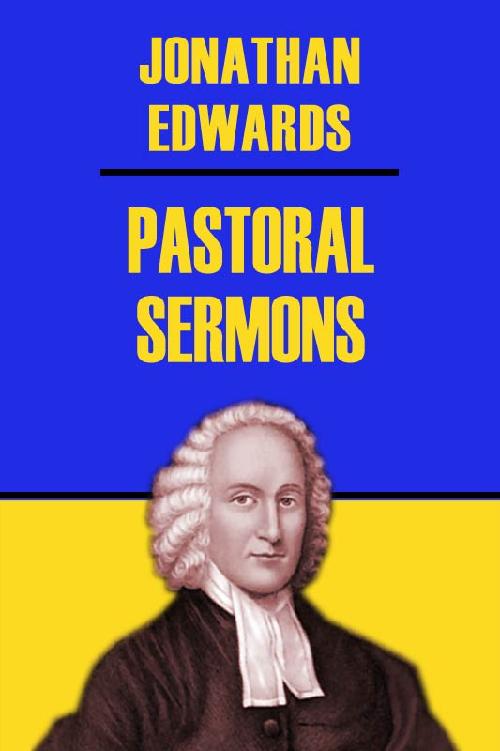
Copyright ©Monergism Books
Pastoral Sermons
Table of Contents
1. A Warning to Professors (Ezekiel 23:37-39)
2. The Pure in Heart Blessed (Matthew 5:8)
3. The Peace Which Christ Gives His True Followers (John 14:27)
4. We Have Peace With God (Romans 5:1)
5. Dishonesty (Exodus 20:15)
6. The Portion of the Righteous (Romans 2:10)
7. Pressing Into the Kingdom of God (Luke 26:16)
8. Hypocrites Deficient in the Duty of Prayer (Job 37:10)
9. Temptation and Deliverance (Genesis 39:12)
10. Hope and Comfort Usually Follow Humiliation and Repentance (Hosea 2:15)
11. The Unreasonableness of Indetermination in Religion (1 Kings 18:21)
12. The Preciousness of Time (Ephesians 5:16)
13. Praise - One of the Chief Employments of Heaven (Revelation 14:2 )
14. Christian Cautions (Psalms 139:23-24)
15. The Christian Pilgrim (Hebrews 11:13-14)
16. Christian Charity (Deuteronomy 15:7-11)
17. Procrastination (Proverbs 27:1)
18. God - the Best Portion of the Christian (Psalm 73:25)
19. Safety, Fullness and Sweet Refreshment in Christ (Isaiah 32:2)
20. Christian Knowledge (Hebrews 5:12)
21. The Manner in Which the Salvation of the Soul is to be Sought (Genesis 6:22)
A WARNING TO PROFESSORS:
OR, THE
GREAT GUILT OF THOSE WHO ATTEND ON THE ORDINANCES OF DIVINE WORSHIP, AND YET ALLOW THEMSELVES IN ANY KNOWN WICKEDNESS
That they have committed adultery, and blood is in their hands, and with their idols have they committed adultery, and have also caused their sons, whom they bare unto me, to pass for them through the fire to devour them. Moreover this they have done unto me: they have defiled my sanctuary in the same day, and have profaned my sabbaths. For when they had slain their children to their idols, then they came the same day into my sanctuary to profane it; and, to, thus have they done in the midst of mine house.* EZEK. 23:37, 38, 39
INTRODUCTION
SAMARIA and Jerusalem, or Israel and Judah, are here represented by two women, Aholah and Aholibah; and their idolatry and treachery towards their covenant God is represented by the adultery of these women. They forsook God, who was their husband, and the guide of their youth, and prostituted themselves to others. The baseness of Aholah and Aholibah towards God, their husband, is here pointed out by two things, viz. adultery and blood-shed: They have committed adultery, and blood is in their hands.
1. They committed adultery with other lovers, viz. with their idols: With their idols hare they committed adultery.
2. They not only committed adultery, but they took their children that they bore to God, and killed them for their lovers. Their hearts were quite alienated from God, their husband, and they were so bewitched with lust after those other lovers, that they took their own children, whom they had by their husband, and put them to cruel deaths, to make a feast with them for their lovers; as it is said in ver. 37. "And have also caused my sons whom they bare unto me, to pass for them through the fire to devour them."
But here is a twofold wickedness of those actions of theirs held forth to us in the words. (1.) The wickedness of them considered in themselves; for who can express the horrid baseness of this their treatment of God, their husband? (2.) An additional wickedness, resulting from the joining of these actions with sacred things. Beside the monstrous wickedness of these actions in themselves considered, there was this which exceedingly increased the guilt, that on the same day they came into God's sanctuary, or that they lived in such wickedness at the same time that they came and attended the holy ordinances of God's house, pretending to worship and adore him, whom they all the while treated in such a horrid manner; and so herein defiled and profaned holy things; as in ver. 38, and 39. "Moreover, this have they done unto me; they have defiled my sanctuary in the same day, and have profaned my sabbaths. For when they had slain their children to their idols, then they came the same day into my sanctuary, to profane it; and, lo, thus have they done in the midst of mine house."
DOCTRINE.—When they that attend ordinances of divine worship allow themselves in known wickedness, they are guilty of dreadfully profaning and polluting those ordinances.
By a divine ordinance, when the expression is used in its greatest latitude, is meant any thing of divine institution or appointment. Thus we call marriage a divine ordinance, because it was appointed by God. So civil government is called an ordinance of God: Rom. 13:1, 2. "Let every soul be subject to the higher powers; for there is no power but of God; the powers that be are ordained of God. Whosoever, therefore, resisteth the power, resisteth the ordinance of God."
But the word is more commonly used only for an instituted or appointed way or mean of worship. So the sacraments are ordinances; so public prayer, singing of praise, the preaching of the word, and the hearing of the word preached, are divine ordinances. The setting apart of certain officers in the church, the appointed way of discipline, public confession of scandals, admonition, and excommunication, are ordinances. These are called the ordinances of God's house, or of public worship; and these are intended in the doctrine: it is the profanation of these ordinances that is spoken of in the text: "They came into my sanctuary to profane it; and, lo! thus have they done in the midst of mine house," saith God. This doctrine seems to contain two propositions.
SECT. I
The ordinances of God are holy
DIVINE ordinances are holy in the following respects:
1. They are conversant wholly and immediately about God, and things divine. When we are in the attendance on the ordinances of divine worship, we are in the special presence of God. When persons come and attend on the ordinances of God, they are said to come before God, and to come into his presence: Jer. 7:10. "Come and stand before me, in this house which is called by my name." Psal. 100:2. "Come into his presence with singing."
In divine ordinances, persons have immediate intercourse with God, either in applying to him, as in prayer and singing praises, or in receiving from him, waiting solemnly and immediately on him for spiritual good, as in hearing the word; or in both applying to God and receiving from him, as in the sacraments. They were appointed on purpose that in them men might converse and hold communion with God. We are poor, ignorant, blind worms of the dust; and God did not see it meet that our way of intercourse with God should be left to ourselves; but God hath given us his ordinances, as ways and means of conversing with him.
In these ordinances, holy and divine things are exhibited and represented. In the preaching of the word, holy doctrines and the divine will are exhibited; in the sacraments, Christ Jesus and his benefits are represented; in prayer and praise, and in the attendance on the word and sacraments, are represented our faith, love, and obedience.
2. The end of God's ordinances is holy. The immediate end is to glorify God. They are instituted to direct us in the holy exercises of faith and love, divine fear and reverence, submission, thankfulness, holy joy and sorrow, holy desires, resolutions, and hopes. True worship consists in these holy and spiritual exercises; and as these divine ordinances are the ordinances of worship, they are to help us, and to direct us in such a worship as this.
3. They have the sanction of divine authority. They are not only conversant about a divine and holy object, and designed to direct and help us in divine and holy exercises, but they have a divine and holy author. The infinitely great and holy God hath appointed them, the eternal Three in One. Each person in the Trinity hath been concerned in their institution. God the Father hath appointed them, and that by his own Son. They are of Christ's own appointment; and he appointed, as he had received of the Father: John 12:49. "I have not spoken of myself, but the Father which sent me, he gave me commandment what I should say, and what I should speak." And the Father and Son more fully revealed and ratified them by the Spirit; and they are committed to writing by the inspiration of the Holy Spirit.
They are holy, in that God hath hallowed them, or consecrated them. They are conversant about holy things; and God ordained them, that in them we might be conversant about holy things. They are for a holy use; and it is God who, by his own immediate authority, ordained them for that holy use; which renders them much more sacred than otherwise they would have been.
4. They are attended in the name of God. Thus we are commanded to do all that we do, in word or deed, in the name of Christ, Col. 3:17. which is to be understood especially of our attendance on ordinances. Ordinances are administered in the name of God. When the word is preached by authorized ministers, they speak in God's name, as Christ's ambassadors, as co-workers together with Christ: 2 Cor. 5:20. "Now we are ambassadors for Christ;" chap. 6:1. "We are workers together with, him." When a true minister preaches, he speaks as the oracles of God, 1 Pet. 4:11. and he is to be heard as one representing Christ.
So in administering the sacraments, the minister represents the person of Christ; he baptizes in his name, and in the Lord's supper stands in his stead. In administering church-censures, he still acts, as the apostle expresses it, in the person of Christ, 2 Cor. 2:10. On the other hand, the congregation, in their addresses to God in ordinances, as prayer and praise, act in the name of Christ, the
Mediator, as having him to represent them, and as coming to God by him.
SECT. II
God's ordinances are dreadfully profaned by those who attend on them, and yet allow themselves in ways of wickedness
PERSONS who come to the house of God, into the holy presence of God, attending the duties and ordinances of his public worship, pretending with others, according to divine institution, to call on the name of God, to praise him, to hear his word, and commemorate Christ's death, and who yet, at the same time, are wittingly and allowedly going on in wicked courses, or in any practice contrary to the plain rules of the word of God, therein greatly profane the holy worship of God, defile the temple of God and those sacred ordinances on which they attend. The truth of this proposition appears by the following considerations.
1. By attending ordinances, and yet living in allowed wickedness, they show great irreverence and contempt of those holy ordinances. When persons who have been committing known wickedness, and yet live in it, and have no other design than to go on still in the same, when they come from their wickedness, as it were the same day, as it is expressed in the text, and attend the sacred solemn worship and ordinances of God, and then go from the house of God directly to the like allowed wickedness—they hereby express a most irreverent spirit with respect to holy things, and in a horrid manner cast contempt upon God's sacred institutions, and on those holy things which we are concerned with in them.
They show that they have no reverence of that God who hath hallowed these ordinances. They show a contempt of that divine authority which instituted them. They show a horribly irreverent spirit towards that God into whose presence they come, and with whom they immediately have to do in ordinances, and in whose name these ordinances are performed and attended. They show a contempt of that adoration of God, of that faith and love, and that humiliation, submission, and praise, which ordinances were instituted to express. What an irreverent spirit doth it show, that they are so careless after what manner they come before God! that they take no care to cleanse and purify themselves, in order that they may be fit to come before God! yea, that they take no care to avoid making themselves more and more unclean and filthy!
They have been taught many a time, that God is of purer eyes than to behold evil, and cannot look on iniquity, and how exceedingly he is offended with sin; yet they care not how unclean and abominable they come into his presence. It shows horrid irreverence and contempt, that they are so bold, that they are not afraid to come into the presence of God in such a manner; and that they will presume to go out of the presence of God, and from an attendance upon holy things, again to their sinful practices. If they had any reverence of God and holy things, an approach into his presence, and an attendance on those holy things, would leave that awe upon their minds, that they would not dare to go immediately from them to their ways of known wickedness.
It would show a great irreverence in any person towards a king, if he should not care how he came into his presence, and if he should come in a sordid habit, and in a very indecent manner. How much more horrid irreverence doth it show, for persons willingly and allowedly to defile themselves with that filth which God infinitely hates, and so frequently to come into the presence of God!
2. By making a show of respect to God in ordinances, and then acting the contrary in their lives, they do but mock God. In attending ordinances, they make a show of respect to God. By joining in prayer, in public adorations, confessions, petitions, and thanksgivings, they make a show of high thoughts of God, and of humbling themselves before him; of sorrow for their sins, of thankfulness for mercies, and of a desire of grace and assistance to obey and serve God. By attending upon the hearing of the word, they make a show of a teachable spirit, and of a readiness to practise according to the instructions given. By attending on the sacraments, they make a show of faith in Christ, of choosing him for their portion, and spiritually feeding upon him.
But by their actions they all the while declare the contrary. They declare, that they have no high esteem of God, but that they despise him in their hearts. They declare, that they are so far from repenting of, that they intend to continue in, their sins. They declare, that they have no desire of that grace and assistance to live in a holy manner for which they prayed, and that they had rather live wickedly: this is what they choose, and for the present are resolved upon. They declare by their actions, that there is no truth in what they pretend in hearing the word preached, that they had a desire to know what the will of God is, that they might be directed in their duty; for they declare by their actions, that they desire not to do the will of God, and that they do not intend any such thing: but intend, on the contrary, to disobey him; and that they prefer their carnal interests before his authority and glory.
They declare by their actions, that there is no truth in what they pretend in their attendance on the sacraments, that they desire to be fed with spiritual nourishment, and to be conformed and assimilated to Christ, and to have communion with him. They show by their practices, that they have no regard to Christ; and that they had rather have their lusts gratified, than to be fed with his spiritual food: they show, that they desire not any assimilation to Christ, but to be different from him, and of an opposite character to him: they show, that instead of desiring communion with Christ, they are his resolved and allowed enemies, wilfully acting the part of enemies to Christ, dishonouring him, and promoting the interest of Satan against him.
Now, what can this be else but mockery, to make a show of great respect, reverence, love, and obedience, and at the same time wilfully to declare the reverse in actions. If a rebel or traitor should send addresses to his king, making a show of great loyalty and fidelity, and should all the while openly, and in the king's sight, carry on designs of dethroning him, how could his addresses be considered as any other than mockery? If a man should bow and kneel before his superior, and use many respectful terms to him, but at the same time should strike him, or spit in his face, would his bowing and his respectful terms be looked upon in any light than as done in mockery? When the Jews kneeled before Christ, and said, Hail, King of the Jaws, but at the same time spit in his face, and smote him upon the head with a reed; could their kneeling and salutations be considered as any other than mockery?
Men who attend ordinances, and yet willingly live in wicked practices, treat Christ in the same manner that these Jews did. They come to public worship, and pretend to pray to him, to sing his praises, to sit and hear his word; they come to the sacrament, pretending to commemorate his death. Thus they kneel before him, and say, Hail, King of the Jews; yet at the same time they live in ways of wickedness, which they know Christ hath forbidden, of which he hath declared the greatest hatred, and which are exceedingly to his dishonour. Thus they buffet him, and spit in his face. They do as Judas did, who came to Christ saying, Hail, Master, and kissed him, at the same time betraying him into the hands of those who sought his life.
How can it be interpreted in any other light, when men come to public worship, and attend ordinances, and yet will be drunkards and profane swearers, will live in lasciviousness, injustice, or some other known wickedness? If a man should pray to God to keep him from drunkenness, and at the same time should put the bottle to his own mouth, and drink himself drunk; the absurdity and horrid wickedness of his conduct would be manifest to every man. But the very same thing, though not so visible to us, is done by those who make profession of great respect to God, and pray God from time to time to keep them from sin; yet at the same time have no design to forsake their known sins, but intend the contrary.
God sees men's designs and resolutions more plainly than we can see their outward actions; therefore for a man to pray to God to be kept from sin, and at the same time to intend to sin, is mockery as visible to God as if he prayed to be kept from some particular sin, which he was at the same time willingly and allowedly committing.
These persons are guilty of a horrid profanation of God's ordinances; for they make them occasions of a greater affront to God, the occasions of showing their impudence and presumption; for he who lives in wilful wickedness, and doth not enjoy the ordinances of God, is not guilty of so great presumption, as he who attends these ordinances, and yet allows himself in wickedness. This latter acts as though he came into the presence of God on purpose to affront him. He comes from time to time to hear the will of God, and all the while designs disobedience, and goes away and acts directly contrary to it.
A servant would affront his master by wilfully disobeying his commands in any wise. But he would affront him much more, if he should on every occasion come to him to inquire his will, as though he were ready to do whatever his master would have him do, and then should immediately go away and do the contrary.
3. They put the ordinances of God to a profane use. The ordinances of God are holy, as they are set apart of God to a holy use and purpose. They are the worship of God, instituted for the ends of giving honour and glory to him, and to be means of grace and spiritual good to us. But those persons who attend these ordinances, and yet live in allowed wickedness, aim at neither of these ends: they, in their attendance on ordinances, neither aim to give honour to God, or to express any love, or esteem, or thankfulness; nor do they sincerely seek the good of their own souls. It is not truly the aim of any such persons to obtain grace, or to be made holy; their actions plainly show that this is not their desire; they choose to be wicked, and intend it.
It is not therefore to these purposes that they improve the holy ordinances of God; but they put them to another and profane use. They attend ordinances to avoid that discredit which a voluntarily and habitual absence from them would cause among those with whom they live, to avoid the punishment of human laws, or for their worldly advantage; to make up for other wickedness, or for some other carnal purposes. Thus they profane the ordinances of God, by perverting them to profane purposes.
4. When persons thus treat God's holy ordinances, it tends to beget contempt of them in others. When others see sacred things commonly used so irreverently, and attended with such carelessness and contempt, and treated without any sacred regard; when they see persons are bold with them, treat them without any solemnity of spirit; when they see them thus commonly profaned, it tends to diminish their sense of their sacredness, and to make them seem no very awful things. In short, it tends to imbolden them to do the like.
The holy vessels and utensils of the temple and tabernacle were never to be put to a common use, nor to be handled without the greatest care and reverence: for if it had been commonly otherwise, the reverence of them could not have been maintained; they would have seemed no more sacred than any thing else. So it is in the ordinances of christian worship.
SECT. III
A call to self-examination
LET this doctrine put all upon examining themselves, whether they do not allow themselves in known wickedness. You are such as do enjoy the ordinances of divine worship. You come into the holy presence of God, attending on those ordinances, which God, by sacred authority, hath hallowed and set apart, that in them we might have immediate intercourse with himself; that we might worship and adore him, and express to him a humble, holy, supreme respect; and that in them we might receive immediate communications from him.
Here you come and speak to God, pretending to express your sense how glorious he is, and how worthy that you should fear and love him, humble yourselves before him, devote yourselves to him, obey him, and have a greater respect to his commands and to his honour, than to any temporal interest, ease, or pleasure of your own. Here you pretend before God, that you are sensible how unworthily you have done by sins committed in times past, and that you have a great desire not to do the like in time to come. You pretend to confess your sins, and to humble yourselves for them. Here you pray that God would give you his Spirit to assist you against sin, to keep you from the commission of it, enable you to overcome temptations, and help you to walk holily in all your conversation, as though you really had a great desire to avoid such sins as you have been guilty of in time past. And the like pretences you have made in your attendance upon the other ordinances, as in hearing the word, in singing praise, &c.
But consider whether you do not horribly defile and profane the public prayers and other ordinances. Notwithstanding all your pretences, and what you seem to hold forth by your attendance on them, do you not all the while live in known wickedness against God? For all your pretences of respect to God, of humiliation for sin, and desires to avoid it, have you not come directly from the allowed practice of known sin to God's ordinances, and did not at all repent of what you had done, nor at all sorry for it at the very time when you stood before God, making these pretences; and even had no design of reformation, but intended to return to the same practice again after your departure from the presence of God?—I say, Hath not this, on many occasions, been your manner of coming and attending on the ordinances of divine worship? Not only so, but is it not still your manner, your common way of attending upon these ordinances, even to this very day? Do you not lie to God with your tongues, when you pretend, that he is a great God, and that you are poor, guilty, unworthy creatures, deserving his wrath by the sins of which you have been guilty? and when you pretend, that you earnestly desire he would keep you from the like for time to come? Are you not guilty of horrid mockery of God in it, when at the same time you design no such thing, but the contrary?
Do you not even the same day that you come into God's house, and to his ordinances, allow yourselves in known sins? Do you not with consent and approbation think of the sinful practices, in which you allow yourselves, and in which you have been exercising yourselves in the week past? Do you not the very day in which you attend ordinances, allowedly please and gratify a wicked imagination? And are you not then perpetrating wickedness in your thoughts, and contriving the further fulfilment of your wickedness? Yea, are you not guilty of these things sometimes even in the very time of your attendance on ordinances, when you are in the immediate presence of God? and while others have immediate intercourse with God, and you likewise pretend to the same? Do you not, even in these circumstances, allow yourselves in wicked thoughts and imaginations, voluntarily wallowing in known wickedness?
Are not some of you guilty of allowedly breaking God's holy sabbath, in maintaining no government of your thoughts, thinking indifferently about any thing that comes next to mind; and not only thinking, but talking too about common, worldly affairs? And sometimes talking in such a manner, as is not suitable even on other days; talking profanely, or in an unclean manner, sporting and diverting yourselves in such conversation on God's holy day? Yea, it is well if some have not been thus guilty in the very time of attendance on the ordinances of worship.
Examine yourselves, how it hath been with you. You all attend many of the ordinances of divine worship. You come to the house of God, attend public prayers, singing, and preaching of the word; and many of you come to the Lord's supper, that holy ordinance, instituted for the special commemoration of the greatest and most wonderful of all divine acts towards mankind; for the special and visible representation of the most glorious and wonderful things of our religion; for the most solemn profession and renewal of your engagement to God; and for special communion with Jesus Christ. Let such examine themselves whether they do not allow themselves in known sin, to the horrid profanation and pollution of this most sacred ordinance.
Examine and see whether you do not allow yourselves in some way of dealing with your fellow-men, which you have sufficient light to know to be evil; or whether you do not allow yourselves in a known evil behaviour towards some person or persons of the families to which you respectively belong, as towards your husbands, your wives, your children, or servants; or your neighbours, in your spirit and behaviour towards them, or in your talk of them.
Examine whether you do not some way willingly indulge an unclean appetite, in less or grosser acts of uncleanness, or in your discourse, or in your imagination. Or do you not give way to a lust after strong drink, or indulge yourselves in some vicious excess in gratifying some sensual appetite in meat or drink, or otherwise? Are you not willingly guilty of vanity, and extravagance in your conversation?
Do you not, for all your attendance on ordinances, continue in the allowed neglect of your precious souls, neglecting secret prayer or some known duty of private religion? Or do you not allow yourselves in sabbath-breaking?—In all these ways are the ordinances of God's sacred worship polluted and profaned.
Men are apt to act very treacherously and perversely in the matter of self-examination. When they are put upon examining themselves, they very often decline it, and will not enter into any serious examination of themselves at all. They hear uses of examination insisted on, but put them off to others, and never seriously apply them to themselves.—And if they do examine themselves, when they are put upon it, they are exceedingly partial to themselves; they spare themselves; they do not search, and look, and pass a judgment according to truth; but so as unreasonably to favour and justify themselves—If they can be brought to examine themselves at all, whether they do not allow themselves in known wickedness, although they attend on divine ordinances, they will not do it impartially. Their endeavour will not be indeed to know the truth of their case, and to give a true answer to their consciences; but to blind themselves, to persuade and flatter themselves that they do not allow themselves in known sin, whether it be true or not. There are two things especially wherein persons often act very perversely and falsely in this matter.
1. Persons very often deal very perversely in pretending, that the sins in which they live are not known sins. Nothing is more common surely, than for persons to flatter themselves with this concerning the wickedness in which they live. Let that wickedness be almost what it may, they will plead to their consciences, and endeavour to still them, that there is no evil in it, or that they do not know that there is any evil in it. Men's own consciences can best tell how they are wont to do in this matter.—There is hardly any kind of wickedness that men commit, but they will plead thus in excuse for it. They will plead thus about their cheating and injustice, about their hatred of their neighbours, about their evil speaking, about their revengeful spirit, about their excessive drinking, about their lying, their neglect of secret prayer, their lasciviousness, their unclean dalliances; yea, they will plead excuses for very gross acts of uncleanness, as fornication, adultery, and what not. They have their vain excuses and carnal reasonings in favour of all their evil actions. They will say, What harm, what evil is there in such and such an action? And if there be a plain rule against it, yet they will plead that their circumstances are peculiar, and that they are excepted from the general rule; that their temptation is so great, that they are excusable; or some thing will they find to plead.
If it be some thing upon which their lusts are much set, and about which they feel remorse of conscience, they will never leave studying and contriving with all the art and subtlety of which they are masters, till they shall have found out some reason, some excuse, with which they shall be able in some measure to quiet their consciences. And whether after all they shall have made it out to blind conscience or not, yet they will plead that their argument is good, and it is no sin; or if it be a sin, it is only a sin of ignorance.—So men will plead for the wickedness which they do in the dark. So without doubt some very gross sinners plead to their consciences; as would appear, if we could but look into their hearts; when indeed the strongest argument they have, that in such a thing there is no evil, is the strongest lust they have to it, the inordinate desire they have to commit it.
It was the saying of one, Licitis perimus omnes; that is, We all perish by lawful things; which is as much as to say, men commonly live wickedly and go to hell, in those ways which they flatter themselves to be lawful. Or at least they flatter themselves, that they are sins of ignorance; they do not know them to be unlawful.—Thus, I make no doubt some will be apt to do, in applying to themselves this use of examination, if they can be persuaded to apply it to themselves at all. Whether these things be true of you, let your own consciences speak, you that neglect secret prayer; you that live in secret, unclean, lascivious actions; you that indulge an inordinate appetite for strong drink; you that defraud or oppress others; you that indulge a spirit of revenge and hatred towards your neighbour.—Here I desire you to consider two or three things.
(1.) Not all sins, which one knows not with a certain knowledge to be sinful, are justly called sins of ignorance. Men often will excuse themselves for venturing upon a sinful action or practice, with this, that they know not that it is sinful; which is at most true no otherwise, than as they do not know it to be sinful with a certain knowledge, or with the evidence of absolute demonstration; although at the same time it is a sin against their light, and against great light. They have been so taught, that they have had light enough to make them sensible that it is displeasing to God, and not warranted or allowed by him. And they do in their consciences think it to be sinful; they are secretly convinced of it, however they may pretend the contrary, and labour to deceive themselves, and to persuade themselves that they do not think there is any evil in it.
Those sins which are contrary to sufficient information and instruction, and contrary to the real dictates of their own consciences, or to the judgment of their own minds; whether there be certain or demonstrative knowledge or no; these are what I would be understood to mean, when I speak of known sins. Such light as this, whether there be absolutely certain knowledge or no, is sufficient to render the action utterly inexcusable, and to render it, when allowed, a horrible profanation and pollution of the holy ordinances of God.
(2.) It is in vain for persons to pretend that those are sins of ignorance, which they have often and clearly heard testified against from the word of God. It will be found to be so at last; it will be found to be a vain thing for persons who have lived under the light of the gospel, and where all manner of iniquity is testified against, if they live in immoral and vicious practices, to pretend that they are sins of ignorance; unless the case be very peculiar and extraordinary.
(3.) It is in vain for you to pretend that those are sins of ignorance, of which you would not dare to proceed in the practice, if you knew that your soul was to be required of you this night. Persons do many things, for which they plead, and pretend they think there is no evil in them, who yet would as soon eat fire, as do the same, if they knew that they were to stand before the judgment-seat of Christ within four and twenty hours. This shows that persons do but prevaricate, when they pretend that their sins are sins of ignorance.
2. Another way wherein men deal falsely and perversely in this matter, is, in pretending that they do not allow themselves in those sins which they practise. They either pretend that they know them not to be sins, or if they cannot but own that, then they will say, they do not allow themselves in them; and so they hope God is not very much provoked by them. They pretend this, though they make a trade of them. They go on repeating one act after another, without ever seriously repenting of past, or resolving against future acts. But take heed that you do not deceive yourselves in this matter; for such pretences, however they do something towards stilling your consciences now, will do nothing when you come to stand before your righteous and holy Judge.
SECT. IV
Address to such as attend ordinances, and yet allow themselves in known sin
CONSIDER how holy and sacred the ordinances of God are; what mockery you are guilty of in making such a show, and such pretences in attending ordinances, and yet voluntarily acting the reverse of what you pretend. Consider that there is no sort of sinners with whom God is so provoked, and who stand so guilty before him, as the profaners of his ordinances. The fire of God's wrath is kindled by none so much as by the polluters of holy things. They are represented as those who are especially guilty before God, in the third commandment: "The Lord will not hold him guiltless that taketh his name in vain." Why is this annexed to this command, rather than to any other of the ten, but because the breach of it especially renders a man guilty in the sight of God?
The taking of God's name in vain includes the profanation and pollution of ordinances and holy things. They do in a very dreadful manner take God's name in vain, who attend on his ordinances, and yet live in known sin; for, as we have shown, they manifest the greatest irreverence for him, and contempt of divine things. They manifest a contempt of his authority, a contempt of the business and design of his ordinances, and a most careless and irreverent spirit in things wherein they have immediate converse with God. Ordinances, as we have shown, are attended in the name of God; and therefore, by such an attendance on them, the name of God is greatly profaned. You that attend ordinances in such a manner, take the name of God so much in vain, that you use it only in mockery, and so as to expose it to contempt. Such a way of attending ordinances is a trampling of all that is sacred under foot.
We have in Scripture scarce any such awful instances of the immediate and miraculous vengeance of God, as on the profaners of holy things. How did God consume Nadab and Abihu, for offering strange fire before him! How did he break forth upon Uzza, for handling the ark with too much irreverence! 2 Sam. 6:6, 7. And how did he break forth on the children of Israel at Bethshemesh, for profaning the ark! "He smote of the people fifty thousand threescore and ten men," as in 1 Sam. 6:19.
And God hath threatened in the New Testament, that if any man "defile the temple of God, him shall God destroy; for the temple of God is holy," 1 Cor. 3:17. There is an emphasis in the expression. God will destroy all sinners, let it be what sin it will which they commit, and in which they continue; and yet it is said, "If any man defile the temple of God, him shall God destroy," as if it had been said, there is something peculiar in the case, and God is especially provoked to destroy such, and consume them in the fire of his wrath; and he will indeed destroy them with a destruction especially dreadful.
So God hath declared, Gal. 6:7. "That he will not be mocked;" i.e. if any presume to mock him, they will find him, by experience, to be no contemptible being. God will vindicate his holy majesty from the contempt of those who dare to mock him, and he will do it effectually: they shall fully find how dreadful a being he is, whose name they have daringly profaned and polluted. Defilers and profaners of ordinances, by known and allowed wickedness, provoke God more than the heathen, who have no ordinances. Thus the wickedness of Judah and Jerusalem is said to be far worse than that of Sodom, though the inhabitants of Sodom were, as we have reason to think, some of the worst of the heathens. See Ezek. 16:46, 47, &c. The sin of Sodom is here spoken of as a light thing in comparison with the sins of Judah. And what should be the reason, but that
Judah enjoyed holy things which they profaned and polluted, which Sodom had no opportunity to do? for it is not to be supposed, that Judah otherwise arrived to the same pass that Sodom had.
Consider therefore, ye who allow yourselves in known wickedness, and live in it, who yet come to the house of God, and to his ordinances from time to time, without any serious design of forsaking your sins, but, on the contrary, with an intention of continuing in them, and who frequently go from the house of God to your wicked practices; consider how guilty you have made yourselves in the sight of God, and how dreadfully God is provoked by you. It is a wonder of God's patience, that he doth not break forth upon you, and strike you dead in a moment; for you profane holy things in a more dreadful manner than Uzza did, when yet God struck him dead for his error. And whereas he was struck dead for only one offence; you are guilty of the same sin from week to week, and from day to day.
It is a wonder that God suffers you to live upon earth, that he hath not, with a thunderbolt of his wrath, struck you down to the bottomless pit long ago. You that are allowedly and voluntarily living in sin, who have gone on hitherto in sin, are still going on, and do not design any other than to go on yet; it is a wonder that the Almighty's thunder lies still, and suffers you to sit in his house, or to live upon earth. It is a wonder that the earth will bear you, and that hell doth not swallow you up. It is a wonder that fire doth not come down from heaven, or come up from hell, and devour you; that hell-flames do not enlarge themselves to reach you, and that the bottomless pit hath not swallowed you up.
However, that you are as yet borne with, is no argument that your damnation slumbers. The anger of God is not like the passions of men, that it should be in haste. There is a day of vengeance and recompence appointed for the vessels of wrath; and when the day shall have come, and the iniquity shall be full, none shall deliver out of God's hand. Then will he recompense, even recompense into your bosoms.
The Pure in Heart Blessed
Blessed are the pure in heart: for they shall see God. MATTHEW 5:8
GOD formerly delivered his law from mount Sinai, by an audible voice, with the sound of a trumpet, with the appearance of devouring fire, with thunders, and lightnings, and earthquakes. But the principal discoveries of God's word and will to mankind were reserved to be given by Jesus Christ, his own Son, and the Redeemer of men, who is the light of the world.
In this sermon of Christ, of which the text is a part, we hear him delivering the mind of God also from a mountain. Here is God speaking, as well as from mount Sinai, and as immediately, but after a very different manner. There God spake by a preternatural formation of sounds in the air; here he becomes incarnate, takes on him our nature, and speaks, and converses with us, not in a preternatural, awful, and terrible manner, but familiarly as one of us. His face was beheld freely by all that were about him; his voice was human, without those terrors which made the children of Israel desire that God might speak to them immediately no more; and the revelation which he makes of God's word is more clear and perfect, and fuller of the discoveries of spiritual duties, of the spiritual nature of the command of God, of our spiritual and true happiness, and of mercy and grace to mankind. John 1:17. "For the law was given by Moses, but grace and truth came by Jesus Christ."
This discourse of Christ on the mount seems principally levelled against the false notions, and carnal prejudices, that were at that day embraced by the nation of the Jews; and those benedictions, which we have in the beginning of his sermon, were sayings that were mere parodoxes to them, wholly contrary to the notions which they had received. That he, who was poor in spirit, was blessed, was a doctrine contrary to the received opinion of the world, and especially of that nation, who were exceedingly ambitious of the praise of men, and highly conceited of their own righteousness. And that he was a blessed and happy man, who mourned for sin, and lived mortified to the pleasures and vanities of the world, was contrary to their notions, who placed their highest happiness in worldly and carnal things. So also that they who were meek were blessed, was another doctrine very contrary to their notions, who were a very haughty, proud nation, and very revengeful, and maintained the lawfulness of private revenge, as may be seen in the 38th verse. Equally strange to them was the declaration that they who hungered and thirsted after righteousness were happy; for they placed their happiness, not in possessing a high degree of righteousness, but in having a great share of worldly good. They were wont to labour for the meat that perisheth, they had no notion of any such thing as spiritual riches, or of happiness in satisfying a spiritual appetite. The Jews were dreadfully in the dark at that day about spiritual things. The happiness which they expected by the Messiah was a temporal and carnal, and not a spiritual, happiness. Christ also tells them that they were blessed who were merciful, and who were peace-makers; which was also a doctrine that the Jews especially stood in need of at that day, for they were generally of a cruel, unmerciful, persecuting spirit.
The truth which Christ teaches them in the text, that they were blessed who were pure in heart, was a thing wholly beyond their conceptions. The Jews at this time placed almost the whole of religion in external things, in a conformity to the rites and ceremonies of the law of Moses. They laid great stress on tithing mint, and anise, and cumin, and on their traditions, as in washing hands before meat and the like; but they neglected the weightier matters of the law, and especially such as respected holiness of heart. They took much more care to have clean hands, and a clean outside, than a clean heart, as Christ tells them, Matt. 23:25, 27. "Woe unto you, scribes and Pharisees, hypocrites! for ye make clean the outside of the cup and of the platter, but within ye are full of extortion and excess. Thou blind Pharisee, cleanse first that which is within the cup and platter, that the outside of them may be clean also."
We may observe concerning the words of the text,
1. That Christ pronounces the pure in heart, blessed. Christ here accommodates his instructions to the human nature. He knew that all mankind were in the pursuit of happiness, he has directed them in the true way to it, and he tells them what they must become in order to be blessed and happy.
2. He gives the reason why such are blessed, or wherein the blessedness of such consists; that they shall see God. It is probable the Jews supposed that it was a great privilege to see God, from those passages in the law, where there is an account of Moses's earnestly desiring to see God's glory; and from the account that is given of the seventy elders, Exod. 24:9, 10, 11. "Then went up Moses and Aaron, Nadab and Abihu, and seventy of the elders of Israel; and they saw the God of Israel: and there was under his feet as it were a paved work of a sapphire stone, and as it were the body of heaven in his clearness. And upon the nobles of the children of Israel he laid not his hand: also they saw God, and did eat and drink."
It is also probable that they had very imperfect notions of what the vision of God was, and of the happiness that consisted in it, and that their notion of this matter, agreeably to the rest of their carnal, childish notions, was of some outwardly splendid and glorious sight, to please the eye and to entertain the fancy. From these words I shall derive two propositions.
I. It is a truly blessed thing to the soul of man to see God.
II. To be pure in heart, is the certain and only way to attain to this blessedness.
I. It is a truly blessed thing to the soul of man to see God. Here I shall attempt to show,
1. What is meant by seeing God.
First. It is not any sight with the bodily eyes: the blessedness of the soul does not enter in at that door. This would make the blessedness of the soul dependent on the body, or the happiness of man's superior part dependent on the inferior; and this would have confirmed the carnal and childish notions of the Jews.
God is a spirit, and is not to be seen with the bodily eyes. We find it attributed to God, that he is invisible. Heb. 11:27. "As seeing him, who is invisible." Col. 1:15. "Who is the image of the invisible God." It is mentioned as a part of God's glory, 1 Tim. 1:17. "Now unto the King eternal, immortal, invisible, the only wise God, be honour and glory for ever and ever. Amen." That it is not any sight with the bodily eyes, is evident, because the unembodied souls of the saints see God, and the angels also, who are spirits and were never united to bodies. Matt. 18:10. "Take heed that ye despise not one of these little ones: for I say unto you, that in heaven their angels do always behold the face of my Father which is in heaven."
It is not any form or visible representation, nor shape, nor colour, nor shining light, that is seen, wherein this great happiness of the soul consists. Indeed God was wont to manifest himself of old in outward glorious appearances. There was a shining light that was called the glory of the Lord. Thus the glory of the Lord was said to descend on mount Sinai, and in the tabernacle of the congregation. There was an outward visible token of God's presence, and the seventy elders, when they saw God in the mount, saw a visible shape. It seems also that when Moses desired to see God's glory, and when God passed by and covered him with his hand in the cleft of the rock, that Moses saw some visible glory. Exod. 33:18–23. "And he said, I beseech thee, show me thy glory. And he said, I will make all my goodness to pass before thee, and I will proclaim the name of the Lord before thee; and will be gracious to whom I will be gracious, and will show mercy on whom I will show mercy. And he said, Thou canst not see my face; for there shall no man see me and live." But it seems that God then condescended to the infant state of the church, and to the childish notions that were entertained in those days of lesser light; and Moses's request seems to have been answered, by God making his goodness to pass before him, and proclaiming his name, and giving him a strong apprehension of the things contained in that name, rather than by showing him any outward glory.
The saints in Heaven will behold an outward glory as they are in the human nature of Christ, which is united to the Godhead, as it is the body of that person who is God; and there will doubtless be appearances of a divine and inimitable glory and beauty in Christ's glorified body, which it will indeed be a refreshing and blessed sight to see.
But the beauty of Christ's body as seen by the bodily eyes, will be ravishing and delightful, chiefly as it will express his spiritual glory. The majesty that will appear in Christ's body, will express and show forth the spiritual greatness and majesty of the divine nature; the pureness and beauty of that light and glory, will express the perfection of the divine holiness; the sweetness and ravishing mildness of his countenance, will express his divine and spiritual love and grace.
Thus it was when the three disciples beheld Christ at his transfiguration upon the mount. They beheld a wonderful outward glory in Christ's body, an inexpressible beauty in his countenance; but that outward glory and beauty delighted them principally as an expression of the divine excellencies of his mind, as we may see from their manner of speaking of it. It was the sweet mixture of majesty and grace in his countenance, by which they were ravished. 2 Pet.
1:16, 17, 18. "We were eye-witnesses of his majesty. For he received from God the Father honour and glory, when there came such a voice to him from the excellent glory, This is my beloved Son, in whom I am well pleased. And this voice which came from heaven we heard, when we were with him in the holy mount." But especially from the account which John gives of it. John 1:14. "And the Word was made flesh, and dwelt among us, (and we beheld his glory, the glory as of the only-begotten of the Father,) full of grace and truth;" where John very probably had in his mind what he had seen in the mount at the transfiguration. Grace and truth are not outward, but spiritual, glories.
Secondly. It is an intellectual view by which God is seen. God is a spiritual being, and he is beheld with the understanding. The soul has in itself those powers which are capable of apprehending objects, and especially spiritual objects, without looking through the windows of the outward senses. This is a more perfect way of perception than by the eyes of the body. We are so accustomed and habituated to depend upon our senses, and our intellectual powers are so neglected and disused, that we are ready to conceive that seeing things with the bodily eyes is the most perfect way of apprehending them. But it is not so; the eye of the soul is vastly more perfect than the eye of the body; yet it is not every apprehension of God by the understanding that may be called the seeing of him. As,
1st. The having an apprehension of God merely by hearsay. If we hear of such a being as God, are educated in the belief that there is such a being, are told what sort of being he is, and what he has done, and are rightly told, and we give credit to what we hear; yet if we have no apprehension of God in any other way, we cannot be said to see God in the sense of the text. This is not the beatific sight of God.
2d. If we have an apprehension of God merely by speculative reasoning. If we come to some apprehension of God's being, and of his being almighty, all-wise, and good, by ratiocination, that is not what the Scripture calls seeing God. It is some more immediate way of understanding and viewing that is called sight; nor will such an apprehension as this merely ever make the soul truly blessed. Nor,
3d. Is every more immediate and sensible apprehension of God, that seeing of him mentioned in the text, and that which is truly beatific. The wicked spirits in the other world have doubtless more immediate apprehensions of the being of God, and of his power and wrath, than the wicked in this world. They stand before God to be judged, they receive the sentence from him, they have a dreadful apprehension of his wrath and displeasure. But yet they are exceedingly remote from seeing God, in the sense of the text.
But to see God, is this. It is to have an immediate, sensible, and certain understanding of God's glorious excellency and love.
1st. There must be a direct and immediate sense of God's glory and excellency. I say direct and immediate, to distinguish it from a mere perception that God is glorious and excellent by means of speculative and distant argumentation, which is a more indirect way of apprehending things. A true sense of the glory of God is that which can never be obtained by speculative ratiocination; and if men convince themselves by argument that God is holy, that never will give a sense of his amiable and glorious holiness. If they argue that he is very merciful, that will not give a sense of his glorious grace and mercy. It must be a more immediate, sensible discovery that must give the mind a real sense of the excellency and beauty of God. He that sees God, has a direct and immediate view of God's great and awful majesty, of his pure and beauteous holiness, of his wonderful and endearing grace and mercy.
2d. There is a certain understanding of his love, there is a certain apprehension of his presence. He that beholds God, does not merely see him as present by his essence, for so he is present with all, both godly and ungodly. But he is more especially present with those whom he loves, he is graciously present with them; and when they see him, they see him and know him to be so; they have an understanding of his love to them; they see him from love manifesting himself to them. He that has a blessed-making sight of God, not only has a view of God's glory and excellency, but he views it as having a property in it; he sees God's love to him; he receives the testimonies and manifestations of that love.
God's favour is sometimes in Scripture called his face: Psal. 119:58. where it is translated, "I entreated thy favour with my whole heart;" it is in the original "thy face;" and God's hiding his face, is a very common expression to signify his withholding the testimonies of his favour.
To see God, as in the text, implies the sight of him as glorious and as gracious; a vision of the light of his countenance, both as it is understood of the effulgence of his glory, and the manifestations of his favour and love.
The discoveries which the saints have in this world of the glory and love of God, are often in Scripture called the sight of God. Thus it is said of Abraham, that he saw him who is invisible. Heb. 11:27. So the saints are said to see as in a glass the glory of the Lord. 2 Cor. 3:18. "But we all with open face, beholding, as in a glass, the glory of the Lord, are changed into the same image, from glory to glory, even as by the Spirit of the Lord." Christ speaks of the spiritual knowledge of God. John 14:7. "If ye had known me, ye would have known my Father also: and from henceforth ye know him, and have seen him." The saints in this world have an earnest of what is future, they have the dawnings of future light.
But the more perfect view which the saints have of God's glory and love in another world, is what is especially called the seeing of God. Then they shall see him as he is. That light which now is but a glimmering, will be brought to clear sunshine; that which is here but the dawning, will become perfect day.
Those intellectual views which will be granted in another world, are called seeing God.
1st. Because the view will be very direct; as when we see things with the bodily eyes. God will, as it were, immediately discover himself to their minds, so that the understanding shall behold the glory and love of God, as a man beholds the countenance of his friend. The discoveries which the saints here have of God's excellency and grace, are immediate in a sense; that is, they do not mainly consist in ratiocination; but yet in another sense they are indirect, that is, they are by means of the gospel, as through a glass; but in heaven God will immediately excite apprehensions of himself, without the use of any such means.
2d. It is called seeing, because it will be most certain. When persons see a thing with their own eyes, it gives them the greatest certainty they can have of it, greater than they can have by any information of others. So the sight that they will have in heaven will exclude all doubting. The knowledge of God which the saints have in this world, has certainty in it, but yet the certainty is liable to be interrupted with temptations, and some degree of doubtings, but there is no such thing in heaven. The looking at the sun does not give a greater nor fuller certainty that it shines.
3d. It is called seeing, because the apprehension of God's glory and love is as clear and lively as when any thing is seen with bodily eyes. When we are actually beholding any thing with our eyes in the meridian light of the sun, it does not give a more lively idea and apprehension of it than the saints in heaven have of the divine excellency and love of God. When we are looking upon things our idea is much more clear and perfect, and the impression stronger on the soul, than when we only think of a thing absent. But the intellectual views that the saints in heaven will have of God, will have far the advantage of bodily sight, it will be a much more perfect way of apprehending. The saints in heaven will see the glory of the body of Christ after the resurrection with bodily eyes, but they will have no more immediate and perfect way of seeing that visible glory than they will of beholding Christ's divine and spiritual glory. They will not want eyes to see that which is spiritual, as well as we can see any thing that is corporeal; they will behold God in an ineffable, and to us now inconceivable, manner.
4th. The intellectual sight which the saints will have of God will make them as sensible of his presence, and give them as great advantages for conversing with him, as the sight of the bodily eyes doth an earthly friend; yea, and more too; for when we see our earthly friends with bodily eyes, we have not the most full and direct sight of their principal part, even their souls. We see the qualities, and dispositions, and acts of their minds, no otherwise than by outward signs of speech and behaviour; strictly speaking, we do not see the man, the soul, at all, but only its tabernacle or dwelling.
But their souls will have the most clear sight of the spiritual nature of God itself. They shall behold his attributes and disposition towards them more immediately, and therefore with greater certainty, than it is possible to see any thing in the soul of an earthly friend by his speech and behaviour; and therefore their spiritual sight will give them greater advantage for conversing with God, than the sight of earthly friends with bodily eyes, or hearing them with our ears, gives us for conversing with them.
2. I shall now give the reasons why the thus seeing God is that which will make the soul truly happy.
First. It yields a delight suitable to the nature of an intelligent creature. God hath made man, and man only, of all the creatures here below, an intelligent creature; and his reason and understanding are that by which he is distinguished from all inferior ranks of beings. Man's reason is, as it were, a heavenly ray, or, in the language of the wise man, it is "the candle of the Lord." It is that wherein mainly consists the natural image of God, it is the noblest faculty of man, it is that which ought to bear rule over the other powers; being given for that end, that it might govern the soul.
Therefore those delights are most suitable to the nature of man, that are intellectual, which result from the exercises of this noblest, this distinguishing faculty. God, by giving man understanding, made him capable of such delights, and fitted him for them, and designed that such pleasures as those should be his happiness.
Intellectual pleasures consist in the beholding of spiritual excellencies and beauties, but the glorious excellency and beauty of God are far the greatest. God's excellence is the supreme excellence. When the understanding of the reasonable creature dwells here, it dwells at the fountain, and swims in a boundless, bottomless ocean. The love of God is also the most suitable entertainment of the soul of man, which naturally desires the happiness of society, or of union with some other being. The love of so glorious a being is infinitely valuable, and the discoveries of it are capable of ravishing the soul above all other love. It is suitable to the nature of an intelligent being also, as it is that kind of delight that reason approves of. There are many other delights in which men indulge themselves, which, although they are pleasing to the senses and inferior powers, yet are contrary to reason; reason opposes the enjoyment of them, so that unless reason be suppressed and stifled, they cannot be enjoyed without a war in the soul. Reason, the noblest faculty, resists the inferior rebellious powers; and the more reason is in exercise, the more will it resist, and the greater will be the inward war and opposition.
But this delight of seeing God the understanding approves of; it is a thing most agreeable to reason that the soul should delight itself in this, and the more reason is in exercise, the more it approves of it. So that when it is enjoyed, it is with inward peace, and a sweet tranquillity of soul; there is nothing in human nature that is opposite to it, but every thing agrees and conforms to it.
Secondly. The pleasure which the soul has in seeing God, is not only its delight, but it is at the same time its highest perfection and excellency. Man's true happiness is his perfection and true excellency. When any reasonable creature finds that his excellency and his joy are the same thing, then he is come to right and real happiness, and not before. If a man enjoys any kind of pleasure and lives in it, how much soever He may be taken with what he enjoys, yet if he be not the more excellent for his pleasures, it is a certain sign that he is not a truly happy man. There are many pleasures that men are wont violently to pursue, which are no part of their dignity or perfection, but which, on the contrary, debase the man and make him vile. Instead of rendering the mind beautiful and lovely, they only serve to pollute it; instead of exalting its nature, they make it more akin to that of beasts.
But it is quite the contrary with the pleasure that is to be enjoyed in seeing God. To see God is the highest honour and dignity to which the human nature can attain; that intellectual beholding of him is itself the highest excellency of the understanding. The great part of the excellency of man is his knowledge and understanding; but the knowledge of God is the most excellent and noble kind of knowledge.
The delight and joy of the soul in that sight are the highest excellency of the other faculty, viz. the will. The heart of man cannot be brought to a higher excellency than to have delight in God, and complacency in the divine excellency and glory. The soul, while it remains under the power of corruption and depravity, cannot have any delight in God's glory: and when its moral relish is so far changed that it is disposed to delight in it, it is most excellently disposed; and when it actually exercises delight in God, it is the most noble and exalted exercise of which it is capable. So that the soul's seeing of God, and having pleasure and joy in the sight, is the greatest excellency of both the faculties.
Thirdly. The happiness of seeing God is a blessing without any mixture. That pleasure has the best claim to be called man's true happiness, which comes unmixed, and without alloy. But so doth the joy of seeing God; it neither brings any bitterness, nor will it suffer any.
1. This pleasure brings no bitterness with it. That is not the case with other delights, in which natural men are wont to place their happiness; they are bitter sweets, yielding a kind of momentary pleasure in gratifying an appetite, but wormwood and gall are mingled in the cup. He who plucks these roses, finds that they grow on thorns; he who tastes of this honey is sure to find in it a sting. If men place their happiness in them, reason and conscience will certainly give them inward disturbance in their enjoyment. There will be the sting of continual disappointments, for carnal delights are of such a nature that they keep the soul, that places its happiness in them, always big with expectation and in eager pursuit; while they are evermore like shadows, and never yield what is hoped for. They who give themselves up to them, unavoidably bring upon themselves many heavy inconveniences. If they promote their pleasure in one way, they destroy their comforts in many other ways; and this sting ever accompanies them, that they are but short-lived, they will soon vanish, and be no more.
And as to the pleasure found in the enjoyment of earthly friends, there is a bitterness goes also with that. An intense love to any earthly object, though it may afford high enjoyment, yet greatly multiplies our cares and anxieties through the defects and blemishes, the instability and changeableness, of the object, the calamities to which it is exposed, and the short duration of all such friendships, and of the pleasures thence arising.
Some men take a great deal of pleasure in study, in the increase of knowledge: but Solomon, who had great experience, long ago observed that this also is vanity, because he that increaseth knowledge increaseth sorrow. Eccles. 1:17, 18. "And I gave my heart to know wisdom, and to know madness and folly: I perceived that this also is vexation of spirit. For in much wisdom is much grief; and he that increaseth knowledge, increaseth sorrow." But the delight which the sight of God affords to the soul, brings no bitterness with it, there is no disappointment accompanies it, it promises not more than it yields, but on the contrary the pleasure is greater than could be imagined before God was seen. It brings no sting of conscience along with it, it brings no vexing care nor anxiety, it leaves no loathing nor disrelish behind it.