
English Christian Web Book
Of Prayer
John Calvin
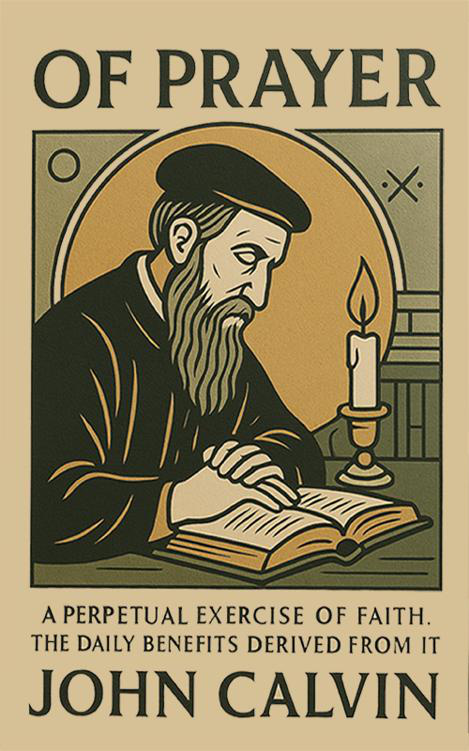
About this book
Of Prayer — John Calvin.
Author: John Calvin
- 51 chapters
- 89 PDF pages
- 30,882 words
- ≈ 238 min read
- English
🔍 Search this book
Ctrl K
Table of Contents
1destitute man is of all good, how devoid of every means of procuring
pp. 5–5 · ≈ 2 min2which are treasured up for us with our heavenly Father. For there is a
pp. 6–6 · ≈ 3 min3what our difficulties are, and what is meet for our interest, so that it
pp. 7–8 · ≈ 5 min4mind framed as becomes those who are entering into converse with
pp. 9–9 · ≈ 2 min5professing to pray turn thither all his thoughts and feelings, and be
pp. 10–12 · ≈ 9 min6our wants, and seriously considering that we need all the things
pp. 13–13 · ≈ 3 min7always equal, I admit it, and this distinction is profitably taught us by
pp. 14–16 · ≈ 9 min8confession of guilt, forms both the preparation and commencement
pp. 17–18 · ≈ 6 min9appeal to their own righteousness, as when David says, "Preserve my
pp. 19–19 · ≈ 3 min10thus abased and truly humbled, we should be animated to pray with
pp. 20–21 · ≈ 6 min11when we say that believers ought to feel firmly assured, they think we
pp. 22–23 · ≈ 6 min12convicts us of impious contumacy if we obey not. He could not give a
pp. 24–25 · ≈ 6 min13scarcely at all, so that the generality of men prefer to wander up and
pp. 26–28 · ≈ 9 min14relates that God sometimes complied with certain prayers which had
pp. 29–30 · ≈ 6 min15which I have treated are not so rigorously enforced, as that God
pp. 31–33 · ≈ 9 min16and appear in the presence of God, our heavenly Father, to relieve us
pp. 34–34 · ≈ 2 min17enjoins his disciples to have recourse to his intercession after he shall
pp. 35–35 · ≈ 3 min18which we can draw near to God, those who deviate from this way,
pp. 36–37 · ≈ 5 min19allege that Christ is the Mediator of redemption, but that believers
pp. 38–38 · ≈ 2 min20if we attribute prayer to them, let us not imagine that they have any
pp. 39–40 · ≈ 6 min21manifestation of the genius of superstition, which, when once it has
pp. 41–41 · ≈ 3 min22support from Scripture they labour in vain. We frequently read (they
pp. 42–43 · ≈ 6 min23wish, who, during the whole course of their lives, breathed nothing
pp. 44–44 · ≈ 3 min24their error are miserably wrested. Jacob (they say) asks for the sons
pp. 45–46 · ≈ 6 min25are often said to have been heard. Why? Because they prayed. "They
pp. 47–48 · ≈ 6 min26in the invocation of God (this being the office of piety which he
pp. 49–49 · ≈ 3 min27supplications, yet so strong is the affinity between petition and
pp. 50–53 · ≈ 11 min28private prayers of individuals, extends also in some measure to the
pp. 54–55 · ≈ 6 min29are the places destined for the performance of them, and hence those
pp. 56–56 · ≈ 3 min30in prayer) are of the least consequence, or avail one iota with God,
pp. 57–57 · ≈ 3 min31mention in passing) is not only very ancient, but was also used by the
pp. 58–58 · ≈ 3 min32Greek among the Latins, nor in Latin among the French or English
pp. 59–60 · ≈ 5 min33prayer, that, namely, which our heavenly Father has delivered to us
pp. 61–61 · ≈ 2 min34prevented from agreeing with those who divide it into seven by the
pp. 62–62 · ≈ 3 min35said (sec. 17-19), that all our prayers to God ought only to be
pp. 63–63 · ≈ 3 min36consciousness of sin, by which our Father, though mild and merciful,
pp. 64–64 · ≈ 3 min37particular is to call him Father, but rather that we are all in common
pp. 65–65 · ≈ 3 min38ourselves, and certain others, provided our mind is not withdrawn
pp. 66–66 · ≈ 3 min39not to infer that he is enclosed and confined within the
pp. 67–68 · ≈ 5 min40of presenting it bespeaks our great disgrace. For what can be more
pp. 69–69 · ≈ 3 min41nothing new, and yet there is good reason for distinguishing it from
pp. 70–71 · ≈ 5 min42IN HEAVEN. Though this depends on his kingdom, and cannot be
pp. 72–72 · ≈ 3 min43our own interests, not, indeed, that we are to lose sight of the glory of
pp. 73–76 · ≈ 12 min44following petition our Saviour has briefly comprehended whatever is
pp. 77–78 · ≈ 6 min45promise of writing the law upon our hearts; but because we do not
pp. 79–81 · ≈ 9 min46and all that we have to God, clearly show what we formerly observed
pp. 82–82 · ≈ 3 min47God, are contained in this formula, and as it were rule, of prayer
pp. 83–83 · ≈ 3 min48restricted to this form of prayer as to make it unlawful to change a
pp. 84–84 · ≈ 3 min49ought always to raise our minds upwards towards God, and pray
pp. 85–85 · ≈ 2 min50governed by the laws of Divine Providence, we shall easily learn to
pp. 86–86 · ≈ 3 min51what the result of prayer is, or experience any benefit from it, still
pp. 87–89 · ≈ 6 min
pp. 5–5 · ≈ 2 min2which are treasured up for us with our heavenly Father. For there is a
pp. 6–6 · ≈ 3 min3what our difficulties are, and what is meet for our interest, so that it
pp. 7–8 · ≈ 5 min4mind framed as becomes those who are entering into converse with
pp. 9–9 · ≈ 2 min5professing to pray turn thither all his thoughts and feelings, and be
pp. 10–12 · ≈ 9 min6our wants, and seriously considering that we need all the things
pp. 13–13 · ≈ 3 min7always equal, I admit it, and this distinction is profitably taught us by
pp. 14–16 · ≈ 9 min8confession of guilt, forms both the preparation and commencement
pp. 17–18 · ≈ 6 min9appeal to their own righteousness, as when David says, "Preserve my
pp. 19–19 · ≈ 3 min10thus abased and truly humbled, we should be animated to pray with
pp. 20–21 · ≈ 6 min11when we say that believers ought to feel firmly assured, they think we
pp. 22–23 · ≈ 6 min12convicts us of impious contumacy if we obey not. He could not give a
pp. 24–25 · ≈ 6 min13scarcely at all, so that the generality of men prefer to wander up and
pp. 26–28 · ≈ 9 min14relates that God sometimes complied with certain prayers which had
pp. 29–30 · ≈ 6 min15which I have treated are not so rigorously enforced, as that God
pp. 31–33 · ≈ 9 min16and appear in the presence of God, our heavenly Father, to relieve us
pp. 34–34 · ≈ 2 min17enjoins his disciples to have recourse to his intercession after he shall
pp. 35–35 · ≈ 3 min18which we can draw near to God, those who deviate from this way,
pp. 36–37 · ≈ 5 min19allege that Christ is the Mediator of redemption, but that believers
pp. 38–38 · ≈ 2 min20if we attribute prayer to them, let us not imagine that they have any
pp. 39–40 · ≈ 6 min21manifestation of the genius of superstition, which, when once it has
pp. 41–41 · ≈ 3 min22support from Scripture they labour in vain. We frequently read (they
pp. 42–43 · ≈ 6 min23wish, who, during the whole course of their lives, breathed nothing
pp. 44–44 · ≈ 3 min24their error are miserably wrested. Jacob (they say) asks for the sons
pp. 45–46 · ≈ 6 min25are often said to have been heard. Why? Because they prayed. "They
pp. 47–48 · ≈ 6 min26in the invocation of God (this being the office of piety which he
pp. 49–49 · ≈ 3 min27supplications, yet so strong is the affinity between petition and
pp. 50–53 · ≈ 11 min28private prayers of individuals, extends also in some measure to the
pp. 54–55 · ≈ 6 min29are the places destined for the performance of them, and hence those
pp. 56–56 · ≈ 3 min30in prayer) are of the least consequence, or avail one iota with God,
pp. 57–57 · ≈ 3 min31mention in passing) is not only very ancient, but was also used by the
pp. 58–58 · ≈ 3 min32Greek among the Latins, nor in Latin among the French or English
pp. 59–60 · ≈ 5 min33prayer, that, namely, which our heavenly Father has delivered to us
pp. 61–61 · ≈ 2 min34prevented from agreeing with those who divide it into seven by the
pp. 62–62 · ≈ 3 min35said (sec. 17-19), that all our prayers to God ought only to be
pp. 63–63 · ≈ 3 min36consciousness of sin, by which our Father, though mild and merciful,
pp. 64–64 · ≈ 3 min37particular is to call him Father, but rather that we are all in common
pp. 65–65 · ≈ 3 min38ourselves, and certain others, provided our mind is not withdrawn
pp. 66–66 · ≈ 3 min39not to infer that he is enclosed and confined within the
pp. 67–68 · ≈ 5 min40of presenting it bespeaks our great disgrace. For what can be more
pp. 69–69 · ≈ 3 min41nothing new, and yet there is good reason for distinguishing it from
pp. 70–71 · ≈ 5 min42IN HEAVEN. Though this depends on his kingdom, and cannot be
pp. 72–72 · ≈ 3 min43our own interests, not, indeed, that we are to lose sight of the glory of
pp. 73–76 · ≈ 12 min44following petition our Saviour has briefly comprehended whatever is
pp. 77–78 · ≈ 6 min45promise of writing the law upon our hearts; but because we do not
pp. 79–81 · ≈ 9 min46and all that we have to God, clearly show what we formerly observed
pp. 82–82 · ≈ 3 min47God, are contained in this formula, and as it were rule, of prayer
pp. 83–83 · ≈ 3 min48restricted to this form of prayer as to make it unlawful to change a
pp. 84–84 · ≈ 3 min49ought always to raise our minds upwards towards God, and pray
pp. 85–85 · ≈ 2 min50governed by the laws of Divine Providence, we shall easily learn to
pp. 86–86 · ≈ 3 min51what the result of prayer is, or experience any benefit from it, still
pp. 87–89 · ≈ 6 min
🔖 My bookmarks
Saved in this browser only. Tap 🔖 Bookmark while reading to add a chapter.
If you spot a typographic error from the PDF conversion, please tell us and quote the chapter title or page range.