
Christ's Sufferings for Man's Sins
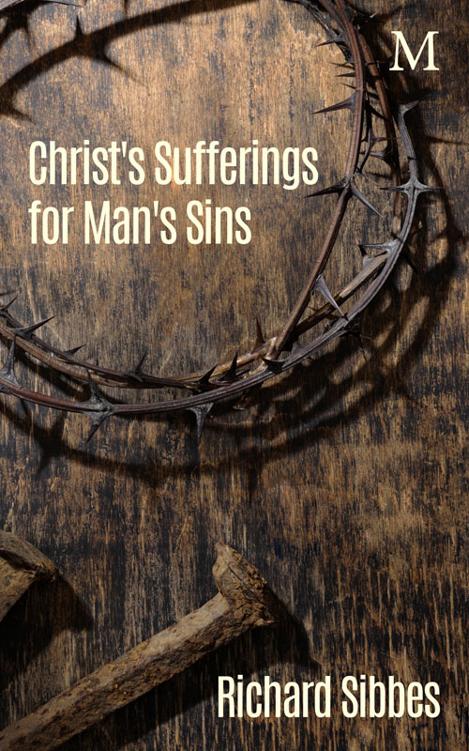
Christ's Sufferings for Man's Sins by Richard Sibbes Around the ninth hour, Jesus cried out with a loud voice, saying,
"Eli, Eli, lama sabachthani?" which means, "My God, my God, why have you forsaken me?" —Matthew 27:46.
The final words of esteemed individuals before their demise hold great significance. During that time, they gather all their remaining strength and abilities to speak in a way that will deeply resonate with others and leave a lasting impression.
These are among the last words of our blessed Savior, spoken with the utmost affection, unwavering faith, and profound purpose.
Therefore, they merit your utmost attention.
In this passage of Scripture, we encounter Christ's address to God, saying, "My God," and his lamentation, "Why have you forsaken me?" Let us consider the following points:
1. Christ, in his most dire moment, experienced abandonment.
2. In his forsaken state, he keenly sensed it and expressed his complaint, pouring out his soul to his Father.
3. Furthermore, he not only voiced his complaint but also had unwavering belief in his Father's assistance.
4. To strengthen his faith even more, he engaged in prayer. The fire of faith in his heart ignited into fervent supplication, as he cried
out, "My God, my God, why have you forsaken me?" Let us delve into the specifics.
Obs. 1: Christ was forsaken.
I will briefly touch upon some circumstances and then address the main point itself, such as:
1. The time when he was forsaken—a time of darkness (the sixth hour), when darkness covered the entire earth, particularly in the land of Judea. Not only was there external darkness, but also an internal darkness. His soul was troubled due to sensing his
Father's displeasure (Matthew 26:38). Two eclipses coincided— one of the glorious sunlight and the other of his Father's favor. It is inevitable for someone surrounded by such darkness to be in a disconsolate and doubly miserable state. Whatever happened to Christ, our surety, will happen to all those outside of him. They will be reserved for utter darkness. Just as Christ lacked the comfort of heavenly light, those outside of Christ will find no comfort from any creature in the end: the sun will not shine upon them, the earth will not support them, and they will not have a drop of water to cool their tongues. They were once rebels against God, and now every creature is ready to serve the Lord against them. When the king is displeased with a person, none of his servants dare to support them.
This darkness in Judea also foreshadowed the wretched condition of the Jews and the eternal darkness awaiting them in the world to come if they did not repent.
2. Another circumstance to consider is that God took a long time before removing his heavy displeasure from Christ. He endured three hours of torment, and though God delayed, Christ did not
complain until now. We must be wary of experiencing spiritual darkness during times of trouble. God may delay help for his dearest children, just as he did for his only Son, in order to perfect the work of sanctification within them. Therefore, submit to his will, be content with whatever he sends, and look to your Head and Savior, etc. But more on this later.
3. His greatest grief and conflicts occurred towards the end of his life, as he neared his death. Though he later said, "It is finished," at this moment, he cried out, "My God, my God, why have you forsaken me?" Afflictions are most intense toward the end. I mention this to prevent discouragement among those who find themselves in extreme circumstances. When miseries reach their extreme, help is closest at hand. They will either improve or end then. The darkness is thickest just before the morning dawns, and Satan rages most fiercely just before his downfall.
This is also to prevent people from falling into complacency. Beware of postponing repentance until your final hours. At that time, numerous extremities may converge upon you—bodily pain, terrors of conscience, Satan's temptations, God's wrath, etc. When all these come together, and the poor soul, in its greatest strength, finds it challenging to contend with even one of them, what an unfortunate state that will be! Oh, do not postpone your repentance until that time. But let us set aside these circumstances and focus on the act of forsaking itself.
In explaining this, I will show:
1. In what sense Christ was forsaken.
2. In what aspects he was forsaken.
3. On what basis this occurred. And, 4. What purpose was served by all this forsaking of Christ.
Firstly, forsaking means when God leaves the creature to itself, either in terms of comfort or grace and assistance. I will demonstrate how
Christ was abandoned by his Father and how he was not abandoned.
1. Christ was not forsaken in terms of God's love, for he said, "My Father loves me" (John 3:35) and "I lay down my life for the sheep" (John 10:11). God's love for Christ was never greater than it was now because he had never been more obedient.
2. Nor was he forsaken in terms of union, as there was no separation between his divine nature and his human nature.
There was a suspension of vision, indeed—he saw no present comfort from God—but there was no dissolution of the union.
The divine nature accomplished many things in this apparent forsaking. It upheld his human nature, enabling it to bear the burden of our sin and God's wrath. Moreover, it bestowed merit and value upon his sufferings.
3. This forsaking was not in terms of grace either, as if faith, love, or any other grace were taken away from Christ. No, for he believed even before he said, "My God, my God." Would he have entrusted his dearest jewel into God's hands if he did not believe in him?
Quest. How, then, was Christ forsaken?
Ans. 1. He was forsaken in terms of his present comfort and joy.
Otherwise, he could not have been a sacrifice. Just as we cannot truly suffer in conformity to Christ unless there is some sense of
abandonment, so Christ could not have suffered for our sins if there had not been a suspension of light and comfort from his gracious soul.
2. He was not only deprived of all joy and happiness, but he also experienced the wrath and fury of the Almighty. God's just displeasure seized upon his soul as our surety. All external comforts likewise deserted him. The sun withdrew its light from above, and everything below became burdensome to him. He suffered in every aspect of his being—his body, soul, good name, eyes, ears, hands, and so on. He was reproached and forsaken by all sources of comfort around him. He did not even receive the common comfort of pity in his misery; no one showed compassion upon him. He became the object of scorn.
Quest. But in what aspect was Christ forsaken?
Ans. He was forsaken in every aspect—both in body and soul, as is evident.
1. Firstly, because he was our surety, and we had stained our souls and bodies by offending God in both (though primarily in the soul, as it is the originator of all sin, with the body merely being the instrument). There are certain sins we refer to as spiritual sins, such as pride, malice, infidelity, and the like. These sins may not directly affect the body, but they are the most significant sins of all.
2. Secondly, if he had not suffered in his soul from the sense of God's displeasure, why would he cry out in this manner, while the poor thieves who suffered alongside him made no such exclamation? If he had only suffered in his body, the sufferings of Paul and Moses would have been greater, for they desired to
be separated from the joys of heaven out of a desire to promote God's glory on earth. This is why he said in the garden, "My soul is very sorrowful, even to death" (Matthew 26:38).
Obj. Some may argue that Christ suffered in his soul, but they claim it was by way of sympathy. They suggest that there are sufferings of the soul that come directly from God, as well as sufferings by way of sympathy and agreement with the body, where the soul shares in the torments experienced by the body. Therefore, they say, Christ indeed suffered in his soul.
Ans. That is not the whole story, my beloved. Christ also endured immediate sufferings in his soul, which he groaned under. God the Father dealt a heavy blow to his soul. He was smitten by the Lord
(Isaiah 53:4). When God deals directly with the soul itself and fills it with his wrath, no creature in the world can bear the same. Only God can inflict punishment upon the soul. Satan may present discouraging arguments and frighten us with God's displeasure, but the pouring out of anger upon the soul comes directly from the hand of the Almighty. Therefore, we must see God as a righteous Judge, seated in heaven on his judgment seat, taking the punishment of the sins of all his people upon Christ. All the sins of the faithful, from Adam to the last person who will exist in the world, seemed to converge upon him as if in one point, and the punishment for all these sins was laid upon his blessed shoulders. He suffered for them in both body and soul.
3. Conclusion. But how could Christ be forsaken by God, especially to the extent of suffering the anger of His Father, being an innocent person?
Answer:
1. First, I would like to clarify that even though the Paschal lamb was an innocent creature, once it was designated as a sacrifice, it had to be killed. Similarly, although Christ was blameless, if He chose to take on the role of a surety, He had to fulfill our debt and do what we were supposed to do. If a prince's son becomes a surety, even if his father loves and pities him greatly, the father would still say, "Now that you have taken this responsibility upon yourself, you must fulfill it."
2. Secondly, just as in natural circumstances, the head is punished for the fault of the body, Christ, by uniting His divine nature with ours, formed one mystical body and suffered on our behalf.
Quest. But why should Christ become our surety?
Answer:
1. Because He had the ability to fully pay off our debt. He was superior to all humanity, having two natures in one—humanity joined with divinity.
2. Christ willingly offered Himself as a sacrifice for us.
3. He was destined and predestined for this role. Indeed, God Himself anointed, appointed, and sealed Him for this purpose.
Isn't this sufficient reason for Him to become our surety?
Especially when we consider 4. that Christ took on our human nature precisely for this purpose
—to be a complete surety. By His righteousness being imputed to us and our guilt being transferred to Him, God's wrath could be satisfied in the very same nature that had offended. In societies and cities, if some people offend, often the entire
community is punished. Although many individuals may be innocent, due to their connection with the community, they all face consequences. Similarly, a traitor's son, who had no involvement in his father's wrongdoing and conducted himself as an upright citizen, would still be justly disinherited by the law because of his association with his father.
Obj. But how could Christ bear our sins without being contaminated by them?
Quest. He did not bear the stain of our sins, but rather the guilt.
Now, guilt encompasses two aspects:
1. The deservingness and qualification for punishment.
2. The obligation and binding to it.
Christ did not bear the deservingness of punishment due to any fault within Himself. He took upon Himself all the penal consequences, yet He was not culpable. As our surety, He fully discharged our debt, willingly subjecting Himself to all judgments and punishments on our behalf.
Now, we owe a twofold debt to God:
1. The debt of obedience, and if that is not fulfilled, 2. The debt of punishment.
Christ has liberated us from both: firstly, by obeying the will of His Father in every respect, and secondly, by enduring the punishment that was due to us for our transgressions.
Certain heretics, who seek to undermine the foundation of our faith, may acknowledge Christ as a Mediator who intercedes for us and a Redeemer who sets us free from slavery, and so on. However, they
may deny His role as a surety who pays our debt and provides satisfaction to God on our behalf.
Let them remember that God's plan to redeem fallen humanity relies not only on power and strength but also on justice. This is why it is said in Hebrews 7:22, "Christ has become the guarantor of a better covenant." Just as Paul, when mediating for Onesimus, a runaway servant, acted as a surety, saying, "If he owes you anything, I will repay it" (Philemon 18), so does our eternal Mediator, Christ Jesus, intercede to God on our behalf, fully satisfying His justice for our offenses.
Quest: But why was Christ forsaken by His Father?
Answer:
1. Christ was forsaken to satisfy God for our forsaking of Him. His forsaking was sufficient to atone for all our acts of turning away from God. Beloved, we all forsook God in Adam, and in every sin we commit, we do nothing but abandon the Lord and seek satisfaction in worldly things. Our sins of pleasure, profit, ambition, and the like are all departures from the source of living waters, seeking contentment from broken cisterns
(Jeremiah 2:13).
2. Christ was primarily forsaken so that He could bring us back to God, eradicating any separation between His blessed Majesty and us.
There are shallow heretics who regard Christ merely as an example of patience and holiness in His life and death, believing that He benefits us in that way alone.
Oh no, beloved! The main comfort we receive from Christ comes through satisfaction. Our reconciliation with God requires grace and peace. As Bernard sweetly says, I indeed desire to follow Christ as an example of humility, patience, self-denial, and so on, and to love Him with the same affection that He has loved me. But above all, I must partake of the Passover Lamb, which means I must primarily feed on Christ who died for my sins. Every true Christian soul desires to follow Christ's obedience, humility, patience, and be transformed into the likeness of our blessed Saviour. Whom else should I desire to resemble more than Him, who has done so much for me? However, the main comfort I receive from Christ is by partaking of His body and drinking His blood. My soul feasts and nourishes itself most of all on the death of Christ, which satisfies for my sins. What a comfort it is that Christ, as our surety, has fully satisfied for all our sins.
Surely, we will never be finally and completely forsaken because Christ was forsaken for us. Now we can think of God without discomfort and contemplate sin without despair. We can consider the law of death, the curse, and all other things without fear—why?
Because our surety, Christ, has completely fulfilled divine justice for wrath, law, sin, curse, and more. These are all links of one chain, and Christ has dissolved them all. Sin ceases, wrath ceases, and the law has nothing to charge us with; the sting of death is removed. How confidently, then, may we stand before God's tribunal! Oh, beloved, when the soul is brought to the depths of despair, this consideration will be sweet: Christ was forsaken as a surety for me. Christ has overcome sin, death, God's wrath, and everything for me. In Him, I triumph over all these. What welcoming news this is for a distressed sinner! Whenever your soul is truly humbled by the sense of sin, do not focus on sin in your conscience (your conscience is a bed for someone else to lodge in), but fix your gaze on Christ. If you are a broken-hearted sinner, see your sins taken away in Christ, your
Saviour. See what He has endured and suffered for them. Do not see
the law in your conscience, but see it discharged by Christ. See death disarmed through Him, leading to a better life for you. Whatever is evil, see it in Christ before you see it in yourself. And when you behold it there, do not only see the removal of its harm, but also the abundance of good bestowed upon you, for "all things work together for the best to them that love God" (Romans 8:28). Even the devil himself, death, sin, and wrath—all contribute to the greater good.
The poison and harm of all are taken away by Christ, and all goodness is conveyed to us through Him. We have grace that corresponds to His grace. He is the primary source of God's love, and it sweetens every mercy we enjoy, knowing that it flows from the fountain of God the Father through Christ unto us. I urge you to embrace the comfort that the Holy Spirit provides us through these sweet considerations.
Furthermore, by considering that Christ was forsaken and not only that, but also endured the displeasure and immediate wrath of God, seizing upon His soul and filling His heart with anguish at that time, we can learn:
How to perceive the repulsiveness of sin. 1. In which mirror to view the ugly thing, sin, to make it even more repugnant to us. Beloved, if we truly want to grasp the nature of sin, let us see it in the angels who were cast out of heaven and kept in chains of darkness for offending God (Jude 6). Let us see it in the expulsion of Adam from paradise (Genesis 3:23-24), in which all of us were involved. Let us see it in the destruction of the old world and the Jews carried into captivity, in the general destruction of Jerusalem, and so on. But if you truly want to see the most repugnant aspects of sin, then behold it in Christ upon the cross. Observe how many sighs and groans it cost Him, how bitter it was to His righteous soul, forcing Him to weep tears of blood and cry out to His Father, "My God, my God, why
have You forsaken me?" If the imputation of sin to Christ, our surety, affected Him—a being who is both God and man—and weighed heavily upon His soul, then what will it do to those who are not in Christ? Certainly, the wrath of God must inevitably burn to hell. He will be a "consuming fire" (Hebrews 12:29) to all such. Therefore, primarily see sin in the death of Christ. Consider how abominable it is to God that it could only be purged away by the death of His beloved Son. Neither all the angels in heaven nor all the creatures in the world could satisfy divine justice for the smallest sin. If all the agonies of all creatures were combined, they would be nothing compared to Christ's agony. Even if all their sufferings were united, they could not provide satisfaction to divine justice for the slightest sin. Sin is something entirely different from what we assume it to be.
Observe the attributes of God: His anger against sin, His justice, holiness, and so on. Beloved, people forget this. They believe that God is indeed angry with sin, but His justice is quickly satisfied in Christ. Oh, we must think of the Almighty as a holy God, completely separated from any stain or pollution of sin. He is so holy that He enforced a separation of His favor from Christ when He became our surety, and Christ underwent separation from His Father because He undertook for us. Sin is so abominable to the holy nature of God that He left His Son while He struggled with His wrath against it. Sin was so detestable to the holy nature of Christ that He became a sacrifice for it. And the remnants of sin in the hearts of the saints are also detestable. All those who belong to God have the Spirit of Christ, which is like fire, gradually consuming and diminishing the old
Adam within them. "No unclean thing must enter into heaven"
(Revelation 21:27). Those who are not in Christ through faith, who do not have shelter in Him, willsuffer eternally for their transgressions: "Depart from me, you cursed, into the eternal fire"
(Matthew 25:41). Such is the holiness of God that He cannot have fellowship or communion with sinners.
Do you wonder why God despises sin so much, while men, not only the wicked of the world but also those with dead hearts, pay so little attention to it? They have such little regard for spiritual sins, such as hatred, malice, and pride, that they even clothe themselves with these vices as if they were attractive garments. Surely, if you were to consider how sin despises God, you would not wonder why God hates sin. What is sin but an attempt to replace God, to put the devil in His place? When we sin, we forsake God and elevate the creature, and consequently, Satan, who tempts us, taking precedence over God in our hearts. Beloved, God is exceedingly jealous and cannot tolerate the presence of sin, that filthy thing, in His rightful place. Sin is a force that seeks to remove God Himself. Ask a sinner, just before committing a sin, "Could you not wish that there were no God at all, that there were no watchful eye in heaven to bring down divine vengeance upon you?" Oh yes, with all my heart. And can you then be surprised that God hates sin so much when it despises Him to the extent of desiring His non-existence? Do not marvel at this, but have the same perception of sin that God had when He gave His Son to die for it, and the same perception that Christ had when, in the awareness of His Father's anger, He cried out, "My God, my God," etc.
The deeper our understanding of the repugnance of sin, the greater our comfort and joy in Christ will be afterward. Therefore, I implore you to earnestly contemplate what sin is, the sin that we cherish so much, that we refuse to be reproved for, the sin for which we abandon God, heaven, and everything else. Conceive of sin as God does, for He will be the Judge who will one day hold us accountable for it.
If Christ cried out, "My God, my God, why have you forsaken me?" as our surety for our sins, we can better grasp the nature of sin and the
character of God.
Above all, I urge you to frequently behold in this mirror, in this book of Christ crucified (it is an excellent book to study), the mercy of God and the love of Christ, the immeasurable height, depth, and breadth of God's love in Jesus Christ. What prompted God to conceive this remarkable work of our salvation and redemption through such a surety? Was it not mercy? Did not mercy arouse wisdom to reconcile justice and mercy in Christ? And what stirred this wisdom of God?
Oh, it was His compassionate heart for mankind! He did not want man to perish as the angels did, without any remedy.
Therefore, let us desire to be inflamed with the love of God, who has loved us so greatly. All the blessings of God in Christ, next to the satisfaction of justice, are intended to enkindle our hearts to love
Him in return. Why else did God bestow upon us the favors of creation and providence? How gracious is God in providing for our physical needs, giving us not only what is necessary but also abundance, withholding no good comfort from us, and so on.
But above all, in His masterpiece, God wants us to apprehend the greatest love of all. There, He has set out to glorify His mercy above everything else! Therefore, we can rightly exclaim with the apostle,
"Oh, the height of His love," etc. (Ephesians 3:18). I beseech you to fix your thoughts on this matter. Do not lightly and sporadically ponder it, but dwell on the contemplation of the infinite love of God in Christ until your hearts expand, warm, and ignite with the consideration thereof. Then, love will propel you to engage in every good work. Why should we urge you to be generous to the poor, to be good citizens, to be just in your dealings, and so on? All these exhortations become unnecessary when the heart is filled with love.
And when will we have loving hearts? When they are kindled and set
ablaze by God's fire, when they are persuaded of God's love. It is then that the apprehension of His love will generate love in our hearts once again. This is why the apostles, unlike pagan authors who meticulously outline specific duties, primarily emphasize the love of God and the foundational aspects of religion. They understand that once the heart is seasoned with love, it is already predisposed to perform every good duty. Seriously consider this: "For the love of Christ compels us" (2 Corinthians 5:14). There is a holy violence in love. There is a spiritual form of tyranny and prevailing power in this grace.
One further thing we can learn from Christ's forsaking is that it is not unusual for God's beloved children to experience abandonment. We see this abandonment, the sense of all comfort being forsaken due to the apprehension of sins and the wrath of God, even in the case of the natural Son. So, should we be surprised if it happens to the adopted children? The forsaking occurred in the natural branch; should we wonder if it occurs in the grafted branches? It happened to the green tree; should we be amazed if it happens to the dry tree? No, certainly not.
The entire church laments, as we see in Psalms 69:21, drinking gall and wormwood; and in Ezekiel 36:3, God being hidden in a cloud; and in Lamentations 3:15, and so on. Both the head (Christ) and the body (the believers) complain. We see this in the cases of David, Job, and other saints. Therefore, there is a kind of desertion and forsaking that the child of God must endure.
Question: What is the reason for this abandonment?
Answer:
1. Firstly, it is God's prerogative that sometimes, even when there is no significant sin provoking Him to withdraw comfort, He will leave His holy people to themselves to demonstrate that He does as He pleases.
2. Another reason is our own condition. We are strangers on earth, absent from the Lord. If we constantly have comfort and new sources of joy, then we would mistake our pilgrimage for our destination.
3. Furthermore, our inclination is to live by our senses rather than by faith. We are like children in this regard. We would have God always smiling upon us so that we may walk in abundant comfort. I cannot blame Christians for desiring it, as long as they desire the work of grace above all else and desire God's work within them more than the manifestation of comfort by the Holy
Spirit, for that is the superior work. Now, because Christians prefer living by sight rather than by faith, in which they could honour God more, God often withdraws from them. Sight is reserved for another world, the triumphant church. There, we will have more than enough sight; we will see God face to face.
4. Sometimes, God's children are negligent and do not keep a vigilant watch over their souls. They cling too closely to the creature, and therefore, it is no wonder that God forsakes them when they seek their own stolen waters of comfort elsewhere.
5. But the main reason is conformity to Christ. He suffered for our sins, and God will conform the members of His body, the believers, to some extent to their head. Although Christ drank the cup of God's wrath to the very bottom, we must also taste a little of it to know how much we owe to Christ. There are few who truly belong to God, few who will enter heaven, but they
will know what sin is and what the wrath of God is, sooner or later. The wrath of God is the best corrosive in the world to eradicate sin. A little taste of God's anger in the conscience will make a person detest pride, malice, and all other sins.
Question: But for what purpose does God forsake His children, as He did with our blessed Saviour?
Answer:
1. Regarding Himself.
2. Regarding His children.
3. Regarding Himself, He forsakes them so that He may comfort them even more afterwards, bringing greater love with Him.
There will be a mutual exchange of love between God and the Christian after a short period of abandonment. God delights in revealing Himself more abundantly after a brief forsaking, and the soul expands itself when it has lacked the love of God. Want enlarges the soul's capacity, and when comfort returns, want makes the soul stretch itself to receive even more. God does this to increase His love for us and our love for Him. He approaches us and withdraws, all for our benefit.
4. It is so that we may be more vigilant over our hearts in the future. A more complete separation and divorce from the creatures will be accomplished within us. Our adulterous hearts have taken pleasure in stolen delights that God does not approve of. Therefore, when we have suffered from God's anger and displeasure, a divorce will occur. It is difficult to separate from sin since sin and the soul are so closely intertwined. Yet, God
uses this method of spiritual abandonment to bring about that separation.
5. Likewise, it compels a Christian to thoroughly examine and scrutinize the foundation of all the comforts that God has left for him. It prompts him to search and explore all the Scriptures. Is there any comfort for me, a wretched sinner troubled by sin? It compels him to seek the experiences of other Christians. Do you have any words of comfort for me? It leads him to regard a godly man as "one in a thousand." It causes him to examine the full extent of his own graces. Do I have any evidence that I am a child of God and not rejected? It prompts him to search his heart in relation to his own corruptions. Is there any sin that I am unwilling to part with? Beloved, God often leaves us, not only leaving us but also causing our naked conscience to suffer due to sin. Oh, this is an invigorating experience! A child of God who is of the right stamp will not endure being under God's wrath for long. It is bitter! He knows what it means to enjoy communion with God. He will not tolerate it. Therefore, it stirs him up to diligence in all things.
Question: But is there no difference between Christ's sufferings and the pain we experience for sin?
Answer:
Yes, (1.) there are differences between Christ's sufferings and our own. First (1), Christ's sufferings came from the vindictive and avenging hand of God as a just Judge, whereas ours come from Him as a loving Father. When we are in Christ, God's relationship with us changes. He sets aside the role of a Judge and becomes a tender
Father to us after receiving full satisfaction in Christ.
Second (2), there is a difference in the measure of suffering. We only taste a little of the cup, which is sweetened with some comfort and moderated. But Christ drank deeply from the same cup.
Third (3), there is a difference in the purpose and use of suffering.
Christ's sufferings and forsaking were satisfactory to divine justice, but ours are not. They have a different nature. They are not for satisfaction because if they were, we would die eternally, rendering
Christ's satisfaction useless. Our sufferings are crosses, but not curses. Whatever we suffer in our souls or bodies is a cross but not a curse because the sting has been removed. They are all medicinal remedies that prepare us for heaven. Whatever we suffer inwardly or outwardly serves to mortify the remaining corruptions within us and make us fit for that blessed state.
Fourth (4), the deaths of all other people are for themselves. As Leo says, "Singula in singulis" (each for themselves). They experience individual deaths. But it is different in the case of Christ. All the children of God were forsaken in their head, crucified in their head, and died in Christ, their head. Christ's death was a public satisfaction. No one dies for another, regardless of what the papists may say. Only Christ died for all and suffered for His entire body.
This covers the essence of the first point, that Christ was forsaken.
The second point is this: Christ was very aware of his forsakenness, to the point of complaint and questioning, "My God, My God, why have you forsaken me?" Why should such a situation occur between the Father and the Son? Between a loving Father and His obedient and only Son? The words used here express deep emotions. He does not complain about being forsaken by the Jews or his beloved disciples and apostles whom he held in high regard. He does not complain about Pilate failing to fulfill his duty as a true judge. He
does not complain about his pierced feet, wounded head, or the torment his body endures while hanging on the cross. Although these are all things worth complaining about, they would have overwhelmed any creature to experience what he felt in his body. But what affected him the most was this: "Oh, my God, why have you forsaken me?" He is more concerned about God's forsaking than the forsaking of all others. Christ was acutely aware of this; it deeply affected him.
But why did Christ take this so deeply?
First of all, it is because the loving kindness of the Lord is better than life itself, as David, a foreshadowing of Christ, said in Psalm 13:3.
Being forsaken by God is truly worse than death. The loving kindness of the Lord sweetens all discomfort in the world, and the absence of that love makes all blessings bitter to us. If we are condemned as traitors, what comfort can all earthly pleasures bring to a condemned person? The absence of God's love makes all good things bitter, while the presence of His love sweetens all hardships, even death, imprisonment, and every cross we bear. Therefore, Christ, with his sanctified judgment, judges the loss of God's love to be the worst thing.
Secondly, the sweeter the communion is with God, the fountain of all goodness, the more intolerable and unbearable the separation from Him becomes. But no one ever had a communion with God as close and sweet as Christ, our Mediator, did. He was both God and man in one person, the beloved Son of His Father. Now, given the intimacy and sweetness of this communion, even a slight lack of it would be unbearable. The closer two things are, the more difficult the separation becomes. Just as it is distressing to separate the skin from the flesh or the flesh from the bones, Christ's separation from the
sense of His Father's love was even more agonizing. Those who are in love live more in the beloved than in themselves. Christ was deeply in love with His Father's person and dwelt in Him. Therefore, to lack the sense of His love, considering that love desires nothing but reciprocal love in return, would mean death to Him.
Another reason Christ was so deeply affected is that He was best able to grasp the value of communion with God and understand the anger of God. He had a profound understanding and a more expansive soul than anyone else. Therefore, being filled with God's wrath, He was capable of enduring more wrath than any other person. He could comprehend wrath to the greatest depth because He had experienced such immense love before.
Furthermore, in terms of His physical body, Christ's grief, both in body and soul, was the greatest ever known. He was in the prime of His life, having not dulled His senses with excesses. He was sensitive and capable of experiencing pain due to His excellent constitution.
Use. Was Christ so acutely aware of the absence of His Father's love, even for a brief moment? Then let us have compassionate understanding for those who suffer in conscience and are troubled in mind. It is a matter of great significance, far beyond what the world perceives. It is not an easy thing to contend with God's anger, even if it is only a slight taste of it. Job's friends were at fault; they should have judged him with compassion, but they did not. Therefore, be cautious of making desperate conclusions against ourselves or others when we feel the arrows of the Almighty piercing us, when we experience the distress of the Lord's terrors seizing our souls. God is engaged in a gracious work during such times. The more aware people are of God's anger, the more aware they will be of His favor returning.
There are some insensible and apathetic individuals who are neither aware of the physical afflictions they suffer nor of the manifestation of God's anger upon their souls. Despite God's correction, they remain unmoved like lifeless flesh. Therefore, as God says in Isaiah
1:5, "Why should I strike them any longer?"
This stems from three causes:
First (1), it arises from pride, when people think it shameful for their Roman-like spirits to stoop.
Second (2), it arises from hypocrisy, when they refuse to reveal their grief despite their troubled conscience.
Third (3), it arises from dull blockishness, which is the worst of all, when they are unaffected by the signs of God's wrath. It is good to be affected by the slightest indication of God's displeasure when we have good evidence that God has a quarrel against us. You see how sensitive Christ was, and the same will be true for us if we do not enter into Him in due time. We will become aware of sin one day, whether we like it or not. Conscience is not placed within us for nothing. You may currently stupefy and suppress the voice of conscience with tricks, but it will not always be so. It will fulfill its duty, accusing us bitterly, staring us in the face, and driving us to despair. Sin is different when it is revealed to conscience than how we perceive it now as we move on with dullness and indifference. It may seem enticing and pleasant in temptation, but it has a bitter farewell and sting. If we could judge sin as we will when it is past, especially when we face our reckoning at the hour of death and the day of judgment, then we would have a different perspective. We would say that all sinners, as the Scripture terms them, are fools
(Psalm 94:8). But let us continue.
As we can see, Christ expressed His sensitivity through complaint:
"My God, my God, why have you forsaken me?"
A word of caution is necessary here to prevent misunderstanding.
Christ does not complain about God but to God.
Objection: Was Christ unaware of the reason for God's forsaking Him?
Answer: No, He knew the reason, for His sufferings were intolerable.
However, in assuming our nature, He also took on our way of speaking and expressed Himself as a miserable man enduring the greatest affliction that any creature has ever faced. The divine nature of Christ restrained excessive passion; He was troubled but not perturbed, moved by the sins of men but not removed. He was like water in a clear glass. Even if you stir it vigorously, it remains water.
If there were mud in it, it would soon become impure. We cannot stir our affections and complain without a tinge of sin. But it was not so with Christ. He knew when to intensify and when to calm His emotions. Although there was much human nature in these emotions
— a natural aversion to grief and a natural desire for God's presence — grace guided and sanctified them. While there was a natural desire to have God's love (indeed, it was a form of death to be without it) and a sinless nature to desire ease, for without sin nature may desire ease as long as it submits itself to God. The soul can have various desires as different objects are presented to it. When the soul perceives release and ease, it rejoices and is glad. However, when the soul is presented with pain for its own good, based on higher considerations and better purposes, it may desire that and choose it upon deliberation, even if it initially rejected it. A person may willingly have their hand cut off and throw their possessions into the sea, which they would not have done otherwise. However, when they
deliberate and consider that it will save their life, they will do it.
Similarly, by a natural desire, without sin, Christ might have desired relief from pain. But when the choice was presented to Him—what would happen to the salvation of humanity and obedience to God?— upon considering these higher ends, a different choice might be made. Thus, in subordinate matters where one thing contradicts another, all can still be good.
Yet, you must also understand that forsaking and being sensitive to forsaking is not a sin, especially when it is not the result of any sin on our part. It is a form of suffering, but not a sin. And to be aware of it is not a sin. In fact, it is more of a sin to be unaffected. God permits the affections that He has planted within us. He has given us fear and sorrow in the face of distressing circumstances. If a person does not experience sorrow when faced with sorrowful situations, they are not truly human according to God's design. God permits grief and fear in afflictions and troubles, always remembering that they should be accompanied by submission to Him, saying, "Not as I will, but as you will" (Matthew 26:30).
Once again, let us consider the condition of Christ, who was now caught in a conflict between doubt and despair, surrounded by the powers of hell. Just as Satan had busied himself with Christ at the outset of His ministry (Matthew 4:1–11), he now vexed Christ's righteous soul with temptations, whispering that God had forsaken
Him and much more. We cannot fully comprehend the malice of Satan during such a time, but it is certain that the forces of hell were unleashed upon Him. In truth, God had a purpose to swiftly bring an end to Christ's sufferings in response to His complaint. And because
God desires that we all receive what we obtain, including Christ Himself, through prayer and the expression of our desires to Him,
He allowed Christ to voice His complaints and pour out His
supplication into His loving embrace. This was so that immediately afterwards, He might be completely relieved of all His burdens, having already fully satisfied the sins of mankind.
Now, let us explore the practical application of this truth. It is this:
God, who has humbly stooped down to poor creatures to be their father and friend, permits them to approach Him with familiarity (as there is a great sense of intimacy in the spirit of adoption), yet always reverently. He invites them to openly lay bare their grievances in His embrace and reason with His Majesty, without sin, asking, "Why,
Lord, have I been forsaken? What is the matter? Where is the compassion that once abounded? Where are Your past mercies?"
There exists a type of familiarity between God and His children that goes unnoticed by the world. However, it is important to remember that these are not murmuring complaints, but rather expressions seasoned with faith and love, just as seen here, saying, "My God, my
God, still." From this, we can observe that even in His most extreme circumstances, Christ possessed an unwavering spirit of faith.
Furthermore, there is a question that arises between the papists and us regarding the faith of Christ. They claim that Christ had comprehensive knowledge and foresight, etc. While it is true that He did not require justifying faith to apply anything external to Himself since He possessed more than enough righteousness of His own, He did rely on faith in terms of depending on God as His Father.
Moreover, He was not constantly in a state of happiness, for such a distinction would blur the lines between Christ's humbling and His exaltation. Although there existed the happiness of union (with His human nature always united to the Godhead), it did not mean there was always the happiness of vision. If Christ saw the face of God, then why would He cry out, "My God, my God"? His sight of God was inherent in His incarnation when considering Himself, not as our
surety. The reason why His soul was devoid of comfort was that He needed to fully endure the suffering for our sins, to be humbled and tempted, and to even suffer death itself. Thus, considering His state of humiliation, faith resided within Him—faith of dependence. Hope also dwelled within Him, and He greatly relied on it for support.
Now, you may inquire, what sustained the faith of Christ in this woeful and grievous state where He was forsaken by God as our surety?
To this, Christ presented these aspects to His faith:
1. The unchangeable nature of God, exclaiming, "My God, etc." For God, once He loves, loves until the end (John 13:1). Therefore,
Christ claimed Him, acknowledging that God had been His God in the past and remains so even now.
2. Furthermore, faith presented to Christ's soul God's way of dealing with matters. Christ knew well that God accomplishes things through opposites. He brings individuals to heaven through the gates of hell, to glory through shame, and to life through death. Therefore, despite this apparent desertion, Christ resolved to depend on His God.
3. Additionally, Christ understood that God is closest in providing support when He seems farthest away in terms of feeling. Often, when God strengthens the inner being with His love, He remains distant in terms of outward comfort. Who was closer to God than Christ in terms of support and sanctifying grace? Yet, who felt God's presence further away? Christ was aware that there was a hidden sense of God's love and a tangible sense of it. He had an inner awareness that God was His Father because He knew Himself to be the Son, although He did not experience it
sensibly. Faith must align with the truth it believes. Therefore, when Christ declared, "My God," He aligned His faith with the truth that was presented to Him. He knew that even in His greatest extremity, God was closest at hand. As the psalmist proclaimed, "Do not be far from me, for trouble is near" (Psalm
22:11).
This should teach us, in any extremity or trouble, to activate our faith and nourish it with the contemplation of God's unchangeable nature and the enduring nature of His promises. We may change, but His promises remain steadfast, and God Himself remains unchanged. He is still my God. As it is written, "The word of the Lord endures forever" (1 Peter 1:25). God deals with His people in a hidden manner, providing support with secret comfort, even if it may not be immediately perceptible. He is closest to His children when He appears to be farthest away. I implore you to familiarize yourselves with these truths and not be surprised when God draws near to you in times of desertion, considering that it was the same for Christ.
Present to your soul the nature of God, His customary and characteristic ways of dealing with His people. In doing so, you will apprehend favor in the midst of wrath and find glory in the midst of shame. We will see life in death; we will see through the thickest clouds that separate us from God. Just as God secretly shines His love in our hearts through all temptations and troubles, there is a spirit of faith that returns to Him, crying out, "My God, my God." For faith possesses keen discernment and can see through apparent contradictions. There is no cloud of grief that faith cannot pierce through, revealing the heart of a father beneath the exterior of an enemy. Christ carried the immense burden of the world's sins, yet He overcame it all. In His human form, He bore the weight of the entire world's guilt, but within Himself, He remained the Son, and God was still His God, despite the overwhelming weight of sin upon Him. And
shall we not, beloved, say, "My God," in any affliction or trouble that befalls us? Yes, indeed. In the sense of sin, which is the most bitter of all, and in the sense of God's anger, in losses and crosses, in our families, and so on, let us break through those clouds and declare,
"My God, still."
Objection: But you may argue, "I might be deceiving myself; perhaps God is not truly my God, and it would be presumptuous to claim so."
Answer: Whoever casts themselves upon God out of a sense of sin, surrendering themselves to be ruled by God in the future, will obtain mercy. Now, do you do so? Does your conscience affirm that you cast yourself upon God for better guidance, desiring to be governed as God and the ministry of His Word would have you from now on? If that is the case, then you have already resolved this question. If you doubt whether God is your God, I tell you that God is the God of all who seek Him and obey Him in truth. But your conscience tells you that you indeed do this; certainly, then, regardless of what you were before, God has already taken the initiative. He offers Himself to be your God if you trust in Him and are willing to be ruled by Him. Not only that, but He entreats us (although we should entreat Him, such is His love), and even commands us to believe in His Son Jesus
Christ. Now, when I join in with God's entreaty, "O Lord, You offer Yourself, You invite me, You command me," I yield in obedience and submit to His good word. Then, the match is struck and sealed in doing so. God is your God, and Christ is your Christ. You must now cultivate and develop this claim and connection in all the circumstances of your life. Lord, You are my God; therefore, teach me. You are my God; I have given myself to You. I have exalted You in my heart above all else. You reign in my soul, surpassing all sin, profit, and pleasures. Therefore, save me, deliver me, have mercy upon me, and so on. This claim is valid when we have genuinely
surrendered ourselves to Him. Otherwise, God may say, "Go to the gods you have served" (Judges 10:14). You served men, for whom you disregarded your conscience. You served riches and pleasures.
Turn to them for help.
Oh, beloved, it is more difficult to say, "My God," in the midst of trouble than the world perceives. There was a tremendous conflict in Christ when He uttered, "My God," breaking through all the disturbances and temptations of Satan, even in the face of wrath.
There was a mighty and strong spirit within Him. But this is not surprising, for faith is a powerful grace, wrought by the power of God. It lays hold of that power and taps into omnipotence, enabling it to accomplish wonders. Faith overcomes the seemingly invincible
God. He has made a promise and cannot deny that promise. He cannot deny Himself and His truth. Even if His dealings appear hostile, His promise is to be a friend to those who trust in Him. He is merciful and forgives sins. This is His nature now. The satisfaction of His justice allows Him to show mercy.
I share these words so that you may seek from God the gift of faith, which will carry you through all temptations and afflictions, even through the shadow of death. As David said, "Though I walk through the valley of the shadow of death, I will fear no evil" (Psalm 23:4).
Why? Because You are with me, my God and my shepherd. Even when we find ourselves in the valley of the shadow of death, if God is with us, if we are in covenant with Him and can rightfully claim His promises by surrendering ourselves to Him, we shall not fear. A single beam of God's countenance, when we are in covenant with Him, will scatter all clouds without exception. Therefore, I implore you to strive increasingly for this precious grace of faith. Cultivate it through sanctified means such as hearing the word, reading the
Scriptures, and treasuring up His promises. Consider the special importance of faith among all other graces. But let us continue.
Christ not only believes here, but 4. He expresses his faith through prayer.
Good works are nothing but faith in action, faith at work. They are not much different from it. Similarly, prayer is nothing but faith ablaze, the breath of faith, so to speak. When troubles besiege the soul, it promptly sends out its ambassador, dispatching prayer, which does not rest until it reaches heaven. There it lays hold of God, receiving a message and an answer to comfort the soul. Faith and prayer are, in a sense, one and the same. When the soul has a deep desire for grace or is burdened with the sense of God's displeasure, faith, if it could, would soar to heaven. But since we are bound to earth until death, it sends forth prayer instead. Prayer lifts the soul on high, wrestling with God and refusing to cease until the petition is granted, so that it can say, "My God."
Therefore, if you have any faith at all, exercise it and make it radiant through frequent prayer. "The prayer of faith has great power"
(James 5:15). How can they call upon Him in whom they have not believed? Truly, prayer without faith is no prayer at all. The strength of one's faith corresponds to the strength of their prayer. Strong faith yields fervent prayer, weak faith yields feeble prayer, and no faith yields no prayer. They go hand in hand. Christ prays to God here in the midst of His complaint, "Why have You forsaken me?" There is a hidden prayer within it, "Oh, do not forsake me, deliver me, etc."
I implore you, as you desire comfort from the fountain of comfort, which often conveys all grace and comfort to us through a spirit of prayer, strive to commune with God in this blessed exercise,
especially in times of trouble. "Call upon me in the day of trouble"
(Psalm 50:15). The day of affliction is a day of prayer. Among all days, particularly in times of trouble, "make your requests known to God" (Philippians 4:6).
Objection: But perhaps God will not hear me.
Answer: Yes, this is the result: "The peace of God, which surpasses all understanding, will guard your hearts and your minds" (Philippians
4:7). When you have poured out your souls in prayer to the bosom of God, you may go forth with confidence, knowing that He will grant the fruit of your prayers in His own perfect timing.
Objection: But I have prayed for a long time and have received no answer.
Answer: Wait in prayer; God's timing is the best. The physician keeps his own time; he turns the hourglass, and even if the patient cries out that he is being tormented, it does not matter, for the physician knows the right time. The goldsmith does not remove the metal from the fire until it is refined. Likewise, God knows what He is doing; wait for His good pleasure. Meanwhile, since we must obtain everything from God through prayer, I beseech you to seek everything from Him in this way. Pray for everything, and then we shall receive it as a true blessing.
Objection: But suppose I cannot pray, as there are times when I am unable to offer an extensive prayer to God.
Answer: Then do as Christ did, cry out. If you cannot pray, groan and sigh, for they are the groans and sighs of God's Spirit within you.
These words hold great persuasive power. What is the purpose of eloquence if not to persuade? And what could persuade God more
than when Christ showed how highly He valued His love and how, in its absence, He was overwhelmed with grief? This was rhetoric. If Christ had not spoken, His wounds would have spoken enough, and His pitiable condition would have been sufficient. Everything has a voice to cry out for mercy. But He adds His voice to all and cries out vocally, "My God, my God, why have You forsaken me?"
Beloved, if you cultivate a relationship with God through prayer, then you can approach Him readily in any extremity. Therefore, in times of health and prosperity, nurture communion with His blessed
Majesty, make Him your friend, and on every appropriate occasion, make use of this plea, "O my God." When we possess wealth or have a friend at court, we make the most of them. If we have anything, we utilize it. But we have a God, and will we not make use of Him? We have a God who is our God, and yet we lack grace, comfort, strength, and assistance. We have a God who is the source of all these blessings. Shall we not take advantage of such a privilege? We can boldly approach the throne of grace through Jesus Christ, our great peacemaker. Shall we not make full use of this? We can boldly come before God, and the more we ask, the more He gives, for He is infinite. We cannot exhaust that fountain. Oh, let us make the most of this blessed privilege; then we will experience heavenly life on earth. Especially when our conscience is troubled by sin, as Christ was now troubled by His Father's displeasure, let us go to God and plead with His Majesty. We have a lawful right to plead with Him—
Lord, Your justice is better satisfied in Christ than if You were to send me to hell. If You wish, You may destroy me (for the conscience must reach a point of resignation; it cannot desire mercy without recognizing its own misery). Lord, You may justly condemn me to hell, but it would not bring as much glory to You. You are more glorious in satisfying Your justice in Christ than if You were to damn me to hell. Why? Because God's justice is better satisfied in Christ.
Man sinned, but God-man atoned for sin. Man sought to be like God in pride, but God became man in humility. God's act of atonement surpasses the sin of man. Christ prayed for His persecutors and gave
His life for them. Does not this demonstrate God's justice more than the sin of man? The law requires the suffering of a guilty person, but Christ was innocent. The law demands that man should suffer, but Christ was God. Therefore, Christ has done more than satisfy the law.
His satisfaction is greater than if we had suffered. We are poor men, creatures. But that was the satisfaction of God-man. Our sins are the sins of finite individuals, but He is infinite. Therefore, the soul can plead, "Lord, I am a wretched sinner, but if I were to despair, I would take away You and take away Christ. I would make You no God and make Christ no Christ if I were not to accept Your mercy. For Christ is given to me, and I strive to make Him my own by laying hold of Him. Faith has the power to make everything it touches its own; particular faith (which is the only true and comforting faith) makes general things mine. When the soul can make a specific claim to God as its God by giving itself solely to Him, then we can plead that, in Christ, there is better satisfaction for God's justice than if He were to cast us into hell. What a source of comfort this is for a distressed soul to make use of!
Beloved, the church of God, the mystical body of Christ, is forsaken in other countries, just like many individual humble, broken-hearted
Christians at home who find no rays of God's love and mercy. What shall we do? Let the body imitate the head and go to God on their behalf. Pour out your complaints before Him—Lord, where are Your ancient mercies? Where are Your compassionate affections towards
Your church? Why should the enemy triumph, etc.? God takes pleasure when we lay open the miseries of His people and our own particular grievances before Him. If there is a spirit of faith in it, oh, how it moves His compassion! Even if a child can only say, "Oh,
father, oh, mother!" without uttering another word, the compassion is stirred. So when we can expose the pitiful state of God's poor church, what blessings may we obtain for them? It is Your church,
Lord, Your own people. Your name is upon them, and they call upon Your name. Though they have sinned, You deserve to be true to Yourself, and Christ has earned mercy for them. Thus, if we contend with God, if we do not keep silent, if we do not let God rest, faith will work wonders. The state of the church will not remain as it is if we all utilize our heavenly influence on their behalf. Beloved, Christ struggled with the powers of darkness and His Father's wrath for a while, but soon after, everything was finished. So let us boldly fight the good fight of faith (2 Timothy 4:7) and not yield to desperate thoughts. Let faith stir up prayer, and let prayer ascend to God.
Before long, it will be said of the church and all individual troubles, "All is finished." Then we will enjoy the sweet presence of God, where there is fullness of joy (Psalm 16:11), and that forevermore. The presence of God is what the child of God desires above all else in the world. It invigorates and strengthens him. It ignites zeal and fervor within him. It does everything. What cannot the presence of God do when a person experiences His face? Therefore, let us be content to struggle here, to be tested for a while in faith and prayer. We will surely say before long, "I have finished my course, I have kept the faith. Henceforth there is laid up for me the crown of righteousness"
(2 Timothy 4:8).
I implore you to learn these lessons and instructions from our blessed Savior. We cannot find a better example than to be like Him, through whom we all hope to be saved one day. That is all for now.
-----
MONERGISM BOOKS
Christ's Sufferings for Man's Sin by Richard Sibbes, Copyright ©
All rights reserved under International and Pan-American Copyright Conventions. By payment of the required fees, you have been granted the non-exclusive, non-transferable right to access and read the text of this e-book on-screen. No part of this text may be reproduced, transmitted, downloaded, decompiled, reverse engineered, or stored in or introduced into any information storage and retrieval system, in any form or by any means, whether electronic or mechanical, now known or hereinafter invented, without the express written permission of Monergism Books. ePub, .mobi & .pdf Editions July 2023 Requests for information should be addressed to: Monergism Books, PO Box 491, West Linn,
OR 97068