
English Christian Web Book
The Bondage and Liberation of t
John Calvin
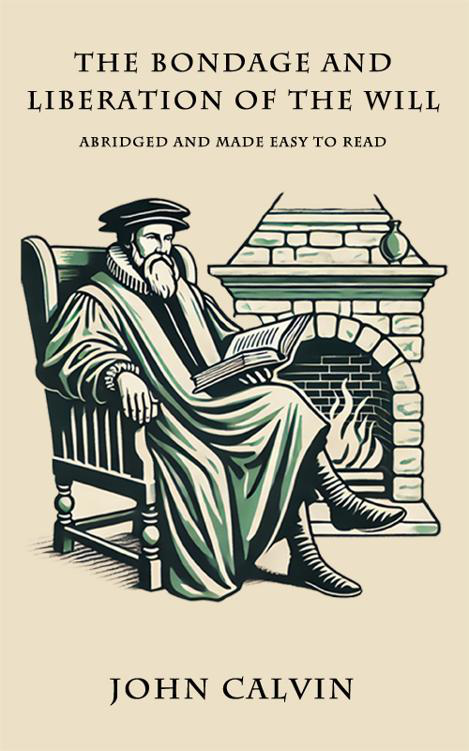
About this book
The Bondage and Liberation of t — John Calvin.
Author: John Calvin
- 23 chapters
- 177 PDF pages
- 52,010 words
- ≈ 400 min read
- English
🔍 Search this book
Ctrl K
Table of Contents
1Pighius questions why we work, plan, and take precautions if
pp. 21–21 · ≈ 2 min2punish them?
pp. 21–21 · ≈ 2 min3morality?
pp. 21–21 · ≈ 2 min4and destroy true religion?
pp. 22–22 · ≈ 2 min5Some argue that if God controls all things, then He must be
pp. 22–22 · ≈ 2 min6Pighius accuses us of condemning human nature. We affirm that
pp. 22–22 · ≈ 2 min7unreasonable?
pp. 23–36 · ≈ 32 min8choose either good or evil. Pighius defines it this way too.
pp. 37–37 · ≈ 2 min9external power to act in a particular way, without any personal
pp. 37–37 · ≈ 2 min10choosing its path willingly, not under force or against its desire.
pp. 37–37 · ≈ 2 min11freely chooses only evil because it is held captive by sinful
pp. 37–37 · ≈ 2 min12evil, which simply means that humans act according to their
pp. 38–38 · ≈ 2 min13argument, but those writings are unreliable, as they often
pp. 38–38 · ≈ 2 min14against Marcion, a heretic who claimed that human evil
pp. 39–39 · ≈ 2 min15humanity's evil required the existence of an evil god. He defends
pp. 39–173 · ≈ 325 min16"We do away with coercion and force, because this contradicts
pp. 174–174 · ≈ 2 min17"For we do not say that man is dragged unwillingly into sinning,
pp. 174–174 · ≈ 2 min18"A bound will, finally, is one which because of its corruptness is
pp. 175–175 · ≈ 2 min19"We aren't saying that necessity negates human responsibility.
pp. 175–175 · ≈ 2 min20"Even though people sin of necessity due to their corrupted
pp. 175–175 · ≈ 2 min21"Our inability to do good stems from the corruption of our
pp. 175–175 · ≈ 2 min22"God is necessarily good, yet His goodness is no less
pp. 175–175 · ≈ 2 min23"While the will is self-directed and not coerced, it is 'bound' by
pp. 175–177 · ≈ 3 min
pp. 21–21 · ≈ 2 min2punish them?
pp. 21–21 · ≈ 2 min3morality?
pp. 21–21 · ≈ 2 min4and destroy true religion?
pp. 22–22 · ≈ 2 min5Some argue that if God controls all things, then He must be
pp. 22–22 · ≈ 2 min6Pighius accuses us of condemning human nature. We affirm that
pp. 22–22 · ≈ 2 min7unreasonable?
pp. 23–36 · ≈ 32 min8choose either good or evil. Pighius defines it this way too.
pp. 37–37 · ≈ 2 min9external power to act in a particular way, without any personal
pp. 37–37 · ≈ 2 min10choosing its path willingly, not under force or against its desire.
pp. 37–37 · ≈ 2 min11freely chooses only evil because it is held captive by sinful
pp. 37–37 · ≈ 2 min12evil, which simply means that humans act according to their
pp. 38–38 · ≈ 2 min13argument, but those writings are unreliable, as they often
pp. 38–38 · ≈ 2 min14against Marcion, a heretic who claimed that human evil
pp. 39–39 · ≈ 2 min15humanity's evil required the existence of an evil god. He defends
pp. 39–173 · ≈ 325 min16"We do away with coercion and force, because this contradicts
pp. 174–174 · ≈ 2 min17"For we do not say that man is dragged unwillingly into sinning,
pp. 174–174 · ≈ 2 min18"A bound will, finally, is one which because of its corruptness is
pp. 175–175 · ≈ 2 min19"We aren't saying that necessity negates human responsibility.
pp. 175–175 · ≈ 2 min20"Even though people sin of necessity due to their corrupted
pp. 175–175 · ≈ 2 min21"Our inability to do good stems from the corruption of our
pp. 175–175 · ≈ 2 min22"God is necessarily good, yet His goodness is no less
pp. 175–175 · ≈ 2 min23"While the will is self-directed and not coerced, it is 'bound' by
pp. 175–177 · ≈ 3 min
🔖 My bookmarks
Saved in this browser only. Tap 🔖 Bookmark while reading to add a chapter.
If you spot a typographic error from the PDF conversion, please tell us and quote the chapter title or page range.