
English Christian Web Book
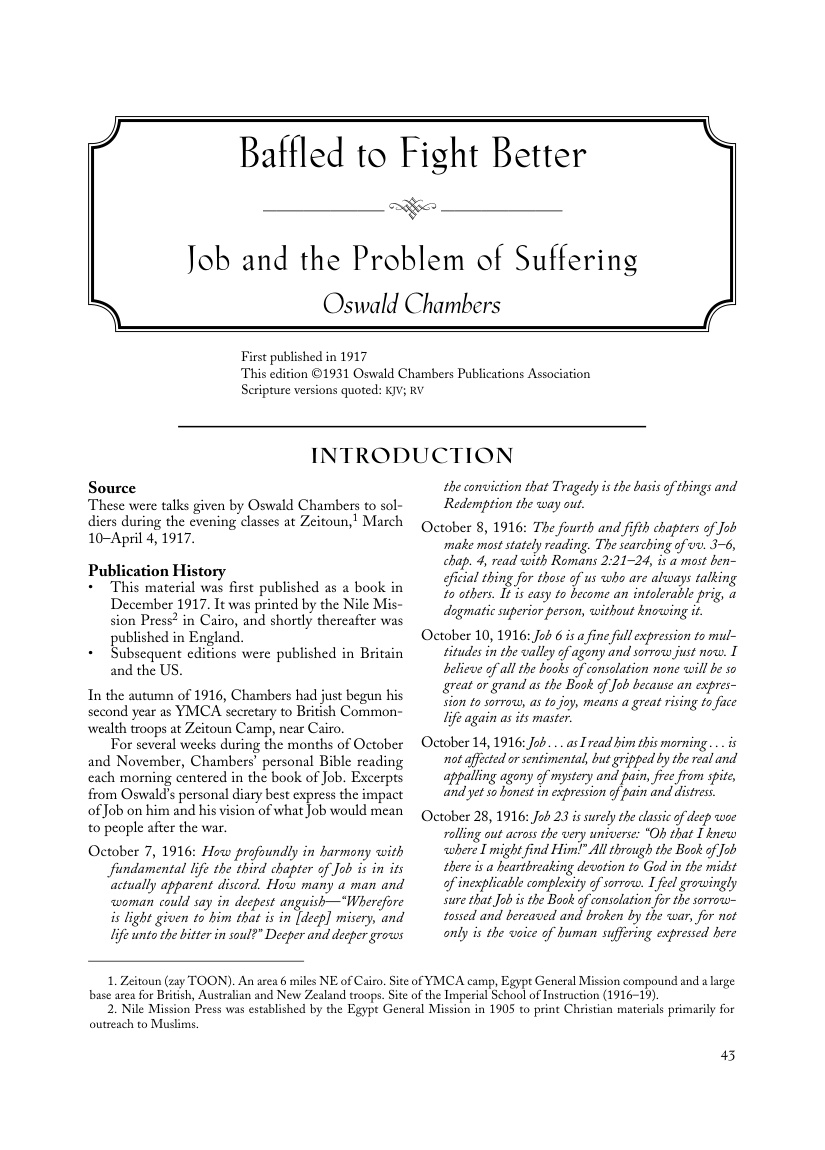
Baffled-to-Fight-Better
Unknown
About this book
Baffled-to-Fight-Better — Unknown.
Author: Unknown
- 54 sections
- 44 PDF pages
- 58,899 words
- ≈ 453 min read
- English
🔍 Search this book
Ctrl K
Table of Contents
1Baffled-to-Fight-Better
≈ 4 min2Baffled-to-Fight-Better (continued)
≈ 8 min3Baffled-to-Fight-Better
≈ 5 min4Baffled-to-Fight-Better (continued)
≈ 5 min5Baffled-to-Fight-Better
≈ 11 min6Baffled-to-Fight-Better (continued)
≈ 7 min7Baffled-to-Fight-Better
≈ 14 min8Chapter 8
≈ 14 min9Chapter 8 (continued)
≈ 6 min10The precedent from which Eliphaz argues is that ( Job 4:7–21)
≈ 6 min118. Philip James Bailey (1816–1902), English poet, author of "Festus," 1839.
≈ 6 min128. Philip James Bailey (1816–1902), English poet, author of "Festus," 1839. (continued)
≈ 8 min13Baffled-to-Fight-Better
≈ 8 min14Baffled-to-Fight-Better (continued)
≈ 7 min1510. Most likely Thomas Henry Huxley (1825–95), English biologist and teacher.
≈ 7 min1611. F. W. H. Myers (1843–1901), British poet and educator.
≈ 15 min1711. F. W. H. Myers (1843–1901), British poet and educator. (continued)
≈ 6 min18Baffled-to-Fight-Better
≈ 6 min19Baffled-to-Fight-Better (continued)
≈ 6 min20Baffled-to-Fight-Better
≈ 8 min21Baffled-to-Fight-Better (continued)
≈ 8 min22Baffled-to-Fight-Better
≈ 7 min23Chapter 23
≈ 8 min24( Job 10:1–17) only thing to do is to fling himself on God.
≈ 8 min2515. mean: ordinary, common, low, or ignoble, rather than cruel or spiteful.
≈ 8 min2615. mean: ordinary, common, low, or ignoble, rather than cruel or spiteful. (continued)
≈ 6 min27Baffled-to-Fight-Better
≈ 6 min28Baffled-to-Fight-Better (continued)
≈ 6 min29Baffled-to-Fight-Better
≈ 7 min30( Job 14) take a mental safety valve as the end of the matter.
≈ 14 min31( Job 14) take a mental safety valve as the end of the matter. (continued)
≈ 14 min32Baffled-to-Fight-Better
≈ 8 min3317. moloch: a tyrannical power requiring sacrifice in order to be appeased.
≈ 8 min3417. moloch: a tyrannical power requiring sacrifice in order to be appeased. (continued)
≈ 8 min3519. took up the cudgels for: came to the defence of.
≈ 14 min36Communion ( Job 20) prominent place given in the Bible to prophesying
≈ 6 min37( Job 22) is up against things finds nothing but chaff. Every
≈ 7 min38( Job 22) is up against things finds nothing but chaff. Every (continued)
≈ 7 min39( Job 23–24) God's part before we understand what prayer is. We
≈ 8 min40( Job 23–24) God's part before we understand what prayer is. We (continued)
≈ 7 min41Baffled-to-Fight-Better
≈ 8 min42Baffled-to-Fight-Better (continued)
≈ 9 min43Baffled-to-Fight-Better
≈ 8 min44Baffled-to-Fight-Better (continued)
≈ 8 min45Baffled-to-Fight-Better
≈ 7 min46Baffled-to-Fight-Better (continued)
≈ 15 min4722. Matthew Arnold (1822–88), English scholar, poet, and critic.
≈ 6 min4822. Matthew Arnold (1822–88), English scholar, poet, and critic. (continued)
≈ 8 min49Baffled-to-Fight-Better
≈ 14 min50Baffled-to-Fight-Better (continued)
≈ 8 min51Baffled-to-Fight-Better
≈ 15 min52Baffled-to-Fight-Better (continued)
≈ 8 min53Baffled-to-Fight-Better
≈ 8 min54Baffled-to-Fight-Better (continued)
≈ 9 min
≈ 4 min2Baffled-to-Fight-Better (continued)
≈ 8 min3Baffled-to-Fight-Better
≈ 5 min4Baffled-to-Fight-Better (continued)
≈ 5 min5Baffled-to-Fight-Better
≈ 11 min6Baffled-to-Fight-Better (continued)
≈ 7 min7Baffled-to-Fight-Better
≈ 14 min8Chapter 8
≈ 14 min9Chapter 8 (continued)
≈ 6 min10The precedent from which Eliphaz argues is that ( Job 4:7–21)
≈ 6 min118. Philip James Bailey (1816–1902), English poet, author of "Festus," 1839.
≈ 6 min128. Philip James Bailey (1816–1902), English poet, author of "Festus," 1839. (continued)
≈ 8 min13Baffled-to-Fight-Better
≈ 8 min14Baffled-to-Fight-Better (continued)
≈ 7 min1510. Most likely Thomas Henry Huxley (1825–95), English biologist and teacher.
≈ 7 min1611. F. W. H. Myers (1843–1901), British poet and educator.
≈ 15 min1711. F. W. H. Myers (1843–1901), British poet and educator. (continued)
≈ 6 min18Baffled-to-Fight-Better
≈ 6 min19Baffled-to-Fight-Better (continued)
≈ 6 min20Baffled-to-Fight-Better
≈ 8 min21Baffled-to-Fight-Better (continued)
≈ 8 min22Baffled-to-Fight-Better
≈ 7 min23Chapter 23
≈ 8 min24( Job 10:1–17) only thing to do is to fling himself on God.
≈ 8 min2515. mean: ordinary, common, low, or ignoble, rather than cruel or spiteful.
≈ 8 min2615. mean: ordinary, common, low, or ignoble, rather than cruel or spiteful. (continued)
≈ 6 min27Baffled-to-Fight-Better
≈ 6 min28Baffled-to-Fight-Better (continued)
≈ 6 min29Baffled-to-Fight-Better
≈ 7 min30( Job 14) take a mental safety valve as the end of the matter.
≈ 14 min31( Job 14) take a mental safety valve as the end of the matter. (continued)
≈ 14 min32Baffled-to-Fight-Better
≈ 8 min3317. moloch: a tyrannical power requiring sacrifice in order to be appeased.
≈ 8 min3417. moloch: a tyrannical power requiring sacrifice in order to be appeased. (continued)
≈ 8 min3519. took up the cudgels for: came to the defence of.
≈ 14 min36Communion ( Job 20) prominent place given in the Bible to prophesying
≈ 6 min37( Job 22) is up against things finds nothing but chaff. Every
≈ 7 min38( Job 22) is up against things finds nothing but chaff. Every (continued)
≈ 7 min39( Job 23–24) God's part before we understand what prayer is. We
≈ 8 min40( Job 23–24) God's part before we understand what prayer is. We (continued)
≈ 7 min41Baffled-to-Fight-Better
≈ 8 min42Baffled-to-Fight-Better (continued)
≈ 9 min43Baffled-to-Fight-Better
≈ 8 min44Baffled-to-Fight-Better (continued)
≈ 8 min45Baffled-to-Fight-Better
≈ 7 min46Baffled-to-Fight-Better (continued)
≈ 15 min4722. Matthew Arnold (1822–88), English scholar, poet, and critic.
≈ 6 min4822. Matthew Arnold (1822–88), English scholar, poet, and critic. (continued)
≈ 8 min49Baffled-to-Fight-Better
≈ 14 min50Baffled-to-Fight-Better (continued)
≈ 8 min51Baffled-to-Fight-Better
≈ 15 min52Baffled-to-Fight-Better (continued)
≈ 8 min53Baffled-to-Fight-Better
≈ 8 min54Baffled-to-Fight-Better (continued)
≈ 9 min
🔖 My bookmarks
Saved in this browser only. Tap 🔖 Bookmark while reading to add a chapter.
If you spot a typographic error from the PDF conversion, please tell us and quote the chapter title or page range.